Advertisement

Oops! Self-Driving Car Gets Stuck in Fresh Concrete

Work on autonomous driving technology is moving fast. Many companies, including Tesla, BYD, and Xpeng, are working hard day and night on self-driving cars. Luckily, these efforts are paying off, and now some cars even have test versions of this technology available. One such company is Cruise, owned by General Motors. In fact, they’ve been testing their self-driving cars for a while. However, a self-driving Cruise car got stuck in wet concrete in San Francisco. Here are the details…

General Motors Cruise Car Makes Silly Mistake, Drives into Wet Concrete

GM Cruise is a self-driving car company that is majority-owned by General Motors. The company is developing a fleet of fully autonomous vehicles that it plans to deploy as robotaxis. Cruise has been testing its vehicles in San Francisco since 2016, and it has also received permits to test in Phoenix and Austin. The company was doing well with all its tests until now. Cruise personnel quickly acted to get the car out of the concrete. They were able to extract the car and take it back.

Recently, a GM Cruise self-driving car made a silly mistake. It drove into wet concrete on a street in San Francisco named Golden Gate Avenue. It’s like the car stepped in wet cement! Thankfully, there were no passengers, so everyone was safe. Just a week ago, state of California said it’s okay for companies like Cruise to have their driverless vehicles on the roads any time of day.

This was a big win for the company. But, there are some people, like police and neighbors, who are worried about these cars causing trouble. Moreover, after the last event, the number of worried people increased. In fact, right after getting the green light, ten Cruise cars caused a mini-traffic jam on Vallejo Street. Cruise said it happened because of a phone signal problem. Of course, these misfortunes won’t stop progress, and one day autonomous driving technology will be widely used.

RELATED:

(via)

Beware of the $70 Bluetooth Device That Can Trick Your iPhone

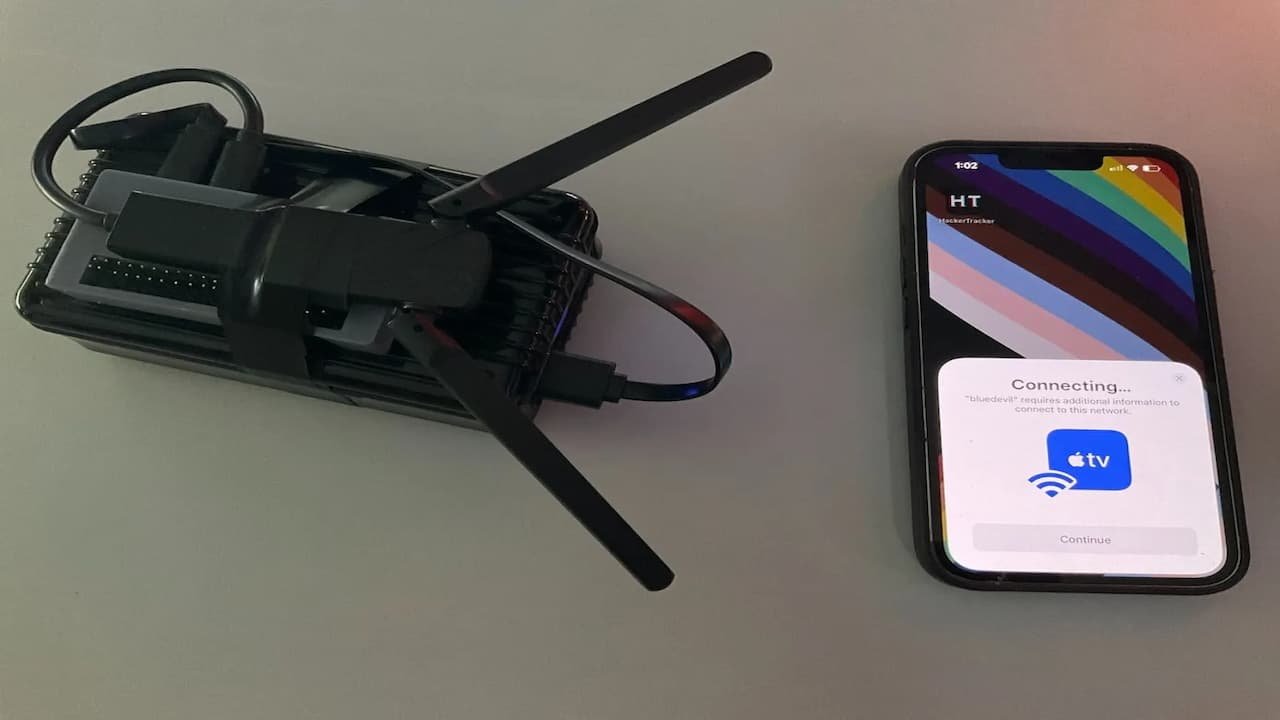
Our safety is at risk now more than ever. The devices and apps we use turn everything, from our habits to details of our life, into data. But big companies are not the main issue. The real danger comes from people with bad intentions using modern technology. Plus, now there’s a At Def Con 2023, Jae Bochs showed a $70 device that can trick iPhones using Bluetooth. Here are the details…

$70 Bluetooth Device Can Trick iPhones Into Displaying Fake Notifications

DEF CON is a hacker convention held annually in Las Vegas, Nevada. It is the world’s largest hacker convention, and has been held every year since 1993. The convention features a variety of events, including talks, workshops, presentations, and competitions. Topics covered at DEF CON include computer security, hacking, cryptography, privacy, and open source software.

This year, they learned that a small, cheap device can trick iPhones using Bluetooth. Jae Bochs, a smart person, showed how this trick works. He made a fake message pop up on people’s iPhones, asking for their password. But don’t worry, he didn’t steal anything. He just wanted to show that it could be done.

The device works by exploiting a flaw in the way that iPhones handle Bluetooth notifications. When an iPhone receives a Bluetooth notification, it will automatically display it on the screen, even if the notification is coming from an unknown device. This flaw can be used to spoof notifications, such as making it appear as if the user is receiving a text message from a bank or other important institution.

Apple has not yet released a patch for the flaw that this device exploits. However, users can protect themselves by disabling Bluetooth notifications from unknown devices. To do this, go to Settings > Bluetooth > Advanced > Allow Notifications from. Then, uncheck the boxes next to any devices that you do not trust.

RELATED:

(via)

Lenovo sees sharp dip in revenue: Gears up for AI-driven innovation and non-PC ventures

Lenovo Group, the leading Chinese technology company, has reported its Q2 financial results for the fiscal quarter ending in June 2023. The company’s Q2 revenue reached $12.9 billion, reflecting a 24% year-on-year decrease from an estimated $13.76 billion. Net profit stood at $176.5 million, down by 66% from an expected $235 million.

The revenue decline is attributed to inventory adjustments within the channel, according to Lenovo Group. Notably, the company successfully managed to cut operating expenses by 11% year-on-year, achieving savings of $850 million.

In terms of business segments, the smart device business group, encompassing personal computers, tablets, and smartphones, experienced a 28% year-on-year revenue drop. Operating profit within this segment also saw a 39% decline, settling at $650 million.

source: Lenovo

Geographically, Lenovo Group faced challenges across regions. In the Americas, revenue dropped by 21% year-on-year, slightly below the group average. Despite a significant reduction in revenue for the Smart Devices business group, inventory levels in North America have returned to pre-pandemic levels. In the Asia Pacific region, excluding China, revenue decreased by 17%. Similarly, the Europe-Middle East-Africa market witnessed a substantial 29% year-on-year decline in revenue.

China, Lenovo Group’s domestic market, experienced a sharp 29% year-on-year revenue drop. This downturn primarily resulted from decreased demand in both the PC and infrastructure businesses.

Overall, Lenovo Group’s Q2 financial results highlight challenges stemming from inventory adjustments and demand fluctuations across various markets. The company’s proactive expense reduction measures, however, have contributed to mitigating the impact of the revenue decline.


The company has revealed its optimism regarding its PC business, asserting that it is in a state of stabilization and poised for a year-on-year resurgence later in the current year. The company has articulated its strategic intentions to expand its horizons beyond the PC realm by funneling investments into burgeoning non-PC sectors. These areas encompass rapidly growing accessories and collaborative solutions for the workplace environment. With a keen eye on the future, Lenovo is directing its focus towards AI-driven applications, recognizing substantial prospects in this domain. Leveraging its proficiency in the realm of smart devices, the company aims to enrich user experiences with heightened intelligence. 

Related:

Microsoft Fails to Fix Mojor PowerShell Gallery Security Flaws After Promising to Do So

Everyone makes mistakes, even big companies like Microsoft. Recently, some experts found problems in a tool from Microsoft called the PowerShell Gallery. However, before diving into what happened, let’s understand why this matters. Here are the details…

PowerShell Gallery Users at Risk Due to Unfixed Security Flaws

Imagine a library, but instead of books, it has computer tools and tricks. That’s the PowerShell Gallery. Many computer experts use this library to help them with their work. Unfortunately, it turns out the system many people trusted isn’t that safe. The AquaSec research team released a report showing big security issues in Microsoft’s PowerShell Gallery.

Microsoft

It’s actually quite common for these kinds of security vulnerabilities to emerge. Typically, someone notices the security flaw, reports it to the responsible company, and then after it’s addressed, the issue is announced to the public. However, this is where the situation becomes complicated.

AquaSec informed Microsoft of these issues in September 2022. Microsoft claimed to have resolved them by November. Yet, in December, AquaSec discovered that the problems persisted. They notified Microsoft once more, and the company responded saying they were on it. But by August 2023, the issues remained unresolved.

AquaSec’s explanation is as follows: “Despite reporting the flaws to the Microsoft Security Response Center on two separate occasions, with confirmation of the reported behavior and claims of ongoing fixes, as of August 2023, the issues remain reproducible, indicating that no tangible changes have been implemented.”

If big companies like Microsoft have security problems and don’t fix them quickly, it can cause a lot of trouble for everyone. It’s a reminder for everyone to be careful and double-check everything on the internet. For now, we have no choice but to wait for the gap to be closed.

RELATED:

(via)

Xiaomi 13T and 13T Pro hits SIRIM, confirms Malaysia Launch

Several leaks for Xiaomi 13T series are already here, along with some public certifications. It appears the official launch is not so far away as the device has appeared on SIRIM Malaysia. The listing features both the 2306EPN60G (Xiaomi 13T) and 2306EPN60G (Xiaomi 13T). There ain’t any details about the specifications and features, but the certification does confirm the upcoming launch of both devices.

Related: Xiaomi 13T Pro camera details leak reveal it will be a tweaked version of the Redmi K60 Ultra

Xiaomi 13T Pro Specifications (Expected)

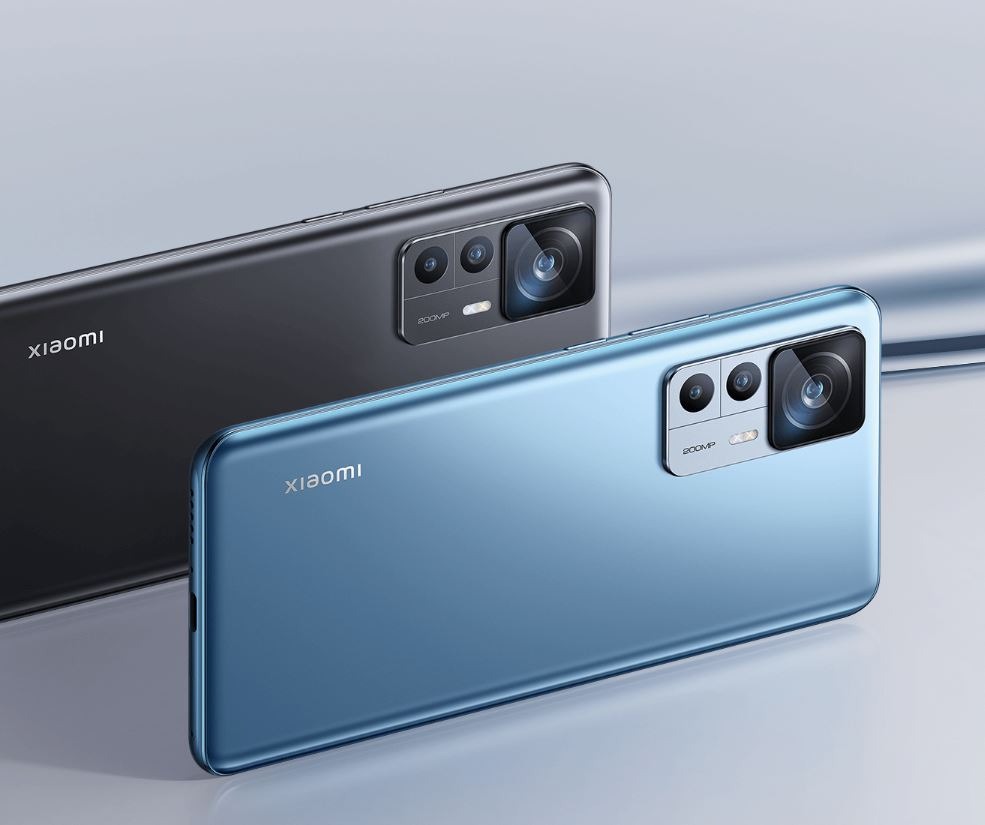
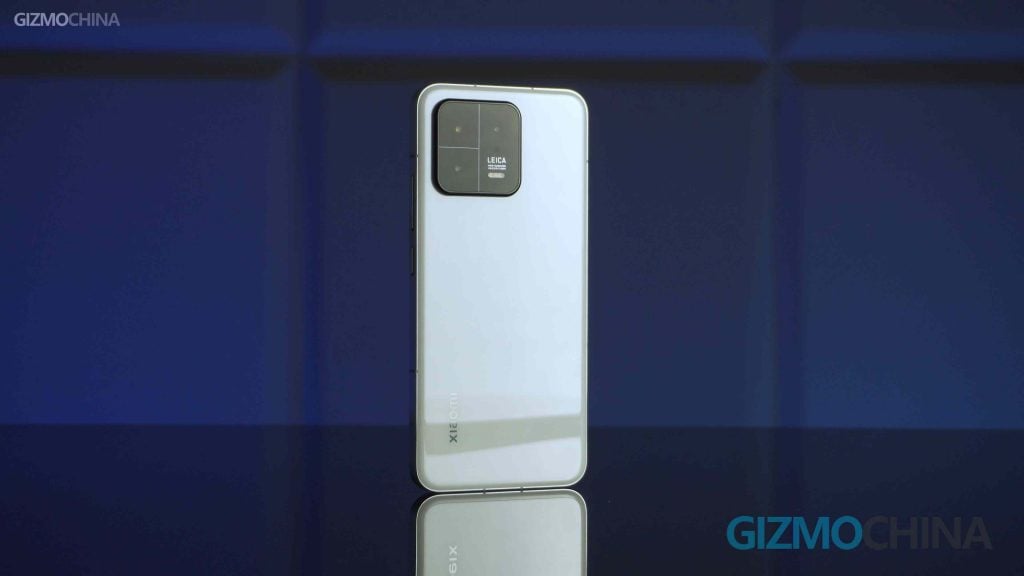
Believing some sources, the Xiaomi 13T Pro appears to be the rebranded international version of the Redmi K60 Ultra which was launched in China recently. However, there will be a different camera configuration including a 50 MP Sony IMX707 primary sensor coupled with a 50MP Omnivision OV50D telephoto and a 13MP Omnivision OV13B ultra-wide angle lens.

Xiaomi 13T Pro will feature a 6.67-inch AMOLED display with 144Hz refresh rate. Other features include the presence of a 5000 mAh battery with 120W fast charging technology, an IP68 rating, and much more.

Xiaomi 13T Pro will come in three color options of Green, White, and Black.

Other Features and Leaks

Both the Xiaomi 13T and Xiaomi 13T Pro have already appeared on the IMEI database, Singapore’s IMDA, and TKDN Thailand public certifications. Xiaomi 13T has even made it to FCC confirming the presence of connectivity options such as NFC, 5G, Wi-Fi 802.11ax, Bluetooth 5.3, and GNSS.

The listing also confirmed three different variants with different back panels and storage options. There are two distinct variants with a Glass back and a PU back featuring 8GB RAM and 256GB internal storage. The last 12GB RAM + 256GB version is available only in PU back.

Further, the Xiaomi 13T series might feature MediaTek Dimensity 9200+ SoC with up to 16GB RAM. It will run Android 13 OS with MIUI 14 on top.

Must See: Xiaomi 13T Pro RAM, storage configurations appear via FCC certification

Xiaomi is expected to launch the Xiaomi 13T series on September 1 but sans official confirmation yet.

Boult W40 TWS earbuds with 13mm drivers & 48 hours of battery life launched

After launching the Boult Z60 TWS and Boult Audio X1 Pro wired USB-C earbuds earlier this month, the brand has now unveiled another audio product called the Boult W40 TWS earbuds. These are budget-friendly earbuds that come with the latest Bluetooth tech and long battery life.

Boult Audio W40

Boult W40 TWS earbuds specs

The Boult W40 TWS earbuds feature 13mm drivers that deliver a clear and well-balanced sound, along with satisfying bass. They feature Bluetooth 5.3, supporting SBC and AAC codecs, providing high-quality wireless audio.

Touch controls are onboard to make managing music, answering calls, and activating your voice assistant easier. Additionally, there is an ultra-low-latency mode of 45ms, for gaming and watching videos. The quad microphone setup, combined with Environmental Noise Cancellation Technology, guarantees crystal-clear voice calls, even when you’re in noisy surroundings.

You can listen to music all day with a battery life of up to 48 hours. With the USB-C fast charging, only 10 minutes of charging gives you 100 minutes of listening time. These earbuds hold an IPX5 splash and sweat resistance rating, making them a reliable companion for workouts and outdoor activities.

Price & availability

You can get the W40 TWS earbuds in colors like Berry Red, Denim Blue, Khaki Green, and Ivory White. They are priced at Rs. 899 and are available for purchase on Flipkart.

RELATED:

China’s BYD unveils new EV brand “Fang Cheng Bao” to compete with Luxury SUVs like Land Rover

In a bold move to disrupt the luxury SUV market, China’s renowned automaker BYD has announced the launch of its new luxury electric vehicle (EV) brand, “Fang Cheng Bao.” The brand’s inaugural production model, the Leopard 5 SUV, is set to make its debut at the upcoming Chengdu Motor Show, slated to commence on August 25.

Positioned as a formidable contender against established luxury brands like Land Rover and Porsche, Fang Cheng Bao’s Leopard 5 SUV is garnering attention for its combination of technology, off-road prowess, and sleek design.

Industry insiders have speculated that the Leopard 5’s price will range from approximately 400,000 to 600,000 yuan (around US$54,800 to US$82,200), positioning it as a premium offering within the burgeoning EV market.

Wang Chuanfu, Chairman of BYD, introduced Fang Cheng Bao as a manifestation of the company’s commitment to pushing the boundaries of car personalization in the post-EV and artificial intelligence era. He underlined the brand’s focus on a professional-grade off-road platform, signifying BYD’s aspiration to tap into a segment traditionally dominated by established names.

source: ithome

The Leopard 5 SUV, the inaugural masterpiece of Fang Cheng Bao, embodies the fusion of raw power, futuristic technology, and limitless expansion possibilities. Its robust design, a testament to its hardcore off-road positioning, features three-dimensional sculpting that exudes a sense of rugged elegance. Matrix headlights and electrode ring taillights seamlessly integrate with the vehicle’s hybrid DNA.

A departure from the prevailing design trends, the Leopard 5 boasts a retro square box shape and features a robust chrome-plated trim strip on its front face. Inside, the SUV exudes BYD’s signature luxury, featuring a symmetrical center console with a floating LCD screen and a full LCD instrument panel. The tactile row of physical buttons in the control area adds a touch of mechanical aesthetics, complemented by expansive brown leather upholstery.

A key feature of the Leopard 5 is its enhanced adaptability, allowing for easy customization and modification to cater to individual preferences. This aligns with Fang Cheng Bao’s commitment to personalization and its aspiration to redefine consumer expectations in the luxury EV space.

Currently undergoing comprehensive testing, the Leopard 5 is aimed at affluent Chinese consumers. Positioned in the off-road SUV segment, largely dominated by petrol-powered vehicles, BYD’s plug-in hybrid offering is poised to challenge the status quo. The launch aligns with BYD’s strategic ascent in the market, as it aims to broaden its product range and cater to a more upscale clientele.

As the anticipation for the Chengdu Motor Show grows, all eyes are on BYD and its trailblazing EV brand, Fang Cheng Bao. The event promises to showcase the Leopard 5 SUV’s unique blend of power, technology, and adaptability, reaffirming BYD’s position as a formidable contender in the global electric vehicle market.

Related:

(via)

Wings Flobuds 100 TWS earbuds with up to 50 hours playtime launched for ₹899

Back in March, Wings launched the Phantom 340 TWS earbuds, which feature an interesting transparent design. Now, the brand has released a new pair of TWS buds for people on a budget, called the Wings Flobuds 100. It has some standout features like large audio drivers, a long battery life, and an LED display for the battery level.

Wings Flobuds 100

Wings Flobuds 100 specs

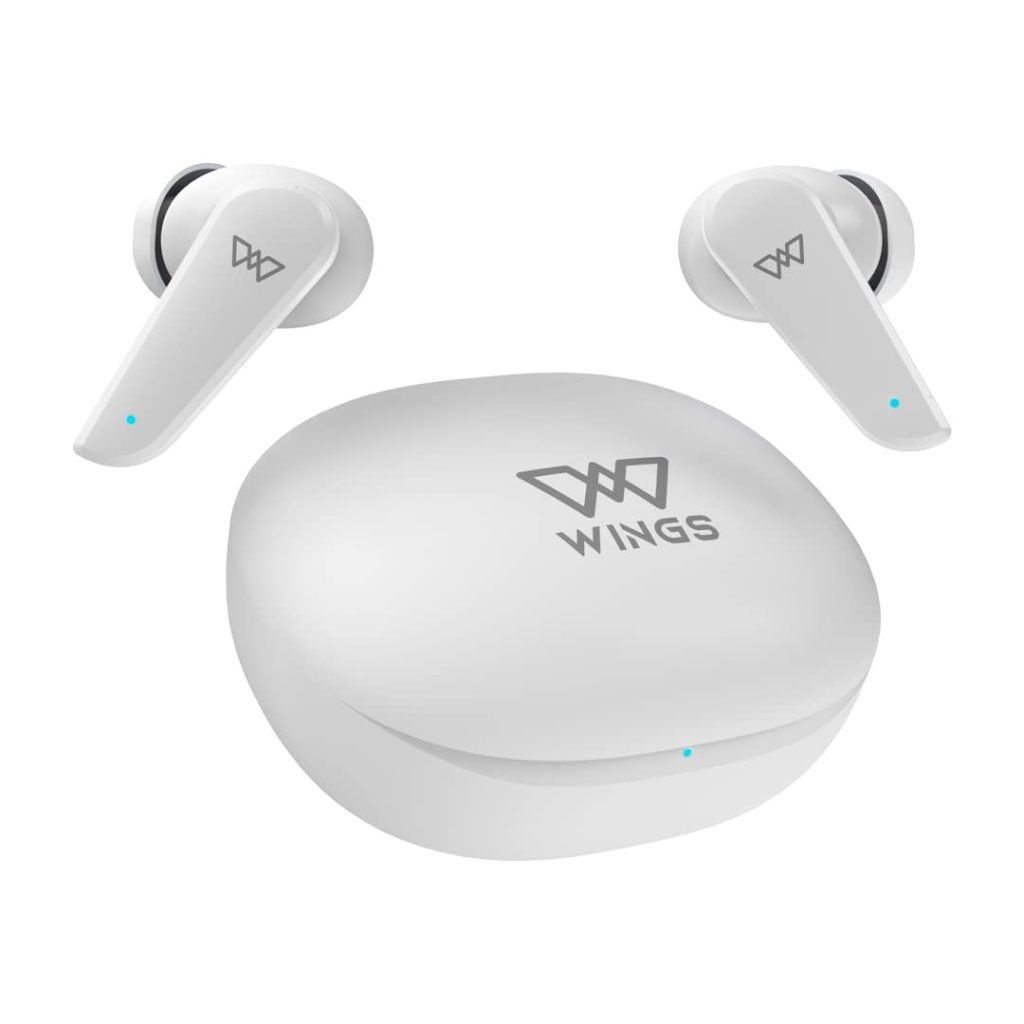
As mentioned above the case of the Flobuds 100 has a battery display to show you the charge level. The earbuds have 13mm High Fidelity drivers for rich sound quality. They also have Smart ENC for clear calls in noisy places.

Wings Flobuds 100

If you’re into gaming, there’s a special Game mode with 40ms Ultra Low Latency for smoother play. You can control your music and calls with touch, and they work with voice assistants too. They use Bluetooth Version 5.3 and support AAC for good wireless quality. You can stay connected up to 15 meters away.

Battery life is impressive, giving you up to 50 hours of use with the case, and up to 10 hours with just the earbuds. Charging is easy with the Type-C cable. The earbuds are designed to handle sweat and water (IPX5), perfect for workouts.

Pricing & availability

The special launch price of Wings Flobuds 100 is Rs. 899. They are available for purchase on Amazon.in and the official brand website starting today. They come in three colors: Blue, Black, and White.

RELATED:

(via: Fonearena)

WhatsApp Web beta introduces new screen lock feature for improved privacy

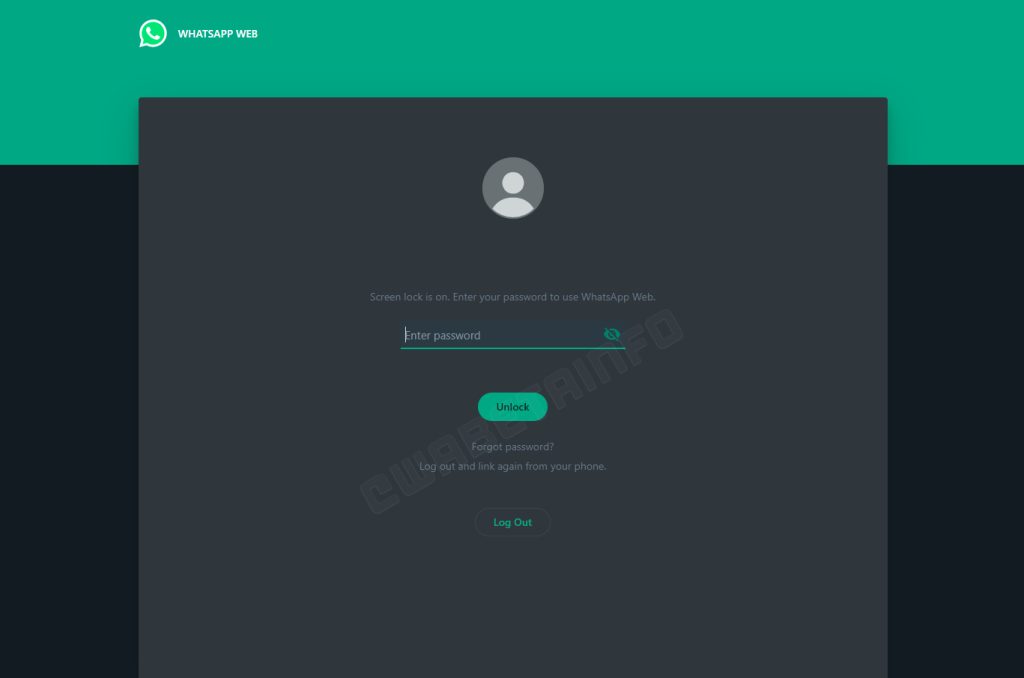
WhatsApp Web beta has introduced an anticipated screen lock feature, enhancing user privacy. This functionality, previously in development, has now been made available to a select group of beta program participants. The feature allows users to safeguard their WhatsApp Desktop beta application with a password, preventing unauthorized access.

WhatsApp Web

Securing Chats with Screen Lock

To activate this feature, users need to update to the latest version of WhatsApp Web beta and join the official beta program. Upon activation, the user’s conversations are protected behind a password prompt. The settings for this feature can be adjusted, including when the password prompt appears. If users forget the password, they must log out and back in by scanning the QR code.

WhatsApp Web beta screen lock feature

This screen lock feature provides a notable privacy advantage. Even if an unauthorized individual gains access to the user’s computer, their WhatsApp chats, and messages remain inaccessible without the password. Notably, push notifications are suppressed when the screen is locked, further bolstering privacy. This measure ensures the confidentiality of conversations and thwarts attempts to access personal information.

The screen lock feature is progressively being rolled out to more WhatsApp Web beta users who have the latest version.

WhatsApp is developing new features in beta, including AI-generated stickers and a multi-account option. In one of the recent betas, we have also seen a scheduled group call feature.

RELATED:

(Via)

Samsung Galaxy S23 series receives August 2023 security update in the US

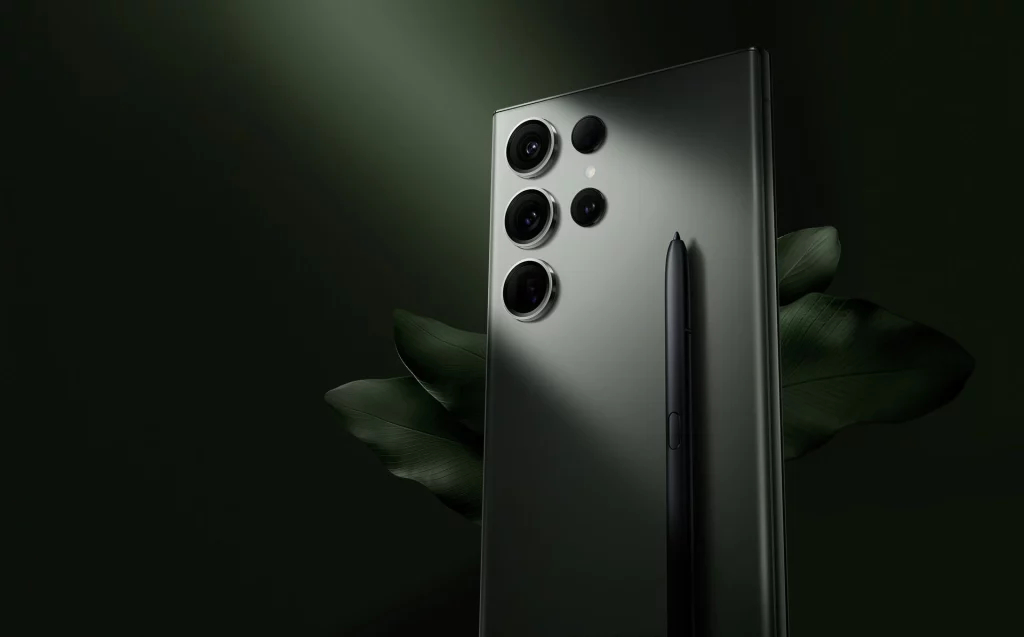
Samsung’s Galaxy S23 series has received the August 2023 security update in the US after being initially released in Thailand and Europe last week. This update, with firmware version S91xUSQU1AWGH, is available for carrier-locked versions of the Galaxy S23, S23+, and S23 Ultra. Notably, factory-unlocked units are yet to receive the update. Samsung has also rolled out the update to two midrange smartphones Galaxy A04s and Galaxy A52s recently.

galaxy-s23-ultra-camera

What’s new in this update?

The new software introduces a 2x zoom toggle within the Camera app, which requires the latest Camera Assistant app for access. Also, the update addresses security concerns by implementing the August 2023 security patch. It effectively addresses more than 70 vulnerabilities found in the previous version, encompassing 2 critical, 50 high, and 1 moderate flaws. Furthermore, the update handles 5 ongoing security issues from past patches, while also managing 19 Samsung Vulnerability Items (SVEs).

To check whether you have got the update or not go to Settings > Software update. If you see the update just download and restart the device that’s it.

Galaxy S23 series specs overview:

Samsung Galaxy S23 and S23+ feature 6.1-inch and 6.6-inch FHD+ displays with adaptive refresh rates up to 120Hz and high brightness. They are powered by Snapdragon 8 Gen 2, offering improved performance and vapor chamber cooling. The phones include triple rear cameras, a 12MP front camera, and support 8K video. The S23+ features UWB, both are IP68 water/dust resistant and offer fast charging with up to 10W wireless charging.

Galaxy S23 Ultra features a 6.8-inch Quad HD+ Dynamic AMOLED display with variable refresh rate, Snapdragon 8 Gen 2 chip, and vapor chamber cooling. Its camera setup includes a 200MP primary sensor, 12MP Ultra Wide, 10MP Telephoto, 10MP Periscope, and 3D ToF sensor. The device includes Ultra-wideband capabilities, an IP68 rating, and a 5000mAh battery with fast and wireless charging, along with a built-in S Pen Stylus.

Samsung has also introduced the beta version of Android 14-based One UI 6.0 for Galaxy S23 users, with the stable update expected to launch in the coming months.

RELATED:

(Via)

Xiaomi Achieves Remarkable Success With The MIX Fold 3, Redmi K60 Ultra First Sales In China

Xiaomi launched the MIX Fold 3 (unboxing and first impressions) and Redmi K60 Ultra earlier this week. Both devices went for sale in the home market yesterday. Now, the brand has announced the numbers of the first sale of both the newly launched products on the microblogging platform Weibo. The company has achieved a remarkable sales feat with the MIX Fold 3 and Redmi K60 Ultra.

Xiaomi MIX Fold 3 and Redmi K60 Ultra are a huge success

Xiaomi MIX Fold 3, Redmi K60 Ultra sales achievement

Shortly after the MIX Fold 3 and Redmi K60 Ultra went on their first sale yesterday, Xiaomi announced that both devices are a great success. The company sold twice the number of third-generation foldable phone compared to its predecessor. Xiaomi did not announce the exact number of units it sold, however, the margin is said to be 2.25 times more than the MIX Fold 2. 

The Xiaomi MIX Fold 3’s impressive sales numbers could be attributed to the light and thin design, improved Leica branded cameras, and a new waterdrop hinge that is more durable than its predecessor. It also packs upgrades in other aspects. Notably, the Xiaomi MIX Fold 3’s pricing is the same as the last year’s MIX Fold 2 except for the bumped-up RAM configurations (barring the base variant). 

As for the Redmi K60 Ultra, Xiaomi said that it sold 220,000 units of the smartphone in just five minutes of the first sale. It surpassed the first sale numbers of previous Redmi K-series Ultra models and also set a new benchmark. 

For those wondering, if the Xiaomi MIX Fold 3 will arrive in the global markets, the answer is sadly no. It will still be limited to China. Meanwhile, the Redmi K60 Ultra is likely expected to debut as the Xiaomi 13T Pro in international markets. 

Related: 

Xiaomi kickstarts Android 14 beta program for Xiaomi 13 and Xiaomi 13 Pro

Android 14 stable is expected to release this month. Hence, OEMs have begun their public beta programs. Xiaomi is among the first Chinese OEMs to start the initiative alongside Oppo.

As part of the initial batch, the company has only included two devices in the program. And unsurprisingly, the initiative is exclusive to China for now though global ROMs are ready for these phones.

Xiaomi 13 Pro
Xiaomi 13 Pro (Review)

As per the official announcement by Xiaomi, the following smartphones are eligible for Android 14-based MIUI beta builds.

The public beta registrations are live, and selected applicants have already started receiving the latest software via OTA. The beta builds for the handsets mentioned above come with MUI 14, which suggests that MIUI 15 announcement may take some time.

We expect more devices to be added to the beta program in the coming days. Also, there should be global availability as well.

However, we have no information on the stable release timeline. Xiaomi is historically not known for revealing the Android update schedule, unlike the MIUI rollout plan.

Anyways, we are looking forward to hearing more from the company regarding this matter. Also, hopefully, the new update does not cause damage to select phones (especially Poco) like in the past.

RELATED:

Realme 11 5G & 11x 5G pre-order & freebie details leaked

Yesterday, Realme announced that its upcoming Realme 11 5G and Realme 11x 5G smartphones will be launching on August 23 in India. These will be the latest addition in the numbered series which already consists of the Realme 11 Pro and Realme 11 Pro+ devices.

Realme 11 5G

Ahead of the launch, a new report from svztechinfo has revealed the pre-order details of both of these devices. As per tipster Sudhanshu Ambhore, pre-orders of both the Realme 11 5G and Realme 11x 5G will go live on August 23 and will be live till August 28. We expect the live sale to kick off on August 29.

The report also mentions that if you pre-order a Realme 11 5G, you’ll get free Realme Buds Wireless 2 Neo earphones worth Rs 1,299. And if you go for the Realme 11x 5G pre-order, you’ll receive a free pair of Realme Buds 2 valued at Rs 599.

Realme 11 5G and Realme 11x 5G Specifications:

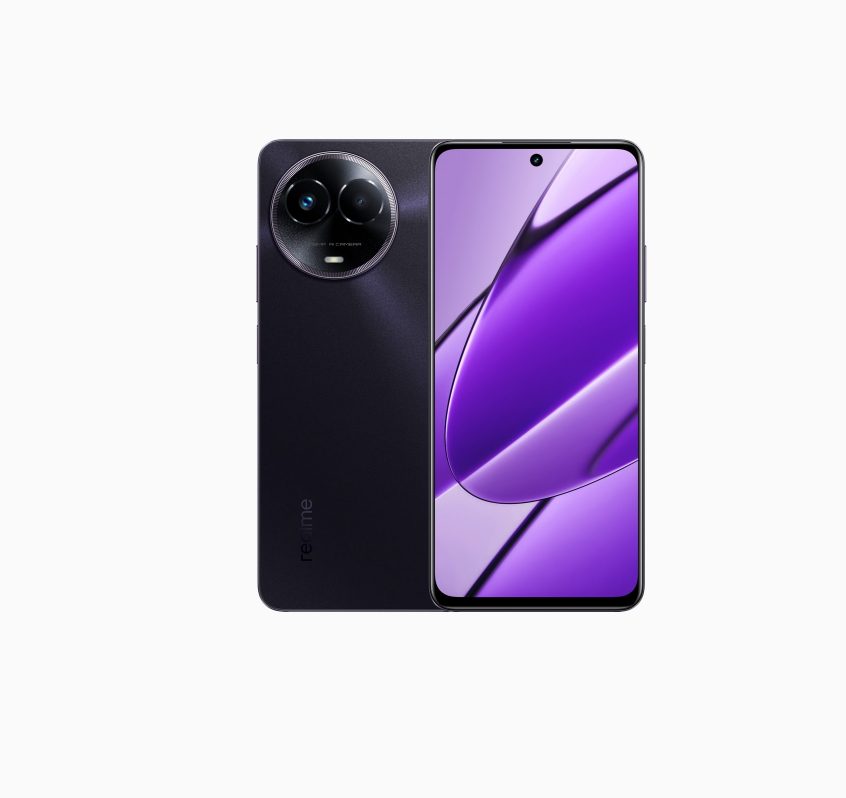
Both Realme 11 5G and Realme 11x 5G are powered by the MediaTek Dimensity 6100+ SoC and feature a 6.72-inch FHD+ IPS LCD display with a smooth 120Hz refresh rate. The camera setups differ slightly: Realme 11 5G boasts a 108MP primary sensor, a 2MP depth sensor with LED flash, and a 16MP AI front camera. On the other hand, Realme 11x 5G offers a 64MP primary sensor, a 2MP depth sensor with LED flash, and an 8MP AI front camera.

Realme 11 5G
Realme 11 5G

Both devices run on Android 13 with Realme UI on top and are equipped with a 5000mAh battery. However, charging speeds differ – Realme 11 5G supports 67W fast charging, while Realme 11x 5G supports 33W fast charging. Connectivity options include 5G, 4G LTE, Bluetooth, NFC, GPS, and a USB Type-C port. Additionally, both devices feature a side-mounted fingerprint sensor.

Memory configurations vary for each model: Realme 11 5G offers 8GB+128GB and 8GB+256GB variants, and it comes in Glory Gold and Glory Black color options. Realme 11x 5G provides 6GB+128GB and 8GB+256GB options, and it’s available in Purple Dawn and Midnight Black colors.

RELATED:

Leaked Images Reveal Thunderbolt Support For Fast Data Transfer Speeds On iPhone 15 Series

As per several leaks and rumors, Apple’s next-generation iPhone 15 series is expected to come with significant upgrades since the iPhone 11. The Cupertino-based tech giant will reportedly hold an event on September 12 to launch the smartphones along with other devices. Among a host of upgrades, the upcoming iPhone 15 devices are set to come with a USB-C standard to comply with the new regulations from the European Union. Now a new report reveals an interesting detail of the new port. 

iPhone 15 series may support Thunderbolt 

Apple has stuck to its proprietary age-old lightning port on its iPhones from the beginning. It is the only core device in the brand’s portfolio with a lightning socket. Apple’s Macs and iPads made the switch to USB-C ports in 2015 and 2019 respectively. So the iPhones finally shifting to USB-C is a major welcome change.  

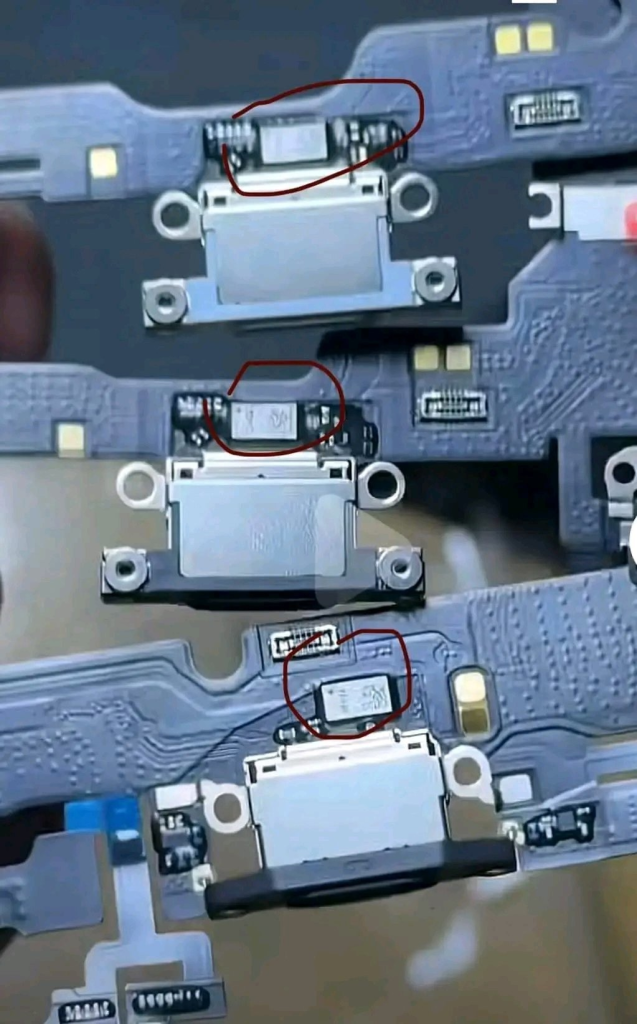
Recently, the iPhone 15’s USB-C was spotted with a 3LD3 chip that could limit certain functionalities. In the latest development, the folks at ChargerLAB have dug deeper and have shared photos of the connectivity port on the iPhone 15. 

The images showcase the PCB that houses the USB-C port on the upcoming iPhones. ChargerLAB claims that these are from the engineering units of the iPhone 15, 15 Plus, and 15 Pro. The PCBs have a Retimer chip just above the USB-C port that is clearly visible in the images. It is used to reconstruct signals and improve their quality. This is commonly spotted on Thunderbolt-compatible devices to maintain high input-output. The presence of the Retimer chip indeed confirms that the upcoming iPhone 15 series will support Thunderbolt. It’s likely that the technology will be available on the entire lineup instead of being restricted to the Pro variants. 

For those unaware, Thunderbolt is a technology developed by Apple and Intel. It is faster and offers more bandwidth than the USB-C port. It offers a huge benefit for users who want to quickly transfer data across devices. With support for Thunderbolt, faster charging could also be on the cards for the iPhone 15. A Thunderbolt interface also offers 40Gbps high-speed data transfer along with the ability to plug an external display and output 4K video. 

Related: 

Via

iPhone 15 Pro aluminum prototype surfaces, claims to be close to hands-on experience

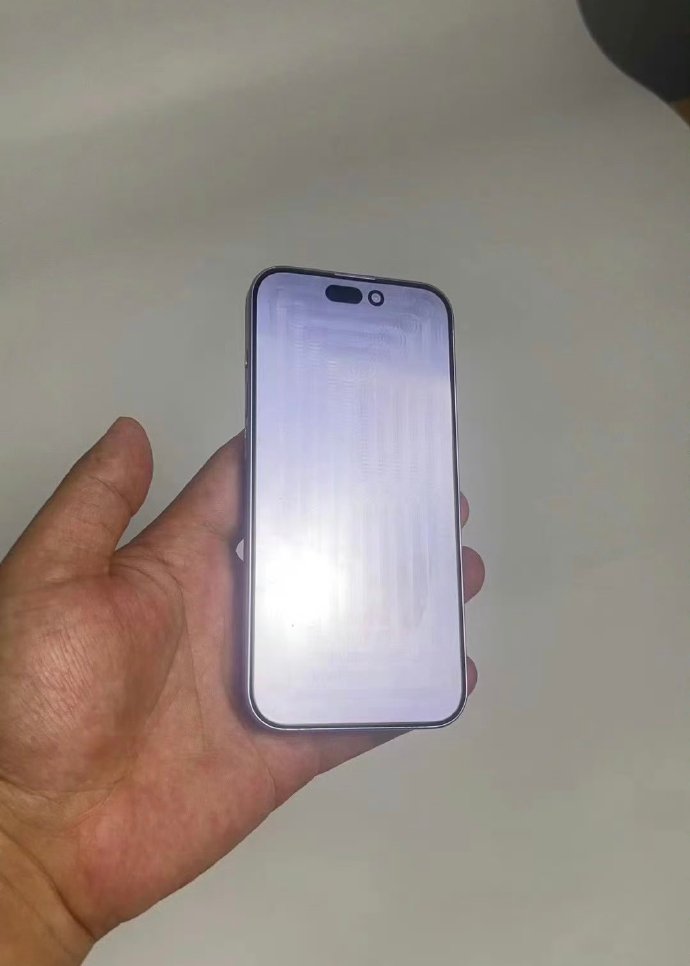
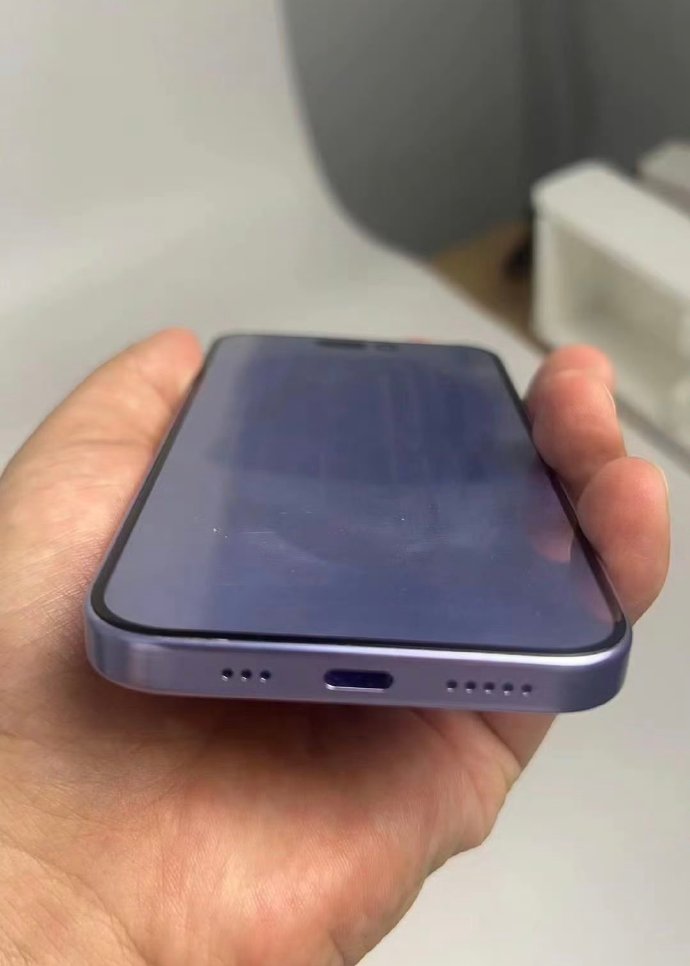
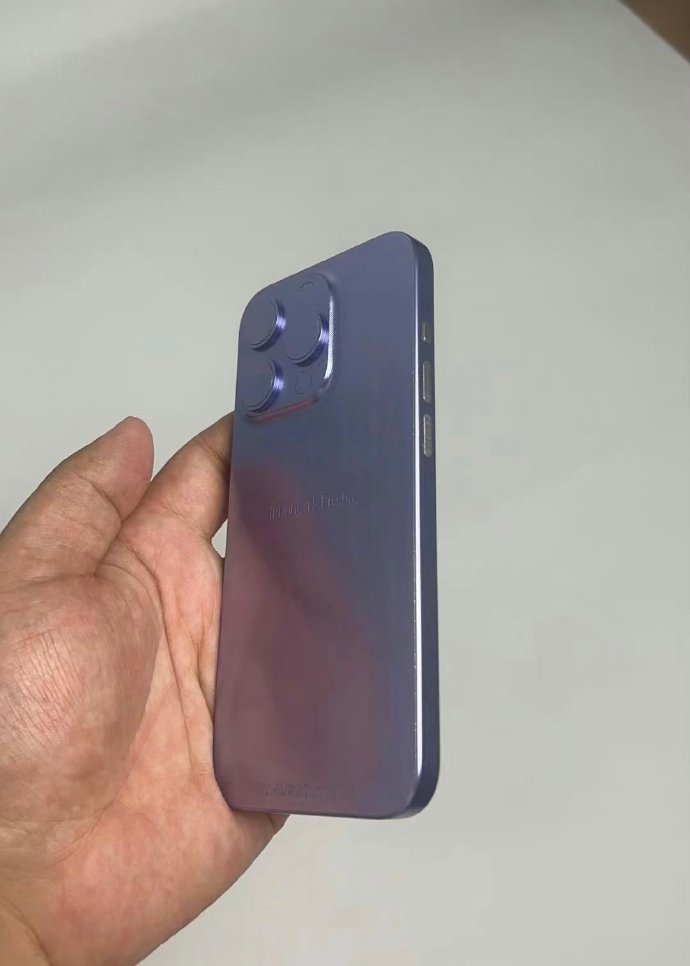
The upcoming Apple iPhone 15 series is set to launch next month. With the launch event approaching, a growing number of leaks are surfacing. Now popular tipster Ice Universe recently unveiled three photos said to be of the Apple iPhone 15 Pro aluminum model prototype, offering a glimpse into what may be the next-gen iPhone experience.

iPhone 15 Pro is expected to feature thinner bezels, USB-C port

The images reveal that the iPhone 15 Pro retains the Dynamic Island housing the front camera. The dynamic island seems to have gone through some modifications as the front camera now looks separated making it more like an exclamation mark notch. However, the final version might maintain a uniform look similar to the previous gen.

The display bezels appear uniformly slim on all sides, while the edges of the prototype are gracefully curved, ensuring a comfortable grip. Notably, the prototype features a USB-C port, confirming earlier rumors of Apple’s gradual transition away from the lightning port.

Apple aims to reduce the bezel size of the iPhone 15 Pro and iPhone 15 Pro Max from 2.2mm to 1.5mm, using low-injection pressure overmolding (LIPO) technology, which has been successful in the Apple Watch. This technology will likely extend to the iPad in the future. Apple’s annual iPhone launch event is tentatively scheduled for September 12th or 13th, according to Bloomberg’s Mark Gurman. The 15 series was recently spotted on BIS (Bureau of Indian Standards), hinting at its imminent launch.

The base models are set to receive minor specification tweaks, including a 48-million-pixel main rear camera, while the iPhone 15 Pro series is gearing up for substantial updates. These include an action button, a sturdy titanium frame, enhanced battery life, faster charging speeds, and the innovative 3nm A17 processor. A periscope-style zoom lens is another highlight of the flagship model.

As for pricing, the iPhone 15 Pro series is anticipated to witness a bump of $100 to $200, reflecting its advanced features. However, the base models are expected to retain their starting prices of $799 and $899. Apple’s production plans indicate a production target of 86.3 million units for the iPhone 15 series, with the premium models projected to dominate 65% of this figure. According to a recent report, Apple might actually manufacture 77 million units of the iPhone 15, a notably lower figure compared to earlier projections of 83-85 million units for this year’s shipment.

RELATED:

(Source)

Qualcomm to use TSMC’s N3E process next year alongside MediaTek, Won’t switch to Samsung

TSMC‘s latest N3E process is expected to get orders from new customers in 2024. Qualcomm is one of the new clients, which will likely have the chipmaker manufacture its next-gen flagship Snapdragon processors. The company was also expected to employ Samsung for its Snapdragon Gen 4 SoCs, but this might not be the case anymore.

Qualcomm Snapdragon 8 Gen 4 will be made by TSMC

In a previous report, we covered rumors of Qualcomm moving to the world’s largest contract chipmaker (TSMC) for its upcoming Snapdragon 8 Gen 3 SoC while the Snapdragon 8 Gen 4 SoC could be made by both TSMC and Samsung. However, a new report hints that the company won’t be using Samsung’s Foundry next year. The initial rumors even hinted at an exclusive shift to Samsung for Snapdragon 8 Gen 4 since TSMC could only offer 15 percent of its new 3nm process to Qualcomm.

Qualcomm Snapdragon

The Taiwanese company’s major client, Apple, is believed to have secured most of the 3nm process for this year, but this might change in 2024. According to a new report, Qualcomm and MediaTek will share the N3E production line for their next-gen mobile processors. Furthermore, the former is believed to be the first to utilize the custom Oryon cores, thanks to its recent acquisition of Nuvia.

Qualcomm probably decided to stick with Samsung considering TSMC’s N3B wafers had lower yields, which would lead to higher costs for the new Snapdragon 8 Gen 3 chips. These price hikes would impact the margins of smartphone makers and other partners, who would also have to raise prices to maintain profits.

RELATED:

(Via, Source)

Apple Reportedly Cuts iPhone 15 Production Owing To Supply Issues And Poor Demand Concerns

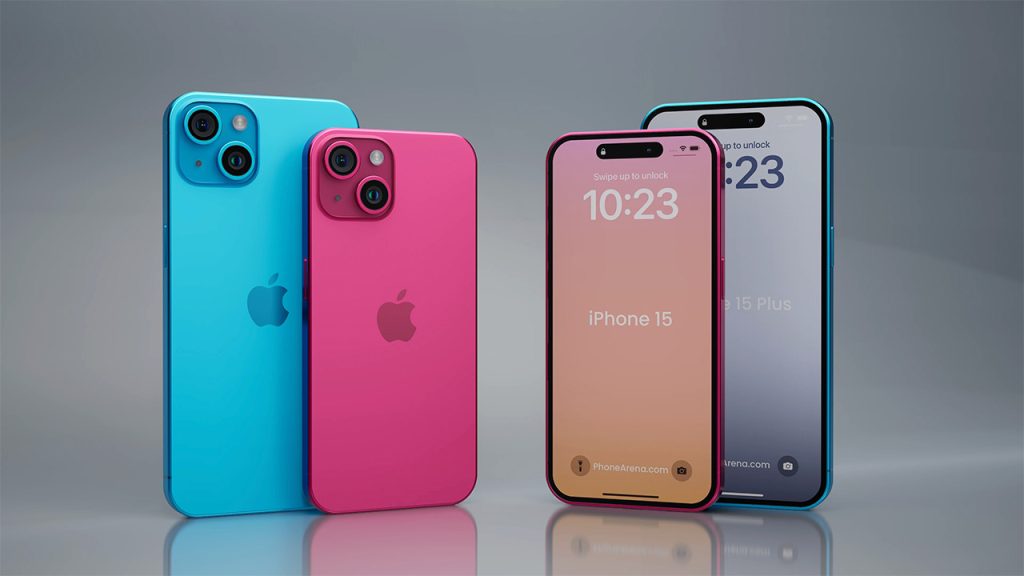
Apple is set to follow its tradition of unveiling the iPhone 15 series next month. As per a past report, the launch is expected to take place on September 12. Leaks and rumors have pretty much revealed everything about the next-generation flagships up till now. This year’s smartphones from the Cupertino-based tech giant are tipped to pack major upgrades since the iPhone 11. Now, just a month before the potential launch, a new report reveals unfortunate news of the iPhone 15 series. 

iPhone 15 production reportedly slashed

Apple iPhone 15

Apple had previously acknowledged that the smartphone market is experiencing a slowdown. The company has been in a decline in the last couple of quarters in the US. Now, analyst Jeff Pu who is privy to an investors note sent by Apple has reported that Apple is cutting down on iPhone 15 production. 

Pu stated that Apple will make 77 million iPhone 15 units which is quite less than the previous estimates of 83-85 million units to be shipped by the end of this year. This is also significantly lower compared to the current-generation iPhone 14 series. 

The lower production and sales estimates are cited as supply chain issues and poor demand concerns. Apple has been facing production challenges for the iPhone 15 series. In the latest development, Pu reiterates that the next-generation iPhone models are facing production hurdles related to Sony’s camera sensors, a new titanium frame for the Pro variants, and a new display with thinner bezels. 

Another reason is attributed to the poor demand. The iPhone 15 Pro and Pro Max will reportedly be expensive compared to their predecessor owing to the significant upgrades they will pack. The upcoming offerings are tipped to get a price hike of up to $200. This will likely hit the demand for the iPhone 15 series. 

Pu also confirmed that the next year’s iPhone 16 Pro models will feature a 48MP ultra-wide-angle camera and WiFi-7 support. 

In other news, Apple has reportedly started the production of the iPhone 15 series in India. This marks the first time, the brand is locally producing devices in the country ahead of launch. Previously, newly launched iPhones used to be made in India after a few weeks. 

Related: 

Via

Lenovo Legion Go handheld gaming console design revealed via leaked renders

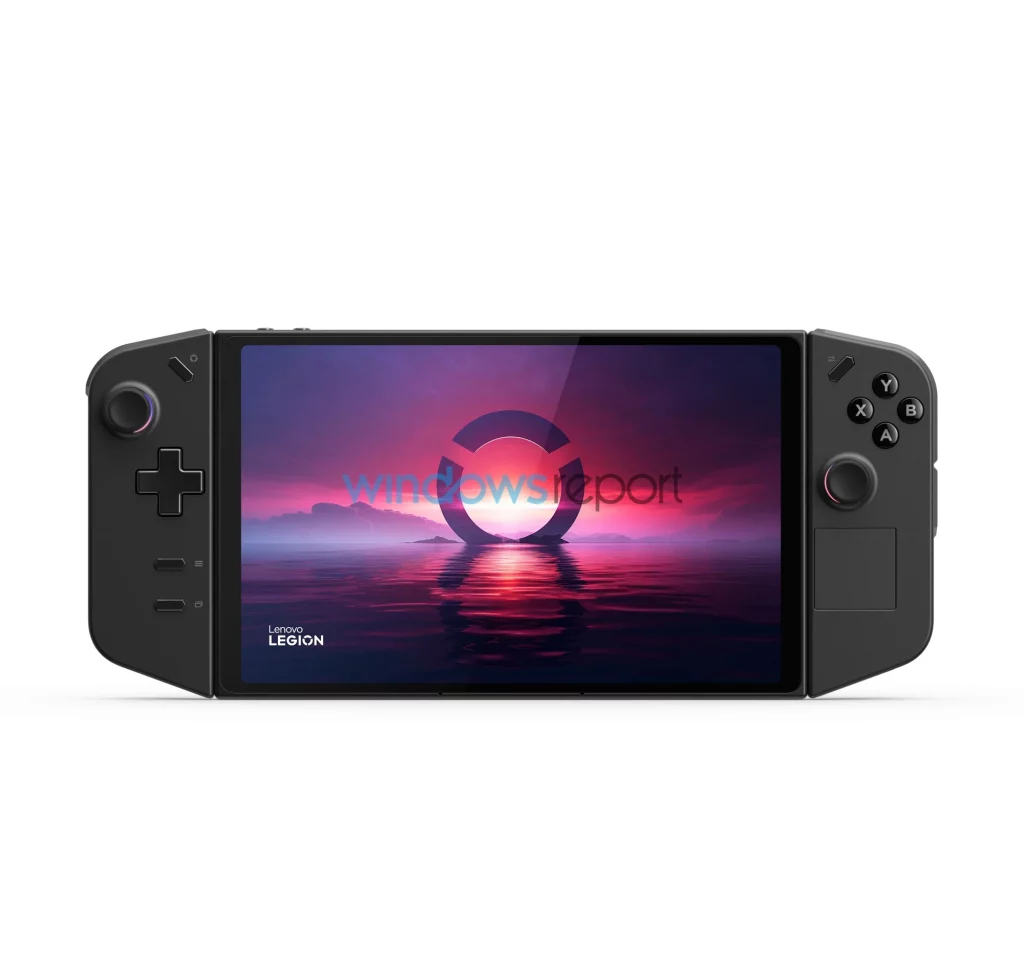
This month, reports surfaced about Lenovo‘s development of a novel Windows-powered portable gaming device dubbed the Lenovo Legion Go. This device is anticipated to rival the recently launched Asus ROG Ally and the Valve Steam Deck, both of which have contributed to the surge in popularity of handheld consoles capable of running PC games.

Lenovo Legion Go

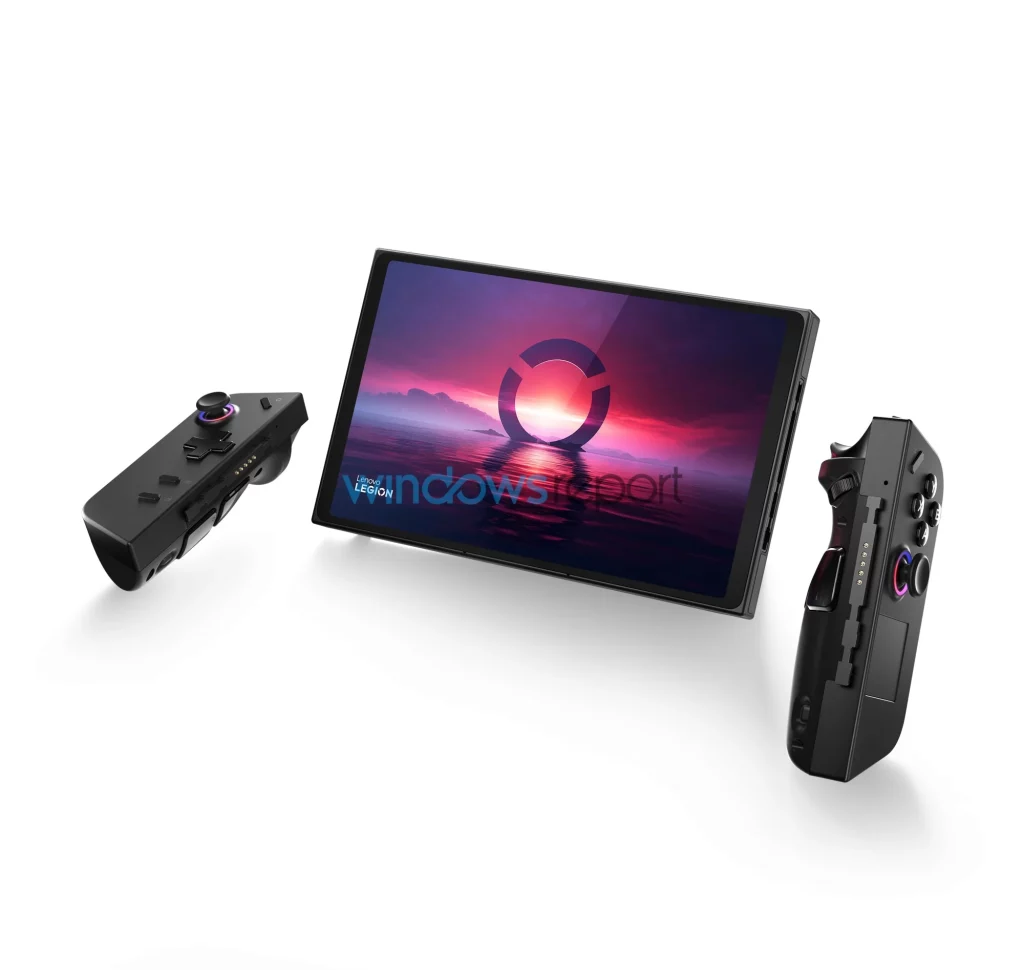
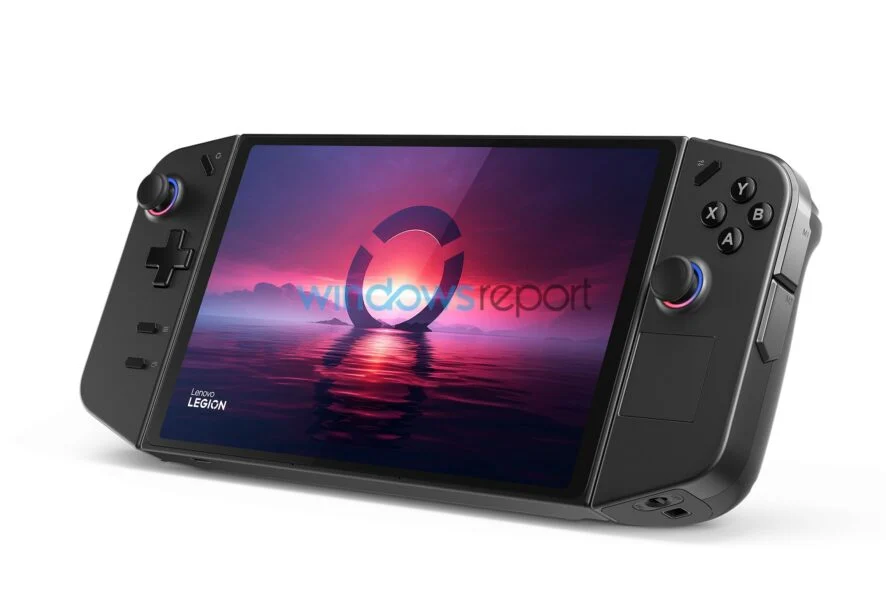
Now, a new report from Windowsreport reveals the design of the Legion Go’s console. The overall design of the console is quite generic, however, the console borrows the best aspects from its competitors. It has an Xbox-style controller setup that’s also present on the ROG Ally. And like the Steam Deck, it also has a trackpad onboard.

Lenovo Legion Go

It also comes with detachable controllers like the ones on the Nintendo Switch. On the Switch, the detachable function is helpful as it allows users to play games with a friend or family member without having to buy an extra controller. You can detach the Joy-Cons from the console and use them as two separate controllers. We expect the Legion Go to offer similar functionality.

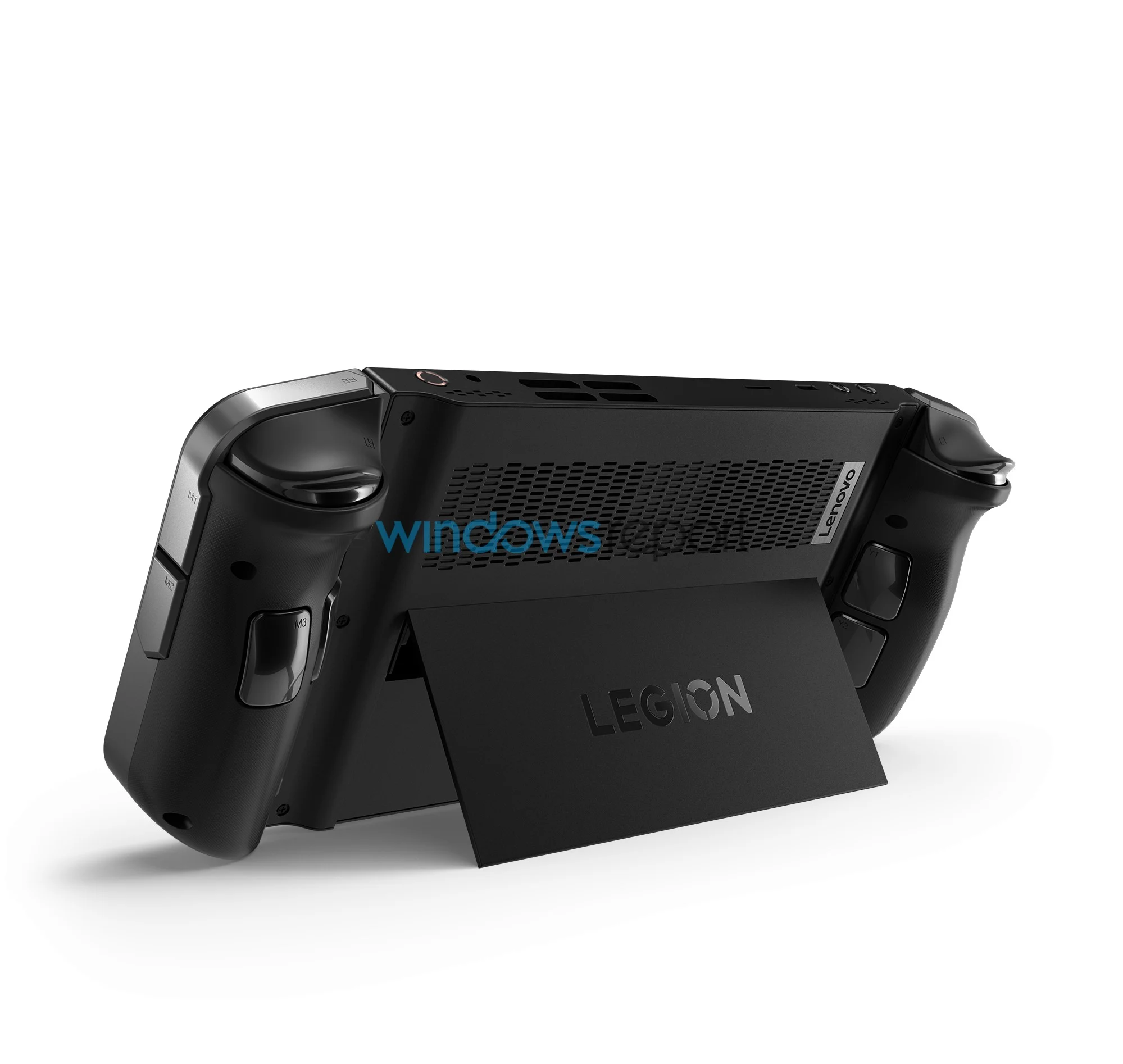
With that said, the report indicates that the gaming console boasts an 8-inch screen, anticipated to be a Full HD display. The rear side of the console is equipped with several triggers, a right controller wheel, and a substantial air vent designed for cooling purposes. In terms of connectivity, the images unveil dual USB-C ports, a power button, a headphone jack, volume adjustment buttons marked with plus and minus symbols, as well as a micro-SD slot.

For now, no details regarding the specifications of the device have been revealed, but we expect to hear more about it in the coming days.

RELATED:

(Source)

iQOO India appoints its first and youngest Chief Gaming Officer

Earlier this year, we covered that iQOO is looking for its first CGO (Chief Gaming Officer). The registration process began on May 30, 2023, and ended on June 11, 2023. Over 60,000 applicants applied for the post, and after a 3-month-long nationwide hunt, iQOO has officially announced its first-ever Chief Gaming Officer, Shwetank Pandey; he became India’s youngest CGO. The person is set to earn 10 Lakhs INR for a fixed duration and work with top gamers across India.

Swetank_CGO_X_Nipun_CEO

The selection process if iQOO’s CGO role consisted of rounds like competing in games, group discussions, and an audition round with Rannvijay Singha, Mythpat, and Nipun Marya as the jury. The applicants were judged on these rounds according to their Gameplay, Gaming Knowledge, personality, and communication skills. Shwetank was found to be the most suitable person for the job among over 60,000 candidates.

What is a Chief Gaming Officer’s Role?

The CGO will have access to the latest hardware from the company to test efficiency and provide feedback to improve the user experience. The person will receive invitations for esports events held in different states to meet and greet other gamers and collect feedback on the latest hardware or games.

Additionally, iQOO has also reportedly appointed two zonal CGOs to the team, working directly with Shwetank to align strategies, enhance community engagement, and ensure a better gaming experience. This appointment further confirms how gaming as a profession is on the rise in emerging gaming markets like India.

RELATED:

Samsung Galaxy Tab S9 FE Plus and Motorola Moto G54 5G appear on TDRA, Launch Seems Imminent

Motorola seems to launch new mid-range smartphones in the coming few weeks. Following the previous leaks and public certifications, Motorola Moto G54 5G has appeared on UAE’s TDRA. The smartphone recently made it to FCC alongside Motorola Moto G84 5G.

Must See: Motorola Moto G54 5G surfaces on FCC, confirms some specifications

There’s hardly any evident information about the device’s specifications and features, but it does confirm the impending launch. Further, it also affirms the model number and the device’s launch in UAE.

Motorola Moto G54 5G seems to feature a 6.5-inch FHD+ display with a 20:9 aspect ratio and 120Hz refresh rate. As per the leak, the smartphone will come with a dual-rear camera consisting of a 50MP primary sensor with OIS. The details about the other sensor are not yet with us, but there’s a 16MP selfie camera on the front side. It will bundle Android 13, a side-mounted fingerprint sensor, Dolby Atmos, and Moto Spatial Sound features. it will debut in dour different colors of Ambrosia, Ballad Blue, Coronet Blue, and Outer Space.

More details about the device pricing and availability is yet to be uncovered.

Samsung Galaxy Tab S9 FE Plus Appeared on TDRA

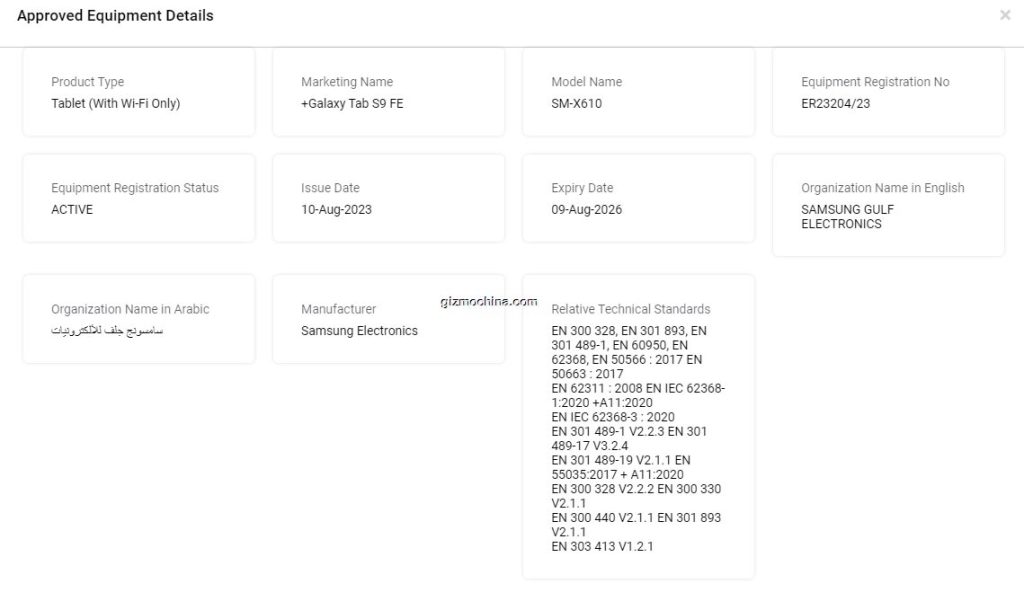
Along with Motorola, Samsung’s much-awaited Galaxy Tab S9 FE Plus also appeared on TDRA with model number SM-X610. The launch of the new Galaxy Tab S9 FE series is a bit away as it is expected to launch in mid-October. The company has not confirmed anything yet, but the recent leaks and design renders have made most of the details public.

The tablet’s recent listing on TDRA confirms its launch in UAE. As per leaks, there will be two variants – the Galaxy Tab S9 FE and the Galaxy Tab S9 FE Plus. Both the tablets sport a slight change in the display size and other specs.

The Galaxy Tab S9 FE appears to feature a 10.9-inch display, while the Galaxy Tab S9 FE Plus will host a 12.4-inch display panel. According to OnLeaks, the Tab S9 FE will measure 254.3 x 165.8 x 6.7mm in size and the bigger variant will measure 285.4 x 185.4 x 6.54 mm across its edges. The renders also revealed the presence of a magnetic strip that points towards the presence of an S-Pen. However, there is no sign of the S-Pen in the device’s FCC listing.

Related: Samsung Galaxy Tab S9 FE Plus Hits NRRA Korea Certification

Both the tablets are also listed on Geekbench with Exynos 1380 chipset while featuring 6GB and 8 GB RAM variants. Further, there will be 25W fast charging support via the EP-TA800 charger. It would bear a price tag of around $600 for the standard variant which is a bit costly from the Galaxy Tab S7 FE’s price of $529.

Some reports are hinting toward a mid-October launch.