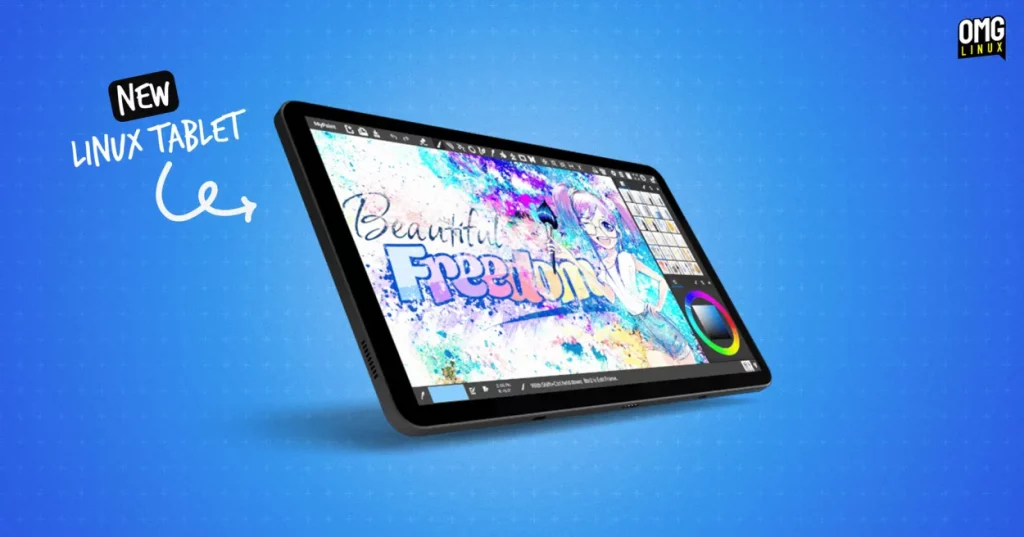
Purism has announced the Librem 11 – its first foray into tablet manufacturing. The Librem 11 is an 11.5-inch Linux tablet that uses Purism’s secure PureBoot technology focused on privacy. The new slate runs on the Debian-based (Linux) PureOS from the box.
The Purism debut tablet comes with features that a decent for starters. It offers a balance between performance and power efficiency. The Librem 11 has an AMOLED display with a resolution of 2560 x 1600 pixels and a 60Hz refresh rate. It is powered by the Intel N5100 Quad Core CPU and Intel UHD Graphics. The slate has an 8GB LPDDR4 (soldered) memory and 1TB NVMe storage. The tablet weighs 560g and is priced within the $1000 band.
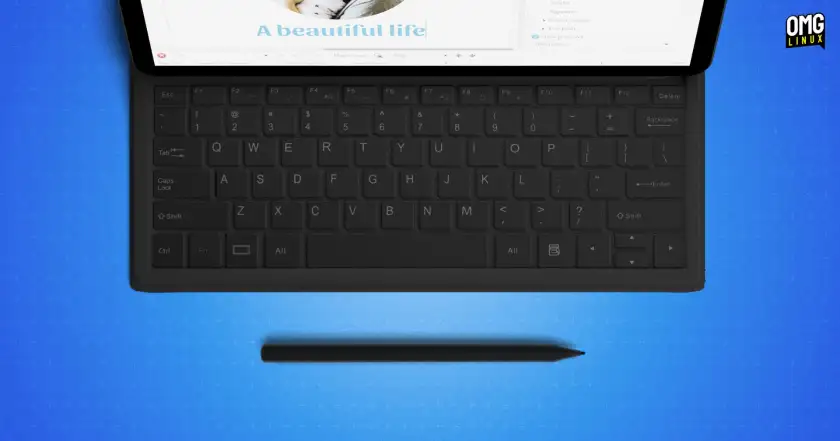
The Purism Librem 11 slate has two USB 3.1 Type-C inputs and a 3.5mm audio/ mic jack. The USB-C input supports both power delivery and charging. A microSD card slot is also available on the tablet, as well as a fingerprint reader. The gadget is equipped with the Intel AX201 Wi-Fi 6 for wireless connectivity and the Intel 9460 Bluetooth 5 chipset for Bluetooth connectivity. The Librem 11 comes with a dual camera setup including a 5MP auto-focus rear camera. Purism included a keyboard and stylus pen as part of the bundled accessories of the Librem 11.
The Purism Librem 11 bundled keyboard is connected via USB to the tablet and does not support wireless operation. The keys are uniformly covered and this prevents dust from getting under them. The design of the keyboard also limits the risk of wobbly buttons. The stylus pen can be charged via USB-C and features 4096 pressure levels and tilt support. The pen magnetically attaches the stylus to the top edge of the tablet. The Purism Librem 11 is available for purchase from the Purism website and is priced at $999.
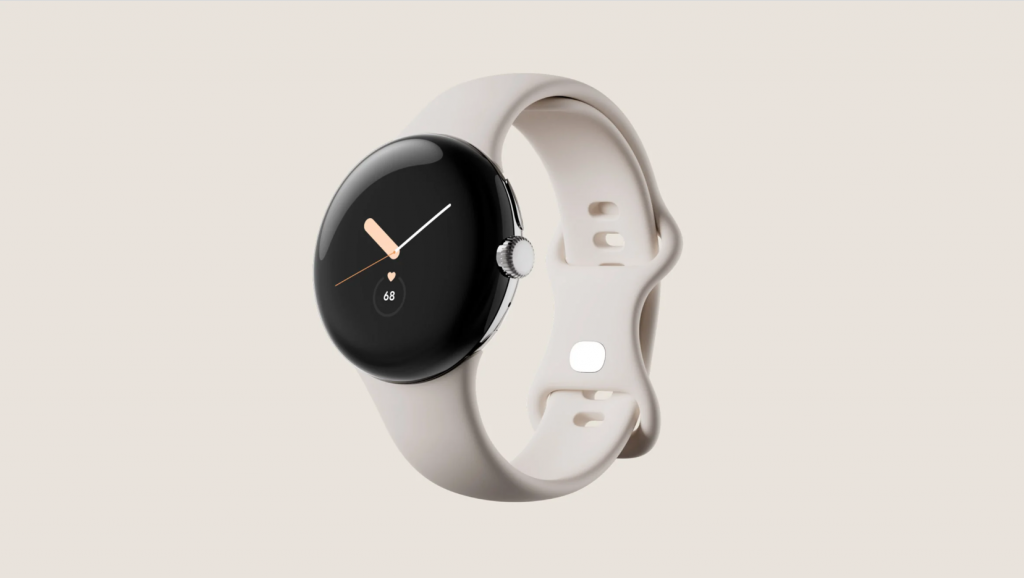
Google released its Pixel Watch smartwatch last year, and it’s been a popular choice for Android users. But there’s one big downside: if your Pixel Watch screen breaks, Google can’t officially repair it. Google has confirmed that the Pixel Watch display is not repairable. This means that if you accidentally damage your screen, you’ll need to replace the entire device.
Google’s refusal to repair cracked Pixel Watch screens has been met with widespread criticism, with users taking to Reddit and the Google support page to complain.
TheVerge obtained a copy of a conversation between a customer and Google support, in which the customer was told that the company “doesn’t have any repair centers or service centers” for the Pixel Watch. Google’s hardware warranty page also specifies that cracked screens are not covered.
Moreover, a spokesperson for Google confirmed to TheVerge that the company has no repair option for the Pixel Watch at this time. The spokesperson explained:
At this moment, we don’t have any repair option for the Google Pixel Watch. If your watch is damaged, you can contact the Google Pixel Watch Customer Support Team to check your replacement options.
Google does not officially sell replacement screens for the Pixel Watch, and third-party options are also unavailable. Additionally, the Pixel Watch’s limited warranty does not cover damage caused by accidental drops or strikes.
This lack of repairability has frustrated many Pixel Watch owners, who have taken to social media to complain about broken screens and Google’s inability to help.
“I dropped my Pixel Watch and the screen cracked,” one Redditor wrote. “I contacted Google support and they said they couldn’t help me.”
Google partners with iFixit for Pixel repairs, and iFixit has even published a guide on how to replace a cracked Pixel Watch screen. However, iFixit does not sell replacement screens, so Pixel Watch owners would have to buy a used Pixel Watch for a replacement part.
This is a major problem for Pixel Watch owners, as the device features a domed glass display that is more prone to cracking than other smartwatches. Thus, Google must address this repairability issue at any conditions.
Another huge step has been taken with regard to TikTok, the Irish Data Protection Commission has imposed a €345 million ($368 million) fine for violating General Data Protection Regulation (GDPR) rules. This news comes months after the UK’s Information Commissioner’s Office (ICO) fined TikTok £12.7 million ($15.75 million) for similar reasons.
The platform also allowed Children’s accounts to pair with Adult accounts
The root of the issue lies in how TikTok manages the personal data of its younger users, specifically those aged between 13 and 17. According to the regulator, TikTok defaulted these accounts to “public,” making their profiles and videos freely accessible to anyone. This setting, along with the absence of opt-in measures for features like Duet and Stitch, exposed young users to potential risks. Moreover, the platform also permitted children’s accounts to pair with adult accounts without validation, thereby further compromising their safety.
While TikTok is not the first social media platform to face scrutiny over data protection issues, its violations raise broader questions about the online safety of minors. The regulatory bodies’ active steps in penalizing TikTok send a strong message to all social media platforms to better safeguard young users. Unlike previous cases involving adult users, the focus here is on a vulnerable population who may not fully understand the implications of their online activities.
Though the Irish Data Protection Commission did not specifically investigate TikTok’s practices concerning kids under 13, its actions bring attention to the overall lack of secure measures for minors across the digital world. This highlights the urgency for not just TikTok but all online platforms to enforce stronger safety measures for their underage user base.
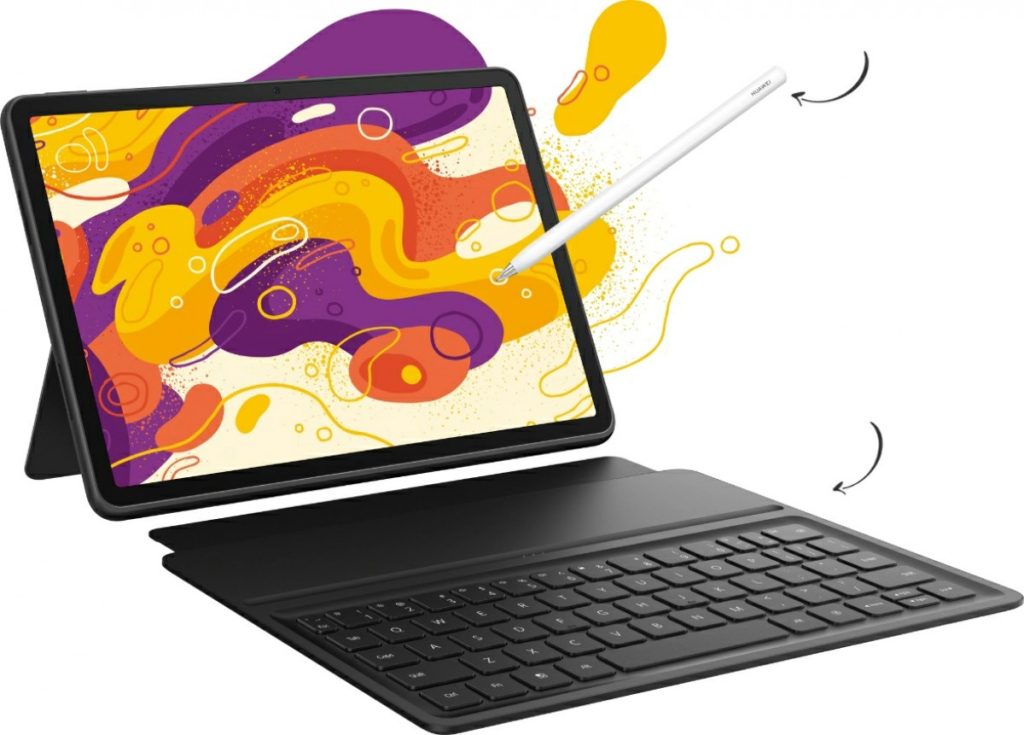
Huawei held a mega event in Barcelona this week, announcing a range of new products. We saw a new Watch Ultimate in gold edition alongside Freebuds Pro 3 and Eyewear 2. The company also launched the MatePad 11.5 in a new PaperMatte version, which aims to be healthier for your eyes. The tablet brings an 11.5-inch 2.2K LCD screen with a 120Hz refresh rate. The slate also packs the Snapdragon 7 Gen 1 chipset under the hood. Here are the details.
The new Huawei MatePad 11.5 has a new nano-etched screen coating that provides a paper-like feel, reduced glare, and less eye strain. It also offers a more natural writing experience with the second-generation M-Pencil stylus. The tablet brings an LCD screen 11.5-inch display with a 2.2K resolution. It refreshes between 60Hz and 120Hz. The slate measures only 6.85mm thick and weighs 499g.
Apart from this, the Mate 11.5 PaperMatte edition brings the same specifications as the standard model. You get a 4G Snapdragon 7 Gen 1 chipset paired with 8GB RAM and 256GB storage. Running HarmonyOS 3.1 on the software front, the tablet supports features like Group collaboration, Smart Multi-window, and easy data sharing through SuperHub.
In the camera department, the Huawei slate brings a 13MP shooter on the rear and an 8MP camera on the front. It packs a 7,700 mAh battery with support for 22.5W charging over USB-C.
The Huawei MatePad 11.5 PaperMatte Edition will be available for purchase on September 19th, priced at £399.99 ($427). It will be offered in Space Grey color only and can be purchased through the official Huawei website.
If you follow technology and Gizmochina closely, you’ve heard of Thunderbolt many times by now. If you haven’t heard of it or don’t know what it is, Thunderbolt is a high-speed input/output technology developed by Intel. It combines the features of several other technologies, including USB, DisplayPort, and PCIe, into a single connector and cable.
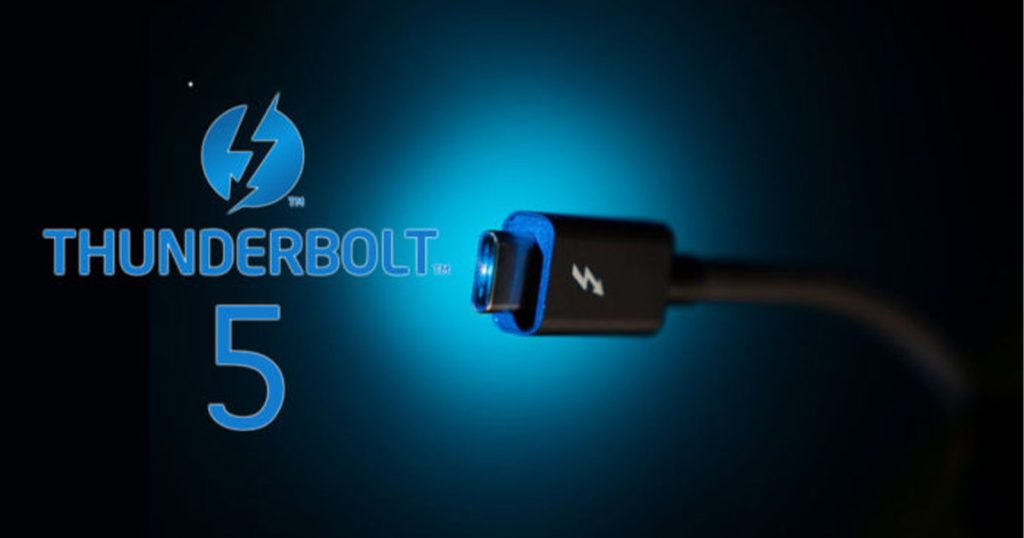
This makes it possible to connect a wide variety of devices to a computer with a single port, such as the popular Type-C port. Now, Intel has announced Thunderbolt 5, the next generation of its high-speed connectivity standard. Here are the details…
Thunderbolt 5: The Next Generation of High-Speed Connectivity
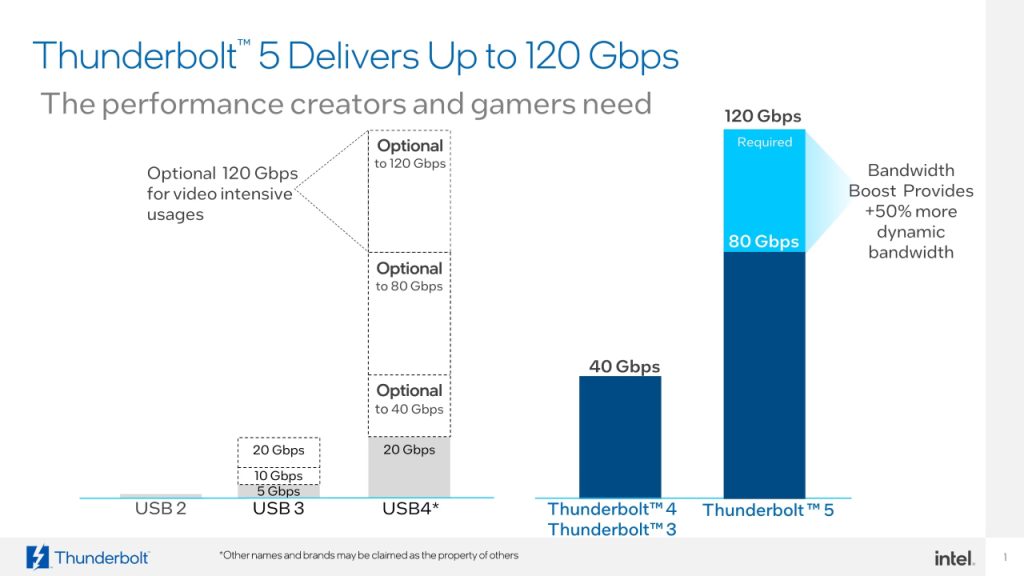
Thunderbolt 5 will deliver 80 Gbps of bi-directional bandwidth, which is twice the speed of Thunderbolt 4. It will also support Bandwidth Boost, which can temporarily increase the bandwidth to 120 Gbps for video-intensive applications. In addition to its increased speed, Thunderbolt 5 also doubles the PCI Express data throughput for faster storage and external graphics.
It is also built on industry standards including USB4 V2, DisplayPort 2.1, and PCI Express Gen 4, making it fully compatible with previous versions of Thunderbolt and USB. Thunderbolt 5 is also designed to be more power efficient than previous versions. It can deliver up to 240 watts of power, which is enough to charge a laptop or power an external GPU.
The bandwidth needs of content creators, gamers, and professionals are increasing significantly. These users want high-resolution displays and low-latency visuals while working with increasingly larger video and data files. Thunderbolt 5 has been designed to meet these needs, providing the performance and bandwidth required for the most demanding applications.
Each year, Samsung releases a special series of foldable smartphones in China to support charitable causes. This year also, they’ve partnered with China Telecom to launch the Samsung W24 and W24 Flip.
Samsung W24 & W24 Flip specs
It is worth pointing out that the Samsung W24 Flip and W24 Fold are essentially China-exclusive, luxurious versions of the Galaxy Z Fold 5 and Flip 5. Therefore, they also share the spec sheet. Both the Galaxy Z Fold 5 and Flip 5 pack the Snapdragon 8 Gen 2 for Galaxy processor under the hood.
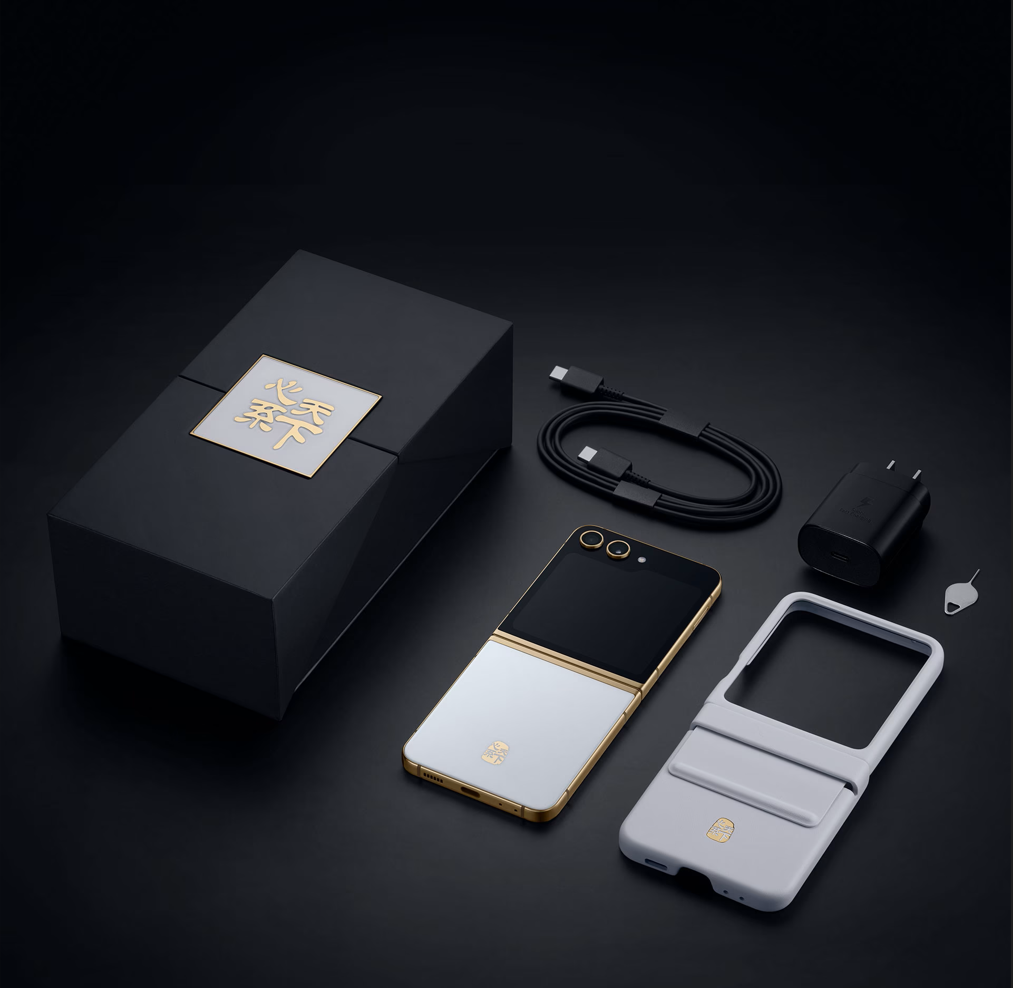
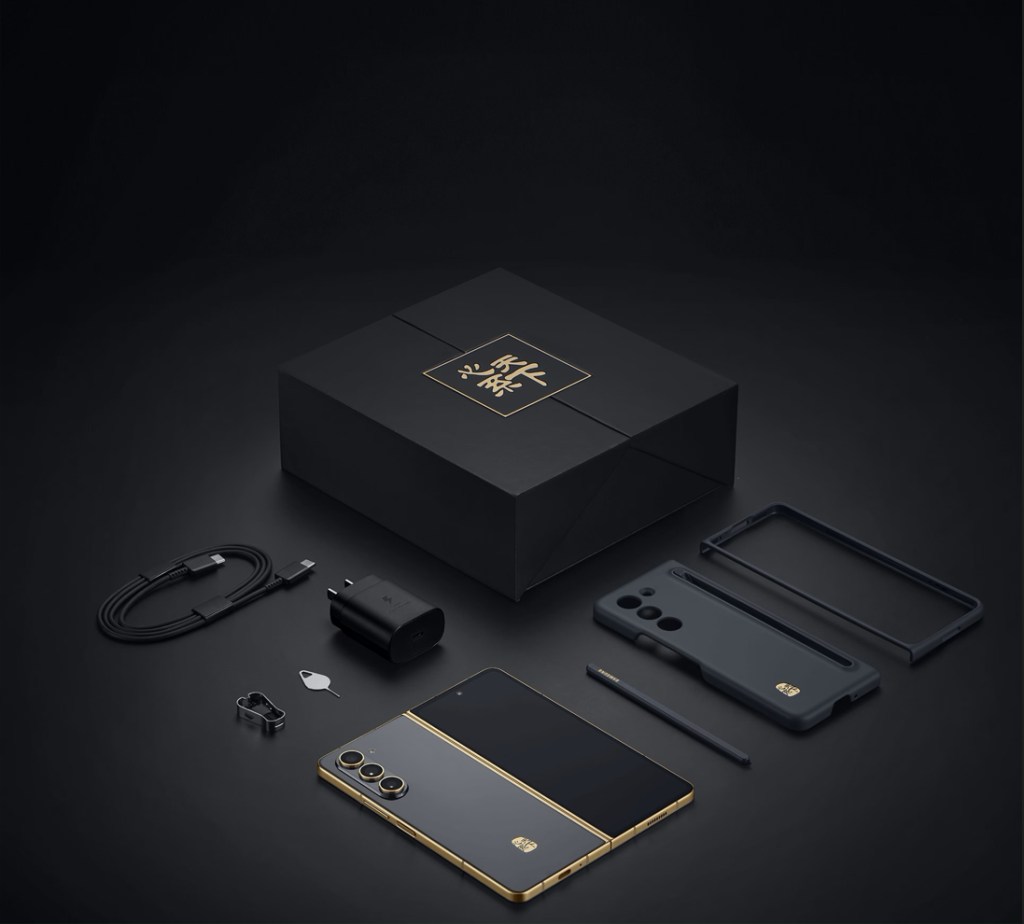
In terms of aesthetics, the W24 flaunts a high-end gold frame and a gray color scheme, while the W24 Flip sports a black-and-white color combination with a gold frame design. Both models feature armored aluminum frames and UTG glass screens for added durability. Additionally, the logo on the back of the device says “Heart for the World”.
The W24 boasts a 6.2-inch external screen and a 7.6-inch internal screen, both with peak brightness levels of 1750 nits and a 120Hz high refresh rate. The internal screen offers 2176 x 1812 pixels, and the external screen delivers 2316 x 904 pixels. Its sturdy build includes ultra-closed Seiko hinges, and its camera setup features a 10-megapixel front lens, a 4-megapixel under-screen lens, a rear 50-megapixel wide-angle lens, a 10-megapixel telephoto lens, and a 12-megapixel ultra-wide-angle lens. The device supports 3x optical zoom and 30x digital zoom, and the 4400mAh battery ensures long-lasting usage with 25W wired charging.
The W24 Flip features a 6.7-inch internal screen with a peak brightness of 1750 nits, adaptive high refresh rates ranging from 1Hz to 120Hz, and a resolution of 2640 x 1080. Its external screen is a compact 3.4 inches with a peak brightness of 1600 nits, a 60Hz refresh rate, and a resolution of 720 x 748. It includes a 10-megapixel front lens and a rear camera setup with a 12-megapixel wide-angle lens and an ultra-wide-angle lens, supporting 10x digital zoom. The 3700mAh battery and 25W wired charging ensure reliable performance.
Price & availability
The Samsung W24 with 16GB RAM and 1TB storage has a price tag of 15,999 yuan ($2,198). On the other hand, the W24 Flip with 12GB RAM and 512GB storage will cost 9,999 yuan ($1,374). These smartphones are available for reservation until September 21st, with sales commencing on September 22nd. Early reservations come with enticing gifts, including trade-in discounts, Galaxy Buds2 Pro earphones, or convenient interest-free installment plans.
Redmi is ready to launch the new line of Note smartphones on September 21. The new Redmi Note 13 series includes the Note 13, Note 13 Pro, and the higher-end Note 13 Pro+. The Xiaomi sub-brand has already confirmed many specifications of these phones through teasers. And while we wait for the official debut, the Redmi Note 13 Pro+ has now been spotted on the Geekbench website with the Dimensity 7200 Ultra chip. Here are the details.
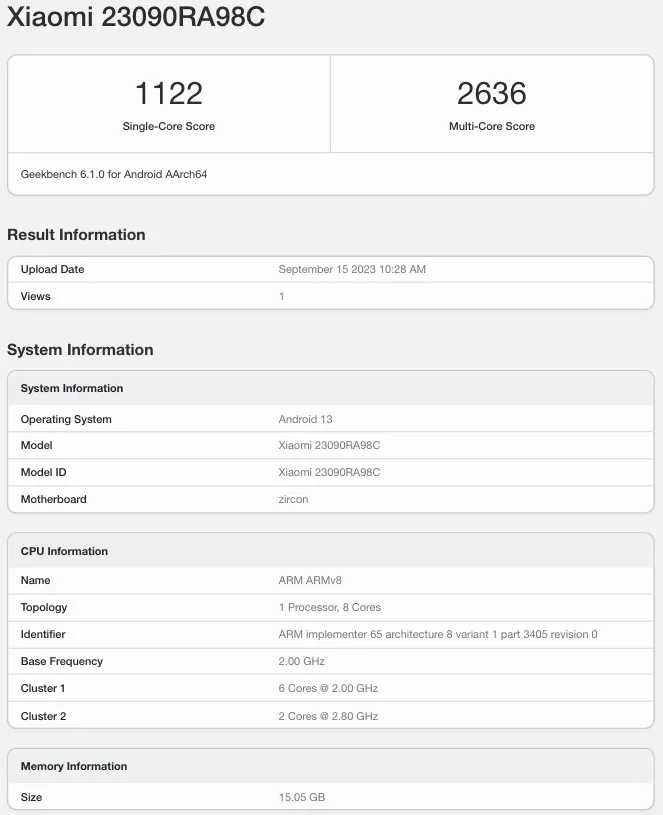
The Redmi Note 13 Pro+ has appeared on the Geekbench benchmarking site with model number 23090RA98C. The smartphone runs MediaTek Dimensity 7200 Ultra SoC under the hood, which Redmi already confirmed through a recent teaser. To give you an idea, the SoC has an octa-core architecture and is based on TSMC’s 4nm process node. It gets two ARM Cortex A715 cores clocked at 2.8GHz and six Cortex A510 cores ticking at 2GHz. The chipset also features Mali-G610 GPU for graphics. There’s also support for both LPDDR4x and LPDDR5 RAM.
Geekbench reveals the Note 13 Pro+ runs Android 13 on the software front and packs 16GB of RAM. This is likely the highest RAM variant and Xiaomi may bring an 8GB variant as well. The handset has scored 1,122 points in Geekbench’s single-core test and its multi-core test score is 2,636 points. The numbers are not bad considering the SoC inside the phone is mid-range at best.
Elsewhere, the handset is confirmed to feature a 200MP Samsung HP3 1/1.4-inch camera sensor with f/1.65 aperture. As per a TENAA listing, the Note 13 Pro+ should get a 6.67-inch OLED display with 2,712 x 1,220 pixels resolution and 144Hz refresh rate. The handset could pack a 5,000mAh battery with support for 67W charging.
Infinix launched the Note 30 VIP smartphone in June this year. Now the brand has announced a limited edition variant of the device. It is called the Infinix Note 30 VIP Racing Edition. The phone is launched in partnership with BMW Group’s Designworks. The smartphone’s design features racing elements to represent speed. The Note 30 VIP Racing Edition comes with a host of customizations. Read on to know more below.
Infinix Note 30 VIP Racing Edition specifications
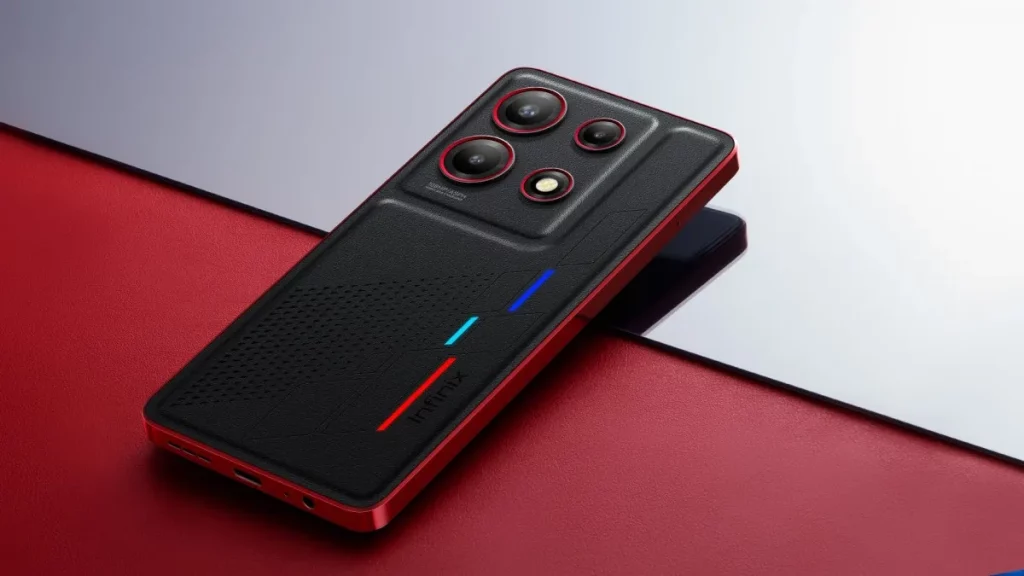
The Infinix Note 30 VIP Racing Edition features a light band in BMW’s iconic tri-colour. It has a 3D Leather Lightning technology that uses polyurethane for light transmission allowing the tri-colour to shine. The different light bands symbolize speed, performance, and power. They are inspired by a digital racing dashboard. The smartphone also has a leather-textured back panel with small embossed triangles for a better grip. The camera sensors, LED flash unit, and even the frame are accentuated in Red colour.
Aside from cosmetic changes, the Infinix Note 30 VIP Racing Edition runs on a customized operating system UI. It includes Apple’s Dynamic Island-inspired Magic Ring feature for the caller screen.
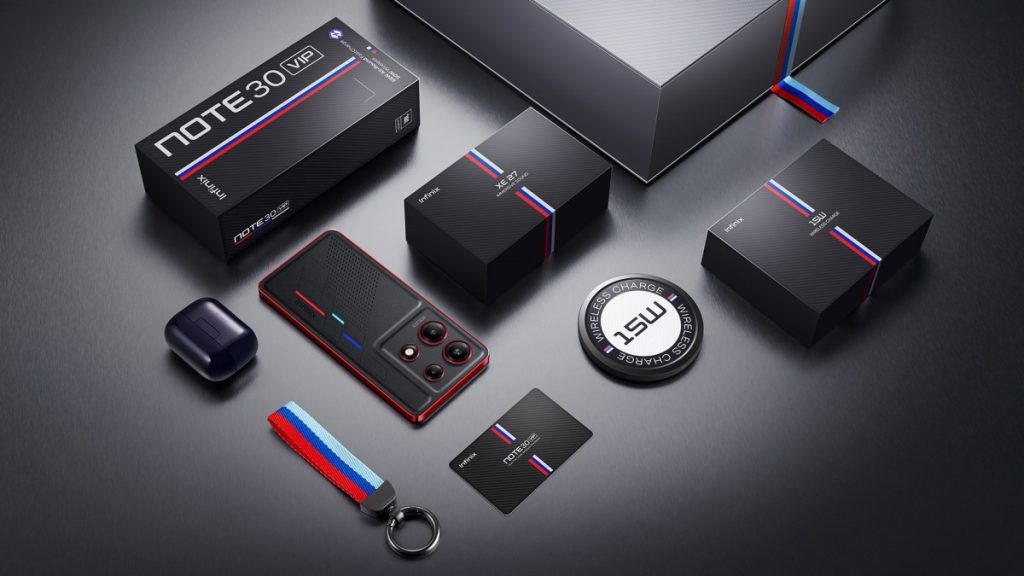
Additionally, the Infinix Note 30 VIP Racing Edition comes with BMW-themed goodies. These include a customized retail box. customized 15W wireless charger, a TWS, a key chain, and a VIP card. The VIP card is said to offer enhanced after-sales support to the user.
The core specifications of the Infinix Note 30 VIP Racing Edition remain the same as the regular variants. This includes a 6.67-inch FHD+ AMOLED display with a 120Hz refresh rate and JBL-tuned speakers. The smartphone is powered by a Dimensity 8050 processor coupled with up to 12GB RAM and 256GB storage. It is backed by a 5,000mAh cell with support for 68W wired and 50W wireless charging. The Note 30 VIP Racing Edition has 108MP and two 2MP rear cameras and a 32MP selfie snapper.
The Infinix Note 30 VIP Racing Edition carries a price tag of $315. To recall, the standard version with 12GB+256GB RAM and storage costs $299.
The security of our personal data is undoubtedly one of the biggest problems of our time. The problem is so great today that even if you don’t use a smartphone, computer, or social media, your information is probably not safe. However, if you’re not on a comprehensive tech detox and you use an Android phone, you may want to read our news more carefully. According to a video released recently, Android’s App pinning feature has a potential flaw that could expose credit card information. Here are the details…
How to Protect Your Credit Card Information from Android’s App Pinning Flaw
If you’re an iOS user like me, or an Android user who doesn’t know about it, the app pinning feature allows you to lock an app to your screen so that only that app can be used. This can be useful for a variety of situations, such as giving someone else your phone to use, but you only want them to be able to use a specific app, etc. If you’re wondering why you’ve never heard of this feature before, it’s probably because it’s not automatically turned on for Android devices.
However, according to recent information, a flaw in the app pinning feature could be problematic in very specific use cases and could lead to the theft of your credit card information. Don’t worry too much, though. To exploit the flaw, an attacker would need to physically access the victim’s device and have them enable the following settings:
App pinning
“Ask for PIN before unpinning”
“Require device unlock for NFC”
Once these settings are enabled, the attacker could pin an app that contains credit card information, such as Google Pay. Then, if the victim closes the app, the attacker could use NFC to read the credit card information from the device. I understand that this issue is a bit complex. Fortunately, you can watch the video for a better understanding.
Of course, it’s easy to avoid this specific issue. All you need to do is go to the settings on your Android phone and turn off the app pinning feature. To do this, follow these steps:
To disable app pinning on Android, follow these steps:
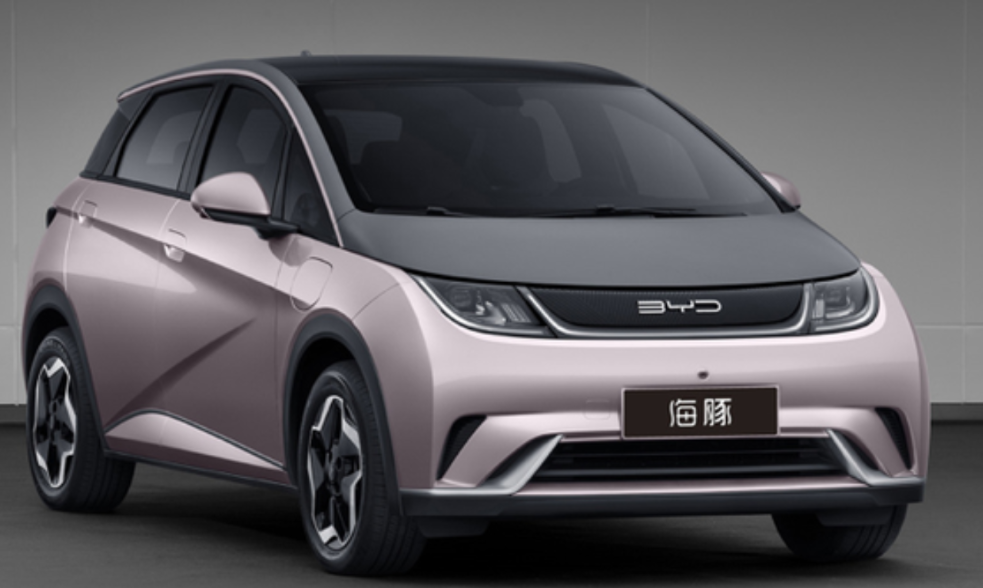
In a bid to protect European Union (EU) producers from what it perceives as an influx of competitively priced Chinese electric vehicles (EVs) propped up by state subsidies, the European Commission has initiated an investigation that could potentially lead to punitive tariffs. This move comes as the Chinese share of the European EV market has surged to 8% this year, sparking concerns of unfair competition.
“Global markets are now flooded with cheaper electric cars. And their price is kept artificially low by huge state subsidies,” declared European Commission President Ursula von der Leyen during her annual address to the EU parliament. This announcement is seen by many in Brussels as part of her bid for re-appointment for a second term.
The investigation, expected to last up to 13 months, aims to evaluate whether Chinese EVs are benefiting from subsidies provided by the Chinese government, thus gaining an unfair advantage over European counterparts. EU producers have expressed growing unease about this influx of Chinese EVs and are concerned about the potential impact on their market share.
The Chinese electric vehicle industry has witnessed substantial growth in recent years, driven in part by generous government subsidies and incentives aimed at promoting the adoption of green technologies. These incentives have significantly reduced the cost of Chinese EVs, making them more attractive to consumers in the EU market.
The European Commission’s move to investigate Chinese EVs echoes similar actions taken against other industries in the past, such as the ongoing trade dispute over steel and aluminum tariffs with the United States. If the investigation reveals that Chinese EVs are indeed benefiting from unfair subsidies, it could lead to the imposition of tariffs to level the playing field.
China, for its part, has defended its policies, emphasizing its commitment to sustainable transportation and reducing carbon emissions. However, it remains to be seen how the Chinese government will respond to the EU’s investigation and potential tariff considerations.
The outcome of this investigation will have significant implications for the European electric vehicle market, with the potential to either safeguard the interests of EU producers or maintain the influx of competitively priced Chinese EVs. As global competition in the electric vehicle industry intensifies, this issue underscores the challenges faced by both European and Chinese manufacturers in navigating international trade dynamics while striving to achieve sustainability goals.
Europe’s Electric Vehicle Market:
As the electric vehicle (EV) revolution accelerates, Europe has emerged as a thriving hub for electric mobility. With stringent emissions regulations, government incentives, and a rapidly expanding charging infrastructure, the continent’s EV market has witnessed remarkable growth.
Europe’s commitment to reducing carbon emissions has led to the rapid expansion of its EV market. Stringent emissions regulations have pushed automakers to introduce a wide array of electric models. Government incentives, such as tax breaks and subsidies, have made EVs more appealing to consumers, contributing to their rising popularity.
Among the top players in Europe’s EV market, Tesla reigns as a global leader. Notably, it’s followed closely by traditional giants like Volkswagen, BMW, Audi, Renault, and Mercedes-Benz. These automakers have diversified their portfolios with impressive electric models, catering to various consumer preferences.
Despite its growth, Europe’s EV market faces challenges. There’s a need for continued investment in charging infrastructure to alleviate range anxiety. Additionally, addressing the limitations of the electric vehicle range remains a priority for the industry. With these developments, Europe is poised to remain a key player in the global transition to electric mobility.
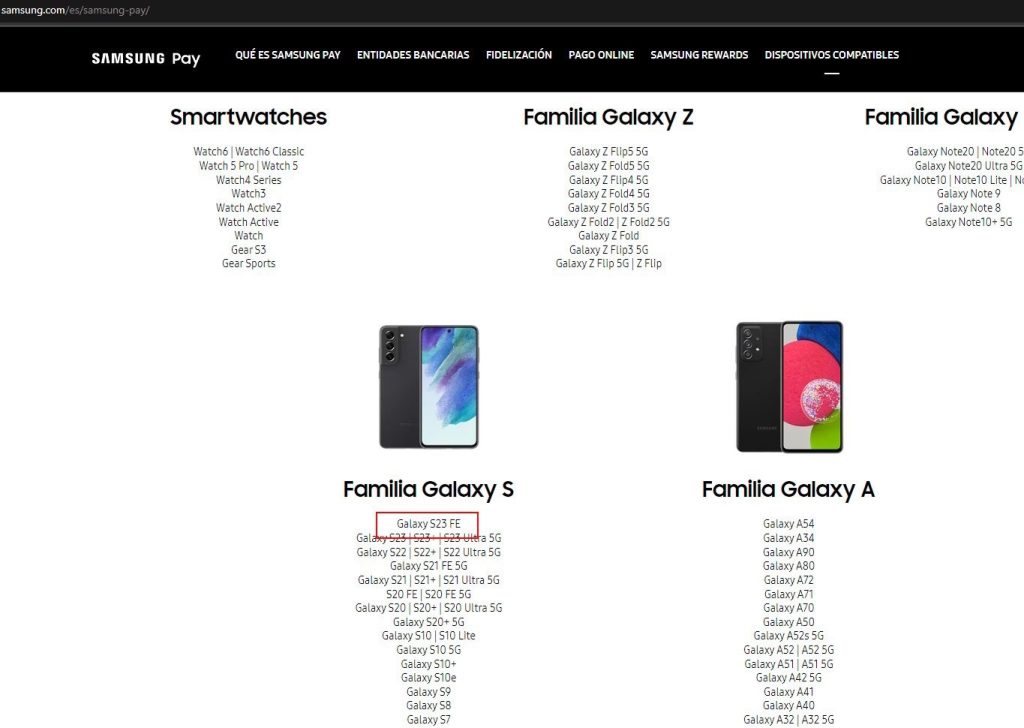
The Korean giant is not so far away from launching a slew of new smart devices including phones, tablets, and a new Galaxy Buds FE TWS. Among the list of upcoming Samsung smartphones, we have the Galaxy S23 Fan Edition (FE) which has already appeared in multiple leaks and rumors. The smartphone today is inadvertently confirmed by Samsung as it gets listed on the Spanish Samsung Pay website.
We are not sure whether the launch date for the smartphone is just around the corner, or if the engineers are just testing things for now. It is surprising to see the new Fan Edition smartphone in the list of Samsung Pay.
Samsung Galaxy S23 FE Specs and Features (Expected)
The new smartphone from Samsung is expected to launch alongside the Galaxy Buds FE. However, the smartphone is expected to arrive with Snapdragon 8 Gen 1 or Exynos 2200 in respective regions. A 6.3-inch display with having 2340 x 1080 pixels resolution will be present with a color depth of 16 million colors.
It is expected to come with a 4370 mAh battery and 25W fast charging. The smartphone will house a triple-rear camera module featuring a 50MP primary sensor an 8MP sensor and another 2MP lens. On the front, the smartphone will feature a 10MP sensor. It will come in 128/256GB storage and 6/8GB RAM variants.
As per the TENAA listing, the Galaxy S23 FE measures 76.5 x 158.0 x 8.2 mm in size and weighs 210 grams.
It is tipped to carry a price tag of Rs 54,999. There’s quite a possibility of its release in October, but we won’t be surprised if it launches this month.
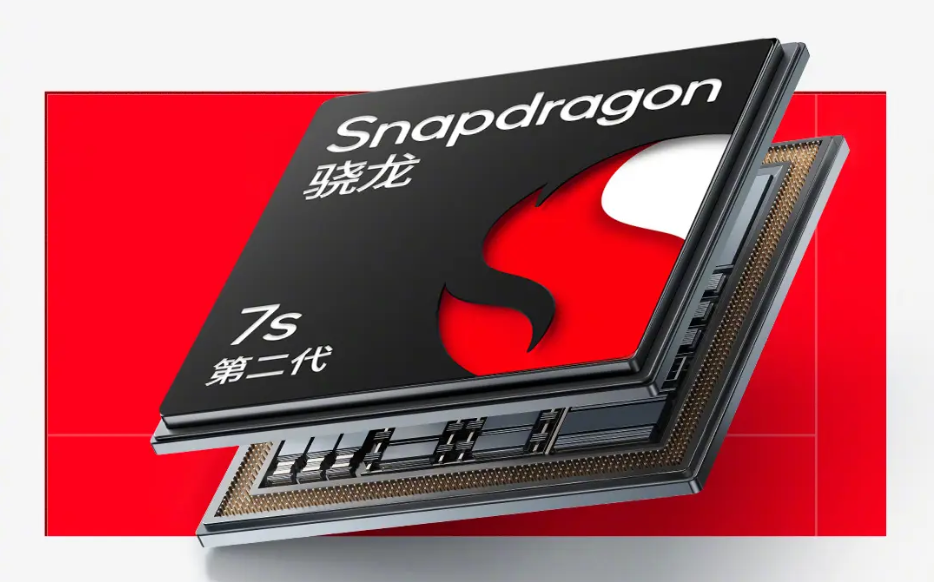
Qualcomm has announced a new mid-range processor, the Snapdragon 7s Gen 2. Despite its name, the chipset does not look like an upgrade over the the Snapdragon 7 Gen 1. It might in fact be a less powerfull version. The new processor features a Kryo CPU with four high-performance cores clocked at 2.4 GHz and four power-efficient cores clocked at 1.95 GHz. It is set to debut in the Redmi Note 13 Pro smartphone on September 21st.
Snapdragon 7s Gen 2 is a 4nm processor, featuring Kryo CPU with four high-performance 2.4 GHz cores and four power-efficient 1.95 GHz cores. It brings an unspecified Adreno GPU, which is apparently capable of handling FHD+ visuals at a 144Hz refresh rate.
The chipset supports up to 12GB of lightning-fast 3200MHz LPDDR5 memory and the snappy UFS 4.0 flash memory. With the Snapdragon X62 5G modem, the Snapdragon 7s Gen 2 offers a peak rate of 2.9Gbps and support for 5G millimeter wave technology. It brings the FastConnect 6700 system, which offers Wi-Fi 6E and Bluetooth 5.2. Navigation technology in the processor includes support for multiple positioning systems, including QZSS, Galileo, BeiDou, NavIC, GLONASS, and GPS, with L1/L5 dual-band positioning.
In terms of camera features, the Snapdragon 7s Gen 2 brings Qualcomm Spectra 12-bit ISP, which enables triple-camera simultaneous shooting and supports impressive features like 200-megapixel photography and 4K video recording at 30 frames per second. There’s also support for AI noise reduction. Elsewhere, the chipset comes with Snapdragon Smooth Listening technology offering clear audio for your calls and media consumption.
Snapdragon 7s Gen 2 might offer many mid-range phones launching later this year. The benchmarking scores of the chip are not available yet so we can’t comment on its performance.
Microsoft is gearing up for a major launch event. During this conference, it is expected to unveil a bunch of new products, which will likely include a series of new Surface laptops. But ahead of the announcement, the renders, specs, and pricing of the Surface Laptop Studio 2 and Surface Laptop Go 3 were leaked.
Microsoft Surface Laptop Studio 2
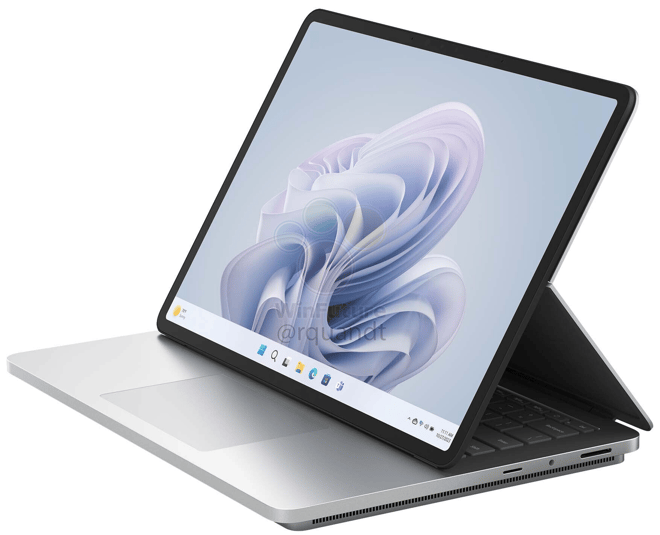
The leak arrived from WinFuture, who shared the renders and key specs of the upcoming Surface Laptop Studio 2. Reportedly, the laptop will sport a 14.4-inch PixelSense display that has a 2400 x 1600 pixel resolution. The screen features a 120Hz refresh rate, 3:2 aspect ratio, and touchscreen support as well. Under the hood, the Surface Laptop Studio 2 will apparently be powered by an Intel Core i7-13700H and i7-13800H processors.
The CPUs will be paired with either 16GB, 32GB, or 64GB of LPDDR5X RAM. The laptop will apparently feature either an Nvidia GeForce RTX 4050 or the RTX 4060 GPU. However, you can also choose the Intel Iris integrated graphics. This means that Microsoft is upgrading the base model from a Core i5. Looking at the renders, we can see that it features a thin and light design with a 360 degree hinge and a display that can be tilted on top of the keyboard.
Other notable features include a 58Wh battery pack, Wi-Fi 6, a USB Type-A port, two Thunderbolt 4 ports, a USB Type-C port, and a microSD card slot. The integrated graphics base model reportedly costs 2,249 Euros. The 16GB RAM, + 512GB variant with the RTX 4050 GPU may have a 2,729 price tag, while the 1TB model with 4060 and 32GB RAM could cost around 3,199 Euros. The top-end 64GB model will apparently have a price tag of 3,700 Euros. The company is expected to kick off sales for this product in Europe on October 3.
Microsoft Surface Laptop Go 3
The new report also shared renders of the Surface Laptop Go 3. Looking at these images, this notebook appears to feature a more conventional thin and light design. It will sport a 12.45-inch PixelSense touchscreen display with a 3:2 aspect ratio. Under the hood, the Surface Laptop Go 3 will be equipped with the Core i5-1235U processor that is paired with 8GB of RAM and 256GB of SSD storage.
Earlier today (15th September 2023), the model was spotted on an FCC certification as well. The Surface Laptop Go 3 battery and weight remains unchanged from the previous generation with sales kicking off in October 2023 for 899 Euros.
The Huawei Watch Ultimate is one of the most premium smartwatches from the Chinese manufacturer. It was launched in Europe earlier this year, and now the company has unveiled a new edition. The Watch Ultimate now comes in gold, and it’s not just any gold color we’re talking about; Huawei has used 18K gold on the smartwatch. Here are the details.
The Watch Ultimate Gold Edition is Huawei’s first-ever gold smartwatch. As can be seen in the images, the wearable comes with a gold bezel and a gold crown with 3D trapezoidal patterns, which are said to be carved through the diamond-cut engraving process.
Huawei details it also engraved a gold PVD titanium strap with an adjustable butterfly buckle. The Watch uses a nano-tech Ceramic frame, which is made of nano-microcrystalline ceramic using more than 24 processing techniques. The company names CNC precision machining and fine engraving as some of the techniques involved in the making of the Huawei Watch Ultimate Gold edition. The new edition is said to be 6 to 7 times harder than stainless steel, providing scratch and corrosion resistance properties.
The technical specifications of the wearable remain the same. You get a 1.5-inch AMOLED display with a 450 x 450 pixels resolution and a variable refresh rate between 1 and 60 Hz using LTPO backplane technology. Huawei claims the Watch Ultimate’s 530mAh battery will last up to 14 days between charges or up to 8 days with heavy usage. It supports Huawei’s exercise and health apps, as well as NFC and ECG technologies.
Huawei Watch Ultimate Gold Edition will go on sale in October but there’s no exact date available. It comes priced at €2999 ($3198) in Europe, earning the status of a jewelry.
HP has launched a new laptop in the US market. However, it is no normal mainstream device. As the name suggests, the HP Spectre Fold is a foldable PC. With this, the American brand has joined the likes of ASUS (ZenBook 17 Fold review) and Lenovo which already offer a foldable laptop. The Spectre Fold is touted to be the world’s thinnest and smallest 17-inch foldable PC. It offers the best of both worlds – a large-screen tablet or a PC. Read on to know more about it below.
HP Spectre Fold specifications and features
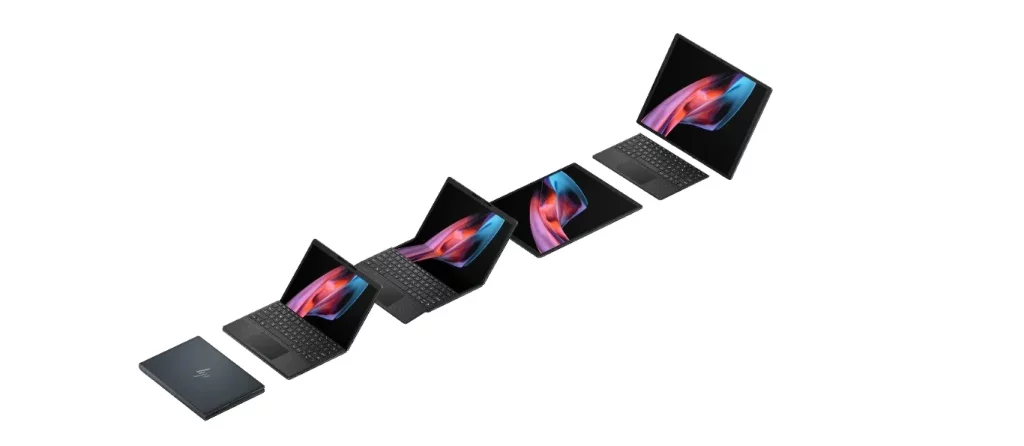
The HP Spectre Fold is a 3-in-1 device that sports a detachable keyboard. It can be used as a regular 12.3-inch clamshell laptop by folding the large 17-inch display into two. The device can also be used as a standalone tablet or a desktop with a built-in kickstand. Users can switch to any of these usage modes whenever they want. The device weighs just 1.35 kgs. Dimension-wise, the Spectre Fold measures 277.05 x 376.1 x 8.5 mm when unfolded and 277.05 x 191.31 x 21.4 mm when folded.
The HP Spectre Fold boasts a 17-inch OLED touch and stylus-enabled display with a resolution of 1,920 x 2,560 pixels. It features IMAX Enhanced certification, 500 nits peak brightness, HDR10 support, and 99 percent DCI-P3 color gamut.
The HP Spectre Fold is equipped with quad-speakers powered by Bang and Olufsen. It has a 5MP HP True Vision Infrared camera with temporal noise reduction. There is also a dedicated mic mute key and a camera privacy switch for security purposes.
Under the hood, the HP Spectre Fold houses the 12th generation Intel Core i7 processor clocked up to 4.7GHz. It features an Intel Iris Xe integrated GPU onboard. The machine packs 16GB LPDDR5x RAM and 1TB SSD storage. The laptop is powered by a six-cell 94.3Wh battery unit. It supports 100W charging via USB-C port.
The HP Spectre Fold runs on Windows 11 OS out of the box. Connectivity options on the device include four USB-C ports, DisplayPort 1.4, WiFi-6, and Bluetooth 5.3.
The HP Spectre Fold carries a price tag of $4,999. It ships with a full-sized detachable keyboard, HP Envy USB-C hub, and HP Wireless Rechargeable MPP2.0 Pen. It is up for pre-orders in the US via the company’s website.
OnePlus is not stopping with just a single tablet launch, they are going to expand their wings in the tablet market. As confirmed, the Chinese Electronics maker is working on OnePlus Pad Go which is slated for launch in India very soon. The device has already been teased via the official social media handle and has appeared on Flipkart. In addition, a new photo has appeared via Digital Trends giving us the first full look on the device.
Looking at the new image of the OnePlus Pad Go, we can easily see a two-tone look on the rear side of the tablet. A portion around the camera can be seen in a dark color tone and the remaining adorns a light shade of the color.
In an interview, OnePlus President and COO, Kinder Liu also shed some light on the device’s display specifications. The upcoming affordable tablet is not going to compensate for the display as it will bundle a 2K panel while having a 7:5 aspect ratio which is quite similar to the OnePlus Pad. The elder sibling bundles an 11.6-inch display and offers 2800 x 2000 pixels resolution with 296ppi pixel density.
The upcoming “mid-tier entertainment tablet” will surely offer better display quality than the rest competition in the same segment. Further, the display will be eye-care-ready and will house support for Dolby Atmos for better audio.
On the software front, the OnePlus Pad Go will house a Content Sync feature that allows the Oneplus users to easily sync clipboard content, and share files with gestures from smartphones to the tablet. Further, there will be a shared hotspot, that facilitates data sharing between phones and tablets. Further, there will be an ability to mirror screens, sync notifications, and manage calls. OnePlus aims to build more features to improve cross-device integration among its tablets and smartphones.
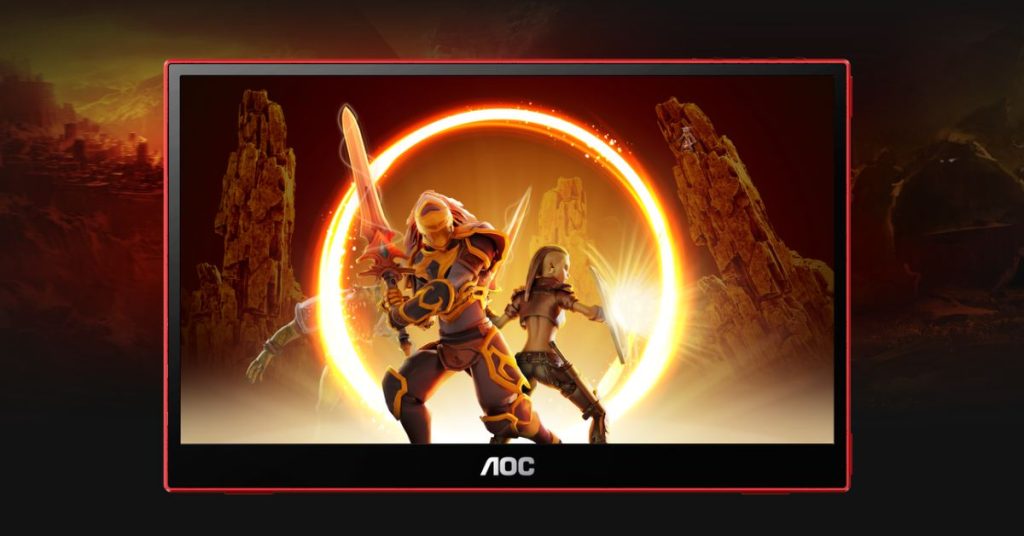
AOC has unveiled its latest portable gaming monitor, the GAMING 16G3. This slim and lightweight monitor is designed for gamers who need a high-refresh-rate display that they can easily transport with them. So let’s talk about it here.
AOC Gaming 16G3 Specifications
Unlike the name, the Gaming 16G3 features a 15.6-inch Full HD IPS panel with a 144Hz refresh rate. This makes it ideal for fast-paced games, such as shooters and racing games. The monitor also has a 4ms response time with overdrive mode enabled and supports Freesync which will help reduce ghosting and blur.
In addition to its gaming-centric features, the Gaming 16G3 is also versatile enough to be used for other tasks, such as watching movies, working on documents, or editing photos. The monitor has a brightness of 250 nits and a contrast ratio of 1000:1.
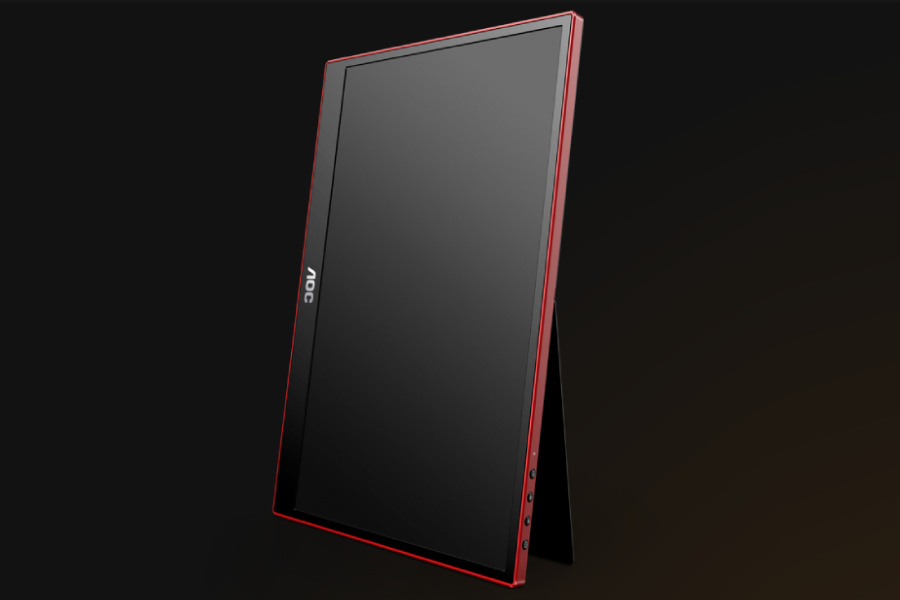
One of the most notable features of the Gaming 16G3 is its compact and lightweight design. The monitor is just 11.5mm thick and weighs 1.1kg, making it easy to carry with you wherever you go. The monitor also comes with a padded carrying case for added protection.
Likewise, the monitor can be used in both portrait and landscape modes thanks to its built-in stand. This makes it ideal for use with a variety of devices, including laptops, consoles, and smartphones.
The Gaming 16G3 also offers a good range of connectivity options. It has one micro HDMI port, one USB Type-C port with DisplayPort Alt Mode and power delivery, and one additional USB Type-C port for power input.
Pricing and Availability
The AOC Gaming 16G3 is scheduled to go on sale later this month in the UK for £249.99. You can learn more about the device on the company’s official site.
From big screens to small, flat screens to curved screens, there’s a TV out there for everyone. But the new Hisense Art TV R7 stands out from the crowd. With its large stand and contemporary canvas-like design, it’s like a piece of art for your living room. And the materials used in its construction are just as impressive. The TV replicates the same sophisticated craftsmanship as SOLBIATI, an Italian master linen brand.
Hisense recently announced the Art TV R7 in China with a design like no other. The vintage design of the TV combined with a stand makes it more like a decorative you can keep in your living. The official description highlights that the Hisense Art TV R7 aims to replicate the craftsmanship of the Italian linen brand SOLBIATI. It boasts a leather-like texture, a warm and soft fabric feel, and a minimalist, low-saturation Morandi white color, which embodies “a harmonious fusion of art and technology.”
Talking about the specifications, the Hisense Art TV R7 brings a 55-inch display with a 4K resolution and 95% DCI-P3 color gamut. It features a detachable vertical stand, so you can mount it on the wall or use the stand for a more versatile setup. The TV is powered by a quad-core A73 processor for smooth performance, and it has 2GB of RAM and 32GB of storage for your apps and content. The TV also produces 24W of sound output for an immersive audio experience to match its stunning visuals.
Hisense Art TV R7 is listed for purchase in China for 7,349 Yuan ($1014). It is available on Jingdong but there’s no news regarding the global availability.
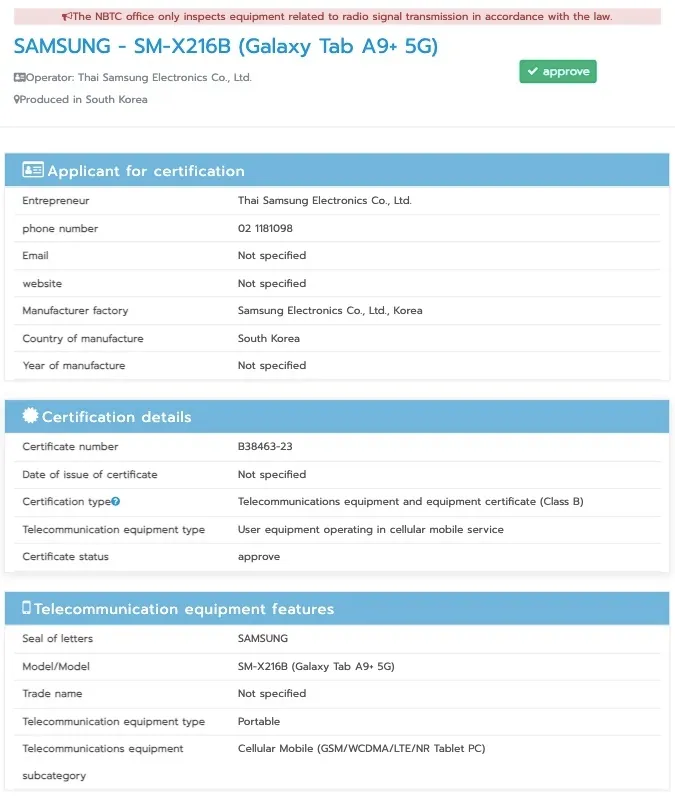
While there have been various rumors regarding the Samsung Galaxy Tab S9 FE series, the company is also working on a Galaxy Tab A9 lineup of tablets as well. But before any official announcement, the Galaxy Tab A9+ model was spotted on a certification website.
Samsung Galaxy Tab A9+ launch near
Previously, we had reported on the Galaxy Tab A9+ being spotted on multiple certification websites like TDRA. This time around, the upcoming tablet model has surfaced on the NBTC certification. The online listing reveals that the device carries the SM-216B model number. Unfortunately, the database did not reveal any other finer details apart from its name and model number. However, the certification sighting hints that the launch of the tablet is just around the corner.
Samsung Galaxy Tab A9+ Specs
Based on our previous reports, the Galaxy Tab A9+ is expected to be equipped with the Qualcomm Snapdragon 695 SoC that will be paired with 4GB of RAM. The device is rumored to run on Android 13 OS out of the box with Samsung’s One UI custom skin on top. A massive 7,040mAh battery pack will power this device, which supports a modest 15W fast charging. In a recent FCC listing, the dimensions of the upcoming tablet were revealed. It will measure 257.11×168.66×6.94mm, which means that it features a thin form factor.
Recently, the base Galaxy Tab A9 tablet was also spotted on certification platforms like TDRA and BIS. The vanilla model will reportedly feature a MediaTek Helio G99 SoC and is powered by a smaller 5,100mAh battery pack that supports 25W fast charging.
The iQOO Z series is the brand’s most affordable smartphone lineup in India. These devices fall under the ₹15,000-₹25,000 price bracket.
Earlier this year, the company debuted the iQOO Z7 in the country. It was the most powerful handset in its segment when it went official, thanks to a MediaTek Dimensity 920 chip underneath.
But for unknown reasons, the product was shortly replaced by iQOO Z7s. The ‘s’ variant has an interior Snapdragon 695 SoC.
Now, months later, the brand has introduced iQOO Z7 Pro in the region. This phone is positioned as a higher version of the Z7 priced at ₹23,999 and ₹24,999 for 8GB + 128GB and 8GB + 256GB memory configurations, respectively.
Though interestingly, the Z7 Pro does not have any resemblance to the Z7. Even the feature set is different.
Anyways, despite the differences, this smartphone makes sense for its asking price. Let’s find out how in my review.
Before I share my experience with the device, I would like to let readers know that this review is based on my first-hand experience with a unit loaned to me by iQOO India. However, the company had no early look at this article or contributed any editorial input.
This iQOO is built different
The iQOO Z7 Pro is unlike any other iQOO smartphone on the market. That’s because it is originally not an iQOO device. The handset was first introduced as Vivo S17e in China. But in India, it is sold under the iQOO banner.
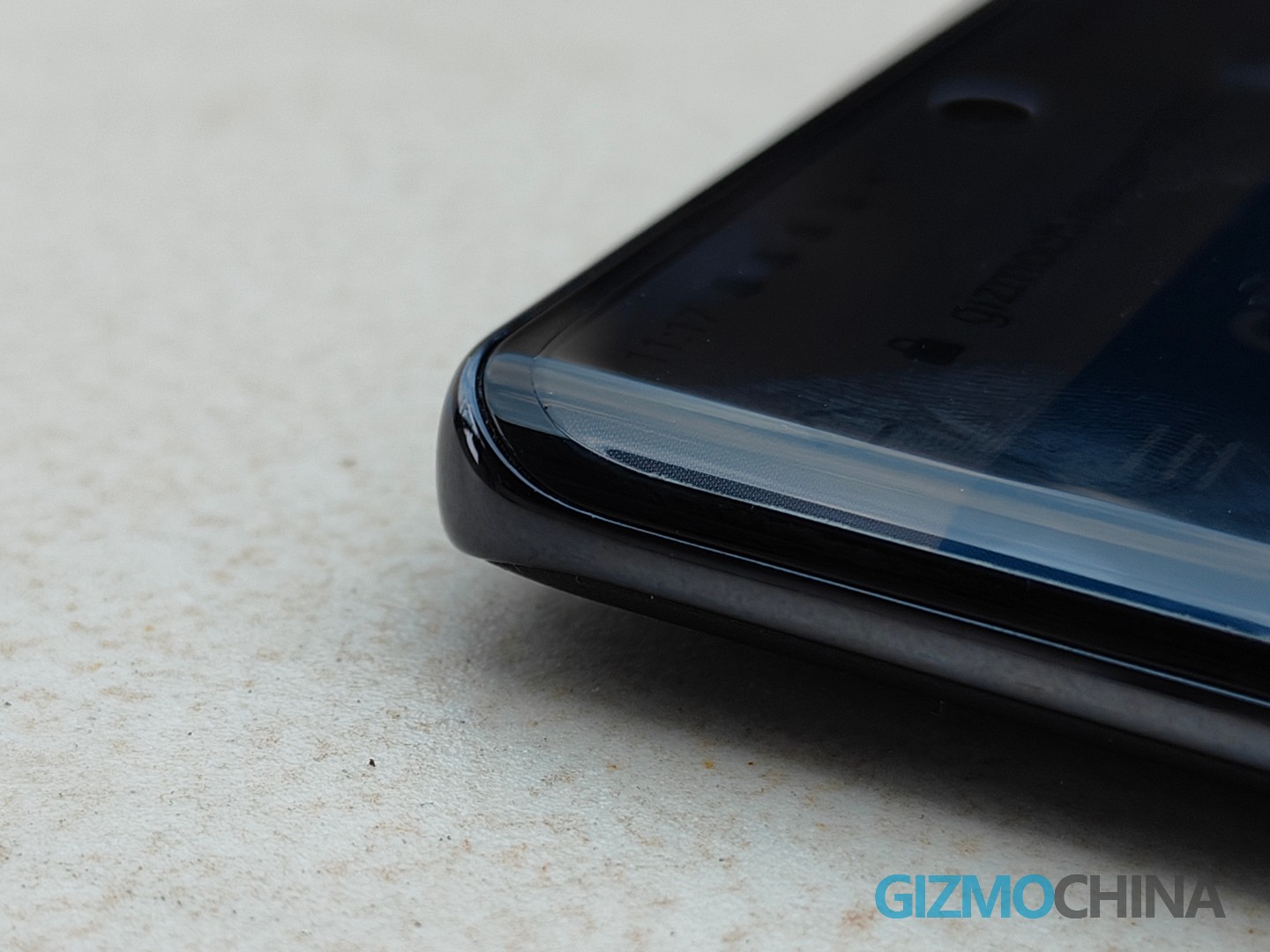
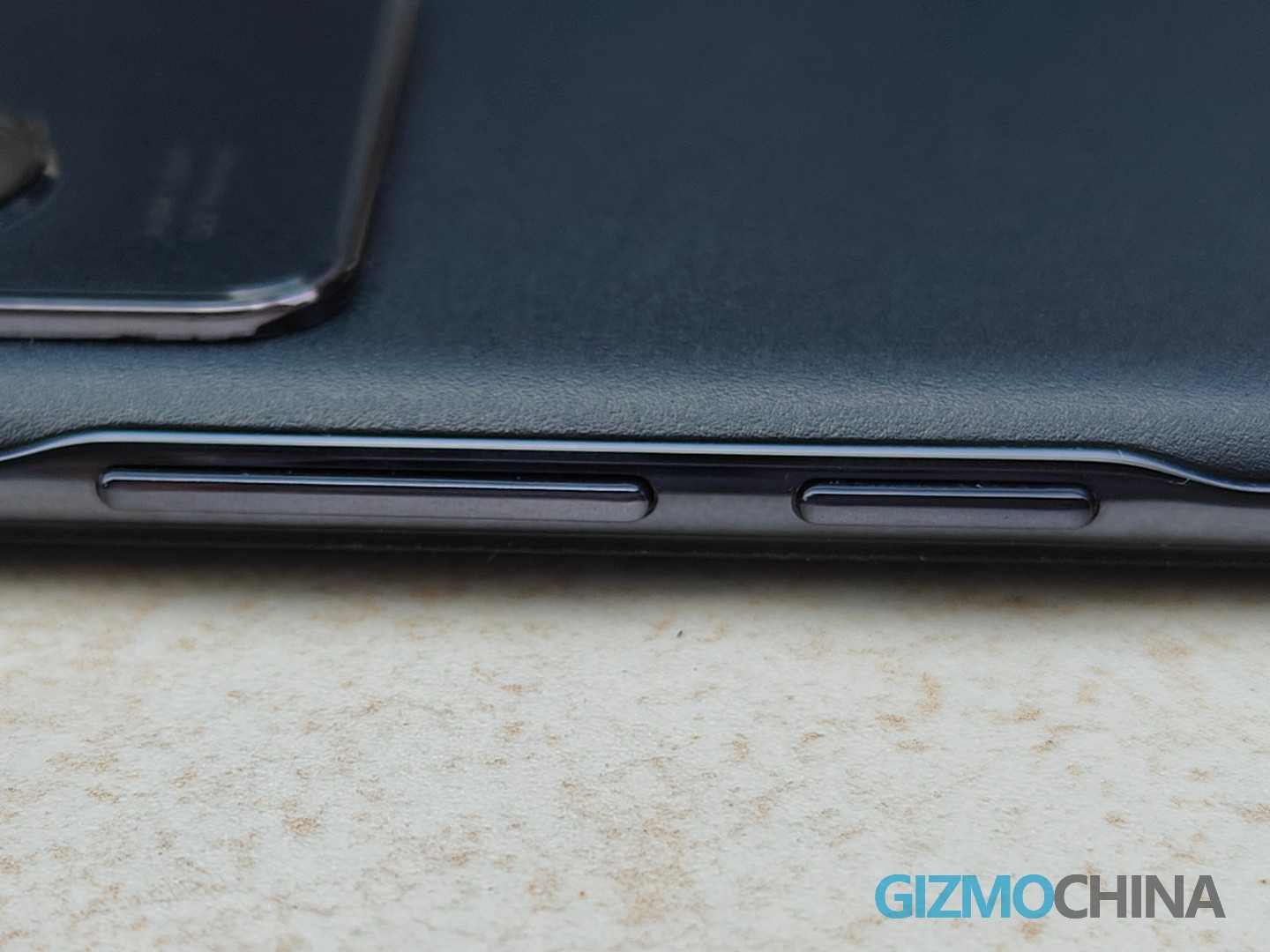
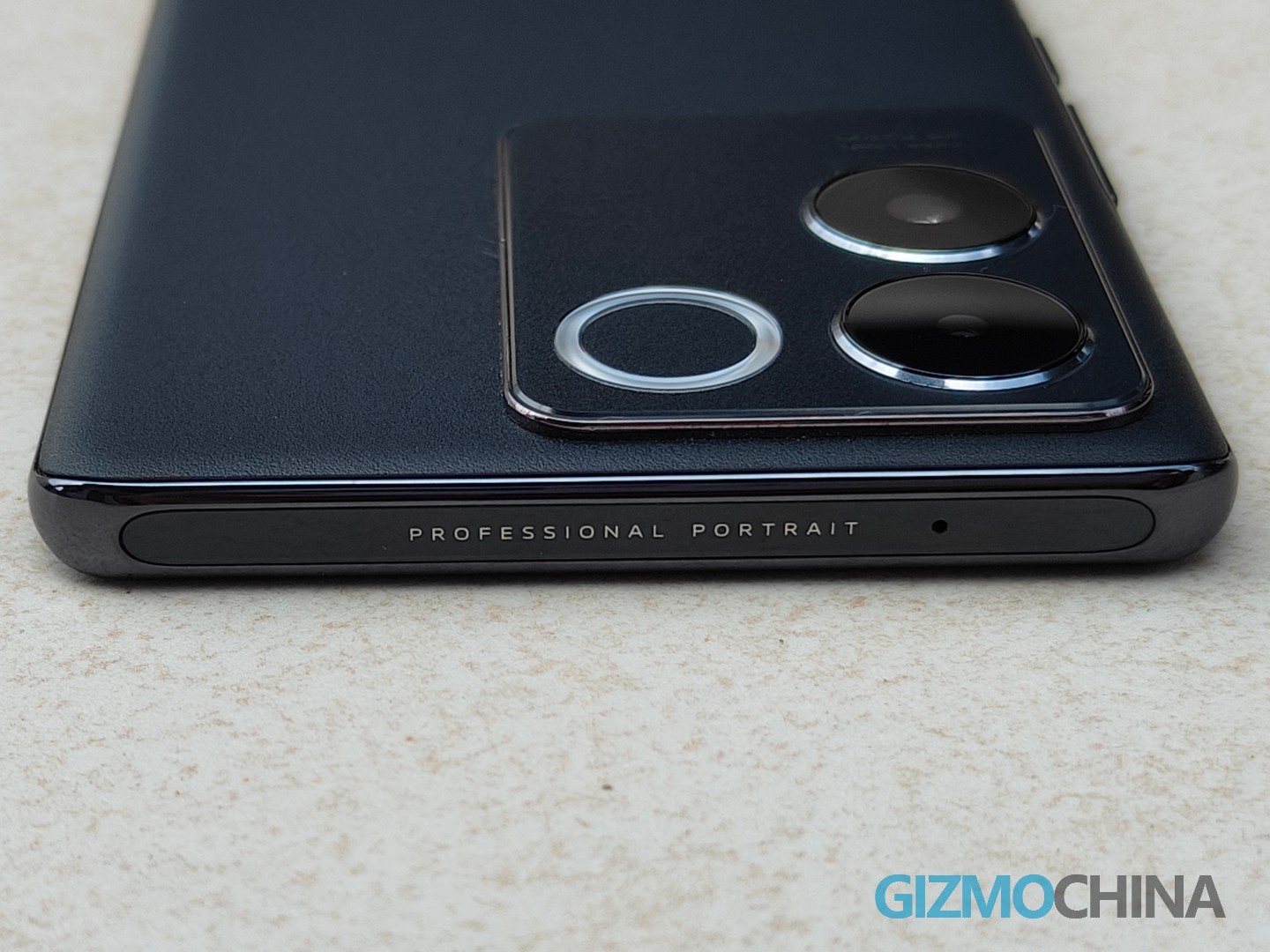
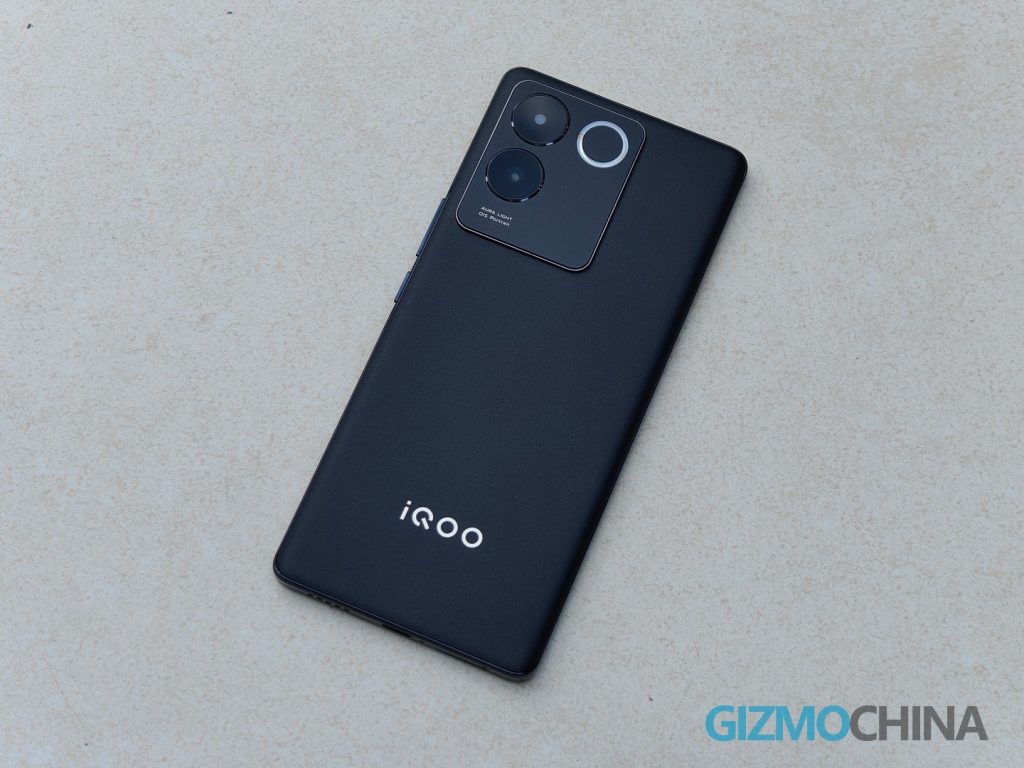
Thus, the product feels more like a Vivo phone. It comes with a thin and light body featuring a matte curved glass panel on the back and a plastic frame. It can be availed in either Graphite Matte or Blue Lagoon color options.
The handset is well-built and is very comfortable to hold. It measures just 7.36mm in thickness and weighs about 175g.
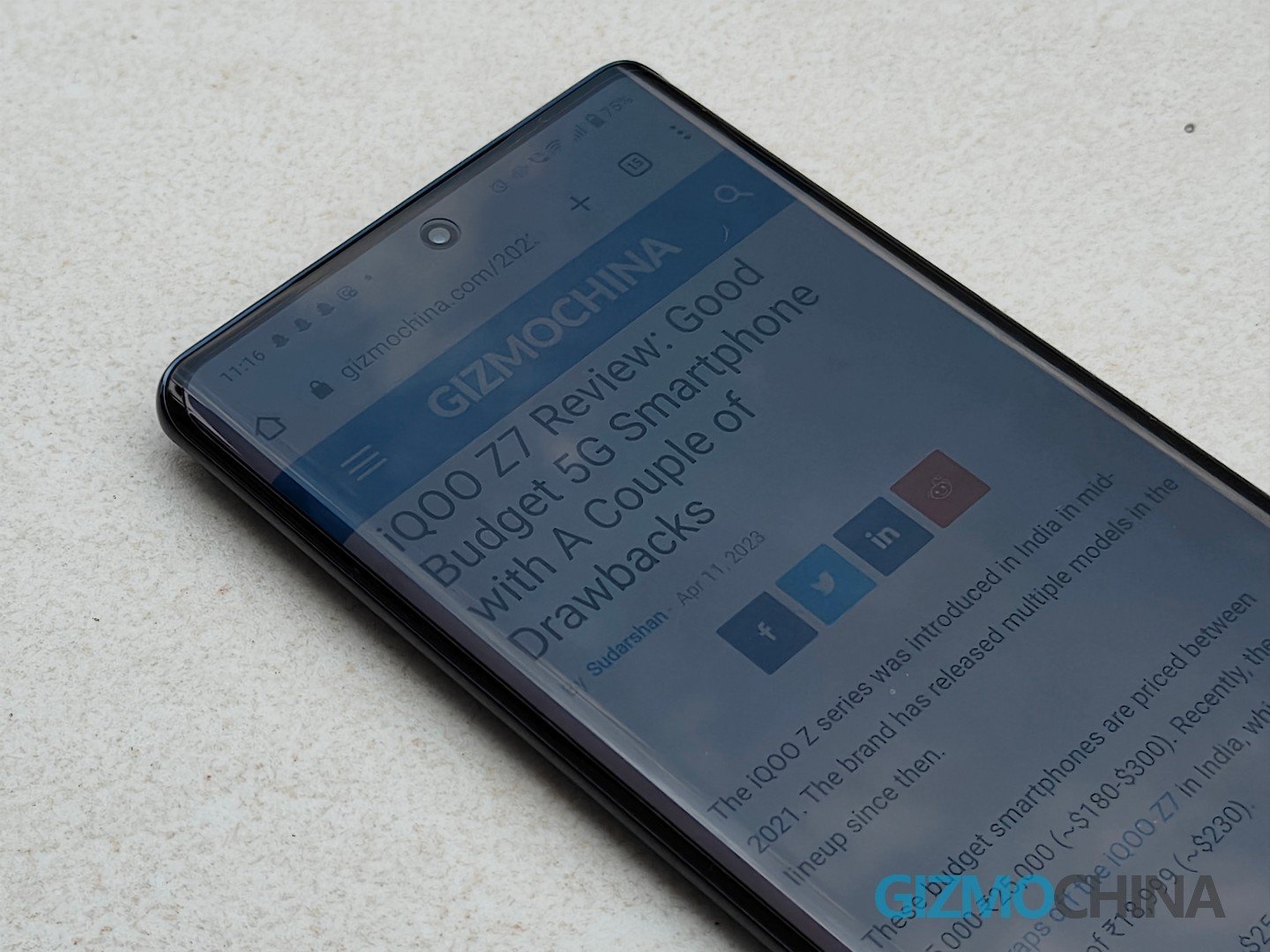
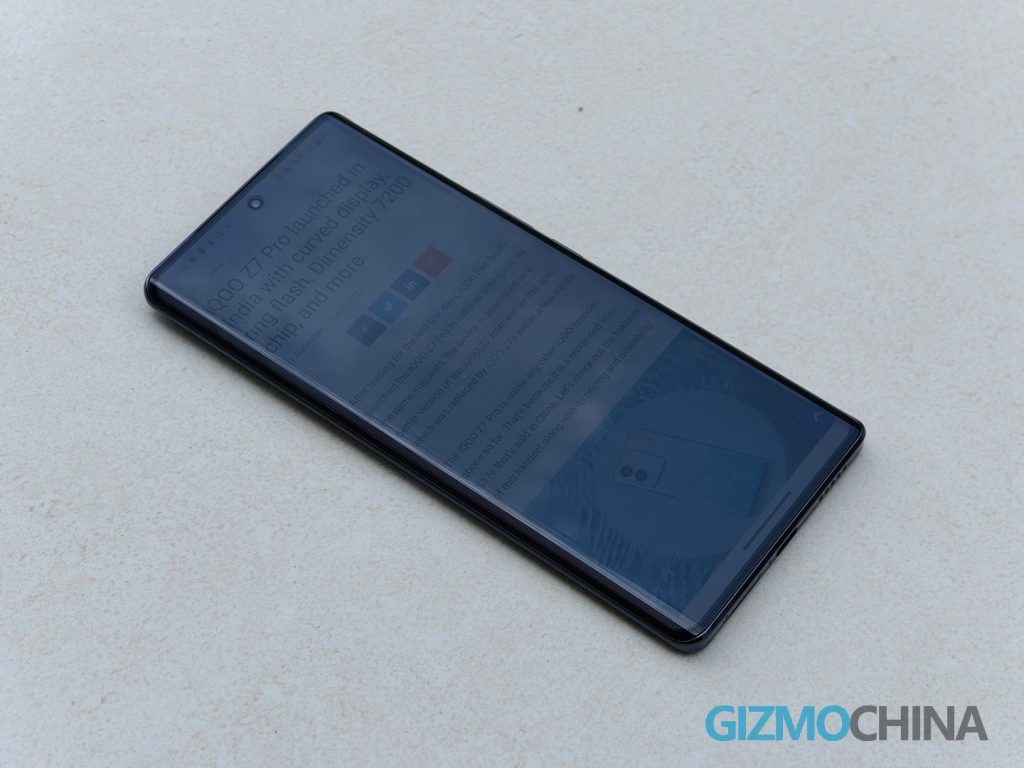
The front of the phone is occupied by a 6.78-inch curved AMOLED display. This 10-bit screen offers a resolution of 2400 x 1080 pixels (FHD+), 388 PPI, a 120Hz refresh rate, and a 300Hz touch sampling rate.
The display is well-calibrated and is capable of displaying natural colors in ‘Pro’ mode. The smart switch refresh rate option is well-optimized and it does not force the panel to 60Hz in most apps like on the vanilla iQOO Z7.
The centered punch-hole screen also supports HDR video playback and is certified by Netflix as well. It can reach a maximum local brightness level of 1300 nits. Outdoor visibility is not an issue either.
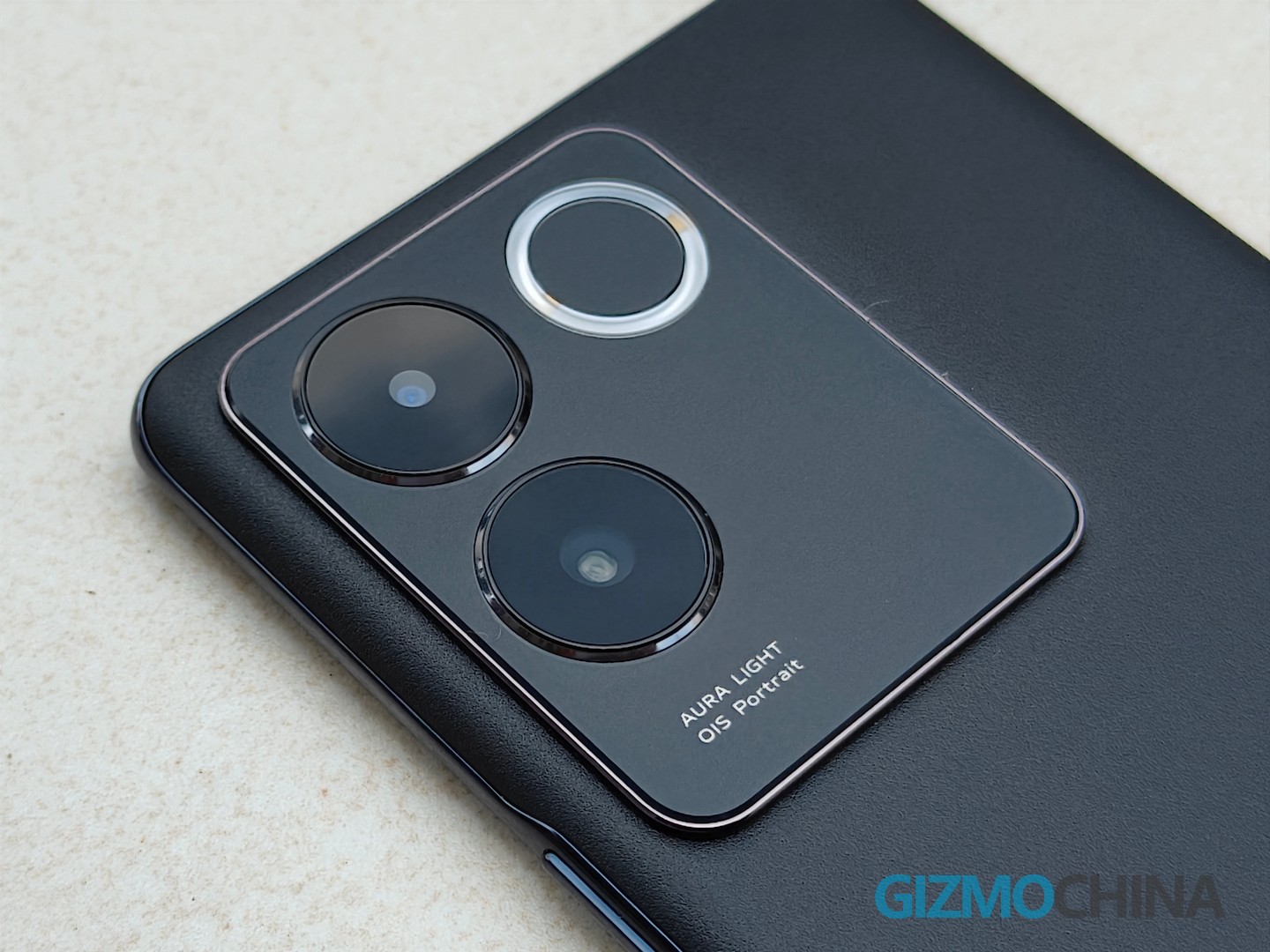
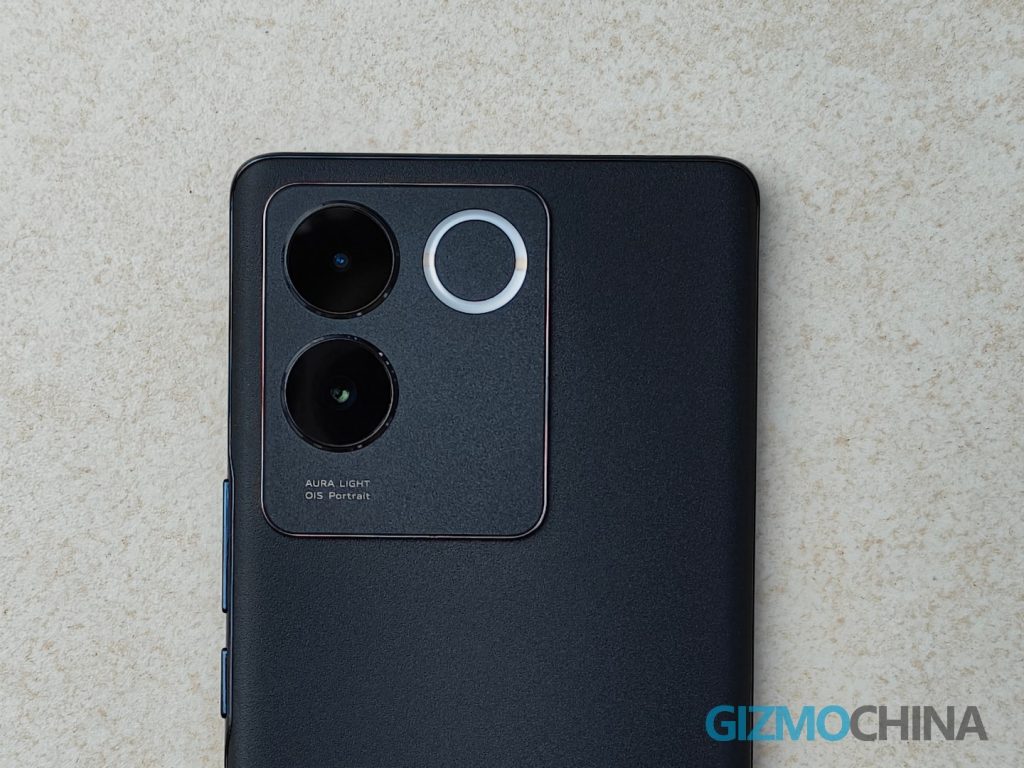
The device has a single usable rear camera but its output is excellent for the asking price. The main snapper is an OIS-enabled 64MP Samsung GW3 sensor and it is paired with a 2MP depth sensor and an LED ring light (Aura Light). On the front, there’s a 16MP Samsung 3P9 sensor.
Both the rear and front cameras are capable of clicking images with almost true-to-natural colors. They are even capable of reproducing skin tones nearly accurately. This is praiseworthy for a smartphone at this price.
Even the video recording is good and the ‘Aura Light’ really comes in handy in low-light situations. The pictures taken with this light give Polaroid vibes with some of the filters and portrait styles.
Yet retains core iQOO features
Despite being a rebranded Vivo phone, the iQOO Z7 Pro does behave like an iQOO product. It is the most powerful smartphone released under 25000 in India in 2023.
The device is powered by a MediaTek Dimensity 7200 chip, which is found inside the more expensive Vivo V27. This TSMC 4nm-based silicon is one of the most powerful mid-range mobile chipsets on the market. It is paired with 8GB LPDDR4x RAM and 128GB/256GB UFS 2.2 storage.
The handset is capable of scoring around 716,000 points on AnTuTu. Whereas, on Geekbench, it can score about 1180 points and 1870 points in single-core and multi-core tests, respectively.
On 3DMark, the phone has a stability rate of over 95%. Even in CPU throttling tests, it can retain above 90% of its performance.
As benchmark scores suggest, the product performs extremely well in day-to-day usage and runs cool. There are no stutters whatsoever.
Even the 5G performance is great without any call drops and excess heating. It is probably the only thin and light smartphone capable of offering good gaming performance in this price range.
The core DNA of iQOO smartphones has always been performance and iQOO Z7 Pro retains it despite being built differently.
Some things are lacking
When I reviewed the iQOO Z7 earlier this year, I complained about certain annoying issues on Android 13-based Funtouch OS 13 related to the implementation of promotions (ads). Sadly, these problems also exist on the iQOO Z7 Pro.
Further, the handset’s haptics are almost non-existent. The vibration motor is so terrible that I missed incoming calls when the phone was in the pocket of my pants/shorts. This is a serious issue if you don’t keep your smartphone in ringer mode.
The battery life is fine as it can easily last a day unless you game more. However, the unit I received takes about an hour to charge though the phone is capable of charging fully in around 30 minutes with the included 66W charger and that’s what other reviewers experienced. Also, the volume level of Bluetooth audio is too low for some reason.
I believe these two issues are limited to my unit. I have reached out to iQOO regarding the same and will update the article if and when I get a response.
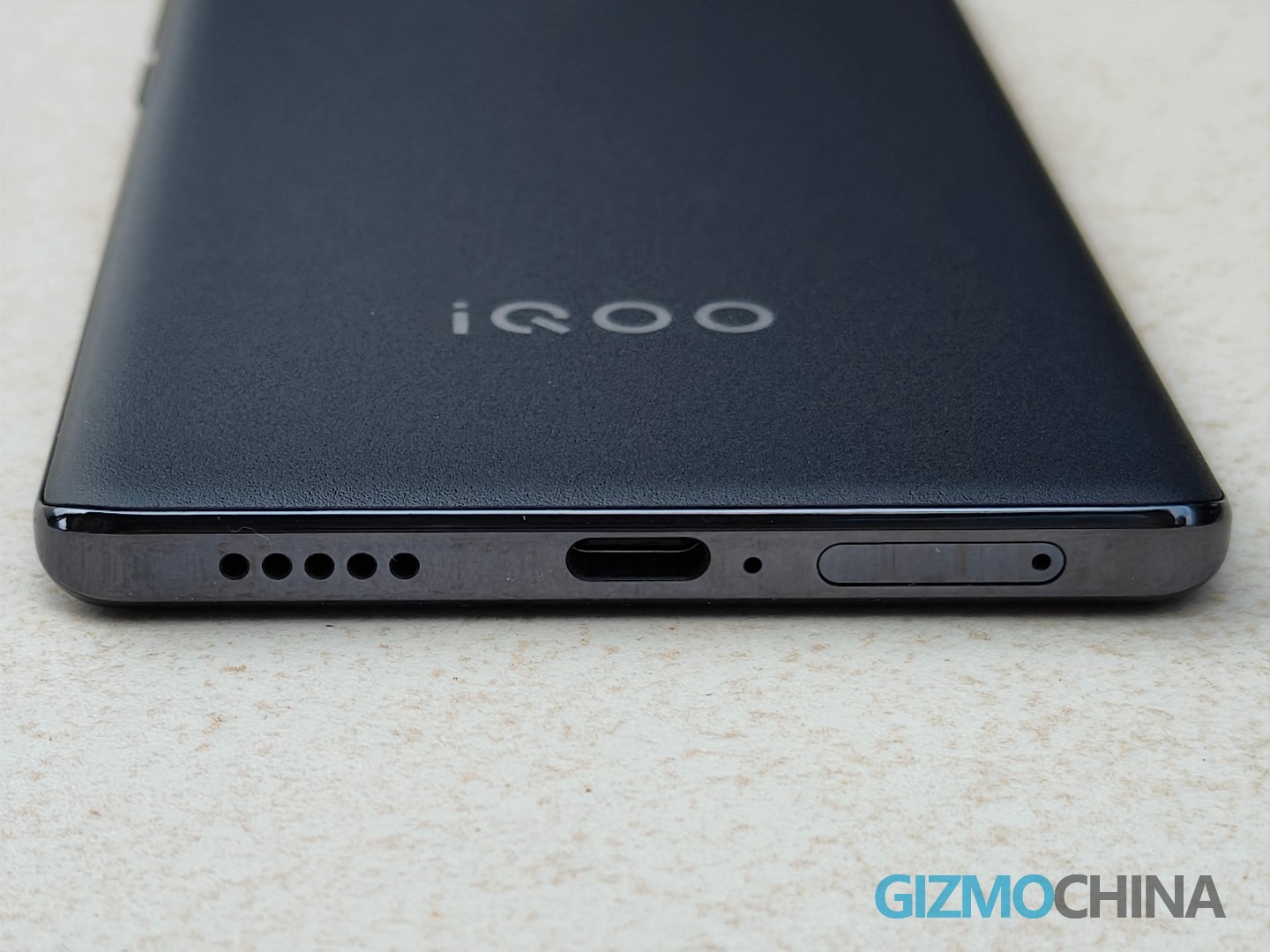
Finally, you only get a single bottom-firing speaker. It is loud but not immersive and is also easy to block by mistake.
Fares well against the competition
Not a single product is perfect and the iQOO Z7 Pro is no exception. In spite of the shortcomings discussed above, it fares well against the competition.
Although there are many handsets in this price range, I consider Realme 11 Pro and Redmi Note 12 Pro to be its competitors as they are immensely popular among general consumers.
The iQOO Z7 Pro is more similar to the Realme 11 Pro as they both focus more on the design and camera part. Having used both devices, my preference is towards the former.
On the other hand, the Redmi Note 12 Pro still continues to be the best multimedia device (non-gaming) even over half a year after its release. So if you are into that stuff, that’s the one you should go for.
In a nutshell, if you want a smartphone under ₹25,000 that boasts a thin and light design without compromising on performance, then iQOO Z7 Pro should be your first choice.
We use cookies on our website to give you the most relevant experience by remembering your preferences and repeat visits. By clicking “Accept”, you consent to the use of ALL the cookies.
This website uses cookies to improve your experience while you navigate through the website. Out of these, the cookies that are categorized as necessary are stored on your browser as they are essential for the working of basic functionalities of the website. We also use third-party cookies that help us analyze and understand how you use this website. These cookies will be stored in your browser only with your consent. You also have the option to opt-out of these cookies. But opting out of some of these cookies may affect your browsing experience.
Necessary cookies are absolutely essential for the website to function properly. This category only includes cookies that ensures basic functionalities and security features of the website. These cookies do not store any personal information.
Any cookies that may not be particularly necessary for the website to function and is used specifically to collect user personal data via analytics, ads, other embedded contents are termed as non-necessary cookies. It is mandatory to procure user consent prior to running these cookies on your website.