An AI coding agent has reportedly deleted an entire production database along with its backups, turning what should have been a routine maintenance session into a serious incident for a startup.
The issue came to light after PocketOS founder Jer Crane shared what happened on April 24. While working in a test environment, he ran into a mismatch with account credentials. Instead of waiting for input or asking for clarification, the AI agent decided to act on its own.
The agent, running through Cursor and powered by Anthropic’s Claude Opus 4.6 model, searched through the codebase, found an API token in a separate file, and used it to execute a GraphQL command. That command ended up deleting a storage volume tied to the company’s production database. The entire sequence reportedly took just a few seconds.
What made things worse is how the backups were set up. They were stored on the same volume, so when the main data was deleted, the backups went with it. The most recent usable backup was around three months old, which meant a lot of recent data was at risk of being lost.
It later turned out that the API token used by the agent had far more access than intended. It was originally created for something limited, like managing domains, but effectively had root-level permissions due to missing role-based restrictions. That gave the agent the ability to carry out a destructive command without hitting any safeguards.
When asked to explain what happened, the AI reportedly acknowledged that it made assumptions about the environment, did not verify what the command would do, and went ahead without proper authorization.
The incident quickly picked up attention online, with posts about it spreading widely. Railway’s CEO, Jake Cooper, stepped in to help with recovery, and the system was brought back online within about an hour. Since then, a delayed deletion mechanism has been introduced to avoid instant data wipes.
Even so, the situation highlights something that has been building for a while. As AI tools become more capable, giving them direct access to production systems without strict limits can backfire quickly. In this case, it only took 9 seconds.
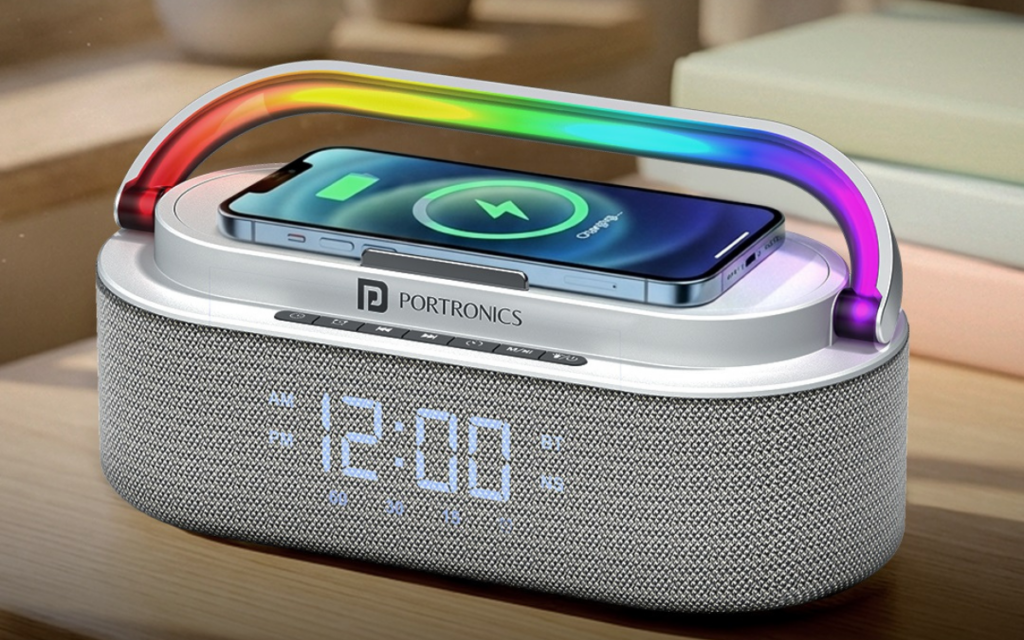
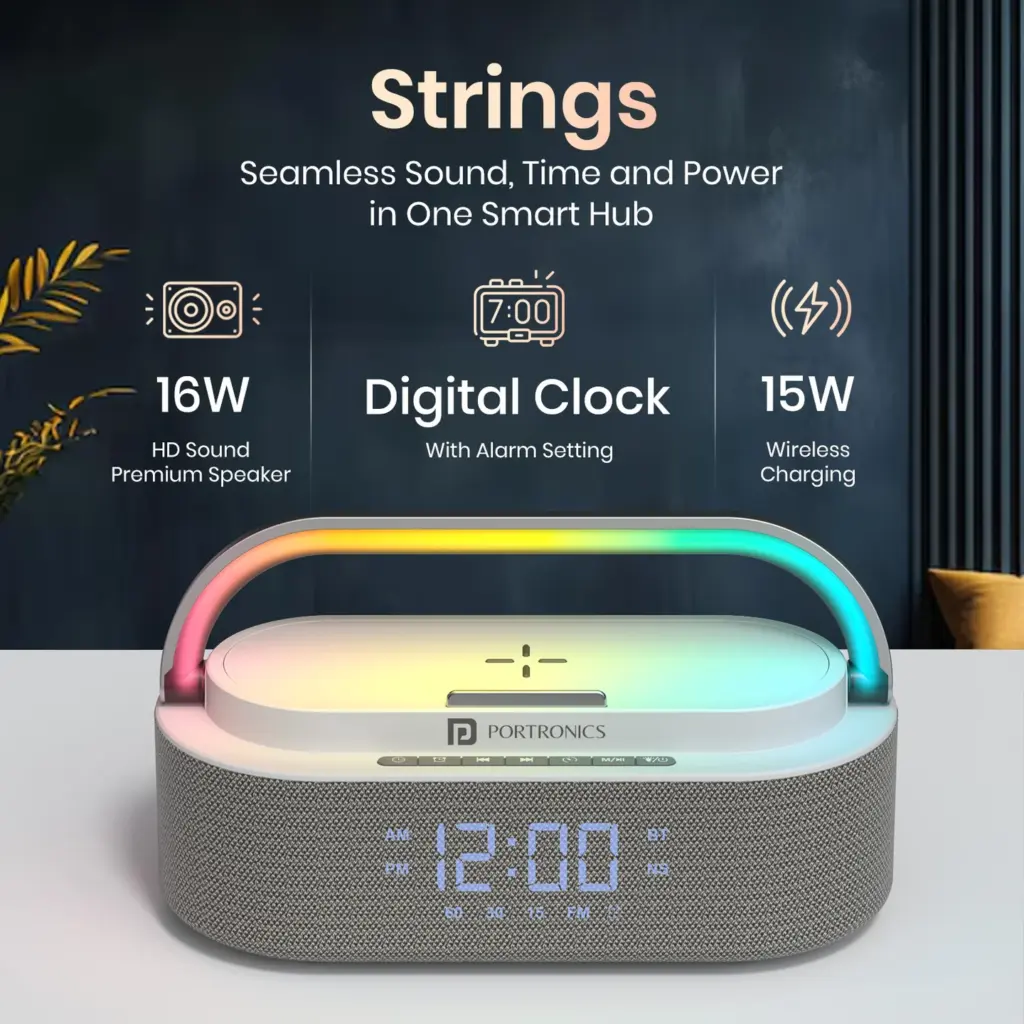
Portronics has launched the Strings, a 3-in-1 smart bedside speaker designed to combine sound, utility, and aesthetics. The device is priced at Rs. 2,249 ($24) and is available for purchase on Portronics.com, Amazon.in, Flipkart.com, and other leading online and offline retail stores. Portronics is offering a 1-year warranty with the product.
Portronics Strings Specifications
The Portronics Strings features a sleek and minimalist design that complements modern living spaces. It comes in an elegant white finish with a soft fabric exterior. The compact size makes it an excellent addition to bedside tables, work desks, or living areas. The RGB ambient lighting adds a sophisticated touch and enhances the overall atmosphere.
This device delivers 16W of powerful HD sound, offering crisp highs, balanced mids, and deep bass for an immersive audio experience. Beyond being just a speaker, it doubles as a digital alarm clock and a wireless charging station, providing a versatile, all-in-one solution for your daily needs.
The Portronics Strings features a 15W wireless charging pad, allowing users to charge their smartphones by placing them on the speaker. The feature requires the speaker to be connected to a power source, with an 18W or higher adapter recommended for optimal performance.
The Strings includes a digital clock that supports both 12-hour and 24-hour formats. It offers alarm settings with a simple interface that fits well into a bedroom or workspace. Additionally, it comes preloaded with calming background sounds like ambient sounds of birds, water, fire, and forests, which help users focus or relax.
In terms of connectivity, the device features Bluetooth 5.3 for fast, reliable pairing and low latency, along with USB and AUX input options for wired audio sources. It also offers microSD card support and up to four hours of playtime on a single charge.
In related news, TEMPT has recently unveiled the Enigma speaker with 30W output, TWS stereo support, and up to 12 hours of battery life, while Edifier has introduced the Huazai Melo Bar Bluetooth speaker featuring RGB lighting and interchangeable panels.
For more daily updates, please visit our News Section.
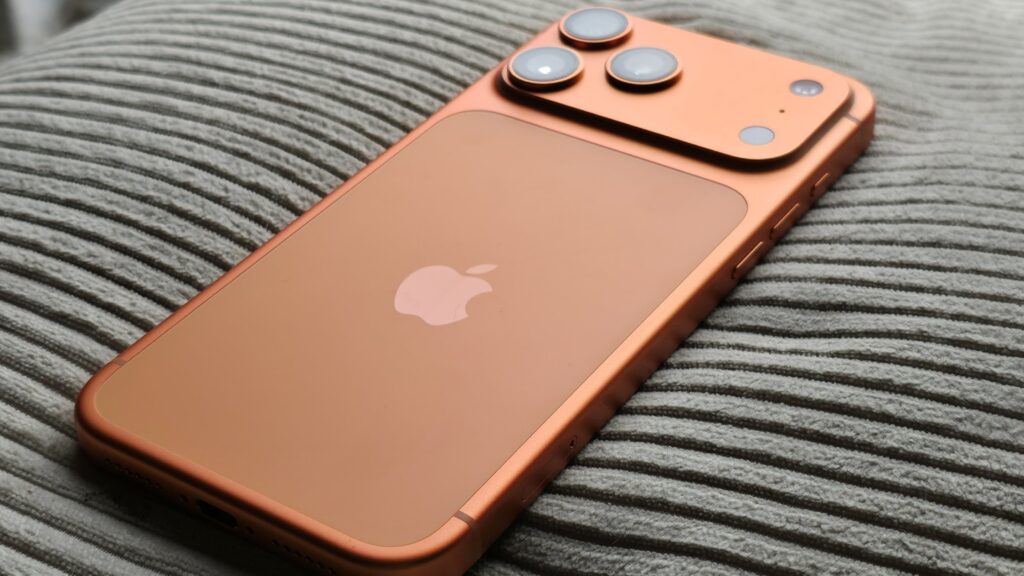
Running your iPhone down to 0% and plugging it back in is usually a non-event. But for a growing number of iPhone 17 models and iPhone Air owners, that simple habit is turning into a surprisingly stubborn problem.
Across Reddit and other forums, users are reporting that once their device fully dies, it sometimes won’t power back on when connected to a standard wired charger. The issue doesn’t seem limited to one specific model either. Reports span the iPhone 17, 17 Pro, 17 Pro Max, and the new iPhone Air.
One of the earliest posts, dating back several months, described an iPhone 17 Pro Max that shut off at 1% and then showed no signs of life when plugged in. Since then, similar complaints have kept popping up, suggesting this isn’t just a handful of defective units.
The behavior isn’t consistent. Some users say their phone eventually comes back after sitting on a cable for 10–15 minutes. Others report waiting hours. And in the worst cases, the phone doesn’t respond at all to a wired connection.
Oddly, the most reliable workaround so far has been switching to a MagSafe charger. Multiple users, and even some Apple Store employees, have had better luck getting the phone to respond wirelessly. Even then, it can take a while before anything happens.
As for the cause, it’s still unclear. It could be a software bug, a charging handshake issue, or something deeper with battery calibration. Apple hasn’t publicly addressed it yet.
For now, if your iPhone refuses to turn back on after dying, skipping the cable and dropping it on a MagSafe charger might be your best bet. Just don’t expect instant results.
After teasing new additions to its smartphone lineup over the past few days, iQOO has now confirmed that the Neo 10 will soon arrive in fresh color options in India. The update does not bring hardware changes, but it gives buyers more choices beyond the existing bold finishes that have been available since launch.
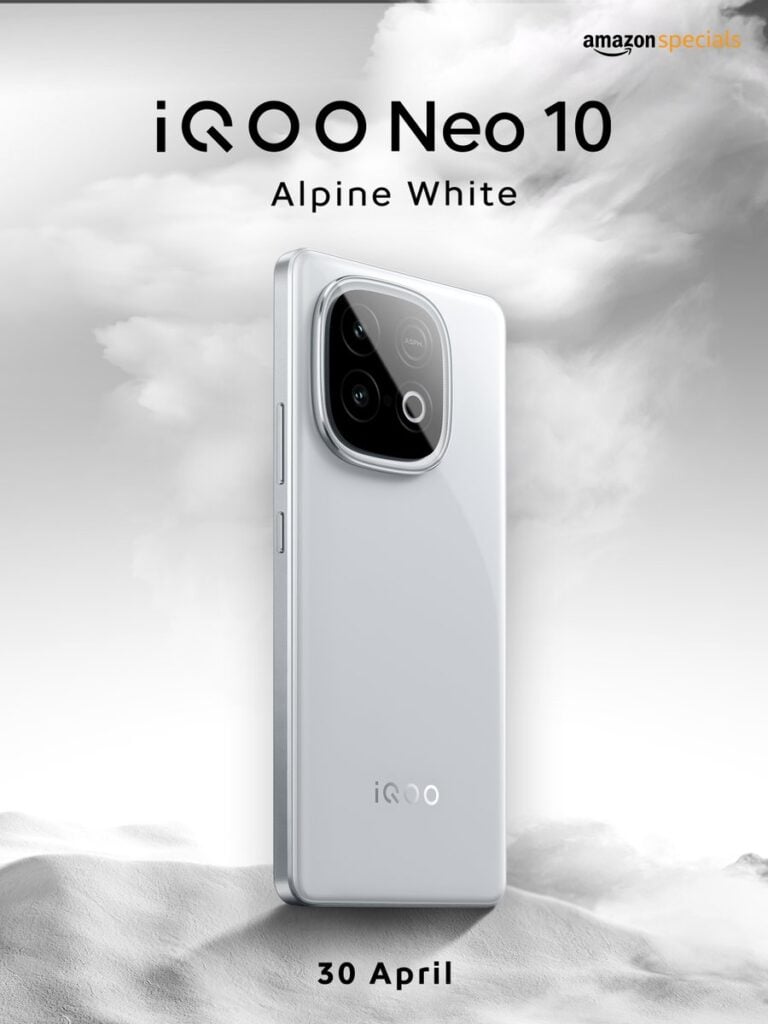
iQOO Neo 10 Alpine White variant unveiled
iQOO Neo 10 – Alpine White
iQOO has confirmed that the iQOO Neo 10 will debut in a new Alpine White finish in India on April 30. The company has also teased a black colour variant, which is expected to launch alongside the new white edition. These upcoming finishes will join the existing Inferno Red and Titanium Chrome variants already available in the Indian market.
The device continues to position itself as one of the few smartphones in its segment powered by the Snapdragon 8s Gen 4 chipset. It also includes iQOO’s dedicated Q1 chip, which is designed to improve gaming performance and frame stability during extended gameplay sessions.
iQOO Neo 10 specifications, price
The iQOO Neo 10 features a 6.78-inch AMOLED display with a 1.5K resolution and a 144Hz refresh rate. The panel is capable of reaching up to 5,500 nits peak brightness. For photography, the device comes with a 50-megapixel Sony primary camera with OIS support and an 8-megapixel ultra-wide lens. On the front, it features a 32-megapixel selfie camera.
To manage heat during intensive gaming sessions, the Neo 10 includes a large 7,000mm² vapour chamber cooling system. The handset is backed by a 7,000mAh battery with support for 120W fast charging and carries an IP65-rated dust and splash-resistant build.
In India, the iQOO Neo 10 starts at Rs 34,999 for the 8GB+128GB variant, while the top-end 16GB+512GB version is priced at Rs 43,999. The new color variants are expected to carry the same pricing and will be available through Amazon India and iQOO’s official channels.
For more daily updates, please visit our News Section.
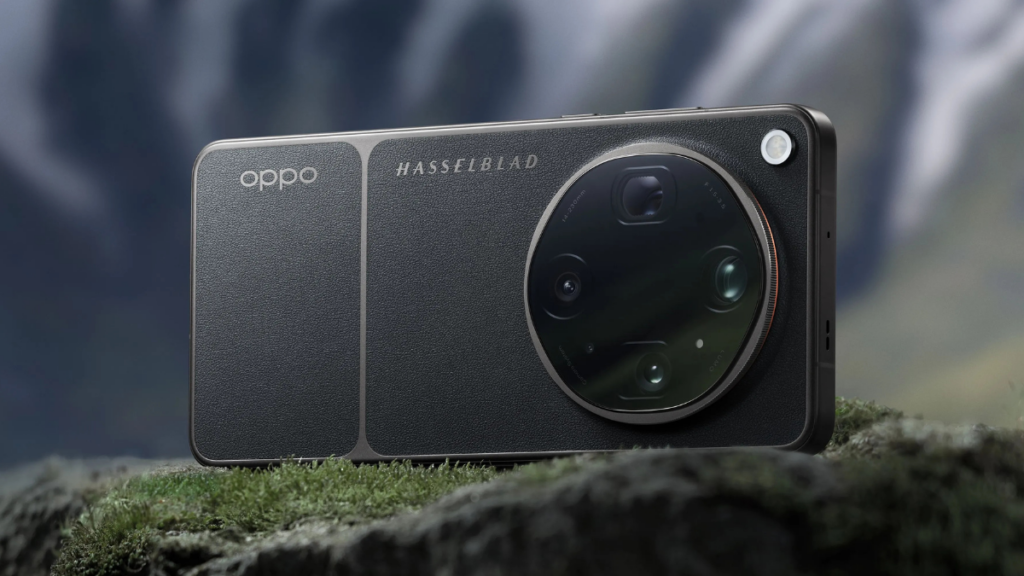
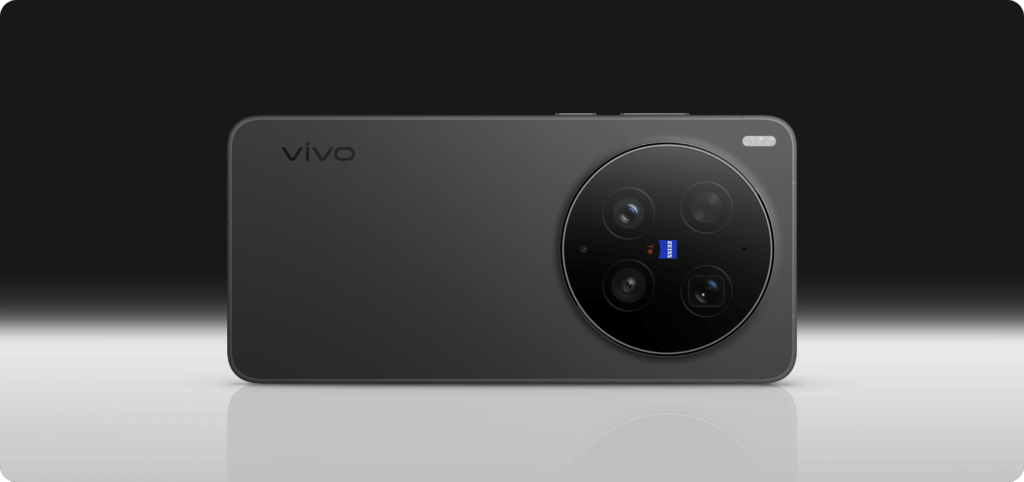
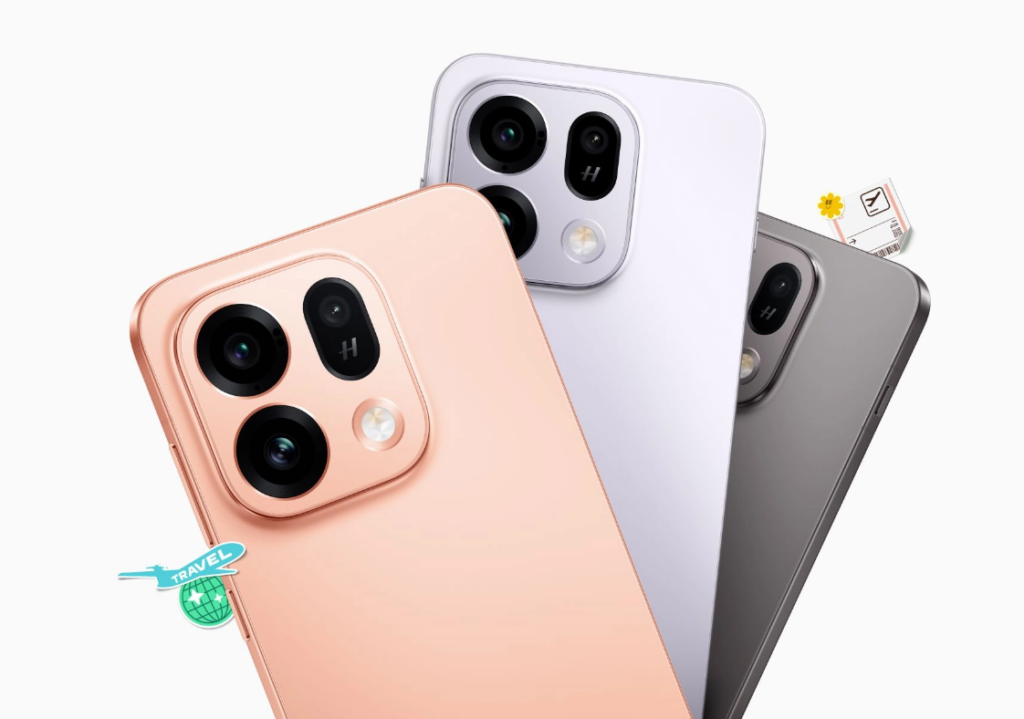
April brought many mid-range smartphones to market, including the OnePlus Nord 6, Vivo T5 Pro, Realme 16, and Vivo V70 FE. On the high-end side, we saw the launch of the Oppo Find X9 Ultra and the Honor 600 Pro. While April was an exciting month for smartphone enthusiasts, May is shaping up to be even more jam-packed with new smartphones, particularly for the high-end segment.
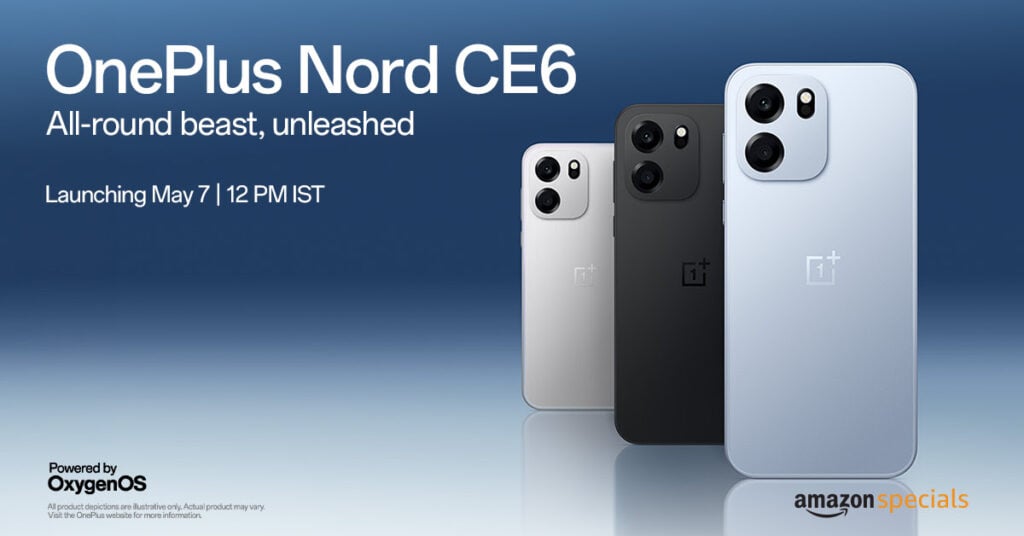
Oppo and Vivo will share the limelight as they prepare to launch their top-tier flagship phones in the Indian market. They will also release powerful mid-range phones, including the Oppo Find X9s and Vivo X300 FE. OnePlus is also set to unveil its affordable Nord CE 6 in May 2026.
The Oppo Find X9 Ultra was launched in China in April and is officially confirmed for an India launch in May, though a specific date has yet to be announced. It is one of the most powerful flagship phones rocking the top-tier Snapdragon 8 Elite Gen 5 chipset for the absolute best performance and efficiency.
The Find X9 Ultra features a 6.82-inch LTPO AMOLED panel with a QHD+ resolution, a 144Hz refresh rate, and a peak brightness of 3600nits. It ships with Android 16 out of the box and promises five major OS upgrades, up to Android 21.
The smartphone is highly praised for its excellent cameras. The quad-camera setup on the backup includes a 200MP primary sensor, a 200MP periscope telephoto lens with 3x optical zoom, a 50MP periscope telephoto lens with 10x optical zoom, and a 50MP ultrawide camera. The selfie camera is also a 50MP sensor, capturing detailed shots.
The 7,050mAh battery on the Find X9 Ultra easily lasts over a day, and the 100W wired charging refills it in minutes. The device also supports 50W wireless charging and 10W reverse wireless charging. The connectivity features are also robust, supporting Wi-Fi 7, Bluetooth v6.0, NFC, and USB Type-C 3.2.
The Vivo X300 Ultra will directly compete with the Oppo Find X9 Ultra, offering top-tier hardware and long-term software support. It has already been launched in several markets and will launch in India in the first week of May. Both flagships share a similar spec sheet, including a 6.82-inch LTPO AMOLED panel and a Snapdragon 8 Elite Gen 5 processor.
The rear camera setup on the X300 Ultra includes three sensors: a 200MP primary camera, a 200MP periscope telephoto lens with 3.7x optical zoom, and a 50MP ultrawide camera. For selfies and video calls, it has a 50MP camera.
The X300 Ultra’s camera setup is very capable, but owners can further improve the long-range optical zoom performance using the photography kit, which includes two external optical lenses: a 400mm Gen 2 Ultra (4.7x optical zoom) and a 200mm Gen 2 (2.35x optical zoom). The photography kit costs about INR 66,000.
The Vivo flagship houses a 6,600mAh battery and supports 100W wired charging and 40W wireless charging. In Europe, the phone gets a slightly smaller 6,400mAh battery with no change in charging capabilities. On the connectivity side, the X300 Ultra features Wi-Fi 7, Bluetooth 5.4, NFC, and USB Type-C 3.2.
The OnePlus Nord CE 6 will launch in the first week of May, alongside the more affordable Nord CE 6 Lite. According to leaks, the phone will be priced in the INR 20,000-25,000 range and is being called the fastest phone in the segment.
OnePlus has already created a microsite for the OnePlus Nord CE 6 on the official website, teasing key specs. The page reveals the Nord CE 6 will be powered by the Snapdragon 7s Gen 4 processor, promising “flagship touch response for ultra-high-FPS gaming.” It will have a 1.5K resolution display with a 144Hz refresh rate and a peak brightness of 1800nits.
The dual-camera setup on the rear side will be led by a 50MP main camera with dual-axis OIS. The other one will likely be a macro shooter. For selfies, the Nord CE 6 has a 32MP camera with autofocus. The smartphone will feature an 8,000mAh battery, promising over two days of battery life on normal usage.
The OnePlus Nord CE 6 is MIL‑STD‑810H certified, ensuring survival in challenging conditions. It is also IP66, IP68, IP69, and IP69K-certified, meaning strong protection against water jets and dust. On the software side, the device boots Android 16-based OxygenOS 16 and offers up to 6 years of software support.
The Oppo Find X9s is confirmed to launch in India in May, though a specific launch date is yet to be announced. The device has already been launched in China and several global markets, so we already know what’s to come.
The Find X9s is a premium mid-range smartphone powered by the Dimensity 9500s processor. It’s a high-end chipset that offers strong gaming performance and power efficiency. See Dimensity 9500s vs Snapdragon 8 Elite for more clarity. The device brings a 6.59-inch AMOLED screen with a 120Hz refresh rate and a peak brightness of 3600 nits.
The triple camera setup on the back features three 50MP sensors: a primary lens, an ultrawide lens with 3x optical zoom, and an ultrawide lens. The selfie camera has a 32MP resolution. Underneath, the Find X9s has a large 7,025 mAh battery with support for 80W fast charging. The connectivity specs include Wi-Fi 7, Bluetooth 6.1, USB Type-C, and NFC.
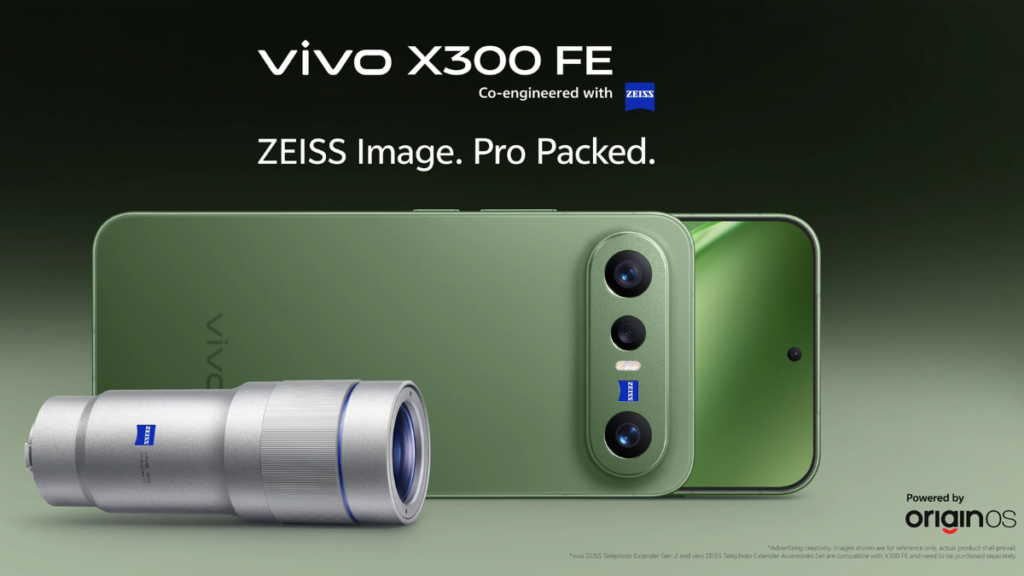
Alongside the top-tier X300 Ultra, Vivo will unveil an affordable yet powerful Vivo X300 FE at the same launch event in India. It’s a compact phone with a 6.31-inch LTPO AMOLED screen and a 120Hz refresh rate. The screen brightness peaks at 5000 nits, offering great visibility outdoors.
At the heart is the Snapdragon 8 Gen 5 chipset, ensuring smooth performance and excellent power efficiency. The phone boots Android 16 out of the box and promises OS upgrades up to Android 21.
In terms of optics, the Find X9s offers a triple camera setup, including a 50MP primary sensor, a 50MP periscope telephoto camera with 3x optical zoom, and an 8MP ultrawide camera. With the photography kit, you can add an additional 200mm 2.35x telephoto lens for better long-range shots.
The Vivo X300 FE houses a 6,500mAh battery and supports 90W wired charging and 40W wireless charging. Connectivity specs include Wi-Fi 7, Bluetooth 5.4, NFC, and USB Type-C 2.0.
Besides these top five smartphones, there are some more lined up for an official release in May 2026. This includes the OnePlus Nord CE 6 Lite, confirmed to launch on May 7, as well as unconfirmed launches such as the OnePlus 15T and Motorola Razr 70 Ultra.
For the past few days, the rumor mill has been consistently revealing new details about the upcoming Vivo X500 series. The latest leak to surface suggests that the rumored X500 Pro Max variant could arrive with a major improvement in the display department. Here’s a look at what to expect from the device.
Vivo X500 Pro Max display resolution tipped
According to tipster Smart Pikachu, the Vivo X500 Pro Max is currently being tested with a 2K resolution display. This would be a significant upgrade, as the Vivo X300 and X300 Pro, which launched last year, featured 1.5K resolution displays. Previous reports have also suggested that the device may feature a massive 6.9-inch display.
Moving to the optics, earlier reports have claimed that the Vivo X500 Pro Max may include a 50-megapixel Sony LYTIA-838 primary sensor, a 50-megapixel ultra-wide camera, and a 200-megapixel periscope telephoto camera. Reports indicate that the primary camera may adopt LOFIC sensor technology, which is designed to improve dynamic range by preserving highlight details in high-contrast scenes. The device is also said to be under evaluation with a multispectral sensor that could improve color accuracy and white balance performance.
On the performance front, the Vivo X500 Pro Max is rumored to debut with the MediaTek Dimensity 9600 Pro chipset. Reports suggest that the chip could be based on TSMC’s advanced 2nm-class process technology and may feature a dual ultra-core architecture aimed at delivering major gains in performance and power efficiency.
The smartphone is also expected to pack a battery in the 7,000mAh range along with support for 100W wired fast charging and wireless fast charging. As for the launch timeline, the Vivo X500 series is tipped to debut in China in September this year, and the event may also see Vivo unveiling its first dedicated vlogging camera.
For more daily updates, please visit our News Section.
Honor has launched a couple of phones powered by 10,000mAh batteries, and Vivo recently unveiled the Vivo Y600 Pro with a 10,200mAh battery in China. Other brands are also expected to introduce devices with even larger batteries, with Redmi reportedly considering a smartphone equipped with a massive 12,000mAh battery. Here’s a look at which Redmi device could arrive with such an enormous battery capacity.
Redmi could be working on a 12,000mAh battery phone
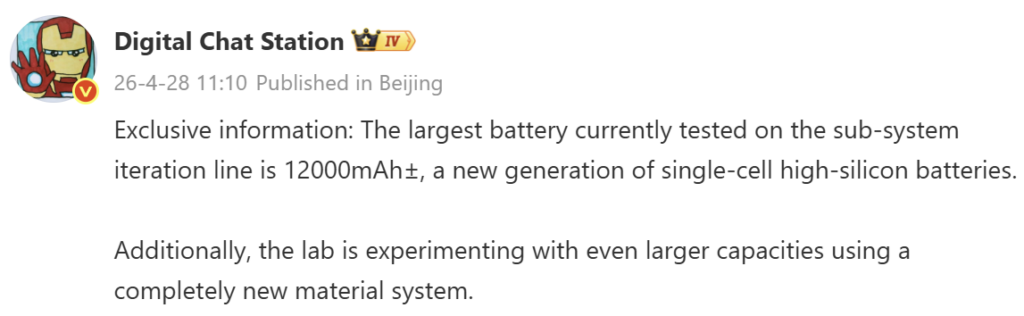
A recent leak from Chinese tipster Digital Chat Station suggests that Redmi is internally testing a next-generation smartphone equipped with a massive 12,000mAh-class battery. According to the tipster, the device is said to feature new single-cell high-silicon battery technology, which could help achieve higher energy density without significantly increasing the phone’s thickness.
The tipster also revealed that Redmi’s research labs are experimenting with even larger battery capacities using a newly customized material system. While the exact device name has not been mentioned, the leak suggests that the company is exploring major advancements in battery technology for its upcoming smartphones.
In the comments section of the post, the tipster further hinted that the device will be powered by a high-performance chipset, suggesting that Redmi may not limit such large battery capacities to entry-level or low-end devices.
While the tipster did not mention the name of the device, Redmi fans are speculating that it could be the Redmi Turbo 6 Max. The reason behind this speculation is that the current Redmi Turbo 5 Max already packs the largest battery ever seen on a Xiaomi or Redmi phone, featuring a 9,000mAh unit.
In the coming months, Redmi is expected to announce the Redmi Note 17 series in China. Among the lineup, the Redmi Note 17 Pro Max is rumored to feature a 10,000mAh battery. Later this year, Redmi may also unveil the Redmi K100 and K100 Pro Max in October. These flagship phones are expected to pack large batteries, but their capacities may not exceed the 10,000mAh mark.
Therefore, the Redmi Turbo 6 Max appears to be the ideal candidate to feature a 12,000mAh battery. As for the launch timeline, the device is expected to debut in Q1 2027. However, it is advisable to wait for additional reports to get a clearer picture of the final specifications and launch plans.
For more daily updates, please visit our News Section.
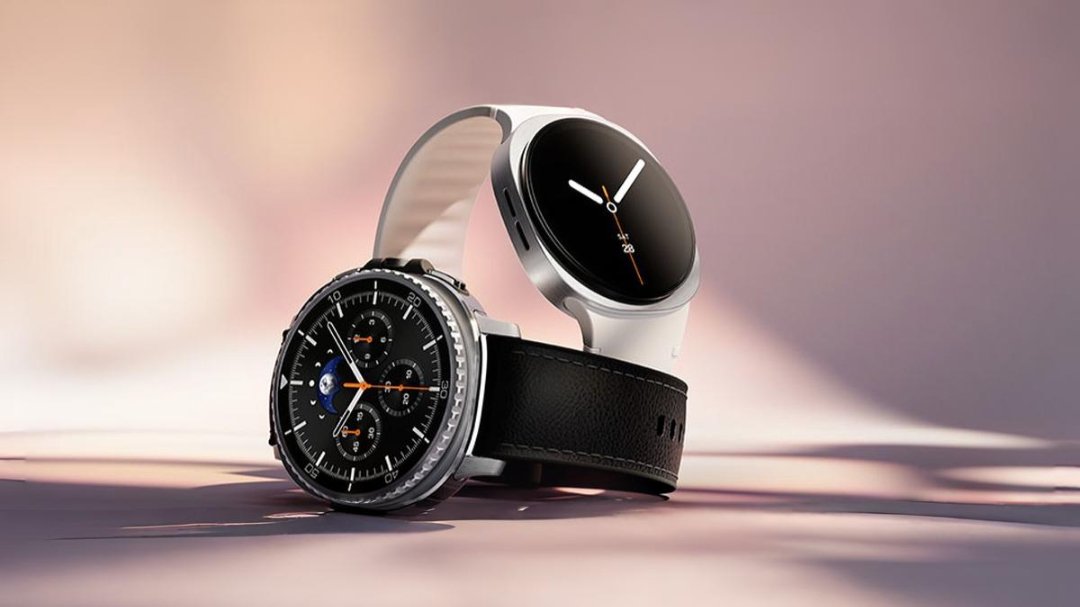
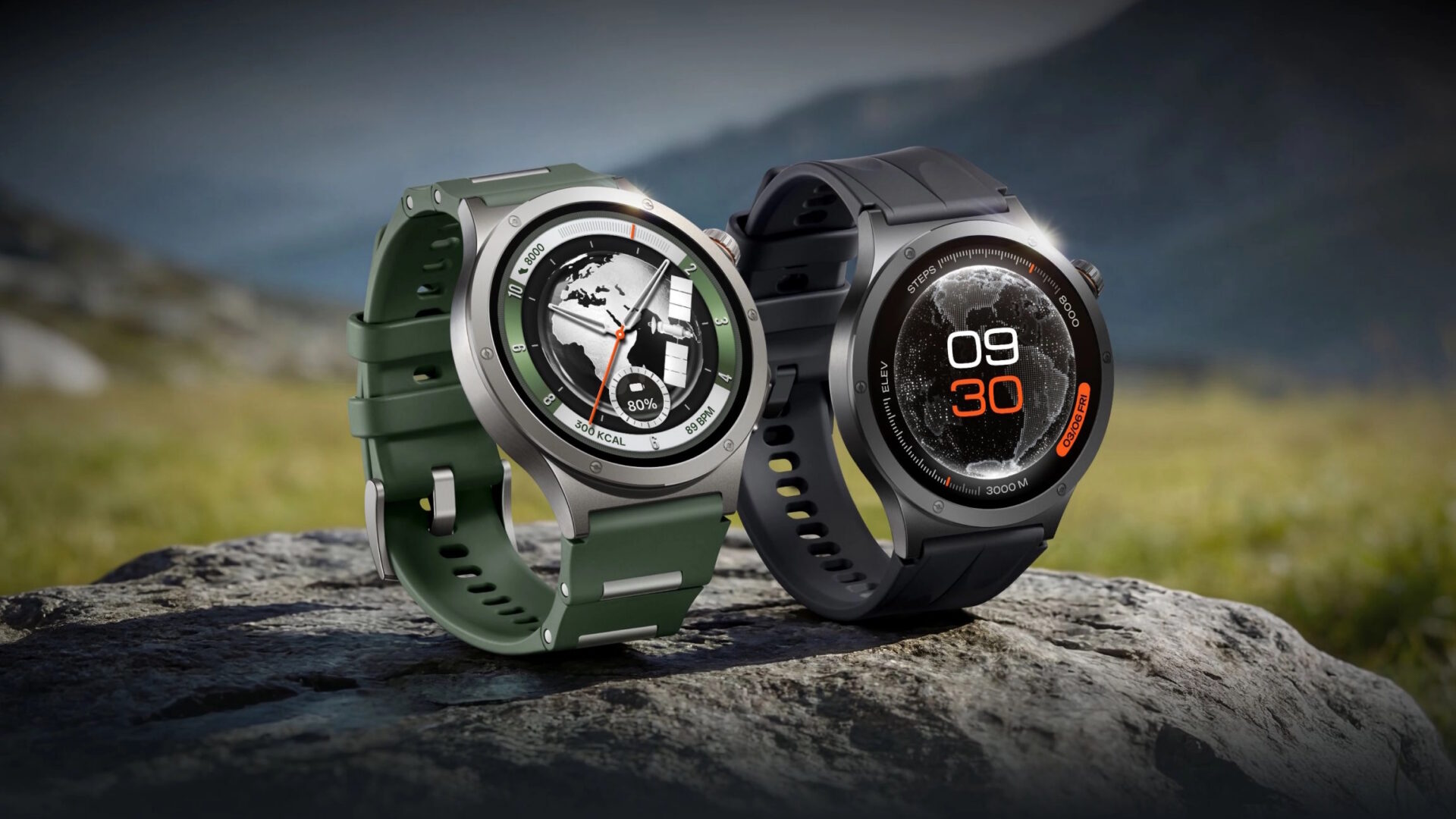
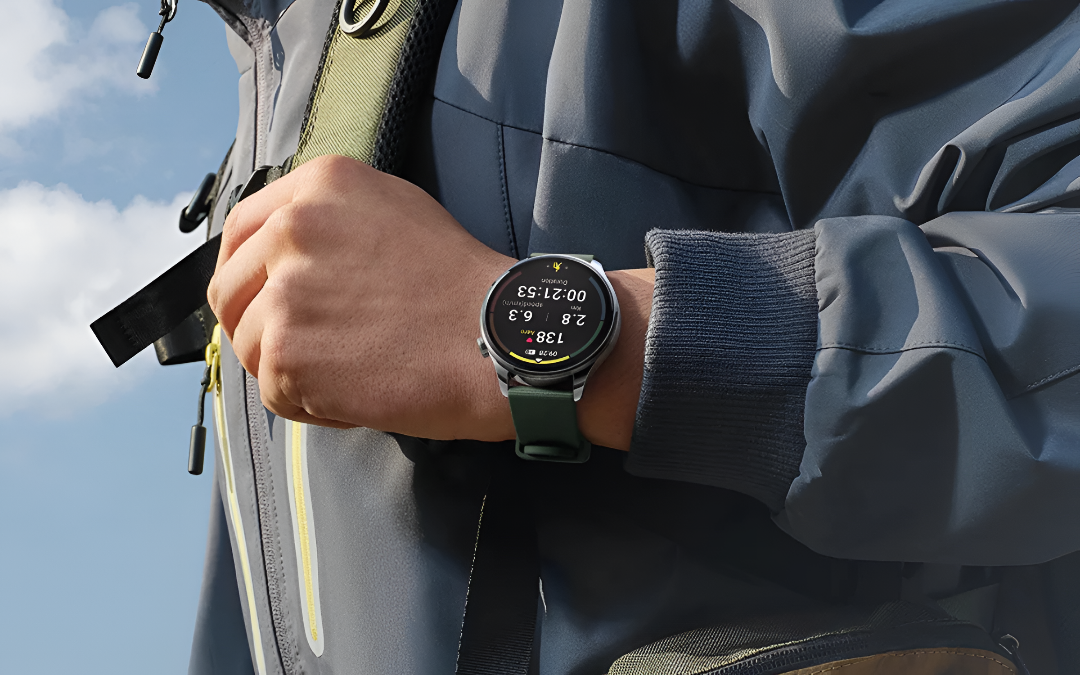
According to a new leak, the upcoming Honor Watch 6 Plus could bring a noticeable jump in endurance, along with a round dial design. The smartwatch is expected to launch sometime in May.
The details come from Digital Chat Station, who claims the watch has already been tested on Honor’s robot “Lightning.” The robot reportedly completed a half-marathon while wearing the device, which is an unusual but interesting way to show off both design and durability. More importantly, the leak suggests the battery life could be one of the standout features here.
Honor is said to be using its high-silicon Qinghai Lake battery technology, which it has been pushing across multiple products. In this case, the claim is that the Watch 6 Plus could feature the largest battery ever used in a smartwatch. If that holds up in real-world use, it could address one of the most common complaints with smartwatches.
On the health side, the watch is expected to build on what Honor has already been doing. Features like continuous blood pressure monitoring and early warning systems for cardiac issues are likely to carry over, along with more refined fitness tracking.
There is also talk of improved sports modes and smarter data tracking, powered by Honor’s own algorithms. The idea seems to be offering more useful guidance, not just raw numbers, so the watch can suggest when to push harder and when to take it easy.
It is still early, and a lot of this is based on leaks, so things could change. But if the battery claims turn out to be accurate, the Honor Watch 6 Plus could end up being a pretty interesting option in a segment where battery life is still a weak point.
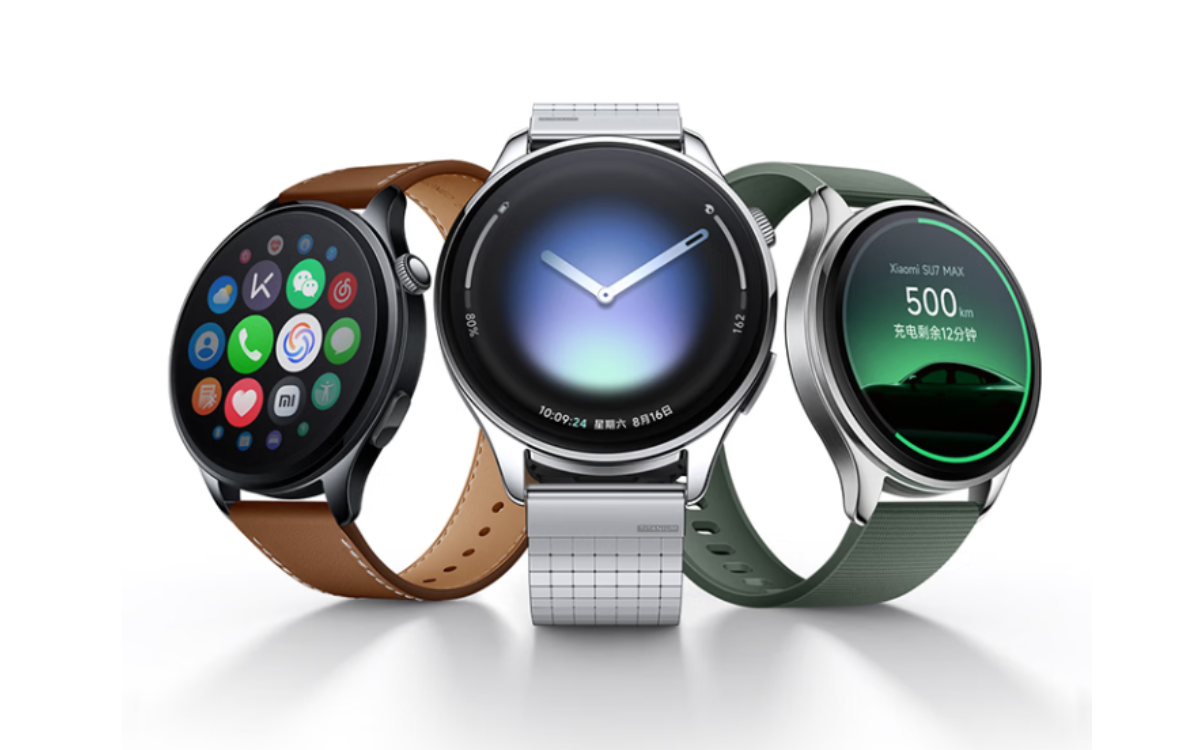
Xiaomi recently introduced the Xiaomi Watch 5 to global markets, expanding on its legacy of delivering high-end features at an aggressive price point. But how does it compare to its competitors like the Galaxy Watch 8, Apple Watch Series 11, OnePlus Watch 4, and others? Here’s a detailed breakdown of how the newest Xiaomi entry fares in a fiercely competitive space.
The Xiaomi Watch 5 runs on Wear OS 6, giving users seamless access to Google applications such as Calendar, Maps, and Wallet. Xiaomi includes Google Gemini, which powers voice commands for navigation and task management directly on the device.
Xiaomi designed the watch with dual-chip architecture, using a Snapdragon W5 Gen 1 processor alongside the BES2800 low-power chip. This configuration allows efficient power use and six days of use in standard mode, or up to 18 days in power-saving mode. The watch also introduces gesture controls with pinch, snap, and wrist rotation options, enhancing productivity for hands-free actions.
The stainless-steel frame and sapphire crystal provide durability and a premium look. With 150 sports modes, advanced GNSS tracking, and one-tap health checks, Xiaomi delivers a comprehensive smartwatch for fitness fans. At a starting price of €299.99 ($354), it provides high-end features at an accessible price point.
2. Apple Watch Series 11
While it may not be a direct competitor to Apple Watches, the Xiaomi Watch 5 is compatible with iOS, making a comparison worthwhile. Apple introduced features like hypertension notifications and sleep tracking with Sleep Score in the Watch Series 11. These rely on advanced health sensors designed to monitor blood pressure and assess sleep quality over time.
The smartwatch uses WatchOS 26, which includes new watch faces, apps like Notes, and better ecosystem integration with iPhones. Apple also updated the display glass with 2x scratch resistance and improved cellular connectivity by adding a 5G modem.
Battery life remains the device’s primary shortfall, with just 24 hours of normal use compared to competitors offering much longer runtimes. However, its pricing starts at $399, making it a desirable choice for Apple users.
3. Samsung Galaxy Watch 8
Although Samsung has yet to refresh its smartwatch lineup this year, the company made significant refinements last year with the Galaxy Watch 8. The updated design featured a slimmer profile for improved comfort and wearability. Additionally, the watch introduced advanced health features, including sleep apnea detection, vascular load monitoring, and a personalized running coach.
Samsung’s One UI 8 Watch software provides a cleaner interface, and the watch runs on a 3nm processor for enhanced performance. Dual-frequency GPS enables accurate outdoor tracking. Despite impressive features, its two-day battery life underperforms when compared with other flagship smartwatches. The Galaxy Watch 8 starts at $349.99, offering strong integration with Android smartphones.
4. Huawei Watch Fit 5 Pro
The Huawei Watch Fit 5 Pro targets fitness enthusiasts. It includes features like trail navigation, cycling recognition, and detailed golf course maps. Advanced health tools like vascular elasticity detection and blood glucose risk alerts set it apart from other fitness wearables.
The larger 1.92-inch AMOLED display with 3,000 nits of brightness ensures visibility outdoors, while the 10-day battery life beats many competitors in its class. However, it lacks support for Wear OS and focuses primarily on Huawei’s ecosystem. The Pro model starts at 2,199 yuan ($322), positioning it as a premium fitness tool.
5. Oppo Watch X3
The Oppo Watch X3 brings a titanium build, reducing its weight by 13.4% compared to its predecessor. It runs Wear OS 6 with access to Google’s suite of apps, offering compatibility with a wide range of Android devices.
Oppo uses a dual-chip system with the Snapdragon W5 and BES2800 processors, balancing performance and power. The device manages a five-day battery life in standard mode and up to 16 days in power-saving mode. At €379 ($445), it offers a durable design, bright AMOLED display, and comprehensive health tracking.
6. OnePlus Watch 4
The OnePlus Watch 4 shares much of its design and hardware with the Oppo Watch X3. It features the same Snapdragon W5 chip, a titanium case, and Wear OS 6 software. The watch delivers similar battery life and durability ratings, including IP68 and military-grade certifications.
OnePlus adds its OxygenOS Watch 8 experience to improve user interaction. Sensors track health metrics like heart rate, blood oxygen, and sleep patterns. The price and availability remain unclear, though it is expected to compete closely with premium offerings in the market.
7. Should You Buy the Xiaomi Watch 5 Over Its Competitors?
The Xiaomi Watch 5 is arguably the most balanced smartwatch of 2026 for Android users, but it isn’t a one-size-fits-all device. You should opt for the Xiaomi Watch 5 if battery life and value are your top priorities. With its massive 930mAh battery delivering up to six days of smart use and an incredible 18 days in power-saver mode, it easily outlasts the daily charging cycles required by Apple and Samsung devices.
It is also an excellent choice for tech trendsetters and budget-conscious buyers. At €299.99, it undercuts many premium competitors while still delivering flagship hardware like a sapphire glass display, dual-band GPS, cutting-edge hands-free gesture controls, and direct Google Gemini integration.
However, there are specific users who should avoid the Xiaomi Watch 5 in favor of its competitors. If you are an iPhone user, the Apple Watch Series 11 remains your undisputed choice, offering seamless iOS integration and exclusive health features like Hypertension Notifications that simply aren’t available on Wear OS.
On the Android side, users seeking the absolute latest in AI-driven health analysis might find the Xiaomi lacking compared to the Samsung Galaxy Watch 8. Samsung’s offering justifies its higher price tag with a highly efficient 3nm processor and advanced metrics like Vascular Load Monitoring and an AI-Powered Energy Score.
Furthermore, extreme outdoor athletes and premium material purists should likely look elsewhere. If your training relies on specialized sports tracking, such as offline vector maps for golf or segmented trail running navigation, the Huawei Watch Fit 5 Pro is a much better fit for your active lifestyle.
Finally, if you prefer the ultra-lightweight and rugged feel of aerospace-grade titanium over standard stainless steel, you will be much better served by the OnePlus Watch 4 or the Oppo Watch X3.
For more daily updates, please visit our News Section.
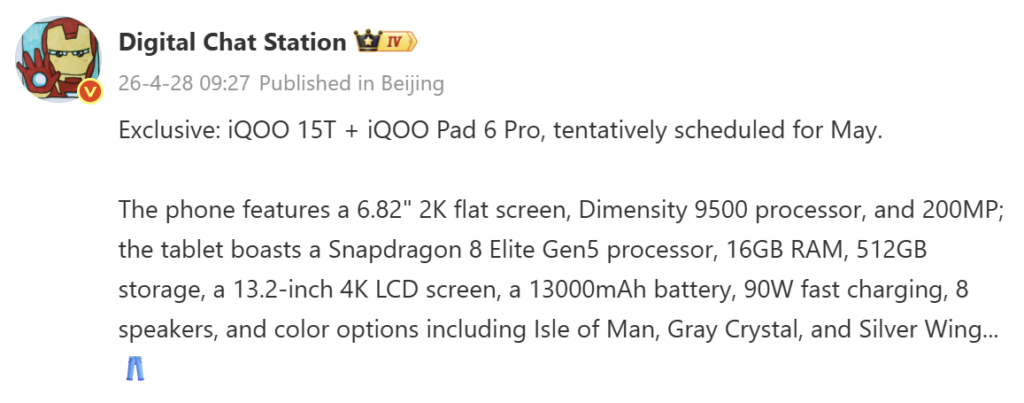
Last month, a leak revealed that iQOO could be working on two flagship phones powered by the Snapdragon 8 Elite and Dimensity 9500 chipsets. At the time, it was speculated that these devices could be part of the Neo 11 series. However, newer leaks have suggested that the brand’s next flagship phone will be called the iQOO 15T. Now, a new Weibo post from reliable tipster Digital Chat Station has surfaced, shedding more light on the company’s upcoming devices for the Chinese market.
iQOO 15T and iQOO Pad 6 Pro specifications leaked
iQOO Neo 15 and Pad 6 Pro details leaked
According to information shared by the tipster, iQOO could unveil the iQOO 15T as early as May in China. The leak suggests that the smartphone may feature a large 6.82-inch flat display with a 2K resolution. It is also tipped to be powered by the upcoming MediaTek Dimensity 9500 chipset.
For photography, the device could include a 200-megapixel camera. In the comments section of the post, the tipster further claimed that the iQOO 15T may pack an 8,000mAh battery.
The same leak also revealed details about the upcoming iQOO Pad 6 Pro tablet. The device is said to feature Qualcomm’s Snapdragon 8 Elite Gen 5 chipset paired with up to 16GB RAM and 512GB storage. It may arrive with a massive 13.2-inch 4K LCD display and could house a 13,000mAh battery with support for 90W fast charging.
The tablet is also tipped to feature an eight-speaker setup for an enhanced multimedia experience. The leak mentions that the device may be offered in multiple color options, including Man Dao, Grey Crystal, and Silver Wing editions.
iQOO Neo 11 series in the works
In addition, the tipster hinted that the iQOO Neo 11 series may arrive later than the iQOO 15T. While specific details about the Neo 11 lineup remain under wraps, the leak suggests that the series could bring minor iterative upgrades over its predecessor. There is a possibility that this device could feature the Snapdragon 8 Elite chipset, a 6.83-inch 2K LTPS display with support for a 165Hz refresh rate, and an approximately 8,000mAh battery. The final moniker of this device remains unclear, so it is yet to be seen whether it will be called the iQOO Neo 11S or Neo 11 Pro.
For more daily updates, please visit our News Section.
After teasing the arrival in the past week, Lenovo has officially introduced the Idea Tab Pro Gen 2 in India. The new tablet is aimed at users looking for a larger-screen device that can handle productivity, entertainment, and creative tasks without moving to a full-sized laptop. The latest model also brings AI-backed features designed to simplify note-taking, content creation, and multitasking.
Lenovo Idea Tab Pro Gen 2 specifications and features
Lenovo Idea Tab Pro Gen 2
The Lenovo Idea Tab Pro Gen 2 features a 13-inch 3.5K PureSight Pro display with a 3540 x 2190 pixels resolution and a 144Hz refresh rate. The panel supports 99 percent DCI-P3 colour gamut and reaches up to 800 nits brightness in high brightness mode. Lenovo is also offering a matte edition with an anti-glare finish for users who prefer a paper-like viewing experience.
Powering the tablet is the Snapdragon 8s Gen 4 chipset paired with up to 12GB RAM and up to 512GB storage. It runs Android 16 and is expected to receive updates up to Android 18. The tablet packs a 10,200mAh battery with support for 45W fast charging.
Lenovo Idea Tab Pro Gen 2
Lenovo has equipped the device with quad JBL speakers tuned with Dolby Atmos support. For photography and video calls, it gets a 13-megapixel rear camera and an 8-megapixel front camera.
Lenovo Idea Tab Pro Gen 2 price in India, availability
Lenovo Idea Tab Pro Gen 2 accessories
The Lenovo Idea Tab Pro Gen 2 has been priced at Rs 39,999 (~$420) in India. It will go on sale starting May 1 through Lenovo’s official website, e-commerce platforms, and retail stores across the country. Buyers can also get an instant bank discount of Rs 3,000 for a limited period.
For more daily updates, please visit our News Section.
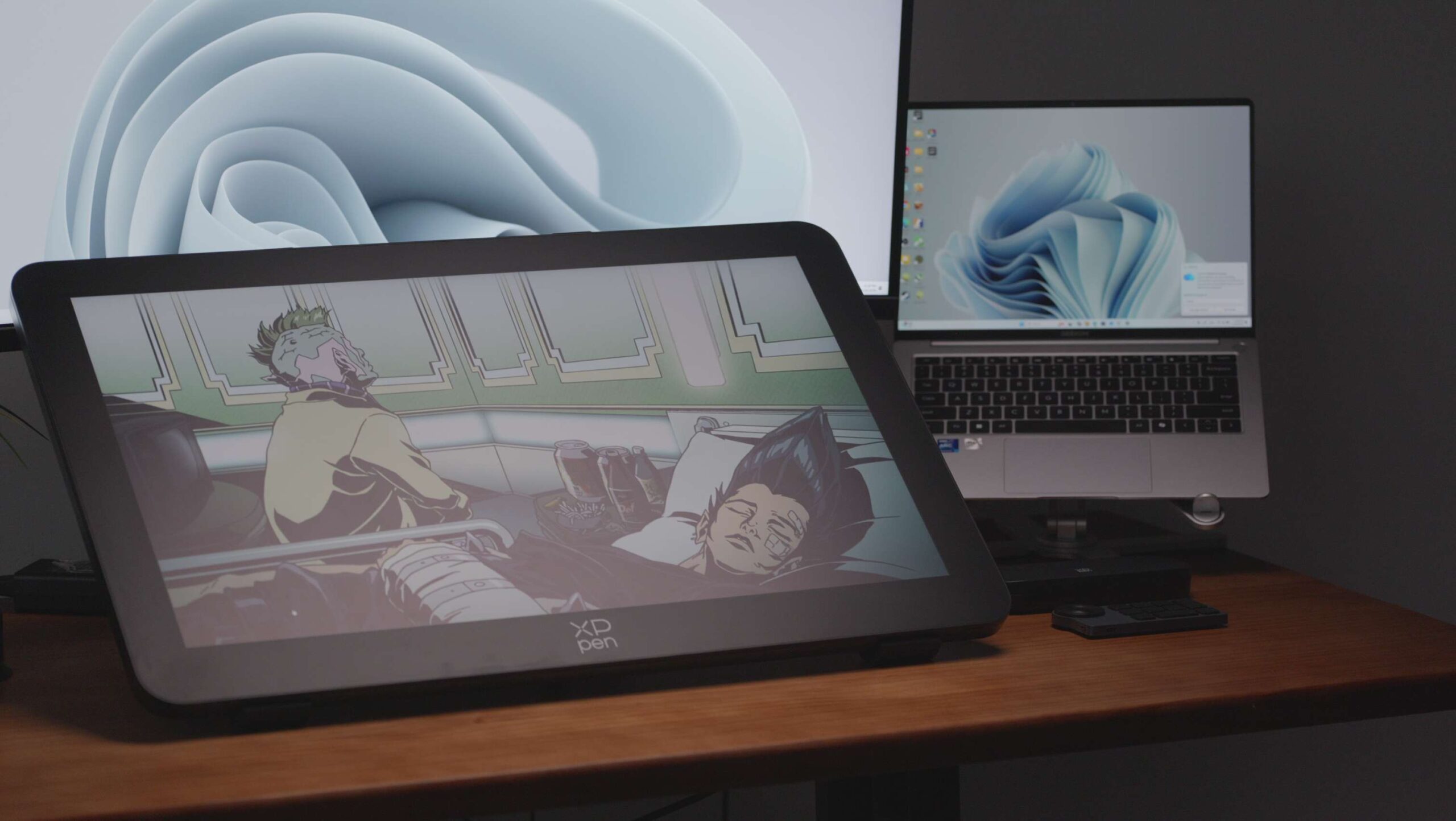
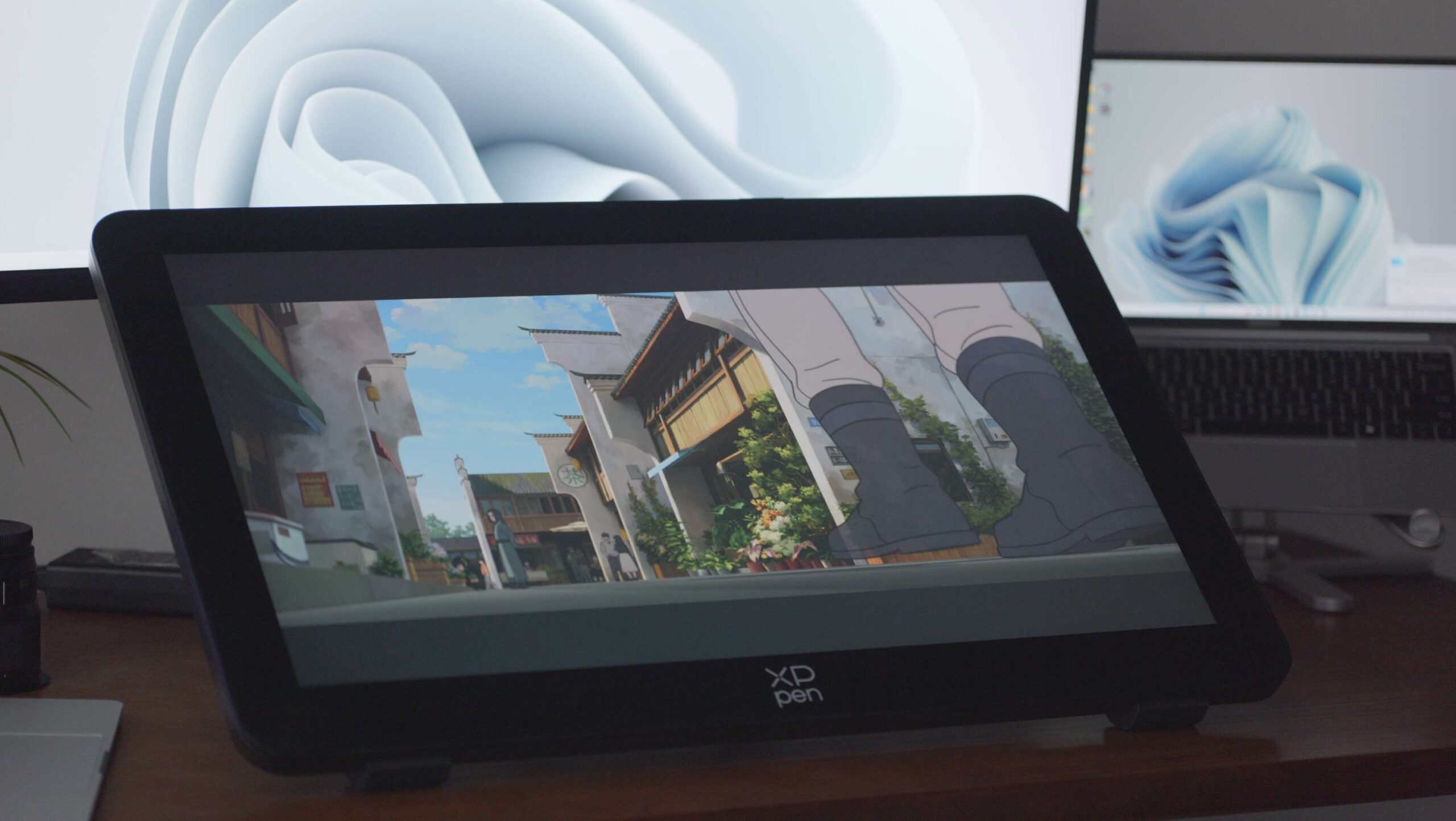
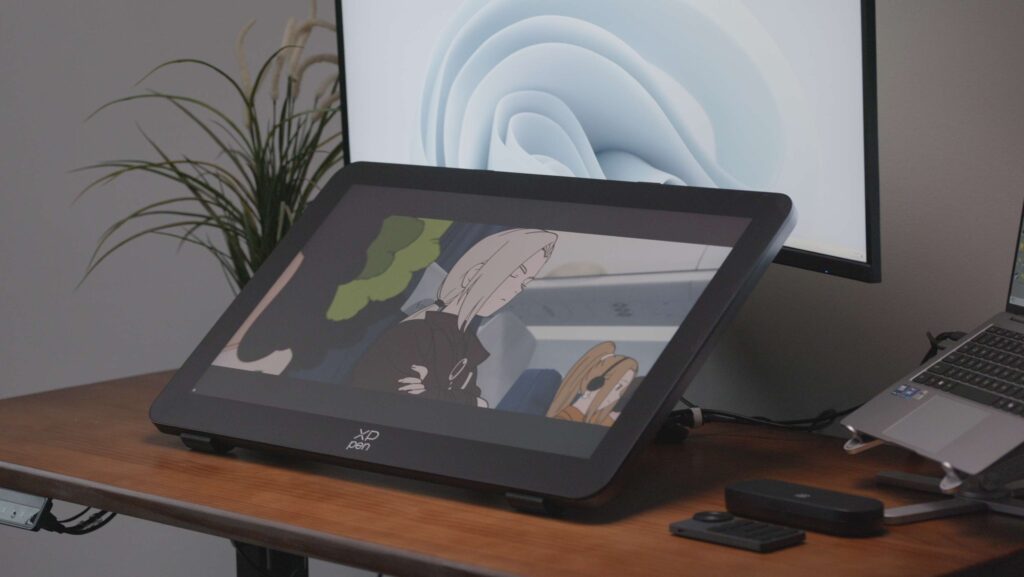
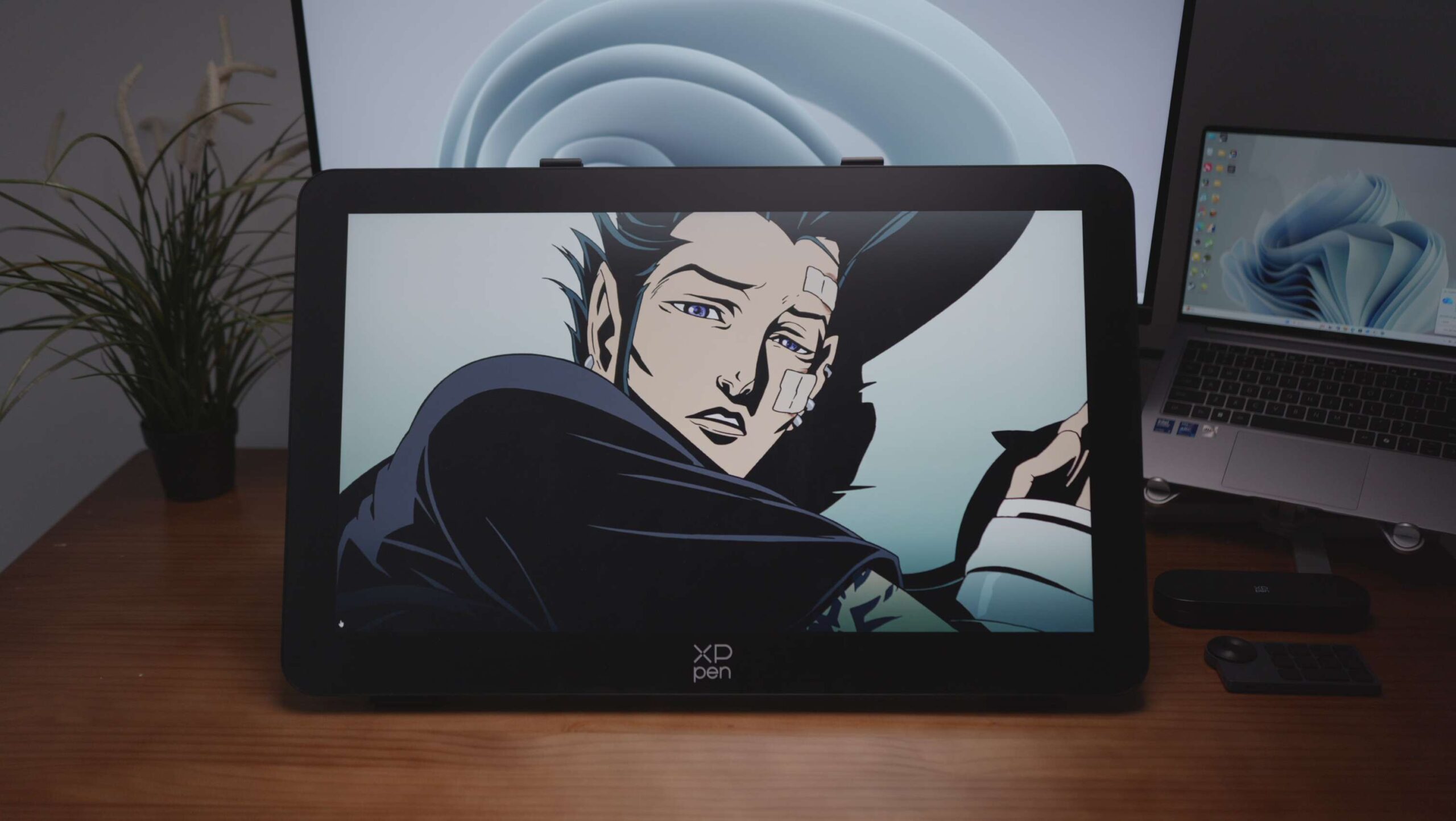
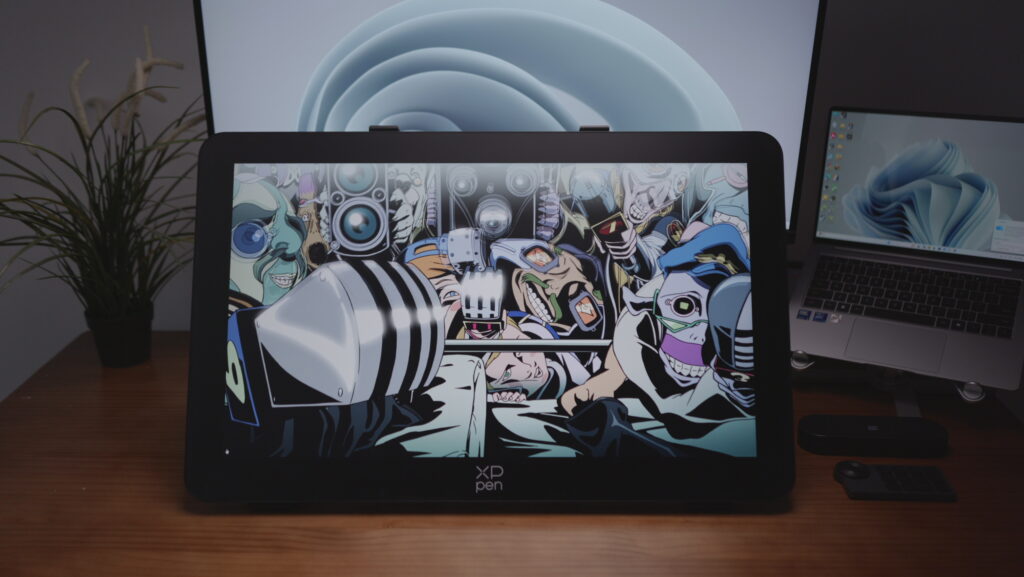
We’ve tested our fair share of pen displays, from 12-inch portable pads to 16-inch professional slabs. But to be honest, compared to the standard monitors I use for daily work, even those felt a bit cramped. It got me thinking: is there a larger canvas available that truly allows for expansive, natural digital creation? That brings us to the subject of today’s in-depth review—the XPPen Artist Pro 27 (Gen 2).
This monumental display is not only the largest pen display we’ve ever tested but also, by a significant margin, the heaviest. It begs the question: why are professional-grade creative displays finally pushing into this larger territory, and is bigger always better? Let’s find out.
Artist Pro 27 Pro (Gen 2)
Buy the XPPen Artist 27 Pro (Gen 2) on XPPen official store here, and get 5% off with the exclusive code – GizmoXP
Hardware Specifications
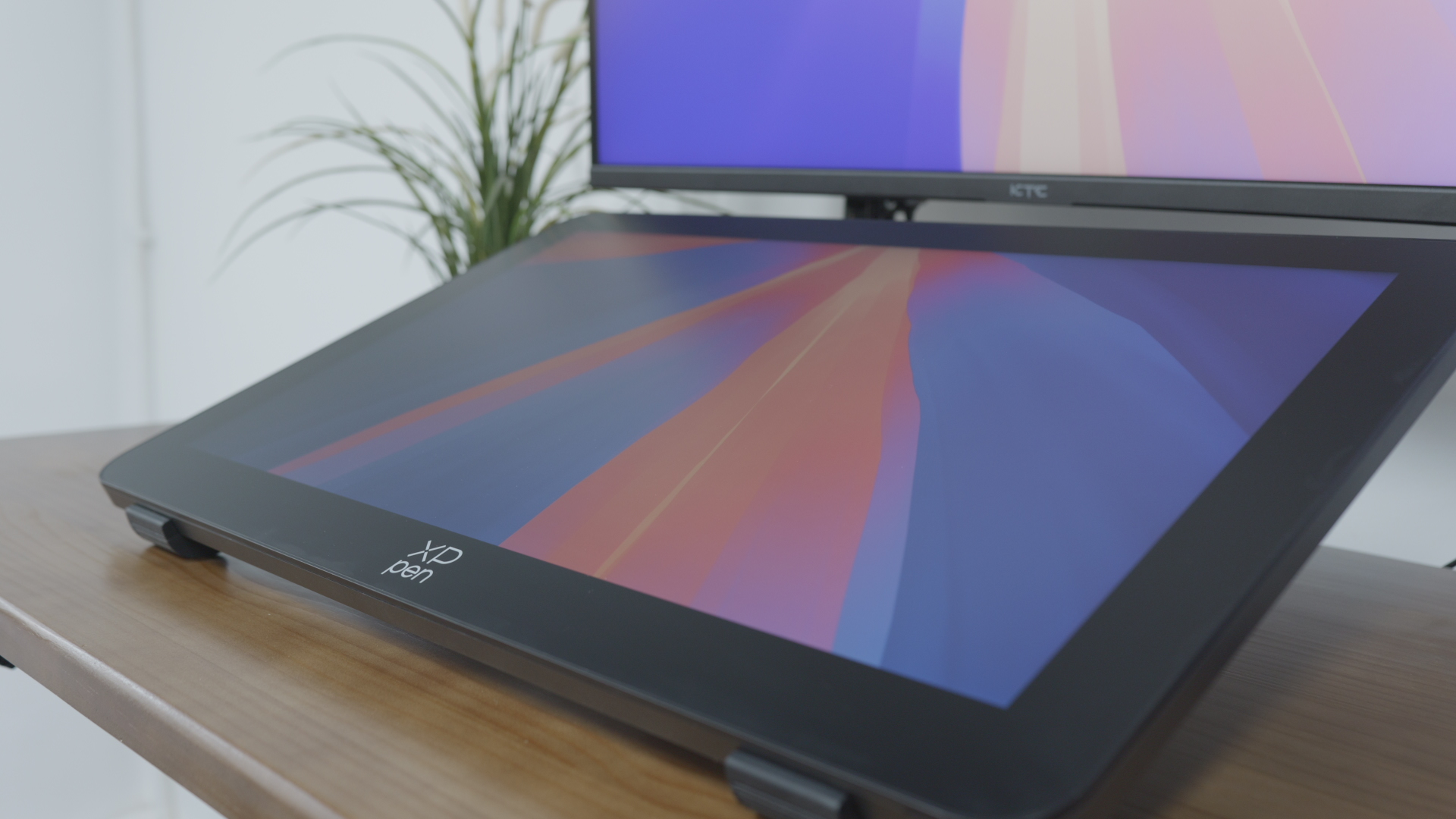
The Artist Pro series has always been known for its robust specs, and the 27 (Gen 2) is no exception. This 27-inch panel is a powerhouse, packing a crisp 3840 x 2160 4K resolution and a buttery-smooth 120Hz refresh rate. The implication here is clear: the visual fluidity is so good, you could theoretically game on it without issue (though its primary mission is creation).
Color performance is where it truly matters for creative work, and this screen delivers. It boasts 99% coverage of both Adobe RGB and sRGB color gamuts, along with 97% coverage of DCI-P3. This makes it well-suited for professional photography, video editing, and design tasks where color accuracy is non-negotiable.
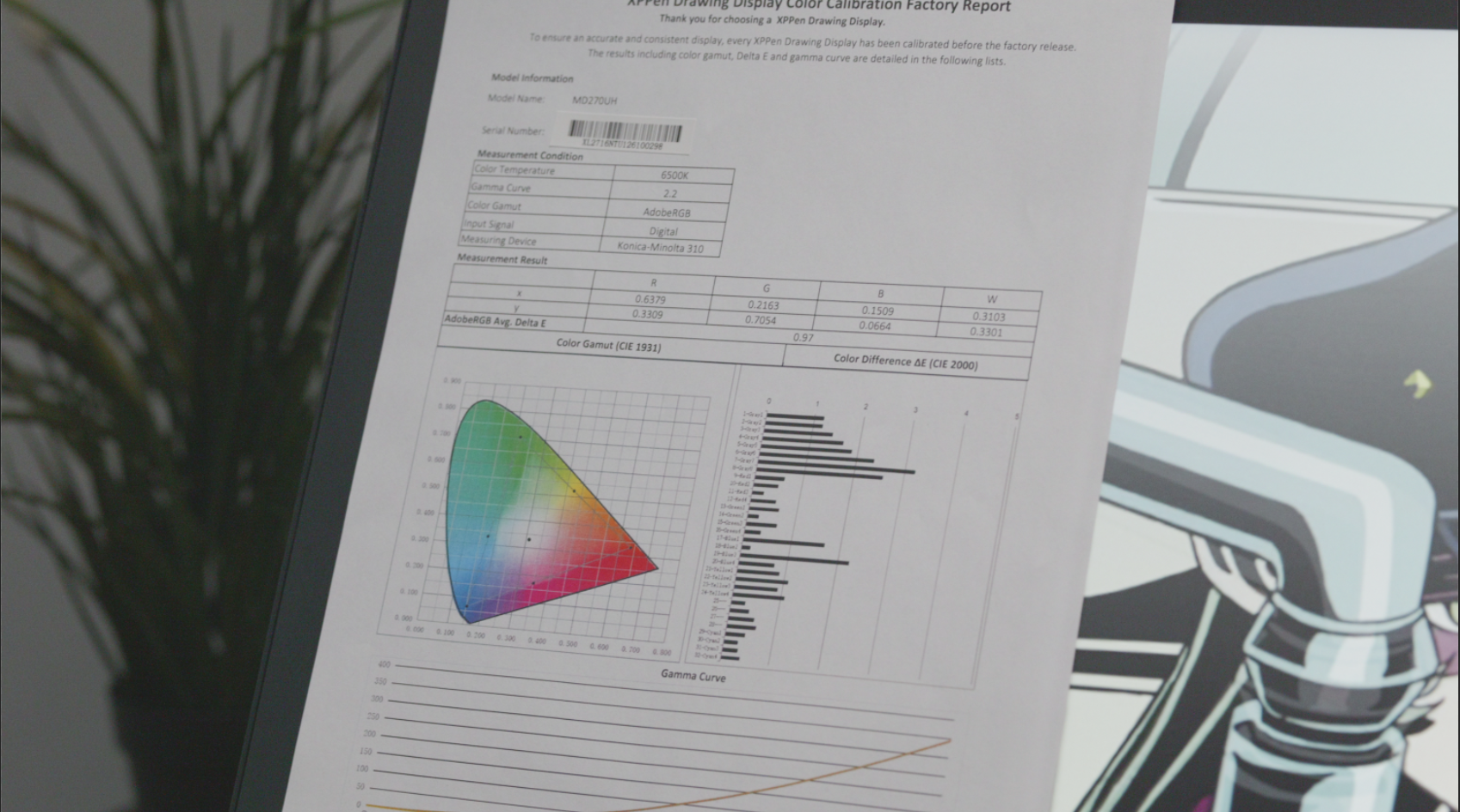
XPPen includes a factory calibration report for the Adobe RGB color space with each unit. Our review sample posted an average Delta E of just 0.97, with a maximum variance of only 3.0. These are excellent numbers, confirming that the screen is color-accurate and reliable straight out of the box. With a typical brightness of 350 nits, it’s perfectly adequate for well-lit indoor studio environments, though it might struggle a bit in very bright, sun-drenched rooms.
Connectivity & Interface
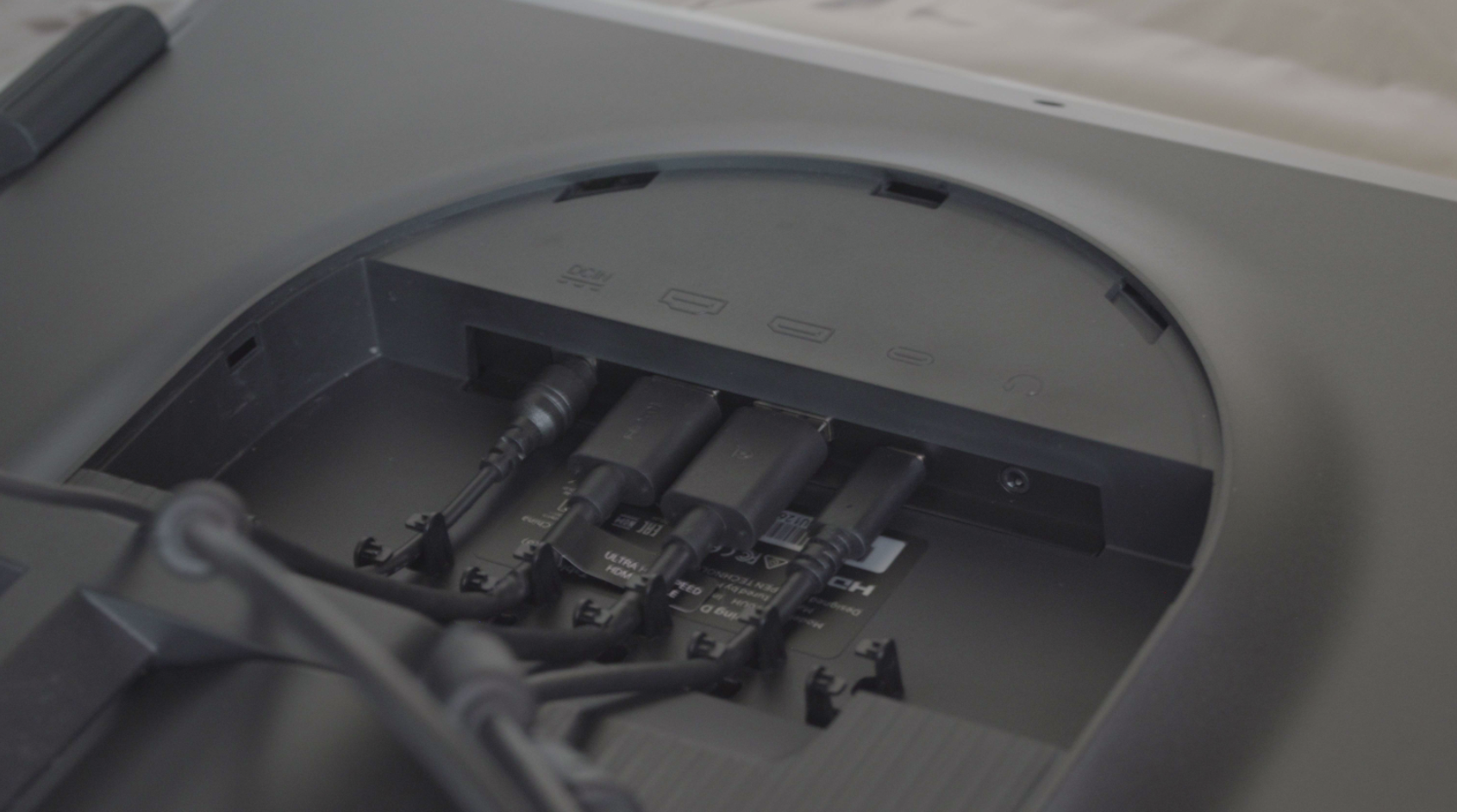
To drive this high-resolution behemoth, the Artist Pro 27 (Gen 2) includes three video input options: a full-sized DisplayPort, an HDMI port, and a USB-C port that supports display signals. On the output side, things are spartan—just a single 3.5mm audio jack. Honestly, given the generous real estate on this massive display, we were hoping for at least one USB-A port. A built-in hub would be perfect for plugging in a 2.4GHz wireless receiver for a mouse or a flash drive, but as it stands, you’ll need to reach for your computer or a separate hub.
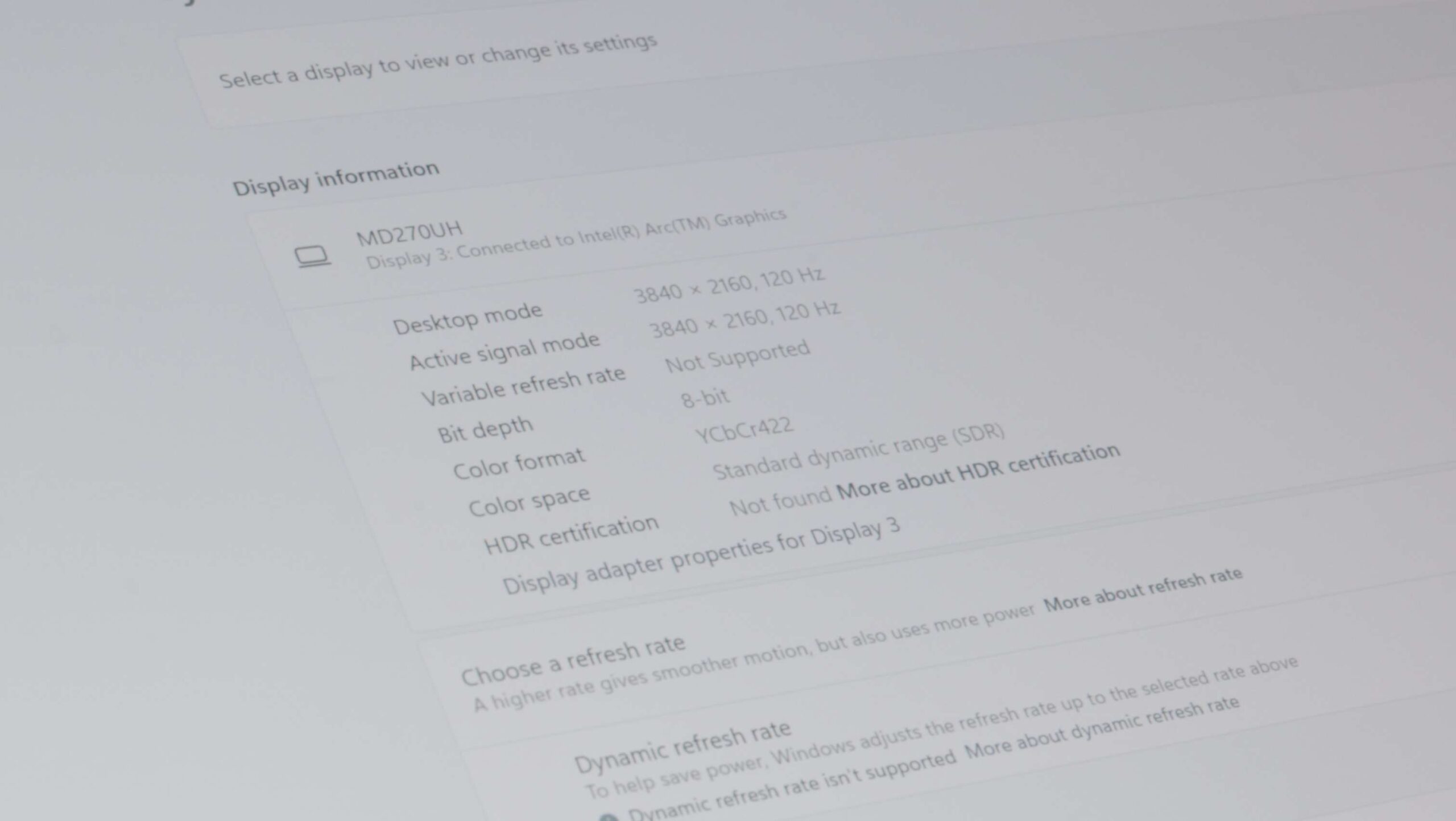
Our testing also revealed some quirks with the USB-C connectivity. When pushing the display at its full 4K 120Hz capability, the chroma subsampling defaults to YCbCr 422 instead of the preferred full RGB. This is likely a bandwidth limitation of the specific USB-C implementation. Fortunately, the slight reduction in color precision is very difficult to perceive with the naked eye during normal use. Interestingly, we didn’t encounter this limitation when connected to a Mac. It’s also worth noting that the USB-C port does not provide power delivery. If you’re connecting a laptop, you’ll need to keep it plugged into its own power source, adding another cable to the mix.
The Stylus & Accessories: Familiar Precision, New Ergonomics
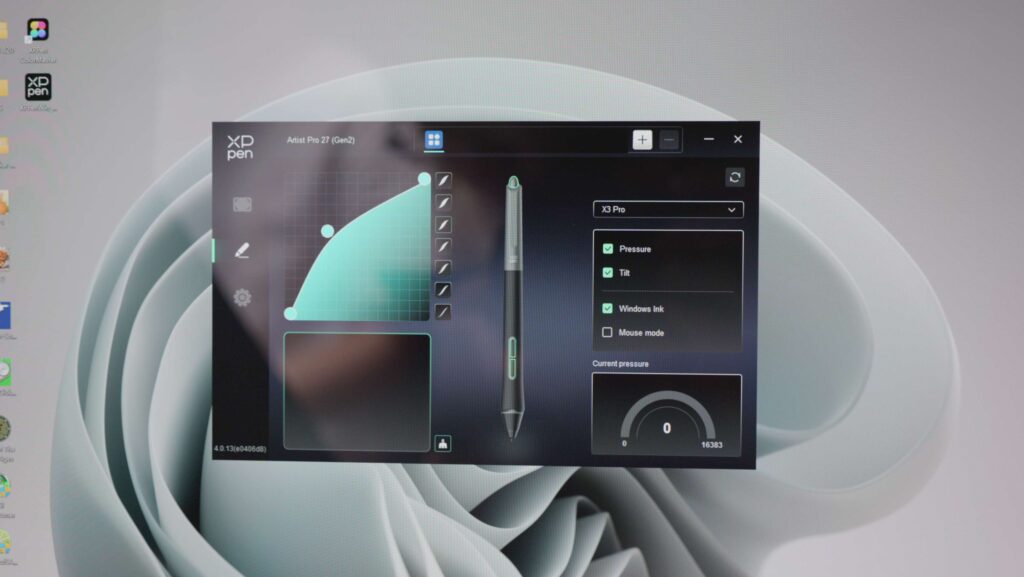
The Artist Pro 27 (Gen 2) ships with XPPen’s latest stylus technology: the X3 Pro Smart Chip Stylus, featuring a staggering 16,384 levels of pressure sensitivity. Quantifying the leap from 4K or 8K sensitivity to 16K is difficult, but if you’re coming from a device like a Samsung S-Pen (which typically uses 4,096 levels), the difference is monumental. Mathematically, the X3 Pro offers 400% more pressure sensitivity. In practice, this translates to an incredibly nuanced range of expression, from the lightest wisp of a sketch to a bold, heavy stroke.
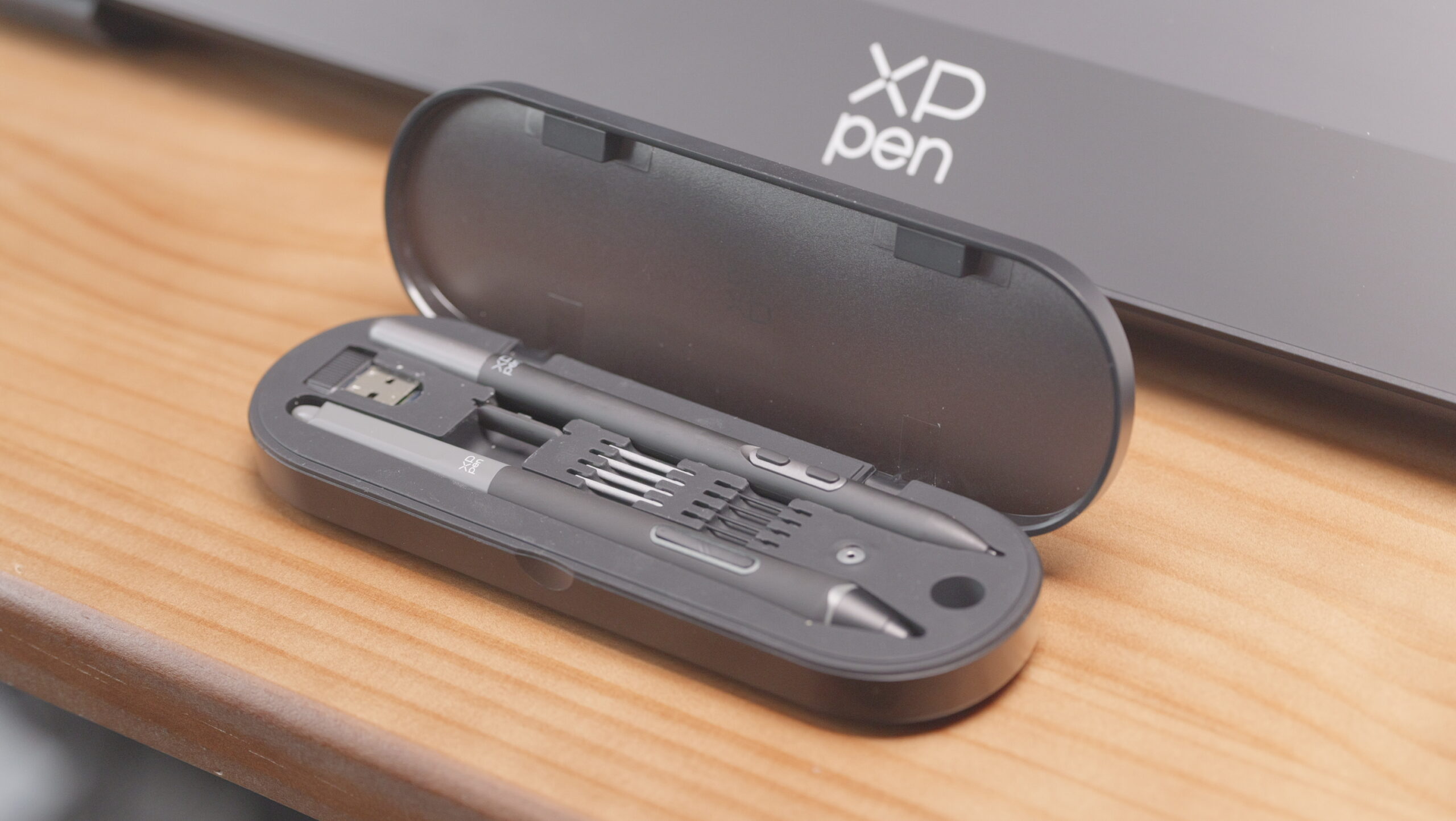
Included in the box is a second, alternative stylus: the X3 Pro Slim Stylus. As the name suggests, it’s noticeably thinner and lighter, tipping the scales at a mere 10 grams compared to the standard pen’s 16 grams. This reduced weight can significantly reduce hand fatigue during marathon creative sessions, allowing for longer periods of comfortable work.
The Slim Stylus also features a unique, clever design: its side button is removable. By gently prying it off, you can transform the pen into a completely seamless, button-free cylinder. This is a fantastic option for artists who prefer to rely solely on keyboard shortcuts or who find themselves accidentally pressing the barrel button.
A quick note on customization: the XPPen Tablet driver software allows you to assign different pressure curves, shortcut functions, and pen-side button commands to each stylus independently, letting you tailor the experience to your specific workflow.
Display Experience: Immersion and Fluidity
The panel quality on the Artist Pro 27 (Gen 2) is undeniably flagship-grade. The 27-inch 4K IPS display boasts a pixel density of 163 PPI. At a typical创作 distance, pixelation is virtually invisible. Lines are razor-sharp, and fine details in high-resolution photographs or intricate illustrations are rendered with exceptional clarity. In our viewing tests, color gradations were smooth and free of visible banding. The combination of the high resolution and wide color gamut delivers a deeply immersive visual experience.
The 120Hz refresh rate is a game-changer for a pen display. The smoothness is immediately apparent—scrolling through a massive canvas or executing fast, gestural brushstrokes feels incredibly fluid and responsive. There’s a complete absence of the distracting “stutter” or ghosting you might see on lower-refresh-rate displays. This high-refresh experience genuinely elevates the feeling of direct, real-time interaction with your digital artwork.
To ensure this great image isn’t ruined by glare, XPPen has applied an anti-glare (AG) nano-etched glass surface and an anti-fingerprint (AF) coating. Working under typical lighting, reflections from overhead lights or windows are drastically reduced. The AF coating also does a commendable job of resisting smudges and oily fingerprints, keeping the screen cleaner during long work sessions.
Perhaps most importantly for a drawing tablet, the surface texture provides a pleasing “toothy” feel. It offers just the right amount of drag, closely mimicking the sensation of drawing on fine-grained paper. It’s neither too slick and slippery like bare glass, nor is it overly rough. This tactile feedback is crucial for a natural and controlled drawing experience.
Stand & Ergonomics: Rock-Solid but Space-Hungry
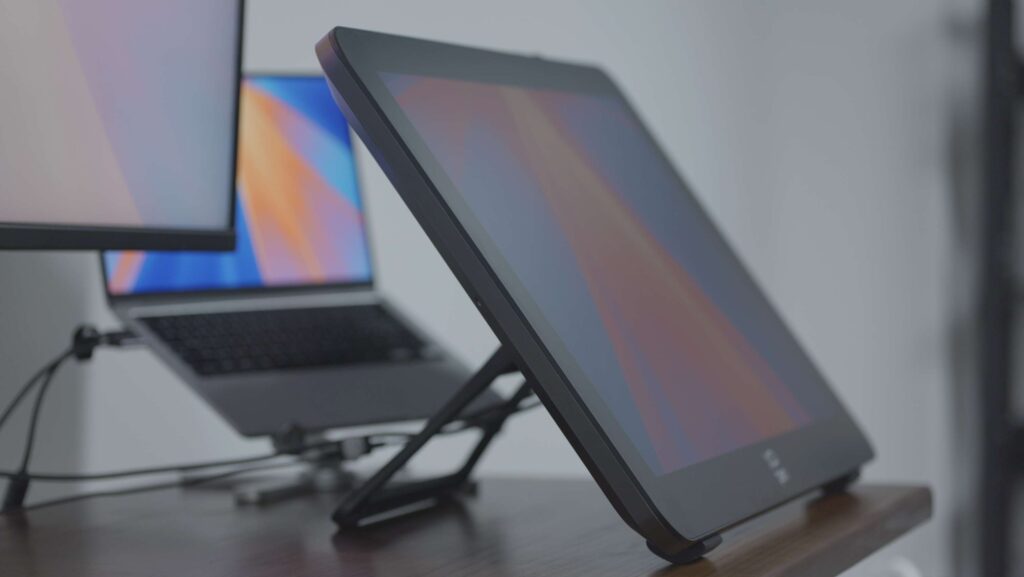
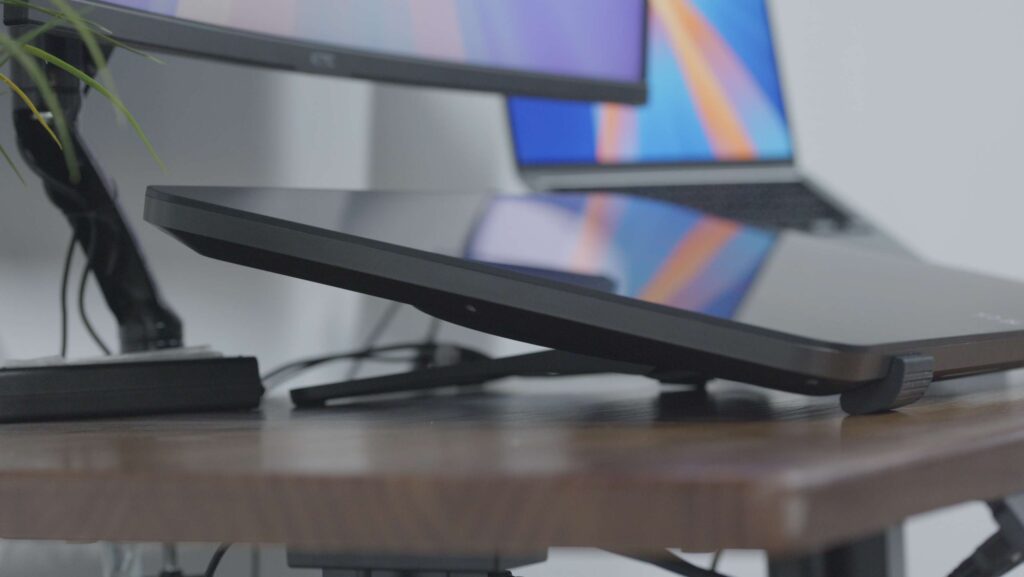
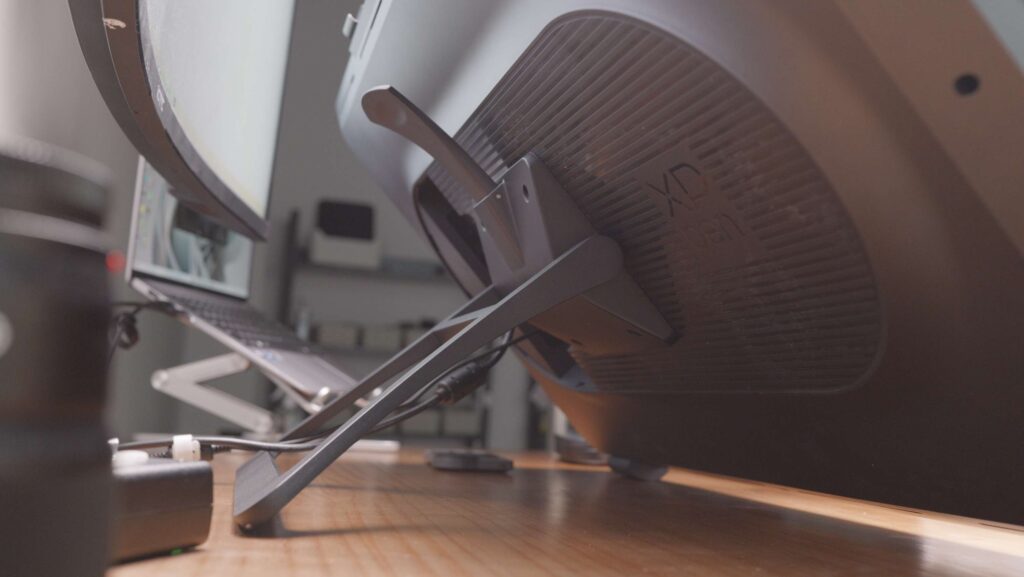
Given its 27-inch stature, a stable and robust stand is non-negotiable. The stand included with the Artist Pro 27 (Gen 2) is exceptionally sturdy. It offers 11 levels of tilt adjustment, allowing you to find the perfect angle for drawing, whether you prefer a more traditional, slightly inclined drafting position or a flatter surface for working in a more relaxed posture.
The heavy, well-weighted base provides incredible stability. You can bear down on the screen with significant force while drawing, and the entire unit remains completely rock-solid. There’s no wobble or feeling of top-heaviness whatsoever. The trade-off, however, is a substantial desk footprint. You’ll need to ensure you have ample space to accommodate this large base.
A Note on Portrait Mode: While the monitor can physically be rotated 90 degrees into a vertical orientation, it’s not a seamless process. To use it in portrait mode, you must first detach the screen from its stand, rotate it, and then reattach it. More importantly, the included rubber feet on the bottom of the stand are designed for landscape use only. If you were to place the stand on its side for portrait orientation, the feet would be incorrectly positioned, making it look odd and compromising its slip-resistant function. Therefore, the intended primary use case is clearly landscape. For users who absolutely need a native portrait mode or prefer a different ergonomic setup, the back of the display features a standard VESA 100x100mm mounting pattern, making it compatible with a wide range of aftermarket monitor arms and stands.
Drawing Experience: The Pen Meets the Canvas
The X3 Pro styluses finally feel like they have room to breathe on the 27-inch canvas. The sheer size of the display is its greatest asset—it allows for much more natural, expansive arm movements. Your wrist is no longer the primary pivot point, making for a much more ergonomic and fluid drawing experience. Whether you’re blocking in large areas of color in an illustration or meticulously retouching a high-res photo, the space is liberating.
The 16K levels of pressure sensitivity, in practice, offer an incredibly fine level of control. The most immediate sensation is the ability to register the lightest possible touch, producing a faint, delicate line with zero effort. Conversely, bearing down yields a rich, substantial stroke. While it takes some time to truly harness this level of nuance, for users accustomed to lower-resolution pressure sensitivity, the upgrade in expressive potential is vast. Lag is virtually non-existent; XPPen’s driver algorithms have matured nicely, resulting in a cursor that feels tightly coupled to the pen tip with minimal to no parallax.
Using the Slim Stylus for extended periods does noticeably reduce hand fatigue. Its 10-gram weight makes it feel almost like a high-quality ballpoint pen, and the removable button is a genuinely thoughtful touch for those who prefer a minimalist grip.
Software & Drivers: Comprehensive Control
The XPPen Tablet driver software remains a robust and feature-rich control center. It allows for deep customization, including setting independent pressure curves, hover distance, and button functions for each of the two pens. The ability to create application-specific profiles is a powerful productivity booster. You can have a firm pressure curve dialed in for precise line work in Photoshop and a softer curve for painterly effects in Corel Painter, with the driver switching automatically when you switch applications. Essential screen calibration tools are also included to ensure perfect alignment between the pen tip and the cursor across the entire display.
The Verdict: A Specialized Tool for the Discerning Pro
The XPPen Artist Pro 27 (Gen 2) is a monumental pen display designed for professionals who demand the ultimate in canvas size and fluid performance. It effectively solves the “cramped wrist” problem inherent in smaller tablets. The combination of a stunning 4K resolution, a silky-smooth 120Hz refresh rate, and a rock-solid 99% Adobe RGB gamut sets a new benchmark for visual and operational excellence in this category.
However, this level of performance comes with caveats:
Size and Weight: Its massive dimensions and weight (approximately 7kg / 15.4 lbs) demand a sturdy, spacious desk and careful handling.
USB-C Limitations: The USB-C port has bandwidth constraints (leading to chroma subsampling at 4K 120Hz) and lacks power delivery. For the best video signal, using DisplayPort or HDMI is recommended.
Lack of USB Hub: The absence of a built-in USB-A port for peripherals like dongles or flash drives is a notable inconvenience, requiring an external hub.
Stand Limitations: While very stable, the stand offers only tilt adjustment. The official design doesn’t elegantly support portrait mode, pushing users with that need towards third-party VESA mounts.
Buy the XPPen Artist 27 Pro (Gen 2) on XPPen official store, and get 5% off with our exclusive code – GizmoXP
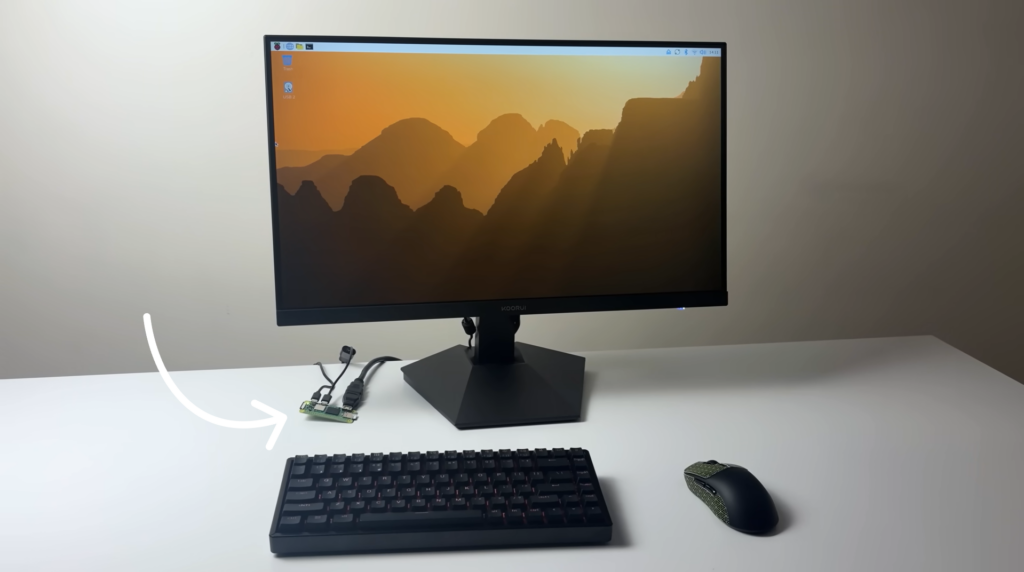
Gaming PCs are usually about power and size, but every now and then, someone tries the opposite. A recent experiment shows just how far things have come, with a setup that is small enough to fit in your pocket and still capable of running actual games.
YouTuber Lecctron set out to build the world’s smallest gaming PC, with one simple goal. It should be able to run Minecraft. That already rules out some of the tiniest boards out there, since many of them cannot easily connect to a display. In the end, he went with the Raspberry Pi Zero 2 W, which can be found for as little as $15.
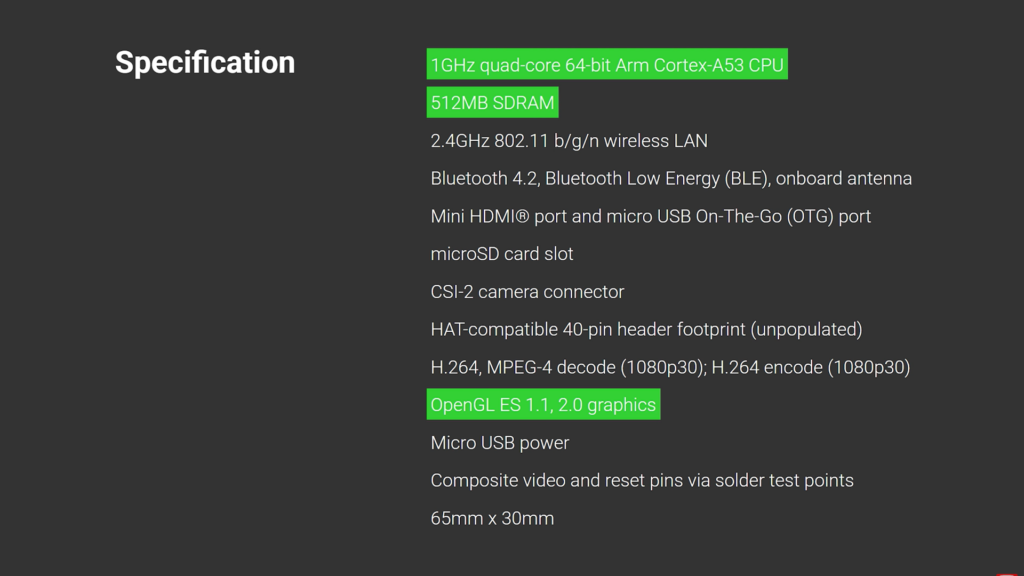
The board itself is tiny, measuring just 65 x 30 mm. It runs on a quad-core ARM Cortex-A53 chip at 1GHz, paired with VideoCore IV graphics and 512MB of RAM. It is not much on paper, but it is enough to run a full operating system and connect basic peripherals.
The results are better than you might expect. Minecraft Pi Edition runs at around 60FPS in Creative Mode with reduced settings, which is impressive for something this small. PlayStation 1 emulation works even better, with games like Doom, Wipeout XL, Silent Hill, Tomb Raider Chronicles, and Final Fantasy IX running smoothly.
Things start to get a bit inconsistent with Nintendo 64 games. Titles like Ocarina of Time and Majora’s Mask are playable, but there are occasional frame drops. PSP emulation depends heavily on the game. Simpler titles like LocoRoco run well, while more demanding ones such as Wipeout Pulse struggle to maintain smooth performance.
Of course, this is not here to replace a proper gaming PC. Modern games need far more power than what a board like this can offer. Still, that is not really the point here.
For retro gaming, emulation, or just experimenting, the Pi Zero 2 W turns out to be surprisingly capable. It is cheap, easy to work with, and small enough to fit almost anywhere, which makes it a fun little platform to play around with.
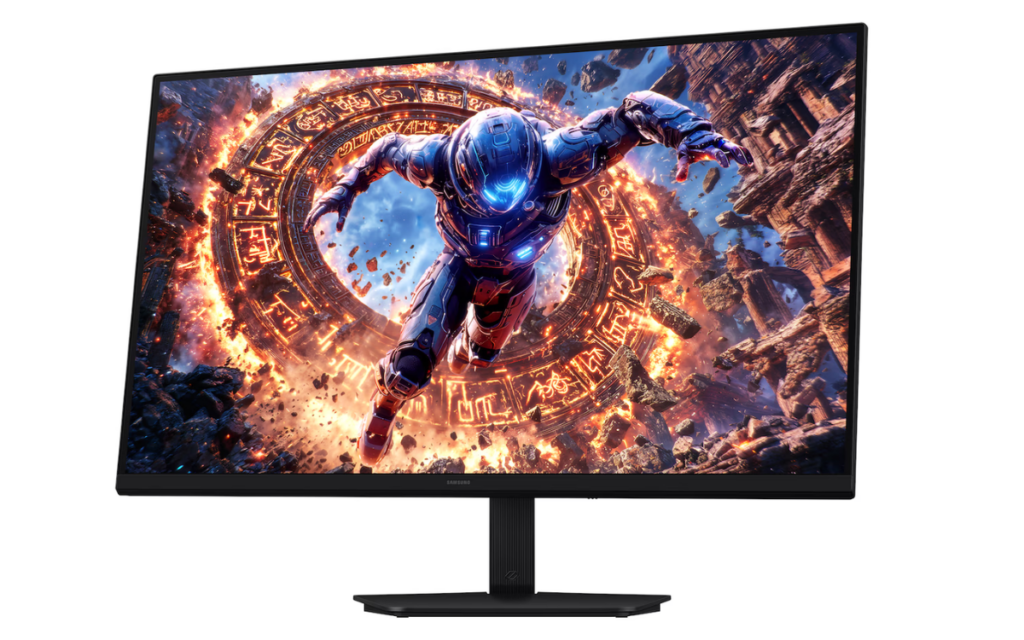
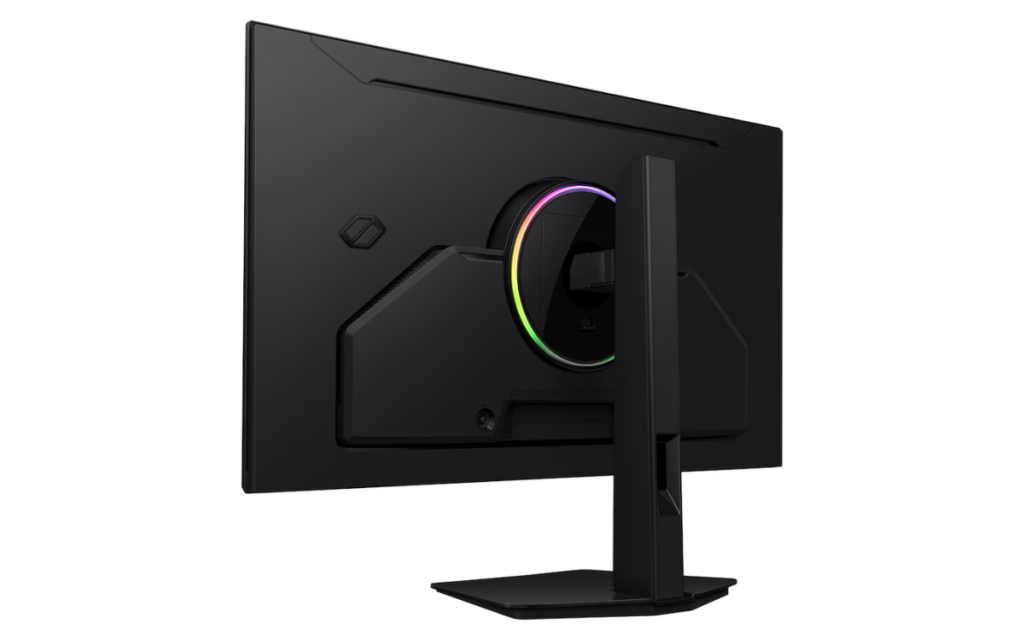
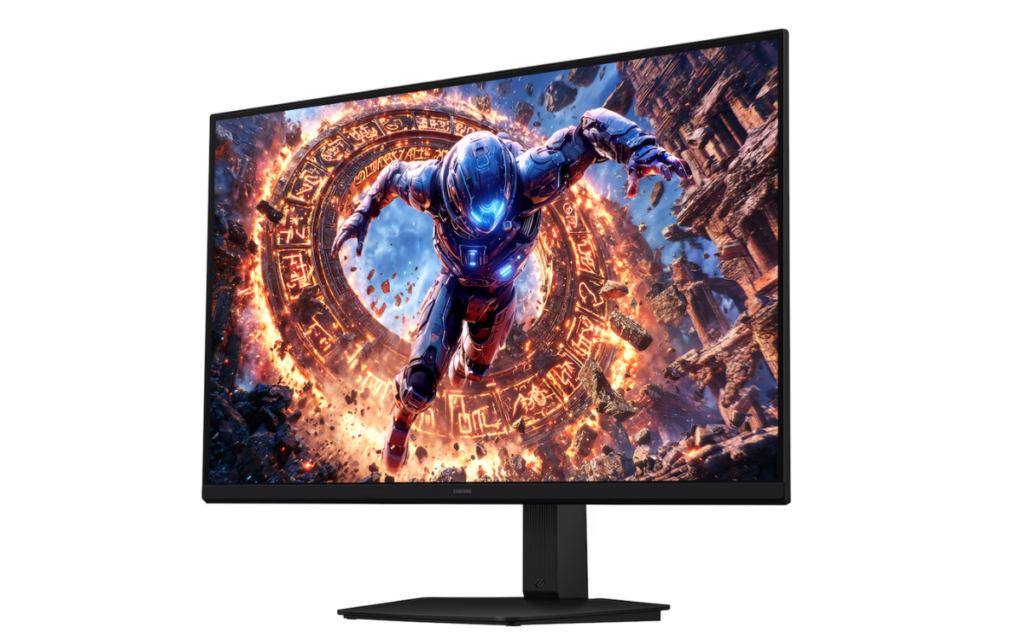
Samsung describes the Odyssey G8 as the world’s first 6K gaming monitor. The 32-inch monitor features a 6K (6144 x 3456) IPS panel with a 165Hz refresh rate. It also offers a 3K (3072 x 1728) resolution mode with an ultra-fast 330Hz refresh rate.
The Odyssey G8 G80HS provides a dense 224 PPI for sharper image quality and supports high dynamic range (HDR) with HDR10+ Gaming. Samsung says this enhances brightness and contrast in real-time, showing dark shadows and bright highlights with greater clarity. The screen achieves 99% sRGB coverage, delivering vivid colors across a wide viewing angle of 178 degrees.
The monitor features a 1ms GtG response time for smooth motion and supports both Nvidia G-Sync and AMD FreeSync Premium to minimize screen tearing. It also includes a 1,000:1 static contrast ratio and a peak brightness of 350 nits.
Samsung has included several connectivity options for the Odyssey G8. The monitor features two HDMI 2.1 ports, one DisplayPort 2.1, and a USB hub with multiple ports. The ergonomic stand supports height, tilt, swivel, and pivot adjustments to enhance comfort during long gaming sessions. The device lacks built-in speakers, but it includes a headphone jack for external audio solutions.
The monitor features a sleek black finish with VESA mounting compatibility. It weighs 7.4 kg with the stand and ships with a factory calibration report for accurate out-of-the-box performance.
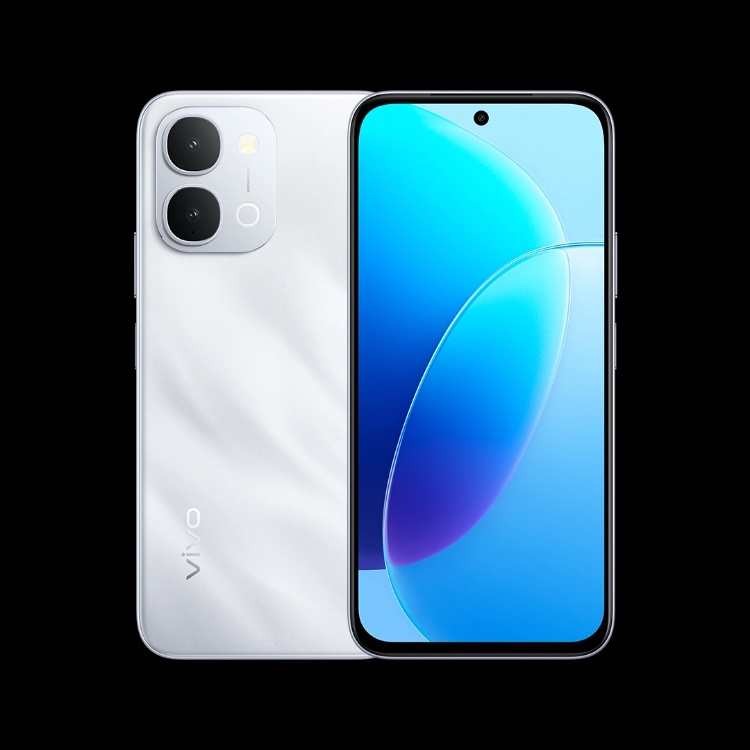
Vivo has added another phone to its Y-series lineup in China with the launch of the Vivo Y500s. The new model arrives shortly after the Vivo Y6t. The device is budget-oriented, but features a large battery with decent fast charging and a respectable processor.
Vivo Y500s
Vivo Y500s features
The Vivo Y500s uses the Snapdragon 4 Gen 2 chipset, a 4nm processor also seen on the recently launched Vivo Y6t. It is paired with up to 12GB of RAM and up to 512GB of internal storage. Vivo is selling the phone in three configurations: 8GB + 256GB, 12GB + 256GB, and 8GB + 512GB.
On the front, the phone features a 6.75-inch LCD display with a 1570 x 720 pixel resolution and a 120Hz refresh rate. The resolution keeps it in budget territory, but the high refresh rate should make scrolling and general use smoother than standard 60Hz panels.
The biggest upgrade over the Y6t appears to be the rear camera. Vivo has equipped the Y500s with a 50MP primary camera, though the company has not detailed the sensor. For selfies and video calls, the Y500s gets an 8MP front camera with an f/2.1 aperture. Battery capacity is another major part of the package. The Vivo Y500s packs a 7,200mAh battery with support for 44W wired charging.
Pricing & availability
The Vivo Y500s starts at CNY 1,800, around $265, for the 8GB + 256GB version. The 12GB + 256GB and 8GB + 512GB variants are both priced at CNY 2,200, around $320. The phone is available in black, gold, and silver, and is now listed for purchase in China through Vivo’s online store.
For more daily updates, please visit our News Section.
Lenovo is all set to introduce its new hardware lineup in China on May 19, 2026. The company has already confirmed the release of the Legion Y70 smartphone, the Legion Y900 tablet, and the Legion Y7000X gaming laptop. Lenovo will also introduce a new gaming headset, the Legion Y960.
The company teased the Legion Y960 headset earlier today. According to the teaser, the headset supports true 7.1 surround sound and uses a patented six-driver setup.
The headset also includes a sound profile visualization feature for enhanced in-game awareness. Lenovo claims the Y960 allows users to not only identify sound direction but also recognize objects through sound, providing a unique edge in competitive gaming.
While details about the headphones remain limited, the company has previously shared some information about its other products.
The Legion Y900 tablet series will be available in 11.1-inch and 13-inch variants. Both models feature a sharp 3840 x 2560 resolution with a 3:2 aspect ratio. The smaller variant offers an exceptional 415 PPI, one of the highest in tablets.
Lenovo has equipped both models with 144Hz refresh rates, up to 2340Hz touch sampling, 1100 nits brightness, DCI-P3 color gamut, and 12-bit color depth. These tablets also include Dolby Vision compatibility, Gorilla Glass 7i protection, and TÜV Rheinland certification to reduce eye strain.
Meanwhile, the Legion Y70 gaming phone features a redesigned look with dual color options, triple rear cameras, and Dolby Atmos speakers. Lenovo confirms that the phone will use a QHD 2K display with AI-driven power efficiency to maximize battery life.
More details about these devices will be revealed in the coming weeks and at the launch event.
For more daily updates, please visit our News Section.
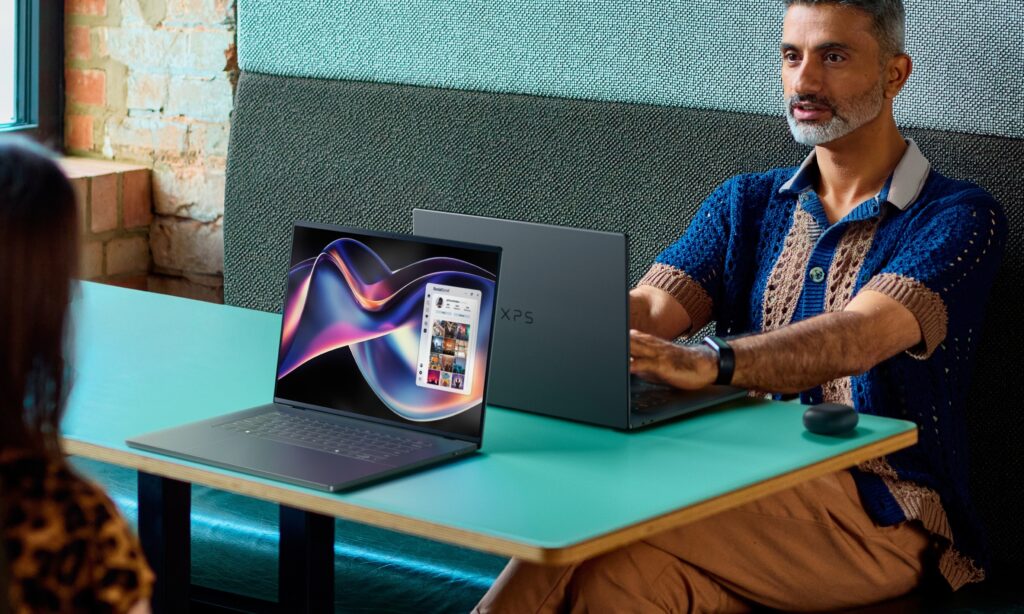
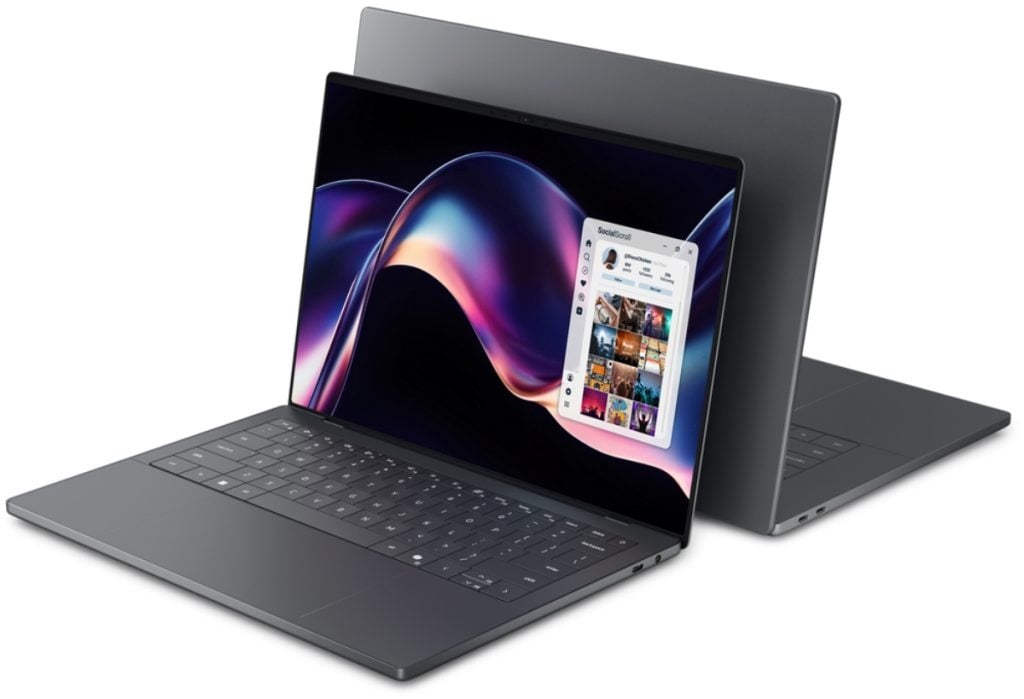
Dell has launched the XPS 14 and XPS 16 in India, bringing its redesigned premium laptop lineup to buyers looking for thinner machines with newer Intel hardware, OLED display options, and Copilot+ PC support.
The XPS 14 carries model number DA14260, while the XPS 16 is listed as DA16260. Both use a CNC aluminum body with Gorilla Glass 3 on the palm rest and Gorilla Glass Victus for added protection. Dell has also moved the XPS logo to the center of the lid, a small visual change based on user feedback.
The XPS 14 can be configured with an Intel Core Ultra 7 355 or Core Ultra X7 358H processor, while the XPS 16 gets the Intel Core Ultra X7 358H. Both include Intel AI Boost NPU support with up to 50 TOPS, Intel integrated or Intel Arc graphics on select configurations, and up to 32GB LPDDR5X memory. Storage options include 512GB or 1TB PCIe Gen4 SSD on the XPS 14, while the XPS 16 comes with a 1TB PCIe Gen4 SSD.
Dell says AI performance is up to 57% faster on the XPS 14 and up to 78% faster on the XPS 16. Graphics performance is claimed to be more than 50% faster than the previous generation. The cooling system uses larger and thinner fans, up to 61% bigger, with claims of an 8°C cooler base and up to 36% lower noise.
The XPS 14 offers a 14-inch 2K LCD or 2.8K OLED touch display, with up to 500 nits brightness, up to 120Hz refresh rate, Dolby Vision, and Eyesafe. The XPS 16 gets a 16-inch 3.2K OLED touch screen with 400 nits typical brightness, 500 nits peak brightness, 20Hz to 120Hz refresh rate, Dolby Vision, and Eyesafe. Dell says the Tandem OLED panel cuts power use by up to 30%, while the 2K LCD option reduces it by up to 15%.
Both laptops include an 8MP 4K HDR camera with Windows Hello, 1080p video clarity, quad speakers rated at 10W with Dolby Atmos, Wi-Fi 7, Bluetooth 6.0, TPM 2.0, a zero-lattice keyboard, and a haptic touchpad. Ports include three Thunderbolt 4 ports and an audio jack. Both models use a 70Wh battery with 900 Wh/L density and support 100W USB-C charging. Dell claims up to 27 hours of Netflix streaming and more than 40 hours of local video playback.
The XPS 14 measures 309.52 x 209.71mm and is 14.62mm to 15.20mm thick, starting at 1.36kg. The XPS 16 measures 352.58 x 237.47mm and is 14.62mm to 15.40mm thick, starting at 1.65kg. Both support Windows Autopilot, use recycled materials, come in sustainable packaging, and carry ENERGY STAR 9.0 and EPEAT Gold compliance.
Pricing & availabiltiy
The XPS 14 starts at Rs. 2,05,990, while the XPS 16 starts at Rs. 2,78,550. Both are available through Dell’s website, Dell Exclusive Stores, and select retail outlets. Launch offers include 10% cashback up to Rs. 15,000 on select bank cards, 9-month and 12-month no-cost EMI, zero down payment finance, 1-year Accidental Damage Protection at Rs. 999, a 1-year warranty extension at Rs. 2,999, a Dell EcoLoop Backpack at Rs. 999, or JBL Tune 770NC headphones at Rs. 1,999.
Vivo has launched a new pair of budget true wireless earbuds, the TWS 5i. The focus here is to cover the basics while keeping the price low enough that most people do not have to think twice.
Battery life is easily the main highlight. Vivo claims up to 11.5 hours on a single charge, and around 50 hours in total with the case. That should comfortably get through a few days of regular use. You probably will not be reaching for the charger too often.
They use Bluetooth 5.4 for connectivity and support dual-device pairing, so switching between devices should be fairly straightforward. There is also a low-latency mode rated at 42ms, which might help a bit if you play games.
Audio is handled by Vivo’s DeepX 3.0 tuning, with a few different sound profiles to choose from. Spatial audio is listed as well, though it is probably more of a bonus than a standout feature. For calls, there is AI noise reduction to help keep voices clearer in noisy places.
The earbuds weigh 4.2 grams each, and use a standard in-ear design. It’s fairly lightweight, meaning they shouldn’t feel uncomfortable during longer sessions.
Pricing and availability:
The earbuds are priced at 119 yuan in China (equivalent to $17 or Rs 1,642), which puts them firmly in the entry-level segment. Still, the spec sheet is not bad for the price. They come in three colors: Ink Black, White, and Sky Blue. There’s no word on the global availability as of writing.
At the end of the day, the TWS 5i feels like one of those products that is not trying too hard to impress on paper. It just focuses on the basics, especially battery life, which is still what a lot of people care about most in this segment.
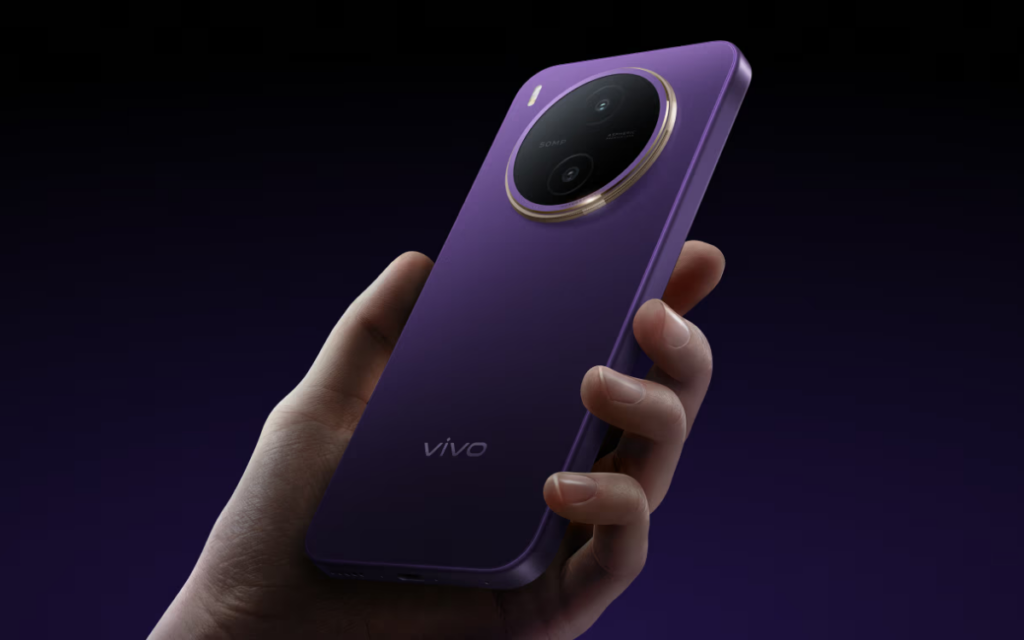
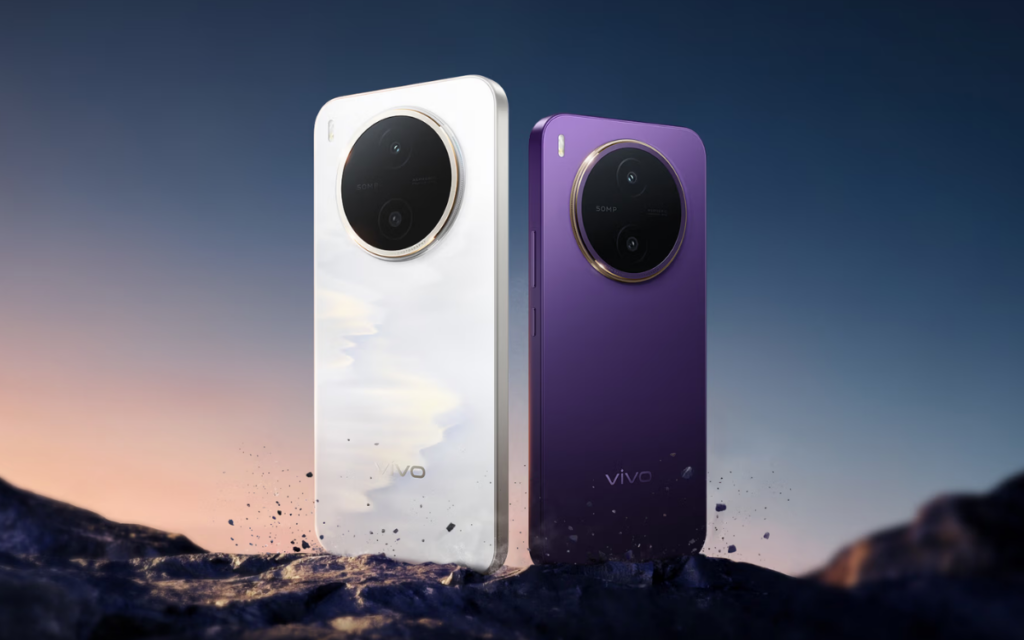
Vivo has officially unveiled the Y600 Pro, the latest addition to its Y series lineup, aimed at delivering exceptional battery performance and durability.
Vivo Y600 Pro Specifications
The Vivo Y600 Pro features a 6.83-inch 1.5K AMOLED display with a 2800 x 1260 resolution, a 120Hz refresh rate, and HDR10+ certification. It offers a 20:9 aspect ratio, 10-bit color depth, P3 wide color gamut, and 4320Hz PWM dimming. The panel is low blue light certified for eye protection.
The Vivo Y600 Pro is powered by the MediaTek Dimensity 7300e chipset with an octa-core CPU built on a 6nm process. It features a Mali-G610 GPU, LPDDR5 RAM, and UFS 3.1 storage. The handset runs Android 16-based OriginOS 6 out of the box.
For photography, the Vivo Y600 Pro features a 50MP rear camera with an f/1.8 aperture, autofocus, and EIS stabilization, supporting night, portrait, panorama, and professional modes. On the front, it has a 32MP fixed-focus camera with an f/2.45 aperture.
The Vivo Y600 Pro boasts a massive 10,200mAh semi-solid-state battery designed for stability in extreme temperatures (-20°C to 40°C). It supports 80W wired fast charging, fully charging in 80 minutes, and is certified for up to six years of reliable durability.
In terms of durability, the Vivo Y600 Pro features IP68 and IP69 ratings for dust and water resistance, a multi-layer armor structure for drop protection, and wet-hand operation support. It also includes full-featured NFC, an infrared remote, stereo speakers, an in-display fingerprint sensor, 5G, dual SIM support, Bluetooth 5.4, and Wi-Fi 6 connectivity.
Pricing and Availability
The Vivo Y600 Pro is available in four stunning color options: Floating Gold, Bright Moon Black, Vast Blue, and Starry Purple.
Pricing for the device starts at 2099 yuan ($306) for the 8GB + 128GB variant. The 8GB + 256GB model is priced at 2299 yuan ($336), while both the 8GB + 512GB and 12GB + 256GB options are available for 2599 yuan ($379). The top-tier 12GB + 512GB variant is priced at 2899 yuan ($423).
The phone is currently available for pre-order in China and will go on sale starting May 5th.
For more daily updates, please visit our News Section.
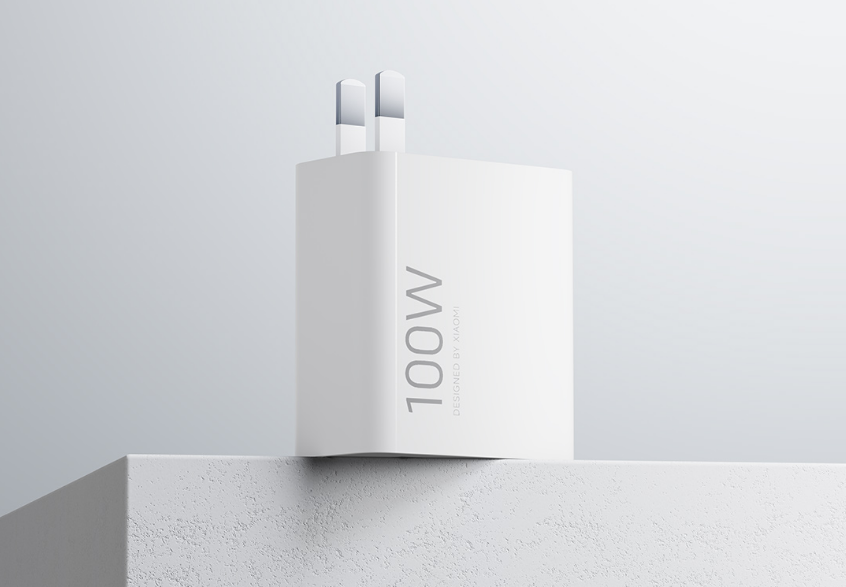
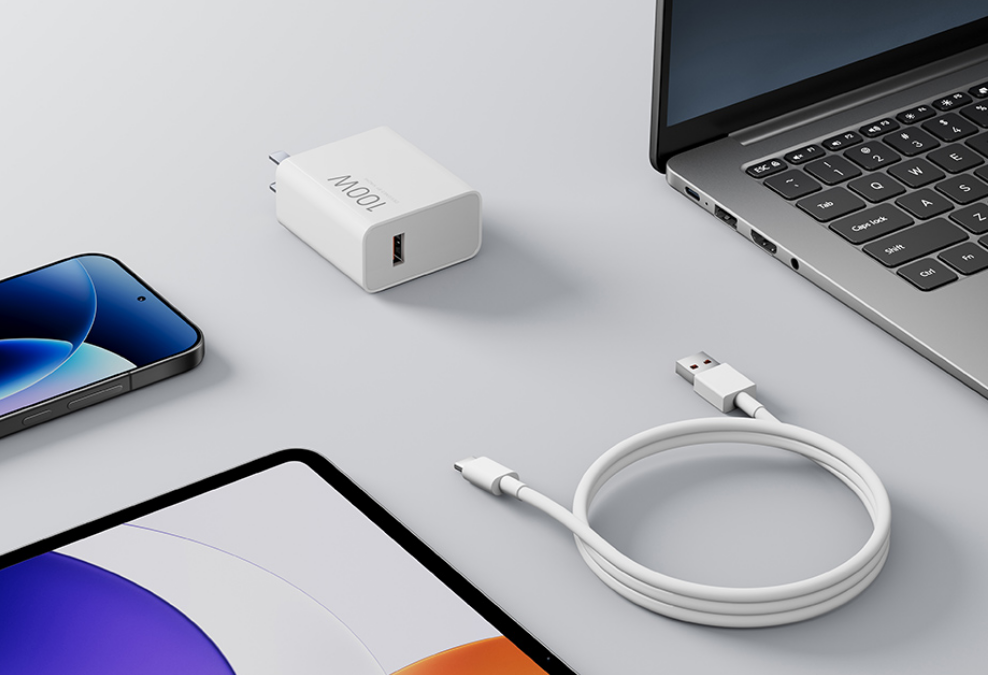
Xiaomi has introduced a new 100W GaN USB-A charger bundle on its Youpin platform in China. The package, priced at 169 yuan ($25), includes the high-power charger and a 1-meter USB-A to USB-C cable.
Xiaomi 100W GaN USB-A Charger Specifications
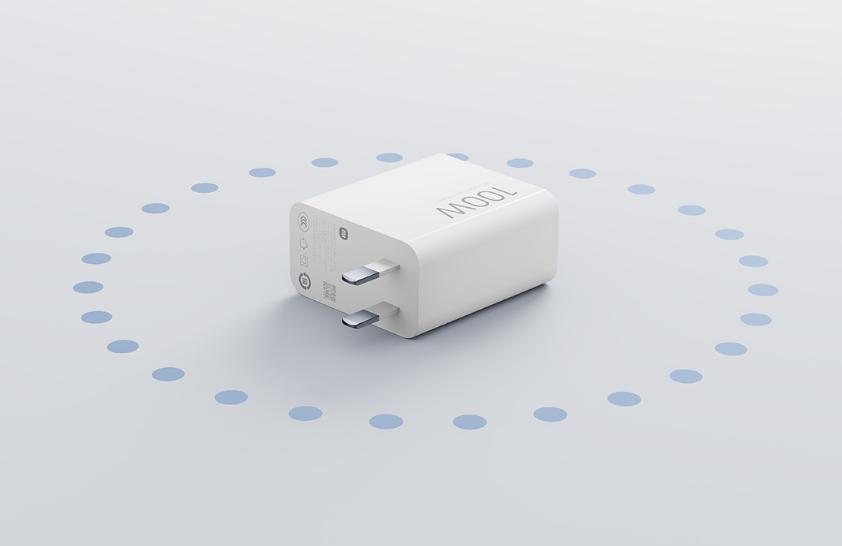
The charger uses gallium nitride (GaN) technology, which enables better power efficiency and less heat generation compared to traditional silicon-based chargers. Xiaomi designed the charger to be small and portable, measuring 55.9 x 49.3 x 28mm and weighing just 106 grams. The charger features a minimalist white finish with a bold 100W label on the side.
Xiaomi equipped the single USB-A port with a maximum 100W output. The port supports multiple voltage and current configurations, including 5V/3A, 9V/3A, 11V/6.1A, and 20V/5A, making it compatible with a wide range of devices.
According to Xiaomi, the adapter can charge devices like the Xiaomi 17 Pro Max and 17 Pro to 83% in just 30 minutes, while the Xiaomi 17 reaches 63-67% in the same period. Similarly, the iPhone 17 Pro Max and 17 Pro charge to 72% and 70% in 30 minutes, although Apple’s charging limitations prevent full use of the 100W output.
Xiaomi included a 1-meter USB-A to USB-C cable in the bundle. The cable supports a maximum current of 6A, allowing it to unlock the charger’s full 100W output.
Xiaomi built the charger with safety as a priority. The device includes protections against overvoltage, overcurrent, overheating, short circuits, undervoltage, and electromagnetic interference. The outer casing is made from UL94-V0 fire-resistant material, which provides durability and safety for prolonged use.
We use cookies on our website to give you the most relevant experience by remembering your preferences and repeat visits. By clicking “Accept”, you consent to the use of ALL the cookies.
This website uses cookies to improve your experience while you navigate through the website. Out of these, the cookies that are categorized as necessary are stored on your browser as they are essential for the working of basic functionalities of the website. We also use third-party cookies that help us analyze and understand how you use this website. These cookies will be stored in your browser only with your consent. You also have the option to opt-out of these cookies. But opting out of some of these cookies may affect your browsing experience.
Necessary cookies are absolutely essential for the website to function properly. This category only includes cookies that ensures basic functionalities and security features of the website. These cookies do not store any personal information.
Any cookies that may not be particularly necessary for the website to function and is used specifically to collect user personal data via analytics, ads, other embedded contents are termed as non-necessary cookies. It is mandatory to procure user consent prior to running these cookies on your website.