Advertisement

After the Google Pixel Fold, A Potential Foldable Flip Phone?

In a world where the form factor of smartphones is constantly evolving, Google is set to release its first foldable phone, the Pixel Fold, in June 2023. The company announced its highly-anticipated product at the Google I/O Conference that was held recently. It is worth noting that Google launched the Pixel 7a & the Pixel Tablet alongside their foldable device. However, the company has also hinted that it is interested in making a foldable flip phone.

A Future Pixel Flip device may use the same hinge as Pixel Fold

A foldable flip phone would be a different type of device than the Pixel Fold. It would be more compact and easier to carry around, and it would likely be more affordable. Google has not yet announced any details about a potential foldable flip phone, but there are a few things that we can speculate about.
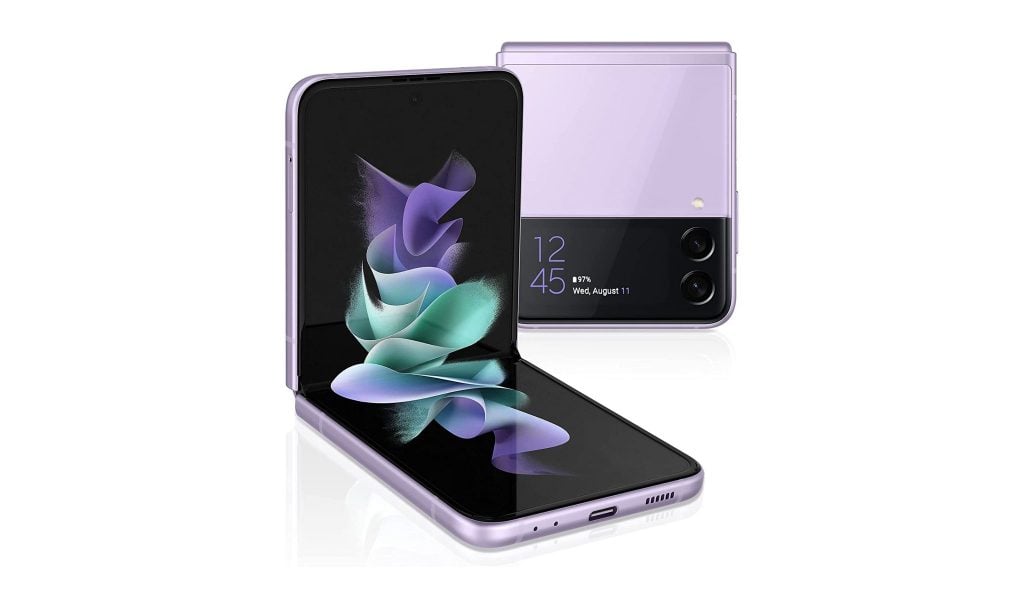
Galaxy Z Flip 4

First, the phone would likely use a hinge design similar to the Pixel Fold. This hinge design has been the talk of the town, since it’s a little unconventional, and it promises durability and smooth operation apart from a stylish, slim design. Second, the phone would likely have a smaller display than the Pixel Fold. This would make it easier to carry around and use with one hand. Third, the phone would likely be powered by Google’s Tensor chip, probably the Tensor G3 or G4 which will be out by the time Google decides to unveil a flip phone. Fourth, the phone would likely have a good selection of apps that are optimized for the foldable form factor. This would make it easy to use the phone for a variety of tasks, such as browsing the web, watching videos, and playing games.

A foldable flip phone from Google would definitely be a compelling device. However, there are also some potential challenges that Google would need to overcome if it wants to make a successful device, for instance, optimizing the Pixel Fold hinge design to work for the flip phone design.

Although Google has yet to make an official announcement regarding the production of a foldable flip phone, the Pixel product manager, George Hwang, expressed keen interest in this enticing form factor during an interview at Google I/O 2023.

“We’re always looking at different types of devices, different types of technologies, and it’s really interesting. We’re definitely looking at it,” Hwang revealed, hinting at the potential future of Google’s foldable lineup.

Only time will tell if Google will actually release a foldable flip phone. However, if the company does decide to move forward with this project, it definitely has the potential to be a successful product. It will go up against the likes of other popular foldable flip devices, such as the Samsung Galaxy Z Flip 4.

RELATED:

(Via)

China Plans to Create Regional AI ‘Highlands’ to Narrow the Technology Gap

China is embarking on an ambitious initiative to establish numerous regional artificial intelligence (AI) “highlands” throughout the country. This strategic move will help the country to intensify its focus on research and development in the field of AI. 

The country also plans to develop complementary tech platforms to further support its advancements in AI technology and solidify its position as a leading player in the global AI landscape.

During the 7th World Intelligence Conference, Wang Zhigang, the Chinese Minister of Science and Technology, announced China’s plans to construct these highlands and technological platforms dedicated to artificial intelligence (AI). He said that by promoting the development of AI-enabled economic and social sectors, China seeks to accelerate overall economic growth and societal progress. This initiative reflects the nation’s strong commitment to advancing AI technology and harnessing its potential for transformative innovation and development.

Wang highlighted that the rapid advancements in brain-like intelligence, quantum intelligence, big data, and other key technological domains have spurred a significant breakthrough in frontier fields. This breakthrough is anticipated to drive substantial technological transformations, bringing about major changes in various industries.

The World Intelligence Conference (WIC) witnessed the active involvement of 117 of the world’s top 500 companies, 369 of China’s top 500 companies, and over 1,000 renowned unicorn technology companies, universities, and institutions. This prominent gathering exhibits cutting-edge technologies, including AI and the metauniverse, allowing for a display of the latest advancements in intelligent industries, smart cities, smart manufacturing, and smart living.

What is China’s Position in the Global AI Race?

As of 2022, China has secured the top position globally in terms of the number of AI patent applications. Official statistics highlight China’s leading position in crucial AI fields such as computer vision, natural language processing, and voice recognition. The core industry scale in these areas has surpassed 500 billion yuan ($71.2 billion), with over 4,200 representative enterprises. This accounts for approximately 16 percent of the world’s total, solidifying China’s significant presence in the AI landscape.

While OpenAI’s ChatGPT and Google’s Bard remain unavailable due to restrictions, several prominent Chinese tech companies, including Baidu, Alibaba Group Holding, and SenseTime, have introduced domestic alternatives. These homegrown services adhere to censorship rules and other regulatory requirements imposed in China. The emergence of these domestic alternatives reflects the country’s commitment to fostering its own AI capabilities and providing compliant solutions to meet the needs of its users within the regulatory framework.

China believes that the development of artificial intelligence (AI) is a double-edged sword as it offers enhanced efficiency in industries while also posing potential risks. However, the government said that it has taken steps to address these concerns by issuing governance guidance and ethical norms for AI regulation.

Related:

(via)

Vvolt unveils the Slice Lite, PIE and Slice DLX electric cargo bikes

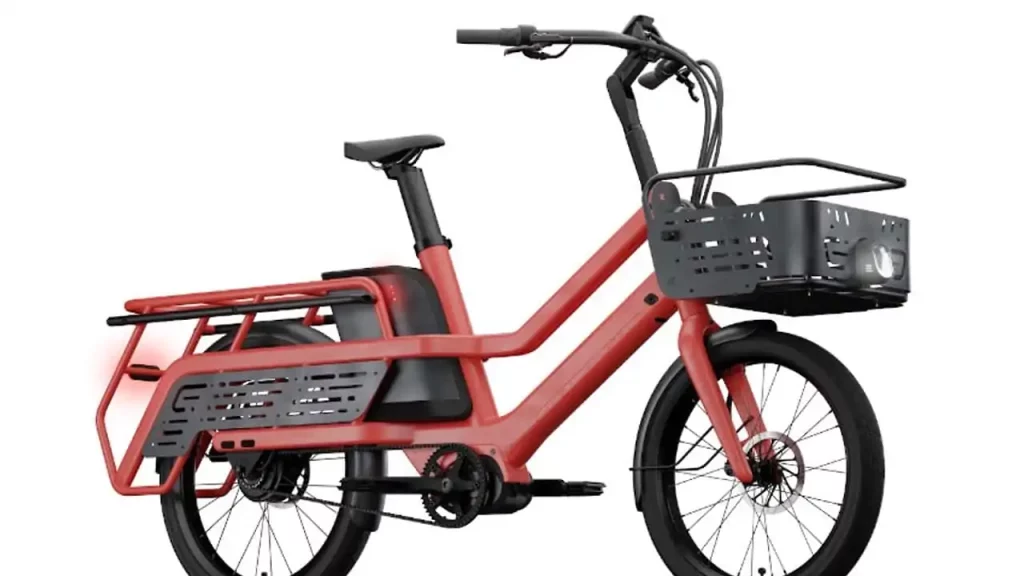
Portland, Oregon-based manufacturer Vvolt has unveiled three new electric cargo bikes with lots of unique and practical features. The Vvolt Slice Lite, PIE, and Slice DLX electric cargo bikes are utility offerings with ample spaces for cargo.

Vvolt Slice Lite

The Slice Lite is a single-speed-drive train model with a rear hub motor. The rider can switch between pedal assist and twist throttle modes while on the go. The Slice Lite offers up to 20 miles of pedal-assisted top speed while the rear rack of the bike can carry a maximum of 40 pounds of luggage. The Slice Lite has a 500Wh battery pack that delivers up to 50 miles of range on a single charge. It has a torque sensor that modulates the power for a smart riding experience while pedaling.

Vvolt Slice Lite

The PIE is a Class 3 e-bike and has a top speed of 28mph. It has a 100Wh battery that provides up to 80 miles of riding on a single charge. It also features GPS and a 4G smart system, a theft deterrent, and OTA updates. The PIE has a quad hydraulic disc brakes system with 180mm rotors. It offers reliable stopping power, thanks to its architecture.

Vvolt Slice Lite

The Vvolt Slice DLX is the winner of the IDA Desing Awards Silver medal for its innovative design. It is convenient, practicable, and innovative. It has a front luggage basket and a low, step-through frame design. The Slice DLX is also a Class 3 e-bike like the PIE. It offers a top speed of 28mph and its 600Wh battery provides up to 80 miles on a single charge.

Vvolt’s latest electric cargo bikes are focused on utility

The Vvolt Slice Lite e-bike is open for pre-order at a launch price of $2,049 while the PIE comes with a $4,499 price tag. The Vvolt Slice DLX is yet to be launched but it could retail for $3,999.

RELATED:

(source)

Baybot Live Outdoor 360º wireless and weather-resistant camera unveiled in India

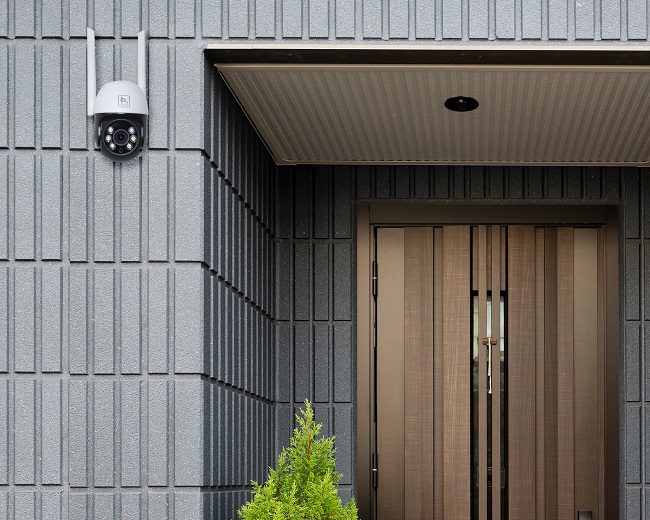
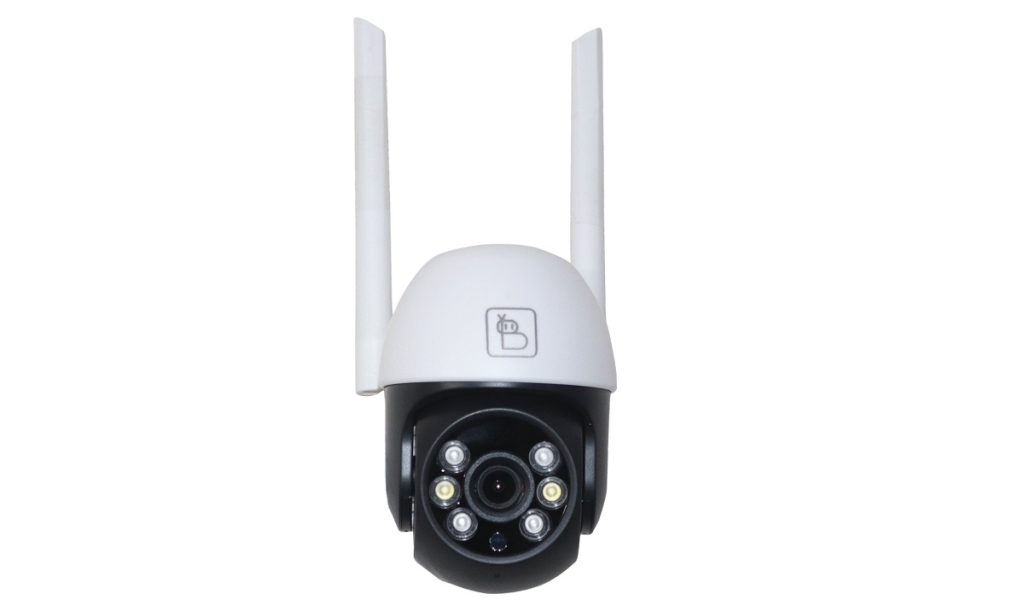
The Baybot Live Outdoor wireless camera has been launched in India. The Baybot Live Outdoor is a 360º wireless and weather-resistant camera designed for outdoor use. It is equipped with a 3MP smart color sensor for night vision capture, spotlight, and other functionalities. It comes after the release of the Baybot Live360º Smart Security Camera in the subcontinent in March 2023.

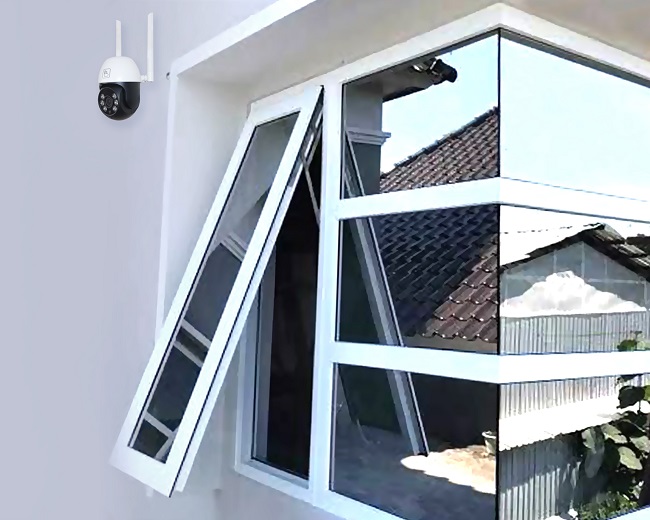
Baybot says the new Live Outdoor is a user-friendly camera that provides powerful outdoor wireless surveillance. It can be easily set up by anyone in a matter of minutes and is mountable on ceilings or walls. It connects to your wireless network via which you can stream live feeds from the device. The videos can be recorded directly on your smartphone with the aid of the companion app. Other highlights of the Live Outdoor include a motion-detected spotlight and a highly versatile all-round panning of the environment.

The Baybot Live Outdoor can tilt 140 degrees and pan 310 degrees, thanks to its precise stepper motors. The camera is Wi-Fi-enabled and you can record videos to the cloud or on its SD slot up to 128GB. It incorporates advanced motion detection for enhanced tracking of activities in the surrounding. When the camera detects motion within a 5-meter range, the front-facing built-in spotlight is activated to get the intruder illuminated with bright white LEDs while also recording the event and sending a notification via the app.

Baybot Live Outdoor 360º wireless and weather-resistant camera

Two-way audio communication is also possible with the Baybot Live Outdoor. It has a built-in microphone and speaker that enables direct communication between the user and the individual at the front of the camera. The camera is weather-resistant with an IP65 rating and operates even in rainy conditions.

Pricing & Availability

The Baybot Live Outdoor camera is exclusively available from supertails.com at a price of Rs. 4,799 (~$58). It is being offered at a 25% discount as the original price of the camera is Rs. 6,399 (~$77). The discounted offer is however only available for the first week of its launch.

RELATED:

Vivo V29 Lite Specifications Leak: Snapdragon 695 SoC, 64MP camera, AMOLED display

Vivo recently launched the V27 series, and already details about the upcoming V29 line have started to emerge. The new series is rumored to launch next month in June, although there is no official confirmation yet. While we eagerly await further information, a report has shared key specifications of the Vivo V29 Lite, which is expected to be a more affordable offering in the series. Here are the details.

Vivo V29 Lite Specifications

91Mobiles Hindi, citing tipster Sudhanshu Ambhore, claims the Vivo V29 Lite will get a 6.78-inch FHD+ AMOLED display with 1080 X 2400 pixels resolution, 120Hz refresh rate, and a 20:9 aspect ratio. It could be powered by the Qualcomm Snapdragon 695 SoC under the hood, paired with Adreno GPU.

Vivo-V27

The chipset could be supported by 8GB RAM and 128GB storage that will likely be expandable via a microSD card. On the software front, the Vivo V29 Lite will boot Android 13 OS out of the box. Connectivity options on the device may include 5G, 4G LTE, dual SIM, Wi-Fi, Bluetooth, and a USB Type-C port.

In the camera department, the Vivo V29 Lite should feature a 64MP main camera with support for optical image stabilization (OIS). It may also get a 2MP secondary lens and another 2MP sensor, likely for depth shooting. For selfies, you may get a 16MP snapper on the front. It may pack a 5,000mAh battery with 44W fast charging support.

Judging from the specifications, the Vivo V29 Lite seems to be an affordable mid-range smartphone. We won’t be surprised if it will be priced in the range of $300-$350. Currently, there is no official confirmation from the brand. A launch date may be announced soon. Stay tuned for the updates.

RELATED:

(Source)

Minisforum UM790 & UM780 Pro mini PCs with AMD Phoenix APUs launched

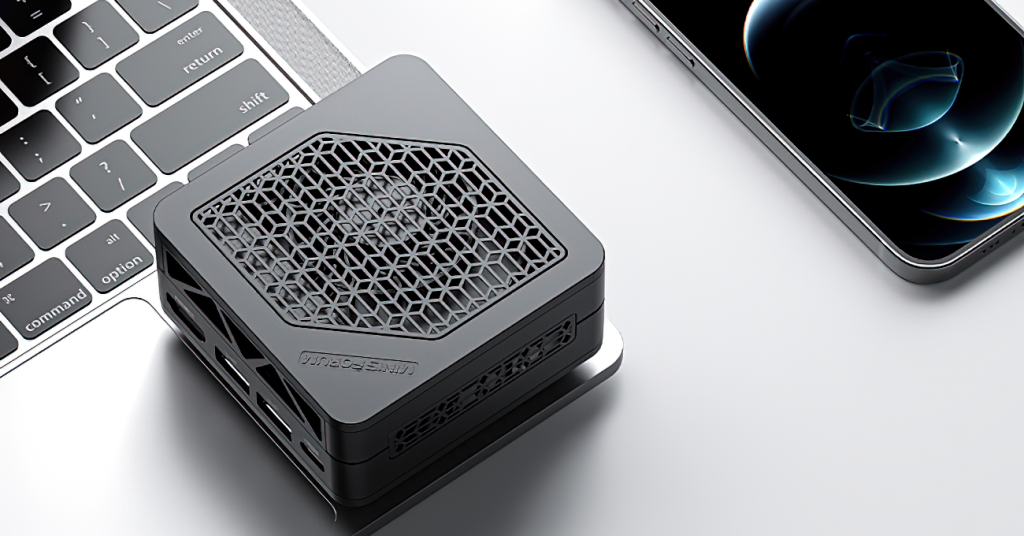
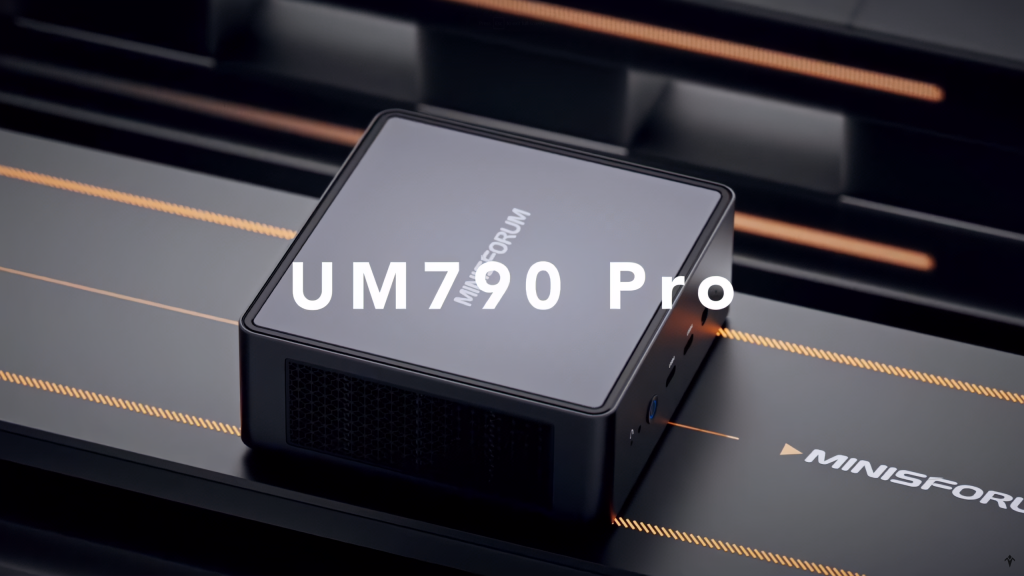
Minisforum has unveiled two new mini PCs powered by AMD Phoenix APUs. The Minisforum UM 780 Pro and UM 790 are promoted as the brand’s most powerful mini PCs so far. They are powered by AMD’s latest Ryzen 7040 Phoenix APUs and will deliver faster performance in an efficient package.

Minisforum UM790 mini PC

Some basic details of the new Minisforum mini PCs have been released. The lineup will adopt the Ryzen 9 7940H/HS and Ryzen 7 7840H/HS chipsets. The processors will have up to 8 Zen 4 cores, 16 threads, and up to 5.2GHz boost clocks. The models also have a compact and efficient integrated Radeon 780M iGPU with RDNA 3 graphics. The latest Minisforum mini PCs support DDR5-5600 dual-channel memory.

Minisforum UM790

The models have implemented the Minisforum active cooling solution. This is part of the Cold Wave cooling system for the APU, memory, and SSD. In terms of design, the new PCs feature a sleek metallic design with exhaust vents on the sides and back.

Minisforum UM790

The ports available for the mini hosts include USB4 (Type-C), USB 3.2 Gen 2 (Type-A), LAN (2.5GbE) with Killer Wireless card, and HDMI. The mini PCs also have a 19V DC power connector. The USB4 ports support 100W charging and they can accommodate up to four displays simultaneously.

The Minisforum UM780 Pro is priced at 3,999 yuan (~$550) for the base model but this is projected to drop to around $400 by 2024. It is available for pre-order at a discounted price for China-based customers. Other details including availability and pricing for other markets will surface shortly.

Related: 

Yamaha unveils 30th Anniversary YDX-MORO 07 e-bike to mark 30 years of manufacturing e-bikes

Yamaha is marking three decades of e-bike manufacturing with the unveiling of a special edition, limited version of the YDX-MORO 07 electric mountain bike. Back in 1993, Yamaha was the first company to deliver a production electric bike. The 30th Anniversary Special Edition YDX-MORO 07 is arguably Yamaha’s most innovative e-MTB yet.

The original model of the YDX-MORO 07 was first launched in 2020 and refreshed in 2022. The YDX-MORO 07 is a full-suspension e-bike with an innovative Dual Twin frame design. Both the down and top tubes of the e-bike are divided into two separate frame members. The air gaps between the tubes provide space for the battery and rear suspension. The limited-edition Yamaha commemorative e-bike is compact, lightweight, and high-performance.

Yamaha YDX-MORO 07

Yamaha plans to continue to set the pace in e-bike development with innovative and performance-driven offerings. Its goal is to continue to provide e-bikes that make every day fun and more fulfilling.

Yamaha YDX-MORO 07

The Yamaha YDX-MORO 07 is powered by the PW-X3 motor with a quad-sensor system for automatic speed modulation. The PW-X3 is Yamaha’s most advanced e-bike drive system with higher torque output. It delivers the smoothest delivery of assistance on a power assist bicycle. The bike also features the Yamaha Racing Blue Rocker link and head tube, as well as a commemorative 3D badge and decal. The bike has a maximum torque of 85Nm and a maximum power output of 500W.

Beat that! Yamaha has been manufacturing e-bikes for 30 years

The Yamaha 30th Anniversary YDX-MORO 07 e-MTB is priced at $6,499 in the US. It is almost the same price as the refreshed YDX-MORO 07 which is priced at $6,399.

RELATED:

(source)

Xiaomi Civi 3 runs Geekbench with MediaTek Dimensity 8200 Ultra SoC

Xiaomi’s Civi line of phones is designed for great selfies. In fact, the devices in the series even feature dual front-facing cameras to achieve this purpose. The company is expected to introduce a new model in the series on May 30, dubbed Xiaomi Civi 3. It is confirmed to bring the MediaTek Dimensity 8200 Ultra SoC under the hood with some notable upgrades in the camera department. While we wait, the handset has stopped by the Geekbench website, revealing the performance scores of the processor. Here are the details.

Dimensity 8200 Ultra SoC is only a tad better

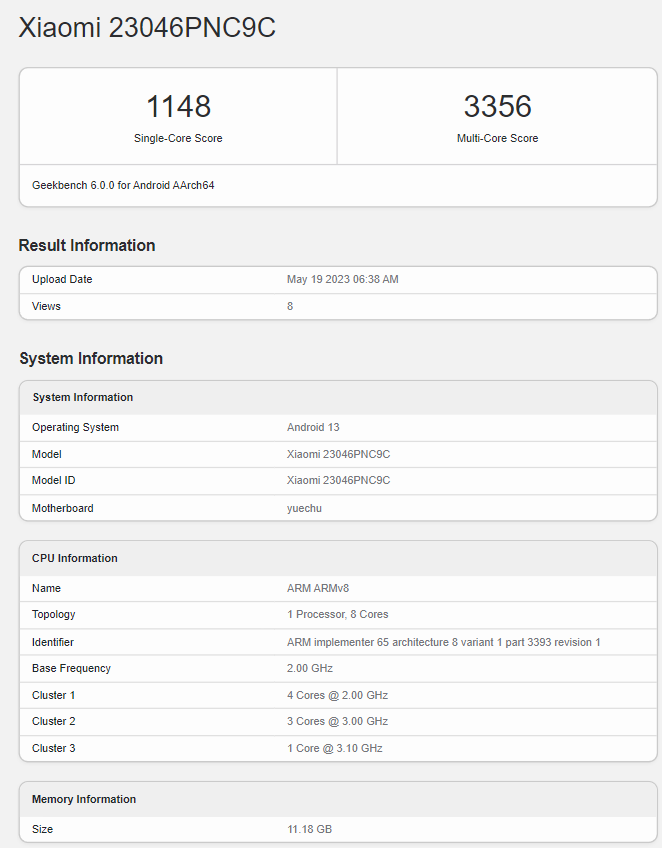
The Xiaomi Civi 3 has been spotted on Geekbench with model number 23046PNC9C. The listing reveals the device will be powered by the MediaTek Dimensity 8200 Ultra SoC, which has already been confirmed by the company. The Civi 3 will also have 12GB of RAM and will run Android 13 out of the box with MIUI 13 on top.

CIVI 3 Geekbench

In the Geekbench benchmark, the Civi 3 scored 1148 points in the single-core test and 3356 points in the multi-core test. These scores are only a little better than the Dimensity 8100 Ultra-powered OnePlus 10R and the Realme GT Neo 3.

Xiaomi Civi 3 is reported to have two front-facing cameras, with a 32MP primary unit and a 32MP ultra-wide lens. It could be equipped with a 6.55-inch OLED panel with a pill-shaped cutout and curved edges, similar to last year’s Xiaomi Civi 2. The handset may get a 4,500mAh battery with support for 67W fast charging. A recent TENAA listing of the handset revealed it will arrive with 12 GB of RAM and 512 GB of storage.

RELATED:

(Source)

Nothing hires high-level OnePlus members to ensure Phone 2 hits a home run: Report

In 2020, Carl Pei left OnePlus to start a new company that tries to stick out from the crowd with its unique products and a rather interesting name—Nothing. The startup is very new with just one smartphone and a couple of TWS earphones in the market. Following the success of the Nothing Phone 1, the company is gearing up to launch its successor, called Phone 2. And to make sure the handset sticks the landing, Nothing has made some key hires from its CEO’s former employer OnePlus, says a report.

“Seventy percent of the software team at Nothing are from OnePlus”

Inverse reports that Nothing has been hunting talent from OnePlus. As per the outlet, the Carl Pei-led startup has hired several former high-level OnePlus members who played a key role in building the brand. This is apparently to make sure the upcoming Nothing Phone 2 becomes a successful release.

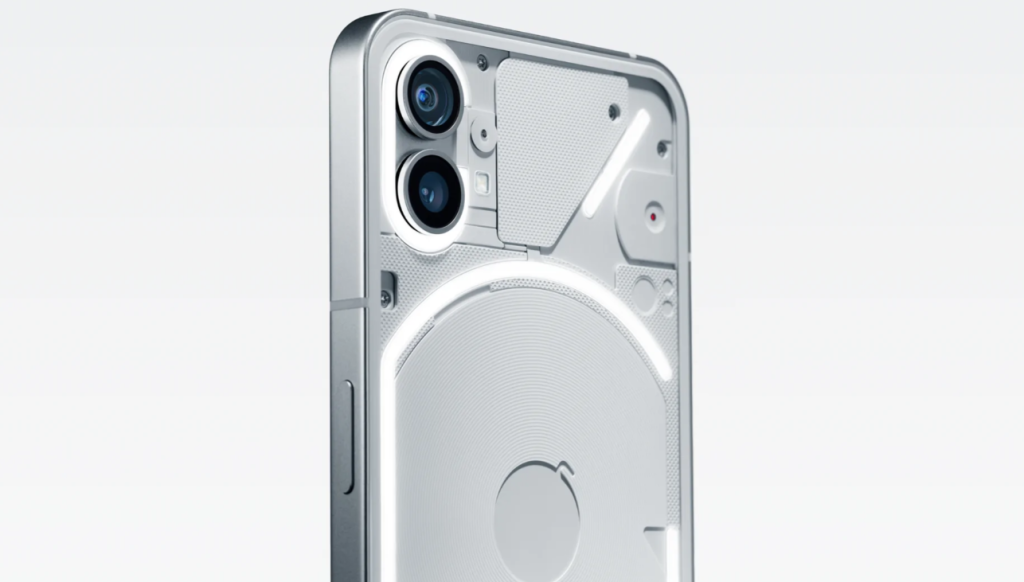
Nothing Phone 1

A huge chunk of Nothing’s software and hardware teams are made up of former OnePlus employees, a source familiar with the company’s operations tells Inverse. The source, who asked to remain anonymous, said that 70% of the software team and 30% of the hardware team are from OnePlus.

As per the report, Kyle Kiang, former OnePlus Chief Marketing Officer, has joined Nothing as Vice President of North America. He will apparently be leading the global launch of the Nothing Phone 2. In addition, the Nothing OS is reportedly being designed by a team of ex-OnePlus software leads, including Shawn Liu, one of the co-founders of Nothing.

Liu used to be the head of mobile product development at OnePlus and led the development of OxygenOS. He is now said to be tasked with bringing that same design philosophy to Nothing OS. Cookie Xu and Sam Lee, two ex-OnePlus software leads who are now reported to be in charge of software products and mobile software respectively at Nothing, are also playing a key role in the design of Nothing OS.

Related: 

(source)

New Meta AI Chip to Power the Metaverse and Create a New Virtual World

Artificial intelligence is taking the internet by storm. Every day, more and more companies are integrating AI into their products and services. This is driving up demand for AI chips, which are used in the supercomputers that power AI applications. Meta, which has significant investments in AI, is developing its own AI chip to power next-generation AI applications. This chip is expected to be more powerful and efficient than current AI chips, which will allow Meta to develop even more advanced AI applications. Here are the details…

Meta Develops AI Chip to Power Next-Gen AI Applications

Meta, the parent company of Facebook, Instagram, and WhatsApp, is developing its own AI chip to power its next-generation AI applications. The chip, called the Meta Training and Inference Accelerator (MTIA), is designed to be more efficient and powerful than traditional AI chips.

MTIA is expected to enable Meta to develop more sophisticated AI models that can perform tasks such as natural language processing, computer vision, and machine learning. This could lead to a wide range of new AI-powered products and services, such as:

  • More accurate and personalized recommendations
  • Improved fraud detection and prevention
  • Enhanced customer service
  • New augmented and virtual reality experiences

MTIA is a significant development for Meta as it will allow the company to continue to push the boundaries of AI. The chip is expected to play a key role in Meta’s metaverse ambitions, as well as its efforts to develop new AI-powered products and services. Meta is not the only company developing its own AI chips. Other tech giants such as Google, Microsoft, and Amazon are also investing heavily in this area. The development of AI chips is a major trend in the tech industry, and it is likely to have a significant impact on the future of AI.

RELATED:

(via)

iQOO Pad Display, Processor Details Officially Revealed Ahead Of Launch

iQOO is set to launch its first tablet in China on May 23rd. The device will be dubbed as an iQOO Pad. Now ahead of the launch next week, the Vivo sub-brand has started teasing the key specifications of the upcoming offering on the microblogging platform Weibo. 

iQOO Pad display and processor details tipped

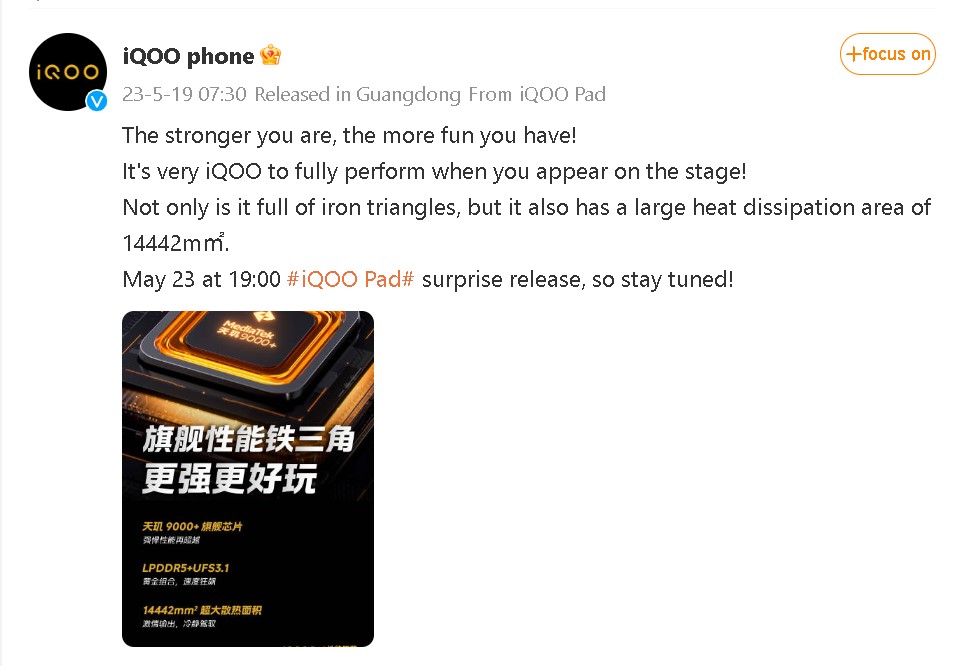
As per the past teaser the iQOO Pad will sport a metal unibody. There is a circular camera module on the back panel housing two sensors and an LED flash unit. The tablet is confirmed to be equipped with MediaTek’s Dimensity 9000+ processor. It will pack LPDDR5 RAM and UFS 3.1 storage technology. The device is teased to feature a heat dissipation system with an area of 14442mm. 

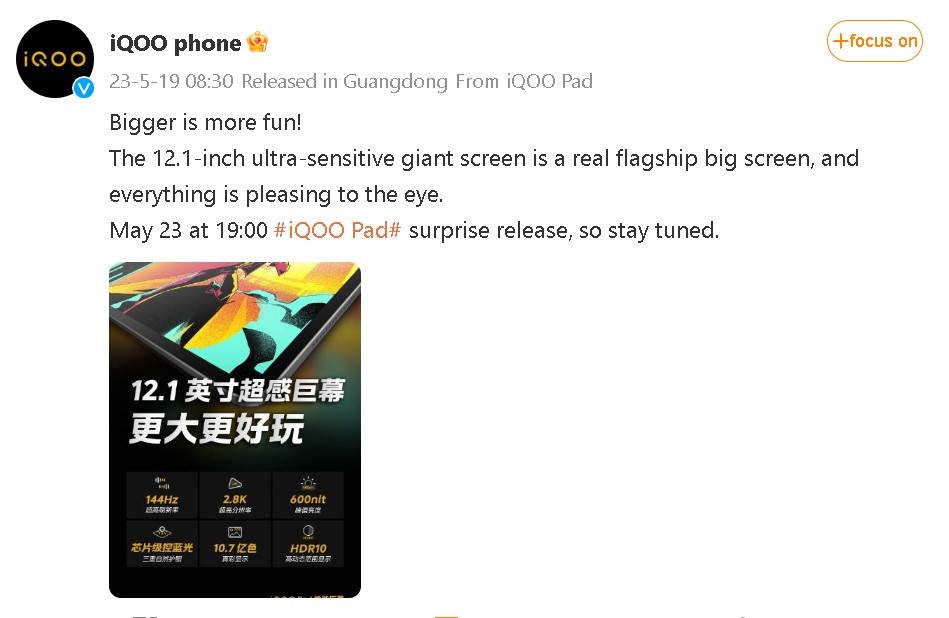
On the front, the iQOO Pad has symmetrical bezels on all sides of the screen. The tablet is confirmed to feature a 12.1-inch display bearing a resolution of 2.8 K pixels and a 144Hz refresh rate. It will offer 600 nits peak brightness and support HDR10. 

Apart from this, there are no additional confirmed details about the iQOO Pad. As per the tablet’s listing on JD.com, it will come in 8GB + 128GB, 8GB + 256GB, 12GB + 256GB, and 12GB + 512GB RAM and storage configurations. 

The iQOO Pad is speculated to be a rebranded version of the Vivo Pad that was announced last month. The latter has the same specs as the upcoming iQOO Pad as mentioned above. The device features a 13MP main and 2MP macro camera on the rear and an 8MP front-facing selfie snapper. The tablet draws its power from a 10,000mAh battery unit with support for 44W fast charging. 

Related: 

Huawei Vision Smart Screen 3 4K TV debuts with an AI camera

Huawei Vision smart screen brand boasts a number of TVs that come packed with intelligent features and a premium design. Today, the brand has added a new TV to the lineup, dubbed the Huawei Vision Smart Screen 3. It comes equipped with an AI super-sensing camera, 240Hz image quality, and a 4K screen with a flagship chip and AI vision chip.

Huawei Vision Smart Screen 3 has “smart” features

Huawei Vision Smart Screen 3 is equipped with a variety of intelligent features. It has an AI super-sensing camera that can recognize bone joints and track portraits, and it can even provide sitting posture and distance reminders. The TV also comes with Huawei’s self-developed image quality technology, which recognizes 11 types of picture scenes and dynamically adjusts color, contrast, and other settings to optimize the viewing experience. The AI vision chip on the TV has an independent NPU unit and supports 1.0T AI computing power.

Huawei vision smart screen 3 TV

Huawei Vision Smart Screen 3 supports a 4K 120Hz high refresh rate and a 92% DCI-P3 wide color gamut. In game mode, it can also support 240Hz frequency. The TV also has an in-depth screen projection function that allows users to project their smartphone or tablet screen onto the TV, and a low latency of 80ms that ensures that the user’s actions are reflected on the screen in real-time.

The Huawei Vision Smart Screen 3 will officially start pre-sale at 9:00 PM on May 18 at Huawei Mall and major authorized e-commerce platforms in China. The 65-inch version is priced at 4,499 yuan (US$699) and the 75-inch version is priced at 5,999 yuan (US$949). The highest discount for the first release of new products is 500 yuan (US$79).

RELATED:

Apple’s Billion-Dollar Bet on MicroLED Technology Aims to Get Rid of Samsung

Apple is an independent company that designs almost all the parts used in its devices. This gives them a distinct advantage over their competitors. Apple does not manufacture its own parts, but instead collaborates with specialist firms such as TSMC. These manufacturers are eager to work with Apple, and in return, Apple gains control over the supply chain.

However, Apple is not as independent when it comes to displays. The company collaborate with giants such as Samsung and LG Display in this area. In an effort to gain greater control over its display supply and reduce its dependency on partners like Samsung, Apple is reportedly making substantial investments in microLED technology. Here are the details..

Apple Invests $1 Billion in MicroLED Technology to Revolutionize Displays

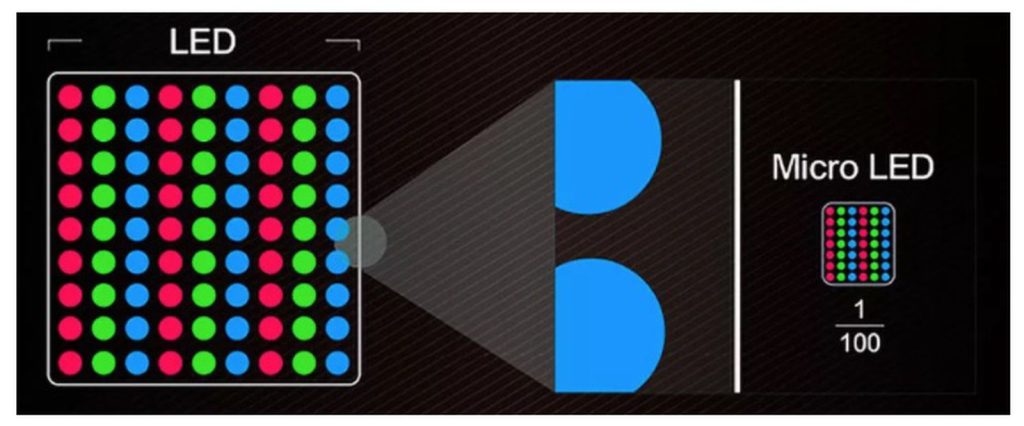
As you know, MicroLED is a relatively new display technology that has the potential to be better than both LCD and OLED displays. It is self-emissive, meaning it does not require a backlight, which results in deeper blacks, higher contrast ratios, and better power efficiency. MicroLED displays are also very durable and can be made in a wide range of sizes.

Aware of the situation, Apple is working on developing microLED displays for its products, and invested more than $1 billion in research and development. The company is said to be building its own microLED manufacturing facilities, which could help it to bring microLED displays to market more quickly and at a lower cost. However, Apple is facing challenges in mass-producing, but it is committed to bringing the technology to market.

It is still too early to say when Apple will launch its first microLED product, but the company is clearly committed to the technology. If microLED displays can live up to their potential, they could revolutionize the display industry and help Apple to maintain its position as a leader in the mobile market.

Apple is working on making its own displays, which could mean that Samsung and LG will no longer be able to make money from every Apple product sold. In 2021, Samsung earned $10.3 billion from Apple, while LG earned $3.6 billion. If Apple is successful in making its own displays, these two companies could lose a significant amount of revenue.

RELATED:

(via)

Analogue Duo retro games console now open for pre-orders

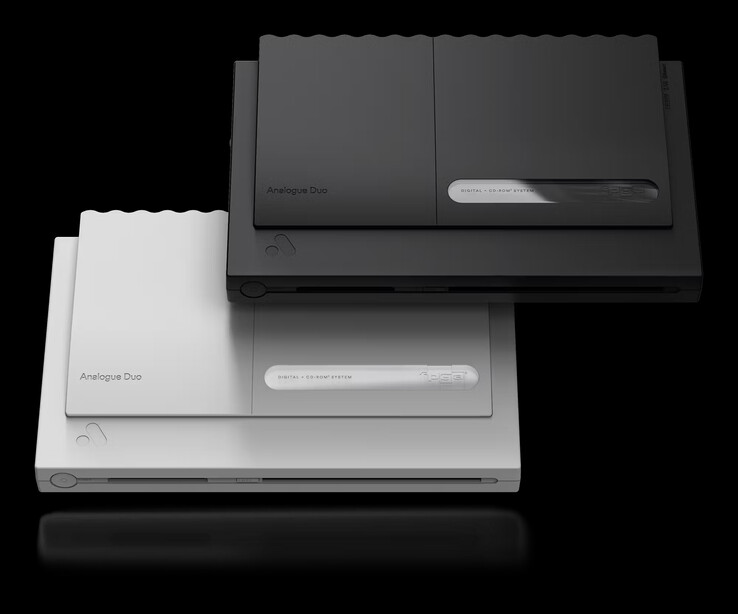
Analogue has announced that it will begin accepting pre-orders for the Analogue Duo games console from May 19. The Analogue Duo is a retro games console that was first announced in 2020. It is a home console, unlike the Analogue Pocket handheld gaming console. It supports cartridges and CD-ROM games.

Analogue Duo retro games console

The Analogue Duo is powered by the FPGA chipset and it plays NEC-era games at a resolution of 1080p. The console is compatible with PC Engine, PC CD-ROM, Turbo-Grafx `16, and Turbo-Grafx CD games. Analogue says the Duo console has global compatibility at 50-60Hz and 100-240V. The dimensions of the console are 267 x 177 x 34.7 mm and it will be available in two color variants. It accommodates both wired and wireless controllers, with PC Engine and USB ports, as well as Bluetooth support.

As earlier mentioned, pre-orders for the Analogue Duo home console can be made from May 19 at 15.00 UTC. It is priced at $249.99 for both the Japanese and US variants. The Analogue Duo is therefore more expensive than its predecessor by $50.

Analogue Duo retro games console

Analogue will accept a maximum of two units of the Duo per order. Each unit will come with one HDMI and USB-C cable, in addition to an 18W charger. More details about the retro games Analogue Duo home console can be scooped from the Analogue website. It is unclear whether the launch price is a discounted offer or not.

Related: 

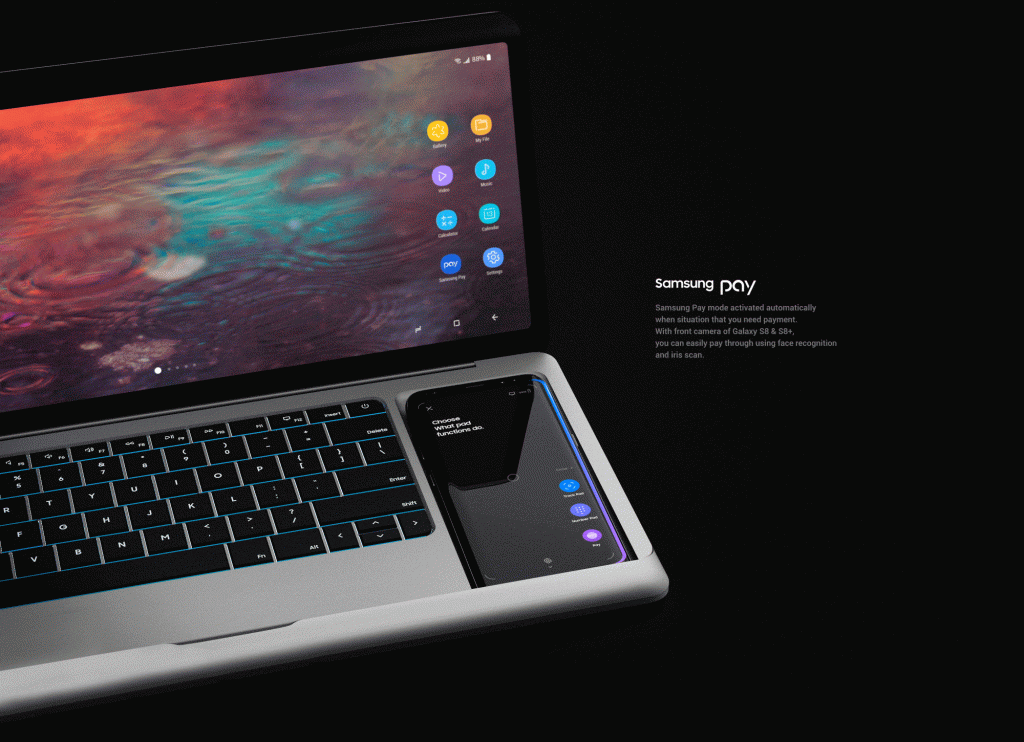
Samsung and Google Partner to Create Laptop That Turns Your Phone into a Powerful PC

Technology companies have many projects that don’t meet expectations. For example, Google’s ChromeOS and Samsung’s DeX have not been as successful as they hoped. However, there are rumors that Samsung is working on a new device that combines DeX and ChromeOS. This could be a way for both companies to achieve the success they want. Here are the details…

Rumors Hint at Samsung’s DeX-ChromeOS Hybrid Notebook, Powered by Exynos

DeX is a platform that allows users to connect their Samsung Galaxy smartphones and tablets to a monitor or TV to create a desktop-like experience. When connected to a larger display, DeX expands the phone’s screen and provides access to a full-size keyboard and mouse. ChromeOS on the other hand is a lightweight operating system that is designed for Chromebooks, which are typically budget-friendly laptops. Now, the power of these two products is merging.

Samsung is rumored to be working on a new device that combines its DeX platform with Google’s ChromeOS. The device, which is rumored to be called the DeXbook, is said to be powered by an Exynos chip and could be announced alongside a new Exynos-powered Galaxy Book for Windows on Arm.

As you know, Exynos is Samsung’s own mobile processor. It is typically used in its Galaxy smartphones and tablets, but it has also been used in some of its laptops. The Exynos chip is said to be more power-efficient than Intel’s chips, which could make the DeXbook a more attractive option for users who are looking for a long-lasting battery life. But when it comes to performance, that’s not the case.

The DeXbook is still a rumor at this point. However, if Samsung does decide to release this device, it could be a very compelling option for users who are looking for a versatile and powerful laptop.

RELATED:

(via)

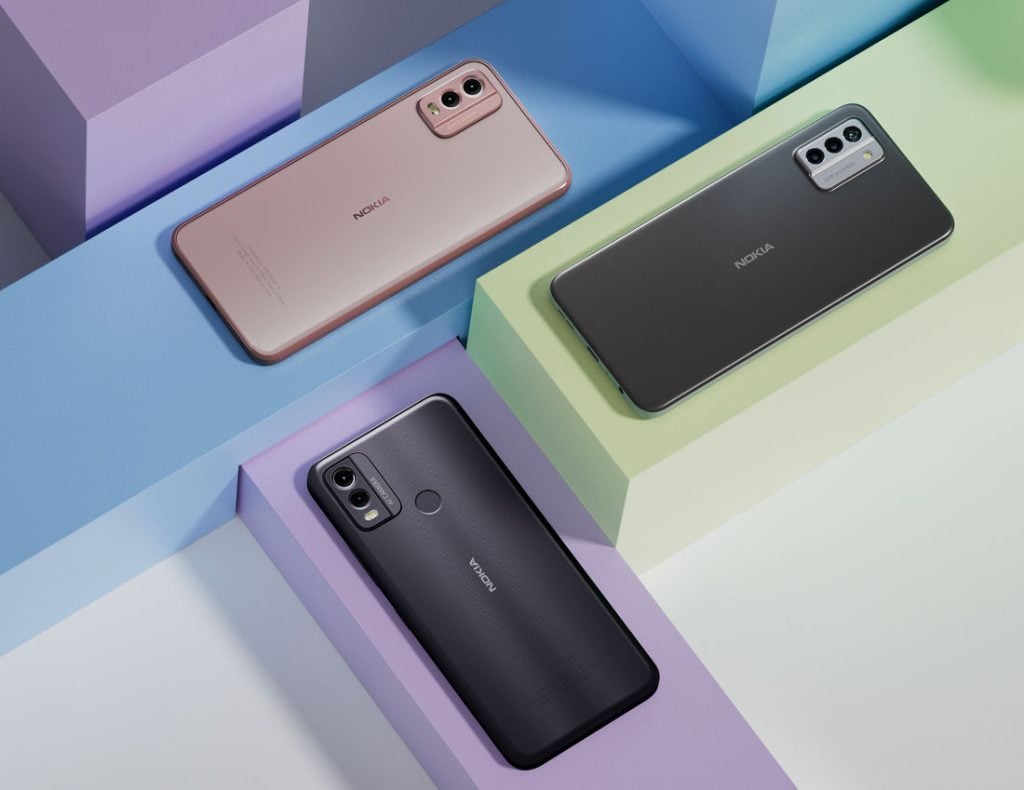
Nokia C32 affordable smartphone now available in the UK for £129 ($160)

Nokia Mobile has announced the arrival of the Nokia C32 in the United Kingdom. The C32 is a budget smartphone from the Nokia C-series and it comes with some decent features and durability. The Nokia C32 was first announced at the Mobile World Congress (MWC) 2023.

Nokia C32

The Nokia brand has a long record of durability and performance both with feature phones and smartphones. Affordability is another strong feature of the Nokia brand. The Nokia C32 offers a dose of these features and more. It is powered by the Unisoc 9863A1 chipset and its 5,000mAh battery can provide up to three days of juice for the device. The C32 smartphone has a 6.5-inch IPS HD LCD screen with a pixel density of 270ppi. The versatile smartphone’s toughened glass back gives it a luxurious look and feel.

The Nokia C32 has a 50MP main camera and together with its front camera, has a Night Mode option. The Night Mode offers stunning low-light shots from the phone’s cameras. The C32 is available in two color variants of Charcoal and Beach Pink. It runs out of the package on Android 13, which is impressive for a budget smartphone.

Nokia C32

Nokia C32 price in the UK

The new Nokia smartphone in the UK is available in 4GB+64GB configuration. It is priced in the UK at £129 (~$160) and Nokia offers trade-ins for swapping the C32 with old smartphones. The Nokia C32 can be purchased directly from the Nokia website. Users in the UK will not incur any additional delivery costs. More optics about the Nokia C32 are available on the Nokia website.

RELATED:

(via)

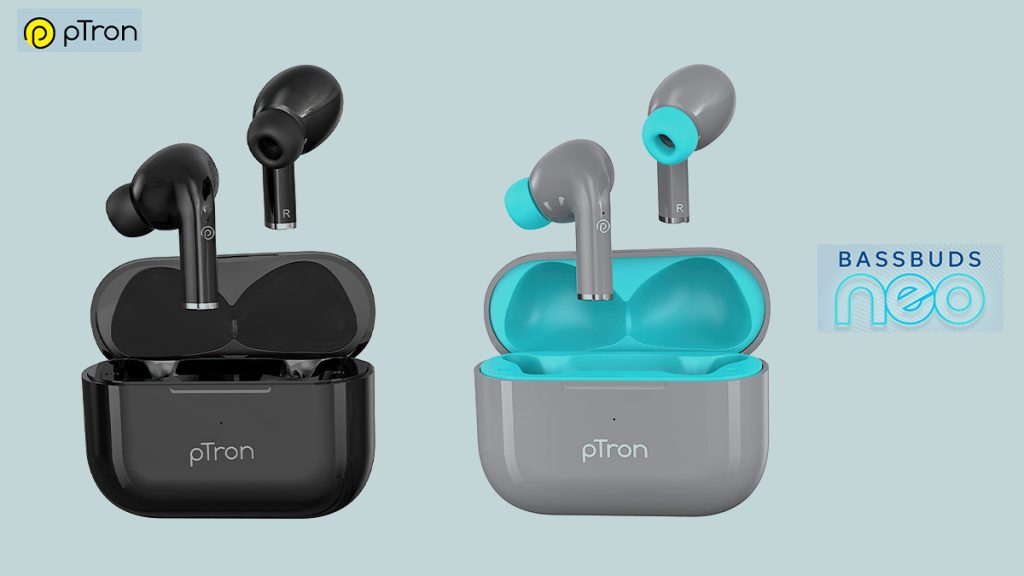
pTron Bassbuds NEO with 13mm drivers, ENC & 35h playback time launched in India for Rs 899

After launching the Basspods Encore TWS earbuds last month, pTron has brought another pair of TWS earbuds to the Indian market. These new buds are called Bassbuds NEO, and they feature Bluetooth 5.3 along with TruTalk ENC (Environmental Noise Cancellation) technology. Let’s take a closer look at the features.

pTron Bassbuds NEO earbuds specs

These compact earbuds come with a powerful 13mm dynamic driver, delivering clear and robust sound quality for an immersive listening experience. Equipped with TruTalk ENC (Environmental Noise Cancellation) technology, background noise is effectively minimized, ensuring exceptional audio clarity during phone calls.

With Bluetooth 5.3 technology, the Bassbuds NEO earbuds offer seamless connectivity with smartphones, laptops, and other Bluetooth-enabled devices. Just 10 minutes of charging provides up to 150 minutes of playtime, while the portable charging case, equipped with Type-C Fast charging, extends the total playtime to an impressive 35 hours.

The Bassbuds NEO earbuds feature touch controls, enabling easy management of music playback and call with a simple tap. They also support voice assistant integration, allowing quick access to virtual assistants like Siri and Google Assistant. Additionally, these earbuds are IPX5 water-resistant, making them suitable for workouts and outdoor activities.

Featuring a snug-fit and lightweight design, these earbuds ensure comfort during extended wear. The 13mm Dynamic Bass Boost drivers deliver exceptional audio performance, and the Bluetooth 5.3 technology provides a range of 10 meters for reliable connectivity. With dual modes for music and gaming, a low latency of 50ms, and up to 35 hours of battery life with the charging case, the Bassbuds NEO offers a versatile and long-lasting audio solution.

Pricing and availability

The pTron Bassbuds NEO wireless earbuds have officially made their debut on Amazon.in, and they come with an exclusive launch price of Rs. 899. These sleek earbuds are available in an array of eye-catching colors, including Black, Blue, and Grey.

RELATED:

Apple iPhone 15 Pro Max to feature a refresh rear camera design

Apple is gearing up to launch the new iPhone 15 series later this year. However, prior to its release we have already covered numerous rumors and leaks regarding the upcoming smartphones. Now, the latest report reveals some of its updated design elements.

Apple iPhone 15 Pro Max camera design to see an update over the iPhone 14 Pro Max

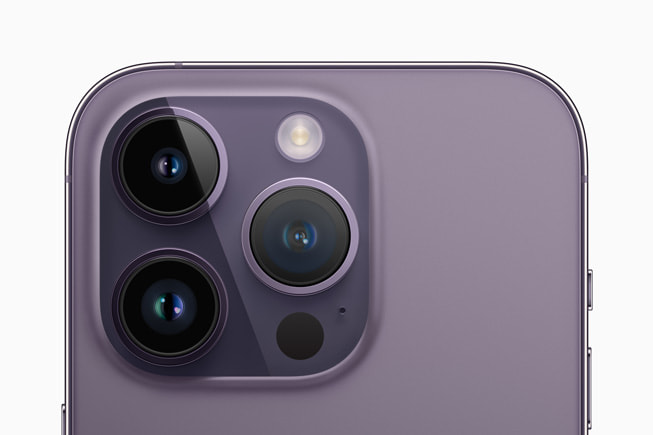
The Cupertino based giant is apparently planning on making slight changes to the rear design of the upcoming iPhone 15 Pro Max models. The news arrives from tipster @Unknownz21 who shared the information on Twitter. In the leak, it was stated that the brand is planning on refreshing the camera module on the rear. The iPhone 15 Pro Max will feature a new layout for the camera sensors, which will also include a new periscope camera lens as well.

Apple

This new sensor will add to its magnification capabilities on the new iPhones. Although, these will be exclusive to the higher end Pro models. Apart from this, these new sensors will reportedly offer up to 5x or 6x optical zoom as well. The changes in the rear camera module layout is reportedly being made to accommodate this new sensor. On the other hand, the more affordable iPhone 15 and iPhone 15 Plus are expected to arrive with the 48 megapixel camera from the last gen iPhone 14 Pro models.

The new layout will have the ultra wide angle lens and telephoto camera swap spots on the rear camera module. For those unaware, the camera between the flash and LiDAR sensor is the one which features the new periscope lens on the iPhone 15 Pro Max model. The layout is being changed due to the newer hardware that needs to be housed in the module.R

RELATED:

Google Pixel 7a Durability Test Reveals Surprising Result

Google’s latest mid-range Pixel 7a has undergone popular YouTuber JerryRigEverything grueling durability test. The smartphone was announced earlier this month. The one major difference between the latest offering and the premium Pixel 7 duo is that the former comes with a plastic body. However, the phone scores surprising results in the durability test. 

Google Pixel 7a’s durability test results are surprising

The durability test starts with Zack using a razor blade to scratch the Pixel 7a’s display. Although the screen is shielded by Gorilla Glass 3, it produces scratches easily at level 6 and even more at level 7. In the scrape test, the smartphone’s metal frame also scratches easily. The metal volume rocker and power buttons are also removable. When the phone is subjected to a fire test, it withstands the flame for 25 seconds but it also quickly recovers. 

The main highlight of the video is the Pixel 7a’s performance in the bend test. The phone holds its ground and refuses to bend even after putting an ample amount of pressure from both sides. What’s more surprising is that the device features a plastic body and Zack says that it’s still better than glass that can shatter into million pieces. 

Google’s mid-range Pixel 7a outperforms its more expensive Pixel 7 Pro whose overall integrity was threatened in durability test. The Pixel 7a’s bend test result is even better than the recently tested ASUS ROG Phone 7 Ultimate 

As for core specs, the Pixel 7a features a 6.1-inch 90Hz OLED display and 64MP + 13MP rear cameras. The device is powered by Tensor G2 SoC and is backed by a 4,300mAh battery with support for wireless charging.

Related: 

Realme is planning to appoint Indian superstar Shah Rukh Khan as its brand ambassador

Realme is apparently planning on bringing in Indian superstar Shah Rukh Khan as its next brand ambassador. The news arrives as the company gears up to launch its highly anticipated Realme 11 Pro series in the Indian market next month.

Realme ropes in Bollywood superstar Shah Rukh Khan as its new brand ambassador

As we edge closer to the Realme 11 Pro series India launch, the Chinese smartphone maker has brought in the popular Indian actor Shah Rukh Khan as its brand ambassador. The news arrives from a 91Mobiles report who learned from industry sources. The report shares leaked images, where we can see the latest brand ambassador. Realme is expected to make the announcement bringing aboard Shah Rukh Khan soon.

The leaked images offers us a look at what appears to be an ongoing advertisement shoot. In the set, we can see Realme and Shah Rukh Kkhan’s names written on the back of the chairs. This implies that both firms are clearly working together, with the Indian celebrity likely being brought on to help promote its new Realme 11 Pro series of smartphones.

For those unaware, the 11 series was announced in the Chinese market just recently. The devices launched with up to 200 megapixel on the 11 Pro+ model, with the Pro series models featuring a brand new design that also includes a faux leather rear panel with a vertical gold and silver stitching.

RELATED: