Advertisement

OPPO A1 Vitality Edition with Dimensity 6020, 6.56-inch 90Hz display announced

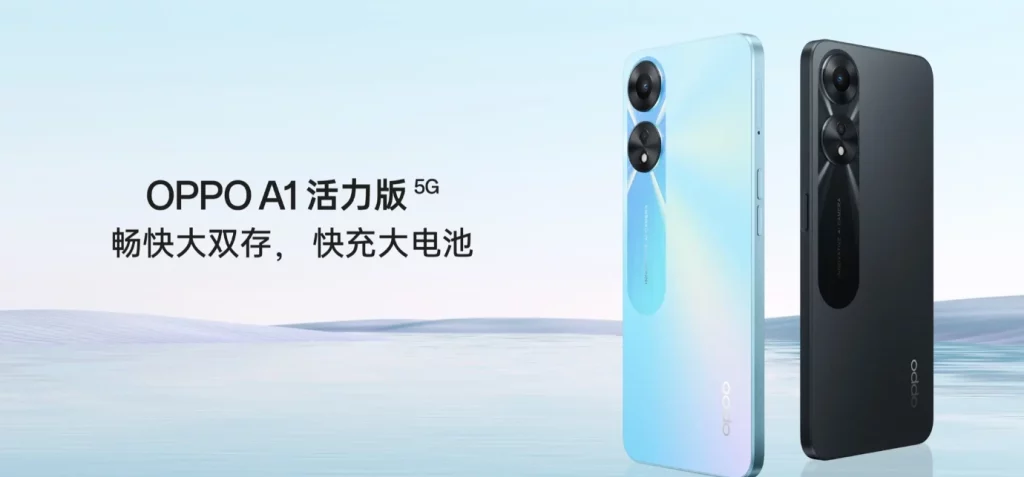
Last month, Oppo announced Oppo A1 5G in China. Now the company has introduced a new edition of the device called Oppo A1 Vitality Edition, aimed at budget-conscious consumers who don’t want to compromise on performance and style. This phone looks like the rebranded version of Oppo A58 5G which was launched last year. Let’s take a closer look at its key features.
OPPO A1 Vitality Edition

OPPO A1 Vitality Edition specifications

The Oppo A1 Vitality Edition sports a 6.56-inch display with a smooth 90Hz refresh rate. It covers 100% of the DCI-P3 wide color gamut, delivering vibrant and true-to-life visuals. With intelligent brightness adjustment featuring 4096 levels, the screen automatically adapts to ambient lighting conditions, optimizing visibility. The display offers a resolution of 1612×720, an 89.8% screen-to-body ratio, and a peak brightness of 480nits, providing an immersive viewing experience.
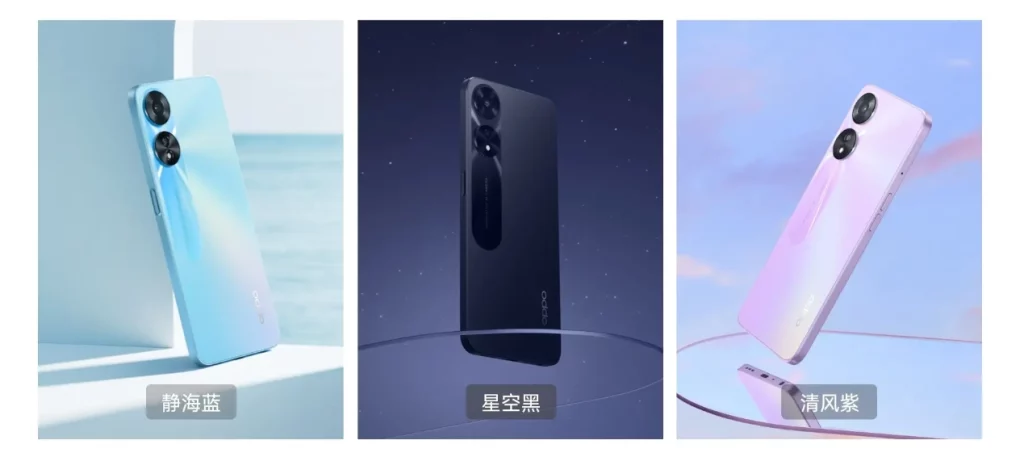
OPPO A1 Vitality Edition

In terms of design, the A1 Vitality Edition features a crystal diamond design, offering a sleek and premium appearance. With a thickness of approximately 7.99mm and a weight of about 188g, it is both slim and lightweight. Additionally, it provides IP54 dust and water resistance, safeguarding the device from everyday hazards.

Under the hood, the A1 Vitality Edition is powered by the Dimensity 6020 chipset based on the A76 architecture with Mali-G57 GPU. This ensures smooth performance and efficient multitasking. The device supports RAM expansion, offering a maximum capacity of 20GB with 12GB LPDDR4X inbuilt RAM + 8GB expandable RAM. The inbuilt storage can also be expanded.

The A1 Vitality Edition features a 50-megapixel main camera and a 2-megapixel depth sensor on the rear. On the front, it houses an 8-megapixel camera to take care of the selfies. The device offers various camera features, including portrait mode, AI scene enhancement, RGB retention video, and super night scene mode.
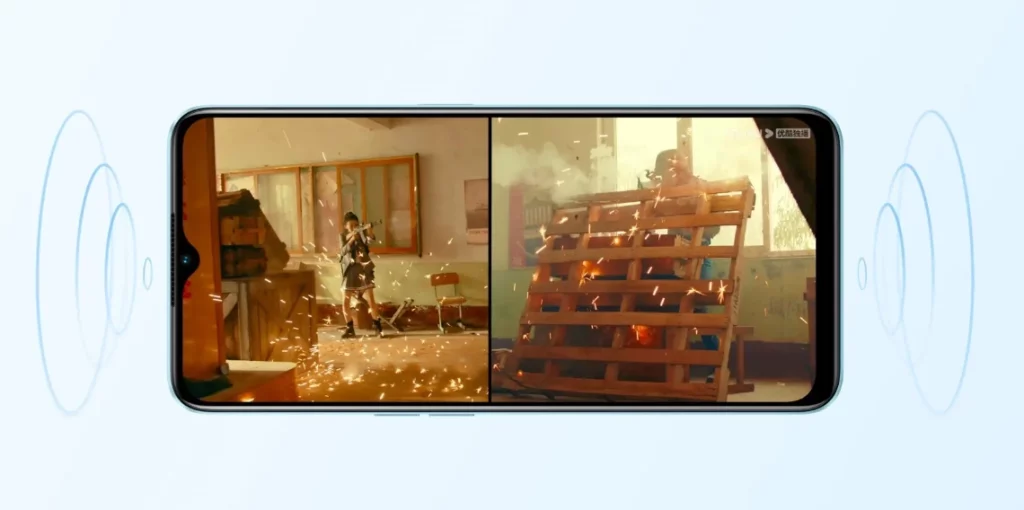
OPPO A1 Vitality Edition

Connectivity options include dual SIM dual standby, dual-mode 5G, 360-degree surround antenna, and 5G+WiFi dual-channel acceleration. The A1 Vitality Edition’s audio capabilities are enhanced by a linear speaker with real sound technology. It delivers optimized sound quality for music, cinema, gaming, and short videos, enhancing the overall multimedia experience. The smartphone houses a 5000mAh battery with SuperVOOC 33W fast charging support.

The device comes in three color options: Quiet Sea Blue, Starry Black, and Fresh Wind Purple. Oppo A1 Vitality Edition is priced at 1799 yuan ($256).
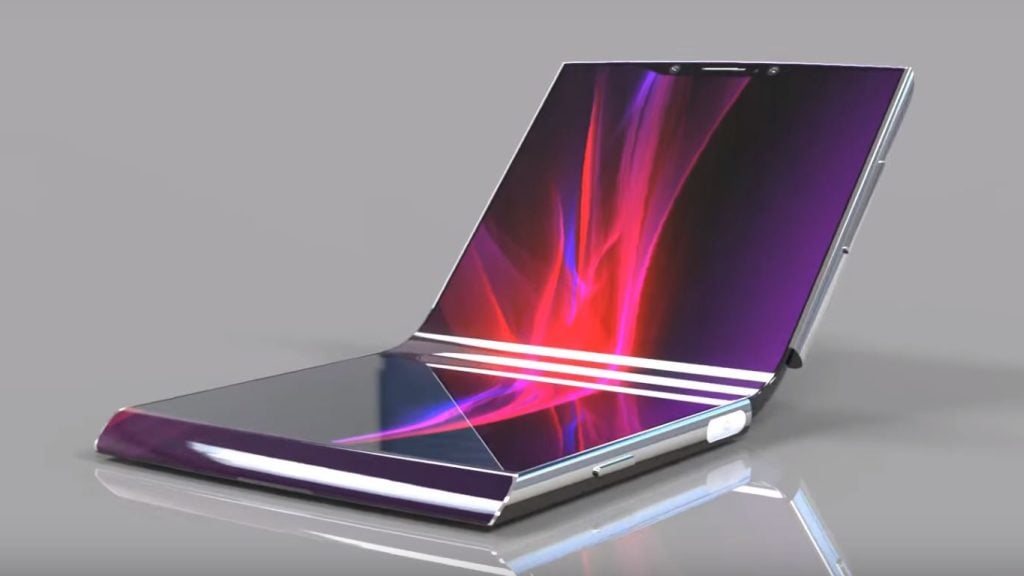
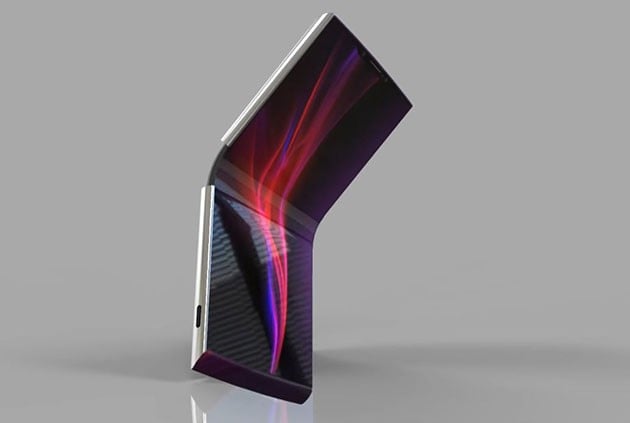
Sony allegedly working on a compact clamshell foldable phone

Rumors are swirling about Sony’s exciting new project, as reports suggest the tech giant is working on a small foldable-screen phone, potentially reviving its beloved Compact series. With no flagship releases catering to smaller sizes since 2018, Sony seems poised to make a big splash in the mobile market once again.

Xperia Fold concept phone

Unfolding Sony’s New Venture: A Clamshell Foldable Phone on the Horizon?

According to Japanese media Sumahodigest, Sony’s foldable device will bear resemblance to Samsung’s Galaxy Z Flip4, but without an external screen. This design choice indicates Sony’s commitment to a sleek and compact form factor. If the reports hold true, Sony might capitalize on the current trend towards foldable displays, catching up with mainstream brands like Google and Samsung who have already ventured into the foldable phone market.

Interestingly, some insiders speculate that Sony’s foldable phone could be named the Xperia Fold, hinting at a potential focus on gaming capabilities. With the immense popularity of mobile gaming, it wouldn’t be surprising to see Sony leverage its expertise in the gaming industry to create a device optimized for an immersive gaming experience.

Xperia Fold concept phone

While details about the release date remain scarce, tech enthusiasts eagerly await further updates on Sony’s foldable screen phone. The potential combination of a compact design, foldable display technology, and gaming prowess could make this device a big hit in the mobile industry.

As we await confirmation from Sony and more concrete information, it’s clear that the tech landscape is evolving, and Sony’s rumored entry into the foldable phone market promises to shake things up. Currently, only Apple and Sony have not released any foldable screen products among the mainstream phone brands. Stay tuned for further developments on this exciting venture from Sony, a brand renowned for pushing boundaries and delivering innovative products.

RELATED:

(Source)

iQOO Neo 8 Series Roundup: Everything from Specs, Design to Expected Pricing

Since its launch in 2019, the iQOO Neo series has been extremely popular among users. The phones in the series have been praised for their performance, battery life, and cameras. Take the iQOO Neo 6 for example— both critics and consumers still swear by it. The Vivo subsidiary also managed to stick the landing with the latest Neo 7 as it offers a smooth gaming and multimedia experience.

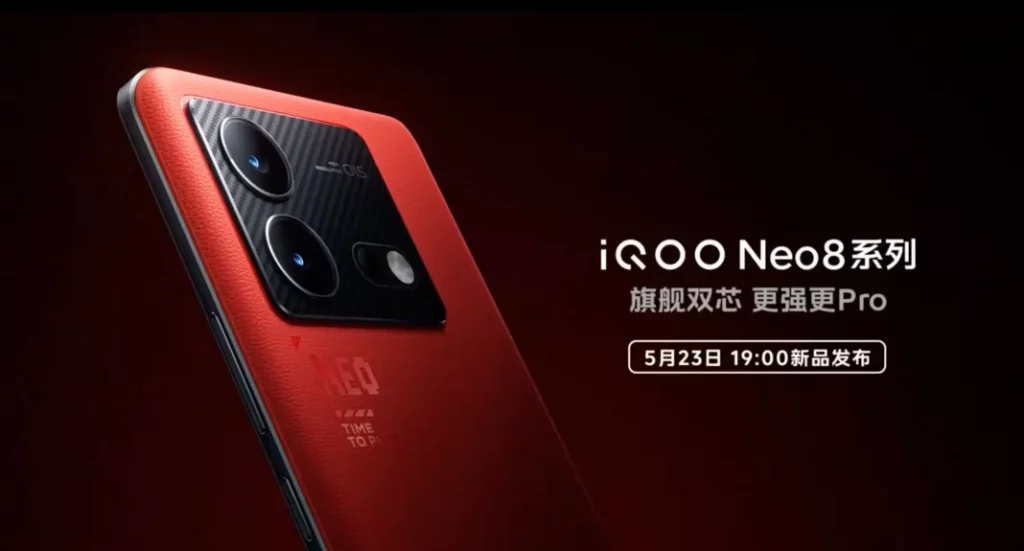
The iQOO Neo 8 series is also ready to be unveiled, with the company set to take the wraps off its latest premium mid-rangers on May 23 in China. A global launch should follow in a couple of months. However, you won’t have to wait that long to learn about the phones, as we have gathered everything about the iQOO Neo 8 and Neo 8 Pro in this post. Let’s get on with it.

iQOO Neo 8

Design and Display

iQOO has always launched just one smartphone in the Neo series but this time it’s going to be different. The company is confirmed to even bring a Pro model this year, which will have better specifications compared to the standard one. However, cosmetically they might not be that different, after all.

The previous iQOO 6 and 7 both featured a similar design with a curved rear panel and frame. We saw a rectangular camera module on both devices with “Neo” text etched on a shiny surface below it. Despite having a polycarbonate back, these phones looked quite premium and were nice to hold.

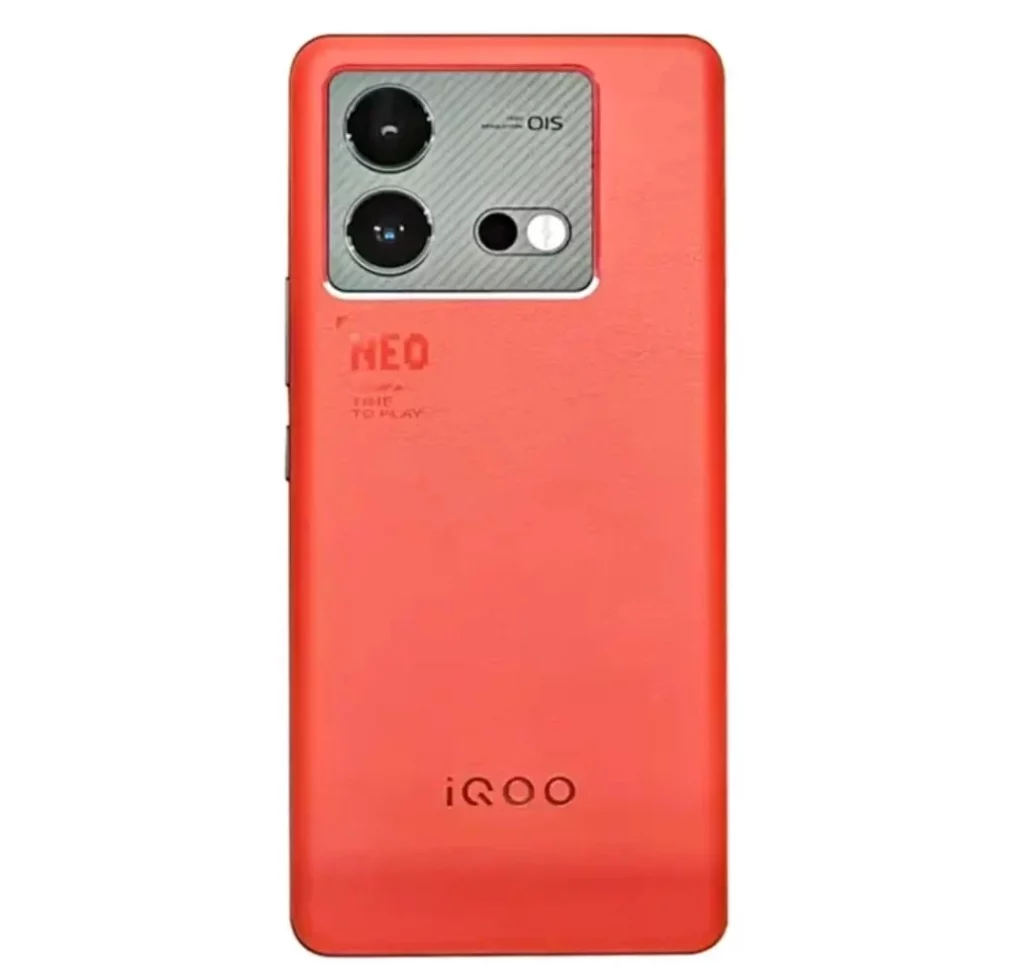
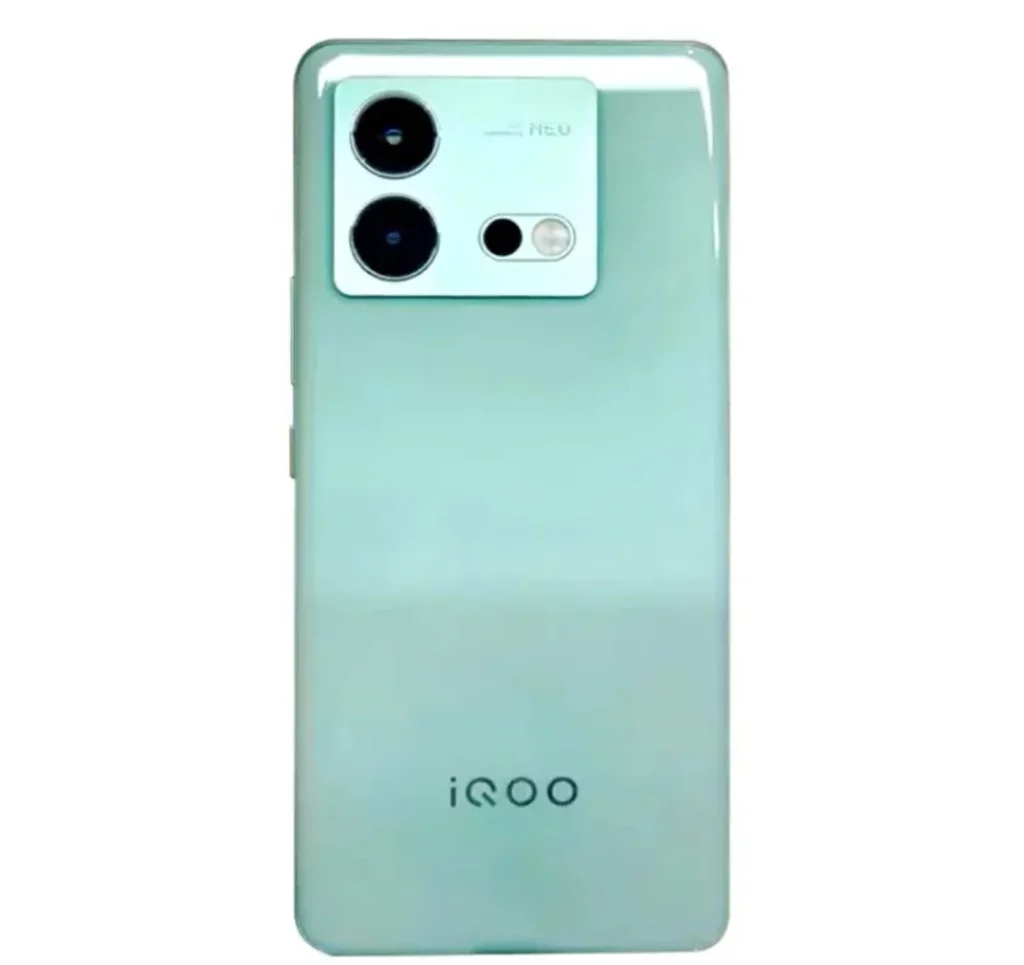
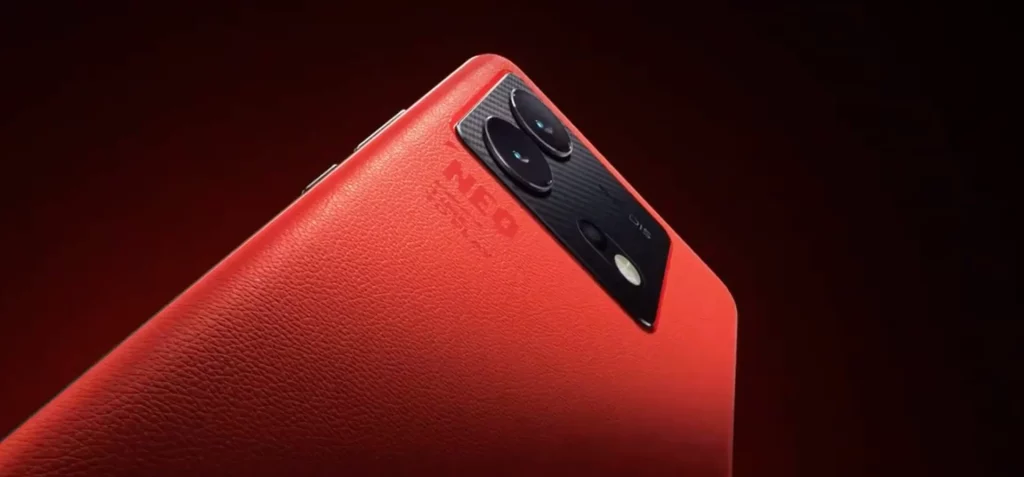
However, the design of the Neo 8 lineup has been changed. Official images have revealed that both iQOO Neo 8 and Neo 8 Pro will feature a rectangular camera module, but it will not span across the entire width of their bodies. It is expected that both devices will have triple-camera setups. Leaked images have shown the Pro model with the “OIS” writing on the back, confirming the presence of optical image stabilization. We haven’t seen the front panel yet, but a punch-hole cutout for the selfie camera is expected, along with thin bezels. The display is likely to be flat on both phones.

The vanilla model is expected to feature a 6.78-inch 120Hz AMOLED display with a high 1.5K resolution and 2160Hz PWM dimming technology. The Pro model could also have the same display but with a higher 144Hz refresh rate. While it is possible that the phones will support it, we cannot be certain. The display is supported by Vivo’s dedicated V1+ image chip, which comes with a 32MB on-chip high-speed cache and supports three algorithms.

Specifications

The iQOO Neo smartphones have always been performance-oriented, even though they debut as mid-rangers. The iQOO Neo 6 from 2022 gained a reputation for its best-in-class performance, and the Neo 7 managed to carry on that legacy. It appears that the new Neo 8 series will not be an exception, as the Pro model is expected to feature the Dimensity 9200 Plus chipset paired with impressive 16GB of LPDDR5x RAM and up to 1TB of UFS 4.0 storage. On the other hand, the iQOO Neo 8 should be powered by the Snapdragon 8 Gen 1 chipset.

The cameras are also receiving an upgrade. iQOO has confirmed the Neo 8 Pro will feature a 50MP primary camera with optical image stabilization (OIS) support. The camera will utilize the renowned Sony IMX866VCS sensor, which is also found on the Vivo X90 Pro+ (review).

iQOO neo 8 featured

While the primary camera details have been unveiled, we are yet to know the information about the secondary cameras on the Pro phone. It is speculated that the iQOO Neo 8 may also sport a 50MP primary shooter, but with a different sensor and without OIS.
Both models in the lineup have been confirmed to get a 5,000mAh battery with support for 120W fast charging technology. They will also include an under-display fingerprint sensor and will come pre-installed with the Android 13 operating system. The Chinese units will get the OriginOS 3.0 skin, while the global market units will receive the controversial FuntouchOS.

Expected Pricing

iQOO Neo 8 and Neo 8 Pro are expected to bring several notable features, which may result in a higher price. While the exact numbers are not yet available, the vanilla model is estimated to start in the range of $350-$400. For reference, the iQOO Neo 7 is currently available in two variants: 8GB RAM + 128GB storage and 12GB RAM + 256GB storage. The 8GB RAM variant is priced at ₹29,999 ($361), while the 12GB RAM variant is priced at ₹33,999 ($403). Both variants are offered in three color options: Interstellar Black, Frost Blue, and Dawn White.

Related: 

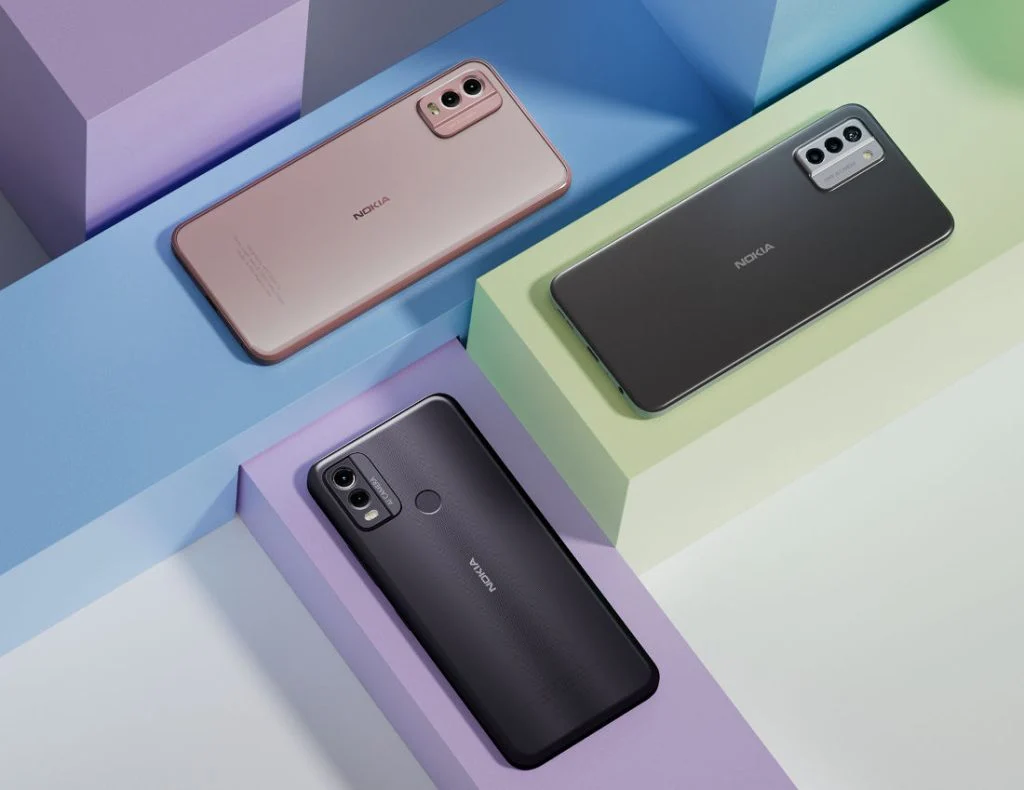
Nokia C22 could launch on May 23 in India, pricing tipped

Nokia introduced the Nokia C32 smartphone during Mobile World Congress (MWC) in February. The brand has now launched the device in the UK and is planning to bring it to the Indian market soon, as the listing became available a few months ago. According to a recent report, further details about the phone have emerged.

As per a Hindi report from 91mobiles, the Nokia C32 is expected to make its debut in India on May 23. This implies that the Indian market will soon witness the availability of a new Nokia smartphone. Apart from disclosing the launch date, the report also mentions that the device will be priced at around Rs 9999 in the country. However, it remains unclear whether this is the introductory price or the maximum retail price (MRP). Nonetheless, the arrival of a Nokia smartphone within the Rs 10,000 price range is likely to grab the attention of both existing Nokia users and those nostalgic for the brand’s earlier models. Let’s take a look at its spec sheet and see if the device is worth its alleged price.

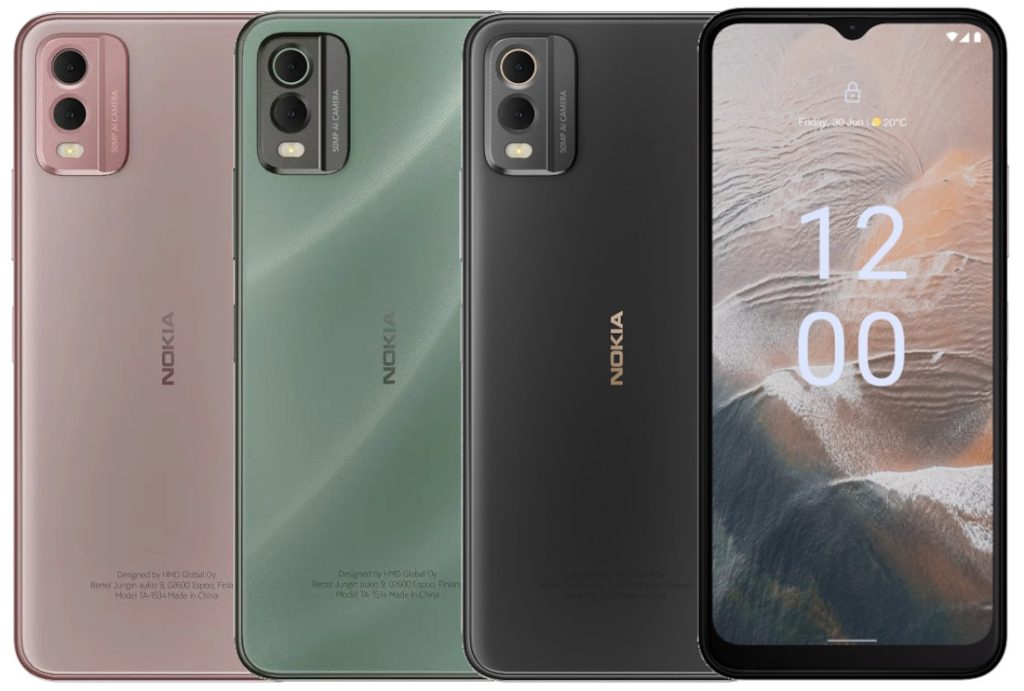
Nokia C22 specs

The Nokia C32 smartphone showcases a sizable 6.5-inch display with an HD+ resolution of 720×1600 pixels. It embraces a 20:9 aspect ratio screen that incorporates a waterdrop notch to house the front camera.

Driving the Nokia C32 is an octa-core UniSoC SC9863A processor. Users can expect a maximum of 4GB of RAM and up to 128GB of internal storage, with the option to expand the memory by an additional 3GB. The device comes with Android 13 as the operating system.

As for the camera setup, the Nokia C32 boasts a dual-rear camera configuration. It comprises a 50MP primary sensor accompanied by a 2MP sensor. Selfies and video calls are handled by an 8MP front camera.

Powering the C32 is a generous 5000mAh battery that supports 10W charging through a Type-C charging port. On the security front, the smartphone features a side-mounted fingerprint scanner. It also holds an IP52 rating, making it resistant to dust and splashes. Additionally, the handset provides a dedicated microSD card slot and retains the classic 3.5mm audio jack. In terms of connectivity, it offers Dual-SIM support, 4G, WiFi, Bluetooth 5.2, GPS, and Glonass capabilities.

RELATED:

(Source)

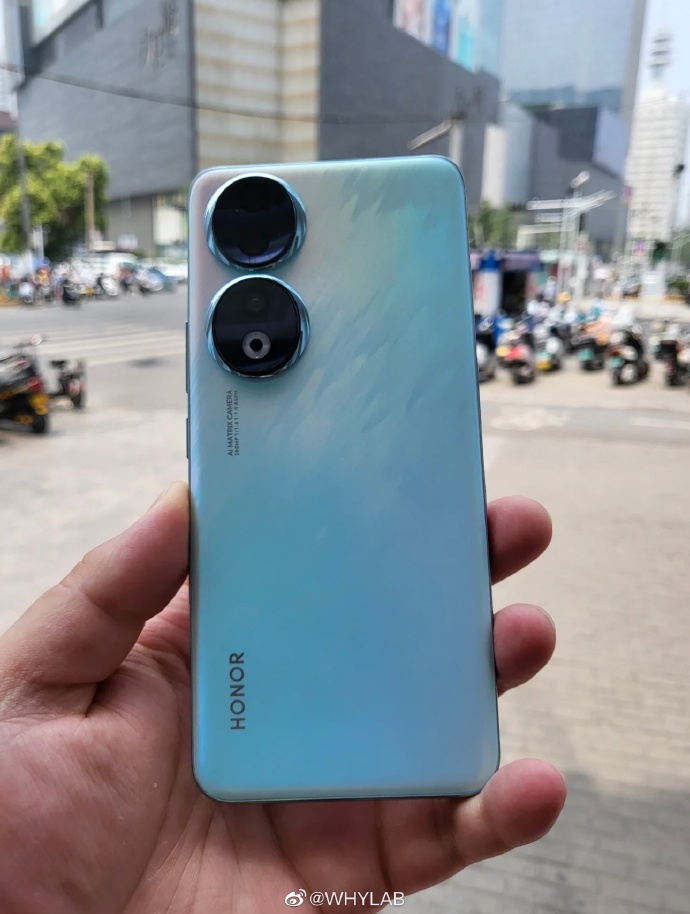
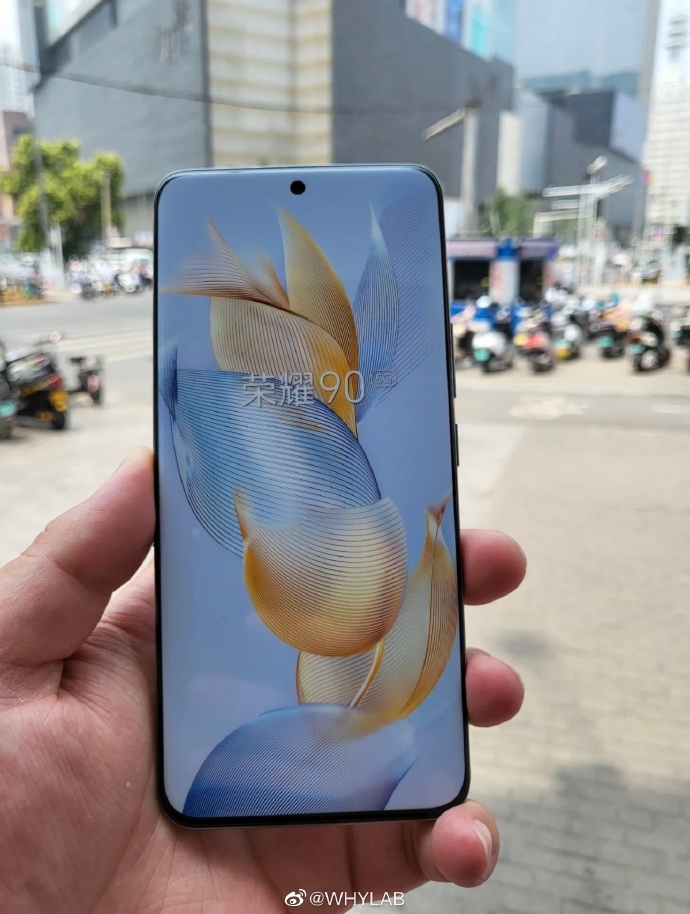
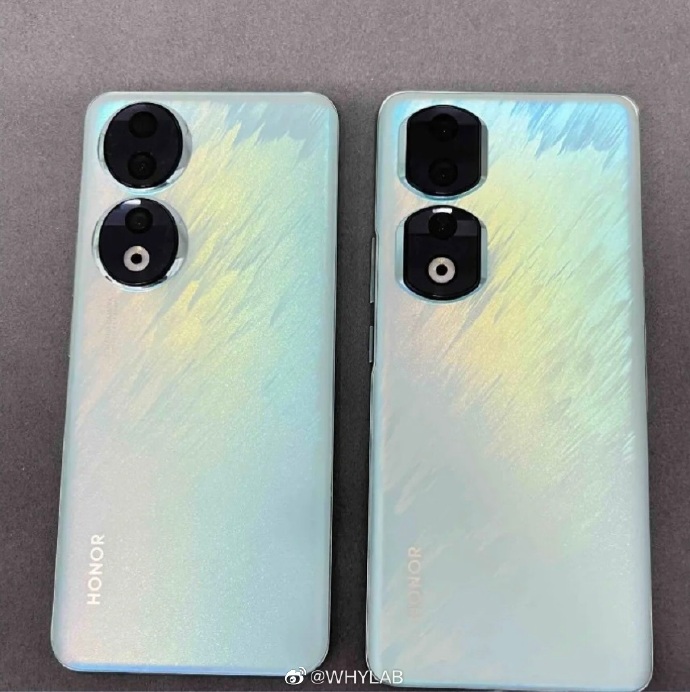
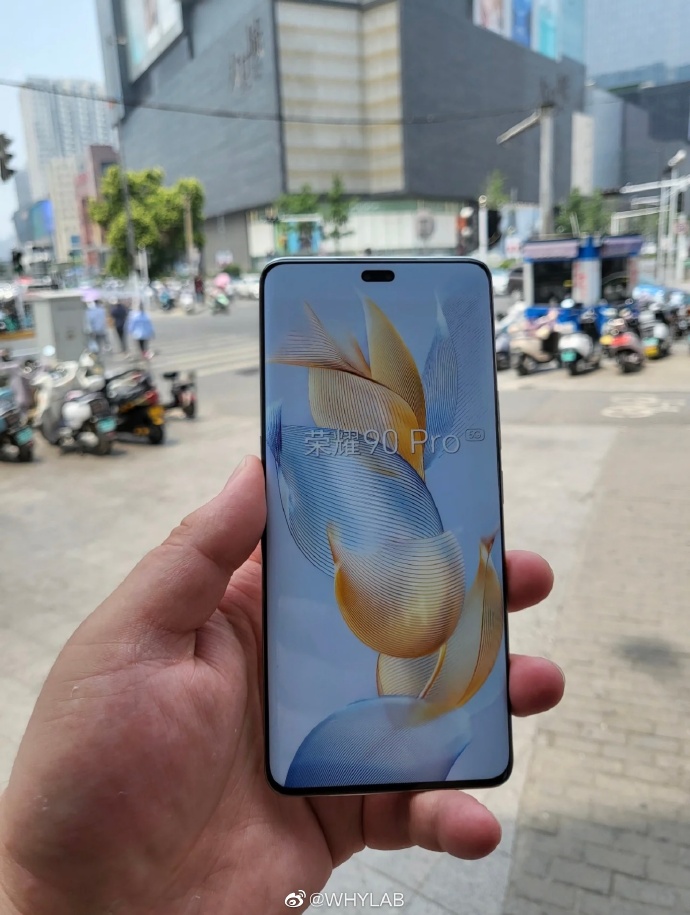
Honor 90 and Honor 90 Pro live images spotted ahead of launch

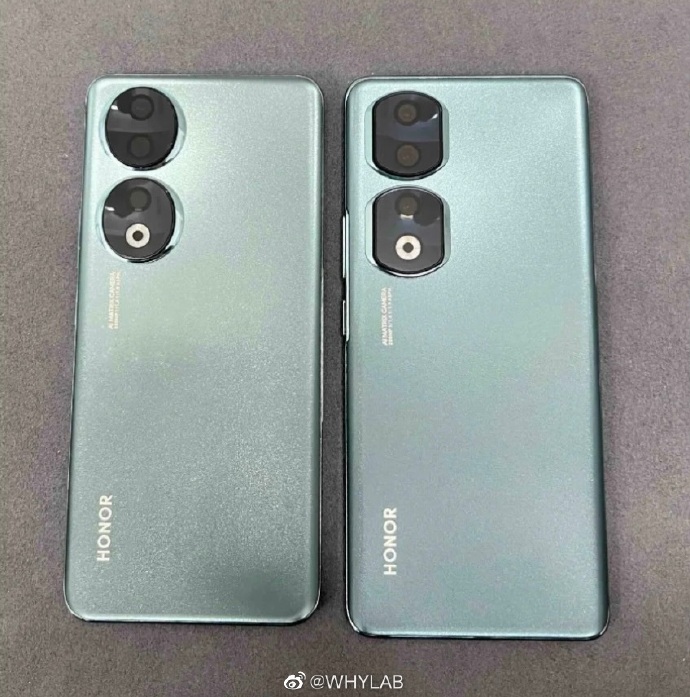
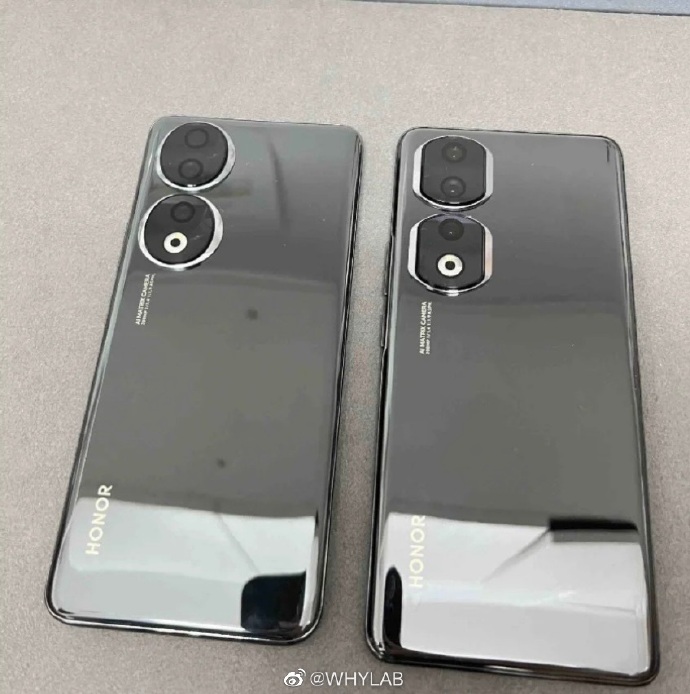
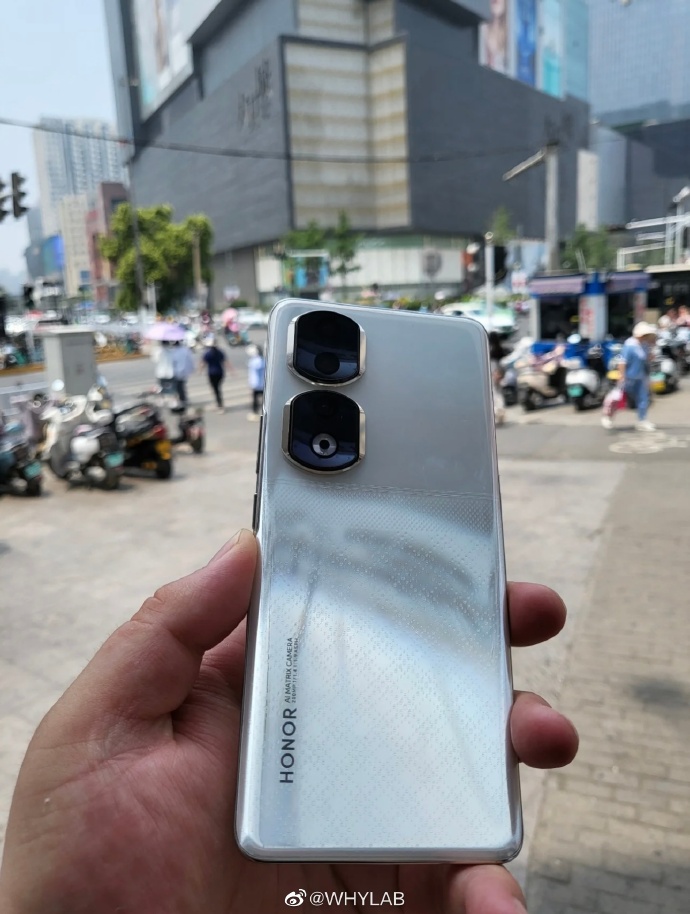
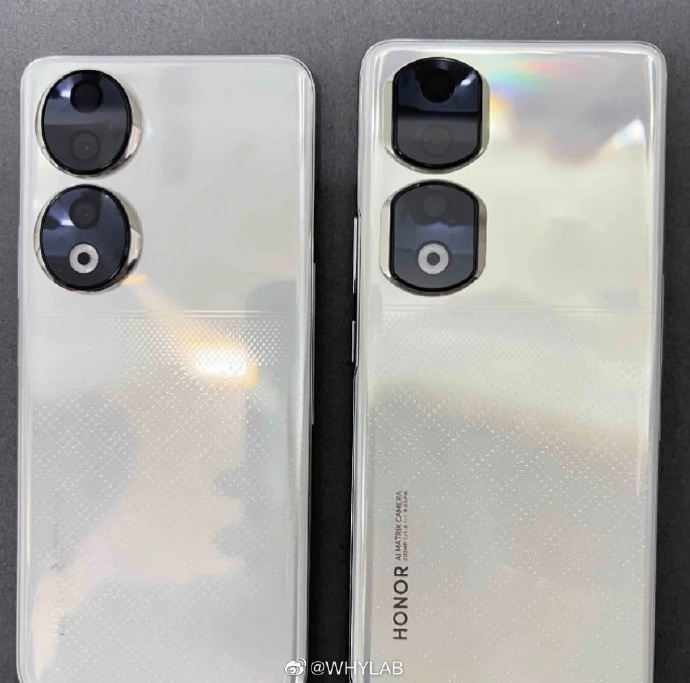
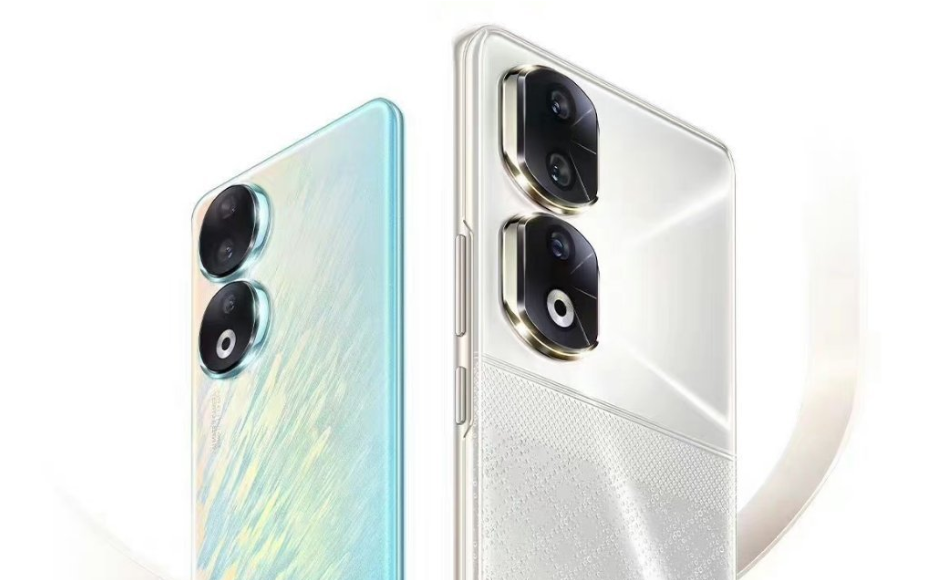
Honor is all set to introduce the Honor 90 series on May 29th. Ahead of the launch, live images of the upcoming Honor 90 series have surfaced, revealing some key design elements and color options. Shared by a reliable Weibo tipster, the images showcase both the Honor 90 and Honor 90 Pro models, highlighting their impressive quad curve screens and attractive color choices.

The four color options shown in the images include Star Diamond Silver, Gradient Blue, Dark Jade Green, and Bright Black, offering users a range of stylish choices. The quad curve screens on both models contribute to a sleek appearance, with the standard Honor 90 featuring a hole-punch cutout in the top center, while the Pro version sports a distinctive “pill” shape cutout. Notably, the narrow bezels enhance the overall aesthetic appeal of the devices.

Moving to the rear side, the Honor 90 series boasts a dual ring and module camera design, further elevating its visual appeal. The camera module’s finishing adds to the overall eye-catching look of the devices.

Honor 90 series specifications (rumored)

While the leaked images primarily focus on the design aspects, rumors surrounding the specifications of the Honor 90 series have also been circulating. According to a recent 3C listing, the Honor 90 Pro is expected to support lightning-fast 100W fast charging, while the Honor 90 may offer 66W charging capabilities. The Pro variant is rumored to come with a stunning 1.5K OLED display with curved edges and a pill-shaped punch hole. It is expected to be powered by the powerful Snapdragon 8+ Gen 1 chipset.

Additionally, Honor has confirmed that the Honor 90 series will feature a remarkable 200MP primary camera. Industry insiders suggest that the same Samsung ISOCELL HP3 sensor used in the Honor 80 Pro might be employed, but this time the resolution might not be capped at 160MP. Honor is expected to leverage the sensor’s full potential to deliver exceptional imaging capabilities.

Moreover, the official Weibo poster on the Honor Mall indicates that both the Honor 90 and Honor 90 Pro will come equipped with a “zero-risk dimming eye protection screen” and a sizable built-in 5000mAh battery. The devices are said to feature a 3840Hz PWM zero-risk dimming eye protection screen, further enhancing the visual experience and prioritizing user comfort.

RELATED:

(Source)

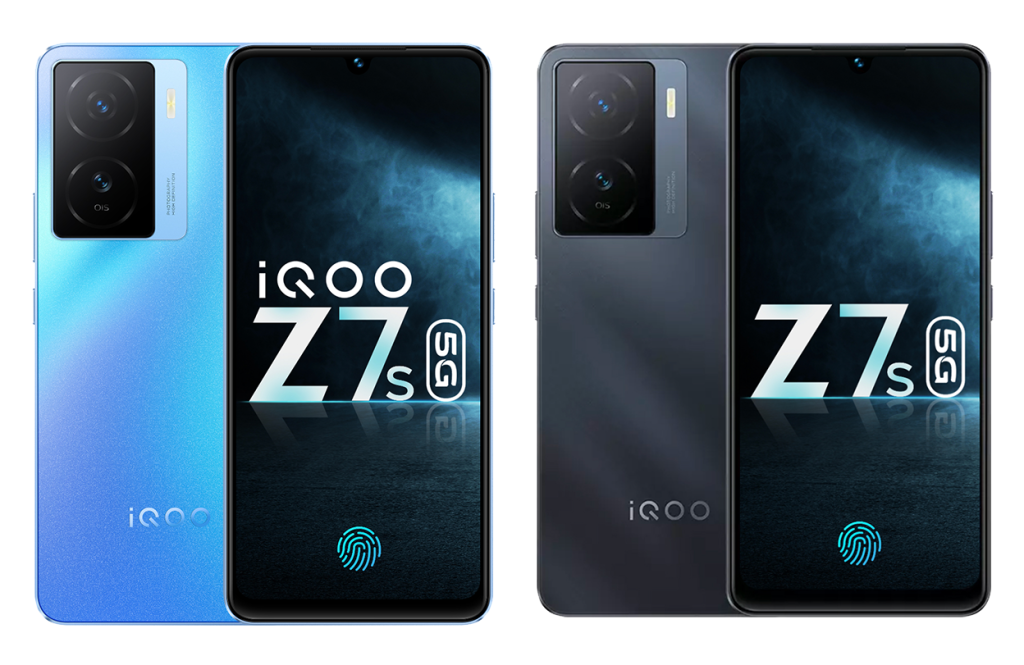
iQOO Z7s Leaked Renders & Specifications suggest it’s a balanced mid-ranger

iQOO has launched some value-packed smartphones this year in both budget and premium segment. Even the affordable Z7 series has seen some notable additions in the form iQOO Z7 and Z7x. Rumors suggest the Vivo subsidiary is now gearing up to launch a new budget smartphone, dubbed iQOO Z7s, in the global market. While there’s no official announcement yet, a report has revealed its complete specifications alongside detailed design renders. Let’s have a look.

iQOO Z7s to get a Snapdragon 695 SoC, AMOLED display and more

An Appauls report has shared the design renders of the iQOO Z7s. To no one’s surprise, the handset looks similar to the standard iQOO Z7 (review) with a large rectangular camera module. The handset gets a punched-hole selfie camera with thick bezels on the display, particularly on the chin. It will weigh 172g and measure 158.91 x 73.53 x 7.80 mm.

iQOO-Z7s

As per the report, the iQOO Z7s will feature a 6.38-inch U-shaped AMOLED panel with a resolution of 2400 × 1080 (FHD+). The panel will get a fingerprint scanner, a 90Hz refresh rate, and a 360Hz touch-sampling rate. It will be powered by the Qualcomm Snapdragon 695 5G processor with 6GB or 8GB of RAM and 128GB of onboard storage.

For photography, it will be equipped with a 64MP main camera with optical image stabilisation (OIS) and a 2MP Bokeh camera. On the front, it gets a 16MP camera for selfies and video calls. Powered by a 4500mAh battery, the device will support 44W charging that is fast enough to charge it from 0% to 50% in 24 minutes.

There’s an IP54 rating for protection against dust and water. The iQOO Z7s could come with Dual SIM support, a microSD card slot, a 3.5mm headphone jack, a USB-Type C port, Wi-Fi 5, and Bluetooth 5.1. It will run on Funtouch OS 13, based on Android 13.

Related: 

(Source)

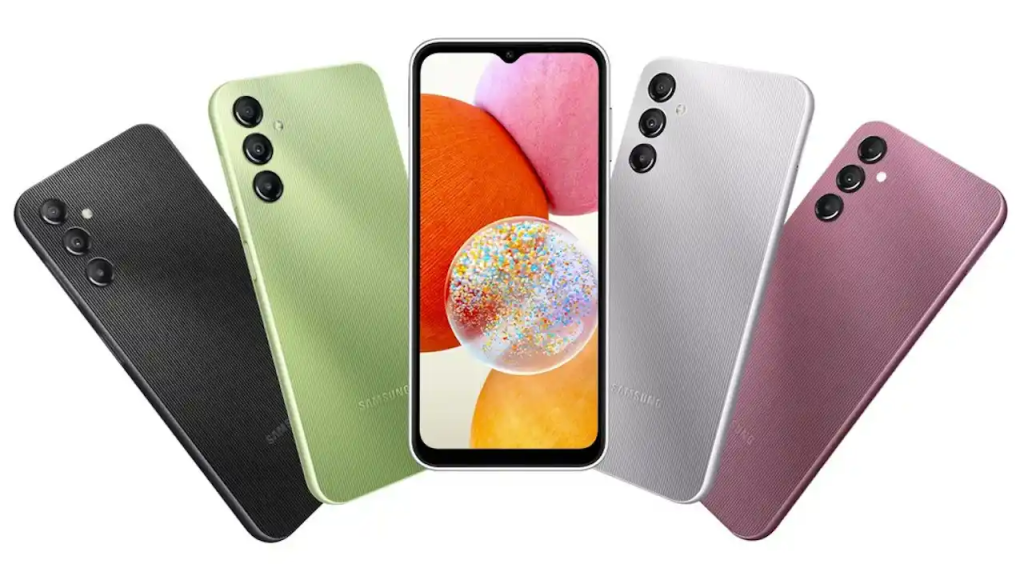
Samsung Galaxy A14 4G India Price Leaks: Could Be Cheapest in the Lineup

Samsung refreshed its A series with many new additions this year. While all the new smartphones bring hardware upgrades, the company has made sure to give them a similar look, for better or worse. The brand recently launched the Galaxy A54 and A34 in various markets as its latest mid-rangers. Now, it seems Samsung is ready to bring a more budget-friendly option to the Indian market in the form of the Galaxy A14 4G. There’s no official word yet, but we do have its pricing for India thanks to a new report.

Galaxy A14 4G Price and storage configurations

According to SamInsider, two variants of the Galaxy A14 4G will be launched in India. The first model will come with 4GB of RAM and 64GB of internal storage, while the other variant will offer 4GB of RAM and 128GB of internal storage. The base variant is expected to start at Rs. 13,999, while the higher-end model could be priced at Rs. 14,999. Samsung may introduce some discount and bank offers to make the phone more accessible.

Samsung-galaxy-A14-4G

The Galaxy A14 is already official in Malaysia and it brings just decent hardware. There’s  a 6.6-inch IPS LCD display with a Full HD+ resolution of 1080 x 2408 pixels and a 20:9 aspect ratio. A 13MP selfie camera is accompanied by a 50MP main camera on the rear with an f/1.8 aperture. The back also features a 5MP ultra-wide lens and a 2MP macro camera.

The handset is rumored to launch in India next week but Samsung is yet to announce it officially. It will likely be powered by the Helio G80 chipset with 6 GB of RAM, 128 GB of storage, a microSD card slot, and Android 13 OS with One UI 5 on top.

RELATED:

(Source)

Apple bans the use of ChatGPT at workplace

Following in the footsteps of Samsung, JP Morgan, Goldman Sachs, and other major corporations, Apple has now decided to ban the use of AI-powered chatbots like ChatGPT, Bard, and Bing among its workforce. The move is part of Apple’s effort to prevent accidental exposure of confidential data and also coincides with its plans to build a similar technology in-house.

Apple bans ChatGPT

Strengthening Data Privacy: Apple Bans AI Chatbots

According to a report by The Wall Street Journal, Apple has also warned its employees against using Microsoft’s Copilot, a software that aids in the writing of software code. The ban comes amidst concerns over how these AI chatbots, like ChatGPT, handle user data. These platforms have a combined user base of hundreds of millions, and the way they use user data to train their AI has become a significant point of concern.

Earlier this year, a bug was discovered in ChatGPT, allowing some users to view chat history titles from other users. This prompted OpenAI, the developer of ChatGPT, to temporarily pull the service offline. Following these privacy issues, OpenAI introduced an option for users to disable chat history, which would prevent the AI model from training on their data. Despite this move, companies like Apple are not convinced and have chosen to restrict the use of these chatbots.

Samsung has also taken a similar stance, banning its employees from using AI chatbots like ChatGPT after the source code was reportedly shared with the tool. The company is reportedly developing its AI tools and has instructed employees not to share any company or personal information with third-party chatbots.

Apple’s response appears to be developing an alternative to ChatGPT. Under the leadership of former Google employee John Giannandrea, now a senior vice president at Apple, the company is reportedly developing its large language models. This development was hinted at during Apple’s recent earnings call, where CEO Tim Cook voiced his concern about advancements in generative AI, emphasizing the need for a careful and thoughtful approach. ChatGPT app is also now available for iOS users in the US, enabling users to experience conversational AI at their fingertips.

RELATED:

(Source)

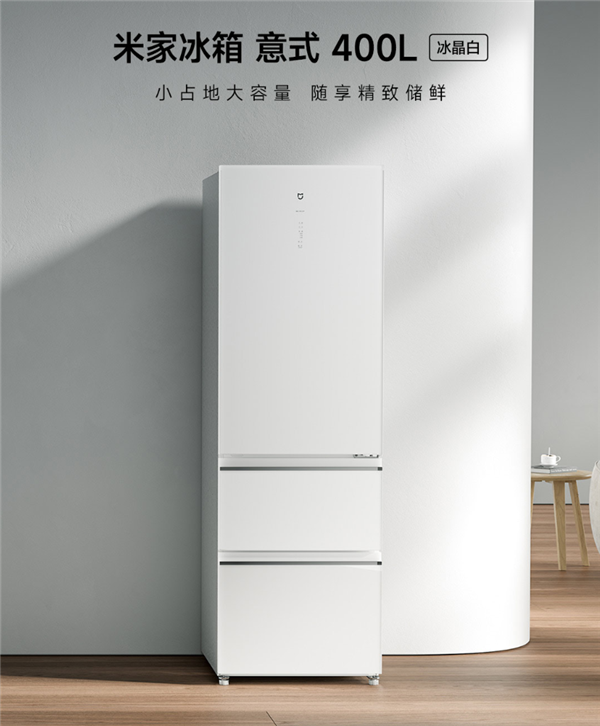
Xiaomi unveils Mijia Italian Style 400L refrigerator with ultra-narrow bezels for 3499 yuan ($499)

Xiaomi has launched its latest addition to the home appliance lineup, the Mijia Refrigerator Italian Style 400L. This sleek and elegant three-door refrigerator combines a pure white body with ultra-slim bezels, creating a modern aesthetic that seamlessly integrates into any home decor. Priced at just 3499 Yuan ($499), the Mijia Refrigerator Italian Style 400L offers excellent value for its impressive features.

Xiaomi Mijia Italian Style 400L refrigerator

Xiaomi Mijia Refrigerator Italian Style 400L features:

The Mijia Refrigerator Italian Style 400L boasts advanced thin-walled foaming technology, which not only reduces the bezels but also allows for a more compact design while maximizing the fresh storage capacity. With dimensions of 600 x 635 x 1911 mm, it provides ample space without taking up too much room in your kitchen.

Designed with practicality in mind, this refrigerator features well-organized compartments and drawers. The dual-layer freezer drawer allows for easy access to frozen items, while the spacious 252L refrigeration zone can accommodate an impressive 371 bottles of cola. Additionally, the 148L freezer compartment offers ample space for storing 32 boxes of dumplings.

One standout feature of the Mijia Refrigerator Italian Style 400L is its sealed independent variable temperature drawer. This drawer offers three temperature modes, ensuring optimal conditions for preserving the nutritional value of meals, making it ideal for mothers and babies.

Equipped with a variable frequency compressor and fan combination, this refrigerator employs a dedicated temperature sensing device to monitor and maintain consistent temperatures. This technology minimizes temperature fluctuations, resulting in better food freshness and preservation.

Energy efficiency is a priority for Xiaomi, and the Mijia Refrigerator Italian Style 400L lives up to expectations. It has been officially labeled with a second-level energy consumption rating, consuming only 0.89 kWh of electricity per day. Furthermore, the refrigerator operates quietly, with noise levels as low as 36 decibels.

Xiaomi Mijia Italian Style 400L refrigerator

With air-cooling circulation technology, this refrigerator prevents food from sticking together, ensuring easy retrieval while preserving the freshness and tenderness of the items stored. It also eliminates the need for manual defrosting. Additionally, the refrigeration compartment features a silver ion antibacterial and deodorizing module, effectively absorbing odorous molecules to keep your refrigerator smelling fresh.

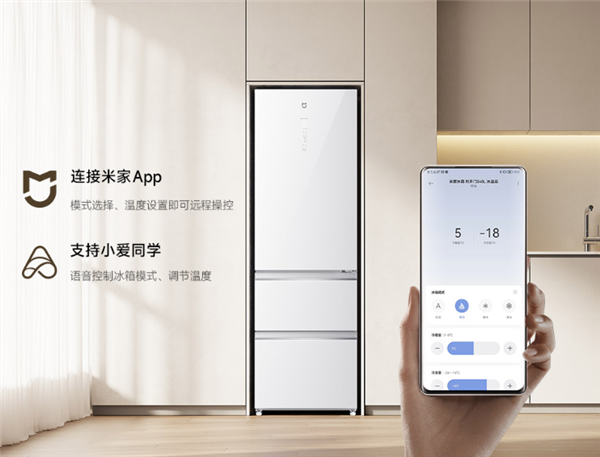
As part of Xiaomi’s smart home ecosystem, the Mijia Refrigerator Italian Style 400L offers convenient connectivity options. It can be easily controlled remotely and customized using the Mi Home app. Moreover, it supports voice control through Xiaomi’s XiaoAI Assistant, allowing for a hands-free experience.

RELATED:

Vivo S17e up for sale in China with Dimensity 7200 SoC, 64MP OIS camera

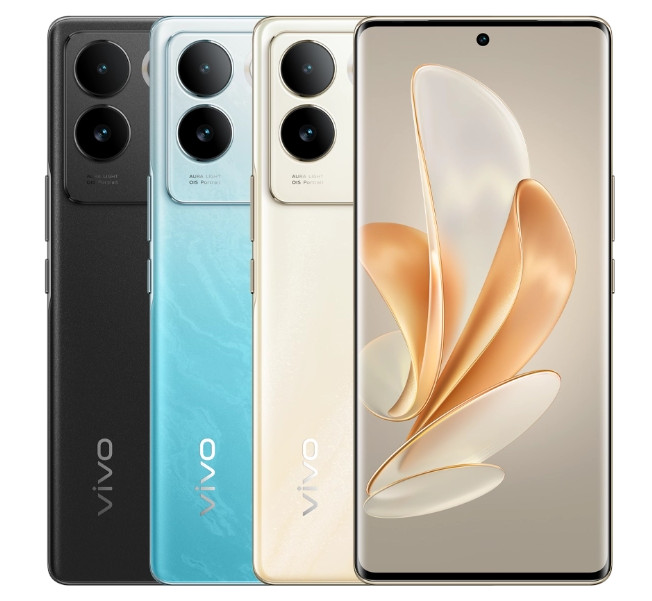
Vivo recently announced Vivo S17e which officially went on sale on May 20th. The new device is available in three versions and comes in three color options: Quick Sand Gold, Sunny Blue, and Midnight Black. The pricing for each version is as follows:

  • 8GB+128GB version: 2,099 yuan ($299)
  • 8GB+256GB version: 2,299 yuan ($328)
  • 12GB+256GB version: 2,499 yuan ($356)
vivo S17e

Vivo S17e specifications

The Vivo S17e is equipped with a large 6.78-inch Full HD AMOLED display featuring a 20:9 aspect ratio, HDR10+ support, and a high brightness level of up to 1300 nits. The display also offers a smooth and responsive experience with its 120Hz refresh rate and 300Hz touch sampling rate.

Powering the device is the octa-core MediaTek Dimensity 7200 processor, which can reach speeds of up to 2.8GHz. This processor is built on a 4nm process and is paired with the Mali-G610 MC4 GPU to deliver smooth performance and efficient multitasking.

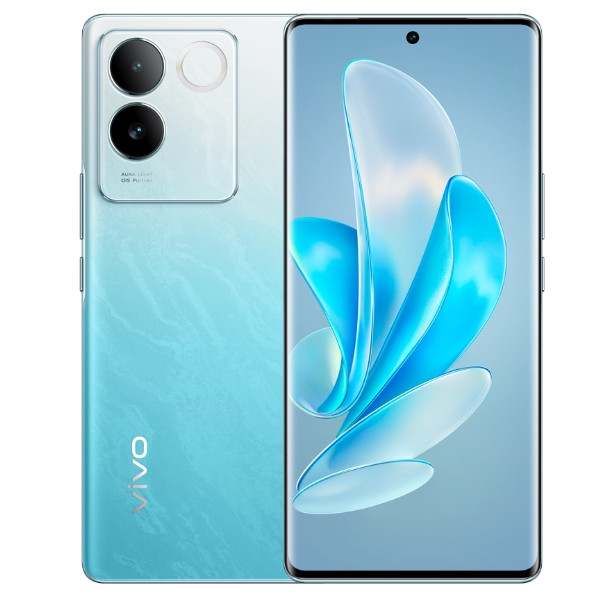
vivo S17e

The Vivo S17e runs on Android 13 with the company’s own OriginOS 3 interface. It supports dual SIM cards and incorporates a dual rear camera system, featuring a 64MP primary camera with optical image stabilization (OIS) and a 2MP secondary camera with f/2.4 aperture for depth sensing. The phone also includes an Aura light feature for enhanced photography.

For selfies, the phone offers a 16MP front camera. Security is ensured through the in-display fingerprint sensor, allowing for convenient unlocking of the device. Additionally, the phone supports USB Type-C audio and features stereo speakers for an immersive audio experience, as well as Hi-Res audio support.

In terms of connectivity, the Vivo S17e is 5G compatible, supporting both standalone (SA) and non-standalone (NSA) modes. It also supports dual 4G VoLTE, Wi-Fi 6 (802.11 ac) for fast wireless internet connectivity, Bluetooth 5.3 for seamless device pairing, and GPS with L1 and L5 bands for precise location tracking. The phone includes a USB Type-C port and NFC support.

The device is powered by a 4600mAh battery, which can be quickly charged using the 66W fast charging technology. In terms of dimensions, the phone measures 164.20×74.90×7.4mm and weighs 178g.

RELATED:

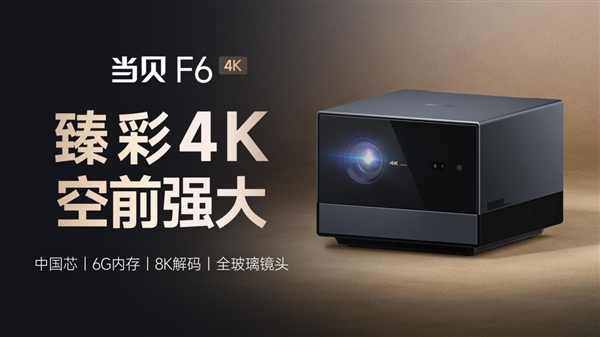
Huawei HiSilicon V811 chip launched with Dangbei F6 4K projector, supports 8K30Hz decoding

Dangbei has recently introduced its latest home 4K projector, the Dangbei F6, which boasts impressive specifications. The highlight of this device is the debut of the next-generation Huawei HiSilicon V811 chip, made in China.

The Huawei HiSilicon V811 is an upgraded version of the popular Huawei Smart Screen Honghu 818 chip and comes with advanced features, including support for video decoding of up to 8K30Hz resolution.

Dangbei F6 4K projector

Dangbei F6 Unveils Huawei HiSilicon V811 Chip for Immersive Home Projection

The Huawei HiSilicon V811 chip employs a powerful A73+A53 quad-core architecture and features a quad-core G51 GPU, delivering impressive 8-core computing capabilities. The chip supports a wide range of mainstream video formats, including AVS2, MPGE2, H.264, H.265, VP9, RMVB, and more. It is equipped with built-in 4K 120Hz MEMC technology, allowing for smooth motion reproduction.

Huawei HiSilicon V811 chip

The Huawei HiSilicon V811 chip integrates advanced sound optimization technologies, including Histen sound quality optimization. It also supports popular audio decoding formats such as Dolby TrueHD and DTS-HD, delivering enhanced sound performance. With features like sound field expansion, transient distortion correction, dialogue enhancement, loudness adaptation, and intelligent bass, the chip provides a more immersive and layered audio experience.

The new HiSilicon V811 chip introduces a range of exclusive image optimization effects. It incorporates seven advanced image quality technologies developed by HiSilicon, including MEMC (motion estimation and motion compensation), HDR (high dynamic range imaging), SR (super-resolution algorithm), NR (noise reduction algorithm), DCI (dynamic contrast enhancement), ACM (intelligent accurate color management), and LD (local dimming). These technologies work together to significantly enhance the image quality delivered by the projector.

The HiSilicon V811 chip ensures smooth motion without trailing, enhances display clarity and delicacy, produces richer and more vibrant colors, improves depth perception and detail representation, delivers accurate colors without distortion, and enhances detail restoration.

In addition to these impressive image quality features, the HiSilicon V811 chip also supports XSuper super-resolution technology. This technology enables the Dangbei F6 to enhance low-resolution videos to near-4K image quality, even when the source is a 1080p video.

With 6GB of memory, the Dangbei F6 stands out in the industry, guaranteeing stable and smooth system operation. It also offers ample onboard storage of 64GB, allowing users to download and store a large amount of content.

Furthermore, the HiSilicon V811 chip supports Wi-Fi 6, USB 3.0, and full-featured HDMI 2.1, providing seamless connectivity options for various devices.

RELATED:

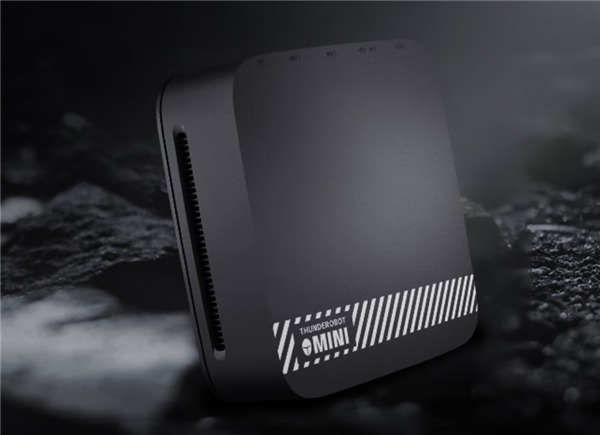
ThunderRobot MIX Mini PC with Intel Core i7, 32GB RAM launched in China for 2999 yuan ($427)

Mini PCs have become increasingly popular, offering a space-saving design without compromising performance. ThunderRobot introduces its latest offering, the MIX Mini PC, featuring an impressive configuration with a 10-core i7 processor, 32GB of RAM, and dual 2.5G Ethernet ports.

ThunderRobot Mini PC

ThunderRobot MIX Mini PC specifications:

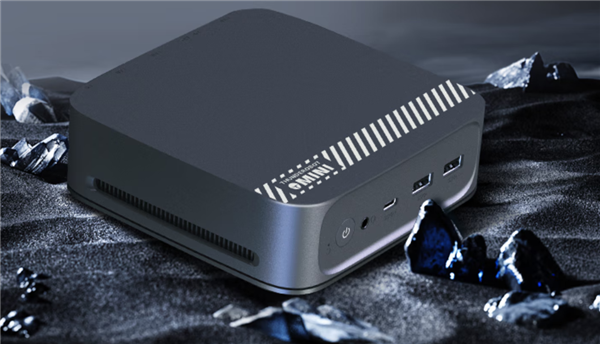
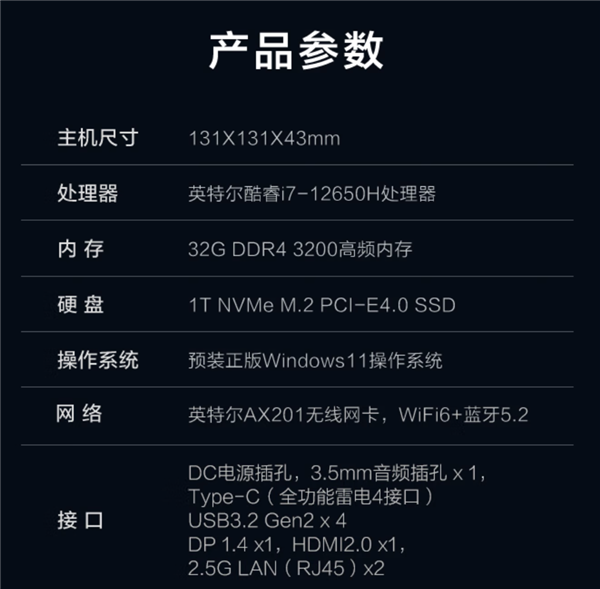
The ThunderRobot MIX Mini PC boasts a compact form factor, measuring 131x131x43mm and weighing just 398g. Its palm-sized design makes it perfect for those with limited desk space or a preference for a clutter-free environment.

Under the hood, the MIX Mini PC is equipped with an Intel Core i7-12650H processor, featuring 10 cores and 16 threads with a maximum turbo frequency of 4.7GHz. Paired with 32GB of high-speed DDR4 dual-channel memory, this system delivers exceptional multitasking capabilities and smooth performance.

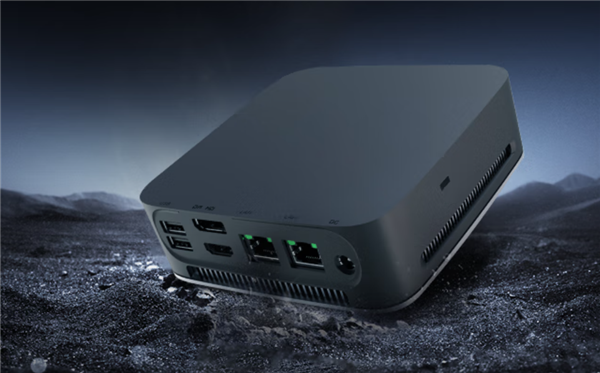
ThunderRobot Mini PC specs

With expandable storage options, the MIX Mini PC offers a 1TB NVMe M.2 PCI-E4.0 solid-state drive (SSD) with a blazing-fast sequential read speed of 4500MB/s. While the integrated graphics may not be the most powerful, they are capable of handling mainstream online games and provide ample performance for office tasks and general usage.

ThunderRobot MIX Mini PC features dual 2.5G Ethernet ports, allowing for lightning-fast wired internet connections. Additionally, it offers Thunderbolt 4, four USB 3.2 Gen2 ports, a 3.5mm headphone jack, DP 1.4, and an HDMI 2.0 port.

The device comes with an Intel AX201 high-speed wireless network card, supporting WiFi 6 and Bluetooth 5.2. This ensures fast and reliable wireless connections for seamless internet browsing and device pairing. Moreover, it comes pre-installed with a genuine copy of Windows 11 and offers three years of free on-site service.

ThunderRobot MIX Mini PC is priced at 2999 yuan ($427) and it will be available for pre-order starting from 20:00 on the 31st of May.

RELATED:

boAt Wanderer Smart Kids-Centric Smartwatch With Built-In Camera, GPS Launched In India

boAt has launched its first kid-centric smartwatch. It is dubbed the boAt Wanderer Smart. The device packs a host of interesting features that are helpful for both kids and their parents. Read on to know more about the boAt Wanderer Smart below. 

boAt Wanderer Smart specifications

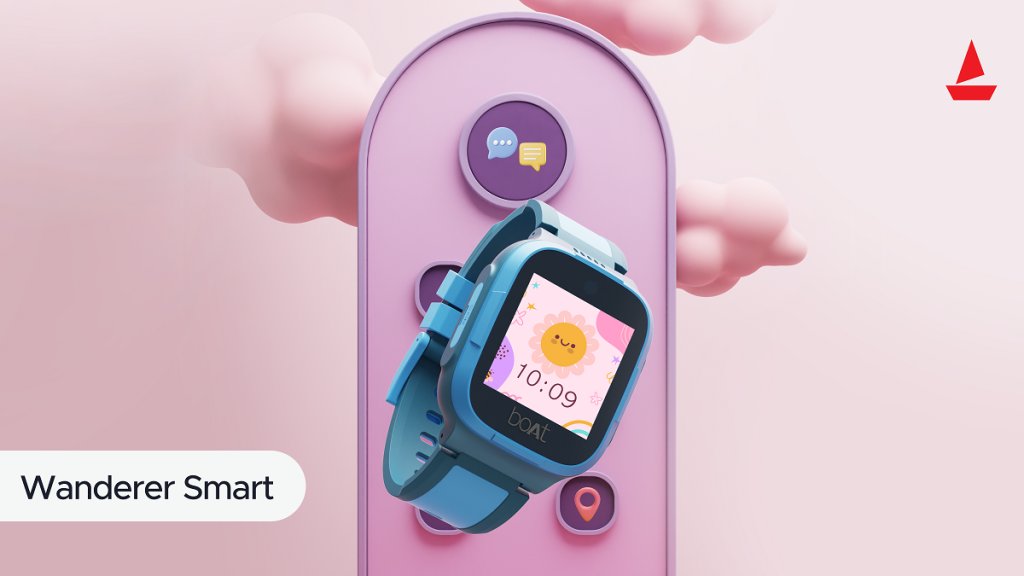
The boAt Wanderer Smart has a squarish dial with a 1.4-inch HD display. It features a rugged design with an IP68 water-resistant rating. The screen is integrated with a 2MP camera for video-calling contacts and also clicking photos. There is also an in-built 4G SIM connectivity allowing users to stay in touch with their contacts via text messages, voice calls, and more. 

The boAt Wanderer Smart is equipped with GPS connectivity to keep track of the user’s location in real time. There is geo-fencing support that enables setting boundaries and receiving notifications when the user leaves or enters designated areas. The wearable device features an SOS button for emergencies. 

The boAt Wanderer Smart comes with a step tracker, find my watch, and a multi-purpose alarm. It packs features like forbidding usage during classes, monitoring surroundings through voice monitoring, limiting calls from unknown numbers, and enabling auto answering. The wearable device is powered by a 650mAh battery that is claimed to last up to 2 days on a single charge. 

The boAt Wanderer Smart carries a price tag of Rs 5,000 and is offered in Coral and Aqua colors. It can be purchased from the brand’s official website and Amazon. 

Related: 

Honor 90 Series will get a 200MP camera, Eye-friendly display, and a 5,000mAh Battery

Honor is ready to launch its new line of premium mid-range smartphones, the Honor 90 series, which will be unveiled in China on May 29. Ahead of the release, the brand has already started teasing the phones in the new lineup, with a recent teaser revealing the design of both the Honor 90 and 90 Pro. Now, the company has confirmed that the phones will feature a 200MP primary camera, eye-friendly dimming, and a large battery. Here are the details.

Honor to unleash full-potential of the 200MP HP3 Sensor

Honor has announced via Weibo that reservations for the Honor 90 series are now open in China. The company has also confirmed that the phones will be equipped with a 200MP primary camera. It is highly likely that the same Samsung ISOCELL HP3 sensor used in the Honor 80 Pro will be employed. However, according to Digital Chat Station, the sensor’s resolution will not be capped at 160MP. Instead, this time the company will utilize its full potential.

Honor 90 Pro

The official Weibo poster on the Honor Mall shows the Honor 90 and Honor 90 Pro will also be equipped with a “zero-risk dimming eye protection screen” and a built-in 5000mAh battery. The Honor 90 series will apparently use 3840Hz PWM zero-risk dimming eye protection screen.

From what we can see, most of the major specifications of the Honor 90 series have not changed much. The top-end model still uses the same Snapdragon 8+ Gen 1 chip as its predecessor and features a 1.5K high-frequency dimming centered dual-hole curved screen. It remains to be seen whether the pricing will remain similar to the previous model or if Honor plans to introduce the new line with a price bump.

RELATED:

(Via)

Samsung won’t Replace Google Search with Bing’s Chatbot as of Now

The tech world was abuzz with rumors last month when it was speculated that Samsung, one of the leading phone manufacturers, might replace Google as the default search engine on its Galaxy phones with Microsoft‘s Bing. Google’s long-standing dominance in the search engine market appeared to be under threat, as Bing showcased its integration with the conversational AI chatbot, ChatGPT. However, recent reports indicate that Samsung has put its plans on hold, providing temporary relief for Google. Nonetheless, the battle for mobile search dominance is far from over, and both giants are gearing up for an intense competition.

If Samsung & Apple pull out of Google Search, Google could incur losses of $20 billion

Google’s position as the most widely used search engine worldwide has drawn concerns about its monopoly power. Its contract with Samsung alone generates an estimated annual revenue of $3 billion. Losing Samsung and potentially Apple, which may follow suit, could result in missing out on a staggering $20 billion in annual revenue. As Samsung is a crucial partner for Google in various business ventures, the decision to switch to Bing would have far-reaching consequences for both companies.

Google

Microsoft’s Bing gained an edge over Google with its integration of ChatGPT, an AI chatbot developed by OpenAI. ChatGPT’s advanced conversational capabilities have made Bing smarter and more competitive in the search engine market. Recognizing this threat, Google has expedited its efforts to enhance its AI technologies, with plans to launch a new AI-powered search engine. While Google’s own chatbot, Bard, has not garnered the same acclaim as ChatGPT, the company remains committed to modernizing its search engine experience.

Google’s market share surpasses 90% in most countries, raising concerns about its monopoly power. Antitrust investigations and lawsuits have sought to address these concerns, but Google continues to dominate the search engine landscape. The potential rise of Bing, powered by ChatGPT’s capabilities, adds another layer to the discussion surrounding competition and consumer welfare.

The battle for mobile search dominance between Google and Bing has taken an intriguing turn with Samsung previously considering Bing as its default search engine. Although Samsung has decided to suspend its review for now, the threat remains quite real for Google. The integration of AI technologies, such as ChatGPT, into search engines presents a new era of competition, where personalized search experiences are becoming increasingly important. As the race for AI-oriented search engines intensifies, Google finds itself on the defensive, striving to maintain its market position against Bing. The future holds exciting possibilities for the search engine landscape, with both Google and Bing competing for user attention and loyalty through innovative AI-driven features and personalized search experiences.

RELATED:

(Via)

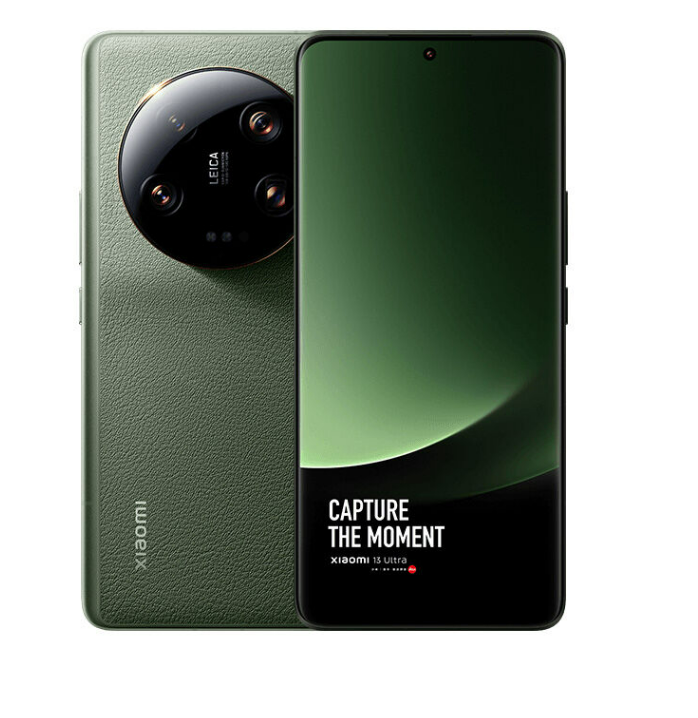
Get $200 OFF on Xiaomi 13 Ultra Limited Edition

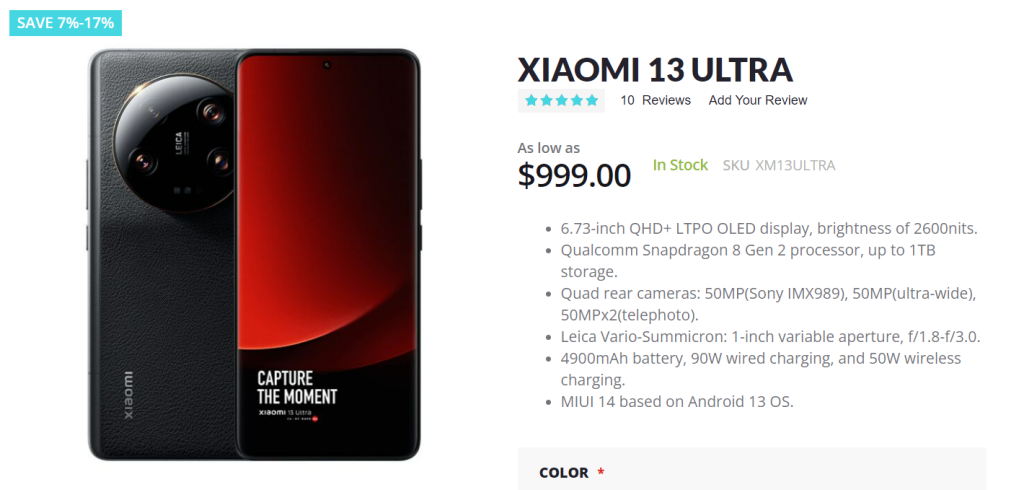
Giztop is giving $200 OFF on the Xiaomi 13 Ultra Limited Edition. The smartphone which retails for $1299 is now available for as low as $999. Please note that this is a limited-period offer.

WHERE TO BUY
Xiaomi 13 Ultra Limited Edition at $999 @Giztop

Xiaomi 13 Ultra features a 6.73-inch QHD+ LTPO E6 AMOLED display with 120Hz refresh rate, 480Hz touch sampling rate, HDR10+, peak brightness of 1900nits, 12bit colors, and Dolby Vision. It is powered by the latest Qualcomm Snapdragon 8 Gen 2 processor and comes with 16GB LPDDR5X RAM and 512GB internal storage. 

The smartphone is fueled with a 4900mAh battery and supports 90W wired fast charging, 50W wireless charging, and 10W reverse wireless charging. It features a quad 50MP rear camera setup with a Sony IMX989 50MP primary lens, a 50MP ultra-wide lens, a 50MP periscope lens, and  50MP telephoto lens. The camera features Leica Vario-Summicron 1-inch variable aperture, f/1.8-f/3.0, and comes with advanced tracking tech that helps you to take better snaps of fast-moving objects. For your selfies, you have a 32MP sensor in the front.

Other interesting features include Android 13-based MIUI 14, in-display optical fingerprint sensor, NFC, Wi-Fi 6, etc. Xiaomi 13 Ultra supports Google mobile services, and OTA updates, and comes with a pre-installed Google Play store. 

You can now buy the Xiaomi 13 Ultra limited edition for $999. Please note that the phone comes in Green, Yellow, and Black color variants. 

For more information on such exciting deals and offers, check out our deals hub.

Twitter Alternative, Codenamed P92, may be Unveiled by Meta Next Month

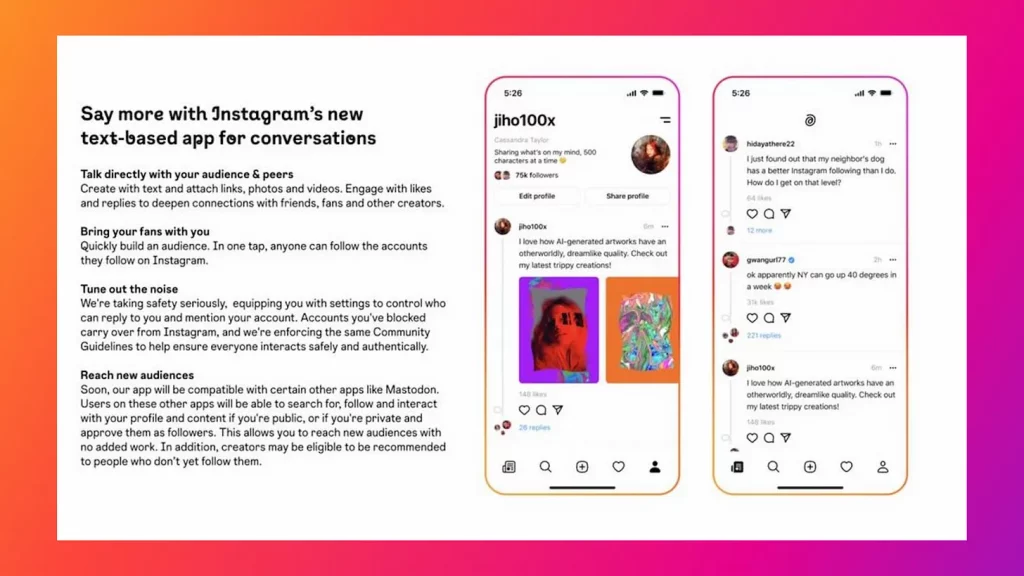
In the realm of social media, change is constant. Instagram, the popular photo-sharing platform, is reportedly working on an intriguing new project codenamed P92 or Project 92, also referred to as Barcelona. This endeavour aims to create a decentralized social network tailored specifically for creators and public figures. With the tagline “Instagram for your thoughts,” Project 92 promises to bring unique features and opportunities to its users. The news of this platform first surfaced some time back.

Project 92 will let you carry over your Instagram handle, bio and verification

Recently, new details about Project 92 have emerged based on secret calls between Instagram’s parent company, Meta, and select creators. According to insiders, the decentralized app will be built upon the foundation of Instagram while being compatible with other applications like Mastodon. Notable features include a single sign-on using your Instagram credentials, the ability to sync with existing followers, and the seamless carryover of your handle, bio, and verification from Instagram.

P92 Instagram

The upcoming app will feature a centralized feed that showcases your followers and recommended content, allowing you to engage with your audience. Text updates of up to 500 characters will enable concise expressions, and you can attach links, photos, and videos up to 5 minutes long. Users will have the familiar options of likes, replies, and reposts to interact with content.

Additionally, Project 92 places a strong emphasis on creator controls and account safety. You will have the ability to manage replies and mentions, effortlessly block or report spam, and utilize 2-factor authentication for enhanced security. Moreover, any accounts you have blocked on Instagram will carry over, along with your hidden word preferences, and the same community guidelines will be enforced.

As of now, the details regarding monetization remain undisclosed. This omission may indicate a potential absence of ads at launch, suggesting that the focus will be on cultivating an organic social strategy. The app’s micro text updates could potentially replace the trend of sharing Twitter screenshots that has proliferated the Instagram feed in recent times. However, it is always challenging to predict how audiences will respond to new platforms, so flexibility and adaptability will be essential.

With a potential release slated for late June, Project 92 holds promise for creators and public figures seeking a fresh avenue to express themselves and engage with their audience. As we await its arrival, we eagerly anticipate the impact this new decentralized social network will have on the ever-evolving landscape of social media.

RELATED:

(Source)

BYD Han DM-i Champion Edition and DM-p God of War Edition EVs Hit the Market

China’s BYD has launched the Han DM-i Champion Edition and Han DM-p God of War Edition. The former is priced in the range of 189,800 to 249,800 yuan ($27000 to $36000), while the latter has a price tag of 289,800 yuan ($42000). It is worth noting that the price of the first model was reduced by 10,000 yuan. This release marks an important milestone for BYD, as they expand their lineup with these new editions, offering customers a wider range of choices in the electric vehicle market.

The latest car models come with various levels of upgrades, distinguishing them from one another. The Han DM-i Champion Edition now includes a pure electric variant with an impressive range of 200km. On the other hand, the Han DM-p God of War Edition boasts the addition of the DiSus-C intelligent damping body control system, further enhancing its performance and driving experience. 

source: BYD

BYD has incorporated a fresh Glacier Blue color choice into the Han DM-i Champion Edition. This latest vehicle model comes equipped with the FSD variable damping suspension system as a standard feature, while select models offer the option to be equipped with the DiSus-C intelligent damping body control system (with hardware already installed and an OTA upgrade planned for later this year).

In terms of dimensions, the Han DM-i Champion Edition boasts measurements of 4975mm in length, 1910mm in width, and 1495mm in height, with a wheelbase spanning 2920mm. These specifications highlight the vehicle’s well-proportioned and spacious design.

In terms of configuration, the car offers an impressive range of cutting-edge features. Notable among them is the high-efficiency heat pump air conditioner, designed to operate within a wide temperature range. Additionally, the car comes equipped with a convenient mobile phone NFC car key for seamless access. Safety is prioritized with the inclusion of a BSD blind spot monitoring system, ensuring drivers stay aware of their surroundings. Furthermore, the car boasts a W-HUD head-up display, providing drivers with a clear and convenient information display while on the road.

When it comes to power, the new car utilizes a plug-in hybrid system, combining a blade battery and a 1.5Ti engine. This configuration offers customers multiple options to suit their needs. Retaining the version with a pure electric range of 121km, BYD has introduced an exciting addition—an extended pure electric range version, reaching an impressive 200km. For extended journeys, the hybrid mode provides a remarkable range of 1260km, with a fuel consumption rate of just 4.5L per 100 kilometers. Moreover, the car supports 6KW external discharge, allowing for flexible and convenient charging options.

With Han DM-p God of War Edition, the company has worked on design, style, and luxury. The exterior of the Han DM-p God of War Edition boasts a distinctive appearance, thanks to the use of BASF’s third-generation black paint. To enhance its allure, the car is adorned with special black aluminum powder and a tasteful blend of glass flakes, resulting in a delicate shimmer. Additionally, the vehicle is equipped with the War God Edition sports appearance package, which includes carbon black wheels, a matte black logo, black metal triangular windows and borders, and eye-catching golden armor yellow high-performance four-piston calipers.

Inside the car, the luxurious theme continues with high-end black suede seats, door panels, passenger-side panels, and center console armrests, all contributing to an opulent ambiance. The interior is further enhanced with black carbon fiber material, yellow stitching, and gold-yellow safety belts, adding a touch of sophistication and elegance to the overall design.

BYD Auto’s official Weibo account made an announcement stating that the combined orders for the Han DM-i Champion Edition and DM-p God of War Edition had surpassed 8,051 units on the launch day itself. Among these orders, 35.9% were for the 200 km models. The 200 KM models specifically refer to the 200KM version of the Han DM-i Champion Edition and the Han DM-p God of War Edition. This overwhelming response indicates a strong market demand for these electric vehicle variants offered by BYD Auto.

Related:

(via)

DoorDash Facing Lawsuit for Charging iPhone Users more than Android Users

In a surprising turn of events, DoorDash, the popular food delivery service, is finding itself in the midst of a legal battle over alleged discriminatory pricing. The company has been hit with a lawsuit filed by Maryland resident Ross Hecox, who claims that iPhone users are being unfairly charged more than their Android counterparts. This perplexing situation revolves around an obscure fee called the “expanded range fee,” which DoorDash conveniently fails to mention on its website, raising concerns about transparency.

The extra fee is also applied to the DashPass subscription service in some cases

According to the lawsuit, iPhone users are bearing the brunt of the expanded range fee more frequently than Android users, often coupled with higher delivery charges. Hecox argues that DoorDash is basing its pricing decisions on the assumption that iPhone users have deeper pockets compared to their Android counterparts. In essence, if users want to avoid paying extra for the privilege of being an iOS user, it seems they are better off placing their order with an Android device.

Doordash

The lawsuit also claims that DoorDash is slapping an additional fee on orders made through their DashPass subscription service. DashPass is supposed to be a method for savings on delivery and service fees, but this alleged extra charge undermines the very essence of the service.

The lawsuit reveals a frustrating lack of transparency surrounding the expanded range fee. Even customers and Dashers (the hardworking delivery drivers) are left scratching their heads, clueless about the fee’s purpose. It appears that the fee is intended for deliveries outside the usual range, but the lawsuit argues that it’s applied even when the delivery location is just a stone’s throw away from the pickup spot.

Hecox’s lawsuit demands a hefty $1 billion fine against DoorDash for their alleged unfair pricing scheme. Naturally, DoorDash denied these claims, asserting that their fees are adequately disclosed during the customer journey. A DoorDash spokesperson states, “The claims put forward in the amended complaint are baseless and simply without merit. We ensure fees are disclosed throughout the customer experience… Building this trust is essential… We will continue to strive to make our platform work even better for customers and will vigorously fight these allegations.”

As this legal drama unfolds, all eyes are on DoorDash to see how they address these accusations and whether they’ll make any changes to their pricing practices. The outcome of this lawsuit could have far-reaching consequences for the company and the wider food delivery industry, potentially triggering a closer examination of pricing policies across various platforms.

RELATED:

(Via)

After the Google Pixel Fold, A Potential Foldable Flip Phone?

In a world where the form factor of smartphones is constantly evolving, Google is set to release its first foldable phone, the Pixel Fold, in June 2023. The company announced its highly-anticipated product at the Google I/O Conference that was held recently. It is worth noting that Google launched the Pixel 7a & the Pixel Tablet alongside their foldable device. However, the company has also hinted that it is interested in making a foldable flip phone.

A Future Pixel Flip device may use the same hinge as Pixel Fold

A foldable flip phone would be a different type of device than the Pixel Fold. It would be more compact and easier to carry around, and it would likely be more affordable. Google has not yet announced any details about a potential foldable flip phone, but there are a few things that we can speculate about.

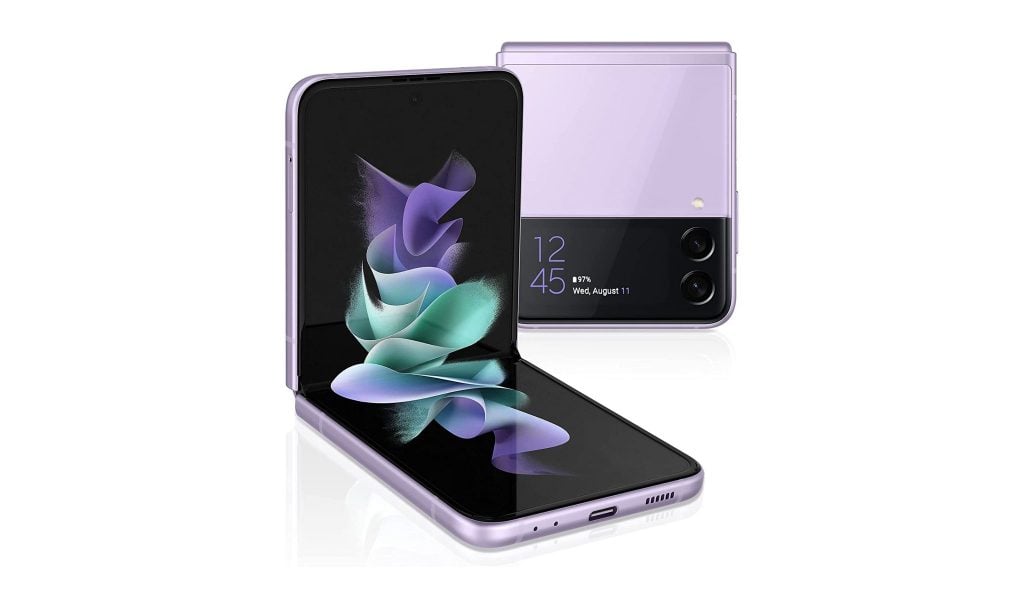
Galaxy Z Flip 4

First, the phone would likely use a hinge design similar to the Pixel Fold. This hinge design has been the talk of the town, since it’s a little unconventional, and it promises durability and smooth operation apart from a stylish, slim design. Second, the phone would likely have a smaller display than the Pixel Fold. This would make it easier to carry around and use with one hand. Third, the phone would likely be powered by Google’s Tensor chip, probably the Tensor G3 or G4 which will be out by the time Google decides to unveil a flip phone. Fourth, the phone would likely have a good selection of apps that are optimized for the foldable form factor. This would make it easy to use the phone for a variety of tasks, such as browsing the web, watching videos, and playing games.

A foldable flip phone from Google would definitely be a compelling device. However, there are also some potential challenges that Google would need to overcome if it wants to make a successful device, for instance, optimizing the Pixel Fold hinge design to work for the flip phone design.

Although Google has yet to make an official announcement regarding the production of a foldable flip phone, the Pixel product manager, George Hwang, expressed keen interest in this enticing form factor during an interview at Google I/O 2023.

“We’re always looking at different types of devices, different types of technologies, and it’s really interesting. We’re definitely looking at it,” Hwang revealed, hinting at the potential future of Google’s foldable lineup.

Only time will tell if Google will actually release a foldable flip phone. However, if the company does decide to move forward with this project, it definitely has the potential to be a successful product. It will go up against the likes of other popular foldable flip devices, such as the Samsung Galaxy Z Flip 4.

RELATED:

(Via)