Advertisement

Pixel Watch Gets Security Boost with Latest Software Update from Google

Wearable technology has become increasingly popular in recent years, with the Google Pixel Watch being one of the latest devices to join the market. Launched in October 2022, the Pixel Watch offers a wide range of features for its users. Google has rolled out the latest software update for its Pixel Watch, bringing updated security for users of the wearable device. The May 2023 update, with the build number RWDA.230114.013, is being rolled out gradually over the next week via OTA push. It can also be accessed by going to the Settings menu, System, and System Update. Although the update doesn’t add any significant features, it does include the latest security patches, providing a safer experience for Pixel Watch users.

Pixel Watch provides 24 hours of usage on a Single Charge

The Watch was first introduced at Google I/O 2022 in May and officially released later that year in October. Equipped with Wear OS 3.5 system supported by Google services and third-party applications, the Pixel Watch also supports deep Fitbit integration. It comes with a 294mAh battery, providing up to 24 hours of usage on a single charge and supports fast charging, enabling users to charge up to 50 percent in just 30 minutes.

Google Pixel Watch

While this update may not bring any new features, it sets the foundation for what’s to come. The Google I/O 2023 event next month is expected to showcase more new features for the Pixel Watch, adding to the already impressive list of features. In the meantime, the Watch users can ensure their device is secure by installing the latest software update.

RELATED:

(Via)

Pixel 7a could be the last A series smartphone from Google: Report

Google is gearing up for the I/O event on May 10 where the search giant is expected to unveil a couple of new devices including the highly anticipated Google Pixel 7a. The device will improve upon the popular Pixel 6a which was a hit in the mid-range segment across the globe. However, this launch might turn out to be bittersweet as a new report has surfaced claiming this will be the last A series smartphone from Google.

Google

Yogesh Brar suggests that Google may release two candy bar flagship smartphones and one foldable offering in the future. He bases this prediction on the increased price and advanced features of the upcoming Pixel 7a, such as the latest Tensor chip, wireless charging, and a 90Hz display. Recent reports indicate that the Pixel 7a will be priced at CAD $702, while the Pixel 7 was released at CAD $779 in the same region.

Google

While discontinuing the A-Series is a possibility, it would be a missed opportunity for Google to not have a mid-range smartphone option. It’s important to note that Google has made changes to its A-Series offering every year since its introduction in 2019, starting with the Pixel 3a and Pixel 3a XL. Therefore, it would not be surprising to see another alteration to the Pixel A-Series after the release of the Pixel 7a, which is expected to ship later this month.

Pixel 7a specs

The Google Pixel 7a is reportedly set to feature a 6.1-inch FHD+ OLED display with a 90Hz refresh rate, powered by Google’s in-house Tensor G2 chipset, also found in the Pixel 7 and Pixel 7 Pro. It’s said to come with 8GB of LPDDR5 RAM and 128GB of UFS 3.1 onboard storage, as well as a 64MP rear camera with OIS, a 12MP ultra-wide camera, and a 10.8MP front-facing camera. A 4,400mAh battery that can last up to 72 hours, 20W wired and wireless charging capabilities, and Android 13 are also expected.

RELATED:

Apple Takes a Step Forward in Digital Security with Rapid Security Response Updates

Apple recently released Rapid Security Response (RSR) updates for iOS 16.4.1 and macOS 13.3.1, marking the first public release of RSR updates to date. The RSR updates aim to provide users with security fixes without the need to install a full software update, making it easy for users to stay protected against the latest threats.

Apple has been testing the RSR Feature since last year

As Apple has been testing the RSR feature since last year, it’s evident that the company is continuously working towards providing its users with the best security measures possible. The release of RSR updates to the general public signifies Apple’s commitment to its security protocols and its users’ protection.

Apple

While the RSR updates are a step forward for Apple’s security measures, it’s essential to remember that no system is entirely foolproof. Malicious actors are continuously looking for vulnerabilities to exploit, which means users must stay vigilant when it comes to their digital security. Regularly updating devices with the latest security patches and using two-factor authentication can provide additional layers of protection against potential threats.

The RSR updates are also a testament to Apple’s dedication to providing its users with a seamless user experience. Updating a device’s software can sometimes be a complicated and time-consuming process, and the RSR updates help eliminate those difficulties. With RSR updates, users can ensure their devices are secure without having to go through a tedious update process.

Moreover, the RSR updates are only available to users running the latest software versions. This move from Apple highlights the company’s commitment to providing its users with the most up-to-date security features, ensuring users are always protected against the latest threats.

RELATED:

(Via)

Google is Pushing Out May Update for Pixel Devices

Google has released its May update for eligible Pixel models, which includes bug fixes for touchscreen lag and issues with lock screen UI elements. However, Pixel 6 users on the QPR3 Beta program are experiencing freezing, crashing, and app issues, causing frustration among the user community. The update is only available for those receiving public Android 13 releases, and users on the Android 14 Beta program or Android 13 QPR3 Beta program will not receive it.

Pixel QPR3 Beta Users can Exit the Program after Installing the June Update

The June update is expected to include the Quarterly Platform update, also known as the June Feature Drop, and Pixel users on the QPR3 Beta program will be able to exit the program without wiping their devices once the update is installed. However, with the release of new Pixel devices on the horizon, including the Pixel Fold, Pixel 7a, Pixel 8 line, and Pixel Tablet, this bug is not a good look for Google.

Google Pixel 7

The May Security Bulletin includes two patches for common vulnerabilities and exposures, as well as repairs for moderate issues with the camera. Pixel models eligible for the May update include Pixel 4a, Pixel 4a (5G), Pixel 5, Pixel 5a, Pixel 6, Pixel 6 Pro, Pixel 6a, Pixel 7, and Pixel 7 Pro.

The next update, expected in June, will include the June Feature Drop and allow Pixel users on the QPR3 Beta program to exit without wiping their devices. With new Pixel devices on the horizon, this bug is not a good look for Google, and users will be hoping for a fix soon.

RELATED:

(Via)

Upcoming Smartphones in May 2023: Poco, Google, Sony, Oppo, and more

The month of May will be as busy as April if not more in terms of smartphone launches. Only 3 events are officially confirmed so far. But there are multiple other expected conferences, the dates for which should be revealed in the coming days.

We are looking forward to new product releases from a whopping 12 brands. Apple and Samsung are the only major companies that might not debut new phones. Though the latter may introduce certain already announced handsets in newer markets.

These forthcoming devices will be spread across different price segments. Most of the phones on the list are being launched ahead of the 618 shopping festival in China, which annually occurs during mid to late June.

That does not mean there won’t be any global releases. In fact, we will be witnessing the debut of some of the most anticipated smartphones of 2023.

With that out of the way, let’s go through all the handouts that are about to launch in May.

Upcoming Smartphones in May 2023

1. Poco F5 Series

Poco
Poco F5 Pro

The Poco F5 series will be unveiled on May 9 at 8 PM GMT+8. The lineup will include two devices, namely Poco F5 and Poco F5 Pro.

The standard and pro variants will be rebranded Redmi Note 12 Turbo and Redmi K60, respectively. They will be even sold in original Redmi colors instead of the usual Poco color schemes.

Just like the last Poco F Pro model (Poco F2 Pro), the Poco F5 Pro will not be sold in India. The vanilla F5 will come with 256GB as standard and is tipped to cost below ₹30,000 in India and $500 in other regions.

2. Realme 11 Series

Realme 11 Pro Plus
Realme 11 Pro Plus

The Realme 11 series is scheduled to launch in China on May 10 at 4 PM GMT+8. The lineup is said to consist of three handsets, such as Realme 11, Realme 11 Pro, and Realme 11 Pro Plus.

However, the brand has been only teasing the ‘Pro+’ variant. This version will not only have a leather back but also an OIS-assisted 200MP main camera and a curved display. It will be powered by the newly announced MediaTek Dimensity 7050 chipset.

These phones are also tipped to release in India this month. But we don’t have a date for it so far.

3. Google Pixel Fold and Pixel 7a

Google Pixel Fold
Google Pixel Fold

The 2023 edition of Google I/O will begin on May 10. The search giant is expected to take wraps off the Pixel Fold and Pixel 7a during the opening keynote of its developer conference, which will begin at 10 AM PT.

The Pixel Fold will be the company’s first foldable smartphone. The water-resistant foldable will feature a 7.6-inch horizontal foldable display and a 5.8-inch external screen. It is said to cost around $1,700.

On the other hand, the Pixel 7a will be the seventh-gen affordable Pixel A series handset. It will offer several upgrades over Pixel 6a, like a 90Hz display, Tensor G2 chip, and OIS-assisted 64MP primary camera, and more.

4. Sony Xperia 1 V

Sony Xperia 1 V
Sony Xperia 1 V

The Sony Xperia 1 V is set to launch on May 11 at 6 AM CEST. Unfortunately, not much is known about this upcoming flagship phone from the Japanese electronics giant.

Rumors say that it will arrive with a Qualcomm Snapdragon 8 Gen 2 SoC, a 4K 120Hz OLED display, a 12MP (wide) + 12MP (periscope) + 48MP (ultra-wide) triple camera system, a shutter button, a 3.5mm headphone jack, and a 5,000mAh battery.

The device may or may not be accompanied by Xperia 5 V and Xperia 10 V.

5. Motorola Razr 2023 Series and Edge 40

Motorola Razr 40 Ultra

Lenovo-owned Motorola is expected to unveil its new generation Razr clamshell foldables and an Edge series flagship smartphone either by the end of May or early June.

For the first time, the revived Razr lineup will have two models in a single generation. They are said to be called Razr 40 and Razr 40 Ultra. The latter will have the largest cover screen on a clamshell foldable handset to date.

Whereas, the Edge 40 will be a toned-down version of Edge 40 Pro with some interesting features. It will come with a leather back, water resistance, a MediaTek Dimensity 8020 chip, a 144Hz OLED display, a 50MP primary camera, a 4,400mAh battery, 68W wired charging, and 15W wireless charging.

6. Honor 90 Series

Honor 80 Pro
Honor 80 Pro

The Honor 90 series is tipped to launch in May, however, its release could be delayed until June. The successor of the Honor 80 series is rumored to bring upgrades in the camera and performance departments.

The higher-end model in the lineup is said to arrive with specs, such as a Qualcomm Snapdragon 8 Plus Gen 1 SoC, a 1.5K resolution curved display with high-frequency PWM, and a 200MP Samsung ISOCELL S5KH3 camera.

More or less, the top model will be almost the same as the Honor 80 Pro that was released in late November 2022.

7. iQOO Neo 8 Series

iQOO Neo 7

The iQOO Neo 8 series is anticipated to make its debut in China in May. There will be a standard and a pro variant. The iQOO Neo 8 Pro will be the first pro model in the Neo series.

As far as specs are concerned, the vanilla and Pro versions will be powered by a Qualcomm Snapdragon 8 Plus Gen 1 and MediaTek Dimensity 9200 Plus chipsets, respectively. Both will sport a 120Hz OLED display with a fingerprint sensor underneath it.

The duo will arrive with a 50MP main camera but the sensors will be different; Sony IMX866V on pro and Sony IMX766V on regular. The pro version will also come with faster LPDDR5x RAM and UFS 4.0 storage.

8. Realme Narzo N53

Realme Narzo N55
Realme Narzo N55

The Realme Narzo N53 is tipped to launch in India in May. It will be a 4G-only handset like the recently released Realme Narzo N55.

We only have details on the device’s memory configurations, colors, and possible price range for now. It is said to start under ₹13,000 and will be available in two memory variants (4GB + 64GB and 6GB + 128GB) and two colors (Feather Black and Feather Gold).

9. Tecno Camon 20 Series

Tecno
Tecno Camon 20 Pro

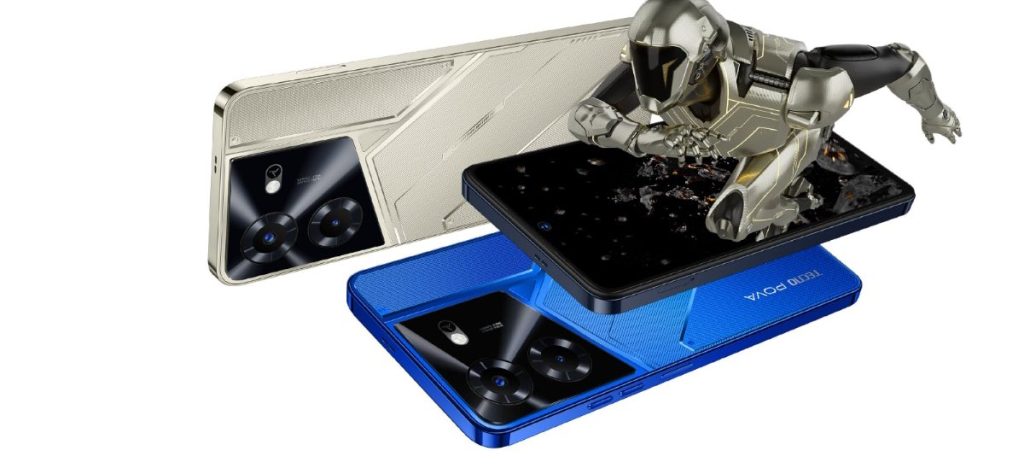
The Tecno Camon 20 series could release in May. The lineup is said to include devices, such as Camon 20, Camon 20 Pro, and Camon 20 Premier 5G. As their names suggest, the first two handsets will be limited to 4G, while the last one will have support for 5G connectivity.

These phones will arrive with a unique rear design. The vanilla, pro, and premier variants will be powered by MediaTek’s Helio G85, Helio G99, and Dimensity 1200 chipsets, respectively.

The premier model will come with a better set of features, like a 120Hz AMOLED display, a 108MP primary camera with sensor-shift OIS, and up to 512GB storage.

10. Infinix Note 30 Series

Infinix Note 30 VIP live shot
Infinix Note 30 VIP

The Infinix Note 30 series is anticipated to launch in May. Four devices are expected in the lineup, namely Infinix Note 30 5G, Infinix Note 30 VIP, Inifnix Note 30 Pro, and Infinix Note 30i.

The first two models will be 5G-enabled powered by MediaTek’s Dimensity 810 and yet-to-be-announced Dimensity 8050 chips, respectively, Whereas, the other two handsets will be limited to 4G connectivity featuring MediaTek’s Helio G99 and Helio G85, respectively.

The VIO variant will arrive with features, such as a 108MP main camera, 256GB storage, speakers tuned by JBL, a 5,000mAh battery, and 68W fast charging.

11. Lava Agni 2 5G

Lava AGNI 5G
Lava Agni 5G

Lava Agni 2 5G is expected to release in India in May. The brand has officially teased its arrival and we even know a few details about it.

The phone is tipped to cost below ₹25,000. It is said to come with a 120Hz AMOLED display, a MediaTek Dimensity 1080 SoC, a 50MP primary camera, a 5,000mAh battery, and 44W fast charging.

12. Vivo S17 Series

Vivo S16 Pro
Vivo S16 Pro

The Vivo S17 series is anticipated to debut in China in May. The lineup will include three phones, namely Vivo S17, Vivo S17 Pro, and Vivo S17e.

The Pro variant is expected to be powered by a MediaTek Dimenisty 8200 chipset, just like the Vivo S16 Pro. But the newer model will come with a 12MP zoom camera for portraits.

Whereas, the vanilla Vivo S17 and Vivo S17e will house a Snapdragon 778G/782G and Dimensity 7200 chips, respectively. All three models will carry support for 80W fast charging and sport OLED displays with an in-screen fingerprint sensor.

13. Vivo Y78 5G and Vivo Y36

Vivo Y78 TENAA images
Vivo Y78 5G

The Vivo Y78 5G and Vivo 36 are expected to launch in May. The former will make its debut in China, whereas the latter will be introduced in India.

The Y78 5G will arrive with a Qualcomm Snapdragon 695 SoC, a 50MP main camera, and a 6.64-inch FHD+ display (LCD). On the other hand, the Vivo Y36 will come with a Qualcomm Snapdragon 680 chip, a 5,000mAh battery, and 44W fast charging.

The Y78 5G is expected to cost around ¥1500 or lower, while the Y36 is tipped to be priced below ₹20,000.

14. Oppo Reno 10 Series

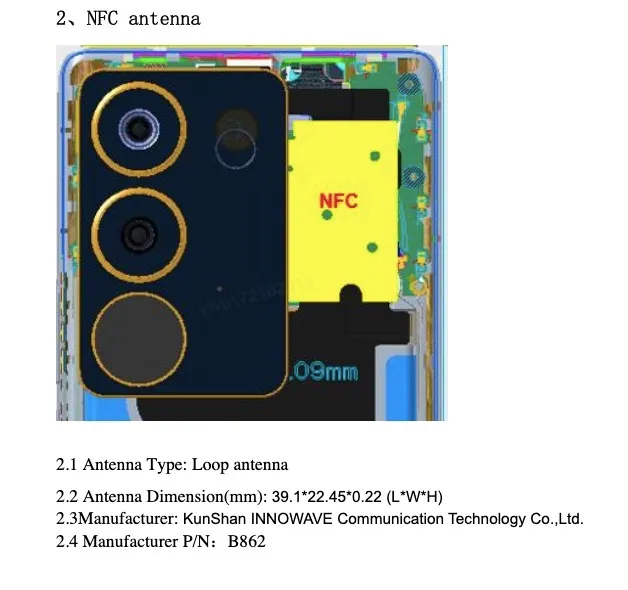
OPPO PHU110 schematic
Oppo Reno 10 Pro Plus

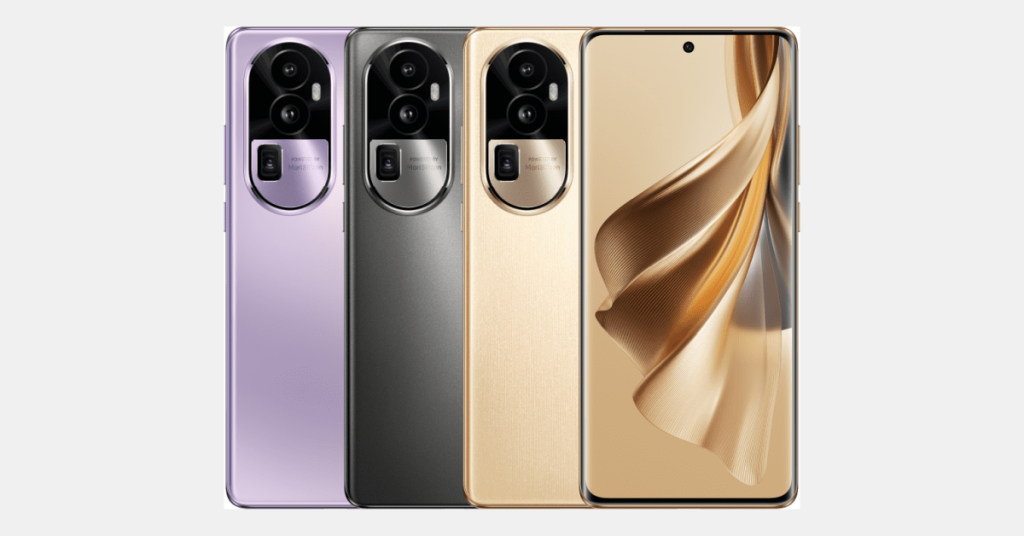
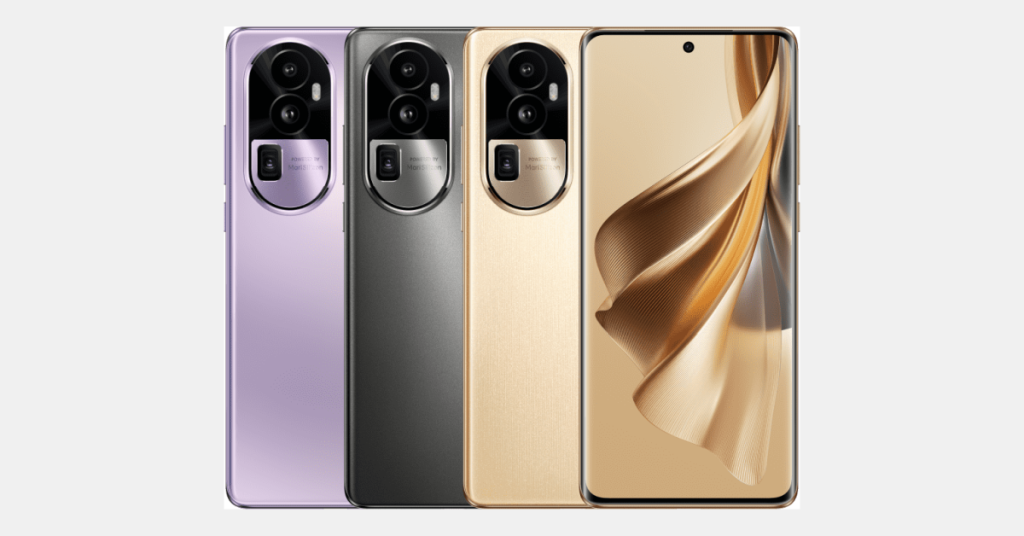
The Oppo Reno 10 series is anticipated to release in China in May. The lineup is rumored to include three handsets, such as Oppo Reno 10, Oppo Reno 10 Pro, and Oppo Reno 10 Pro Plus.

The next-gen Reno family will arrive with a revamped design. The Pro Plus model is tipped to offer flagship-level features, like a Qualcomm Snapdragon 8 Plus Gen 1 SoC, a 64MP periscope camera, a 50MP Sony IMX890 primary camera, and 100W fast charging.

While the Reno 10 and Reno 10 Pro are said to house a Snapdragon 778G and Dimensity 8200 chipsets, respectively. Unfortunately, not much is known about their other specs.

15. Oppo A98 5G and a Mysterious A Series Phone

OPPO A1 5G
OPPO A1 5G

The Oppo A98 5G and an unknown Oppo A series handset are expected to release in May. The former will debut in global markets, while the latter will be launched in China.

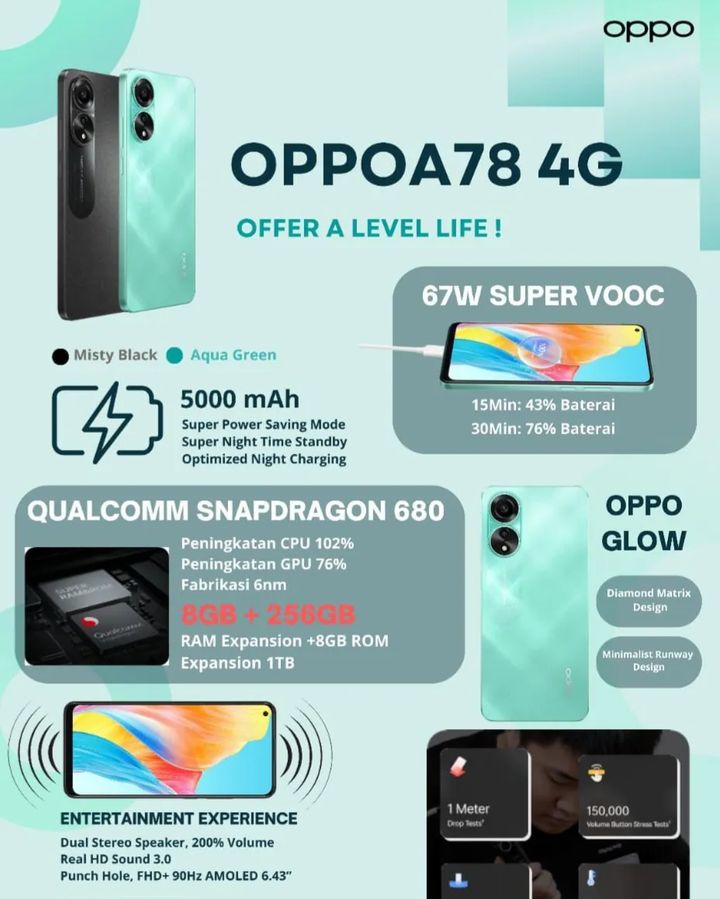
The A98 5G is anticipated to come with a 120Hz display (LCD), a Qualcomm Snapdragon 695 SoC, a 64MP main camera, a 5,000mAh battery, and 67W charging. Whereas, the mysterious A series phone will share most of its specs with the Oppo A1, except for cameras.

RELATED:

Apple’s Safari Outshines Microsoft Edge in Desktop Browser Race

When it comes to browsers, Google Chrome has achieved an incredible success. Even on platforms where it is not pre-installed, it becomes the first choice, replacing the default options. As a result, there is hardly any movement in the market. However, Microsoft, tired of this situation, decided to make some changes. They introduced a new browser based on Chromium and integrated artificial intelligence technologies, hoping to increase the number of users. But it seems that things didn’t quite turn out as expected. Microsoft Edge is no longer world’s second desktop browser. Here are the details…

Microsoft Edge is no longer world’s second desktop browser

According to Statcounter’s April 2023 report, Microsoft Edge is no longer the world’s second most popular desktop browser. The increasing importance of mobile devices, rising MacBook sales due to M-series processors, and users wanting to stay within the ecosystem sticking to Safari have finally led to the inevitable. The American technology giant has handed over its long-held second place position to Apple. The current ranking is as follows:

  1. Google Chrome – 66.13% (+0.36 points)
  2. Apple Safari – 11.87% (+0.95 points)
  3. Microsoft Edge – 11% (-0.15 points)
  4. Firefox – 5.65% (-0.82 points)
  5. Opera – 3.09% (-0.08 points)

Statcounter says Safari is now in second place with a market share of 11.87%, a 0.95 points uplift compared with the previous month. Edge is now third, struggling to surpass an 11% mark for almost a year. In April 2023, Microsoft Edge lost 0.15 points. As for Chrome, it holds 66.13%, with a 0.36 points month-over-month increase.

Probably the most disappointing thing is that the decline happened this year. As you know, ChatGPT and similar artificial intelligence technologies have been creating a storm on the internet for a while now. Microsoft is one of the companies that have adapted to this technology the fastest. However, it seems that innovations have not worked despite all these efforts.

RELATED:

(via)

Oppo Publishes a Patent for Blood Pressure Device with Wrist Measurement Feature

Technology continues to advance and make our lives easier. When reading this sentence, many of you may think of instant messaging or social media. However, health technologies are just as important. There are numerous technologies used in the medical field for both monitoring and intervention. Moreover, some of these life-saving technologies have been integrated into smartwatches and wristbands for some time now. One such company producing devices with these features is Oppo. The company has recently unveiled a new patent for a blood pressure measurement device. Here are the details…

New Oppo Blood Pressure Tool Measures User’s Wrist Size for Convenience

Oppo has recently unveiled a new patent for a blood pressure measurement device. According to the patent summary, the blood pressure device is composed of a main body and two straps. Both straps are connected to the main body, enabling users to wear the device on the appropriate body part for blood pressure measurements. The second strap features at least two identification areas on its inner and/or side surface.

These identification areas help determine the suitable airbag size for the user, based on the relationship between specific locations on both straps and the corresponding identification area. One of the key features of this blood pressure device is its ability to measure wrist circumference without the need for additional equipment. This makes it a highly convenient tool for users looking to monitor their blood pressure regularly.Patent images also offer a glimpse into Oppo‘s device.

As you can see, there is no large screen included in the patent. This creates the impression that the device might be solely for health measurement purposes and may not have functionalities like a standard smartwatch. However, it is still too early to say anything for certain. Perhaps Oppo will perfect this technology and integrate it into more devices in the future.

RELATED:

(source)

Huawei to announce P60 series globally on May 9th

Huawei has announced that it will be launching its much-awaited P60 series globally on May 9th. The venue for the launch event will be Munich, and the company promises that the conference will also showcase other flagship devices. Though the specifics have not been revealed, fans can expect to see the Huawei Mate X3 foldable phone and other wearable devices, such as the Huawei Watch Ultimate and FreeBuds 5, making an appearance.

Take a closer look at the Huawei P60 series specs

Huawei P60 lineup, which includes the flagship P60, P60 Pro, and P60 Art smartphones, was recently unveiled in China. Each model boasts a 6.67-inch FHD+ OLED quad-curved screen with a 120Hz (LTPO) refresh rate. The display supports 1.07 billion colors, 1,440Hz PWM dimming, and features a punch-hole screen with a 13MP front camera.

The P60 and P60 Pro share a design language that employs anti-fingerprint feather sand technology and bright glass finishes. In contrast, the P60 Art showcases artistic aesthetics, a unique camera module, and unrestricted lines outlining the shape of the island. Both the P60 Pro and P60 Art are protected by Kunlun glass.

Powered by the Qualcomm Snapdragon 8+ Gen1 4G version, all models in the P60 series boast IP68 water resistance ratings and feature two-way Beidou satellite messaging.

The triple rear camera setup includes a 48MP main camera with f1.4-f4.0 ten-step variable physical aperture. The P60 and P60 Pro come with a 13MP ultra-wide lens, while the P60 Art is equipped with a 40MP ultra-wide lens. The P60 also features a 12MP 5x optical zoom RYYB camera with a 100x zoom range.

The P60 Pro and P60 Art are equipped with a 48MP super-spotting night vision telephoto camera, offering a large f2.1 aperture and three-axis sensor stabilization. The devices support a 3.5x optical zoom range and 100x digital zoom range, with the option to shoot macro through the telephoto lens.

The P60 and P60 Pro come with a 4815mAh battery, while the P60 Art is powered by a larger 5100mAh silicon carbon battery. All models support up to 88W fast charging and 50W wireless charging.

RELATED:

Microsoft Edge Brings Bing AI to Right-Click Menu for Smarter Web Browsing

Artificial intelligence technologies continue to take the internet by storm. The growing popularity of AI not only poses a threat to Google’s dominance but also raises security concerns in EU countries due to the information it provides. In the midst of this disruption, Microsoft has identified an opportunity and announced the development of Bing AI, a potential rival to ChatGPT. Most recently, the company unveiled plans to integrate Bing AI into the right-click menu of Microsoft Edge for Windows 11. Read on to learn more about this innovative integration and its implications for the future of browsing.

Microsoft Edge for Windows 11 is integrating Bing AI

Microsoft recently introduced Bing AI, an AI chatbot similar to ChatGPT. Now, the company is integrating AI into its right-click menu. This update allows users to select text on a webpage, choose “Search with Bing AI” from the Mini menu, and instantly open Bing Chat on the right side of their screen. Bing AI then provides comprehensive information related to the chosen text.

If users accidentally click the option, they can select “Ignore” to return to the webpage. The Mini menu is only available when text is highlighted; right-clicking without selecting text will display the standard context menu. In addition to the upgraded Bing AI integration, Microsoft Edge is introducing modular optional features support and other improvements to further optimize the user experience.

Unfortunately, it is unclear how popular these and other improvements will make Microsoft’s services. The company has long been lagging behind Google Chrome in terms of search engines and browsers. Although some of its moves have led to positive developments in addressing this issue, it is still far from being the leader.

RELATED:

(via)

BenQ TK860i and W2710i 4K projectors with HDR-PRO support launched

BenQ has unveiled two projectors with 4K HDR-PRO support. The BenQ TK860i and W2710i will launch shortly in the EU with up to 3,300 lumens of brightness and up to 100% of the Rec.709 color space coverage. Both the TK860i and W2710i projectors are equipped with a 2.1-channel speaker system and run on Android TV.

BenQ’s new lineup of projectors bundle a remote with hotkeys for popular services like YouTube and Disney+

The BenQ TK860i is a 4K projector with 3,300 lumens brightness and 98% of the Rec.709 color coverage. The BenQ W28710i is also a 4K projector with HDR10+ support. The TK860i uses BenQ’s HDR-PRO technology to achieve improved contrast.

The W2710i has a maximum brightness of 2,200 lumens, with 95% of DCI-P3 and 100% of Rec.709 color gamut coverage. The new BenQ projectors can throw images up to 150 inches at up to 24 fps. The Active Iris and Dynamic Black tools help to improve contrast in both projectors.

BenQ TK860i projector

With support for Android TV, you can stream content from popular streaming sites like Netflix and Prime Video. It is also possible to wirelessly cast content from a mobile device via Google Chromecast. Google Voice Assistant is supported in the two new BenQ projectors. The two models have two integrated 5W treVolo speakers whose capacity could be further expanded by connecting to external speakers. The projectors are equipped with a range of ports including HDMI ad USB.

The BenQ TK860i and W2710i projectors come with a remote with hotkeys for popular services like YouTube and Disney+. Both projectors will launch this month in the EU although the specific launch details are not yet known. The projectors will retail in the EU for €1,799 (~$2,000). Global availability details for the new BenQ projectors are lacking at this time.

RELATED:

(source)

TCL Q10H Mini LED TV series with 2,304 partitions and up to 3,000 nits of brightness unveiled in China

TCL has released the Q10H Mini LED TV series in China. The TVs are available in four sizes – 65, 75, 85, and 98 inches. The new TCL lineup squares up with the Xiaomi Mi TV Master which sports an 86-inch panel with 1080 partition backlights and 2,000 nits of peak brightness. The 85-inch version of the TCL Q10H has 2,304 partitions and a peak brightness of 3,000 nits.

TCL Q10H Mini LED TV series

The TCL Mini LED TV Q10H series adopts a premium bezel-less HVA soft screen. It is also equipped with nano-level and anti-interference low Reflective film for a reduced screen reflection.TCL Q10H Mini LED TV seriesThe TCL Mini LED TV Q10H series adopts the Huaxing high-end HVA soft screen. It is also equipped with nano-level and anti-interference low Reflective film for a reduced screen reflection.

Say Hello to the Mini marvel: TCL’s Q10H Mini LED TV series

The Mini LED presents a more transparent picture due to the reduced screen reflection. The backlight system of the TCL flagship Q10H TVs consists of 576 driver chips with 16-bit image content perception capability. It brings clarity and a more realistic display effect through real-time screen backlight adjustment.

The TCL Q10H TV features the Lingyao M2 chip with 4GB of memory and 64GB of storage. It has a 2.1-channel Hi-Fi professional audio system. As per the display, the TV supports 4K 144Hz contents. It is also compatible with 4K 120Hz, 4K 60Hz, and 4K 240Hz.

TCL Q10H Mini LED TV series

The TVs can be purchased from online retail platforms like JD.com with a starting price of 7,999 yuan (~$1,157). The 98-inch top model in the TCL Q10H lineup is priced at 25,999 yuan (~$3,761). There is no global availability information for the new TCL Q10H Mini LED TVs at this time.

RELATED:

Sony Gaming TV X90L with dual HDMI 2.1 ports and 4K 120Hz screen unveiled

The Sony Gaming TV X90L has been unveiled with excellent gaming properties. It joins a growing lineup of premium Sony TVs already released this year. The game TV X90L has a 4K display and a high refresh rate of 120Hz. The Sony TV X90L comes in 55-inch, 75-inch, and 98-inch options. The new Sony TV is well-primed for PS5 gaming, according to the company.

Sony’s latest Gaming TV X90L can automatically detect the content of PS5 and match the appropriate image mode

The Sony TV X90L has two full-blooded HDMI 2.1 ports and supports variable refresh rates. Sony has also added a game enhancer function on the model to optimize game settings. It includes a practical tool to seamlessly accommodate black balance adjustment, VRR switch, motion blur reduction, and crosshairs. During gaming, the game screen is clearer and smoother, and screen tearing or blurring is virtually eliminated.

The HDR automatic mapping and content-adaptive image mode present in the Sony TV X90L is a PS5-focused enhancement. The Sony PlayStation 5 console can recognize the X90L and automatically select the most suitable HDR setting. The Sony TV X90L will also automatically detect PS5 content and match the appropriate image mode.

The Sony TV X90L high-performance TVs can also be used for other gaming consoles apart from PS5. Its excellent refresh rate and picture enhancement technologies will guarantee an immersive gaming experience for gamers.

Sony TV

The Sony TV X90 L is priced in China at 7,499 yuan (~$1,085) for the 55-inch TV and 8,999 yuan (~$1,302) for the 65-inch model. The 75” Sony TV X90L retails for 12,999 yuan (~$1,881) while the 98-inch model is priced at 39,999 yuan (~$5,787). The new Sony TVs are available from retail platforms like JD.com.

Related: 

A Huawei smartphone Leaks with a Camera Island like no other, Could be the Mate 60

Huawei smartphones don’t receive the same level of attention they used to a few years ago, primarily due to a lack of 5G connectivity and Google services. However, the company has not given up on creating visually striking phones. The latest P60 series is the latest example of Huawei’s commitment to an unconventional design language and it seems the company has something even more interesting in the works. Renders of a new smartphone have surfaced online, showcasing a camera island that stands out like no other.

It might be the upcoming Huawei Mate 60

According to renders shared by a Chinese tipster and bought to light by Huawei Central, Huawei might be working on an odd-looking smartphone. As you’d see in the image, the handset has a large circular camera, which has been seen on almost every Chinese flagship launching this year. However, the camera placement on this smartphone is rather unique. It includes several openings, revealing at least four camera sensors.

Huawei Mate 60 render

The sensors present in the camera module are said to include a laser, a color temperature sensor, a periscope telephoto lens, and an ultra-wide-angle lens. Apparently, there’s also a variable aperture main camera, which was present in the Huawei P60 series. It can help with automatic scene-based switching, allowing you to capture the optimal amount of light, depending on the shooting environment.

It is being speculated that the renders belong to the upcoming Huawei Mate 60. These speculations do hold some water, as the featured sensors indicate a high-end flagship model, and the Mate series is traditionally Huawei’s platform for launching flagship devices at this time of the year. However, we recommend taking this information with a pinch of salt.

RELATED:

(Source) (Via)

Lenovo 65W Max GaN plug-in strip with up to 9 ports launched

Chinese tech giant Lenovo has launched its 65W GaN plug-in strip. The product is available for purchase on JD.com at a price of 159 yuan ($23) and will be on sale on May 31.

Lenovo 65W Max GaN plug-in strip

The Lenovo 65W GaN plug-in strip is a versatile power strip that comes with nine ports, including three 5AC ports, three 2AC ports, two Type-C ports, and one USB port. It is capable of multi-device charging simultaneously and can charge laptops, smartphones, tablets, game consoles, smart devices, and small home appliances without requiring an adapter. It supports various charging protocols such as PPS, PD3.0, and QC3.0, which makes it an excellent choice for anyone who needs to charge multiple devices at once.

The strip uses third-generation GaN material, which allows it to be more compact and efficient than traditional power strips. It has a rated power of 2500W, and the single-port power can reach up to 65W. The power strip can charge a Xiaoxin Pro 14 2023 laptop to 50% in just 40 minutes, which is a great feature for people who are always on the go.

Lenovo 65W Max GaN plug-in strip

The Lenovo 65W GaN plug-in strip is also incredibly safe to use. It has multiple safety protection certifications, including leakage protection, short circuit protection, input overcurrent protection, overheating protection, overvoltage protection, and lightning surge protection. These safety features make it a great choice for anyone who values safety and reliability.

Efficient and Versatile: Lenovo’s 65W Max GaN Plug-in Strip supports multiple charging protocols and simultaneously charges multiple devices

The cable on the Lenovo 65W GaN plug-in strip is 1.8 meters long, which provides you with more flexibility and convenience when using it during business trips or in any other setting. It is also compact and lightweight, making it easy to pack and carry with you wherever you go.

RELATED:

Samsung plans to cut memory chip production by 25%

Samsung Electronics, the South Korean technology giant, reported a staggering 95% drop in operating profit for Q1 2023 compared to the same period last year. The company has attributed this significant decline to the reduced demand for memory chips. While Samsung has not disclosed the exact extent to which it will reduce its memory module production, industry analysts predict a cut of around 25%.

Samsung

Semiconductor Analyst Minbok Wi from Daishin Securities estimates that Samsung could reduce memory chip production by 20% to 25% in the first half of 2023, compared to the same period in 2022. KB Securities, on the other hand, forecasts that Samsung will reduce NAND flash chip production by 15% and DRAM chip production by over 20%, starting in Q3 2023. Min Seong Hwang, an Analyst at Samsung Securities, believes that if inventory levels do not decrease as expected, the company may need to further reduce production.

Samsung to reduce the production of low-Cost DRAM modules, focus on DDR5

Samsung has stated that it has a sufficient inventory of memory chips to meet mid to long-term demand and is planning to reduce the production of legacy products. Although the company has not specified which memory chips will see a decrease in production, The Korea Herald reports that Samsung will focus on cutting the production of low-cost DRAM modules such as DDR3 and DDR4 due to their dwindling demand. Instead, the company will concentrate its efforts on advanced memory chips like DDR5, which are rapidly gaining popularity.

Recent market trends have not been favorable for Samsung, with the average contract price of an 8GB DDR4 RAM module falling by 19.9% last month, following an 18.1% drop in January. Although prices stabilized in February and March, they have begun to fall once again, despite Samsung’s announcement of a production cut. Market research firm TrendForce predicts a further 15% to 20% drop in prices during Q2 2023 as suppliers grapple with high inventory levels.

While the current outlook for Samsung and the chip industry appears bleak, some analysts remain optimistic, suggesting that a turnaround could be on the horizon in 2024. As the market continues to shift and advanced memory chips like DDR5 gain traction, Samsung’s decision to focus on next-generation technologies could position the company well for a recovery in the coming years.

RELATED:

(Source, Via)

Google Pixel 7, Pixel 7 Pro Available At A Massive Discounted Price In India During Flipkart Big Saving Days Sale

Google launched the Pixel 7 and 7 Pro smartphones in India in October last year. Both were available in a sole RAM and storage configuration priced at Rs 59,999 and Rs 84,999 respectively. If you’re a fan of the search giant’s flagship Pixel offerings, now might be the best time to purchase the latest-generation phones in the country. 

Google Pixel 7, 7 Pro Discounted Prices

E-commerce platform Flipkart is conducting Big Saving Days Sale starting May 4th. As a part of the curtain raiser deals till May 3rd, the Google Pixel 7 duo are up at discounted prices. Both the standard and pro variants are expected to be available at a cheaper price during the sale. This is also the first time the Google Pixel 7 series are getting a discounted price since launch. 

The Google Pixel 7 Pro is available at its lowest price to date. It is listed with a price tag of Rs 69,999 which is a massive Rs 15,000 price drop from its launch price of Rs 84,999. SBI Bank credit cardholders can avail up to Rs 1,250 instant discount on the purchase whereas there is Rs 1,000 off for Axis Bank, American Express, HDFC Bank, and ICICI Bank debit and credit card transactions. Flipkart is also throwing in an additional exchange discount of Rs 2,000 above the base value of old smartphone in exchange offer. 

On the other hand, the Pixel 7 has received a discount of Rs 10,000 making it available for Rs 49,999 instead of Rs 59,999. There is Rs 3,000 special discount when an exchange offer is availed while purchasing the device. The Pixel 7 also gets the same bank offers as the Pixel 7 Pro. 

The Pixel 7 and 7 Pro have the same design with IP68-certification, a Tensor G2 SoC, 30W wired charging and wireless charging support. The regular variant has a 6.3-inch AMOLED FHD+ display with 90Hz refresh rate whereas the Pro model features a 6.7-inch curved AMOLED screen with QHD+ resolution and a 120Hz refresh rate. There is a 50MP OIS-enabled main camera with 12MP ultra-wide angle lens on both phones. The Pixel 7 Pro also sports an additional 48MP telephoto unit. 

Related: 

Tecno Camon 20 emerges in live video ahead of lauch

Tecno, a Chinese smartphone manufacturer, launched the Camon 19 series in July 2022, and now the company is preparing to unveil the Camon 20 series, which reportedly consists of three models – the Camon 20, Camon 20 Pro, and Camon 20 Premier 5G. While the official launch date of the Camon 20 series is yet to be announced, leaked live images and a short video have surfaced online, giving us a sneak peek of the upcoming Camon 20 device.

Tecno

From the leaked images and video, it is evident that the Camon 20 has a unique camera module design, which is similar to that of the Camon 20 Premier 5G. The device’s flat frame has control buttons on the right side, and the bottom panel features a USB-C port, a speaker grille, and a 3.5mm audio jack. The device is expected to come with 8GB RAM, 256GB onboard storage, and have the model number Ck8n.

While the leaked images and video provide a glimpse of the upcoming Camon 20, there is still much we don’t know about the device’s features and specifications. However, some information on the higher-end Camon 20 Premier 5G and Camon 20 Pro models is available.

Tecno Camon 20 Pro & 20 Premier 5G specs

According to rumors, the Camon 20 Premier 5G may come equipped with a 1080p AMOLED screen, featuring a 120Hz refresh rate and an in-display fingerprint reader. It is expected to have storage options starting from 256GB, but TECNO has reportedly decided to omit the headphone jack and expandable storage slot from this model. The most talked-about aspect of the Premier 5G is its unique camera design, indicating that TECNO is prioritizing innovative smartphone aesthetics.

As a more affordable alternative to the Premier 5G, the Camon 20 Pro is rumored to feature a 6.7-inch LCD screen and MediaTek Helio G99 processor. It may also come equipped with a 32MP front camera, a dual rear camera setup featuring a 64MP primary sensor and an AI lens, and a robust 5,000mAh battery.

RELATED:

(Source: GadgetsLeo)

Vivo Y36 4G Spotted On Bluetooth SIG Ahead Of Launch

Vivo Y36 4G has bagged Bluetooth SIG certification. It has been listed on the certification website with model number V2247. The listing reveals that the device will come with Bluetooth 5.0 support. Apart from this, it does not mention any other details of the upcoming smartphone. The Vivo Y36 4G is expected to arrive as the successor to the last year’s Y35. 

Vivo Y36 4G Bluetooth SIG

The Vivo Y36 4G appeared on Geekbench benchmarking platform recently with the same V2247 model number. As per the database listing, it is tipped to be powered by a Snapdragon 680 processor coupled with 8GB RAM. It’s worth noting that an initial leak had claimed that the device would come with Helio G99 SoC. We can also expect more RAM and storage configurations of the device at launch. The Vivo Y36 4G scored 410 and 1.343 points in the benchmark platform’s single-core and multi-core test results respectively. 

As per reports, the Vivo Y36 4G is expected to come with a 6.8-inch LCD display. The upcoming offering is tipped to feature a 50MP primary camera. It will reportedly be backed by a 5,000mAh battery with support for 44W charging. There is also said to be 8GB virtual RAM and 128GB onboard storage. 

The Vivo Y36 4G is tipped to debut in India later this month. It is said to be priced between Rs 18,000 – Rs 20,000. We expect to learn more about the smartphone in the coming days.

Related: 

Microsoft to reduce unnecessary Windows 11 notifications with smart opt-out feature

Microsoft is addressing the issue of unwanted notifications in Windows 11 with a new feature called “Smart opt-out” alongside improvements to urgent notifications. Notifications from various apps and websites have become a nuisance for many users, often interrupting work or other activities. While Windows 11 already includes “Focus Assist,” a feature designed to reduce distractions by limiting notifications, Microsoft is taking further steps to enhance the user experience.

Reducing unwanted notifications: Windows 11’s smart opt-out in action

The new “Smart opt-out” feature aims to minimize notification spam by identifying apps users do not engage with regularly and suggesting the disabling of notifications from these apps. For example, if a user hasn’t interacted with Outlook notifications for a month, they will receive a notification asking whether they would like to turn off Outlook notifications. This recommendation provides users with an easy way to declutter their notifications and focus on essential alerts.

This approach, inspired by email filters that have been in use for years, should significantly improve the user experience in Windows 11 by reducing the number of unnecessary notifications. Importantly, “Smart opt-out” will not impact notifications from apps that users interact with frequently, ensuring that users still receive relevant updates.

Windows 11 urgent notifications feature

In addition to “Smart opt-out,” Microsoft is working on enhancing the handling of urgent notifications in Windows 11. Users will have more control over high-priority notifications from both first-party and third-party apps, allowing these alerts to bypass the Focus Assist (Do Not Disturb) settings. For example, an app can send a notification asking if the user would like to “Allow important notifications,” enabling high-priority alerts to come through even in Do Not Disturb mode.

As “Smart opt-out” is a minor addition to the operating system, it is expected to arrive in the production channel in the coming months via Windows 11’s new configuration updates. These changes are part of Microsoft’s ongoing efforts to enhance the user experience in Windows 11, with a focus on reducing distractions and allowing users to concentrate on their work or other tasks.

RELATED:

(Via)

Honor Focuses on Enhancing MagicOS 7.0 to Compete with iOS in OS Fluency and Ecosystem Development

When it comes to smartphones, software is just as important as hardware. Having a smooth interface, offering new features before your competitors, and getting the maximum performance from the hardware in the products you sell are all crucial. Undoubtedly, one of the most successful companies in this regard is Apple. The company has achieved a great harmony between hardware and software in all its devices and is the top choice for those who want to build an ecosystem. It seems that Honor has also decided to adopt this strategy. According to recent announcements, the company is focusing on enhancing MagicOS 7.0 to compete with iOS in terms of operating system fluency and ecosystem development. Here are the details…

Honor’s CEO Discusses the Challenges Ahead of MagicOS 7.0: Can They Compete with Apple’s Ecosystem?

Honor CEO Zhao Ming recently took part in a media exchange during the company’s first open event at their Shenzhen research and development lab. During the event, Ming revealed the company’s future plans and strategies. Ming also highlighted the company’s plans to improve upon MagicOS 7.0, with the goal of matching or surpassing the iOS experience. Honor aims to outperform Apple in terms of OS smoothness and ecosystem development, building its own core capabilities.

Although the statements of Honor’s CEO are future-oriented, they have a challenging path ahead of them. Apple’s success in software is not coincidence. The company spent decades building an ecosystem and still has areas where improvements are needed. Also one of the reasons for their success is that they develop both hardware and software in-house, freeing themselves from external dependencies. Unfortunately, this is not the case for any manufacturer except for the insufficient efforts of Samsung and Huawei.

Zhao Ming did not hesitate to express his criticisms of competitors as well. He highlighted common criticisms of Apple’s hardware, such as poor communication and battery life. Despite these issues, Apple’s premium pricing is justified by its iOS and ecosystem, which seemingly overshadow the drawbacks.

RELATED:

(source)