Advertisement

Apple Beats Studio Buds+ could Launch Soon as they get IMDA certified

Apple is working on new Beat earbuds and traces of the same were found in iOS 16.4 Release Candidate last month. The earbuds are expected to be called the Beats Studio Buds+ and they’ll likely arrive as an upgrade over the original Studio Buds that were launched in 2021. While there’s no official announcement yet, the earbuds have received the IMDA certification, suggesting they are a step closer to the launch.

Beats Studio Buds+ early details

The latest IMDA listing of the hearables does not reveal anything peculiar about the earbuds. The Indonesian authority lists the Beats Studio Buds+ with model numbers A2872 and A2871 and that’s about all the details we get from the listing. They were recently spotted on the FCC website as well but no interesting revelations were made from there as well.

Luckily, the earbuds appeared on IOS 16.4 Release Candidate last month with some key specifications. It was discovered that Studio Buds+ will get an Apple chip underneath, unlike the original Studio Buds that feature a proprietary Beats chip. The new chip will apparently open doors for new features like audio sharing, auto device switching, and voice commands via “Hey Siri.”

Beats-Studio-Buds-Plus

You can expect them to offer standard features like active noise cancellation and transparency mode. A leaked image of the Beats earbuds reveals they will have media controls for play/pause and also the option to press and hold to switch between noise-canceling modes. The TWS can be seen in a new black color with gold details, but the rest of the design remains essentially the same as its predecessor. Other specifications are yet to be known. We hope to learn more in the coming days.

RELATED:

(Via)

Fujifilm Instax Mini 12 Launched In India

Fujifilm has launched a new instant camera in India. The latest offering is the Instax Mini 12 and it arrives as the successor to the Instax Mini 11. The device also carries an affordable price tag. Read on to know what it offers out of the box. 

Fujifilm Instax Mini 12 specifications and features 

The Fujifilm Instax Mini 12 retains the same design as its predecessor. It features Auto Exposure that determines the right exposure for a particular situation. There is ISO of up to 800 value. The device has a programmed electronic shutter with values of 1/2 to 1/250 second along with slow synchro for low light. 

The Fujifilm Instax Mini 12 comes with a flashlight. It has a viewfinder ensuring that the output is the same as what is being seen while capturing. The camera’s lens has two components and two elements that can be twisted depending on the usage. There is a close-up mode that is ideal for close-up shots and distances of 30 cm to 50 cm. The Instax Mini 12 also has a Selfie Mirror for better selfies. 

The Fujifilm Instax Mini 12 is said to develop films in approx 90 seconds. The film ejection is also automatic. The camera is powered by 2 AAA batteries. The films are sold separately. 

Fujifilm Instax Mini 12 pricing and availability 

The Fujifilm Instax Mini 12 is priced at Rs 9,499 and it can be purchased from Amazon, Flipkart, Nykaa, and leading retail stores. The camera is offered in Clay White, Lilac Purple, Mint Green, Pastel Blue, and Blossom Pink colors.

Related: 

MG Comet compact EV announced in India with a 230km range

MG Motors has just announced its latest electric vehicle model for the Indian market. The new automobile is the MG Comet compact EV that will seek to compete with other affordable and compact EV cars, so here are all the details.

MG Motors’ Comet is a compact EV

For those unaware, the Indian automobile market has some compact models like the Tata Tiago EV and the Citroen eC3. The new Comet features a tall boy design and features a three door format. This makes it quite compact, which helps keeps its cost and power requirements low. The company had been teasing this model’s launch in India for sometime now, and has finally unveiled this in the region. Although, its pricing is still unclear, but it will be revealed sometime later this year.

MG

Thanks to its small size, the new electric vehicle is clearly built for urban transport in cities. While its overall footprint is quite small, the tall boy design ensures that there is enough space on the inside. This model is also being offered in multiple colorful options and users are even offered customization options, which includes personalization options like skins and other body wraps. Other notable design elements include, aerodynamic wheel caps, LED lighting, dual tone roof, and even a parking camera.

The MG Comet EV likely houses a 41bhp engine that offers 110Nm of peak torque. This engine will be powered by a 17.3kWh battery pack that promises to deliver a maximum operational range of 230 kilometers. This battery can be charged from 0 to 100 percent in around 7 hours via a 3.3kW charger.

RELATED:

Realme 11 5G appears on Bureau of Indian Standards ahead of launch

Realme, the Chinese smartphone maker, is gearing up for the launch of its upcoming Realme 11 series next month in China. The series is expected to include multiple smartphones, including the Realme 11 5G, 11 Pro, and 11 Pro Plus. Additionally, the Realme 11 4G might also launch alongside these devices. While the company is yet to confirm the exact launch date, a couple of Realme smartphones have been spotted on the Bureau of Indian Standards (BIS) website.

Realme
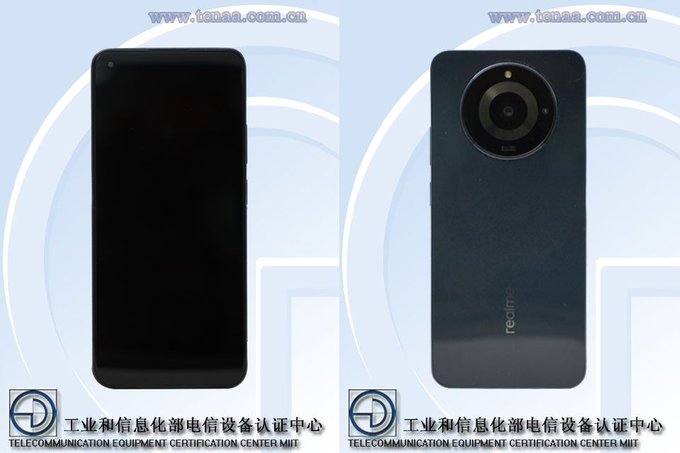
Realme 11 5G TENAA image

The Realme 11 5G, which is one of the most anticipated mid-range smartphones from the brand, has seemingly cleared the BIS certification. Moreover, another smartphone, which could possibly be a part of the same series, has also cleared BIS. So, let’s dive into more details about the Realme 11 5G specifications, features, and other details that are currently known.

The Realme 11 5G has been spotted on the BIS website with the model number RMX3751. Another Realme smartphone with the model number RMX3750 has also cleared the BIS certification, but the name of the phone is still unknown.

Recently, the 11 5G was spotted on TENAA as well. The listing revealed the design of the phone, which appears to be similar to the 11 Pro and 11 Pro+ 5G. There is a massive camera module on the back, and the circular-shaped camera module has two visible cutouts and an LED flash module. Unfortunately, the listing did not reveal any details about the camera sensors.

On the front, the phone has a hole-punch cutout at the top left corner of the screen. Unlike the Pro models, which will sport a curved screen, the 11 5G has a flat display. Additionally, we can also see the power and volume keys on the right side of the phone.

As of now, not much is known about the 11 5G’s other specifications and features. However, the phone is expected to launch alongside the 11 Pro series next month in China.

RELATED:

(via)

Vivo Pad 2 With 144Hz Display, Dimensity 9000 SoC Launched

Alongside the launch of the Vivo X Fold 2 and X Flip, Vivo has also launched a new tablet. It is called the Vivo Pad 2 and arrives as the successor to the last year’s Vivo Pad. The latest offering packs significant upgrades over its predecessor. Read on to know what the tablet offers out of the box. 

Vivo Pad 2 specifications and features

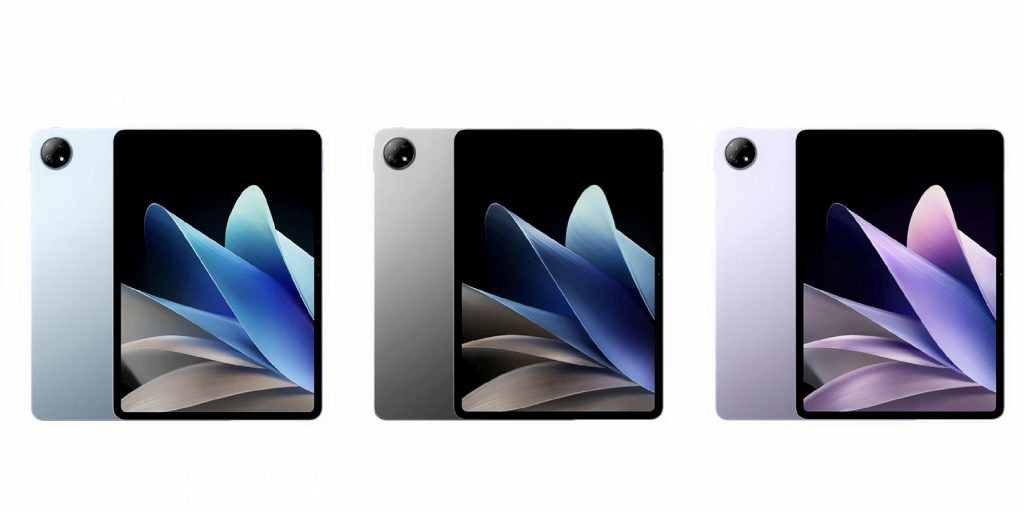
Vivo Pad 2

The Vivo Pad 2 sports a 12.1-inch LCD display bearing a resolution of 2.8K pixels and a 144Hz refresh rate. It offers HDR10 support and 600 nits peak brightness. The device is compatible with a stylus and keyboard with the former having the ability to attach on the side of the tablet. The Vivo Pad 2 features a self-developed simulation writing engine that provides users with real and tactile feedback similar to what they experience when writing with a pen or pencil on paper. This could be useful for users who prefer to take notes or draw. 

On the audio front, the Vivo Pad 2 is equipped with four full-range speakers and two tweeters producing sound output up to 6W. The device sports a metallic unibody with a light and thin form factor.

The Vivo Pad 2 has a circular rear camera module. It houses a 13MP primary sensor and a 2MP macro lens paired with an LED flash unit. There is an 8MP front-facing selfie snapper. 

Under the hood, the Vivo Pad 2 is equipped with a MediaTek Dimensity 9000 processor. It packs up to 12GB LPDDR5 RAM and 512GB UFS 3.1 storage. The tablet draws its power from a 10,000mAh battery unit with support for 44W fast charging. The device runs on Android 13 based OriginOS 3 for Pad and offers a comprehensive cross-screen collaboration between the tablet and mobile as well as PC.

Vivo Pad 2 pricing and availability

The Vivo Pad 2 is priced at RMB 2,399 (~$348) and RMB 2,799 (~$401) for the 8GB + 128GB and 8GB + 256GB variants respectively. The 12GB + 256GB and 12GB + 512GB configurations carry a price tag of RMB 3,099 (~$450) and RMB 3,399 (~$494) respectively. The Vivo Pencil and Smart Touch Keyboard cost RMB 499 and RMB 599 respectively. The tablet is offered in Harami Blue, Nebula Purple, and Far Mountain Ash colors.

Related: 

WhatsApp might soon bring animated emoji support

WhatsApp might be working on an interesting new feature for its popular chat application for desktops. The company could soon offer animated emojis on its messaging platform, so here are all the details.

WhatsApp Animated Emojis might soon hit the beta

Meta is reportedly working on this feature that would like to add a new interactive/expressive element to chats. This feature might soon be available on an upcoming beta for the WhatsApp desktop app. The news arrives from WABetaInfo who also shared a GIF that showcases this feature. Looking at this animated emoji, we can see the Party Horn and Party Hat emoji bouncing around as it does a full 360 degree rotate.

WhatsApp

It is unclear how exactly one accesses these animated emojis, but WhatsApp might share the animated version of a specific emoji instead of the static one if the user only sends a single emoji. Keep in mind that it also needs a animated version to offer this functionality. Since the feature is supposedly making its way to the WhatsApp desktop beta, we can expect it to also be soon available in the smartphone mobile beta app version as well.

With animated emoji’s, the userbase can expect to have a new have of interaction and expression in group chats. This, in turn, will make the chatting experience more fun and have the platform better company with iMessage and even Google’s Messages app that have supported animated emojis for years now.

RELATED:

Motorola officially teased Moto Razr+ 2023, coming with a “large external display”

Motorola has officially announced the release of its new Moto Razr+ 2023 foldable screen phone. The company claims that the new phone defines the “ultimate form of small foldable screens,” boasting a large external screen and a super-high screen-to-body ratio.

Although no specific release date has been announced yet, it appears that the Moto Razr+ 2023 will still feature a vertical folding design, as shown in the teaser poster on Weibo.

The upcoming Moto Razr+ 2023 is expected to have a larger secondary screen than its predecessor, the Moto Razr 2022, with renderings showing that it may even cover the rear camera through a multi-hole design.

The teaser doesn’t confirm the name of the device. The new model may be called “Moto Razr+ 2023” or “Razr 40 Ultra” and is expected to have a much larger external screen than the 2.7-inch screen on the Motorola Razr 2022, which is already impressive for a folding phone.

In terms of performance, the Moto Razr+ 2023 is rumored to be equipped with the Snapdragon 8+ Gen 1 chip with a maximum CPU frequency of 3.19GHz. The phone will come with 8GB or 12GB of RAM and will be pre-installed with Android 13 with My UX 5 on top.

The device passed China’s quality certification center, revealing that it will have a 3640mAh battery and support 33W fast charging. The device has also gone through India’s BIS certification.

The Moto Razr+ 2023 will follow the design of its predecessor with rounded edges and dual rear cameras. It is also expected to have a sleek and premium feel to it, which is what users have come to expect from Motorola’s flagship phones.

RELATED:

Vivo X Flip With Horizontal Secondary Display Launched

The Vivo X Flip has debuted alongside the Vivo X Fold 2. It is the first clamshell folding phone from the brand. Vivo has joined the bandwagon of vertical folding phones like the Samsung Galaxy Z Flip 4, OPPO Find N2 Flip, Motorola Razr etc. Notably, the Vivo X Flip has a unique secondary display, unlike its competitors. Read on to know what the device offers out of the box.

Vivo X Fip specifications and features 

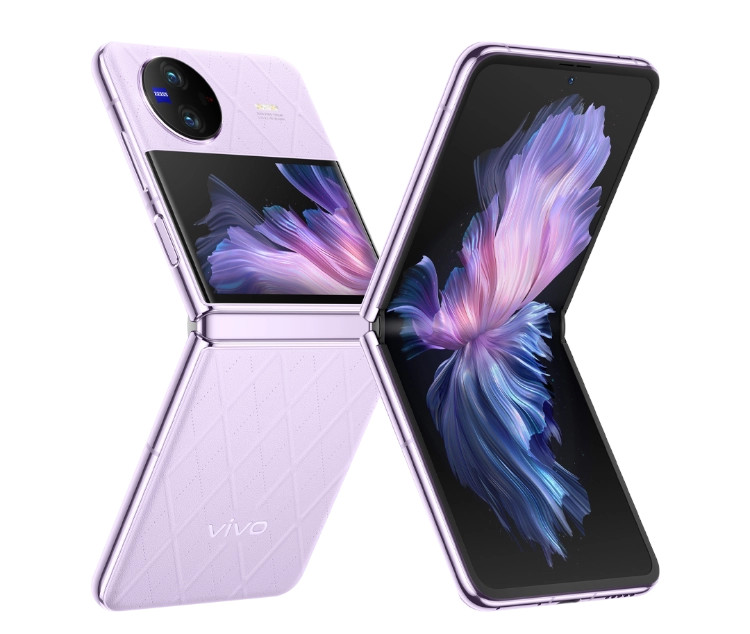
The Vivo X Fold 2 is a vertical folding phone. It has a 6.7-inch AMOLED display bearing a center-aligned punch-hole cutout and a tall aspect ratio. The device features an FHD+ resolution, 1,200 nits peak brightness, a 120Hz refresh rate, and HDR10+ support. The X Flip’s back panel has a horizontal secondary display with slightly curved edges that spans from the left edge to right. The secondary screen measures 3 inches with an AMOLED panel and bears a resolution of 682 x 422 pixels. It can be used for various purposes like using payment codes, viewing information, NFC, music playback, and more.

In terms of design, the Vivo X Flip flaunts an embossed diamond cut pattern on the back panel. There is a side-mounted fingerprint scanner embedded in the power button. The foldable device has a Flex Mode that lets users prop the device up for hands-free calling, video playback, and photography. Vivo says that it has used ultra-thin glass for invisible crease and the hinge is claimed to last 500,000 times.

The Vivo X Flip has a circular camera module at the top left corner. The phone features a ZEISS-branded 50MP OIS-enabled primary sensor paired with a 12MP ultra-wide-angle lens. There is a 32MP front-facing selfie snapper. 

Under the hood, the Vivo X Flip is equipped with a Snapdragon 8+ Gen 1 processor. It packs 12GB LPDDR5 RAM and up to 512GB UFS 4.0 storage. The device draws its power from a 4,400mAh battery unit with support for 44W fast charging. Software-wise, the foldable phone runs on Android 13-based OriginOS 3. 

Connectivity options on the Vivo X Flip include a USB-C port, WiFi, Bluetooth, dual-band GPS, and 5G.

Vivo X Flip pricing and availability 

The Vivo X Flip starts at RMB 5,999 (~$871) for the 12GB + 256GB option and the 12GB + 512GB variant carries a price tag of RMB 6,999 (~$1,017). The foldable phone is up for pre-orders with sales commencing from April 28th. It is offered in Drill Black, Silk Gold, and Ling Purple colors.

Related: 

Vivo X Fold 2 Debuts As The First Snapdragon 8 Gen 2 Powered Foldable Phone

At an event held today, Vivo launched two new foldable phones in China. These include the Vivo X Fold 2 and X Flip. The former arrives as the successor to the first-generation Vivo X Fold that debuted last year. The latest offering packs upgrades over its predecessor. It competes against the likes of the Samsung Galaxy Z Fold 4, OPPO Find N2, and more in the market. Read on to know what the device offers out of the box. 

WHERE TO BUY
Buy Vivo X Fold 2 at $1599 @Giztop

Vivo X Fold 2 specifications and features 

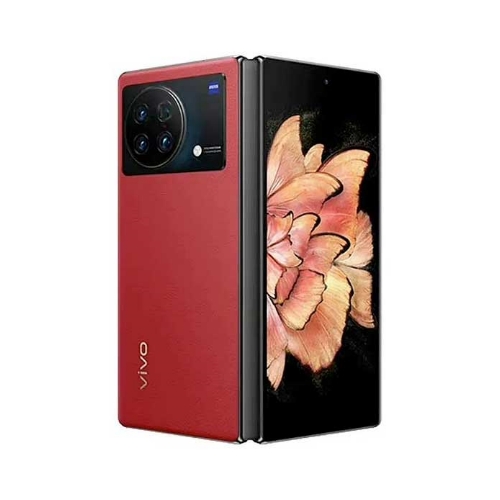
Vivo X Fold 2

The Vivo X Fold 2 is a horizontal folding smartphone. It has a 6.56-inch main exterior display bearing a resolution of 2,520 x 1,080 pixels. The interior screen is 8.03 inches with a resolution of 2,160 x 1,916 pixels. Both displays feature an AMOLED panel with a 120Hz refresh rate, HDR10+ support, up to 1,800 nits peak brightness, and an integrated 3D ultrasonic fingerprint scanner.

Dimension-wise, the Vivo X Fold 2 measures 161.3×73.4×13mm (6-6.7mm when unfolded) and weighs 280 grams. Vivo says that the hinge is equipped with the brand’s self-developed FS54 aviation-grade material making it ultra-durable and lightweight. The foldable device has a Flex Mode that lets users prop the device up for hands-free calling, video playback, and photography.

The Vivo X Fold 2 has a circular camera module on the back panel. The setup comprises a 50MP OIS-enabled main sensor coupled with a 12MP ultra-wide and 12MP telephoto lens. Both the interior and exterior screens have a 16MP selfie snapper located in the center-aligned punch-hole cutout. There is also a V2 chip onboard for enhancing imaging capabilities.

Under the hood, the Vivo X Fold 2 is the world’s first foldable phone powered by a Snapdragon 8 Gen 2 processor. It packs 12GB LPDDR5X RAM and  256GB or 512GB UFS 4.0 storage options. The foldable phone is backed by a 4,800mAh battery unit with support for 120W wired and 50W wireless charging. There is a VC liquid cooling system for heat dissipation. Software-wise, the device runs on OriginOS 3 based on Android 13 out of the box.

Vivo X Fold 2 pricing and availability 

The Vivo X Fold 2 starts at RMB 8,999 (~$1,307) for the base 12GB + 256GB variant. The 12GB + 512GB model costs RMB 9,999 (~$1,453). The device is up for pre-orders in China with sales commencing from April 28th. The foldable phone is offered in China Red, Azure Blue, and String Shadow Black colours.

WHERE TO BUY
Buy Vivo X Fold 2 at $1599 @Giztop

Related: 

Google Pixel Tablet Storage And Color Options, Pricing Tipped Ahead Of Launch

At Google’s upcoming annual I/O Developer conference, the search giant is expected to announce the Pixel Tablet. Google has already confirmed a few details about the upcoming device in the past. There have also been leaks revealing key specifications of the device. Now, the Pixel Tablet’s pricing, storage, and color options have been tipped. 

Google Pixel Tablet storage and pricing tipped

As per Roland Quandt, the Google Pixel Tablet will be available in 128GB and 256GB storage variants. It will be offered in Porcelain and Haze color options. The tablet is tipped to carry a price tag between €600-650 in Europe for the base 128GB option. It’s unclear if the rumored prices will include the docking station. 

Google has already confirmed that the Pixel Tablet will come with a charging dock for wirelessly charging the tablet and it will also double up as a smart home speaker. It will feature a premium nanoceramic finish chassis and thick bezels around the display. The tablet is confirmed to be powered by the search giant’s Tensor G2 chipset. 

As per leaks, the Google Pixel Tablet will feature an 11-inch display bearing a resolution of 1,600 x 2,560 pixels. The FCC certification of the device revealed Bluetooth, WiFi, and Ultra-wideband connectivity. It will reportedly pack 8GB RAM. Additionally, another certification revealed 18W fast charging support for the tablet and 30W for the charging dock. 

We expect to know more about the Google Pixel Tablet in the coming days leading up to the launch event.

Related:

ChatGPT can potentially leak confidential information and personal data, says Report

ChatGPT and other Generative Artificial Intelligence (AI) pose a long-term threat to society as they have the potential to leak confidential and sensitive personal as well as corporate data.

According to the recent report by Team8 an Israeli firm that specializes in cybersecurity, data, and fintech; when enterprises adopt Generative AI technology they may open up the possibility of leaking sensitive and private consumer and business information like intellectual property, confidential information, source code, and trade secrets.

The report further states that there is a high chance of data being shared with third parties more frequently and unpredictably, owing to GenAI’s widespread acceptance and its integration with third-party applications.

Apart from data leakage, Generative AI may also be used by threat actors for malicious purposes, such as phishing attacks, social engineering, fraud, and other malevolent activities. Moreover with Generative AI, writing malware will become easy and more prevalent.

The report has also emphasized the potential risk posed by third-party applications using a Generative AI app, which could enable unauthorized access to email and web browsers. In the event of such a compromise, an attacker could carry out actions on behalf of the user. 

These risks underscore the significance of taking necessary precautions while integrating Generative AI, such as prioritizing security and privacy considerations and conducting a thorough assessment of the possible implications before deployment.

Solutions to mitigate the risks posed by Generative AI

The report also provides some solutions for enterprises that are working with Generative AI. To manage the risks associated with GenAI, identifying the pertinent risks and comprehending their potential impacts on the organization is a must. 

Additionally, choosing the right Generative AI providers who provide customized security and policy options to their customers, such as data retention and opt-out choices, can also prove beneficial. Furthermore, assessing potential on-premise alternatives may prove useful.

What is Generative AI?

Generative AI, also known as generative artificial intelligence, is an AI technology that can produce text, images, or other media in response to given prompts. These systems use generative models, including large language models, to generate data that is new and unique.

Unlike conventional AI which primarily concentrates on tasks such as identifying patterns, refining analytics, categorizing data, and detecting fraud, the primary function of Generative AI is to generate novel content, chat responses, designs, synthetic data, and even deep fakes. 

According to the management consulting company Gartner, 10% of all created data will be produced by generative AI by the year 2025. Some of the best examples of Generative Ai include the famous ChatGPT made by OpenAI, Midjourney, Copy.ai, Microsoft Bard, etc.  

Related:

(source)

Xiaomi to Launch TV Box S 4K Globally with Google TV and Improved Remote

Many of us know Xiaomi from its smartphones, but the company actually has a wide range of products. They have a presence in a variety of industries, from smart kitchen gadgets to electric vehicle systems. One notable product is their TV Box and TV Stick models, which are designed to transform old televisions into smart TVs. Recently, Xiaomi unveiled the second-generation 4K TV Box S model. Initially released in China, this device is now making its way to the global market with a notable update. Here are the details…

Xiaomi to Launch TV Box S 4K Globally with Google TV and Improved Remote

Introduced in 2016, the Xiaomi TV Box has been a part of our lives for quite some time. The company has achieved great success with this device, which it has kept up-to-date with small improvements, effectively extending the life of many older televisions (proven through experience). In 2018, Xiaomi launched the Mi Box S, which has remained its flagship offering on the global market. Now, Xiaomi has decided to finally offer the TV Box S 4K, which was introduced in China a while ago, to its global customers. The product has already appeared on the company’s official website shortly before its launch.

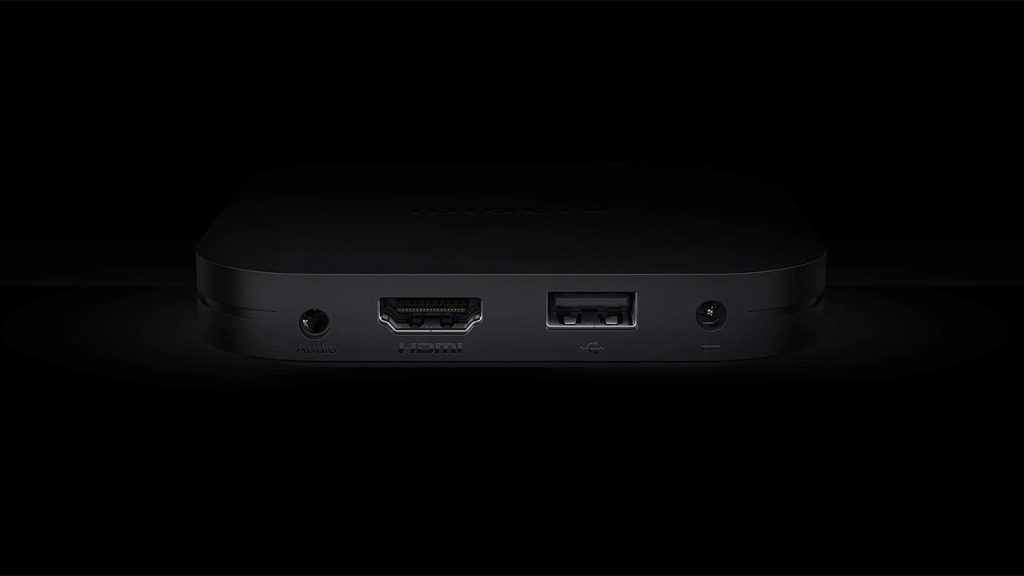
Although the release date and price of the device are not yet known, the product page gives us an idea of what to expect from the Xiaomi TV Box S 4K. Here are some notable features of the device:

SpecificationDetails
DimensionsLength: 95.25mm, Width: 95.25mm, Thickness: 16.7mm, Weight: 142g, Color: Black
Output Resolution4K (3840 x 2160)
CPUQuad-Core Cortex-A55
GPUARM Mali G31 MP2
RAM2GB
ROM8GB
Operating SystemGoogle TV
Wireless ConnectivityWi-Fi: 2.4GHz/5GHz, Bluetooth: 5.2
Video DecoderUp to 4K 60FPS, Supports Dolby Audio® and DTS-HD, Supports Dolby Vision®, Supports HDR10+
Support LanguageGlobal
SocketHDMI 2.1: 1, USB 2.0: 1, Power interface: 1, Audio output: 1
PackagingXiaomi TV Box S (2nd Gen): 1, Remote control: 1, User manual: 1, Power adapter: 1, HDMI cable: 1
ProcessorQuad-core Cortex-A55 chip, likely Amlogic S905X4
AudioSupports Dolby Atmos

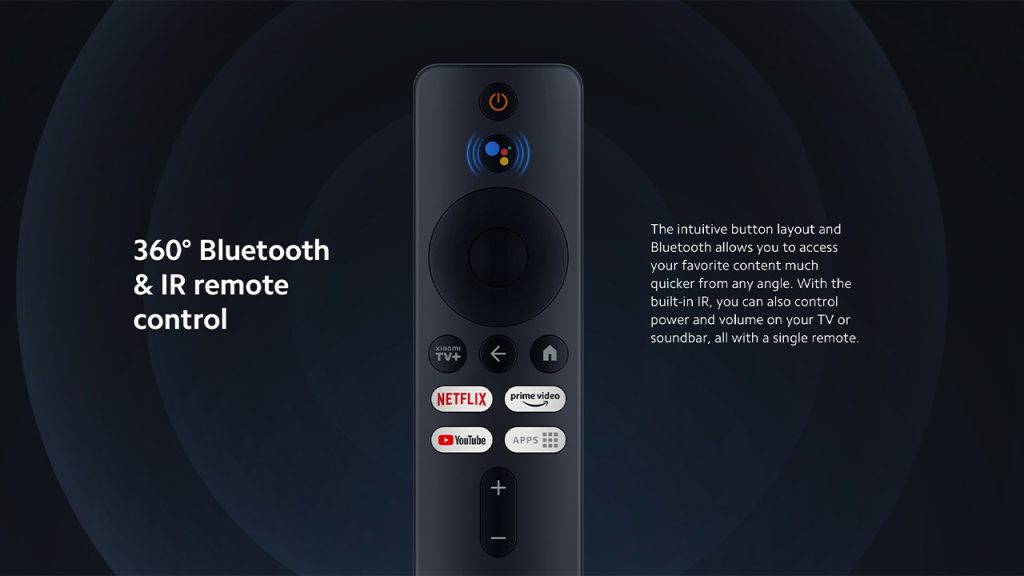
Xiaomi TV Box S 4K, which is similar to the Mi Box S released in 2018 in many ways, differs in two key points. The first difference is that it will come with Google TV instead of Android TV, which is different from previous models. This change will not make a significant difference for users, but it promises a better interface and a more comprehensive operating system. The second difference is the remote control. Many of us are accustomed to Xiaomi’s remote control that supports Bluetooth and IR control. In the new model, there are more shortcuts and a Xiaomi TV+ button. This is an important change as the number of streaming platforms is rapidly increasing nowadays.

RELATED:

TSMC eyes $15 billion incentive from US, but it has its own conditions

TSMC is reportedly skeptical about certain conditions that the US has attached in its multi billion dollar incentive package. The company aims to receive the sizeable incentive but it wants to get it with some changes on these conditions.

For those unaware, the Taiwan Semiconductor Manufacturing Company is the world’s largest contract chipmaker and is seeking to establish an advancing semiconductor production line in the US. This move arrives as the US aims to offer subsidies to chipmakers for setting up their chip production facilities in the region. But while there is a whopping 15 billion US Dollars subsidies, the semiconductor giant is worried about the conditions that come with this incentive.

TSMC

The company has already tripled its planned investment into its new Arizona plant, which is now hit the 40 billion US Dollar mark. But, it is concerned regarding certain conditions, which are related to the profit share from its operations within the US. The incentive being offered to TSMC requires the company to share profits from the factories. Sources close to the matter added that the rules also require it to provide detailed information regarding its operations as well.

Unfortunately, the chipmaker has yet to respond to any comments regarding this matter. Based on what we know so far, the company’s Arizona plant will be responsible in producing advanced 3nm process based chips. TSMC also claimed that this site would be capable of making 20,000 wafers every month. So sticka round for more updates regarding this matter.

RELATED:

Dell Latitude 9440 14″ 2-in-1 premium business laptop hits US store shelves

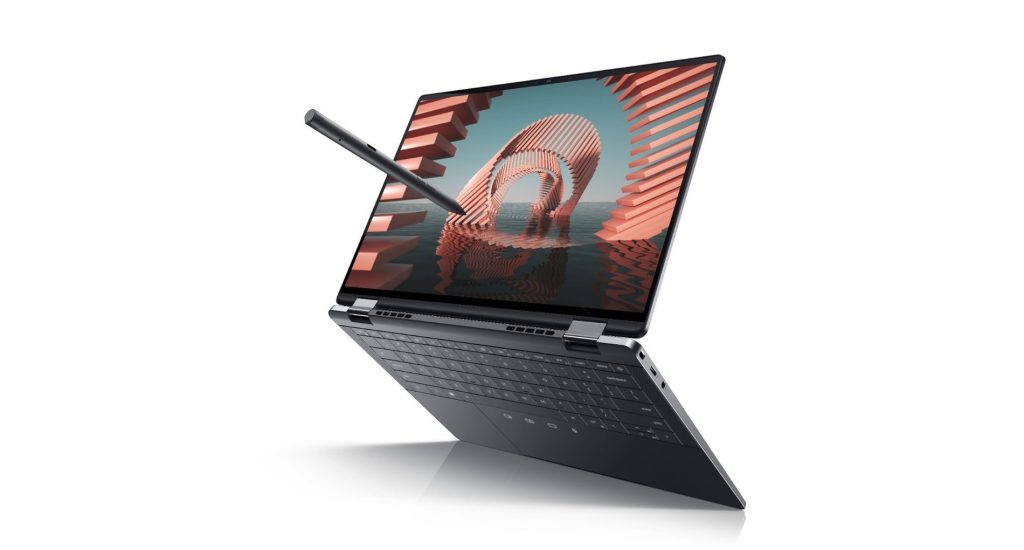
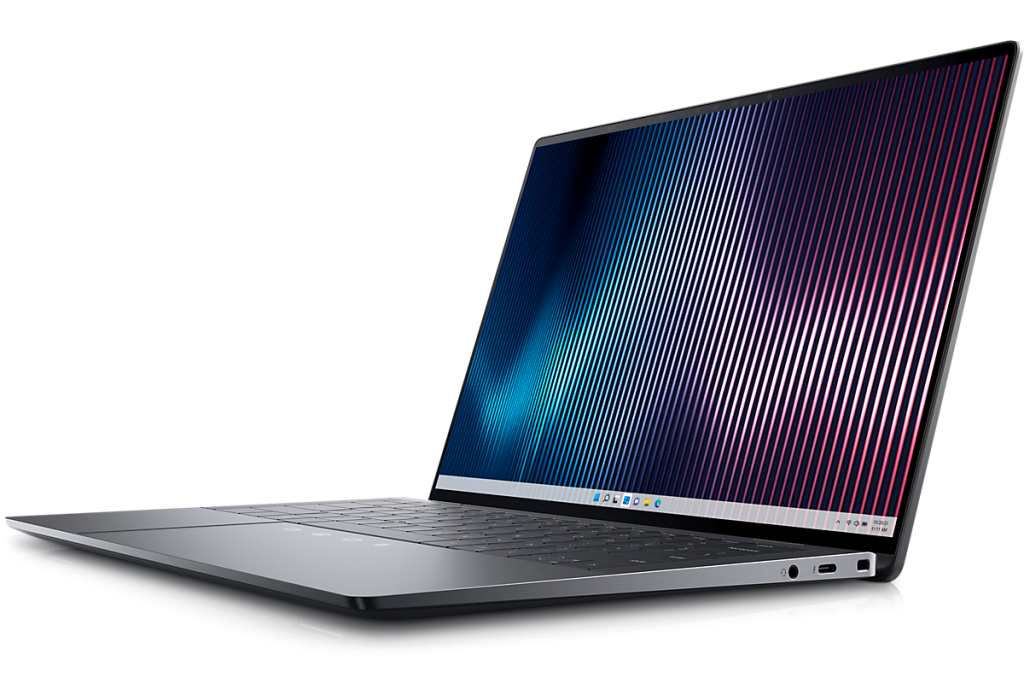
Dell has recently announced the release of its latest Latitude 9440 2-in-1 business laptop to the US market. The Latitude 9440 boasts a high-end and durable design that meets MIL-STD-810H standards, making it a reliable option for businesses looking for a laptop that can withstand daily wear and tear. The chassis of the laptop is made with 75% recycled aluminum and features a sleek graphite finish with diamond-cut edges, giving it a professional and sophisticated look.

Dell Latitude 9440

The laptop has a 14-inch display, while the chassis itself is only 13 inches thanks to its InfinityEdge QHD+ display. It is designed for comfortable use over extended periods, with a keyboard that features wider keys and zero lattice, as well as an increased angle and easy tactile separation due to its architecture. The keyboard also has a mini-LED backlit design that minimizes power usage by up to 75%, resulting in improved battery life by up to 3 hours.

Dell

One of the most innovative features of the Latitude 9440 is its haptic collaboration touchpad, which is the first of its kind in the world. The touchpad has customizable haptic feedback and is designed for seamless conference and video calls. It features backlit icons set right into the large touchpad for common Zoom shortcuts such as camera/mic toggles. These icons are active and rated for audible haptic feedback, making it easy for users to navigate during video calls. The laptop also has an FHD IR webcam accompanied by quad speakers with “intelligent” tuning for audio in meetings, as well as AI-enhanced noise cancellation.

Dell Latitude 9440

The Latitude 9440 comes with a choice of the Core i5-1345U or i7-1365U with vPro as options, with the base model featuring a plain i5-1335U, 16GB of RAM, and 256GB of SSD storage. However, with its high-end features, even the base model is priced at US$2,369. Customers can order the laptop with either Windows 10 Pro or 11 Pro, with the former being more expensive by around US$79.

RELATED:

(Source)

Apple iPhones owners are being locked out of their stolen phones by thieves

Apple has typically placed an emphasis on the security on its various products. However, it appears that thieves have managed to turn an integral security feature on the iPhone, against the victims who had their phone stolen. Here’s how its being carried out.

Thieves can turn Apple’s iPhone security feature against you

These thieves are breaking into stolen iPhones and after stealing the victim’s money, they block out the actual owners from their stolen iPhones. An example of this was highlighted in an Wall Street Journal report earlier this week. The report talked about iPhone owner Greg Frasca, who has been locked out of his iPhone since October from last year. Greg told Wall Street Journal that he is ready to fly all the way down to Apple’s headquarters in Cupertino to prove his identity and that the iPhone is actually his.

Apple

Frasca further added that he is even willing to pay a massive sum of 10,000 US Dollars to get back control of his iPhone since it contained 8 years of photos of his daughter. And unfortunately, this isn’t an isolated event and there are others that have been hit with this security exploit. In the case of Frasca, the thieves had stolen his iPhone 14 Pro and used his passcode to change his Apple ID password. Following this, the thieves even enabled the recovery key to prevent him from accessing his iPhone remotely.

For those unaware, the iPhone maker introduced the recovery key feature back in 2020 and it is a randomly generated 28 digit key. One needs to provide this recovery key to gain control of their Apple ID password. However, if a hacker of thief has your password, they can use this security feature against you. This practically leaves you with no method of recovering that account. According to an Apple spokesperson, “We sympathize with people who have had this experience and we take all attacks on our users very seriously, no matter how rare. We work tirelessly every day to protect our users’ accounts and data, and are always investigating additional protections against emerging threats like this one.”

RELATED:

Poco F5 confirmed to come with 256GB storage as standard in India

The Poco F5 is expected to go official very soon. We have been hearing a lot about this smartphone for the past few days, courtesy of leaks and certifications.

The brand’s Indian head has also started teasing the product officially without revealing the name. Earlier this week, he seems to have confirmed the memory configurations for this upcoming device.

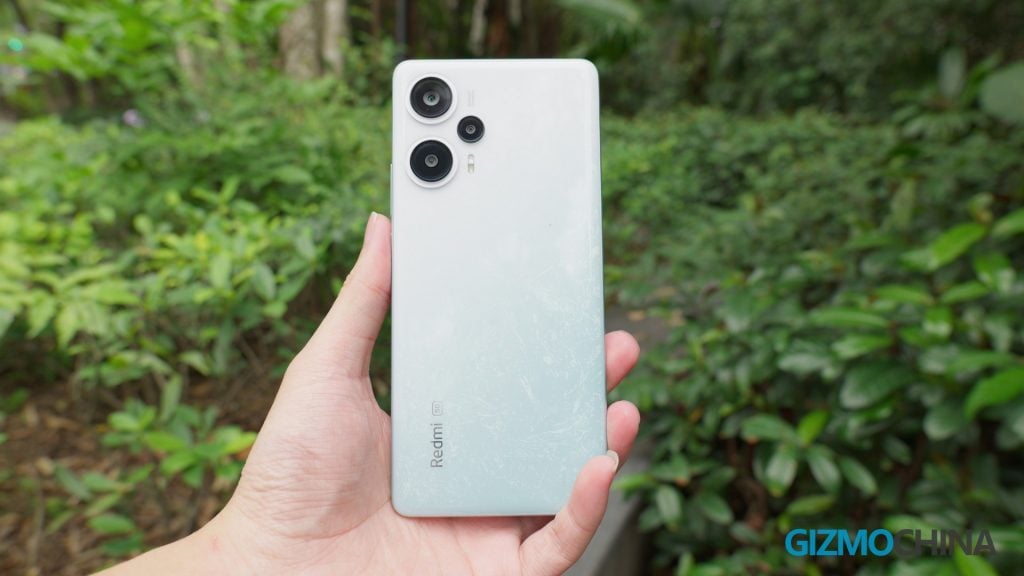
Redmi Note 12 Turbo
Redmi Note 12 Turbo

A few days back, Himanshu Tandon, the country head of Poco India, disclosed that their next product will be launched in 8GB + 256GB and 12GB + 256GB variants. In other words, it will come with 256GB storage as standard in India at least.

Today, the executive hints at their forthcoming device to be Poco F5 by describing the phone in five words that start with the letter ‘F’. As per him, this smartphone is fast, finetuned, fearless, fantastic, and futuristic.

The memory variants confirmed by the Poco executive go in line with a leak from last week. The old leak also revealed the handset to arrive in three colors, such as black, white, and blue.

The forthcoming Poco F5 is a rebranded Redmi Note  12 Turbo. Hence, we know everything about it

The phone will arrive with a 6.67-inch 12-bit FHD+ 120Hz OLED display, a Qualcomm Snapdragon 7 Plus Gen 2 chipset, an OIS-assisted 64MP main camera, dual stereo speakers, a side-mounted fingerprint sensor, MIUI 14 based on Android 13, a 5,000mAh battery, and 67W fast wired charging support.

The Poco F5 will be accompanied by Poco F5 Pro (rebranded Redmi K60) in some markets. The pro model will most likely not release in India.

RELATED:

Microsoft reportedly working on ARM-based Surface Go 4 and a new 11-inch Surface Pro

Microsoft is reportedly working on new Surface devices that are expected to be released later this year. The most anticipated device is the new Surface Go 4 codenamed Tanta, which is set to feature an ARM processor for the first time.

According to sources, the entry-level model will be equipped with a Snapdragon 7c-based SoC, providing similar performance to its predecessor but with better power efficiency for longer battery life. The new SoC may also allow Microsoft to include 5G capabilities in the Surface Go for the first time, though this has not been confirmed.

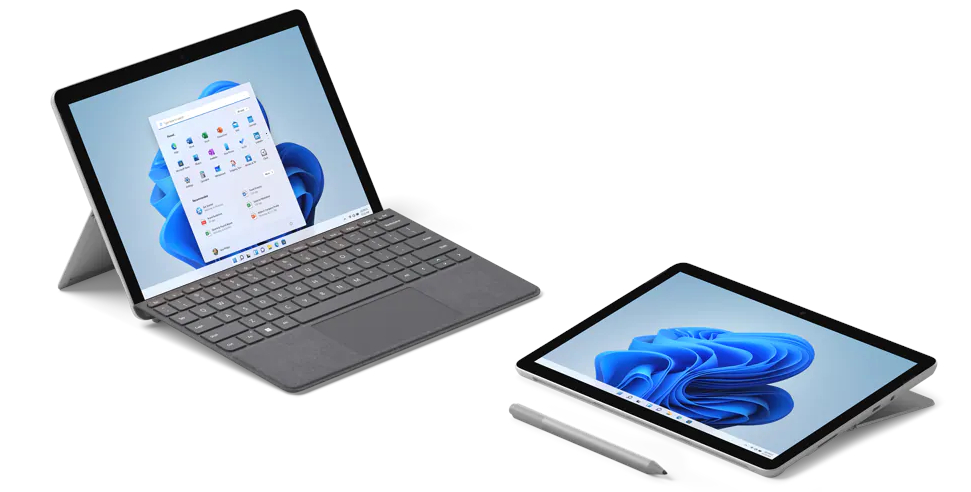
Microsoft Surface Go 3

The Surface Go 4 is expected to have minor design changes, but will still maintain a similar-sized footprint to its previous models. An Intel variant is also expected to be available for those who prefer it.

In addition to the Surface Go 4, Microsoft is said to be working on a new Surface Pro in two sizes, following in the footsteps of Apple’s iPad Pro. Alongside the typical 13-inch Surface Pro, Microsoft is building a new 11-inch Surface Pro, codenamed Luxor. This device will have a similar shape and size to the Surface Go but with slimmer bezels like its larger sibling. The 11-inch Surface Pro will be more powerful, featuring a 120Hz display, and will have a higher price point than the Surface Go.

Windows 11 recently received an update with a new tablet mode that works better on devices with smaller screens. More tablet optimizations are expected to be added to Windows in the future.

The release dates for the new Surface Go and Surface Pro are still uncertain, but they are unlikely to be shipped before this fall, according to sources. Microsoft had initially planned to release the new Surface Go this spring, but that plan has been changed. Additionally, the release of the next Surface Pro by Microsoft is dependent on the availability of Qualcomm’s new Nuvia chips.

RELATED:

(Source)

Apple may bring another Periscope Lens supplier for its iPhone 15 Pro Max

Apple is apparently planning on bringing on another supplier for its upcoming iPhone 15 Pro Max. The company is adding another supplier to help source the new periscope camera lens on its next gen flagship. So here are all the details.

New Apple supplier will make iPhone 15 Pro Max’s 6x zoom lens

For those unaware, the Cupertino based giant’s iPhone 15 Pro Max is expected to launch with a periscope camera sensor, which is basically a telephoto lens that reflects light via an angled mirror towards the camera’s image sensor for improved magnification. Thanks to the change in direction of light, the iPhone 15 Pro Max is capable of offering higher magnification without any blurriness or fall in picture quality.

Apple

Based on our previous report, we can expect see up to 5x or 6x optical zoom on the company’s next gen premium iPhone. For those unaware, this is about two times higher than the 3x optical magnification offered on the current gen iPhone 14 Pro Max. Initial reports have hinted that Largan Precision would be the sole supplier of the periscope system, but a new report suggests that the Genius Electronic Optical (GSEO) will be the new supplier of the module.

GSEO had previously shipped periscope lenses to a Japanese smartphone maker. Now, known Apple analyst Ming-Chi Kuo claims that the iPhone 16 Pro models in 2024 will use a periscope lens similar to the one that is exclusively used on the iPhone 15 Pro Max. Keep in mind that this is still just an unconfirmed report so take this news with a pinch of salt for now.

RELATED:

(Source)

Redmi X 85 inch Smart TV with 4K 120Hz support goes on sale in China

Earlier today (20th April 2023), the new Redmi X 85 inch Smart TV was launched in the brand’s home market of China. The new smart TV model went on sale in the region and arrives with some notable specs and features. So let’s have a look.

Redmi X 85 inch Smart TV offers a 4K 120Hz Display

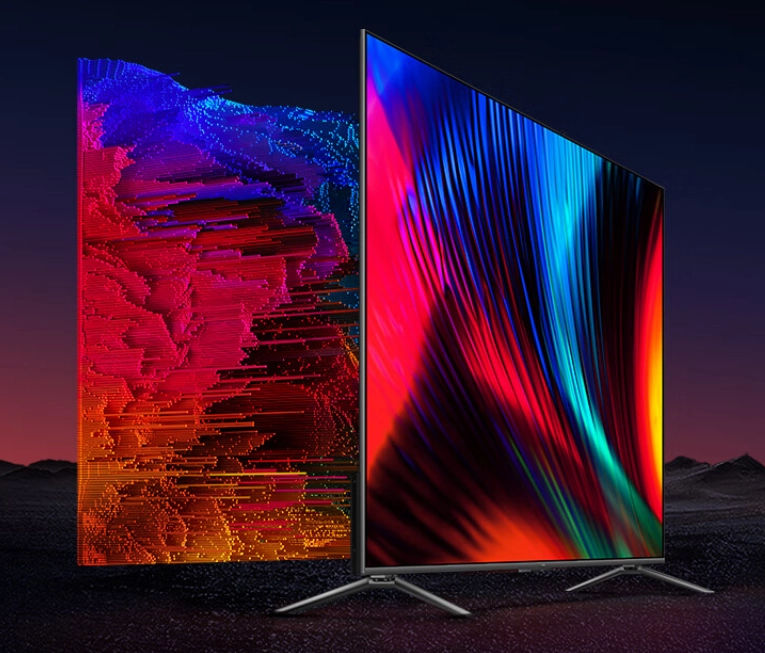
Redmi

As the name suggests, the new Redmi X sports a tall 85 inch panel that offers 120Hz refresh rate and 4K resolution. The company placed an emphasis on picture quality and even offers MEMC technology that helps reduce jitters, smears, and other tearing during high speed motion. In other words, it offers clearer and smoother visuals overall. Notably, the Chinese tech giant’s latest smart TV also offers great color calibration with the display offering around 1.07 billion colors.

Under the hood, the new Redmi X 85 inch Smart TV is powered by a quad core processor that enables it to offer 4K HDR decoding. This chipset is paired with 3GB of RAM and 32GB of internal storage. For audio, the smart TV is equipped with two 10W high fidelity speakers and also arrives with DTS HD high quality resolution and more. This model comes with XiaoAi built in assistant for voice controls and other functionalities.

Redmi

Since its a smart TV, users can even project the display on screen projectors, smartphones, tablets, computers, and more. Other notable features include, dual band WiFi, USB type 3.0 port, and two HDMI ports as well. The Redmi X 85 inch Smart TV is currently on pre sale in China via JD.com for a price tag of 4,999 Yuan. Although, there is an introductory discount of 500 Yuan.

RELATED: