Advertisement

NVIDIA’s GeForce RTX 4070 May Cost $200 Less Than RTX 4070Ti

GPU enthusiasts have been eagerly waiting for NVIDIA to drop the RTX 4070 GFX cards, and as per the latest reports, their pricing points have just been unveiled. NVIDIA might finally look to find some common ground with its customers, since the RTX 4070 will reportedly be priced at $599, as compared to its big brother, the RTX 4070Ti, which is priced at $799.

NVIDI RTX 4070

At $599, the RTX 4070 is definitely more wallet-friendly than the RTX 4070 Ti, which had an initial price tag of $899. The Ti model was originally called RTX 4080 12GB, but after some backlash from the gaming community, NVIDIA decided to pull the card from the market. It was later rebranded and released for $799 a few weeks later.

The GeForce RTX 4070 is expected to have the same 192-bit 12GB GDDR6X memory subsystem as the GeForce RTX 4070 Ti, but with fewer active CUDA cores. It is unclear how well the GeForce RTX 4070 will perform as a graphics card, but it is definitely good to hear that its price point is lower than the 4070 Ti.

Interestingly, the RTX 4070 pricing seems to be on par with that of the RTX 3070 Ti, which has remained fairly consistent even after 1.5 years since its launch in June 2021. At $599, the Graphics Card would be a great option for those who are looking to upgrade to a high-performance card to support AAA titles, even for the next couple of years or more. Making PCs future-proof is a thing of the past. Even the most high-end computers of today may struggle to run the latest software and games in the future. Additionally, emerging technologies such as virtual reality, artificial intelligence, and machine learning require significant processing power and specialized hardware that may not be available in current PCs. Furthermore, as new technologies continue to emerge, it is likely that they will require even more powerful hardware, rendering current systems obsolete. With the stabilizing prices of GPUs, one can at least be reassured that it won’t break the bank while spending on a new GPU upgrade in the future.

RELATED:

(Via)

Acer launches 55″ & 65″ W Series 4K OLED smart TVs in India

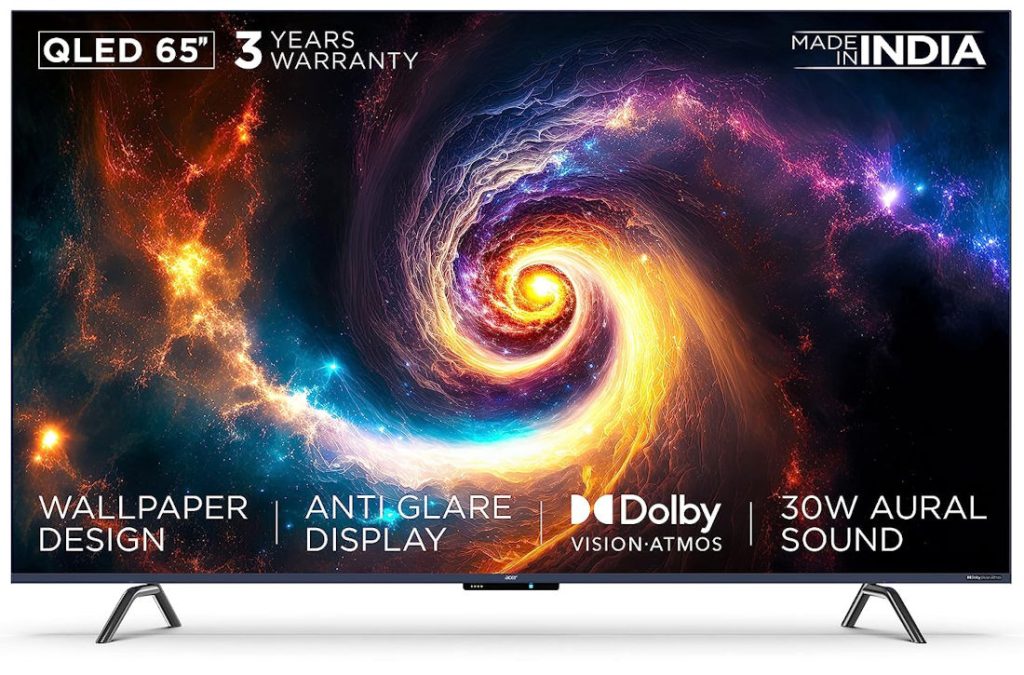
Acer has expanded its range of Android Smart TVs in India with the launch of its latest W Series 4K Ultra HD QLED Smart Android TV. This top-of-the-line television is available in two sizes, 55-inch and 65-inch, and boasts a range of advanced features and technologies that deliver an exceptional viewing experience.

Acer

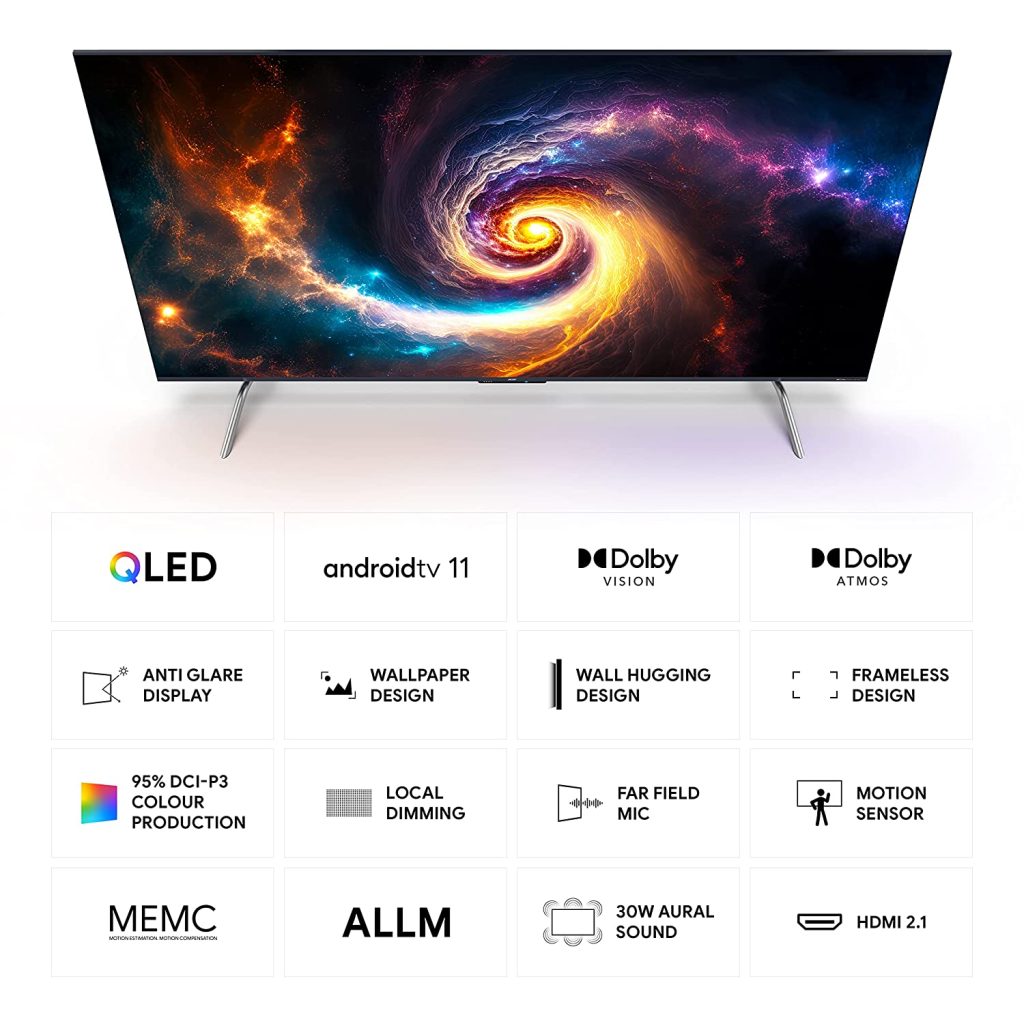
One of the standout features of the Acer W Series is its QLED panel, which ensures accurate and vibrant colors, making it a great choice for movie and sports enthusiasts. The Super Anti-Glare technology ensures that the display remains visible even in bright environments, making it ideal for use in any room of the house.

The TV also delivers impressive sound quality, with 30W Aural sound and Dolby Atmos support, while its MEMC and ALLM features provide smooth and seamless playback.

Acer

In terms of design, the Acer W Series features a stylish frameless, edge-to-edge display that gives it a modern, high-end look. It also comes with a full-motion slim wall mount that secures it to the wall and enhances its sleek appearance.

The TV runs smoothly and efficiently thanks to its 64-bit quad-core processor, 2GB RAM, and 16GB storage. It also offers a range of smart features and functionalities, including Certified Android TV 11, Google Apps, Far Field Mic, a Motion Sensor, and a Voice-controlled Smart Remote.

The Acer W Series is priced competitively, with the 55-inch model starting at Rs. 69,999 and the 65-inch model starting at Rs. 89,999. Both models are now available for purchase on various e-commerce platforms such as Flipkart and Amazon.in.

RELATED:

Redmi Note 12 Turbo sets record sales in its price segment on first sale

On March 28, Redmi unveiled the much-anticipated Redmi Note 12 Turbo in China. Today, the smartphone was officially released for sale at 10:00 (local time) this morning in the home market. One of the major highlights of the smartphone is that it is the world’s first phone to feature the Snapdragon 7 Plus Gen 2 chipset. Redmi released the first sales report shortly after opening sales of the Note 12 Turbo today. The report stated that it has become the best-selling model in the 2,000–3,000 Yuan price segment of the three major e-commerce platforms in the country.

Within five minutes of becoming available for purchase, the Redmi Note 12 Turbo broke the 2019 full-day sales record and became one of the most popular models of the year. The Note 12 Turbo got off to a fast start because of its low price and well-balanced design.

The Redmi Note 12 Turbo comes in multiple variants, such as 8GB RAM + 256GB storage for 1,999 Yuan (~$290), 12GB RAM + 256GB storage for 2,199 Yuan (~$320), 12 GB RAM + 512 GB storage for 2,399 Yuan (~$350), and 16 GB RAM + 1 TB storage for 2,799 Yuan (~$405).

The Redmi Note 12 Turbo also boasts a 6.67-inch OLED straight screen with a resolution of 2400 x 1080 pixels and supports a 120Hz refresh rate. It comes equipped with an under-display fingerprint scanner. The device runs on MIUI 14-based Android 13.

The Note 12 Turbo packs a 5,000mAh battery with 67W fast charging. For photography, it features an OIS-enabled 64-megapixel triple camera unit and a 16-megapixel front-facing camera. The SD7+Gen2 comes equipped with LPDDR5 RAM and UFS 3.1 storage.

The Note 12 Turbo is expected to debut as the Poco F5 in markets outside of China.

RELATED:

E3, One of the World’s Biggest Game Launch Events Cancelled for 2023

E3, or the Electronic Entertainment Expo, is an annual trade event for the video game industry. It is typically held in Los Angeles, California and is known for showcasing the latest and greatest in gaming hardware, software, and accessories. The event features press conferences, product announcements, hands-on demos, and networking opportunities for industry professionals, journalists, and enthusiasts. E3 has been a major event in the gaming industry since its inception in 1995 and continues to be a highly anticipated event each year. Where the event was home to one of the biggest title launches in the past, it has been cancelled for 2023 – a move that gaming enthusiasts saw coming but it’s still quite unfortunate.

The cancellation of E3 seemed imminent when last week, Ubisoft dropped out of the expo as well. This move came after video game giants such as Microsoft and Nintendo withdrew from the event as well. Most of these companies are planning to host their own launch events around the same date. In fact, Ubisoft’s very own launch event, Ubisoft Forward Live, is scheduled for the 12th of June this year, which clashes with E3’s date (if the event was still being held).

The COVID-19 pandemic had a significant impact on game launch events (E3 being one of them). In 2020, E3 was cancelled altogether due to concerns over the spread of the virus. Instead, many game companies opted to hold digital events to announce and showcase their upcoming products. This trend continued in 2021, with E3 transitioning to an online-only format. While digital events allowed for wider accessibility and reach, they lacked the in-person interactions, excitement and experiences that were traditionally associated with gaming events. As a result, some companies chose to host their own independent events or participate in smaller, localized expos. It is quite clear that the pandemic forced the gaming industry to adapt and experiment with new ways of presenting and promoting their products, and it remains to be seen how this will continue to shape the future of game launch events.

RELATED:

(Via 1, 2)

Lenovo Yoga 7 14 & 16 inch laptops launched with Ryzen 7000U processors

Lenovo has announced the launch of new upgrades to its popular Yoga series of laptops. In addition to the previously released Yoga 7i 14- and 16-inch versions with Intel Raptor Lake processors, Lenovo is now introducing the Yoga 7 with AMD Ryzen 7000 parts. The new Yoga 7 series offers impressive display options, up to a 16:10 2.8K multi-touch OLED panel with a 90 Hz refresh rate, 400 nits brightness, and Dolby Vision support. However, this high-end display option is only available on the 14-inch version.

The Yoga 7 (14, 8) also has optional configurations for a 1920 x 1200 60 Hz OLED and a 2240 x 1400 60 Hz 300 nits LCD panel. Meanwhile, the Yoga 7 (16, 8) offers a standard 1920 x 1200 300-nit LCD, unlike the Intel variant, which provides both FHD+ and 2.5K LCD options.

The Yoga 7 14 and Yoga 7 16 come with AMD Ryzen 5 and Ryzen 7 7000U CPU options, offering up to 16 GB LPDDR5-6400 RAM and up to 512 GB of storage. Regarding connectivity options, the Yoga 7 (14, 8) includes a USB 3.2 Gen1 Type-A and 2x USB-C ports, along with an HDMI 1.4b-out. The Yoga 7 (16, 8) sports just one USB-C port instead of two, but Lenovo specifies that it offers USB4 Gen 3 speeds, DisplayPort-out, and Power Deliver 3 support. Both variants come with Wi-Fi 6E networking and Bluetooth 5.2.

Other features of the Yoga 7 series include 2×2 W speakers with Dolby Atmos, an FHD IR webcam with a privacy shutter, and a 4-cell 71 WHr battery. The Yoga 7 (14, 8) will be available in Storm Grey and Tidal Teal colors from May 2023, starting at €999. The Yoga 7 (16, 8) will also be available from May 2023, with prices starting from €1,099.

RELATED:

Vivo X Fold 2 unboxing video appears to reveal design in fully glory

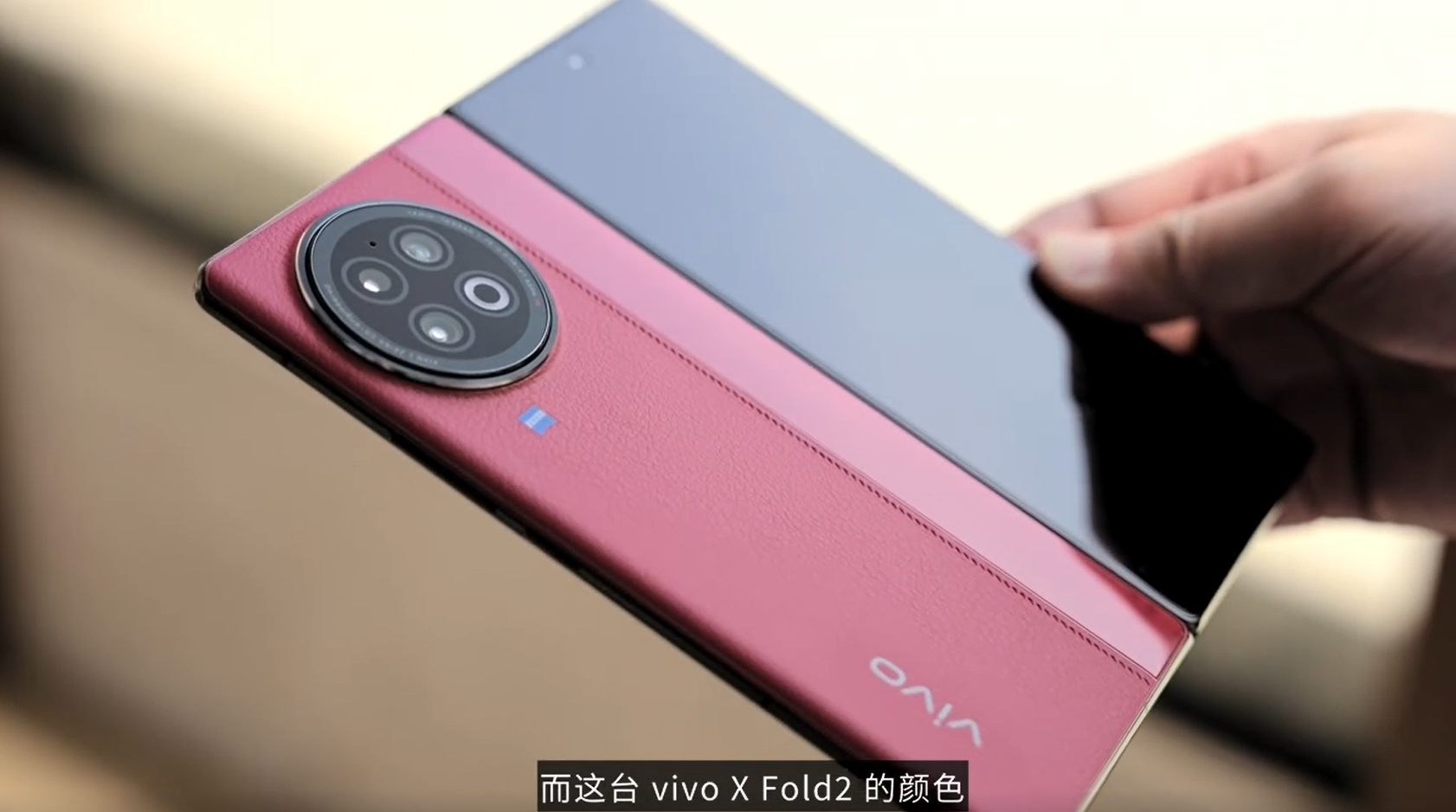
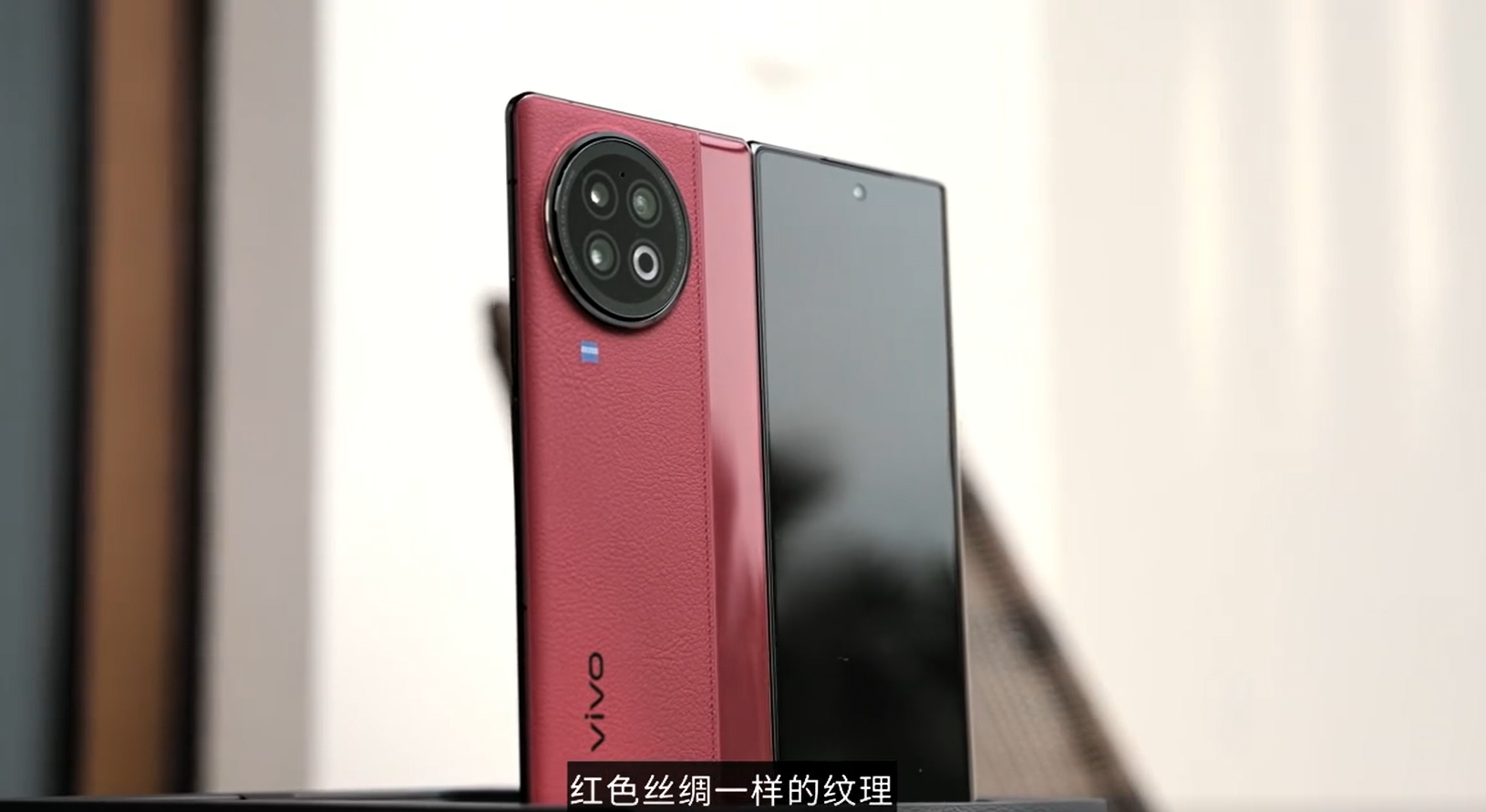
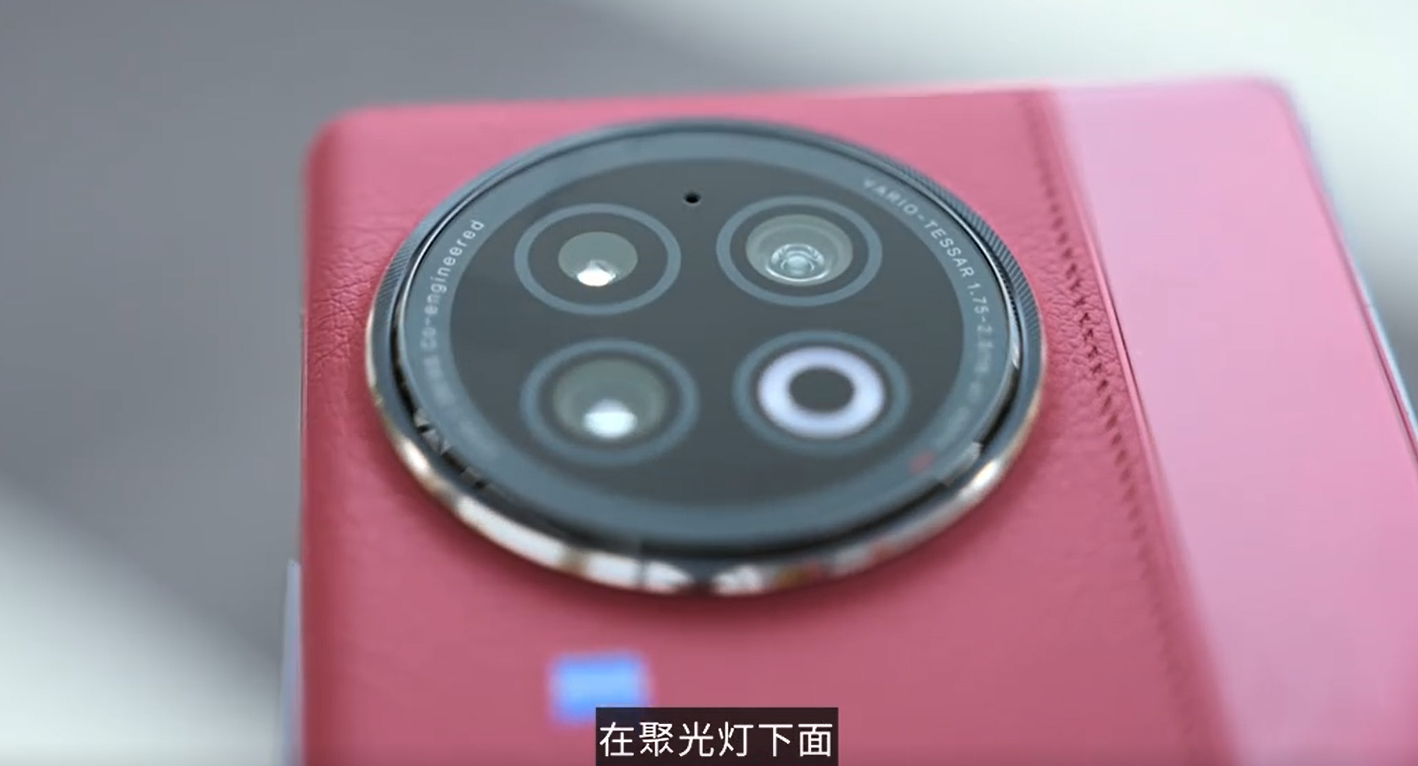
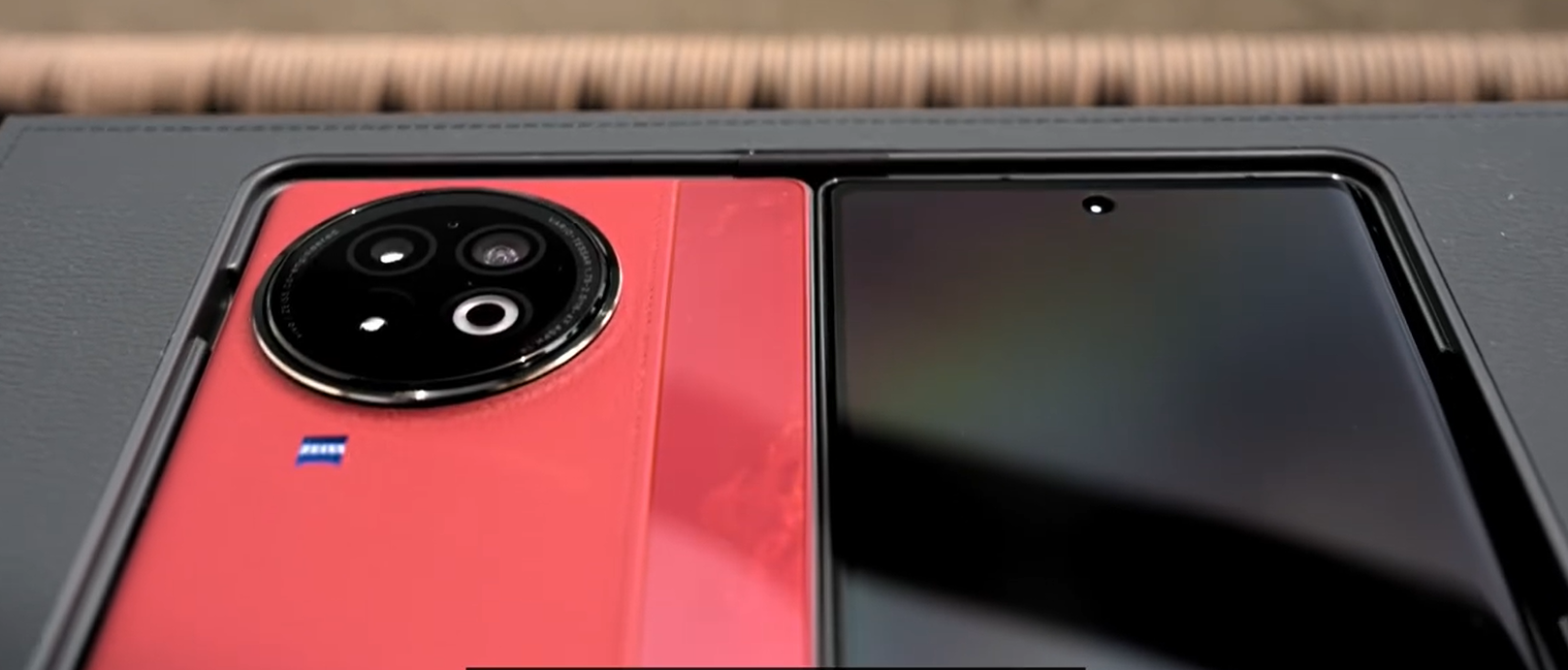
A Chinese vlogger who goes by the account name Flypig on Weibo has released an unboxing video of the upcoming Vivo X Fold 2, which is being showcased at the 2023 Boao Forum in China. The unboxing video has revealed the design of the foldable phone from all angles. Here is a look at some screengrabs from the unboxing video.

As can be seen, the red-colored back panel of the Vivo X Fold 2 has a dual-tone look. The portion housing the round camera module, ZEISS branding, and Vivo logo has a leather finish, while the remaining part has a glossy appeal.

The X Fold 2’s camera module houses three cameras and a ring LED flash. The cover display has a centrally positioned punch-hole and a curved edge. The right spine of the device has a volume rocker and a power key. Its upper edge has a speaker and a microphone, whereas a speaker, a microphone, a USB-C port, and a SIM slot can be seen on the bottom.

The Vivo X Fold 2 has an ultrasonic fingerprint scanner built into both the front and inside screens. The Vivo X Fold and X Fold+ that have launched in the past weighed 311 grams. One of the screenshots showcases the thickness of the X Fold 2. It appears that the new device will be a lot thinner than the previous models.

The Vivo X Fold 2 is going to launch in April in China. Alongside it, the company will unveil the Vivo X Flip, a vertically foldable phone, and the Vivo Pad 2 tablet. It appears that the company will confirm the launch date of these products in the coming week. Readers can visit the following links to learn more about the specifications of the X Fold 2.

RELATED:

(source)

Abxylute Android Gaming Handheld launched, Costs less than $200

Abxylute, a fresh entrant in the gaming handheld industry, has recently released its first gaming console after showcasing it in a preview two months ago. The Abxylute Handheld console is based on Android and has the ability to run game streaming services like NVIDIA GeForce Now, Xbox Cloud Gaming, or Steam Link.

Abxylute

The Abxylute handheld console features a 7-inch IPS display with a 1080p resolution, a 16:9 aspect ratio, and a 60Hz refresh rate. The display is capable of reaching a peak brightness of up to 450 nits. The gaming handheld also comes with configurable hall effect joysticks and triggers, as well as a 19Wh (5,200mAh) battery rated to last up to 8 hours of game streaming. Weighing in at 430g, the Abxylute runs on the MediaTek MT8365 chipset, which provides enough power to run Dreamcast and N64 titles smoothly.

The Abxylute is currently available for order on Kickstarter in black or white finishes, with 4GB of RAM and 32GB of storage for $189. Alternatively, customers can opt for the same RAM but with double the storage for $199. However, the current prices are part of the Early Bird promotion and will end on Friday. The prices will go up to $209 and $219 respectively after the promotion ends. All SKUs of the Abxylute come with a screen protector and case and are expected to start shipping in May 2023.

With its competitive pricing and capable hardware, the Abxylute is poised to make a mark in the gaming handheld market. The device is expected to provide a viable alternative to the Logitech G Cloud and other similar devices in the market.

RELATED:

iQOO Z7x 5G Indian variant appears on Geekbench with Snapdragon 695

Reports suggest that iQOO may launch the iQOO Z7x 5G in India by mid-April, with leaks and certifications indicating that it will be identical to the Chinese version released earlier this year. The purported Indian variant of the iQOO Z7x 5G has now surfaced on Geekbench, providing further evidence of its imminent release.

iQOO Z7x 5G Geekbench

According to the Geekbench listing screenshot, the iQOO Z7x 5G smartphone (Vivo I2216 model number) has achieved a single-core test score of 905 and a multi-core test score of 2,137. This model number belongs to the Indian version of the device, indicating that iQOO may soon release it in the country.

The iQOO Z7x 5G is expected to come with the latest FunTouchOS 13 skin based on Android 13. It will be powered by an octa-core Snapdragon 695 processor, and will most likely have 8GB of RAM and 128GB of storage, although there may be other memory options available. Let’s take a look at what else the device is expected to bring to the table.

iQOO Z7x 5G specs (China variant)

iQOO Z7x 5G

The iQOO Z7x 5G smartphone boasts a 6.64-inch IPS LCD display with a centrally placed punch-hole, supporting an FHD+ resolution, 19:9 aspect ratio, and an impressive 120Hz refresh rate. The device is powered by the Snapdragon 695 chipset, LPDDR4x RAM, and UFS 2.2 storage, and is available in three configurations in China.

For photography enthusiasts, the Z7x offers a 16-megapixel front-facing camera and a dual-camera setup on the back featuring a 64-megapixel main and a 2-megapixel depth sensor. The device runs on the latest Android 13 OS and features a side-mounted fingerprint scanner for easy and secure access. A 5,000mAh battery provides ample power, and while the Chinese variant supports 80W fast charging, it remains to be seen if the global variant will have the same charging capability.

RELATED:

(via)

Google Fi 5G Support Now Available on iPhone 12 Onwards with Latest iOS 16.4 Update

Google Fi is a wireless service provider owned by Google that uses a combination of Wi-Fi hotspots, cellular networks, and data-only SIM cards to provide wireless service to customers. It offers a range of plans, including pay-as-you-go, a flat-rate unlimited data plan, and a flexible plan that charges customers only for the data they use. Google Fi uses multiple cellular networks and switches between them depending on which network offers the strongest signal in a given area. It also offers international roaming at no extra cost and is compatible with a range of devices.

Google Fi

Finally, Google Fi has extended its 5G network support to Apple iPhone smartphones via the latest iOS 16.4 official version software update. Previously, Google Fi users on iPhones could only use T-Mobile’s 4G network. The expansion of the 5G network to iPhones is part of Google Fi’s strategy to broaden its service offering to more devices. Initially only available on Google Pixel phones, the service has since been extended to a wide range of Android devices, and most recently, iPhones using 4G (with 5G Support)

Users will need an iPhone 12 or later model and must enable the “5G Auto” switch option under “Cellular Data Options” in the “Settings” menu to connect to a 5G network. Google Fi has been slow to provide iOS users with new features but recently allowed the use of built-in VPN functionality and eSIM. Google Fi offers a different type of plan with simpler pricing and smarter coverage, allowing subscribers to pay only for the data they use or opt for unlimited data. Additionally, users with compatible devices can use the Google Fi eSIM service instead of relying on a physical SIM card.

RELATED:

(Via)

US District Court Orders Github to Identify Suspect who Leaked Twitter Source Code

Quite recently, portions of Twitter’s source code were leaked online on Github. This incident has caused significant embarrassment for the company’s new owner. Court filings indicate that Twitter claimed copyright infringement and requested that the code be taken down from Github. The code was removed on the same day, but details regarding how long it had been available online were not disclosed. Twitter also requested the US District Court to order Github to reveal the identity of the user who posted the code and those who accessed and downloaded it. That request is now a subpoena: the US District Court for the Northern District of California has issued a subpoena to Github demanding that it identify GitHub user “FreeSpeech Enthusiast,” along with any “name(s), address(es), telephone number(s), email address(es), social media profile data, and IP address(es)” associated with the user.

Twitter

A data leak of any sort is quite serious for an organization because it represents a failure to protect sensitive information and maintain the trust of stakeholders. Furthermore, Twitter being one of the most active social media platforms in the world, it becomes increasingly important to secure the credentials and data of tons of users. It highlights a lack of proper security protocols and can have serious consequences for the organization’s financial and reputational well-being. This step by Twitter will ensure that any future threats are at least subdued since taking absolutely no action in a source code leak such as this can solidify the company’s image in a bad light not only for stakeholders but also for its user base.

Sources within Twitter suspect that a disgruntled former employee may be behind the leak, and the company hopes that the information provided by Github will help them determine if the source code was posted by one of the thousands of workers laid off following Elon Musk’s acquisition of the company last year. The deadline to produce the data of the suspect is April 3.

RELATED:

(Via)

High Retail Prices, Low Production Costs for the iPhone 15 Pro Max

iPhones frequently make headlines not only for their features but also for their prices. These top-selling flagship phones in the world are anything but cheap. Naturally, this is expected, as you’d be ready to pay a premium for high-end features like a powerful processor, a high-quality OLED screen, and an impressive camera. However, while users may face these high costs, Apple seems to have a different experience. In fact, the periscope lens for the upcoming iPhone 15 Pro Max costs Apple a mere $4, thanks to successful negotiations. Here are the details…

iPhone 15 Pro Max periscope lens costs Apple just $4

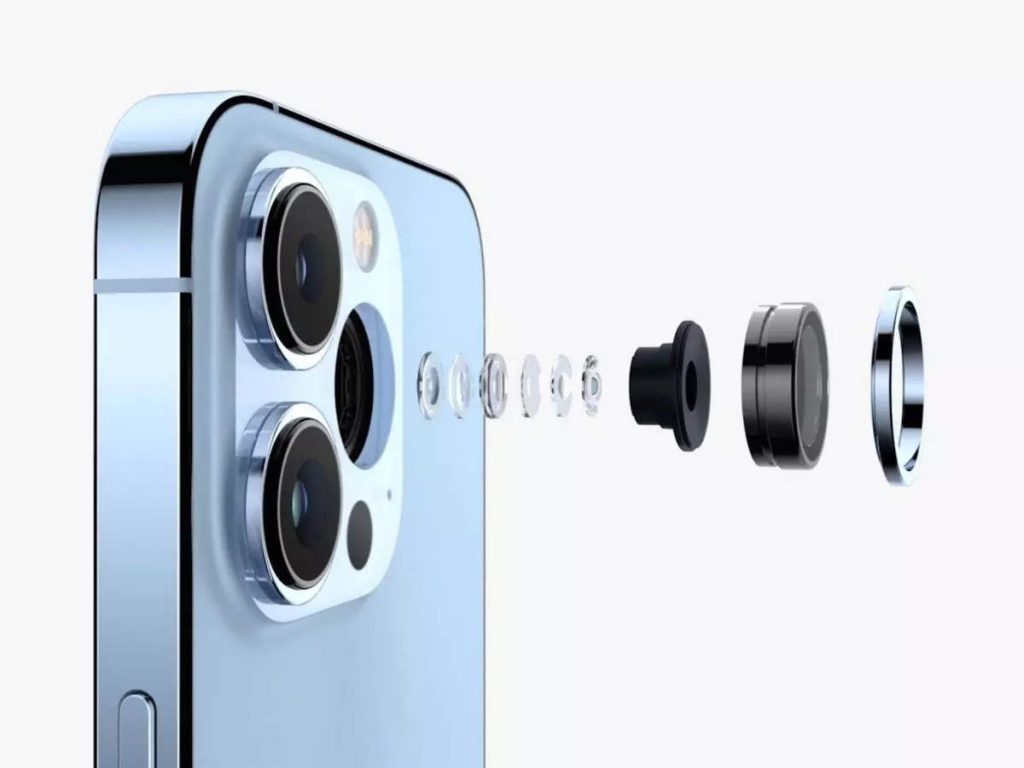
The iPhone 15 Pro Max is set to feature a groundbreaking periscope lens, allowing a much greater optical zoom for the telephoto lens. With the potential for at least 10x zoom, it will far surpass the 3x maximum available on the iPhone 14 Pro and Pro Max. This advanced lens design solves the depth limitations of smartphone cameras by utilizing a prism to bend light 90 degrees, enabling a horizontal lens assembly within the camera body.

Kuo’s report suggests that Apple has negotiated a deal with Largan to supply the periscope lens for only $4, a price that barely allows the supplier any profit margin at all. This contrasts with the market consensus of $4.5 to $5 or higher for the component. Despite the razor-thin margins, Largan is expected to be the sole lens supplier for the iPhone 15 Pro Max periscope camera.

In previous years, Apple has strategically split its orders for iPhone camera lenses between Largan and Genius, pitting the two suppliers against each other to secure the best pricing. This year, Largan has managed to secure all orders for the periscope lens, albeit at a heavily discounted price. Kuo’s report also indicates that Genius will supply the periscope lens for the iPhone 16 next year, potentially driving component costs even lower.

This tag price serves as a reminder that Apple’s ability to maintain its profit margins and provide cutting-edge technology to customers is not only dependent on its engineering prowess, but also on its negotiating skills with suppliers.

RELATED:

(via)

Google Accused of Stealing ChatGPT: Is There Truth Behind the Claims?

The AI wars are in full swing as companies scramble to respond to the success of OpenAI’s ChatGPT. Google has recently introduced its AI chatbot, Bard, as a competitor in the field. However, allegations of intellectual theft have emerged, with claims that Google copied the technology from Microsoft-owned OpenAI’s ChatGPT. Google has now responded to these allegations. Here are the details…

Google denies it copied ChatGPT to train its own AI chatbot Bard

The allegations were sparked by a report in The Information, which claimed that ChatGPT’s success has prompted two AI research teams within Alphabet, Google’s parent company, to set aside their intense rivalry and collaborate. The report stated that engineers from Google’s Brain AI group are working alongside employees at DeepMind, a sibling company within Alphabet, on a joint effort called Gemini. This collaboration reportedly began after Google’s initial attempt to compete with OpenAI’s chatbot through Bard stumbled.

Google Bard vs OpenAI chatGPT

In a conversation with The Verge, a Google spokesperson refuted these allegations, stating, “Bard is not trained on any data from ShareGPT or ChatGPT.” Google has also announced the early access release of Bard as an experimental collaboration with generative AI for users. Bard’s early access is currently available in the United States and the United Kingdom, with plans to expand its availability to more countries and languages. Like its competitors OpenAI’s ChatGPT and Microsoft’s Bing chatbot, Bard is based on a large language model (LLM). It employs a lightweight and optimized version of LaMDA, which Google has confirmed will be updated with newer, more capable models in the future.

Users can interact with Bard by asking questions and refining their responses through follow-up questions. This interactive approach will allow users to explore the capabilities of Google’s AI chatbot and provide valuable feedback for future development. Despite allegations of copying ChatGPT, Google remains committed to its independent development and providing a unique AI chatbot experience for its users. The company has taken a firm stance against the accusations and continues to invest in the evolution of its own AI technology.

RELATED:

(via)

Makita MW001G portable microwave with USB charging unveiled in Japan

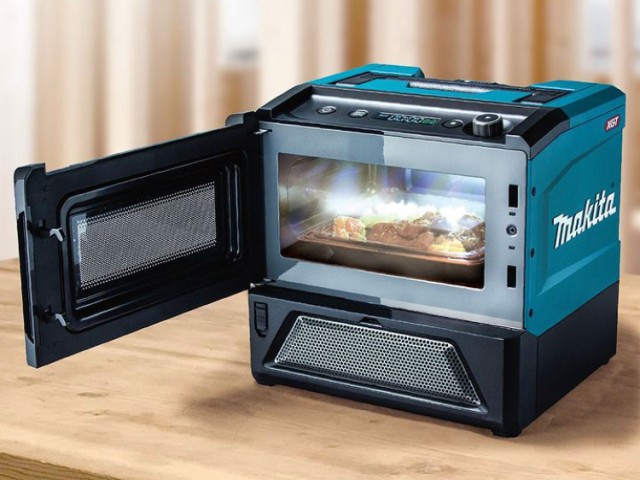
Makita has released the MW001G portable microwave with up to a 500W output in Japan. The new Makita microwave is powered by 40V 8Ah lithium-ion batteries and can heat up to 11 dishes on a full charge. The Makita MW001G has adjustable settings via some buttons and dials atop the gadget.

Makita MW001G portable microwave

Makita has established itself as a manufacturer of power tools and the MW001G is part of the 40Vmax Series. The microwave was announced earlier this year and provides quick heating solutions even on the go. There are two power output options namely 350W and 500W. The 500W option can only last for 8 minutes resulting from its higher energy consumption profile. The buttons and dials on the top of the microwave are used to start the gadget, set a timer for up to 20 minutes, or switch between power modes.

The Makita MW001G has an integrated display that shows information about the microwave’s operation. The gadget can charge devices via its 2.4 A 5V USB-A port. The oven measures 13.50 x 12.52 x 13.31 inches and weighs about 8.8kg. It has a built-in handle for easy transportation and an optional detachable shoulder strap is also available for about $8.

The gadget will debut in Japan for 110,000 Yen (~$840) but could also be available in other markets subsequently. However, there are no concrete release and pricing details for the Makita MW001G outside Japan. Initial feelers indicate New Zealand could be the first overseas market to get the device.

RELATED:

Man claims ChatGPT saved his dog’s life after vets couldn’t make proper diagnosis

ChatGPT continues to amaze us with its artificial intelligence as people continue to find different use cases every day. You might have already used the chatbot to write articles, do your homework, or even take relationship advice (not recommended). However, in a surprising turn of events, OpenAI ChatGPT’s newest version GPT-4 AI managed to save a dog’s life by providing a correct diagnosis for her medical condition when even vets could not.

A Twitter user Cooper (@peakcooper) claimed that ChatGPT has saved his dog’s life by diagnosing a blood condition that even vets failed to diagnose. The user said that his Border Collie Sassy was suffering from a tick-borne disease and was under treatment for the same. Her condition seemed to be improving relatively well but symptoms started to get worse after some time despite taking the prescribed treatment.

chatgpt

Cooper noticed that Sassy’s gums were pale, and when he took her back to the vet, her anemia was worse than before. However, the results for co-infections associated with a tick-borne disease came negative. The dog’s health kept on getting worse but the vet couldn’t figure out what was wrong.

The pet owner was advised to wait and see how his furry friend’s condition progressed. However, Cooper decided to take matters into his own hands and decided to take help from OpenAI’s chatbot. He described Sassy’s medical diagnostics to GPT-4 in great detail.

The chatbot suggested that Sassy’s blood work and test results could be due to various underlying conditions, including immune-mediated hemolytic anemia (IMHA). Cooper took this information to a second vet, and after several tests, the doctor confirmed that ChatGPT4’s suggestion was correct. With the right treatment, Sassy began to recover, and now, she is almost back to her normal self.

RELATED:

(Source)

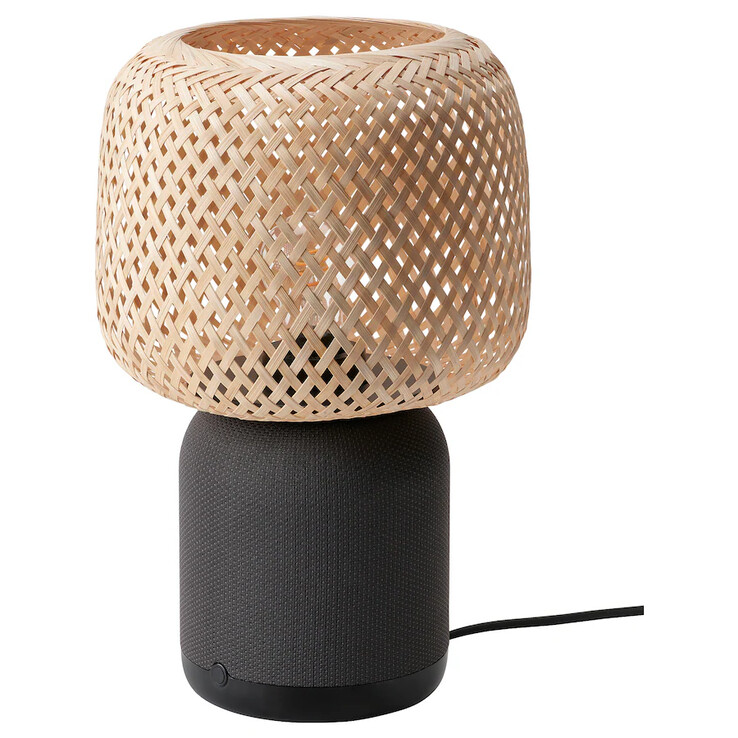
IKEA SYMFONISK Speaker lamp with WiFi, Bamboo shade launched in partnership with Sonos

IKEA has been partnering with Sonos since 2017 to produce a range of SYMFONISK products that combine furniture with sound systems. The new SYMFONISK Wi-Fi speaker lamp with a bamboo shade is the latest addition to this lineup, offering an elegant and functional piece of furniture that can also play music wirelessly.

IKEA SYMFONISK Speaker lamp

The speaker lamp is compatible with Spotify Connect, which allows users to stream music directly from the Spotify app to the lamp speaker without any additional setup. It also supports Apple AirPlay 2, which lets users stream music from Apple devices, including iPhones, iPads, and Macs, directly to the speaker.

One of the key features of the SYMFONISK range is the ability to synchronize music across multiple Sonos speakers. The new speaker lamp is no exception, as it can be used alone to create a 180° audio experience or paired with another SYMFONISK speaker to produce stereo sound. This means that users can enjoy high-quality sound throughout their home, with the ability to control the volume and music selection from their smartphone or tablet.

The SYMFONISK speaker lamp can also be integrated into IKEA’s smart home ecosystem via the DIRIGERA hub. This allows users to control the lamp speaker using the IKEA Home Smart app, which can be used to control other IKEA smart home gadgets, such as smart lights and blinds.

The lamp base measures 16 cm (~6.3-in) wide and is compatible with an E27 LED bulb, making it easy to replace the bulb when needed. The bamboo shade measures 25 x 20 cm (~9.8 x 7.9-in) and is available in white or black, with other shade options available in glass and fabric.

The SYMFONISK Wi-Fi speaker lamp with a bamboo shade is currently available in the UK for £185 (~US$228) and in the EU for €179 to €189 (~US$195 to US$206). Ikea is selling the bamboo shade separately for £26 (~US$32).

RELATED

Logitech Zone Learn headset with swappable ear pads launched for kids

Logitech has launched its kids-centered Zone Learn headset with swappable ear pads. The audio drivers of the Zone Learn are tuned for voice clarity and are well-suited for digital learning applications. The Logitech Zone Learn is designed to be durable and comes with a chew-resistant body. The parts of the headset are also easily replaceable and you can swap the ear pads and cables.

Logitech Zone Learn headset

Customers can choose between over-ear and on-ear pads, as well as 3.5mm aux, USB-A, and USB-C cables for the Zone Learn. While the over-ear pads offer greater noise isolation, the on-ear pads provide environmental awareness. The versatility of the Logitech Zone Learn means that the headset can be used with various types of devices. The headset is optimized for students having lessons on speech and a boom mic with a 120-degree swivel is also included for seamless interaction. Indeed the Zone Learn can be used in several learning applications both in school and at home.

Logitech Zone Learn headset-3

The Logitech Zone Learn headset will be available in the spring globally starting at $35. Logitech also plans to release another variant of the model with over-ear pads, 3.5mm aux, and USB-C cable for $40. The second model is expected to enter the market in the summer. More details about the new kids-focused Logitech Zone Learn headset are expected as the launch date draws closer. No specifics though on the exact release date of the headset in the spring.

RELATED:

(source)

Apple Supplier BOE to Open New OLED Display Plant in Vietnam by 2025

A recent supply chain report from Korea reveals that Chinese BOE will establish a new display module factory in Vietnam, in response to Apple’s growing demand for small and medium-sized OLED and LCD displays. This news comes after Reuters initially reported on BOE’s plans for a factory in northern Vietnam earlier this year. Here are the details…

Apple Supplier BOE to Open New OLED Display Plant in Northern Vietnam by 2025

The display module factory in Bac Ninh will focus on the production of various small and medium-sized display modules, such as organic light-emitting diodes (OLEDs) and liquid crystal displays (LCDs). These modules will be supplied primarily to Apple, with the factory expected to be fully operational by 2025.

The module process, which involves combining individual parts to create a functional panel, is a key part of the display manufacturing process. Once the module process is completed on a panel half-finished product, a display module that can be combined with the finished product is created.

BOE’s decision to establish a display module factory in Bac Ninh is reportedly at the request of Apple. This move will facilitate Apple’s panel supplier factory audits, as the tech giant will no longer need to visit both Vietnam and China to verify the iPhone OLED post-processing module line. Moreover, suppliers of inspection equipment required for post-processing will be able to respond more quickly if BOE builds its factory in Bac Ninh.

In the short term, BOE will primarily supply OLED displays for the iPhone SE4, which is anticipated to implement OLED technology for the first time next year. The 6.1-inch OLED display for the iPhone SE4 is projected to be offered at a competitive price of around $40, providing BOE with an opportunity to increase panel production.

The establishment of BOE’s new factory in Bac Ninh will not only streamline Apple’s panel supplier factory audits but also strengthen the supply chain for Apple’s small and medium-sized display products. As a result, both companies stand to benefit from this collaboration, which will likely contribute to the growth and advancement of display technology in the years to come.

By expanding its presence in northern Vietnam, BOE will further solidify its position as a key supplier for Apple, while simultaneously boosting the region’s economy and technological capabilities. As the factory is set to begin operations in 2025, it marks a significant milestone in the ongoing partnership between BOE and Apple, as they continue to innovate and develop cutting-edge display technologies for consumers worldwide.

RELATED:

(via)

Intel Gears Up to Launch Power-Efficient Sierra Forest Chip in 2024

Intel plans to release its first energy-efficient data center chip, Sierra Forest, in early 2024. The company has faced a challenging period marked by product delays but still holds over 70% market share in the PC and server processing chips sector, down from 90% in 2017. Here are the details…

Intel Gears Up to Launch Power-Efficient Sierra Forest Chip in 2024

Sandra Rivera, head of Intel’s Data Center and AI Group, admitted the company’s recent struggles but affirmed that Intel is now on track, hitting key engineering milestones. The fourth-generation Xeon processor, Sapphire Rapids, faced delays, allowing AMD to narrow the gap. Rivera confirmed that the fifth-generation Xeon processor, Emerald Rapids, will be delivered by 2023’s end. The next-generation Granite Rapids processor is set for a 2024 release, followed by Sierra Forest. Clearwater Forest, another energy-efficient chip, is planned for a 2025 launch.

Intel sierra forest

Intel is also developing the Intel Developer Cloud, featuring 256 Xeon chips and 512 Gaudi chips for AI applications. AI startups Hugging Face and Stable Diffusion are already using Intel chips. With a robust lineup of upcoming products, Intel aims to strengthen its data center market presence and focus on power efficiency and innovation. The company’s commitment to improving its product portfolio and meeting crucial engineering milestones highlights a renewed emphasis on addressing data center customers’ needs and maintaining a competitive edge in the rapidly evolving tech landscape.

Intel’s upcoming releases, including the power-efficient Sierra Forest and Clearwater Forest chips, demonstrate the company’s dedication to creating innovative, eco-friendly solutions for data centers. By offering energy-efficient options, Intel can cater to the growing demand for sustainable technology and attract environmentally conscious clients.

The Intel Developer Cloud, which offers AI developers access to powerful Xeon and Gaudi chips, exemplifies Intel’s commitment to advancing artificial intelligence. By collaborating with AI startups like Hugging Face and Stable Diffusion, Intel is supporting the growth of the AI industry and ensuring its products remain relevant in this dynamic sector.

RELATED:

(via)

Rotwild R.X275 ultra-light electric mountain bike revealed starting at 9,500 Euros ($10,368)

Rotwild has added another electric mountain bike to its lineup. The Rotwild R.X275 is an ultra-light bike that weighs 33.7 lbs. The two models are the Rotwild R.X275 Pro and R.X275 Ultra. The new Rotwild mountain bikes come at a five-figure price tag and a solid design. The new Rotwild R.X275 is a light trail bike with eAssist which means you can set your power and let your cadence push you forward. When the trail becomes difficult, you intuitively get riding support from the e-bike.

Rotwild R.X275 e-bike

The Rotwild R.X275 has a very light carbon fiber frame that weighs about 1.9kg. The bike uses the TQ HPR50 drivetrain to achieve up to 250W of power and 50Nm of torque. The bikes also feature a manual boost mode that helps to ramp the power up to 300W for up to 30 seconds. The 250Wh battery of the R.X275 is also very light at 1.4kg. The R.X275 Pro is the base model and uses the Shimano XT groupset, combined with a Fox 34 Float Performance Elite fork.

The Rotwild R.X275 Ultra is the more expensive model by up to €3,000 (~$3,274). It comes with the Shimano XTR groupset and a Fox 34 Float Factory Kashima and damper. The Rotwild R.X275 Pro has a starting price of €9,500 (~$10,368) while the Ultra version starts at €12,500 (~$13,643). Buyers in Germany can purchase the Rotwild R.X275 Pro and Ultra directly from the Rotwild website.

RELATED:

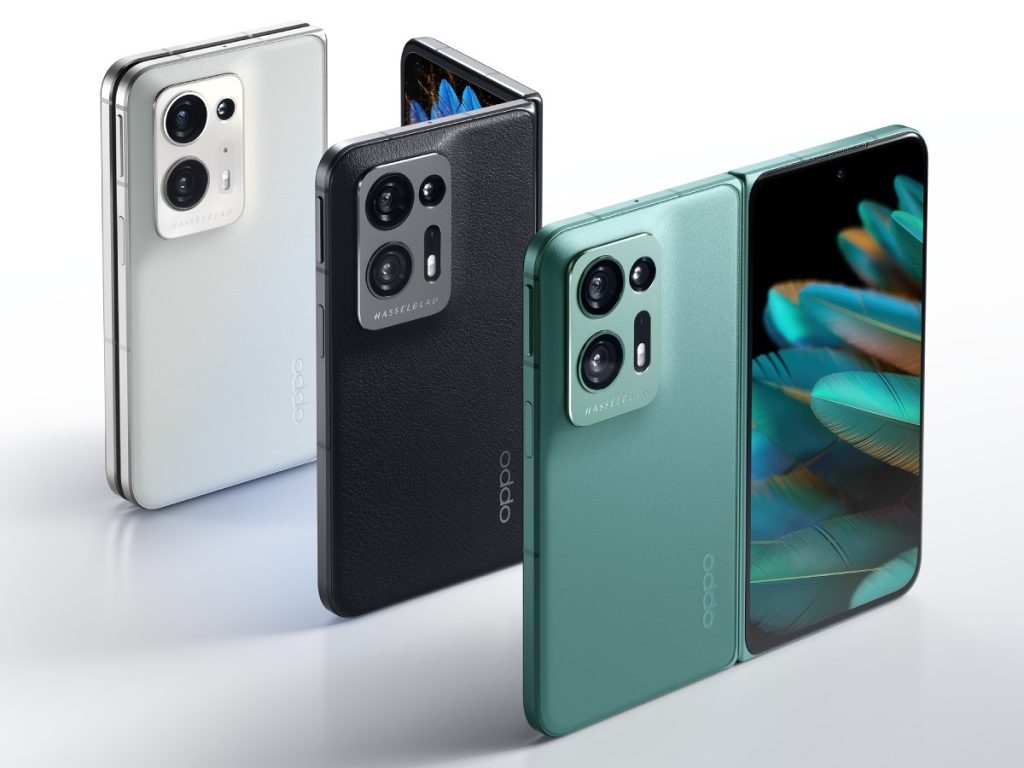
Oppo Find N3 leaked Specs point to a Larger Display, Snapdragon 8 Gen 2 SoC

Oppo’s foldable smartphones have been nothing but impressive so far with a nearly imperceptible crease and impressive form factor. The brand released its latest Find N2 and Find N2 Flip foldables towards the end of last year and the flip phone also made it to the global market recently. Although there is still time before the next-generation foldables debut, some of the specifications of the upcoming Find N3 have already surfaced. Here are the details.

Noted tipster Digital Chat Station claims the upcoming Oppo Find N3 foldable smartphone is expected to feature a significantly larger 8-inch primary display, boasting a resolution of 2268 x 2440 pixels and a 120Hz refresh rate. In comparison, the previous Find N and Find N2 models sported identical 7.1-inch screens with a lower resolution of 1792 x 1920 pixels. Leaked schematics of the device have hinted it could share its design with the recently launched Find X6 series, which could include a circular camera module on the back.

OPPO-Find-n2

Earlier, the tipster revealed the Oppo Find N3 foldable phone will sport dual selfie cameras – a 20MP lens on the outer cover display and a 32MP sensor on the main inner screen. On the rear, the device may feature a 50MP Sony IMX890 primary sensor with optical image stabilization (OIS), accompanied by a 48MP IMX581 ultra-wide lens, and a 32MP telephoto module with the identifier L07D1W22.

Under the hood, the foldable is expected to be powered by Qualcomm’s latest Snapdragon 8 Gen 2 chipset and a 4,805mAh battery. The handset could have a thinner design and an improved hinge. Finer details about the folding phone are yet to be revealed.

RELATED:

(Source) (Via)