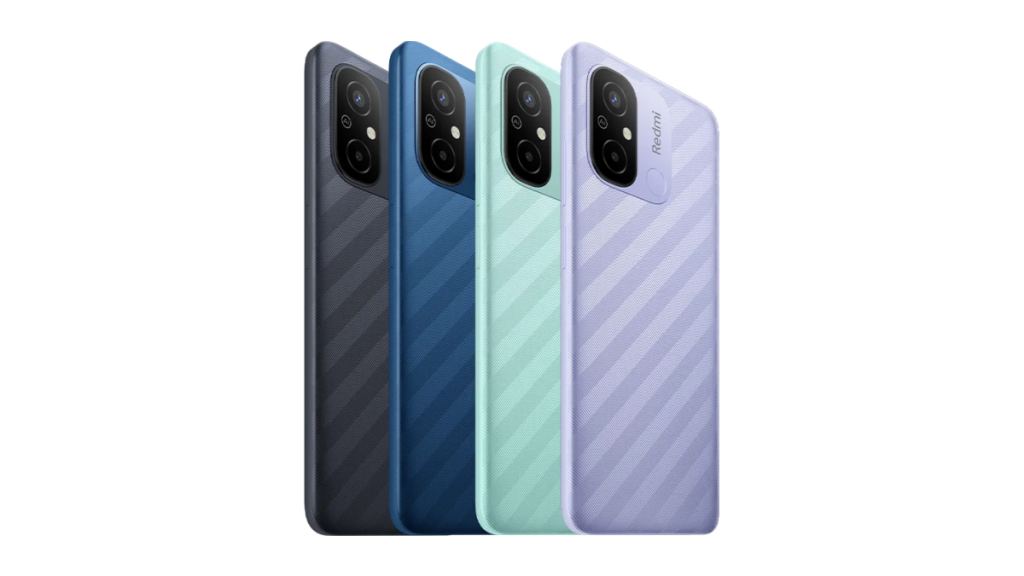
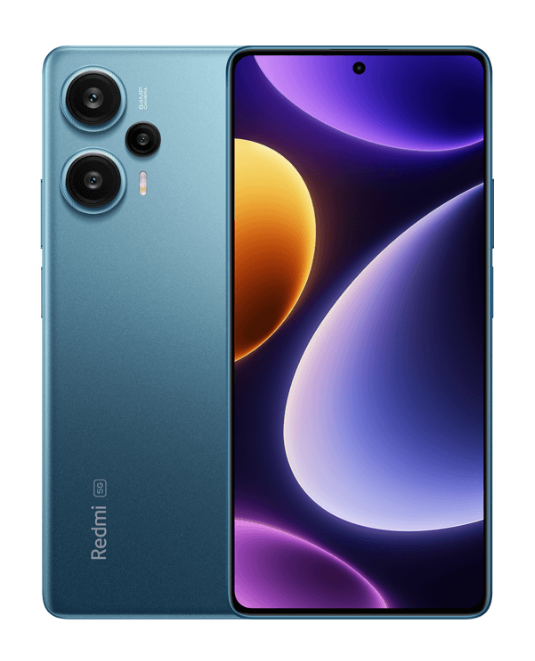
Redmi has unveiled two new phones, the Redmi 12C and Redmi Note 12 4G, in the Indian market. Priced under Rs 10,000, the Redmi 12C is an enticing device that offers key features, such as a massive display, a big battery, the Helio G85 chipset, and a 50-megapixel dual camera system. Continue reading ahead to know everything about the Redmi 12C.
Redmi 12C specifications and features
The Redmi 12C has a 6.71-inch IPS LCD panel that produces an HD+ resolution of 1650 x 720 pixels. It offers a 20.6:9 aspect ratio, 500 nits of brightness, a 1500:1 contrast ratio, and a 70 percent NTSC color gamut. The phone runs on Android 12 OS, which is overlaid with MUI 13. Instead of the Google dialer, the device comes with access to the MIUI dialer.
Redmi 12C
Under the hood, the Redmi 12C features the Helio G85 chipset. The SoC is accompanied by up to 6 GB of LPDDR4x RAM, up to 5 GB of virtual RAM, and up to 128 GB of eMMC 5.1 storage. For additional storage, the device offers a dedicated microSD card slot.
On the security front, the Redmi 12C offers features like face unlock and a rear-facing fingerprint scanner. It has a 5-megapixel camera on the front. On the back, it has a 50-megapixel main camera, a depth sensor, and an LED flash.
The 12C gets a 5,000mAh battery with 10W charging support. The connectivity features available on the device include dual SIM, 4G VoLTE, Wi-Fi 802.11ac, Bluetooth 5.1, GPS, a microUSB port, and a 3.5mm headphone jack.
Redmi 12C price in India, availability
In India, the Redmi 12C has arrived in options, such as 4 GB RAM + 64 GB storage for Rs 8,999 (~$109) and 6 GB RAM + 128 GB storage for Rs 10,999 (~$134). It can be purchased in colors like Graphite Grey, Ocean Blue, Mint Green, and Lavender Purple. The first sale of the device will be carried out on April 6 via Amazon India, Mi.com, Mi Store, and offline stores.
Crypto scams are fraudulent schemes that use cryptocurrencies or blockchain technology to deceive investors or users. These scams can take many forms, such as fake initial coin offerings (ICOs), phishing scams, Ponzi schemes, or ransomware attacks. Scammers often use social engineering tactics, such as creating fake websites or social media accounts, to gain the trust of victims and lure them into investing or sharing their private information. Since crypto has been booming over the past few years, more and more people are vulnerable to these scams, especially when victims of most of these scams are merely a few clicks away on any social media website. Here are some stats that gauge the weight of how much money in crypto people have been losing in the past few years, and what those numbers will look like in the coming years.
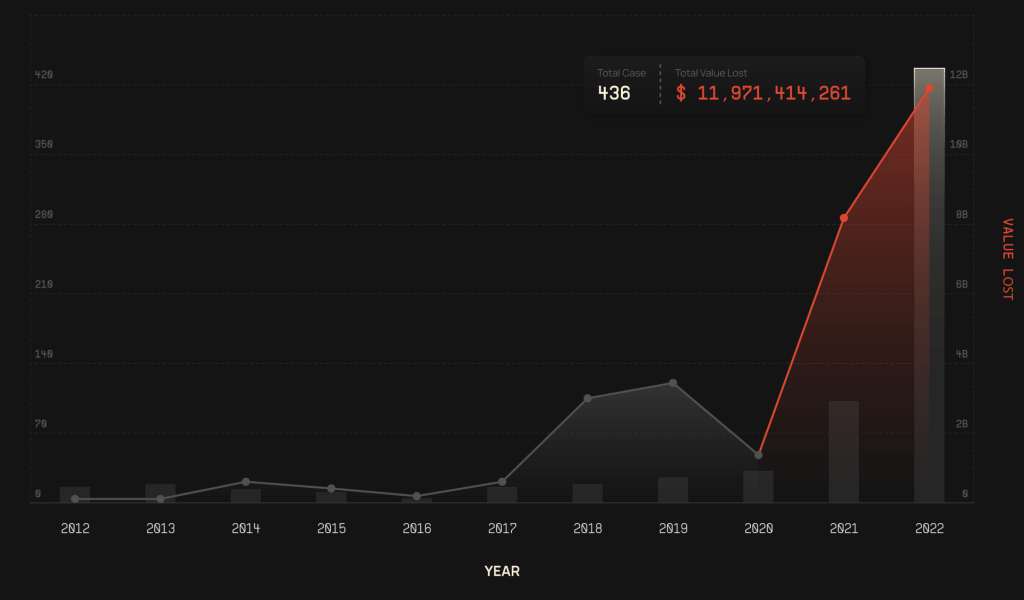
A study by Chainplay.gg stated that over $30 billion was lost in crypto scams over the last ten years. That’s a massive number, considering $12 billion of that amount was lost in the last year itself. Over 673 counts of scams contributed to this gigantic sum of money that was stolen out of cryptocurrency wallets worldwide. Out of all global attacks on crypto wallets, the highest number of attacks were noted in the United States. On the other hand, the most amount of money (in US dollars) was scammed in Turkey. Furthermore, experts predict that 2023-2025 will be even more financially catastrophic, with 16 billion dollars poised to be lost in cryptocurrency scams in 2023 alone. This number is further estimated to rise to $20 billion by 2025. Despite such a huge amount of money lost to scams (and given the security detail of cryptocurrencies), merely one-fifth of the total amount has been recovered so far.
Crypto scams are common for several reasons. Firstly, cryptocurrencies and blockchain technology are relatively new and complex, which can make it difficult for the average person to understand and evaluate their risks. This lack of understanding can make people more vulnerable to scams and fraud. Secondly, the decentralized and anonymous nature of cryptocurrencies and blockchain technology can make it easier for scammers to operate without detection. Transactions can be difficult to trace and recover, making it challenging to identify and prosecute scammers. Lastly, the hype and speculation surrounding cryptocurrencies have attracted a lot of attention from investors seeking to get rich quickly, creating an environment where scams can thrive. Scammers often take advantage of people’s greed and FOMO (fear of missing out) to convince them to invest in fraudulent schemes.
This is all the more reason to stay vigilant and cautious when dealing with cryptocurrencies and to do your research before making any investments or sharing personal information.
HP has just announced a number of new laptops from its EliteBook series. The new models are a part of its EliteBook 800 and EliteBook 600 series models that targets hybrid working professionals. So here are all the details.
HP Elitebook 800 and 805 G10 series
The company has just launched the new EliteBook 800 and 805 series that is designed for business collaborations and virtual meetings. There laptops feature Intel’s latest 13th Gen Intel core processors or even its AMD Ryzen series processors up to 64GB of LPDDR5 RAM. The brand even offers enterprise level security and manageability to attract business customers.
Elite x360 830 G10/HP EliteBook 830 G10
As the name suggests, this laptop has a 360 degree hinge for its display. It sports a 13.3 inch panel that has a 16:10 aspect ratio and a 5MP IR auto tracking camera on the front. This laptop is also powered by Intel’s latest generation of CPUs and come with various HP suite of security and business software (HP Wolf Security for Business, Enhanced by HP Presence, and more) and runs on Windows 11 Pro.
EliteBook 840 G10/HP EliteBook 860 G10
The EliteBook 840 is a 14 inch laptop while the 860 sports a 16 inch display panel, both of which offer a 16:10 aspect ratio. These laptops run on Windows 11 Pro and are powered by Intel’s 13 Gen Core processors. It houses a 5MP camera for video conferencing as well. Other features include, HP Dynamic Audio and AI Noise Reduction, HP Context Aware, Wolf Security for Business, and more.
The EliteBook 835, 845, and 865 feature a 13.3 inch, 14 inch, and 16 inch display respectively. Apart from their display panels, the internal specifications are rather similar. These laptops are equipped with AMD’s latest Ryzen 700 series of processors with PRO technology and more.
EliteBook 600 and 605 G10 Series
Moving forward, the EliteBook 600 and 605 series are a more affordable range of business oriented laptops. Despite their relatively more affordable price tag, they still offer premium design, collaboration experiences, and security. The new laptops target remote workers and other business professionals and offer the latest Intel Core and AMD Ryzen processors.
EliteBook 630 G10
Starting with the EliteBook 630, it is equipped with the latest generation of Intel Core processors and runs on the Windows 11 Pro. This model is a 13.3 inch FHD display, with the front also having a HD camera with temporal noise reduction. Other notable features include, HP Dynamic Audio7 and AI Noise Reduction, Wolf Security for Business, and even fast charge support.
The new EliteBook 640, 645, and 655 arrives in two different display sizes. The new models come in either a 14 inch and 15.6 inch panels that offer Full HD resolution. Under the hood, the new AMD Ryzen 7030 series processors with PRO technologies. For ports, it offers Two USB Type-C ports and two USB Type-A ports. Meanwhile, the EliteBook 645 G10 offers One USB Type-C port and three USB Type-A ports.
Pricing & Availability
The company has just announced these new laptops at the Amplify Partner Conference. All of these models will be available for purchase at the company’s official stores and other retailers. So here’s a look at the pricing:
Elite x360 830 G10 starts from 1,639 US Dollars.
EliteBook 830 G10, EliteBook 840 G10, and EliteBook 860 G10 starting from 1,569 US Dollars.
The company has yet to unveil the EliteBook 835 G10, EliteBook 845 G10, and EliteBook 865 G10 pricing details, but they are expected to launch in May 2023.
EliteBook 630 G10, EliteBook 640 G10, and EliteBook 650 G10 starts from 999 US Dollars.
Google’s Beta updates allow users to try out new features and improvements before they are officially released to the public. The Beta program is open to anyone with a compatible Pixel device, and users can sign up for the program through Google’s website. However, since Beta releases are pre-release versions, they may contain bugs or other issues that can affect device performance. It is recommended that users back up their devices before installing Beta updates and use them at their own risk. Google typically releases several Beta versions leading up to the official release of a new Android version. As of late, the company is gearing up for the official launch of Android 14 later this year. The tech giant released the latest Android 13 QPR3 Beta 2 Update, which is currently rolling out to Pixel Devices.
Google Pixel 7 Pro
Previously, Google had hinted that they won’t be publicly testing QPR3, but will instead go straight from Android 13 QPR2 Beta to Android 14 Beta. The latest release of Android 13 QPR3 Beta 2 is available for a variety of Pixel devices – namely Pixel 4a, Pixel 4a 5G, Pixel 5, Pixel 5a, Pixel 6, Pixel 6 Pro, Pixel 6a, Pixel 7 and the Pixel 7 Pro. The latest update includes enhanced privacy features, such as a more discreet PIN entry system that prevents the numbers on the PIN pad from lighting up, protecting your PIN from anyone who might be trying to peek at the same. For this feature, users can go to their screen lock settings and enable “Enhanced PIN Privacy” which will disable animations while entering the device PIN. Furthermore, users can also choose if they would like recommendations in “home search” based on their search history or not.
The new update is also bundled with several bug fixes. Issues like the volume panel flickering or the notification bar closing too quickly have been addressed, making for a smoother and more seamless user experience. So, whether you’re rocking a Pixel 7 Pro or a Pixel 4a, there’s something for everyone in the latest patch. Users of Pixel devices can download the Factory Image or OTA (over-the-air) updates for their respective devices.
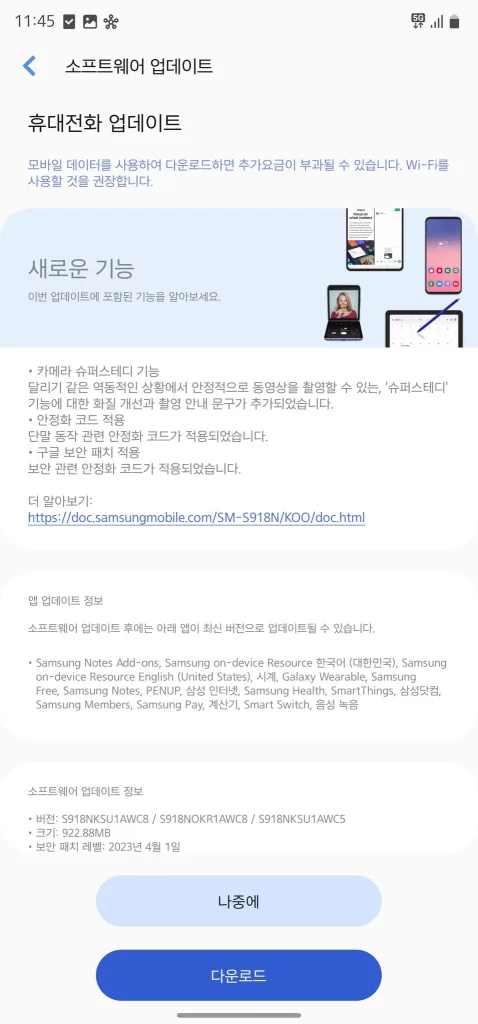
Samsung has recently launched its latest flagship device, the Galaxy S23, which has been receiving positive feedback from consumers. However, some users reported issues with the camera, which has now been addressed in a new update rolled out by Samsung. The update with build number S91xNKSU1AWC8 is currently available in Korea and comes under the March 2023 security patch with a file size of 922.88 MB. Galaxy S23, Galaxy S23+, and Galaxy S23 Ultra are all part of this update.
One of the major improvements in the update is related to the camera and gallery. The gallery has a new function that allows users to delete photos immediately, providing a smoother experience. Additionally, the autofocus concept has been changed, allowing users to take photos even when the focus is not completely set. However, users can also turn off this feature and prioritize focus over speed by going to the camera assistant settings.
Furthermore, the update enhances ultra-wide camera photography by improving sharpness and adding notice when shooting Ultrawide in low light. It also fixes several issues related to shooting after Night mode off in low light, face recognition after ending a video call using a third-party app, and improves the stability of camera movements. The OIS is now also more stabilized, resulting in better image quality.
Overall, the latest update for the Galaxy S23 devices brings significant improvements and fixes related to the camera and gallery.
Galaxy S23 Series March Update Changelogs:
A new function has been added to the gallery that allows users to delete photos immediately after they are taken with the camera while still being processed.
The autofocus concept has been modified to allow users to take photos even if the focus is not completely set when the shooting button is pressed for faster photo taking. However, users can still shoot after completing focus as before by changing the settings in the latest Camera Assistant. To prioritize focus over speed, users can turn on the “focus priority” setting. (Camera Assistant > Prioritize Focus Over Speed ON)
Improved sharpness and flicker have been added when shooting ultrawide in low light indoors after setting the Camera Video Mode to Super Steady On. Users will also receive a notice stating that more light is needed to take a good Super Steady photo.
A green line that intermittently appeared on the left side when shooting in rear photo mode has been fixed.
Image stabilization has been improved when shooting with FHD60 after setting Auto FPS Off in the rear video.
Improved line-shaped banding noise in the sky in mid-low light when shooting high-pixel in low-mid light. The overall sharpness has also been optimized for high-pixel shooting, and intermittent blurring has been reduced through OIS stabilization.
A malfunction when shooting after Night Off in low light after selecting Shooting Speed > High Resolution > Speed Priority in Camera Assistant has been fixed.
Face recognition issues after ending a third-party video call have been resolved.
Samsung has also improved the stability of the camera app when the frame has moving subjects.
The update will roll out to other countries very soon but it will probably roll out as the April 2023 update since we are almost at the end of March now.
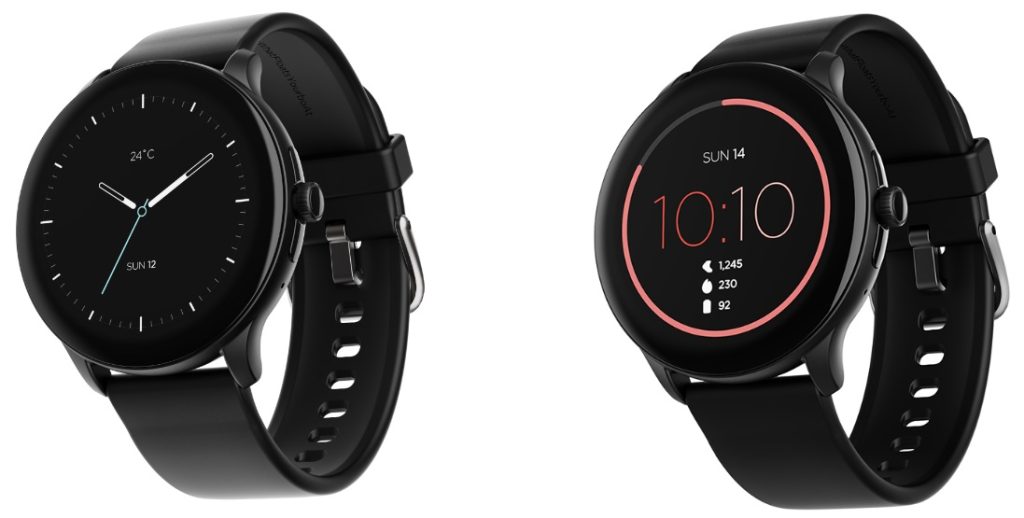
boAt has just launched a pair of new smartwatches dubbed the Lunar Connect Pro and Lunar Call Pro. These are its latest premium wearable products and feature some notable specifications, so here are all the details.
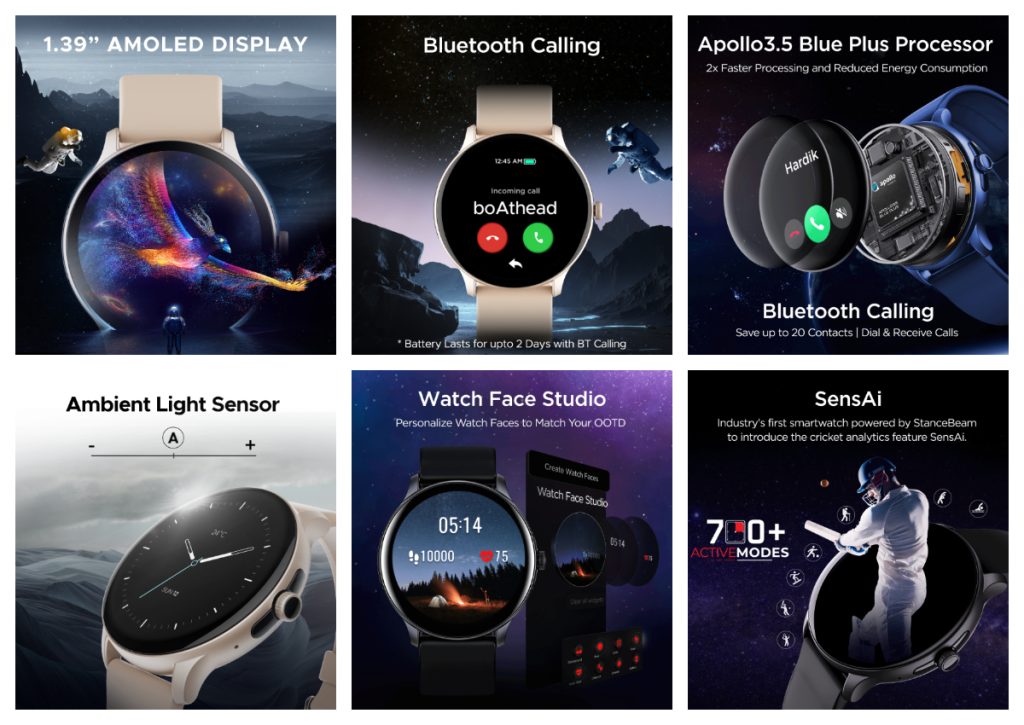
With the launch of the Lunar Connect Pro and Lunar Call Pro, the wearable maker has expanded its premium smartwatch portfolio. As per official notes, the new Lunar series watches are the indsutry’s first wearables that are powered by Watch Face Studio and SensAi technology. Both models feature a similar round display design, sporting a 1.39 inch AMOLED display. The brand claims that the latest models are twice as fast as its predecessor and even features metallic straps for a more premium feel.
The Lunar Call Pro and Lunar Connect Pro watches also offer interchangeable watch faces thanks to Watch Face Studio on the boAt Crest app. Under the hood, the new watches are equipped with the Apollo3 chipset with SensAi and StanceBeam. They also feature built in HD mic and speakers for its Bluetooth calling. These watches will also offer up to 15 days of battery life on a single full charge from its 260mAh battery pack.
The boAt Lunar Connect Pro will be available for a price tag of 10,999 INR and comes in multiple color options, namely Metallic Black, Active Black, Ink Blue, and Cherry Blossom. On the other hand, the Lunar Call Pro will also be offered in a Metallic Black, Charcoal Black, Deep Blue, and Cherry Blossom, but with a slightly affordable price tag of 6,990 INR. As a part of its introductory offer, boAt is selling the Lunar Connect Pro will be available for just 3,499 INR for a limited time period from its official website.
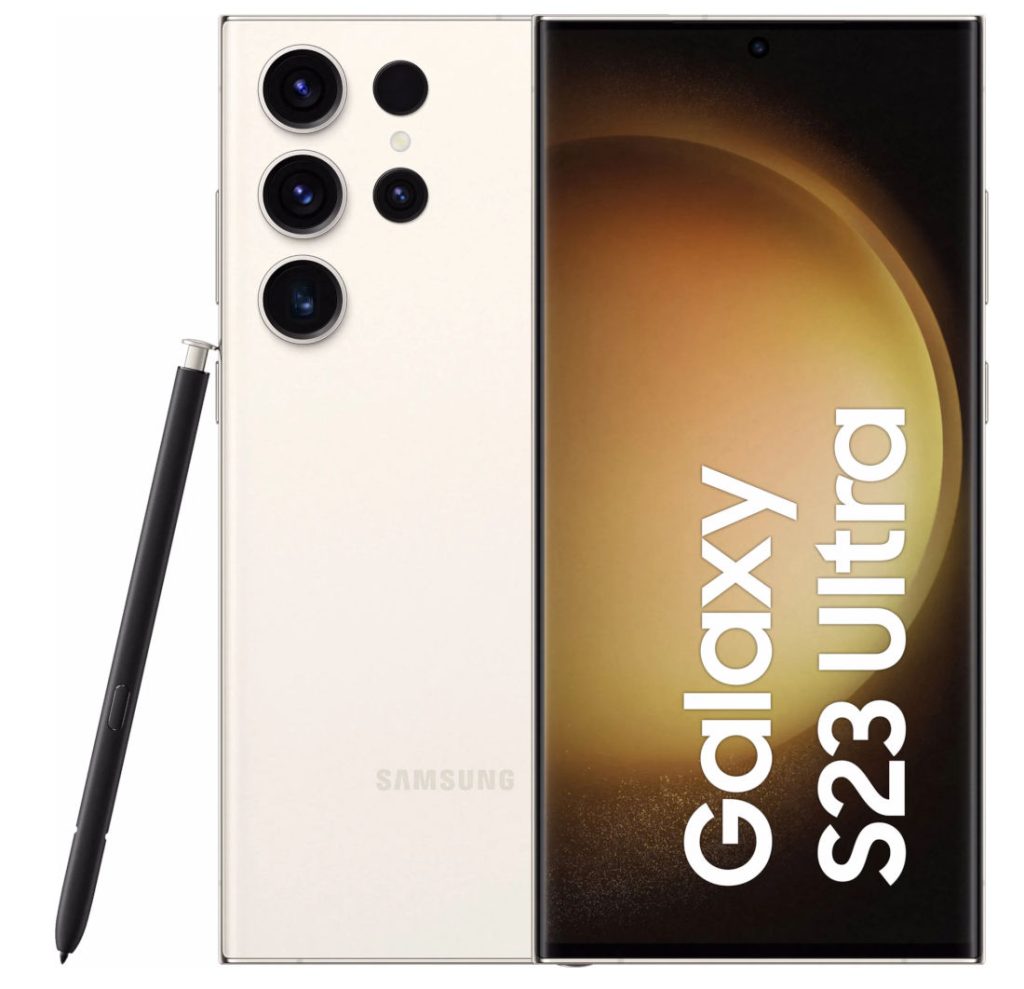
Samsung is all set to take its flagship smartphone game to the next level with the upcoming Galaxy S24 Ultra. The South Korean tech giant is reportedly planning to introduce a 144Hz refresh rate display in its next year’s top-notch device, making it the first Galaxy device to feature such a high refresh rate.
The 144Hz refresh rate display will offer smoother animations, especially for gaming enthusiasts, and can bear higher and faster screen load while keeping up with speedy performance. Smartphone displays with faster refresh rates have become increasingly common in recent years, with some devices even boasting refresh rates as high as 240Hz.
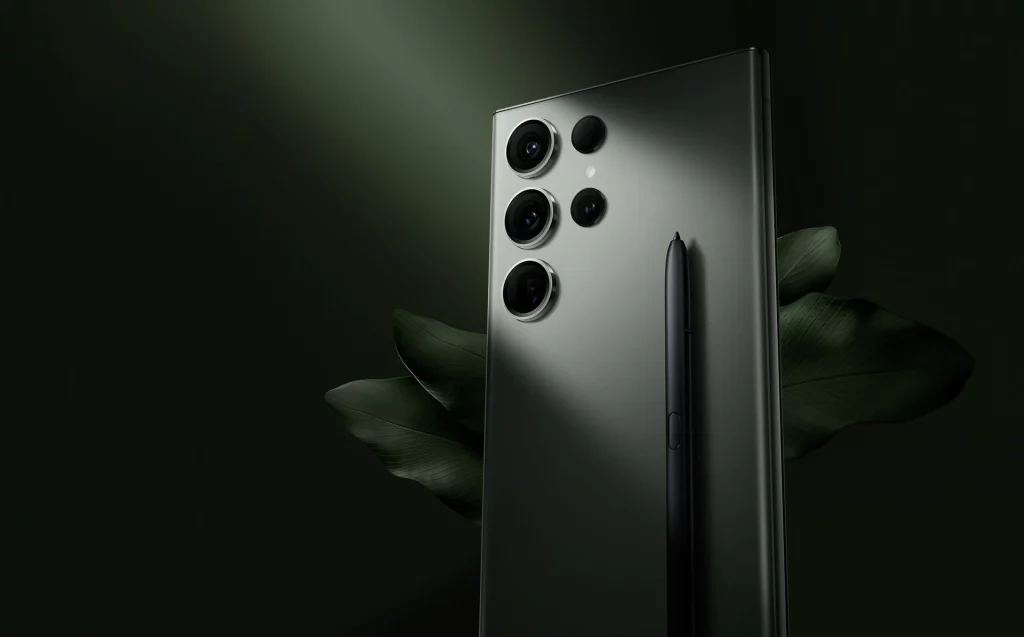
Samsung Galaxy S23 Ultra
According to recent reports, the Galaxy S24 series could feature satellite connectivity, similar to what Apple and Huawei currently offer. While Samsung has yet to introduce this feature to its mobile lineup, the head of the company’s MX (Mobile Experience) unit has indicated that it’s something they are actively considering.
In addition to these potential features, the Galaxy S24 series is expected to be powered by the unannounced Snapdragon 8 Gen 3 SoC, which could offer significantly improved performance over the previous generation. The X-4 High-Performance CPU core is said to be clocked up to 15% faster than the overclocked X-3 core used in the Snapdragon 8 Gen 2, resulting in even faster performance for the 2024 flagship series.
Camera improvements are also rumored to be in store for the Galaxy S24 Ultra, with an improved 200MP image sensor expected for the primary camera and enhanced zooming capabilities for the telephoto camera. Of course, it’s worth noting that these are all just rumors at this point, and we won’t know for sure what the Galaxy S24 series will offer until closer to its release.
Despite the lack of concrete details, the buzz around the Galaxy S24 series is already building, with many consumers eagerly anticipating what Samsung has in store for its next flagship line.
Microsoft unveiled its Bing Chatbot powered by GPT-4 a while back, and needless to say, it has garnered a lot of attention worldwide. For starters, Microsoft recently announced that it has achieved a notable milestone with Bing, when its daily active users crossed 100 million. Following the release of the latest build, the company saw one-third of its daily active users being new to the search engine. Almost a week ago, the company introduced the new AI-powered Image Creator to the Bing search engine. Amidst all this, Microsoft has made sure not to include any ads on the Bing Chat page, until now. Yusuf Mehdi, Microsoft corporate vice president, recently stated that ads will soon start making their way onto Bing Chat.
The advertisements, however, won’t be too intrusive. A tweet by Debarghya Das sheds light on the company’s plan to monetize the new search engine, and it’s quite different from what you might expect. Ads will show up when a user searches for a specific product, which means the bias won’t affect users directly. What this means is that you won’t be blasted by random or targeted ads without even searching for them. Have a look at how the ad appears in this tweet:
Bing Chat now has Ads!
It's going to be fascinating to see how the unit economics of Ads in language models will unfold and affect search advertising.
As Debargya states in the tweet, one cannot directly compare the conversion rate through these advertisements since they are based on the user’s current searches, rather than past searches. This might be a key step towards changing the way ads work with AI-powered search engines in the future. It is worth noting that while the Bing Search Engine did have advertisements in the first place, the Bing ChatBot is a different entity for the company altogether. Mehdi’s blog post indicates that Microsoft intends to distribute ad revenue among partners whose content directly contributed to the chat response off the user’s prompt. However, it remains unclear how Microsoft plans to maintain a balance between ad and non-ad responses. One thing is for sure, the inclusion of advertisements will further complicate the task of discerning the credibility of a given response.
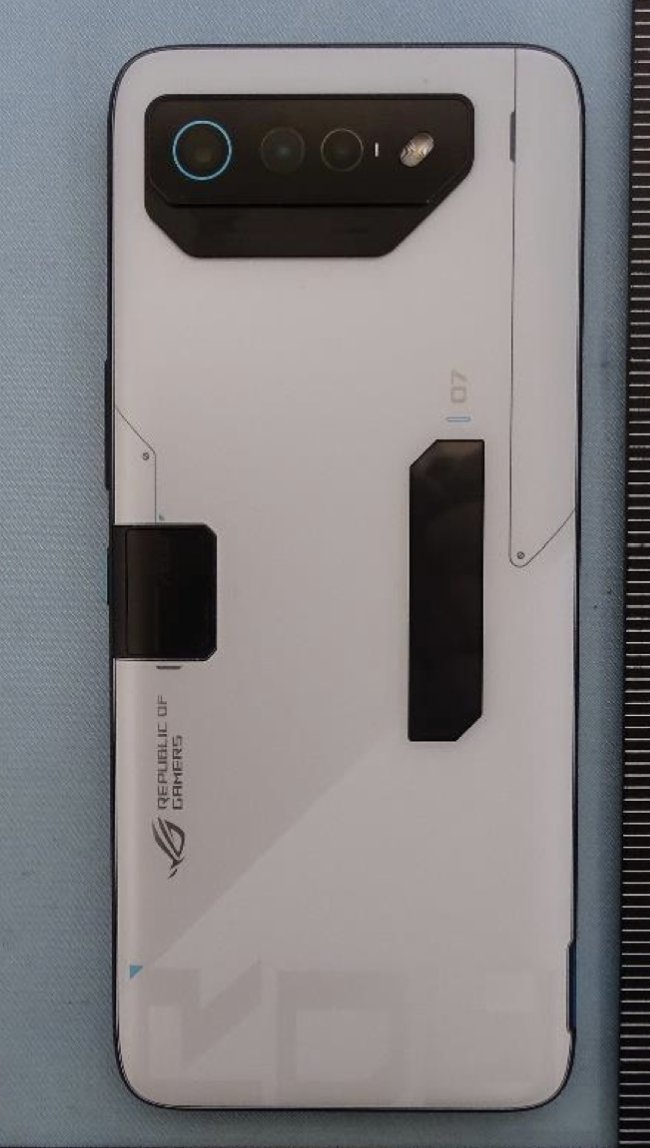
A recent report leaked the spec sheet of the upcoming Asus ROG Phone 7. It indicates that the smartphone will be equipped with a Snapdragon 8 Gen 2 chipset along with other performance-oriented cutting-edge hardware suitable for a gaming flagship.
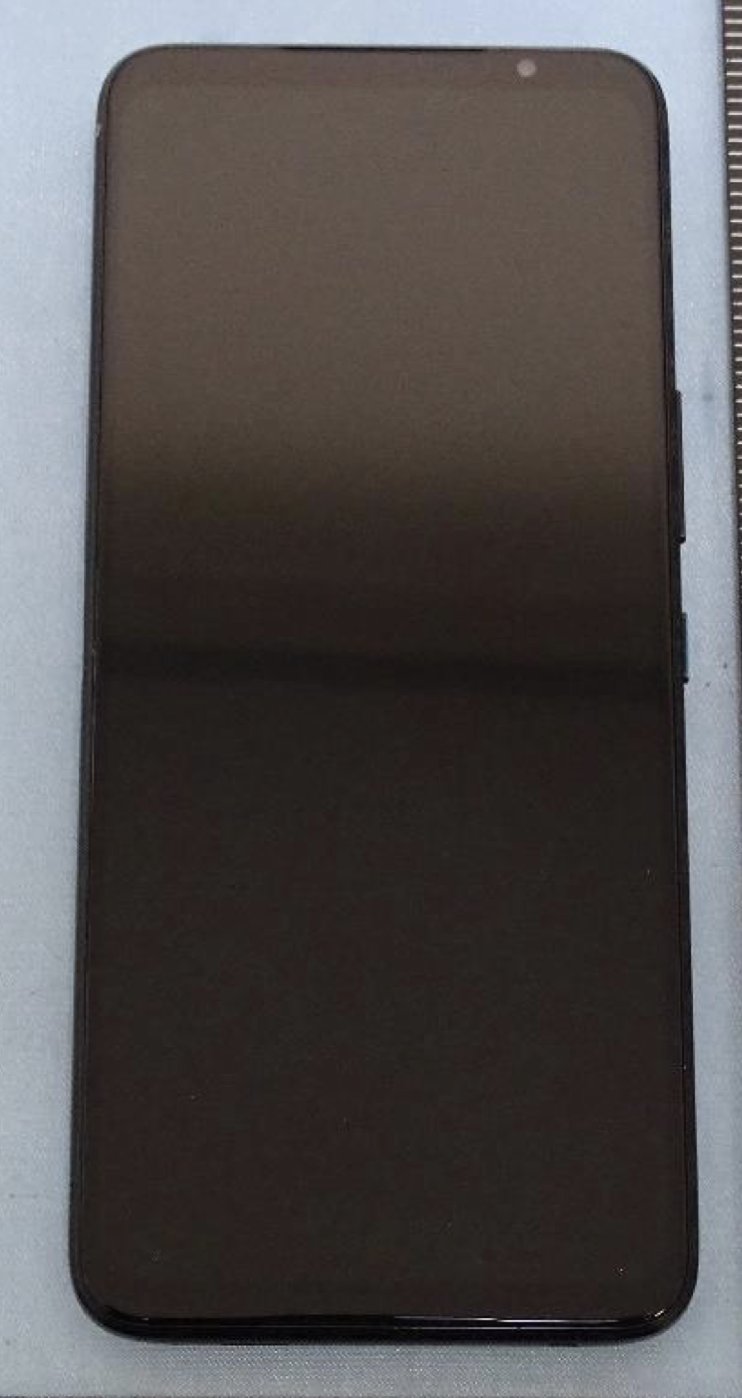
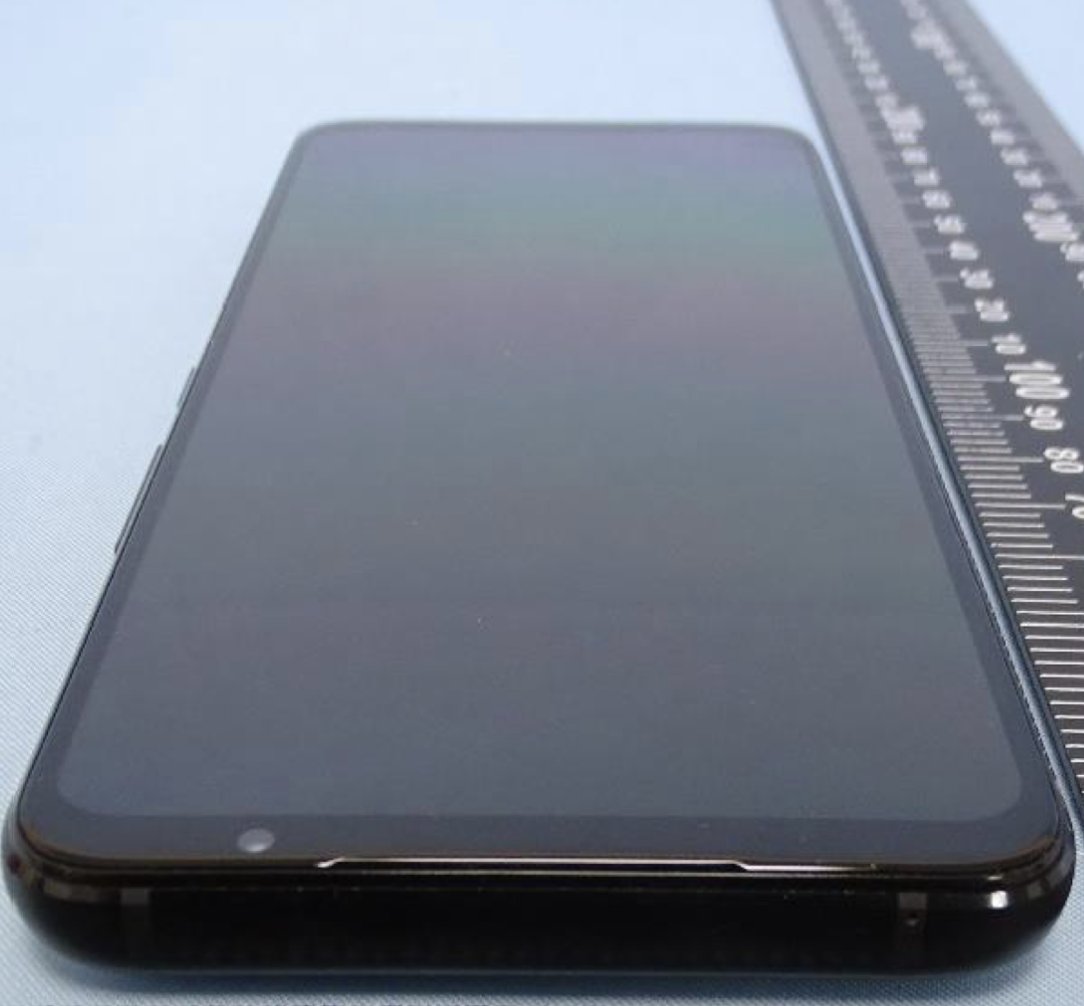
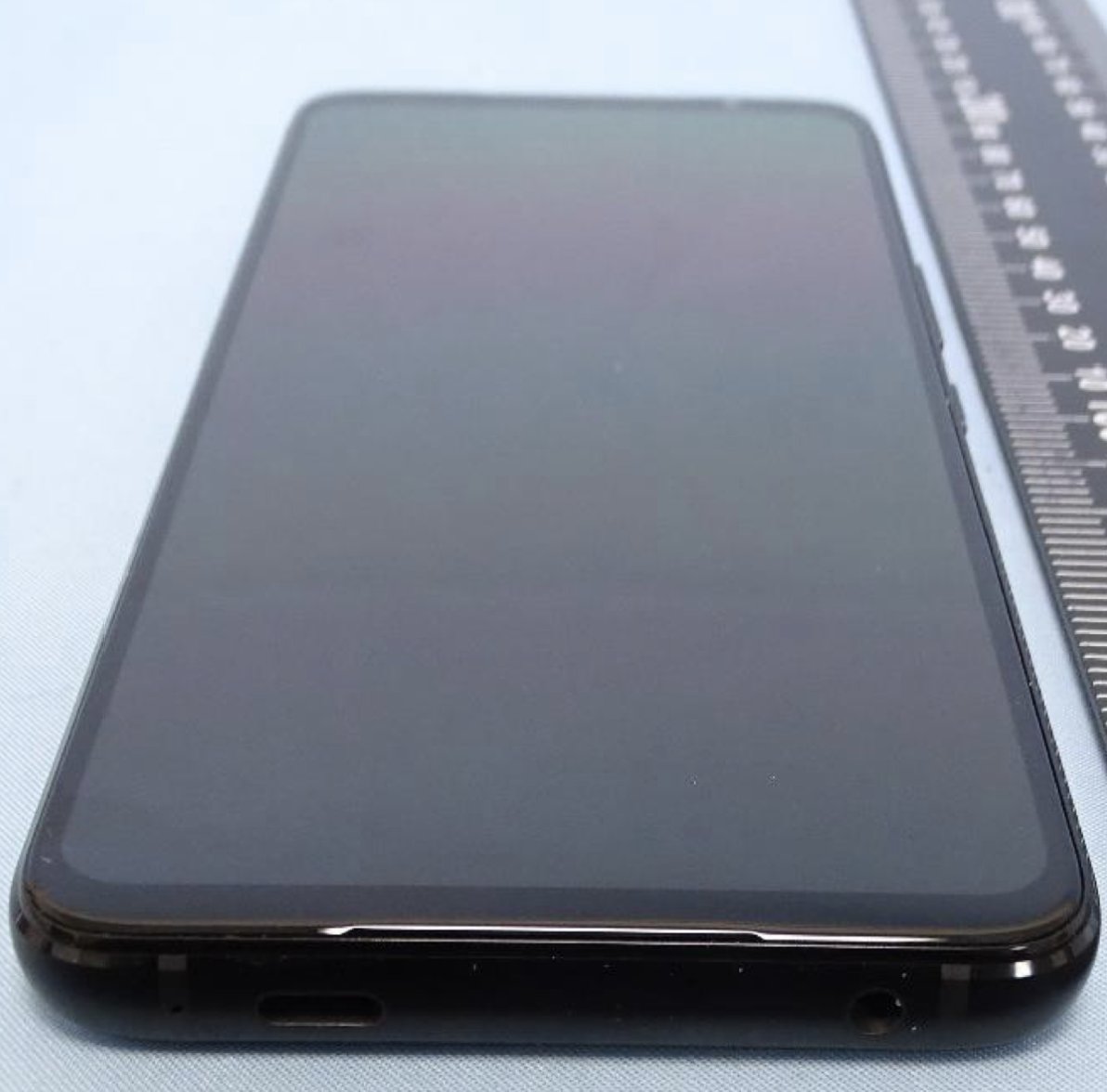
Now, a new leak from tipster SnoopyTech has revealed live images of the ROG Phone 7. According to leaked images, the upcoming ROG Phone 7 will feature a design similar to its predecessor, the ROG Phone 6. The phone’s rear panel will be white with graphics and a cutout for dot-matrix lighting. The front of the device will have slightly thick bezels and a front camera located on the right side of the top bezel.
Dual speakers can be found on the edge of the top and bottom bezels, and the USB Type-C port and 3.5mm headphone jack are located on opposite sides of the bottom edge. Finally, the power and volume buttons are positioned on the right edge of the phone.
Asus ROG Phone 7 specs (rumored)
The upcoming ASUS ROG Phone 7 is expected to come with a huge 6.78-inch E4 AMOLED display with a 165Hz refresh rate and Full HD+ resolution. It will likely feature an under-display fingerprint scanner. The phone is anticipated to be powered by Qualcomm’s Snapdragon 8 Gen2 processor, LPDDR5X RAM, and UFS 4.0 storage. It has been spotted on Geekbench with 16 GB of RAM.
The device is said to run on Android 13 OS and ROG UI. The vanilla model will feature a 32-megapixel front camera and a 50-megapixel primary camera with a 13-megapixel ultra-wide lens and a 5-megapixel camera. The ROG Phone 7 is expected to pack a 6000mAh battery with 65W fast charging capabilities. It will have an IP54-rated waterproof and dustproof chassis that will weigh less than 240 grams.
According to rumors, the base model of the ROG Phone 7 will be priced at around $580, and it will be launched in various markets such as the US, China, Taiwan, and India on April 13. The leaked images of the device suggest that it will have the same design as the previous model, with a white-colored rear panel and a dot-matrix lighting cutout. The phone is also expected to have dual speakers, a USB Type-C port, a 3.5mm headphone jack, and a power and volume button on the right edge.
Google advertisements, commonly known as Google Ads, is an advertising platform that allows businesses to place ads on Google search engine result pages, YouTube, and other Google-affiliated websites. With Google Ads, businesses can create targeted campaigns by selecting specific keywords, demographics, and locations. Advertisers are charged on a cost-per-click (CPC) basis, meaning they only pay when someone clicks on their ad. Google Ads also offers various tools to track ad performance and optimize campaigns, allowing businesses to make data-driven decisions to improve their return on investment. As one of the most widely used advertising platforms in the world, Google Ads has become an essential tool for businesses of all sizes looking to reach their target audience online. It is only fair that such a massive platform will be abused by advertisers, which is why Google is taking active steps to combat the same.
On March 30th, the tech giant released its “Advertising Security Report” for 2022, detailing the steps it is taking to combat abuse on its various platforms. This includes fraudulent or deceptive practices such as click fraud, where a person or automated program repeatedly clicks on an ad to generate false impressions or revenue, or misleading advertising, where an ad makes false or exaggerated claims about a product or service. Other forms of Google Ads abuse can include using inappropriate language or images in ads, targeting vulnerable populations, or promoting illegal activities.
As per reports, Google plans to remove over 5.2 billion ads, restrict more than 4.3 billion ads, and suspend over 6.7 million advertiser accounts. These numbers represent a significant increase from 2021, with 2 billion more ads being removed this year. Additionally, the company has introduced 29 policies for advertisers and publishers, launched the Financial Services Verification Program in more countries, and strengthened campaign advertising policies. Google is also set to launch a new transparency tool, the Advertising Information Disclosure Center, which will allow users to view verified advertisers across Google’s platforms and access advertiser pages.
The ongoing US-China trade war has created a human resource dilemma for China. US restrictions on Beijing’s access to advanced chip technology have led to a shortage of semiconductor experts in the country. Consequently, China is increasing its efforts to cultivate domestic talent in this field.
Export controls resulting from the ongoing trade war have hindered China’s semiconductor aspirations, which are at the center of the technology competition between the US and China. China Center for Information Industry Development, and the China Semiconductor Industry Association (CSIA), have jointly published a white paper stating that China is expected to experience a deficit of approximately 200,000 workers in the semiconductor industry this year.
Right now the biggest challenge for the semiconductor industry in China is to acquire domestic talent. Despite attempting various solutions, such as attracting experts from Taiwan and other countries, Beijing faces a human resource shortage in the industry.
How is China solving the problem of talent shortage?
To address the problem of talent shortage, China is now turning to its student population to train the next generation of semiconductor professionals, with prestigious universities such as Tsinghua, Peking, and Fudan announcing IC programming programs. The central government is also providing policy support for this initiative.
Over the past five years, there has been a notable increase in enrolments for both undergraduate and postgraduate courses in chip engineering, which can be attributed to the availability of new funds for leading universities as well as a proliferation of smaller private schools that offer shorter-term instruction. University data shows that the number of students enrolling in Master’s programs to study chip engineering at ten leading universities almost doubled between 2018 and 2022. According to recent graduates, this surge is also being reflected at the undergraduate level.
In August 2020, China’s State Council released policy guidelines that stated that the cultivation of talent in chip engineering is a key priority for the country and, the focus should be on education and training. The country plans to increase the number of IC and software majors in Chinese universities, accelerate the development of IC disciplines, and expand laboratories and training facilities, to meet the needs of the industry. Moreover, eligible universities have been encouraged to partner with semiconductor firms to develop comprehensive programs that can provide hands-on experience.
What are the problems with China’s current chip education?
According to a 2022 survey conducted by Chinese research firm ICWise, over 60% of chip engineering students in China complete their studies without any internship experience in the field. Moreover, the teaching materials used in chip engineering education are often outdated, with textbooks not covering the latest cutting-edge technology. Also, many professors lack opportunities for sufficient interaction with industry professionals and are restricted by private companies’ intellectual property rights, which prevents them from accessing the latest expert knowledge. Furthermore, most educational institutions are unable to afford and maintain expensive experimental production lines that can bridge the gap between theory and practice.
Redmi Note 12 Turbo features a 6.67-inch FHD+ OLED display that supports 2400 x 1080p resolution, 120Hz refresh rate, and 240Hz touch sampling rate. The phone is powered by the latest Snapdragon 7+ Gen 2 Octa-core processor and comes with 8GB/12GB/16GB LPDDR5 X RAM and 256GB/512GB/1T UFS 3.1 storage.
The phone features a triple rear camera setup with a 64MP primary camera and an 8MP ultra-wide angle lens and a 2MP macro shooter. For your selfies, you have a 16MP sensor in the front.
Redmi Note 12 Turbo is fueled by a 5000mAh battery and supports a 67W fast flash charge. Other interesting features include the NFC function, Infrared sensors, 3.5mm jack, Bluetooth 5.2, under-display fingerprint sensor, JBL stereo dual speakers, etc.
You can now buy the Redmi Note 12 Turbo for $349 only on Giztop. Please note that the phone is available in Black, Blue, and White color variants. This price is applicable to the base variant only.
For more information on such exciting deals and offers check out our deals hub.
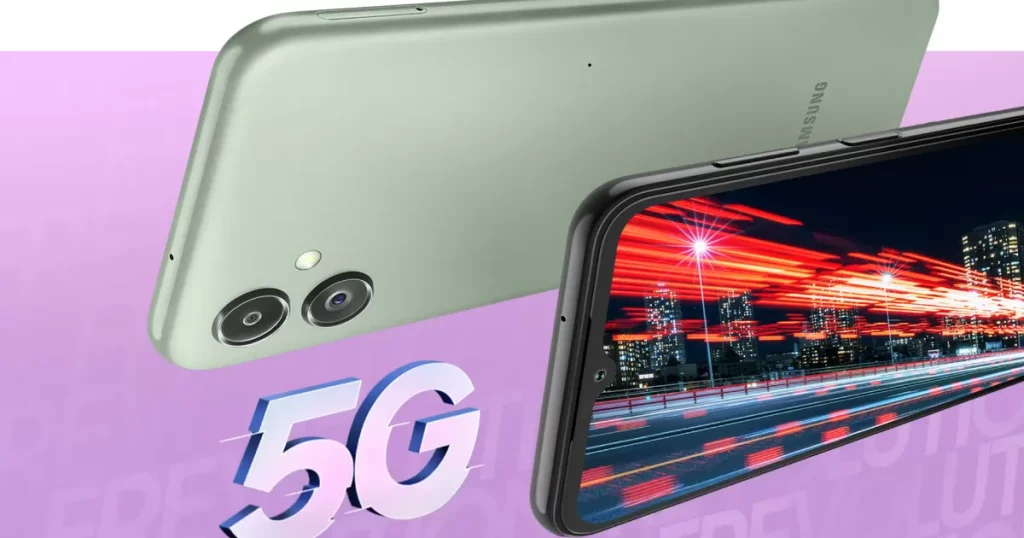
Samsung recently unveiled the Galaxy F14 5G smartphone in India, an affordable 5G option without compromising other features. The device boasts a high-resolution display with a 90Hz refresh rate, a large battery, and a dual camera setup on the rear. Starting today, the smartphone will be up for sale in India. Let’s take a look at the pricing and availability information.
Samsung Galaxy F14 5G price & availability
Samsung has released the Galaxy F14 5G in India with two storage alternatives. The basic model features 4GB RAM and 128GB storage and costs Rs 12,990. Additionally, there is a variant with 6GB RAM and 128GB storage, which is available for Rs 14,490. The phone is offered in three colors – OMG Black, Goat Green, and Bae Purple. The Galaxy F14 5G will be up for sale at 12 PM via Flipkart and Samsung E-store.
Samsung Galaxy F14 5G specs
The Galaxy F14 5G boasts a 6.6-inch IPS LCD display that has a Full HD+ resolution and supports a 90Hz refresh rate. The display also features an Infinity V notch and is protected by Corning Gorilla Glass 5. This means that users can expect a high-quality viewing experience with clear and vibrant colors.
Under the hood, the Galaxy F14 5G is powered by Samsung’s Exynos 1330 SoC, which is built on a 5nm process. It is paired with up to 6GB of RAM and 128GB of internal storage, which can be further expanded by up to 12GB through virtual RAM expansion. This ensures that users have enough storage to store all their photos, videos, and apps.
The phone runs on Android 13 OS-based One UI Core 5.1 out of the box. Samsung has also promised to provide two major updates and four years of security updates for the device, ensuring that users can stay up-to-date with the latest software.
On the rear, the Galaxy F14 5G features a dual-camera setup that consists of a 50-megapixel primary sensor and a 2-megapixel macro shooter. While there is no ultra-wide camera, users can still expect high-quality photos with rich detail and vibrant colors. On the front, the device comes equipped with a 13-megapixel selfie camera located on the waterdrop notch.
One of the standout features of the Galaxy F14 5G is its massive 6000mAh battery, which supports 25W fast charging. Unfortunately, a charging adapter is not included in the box. However, the device does feature a side-mounted fingerprint scanner and support for AI face unlock.
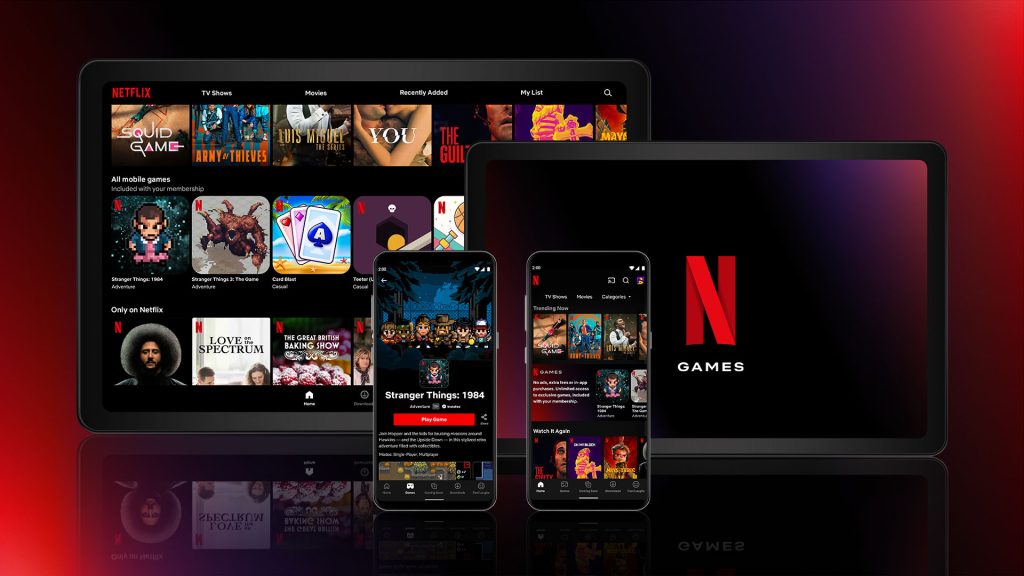
In 2021, Netflix made a surprising move, integrating mobile games into its platform. Netflix Games was a new gaming service launched by Netflix that allows subscribers to access and play games directly within the Netflix app. As of now, the service offers a selection of mobile games, which can be played on both iOS and Android devices. The games are included with the Netflix subscription, and there is no additional cost to play them. Even a year and a half later, the service is still in its early stages, and it remains to be seen how much Netflix will expand its gaming offerings and whether it will eventually include console or PC games. As per the latest reports, however, it seems that Netflix gaming enthusiasts will be able to use their iPhones to play games on their televisions.
To boost the popularity of games on its platforms, Netflix seems to be taking active steps. Recently, a code snippet was spotted by a MacRumors writer, Steve Moser, that points towards the functionality of letting the user pick their iPhone as a controller for the Netflix TV application. It is worth noting that so far, Netflix games are only available on iOS and Android devices, not on TV-based applications. This move would imply that the company might be looking to launch newer games, or simply label itself as a more mainstream platform for games.
One might even question why Netflix is so bent on publishing games to its platform. Well, clearly, the company is looking to expand its offerings beyond just TV shows and movies, and to provide subscribers with additional entertainment options. By offering games, Netflix aims to keep users engaged on its platform for longer periods of time, which could lead to increased subscriptions and revenue. Additionally, games have proven to be a popular form of entertainment, and with the rise of mobile gaming, it makes sense for the platform to tap into this market. Finally, offering games may help Netflix differentiate itself from its competitors and appeal to a broader audience. None of its competitors, including Prime Video and Disney Plus are taking similar steps, so the company might just be onto something here.
Vivo X Fold 2 is all set to go official in April. Ahead of its launch, the foldable phone has been showcased at the 2023 Boao Forum in China. Vivo has released a poster through its Weibo handle that shows Vivo’s Executive Vice-President, Hu Baishan, and Boao Forum’s Secretary General, Li Baodong, holding the Vivo X Fold 2. The foldable phone can be seen sporting a renewed design.
The Vivo X Fold and X Fold+ foldable phones that have been released in the past have featured a rectangle-shaped camera block on the back. It housed a round camera module, an LED flash, and ZEISS branding. As can be seen in the images below, the X Fold 2 does not have a rectangular camera block.
Vivo X Fold 2Vivo X Fold 2
Instead, it just houses a round-shaped camera module, which features three cameras and a ring LED flash. Below is the ZEISS logo. The cover display seems to have a curved edge. Reports have claimed that the outer and inner displays will both feature an ultrasonic in-screen fingerprint scanner.
Rumours have revealed that the Vivo X Fold 2’s foldable display will support a 2K resolution and a 120Hz refresh rate. It will come preloaded with the OriginOS 3-based Android 13 OS. The X Fold 2 will be the first-ever foldable phone to feature the Snapdragon 8 Gen 2 chipset. It was recently seen at AnTuTu with 12 GB of LPDDR5x RAM and 512 GB of UFS 4.0 storage.
The X Fold 2’s rear camera setup will have a 50-megapixel Sony IMX866 primary camera with OIS support, a 12-megapixel IMX663 ultra-wide snapper, and a 12-megapixel IMX663 telephoto camera. It is likely to house a 4,800mAh battery that supports 120W fast charging and 50W wireless charging. At present, there is no word on the price of the device.
Vivo’s upcoming event in April will also see the arrival of the Vivo X Flip and Vivo Pad 2.
Twitter, one of the world’s most popular (and currently controversial) social media platforms, extensively uses APIs (Application Programming Interfaces) in a number of ways to enable third-party developers and services to access its platform and data. These APIs allow developers to create a variety of applications that can interact with Twitter’s platform, extract data from Twitter, and publish content to Twitter on behalf of users. The APIs also allow developers to integrate Twitter data and functionality into their own applications and services, such as social media management tools, data analytics platforms, and other web and mobile applications. For instance, a really cool Twitter API lets its users know who they interact with on a daily basis, and which of their followers are dormant in their list. Before Elon Musk acquired Twitter, developers could access and create APIs with Twitter and use them with the platform for free – now, things are changing at the billion-dollar platform.
Today we are launching our new Twitter API access tiers! We’re excited to share more details about our self-serve access. 🧵
In a recent tweet, the company unveiled the details and pricing for its new API version. The company’s decision to ban third-party API clients was previously announced as part of its developer features overhaul, causing delays in its implementation. With a ton of layoffs and hierarchy adjustments happening at Twitter, this was expected. As per Twitter’s latest tweet, a free tier is still available for developers who want to experiment with APIs. However, it comes with far less functionality compared to its predecessor. This basic tier is aimed at bots and other “testing” purposes, allowing accounts to post up to 1,500 tweets per month without accessing other features. However, the posting limit of about 50 tweets a day may not be sufficient for those who post more frequently.
Developers can upgrade to the “basic” tier for $100 per month, which offers them a higher post limit of up to 3,000 tweets a month at the user level and 50,000 tweets a month at the app level, but still with a lower read limit of 10,000 tweets per month. Finally, the final tier, also labelled the “Enterprise” tier seems to be targeted towards organizations and “scaled commercial projects” with very specific needs. Those who sign up for the same will receive managed services, complete streams, and API access that allows them to tailor their projects to their own demands completely. It remains unclear how researchers and academics who rely on Twitter’s API for their work will be affected, but Twitter claims to be “looking at new ways to continue serving this community.” Also, it is worth noting that many APIs may stop functioning when Twitter implements these changes. Many of these APIs support bots that have been catering to the Twitter community for a long time now, but since Twitter is already losing money (with the company’s net worth dropping by $24 billion), Elon is clearly planning to create revenue streams in order to support the company’s backbone. Twitter Blue is another noteworthy example of such a revenue stream.
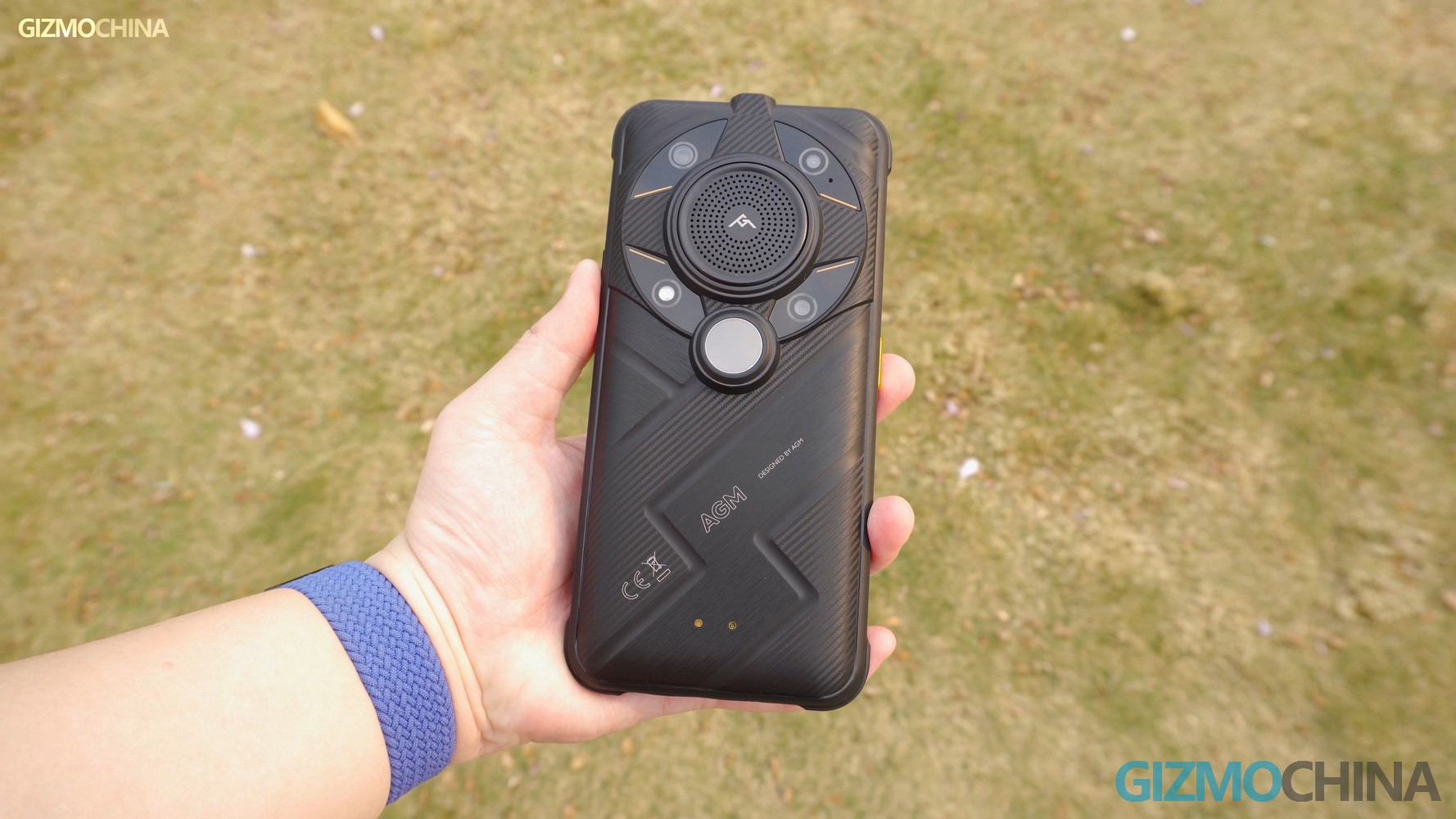
AGM announced a very interesting phone at MWC 2023 that you should have heard of: the AGM G2 Guardian, a rugged smartphone with ultra-long-range thermal imaging capabilities. it’s now available for pre-order on the official website, and at $899 it’s really expensive. Not everyone needs a thermal imaging phone. So if you are sure you really need such a phone, I will also tell you if it is worth the $900 price tag.
Thermal monocular
The biggest highlight of G2 Guardian is the long-range thermal monocular. since the heat of an object will gradually dissipate in the air, it is difficult for ordinary thermal imaging phones to detect long distances of more than 100m. G2 Guardian can detect heat up to 500m. This is the main reason why they dare to announce this phone at MWC. This infrared lens is not only 5.6x telephoto but also supports autofocus. It allows the heat source to present a clear outline so that you can distinguish what kind of creature it is.
To put down the latest thermal monocular and large speaker, the G2 Guardian is an amazing 2.5cm thick and weighs over 400g. It is definitely uncomfortable to use with one hand, but it is the same as Samsung or Xiaomi’s flagship phones. Sacrificing the feel of the hand for the sake of functionality is definitely something that some people like too.
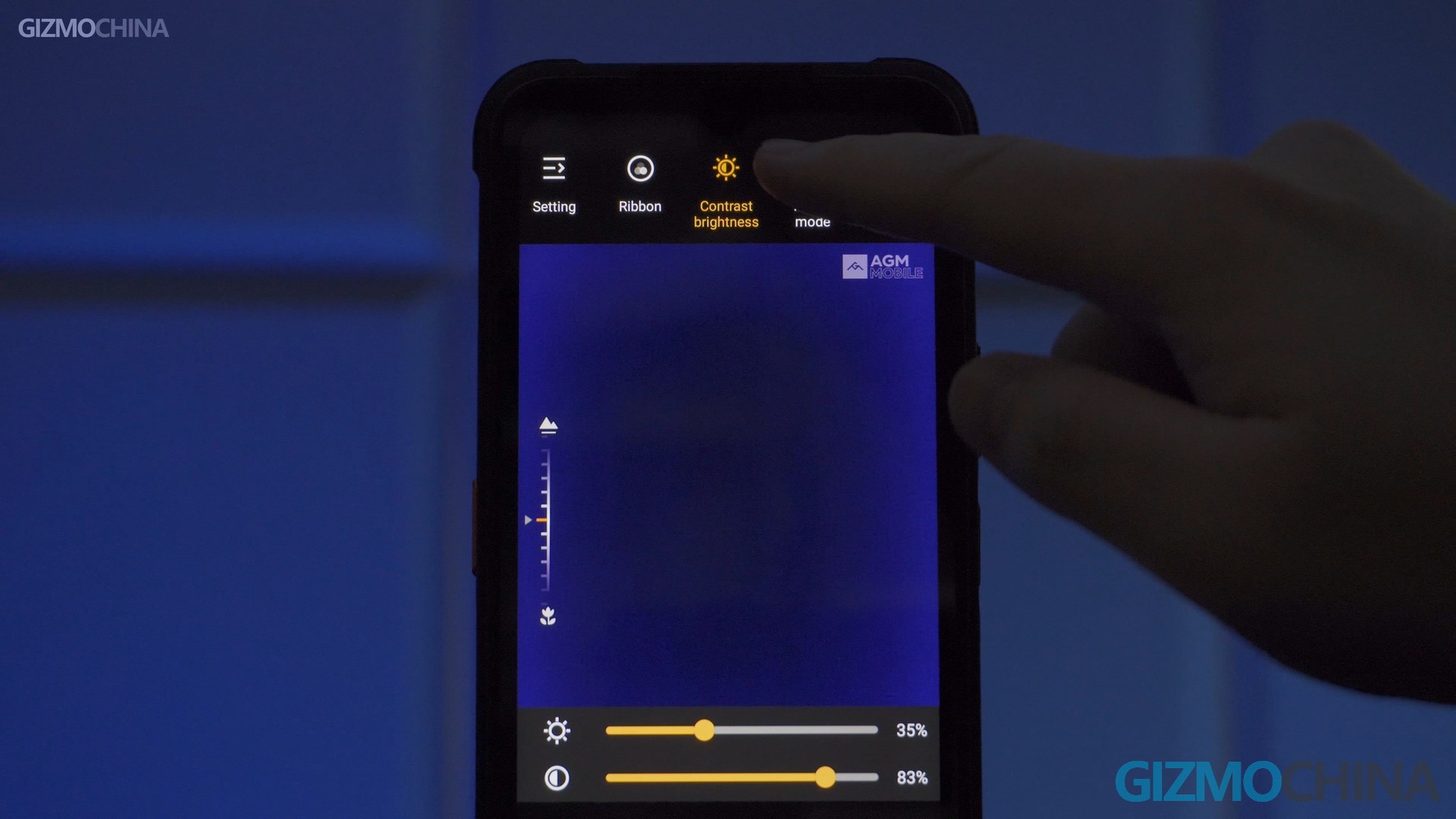
The function of the Thermal Sensor Camera App is relatively simple. At the top is a basic option to adjust the Ribbon or contrast or something like that. In the bottom right corner is a switch between two modes: night vision mode and temperature mode. As their names say, one is to detect the use at night, the other is to detect the temperature of the object. The difference between them is the difference in contrast, and you do not necessarily have to switch modes often.
Why do you need this phone
Why do you need a long-range thermal monocular instead of a regular thermal imaging phone? AGM gives us a few answers: night search and rescue. When the maximum detection distance of thermal imaging becomes longer, it also means that the range of search and rescue becomes larger.
At night, you can also spot wildlife at a further distance, avoiding them in advance to prevent injury. Or if you are a forest patrolman, you can expand your search area with this long-range thermal monocular, so that suspicious people can not hide. Mountain fires can also be easily detected, so I recommend this phone to forest patrollers, landscape photographers, and people who like to go on wilderness trips.
Camera
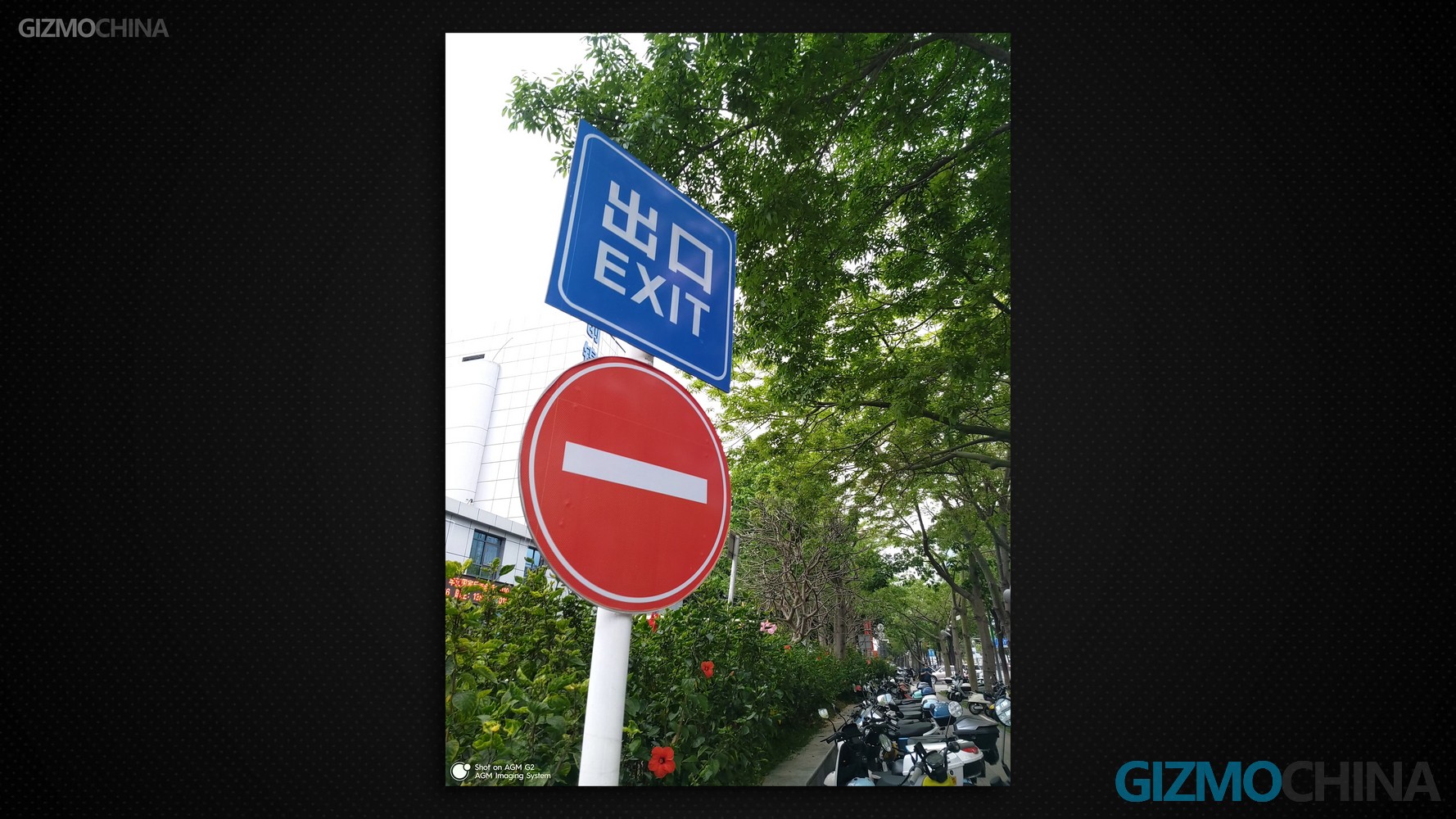
In addition to the thermal imaging lens, the remaining three lenses are a 108 MP main camera, a 20 MP infrared night vision camera, and a 2 MP macro camera. Usually, the main camera takes good pictures. The colors are rich and the exposure is accurate. The photos in high-resolution mode are also very clear.
Performance
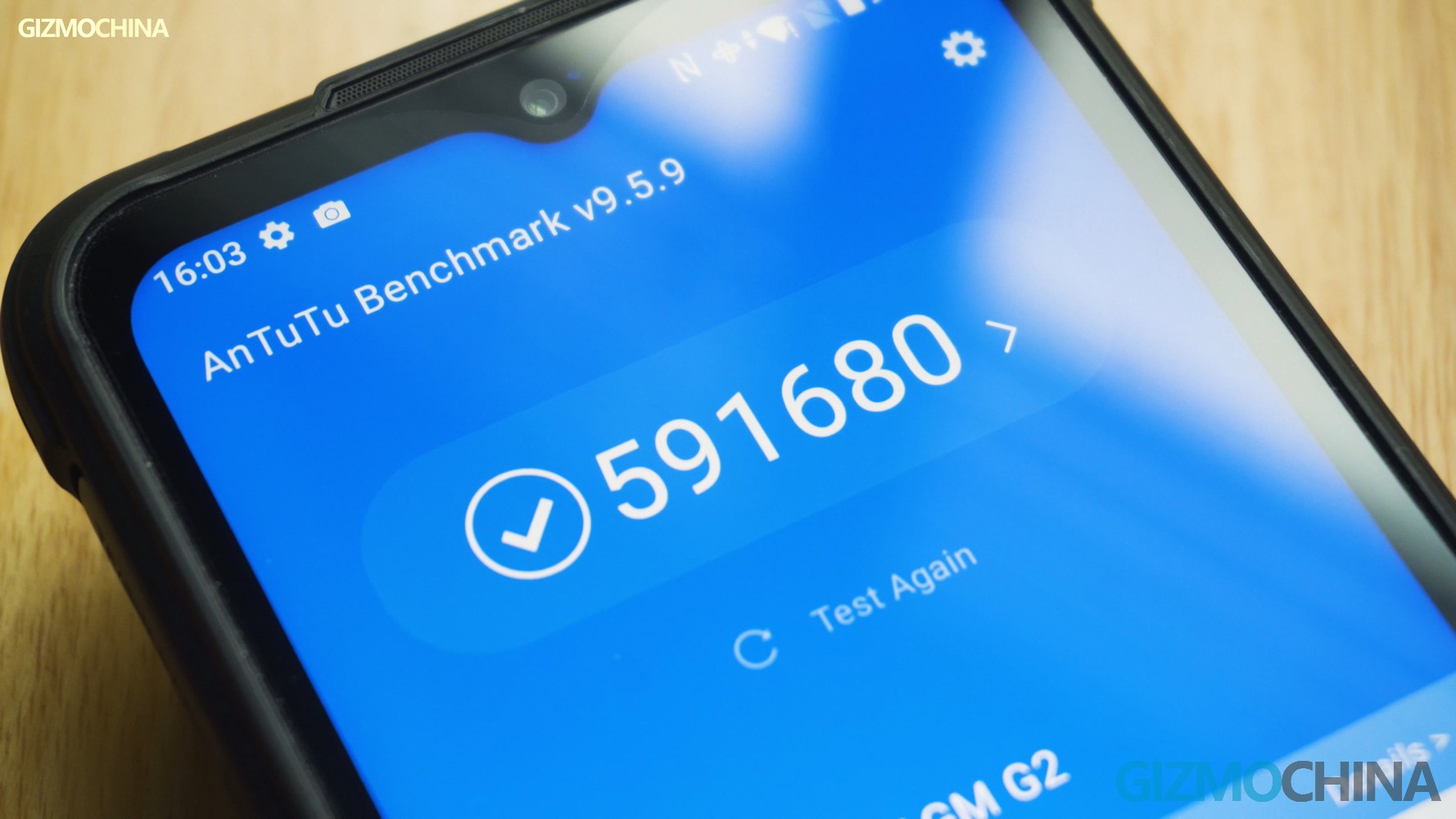
Another interesting thing about the G2 Guardian is that its processor is a model you’ve never heard of. Even I’ve never heard of it. Qualcomm QCM6490, is purpose-built for industrial and commercial IoT applications such as transportation, warehousing, and logistics management.
Although we do not know why AGM uses such a chip, but the performance is not weak. It’s similar to the Snapdragon 782G with an AnTuTu score of 590,000.
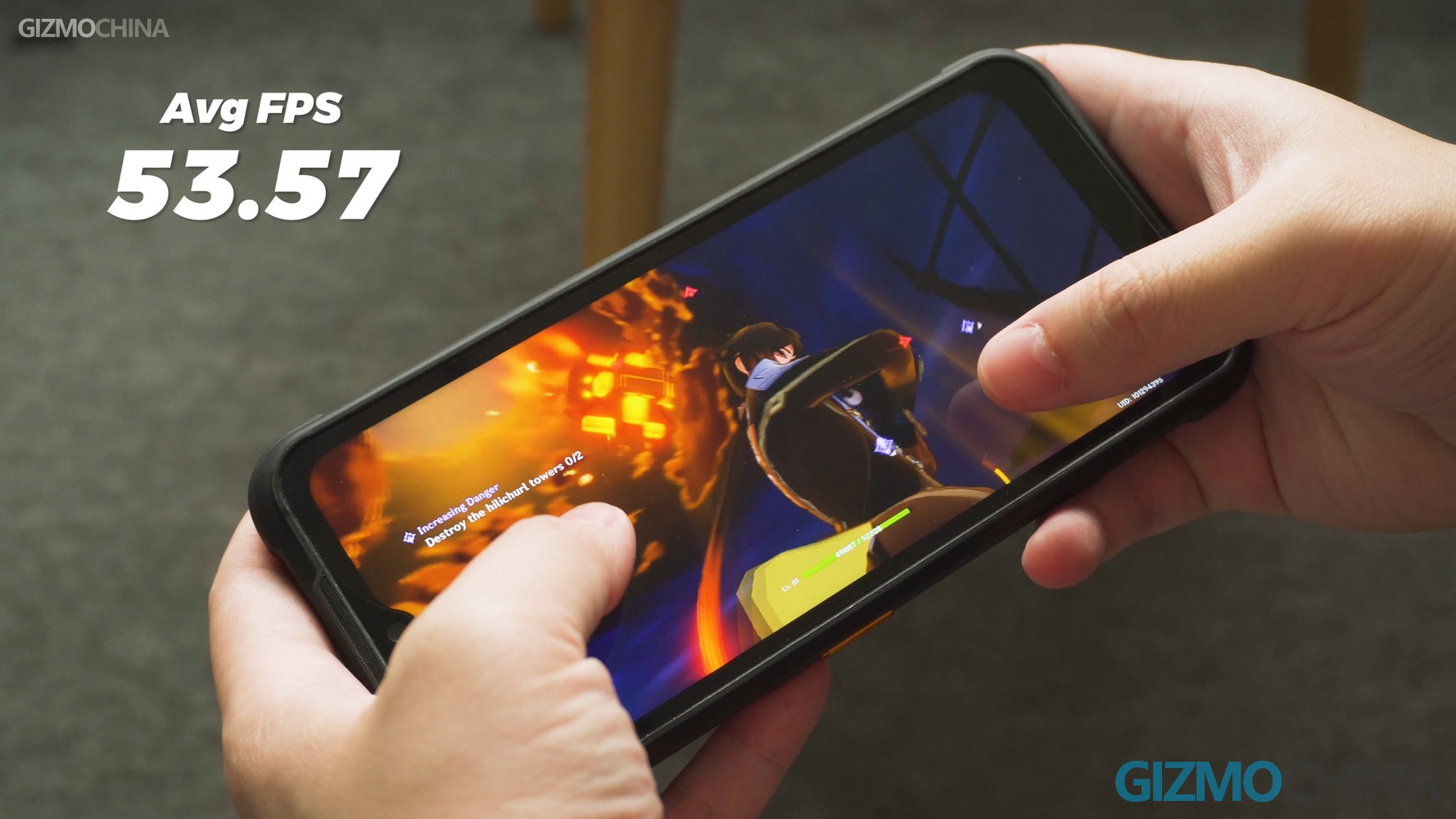
This allows the G2 Guardian to achieve an average frame rate of 54fps with the Genshin Impact with Low Graphics. This is already very strong for a rugged phone, many rugged phones can’t even run stably at 30fps. This chip also supports 5G network, which is not much different from a normal phone chip.
Other specs
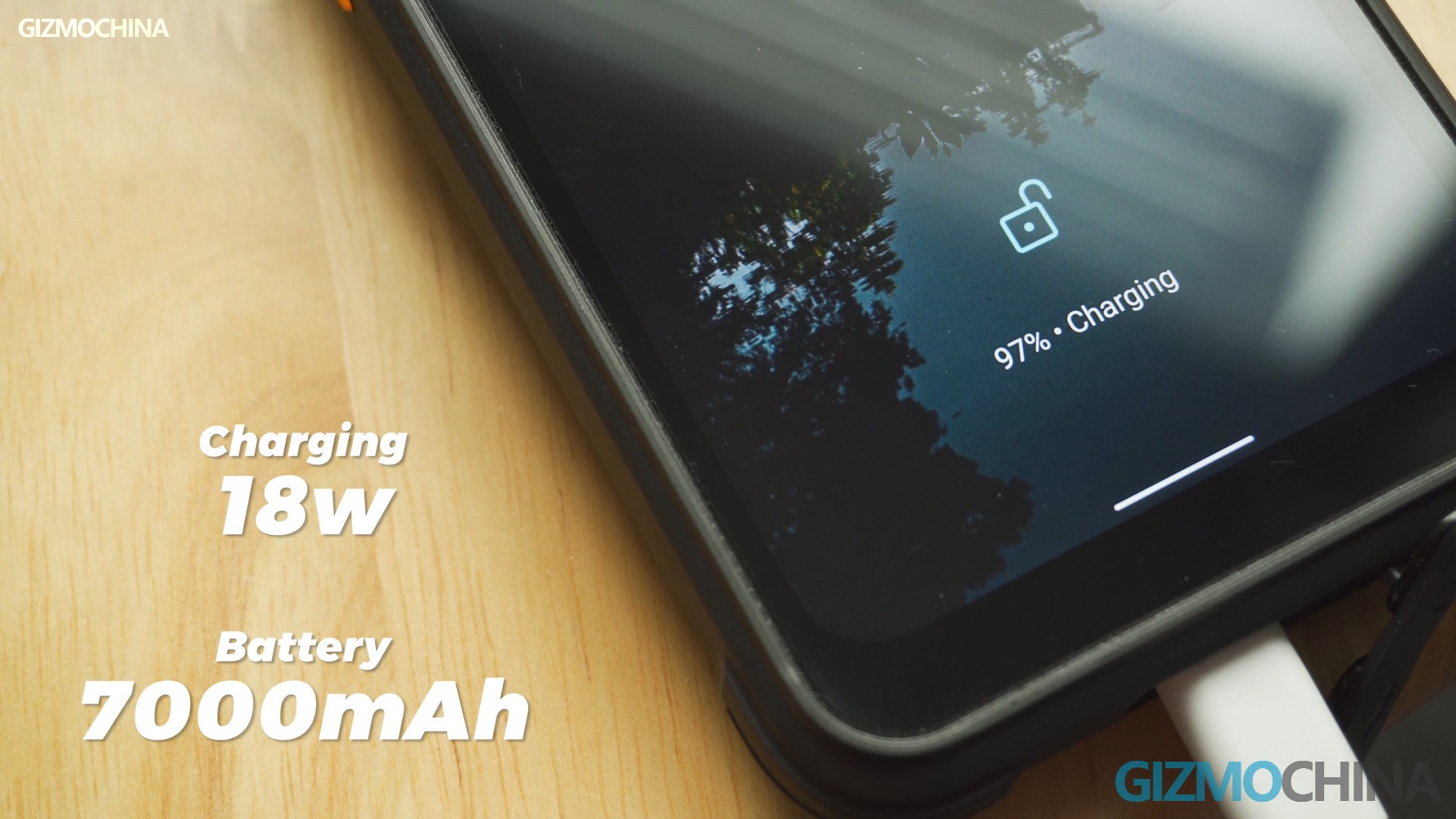
Other specs of the G2 Guardian are also at the top of the rugged phone. A 120Hz FHD+ panel with Corning Gorilla Glass protection is top-of-the-line for smoothness and durability. The battery capacity is 7000mAh and supports 18w charging. Dual SIM card slots support up to 512G TF cards for expanded storage. The dock charging and side fingerprint recognition are also there, and there’s a 100 lumens flashlight on top.
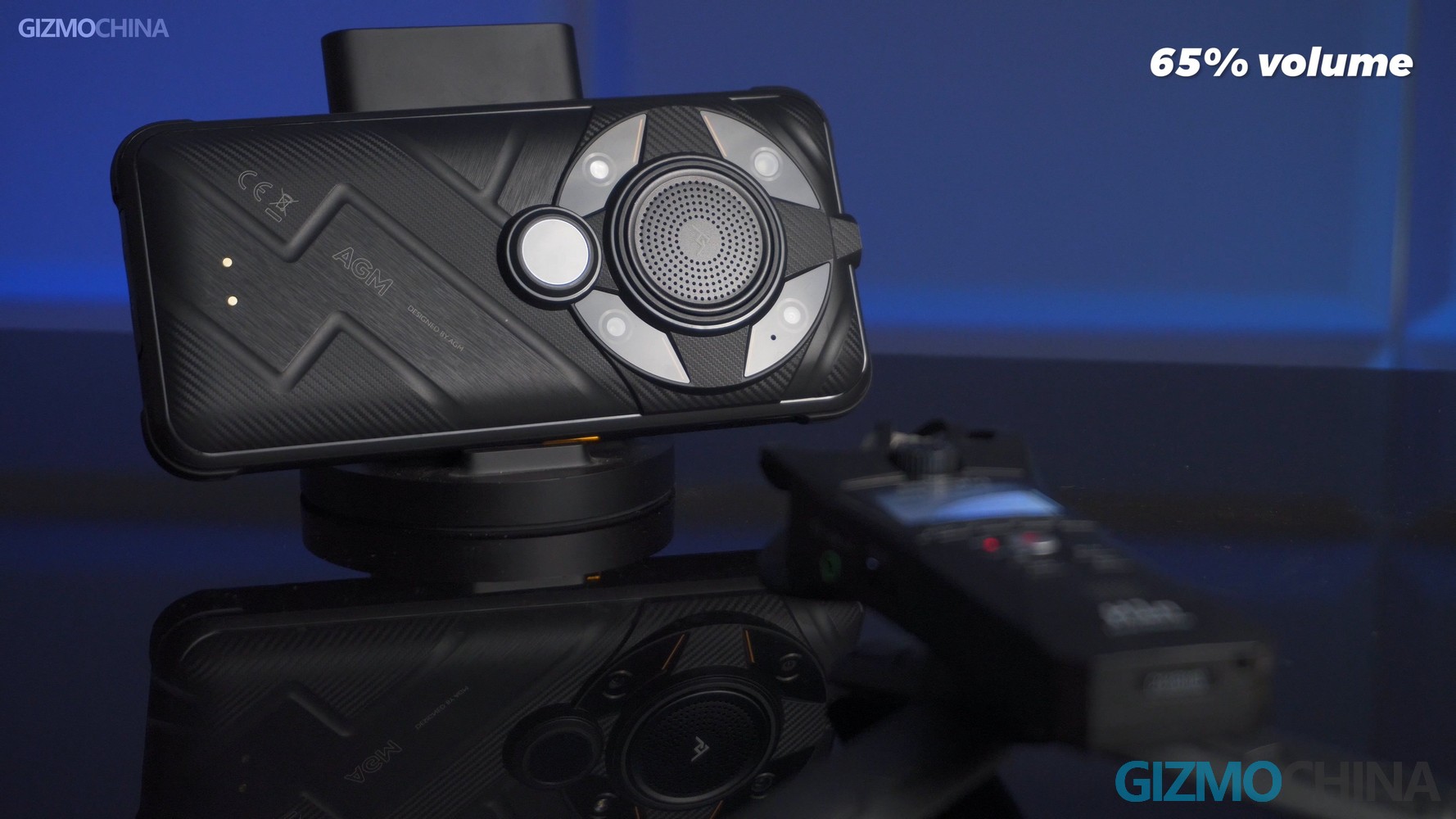
There is a headphone jack at the bottom. If you don’t want to wear headphones, the speaker with a maximum volume of 109dB is equivalent to a mobile Bluetooth speaker. If I put the real volume into the video you may be deaf, so the volume in the speaker test will be reduced appropriately, you do not have to worry.
(Click on the video at the beginning of the article to listen to the speaker test)
The AGM G2 Guardian is a very professional phone and there is no one better than it in thermal imaging phones. If you need a very professional long-range thermal imaging device and don’t want to put an extra thermal imaging camera in your backpack. Then this phone is just for you. For most people, it’s not worth paying $899 for a rugged phone, but once you like its thermal monocular, it’s worth whatever you spend.
Yesterday, OnePlus announced the OnePlus 11 Jupiter Rock limited edition in China. It is scheduled to go on sale starting April 3 in the home market. As per a new tweet by tipster Max Jambor, the OnePlus 11 Jupiter Rock limited edition will also release in India.
The OnePlus 11 Jupiter Rock limited edition looks like the surface of Jupiter, which is the biggest planet in our solar system, according to the company. It is the first smartphone to use a material made of volumetric microcrystalline rock, which gives each device a different pattern.
The OnePlus 11 Jupiter Rock limited edition flaunts a rough textured back panel that mimics the appearance and feel of natural rock formations. Developing the panel took over a year of research and development, and the material undergoes nine complex processes before becoming the back panel of a OnePlus 11 smartphone.
In China, the OnePlus 11 Jupiter Rock limited edition comes in a 16 GB RAM + 512 GB storage configuration only. It has a price of 4,999 Yuan (~$710), which is the same as its green and black editions. The OnePlus 11 Jupiter Rock limited edition’s launch date in India is currently unknown.
At present, the OnePlus 11 is available in India in 8 GB RAM + 128 GB storage and 16 GB RAM + 256 GB storage variants. These are at Rs 56,999 (~$695) and Rs 61,999 (~$755), respectively.
In related news, OnePlus is all set to launch the OnePlus Nord CE 3 Lite 5G and Nord Buds 2 TWS earbuds on April 4. The CE 3 Lite, which will have the Snapdragon 695 and a 120Hz LCD display onboard, will be priced under Rs 25,000 in India. The Nord Buds 2 is likely to cost around Rs 3,000 in the country.
OnePlus Nord 3 5G is expected to launch in July this year. Before its expected launch, the smartphone has now started bagging important certifications. The Nord 3 5G has appeared on certification platforms, such as Singapore’s IMDA, India’s BIS, China’s CQC, and TUV Rheinland.
At IMDA, the OnePlus device with the CPH2493 model number has appeared with the OnePlus Nord 3 5G moniker. It reveals support for 5G, Wi-Fi, Bluetooth, and NFC. The same model has been spotted at CQC certification with an 80W charger.
The TUV Rheinland certification reveals that the CPH2491 also belongs to the same device. It has been found through BIS certification that the CPH2941 model number belongs to the Indian variant of the Nord 3 5G.
Reports have revealed that the OnePlus Nord 3 5G will be a rebranded version of the OnePlus Ace 2V, which debuted in China recently. The Ace 2V has a 6.74-inch OLED panel that offers a 1.5K resolution of 1240 x 2772 pixels, a 120Hz refresh rate, and an in-screen fingerprint scanner. It is powered by the Dimensity 9000 chipset, up to 16 GB of RAM, and a 5,000mAh battery that supports 80W charging.
The Ace 2V has a 16-megapixel front-facing camera, and its back panel has a 64-megapixel (main) + 8-megapixel (ultra-wide) + 2-megapixel (macro) triple camera unit. It runs on Android 13 OS and ColorOS.
OnePlus Ace 2V
In related news, OnePlus will announce the OnePlus Nord CE 3 Lite 5G smartphone and Nord Buds 2 TWS earbuds on April 4. The company is also said to be working on the Nord CE 3. It will be positioned between the Nord CE 3 Lite and the Nord 3. The device will be one of the first Snapdragon 782G-powered phones to launch outside of China. It is also speculated to launch in July.
Infinix recently unveiled the Infinix Hot 30i in India. Now, it is gearing up to launch the Infinix Hot 30 in Thailand. The company has confirmed that the Hot 30 will be announced on March 31 in the country. The teasers released by the brand have revealed the key specifications and design of the phone.
The teasers released by Infinix confirm that the Infinix Hot 30 will be equipped with a 6.78-inch LCD panel that offers a Full HD+ resolution and a 90Hz refresh rate. It will be powered by the Helio G88 chipset.
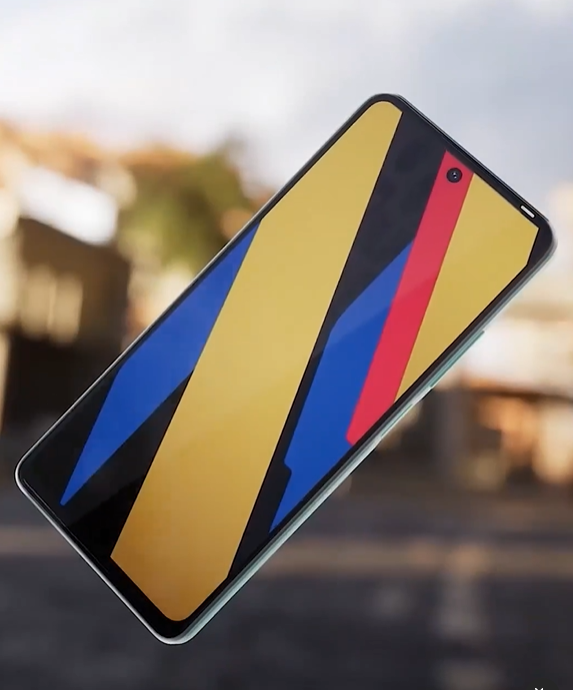
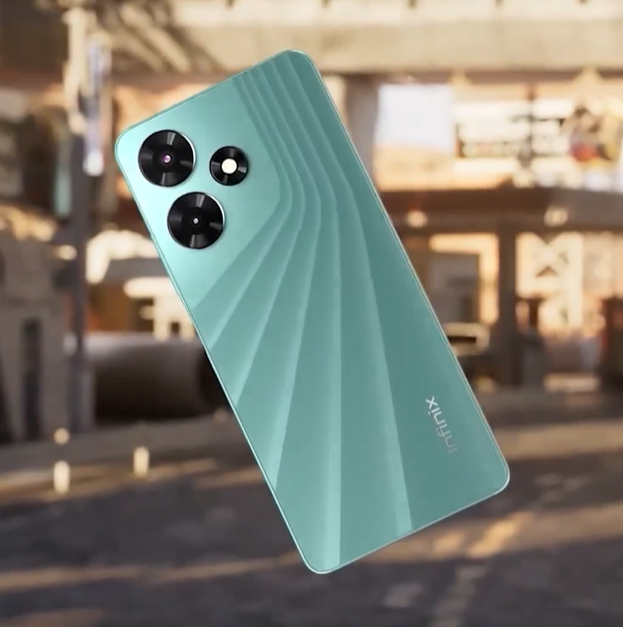
The Hot 30 will pack a 5,000mAh battery with 33W fast charging support. The teasers released by the brand showcase the front and rear designs of the phone. The device will come equipped with a punch-hole display and a uniquely designed rear shell.
The bottom edge of the device features a speaker grille, a USB-C port, a microphone, and a 3.5mm audio jack. A dual camera setup with LED flash can be seen on the rear side of the device.
In related news, the Infinix Hot 30i has gone official for Rs 8,999 in India. For this price, the device offers a 6.6-inch IPS LCD panel that offers an HD+ resolution, a 90Hz refresh rate, 500 nits of peak brightness, and Panda Glass protection. The Helio G37 chipset-powered device offers 8 GB of RAM, 8 GB of virtual RAM, 128 GB of storage, and a 5,000mAh battery with 10W charging.
The Hot 30i has a 5-megapixel front camera and a 50-megapixel + AI lens dual-camera system on the back. It runs on XOS 12-based Android 12 OS. The Hot 30i comes in four colors, such as Mirror Black, Glacier Blue, Diamond White, and Marigold.
We use cookies on our website to give you the most relevant experience by remembering your preferences and repeat visits. By clicking “Accept”, you consent to the use of ALL the cookies.
This website uses cookies to improve your experience while you navigate through the website. Out of these, the cookies that are categorized as necessary are stored on your browser as they are essential for the working of basic functionalities of the website. We also use third-party cookies that help us analyze and understand how you use this website. These cookies will be stored in your browser only with your consent. You also have the option to opt-out of these cookies. But opting out of some of these cookies may affect your browsing experience.
Necessary cookies are absolutely essential for the website to function properly. This category only includes cookies that ensures basic functionalities and security features of the website. These cookies do not store any personal information.
Any cookies that may not be particularly necessary for the website to function and is used specifically to collect user personal data via analytics, ads, other embedded contents are termed as non-necessary cookies. It is mandatory to procure user consent prior to running these cookies on your website.