Dell has launched two new laptops under the Alienware gaming brand. The latest offerings are the Alienware M16 and X14 R2. These arrive as the successors to the last year’s M15 and X14 respectively. Both the Alienware M16 and X14 R2 pack powerful specifications. They had also debuted at CES earlier this year. Read on to know what the laptops offer out of the box.
Dell Alienware M16, X14 R2 specifications and features
The Dell Alienware M16 boasts a large 16-inch display bearing a QHD+ resolution and a 240Hz refresh rate. It also has a 3ms response rate, dynamic display switching, AMD Freesync Premium, and Dolby Vision support. The machine is equipped with an aluminum chassis with Alienware’s M-series Cherry mechanical keyboard with AlienFX lighting, N-key rollover technology, and a multi-gesture touchpad.
On the hardware front, the Dell Alienware M16 is equipped with up to 13th-gen Intel Core i9 SoC paired with up to NVIDIA RTX 4080 GPU. It packs 16GB LPDDR5 RAM and up to 9TB PCIe NVMe SSD storage. The laptop has seven heat pipes and five vents along with Alienware Cyro-tech thermal design for heat dissipation and temperature management.
The Dell Alienware M16 is backed by an 86Wh battery with support for a 330W adapter. It comes with a 1080p IR webcam, dual stereo speakers, and microphones. Connectivity options on the device include two USB-C ports, HDMI 2.1 out, WiFi-6E, Bluetooth 5.3, a 3.5mm jack, and an Ethernet port. The laptop runs on Windows 11 OS.
As for the Dell Alienware X14 R2, it has a 14-inch screen with a 165Hz refresh rate and the rest of the display features the same as the M16. The device can be opened with one hand, thanks to the Legend 3 industrial chassis with V-rail edges.
Under the hood, the Alienware X14 R2 is powered by up to 13th gen Intel Core i7 chipsets with NVIDIA RTX 4060. The device can pack up to 32GB RAM and 1TB SSD storage. It runs on an 80Wh battery cell with support for a 130W adapter.
The Alienware X14 R2 borrows the rest of the specifications like a heat dissipation system, backlit keyboard, and connectivity options from the M16.
The Dell Alienware M16 carries a starting price tag of Rs 1,84,990 whereas the X14 R2 starts at Rs 2,06,990. Both laptops can be purchased from the brand’s official site, exclusive stores, Amazon, and authorized large retailers starting today.
HTC is gearing up to launch a new smartphone based on the VIVERSE platform. Now the brand has officially revealed the launch date of the upcoming offering. It is said to debut on May 18th. The name of the upcoming smartphone has not been explicitly revealed by HTC. However, it is expected to be called HTC U23 Pro.
HTC U23 Pro to launch next week
The latest teaser shared by HTC does not reveal many details of the upcoming U23 Pro smartphone. It shows the screen of the phone with a center-aligned punch-hole cutout upon a closer look. HTC’s Viverse is a metaverse world that offers immersive experiences and a seamless bridge to other virtual universes. We can expect the upcoming offering to come with VR features. We will learn more details including the pricing and complete specifications of the HTC U23 Pro at the launch event next week.
The HTC U23 Pro has already been spotted on Geekbench and real-life photos. The benchmarking platform revealed a Snapdragon 7 Gen 1 SoC coupled with 12GB RAM and Android 13 OS. The leaked live image of the phone revealed a rectangular camera module housing four sensors comprising an OIS-enabled 108MP primary unit paired with ultra-wide, depth, and macro lenses. The device is also expected to come in 8GB RAM and 256GB storage variant. The upcoming smartphone is rumored to feature a 120Hz AMOLED display and a 4,500mAh battery unit with support for wireless charging.
Maxima has just launched a new smartwatch model in India. The company’s latest wearable is the Max Pro Knight+ smartwatch, which follows mere days after the brand’s new Max Pro Nitro model that launched earlier this month.
Maxima Max Pro Knight+ features a premium metallic build design
The new smartwatch sports a 1.39 inch HD display that has a peak brightness of 600 nits. This circular screen is surrounded with a metallic body and a digital crown. Under the hood, a Realtek chipset powers the device, which also supports Bluetooth calling thanks to its built in speaker and mic. It even supports AI voice assistants as well for hands free control. The Max Pro Knight+ offers more than 100 workout modes for fitness enthusiasts.
Furthermore, it even houses various health related sensors that enable features like SpO2 blood oxygen mapping, heart rate tracking, menstrual cycle tracking, and even sleep mapping. The Maxima Max Pro Knight+ comes with various functions like notifications, water alerts, alarms, stopwatches, and more. Other notable features include, IP67 water resistance rating, Maxima SmartFit app support, Bluetooth 5.0, up to 5 days of battery life with calling feature enabled, and up to 10 days of battery life without calling feature.
The Max Pro Knight+ smartwatch is being offered in multiple color options, namely Space Black, Rose Gold Black, Black Burgundy (with leather straps), and Rose Gold Tan (with leather straps) variants. The smartwatch is available on sale on the company’s official website for a starting price tag of 1,999 INR.
At the recent annual I/O Developer conference, Google silently announced a new variant of the Pixel Buds A-Seiries TWS earphone. The audio device now comes in a new colorway. It matches up to the newly launched color variant of the Pixel 7a. The new color variant had also appeared in a leaked render before launch. Apart from a new paint job, the core specifications of the earbuds remain the same.
Google Pixel Buds A-Series gets Sea colorway
The new color variant of the Google Pixel Buds A-Series is called ‘Sea’. The earbuds adopt a light blue hue. The interior case of the TWS earphones has a slightly darker hue while the exterior is still in White paint job. The Pixel Buds A Sea color option goes together with the blue color variant of the Pixel 7a.
The new colorway of the Pixel Buds A-Series carries the same $99 price tag. It is already available for purchase in the US.
As for the core specifications, the Google Pixel Buds A are budget TWS earphones. They feature an in-ear design with integrated ear hooks and are IPX4-rated sweat and water-resistant. The audio device is equipped with a 12mm dynamic driver. There is an adaptive sound that adjusts noise based on the user’s surroundings and beamforming microphones that reduce noise for clear-quality calls. The TWS earphones support fast pair. The Pixel Buds A are claimed to deliver 24 hours of battery with each earbud said to offer 5 hours of usage.
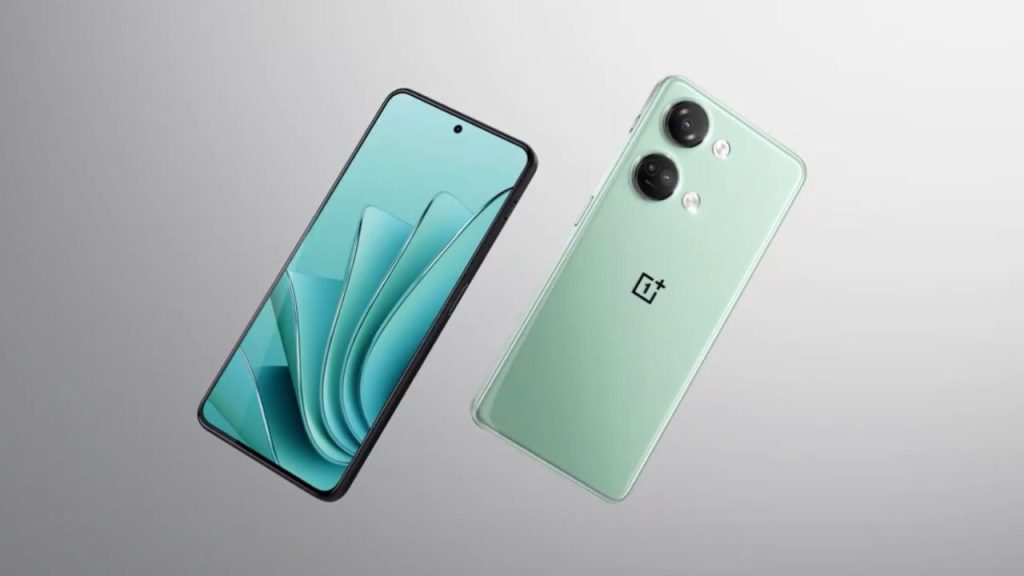
OnePlus is gearing up to launch the highly anticipated Nord 3 smartphone model in the market soon. The announcement of the smartphone seems to be right around the corner as the device was spotted on the company’s official website.
OnePlus Nord 3 is believed to be a rebranded Ace 2V model
Based on what we know so far, the Chinese smartphone maker’s Nord 3 is expected to be a rebranded version of the Ace 2V model that was launched in China. Now, a new leak has revealed that the Nord 3 was spotted on the company’s Indian website, which hints at its imminent launch. Apart from the official listing, the device apparently even surfaced on the BIS (Bureau of Indian Standards) database. Previously, it was even spotted on TKDN certification database.
We have already covered various rumors and reports regarding the upcoming smartphone, one of which claims that the Nord 3 will bring back the IR Blaster for easier control of your home appliances. If the Nord 3 is a rebranded Ace 2V, then we have more information regarding its finer details. In other words, the device will sport a tall 6.74 inch OLED display that supports Full HD+ resolution and 120Hz resfresh rate. Under the hood, it will be equipped with the MediaTek Dimensity 9000 SoC that will be paired with up to 12GB of RAM and 256GB of internal storage.
Furthermore, the rear features a triple camera setup that consists of a 64 megapixel primary sensor, while the front houses a 16 megapixel selfie shooter. The OnePlus Nord 3 will likely be powered by a large 5,000mAh battery pack that supports 80W fast charging. Notably, the Nord Buds 2R is also expected to launch alongside the Nord 3. So stick around for more updates regarding this matter.
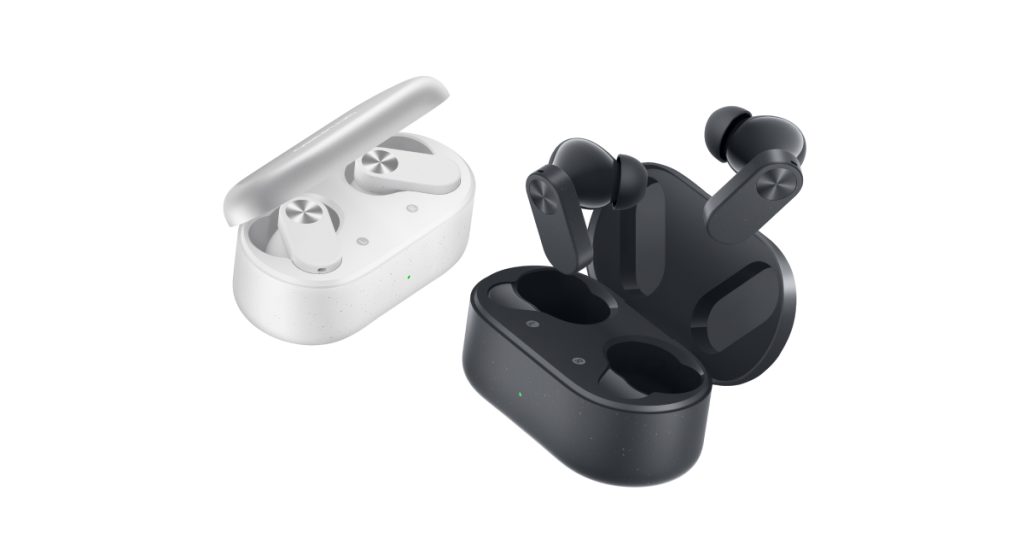
OnePlus is apparently gearing up to launch the Nord Buds 2R in the Indian market soon. But ahead of an official announcement, the launch timeline of the upcoming truly wireless earbuds has been leaked. So let’s have a look.
OnePlus Nord Buds 2R could be a cut down Nord Buds 2 variant
Previously, we had reported on the Chinese smartphone maker’s Nord Buds 2R being spotted on the SIRIM database and the beginning of its serial production. Furthermore, it is believed to be follow the same strategy as the OnePlus Buds Pro 2R, which is a cut down version of the Nord Buds Pro 2. In other words, we can expect the Nord Buds 2R to be slightly different from the Nord Buds 2. These hearable models featured Active Noise Cancellation (ANC), Bluetooth 5.3, Dolby Atmos support, and up to 36 hours of battery life.
Meaning, we can expect the device to feature some of these specifications and if the Nord Buds 2R are more affordable, so it might drop the ANC feature. Now, according to Mukul Sharma, the Indian launch timeline for these earbuds have been tipped. We already know that OnePlus is gearing up to launch the highly anticipated Nord 3 smartphone in the region, and he claims that the Nord Buds 2R will be launching alongside this device.
Unfortunately, the tipster did not reveal any finer details or the exact launch date for the upcoming products. Finer details regarding the upcoming Nord Buds 2R is still unclear, so stick around for more as we will be providing updates when additional information is available regarding the upcoming TWS earbuds.
I’ve been skeptical of manufacturers using “productivity” as one of the selling points of a tablet since we all know that the mobile platform lacks those professional applications and effective features. You can only do simple text work or video editing on a tablet.
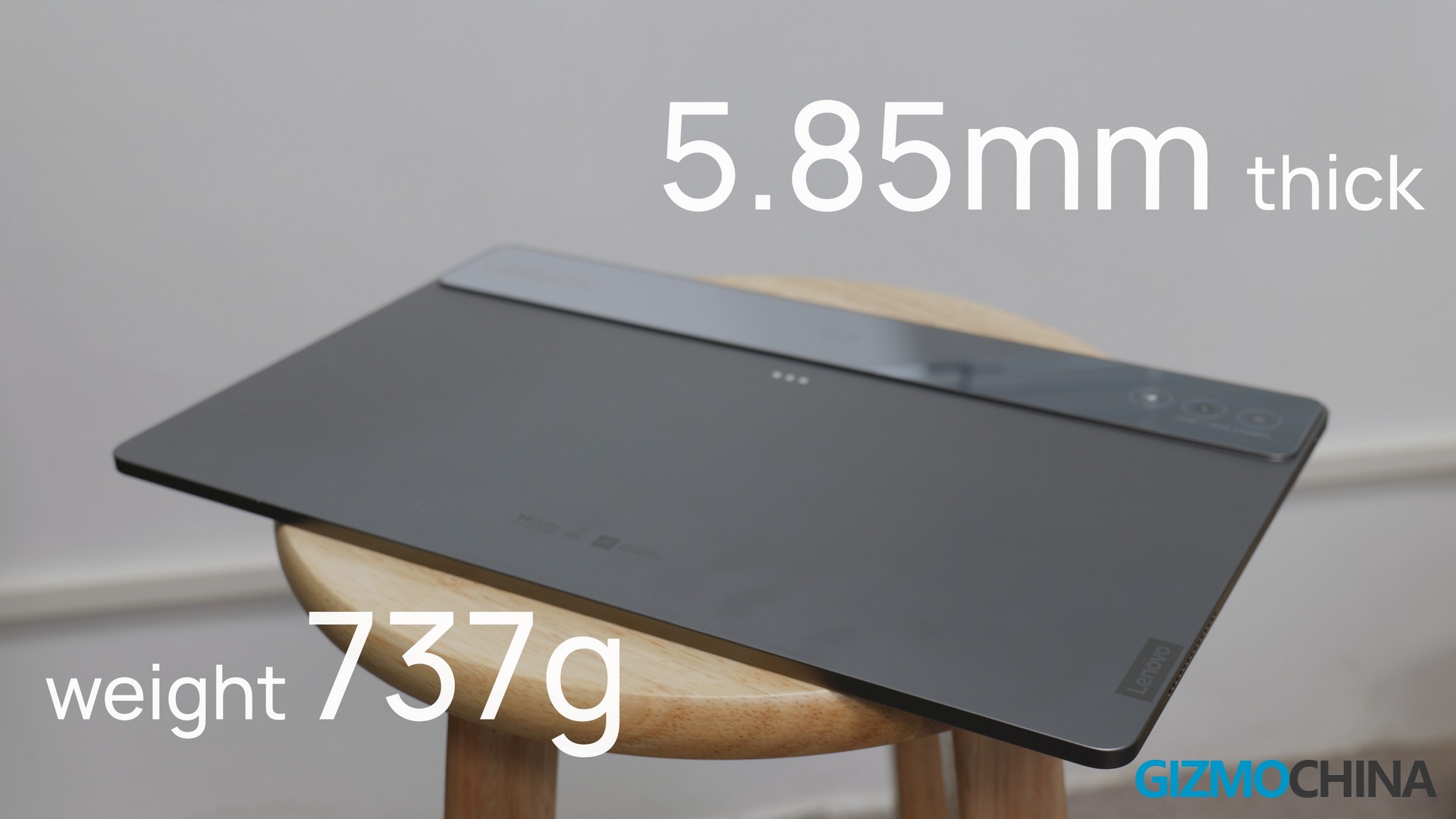
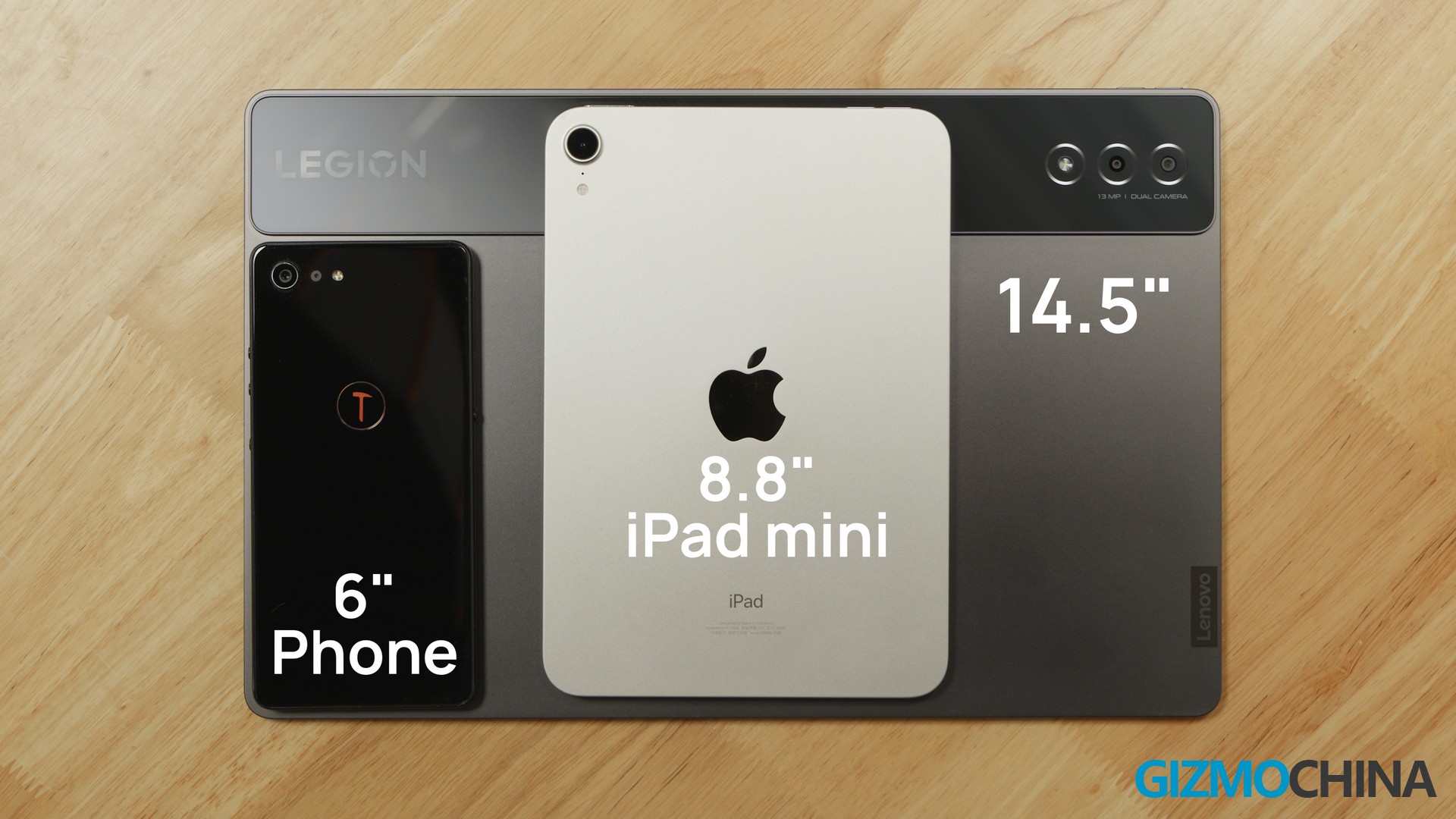
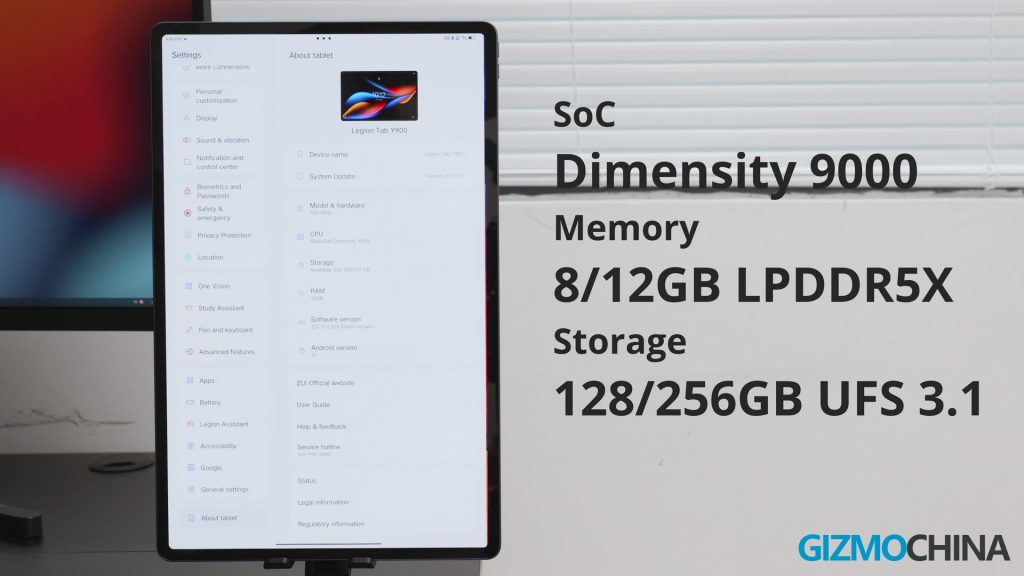
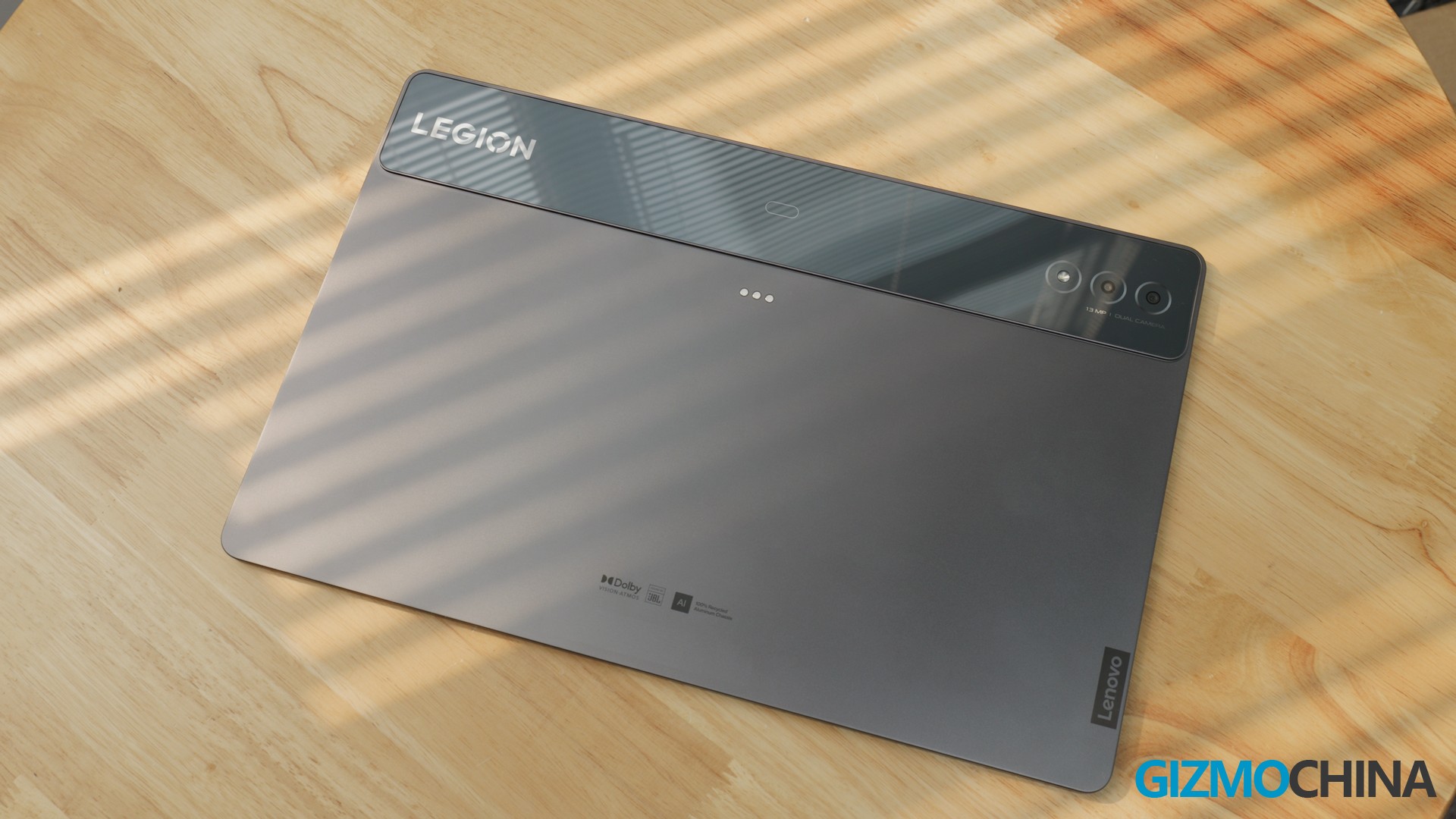
But I recently got a tablet that turns itself into a great companion to a PC and really met my needs about productivity in a different way. The Legion Y900, a super tablet with a large 14.5-inch screen, is powered by the Dimensity 9000 and supports a DP-IN feature, which means that apart from being a tablet, it can also work as a mobile monitor. Today let’s see how it reconstructs people’s imagination of a tablet with a large screen.
Uboxing
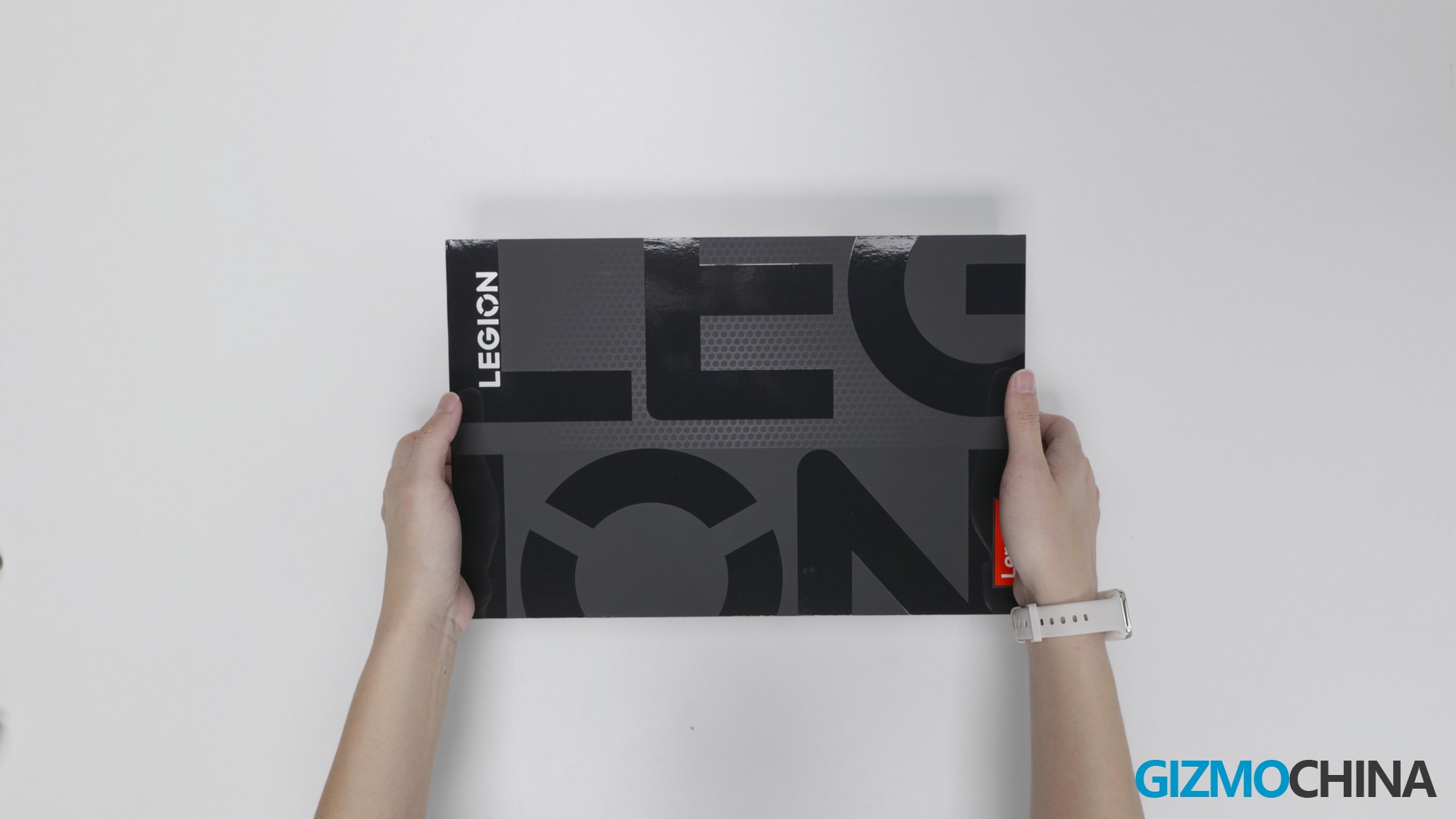
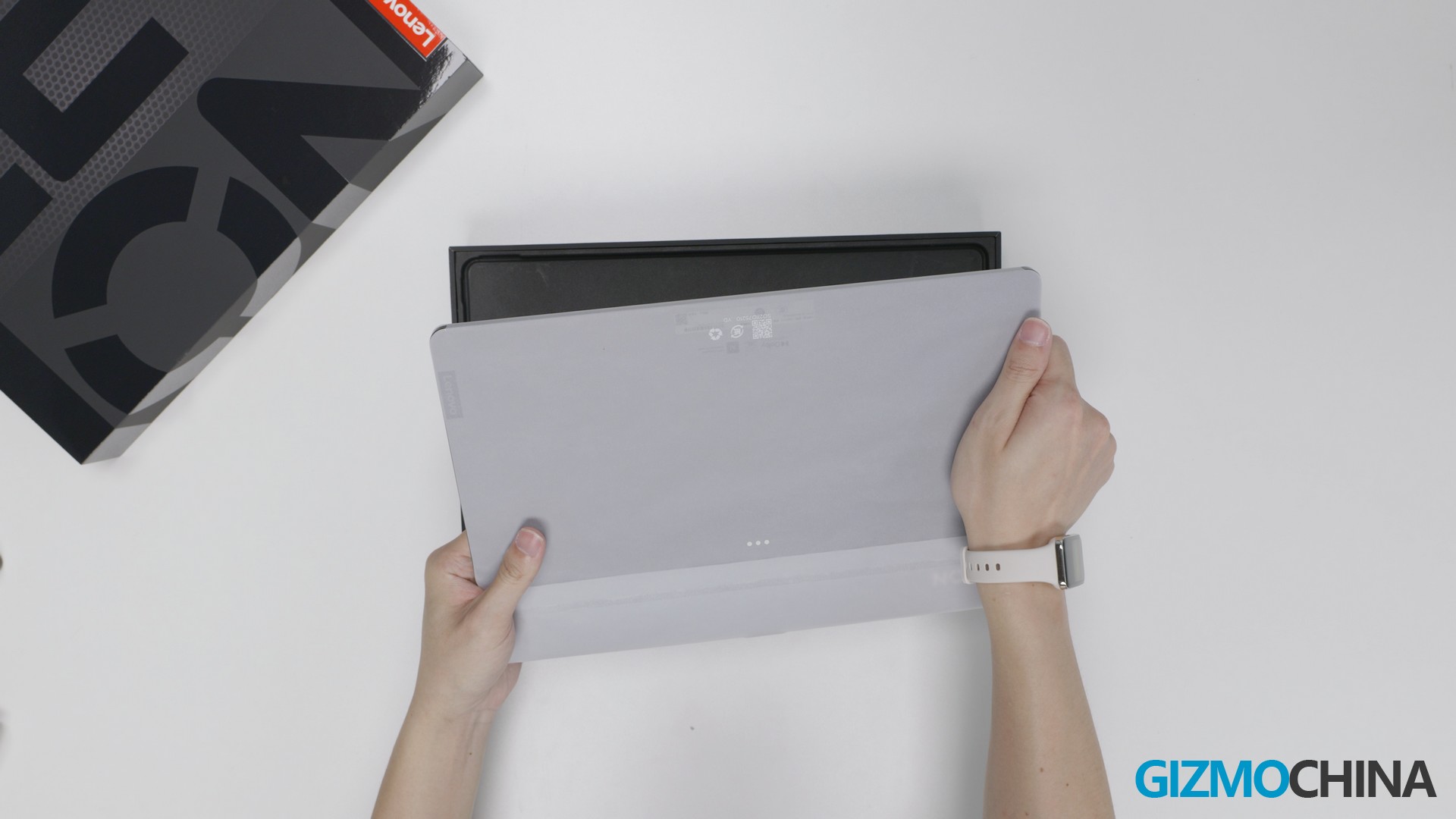
When I first saw the packaging of the Y900 tablet, I wondered if they were shipping the wrong product, as it looked very similar to the Legion laptops of recent years, both in terms of style and size.
I had used the 12.9-inch iPad Pro and was really impressed by that screen, but at this moment, my perception of a tablet was once more shattered. When I picked up the Legion Y900 wrapped in paper, I felt like I was holding not a tablet but a laptop with a missing keyboard.
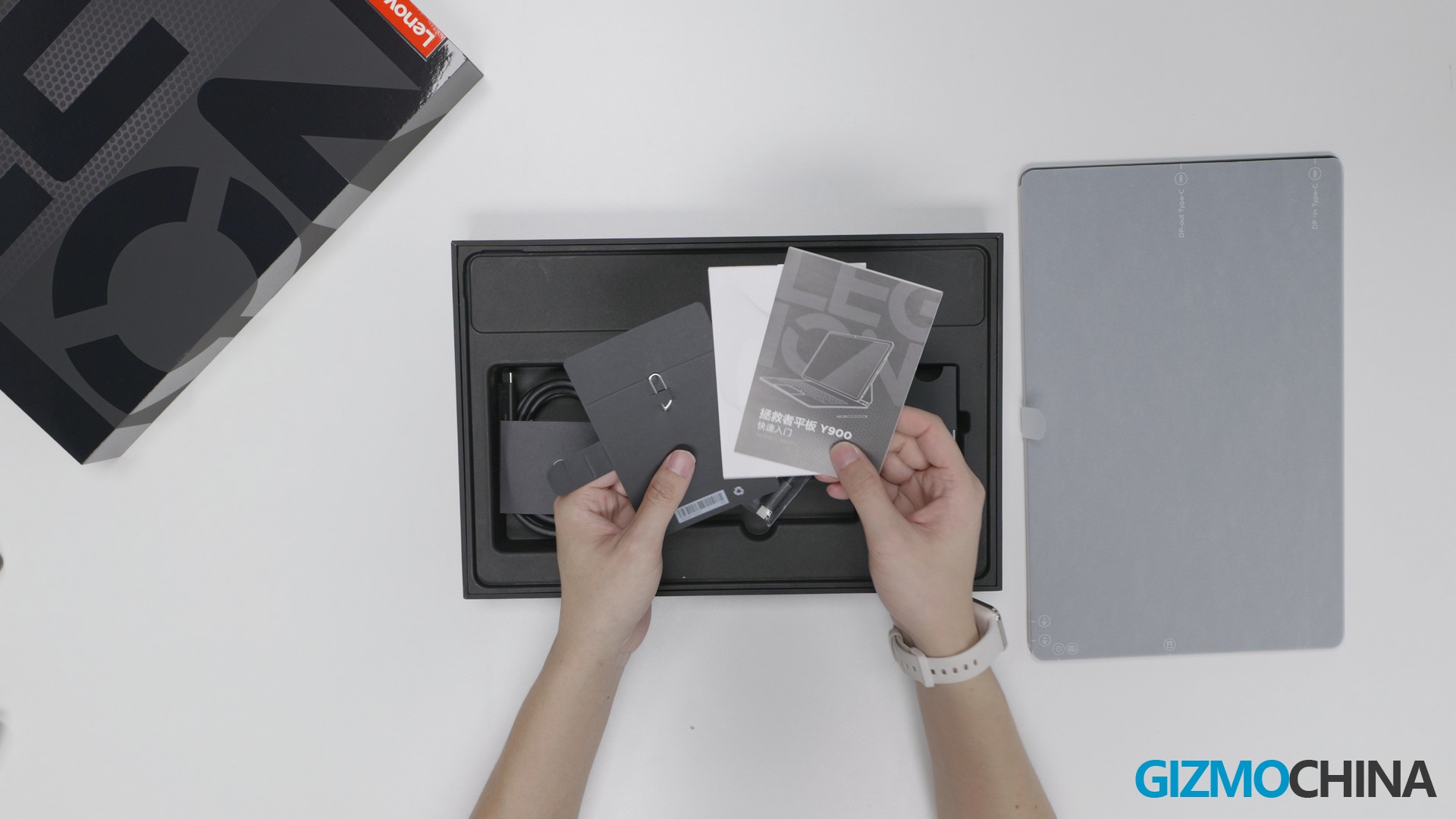
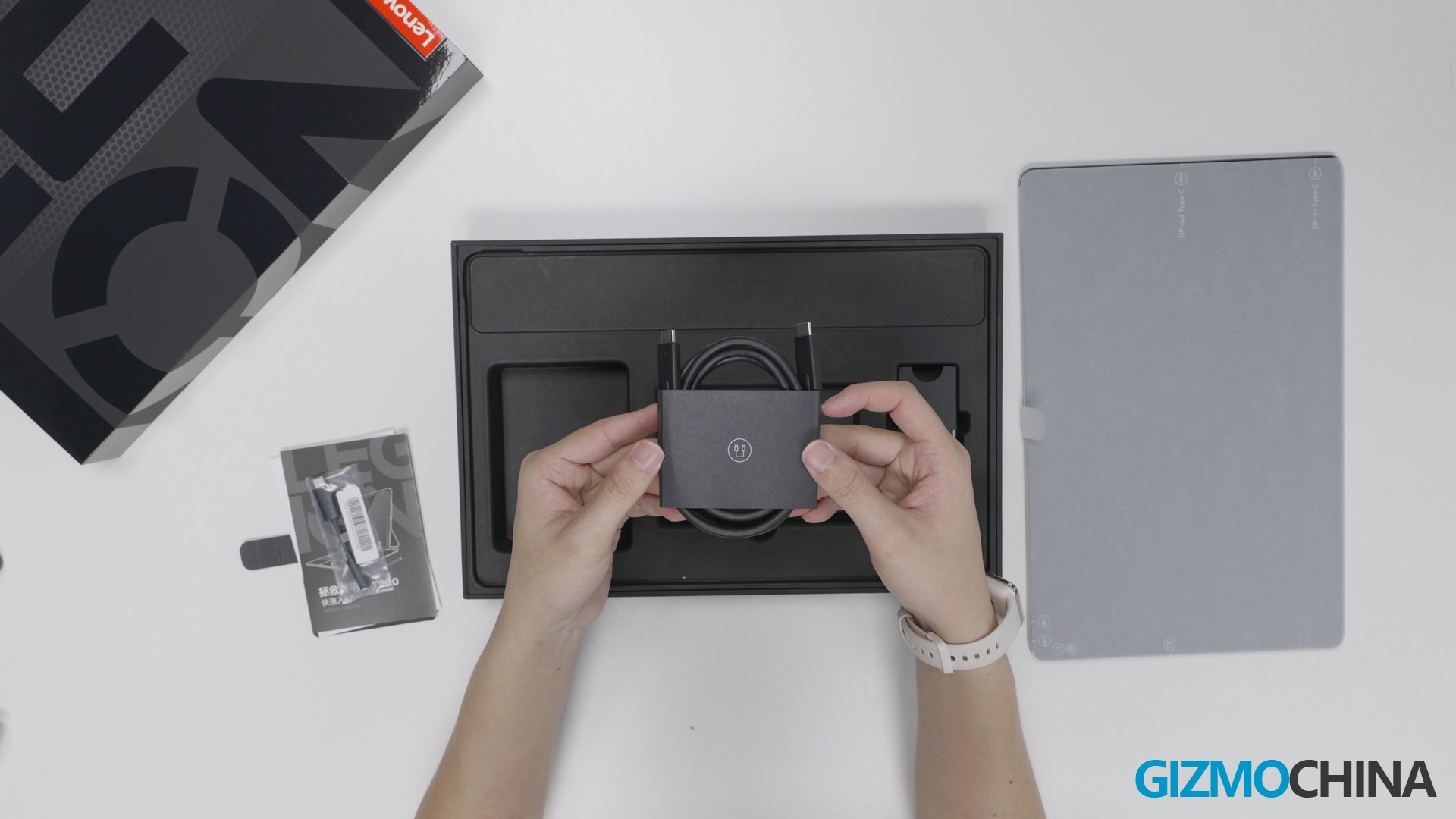
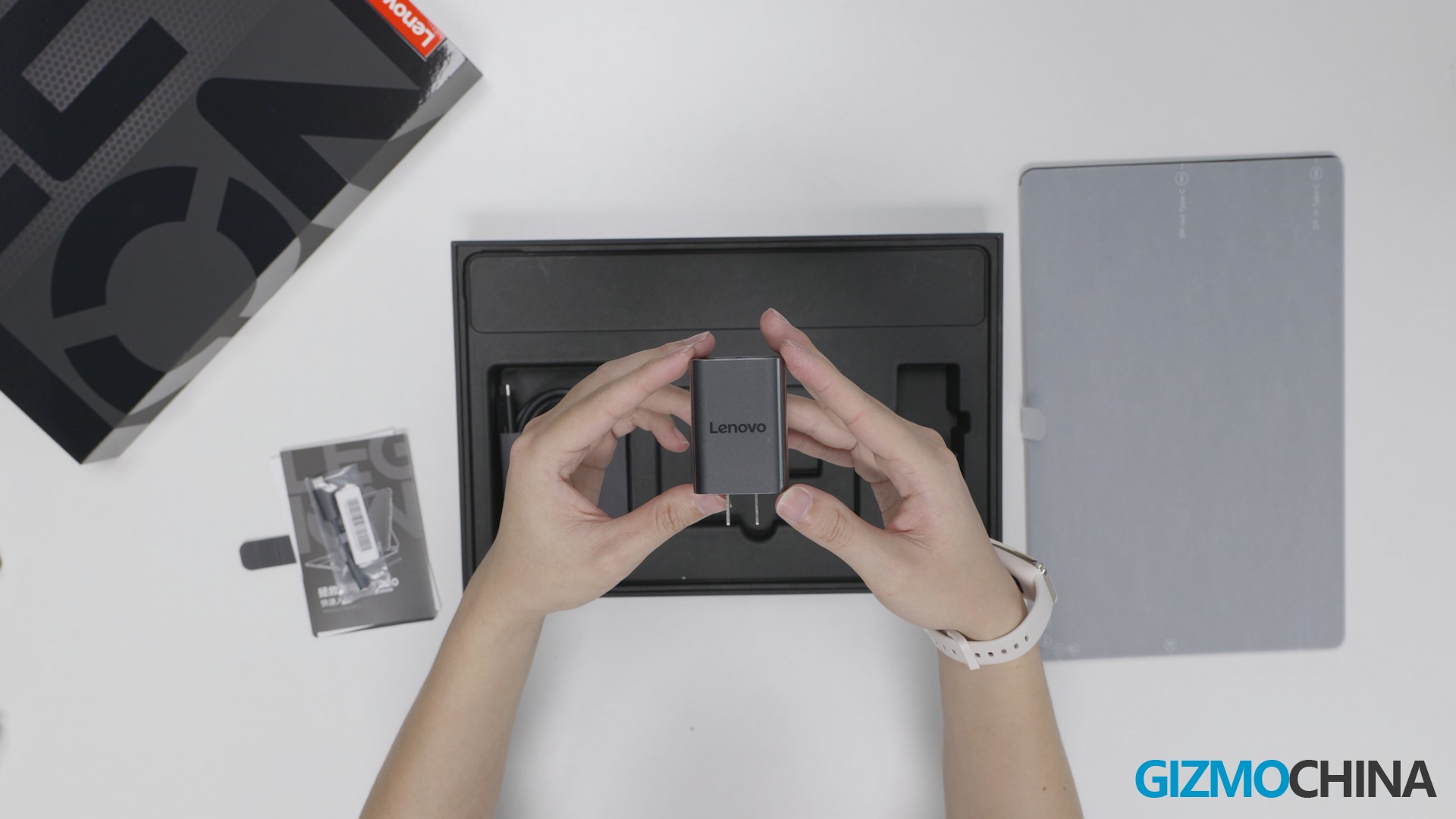
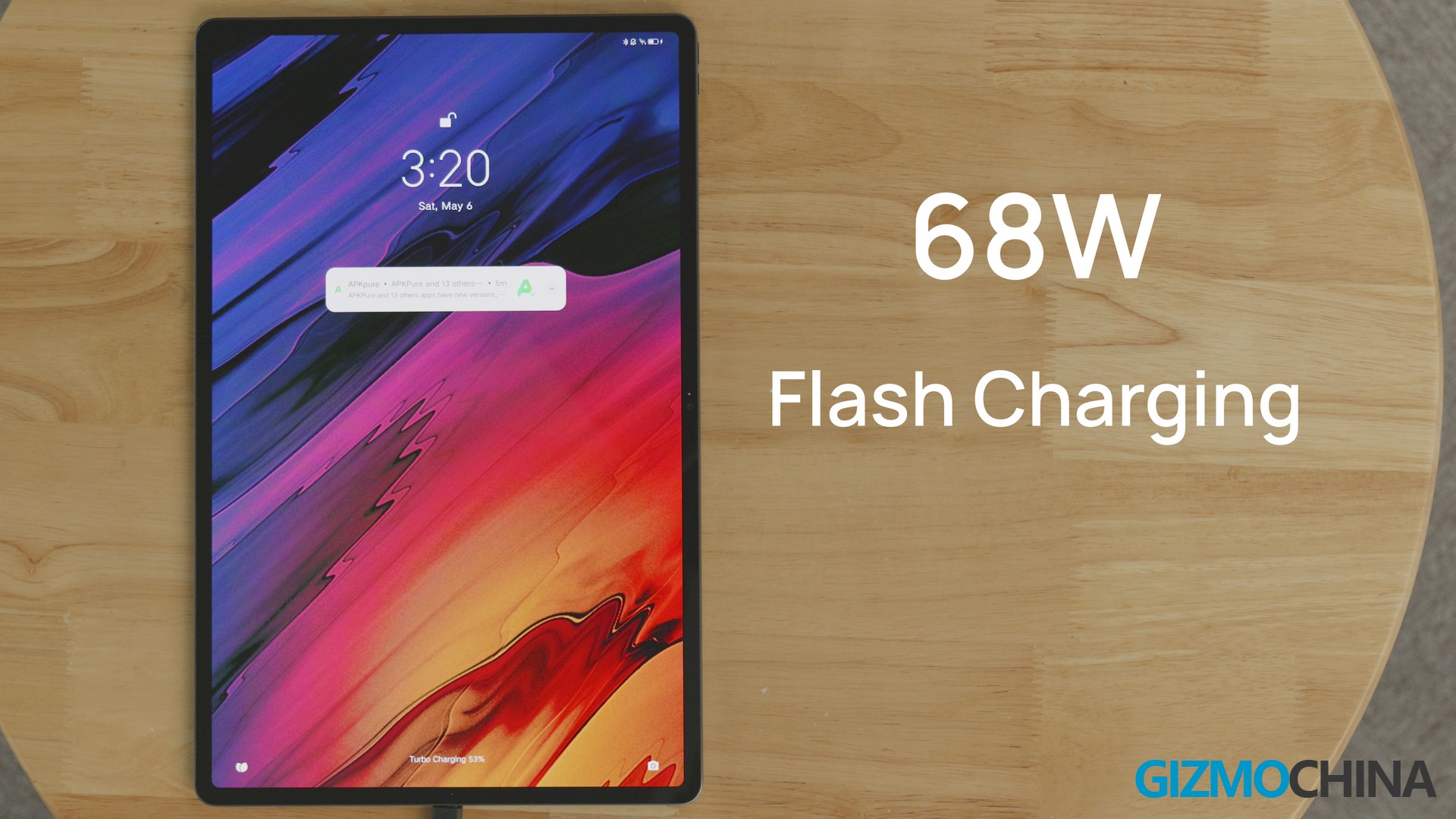
Fortunately, the accessories at the bottom of the package reminded me that what I had was indeed a tablet, and as you can see there isn’t a huge laptop power adapter. We got a manual, a warranty card, a full-featured USB-C cable, and a 68-watt charger. All these accessories are pretty common in other regular tablets.
Design
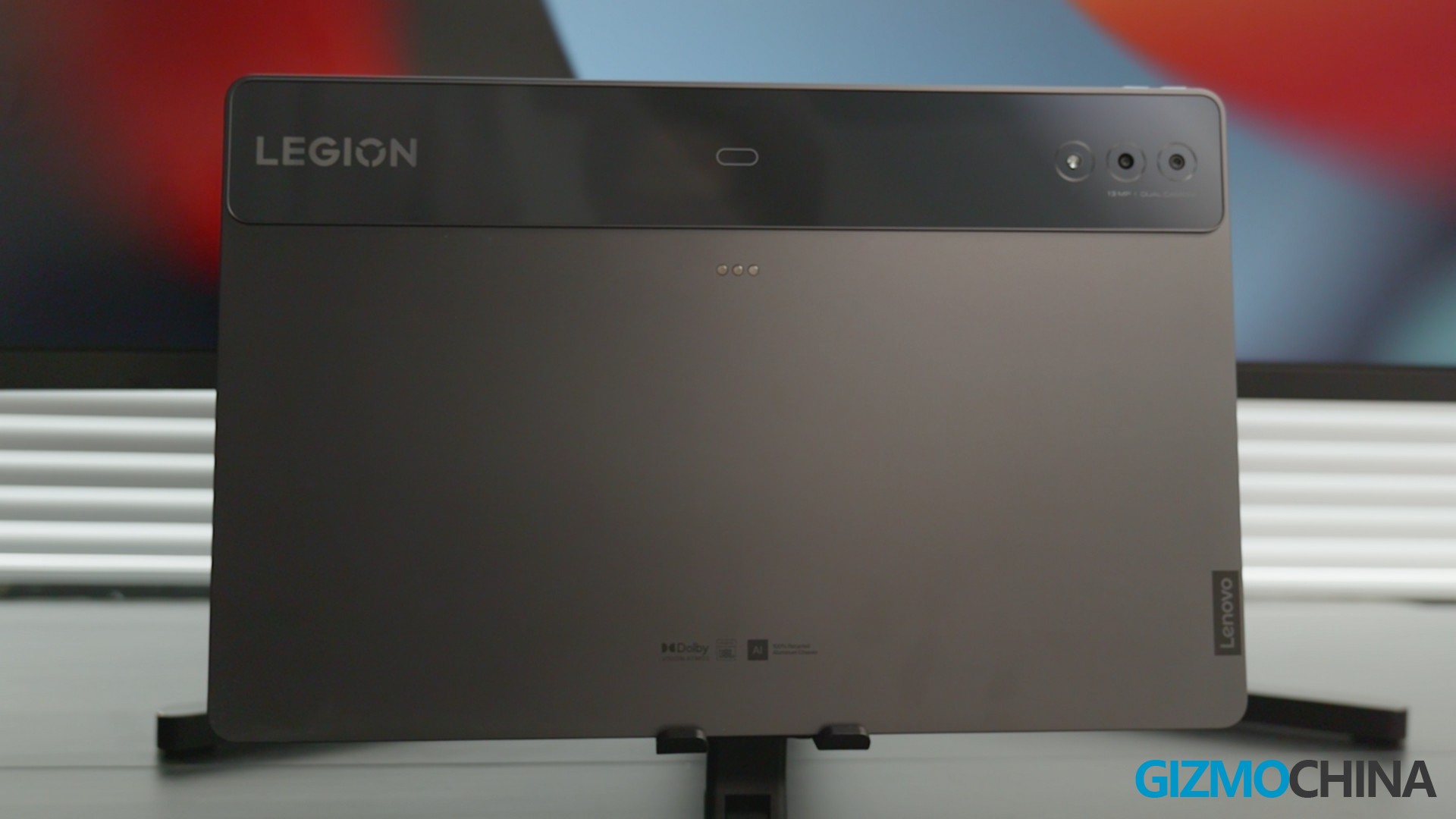
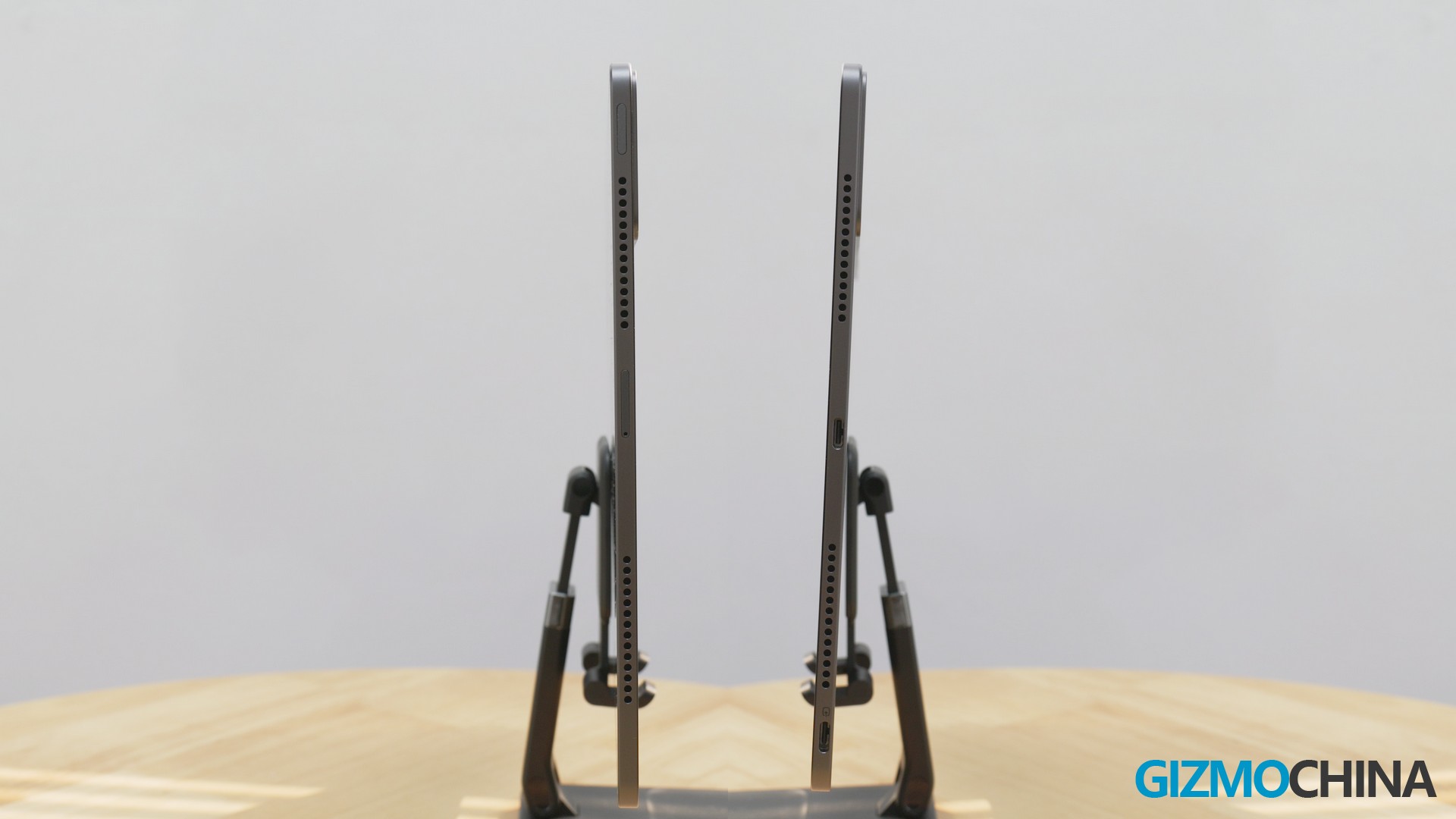
It is not simple to make a product refined in a larger size, Lenovo is very clever by splicing different materials to split the back cover into two parts. It looks pretty good with a very slim body. Although as an Android tablet, the size is unnaturally large, it is surprisingly lighter than a 12.9-inch iPad Pro.
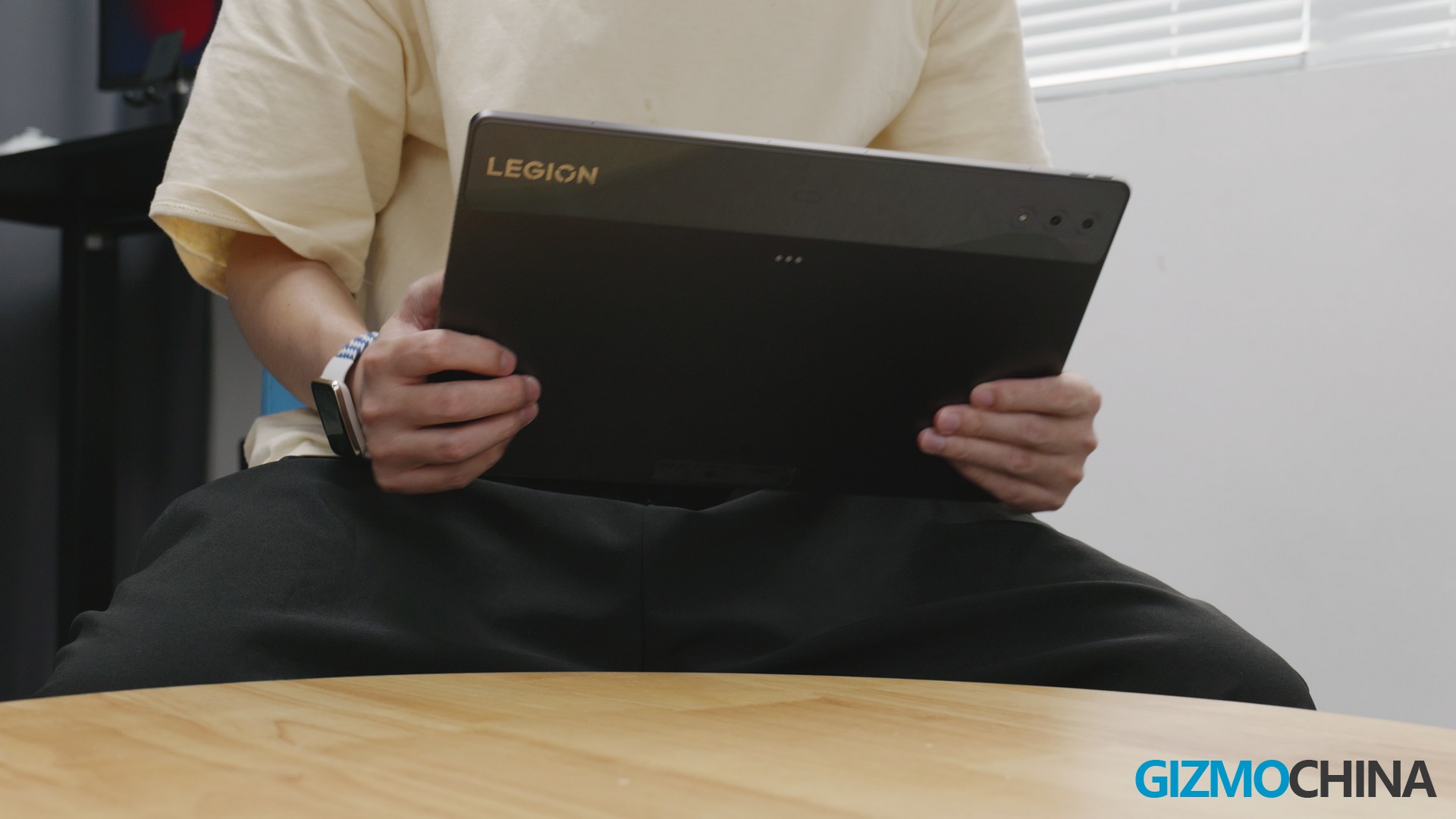
I think 12 inches should be a dividing line. The screen size of devices larger than 12 inches is no longer comfortable for holding in hands, I tried to play games with this tablet in my fingers. After ten minutes my hands were starting to hold out, although it provides a very good visual experience. The pleasure of my eyes obviously couldn’t stop me from putting it down.
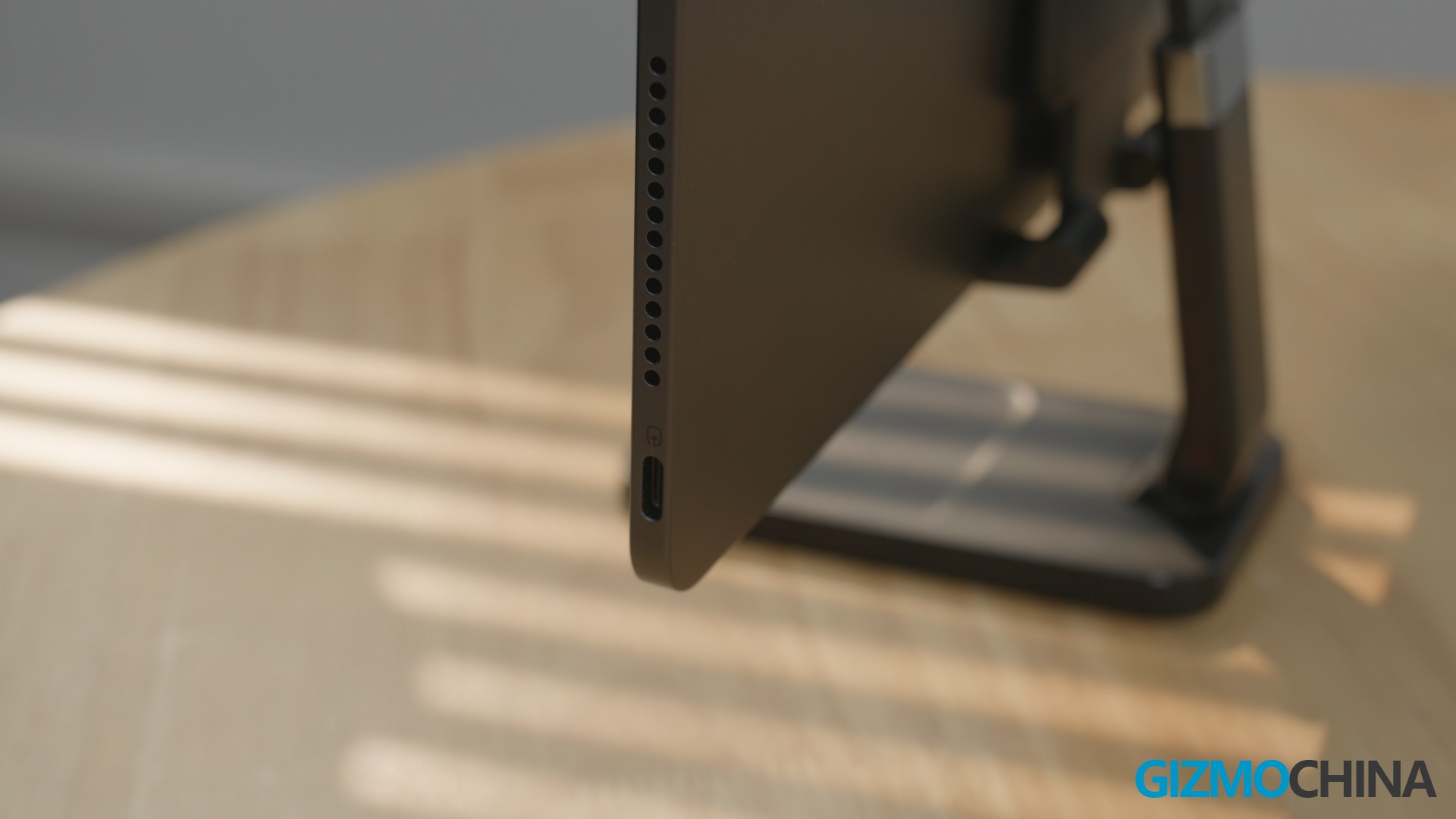
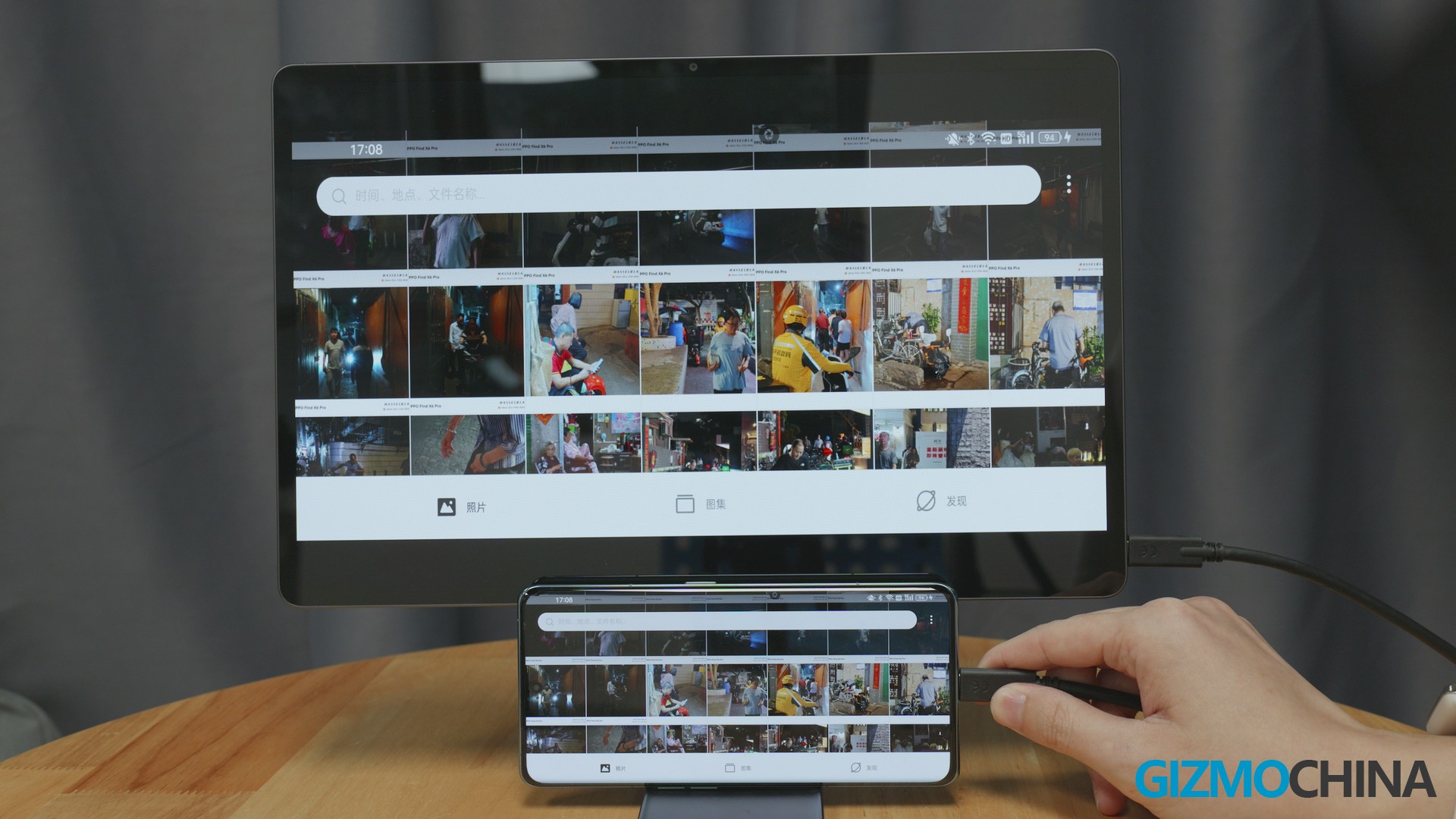
In terms of connectivity, the Legion Y900 has one more USB-C port compared to other Android tablets. Lenovo claims it supports a DP-in feature, which means the Y900 can be used as an external display for peripherals such as notebooks and smartphones via this additional video-in port.
Screen & Speaker
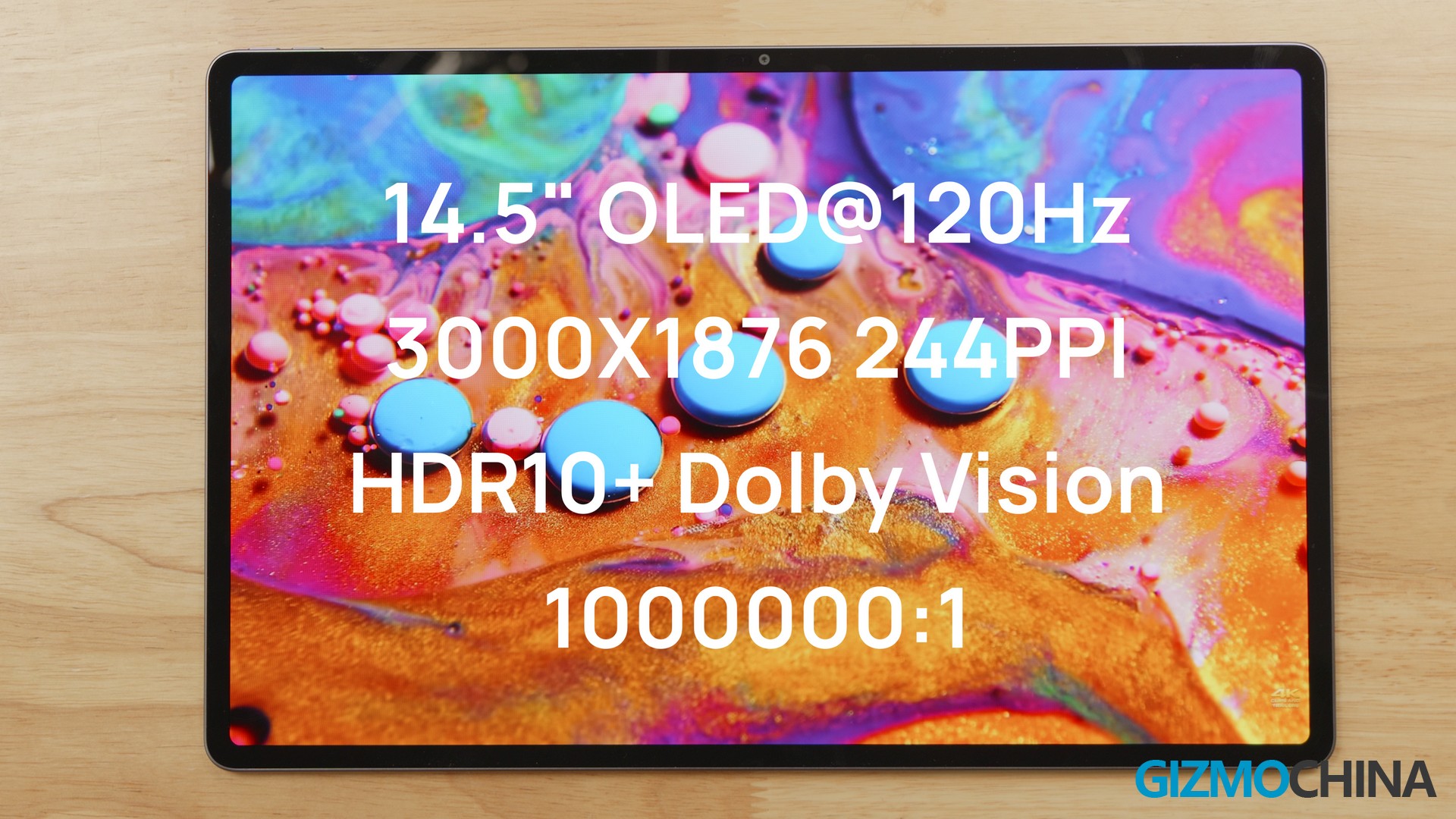
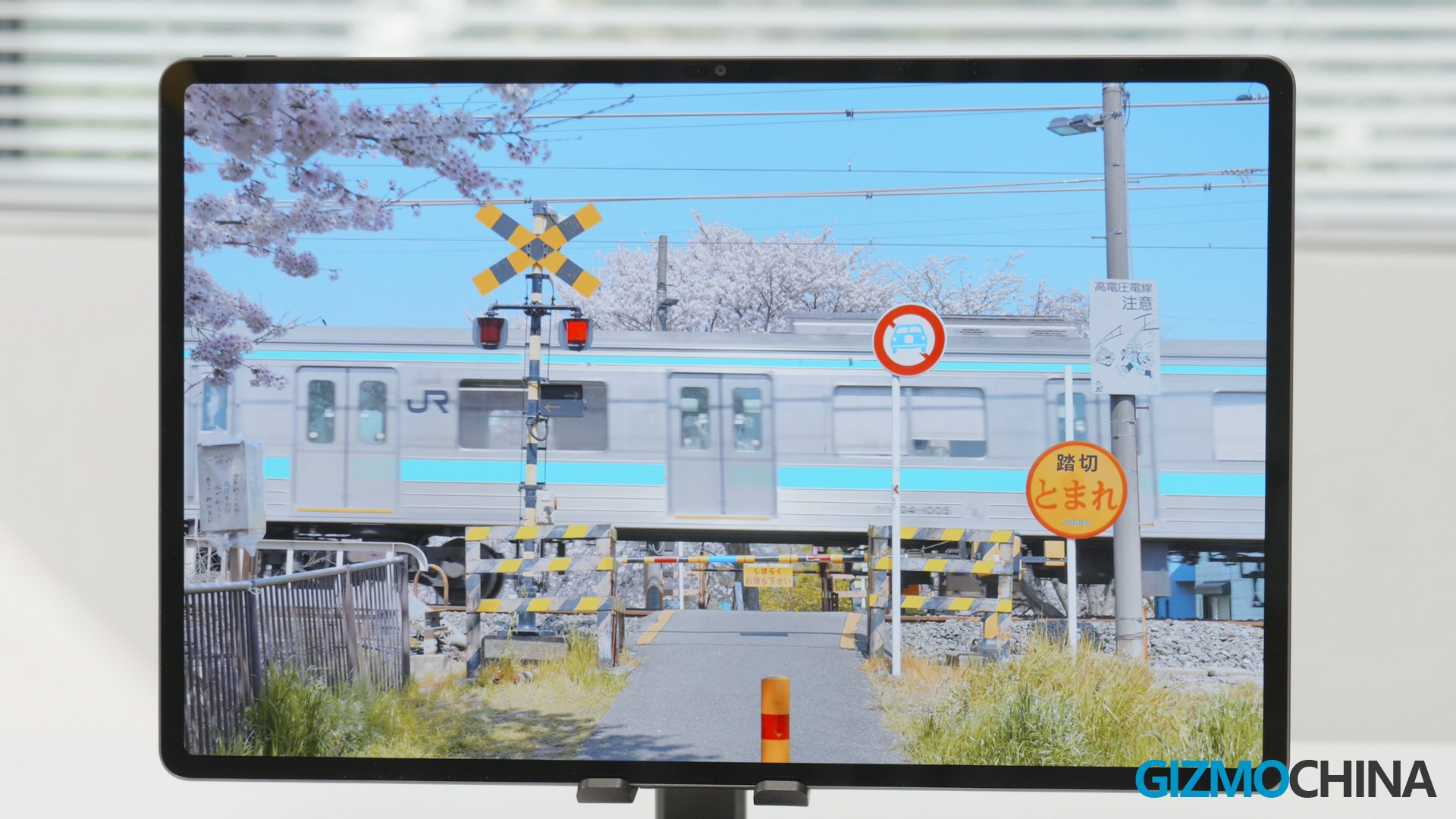
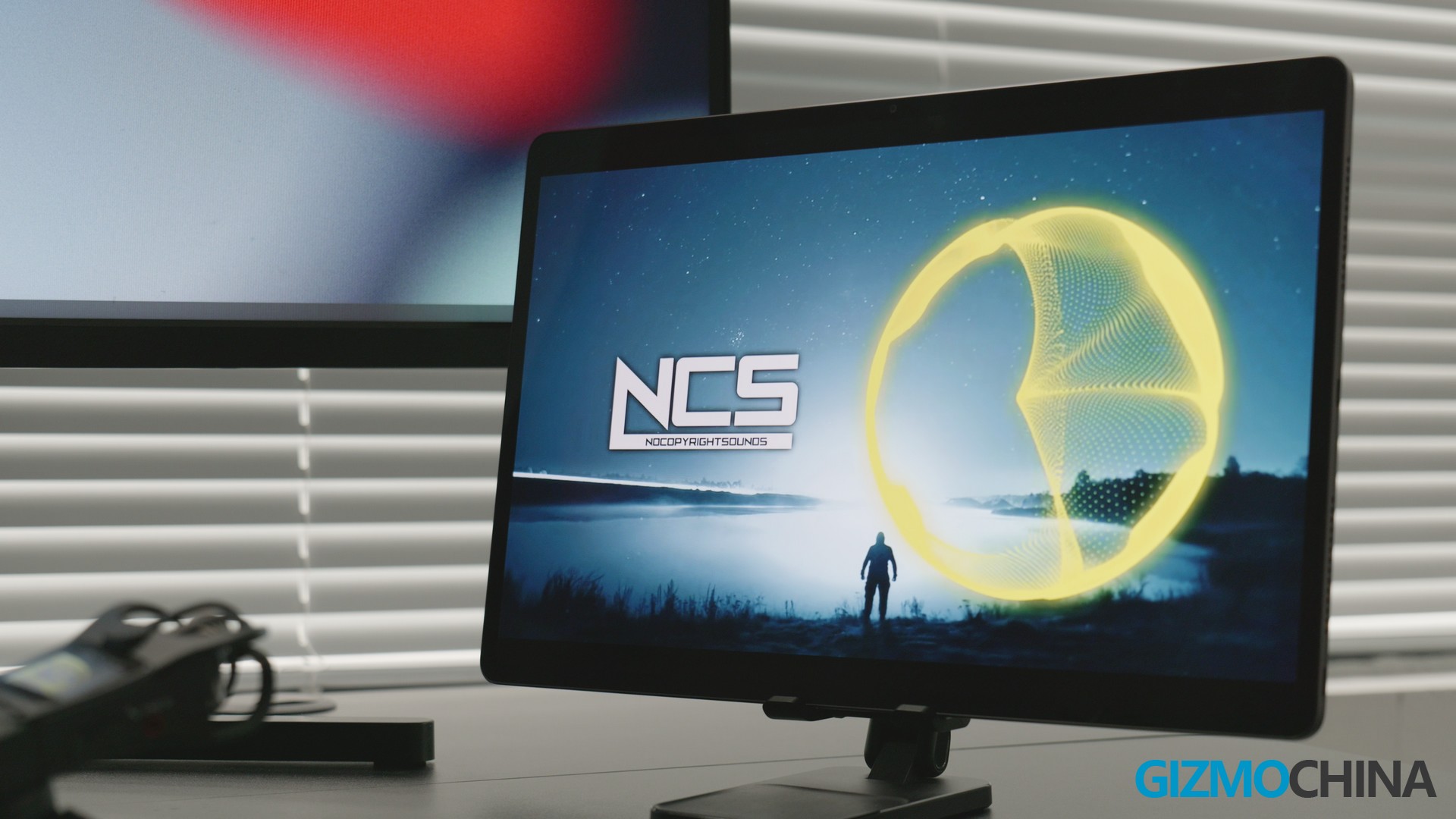
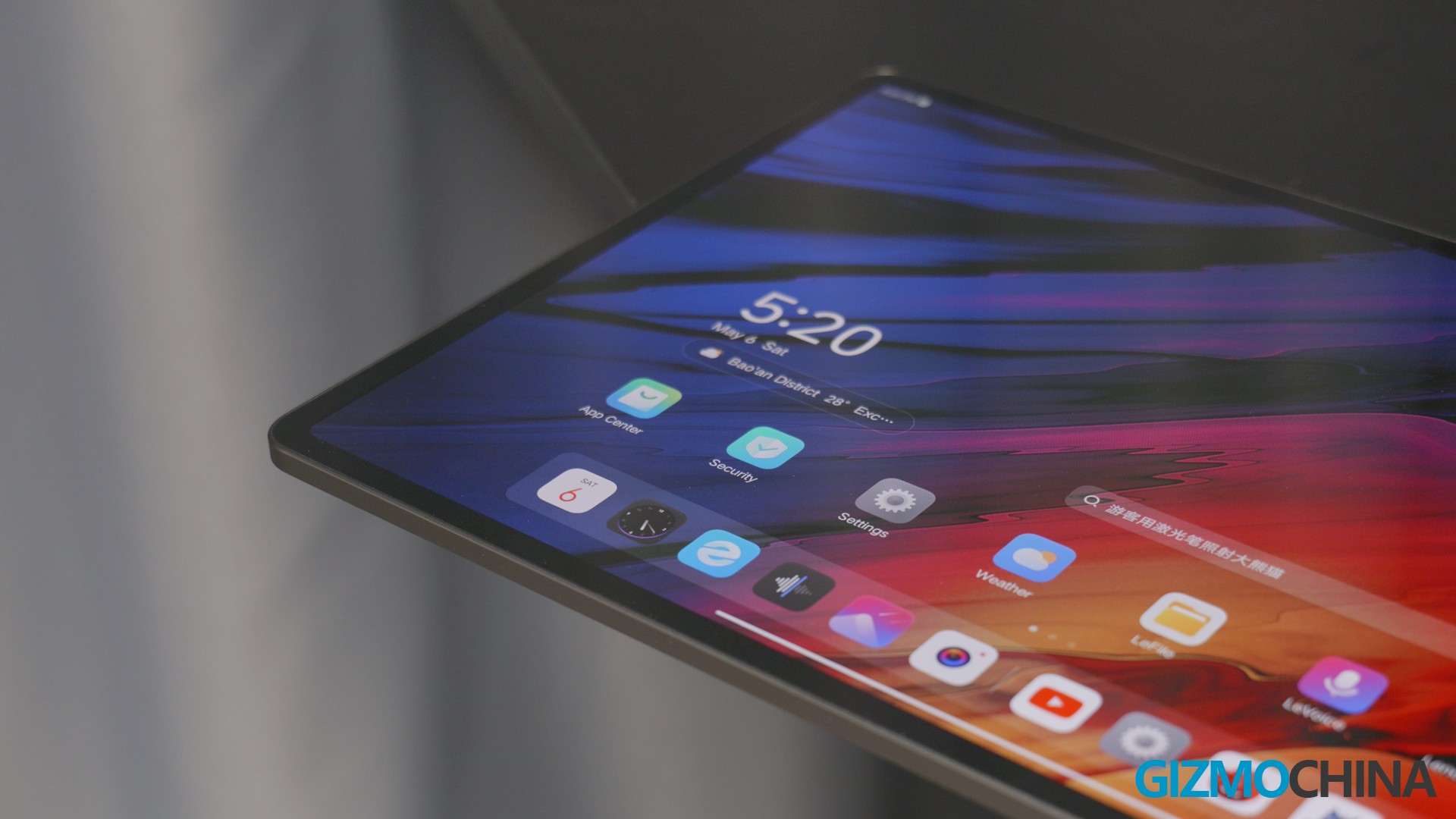
Apart from the Samsung Galaxy Tab, this is the first time I’ve seen a brand use such a large OLED panel on a tablet, and its color and contrast ratio is way ahead of those of LCD panels. And more importantly, it also supports high-frequency PWM Dimming.
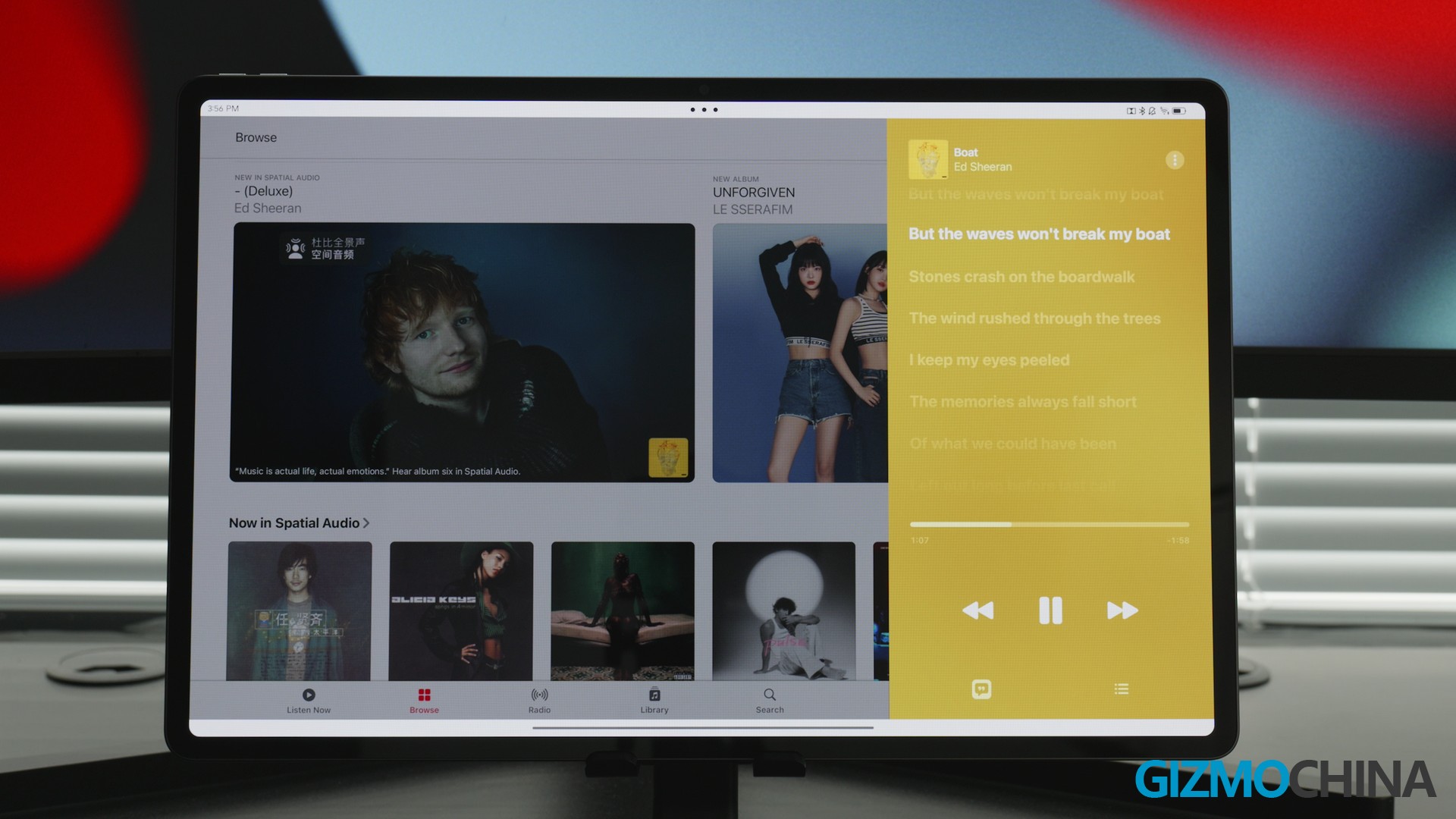
In terms of audio system, this tablet has eight built-in speaker units, and its sound quality is the best I’ve ever had in a tablet. It reminds me of some high-end laptops like the Macbook Pro. Other than that, I don’t know of any other tablet that compares to it.
Performance
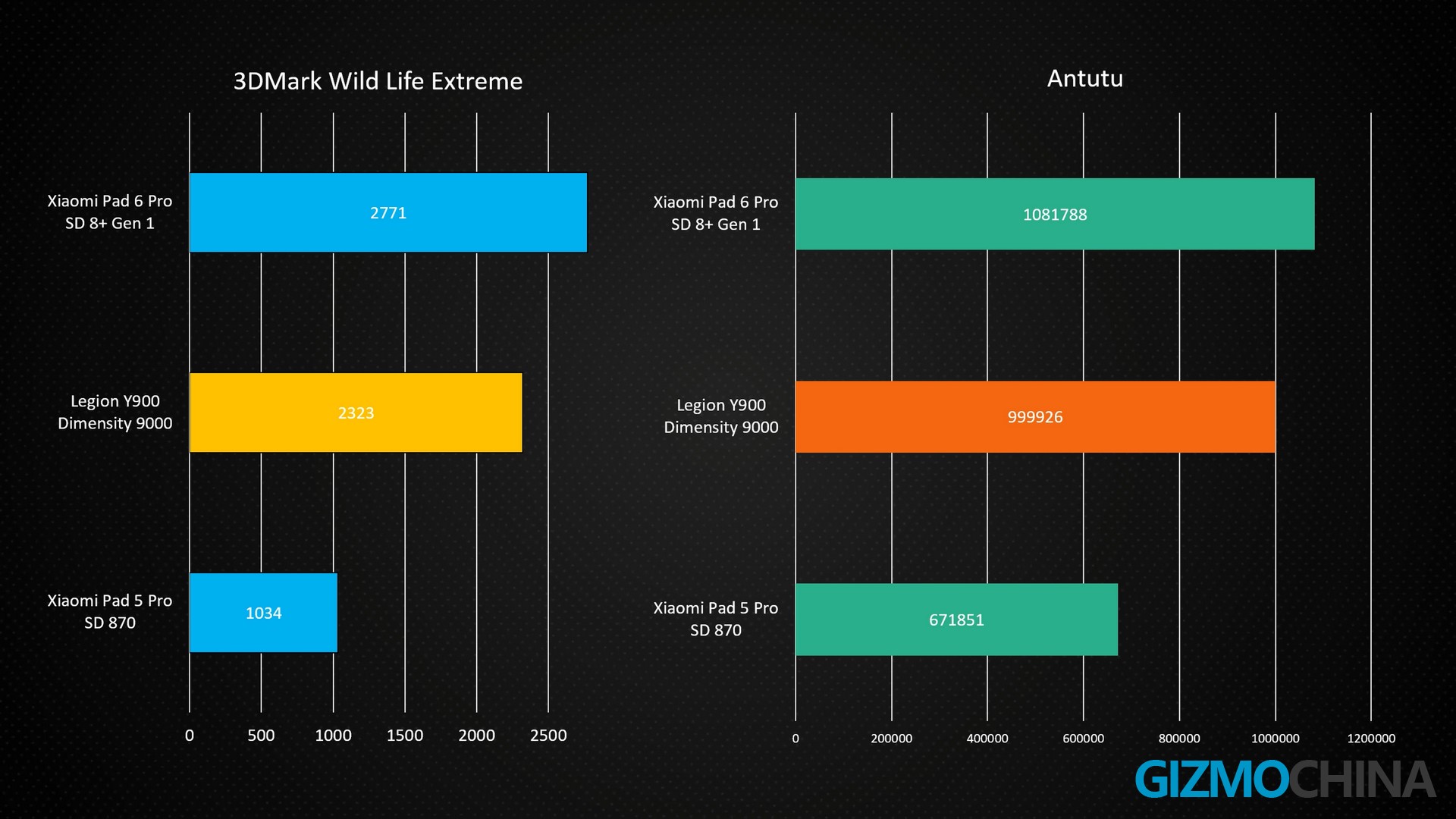
The Legion Y900 is powered by the Dimensity 9000 platform, a platform with great potential, but it also requires the brand to invest more effort in optimization compared to Qualcomm’s Snapdragon series.
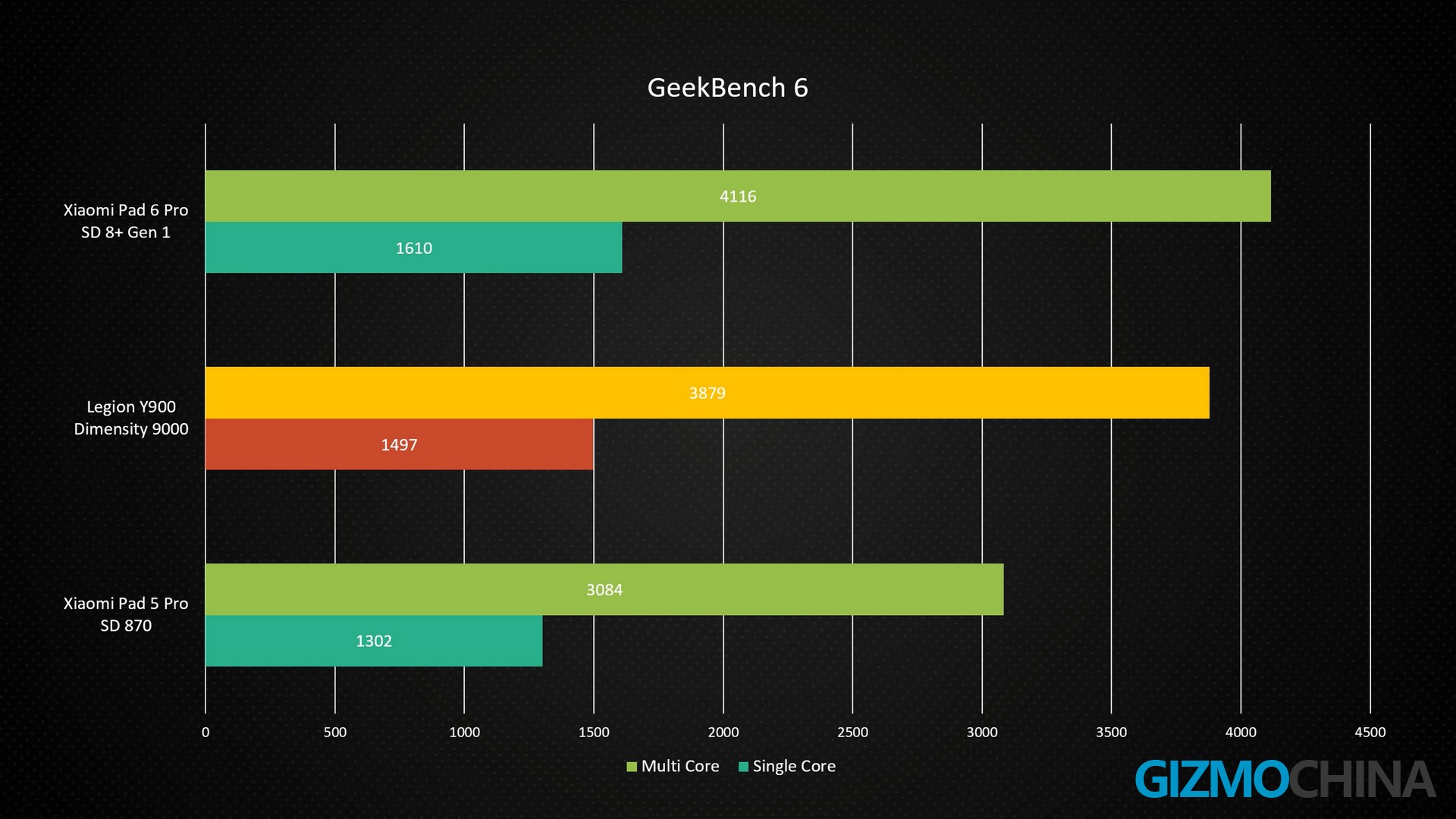
From these Benchmarks we see that although there’s a little gap when comparing it with Snapdragon 8+ Gen1, but the good news is that, it’s much ahead of Snapdragon 870, so it’s easy to get a very smooth experience both in daily use and gaming on the Y900.
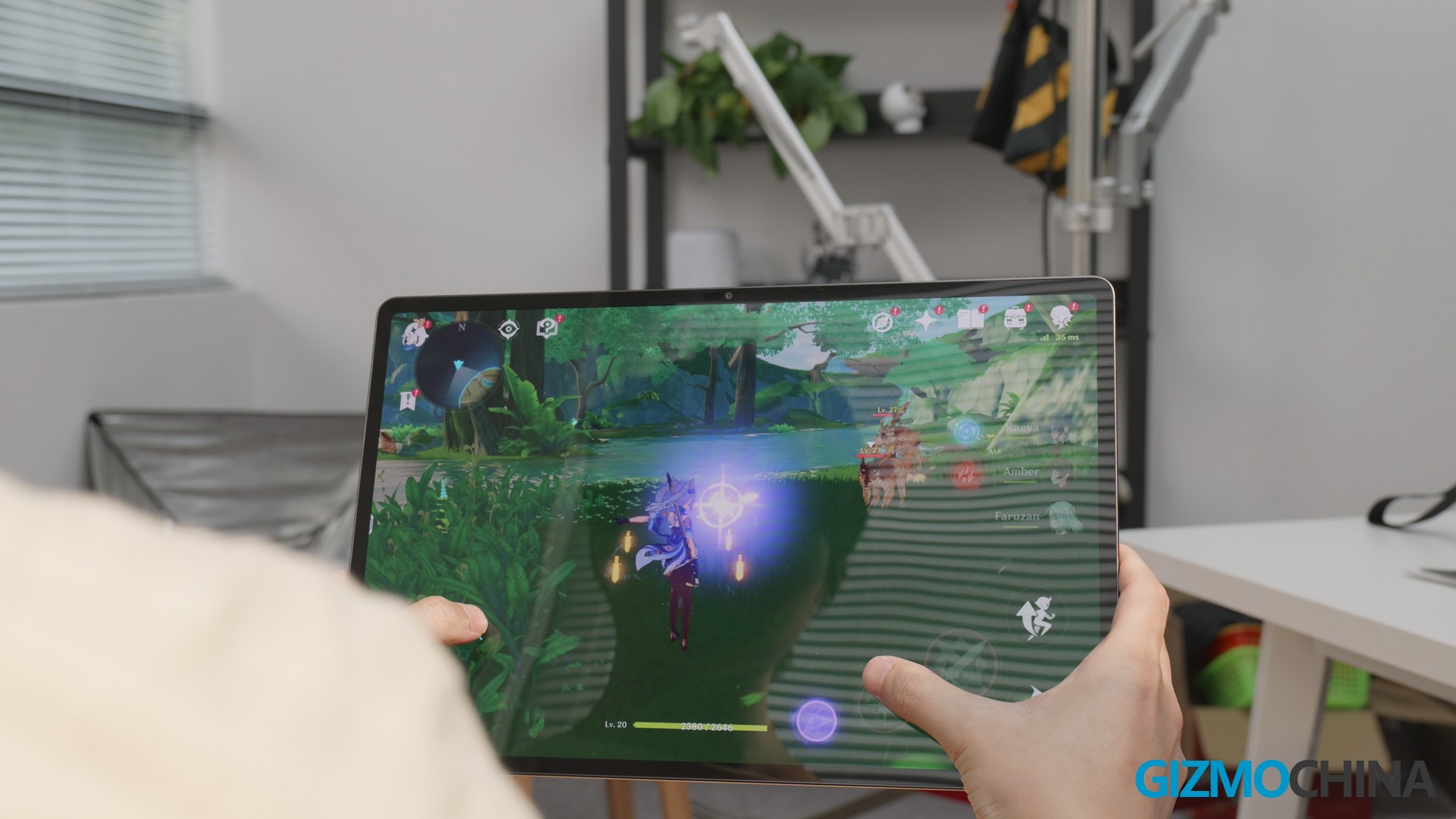
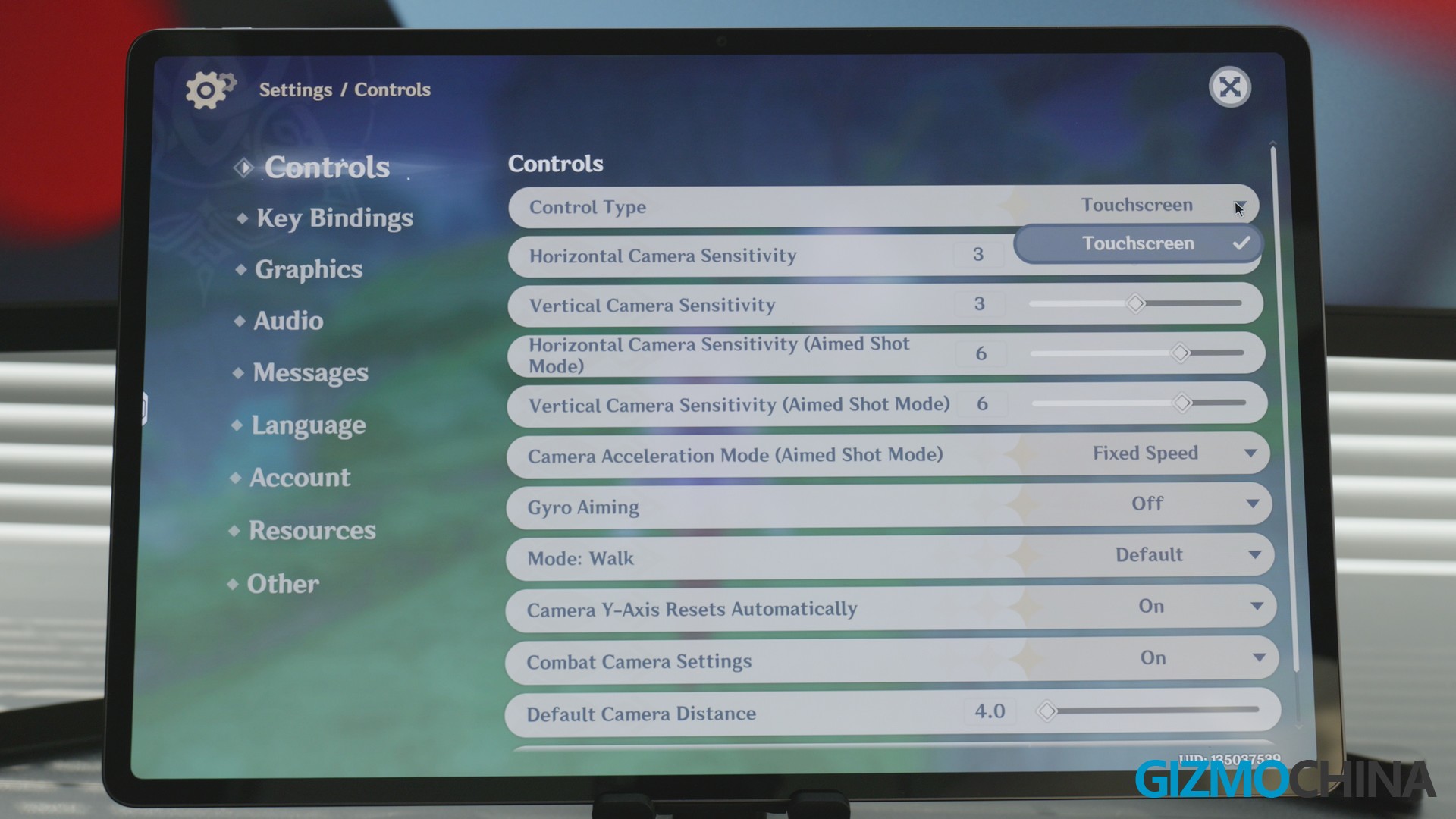
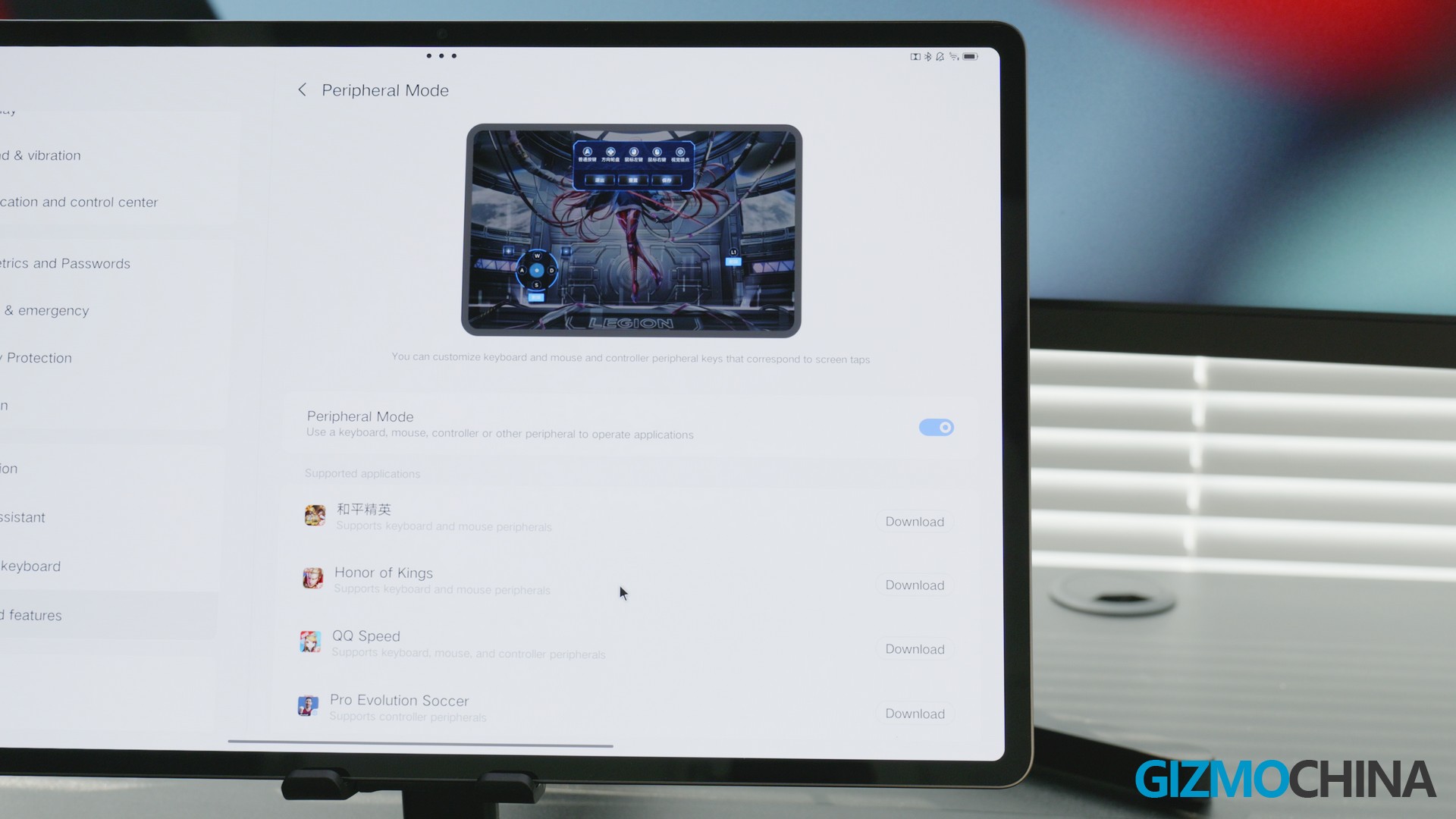
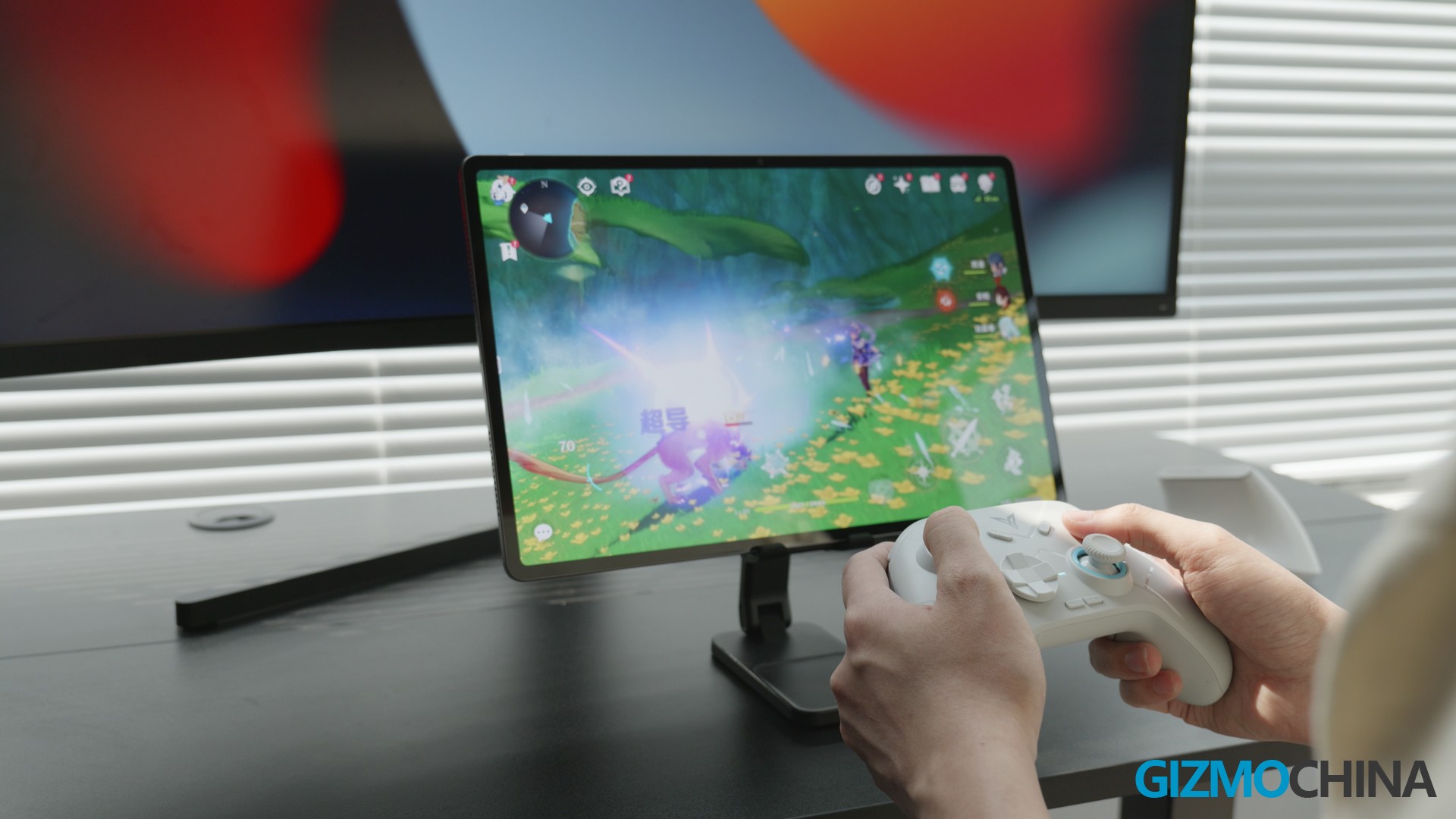
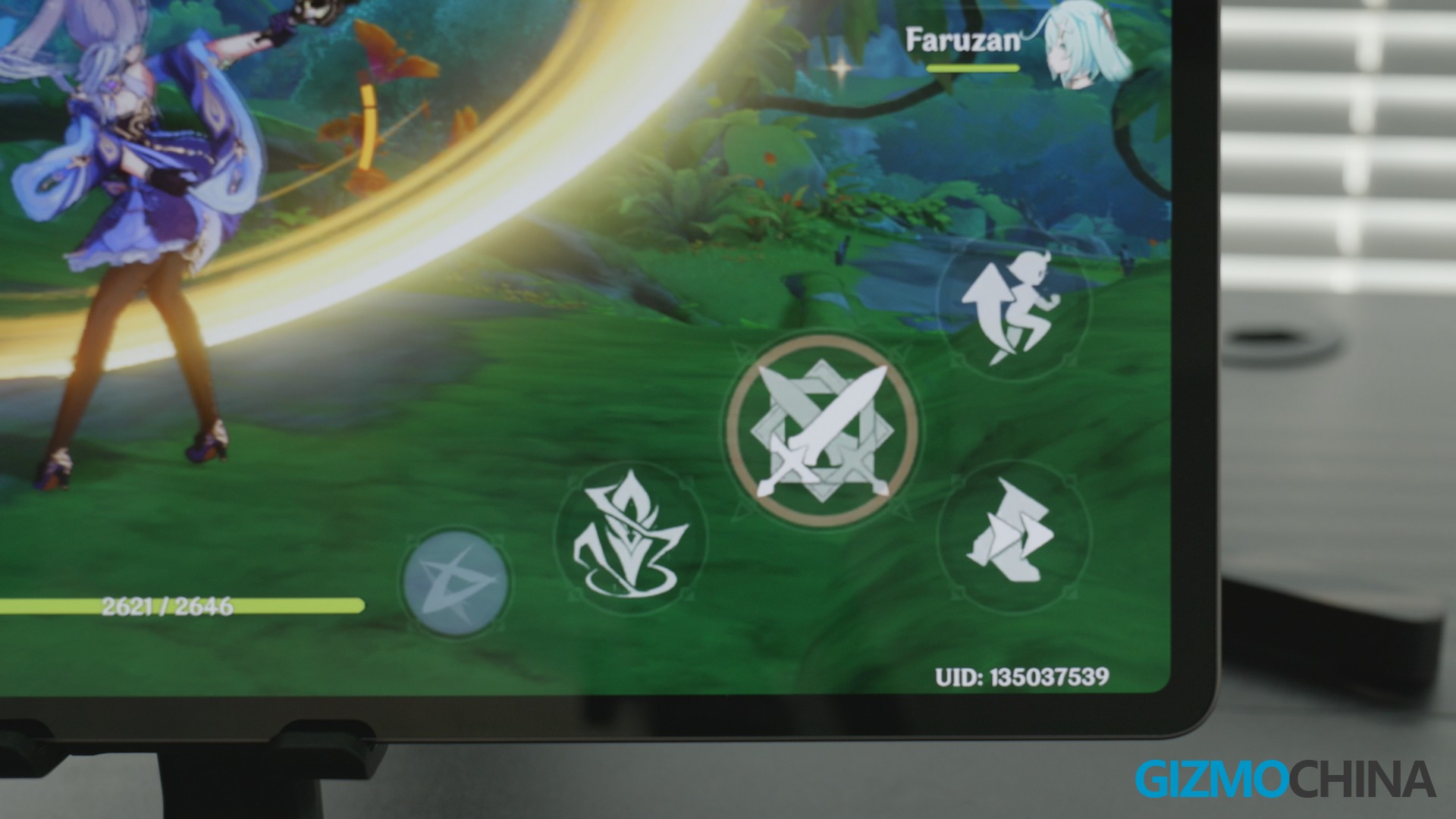
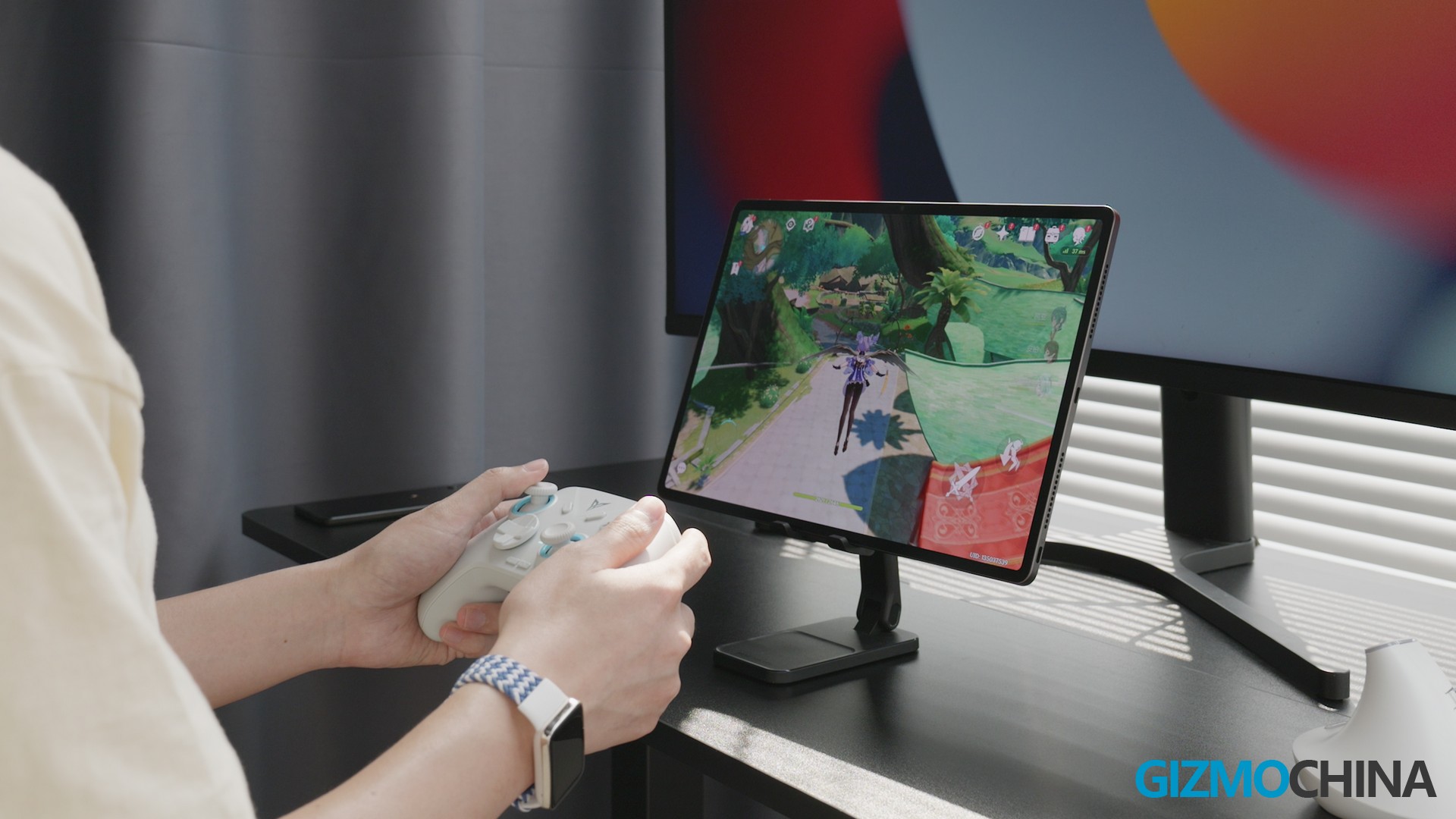
I really enjoy playing Genshin Impact on my tablet. By far Mihoyo hasn’t offered gamepad support for the Android version. Fortunately, this tablet has an additional peripheral mode that allows you to enable this feature in the Game Assistant and create your own key mapping when you connect it to a keyboard, mouse, or gamepad.
Compared with touch control, using a gamepad definitely brings better gameplay. The only problem is that the game itself still doesn’t support custom buttons, so you can’t change the transparency of the virtual buttons on the screen to hide them.
ZUI
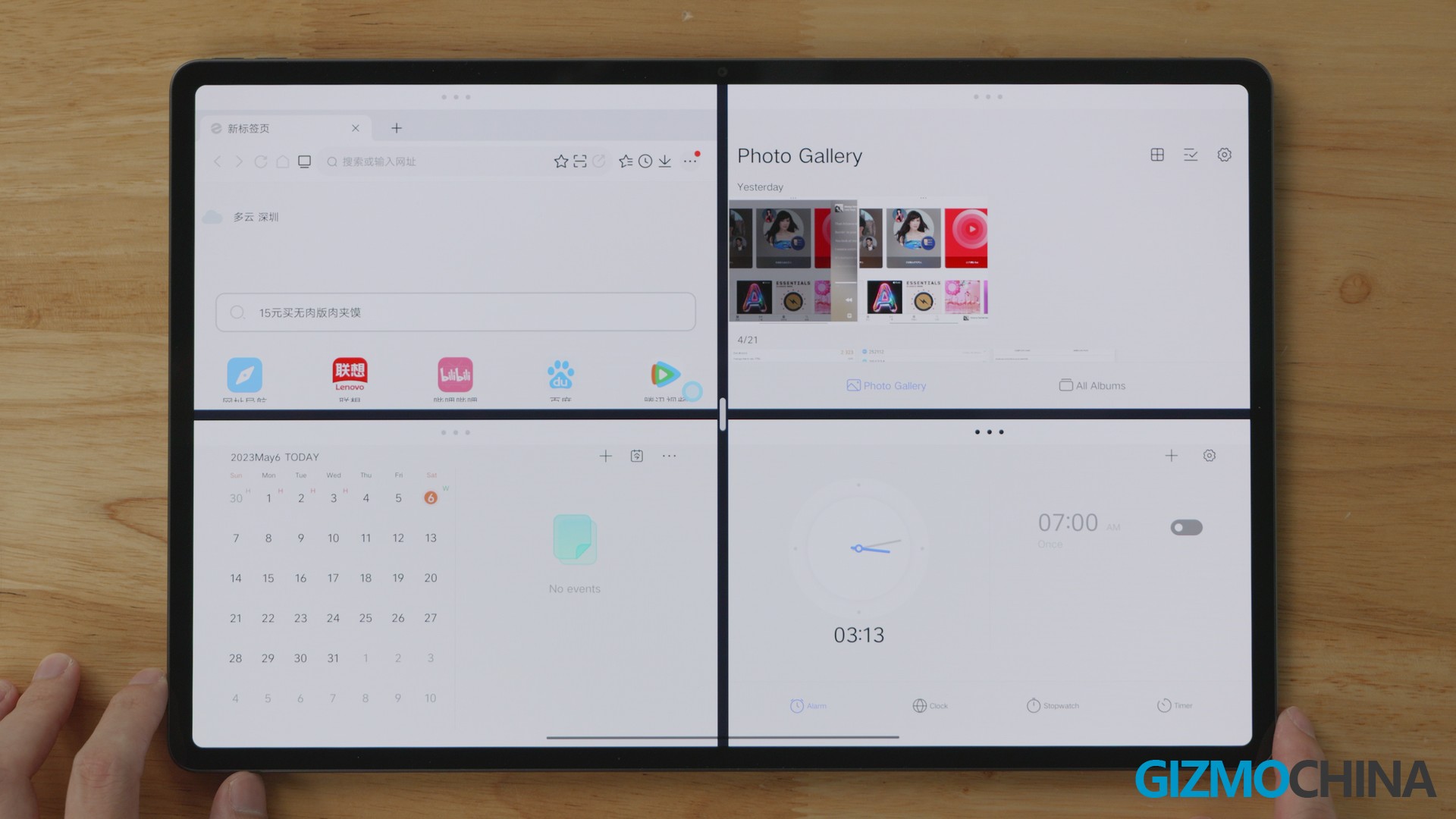
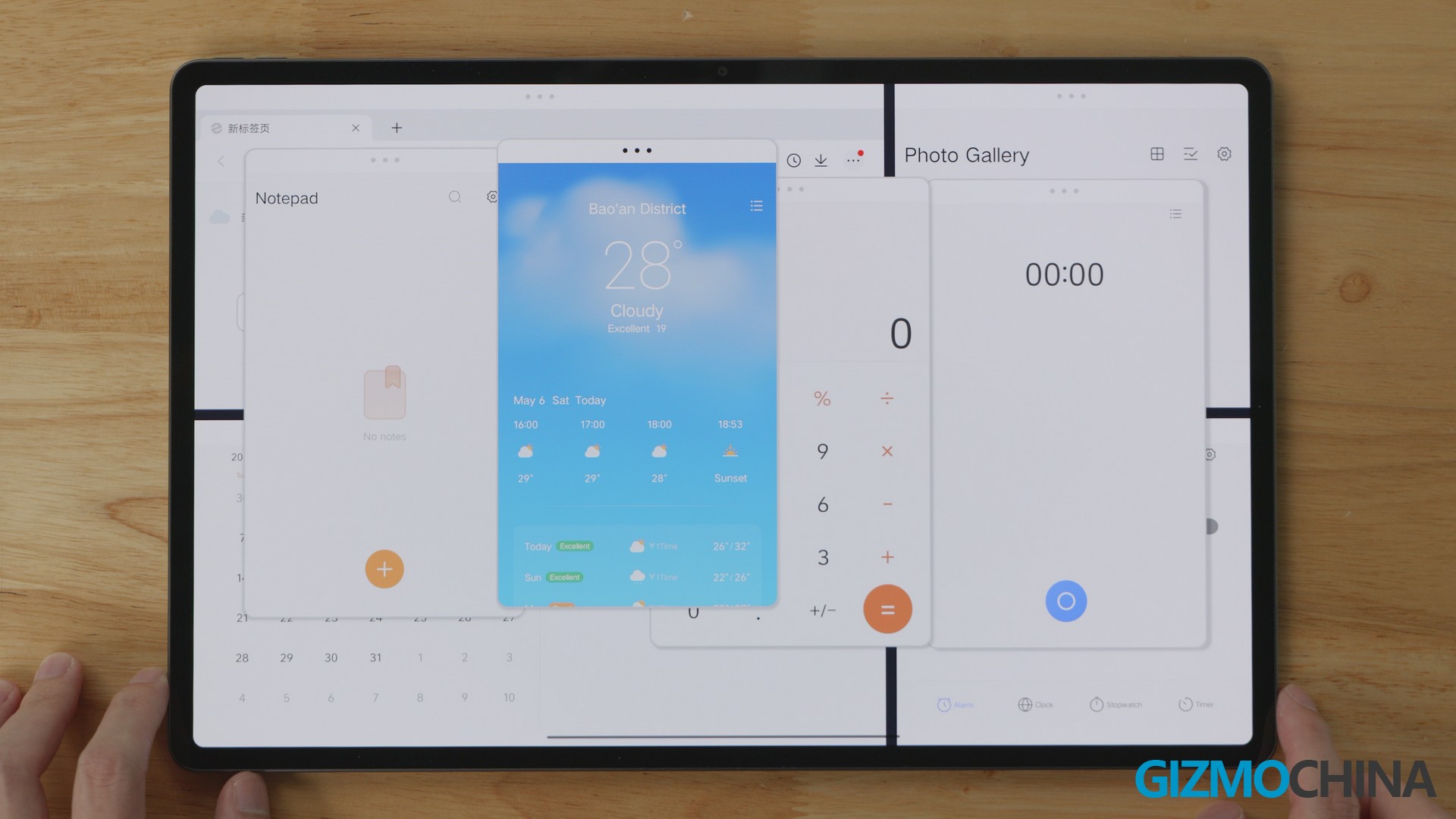
To take full advantage of the chipset, Lenovo brings to it a very powerful multitasking feature. You can place up to not two fixed windows on the screen but four, and on top of that, you can continue to open up to 10 floating windows.
Lenovo seems to really treat this tablet as a PC, but unfortunately, the Dimensity chipset doesn’t support Windows on ARM, otherwise, we may see a 2-in-1 super tablet.
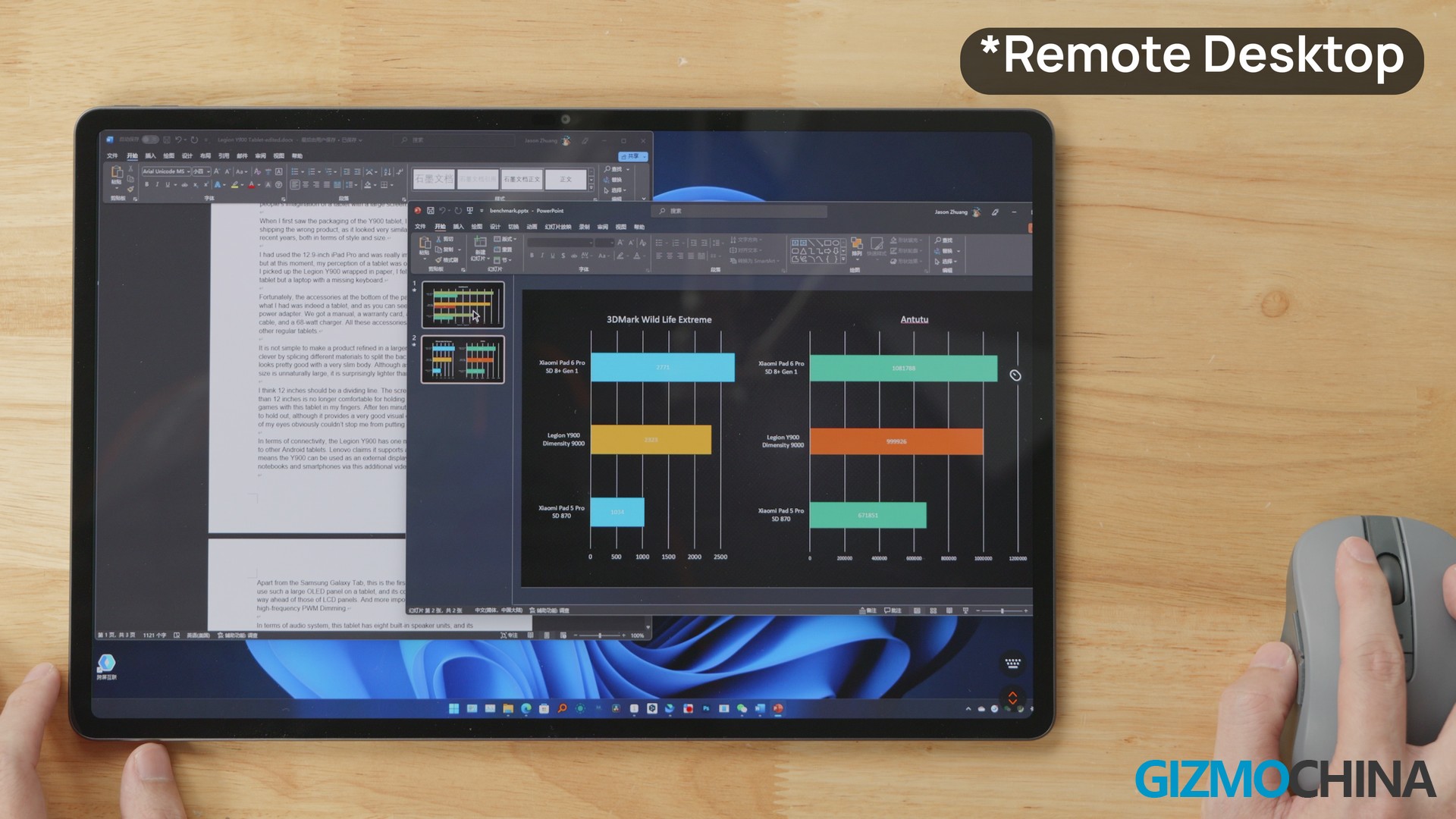
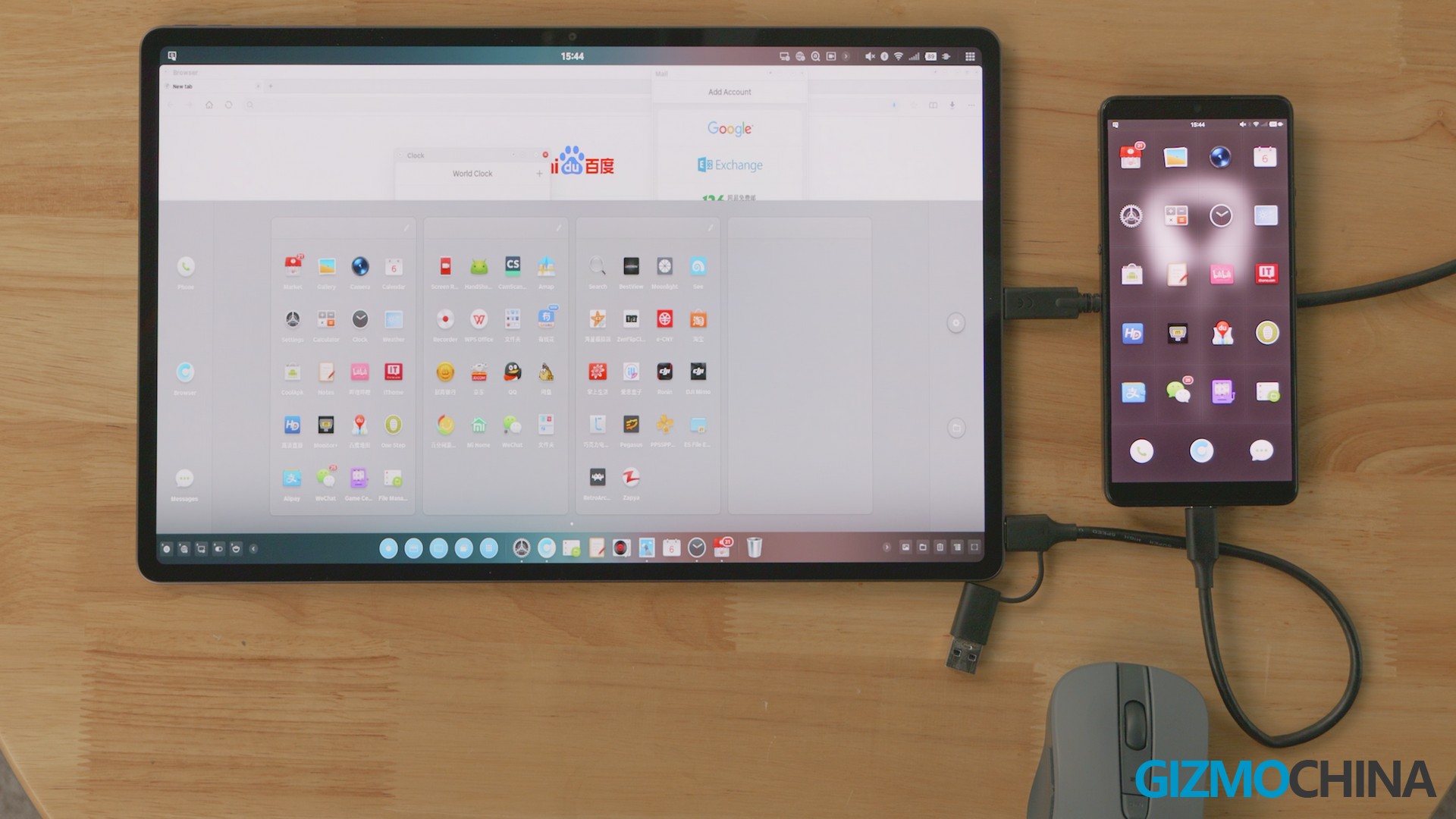
Thanks to the DP-IN function, you can use this tablet as a super sub-screen, You can connect it to any compatible device via Type c To Type C cable or HDMI To Type C cable.
If you have a phone that supports desktop mode, this tablet will be the best partner because it does not only transfer graphics and audio, but also supports touch operations, and if you have a Windows 11 laptop, you can also use the Windows sub-system on Android better with this touch screen.
Battery & Charging
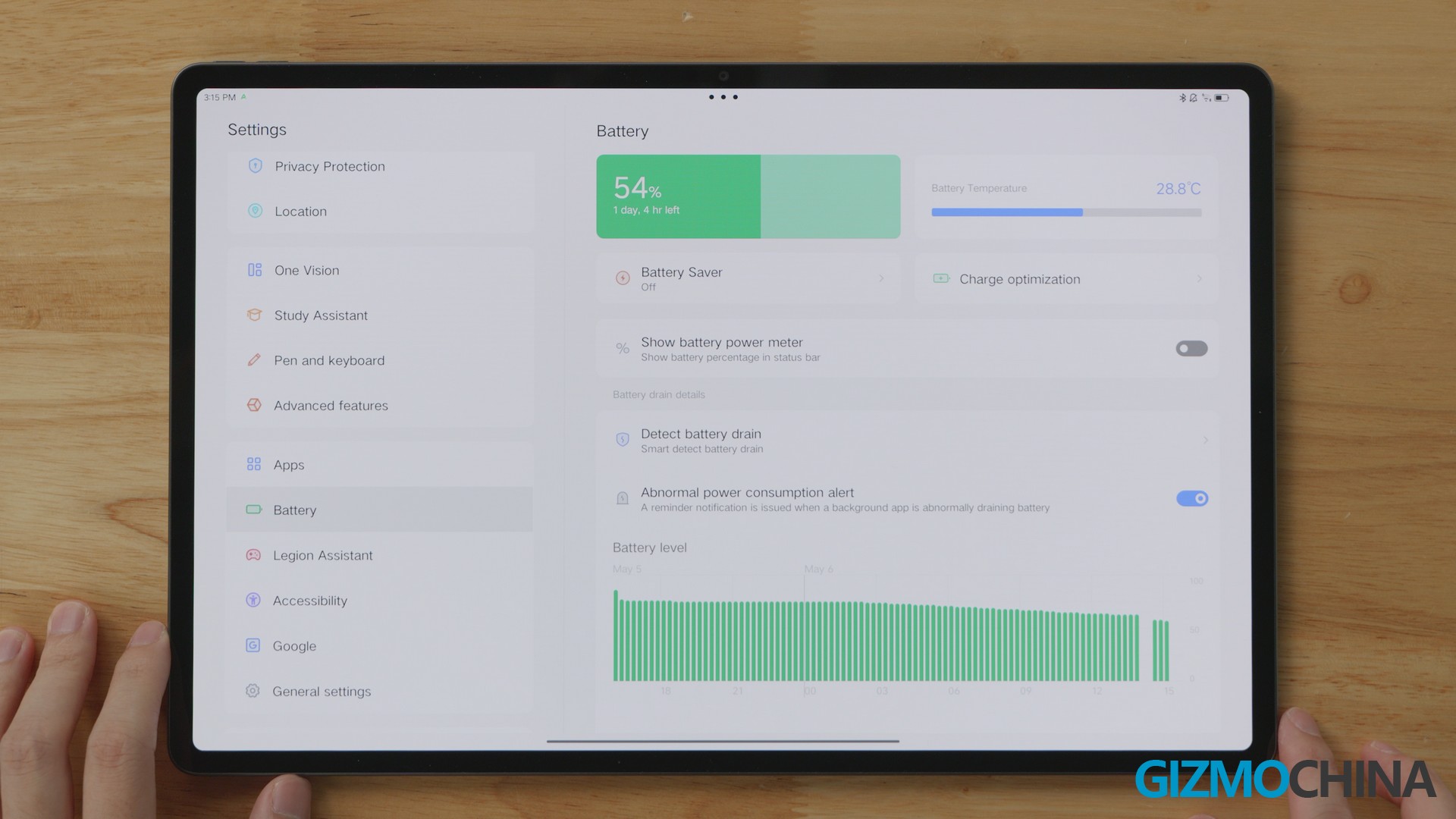
In terms of battery life, the Legion Y900 packs a 12,300 mAh battery, and thanks to the low power consumption of the OLED panel and the Dimensity 9000 platform, the tablet has an incredible working time for a single charge.
With the support of 68 watts of fast charging, a full charge even takes a shorter time than charging an iPhone.
Verdict
You guys probably remember that the release of the Legion Y700 surprised us last year, as few brands were willing to develop small tablets for this niche market. And the Y700 tablet just makes the iPad mini no longer the only option.
This time Lenovo once again brings a surprise, a tablet with totally opposite concepts, I think they must have a very special thinking in tablets. Perhaps not many people need a very large-screen tablet. When all other brands ignore the group, Lenovo chose to be the first adventurer, which is very commendable.
Legion Y900 is not just a tablet, but also a great companion as an expansion screen, I hope Lenovo can stick to this product line because Qualcomm’s next-generation desktop platform is on its way and I want to see an ultimate tablet that supports Android & Windows dual system, and of course, it would be perfect if it still supports a DP-in feature.
Samsung has two new mid-range smartphones in development called the Galaxy M34 5G and Galaxy F34 5G. Going by the naming conventions, we can expect the devices to be positioned in the lower mid-range, slightly below the existing Galaxy A34 5G model. There have been no confirmations from the brand yet, however, the devices have appeared on the Bureau of Indian Standards (BIS) certification website, which is a mandatory certification to have if you want to launch your smartphone in India.
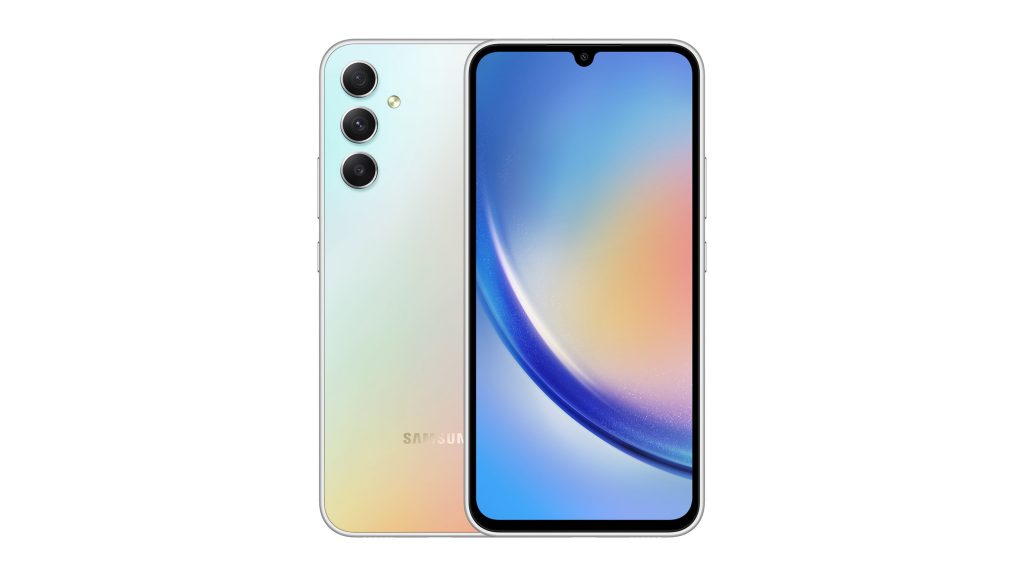
Samsung Galaxy A34 5G
Samsung Galaxy M34 5G & F34 5G BIS certification
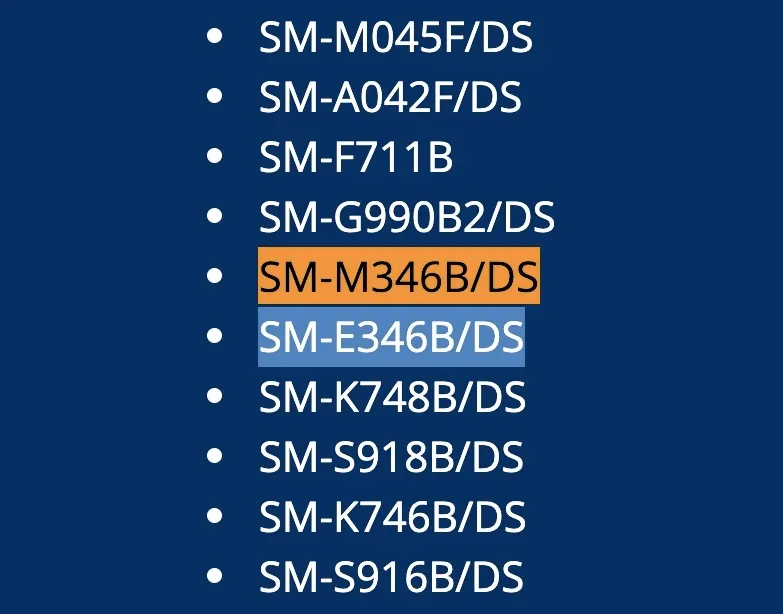
The highly anticipated launch of the Samsung Galaxy M34 5G and Galaxy F34 5G is expected to take place in the upcoming weeks, not just in India but also in other markets. Both devices have been spotted on the BIS website, with the model numbers SM-M346B/DS for the Galaxy M34 5G and SM-E346B/DS for the Galaxy F34 5G.
While the BIS listing doesn’t provide any additional specifications for the phones, however, recent trends have revealed that the Galaxy M & F series have a lot in common with their A-series counterparts when it comes to specifications. So, let’s look at the specs of the Galaxy A34 5G to get an idea of what to expect from the two upcoming devices.
Samsung Galaxy A34 5G specs
The device features a 6.6-inch flat AMOLED display with a Full HD+ resolution and a 120Hz refresh rate. There is a waterdrop notch at the top of the screen housing the front camera. The phone also has an optical in-display fingerprint scanner and support for AI face unlock. It runs Android 13 out of the box with One UI 5 on top, ensuring a clean and intuitive user experience.
The Samsung Galaxy A34 5G is a mid-range smartphone that packs some impressive specs. Powered by a Dimensity 1080 SoC and paired with 8GB of RAM and up to 256GB of storage, the A34 5G promises smooth performance and ample space for your files and apps. It features a triple-camera setup on the back, led by a 48MP main camera with OIS support, an 8MP ultra-wide camera, and a 5MP macro sensor. There is also a 32MP front-facing camera for selfies.
When was the last time you used a smartphone gimbal? Or to rephrase the question, do you really still need a stabilizer for phones? My answer is Yes, although camera systems on smartphones become more and more powerful, and getting a relatively stable shooting with OIS is already a basic ability of a phone camera. So people tend to leave the gimbal they once bought in the cluttered room.
While some brands still want to change it with their products, like insta360, a brand known for its 360 cameras. It launched their first smartphone gimbal, and even with a glance at the packaging, we know they are aiming to compete with DJI. Why would anyone want to start making smartphone gimbals in 2023? Can this gadget really make your phone camera more stable, and, more powerful? Let’s find out together today!
Unboxing
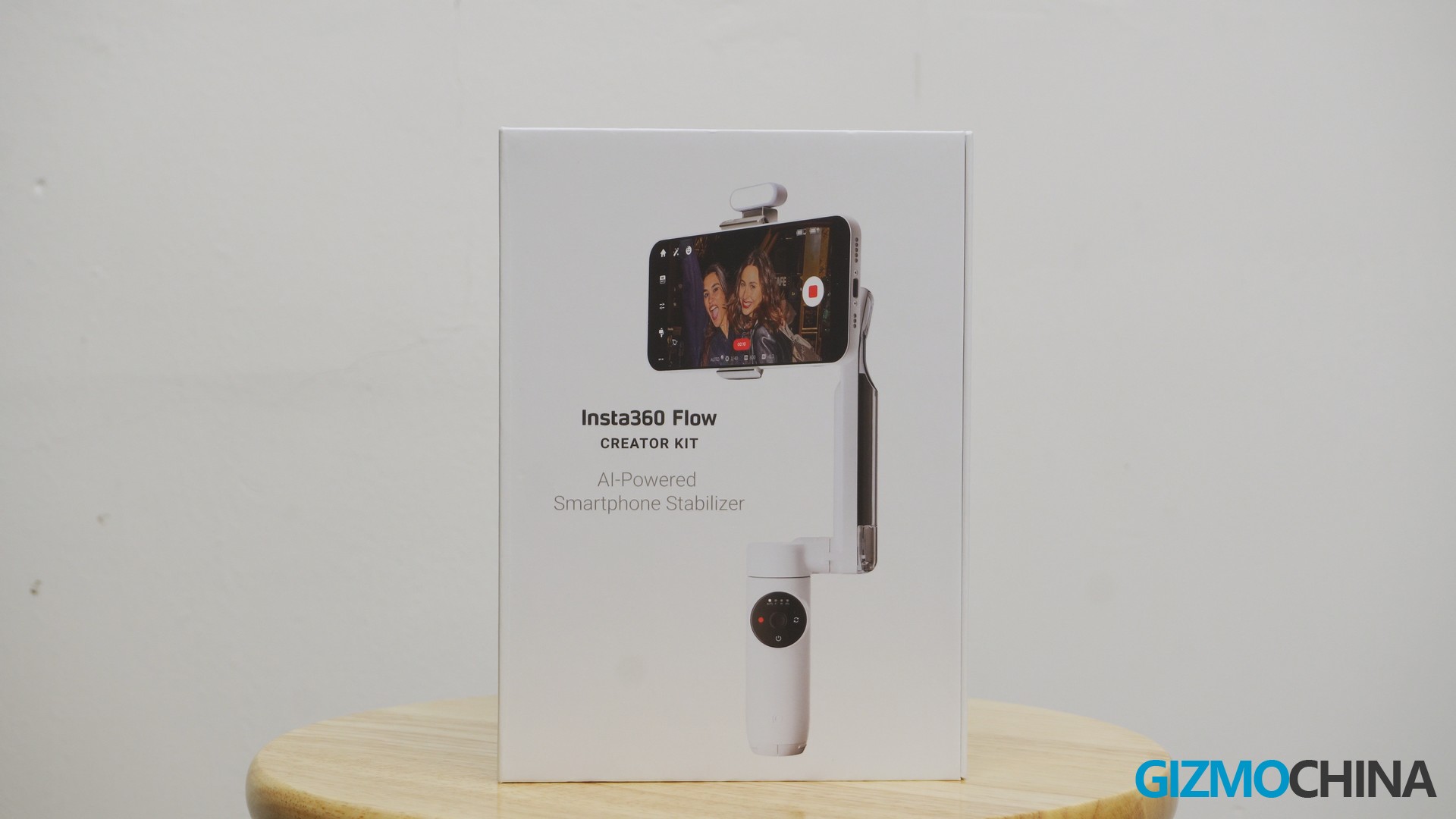
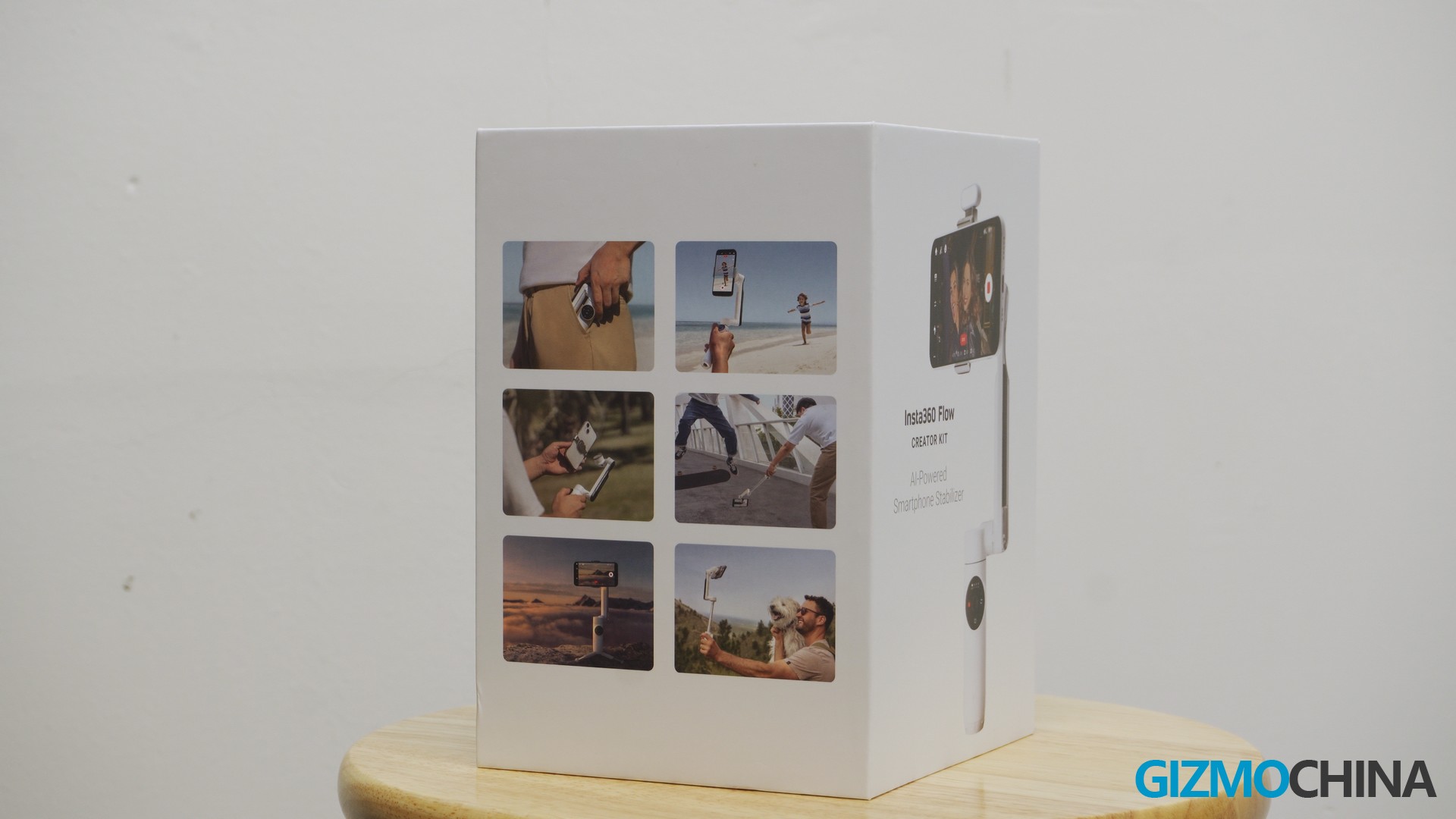
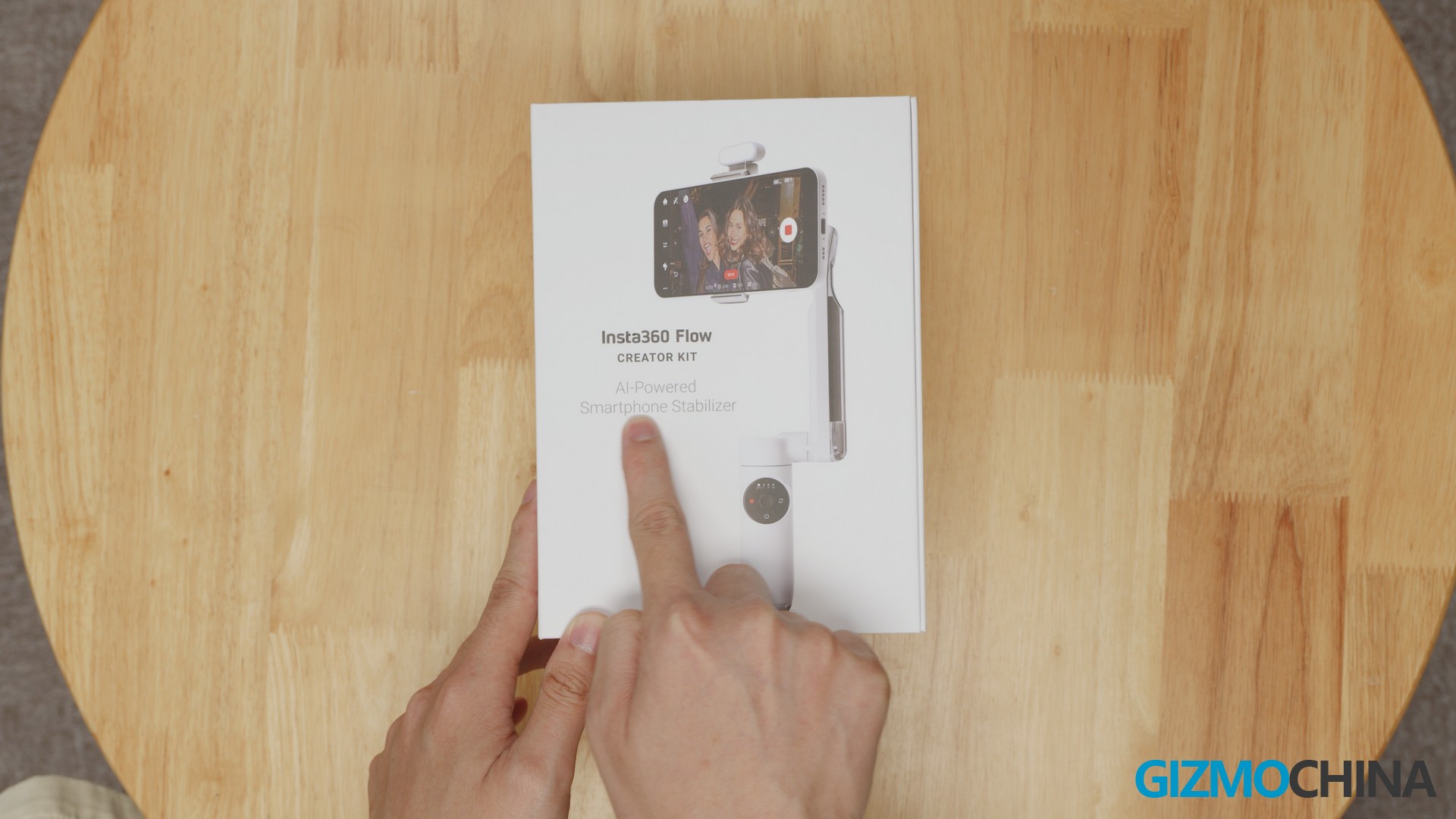
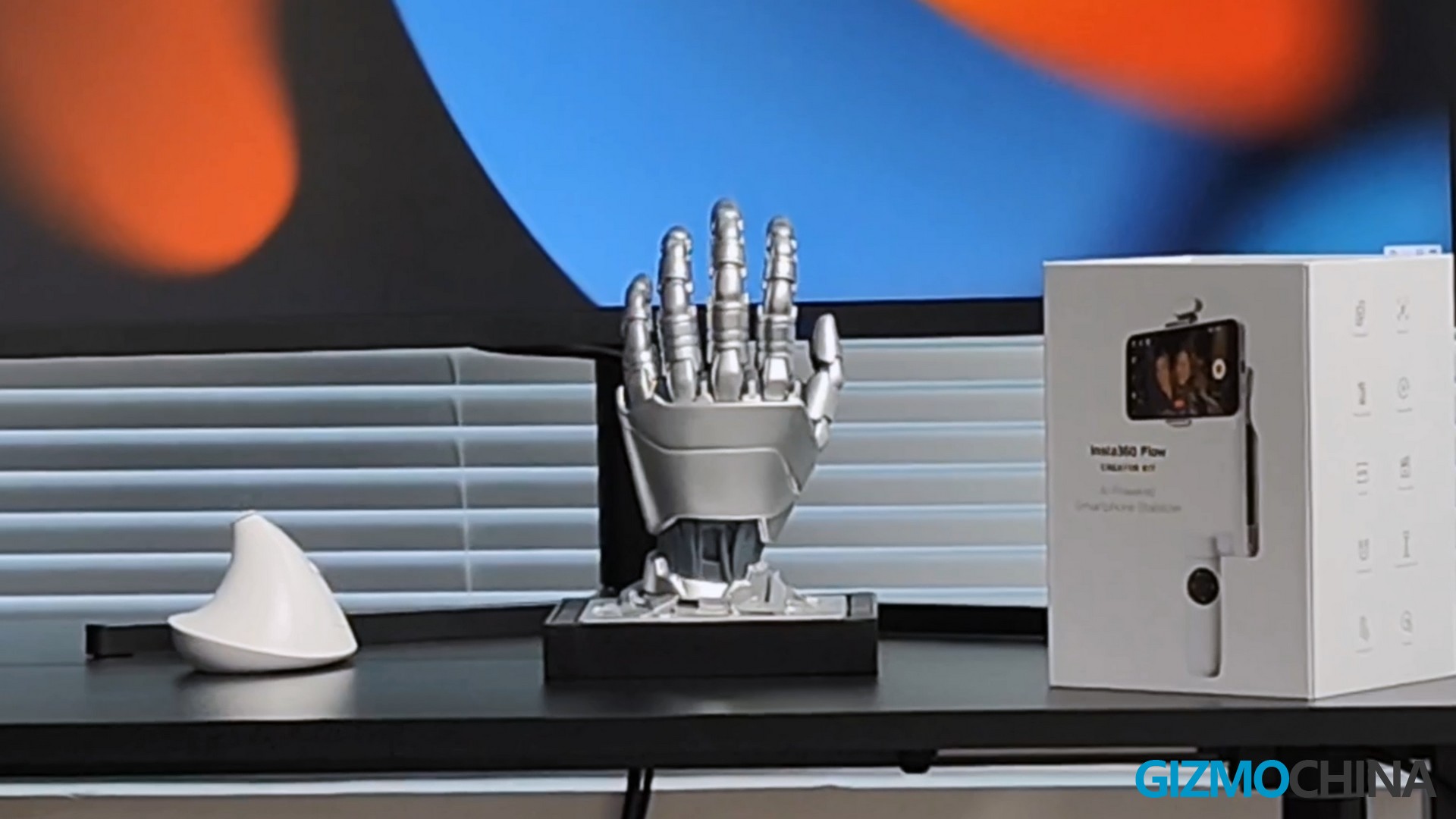
Let’s start with the unboxing, from the title on the package we can learn that insta360 defines this kit as a creator kit, smartphone stabilizer is just a subtitle, which is interesting, from the other side we can see that it can be used in many scenes.
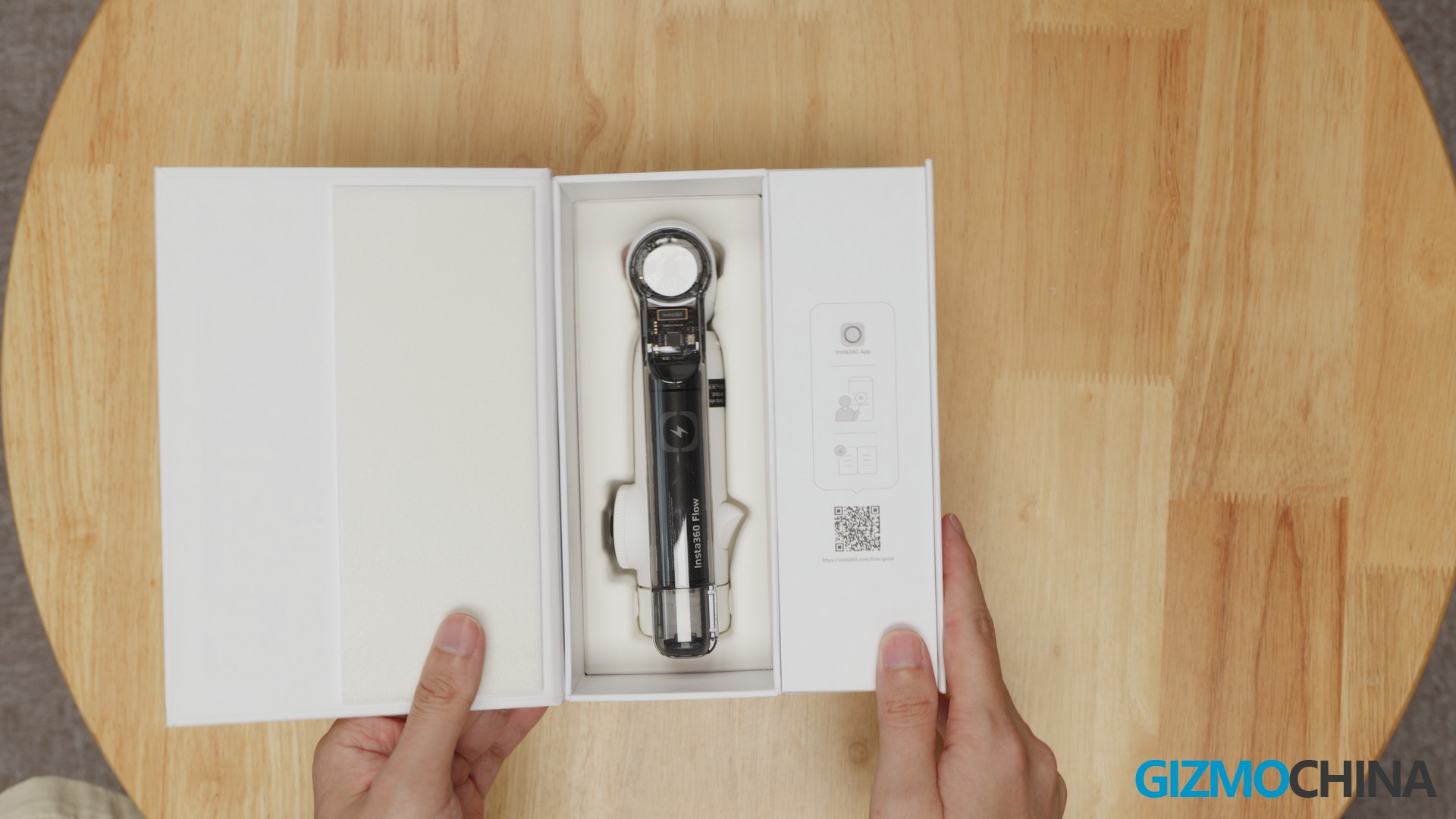
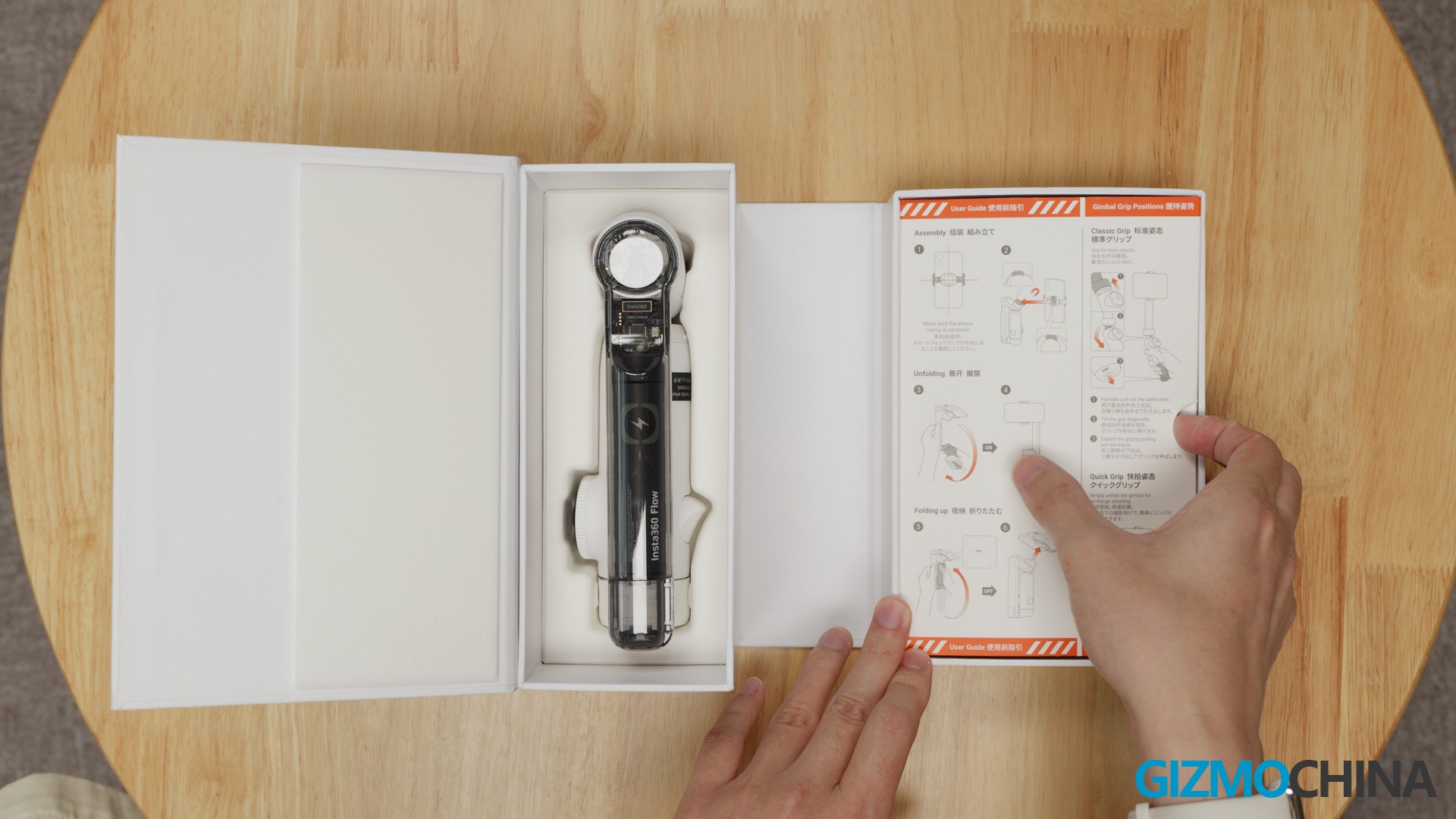
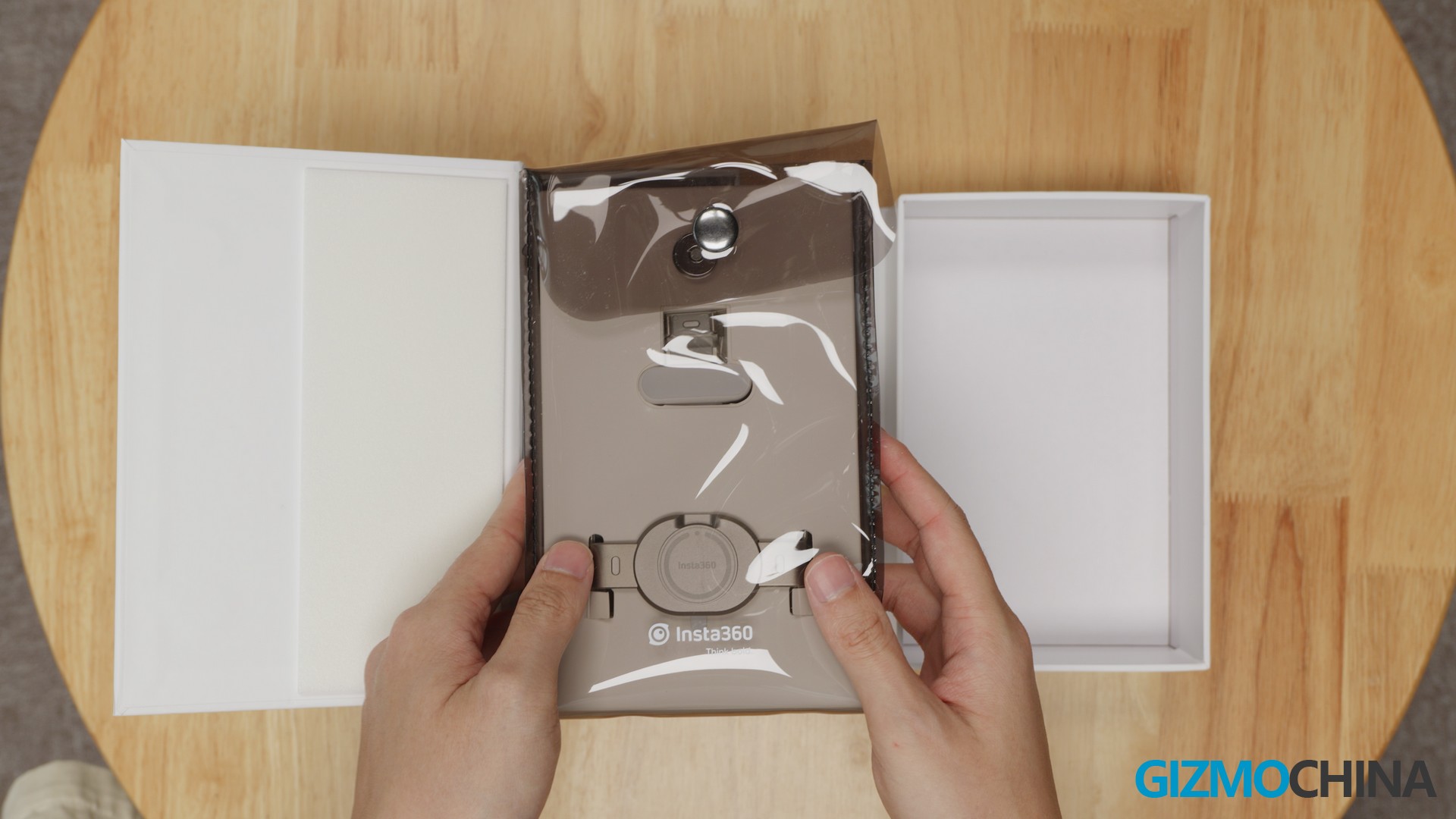
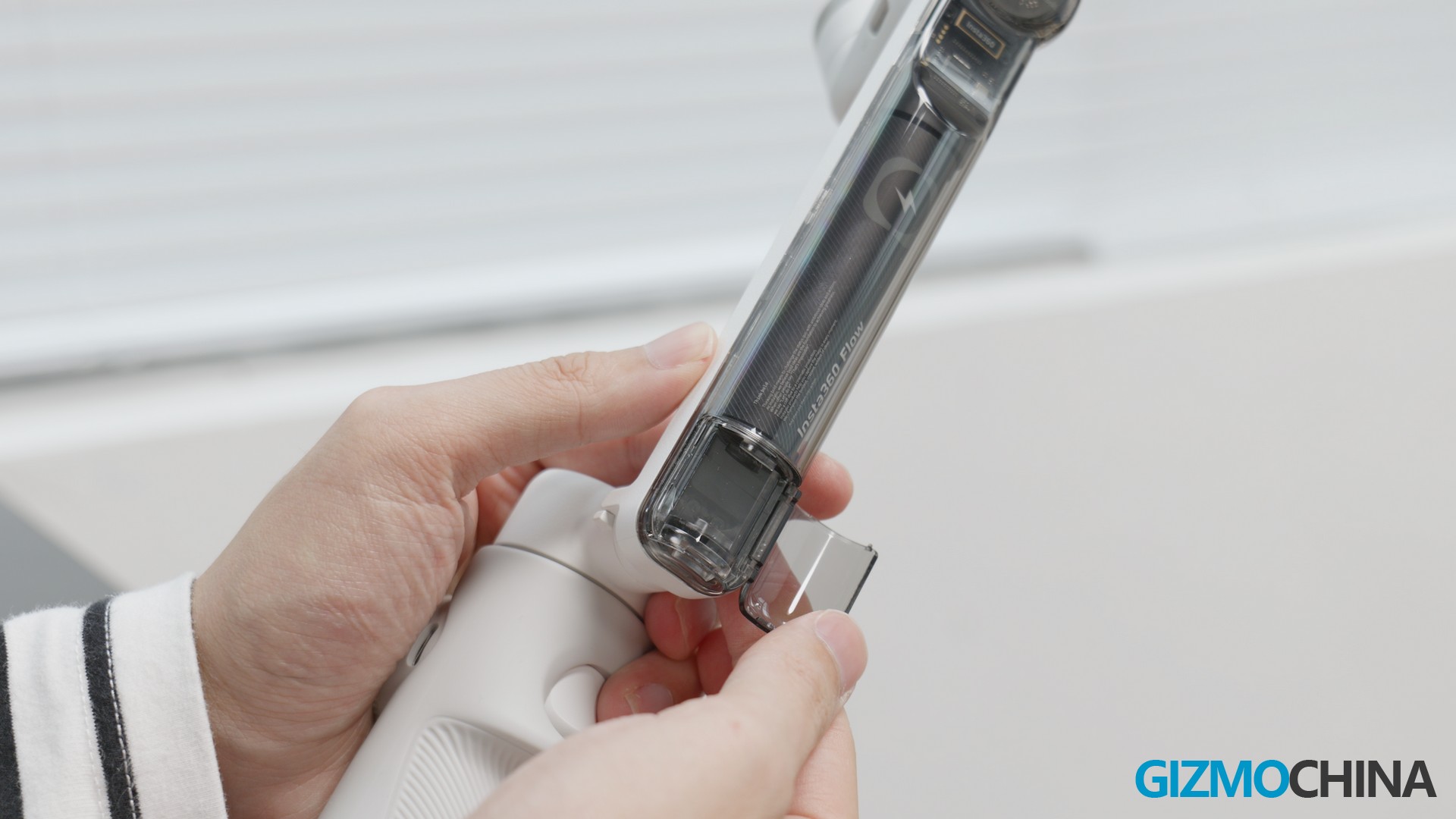
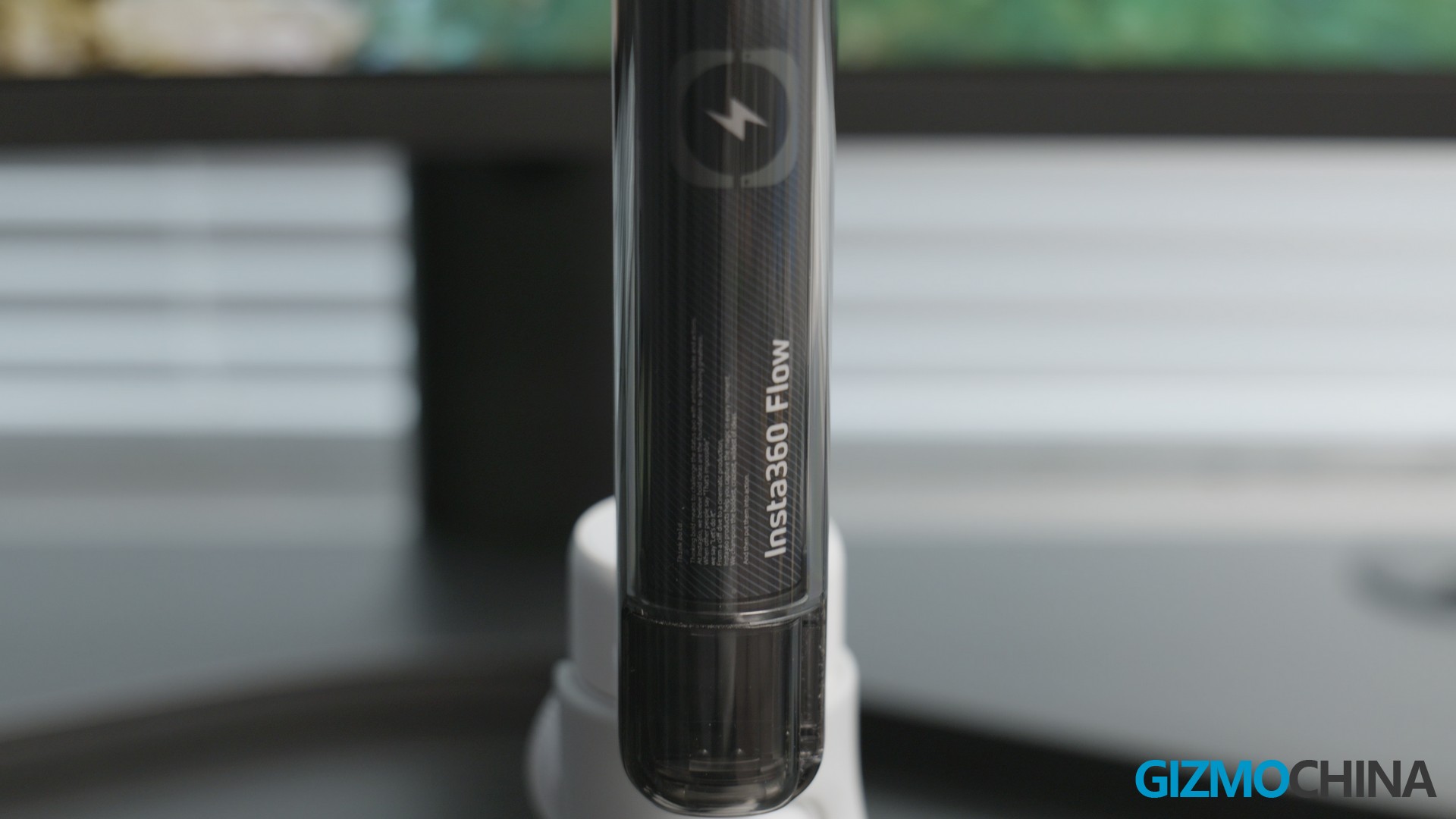
The whole package is not the usual drawer type, it is a collapsible box, the gimbal is at the top. And I have to say the transparent case is very attractive, but let’s check the accessories first. What we got is the creator kit. all expansion accessories are in this small package.
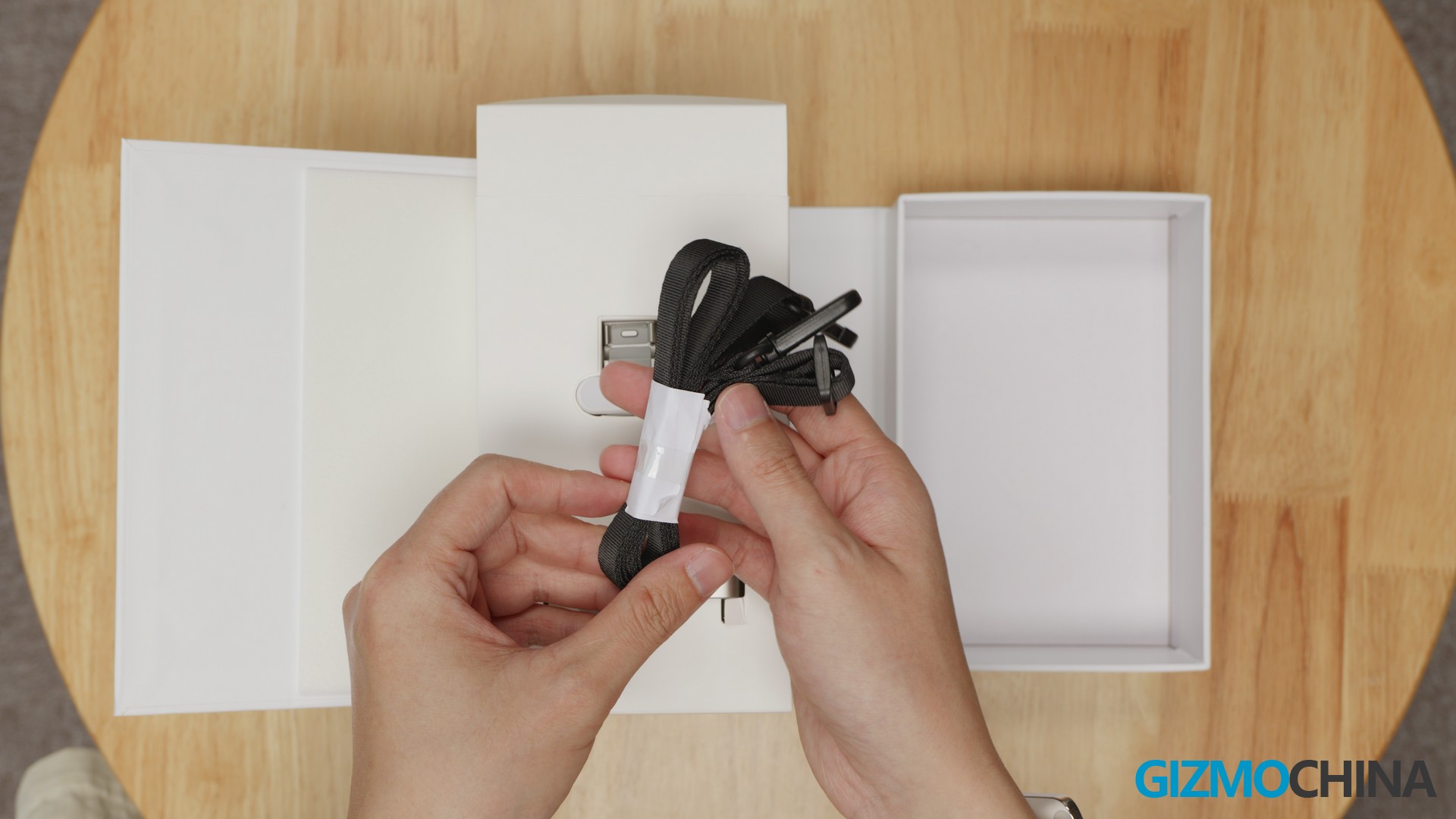
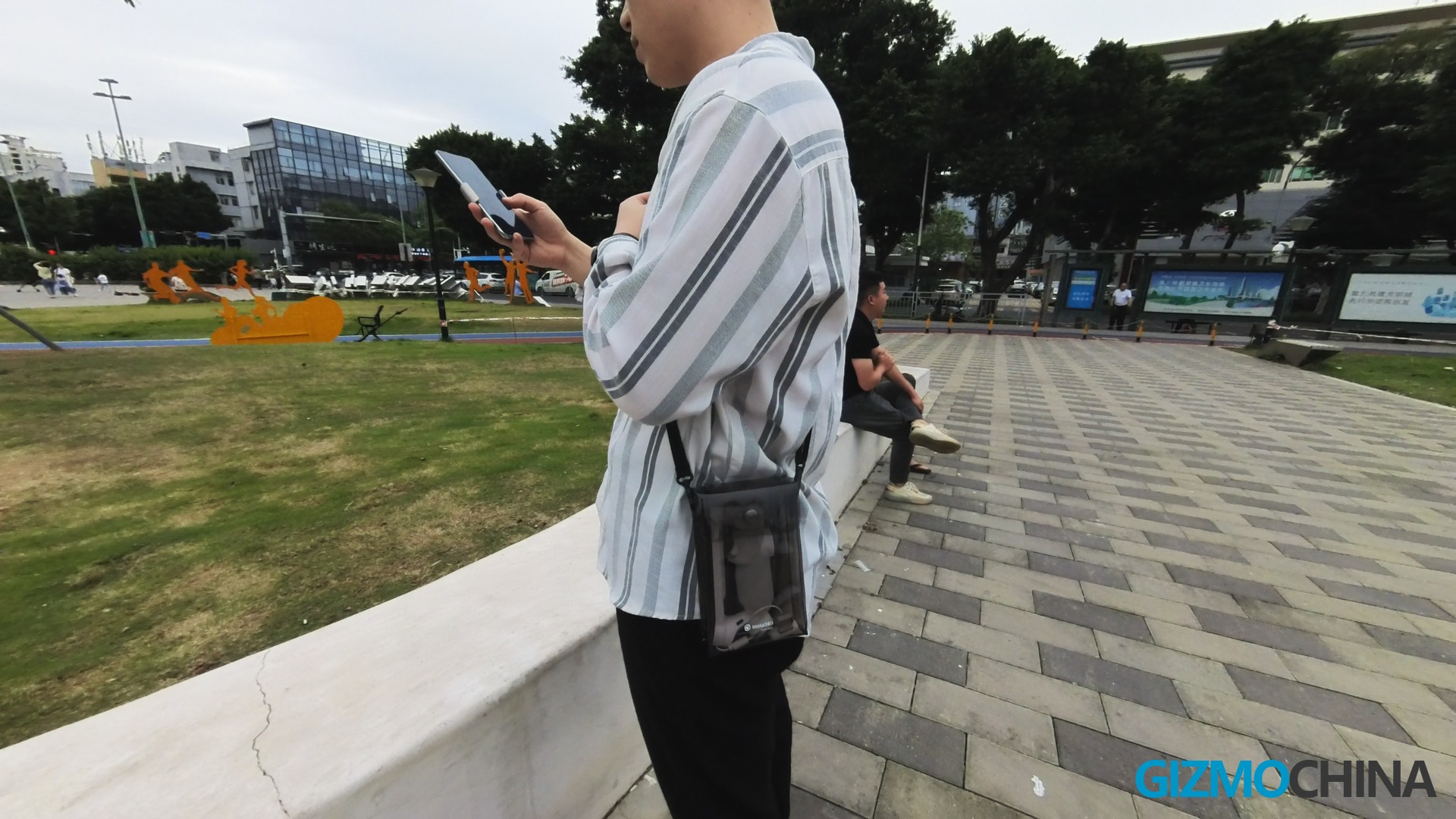
This is a set of backpack ropes, you can attach it to the small bag to turn it into a shoulder bag.
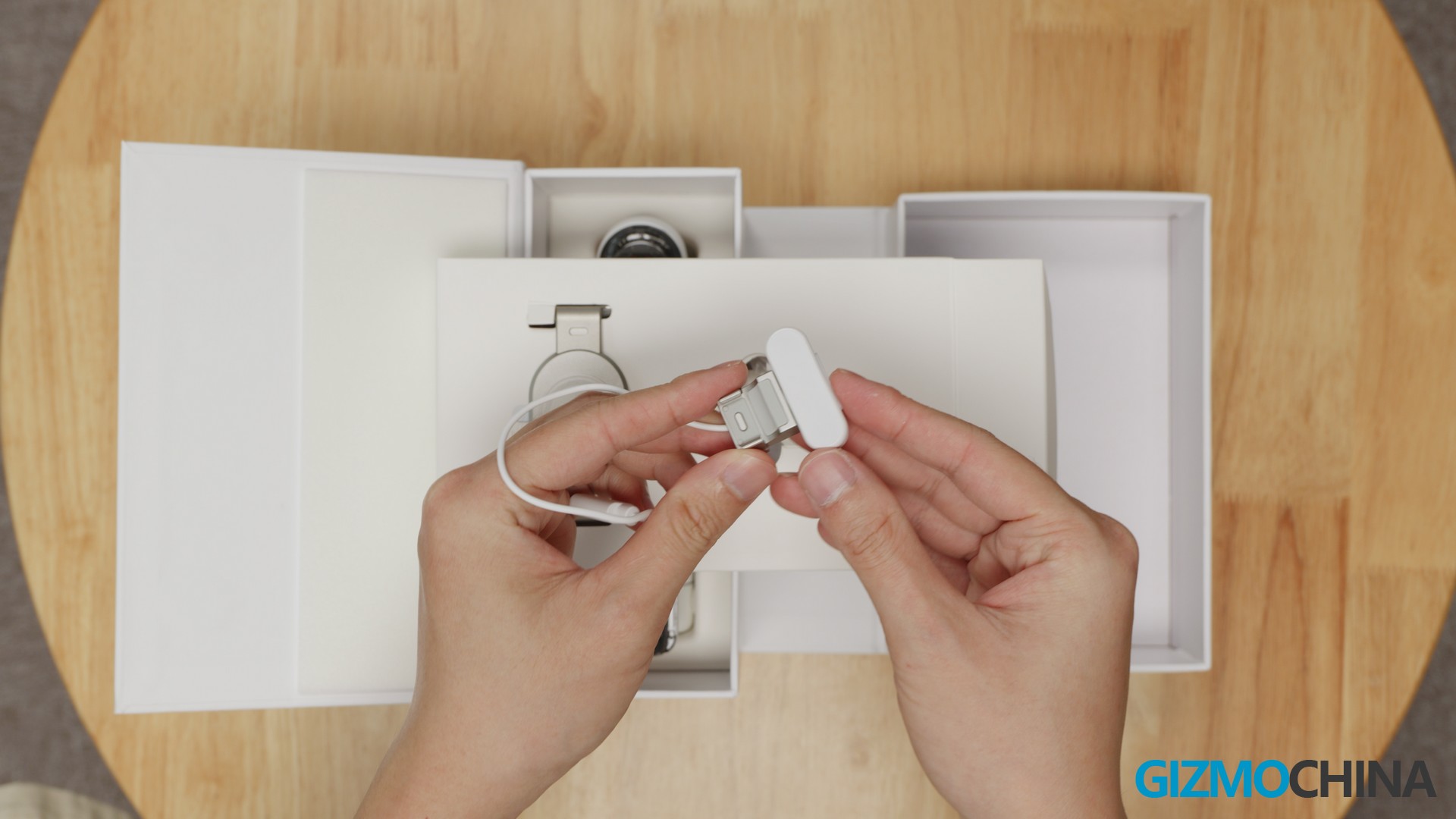
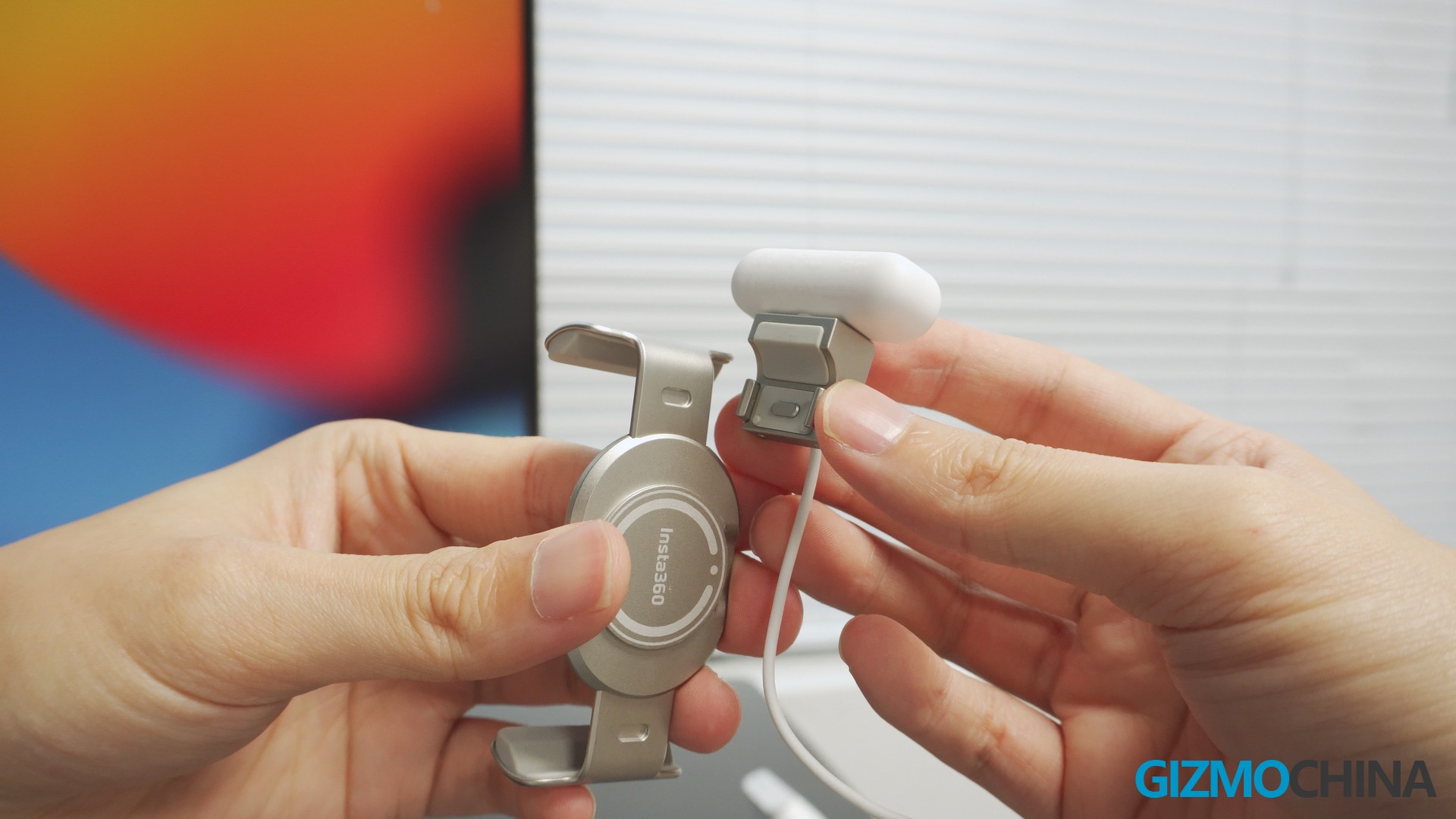
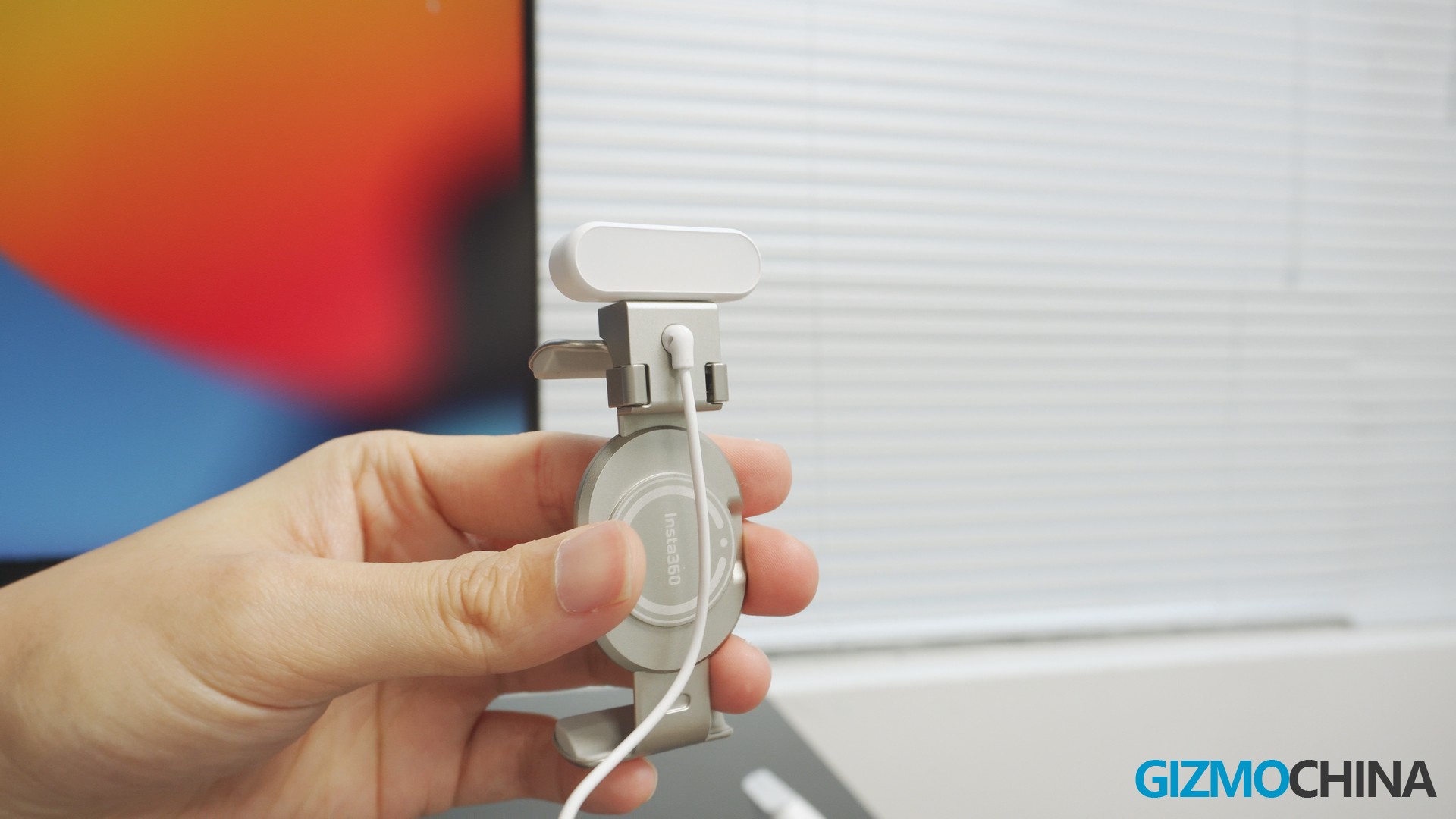
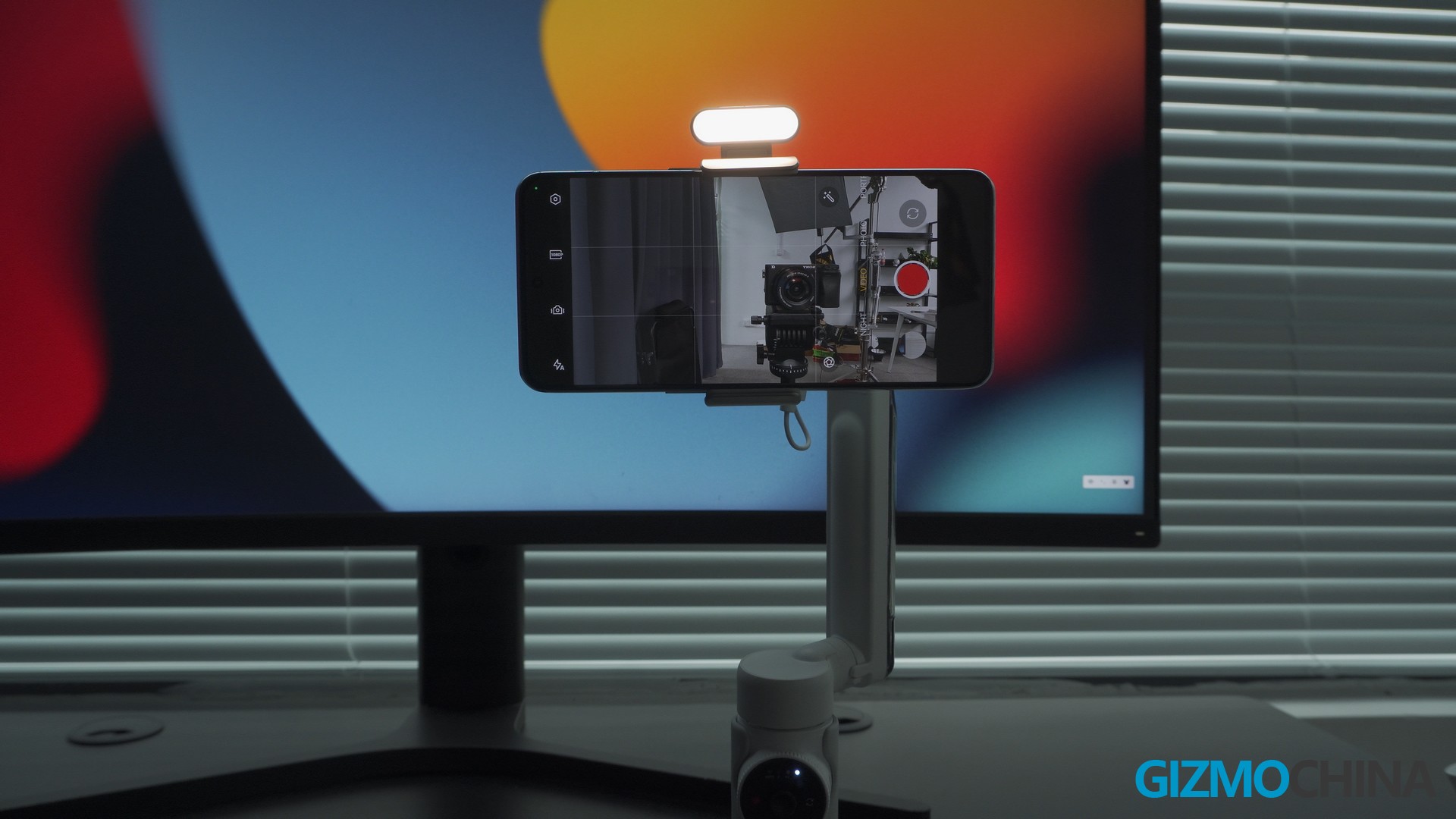
The next is a spotlight, when you make a vlog or live stream at night it will be very useful.
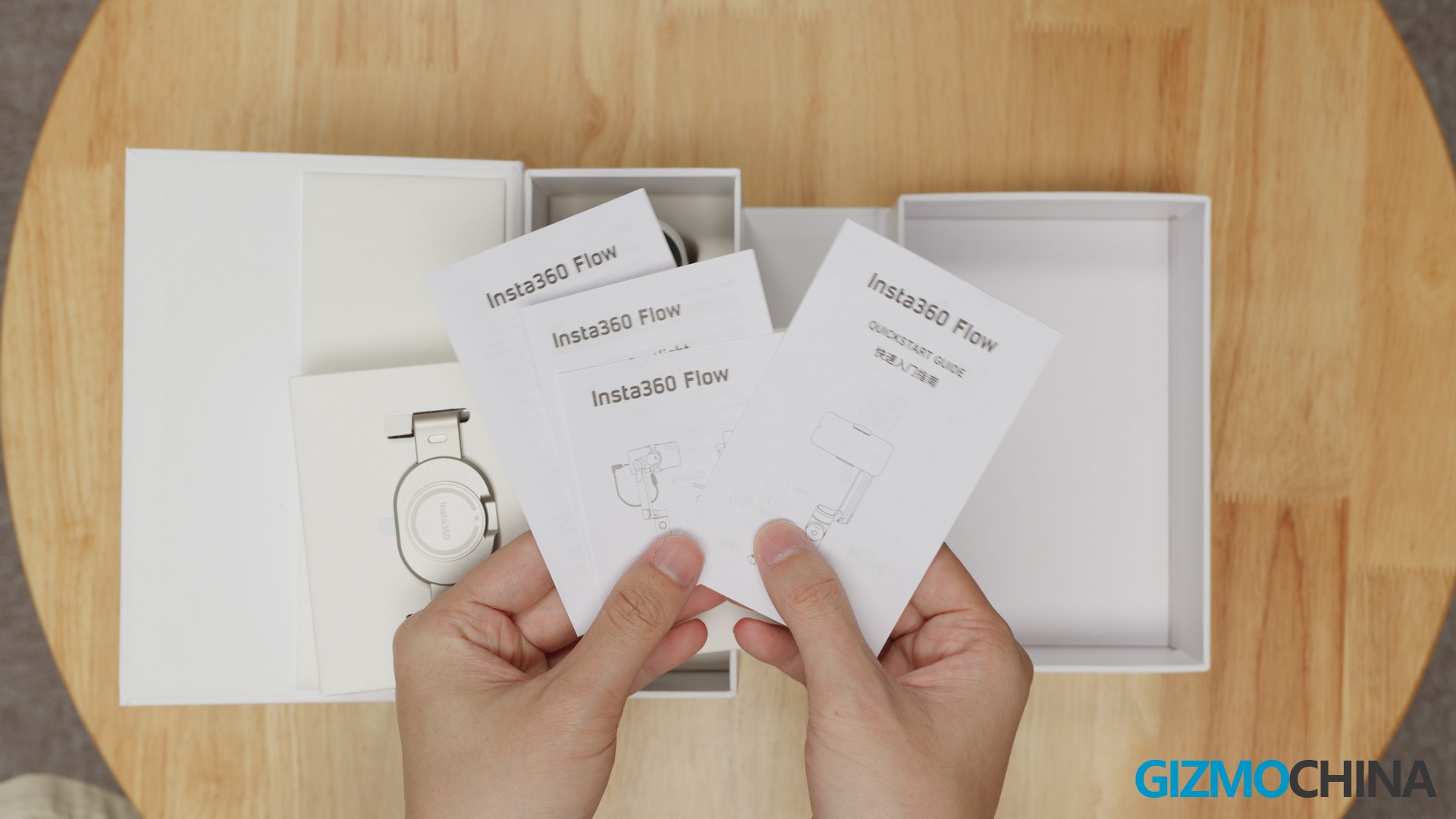
Then we have a dual TypeC cable, a TypeC to TypeA cable, and another TypeC to lightning cable. And of course, a quick start guide and warranty card are included.
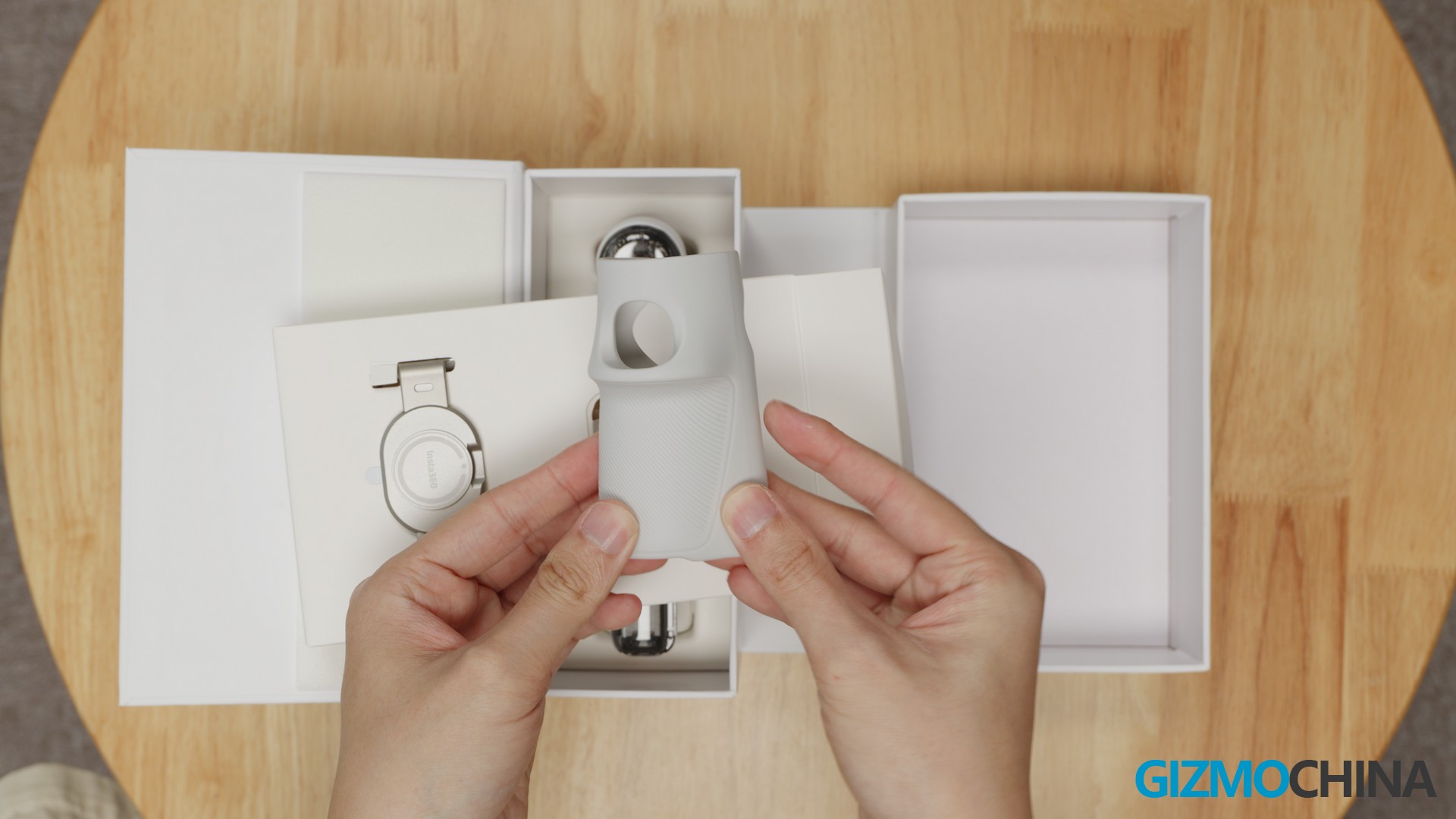
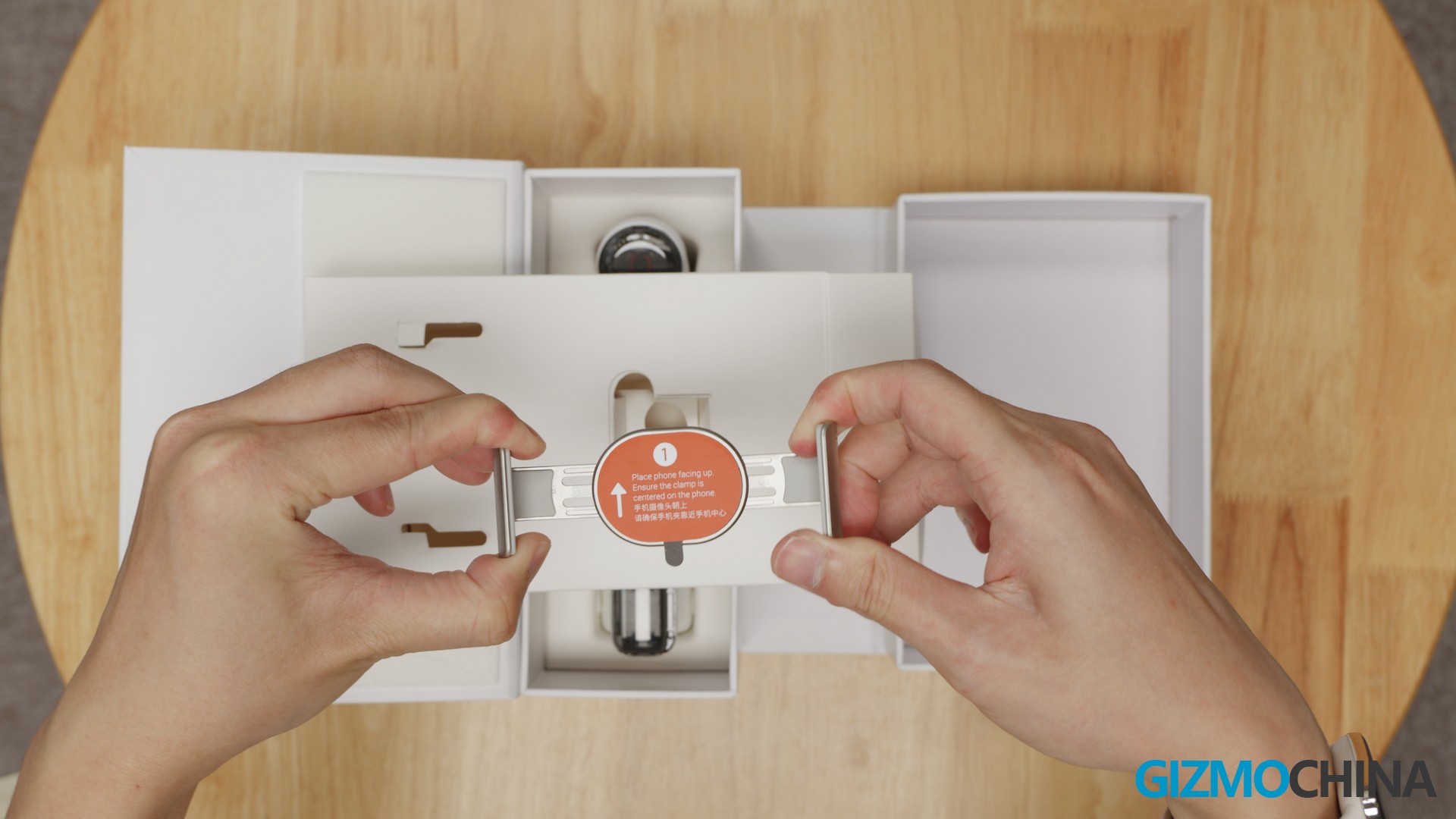
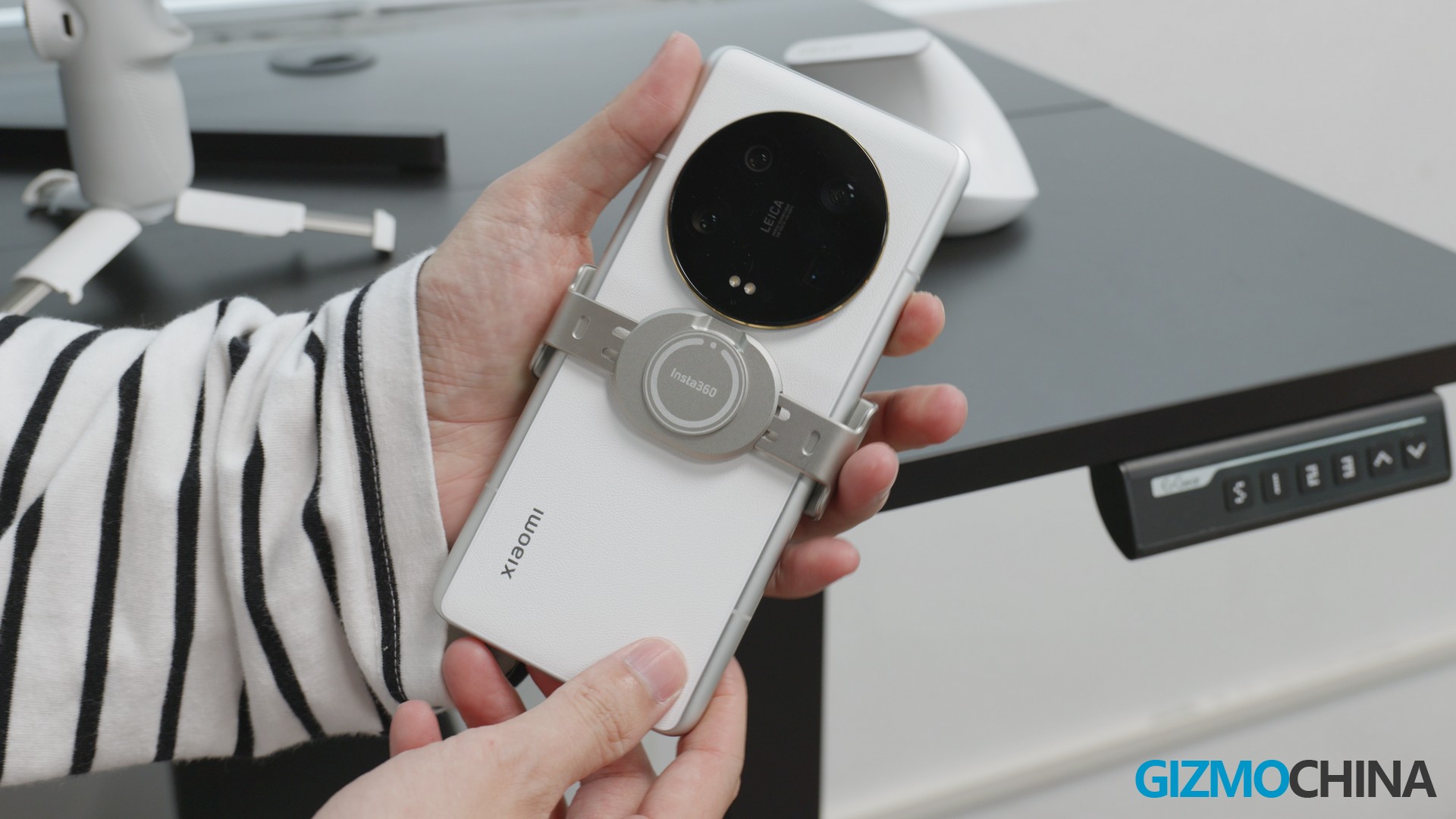
In addition to these, we have a silicone grip case, and then the last accessory is a magnetic phone clip.
Design
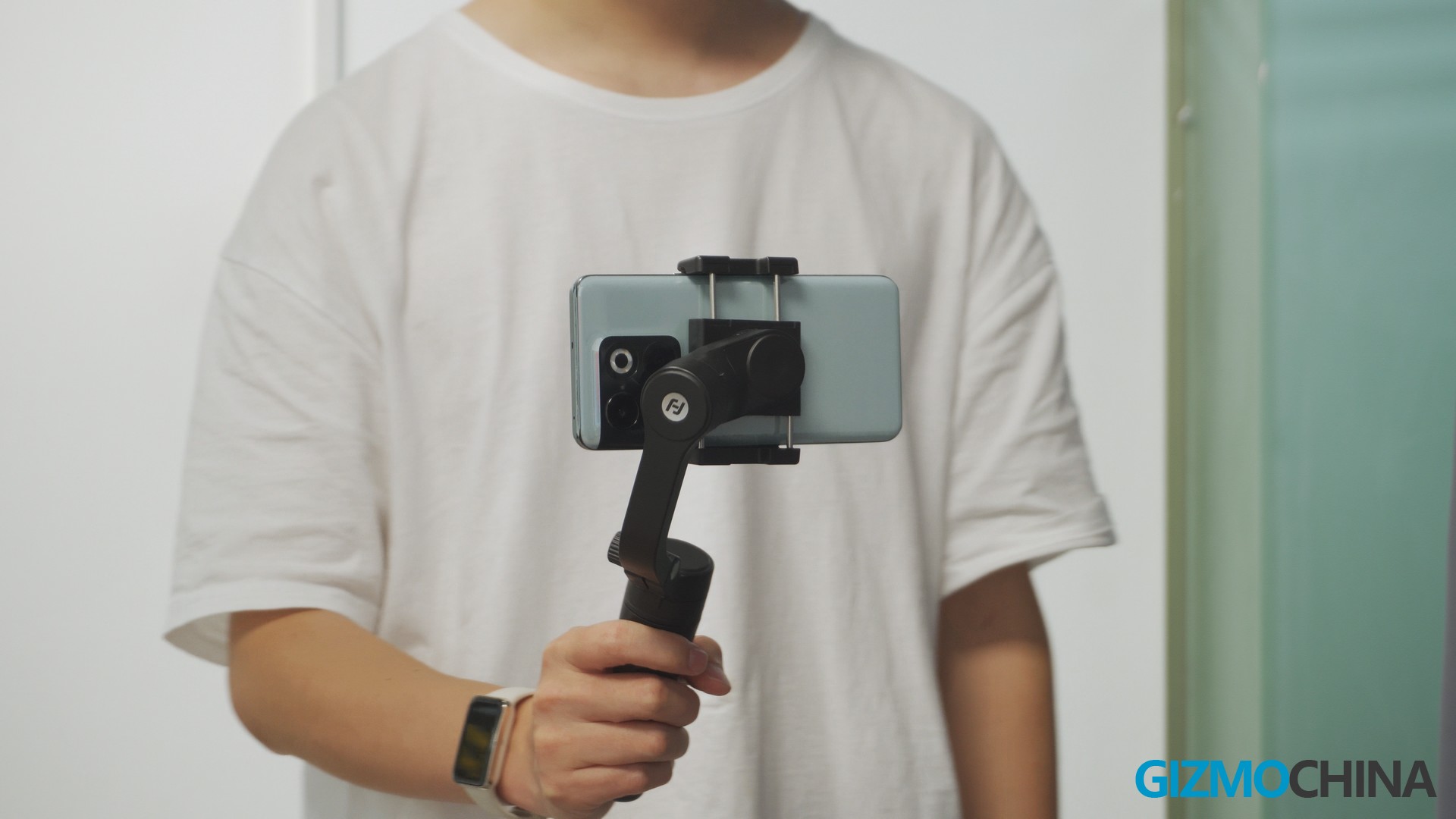
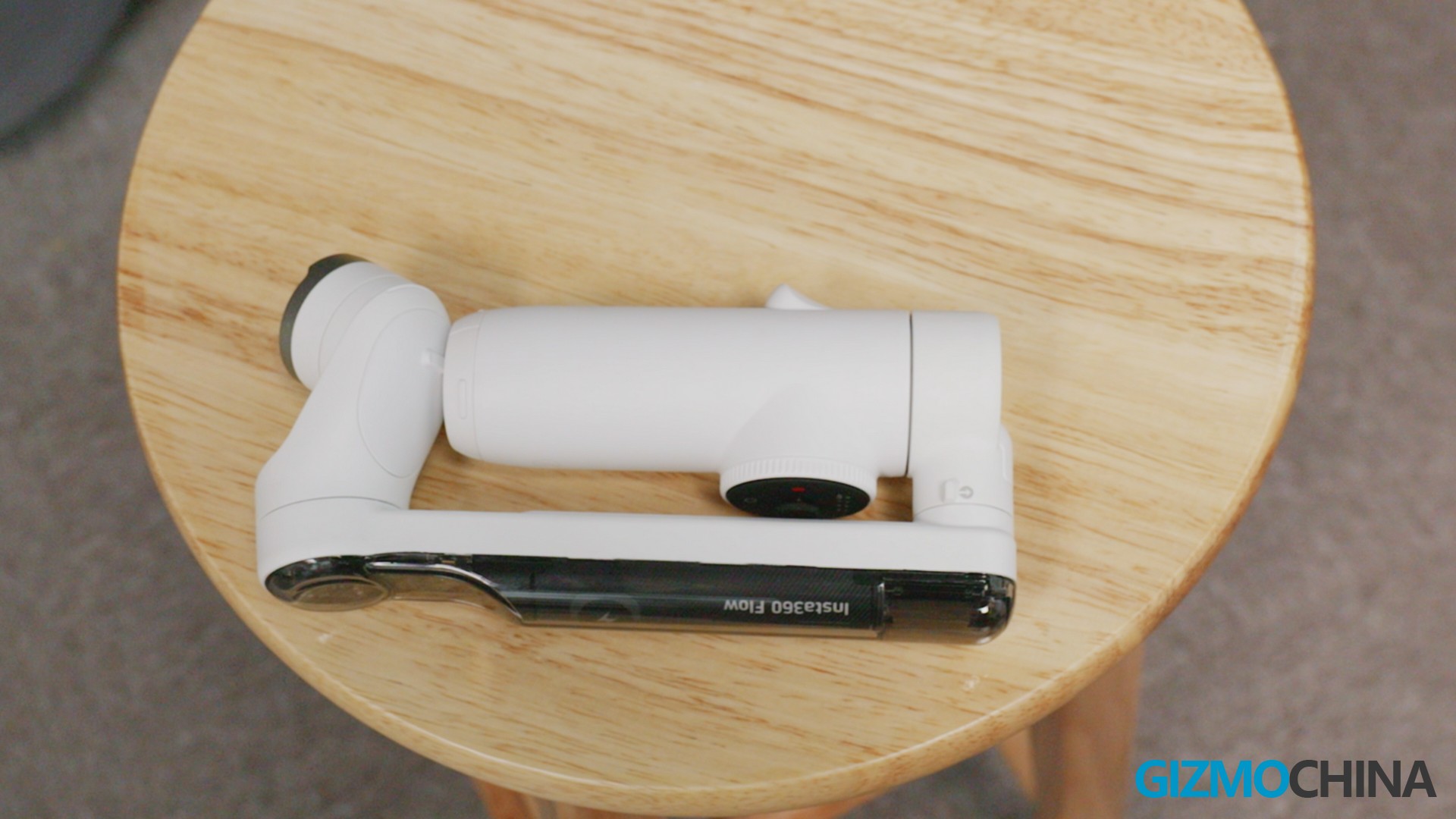
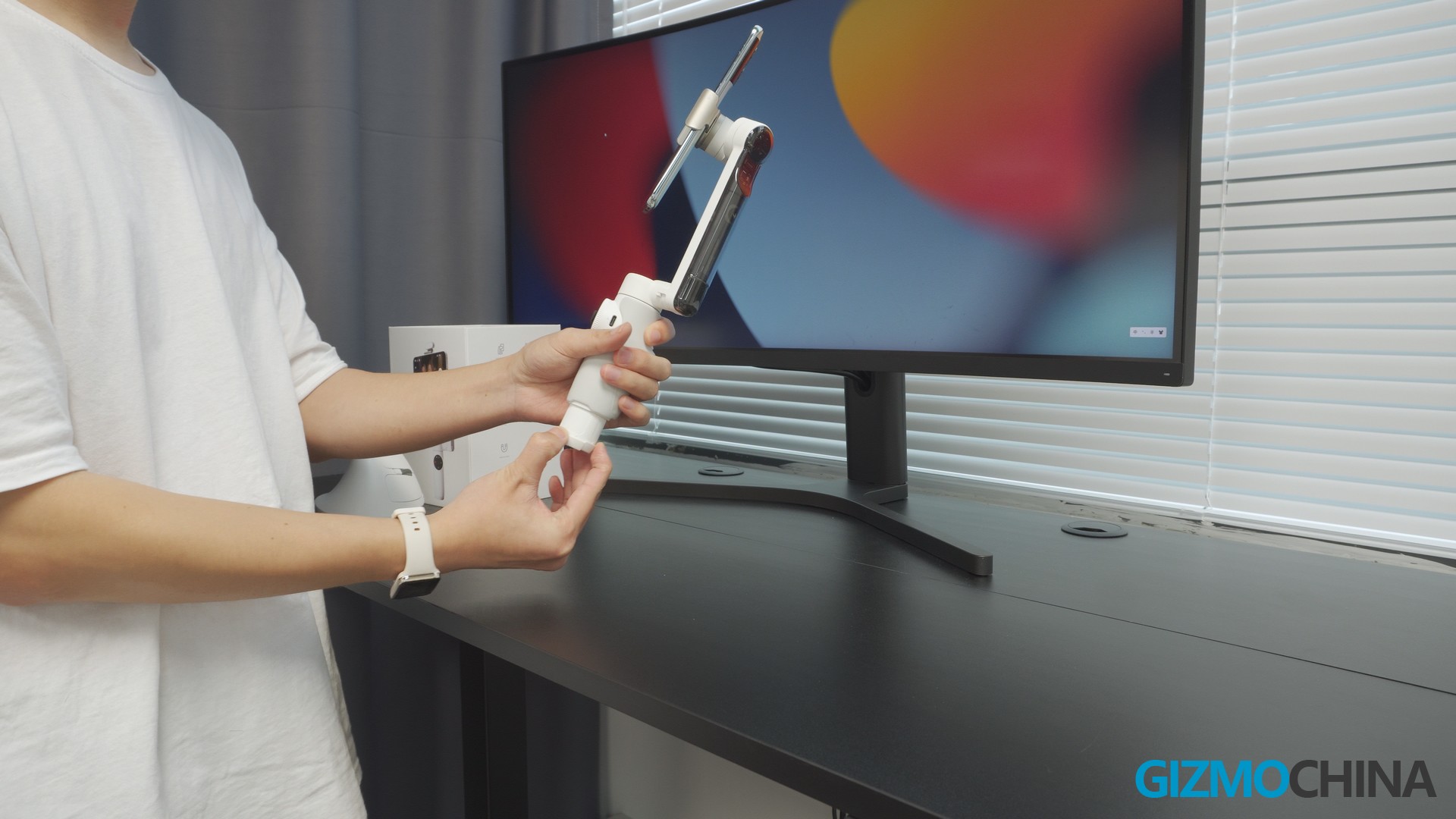
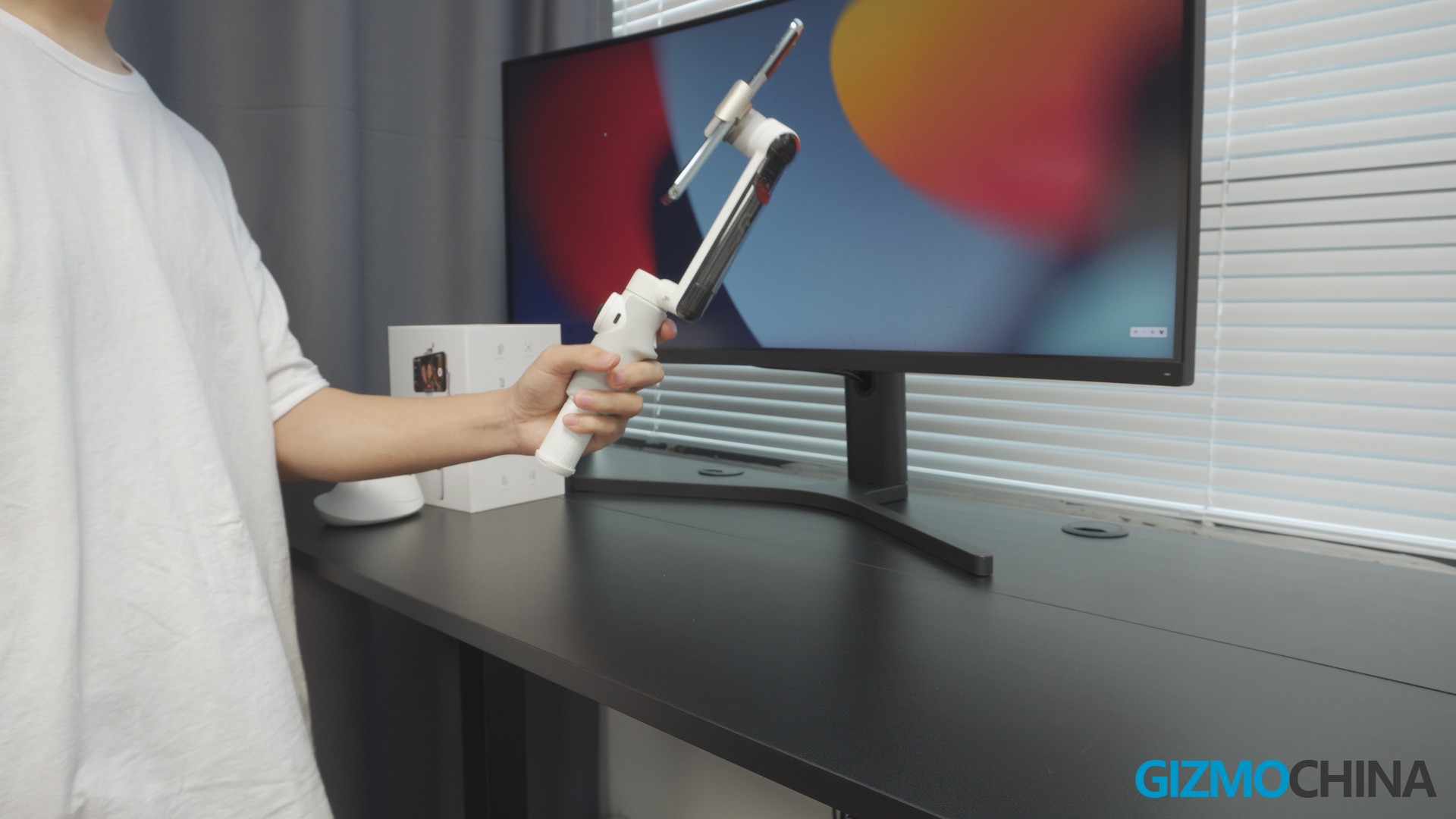
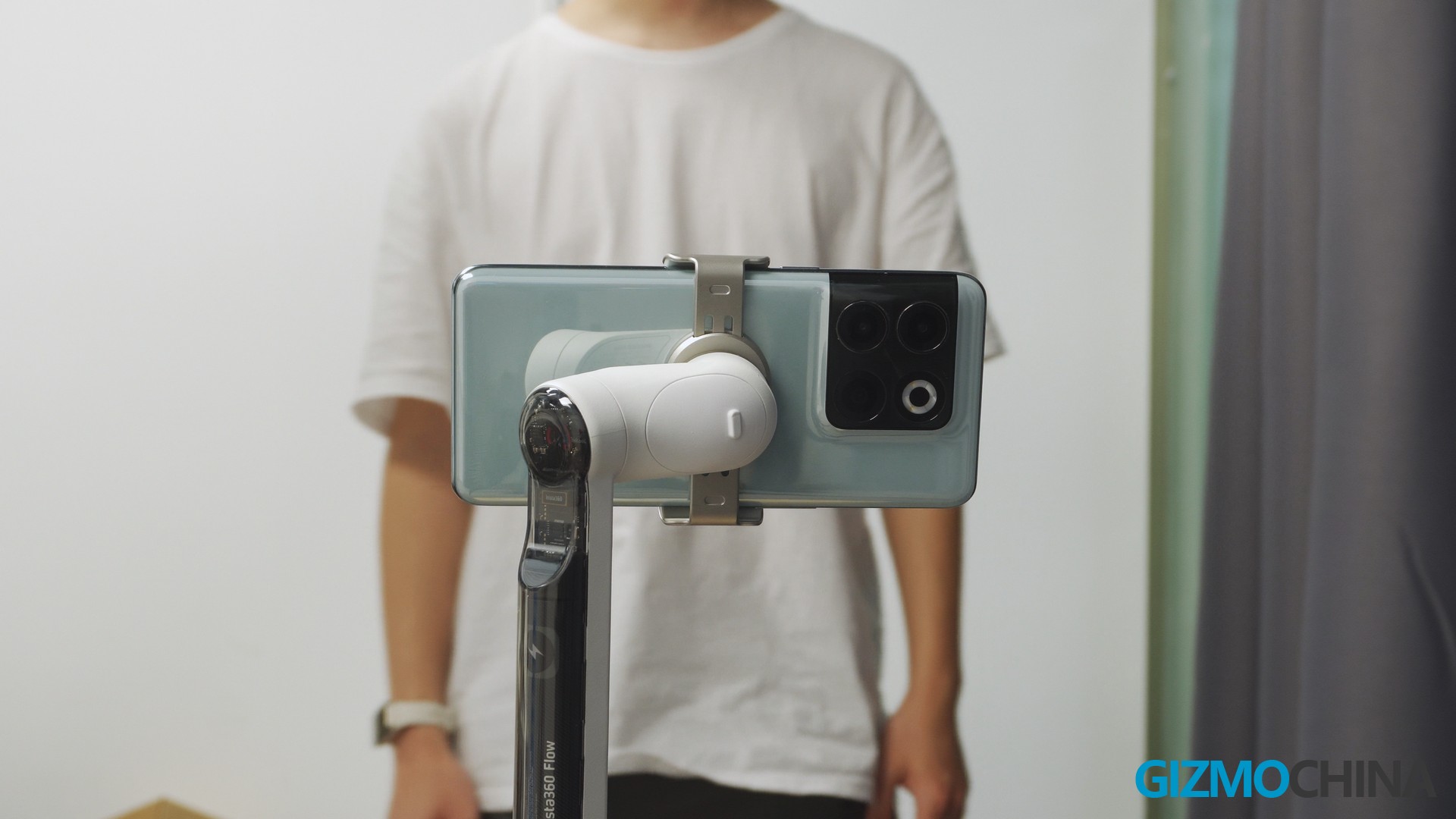
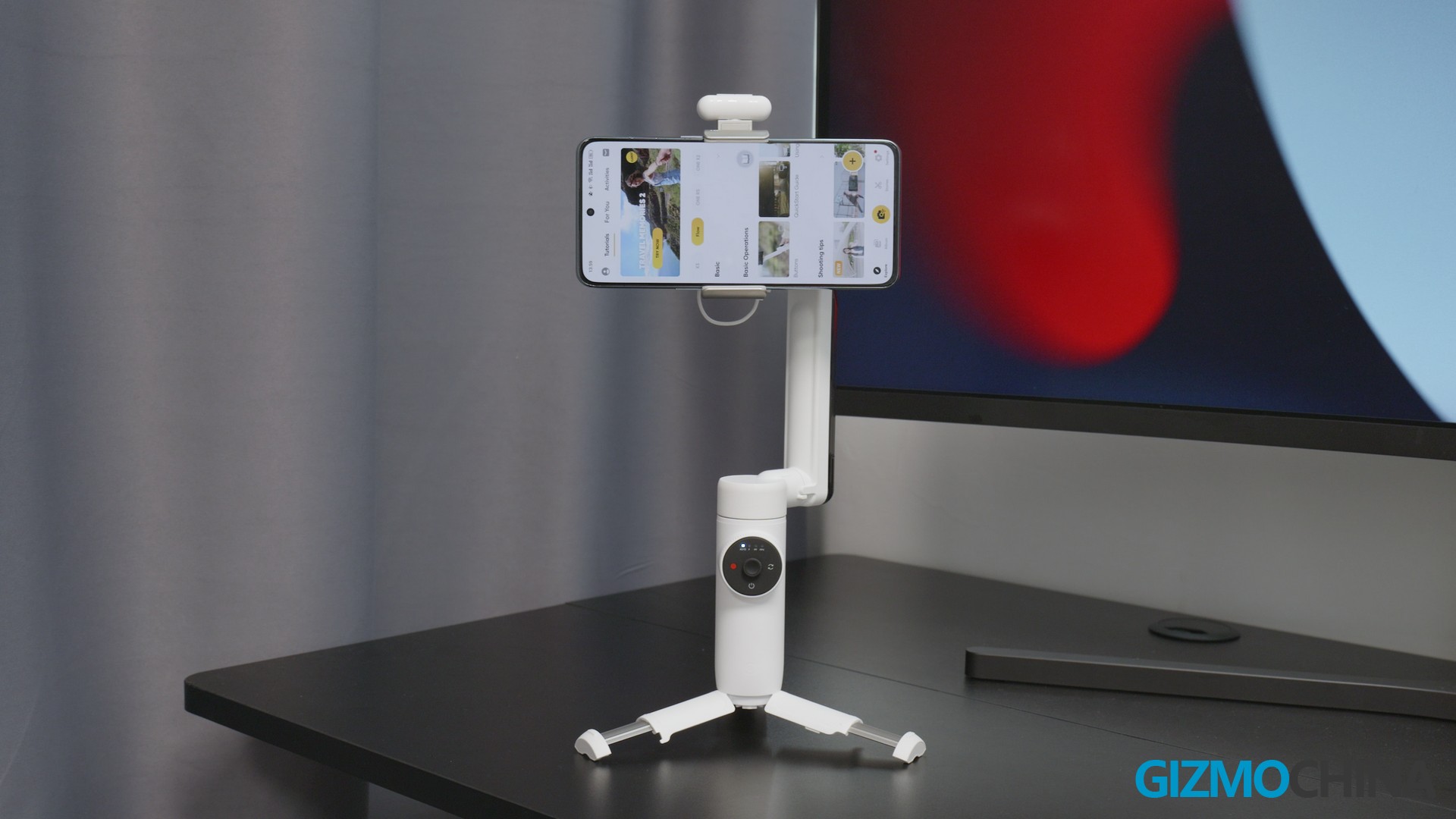
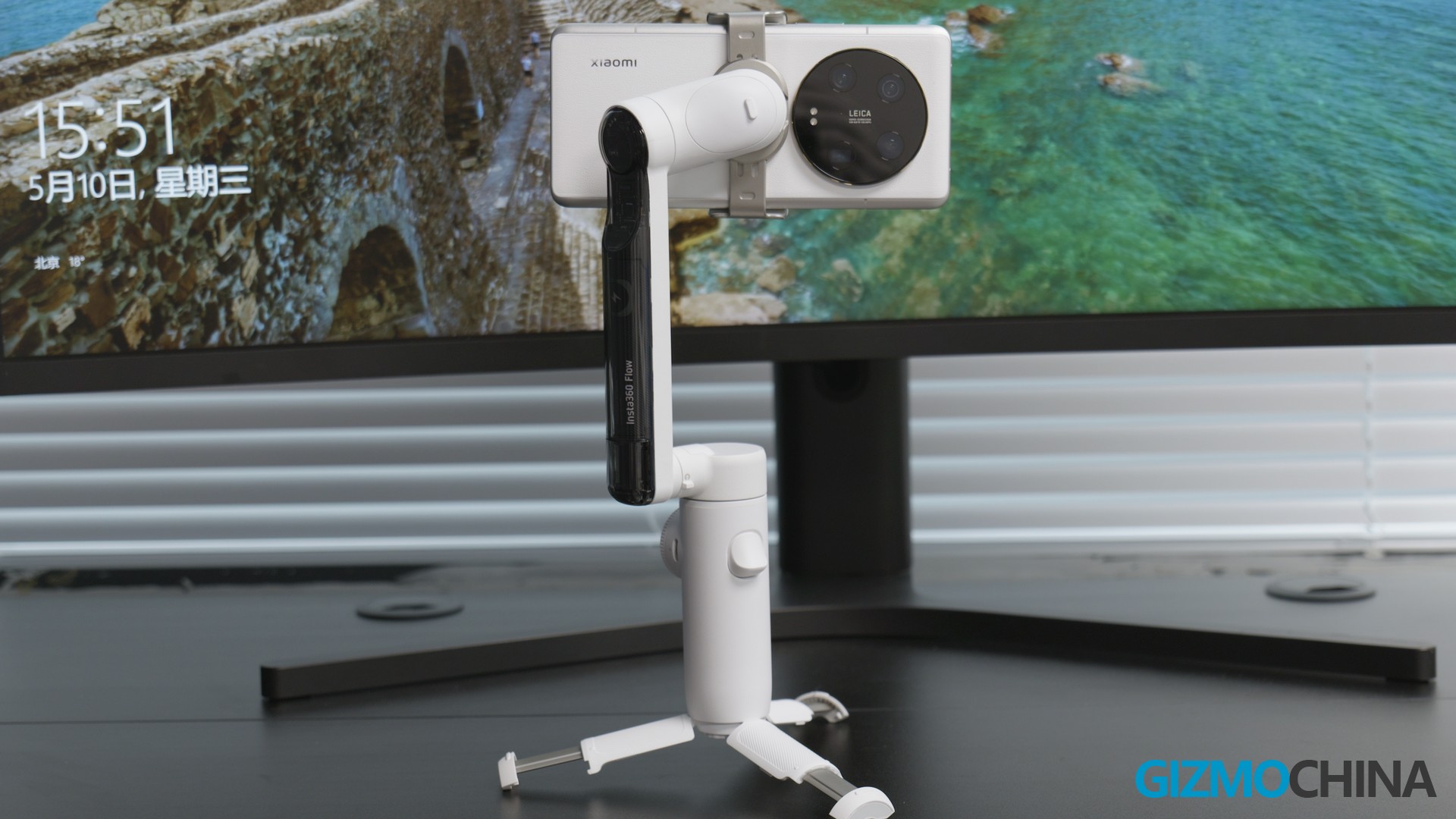
insta360 flow has a very flexible and smart design. First of all, it has a multi-stage foldable structure, when fully folded up, the compact gimbal looks like a door handle, you can scramble it into the pocket or just carry it in a single hand.
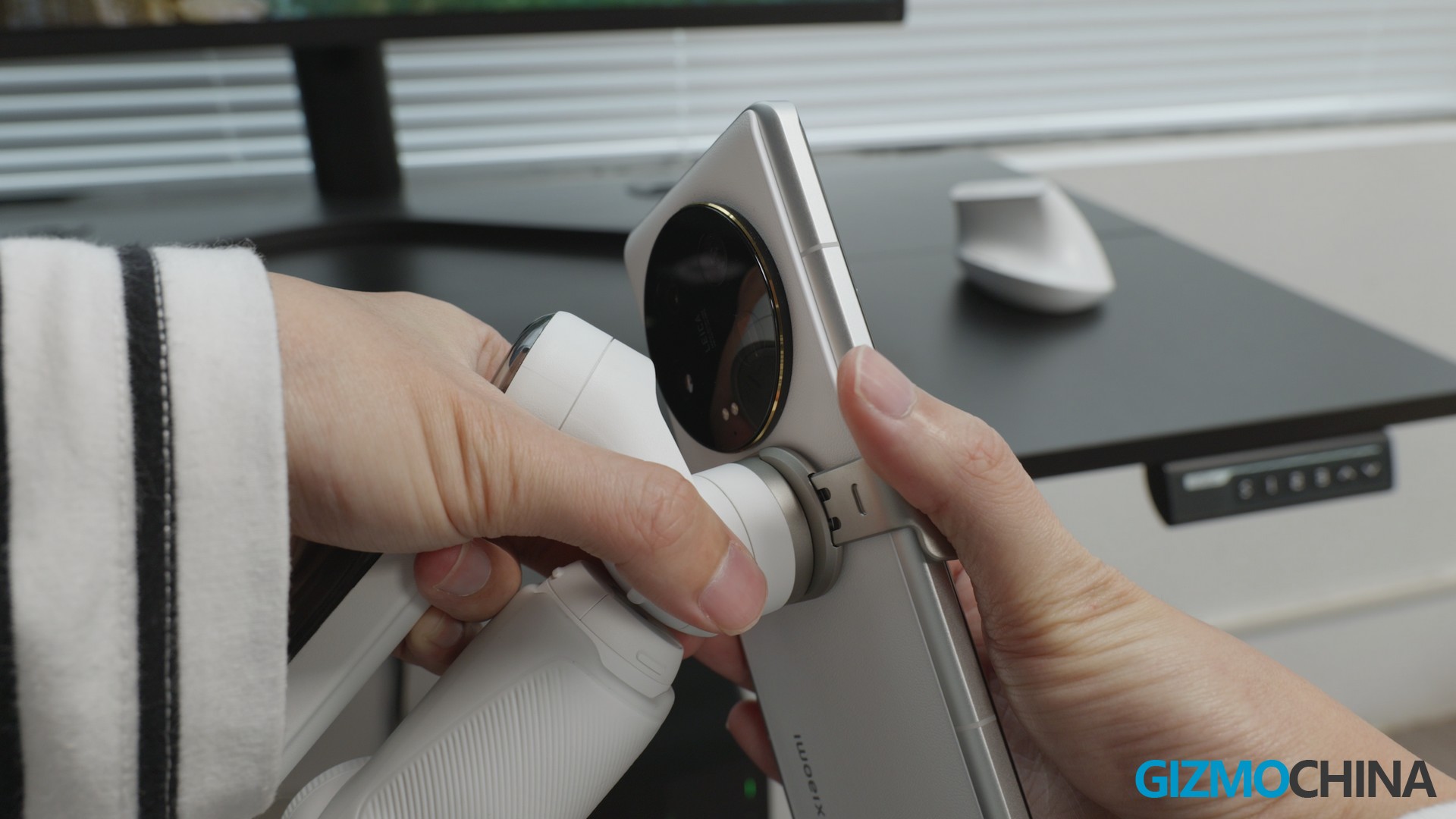
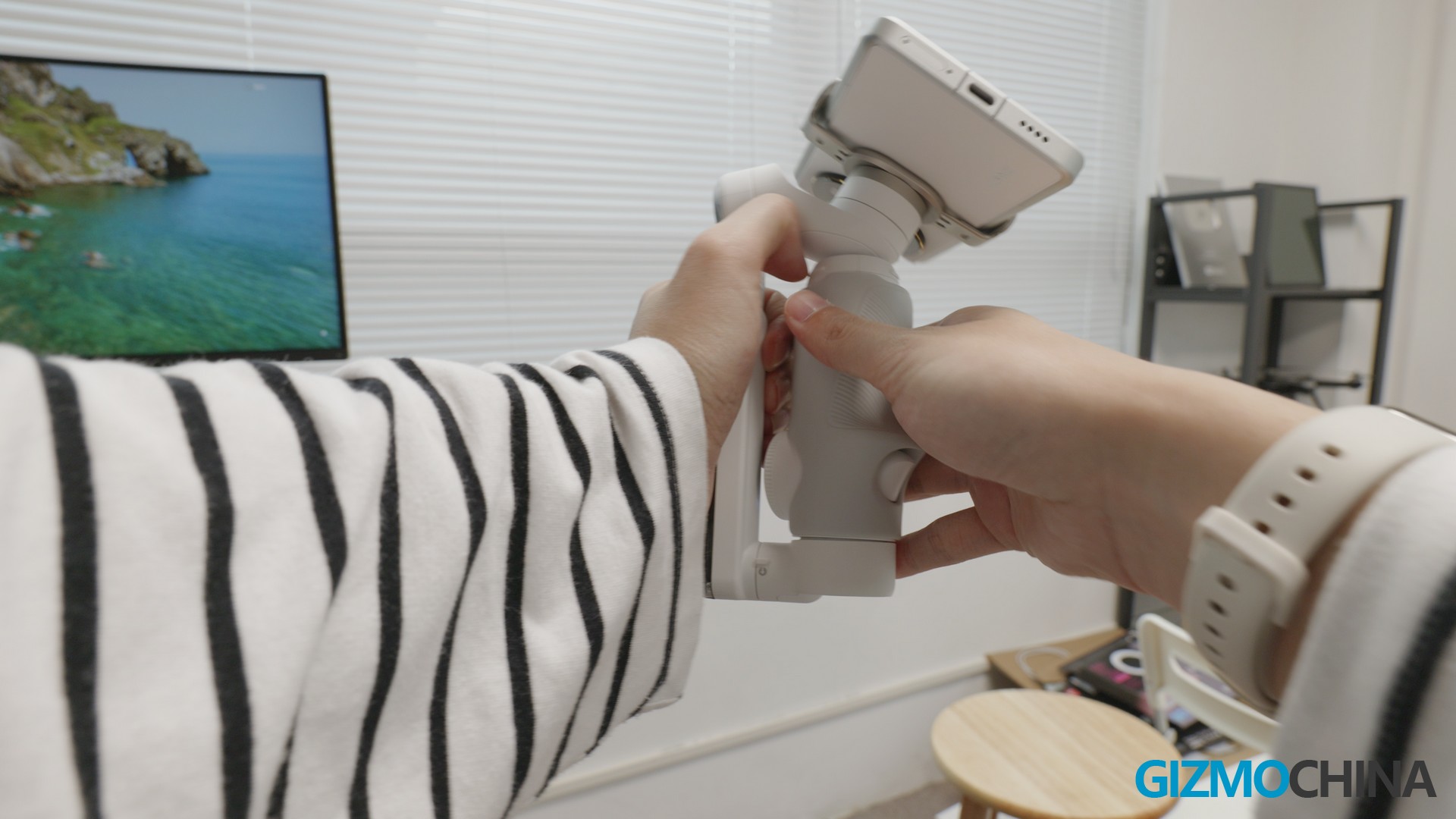
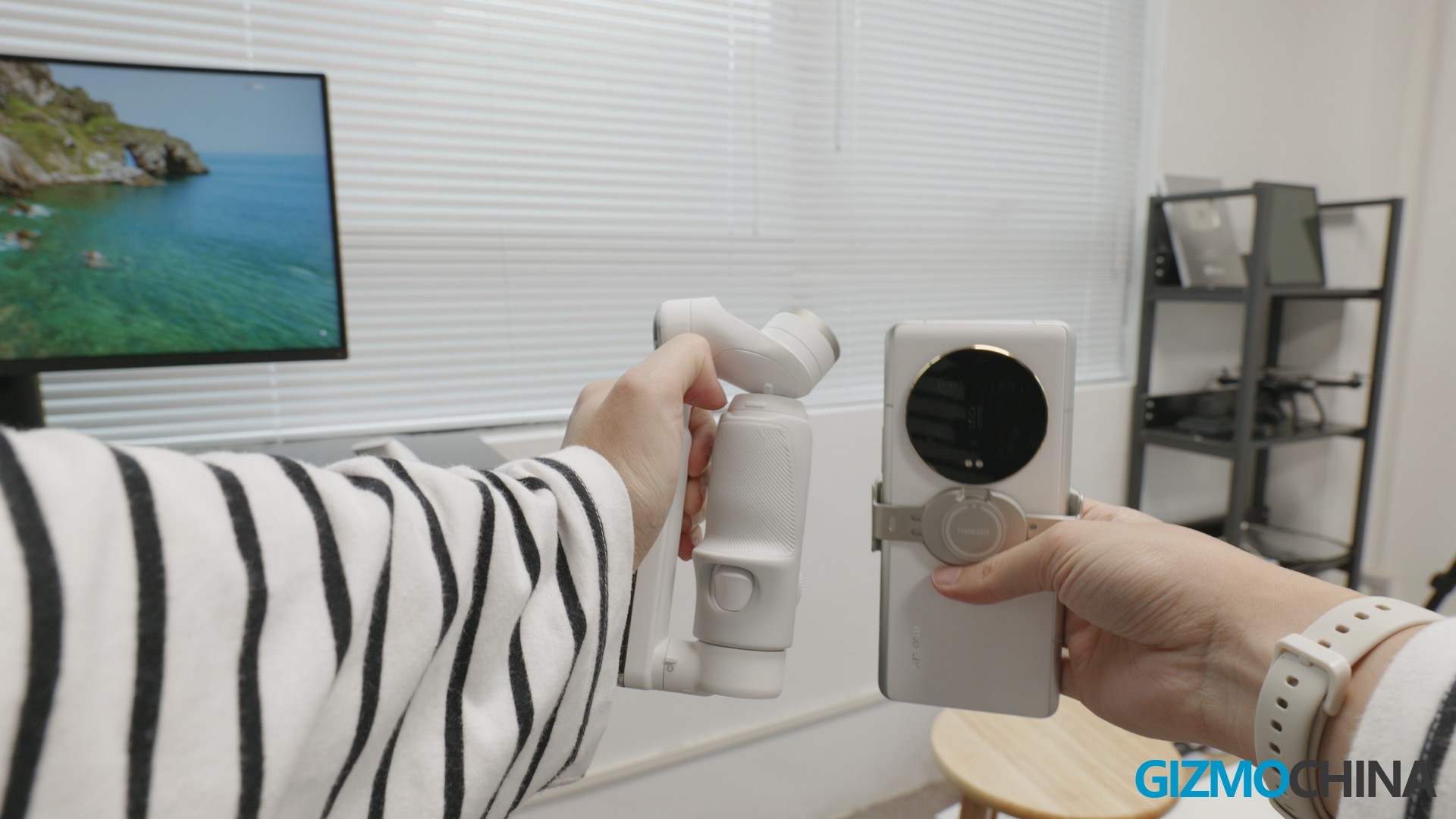
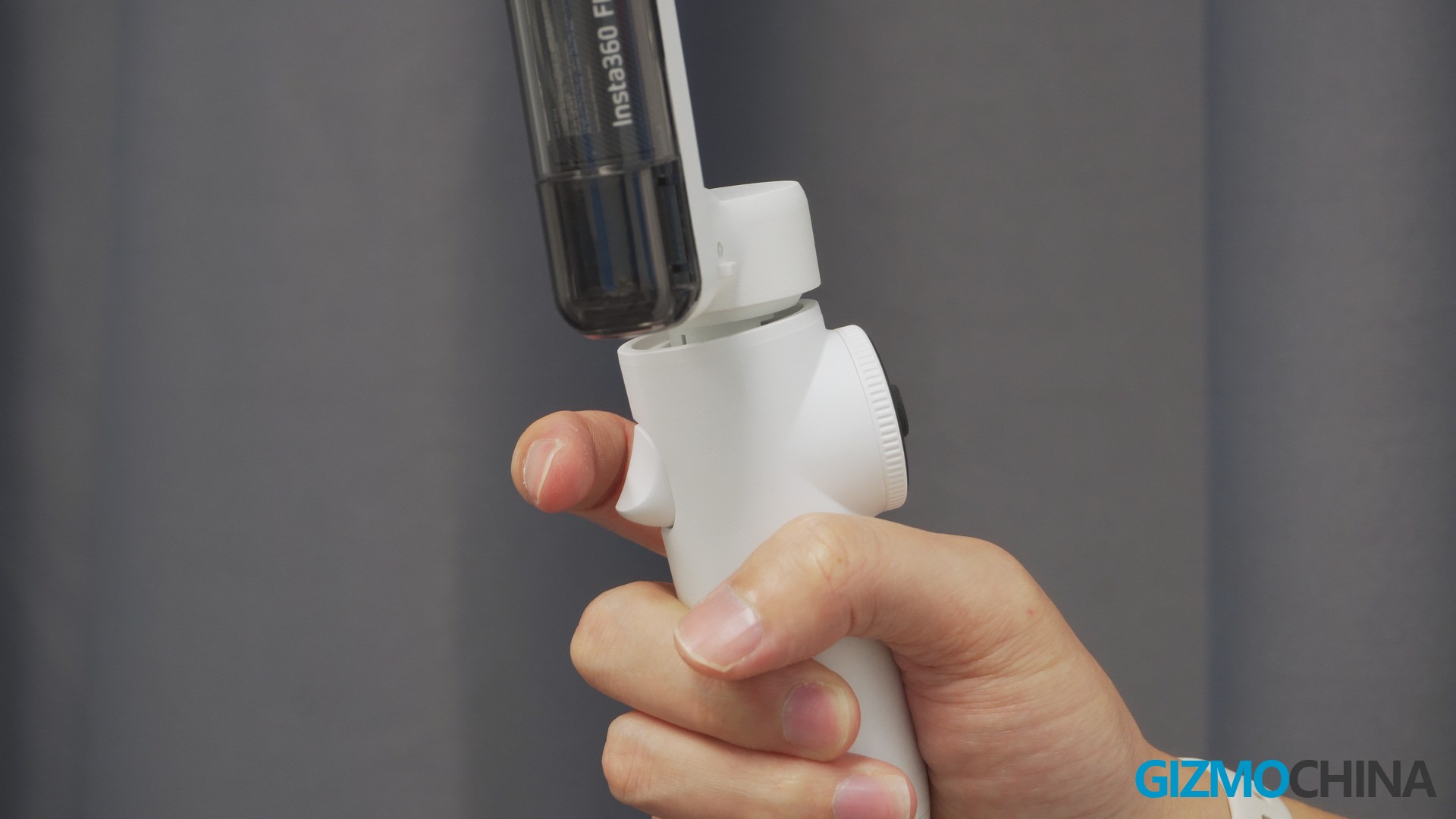
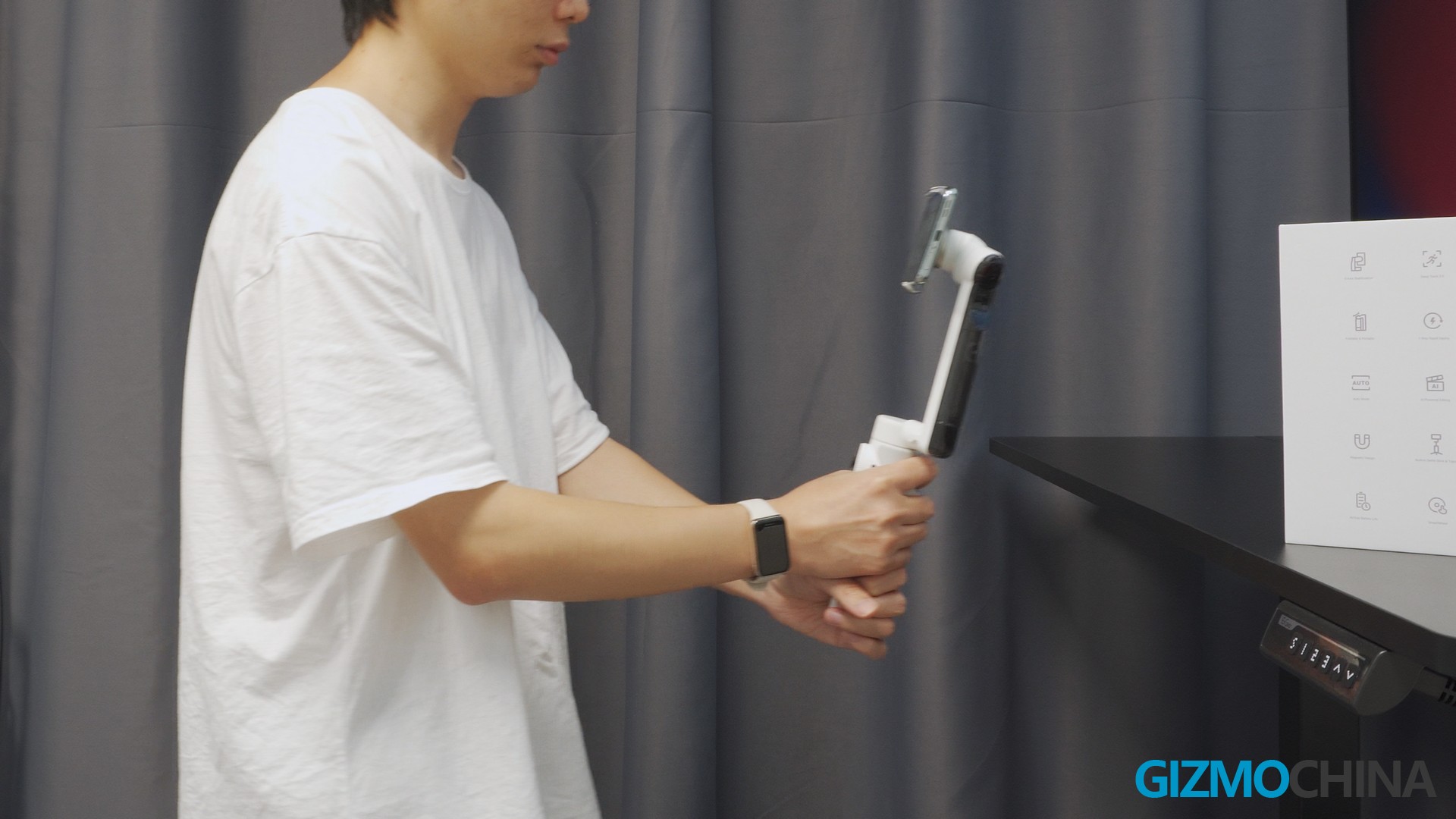
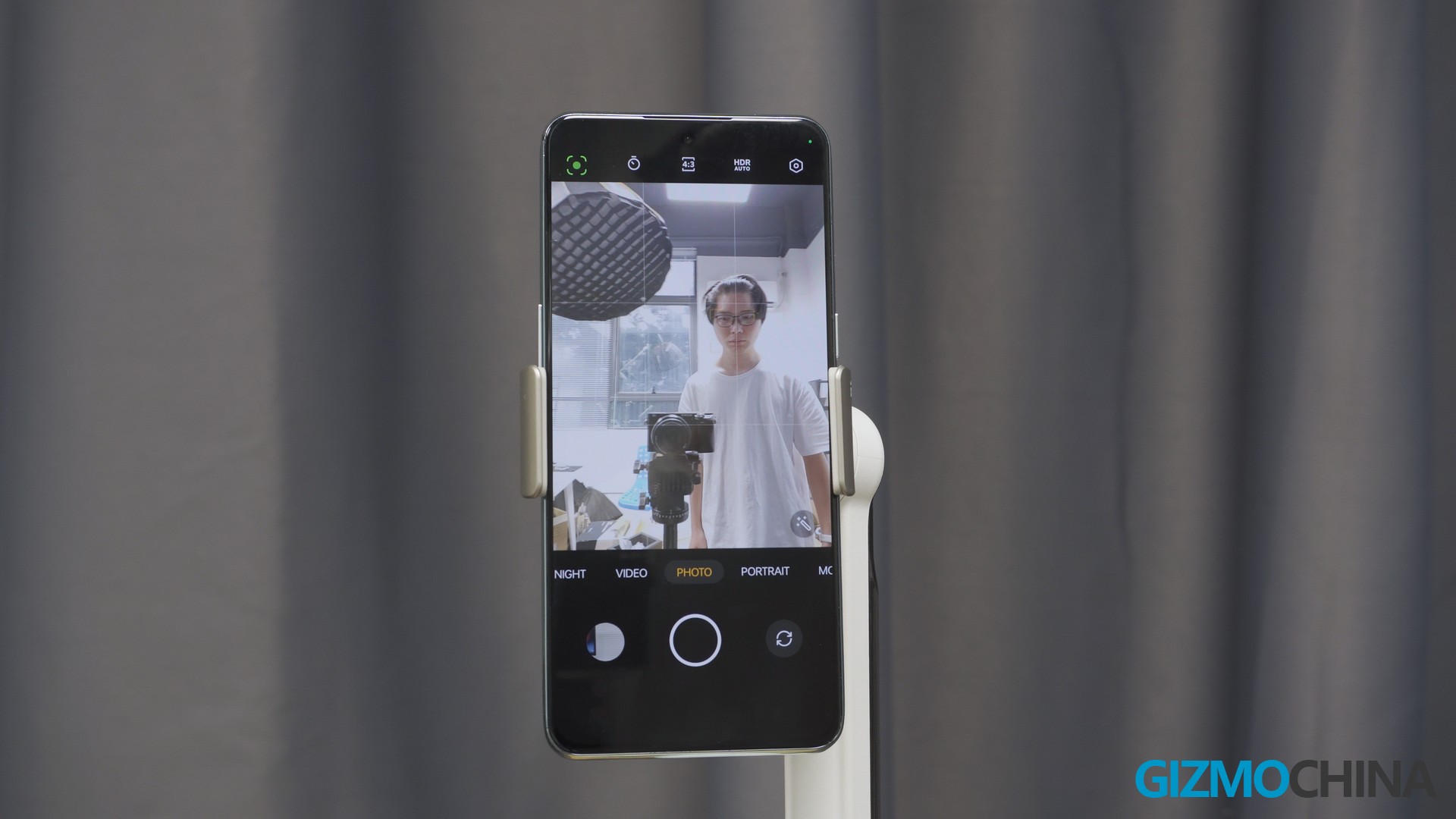
I recommend that you mount your phone to the magnetic clip before use. when you want to use the Flow, you just need to mount your phone to the gimbal and pull the handle down, the gimbal will automatically activate and start working.
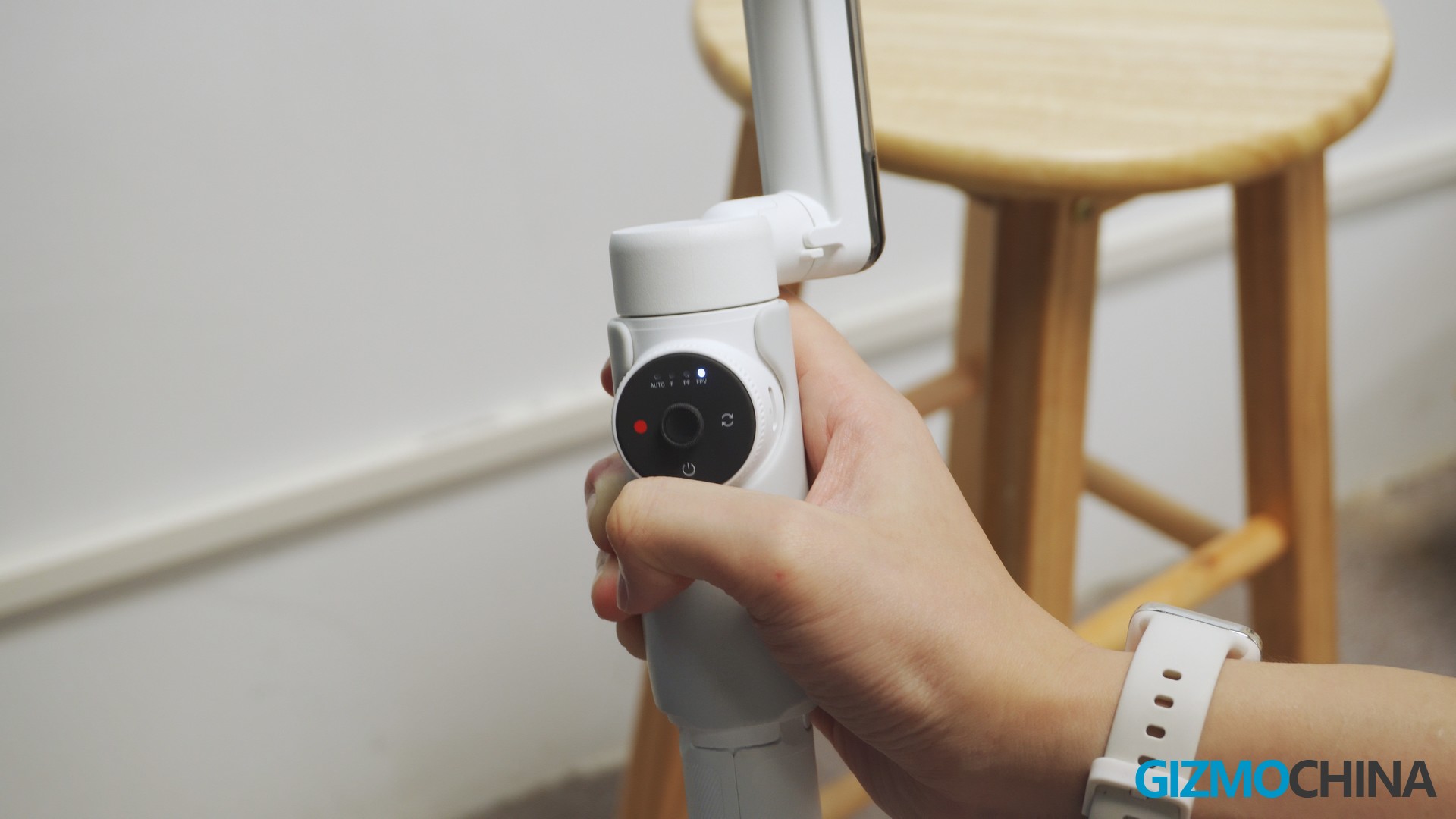
We can see a power button on the control wheel, but I think maybe insta360 can turn it into a customizable button because it’s easy enough to turn the gimbal on or off by unfolding or folding it.
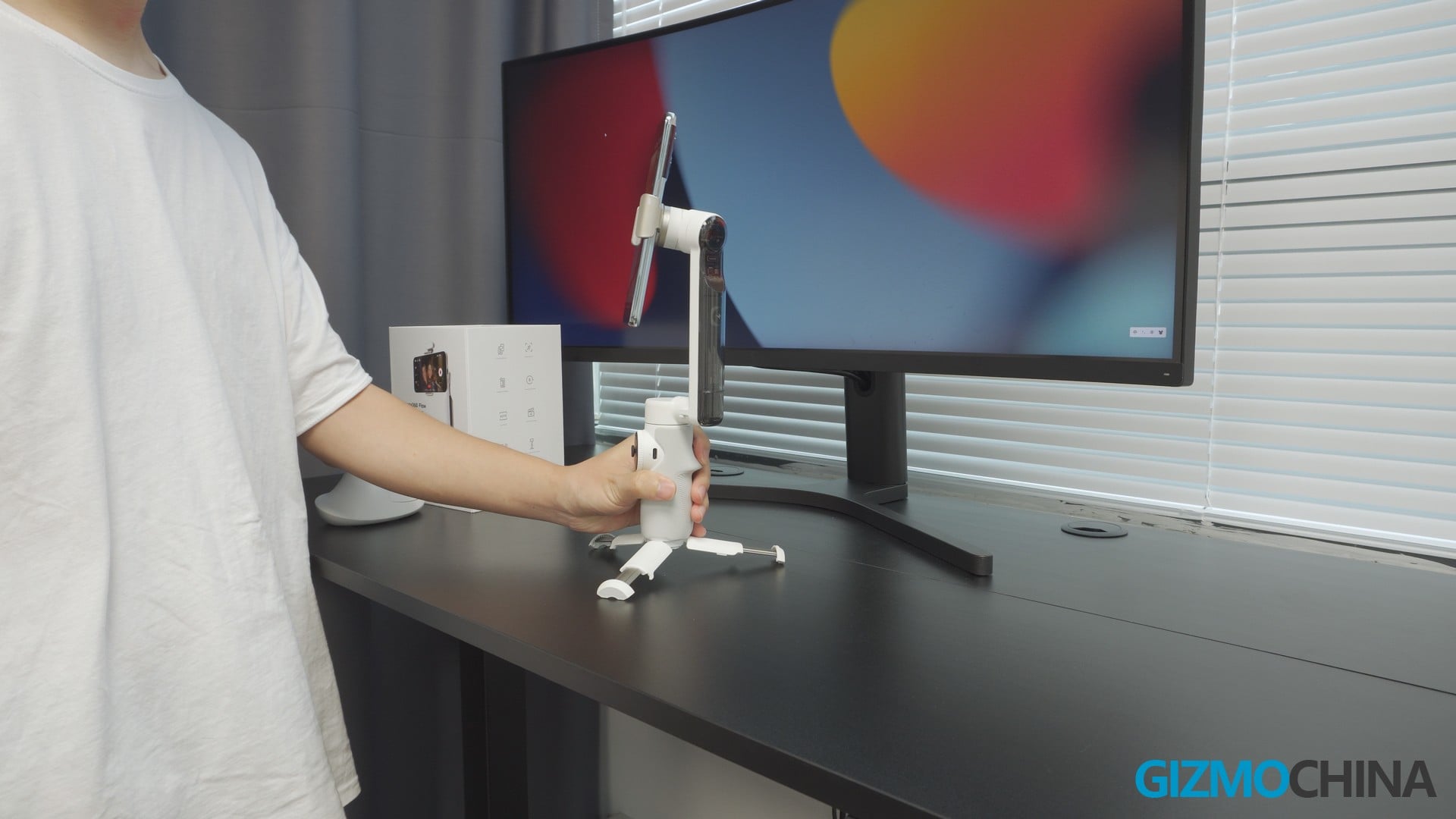
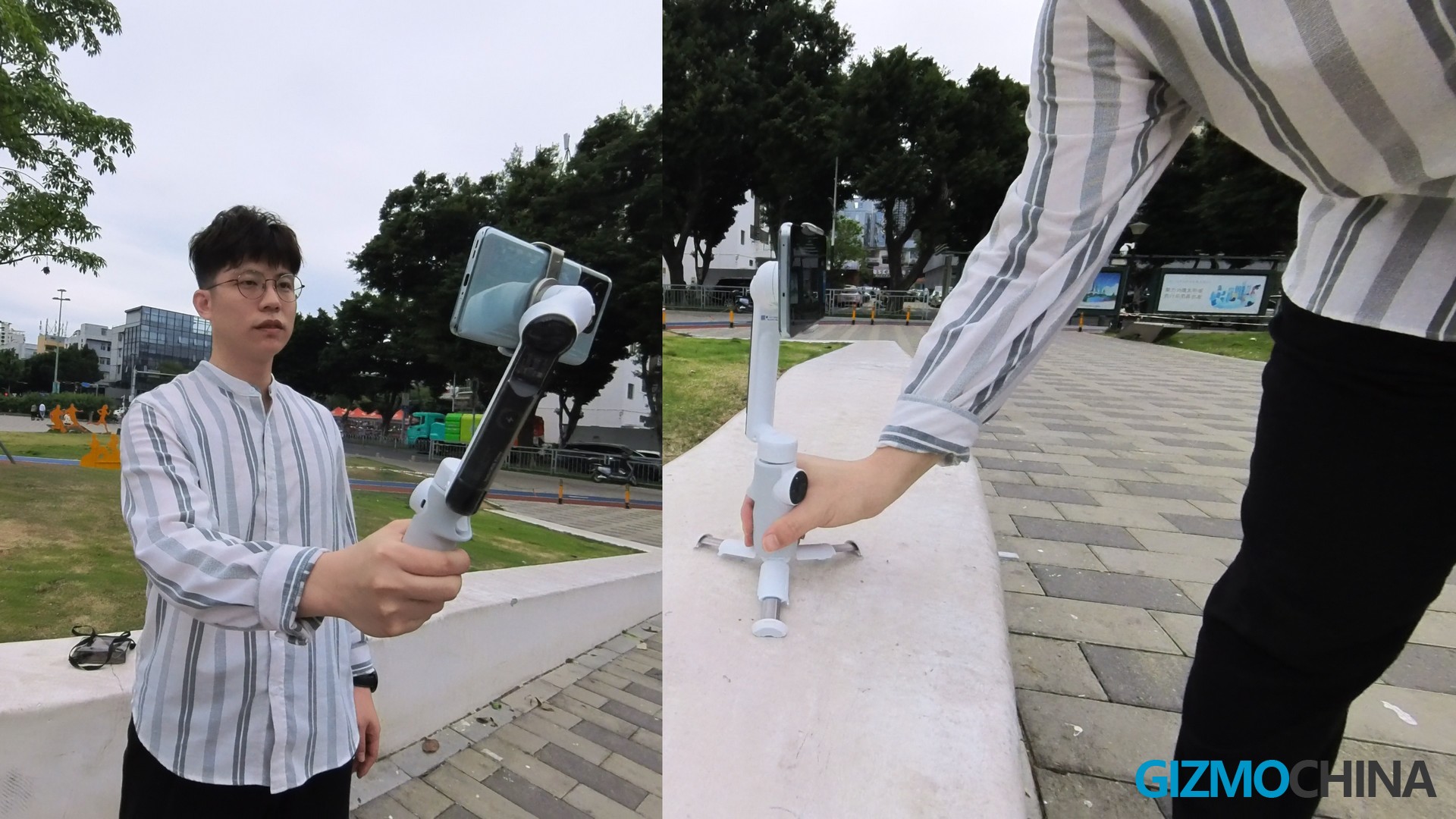
There are two hidden structures inside the handle, First, if you feel the handle is too short to hold comfortably, you can grab the bottom of the handle and pull down, now the handle is extended, then you can spread it to turn the gimbal into a tripod.
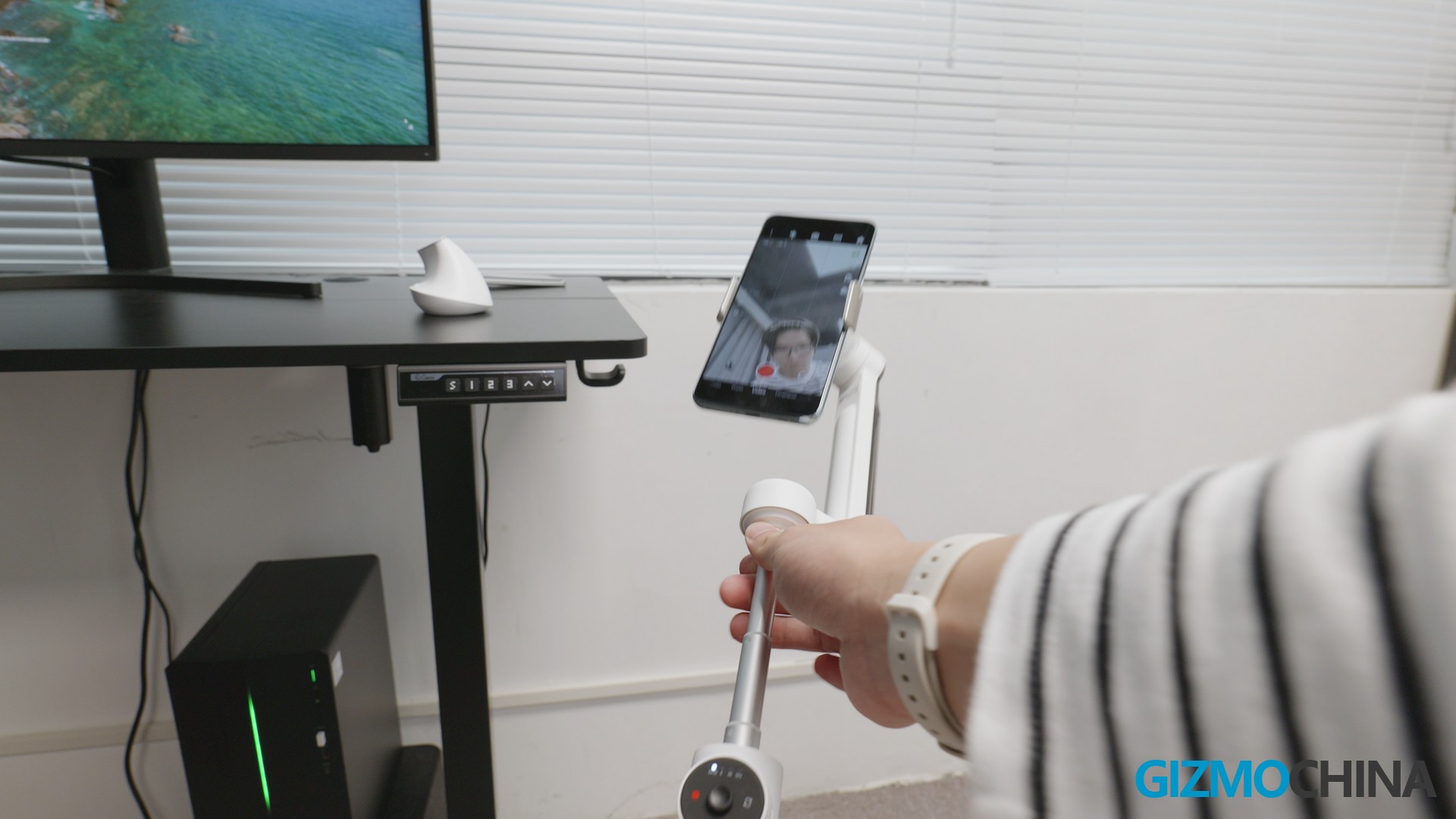
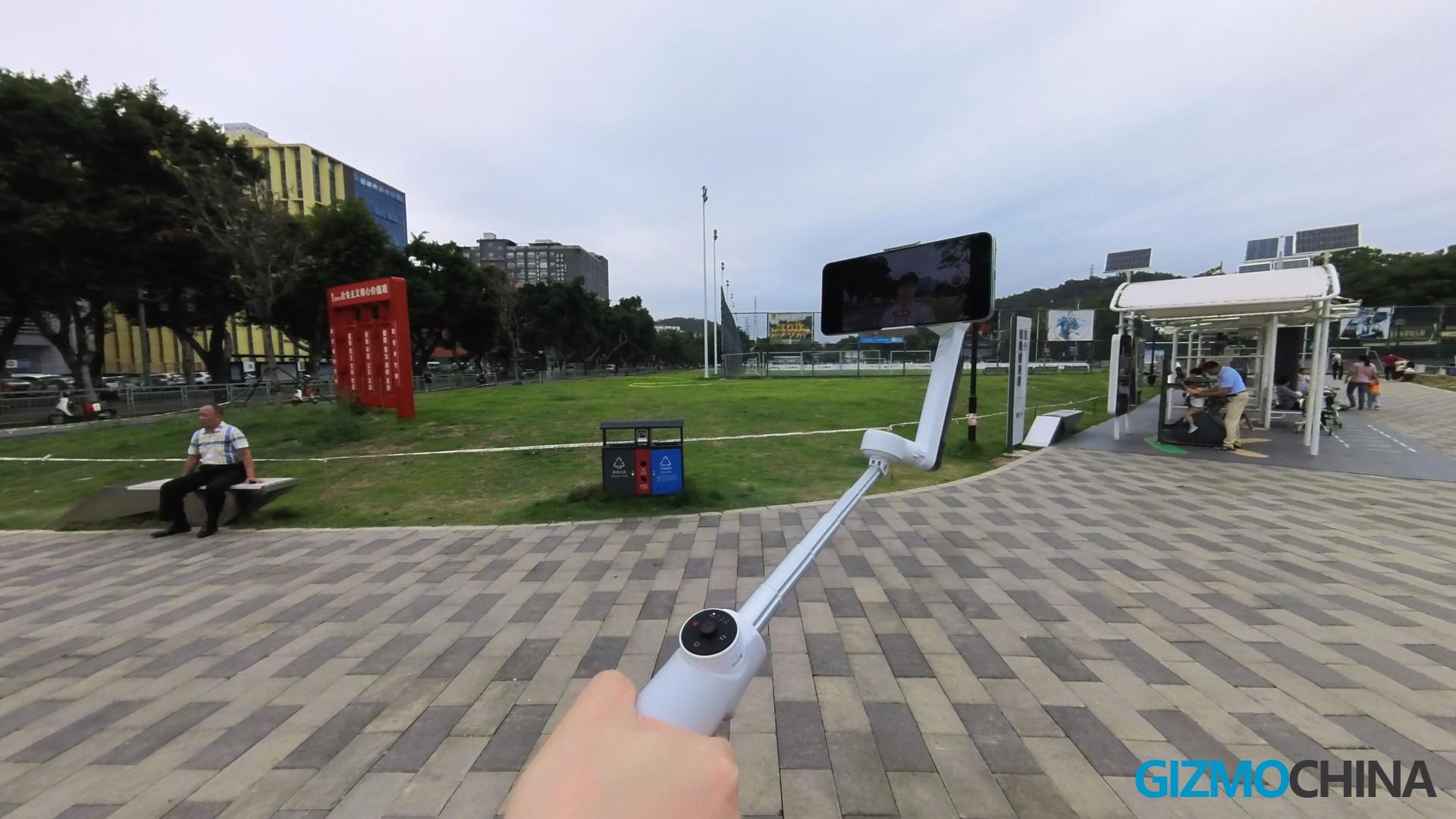
To make it easier to take selfies, you can pull up the top of the gimbal, and the top of the selfie stick has a hinge so you can adjust its angle.
Now we know why insta360 called it a creator kit, it’s really a multi-functional gimbal. I really appreciate that insta360 made all these extensions in an integrated system. you don’t need to take out a bunch of accessories in the package and then repeatedly mount and dismount all the parts.
Control & Connectivity
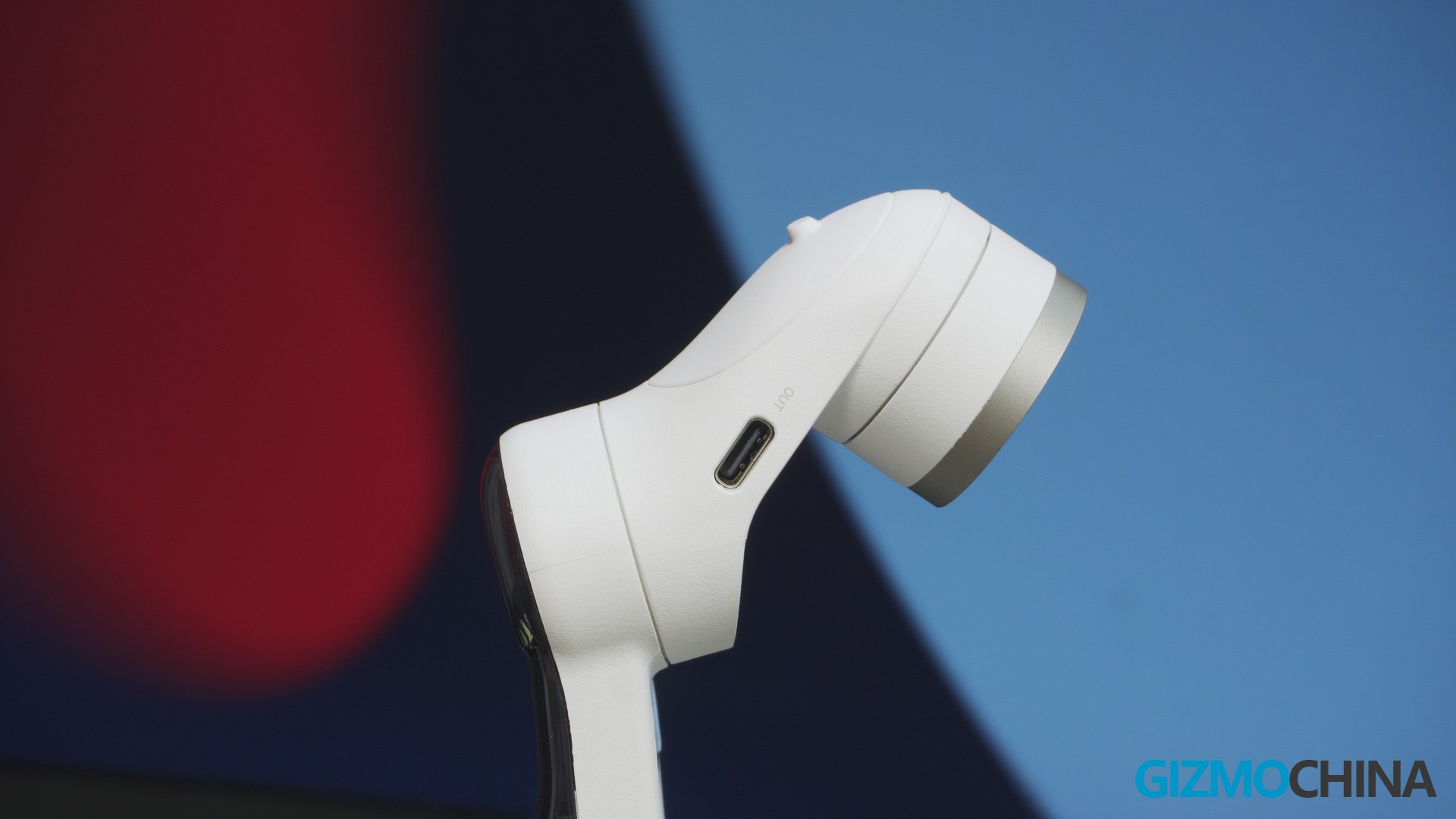
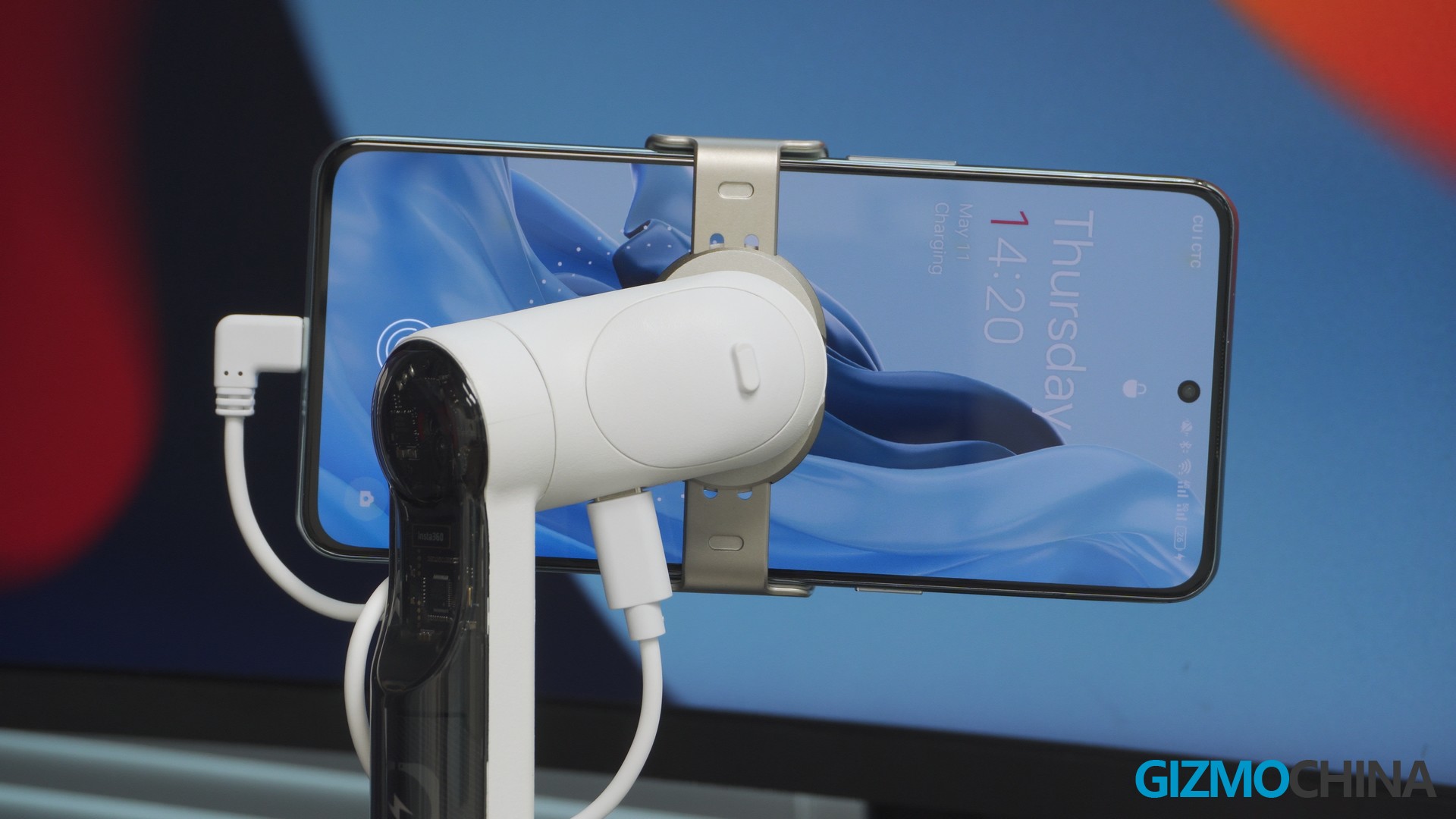
Now let’s look at its control and connectivity. The Flow has a TypeC port. It supports reverse charging so you no longer need to worry about the battery life when you connect it to your phone.
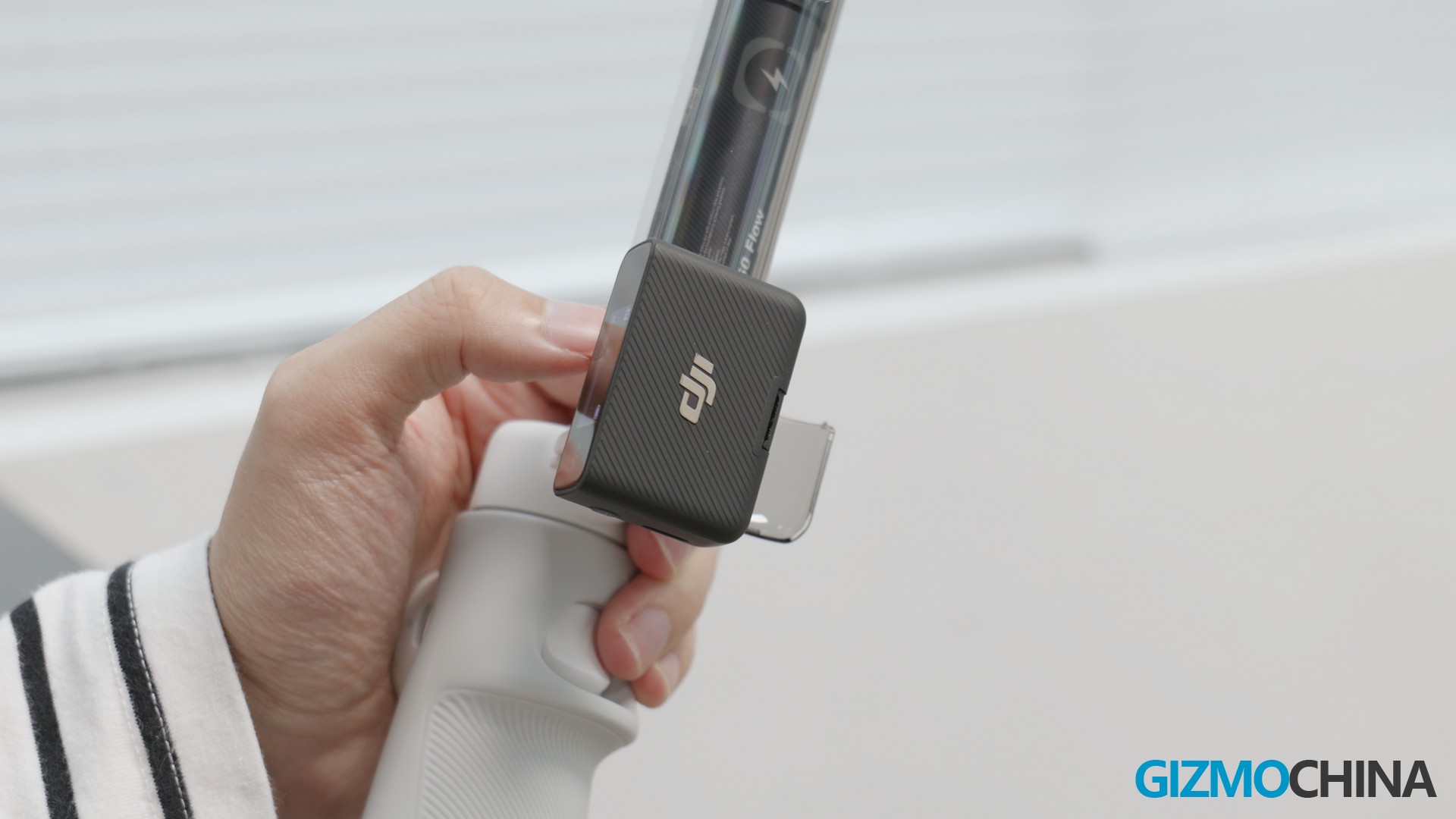
On both sides of the phone clip, we can see a notch, you can put the spotlight on it and connect it to the TypeC port.
For night recording, such a spotlight will bring a huge boost to your video.
There is a cold shoe connector at the bottom of the gimbal arm, to which you can attach many kinds of accessories, such as a wireless microphone.
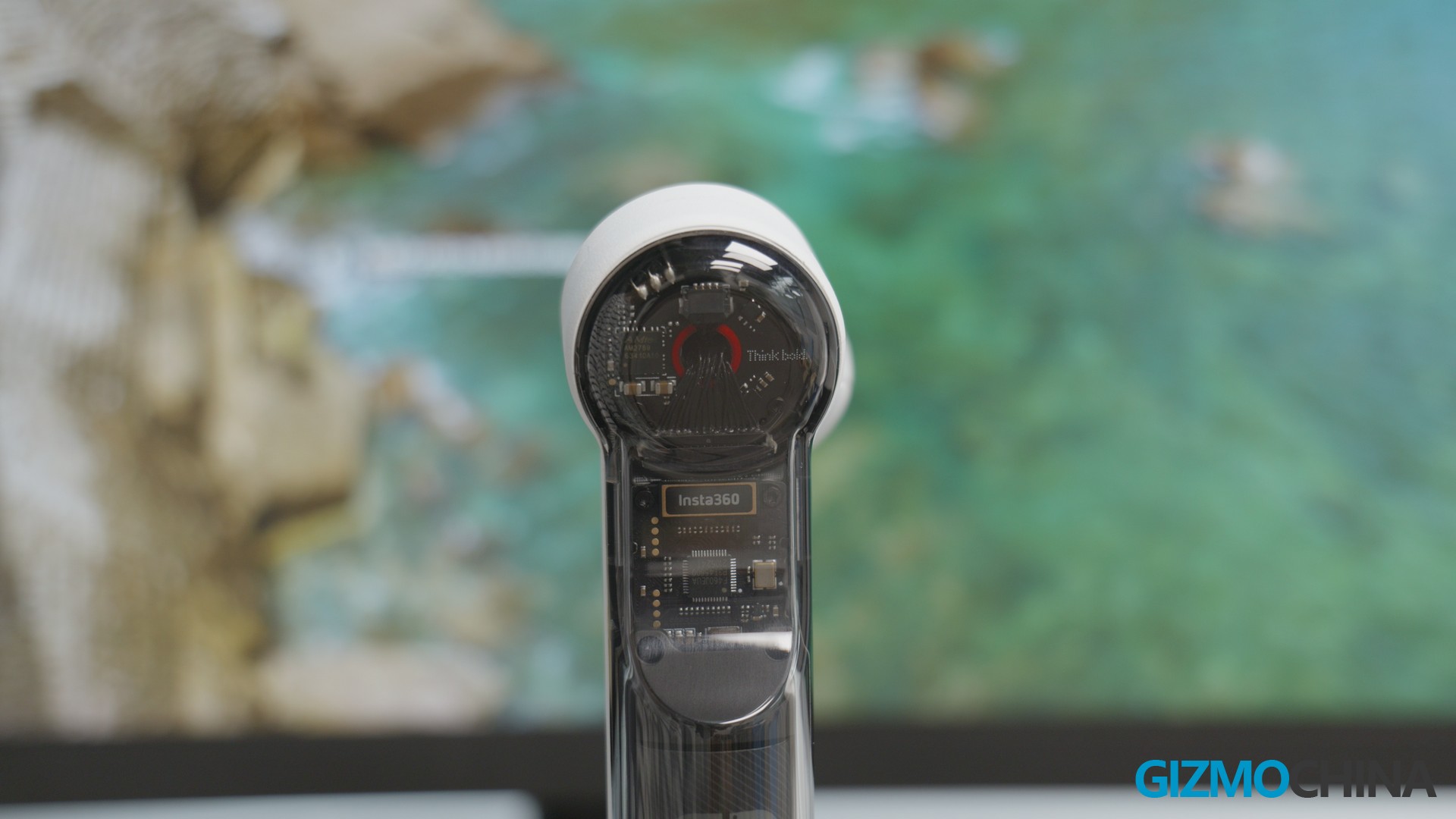
By the way, the transparent case is really cool and everything inside is not just for decoration but real components and circuit boards, if you ignore the insta360 logo, it really looks like a product from another brand. Well, Carl Pei probably likes it.
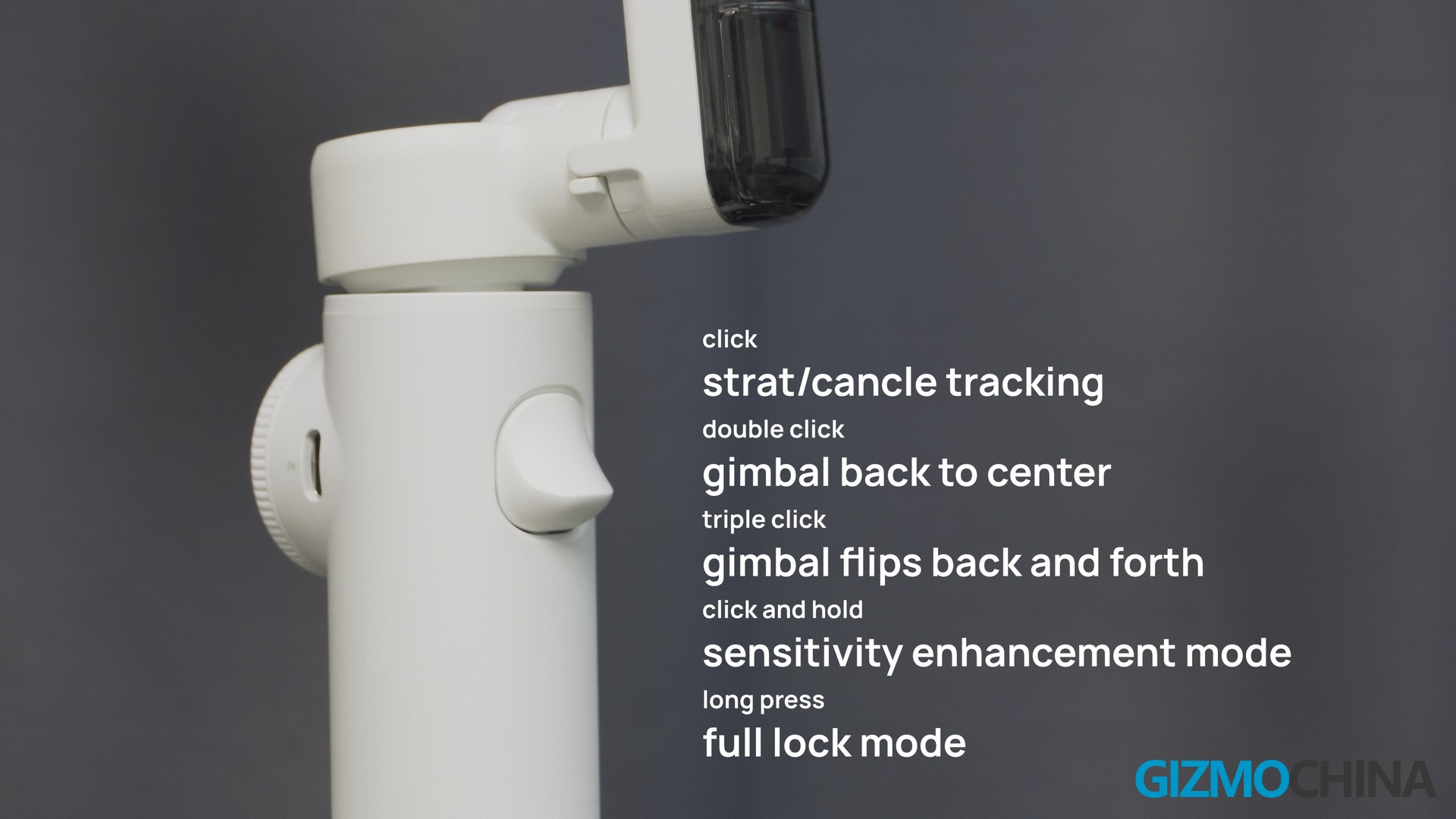
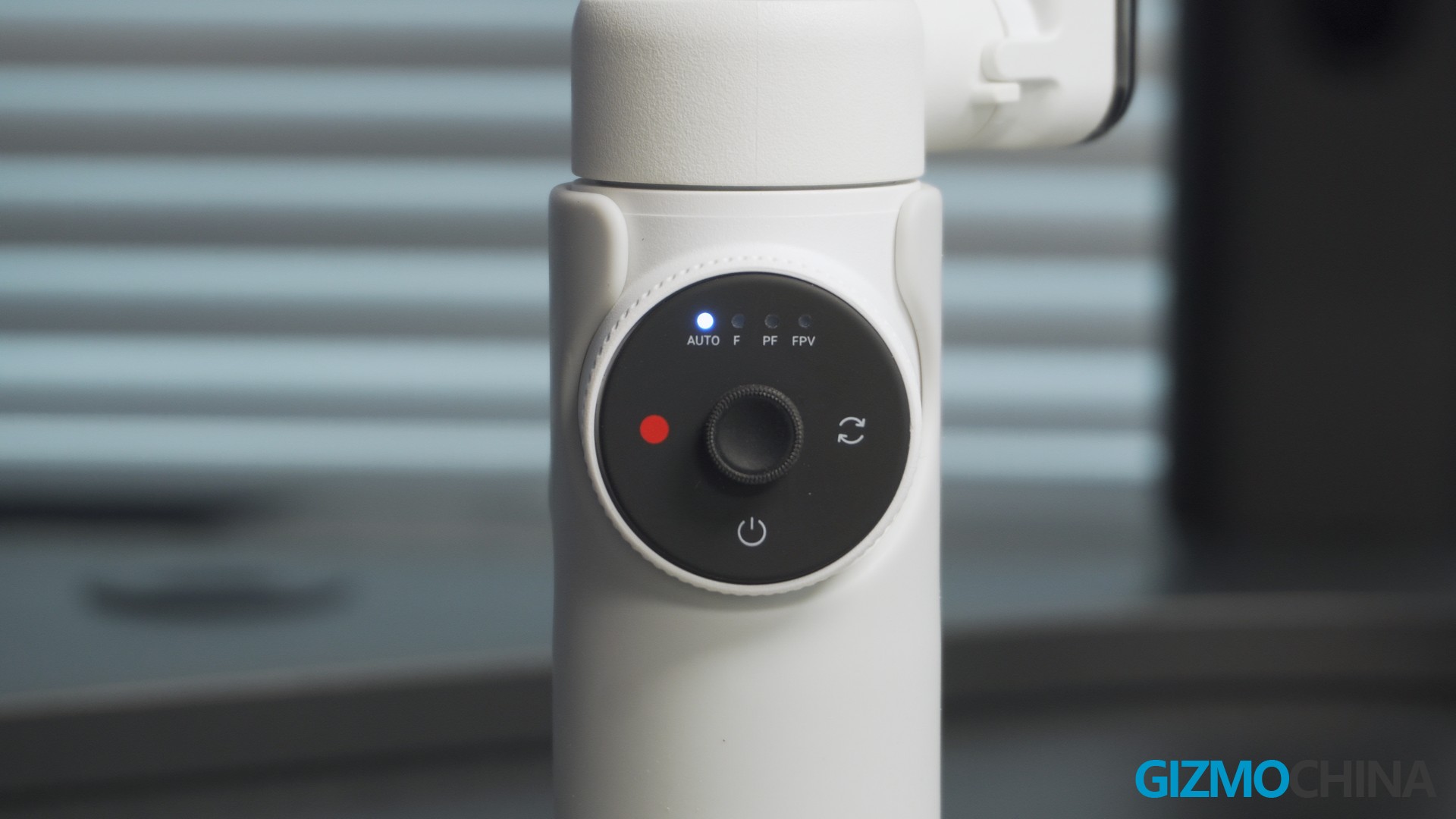
There is a control wheel and trigger button located in front and behind the handle, insta360 set up a lot of operations for these buttons. As you can see, just a trigger button can achieve five operations, but most of the time I will only use two of them, because I usually use the Flow to shoot products and people.
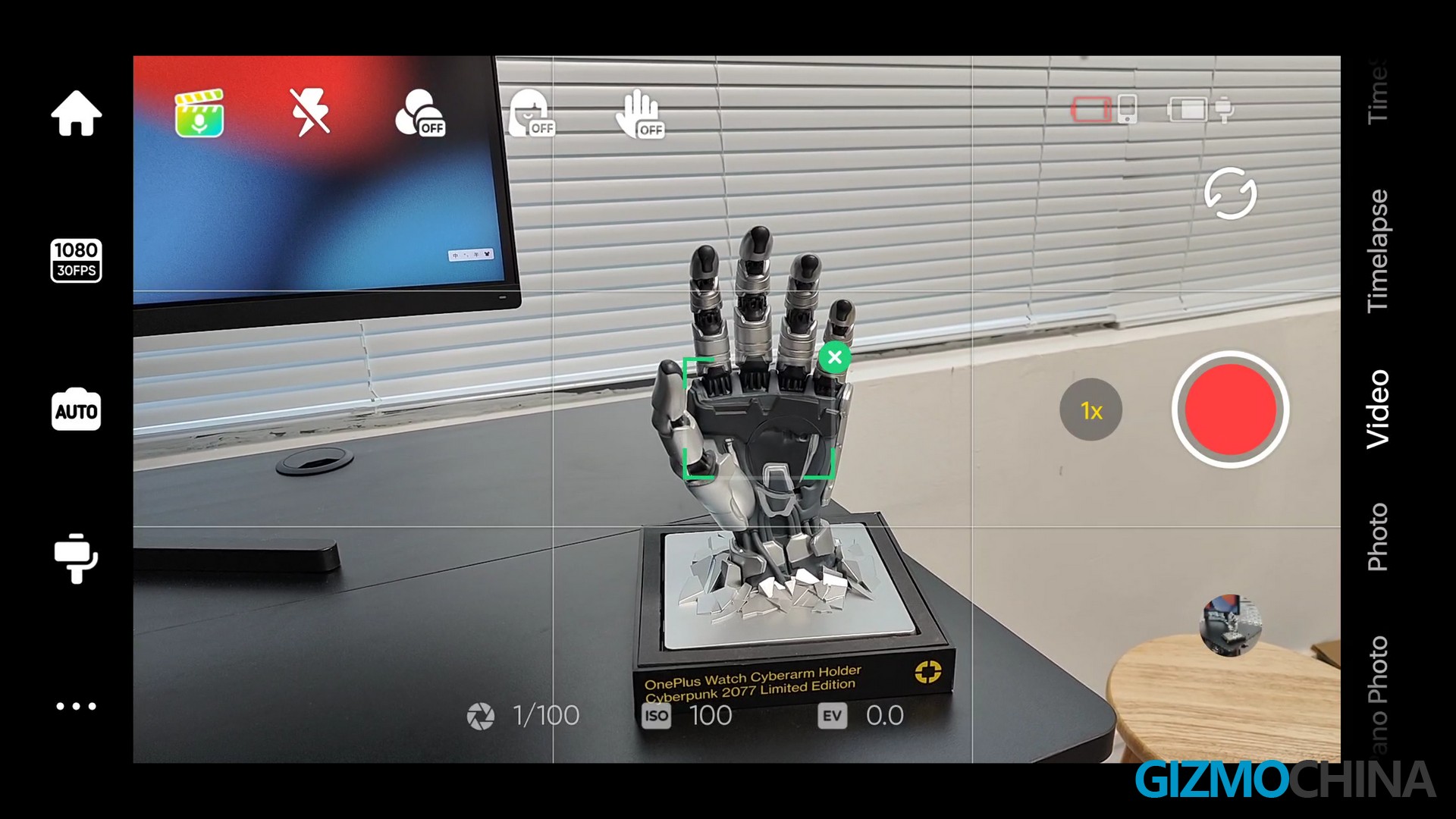
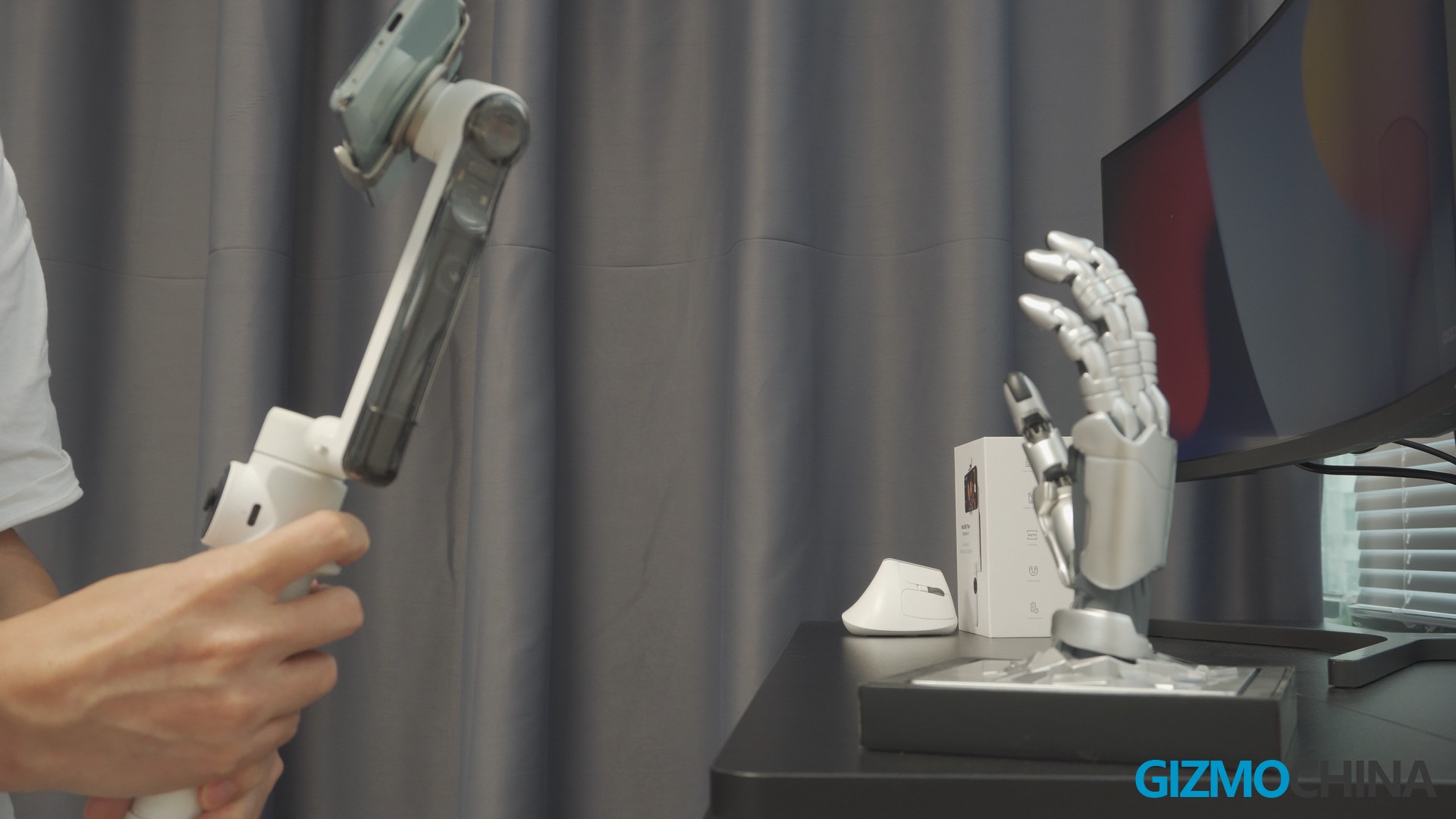
When you press the trigger, the camera will identify the subject in the picture and start tracking, you can use this feature to complete some very nice wrap-around shots, and when you finish footage or want to start over, just click the button again to cancel the tracking point.
The control wheel consists of three parts, a joystick, three action buttons, and a zoom circle. From the indicator, we can understand that the gimbal offers four working modes.
If you are a novice, Auto mode is the most recommended option because the camera will automatically recognize the elements and movements in the picture and then help you to complete the shot in an appropriate way. Even as an experienced user, I use auto mode a lot because it’s smart enough to work better than the manual controls in some cases.
insta360 APP
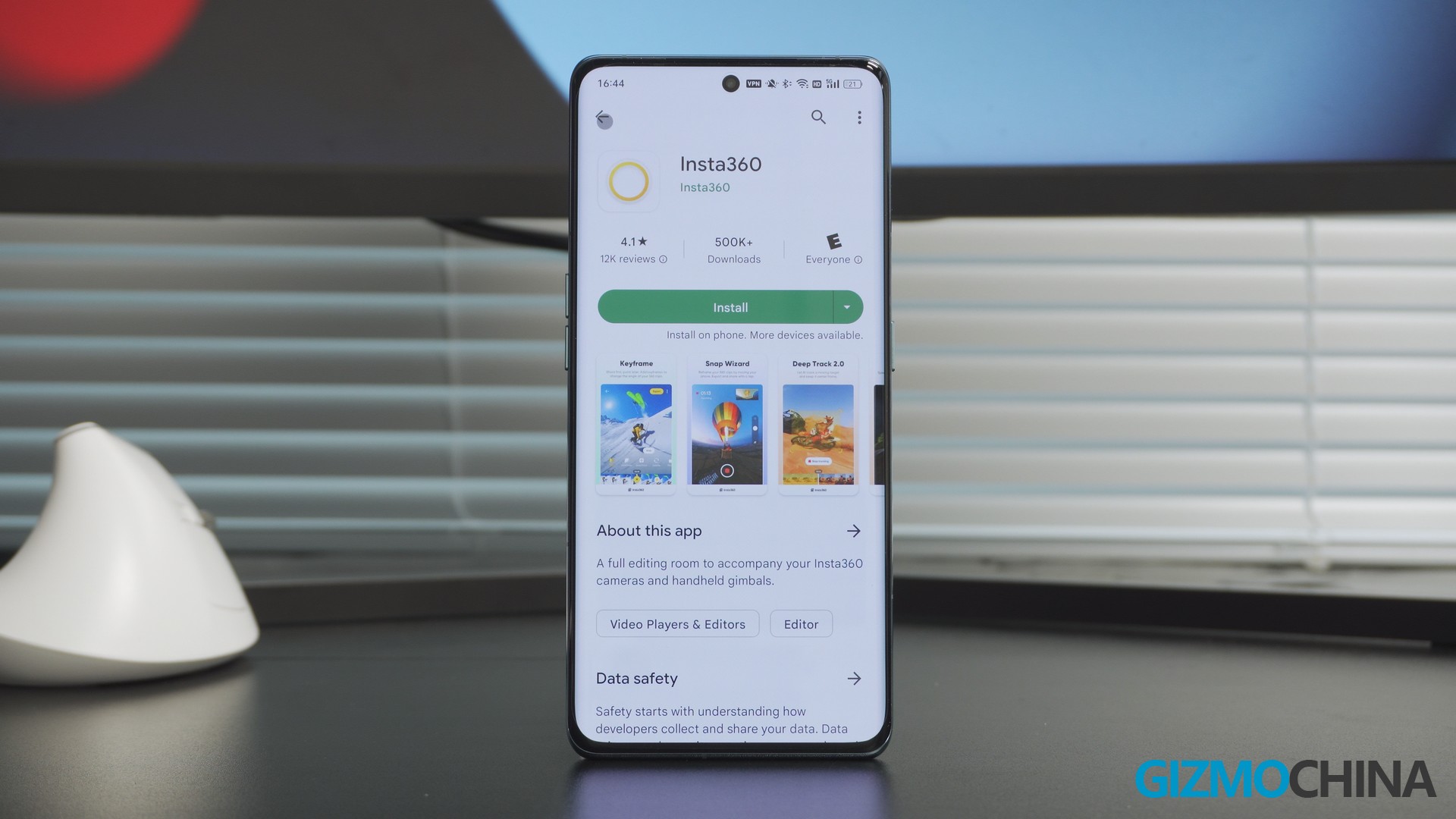
Putting aside the insta360 APP, the Flow is already the most practical smartphone stabilizer that we’ve ever used, but if you’ve used some action cameras from insta360, you should know that the APP is the killjoy of the brand, and at this moment I want to show you 3 of my favorite features in the insta360 APP.
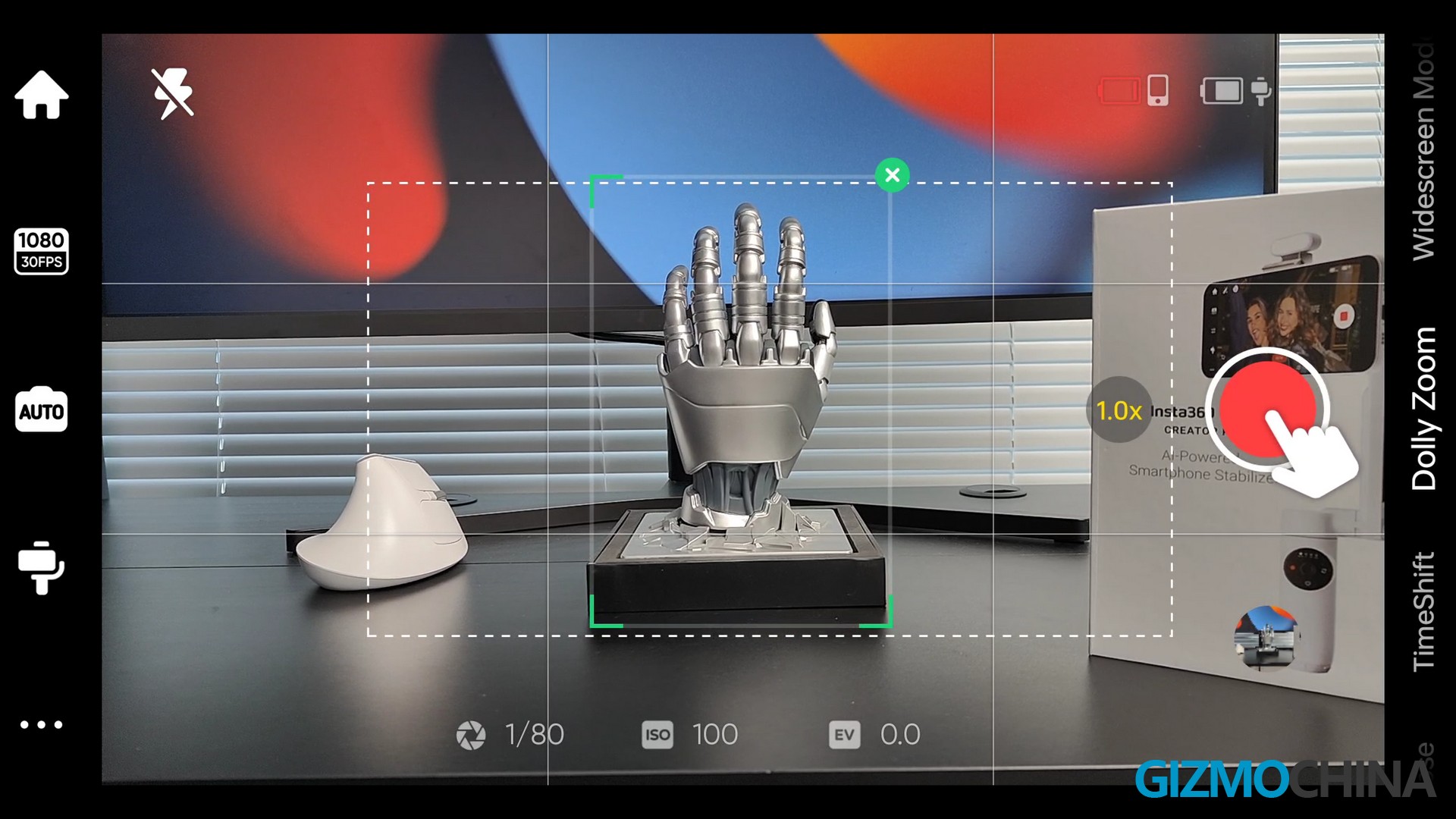
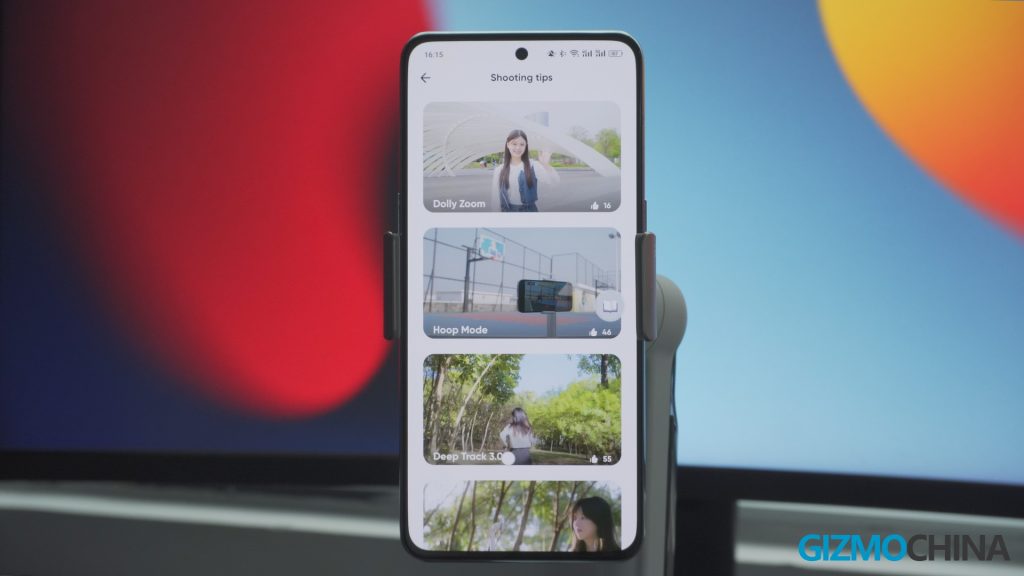
The first is Dolly Zoom, a very classic shooting trick that makes your videos dramatic. With the help of the gimbal, all you need to do is select the subject on the screen, hit the record button, and then move the camera slowly from near to far, and the app will lock on to the object and automatically complete the zoom and stabilization. The clip looks great, right?
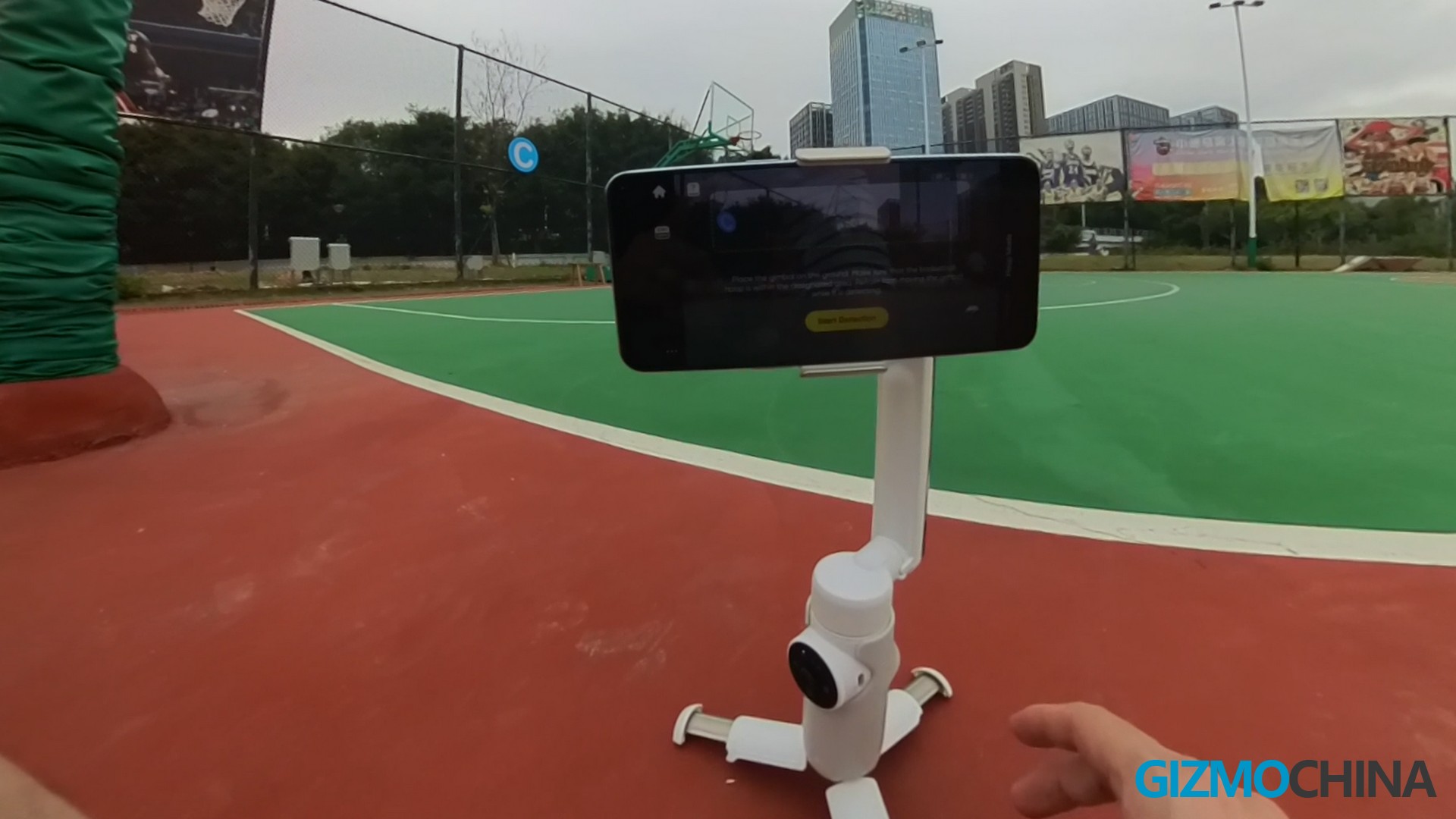
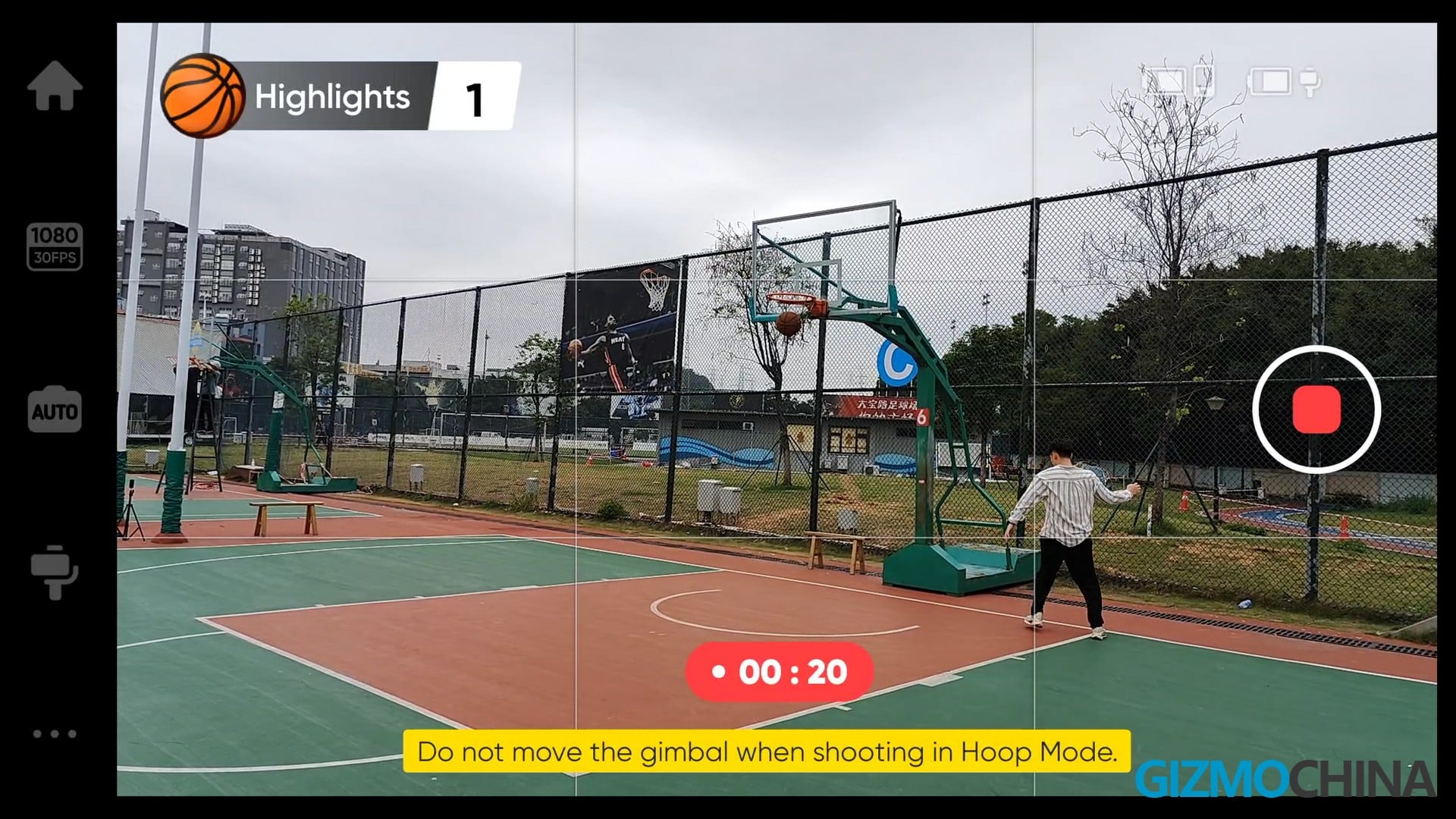
The second is basketball mode. When you switch to this mode, you need to convert the gimbal to tripod mode and place it in a good position, then follow the guide to correct the camera.
The gimbal will now automatically track the basketball and record highlights for all players, which is a really cool feature for those play basketball a lot. For me, it definitely helps improve my skills.
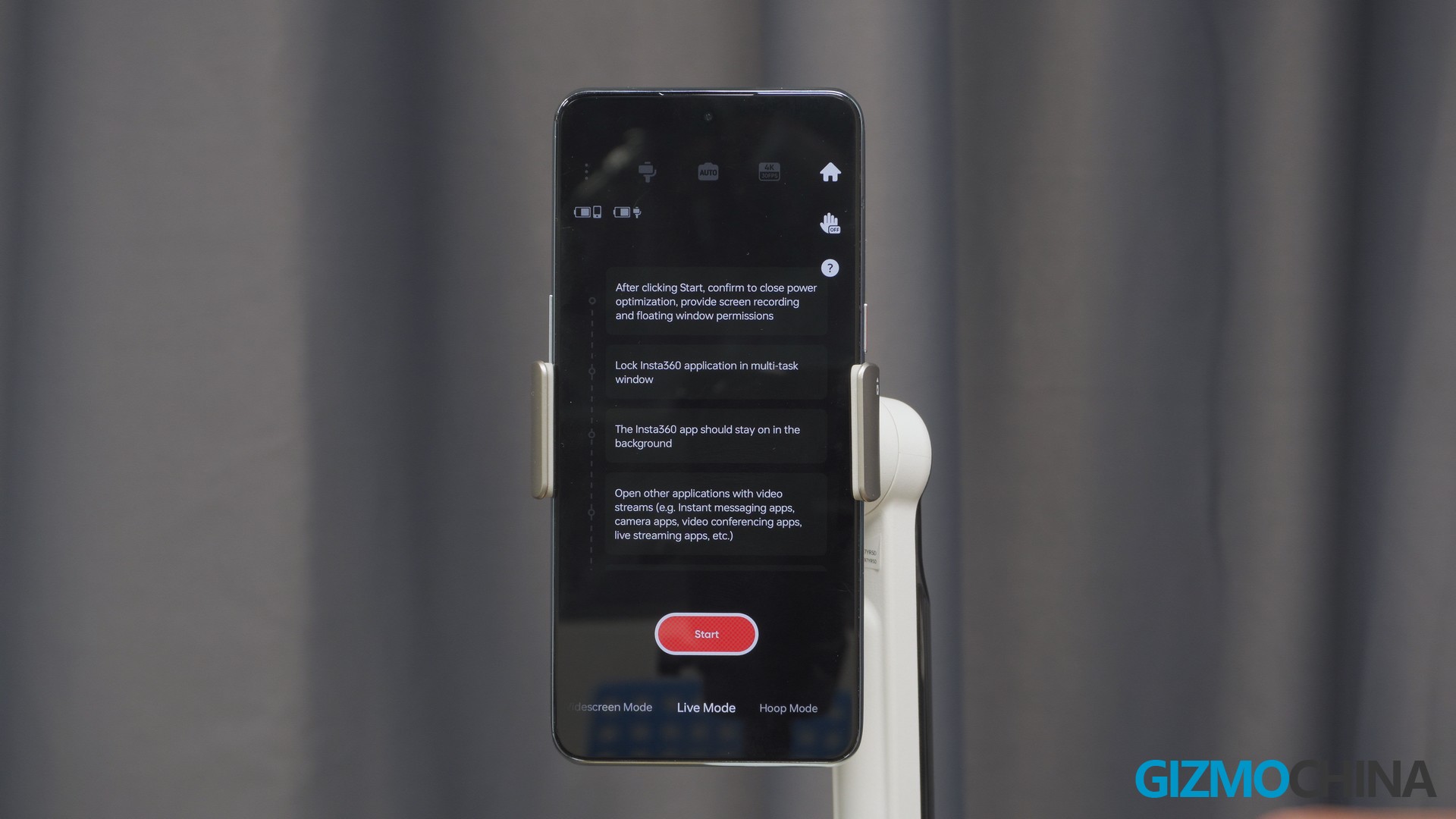
The third AI-powered feature is the live mode. With this feature, you can have the gimbal track you in any camera app or live stream. If you are hosting a live channel, you no longer need to hire a cameraman, just put the gimbal in the center of the place and it will keep you in the view of the audience at all times, you just need to focus on the show you perform.
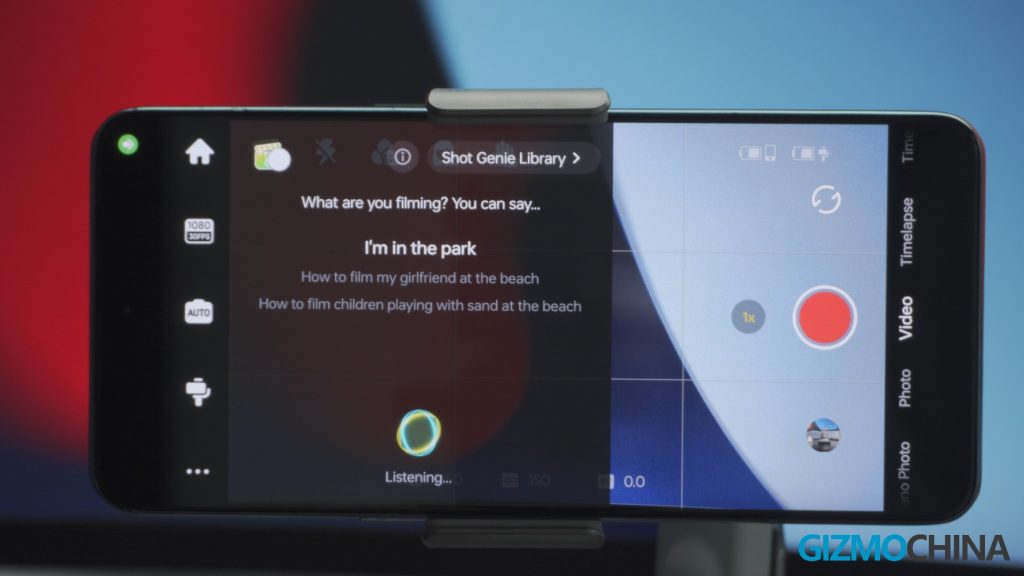
Here is an additional feature I would like to introduce, the shot genie library, which is not a specific feature but a collection of tutorials that will teach you to create remarkable videos in any scenario.
For beginners, creativity is far more important than what equipment you use. This library inspires all users to create, and then they will find that video shooting is not as hard as they thought.
Verdict
So this is the insta360 flow. It is difficult to summarize in one sentence what kind of product this is, if you just consider it as a stabilizer, it is already the best-designed one, and at the same time, it is also a smart selfie stick and tripod.
Honestly, it doesn’t seem like a debut product at all but a near-perfect product after several iterations, but maybe all that is secondary to an insta360 product. I think the most valuable thing will always be the positive user community in the app and those excellent official tutorials. I believe anyone who buys this gimbal will learn and enjoy video creation.
Xiaomi has officially confirmed that the Redmi A2 series will be launching Indian market. The lineup consists of the Redmi A2 and the A2+ model, which will be released in the region later this month. So here are all the details.
Redmi A2 series to launch with MediaTek Helio G36
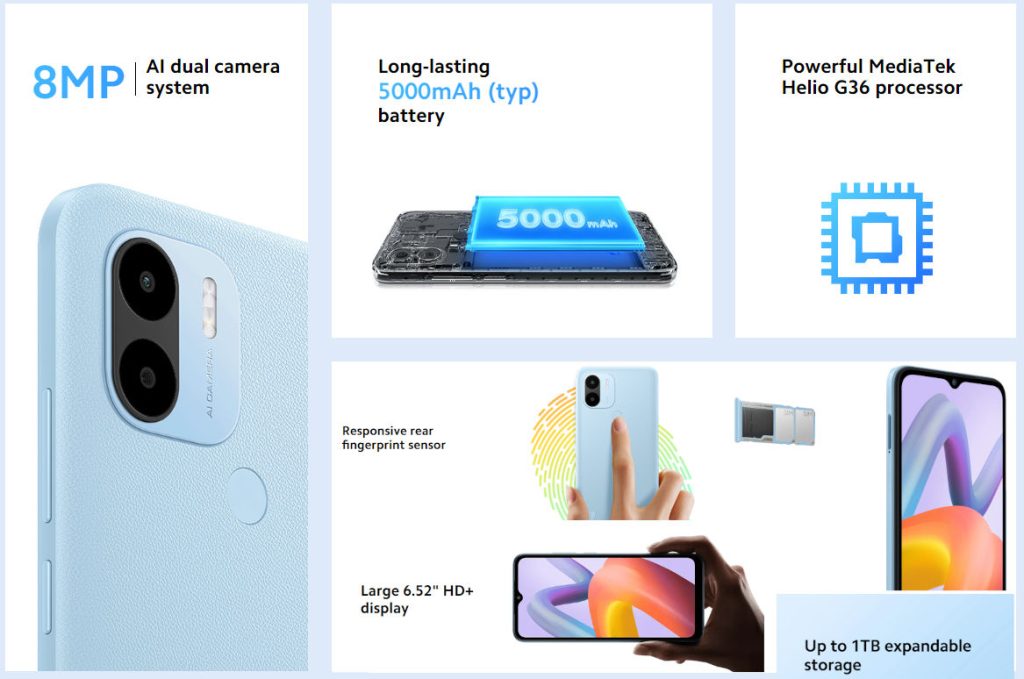
For those unaware, the Chinese tech giant had first announced the A2 series smartphones back in March 2023 in the global markets. And now, the brand has confirmed that the lineup will be arriving in the Indian market as well. The two smartphones are quite similar to one another and feature some very similar specifications. Both models sport a 6.52 inch HD+ LCD panel and are equipped with a MediaTek Helio G36 SoC.
The A2 and A2+ houses a 5 megapixel selfie camera on the front, while the rear features an 8 megapixel dual camera setup with a secondary depth sensor. Under the hood, the two devices are powered by a large 5,000mAh battery pack but with just standard 10W charging support. Notably, the only difference between the two models is the inclusion of a rear mounted fingerprint scanner on the slightly more expensive Redmi A2+ model. Apart from this, both devices will run on Android 13 Go Edition.
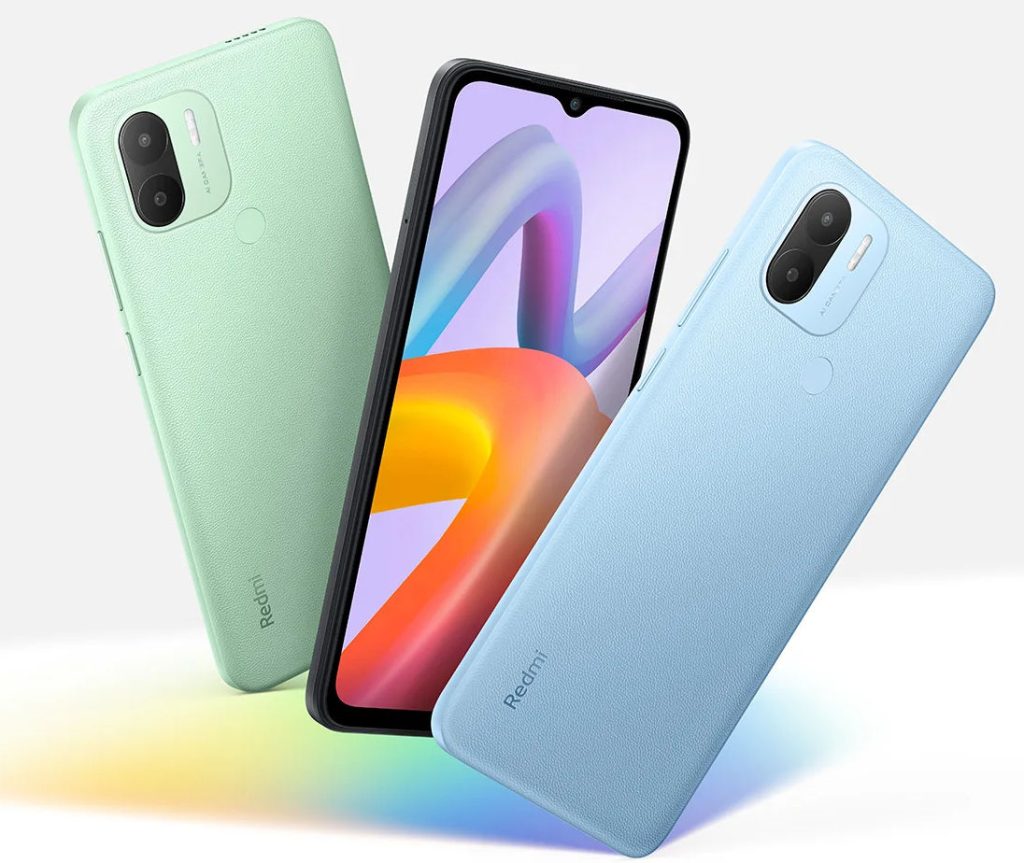
Based on what we know so far, the A2 and A2+ will launch in India in multiple color options, which includes the Light Blue, Light Green and Black variants. Furthermore, the two smartphones also feature a leather like back panel. The Redmi A2 series will be sold on Amazon, as well as offline stores and the company’s official website.
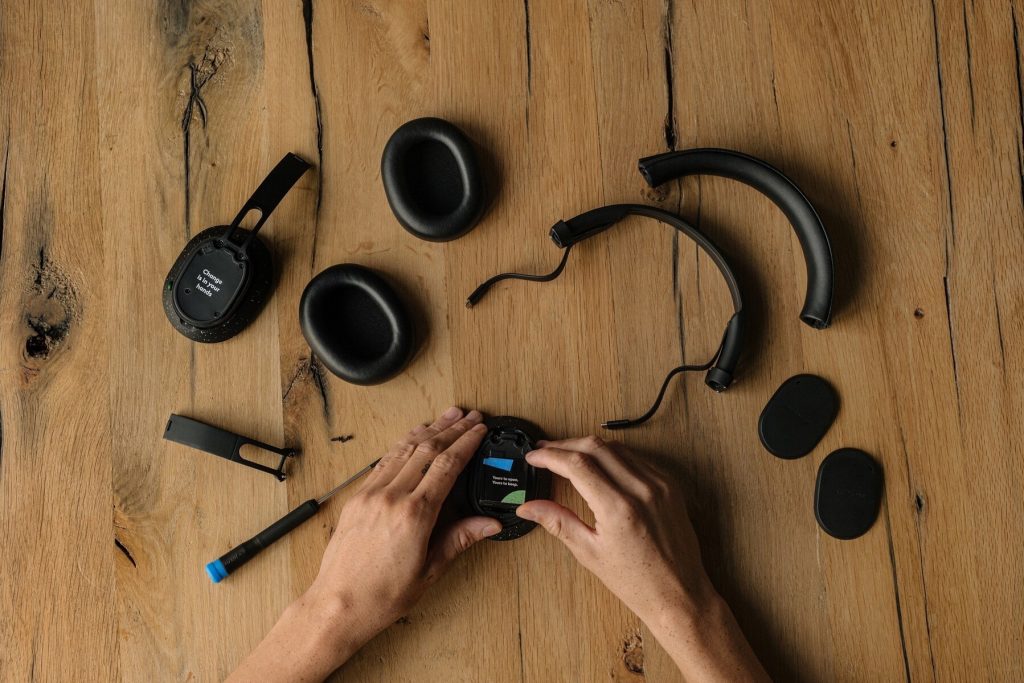
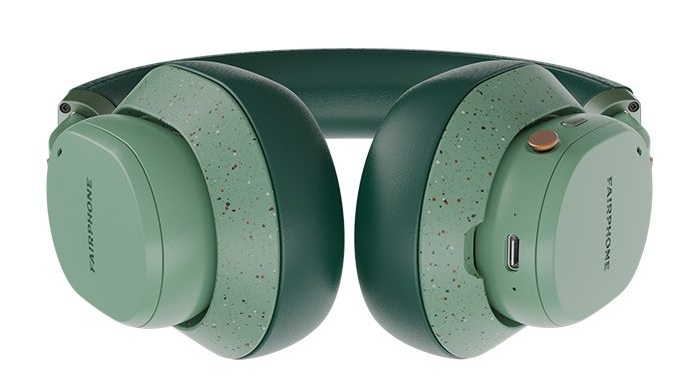
After multiple leaks that provided detailed information, Fairphone has finally unveiled the Fairbuds XL. As anticipated, the company has released the over-ear headphones in two distinct colors, both of which have a highly repairable design. Fairphone claims that the Fairbuds XL can be fixed using only a Philips head screwdriver. This means that each component, including the battery and earcups, can be replaced, even if they are subject to significant wear and tear.
Fairbuds XL headphones specs
The design of the Fairbuds XL allows for the possibility of upgrading components over time, with the potential for better speakers, mics, or other hardware to be swapped into the existing case. Fairphone has also incorporated recycled and fair trade materials, including recycled aluminum, tin solder paste, plastics, and fair trade gold.
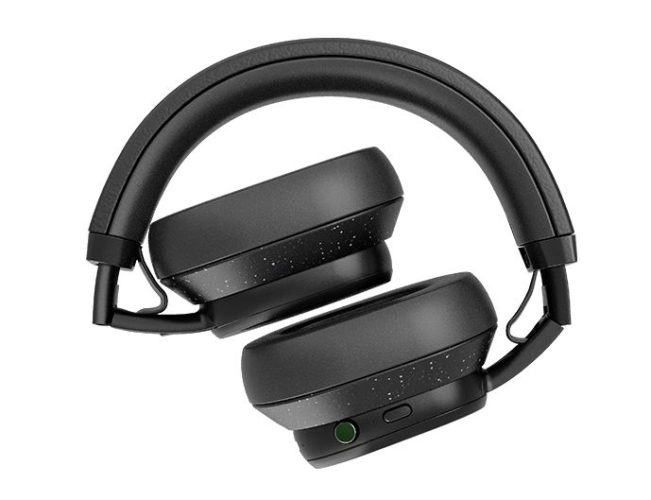
The Fairbuds XL ship without a charger or USB cable, which can be purchased separately. This aligns with Fairphone’s focus on environmental consciousness. The headphones have a foldable design for easy storage and measure 190 x 180 x 70mm, weighing 330 grams. They are rated IP54 for water and dust resistance.
The speakers feature 40mm dynamic drivers with 20 – 20 KHz frequency response and 32-ohm impedance. The headphones have 6 microphones, 2 on the left and 4 on the right, and support active noise cancellation (ANC). They support Bluetooth 5.1 and can also be used as wired headphones with a USB-C cable or USB-C to 3.5mm audio adapter.
Fairphone claims that the Fairbuds XL has an 800 mAh battery that provides up to 26 hours of battery life for music or calls with ANC on and 30 hours with it off. The headphones have up to 320 hours of standby time. However, the battery does not support fast charging and takes about 3 hours to fully recharge. Nonetheless, the battery should maintain about 80 percent of its capacity after 500 charge cycles.
The Fairbuds XL offers users a sustainable and customizable option for headphones. With their highly repairable design, user-replaceable components, and recycled materials, they align with Fairphone’s commitment to environmental consciousness.
Pricing & availability
The Fairbuds XL headphones are available for purchase in Europe for €249, with Fairphone planning to introduce replacement parts shortly, enabling users to increase the longevity of their headphones.
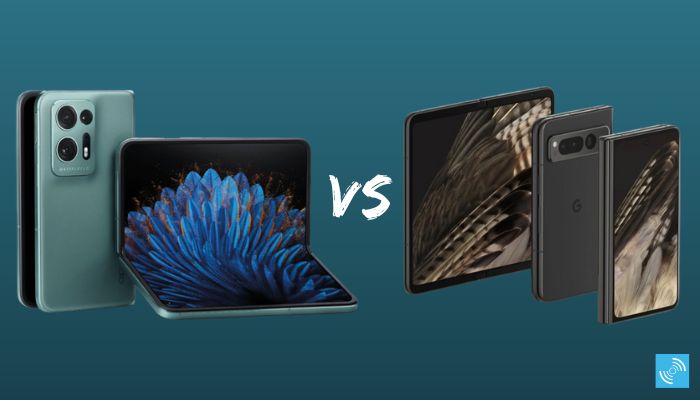
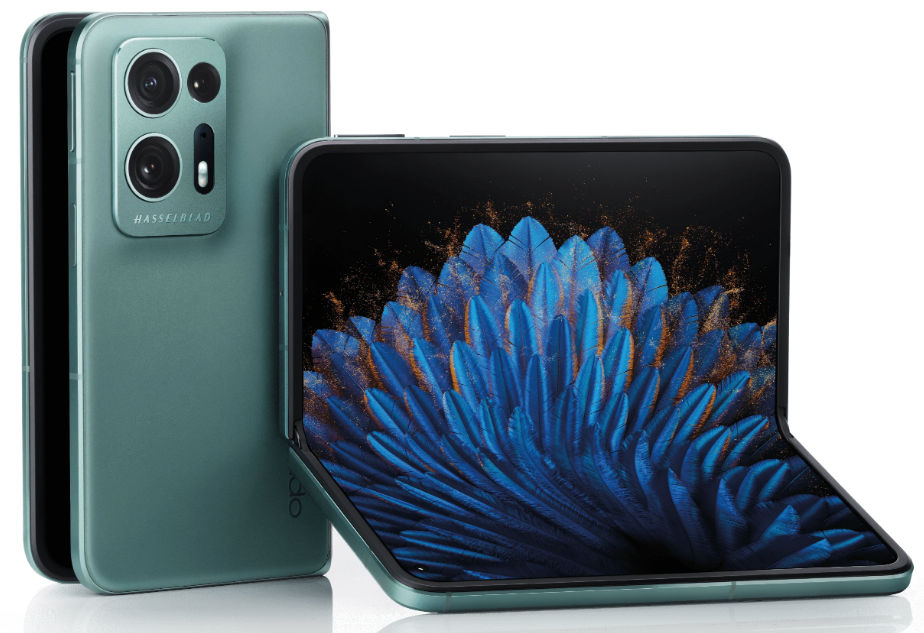
The foldable phone market has exploded, with major players like Samsung leading the way. However, Google has finally made its debut with the Pixel Fold, offering a different form factor with a wider screen than its counterparts. Meanwhile, Oppo launched its second-generation foldable phone, the Oppo Find N2 a few months back. Both phones have their strengths and weaknesses, so let’s delve deeper and see which one stands out.
Design and Form Factor:
The Oppo Find N2 and Google Pixel Fold showcase distinct design philosophies. The Find N2 boasts a compact and lightweight form factor, weighing in at a mere 237g, making it one of the lightest foldable phones available. On the other hand, the Pixel Fold offers a larger build with a weight of 283g, providing a more substantial feel. Both devices feature a book-like folding mechanism that unfolds into a tablet-sized main screen, offering an immersive viewing experience. Additionally, the Pixel Fold is equipped with an IPX8 water protection rating, providing enhanced durability.
Display:
Both the Oppo Find N2 and the Google Pixel Fold sport OLED displays that deliver vibrant colors and deep contrasts. The Find N2 features a 7.1-inch AMOLED display with a 240Hz touch sampling rate, while the Pixel Fold offers a larger 7.6-inch OLED display. Both displays offer high brightness levels and support high refresh rates, ensuring smooth scrolling and responsiveness. Notably, the Oppo Find N2 incorporates an advanced hinge mechanism, resulting in a significantly reduced crease compared to other foldable devices.
Performance and Software:
The Google Pixel Fold is powered by the Google Tensor G2 processor, while the Oppo Find N2 utilizes the Snapdragon 8+ Gen 1 processor. Although the Pixel Fold’s Tensor G2 chip offers solid performance, some may question its suitability for a flagship device in its price range.
In contrast, the Snapdragon 8+ Gen 1 processor on the Find N2 ensures fast and efficient performance across various tasks, including gaming. Both devices feature ample RAM and storage options, catering to users’ multitasking and storage needs. In terms of software, the Pixel Fold runs on a clean Android 13 version, while the Find N2 operates on ColorOS 13, providing additional customization options.
Camera:
The Google Pixel Fold comes equipped with a trio of rear cameras: a 48MP primary sensor, a 10.8MP ultra-wide lens, and a 10.8MP telephoto lens with 5X optical zoom. It also features two front-facing cameras, one on the outer display and one on the inner display, one offering 8MP and another one offering 9.5MP. A unique feature of the Pixel Fold is its ability to record 4K videos using the front-facing camera, a feature that’s not common in many smartphones.
The Oppo Find N2, on the other hand, also sports a three-camera system on the back: a 50MP primary lens, a 48MP ultra-wide angle lens, and a 32MP telephoto lens with 2X optical zoom. Similar to the Pixel Fold, the Oppo Find N2 also features dual front cameras, a 32MP on the main screen, and a 32MP on the cover screen. One area where the Oppo Find N2 stands out is its ability to record slow-motion videos at 480FPS, which is a fun feature for those who like to get creative with their video captures.
Both phones deliver impressive camera performance, with the Pixel Fold having an edge in terms of optical zoom and front-facing video recording capabilities. However, the Oppo Find N2 holds its own with its higher-megapixel front camera and unique slow-motion video capabilities.
Battery Life and Charging:
The Pixel Fold boasts a larger 4,821mAh battery capacity, providing extended usage time. However, the Oppo Find N2 excels in charging speeds, supporting a whopping 67W charging rate compared to the Pixel Fold’s 30W wired charging. The Find N2’s impressive charging capabilities allow for significantly reduced charging times, enhancing user convenience.
Connectivity and Additional Features:
The Oppo Find N2 and Google Pixel Fold offer comprehensive connectivity options, including 5G support, Wi-Fi compatibility, and USB Type-C ports. Notably, the Pixel Fold incorporates wireless charging capabilities, while the Find N2 lacks this feature. Both devices feature side-mounted fingerprint scanners for biometric authentication and security. Additionally, they provide stereo speakers and support for advanced audio technologies, ensuring an immersive audio experience.
Price and Value for Money:
The Oppo Find N2 and Google Pixel Fold cater to different price segments. Find N2 pricing starts at $1146 while the Pixel Fold starts at $1799. The Find N2 offers an appealing advantage with its affordability, making it an attractive option for users seeking a foldable smartphone without breaking the bank. On the other hand, the Pixel Fold’s higher price reflects its premium features, including a waterproof body, advanced camera capabilities, and wireless charging support. The price-to-value ratio varies depending on individual preferences and budget considerations.
Final Verdict:
In conclusion, the Oppo Find N2 and the Google Pixel Fold each bring their own strengths and unique features to the table. The Find N2 impresses with its lightweight and compact design, fast charging capabilities, and competitive performance. Its affordability makes it an enticing option for those looking for a foldable smartphone on a budget.
The Pixel Fold offers a larger display, superior camera capabilities, waterproofing, and wireless charging. The Google Pixel Fold, being a first-generation foldable phone from Google, is priced at a premium. The Oppo Find N2 is considerably more affordable, making it a good choice for those looking for a foldable phone without breaking the bank. For average consumers, Oppo Find N2 is a better choice at this moment.
You can get the Oppo Find N2 at Giztop for under $1299 internationally.
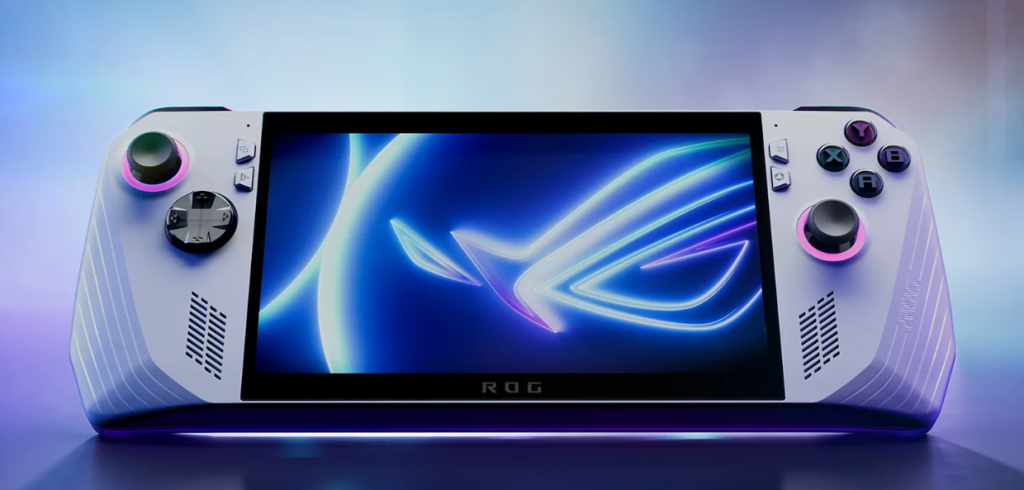
Asus ROG Ally is the company’s latest gaming handheld that goes against the likes of Steam Deck. The device has been in the news for quite some time now and today the company launched it officially at a worldwide event. The ROG Ally has a Ryzen Z1 Extreme processor, which is built on AMD’s new architecture. Below are more details about its specifications and pricing.
ROG Ally is a new dawn for Windows handhelds?
The ROG Ally comes with a 7-inch IPS display with a Full HD resolution of 1920 x 1080 pixels and a 16:9 aspect ratio. The panel comes with support for a 120Hz refresh rate, 500 nits of peak brightness, and a Corning Gorilla Glass Victus protection on top. It has a variable refresh rate (VRR) and low frame compensation (LFC) that works right down to 30fps.
Most importantly, the handheld gets a powerful processor under the hood. It packs the AMD Ryzen Z1 Extreme processor, built on AMD’s new Zen 4 architecture. However, there’s also a base version that features a slightly toned down Ryzen Z1 processor with up to 2.8 Teraflops per second. The processors on both versions are paired with AMD Radeon Navi3 Graphics, 16GB of LPDDR5 RAM, and 512GB of PCIe 4.0 NVMe M.2 SSD.
The ROG Ally comes equipped with Windows 11 right out of the box, and it also includes three months of Xbox Game Pass Ultimate. This gaming device is compatible with games available on Steam, EA apps, Epic Games, and Xbox Game Pass. Additionally, for an immersive gaming experience, it features a dual speaker setup with Asus’ Smart Amplifier Technology.
Regarding connectivity, the ROG Ally includes a 3.5mm headphone jack, a USB 3.2 Gen2 Type C port combo port for the ROG XG Mobile Interface, and support for a UHS-II microSD card reader. However, when it comes to battery life, the ROG Ally’s 40WHr battery with 65W charging support doesn’t quite measure up to the competition, such as the Steam Deck.
Price and Availability
There are two variants of the ASUS ROG Ally gaming handheld, with the base configuration starting at $599 and the more powerful “Extreme” version priced at $699. Customers who are interested in purchasing the device can begin pre-ordering it today through Asus. The ROG Ally will also be available at major retailers such as Best Buy.
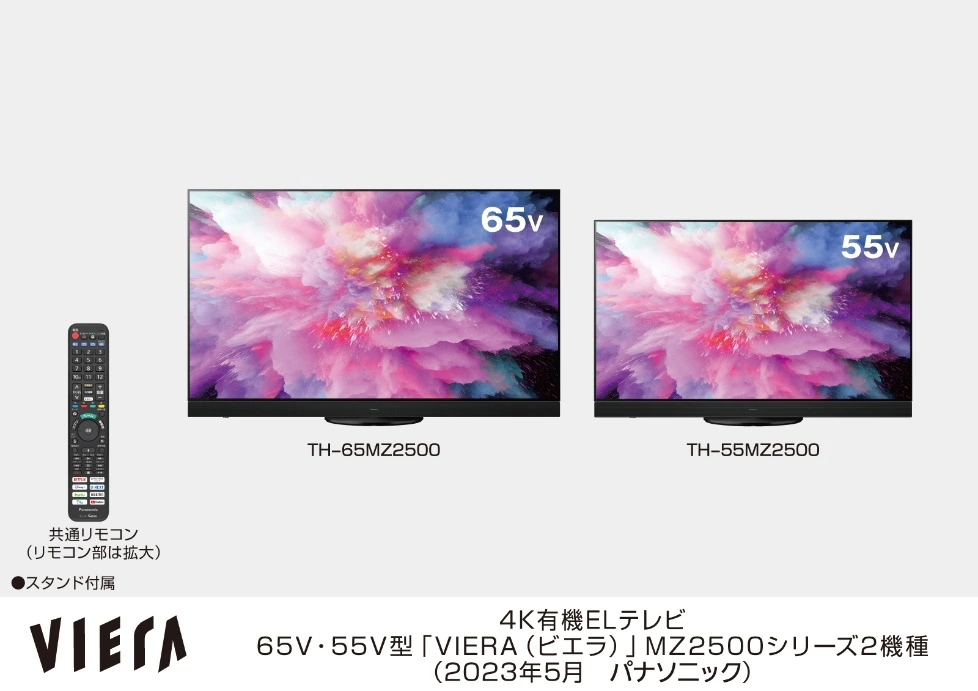
Panasonic has unveiled its highly anticipated MZ2500 series OLED TV in Japan, setting a new benchmark for home entertainment. This flagship television range combines cutting-edge technologies, including micro-lens OLED panels and an advanced HCX Pro AI processor, to deliver an unrivalled viewing experience.
The MZ2500 implement AI for Image Enhancement
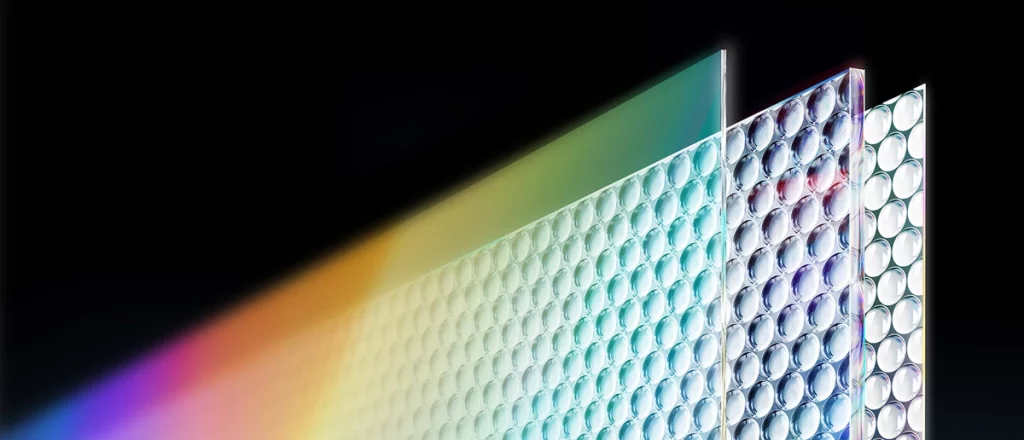
What sets the MZ2500 series apart is its integration of micro-lens technology into the OLED panels. This groundbreaking feature allows the TV to automatically optimize picture and sound quality based on the content being enjoyed. Powered by the HCX Pro AI processor, viewers can expect nothing less than breathtaking visuals and immersive audio tailored to their preferences.
To further elevate the audio experience, Panasonic has equipped the MZ2500 TVs with top and side speakers, resulting in a truly enveloping 360 3D sound effect. The 65-inch model boasts an impressive speaker power of up to 160W, while its 55-inch counterpart offers a robust 150W output. With this audio setup, users can expect to be completely immersed in their favorite movies, TV shows, and games.
The MZ2500 series boasts a 4K Master HDR OLED panel that sets it apart from the competition. This panel delivers enhanced brightness and vivid colors, providing a visually stunning experience. Panasonic’s commitment to reproducing professional-grade visuals is evident in their unique adjustment process, ensuring smooth black gradients and accurate color transitions. The company claims that each OLED panel undergoes meticulous measurements and precise fine-tuning of white balance and color gradation during production, guaranteeing exceptional picture quality.
Driving the MZ2500 series is the state-of-the-art HCX Pro AI processor, harnessing the power of artificial intelligence for image analysis. Leveraging Panasonic’s extensive collaboration with Hollywood, the processor optimizes colors and textures, bringing out the subtle nuances in every frame.
Gaming enthusiasts will be delighted to know that the MZ2500 series is designed with their needs in mind. With minimal image input lag, Panasonic claims it to be the leader in OLED TV industry. The TVs come equipped with an HDMI 2.1 interface that supports various gaming technologies, including VRR, Nvidia G-SYNC, Nvidia SPD game mode, AMD FreeSYNC Premium, and VRF variable refresh rate technology. This means gamers can enjoy seamless 4K 120Hz image transmission and connect their PS5 or Xbox consoles effortlessly. The TVs even support cable for power supply, ensuring convenience during intense gaming sessions.
In terms of HDR capabilities, the MZ2500 series supports multiple formats such as Dolby Vision IQ, Dolby Vision, Filmmaker Mode, and HLG Photo. With HDR10+ adaptive function, the TV automatically adjusts the picture based on ambient light conditions, providing optimal visual performance at any time of day. Additionally, the MZ2500 series supports dual Bluetooth connections, enabling simultaneous pairing with two devices. The smart system also features Alexa voice control for added convenience.
The Panasonic MZ2500 series is scheduled to launch on July 21st, and avid entertainment enthusiasts can look forward to a transformative OLED TV experience. Immerse yourself in breathtaking visuals, lifelike sound, and cutting-edge technologies that make every moment truly extraordinary.
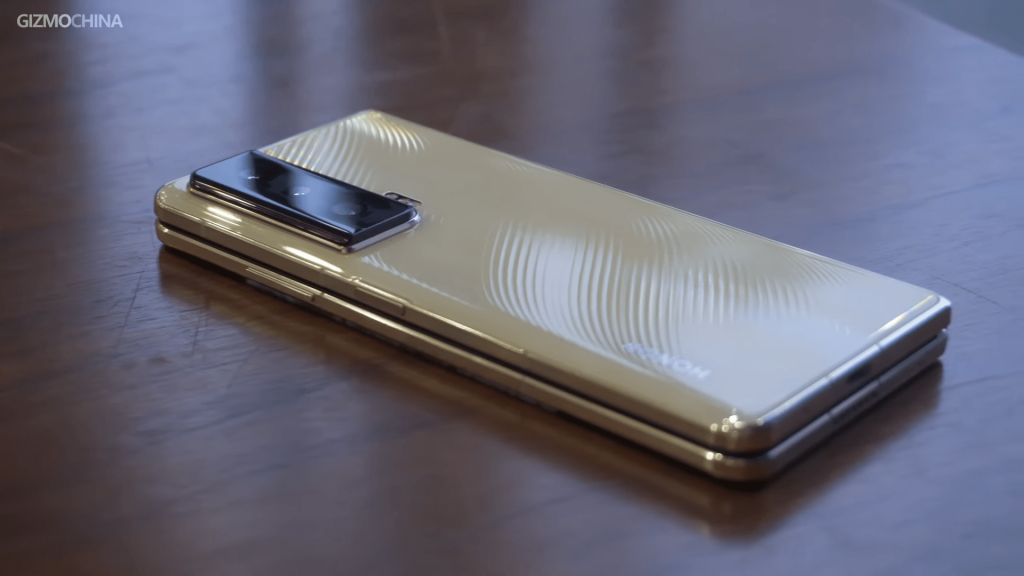
In November of 2022, Honor initially introduced its foldable smartphone, the Magic Vs, to the Chinese market. Following this, the brand announced its intention to launch the device globally at MWC 2023. As of now, the Honor Magic Vs has been officially released in the UK. In this article, we will delve into the specifications and pricing of the device.
Honor Magic Vs specs
The Honor Magic Vs boasts a stunning design that houses a large 6.45-inch external OLED display with a 120Hz refresh rate and 1,200 nits peak brightness. The screen features a center-aligned punch-hole cutout and a resolution of 2,560 x 1,080 pixels, providing an immersive viewing experience. Moreover, the device’s internal OLED screen measures 7.9 inches when unfolded, with a resolution of 2272 x 1984 pixels, 90Hz refresh rate, and 800 nits peak brightness. Both screens offer 10-bit color depth and a 100 percent DCI-P3 color gamut, ensuring vivid and vibrant visuals.
The Honor Magic Vs features a side-mounted fingerprint scanner embedded in the power button for secure unlocking. It also boasts IMAX Enhanced-certified dual stereo speakers with DTS:X Ultra support and 3 microphones for an exceptional audio experience.
The device’s camera setup is equally impressive, with a rectangular camera module on the back panel housing a 54MP Sony IMX800 primary sensor, a 50MP ultra-wide-angle lens, and an 8MP unit with a 3x telephoto shooter. The external screen also has a 16MP camera for selfies, ensuring that users capture stunning photos and videos.
Under the hood, the Honor Magic Vs is powered by a Snapdragon 8+ Gen 1 processor, along with 12GB RAM and 512GB onboard storage, providing seamless performance and storage capacity. Additionally, the device features a Dual TEE (Trusted Execution Environment) Security System co-developed with Qualcomm for hardware-level security.
The Honor Magic Vs is backed by a 5,000mAh battery with support for 66W wired charging, ensuring that users stay powered up throughout the day. The device runs on MagicOS 7.0 based on Android 12 out of the box, offering a smooth and intuitive user experience.
Other notable features of the Honor Magic Vs include dual SIM, 5G, WiFi, Bluetooth 5.2, GNSS, NFC, and a USB-C port, providing users with all the connectivity options they need. Overall, the Honor Magic Vs is a powerful and feature-packed device that is sure to impress even the most demanding users.
Pricing & availability
Currently, the Honor Magic Vs is available for purchase on the Hihonor website at a discounted price of £1,199, although it is unclear how long this promotional offer will last. The regular retail price of the device is £1,399.
On May 12th, IT Home News reported that the ASUS Tianxuan 4R high-performance gaming notebook has hit the shelves, and it’s set to go on sale on May 18th. Priced at a competitive starting point of 7,499 yuan (~$1079), this gaming laptop is packed with features that will leave gamers drooling.
The laptop features a 16-inch 165Hz IPS display
One of the standout features of the ASUS Tianxuan 4R is its processing power. Equipped with the AMD Ryzen 7 7735H processor, boasting a single-core MAX main frequency of up to 4.75GHz, this notebook is a force to be reckoned with. With the adoption of the RDNA 3 architecture and the inclusion of the RX 7600S discrete graphics card, complete with support for AMD FSR 3.0, SmartAccess technology, and SmartShift technology, gamers can expect a significant boost in both frame rates and overall performance.
The 16-inch IPS wide-angle gaming screen is another highlight of the ASUS Tianxuan 4R. With its support for a remarkable 165Hz high refresh rate, DC dimming, 90% screen-to-body ratio, and 100% sRGB high color gamut, this laptop can deliver stunning visuals. The combination of a 512GB PCle 4.0 SSD and 16GB DDR5 RAM ensures speedy performance, and with M.2 ports available, memory expansion of up to 64GB is also possible.
ASUS has also paid attention to the finer details that matter to gamers. The ASUS Tianxuan 4R comes with a digital keypad that supports white backlighting and has a remarkable key life of about 20 million presses. Weighing in at approximately 2.2kg, this gaming notebook is portable without compromising on power. The built-in 90Wh battery supports 100W PD charging, and the official claim that it can reach 50% charge in just 30 minutes is impressive. Additionally, the ASUS Tianxuan 4R boasts dual speakers, WiFi 6, HDMI 2.1, and the Armory Crate Altron Intelligent Control Center, making it a true gaming powerhouse.
If you’re a gamer looking to elevate your experience, you can mark your calendar for May 18th when the ASUS Tianxuan 4R hits the market. With its top-of-the-line specifications and attention to detail, this gaming notebook is poised to create waves in the gaming world.
Giztop is offering the Red Magic 8 Pro Plus Transformers Edition for $1199 for all worldwide consumers. This special edition smartphone is designed specifically for gamers and comes with limited availability. Don’t miss out on this opportunity to get your hands on this unique gaming phone.
The Red Magic 8 Pro Plus Transformers edition features a 6.8-inch AMOLED FHD+ gaming display and supports a 120Hz refresh rate. The display comes with an SGS Low Blue Light Eye Care Certification making it perfect for long viewing. Powered by the latest Snapdragon 8 Gen 2 octa-core processor, the gaming phone comes with 16GB LPDDR5 RAM and 512GB UFS 4.0 internal storage.
At the back, you have a triple camera setup with a 50MP main camera and 8MP + 2MP secondary cameras. For your selfies, you have a 16MP sensor in the front. The smartphone is fueled by a 5000mAh battery and supports 165W fast charging and runs on the Android 13 OS-based RedMagic OS 6.0.
Red Magic 8 Pro Plus Transformers Edition is tailor-made for gaming enthusiasts. Not only does it sport the gorgeous Blue and Red-colored Optimus Prime theme but also comes with the latest ICE 11.0, 9 layers multi-dimensional cooling system which keeps your thermals low during high-action-packed gameplay. Other interesting features include the ultra-linear dual stereo speakers that support Snapdragon sound, 96kHz lossless audio, and 48ms low latency., dual IC touch gaming shoulder keys, 4D game shock feature, etc.
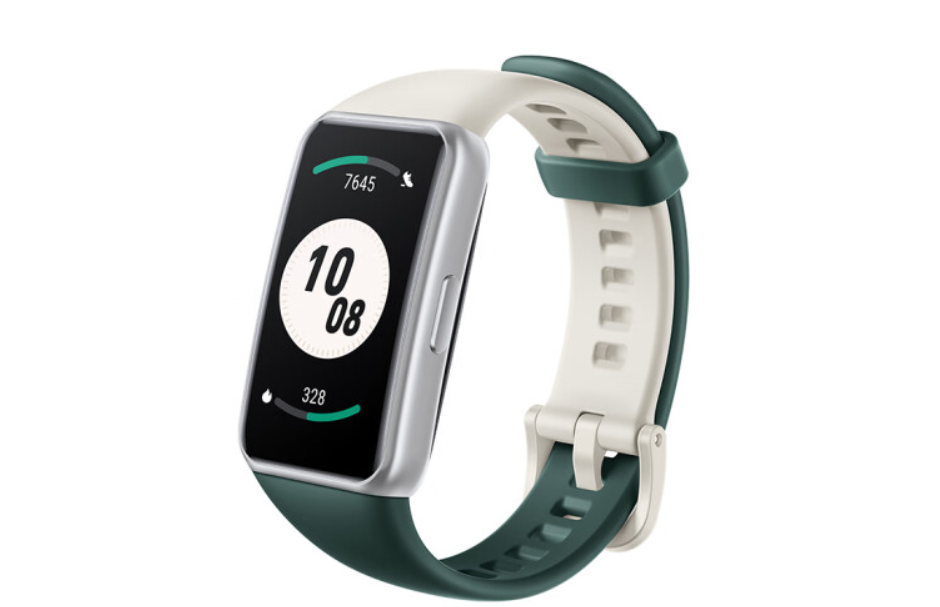
Back in December 2022, Honor launched the Band 7 fitness tracker in China with an affordable price tag of 249 Yuan ($36). Now, the smart band has arrived on the European continent with almost double the price.
Honor Band 7 Price & availability
The Band 7 from Honor is now available for Eurozone customers in a new Meteorite Black color option, priced at €59.99. In the UK, the Band 7 is offered in three different color options: Emerald Green, Meteorite Black, and Coral Pink, with a price tag of £49.99.
Honor Band 7 specs
The Honor Band 7 has a similar design to its predecessor, featuring a rectangular dial that seamlessly merges with the strap and a high-gloss metal case. The device boasts a 1.47-inch color AMOLED display that is protected by 2.5D curved glass.
In terms of fitness tracking, the Band 7 has all the standard features, including all-weather blood oxygen monitoring, heart rate monitoring, and sleep tracking. With over 96 sports modes, it can also track various sports activities.
The Honor Band 7 is equipped with a battery that can last up to 14 days of typical use and 10 days of heavy usage. It supports fast charging and Bluetooth 5.2 for connectivity. Additionally, remote control photography, and music playback controls. The Honor Band 7 is compatible with devices that run on Android 9.0 or later and iOS 11.0 or newer versions.
Microsoft has rolled out its latest system update for Xbox Series X/S and Xbox One, delivering a range of exciting features and crucial bug fixes. Among the highlights of the update is enhanced integration with Discord, allowing gamers to connect with their friends seamlessly. Additionally, several known issues have been addressed, ensuring a smoother and more immersive gaming experience for Xbox users.
Xbox Users can now add Discord friends directly
With the new system update, Xbox users can now add their Discord friends and send invites directly from their consoles. This integration brings gamers even closer, as they can join voice channels from Discord servers straight from their Xbox consoles. Furthermore, players will be able to view the Xbox gamertags of their Discord friends while connected to Discord Voice on Xbox. This seamless connection between platforms enhances communication and coordination among gaming communities, fostering a more engaging multiplayer experience.
The update also addresses several known issues that Xbox players have encountered. One such problem relates to intermittent audio issues that some players have reported while on the console home page or when launching a game or app. To resolve this, Microsoft encourages users to report the problem and select the “Use advanced diagnostic reporting” option. It is important to provide detailed information such as audio settings, occurrence of the issue, attempted troubleshooting steps, and any other relevant details to assist in resolving the problem promptly.
Another bug fix focuses on display resolution problems that occurred when the console was first turned on. Some players reported that the console displayed the wrong resolution, which affected the overall gaming experience. Microsoft urges affected users to submit feedback via the “Report a Problem” feature, specifically mentioning the make and model of their TV or monitor in the description. This information will aid in addressing the issue accurately and efficiently.
Plastic waste is a growing concern worldwide, and researchers have been working hard to find solutions to this critical issue. Recently, some potentially promising news has emerged from a study that discovered microbes capable of breaking down plastic without requiring high temperatures. These microbes were found in the polar regions of the Arctic and the Swiss Alps. Although this is just the beginning of the research, these findings could have a significant impact on how we deal with industrial plastic waste in landfills, which causes massive ecological damage.
Degrading Plastic with heat is far from Carbon-Neutral
The traditional approach to harnessing plastic-degrading microorganisms has been hindered by their requirement for high temperatures. However, the microbes discovered in this study have rewritten the rules by showcasing their remarkable plastic-digesting abilities at low to moderate temperatures. Previous attempts to employ plastic-eating microorganisms at an industrial scale proved challenging due to the need for costly heating processes that were far from carbon-neutral. However, the newfound cold-adapted bacteria and fungi have the potential to revolutionize the field by providing an efficient and environmentally friendly solution.
Among the various microorganisms tested, two fungal strains, Neodevriesia and Lachnellula, emerged as the unsung heroes of plastic degradation. These extraordinary fungi exhibited the ability to break down almost all types of plastics tested, with the exception of polyethylene (PE), which remains a formidable challenge for current methods. Nonetheless, their success in decomposing biodegradable plastics, such as polyester-polyurethane (PUR), and commercially available mixtures of polybutylene adipate terephthalate (PBAT) and polylactic acid (PLA), offers significant hope for a more sustainable future.
the researchers believe that these microbes’ ability to break down plastics may have been influenced by their natural adaptation to break down cutin, a protective layer found in plants that shares similarities with plastic polymers. This fortuitous connection between the microorganisms and the plant polymer cutin has paved the way for their enzymes to target plastic polymers, providing a starting point for further exploration and innovation in plastic waste management.
Although this discovery is merely the tip of the iceberg, it signifies a significant milestone in our quest to combat plastic pollution. Further research and development are essential to optimize the efficiency of plastic degradation and scale up these solutions for industrial applications. By prioritizing innovative approaches to plastic waste management, we can envision a future where plastic pollution becomes a relic of the past, safeguarding the health of our planet for generations to come.
We use cookies on our website to give you the most relevant experience by remembering your preferences and repeat visits. By clicking “Accept”, you consent to the use of ALL the cookies.
This website uses cookies to improve your experience while you navigate through the website. Out of these, the cookies that are categorized as necessary are stored on your browser as they are essential for the working of basic functionalities of the website. We also use third-party cookies that help us analyze and understand how you use this website. These cookies will be stored in your browser only with your consent. You also have the option to opt-out of these cookies. But opting out of some of these cookies may affect your browsing experience.
Necessary cookies are absolutely essential for the website to function properly. This category only includes cookies that ensures basic functionalities and security features of the website. These cookies do not store any personal information.
Any cookies that may not be particularly necessary for the website to function and is used specifically to collect user personal data via analytics, ads, other embedded contents are termed as non-necessary cookies. It is mandatory to procure user consent prior to running these cookies on your website.