Advertisement

Smartphone turned into a compact, all-in-one workstation

The cyberdeck scene is full of unusual builds, but one recent project has caught attention for keeping things surprisingly practical. A modder going by “High Tech \\ Low Life” has created a clamshell cyberdeck that turns a regular smartphone into a compact, all-in-one workstation.

Shared on Reddit, the build isn’t a standalone computer. Instead, it’s a custom-made case designed to wrap around a phone and add the things phones usually lack: real speakers, a physical keyboard, extra ports, and better ergonomics. The creator summed it up simply: “This took a while to build, but it has a lot of features.”

The design takes cues from the Atari Portfolio, the early palmtop computer that famously appeared in Terminator 2. It opens flat to 180 degrees, giving it a small laptop-like feel. Old ThinkPad hinges were repurposed for durability, while custom mounts—modeled in Fusion 360—hold the phone in place using magnets, making it easy to swap devices.

Audio is one of the standout features. The cyberdeck packs dual 5W stereo speakers, connected to a Bluetooth amplifier. According to the builder, the volume and clarity are far beyond what a phone can deliver on its own, making it usable for movies, music, or casual media work.

Input comes from a compact “tactical” keyboard with an integrated touchpad, allowing full navigation without touching the phone’s screen. Power is handled by a 10,000mAh battery pack, and a built-in USB-C hub adds flexibility for accessories.

There are also thoughtful extras. Flip-out feet help stabilize the device on uneven surfaces, and a side-mounted handle makes it easier to carry around.

In a YouTube breakdown, the modder described the goal as combining a computer, keyboard, speaker system, hub, and battery into one portable unit. The project highlights what cyberdecks are really about: personalization, function, and experimentation—no single-board computer required.

Don’t miss a thing! Join our Telegram community for instant updates and grab our free daily newsletter for the best tech stories!

For more daily updates, please visit our News Section.

(Sources; 1, 2)

QCY launches SP300 retro Bluetooth speaker with 80W output, LDAC and 20h battery

QCY has launched the SP300 Bluetooth speaker in China, featuring a retro design with an all-wood cabinet and a peak power output of 80W. The speaker is priced at 649 yuan ($92) and supports LDAC lossless audio codec for high-resolution wireless playback.

QCY SP300 retro speaker

QCY SP300 Speaker Specifications

The SP300 adopts a performance-focused design that combines professional audio tuning with furniture-grade aesthetics. It uses a 1-inch 10W silk-dome tweeter and a 3.5-inch 30W fiber paper mid-bass driver, along with a passive radiator that extends bass down to 80Hz. The speaker supports dynamic range control (DRC) to ensure stable audio output across various volume levels.

QCY has equipped the speaker with a fully customized stereo acoustic system aimed at delivering a spacious and immersive soundstage. The tuning emphasizes tonal balance, vocal clarity, and natural instrument decay. The 12mm-thick MDF wooden enclosure reduces vibration and improves resonance control, helping deliver warmer and more accurate sound.

QCY SP300 retro speaker

The SP300 supports LDAC codec with transmission rates up to 990kbps and a sampling rate of 96kHz at 24-bit resolution. This enables high-quality wireless streaming when paired with compatible devices. The speaker also supports stereo pairing, allowing two units to form a true left-right channel configuration.

QCY includes multiple playback options, with support for Bluetooth, 3.5mm aux input, microSD cards, USB-C connectivity, and app-based control. The speaker also features a customizable ambient light strip and EQ adjustments through the companion app.

QCY SP300 retro speaker

Battery life is rated at up to 20 hours of continuous playback. The SP300 features touch-sensitive controls on the top panel for basic playback management. It comes in two color options: Milkshake White and Film Black.

In related news, Xiaomi has recently refreshed the Redmi Bluetooth Speaker 2 with a new Twilight Black finish, while Black Shark has unveiled a magnetic Bluetooth speaker for iPhones with RGB lighting and up to 16 hours of battery life.

For more daily updates, please visit our News Section.

Stay ahead in tech! Join our Telegram community and sign up for our daily newsletter of top stories! 💡

(JD)

Xiaomi 17 Ultra vs Vivo X300 Pro: Which One Is Actually Worth Your Money?

Xiaomi 17 Ultra and Vivo X300 Pro appeal to buyers who want a true flagship experience with a strong focus on photography, performance, and premium usability. This comparison matters because both phones target power users, creators, and tech-savvy buyers choosing between a feature-rich performance device and a refined, camera-centric flagship. Understanding how each phone aligns with different user priorities helps buyers pick the one that feels more suited to their style of use and long-term expectations.

Major Features:

FeatureXiaomi 17 UltraVivo X300 ProWinner
Chip / ProcessorSnapdragon 8 Elite Gen 5Dimensity 9500Xiaomi — Higher raw performance & power headroom
Display6.9″ LTPO AMOLED, 120Hz, 3500 nits peak, Dolby Vision6.78″ LTPO AMOLED, 120Hz, 4500 nits peak, Dolby VisionVivo — Sharper resolution & brighter HDR tuning
Main + Telephoto Camera50MP 1-inch sensor + 200MP continuous optical zoom (3.2–4.3x) Leica optics50MP 1/1.28″ + 200MP 3.7x periscope Zeiss opticsXiaomi — More versatile zoom & creative shooting flexibility
Ultrawide + Macro50MP ultrawide with PDAF50MP ultrawide with AF + macro capabilityVivo — Better close-ups & consistent ultrawide detail
Selfie Camera50MP, 4K video, gyro-EIS50MP, AF, 4K videoXiaomi — More creator-friendly for video & vlogging
Battery6800 mAh6510 mAh (Global)Xiaomi — Bigger battery & longer endurance
Charging90W wired, 50W wireless, reverse wired + wireless90W wired, 40W wireless, reverse chargingXiaomi — Faster & more flexible charging options
ConnectivityTwo-way satellite communicationSatellite support (market dependent)Xiaomi — Broader satellite capability
Base Price~$1000~$800Vivo — Better price-to-value for most buyers

1. Design and Display

Build and Feel
Xiaomi 17 Ultra feels rugged and utility-driven, built for power users who prefer a phone that projects toughness and durability. The Vivo X300 Pro leans toward a sleeker, executive-style finish, giving it a more refined and premium everyday feel. Xiaomi comes across as bold and purposeful, while Vivo feels polished and understated.

Display Quality
Xiaomi delivers an expansive, vivid AMOLED panel with extremely high brightness that makes movies, gaming, and outdoor viewing feel immersive. The Vivo X300 Pro offers a slightly sharper-looking LTPO display with excellent tone balance, which feels more comfortable and natural for long-term daily use.

Verdict
Xiaomi feels more immersive and cinematic, while Vivo feels more refined and balanced.

Please Note: When you buy something using the links in our articles, we may earn a small commission at no cost to you.

2. Specifications

Performance
Xiaomi’s Snapdragon 8 Elite Gen 5 delivers raw flagship performance suited for gaming, heavy multitasking, and creative workloads, giving it a power-centric character. The Vivo X300 Pro’s Dimensity 9500 feels smoother and efficiency-focused, offering strong speed with controlled thermals.

Battery and Charging
Xiaomi’s larger battery and fast wired + wireless charging feel better suited for demanding, on-the-go usage. Vivo offers strong endurance with a more efficiency-tuned approach that feels reliable for day-to-day productivity.

Verdict
Xiaomi stands out for sheer performance and endurance confidence.

3. Camera

Main and Secondary Lenses
Xiaomi 17 Ultra, with Leica tuning and continuous optical zoom, feels tailored for creative users who value flexibility and dramatic framing. Vivo X300 Pro and its Zeiss optics produce clean, true-to-life images that feel more consistent and professional in tone.

Selfie Camera
Xiaomi feels more creator-friendly for stabilized video and vlogging, while Vivo delivers sharp, natural-looking portraits with reliable autofocus.

Verdict
Xiaomi feels more versatile and expressive, while Vivo feels more color-accurate and controlled.

4. Pricing

Xiaomi 17 Ultra costs around $1000, targeting enthusiasts who want cutting-edge hardware, strong performance, and advanced zoom capability. The Vivo X300 Pro is priced around $800, offering refined imaging and balanced flagship performance at a lower entry point.

Verdict
Vivo offers stronger price-to-value, but Xiaomi delivers more flagship depth.

Disclaimer:
Prices are approximate and may vary based on country, region, and applicable taxes.

5. Conclusion

Xiaomi 17 Ultra stands out with continuous optical zoom, satellite connectivity, endurance-focused hardware, and creator-centric flexibility. It feels like a device built for users who want maximum power, camera versatility, and future-ready features in one package.

Verdict
Xiaomi 17 Ultra is the overall best choice, as it offers greater performance headroom, more versatile camera hardware, and stronger long-term flagship value overall.

Read More:

Realme Power moniker tipped, packs 10,001mAh battery

Realme’s upcoming Realme Neo 8 is expected to pack the largest battery ever seen on a Realme phone. Expected to sport an 8,000mAh battery, this Snapdragon 8 Gen 5-powered device is confirmed to launch in January 2026 in China. Rumours suggest that Realme will launch a phone with a 2,000mAh larger battery than the Neo 8. A new leak, courtesy of tipster Digital Chat Station, has revealed its moniker along with key details.

Realme Power key details leaked

Realme Power moniker tipped by DCS

Recently, a leaked image of an upcoming Realme phone with the model number RMX5107 surfaced online, packing a behemoth 10,001mAh battery. While the leak revealed a few details about the smartphone, it did not disclose the phone’s final marketing name.

As per a recent DCS post, this device will likely be branded as Realme Power for the Chinese market. He added that the device will weigh around 219 grams and will be available in silver, orange, and blue shades.

As per a previous report, the Realme Power is expected to run the latest Realme UI 7 based on Android 16. While it could be available in multiple configurations, it is expected to come in at least a 12GB+256GB configuration. This device is expected to arrive in European markets as it has already been approved by the EEC authority. Hopefully, upcoming reports will shed light on the other specifications of the Realme Power.

In related news, Realme is working on multiple smartphones for different markets. The brand is scheduled to announce the Realme 16 Pro and Realme 16 Pro+ in India on Jan. 6, 2026. For the Chinese market, it has the Realme Neo 8 in the works, offering key specifications such as a 1.5K 165Hz Samsung AMOLED screen, a Snapdragon 8 Gen 5 chip, and an 8,000mAh battery with 80W charging support.

For more daily updates, please visit our News Section.

Stay ahead in tech! Join our Telegram community and sign up for our daily newsletter of top stories.

Xiaomi 17 Ultra vs OPPO Find X9 Pro: One Is Clearly the Smarter Buy

Choosing between the Xiaomi 17 Ultra and OPPO Find X9 Pro isn’t just about picking another flagship; it’s about deciding what kind of premium smartphone experience feels right for the buyer. This comparison matters because both phones appeal to users who want top-tier design, powerful performance, and a device that reflects their lifestyle, but they approach that goal in very different ways. For anyone weighing creativity, style, long-term value, and everyday usability, this matchup helps clarify which direction truly aligns with how they want to use their next premium phone.

Major Features:

FeatureXiaomi 17 UltraOPPO Find X9 ProWinner
Chip / Powered BySnapdragon 8 Elite Gen 5Dimensity 9500Xiaomi — stronger peak performance & GPU power
Display6.9″ LTPO AMOLED, Dolby Vision, 3500 nits peak6.78″ LTPO AMOLED, Ultra HDR, 3600 nits peakTie — Xiaomi is more cinematic, OPPO is more natural & comfortable
Main Camera SystemLeica tuning, 50MP main + 200MP continuous zoom periscope + 50MP ultrawideHasselblad tuning, 50MP main + 200MP 3x telephoto + 50MP ultrawideXiaomi — more creative flexibility & continuous zoom
Selfie Camera50MP, 4K video, EIS50MP, PDAF, 4K videoOPPO — sharper, cleaner focus for portraits & socials
Battery & Charging6800mAh, 90W wired, 50W wireless, reverse charging7500mAh, 80W wired, 50W wirelessOPPO — better endurance & efficient daily runtime
Software & UpdatesAndroid 16, HyperOSAndroid 16, 5 major updates, ColorOS 16OPPO — longer assured update commitment
Special FeaturesTwo-way satellite communication, Leica ecosystemSatellite support (select model), Hasselblad colorXiaomi — more enthusiast-focused tools
Price~$1000~$800OPPO — significantly better price-to-value

1. Design and Display 

Build and Feel

Xiaomi 17 Ultra carries an enthusiast-centric design with premium materials and a rugged, performance-focused character that feels made for users who prefer a purposeful flagship identity. OPPO Find X9 Pro takes a sleeker and more refined approach, offering a smooth, premium finish and lifestyle-oriented feel that comes across as elegant and understated, making it more appealing to those who value sophistication over bold industrial styling.

Display Quality

Both phones feature LTPO AMOLED panels with fast refresh and advanced HDR. Xiaomi’s tuning leans toward vivid contrast and cinematic brightness, giving content a bold, dramatic feel that enhances movies and gaming. OPPO focuses on balanced tones and visual comfort with Ultra HDR support, producing a natural and controlled viewing experience that feels better suited to reading, social content, and long daily use.

Verdict

Xiaomi feels bold and immersive, while OPPO delivers a refined and visually comfortable display experience.

Please Note: When you buy something using the links in our articles, we may earn a small commission at no cost to you.

2. Specifications

Performance

Xiaomi 17 Ultra prioritizes high-end processing power for gaming, computational photography, and heavy multitasking, making it ideal for users who regularly push performance limits. OPPO Find X9 Pro emphasizes efficiency and sustained smoothness, offering consistent performance that feels stable and controlled during productivity and everyday workflows.

Battery and Charging

Xiaomi offers versatile charging with strong wired, wireless, and reverse-charging support, making it suitable for travelers and users who rely on multiple accessories. OPPO delivers excellent endurance with convenient fast top-ups, creating a comfort-oriented battery experience that feels dependable for long daily use without frequent deep charging cycles.

Verdict

Xiaomi suits intensive, power-centric usage, while OPPO feels better optimized for steady endurance and practical everyday reliability.

3. Camera 

Main and Secondary Lenses

Xiaomi 17 Ultra stands out with its large-sensor main camera and continuous-zoom periscope system tuned by Leica, offering creative flexibility that feels tailored for enthusiasts and content creators. OPPO Find X9 Pro provides a cohesive Hasselblad-calibrated system with natural-tone color science, producing images that feel consistent, artistic, and well-balanced, especially appealing for portraits and lifestyle photography.

Selfie Camera

Both phones deliver high-resolution selfies with 4K video support. Xiaomi feels more creator-focused for vlogging and content recording, while OPPO’s PDAF-enabled selfie camera produces sharper focus and polished results that feel social-ready and reliable across different lighting environments.

Verdict

Xiaomi leans toward creative experimentation and versatility, while OPPO prioritizes consistency, natural color, and refined photographic output.

4. Pricing

Xiaomi 17 Ultra is priced around $1000, reflecting its enthusiast-grade hardware, advanced zoom system, and creator-oriented feature set. OPPO Find X9 Pro comes in at around $800, offering a premium design, strong cameras, and long-term value at a more accessible flagship price, making it highly appealing to users who want high-end performance without paying top-tier premiums.

Verdict

Xiaomi justifies its higher cost with specialized features, while OPPO delivers a stronger price-to-value balance for a broader audience.

Disclaimer:
Prices are approximate and may vary based on country, region, and applicable taxes.

5. Conclusion 

Xiaomi 17 Ultra distinguishes itself with two-way satellite connectivity, Leica imaging tools, and a creator-focused zoom system that gives it a unique enthusiast identity. OPPO Find X9 Pro emphasizes Hasselblad color tuning, refined software behavior, and smooth daily usability, creating a flagship experience that feels balanced, polished, and widely suitable.

Verdict

Both phones excel, but appeal to users with different priorities. Xiaomi 17 Ultra is ideal for enthusiasts who want maximum performance, depth, and creative flexibility. However, OPPO Find X9 Pro is the overall winner thanks to its refined design, consistent imaging, excellent endurance, and significantly stronger price-value balance, making it the smarter flagship choice for most users.

Read More:

DJI Avata 360 pricing leak hints at affordable entry into panoramic drones

A briefly posted—and quickly deleted—listing on China’s Xiaohongshu platform has stirred fresh chatter around DJI’s rumored Avata 360 drone. Screenshots of the post, which have since circulated widely, appear to reveal pricing and key specifications ahead of any official announcement.

According to the leaked material, the DJI Avata 360 could start at 2,988 yuan (roughly $426) for the drone alone. Several bundled options were also mentioned. These include a version with DJI’s RC2 remote controller priced at 3,988 yuan, as well as two higher-tier kits listed at 5,688 yuan each. The more expensive bundles reportedly add accessories such as extra batteries, a charging hub, and—depending on the kit—either flight goggles or a motion-based controller.

The poster claims the Avata 360 features a one-inch image sensor. It also lists support for 6K video at up to 60fps with HDR, along with omnidirectional obstacle avoidance. If accurate, those specs would place the drone well above entry-level models, particularly for creators interested in immersive or VR-style footage.

That said, not everything lines up neatly. Earlier reports had suggested a different hardware setup, including dual 1/1.1-inch sensors and possible 8K 360-degree video recording. The discrepancy has led some observers to question whether the leaked poster reflects final hardware or an early configuration.

As with many leaks, the information should be treated cautiously. DJI has not commented on the Avata 360, nor has it confirmed the product’s existence publicly.

Still, the pricing—if genuine—could make the Avata 360 one of the more accessible options in the growing panoramic drone space. A sub-$500 starting point would lower the barrier for enthusiasts curious about 360-degree aerial imaging, while higher-tier kits cater to more serious users.

Don’t miss a thing! Join our Telegram community for instant updates and grab our free daily newsletter for the best tech stories!

For more daily updates, please visit our News Section.

(Via)

Poco M8 5G is coming on January 8 with ultra-slim design, fresh new look

Poco has confirmed the launch date of the Poco M8 5G in India. While only limited details have been shared so far, official teasers already point towards a renewed focus on design, ergonomics, and everyday usability.

Poco M8 5G India launch and design focus

Poco M8 5G launch date confirmed

The Poco M8 5G will launch in India on January 8 at 12 pm IST and will be sold via Flipkart. According to the company, the new model represents a shift towards a design-led approach within the mid-range segment. The M-series has traditionally prioritized value and performance, but this time, Poco appears keen to highlight aesthetics and build quality as well.

Poco has positioned the Poco M8 5G as the slimmest smartphone in its segment, measuring just 7.35mm in thickness and weighing around 178 grams. The phone features a dual-tone rear finish, with recent teasers suggesting a combination of matte texture and vegan leather. The camera module sits centrally in a squircle-shaped housing, accommodating two rear cameras and an LED flash. Poco claims this design language is aimed at younger users who value both style and comfort in daily use.

Apart from the black variant showcased in the above image, the device is rumored to arrive in light blue and black-silver dual-tone versions.

Poco M8 5G specifications (rumored)

Leaks and reports suggest that the Poco M8 5G could feature a 6.77-inch AMOLED display with a 120Hz refresh rate for global markets. It is expected to be powered by the Snapdragon 6 Gen 3 chipset, paired with up to 8GB RAM and 256GB storage. The device is confirmed to feature a 50-megapixel AI primary camera, while other leaks hint at a dual rear camera setup.

The phone is tipped to pack a 5,520mAh battery with 45W fast charging support and an IP65 rating for dust and splash resistance. Pricing remains undisclosed, though it is expected to cost around Rs 15,000 in India. More official details are likely to surface in the days leading up to the launch.

For more daily updates, please visit our News Section.

Stay ahead in tech! Join our Telegram community and sign up for our daily newsletter of top stories.

The Best MagSafe SSDs for iPhone and Mobile Creators in 2026

As smartphones gain support for 4K60 and even 8K video, mobile creators need faster and more convenient external storage. MagSafe-compatible SSDs allow users to shoot directly to disk, save internal phone storage, and instantly move footage to laptops or desktops. These drives magnetically attach to the back of iPhones or Android phones, eliminating cables during mobile filming.

Here’s a look at the best MagSafe SSDs currently available for creators and professionals.

1. SanDisk Creator Phone SSD

SanDisk Creator Phone SSD Portable SSD with MagSafe

SanDisk designed the Creator Phone SSD for mobile content producers. The drive supports direct-to-disk recording at 4K 60fps in Apple ProRes. It delivers read speeds of up to 1000MB/s and write speeds up to 950MB/s using USB 3.2 Gen 2.
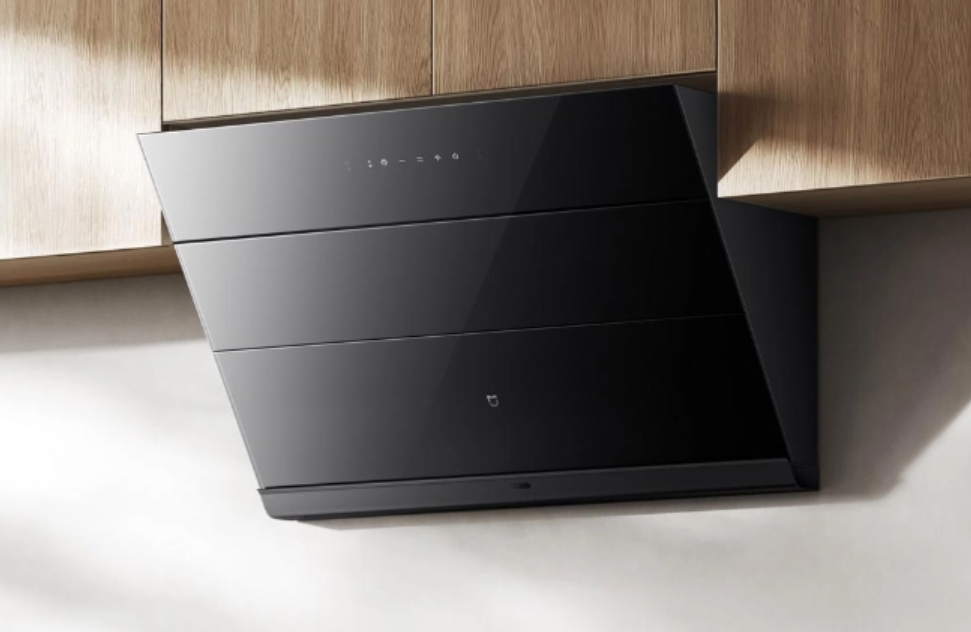
The SSD attaches to MagSafe-compatible phones and features IP65-rated dust and water resistance, a protective silicone shell, and drop protection of up to 3 meters. It also includes a magnetic ring in the box that enables attachment to non-magnetic phones and laptops.

The drive comes formatted in exFAT for cross-platform use. SanDisk includes a one-month Adobe Creative Cloud subscription. It is priced at $149.99 for the 1TB model and $159.99 for the 2TB.

2. Lexar ES5 Magnetic Portable SSD

Lexar-ES5-Magnetic-Portable-SSD

Lexar’s ES5 SSD supports read and write speeds up to 2000MB/s using USB 3.2 Gen 2×2. It allows direct 4K 120fps recording on iPhone and up to 8K 30fps on Samsung S25 and newer models. The drive includes a magnetic ring accessory for wider device compatibility and features an IP65 rating for outdoor use.
The silicone exterior keeps the drive compact and helps prevent slipping during attachment. Lexar optimized the thermal design to sustain performance during extended recording sessions. It starts at $119.99 for 1TB and $199.99 for 2TB, with a 4TB variant arriving in early 2026.

3. Lexar TouchLock Portable SSD

Lexar TouchLock SSD

The TouchLock SSD focuses on security more than speed. It uses an integrated NFC chip and AES encryption to lock and unlock the drive with a smartphone tap. The drive automatically re-locks when disconnected. Sequential read speeds reach 450MB/s, and write speeds hit 420MB/s.

Lexar ships the drive with USB-C to USB-C and USB-C to USB-A adapters. It also includes a magnetic ring for attachment to MagSafe-compatible devices. The SSD supports iOS, Android, macOS, Linux, and Windows. The 512GB version is priced at $70, 1TB at $126, and the 2TB variant is yet to be announced.

4. Aiffro P10 Magnetic Portable SSD

Aiffro-P10-Magnetic-Portable-SSD

The P10 SSD from Aiffro is a compact and affordable drive with fast transfer rates. It supports up to 2000MB/s read and 1800MB/s write speeds on USB 3.2 Gen 2×2. The aluminum housing helps dissipate heat, and the 59mm square form factor keeps it ultra-portable.

The P10 supports iPhone 15 and newer, Android, Windows, macOS, and gaming consoles. It includes regular and right-angle cables for flexibility. The 1TB model retails for $149.00, with 2TB and 4TB options also available.

5. Corsair EX400U

Corsair-EX400U

Corsair’s EX400U is the fastest MagSafe-compatible SSD on this list. It uses a USB4 interface to reach 4000MB/s read and 3600MB/s write speeds. It connects directly to iPhones with USB-C ports and supports Thunderbolt 4 on desktops and laptops. The included USB4 cable supports 40Gbps data transfer and 60W power delivery.

The EX400U features a magnetic ring for MagSafe attachment, rugged build quality, and compatibility across iOS, macOS, Windows, and Linux. It ships with multiple USB-C cables for flexibility. The 1TB variant is priced at $139.99, with 2TB and 4TB models available at higher tiers.

6. TeamGroup PD20M

TeamGroup-PD20M

The PD20M SSD from TeamGroup focuses on size and portability. It weighs just 40g and measures 8.2mm thick, making it thinner than the iPhone 15. The USB 3.2 Gen 2×2 interface provides 20Gbps transfer speeds, allowing the drive to support continuous 4K 60fps ProRes recording.
The device attaches securely via a patented 800g-force magnetic system. It uses eco-friendly packaging and includes IP-rated drop resistance. The drive supports iPhone 15 and newer, Android, macOS, and Windows. The 1TB version is priced between $80-$95, while the 2TB version typically sells between $140-$155, depending on seasonal discounts.

7. Sharge Disk Pro

Sharge Disk Pro

Sharge Disk Pro stands out with its active cooling system and 5-in-1 hub design. It combines a built-in NVMe SSD (up to 4TB) with high-speed ports including HDMI 2.1, USB-A, and dual USB-C. The built-in fan keeps temperatures under 50°C, even during extended 950GB file transfers. It supports iPhone 15/16 Pro’s ProRes 4K120 recording and provides up to 10Gbps transfer speeds.

The transparent cyberpunk-inspired design keeps the weight at 150g and dimensions under 100mm. It uses an integrated USB-C cable and does not require external power. Sharge also includes a physical data switch for added protection. The 1TB version is priced at $219.90, with 2TB and 4TB options available at higher cost.

For more daily updates, please visit our News Section.

Stay ahead in tech! Join our Telegram community and sign up for our daily newsletter of top stories! 💡

CATL’s sodium-ion batteries hit record energy density, raising prospects for EV adoption

Sodium-ion batteries, once sidelined by falling lithium prices, are back in focus. This time, the shift appears to be driven by changing market conditions and renewed interest from customers.

According to recent reports, the world’s largest battery maker is accelerating plans for mass production of its sodium-ion lineup, branded Naxtra, with deliveries expected to begin in 2026. The move follows a rebound in lithium carbonate prices, which had plunged after 2022. With mining increasingly regulated, lithium costs have started rising again, narrowing the gap that once made lithium iron phosphate (LFP) the obvious choice.

As a result, sodium-ion cells are once again becoming cheaper to manufacture than many LFP batteries. CATL’s latest sodium-ion technology also appears to address one of the category’s long-standing weaknesses: energy density. The company claims its Naxtra cells reach around 175 Wh/kg, a record for sodium-ion batteries and close to what mainstream LFP packs offer today in electric vehicles and stationary storage. While newer LFP designs are already pushing beyond 200 Wh/kg—such as CATL’s 205 Wh/kg cells—ongoing improvements in sodium-ion technology could narrow that gap further in the coming years.

Cold-weather performance is another key selling point. CATL says the batteries can operate reliably between -40°C and 70°C, retaining usable capacity even in extreme conditions. Vehicles using the packs are claimed to achieve more than 300 miles of range in winter environments, though real-world results will likely vary.

The Naxtra lineup has reportedly become the first commercial sodium-ion battery to pass China’s latest safety and performance standards. Intended uses range from electric cars and commercial fleets to grid storage and battery-swap stations. While CATL has not named its customers, it says several are already preparing for deliveries.

Sodium-ion technology is also starting to appear at the consumer level. Starter batteries based on the chemistry are now available online, with better cold-weather resilience than traditional lead-acid units.

With lithium supply dynamics evolving again, CATL appears to be positioning sodium-ion batteries as a long-term complement rather than a replacement.

Don’t miss a thing! Join our Telegram community for instant updates and grab our free daily newsletter for the best tech stories!

For more daily updates, please visit our News Section.

(Source)

Honor says its compact tablets are on hold as the Pad X10 Pro surfaces

An Honor official has confirmed that the company is putting its compact tablet plans on hold. The official recently shared a teaser for Honor’s upcoming tablet, the Pad X10 Pro, on Weibo.

In the comments, a user asked when Honor would release its next compact tablet. The official didn’t mince words, replying simply: “No more, it’s on hold.” Honor hasn’t explained why it made the decision.

The X series has previously had a fair share of compact tablets. The most recent model is the Honor Pad X7, which features an 8.7-inch display with a 90Hz refresh rate.

Honor Pad X10 Pro is a bigger but affordable

Instead of another small tablet, Honor is moving ahead with the Pad X10 Pro, which is launching in China on January 5. The tablet sports a much larger display — likely around 11 inches — and supports stylus input.

Don’t expect it to be a premium device, though. Honor is positioning the Pad X10 Pro as a practical tablet for kids’ online classes or for showing videos to parents, not as a high-end productivity machine.

We also found a YouTube Shorts video showing the Pad X10 Pro in blue and silver. The tablet packs a single rear camera, while the front camera sits on the right bezel. Those bezels, by the way, are hard to miss in real-world shots.

The Pad X10 Pro will launch alongside the Honor Power 2 on January 5th. The latter is an Honor smartphone with the biggest battery in the industry. It packs a mammoth 10,080mAh cell, yet it is around 8mm thin.

Don’t miss a thing! Join our Telegram community for instant updates and grab our free daily newsletter for the best tech stories!

For more daily updates, please visit our News Section.

Xiaomi 17 Ultra by Leica Unboxing & Hands-on: Makes Photography Feel More Special

Readers who have watched our review of the Xiaomi 15 Ultra may recall that the device left a rather underwhelming impression. The generational upgrades were modest, and the phone lacked truly distinctive features. After spending time with the Xiaomi 17 Ultra, however, the reasoning behind that becomes clear: Xiaomi appears to have reserved its most ambitious efforts for this generation.

In this hands-on article, we begin with the unboxing experience before focusing on the key upgrades that define the Xiaomi 17 Ultra.


Where to buy

Buy Xiaomi 17 Ultra Leica Edition on Geekwills

Unboxing

Much like the Xiaomi 17 Pro Max, the Xiaomi 17 Ultra arrives in a flatter and elongated package compared to previous generations. The contents are identical to those of the Pro Max variant, including documentation, a SIM ejector tool, a transparent protective case, and a USB-A to USB-C cable.

Xiaomi also includes the same 100W charger, although it is worth noting that the handset itself supports up to 90W wired charging.


Telephoto With True Optical Zoom

When discussing smartphone optical zoom, Sony’s Xperia 1 series is often the first reference point. With the Xiaomi 17 Ultra, that benchmark may need to be reconsidered. The telephoto sensor on this device is more than twice the size of Sony’s equivalent, paired with a lens constructed from three glass elements and certified under Leica’s APO standards.

While extensive sample testing is still underway, early impressions strongly suggest that this may be the most capable optical zoom camera currently available on a smartphone. Zoom transitions are exceptionally smooth, image quality remains consistent across focal lengths, and—crucially—optical zoom is fully usable during video recording. This lossless zoom experience is both practical and rare. Although the 75–100mm range may appear limited on paper, it proves to be well-judged for real-world photography.

Beyond the telephoto lens, the rest of the camera system largely maintains the standard set by the 15 Ultra. The ultra-wide camera retains a 14mm focal length rather than shifting to a less versatile 17mm, while the new 1-inch main sensor now incorporates LOFIC technology. At this point, the hardware specification leaves little room for complaint.


Leica Special Edition: More Than Specifications

Had only the telephoto lens received meaningful upgrades, the Xiaomi 17 Ultra might still have felt incremental. What truly elevates the device is the introduction of the Leica Special Edition.

In a market where hardware differentiation has become increasingly narrow, emotional value and brand identity play a critical role. The Xiaomi 17 Ultra by Leica addresses this directly. For the first time, the iconic Leica red dot appears on a Xiaomi handset, accompanied by a rotating zoom ring, exclusive Leica engravings on the frame, and dedicated Leica color profiles.

The attention to detail extends to the accessories. The Leica edition includes an additional Leica-branded lens cap, a lanyard, and a cleaning cloth. The charging cable is upgraded to a braided design, while the custom phone case accommodates the rotating zoom ring and integrates magnets compatible with MagSafe accessories.

Remarkably, this special edition is priced at only around $71 more than the standard model. At this price difference, it feels less like an optional variant and more like the definitive version of the Xiaomi 17 Ultra. For photography enthusiasts, it represents something closer to a pocketable Leica camera with genuine optical zoom rather than a conventional smartphone.

We were able to secure a pre-order of this Leica edition and will be sharing a more detailed assessment after extended use in the full review.


Other Upgrades

The remaining changes are more iterative in nature. With one camera removed from the array, the camera module is marginally smaller, contributing to a slight reduction in overall thickness. The circular volume buttons remain unchanged—hardly a functional upgrade, but a subtle design refresh nonetheless. There is still no dedicated camera control button on the frame, and the photography kit continues to omit a teleconverter.

As expected, the chipset has been updated to the Snapdragon 8 Elite Gen 5. Given the early release timing, concerns about near-term obsolescence are minimal. The display matches that of the 17 Pro Max: a large, flat panel with a specialized pixel arrangement designed to balance sharpness and power efficiency.

Battery capacity stands at 6,800mAh, paired with 90W wired and 50W wireless charging. While not as extreme as the Pro Max configuration, it is more than sufficient for demanding daily use. Ultimately, this is Xiaomi’s most powerful smartphone to date—and easily the most compelling the company has produced so far.


Conclusion

To the best of our knowledge, until at least 2027, the Xiaomi 17 Ultra stands alone as the only smartphone combining a 1-inch main sensor with a telephoto camera capable of true optical zoom. Its imaging strategy diverges sharply from other “Ultra” flagships currently on the market.

Regardless of how the Xiaomi 17 Ultra is ultimately judged in long-term testing, the Leica Special Edition delivers a level of emotional appeal unmatched by its peers. In the coming weeks, we will share our real-world experience along with a full set of sample images during the New Year period.

Realme 16 Pro+ chipset, AnTuTu score confirmed

Realme has started confirming key details of the Realme 16 Pro series ahead of its January 6 launch, and the phones appear to focus heavily on design, display brightness, and camera hardware.

The Realme 16 Pro+ is powered by Qualcomm’s new Snapdragon 7 Gen 4 chipset, the same one that powers the Realme 15 Pro. According to the brand, the 16 Pro+ can score around 1.44 million points on AnTuTu. On paper, that places it comfortably above earlier Snapdragon 7-series chips. The 15 Pro, for instance, scored 1.23 million in NanoReview’s testing.

The 8GB + 256GB variant of the Realme 15 Pro is currently listed on Flipkart at ₹35,999, and the Realme 16 Pro+ is expected to launch at a noticeably higher price. Based on the official AnTuTu score, the performance jump over the previous generation appears modest. While Realme seems to be putting more emphasis on design and camera hardware this time around, raw performance may not be the phone’s strongest selling point, especially when compared with rivals in a similar price range.

The front is dominated by a curved display with very slim bezels, measuring just 1.48mm. Realme is also claiming a peak brightness of 6,500 nits, which should help with outdoor visibility, assuming real-world performance matches the numbers. The phone carries an IP69 Pro rating as well, offering higher-than-usual resistance to dust and water for this segment.

Camera hardware includes a 200MP Samsung HP5 primary sensor. It is joined by a 50MP periscope telephoto lens, allowing for optical zoom without relying entirely on digital processing.

Realme has also confirmed details for the standard Realme 16 Pro. It shares the same claimed 6,500-nit peak brightness and IP69 rating, along with a 1.5K AMOLED panel and a 144Hz refresh rate.

Both models will run Android 16 with Realme UI 7.0. AI-based features such as AI Recording, AI Framing, and Google Gemini integration are included. Color options confirmed so far include Master Gold, Pebble Gray, and Orchid Purple.

Don’t miss a thing! Join our Telegram community for instant updates and grab our free daily newsletter for the best tech stories!

For more daily updates, please visit our News Section.

(Source: Realme)

iQOO Z11 Turbo’s new images reveal four colour options

iQOO has rolled out new images to showcase the rear design and colour options of the upcoming iQOO Z11 Turbo. At the same time, the brand has confirmed some key details about the device, including its display size, giving an early look at what to expect ahead of its January launch in China.

iQOO Z11 Turbo design color variants confirmed

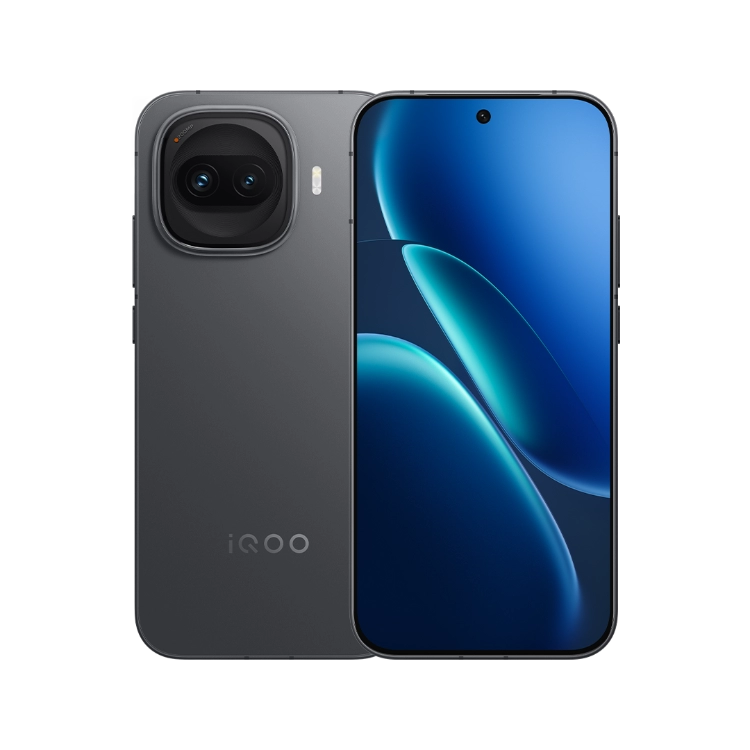
The newly shared images confirm that the iQOO Z11 Turbo will be available in four colour options: Canglang Shimmer (blue), Halo Pink, Polar Night Black, and Sky White. The rear panel adopts a fresh “porthole-style” camera island, with a horizontally aligned dual-camera layout that sets it apart from earlier Z-series models.

The phone features a metal middle frame paired with a glass back panel, which should offer a noticeable step up in hand feel. iQOO has also confirmed several core design elements. The Z11 Turbo comes with a 6.59-inch “golden-size” flat display, paired with large, rounded corners that are said to improve comfort during prolonged use.

iQOO Z11 Turbo specifications (rumored)

Recent reports suggest that the iQOO Z11 Turbo will be powered by the Snapdragon 8 Gen 5 chipset. It is expected to pack a 7,600mAh battery, paired with up to 16GB of LPDDR5x RAM and up to 512GB of UFS 4.1 storage. Camera hardware is tipped to include a 32-megapixel front camera and a 200-megapixel Samsung HP5 main sensor alongside an 8-megapixel secondary camera.

Additional features may include Android 16-based OriginOS 6, an ultrasonic in-display fingerprint sensor, IP68 and IP69 water resistance ratings, and the same metal frame and glass back seen in official images. The device is expected to launch in January in China and is officially confirmed to be priced around 2,500 Yuan, which roughly translates to $355.

For more daily updates, please visit our News Section.

Stay ahead in tech! Join our Telegram community and sign up for our daily newsletter of top stories.

Exclusive: How TCL is Redefining AI with Vertical Integration and Advanced Manufacturing

GUANGZHOU, China — Held in Guangzhou from December 11, the 2025 Global Technology Innovation Conference (TIC) served as the flagship stage for the company to unveil its latest advancements in integrated technology. The event centered on the core theme of “AI for Real,” showcasing how artificial intelligence is being woven into every layer of TCL’s ecosystem—from consumer-facing smart products and immersive user experiences to the very backbone of its sophisticated manufacturing processes.

TCL Global Technology Innovation Conference 2025

At the conference, a clear message emerged from one of the world’s largest consumer electronics makers: artificial intelligence is not just a buzzword—it’s a tool for tangible, vertical integration. In an exclusive interview with Gizmochina, Daniel Sun, CTO of TCL Industries, shed light on how the company is weaving AI into everything from TVs and air conditioners to its own advanced display factories, all while staying grounded in what he calls “experience-first” technology.

Beyond the Hype: AI as an Enabler, Not a Magic Wand

Sun began by addressing widespread misconceptions about AI. “For consumers, intelligence might mean using an app to turn off an air conditioner remotely,” he said. “For engineers, that’s simply Wi‑Fi, apps, and cloud services.” This gap, he argues, is where many tech companies lose sight of the real goal: delivering meaningful experiences rather than chasing the latest model for its own sake.

Gizmochina’s interview with Danial Sun

He emphasized that not every product needs—or can run—a large language model (LLM). “Many problems can be solved with small models,” Sun explained, pointing to quality inspection in TCL CSOT’s display manufacturing. “Using an AI device with a camera to inspect panel circuits is like an airport X-ray scan. It used to be manual; now it’s fully automated—and it doesn’t require an LLM.”

Why TCL CSOT Built Its Own AI: The X-Intelligence 3.0 Story

When asked about TCL CSOT’s homegrown AI system, X-Intelligence 3.0, Sun outlined two core motivations. First, public LLMs lack deep, proprietary knowledge. “We attached our specialized display materials data to the world’s best LLMs, and the results were surprisingly poor,” he said. “The model simply wasn’t pretrained on this domain.” In other words, they couldn’t comprehend highly specialized, cutting-edge knowledge.

Daniel Sun, CTO of TCL Industries

Instead of building from scratch, TCL CSOT leverages its vast internal knowledge—accumulated over years of R&D and billions in investment—into existing high-performance architectures through fine-tuning and reinforcement learning. “We leverage the best open models and enhance them with our private expertise,” Sun noted, citing cooperative and open‑source advances, including those inspired by frameworks like DeepSeek.

The second driver is organizational efficiency. Sun pointed out that in corporations with thousands of employees, decision-making processes tend to decelerate. He emphasized that while AI cannot instantly replicate human agility, it serves as a powerful accelerator in domains such as operational analysis, process optimization, and high-value task automation — a view supported by its growing role in enhancing enterprise workflow efficiency.

From Living Rooms to Factories: AI in Action

On the product side, TCL is taking an open‑ecosystem approach. In the U.S., TCL TVs now integrate Google’s Gemini, enabling voice-activated content discovery, educational YouTube browsing, and smart‑home control. In China, the company uses cloud-based LLMs—quantized and cost-optimized—to power natural language TV interfaces for under a dollar per device per year.

But AI isn’t just for the end user. In manufacturing, LLMs and small models work in tandem. At the TCL CSOT Guangzhou t9 factory, which Gizmochina toured on December 11, AI assists in everything from panel defect detection to production scheduling. The t9 line—the world’s only large-generation line compatible with LCD, Micro LED, and inkjet-printed OLED—relies on AI to maintain precision across its 180,000 glass substrates monthly capacity. Capable of producing 6- to 100-inch panels, the t9 line enables applications spanning smartphones, tablets, notebooks, vehicle displays, monitors, TVs, and large-format commercial screens.

The Hidden AI Star: Energy‑Saving and New Product Horizons

Beyond TVs, TCL’s application of small models has delivered measurable gains in areas such as air conditioning. The company’s compressors now leverage real-time optimization algorithms that significantly reduce energy consumption—reportedly by up to 40% in initial operating hours, with sustained savings exceeding 18% thereafter. This advancement not only lowers household costs but also supports broader environmental, social, and governance (ESG) objectives, reflecting a tangible example of AI-driven efficiency in mature product categories.

TCL has also begun channeling AI into entirely new product segments. Two notable directions in its roadmap include AR glasses—deeply integrated with large language model interactions—and a future generation of household robots designed as companion-oriented devices. These efforts signal a strategic move beyond incremental product enhancements toward what the company describes as “AI-native, AI-rich” innovations, where artificial intelligence fundamentally defines the user experience and product functionality.

Globally, TCL works closely with silicon and platform partners to enable on-device AI where possible—and falls back to cloud‑edge collaboration when needed. “Local computing is limited,” Sun acknowledged. “That’s why a hybrid architecture is essential for bringing advanced AI to everyday devices at a feasible cost.”

AI with Purpose

Throughout the interview and the factory visit, one theme remained constant: TCL’s AI strategy is deliberately vertical, practical, and consumer-centric. Rather than joining the race to build the largest foundation model, the company is focused on injecting its deep industrial knowledge into adaptable AI systems—systems that enhance today’s products, optimize its factories, and quietly enable the next generation of smart living.

As Daniel Sun put it: “The anchor should never be pursuing technology for its own sake. It must always return to consumers and customers—that’s where the real focus should be.”

For TCL, that focus is already showing—in quieter air conditioners, sharper displays, and smarter factories that together form a blueprint for AI done right.


Gizmochina attended TIC 2025 as an invited media partner. Special thanks to TCL for facilitating the interview and factory tour.

Realme Neo 8 Infinite Edition box image leaked, Packs top-notch 165Hz Samsung screen

Recent reports have revealed that Realme is preparing to launch the Realme Neo 8 in the Chinese market. Ahead of the impending launch, a leaked retail box image of the Realme Neo 8 Infinite Edition has surfaced. At the same time, a new leak has revealed the existence of a new phone called the Realme Power.

Realme Neo 8 Infinite Edition box image spotted

Realme Neo 8 Infinite Edition box

In a new Weibo post, Realme Vice President and Global Marketing Head Xu Qi suggested that the upcoming Neo lineup will bring meaningful upgrades rather than incremental changes. This aligns with an image of the Realme Neo 8 Infinite Edition being circulated on Chinese social media, which reveals the inclusion of a Samsung display.

According to a recent Weibo post by DCS, the Realme Neo 8 will feature a Samsung-supplied, flagship-grade flat display measuring around 6.78 inches. The panel is said to support a 165Hz refresh rate and use the latest light-emitting materials, along with an industry-first screen technology. Overall display quality is claimed to be at a level that can compete with the latest flagship phones from Apple and Samsung, delivering a balance of high transparency, ultra-smooth visuals, and improved eye comfort.

Other reports have revealed that the Realme Neo 8 will feature the latest Snapdragon 8 Gen 5 chipset and an 8,000mAh battery with 80W charging support. It is also said to come with other features such as Realme UI 7 based on Android 16, an ultrasonic in-display fingerprint sensor, a metal frame, a glass back, and an IP68 rating. It is expected to debut in January 2026 in China.

For more daily updates, please visit our News Section.

Stay ahead in tech! Join our Telegram community and sign up for our daily newsletter of top stories.

Vivo X300 Ultra leak reveals 6.82-inch screen details, removal of Action button

The rumor mill has been consistently leaking details about the Vivo X300 Ultra. In a new leak, tipster Digital Chat Station has revealed details about its display and design. Continue reading ahead to know the latest update about the X300 Ultra.

Vivo X300 Ultra key details tipped

Vivo X300 Ultra key details tipped

According to DCS, the Vivo X300 Ultra engineering unit features a 6.82-inch flat BOE display with around 2K resolution. The panel is said to adopt a four-sided narrow-bezel design and is expected to rely on an LTPO solution, enabling adaptive refresh rates. The device reportedly switches to a flat metal frame with sharp edges, continuing the design language seen on the previous generation but refining it further.

One noticeable change is the removal of the dedicated camera button (Action button) found on the Vivo X200 Ultra. The tipster hinted that this decision was driven by practicality, as the button occupied internal space without offering meaningful everyday value. At the back, the phone retains a large circular camera module, with its protrusion said to be similar to the X200 Ultra.

Speaking of cameras, recent leaks have revealed that the X300 Ultra’s camera setup includes a dual 200-megapixel setup paired with a 50-megapixel ultra-wide sensor. The primary sensor, which is believed to be recently unveiled Sony LYT-901 sensor, is tipped to support continuous optical zoom across multiple focal lengths, a feature that could make it more practical for everyday shooting compared to current implementations. Its ultra-wide and periscope telephoto cameras are expected to use Sony LYT-828 and Samsung HPB sensors, respectively.

Under the hood, the X300 Ultra will have the Snapdragon 8 Elite Gen 5 chipset, which could be accompanied by a massive 7,000mAh battery. It will also have an ultrasonic in-screen fingerprint sensor and run on OriginOS 6-based Android 16.

Vivo X300 Ultra launch timeframe, global availability (rumored)

Vivo X200 Ultra
Vivo X200 Ultra

Vivo is expected to position the X300 Ultra as its next imaging-centric flagship, with a launch likely in March 2026 in China. A recent report revealed that the Vivo X300 Ultra’s global variant, identified by the model number V2562, has already cleared EEC certification.

For more daily updates, please visit our News Section.

Stay ahead in tech! Join our Telegram community and sign up for our daily newsletter of top stories.

Oppo Find N6 full specifications emerge ahead of January 2026

In a recent leak, reliable tipster Digital Chat Station hinted that the Oppo Find N6 foldable phone will be unveiled in January 2026 in China. Nearly a month before the expected launch, DCS is back with a new leak that has revealed almost everything about the Find N6, which is said to debut as 2026’s first foldable phone.

Oppo Find N6 specifications (rumored)

As per the leak, the Oppo Find N6 will feature an 8.12-inch foldable LTPO OLED panel with support for a 2K resolution. On the front, it will have a 6.62-inch cover display, but its resolution has not been specified. Likely, both screens will support a 120Hz refresh rate, and it may run on ColorOS 16 based on Android 16.

Moving on to the optics, the Find N6 is said to have a 20-megapixel camera on the cover screen and another 20-megapixel snapper on the inside. Its rear camera setup will comprise a pair of 50-megapixel cameras, a 200-megapixel camera, and a 2-megapixel multispectral lens. The tipster is unsure whether the 200MP sensor is the main camera of the device.

The Oppo Find N6 will be powered by the Snapdragon 8 Elite Gen 5 chipset. The device will ship with 12GB / 16GB of RAM and up to 1TB of storage. It is said to pack a 6,000mAh battery (typical value), which comprises a 2,700mAh + 3,150mAh = 5,850mAh rated-value dual-cell unit.

Oppo Find N5
Oppo Find N5

The tipster did not specify the fast-charging capabilities of the Oppo Find N6. He further revealed that the device will support satellite communication and will be available in three shades: Titanium, Deep Black, and Golden Orange.

The same source previously revealed that the Find N6 has other features, such as wireless charging, a side-facing fingerprint sensor, a Sony LYT-808 main camera, and the Plus Key. At present, there is no information about the availability of the Find N6 in markets outside China. However, a recent report has suggested that India could be one of the markets that will receive the N6.

For more daily updates, please visit our News Section.

Stay ahead in tech! Join our Telegram community and sign up for our daily newsletter of top stories.

Xiaomi Resolves 11 HyperOS Bugs While Fixing Redmi Note 14 Battery and Camera Problems

Xiaomi has released its weekly HyperOS bug tracker, revealing ongoing problems with automatic shutdowns and camera malfunctions affecting multiple devices.

Problems Still Being Fixed

The Redmi Note 14 and Redmi Note 14 Pro shut down unexpectedly when the battery gets low. The battery percentage doesn’t match the actual charge level. This affects OS version 3.0.4.0.WOGMIXM and OS version 3.0.3.0.WOFMIXM. Xiaomi sent a test fix to some users. It worked for some people but others still have the problem. The company tells users to fully drain and recharge their phone as a temporary fix while they wait for more feedback.

The Redmi Note 13 Pro+ 5G has camera issues in Uzbekistan. Users report the camera shakes and makes strange noises. This happens on OS version 2.0.209.0.VNOMIXM. Xiaomi is studying the problem. The first logs didn’t show what’s causing it, so they’re asking users for more detailed information.

Fixed Problems

Xiaomi fixed eleven issues this week:

Connection issues: Redmi Pad 2 4G now connects calls properly between tablet and phone. Redmi 14C 5G fixed the no service error. POCO X7 Pro can now access the internet through mobile data.

Performance issues: Messenger stopped crashing on Xiaomi Pad 7. Weather app now updates data on Xiaomi 15T Pro. Apps no longer freeze on Redmi Note 13 Pro+ 5G. POCO X7 Pro fixed camera lag.

Hardware issues: Screen color displays correctly on POCO F8 Pro. NFC works on Redmi Note 14 Pro. Wired charging works on Redmi Note 14 5G and POCO M7 Pro 5G. Redmi Note 14 Pro no longer shuts down automatically.

Feature issues: POCO F8 Ultra can now switch Dolby Sound to 3D Surround mode.

Users can report other problems through the Feedback App or post in the ROM Subforum. Check Xiaomi’s Official Telegram Channel for device updates and join device groups for specific questions.

(Source)

OnePlus 12R December 2025 Update: OxygenOS 16.0.2.400 Brings Smart Sidebar and Photos App Changes

OnePlus is rolling out OxygenOS 16.0.2.400 for the OnePlus 12R in India. The update (CPH2585_16.0.2.400(EX01)) is going out in batches to users who already have OxygenOS 16 installed.

OnePlus 12R

AI and Storage

Storage cleanup tools now appear directly in Smart Sidebar, making it faster to free up space.

Home Screen Changes

You can now drag and drop shortcut icons to rearrange them after resizing app icons. The update lets you stack 2×1 widgets on your home screen to save space. App clone icons can be resized and have shortcuts added, just like regular apps.

The Photos app adds three new filter options: Motion Photo, Screenshots & screen recordings, and Edited. Thumbnails load faster thanks to improved parsing.

Circle to Search works better now. With gesture navigation, you can launch it by touching where the gesture bar normally sits, even when the bar is hidden.

Privacy Updates

Private Safe now lets you edit images and videos without unlocking them first.

Phone Manager will show a popup asking permission to update blocklists automatically over Wi-Fi and mobile data. Allowing this keeps blocklists current and improves threat detection.

Who Gets the Update

This update only works for devices already on OxygenOS 16. If you’re still on OxygenOS 15, you need to upgrade to OxygenOS 16 first.

The rollout starts with a small group of users today, with a wider release coming in a few days.

For more daily updates, please visit our News Section.

Tech enthusiast? Get the latest news first! Follow our Telegram channel and subscribe to our free newsletter for your daily tech fix!

(Source)

Google Photos Integration Coming to Samsung TVs: Everything You Need to Know

Samsung and Google announced they’re bringing Google Photos to Samsung TVs. Users will be able to view their photo libraries on TV screens starting in early 2026.

Setup and Access

Sign in with your Google Account on your Samsung TV and your photos appear automatically. No extra steps needed. Photos sync from your phone and display in full screen format. The feature works with Samsung’s Vision AI Companion (VAC) and shows up in Daily+ and Daily Board throughout the day.

Three New Features

Memories launches exclusively on Samsung TVs in early 2026. Samsung gets six months of exclusivity before the feature goes to other platforms. It shows curated stories grouped by people, locations, and key moments. This is the first time this Google Photos feature works on TVs.

Create with AI comes later in 2026. It uses Nano Banana, Google DeepMind’s image generation and editing model. You get themed templates for photo transformations. Remix lets you change the art style of images. Photo to Video turns still photos into short video clips.

Personalized Results also arrives later in 2026. It creates slideshows based on topics or what’s in your memories. Search for things like ocean, hiking, or Paris, and related photos play as a slideshow.

What the Companies Said

Kevin Lee, Executive Vice President of Samsung’s Visual Display Business Customer Experience Team, said the partnership makes TV viewing more personal by showing photo stories in your living room.

Shimrit Ben-Yair, Vice President of Google Photos and Google One, said Google Photos helps organize memories and the Samsung TV integration lets people enjoy photos on bigger screens.

Memories launches first in early 2026. The AI creation tools and personalized slideshows come later that year. Samsung TVs will work as photo galleries where you can browse collections, use AI to edit photos, and watch memories with family. Google Photos handles the organization while Samsung provides the display and AI features.

For more daily updates, please visit our News Section.

Tech enthusiast? Get the latest news first! Follow our Telegram channel and subscribe to our free newsletter for your daily tech fix!

(Source)