Twitter has recently faced backlash for its decision to restrict access to its API, causing inconvenience for public institutions and businesses. However, the company has now decided to backtrack and has restored free access to verified government and publicly-owned services that use the tool for critical purposes such as emergency notifications, transportation updates, and weather alerts.
Twitter
This decision has come as a relief to those who rely on Twitter to disseminate important information to the public. The API restrictions had caused significant issues for various apps and services, and government services faced additional difficulties due to the high fees for access. The company had recently announced its $100 API Pricing Plans to the public, and a lot of developers were affected because of the same. The move to restore free access is a step in the right direction towards ensuring that critical information can be shared effectively.
However, Twitter needs to be cautious about balancing its desire to monetize its platform and providing essential services to the public. While it is understandable that the company needs to shift its revenue to subscriptions, it should not do so at the expense of public services. The decision to restore free access to verified government and publicly-owned services is a positive one, but more needs to be done to ensure that all public services can continue to use Twitter without facing high fees or significant limitations.
Twitter’s decision to restore free access for verified government and publicly-owned services is a positive one, but it raises concerns about the company’s priorities. Twitter and its CEO, Elon Musk, must consider the impact of its decisions on public services and ensure that they are not disadvantaged. While monetizing its platform is important, it should not come at the cost of providing essential services to the public. The company also recently announced that it will charge publishers for articles on its platform.
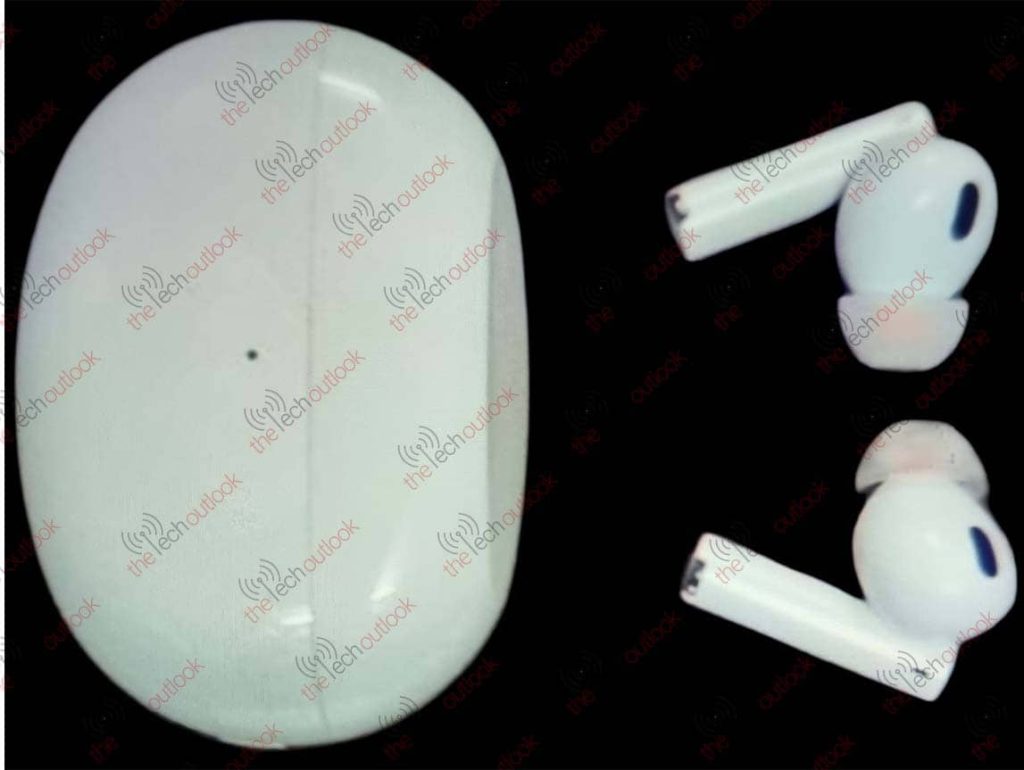
Realme is gearing up to launch new devices on May 10th in China. The devices coming are the Realme 11 series smartphones, whilst the Realme Buds Air 5 Pro TWS earbuds are also rumored to debut alongside the phones. Last month, we reported on what the Buds Air 5 Pro could look like. Now, a new report has emerged with a live image of the earbuds.
Realme Buds Air 5 Pro has a familiar design
TheTechOutlook has revealed live images of the Realme Buds Air 5 Pro. The image features the white color version of the Realme Buds Air 5 Pro. However, it is said that the earbuds will have two more color options: black and nature green. Design-wise, the new earbuds aren’t that different from the currently available Realme Buds Air 3 Pro, and they will also have a similar capsule-shaped charging case with an LED charging light.
Although the details about the features of the forthcoming earbuds are not disclosed, their battery specifications have been revealed through the FCC certification website. As per the listing, the charging case is supposed to comprise a battery pack of 460mAh, while each earbud is likely to be equipped with a 60mAh battery. It is anticipated that the earbuds can provide a usage time of at least 24 hours on a full charge. To get an idea about other specifications, let’s take a look at its predecessor.
Realme Buds Air 3 specs
In February 2022, the Realme Buds Air 3 hit the market, boasting a powerful set of 10mm dynamic drivers that incorporate a liquid crystal polymer diaphragm to produce sharp vocals and punchy bass. Supporting Dolby Audio and equipped with customizable audio tuning options, this device also boasts Active Noise Cancellation capabilities that can reduce ambient noise by up to 42dB.
When used in normal mode, the earbuds can deliver up to 5.5 hours of battery life, which can be extended up to 30 hours with the charging case. Enabling the ANC feature, however, reduces the total battery life to approximately 22 hours. Along with its impressive battery life, the Buds Air 3 offers features such as an 88ms low latency mode for gaming, transparency mode, dual device connection, touch controls for calls and media, and IPX5 sweat and splash resistance.
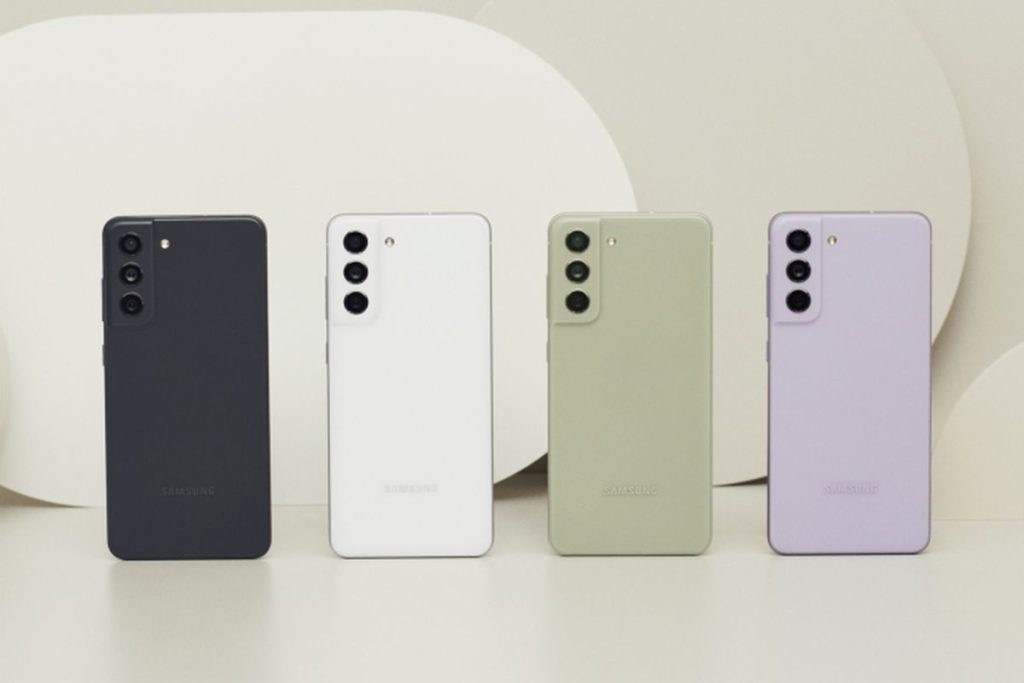
Samsung fans will be glad to know that Samsung is reportedly working on its Fan Edition flagship phone, which is likely to launch with the Galaxy S23 FE moniker. In a new report, GalaxyClub.nl has revealed that the device will offer an improved photography experience compared to its predecessor, the Galaxy S21 FE.
According to the publication, it has learned through a reliable source that the Galaxy S23 Fan Edition will inherit the 50-megapixel primary camera, which has been available on the Galaxy S22 and the Galaxy S23.
The report is in line with a previous leak, which claimed that the S23 FE will have a 50-megapixel snapper. It will be a major upgrade resulting in an improved photography experience since the S21 FE featured a 12-megapixel primary camera.
Samsung Galaxy S21 FE
Unfortunately, the report does not have any information on the other cameras on the S23 FE. At present, the South Korean tech giant is reportedly focused on the Galaxy Z Fold 5 and the Galaxy Z Flip 5, which, according to a recent report, are expected to launch in the last week of July. In all likelihood, the Galaxy S23 FE may arrive in the fourth quarter of this year.
Other reports have claimed that the Samsung Galaxy S23 FE will come equipped with the Exynos 2200 chipset, but it may be released with a Snapdragon chip in some markets. It is expected to arrive with 6 GB / 8GB of RAM and 128 GB / 256 GB of storage.
The Galaxy S23 FE will arrive with a 4,500mAh battery that supports 25W fast charging. It is expected to feature a 120Hz AMOLED screen, but its exact size is not known yet.
Smartphones have become an essential part of our daily lives, and manufacturers are always looking for ways to improve their devices to meet customers’ expectations. The design of a smartphone plays a crucial role in determining its success in the market, and Samsung’s Galaxy S series is no exception.
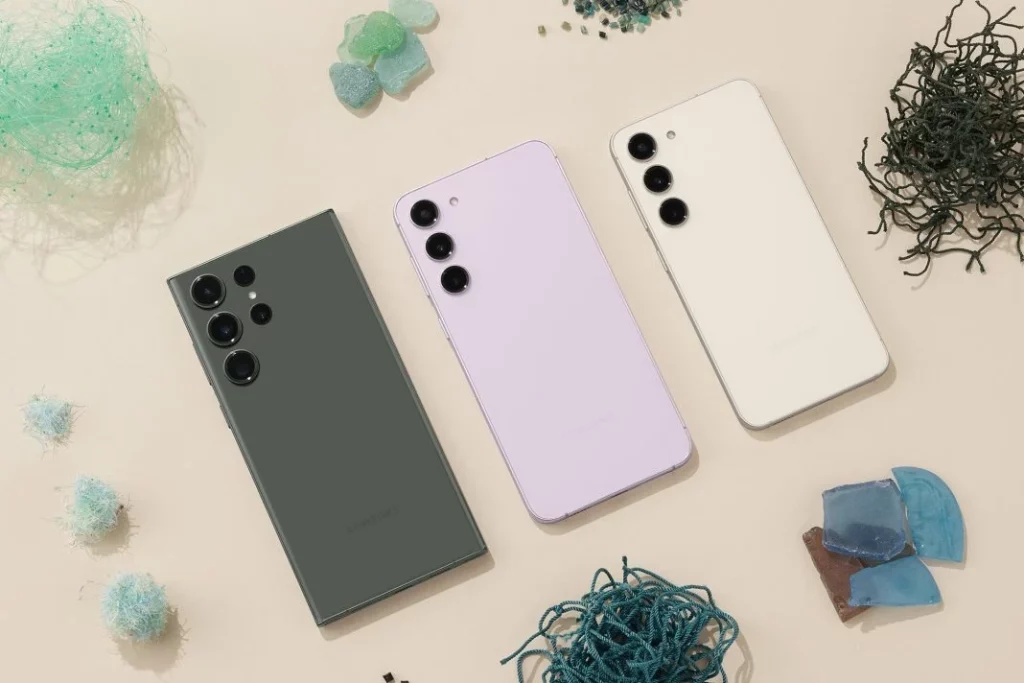
The Galaxy S Series has Retained a similar Aesthetic for 2 years now
According to recent reports, Samsung’s Galaxy S24 and S24+ will retain the same design as their predecessors, which could be a letdown for some users who were expecting a new look and feel. The Galaxy S23 lineup brought significant improvements to the table, making it a substantial upgrade over its predecessor, but the series has retained the same general aesthetic for a couple of years now.
While it’s true that high-end smartphone lineups have plateaued in recent years, with devices becoming so good that they are nearly indistinguishable from one another in terms of functionality, a new design can still make a considerable impact on a device’s overall appeal. A fresh look and feel can make a device appear as a much bigger improvement than it actually is, creating a sense of excitement among users.
One of the most significant changes in smartphone design in recent years has been the shift towards larger screens and thinner bezels. This trend has been driven by the desire to provide users with a larger and more immersive viewing experience. Samsung has been at the forefront of this trend, with its Galaxy S series featuring some of the largest screens on the market.
Another design trend that has been gaining popularity is the use of foldable screens. Samsung’s Galaxy Fold was one of the first devices to feature a foldable screen, and the company has continued to innovate in this area with devices like the Galaxy Z Fold 3 and the Galaxy Z Flip 3. Foldable screens provide users with a unique form factor and a more immersive experience, and they are likely to become more prevalent in the coming years.
In addition to these trends, there has been a growing focus on sustainability in smartphone design. As consumers become more environmentally conscious, manufacturers are looking for ways to reduce waste and increase the lifespan of their devices. This has led to the development of more repairable and upgradable devices, as well as the use of recycled materials in device construction. Past leaks have already suggested that the S24 will feature improvements in the battery department while cutting down one of its camera lenses. This will be quite interesting to see when it happens.
Design trends are constantly evolving, and manufacturers are always looking for ways to innovate and stay ahead of the competition. Whether it’s through larger screens, foldable screens, or sustainable design, smartphone design will continue to evolve in the coming years, and users can look forward to new and exciting devices.
Launched almost a year ago, the Pixel Buds A-Series was introduced as an affordable alternative to the original Pixel Buds. With its sleek design and standout features, it quickly became a favorite among Google fans. One of the standout features of the Pixel Buds A-Series is its reliable Bluetooth connectivity. Unlike the original Pixel Buds that suffered from frequent cut-offs, the A-Series fixed this issue, providing a seamless listening experience. Additionally, it comes with touch controls, allowing users to easily pause, play, and skip tracks with just a tap.
The Leaked Pixel Buds A-Series match the colorway of the new Pixel 7a
Now, a new leak has surfaced giving us a better look at the existing Pixel Buds A-Series but in the new baby blue hue, showing exactly where the color pop will appear. The new sky blue color will be present on the inside of the battery case lid and on the earbuds themselves. “Sky Blue” is expected to be an almost exact match of the “Arctic Blue” hue that we expect the Pixel 7a to come in, which looks like a very muted pastel blue. The renders of the Sky Blue Pixel Buds appeared online in March 2023 previously, and this leak confirms that report.
Of course, as this is just a relaunch in a new color, there aren’t really any differences to be expected as far as specs or performance. However, the possibility of getting the Pixel Buds A-Series in “Sky Blue” might entice customers who want earbuds that match their new Google Pixel 7a.
At $99 USD, the Pixel Buds A-Series is an affordable option for those who want reliable earbuds without breaking the bank. The higher-end version of the earbuds, the Pixel Buds Pro also recently received the Spatial Audio Update, putting them at par with other players in the market. As of now, it’s unclear if the “Sky Blue” version will ship as a bonus item or at a discount when the Google Pixel 7a is purchased via the Google Store or any phone carriers. However, it is a possibility considering last year’s deals for the Pixel 6a. The Pixel 7a has already leaked in all its entirety, and with only a week remaining for its official launch, fans are waiting eagerly.
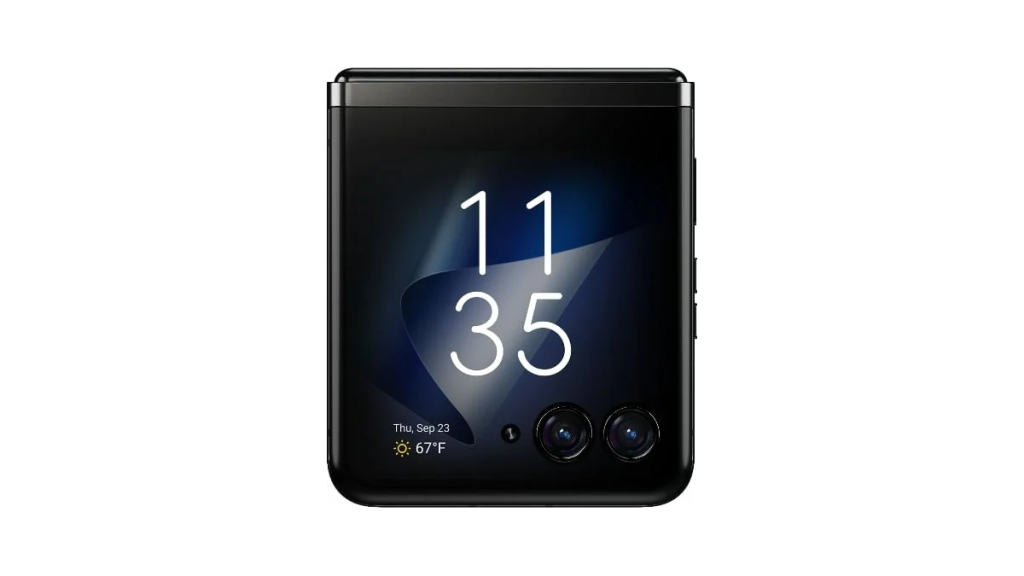
Several reports have claimed Motorola will soon launch the Motorola Razr 40 Ultra and the Motorola Razr 40 in different markets. Both devices are expected to launch on June 1 in the global market. There is a possibility that the Ultra variant of the device may debut first in China, where it is already being teased. Ahead of the expected launch, XDA-Developers has published a report to reveal all the major specs of the Razr 40 Ultra.
Motorola Razr 40 Ultra specifications (rumored)
According to the report, the main AMOLED foldable screen present on the inside of the Razr 40 Ultra will offer a Full HD+ resolution of 2640 x 1080 pixels, a 20.5:9 aspect ratio, and a 120Hz refresh rate. As per a previous report, the main screen will measure 6.9 inches, whereas its cover AMOLED screen will be 3.6 inches in size. The XDA report states that the external screen will offer a resolution of 1056 x 1066 pixels.
Motorola Razr 40 Ultra leaked render by Evan Blass
Under the hood, the Motorola Razr 40 Ultra will feature the Snapdragon 8 Plus Gen 1 mobile platform. The device will come equipped with up to 12 GB of RAM and up to 512 GB of storage. According to previous reports, the Razr 40 Ultra will house a 3,800mAh battery with 33W fast charging.
The report also sheds light on the cameras of the Razr 40 Ultra, which were previously unknown. The flip phone will feature a 32-megapixel OmniVision OV32B40 front camera. On the back, the device will have a 12-megapixel Sony IMX563 primary camera and a 13-megapixel SK Hynix Hi1336 secondary camera, which could be an ultra-wide snapper.
The Razr 40 Ultra will also come with other features, such as a dual SIM variant, an eSIM variant, NFC, and a side-mounted fingerprint sensor. Lastly, the report also states that the Motorola Razr 40 Ultra will arrive in three colours, such as Black, Blue, and Barberry. According to a previous report, the device is likely to be priced at around 1,200 euros for the 8 GB variant in Europe.
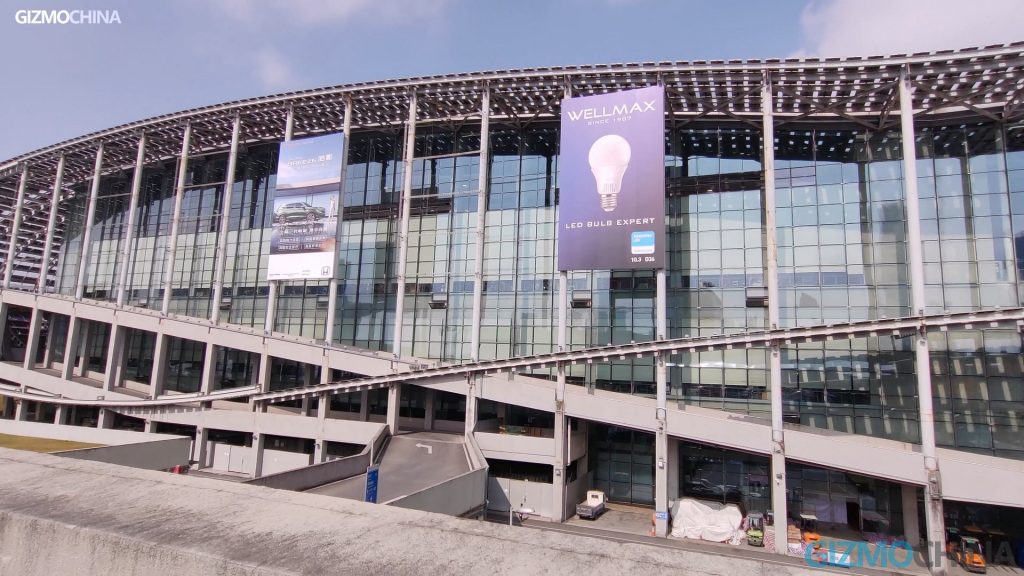
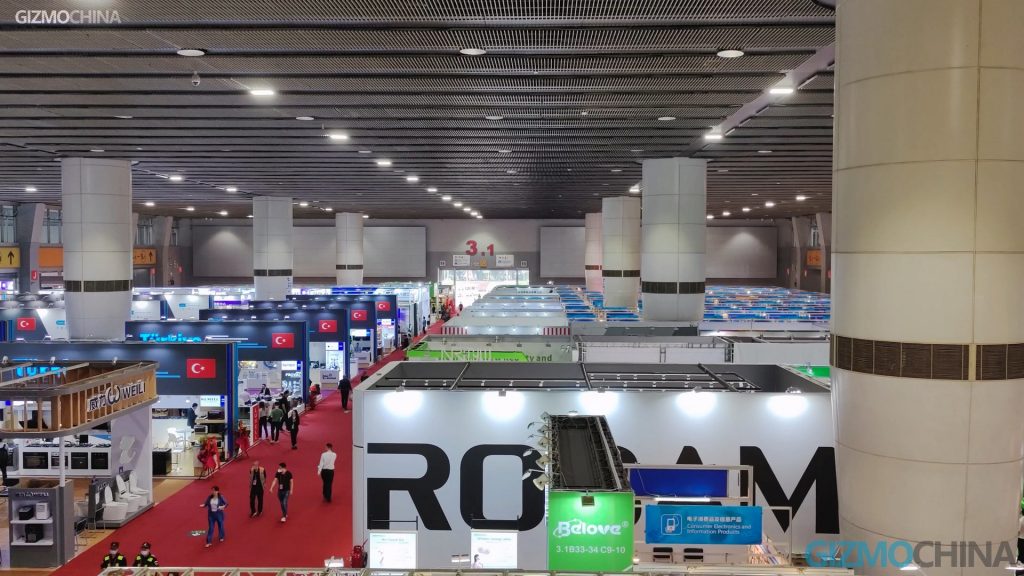
Last week we visited the Canton Fair 2023, as known as China Import and Export Fair, which is the largest and most representative trade fair in China. After a three-year hiatus under the influence of the pandemic, the offline exhibition finally restarted this spring. As a tech media, we tried to get a glimpse of the exhibition to see how the giant world factory shows the world its capacity, especially in the field of tech manufacturing.
The first Canton Fair was held in 1957 in Guangzhou. Now it’s developed to have 16 categories of products, which will be exhibited in 3 phases and 54 sections.
Indeed it’s the pinnacle of international trade events with a long history and staggering scale, attracting buyers from all over the world and has generated immense business dealings in China. So it’s really interesting that it has also become a microcosm of China’s hyper-speed development.
Most of the exhibitors are Chinese factories and trade companies. If they were lucky enough to get well-developed, you might have heard of the brands they built such as vacuum robot maker Ecovacs, Appliance maker Haier, and TV maker Hisense.
Tech on Canton Fair 2023
Unfortunately, we didn’t see those famous phone manufacturers or the new EV brands at the exhibition. But the good news is that we did get to learn a bit about how Chinese suppliers of electronics work downstream. Perhaps some of the products you are using are just the result of their design and manufacturing since most of the exhibitors at the show were willing to give up their own brands and offer custom OEM and ODM services to global buyers. And buyers may be primarily responsible for marketing, branding, and sales.
We have recorded some of the products we found interesting without purpose. So let’s take a look together.
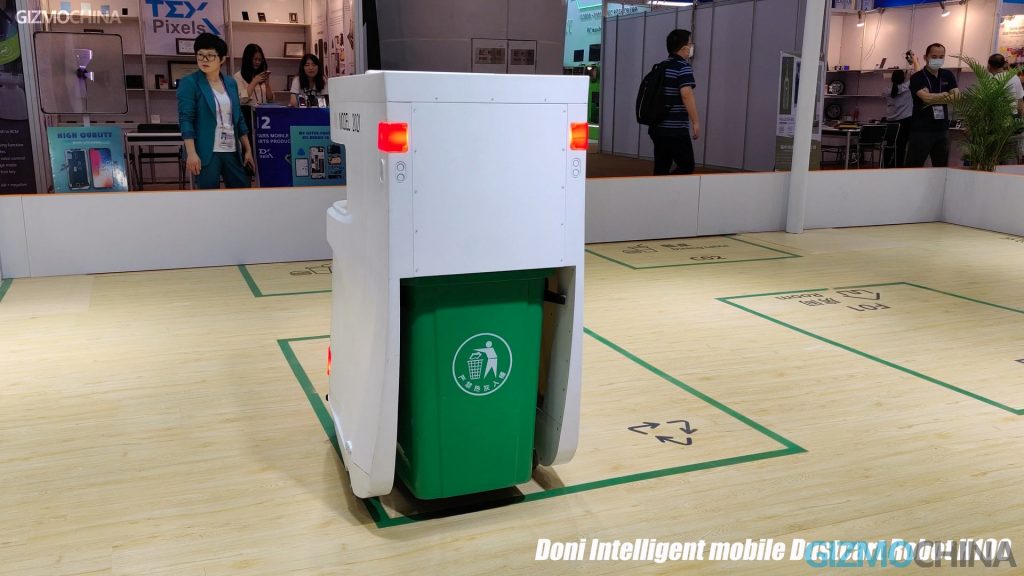
Doni Intelligent mobile Dustcart Robot H100
We were mainly visiting Halls 1 to 3 in Zone A, where the main categories are electronics and household appliances. The first product that caught our eyes was the Intelligent mobile Dustcart Robot H100 from Doni. It can automatically replace big trash bins without human operation, which looks like a robot for serving commercial spaces or public spaces. It supports auto-recharging and intelligent systems to have multi-machine cooperation.
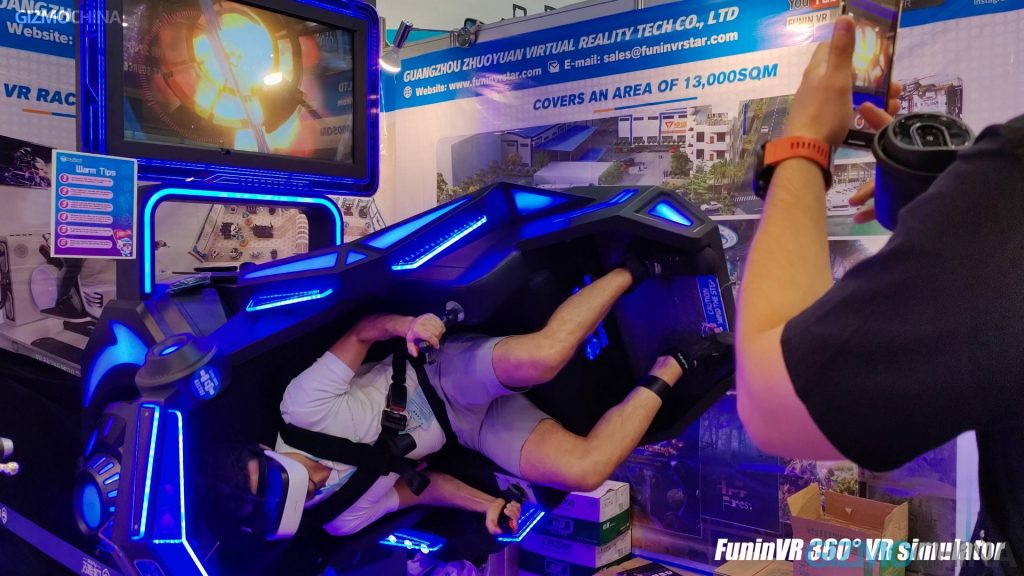
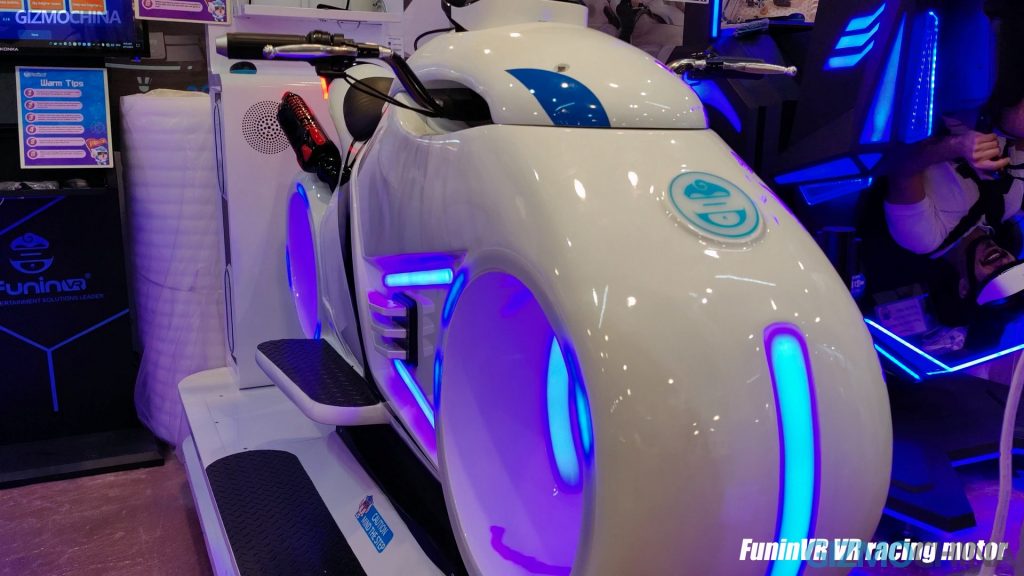
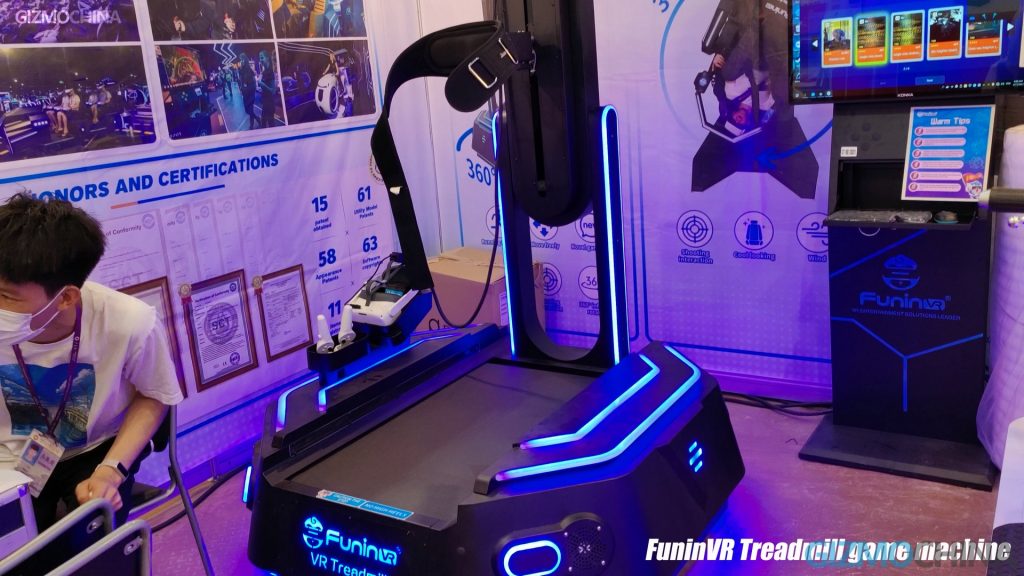
FuninVR gaming machines
The next product we found interesting is a super-cool 360° VR simulator, which seems to provide a completely immersive experience for simulation gaming of flight and shooting. The guy was really having fun here. And you can see some sort of VR racing motor and treadmill game machine. I didn’t really experience these machines since the booth is pretty busy with the long queues.
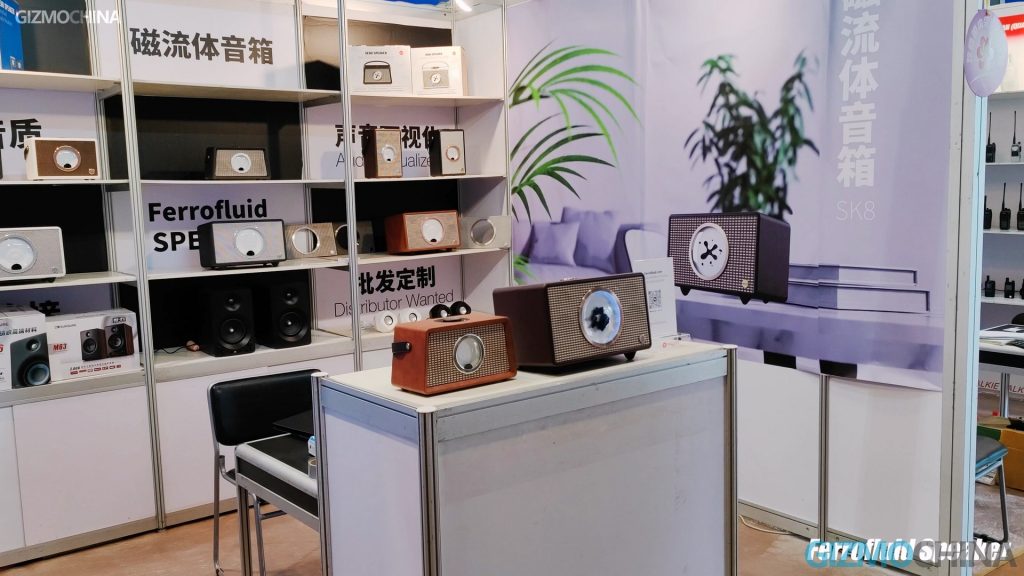
Ferrofluid Speaker
Then I found an interesting speaker, it’s a magnetic fluid speaker that waves with the music and uses magnetic fluid to visualize the sound.
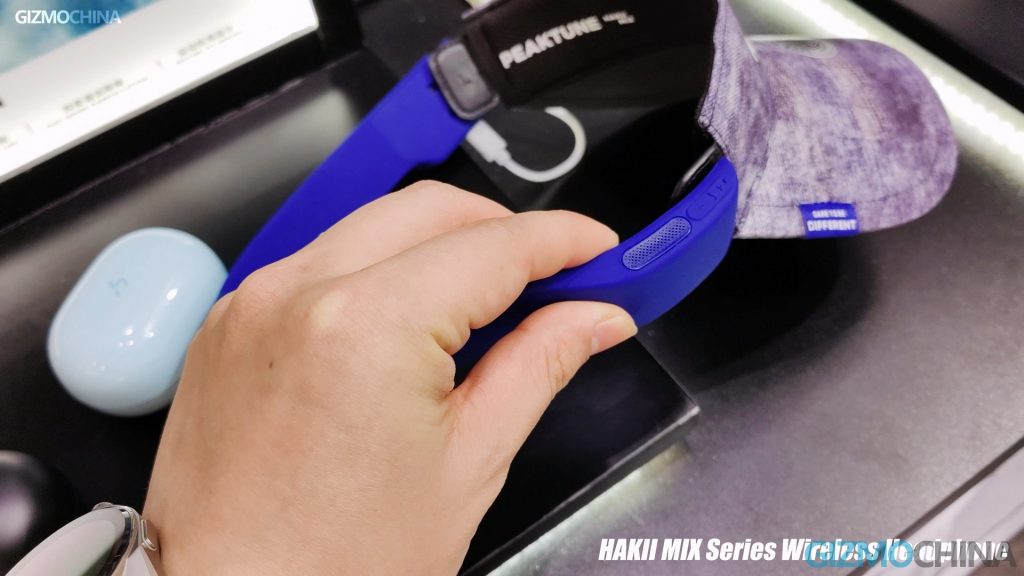
HAKII MIX series Headphone
We’ve seen too many wireless headsets in the wearable industry, and most of them seem uninspired now. But here we found a creative wireless sports headphone made in a look of headbands. It calls Hakii Mix created by the brand Hakii. That’s one of the very few wearables that still look innovative at the exhibition.
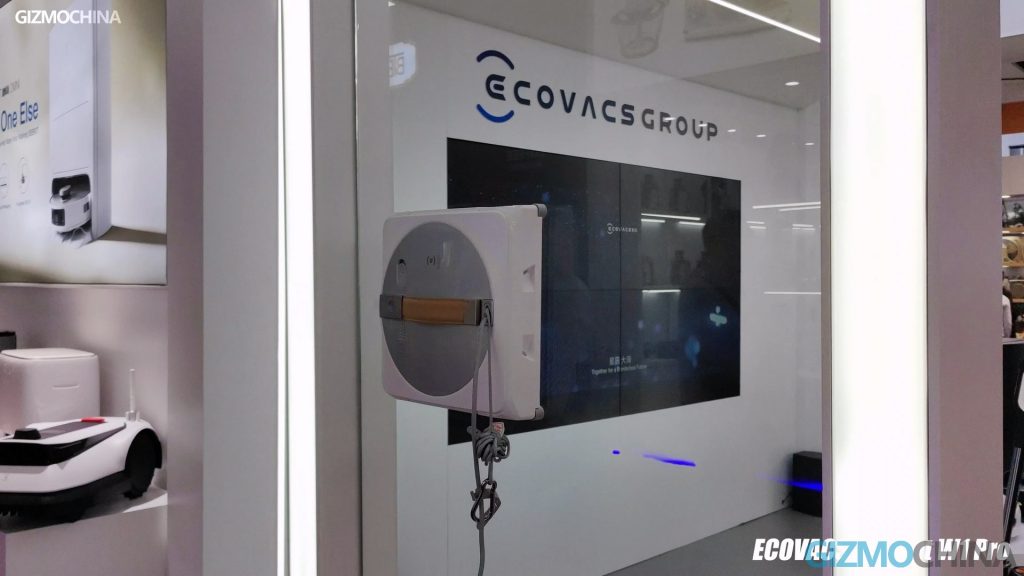
Ecovacs Winbot W1 Pro
This is Ecovacs latest window cleaning robot, called Winbot W1 Pro, which has a steady-climbing system to offer a smooth cleaning experience for various surfaces like windows, polished wall,s and all kinds of glasses. It has a firm grip with 2800Pa suction power, so here it has automatic path planning and firm wipe without any assistant fixtures.
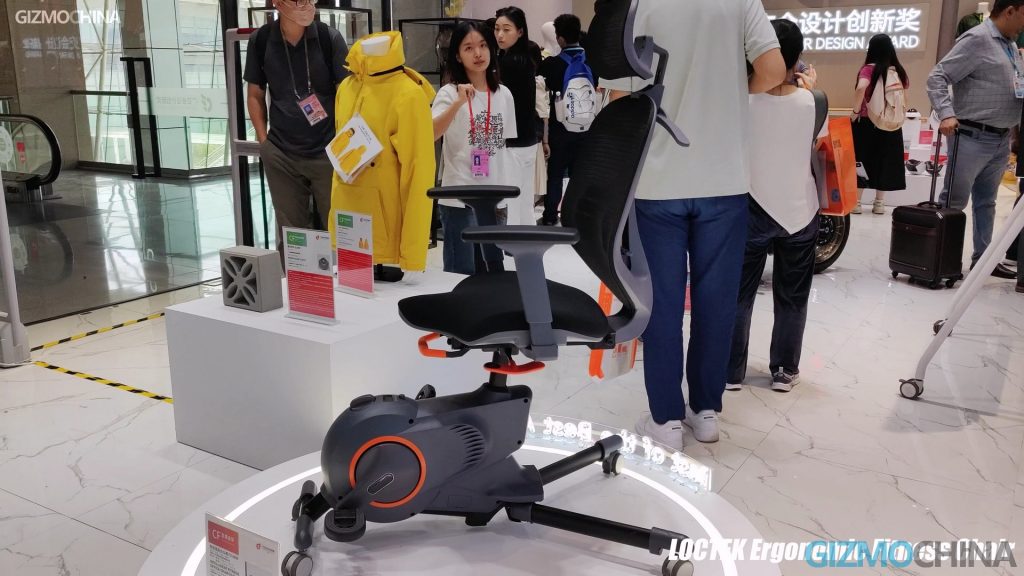
LOCTEK Ergonomic Fitness Chair
This was one of the most innovative products I saw at the exhibition, the latest desk bike with a chair look from Loctek, combining an indoor cycling bike with an office chair. It gives us a new idea that even if you are having desk-bound tasks with your hands and mind, you can still keep your legs exercising subconsciously.
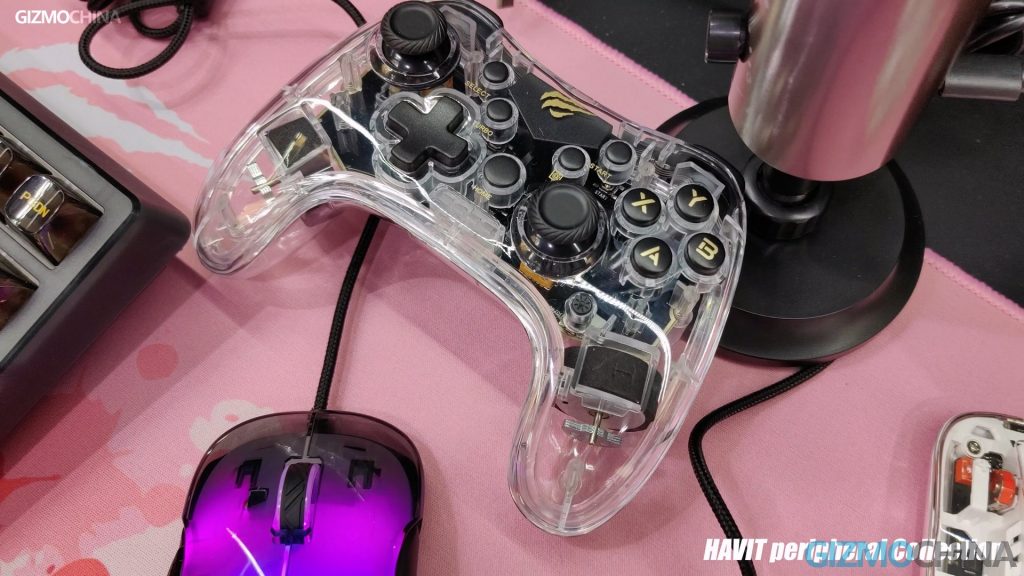
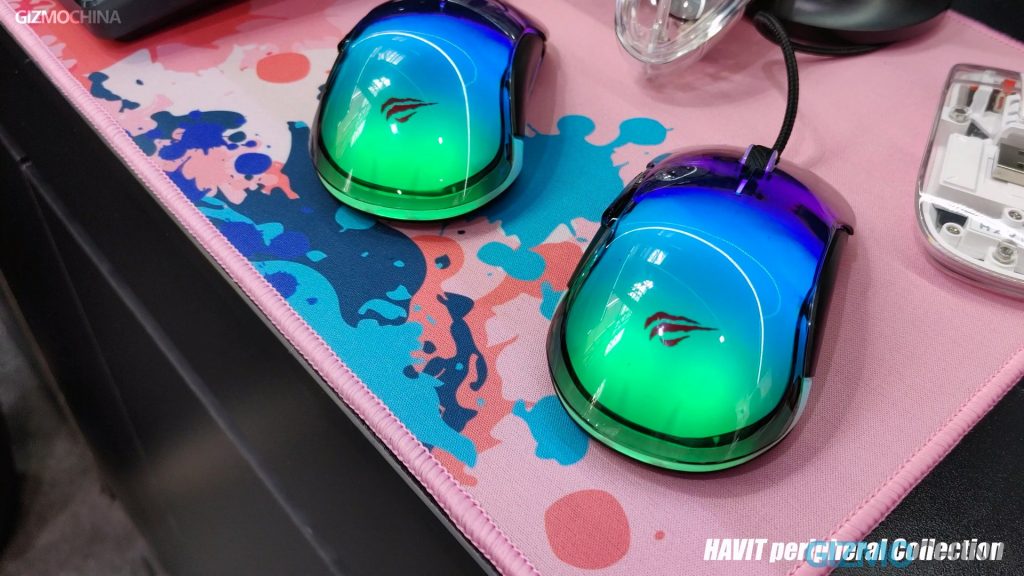
HAVIT peripheral Collection
We also spotted a number of odd PC accessories, such as this transparent-styling or even complete RGB-styling mice, keyboards, and gamepads. This is a collection of peripherals from a brand called Havit.
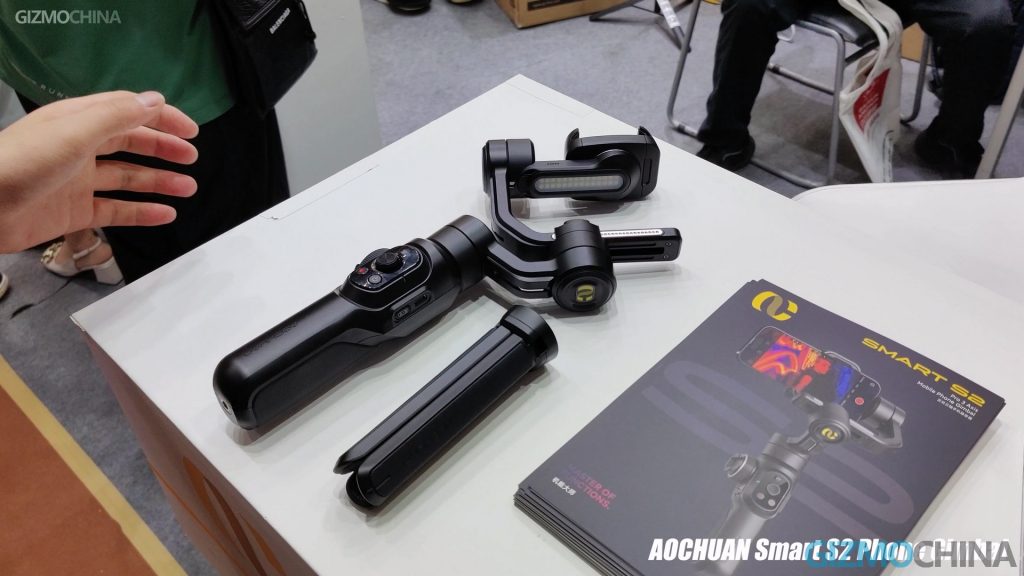
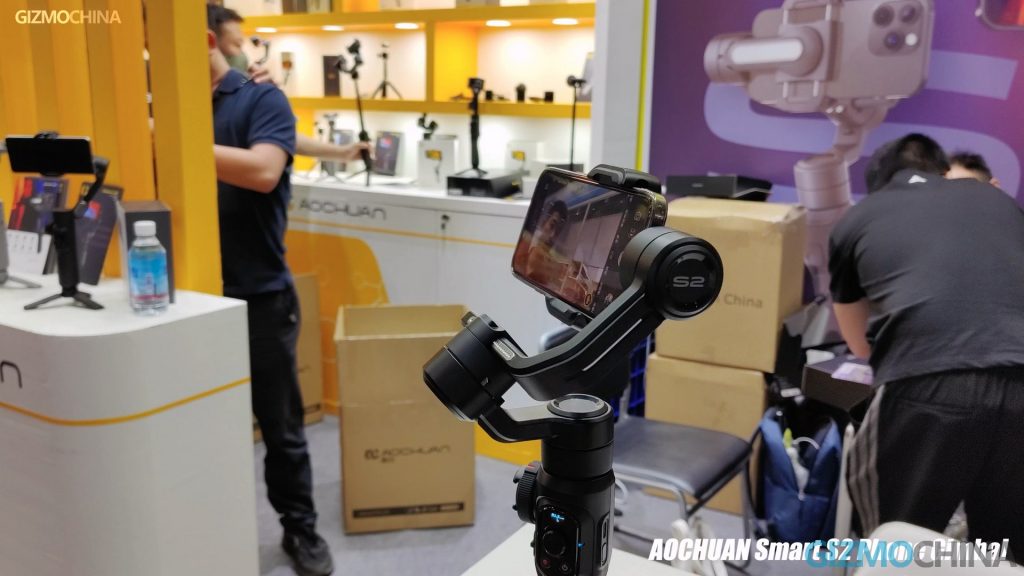
AOCHUAN Smart S2 Phone Gimbal
The brand Aochuan brings us another smart gimbal for phones, which looks more professional than the Aochuan Smart X series that we reviewed before. It supports 360° gestured human tracking with a lovely fill light for V-loggers. It does feel like a DLSR gimbal that offers much better stability.
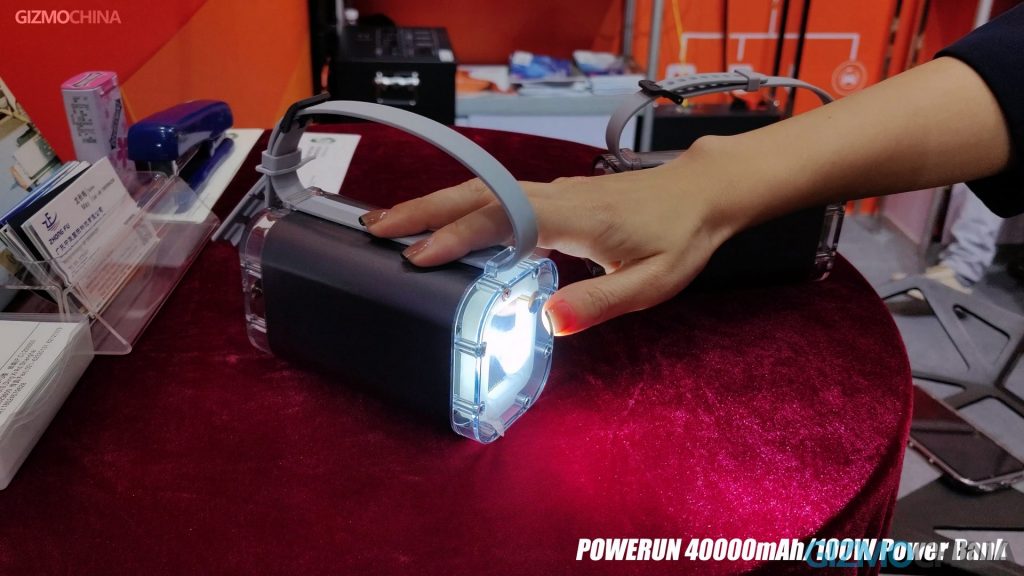
POWERUN 40000mAh IP67 Power Bank
And we also found a big power bank that features IP67-rated waterproofness and dust resistance. It has a 40000mAh battery capacity with multiple USB charging ports that support up to 100W power in total. And it looks pretty cool. The transparent panel and a multi-mode LED light make it look like a product designed for geeks.
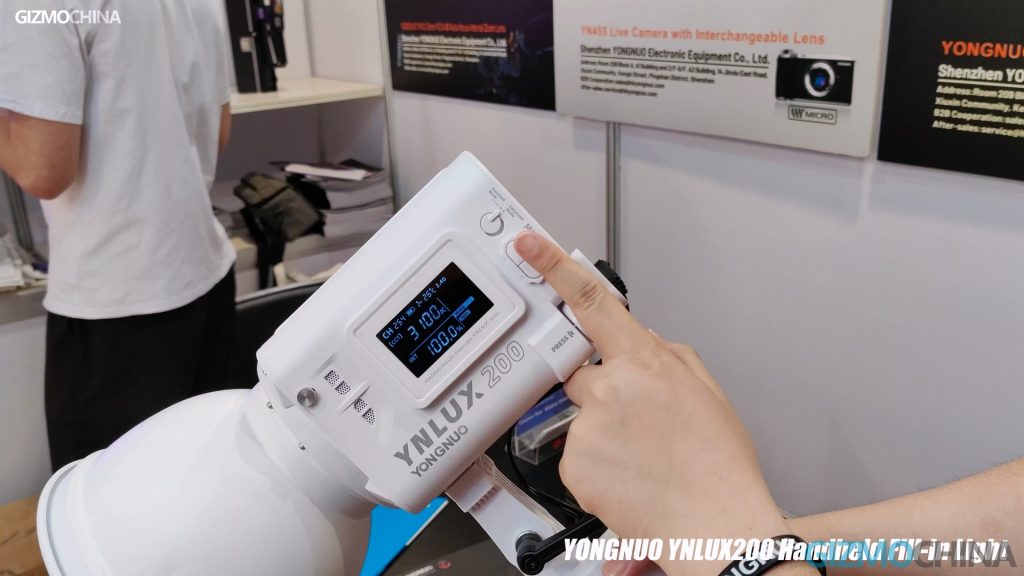
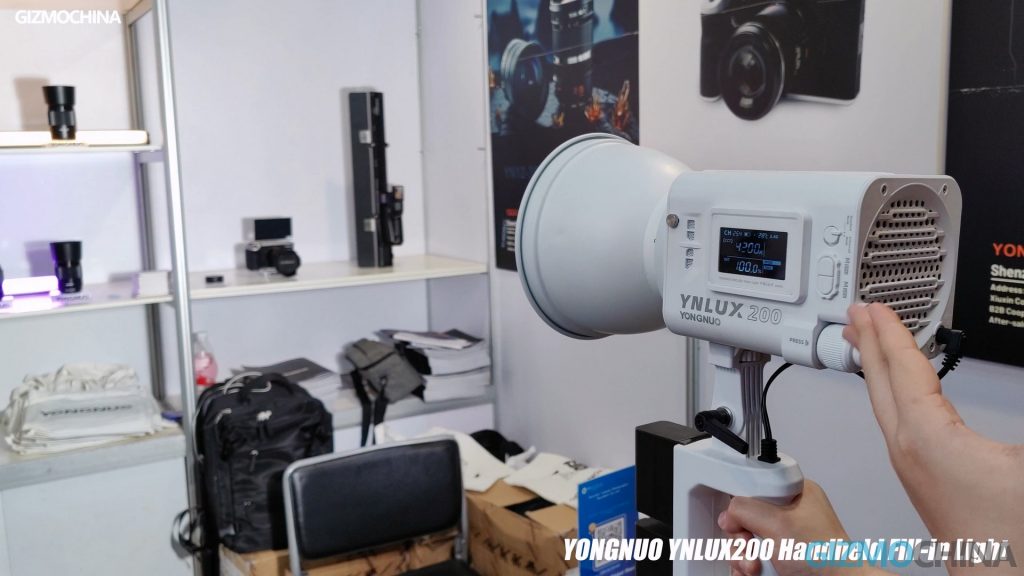
YONGNUO YNLUX200 Handheld Fill-in Light
If you shoot videos indoors as often as we do, you probably know what it’s like to put up with bulky lighting equipment. But at the exhibition, I found a professional handheld 200W video light manufactured by YongNuo, which just caught our eyes at very first glance. It’s special because of its compact size for easy hand-holding and replaceable battery power supply. Meanwhile, it has a professional information display, multiple working modes, and easy operation. If you guys are interested in it, please let me know down below this video. We will buy it and do a quick review for you.
Comments & Verdict
It’s been almost four years since we last visited the Canton Fair. Four years ago we saw an explosion of smart wearable products and phone accessories. But this year we could feel the difference, as smart homes and entertainment devices were finding their way into the new world. For example, display devices are no longer just about TV, gaming, and office. Some manufacturers are starting to target niche markets such as educational use, and developing complementary education software and interaction.
Overall, we didn’t find so many innovative products and ideas, although most of them seem to be well developed and made. Many products don’t have particularly high technical barriers, which allows us to predict that in the near future, if China sees a wave of industrial shifts, then the South East Asian countries with lower manufacturing costs could be the ones to pursue in the world market.
But unfortunately, we didn’t get to see manufacturers from the electric-vehicle industry, which is another market and industry on the rise in China. Most of them were at the time in another exhibition, the Shanghai International Automobile Industry Exhibition. And what happened at that exhibition is a different story.
Software updates are very important in the tech world, giving our devices new features, better performance, and protection from new threats. Microsoft understands the significance of updates and often releases new ones to improve the Windows experience. However, until recently, these updates had to be manually installed, causing delays in the process. Realizing that users were postponing updates, the company introduced Windows Autopatch last July as a solution. Since then, this highly effective tool has reportedly saved over a million dollars. Here are the details…
Microsoft says it saved over a million dollars with Windows Autopatch
Microsoft has recently released its May 2023 Windows Autopatch update, which brings various improvements to the operating system. However, the company’s real success lies in the method of updating itself. Microsoft claims that using their cloud-based Autopatch system can save companies time, money, and effort. But what exactly is Windows Autopatch?
Windows Autopatch is a software developed by Microsoft for Windows users. It automatically downloads and installs updates for the operating system, ensuring that the system remains up-to-date and secure. A recent commissioned report has highlighted the effectiveness of this feature, showing that businesses can save between 50-95% of their resources by adopting this new technology.
Autopatch has helped Microsoft save over a million dollars, with $848 thousand in efficiency gains and almost $500 thousand in savings for on-site infrastructure. These numbers are already amazing, but the study also mentions some benefits that can’t be measured, which means the real impact of Windows Autopatch could be even bigger than we know.
Surely, Windows Autopatch, is a big deal in the world of software updates. The new cloud auto-patching technology has made resource management better and saved millions of dollars. With the potential to make updates better for both users and businesses, Autopatch is definitely an update you should know about.
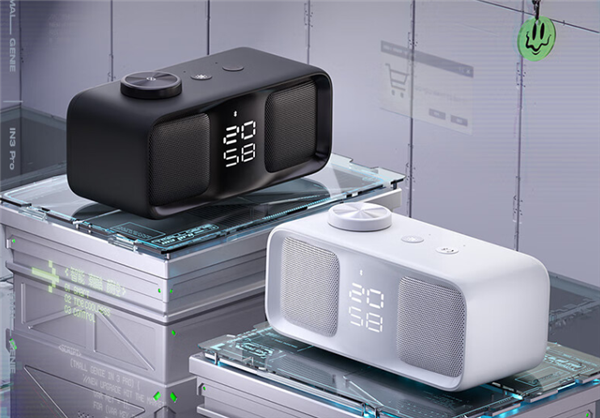
Tmall’s Genie smart speaker brand has unveiled the IN Sugar 3 Pro speaker in China. The new smart speaker sports a retro radio design with its official release slated for May 9.
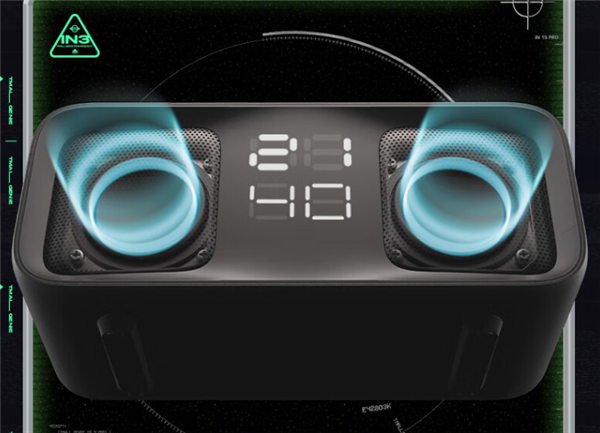
The smart speaker retains the front sound design of the IN Sugar series. It incorporates the mechanical damping knob that gives the gadget a retro styling. The elegant front surface of the speaker changes to form a comfortable arc. The classic black and white color of the smart speaker further accentuates its retro radio look. The black and white color is combined with the matte process of the shell. A screen in the middle of the speaker provides visual information.
The IN Sugar 3 Pro is equipped with two 5W high-fidelity full-range speakers. The sound output is enhanced through the phase-inverted acoustic architecture. The Tmall Genie smart speaker has a 450cc sound chamber and Hi-Fi analog power amplifier. The IN Sugar 3 Pro’s large volume capacity can effectively fill the entire room. You can connect the smart speaker via several connectivity options. It can intelligently control new and old home gadgets through Wi-Fi, infrared remote control, Bluetooth Mesh gateway, and the companion app.
The speaker is equipped with a built-in infrared system that allows for 360-degree omnidirectional infrared emission. This combines with the device’s infrared learning function that integrates connectivity to older home appliances outside the infrared code.
Tmall Genie IN Sugar 3 Pro smart speaker crams a powerful audio in a retro-styled body
The companion app for the smart speaker is the Tmall Genie app. The IN Sugar 3 Pro smart speaker can provide weather updates and several functions using its voice controls. The Tmall Genie Smart Speaker is available from JD.com for 299 yuan (~$43).
Artificial intelligence technologies continue to take the internet by storm. A wide range of individuals, from high school and university students to engineers at tech giants, use these tools for cheating or boosting productivity. However, the extensive use of AI also raises security concerns. Chatbots may potentially leak user information, which has led to some bans. For example, Italy banned ChatGPT a while ago, and the service was unavailable in the country for several days. Samsung has now implemented a similar ban, reportedly prohibiting its employees from using generative AI tools like ChatGPT, Google Bard, and Bing due to security concerns. Here are the details…
Samsung Temporarily Restricts Use of AI Tools After Security Breach
The tension between tech companies and artificial intelligence technologies continues. A while ago, Samsung experienced a data leak as a result of some engineers giving confidential information to ChatGPT. Samsung found the solution in imposing comprehensive bans. The tech giant issued a statement to all employees, announcing the ban on popular generative AI tools, including ChatGPT, Google Bard, and Bing. The bans will be effective starting Monday, and AI tools cannot be accessed using company-owned devices such as computers, tablets, and phones.
However, it would not be entirely accurate to say that Samsung is against artificial intelligence technologies. The company is aware that products like ChatGPT can also be used to escape menial tasks and increase productivity. In its statement on the issue, the company said, “HQ is reviewing security measures to create a secure environment for safely using generative AI to enhance employees’ productivity and efficiency. However, until these measures are prepared, we are temporarily restricting the use of generative AI.”
Unfortunately, ChatGPT and other AI chatbots are a real security concern. With so many people using them, it makes some products more attractive to hackers. That’s why both OpenAI and other developers are continuing their work to address security issues.
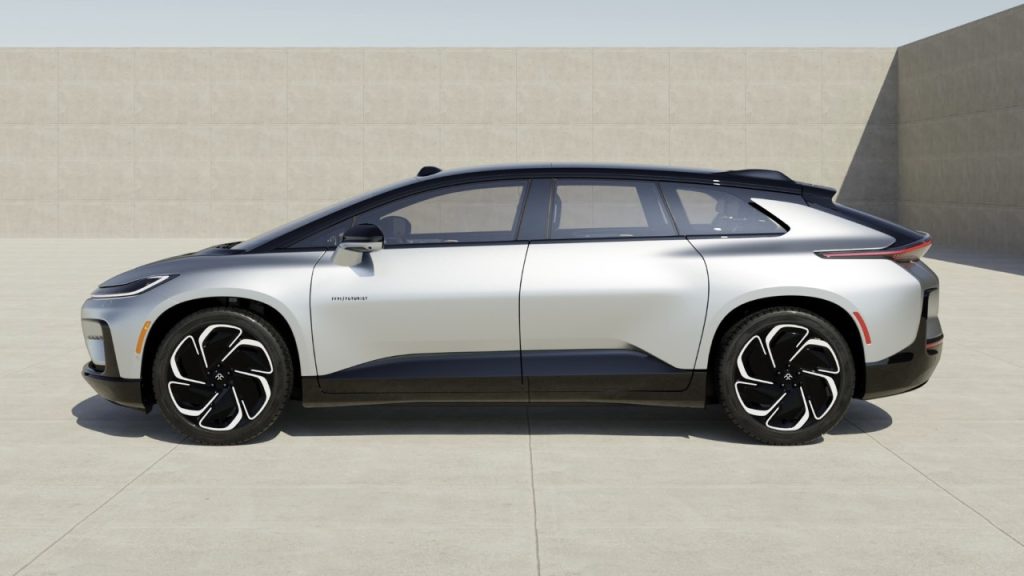
Faraday Future is making significant inroads into the emergent Generative AI technology scene. The company has just announced the Product Stack generative AI offering in the automotive sector. The product stack combines Faraday Future’s industry-leading computing platform and other capabilities in the new product stack. The Product Stack will be integrated in the FF 91, the company’s flagship EV.
The Faraday Future (FF) Generative AI Product Stack has integrated advanced AI capabilities like ChatGPT with the company’s foundational AI architecture. It has freely interfaced with advanced AI offerings from companies like Open AI and Microsoft.
Faraday Future says that the recent advancements in Generative AI have broadened access to the benefits of AI with tremendous improvements in efficiency and time management. The emerging AI technology is having a transformative impact on society and inspiring a new wave of creativity in the automotive industry and beyond.
Faraday Future hopes to expand to further generative AI models that deliver extraordinary abilities to users. It says it has invested heavily in software, AI, and human-machine interaction for a long time. This has placed FF in a unique position to utilize the advances in generative AI in combination with its robust platforms already in place.
The company further states that only the FF 91 combines a powerful computing platform, a robust operating system, internet connectivity, and suitable displays as a foundation for generative AI. The Generative AI Product Stack will empower users to gradually utilize advanced models for personalized in-vehicle applications. These include complex voice and text queries, image and video generation, live translations, stock analysis, and lots more.
Faraday Future says the possibilities of the Product Stack in its automotive products are limitless. The company plans to expand the usage of safe and useful generative AI applications through future updates. The FF 91 is the only Ultimate Intelligent TechLuxury EV with the imprimatur of next-gen disruptive technology It has a massive 1,050hp motor and an EPA-certified range of 381 miles. It goes from 0 to 60mph in just 2.27 seconds.
The competition in the smartphone market is more intense than ever. Manufacturers like Apple, Samsung, Oppo, Huawei, and Xiaomi constantly release new products for different user groups and develop new technologies to stay ahead of their rivals. However, the competition sometimes occurs not only during sales but also behind the scenes. For example, these technology giants often try to outdo each other in court. The most recent case took place in China, where Xiaomi has initiated a request to invalidate Huawei’s panoramic imaging patent. Here are the details…
Xiaomi Initiates a Request for Invalidation of Huawei’s Panoramic Shooting Patent
According to announcement of by China National Intellectual Property Administration (CNIPA), Xiaomi has initiated a request to invalidate Huawei’s panoramic imaging patent. The patent in question, “ZL201380073251.6,” is titled “A method and terminal for obtaining panoramic images. In fact, this development did not come as a surprise to anyone. In February, CNIPA published a notice revealing that Huawei had filed a case against Xiaomi, alleging infringement on four of its patents.
Example panoramic camera patent
The disputed patents include methods and devices for control signaling, feedback systems during carrier aggregation, panoramic image capturing, and a lock screen for mobile terminals. In response, Xiaomi emphasized that both companies were actively negotiating patent licensing and considering mediation to reach an agreement. They believe that intellectual property licensing and cooperation foster innovation and public interest. Xiaomi also highlighted China’s intellectual property protection system, which offers diverse resolution mechanisms, including administrative and judicial mediation.
It seems that negotiations between the two companies have concluded negatively, and they will be taking their dispute to court in the future. We cannot provide direct information about legal processes in China, but it’s worth noting that patent lawsuits tend to be lengthy processes worldwide. As a result, predicting the outcome of this situation is challenging. Keep in mind that relationships between tech companies can be unique, and they might reach an agreement despite the ongoing tension. It remains to be seen how CNIPA will evaluate Xiaomi’s application and whether this incident will escalate into a full-blown legal battle.
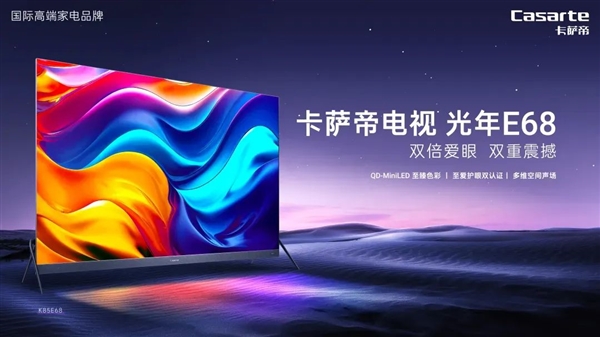
Haier‘s high-end Casarte sub-brand was established in 2007 and has since then continually released premium products including the Casarte hybrid water heater announced recently. The brand has also launched the Light Year E68 Mini LED TV. The smart TV was unveiled at the 2023 China Home Appliances and Consumer Electronics Expo (AWE), is an exciting new addition to the world of home entertainment. The TV boasts Rheinland & CQC eye protection double-certified QD-MiniLED technology, which helps to ensure that users do not harm their eyes while watching TV.
The Casarte Light Year E68 TV features a precise light control which is achieved through the 1+N image quality chip architecture, bringing a comfortable viewing experience. The TV also relies on LR technology to reduce surface reflectivity, and it adopts the “AG+LR” principle to achieve anti-glare and anti-reflection effects.
Haier’s Casarte brand unveils the Light Year E68 Mini LED TV
In addition to these eye protection features, the Casarte Light Year E68 TV has several other impressive specifications. For instance, the TV has a peak brightness that exceeds 1000 nits, and its color gamut is 30% higher than that of ordinary TVs. It also comes with support for 240Hz refresh rate.
As for the sound quality, the TV features a multi-dimensional sound field system that can realize the virtual 5.1 surround sound effect. This means that viewers can enjoy the experience of being in a theater without leaving their homes.
In addition, the smart TV can act as the center of the entire smart home, supporting the interconnection of Haier’s 8,000+ smart home appliances. This means that users can enjoy one-screen management of the whole family.
Finally, the Casarte Light Year E68 TV offers a humanized experience that is designed to make watching TV as enjoyable as possible. The TV can boot up in just 5 seconds, and it features 0 advertisements. This is achieved through the upgrade of the chip and the optimization of the boot loading process.
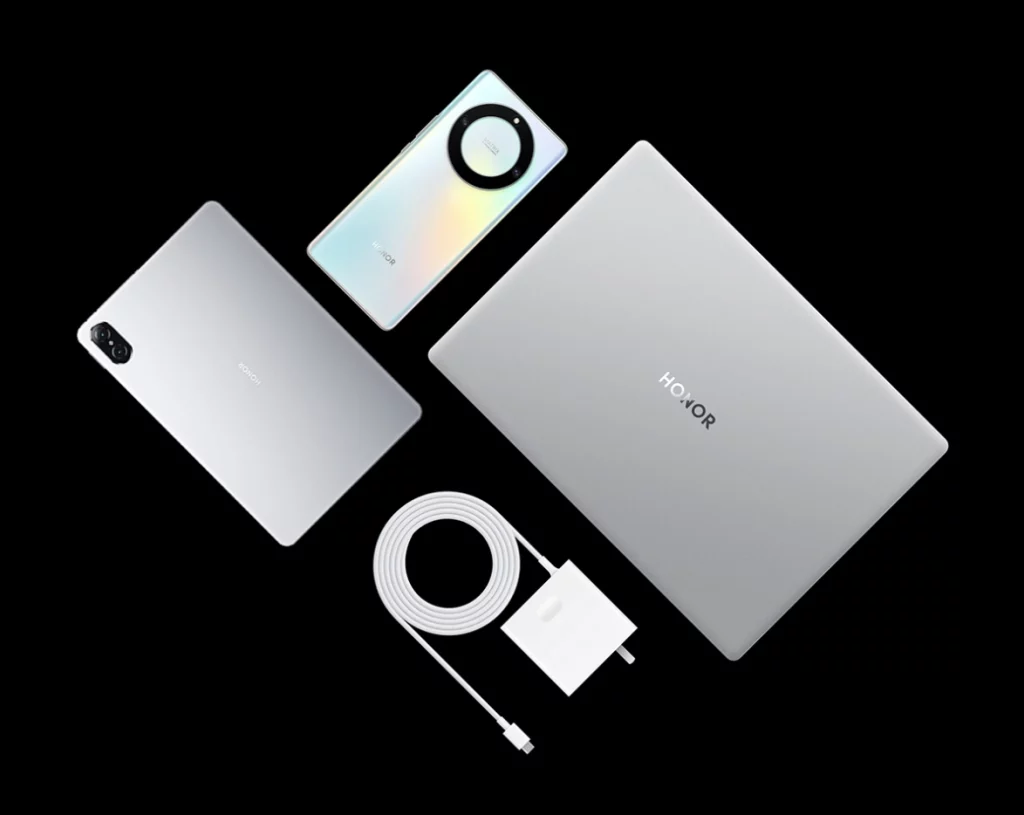
After parting ways with Huawei, Honor has been operating as an independent brand, unaffected by the US embargo. The company is now focused on reclaiming its previous standing in the smartphone market and broadening its product range. As part of this strategy, Honor has prioritized the computer market, launching the MagicBook 14 series at a recent event in China. They have now expanded their offerings in the computer category by introducing a model designed specifically for professionals. Honor has recently revealed their debut business laptop, the MagicBook Z3 14. Here are the details…
Unveiling the Honor MagicBook Z3 14: Specs, Design, and Pricing
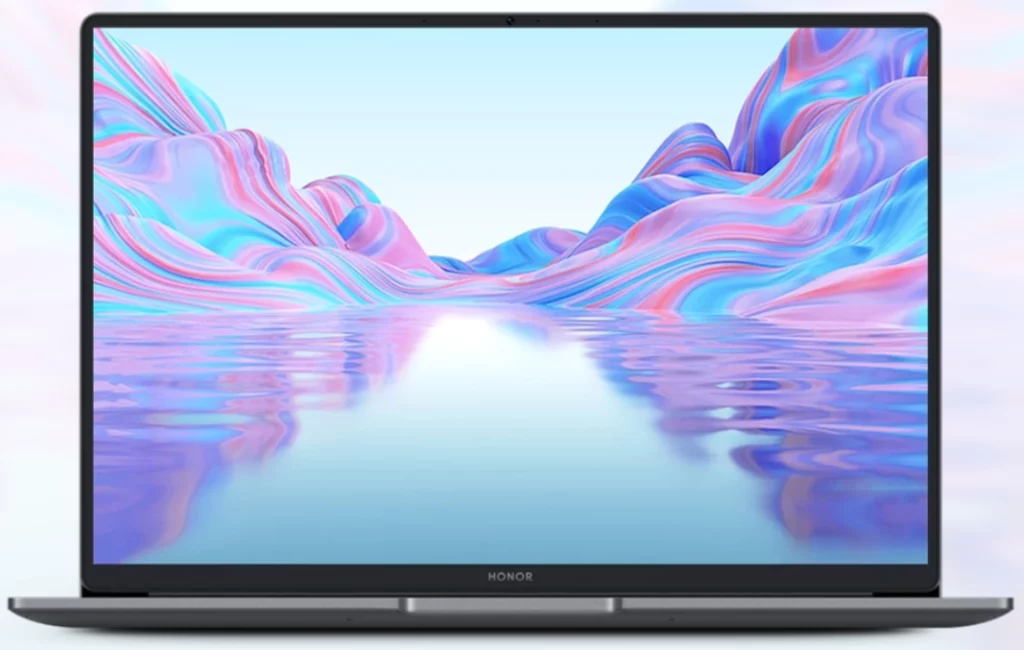
Honor recently unveiled its first-ever business laptop, the MagicBook Z3 14, which comes equipped with impressive specs. The laptop features a 12th generation Intel Core i5-12450H processor, delivering performance up to 40W. It offers 16GB of LPDDR4x 4266MHz dual-channel memory and a 512GB PCIe NVMe SSD, with support for expansion up to 1TB SSD. The MagicBook Z3 14 also has a 14-inch IPS matte display with a resolution of 2240 x 1400 pixels, a 16:10 aspect ratio, 100% sRGB color gamut, and 300 nits brightness.
In terms of design, the Honor MagicBook Z3 14 features an aluminum alloy body, weighing approximately 1.34 kg and measuring 15.9 mm thick. The screen-to-body ratio is an impressive 88%, making for a sleek and modern appearance. The laptop comes with a 60Wh battery, supporting 65W fast charging, which provides up to 9 hours of office battery life according to the official statement. Other features include a fingerprint power button and Honor’s Multi-Screen collaboration for enhanced productivity.
For connectivity, the MagicBook Z3 14 has a versatile array of ports: a full-function USB-C port, two USB-A 3.2 Gen1 ports, a Mini RJ45 Ethernet port, an HDMI port, and a 3.5mm headphone/microphone combo jack. Although Honor has not yet announced the official price of the MagicBook Z3 14 on their website, a blogger revealed that the laptop will retail for 5.199 Yuan (approximately $750). However, we will see if this is true later on.
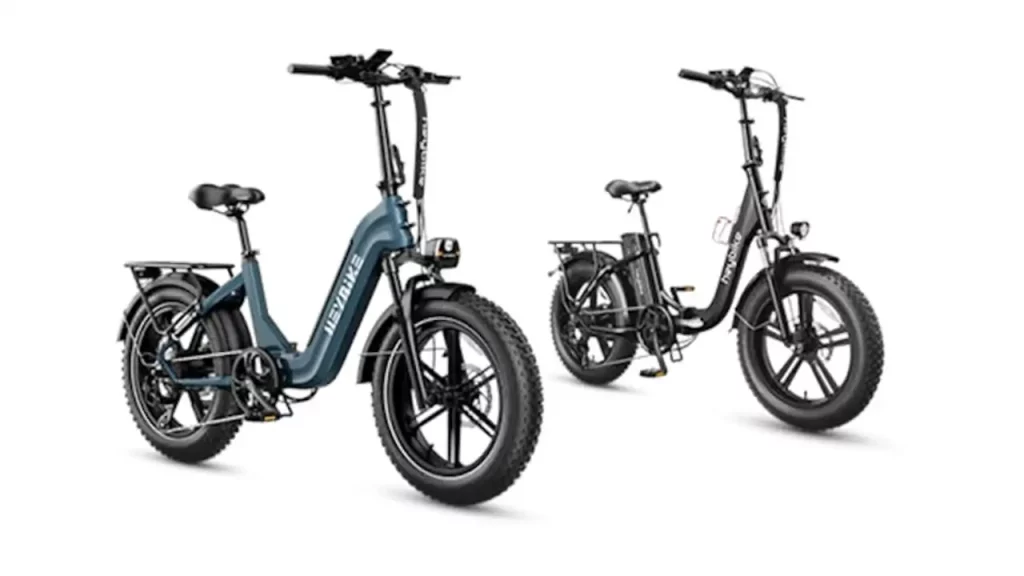
Heybike has launched its latest all-purpose e-bike, the Ranger S. The Heybike Ranger S comes with fat tires and a foldable design suited for both off-road and on-road movement. The Ranger S offers a pedal-assisted riding range of 55 miles (~89km) and reaches a top speed of 28mph (45km/h).
The Heybike Ranger S is designed for tough terrains but it can seamlessly operate in urban roads as well. Its folding frame is ideal for city dwellings with limited space. The e-bike however weighs about 42kg which is pretty heavy for a folding design. The Heybike Ranger S comes with fat tires that make the ride on dirt roads to be as comfortable as it can get. The bike sports a rear hub motor with 750W of power. The e-bike’s motor is ensconced in the solid cast alloy wheel and ensures a more direct power delivery.
Heybike is a budding company in the e-bike segment of the industry but it has continued to deliver affordable and well-equipped offerings so far. The Heybike Ranger S has 4-inch thick tires with a diameter of 20 inches. A suspension fork system supports the bike at the front while hydraulic disc brakes are also featured. The speed rating of the bike puts it as a Class 3 bike in the US.
Heybike’s Ranger S fat-tire folding e-bike is well suited for tough terrains
The Heybike Ranger S folding e-bike has a 7-speed Shimano system and a 68V battery. The Ranger S is retailing in the US for $1,499 and it is expected that it will be available in other markets.
Motorola is one of the most popular Android brands in the US and it has a decent line of smartphones in the country. Expanding its portfolio further, the Lenovo-owned company today announced a new flagship, called Motorola Edge+ 2023 for consumers in the States. It brings the latest Snapdragon 8 Gen 2 processor under the hood and a 6.7-inch AMOLED display. The handset also comes with a promise of 4 years of software updates. Let’s have a closer look at the details.
Motorola Edge+ 2023 Specifications
Motorola Edge+ is not exactly a new device. It is the US version of the Motorola Edge 40 Pro, which debuted in Europe back in April. The smartphone comes with a 6.67-inch AMOLED display that offers an FHD+ resolution, a 165Hz refresh rate, and HDR10+ support. The curved panel features an in-screen fingerprint scanner. It is rated IP68 for dust and water resistance. There’s Gorilla Glass Victus protection on both front and back of the smartphone.
In the rear camera department, the Motorola Edge+ gets a main 1/1.55-inch main 50MP sensor with OIS support, a 1/1.22-inch 50MP ultra-wide-angle lens with a 117-degree FoV, and a 12MP telephoto unit. For selfies, you get a 60MP snapper on the front. It runs Android 13 with Motorola My Ux skin on top. The company promises that Edge+ will get three major Android OS updates and four years of security updates.
Under the hood, the Motorola flagship is equipped with Qualcomm’s latest and greatest Snapdragon 8 Gen 2 processor, paired with 12GB LPDDR5X RAM and 256GB UFS 4.0 storage. It is backed by a 4,600mAh battery unit with support for 125W wired, 15W wireless, and 5W reverse wireless charging.
Price and Availability
The Motorola Edge+ 2023 will be available on Boost Mobile starting May 9. It will then roll out to Spectrum Mobile and Consumer Cellular. If you prefer to buy it unlocked, you can get it from Motorola.com, Best Buy, and Amazon for $799 starting May 25.
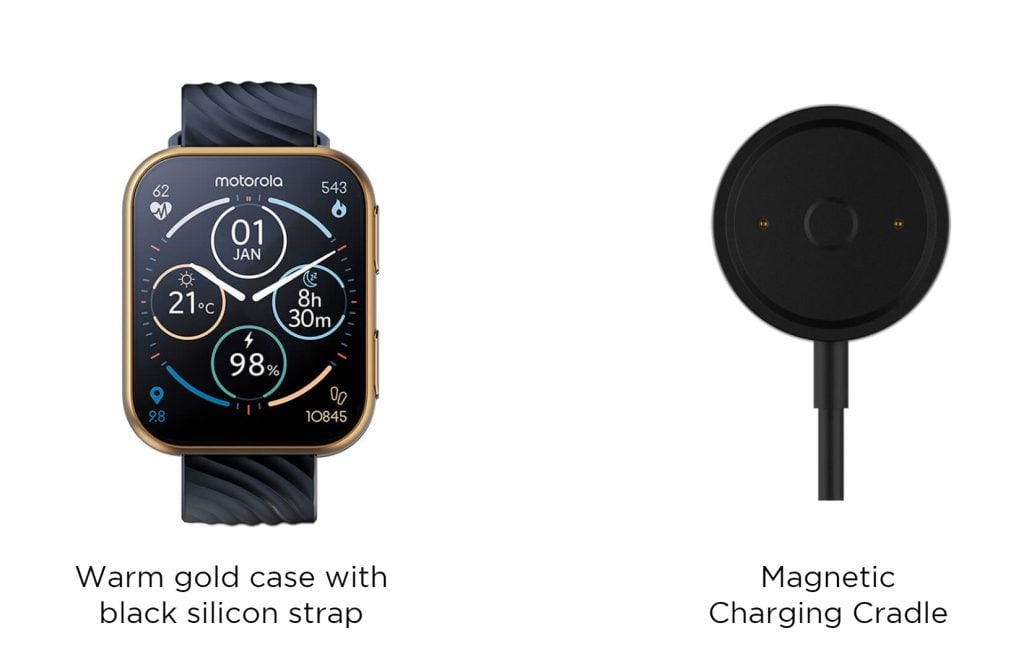
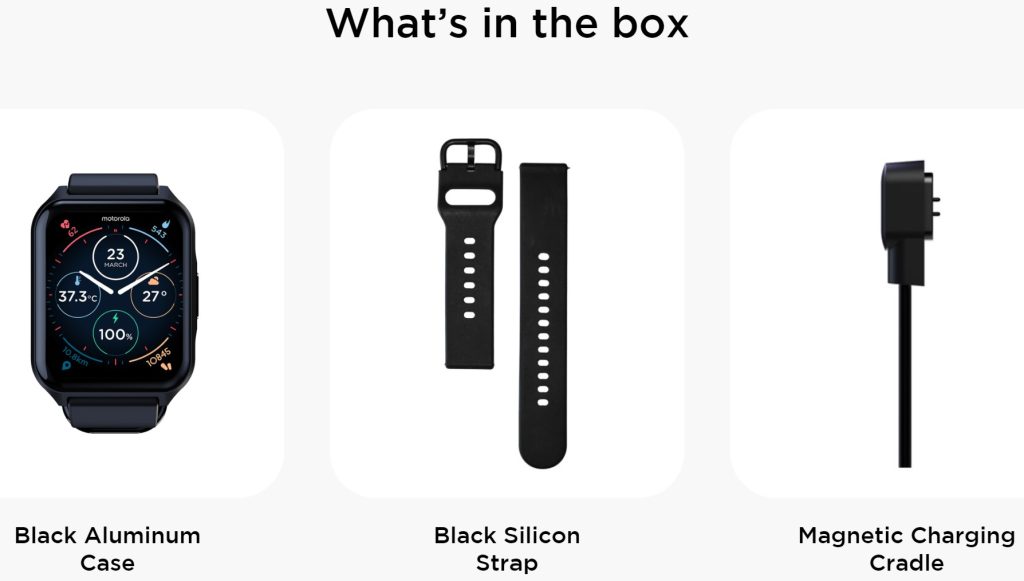
Motorola has officially announced the Moto Watch 70 and Watch 200 smartwatches. This is coming months after the wearable devices were first listed by online retailers. The smartwatches are both feature-packed devices that cater to different types of users. The Moto Watch 200 is the more premium model, while the Moto Watch 70 is an entry-level device that is more affordable.
The Moto Watch 200 has a sleek design with a 1.78-inch AMOLED display packed into a 45mm aluminum case. It is also waterproof, with a 5ATM rating, so users can take it for a swim or use it while showering without worrying about water damage. The watch includes a heart rate monitor, SpO2 meter, accelerometer, and altimetry. It can track over 28 different sports and comes with built-in GPS.
The Moto Watch 200 can sync data with Google Fit and Strava, allowing users to track their fitness goals seamlessly. The device also has a microphone and speaker, which makes it possible to make and receive calls directly from the watch. Under the hood is a 355mAh battery that can last up to 14 days with regular usage. The watch pairs over Bluetooth 5.3 LE to a user’s phone. Additionally, the device features fall detection alerts, which can be particularly useful for the elderly or anyone who might need extra safety precautions.
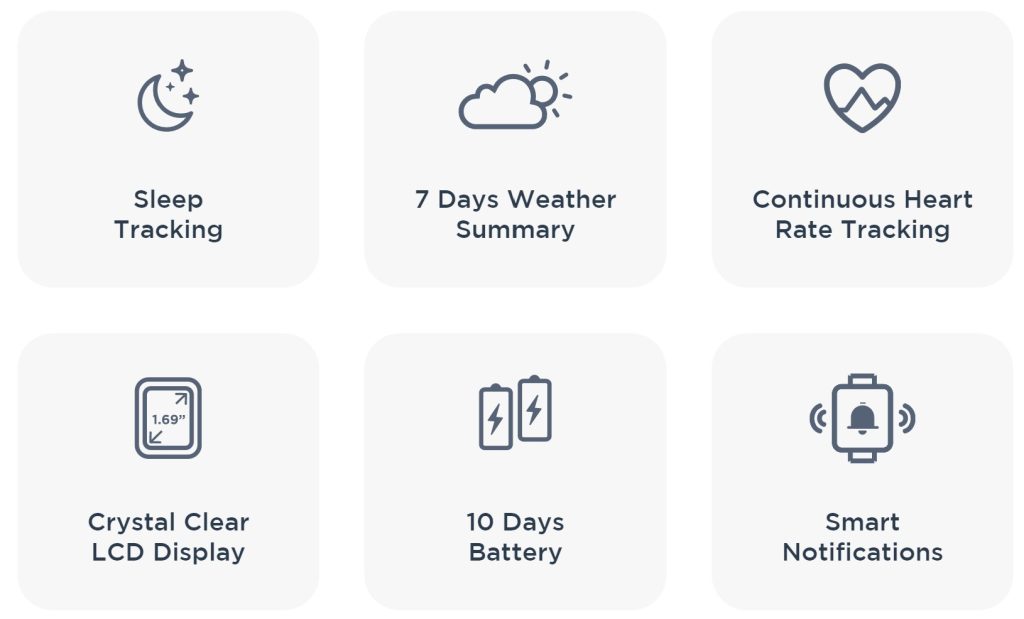
The Moto Watch 70, on the other hand, is a more affordable option that still packs a lot of features. It has a curved 1.69-inch LCD display, making it comfortable to wear and easy to read. The watch is IP67 rated, making it resistant to water and dust, but not quite as waterproof as the Moto Watch 200. The device includes a heart rate monitor and a temperature sensor, allowing users to keep track of their health and well-being. It also offers over 100 watch face options, allowing users to customize their device to suit their style.
The Moto Watch 70 pairs over Bluetooth 5.0 LE and runs on the Moto Watch OS. It has a 355mAh battery that can last up to 10 days with active usage. Although it doesn’t have built-in GPS, it can still track various activities, including steps taken, distance traveled, and calories burned. Overall, the Moto Watch 70 is an excellent option for those who want a reliable smartwatch that doesn’t break the bank.
Moto Watch 200 and Moto Watch 70 official announced but pricing and availability details are still hazy
In terms of availability and pricing, Motorola has yet to announce when the Moto Watch 70 and Moto Watch 200 will be available or how much they will cost.
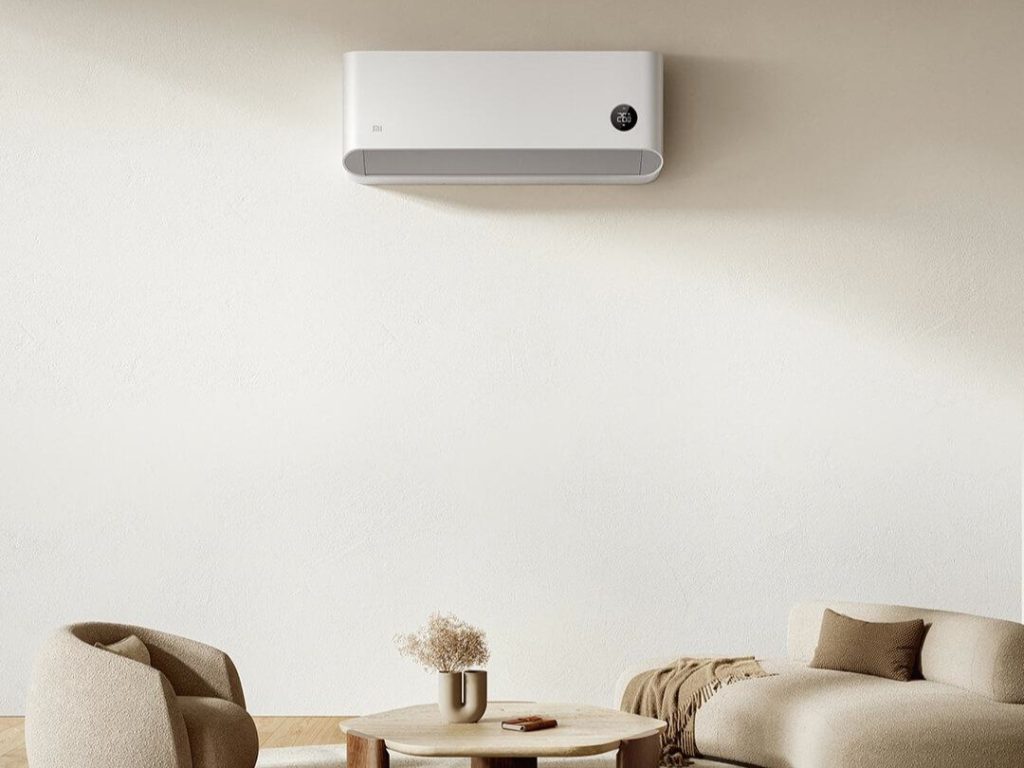
Xiaomi has opened pre-sale of the Roufeng Air Conditioner 1hp. The new Xiaomi air conditioner is energy-efficient and uses a full DC frequency converter. The Xiaomi Roufeng Air Conditioner 1hp is being marketed with an APF rating of up to 5.30 to underscore its credentials.
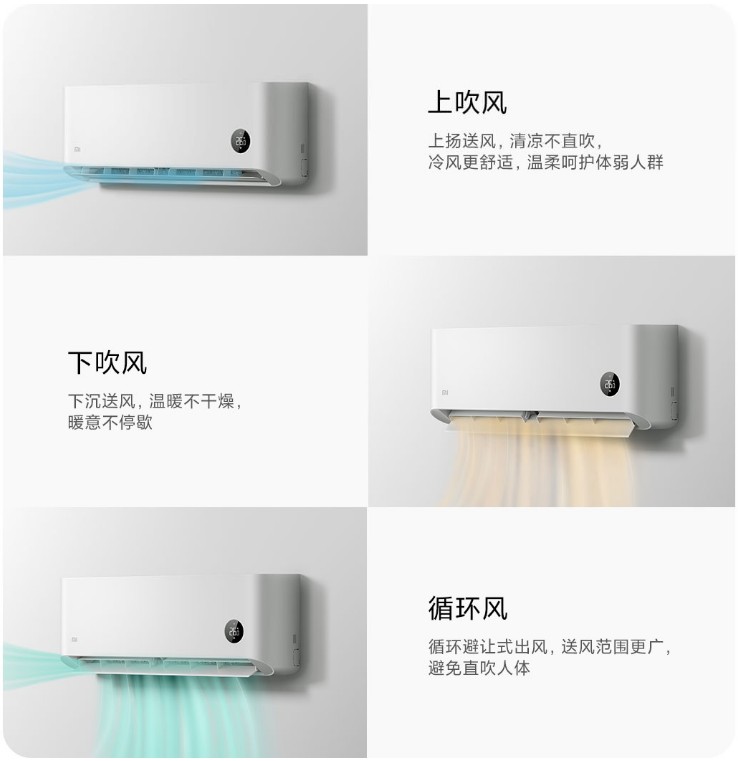
The Xiaomi Roufeng Air Conditioner 1hp is suitable for rooms from 10 to 15 square meters. It offers up to 605W of cooling power and 1,100 W heating power. The air circulation speed of the air conditioner is 650 cubic meters per hour. Its 4.2-inch fan is capable of providing air distribution in various directions. The air conditioner can rapidly heat or cool a room and also offers humidity adjustment. It features a light sensor that intelligently adjusts the settings to match the lighting in the room.
The Xiaomi Roufeng Air Conditioner 1hp can be remotely controlled using the Mi app or Xiao AI voice commands. You can control the temperature, set schedules and deliver OTP updates on the smart air conditioner using the app. The air conditioner has a built-in LED display that provides information on the temperature and status of the gadget. The air conditioner measures 33.1 x 12.2 x 7.9 inches and is offered in a white colorway.
Xiaomi’s sleek and powerful Roufeng Air Conditioner 1hp will keep you cool all summer
The Xiaomi Roufeng Air Conditioner 1hp can be pre-ordered for 2,099 yuan (~$304) with a 100 yuan (~$14) deposit. The original price of the air conditioner is 2,599 yuan (~$376) but it is unclear when it will be available in other markets.
In March, Huawei hosted a significant event in China, during which it unveiled a range of products. Among them were the P60 series, the MatePad 11 (2023), and the FreeBuds 5 TWS earbuds. Recent reports indicate that the company is now preparing to hold another major event in its home country to announce the refreshed 2023 lineup of devices, which includes the MatePad Air, MateBook E, and the MateBook. Here are the details.
Another Big Huawei Launch event seems Near
A Chinese tipster claims on Weibo that Huawei is preparing to host a launch event around May 17, where it will unveil several new products. The brand may introduce the new MatePad Air, Watch 4 series, Matebook E 2023, and Matebook X Pro 2023. However, there’s no official confirmation yet so we suggest you take the info with a pinch of salt.
The MatePad Air is expected to be a new lightweight tablet from the brand. Huawei Centralrecently spotted the slate on a certification website with DBY2-AL00, DBY2Z-AL00, and DBY2-W00 model numbers. It is said to come in both Wi-Fi and LTE variants and pack a large 8200mAh battery. Also launching will be the Watch 4 series, which should include the Watch 4 and Watch 4 Pro. The new wearables are rumored to flaunt a new Zircon material and satellite connectivity.
Further, the Huawei MateBook E 2023 is likely to be the successor to the two-in-one device of the same name. The convertible laptop was launched in 2021 with a portable design and 12.6-inch display. It gets Intel’s 11th Generation Core i7 with Intel Iris X graphics. The tipster has also mentioned the MateBook 2023 but we don’t know much about it at the moment.
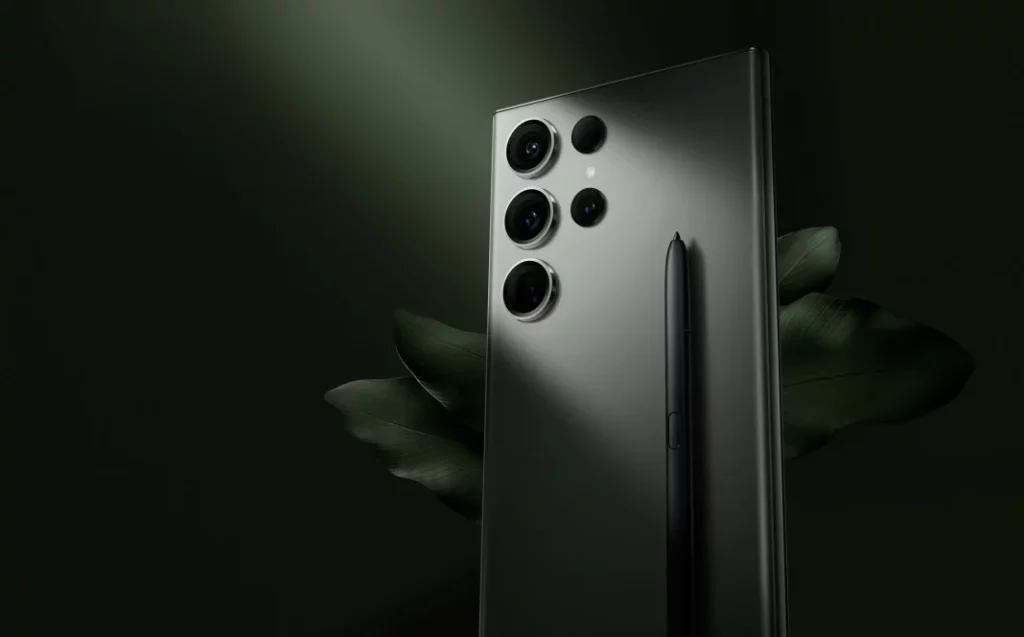
With a 200MP primary sensor on the back, the Samsung Galaxy S23 Ultra has debuted as one of the best camera phones on the market. The handset has received praise from users and reviewers alike for its impressive imaging capabilities, and Samsung has further improved its cameras with software updates. However, according to a tipster, the brand now wants to bring improvements to the S23 Ultra’s low-light imaging with an upcoming update. Here are the details.
Galaxy S23 Ultra could soon get Another major Camera Update
Samsung has recently rolled out a significant camera-improving update for the Galaxy S23, S23 Plus, and S23 Ultra. This update brings changes to the autofocus algorithm, resulting in faster photography. Furthermore, the gallery now features a new function that enables users to delete photos instantly. Additionally, the update enhances the ultra-wide camera photography by improving sharpness and introducing a notification when shooting in low light with the ultrawide lens.
Renowned tipster Ice Universe claims that Samsung is planning to release another update, primarily focusing on the Galaxy S23 Ultra, to enhance its low-light performance. While the exact nature of these improvements and the release date remain undisclosed, it is anticipated that Samsung will address these enhancements alongside the May 2023 security patch, expected to roll out this month.
Recently, the same tipster shared that Samsung is planning to address the HDR issue present in the Galaxy S23 Ultra’s camera. This issue has been causing a halo effect and abnormal contour around objects. We assume the Korean company intends to combine both the low-light performance enhancements and the fix for the HDR issue in a single OTA update.
We use cookies on our website to give you the most relevant experience by remembering your preferences and repeat visits. By clicking “Accept”, you consent to the use of ALL the cookies.
This website uses cookies to improve your experience while you navigate through the website. Out of these, the cookies that are categorized as necessary are stored on your browser as they are essential for the working of basic functionalities of the website. We also use third-party cookies that help us analyze and understand how you use this website. These cookies will be stored in your browser only with your consent. You also have the option to opt-out of these cookies. But opting out of some of these cookies may affect your browsing experience.
Necessary cookies are absolutely essential for the website to function properly. This category only includes cookies that ensures basic functionalities and security features of the website. These cookies do not store any personal information.
Any cookies that may not be particularly necessary for the website to function and is used specifically to collect user personal data via analytics, ads, other embedded contents are termed as non-necessary cookies. It is mandatory to procure user consent prior to running these cookies on your website.