Advertisement

Google Identifies Malware in Popular Chinese E-Commerce Giant Pinduoduo’s Apps

Google has flagged several apps made by Pinduoduo, a Chinese e-commerce giant with almost 800 million active users, as malware. The apps were found to contain malicious code that could monitor users, according to multiple Chinese security researchers. The company’s official app has been suspended from the Google Play Store while Google investigates the matter further.

Pinduoduo

An anonymous security researcher analyzed the apps and found that they were exploiting several zero-day vulnerabilities to hack users. The malicious apps were not available on Google Play but were found in the custom app stores of major phone manufacturers such as Samsung, Huawei, Oppo, and Xiaomi.

Google has set Google Play Protect to block users from installing malicious apps and to warn those who have them installed to uninstall them. Ed Fernandez, a Google spokesperson, said, “off-Play versions of this app that have been found to contain malware have been enforced on via Google Play Protect.”

It is important to note that Google Play is not available in China, which is why the malicious apps were not found on the Google Play Store. However, the fact that they were present in the custom app stores of major phone manufacturers raises concerns about their security protocols and screening processes.

Pinduoduo has not responded to requests for comment on the matter. The incident highlights the ongoing threat of malware and the importance of downloading apps only from trusted sources. Users should exercise caution when downloading apps from unknown sources and should ensure that their devices have appropriate security measures in place to protect against malware and other cyber threats.

RELATED:

(Source)

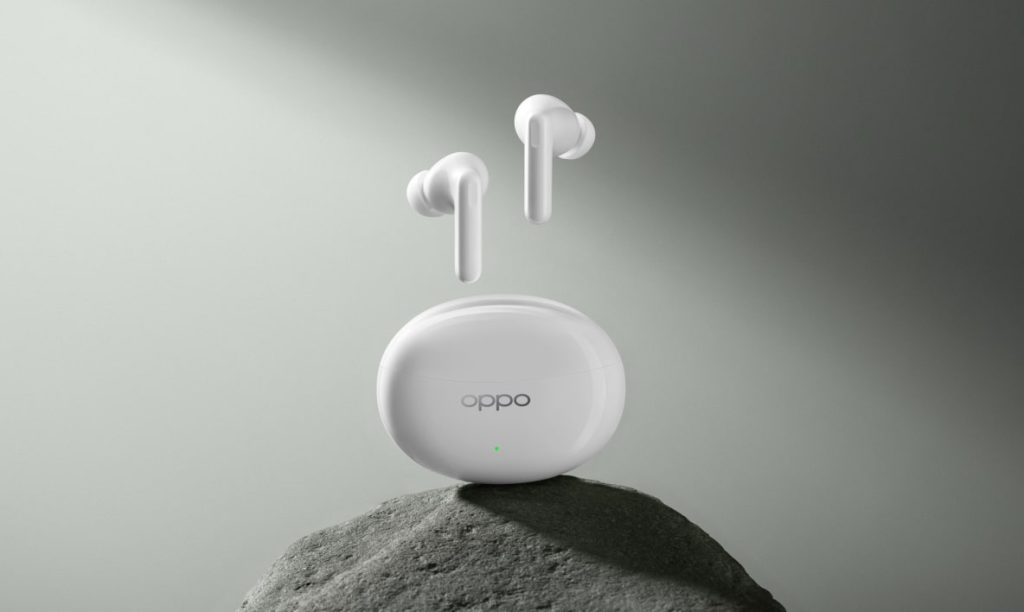
Oppo Enco Free 3 launched with bamboo fiber drivers, self-developed spacial audio, and more

At the Oppo Find X6 series launch event, the company also announced Oppo Pad 2 tablet and Oppo Enco Free 3 truly wireless earphones. We have already covered the former product. Hence, let’s check out the latter device in this article.

The latest TWS from Oppo looks any another pair of wireless earbuds. However, it is unique as it features drivers made of a different material. Otherwise, you get a similar set of features.

Oppo Enco Free 3

Oppo Enco Free 3 Specifications

The Oppo Enco Free 3 looks like its predecessors in terms of design. In other words, the earbuds are Apple AirPods-like, whereas the charging case is ovular.

The main highlight of these buds is that they house 12.4mm drivers made of bamboo fiber. In fact, this product is the world’s TWS to use such a type of driver.

The earbuds connect via Bluetooth 5.3. They support multiple codecs, such as LDAC, LC3, AAC, and SBC.

The Hi-Res Audio Wireless-certified earbuds offer a spatial audio feature developed in-house by Oppo. There’s also support for up to 49dB ANC (Active Noise Cancellation) and 47ms low latency mode for gaming.

Oppo Enco Free 3

The buds come with touch gesture controls. They also carry support for multi-device connection functionality.

The IP55 earbuds can last up to 7 hours on a full charge. With the charging case, this number can go up to 30 hours. It is worth noting that this endurance data is for AAC encoding with ANC turned off.

Oppo Enco Free 3 Price and Availability

The Oppo Enco Free 3 is priced at ¥499 (~$75) in China, It is up for pre-order at a special price of ¥449 (~$65). It will be shipping to customers from April 3.

The product can be availed in either Bamboo Shadow Green or Blue Frost White color options.

RELATED:

Windows 11 on Surface Duo Project Receives Major Update Focused on Surface Slim Pen

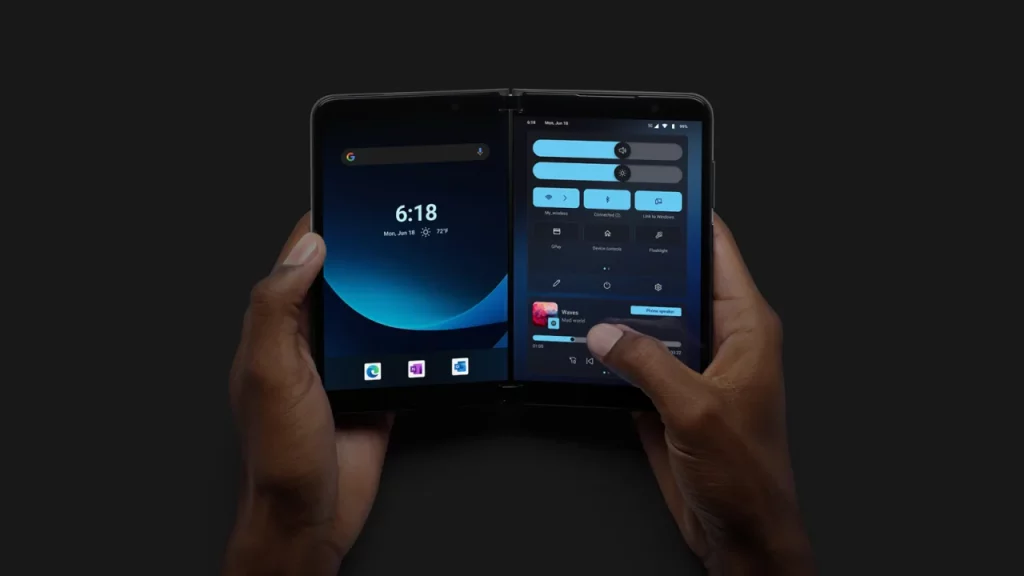
Windows is one of the most popular operating systems in the world. Unfortunately, this popularity is limited to computers only. The company tried its luck in the smartphone market with Windows Mobile a few years ago but failed to achieve the desired success. However, there is an unofficial method for Surface Duo users to experience Windows on their devices. Most recently, the Windows 11 on Surface Duo project received an update focusing on the Surface Slim Pen. Here are the details…

Windows 11 on Surface Duo Project Received an Update

The Windows 11 on Surface Duo project has just released an update to version 2303.64. This update focuses on enhancing the compatibility and functionality of the Surface Slim Pen, as well as introducing DisplayPort support via USB-C. Despite the fact that Microsoft doesn’t manufacture a mobile device running Windows 11, tech enthusiasts have managed to force the PC operating system onto the Surface Duo. This project has been in development for over a year, and the latest update brings several exciting features for those willing to take the plunge. Key Features in the Update:

  • Surface Slim Pen charger updates: Users can now update the Surface Slim Pen charger by plugging it into the Surface Duo using a USB-C to C cable. This is necessary for the Surface Slim Pen 2 to charge in the cradle, provided the cradle is running the latest available firmware.
  • Enhanced Surface Slim Pen pairing: Placing the Surface Slim Pen into a connected charging cradle will automatically pair it with the Surface Duo, while removing it will automatically wake up the device.
  • Firmware updates for Surface Slim Pen 2: The pen will automatically update its firmware once connected to the device.
  • Shared touch drivers: Touch drivers are now shared between both devices, allowing for seamless interaction.
  • OTG device compatibility: Users can now use OTG devices effortlessly.
  • Charging improvements: Charging is back in this release, without the previous Blue Screen of Death (BSOD) issues.
  • Work in progress (WIP) updates: Improved calibration for pens and touch, DisplayPort support via USB-C, updated camera drivers, and an updated sensor driver for the Geomagnetic Orientation sensor.

While the Surface Duo is not intended to run Windows 11, those brave and tech-savvy enough to experiment with the PC operating system on the mobile device will enjoy a unique mobile experience. However, users should be aware that they may encounter bugs and limitations due to the unconventional setup.

For those who prefer to use the Surface Duo with Android as Microsoft intended, our Managing Editor Richard Devine recently reviewed the Surface Duo 2. He found that while the device wasn’t ideal as a phone, it made for an enjoyable tablet experience. Many of the pros and cons of the Surface Duo 2 also apply to the original Surface Duo.

RELATED:

(via)

Xiaomi launches new MIJIA Air Purified in China with 99% Virus removal

Earlier this week, we had reported on Xiaomi gearing up to launch the new MIJIA Full-Effect Air Purifier in China. Now, the company has officially released this smart home product, which promises to offer great air purification thanks to its advanced technology.

Xiaomi

The new air purifier from the Chinese tech giant is a high end model that houses a four leaf clover design. This not only servers aesthetic functions, but also improves upon its functionality as well. The MIJIA Full-Effect Air Purifier is equipped with five sensors and an EBM DC fan, which enables it to out put 12,500L per minute in air volume.

Furthermore, it also has a 7 layer purification system that includes a primary filter, a durable filter, high energy plasma field, carbon array, aldehyde filter, UV module, and even a self cleaning filter. Thanks to this multi layer system, it can purify 90m² space in just 17 minutes. The brand also promises removal of 99.99 percent of all viruses and a 99.05 percent formaldehyde removal rate.

Xiaomi

When it is active, it only outputs 30.7 decibels in sound, which means it can run in your room when you are sleeping. On the front, there is also a small screen that displays all the key information. Xiaomi announced the new MIJIA Air Purifier earlier today (21st March 2023) in China for a starting price tag of just 3,699 Yuan (roughly 538 US Dollars). The first sale of the new air purifier will start from the 31st of this month.

RELATED:

Lenovo’s New Automatic Handwash Dispenser: Safe, Efficient, and Elegant

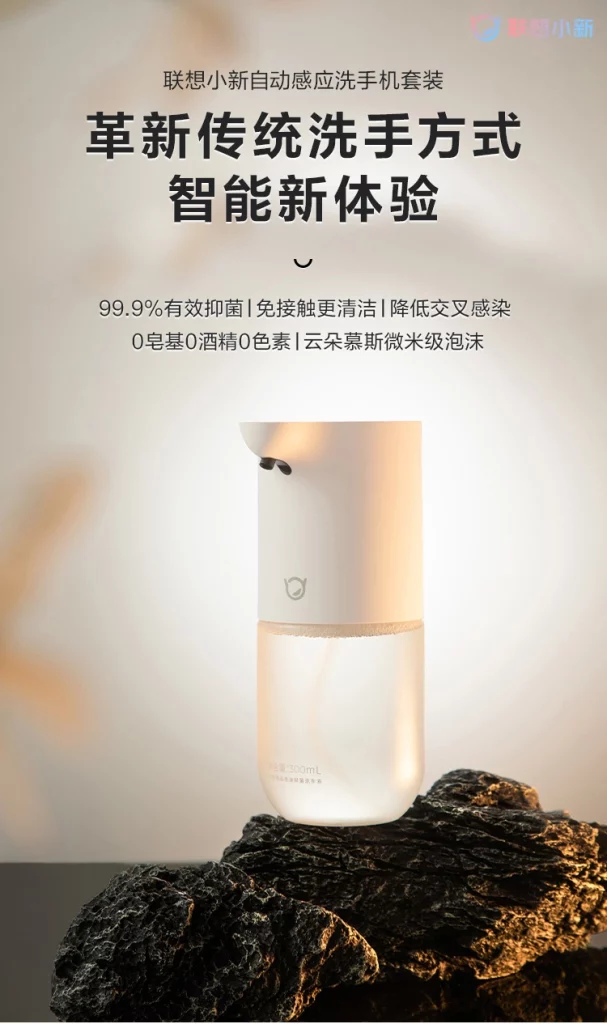
Lenovo has recently launched a new product on its crowd-testing platform – the Simpleway Automatic Soap Dispenser. The company is offering a free trial of the product to its customers. This innovative product combines advanced technology with traditional skin care practices to deliver a healthier, more convenient, more intelligent, and more economical user experience.

Lenovo Automatic Handwash Dispenser

Made with high-quality PPP material, this soap dispenser features infrared induction technology that produces a cloud-like, dense, and creamy foam within 0.4 seconds of reaching out for soap. Its gentle and carefully researched formula contains zero soap bases, zero alcohol, and zero pigments, making it a safe and effective option for users. It can effectively suppress 99.9% of bacteria, including E. coli, Staphylococcus aureus, and Candida albicans.

What’s more, the dispenser is designed with a large 300ml capacity and has an IPX4 waterproof rating, making it suitable for use in bathrooms and kitchens. It also boasts an incredibly long standby time of up to 8 months, thanks to its low power consumption and energy-saving features.

Lenovo Automatic Handwash Dispenser

This new product from Lenovo combines intelligent technology with traditional skin care practices, delivering a high-quality and elegant hand-washing experience for users. Its visually appealing curved surfaces and colorful design make it the perfect addition to any bathroom or kitchen, while its advanced technology ensures that users can wash their hands safely and effectively, with 99.9% germ-killing efficacy.

Overall, the Lenovo Simpleway Automatic Handwash Dispenser is an excellent addition to the market for those looking for a safe, convenient, and cost-effective way to maintain proper hand hygiene. Its combination of advanced technology, gentle formula, and sleek design makes it a standout product in the industry.

RELATED:

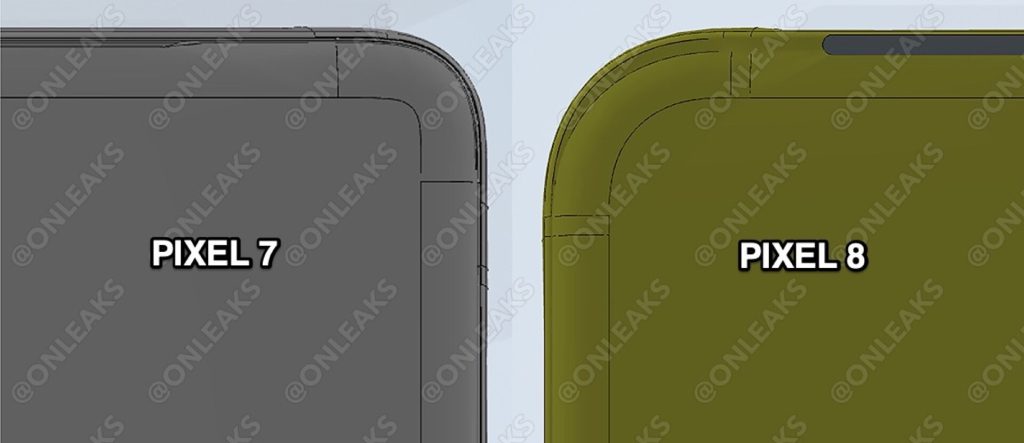
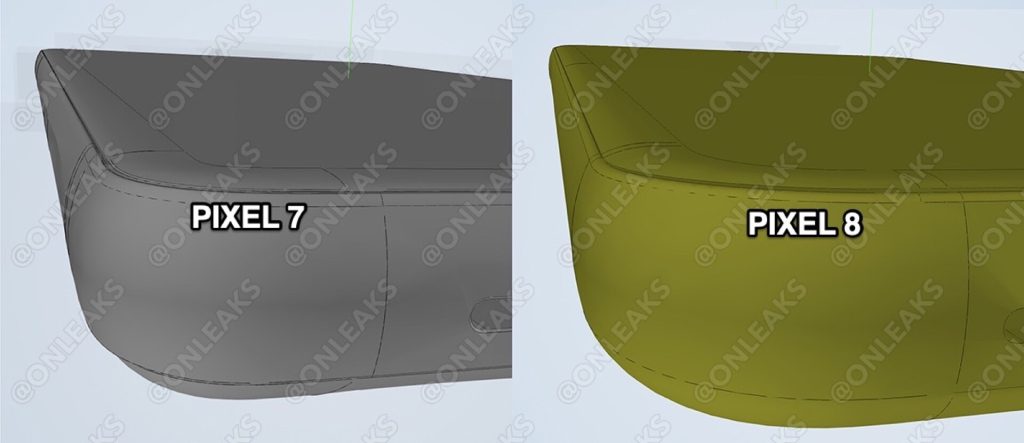
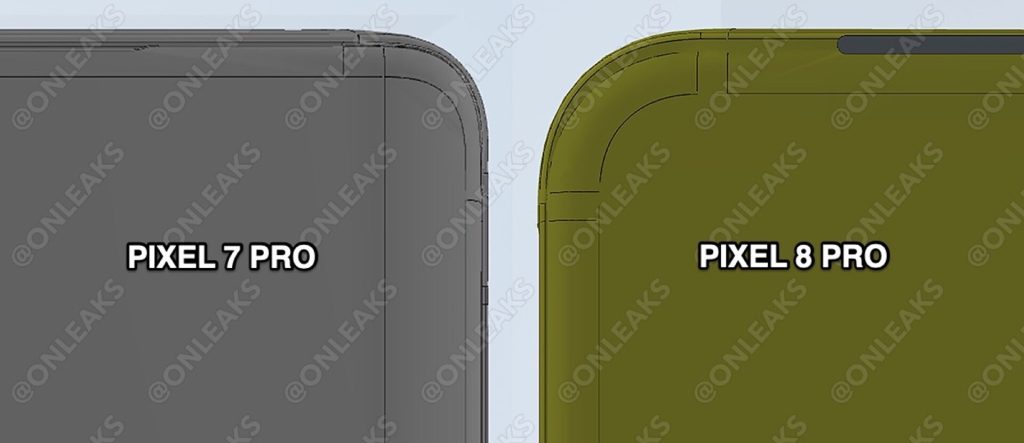
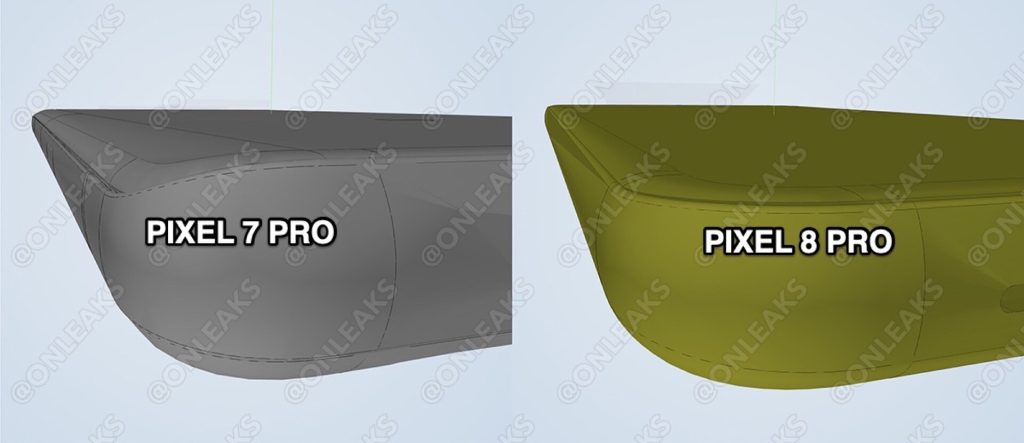
Google Pixel 8 series design compared to Pixel 7 series in latest leaked renders

When it comes to their smartphones, Google is quite bad at keeping secrets. The upcoming Pixel 7a recently emerged on eBay revealing its design, while popular tipster OnLeaks revealed 5K renders of the upcoming Pixel 8, and Pixel 8 Pro. It is worth noting that Google will likely be launching the Pixel 8 series in Autumn. Considering we are still in Spring, there is quite some time left in the official announcement.

Now, OnLeaks has shared a close-up renders of both the Pixel 8 and Pixel 8 Pro, comparing their designs to the Pixel 7 series devices. Upon comparison of photos, it is evident that the Pixel 8 has a wider corner radius than the Pixel 7, resulting in a rounder appearance that is closer to the Pixel 5. Although slightly thicker at 0.2mm, the Pixel 8 has a smaller overall footprint of 150.5 x 70.8 x 8.9mm compared to the Pixel 7 at 155.6 x 73.2 x 8.7mm.

Similarly, the Pixel 8 Pro also boasts a more prominent corner radius than its predecessor, the Pixel 7 Pro. However, the curved display of the Pixel 7 Pro creates an illusion of thinner display bezels, while also contributing to a thinner frame. It is worth noting that both the Pixel 8 and Pixel 8 Pro are expected to utilize the Tensor G3, which has been subject to separate leaks.

There is speculation that the Pixel 8 series will be equipped with staggered HDR technology, enabling the capture of both short and long exposure scenes simultaneously. Additionally, the Pro model is rumored to feature an ultrasonic in-display fingerprint scanner.

RELATED:

(via)

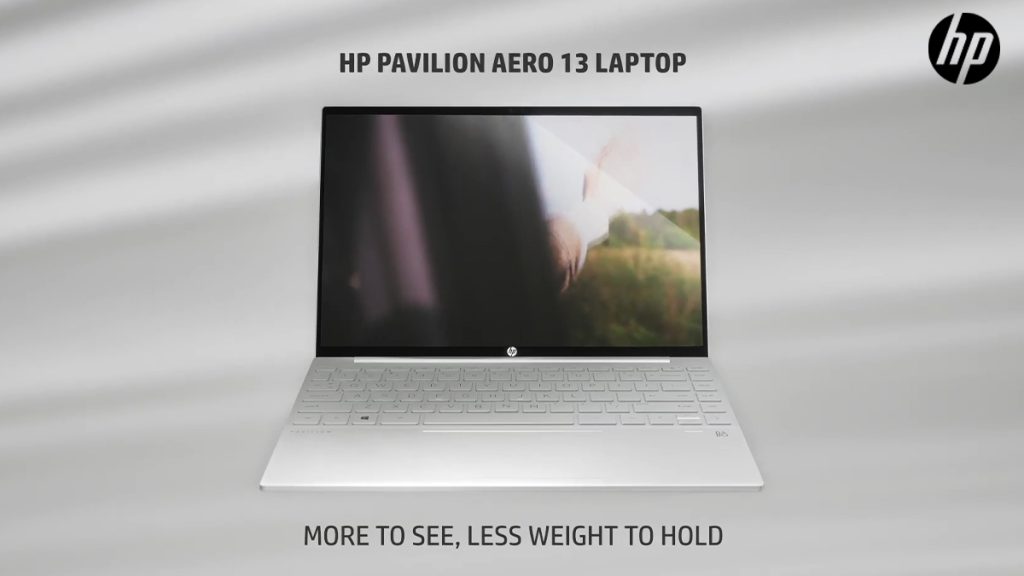
HP Pavilion Aero 13 laptop Launched with 2.5K Display & Ryzen 7000 CPUs

The new HP Pavilion Aero 13 laptop has just been launched in the Indian market. The new notebook arrives with a thin and light design and some capable specs and features. So let’s have a look.

HP

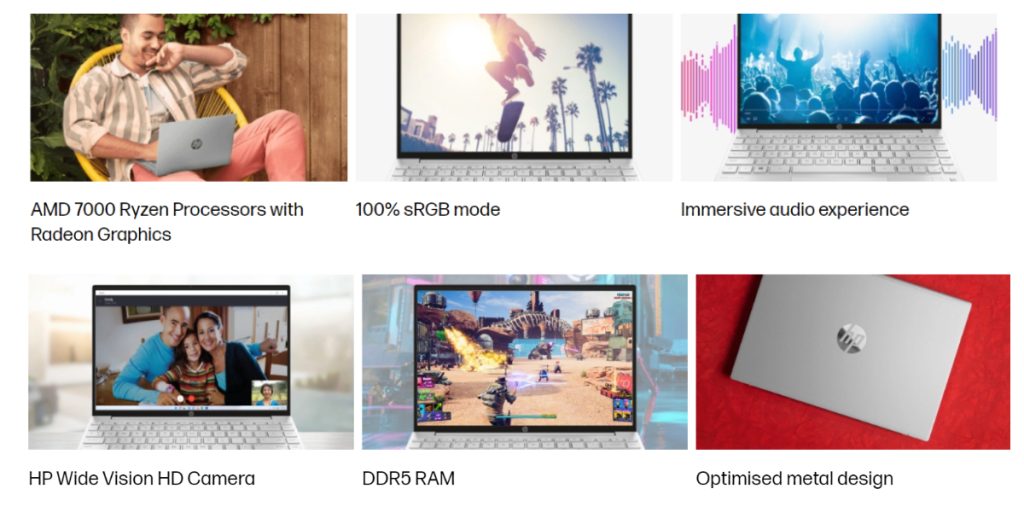
The known PC maker has just released its latest iteration of the Aero 13 model. The new laptop is a thin and light notebook that is built for people that are working remotely. As the name suggests, it sports a 13.3 inch display that has a 2.5K resolution for crisp visuals, with the panel being surrounded by narrow bezels on all four sides and 100 percent sRGB color gamut. The display is also a flicker free panel.

Apart from simply being thin and light, HP also built the Aero 13 using Post-Consumer Recycled and Ocean-Bound Plastics along with water-based paint to reduce VOC emissions. Despite its compact form factor, the Aero 13 houses some capable hardware. Under the hood, the laptop is equipped with AMD Ryzen 7000 series processors (the 8 cores & 16 threads Ryzen 7 7735U or the 6 cores & 12 threads Ryzen 5 7535U) that are paired with Radeon graphics. Furthermore, it also feature AI noise removal for clearer voice calls for working professionals.

HP

Other notable features include, the HP Pavilion Aero 13 features WiFi 6, 10.5 hours of battery life, 16:10 aspect ratio, just 970 grams in weight, 16GB of DDR5 3200MHz RAM, 512GB SSD, and dual speaker setup from B&O. The laptop is available in four color options, namely Rose Pale Gold, Warm Gold, and Natural Silver and has gone on sale for a starting price tag of 72,999 INR from HP exclusive stores and major e-commerce websites.

RELATED:

RTX 4060 & 4070 Memory Configurations Confirmed by Gigabyte’s App

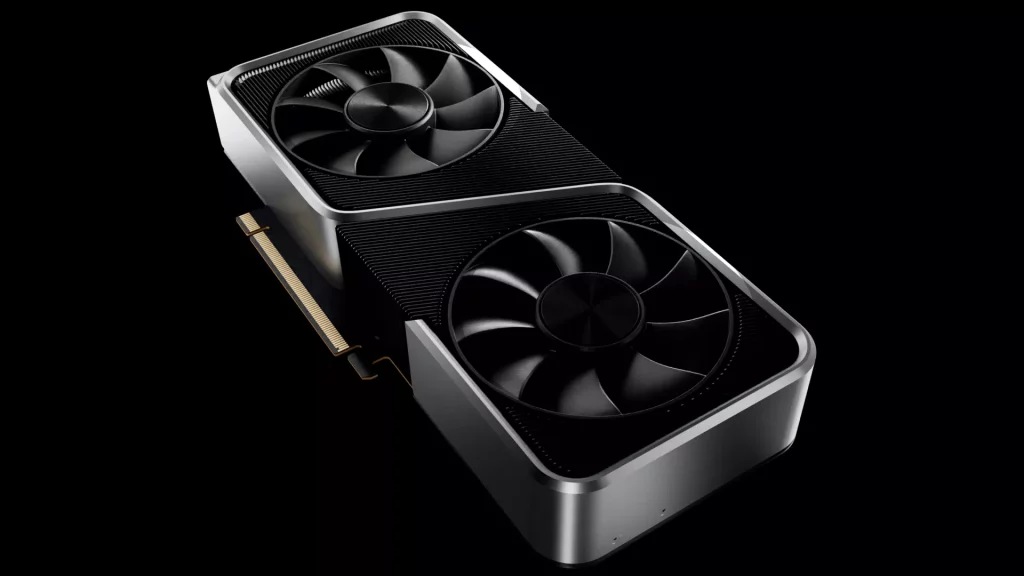
According to Gigabyte’s Control Center software, the upcoming Nvidia GeForce RTX 4060 and GeForce RTX 4070 graphics cards will have 8GB and 12GB of memory, respectively. While the memory type is not confirmed, rumors suggest that the 4070 will have GDDR6X memory while the 4060 will have regular GDDR6 memory. The latest version of Gigabyte‘s Control Center app, version 23.03.02.01, now supports the Gigabyte RTX 4070 Aero OC 12GB (GV-N4070AERO OC-12G) and the Gigabyte RTX 4060 Gaming OC 8GB (GV-N4060GAMING OC-8GD) products, revealing their memory capacities.

RTX 4070

The GeForce RTX 4070 is expected to have the same 192-bit 12GB GDDR6X memory subsystem as the GeForce RTX 4070 Ti, but with fewer active CUDA cores. It is unclear how well the GeForce RTX 4070 will perform as a graphics card, but it is expected to be priced lower than the 4070 Ti.

On the other hand, the 8GB of GDDR6 memory on the GeForce RTX 4060 is considered a downgrade from the GeForce RTX 3060, which carries 12GB of GDDR6 memory. This is due to the AD107 and AD106 graphics processors that power the RTX 4060 and RTX 4060 Ti products, which only have a 128-bit memory interface, making it only possible to use 8GB or 16GB of memory.

The price and release date for the GeForce RTX 4070 and 4060 are still uncertain. The GeForce RTX 4070 is expected to be released on April 13, 2023, with pricing still unknown. For the GeForce RTX 4060, it is unclear when it will be released and at what price. Given that the outgoing 3060 and 3060 Ti are priced at $329 and $399, respectively, the highest price most potential buyers would be willing to consider for the 4060 would be around $499.

RELATED:

(Via)

Oppo Find X6 series launched with 1-inch camera, new design, and more

The Oppo Find X6 series is finally here after multiple teasers and leaks in the last few weeks. As expected, the lineup consists of two models, namely Oppo Find X6 and Oppo Find X6 Pro.

The Pro model gets all the shiny new features, including a Qualcomm Snapdragon 8 Gen 2 chipset and a 1-inch primary camera. Whereas, the vanilla model comes with a MediaTek Dimensity 9200 chip and slightly inferior cameras.

Let’s check out all the features offered by these new premium smartphones from Oppo.

OPPO FIND X6 Pro Review 06
Oppo Find X6 Pro

Oppo Find X6 Series Specifications

The Oppo Find X6 series adopts a new design. The company has moved on from the design used by it for the last two years.

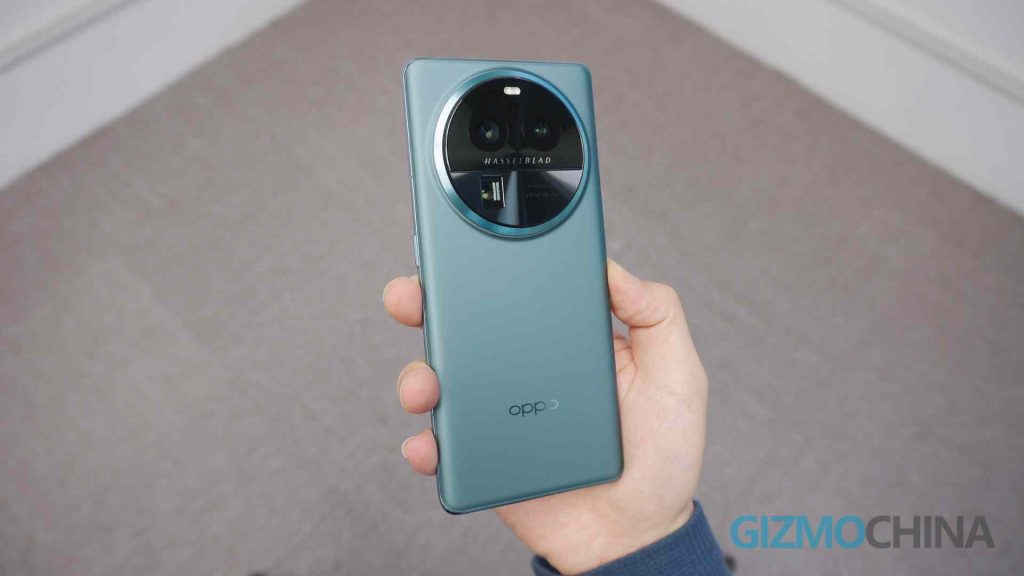
The camera module has now moved to the center and mimics a giant ‘Oreo’ cookie. The phones retain curved displays, and therefore, their frames are not flat like most handsets on the market.

The vanilla variant is built around a 6.74-inch display, while the Pro version sports a larger 6.82-inch screen. Both are 10-bit OLED panels but their specs are different.

The canvas on the Find X6 comes with a resolution of 2772 x 1240 pixels, a 40Hz-120Hz refresh rate, and 1,400 nits peak brightness. On the other hand, the display on the Find X6 Pro not only comes with a better resolution at 3,168 x 1,440 pixels but also a 1Hz-120Hz refresh rate and a whopping 2,500 nits of local peak brightness.

Further, the Pro phone is more powerful as it uses a Qualcomm Snapdragon 8 Gen 2 chip instead of a MediaTek Dimensity 9200 SoC like the non-pro handset. However, both come with LPDDR5x RAM and UFS 4.0 storage.

On the software front, they boot ColorOS 13.1 based on Android 13. They are guaranteed to receive 4 generations of Android updates and 5 years of security updates.

The smartphones arrive with a Hasselblad-powered triple camera system and a 32MP Sony IMX709 selfie camera. They use MariSilicon X NPU for image processing.

The camera setup on the Pro includes a 50MP Sony IMX988 1-inch primary sensor and two 50MP Sony IMX890 sensors with AF for ultra-wide and 3x periscope optical zoom. Whereas, the vanilla version comes with a similar triple 50MP setup but the primary and ultra-wide sensors are Sony IMX890 and Samsung JN1, respectively.

Other features include an in-screen fingerprint sensor, dual stereo speakers, an infrared sensor, and an IP68 rating (IP54 for non-Pro).

The Find X6 Pro is backed by a 5,000mAh battery with support for 100W wired charging and 50W wireless charging. While the Find X6 draws power from a slightly smaller 4,800mAh battery and supports only 80W wired charging.

Oppo Find X6 Series Price and Availability

The Oppo Find X6 series will retail at the following price tags in China.

Oppo Find X6 Pro

Price

  • 12GB + 256GB – ¥5,999 (~$875)
  • 16GB + 256GB – ¥6,499 (~$945)
  • 16GB + 512GB – ¥6,999 (~$1,020)

Colors

  • Black
  • Green
  • Brown (leather)

Oppo Find X6

Price

  • 12GB + 256GB – ¥4,499 (~$655)
  • 16GB + 512GB – ¥4,999 (~$730)

Colors

  • Black
  • Green
  • Gold
RELATED:

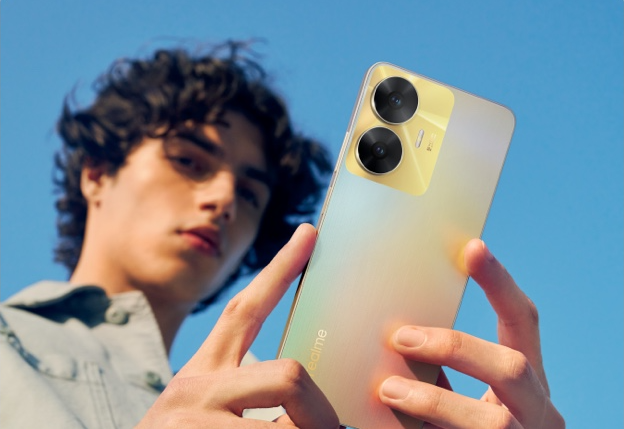
Realme C55 with 90Hz FHD+ display, Helio G88 SoC & Mini Capsule feature launched in India

The Realme C55 smartphone, which falls under the budget-midrange category, has been launched in India and it boasts a unique feature called Mini Capsule, inspired by Apple’s Dynamic Island. Let’s explore this feature and examine the device in detail.

Realme

Realme C55 specs

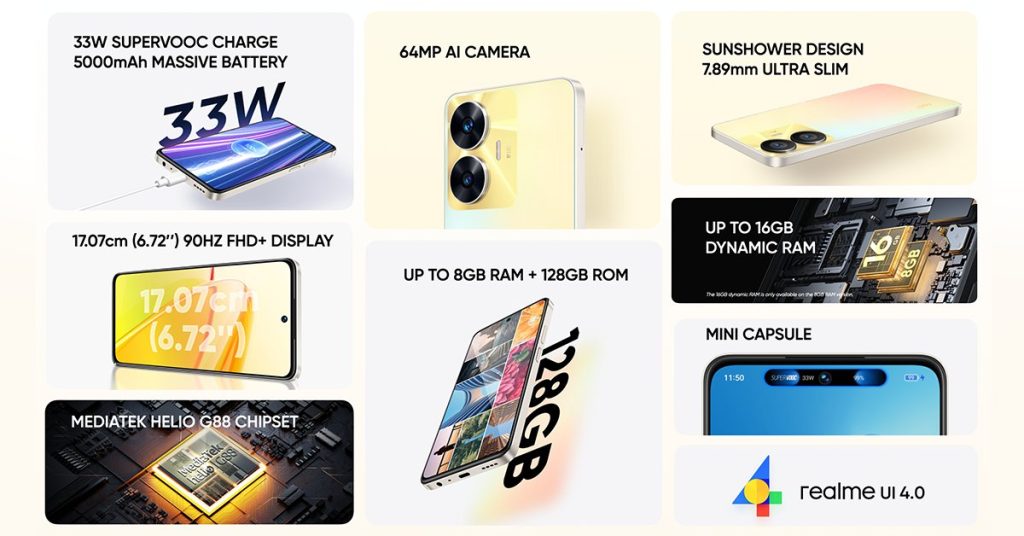
The Realme C55 smartphone offers impressive features such as a 6.52-inch LCD display with Full HD+ resolution, 90Hz refresh rate, and 180Hz touch sampling rate. It also has a high peak brightness of 680nits and a front-facing camera located within a punch-hole notch for a clear view of the screen.

Realme

Powered by an octa-core MediaTek Helio G88 processor and Mali G52 graphics unit, the Realme C55 has up to 8GB of RAM and 256GB of internal storage, expandable using virtual RAM. It runs on Android 13-based Realme UI 4.0. The Mini Capsule feature of Realme is reminiscent of Apple’s Dynamic Island found on the iPhone 14 Pro series smartphones. It allows users to check important information such as charging status, battery level, and data usage status.

The phone boasts a dual-rear camera setup with a 64MP primary sensor, a 2MP depth sensor, and an LED flash, as well as an 8MP front camera. It also has a 5000mAh battery with 33W SuperVOOC fast charging and a side-mounted fingerprint scanner.

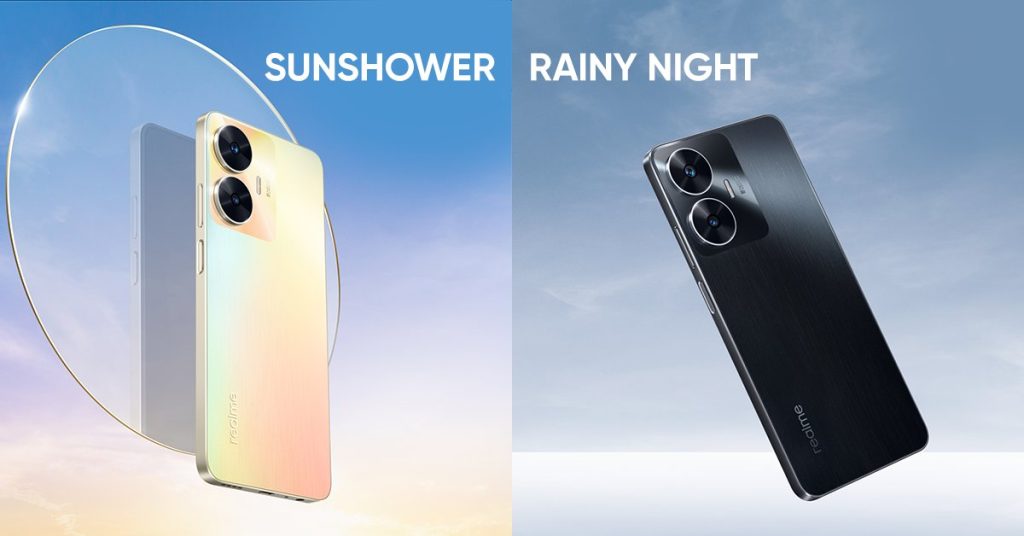
The Realme C55 is available in Sunshower and Rainy Night colors, weighs 189.5 grams and has a thickness of around 7.89mm. It includes a dedicated microSD card slot and a 3.5mm audio jack.

Pricing & availability

In India, the Realme C55 is priced at Rs 10,999 for the 4GB + 64GB variant, and there are two other configuration options: 6GB + 64GB and 8GB + 128GB, priced at Rs 11,999 and Rs 13,999 respectively. Realme has joined forces with ICICI Bank and HDFC Bank to provide customers with up to Rs 1000 discount on the purchase of the Realme C55.

Starting March 28, the Realme C55 will be available exclusively via Flipkart and Realme Store. Customers can also pre-order the device from 6:30 PM today (March 21).

RELATED:

A New Era in Internet: Runway Unveils AI that Transforms Text into Videos

AI advancements are taking the world by storm, with new and exciting models emerging constantly. The craze that began with ChatGPT continues to evolve, reaching new heights. Recently, the startup behind Stable Diffusion unveiled a groundbreaking AI system that can generate videos from text descriptions, pushing the boundaries of what’s possible with artificial intelligence. Here are the details…

Runway Gen-2: The AI Revolutionizing Video Creation from Text

Runway, a startup known for co-creating the widely popular Stable Diffusion AI image generator, has recently announced the release of its latest AI model that has the potential to revolutionize the way we create videos. The model, named Gen-2, can transform any text description into a three-second video clip, opening up a world of possibilities for video content creators.

Unlike its predecessor, Stable Diffusion, the Gen-2 model will not be open-sourced or widely available from the start due to safety and business considerations. Instead, users can access the groundbreaking AI technology through Discord by joining a waitlist on the Runway website.

The concept of generating videos from text inputs is not new in the world of AI. Tech giants such as Meta and Google have previously released research papers on similar text-to-video AI models in late 2022. However, Runway’s Gen-2 model stands out by being made available to the general public, according to Cristobal Valenzuela, Runway’s Chief Executive.

The AI’s ability to generate video footage from textual descriptions has the potential to streamline the production process, reduce costs, and enable artists to bring their visions to life with unparalleled ease. For instance, if a filmmaker or animator wants to visualize a scene with “turtles flying in the sky,” they can simply input the text description into the Gen-2 model, which will then generate a three-second video clip that matches their vision. This could save countless hours of manual labor and provide a more efficient method for testing out different ideas and concepts.

However, the technology also raises concerns about potential misuse and the ethical implications of AI-generated content. Runway’s decision to restrict the model’s initial release and not open-source it highlights the importance of addressing these issues proactively.

RELATED:

(via)

Google Pixel 6 & Pixel 6 Pro receives 5G support in India

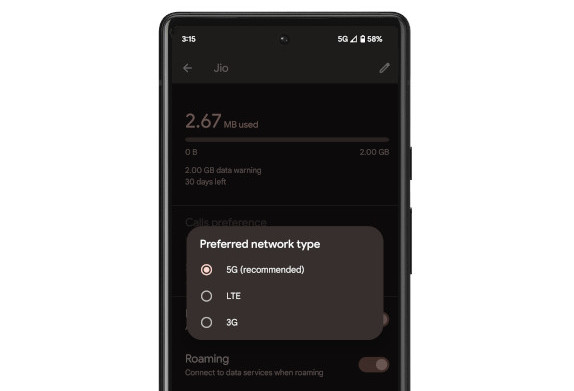
Google has just announced that the Pixel 6 and the Pixel 6 Pro will be receiving support for 5G networking in India. The company had recently brought support for the faster bandwidth earlier this month for the Pixel 7, Pixel 7 Pro, and even the Pixel 6a. Now, it is adding support for the two other Pixel 6 series models as well.

Google

This is quite interesting considering the fact that the Search Engine giant did not launch the Pixel 6 and Pixel 6 Pro in the Indian market. Unlike its successor, the company only launched the Pixel 6a from the last gen lineup in the region. As of right now, the Pixel 6a will receive the update with the March Android security patch while the Pixel 6 and the Pro variant receives 5G support. So you can expect to see much faster data speeds over the last gen networking standard.

Notably, these updates arrives months after testing and gathering feedback from its users for quality and usability during the early beta stages. So now, users can head to settings to enable 5G connectivity from the networking settings in addition to the existing LTE and 3G networking. As of right now, it is unclear if and when the brand will bring support for 5G networking for some older models. This includes the likes of the Pixel 5 series, or the Pixel 4a model. Similar to the Pixel 6 lineup, these older smartphone models were also not officially launched in the country.

RELATED:

Latest iPhone 15 Pro Leak Reveals a Taptic Button Design & Mute Switch Replacement

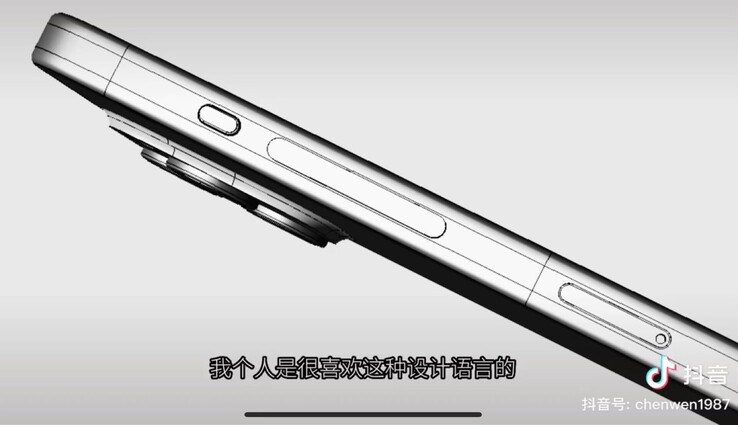
Every week, new rumours surrounding the highly-anticipated Apple iPhone 15 Pro lineup are surfacing, with different aspects of the phone being the subject of such leaks. For instance, one of the more recent leaks showcased thin bezels around the smartphone’s display. As per the latest leaks, CAD renders of the iPhone 15 Pro suggest that Apple’s upcoming flagship smartphones may feature innovative ‘Taptic buttons’ and solid-state mute switches. These renders, which were not present in earlier leaks, were shared on Douyin by user chenwen1987.

Apple iPhone 15 Pro

Instead of the traditional dedicated volume up and down buttons, Apple is said to be opting for a single button for volume control. The Taptic button is rumoured to be pressure-sensitive, allowing for faster volume adjustment with harder presses. It is currently unknown whether this feature will be accompanied by haptic feedback similar to Apple’s Force Touch trackpads.

The mute switch will remain in its usual position but will now also function as a solid-state button. It appears that the regular iPhone 15 and iPhone 15 Plus will retain Apple’s physical mute switch, while the Taptic volume and lock buttons will be exclusive to the iPhone 15 Pro and iPhone 15 Pro Max. However, the specifics of how these pressure-sensitive buttons will be incorporated into the design remain unclear. More details will be available as we keep inching towards the launch date, which is expected to be in September if Apple sticks to following its yearly schedule.

RELATED:

(Via)

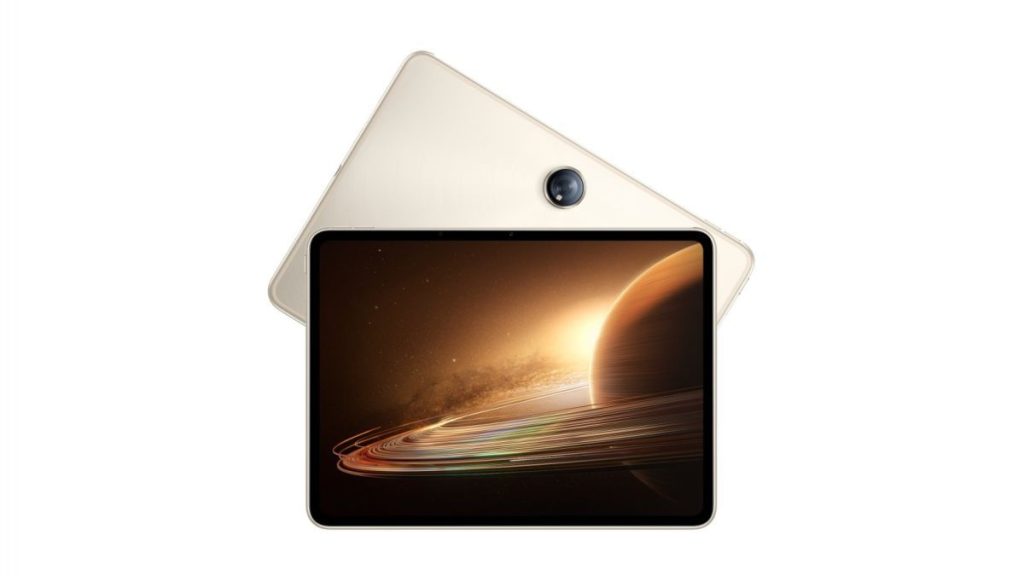
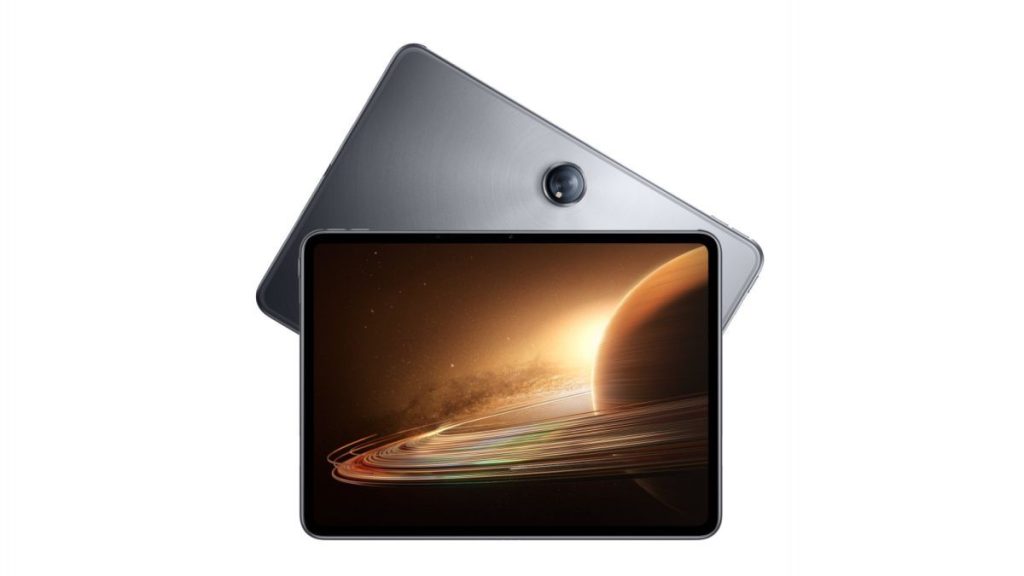
Oppo Pad 2 Launched with 120Hz display, Dimensity 9000, 9,510mAh Battery, 67W Charging

Oppo entered the tablet market last year by announcing the Oppo Pad in China. The well-received device came equipped with the Snapdragon 870 chipset. Today, the company held a major launch event in China to unveil the Find X6 and Find X6 Pro flagship phones. The same platform was used to unveil the Oppo Pad 2.

Oppo Pad 2 specifications and features

Oppo Pad 2
Oppo Pad 2

The Oppo Pad 2 houses an 11.61-inch IPS LCD display that supports Dolby Vision and has an aspect ratio of 7:5. This screen provides a resolution of peak brightness of 500 nits with 2800 x 2000 pixels resolution, a 144Hz refresh rate, 10-bit colors, and an 88 percent screen-to-body ratio. It is an aluminium-bodied device with a rear-cantered 13-megapixel camera. This camera is capable of recording videos in 4K at 30fps. On the front, the Oppo Pad 2 has an 8-megapixel camera that can record 1080p videos at 30fps.

The tablet is equipped with a MediaTek Dimensity 9000 chipset. The same chip is expected to power the Vivo Pad 2, which is expected to launch in April in China. it comes with up to 12 GB of LPDDR5 and up to 512 GB of UFS 3.1 storage, providing ample space for users to store their data and media files.

Oppo Pad 2
Oppo Pad 2

The Oppo Pad 2 runs on ColorOS for Pad 13 based on Android 13, offering a smooth and user-friendly experience. It has a 9,510mAh battery that supports 67W SuperVOOC charging. Furthermore, the Pad 2 supports Wi-Fi 6, Bluetooth 5.3, GPS, and a USB-C port. The tablet also comes with support for the Oppo Pencil 2 and a new smart touch keyboard. There is no SIM support on the device. To sum up, Pad 2 is a rebranded version of the OnePlus Pad, which is expected to release in the global market in April.

Oppo Pad 2 price and availability

The Oppo Pad 2 has arrived in three variants in China, such as 8 GB RAM + 256 GB storage for 2,999 Yuan (~$436), 12 GB RAM + 256 GB storage for 3,399 Yuan (~$494), and 12 GB RAM + 512 GB storage for 3,999 Yuan (~$581). It can be purchased in shades like Light Feather Gold and Nebula Grey. Its first sale is scheduled to take place on March 24. At present, there is no word on the global release of the device.

RELATED:

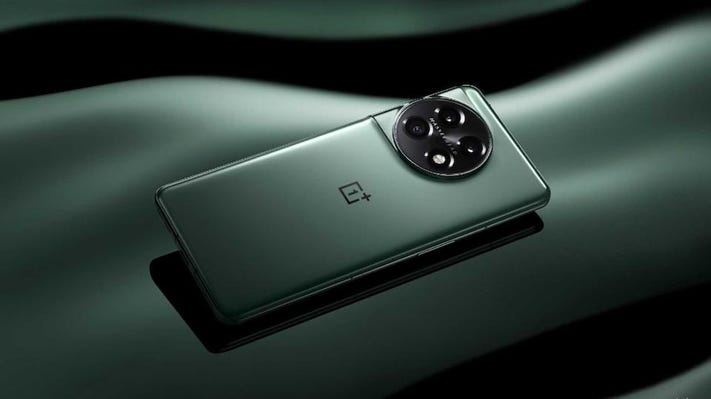
OnePlus now lets you Test Drive OnePlus 11 for 100 days

OnePlus is apparently offering a whopping 100 day test drive option to customers for its new OnePlus 11. The move is likely to promote its latest generation of flagship smartphone. So here are all the details.

To take advantage of this trial program, you have to buy the high end device directly from the Chinese smartphone maker. Meaning, you can’t just buy it from just anywhere. Furthermore, once you get your hands on the device, it needs to be registered with the first 15 days. After this is done, you can simply use the premium grade handset like your daily driver. So now, the only thing left is to hope that the device is the right purchase for you.

OnePlus

OnePlus is basically letting you own the device for 100 days. But if you are not satisfied after 99 days, you can simply return it to OnePlus for free thanks to a pre paid shipping label for the full refund. Keep in mind that you still need to buy the device and to get the full refund you need to have the 11’s original packaging along with the charging cable and block as well. The smartphone also needs to in working order.

OnePlus is willing to accept returns with regular wear and tear but it will not be taking back units with a visible chips or cracks. So for those interested, you can check out this trial period by simply buying the device from the company’s official website.

RELATED:

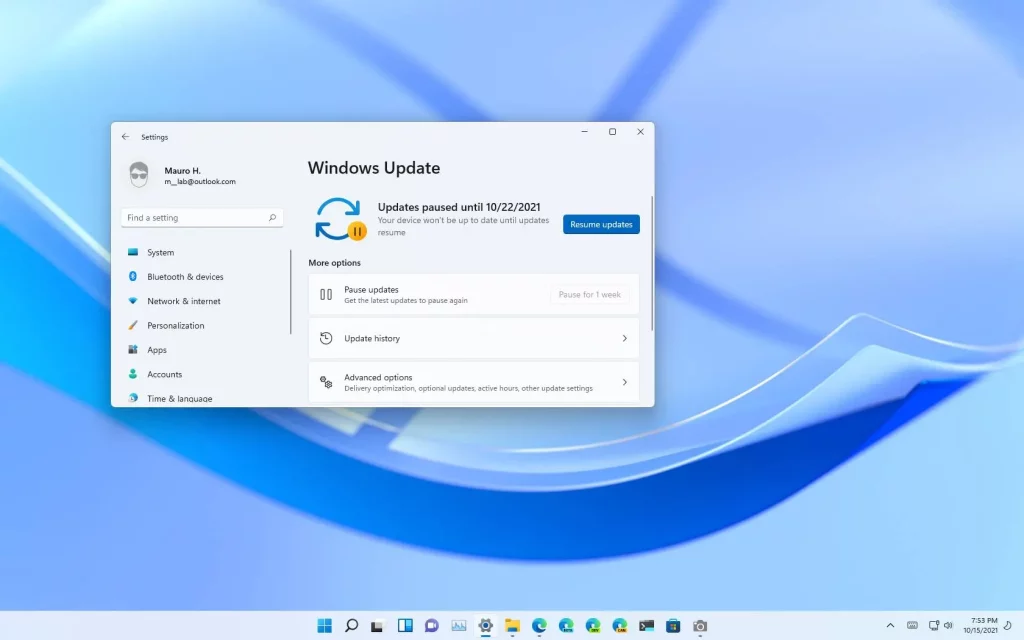
Windows 11 Update May Slow Down Your PC: Here’s What to Do

Software updates play a crucial role in the performance and security of our electronic devices. They ensure information security and provide access to new features for our gadgets. However, new versions do not always produce positive results. Microsoft’s latest Windows 11 update has been causing performance issues for some users, particularly those who have installed the operating system on an SSD. Numerous reports have emerged, highlighting significantly slower SSD speeds and decreased system performance after installing the update. Here are the details…

Windows 11 Update May Slow Down Your PC: Here’s What to Do

The performance issues seem to target systems with SSD installed. SSD’s are known for their fast loading times, which is why many users prefer them over traditional HDD. However, after installing the Windows 11 update, even high-end NVMe SSDs are experiencing drastic drops in speed. Some Reddit users, reported their SSD’s read and write speeds dropped from 7,000 to 3,000, sometimes even as low as 1,000. These reduced speeds can lead to longer boot times, slower game loading times, and even the dreaded Blue Screen errors.

Microsoft has yet to officially acknowledge the problem or provide a solution, so users affected by this issue will need to take matters into their own hands for now. The best course of action is to uninstall the problematic update (KB5023706) and wait for a fixed version to be released. To uninstall the update, follow these steps:

  • Type “Windows Update Settings” into the search bar and press Enter.
  • Click on “View Update History.”
  • Locate the latest update you’ve installed (KB5023706) and click “Uninstall.”

Until Microsoft provides a fix, uninstalling the problematic update is the best way to restore your SSD’s speed and maintain optimal system performance. Keep an eye out for updates from Microsoft, and be cautious when installing future patches to avoid potential slowdowns.

RELATED:

(via)

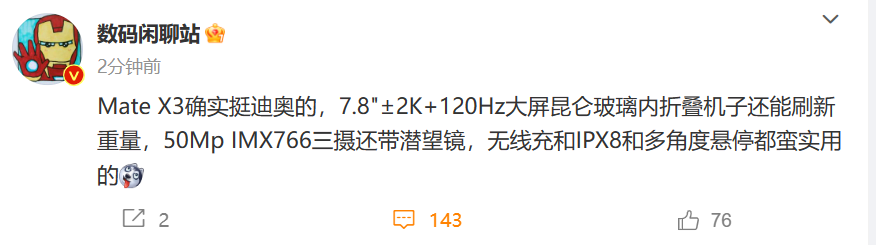
Huawei Mate X3 Tipped to Feature 7.8″ 2K 120Hz Display, IPX8 Rating

Huawei is all set to launch its upcoming foldable flagship Mate X3 alongside P60 series on March 23 in China. Now according to the popular tipster “Digital Chitchat Station,” the device will feature a large 7.8-inch 2K display with a high refresh rate of 120Hz and will be protected by Kunlun glass. The device will also have an IPX8 waterproof rating.

Huawei Mate X3 Specs Leak

Huawei will use Ultra Thin Glass (UTG) technology for the displays which is expected to offer better durability and scratch resistance compared to the plastic-based foldable displays that are currently used in many foldable smartphones out there. The display is reported to be produced by China’s BOE.

The Mate X3 will also have a powerful camera setup, featuring a 50-megapixel IMX766 primary sensor, an IMX688 ultra-wide lens, and an IMX351 periscope telephoto lens for long-range zooming. The camera setup is expected to produce stunning photographs, which will be further enhanced by the device’s advanced camera software. Out of the box, the device will run on HarmonyOS 3 software.

According to previous leaks, the Mate X3 will be powered by a Snapdragon 8+ Gen 1 chipset with a clock speed of up to 3.2GHz. The device will have a 4800mAh battery that supports 66W fast charging.

The Mate X3 will also feature satellite communication technology, which Huawei is calling “Lingxi Communication.” This feature will allow users to stay connected even in remote areas where traditional cellular networks are not available. Huawei has been barred from using 5G technology so the device will feature only the 4G variant of the chipset.

Huawei has also optimized the device’s screen and hinge to reduce its thickness and weight, bringing it closer to that of a traditional smartphone. Additionally, the device will support wireless charging and have multiple-angle hovering capabilities. Overall, the Huawei Mate X3 is shaping up to be an impressive device that delivers top-of-the-line features and cutting-edge technology.

RELATED:

South Park’s Latest Episode was Co-Written Using ChatGPT

South Park is an American animated television series created by Trey Parker and Matt Stone. Known for its satirical and irreverent humour, the show has been on the air since 1997 and has become a cultural phenomenon, tackling everything from politics to pop culture.The creators of South Park have once again tackled a controversial topic, this time taking aim at the buzz surrounding AI chatbots. In the fourth episode of season 26, entitled “Deep Learning,” students at South Park Elementary discover the latest technology that can write their homework. Released on March 9, 2023, the episode credits “ChatGPT” as one of its writers, along with Trey Parker. However, given the show’s tendency to lean towards irony and sarcasm, it’s uncertain whether this credit is genuine or meant to be a tongue-in-cheek reference. The episode also utilized Play.ht’s AI-powered text-to-voice generator to create some of the voices heard.

South Park

For those unfamiliar with ChatGPT, it’s an AI chatbot created by OpenAI that uses neural networks to generate human-like responses to user input. While the chatbot was initially intended to have natural conversations with users, the latest versions of ChatGPT are capable of handling complex tasks such as writing essays and even TV episodes.

Despite the hype surrounding ChatGPT and its potential to revolutionize various industries, the South Park episode highlights the ethical, authenticity, and corporate power concerns that arise from such technologies. It’s noteworthy that the show’s creators have their own AI entertainment studio, Deep Voodoo, which recently received significant funding to develop deep fake technology, visual effects services, and synthetic media projects.

RELATED:

(Via)

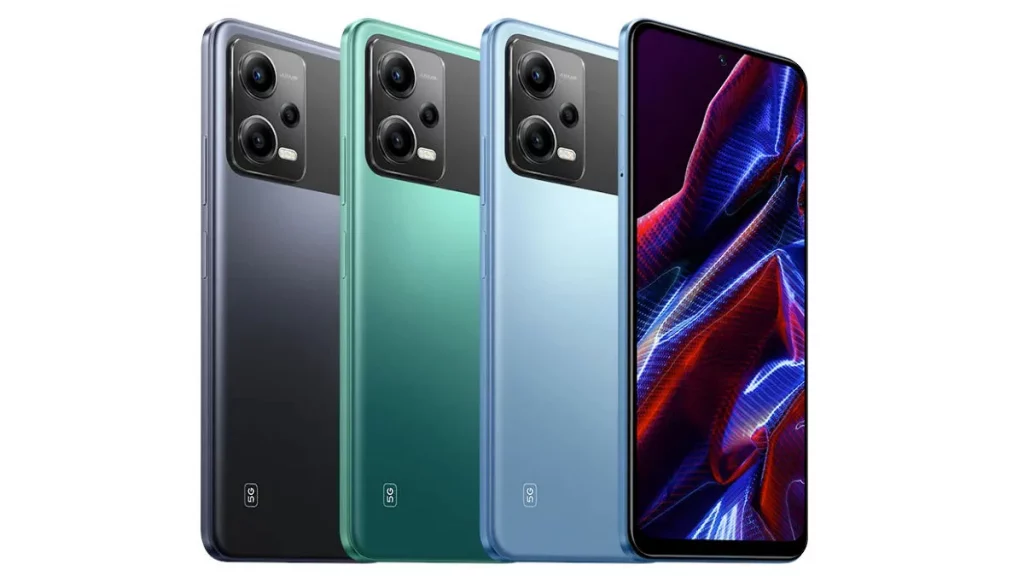
Poco X5 5G goes on sale in India, Check price, offers & specifications

Earlier this month, the Poco X5 5G smartphone was launched in India. The device comes with an FHD+ AMOLED display, a Snapdragon 695 chipset, and a 48MP triple camera setup. Starting today, the smartphone will go on sale in India. Let’s look at the details.

POCO

Poco X5 5G pricing & offers

The POCO X5 5G is set to be sold in two variations. The 6GB + 128GB model has a price tag of 18,999 INR, while the higher-end 8GB + 256GB variant costs 20,999 INR. POCO is presenting a flat Rs 2000 discount to customers who purchase using ICICI cards. In addition, buyers may take advantage of a Rs 2000 bump-up exchange offer when purchasing the POCO X5 5G. However, it should be noted that the ICICI Card and bump-up exchange offers cannot be combined, and buyers may only select one of these options. The POCO X5 5G will be exclusively available on Flipkart beginning at 12:00 PM today (March 21).

Poco X5 5G specs

The POCO X5 boasts impressive specifications, such as a 6.7-inch Full HD+ AMOLED display with Corning Gorilla Glass protection, 120Hz refresh rate, and 240Hz touch sampling rate. It also supports 100% DCI P3 color gamut and has SGS certification for eye care.

The phone’s rear has a large camera island housing a triple camera setup with a 48-megapixel primary camera, an 8-megapixel ultra-wide lens, and a 2-megapixel macro sensor. For selfies, there is a 13-megapixel camera in a center-aligned punch-hole cutout.

Under the hood, it has a Qualcomm Snapdragon 695 SoC with 8GB of RAM and up to 256GB of storage. The phone is powered by a 5,000mAh battery that supports fast charging up to 33W. Other features include IP53 water and dust resistance, a 3.5mm headphone jack with Hi-Res audio support, an IR blaster, WiFi 6, Bluetooth 5.1, and more.

RELATED:

Huawei Nova 9 Pro Refurbished Version Goes on Sale in China; Price Starts at 2,199 Yuan ($320)

Huawei, the company which now has very limited models of smartphones getting launched for the past few years, has announced an official refurbished version of the Huawei Nova 9 Pro smartphone in China.

The refurbished device is now officially available for purchase in the Chinese market from today, i.e. on 21st March, and the phone’s pricing starts at 2,199 yuan (~$320).

Huawei Nova 9 Pro Refurbished

The company is also offering a one-year warranty on the device. The base model with 128GB of internal storage costs 2,199 yuan (~$320), while the 256GB internal storage model is priced at 2,499 yuan (~$363).

Coming to the specifications, the Huawei Nova 9 Pro features a 6.72-inch OLED curved edge screen that offers a Full HD+ resolution, a 120Hz refresh rate, and a 300Hz touch sampling rate. Under the hood, the device is powered by the Qualcomm Snapdragon 778 4G processor, coupled with 8GB of RAM.

As for the camera department, there’s a quad-camera setup which consists of a 50MP primary camera sensor, an 8MP ultra-wide lens, a 2MP depth sensor, and a 2MP macro lens. On the front side, there’s a dual-camera setup with a 32MP wide-angle lens and a 32MP ultrawide lens.

The phone runs the company’s own HarmonyOS operating system and is powered by a 4,000mAh battery that comes with support for 100W fast charging.

RELATED: