Xiaomi sub-brand is set to launch the Redmi Note 12 4G and Redmi 12C smartphones in India on March 30. The company has put up a dedicated microsite of the Redmi 12C on its official website as well as on Amazon. The latter also confirms the upcoming offering’s availability on the e-commerce platform. The microsites reveal the key specifications and also teases the price of the Redmi 12C.
As per the microsites, the Redmi 12C is confirmed to feature a large 6.71-inch display bearing a waterdrop notch. It will have a squarish camera module on the back panel accommodating a 50MP main sensor paired with a secondary lens and a LED flash. The camera island also has a physical fingerprint scanner. The upcoming offering has diagonal stripes on the back panel.
The Redmi 12C is confirmed to be equipped with a MediaTek Helio G85 processor. The microsite does not reveal the RAM and storage configurations. However, the device is confirmed to pack 5GB virtual RAM technology taking the total RAM amount to 11GB. This also suggests that the smartphone may come in a 6GB RAM variant. The Redmi 12C is confirmed to draw its power from a 5,000mAh battery unit. The device will be offered in Purple, Green, Blue, and Black colour options.
The microsites reveal that the Redmi 12C is the fastest smartphone and has the biggest display in the segment. Here, the segment refers to phones launched in 2023 under Rs 10,000. Hence this gives us an indication that the upcoming offering could be available in a similar price range.
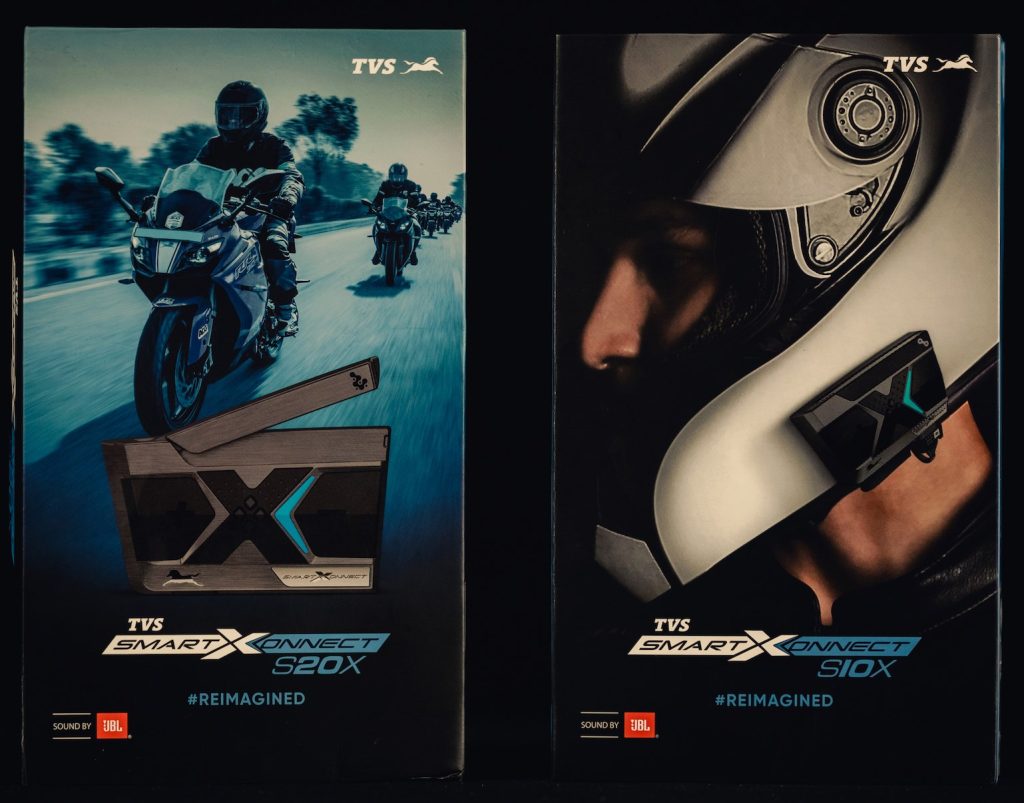
TVS, a well-known Indian motorcycle manufacturer, has recently launched its first-ever intercom devices in collaboration with JBL. The new product line, called SmartXonnect, includes two variants – S10X and S20X – and is exclusively designed for the riding community.
TVS Racing Performance Gear, the company’s performance division, has designed the intercoms to cater to the communication needs of riders while they are on the move. The SmartXonnect devices are equipped with JBL sound technology, which offers crystal-clear sound quality, making it easy for riders to communicate with each other, listen to music, or take phone calls.
The S10X variant allows for rider-to-pillion intercom, while the S20X can connect up to 20 devices at once. Both variants feature advanced technologies such as audio weave intercom, active noise cancellation, and dynamic volume control, which reduce background noise while ensuring that the sound quality remains consistent regardless of ambient noise levels.
The SmartXonnect intercoms are also IP67 certified, which means they are waterproof and can be used in all weather conditions. They come with ride Lynk, a universal intercom that allows riders to connect with other riders, regardless of the brand of their device. Additionally, the intercoms are Siri and Google voice assistant-enabled, making it easier for riders to make calls, listen to music, and navigate while on the move.
The S20X variant also features OTA (over-the-air) updates, which means that users can update their devices wirelessly, ensuring that they always have access to the latest features and functionalities.
The SmartXonnect S10X and S20X are priced at INR 8,499 and INR 10,999, respectively. The devices come with a quadrilateral design and a flip-up antenna, making them easy to mount on any helmet. The intercoms also feature a three-button layout, making them easy to use while riding.
Overall, the SmartXonnect intercom devices from TVS offer a range of advanced features and functionalities, making them an essential accessory for any rider who wants to stay connected and enhance their riding experience. With the collaboration with JBL, TVS has ensured that the sound quality is top-notch, which is crucial for effective communication while riding.
Xiaomi is gearing up to launch the highly anticipated Redmi Note 12 Turbo in the Chinese market soon. The company promises to offer a flagship grade experience from its upcoming mid range handset. The launch is set for tomorrow (28th March 2023), so here’s how to watch the launch event live.
Talking about the smartphone itself first, the device sports a tall 6.67 inch OLED display that offers 68.7 billion colors, supports 100 percent DCI-P3 color gamut, 1920Hz PWM Dimming, and HDR10+ certification. Under the hood, the smartphone is equipped with the Qualcomm Snapdragon 7+ Gen 2 SoC, which apparently offers performance rivaling the Snapdragon 8+ Gen 1 SoC. This chipset will be paired with up to 12GB of LPDDR5 RAM and 1TB of UFS 3.1 storage.
The Note 12 Turbo will be powered by a large 5,000mAh battery pack that supports 67W fast charging as well. On the rear, the device features a 64 megapixel triple camera setup that supports OIS (Optical Image Stabilization). Meanwhile, the front houses a 12 megapixel selfie camera. With all this, the Chinese tech giant promises a premium grade experience despite its mid range price tag.
Unfortunately, the pricing for the Note 12 Turbo is still unclear, but Redmi will be launching the device on March 28. The company will also be streaming the announcement via its official Weibo account (a Chinese microblogging website). So stay tuned for more, as we will be covering the launch event tomorrow.
The smartphone industry has been witnessing remarkable advancements in charging technology, with 200W fast charging becoming a reality in the second half of 2022, reducing battery charging time to around ten minutes. In the first half of 2023, 240W charging technology pushed the limits further, with mobile phones charging in less than ten minutes. It was widely believed that the Type-C interface would limit charging power to 240W, but the announcement of 300W charging technology by a manufacturer has defied expectations. Now, it seems that multiple manufacturers, including the Oppo, OnePlus, and realme are developing 300W charging technology.
300W Charging on the Horizon: Oppo, OnePlus, And Realme Join the Race
Recent leaks have revealed that Oga manufacturers, including Oppo, OnePlus, and realme, are working on super 100W charging technology with new materials and high-density batteries, aiming to increase capacity. These companies are planning to launch new models with over 150W fast charging and a battery capacity exceeding 5500 mAh.
Furthermore, Oga-based manufacturers are also developing an ultra-high-power solution in the 300W range, indicating that OPPO, OnePlus, and realme products in the coming year may boast impressive battery life performance. According to the same sources, the iterative models of various mainstream mobile phone manufacturers have started establishing projects, and related research work may have already commenced.
The 300W charging technology and the 150W+5500mAh battery life solution could potentially be integrated into the OPPO Find X7 series, OnePlus 12 series, and other products. However, since the Find X6 series and OnePlus 11 have just been released, the launch of the OPPO Find X7 series and OnePlus 12 series is likely to be at least half a year away.
The rapid progress in smartphone charging technology continues to astound, as the race to achieve 300W charging heats up. With Oga series manufacturers like OPPO, OnePlus, and realme joining the development, consumers can anticipate significant improvements in battery life performance in the near future. However, the release of products equipped with these innovative charging solutions may still be several months away. As the technology continues to evolve, it will be fascinating to watch the impact it has on the industry and the user experience.
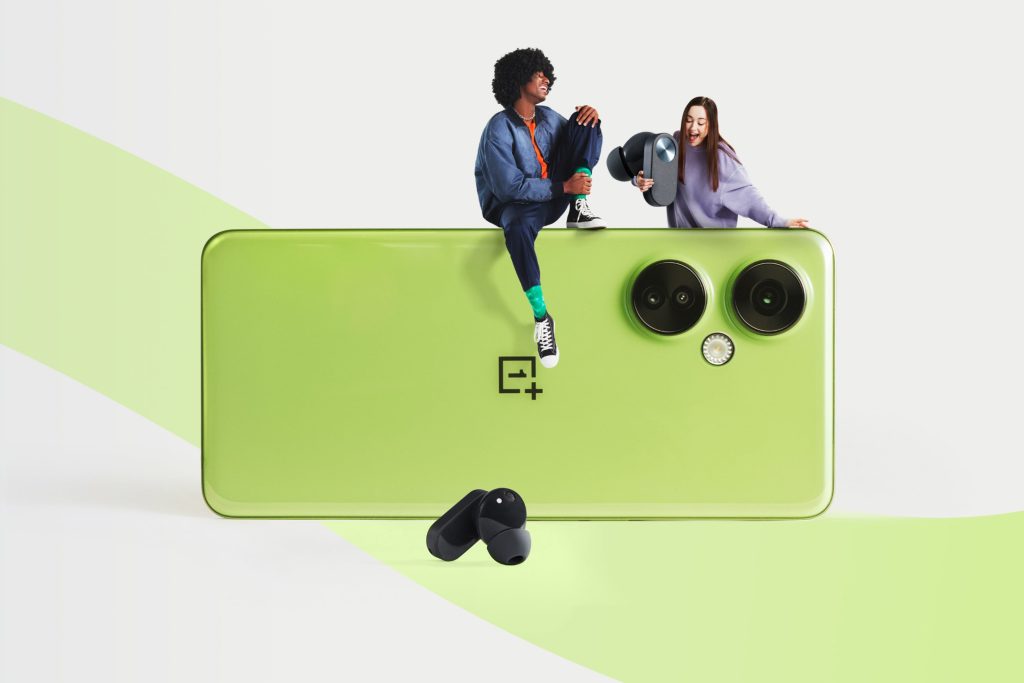
OnePlus is set to launch the OnePlus Nord CE 3 Lite smartphone and the Nord Buds 2 TWS earphones globally on April 4th. Both devices will arrive as the Nord CE 2 Lite and Nord Buds respectively. Now ahead of the next week’s launch, tipster Mukul Sharma has leaked the key specifications of the Nord Buds 2.
[Exclusive] OnePlus Nord Buds 2 🇮🇳 Upto 25dB ANC 12.4mm Dynamic Titanium Drivers Upto 36hr with case 4-Mic Design IP55 Rating Fast Charging Thunder Gray, Lightning White colour variants.#OnePlus#OnePlusNordBuds2pic.twitter.com/Xj3jz76MLv
The OnePlus Nord Buds 2 are confirmed to retain the same semi-in-ear design with a flat stem and silicon ear tips. As per Sharma, the upcoming TWS earphones will be equipped with a 12.4mm dynamic titanium driver. It will feature four microphones and active noise cancellation of up to 25dB. The audio device is tipped to deliver up to 36 hours of battery life with the storage and charging case. It will also support fast charging. The Nord Buds 2 will feature an IP55 rating and come in Lightning White and Thunder Grey color options.
This is everything we know about the OnePlus Nord Buds 2 at the moment. Going by the leaked specifications, the presence of ANC on the upcoming offering, quad mics, and better battery life seem to be the major upgrades compared to its predecessor.
To recall, the OnePlus Nord Buds arrived with support for Dolby Atmos and the brand’s acoustic tuning technology. The device packs dual microphones for AI noise cancellation and 94ms low latency mode.
We will know more details about the OnePlus Nord Buds 2 at the launch event next week.
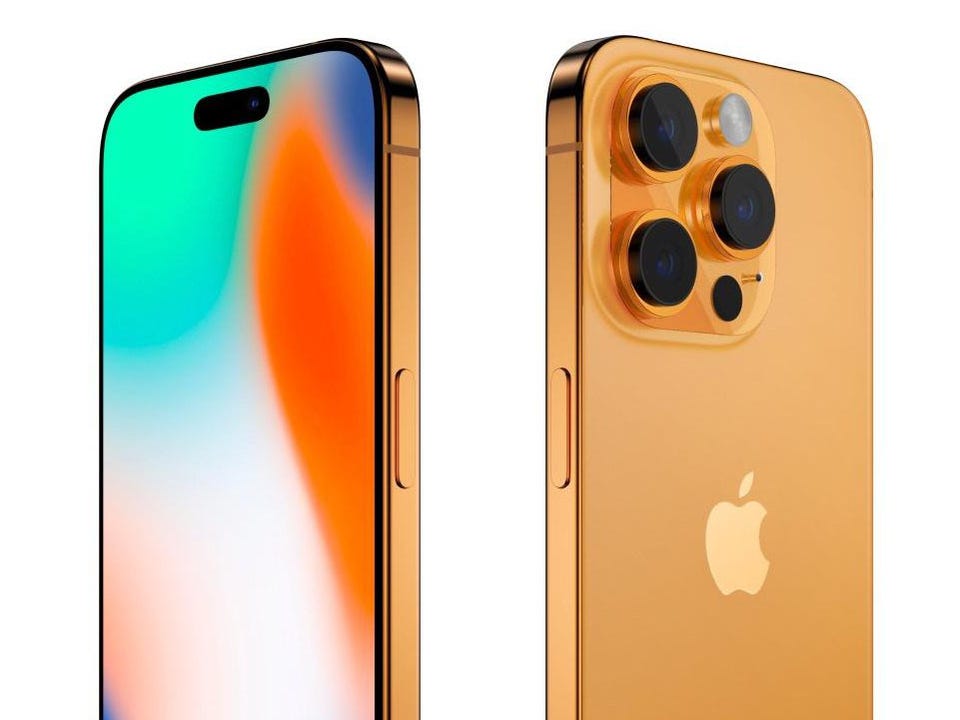
The Apple iPhone 15 series is set to launch later this year. However, it appears that the company is apparently facing issues with display production for the iPhone 15 and 15 Plus models, which is due to the new Dynamic Island feature.
For those unaware, one of the biggest design changes is the addition of the Dynamic Island on the display that will now be featured across the lineup and not just the higher end Pro models. Although, there will still be certain differences in the display. The iPhone 15 Pro models will retain the latest LTPO OLED display, while the iPhone 15 and iPhone 15 Plus will feature the more cheaper LTPS panels, which features the Dynamic Island cutout.
According to a new report, BOE, one of the suppliers of the Cupertino based giant, is facing issues in piercing the Dynamic Island cutout on its display panels. These screens will be featured on the iPhone 15 and iPhone 15 Plus. Thus, Apple has made to make changes in its display production plans. The iPhone maker is shifting the mass production display plans for the cheaper iPhone 15 models to May and is asking Samsung to make them.
Notably, this schedule is a month earlier than the original June 2023 production timeline. Apple is likely shifting production to also give Samsung time to focus on the mass production of the higher end display panels that will be featured on the iPhone 15 Pro and iPhone 15 Pro Max/Ultra models.
The OenPlus Nord CE 3 Lite is scheduled to launch in India on April 4. The smartphone will be accompanied by OnePlus Nord Buds.
Ahead of the official debut, the brand has been teasing the features of the handset. At the same time, we also have been hearing about this device via leaks.
Today, a report hints at the retail price of the phone in India. Let’s check out how much it will cost.
According to PriceBaba, the OnePlus Nord CE 3 Lite will be sold in a single 8GB + 128GB memory configuration in India. However, it will be available in two colors, such as Pastel Lime and Chromatic Gray.
Most importantly, the smartphone will carry an MRP (Maximum Retail Price) of ₹27,999. It is a known fact that none of the products are sold at MRP in India.
Thus, the device will most likely cost below ₹25,000. This makes it costlier than its predecessor OnePlus Nord CE 2 Lite. Thankfully, you get some upgrades for the more asking price.
As per leaks and teasers, the Nord CE 3 Lite will sport a new design. It will come with a 108MP main camera and 67W fast wired charging support. For comparison, the Nord CE 2 Lite has a 64MP primary camera and 33W charging support.
The new model will retain Qualcomm Snapdragon 695 chipset, 5,000mAh battery, side-mounted fingerprint sensor, and 120Hz display (LCD) but it will be larger at 6.72 inches.
Lastly, thanks to another report, we already know that the handset will retail at €329 in Europe.
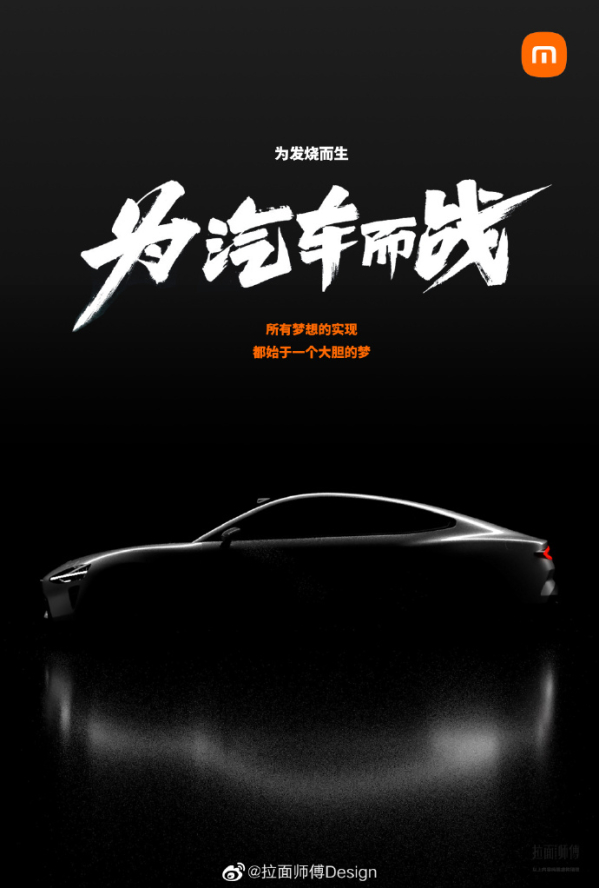
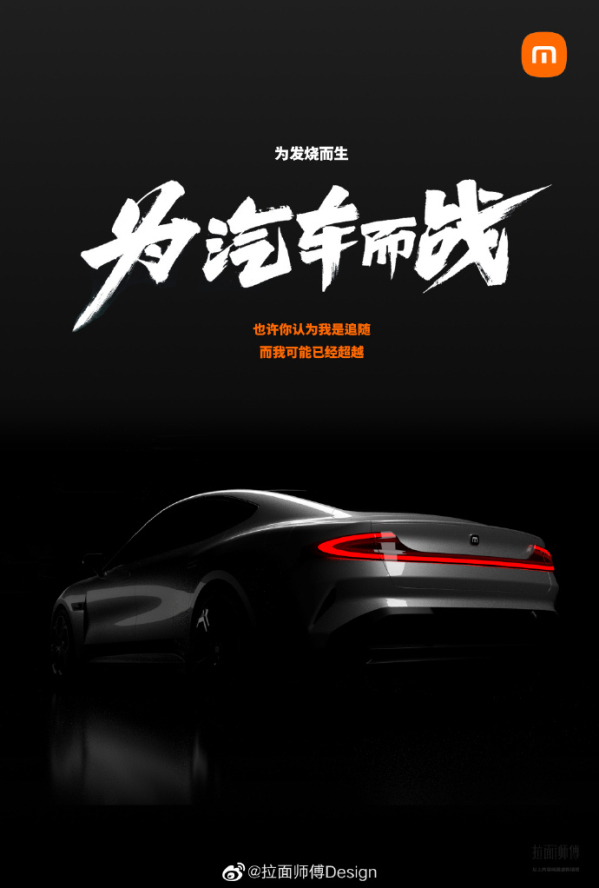
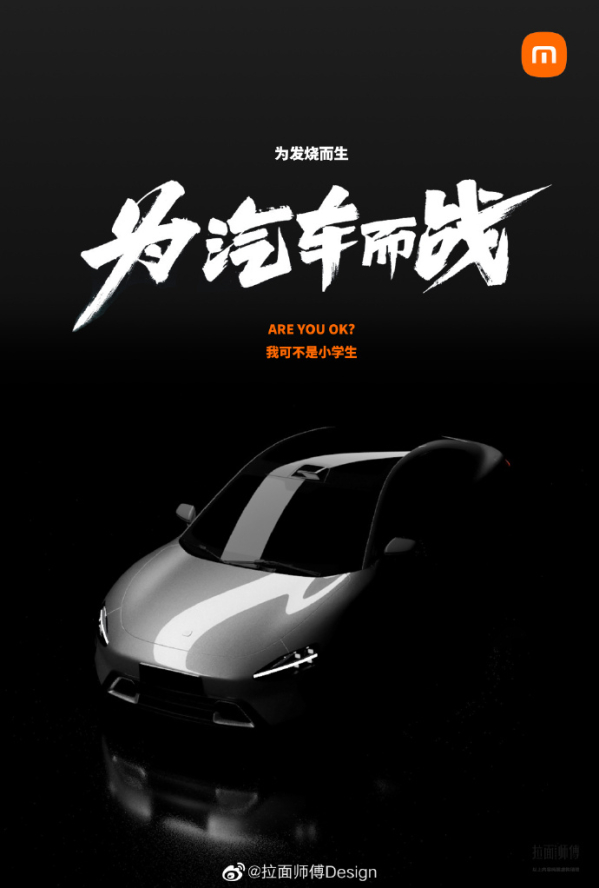
Xiaomi is making significant investments in cutting-edge industries, including smart electric vehicles, which has generated considerable excitement about their forthcoming car lineup. A recent blog post revealed a series of renderings, offering enthusiasts a glimpse into the potential design of future Xiaomi electric Vehicles.
The Future of Xiaomi Cars Unveiled
In 2022, the Xiaomi announced that it had spent 3.1 billion yuan on innovative businesses, including smart electric vehicles. Lei Jun, the company’s founder, has been optimistic about the progress of Xiaomi’s car manufacturing, with mass production expected to begin in the first half of 2024. Recently, a blogger uploaded a set of self-designed renderings of Xiaomi cars, providing a sneak peek into the future of the company’s electric vehicle lineup.
The published renderings are similar to those previously released by the same blogger. This time, however, the images feature three different angles, showcasing the front face, side, and rear of the vehicle. The blogger states that the renderings are inspired by previously leaked images of Xiaomi cars.
The front face of the vehicle features a closed grille, with the headlight module incorporating a “rice”-shaped arrangement of lamp beads. Underneath the headlights, ventilation slots have been added, and the lower grille style is sporty. From the side, the vehicle boasts a seamless line design, with a gently sloping front windshield that should provide an excellent drag coefficient. The design is reminiscent of future ET series models and even includes a lidar “horn” on the roof.
The rear of the vehicle showcases C-shaped brake lights on both sides, connected by light strips to create a distinctive, eye-catching style. This design should ensure excellent visibility at night.
In a post on Weibo, the blogger expressed confidence in Lei Jun’s ability to deliver a car that reflects the company’s values and dedication to innovation. Accompanying the new car renderings, the blogger wrote, “Born for fever, fighting for cars” and “The realization of all cute loves begins with a great dream.” These renderings demonstrate the excitement and anticipation surrounding Xiaomi’s entry into the electric vehicle market, with many eager to see what the future holds for the brand.
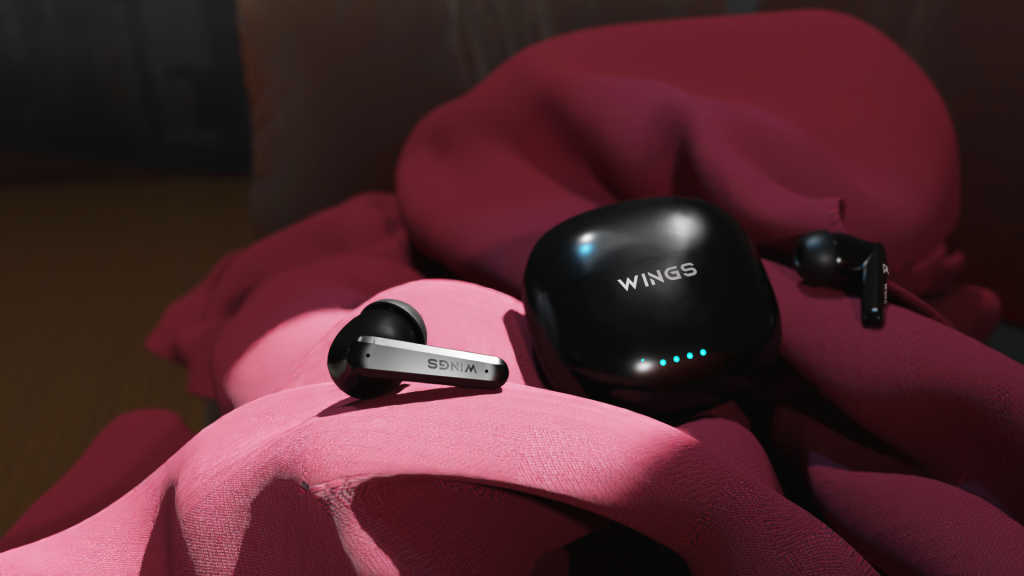
Wings has expanded its range of audio devices in India. The latest offering from the brand is dubbed the Wings Phantom 380. It packs features like ANC at an affordable price tag. The audio device competes against other TWS earphones from brands like Noise, boAt, Boultt Audio, and more in the market. Read on to know what the Wings Phantom 380 offers out of the box.
The Wings Phantom 380 features an in-ear design with a stem and silicone ear tips. It is IPX5-rated water and sweat resistant. Users can perform various functions by tapping on the stem of the earbuds.
In terms of audio, the Wings Phantom 380 is equipped with a high-fidelity 13mm composite driver for bold bass and crisp highs. It features active noise cancellation of up to 30 dB. There are quad mics and environmental noise cancellation for clear-quality calls. The TWS earphones feature 40ms ultra-low latency for gaming purposes. They also come with support for Google Assistant and Siri.
The Wings Phantom 380 is claimed to offer 50 hours of battery life without ANC and 35 hours with the feature enabled. It supports fast charging via a USB-C port. The audio device supports Bluetooth 5.3 and comes with an Open and On feature for connecting quickly to a smartphone.
The Wings Phantom 380 is priced at Rs 1,299 and can be purchased from Amazon, Flipkart, and the brand’s website. It is offered in White and Black colours.
LG recently announced gram Style 2023 notebook in China which boasts a range of impressive features. The laptop now goes on sale in China, with pricing starting at 9,999 yuan ($1,452).
One of the most eye-catching features of the LG gram Style 2023 is its Corning Gorilla Glass design, which allows the laptop to display dynamic rainbow colors. In addition, the laptop boasts a 2.8K OLED display with a 90Hz refresh rate and 100% DCI-P3 color gamut, which has been certified by SGS for low blue light protection.
Under the hood, the LG gram Style 2023 is powered by an Intel Core i5 processor and 16GB LPDDR5 6000MHz memory, providing faster response times. The laptop also boasts a 72Wh high-capacity battery and a new-generation cooling system, allowing it to play videos continuously for up to 15 hours.
In terms of ports, the laptop is equipped with two Thunderbolt 4 ports, an audio jack, a Micro SD card slot, and a USB 3.2 Gen 2 port. It also features LG Security Guard, which supports AI intelligent detection, AI privacy protection, and AI intelligent pointer functions.
The LG gram Style 2023 is available in two sizes, 14-inch and 16-inch. The 16-inch model has a 3.2K OLED screen and a 120Hz refresh rate. Both models also feature a hidden touchpad, which becomes visible when touched by the finger.
The 14-inch model weighs approximately 1kg and has a 72Wh battery and comes with an 80Wh battery. The addition of the LG Security Guard also ensures that users can enjoy enhanced privacy and security while using the laptop. It is available to purchase in China from popular retail platforms like Jingdong. There is no news for the global launch yet.
Meizu is no longer a known name in the smartphone industry. However, the company is still alive and has been releasing its annual flagships in its home market China, except last year.
The firm was acquired by Geely in 2022. Following the acquisition, the new owner confirmed that the brand will release a new premium smartphone lineup in 2023.
As promised, the company has scheduled a launch event for this week to introduce its latest flagship smartphones — Meizu 20 series.
For the unaware, the Meizu 18 series is the company’s last premium smartphone lineup. It was released in 2021. Since there wasn’t a successor in 2022, the brand has skipped the Meizu 19 moniker.
With that out of the way, let’s take a look at everything that’s known about the upcoming Meizu handsets.
Meizu 20 Pro
Meizu 20 Series Launch Date
The Meizu 20 series is set to launch in China on March 30. The press conference will begin at 7:30 PM GMT+8.
The event will be live-streamed on Weibo and other leading Chinese video streaming platforms.
Meizu 20 Series Design
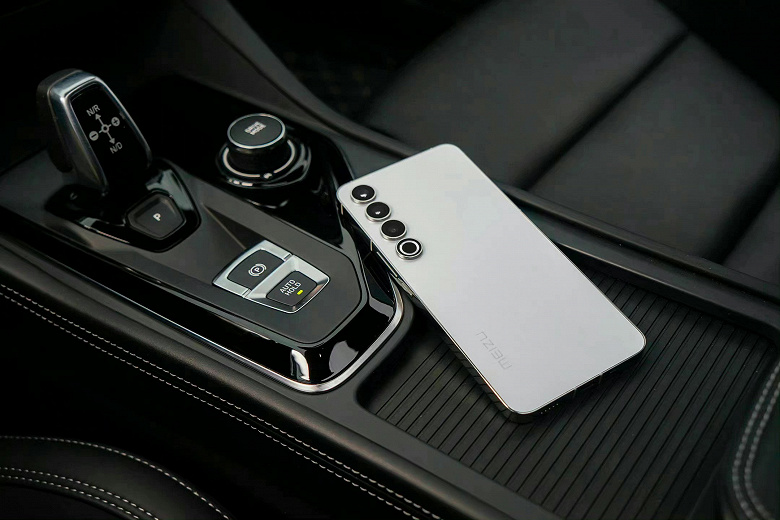
The Meizu 20 series borrows designs from both the Samsung Galaxy S series and the Apple iPhones. It has a flat frame like the iPhones and features a camera layout similar to the Galaxies.
The handsets are expected to arrive in at least two colors, such as white and gold. There could be other hue options as well.
Meizu 20 Series Specifications
The Meizu 20 lineup is said to include two devices, namely Meizu 20 and Meizu 20 Pro. Both of them are expected to be powered by a Qualcomm Snapdragon 8 Gen 2 chipset paired with LPDDR5x RAM and UFS 4.0 storage.
The phones are also tipped to sport 10-bit HDR-enabled OLED displays with up to a 120Hz refresh rate. The pro model will not only have a larger panel but it will also support LTPO technology.
Not much is not known about the cameras, except that the Meizu 20 Pro will flaunt a 1-inch Sony IMX989 sensor, like the rest of the Chinese flagship smartphones from Xiaomi, Oppo, and Vivo.
On the software front, the phones will boot Flyme 10 based on Android 13. Last but not least, the Meizu 20 Pro will draw energy from a 5,000mAh battery and will carry support for 80W wired charging and 50W wireless charging.
Meizu 20 Series Expected Price
The Meizu 20 series may cost between ¥4,000 (~$580) and ¥6,000 (~$870). We wouldn’t be surprised if it costs more than this, given the current economic situation.
South Korea is set to overtake China in spending on advanced chipmaking equipment in 2024, a significant shift signaling the impact of US export controls on the global semiconductor supply chain. Data from SEMI, a US-based global semiconductor association, reveals that South Korea’s investment in fab equipment will likely increase by 41.5% to $21 billion, while China’s spending will only grow by 2% to $16.6 billion. Here are the details…
South Korea beating China in chip spend to reshape global semiconductor supply chain
South Korea is set to overtake China in spending on advanced chipmaking equipment in 2024,.This shift highlights China’s ongoing struggle to secure essential machinery for improving its chips. The US-imposed restrictions have made it increasingly difficult for China to access equipment from leading manufacturers like ASML Holding NV of the Netherlands. With Dutch and Japanese governments also joining the US in imposing export restrictions, advanced chips and equipment from companies such as Nvidia Corp. and Tokyo Electron Ltd. are now largely inaccessible to Chinese buyers.
Source: Bloomberg
As a result, US chipmaking equipment suppliers, including Applied Materials Inc., Lam Research Corp., and KLA Corp., are projected to lose billions in sales this year due to the US restrictions on China. Semiconductor foundries are crucial in the race for economic and political dominance, as they manufacture cutting-edge chips required for artificial intelligence, self-driving vehicles, and other advanced technologies. For example, OpenAI’s ChatGPT was created by assembling tens of thousands of Nvidia’s A100 chips, which are banned for sale in China, into a functional supercomputer.
Recognizing the importance of foundries and the increasing concerns from the US, South Korea is now focusing on building foundries within its own borders. Earlier this month, President Yoon Suk Yeol announced plans to invest in a chipmaking cluster south of Seoul, with Samsung Electronics Co. committing to invest 300 trillion won ($230 billion) over the next two decades. Furthermore, Samsung is constructing a semiconductor plant in Texas to expand its foundry business, particularly in the US market.
Taiwan, home to the world’s largest contract chipmaker, Taiwan Semiconductor Manufacturing Co., is expected to maintain its global lead in fab equipment spending. SEMI predicts that fab equipment spending in Japan will rise to $7 billion in 2024, following the recent lifting of export curbs to South Korea as diplomatic ties and tech supply chains were restored between the two US allies.
Artificial Intelligence is taking over every industry in the world right now, especially with services like ChatGPT becoming more mainstream day by day. In the approaching years, the integration of artificial intelligence (AI) with smartphones is set to transform the way we use and interact with our mobile devices, which are already key factors in our lives as of now. As AI technology continues to advance, it is becoming increasingly clear that the smartphone of the future will be a far more intelligent and intuitive device than anything we have seen before. Let’s see how this revolution is taking place, and how it will shape up in the future.
One of the key ways in which AI will be integrated with smartphones is through the use of virtual assistants. Already, we have seen the likes of Siri, Alexa, and Google Assistant become increasingly sophisticated, able to understand natural language queries and respond with relevant information. However, in the coming years, virtual assistants will become even more intelligent, able to anticipate our needs and preferences and offer personalized recommendations and suggestions. For example, they may be able to suggest restaurants based on our past dining habits, or recommend books based on our reading history. A lot of services already do that, so the future will be quite interesting.
Another way in which AI will be integrated with smartphones is through the use of augmented reality (AR) technology. AR allows digital objects to be overlaid onto the real world, creating a seamless blend of virtual and physical environments. This technology has already been used in a number of smartphone apps, such as Pokemon Go, but in the future, it is likely to become even more widespread. AR could be used to create immersive gaming experiences or to provide real-time information about our surroundings, such as the names of buildings or landmarks. AI and AR are complementary technologies, since services that are working with Augmented Reality technology use AI to build (and integrate) environments that can be catered to audiences. Furthermore, marketing AR tech to users has become easier than ever. For instance, certain AR offers or coupons can appear on the customer’s device when they are shopping through the aisles of a store. This is powered by AI, since it recognizes your location and patterns to recommend you relevant information – in this case, coupons. Google Maps has already started integrating AR within Street view. When you open maps and AR is an option, the app will automatically recommend switching to AR view, and it’s a lifesaver for tourists who like exploring places without the guidance of locals and the barrier of language.
AI will also play a key role in improving the security of smartphones. Already, many smartphones use facial recognition or fingerprint scanning to unlock the device, but these systems can be bypassed by hackers using sophisticated techniques. In the future, AI-powered security systems could use a range of biometric data, such as voice and behavioral patterns, to more accurately identify the user and prevent unauthorized access. For reference, AI is far more capable of recognizing certain frequencies and discrepancies in sound signatures which can help privacy-centric people be stress-free since hacking an AI-powered security barrier will be far harder than a simple fingerprint scanner.
However, as with any technological advancement, there are also concerns about the integration of AI with smartphones. One of the main concerns is the potential loss of privacy, as AI-powered virtual assistants may have access to sensitive personal information. There are also concerns about the impact of AI on employment, as the increasing automation of tasks may lead to job losses in certain industries.
Despite these concerns, it is clear that the integration of AI with smartphones has the potential to revolutionize the way we use and interact with our mobile devices. As technology continues to advance, we can expect to see even more sophisticated virtual assistants, more immersive AR experiences, better photographs, and more secure and personalized smartphones. It is up to us as consumers to ensure that the benefits of these advances are balanced against the potential risks, and that we use this technology responsibly and ethically.
ISRO (Indian Space Research Organisation) has just successfully launched another 36 satellites from its largest LVM3 rocket. These new satellites were launched by NewSpace India Limited (MSIL) and officially completes the plans to release 72 satellites of OneWeb to Low Earth Orbit.
For those unaware, the Indian Space agency had previously deployed 36 satellites of OneWeb back in October 2022. And on Sunday (March 26), it announced that the lift off was successful and carried a total of 36 OneWeb Gen 1 satellites that weigh around 150 kilograms for a total payload of 5,805 kilograms. Following launch, the LVM3 rocket hit the required altitude of 450 kilometers in about 9 minutes.
The rocket reached the conditions to release the satellites into Low Earth Orbit in 18 minutes and began releasing these OneWeb satellites in the 20th minute mark.The new 36 OneWeb satellites were separated in 9 phases with batches of 4. OneWeb also confirmed that the satellite injection was successful as it confirmed the acquisition of signals from all 36 satellites. Notably, this mission being successful also marks the second OneWeb satellite deployment project from India.
Furthermore, this is also OneWeb’s 18th launch, which brings its total OneWeb satellite count to 618 units. The OneWeb constellation design requires 588 satellites for global coverage and additional satellites are planned for resiliency and redundancy, as per the company.
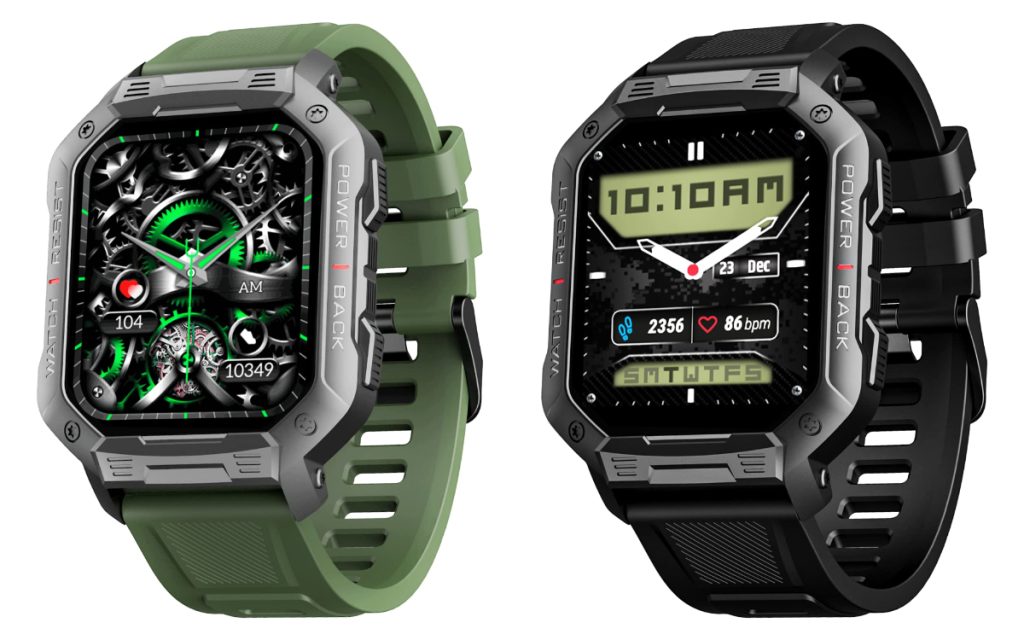
boAt, a leading Indian brand in the audio equipment segment, has added a new smartwatch, the boAt Wave Armour, to its lineup. The boAt Wave Armour is a military-grade smartwatch that boasts a rugged design and advanced features for health and wellness monitoring.
The most impressive feature of the boAt Wave Armour is its tough and durable display. The watch comes with a large 1.83″ HD display with a 240×284 resolution and a high brightness level of 550 nits. This means users can view the screen even in bright sunlight. The watch also has a split-screen widget, which enables users to access multiple features simultaneously.
The design of the boAt Wave Armour is sturdy and built to withstand tough conditions. It has a zinc-alloy body that is resistant to damage, making it ideal for outdoor activities. The watch is IP67-rated, meaning it is dust and water-resistant, making it perfect for fitness enthusiasts who love to work out in any condition. It has a comprehensive health and wellness monitoring system. The watch tracks heart rate, SPO2, and sleep stages. It has 20+ sports modes, including cricket and hiking, making it perfect for fitness enthusiasts.
The battery life of the smartwatch is impressive, lasting up to 7 days on a single charge, or up to 2 days with Bluetooth calling. This means users can wear the watch without worrying about constantly charging it. In terms of connectivity, the smartwatch has Bluetooth version 5.2 and Bluetooth calling. It has a built-in mic and speaker, making it easy for users to make and receive calls on the go.
Pricing and availability
The boAt Wave Armour Smartwatch with Bluetooth Calling feature is now accessible at a special introductory price of only Rs 1,899 on boAt-lifestyle.com and Amazon.in. Customers can choose from two color options, Active Black and Olive Green, to suit their preferences.
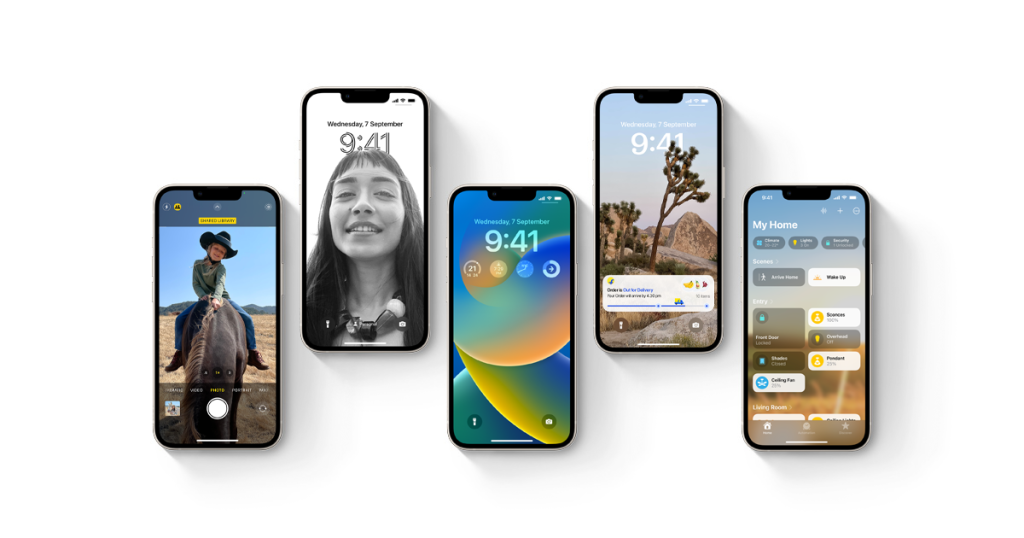
Apple has been working on its next iteration of iOS for sometime now. The new iOS 17 is set to launch later this year and will reportedly come with some highly anticipated features that many have been looking forward to. So here are all the details.
The news arrives from the latest Power On newsletter from Bloomberg’s Mark Gurman. Based on what we know so far, the Cupertino based giant is gearing up to launch the new major software version for its smartphones in June 2023. Previously, it was believed that the iOS 17 update would arrive with incremental changes over the last generation software. But it appears that the iPhone maker has changed its strategy in late development stages.
So now, rather than focusing on simply performance improvements and fixing other issues, it will now launch with a bunch of new features. With the new update, Apple is expected to offer improvements alongside new features such as an updated CarPlay experience, upgrades to Siri, support for sideloading apps and alternate app stores, along with mixed reality headset support, among other things.
In other words, it is clear that the brand will not be launching a simple update this year. We can expect the iOS 17 announcement to arrive sometime in June during the Worldwide Developers Conference (WWDC 2023) event. This is all the information we have at the moment, so stick around for more updates regarding this matter.
OPPO, one of China’s leading smartphone manufacturers, plans to withdraw from its business operations in Germany, France, Netherlands, and the UK. The company will only retain a few employees to handle basic operations, and the plan is expected to be implemented in mid-2023. The move comes amid tough market conditions in Europe, where high sales costs and declining consumer purchasing power have made it increasingly difficult for companies to operate profitably.
OPPO’s decision to scale back its operations in Europe reflects the challenging environment faced by smartphone manufacturers in the region. According to Counterpoint Research, smartphone shipments in Europe declined by 17% in 2022, marking the worst year for the industry since 2012. This trend was particularly pronounced in the fourth quarter of the year when OPPO’s shipment volume fell by 39% year-on-year.
The decline in smartphone sales in Europe has been driven by a number of factors, including the ongoing Russian-Ukrainian conflict and inflation, which have caused a decline in consumer purchasing power. Additionally, the high operating costs associated with doing business in the region have made it difficult for companies to achieve profitability.
Despite these challenges, OPPO remains committed to the European market and plans to invest accurately and efficiently in key markets in the future. The company recently launched the global version of its OPPO Find N2 Flip in London, UK, and showcased multiple products and technologies at the World Mobile Congress in Barcelona, Spain.
However, OPPO is also facing a difficult patent litigation issue in Europe. Nokia has sued OPPO for patent infringement in Finland, Germany, Sweden, the UK, the Netherlands, and other countries after the company entered the European market.
In response to the challenging market conditions, industry experts suggest that smartphone manufacturers will need to focus on innovation and differentiation to stand out in the crowded market. Companies will also need to work closely with carriers and retailers to effectively market and distribute their products in the region.
The use of artificial intelligence technologies is growing every day. AI has been used for various purposes, from academic research to creating non-existent videos. Now, AI is set to replace security personnel as France has approved its use in video surveillance during the 2024 Paris Olympics. Here are the details…
France looks to AI-powered surveillance to secure Olympics
During the 2024 Paris Olympics, France will use AI to monitor and analyze activities across the capital. Government officials say that algorithmic video surveillance can detect pre-determined events, abnormal behavior, and crowd surges, helping to ensure the safety of millions of tourists visiting the French capital next summer. This means AI’s role won’t be limited to merely observing events in real-time.
Some may recall the TV series “Person of Interest,” which aired between 2011 and 2016. The show depicted AI predicting future events and alerting authorized individuals. It seems that the series accurately predicted the future of AI surveillance. However, France’s approach will involve observation through public cameras only, without eavesdropping on phone calls or reading messages like in “Person of Interest.”
Despite these measures, security concerns persist. Critics argue that this could lead to unwarranted surveillance and question whether the government should impose sanctions related to uncommitted crimes. However, many people support the use of AI, believing it will reduce terrorist incidents.
Defending the technology, Stephane Mazars, an MP with President Emmanuel Macron’s Renaissance party, said, “In front of the whole world, France will need to rise to meet the greatest security challenge in its history.” France’s privacy watchdog, CNIL, is also backing the French government’s bill on the condition that no biometric data is treated. However, privacy specialists are still sceptical.
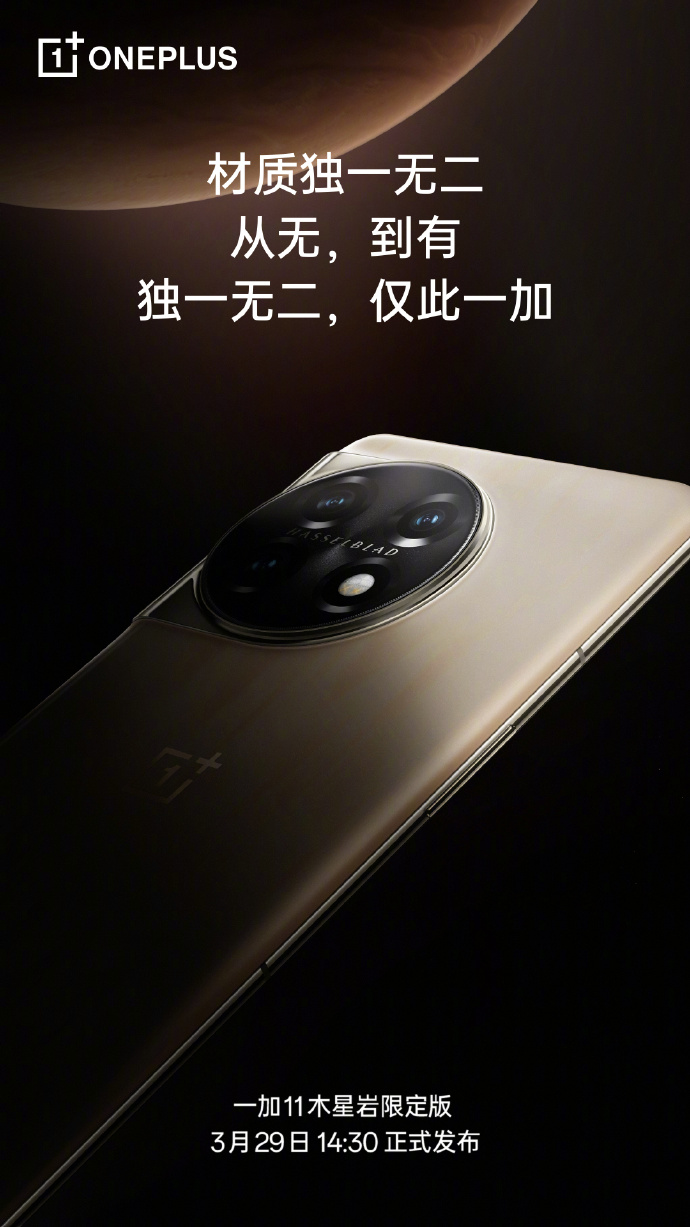
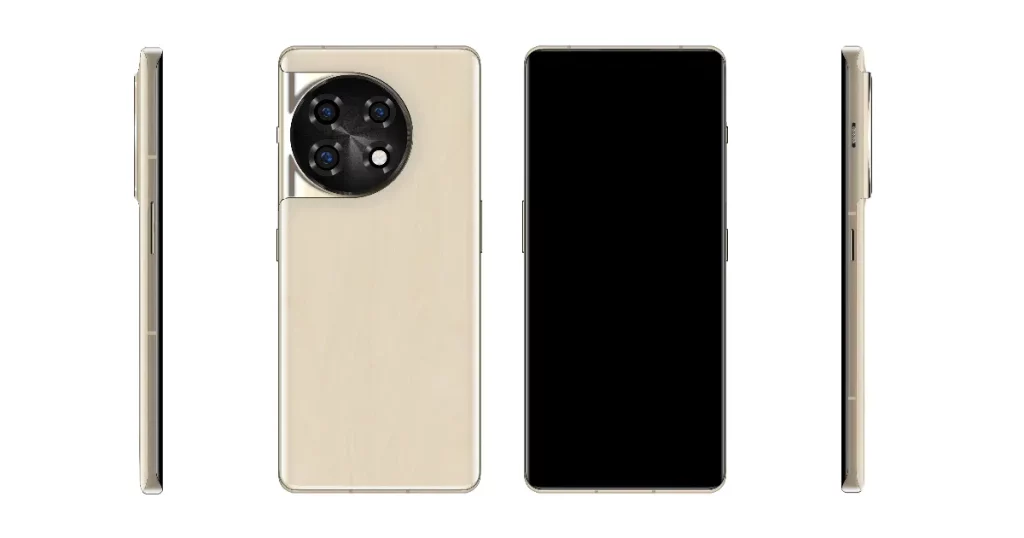
OnePlus has announced the launch of a limited edition variant of its flagship smartphone, the OnePlus 11 5G Jupiter Rock Edition, in China on March 29. The new edition is expected to feature unique design materials with pleasant textures, which have not been used in the industry before. Although details about the materials are currently under wraps, the live image of the Jupiter Rock edition leaked in the past showed a cream-colored back that resembles the shades of Jupiter’s surface.
OnePlus president Li Jie had previously stated that the Jupiter Rock edition will be quite unique, and the phone is expected to be available in limited quantities for a limited time period. More details about the special edition variant are likely to be revealed at the launch event. The OnePlus 11 5G was launched earlier this year in Black and Green color options for global markets.
OnePlus 11 specs
The OnePlus 11 boasts a 6.7-inch QHD+ AMOLED display with curved edges and a hole-punch cutout at the top left corner. It supports a 120Hz refresh rate, offers 1300 nits of peak brightness, and is compatible with Dolby Vision technology. Powered by a Snapdragon 8 Gen 2 SoC, the smartphone comes with up to 16GB of RAM and 256GB of storage.
It also features a 5000mAh battery that supports 100W wired fast charging but doesn’t have wireless charging capabilities. The phone’s triple-camera setup on the back is tuned by Hasselblad and comprises a 50MP Sony IMX890 primary camera, a 48MP ultra-wide camera, and a 32MP telephoto camera. For selfies, the OnePlus 11 5G comes with a 16MP front camera.
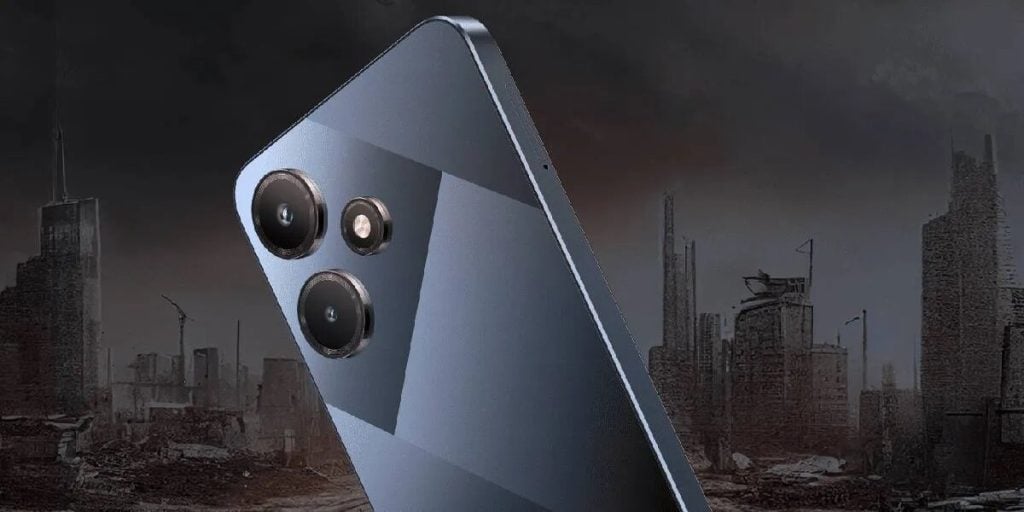
Infinix has just launched a new budget grade smartphone in the Indian market. The device in question is the Hot 30i model, which features so notable specs despite having a sub 10,000 INR price tag. So let’s have a look.
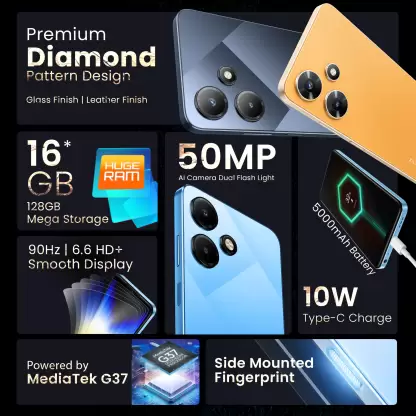
The Hot 30i was just released and sports a 6.6 inch HD+ IPS LCD panel that supports Panda Glass protection, 90Hz refresh rate, and 500 nits of peak brightness. Under the hood, it is equipped with the MediaTek Helio G37 SoC. Despite its affordable price tag, the brand’s new Hot 30i features 8GB of RAM and 128GB of internal storage. Notably, the Hot 30i model also supports virtual RAM expansion, which allows you to get up to 16GB of RAM.
The device is also powered by a large 5,000mAh battery pack, but it only supports 10W standard charging. The rear features a 50 megapixel primary sensor along with an AI lens. On the other hand, the front houses a 5 megapixel selfie shooter. Other notable features include, side mounted fingerprint scanner, Android 12 OS based XOS 12 custom skin, IP53 water and dust resistance, USB Type-C port, 3.5mm headphone jack, 191 grams in weight, and 8.4mm thickness.
The smartphone has been launched in India in multiple color options including, Mirror Black and Glacier Blue. There is also a premium faux leather finish variant as well. It has a price tag of 8,999 INR and is available in India via Flipkart.
We use cookies on our website to give you the most relevant experience by remembering your preferences and repeat visits. By clicking “Accept”, you consent to the use of ALL the cookies.
This website uses cookies to improve your experience while you navigate through the website. Out of these, the cookies that are categorized as necessary are stored on your browser as they are essential for the working of basic functionalities of the website. We also use third-party cookies that help us analyze and understand how you use this website. These cookies will be stored in your browser only with your consent. You also have the option to opt-out of these cookies. But opting out of some of these cookies may affect your browsing experience.
Necessary cookies are absolutely essential for the website to function properly. This category only includes cookies that ensures basic functionalities and security features of the website. These cookies do not store any personal information.
Any cookies that may not be particularly necessary for the website to function and is used specifically to collect user personal data via analytics, ads, other embedded contents are termed as non-necessary cookies. It is mandatory to procure user consent prior to running these cookies on your website.