Advertisement

Samsung Galaxy M47 5G is launching next week, read all the key specs here

Samsung has confirmed the arrival of the Galaxy M47 5G in India, with the smartphone set to launch on June 29. The launch date has been revealed through the device’s Amazon microsite, which has also shed light on several hardware and software features ahead of the official unveiling. Here’s a look at the key specifications of the device.

Samsung Galaxy M47 5G key specifications confirmed

The Amazon listing reveals that the Galaxy M47 5G will be powered by a Snapdragon processor paired with LPDDR5X RAM and UFS 3.1 storage. Samsung is positioning the device as a capable option for gaming and multitasking, while also promising six generations of Android OS upgrades and six years of security updates.

The Galaxy M47 5G will feature a 6.7-inch Super AMOLED display with a 120Hz refresh rate. Samsung says the panel is designed to deliver sharp visuals and smooth scrolling while remaining visible even under bright outdoor conditions. It is equipped with Corning Gorilla Glass Victus+ protection, which claims up to four times better scratch resistance compared to conventional protective glass

The device will support 45W fast charging and include bypass charging, a feature that can route power directly to the phone during gaming sessions to help reduce heat generation and battery strain. Samsung is yet to confirm the battery size of the device.

Samsung Galaxy M47 5G

On the camera front, Samsung has confirmed a 50-megapixel main camera with OIS, a 5-megapixel ultra-wide camera, a 2-megapixel macro sensor and a 12-megapixel front camera. The phone will also support 4K video recording using both the front and rear cameras.

The Galaxy M47 5G will be available in Rogue Red and Blaze Blue color options. At present, there is no information about its pricing.

For more daily updates, please visit our News Section.

Stay ahead in tech! Join our Telegram community and sign up for our daily newsletter of top stories!

Red Magic Gaming Tablet 5 Pro teaser confirms 185Hz refresh rate, higher than Tablet 3 Pro

Gaming tablets have come a long way from niche gadgets to legit portable powerhouses, and Red Magic is stepping up the game once again. The company just teased its newest flagship, the Red Magic Gaming Tablet 5 Pro, and it’s packing an insane 185Hz ultra-high refresh rate display that should make everything look buttery smooth for mobile gaming and more.

They’re planning to officially launch it on June 30 at 15:00 local time in China. From what we’ve seen so far, this tablet mixes serious performance hardware with that bold, gamer-focused aesthetic Red Magic is known for.

Apart from its upgraded 9-inch 185Hz OLED screen, a step up from last year’s 165Hz panel on the Tablet 3 Pro, it also features a striking semi-transparent back with vibrant RGB lighting integrated into the water-cooling system.

Red Magic says they used custom light-guiding materials that boost lighting uniformity by 200%. It’ll come in two cool color options: Deuterium Blade Transparent Silver Wing and Deuterium Blade Transparent Dark Night. The back is completely flat, and the company calls it a “golden size” that’s comfortable to hold in one hand for long gaming sessions.

Inside, it’s running Qualcomm’s Snapdragon 8 Elite Gen 5 processor, with up to 24GB of RAM and a massive 1TB of storage. Heat management is a big deal here: the new Magic Cooling system includes a piezoelectric micro-pump, RGB lighting effects, and what looks like extra fan support to keep things stable under heavy load. Battery-wise, there’s an 8,300mAh cell (up from 8,200mAh of its predecessor) with fast charging, which should give it decent staying power.

Last year’s Red Magic Gaming Tablet 3 Pro (known globally as the Red Magic Astra) used the Snapdragon 8 Elite and started around 3,999 yuan, which translates to roughly €517 at the current exchange rate. The 5 Pro feels like a solid evolution: higher refresh rate, better cooling, and a more premium transparent look that shows off the internal liquid cooling pipes.

Red Magic has built a strong name for itself by going all-in on aggressive cooling and gamer-centric features, and the Gaming Tablet 5 Pro clearly continues that tradition. The 185Hz OLED should feel fantastic in high-frame-rate games, and the see-through design with customizable RGB adds some real personality that sets it apart from regular tablets.

Don’t miss a thing! Join our Telegram community for instant updates and grab our free daily newsletter for the best tech stories!

For more daily updates, please visit our News Section.
(Source: Red Magic on Weibo)

Vivo X Fold 6 price leak reveals a major jump in cost

Vivo is all set to announce the Vivo X Fold 6 foldable phone on June 26 in China. The official pre-order listings of the device have revealed that it will be available in multiple configurations. A leaked image that is now doing the rounds on Chinese social media platforms has revealed that the X Fold 6 will arrive with a major jump in cost.

Vivo X Fold 6 price leaked

In China, the Vivo X Fold 6 will be available in four options: 12GB+256GB, 12GB+512GB, 16GB+512GB, and 16GB+1TB. As can be seen above, the leaked image reveals that these variants will be priced at 9,999 Yuan (~$1,475), 10,999 Yuan (~$1,625), 11,499 Yuan (~$1,700), and 12,499 Yuan (~$1,845), respectively.

This is a major jump, as the Vivo X Fold 5 with the same respective configurations was priced at 6,999 Yuan (~$1,030), 7,999 Yuan (~$1,180), 8,499 Yuan (~$1,250), and 9,499 Yuan (~$1,400), respectively. The leaked pricing suggests the Vivo X Fold 6 could be nearly 40 percent more expensive than the X Fold 5 across comparable storage variants.

While the price hike seems quite high, it is in line with competitors. To recall, the Honor Magic V6 and Oppo Find N6 base models with 12GB+256GB configurations are priced at 8,999 Yuan (~$1,330) and 9,999 Yuan (~$1,475), respectively. As with all leaks, it is advisable to take the X Fold 6 pricing with a pinch of salt, as its authenticity could not be confirmed.

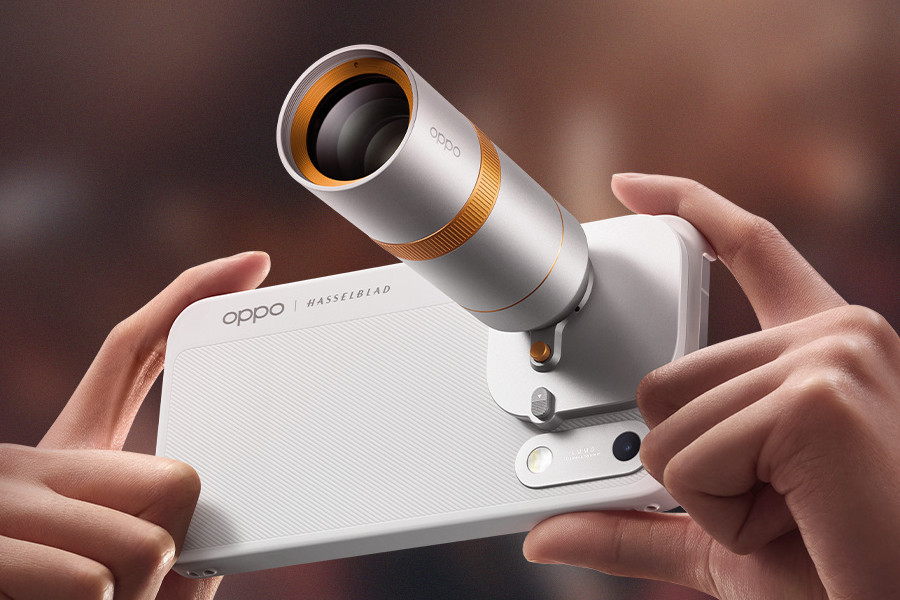
While competing foldable phones feature the Snapdragon 8 Elite Gen 5 chip, the Vivo X Fold 6 will reportedly use the Dimensity 9500 Super Edition. Apart from the chipset, the foldable phone is confirmed to feature an 8.02-inch foldable OLED screen, a 200-megapixel triple camera setup that includes a 50-megapixel periscope telephoto camera, OriginOS 6 Fold UI, and a 7,000mAh battery. It will also feature a side-facing fingerprint sensor and have support for telepha oto extender accessory.  

For more daily updates, please visit our News Section.
Stay ahead in tech! Join our Telegram community and sign up for our daily newsletter of top stories!

(via)

Motorola Edge 70 Max leak reveals renders, Snapdragon 8 Gen 5, magnetic wireless charging

Motorola’s Edge 70 series could soon gain another member. Leaked renders and details of the Motorola Edge 70 Max have surfaced online, offering an early look at what appears to be a new high-end addition to the lineup. The images reveal the device’s design and hint at several premium features ahead of its official announcement.

Motorola Edge 70 Max design and key features

Based on the leaked renders, the Edge 70 Max follows Motorola’s familiar design language with a flat frame, slim display bezels, and a centred punch-hole cutout for the selfie camera. The device is shown in Onyx Black, Sage Green, and Glacier Blue color options, giving users a choice of understated as well as vibrant finishes.

The rear panel houses a square camera module that includes a 50-megapixel primary camera based on a Sony Lytia sensor with optical image stabilization. Alongside the main camera, the setup appears to feature an additional camera and a third sensor. While details about the remaining cameras have not surfaced, the leak suggests Motorola is targeting users who want a capable photography experience without stepping into ultra-premium territory.

Another notable detail is the presence of MIL-STD-810H certification, indicating a focus on durability. The images also show a dedicated button on the left side of the frame, although its functionality remains unknown. One render additionally depicts the phone attached to a puck-shaped wireless charger, hinting at support for magnetic Qi2 accessories and wireless charging.

Motorola Edge 70 Max

The Edge 70 Max is said to be powered by Qualcomm’s Snapdragon 8 Gen 5 chipset, which also powers the more premium Motorola Signature phone. Several specifications remain under wraps, including battery capacity, charging speeds, display details, and pricing. It is also unclear whether the Edge 70 Max is the same device that previously appeared in rumours as the Motorola Edge 70 Ultra. Motorola has yet to confirm any details, but the leaked renders suggest the launch may not be far away.

For more daily updates, please visit our News Section.

Stay ahead in tech! Join our Telegram community and sign up for our daily newsletter of top stories!

(source)

Redmi brings back 4/64GB configuration with the new Redmi 17C

Xiaomi has launched the Redmi 17C in China, and the timing says a lot about where budget smartphones are heading. The phone succeeds the Redmi 15C, skipping a generation entirely, and arrives with a RAM configuration that would have seemed like a regression just two years ago.

The Redmi 17C ships with just 4GB of RAM, consistent with what industry reports had predicted as the new floor for budget Android phones. That’s half the 8GB ceiling its predecessor offered just nine months ago. 

Redmi 17C launch specs price

Xiaomi pairs it with either 64GB or 128GB of storage, with the base variant priced at 799 yuan (approximately $110) and the 128GB model at 899 yuan (approximately $132).

A familiar design with a camera trick

The Redmi 17C runs on a MediaTek Helio G81 Ultra chipset clocked at 2GHz and runs HyperOS 3 out of the box. The front houses a 6.88-inch LCD with a 120Hz refresh rate, 240Hz touch sampling, DC Dimming, and TÜV Rheinland eye protection certification. A side-mounted fingerprint scanner handles biometric unlock.

Redmi 17C Camera and Design

At the back, the circular decoration may trick you into believing it’s a quad-camera setup, but it houses a single 13MP lens and an LED flash. The other two rings are just decorative. Meanwhile, the front camera is a 5MP shooter. It is a design choice that prioritizes aesthetics over hardware, consistent with the phone’s budget positioning.

A 5,160mAh battery with 18W wired charging keeps the device running. The Redmi 17C is available in three finishes: Red with a faux leather texture, and Black and White with a glossy finish. A 3.5mm headphone jack is also included.

There’s no word yet on when and where Xiaomi will launch the Redmi 17C in international markets.

For more daily updates, please visit our News Section.
Stay ahead in tech! Join our Telegram community and sign up for our daily newsletter of top stories!

(Source)

Realme P4x’s new variant launches with 8,000mAh battery, attractive design

Realme already offers the Realme P4x 5G in select markets with a large 7,000mAh battery. The company has now introduced a new 4G variant of the smartphone, trading 5G connectivity for an even bigger 8,000mAh battery. However, battery capacity is not the only highlight, as the device also brings a large display, gaming-focused features, and Android 16 out of the box. Here’s everything you need to know about the latest Realme P4x (4G).

Realme P4x (4G) specifications and features

Realme P4x (4G)
Realme P4x (4G)

The Realme P4x features a 6.8-inch LCD waterdrop notch with HD+ resolution, a 120Hz refresh rate, and up to 900 nits of brightness in high-brightness mode. It is powered by the T7250 octa-core chipset paired with LPDDR4X RAM and eMMC 5.1 storage. Depending on the market, the phone is available in multiple memory configurations and also supports expandable storage through a microSD card slot.

One of the key highlights is its 8,000mAh battery, which supports 45W SuperVOOC charging. Realme claims the battery can deliver close to 10 hours of continuous gaming in supported titles. The device also supports reverse charging, allowing it to power compatible accessories and smartphones. To help manage heat during long gaming sessions, the phone includes an 11,124mm² cooling system.

For photography, the handset is equipped with a 50-megapixel rear camera and a 5-megapixel front-facing camera. It runs Realme UI based on Android 16 and includes Google Gemini integration, which can be launched through the power button.

Other notable features include a customizable notification LED, a side-mounted fingerprint scanner, dual SIM support, Wi-Fi 5, Bluetooth 5.2, a 3.5mm headphone jack, IP64-rated dust and water resistance, and military-grade shock resistance.

Realme P4x (4G) price and availability

In Malaysia, the Realme P4x’s 4GB + 256GB variant is priced at MYR 799 (~$195). It is available in Rally White and Phantom Blue color options.

For more daily updates, please visit our News Section.
Stay ahead in tech! Join our Telegram community and sign up for our daily newsletter of top stories!

Galaxy Watch Ultra 2’s latest leak reveals design changes

Samsung’s next-generation smartwatches are once again in the spotlight ahead of their expected debut next month. Leaked renders and details related to the Galaxy Watch Ultra 2 and Galaxy Watch 9 have surfaced online, giving an early look at Samsung’s design direction and some of the upgrades that may be in store.

Galaxy Watch Ultra 2 may focus on refinement

As per a leak by tipster Galaxy Techie, Samsung appears to be retaining the overall design language of the original Galaxy Watch Ultra. The leaked sketches show a familiar squircle-shaped chassis instead of a traditional circular case, suggesting the company is sticking with the look introduced last year.

While the overall appearance remains largely unchanged, a few refinements are said to be on the way. The Galaxy Watch Ultra 2 could feature slimmer bezels around the display, potentially allowing for a more immersive viewing experience. The side button area is also expected to receive adjustments, while the signature orange Quick Button may adopt a subtler design with an orange outline instead of being fully coloured.

The renders currently circulating online appear to be software illustrations rather than actual photographs of the smartwatch. As a result, some design elements could differ from the final retail version that Samsung eventually unveils.

The same leak also sheds light on Samsung’s upcoming Galaxy Watch 9. Unlike previous generations, the standard model is tipped to feature a boxier design. Samsung is reportedly skipping a Classic variant this year, leaving the Galaxy Watch 9 and Galaxy Watch Ultra 2 as the main smartwatch offerings.

The Galaxy Watch 9 is expected to arrive in beige, black and silver colour options paired with new band designs. Both watches could ship with updated watch faces and new features as part of One UI 9 Watch, which is based on Wear OS 7.

Battery details have also emerged, with the Galaxy Watch Ultra 2 rumoured to include an 800mAh battery, while the Galaxy Watch 9 may feature a 400mAh cell. Samsung is expected to unveil the new wearables alongside its next foldable smartphones at a Galaxy Unpacked event scheduled for July 22 in London.

What are your thoughts on the Galaxy Watch Ultra 2’s leaked design? Do the slimmer bezels and refined buttons sound like meaningful upgrades to you?

For more daily updates, please visit our News Section.

Stay ahead in tech! Join our Telegram community and sign up for our daily newsletter of top stories!

Faster AI, quicker apps: Samsung reveals its first UFS 5.0 storage solution

Samsung has unveiled its next-generation UFS 5.0 storage technology, marking a major step forward for mobile memory. The new solution is designed with future AI-powered devices in mind and aims to improve how smartphones, wearables and other connected products handle large amounts of data locally.

UFS 5.0 pushes storage performance to a new level

Samsung UFS 5.0
Samsung unveils UFS 5.0

According to Samsung, the new UFS 5.0 standard delivers significantly higher performance than the current generation. The company claims sequential read speeds of up to 10.8GB/s and write speeds of up to 9.5GB/s, making it the fastest UFS solution announced so far. These figures are more than twice as fast as those offered by Samsung’s UFS 4.1 technology.

The faster storage speeds are expected to benefit on-device AI tasks, particularly those involving large language models and generative AI features. As more AI processing shifts from cloud servers to smartphones and other devices, storage performance is becoming increasingly important for reducing delays and improving responsiveness.

Samsung says the new solution is based on the latest embedded memory interface specifications defined by JEDEC. The higher bandwidth allows devices to move and process large datasets much faster, which could translate into quicker AI responses and smoother multitasking experiences.

Beyond performance gains, Samsung has also focused on efficiency. The company says UFS 5.0 improves power efficiency by over 40 percent compared to its UFS 4.1 solution. This has been achieved through technologies such as clock gating and multi-voltage operation, helping devices transfer data while consuming less power.

The storage package itself measures 7.5mm x 13mm x 0.9mm, making it around 16.7 percent smaller than the previous generation. The compact footprint can free up internal space for other components and could prove useful in products such as smartphones, XR headsets and AI-focused wearables.

Samsung plans to begin mass production of UFS 5.0 in the fourth quarter of 2026, with capacities reaching up to 1TB. The company expects the technology to be adopted across a range of next-generation devices as demand for advanced on-device AI capabilities continues to grow.

For more daily updates, please visit our News Section.

Stay ahead in tech! Join our Telegram community and sign up for our daily newsletter of top stories!

Honor launches Earbuds 5e with adaptive 52dB ANC, LHDC 5.0, AI features & 45h battery life

Honor announced the Earbuds 5e in China today, launching the new audio hardware alongside its X80 Pro Max smartphone.

Honor Earbuds 5e

Honor Earbuds 5e Specifications

The earbuds use a standard semi-in-ear design with a stem. They weigh 4 grams each and have an IP54 rating for basic dust and water resistance. Inside, Honor is using a 12mm dynamic driver with a diamond-like carbon diaphragm. This material is more rigid than standard titanium or gold coatings, which is intended to limit audio distortion. For audio quality, they support the LHDC 5.0 codec and are Hi-Res Audio certified, allowing for 24-bit audio transmission.

The earbuds feature adaptive active noise cancellation that automatically adjusts to your surrounding environment. The system can reduce noise by up to 52dB at its peak, with an average reduction of 28dB across the frequency range. For phone calls, each earbud includes three microphones that use AI algorithms to filter out background noise, alongside wind suppression for speeds of up to 6m/s.

In terms of battery life, the earbuds provide up to nine hours of playback with ANC turned off, and the 550mAh USB-C charging case brings the total up to 45 hours. If you leave ANC on, playback drops to 5.5 hours for the buds and 28 hours total. It also features fast charging and a 10-minute charge adds about three hours of listening time.

Honor Earbuds 5e

Honor included several software features, though the more advanced ones require a compatible Honor smartphone. These include an AI translation tool that works with 15 languages and a meeting assistant that can transcribe and translate recordings. Otherwise, the earbuds offer standard touch and swipe controls, wear detection to auto-pause music, and dual-device connectivity to link a phone and a computer simultaneously.

Pricing and Availability

The Earbuds 5e come in Moonlight White and Midnight Black. They are available for pre-order in China now, with regular sales starting June 26th. Early buyers can get them for an introductory price of 299 yuan ($44) before the cost returns to the regular 349 yuan ($52).

In related news, Lenovo has recently introduced its Yoga Earbuds with up to 40dB active noise cancellation and up to 36 hours of total battery life, while Edifier has unveiled the FitBuds Turbo, featuring LDAC audio support, up to 49dB ANC, and up to 40 hours of battery life.

For more daily updates, please visit our News Section.

Stay ahead in tech! Join our Telegram community and sign up for our daily newsletter of top stories!

(Honor)

Gmktec launches Evo-X3 Mini PC with Ryzen AI Max+ 395, 128GB LPDDR5X RAM & OCuLink

Gmktec has released the Evo-X3 in China, a new mini PC that focuses heavily on local AI processing and high-capacity memory. The system is also scheduled for a global release on July 6th, pushed back slightly from an initially planned June 29th date.

Gmktec Evo-X3 Mini PC

Gmktec Evo-X3 Specifications

The Evo-X3 is powered by AMD’s Ryzen AI Max+ 395, a 4nm processor featuring 16 cores and 32 threads. It includes AMD Radeon 8060S integrated graphics and an XDNA2-based NPU that provides 50 TOPS of dedicated performance. Altogether, the system is rated for up to 126 TOPS of total AI compute.

The Evo-X3 comes equipped with 128GB of LPDDR5X RAM running at 8000MT/s. Because local AI models require significant video memory, Gmktec allows users to allocate up to 96GB of this system memory directly as VRAM. The company claims this setup enables the machine to run large local models, such as Qwen3 235B, and states that its performance in LM Studio can surpass a desktop RTX 4090 in specific workloads.

To support these hardware capabilities, the computer ships with Gmktec’s Claw AI software pre-installed. The platform is optimized for AMD’s ROCm ecosystem and is intended to make deploying large language models locally more straightforward, minimizing the usual manual setup requirements.

Physically, the Evo-X3 uses a CNC-machined metal chassis. To manage the heat generated by sustained workloads, the cooling system relies on three copper heat pipes and three active fans, with standard selectable power profiles for silent, balanced, and performance modes. Storage is handled by dual PCIe 4.0 x4 M.2 slots, supporting a maximum capacity of 16TB.

For connectivity, the system includes a native OCuLink port, allowing users to attach external desktop graphics cards, including Nvidia’s RTX 40-series and 50-series, if the integrated GPU isn’t sufficient for their specific needs. It also features USB4, Wi-Fi 7, a 2.5G Ethernet port, and supports dual 8K display outputs.

Pricing and Availability

The EVO-X3 is priced at 21,699 yuan ($3,205) for the model with 128GB of RAM and a 1TB SSD. The version with a 4TB SSD is available for 25,699 yuan ($3,796).

In related news, Peladn has recently launched the HO5 Mini PC featuring AMD’s Ryzen AI 9 HX 470 processor, an OCuLink port, and support for external GPU expansion.

For more daily updates, please visit our News Section.

Stay ahead in tech! Join our Telegram community and sign up for our daily newsletter of top stories!

(JD)

OnePlus Nord 6 vs iQOO Neo 10: Which Snapdragon 8s Gen 4 Phone Should You Buy?

OnePlus Nord 6 and iQOO Neo 10 bring flagship-level performance to the upper mid-range segment, but they take different approaches. While the Nord 6 focuses on battery life, durability, and software refinement, the Neo 10 aims to deliver maximum value with faster charging and aggressive pricing. Here’s how they compare across the areas that matter most.


Major Features:

CategoryOnePlus Nord 6iQOO Neo 10Winner
Display6.78-inch AMOLED, 165Hz, 3,600 nits peak, Ultra HDR6.78-inch AMOLED, 144Hz, 4,400 nits peak, 4,320Hz PWMiQOO – Brighter panel
Build & DurabilityIP68/IP69K, Crystal Guard protection, MIL-STD-810HIP65, Shield Glass, MIL-STD-810HOnePlus – Much better protection
ProcessorSnapdragon 8s Gen 4Snapdragon 8s Gen 4Tie – Same chipset
GPUAdreno 825Adreno 825Tie – Identical graphics
SoftwareAndroid 16, OxygenOS 16Android 15, Funtouch OS 15OnePlus – Newer software
StorageUp to 512GB UFS 4.1Up to 512GB UFS 4.1Tie – Similar storage options
Rear Camera50MP OIS + 8MP ultrawide, Color Spectrum Sensor, Ultra HDR50MP OIS + 8MP ultrawideOnePlus – Better imaging features
Selfie Camera32MP with PDAF autofocus, 4K 30fps32MP, 4K 60fpsOnePlus – Autofocus advantage
Video RecordingRear: 4K 60fps, Front: 4K 30fpsRear: 4K 60fps, Front: 4K 60fpsiQOO – Better selfie video
Battery7,500mAh Global / 9,000mAh India7,000mAhOnePlus – Massive capacity
Charging80W wired120W wirediQOO – Much faster charging
Reverse Charging6.5W Global / 27W IndiaReverse wired chargingOnePlus – Stronger implementation
ConnectivityWi-Fi 7, Bluetooth 6.0, NFC, IR BlasterWi-Fi 7, Bluetooth 5.4, NFC, IR BlasterOnePlus – Newer Bluetooth
AudioStereo speakersStereo speakersTie – Similar setup
PriceAround $460 / ₹39,000Around $400 / ₹32,000iQOO – Better value
Overall ValueBetter durability, battery, softwareBetter pricing, charging, brightnessOnePlus – More complete package

1. Design and Display

Build and Feel

The OnePlus Nord 6 puts a greater focus on durability and long-term reliability. It comes with IP68 and IP69K dust and water resistance, making it one of the better-protected devices in its segment. The iQOO Neo 10 offers IP65 protection, which is sufficient for everyday splashes and dust exposure, but it does not provide the same level of confidence as the Nord 6. Both devices feature a glass front paired with a plastic frame and plastic back, while MIL-STD-810H certification is present on both phones. For users who frequently travel or spend time outdoors, the Nord 6 offers a more reassuring package.

Display Quality

Both smartphones feature high-quality AMOLED panels with support for over a billion colors and excellent sharpness. The Nord 6 uses a 165Hz refresh rate panel, delivering exceptionally smooth scrolling and gaming performance. The Neo 10 counters with a brighter display, reaching up to 4,400 nits peak brightness compared to the Nord 6’s 3,600 nits. It also offers higher 4,320Hz PWM dimming, which may improve viewing comfort during prolonged use in darker environments. The Nord 6 supports Ultra HDR and delivers vibrant visuals that look premium in everyday usage.

Verdict

The OnePlus Nord 6 has the advantage in durability and protection, while the iQOO Neo 10 offers a brighter display. Buyers who prioritize reliability may prefer the Nord 6, while display enthusiasts may appreciate the Neo 10’s brighter panel and higher PWM dimming.

2. Specifications Including Battery

Performance

Performance is nearly identical because both smartphones are powered by Qualcomm’s Snapdragon 8s Gen 4 processor paired with the Adreno 825 GPU. Daily multitasking, intensive gaming, and productivity workloads are handled effortlessly on both devices. UFS 4.1 storage is available on higher-capacity variants, ensuring quick app launches and smooth system responsiveness. In practical usage, neither phone has a meaningful performance advantage, making software optimization a key differentiator.

The Nord 6 ships with Android 16 and OxygenOS 16, providing a newer software foundation. OxygenOS continues to be appreciated for its clean interface and smooth navigation. The Neo 10 runs Android 15 with Funtouch OS 15, which offers extensive customization but can feel slightly more feature-heavy. Both devices are excellent for gaming, but the cleaner software experience may appeal to some users.

Battery and Charging

Battery capacity is where the Nord 6 stands out. The global variant packs a 7,500mAh battery, while the India version increases capacity to an enormous 9,000mAh. The Neo 10 features a 7,000mAh battery, which remains impressive but cannot match the Nord 6’s endurance potential. However, iQOO responds with significantly faster 120W charging, reaching full capacity in around 36 minutes. The Nord 6 supports 80W charging, which is still very fast for daily use.

Verdict

The iQOO Neo 10 wins in charging speed, but the OnePlus Nord 6 delivers superior battery endurance. Users who value longer runtime between charges are likely to find the Nord 6 more attractive overall.

3. Camera

Main and Secondary Lenses

Both smartphones use a similar camera setup consisting of a 50MP primary sensor with optical image stabilization and an 8MP ultrawide camera. This results in very similar photography capabilities on paper. Daylight images should deliver strong detail, balanced colors, and reliable dynamic range, while OIS helps maintain stability during both photography and video recording. Each device supports 4K video recording at up to 60fps, making them capable options for casual content creators.

The Nord 6 gains a small edge thanks to the inclusion of a color spectrum sensor and Ultra HDR support. These additions can contribute to more accurate color reproduction and improved image presentation on supported displays. While the Neo 10 remains highly capable, the Nord 6 appears slightly more refined in its overall imaging approach.

Selfie Camera

Both devices feature 32MP front-facing cameras capable of recording 4K video. The Nord 6 includes PDAF autofocus, which can help maintain sharper focus during selfies and video calls. The Neo 10 supports 4K recording at up to 60fps from the front camera, offering additional flexibility for vloggers and content creators.

Verdict

The OnePlus Nord 6 takes a narrow victory in the camera department. The difference is not dramatic, but autofocus support and additional imaging enhancements give it a slight advantage for photography-focused users.

4. Pricing

The OnePlus Nord 6 is priced around $460 / ₹39,000, while the iQOO Neo 10 is priced around $400 / ₹32,000. This creates a gap of roughly $60 / ₹7,000, making the Neo 10 the more affordable option. For buyers focused on performance, the Neo 10 offers tremendous value because it delivers the same Snapdragon 8s Gen 4 processor, a premium AMOLED display, and ultra-fast 120W charging at a lower cost.

The Nord 6 justifies its higher price through stronger water resistance, a newer Android version, larger battery options, and a slightly more polished camera and software experience. These improvements may not be immediately obvious on a specification sheet, but they contribute to a more premium ownership experience over time.

Verdict

The iQOO Neo 10 offers better value for money, while the OnePlus Nord 6 provides more premium features. Buyers seeking maximum specifications per rupee should lean toward the Neo 10, while those prioritizing durability and battery life may find the Nord 6 worth the extra investment.

5. Conclusion

OnePlus Nord 6 differentiates itself with IP68/IP69K certification, Android 16 out of the box, OxygenOS 16, Crystal Guard protection, and a massive battery that reaches up to 9,000mAh in the India variant. These features make it particularly attractive for users seeking exceptional battery life and stronger durability.

iQOO Neo 10 focuses on delivering flagship-grade performance at a lower price. Its highlights include 120W fast charging, a brighter AMOLED display, higher PWM dimming, and a highly competitive price point. Despite costing less, it still delivers the same Snapdragon 8s Gen 4 chipset and a premium user experience.

Verdict

Choose the OnePlus Nord 6 if battery life, durability, software polish, and camera refinements are the top priorities. Choose the iQOO Neo 10 if faster charging and stronger value for money matter most. 

Overall, the Nord 6 is the more complete all-around package, while the Neo 10 stands out as one of the strongest performance-focused smartphones in its price segment.

Read More:

Mechrevo launches new compact desktop with Intel Core i5-13420H, 16GB RAM & 512GB SSD

Mechrevo has launched a new compact desktop PC, the WuJie S500e, in China. The computer is built around Intel’s Core i5-13420H processor and carries a standard retail price of 3,699 yuan (about $546). For its initial release on June 25, the company is offering a discounted launch price of 3,499 yuan ($516).

Mechrevo WuJie S500e

Mechrevo WuJie S500e Specifications

The WuJie S500e is housed in a 7-liter chassis made from SGCC steel. It is designed to take up minimal space on a desk and can be placed in either a vertical or horizontal orientation depending on your setup. The lower front panel features a diamond-pattern grille to allow for airflow, and the case uses a tool-free mechanism so users can open it easily for basic maintenance or hardware upgrades.

Inside, the system runs on the Intel Core i5-13420H, which is a mobile processor typically found in laptops. It features 8 cores and 12 threads, 12MB of cache, and a maximum clock speed of 4.6GHz. Because it relies on Intel’s integrated UHD Graphics, this computer is intended for standard office tasks, web browsing, and media playback rather than gaming or heavy video rendering. The processor is paired with 16GB of dual-channel memory and a 512GB solid-state drive for storage.

To cool the laptop-grade processor inside a desktop case, Mechrevo included a heatsink with three copper heat pipes. The cooling system generates about 38 decibels of noise during regular use and reaches 40 decibels when the system is under full load.

For connectivity, the computer has a total of eight USB ports. The front panel includes two USB-A 3.2 Gen 1 ports, two USB-A 2.0 ports, and standard 3.5mm audio jacks. On the back, there are two more USB-A 3.2 Gen 1 ports, two additional USB-A 2.0 ports, an RJ45 Ethernet jack, an HDMI port, and a DisplayPort. The inclusion of the two display outputs allows users to connect two monitors at once.

The PC includes a built-in 120W power supply, which means there is no external power brick to manage. The system also supports Wi-Fi 6E and Bluetooth 5.4 for wireless connections, and it ships with Windows 11 pre-installed.

In related news, Lenovo has recently unveiled a new gaming desktop configurable with Intel or AMD processors and Nvidia RTX 50-series graphics, while Asus has introduced the ExpertCenter P200 AiO PC powered by Ryzen processors.

For more daily updates, please visit our News Section.

Stay ahead in tech! Join our Telegram community and sign up for our daily newsletter of top stories!

(JD)

Keychron unveils V6 Ultra HE keyboard with support for both mechanical & TMR magnetic switches

Keychron has listed a new full-size keyboard on its website, the V6 Ultra HE, ahead of a Kickstarter campaign planned for July 22nd. The board is designed to support both traditional mechanical switches and newer TMR magnetic switches on the exact same circuit board.

Keychron V6 Ultra HE

Keychron V6 Ultra HE Specifications

To do this, the keyboard uses a hybrid design Keychron calls the Nova Socket. The practical application here is that you can mix and match switch types based on what you are doing.

For example, you can place magnetic switches in gaming-heavy areas like the WASD cluster to use their adjustable actuation, while keeping standard mechanical switches on the rest of the board for a standard typing feel. Out of the box, the V6 Ultra HE comes pre-installed with a mix of Keychron’s Ultra Fast Lime magnetic switches and Apex mechanical switches.

Keychron V6 Ultra HE

The magnetic switches rely on TMR sensing technology. This allows users to set custom actuation points, use rapid trigger for faster key resets, and configure SOCD behavior. Rather than requiring you to install a dedicated desktop app, Keychron handles these hardware adjustments, as well as basic keymapping and macros, through a QMK-powered open-source web launcher.

The connectivity options are fairly standard for current keyboards. It includes an 8,000Hz polling rate when plugged in via USB, a 2.4GHz wireless mode for lower latency, and Bluetooth 5.3 for connecting to multiple devices. There is also built-in support for both macOS and Windows layouts.

Keychron V6 Ultra HE

The physical build includes a gasket-mounted structure and multiple layers of sound-dampening materials to manage typing noise. The keycaps are made of double-shot PBT plastic in Keychron’s OSA profile.

The keyboard also features a detachable battery module. This makes the battery easier to replace down the line, which aligns with upcoming European Union regulations regarding user-replaceable batteries in electronics.

Pricing and Availability

The exact retail price isn’t public yet. Keychron is currently taking $5 deposits on its website, which grants backers an early-bird price listed as “$1?9” when the Kickstarter goes live. This indicates the promotional price will fall somewhere between $109 and $199.

In related news, Lenovo has launched an affordable tri-mode mechanical keyboard with hot-swappable switches, while Logitech has unveiled the G316 X 98 gaming keyboard featuring an 8,000Hz polling rate and hot-swappable switch support.

For more daily updates, please visit our News Section.

Stay ahead in tech! Join our Telegram community and sign up for our daily newsletter of top stories!

(Keychron)

Honor X80 Pro Max launches with 11,000mAh battery, 10,000-nit display, and Snapdragon 6 Gen 5

After launching a couple of smartphones with 10,000mAh batteries, Honor is now back with the X80 Pro Max, its biggest battery phone yet. The device not only claims the title of the largest-battery smartphone from a mainstream brand but also debuts with what Honor says is the industry’s first 10,000-nit peak brightness display and Qualcomm’s latest Snapdragon 6-series chipset. Here’s everything you need to know about the new device.

Honor X80 Pro Max specifications and features

The Honor X80 Pro Max features a 6.8-inch OLED display with a resolution of 2788 x 1280 pixels and a refresh rate that dynamically adjusts between 60Hz and 120Hz. The panel supports 3840Hz PWM dimming and is claimed to reach up to 10,000 nits of peak brightness under certain conditions. Honor has paired the screen with slim bezels measuring around 1.3mm, helping the device achieve a modern appearance.

Powering the smartphone is Qualcomm’s Snapdragon 6 Gen 5 processor, built on a 4nm process. The chipset is paired with LPDDR5 RAM and UFS 3.1 storage. The device runs Android 16-based MagicOS 10 and includes AI-driven features such as AI Outdoor Mode and AI Grip Control. Security is handled by a short-focus in-display fingerprint scanner.

The biggest highlight is the fourth-generation Qinghai Lake battery, which offers a massive 11,000mAh capacity. Honor claims the battery can deliver up to 42 days of standby time and has even achieved a Guinness World Record for the longest continuous smartphone livestream at more than 26 hours. The phone supports 90W wired fast charging and 27W wired reverse charging, allowing it to function as a power source for other devices.

For photography, the X80 Pro Max includes a 50-megapixel rear camera with OIS and a CIPA 6.0-rated stabilization system, while selfies are handled by an 8-megapixel front camera. Additional features include stereo speakers, NFC, an IR blaster, dual-frequency GPS, tri-band BeiDou, IP66, IP68, IP69, and IP69K ratings, as well as SGS five-star drop resistance certification.

Honor X80 Pro Max price and availability

Honor X80 Pro Max

The Honor X80 Pro Max is available in four variants: 8GB+128GB for 1,999 Yuan (~$295), 8GB+256GB for 2,199 Yuan (~$325), 8GB + 512GB for 2,499 Yuan (~$370), and 12GB+512GB for 2,799 Yuan (~$415). Buyers can choose from Lightning Red, Vibrant Orange, Moon Shadow White, and Mystic Black color options.

Honor has not confirmed whether the X80 Pro Max will be released in global markets.

For more daily updates, please visit our News Section.

Stay ahead in tech! Join our Telegram community and sign up for our daily newsletter of top stories!

Tecno Camon 50 Slim launches with rear 354 mini-LEDs lighting, 6.39mm body, and 144Hz display

Tecno has quietly made the Camon 50 Slim official by listing the device on its global website. While details regarding pricing and availability remain under wraps, the listing reveals nearly all of the phone’s specifications and features. Interestingly, the handset supports only 4G LTE connectivity, which may indicate that it is intended for select markets rather than a wider global rollout.

Tecno Camon 50 Slim specifications and features

Tecno Camon 50 Slim
Tecno Camon 50 Slim

One of the biggest highlights of the Tecno Camon 50 Slim is its design. The phone measures just 6.39mm in thickness while featuring a curved-body design. It also includes a secondary rear LED system integrated into the camera module, which works alongside Tecno’s AI Mood Light system consisting of 354 mini-LEDs and multiple lighting effects for notifications and other interactions. The device comes in New Mondrian, Prism Black, Jungle Green, Van Gogh Blue, and Burgundy Red color options.

On the front, the Camon 50 Slim features a 6.78-inch AMOLED display with a 1.5K resolution of 1224 x 2720 pixels and a 144Hz refresh rate. The panel is designed to deliver smoother animations and scrolling while also offering improved visual clarity. The phone is powered by the MediaTek Helio G200 Ultimate chip and runs HiOS 16.2. Memory options include 128GB or 256GB of storage paired with 8GB of RAM and up to 16GB of virtual RAM expansion.

For photography, the device is equipped with a 50-megapixel Sony LYT-600 main camera with a 1/1.56-inch sensor and an additional flicker sensor on the back. Selfies are handled by a 32-megapixel front-facing camera. Tecno has also included features such as underwater photography, AI-powered image tools, and support for multiple portrait focal lengths.

The Camon 50 Slim houses a 5,600mAh battery with support for 60W fast charging. The company claims the battery is designed to retain durability for up to five years. Other notable features include dual speakers with Dolby Atmos, NFC, an infrared blaster, IP68 and IP69 ratings, military-grade durability certification, and expandable storage support of up to 2TB via a microSD card.

For more daily updates, please visit our News Section.

Stay ahead in tech! Join our Telegram community and sign up for our daily newsletter of top stories!

OnePlus Nord 6 vs Nothing Phone (4a) Pro: Performance, Camera, and Battery Compared

OnePlus Nord 6 and Nothing Phone (4a) Pro take two very different approaches to the premium mid-range smartphone market. One focuses on raw performance, massive battery life, and durability, while the other aims to stand out with a unique design, a clean software experience, and a versatile camera system. With both devices priced in a similar range, choosing between them comes down to understanding which strengths matter most for everyday use. 

Major Features:

CategoryOnePlus Nord 6Nothing Phone (4a) ProWinner
Build QualityGlass front, plastic frame, plastic back, IP68/IP69K, MIL-STD-810HGlass front, aluminum frame, aluminum back, IP65, Glyph LEDsNothing – More premium materials
DurabilityIP68/IP69K water resistance, stronger protectionIP65 protectionOnePlus – Significantly tougher
Display6.78-inch AMOLED, 165Hz, 3600 nits peak6.83-inch AMOLED, 144Hz, 5000 nits peakTie – Speed vs brightness
Display ProtectionOnePlus Crystal Guard, Mohs level 8Gorilla Glass 7i, Mohs level 5OnePlus – Better protection
ChipsetSnapdragon 8s Gen 4Snapdragon 7 Gen 4OnePlus – Much faster performance
GPUAdreno 825Adreno 722OnePlus – Stronger gaming power
Storage TechnologyUFS 4.1UFS 3.1OnePlus – Faster storage
RAM & Storage OptionsUp to 12GB + 512GBUp to 12GB + 256GBOnePlus – Higher storage ceiling
Main Camera50MP OIS + 8MP ultrawide50MP OIS + 50MP periscope + 8MP ultrawideNothing – More versatile setup
Telephoto CameraNo50MP periscope, 3.5x optical zoomNothing – Dedicated zoom lens
Ultrawide Camera8MP8MPTie – Similar hardware
Selfie Camera32MP AF, 4K video32MP, 1080p videoOnePlus – Better video capability
Rear Video Recording4K 60fps4K 30fps, Dolby Vision HDRTie – Different strengths
Battery7500mAh Global / 9000mAh India5080mAh Global / 5400mAh IndiaOnePlus – Massive advantage
Charging80W wired, bypass charging50W wiredOnePlus – Faster and more feature-rich
Reverse Charging6.5W / 27W (India)7.5W reverse wiredNothing – Slightly better globally
ConnectivityWi-Fi 7, Bluetooth 6.0, IR BlasterWi-Fi 6, Bluetooth 5.4OnePlus – More advanced connectivity
Software SupportAndroid 16, OxygenOS 16Android 16, Nothing OS 4.1, 3 OS upgradesNothing – Clear update commitment
Special FeaturesBypass charging, IR blaster, rugged protectionGlyph Interface, aluminum unibody, periscope zoomTie – Depends on preference
Price / ValuePriced around $460 / ₹39,000Priced around $500 / ₹40,000OnePlus – Better hardware value
Disclaimer: Specs are based on available data. Actual performance may vary. Verify details from official sources before buying.

1. Design and Display

Build and Feel

The OnePlus Nord 6 focuses on durability and practicality. It combines a glass front with a plastic frame and back, but compensates with IP68/IP69K protection, MIL-STD-810H certification, and stronger Mohs level 8 screen protection. It feels like a phone designed to survive daily abuse and challenging environments. The inclusion of an IR blaster also adds a useful extra feature for power users.

The Nothing Phone (4a) Pro takes a more premium approach with its aircraft-grade aluminum unibody construction, aluminum rear panel, Gorilla Glass 7i protection, and signature Glyph lighting system featuring 137 individually addressable LEDs. The design is more distinctive and visually appealing, making it stand out in a crowded market.

Display Quality

Both phones use high-quality AMOLED panels with HDR10+ support and excellent color reproduction. The Nord 6 offers a 165Hz refresh rate, higher PWM dimming, and sharper image rendering. The Phone (4a) Pro counters with slimmer bezels, a larger viewing area, and a remarkable 5000-nit peak brightness.

Verdict

The Nothing Phone (4a) Pro feels more premium and unique, while the Nord 6 is clearly tougher and more durable. For display quality, the Nord 6 has the technical edge, but the Nothing device delivers a more modern visual experience.

2. Specifications Including Battery

Performance

Performance is one of the biggest differences between these devices. The OnePlus Nord 6 is powered by the Snapdragon 8s Gen 4 paired with fast UFS 4.1 storage. This flagship-tier chipset delivers significantly stronger CPU and GPU performance, making it better suited for gaming, multitasking, and long-term performance demands. It also benefits from faster wireless standards, including Wi-Fi 7 and Bluetooth 6.0.

The Nothing Phone (4a) Pro uses the Snapdragon 7 Gen 4 and UFS 3.1 storage. While it handles everyday tasks smoothly and offers a clean software experience through Nothing OS 4.1, it cannot match the raw power of the Nord 6.

Battery and Charging

Battery life heavily favors the Nord 6. Its global version packs a 7500mAh battery, while the India model stretches to an enormous 9000mAh capacity. Combined with 80W charging and bypass charging support, endurance is among the best in its class. The Phone (4a) Pro offers a respectable 5080mAh battery globally and 5400mAh in India with 50W charging, but it operates in a different league.

Verdict

The OnePlus Nord 6 wins comfortably in specifications. It delivers substantially better performance, larger batteries, faster charging, and more future-ready connectivity features.

3. Camera

Main and Secondary Lenses

The camera battle is surprisingly competitive. The OnePlus Nord 6 uses a 50MP main camera with OIS and an 8MP ultrawide sensor. The primary camera should produce reliable daylight and low-light results, but the setup remains relatively straightforward.

The Nothing Phone (4a) Pro offers a more versatile triple-camera system. Alongside its 50MP main sensor, it includes a 50MP periscope telephoto camera with 3.5x optical zoom and OIS, plus an 8MP ultrawide lens. The telephoto camera dramatically expands photographic possibilities, especially for portraits and distant subjects. Dolby Vision recording and Ultra XDR processing further enhance its imaging package.

Selfie Camera

Both devices feature 32MP selfie cameras, but the Nord 6 has autofocus and supports 4K video recording. The Phone (4a) Pro is limited to 1080p selfie video, giving the OnePlus device a noticeable advantage for content creators and video calls.

Verdict

The Nothing Phone (4a) Pro is the stronger overall camera phone thanks to its excellent periscope telephoto lens and more versatile rear camera system. However, the Nord 6 offers a better selfie experience and higher-quality front-facing video recording.

4. Pricing

The OnePlus Nord 6 is priced around $460 or ₹39,000, while the Nothing Phone (4a) Pro is priced around $500 or ₹40,000. The price difference is relatively small, placing both devices in direct competition for upper mid-range buyers.

Looking strictly at hardware, the Nord 6 delivers exceptional value. Buyers receive a flagship-class Snapdragon 8s Gen 4 processor, significantly larger battery capacity, faster charging, stronger durability ratings, and faster storage while costing slightly less. It is difficult to find another device offering this level of performance at this price.

The Nothing Phone (4a) Pro justifies its higher price through premium materials, a distinctive design language, the Glyph interface, and a superior camera system featuring a dedicated periscope telephoto lens. The overall experience feels more refined and photography-focused.

Verdict

For pure value, the OnePlus Nord 6 offers more hardware for the money. The Nothing Phone (4a) Pro justifies its premium through design and camera versatility rather than outright specifications.

Disclaimer:
Prices are approximate and may vary based on country, region, launch timing, and applicable taxes. Always check whether the listed price is for a China unit or a global/international variant when purchasing.

5. Conclusion

The OnePlus Nord 6 stands out through its Snapdragon 8s Gen 4 chipset, enormous battery capacity, 80W charging, bypass charging support, Wi-Fi 7 connectivity, superior durability certifications, and stronger display protection. It is clearly built for users who prioritize performance, battery life, and long-term practicality.

The Nothing Phone (4a) Pro differentiates itself with its aluminum unibody design, Glyph lighting interface, cleaner aesthetic, periscope zoom camera, and distinctive software experience. It targets users looking for something different from the typical Android smartphone. The device feels more lifestyle-oriented, while still offering strong everyday performance.

Verdict

OnePlus Nord 6 is the better overall choice for most buyers. It delivers superior performance, dramatically better battery life, faster charging, and stronger durability while costing slightly less. 

Nothing Phone (4a) Pro remains the better option for users who prioritize design, software personality, and camera versatility, particularly the dedicated telephoto lens. For all-round value and long-term capability, the Nord 6 holds the advantage.

Disclaimer: This comparison is based on the specifications provided and is intended for general informational purposes. Actual performance, camera results, battery life, and overall experience may vary depending on real-world usage, software updates, and individual preferences.

Read More:

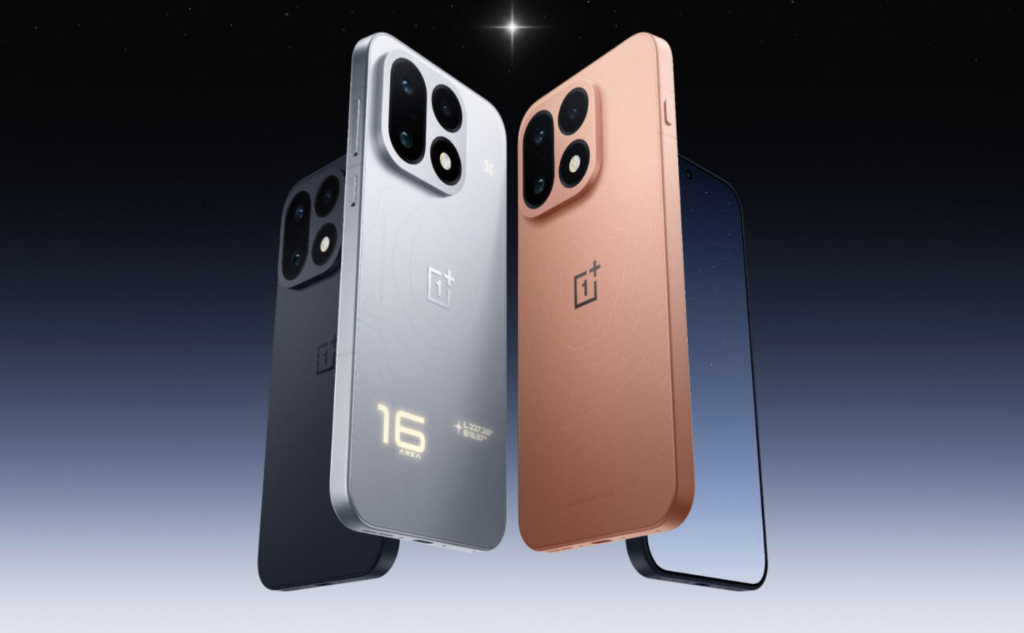
Forget OnePlus 15s, compact OnePlus 16T with Snapdragon 8 Elite Gen 6 in works

Recent reports suggest that OnePlus may have cancelled its plans to launch the OnePlus 15s, a compact flagship smartphone for the Indian market. For the uninitiated, the device was believed to be a tweaked version of the OnePlus 15T, which debuted in China earlier this year. While there is no certainty that markets outside China will receive a compact OnePlus phone in the future, a new leak suggests that the company could continue offering such devices in its home market.

OnePlus 16T’s first details emerge

According to tipster Digital Chat Station, a compact performance-focused smartphone from OnePlus is currently under development. While the tipster did not mention the device’s name, it is believed to be the OnePlus 16T.

The device is reportedly being evaluated with Qualcomm’s upcoming Snapdragon 8 Elite Gen 6 chipset, which is expected to be manufactured using a 2nm process. It is also said to feature a compact 6.3-inch flat display with a very high refresh rate.

Apart from these details, the rest of the specifications have reportedly not been finalized yet. The tipster added that development is progressing normally, which suggests that the device could launch in the first quarter of 2027, considering that the OnePlus 15T was unveiled in March this year.

While there is speculation that OnePlus may have skipped the OnePlus 15s for global markets this year, it remains to be seen whether the company introduces the OnePlus 16s next year as a tweaked or rebranded version of the China-bound OnePlus 16T.

Should OnePlus return to launching compact flagships in global markets? Let us know in the comments.

For more daily updates, please visit our News Section.

Stay ahead in tech! Join our Telegram community and sign up for our daily newsletter of top stories!

Nothing teases Phone (4b) with a single camera as memory crisis bites again

Nothing is teasing its next budget phone just days after confirming the CMF Phone 2 Pro successor was scrapped. The company shared a design sketch of the upcoming device today, and while the transparent aesthetic is immediately recognizable, the camera setup signals a more aggressive round of cost-cutting than we had hoped for.

The teaser, shared on X, shows the lines and transparent back panel that Nothing has built its identity around. But what stands out isn’t the design; it’s what’s missing from it.

Nothing Phone (4b) tipped with a single rear camera 

The sketch confirms a single rear camera, something no Nothing phone has shipped with before. The name appears to be settled, too. 

Nothing confirmed the “4b” suffix in the video itself, hinting that the Nothing Phone (4b) could be the official name. However, it raises an obvious question: why launch an entry-level device under the Nothing name rather than CMF, the sub-brand the company created specifically for affordable phones?

Nothing Phone (4b) Design Sketches

Nothing hasn’t addressed this directly, but every leak so far points to Nothing Phone (4b), so that’s the name we’re using until the company says otherwise.

Pricing will be an interesting story to watch. Nothing’s cheapest current phone, the Phone (3a) Lite, launched at Rs 20,999 before quietly climbing to Rs 25,000 after the memory crisis. 

CMF products have seen similar increases. Co-founder Carl Pei said recently that “memory is now the most expensive component in a smartphone,” and with costs having doubled twice over since the Phone 4A was greenlit, “affordable” increasingly means affordable relative to Nothing’s own lineup, not the broader budget market.

Beyond the camera, expect further hardware compromises. Nothing hasn’t confirmed what else gets trimmed, but a single-sensor setup rarely travels alone.

For more daily updates, please visit our News Section.

Stay ahead in tech! Join our Telegram community and sign up for our daily newsletter of top stories!

Ai+ launches Nova 2 Neo, Nova 2 Pro 5G with up to 144Hz displays, starts at Rs 12,999

Ai+ has officially expanded its smartphone portfolio in India with the launch of the Nova 2 Neo 5G and Nova 2 Pro 5G. The new devices are aimed at different segments of the market, with the Neo model targeting budget-conscious buyers and first-time smartphone users, while the Pro variant focuses on users seeking stronger performance and multimedia capabilities.

Ai+ Nova 2 Neo 5G, Nova 2 Pro 5G specifications and features

AI+ Nova 2 Neo 5G
AI+ Nova 2 Neo 5G

The Ai+ Nova 2 Neo 5G features a 6.74-inch HD+ LCD with a 120Hz refresh rate and up to 600 nits of high-brightness mode. It is powered by the MediaTek Dimensity 6300 chipset, paired with up to 6GB of RAM and 128GB of storage. The phone supports microSD expansion of up to 2TB and runs Android 16-based NxtQuantum OS. For photography, it includes a 48-megapixel Sony IMX582 rear camera and an 8-megapixel front-facing camera. The device also packs a 6,000mAh battery with 18W fast charging support.

The Nova 2 Pro 5G sits higher in the lineup with a larger 6.9-inch FHD+ LCD panel that supports a 144Hz refresh rate and up to 800 nits of brightness. It is powered by the MediaTek Dimensity 7100 processor and comes with up to 8GB of RAM and 128GB of storage.

AI+ Nova 2 Pro 5G
AI+ Nova 2 Pro 5G

The phone features a 48-megapixel Sony IMX582 primary camera, an 8-megapixel ultra-wide lens, and a 13-megapixel selfie camera. Other highlights include stereo speakers, customizable rear notification lights, and a 6,000mAh battery with 33W fast charging.

Both smartphones run Android 16-based NxtQuantum OS and include features such as the NxtPrivacy Dashboard, AI Key support, side-mounted fingerprint scanners, IP65-rated dust and splash resistance, and expandable storage of up to 2TB via microSD cards.

Ai+ Nova 2 Neo 5G and Nova 2 Pro 5G price and availability

The Ai+ Nova 2 Neo 5G is priced at Rs 12,999 (~$140) for the 4GB + 128GB version and Rs 13,999 (~$150) for the 6GB + 128GB model. The Nova 2 Pro 5G starts at Rs 15,999 (~$170) for the 6GB + 128GB variant, while the 8GB + 128GB version costs Rs 17,999 (~$190). Buyers can also avail of an instant Rs 1,000 discount using eligible bank cards.

Both smartphones will go on sale through Flipkart starting June 26 at 12 PM. What do you think about the Ai+ Nova 2 series, and which of the two models do you find more appealing?

For more daily updates, please visit our News Section.

Stay ahead in tech! Join our Telegram community and sign up for our daily newsletter of top stories!

Asus brings AI-powered Chromebooks to India starting at Rs 26,990

Asus has made its latest Chromebook lineup available across India, giving students and young professionals more options in the cloud-first computing segment. The new range includes the Chromebook CM32 Detachable, Chromebook CM14, and Chromebook CM15, all of which run ChromeOS and come with access to Google’s AI-powered tools and services.

Asus Chromebook CM32 Detachable, CM14, and CM15 specifications and features

The Asus Chromebook CM32 Detachable is the most feature-rich model in the lineup. It features a lightweight detachable design weighing around 640 grams, allowing it to function as both a laptop and a tablet. The device comes equipped with a 2.5K touchscreen display, a detachable keyboard, a magnetic stand, and ASUS Pen support. ASUS has also equipped it with a metallic chassis, Corning Gorilla Glass protection, and military-grade durability certifications for added reliability.

The Chromebook CM14 and Chromebook CM15 are designed for users seeking a traditional laptop experience. As their names suggest, they feature 14-inch and 15-inch displays, respectively. Both models are powered by MediaTek Kompanio 540 processors and are claimed to deliver up to 20 hours of battery life on a single charge. They also feature narrow-bezel displays and a 180-degree lay-flat hinge, making them suitable for online learning, collaboration, and day-to-day productivity tasks.

Across the lineup, ChromeOS provides access to Google’s cloud-based ecosystem and AI experiences. Buyers also receive Google AI Pro benefits and 5TB of cloud storage for three months, enabling easier file access, collaboration, and content management across devices.

Asus Chromebook CM32 Detachable, CM14, and CM15 price and availability

The Asus Chromebook CM14 is priced from Rs 26,990, while the Chromebook CM15 starts at Rs 28,990. The premium Chromebook CM32 Detachable carries a starting price of Rs 37,990. The devices are now available for purchase through Amazon and the ASUS eShop. ASUS is also offering financing options, including No Cost EMI plans through its ASUS Easy Pay programme.

For more daily updates, please visit our News Section.

Stay ahead in tech! Join our Telegram community and sign up for our daily newsletter of top stories!