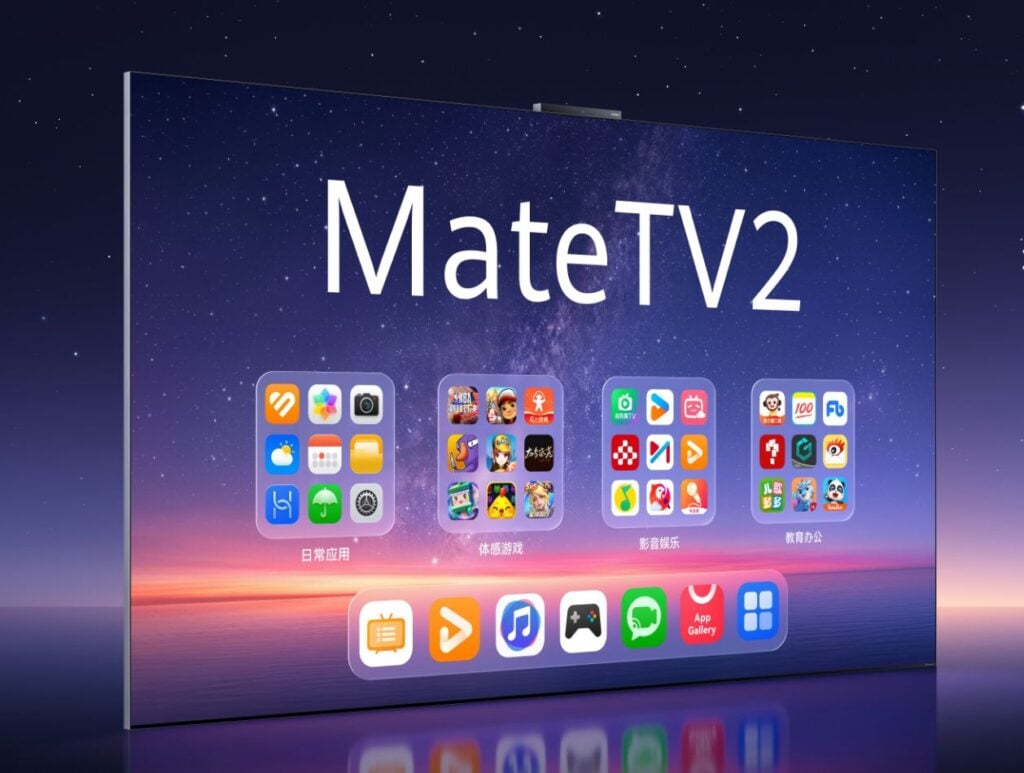
Huawei held a major launch event in China to unveil the Mate 90 series of flagship phones. The same event also saw the arrival of the Mate TV 2 lineup, which includes four variants, namely the Mate TV 2 Enjoy, Mate TV 2, Mate TV 2 Pro and Mate TV 2 Max. Here is more about the new smart TV range.
Huawei Mate TV 2 series specifications and features
Huawei Mate TV 2
The Mate TV 2 series focuses heavily on display quality, with the standard Mate TV 2 offering up to 5,000 nits of peak brightness and an LR 0.5 low-reflection finish. The lineup uses Super MiniLED panels, while the flagship Mate TV 2 Max pushes peak brightness to 6,000 nits on its massive 110-inch screen. Huawei has also added technology that can separate the foreground and background of 2D content in real time and render it in 3D.
Performance comes from Huawei’s Kirin T92 chip across the range, with the TVs running HarmonyOS 7. The Mate TV 2 Enjoy and standard Mate TV 2 come with 8GB+128GB storage, while the Mate TV 2 Pro and Max step up to 12GB+256GB. The TVs are designed to run a broad range of HarmonyOS applications, including entertainment, games, education and productivity apps, while supporting interaction between Huawei smartphones, tablets and computers.
Huawei Mate TV 2
The Mate TV 2 Enjoy has a 130W system with 2.2-channel spatial audio, while the standard Mate TV 2 upgrades this to 180W and 3.2.2-channel audio. The Pro version increases the output to 240W. Huawei also supports features such as 4K screen casting and whole-home smart device control, positioning the TVs as part of its wider ecosystem.
Huawei Mate TV 2 series price and availability
In China, the Mate TV 2 Enjoy starts at 7,999 Yuan (~$1,191) for the 65-inch model and goes up to 13,999 Yuan (~$2,084) for the 85-inch version. The standard Mate TV 2 starts at 9,999 yuan (~$1,489) for 65 inches, while the 98-inch model costs 26,999 yuan (~$4,020).
Where to buyHuawei Mate TV 2Browse the range on AmazonShop now →
The Mate TV 2 Pro starts at 16,999 Yuan (~$2,531), with the 98-inch version priced at 34,999 Yuan (~$5,211). Finally, the Mate TV 2 Max costs 64,999 Yuan (~$9,677) for its 110-inch model. Would you consider Huawei’s giant Mate TV 2 Max for a home cinema setup?
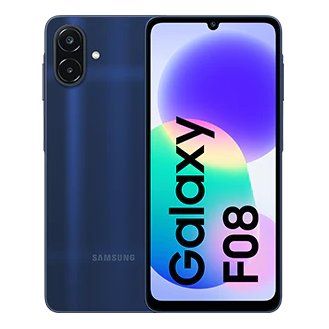
Samsung has added two new budget smartphones to its India lineup, with the Galaxy M08 and Galaxy F08 listed as coming soon. Both models focus on a large battery, a 50-megapixel rear camera and long-term software support. They also bring IP64 protection and the MediaTek Helio G99+ chipset to the segment.
Samsung Galaxy M08, Galaxy F08 specifications and features
The Galaxy M08 and Galaxy F08 feature a 6.7-inch-class HD+ PLS LCD with a 720 x 1,600-pixel resolution and 16 million colours. The phones measure 167.4 x 77.4 x 8.0mm and weigh 197 grams. Their IP64 rating provides protection against dust and water splashes, while a side-mounted fingerprint sensor handles biometric authentication.
At the core is the MediaTek Helio G99+ octa-core processor with clock speeds of up to 2.2GHz, paired with 4GB of RAM and 64GB of internal storage. Samsung also supports microSD cards of up to 2TB, giving users additional space for photos, videos and apps. Both smartphones run Android 17 and are promised six generations of OS upgrades along with six years of security updates.
The rear camera setup combines a 50MP primary sensor with a 2MP secondary camera, while an 8MP sensor handles selfies. The main camera supports autofocus and up to 10x digital zoom, with video recording available at up to Full HD resolution at 30fps. A 6,000mAh battery keeps both phones running, with support for 25W fast charging, although the charger is sold separately.
Where to buySamsung Galaxy M-seriesBrowse the range on AmazonShop now →
Samsung has also added features such as Circle to Search, Quick Share, Knox Vault and SmartThings support. Connectivity covers 4G LTE, dual SIM support, Wi-Fi 5, Bluetooth 5.3, GPS and USB Type-C, while a 3.5mm headphone jack is retained.
Samsung Galaxy M08, Galaxy F08 price and availability
The Galaxy M08 and Galaxy F08 will be soon available for purchase in India, with both currently listed in a 4GB+64GB configuration. Samsung has not yet revealed their prices, color options, or sales date.
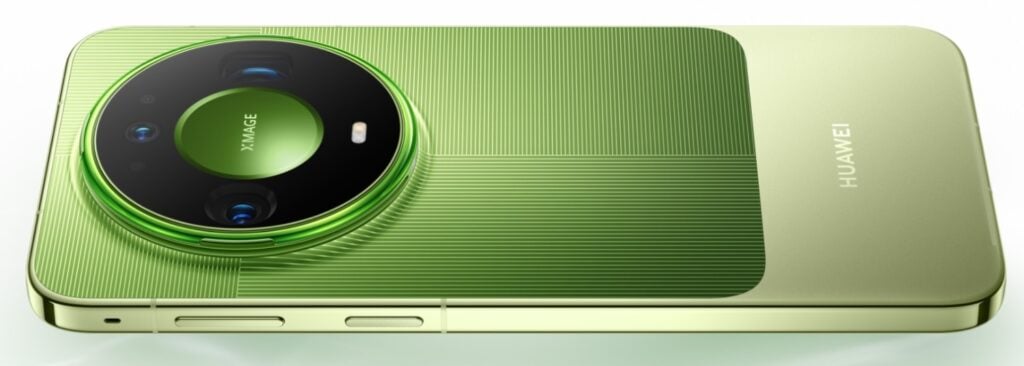
The Huawei Mate 90 Pro Max has arrived in China with a camera-focused design that pushes the flagship series into more ambitious territory. Its highlights include a 200MP RYYB telephoto camera, a 6.9-inch dual-layer OLED display, a 6,800mAh battery, and an optional 1-inch modular camera system designed for serious long-range photography.
Huawei Mate 90 Pro Max specifications and features
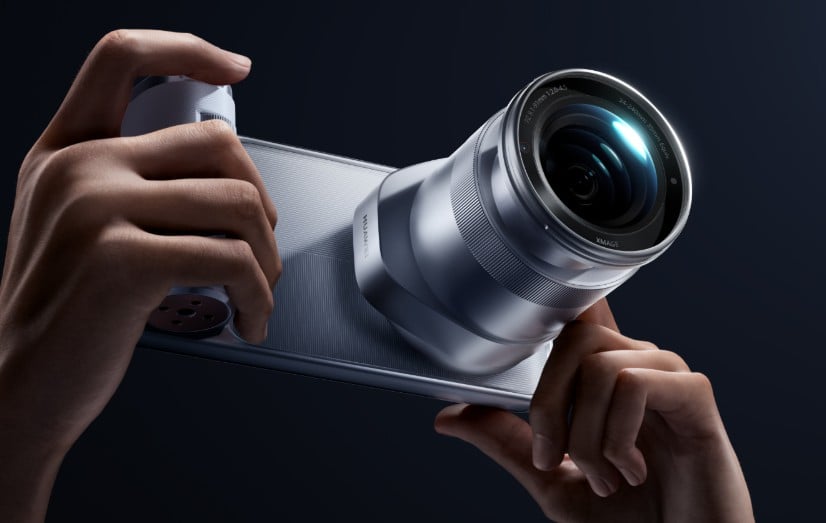
Huawei Ruiying Z10 Camera Module
The photography setup takes center stage with a 50MP main camera using a 1/1.28-inch sensor, RYYB technology, OIS and a continuously variable f/1.4-f/4.0 aperture. It is joined by a 40MP ultrawide camera and a 200MP periscope telephoto sensor with a 1/1.28-inch sensor, OIS and RYYB. The system supports up to 4x optical zoom, 8x optical-quality zoom and 100x digital zoom. A third-generation Red Maple primary-color camera is also included for improved color reproduction.
The Collector’s Edition can be paired with Huawei’s Ruiying Z10 module camera, which adds a 1-inch RYYB sensor, 10x continuous optical zoom, a 24-240mm focal range and an f/2.0-f/4.5 aperture. The phone also supports 4K video recording and features a 13MP ultrawide selfie camera with autofocus alongside a 3D depth-sensing camera.
Huawei Mate 90 Pro Max
On the front, the Mate 90 Pro Max features a 6.9-inch 2848×1320 dual-layer OLED panel with a 1-120Hz LTPO refresh rate, 1440Hz high-frequency PWM dimming and up to 12,000 nits of local peak brightness. The display supports the BT.2020 color gamut and is protected by Kunlun Glass, with the Collector’s Edition using Basalt Kunlun Glass.
Power comes from a 6,800mAh battery with 100W wired and 50W wireless charging. The 16GB models use Huawei’s Kirin 9050 Pro, while the phone runs HarmonyOS 7. Other features include Wi-Fi 7, Bluetooth 6.0, StarLight E2.0, NFC, eSIM support and IP68/IP69 protection.
Huawei Mate 90 Pro Max price and availability
Huawei Mate 90 Pro Max
The Huawei Mate 90 Pro Max starts at CNY 9,499 for 12GB+512GB, equivalent to around $1,417. The 16GB+512GB version costs CNY 9,999, or approximately $1,492.
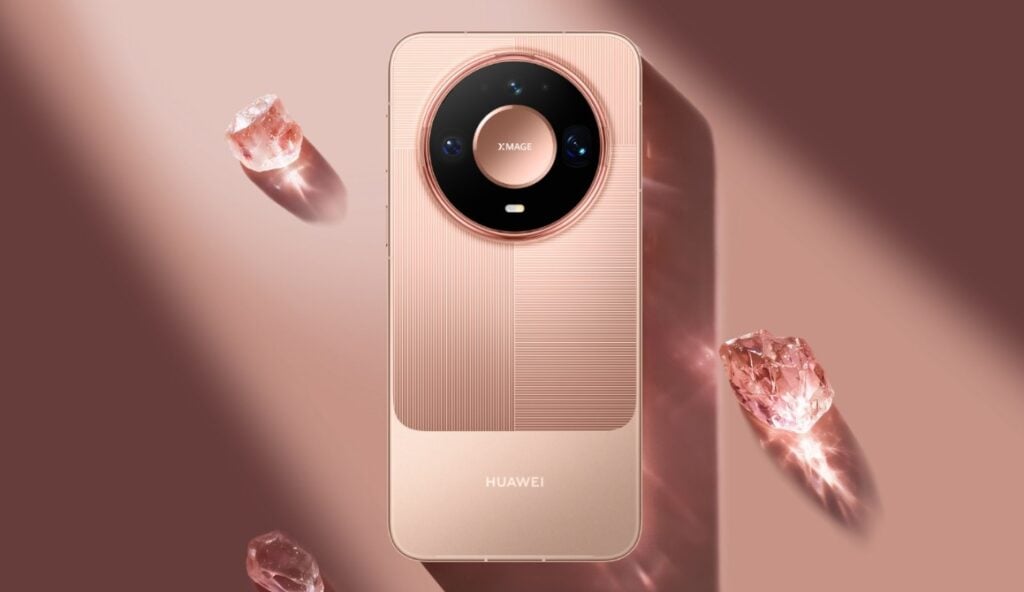
The 16GB+512GB Collector’s Edition is priced at CNY 10,999, around $1,641, while the 16GB+1TB Collector’s Edition costs CNY 12,999, approximately $1,940. Color options include Rose Gold, Jade Green, Crystal White and Obsidian Black.
The Huawei Ruiying Z10 module camera costs CNY 5,999 (~$900), while the complete Pro Max camera kit is priced at CNY 19,499 (~$2,910). There’s a small rig teleconverter kit for both Pro Max and Pro Max’s Collector Edition priced at CNY 1,799 (~$270).
Vivo has expanded its foldable lineup to international markets with the X Fold 6, following its earlier launch in China. The new foldable combines large high-refresh-rate displays with a slim design and upgraded imaging hardware. It also brings productivity-focused software and AI features aimed at professional users.
Vivo X Fold 6 specifications and features
Vivo X Fold 6
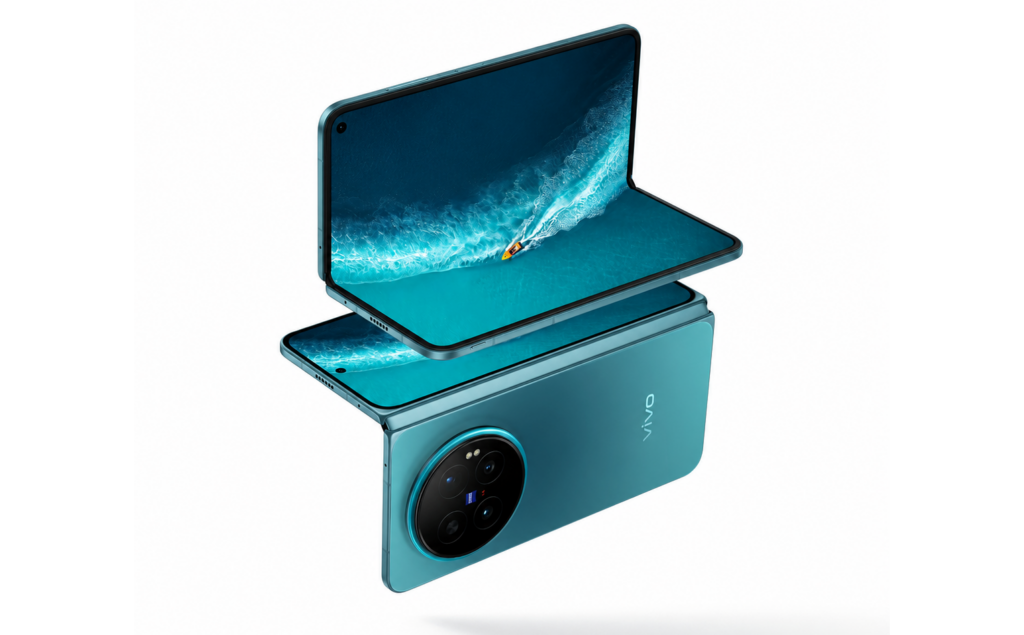
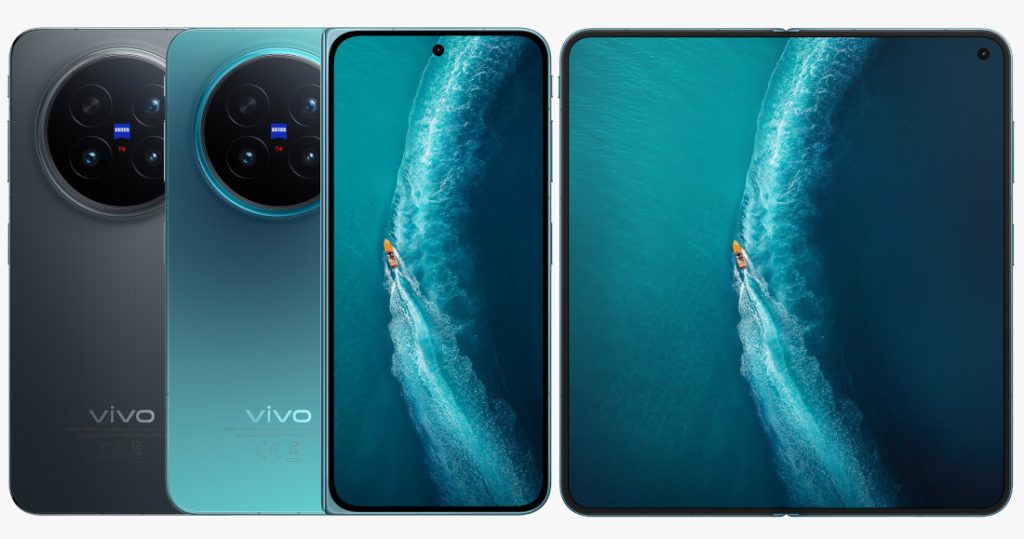
The Vivo X Fold 6 features an 8.02-inch 2K+ LTPO AMOLED inner display with a 2,504 x 2,312-pixel resolution, while the 6.51-inch cover screen offers a 2,528 x 1,120-pixel resolution. Both panels support a 1-120Hz adaptive refresh rate, Dolby Vision, and up to 5,000 nits of peak brightness.
Powering the foldable is the 3nm MediaTek Dimensity 9500 Super Edition chipset, paired with up to 16GB of LPDDR5X RAM and up to 1TB of UFS 4.1 storage. It runs OriginOS 7 Fold based on Android 17 and includes Multi-Task Workbench, Multi-Split Screen and AI Cross-App Drag. Other software features include AI Meeting Assistant, AI File Manager, AI Reader Mode and the Jovi AI agent.
VIvo X Fold 6
The X Fold 6 has a 200-megapixel primary camera with OIS and ZEISS T* coating, alongside a 50-megapixel ultrawide camera and a 50-megapixel 3x periscope telephoto camera. Both the inner and cover screens have 20-megapixel selfie cameras. The foldable also supports features such as 4K 60fps Dolby Vision recording and 100x ZEISS HyperZoom.
A 6,900mAh battery powers the device, with support for 80W wired and 40W wireless charging. The foldable measures just 4.4mm when unfolded in the Prism Black version and weighs 228 grams, while the Horizon Blue variant measures 4.8mm and weighs 235 grams. It also carries IP58, IP59, IPX8 and IPX9 ratings for dust and water resistance.
Vivo X Fold 6 price and availability
Vivo X Fold 6
Vivo has announced the global launch of the X Fold6 but has not revealed its international pricing or specific market availability yet. The company says pricing and availability will be announced according to individual markets. The global model is offered in Prism Black and Horizon Blue, with configurations varying by market.
Casio is bringing a new G-Shock watch to the US market later this month. The GMAS2100PR-4A, which made its European debut last month, will launch stateside for $110. The special-edition model supports breast cancer awareness, with its release timed to coincide with Breast Cancer Awareness Month this October.
Design Details
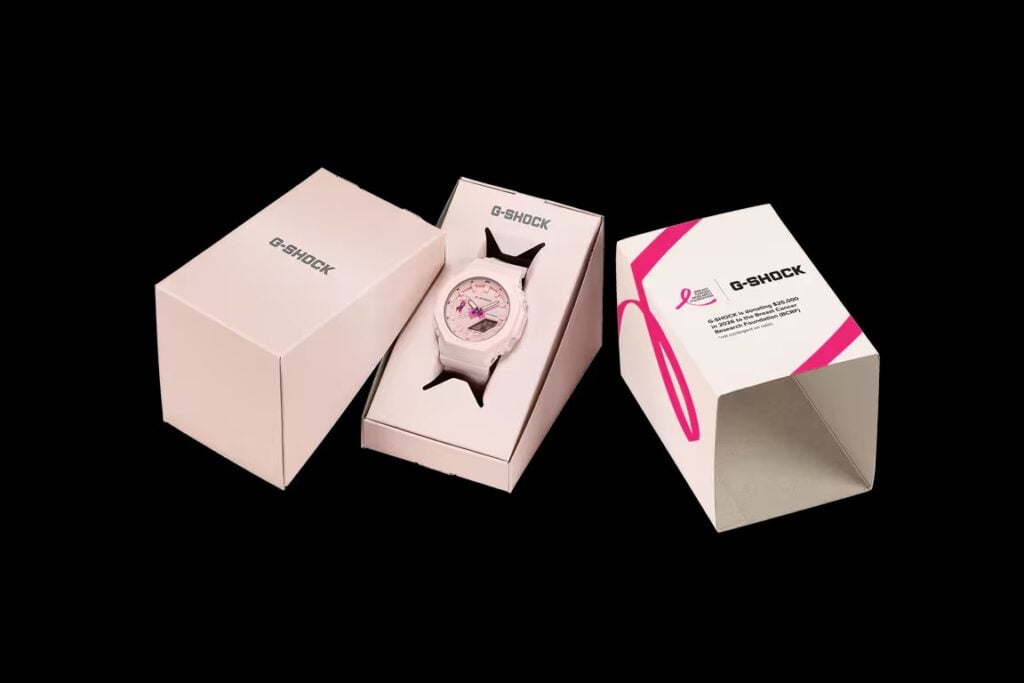
The GMAS2100PR-4A is Casio’s fourth G-Shock model tied to a pink ribbon campaign. It features an all-pink look, with a soft pastel shade covering the case, dial, and band. The campaign theme is reflected in a small pink ribbon-shaped indicator on the inset dial at 9 o’clock. Casio says the watch is part of its continued support for medical organizations and initiatives that encourage the early detection and treatment of breast cancer.
Hardware-wise, the watch is based on the existing GMA-S2100 series, which is a slightly smaller analog-digital model within the broader G-Shock lineup. The case measures 46.2 x 42.9 x 11.2 mm and weighs 41 grams.
For the build materials, Casio is using bio-based resin for the key components of the bezel and the band. The internal module is protected by Casio’s Carbon Core Guard structure to maintain the brand’s standard shock resistance.
In terms of functionality, the watch comes with the usual mix of analog and digital features found across modern G-Shock models. It offers 200 meters of water resistance, a mineral glass crystal, and Neobrite-coated analog hands for better visibility in low light.
Where to buyCasio G-Shock GMAS2100PR-4ALatest price on AmazonCheck price →
Additionally, it features world time across 31 time zones and 48 cities, a 1/100-second stopwatch, a 24-hour countdown timer, and five daily alarms. There is also a hand-shift function that moves the analog hands away from the digital display when needed. For nighttime visibility, Casio has equipped the watch with a double LED light that illuminates both the dial and digital display.
The watch runs on two SR726W batteries, which provide an estimated battery life of three years. When it goes on sale, the GMAS2100PR-4A will ship in special packaging designed specifically for the 2026 pink ribbon initiative.
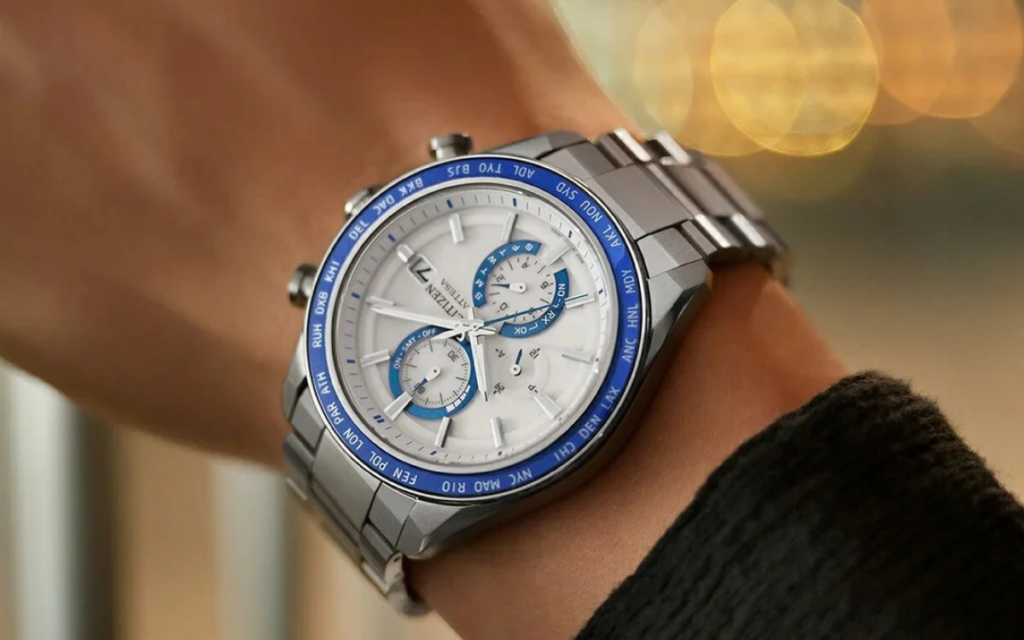
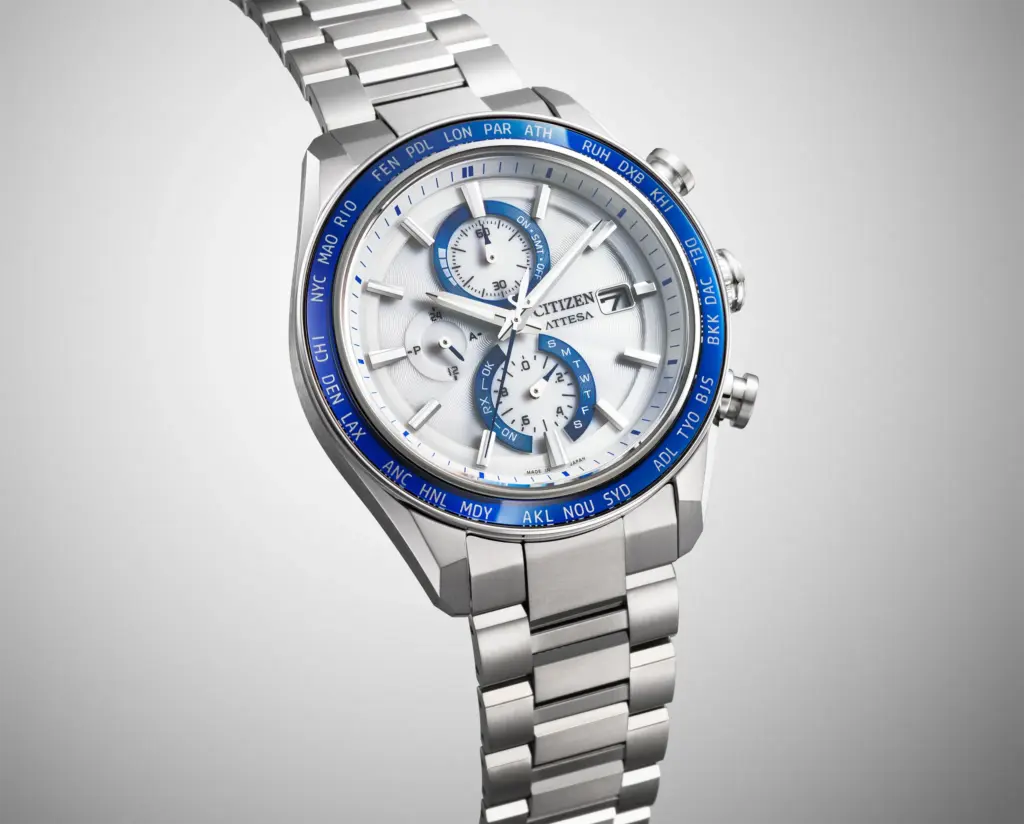
Citizen has released a new model in its Attesa line for the US market. The AT8296-53A is a $1,395 chronograph that focuses on lightweight materials and solar-powered timekeeping, and it is available now on the company’s website.
Design Details
The watch features a 42mm case made from what Citizen calls Super Titanium. In practice, this is titanium that has been treated to be more scratch-resistant than standard stainless steel while remaining noticeably lighter on the wrist. The case is finished with a platinum coating and paired with a matching titanium bracelet that uses a standard fold-over push-button clasp.
Aesthetically, the AT8296-53A has a white dial surrounded by a blue world-time bezel. The bezel includes a sapphire ring insert, and the main dial is protected by an anti-reflective sapphire crystal to reduce glare. It has a water resistance rating of 100 meters (10 Bar), meaning it can handle everyday water exposure like swimming and showering.
Where to buyCitizen Attesa AT8296-53ALatest price on AmazonCheck price →
Internally, the watch is powered by Citizen’s H800 Eco-Drive movement. Instead of a traditional replaceable battery, the Eco-Drive system uses light, both natural and artificial, to charge an internal cell. As long as the watch gets regular light exposure, it will keep running without needing a battery swap.
The H800 is also a radio-controlled movement. It automatically receives signals from atomic clocks to keep the time accurate, supporting automatic adjustments across 26 different time zones. This means the watch will adjust itself to the correct local time in supported regions without requiring manual input.
The dial includes several functional sub-dials. There is a 1/20-second chronograph that can measure up to 60 minutes, a 12/24-hour time indicator, and a power reserve gauge to show how much charge the solar cell has left. It also features a perpetual calendar, which automatically adjusts the date for different month lengths and leap years.
Citizen has brought a new limited-edition watch to the US market. The AQ4106-00B, part of the company’s The Citizen line, is now available on the brand’s US website for $3,095. Citizen is only producing 350 of these unnumbered pieces globally, making it a relatively small release for the company.
Design Details
The physical design of the watch focuses heavily on material choices. The case measures 38.3mm in diameter and is built from Citizen’s Super Titanium. For this specific model, the company applied a sakura pink Duratect coating.
This treatment gives the metal a rose gold-tone appearance while retaining the lightweight and scratch-resistant properties standard to titanium. The watch features a 22mm lug width and comes paired with a brown crocodile leather strap that secures with a push-button fold-over clasp.
Underneath the spherical sapphire crystal, the dial is constructed from white Unryushi paper. This is a traditional Japanese paper made by mixing long fibers into the material during the manufacturing process, which leaves a visible, organic texture on the watch face. The dial also includes The Citizen eagle mark, a specific logo the company reserves for this line of watches.
Internally, the AQ4106-00B is powered by the Caliber A060 Eco-Drive movement. Like other Eco-Drive models, it charges using ambient natural or artificial light, meaning it does not require standard battery replacements. The A060 is a high-accuracy quartz movement, which Citizen rates to run within a margin of ±5 seconds per year.
The movement also handles a few automated functions. It includes a perpetual calendar that tracks the correct date across different month lengths and leap years, paired with a feature that snaps the date forward exactly at midnight.
Where to buyCitizen AQ4106-00BLatest price on AmazonCheck price →
Additionally, the watch has built-in shock detection and an automatic hand position adjustment function, which will physically realign the watch hands if an impact knocks them out of place. It also includes a power reserve indicator and a low-power energy-saving mode.
While it is styled as a dress watch, it is built with a water resistance rating of 100 meters (10 Bar), meaning it can handle everyday water exposure, swimming, and showering. The AQ4106-00B is available to order now.
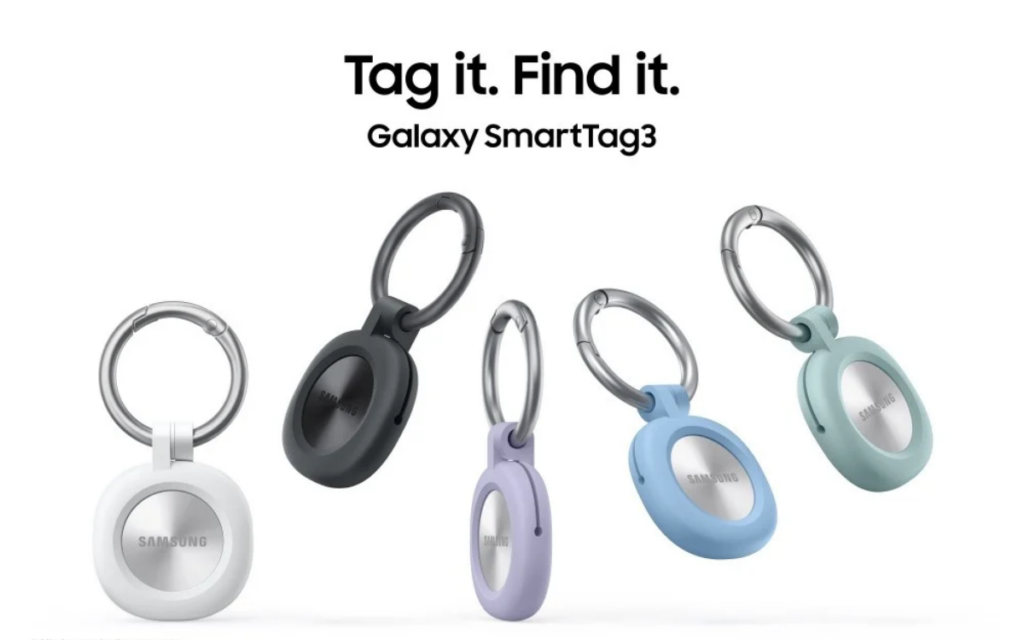
Samsung has introduced the Galaxy SmartTag 3. The new item tracker updates the hardware to be smaller and lighter, but the main functional change is that it now works with iOS devices alongside Samsung’s own phones.
Samsung Galaxy SmartTag 3 Specifications
The SmartTag 3 is 35% smaller in volume and 33% lighter than the SmartTag 2. It features a rounded shape, an aluminum button, and an IP67 rating for water and dust resistance. Samsung says the battery lasts up to 550 days on standard settings and up to 790 days if you use the device’s power-saving mode.
Previously, Samsung’s trackers only worked within the Galaxy ecosystem. The SmartTag 3 changes this by allowing iOS devices to connect through the SmartThings Find network. This means people in households using both iPhones and Android phones can track the same items, check location history, and use local search functions without needing a specific phone brand.
For locating items, the tracker uses Bluetooth 6.0 Channel Sounding. This standard allows the app to show distance and direction from up to 60 meters away, which is about three times the range of the previous model.
When you are closer to the tag, it switches to ultra-wideband (UWB) for more specific location tracking. If the tag is out of your phone’s Bluetooth range, it uses the Galaxy Find Network. This network relies on other opted-in Samsung devices in the area to securely relay the tag’s location back to you.
Samsung included a few automated features to limit how often you need to check the app. You can set up Place Notifications to get an alert when the tag enters or leaves a specific area, like a home or office. It also has movement detection alerts, Left Behind alerts if your phone disconnects from the tag, and a log of its location history.
The physical button on the tag can be used to control SmartThings smart home devices. If the tag is lost, an NFC chip allows anyone who finds it to tap it with their phone to see your registered contact details.
Pricing and Availability
The SmartTag 3 is priced at $29.99 for one or $99.99 for a four-pack. It is available in black and white. Samsung is also selling a Silicone Case and a Loop Case for attaching the tag to items. It launches in South Korea on October 7th, 2026, and will be available in the US in November.
For more daily updates, please visit our News Section.
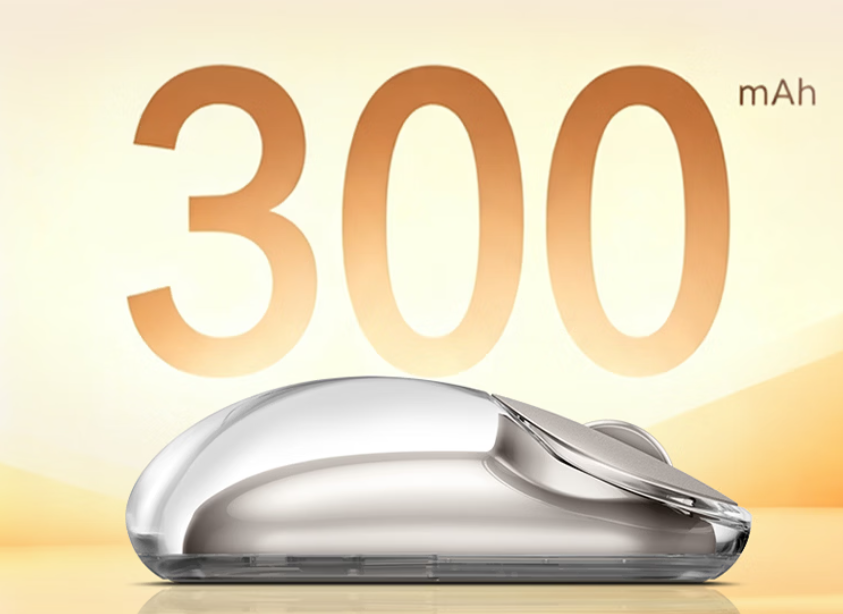
Lenovo has officially launched the 900 Transparent Wireless Mouse in China. It is priced at 399 yuan ($59) and leans heavily into a distinct aesthetic, combining a see-through outer shell with a mirrored inner housing to stand out in a crowded market of office accessories.
Lenovo 900 Mouse Specifications
The Lenovo 900 features a dual-layer construction with a highly transparent outer shell and a mirrored inner housing. The combination creates a floating visual effect as light reflects between the two layers. It sports a symmetrical, pebble-shaped body with smooth curves and rounded edges, making it suitable for both left- and right-handed users.
The mouse weighs approximately 125 grams. It also comes with aluminum alloy left and right buttons featuring a split design, along with a metal scroll wheel. The main buttons are rated for around 5 million clicks.
Inside, the mouse is powered by a PixArt PAW3222 optical sensor. It supports a DPI range of 400 to 4,000, which can be adjusted depending on your specific workflow.
On the connectivity front, the Lenovo 900 supports three-device switching through 2.4GHz wireless and dual Bluetooth channels. It works with Windows, macOS, Android, Linux, and ChromeOS. The mouse also features a customizable shortcut for Lenovo’s Tianxi AI assistant, which can provide quick access to AI writing, coding, and presentation tools through the LADM software.
For power, the mouse relies on a built-in 300mAh rechargeable lithium battery. Lenovo estimates this will last about 90 days on a single charge, assuming a standard eight-hour workday. When it does run out, it charges via an included braided USB-C cable, taking about two hours to reach a full charge.
Google is officially bringing the Fitbit Air to India. Following its initial global announcement earlier this year in May, the screenless fitness tracker will be available starting October 2nd for Rs. 13,999.
Google Fitbit Air Specifications
The Fitbit Air represents a shift away from standard smartwatch design. Instead of a display, the device consists of a compact sensor module or pebble that fits into various interchangeable bands. By removing the screen entirely, Google is targeting those who want to track their health metrics without the distraction of incoming messages, emails, or app notifications buzzing on your wrist. All data collection happens in the background, and you just need to open the companion Google Health app on your smartphone to view your stats.
Because it lacks a display, the Fitbit Air is significantly smaller and lighter than a typical smartwatch. Google is positioning this as a major advantage for sleep tracking, noting that the device is much less obtrusive to wear overnight. If you are already invested in the Google ecosystem, the company even suggests a dual-device approach: wearing a Pixel Watch during the day and switching to the Fitbit Air at night for a more comfortable fit.
Despite the minimal exterior, the hardware includes a standard array of health sensors. The tracker monitors your continuous heart rate, resting heart rate, heart rate variability (HRV), and blood oxygen (SpO2) levels.
Where to buyFitbit AirLatest price on AmazonCheck price →
It also supports irregular heart rhythm (Afib) notifications and detailed sleep stage analysis. Battery life is rated at up to seven days on a single charge. When the battery does run low, a five-minute fast charge gives you enough power for 24 hours of standard use.
Software integration relies on the Google Health app and Google Health Coach. The system supports automatic activity detection, but it also includes a computer vision feature where you can log your workouts simply by taking a photo of gym equipment or a whiteboard routine. Out of the box, the device comes with a three-month trial of Google Health Premium.
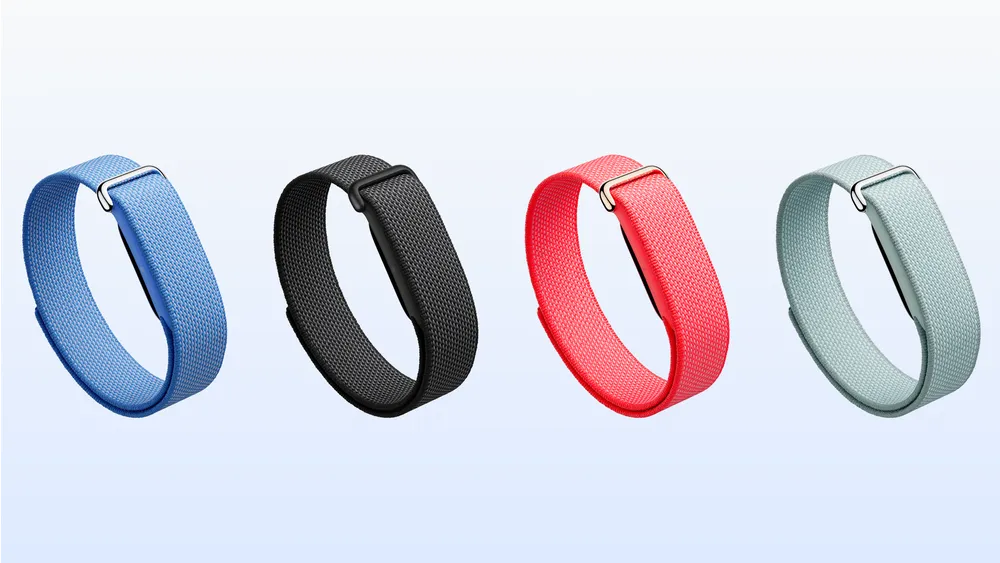
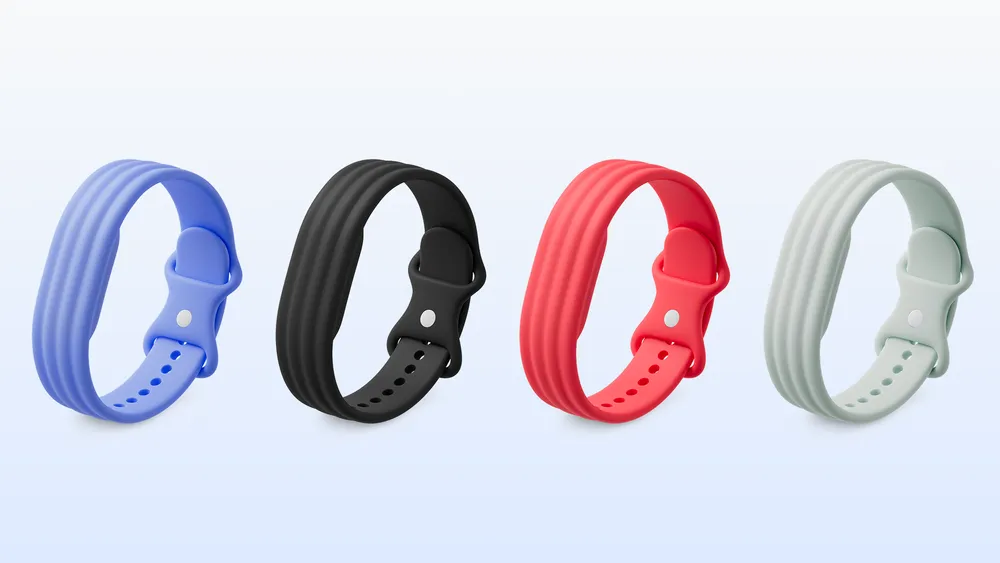
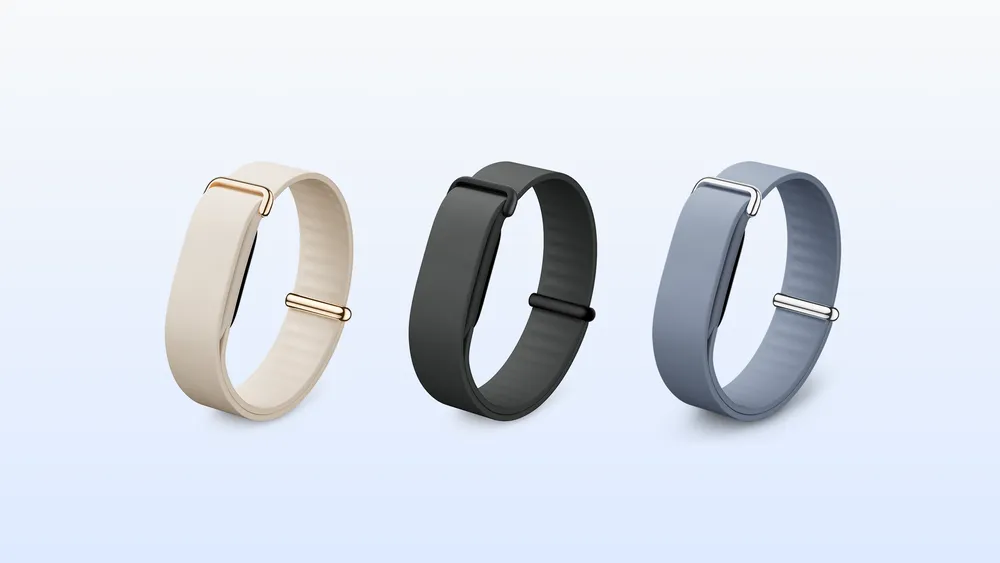
You can pick up the Fitbit Air in one of four colors: Obsidian, Berry, Lavender, and Fog. The standard box includes a recycled material Performance Loop band, though you can purchase a sweatproof Active Band or a more traditional Elevated Modern Band separately to match your daily wear.
Availability
Retail availability includes the Google Store, Flipkart, and physical outlets like Croma, Reliance Digital, and Vijay Sales. At launch, if you use an eligible HDFC or ICICI Bank card, you can take advantage of a Rs. 1,000 cashback offer, alongside no-cost EMI options for up to 12 months.
The Optoma Photon Beam PK52 is the kind of projector that can completely change the way movies and shows are enjoyed at home. Its combination of a large 4K image, strong brightness, laser light source, and flexible installation makes it well suited for anyone looking to build a premium home entertainment setup.
Priced at Rs 2,95,000, the PK52 is certainly an investment, but it delivers the sort of big-screen experience that is difficult to replicate with a conventional TV. It supports 4K UHD resolution, 3,500 lumens of brightness, HDR, and screen sizes ranging from 28 to 300 inches.
2A big, detailed picture
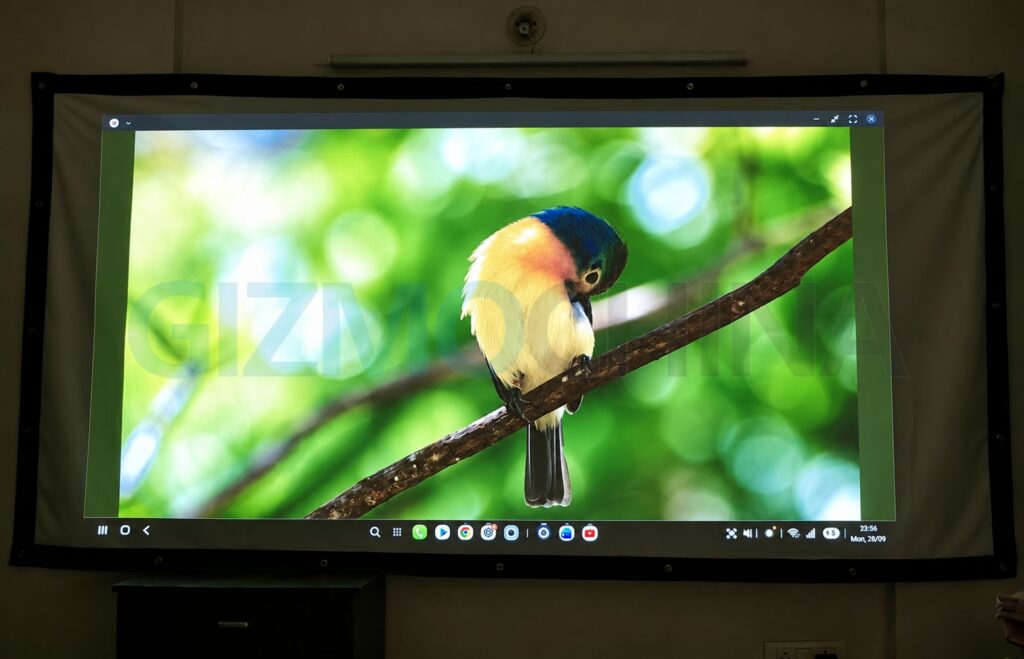
The biggest reason to consider the PK52 is, quite simply, the size of the image it can produce. Once properly positioned and focused, watching content on a large screen feels far more immersive than watching it on a conventional TV.
The 4K UHD resolution also helps make the large image look detailed. During my testing, landscapes, buildings, faces, and smaller textures appeared sharp and well defined. The image has a pleasing level of clarity without feeling excessively processed.
Optoma’s PureEngine technology further works on the picture with features such as PureDetail, PureContrast, and PureMotion. I found the processing useful for giving everyday content a more polished appearance, while different picture options allow you to adjust the presentation according to what you are watching.
Filmmaker Mode is another useful addition for movie lovers. It is designed to preserve the original frame rate, color, and aspect ratio for a more cinematic presentation.
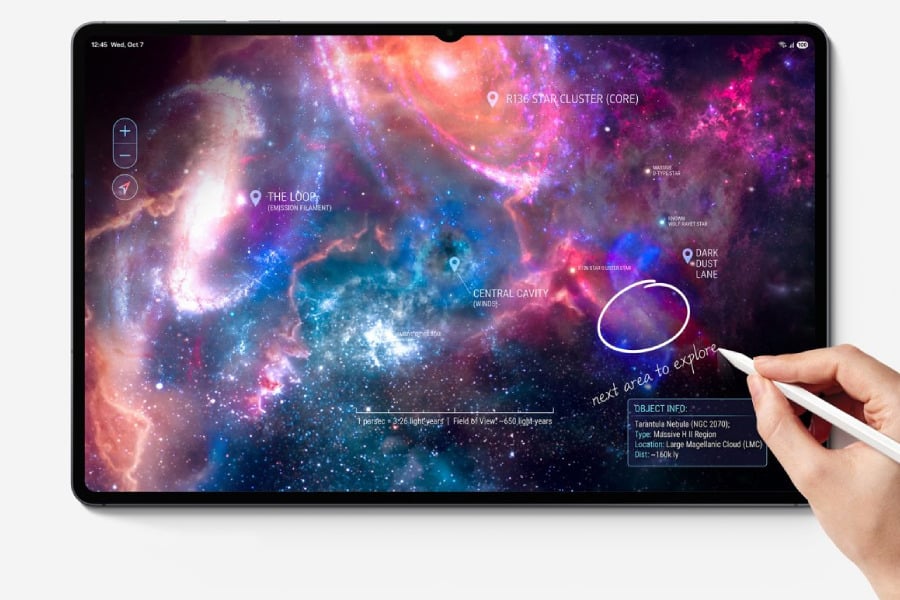
After weeks of leaks and rumors, Samsung’s latest flagship tablets are finally here. The company today announced the Galaxy Tab S12+ and Galaxy Tab S12 Ultra while skipping the base Galaxy Tab S12. Both tablets will go on sale globally on October 7.
Design and display
The Galaxy Tab S12 Ultra measures just 5.1mm thick, which is Samsung’s thinnest tablet yet. The Wi-Fi model weighs 692g, while the 5G version weighs 695g. It has a 14.6-inch Dynamic AMOLED 2X display with a 2960 x 1848 resolution.
The Galaxy Tab S12+ is slightly smaller, with a 12.6-inch display and a 2800 x 1752 resolution. It is 5.3mm thick and weighs 553g for the Wi-Fi model and 555g for the 5G version.
Both tablets have 120Hz refresh rates and can reach up to 1,600 nits of peak brightness. They also come with four speakers supporting spatial audio, along with IP68 dust and water resistance. Samsung also offers S Pen support on both models. However, the new S Pen does not have Bluetooth features.
Inside, both models are powered by the Dimensity 9500, which isn’t MediaTek’s best chip anymore — succeeded by the Dimensity 9600 Pro — but it should suffice for the heaviest of things you throw at it. Samsung has also added a new 3D vapor chamber to help manage heat during demanding workloads.
On the software side, both tablets run One UI 9 based on Android 17. Samsung is also offering a six-month trial of Google AI Pro with the tablets, which includes access to Gemini.
Here are the other main specifications:
Specification
Galaxy Tab S12 Ultra
Galaxy Tab S12+
Battery and charging
11,600mAh, 45W
10,600mAh, 45W
Top configuration
16GB + 1TB
12GB + 512GB
Wireless
Wi-Fi 7, Bluetooth 6.0, 5G
Wi-Fi 6E, Bluetooth 6.0, 5G
Rear cameras
13MP + 8MP ultrawide
13MP
Front camera
12MP ultrawide
12MP ultrawide
Both models support dual SIM with a physical SIM and eSIM. They also have in-display fingerprint sensors and microSD card support for cards up to 2TB.
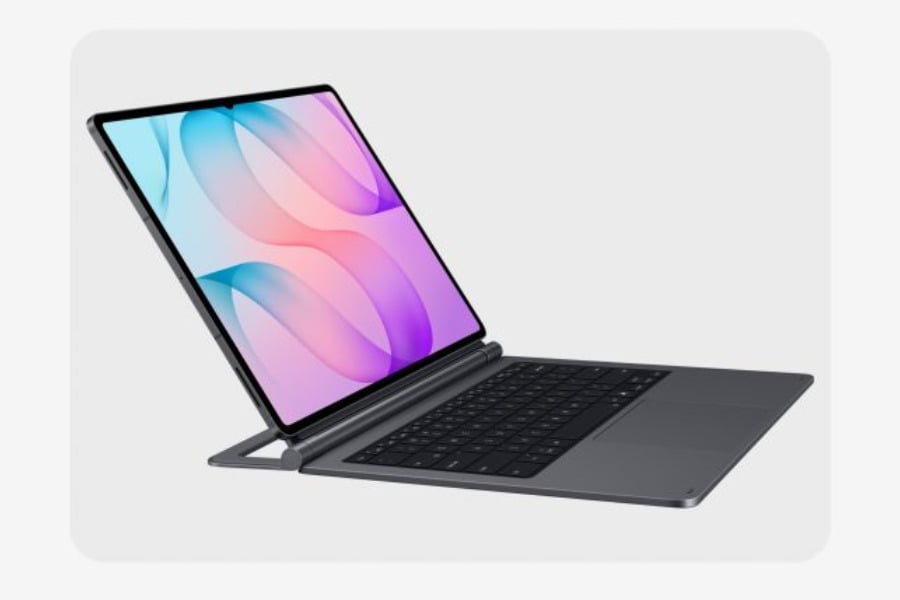
The tablets are available in Gray and Silver. Samsung also offers accessories including the Pro Keyboard, Book Cover Keyboard Slim, and an anti-reflective screen protector.
Price and availability
The Galaxy Tab S12 Ultra starts at $1,399 (€1,569 / £1,399) for the 12GB + 256GB version. Samsung also offers 12GB + 512GB and 16GB + 1TB configurations.
The Galaxy Tab S12+ starts at $1,199 (€1,329 / £1,199) for the 12GB + 256GB model. A 12GB + 512GB version is also available.
For more daily updates, please visit our News Section.
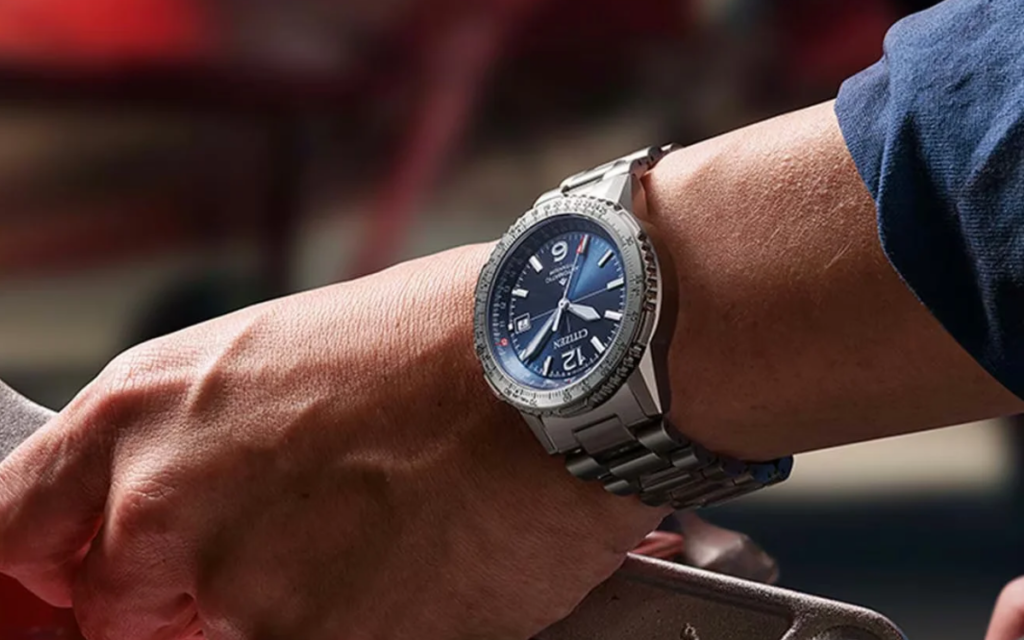
Citizen has officially released the Promaster Air in the United States. The watch, which launched in Europe last week under the name Promaster Sky Navihawk, is an aviation-focused mechanical timepiece. It is now available to purchase directly through the Citizen US website for $895.
Design Details
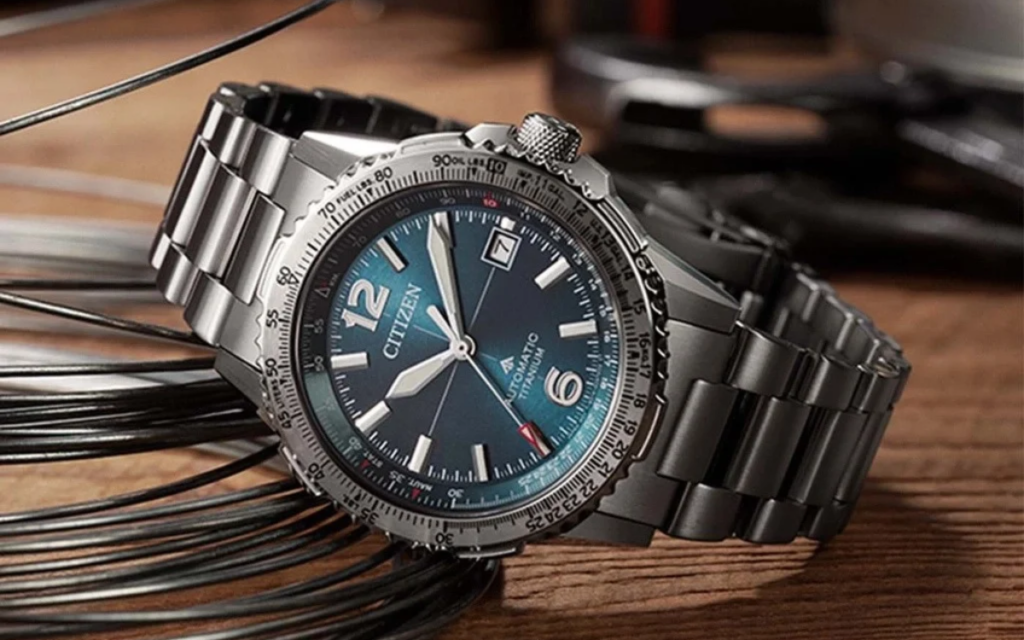
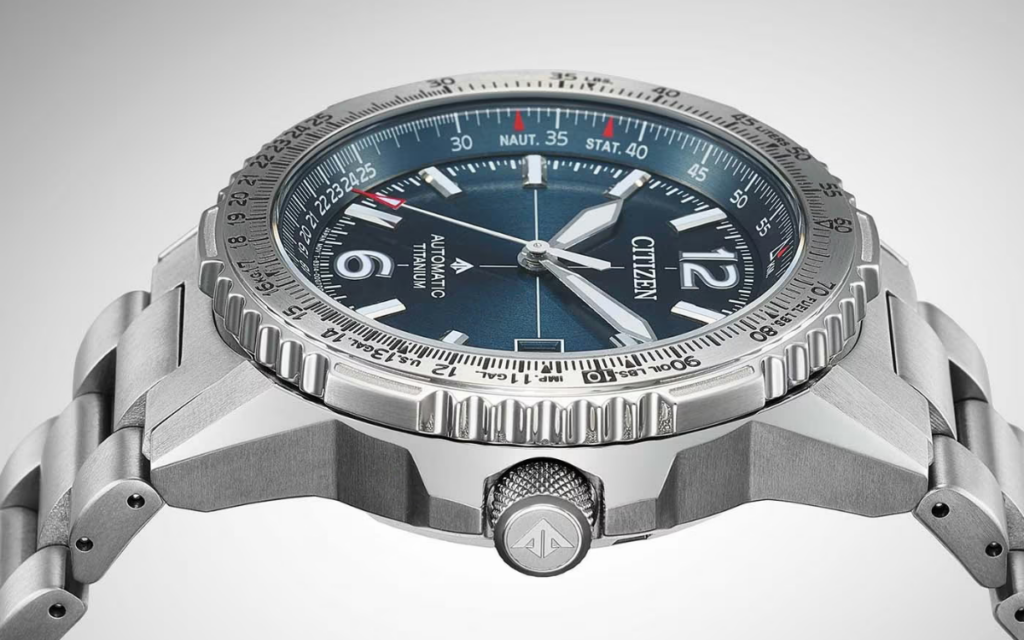
The Promaster Air (model NK0040-58L) features a 40mm case made from Super Titanium, Citizen’s proprietary hardened titanium material. The main benefit of using titanium instead of standard stainless steel is the weight reduction, making the watch lighter on the wrist while providing a high level of scratch resistance. The watch comes on a matching silver-tone Super Titanium bracelet, which secures with a standard fold-over clasp and hidden push buttons.
Citizen has given the watch a sunray blue dial with applied hour markers and red accents that add some contrast to the overall design. As a flight watch, it also comes with an outer slide-rule bezel for performing calculations such as flight distance and fuel consumption without relying on a digital calculator. The dial sits beneath a scratch-resistant sapphire crystal with an anti-reflective coating to improve readability in bright outdoor conditions.
Where to buyCitizen Promaster Air NK0040-58LLatest price on AmazonCheck price →
Internally, the watch is powered by Citizen’s Caliber 8310 automatic movement. Because it is a mechanical watch, it does not use a battery. Instead, it relies on an oscillating weight inside the case that winds the mainspring using the natural movement of your arm.
The Caliber 8310 has a 60-hour power reserve. This means if you take the watch off and put it in a drawer, it will keep ticking for about two and a half days before it stops and needs to be wound again.
While it is styled for aviation, the Promaster Air has a water resistance rating of 200 meters (20 Bar or 666 feet). This rating means the watch is safe to wear while swimming, showering, or snorkeling without risking damage to the internal movement.
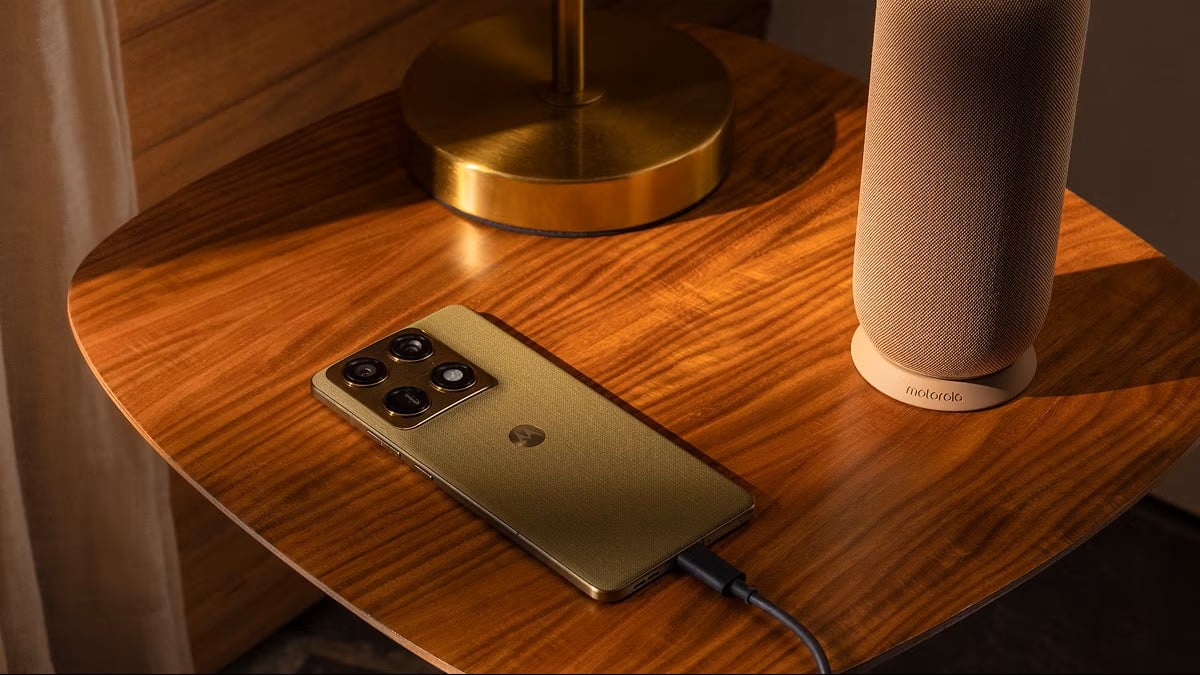
In 2026, Motorola‘s smartphone lineup covers almost every segment, from budget-friendly Moto G models to capable Edge models, and even two very different types of foldables. The company is also making a bigger push into the flagship space with the Signature series.
The most expensive model is not necessarily the one that makes the most sense for everyone, especially when some of the company’s phones overlap in specifications while differing considerably in price. With that in mind, we have picked the Motorola phones that stand out in their respective categories, whether you want flagship performance, a capable all-rounder, good value for money, or a foldable experience. Here are the best Motorola phones to consider in 2026.
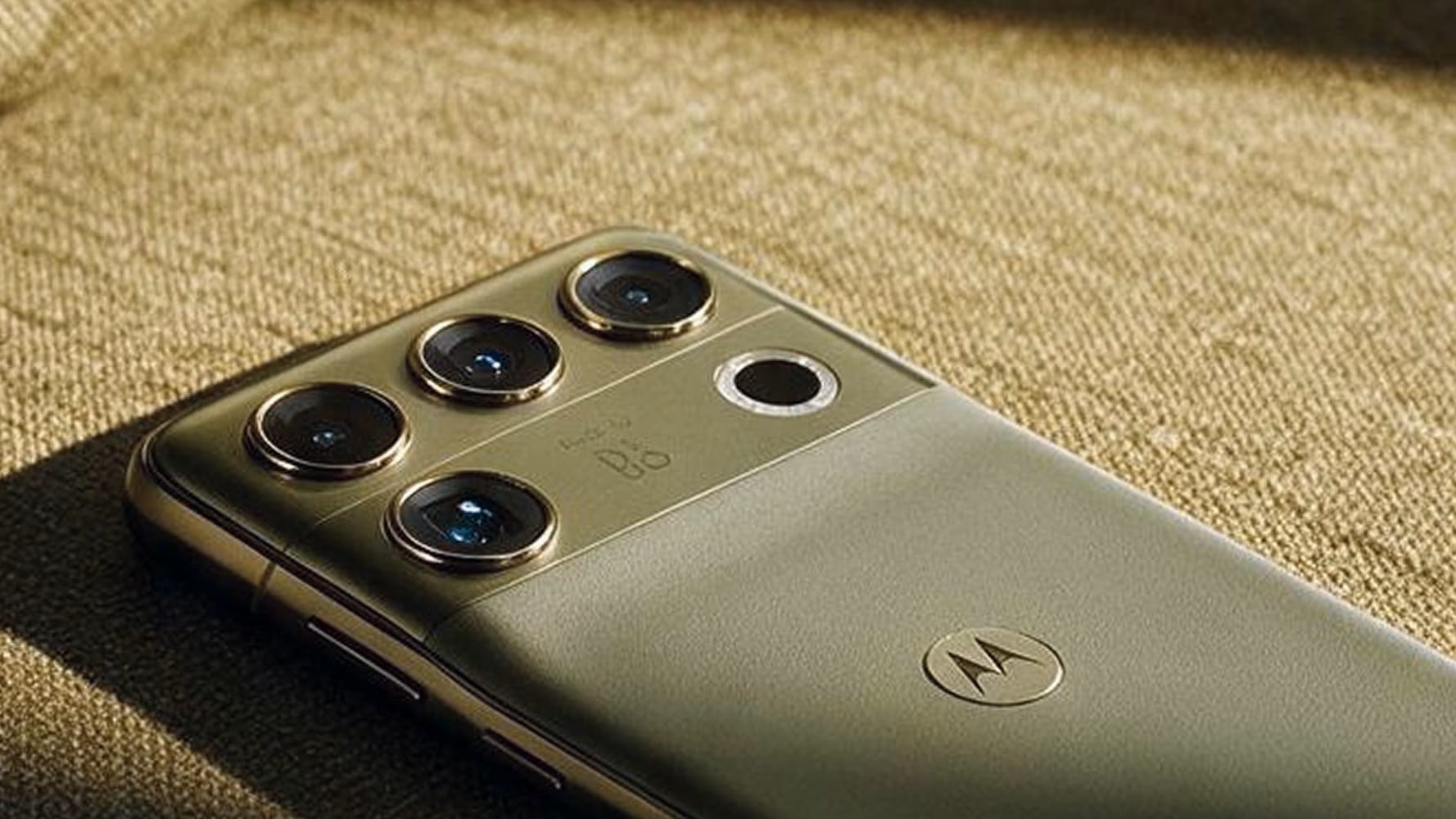
The Signature 27 is Motorola’s first true flagship in a long time. It is scheduled to go on sale in the US this November, with a wider rollout expected soon after. It pairs a cutting-edge Snapdragon 8 Elite Extreme Gen 6 (2 nm) with up to 16 GB RAM and 1 TB UFS 4.1 storage, plus a long software commitment of seven major OS updates.
The camera system stands out with a large 50 MP main (1/1.28″ sensor, OIS), 200 MP periscope telephoto with 5× optical zoom. The unique camera layout and Bang & Olufsen-tuned audio round out a premium package.
Its more advanced chipset, new design, and custom-tuned audio differentiate it from the original Motorola Signature, justifying a place on the list even though it won’t go on sale until November 2026.
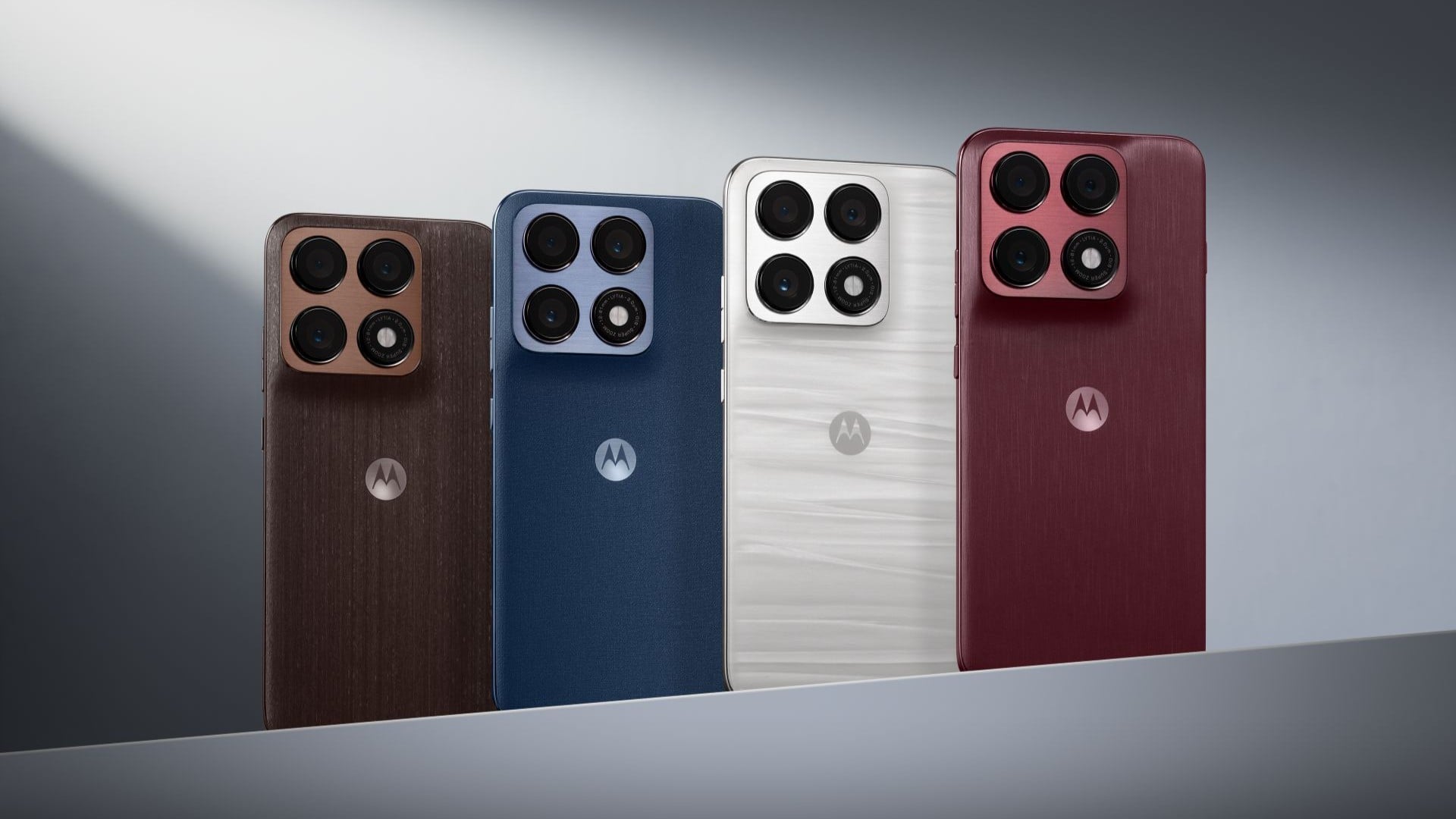
Among the Edge 70 family (Pro, Pro+, and Max), the Pro model seems to be the smartest buy. Specs are nearly identical to the more expensive Pro+, while the Max trades the telephoto for a slightly larger battery (7100 mAh vs 6500 mAh) and marginally bigger display (6.82″ vs 6.78″) at a higher price that doesn’t justify the differences.
The Pro’s display delivers up to 144 Hz refresh rate and 5200 nits peak brightness. It’s powered by MediaTek Dimensity 8500 Extreme, 8/12 GB RAM options, and 256/512 GB UFS 4.1 storage on Android 16 with three major updates.
Where to buyMotorola Edge 70 ProLatest price on AmazonCheck price →
It packs a triple 50 MP camera setup (main, 3.5× periscope telephoto, and ultrawide) plus 50 MP selfie, 6500 mAh Si/C battery with 90 W wired charging.
3. Motorola Moto G87
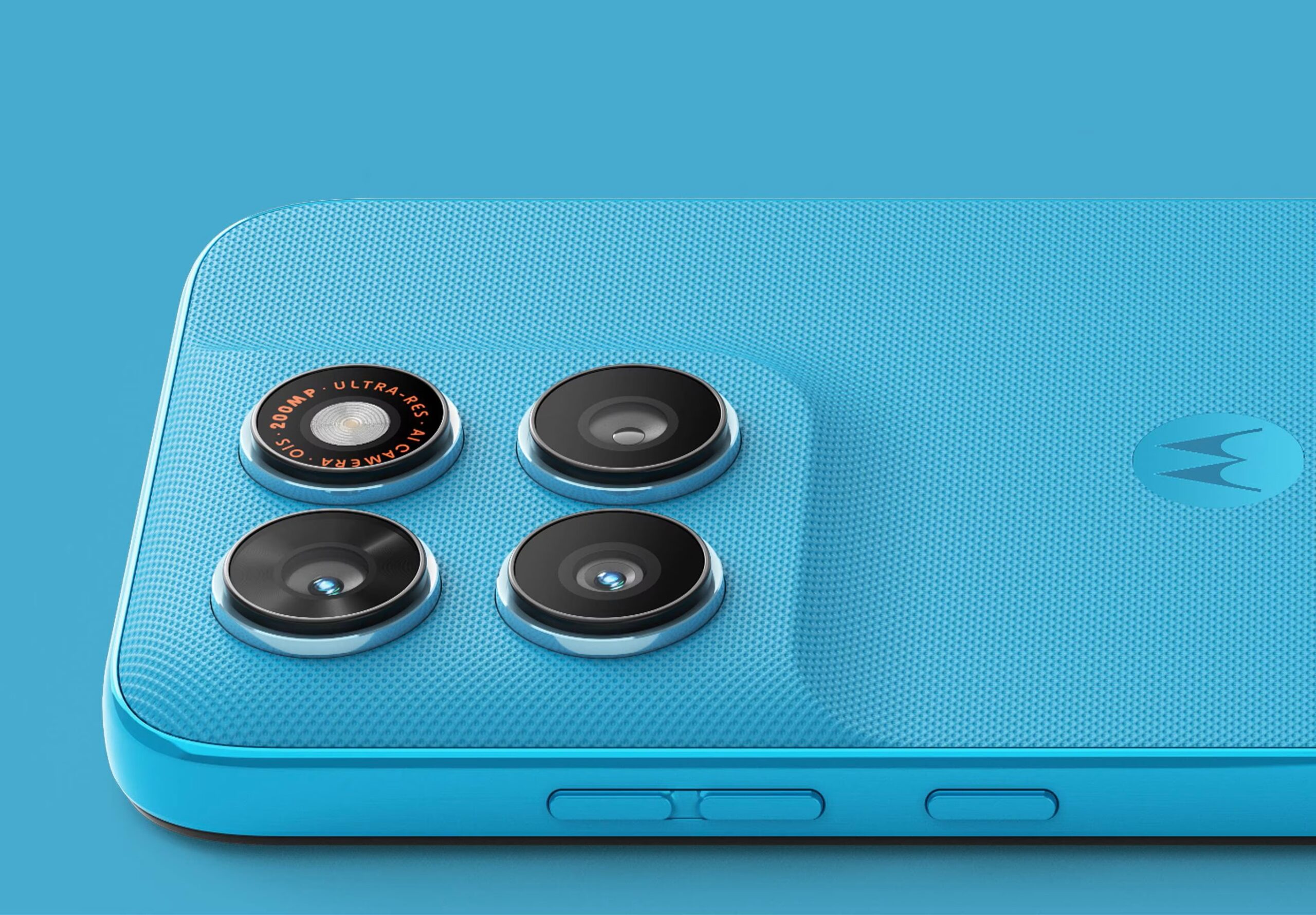
Not everyone needs or wants a premium device, especially in 2026, and the G87 is the practical “does the job well for the money” choice. It features a 6.78″, 1.5K AMOLED with a 120Hz refresh rate and up to 5000 nits peak brightness.
It features MediaTek’s Dimensity 6400 (a 6-nm based 5G chipset), 8/12 GB RAM, and Android 16. The standout is the 200 MP main camera with OIS paired with an 8 MP ultrawide, plus a 32 MP selfie, capable of solid everyday photography and 1440p video.
4. Motorola Signature
The original Signature remains relevant alongside the upcoming Signature 27. It offers a large main sensor (1/1.28″, the same size as the Signature 27) and a capable 50MP telephoto (1/1.95″) that the Edge 70 series doesn’t match, and is expected to come in at a lower price than the Signature 27.
Specs include a 6.8″ 1.5K LTPO AMOLED with up to 165 Hz refresh rate and 6200 nits of peak brightness. It’s not considered a “true flagship” because it uses the Snapdragon 8 Gen 5 instead of the 8 Elite Gen 5, but it still packs enough performance for most use cases. It’s paired with up to 16 GB of RAM, 1 TB of UFS 4.1 storage, and the same seven-year software support as the upcoming Signature 27.
Where to buyMotorola SignatureLatest price on AmazonCheck price →
It still holds its own against the newer, more expensive Signature 27 for many buyers.
5. Motorola Razr Fold
Motorola’s first book-style foldable stands out as one of the brand’s strongest foldable offerings. It unfolds to an 8.1″ LTPO P-OLED (2232 × 2484, ~410 ppi, 120 Hz, up to 6200 nits) with a 6.6″ 165 Hz cover display, powered by Snapdragon 8 Gen 5, and Android 16 with seven major updates.
The triple 50 MP camera system includes a 1/1.28″ main sensor, a 1/1.95″ 3× periscope telephoto, and a 1/2.76″ ultrawide. A 6000 mAh battery with 80 W wired + 50 W wireless charging, stylus support, Bose-tuned stereo speakers, and a relatively thin 4.7 mm unfolded profile make it a versatile productivity and media device.
6. Motorola Razr 70 Ultra
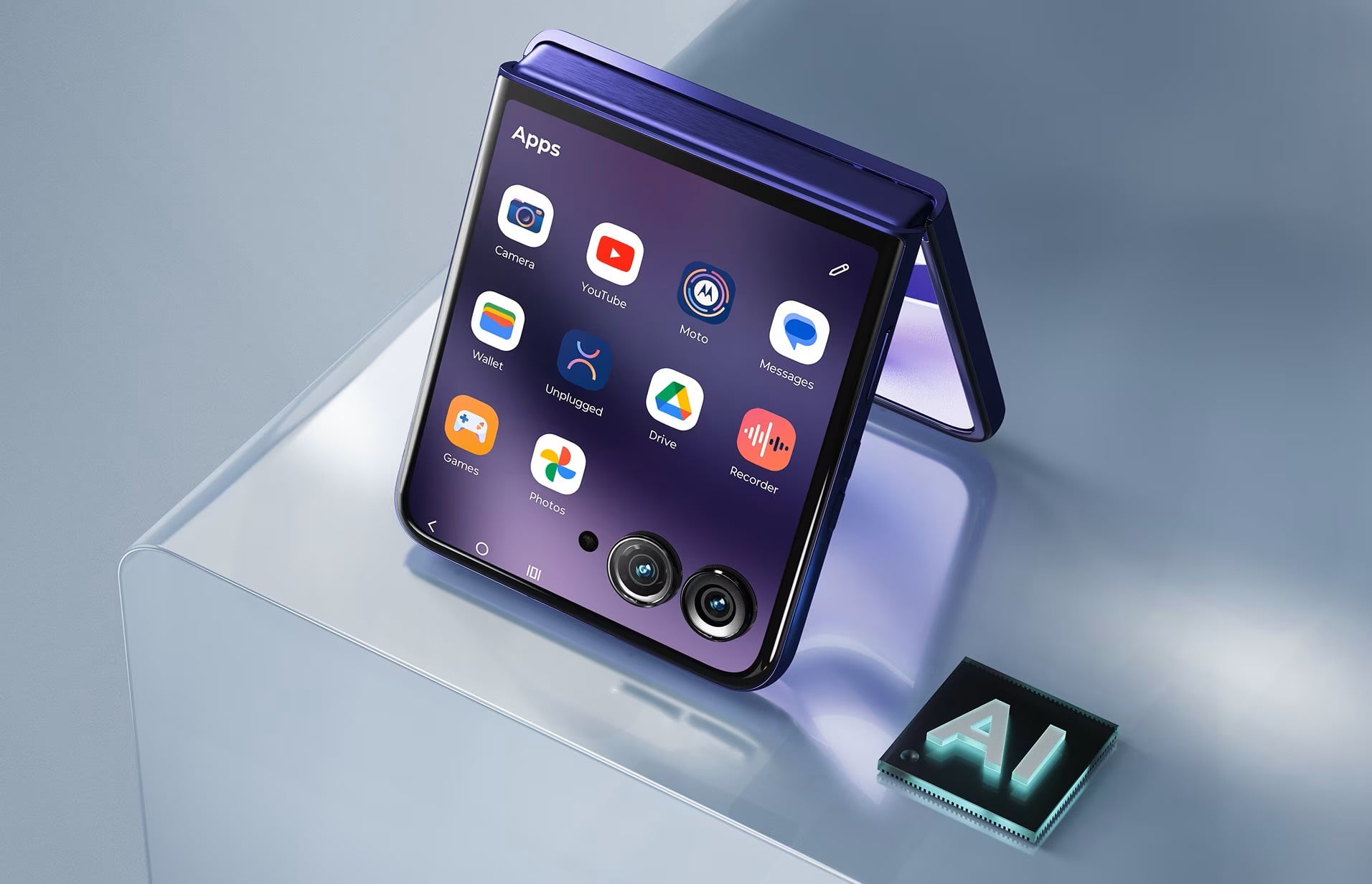
The clamshell Razr 70 Ultra rounds out the foldable picks as Motorola’s premium flip-phone option. It offers a 7.0″ LTPO AMOLED inner display with a 165Hz refresh rate and up to 5000 nits peak brightness. The outer display measures 4 inches and is also an LTPO panel with a matching 165Hz refresh rate.
Powered by the Snapdragon 8 Elite, it comes with Android 16, and three years of major OS updates. The dual 50MP rear camera system pairs a 50MP 1/1.56″ main sensor with a 50MP ultrawide (1/2.93″), plus a 50MP selfie camera. Its 5000 mAh battery supports 68W wired and 30W wireless charging.
The Google Pixel 11a could arrive in spring 2027 with a higher price than the current model. A new report claims the phone may start at $599, up from the Pixel 10a’s $499 launch price.
The report also gives us the first look at the Pixel 11a’s design. It follows the same overall style as the Pixel 9a and Pixel 10a, with a camera module that sits flush with the rear panel. The module is slightly shorter than before, changing from a longer ellipse to a more compact shape, while the flash remains outside it.
Google Pixel 11a looks the same as its predecessor
The phone is said to measure around 153.46 × 72.35 × 9 mm, which is slightly shorter than the Pixel 10a. It could come in Obsidian, Fog, Olive, and Orchid colors.
In July,a leak revealed the Pixel 11a will be powered by the Tensor G6 chip and MediaTek M90 modem. The latest report backs up those details. Unlike the Pixel 10a, which launched with the Tensor G4, the Pixel 11a is expected to use the same Tensor G6 as the Pixel 11 series.
The phone is also expected to have a 6.3-inch 1080p display with a 60Hz-120Hz adaptive refresh rate. Peak brightness could reach 3,350 nits, while high-brightness mode may reach 2,250 nits.
Rounding out the specs is a 5,100mAh battery, along with the same 48MP main and 13MP ultrawide cameras. The front camera could get an upgrade to a 10.5MP sensor. The Pixel 11a will also ship with Android 17 and receive seven years of OS, feature, and security updates.
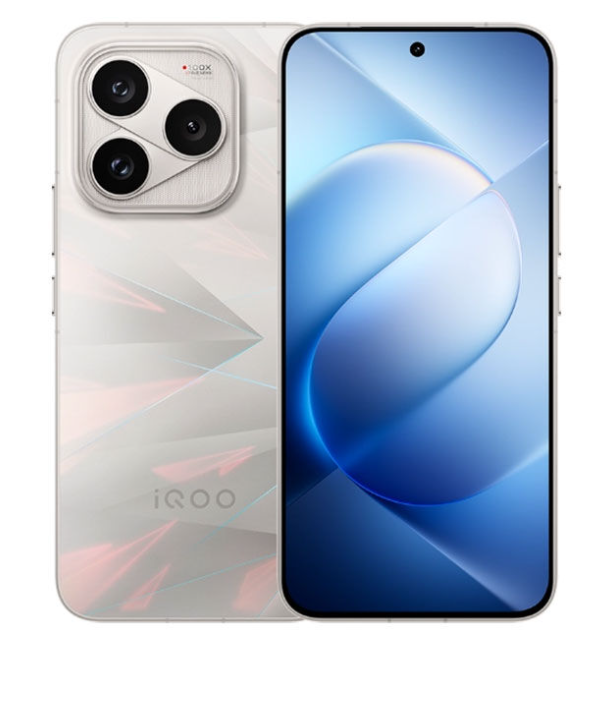
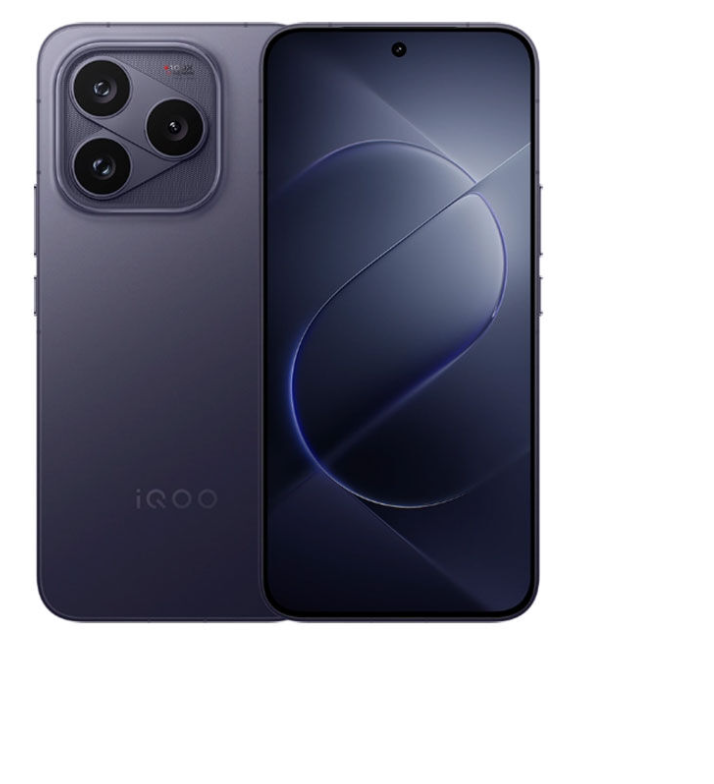
iQOO 16 is a flagship smartphone designed for users who want powerful performance, advanced gaming features, and a large, high-quality display. It combines the Snapdragon 8 Elite Extreme Gen 6 processor with a dedicated Vivo Q4 gaming chip, up to 16GB of RAM, and up to 1TB of storage. The phone also packs a large 8400mAh battery with 100W fast charging, making it a feature-rich option for gaming, entertainment, photography, and everyday use.
Display
The iQOO 16 features a 6.85-inch Samsung M16 LTPO LEAD display with a 3168 × 1440 resolution. The screen supports a 165Hz refresh rate and 500Hz touch sampling rate, providing smooth scrolling and responsive controls during gaming. It can reach up to 10,000 nits peak brightness and also supports 3300Hz PWM dimming. The combination of high resolution, fast refresh rate, and high brightness makes the display one of the phone’s key features.
Performance and Software
The smartphone is powered by the 2nm Snapdragon 8 Elite Extreme Gen 6 platform with CPU speeds of up to 5.01GHz. It is paired with Vivo’s Q4 gaming chip, 12GB or 16GB LPDDR5X Ultra RAM, and up to 1TB UFS 4.1 storage. The iQOO 16 runs Android 17 with OriginOS 7.0, which adds full-screen gesture support and a refreshed user interface.
The rear camera system includes a 50MP 1/1.3-inch f/1.68 main camera, a 50MP ultra-wide camera, and a 50MP Sony IMX882 3x periscope telephoto camera. This setup provides dedicated options for standard, wide-angle, and zoom photography.
Battery and Gaming
The phone packs an 8400mAh battery with 100W FlashCharge, which is claimed to charge the phone from empty to full in 19 minutes. Gaming features include dual X-axis motors, upgraded 4D vibration, and dual pressure-sensitive buttons under the display for four-finger control.
Connectivity
The iQOO 16 supports 5G and Wi-Fi 7, along with NFC, dual-frequency GPS, an IR blaster, HPUE, and 4×4 MIMO. It also features an ultrasonic 3D wide-area fingerprint sensor with a claimed unlocking time of 0.2 seconds.
Price and Availability
Vivo iQOO 16 starts at $999 and is available to purchase through Giztop. Express and global shipping options are also available, making the phone accessible to buyers in different regions.
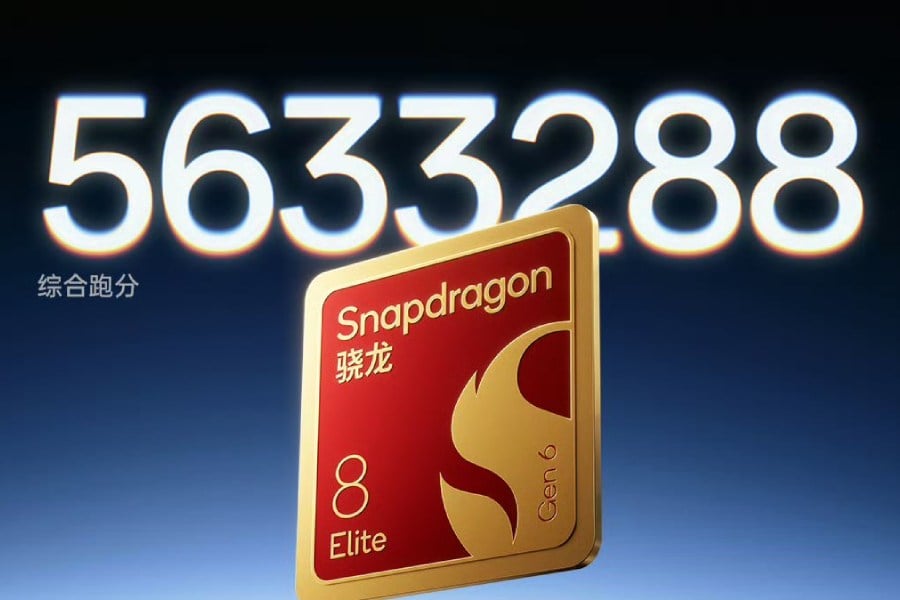
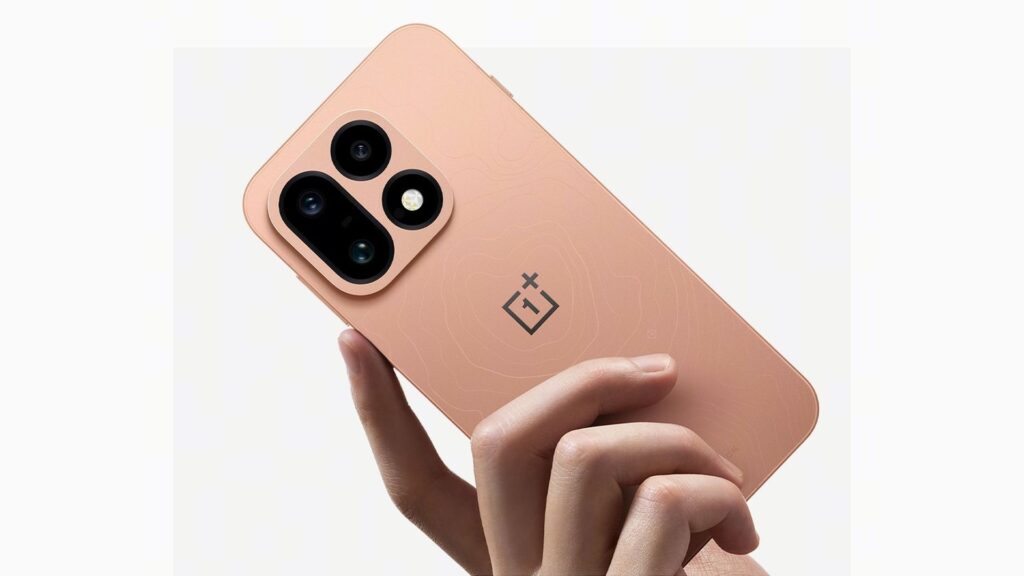
OnePlus has shared its own AnTuTu score for the OnePlus 16, and it is higher than the number from an earlier leak. The company says the phone scored more than 5.63 million points, but of course, the numbers are achieved in controlled testing.
Nonetheless, it’s higher than the 5.38 million score on AnTuTu last week, and OnePlus also claims this is the highest AnTuTu score among phones using the same chip.
The OnePlus 16 will be among the first phones powered by the Snapdragon 8 Elite Extreme Gen 6, which is made using TSMC’s 2nm process. The chip uses an all-big-core CPU with clock speeds above 5.0GHz. Compared with the previous generation, OnePlus says CPU performance is up by 13%, while GPU performance has increased by 44%.
OnePlus has worked with Qualcomm on a gaming kernel called Wind Chaser. It sits at the lower software layer and allows supported games to run at a native 185FPS while maintaining that frame rate during longer sessions. PUBG Mobile is one of the games mentioned by the company.
The phone also includes three OnePlus-developed chips for gaming. The P4 Super Display Chip handles image rendering, while the T3 Touch Chip manages touch response. The G3 e-sports network chip handles network latency. Together, these chips cover everything from a touch input to the image appearing on the display.
The OnePlus 16 is expected to feature a 6.78-inch 1.5K OLED display from BOE. The panel is flat with large rounded corners and supports a 185Hz refresh rate. It also has 1.15mm bezels on all four sides.
The phone will pack a 9,000mAh battery, matching the capacity reported in earlier leaks. On the back, it will reportedly have a 200MP main camera with a 1/1.4-inch sensor, a 50MP periscope telephoto camera with 3x optical zoom, and a 50MP ultrawide camera. More details about the main sensor and new shooting modes are available in the earlier camera confirmation.
OnePlus has not revealed the phone’s price or charging specifications yet. Both details are expected to be announced at the October 12 event.
We’ve spent the past couple of days comparing some of 2026’s biggest new flagships, from Honor’s latest phone against the iPhone to other camera-heavy models from the Chinese market. One thing that keeps coming up with these newer phones is the same combination of bigger camera sensors, larger batteries, and AI features that can do more than answer questions.
Samsung is the odd one out here. The Galaxy S26 Ultra is still the company’s current flagship, while the next major Galaxy S-series refresh isn’t expected until 2027.
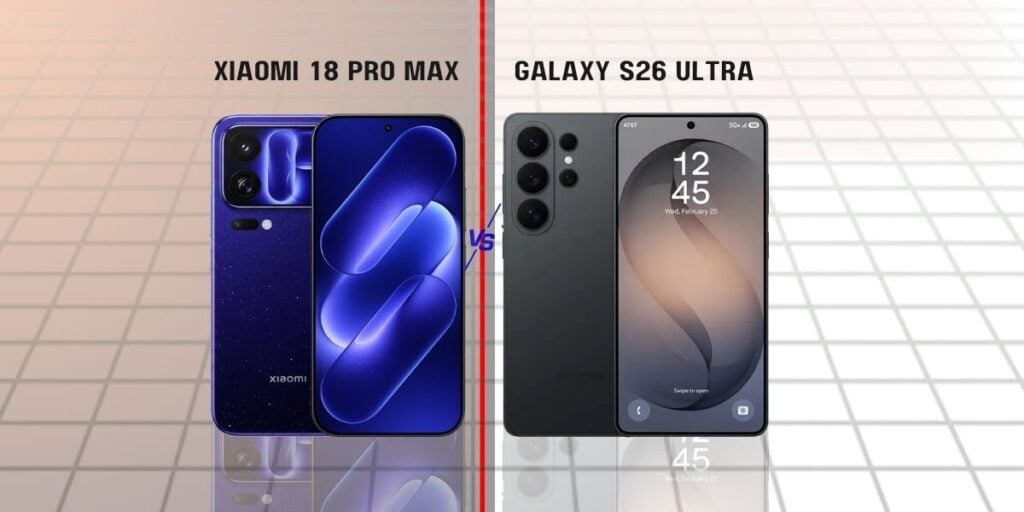
The timeline makes the Galaxy S26 Ultra an interesting phone to compare with newer Chinese flagships like the Xiaomi 18 Pro Max. Both phones have high-end cameras, big batteries, and plenty of AI, but they have a very different philosophy of what a flagship should feel like.
For instance, Xiaomi is still experimenting with a second display on the back of the 18 Pro Max, while Samsung is keen to keep the familiar Galaxy experience while adding minor features such as Privacy Display.
The different launch markets make the comparison even more interesting, too. If you’re considering Samsung’s current flagship while newer hardware from Xiaomi is already arriving, here’s how the two phones compare.
As you might have known by now, the Xiaomi 18 Pro Max is the more unusual phone of the two. Its rear panel has a 2.9-inch AMOLED display with a 120Hz refresh rate and up to 4,000 nits of brightness. It can show custom AI avatars, run more than 100 app cards, and work with NFC-enabled plush toys that change what appears on the screen.
There’s also a voice assistant built around the rear display that can hold conversations and control compatible smart-home devices. On the front, Xiaomi has reduced the bezels to 0.99mm. Dragon Crystal Glass 3.0 protects the phone, while an IP68 rating provides water and dust resistance.
The 18 Pro Max comes in Black, White, Iced Peach Pink, and Galaxy Blue. Xiaomi also sells a transparent Special Edition, but that version is limited to the 16GB/1TB configuration.
Samsung takes a much more familiar route with the Galaxy S26 Ultra. It looks like a refined version of the Galaxy S25 Ultra, with a flat display, an S Pen built into the frame, and a slightly more rounded pill-shaped camera housing. The titanium frame is gone this time, replaced by Armor Aluminum, which Samsung says handles heat better.
The S26 Ultra is also IP68-rated and comes in Black, White, Sky Blue, Cobalt Violet, Silver Shadow, and Pink Gold. At 214 grams and 7.9mm thick, it is lighter and thinner than Xiaomi’s phone, even though it carries a much smaller battery.
2. Xiaomi brings the brightness, Samsung adds Privacy Display
Both phones have 6.9-inch displays, but Xiaomi’s panel has the bigger numbers. The Xiaomi 18 Pro Max uses a 2624 x 1208 LTPO AMOLED SuperPixel 2.0 display with a real RGB sub-pixel array, a 1-120Hz adaptive refresh rate, and up to 4,000 nits of peak brightness.
The RGB setup plays a role in the phone’s privacy feature. Xiaomi can control the direction of light from individual pixels, narrowing the viewing angle with a single tap at the hardware level. You can also set certain apps to trigger the privacy mode automatically, which is useful for things like banking and messaging apps.
Samsung’s 6.9-inch Dynamic AMOLED 2X display reaches 2,600 nits, so it falls short of Xiaomi’s peak brightness figure. It uses Corning’s third-generation Gorilla Armor with an anti-reflective coating, which helps with outdoor visibility.
Where to buyXiaomi 18 Pro MaxBrowse the range on AmazonShop now →
The Galaxy S26 Ultra also has a Privacy Display mode that narrows the viewing angle. Samsung lets you use it for specific apps or situations, such as entering a PIN. Both phones can keep people nearby from easily seeing what’s on the screen, but they handle the feature differently.
3. Dual 200MP sensors vs. Samsung’s four-camera setup
Xiaomi has two 200MP sensors at the center of its rear camera system. The main camera uses a 1/1.28-inch Light Hunter 960L sensor with an f/1.67 aperture and a 23mm equivalent focal length. It uses 16-in-1 pixel binning to produce 2.44µm pixels and comes with a Leica Summilux lens designed to reduce internal reflections.
The 200MP periscope telephoto uses a 1/1.56-inch sensor with an f/2.4 aperture. It offers 3.2x optical zoom and up to 12.8x lossless zoom, along with a 75mm portrait mode. Rounding out the setup is a 50MP ultrawide camera with autofocus as close as 5cm.
Where to buySamsung Galaxy S26 UltraLatest price on AmazonCheck price →
Samsung has a more conventional route with four rear cameras. The main camera is 200MP with an f/1.4 aperture and OIS, joined by a 50MP ultrawide with an f/1.9 aperture and a 120-degree field of view. There’s also a new 50MP periscope telephoto with 5x optical zoom and a 10MP telephoto with an f/2.4 aperture for shorter-range zoom.
Samsung has also opened up the main and telephoto lenses compared with the S25 Ultra. The wider apertures allow more light to reach the sensors, which should help with low-light photos and HDR scenes.
4. Two different Snapdragon chips
Both phones use Qualcomm silicon, but the Xiaomi 18 Pro Max gets the newer chip. It runs the Snapdragon 8 Elite Extreme Gen 6, built on a 2nm process with a 2+6 all-big-core design and clock speeds of up to 5GHz. Xiaomi pairs it with a ring-shaped vapor-cooling system covering 5,513 mm² on the Pro Max.
The Galaxy S26 Ultra uses the Snapdragon 8 Elite Gen 5 for Galaxy. Samsung’s version is built on 3nm and uses two cores reaching 4.74GHz and six cores reaching 3.62GHz. Samsung also redesigned the phone’s vapor chamber for better cooling.
According to Samsung, the S26 Ultra delivers 19% faster CPU performance, 24% faster GPU performance, and 39% better NPU performance than the S25 Ultra.
Xiaomi’s chip has the newer architecture and smaller manufacturing process, while Samsung has its own chip tuning and cooling system. How that translates into sustained performance and battery life will depend on real-world testing.
5. Xiaomi has a huge capacity advantage
The Xiaomi 18 Pro Max comes with an 8,500mAh silicon-carbon battery, along with 100W wired and 50W wireless charging. The Galaxy S26 Ultra has a 5,000mAh battery, the same capacity it has used on several recent Ultra models. The charging has improved to 60W wired and 25W wireless, but Xiaomi still has the clear lead in both battery size and charging speed.
6. Price and availability
The Galaxy S26 Ultra starts at $1,299 for 256GB in the US. The 512GB model costs $1,499, while the 1TB version reaches $1,799. It has been available worldwide since March.
The Xiaomi 18 Pro Max starts at 6,999 yuan (about $1,045) in China for the 12GB/256GB model. The 16GB/1TB version costs 9,999 yuan (about $1,492), while the transparent Special Edition adds another 1,000 yuan.
Xiaomi has confirmed that the 18 Pro series will launch globally later this year, which is different from the China-only Xiaomi 17 Pro Max. However, the 18 Pro Max is not yet available outside China, and there is still no indication of a US launch.
Keychron is giving its K8 HE a much more unusual exterior. The new All-Wood Special Edition replaces most of the keyboard’s outer shell with walnut, while keeping the magnetic-switch hardware underneath. It is priced at $199.99 and is available to order from Keychron’s website.
A walnut K8 HE from top to bottom
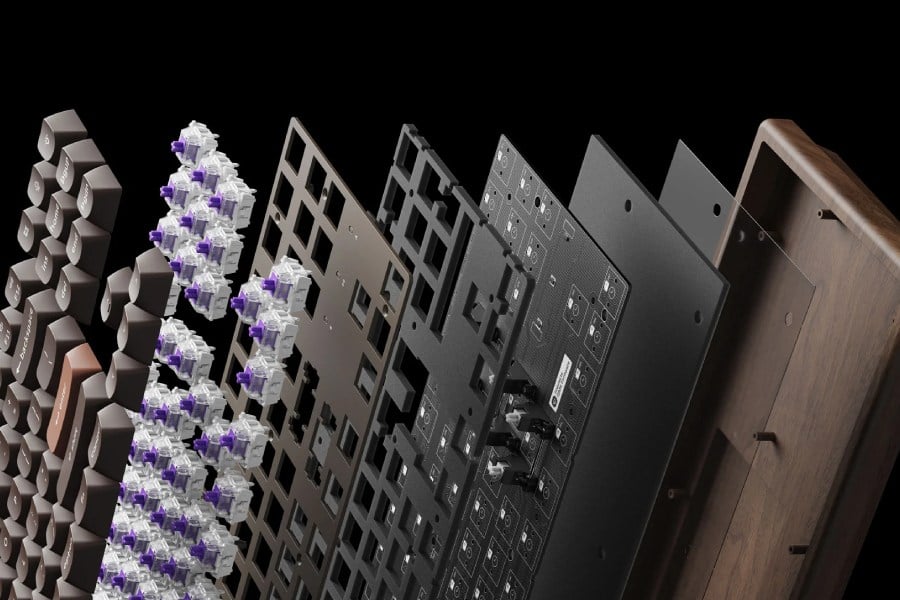
Unlike the earlier K8 HE Special Edition, which only added wooden sections at the sides, this version uses walnut for both the frame and the bottom case. Brown CNC-machined aluminum forms the side panels, while an aluminum plate provides the internal structure.
The natural material also means there will be some variation between keyboards. Keychron says the grain pattern is different from one unit to another, giving each one its own appearance.
The matching keycaps come in a dark brown finish and use an OSA profile with double-shot PBT construction. They are not shine-through, so the RGB lighting stays underneath the keycaps instead of passing through the letters. Keychron also includes Mac and Windows replacement keycaps and a switch for changing between the two layouts. The keyboard weighs 1,009g.
The magnetic hardware remains the same
Under the walnut case are pre-lubed Gateron double-rail magnetic Nebula switches. They are hot-swappable, but this doesn’t mean you can freely use any magnetic switch. The K8 HE is designed around Keychron’s own double-rail magnetic switches, while its sensor arrangement prevents compatibility with many third-party alternatives.
There is plenty of adjustment available through the magnetic system. The actuation point can be set separately for each key from 0.2mm to 3.8mm, with 0.1mm increments between settings.
Where to buyKeychron K8 HE All-Wood Special EditionLatest price on AmazonCheck price →
The K8 HE uses a tenkeyless layout, so there is no number pad on the right. The magnetic switch system is also the same family used by the Keychron K2 HE.
Keychron gives the keyboard three connection options. You can use its 2.4GHz wireless connection, Bluetooth 5.2, or USB-C.
Software configuration is handled through Keychron’s Launcher web app. The keyboard uses open-source QMK firmware, and the Launcher now includes an AI assistant that can convert plain-language instructions into keyboard settings.
Keychron has also added several layers inside the case to change how the keyboard sounds. A 3.5mm combination of EVA foam, EPDM foam, and PET film sits inside to help reduce typing noise.
The K8 HE measures 365.94 × 133.13mm and has a fixed 4-degree typing angle. Keychron already offers All-Wood versions of the K2 HE and K3 Max as well. According to the company, the wood receives a coating that helps protect it from sweat and moisture, while the surface will gradually develop its own patina with use.
September was a pretty exciting month, but it was mostly geared towards premium phones. We saw Apple’s first foldable phones, the iPhone 18 series, and top-end smartphones from Xiaomi, Oppo, and Vivo. For October, more than half a dozen phones are already lined up for launch, with more to be announced in the coming days.
October is set to bring some excellent phones across price segments. For mid-range lookers, there will be Vivo V80, Oppo F35, Vivo S2 FE, and more. We’re also expecting to see some premium phones, such as the OnePlus 16, the global launch of the Find X10 series, and the Vivo X Fold 6. Here are our top 5 picks to watch out for in October.
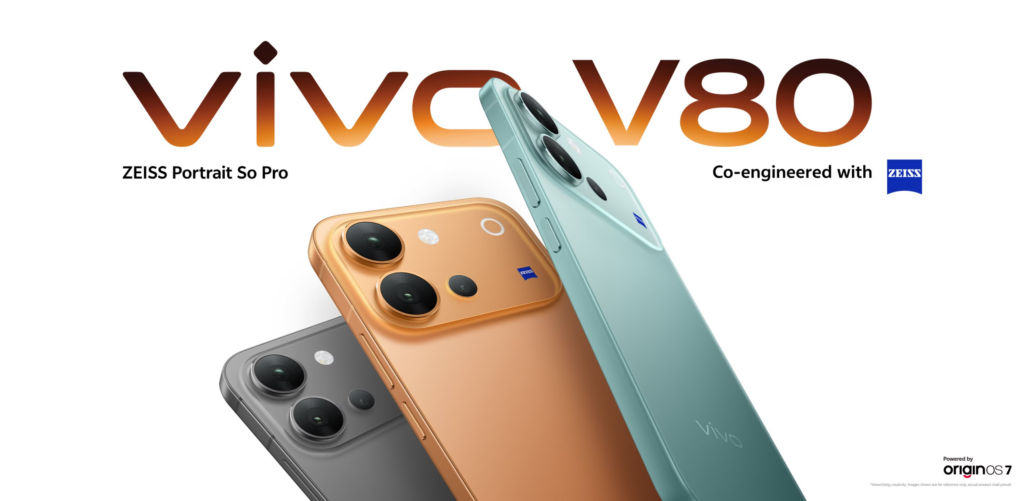
The Vivo V80 is confirmed to launch in India in the first week of October. The focus will continue to be on design and camera, similar to its predecessors, while bringing upgraded hardware.
Vivo has revealed that the V80 will have a 6.59-inch 1.5K OLED display with a 144Hz refresh rate and 5000nits peak brightness. It will bring a Zeiss co-engineered triple-camera setup with a 50MP Sony LYTIA 700V main sensor, a 50MP Sony IMX882 telephoto camera, and an ultrawide lens, along with a 50MP selfie camera.
The Vivo V80 will pack a 7200mAh battery with 90W charging support. On the software side, it will boot the latest OriginOS 7 skin, based on Android 17, out of the box.
According to a recent leak, the Vivo V80 could be priced at INR 63,000 for the 8GB + 128GB model, while the top-end 8GB + 512GB variant may cost up to INR 80,000.
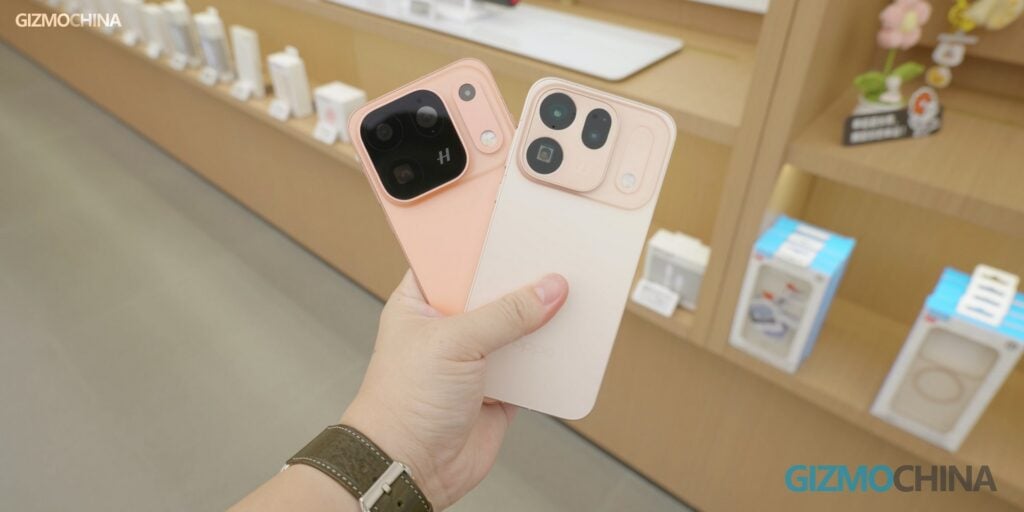
The Oppo Find X10 and Find X10 Pro Max offer a powerful rear camera setup developed in collaboration with Hasselblad. Both phones offer a 200MP main sensor and a 200MP periscope telephoto lens, but their ultrawide sensors differ. The Find X10 Pro Max model has a 200MP ultrawide sensor, while the standard Find X10 has a 50MP snapper. Both phones have the same 50MP selfie cameras.
The Find X10 gets the Dimensity 9600M chipset, while the Find X10 Pro Max uses a much more powerful Dimensity 9600 Pro chip. Both handsets offer 144Hz LTPO AMOLED screens, 8000mAh batteries with 80W wired and 50W wired charging support, and robust connectivity features, such as Wi-Fi 7, Bluetooth 6.2, and USB Type-C 3.2.
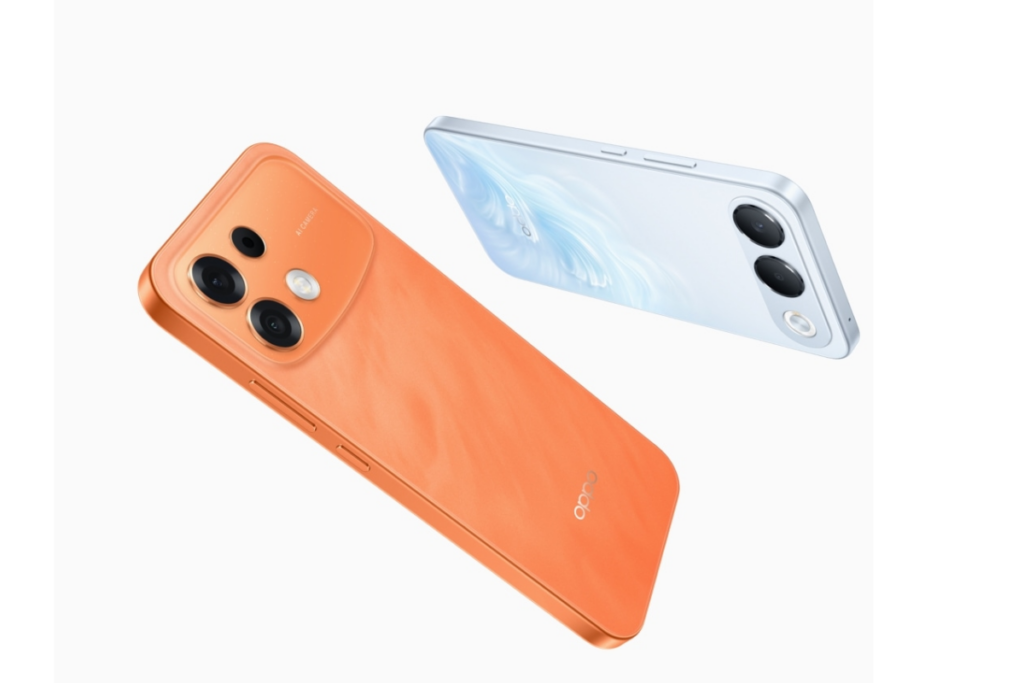
The Oppo F35 series is set for an India launch next week. The lineup is confirmed to include two models: Oppo F35 and F35 Pro. The standard F35 is said to offer a Dimensity 6360 chipset, while the Pro model will likely get a Dimensity 7360 Max.
Both F35 series phones will feature a dual rear camera setup, led by the same 50MP sensor. It will be joined by an 8MP ultrawide camera on the Pro model, while the standard model will sport a 2MP depth camera. The selfie camera also gets a 50MP resolution on both phones. The phones are expected to carry an 8000mAh battery with 80W fast charging support.
As for pricing, the standard Oppo F35 with 8GB RAM and 128GB storage is expected to cost around INR 37,999, while the Oppo F35 Pro may cost 44-50K for the 8GB + 128GB variant.
Vivo is expected to introduce the Vivo X Fold 6 in the global markets in the first week of October. The global launch might be carried out on October 1, followed by an India launch on October 6. The foldable phone was launched in China back in June, and is likely to carry the same set of specs to other markets.
In China, the Vivo X Fold 6 comes with an 8.02″ LTPO AMOLED primary display and a 6.51″ LTPO AMOLED cover display. It’s powered by a 3nm Dimensity 9500 Super chipset, paired with up to 16GB RAM and up to 1TB storage. However, the Indian model is tipped to be offered in two configurations: 12GB + 256GB and 12GB + 512GB.
The Vivo foldable phone features a Zeiss co-developed triple-camera setup with a 200MP primary camera, a 50MP periscope telephoto lens, and a 50MP ultrawide camera, along with a single 20MP camera on the main and cover screens. The device houses a 7000mAh battery and supports 80W wired and 40W wireless charging.
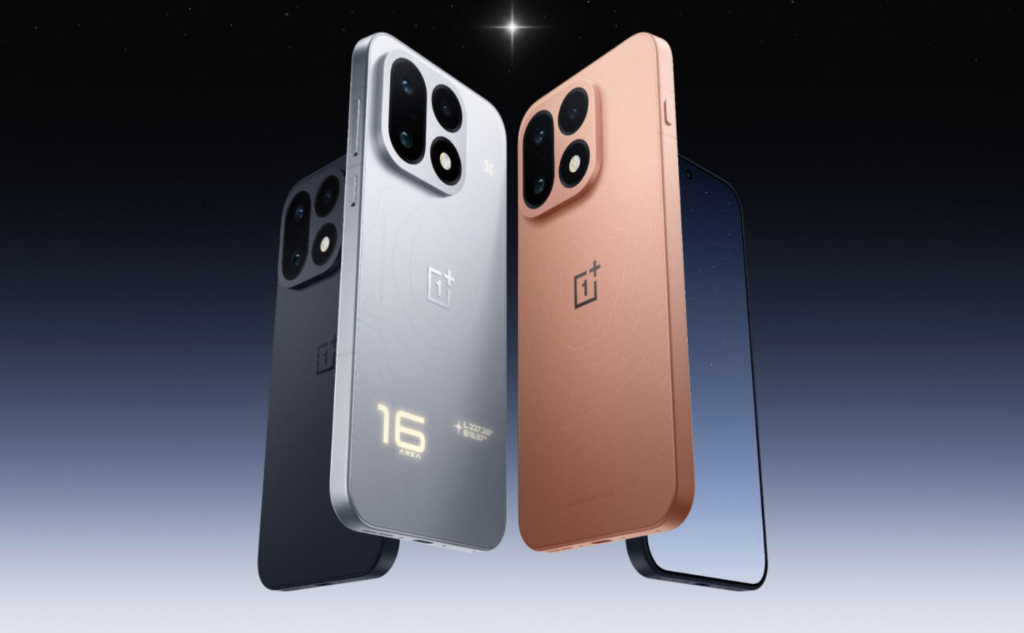
The OnePlus 16 is also coming in October, but it will take some time before it launches in the international markets. The phone is positioned around gaming performance while also targeting users looking for a well-rounded premium smartphone experience.
The OnePlus 16 is confirmed to support a 185Hz refresh rate. It will introduce a next-generation Fengchi Gaming Kernel, enabling a broad range of games to run natively at 185fps. The device is said to be powered by a 2nm Snapdragon 8 Elite Extreme Gen 6 chipset, paired with up to 16GB of RAM and up to 1TB of storage.
OnePlus has also revealed that the triple rear camera setup has a 200MP primary camera, a 50MP periscope telephoto lens with 3x optical zoom, and a 50MP ultrawide camera. The selfie camera will also have a 50MP sensor. Leaks suggest the OnePlus 16 may offer a BOE X4 flat OLED panel and a 9,000mAh battery with 100W wired and 90W wireless charging support.
Remember to visit the News section regularly to get the latest updates. Alternatively, you can join our Telegram channel to get instant alerts as soon as we publish new stories.
We use cookies on our website to give you the most relevant experience by remembering your preferences and repeat visits. By clicking “Accept”, you consent to the use of ALL the cookies.
This website uses cookies to improve your experience while you navigate through the website. Out of these, the cookies that are categorized as necessary are stored on your browser as they are essential for the working of basic functionalities of the website. We also use third-party cookies that help us analyze and understand how you use this website. These cookies will be stored in your browser only with your consent. You also have the option to opt-out of these cookies. But opting out of some of these cookies may affect your browsing experience.
Necessary cookies are absolutely essential for the website to function properly. This category only includes cookies that ensures basic functionalities and security features of the website. These cookies do not store any personal information.
Any cookies that may not be particularly necessary for the website to function and is used specifically to collect user personal data via analytics, ads, other embedded contents are termed as non-necessary cookies. It is mandatory to procure user consent prior to running these cookies on your website.