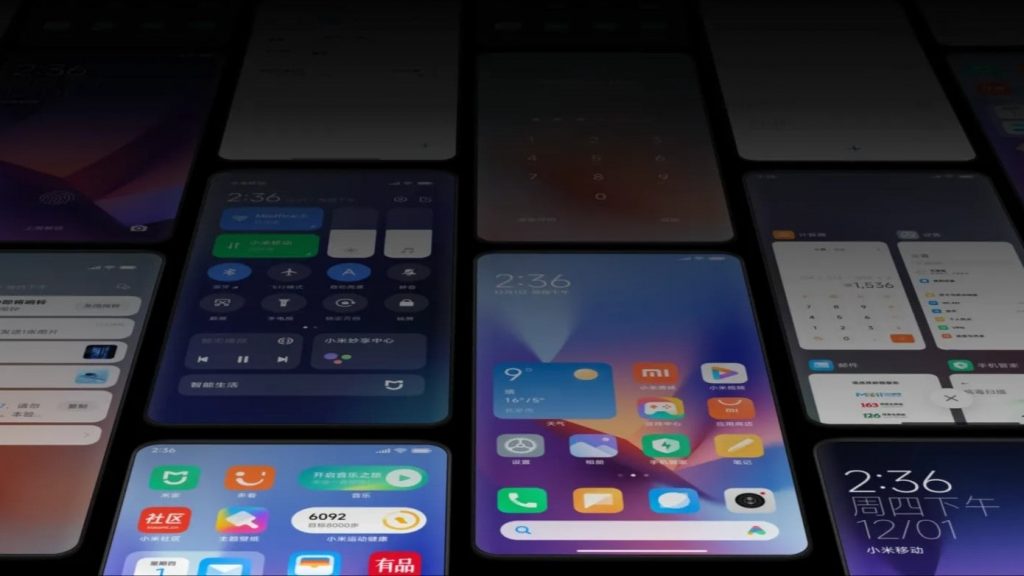
After a long wait, Xiaomi finally unveiled its latest custom Android skin, MIUI 14, alongside the new flagship number series. The user interface of the new software is based on Android 13 and comes with plenty of visual changes, several new features, and improved cross-device collaboration. The Chinese firm says MIUI 14 has a reduced firmware size compared to MIUI 13 and it arrives with an enhanced system architecture, for better performance and efficiency. Let’s have a detailed look at what’s new in Xiaomi’s Android 13-based software.
Design
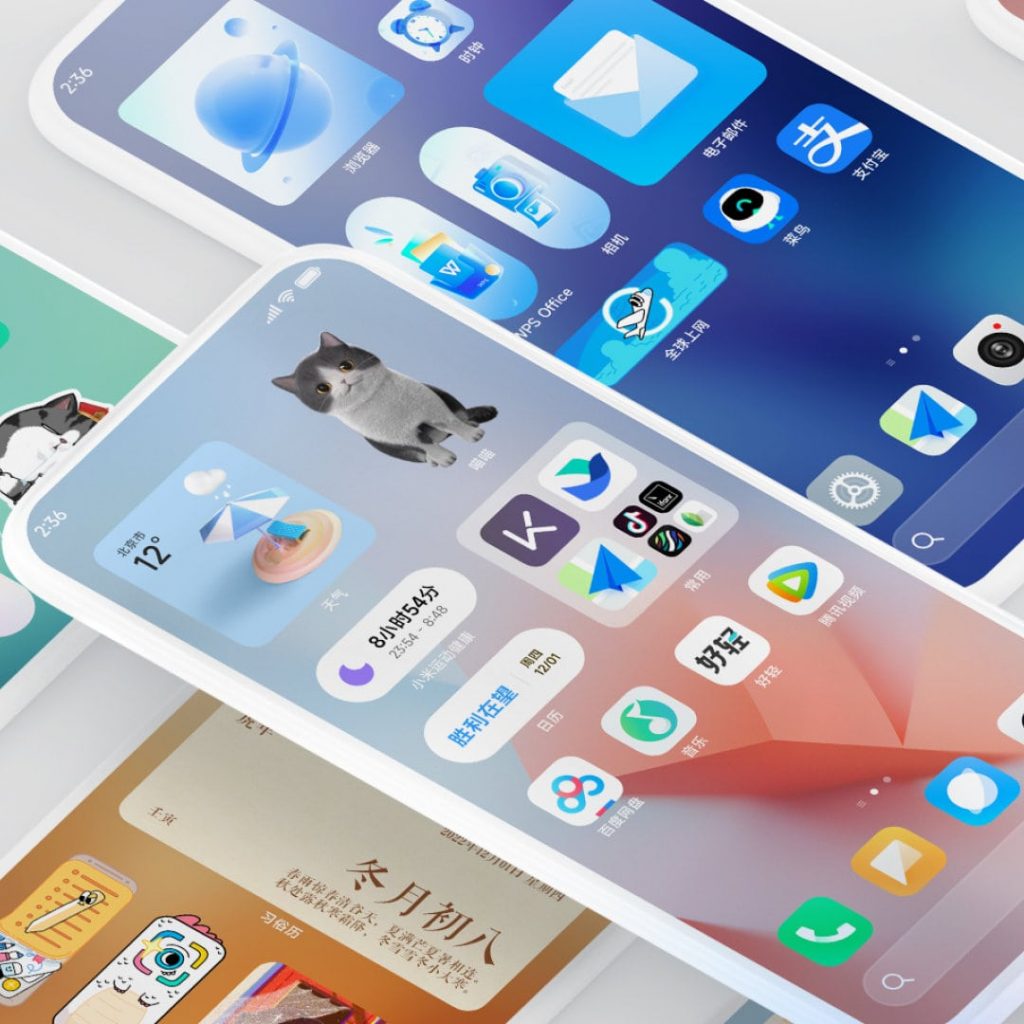
The latest MIUI 14 comes with a significant visual overhaul. The company has made changes to the icons and the overall UI. The icons are large and their size can be adjusted. In addition, there are also new widget formats and home screen folders, giving users more customization options.
Further, the software brings new pet and plant widgets. This is somewhat similar to the Pixel Pals app for iOS. Once you add the pet/plant ornament on the home screen, you can interact or play with it.
Performance
Xiaomi talked a lot about performance during the launch of MIUI 14. The maker has worked a lot in making the software light. MIUI 14 comes with a new MIUI photon engine, which runs on the underlying Android kernel. This will allow third-party developers to create smoother and more power-efficient applications.
The system memory footprints have been greatly reduced and now there are only eight apps that cannot be uninstalled. Xiaomi claims the fluency of the system has been improved by up to 60%. Not only system apps, but third-party apps also offer improved performance and efficiency.
New Features
The biggest feature of the MIUI 14 would be its small size. The total size of the firmware is just 13.09GB, which is very less compared to the previous versions of MIUI. There’s also a new app cleaning feature that will compress low-frequency applications and save only one copy of duplicate files.
The software also brings new notification management options. Users will now be able to close the resident notifications with just one swipe. Also, newly installed apps will require notification authorization.
Privacy is also improved with no user data being stored in the cloud and all actions performed locally on the device.
AI Features
Several new AI features are packed into MIUI 14. The UI can now extract text from images. Users can also press and hold the text on a Gallery image to instantly recognize it now. Up to 8 languages are supported. There’s also a live captioning feature for video conferences.
Xiaomi has made notable improvements to the Mi AI voice assistant as well. It can be used to scan documents, translate, and filter spam calls. It can perform complicated daily tasks with simple voice commands.
MIUI Interconnection
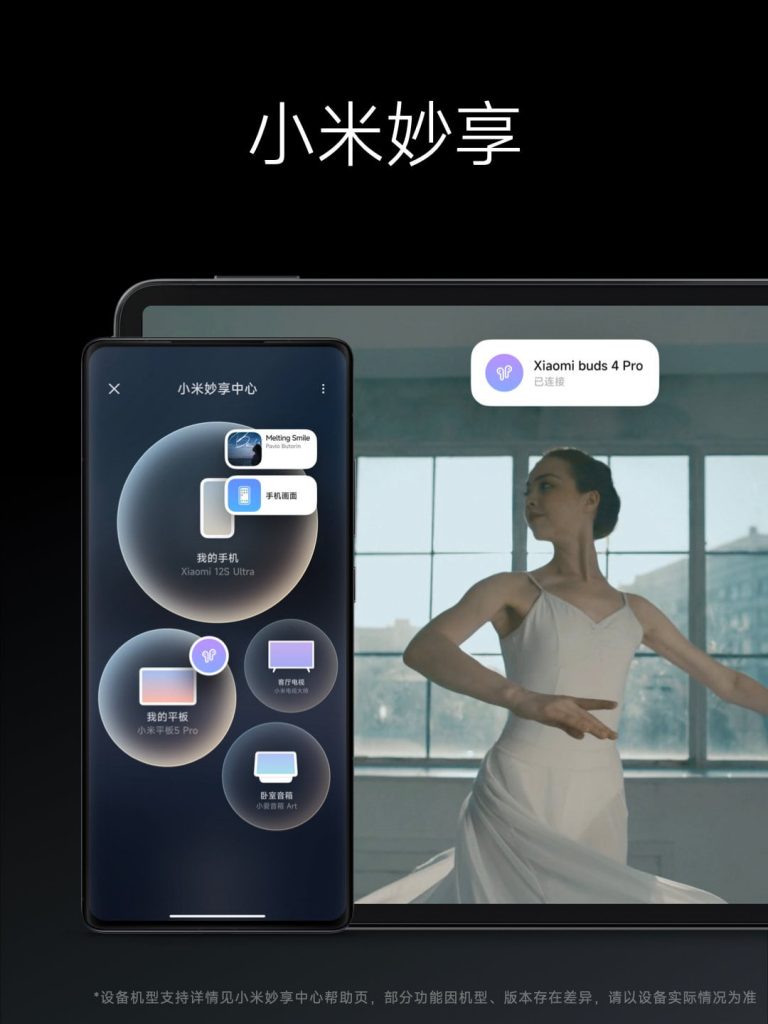
MIUI 14 will allow users to seamlessly connect with other ecosystem products. The company says over a billion devices are supported by two major interconnection centers. There is an updated paired-device interface with each device occupying its own space onscreen, some of which can be moved from one to another to switch inputs.
The Xiaomi Magic center, a platform that lets you manage your Xiaomi ecosystem products, has also been revamped and now offers improved interconnection speed between devices. As per the company, the new high-speed interconnection bus has increased the speed of earphone connectivity by 50%, the speed of mobile TV connection by 12%, and picture transmission during streaming by 77%.
Family Service
The latest version of MIUI is said to be even more family-friendly. It comes with various family services which let you create groups with up to 8 members and assign various roles with different permissions. Users will be able to share photo albums with their family groups. Everyone in the group will be able to view and upload new items.
Family services also allow sharing of health data like heart rate, blood oxygen, and sleep with family members. In addition, there are various parental control options that will allow users to limit screen time, restrict app usage, set a secure area, and more.
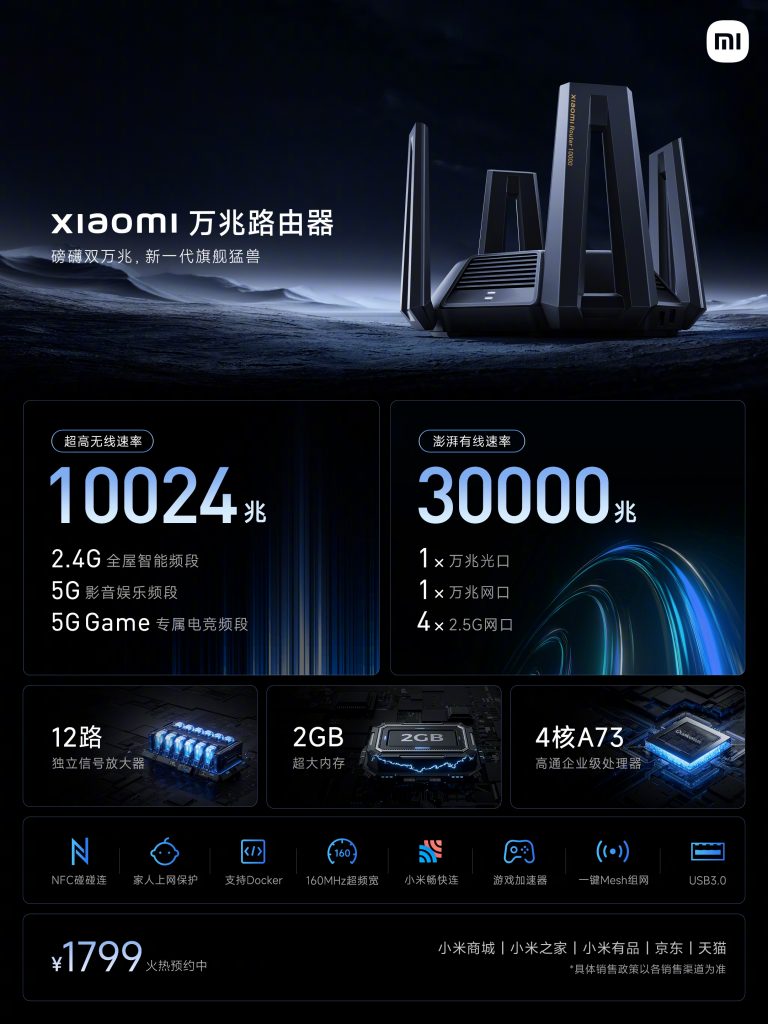
Today, Xiaomi held a large product announcement event in Chinese territory. Xiaomi launched a number of smartphones and devices, including the Xiaomi 13, Xiaomi 13 Pro, Xiaomi Router, and Xiaomi Mini PC. In this article, we’ll discuss the recently released Xiaomi 10 Gigabit Router. It includes a number of fascinating improvements, including support for NFC tags, a larger transmission bandwidth, and an updated design and builds.
Coming down to the hardware specifications of the Xiaomi 10 Gigabit Router, it comes with three different wireless channels; 2.4GHz, 5.2GHz and 5.8GHz. The 2.4GHz channel can theoretically provide speeds up to 1376.4MBPS, the 5.2GHz can provide a maximum speed of up to 5764.8MBPS and the 5.8GHz can push the speeds to as much as 2882.4MBPS. The router is powered up using a Qualcomm quad-core A73 processor clocked at 2.2GHz. To ensure the smooth performance of the device, the brand has also provided active cooling technology inside it.
The router comes with both the external high-gain antenna and NFC built-in antenna support. The gadget comes with three different buttons, one for system reset, second for power input interface and the third one is a mesh button. It comes with 9 different LED indicators; 1X system indicator, 1X Internet indicator, 1X ambient light and 6X network port indicator.
As for the ports, it has got 4X WAN/LAN ports which are adaptive and can switch automatically between 10/100/1000/2500M, 1X WAN/LAN port with an adaptive switch between 10/100/1000/2500/5000/10000M, 1X SFP+Network Port (1000M/2500M/10000M) and 1X USB 3.0 Interface. The gadget also has support for WPA-PSK/WPA2-PSK/WPA3-SAE encryption, wireless access control (black and white list), SSID hiding, and an intelligent anti-fraud network.
The gadget comes with 1 year of warranty support by the brand. It measures the dimension of 270 × 270 × 174 mm and will be available in one and only black variant. The device is priced at CNY 1699 (~$244) and will be soon available to purchase in China. Currently, there are no words on the global availability of the device.
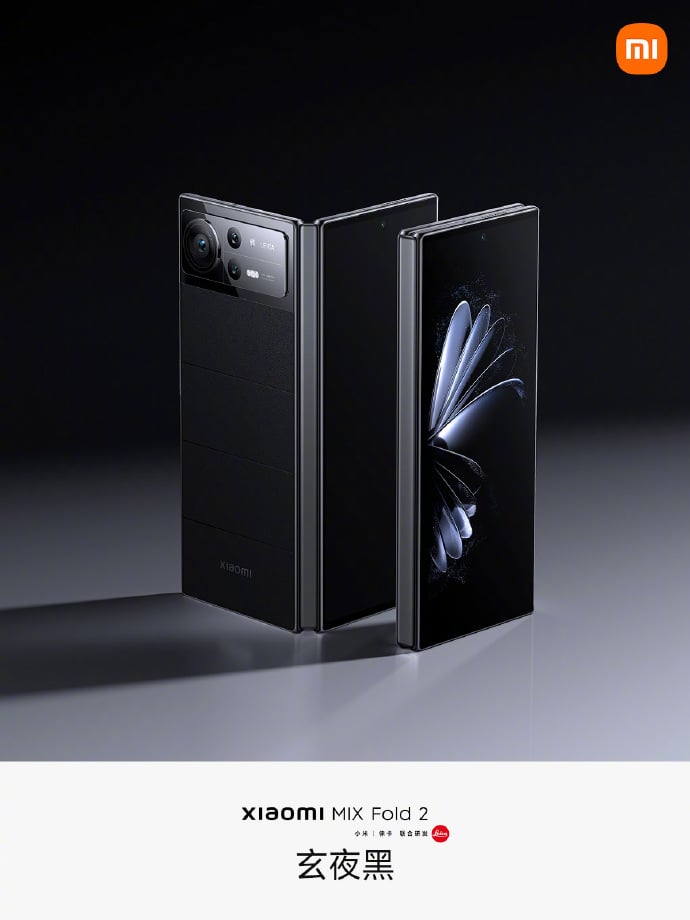
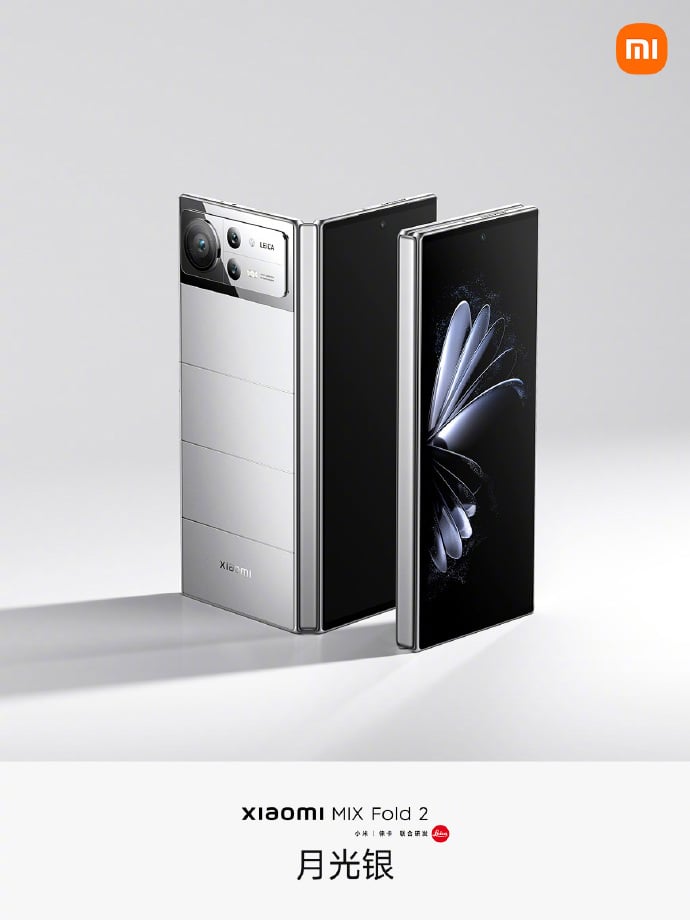
Xiaomi has officially launched its highly anticipated Xiaomi 13 series smartphones, which have been generating a lot of buzz in the tech industry due to their advanced features and sleek design. Along with the new smartphones, the company has also unveiled several other products, including the Xiaomi Mix Fold 2 and its special “Extreme Set” with two new colors.
Xiaomi has introduced “Moonlight Silver” and “Black Night” color options for Mix Fold 2
Xiaomi has introduced two new color options for its Mix Fold 2 foldable device, which is set to launch on December 20. The Mix Fold 2 is the company’s second-generation foldable device and comes with a number of impressive features, including a Qualcomm Snapdragon 8+ Gen 1 chipset and a Foldable LTPO2 OLED FHD+ (1914×2160) 120Hz screen with HDR10+ and Dolby Vision support.
The new color options, “Moonlight Silver” and “Black Night,” will be available as part of the special “Supreme Gift Box” which includes the Mix Fold 2 smartphone, earphones, and a watch. This set is a good option for New Year’s gifts and will be available for ¥8999.
The Mix Fold 2 also comes with 12GB LPDDR5 RAM and 256GB/512GB/1TB UFS 3.1 storage options, as well as a 4500mAh Li-Po battery with reverse charging support. It runs on MIUI 13, which is based on Android 13. The launch event for the Mix Fold 2 was delayed due to unforeseen circumstances but has been met with great excitement from fans and tech enthusiasts.
In addition to the Mix Fold 2, Xiaomi has also unveiled the Xiaomi Sound Pro smart speaker, which is set to compete with other popular smart speakers on the market. The launch event was a success and has further solidified Xiaomi’s position as a leading player in the tech industry.
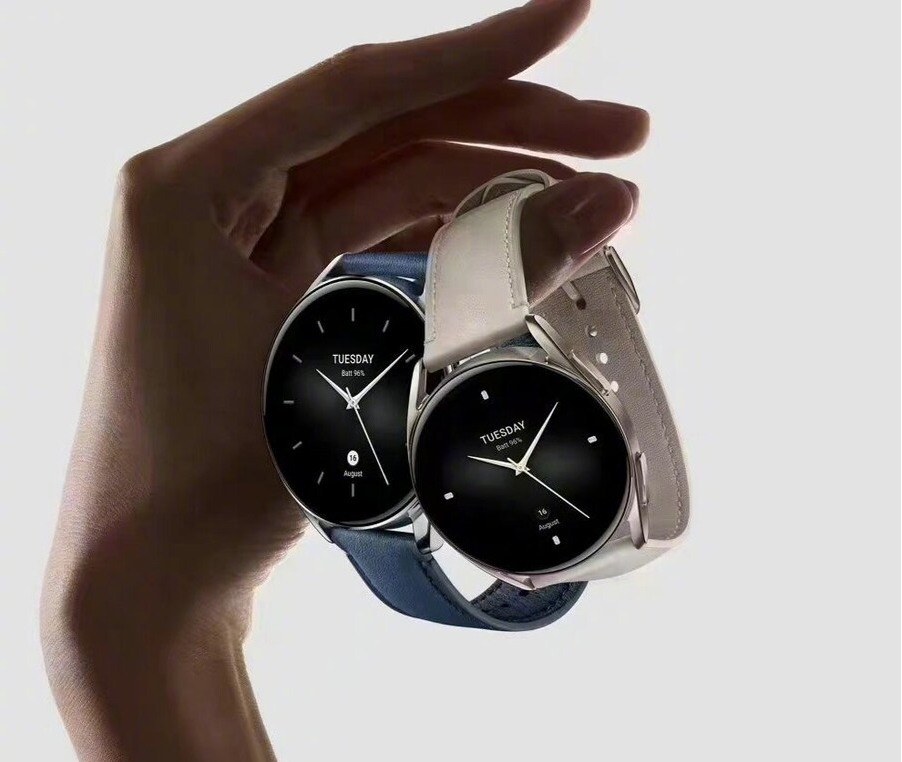
Xiaomi held its biggest event in China today. It announced multiple products including the Xiaomi 13 series, Buds 4, MIUI 14, and more. The brand also unveiled the Xiaomi Watch S2. It arrives as the successor to the last year’s Watch S1. The smartwatch competes against the likes of the Samsung Galaxy Watch 5, Apple Watch series, and more in the market. Read on to know what the wearable device has in store for us.
The Xiaomi Watch S2 comes in two circular dial sizes i.e. 42mm and 46mm. It has two oblong-shaped physical buttons on the right side. The smartwatch features a stainless steel metal middle frame and sapphire glass. The 42mm variant offers a 1.32-inch screen whereas the 46mm model features a 1.43-inch display. Both have an AMOLED panel bearing a resolution of 466 x 466 pixels. The wearable device is water-resistant up to 5 meters.
In terms of health and fitness, the Xiaomi Watch S2 is equipped with a heart rate and SpO2 sensor. It comes with body composition measurement that is capable of measuring data like fat percentage, skeletal muscle mass, protein volume, and more. To track this, users have to place two fingers on the side buttons. The smartwatch can also measure skin temperature. The wearable device also features a sleep and stress tracker, a women’s menstrual cycle monitor, and breathing exercises. It packs support for more than 100 sports modes.
The Xiaomi Watch S2 comes with a built-in microphone and speaker for Bluetooth calling functionality. There is also a safety tracking feature that will send help to the user’s pre-set contacts. The smartwatch comes with a host of apps. It packs GPS, Bluetooth 5.2, and NFC support. The 46mm variant is backed by a 500mAh battery unit and is claimed to last 12 days whereas the 42mm model is powered by a 305mAh cell and is rated to deliver 7 days of usage.
The Xiaomi Watch S2 is priced at RMB 999 (~$143) and RMB 1,199 (~$172) for the 42mm Black standard and Light Gold leather colour variants respectively. The 46mm carries a price tag of RMB 1,099 (~$157) and RMB 1,299 (~$186) for the 42mm Black standard and Light Gold leather colour variants respectively. The smartwatch is up for purchase in China.
Xiaomi has officially launched its highly anticipated Xiaomi 13 series smartphones, which have been generating a lot of buzz in the tech industry due to their advanced features and sleek design. Along with the new smartphones, Xiaomi has also unveiled several other products, including the Xiaomi Sound Pro smart speaker, which is set to compete with other popular smart speakers on the market.
Xiaomi Sound Pro smart speaker offers flagship-quality sound
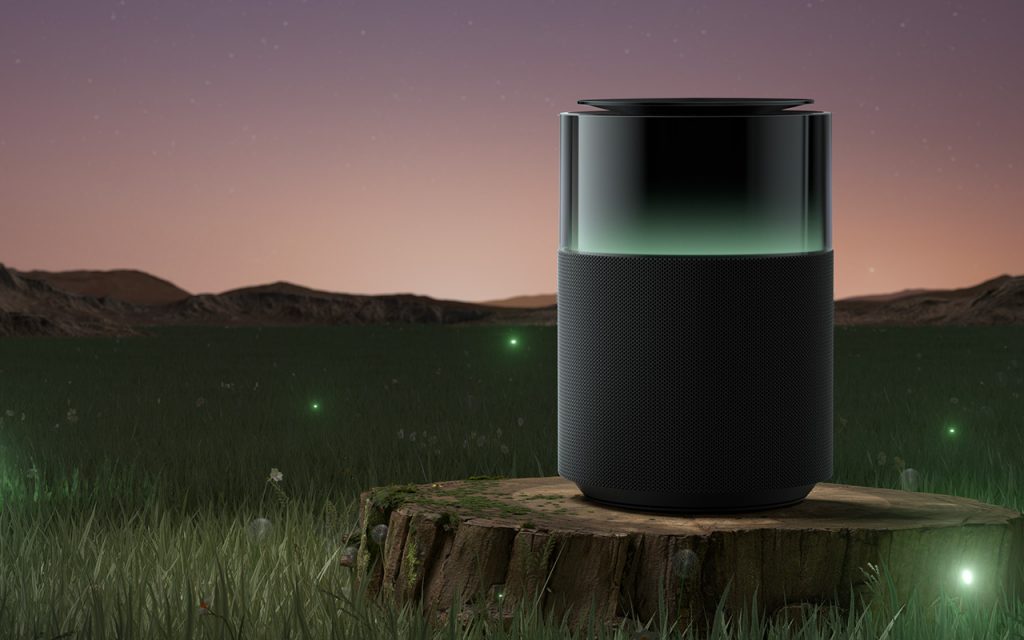
Xiaomi has launched its new Xiaomi Sound Pro smart speaker, which features a transparent upper part with ambient lighting that changes with the rhythm of the music. The speaker is available in black and comes with SBC and AAC audio transmission protocols, 8-ohm impedance, and a 3.5mm AUX port. Xiaomi claims that the speaker offers flagship-quality sound. The device is now available for purchase in the Chinese market.
The Xiaomi Sound Pro boasts a 7-unit acoustic configuration, upgraded from previous models. It includes a 3-unit full-range speaker for clear and transparent sound and a 3-unit passive radiator and custom-made subwoofer for an unparalleled low-frequency experience. The speaker also features a large woofer with a loud volume and can deliver a shocking 91dB of sound pressure.
In addition to its impressive sound quality, the Sound Pro also offers a 360-degree omnidirectional sound field, allowing the whole family to enjoy good sound no matter where it is placed. The device has also been expertly tuned by Xiaomi’s acoustic engineers using professional software, resulting in a clear and balanced sound pleasing to the ear.
Xiaomi has also included its innovative computing audio technology in the Sound Pro, which has been upgraded to version 2.0. This technology fine-tunes the sound quality from input to output, resulting in a live-level listening experience. The Nightingale algorithm has also been upgraded to support independent adjustment of sound effects, allowing users to choose their preferred style through the Xiaomi Speaker APP.
In terms of design, the Sound Pro features a galaxy ambient light effect generated by LED lamp beads surrounding the device’s body. The light follows the music in real time, creating an elegant atmosphere. The speaker also has an intelligent perception of the human body, combining audio and visual computing technology that provides a sense of direction and smart lighting effects. Overall, the Xiaomi Sound Pro is a powerful and impressive smart speaker with high-quality sound and a range of advanced features.
Pricing and availability
The Xiaomi Sound Pro smart speaker is now available for purchase. The initial price of the speaker is 999 yuan, but there is currently a 10% discount on the package. The company mentioned that they will be giving away a Xiaomi Mi Band 7 Pro with the purchases on December 25. Along with the Sound Pro, Xiaomi also launched its Xiaomi 13 series smartphones, Xiaomi Mini Host, and Xiaomi 10G Router on 11 December. Xiaomi has yet to announce whether the Sound Pro will be available in markets outside China.
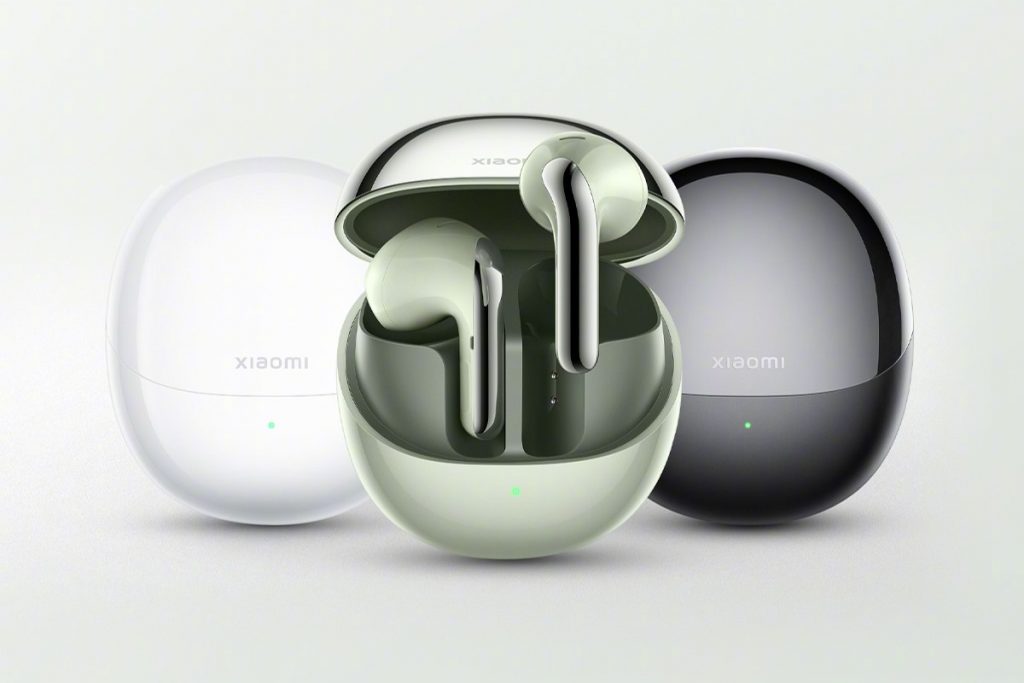
Today at a launch event, Xiaomi unveiled multiple devices including the Xiaomi 13 series smartphones. The brand also announced the Xiaomi Buds 4. The TWS earphones are a toned-down version of the Buds 4 Pro that debuted in China in August this year. They arrive as the successor to last year’s Xiaomi Buds 3. Read on to know what the audio device offers out of the box.
The Xiaomi Buds 4 feature an AirPods-like semi-in-ear design. They do not have silicone ear tips and the device is IPX54-rated water-resistant. There are microphone cutouts on each earbud. Users can control various functions by tapping on the stem of the earbud.
In terms of audio, the Xiaomi Buds 4 is equipped with a graphene-dual magnetic dynamic driver. It features intelligent active noise cancellation, 360-degree spatial audio, and transparency mode. The audio device also packs Hi-Res audio wireless certification and LHDC 5.0 for CD-level sound quality. There are three built-in microphones along with noise reduction for clear quality on calls. The device is also capable of eliminating wind noise
The Xiaomi Buds 4 come in a pebble-shaped storage and charging case with a dual-tone design where the upper part has a glossy finish and the lower half has a plastic feel. The TWS earphones are powered by a 480mAh battery with each earbud backed by a 30mAh cell. It offers 6 hours of playback and 30 hours of total battery life. The audio device can be connected to two devices simultaneously.
The Xiaomi Buds 4 carries a price tag of RMB 699 (~$100). It is offered in Moon Shadow, Salt Lake White, and Field Green colours. The TWS earphones are on sale in China and can be purchased starting today.
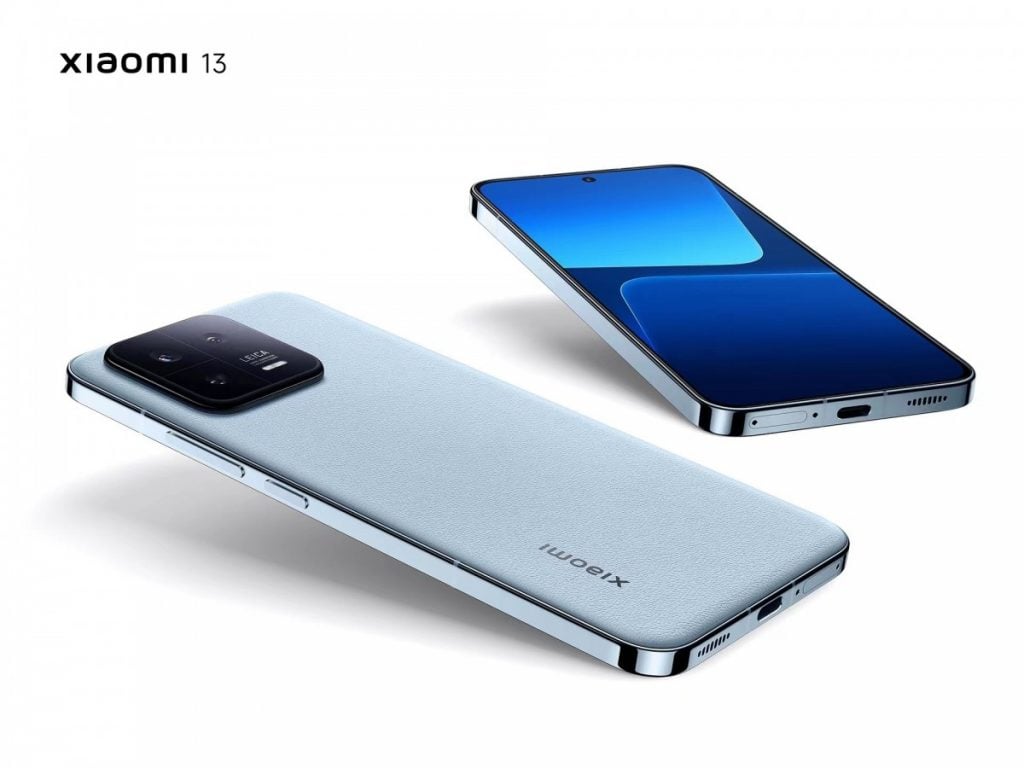
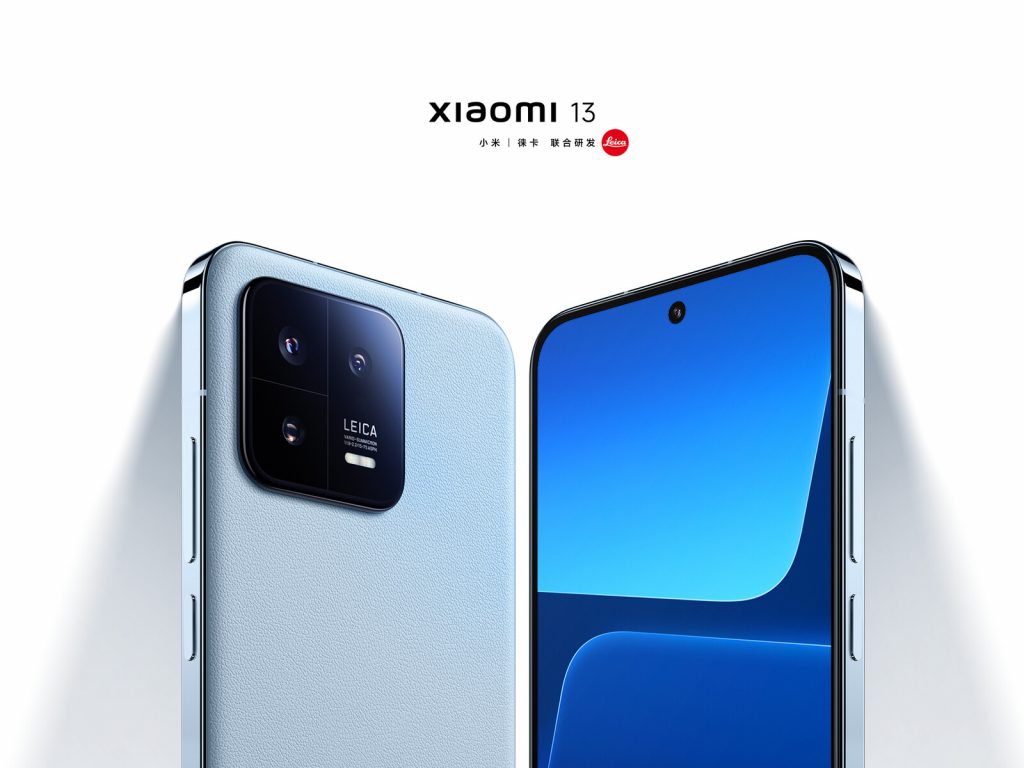
Xiaomi 13 series has launched in China today. It includes the regular and Pro variants. The devices pack significant upgrades and arrive as the successor to last year’s Xiaomi 12 and 12 Pro. Alongside the smartphones, Xiaomi has also unveiled the Redmi Buds 4, Watch S1 Pro, and MIUI 14 at the event. Read on to know what the Xiaomi 13 duo offer out of the box.
The Xiaomi 13 duo come with an AMOLED display, an integrated fingerprint scanner, and a centre-aligned punch-hole cutout. Both smartphones offer a 120Hz refresh rate, 1,900 nits peak brightness, HDR10+, Dolby Vision, and HLG support. The regular variant has a 6.36-inch flat screen bearing an FHD+ resolution whereas the Pro model offers a 6.73-inch QHD+ display with curved edges.
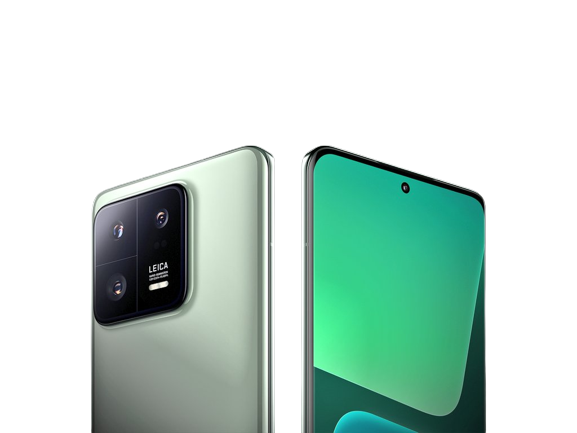
The Xiaomi 13 features a boxy form factor whereas the Pro model has a slim design. Both devices have a square camera module on the back panel and are IP68-certified water and dust-resistant. The smartphones also feature a nano-skin technology that is said to make the back panel easier to clean. On the audio front, the smartphones are equipped with stereo speakers tuned by Dolby Atmos.
In the photography department, the Xiaomi 13 series has Leica-branded triple rear cameras. On the regular variant, the setup comprises a 50MP OIS-enabled Sony IMX800 sensor, a 12MP ultra-wide-angle lens, and a 10MP telephoto unit. The Pro model gets a 1-inch Sony IMX989 50MP primary lens paired with 50MP ultra-wide, and 50MP telephoto lenses. Both smartphones feature a 16MP front-facing selfie snapper. The Xiaomi 13 duo also come with legendary camera maker Leica’s technology for enhancing imaging capabilities.
Under the hood, the Xiaomi 13 and 13 Pro house Qualcomm’s flagship Snapdragon 8 Gen 2 processor. Both devices pack up to 12GB LPDDR5 RAM and 256GB UFS 4.0 storage technology. They also feature a liquid cooling heat dissipation system onboard. The Xiaomi 13 and 13 Pro are backed by 4,500mAh and 4,820mAh battery cells with support for 67W and 120W wired charging respectively. Both phones have a Surge G1 charging protection chip with support for 50W wireless and 10W reverse wireless charging.
The Xiaomi 13 series runs on MIUI 14-based Android 13 OS out of the box. Connectivity options on the devices include 5G, 4G, WiFi, Bluetooth 5.3, NFC, IR Blaster, and USB-C port.
The Xiaomi 13 and 13 Pro come in White, Black, Green, and Light Blue colours. The regular variant is also announced in five limited custom colours including Flame Red, Sapphire Blue, Hurricane Yellow, Jungle Green, and Cement Gray. It’s worth noting that the limited edition is only for the 12GB + 512GB configuration. Take a look at the pricing below.
Xiaomi 13
8GB + 128GB: RMB 3,999 ($574)
8GB + 256GB: RMB 4,299 ($617)
12GB + 256GB: RMB 4,599 ($660)
12GB + 512GB: RMB 4,999 ($718)
Xiaomi 13 Pro
8GB + 128GB: RMB 4,999 ($718)
8GB + 256GB: RMB 5,399 ($775)
12GB + 256GB: RMB 5,799 ($833)
12GB + 512GB: RMB 6,299 ($905)
The Xiaomi 13 and 13 Pro are up for pre-orders starting today in China. Both devices will go on sale from December 14th.
Today, Xiaomi officially announced the MIUI 14 at Xiaomi 13 series launch event. The new software comes with plenty of new features and improvements. The maker says the Android-13-based software has a small size and will offer improved performance. Xiaomi also revealed the first batch of smartphones that will receive the MIUI 14 update. Here are the details.
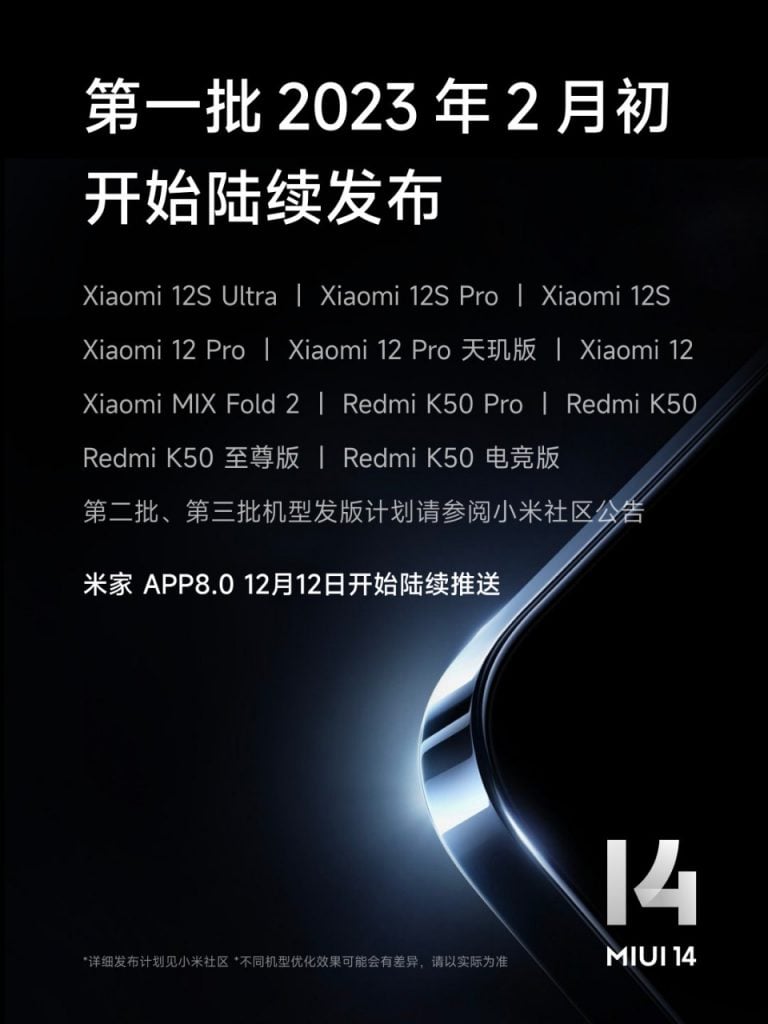
Xiaomi will start releasing the MIUI 14 update to the first batch of smartphones in February. The software will initially be rolled out to the flagship Xiaomi 12 series, Redmi K50 series, and the latest Xiaomi Mix Fold 2. The company will announce the second and third batches soon. Do note that the timeline is for Chinese users.
MIUI 14 Update Timeline
As mentioned, the latest MIUI 14 update will start rolling out to the first batch of supported devices in February 2023. Here’s the list of devices:
Xiaomi 12S Ultra
Xiaomi 12S Pro
Xiaomi 12S
Xiaomi 12 Pro
Xiaomi 12 Pro Dimensity Edition
Xiaomi 12
Xiaomi MIX Fold 2
Redmi K50 Pro
Redmi K50
Redmi K50 Extreme Edition
Redmi K50 Gaming Edition
Xiaomi is yet to reveal the update plan for the Poco devices. Also, the company hasn’t announced the global rollout of the MIUI 14 yet. We can expect an official announcement soon.
If we talk about the update itself, MIUI 14 arrives with a small size and an improved system architecture. The software has fewer pre-installed apps, which means there’s better performance and less space is consumed.
It will offer more personalization options with a new widget format, home screen folders, and Super icons. The privacy of user data has also been revamped with all actions performed locally on the device and no data is stored in the cloud. Mi AI voice assistant has also been improved and it can now perform document scanning, translations, and filter spam calls.
Twitter Blue, the subscription service offering the now-controversial blue checkmark, will relaunch on Monday with a “vetting process” designed to prevent impersonations on the site. The checkmark and other features will cost $8 a month via the web and $11 per month via iOS.
Twitter Blue relaunching on Monday starting on $8 a month
Twitter tweeted on Saturday that subscribers to Twitter Blue will now receive the blue checkmark, but only after their account has been reviewed. The company said in a tweet thread: “When you subscribe you’ll get Edit Tweet, 1080p video uploads, reader mode, and a blue checkmark (after your account has been reviewed).”
we’re relaunching @TwitterBlue on Monday – subscribe on web for $8/month or on iOS for $11/month to get access to subscriber-only features, including the blue checkmark 🧵 pic.twitter.com/DvvsLoSO50
It is not clear what the account review process will involve, but an image included in the thread mentions the need for a “verified phone number”. This suggests that the review process will involve verifying the user’s identity in some way, although it is not yet clear what form this verification will take.
The previous pay-for-verification setup, introduced by Twitter owner Elon Musk, had critics arguing that the blue checkmark had become meaningless. Traditionally, the verification process involved submitting a government-issued ID and providing evidence that the user was a “prominently recognized individual”.
In response to the chaos caused by impersonators using the blue checkmark, Musk tweeted a plan in late November that would see companies receiving a gold verification checkmark and government entities receiving a gray one. He said at the time: “Blue for individuals (celebrity or not) and all verified accounts will be manually authenticated before check activates.”
Saturday’s thread from Twitter confirmed that the plan for the gold and gray checkmarks for businesses and government would be going into effect. It also said that Twitter Blue subscribers “will be able to change their handle, display name or profile photo, but if they do they’ll temporarily lose the blue checkmark until their account is reviewed again”.
Twitter didn’t give any further information about the verification review process. However, the company’s tweet thread did reveal some additional details about the features available to Twitter Blue subscribers. These include being “rocketed to the top of replies, mentions and search”, seeing half the ads, and being able to post longer videos.
Twitter Blue subscribers who already signed up via iOS for the earlier $8 a month price will receive a notification about the new $11 monthly iOS cost and can choose to subscribe via the web instead, at the $8 rate, according to Twitter product lead Esther Crawford. Crawford also confirmed that the iOS and web versions would offer the same features, and that Android users can purchase on the web and use Twitter Blue on their devices.
In August 2022, Xiaomi unveiled its full-scale humanoid bionic robot, CyberOne. Standing at 177cm tall and weighing 52kg, the robot impressed with its ability to perform human-like movements. To demonstrate the capabilities of its state-of-the-art product, the company taught CyberOne how to play the drums.
Xiaomi trains CyberOne to play drums
Xiaomi’s full-size humanoid robot, CyberOne, has been trained to play drums. The robot was able to complete its drum performance in three steps. First, it automatically parsed out the beat from an input Midi music file to generate a drum sequence. Then, using an offline motion library and online calibration, a motion trajectory synchronized with the drum sequence was generated. Finally, the robot’s body was controlled to complete each movement through a whole-body controller.
According to reports, the most difficult part of CyberOne’s drum performance was playing long sequences of drum rhythms, as it had to ensure that its movements were continuous and collision-free. To solve this problem, the team at Xiaomi Robotics Lab extracted the basic beat and then optimized it by building an offline drum beat motion track library. This allowed CyberOne to generate a continuous track that was consistent with any drum beat.
CyberOne’s ability to play the drums is a testament to its ability to coordinate its whole body and perform fast, accurate, and wide-ranging movements. However, the robot’s drumming skills are not yet on par with those of professional drummers. The team at Xiaomi is working on improving CyberOne’s locomotion and manipulation abilities in the second generation of the robot.
However, robots playing drums is not a new concept. In fact, there is an all-robot band called “Compressorhead” from Germany, which features a drummer with four arms. However, CyberOne is the first full-scale humanoid bionic robot to be trained in this skill.
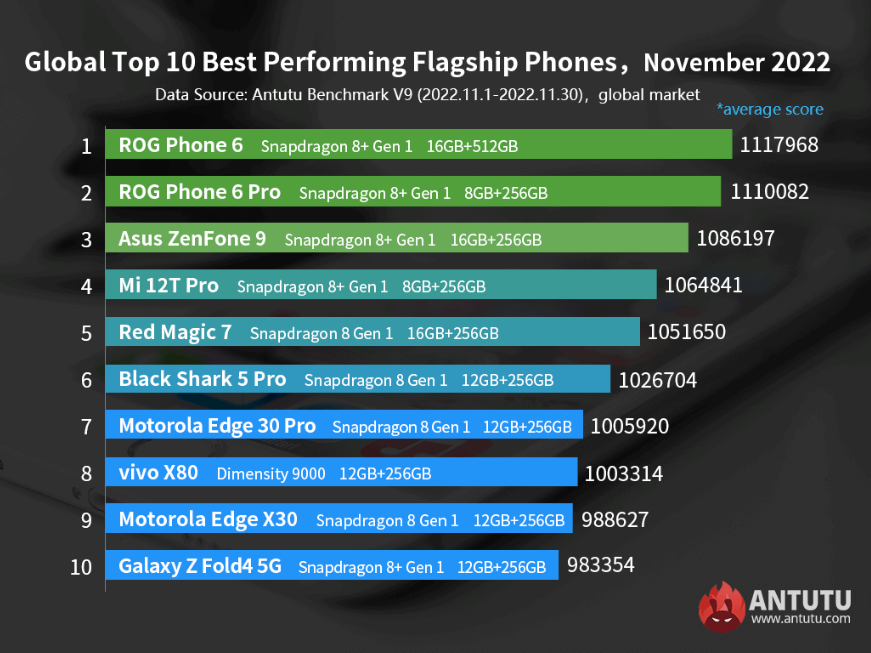
Unquestionably, one of the most popular smartphone benchmarking tools is AnTuTu. The benchmark performs several tests before providing us with a score that we can use to estimate the performance of the device. Every month, the platform publishes a list of the 10 most powerful gadgets, and in keeping with that trend, the list of the Top 10 smartphones for November 2022 has also been publicly released. Let’s see which device made it to the top of the list and which one came in last!
The list provided by the platform is based on tests administered between November 1 and November 20, 2022. AnTuTu V9, the most recent version, was used for all testing. With 1117968 average marks, the ROG Phone 6 Pro, a gaming phone, has topped the list when looking at the results. With scores of 1110082 and 1086197, respectively, ROG Phone 6 and ZenFone 9 are in second and third place. The Snapdragon 8+ Gen1 chipset from Qualcomm powers all three of these devices.
The Xiaomi 12T Pro, which has an average score of 1064841 and is powered by a Qualcomm Snapdragon 8+ Gen1 CPU, is in fourth place. A Snapdragon 8 Gen1 SoC and 1051650 scores put the Nubia RedMagic 7 in fifth place. BlackShark 5 Pro and Motorola Edge 30 Pro, with scores of 1026704 and 1005920, respectively, are in sixth and seventh place. With 1003314 points, the Vivo X80 is in eighth place, followed by the Motorola Edge X30 (988627 points) and Galaxy Z Fold4 5G (983354 points).
All of the smartphones on the list, with the exception of the Vivo X80, were equipped with Qualcomm Snapdragon mobile chipsets. Top models featured the Snapdragon 8+ Gen1 SoC, but the Snapdragon 8 Gen1 wasn’t far behind. There were not many differences in performance across the top smartphones’ ratings because they were powered by the same platform.
Only a few months ago, the official launch of India’s 5G network was announced. Two of the industry’s top behemoths were Jio and Airtel. While Airtel is leveraging the current 4G infrastructure to deliver the 5G technology, and their full coverage may take some time, Jio is working on standalone 5G technology and has pledged to reach all of India with 5G by the end of 2023. It has been reported that up to 50 different Indian cities are now covered by the 5G network as both telecom companies are deploying 5G at a rapid rate.
Prior to addressing Tier-based cities, the operators are focusing on covering metropolitans and megacities. Both providers’ 5G networks have already been extended to major cities like Mumbai, Ahmedabad, and Delhi. The list of cities that are compatible with 5G networks has since been expanded by the telecom giants.
Union Telecom Minister Ashwini Vaishnaw revealed the information during the parliamentary question period. The minister stated in response to a question in the parliament that “Telecom Service Providers (TSPs) have started offering 5G services in the country from January 1, 2022, onward, and as of November 26, 2022, 5G services have started in 50 towns.” He also emphasises the fact that both providers presently offer 5G services at no additional charge.
Airtel customers can access 5G if they move to an area that is covered by 5G support without any invitation or something, whereas Jio is now offering invite-only access to 5G. A 5G-capable device is necessary, though. However, it is important to note that Jio is presently dominating the country’s 5G network fluency by offering a quicker and more reliable speed when compared to Airtel. Since neither of them has yet reached the mature level, they are both now in their starting stages. As time goes on, we might start to notice other improvements.
Currently, only a few cities, including Delhi, Siliguri, Bengaluru, Hyderabad, Varanasi, Nagpur, Mumbai, Chennai, Gurugram, Panipat, Guwahati, and Patna, have access to Airtel 5G. Jio, on the other hand, has a larger coverage area thanks to the 5G network that is being deployed in cities like Delhi, Gurugram, Noida, Greater Noida, Faridabad, Mumbai, Varanasi, Kolkata, Bengaluru, Hyderabad, Chennai, Nathdwara, Pune, and Ghaziabad. Unexpectedly, all 33 district headquarters in Gujarat now have access to Jio True 5G.
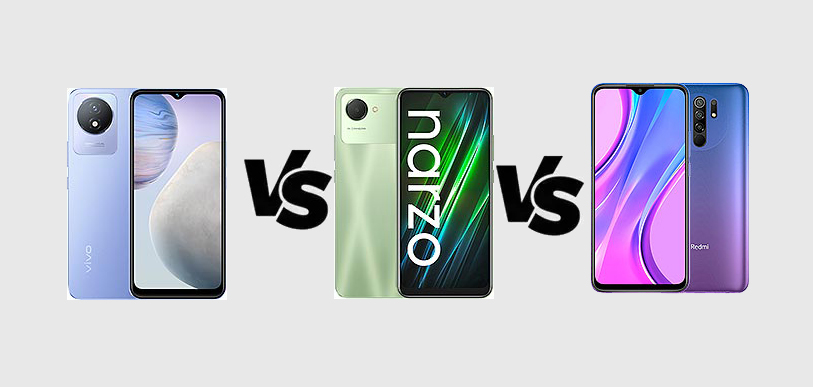
This year Chinese companies released several entry-level phones, but as you probably noticed if you follow the smartphone market, prices increased. That is exactly the reason why a lot of people started wondering whether it is worth buying the latest entry-level phones or saving some money to get a device released one or two years ago. Among the most important entry-level phones released this year, the latest one is the Vivo Y02. Earlier this year, Realme came up with the Narzo 50i Prime. But a lot of people noticed that the Redmi 9 Prime released two years ago still has better specifications and it is available in the same price range. So which one to choose? We will try to let you find out through this comparison between the specifications of the Vivo Y02, the Realme Narzo 50i Prime, and the Redmi 9 Prime.
Vivo Y02 vs Realme Narzo 50i Prime vs Xiaomi Redmi 9 Prime
Quad 13 + 8 + 5 + 2 MP f/2.2, f/2.2, f/2.4 and f/2.4
8 MP f/2.0 front camera
BATTERY
5000 mAh
5000 mAh
5020 mAh, fast charging 18W
ADDITIONAL FEATURES
Dual SIM slot, reverse charging
Dual SIM slot, reverse charging
Dual SIM slot
Design
In my honest opinion, the most attractive design belongs to the Realme Narzo 50i Prime, because it has a smaller camera module. But, especially if you are a girl, you may like the design of the Vivo Y02 very much in the lavender color option. The design of the Redmi 9 Prime is pretty outdated with its camera semaphore placed on the central part, but, on the other hand, it has a water repellent coating which may turn useful for you if you want to use your phone under the rain. Unfortunately, these phones are not built with premium materials as they all come with polycarbonate bodies, but the Redmi 9 Prime offers Gorilla Glass 3 protection by Corning for the display.
Display
The Redmi 9 Prime has the best display of the trio not because it has the Gorilla Glass 3 protection, but because it is the only one with a Full HD+ resolution (1080 x 2340 pixels). For the rest, it is a classic IPS LCD panel with a 6.53-inch diagonal and a typical brightness of 400 nits like the ones found on a lot of low cost devices. The displays of the Vivo Y02 and the Realme Narzo 50i Prime are almost the same things: the former has an IPS LCD panel with a diagonal of 6.51 inches and an HD+ resolution of 720 x 1600 pixels, while the latter has a 6.5-inch display with the same resolution. Note that the Redmi is the only one sporting a fingerprint reader and it is side-mounted, placed on the power key.
Specs & Software
The Redmi 9 Prime has the most powerful hardware department. It is composed of a MediaTek Helio G80 chipset running at a max frequency of 2 GHz, up to 4 GB of RAM, and up to 128 GB of native storage. However, it ships with a very outdated Android version: it has Android 10. Then there is the Realme Narzo 50i Prime with a hardware setup composed of a Unisoc Tiger T612 chipset running at 1.8 GHz, up to 4 GB of RAM, and up to 64 GB of internal storage (in this case, you get a UFS 2.2 storage). The Vivo Y02 takes the last place with an unknown octa-core chipset, just 3 GB of RAM, and 32 GB of native storage, but it is the only one with Android 12 out of the box.
Camera
The Redmi 9 Prime wins the camera comparison as well thanks to a quad rear camera composed of a 13 MP main sensor, an 8 MP ultrawide shooter, a 5 MP macro camera, and a 2 MP depth sensor. Both Realme Narzo 50i Prime and Vivo Y02 get a single 8 MP rear camera.
Battery
These phones have the same battery capacity, but the Vivo Y02 and the Realme Narzo 50i Prime should last a bit more because they have displays with a lower resolution.
Price
The Vivo Y02 costs about $95/€90, just like the Realme Narzo 50i Prime, while the Redmi 9 Prime starts from about $139/€132 at the actual change. The Redmi 9 Prime is superior, but it has a very older Android version: would you prefer to buy it instead of the Vivo Y02 and the Narzo 50i Prime?
The Xiaomi 13 series was scheduled to go official in China on December 1. However, the brand had to postpone the event following the demise of the former President of the People’s Republic of China, Jiang Zemin. The launch of Xiaomi’s next premium smartphone lineup has now been rescheduled for December 11.
As revealed by the company’s official pages, Xiaomi 13 series is all set to launch on December 11. The product launch event will start at 7 PM (local time) on Sunday. Aside from the Xiaomi 13 series, which will include the Xiaomi 13 and 13 Pro, the company will also unveil a bunch of other products. This includes the MIU 14, Xiaomi Watch S2, Xiaomi Buds 4, and the Xiaomi Mini Host.
Xiaomi 13 series launch event will be live-streamed on the company’s official Weibo handle. To watch the stream, you can visit the link hyperlinked here. Xiaomi may also live-stream the event on its official China website.
Most details about the upcoming Xiaomi 13 series are already out. We know the series will arrive with a boxed design, like the iPhones. The standard model will be equipped with a flat 6.36-inch E6 AMOLED display and will have leather and glass back options. The Pro model will have a larger 6.73-inch AMOLED QHD+ screen with curved edges. It will be offered in leather and ceramic back options. Both devices will support a 120Hz refresh rate.
Under the hood, both the Xiaomi 13 and 13 Pro will be powered by the latest Snapdragon 8 Gen 2 SoC, paired with LPDDR5x RAM, and UFS 4.0 storage. The Xiaomi 13 will be fueled by a 4,500mAh battery with 67W fast charging support. The 13 Pro, on the contrary, will pack a 4,820mAh battery with 120W fast charging. The Pro phone will also support 50W wireless charging. Stay tuned for the pricing and other details.
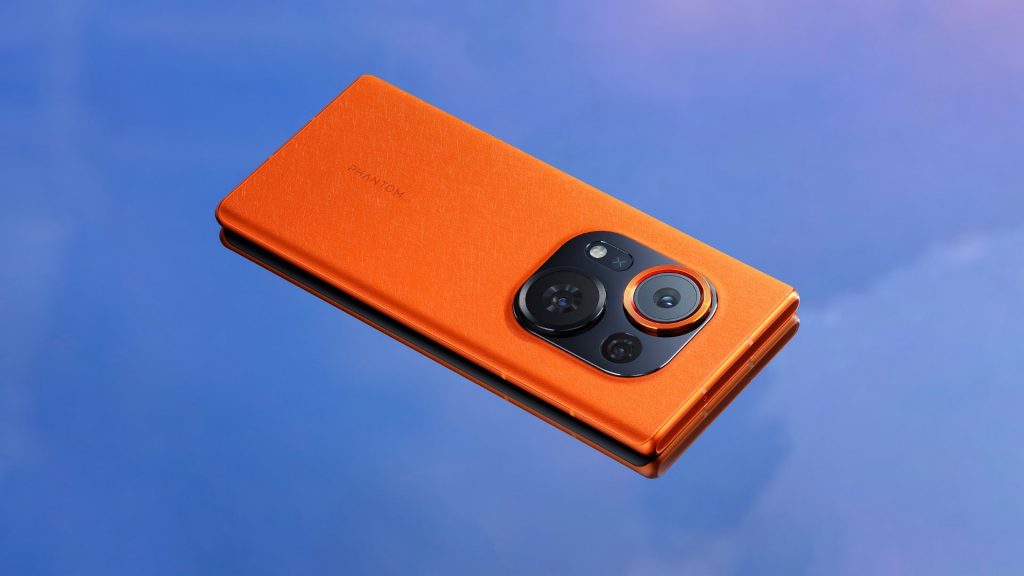
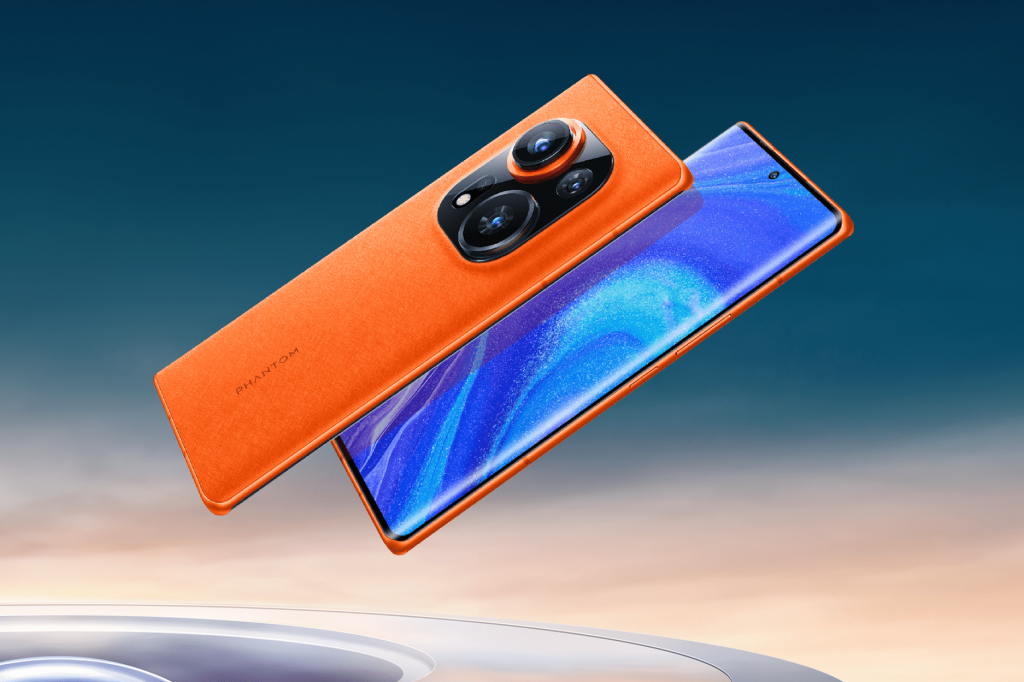
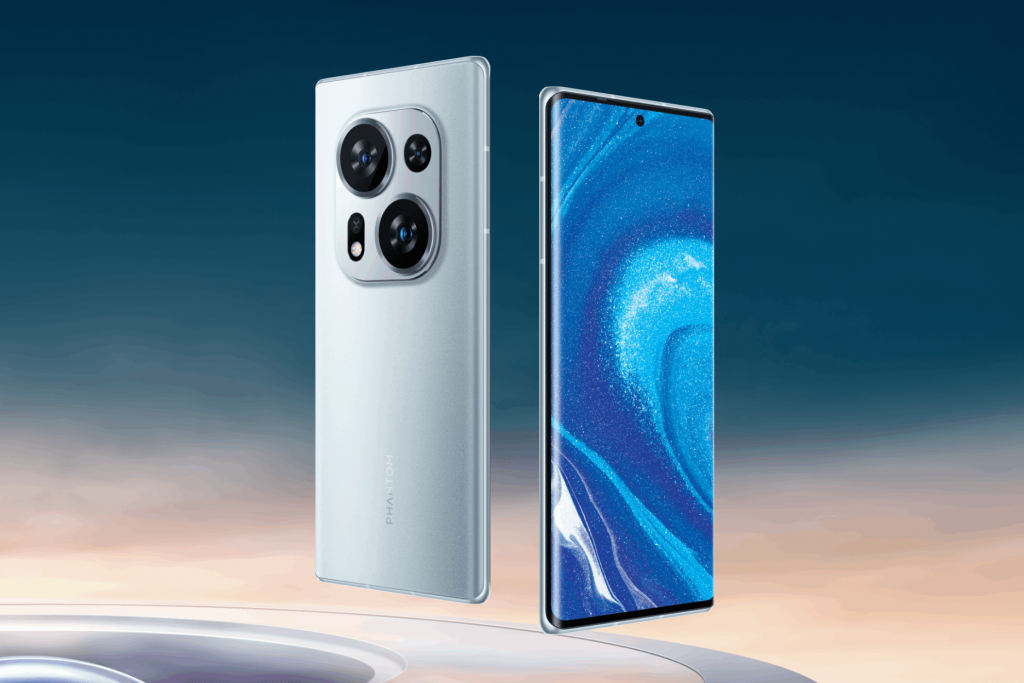
Earlier this week, Tecno launched the Tecno Phantom X2 series of smartphones in Saudi Arabia. The devices have a unique look with a massive camera island, and they run on MediaTek Dimensity 9000 chipsets.
The brand has now shared a post teasing the impending launch of the Tecno Phantom X2 Series in India. The brand promotes the smartphones, claiming that they feature the world’s first 50MP retractable portrait camera, a MediaTek Dimensity 9000 5G processor, Unibody Double-Covered design, and more. The exact launch date is yet to be revealed, however, we can expect the Phantom X2 series to debut in India in the coming weeks.
Witness the pioneer of all smartphones!
Here is the TECNO PHANTOM X2 Series, the next leap into our flagship family. It has mind-blowing features like:
World’s first 50MP retractable portrait lens camera MediaTek Dimensity 9000 5G processor Unibody Double-Covered Design & more pic.twitter.com/YMLVbjuFVG
Both the Tecno Phantom X2 and the Phantom X2 Pro have a 6.8-inch curved AMOLED display with FHD+ resolution, a refresh rate of 120Hz, a touch sampling rate of 360Hz, and a 20:9 aspect ratio. The 10-bit panel, which has a centered punch-hole and is protected by Corning Gorilla Glass Victus, can cover 100% of the DCI-P3 color gamut.
The MediaTek Dimensity 9000 chipset powers the smartphones. The SoC comes with vapour chamber cooling, LPDDR5x RAM, and UFS 3.1 storage. On the software front, they launched HiOS 12.0, which is based on Android 12.
The devices include a variety of connectivity options, including dual SIM, 5G, dual-band WiFi, Bluetooth 5.3, GNSS, NFC, and USB 2.0. (Type-C). Interestingly, they don’t have dual stereo speakers, but they do have an in-screen fingerprint sensor.
The Tecno Phantom X2 Pro’s 50MP Samsung JN1 retractable portrait camera, which supports 2.5x zoom and has an f/1.49 aperture lens, is the device’s key selling point. A 50MP Samsung GNV primary camera and a 13MP Samsung 3L6 ultra-wide camera with support for macro vision are included with this camera. Autofocus is supported by all three cameras. All of them, however, lack OIS.
The Tecno Phantom X2, on the other hand, sports a 64MP Samsung GWB primary camera with OIS, a 13MP ultrawide camera with support for macro vision, and a 2MP depth sensor. Both devices have a 32MP selfie camera and a 5,160mAh battery to power them. They allow 45W fast wired charging, which is the last but not least feature.
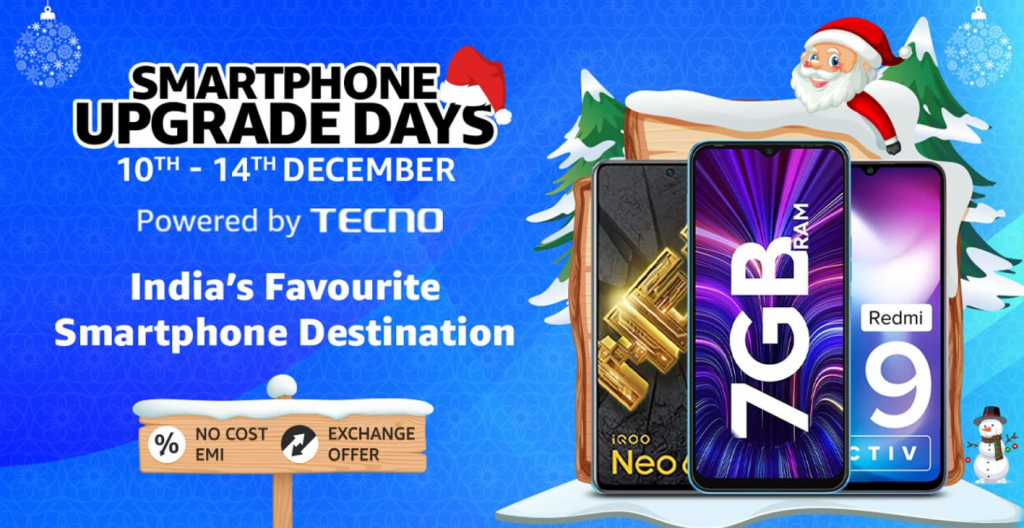
Amazon frequently announces their sale, in which they offer some really really great discounts. Now, the e-commerce giant has announced yet another sale, the Smartphone Upgrade Days Sale. The sale went live today i.e. December 10th and will continue up to December 14th. The sale has to offer some great discounts on smartphones. If you are from India and looking to buy a smartphone, this could be the right time for you.
Almost all the smartphones from the brands like Xiaomi, Apple, realme, OPPO and Lava are getting price discounts and offer. Apart from the original price cut, the e-commerce giant is also offering card discounts on purchases. If you buy any smartphone using an HDFC bank card, then you will 10% discount of up to 1,000 INR and if you’re using a Federal Bank card, then you will get a 10% discount of up to 1,250 INR. You can avail of either of the card discounts, according to your preferences and which bank card you hold.
The top deals of the sale include the Redmi A1 for as little as INR 5,579, the iQOO Neo6 for as little as INR 26,999, the Realme Narzo 50A Prime for as little as INR 8,999, the iQOO Z6 Pro for as little as Rs 19,999, the Tecno Pop 6 Pro for as little as Rs 5,579, the Redmi 11 Prime 5G for as little as Rs 11,999, The Redmi Note 11 will be available for as low as Rs 10,999, the Lava Blaze NXT for Rs 8,369, the Realme Narzo 50i for Rs 5,499, and the Oppo A77 for Rs 16,999.
It goes without saying that we cannot include all of the sales and discounts in a single post. Visit Amazon India’s official discount page for additional details about the devices and current deals. There, you may learn much more about the offers and smartphones and choose one that suits your preferences.
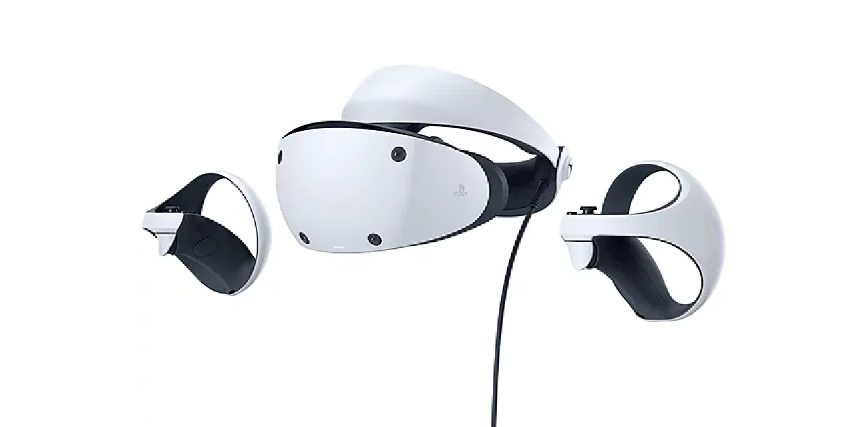
Sony is all set for the launch of the Sony PlayStation VR2 headset next year. Now, Sony had removed the invite-only limitation of the pre-booking of the PS VR2 headset. Interested users can now pre-book the unreleased Sony PlayStation VR2 without having any kind of invitation available. As soon as you pre-book for the unit, the shipments will start between February 22nd to 28th of next year. The device will also officially launch around the same timeline.
The pre-booking for the PlayStation VR2 was started back in the last month, but back then, users had to first register themself and only after getting approval from Sony, they would be able to pre-book the headset. Now the brand has uplifted the invitation-only requirement and anyone who is interested in the product can pre-book the device. Also, keep in mind that it’s not going to be any kind of cheap. So double-check before clicking on the pre-book button.
Sony said last month that it would sell the PS VR2 for $549.99 on February 22, 2023, coupled with a Sense controller charging station. Eye tracking and 3D audio are among the PS VR2 Sense Technology’s standout features. A 4000*2040 high dynamic range (HDR) video format is another element of the new headset that will give players a next-generation gaming experience. The VR2 also has an inbuilt vent for additional airflow and a lens adjustment slider for a more personalised experience. Horizon Call of the Mountain, Sony’s lead launch title, is included with the PS VR2.
Additionally, you must pair the PlayStation VR2 headset with the PlayStation 5 in order to use it. In short, without a PS5, you cannot use the VR2 headset. Without PlayStation 5, purchasing the upcoming VR2 headset will be equivalent to purchasing a brick that won’t work or provide any form of return. You can thus pre-order one if you already own a PlayStation 5. If not, add money for the PS5 as well.
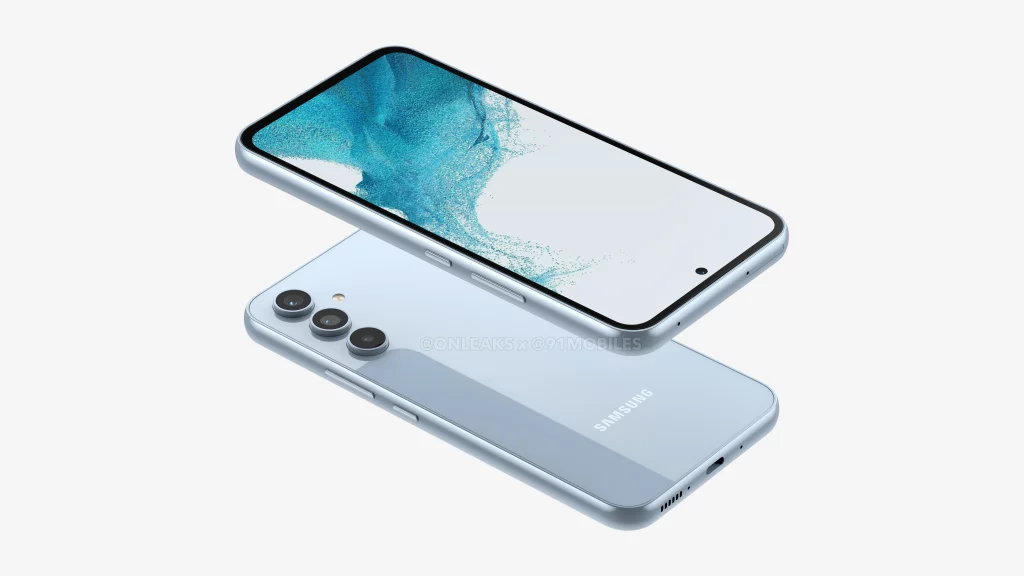
Samsung’s mid-range Galaxy A series has been one of the most selling smartphones in the world. Be it the Galaxy A52 or the current-gen Galaxy A53 5G. Knowing the brand’s usual launch patterns, it is safe to say that there is still some time before the brand launches the successor of the Galaxy A54 5G. However, its design, along with some specifications, has already leaked.
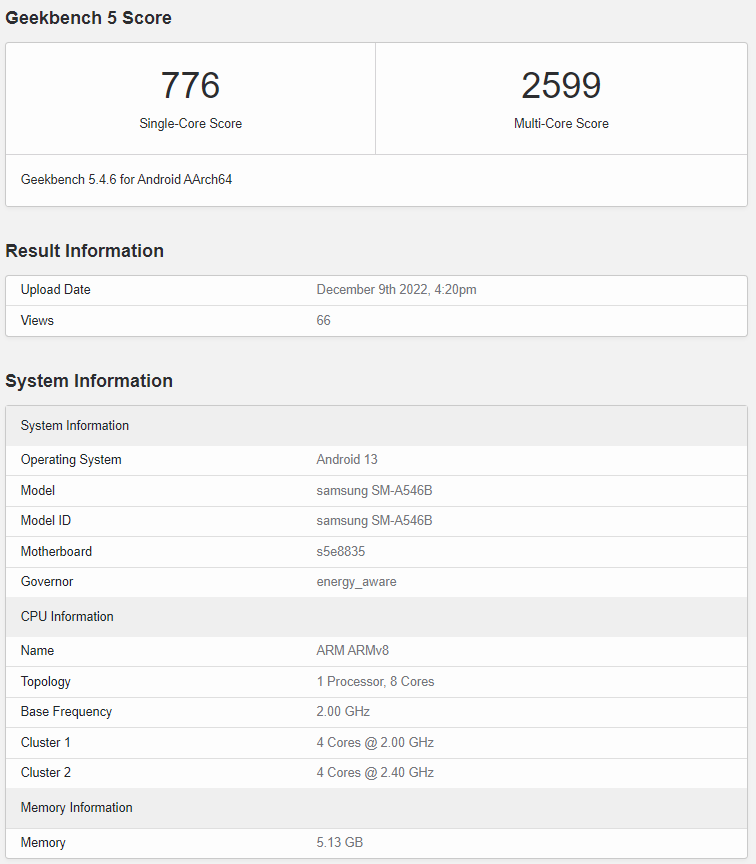
Now, the Samsung Galaxy A54 5G has also appeared on Geekbench, giving us an insight into the performance of the device. The device has been spotted on Geekbench with the model number SM-A546B.
Samsung A54 5G Geekbench
The presence of an octa-core processor with 4 + 4 configurations and the codename “S5E8835” is revealed in the benchmark listing. Four of the eight cores are clocked at 2.40GHz and should be the performance cores. The remaining four cores, which are clocked at 2.0GHz, appear to be efficiency cores. The presence of a Mali G68 GPU is also revealed in the listing. Based on these, it appears that the Exynos 1380 processor will power the Samsung Galaxy A54 5G.
Geekbench also reveals the existence of a 6GB memory variant. Even so, the Samsung Galaxy A54 5G will also be available with 8GB of RAM. Also, according to the benchmark listing, the mid-range handset will ship with Android 13, but with the OneUI skin on top. Moving on to the benchmark results, the smartphone managed to score 776 points in the single-core test and 2599 points on the multicore test of Geekbench 5.
Other than that, the listing does not reveal further details. However, rumors surrounding the device state that it will feature a 50MP primary camera along with a 5100mAh battery and 25W fast charging.
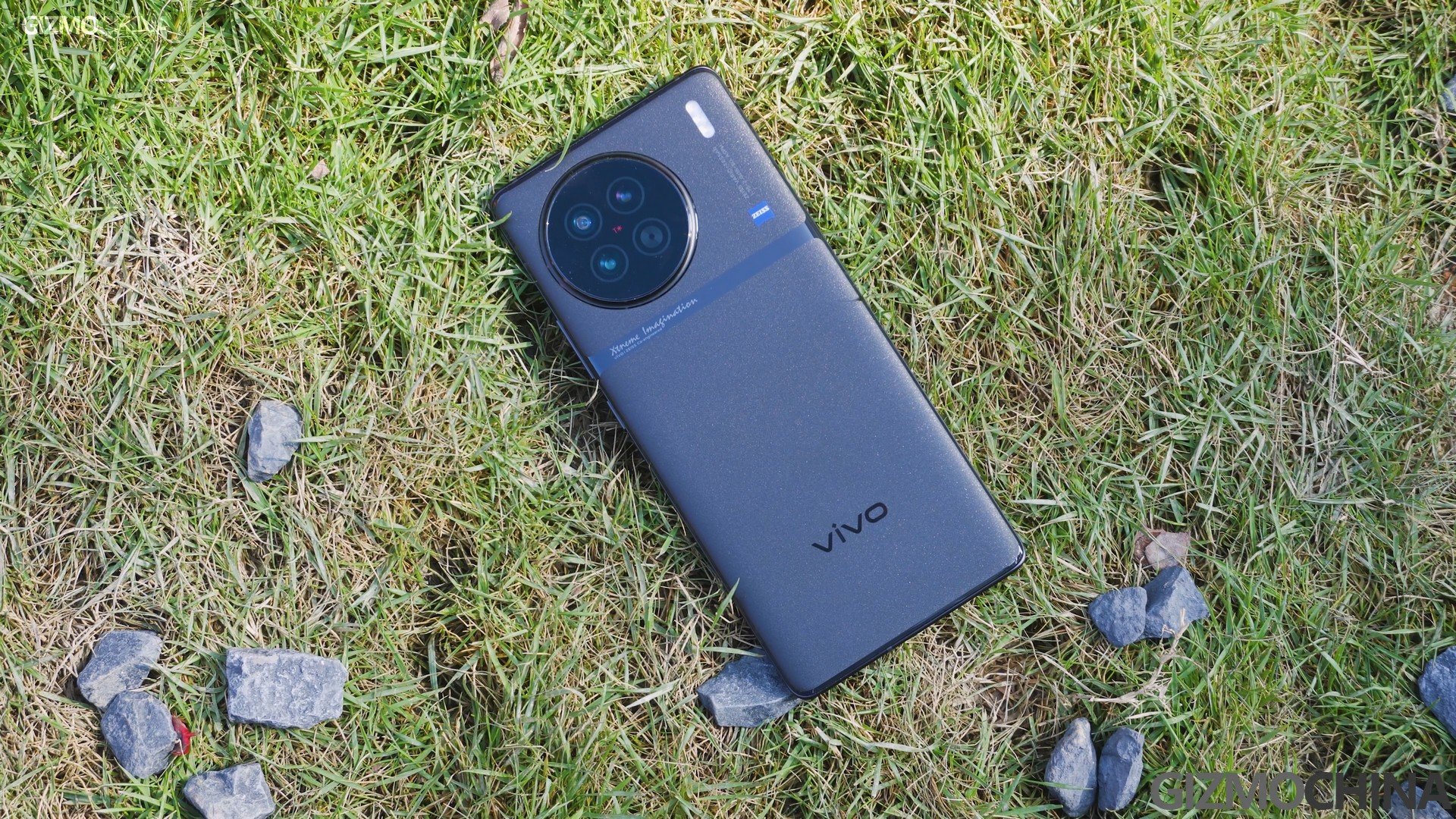
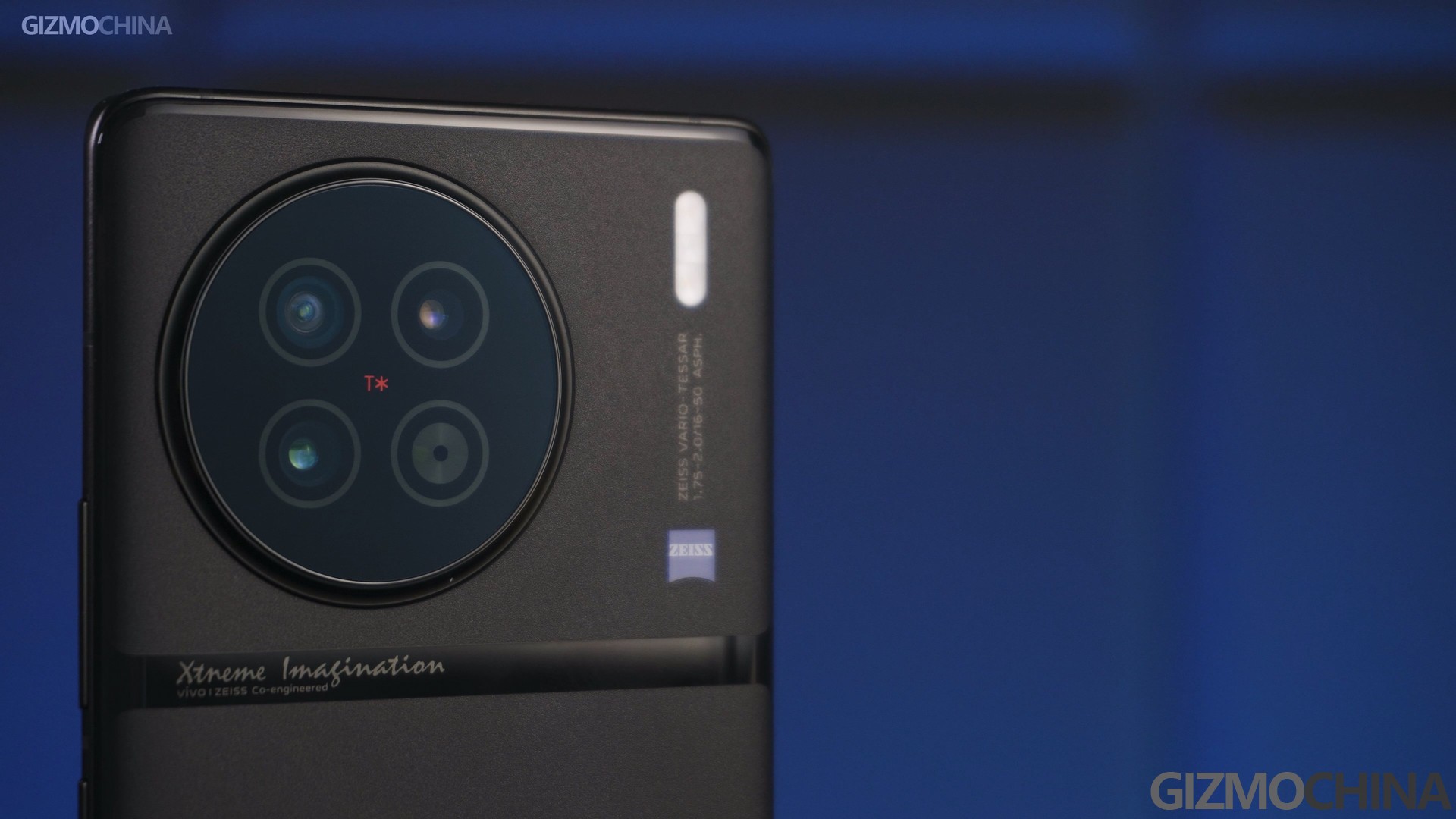
This is the new Vivo X90, which is the new standard variant of the Vivo X flagship lineup. It’s quite interesting that we might have shifted our greatest attention from the Xiaomi digital series to the Vivo X series. Because there’s no brand having such an efficient upgraded speed as Vivo over flagship development. Preceded by the X80 in the spring, the X90 is their second generation model, launched in 2022. Compared to the X90 Pro and Pro plus variants, the standard model is also a heavyweight product with a few upgrades. So today, let’s just focus on the Vivo X90 and explore why Vivo has become one of the hottest phone brands, even though the market is inevitably declining this year.
If you’ve learned the specs on paper of the X90, you might find that the X90 didn’t get many upgrades compared with the X80. It got upgraded to a BOE display with a higher resolution and 2160Hz PWM dimming, a debuted MTK Dimensity 9200 chipset, 120W faster supercharge, and the new IP64-rating water and dust-proofness. Although it seems the X90 is using the same camera module, we’re pretty impressed by its shooting experience, both in taking photos and shooting videos. That’s probably due to its new Zeiss T-coating for all the triple lenses and the new V2 imaging chip. We will talk more about it later in the camera part.
The X90 keeps the same pricing as the X80. What’s important to know is that the X80 has been very popular and firmly priced for most of the year. And now, whether the X80 can have a price-cut promotion depends on how the X90 performs.
Design
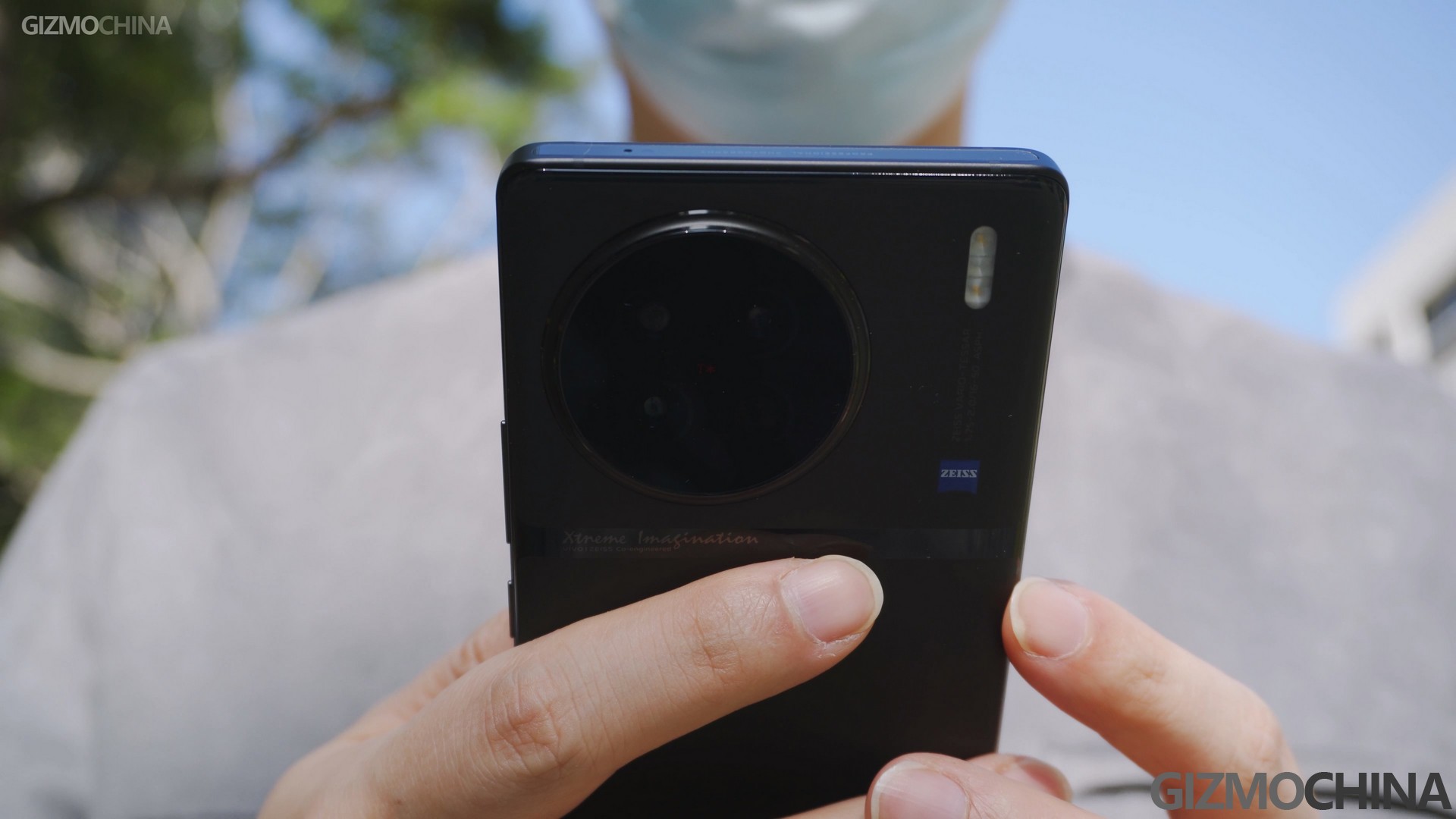
Over the phone appearance, the X90 still continues the polished style of the series, but it looks neater on the back due to the simplified camera arrangement. The rectangular panel under the camera module is removed, but it’s still visually divided into two parts. To be honest, it’s not much surprising when seeing the left-rounded module, since we’ve seen similar central-rounded ones on Huawei and Xiaomi’s premium phones. Their designs are just too similar to each other.
Specifically, the black variant in my hand still looks good, but it’s just too slippery when holding it in hand. Without a protective case, I have to hold it very carefully to prevent it from slipping and falling to the ground.
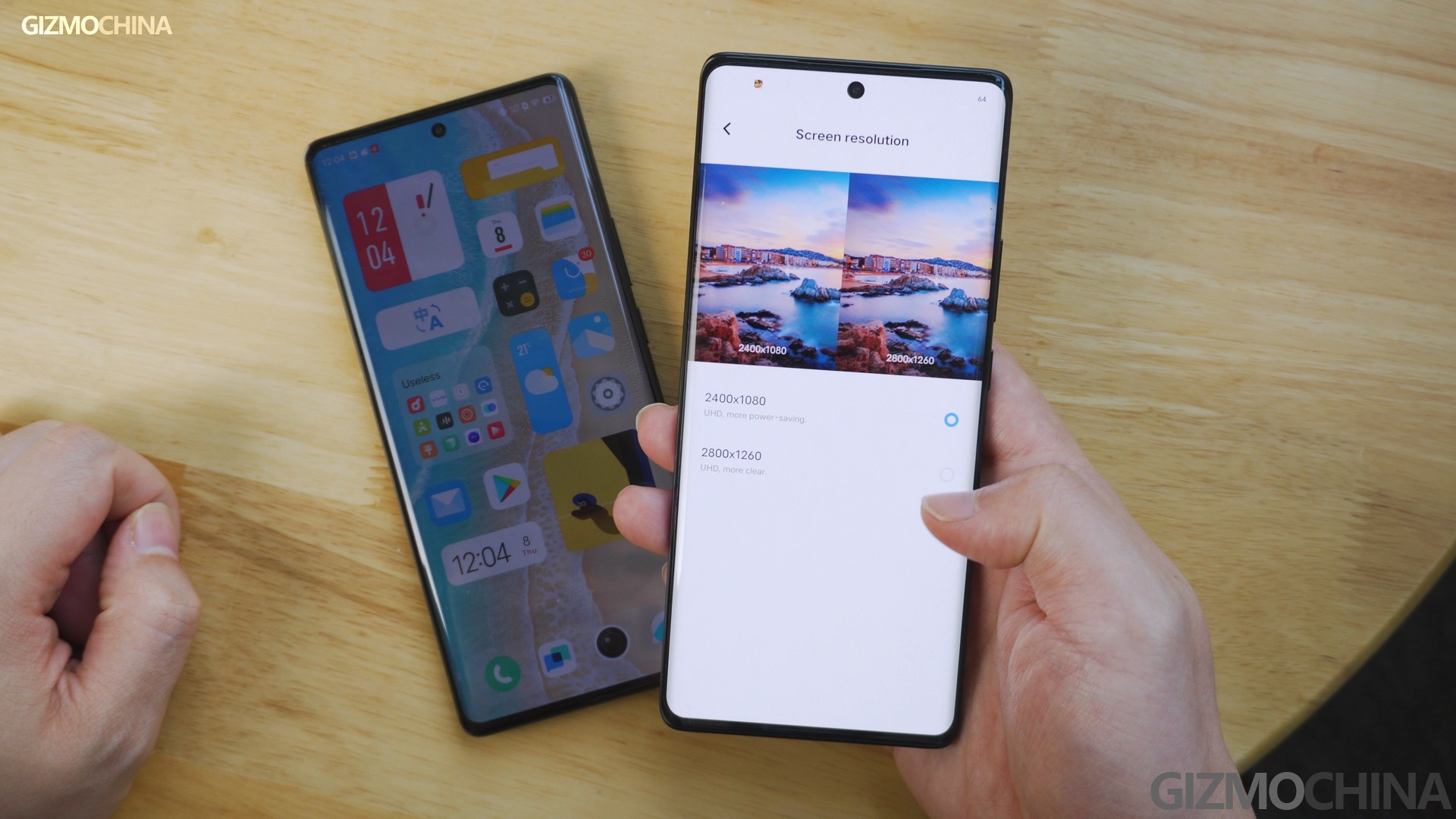
1260p Display
On the front, it still has a whole edge-curved 6.78-inch display. The BOE Q9 120Hz hole-punched screen has a 1260p resolution and a peak brightness of 1300 nits, which I think is a great solution to balance power consumption and display quality.
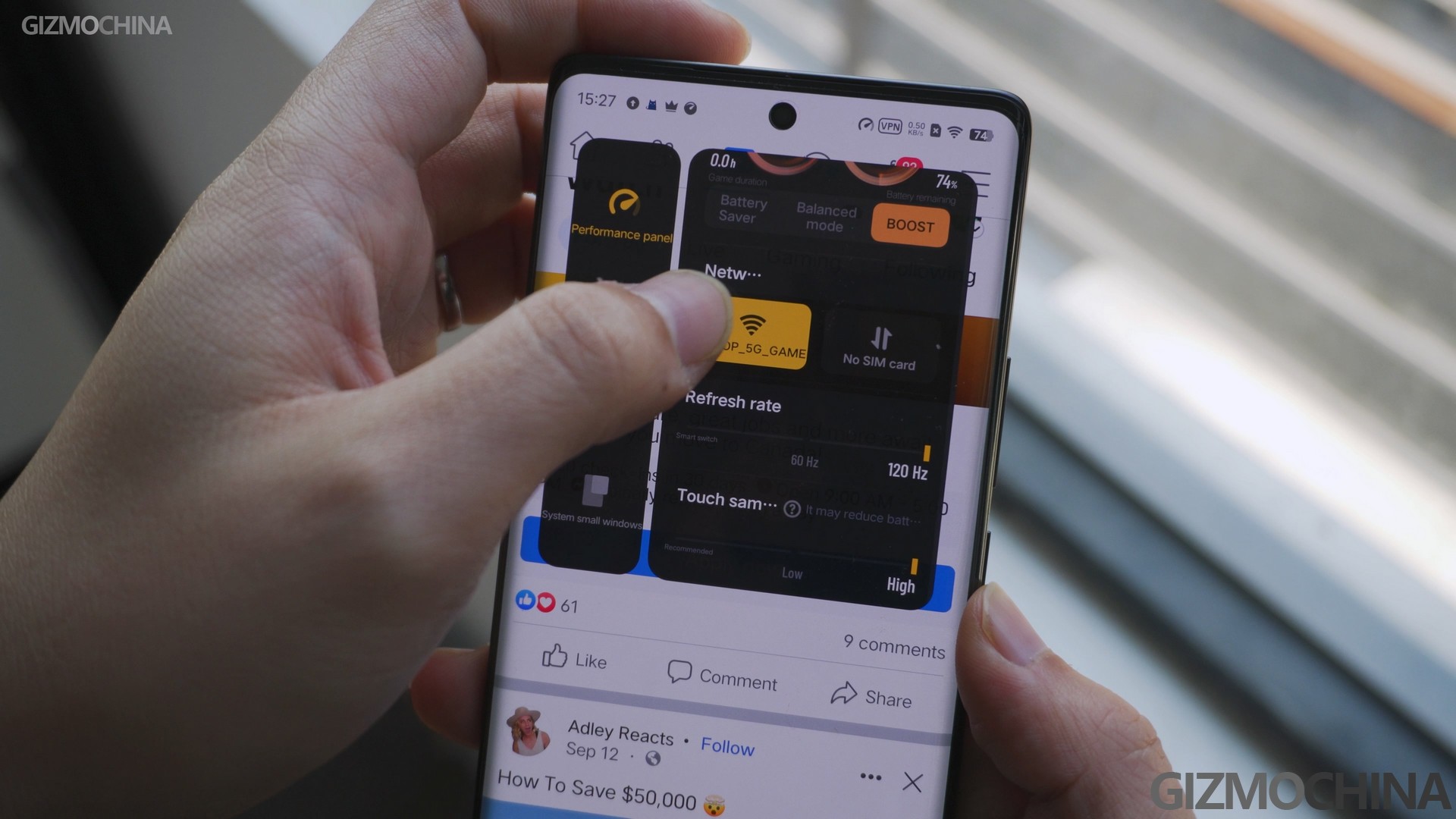
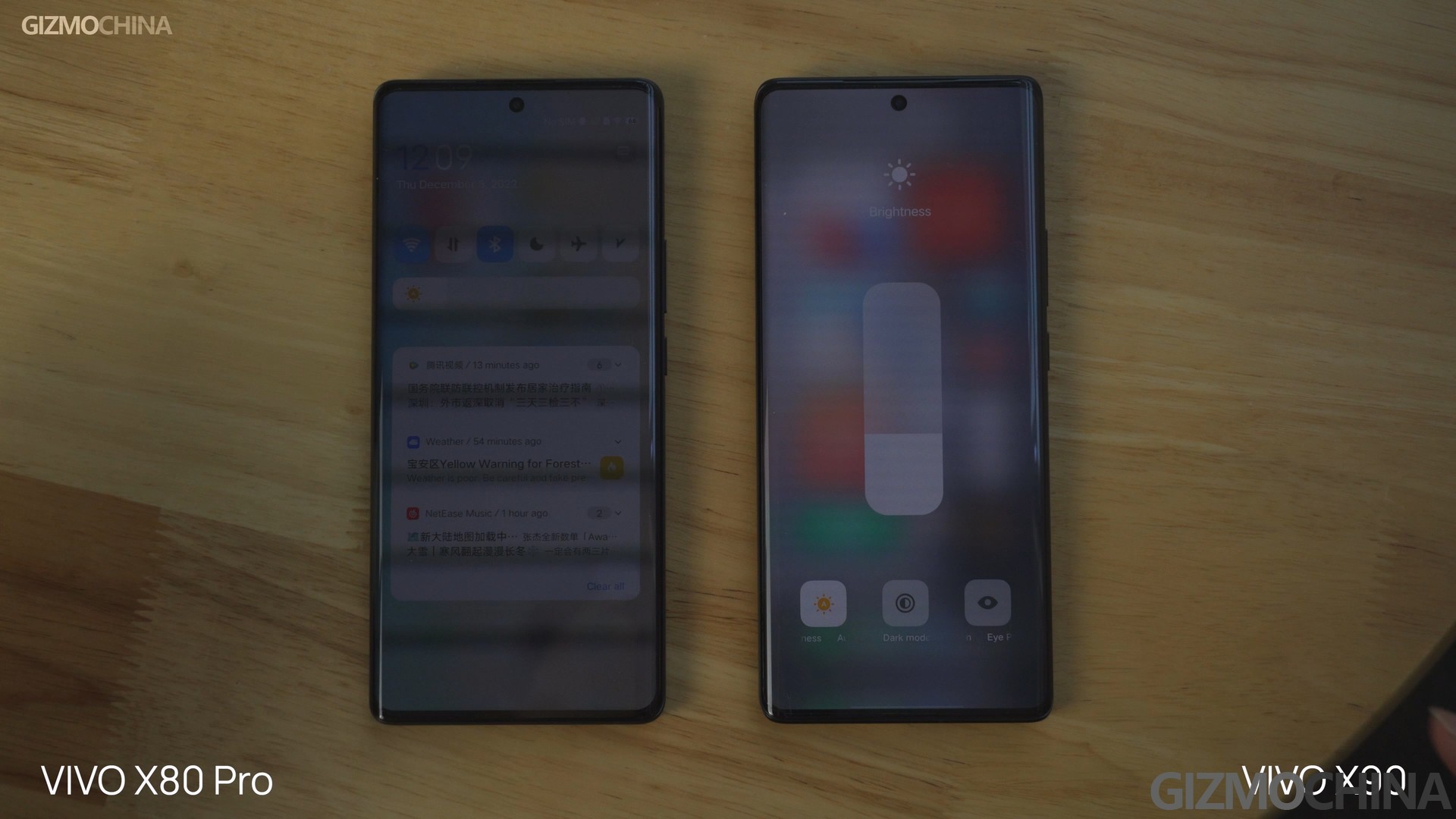
The 2160Hz PWM dimming can offer a much more comfortable visual experience under low-light conditions than most Samsung panels this year. And now you are able to adjust both refresh rate and touch sampling in specific apps and games. The X90 features a maximum touch sampling rate of 300Hz and it would be limited to 120Hz by default. But you can manually add any apps into the game space, and free the touch sampling rate up to 240 or 300 Hz in the sidebar. For example, in Facebook you will definitely feel the difference as I did immediately.
high touch sampling rate
2160Hz PWM Dimming
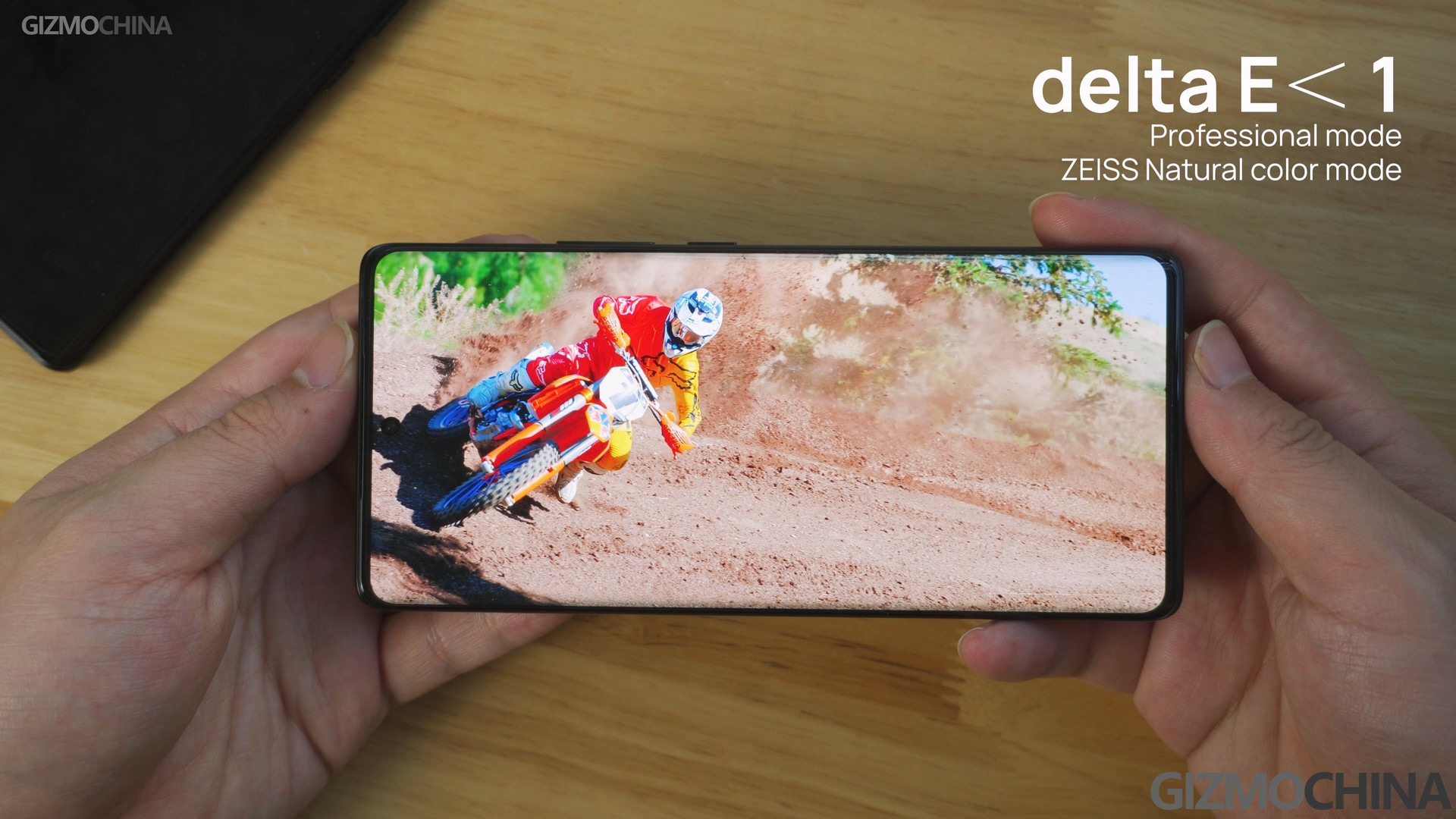
The X90 series add a Zeiss Natural color mode for P3 gamut colors, which offers a pretty decent color accuracy, just like the professional mode for the sRGB gamut. The measured average delta E of both modes can be kept below 1.
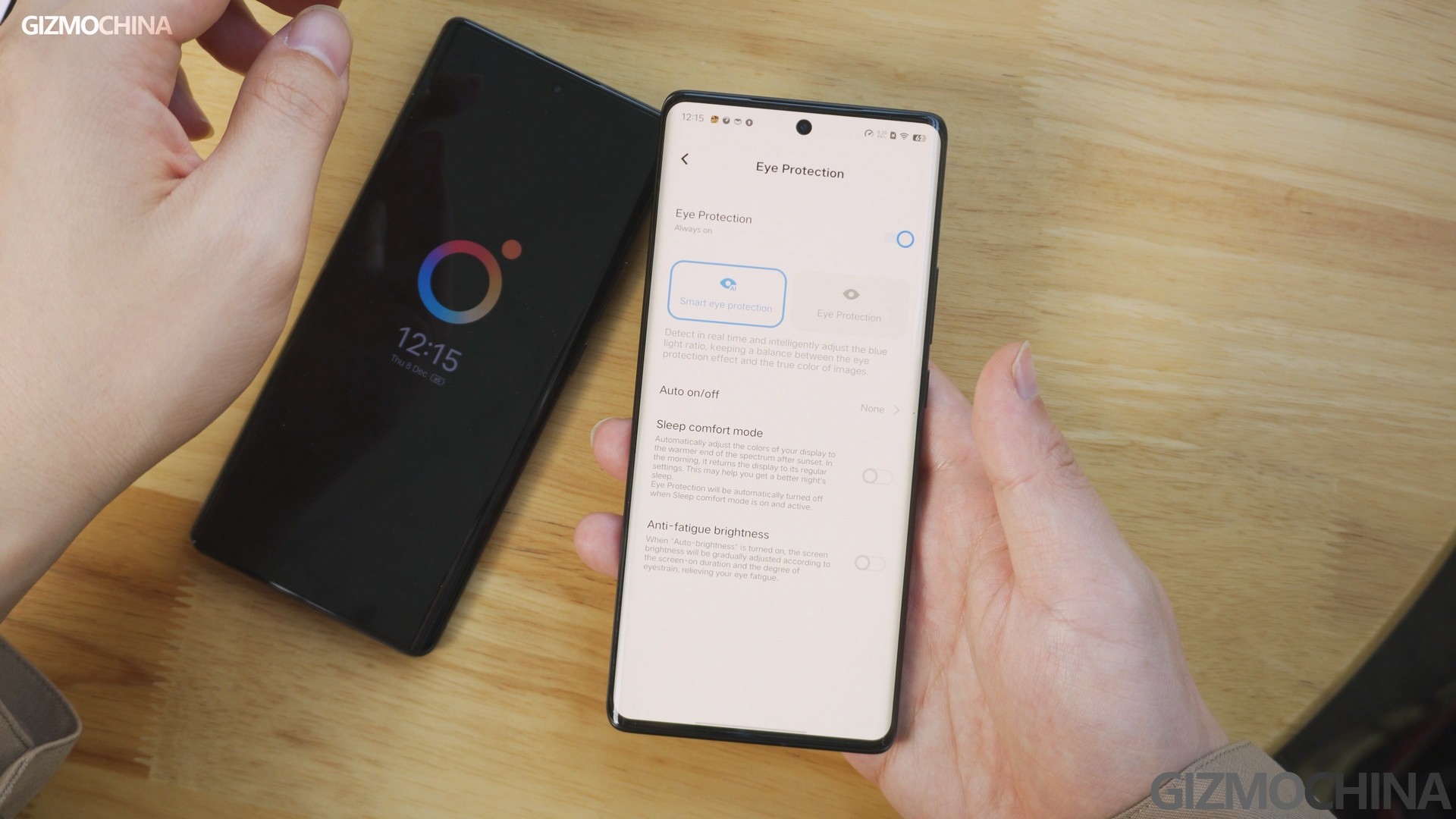
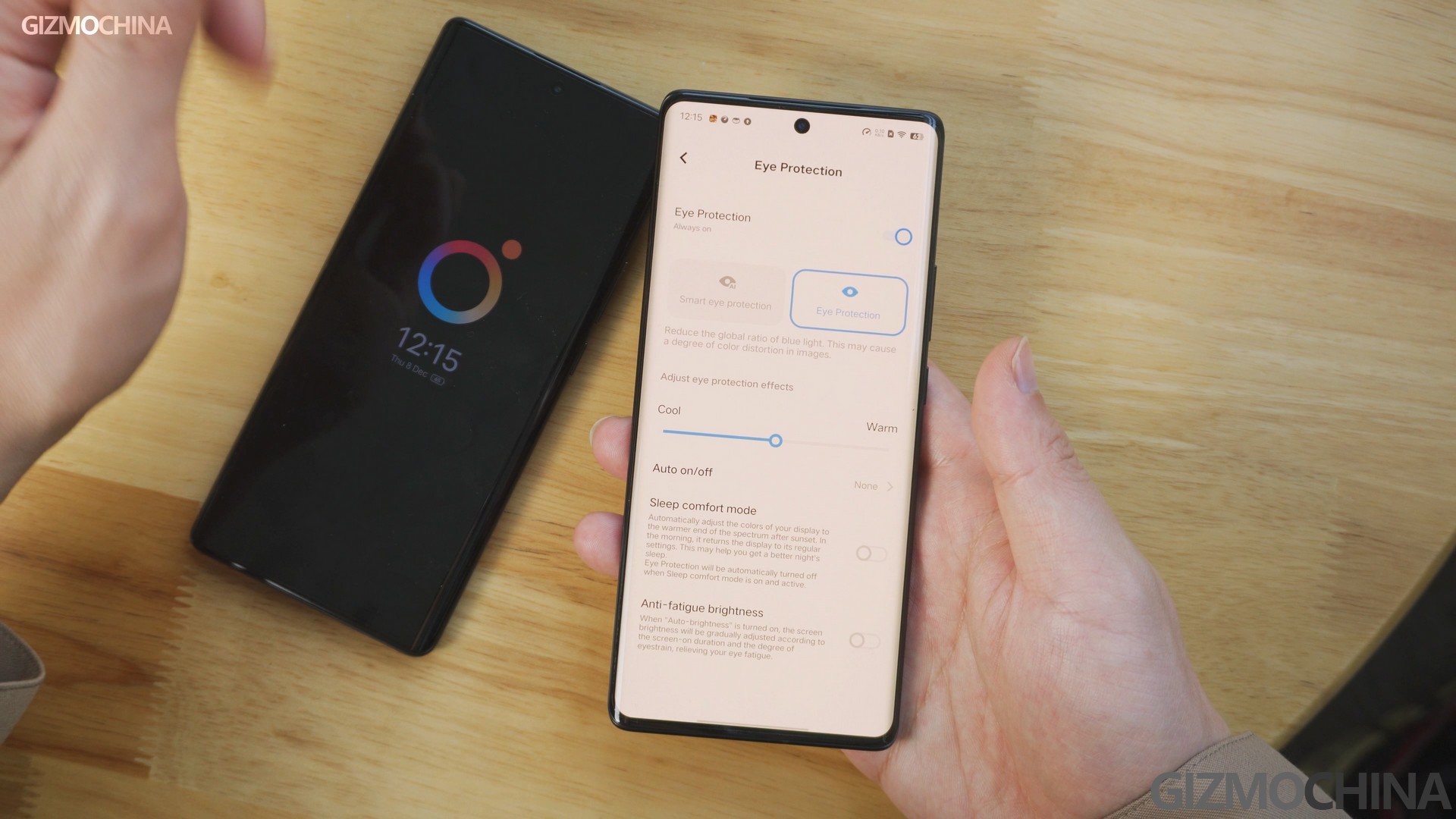
The V2 imaging chip also brings a new feature for the display: the AI Smart eye protection, which can reduce blue light in real-time, keeping a balance between eye protection and the true colors. It doesn’t look as warm as the traditional eye protection mode, and I pretty much enjoy it.
AI smart eye protection
standard eye protection
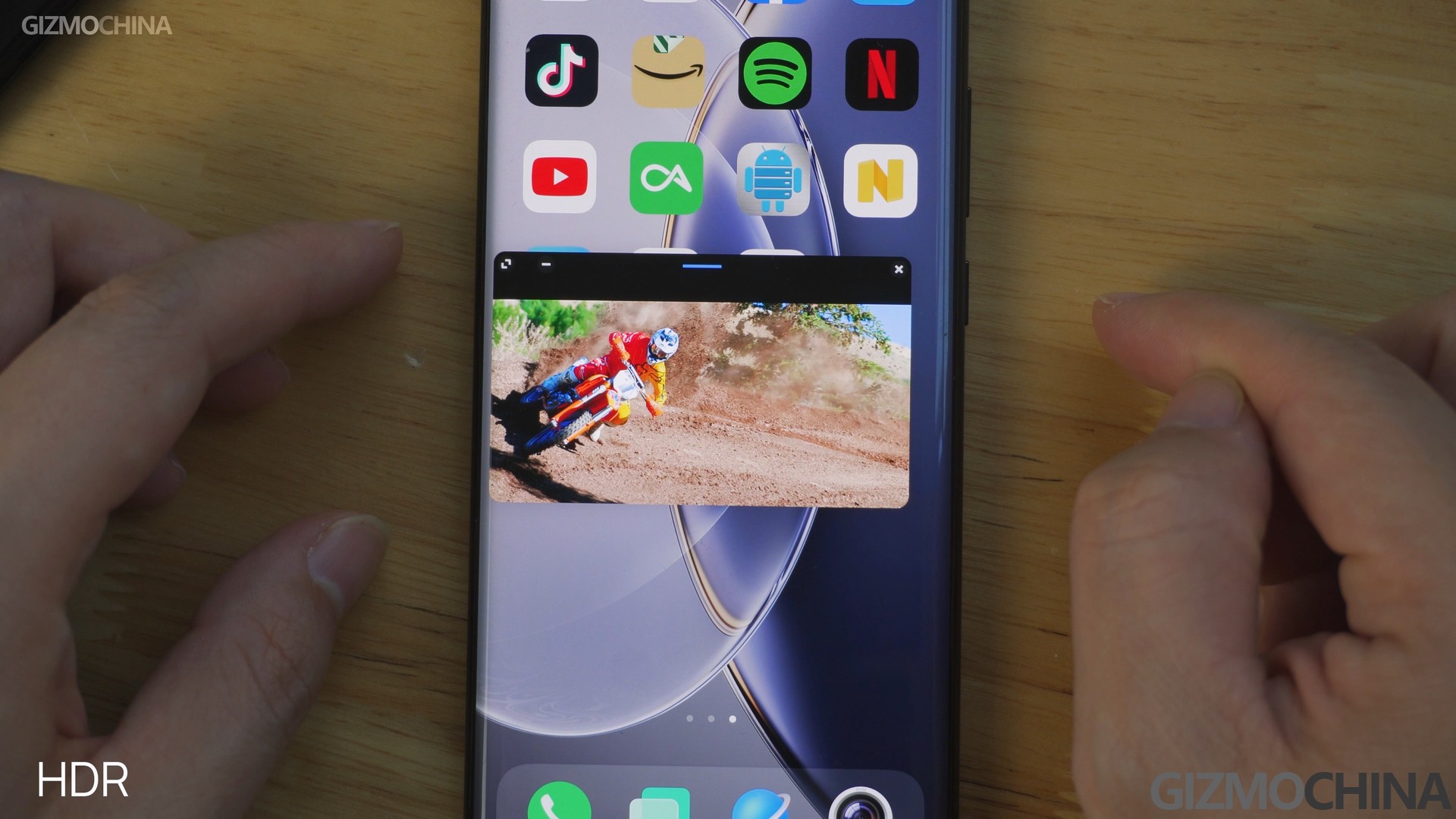
Another great experience is with the phone’s HDR management. Vivo’s Origin OS is one of the few systems that can do multi-window HDR management like iPhone and Huawei. I can still have the correct HDR display even when the HDR content is played in small window mode.
Experience
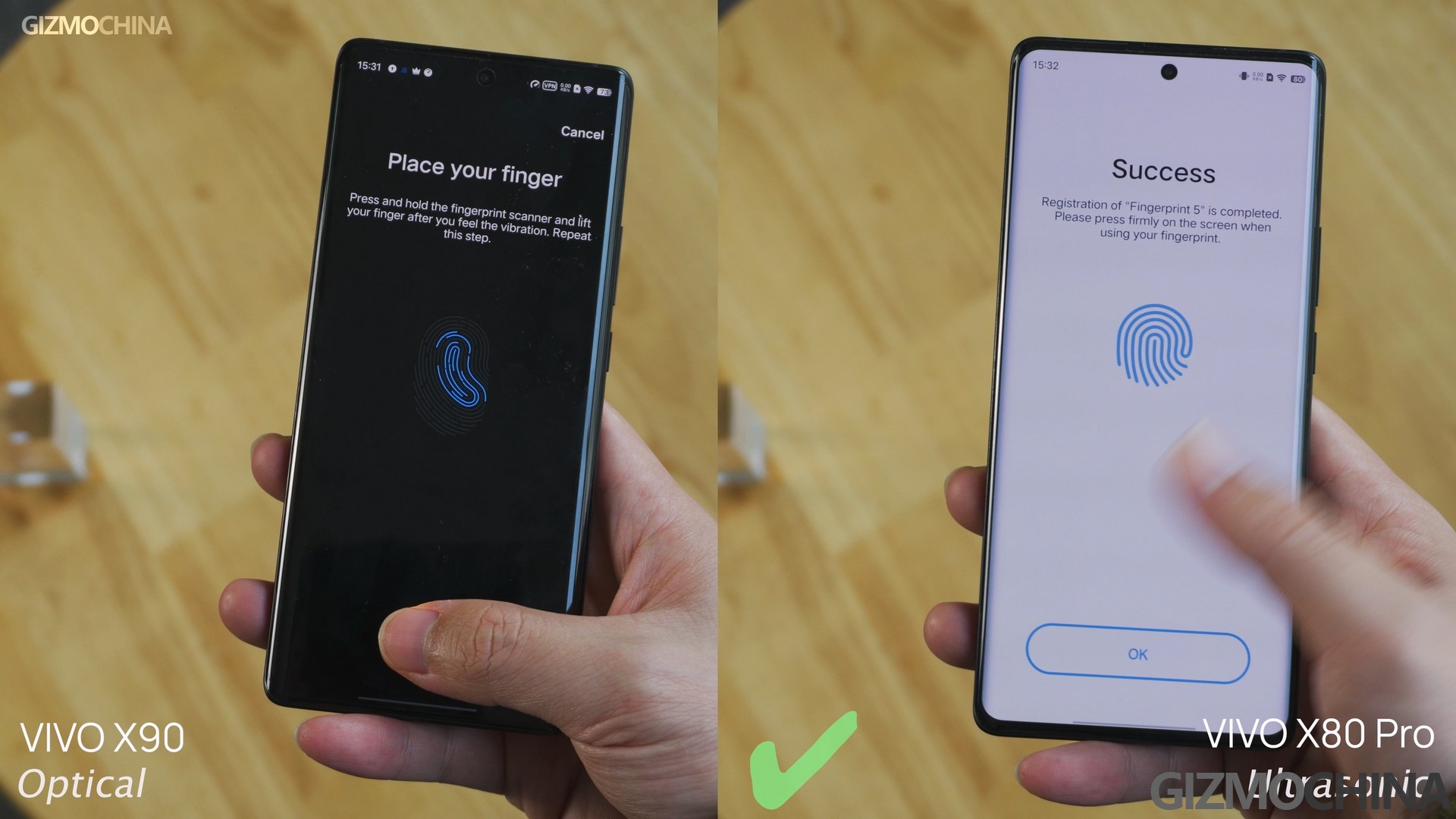
This time the standard model is still equipped with an optical in-screen fingerprint reader but not the ultrasonic one as the Pro and Pro +, which doesn’t have the impressive recognition speed that we have on the X80 Pro. The adding is still slow and inefficient.
The haptic vibration is still good, not much different from the x80’s. And I’m a bit disappointed by the dual-speaker sound quality, which is good but not really improved from the X80’s. And to be honest, I wouldn’t even give it the same score. Anyway, you can check out here by yourselves.
Vivo X90 Performance – debut of Dimensity 9200
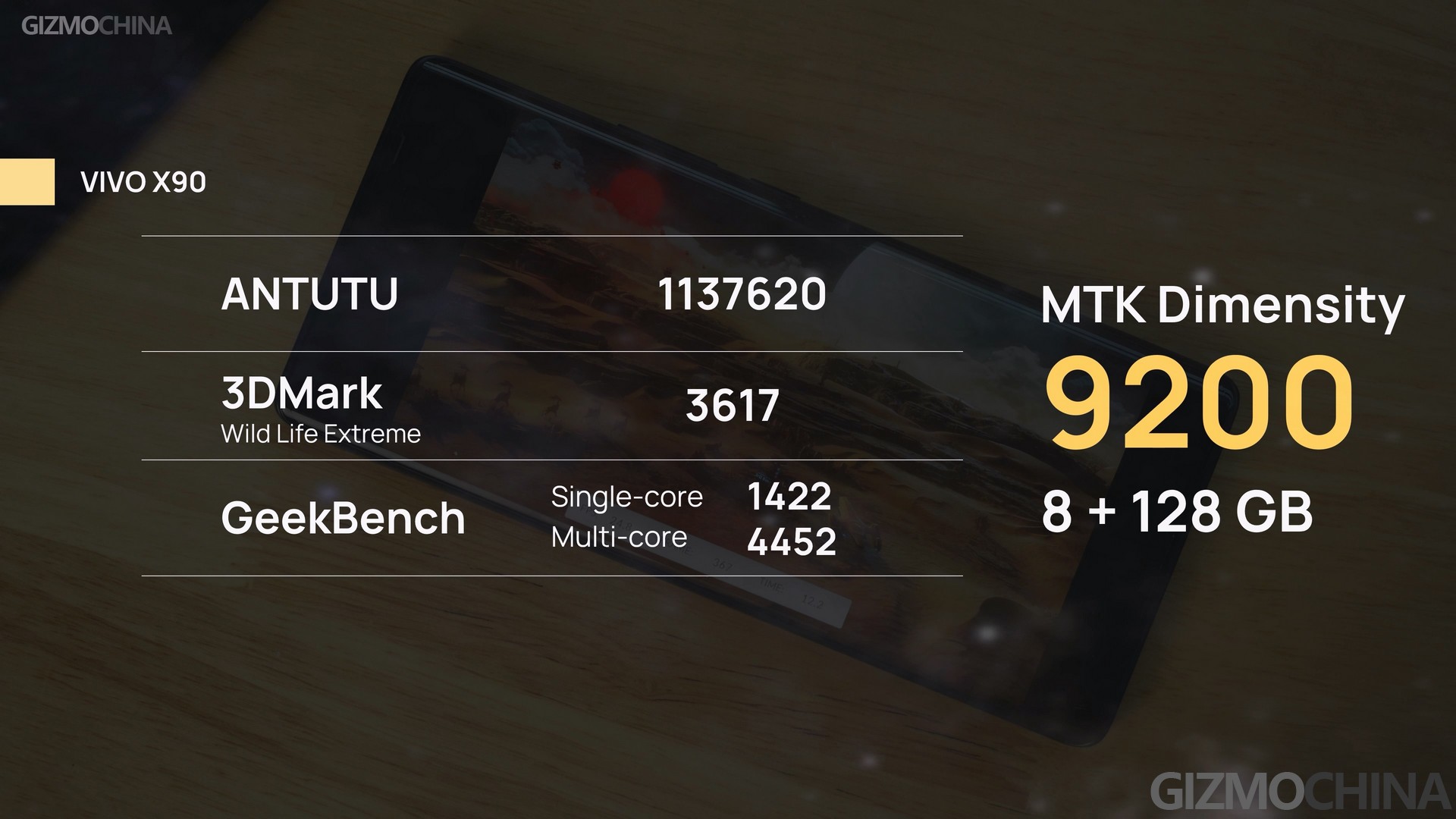
The debut of the Dimensity 9200 chipset is the core upgrade of the X90. Thanks to the excellent performance of the Dimensity 9000, more phone brands choose to trust this new MTK flagship chipset. But it’s difficult for me to tell you whether the X90 in my hand has fully realized all the chipset’s potential since the 128GB model is the only variant that still uses UFS3.1 storage, instead of the latest UFS4.0. And also pay attention to the charging port here: for data transferring, it only supports USB 2.0 on all the Standard X90 models, while the USB 3.2 is available for the X90 Pro and Pro Plus.
Anyway, let’s look at some benchmarks. In Geekbench 5, compare to the Dimensity 9000, there’s not much improvement for the multi-core performance of the 9200, but the Cortex X3 super core did achieve a 15% boost in the single-core test. While in Antutu Benchmark, it didn’t get the improvement that we expected. But it’s still one of the highest scores we can get on a phone in 2022.
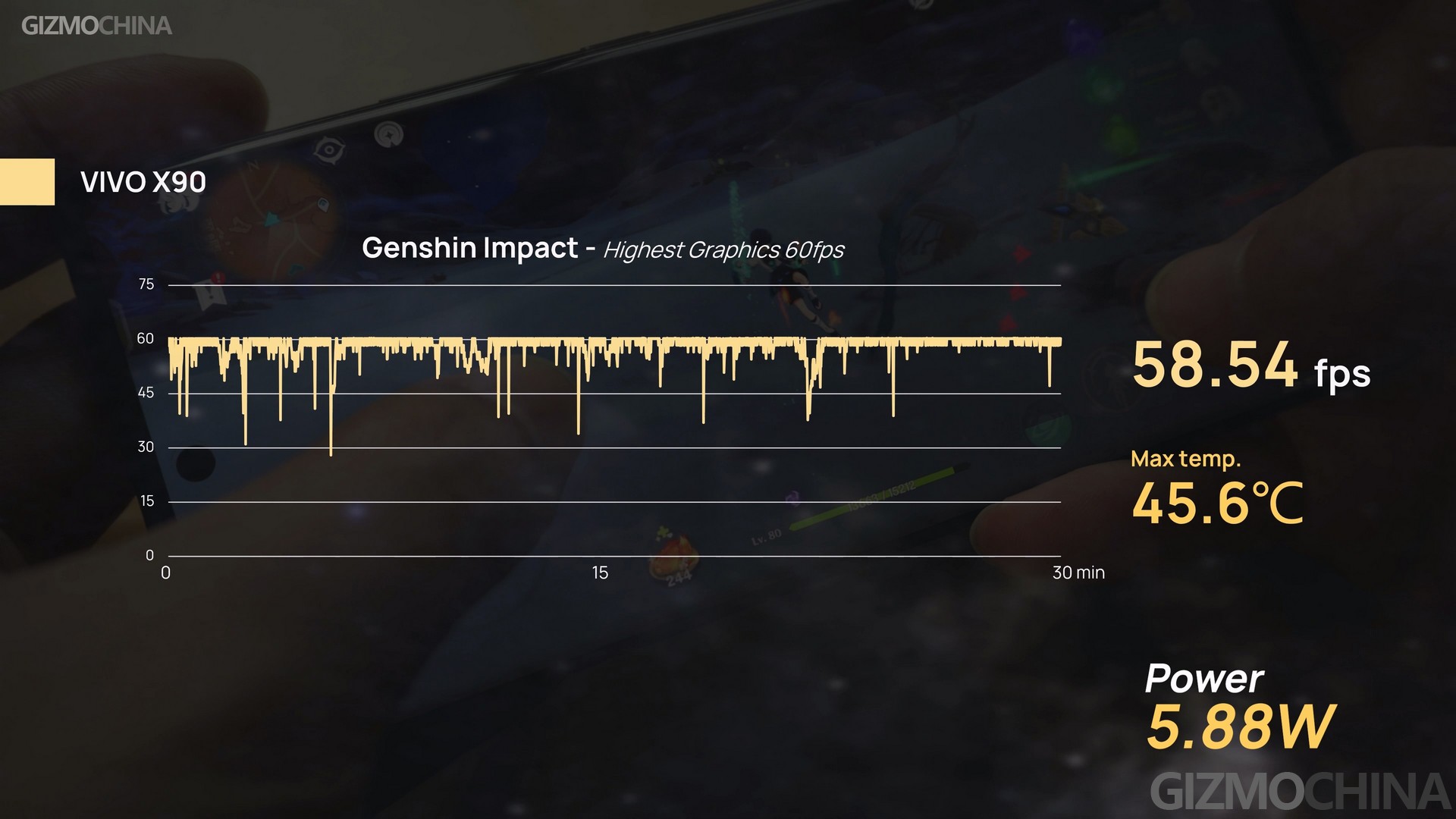
In 3Dmark GPU test, the result is a bit more exciting since it easily exceeded what an iPhone 14 Pro’s A16 chip can run. So there’s no doubt that most gaming tests are already pointless for the X90. Here we’d like to show the result of Genshin Impact and probably you will know what I mean.
The X90 can achieve an average framerate of 58.5fps under the highest graphics with a pretty efficient power output of 5.88W, and there’s no obvious throttling during the whole 30-min gaming and the temperature was still acceptable. This is the new best result in our Genshin Impact test on Android phones.
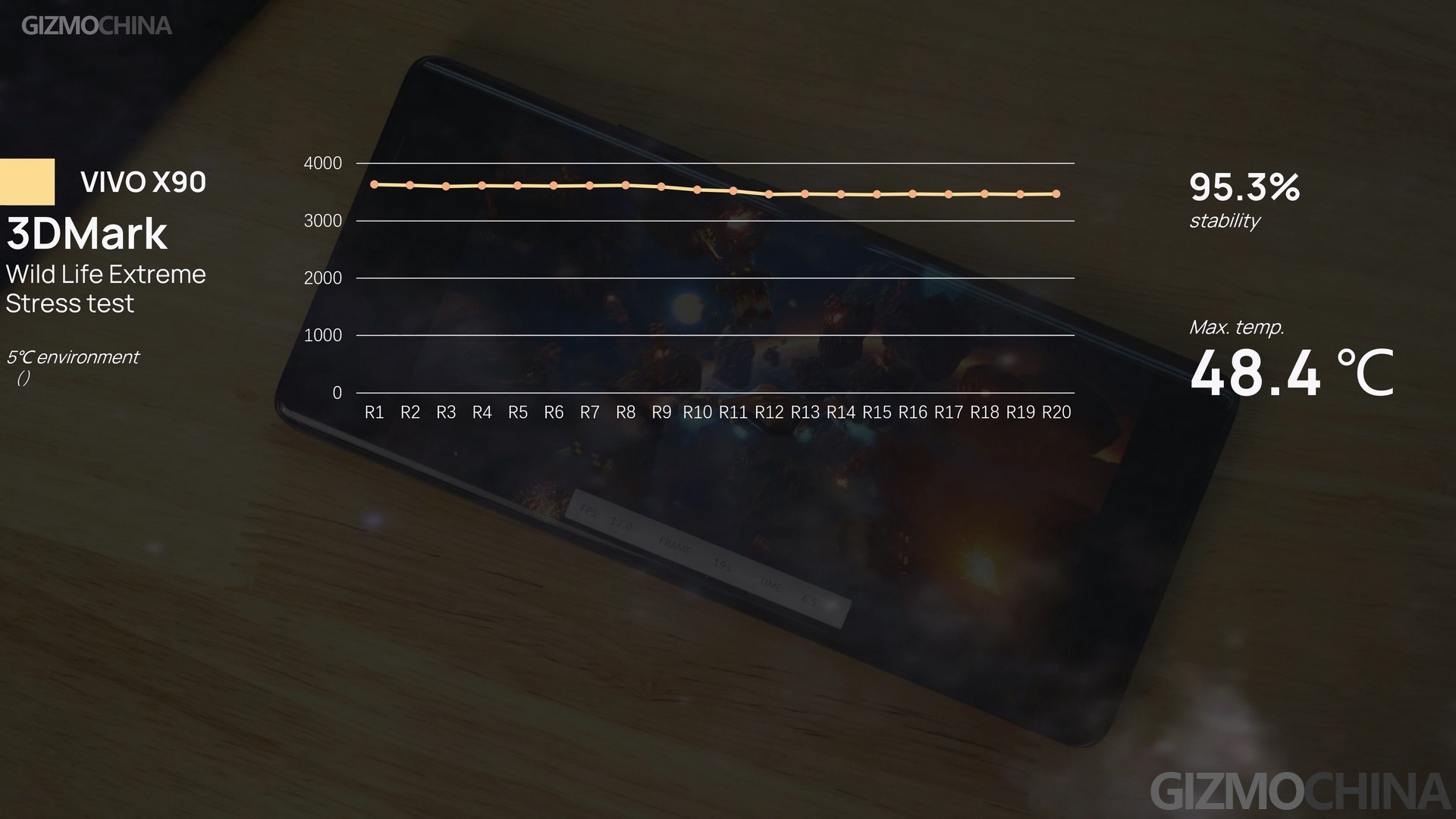
And in 3Dmark’s graphic stress test, it failed to finish the test for the first time due to an overheating issue, but in a cooler environment, it achieved over 90% performance stability for the 20-round test, while the phone was still hot.
Software
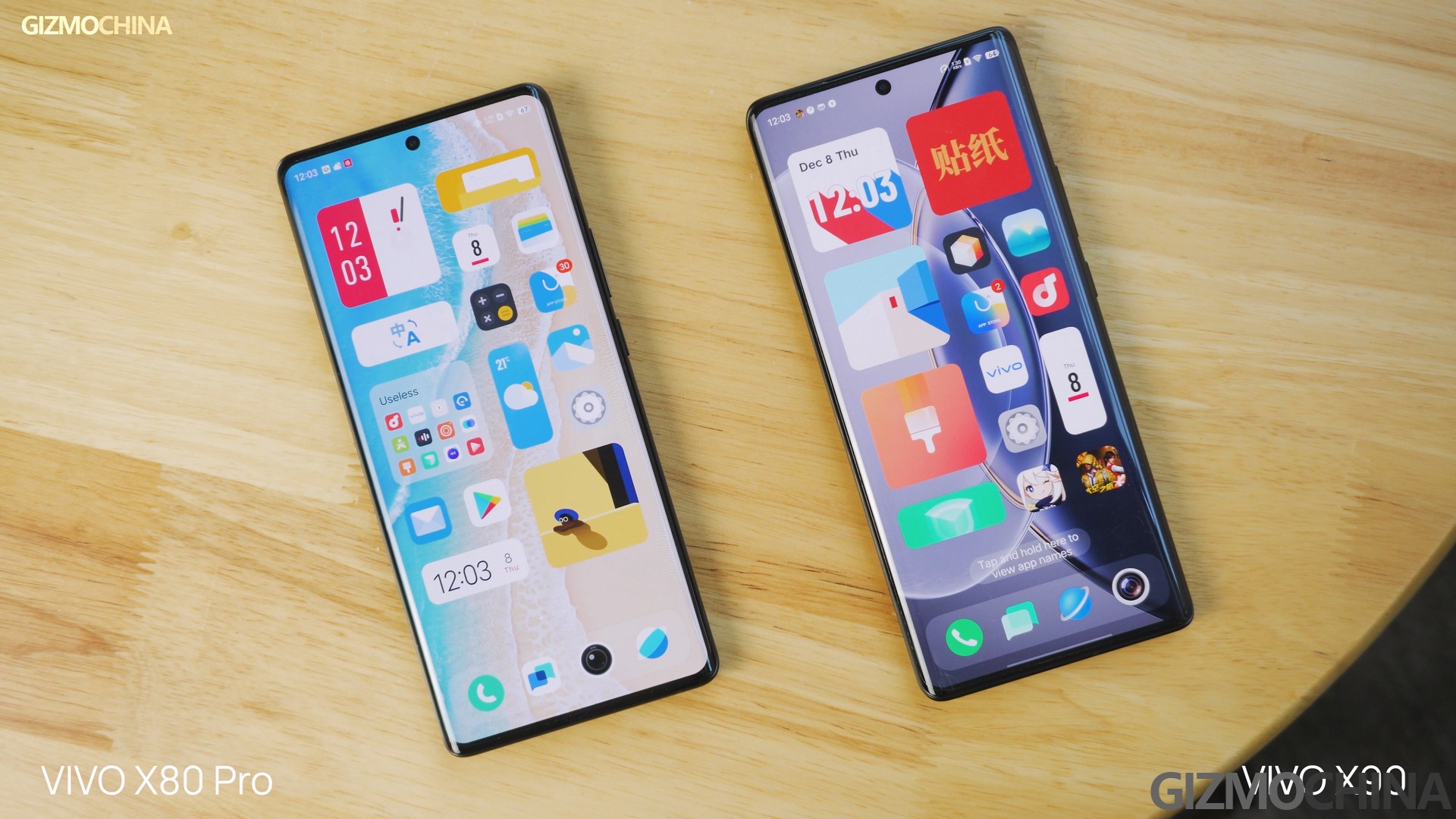
As for the Origin OS, now I have less to complain about. The UI aesthetic is still special and full of detail, and it’s still one of the smoothest Android systems with super-fast responses and comfortable animation. There’re fewer language errors when the system language is set to English, though we can still find the language failing to switch in the game space.
Cameras
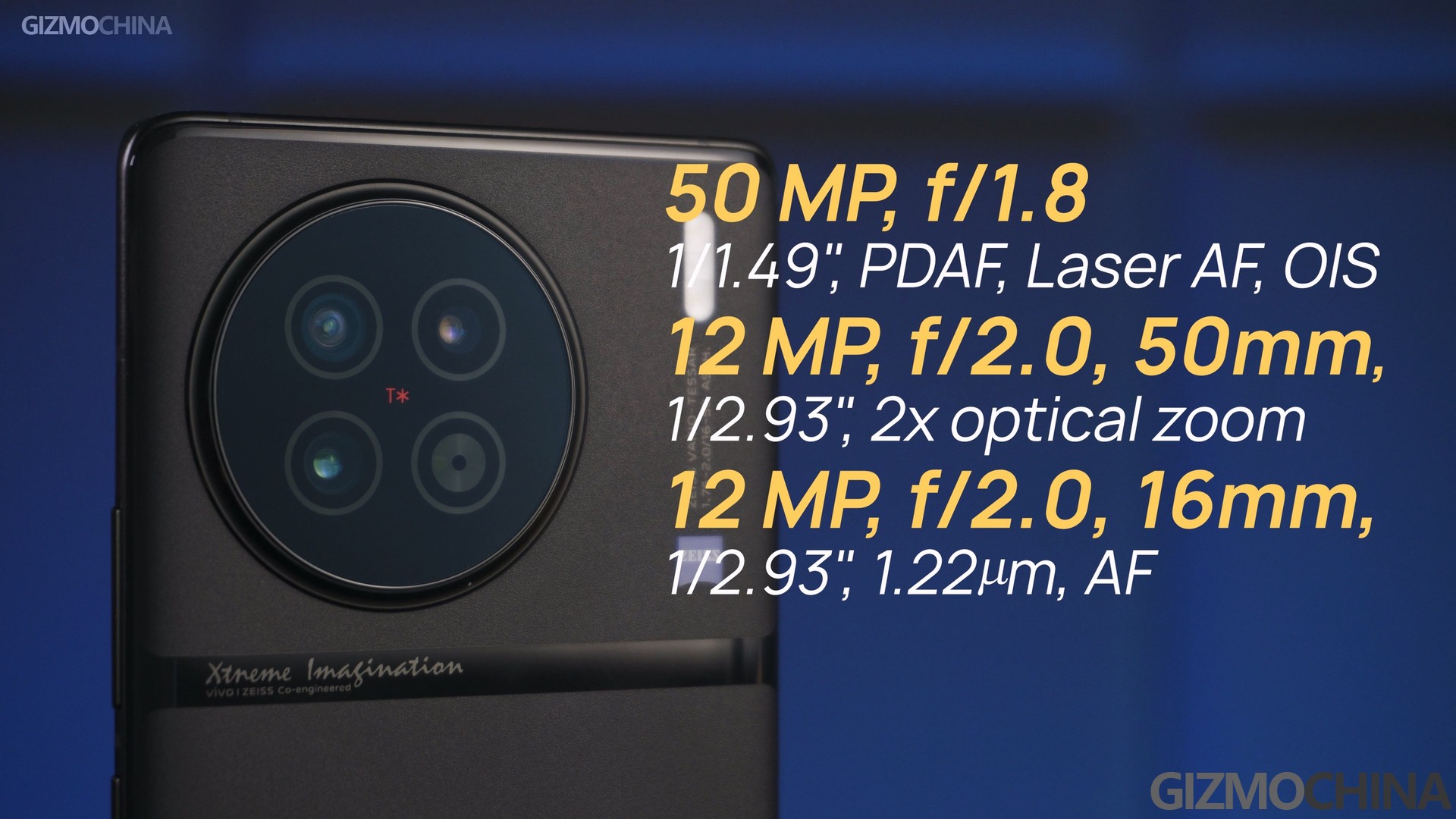
Well at the beginning we didn’t really expect much on its camera performance since the phone retains the same camera hardware as the X80, still the same triple-lenses led by the 50MP IMX866 sensor, companied with a 12MP wide-angle lens and another 12MP portrait lens.
All three lenses present more rigorous and natural colors if you activate the Zeiss mode, which finally offers another image style outside Vivo’s vivid tradition. But you still can turn it off. From the comparison, it’s easy to find the difference between colors. However, there’s no obvious improvement in detail. And the auto HDR mode is also more cautiously activated, no longer pursuing a rich color atmosphere. But we also found that it would tend to choose a darker exposure strategy during day time.
[envira-gallery id=’501365′]
But things changed when we shoot at night. In extreme low-light conditions, it’s very aggressively exposed and looks much brighter than in the real environment. If not showing the shooting time here, it’s really hard to convince you that it’s shot at the midnight. But thanks to the new Zeiss T coating and the V2 imaging chip, the night photos and videos were enhanced with less light reflection and less stray light. And meanwhile, even though it got significantly brightened, the amazing denoising capacity still brings excellent detail pureness for shadow parts.
[envira-gallery id=’501384′]
The 2x portrait lens worked well in most cases. But in complex scenes, it’s still not accurate enough to recognize the right subject and have the right background blurring.
[envira-gallery id=’501390′]
Battery & charge
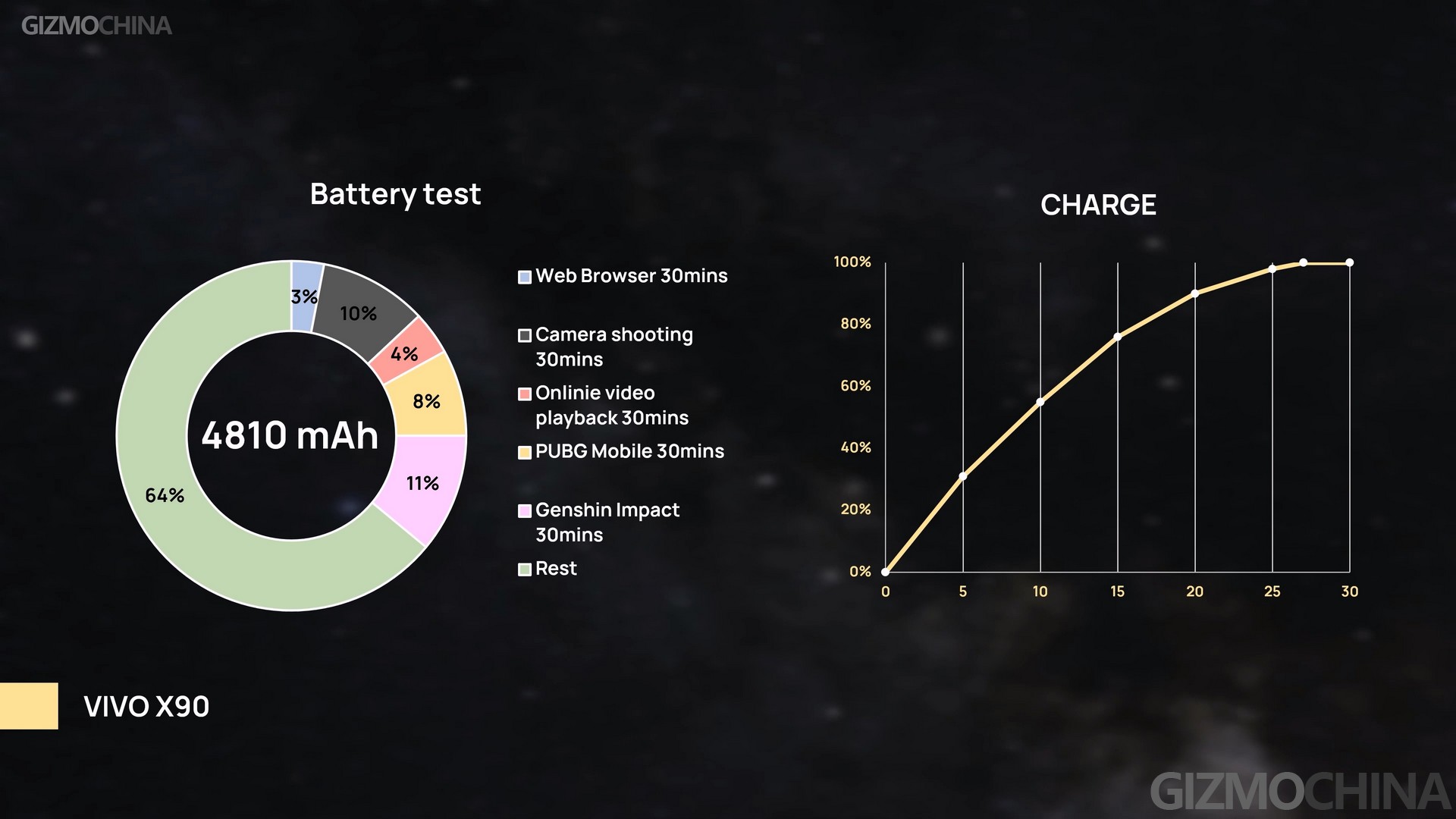
The Vivo X90 comes with a 4800mAh battery with 120W fast charging. As a flagship killer powered by one of the most powerful chipsets, the result of the battery-life test is not bad, which is even slightly better than some models powered by the Snapdragon 8+. For charging, the X90’s 120W fast charging is a bit conservative, collecting back 100% of power in 27 mins.
Conclusion
So that’s all about the new X90. Although I pointed out a few drawbacks, it doesn’t take away from the fact that it’s about to become one of the best flagship killers of 2023. And we just got its big brother, the X90 Pro +. More reviews and comparison videos about it are coming soon. If you like this review and are looking forward to the following works about the Pro +, please kindly subscribe to our channel.
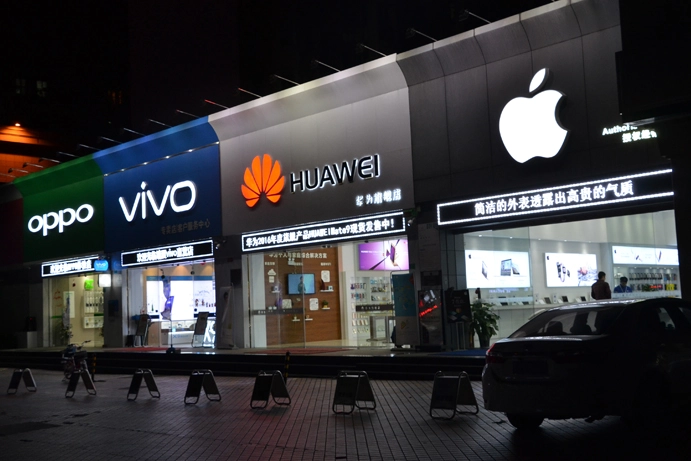
Chinese firms Oppo and Huawei have entered a global patent cross-licensing agreement. The new agreement covers cellular communications standards including 5G communications. Oppo’s Feng Ying (Chief Intellectual Property Officer) said the brand is pleased to have reached a cross-licensing agreement with Huawei. The agreement, according to Ying, fully reflects the respect and recognition of both Huawei and Oppo for each other’s intellectual property strength.
The new agreement is a win-win for both companies. It puts both entities in an advanced setting to leverage their strength for maximum business impact. The agreement advocates the settling of intellectual property licensing issues through friendly consultations and mutual respect for patent value. Huawei says it has formed several high-value patent packages during the past two decades and it is very happy to reach the cross-licensing agreement. Huawei expects the new arrangement to promote the innovation cycle of investment-return-reinvestment in high-value standard research.
Huawei has several patent packages that include 5G, Wi-Fi, audio, and video. The new agreement will promote innovation, and rapidity of research globally. It will also provide more competitive products and services for consumers. Both companies will hope that the new cross-licensing agreement will signal the beginning of a period of rapid growth and development. The agreement will be highly beneficial to Huawei since the US clampdown on its operations.
Prior to the US clampdown, Huawei was the global leader in research on 5G and 6G. It had carved a niche for itself with a raft of contracts for infrastructure across several jurisdictions. The finer details of the new cross-licensing agreement are not known at this time. However, we expect both brands to fully utilize the provisions of the agreement for the ultimate expansion of their balance sheets.
We use cookies on our website to give you the most relevant experience by remembering your preferences and repeat visits. By clicking “Accept”, you consent to the use of ALL the cookies.
This website uses cookies to improve your experience while you navigate through the website. Out of these, the cookies that are categorized as necessary are stored on your browser as they are essential for the working of basic functionalities of the website. We also use third-party cookies that help us analyze and understand how you use this website. These cookies will be stored in your browser only with your consent. You also have the option to opt-out of these cookies. But opting out of some of these cookies may affect your browsing experience.
Necessary cookies are absolutely essential for the website to function properly. This category only includes cookies that ensures basic functionalities and security features of the website. These cookies do not store any personal information.
Any cookies that may not be particularly necessary for the website to function and is used specifically to collect user personal data via analytics, ads, other embedded contents are termed as non-necessary cookies. It is mandatory to procure user consent prior to running these cookies on your website.