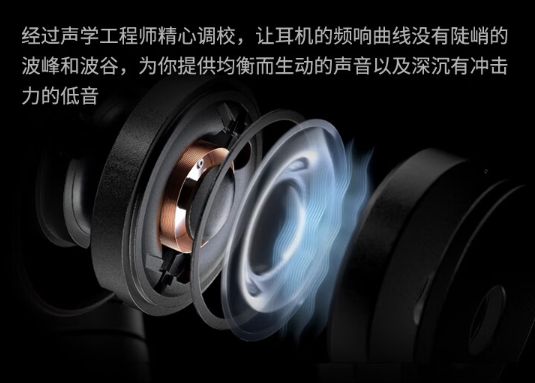
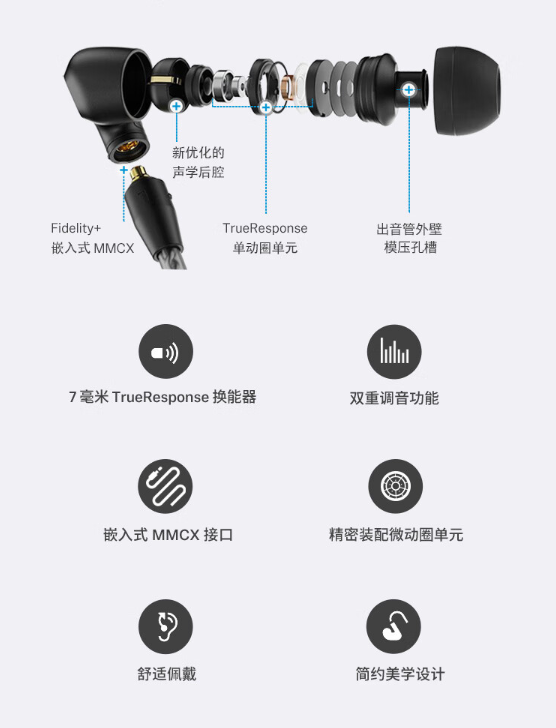
The original OnePlus Buds Pro launched as the company’s flagship truly wireless earbuds model that offered ANC support (Active Noise Cancellation) and more. Now, a new leak has revealed the full design of the possible successor to these earbuds, dubbed the Buds Pro 2.
The complete look at the Buds Pro 2 arrives from a collaboration between 91Mobiles and known tipster Kuba Wojciechowski. This report offers us a clear view at high quality renders of the upcoming premium earbuds from the Chinese smartphone maker. In the images, we can see both the charging case as well as the individual earbuds in an Olive Green color option. Looking at the leaked renders, we can see that the Buds Pro 2 is very similar to the last gen model. The Buds Pro 2 appears to have an angled ear tips. Furthermroe, it has a dual tone design with a matt finish on top half and a glossy bottom.
It will even have an LED indicator and a phyisal button that might be for enabling pairing mode. Furthermore, the OnePlus Buds Pro 2 will reportedly be co-created with Dynaudio. This basically means that the truly wireless earbuds will offer an improved immersive audio experience. As of right now, the company has to reveal the official launch date for the hearables. Although it is rumored to launch sometime in early 2023. So, we can expect some official teasers to be just around the corner.
From what we know so far, the Buds Pro 2 will feature an 11mm and 6mm dual driver setup and even come with adaptive noise cancellation for up to 45db. The new wireless earphones are also rumored to offer up to 6 hours of battery life on a single full charge with ANC on and 9 hours with ANC off. The charging case offers a total of 38 hours with ANC turned off and 22 hours with ANC turned on. This is all the information we have at the moment, so stick around for more updates.
Samsung is working on new low-end Galaxy A series devices. The brand is likely to launch the Samsung Galaxy A14 4G and the Galaxy A14 5G soon. The Galaxy 14 4G has already appeared on Geekbench and the Galaxy A14 5G was spotted on the Bluetooth SIG database. Now, the 5G variant has appeared on the Geekbench database with a mysterious chipset at its heart.
The listing reveals that the Samsung Galaxy A14 5G (model number SM-A146B) has 4GB RAM and an Android 13-based operating system. The SoC model number is S5E8535 and it features an octa-core processor with two cores clocked at 2.4GHz and six cores clocked at 2.0GHz. It also has the Mali-G68 GPU onboard. As previous leaks have mentioned, the S5E8535 is an upcoming mid-range Exynos chipset that is expected to be unveiled soon.
The Geekbench 5 results show that the device scores 770 points in the single-core test and 2151 points in the multi-core test. The ongoing theory is that this new Exynos chipset will be the successor of the Exynos 850. However, the results show the chipset performs better than the current Exynos 1280 chipsets.
So far, it is known that the Galaxy A14 5G will support Bluetooth 5.2 connectivity. It will have One UI 5.0 based on Android 13 and will likely feature an Infinity U display. Other features will include a USB Type C port for charging and data transfer and a 3.5mm headphone jack. More details are expected to emerge in the coming days, so stay tuned.
The OnePlus TV 1S Pro was introduced in India in April. Initially, the brand only debuted a 43-inch model. A 50-inch version later followed it in July.
Four months later, a reliable tipster says that OnePlus will soon release a 55-inch variant of this television. The leaker has also shared some of the features of this upcoming TV.
OnePlus TV Y1S Pro
According to Ishan Agarwal (via MySmartPrice), the OnePlus TV 55 Y1S Pro will soon launch in India. Unfortunately, the tipster keeps the exact launch date a secret.
However, he does speak about the features. Going by that, the 55-inch variant of the OnePlus TV Y1S Pro will be identical to the other two sizes.
The television will flaunt a 4K panel with support for HDR10+ and MEMC. The screen will be paired with 24W speakers.
The device will boot Android TV with support for leading streaming services like YouTube, Netflix, Prime Video, and more. It will offer multiple port options, such as 2 x USB 2.0, 3 x HDMI 2.1 (one of them is eARC compatible), Ethernet, and RF.
The forthcoming 55-inch version is expected to cost around ₹40,000. That’s because the 43-inch and 50-inch models are priced at ₹29,999 and ₹32,999, respectively.
Earlier today (17th November 2022), the Xiaomi 12T series of high end smartphones were finally announced in the Philippines market. The lineup is the company’s flagship model that offers capable specs at a competitive price point, so let’s have a look.
The Chinese tech giant’s 12T series consists of two models, namely the Xiaomi 12T and the 12T Pro. Both models share a number of similarities as well as some key differences. In terms of design, the two 12T models have similar dimensions and also offer stereo speakers. On the front, both devices sport a 6.67 inch AMOLED display that has a 1220p resoluton, HDR10+ support, 900 nits of peak brightness, and up to 120Hz refresh rate with Corning Gorilla Glass 5 protection. The Xiaomi 12T Pro model also has Dolby Vision support for an improved viewing experience.
Under the hood, the 12T lineup pack a large 5,000mAh battery pack that supports up to 120W fast charging, which can charge the devices to full in just 20 minutes. On the rear, both phones have a triple camera setup. Although the Pro variant has a 200 megapixel primary sensor that is paired with an 8 megapixel ultra wide angle lens, and a 2 megapixel macro shooter. The base model has a 108 megapixel primary camera, but the two other sensors are the same as the Pro variant. Another notable difference between the two is the Qualcomm Snapdragon 8+ Gen 1 chip on the 12T Pro and the MediaTek Dimensity 8100 Ultra SoC on the vanilla 12T.
The standard Xiaomi 12T starts from P26,999 (roughly 469 US Dollars), while the 12T Pro will retail for a price of P37,999 (roughly 660 US Dollars). The pre-orders will begin on November 18 and last till the 29th, with the brand also offering a free S1 Active smartwatch worth P8,999 (roughly 156 US Dollars) to those that pre-order the new smartphones. Notably, both models are offered in three color options, namely Black, Blue, and Silver.
Soon after announcing the Snapdragon 8 Gen 2 flagship smartphone processor, Qualcomm has taken the wraps off yet another chipset, dubbed Qualcomm Snapdragon AR2 Gen 1, which is built for Augmented Reality devices.
The new chip is a part of Qualcomm’s Extended Reality (XR) offerings and is claimed to deliver “groundbreaking AR technology that will unlock a new generation of sleek, highly capable glasses.”
With this new chipset, which is built from the groups up, the company is aiming to revolutionize the head-worn glass form factor and usher in a new era of spatial computing experiences for the real-world/metaverse mix.
It is built on a multi-chip distributed processing architecture combined with customized IP blocks. The company says that the new platform delivers 2.5x better AI performance than the Snapdragon XR2 Gen 1 and consumes 50% less power, making it ideal for AR glasses that consume less than 1W power.
The chipset consists of an AR processor, an AR co-processor, and a connectivity platform. The AR processor is optimized for low motion-to-photon latency while supporting up to nine concurrent cameras for the user and environmental understanding. The AR co-processor aggregates data from connected cameras and sensors, enabling features like eye tracking and iris authentication for foveated rendering.
As for connectivity, the chip uses the FastConnect 7800 system and brings support for the latest Wi-Fi 7 technology with less than 2ms latency between the AR glasses and the smartphone or host device. It is also capable of offloading complex tasks to Snapdragon-powered smartphones, PCs, or other compatible host devices to reduce latency and offer a smoother visual experience.
Qualcomm says it is working with several OEMs, including Lenovo, LG, Oppo, TCL, Xiaomi, Pico, QONOQ, Rokid, Sharp, Tencent, and Vuzix, among others, to bring a new generation of AR smart glasses featuring the Snapdragon AR2 to the market. As of now, details about the availability of any AR devices from these brands aren’t known, but we expect to know more in the coming months.
Earlier this month, Realme unveiled the Realme 10 5G, featuring the Dimensity 700 chip in China. Today, the company held a launch event in the home market to unveil the Realme 10 Pro and the Realme 10 Pro+ smartphones. Some of the key features of the Pro series include a 120Hz LCD / AMOLED display, a Snapdragon 695 / Dimensity 1080 chip, and a 108-megapixel primary camera. Continue reading ahead to learn about the specifications, features, and price of the Realme 10 Pro lineup.
Realme 10 Pro Specifications
Realme 10 Pro
The Realme 10 Pro features a 6.7-inch LCD panel that offers a Full HD+ resolution and a 120Hz refresh rate. The flat screen features a centrally positioned punch-hole, which houses a 16-megapixel selfie camera.
On the back, it has a 108-megapixel primary camera and a 2-megapixel macro snapper. The Snapdragon 695 chipset powers the Realme 10 Pro with up to 8GB of LPDDR4x RAM and up to 256GB of UFS 2.2 storage. For security, it has a side-mounted fingerprint scanner.
Realme 10 Pro+ Specifications
Realme 10 Pro Plus
The Realme 10 Pro+ is the first phone in the company’s number series to feature a curved-edge AMOLED panel. The screen offers an FHD+ resolution, a 120Hz refresh rate, 2160Hz PWM dimming, and an under-display fingerprint scanner. The screen offers a 61-degree curvature at the edges and has a super-slim 2.33mm chin. According to Realme, it offers a 93.65 percent screen-to-body ratio.
The Realme 10 Pro+ is one of the first phones to feature the Dimensity 1080 chipset. The device ships with up to 12 GB of LPDDR4x RAM and up to 256 GB of UFS 2.2 storage. It is fitted with a 16-megapixel selfie camera and 108-megapixel (main) + 8-megapixel (ultra-wide) + 2-megapixel (macro) triple camera unit. The device weighs 173 grams and has a thickness of 7.78mm.
The Realme 10 Pro and 10 Pro+ come preloaded with Android 13 OS, which is overlaid with the latest Realme UI 4.0. Both devices pack a 5,000mAh battery. The Pro and Pro+ models support 33W and 67W fast charging, respectively. Both models offer common features like dual SIM support, 5G, Wi-Fi 802.11ac, Bluetooth 5.1, GPS, NFC, and a USB-C port.
Realme 10 Pro Series Price and Availability
The Realme 10 Pro and 10 Pro+ have arrived in China in three colors: Sea Blue, Night Black, and Starlight (white). Here is a look at the price and availability of the Realme 10 Pro duo.
Realme 10 Pro
8 GB RAM + 256 GB storage – 1,599 Yuan (~$224)
12 GB RAM + 256 GB storage – 1,899 Yuan (~$266)
Realme 10 Pro+
8 GB RAM + 128 GB storage – 1,699 Yuan (~$238)
8 GB RAM + 256GB storage – 1,999 Yuan (~$280)
12 GB RAM + 256GB storage – 2,299 Yuan (~$322)
The Realme 10 Pro duo will go on sale at 12 am (local time) on Nov. 24 in China. Both smartphones are also expected to arrive in other markets including India in the next few days.
The game industry continues to grow day by day. This situation causes an increase not only in the number of games but also in the number of brands that release products for players. Finally, one of these brands, SCUF Gaming, introduced its new line of universal thumbstick grips. The new SCUF joystick gives performance and better grip to all gamers, regardless of the type of controller they use.
SCUF Gaming introduces new universal thumbstick grips set
SCUF Gaming was founded in 2011 and acquired by Corsair in 2019. The company mainly produces gaming equipment and gamepads. Finally, it introduced the Universal Thumbstick Grips Set. The product works with almost, and SCUF claims that users will have better control and gaming performance while using it.
SCUF Gaming’s New Thumbstick Grips
Diego Nunez, Corsair’s Vice President of Game Marketing, made the following statement about the Universal Thumbstick Grips Set: “The launch of our Universal Thumbstick Grips is a reflection of our commitment to giving all gamers the ability to experience the SCUF advantage,” said Diego Nunez, Vice President of Gaming Marketing at CORSAIR. “With this new offering, you can gain a functional advantage in movement and gameplay by upgrading your existing controller.”
SCUF Universal Thumbstick Grips are available in three different variants. There are; Tactic, Catalyst, and Pulse so that gamers can tailor their experience based on personal preference and style of play.
Tactic: Somes in 2 styles (concave and domed) 3 colors (black, red, and blue) and 2 lengths (short and tall).
Catalyst: It has a concave design that allows your fingers to rest comfortably in the indent of the thumbstick and extra grip on the sides of the indent, so fingers don’t slip from where you want them.
Pulse: Offers the SCUF take on a classic thumbstick style. It has a semi-domed design that means fingers rest within the indent of the thumbstick or on the edge where added grip keeps your fingers on the thumbstick.
The Universal Thumbstick grips range in price from $9.99 to $19.99 and are available immediately for purchase on SCUF’s website and on Amazon.
Supply problems caused by excessive demand during the Covid-19 period have disappeared. This causes many companies to experience a decrease in their sales and to paint a statistically lousy picture. Unfortunately, technology manufacturers and suppliers are at the forefront of the sectors experiencing problems. However, according to Omdia’s latest report, display demand expected to rebound in 2023.
Omdia research finds display demand expected to rebound in 2023
Omdia’s latest Display long-term demand forecast tracker indicates that demand for displays in 2023 will grow by 6.2% year-on-year. The sector went through a challenging period, especially in 2022, due to increased inflation and interest rates. A decline was expected following the Covid-19 pandemic, but global economic conditions, supply problems and the energy crisis have worsened the situation.
In fact, 2022 will go down in history as the first year when flat panel displays see negative growth in space demand. Yet, according to Ricky Park, Senior Principal Analyst in Omdia’s Display research practice, if there are signs that inflation will decrease and the global economy will give positive signals, this trend will change in 2023 and 2024.
Park said on the subject: “panel prices and retail prices that have fallen for more than a year can stimulate consumer sentiment, especially the recovery speed of demand for ultra-large sized TVs, which have seen a sharp decline in prices. This will lead to a fast recovery in area demand.”
Big screen gets more common as it gets cheaper
Large panel manufacturers produce 75-inch and above displays to cut costs and increase efficiency. For this reason, the 70-inch TV market is expected to grow by more than 15% in 2022 and reach from 18 million to 21 million in 2023. There are also positive developments in OLED. This technology is expected to improve the image quality and increase its market share by reducing the price in the coming years.
While not a well-known name in the global market, Meizu is a popular smartphone brand in the domestic Chinese market. The brand recently announced that it is working on a new flagship smartphone which will be powered by the newly unveiled Snapdragon 8 Gen 2 chipset. Information has been scarce on the upcoming device, however, a new report brings some key details to light.
Meizu 18 Pro
The report comes from PriceBaba citing tipster Paras Guglani as the source. While there are rumors that the upcoming series will be called the Meizu 19 series, the firmware data reveals that the Meizu phones with model numbers M381Q and M391Q will have the Meizu 20 and the Meizu 20 Pro marketing names, respectively. These are the upcoming flagships from the brand.
The report also reveals that the Pro model will be available in two variants: 8 GB of RAM with 256 GB of storage and 12 GB of RAM with 512 GB of storage. Other than that, a total of three color options will be available to choose from with the upcoming Meizu 20 Pro. The configurations of the vanilla model are not known at this time. However, it is confirmed that it will also feature the Snapdragon 8 Gen 2 chipset.
The new Snapdragon 8 Gen 2 chipset is based on TSMC’s 4nm node and comes with a new 1+2+2+3 architecture. It includes a 3.2GHz Kryo super core based on Cortex-X3, four 2.8GHz performance cores (2×Cortex A715+ 2×Cortex A710), and three 2.0GHz Cortex-A510 energy efficiency cores.
Comparing the new chipset to the original Snapdragon 8 mobile platform, Qualcomm claims it offers considerable improvements. The Qualcomm Kryo CPU’s energy efficiency has improved by 40%, while the performance of the 8 Gen 2’s enhanced Qualcomm Adreno GPU has increased by 25%.
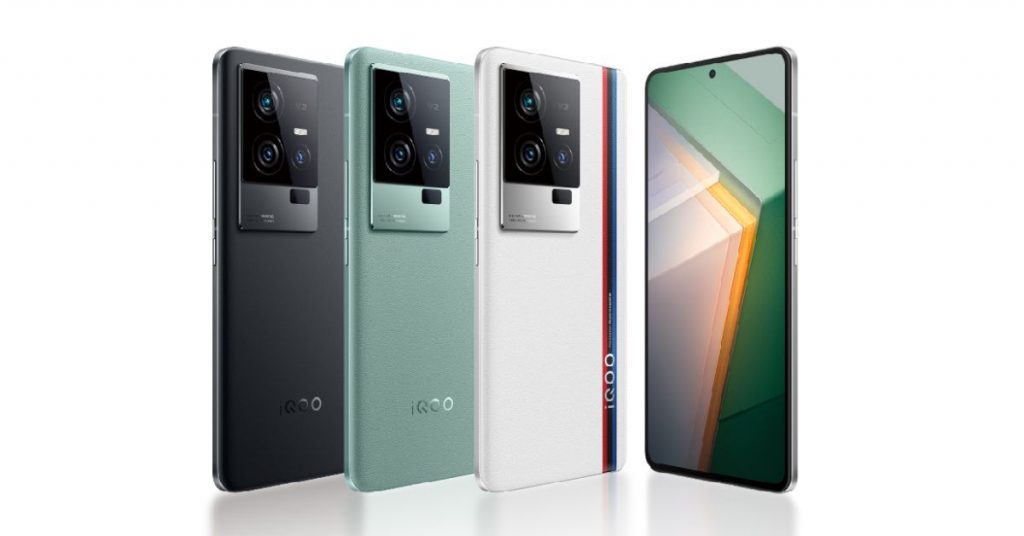
iQOO is gearing up to launch the iQOO 11 series in many markets around the globe. The series was recently teased for Malaysia, and it is also likely to launch before the end of the year in China.
The Indian market is rumored to see the launch of the iQOO 11 series in January 2023. Now, the iQOO 11 Pro has appeared on the Bureau of Indian Standards confirming that the pro model will be coming to India.
The listing has the device marked with I2212 model number. Other than that, it does not reveal any other details. So, let’s take a look at all the details available on the smartphone so far.
iQOO 11 Pro specs (rumored)
The 11 Pro will sport a 6.78-inch E6 AMOLED display with a 2K resolution and 144Hz refresh rate support. It will feature an ultrasonic fingerprint scanner under the display. Under the hood, the device will feature the recently announced Snapdragon 8 Gen 2 chipset, complemented by up to 12GB of RAM and 256GB storage.
iQOO 10
According to claims made about the cameras, the iQOO 11 Pro has a quad-rear camera setup with a 50MP primary sensor, a 50MP secondary lens, a 48MP sensor, and a 64MP lens. The front camera includes a 32MP sensor and may be used for video calls and selfies. The smartphone will also bring the recently unveiled V2 imaging chip which will also be present in the upcoming Vivo X90 series.
The phone reportedly has a 4,700mAh battery with 200W wired charging and 50W wireless capabilities. The operating system will be based on Android 13 with Funtouch OS 13 layered on top.
Samsung is known to launch its flagship Galaxy S series smartphones in two chipset variants. The Qualcomm chipset variant usually goes to markets like the US while the inferior Samsung Exynos chipset variants are typically sold in the European markets.
However, it appears that Samsung is bringing the recently launched Snapdragon 8 Gen 2 chipset to the European markets this year. And not only that but an exclusive high-frequency version, as pointed out by known tipster Ice Universe.
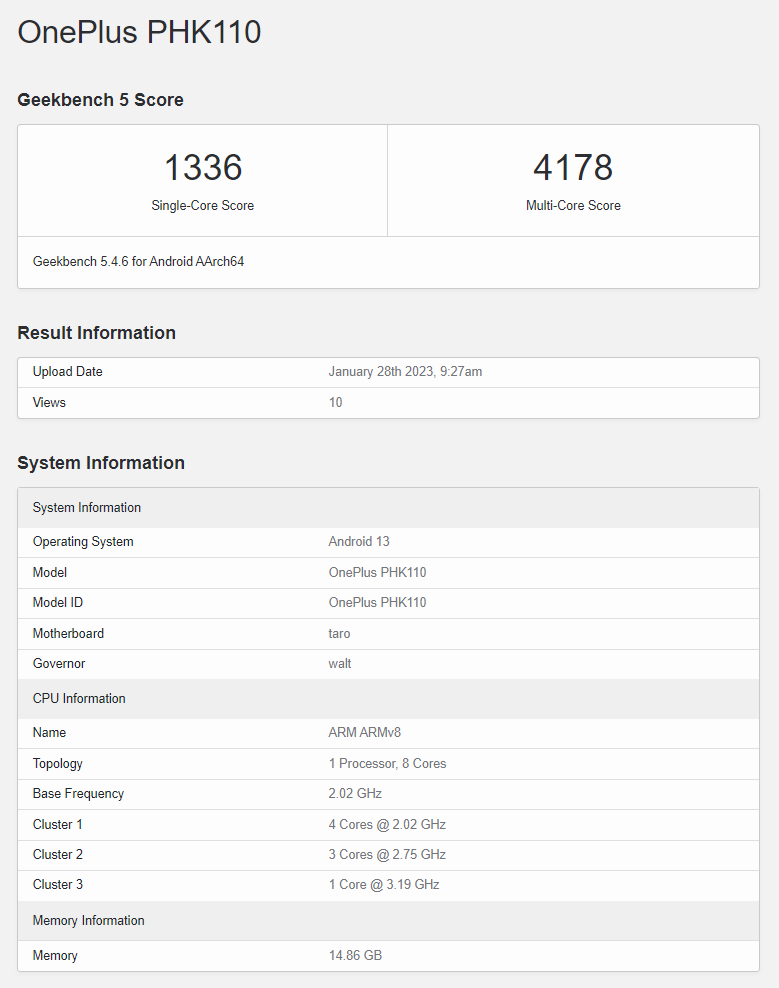
The upcoming Galaxy S23 Ultra (model number SM-S918B) reportedly achieves a 1,504 single-core score and a 4,580 multi-core score on an alleged benchmark run from Geekbench 5, according to information released by Ice Universe. Of course, this is while running Android 13. The model that was tested used 8GB of RAM.
The main difference from other Snapdragon 8 Gen 2 chips is that the Cortex-X3-based Kryo Prime core is running at 3.36GHz, instead of the usual 3.2 GHz. The other seven cores on the octa-core chip are running at the usual frequencies. Since Ice Universe shared this tweet, Samsung has apparently had another go at Geekbench with the S23 Ultra, which this time was able to slightly improve its single-core performance by scoring 1530 points and managed a significant jump in the multicore performance with a score of 4779 points.
It’s unclear how much of a difference, if any, these higher-clocked chips will have in real-world usage compared to the usual garden variety Snapdragon 8 Gen 2 chip. Maybe the move has to do more with Samsung trying to whip off the blemish that was caused by the recent performance-throttling (GOS) scandal for which the brand publically apologized after being caught. You can read our previous coverage of the Samsung GOS scandal here.
Earlier this week, Nothing held a flash sale for its latest Nothing Ear (Stick) TWS earphones in India. If you were not able to get your hands on a pair of earbuds on that day, worry not as the earphones will finally be available on the market starting today.
Nothing Ear (Stick) pricing & availability
The Nothing Ear (Stick) will go on sale today (November 17) starting at 12 PM. It will be available to purchase with a price tag of Rs 8,499 from Flipkart and Myntra. Customers who already own a Nothing product like the Nothing Phone (1) and Nothing Ear (1) can get a discount of Rs 1,000 on their purchase.
Customers must use the same Flipkart account they used to purchase the Nothing Phone (1) or Nothing Ear in order to take advantage of the discount offer when purchasing the Nothing Ear (Stick) (1).
Nothing Ear (Stick) specs & features
Nothing says that the Ear (Stick) earbuds’ half-in-ear shape provides a better and more comfortable fit than typical in-ear TWS buds. The earbuds support both the AAC and SBC codecs and include 12.6mm dynamic drivers. A Bass Lock option is also available to prevent sound leakage. This TWS case is transparent and cylindrical in shape, with a lipstick-like rolling mechanism for opening the case.
Despite the absence of ANC, the gadget can nevertheless eliminate louder background noises and amplify the voice for wind- and crowd-proof calls. The earphones include touch controls located on each earbud. They allow you to play, pause, skip music, activate voice assistance and adjust the volume. The battery life of the Ear (Stick) is 7 hours on a single charge and 29 hours when coupled with the case. It lacks wireless charging, but it does have cable charging in the form of a USB Type-C connection.
Other features include customizable EQ and movements, low latency mode, in-ear identification, Bluetooth 5.2, IP54 certification, Google Fast Pair, and the Nothing X app (1).
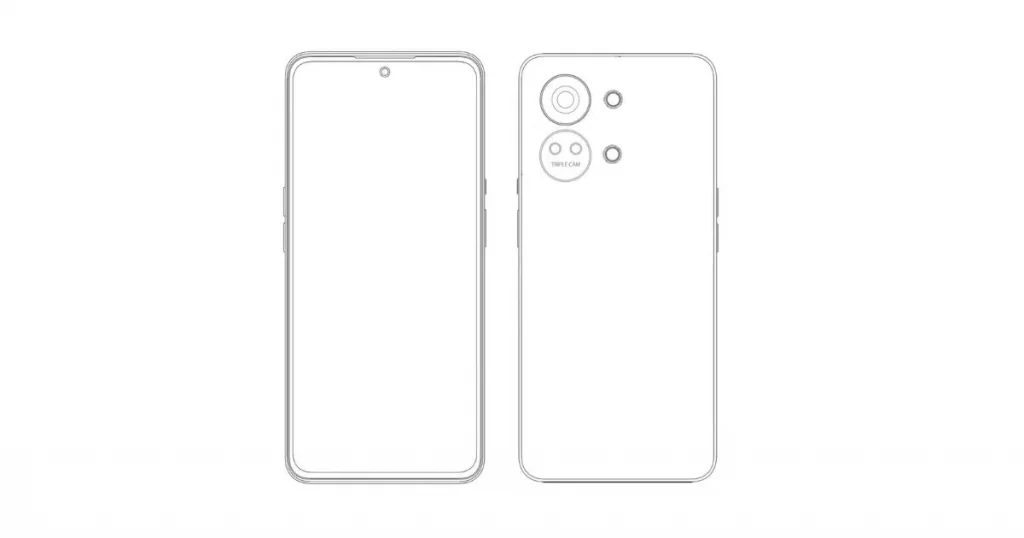
The OnePlus 11 hasn’t been teased by the company yet, but reports say it will come out in China this year. Recent reports have already shed a lot of information on the design and specifications of the OnePlus 11. Today, reliable tipster Digital Chat Station claimed that this generation (OnePlus 11) will mainly focus on two aspects: design and performance.
The tipster claimed that in terms of design, the OnePlus 11 will have a 2K resolution supporting screen with curved edges and a corner punch-hole. He also said that the engineering prototype of the device has a middle frame made of metal and a body made of ceramic.
The OnePlus 11 may also be the last device from the company to have a screen with a corner punch-hole, according to the source.
OenPlus 11 CAD renders by SmartPrix, OnLeaks
As far as performance is concerned, the OnePlus 11 will be equipped with the Snapdragon 8 Gen 2 mobile platform, which has recently gone official. In addition, the device will be equipped with 16 GB of RAM and UFS 4.0 storage.
OnePlus 11 Specifications (Rumored)
According to OnePlus 11reports, it will boast a 6.7-inch AMOLED display with a 120Hz refresh rate and an under-display fingerprint scanner. The Snapdragon 8 Gen 2-powered phone will run on the Android 13 operating system, with ColorOS 13 on top. Its base model is believed to have 8 GB of RAM and 128 GB of storage, while its top model may have 16 GB of RAM and 256 GB of storage.
Its rear camera system will have a 50-megapixel primary camera, a 48-megapixel ultra-wide lens, and a 32-megapixel telephoto camera with 2x optical zoom. For selfies, it will have a 16-megapixel front-facing camera. The smartphone will have a 5,000mAh battery and support 100W charging.
Vivo has silently announced a new phone called the Vivo V21s 5G in Taiwan. Yes, it is a V21 series phone! The company has already launched the Vivo V23 and V25 series of smartphones in the country, and now it has unveiled the V21s 5G. Here is all the information on its specifications, features, and price.
Vivo V21s 5G specifications and features
The Vivo V21s 5G has a 6.44-inch AMOLED display that produces an FHD+ resolution of 2404 x 1080 pixels and a 90Hz refresh rate. Under the hood, it features the Dimensity 800U chipset and 8 GB of RAM.
Vivo V21s 5G
The phone runs on Android 12 OS, which is overlaid with FunTouch OS 12. It offers a built-in storage capacity of 128 GB. There is a 4,000mAh battery that supports 33W fast charging.
On the front, the Vivo V21s 5G has a 44-megapixel selfie camera with OIS support. The back panel of the device features a 64-megapixel main camera with OIS, an 8-megapixel ultra-wide snapper, and a 2-megapixel macro camera.
The Vivo V21s 5G offers connectivity features like dual SIM support, 5G, dual-band Wi-Fi, Bluetooth 5.1, NFC, a USB-C port, and a 3.5mm headphone jack. The Vivo V21s 5G measures 159.68 x 73.90 x 7.29mm and weighs around 177 grams. We could not find any major difference between the V21s 5G and the older Vivo V21 5G smartphones.
Vivo V21s 5G price and availability
The Vivo V21s 5G costs NT$ 11,490 (Rs 30,050). It is available in Taiwan in two colors, such as Dark Blue and Colorful.
The Oppo Reno 9 series landing page is now available on Oppo China’s website. It confirms that the new Reno models will be announced at 2:30 pm (local time) on Nov. 24 in China. The website has dedicated pages for the Reno 9 5G, Reno 9 Pro 5G, and Reno 9 Pro+ 5G. Each of the listed devices has revealed its official renders and configurations.
In the images below, the Oppo Reno 9, Reno 9 Pro, and Reno 9 Pro+ can be seen sporting an identical front design. The displays of all three devices have curved edges, a centrally aligned punch-hole, and an under-display fingerprint scanner.
The camera modules of the Reno 9 and 9 Pro sit flush with the rest of the back. Both phones have a dual-camera unit. The Reno 9 Pro+, on the other hand, has a protruding camera module that houses a triple camera unit. The “Powered by MariSilicon” text can be seen in the camera unit of both Pro models.
OPPO Reno 9 5GOPPO Reno 9 Pro 5GOPPO Reno 9 Pro Plus 5G
The Reno 9 and 9 Pro have two holes on the top edge, which could be for a microphone and an IR blaster. The extra hole available on the topside of the Reno 9 Pro+ could be for the speaker. The bottom edge of the Reno 9 lineup features a SIM slot, a microphone, a USB-C port, and a speaker grille. The Reno 9 series’ left spine has volume up / down buttons and its right side features a power button.
OPPO Reno 9 5GOPPO Reno 9 Pro 5GOPPO Reno 9 Pro Plus 5G
The Reno 9 and 9 Pro will arrive in same colors, such as black, gold, and gradient gold. The 9 Pro+ will come in black, green, and gold colors.
The Reno 9 will be available in three variants, such as 8 GB RAM + 256 GB storage, 12 GB RAM + 256 GB storage, and 12 GB RAM + 512 GB of storage. The Reno 9 Pro and 9 Pro+ will be offered in identical variants, such as 16 GB RAM + 256 GB storage and 16 GB RAM + 512 GB storage.
Vivo X90, X90 Pro, X90 Pro+, and Vivo TWS 3 earbuds will be unveiled on Nov. 22 in China. In recent days, the 3C authority of China has approved a couple of Vivo phones with model numbers V2241A, V2242A, and V2227A. These devices are believed to be the Vivo X90, X90 Pro, and X90 Pro+. In a new development, the V2241A has been certified by the TENAA authority of China. As usual, the listing (via. TechGoing) has revealed all the major specs of the phone.
Vivo X90 specifications (rumored)
Vivo X90 leaked render by 91mobiles
The Vivo X90 is fitted with a 6.78-inch AMOLED display that offers 1260 x 2800 pixels resolution, 10-bit colors, and an in-screen fingerprint scanner. The images of the device have not yet appeared in the TENAA listing. However, its design is no secret, as leaked renders have already revealed how it looks and in what colors it will be made available.
The TENAA listing of the Vivo X90 reveals that it is powered by a 3.05GHz octa-core processor, which is nothing but the Dimensity 9200 chipset. The handset will arrive with 8 GB / 12 GB / 16 GB of RAM and 128 GB / 256 GB / 512 GB of built-in storage. It will come preloaded with the Android 13 OS, which will be overlaid with the OriginOS 3 UI.
The device packs a 2,345mAh dual-cell battery (4,800mAh could be the typical value). The 3C certification of the device that surfaced at the beginning of this month revealed that it may support 120W fast charging. For selfies, it will feature a 32-megapixel front-facing camera. On the back of the device, there will be a triple camera unit with a 50-megapixel main camera, which could be a Sony IMX8-series sensor, a 12-megapixel portrait lens, and a 12-megapixel telephoto lens with 2x optical zoom.
The Vivo X90 will have an IR blaster, among other connectivity features. It measures 164.10 x 74.44 x 8.8mm and weighs 196 grams. As can be seen in the above-shown leaked renders, the X90 will be available in black, blue, and red colors.
Xiaomi launched the Redmi Note 12 series at the end of last month but there is already a lot of positive feedback about it. The vanilla version, Redmi Note 12, is one of the best devices of this year in terms of value for money. It brings a great display, decent performance, and long battery life to the market at a very affordable price, as well as 5G connectivity. But is it the most interesting value for money device in its price range? There is no better way to understand it than a comparison with the other best phones from other brands located in the same price range. One of them is definitely the OPPO F21 Pro 4G, also known in the global market as the OPPO Reno7 4G. Here, you can find a comparison between the main specifications of the Redmi Note 12 and the OPPO F21 Pro 4G which will help you to understand which phone fits your needs the most.
Xiaomi Redmi Note 12 vs OPPO F21 Pro
Xiaomi Redmi Note 12
OPPO F21 Pro
DIMENSIONS AND WEIGHT
165.9 x 76.2 x 8 mm,
188 g
159.9 x 73.2 x 7.5 mm,
175 g
DISPLAY
6.67 inches, 1080 x 2400 pixels (Full HD+), AMOLED
6.43 inches, 1080 x 2400 pixels (Full HD+), AMOLED
Dual 48 + 2 MP, f/1.8 + f/2.4
8 MP f/2.0 front camera
Triple 64 + 2 + 2 MP, f/1.7 + f/3.3 + f/2.4
32 MP f/2.4 front camera
BATTERY
5000 mAh, fast charging 33W
4500 mAh, fast charging 33W
ADDITIONAL FEATURES
5G, dual SIM, IP53 dust and splash resistant
5G, dual SIM, reverse charging, RGB LED light, IPX4 certification
Design
The most beautiful and intriguing design belongs to the OPPO F21 Pro 4G, also known as the OPPO Reno7 4G in Europe. Its rear design is made of faux leather and the phone is more compact, thinner, and even lighter than the Redmi Note 12. On the front, it has a punch hole display with a hole placed in the upper left corner. The OPPO F21 Pro 4G is protected by the IPX4 certification making it splashproof, it has a very interesting RGB ring light around the rear camera which can be used as a notification LED, and it can also be customized. The Redmi Note 12 by Xiaomi is not an ugly phone, but it is bigger and chunkier than its rival, and it has a plastic body. But it comes with the IP53 certification making it dust resistant and splash resistant.
Display
The display of the Redmi Note 12 is superior to the one of the OPPO F21 Pro 4G, at least judging from the specs on the paper. It is an AMOLED panel with a wider diagonal of 6.67 inches, a Full HD Plus resolution of 1080 x 2400 pixels, a 120 Hz refresh rate, and a peak brightness of 1,200 nits. Despite having an AMOLED panel, the Redmi Note 12 has a side-mounted fingerprint reader, placed on the power key. It has a mono speaker and a 3.5 mm audio jack. With the OPPO F21 Pro 4G, you get an AMOLED display with a smaller diagonal of 6.43 inches, a Full HD Plus resolution of 1080 x 2400 pixels, a 90 Hz refresh rate, a peak brightness of 800 nits, and an in-display fingerprint reader. As you see, the brightness is lower and the refresh rate is too. Just like its rival, it has a mono speaker and a 3.5 mm audio jack.
Specs & Software
The Redmi Note 12 is one of the first phones powered by the new Snapdragon 4 Gen 1 mobile platform. It is a chipset built with a 6 nm production process and sporting an octa-core architecture composed of two Cortex A78 performance cores running at a max frequency of 2 GHz, six Cortex A55 efficiency cores running at 1.8 GHz, and an Adreno 619 GPU. It is better than the Snapdragon 680 chipset found on the OPPO F21 Pro, built at 6 nm and running at a max frequency of 2.4 GHz. Both phones feature up to 8 GB of RAM, but there is a difference when it comes to internal storage. The Redmi Note 12 goes up to 256 GB of storage, but it lacks a micro SD slot, while the OPPO F21 Pro 4G has 128 GB of native storage and it is expandable. Both phones run Android 12 out of the box but are customized by different user interfaces.
Camera
The OPPO F21 Pro 4G wins the camera comparison thanks to a better 64 MP main camera and a better 32 MP selfie snapper. The Redmi is disappointing with its 48 MP rear camera and 8 MP selfie shooter.
The Redmi Note 12 wins the battery life comparison thanks to its bigger 5000 mAh battery (instead of just 4500 mAh). Both phones feature 33W fast charging.
Price
OPPO F21 Pro 4G starts from €280/$290, while the base variant of the Redmi Note 12 costs just $189/€182, but with half of the RAM. Which one would you pick?
An Apple aficionado has paid more than $218,000 for Apple founder, late Steve Jobs’ pair of sandals. The memorable and grubby Birkenstock sandals reportedly still have sweat stains from Jobs. The buyer who remains anonymous purchased the old sandals through the Icons & Idols: Rock ‘N’ Roll Auction by Julien’s House. The sandals also come with NFC.
The auction house says the old Steve Jobs sandals were saved by Mark Sheff, a former house manager for Jobs. Sheff is reported to have picked the sandals from trash during his time working in the Apple co-founder’s house. This was after one of Jobs’ house cleanout exercises. The auction house valued its expectation of the Birkenstock sandals at $60,000 but it almost quadrupled such expectation with its final price of $218,750. The NFT that was offered to the auction winner together with the physical sandals contains a 360-degree representation of the memorabilia.
The remarkable purchase of the Birkenstock sandals belonging to the Apple co-founder has again fueled the perspective of the existence of an Apple cult. For a fact, the Cupertino-based tech behemoth had drawn millions of people under its canopy with its panoply of cutting-edge iPhones, laptops, smartwatches, and other tech devices. The existence of an actual Apple cult is unlikely, but the company continues to draw new fans into its fold while some others have obviously given Jobs a cult status, years after his demise.
Blaupunkt BTW09 Moksha TWS earbuds have been launched in India. The earbuds come with hybrid ANC (active noise cancellation) of up to 35 dB that is claimed to eliminate outside sound even in the noisiest places. The company says that the TWS can provide up to 60 hours of playtime when combined with the charging case. There is Blink Pair technology, which allows the earphones to quickly pair with the smartphone once you open the case. Let’s have a closer look at the specs and features of the hearables.
On the specifications front, the Blaupunkt BTW09 Moksha has a lightweight design and is powered by 10mm drivers. The earbuds feature Hybrid Active Noise Cancellation technology with 6 microphones (3 in each bud), each serving a specific function. The TWS has three modes—Normal, ANC, and Ambient. The normal mode is for listening to music, and ANC is for noisy environments. The ambient mode can be used to stay aware of the environment while also listening to audio.
The Blaupunkt earbuds offer Bluetooth v5.2 connectivity with a maximum operating distance of 10 meters. The earbuds have an IPX5-rated body that is dust- and water-resistant and are compatible with all Bluetooth audio devices that support the Bluetooth A2DP profile. They have a lightweight, ergonomic design and can deliver a latency rate of up to 60 milliseconds for gaming.
The earbuds have touch controls to answer or reject calls, control volume, and skip tracks. Each earbud has a 45mAh battery, while the case packs a 470mAh unit. The company says the earphones combined with the case can provide up to 60 hours of playback at 50% volume. Further, the Blaupunkt BTW09 Moksha comes with TurboVolt fast charging technology and can offer 4.5 hours of playtime with just 15 minutes of charge.
The Blaupunkt BTW09 Moksha TWS earbuds price in India is set at Rs 3,999, and they are offered in a sole Black color. The earbuds can be purchased from Amazon and Blaupunkt’s own website.
Realme has been gearing up to launch its multiple smartphones across the globe. They have recently launched the Realme 10 smartphone. The teasers regarding the launch of the Realme 10 lineup are already up in India, hinting at an imminent launch. Now, ahead of nowhere, an upcoming Realme smartphone has been spotted online on the 3C authority of China. It could be the next Realme device, which is in the pipeline for the launch.
An upcoming Realme smartphone with the model number RMX 3617 has been listed on the 3C authority of China. The certification doesn’t reveal much information regarding the device, but it does confirm that it will be a 5G network-supported smartphone and will bring support for up to 33W fast wired charging. As the device have the support for 33W fast wired charging, we can expect it to be a budget-oriented smartphone.
RMX 3617 at 3C certification
For reference, the Realme 9i 5G has the model number RMX 3612, which is very similar to the one listed recently. It could easily land as a successor to the Realme 9i 5G and the brand is already working on its Realme 10 lineup of smartphones, so it could also be the Realme 10i 5G. Anyway, there is zero information available regarding smartphones on the internet, and therefore we can’t really conclude anything regarding it as of now.
Talking about the Realme 9i 5G, it offers specifications like a 6.6-inches FullHD+ IPS LCD panel with 90Hz refresh rate, MediaTek Dimensity 800 5G chipset coupled with up to 6GB of RAM and 128GB of onboard internal storage. It has got a dual rear camera setup with a 50-megapixels primary lens and a 2-megapixel secondary lens. On the front, we have an 8-megapixels selfie snapper housed in the waterdrop notch cutout. It packs a 5000mAh battery with the support for 18W fast wired charging.
We use cookies on our website to give you the most relevant experience by remembering your preferences and repeat visits. By clicking “Accept”, you consent to the use of ALL the cookies.
This website uses cookies to improve your experience while you navigate through the website. Out of these, the cookies that are categorized as necessary are stored on your browser as they are essential for the working of basic functionalities of the website. We also use third-party cookies that help us analyze and understand how you use this website. These cookies will be stored in your browser only with your consent. You also have the option to opt-out of these cookies. But opting out of some of these cookies may affect your browsing experience.
Necessary cookies are absolutely essential for the website to function properly. This category only includes cookies that ensures basic functionalities and security features of the website. These cookies do not store any personal information.
Any cookies that may not be particularly necessary for the website to function and is used specifically to collect user personal data via analytics, ads, other embedded contents are termed as non-necessary cookies. It is mandatory to procure user consent prior to running these cookies on your website.