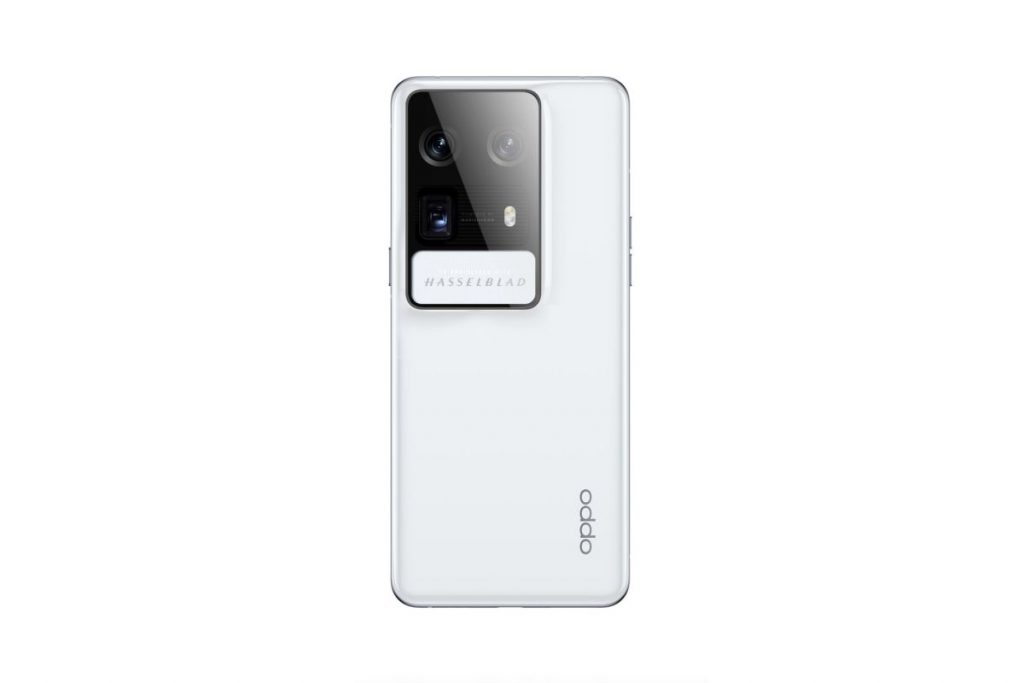
The OPPO Find X6 series is expected to launch in China next month. The lineup is expected to include the standard and Pro variants. The latter is also tipped to be available in Qualcomm Snapdragon and MediaTek Dimensity processor options. OPPO is yet to reveal any official details about the Find X6 series. Now, a Weibo user has leaked key specifications of the upcoming devices.
As per the latest leak, the OPPO Find X6 will have a 6.74-inch OLED display bearing a 2K resolution and a 120Hz refresh rate. It will be powered by a Snapdragon 8+ Gen 1 processor paired with LPDDR5 RAM and UFS 3.1 storage. The device will reportedly be backed by a 4,800mAh battery unit with support for 80W wired and 30W wireless charging.
Meanwhile, the OPPO Find X6 Pro Snapdragon Edition will be equipped with the latest flagship Snapdragon 8 Gen 2 SoC coupled with LPDDR5x RAM and UFS 4.0 storage technology. It will draw its power from a 5,000mAh battery cell with support for 100W wired and 50W wireless charging. On the other hand, the Dimensity Edition of the Find X6 Pro is tipped to house a MediaTek Dimensity 9200 chipset.
The OPPO Find X6 series is expected to come with an ultra-thin fingerprint scanner, an X-Axis linear motor, an IR Blaster, NFC, and Hasselblad cameras. The trio are also tipped to have 50MP triple rear cameras and a 32MP Sony IMX709 front-facing snapper. The Pro variants will also feature IP68 certification and MariSilicon X2 ISP.
Oppo is gearing up to launch the Find X6 series smartphones in China next month. We could see these devices launch in the global market sometime after the domestic launch. As usual, we expect to get two phones in the series – the Oppo Find X6 and the Oppo Find X6 Pro. Numerous leaks have surfaced revealing the hardware and design details of both of these models.
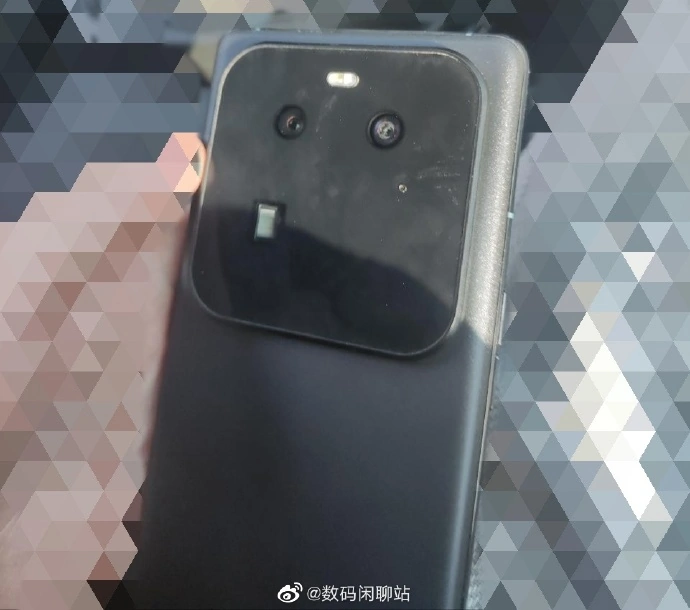
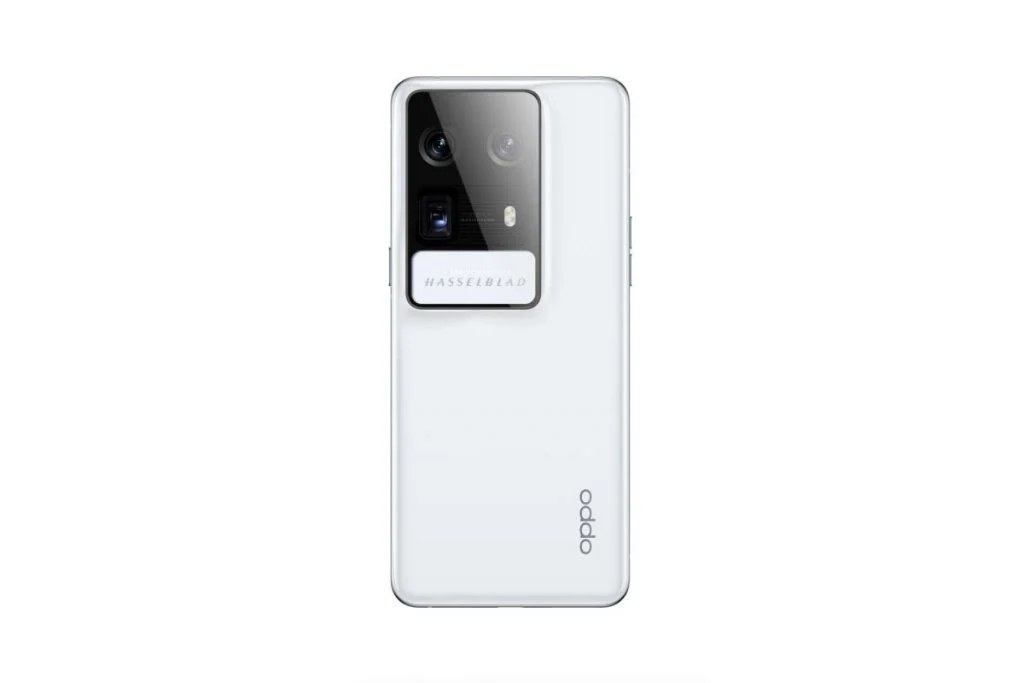
Now, Weibo tipster DCS (via ITHome) has shared live images of the rear panel design of the Find X6, which appears to be covered by a prototype case. Although the case has pretty much obscured the back panel, it is easy to see the massive square-shaped camera island. A similar design was previously leaked by known tipster Evan Blass, which showcased the vanilla X6 model with a large camera module.
Oppo Find X6 live imageOppo Find X6 live imageOppo Find X6 render by Evan Blass
It is worth noting that the Find X6 Pro model won’t follow this design scheme, and it will instead have a circular camera island that we have reported on before. Coming back to the Find X6, we have previously seen the smartphone from the front and side angle, therefore we know that it will be quite thick, and will have a curved display with a punch-hole in the top-middle of the device.
Other leaks have suggested that the device will come with a Dimensityu 9200 chipset from MediaTek. This is the same chipset used in the recently launched Vivo X90 Pro flagship smartphone. The chipset will draw power from a 5,000mAh battery that has 100W fast charging and 50W wireless charging support.
Up front, there will be a 6.7-inch AMOLED display with a 2K resolution and 120Hz refresh rate. A 50MP main camera, a 50MP ultra-wide camera, and a 50MP periscope camera are reportedly part of the camera configuration. To optimize the Find X6’s camera system, OPPO will include its MariSilicon X NPU and work with Hasselblad. The phone will sport a 32MP Sony IMX709 front camera sensor for taking selfies. Lastly, it will have an Android 13-based operating system.
The Memory Chip industry has always run in economic cycles of expansions and contractions. During the Pandemic, the industry was looking at a revenue boom and was planning to capitalize on this surge by expanding into new sectors like 5G communication and cloud computing. Experts vowed to get out of the economic cycle and establish a more stabilized industry.
Yet today, the $160 billion industry is facing an unprecedented crisis as Mirco Chip stocks are increasing amidst dwindling demands.
According to a report from Gartner, the Global Memory Chip revenue fell by 10% in 2022. Experts are predicting that the situation is going to get even worse. In 2020, the pandemic boosted the demand for memory chips as people were confined to their houses and bought phones, tablets, laptops, and other smart devices to stay connected to the world.
However post pandemic, the world is heading for a recession with rising inflation and massive layoffs. This in turn has dwindled the demand for gadgets and devices that use memory chips. Thus, companies that were riding on the pandemic boom are now facing a crisis of excessive stock of memory chips.
TrendForce Senior Research Vice President Avril Wu said that the downturn has proved the whole industry wrong as they had predicted that the suppliers would be able to control the outcome.
Asian economies like South Korea and Japan are facing the major brunt of this downward trend as they thrive on technology export. Top global companies like SK Hynix Inc (South Korea), and Micron Technology Inc( US) are facing a cash crunch amidst the decreasing demand for microchips. The problem is not only affecting individual companies but also technology behemoths like Samsung.
It is reported that Samsung Electronics and almost all its competitors are losing money on chips with the total operating loss of these companies predicted to hit a record-breaking $5 billion in 2023. The industry stockpile has increased three times the normal level which indicates that the production has exceeded the actual consumer demand.
Having too much stock in hand leads to loss of profits, increased storage costs, limited cash flow, and shortage of working capital. In the case of microchips the added risk of obsolescence makes it even worse for these companies.
Source: Samsung
Companies have already started implementing aggressive counter strategies to contain the losses. Micron Technology of the US has decided to reduce its output and cut the budget for its new plant and equipment. CEO, Sanjay Mehrotra said that the rate at which the whole industry rights itself will depend on how quickly Micron’s competitors make similar moves. He further added that the cross-cycle nature of growth and profit was still there and so he believed that they just have to run this cycle to get back to profitability.
South Korea’s SK Hynix Inc, has also slashed its investments and scaled back output in order to bear the losses. SK Hynix is especially affected by the current economic downturn as it acquired the flash memory chip business of Inter Corp in 2020. The $9 billion deal has now left the company with the burden of the additional stockpile. Meanwhile, Intel played it cleverly by exiting the declining industry which is dominated by Asian giants like SK and Samsung.
All eyes are now glued on Samsung which is going to report its fourth-quarter earnings this week. Experts are predicting the profits to hit a six-year low as consumers are in savings mode. Every move that Samsung makes for its microchip division, will now affect the global chip industry, including its competitors.
Apple and China’s long-standing partnership is coming to an end as the US technology giant shifts production to other countries. Reports indicate that Apple supplier Jabil’s India unit has started producing components for AirPods. Here are the details…
Apple’s India supplier Jabil making AirPods parts
Apple is continuing to decrease its presence in China for two reasons. The first is the challenge of relying on a single production location. The pandemic has shown us that this is a wrong move. The second reason is the negative impact of the lockdown and subsequent events in China. After the events at the factory in China, the company accelerated the process of shifting production.
Apple plans to continue production in Asia, with India as the key center of operations. Recent reports suggest that Jabil, an Apple supplier, has started producing components for AirPods in its India unit. This is a significant step for the company and India, particularly given the market share of AirPods.
Furthermore, India will not only produce headphones. Production of iPhone, iPad and Mac has also recently started in the country. Apple aims for India to contribute 25% of its production, up from its current 5-7%. The company has placed a big bet on India since starting iPhone assembly there in 2017, in accordance with the Indian government’s promotion of local manufacturing.
According to CNBC, India is also considering bringing some of Apple’s iPad production to the country from China. Although Apple currently holds only a 5% market share in India’s smartphone market, CEO Tim Cook has previously recognized India as a potential area for growth in the future.
TikTok recently got banned in more than 25 states from devices that were issued by government. This ban has now extended to include public/state schools, but it seems that this decision has resulted in some hefty backlash.
For those unaware, the popular short video sharing platform’s parent company (ByteDance) being situated in China has raised concerns for many. The app has been accused of stealing users’ personal data and even capturing keystrokes to learn passwords and other sensitive information. But despite all of this, there have been protest against the ban of this social media giant in public schools. As of right now, the ban on TikTok has been implemented in more than a dozen state run universities.
This includes the Auburn University, the University of Georgia, Oklahoma State University, and even the University of Texas, Austin. Similarly, it has also been banned in certain schools, with the app not being allowed to be installed on university owned devices. Meanwhile, there are also schools that have banned TikTok on their campus networks as well, while others are employing both of these methods to keep people away from the app.
The popular social media platform’s ban has caused both students and professors to protest. The protest spoke out against the restriction of the app. Kate Biberdorf, an associate professor of chemistry at the University of Texas stated that “I use TikTok as an educational tool to make science fun and accessible. To have that tool be taken away by a university, that doesn’t sit right with me. Right now in our community, it feels like our rights are being taken away, and this is another push in the wrong direction.”
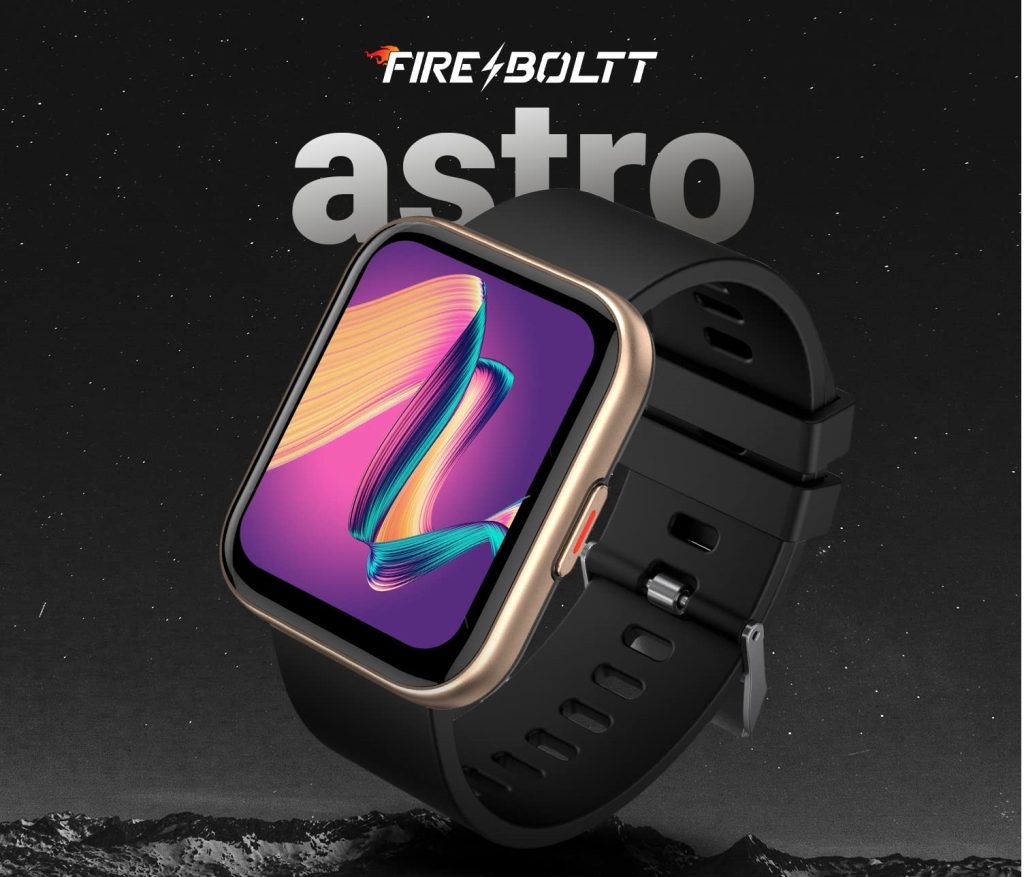
Fire Boltt has been launching a slew of new devices in India. The homegrown brand has already announced as many as seven new smartwatches in the country this month. Now, the company has launched yet another smartwatch called the Fire Boltt Astro. Read on to know what it offers out of the box.
The Fire Boltt Astro sports a square dial with a 1.78-inch large AMOLED display bearing a resolution of 368 x 448 pixels. It has a metal unibody and a button on the right side. The device comes with an Always-on display and ten built-in watch faces.
On the fitness front, the Fire Boltt Astro is equipped with a heart-rate monitor, SpO2 sensor, sleep tracker, female health care monitor, and hydration reminders. The wearable device packs support for more than 110 workout modes.
The Fire Boltt Astro is equipped with a built-in speaker and mic for hands-free Bluetooth calling. It comes with call history, a quick dialpad, and contact syncing. There is also support for voice assistant. The smartwatch features a 2048 and Flappy Bird built-in game. Convenient features on the Fire Boltt Astro include smart notifications, music and camera control, weather updates, and more. The wearable device is claimed to offer up to 5 days of battery life.
The Fire Boltt Astro is priced at Rs 2,499 and available for purchase from Amazon and the brand’s official website. It comes in Black, Silver, Blue, Pink, Dark Grey, and Gold Black colours.
A recent video has been circulating on social media in China that shows a car going up in flames. The vehicle in question is the Li Auto L9 model, which is a hybrid SUV and the second ever car built by the company.
For those unaware, the L9 SUV is a hybrid car and offered the longest electric range of any PHEV (Plug in Hybrid Vehicle) in the world, with a max range of 215 kilometers. This model was officially unveiled by the Chinese automobile manufacturer back in March 2022 and offered another 2,116 kilometers range from its fuel tank as well. Now, one such model was spotted spontaneously combusting into flames in the city of Jinan, in the Shandong Province of China.
Based on online post, the social media user claimed that the vehicle owner heard a loud sound inside the car while driving. This loud bang was apparently related to the car’s braking system, which indicators had revealed were failing. So after pulling over to the side of the road, the Li Auto L9 SUV model was in flames in just under a minute later. The company has responded to the matter and stated that it has involved the local departments and is working on finding the cause for this accident through a thorough investigation.
There could be various reasons why this vehicle went into flames, although, there were previous reports regarding an L9 test car also experiencing a suspension issue on the left front wheel. Whether these two incidents can be somehow point to an issue with the car overall is still unclear, so we will to wait for an official announcement to know for sure.
Earlier today, OPPO announced that it is launching the Reno 8T 5G smartphone in India on February 3rd. Alongside, the brand is also confirmed to launch the Enco Air 3 TWS earphones in the country. The upcoming audio device will arrive as the successor to the last year’s Enco Air 2. It will pack significant upgrades over its predecessor. Ahead of the launch, the key features of the TWS earphones have been teased.
The OPPO Enco Air 3 has an Apple AirPods-like design with a small stem. It will come in a pebble-shaped charging case with a transparent lid. The TWS earphones are IP54-rated dust and water-resistant.
OPPO has confirmed that the Enco Air 3 will be equipped with a HiFi 5 DSP processor for improved processor and battery life compared to its predecessor. It will feature 47ms ultra-low latency for gaming purposes. The TWS earphones will come with DNN noise cancellation for calls by eliminating surrounding noise. The audio device is confirmed to be powered by up to 31 hours of battery life with each earbud tipped to offer 6 hours of usage.
Apart from the aforementioned information, there are no additional details about the Enco Air 3. We will know more at the launch event later this week.
As for the OPPO Reno 8T 5G, it is confirmed to come with a 120Hz curved display and a centre-aligned punch-hole cutout. The device will feature a 108MP portrait camera paired with two more lenses. The upcoming smartphone is confirmed to be powered by a 4,800mAh battery unit with support for 67W fast charging.
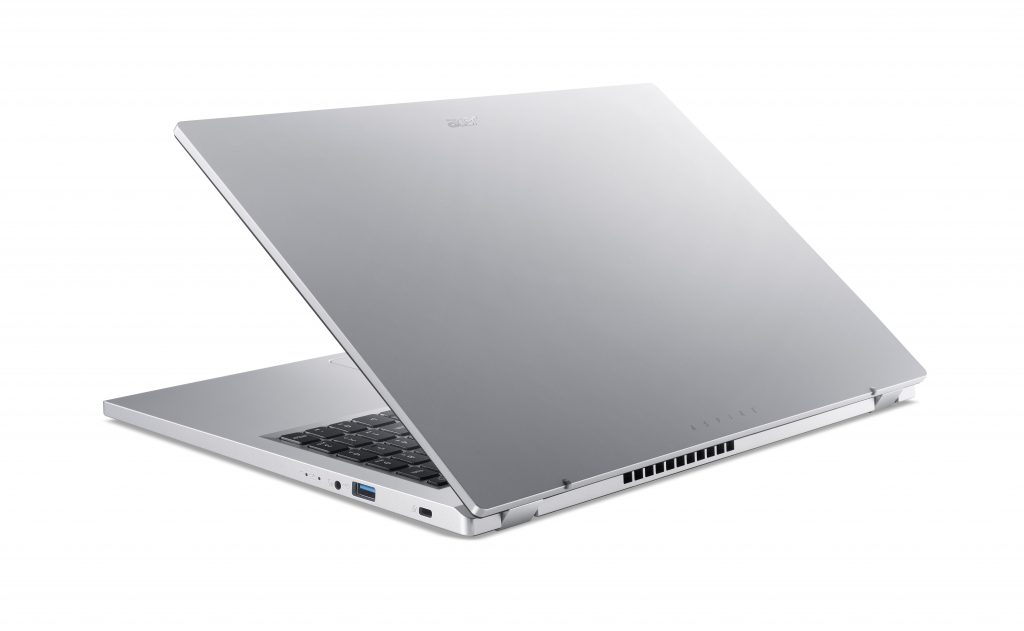
Acer is one of the world’s most popular PC brands. Recently, the company unveiled the Aspire 3, India’s first laptop powered by the Ryzen 5 7000 series chipset. Acer claims that the Aspire 3 combines multitasking and productivity into a neat, stylish package that is perfect for everyday performance.
The Aspire 3 has a compact design, with the laptop weighing in at merely 1.6 kilograms. It features a sleek metallic cover that adds to the attractiveness of the design. The laptop is only 18.9 mm thick while also having an additional 17 percent thermal capacity. Acer attributes this to a 78 percent increase in fan surface area, which prevents overheating. The Aspire 3 has a 15.6-inch FHD display equipped with Acer BlueLightShield™ to reduce the levels of blue light. Additionally, the company claims that its TNR solution enhances the quality of the camera images by blending noisy pixels into other frames, especially in low-light conditions.
As mentioned previously, Acer Aspire 3 is powered by the AMD Ryzen 7000 Series processors with Radeon graphics. It is based on a 6nm Zen 2 architecture with up to 4 Cores and 8 threads, enhancing performance, audio and video streaming, and maximizing battery life. In terms of connectivity options, the laptop is equipped with a full-function USB Type-C port and an HDMI port. For wireless connectivity, the Aspire 3 has WiFi 6E as well. The company further claims that with PurifiedVoice™, Acer’s AI can significantly reduce background noise for video calls on both sides, and the technology works with external microphones and headphones as well.
The Aspire 3 is priced at INR 47,990 (~$588), which places it in the same segment as other mid-range laptops. The laptop is available at Acer Exclusive Stores, Acer E-store, Vijay Sales, Amazon, and other stores across India.
Geely has set an ambitious target for 2023 with a total sales goal of 1.65 million vehicles. The company is striving for double growth in new energy vehicle sales, building upon its positive growth of 8% in 2022, where it reached 1,432,988 vehicles and surpassed most strong joint venture brands, ranking third in the industry. The CEO of Geely Automobile Group, Gan Jiayue, has stated that the company’s first goal is to build vehicles based on their new energy architecture and solve the pain points of new energy vehicle users.
This includes achieving “true battery life” with precise and long-lasting battery life, “real driving control” with a real combination of software and hardware, “true quality” in all aspects of the vehicle, and “real vehicle safety.” Gan Jiayue believes that only through making long-term innovations in “invisible places” and challenging the limits can they create good cars that truly meet the needs of users. The company is dedicated to delivering real and lasting innovations that benefit the end user, not just superficial skills in car manufacturing.
In 2023, the company aims to double the overall sales of new energy vehicles to over 600,000 units, while also striving for double growth in the sales of Raytheon hybrids and high-end pure electrode krypton. Geely Automobile Group’s commitment to innovation and its focus on new energy vehicle sales, combined with its track record of positive growth, position it for a significant impact in the automotive industry in 2023.
Gan Jiayue stated that Geely believes in the importance of making real and lasting innovations that meet the needs of the users. The company’s goal for 2023 is not just about hitting sales targets, but about delivering on its commitment to innovation and providing high-quality vehicles that meet the evolving needs of drivers. With its focus on innovation and its track record of positive growth, Geely Automobile Group is poised to make a significant impact in the automotive industry in 2023 and beyond.
Earlier today (30th January 2023), IDC shared a new report that revealed key details regarding the foldable smartphone market in China. Huawei has seemingly dominated this segment, so let’s have a look.
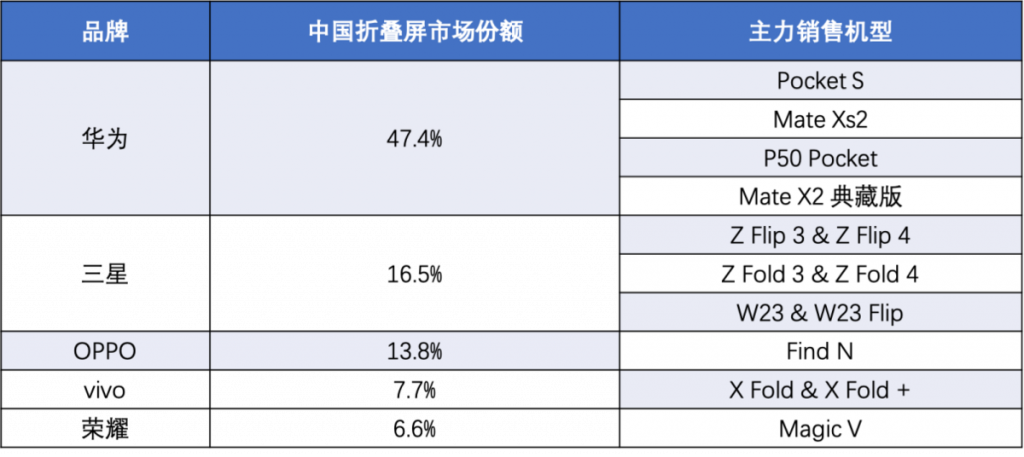
The foldable smartphone market in the region shipped more than 3 million units in Q4 2022, which marked a sizeable 118 percent rise year on year. Furthermore, the foldable phone category also saw an overall rise in the overall smartphone market, rising from 0.5 percent in 2021 to 1.2 percent in 2022. During this time, Huawei took the throne with a massive 47.4 percent of foldable phone market share. This meant that the Chinese tech giant accounted for almost half of all handsets with a flexible screen that were sold in the region.
The company was able to grab such a high market share thanks to a number of its models including the Pocket S, Mate Xs 2, the P50 Pocket, and even the Mate X2. Meanwhile, Samsung took the second spot in the market with a 16.5 percent market share. The brand saw great sales with its Galaxy Z Flip 3, Galaxy Z Flip 4, Galaxy Z Fold 3, Galaxy Z Fold 4, Galaxy W23, and even the Galaxy W23 Flip as well.
Lastly, another Chinese brand, Oppo, rounded of the top 3 on the list with a 13.8 percent market share. Interestingly enough, the company managed to come in third with just one foldable phone model sold during this period, with the device in question being the Find N. The IDC report also added that the companies that saw great sales in this segment followed the ‘vertical folding + horizontal folding’ formula. Meaning, they sold a clamshell folding and a notebook style folding phone.
Earlier this month, Vivo Y100 made its appearance on Geekbench, Google Play Console, and BIS. The listings gave us a rough idea regarding the smartphone’s features.
Now, weeks later, a reliable source has revealed the price and specs of the handset. Let’s take a look at the details.
According to 91Mobiles, the upcoming Vivo Y100 will be priced at around ₹27,000 in India. It might even cost lower.
Further, the publication says that the phone will feature a thin and lightweight body. It will sport a color-changing back panel, like the Vivo V23 Pro and Vivo V25 Pro.
However, unlike the Vivo V series devices, the Y100 will be available in two color-changing variants instead of one.
Talking about specs, the smartphone is said to arrive with an FHD+ AMOLED display. The panel will carry support for HDR10+ and up to 1300 nits peak brightness level.
The handset will be powered by a MediaTek Dimensity 900 chipset. It will come with an OIS-assisted 64MP primary camera. Last but not least, it will boost Android 13.
As far as release is concerned, the Vivo Y100 is expected to debut in February. It could be accompanied by Vivo Y56.
We are looking forward to learning more about this phone in the coming days. Until then, let us know your thoughts on it in the comment section below.
Artificial Intelligence (AI) technology is an integral part of our lives today more than ever before. The journey, which began with digital assistants for end users, continues with chatbots. As you are aware, the internet has been impacted by OpenAI’s ChatGPT in recent months, and its success has influenced other companies, leading to the development of new chatbots. According to the latest reports, Baidu planning to launch an artificial intelligence (AI) chatbot service. Here are the details…
Baidu to launch ChatGPT-style bot in March
The Chinese tech giant Baidu may not be widely known in the West, but it is highly popular in Asia, where it holds the title of the top search engine. Recent reports indicate that Baidu plans to launch an AI chatbot service similar to OpenAI‘s ChatGPT in March. The new chatbot will be available as a standalone app, and will also be integrated into the search engine.
Chatbots in China currently focus on social interaction whereas ChatGPT performs better at more professional tasks, such as programming and essay writing. Baidu plans to incorporate chatbot-generated results when users make search requests. So what is the reason for the increased interest?
In fact, two interrelated factors are driving the surge in interest. One is the high demand from users. Millions of people worldwide use ChatGPT, putting a strain on the company’s servers at times. The other is the potential brought by this high demand. For instance, OpenAI recently received a $10 billion investment from Microsoft, a deal that any company would want.
Baidu has been focused on expanding its revenue sources through to AI technology. This has included investments in cloud services, chips, and autonomous driving. Baidu’s goal is to diversify its income stream by leveraging AI technology. Recently, at a developer conference, the company introduced three AI-powered “creators” designed to replace screenwriters, illustrators, editors, and animators. These advancements showcase Baidu’s commitment to AI technology and its potential to revolutionize various industries.
The highly anticipated OnePlus 11 launch is just around the corner. As we edge closer to the next month, we are just a little over a week away from the Feb 7 launch event. However, it seems that this flagship isn’t the only exciting new smartphone that the company has in its plans.
The Chinese smartphone maker is apparently planning on launching two new foldable smartphones soon. According to a tweet from known tipster Mukul Sharma, the company is gearing up to launch its first ever foldable phones that feature a clamshell and notebook like folding design. The former will apparently be dubbed as the OnePlus V Flip, while the latter will be called the V Fold model. Based on the models we’ve seen from other brands that also follow the Flip and Fold branding, we can safely assume that the V Fold will be the more expensive of the two models.
Looking at the tweet, OnePlus has already trademarked the names for the two devices. Furthermore, the internal testing of both or at least one of the two models has also begun. As of right now, the internal tests are being conducted in several regions, including Europe, as per sources close to the matter. But unfortunately, apart from the trademark listing and the phone’s name, finer details regarding the two foldable smartphones like its specifications are still unknown at the moment.
However, this isn’t the first time we have heard of OnePlus working on a foldable phone. Back in 2022, the brand’s software executive Gary Chen had hinted at a foldable phone launch with a teaser video that showcased a hinge mechanism being tested. Notably, Oppo also recently unveiled its N2 series of foldable phones, along with a new N2 Flip, which is its first clamshell folding model. So, there is also a chance that the upcoming OnePlus foldable phones will feature specs or design elements borrowed from its parent company. We can expect to hear more about this during the MWC 2023 event, so stick around for more updates regarding this matter.
Apple has been rumored to be working on a foldable iPad model for some time now and another new report has just surfaced regarding this device. Apparently, this model will feature a built in kickstand. So here are all the details.
The news arrives from known analyst Ming-Chi Kuo, who shared details regarding the upcoming foldable iPad that will reportedly launch sometime in the year 2025. He claims that there is also a slight possibility that the Cupertino based giant might release this device next year as well. Furthermore, Kuo talked about Anjie Technology, which might soon be joining Apple’s supply chain. This firm will supposedly benefit from the new design that the foldable iPad will feature.
Primarily, this is in regard to its built in kickstand. The analyst added that sources close to the matter have also claims that the kickstand may be made from a carbon fiber. In other words, Apple is clearly going for a lightweight addition to the foldable iPad, but without comprising on its durability or sturdiness. Apart from this, Kuo also talked about iPad shipments and believes that it might see a fall in 2023, since there might not be any new iPads within the coming 9 to 12 months.
The analyst believes that the mass production for the new iPad mini refresh will also start sometime within the first quarter of next year. So, he expects iPad shipments to decline by 10 to 15 percent this year. Although, with the launch of the foldable iPad, there will likely be positive changes. Since this would mark a major design overhaul for Apple, while also bringing a unique feature to its popular iPad lineup.
The OnePlus 11R, aka the OnePlus Ace 2 (in China) is expected to launch globally on February 7. The device will likely be rebranded as the OnePlus Ace 2 will launch on the same day in China. Ahead of the launch, many details about the device have either been officially confirmed or have emerged as rumors.
Now, tipster Abhishek Yadav has shared renders of the OnePlus 11R revealing its design and color options.
The images confirm that the rear panel of the OnePlus 11R does look like that of the flagship OnePlus 11. There are some minute changes, like the missing Hasselblad branding in the center of the camera module, which actually makes it look cleaner. The display on the other hand is quite different, as it is a curved panel with a punch-hole cutout in the center.
The left side of the device has the volume button, while the right side houses the power button and the fan favorite alert slider. In a recently shared teaser of the OnePlus Ace 2, the brand has revealed that customers can swiftly toggle between silent, ring, and vibration modes using the Alert slider.
The device will have two color options, one of which will be called Galactic Silver. The marketing name of the black color model is still unknown. Recently, the device also appeared on the AnTuTu benchmark (as OnePlus Ace 2) and managed to score 1,149,494 points. Let’s take a look at what we can expect from the OnePlus 11R.
OnePlus 11R specs
OnePlus has confirmed that the smartphone will house the Snapdragon 8+ Gen 1 chipset. Compared to the cutting-edge Snapdragon 8 Gen 2 chipset, the 8+ Gen 1 is only at a slight disadvantage in terms of graphics performance. The display on the OnePlus 11R is expected to be a 6.7-inch curved AMOLED panel with FHD+ resolution and 120Hz display.
The device may have a 50MP main camera with OIS, a 12MP ultra-wide lens, and a 2MP macro camera for photography. There might be a 16MP selfie sensor on the front. It might come pre-installed with Android 13 and include a 5,000mAh battery that supports 100W charging.
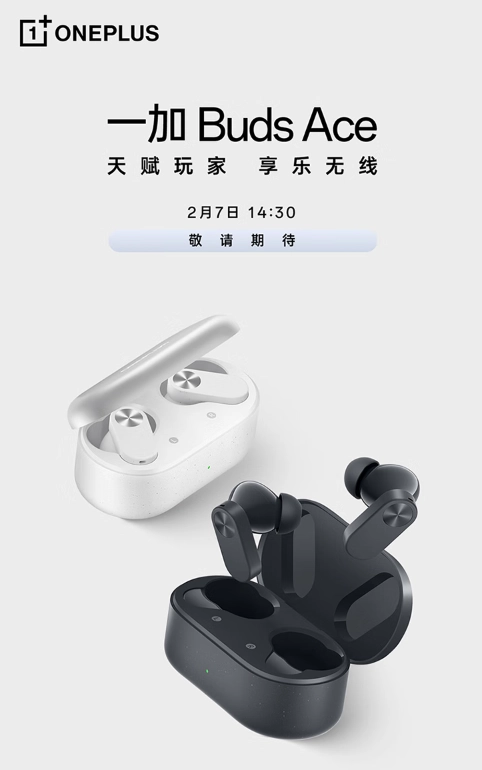
OnePlus has just teased the Buds Ace truly wireless earbuds in China, ahead of its official announcement. The new promotional images offers us a look at the upcoming hearables and also reveals its official launch date. So let’s have a look.
As per the teaser posters, the Chinese smartphone maker is set to launch the device on the 7th of February 2023. In other words, this model will be launching along with the new OnePlus Ace 2 smartphone. Based on its design, we can also safely assume that the Buds Ace TWS is likely a rebranded version of the new Nord Buds 2. The teaser images did not reveal any other finer details regarding this earbuds, but we can speculate based on the Nord Buds 2.
The Nord Buds 2 recently passed through Bluetooth SIG receiving certification with Bluetooth 5.3 support. Apart from this, previous online listings also revealed that it will support a 1.5W charging rate for the earbuds and 4.5W charging rate for the charging case via a USB Type C port. The first gen OnePlus Nord Buds came with a 12.4mm titanium dynamic audio drivers. Each earbuds also housed a 41mAh battery pack that allowed for up to 7 hours of audio playback, with the case offering a total of 30 hours of battery life.
Looking at the image poster, we can also see that the Nord Buds 2 and Buds Ace are identical in terms of design, with the earbuds features flat stem design. The last generation also came with IP55 rating for sweat and dust protection as well. So stick around for more, as we will be providing updates when additional information is available regarding this matter.
In France, the global fight for the right-to-repair received a defining boost two years ago with the implementation of a mandate that required electronics and appliance manufacturers to provide their customers with repairability scores from 1 to 10, with 10 being the easiest to repair. This provides consumers with important information if they decide whether to fix their products themselves or hire someone to do it. Furthermore, smartphone manufacturers must now publish detailed documentation for their products, specifically repair manuals. The Pixel 6a manual was released last year in 2022. As per the latest reports, Google has published instructions for the repair of the Pixel 7 and Pixel 7 Pro.
The support page containing the repair manuals is restricted to users outside of France. However, those who are interested can bypass the restriction by using a VPN. It’s worth noting that these geographical restrictions were not present when the Pixel 6a manual was released last year. Customers in the US and Canada can take advantage of Google’s partnership with uBreakiFix for out-of-warranty and in-warranty Pixel repairs, and customers in other regions can find authorized repair partners from this Google support page.
In April 2022, Google introduced its self-repair program for users in the US, UK, Australia, and Europe, allowing Pixel owners to order authentic device parts from iFixit. Fortunately for Pixel 7 series owners, the program was extended to the Pixel 7 lineup devices last month. It is worth noting that inexperienced users and beginners are advised not to attempt repairs due to the potential risks.
Despite efforts by tech companies to introduce concessions into right-to-repair bills, the fight for the publication of repair manuals without requiring the purchase of parts continues in regions where new laws are being considered. Other smartphone manufacturers such as Apple and Samsung are also offering self-repair services for their customers. Nonetheless, kudos to France for taking a bold step in support of consumer rights.
Huawei is known for innovating with its devices. In the past, the company has introduced a multitude of features that captured the attention of its customers and tech enthusiasts worldwide. Huawei recently unveiled a new patent for cost-effective stereoscopic projection technology, which could bring exciting opportunities for both sellers and consumers.
The Chinese tech giant filed the patent on July 27, 2022, and it was published on January 20, 2023, with application number CN202211090428.
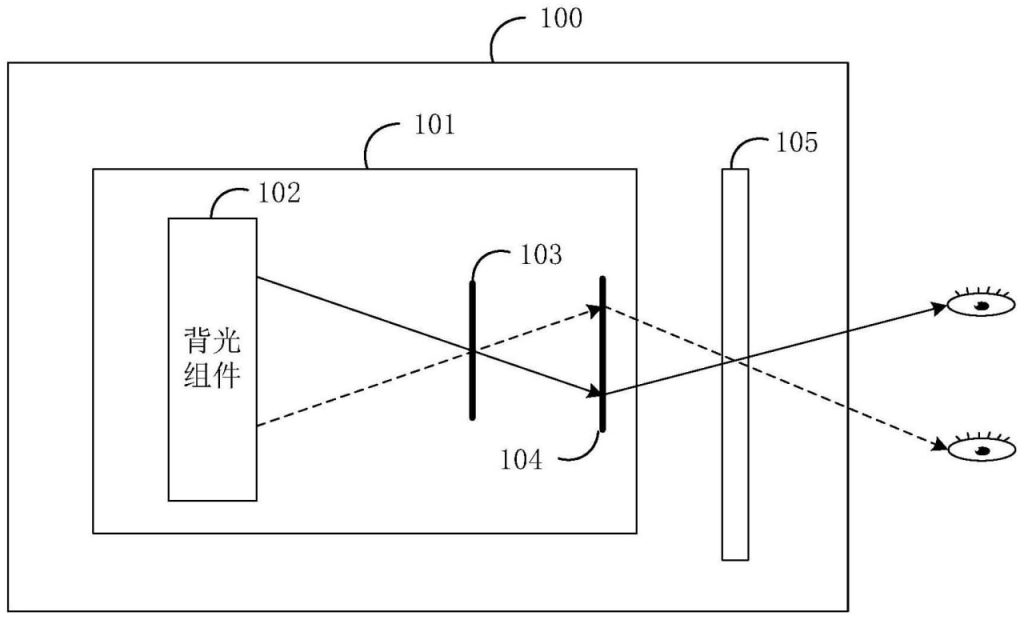
Stereographic projection is a technique that displays the angular properties of a plane-faced object on a single image. In this technique, both directions and planes may be depicted, and using a graphical technique, any desired angle can be measured directly from the projection itself. However, in stereoscopic projection, two images are projected at the same time, one for the left eye and the other for the right eye. This latest Huawei patent includes a backlight assembly, a spatial light modulator, and a diffuser screen that work together to project two images simultaneously, seen from the left and right eye, at 60 times per second.
The spatial light modulator can project two separate images to the diffusion screen at different angles. By sharing the same spatial light modulator, the cost of the stereoscopic projection system can be reduced, making it a cost-effective solution. The patent diagram indicates that this technology is mainly focused on stereoscopic projection systems and could be used for watching 3D projections, allowing consumers to experience 3D movies from the comfort of their own homes.
This exciting development from Huawei has the potential to bring a new level of experience for consumers, offering cost-effective and high-quality 3D projections. In the coming years, it is quite possible that we see a Huawei device with a stereoscopic projector.
Electric cars are continuously gaining popularity, leading to increased production capacities and reduced costs. Major manufacturers such as Volkswagen and Ford have taken advantage of this and have produced relatively affordable models. When this occurs, attention turns to Tesla, the first name that comes to mind when thinking about electric vehicles. So, will we see an affordable Tesla model in the near future? Here are the details…
As you know, Tesla is a publicly traded company and holds meetings with its shareholders at certain times of the year. The upcoming event is the “Tesla Investor Day” scheduled for March 1. Tesla may unveil a new low-cost EV platform at this event. During Tesla’s Q3 earnings call in October last year, CEO Elon Musk revealed that the new platform will be smaller in size than the Model 3/Model Y platform.
He also indicated that the company will work to reduce costs. This will be the third vehicle platform for Tesla, following the trajectory of its “Master Plan,” which aims to shift the company from high-cost/low-volume designs to low-cost/high-volume designs. The first platform was for the Model S and X, and the second platform is used for the Model 3 and Y. Unfortunately, there is no information about the expected affordable Tesla models. However, some analysts claim that these cars will start at $25,000.
So, if Tesla is indeed working on a low-cost car, why hasn’t any information been leaked yet? The answer is simple: the new model is likely still in the design and planning stage and there may still be a long time before it goes into production. As a comparison, Elon Musk introduced the CyberTruck in 2019 and started pre-orders, but the car has not yet been released. A similar situation may occur with these affordable models. We will see on March 1 whether all these gossips are true or not.
We use cookies on our website to give you the most relevant experience by remembering your preferences and repeat visits. By clicking “Accept”, you consent to the use of ALL the cookies.
This website uses cookies to improve your experience while you navigate through the website. Out of these, the cookies that are categorized as necessary are stored on your browser as they are essential for the working of basic functionalities of the website. We also use third-party cookies that help us analyze and understand how you use this website. These cookies will be stored in your browser only with your consent. You also have the option to opt-out of these cookies. But opting out of some of these cookies may affect your browsing experience.
Necessary cookies are absolutely essential for the website to function properly. This category only includes cookies that ensures basic functionalities and security features of the website. These cookies do not store any personal information.
Any cookies that may not be particularly necessary for the website to function and is used specifically to collect user personal data via analytics, ads, other embedded contents are termed as non-necessary cookies. It is mandatory to procure user consent prior to running these cookies on your website.