The iQOO Neo 7 was launched recently in China, followed by the Neo 7 SE and the Neo 7 Racing Edition. Now, the Vivo-owned is apparently gearing up to bring the Neo 7 to the Indian market. While there’s no official confirmation yet, a popular tipster says the smartphone will debut in the country in February. Here are the details.
Noted Tipster Mukul Sharma claims in an exclusive leak that the iQOO Neo 7 will be unveiled in India in mid-February. He didn’t reveal the exact launch date but said the smartphone will debut as a “solid mid-range offering”. Currently, there’s no official confirmation from the brand regarding the launch of the iQOO Neo 7.
Reports foretell that the Neo 7 launching in India will not be the same as the Chinese one. Instead, the company could take the iQOO Neo 7 SE and rebrand it as the Neo 7 for the Indian market, similar to what it did with the iQOO Neo 6. If this sounds confusing, that’s because it is.
To recall, the iQOO Neo 7 SE comes with a 6.78-inch AMOLED display with Full HD+ resolution, HDR10+ certification, and a centered punch-hole notch. The handset has an octa-core MediaTek Dimensity 8200 processor with a Mali G610 GPU. The SoC is accompanied by up to 12GB of LPDDR5 RAM and up to 512GB of UFS 3.1 storage.
The smartphone packs a 5000mAh battery and supports 120W fast charging. It has a triple camera unit on the rear with a 64MP primary camera, a 2MP depth sensor, and a 2MP macro lens. There’s a 16MP sensor on the front for selfies and video calls. The device has an in-display fingerprint scanner for security.
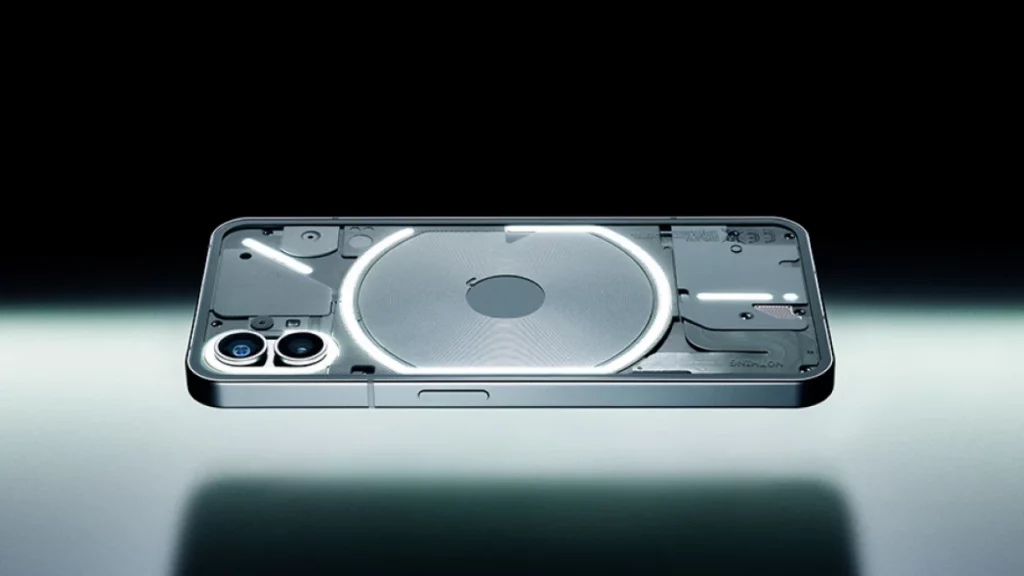
Nothing released its first beta version for Android 13 on December 15th with a variety of additions, including quicker loading speeds, a new Weather app, and many other improvements.
The update however faced an issue as some essential apps, like Google Pay, ceased to function for users since the OS had failed Google’s Safetynet API. Now, the brand has started rolling out Nothing OS 1.5.1 as part of the second beta test addressing the Safetynet API issue. Read the changelog below to know about all of the changes coming with the second beta.
Nothing OS 1.5.1 changelog
A brand new handcrafted glyph ringtone and notification soundpack of a slightly different style!
A new collection of minimalist wallpapers are now available in the customization menu on the homescreen.
Lockscreen shortcut customizations! Choose to display shortcuts for the camera, torch, device controls, and wallet.
Easily switch between data usage when using dual SIM with the improved network Quick Settings panel.
Smoother animation when transitioning the display between on and off (regardless if Always on Display status).
Improved the display auto-brightness algorithm.
The full Nothing X app will now be available in Nothing OS.
The pop-up view has been brought back with some interaction improvements.
Improved Camera app UI and animations. Improved battery life.
Increased system stability and bug fixes
This is an incremental update that will take up about 127 MB for the initial group of beta testers. Users who applied for beta testing in the past but were unable to receive the initial upgrade will also directly receive this update via OTA.
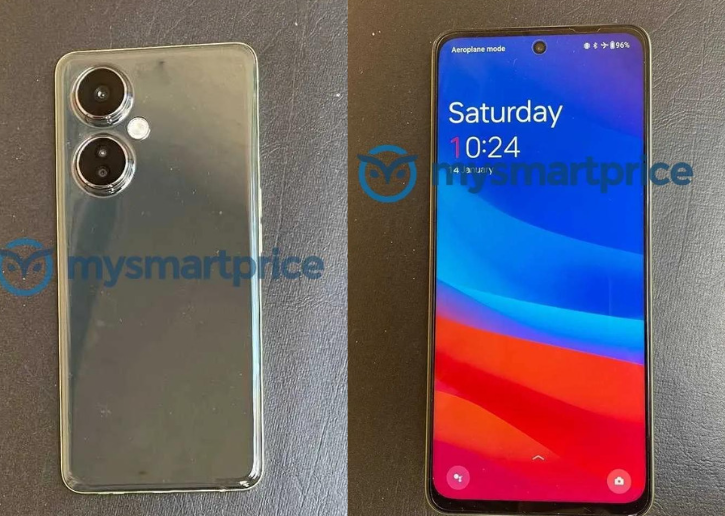
OnePlus is reportedly readying a new mid-range smartphone, called Nord CE 3. The handset is already said to be in the testing phase in India under the codename “Larry”. It could arrive sometime in the second quarter of this year. While we wait, a report has shared live images of the upcoming smartphone, revealing its design and a few other details.
The live images, shared by MySmartPrice, give us a good look at the phone’s design from all angles. As can be seen in the images, the OnePlus Nord CE 3 features a glossy back panel with two large circular rings for the triple-camera unit. The sides have a green accent with the right one featuring a power button, which doubles as a fingerprint scanner.
The front is business as usual. There’s a flat display with slightly thick bezels and a hole-punch cutout for the front camera. On the bottom, the phone has a rare 3.5mm headphone jack and a speaker grille.
Previous reports have already revealed the specifications of the forthcoming OnePlus device. The smartphone could arrive with a 6.7-inch Full HD+ IPS LCD with 120Hz refresh rate support. The panel may house a 16MP front camera. Under the hood, the handset is rumored to be equipped with the Snapdragon 695 SoC, which will be paired with 8GB/12GB RAM and up to 256GB of internal storage.
For photography, the OnePlus Nord CE 3 will boast a 108MP main camera as well as two 2MP depth and macro sensors. There’s no ultrawide camera, which is a bit of a letdown. The handset could draw power from a 5000mAh battery with support for 67W fast charging.
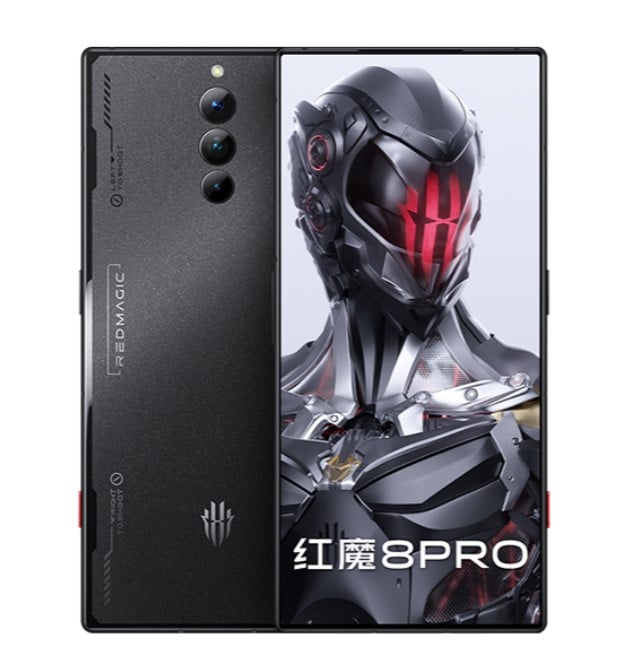
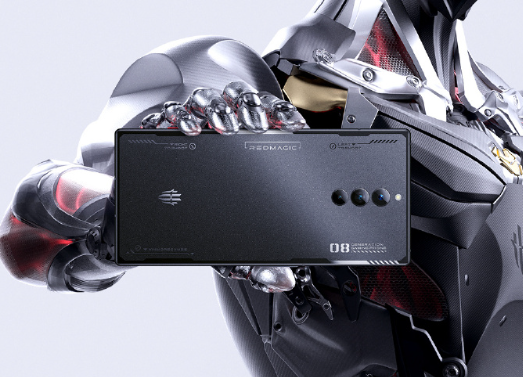
Last month, the Red Magic 8 Pro series of flagship gaming smartphones were launched in China. The series consists of two devices – Red Magic 8 Pro and Red Magic 8 Pro+. Now, the brand has announced the arrival of the Red Magic 8 Pro to the global market.
While it appears that the global market is not getting the top-end Red Magic 8 Pro+, the Red Magic 8 Pro that’s launching outside of China on January 16 will also lack a key feature. The official teaser of the device confirms that the Red Magic 8 Pro global variant will feature 65W fast charging. To recall, the Chinese variant of the same device comes with 80W fast charging support. The battery, however, will have the same 6,000mAh capacity. It remains to be seen if the brand has chosen to change up any other specifications for the global market.
Red Magic 8 Pro specs
The Red Magic 8 Pro which is already available in China is powered by a Qualcomm Snapdragon 8 Gen 2 chipset. It is paired with up to 12GB of RAM and up to 256GB of internal storage.
It sports a 6.8-inch OLED display offering 2480 x 1116 pixel resolution and 120Hz refresh rate. Additionally, the devices include ultra linear dual stereo speakers that support 48 ms low latency, 96 kHz lossless music, and Snapdragon sound.
A 50-megapixel primary sensor, an 8-megapixel ultra-wide angle lens, and a megapixel macro sensor make up the device’s triple camera setup on the back. An under-display 16-megapixel selfie camera is located on the front.
The Red Magic 8 Pro’s big 6,000mAh battery pack supports 80W rapid charging and, according to the manufacturer, can provide a substantial 47 hours of battery life. The gadget comes pre-installed with Red Magic OS 6.0, a custom skin based on Android 13 OS.
China will soon usher in its new year, precisely on January 22, and this year 2023 is known as the Year of the Rabbit. Many mobile phone manufacturers have, in recent times, launched limited-edition products for the Year of the Rabbit in order to cater to domestic consumers. Only recently, US tech giant Apple launched a new AirPods Pro “Year of the Rabbit” special edition. The company has now silently listed another custom product on its China website.
The new product is a limited edition protective case for the Year of the Rabbit. The protective case is said to be suitable for the iPhone 14 series models which include the iPhone 14 Pro, iPhone 14 Pro Max, iPhone 14 Plus, and the vanilla iPhone 14. According to the official website, the protective case celebrates the arrival of the Year of the Rabbit with an exclusive design, using traditional red and gold with a rabbit pattern, symbolizing a safe and smooth new year. The slim case fits seamlessly with MagSafe chargers and accessories.
At present, this Year of the Rabbit limited edition protective case is listed on the official website of Apple China. The protective case carries a retail price tag of 398 yuan ($59). The current official website shows that the iPhone 14 and iPhone 14 Plus models of the protective case are available, while the iPhone 14 Pro and iPhone 14 Pro Max models are sold out.
The launch of the AirPods Pro Year of the Rabbit special edition and now, this Year of the Rabbit-themed protective cases for the iPhone 14 series are indications that Apple is hoping to build on its recent successes in the Chinese market.
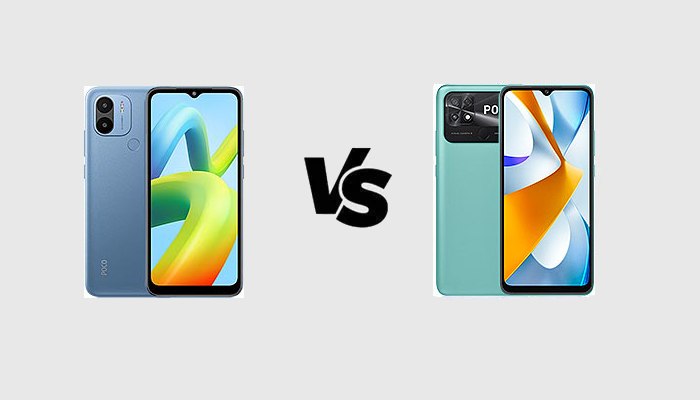
The Xiaomi sub-brand announced its first phone of 2023. A few days ago, the new POCO C50 went official. It is an entry-level from the most affordable lineup of the brand and it comes with low-end specifications, but also with a big battery and a recent Android version. Earlier last year, its predecessor made its debut too: the POCO C40. In a world where new phones are not always better than older ones, it became harder to understand which device to choose. Is the new POCO C50 really better than the POCO C40 or it is better to opt for the older model? We will try to answer this question through this specs comparison between the latest entry-level phones from the brand.
Dual 13 + 2 MP, f/2.2 + f/2.4
5 MP f/2.2 front camera
BATTERY
5000 mAh
6000 mAh, fast charging 18W
ADDITIONAL FEATURES
Dual SIM slot, dust and splash resistant
Dual SIM slot, dust and splash resistant
Design
There is an important change in the design between the POCO C40 and the POCO C50. The latter comes with a rear design similar to the one of the Xiaomi 11 series, while the former is definitely uglier due to its big camera module painted in black. Further, the C50 has more compact dimensions thanks to the presence of a smaller display and a smaller battery. I think you understood which one is the best. Both phones are dust resistant and splash resistant, but they do not have any IP certification. They come with pretty thick bezels around the display and a waterdrop notch, and their fingerprint readers are placed on the rear side like very old phones.
Display
The specifications of the displays found on these two phones are more or less the same. The only different thing is the diagonal. The POCO C40 has a bigger display with a diagonal of 6.71 inches, while the POCO C50 has a smaller panel with 6.52 inches. For the rest, they are pretty much the same. We are talking about two IPS LCD panels with an HD+ resolution and a brightness of 400 nits. It is not an insufficient display, but it is a low-end display with a low level of detail and not very realistic colors. It is sufficient for everyone, but nothing special. The display is protected by Gorilla Glass and it does not include a fingerprint reader as it is placed on the rear side of the phone. The handsets include a mono speaker, as well as a 3.5 mm audio jack for wired earphones.
Hardware/Software
Even though it is an older device, the POCO C40 has a superior hardware department. First of all, it comes with a better SoC, even though it is an unknown processor released by an unknown chipmaker. We are talking about the JLQ JR510 chipset built with an 11 nm production process and sporting an octa-core architecture composed of four Cortex A55 CPUs running at a max frequency of 2 GHz, four Cortex A55 CPUs running at a max frequency of 1.5 GHz, and a Mali G57 MC1 GPU. The chipset is paired with up to 4 GB of RAM and up to 64 GB of native storage expandable with a micro SD slot. The POCO C50 has an inferior MediaTek Helio A22 chipset built at 12 nm and running at a max frequency of 2 GHz. It has a quad-core architecture composed of four Cortex A53 CPUs running at 2 GHz and a PowerVR GE8320 GPU. Alongside the chipset, there are up to 3 GB of RAM and up to 32 GB of native storage. Note that the POCO C50 runs Android 12 out of the box (Go Edition), while the C40 is based on Android 11.
Camera
The POCO C40 is equipped with better rear cameras. It has a dual camera setup composed of a 13 MP main shooter and a 2 MP depth sensor. With the POCO C50, you actually get a very disappointing 8 MP main shooter and an even more disappointing depth sensor with less than 1 MP of resolution. Both phones come with the same 5 MP selfie snapper.
Battery
The POCO C40 wins the battery comparison because it is equipped with a bigger 6000 mAh battery: one of the biggest batteries this year. It even supports 18W fast charging, while the POCO C50 has no fast charging support.
Xiaomi POCO C50 vs Xiaomi POCO C40: Price
The starting price of the POCO C50 roughly translates into $87/€80, while the POCO C40 begins at $139/€128. The C40 wins the comparison.
Chinese smartwatch manufacturer Mobvoi has introduced a new platform for creating and sharing smartwatch faces. The TicWatch maker is introducing its own watch face marketplace alongside the platform. TicWatch users will get an opportunity to create and share unique watch face designs using the platform.
Mobvoi has an impressive collection of Android smartwatches. However, the TicWatch lineup does not offer as many customization options as Samsung or Google, for example. The Samsung Galaxy Watch lineup and the Google Pixel Watch models provide several customization options. This goes beyond your choices of strap, size, and color.
The Mobvoi TimeShow app is a marketplace for watch faces for Wear OS and watchOS smartwatches. You can tinker with various aspects of your smartwatch including its display, health and exercise data, dynamic photos, and lots more.
The TimeShow app also allows the user to create free watch faces, as well as paid designs. You can pick from interactive games as well as settle for a traditional watch face. Both classic and modern design options are available in the marketplace according to your preference. An additional layer of customization is achieved through your choice of fonts and effects. You can also tailor your customization around your choice of widgets.
Mobvoi says that the app will introduce new watch faces every week, while the DIY site will also contribute to the expanding catalog. A user can create a watch face via the DIY site and share it on the app’s marketplace. Mobvoi plans to scale up the platform in the future so that watch face designers could earn from their designs. It plans to put in place a revenue-sharing arrangement for this. The marketplace will be open to WearOS and watchOS smartwatches outside the TicWatch ecosystem. The TimeShow app is available for download from both Google Play Store and the App Store.
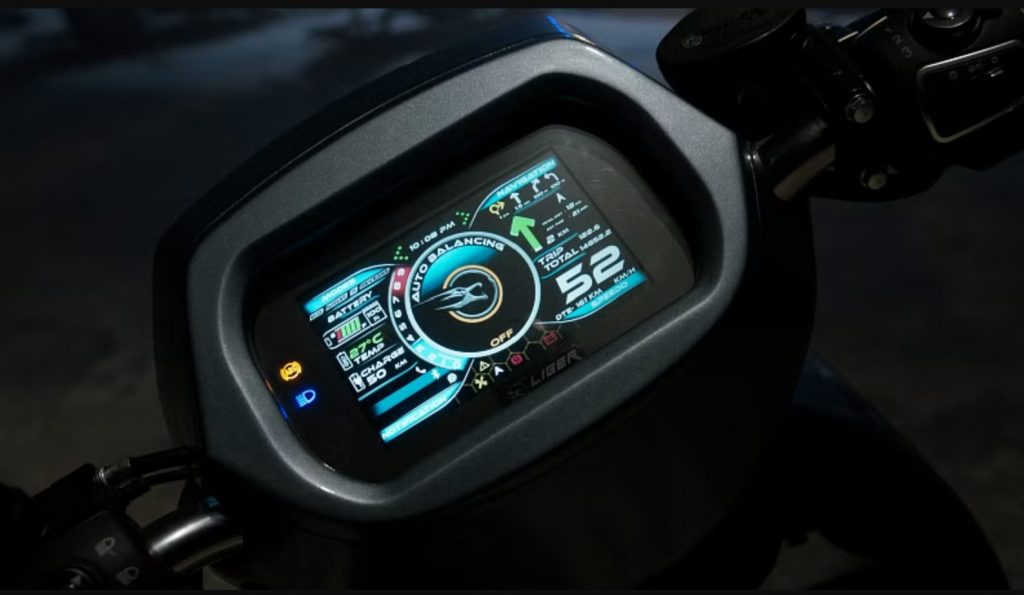
The Liger X and Liger X+ electric scooters are the world’s first self-balancing e-scooters. The two models were showcased during the Auto Expo 2023 in India and their specs sheets are out. These models are among the major highlights of this year’s flagship motor show in India.
The Liger X and X+ e-scooters are among the most unique models showcased during this year’s motor show. The lineup of manufacturers at the event included Honda, Tata, Hyundai, Suzuki, Kia, and several e-scooter makers. Liger Mobility claims that the two e-scooters are the first-ever self-balancing e-scooters. The Faster Adoption and Manufacturing of Electric vehicles (FAME II) is applicable to the two models. Up to 40% subsidy is available through the FAME II subsidy regime.
There are lots of interesting technical details needed for the e-scooters. The exact specifications of the models are still under wraps. Both models, however, have a top speed of 65km/h with a range between 60km and 100km.
The two Liger Mobility e-scooters will have liquid-cooled lithium-ion battery packs for the hot Indian environment. The battery capacities of the two models have not been specified yet. However, the Liger X will have a detachable battery that can be fully charged in 3 hours. The Liger X+ has a non-detachable battery pack that can be fully charged in 4.5 hours. There are faster-charging options that will be available.
Some highlights of the Liger X and X+ electric scooters are OTA software updates, a reverse button, and a learner mode, amongst others. The Liger X+ has turn-by-turn navigation functionality, in addition to 4G and GPS functionalities. The Liger X+ is the more expensive of the duo while the Liger X retails for Rs. 90,000 (~$1,108) (ex-showroom).
The new OnePlus 11 is here and it brings the new Snapdragon 8 Gen 2 processor with itself. It is already up for sale in China and will be launched in the international market on February 7. Ahead of its formal debut, the global version of the OnePlus 11 has appeared on the Geekbench website. Here are the details.
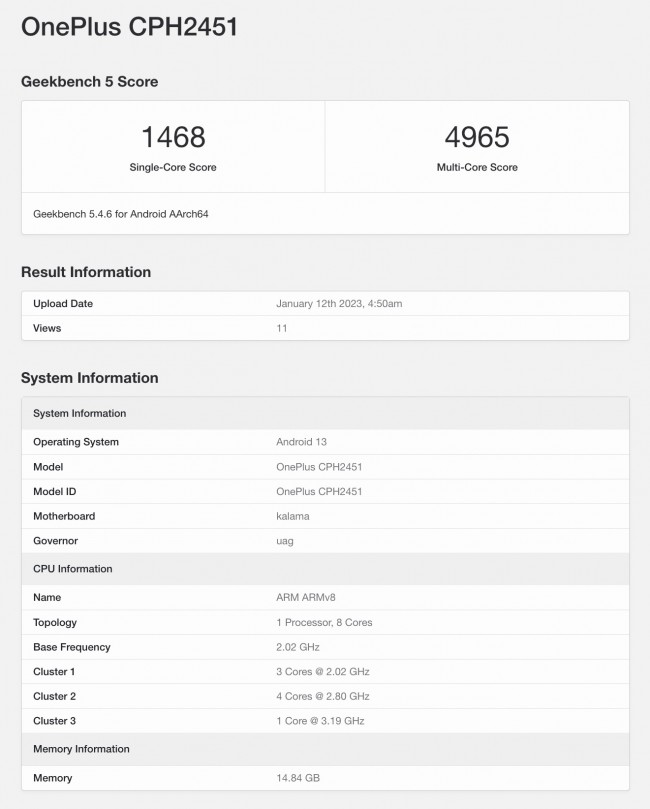
A new OnePlus smartphone has been spotted on the Geekbench benchmarking site with model number CPH2451. This is said to be the global version of the OnePlus 11. The Chinese version of the handset has the model number PBH110. The device is listed with Snapdragon 8 Gen 2 chipset and up to 16GB RAM.
The handset managed to get impressive 1,468 single-core points and a 4,965 multi-core score on the benchmark. Geekbench reveals the smartphone will run Android 13 which will likely be overlaid by OxygenOS 13 instead of the Color OS 13 found on the Chinese model.
As the smartphone has already launched in China, we know all about its specifications. The OnePlus 11 features a 6.7-inch E4 AMOLED LTPO 3.0 display that offers a Quad HD+ resolution, up to 120Hz refresh rate, up to 1,300 nits of brightness, and an under-display fingerprint scanner. Under the hood, it is powered by Qualcomm’s latest and greatest Snapdragon 8 Gen 2, paired with LPDDR5x RAM and UFS 4.0 storage. It packs a 5,000mAh battery with support for 100W charging.
The handset gets a 16-megapixel front-facing camera. On the back, there’s a 50-megapixel primary camera with OIS support, a 48-megapixel ultra-wide lens, and a 32-megapixel telephoto camera with 2x optical zoom.
We have already published a detailed review of the OnePlus 11. You may check it out. In case you don’t feel like reading, we have a video review as well. It’s embedded below.
There won’t be many smartphone launches next week either. As of writing this article, only two brands have confirmed new releases — Oppo and Samsung.
These two companies will debut three handsets together. The South Korean tech giant will unveil two devices, while the Chinese brand will announce a single phone.
All of these smartphones are already official in some markets. They are merely heading to a new and important market: India.
With that out of the way, let’s take a look at these phones.
Upcoming Smartphones Next Week
Oppo A78 5G
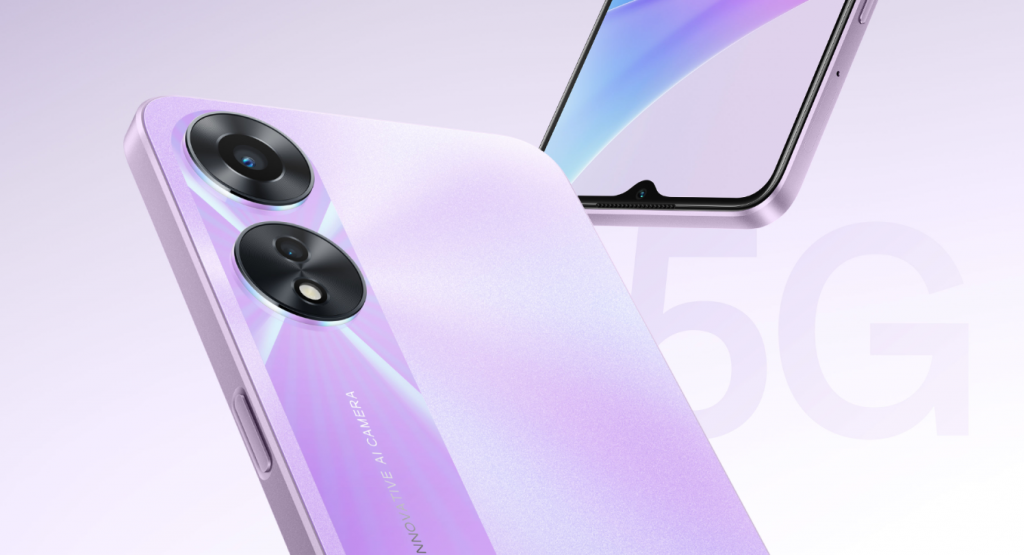
The Oppo A78 5G is set to launch in India on January 16. Since the device has already been released in Southeast Asia, we know everything about it.
Oppo A78 5G
The handset comes with a 6.56-inch HD+ 90Hz display (LCD), a MediaTek Dimensity 700 SoC, a 50MP rear camera, an 8MP front-facing camera, dual stereo speakers, a side-mounted fingerprint sensor, a 5,000mAh battery, and 33W fast wired charging support.
The phone is expected to cost under ₹20,000 in the country.
Samsung Galaxy A23 5G and Galaxy A14 5G
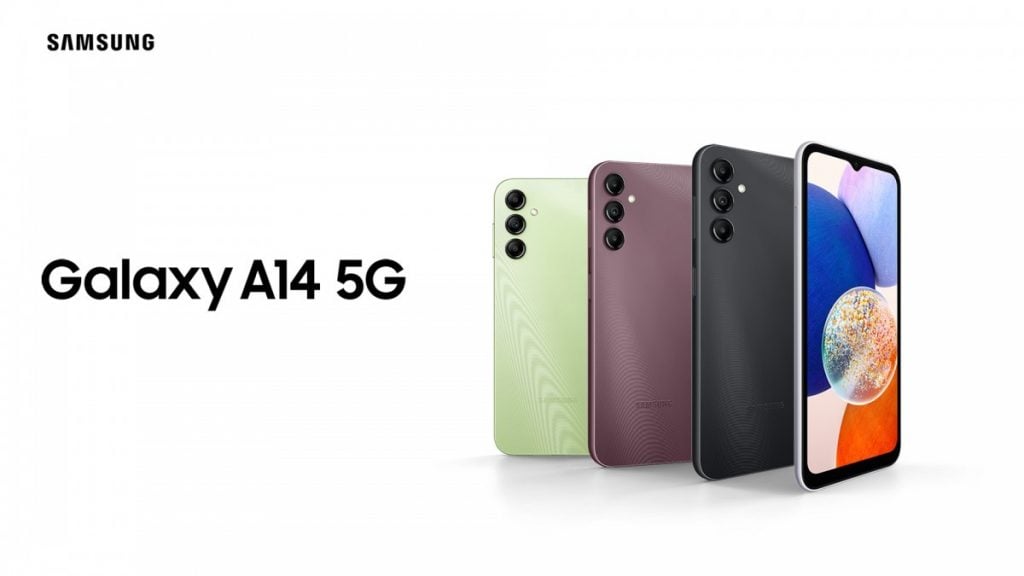
Samsung has confirmed to debut Galaxy A23 5G and Galaxy A14 5G in India on January 18. The former is on sale in multiple countries for months, whereas the latter was announced just last week.
Samsung Galaxy A14 5G
Both devices arrive with a 6.6-inch FHD+ display (LCD), a 50MP primary camera, a side-mounted fingerprint sensor, and a 5,000mAh battery. However, the A23 5G offers a 120Hz refresh rate, a Qualcomm Snapdragon 695 SoC, and 25W fast charging support.
On the other hand, the A14 5G comes with a 90Hz refresh rate, a MediaTek Dimensity 700 or an Exynos 1330 chip (varies by market), and 15W charging support.
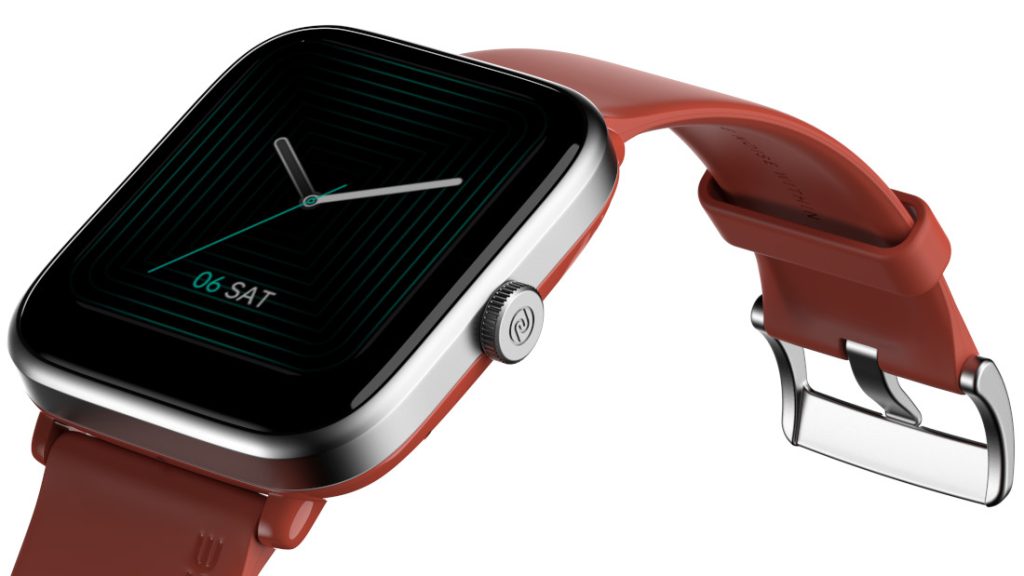
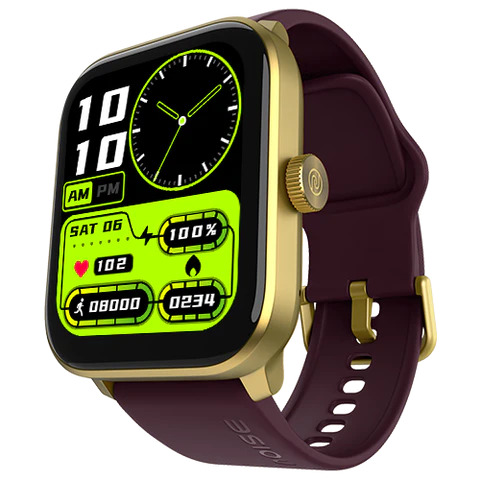
Indian smartwatch maker Noise last month unveiled the ColorFit Pro 4 Alpha smartwatch. Less than a month later, the company has launched a new model for its home market dubbed ColorFit Pro 4 GPS. The smartwatch is billed to go on sale in India on January 14th.
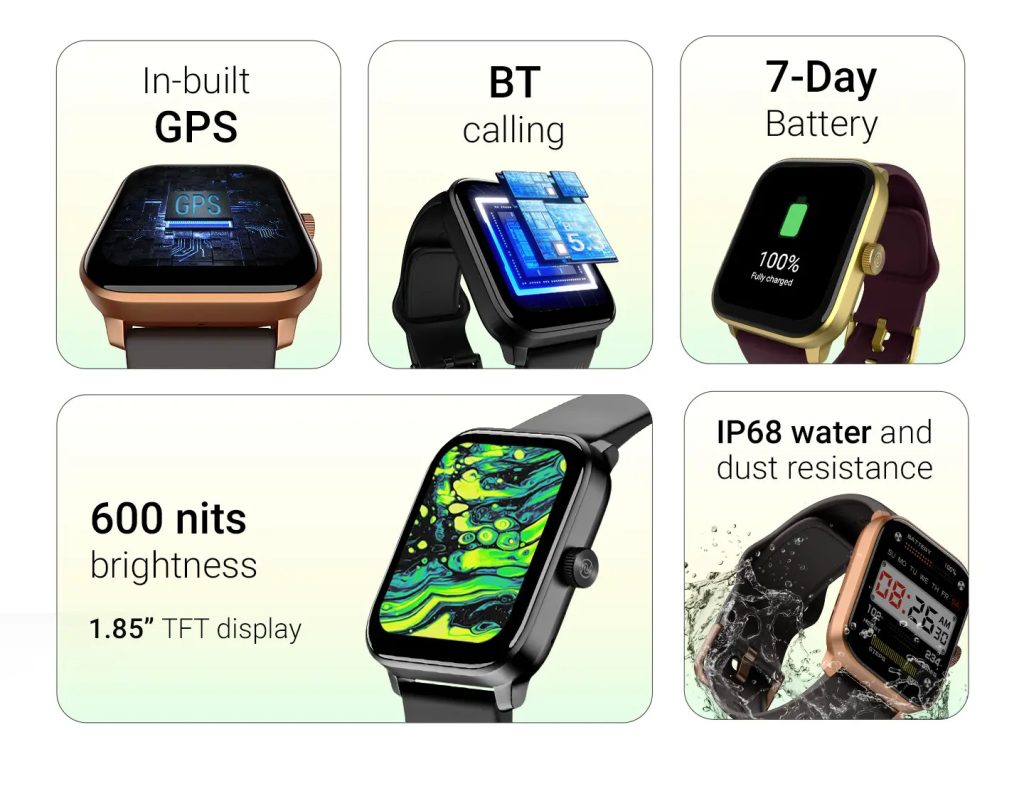
The Noise ColorFit Pro 4 GPS shares the same design style as the ColorFit Pro 4 Alpha with its square dial and pronounced knob that spews the vibes of the Apple Watch. The watch features a 1.85-inch TFT LCD screen with a resolution of 240 x 284 pixels and a peak brightness of 600 nits. This is a downgrade, sort of, from the AMOLED screen on the ColorFit Pro 4 Alpha but you get GPS onboard this cheaper model. Users also get up to 150 custom watch faces that allow them to personalize their user experience.
The smartwatch is equipped with Noise Tru Sync technology that speeds up pairing and Bluetooth calling and also helps reduce power consumption. There is also a Noise Health Suite onboard bringing tracking features such as 24×7 heart rate monitoring, SpO2 measurement, sleep tracking, and stress management. Noise also included a female cycle tracker on this model.
Other impressive features onboard the ColorFit Pro 4 GPS include a built-in calculator, notification display, weather and stock updates, music control, reminders, camera control, smart DND, quick reply, and others. The watch is equipped with 100 sports modes and has IP68-level water and dust resistance. The watch crams a 250mAh battery under the hood which delivers up to 7 days of battery life.
As for the price, the Noise ColorFit Pro 4 GPS is priced at Rs. 2,999 ($37) and comes in Charcoal Black, Deep Wine, Mint Green, Silver Grey, Sunset Orange, Teal Blue, Rose Pink, and Midnight Blue colors. The smartwatch will be sold via gonoise.com and Amazon.in.
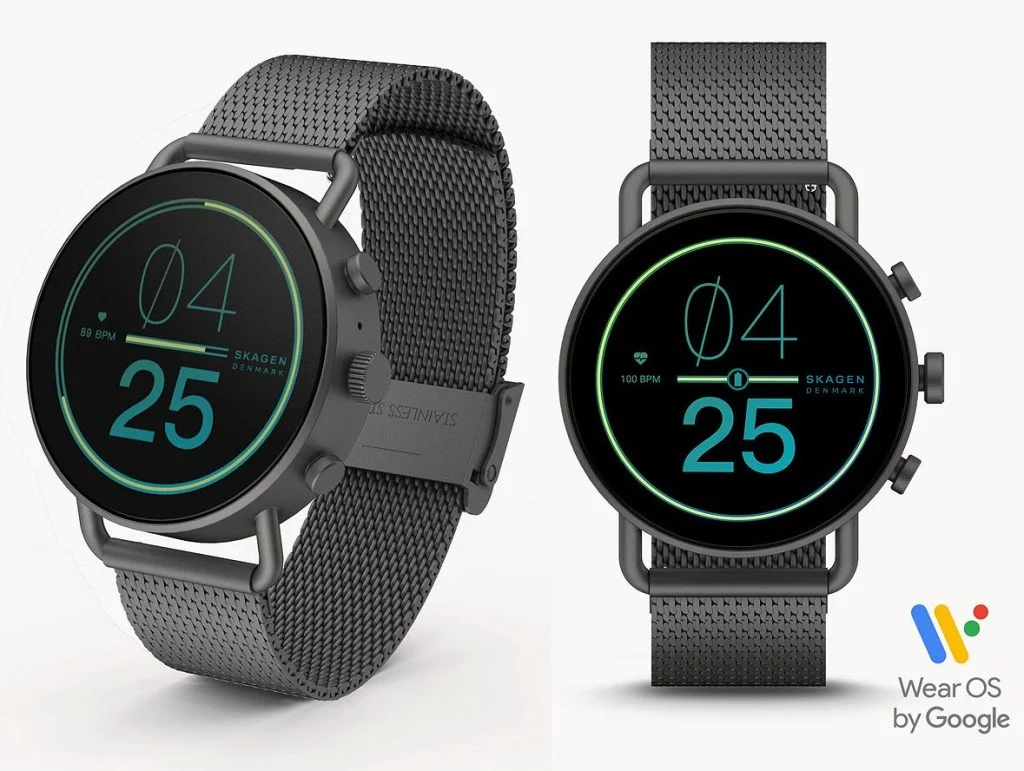
Good things take time. It seems Fossil took this saying very seriously when it came to releasing the latest Wear OS update to the 2022’s Skagen Falster Gen 6 smartwatch. The wearable, launched during CES last year, is finally receiving the Wear OS 3 update. The company was supposed to release the software sometime in 2022 but it missed the deadline.
According to the users on Reddit, Fossil’s Skagen Falster Gen 6 is now receiving the Wear OS 3 update. A user posted an image of the update arriving to the smartwatch and shared that it looks a lot like stock Wear OS 3 with fewer Skagen watch faces and no Pixel Watch faces. Another user reported that only 8 Skagen watch faces are available.
Others report that some features are missing. For instance, Google Assistant is not an option on the watch, but Amazon’s Alexa is available at your service. This is apparently due to some hardware limitations of Wear OS 3. As of now, Google Assistant is only compatible with Wear OS 3 watches featuring Samsung’s Exynos chipsets
Overall, the users on Reddit suggest that the update runs pretty well, with some saying that the UI feels smoother and quicker. The watch is reported to require more time when booting up, however, there seems to be no noticeable difference in battery life. Connectivity and app options are also said to have improved on iOS.
Before you proceed to update your Skagen Falster Gen 6, note that all user data on the wearable will be deleted, and you’ll need to set up the watch with the new Skagen companion app.
Tecno has been in the news recently for its latest Phantom X2 series, which debuts with an appealing design that is unlike any other smartphone in the market. The Phantom X2 Pro also features the world’s first retractable 50-megapixel portrait camera. Although the flagship lineup has gained some popularity around the globe, budget smartphones are still the brand’s biggest seller. And it seems the Chinese company has a new affordable smartphone in the works, dubbed Tecno Spark Go 2022.
A new Tecno smartphone called the Spark Go 2023 has been spotted on the Indonesia Telecom website. The “Go” in the moniker of the smartphone suggests it could debut as a budget smartphone. The listing did not reveal any specifications of the smartphone but hints at an imminent launch in Indonesia as well as other markets.
The Tecno Spark series is quite popular among buyers who are looking for a value-for-money smartphone. The lineup includes devices like Tecno Spark 9 Pro, Spark 9, Spark 9T, and more. The company also makes flagship smartphones under the Phantom series.
In related news, Tecno is reportedly planning to launch the premium Phantom X2 Pro in India by the end of this month. As mentioned, the smartphone comes with a unique design and features a retractable portrait camera. The pre-booking for the handset will begin on January 17 through Amazon.
The handset is powered by the Dimensity 9000 chipset, paired with 8 GB of RAM, and 256 GB of storage. It has a 6.8-inch AMOLED FHD+ curved-edge display with a 120Hz refresh rate. The handset packs a 5,160mAh battery with 45W fast charging.
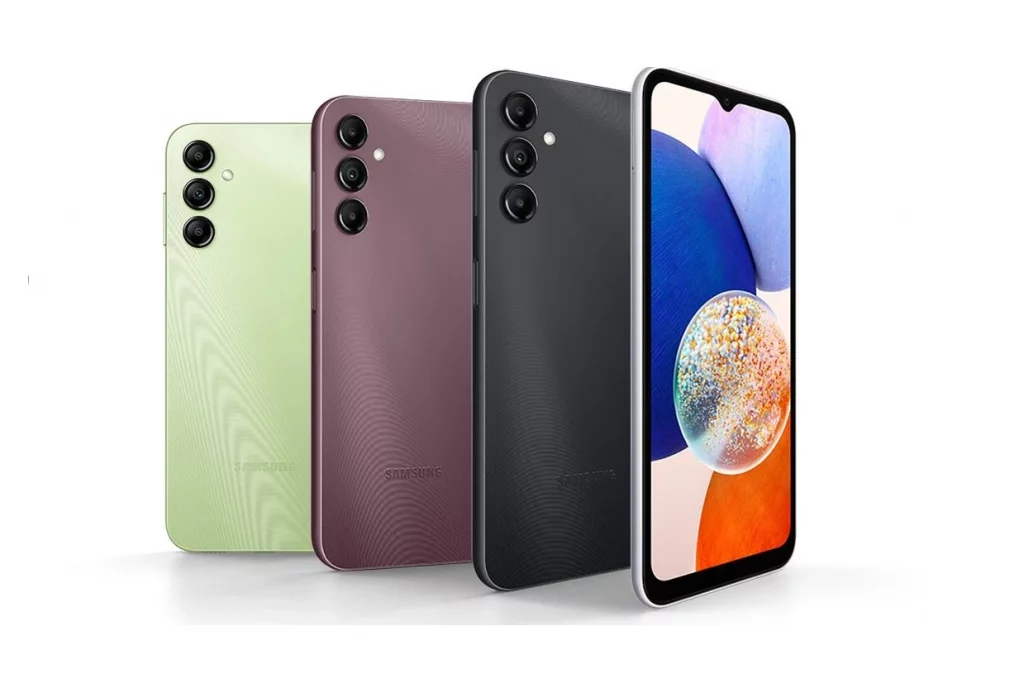
Samsung has followed up the unveiling of the Galaxy A14 during the just-concluded CES 2023. The South Korean tech powerhouse has now released the entry-level Samsung Galaxy A14 into the US market. This kickstarts a lineup of product releases this year that includes the Galaxy S23 and A54. The Samsung Galaxy A54 (and possibly A34) will be launched later this month while the S23 series will debut on February 1.
The Samsung Galaxy A14 is an entry-level smartphone and it is available in the US directly via Samsung’s online store. It comes unlocked and has basic specifications. It has a 6.6-inch 1080 x 2480 pixel LCD screen with a 90Hz refresh rate. The MediaTek Dimensity 700 chipset powers the smartphone with a 4GB/ 64GB RAM/ storage configuration. The A14’s storage is expandable via SSD and a side-mounted fingerprint scanner is embedded in the power button.
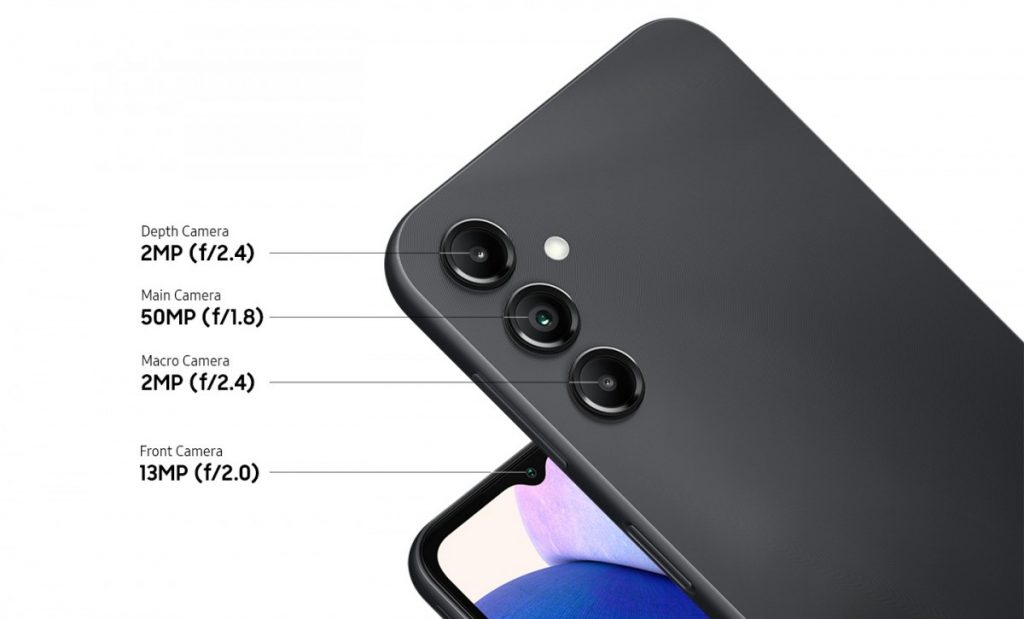
The Galaxy A14 has a 5,000mAh battery but it’s unclear how long it lasts. The charging architecture and charging speed for the device is not known at this time. The A14 has a 50MP main sensor, a 2MP macro, a 2MP depth, and a 13MP selfie camera. It comes with Android 13 out of the box and One UI 5 Core. The One UI 5 is Samsung’s skin for budget offerings. It lacks some features that could slow down the smartphone’s operation.
The Samsung Galaxy A14 will retail in the US for $199.99. Samsung only released the Galaxy A14 in a black colorway. The model could be subsequently available in other markets. The focus will however shift to the lineup of Samsung Galaxy models that will be released next week and in February.
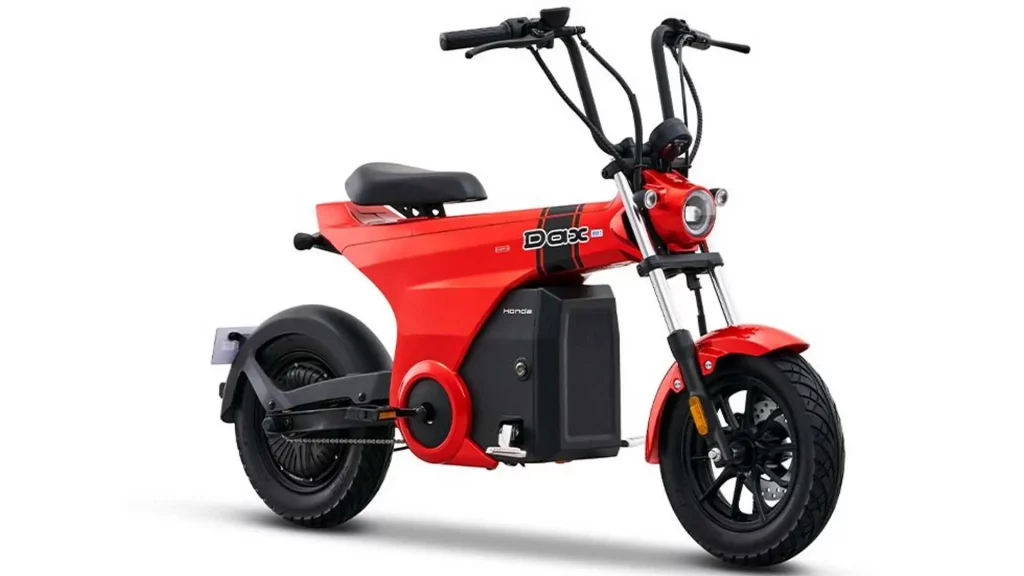
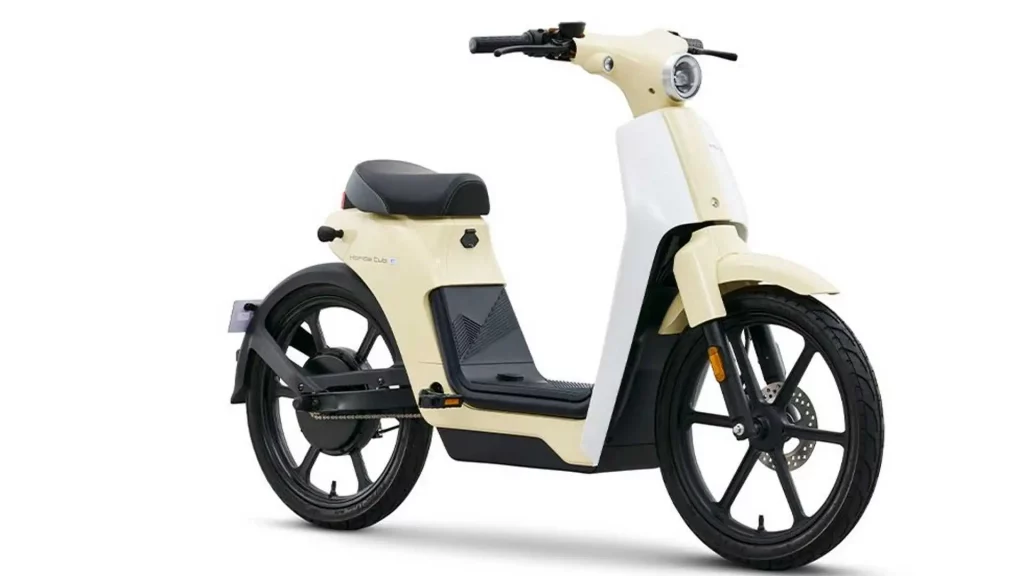
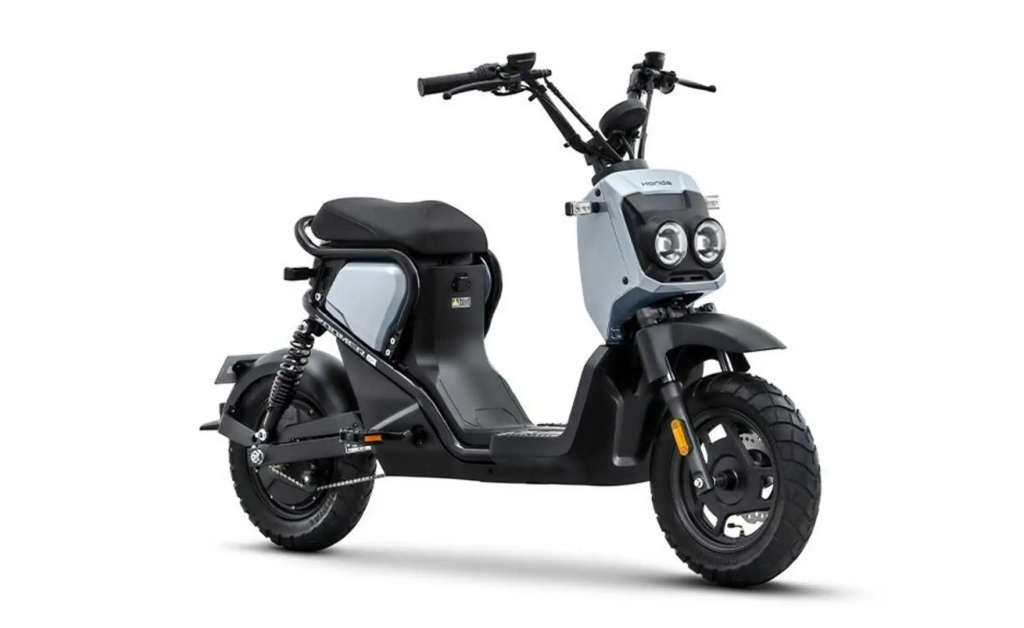
Honda has released three new electric scooters in China. The three models are the electric version of the Dax, Cub, and Zoomer motorbikes. They join a growing collection of sustainability-focused EVs being released by Honda. Honda says the new models target the youthful population.
Honda continues to expand its EV portfolio both in terms of two-wheelers and four-wheelers. The Japanese auto giant has been in the two-wheeler industry for decades but is gradually embracing electric technology. It plans to release ten new electric motorbikes by 2025 although that’s a huge plan. The company has based its new e-scooter lineup on previous gas-powered motorbikes. The pedal-assisted versions of the Honda Dax, Cub, and Zoomer are now in the Chinese market.
The models bear the moniker of their gas-powered siblings. The three electric bikes are the Club e, Dax e, and Zoomer e. The three models have been highly successful small displacement scooters. The three new e-bikes have attractive and unique designs. They also bear some semblance to the S07 and the Muji x Honda e-bike.
The classification category of the new Honda e-bikes in China is Electric Bicycles (EB). Thus, their speeds will be limited to 25km/h. Honda says the new electric bikes will appeal to the needs of Generation Z with their features and design.
The prices of the models, although yet to be released, are expected to be competitive. Their EB categorization also means that the bikes will not need a license for their operation. Since there are restrictions on the age of obtaining a driver’s license, younger riders could use the bike.
There are few technical details known about the three new Honda e-scooters. There are no pricing and global availability details as well.
Realme Pad (review) was launched in India way back in 2021. It was available in 3GB + 32GB and 4GB + 64GB RAM and storage configurations. Now the brand has announced the tablet in a new variant with higher RAM and storage space. Read on to know more about it below.
The Realme Pad is now available in 6GB RAM and 128GB storage option. It is offered in WiFi + LTE version as well as in Real Gold and Real Grey colours. The tablet carries a price tag of Rs 19,999 and is up for sale and can be purchased from Amazon and Realme’s official website. On the other hand, to jog your memory, the 3GB + 32GB WiFi-only and WiFi+LTE versions are available at Rs 13,999 and Rs 15,999 respectively whereas the 4GB + 64GB option costs Rs 17,999.
Apart from the new RAM and storage configuration, the rest of the Realme Pad’s specifications remain the same. The device packs a 10.4-inch screen bearing a WUXGA resolution and an 82.5 percent screen-to-body ratio. It is equipped with quad stereo speakers tuned by Dolby Atmos. The tablet has an 8MP rear camera as well as an 8MP front snapper.
Internally, the Realme Pad is equipped with a MediaTek Helio G80 processor. It packs up to 6GB RAM and 128GB onboard storage expandable up to 1TB via a microSD card slot. The tablet draws its power from a 7,100mAh battery unit with support for 18W charging and reverse charging. It ships with Android 11 out of the box.
Fire Boltt has been launching a slew of new devices in India in recent weeks. Now the homegrown brand has announced a second Apple Watch Ultra lookalike called the Fire Boltt Supernova. Notably, the company had launched the Fire Boltt Gladiator last month. Read on to know what the newest smartwatch from the company offers out of the box.
The Fire Boltt Supernova sports a square dial with a metallic unibody and a functional rotating crown. There is also a physical button on the right side. The device is IP67-certified water-resistant. The smartwatch features a 1.78-inch AMOLED screen bearing a resolution of 368 x 448 pixels and 500 nits peak brightness. There is an Always-on display mode, 8 UI styles, and customisable watch faces.
In terms of fitness, the Fire Boltt Supernova is equipped with a heart rate tracker, SpO2 sensor, and sleep monitor. The wearable device is capable of tracking more than 123 sports modes and also comes with hydration reminders.
The Fire Boltt Supernova comes with a built-in mic and speaker for hands-free Bluetooth calling with call history, quick dial pad and sync contacts option. There is support for voice assistant. The smartwatch also packs inbuilt games and features like notifications display, weather updates, camera and music control, and more. The device is claimed to offer 5 days of battery life.
The Fire Boltt Supernova carries a price tag of Rs 3,499 and can be purchased from the brand’s website as well as Flipkart. It is offered in Black, Blue, Yellow, Orange, Light Gold, and Gold Black colours.
Samsung is set to launch the Galaxy A23 5G smartphone on January 18th. The South Koren brand will announce the Galaxy A14 5G also at the same event. Now, the variants and pricing details of the upcoming Galaxy A23 5G has surfaced online. The information has been shared by tipster Abhishek Yadav. Previously, the price of the Galaxy A14 5G was leaked ahead of launch.
As per Yadav, the Samsung Galaxy A23 5G will be available in 6GB + 128GB and 8GB + 128GB RAM and storage configurations. The former will cost Rs 23,999 whereas the latter will carry a price tag of Rs 25,999. We can expect various launch offers that could bring down the purchase price of the smartphone. If the upcoming offering falls under the sub-Rs 25,000 price bracket, it will compete against the likes of the Realme 10 Pro+ 5G, Redmi Note 12 Pro, and more in the market.
The Samsung Galaxy A23 5G has already debuted in the global market. So we expect the Indian variant to pack the same specifications. The smartphone features a 6.6-inch FHD+ 120Hz display with a waterdrop notch. It has a side-mounted fingerprint scanner and a rectangular rear camera module housing a 50MP primary sensor, 5MP ultra-wide-angle unit, and two 2MP lenses. Internally, the device is powered by a Snapdragon 695 SoC paired with up to 8GB RAM and 128GB storage. The smartphone is backed by a 5,000mAh cell with support for 25W fast charging.
In other news, the Galaxy A14 5G is tipped to start at Rs 16,499 for the base 4GB + 64GB model.
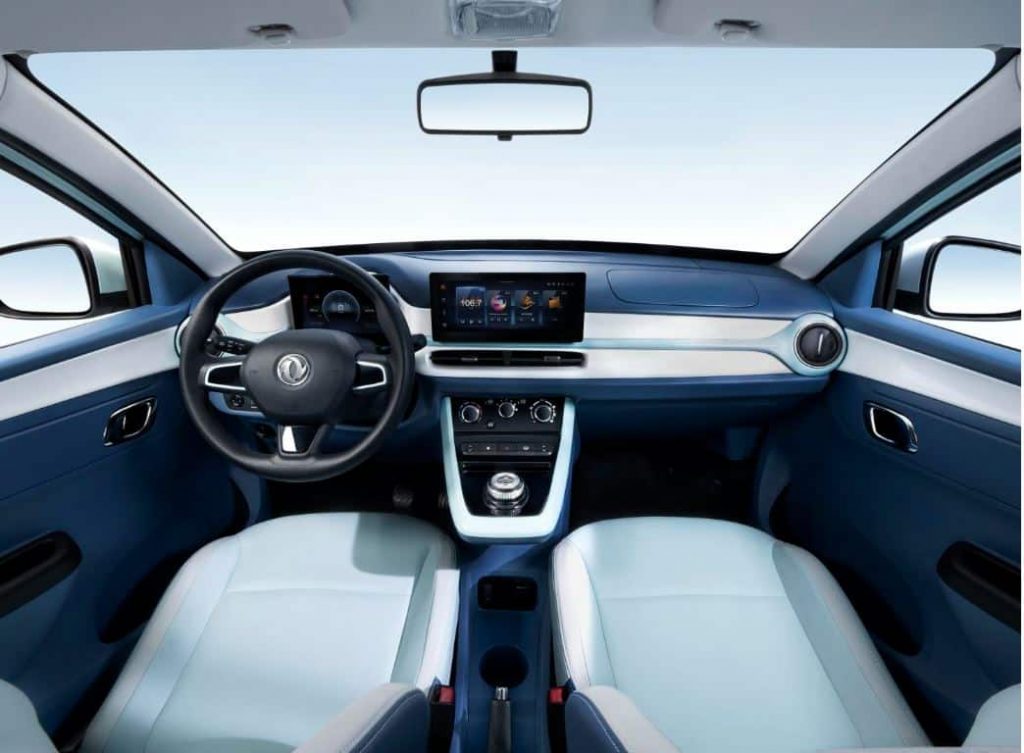
Recently, three new models of the Dongfeng Nano Box, a small pure electric SUV, were officially launched in China by Dongfeng EV. The Nano Box is a business unit under the Dongfeng Group that focuses on small pure electric vehicles and is currently building a new platform for small electric vehicles.
The car was originally developed by Renault, called the Renault Kwid, and the electric version is called the Renault City K-ZE. This car is made in China by Dongfeng-Renault and was exported to Europe as the Dacia Spring. Dongfeng’s own brands and sub-brands make other versions too, called the Dongfeng Aeolus EX1, Dongfeng Fengxing T1, Dongfeng Fengguang E1, the Venucia e30, and the Dongfeng Nano Box. All are made in the same factory.
The Nano Box has a round overall shape and measures 3732/1579/1515mm with a 2423mm wheelbase. The charging port is located in the front of the car. The interior of the Nano Box adopts a two-color design that is similar to the exterior. The car comes with a 7-inch instrument panel and a 10-inch central control screen. The car is connected to an app which provides features like remote door control, remote air conditioning control, vehicle positioning/car search, charging management, and vehicle condition inquiry/diagnosis. The seat material is made of fake leather.
The Nano Box is equipped with a front motor that outputs 33 kW and 125 Nm. Dongfeng claims the car’s official 0-50 km/h acceleration time is 6 seconds. The battery is a lithium iron phosphate battery from CATL with a capacity of 15.97kWh, achieving a CLTC pure electric cruising range of 201km. The entry-level model only supports slow charging which takes 3 hours to achieve a full charge, the other two models support fast charging which takes only 0.53 hours to achieve a full charge.
In the next 5 years, Dongfeng EV plans to launch 3 to 5 new models, covering SUVs and sedans. The price range of the three new models is 59,700 – 64,700 RMB (8,800 – 96,00 USD) making it an affordable electric SUV option for Chinese consumers.
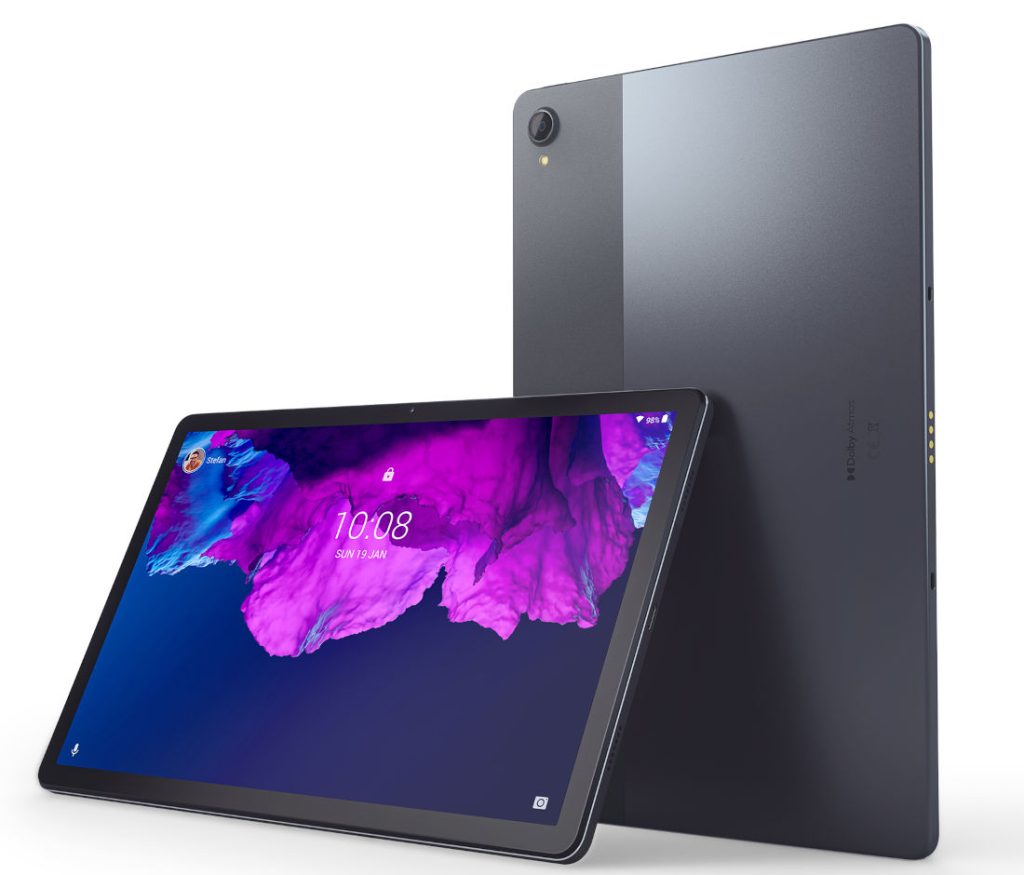
Lenovo Tab P11 5G has launched in India today. It arrives as the successor to the Tab P11 that debuted way back in 2021. The latest offering packs hardware upgrades compared to its predecessor. Read on to know what the newest device from the brand offers out of the box.
The Lenovo Tab P11 5G retains the same 11-inch LCD display with a 2K resolution from its predecessor. It offers Dolby Vision support and up to 400 nits peak brightness. The device is compatible with a stylus and keyboard that are sold separately. The tablet has a dual-tone back panel with a single camera sensor located at the top left corner.
On the audio front, the Lenovo Tab P11 5G is equipped with quad JBL speakers with an output of 1W and Dolby Atmos sound tuning. The device features a 13MP rear camera and an 8MP front-facing snapper ToF sensor for face unlock.
Under the hood, the Lenovo Tab P11 5G houses a Snapdragon 750G processor with Adreno 619 GPU. It packs up to 8GB RAM and 256GB onboard storage expandable up to 1TB via a microSD card slot. The tablet draws its power from a 7,700mAh battery unit with support for 20W fast charging. It runs on Android 11 OS out of the box.
Connectivity-wise, the Lenovo Tab P11 5G comes with a 3.5mm jack, USB-C port, 5G, WiFi, and Bluetooth 5.1
The Lenovo Tab P11 5G starts at Rs 29,999 for the 6GB + 128GB variant and the 8GB + 256GB option costs Rs 34,999. It is offered in Storm Grey colour and can be purchased exclusively from the brand’s official website and Amazon.
We use cookies on our website to give you the most relevant experience by remembering your preferences and repeat visits. By clicking “Accept”, you consent to the use of ALL the cookies.
This website uses cookies to improve your experience while you navigate through the website. Out of these, the cookies that are categorized as necessary are stored on your browser as they are essential for the working of basic functionalities of the website. We also use third-party cookies that help us analyze and understand how you use this website. These cookies will be stored in your browser only with your consent. You also have the option to opt-out of these cookies. But opting out of some of these cookies may affect your browsing experience.
Necessary cookies are absolutely essential for the website to function properly. This category only includes cookies that ensures basic functionalities and security features of the website. These cookies do not store any personal information.
Any cookies that may not be particularly necessary for the website to function and is used specifically to collect user personal data via analytics, ads, other embedded contents are termed as non-necessary cookies. It is mandatory to procure user consent prior to running these cookies on your website.