Online, there are solid rumours that Bharti Airtel and Reliance Jio’s tariff plans may increase its price. According to reports, prices will increase in 2023, presumably as a result of the country’s recent adoption of 5G network technology. Anyway, in the midst of all of this, Reliance Jio has unexpectedly introduced a new INR 749 prepaid plan across the nation. The new plan, which offers up to 90 days of validity, is available to all prepaid customers nationwide.
The new plan offers 180GB of total internet access, or up to 2GB each day, for the duration of the service. The plan also includes access to Jio apps like JioTV, JioCinema, JioCloud, and JioSecurity, as well as unlimited phone and SMS services. The plan will be valid for 90 days after the activation or recharge date. In essence, the telecom provider took its current INR 719 plan and increased its validity to 90 days; as a result, the cost increased to INR 749. The recently unveiled plan appears to be relatively cost-effective.
So that’s all there is to say about Reliance Jio’s recently unveiled prepaid plan. The plan is now active in the country, and customers can recharge their phone numbers with the brand-new plan through any authorised partner or store. Depending on the telecom operator, the new plan will be activated after recharging in a matter of seconds or it may take a little longer. What do you think of the new plan? Please tell us in the comments section.
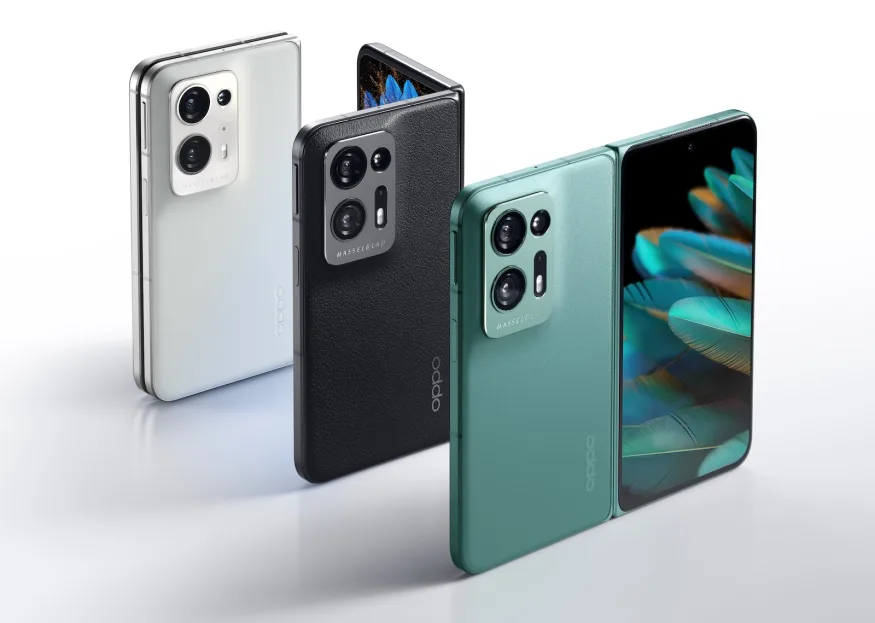
A few days ago, ZTE-backed Nubia announced its new Z-series smartphone — Nubia Z50 and soon after that, the company also started taking pre-orders for the device in China.
Now, the Nubia Z50 smartphone is officially available for purchase in the Chinese market. Those who pre-ordered the smartphone will get a one-year extended warranty, six months of broken screen insurance, and unlimited battery replacement for one year.
The base model of the Nubia Z50 with 8GB RAM and 128GB storage is priced at 2,999 yuan (~$430), while the 8GB RAM and 256GB storage model cost 3,399 yuan (~$487). The 12GB RAM and 256GB model has a price tag of 3,699 yuan (~$530), while the 12GB RAM and 512GB storage model is priced at 3,999 yuan (~$573).
There’s also a top-end model in the lineup with 16GB of RAM and 1TB of internal storage that carries a price tag of 5,999 yuan, which roughly converts to $859. It smartphone is being offered in three color options — White, Black, and Green Leather.
As for the specifications, the Nubia Z50 features a 6.67-inch curved AMOLED Full HD+ display with a screen resolution of 2400 x 1080 pixels, 10-bit color depth, and up to a 144Hz refresh rate. Under the hood, it is powered by the Qualcomm Snapdragon 8 Gen 2 processor, coupled with LPDDR5x RAM and UFS 4.0 storage.
In the camera department, there’s a dual-camera setup on the back that features a 64-megapixel Sony IMX787 primary camera sensor with f/1.6 aperture and OIS support and a 50-megapixel Samsung S5KJN1 sensor with a 116° ultra-wide lens and autofocus support for macro shots. On the front side, the phone features a 16-megapixel snapper for taking selfies and video calling.
The smartphone runs the Android 13 operating system out-of-the-box with the company’s own MyOS 13 custom interface on top. It is powered by a 5,000mAh battery with support for 80W fast charging.
Google has finally started picking up some steam with its recent Pixel smartphones. Although it was a buggy mess, the Pixel 6 series became the most-sold smartphone by the brand. And from the looks of it, the Pixel 7 series will likely overtake it soon.
Leaks have already surfaced regarding the Pixel 7a and Pixel 8 series, however, Android authority has just dropped the mother of all leaks in a report that reveals all the smartphones Google has planned to launch from 2023 to 2025.
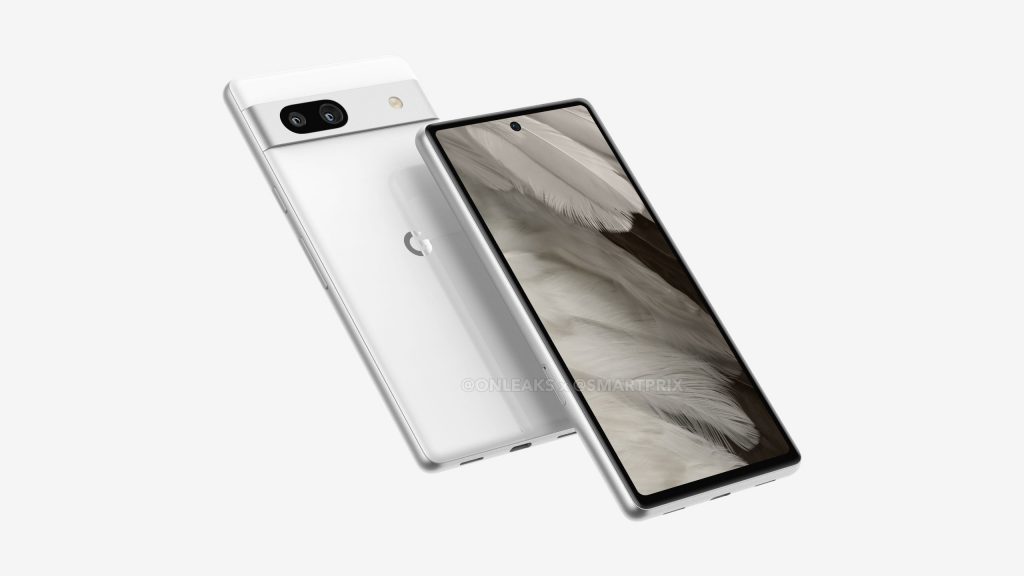
Pixel 7a render
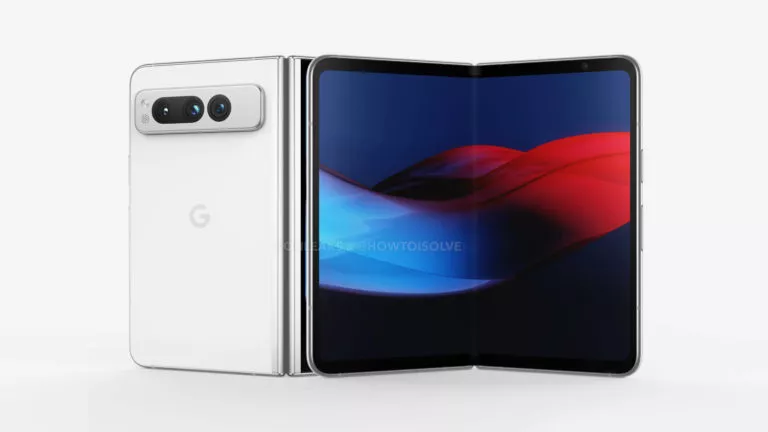
Starting off in 2023, Google is said to launch the Pixel 7a (codename “lynx”) and the Pixel Fold (codename “felix”) at the Google I/O in the month of April or May. The Pixel 7a is a highly anticipated mid-range smartphone that is rumored to improve on the shortcomings of the Pixel 6a (90hz display instead of 60). On the topic of the Pixel 6a, the smartphone has beaten the Pixel 7 Pro as well as the iPhone 14 Pro to win the best smartphone camera in MKBHD’s blind camera test.
Google Pixel Fold render
Later in 2023, Google will launch the Pixel 8 series. The vanilla model will be slightly smaller than the Pixel 7, while the Pixel 8 Pro will be the same size as the Pixel 7 Pro. Other than new Tensor G3 chipsets, the Pixel 8 series is expected to be quite similar to the Pixel 7 series in terms of specs.
The Pixel 8a is scheduled to launch in 2024, however, depending on how well the Pixel 7a sells, that plan may be abandoned in favor of a Pixel a series launch cycle every two years. Expect the Pixel 8a to cost $499 when it finally launches, $50 more than its predecessor.
Three models will make up the Pixel 9 series: the Pixel 9 (which is anticipated to maintain the smaller size of the Pixel 8), the Pixel 9 Pro (with a screen about 6.7″ in size), and a third Pro-level model with a 6.3″ screen and all the features of the larger Pro. The premise is that Google will imitate Apple; consider the new 6.3-inch phone to be the company’s iPhone Pro, while the 6.7-inch model is the Pro Max. Of course, the Tensor G4 SoC will be included in all three of these new devices.
In 2024, there will also be a brand-new foldable, albeit little is currently known about it.
Depending on how effective (or unsuccessful) its strategy for 2023 and 2024 proves to be, the corporation may choose other paths for 2025. If the flip-style foldable Google is “toying” with becomes a reality, it will debut in the fall of 2025 alongside the three slab Pixels of that year (there will still be three of them like in 2024).
If the flip phone doesn’t materialize, though, we’ll see four non-folding Pixels instead, including a standard model in small and large sizes and a Pro variant in both sizes.
All of this info, it is said, has undergone a rigorous review and comes from a reliable source.
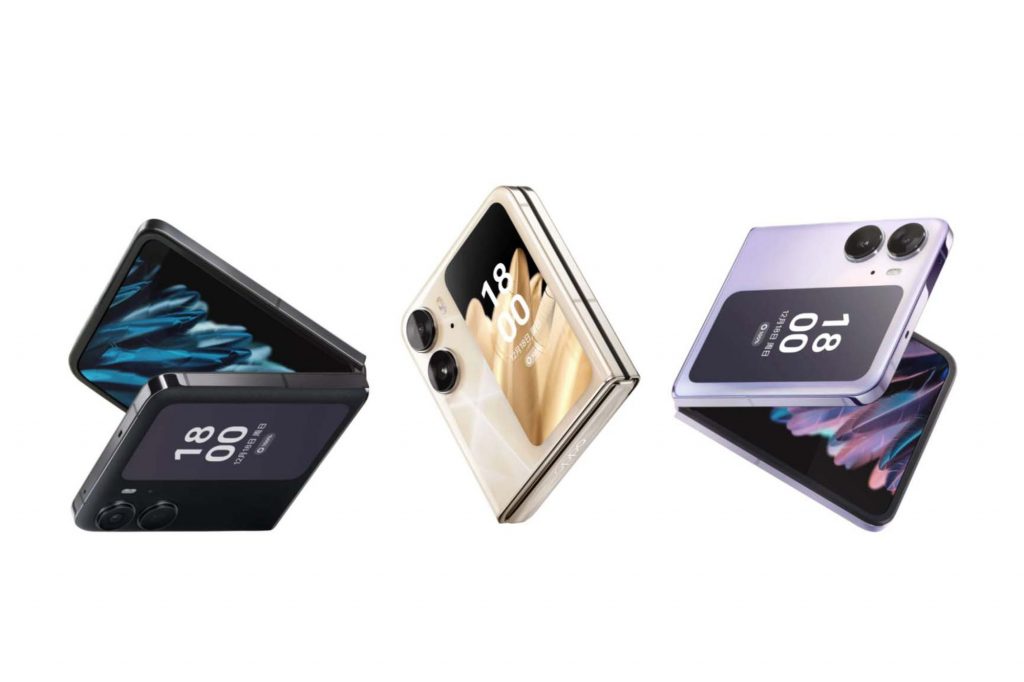
In November this year, the Oppo Reno 9 series made its debut in China, and this month saw the arrival of the Find N2 and Find N2 Flip foldable phones in the home market. A recent leak claimed that the Find N2 Flip will be released on the global market in 2023. A new report by Pricebaba has revealed the launch timeframe of the Reno 9 series as well as Find N2 Flip for the Indian market.
According to the publication, Oppo has started testing the Reno 9, Reno 9 Pro, and Find N2 Flip in India. The report also states that the three devices should make their debut in India by the end of Q1.
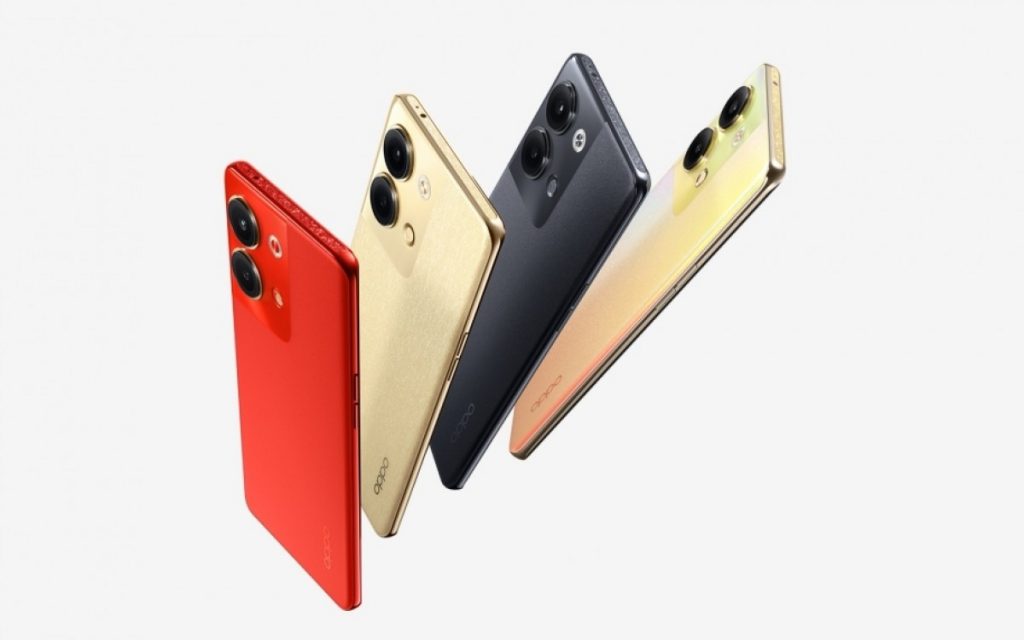
OPPO Reno 9
Unfortunately, the report does not say anything about the specifications of the Reno 9, 9 Pro, and N2 Flip for the Indian market. The specifications of their Chinese editions are known since they are already available for purchase in China.
OPPO Reno 9 Pro
The Reno 9 series has the Reno 9 Pro+, which is powered by the low-frequency version of the Snapdragon 8+ Gen 1. At present, there is no evidence on whether the Reno 9 Pro+ as well as the Find N2 will be made available in markets outside of China.
The Reno 8 featured the Dimensity 1300, while the Reno 9 is equipped with the Snapdragon 778G. We found it be a boring phone as it offers little to no upgrades over the Reno 8. Hence, it remains to be seen whether the same device will be heading to India.
OPPO Find N2 Flip
Samsung is the only brand offering a clamshell phone with a foldable display in markets outside of China. The Huawei P50 Pocket flip phone with foldable screen is also available outside of China. However, its availability is limited to Europe. Hence, the OPPO Find N2 Flip, which is expected to get a wider release, will be a major rival for the Galaxy Z Flip 4 or the Galaxy Z Flip 5, which is expected to release in August 2023. The N2 Flip is likely to be priced lower than Samsung’s Z Flip.
Redmi has officially confirmed today that the Redmi K60 series will debut on Dec.27. It also revealed that the Redmi K60 Pro will be equipped with the Snapdragon 8 Gen 2 mobile platform. In addition, the company also confirmed that there will be no “e-sports edition” in the K60 family. In other words, the company will not be launching the rumored gaming-focused Redmi K60 Gaming in 2023.
Redmi said that the K60 Pro with Snapdragon 8 Gen 2 onboard will not only come equipped with a flagship configuration but also with e-sports performance. The company added that it will offer ruthless performance and will be stacked against other flagship phones launching in 2023.
Redmi says that the Redmi K60 Pro’s image quality and frame quality will be better than those of gaming phones because it has a self-developed tuning engine. It will also offer a richer flagship performance. The company confirmed that the K60 Pro scored 1,350,526 points on AnTuTu benchmarks.
Redmi K60 Pro AnTuTu Score
Hence, there is no need for a dedicated gaming-focused smartphone. The K60 Pro will be replacing the Redmi K60 Gaming Edition. Here are the rumored specifications of the Redmi K60 Pro.
Redmi K60 Pro specifications
The Redmi K60 Pro will feature an OLED panel that offers a 2K resolution and a 120Hz refresh rate. The Snapdragon 8 Gen 2-powered phone will arrive with LPDDR5x RAM and UFS 4.0 storage. It will pack a 5,000mAh battery with 67W fast charging and 30W wireless charging.
Redmi K60 series first look-
The device will be preloaded with an MIUI 14-based Android 13 OS. For photography, it may feature a 50-megapixel Sony IMX890 primary camera. It will have an under-display fingerprint scanner.
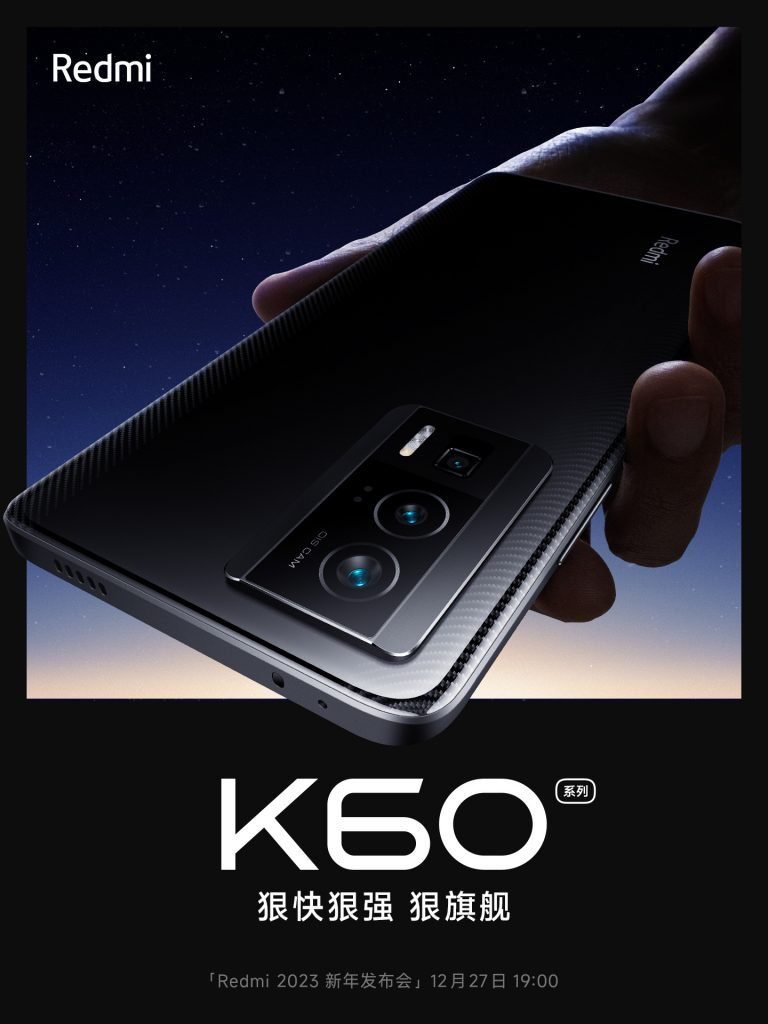
Yesterday, Redmi released a Weibo post to say that it will be arriving as a 2023 New Year’s gift, which suggests that it will launch in the next few days in the home market. Today, the company confirmed that the Redmi K60 will debut on Dec. 27 at 7pm (local time). It also rolled out a poster to give a first look at its design.
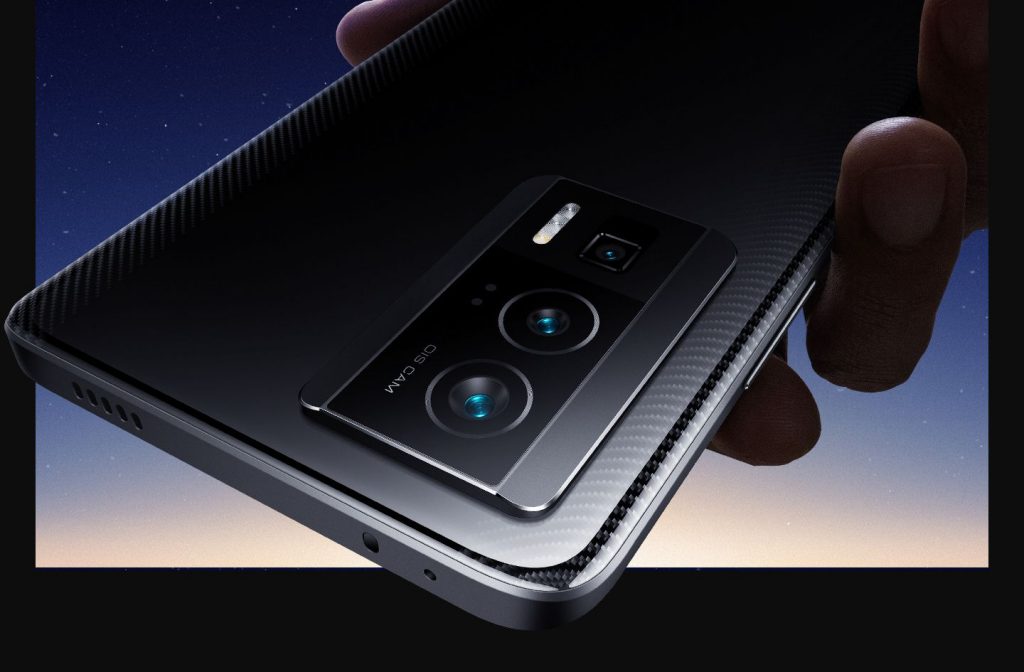
It’s not clear which of the three phones Redmi showed in the poster below. There is a possibility that the K60e, K60, and K60 Pro may sport a similar rear design.
Redmi K60 series first look
The poster reveals that the Redmi K60 series has a rectangle-shaped camera module with three cameras and a pill-shaped LED flash unit inside. On the top, it seems to feature a microphone, an IR blaster, and a speaker grille. The device has a textured design on the back.
Redmi also confirmed today that the Redmi k60 Pro will be powered by the Snapdragon 8 Gen 2. Earlier this month, it was revealed that the Redmi K60e will have the Dimensity 8200 chipset onboard. It can be said based on recent rumors that the Redmi K60 will come equipped with the Snapdragon 8 Plus Gen 1 chipset.
Rumors are rife that the Redmi K60 will be rebranded as the POCO F5 5G in the global market. In recent weeks, three Redmi phones with model numbers, such as 22127RK46C, 22122RK93C, and 23013RK75C have been certified by the 3C authority of China. These devices are said to be the Redmi K60e, K60, and K60 Pro. The 3C certifications have revealed that the K60e will support 120W fast charging, whereas the other two will offer 67W fast charging.
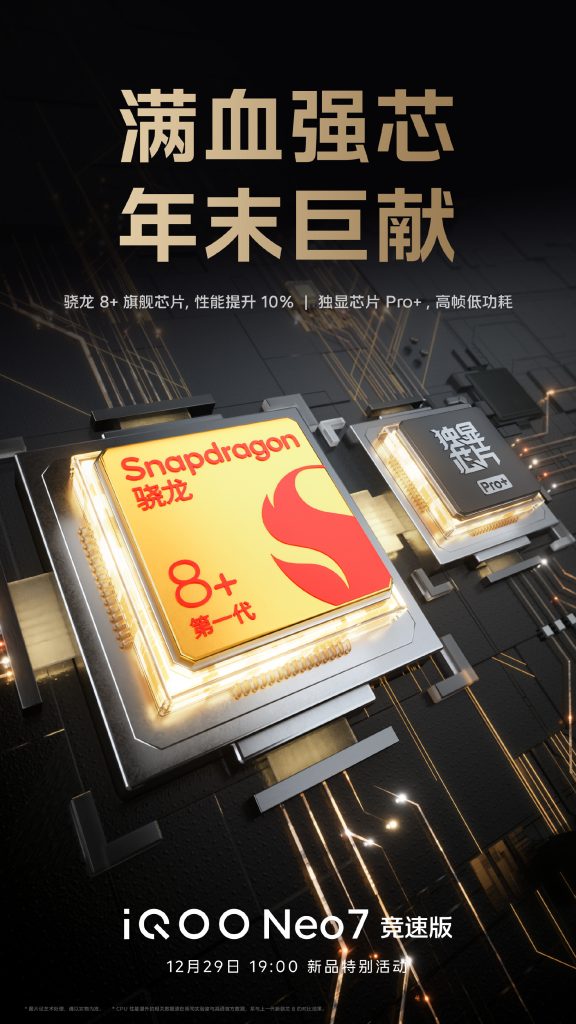
So far, the iQOO Neo 7-series has two models, such as the iQOO Neo 7 and the iQOO Neo 7 SE, for the Chinese market. Several reports have claimed that the company is working on a third model called the iQOO Neo 7 Racing Edition. Today, the company confirmed that the Racing Edition model will be unveiled at 7:00 pm (local time) on Dec. 29 in China.
iQOO Neo 7 Racing Edition launch date
The iQOO Neo 7 Racing Edition launch date poster released by the brand also confirmed that it will be powered by the Snapdragon 8 Plus Gen 1. To recall, the iQOO Neo 7 features the Dimensity 9000 Plus chipset, whereas the Neo 7 SE has the Dimensity 8200 SoC onboard.
Recently, a Vivo phone with model number V2232A was spotted on Chinese certification platforms. Speculations are rife that the V2232A will debut with the iQOO Neo 7 Racing Edition moniker in the Chinese market.
iQOO Neo 7 Racing Edition specifications (rumored)
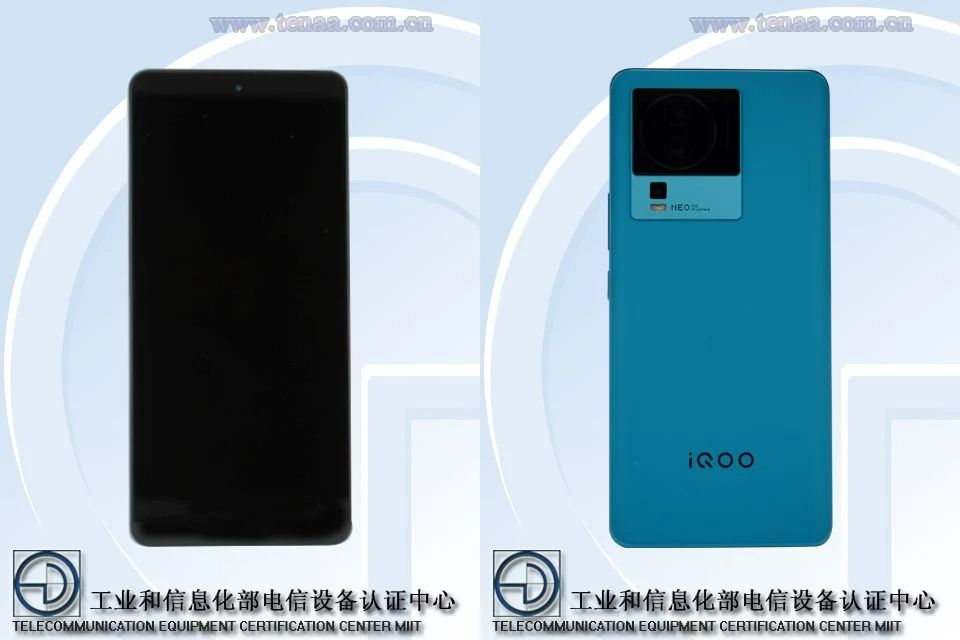
The iQOO Neo 7 Racing Edition’s TENAA appearance has revealed that it has a 6.78-inch AMOLED display that offers a Full HD+ resolution of 1080 x 2400 pixels. Rumors have claimed that it supports up to a refresh rate of 120Hz. The device will ship with Android 13 OS and the OriginOS 3 UI on top.
iQOO Neo 7 Racing Edition TENAA images
The Snapdragon 8+ Gen 1-powered iQOO Neo 7 Racing Edition will come equipped with 8 GB / 12 GB / 16 GB of RAM and 128 GB / 256 GB / 512 GB of internal storage. It will house a 5,000mAh dual-cell battery with 120W fast charging.
The Neo 7 Racing Edition has a 16-megapixel selfie camera. On the back, it has a 50-megapixel + 8-megapixel + 2-megapixel triple camera unit. Other features of the Racing Edition model include, 5G, an IR blaster, and an in-screen fingerprint scanner.
OPPO recently announced two of its latest flagship smartphones in the market, dubbed OPPO Find N2 and Find N2 Flip, both of which are foldable smartphones from the brand.
Now, the OPPO Find N2 is finally available for purchase in the Chinese market. The base model with 12GB RAM and 256GB storage is priced at 7,999 yuan (~$1,145), while the top-end model with 16GB RAM and 512GB storage costs 8,999 yuan (~$1,288).
Coming to the specifications, the OPPO Find N2 features a 7.1-inch 120Hz LTPO AMOLED primary display that offers a 1920 x 1792 pixels screen resolution, while the outer panel is a 5.54-inch AMOLED display with a Full HD+ screen resolution. Under the hood, the device is powered by the Qualcomm Snapdragon 8+ Gen 1 SoC, coupled with either 12GB or 16GB of RAM and 256GB or 512GB of internal storage.
In the camera department, the triple-camera setup at the back features a 50MP primary Sony IMX890 sensor, a 48MP ultra-wide angle lens, and a 32MP telephoto sensor with 2x optical zoom. On the front side, the device has a 32MP snapper for taking selfies and video calling. It also packs MariSilicon X proprietary ISP, which is co-developed with Hasselblad.
The smartphone runs the Android 13 operating system out-of-the-box with the company’s own ColorOS 13 custom interface on top. It is powered by a 4,520mAh battery which supports 67W fast charging.
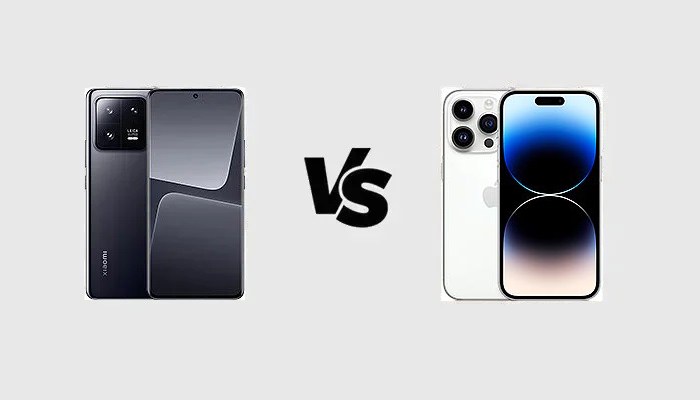
The Xiaomi 13 Pro is ready to rival the best 2023 Android flagships with top-tier specifications, including an amazing display, a top-notch hardware department, and even an outstanding camera setup. But will it be enough to compete with the latest and most powerful iPhones? Xiaomi is not a brand of affordable phones anymore, so the answer is yes. But which of the two brands is actually the best for you and for all of those who have a high budget available? We will try to let you find out through this comparison between the main specifications of the Xiaomi 13 Pro and the Apple iPhone 14 Pro. All the things said in this comparison about the iPhone are also valid for the iPhone 14 Pro Max, with the exception of the display and the battery, which are bigger on the Pro Max variant.
Xiaomi 13 Pro vs Apple iPhone 14 Pro
Xiaomi 13 Pro
Apple iPhone 14 Pro
DIMENSIONS AND WEIGHT
162.9 x 74.6 x 8.4 mm,
210 g
147.5 x 71.5 x 7.9 mm,
206 g
DISPLAY
6.73 inches, 1440 x 3200 pixels (Quad HD+), OLED
6.1 inches, 1179 x 2556 pixels (Full HD+), Super Retina XDR OLED
5G, optional dual SIM, eSIM, IP68 waterproof, reverse wireless charging, MagSafe, Face ID
Design
The iPhone 14 Pro has a very iconic design. It is the first iPhone to get rid of that ugly notch we are seeing on Apple devices since the iPhone X. Instead of the notch, it brings the Dynamic Island which is essentially a pill-shaped punch hole also acting as a secondary display to show key information. Further, the iPhone 14 Pro has great build quality: it is made with a glass back and a stainless steel frame, and it comes with better water resistance. With its IP68 certification, it can go underwater up to 6 meters deep without damage. However, the Xiaomi 13 Pro remains a device with a great design. It has a curved screen at the sides, it comes in a special color option with a rear side made of ceramic, and it is one of the first waterproof Xiaomi phones with the IP68 certification.
Display
On the paper, the display of the Xiaomi 13 Pro looks better than the one found on the iPhone 14 Pro. But if you dig deeper, you will discover that the iPhone 14 Pro has outstanding color reproduction, so it is a very valid display. However, we will list the display specifications of the Xiaomi 13 Pro because they look more impressive. It has a wider panel with a diagonal of 6.73 inches able to show up to one billion colors with OLED technology, a Quad HD+ resolution of 1440 x 3200 pixels, a 120 Hz refresh rate, Dolby Vision support, LTPO technology, HDR10+ certification, and an in-display fingerprint reader. The iPhone 14 Pro has a Super Retina XDR OLED display with a diagonal of 6.1 inches, a Full HD+ resolution of 1179 x 2556 pixels, a 120 Hz refresh rate, HDR10 certification, and Dolby Vision support.
Specs & Software
The hardware department is definitely better on the Xiaomi 13 Pro, however, due to the amazing optimization of the iOS operating system, the iPhone 14 Pro is actually at the same level as the Xiaomi 13 Pro. The new Xiaomi flagship is powered by the Snapdragon 8 Gen 2 mobile platform paired with up to 12 GB of RAM and up to 512 GB of UFS 4.0 native storage. The iPhone 14 Pro is fueled by the Apple A16 Bionic chipset paired with 6 GB of RAM and up to 1 TB of native storage. Here, the internal storage makes the difference. Naturally, the operating systems are different: Android 13 (customized by MIUI 14) and iOS 16, respectively.
Camera
The Xiaomi 13 Pro is definitely one of the most impressive camera phones ever released and it looks more interesting than the iPhone 14 Pro. It has a triple rear camera co-engineered with Leica and includes a 50.3 MP main sensor with OIS, a 50 MP telephoto camera with 3.2x optical zoom, and a 50 MP ultrawide sensor. The main sensor is a huge 1-inch Sony IMX989.
The Xiaomi 13 Pro has a much bigger battery with a capacity of 5000 mAh, but the iPhone 14 Pro is able to guarantee a not so different battery life thanks to iOS optimization. However, the Xiaomi 13 Pro charges a lot quicker thanks to 120W fast charging and 50W wireless charging.
Price
You need at least $900 or €850 to purchase the Xiaomi 13 Pro, while the iPhone 14 Pro starts from $1,000 or €950 (prices vary depending on the market). Which one would you pick?
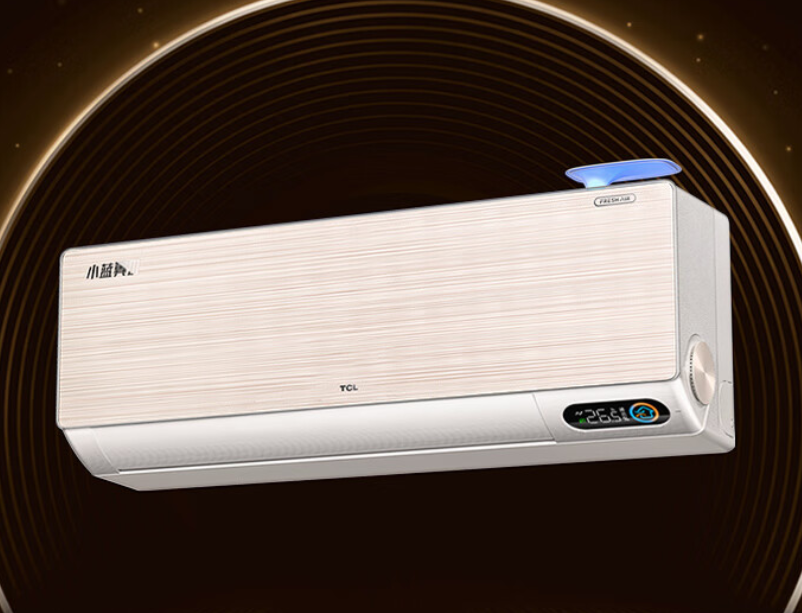
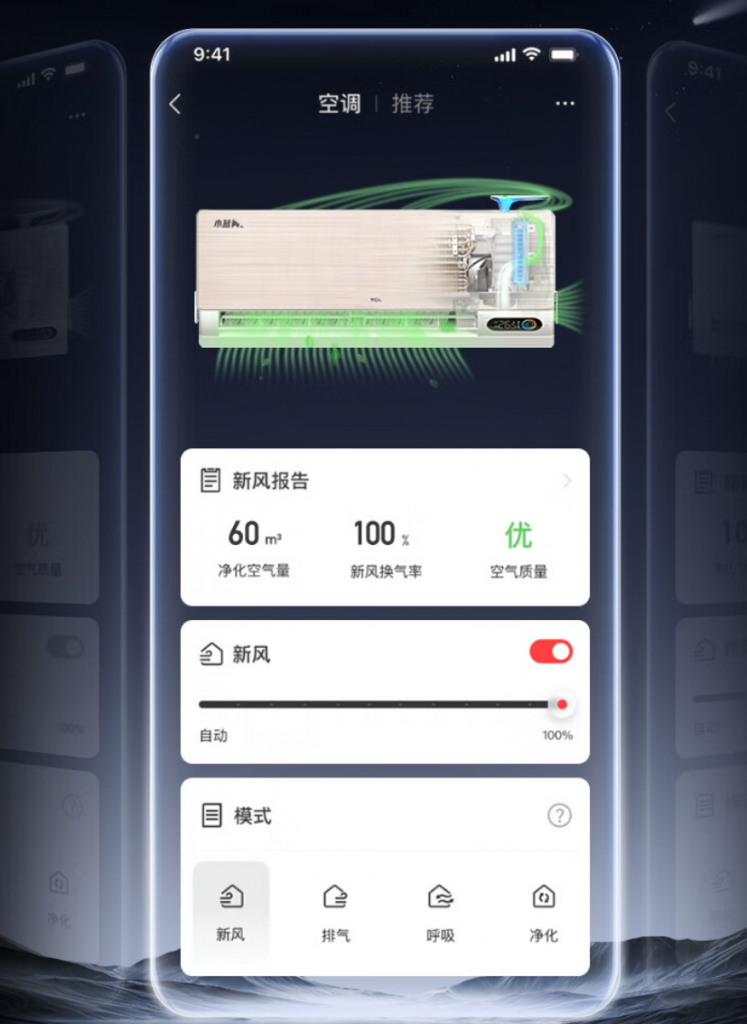
TCL has released the small Blue Wing III fresh air conditioner 1.5HP in China. The air conditioner is equipped with a two-way air replacement mechanism for maximum fresh air in the room. The Blue Wing III is rated 1.5HP and comes with a unique little blue wing at the top of the indoor unit.
The Blue Wing III fresh air conditioner uses breathable fresh air technology and it can switch between four modes. It has breathing, fresh air suction, exhaust, and internal circulation modes. In terms of their volumes, the fresh air generated lies between 30 and 60 cubic meters/ hour. The air conditioner has a little blue wing that can be raised with a single button. The air conditioner is energy-efficient with a cooling capacity of 3500W and a heating capacity of 5010W.
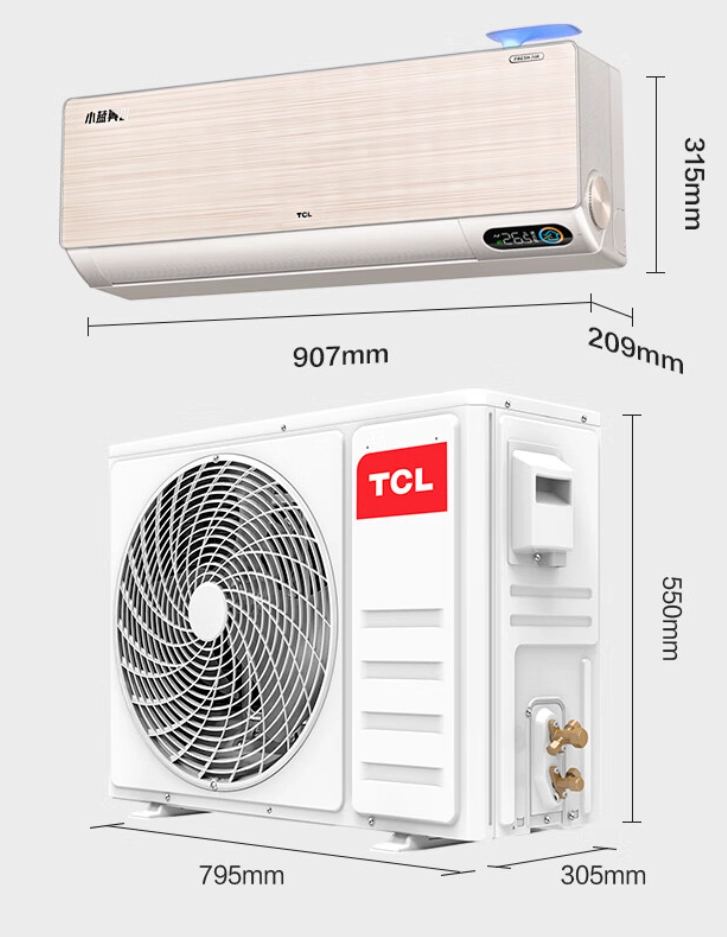
The Blue Wing III fresh air conditioner has an external unit with large fan blades with an increased air volume output. The large fan blades have a diameter of 442mm, delivering a 20% improvement in air volume and a 14% increase in heating performance. The air conditioner does not require the drilling of double holes in the wall and it can be controlled via its companion TCL app. The indoor unit of the air conditioner has dimensions of 907 x 209 x 315mm while the outdoor unit is 795 x 305 x 550mm.
The TCL Blue Wing III fresh air conditioner is now available for pre-sale in China. The starting retail price for the 1.5HP energy-efficient air conditioner is 3,499 yuan (~$501). It is available for pre-order on e-commerce platforms like Jingdong in China. There are no indications of the global availability and pricing of the air conditioner at this time.
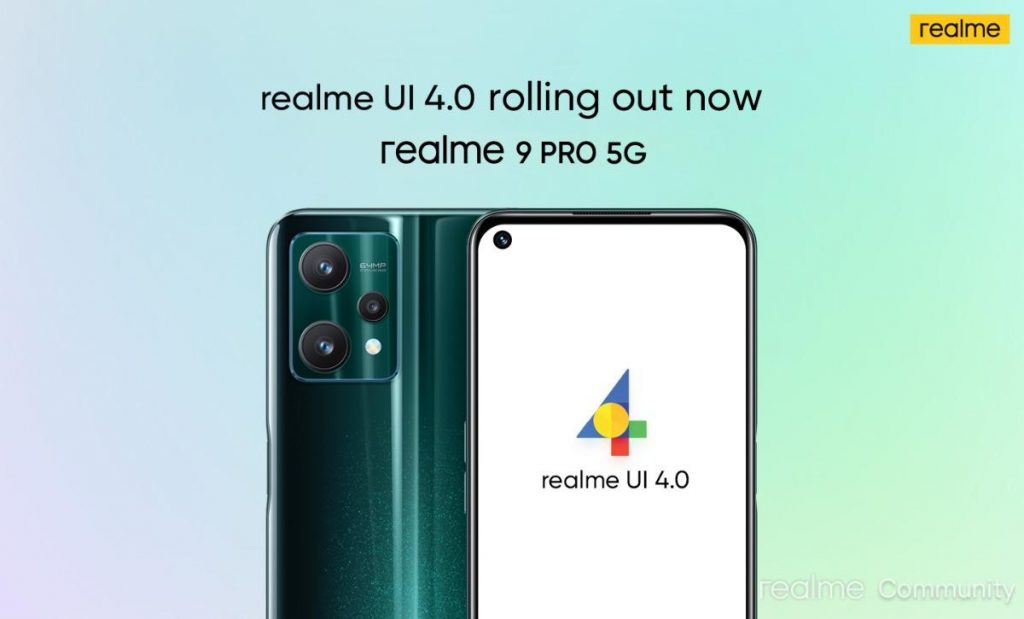
After seeding the stable Realme UI 4.0 update with Android 13 to the higher-end Realme 9 Pro+ earlier this month, the Chinese company is now bringing the latest version of its custom skin to two more devices. The Realme 9 Pro and Realme 9i 5G are the latest devices to receive the latest Android 13-based software. Currently, the update is rolling out to a limited number of users, and a broader rollout will begin by the end of this month.
The Realme UI 4.0 update for the Realme 9 Pro is rolling out with the firmware version RMX3471_11.C.08. Oddly, the Realme 9i 5G is also receiving the update with the same firmware version. It’s possible the company made a typo while publishing the announcement.
The brand says in order to maintain the stability of the update, it will be rolled out in a staged manner. Initially, the software will be randomly pushed out to a total of 15% of users and the broader release will commence by end of December if no critical bugs are found.
To receive the update, Realme 9i 5G users need to make sure their smartphone is running the firmware with version RMX3612_11.C.04. The 9 Pro should be running RMX3471_11.A.47, RMX3471_11.A.45, RMX3471_11.A.43 or RMX3471_11.A.41.
Realme says the device may take longer to boot for the first time after updating, especially if it has many third-party applications installed.
After the update, the device may hang and consume more power for some time. This is because the system will occupy more CPU, memory, and other resources to improve the overall operational efficiency and eliminate potential safety risks. Readers may check out the changelog of the update by heading to the source links below.
Motorola unveiled the affordable Moto G53 earlier this month in China alongside the flagship Moto X40. The global version of the handset is also expected to launch shortly, but it may differ greatly from its Chinese equivalent in terms of specifications and design. A report suggests the device will have an entirely different display and processor. Separately, a leak reveals the smartphone’s design will vary too. Let’s look closely at the details.
It has been reported that the global Moto G53 will arrive with a new Snapdragon 4 Gen 1 SoC instead of the Snapdragon 480+ chip that was seen in the Chinese version. SD 4 Gen 1 is Qualcomm’s latest 6nm processor for next-gen budget 5G phones.
Moto G53 Global and Chinese version
The smartphone may also feature a better display. It could have a 6.6-inch OLED panel that produces an FHD+ resolution and a 90Hz refresh rate. The Chinese Mote G53 sports a 6.5-inch LCD panel with a 120Hz refresh rate and a 720 x 1600 pixels resolution. The device is said to pack up to 6GB RAM and 128GB onboard storage.
Moto G53 debuted in China with a dual rear camera setup, comprising a 50-megapixel primary camera sensor and a 2-megapixel depth sensor. However, the global version is rumored to sport three cameras in the back with a 50MP main shooter, an 8MP ultrawide camera, and a 2MP macro unit. For selfies, it may have a 16MP sensor on the front.
Fueled by a 5,000mAh battery, the handset may support turbo charging. In terms of software, the device will likely run Android 13 with MyUI skin on top. The pricing of the Global Moto G53 is yet to be revealed. For reference, the Chinese version is priced at 899 Yuan (~$129) for the base 4GB+128GB edition.
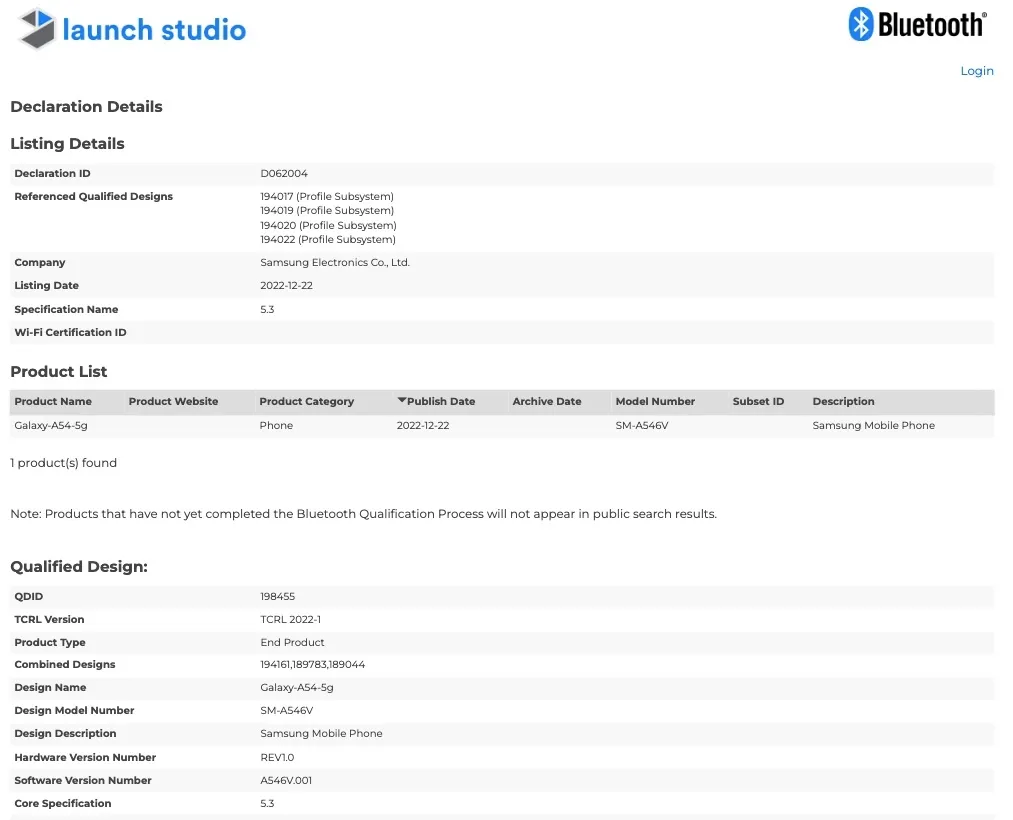
Samsung has long been rumored to be working on the Galaxy A54 5G. The device has been making rounds at various certification sites recently and most of its specifications are already out. It is reported to feature an Exynos 1380 SoC, a 5100mAh battery, a new 50MP main camera sensor, and more. Today, the handset has appeared on the Bluetooth SIG website, which confirms the handset’s moniker and reveals a few details.
The upcoming Samsung Galaxy A54 5G has visited the Bluetooth SIG certification site with the model number SM-A546V. As mentioned, the listing reaffirms the marketing name of the smartphone and also reveals that it will support Bluetooth v5.3. It also hints that the smartphone may launch very soon.
Notably, it appears that the Korean OEM will discontinue the Galaxy A7x series, which will make the Galaxy A54 the brand’s most premium A-series handset. In the absence of the Galaxy A74, the A54 will likely attract many buyers seeking a mid-range premium smartphone.
The Galaxy A54 recently stopped by the Geekbench website with an octa-core processor, codenamed “S5E8835”. The SoC has four cores clocked 2.40GHz and the remaining at 2.0GHz. There’s also a Mali G68 GPU. Based on these details, we can assume the handset features the Exynos 1380 chip. Geekbench also reveals the smartphone will have at least 6GB of RAM.
Previous reports reveal the device will have a triple-camera setup on the back with a 50MP main shooter. It is said to pack a 5100mAh battery and support 25W charging. The smartphone may feature a 6.4-inch Full HD+ AMOLED display with a 120Hz refresh rate. On the software front, it will run Android 13 OS with One UI 5.0 on top.
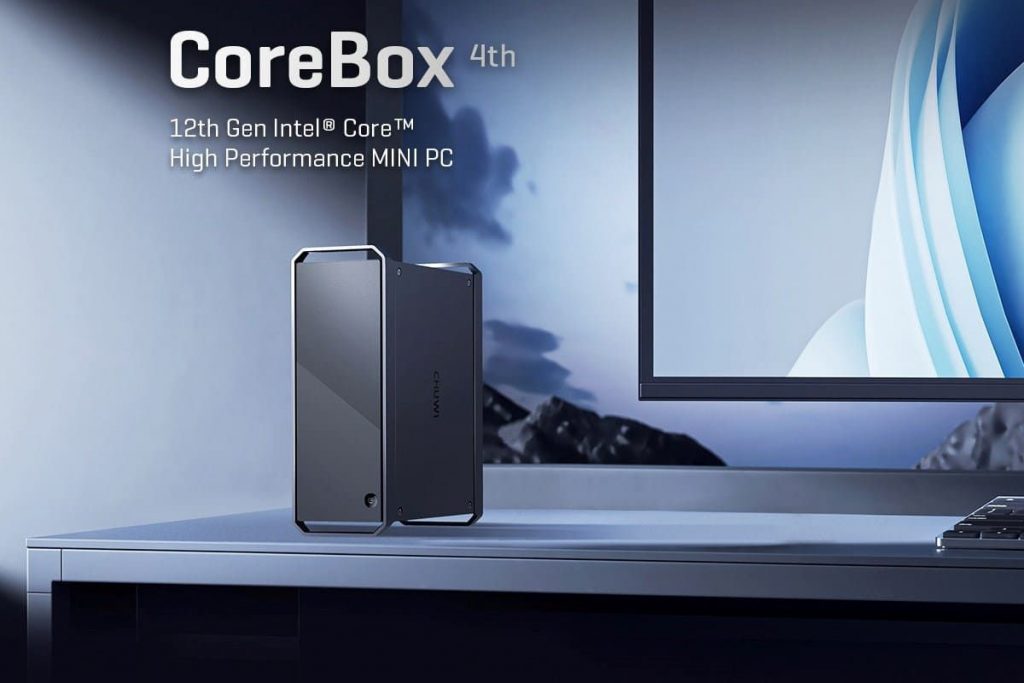
Last month Chinese electronics manufacturer Chuwi announced a new mini-PC dubbed Chuwi CoreBox 4th gen for the global market. The brand, best known for its tablets and laptops, has now launched the CoreBox 4th gen in its home market, China. While the specifications are similar, the portable PC is priced at 2399 yuan ($343) in China which is a hugely reduced price compared to the international market where it will retail for $499.
The CoreBox mini-PC has a dimension of 173 x 158 x 73mm, and is manufactured from aluminum-magnesium alloy and polycarbonate. It is powered by an Intel Core i3-1215U CPU with 6 cores and 8 threads (2 Performance cores with support for hyperthreading plus four single-threaded efficiency cores). It should be noted that the processor was originally designed for laptops meaning you’ll get a laptop-level performance on the portable mini-PC.
It equally features integrated Intel UHD graphics with 64 execution units and a clock speed of up to 1.1 GHz. Although it is only rated for 15 watts, Chuwi claims that the chip can utilize up to 35 watts due to the architecture of the mini-PC. In terms of performance, official data shows that the multi-core performance of the i3-1215U exceeds the previous generation’s Quad-core Core i5-1135G7 and Hexa-core Core i7-10710U.
A 512GB M.2 2280 PCIe SSD (replaceable), 16GB of dual-channel LPDDR5 memory, and room for an extra 2.5 inch SATA hard drive or SSD are additional features. Four USB 3.0 Type-A ports, a Gigabit Ethernet jack, DisplayPort, and HDMI 2.0 ports, as well as 3.5mm microphone and audio jacks, are available on the computer. Additionally, it has a single Thunderbolt 4 port that may be used to connect other devices, such as external graphics docks.
The mini-PC can be connected to three 4K displays at the same time using the HDMI, DisplayPort, and USB Type-C interfaces. The 4th generation Chuwi CoreBox comes with a 65-watt power supply and a wireless card that supports WiFi 6 connectivity.
OnePlus is scheduled to launch its next premium flagship smartphone—the OnePlus 11— in India next year in February. Alongside the standard model, the company may also unveil the OnePlus 10R. The former will be equipped with Snapdragon 8 Gen 2 processor while the latter may pack the older Snapdragon 8+ Gen 1 SoC. Before the handsets’ formal debut, a noted tipster revealed their price ranges. Here are the details.
OnePlus 11 has been the subject of various leaks and rumors recently and we have a good idea of its specifications. And today Yogesh Brar has also revealed the possible price range of the handset. The tipster says OnePlus 11’s price in India would be between Rs 55,000 and Rs 65,000. Notably, this is even lower than the OnePlus 10 Pro, which debuted in the country with a price tag of Rs 66,999.
Further, Brar claims that the OnePlus 11R will replace the OnePlus 10T with a price hike of Rs 3,000 to Rs 5,000. As is the case with most “R” branded phones, the OnePlus 11R will debut as the stripped-down version of the flagship number series models. The handset could be priced somewhere in the range of Rs 48,000 to Rs 52,000.
Previous reports reveal the vanilla model will arrive with a 6.7-inch QHD+ AMOLED display that produces a 120Hz refresh rate, and 3216×1440 pixels resolution. It could arrive as the brand’s first Snapdragon 8 Gen 2-powered smartphone, packing an Adreno GPU, up to 16GB RAM, and 256GB storage.
OnePlus 11R, on the other hand, could pack the older Snapdragon 8+ Gen 1 SoC and 5000mAh battery. The device is expected to have a 120Hz Fluid AMOLED display with Full HD+ resolution and HDR10+ support. It will likely have a triple camera setup with a 50MP primary shooter.
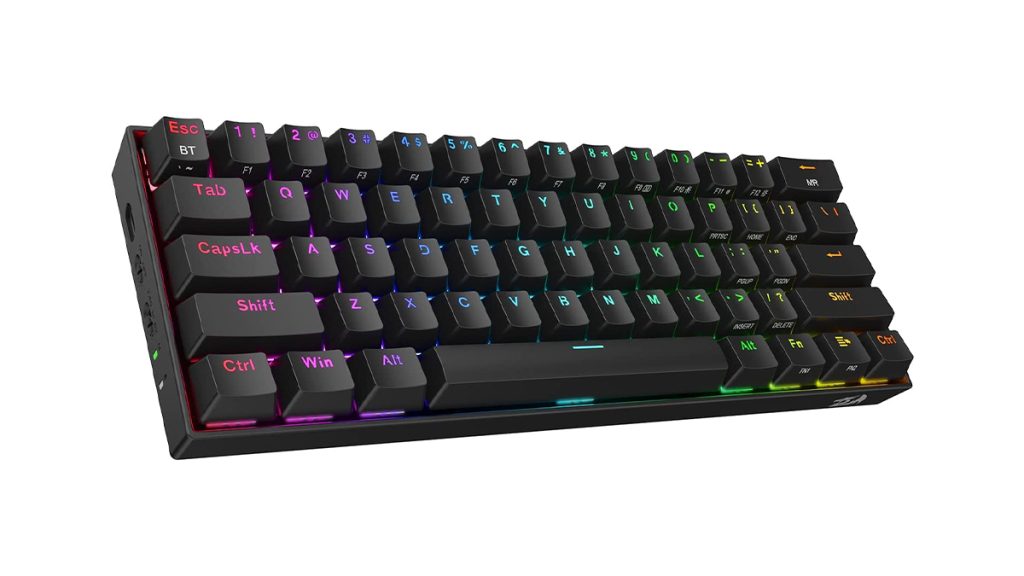
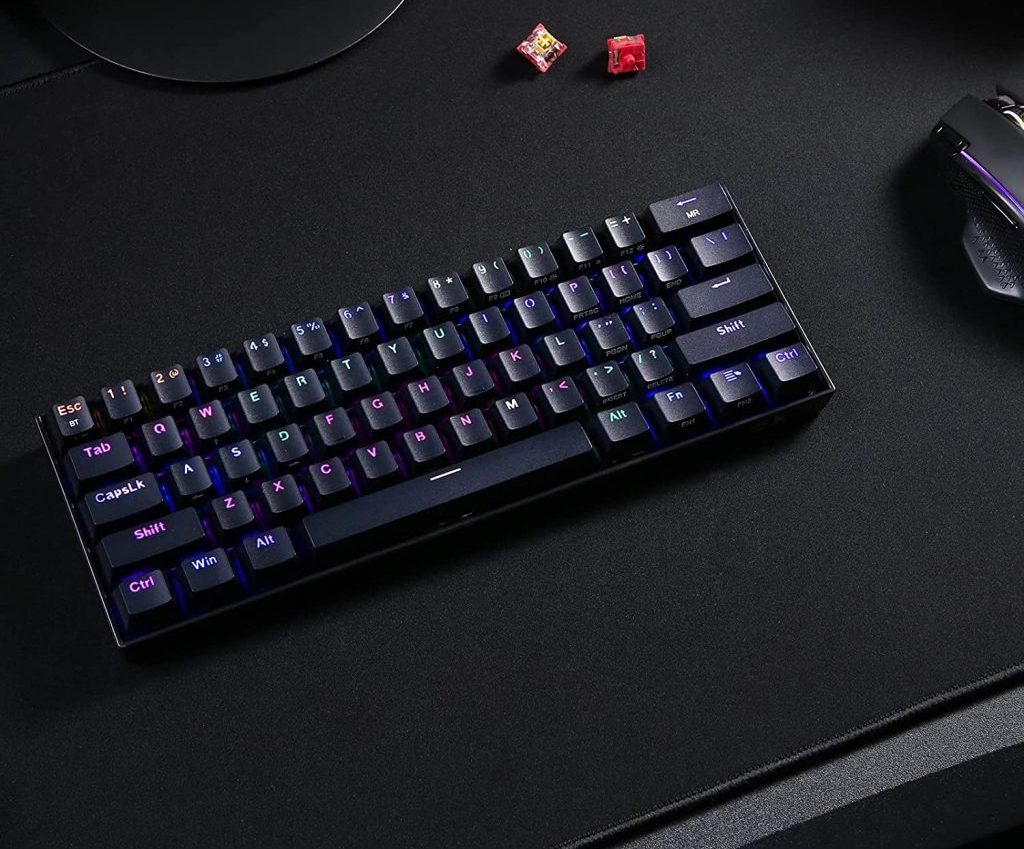
Gaming peripherals brand Redragon has launched a new mechanical gaming keyboard in the Market called the Redragon Draconic K530 Pro. This is a 60% keyboard, meaning that it lacks a bunch of keys that are usually not used by gamers. Specifically, it lacks a Numpad, navigational cluster, and a function row. Instead, these buttons are layered as secondary functions on the alphanumeric keys that make up most of the board.
It has superb ergonomics, is highly portable (40 percent smaller), and can pair with many other devices. The fully hot-swappable mechanical keys on the keyboard are, however, its most amazing feature.
The 99.8%+ hot-swappable Brown keys on the Redragon Draconic K530 Pro are incredibly tactile. Key attachment is facilitated and stabilized by special plate-mounted PCBs. Switches with three and five pins are used in the keyboard. The modifiable/updatable keys are tactile mechanical switches with audible clicks and clear tactile feedback.
RGB lights with 13 dynamic preset generate light waves or respond to keyboard input via the control software. Four devices can be connected to the K530 Pro using three different techniques. With built-in v3.0/v5.0 Bluetooth and 2.4 GHz wireless options, you can connect wirelessly. For zero-latency, lag-free gaming, users can switch to wired USB-C (a USB-C to USB-A adaptor is provided). Switching between three wireless devices (2.4 GHz, BT 1, and BT 2) is made simple via a manual side switch.
Pricing and availability
Redragon K530 Pro Draconic 60% Wireless RGB Mechanical Keyboard is currently being offered on Amazon.in and the company’s website for a special launch price of Rs. 4,490 After a set period of time, the price of the keyboard will be bumped up to 5,990.
Two of India’s leading telecom providers are Bharti Airtel and Reliance Jio. Both providers had recently launched their 5G network services across the nation. Both telecom behemoths have also expanded their 5G service to a few selected Indian cities in a very short span of time. The prices of their tariff plans were supposed to go up after the 5G network launched, but this didn’t happen right away. Whatever the case, it appears that both industry giants are planning to raise the prices of their tariff plans across the nation.
According to analysts at Jefferies, mobile bills could increase soon as telecoms are expected to raise prices by as much as 10%. According to the brokerage’s most recent analysis, 10% pricing increases from Bharti Airtel and Reliance Jio are predicted to be announced in the fourth quarters of FY23, FY24, and FY25. The telcos have already reaped most of the benefits of the recent tariff increase, and pressure is mounting on their revenue and margins. Analysts claim that this requires telcos to raise their rates.
Airtel removed the 99-pack in a few circles earlier this year to test the rate rise boundaries. The tariff increase strategy, according to analysts at Jefferies, is ideal for the telco’s intentions to expand into rural areas, which would likely further reduce profits. Airtel’s EBITDA margin decreased from 43.7% in Q1 to 36.9% in Q2. Additionally, analysts at Jefferies claimed that rising subscriber attrition and requests for mobile number portability (MNP) indicated escalating competition in the Indian telecom industry.
“The increase in MNP requests over the previous five months suggests increased market competitiveness for customers. The greater churn rates observed during Q2 FY23 across telcos are more evidence of this, according to the Jefferies analysis. Jio and Airtel combined attracted 2.2 million new users, according to Telecom Regulatory Authority of India (TRAI) subscriber data for October 2022. However, Vodafone Idea’s troubles persisted as its subscriber base shrank by 3.5 million.
Furniture maker, IKEA is testing a solar-powered cargo electric bike for deliveries in the Netherlands and Vilnius, Lithuania. The pilot program in the Netherlands is run by the Delft Ikea store. The yellow and blue Ikea-branded electric three-wheeler is used for deliveries in urban areas around the store. In Vilnius, the maximum weight per order is 30kg to accommodate more deliveries per trip.
Ikea says that the successful pilot run of the e-trike will lead to its expansion to include home deliveries in different parts of the world. The worldwide Ikea franchisor has decided to give its global retailers the possibility of adding the cargo electric bike into their local operations. This is a sustainable, accessible, and cost-effective alternative to traditional home delivery fleets.
The bike has a decently-sized storage box that can accommodate most of IKEA’s products. According to IKEA’s Helene Davidsson, the Sunrider bike can accommodate about 90% of the IKEA product range, with about 98% less carbon emission than diesel alternatives. The bike is also solar-powered, which further enhances its sustainability rating. The Sunrider bike has a range of 100km and its side-mounted solar panels contribute to that range.
The IKEA Sunrider e-bike has a payload capacity of 150kg and can take multiple deliveries at the same time in some instances. It has a front hub motor which is less expensive than the prevalent mid-drive motors in cargo electric three-wheelers. Front-hub motor electric trikes are becoming popular in different markets. There are some improved models in the market that provide a more stable platform for riders needed for heavy-duty haulage.
The cargo e-bike seems to be just up there as there are several heavy-hitting cargo e-bikes in Europe. It has a slim frame and seemingly tiny wheels. The top speed of the bike was not specified and the company has not outlined its rollout plans for the product yet.
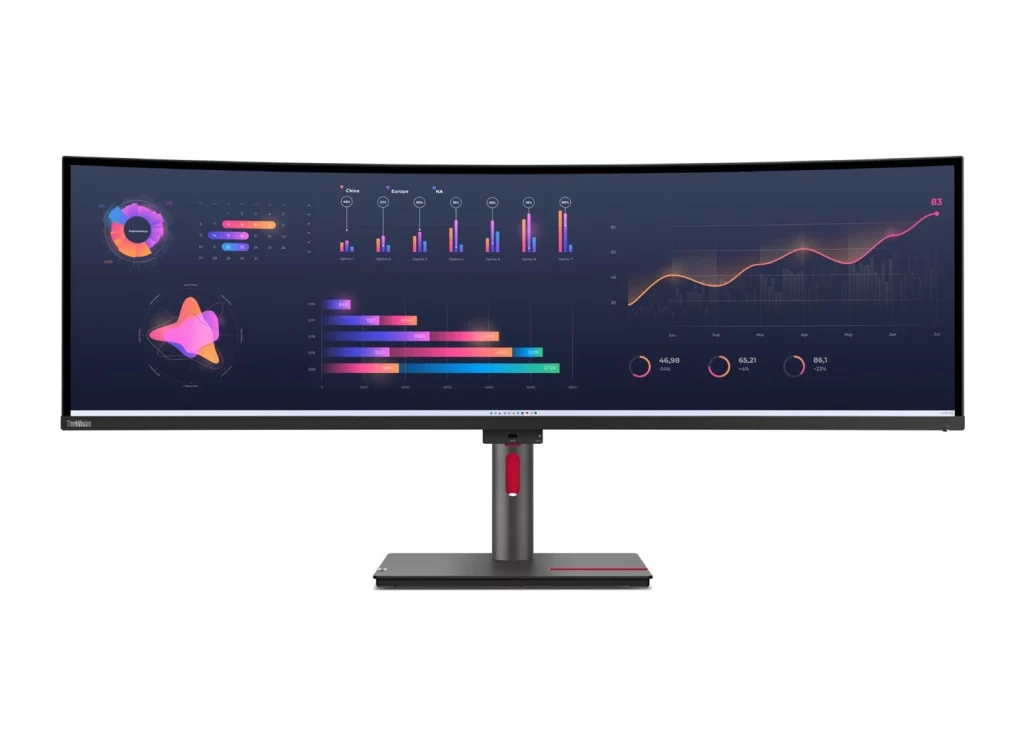
LG Display recently developed a new technology known as IPS Black Panel technology. The display technology is most suitable for professionals and brings support for wider viewing angle, color accuracy, detailed expression in dark scenes, and fast response time for IT environment. Already, LG and Dell have both launched flagship monitors that are equipped with LG Display’s IPS Black panels. The displays are available in 27 and 32 inches with contrast ratio of up to 2000:1.
Chinese tech giant Lenovo has now joined the band of manufactures to launch monitors utilising the new IPS Black Panel technology. The model is the Lenovo ThinkVision P49w-30 Monitor and it expands on the display size of existing models. The ThinkVision P49w-30 packs a 49-inch curved display with an aspect ratio of 32:9. The display has a resolution of 5120 x 1440 resolution and a bumped up contrast ratio of 2000:1.
The Lenovo ThinkVision P49w-30 Monitor utilizes a small curvature of 3800R, has supports a 60Hz refresh rate and peak brightness of 350 nits. The monitor also comes with a 98% DCI-P3 color gamut.
Furthermore, the ThinkVision monitor is equipped with HDMI 2.1, DP1.4, Gigabit Ethernet port, and dual Thunderbolt 4 interface. It also has built-in dual 5W speakers.
The display can be seen as two 2K (2560 x 1440 pixels) displays placed side by side, which means that LG may launch a regular 2K resolution IPS Black panel display next year.
The Lenovo ThinkVision P49w-30 monitor will be available in June 2023 for $1,699.
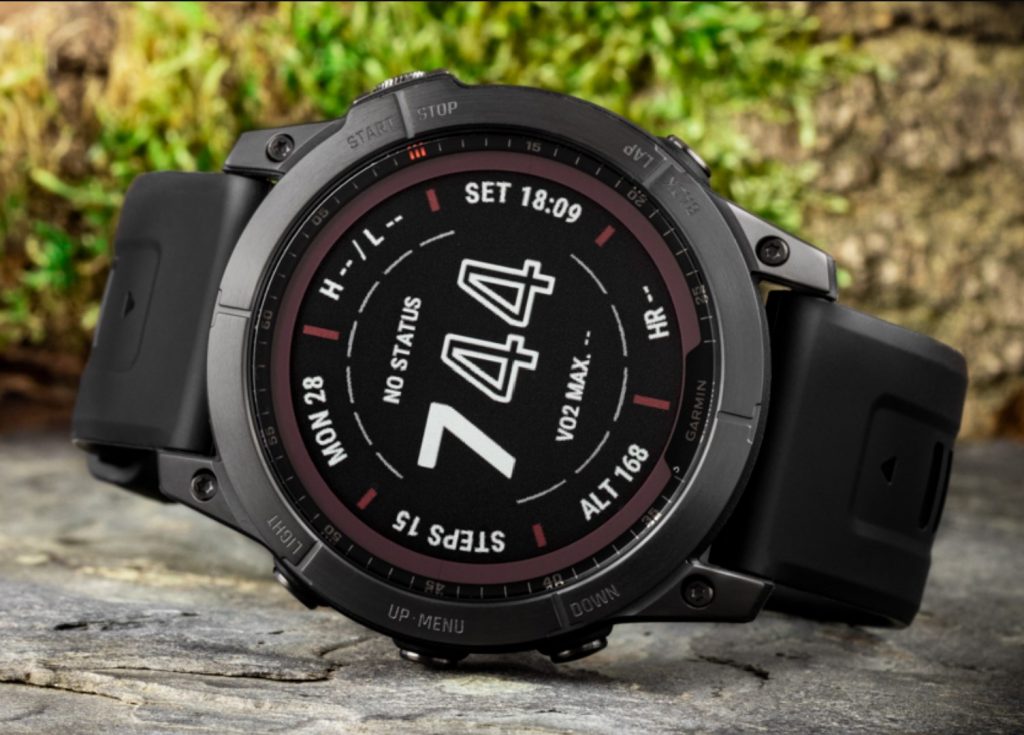
Garmin has rolled out the latest software update for its smartwatches. The Alpha version 11.5 update comes with a new feature that advises the user on jet lag. The Jet Lag Advisor allows the user to get tips and advisories relating to travel. The Jet Lag Advisor can help reduce the impact of travel on your body.
The latest software update from Garmin also brings support for Connect IQ System 6. The Connect IQ System 6 allows the user to leave his/her gender unspecified. The update is available for the Fenix 7, Fenix 7X, Fenix 7S, Enduro 2, Epix (Gen 2), and MARQ smartwatches. The update also provides initial support for HRV TrueUp which ensures biometric data is synced between your devices. The update however omits support for the overnight HRV graph which may be available in subsequent updates.
The Alpha version 11.5 software update features additional sailing tools like the Distance to Start data and the Race Day Card. Other tools added to the new firmware are stamina data for bike sports and a workout execution score in the post-activity summary.
Wake surfing and wakeboarding have been added to the activity tracker. There are also bug fixes in the new update and overall improvements. Some of the bugs caused the smartwatch to become very slow or even to shut down automatically. The new Alpha 11.5 update, according to Garmin, is only available to users who manually download and install it.
We use cookies on our website to give you the most relevant experience by remembering your preferences and repeat visits. By clicking “Accept”, you consent to the use of ALL the cookies.
This website uses cookies to improve your experience while you navigate through the website. Out of these, the cookies that are categorized as necessary are stored on your browser as they are essential for the working of basic functionalities of the website. We also use third-party cookies that help us analyze and understand how you use this website. These cookies will be stored in your browser only with your consent. You also have the option to opt-out of these cookies. But opting out of some of these cookies may affect your browsing experience.
Necessary cookies are absolutely essential for the website to function properly. This category only includes cookies that ensures basic functionalities and security features of the website. These cookies do not store any personal information.
Any cookies that may not be particularly necessary for the website to function and is used specifically to collect user personal data via analytics, ads, other embedded contents are termed as non-necessary cookies. It is mandatory to procure user consent prior to running these cookies on your website.