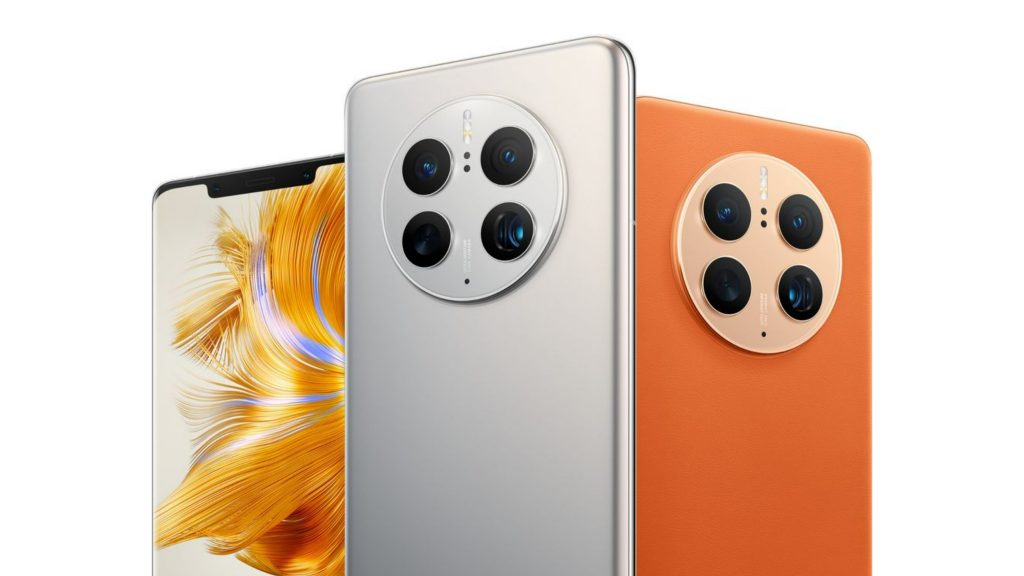
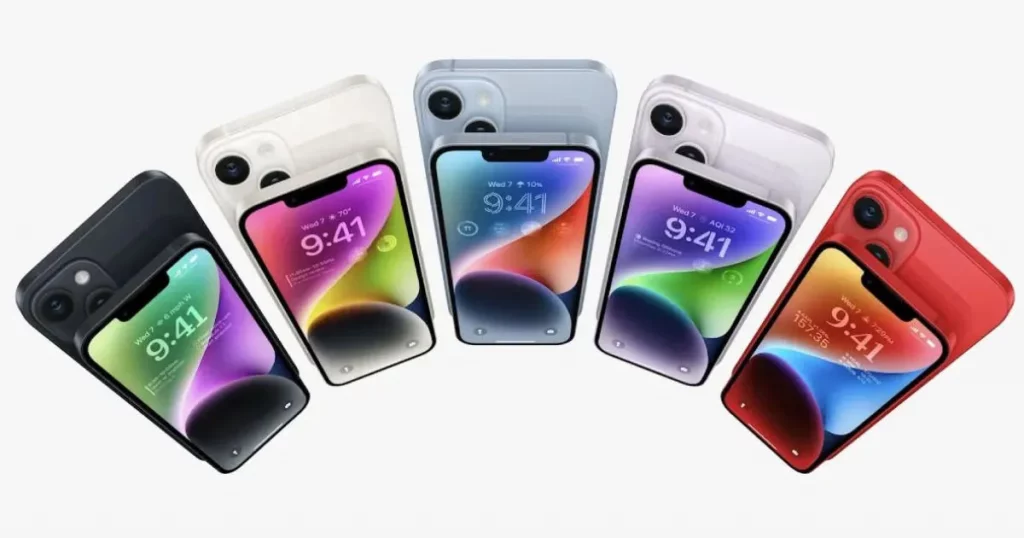
Huawei is the only company other than Apple to provide a secure face authentication system on its smartphones. Therefore, the latest Huawei Mate 50 Pro and Porsche Design Huawei Mate 50 RS sport a wide notch.
As the COVID-19 pandemic is yet to end, masks are still mandatory in certain parts of the world. Hence, Apple introduced ‘Face ID with a Mask’ earlier this year. Following the footsteps of the American tech giant, Huawei also rolls out a similar feature for the Mate 50 Pro models.
Huawei is seeding out a new software update for the Huawei Mate 50 Pro and Porsche Design Huawei Mate 50 RS in China. The OTA system update bumps up the HarmonyOS version to 3.0.0.156.
As per the official changelog, the update adds support for face authentication while wearing a mask. Users can not only unlock the phone but can also make payments,
Unsurprisingly, the feature is the same as what Apple offers on iPhone 12 and later. When face authentication with a mask is turned on, the system will identify the user by their eyes.
If a user wears glasses, they can enroll their faces with glasses on for more accuracy. Additionally, users can also enroll faces with make-up, which is not possible on iPhones.
At present, we are not sure if and when this feature will be made available outside mainland China.
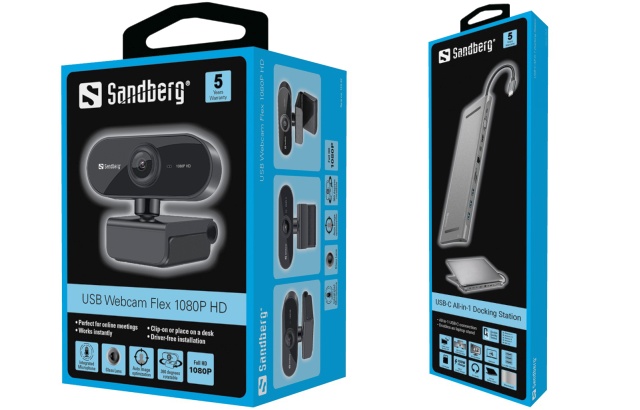
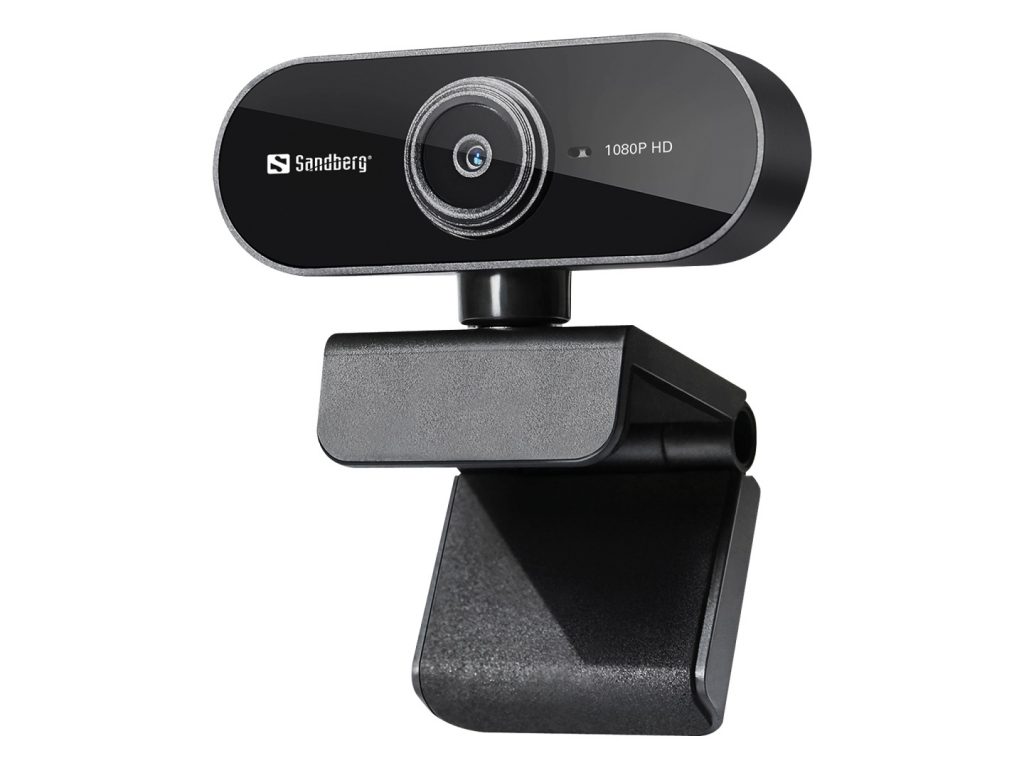
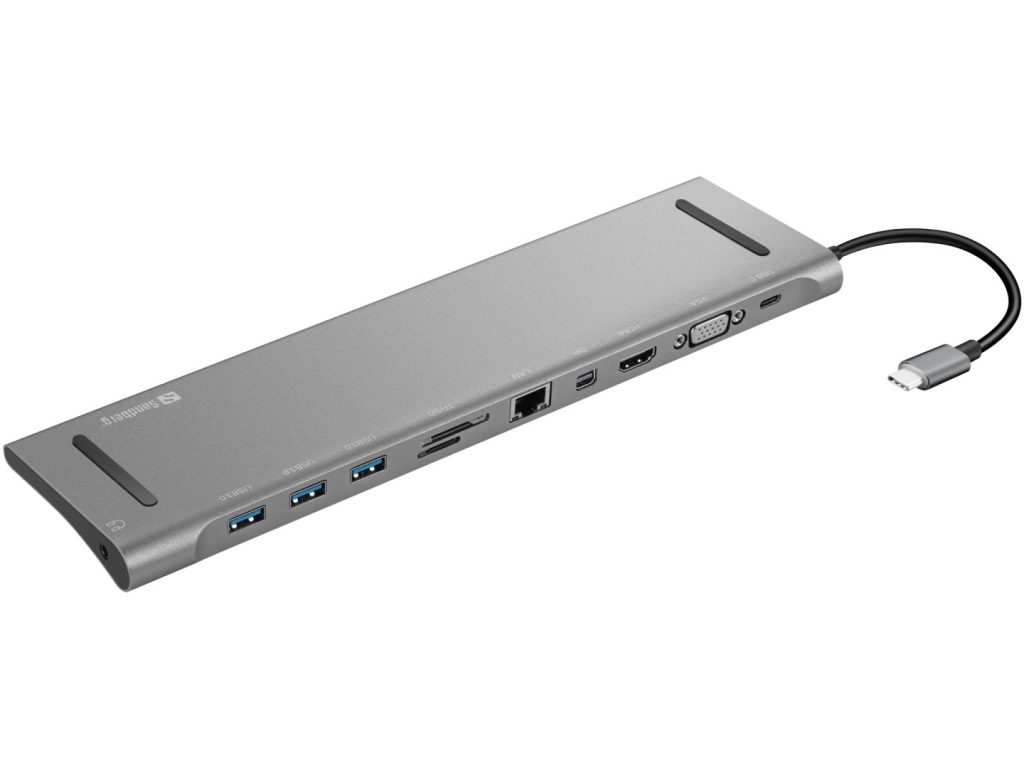
The Danish electronics manufacturer Sandberg has launched a new webcam called USB Webcam Flex and a USB-C All-in-1 docking station.
These two items have lengthy guarantee periods and a reasonable price. According to the official press release, they are “an ideal pairing for those who work from home and participate in video calls.”
The USB Webcam Flex 1080P HD, which costs GBP£39.99 (about US$46), has a 72-degree viewing angle, 30 frames per second, and automated saturation, exposure, contrast, and white balance adjustment. Naturally, it has an integrated microphone as well, providing the absolute minimum for video calls.
The USB-C All-in-1 Docking Station costs GBP£127.98 (approximately US$146) and features a power connector that provides up to 100 W for USB-C charging, 3 X USB 3.0 A ports, a single audio output 3.5 mm jack, VGA, RJ45 Gigabit, HDMI, mDP, a multi-card reader (SD/SDHC/SDXC/MMC), and a security lock hole.
Both of the aforementioned items have a generous 5-year warranty and are available on Amazon (the prices mentioned earlier might be different depending on the market).
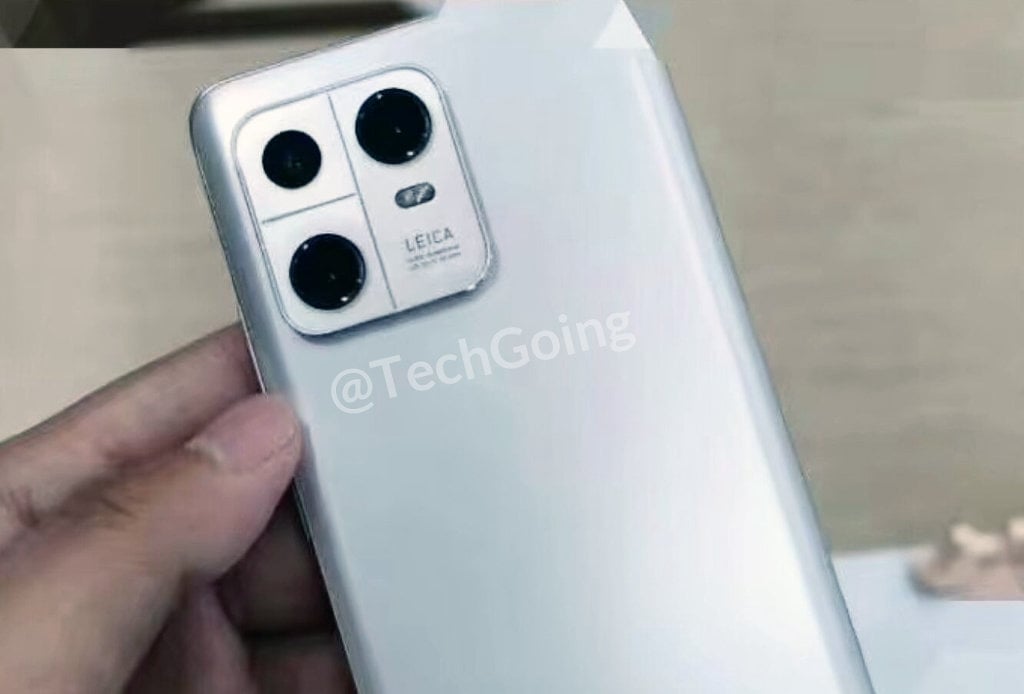
Recently, Xiaomi 13 was allegedly spotted in a leaked live image. Now the Pro variant has surfaced in a live image courtesy of publication TechGoing. It gives us a look at the upcoming smartphone. Going by the leaked image, the Xiaomi 13 Pro looks similar to the regular variant. Both smartphones are expected to debut next month or in December, probably after the launch of the Snapdragon 8 Gen 2 processor.
The leaked image reveals that the Xiaomi 13 Pro will sport a protruding squarish camera island. The module houses two sensors stacked vertically on the left and a large lens on the right side. The latter has LED flash beneath it. There’s also a ‘Leica’ text that suggests Xiaomi has collaborated with the iconic camera brand for the upcoming flagship device. The back panel also has curved edges. The Xiaomi 13 Pro is seen in Silver colour option and we can expect more variants at launch.
The leaked image does not reveal any additional details about the Xiaomi 13 Pro. However, the smartphone’s front side was also leaked with key specifications last month. It features a centre-aligned punch-hole display with curved edges. It is expected to feature a 6.67-inch AMOLED screen with 2K resolution and a 120Hz refresh rate. The leaked image also revealed 12GB RAM along with 3GB virtual RAM and MIUI 14 based Android 13 OS.
The Xiaomi 13 Pro with model number 2210132C was also spotted on China’s 3C certification website. It will likely support 120W fast charging.
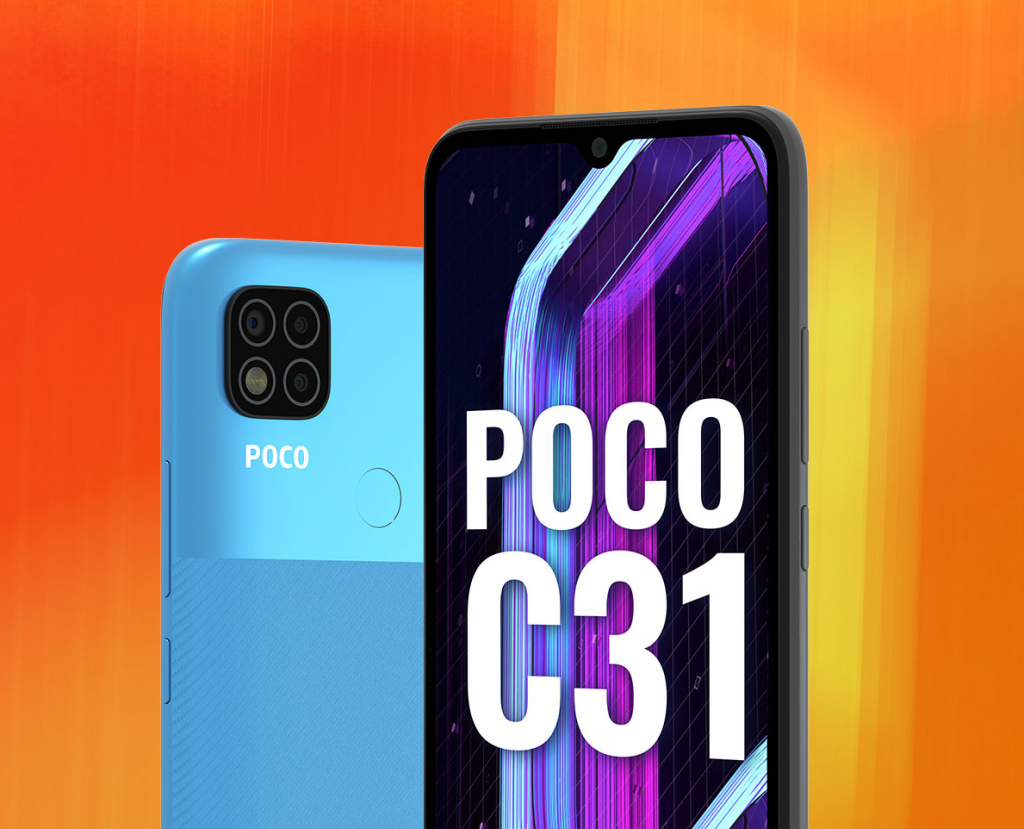
During the Flipkart Big Billion Day sales, a number of products went on attractive discounts on the e-retail platform. However, one smartphone, which is the POCO C31, stood out thanks to its blockbuster sales figure of 400,000 units.
For those unaware, the POCO C31 model is a budget device from the Chinese smartphone maker. Notably, the handset was also the highest selling smartphone that was priced under 8,000 INR in India during the Flipkart Big Billion Days sale. Notably, this wasn’t the only model from the brand to see impressive sales, as the POCO M4 Pro model also sales reaching a whopping 300,000 units during this same period while the X4 Pro 5G registered more than 150,000 units in sales as well. However, the C31 was undoubtedly the top selling model from the brand with an impressive 400,000 units being shipped.
According to Himanshu Tandon, POCO India head, “This festive season, we wanted to celebrate with our consumers and strived to make POCO products accessible to the masses. Post the offers and discounts announced, we empowered consumers to get their hands on the powerful POCO rangers at unmatched prices. And the consumers’ verdict is out, POCO C31, M4 Pro AMOLED, and X4 Pro 5G have performed extremely well in their respective segments. We are overwhelmed with the love received from the POCO fam and consumers this Big Billion Days Sale, and extend our gratitude for their love and trust, always.”
Notably, the company also announced new deals to elevate festive season and wrap up the Diwali Sale. So now, you can expect good discounts on a range of POCO branded smartphones. This ranges from top of the line F4 5G model selling for just 21,999 INR, while mid range X4 Pro 5G costing around 13,999 INR. Lastly, the M4 Pro and C31 model will be priced around 10,249 INR and 6,749 INR reespectively during this sale.
Over the last couple of weeks, we have reported on Sony working on a new PlayStation 5 Pro model, which would have been a refreshed model with bumped up specs. Now, a new report has revealed that the new console model isn’t too far away.
A new leak from known industry insider Tez2 claims that many developers have already started receiving the PS5 Pro devkits. If this news is true, it confirms the existence of the new game console. For those unaware, game studios typically get the devkit of new consoles ahead of the market for various reasons like better optimizations of existing games, or even the development of new titles based on improved hardware.
According to the tipster, the developers have been referring to the PS5 Pro devkits as the “kits of mid life upgrades.” Although, based on the PlayStation 5 devkits, we can expect the specifications of the PS5 Pro to also differ from the retail version that will be made available for consumers. Unfortunately, Tez2 did not reveal any other finer details like specifications regarding the upcoming gaming console model. But we can expect a more robust cooling system that helps keep the upgraded AMD APU’s thermals in check.
Based on these rumors, we can expect the PlayStation 5 Pro to launch sometime around mid to late 2024. This would be in line with the PS4 series, with the PS4 Pro launching around three years after the launch of the original variant. So, its likely that we’ll see a similar gap between the PS5 and PS5 Pro. So stick around for more, as we will be providing updates when additional information is available regarding this matter.
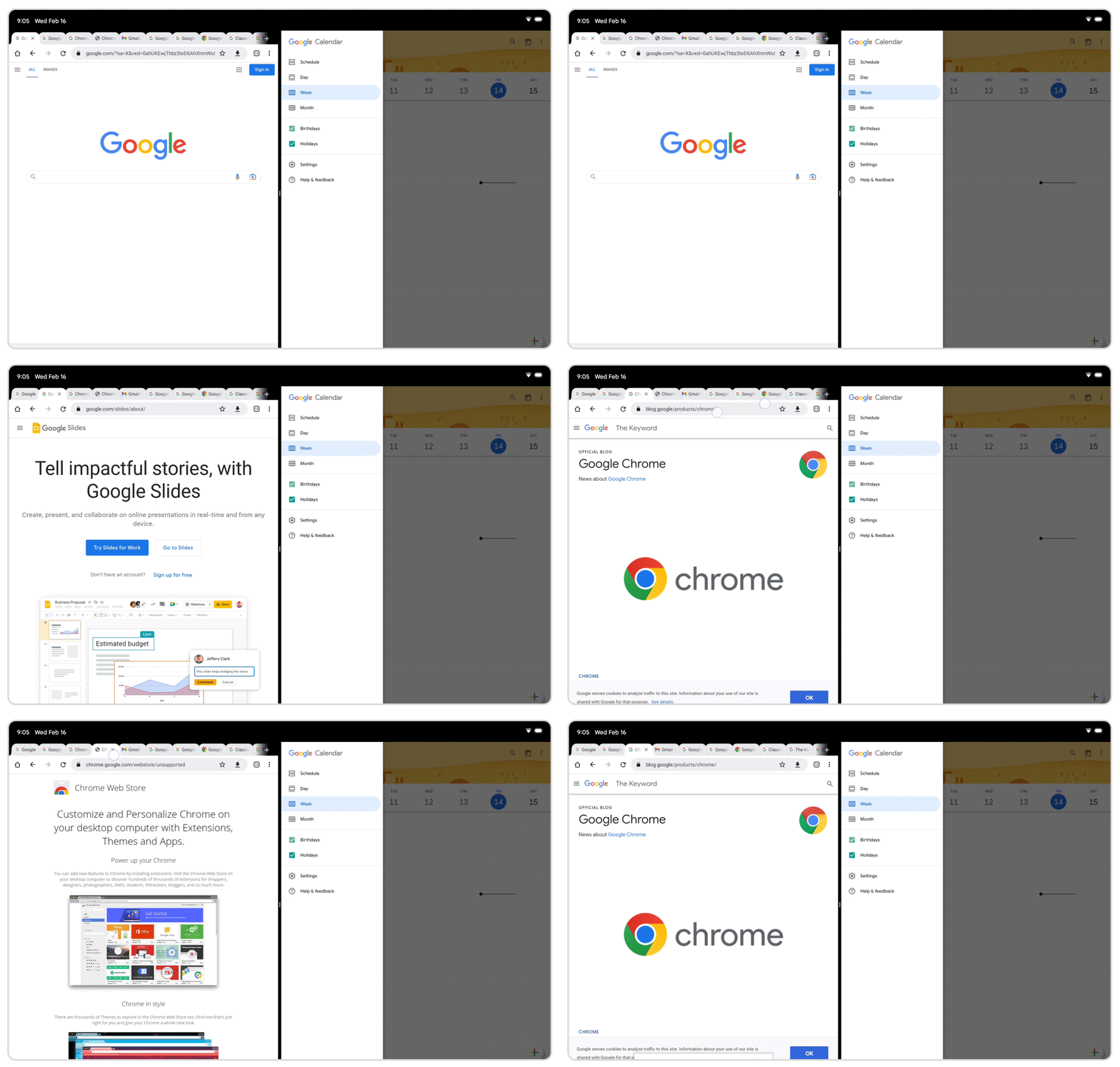
A new version of Chrome for Android tablets has been released by Google, making it easier to switch between tabs and finish activities more quickly on Android tablets. Additionally, Chrome will also get a couple more features to improve productivity on Android tablets. So, let’s check these features out in detail.
Side-by-side design
Finding the right tab can be difficult on a smaller screen with numerous open ones. To make choosing tabs simpler, Google modified it by incorporating a side-by-side design into Chrome. You can swipe back and forth between tabs using the auto-scroll back function as well. To avoid accidental closing of tabs, the close button is hidden when the tabs get too small. If you do end up accidentally closing a tab, there is a one-click button to restore it.
Visual tab grid
Google has introduced the visual tab grid to make it even easier to locate a specific tab when you have multiple tabs open. Instead of being displayed in a horizontal stream, tabs are now displayed in a grid with a preview to make navigation easier. If you have a foldable smartphone, visual tabs are helpful because the smaller screen on the outside matches the larger screen inside.
Drag & drop out of Chrome
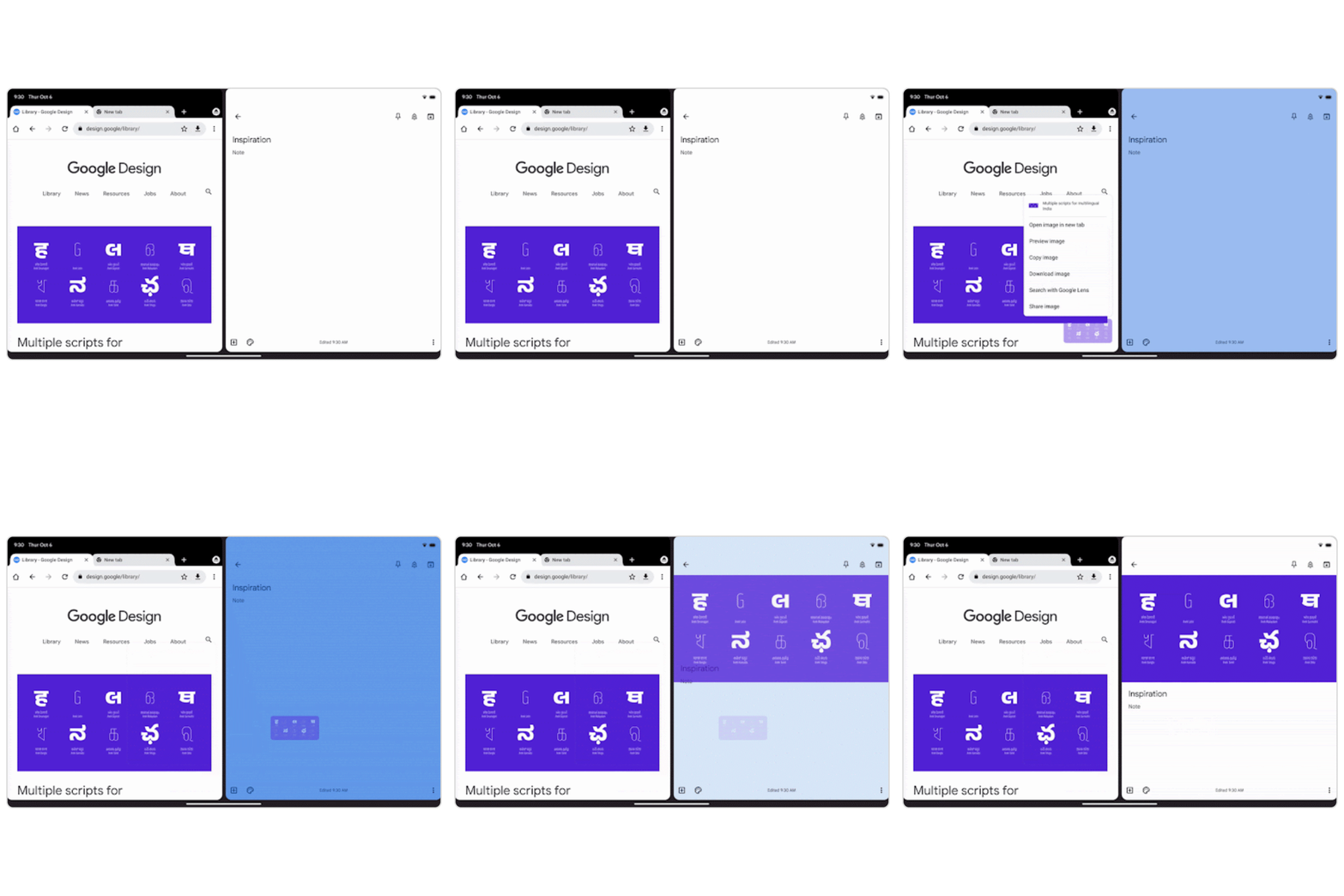
Sharing content across apps is also now easier while you browse the internet using Chrome as you can simply drag and drop images, text, and links to apps like Gmail, Photos or Keep.
Desktop mode
A lot of times, websites don’t work as they are supposed to on tablets, or some features of the site are missing on the tablet version. Got get around this issue, you can set Chrome to always request and display the desktop version of a website.
Tab groups
Tab Groups is a feature currently available on the PC and Android smartphone versions of Chrome. It helps in increasing productivity and keeping things organized as the feature can group tabs to keep related pages together in one workspace. With this update, this feature is now available on all Android tablets.
Earlier this week, Rokid launched a new product that is a three in one type of product that aimed to fulfill multiple roles. The device in question is the Rokid Station which is basically an AR remote control for multimedia, gaming, and even productivity based uses.
For those unaware, Rokid is a brand that specializes in developing software and hardware related to AR technology. It has even launched a pair of AR glasses as well in the past, and now, the company announced the Rokid Station during an online conference. This product serves a three in one purpose, offering a private theater experience with IMAX while also providing an immersive portable mobile terminal and even serving as a powerful productivity platform as well.
Looking at the device itself, it appears to resemble an actual remote control. Despite its functionality, it is more compact and portable than a traditional smartphone. Although, it can be paired with handsets, tablets, computers, and even portable gaming consoles as well as the Rokid Air AR glasses that were launched back in 2021. It houses a large 5,000mAh battery pack, which the company claims can last for up to three full movies or over 6 hours of battery.
The Rokid Station supports mainstream 3D video formats and also houses 32GB of internal storage. So even if there is no internet connectivity, users can watch local videos that were imported onto the device. Apart from this, users can play popular games like Genshin Impact and function as a dedicated gamepad for a better gaming experience. For productivity, the Station also offers built in Alibaba Cloud’s cloud computing service and other 3D office applications as well. The device has just been launched in China and is priced at 799 Yuan.
Xiaomi is yet to deliver the Android 12 update for some of its devices though Android 13 is out for more than 2 months. Three such handsets have started receiving the much-awaited update in India.
The Android 12 update for the Pro models of Redmi Note 9 and Poco M2 arrive with MIUI 13 in India. Despite releasing in October, the software builds come with August 2022 security patches.
Most importantly, the update is currently limited to Mi Pilot testers. It should make its way to regular users in the coming days and weeks.
The update should enter the ‘Stable Beta’ phase next, followed by ‘Stable’. Hence, most users will likely get access to it by next month.
The Android 12-based MIUI 13 update is probably the last major software update for Redmi Note 9 Pro, Redmi Note 9 Pro Max, and Poco M2 Pro. These phones may only receive necessary security updates going forward.
All three devices were launched in 2020. They share a similar design and only differ in terms of certain features.
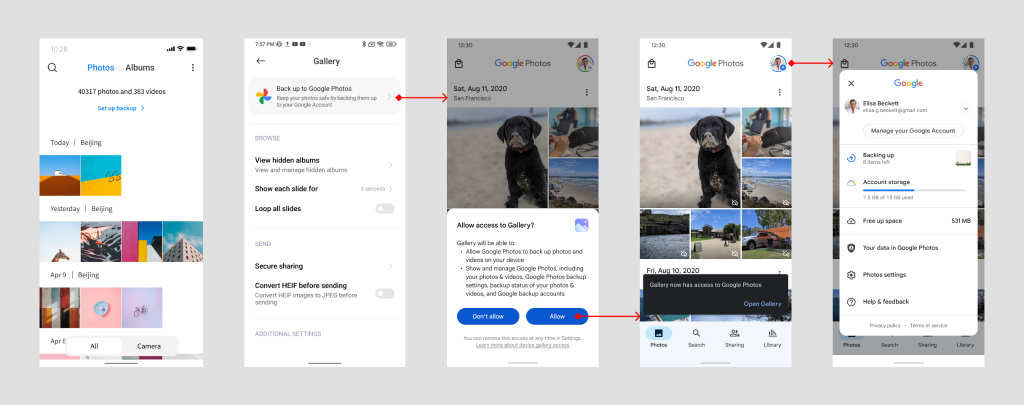
Last week, Xiaomi announced that it will drop support for MIUI Gallery sync feature with Xiaomi Cloud. The company also disclosed that it will allow users to migrate their media to Google Photos in 2023.
Just a few days later, the smartphone maker now reveals that Google Photos will be integrated with MIUI Gallery starting next week.
Xiaomi says that it is integrating Google Photos backup functionality into MIUI Gallery. The integration will go live with a new version of the application.
The update will be rolled out via Xiaomi’s GetApps app store. It will be first made available in Singapore starting on October 24.
Existing users of Xiaomi Cloud will be able to migrate their media to Google Photos. Also, they will be offered a 3-month trial of Google One membership (100GB).
Xiaomi Cloud offers only 5GB of free storage and its family plan is limited to China. On the other hand, Google provides 15GB of free storage. Additionally, with Google One membership, users can not only expand storage but can also add up to 5 family members.
As mentioned earlier, the initial timeline disclosed by Xiaomi for the rollout of Google Photos integration with MIUI Gallery was 2023. Hence, we believe that it will take months to reach all the markets.
What are your thoughts on Xiaomi discontinuing the synchronization of MIUI Gallery with its own cloud service outside mainland China? Do let us know in the comment section below.
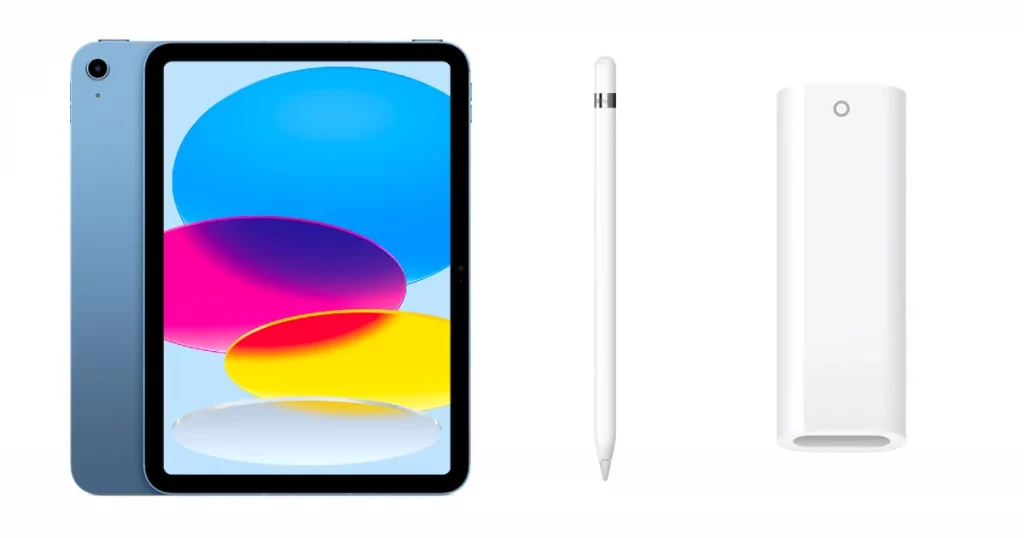
Apple has just announced a new entry level iPad model for the Indian market. However, this new generation of iPad did not drop alone as the company also brought support for the first generation Apple Pencil as well. But, there appears to be an odd issue of port compatibility between the two products.
For those unaware, the new iPad 2022 model comes with a USB Type C port, which is the next gen standard for the large screened devices. Furthermore, the new iPad 2022 model starts from 44,900 INR and is over 10,000 INR more expensive than its predecessor. Although, in terms of specs, it is closer to the iPad Air M1 model. But unfortunately, the 1st Generation Apple Pencil only charges over a Lightning port. So, how will one charge the stylus with the iPad? Simple, buy the brand’s 900 INR USB Type C Apple Pencil adapter.
As of right now, the new entry level iPad only works with the 1st Gen Apple Pencil, despite being a current gen iPad model. This seems especially more weird considering that the iPhone maker has launched the iPad Air, iPad mini, and iPad Pro to all support the 2nd Gen Pencil. So, it appears that the brand launched the latest gen entry level iPad with USB Type C port, but is pushing users to buy a dedicated adapter to get the full functionality of the tablet when used with a stylus.
As per official description, the 1st Gen Pencil charges with the 10th Gen iPad. It reads “the USB-C to Apple Pencil Adapter is required to pair and charge Apple Pencil (1st generation) with iPad (10th generation). Your Apple Pencil plugs into one end of the adapter and the USB-C Charge Cable from your iPad plugs into the other.”
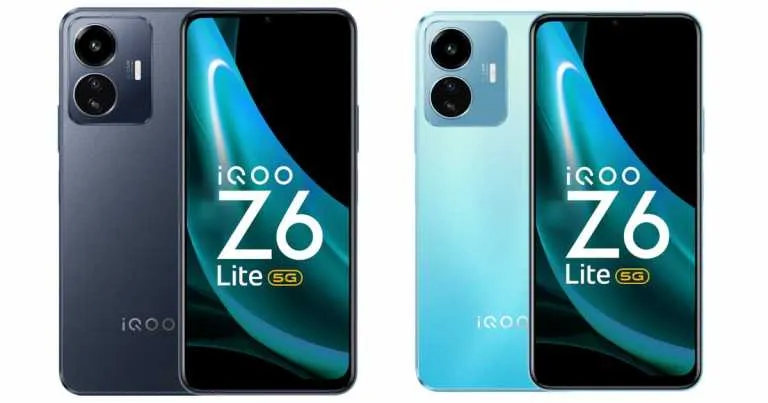
Last month, iQOO launched the iQOO Z6 Lite 5G in the Indian market. This device debuted as the first smartphone to be powered by the Snapdragon 4 Gen 1 chipset. In addition to the chipset, it has many other features like a high-resolution panel with a high refresh rate that make it quite a compelling gaming smartphone in the lower midrange.
The device also featured the Extended RAM 2.0 technology (virtual RAM) which enabled the device to gain an additional 2GB of RAM above the RAM capacity of the Z6 Lite 5G. Now, the brand has started pushing out an update that will take the virtual RAM capabilities of the Z6 Lite 5G to new heights.
According to iQOO, the new update carries Extended RAM 3.0, which will allow users to extend the RAM of the 6GB iQOO Z6 Lite 5G model by another 6GB, while users of the 4GB model will be able to increase their RAM by another 4GB using the Extended RAM feature. The new feature will help improve performance while multi-tasking and even while gaming in some titles.
According to iQOO, the update will be available via OTA beginning today. We can expect the update to roll out in batches, so it might take a couple of days before the update makes its way to all of the devices.
iQOO Z6 Lite 5G specs & features
The iQOO Z6 Lite 5G boasts a massive 6.58-inch Full HD+ display offering a resolution of 2408×1080 pixels. The display has a refresh rate of 120Hz and a touch sampling rate of 240Hz. The front camera is housed inside a waterdrop notch on the display.
Under the hood, the smartphone housed the Snapdragon 4 Gen 1 SoC manufactured on TSMC’s 6nm process. The chipset is complemented by 4GB or 6GB of RAM and 64GB or 128GB of storage. It has a 5000mAh battery with 18W charging support and operates on Android 12-based FuntouchOS 12.
For optics, the handset includes a dual camera setup on the back consisting of a 50-megapixel primary camera and a 2-megapixel macro unit. On the front, there is an 8-megapixel camera for selfies and video calls.
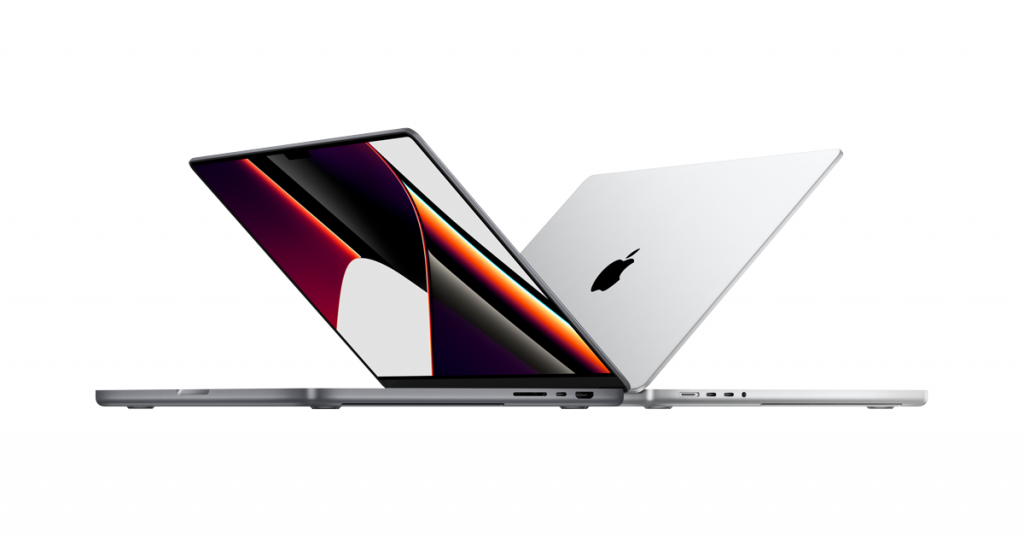
Apple recently unveiled its latest iPad and iPad Pro models, along with a new Apple TV 4K. Now, the next lineup of products to get refreshed is the highly anticipated MacBook Pro 14-inch and 16-inch models.
The new Apple MacBook Pro models were expected to go official this month, i.e. in October but a new report from Mark Gurman of Bloomberg suggests that the launch has been delayed to next month.
According to the report, the new 14-inch and 16-inch models of the MacBook Pro in November but an exact launch date is not yet known. The company also has a history of launching new MacBook models in November, which it did in the year 2019 and 2020.
Previously, we reported that Apple is planning to launch new MacBook Pro laptops as early as the fall of this year, but the launch could get delayed because of supply chain issues.
The upcoming laptop models will come powered by the Apple Silicon’s M2 Pro and M2 Max chips, which are not yet officially announced by the Cupertino-based tech giant. There were rumors about the upcoming M2 Pro and M2 Max chips being manufactured using the 3nm process, but recent reports have indicated that the company will stick to the 5nm process for the new chips.
If the reports are to be believed, then the company is expected to move from the N5 process of the M1 Pro and M1 Max chips to the newer N5P process by TSMC. As of now, there’s not much information available about the upcoming Pro models of the MacBook, but it’s likely that there won’t be any major changes in terms of design, and we’ll mostly see internal upgrades for better performance.
Apple had just recently launched the iPhone 14 series. However, soon after its release, various reports surfaced regarding bugs that users were facing on the new device. Now, a new report has found that users are now facing another issue, which is affecting the SIM this time around.
People who bought the iPhone 14, iPhone 14 Plus, iPhone 14 Pro, and iPhone 14 Pro Max have raised complaints regarding their devices showing the message “SIM Not Supported.” Following this, the screen also freezes for a short while as well. While some of the bugs we had initially reported on were circulated on publications or on Reddit, this issue has been officially acknowledged by the Cupertino based giant.
According to Apple, this SIM issue is caused by a bug in iOS 16. In other words, it is clearly not a hardware related problem and the brand is also actively working on finding a fix to this matter. Meaning, users of the iPhone 14 series can expect to see a software update roll out soon that will patch this bug. Apple has also urged its iPhone 14 users to keep their devices’ software up to date.
As of right now, there are a few things that can be done while the company is working on a fix. This includes waiting for a couple of minutes, by which time the message usually disappears on its own. It is advised that users do not restore their devices, rather, visit an Apple Store or an authorized service provider who is trained to offer professional technical support in resolving this problem.
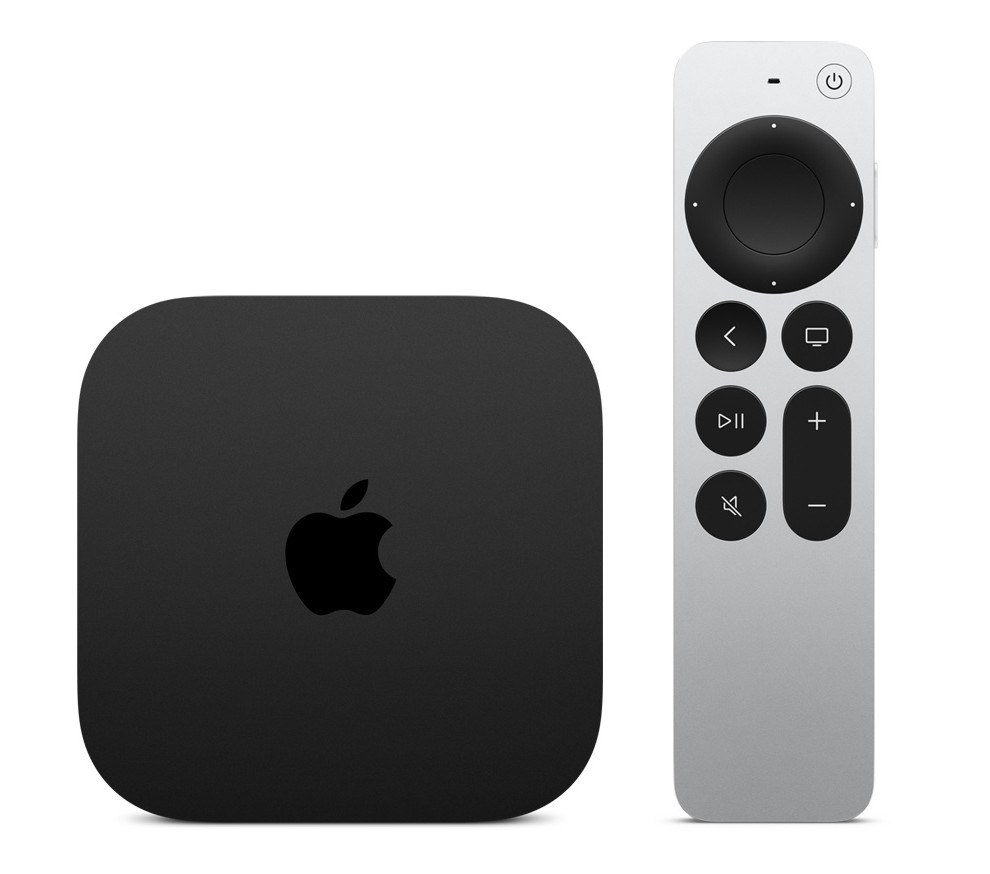
Apple recently launched many new products in the market including the new iPad Pro with M2 chips and the 10th Gen iPad. The brand has also debuted the Apple TV 4K in India, which is the successor of the 2021 model and comes with the A15 Bionic chip under the hood.
The Apple TV 4K supports HDR10+ and Dolby Vision. The A15 chip offers better performance compared to the 2021 model as it is up to 50% faster in terms of CPU performance and up to 30% faster in terms of GPU performance.
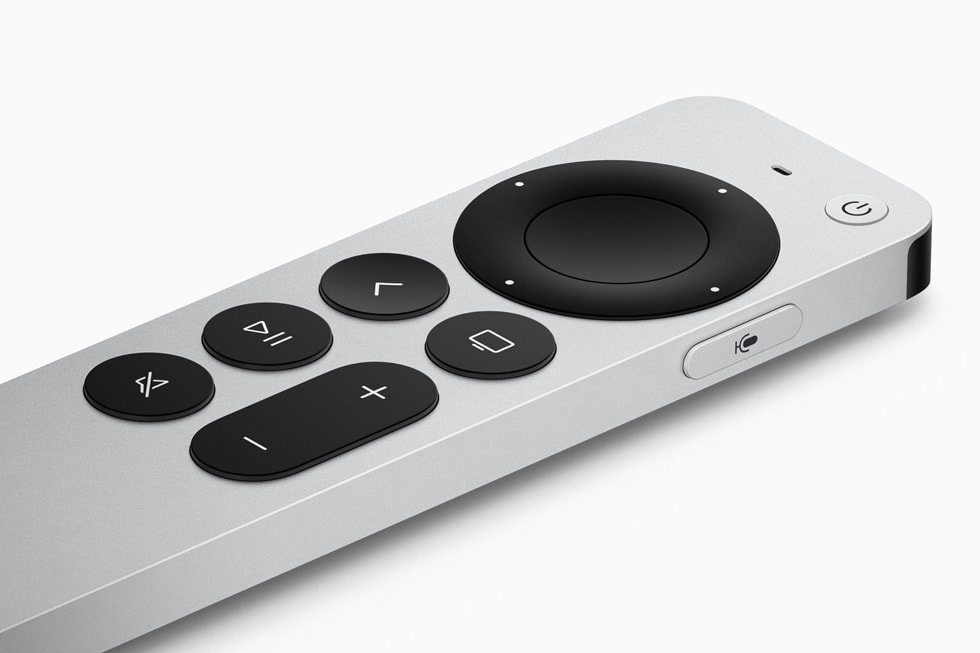
Additionally, it comes with a Siri Remote, a touch-enabled clickpad that offers quick navigation of Apple TV’s clean, sophisticated user interface. For audio, the Apple TV 4K offers support for Dolby Atmos, Dolby Digital 7.1, or Dolby Digital 5.1 to best suit the user’s home audio setup. The Apple TV 4K is available in two versions – Wi-Fi only and Wi-Fi + Ethernet.
Apple has also said that they will be rolling out new features with the Apple tvOS 16 later this fall. These new features will make it even easier for customers to use their voice to control Apple TV and interact with the results. For instance, users can say “Hey Siri” while wearing AirPods to search for and control Apple TV hands-free. Each user’s voice will be recognized by Siri, making it simple for them to access their movies, TV episodes, music, games, and apps and pick up where they left off.
Pricing & availability
The Apple TV 4K comes in two configs – Apple TV 4K (Wi-Fi), which offers 64GB of storage and costs Rs. 14,900, and Apple TV 4K (Wi-Fi + Ethernet), which costs Rs. 16,900.
It can be pre-ordered from Apple.com and authorized dealers in India. The device will be available for purchase starting November 4th.
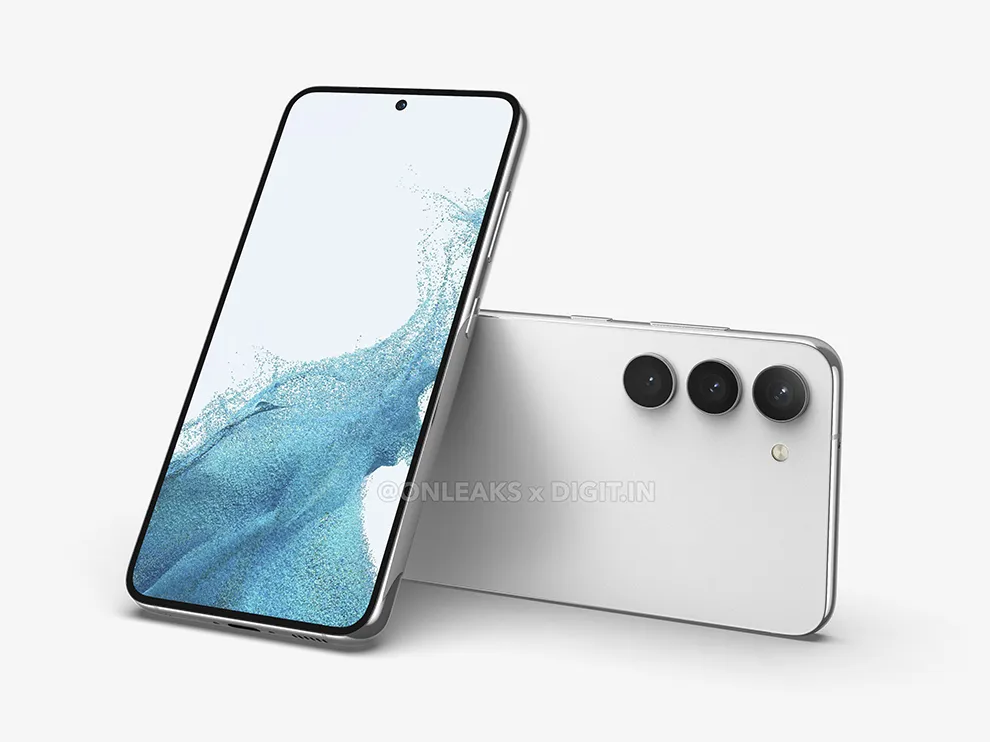
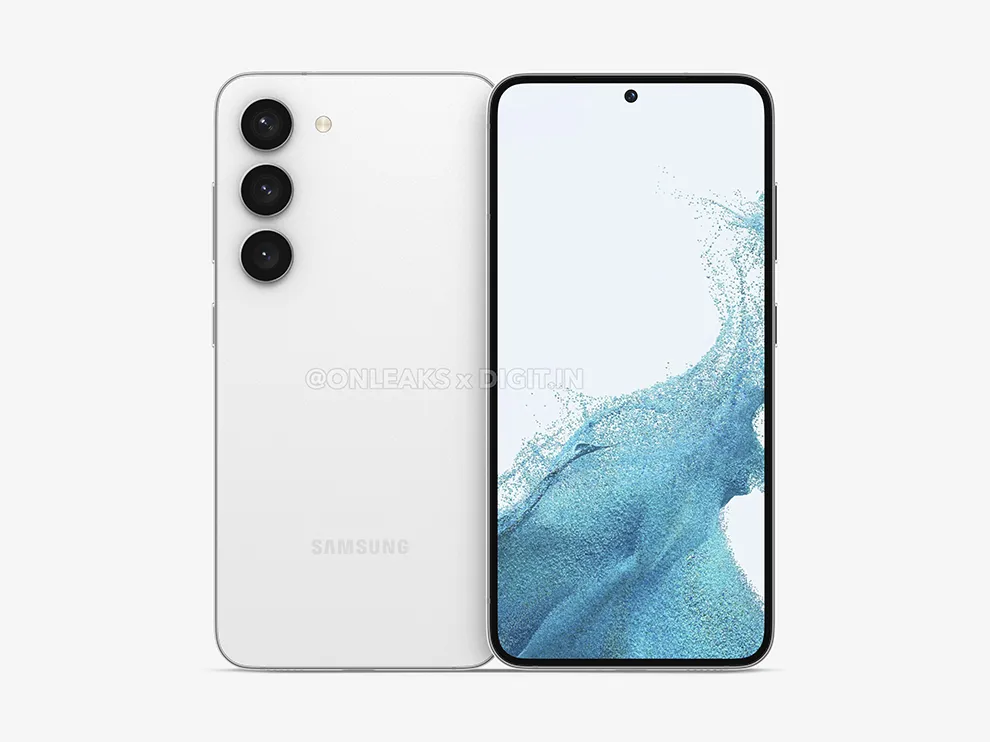
Samsung will likely launch the Galaxy S23 series at the beginning of 2023. The lineup is expected to have three devices – the Galaxy S23, the Galaxy S23 Plus, and the Galaxy S23 Ultra. Multiple leaks regarding these devices have already surfaced online. The Galaxy S23 US variant was also recently spotted on Geekbench.
Now, tipster Yogesh Brar has shared the complete specification list in a tweet revealing what’s new in the upcoming Samsung flagship.
According to Brar, the Galaxy S23 will feature a 6.1-inch sAMOLED display with Full HD+ resolution and a 120 Hz refresh rate. Whether this will be an E5 AMOLED panel or an E6 AMOLED panel is still unknown. Moving on, the device will have the next-gen Snapdragon 8 Gen 2 chipset from Qualcomm that recently appeared on Geekbench showcasing similar performance to the Snapdragon 8+ Gen 1. So, we could expect improvements to come in the efficiency and thermals department.
The camera setup appears to be unchanged, as the device is said to sport a 50MP primary sensor with OIS, paired with a 12MP ultrawide lens and a 10MP telephoto lens. The front camera will sport a 10MP sensor. The phone will be available in two configurations – 8GB RAM + 128GB storage and 8GB RAM + 256GB storage.
As for the operating system, it will be the One UI 5 based on Android 13. The battery will receive a slight bump in capacity from the current Galaxy S22. It is said to be a 3,900mAh battery pack with 25W wired fast charging and 15W wireless charging support. The added 200mAh doesn’t look that impressive compared to the last gen, however, going by rumors surrounding the Snapdragon 8 Gen 2’s efficiency, the device could actually have a significant increase in battery life over the Galaxy S22.
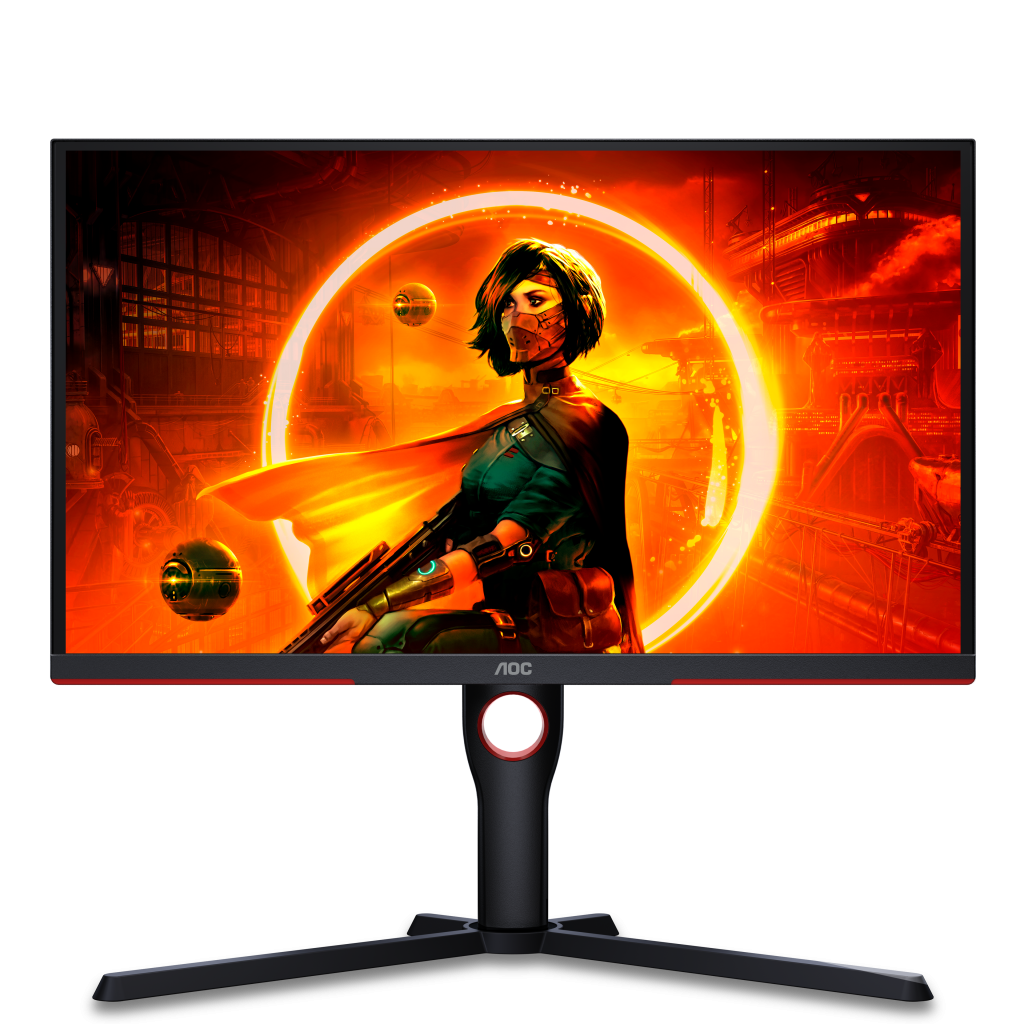
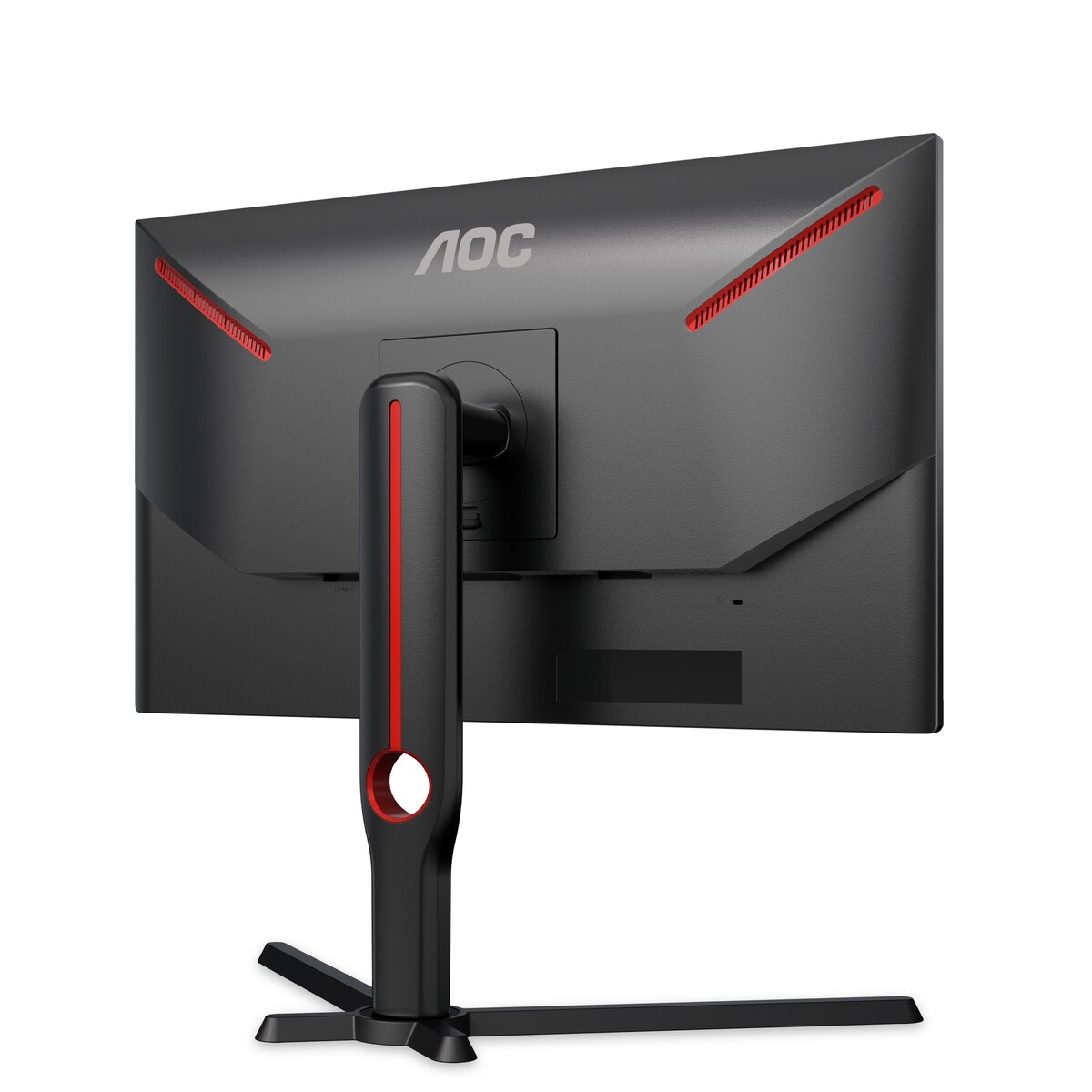
The Taiwanese electronics manufacturer AOC, best known for its gaming monitors, has launched a new monitor catered towards gamers called the AOC Gaming 25G3ZM/BK.
The new monitor utilizes a 24.5-inch VA panel that offers a 1,920 x 1,080 pixels resolution and 16:9 aspect ratio. AOC states that the panel has been coated with an antiglare layer for a better viewing experience. The monitor has WLED backlights and 178/178 viewing angles (CR10). The brightness goes up to 300 nits and users will get the typical 3,000:1 static contrast ratio from this display.
Additionally, according to AOC, the monitor’s single DisplayPort 1.2 or dual HDMI 2.0 connectors enable it to operate at between 48 and 240 Hz and give 0.5 ms MPRT and 1 ms GtG response times. To avoid screen tearing upwards of 120Hz, the company has included support for AMD FreeSync Premium. Similar to this, the display provides customized game modes to enhance image reproduction when playing, among other things, FPS, racing, or RTS games. AOC says that the AOC GAMING 25G3ZM/BK has 100% sRGB color space coverage and 92% DCI-P3 color space coverage, respectively.
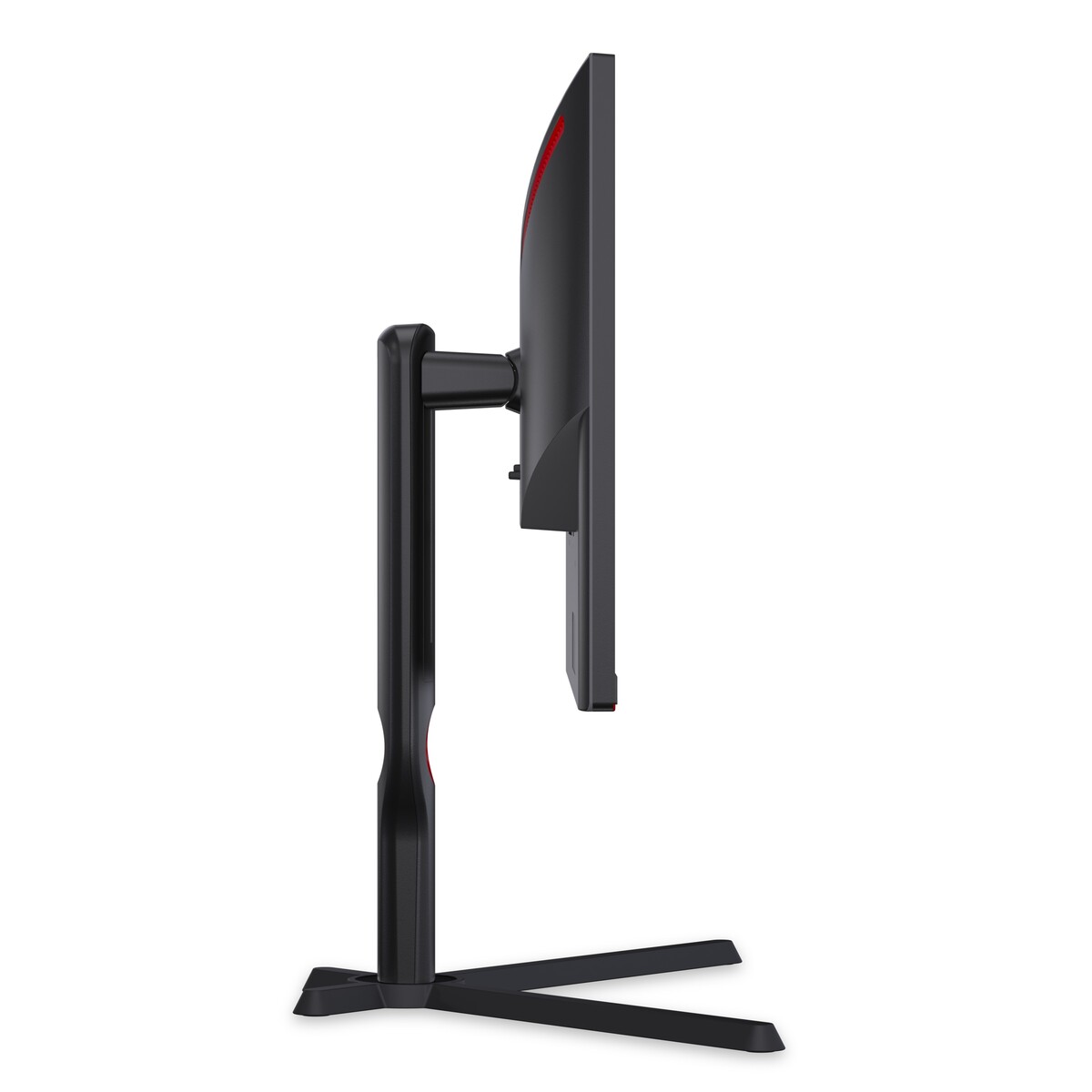
The monitor comes bundled with a 4-legged stand that supports 130 mm height, pivot (90° portrait), swivel, and tilt adjustments. It also has a cable management opening to keep your setup looking clean and clutter-free. If you prefer a third-party stand, the monitor comes with a 100 x 100 mm VESA mount. The AOC GAMING 25G3ZM/BK will be available later this month for £189.99.
The OnePlus Ace Pro was made official in August in China. It is a rebranded version of the OnePlus 10T, which is available in the global market. The Chinese company has confirmed that the special OnePlus Ace Pro Genshin Impact Limited Edition will be announced on Oct. 24 at 7 pm (local time) in China.
OnePlus is yet to share the details of the OnePlus Ace Pro Genshin Impact Limited Edition. It is likely that the phone will incorporate some elements from the game. It may come in a special retail package and the device may feature a theme based on the game.
In China, the OnePlus Ace Pro comes in three configurations, such as 12 GB RAM + 256 GB storage, 16 GB RAM + 256 GB storage, and 16 GB RAM + 512 GB storage. These models are priced at 3,499 Yuan (~$485), 3,799 Yuan (~$527), and 4,299 Yuan (~$596), respectively. It can be purchased in green and black colors.
The OnePlus Ace Pro has a 6.7-inch Fluid AMOLED display that produces an FHD+ resolution and a 20:9 aspect ratio. The screen comes with an in-screen fingerprint scanner and Gorilla Glass 5 protection. The device runs on the ColorOS 12.1-based Android 12 OS.
The Snapdragon 8+ Gen 1 chipset is at the helm of the OnePlus Ace Pro. The handset offers up to 16 GB of LPDDR5 RAM and up to 256 GB of UFS 3.1 storage. It packs a 4,800mAh battery that supports 150W fast charging.
For selfies, the OnePlus Ace Pro has a 16-megapixel front-facing camera. The back panel of the device has a 50-megapixel primary camera, an 8-megapixel ultra-wide snapper, and a 2-megapixel macro camera.
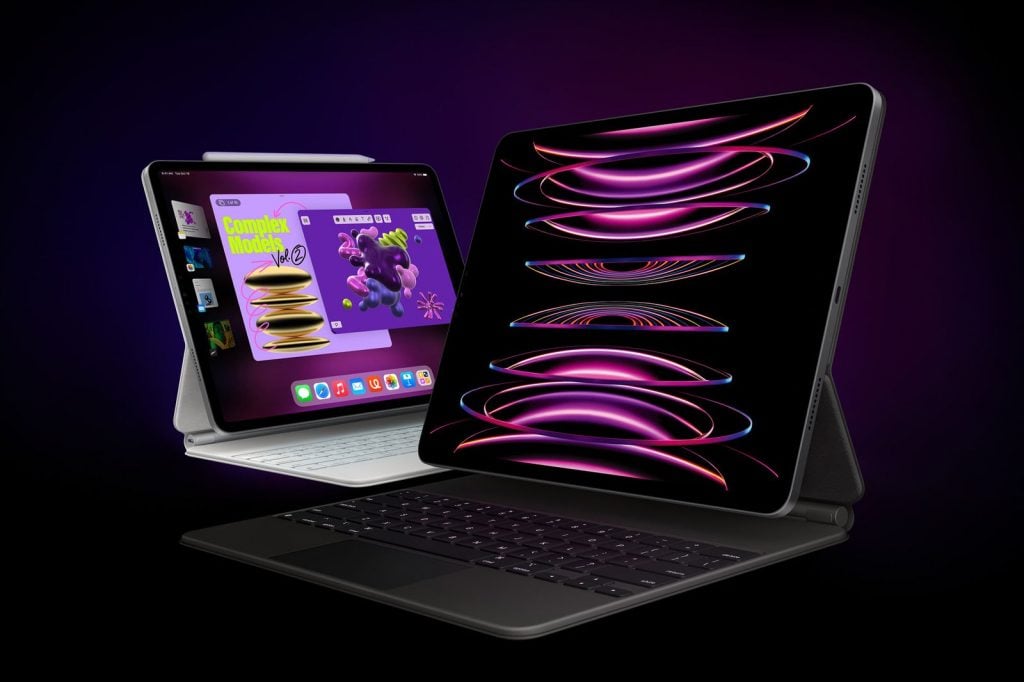
Apple has officially announced the latest iPad Pro tablet along with the 10th generation iPad and the new Apple TV 4K. The new tablet comes with an upgraded processor and better connectivity features.
It keeps the same two different screen sizes as previous models — 11-inch and 12.9-inch, both featuring ProMotion support and an adaptive refresh rate of 120Hz. The 11-inch model has 600 nits brightest, while the 12.9-inch model offers 1,000 nits brightness.
Apple iPad Pro 2022
The newly announced iPad Pro comes powered by Apple Silicon’s M2 processor, which the company claims offers 15 percent faster CPU performance through the 8-core CPU and up to 35 percent faster graphics performance with the 10-core GPU. The company also adds that the chipset can carry out 40 percent more operations per second than the M1 SoC.
It also comes with a new media engine and an image signal processor, allowing support for the ProRes video capture feature that too for the first time on an iPad. The company adds that the tablet will be able to transcode ProRes footage up to three times faster than in the past. It also packs five studio-quality mics for sharp audio recording.
In the camera department, there’s a 12-megapixel ultra-wide sensor on the front with support for Center Stage. On the back side, the device features a 12-megapixel wide camera sensor and a 10-megapixel ultra-wide sensor.
Apple has also added support for Wi-Fi 6E connectivity, making it the first device from the brand to support Wi-Fi 6E. The company claims that it can reach a download speed of up to 2.4Gbps, twice the previous generation model. There’s also support for 5G cellular connectivity which will work around the globe, but the mmWave support is limited to the United States.
Coming to the battery life, the company claims that the tablet offers 10 hours of web browsing and video usage over Wi-Fi connectivity for both models, but the usage time drops to nine hours when using cellular connectivity. In the software department, it will have all the features of the iPadOS 16.
The newly announced Apple iPad Pro has a starting price of $799 for the Wi-Fi-only 11-inch model, while the Wi-Fi version of the 12.9-inch model starts at $1,299. The tablet comes in five storage options — 128GB, 256GB, 512GB, 1TB, and 2TB and is offered in two colors — Silver and Space Gray. Both models are now up for pre-order and will be available for purchase from 26th October.
In November 2021, MediaTek unveiled the 4nm Dimensity 9000 chipset. Its enhanced version, dubbed the “Dimensity 9000 Plus,” was made official in June this year. Reliable tipster Digital Chat Station recently claimed that the Dimensity 9200 chipset would be announced in November this year. The first phones featuring the D200 chip are expected to launch by the end of this year in China. It is speculated that the Vivo X90 series may feature the upcoming D9200 SoC.
Tipster WHY LAB has hinted that the Vivo X90 series will be equipped with the Dimensity 9200 chipset. The Vivo X80 Pro made its debut in China in April of this year. It came with both the Snapdragon 8 Gen 1 and the Dimensity 9000 chipset options. Recent reports have claimed that the Vivo X90 Pro+, which is expected to break cover in December this year, will come in Snapdragon and Dimensity chip variants.
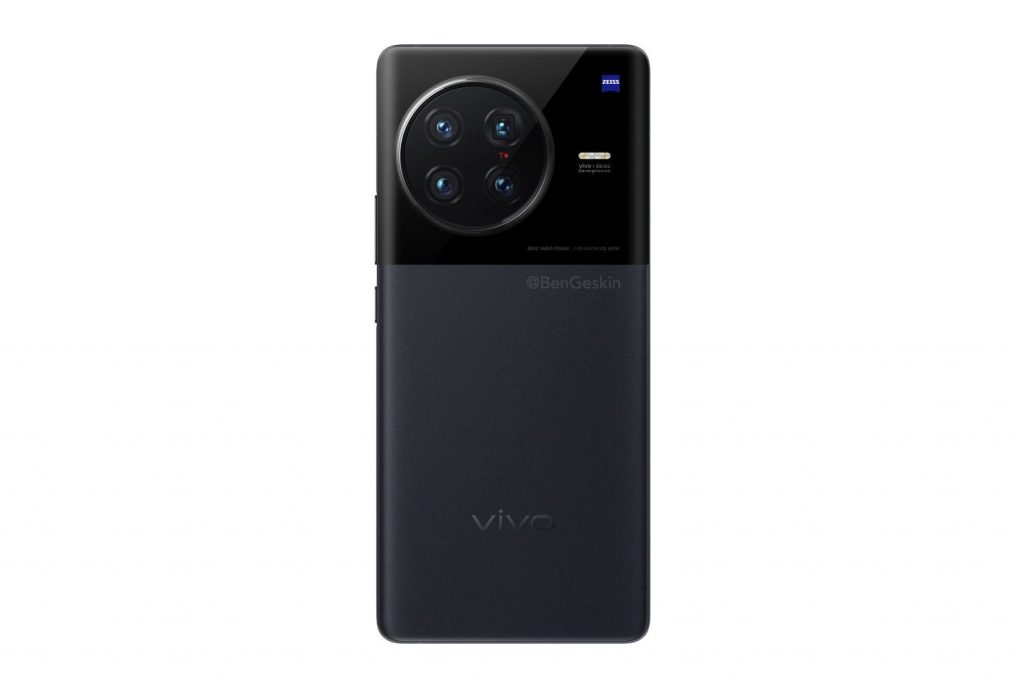
Vivo X90 Pro Plus render created by Ben Geskin
Qualcomm is also expected to announce the Snapdragon 8 Gen 2 flagship chipset in November. Hence, it appears that the X90 Pro+ will arrive in Snapdragon 8 Gen 2 and Dimensity 9200 chipset variants in the home market.
There have been rumors about the Vivo X90ro+ that it will have an AMOLED LTPO display with a Quad HD+ resolution and a refresh rate of up to 120Hz. The screen is likely to be integrated with an under-display fingerprint scanner.
The Snapdragon 8 Gen 2 / Dimensity 9200 chip is likely to be accompanied by LPDDR5x RAM and UFS 4.0 storage. It may pack a 5,000mAh dual-cell battery with 100W or 120W fast charging support. The device may also support at least 50W wireless charging. The rear camera setup of the X90 Pro+ will have a 1-inch camera sensor, an ultra-wide lens, and a 64-megapixel telephoto camera with 5x optical zoom. The X90 Pro+ will also have the Vivo V2 ISP for an optimized photography experience.
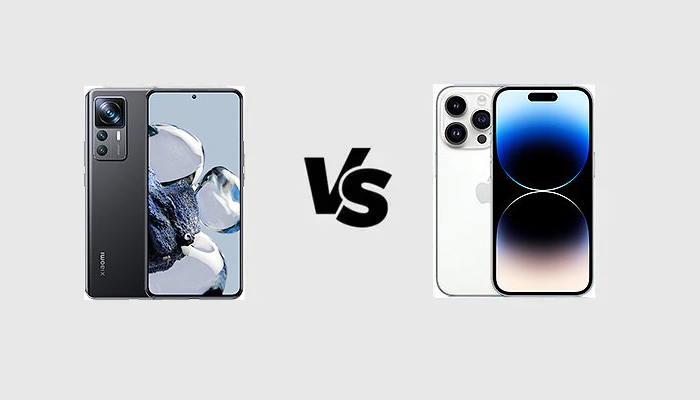
Xiaomi launched a new flagship for the global market: it is the Xiaomi 12T Pro. Announced alongside the vanilla version from the same lineup, this is one of the world’s first phones with a 200 MP camera and it also comes with the most advanced chipset by Qualcomm. However, its price tag is quite affordable if compared to the other top-tier flagships out there. After reading its listing price, a lot of people are wondering whether or not this device stands a chance against the iPhone 14 Pro, which is the latest Apple flagship. The price difference is huge, but is it the same when it comes to the specifications? We decided to give you an answer through this article: here is a comparison between the main specifications of the Xiaomi 12T Pro and the Apple iPhone 14 Pro.
Xiaomi 12T Pro vs Apple iPhone 14 Pro
Xiaomi 12T Pro
Apple iPhone 14 Pro
DIMENSIONS AND WEIGHT
163.1 x 75.9 x 8.6 mm, 205 g
147.5 x 71.5 x 7.9 mm, 206 g
DISPLAY
6.67 inches, 1220 x 2712 pixels (Full HD+), AMOLED
6.1 inches, 1179 x 2556p (Full HD+), Super Retina XDR OLED
If your goal is to get the most beautiful design, there is no doubt about the fact that you should go for the Apple iPhone 14 Pro. First of all, it is built with better materials: glass for the back and stainless steel for the frame. It is very beautiful and also very compact; further, it introduces for the first time the new Dynamic Island: a pill-shaped punch hole acting like a secondary display to show important information. It also comes with the IP68 certification proving that it is waterproof and dustproof. The Xiaomi 12T Pro is bigger and chunkier, there is no way for it to compete with the iPhone. However, it is still built with premium materials including a glass back and an aluminum frame. It has the IP53 certification making it dust resistant and splash resistant, but it is not a waterproof device.
Display
If you are looking for the best display, you should go for the iPhone 14 Pro without thinking twice. It has a Super Retina XDR OLED panel with a diagonal of 6.1 inches, a Full HD+ resolution of 1179 x 2556 pixels, the LTPO technology enabling an adaptive refresh rate from 1 to 120 Hz, HDR10 certification, Dolby Vision support, and a peak brightness of 2,000 nits. The display is protected by Ceramic Shield and, as mentioned above, it includes Dynamic Island which contains the hardware sensors for 3D facial recognition. The Xiaomi 12T Pro has a high-end display, but it is not comparable to Apple. It is an AMOLED panel with a diagonal of 6.67 inches, a 1,5K resolution of 1220 x 2712 pixels, a 120 Hz refresh rate, HDR10+ certification, Dolby Vision support, a peak brightness of 900 nits, and an in-display fingerprint reader, protected by Gorilla Glass 5. The only advantage of the Xiaomi is the wider diagonal: 6.67 inches instead of just 6.1 inches, but for the rest, the display of the iPhone 14 Pro is superior.
Specs & Software
The iPhone 14 Pro and the Xiaomi 12T Pro are two phones with flagship-class hardware, so you will get the highest level of performance you can get with Android and iOS by choosing these devices. The iPhone 14 Pro is powered by the new Apple A16 Bionic mobile platform: a chipset built with a 4 nm production process and sporting an hexa-core architecture with two Everest CPUs running at a max frequency of 3.46 GHz, four Sawtooth CPUs running at 2.02 GHz, and a 5-core Apple proprietary GPU. The chipset is paired with 6 GB of RAM and up to 1 TB of native storage. If the iPhone has the best Apple chipset, the Xiaomi 12T Pro comes with the best Qualcomm chipset: the Snapdragon 8+ Gen 1 built with a 4 nm production process and sporting an octa-core architecture composed of a Cortex X2 CPU running at 3.19 GHz, three Cortex A710 CPUs running at 2.75 GHz, four Cortex A710 CPUs running at 2 GHz, and an Adreno 730 GPU. Alongside the chipset, there are up to 12 GB of RAM and up to 256 GB of UFS 3.1 internal storage. Do not get fooled by the RAM because iOS has better optimization than Android: the iPhone 14 Pro is able to provide better performance. These phones run iOS 16 and Android 12, respectively.
Camera
The iPhone 14 Pro wins the camera comparison in all of the scenarios. It is equipped with the first 48 MP camera ever seen on an iPhone, a 12 MP telephoto sensor, and a 12 MP ultrawide lens. With the Xiaomi 12T Pro you get an excellent 200 MP main camera with OIS, but the secondary sensors are midrange-class: an 8 MP ultrawide lens and a 2 MP macro shooter.
The Xiaomi 12T Pro is able to last more on a single charge in several scenarios thanks to its bigger 5000 mAh and it even charges faster thanks to 120W fast charging, but, unlike the iPhone 14 Pro, it does not support wireless charging.
Price
You need either $1000 or €1300 to purchase the iPhone 14 Pro globally, while the Xiaomi 12T Pro starts from €899 or $899. The iPhone 14 Pro wins the comparison thanks to a better display, cameras, build quality, and wireless charging.
We use cookies on our website to give you the most relevant experience by remembering your preferences and repeat visits. By clicking “Accept”, you consent to the use of ALL the cookies.
This website uses cookies to improve your experience while you navigate through the website. Out of these, the cookies that are categorized as necessary are stored on your browser as they are essential for the working of basic functionalities of the website. We also use third-party cookies that help us analyze and understand how you use this website. These cookies will be stored in your browser only with your consent. You also have the option to opt-out of these cookies. But opting out of some of these cookies may affect your browsing experience.
Necessary cookies are absolutely essential for the website to function properly. This category only includes cookies that ensures basic functionalities and security features of the website. These cookies do not store any personal information.
Any cookies that may not be particularly necessary for the website to function and is used specifically to collect user personal data via analytics, ads, other embedded contents are termed as non-necessary cookies. It is mandatory to procure user consent prior to running these cookies on your website.