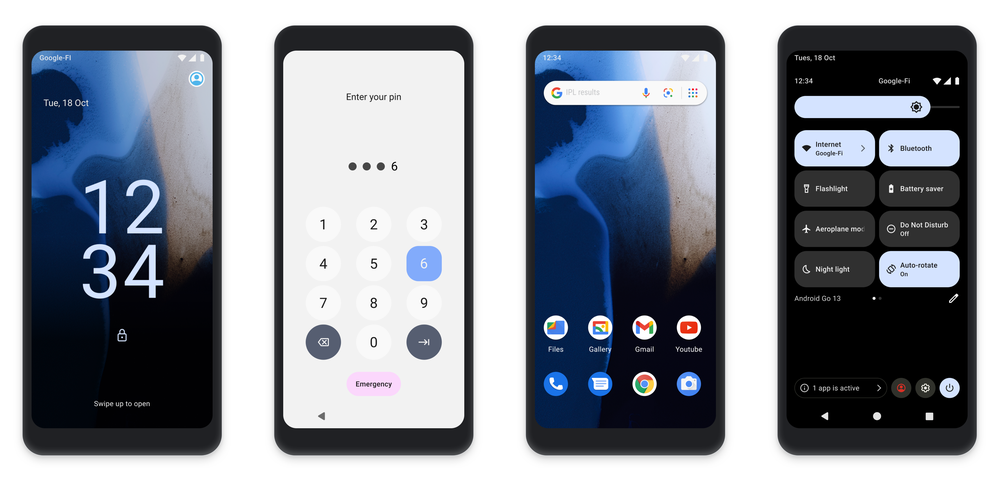
In August, Google announced the Android 13 OS, and now the company has unveiled the Android 13 (Go edition) for entry-level Android phones. Google has focused on three things, like reliability, usability, and customization, in order to improve the performance of Android 13 (Go edition).
Android 13 Go edition
The Android 13 (Go edition) is meant for Android devices with 2 GB of RAM. It brings Material You design for the first time on Go edition devices. While setting a wallpaper on a device running on Android 13 (Go edition), users will see four color schemes. However, it does not offer the animations that are available on the full edition of Android 13 OS.
The latest Go edition features the Google Discover feature. Users can simply swipe right on the homescreen to view a curated list of articles and other content.
Google Play System Updates are built into the new version of Android Go. This makes it possible to get important software updates (not Android OS upgrades) quickly, without having to wait for the device manufacturer to release them. According to Google, it will not take up storage space on the device.
Android 13 Go edition customization
Aside from these features, Android 13 (Go edition) comes with other important Android 13 features like the ability to allow notifications, choose the language of apps, and more.
The Android 13 (Go edition) is made for devices with 16 GB or less of storage and less than 2 GB of RAM. Phones running on Android 13 (Go edition) will be released in 2023. Google claims that there are now over 250 million monthly active Android Go devices.
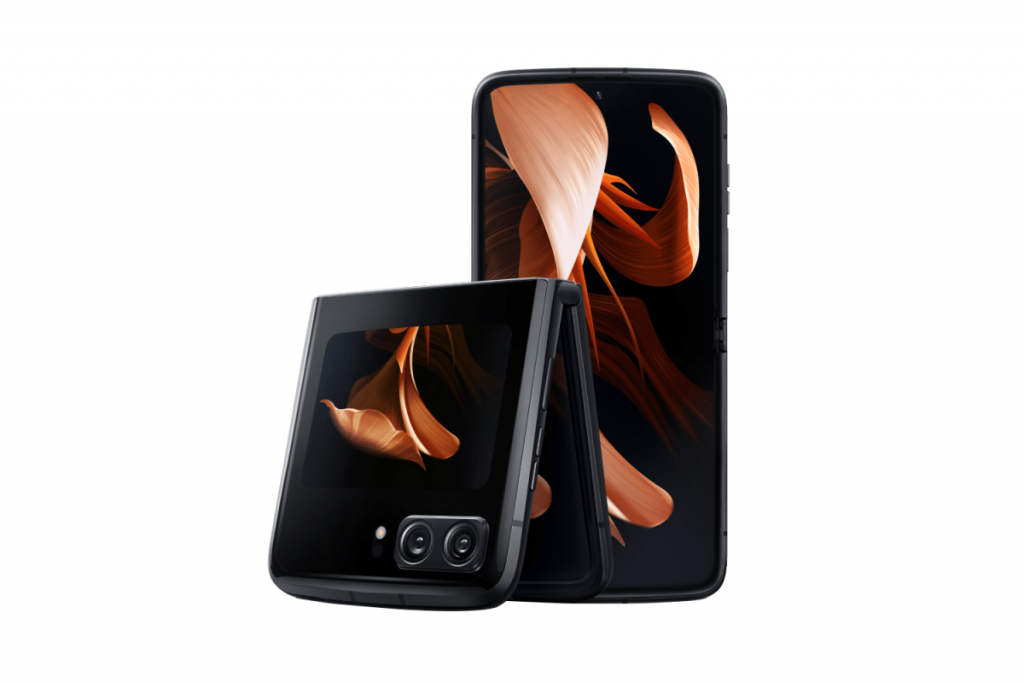
Motorola recently unveiled the Motorola Razr 2022 in China, featuring the Snapdragon 8 Plus Gen 1 chipset. The device is expected to be released in global markets in the next few days. While we await the global launch of the Razr 22, a new leak has surfaced to reveal that Motorola will be launching two Razr models in 2023.
According to Evan Blass, the Lenovo-owned brand’s upcoming Razr models that are set to launch in 2023 have “Juno” and “Venus” codenames. For the unversed, the Razr 22, which will be heading to the global markets soon, has the “Maven” codename.
Moto Razr 22
The Juno model may feature the Snapdragon 8 Plus Gen 1 chip and a 144Hz refresh rate display. It will be a follow-up device to the Razr 22. At present, there is no information available on the specifications of the Motorola Venus.
Motorola is expected to launch the Edge 40 and Edge 40 Pro flagship phones in 2023. These devices are reportedly codenamed Bronco and Canyon. The alleged Edge 40 is expected to come with the Snapdragon 8 Plus Gen 1 chip or the upcoming Snapdragon 8 Gen 2, a Full HD+ display, 8 GB / 12 GB of RAM, and a 50-megapixel (main) + 13-megapixel (ultra-wide) + 2-megapixel (depth) triple camera unit.
The Edge 40 Pro is likely to arrive with a 165Hz display and a Snapdragon 8 Gen 2 chip. It will feature a 60-megapixel front camera and a 50-megapixel (main) + 50-megapixel (ultra-wide) + 12 megapixel (telephoto) triple camera unit. A recent report claimed that the brand is also gearing up to launch a “ThinkPhone” branded smartphone, which may offer specs similar to the Edge 40 Pro.
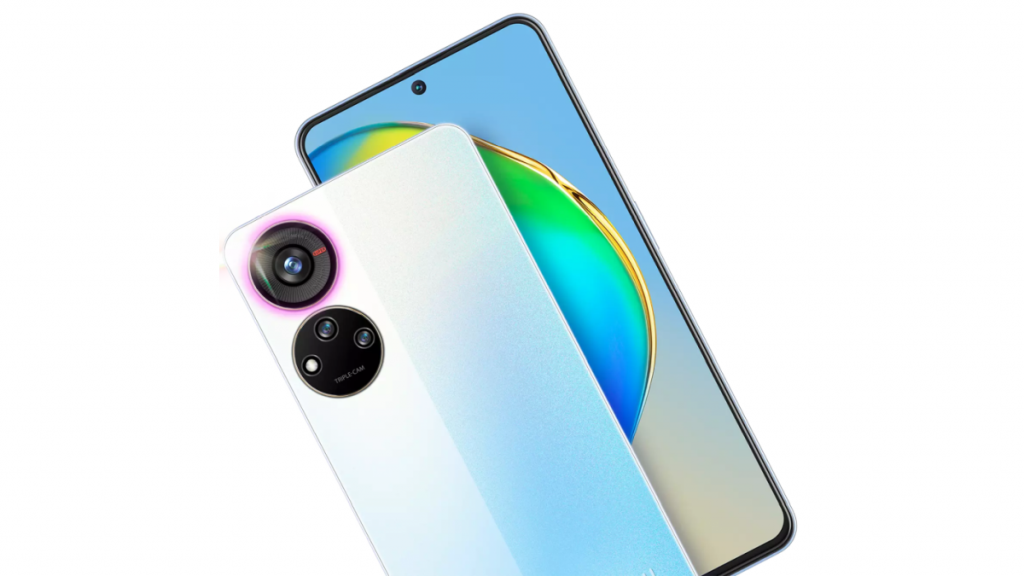
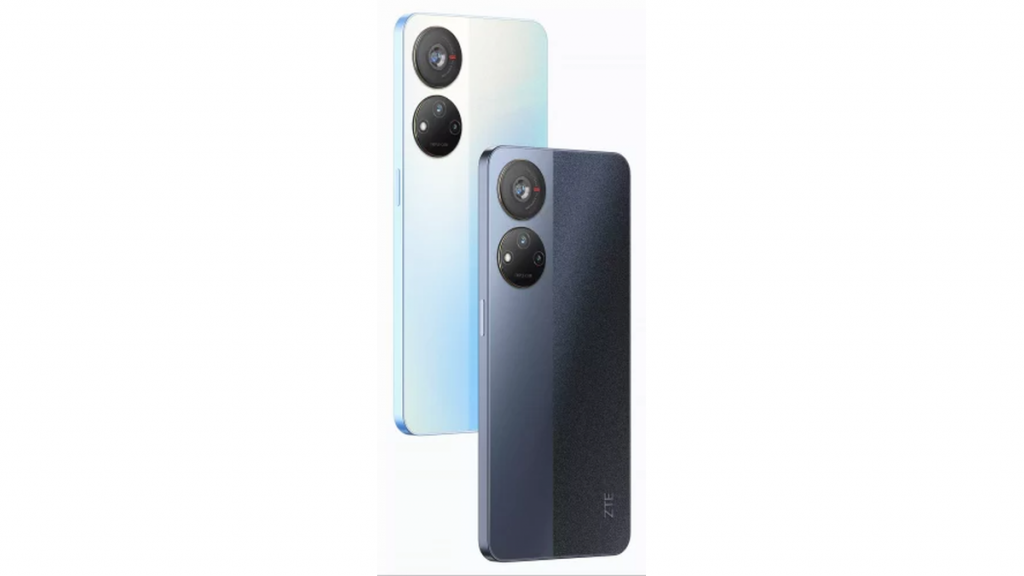
ZTE has quietly introduced the ZTE Axon 40 SE smartphone in Mexico. On the front, the device features a punch-hole display with slim bezels. The rear shell of the device has two camera rings. The first one houses the primary camera, whereas the second one features two auxiliary cameras and an LED flash. It is fitted with a side-facing fingerprint scanner. The handset offers key features, such as an AMOLED display, a Unisoc chip, and 50-megapixel triple rear cameras. Here is all the information on the specifications, features, and price of the Axon 40 SE.
ZTE Axon 40 SE specifications and features
ZTE Axon 40 SE
The Axon 40 SE houses a 6.67-inch AMOLED display that produces a Full HD+ resolution of 1080 x 2400 pixels and a 20:9 aspect ratio. According to ZTE, the device has a 93.8 percent screen space. The device comes preinstalled with the Android 12 OS.
The Unisoc T618 chip is at the heart of the device. It is coupled with 4 GB of RAM and 2 GB of virtual RAM. The device offers 128 GB of internal storage. It houses a 4,500mAh battery that supports 22.5W fast charging.
The Axon 40 SE has an 8-megapixel camera on the front. Its back panel has a 50-megapixel main camera with an f/1.8 aperture, a 5-megapixel macro camera, and a 2-megapixel depth assist sensor.
ZTE Axon 40 SE
Apart from the fingerprint scanner, the Axon 40 SE offers face unlock security. It comes with connectivity features like dual SIM, 4G VoLTE, Wi-Fi 802.11ac, Bluetooth 5.1, GPS, a USB-C port, and a 3.5mm audio jack. The handset measures 163.5 x 75.8 x 7.8mm and weighs around 182 grams.
ZTE Axon 40 SE price and availability
The Axon 40 SE is priced at MXN 5,999. It comes in blue and black colors. It is unclear which other markets will receive the Axon 40 SE.
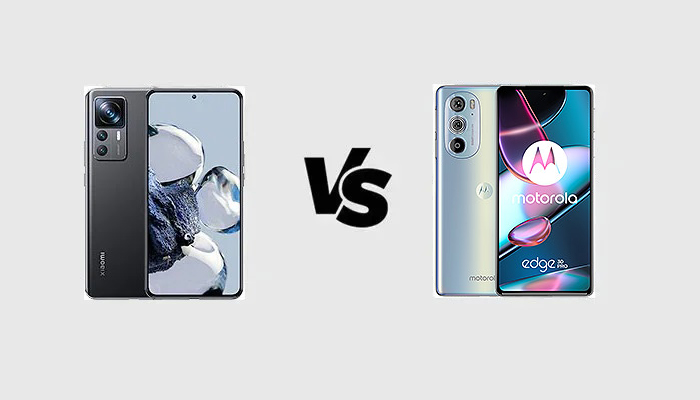
The Xiaomi 12T Pro is definitely one of the most advanced flagship killers of the second half of 2022. Its price is not the most affordable, but it is not even the most expensive. Despite that, this is a phone with an outstanding camera and the best Qualcomm chipset out there, as well as one of the fastest charging technologies in the whole market. Is it enough to make it the best flagship out there in terms of value for money? We think there is no better way to understand it than comparing it to the most impressive flagship killers released by other brands. Here is a comparison between the main specifications of the Xiaomi 12T Pro and the Motorola Edge 30 Pro. The Edge 30 Pro is currently one of the most affordable flagship killers with top-tier hardware you can buy in the global market, that is the reason why it is the perfect rival of the new Xiaomi flagship. Here you will learn which one suits your needs the most.
Xiaomi 12T Pro vs Motorola Edge 30 Pro
Xiaomi 12T Pro
Motorola Edge 30 Pro
DIMENSIONS AND WEIGHT
163.1 x 75.9 x 8.6 mm, 205 g
163.1 x 76 x 8.8 mm, 196 g
DISPLAY
6.67 inches, 1220 x 2712 pixels (Full HD+), AMOLED
4800 mAh, Fast Charging 68W and fast wireless charging 15W
ADDITIONAL FEATURES
5G, dual SIM
5G, dual SIM
Design
Despite being high-end phones, the Xiaomi 12T Pro and the Motorola Edge 30 Pro do not come with the most beautiful designs, but they are not ugly phones. These phones are built with glass backs and they sport very high screen to body ratios, thanks to narrow bezels around the displays. The Motorola Edge 30 Pro looks to have a more minimalistic look, with a camera module sporting the same color as the rest of the rear cover. These are not thin and lightweight phones because they pack above-average batteries, and they are not compact phones as well. An important added value of the Xiaomi 12T Pro is the presence of the IP53 certification making it dust resistant and splashproof, but the Motorola Edge 30 Pro has a water repellent design, so it offers some protection against water allowing you to use it under the rain. For the rest, follow your tastes and choose which one is the best for you consequently.
Display
The displays of these two phones belong to the same range, but on paper, it looks like the Xiaomi 12T Pro has a more advanced panel. It is an AMOLED display with a diagonal of 6.67 inches able to show up to 68 billion colors with a Full HD+ resolution of 1220 x 2712 pixels, a 120 Hz refresh rate, HDR10 certification, Dolby Vision support, and a peak brightness of 900 nits. It also comes with an in-display fingerprint reader and stereo speakers. The Motorola Edge 30 Pro has an OLED display able to show up to one billion colors with a diagonal of 6.7 inches, a Full HD+ resolution of 1080 x 2400 pixels, a 144 Hz refresh rate, and HDR10+ certification. The phone has stereo speakers and, despite its panel being an OLED, the biometric sensor is not in-display but it has a side-mounted fingerprint reader.
Specs & Software
If your goal is to get the most advanced hardware department, then you should opt for the Xiaomi 12T Pro. It is powered by a more powerful processor: the Snapdragon 8+ Gen 1. It is currently the best processor by Qualcomm, built with a 4 nm production process and with an octa-core architecture composed of a Cortex X2 CPU running at a max frequency of 3.19 GHz, three Cortex A710 CPUs running at 2.75 GHz, four Cortex A510 CPUs running at 2 GHz, and an Adreno 730 GPU. Alongside the chipset, there are up to 12 GB of LPDDR5 RAM and up to 256 GB of UFS 3.1 internal storage. The Motorola Edge 30 Pro is fueled by the Snapdragon 8 Gen 1 built with a 4 nm production process and sporting an octa-core architecture composed of a Cortex X2 core running at 3 GHz, three Cortex A710 cores running at 2.5 GHz, four Cortex A510 cores running at 1.8 GHz, and an Adreno 730 GPU. It is paired with up to 12 GB of RAM and up to 512 GB of UFS 3.1 native storage. Both phones run Android 12 out of the box, but with different user interfaces on top.
Camera
If you love to shoot normal photos and you are looking for the best main camera, choose the Xiaomi 12T Pro because it is one of the world’s first phones with a 200 MP shooter, including OIS support. But if you want better ultrawide shots, then you should go for the Motorola Edge 30 Pro because it comes with a 50 MP main camera and another 50 MP camera for ultrawide photos. Further, the Edge 30 Pro has a better front camera with a 60 MP resolution.
The Xiaomi 12T Pro packs a bigger battery and it guarantees longer battery life in several scenarios. It even charges quicker but, unlike the Motorola Edge 30 Pro, it lacks wireless charging.
Price
The Motorola Edge 30 Pro is available for less than €700/$700 globally, while the Xiaomi 12T Pro starts from €900/$900. Which one would you pick?
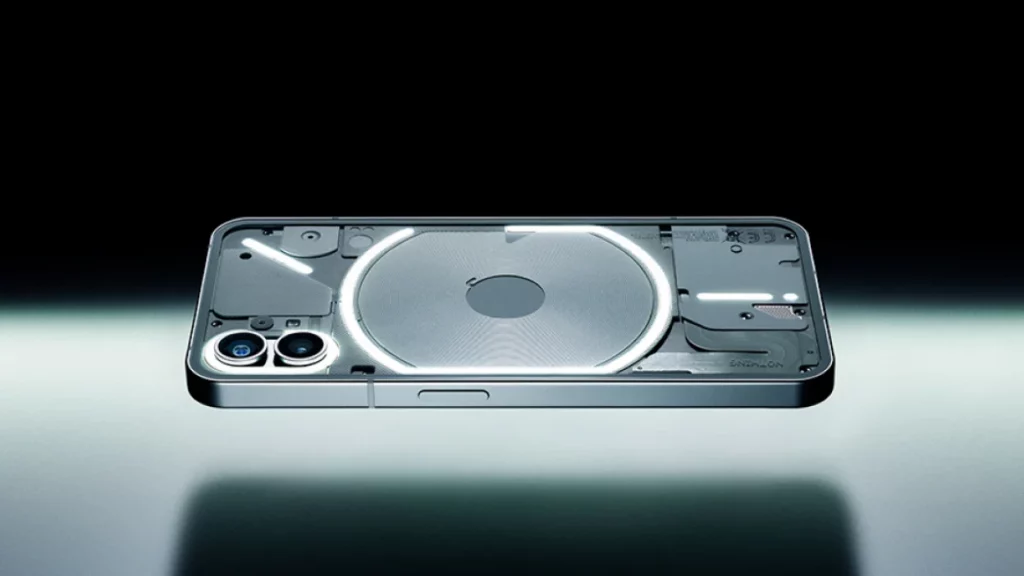
5G services were finally launched in India on October 1 during the 6th edition of India Mobile Congress (IMC), 2022. Soon after, smartphone manufacturers started rolling out 5G-ready updates to their respective devices. Start-up brand Nothing is not behind in this race. Its phone (1) already supports Airtel 5G, and now the company is reportedly releasing an OTA (over-the-air) update, enabling Jio True 5G support on the device. Here are the details.
According to MySmartPrice, Nothing has started rolling out an update for its only 5G smartphone—Phone (1)— which will enable Jio True 5G support. Several users have also shared on Twitter that they received the update. The report says that “the update is out for only 10% of users at the moment,” and it should reach everyone by Diwali (October 24).
However, this update will be useful for only those users who live in cities, including Delhi, Mumbai, Kolkata, and Varanasi. Jio has yet to roll out its 5G network widely. To get this update on your Nothing Phone (1), you can head to Settings> System> System update and check for new updates.
To recall, Nothing Phone (1) was launched back in July with a rather interesting design and LED lights on the back. It sports a 6.55-inch OLED display that offers a 120Hz refresh rate. Under the hood, it is powered by a Qualcomm Snapdragon 778G+ SoC that is paired with up to 12GB of RAM and 256GB of internal storage. For photography, the smartphone features a 50-megapixel dual camera setup, while the front flaunts a 16-megapixel selfie snapper. It packs a 4,500mAh battery and supports 33W fast charging and wireless charging.
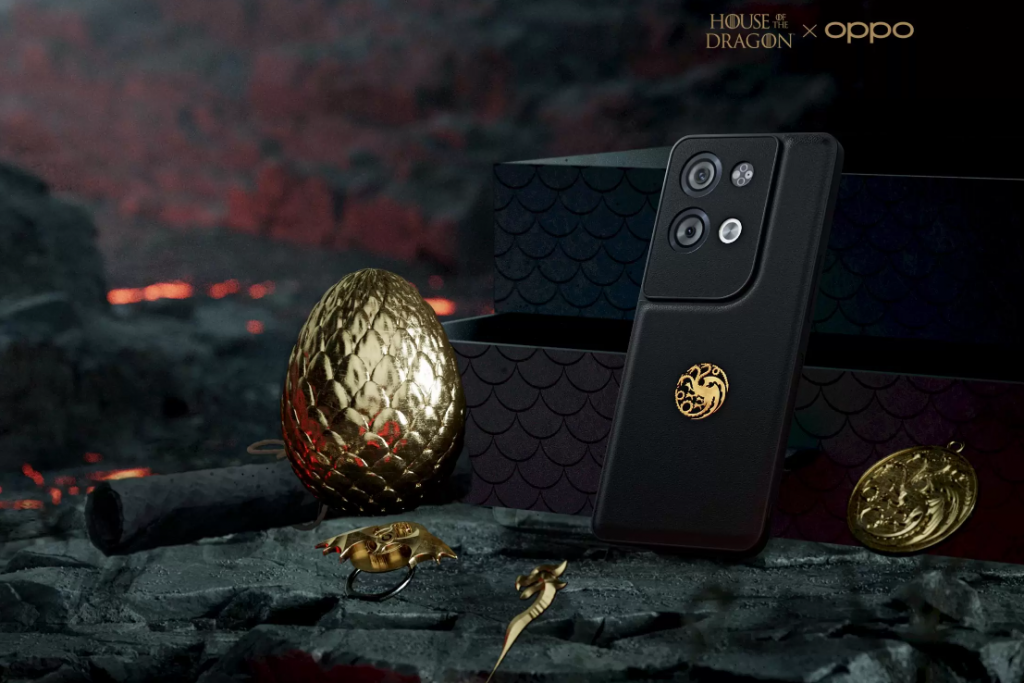
HBO recently concluded the first season of “House of Dragons,” and we are still an eternity away from the next season. However, you can keep a taste of the Game of Thrones prequel series with the new show-inspired OPPO Reno 8 Pro smartphone.
OPPO today unveiled the Reno8 Pro 5G House of the Dragon Limited Edition Set, which comes with a special “House Targaryen” phone cover, a phone holder shaped like a dragon, and a golden dragon-like SIM ejector tool. In addition, the company has included a key chain featuring a three-headed dragon in the box.
Moreover, the set also comes with two collectible items. First is a small dragon egg and the other is a handwritten proclamation by King Viserys I Targaryen himself.
It is important to note that the smartphone itself is not carrying any changes in terms of design and appearance. Also, it comes with the same specifications as the standard OPPO Reno 8 Pro. The company is yet to announce the price and sale date of the device. It will be available for purchase through Flipkart, and its pre-orders will begin soon.
OPPO Reno 8 Pro specifications
OPPO Reno 8 Pro has a 6.7-inch FHD+ AMOLED display with a 120Hz refresh rate. Under the hood, the smartphone is powered by the MediaTek Dimensity 8100 Max processor, paired with up to 12GB RAM and 256GB storage. On the software front, it runs on Android 12 with ColorOS 12.1 skin on the top.
As far as the cameras are concerned, the OPPO Reno 8 Pro has triple rear cameras, including a 50MP primary camera, an 8MP ultra-wide lens, and a 2MP macro unit. There is a 32MP snapper on the front for selfies and video chats.
The Reno 8 Pro packs a 4,500mAh battery that supports 80W fast charging. It is equipped with an in-display fingerprint reader for security, and the features it supports include 5G, Bluetooth, and GPS.
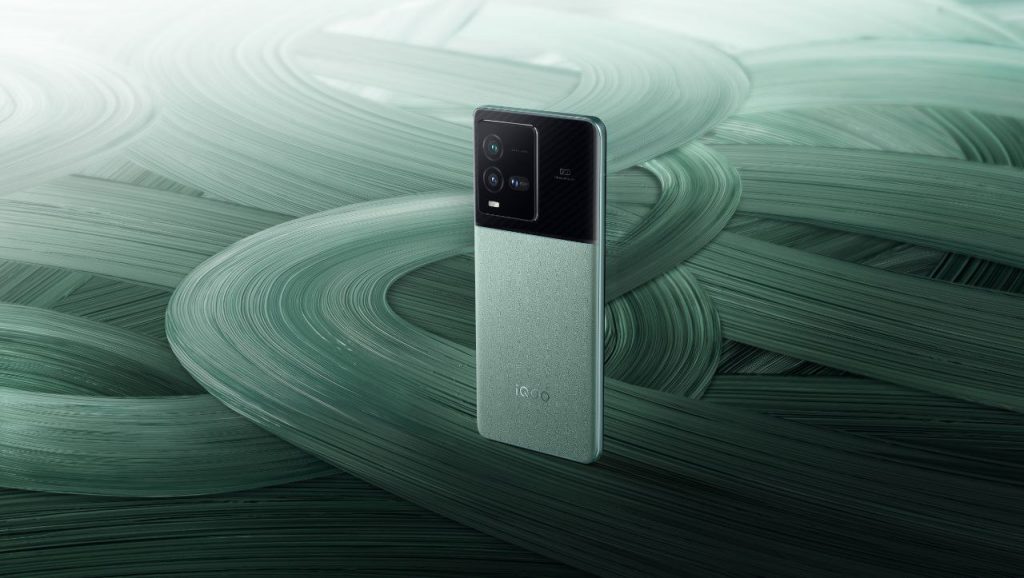
iQOO unveiled the iQOO 10 Pro earlier this year in two color options— black and white. Now, the Chinese company has announced it will be launching a special Isle of Man edition of the smartphone in China tomorrow, October 20. The difference between the standard models and the new edition will likely be cosmetic only, and it will probably share the same specifications as the other two color versions.
iQOO confirmed through a Weibo post that it will be bringing the iQOO 10 Pro Isle of Man Special Edition to China on October 20. The new handset will be launched with 16GB RAM + 256GB storage. The company also shared an image of the smartphone, which reveals its design and appearance.
The image reveals that the special edition device will be greenish in color. It will come with a dual-tone design, with the top portion around the camera module having a kevlar-like design and the bottom having a leathery finish.
iQOO 10 Pro Specifications
The iQoo 10 Pro comes with an E5 LTPO display that offers a 2K (1,440×3,200 pixels) resolution, a 120Hz refresh rate, and HDR10+ support. Under the hood, the handset is powered by a Snapdragon 8+ Gen 1 SoC paired with up to 12GB of LPDDR5 RAM and up to 512GB of UFS 3.1 onboard storage. On the software front, it runs on Android 12 with an OriginOS Ocean skin on top.
For photography, the smartphone features a triple rear camera setup, including a 50-megapixel primary sensor, a 50-megapixel ultra-wide sensor, and a 14.6-megapixel portrait unit. While on the front, it sports a 16-megapixel selfie camera.
iQOO 10 Pro packs a 4,700mAh dual-cell battery that supports absolutely bonkers 200W wired fast charging and 50W wireless charging. The device comes with an ultrasonic 3D wide-area fingerprint sensor and also supports Bluetooth v5.3 connectivity.
Realme 10 Pro+ 5G and Realme 10 are expected to launch soon in India. A recent leak revealed the configurations and color variants of both smartphones for the Indian market. In a recent tweet, tipster Paras Guglani gave away the most important details about the phone.
Citing Russian retailer listings as the source, the tipster claimed that the Realme 10 Pro+ 5G will come equipped with an AMOLED panel that supports a 120Hz refresh rate. It will be powered by the Dimensity 1080 chipset and 8 GB / 12 GB of RAM.
The device will come equipped with an OIS-enabled 50-megapixel main camera. It will carry support for 67W fast charging. For heat dissipation, it will come equipped with a liquid cooling system.
The CQC certification of the Realme 10 Pro+ 5G revealed that it will arrive with a 5,000mAh battery. It is speculated to arrive in three configurations, such as 6 GB RAM + 128 GB storage, 8 GB RAM + 128 GB storage, and 8 GB RAM + 256 GB storage. It will come in shades like Hyperspace, Dark Matter, and Nebula Blue.
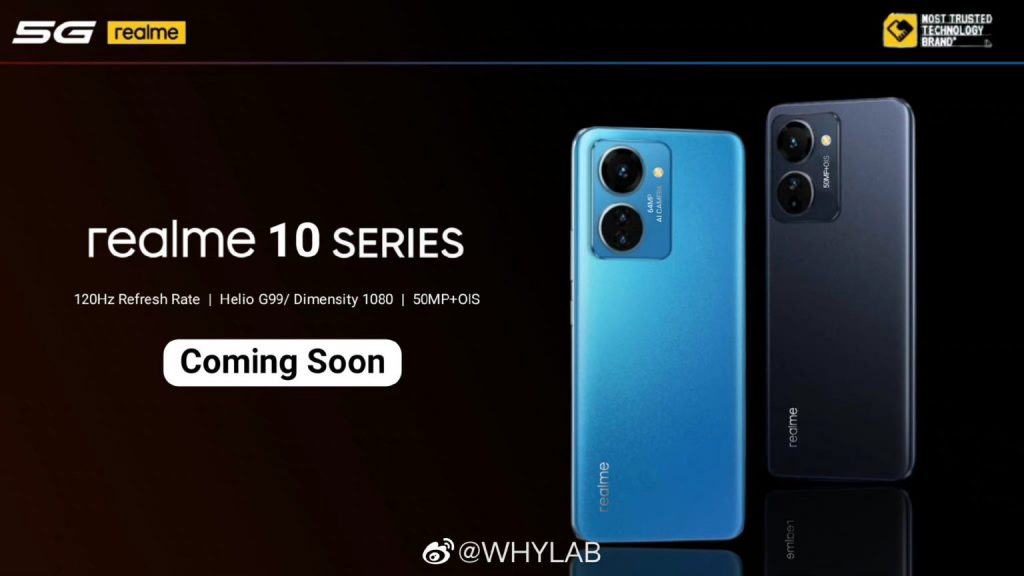
Shown above is a poster (via) that is now doing the rounds on social media platforms. While it showcases the design of the Realme 10 and the Realme 10 Pro+ 5G, its authenticity could not be confirmed. The poster also mentions the key specifications of both smartphones.
Guglani claimed that the Realme 10 Pro+ 5G would debut globally by early November. It will arrive in India by mid or late November. The Realme 10 is expected to launch simultaneously in global markets and in India. It is expected to arrive with key specifications, such as a 120Hz LCD display, Helio G99, 64-megapixel triple rear cameras, and a 5,000mAh battery with 33W fast charging. It will be available in two configurations: 4 GB RAM + 64 GB storage and 4 GB RAM + 128 GB storage. It is likely to arrive in Clash White and Rush Black hues.
Lava, a smartphone manufacturer based in India, has announced the release of a 5G update for its flagship smartphone, called AGNI 5G. The update will allow the smartphone to use all 5G networks, including Airtel 5G Plus and Jio True5G.
The Indian OEM said its “in-house manufacturing and development capabilities” allowed it to become one of the first Indian smartphone makers to enable 5G. Lava manufactures and assembles its mobile handsets in Noida at its own facility.
The company is expected to roll out the update in a phased manner and it could take some time to reach all the users. Further, the update will initially be useful for only those who are residing in cities that support 5G connectivity. As of now, Airtel’s 5G services are available only in Delhi, Mumbai, Bengaluru, Chennai, Siliguri, Nagpur, Varanasi, and Hyderabad. Whereas, Jio is currently testing its 5G services in Delhi, Mumbai, Kolkata, and Varanasi.
“It has always been our aim to provide frequent software updates to our users to enhance the overall experience. “Our teams have speedily implemented the FOTA update for the flagship AGNI 5G smartphone after the government announced the roll-out of 5G services earlier this month,” said Tejinder Singh, Product Head, Lava International, on the rollout of the update.
To recall, Lava Agni 5G, the company’s first and only 5G smartphone, comes powered by a MediaTek Dimensity 810 processor paired with 8GB of RAM and 128GB of internal storage. It packs a 6.78-inch FHD+ display offering a 90Hz refresh rate. On the software front, the phone runs clean Android 11 OS. The handset features a quad camera setup on the rear consisting of a 64-megapixel primary camera. While on the front, there is a 16-megapixel selfie camera. It is backed up by a 5000mAh battery and supports 30W fast charging.
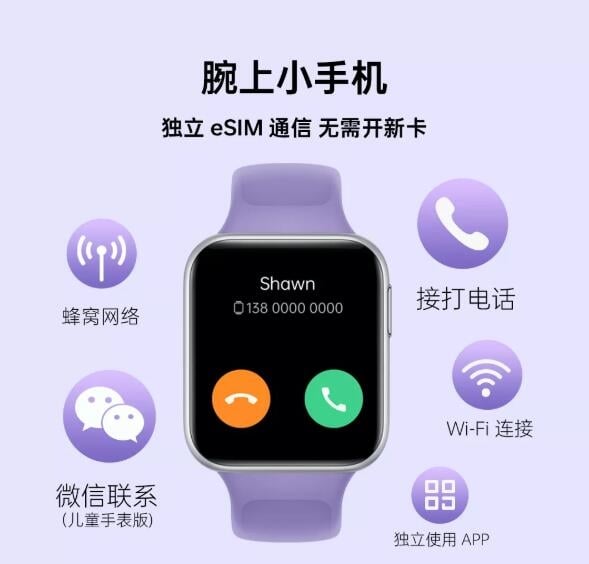
OPPO has launched a new smartwatch in China dubbed the OPPO Watch SE. The watch will go on sale on October 20. Among the features of the Watch SE are eSIM support, health management, and long battery life.
Perhaps the most outstanding feature onboard the new watch is the independent eSIM support, which allows users to make calls without a mobile phone. The phone can also be connected to a Wi-Fi network.
In terms of battery life, the OPPO Watch SE has a 3-day battery life in full smart mode and 10 days of ultra-long battery life in light smart mode. It can be used for a whole day after charging for 10 minutes.
In terms of health, the watch supports more than 100 sports modes and supports full-scene sleep tracking, including functions such as bedtime reminders, sleep monitoring, and post-sleep analysis.
OPPO Watch SE also supports multi-function NFC, with bus card, access control card functions, Baidu map navigation, taxi dynamic reminder, Alipay/WeChat dual payment.
In addition, the OPPO Watch SE supports AOD display and comes in two color options—ink gray and mist purple. OPPO has yet to announce the price of the Watch SE, but it is expected to go on sale on October 20.
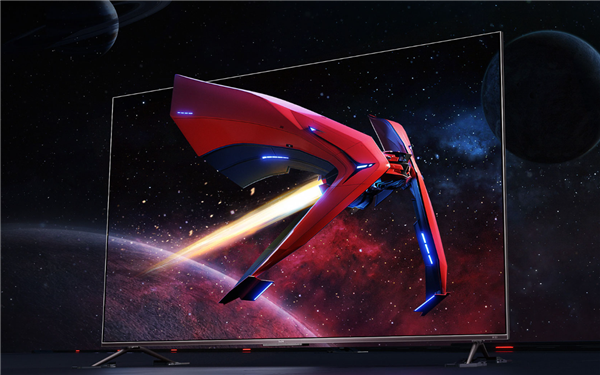
Chinese tech giant, Xiaomi, yesterday announced that it plans to launch a new gaming TV under the Redmi brand. The company has now announced the Redmi Gaming TV X Pro. The smart TV is available in 65-inch and 75-inch versions, priced at 2999 yuan ($414) and 4299 yuan ($595), respectively.
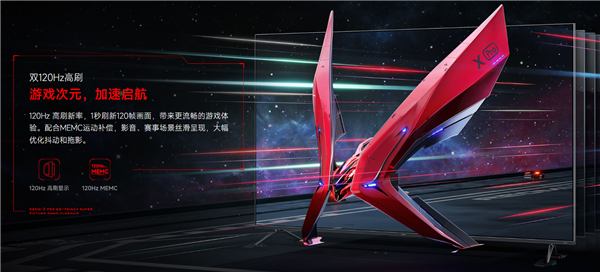
As a gaming TV, the Redmi Gaming TV X Pro arrives with support for a 120Hz refresh rate and 120Hz MEMC on all models. It also packs a hardware-level partitioned backlight, which can achieve 4096-level brightness adjustment and supports variable refresh rate (VRR). The variable refresh rate intelligently matches the screen refresh rate with the game output frame rate to prevent screen tearing.
Specifically, the Redmi Gaming TV X Pro has a resolution of 3840 x 2160 pixels, a 94% DCI-P3 wide color gamut, ΔE≈2, 1.07 billion color display, and supports Dolby Vision and Dolby Atmos. In addition, when the smart TV detects that a game has been started, it will automatically turn on the low latency mode (ALLM). It equally turns off unnecessary functions and optimizes the game display latency.
In terms of core performance, the TV is equipped with a quad-core A73 chip, paired with 3GB of RAM and there is 32GB of storage. It has passed AMD FreeSync Premium professional game certification and is suitable for multiple terminals such as consoles, handhelds, and PCs.
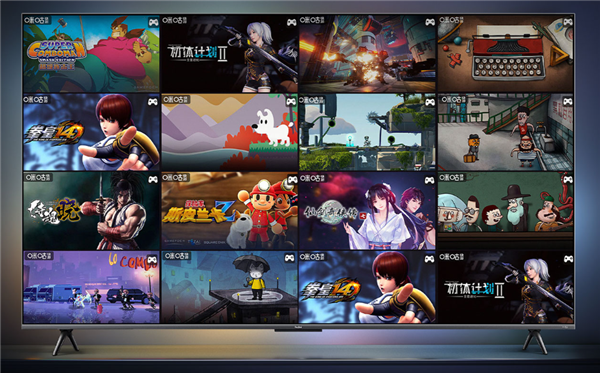
At the same time, Redmi Gaming TV X Pro also supports cloud gaming allowing users to play more than 40 masterpieces of games without downloading, thanks to cooperation between Redmi and Migu Kuaiyou
In terms of interfaces, the TV is equipped with HDMI 2.1, HDMI 2.02, USB 2.02, a network cable port, an AV input port, S/PDIF coaxial interface, and an antenna interface.
Nokia has announced that it has won a multi-year deal with Reliance Jio for the deployment of 5G equipment in India. The deal will see Nokia supplying 5G Radio Access Network (RAN) equipment from its AirScale portfolio including base stations, MIMO antennas, and Remote Radio Heads.
The comprehensive supply deal is the second nicked by the company in India after Airtel. The announcement of 5G in India earlier this month has seen a raft of activities as cellular network providers seek to meet the high expectation of the market and deliver quality service. Reliance Jio began its 5G beta trials in four Indian cities earlier this month. The services were based on the standalone architecture started in Mumbai, Kolkatta, Delhi, and Varanasi.
Reliance Jio had stated back in August during its AGM that it has well-established relationships with leading network equipment providers. The company plans to fully cover India with its 5G network by December 2023. Reliance Jio hopes to deploy a 5G standalone network that will deliver advanced 5G services including network slicing and machine-to-machine communications. Reliance Jio says it is pleased to be working with Nokia and it will continue to invest in the latest network technologies. It says it was confident that the Nokia partnership will deliver one of the most enhanced 5G networks in the world.
Nokia also asserts that the deal is a significant win for the brand in the very important Indian market. The move will introduce millions to premium 5G services, enabled by the AirScale portfolio. Nokia says it expects a long and rewarding relationship with Jio.
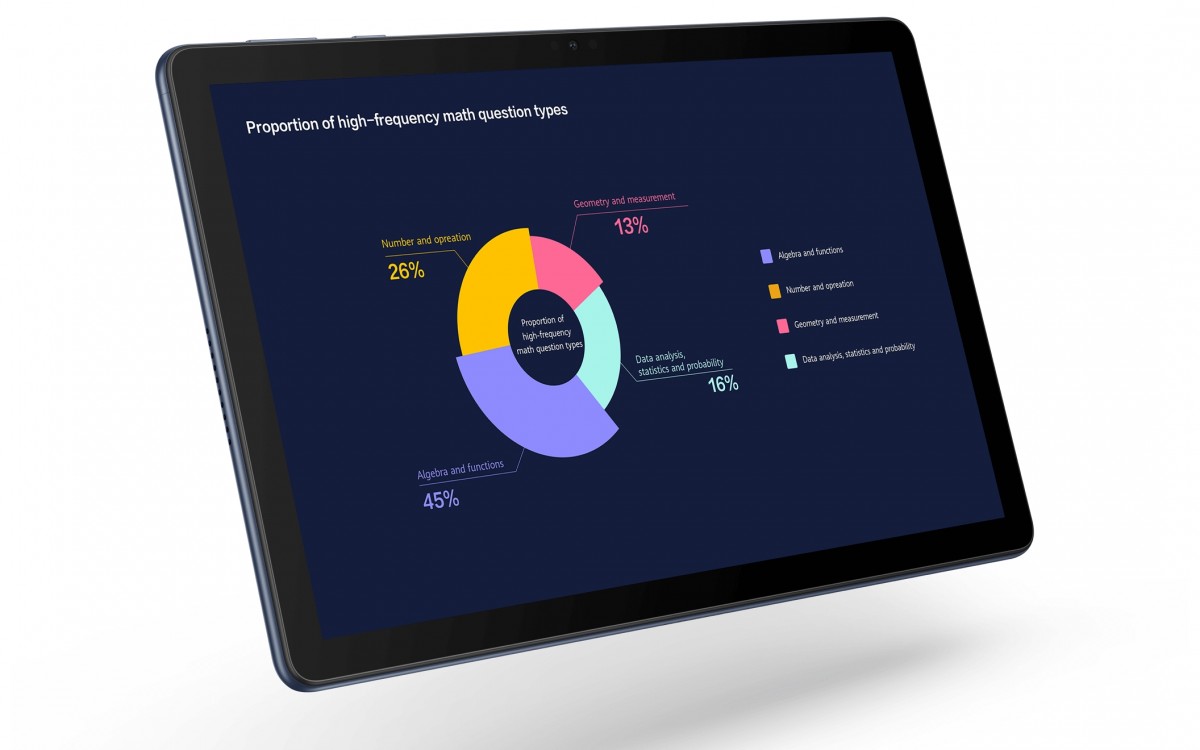
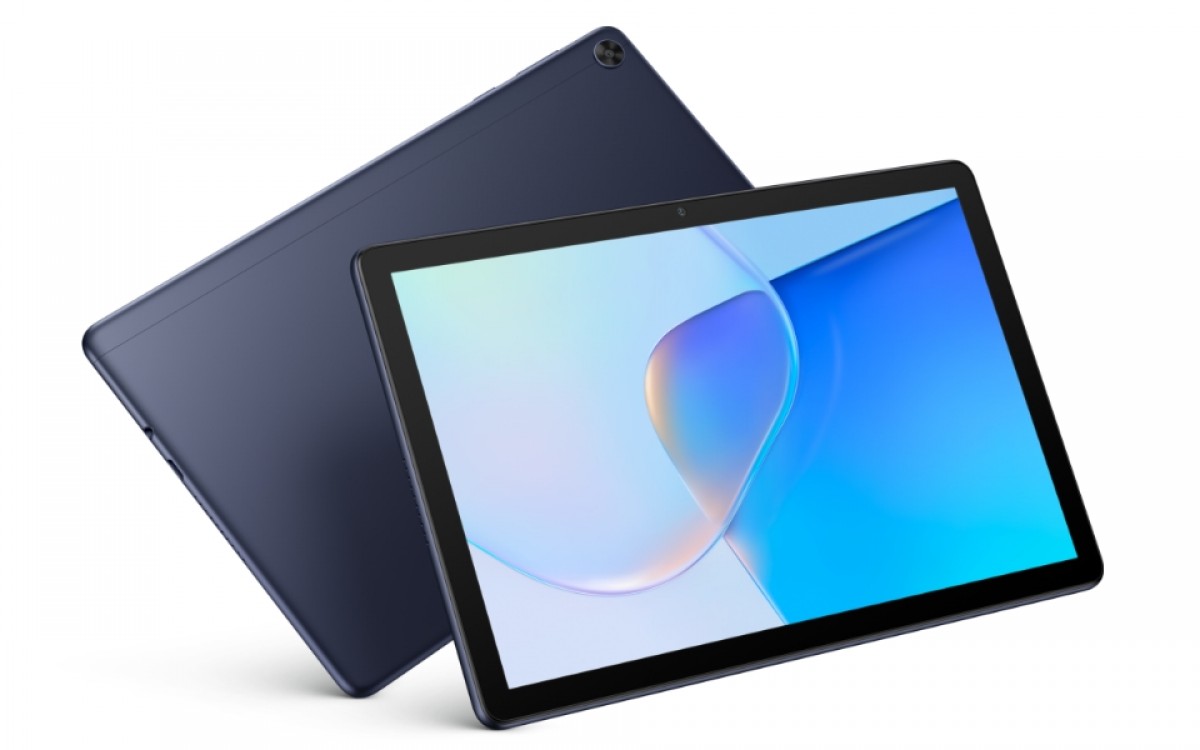
Earlier this year, Huawei launched the MatePad SE tablet in the Chinese market. The brand has now relaunched the tablet under a new moniker – Huawei MatePad C5e. This tablet will first arrive in the Japanese market, after which, the device will be made available in other global markets.
Huawei MatePad C5e specs
The Huawei MatePad C5e has a 10.1-inch Full HD+ IPS display with a screen resolution of 1920 x 1200 pixels and an 80 percent screen-to-body ratio. The gadget is powered by the Kirin 710 processor developed by the firm. The processor contains four Cortex-A73 cores running at 2.0GHz, four Cortex-A53 cores running at 1.7GHz, and a Mali G51 GPU. It has 4GB of RAM and 64GB of storage space (expandable up to 512GB via microSD).
The tablet has dual-channel speakers and support for Histen 7.0 Sound. In terms of cameras, there’s a 5-megapixel sensor on the rear panel and a 2-megapixel snapper on the front for selfies and video calls.
In the software department, the Huawei MatePad C5e runs Android 12-based EMUI 10.1. It has a 5,100 mAh battery that supports 10W fast charging.
Pricing & availability
Although Huawei hasn’t yet made the tablet available on its web store in Japan, it is expected to cost roughly JPY30,000, or about $200 – the same as the MatePad SE in China.
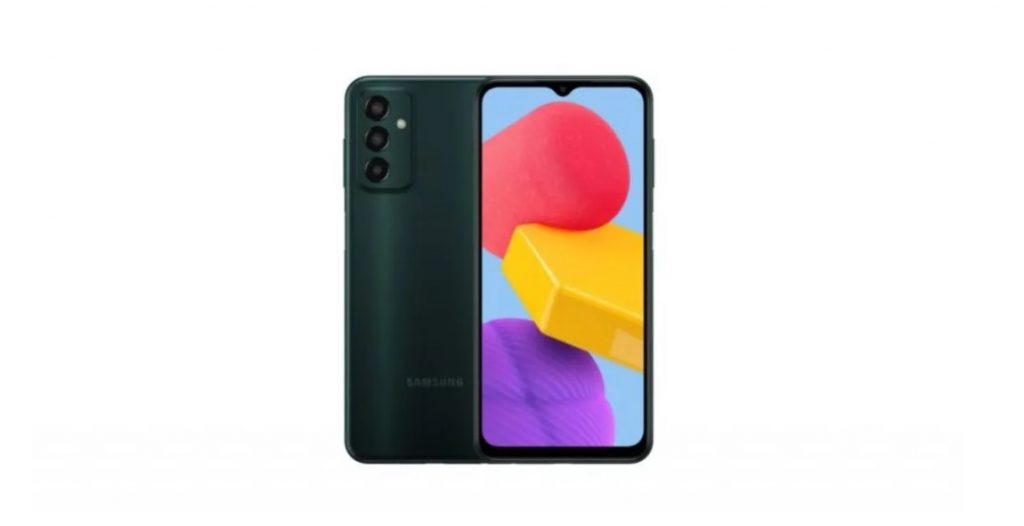
Samsung Galaxy A24 key specifications have surfaced online. The details have been leaked by Vietnamese publication The Pixel. The smartphone will debut as the successor to the Galaxy A23 which was launched earlier this year. The launch timeline of the Galaxy A24 remains unknown at the moment. Read on to know what the leak reveals.
The Samsung Galaxy A24 will reportedly feature a 6.24-inch sAMOLED display bearing an FHD+ resolution. It will offer a 90Hz refresh rate. To recall, the smartphone’s predecessor has an LCD screen. It remains unclear whether the South Korean brand will go with a waterdrop notch or a punch-hole cutout display. The smartphone’s design also remains a mystery.
The report states that the Galaxy A24 will be equipped with an Exynos 7904 processor which is almost four year old. It will pack 6GB RAM and 64GB internal storage, but we can expect more options at launch. The device is tipped to be backed by a 4,000mAh battery unit with support for 15W charging. The hardware seems to be quite a downgrade compared to the Galaxy A23.
On the imaging front, the Galaxy A24 is said to come with a triple rear camera setup comprising a 48MP main sensor with OIS support, an 8MP ultra-wide-angle lens, and a 5MP third shooter. There will be a 16MP front-facing selfie snapper.
Since this is a leak, readers are advised to take the information with a grain of salt.
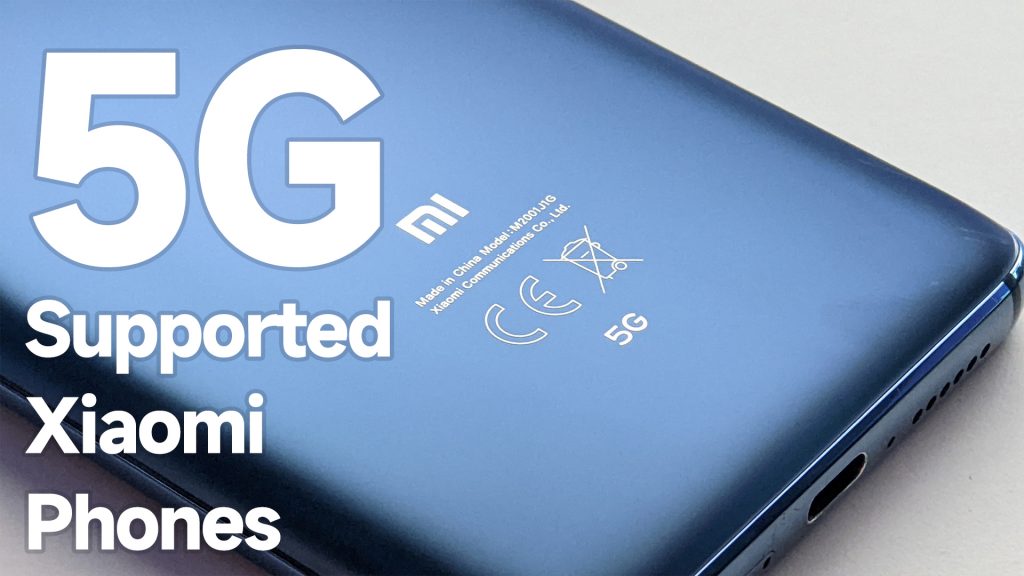
Xiaomi India has announced that it has partnered with Bharti Airtel in India. The Chinese brand aims to offer the telecom operator’s 5G Plus support for all its devices. The company offers a host of 5G-compatible devices under the Xiaomi and Redmi branding. The collaboration means that Xiaomi and Redmi smartphone users can now benefit from the latest-generation 5G network.
5G was launched earlier this month in India. It offers fast upload and download speeds, negligible latency, and stable connectivity. A host of smartphone OEMs are pushing out software updates to enable 5G on their devices in the country. Xiaomi says that it worked with Airtel to meticulously test seamless 5G connectivity on its devices for two years. All its phones are already 5G-ready.
Airtel’s 5G Plus is now available in more than eight cities including Ahmedabad, Bengaluru, Chandigarh, Chennai, Delhi, Gandhinagar, Gurugram, Hyderabad, Jamnagar, Kolkata, Lucknow, Mumbai, Pune, Siliguri, and Varanasi. It is based on the NSA structure and doesn’t require a standalone 5G SIM to connect to 5G network.
The list of Xiaomi and Redmi phones supporting Airtel 5G Plus include Xiaomi 12 Pro, Mi 11 Ultra, Xiaomi 11T Pro, Xiaomi 11 Lite NE 5G, Xiaomi 11i HyperCharge, Xiaomi 11i, Mi 11X Pro, Mi 11X, Mi 10T Pro, Mi 10T, and Mi 10 as well as Redmi K50i, Redmi 11 Prime 5G, Redmi Note 11 Pro+ 5G, Redmi Note 11T 5G, and Redmi Note 10T 5G
To access 5G on Xiaomi or Redmi smartphones, users need to go to Settings > tap on SIMs > Select “5G (recommended)” from the preferred network type menu > Select 5G or 5G/4G/3G from the list to connect to a 5G network. Additionally, users can also enter the code *#*#*4636*#*#* in the dialler app and navigate to phone information to see a list of different types of networks and then choose “NR only” or “NR/LTE” to connect to 5G.
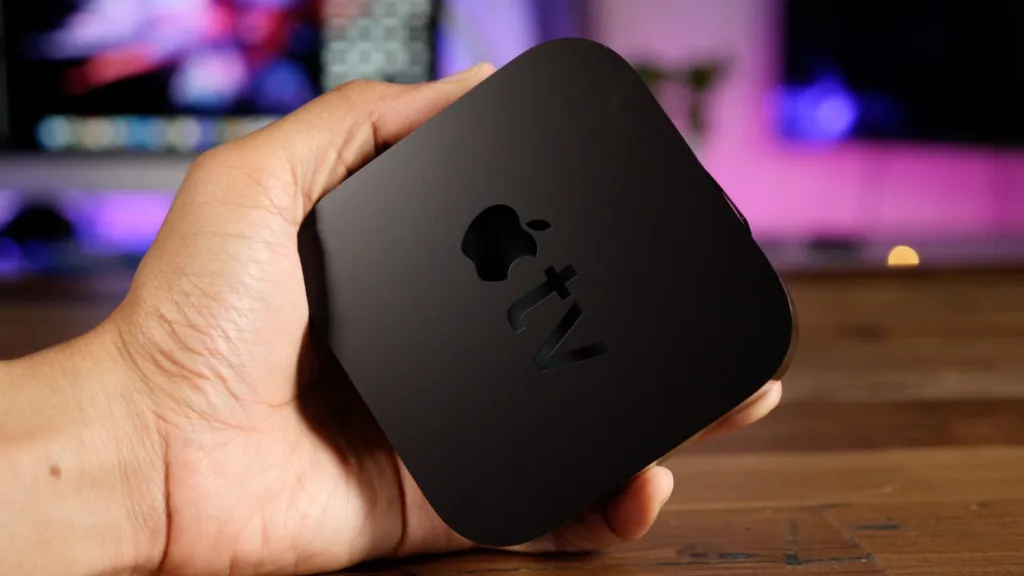
The Apple TV has existed in two different variants alongside each other for some time now. The TV 4K was first launched back in 2017 and sold along with the fourth gen Apple TV HD. However, with the latest TV 4K model launch, the company has finally discontinued the old HD variant.
For those unaware, the Cupertino based giant launched the latest TV 4K model earlier this week. At the same time, the iPhone maker also delisted the TV HD variant, which is no longer sold in the company’s official store. The Apple TV HD model was the fourth generation of the series and was also the first variant that ran on tvOS, which is a standalone operating system that was dedicated to these devices. Furthermore, it was equipped with the A8 chip and had 2GB of RAM.
One of the biggest highlights of this fourth gen Apple TV was also the arrival of the Siri Remote that featured touchpad and motion sensors. It was announced for a starting price tag of 149 US Dollars for the 32GB version. However, the company finally announced the TV 4K, which was the first model that came with 4K resolution and HDR support. It was also powered by the more powerful A10X Fusion chipset. In 2021, this device was refreshed again with the A12 Bionic chip and a redesigned Siri Remote.
Now, the latest model is the Apple TV 4K 2022, which comes with the even more powerful A15 Bionic chipset, which is around 50 percent faster than the A12 chipset. The new Siri Remote also comes with a USB Type C charging port over the Lightning port on the older models. Its starting storage capacity also doubled to 64GB and maxed out at 128GB, with a lowered starting price tag of 129 US Dollars.
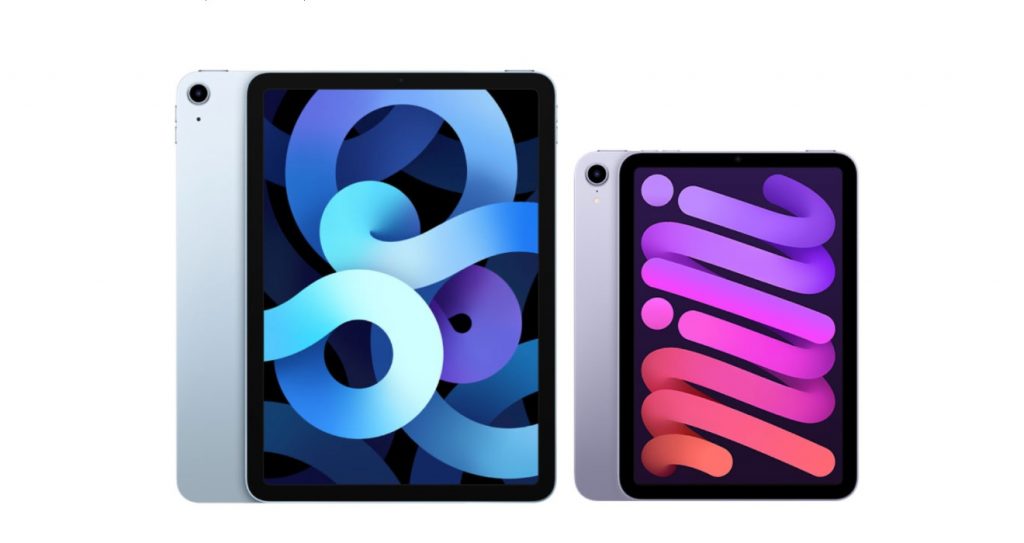
iPad Air (5th gen), iPad Mini (6th gen), and iPad (9th gen) have become expensive in India. Following the launch of the iPad (10th gen) and iPad Pro 2022 last night, the Cupertino-based tech giant has hiked the prices of all three iPads. The Air (5th gen) debuted this year whereas the Mini (6th gen) and iPad (9th gen) are last year’s tablets. The revised prices are already reflected on Apple India’s official website.
iPad Air (5th gen)
New Price
Old Price
iPad Air (5th gen) 64GB WiFi only
Rs 59,900
Rs 54,900
iPad Air (5th gen) 256GB WiFi only
Rs 74,900
Rs 68,900
iPad Air (5th gen) 64GB WiFi+Cellular
Rs 74,900
Rs 68,900
iPad Air (5th gen) 256GB WiFi+Cellular
Rs 89,900
Rs 82,900
Going by the above table, the iPad Air (5th gen) 64GB and 256GB WiFi-only variants are costlier by Rs 5,000 and Rs 6,000 respectively. Meanwhile, the WiFi+Cellular models have received a hike of Rs 6,000 and Rs 7,000.
iPad Mini (6th Gen)
New Price
Old Price
iPad Mini (6th gen) 64GB WiFi only
Rs 49,900
Rs 46,900
iPad Mini (6th gen) 256GB WiFi only
Rs 64,900
Rs 60,900
iPad Mini (6th gen) 64GB WiFi+Cellular
Rs 64,900
Rs 60,900
iPad Mini (6th gen) 256GB WiFi+Cellular
Rs 79,900
Rs 74,900
iPad (9th gen)
New Price
Old Price
iPad (9th gen) 64GB WiFi only
Rs 33,900
Rs 30,900
iPad (9th gen) 256GB WiFi only
Rs 48,900
Rs 44,900
iPad (9th gen) 64GB WiFi+Cellular
Rs 46,900
Rs 42,900
iPad (9th gen) 256GB WiFi+Cellular
Rs 61,900
Rs 56,900
As for the iPad Mini (6th gen) and iPad (9th gen), the 64GB and 256GB WiFi-only variants of the tablet have received a price hike of Rs 3,000 and Rs 4,000 respectively. The prices of the same storage options of both tablets but in WiFi + Cellular versions have increased by Rs 4,000 and Rs 5,000.
Recent reports have claimed that OPPO will announce its first clamshell phone with a foldable screen in December 2022 in China. While there is no official confirmation on its final marketing name, the device is speculated to break cover in the home market with the “OPPO Find N Flip” moniker. Well ahead of the launch, tipster Digital Chat Station has leaked the key specifications of the Find N Flip.
DCS had previously revealed that the OPPO Find N Flip phone, which will feature the Snapdragon 8 Plus Gen 1chipset, has the “Dragonfly” codename. It is expected to arrive in black, white, and purple. The Find N Flip phone is expected to rival the likes of the Samsung Galaxy Z Flip 4, the Moto Razr 2022, and the Huawei P50 Pocket New in China. Here is all the information on the Find N Flip that has surfaced through DCS’ latest leak.
OPPO Find N Flip specifications (rumored)
The Find N Flip is expected to feature a 6.8-inch foldable OLED panel and a 3.26-inch external display. The former will support a Full HD+ resolution of 2520 x 1080 pixels. It will draw power from a 4,300mAh battery.
The device will come equipped with a 32-megapixel Sony IMX709 primary camera. The device will have a 50-megapixel Sony IMX766 main camera and an 8-megapixel Sony IMX355 ultra-wide lens on the back.In related news, the Chinese manufacturer unveiled the Snapdragon 8 Gen 1-powered OPPO Find N as the company’s first foldable phone in December 2021. Speculations are rife that the successor edition of the Find N, which is tentatively called the Find N2, will make its debut in December this year. The Find N2 is also expected to feature the Snapdragon 8 Plus Gen 1 chipset.
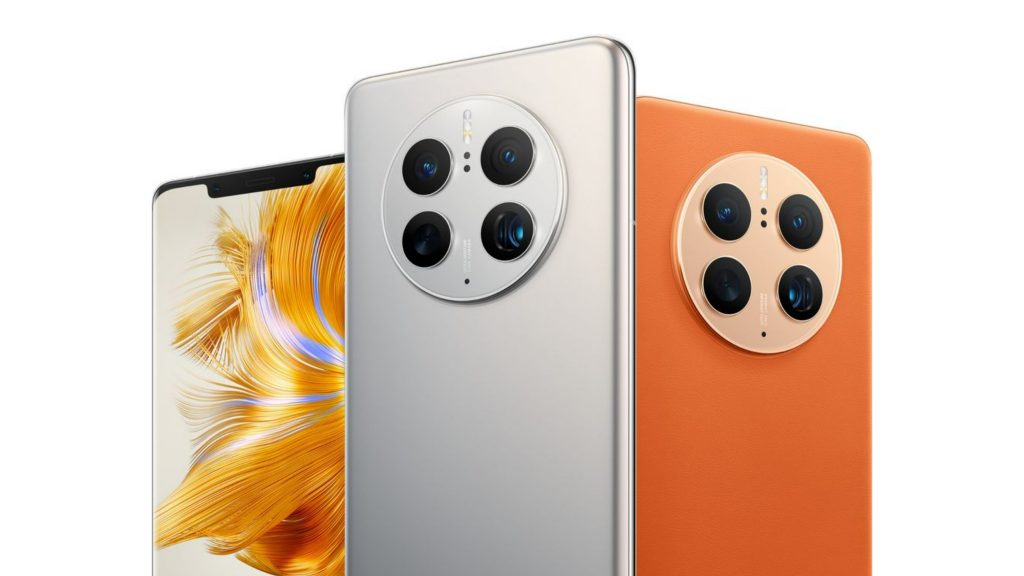
Huawei is the only company other than Apple to provide a secure face authentication system on its smartphones. Therefore, the latest Huawei Mate 50 Pro and Porsche Design Huawei Mate 50 RS sport a wide notch.
As the COVID-19 pandemic is yet to end, masks are still mandatory in certain parts of the world. Hence, Apple introduced ‘Face ID with a Mask’ earlier this year. Following the footsteps of the American tech giant, Huawei also rolls out a similar feature for the Mate 50 Pro models.
Huawei is seeding out a new software update for the Huawei Mate 50 Pro and Porsche Design Huawei Mate 50 RS in China. The OTA system update bumps up the HarmonyOS version to 3.0.0.156.
As per the official changelog, the update adds support for face authentication while wearing a mask. Users can not only unlock the phone but can also make payments,
Unsurprisingly, the feature is the same as what Apple offers on iPhone 12 and later. When face authentication with a mask is turned on, the system will identify the user by their eyes.
If a user wears glasses, they can enroll their faces with glasses on for more accuracy. Additionally, users can also enroll faces with make-up, which is not possible on iPhones.
At present, we are not sure if and when this feature will be made available outside mainland China.
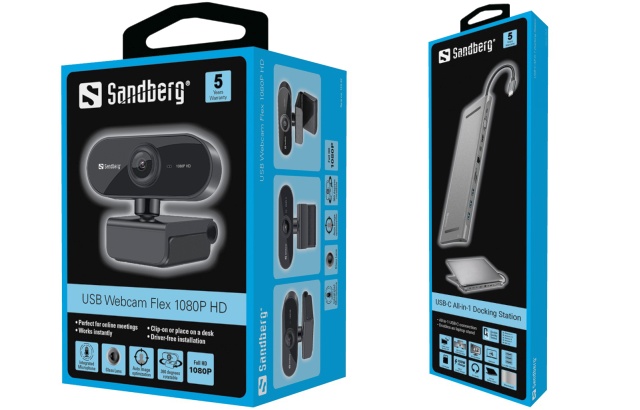
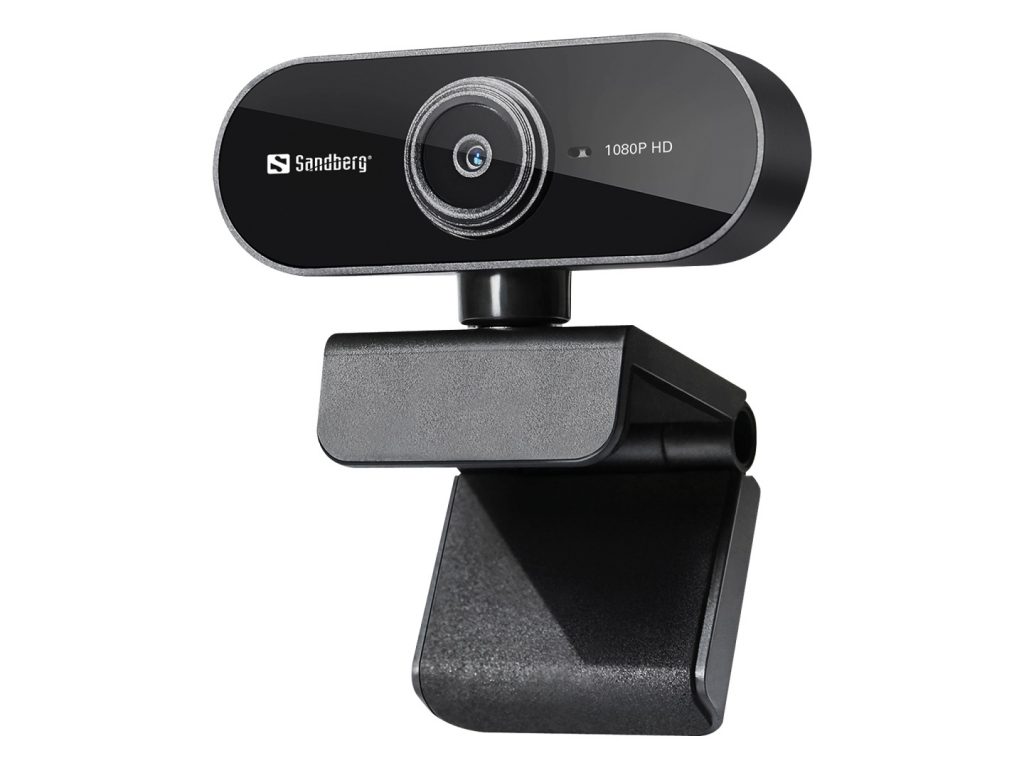
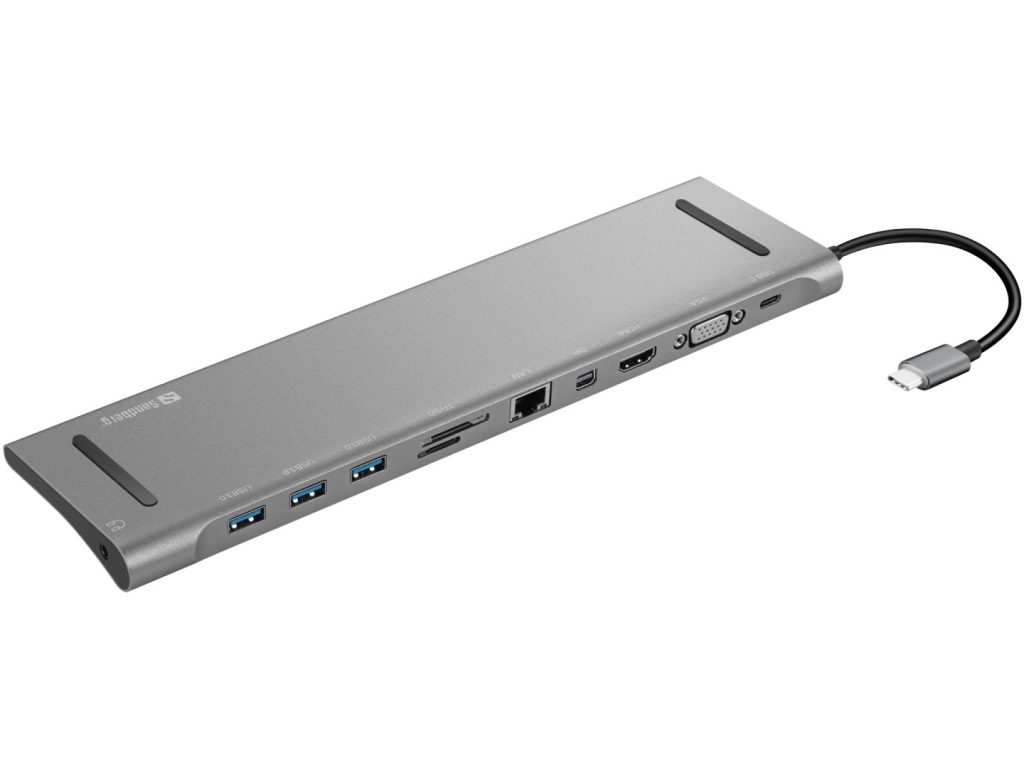
The Danish electronics manufacturer Sandberg has launched a new webcam called USB Webcam Flex and a USB-C All-in-1 docking station.
These two items have lengthy guarantee periods and a reasonable price. According to the official press release, they are “an ideal pairing for those who work from home and participate in video calls.”
The USB Webcam Flex 1080P HD, which costs GBP£39.99 (about US$46), has a 72-degree viewing angle, 30 frames per second, and automated saturation, exposure, contrast, and white balance adjustment. Naturally, it has an integrated microphone as well, providing the absolute minimum for video calls.
The USB-C All-in-1 Docking Station costs GBP£127.98 (approximately US$146) and features a power connector that provides up to 100 W for USB-C charging, 3 X USB 3.0 A ports, a single audio output 3.5 mm jack, VGA, RJ45 Gigabit, HDMI, mDP, a multi-card reader (SD/SDHC/SDXC/MMC), and a security lock hole.
Both of the aforementioned items have a generous 5-year warranty and are available on Amazon (the prices mentioned earlier might be different depending on the market).
We use cookies on our website to give you the most relevant experience by remembering your preferences and repeat visits. By clicking “Accept”, you consent to the use of ALL the cookies.
This website uses cookies to improve your experience while you navigate through the website. Out of these, the cookies that are categorized as necessary are stored on your browser as they are essential for the working of basic functionalities of the website. We also use third-party cookies that help us analyze and understand how you use this website. These cookies will be stored in your browser only with your consent. You also have the option to opt-out of these cookies. But opting out of some of these cookies may affect your browsing experience.
Necessary cookies are absolutely essential for the website to function properly. This category only includes cookies that ensures basic functionalities and security features of the website. These cookies do not store any personal information.
Any cookies that may not be particularly necessary for the website to function and is used specifically to collect user personal data via analytics, ads, other embedded contents are termed as non-necessary cookies. It is mandatory to procure user consent prior to running these cookies on your website.