Advertisement

Moto Buds 2 bring 48hr battery life, smart connectivity without premium pricing

Motorola has unveiled the Moto Buds 2 in India alongside the new Moto G37 smartphone series. The latest wireless earbuds are designed for users looking for immersive sound quality, active noise cancellation, and smart connectivity features without spending heavily on premium audio products. Here’s more in detail about Motorola’s new earbuds for the Indian market.

Moto Buds 2 specifications and features

Moto Buds 2
Moto Buds 2

The Moto Buds 2 feature an 11mm and 6mm dual dynamic driver setup combined with Hi-Res Audio and LDAC support for richer sound output and improved audio clarity. Motorola has also included Spatial Audio support to create a wider and more immersive listening experience while watching videos, gaming, or listening to music.

The earbuds support Dynamic Active Noise Cancellation of up to 55dB, helping reduce surrounding noise in crowded public spaces or while travelling. Motorola has also added Transparency Mode, allowing users to hear nearby sounds without removing the earbuds. For voice calls, the Moto Buds 2 come equipped with six microphones, Environmental Noise Cancellation, and CrystalTalk AI technology to improve voice clarity during calls.

Battery life is another major highlight. The Moto Buds 2 can deliver up to 11 hours of playback on a single charge, while the charging case extends the total usage time to 48 hours. The earbuds also support fast charging, with 10 minutes of charging claimed to offer up to three hours of playback time.

Additional features include Bluetooth 6.0 connectivity, dual device pairing, wear detection, gaming mode, and Moto AI integration for connected Motorola ecosystem features. The earbuds are IP54-rated for water resistance, while the charging case carries an IPX2 rating. Motorola says the lightweight design and Fit Test support are aimed at improving long-term comfort during daily usage.

Moto Buds 2 price and availability

The Moto Buds 2 are available in Pantone Violet Ice, Pantone Carbon, and Pantone Grey Mist colour options. The earbuds are priced at Rs 2,999 and will be available from May 25 through Flipkart, Motorola.in, and leading retail stores across India.

For more daily updates, please visit our News Section.

Stay ahead in tech! Join our Telegram community and sign up for our daily newsletter of top stories! 💡

Vivo X300 Ultra vs Sony Xperia 1 VIII: Battery, Camera, Display & Performance Compared

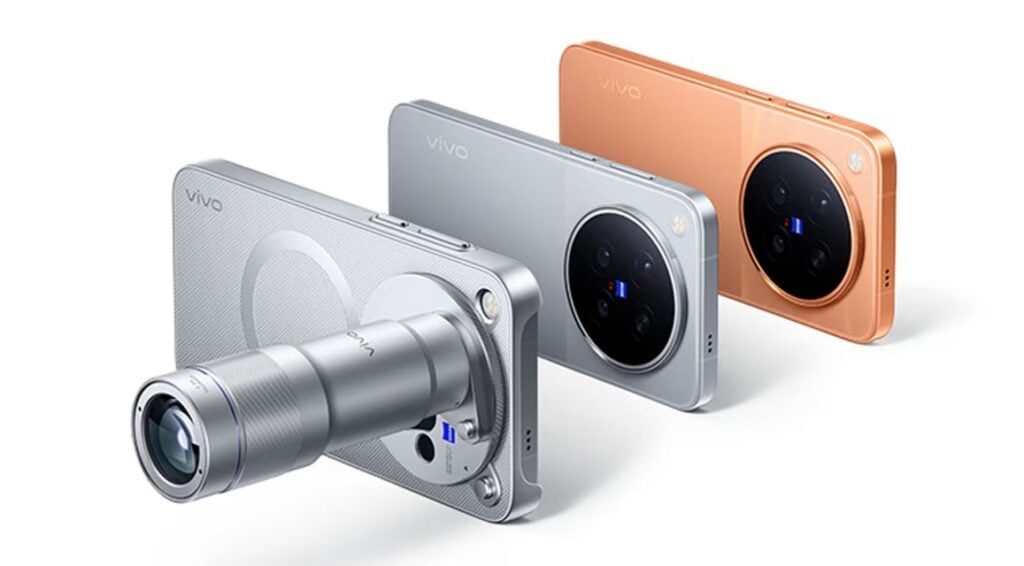
Vivo X300 Ultra and Sony Xperia 1 VIII represent two completely different visions of what an ultra-premium Android flagship should be in 2026. Vivo is chasing maximum hardware dominance with a massive battery, extreme camera setup, and ultra-fast charging, while Sony continues to refine its creator-focused Xperia formula with professional camera tools, expandable storage, and one of the few remaining headphone jacks in a flagship phone. 

Both devices sit at the very top of the Android market, but they target very different kinds of users. This comparison breaks down which flagship actually delivers the better overall experience in design, performance, cameras, battery life, and long-term value. 

Please note: Since the Sony Xperia 1 VIII is still expected to launch in June 2026, some specifications, features, and pricing could change before the official release. 

Major Features:

FeatureVivo X300 UltraSony Xperia 1 VIIIWinner
Display6.82-inch LTPO AMOLED, 144Hz, 1440p, Dolby Vision6.5-inch LTPO OLED, 120Hz, FHD+Vivo – Sharper resolution, faster refresh rate, and better HDR support
ProtectionArmor Glass, IP68/IP69Gorilla Glass Victus 2, IP65/IP68Vivo – Stronger water resistance and premium durability focus
ChipsetSnapdragon 8 Elite Gen 5Snapdragon 8 Elite Gen 5Tie – Same flagship processor and GPU
RAM & StorageUp to 16GB RAM, 1TB, UFS 4.1Up to 16GB RAM, 1TBVivo – Faster UFS 4.1 storage performance
Expandable StorageNomicroSDXC supportSony – Rare expandable storage support in a flagship
Main Camera200MP + 200MP + 50MP48MP + 48MP + 48MPVivo – Much larger sensors and more advanced camera hardware
Zoom FeaturesOptional external zoom lensesContinuous telephoto focusVivo – More versatile long-range photography setup
Selfie Camera50MP AF12MPVivo – Higher resolution with autofocus support
Video Recording8K, 4K 120fps, Dolby Vision4K 120fps HDRVivo – More advanced recording formats and flexibility
AudioStereo speakers, Hi-Res audioStereo speakers, 3.5mm jack, Snapdragon SoundSony – Better wired audio experience and creator-friendly audio tools
Battery6600mAh5000mAhVivo – Significantly larger battery capacity
Wired Charging100W30WVivo – Much faster charging speeds
Wireless Charging40W15WVivo – Faster wireless charging support
SoftwareAndroid 16, OriginOS 6Android 16, 4 major upgradesSony – Longer confirmed software upgrade support
Special FeaturesSatellite SOS, external lensesAlpha camera support, bypass chargingSony – Better ecosystem integration for creators
Approx Price$1500 / ₹160000$1600 / ₹140000Vivo – Delivers stronger hardware value for the price
Disclaimer: Specs are based on available data. Actual performance may vary. Verify details from official sources before buying.

1. Design and Display

Build and Feel

The Vivo X300 Ultra and Sony Xperia 1 VIII approach flagship design very differently. Vivo focuses on a bold ultra-premium camera-centric style with curved edges, a polished aluminum frame, and strong IP68/IP69 protection. The phone feels futuristic and luxurious, especially with the massive camera module that clearly signals its imaging ambitions. Sony, meanwhile, keeps its signature minimalist Xperia identity with flatter sides, Gorilla Glass protection, and a cleaner professional look. The Xperia feels more practical for long-term use thanks to the dedicated microSD slot and headphone jack, which are becoming increasingly rare in flagship phones.

Display Quality

Vivo easily pushes ahead in raw display specifications. Its LTPO AMOLED panel offers a sharper 1440p resolution, smoother 144Hz refresh rate, Dolby Vision support, and extremely high brightness handling. Content consumption and gaming feel more immersive and premium. Sony’s OLED panel is still color-accurate and cinematic with HDR BT.2020 tuning, but the lower resolution and 120Hz refresh rate feel conservative for a 2026 ultra-flagship. Sony’s display is clearly tuned for creators, while Vivo aims for maximum visual impact.

Verdict

The Xperia 1 VIII feels cleaner and more functional, but the Vivo X300 Ultra delivers the more modern and visually impressive flagship experience overall.

2. Specifications Including Battery

Performance

Both phones run on Qualcomm’s Snapdragon 8 Elite Gen 5 chipset paired with the Adreno 840 GPU, so flagship-grade performance is guaranteed on either side. Heavy gaming, AI processing, multitasking, and 4K video editing should run effortlessly. Vivo, however, appears more aggressive with overall optimization. The combination of UFS 4.1 storage, a high-refresh display, and OriginOS tuning makes the phone feel exceptionally fast in daily use. Sony takes a more balanced approach focused on sustained performance and creator-oriented stability. Features like bypass charging and native Sony Alpha support make it especially appealing for photographers and videographers.

Battery and Charging

Battery capacity is one of Vivo’s biggest strengths. The massive 6600mAh battery paired with 100W wired and 40W wireless charging significantly outclasses Sony’s 5000mAh setup with 30W charging. Vivo clearly targets power users who demand long endurance and minimal downtime. Sony’s battery system is more conservative but likely healthier for long-term battery lifespan. Still, charging speeds now matter heavily in premium phones, and Vivo simply feels more future-ready here.

Verdict

Sony offers refined stability and creator-focused features, but Vivo dominates in battery life, charging technology, and overall flagship performance feel.

3. Camera

Main and Secondary Lenses

Camera hardware is where the Vivo X300 Ultra becomes extremely difficult to ignore. Its dual 200MP setup with large sensors, gimbal stabilization, Zeiss optics, and optional external zoom lenses creates a camera system that feels closer to dedicated photography equipment than a smartphone. Low-light shots, zoom quality, and cinematic video recording are likely among the best in the market. Sony takes a different route by focusing on natural color science, eye tracking, Alpha-inspired controls, and balanced lens consistency. The Xperia 1 VIII may produce more realistic photos, especially for creators who prefer manual tuning over aggressive computational photography.

Selfie Camera

Vivo again carries stronger hardware with a 50MP autofocus selfie camera capable of detailed 4K recording. Sony’s 12MP front camera prioritizes natural tones and stable video rather than extreme detail. Content creators who rely heavily on front-camera quality may find Vivo more versatile overall.

Verdict

Sony delivers a professional photography experience with cleaner image processing, but Vivo provides a more advanced and versatile flagship camera package in nearly every hardware category.

4. Pricing

The Vivo X300 Ultra is priced around $1500 or ₹160000, while the Sony Xperia 1 VIII is expected to cost around $1600 or ₹140000, depending on the region and configuration. Interestingly, Sony carries the higher global pricing despite offering a comparatively weaker display and charging specifications on paper. Vivo aggressively packs flagship-grade hardware into nearly every category, making the pricing feel surprisingly competitive for what is included.

Sony justifies its premium through niche creator-focused features like microSD support, headphone jack integration, Alpha ecosystem compatibility, and cleaner Android software support. That approach will appeal strongly to photographers and long-time Xperia enthusiasts. However, mainstream flagship buyers often prioritize battery life, charging speed, and camera hardware, areas where Vivo clearly provides more value.

Verdict

The Xperia 1 VIII feels premium but specialized. The Vivo X300 Ultra offers stronger overall hardware value and feels like the better flagship deal for most buyers at this price level.

Disclaimer:
Prices are approximate and may vary based on country, region, launch timing, and applicable taxes. Always check whether the listed price is for a China unit or a global/international variant when purchasing.

5. Conclusion

The Vivo X300 Ultra stands out with its enormous battery, extremely advanced camera hardware, optional zoom lenses, satellite communication support, and ultra-fast charging system. It feels designed for users who want the most cutting-edge smartphone technology available without compromise. The Xperia 1 VIII, on the other hand, continues Sony’s niche flagship philosophy by prioritizing creator tools, expandable storage, professional camera controls, and audio-focused features like the 3.5mm headphone jack and Snapdragon Sound support.

Both phones target premium users, but they cater to different personalities. Vivo feels bold, experimental, and specification-heavy, while Sony feels mature, focused, and intentionally practical. The difference is not just about hardware numbers but also about the kind of user experience each brand wants to deliver.

Verdict

The Sony Xperia 1 VIII remains one of the most creator-friendly Android flagships available, but the Vivo X300 Ultra delivers the more complete ultra-premium experience overall with stronger display, battery, charging, and camera hardware.

Disclaimer: This comparison is based on the specifications provided and is intended for general informational purposes. Actual performance, camera results, battery life, and overall experience may vary depending on real-world usage, software updates, and individual preferences.

Read More:

Realme 16T price leaks ahead of launch, and it’s not exactly budget anymore

Realme is preparing to launch the Realme 16T in India on May 22, and just days before the announcement, its price has now surfaced on the web.

According to the tipster Abhishek Yadav on X, the Realme 16T will start at Rs 29,999 for the 6GB RAM and 128GB storage variant. The 8GB/128GB model is said to be priced at Rs 31,999, while the top-end 8GB/256GB version will cost Rs 33,999.

Realme 16T Specifications (Expected)

For the price, the Realme 16T is expected to run on the MediaTek Dimensity 6300 chipset. The phone has also appeared on Geekbench listings with Android 16 and up to 8GB of RAM.

The device is expected to feature an 8,000mAh battery with support for 45W fast charging and bypass charging. Realme claims the phone can last up to three days on a single charge and can handle long gaming sessions, including up to 11 hours of BGMI at 60fps under ideal conditions.

The display is expected to be a 6.8-inch flat LCD panel with a 144Hz refresh rate. However, earlier leaks also mention thick bezels, which suggests the design will not focus heavily on premium aesthetics. The phone is also expected to have a slim 8.8mm body despite the large battery.

The Realme 16T camera hardware includes a 50MP primary sensor paired with a 2MP secondary lens on the rear, while the front will carry a 16MP selfie camera. Realme is also focusing on AI-based photography features such as portrait enhancements and automated editing tools.

Other expected features include IP69 water and dust resistance, military-grade durability, and three color options: Aurora Green, Starlight Red, and Starlight Black.

For more daily updates, please visit our News Section.

Stay ahead in tech! Join our Telegram community and sign up for our daily newsletter of top stories! 💡

(Source)

Moto G37 Power arrives with 3-day battery life and military-grade durability

Motorola has expanded its affordable smartphone lineup in India with the launch of the Moto G37 and Moto G37 Power. The new devices focus on long battery life, reliable 5G performance, durable build quality, and immersive entertainment features while targeting users looking for value-focused smartphones with modern software and practical features.

Moto G37, G37 Power specifications and features

Moto G37 Power
Moto G37 Power

The Moto G37 Power stands out with its large 7000mAh battery, which Motorola claims can deliver up to three days of usage on a single charge. The smartphone supports 33W TurboPower fast charging and also includes Battery Care technology designed to maintain long-term battery health for up to 1200 charging cycles.

Both the Moto G37 and G37 Power are powered by the MediaTek Dimensity 6400 chip built on a 6nm process for improved efficiency and stable 5G connectivity. However, the G37 gets a smaller 5,200mAh battery with 20W charging support/

Motorola has equipped the devices with a 6.7-inch HD+LCD display featuring a 120Hz refresh rate, Display Colour Boost technology, and brightness levels reaching up to 1050 nits. The phones also come with Smart Water Touch support for better usability with wet fingers. The Moto G37 Power is paired with up to 8GB RAM and 128GB UFS 2.2 storage, along with RAM Boost support for smoother multitasking.

For photography, the Moto G37 Power features a 50-megapixel Quad Pixel rear camera system supported by AI-powered editing tools such as AI Magic Eraser and Photo Unblur. An 8-megapixel front camera handles selfies and video calls. The smartphone also includes stereo speakers with Dolby Atmos, Hi-Res Audio support, dual microphones, and a 3.5mm headphone jack.

Motorola has also focused heavily on durability. The Moto G37 series comes with Corning Gorilla Glass 7i protection, MIL-STD-810H certification, and an IP64 rating for dust and splash resistance. Both phones run Android 16 with Hello UI and are confirmed to receive Android 17 along with three years of security updates.

Moto G37, G37 Power price and availability

The Moto G37 Power comes in Pantone Capri, Pantone Nautical Blue, and Pantone Impenetrable shades. The 4GB + 128GB variant is priced at Rs 15,999 (~$165), while the 8GB + 128GB model costs Rs 18,999 (~$200).

The Moto G37 arrives in a 4GB + 64GB configuration priced at Rs 13,999 (~$145). Both smartphones will go on sale from May 25 via Flipkart, Motorola.in, and retail stores across India.

For more daily updates, please visit our News Section.

Stay ahead in tech! Join our Telegram community and sign up for our daily newsletter of top stories! 💡

Save the date: Vivo S60 series set to launch on May 29

Vivo has officially confirmed the launch date of the Vivo S60 series for the Chinese market. The upcoming lineup is expected to compete with rivals such as the Oppo Reno 16 series and the Honor 600 lineup. Alongside the launch confirmation, Vivo has also started revealing several hardware details of the new smartphones.

Vivo S60 series launch date confirmed

Vivo S60 launch date
Vivo S60 series launch date

An official teaser confirms that the Vivo S60 series will debut in China on May 29. Reports suggest that the lineup may include the Vivo S60 and Vivo S60e models. However, there is currently no confirmation on whether Vivo also plans to launch the rumoured Vivo S60 Pro Mini. It remains unclear whether the device has been delayed or scheduled for a separate announcement later.

In terms of design, the Vivo S60 series adopts a new silver-white finish inspired by shimmering reflections on the summer sea. According to Vivo, the rear panel creates a flowing light effect that changes with viewing angle.

Photography is said to be one of the key upgrade areas for the Vivo S60 series. The company claims the lineup introduces a new Live Photo feature and describes it as one of the best Live imaging experiences available in the industry.

The Vivo S60 series is confirmed to support direct 4K Live Photo output. Vivo says it has improved end-to-end efficiency, memory usage optimization, and intelligent frame-rate temperature control to address heating, memory, and processing issues commonly associated with 4K capture.

The company has also announced a new Starlight Live feature, which can automatically detect bright highlights within scenes to improve the atmosphere and visual appeal of photos and videos.

Vivo S60 specifications

Reports have revealed that the Vivo S60 will pack a 6.59-inch OLED screen with 1.5K resolution support and may house a 7,200mAh battery paired with 90W fast charging support. It may feature a Sony IMX8-series periscope telephoto camera and the Snapdragon 8s Gen 3 chipset.

The device is also tipped to support magnetic accessories and may launch in multiple colour options, including a pink variant. The device is also expected to feature stereo dual speakers, an X-axis linear motor, an IR blaster, and IP68/IP69-rated dust and water resistance.

At present, there is no information available regarding the specifications of the Vivo S60e.

For more daily updates, please visit our News Section.

Stay ahead in tech! Join our Telegram community and sign up for our daily newsletter of top stories! 💡

Find X10 Ultra may feature exclusive 200MP Samsung camera; Oppo also tests 100MP 1:1 selfie sensor

Recent reports have revealed several details about the upcoming Find X10 series, which is expected to include the Find X10, X10 Pro, and X10 Pro Max. Oppo is expected to unveil these devices in China in October this year. The lineup is also expected to include the Find X10 Ultra, which may launch in the first half of 2027. Well ahead of its arrival, reliable tipster Digital Chat Station has shared details about what appears to be its primary camera.

Oppo Find X10 Ultra’s primary camera tipped

In a recent Weibo post, the tipster suggested that Oppo is testing a next-generation 200-megapixel 1/1.12-inch LOFIC primary camera sensor. He later confirmed in the comments section that this sensor will be exclusively available on the Find X10 Ultra.

For those unaware, LOFIC, which stands for Lateral Overflow Integration Capacitor, is a sensor technology designed to improve dynamic range by helping cameras capture better highlight and shadow details in difficult lighting conditions. In February, the same tipster claimed that this sensor is expected to debut around 2027 on an Ultra-tier flagship phone.

DCS also claimed that Oppo is testing multiple camera technologies on the alleged Find X10 Ultra, including a customized 100-megapixel 1:1 square front-facing camera sensor. Such a selfie camera could allow the phone to capture a larger image area, making it easier to crop photos and videos for different social media formats without losing much detail.

Traditional front cameras are usually optimized for vertical shots, meaning users often need to rotate the phone horizontally to record wider selfie videos or group photos. A 1:1 square sensor could address this by capturing a wider usable frame from a single shot.

As for the rest of the specifications, the Find X10 Ultra may feature a 6.89-inch 2K LTPO OLED display and a 7,000mAh+ battery. Under the hood, it is expected to feature the Snapdragon 8 Elite Gen 6 Pro chipset.

For more daily updates, please visit our News Section.

Stay ahead in tech! Join our Telegram community and sign up for our daily newsletter of top stories! 💡

New Motorola Moto Edge (2026) stars in a champagne gold in renders

Motorola’s upcoming Moto Edge (2026) has surfaced in new renders, courtesy of tech outlet Digital Citizen.

From what the renders show, Motorola is not planning a dramatic redesign. The Moto Edge (2026) has the company’s usual left-aligned square camera module layout and a hole-punch screen on the front. 

Motorola Moto Edge 2026 Render Specs Leak

The back has a fabric-like woven texture finish instead of the usual glossy glass surface. And the render is in a warm champagne gold shade that also extends to the frame.

On the right side of the phone sit the standard power and volume buttons. However, there is also an extra button placed on the upper left edge. It could either be a shortcut key for AI features, camera access, or another custom function.

The display itself is flat; however, key display details such as size, resolution, and refresh rate have not been revealed yet.

In terms of cameras, the phone is shown with a triple rear camera setup. The module includes markings such as “OIS,” “Super Zoom,” and “Sony LYTIA,” confirming optical image stabilization, zoom capabilities, and a Sony-made sensor.

The specs are unknown yet!

We are not yet aware of the specific features of the upcoming Edge (2026). To give an idea, its predecessor has a Dimensity 7400 Ultra chip with 8GB RAM and 256GB storage. The front is a 6.7-inch OLED panel that runs off a 52000mAh cell and 68W charging support. We can expect this year’s model to go in a similar direction.

As for launch timing, the device is expected to follow Motorola’s usual schedule, with a possible announcement around late May or June this year, similar to its predecessor.

For more daily updates, please visit our News Section.

Stay ahead in tech! Join our Telegram community and sign up for our daily newsletter of top stories! 💡

(Source)

Purported Redmi K100 Pro to pack Snapdragon 8 Elite Gen 5, 9,000mAh battery

A recent report revealed that Redmi may unveil the Redmi K100 series as early as September this year in China. Last year, the brand only announced two devices, namely the Redmi K90 and K90 Pro Max, in October, but it appears that the K100 lineup may initially include three models. While their official monikers are under wraps, they are tentatively dubbed the Redmi K100, K100 Pro, and K100 Pro Max. A new leak, courtesy of reliable tipster Digital Chat Station, has seemingly revealed details about the Pro variant.

Alleged Redmi K100 Pro details tipped

Yesterday, DCS revealed details about the standard Redmi K100, claiming that it has a 6.59-inch screen, a Snapdragon 8 Elite Gen 5 chip, and a battery with around 8,000mAh capacity and 100W charging support. It is also said to have other specs, such as a 200-megapixel main camera, a telephoto lens, symmetrical dual speakers, an ultrasonic in-screen fingerprint sensor, and an IP68/69-rated dust- and water-resistant body.

In today’s leak, the tipster revealed the existence of another Snapdragon 8 Elite Gen 5-powered Redmi K100 series phone. The engineering prototype of this device is currently said to pack a battery rated at around 9,000mAh, although the company is reportedly testing even higher-capacity solutions in the lab.

The phone is also tipped to support 100W wired fast charging alongside wireless charging support. Considering that this device packs a larger battery than the Redmi K100, this leak could be referring to the Redmi K100 Pro.

The tipster has not revealed the display size of the alleged K100 Pro. Considering that it packs a larger battery, it may feature a bigger display than the K100.

Rumors surrounding the Redmi K100 Pro Max suggest that it will feature the next-generation Snapdragon 8 Elite Gen 6 Pro chip along with 16GB of LPDDR6 RAM and 1TB of storage. The device is also expected to feature a 200-megapixel main camera backed by a 1/1.28-inch sensor and a 50-megapixel mid-range periscope telephoto lens.

For more daily updates, please visit our News Section.

Stay ahead in tech! Join our Telegram community and sign up for our daily newsletter of top stories! 💡

Xiaomi launches Mijia Mini Dual-Zone Washing and Drying Machine for your intimate garments

Xiaomi has officially announced its new “Mijia Mini Dual-Zone Washing and Drying Machine 1kg” in China. It’s a compact washing machine designed for small clothing items such as underwear, socks, baby clothes, and towels. The product is now available for pre-order in China at a starting price of 1499 yuan (~ $220)and will officially go on sale on May 30.

Xiaomi Mijia Mini Dual Zone Washing and Drying Machine 1Kg Specs Launch Price

The new machine comes with a dual-drum setup that allows users to wash and dry clothes separately. Xiaomi says the machine supports dual 0.5kg washing zones and dual 0.2kg drying zones, allowing for different types of clothes to be cleaned independently to avoid cross-contamination.

Xiaomi Mijia Mini Dual-Zone Washing and Drying Machine targets hygiene-focused users

According to the company, the washing machine is designed to address concerns about washing intimate apparel alongside regular clothes. The dual-tube system uses separate water inlet and outlet pipes, which Xiaomi says helps prevent cross-infection between clothing categories.

As for stain removal capabilities, the company claims the washer achieves protein stain removal ratios of 1.95 and blood stain removal ratios of 1.85. It also supports 95-degree Celsius high-temperature boiling wash.

The machine includes high-temperature drum self-cleaning as well. Xiaomi says a combination of hot water flow and steam can refresh and sterilize the inside of the drum in around 15 minutes.

Xiaomi Mijia Mini Dual Zone Washing and Drying Machine Containers

For drying, the Mijia Mini Dual-Zone machine uses intelligent low-temperature drying technology. The system monitors temperature in real time and automatically stops drying once clothes are dry.

The washer supports 23 washing and care programs. Users can access six programs directly from the control panel, while another 17 programs are available through the Mi Home app. The app also allows users to customize settings such as water level and temperature.

The machine supports Xiaomi’s HyperOS Smart Connect platform and can also be controlled through Xiao Ai voice commands. Other features include OTA updates, antibacterial fresh air hosting, quiet operation, and a compact design with a footprint of less than 0.2 square meters.

The machine’s 1kg capacity can handle up to 14 pairs of socks, 15 pieces of women’s underwear, or seven pieces of men’s underwear in a single wash cycle, depending on clothing size and weight.

For more daily updates, please visit our News Section.

Stay ahead in tech! Join our Telegram community and sign up for our daily newsletter of top stories! 💡

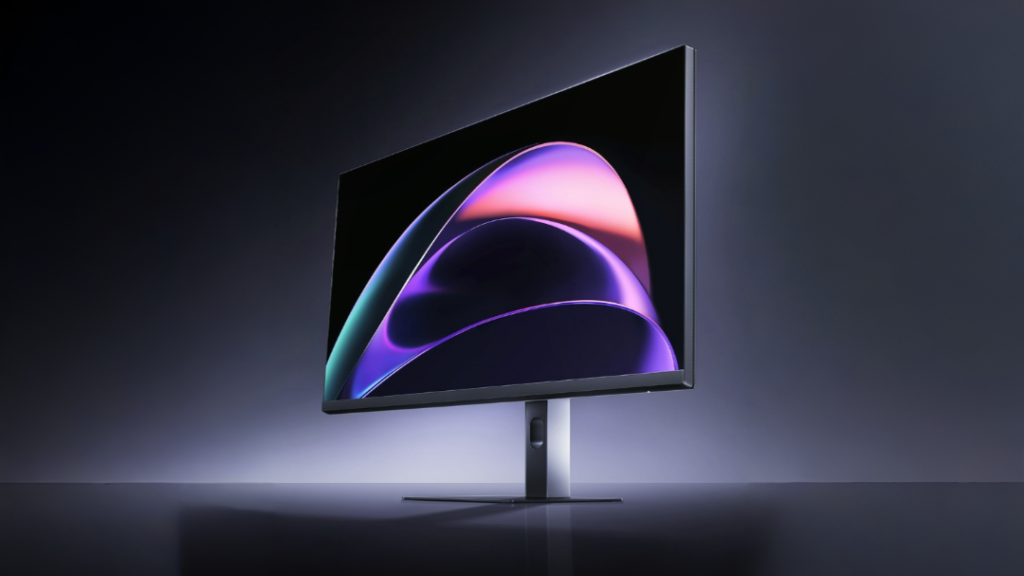
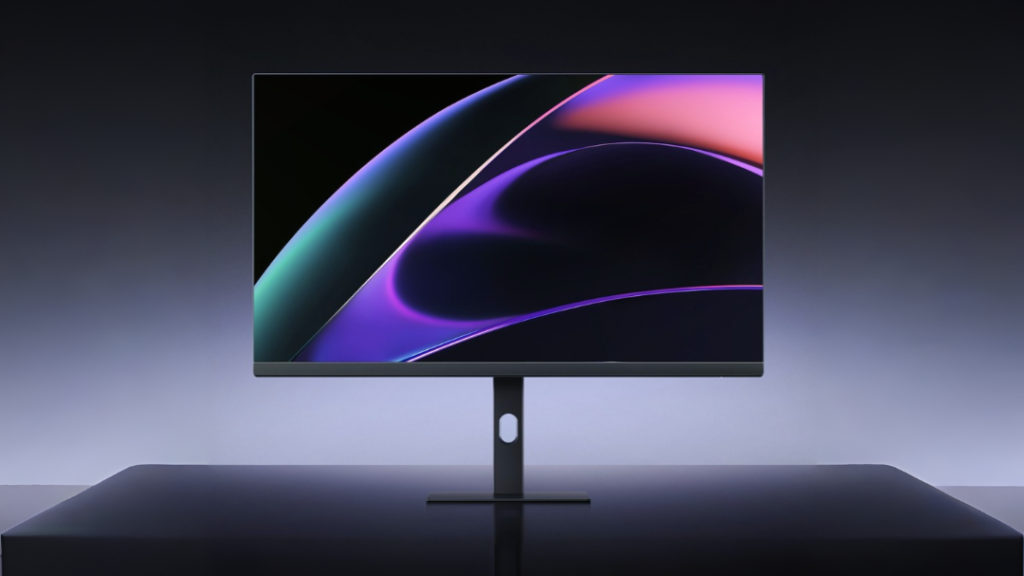
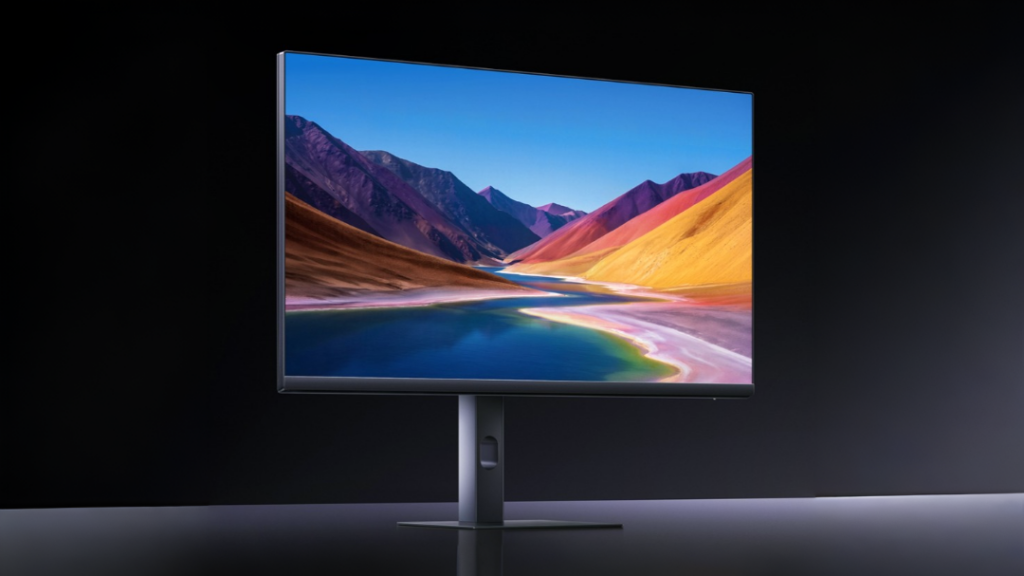
Huawei launches new 27-inch 4K monitor with 320Hz dual mode and 100W USB-C charging

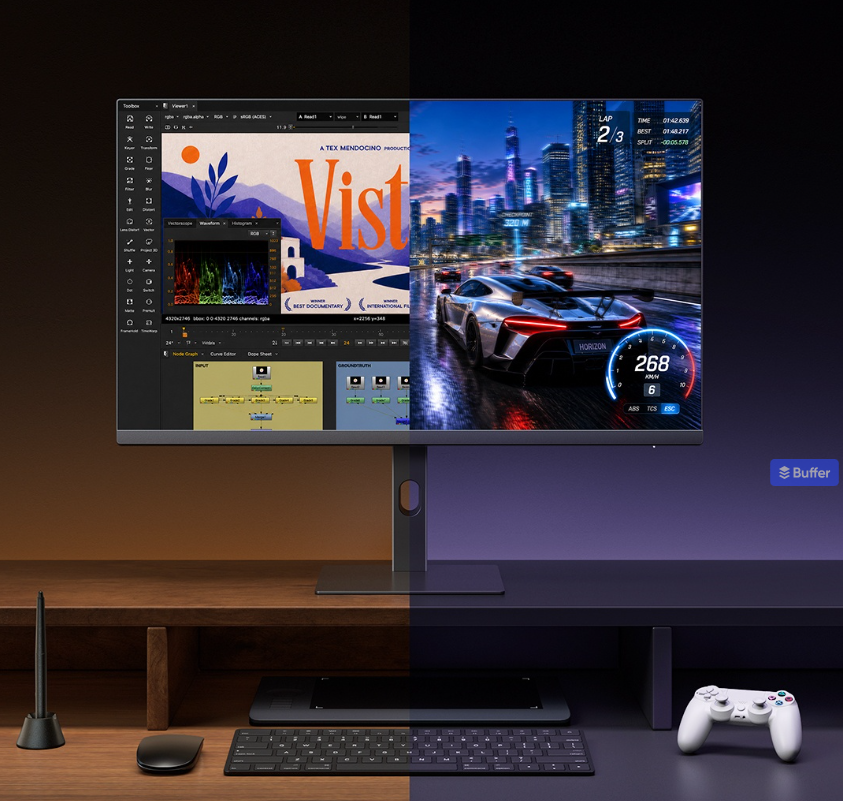
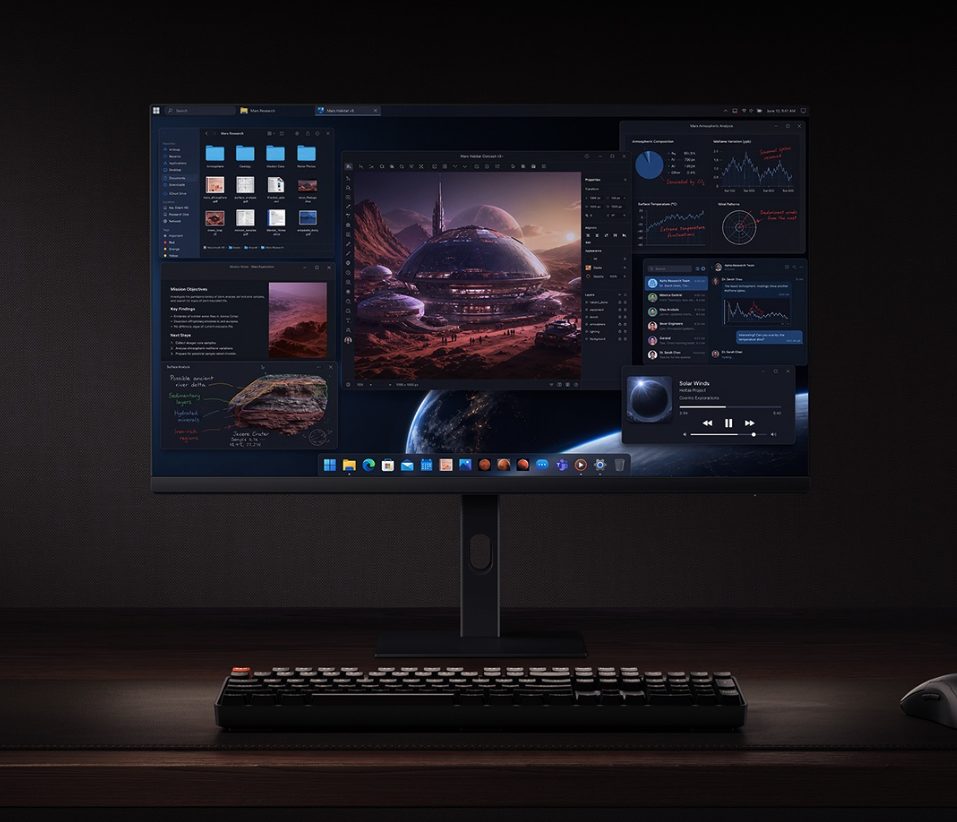
Huawei recently announced the Qingyun M273U in China. It is a 27-inch 4K monitor built primarily for office and enterprise use, though it includes a few specifications that are more common in gaming displays.

Huawei Qingyun M273U

Huawei Qingyun M273U Specifications

The monitor is built around an IPS panel with a standard 16:9 aspect ratio and a 3840 x 2160 resolution. Instead of the standard 60Hz found on most office monitors, this one has a 160Hz refresh rate, which makes scrolling through documents and moving windows around the desktop look smoother.

There is also a dual-mode feature that lowers the resolution to 1080p but increases the refresh rate to 320Hz. For color accuracy, the panel covers 95% of the DCI-P3 gamut and 100% of sRGB. Peak brightness sits at 450 nits, and it supports HDR Vivid.

Huawei is selling the monitor in two different versions: a Standard Edition and a Soft Light Edition. The Soft Light model comes with a matte, anti-glare finish to reduce reflections from overhead lights, alongside hardware-level low blue light and flicker-free certifications to help with eye strain.

It also features a built-in 4.1-channel speaker setup, which includes two 5W full-range drivers, two 3W tweeters, and a 10W subwoofer. The Standard Edition has a standard glossy finish and does not include built-in speakers.

Huawei Qingyun M273U

The ports also differ between the two models. Both versions include two HDMI 2.1 ports, one DisplayPort 1.4 connection, and a standard 3.5mm headphone jack. The Soft Light Edition, however, adds a USB-C port. This single USB-C connection can handle 4K 160Hz video output while simultaneously providing 100W of power delivery.

For ergonomics, both monitors come with a stand that offers 110mm of height adjustment, standard tilt, and a 90-degree pivot so you can use the screen in a vertical portrait orientation. The software includes picture-in-picture and picture-by-picture modes.

Huawei has not yet announced pricing for either version of the Qingyun M273U, and the current release is limited to the Chinese market.

In related news, MSI recently launched a 425Hz 1440p gaming monitor with esports-grade speed at a surprisingly affordable price.

For more daily updates, please visit our News Section.

Stay ahead in tech! Join our Telegram community and sign up for our daily newsletter of top stories! 💡

(Huawei)

Red Magic launches 49g carbon fiber gaming mouse with dual 8K polling & PAW3950 sensor

Red Magic recently held its 11S Pro launch event in China, and alongside its new devices, the company introduced a new gaming mouse. The main selling point of the peripheral is its construction: it uses a full carbon fiber top shell paired with a magnesium-aluminum alloy base. This combination brings the total weight down to just 49 grams without relying on a plastic chassis.

Red Magic Carbon Fiber Gaming Mouse

Red Magic Carbon Fiber Gaming Mouse Specs

Lightweight gaming mice have been popular for a few years, but they sometimes suffer from flimsy build quality or require a honeycomb design full of holes to shed weight. By using carbon fiber and metal, Red Magic is trying to avoid those compromises. The company claims the mouse can withstand up to 100kg of pressure, which practically means it shouldn’t flex, bend, or creak when you grip it tightly during a game. The mouse has a symmetrical shape, though it is ergonomically optimized for right-handed users. Red Magic says it is built primarily for people with larger hands and accommodates standard palm, claw, or fingertip grip styles.

Inside, the mouse uses familiar, reliable components. It features a PixArt PAW3950 sensor, which provides up to 30,000 DPI, a tracking speed of 750 IPS, and 50G acceleration. It also includes custom optical switches rated for 100 million clicks and a Nordic 54L15 wireless chip to handle connectivity. You can connect the mouse via Bluetooth, a 2.4GHz wireless dongle, or a standard USB cable. If you use the wired or 2.4GHz modes, the mouse supports an 8KHz polling rate to minimize input delay.

The device is powered by a 306mAh battery. While Red Magic hasn’t provided a total battery life estimate for a full charge, it does support fast charging; the company claims plugging it in for one minute provides enough power for 10 hours of use. For customization, the mouse works with Red Magic’s TouWan software. The software has a web-based interface, meaning you can adjust your DPI, polling rates, and button layouts directly through a browser without having to install a dedicated desktop app.

Pricing and Availability

The mouse goes on sale in China this June. Its standard price is 1,299 yuan (about $190), though it will temporarily be available for 999 yuan (around $146) at launch. Red Magic hasn’t announced international availability yet, but the company’s gaming accessories usually make their way to other regions a few months after their domestic release.

Alongside this mouse, the company has also launched a new magnetic power bank with 45W wired fast charging and 25W wireless charging.

For more daily updates, please visit our News Section.

Stay ahead in tech! Join our Telegram community and sign up for our daily newsletter of top stories! 💡

Anker launches affordable 5-in-1 USB-C hub with HDMI, 90W pass-through charging

Anker has introduced a new compact USB-C hub aimed at users who need a few extra ports without carrying around a bulky dock. The accessory, officially called the 5-in-1 All-in-One USB-C Expansion Dock, has now gone on sale in China through JD.com for 99 yuan, or roughly €12.49 at the current exchange rate.

The hub keeps things fairly simple but practical. It comes with five ports in total, including an HDMI 1.4 output, three USB-A ports, and a USB-C port dedicated to power delivery.

The HDMI port supports up to 4K at 30Hz, which should be fine for basic external monitor use, presentations, or media playback, though it is clearly not aimed at high refresh rate setups. Of the USB-A ports, one supports USB 3.0 speeds up to 5Gbps, while the other two stay at USB 2.0 speeds for accessories like keyboards, mice, or printers.

One of the more useful features here is pass-through charging. The dock supports up to 100W power input and can deliver up to 90W charging to a connected laptop, with the remaining power reserved for the hub itself. Just keep in mind the USB-C port is for charging only and does not handle data transfer or display output.

Design-wise, this looks pretty typical for Anker. The hub uses an aluminum alloy body with a dark gray finish and stays quite compact at just under 11.6mm thick. It weighs 57.6 grams, so portability is clearly part of the appeal.

At this price point, the hub seems aimed more at everyday laptop users rather than professional workstation setups. Modern ultrabooks continue to lose ports year after year, so accessories like this are becoming almost necessary for a lot of people.

Anker is also offering an 18-month warranty, which is fairly standard for the company’s accessories. For users who mainly need basic display output, a few USB ports, and reliable charging in one compact adapter, this looks like a fairly straightforward option.

Don’t miss a thing! Join our Telegram community for instant updates and grab our free daily newsletter for the best tech stories!

For more daily updates, please visit our News Section.
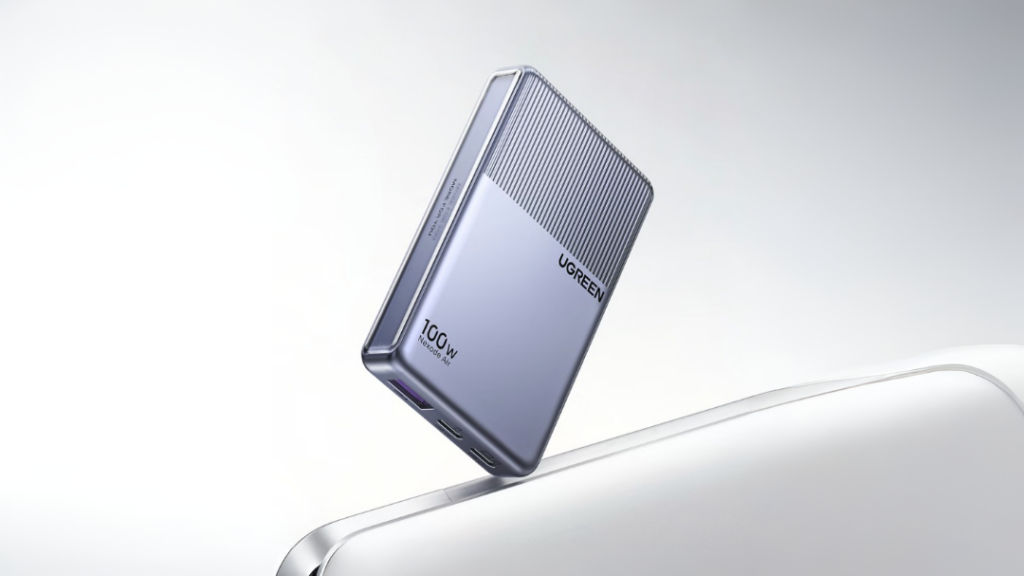
(Source | Via)

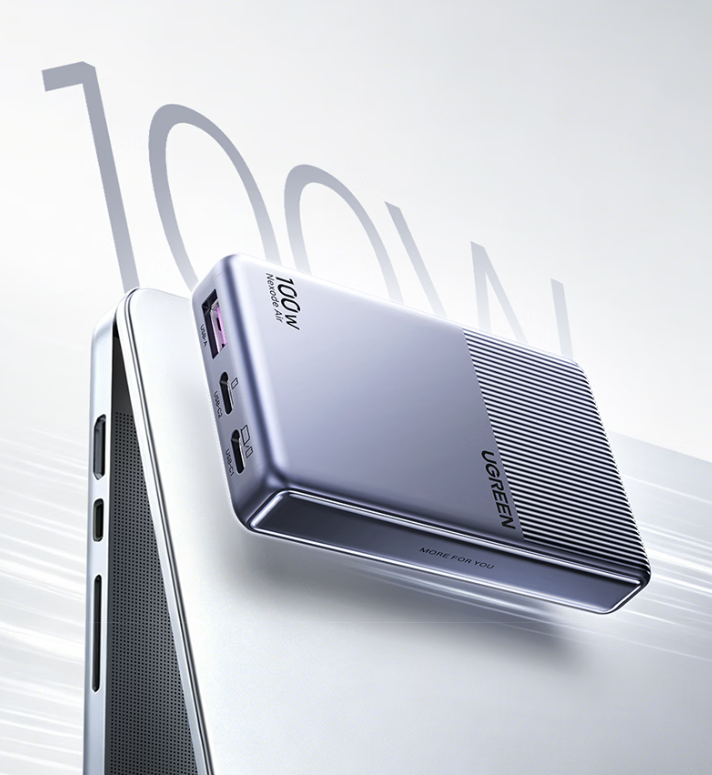
Lenovo launches Legion P5 power bank with 100W fast charging and built-in USB-C cable

Lenovo has introduced a new accessory under its Legion gaming brand. The new Legion P5 power bank is now available for purchase in China with a starting price of 169 yuan, or some $25.

The device arrives with a built-in USB-C cable and a compact design, albeit with a sharp look. The Legion P5 reportedly adopts a mecha-inspired design language similar to other Legion products. On the front, there is an LED digital display that shows the remaining battery percentage and charging status.

Lenovo Legion P5 Powerbank Specifications

Lenovo has equipped the power bank with a 10,000mAh battery and a 2C+1A port layout, which includes one built-in USB-C cable, one USB-C port, and one USB-A port.

The USB-C cable and USB-C port both support up to 100W output in single-port mode, while the USB-A port can deliver up to 30W output. Lenovo says the accessory supports several fast-charging protocols, including PD 3.0, PPS, QC, FCP, SCP, AFC, BC1.2, Apple 2.4A, and Moto 68W Turbo Power compatibility.

Lenovo Legion P5 Specs Launch Price

The power bank carries the model number LL10000P5 and includes four battery cells from Yiwei Lithium Energy. Lenovo lists the lithium battery energy at 36.72Wh, while the rated capacity is 5,950mAh at 5V/3A.

For input, the built-in USB-C cable and USB-C port support up to 30W charging speeds. When multiple devices are connected, the charging output changes accordingly. Dual-port and triple-port charging modes are limited to a combined 20W output.

In terms of size, the Legion P5 measures around 141 x 63.6 x 24mm and weighs approximately 296 grams. Lenovo is also bundling a user manual in the retail package and offering a 12-month warranty.

The new Legion P5 power bank is currently listed in China through JD.com, though Lenovo has not yet announced global availability details.

Don’t miss a thing! Join our Telegram community for instant updates and grab our free daily newsletter for the best tech stories!

For more daily updates, please visit our News Section.
Red Magic launches new 45W magnetic power bank with built-in display & kill switch

Red Magic just held a hardware event in China, and while the new 11S Pro series smartphones took center stage, the company also introduced a surprisingly feature-dense accessory: the Dao Energy Card Pro magnetic power bank.

Red Magic Dao Energy Card Pro

Red Magic Dao Energy Card Pro Specifications

Aesthetically, the Pro model keeps the gamer-adjacent hexagonal texture and aviation-grade metallic chassis of the standard version, but it adds a large rectangular color display to the bottom half.

Instead of just relying on a few LED dots to guess how much juice you have left, the screen provides a detailed readout. It displays real-time charging and discharging voltage, current, live temperature readings, overall battery health, and cycle count. It’s a practical addition for people who like to know exactly what their hardware is doing.

On the performance side, the power bank supports 45W wired fast charging and 25W wireless charging, which Red Magic says is designed to run at lower temperatures with the help of AI-powered monitoring.

Red Magic Dao Energy Card Pro

But the most interesting hardware quirk is a dedicated “flight key.” Pressing this button physically disconnects the battery cells from the circuit. It acts as a hard kill switch to prevent short circuits, a specific design choice made to comply with China’s newly implemented GB 47372-2026 safety standards for portable batteries.

Red Magic hasn’t announced pricing or international availability for the Dao Energy Card Pro just yet. But if you’re the kind of person who likes to monitor your battery’s cycle count and voltage on the go, it’s an accessory worth keeping an eye out for.

In related news, RedMagic is also launching the Gaming Tablet 5 Pro in June with a transparent design, flagship touch chip, and upgraded cooling system.

For more daily updates, please visit our News Section.

Stay ahead in tech! Join our Telegram community and sign up for our daily newsletter of top stories! 💡

Realme quietly increases Realme 16 series price in India

Realme has increased the prices of its Realme 16 series smartphones in India. The revised pricing is now live across all three models: the Realme 16 5G, Realme 16 Pro 5G, and Realme 16 Pro+ 5G.

The latest revision affects nearly every storage configuration in the series. Among the three phones, the biggest jump is on the Realme 16 Pro+ 5G, where some variants have become costlier by as much as Rs. 3,000.

Realme 16 series price hike in India

Following the price change, the Realme 16 5G now starts at Rs. 33,999 for the 8GB + 128GB model, instead of its earlier Rs. 31,999 price tag. The 8GB + 256GB version now costs Rs. 36,999, while the 12GB + 256GB variant has gone up to Rs. 39,999. Both of these versions received a Rs. 3,000 increase.

The Realme 16 Pro 5G is also a bit more expensive now. Its 8GB + 256GB variant is now priced at Rs. 39,999, up from Rs. 38,999. Meanwhile, the 12GB + 256GB option now costs Rs. 42,999 instead of Rs. 41,999. Both variants saw a Rs. 1,000 increase.

Realme 16 Pro series-

The higher-end Realme 16 Pro+ 5G sees the sharpest rise in pricing. The 8GB + 256GB version is now listed at Rs. 46,999, compared to its earlier Rs. 44,999 price. The 12GB + 256GB model now sells for Rs. 48,999 instead of Rs. 46,999, while the top-end configuration has jumped from Rs. 49,999 to Rs. 52,999.

Realme is not the only smartphone brand revising prices in India. Several companies in the mid-range smartphone segment have recently adjusted prices upward. Brands including OnePlus, Poco, and Lava have also reportedly increased prices of select devices in recent weeks.

The recent hikes are believed to be linked to growing pressure on smartphone makers due to rising production expenses. Industry-wide issues such as higher component prices and memory chip shortages are continuing to affect device costs globally, and manufacturers appear to be passing some of that increase on to buyers in India.

Don’t miss a thing! Join our Telegram community for instant updates and grab our free daily newsletter for the best tech stories!

For more daily updates, please visit our News Section.
Red Magic Gaming Tablet 5 Pro confirmed for June launch with transparent design, flagship touch chip, and advanced cooling

Red Magic has officially confirmed that its next gaming tablet, the Gaming Tablet 5 Pro, will launch in June. The company is positioning it as a compact but high-performance gaming device, continuing the same direction as its recent gaming phones and tablets.

The teaser follows earlier hints shared during MWC 2026, but Red Magic is now starting to talk more openly about the hardware. According to the company, the tablet will include a mix of “industry-first” and in-house gaming technologies, with a big focus on display responsiveness, cooling, and sustained performance.

One of the main highlights appears to be thermal management. Red Magic has built a reputation around aggressive cooling systems, and the Tablet 5 Pro looks set to push that even further. The company mentions PC-grade thermal materials, upgraded heat dissipation, and what sounds like a fairly advanced internal cooling setup designed to maintain stable frame rates during long gaming sessions.

The design is also leaning heavily into the gaming aesthetic. Red Magic confirmed a transparent flat-body design, which will likely expose some of the internals along with RGB lighting, similar to the company’s phones. It is clearly aimed at people who want something that feels more like dedicated gaming hardware rather than a standard Android tablet.

The company is also teasing a high refresh rate gaming display, a flagship-grade touch chip, and its CUBE Sky gaming engine, though detailed specifications have not been fully revealed yet.

For some context, the previous-generation Gaming Tablet 3 Pro, which launched globally as the Red Magic Astra, featured a 9-inch OLED display, Snapdragon 8 Elite chip, large battery, and active cooling, so expectations for the new model are naturally pretty high.

Red Magic seems to be focusing on a specific niche here: users who want handheld-style gaming performance without moving to a larger gaming laptop or Windows handheld.

Pricing and full hardware details are still under wraps for now, but with the launch happening next month, more information probably is not too far away.

Don’t miss a thing! Join our Telegram community for instant updates and grab our free daily newsletter for the best tech stories!

For more daily updates, please visit our News Section.
(Source: Red Magic)

ZTE launches new 5G mobile router with Wi-Fi 7 and dual 2.5G ports

ZTE has introduced the G5 Pro 5G AI CPE mobile router in China. It is priced at 2,099 yuan (around $308) and is now available on JD.com.

ZTE G5 Pro 5G AI CPE

ZTE G5 Pro 5G AI CPE Specifications

The router supports Wi-Fi 7, utilizing Multi-Link Operation (MLO) technology to combine multiple frequency bands for a more consistent connection. ZTE claims the device can hit theoretical peak download speeds of 4.29Gbps, aided by 4CC carrier aggregation.

It also features 4K QAM modulation, which the company notes should provide a 20% transmission speed improvement over older Wi-Fi 6 standards. It operates on dual-band 2.4GHz and 5GHz frequencies with 4×4 MIMO on both.

For wired connections, the router includes two 2.5G Ethernet ports with WAN/LAN auto-adaptive functionality. This is particularly useful for a CPE device, as it allows you to easily plug into a traditional wired broadband connection or rely entirely on a cellular network.

ZTE G5 Pro 5G AI CPE

The router supports dual-network standby, meaning it can seamlessly switch between wired and wireless internet sources if one goes down. For the cellular side, it comes with a built-in ZTE data SIM card capable of theoretical speeds up to 1Gbps, and it supports a wide range of 5G NR, 4G LTE, and WCDMA bands.

Inside the 923-gram cylindrical tower, which measures 107 by 107 by 230mm, is an unnamed 4nm quad-core processor clocked at 2.2GHz. To help with wireless coverage, ZTE is using a 13dBi high-gain antenna system that it claims can improve average speeds in weak-signal areas by up to 40%. If you need even more signal reach, the back of the device features two TS-9 ports for attaching external antennas.

ZTE G5 Pro 5G AI CPE

ZTE is pitching the router heavily toward gamers, integrating built-in acceleration services from NetEase UU and China Mobile to help lower latency. The software also includes a suite of standard AI-branded network management tools for bandwidth allocation, scene recognition, and parental controls, all manageable via the ZTE Smart Life app.

For quick pairing, there’s an NFC tap-to-connect feature for compatible Android phones, and the router can handle up to 256 connected devices at once, more than enough for a standard smart home setup.

In related news, ZTE has recently launched the Nebula BE3600 Pro+ Wi-Fi 7 router featuring dual 2.5G Ethernet ports and mesh networking support.

For more daily updates, please visit our News Section.

Stay ahead in tech! Join our Telegram community and sign up for our daily newsletter of top stories! 💡

(JD)

HMD Fame leak hints at a compact phone built for digital detox

HMD could be preparing another compact phone aimed at users who want something simpler than a modern smartphone. Fresh leaked images shared by tipster smashx_60 show an unannounced device called the HMD Fame, and it looks noticeably smaller and more playful than most phones on the market right now.

The device appears in a bright blue finish with heavily rounded corners and a soft overall shape. In the leaked photos, it is shown next to last year’s HMD XploraOne, which gives a rough idea of its size. That likely means the Fame is going to be a genuinely compact phone rather than just a slightly smaller smartphone.

While specs are still mostly unknown, expectations are that it could follow a similar direction to some of HMD’s recent hybrid feature phones. Devices like the HMD Touch 4G have focused on keeping things simple while still offering modern basics like 4G connectivity and cloud-based services.

The XploraOne itself uses fairly modest hardware, including a small QVGA display, Unisoc T127 chipset, basic camera, and a large focus on battery life. The Fame could end up targeting the same type of user, prioritizing practicality and long endurance over raw performance.

HMD has been leaning more into this category recently, especially with phones designed for digital minimalism, kids, or users who are not looking for a full smartphone experience. Instead of competing directly with Android flagships, the company seems more interested in building smaller, easier-to-use devices with just enough smart functionality.

That approach has become a bit more relevant lately as some users actively look for ways to cut down screen time without completely giving up messaging or internet access.

The rounded design of the Fame also stands out a bit. It looks intentionally approachable, almost toy-like, though that may end up being part of the appeal.

There is still no official word from HMD regarding specifications, pricing, or launch timing. But if the leak is accurate, the Fame could end up being another interesting addition to HMD’s growing lineup of minimalist and hybrid phones.

Don’t miss a thing! Join our Telegram community for instant updates and grab our free daily newsletter for the best tech stories!

For more daily updates, please visit our News Section.

(Source)

Vivo X300 Ultra vs Xiaomi 17 Ultra Comparison: Camera, Battery & Performance

Vivo X300 Ultra and Xiaomi 17 Ultra represent two very different takes on the ultra-flagship smartphone experience. One focuses heavily on professional-grade photography and massive battery life, while the other balances premium hardware with aggressive pricing and Leica-tuned imaging. With both phones powered by the Snapdragon 8 Elite Gen 5 chipset, this comparison comes down to which brand delivers the better overall flagship experience for everyday users, mobile gamers, and camera enthusiasts. 

Major Features:

FeatureVivoXiaomiWinner
Display6.82-inch LTPO AMOLED, 144Hz, 1440p6.9-inch LTPO AMOLED, 120Hz, 1200pVivo – Sharper panel and smoother refresh rate
BrightnessHDR10+, Dolby Vision3500 nits peak, Dolby VisionXiaomi – Higher peak brightness outdoors
ProcessorSnapdragon 8 Elite Gen 5Snapdragon 8 Elite Gen 5Tie – Same flagship chipset
RAM & StorageUp to 16GB + 1TBUp to 16GB + 1TBTie – Similar high-end configurations
SoftwareOriginOS 6HyperOS 3Xiaomi – More customization features
Main Camera200MP gimbal OIS50MP 1-inch type sensorVivo – More advanced hardware and stabilization
Telephoto Camera200MP periscope, optional zoom lenses200MP continuous optical zoomVivo – More versatile zoom system
Ultrawide Camera50MP with OIS50MP ultrawideVivo – OIS gives extra stability
Selfie Camera50MP AF50MP AFTie – Similar selfie hardware
Video Recording8K, 4K 120fps, Dolby Vision, 10-bit Log8K, 4K 120fps, Dolby VisionVivo – Better pro video features
Battery6600mAh6000mAhVivo – Larger battery capacity
Wired Charging100W90WVivo – Faster charging speeds
Wireless Charging40W50WXiaomi – Faster wireless charging
AudioStereo speakers, Hi-Res audioStereo speakers, Hi-Res Wireless audioXiaomi – Better wireless audio support
DurabilityIP68/IP69IP68/IP69Tie – Same protection rating
Build MaterialsGlass back, aluminum frameGlass fiber/eco leather, aluminum frameXiaomi – More premium material options
ConnectivityWi-Fi 7, Bluetooth 5.4Wi-Fi 7, Bluetooth 6.0Xiaomi – Newer Bluetooth standard
PriceAround $1500 / ₹160,000Around $1300 / ₹130,000Xiaomi – Better value for money
OverallPhotography-focused flagshipBalanced premium flagshipVivo – Better for camera and power users
Disclaimer: Specs are based on available data. Actual performance may vary. Verify details from official sources before buying.

1. Design and Display

Build and Feel

The Vivo X300 Ultra and Xiaomi 17 Ultra both target premium flagship buyers, but they approach design differently. Vivo keeps things more camera-focused with a clean glass-and-metal finish and Zeiss branding that gives it a professional photography vibe. The curved body and balanced frame make it feel slightly more refined during long usage sessions. Xiaomi, meanwhile, leans toward durability and luxury with aerospace-grade glass fiber and optional eco-leather finishes. The IP69 protection on both devices adds confidence for heavy outdoor use, though Xiaomi’s deeper water resistance feels slightly more reassuring on paper.

Display Quality

Vivo pushes ahead with a sharper 1440p LTPO AMOLED panel and a smoother 144Hz refresh rate, making animations and gaming feel exceptionally fluid. Dolby Vision and Ultra HDR support also help media content look more vibrant. Xiaomi counters with a larger 6.9-inch LTPO AMOLED display that reaches an impressive 3500 nits peak brightness. The panel feels more cinematic for streaming, while the narrower resolution slightly improves efficiency. Vivo’s display feels more premium overall, especially for users who notice finer details and smoother scrolling.

Verdict

The Vivo X300 Ultra delivers a more polished flagship experience thanks to its sharper panel and refined feel. Xiaomi 17 Ultra still stands out with durability-focused materials and an excellent entertainment-friendly display.

2. Specifications Including Battery

Performance

Both smartphones run on the Snapdragon 8 Elite Gen 5 chipset paired with Adreno 840 graphics, so raw performance remains extremely close. Everyday usage, multitasking, and high-end gaming feel effortless on both devices. Vivo offers more RAM and storage combinations, starting from 12GB RAM and going up to 1TB storage, making it more flexible for different buyers. Xiaomi only offers 16GB RAM variants, which suits power users directly. Vivo’s 144Hz refresh rate also gives games and UI interactions a slightly faster and smoother feel. HyperOS 3 on Xiaomi feels more customizable, while OriginOS 6 appears cleaner and visually lighter during navigation.

Battery and Charging

Vivo clearly prioritizes endurance with its massive 6600mAh silicon-carbon battery. Heavy users are likely to notice the difference during gaming, photography, and travel. The 100W wired charging is faster as well, although Xiaomi answers back with superior 50W wireless charging. Xiaomi’s 6000mAh battery still performs strongly and may appeal more to users who prefer balanced thermals and wireless convenience.

Verdict

The Vivo X300 Ultra wins this section because of its larger battery, faster wired charging, and smoother high-refresh experience. Xiaomi 17 Ultra remains highly competitive with polished software and stronger wireless charging support.

3. Camera

Main and Secondary Lenses

The Vivo X300 Ultra focuses heavily on photography enthusiasts. Its 200MP primary sensor, combined with Zeiss optics and gimbal stabilization, produces a more advanced imaging setup overall. The optional external zoom lenses also make it unique for long-range photography. The 200MP periscope sensor delivers strong detail retention, while the ultrawide camera benefits from OIS support, something still uncommon in this category. Xiaomi takes a slightly different approach with a large 1-inch style 50MP main sensor and Leica tuning. Photos from the Xiaomi 17 Ultra are likely to look warmer and more cinematic, especially in street photography. Its continuous optical zoom system also gives more flexibility across focal lengths.

Selfie Camera

Both phones include 50MP autofocus selfie cameras capable of 4K recording. Vivo’s front camera tends to prioritize detail and HDR processing, while Xiaomi’s tuning looks softer and more social-media-friendly. Vivo also offers stronger professional video features with Dolby Vision and 10-bit Log support.

Verdict

The Vivo X300 Ultra feels more ambitious and versatile for photography and videography. Xiaomi 17 Ultra still delivers excellent flagship-level imaging, especially for users who prefer Leica-style color science and flexible zoom framing.

4. Pricing

The Vivo X300 Ultra is priced around $1500 or ₹160,000, while the Xiaomi 17 Ultra is around $1300 or ₹130,000. That creates a notable pricing gap between the two ultra-flagships. Vivo justifies the higher price through its sharper display, larger battery, advanced camera hardware, optional zoom accessories, and faster charging system. It feels like a device built for buyers who want the most advanced hardware possible without many compromises.

The Xiaomi 17 Ultra positions itself as the better value flagship. It still offers the same Snapdragon 8 Elite Gen 5 chipset, premium materials, Leica cameras, strong wireless charging, and flagship software experience at a lower cost. For many buyers, the real-world performance gap may not feel large enough to justify Vivo’s premium pricing. Xiaomi’s pricing strategy makes it easier to recommend for balanced flagship users.

Verdict

The Xiaomi 17 Ultra offers stronger value for money overall, while the Vivo X300 Ultra justifies its premium mainly for camera enthusiasts and power users seeking maximum hardware upgrades.

Disclaimer:
Prices are approximate and may vary based on country, region, launch timing, and applicable taxes. Always check whether the listed price is for a China unit or a global/international variant when purchasing.

5. Conclusion

The Vivo X300 Ultra stands out with its photography-first hardware, including dual 200MP cameras, Zeiss optics, optional external zoom lenses, and a massive silicon-carbon battery. It feels designed for users who prioritize professional-grade imaging and long-lasting performance above everything else. The sharper 144Hz display also gives it a more cutting-edge flagship feel.

The Xiaomi 17 Ultra focuses more on balance. It combines Leica-tuned cameras, premium build options, excellent wireless charging, and flagship performance at a comparatively lower price. The larger display and cleaner pricing make it appealing for entertainment-focused users who still want ultra-premium hardware. HyperOS 3 also adds a slightly more feature-rich software experience for customization fans.

Verdict

The Vivo X300 Ultra is the stronger ultra-premium flagship for photography, battery life, and display quality. The Xiaomi 17 Ultra delivers better overall value and remains the smarter choice for buyers wanting flagship performance without entering the highest pricing tier.

Disclaimer: This comparison is based on the specifications provided and is intended for general informational purposes. Actual performance, camera results, battery life, and overall experience may vary depending on real-world usage, software updates, and individual preferences.

Read More:

Vivo X300 Ultra vs Samsung Galaxy S26 Ultra: Which Ultra Flagship Wins in 2026?

The ultra-premium flagship battle is no longer just about performance. The Vivo X300 Ultra and Samsung Galaxy S26 Ultra represent two completely different visions of what a top-tier smartphone should be. Vivo pushes boundaries with massive camera hardware, aggressive charging speeds, and a photography-first approach, while Samsung focuses on refinement, productivity, and long-term flagship reliability. Both phones pack cutting-edge specifications, but the real difference lies in how they feel in everyday use. For buyers spending well above the premium segment, this comparison matters because choosing between them depends less on raw specs and more on which flagship philosophy fits better. 

Major Features:

FeatureVivo X300 UltraSamsung Galaxy S26 UltraWinner
DesignBold camera-focused premium designCleaner and more professional flagship design with S PenSamsung – More refined and versatile
Build QualityIP68/IP69, aluminum frameGorilla Armor 2, Armor Aluminum 2, IP68Samsung – Better durability materials
Display6.82-inch LTPO AMOLED, 144Hz, Dolby Vision6.9-inch Dynamic LTPO AMOLED 2X, 120Hz, anti-reflectiveVivo – Smoother and more immersive display
Brightness & VisibilityHDR-focused vibrant panelStrong outdoor visibility with anti-reflective coatingSamsung – Better sunlight usability
ProcessorSnapdragon 8 Elite Gen 5Snapdragon 8 Elite Gen 5Tie – Same flagship chipset
SoftwareAndroid 16 with OriginOS 6Android 16 with One UI 8.5, 7 years updatesSamsung – Longer software support
RAM & StorageUp to 16GB RAM, 1TB UFS 4.1Up to 16GB RAM, 1TB UFS 4.XVivo – Faster storage advantage
Battery6600mAh5000mAhVivo – Much larger battery
Wired Charging100W60WVivo – Significantly faster charging
Wireless Charging40W25WVivo – Faster wireless charging
Main Camera200MP 1-inch-class sensor with Zeiss tuning200MP main sensorVivo – More advanced imaging hardware
Zoom Camera200MP periscope with optional external lenses50MP 5x periscopeVivo – Superior zoom flexibility
Ultrawide Camera50MP with OIS50MP ultrawideTie – Both are flagship-grade
Selfie Camera50MP AF12MP Dual Pixel AFVivo – Higher detail and stronger video specs
Video Recording8K, Dolby Vision HDR, 10-bit Log8K, HDR10+, strong stabilizationVivo – More creator-focused features
AudioHi-Res audio, stereo speakersStereo speakers, high-bitrate audioVivo – Better audio feature support
Special FeaturesZeiss optics, optional zoom lenses, satellite SOSS Pen, Samsung DeX, UWBSamsung – More productivity-focused
Price$1500 / ₹1,60,000$1300 / ₹1,40,000Samsung – Better overall value
OverallCamera and hardware-focused flagshipBalanced premium flagship experienceSamsung – Better all-round package
Disclaimer: Specs are based on available data. Actual performance may vary. Verify details from official sources before buying.

1. Design and Display

Build and Feel

The Vivo X300 Ultra and Samsung Galaxy S26 Ultra both deliver ultra-premium flagship styling, but they target very different audiences. Vivo leans heavily into its camera-focused identity with a bold rear module, Zeiss branding, and a design that immediately feels enthusiast-oriented. The combination of glass and aluminum gives it a luxurious appearance, while IP68/IP69 protection adds durability for demanding users. Samsung takes a more polished and professional approach with Gorilla Armor 2 protection, Armor Aluminum framing, and the signature built-in S Pen. The Galaxy S26 Ultra feels cleaner and more business-like, while Vivo carries a more experimental flagship personality.

Display Quality

Vivo features a 6.82-inch LTPO AMOLED display with 144Hz refresh rate, Dolby Vision, HDR10+, and extremely high PWM dimming for comfortable viewing. Animations and gaming feel exceptionally fluid. Samsung counters with a larger Dynamic LTPO AMOLED 2X panel that emphasizes brightness, anti-reflective coating, and color balance. Outdoor visibility feels slightly better on the Galaxy S26 Ultra, especially under harsh lighting. Vivo’s display feels more cinematic and vibrant, while Samsung’s panel focuses on refinement and long-term usability.

Verdict

The Vivo X300 Ultra feels more aggressive and entertainment-focused, especially for gaming and media lovers. The Samsung Galaxy S26 Ultra offers a more mature and polished flagship experience that feels easier to live with daily, particularly for productivity users.

2. Specifications Including Battery

Performance

Both smartphones are powered by the Snapdragon 8 Elite Gen 5 chipset paired with Adreno 840 graphics, delivering flagship-tier speed across gaming, multitasking, and AI-heavy workloads. Vivo pushes slightly harder with a higher refresh rate display and an overall performance-first tuning that makes the phone feel extremely fast during intensive use. Samsung focuses more on balance through One UI 8.5 optimization and long-term software stability. The promise of seven major Android upgrades also gives Samsung a major advantage for users planning to keep the device for several years. Vivo feels more exciting under heavy workloads, while Samsung feels more refined and consistent.

Battery and Charging

Battery performance heavily favors Vivo. The huge 6600mAh battery, combined with 100W wired and 40W wireless charging, creates a setup that easily handles power users and long gaming sessions. Samsung’s 5000mAh battery with 60W wired charging is still solid for a flagship, but it does not feel as ambitious. Vivo simply offers more confidence for heavy daily usage.

Verdict

The Vivo X300 Ultra delivers stronger raw hardware value in performance and battery life. Samsung remains the safer long-term flagship because of software support and ecosystem reliability, but Vivo clearly feels more hardware-driven overall.

3. Camera

Main and Secondary Lenses

The Vivo X300 Ultra positions itself as one of the most advanced camera phones on the market. Its 200MP primary sensor, massive periscope camera, Zeiss optics, and optional external zoom lenses make it feel almost like a professional photography tool. Zoom performance and portrait depth are likely to be exceptional, while Dolby Vision recording and 10-bit video support strengthen its cinematic appeal. Samsung’s quad-camera setup remains highly versatile with dependable image processing and excellent stabilization. The Galaxy S26 Ultra may not look as extreme on paper, but Samsung’s consistency and color tuning still make it one of the easiest flagship cameras to trust in daily use.

Selfie Camera

Vivo includes a 50MP autofocus selfie camera capable of detailed 4K60 recording, giving it an edge for creators and video-focused users. Samsung’s 12MP front camera prioritizes natural tones and stable social-media-ready results. Vivo pushes sharper output, while Samsung feels more balanced and effortless.

Verdict

The Vivo X300 Ultra is the more exciting and technically advanced camera phone overall. Samsung still wins in simplicity and consistency, but Vivo feels designed specifically for users who genuinely care about mobile photography and zoom flexibility.

4. Pricing

The Vivo X300 Ultra is around $1500 or approximately ₹1,60,000, while the Samsung Galaxy S26 Ultra is around $1300 or nearly ₹1,40,000. At this price, buyers will naturally expect the absolute best hardware experience possible. 

Vivo does deliver impressive specifications with its advanced camera system, larger battery, faster charging, and 144Hz display, but the premium feels heavily centered around photography enthusiasts.

Samsung, despite being cheaper, offers a more balanced flagship package with longer software support, S Pen functionality, DeX desktop features, and stronger ecosystem integration. The Galaxy S26 Ultra feels easier to justify financially because it combines flagship hardware with practical long-term usability. Vivo still offers standout innovation, but its pricing pushes it into a niche ultra-premium territory.

Verdict

The Samsung Galaxy S26 Ultra offers stronger overall value for most buyers because of its lower pricing and broader feature set. The Vivo X300 Ultra justifies its premium mainly for users who prioritize cutting-edge camera hardware and battery performance above everything else.

Disclaimer:
Prices are approximate and may vary based on country, region, launch timing, and applicable taxes. Always check whether the listed price is for a China unit or a global/international variant when purchasing.

5. Conclusion

The Vivo X300 Ultra stands out because of its ambitious hardware-first philosophy. The Zeiss partnership, optional zoom lens accessories, massive battery, ultra-fast charging, and photography-focused tuning make it one of the most specialized flagship phones available. It feels built for enthusiasts who want the most advanced mobile camera experience possible. Samsung takes a more complete flagship approach with the S Pen, Samsung DeX, privacy-focused display technology, and industry-leading software support. The Galaxy S26 Ultra feels more versatile across productivity, entertainment, and long-term ownership.

Both smartphones clearly target different premium buyers despite sharing similar flagship-level performance. Vivo prioritizes innovation and standout hardware specifications, while Samsung focuses on polish, consistency, and ecosystem convenience. That difference becomes very noticeable in real-world daily use.

Verdict

The Vivo X300 Ultra is the better pick for photography enthusiasts, power users, and buyers who want maximum hardware capability regardless of price. The Samsung Galaxy S26 Ultra feels like the smarter all-around flagship because it balances performance, software longevity, productivity features, and value more effectively.

Disclaimer: This comparison is based on the specifications provided and is intended for general informational purposes. Actual performance, camera results, battery life, and overall experience may vary depending on real-world usage, software updates, and individual preferences.

Read More: