The C SEE N1 folding TV series has been released and they range in size between 103 inches and 165 inches. The TVs come with a folding 4K screen with HDR10+ support and a 3,480Hz refresh rate.
The C SEED TV’s expansive screen looks like a sculpture when collapsed. It has a 4K MicroLED display with an aluminum base. The screen is rotatable by 180 degrees to the left or the right. There is a screen coating in the TV to support true black output and HDR is also supported. The TV is capable of up to 1,000 nits of brightness and 16-bit color processing. The larger model with a 165-inch display has a maximum brightness of 800 nits. The color temperature of the TV is adjustable across a large spectrum.
The C SEED N1 TVs offer an immersive viewing and listening experience. They have 100W speakers built in. The sound output range is between 60Hz to 22kHz and the sound system can be enhanced with a connection to external speakers. There are five HDMI and two USB ports in the TV for easy connectivity. The model is available in gold, silver, black, and titanium colors while its price starts at about $184,200. The C SEED N1 TV series reinvents the cinema experience while also coming off as an art piece.
Sony has launched a new wireless Bluetooth headset that offers a long battery life. The headset dubbed Sony WI-C100 wireless neckband headphone is capable of delivering up to 25 hours of battery life when it is fully charged. Interestingly, it comes with support for fast charging as a 10-minute charge will deliver up to 1 hour of music playback. The product carries a starting price tag of 199 yuan (~$29).
Speaking of the design, the Sony WI-C100 adopts a neckband design that fits the neck and is comfortable to wear. The earbuds come with three different sizes of hybrid silicone ear tips. The stem also has a three-button remote control design and a multi-function button to wake up the phone’s own voice assistant.
The new product uses a 9mm drive unit with the DSEE digital sound enhancement engine. Sony claims the engine can restore some of the lost high-frequency sounds thereby improving the sound quality.
This headset also supports Bluetooth 5.0 standard, SBC and AAC codec protocols, and 360 on-the-spot sound effects. Users can also set sound effects through Sony’s Headphones Connect app. Users can adjust the equalizer according to their preferences and set a personalized listening style.
In addition, the headset can also be paired with the wireless transmitter WLA-NS7 and Sony BRAVIA XRTM series TVs, allowing users to experience Dolby Atmos and other viewing experiences.
In other respects, the Sony WI-C100 supports IPX4 water and sweat resistance and is available in four colors: black, white, blue, and taupe (dark gray-brown color).
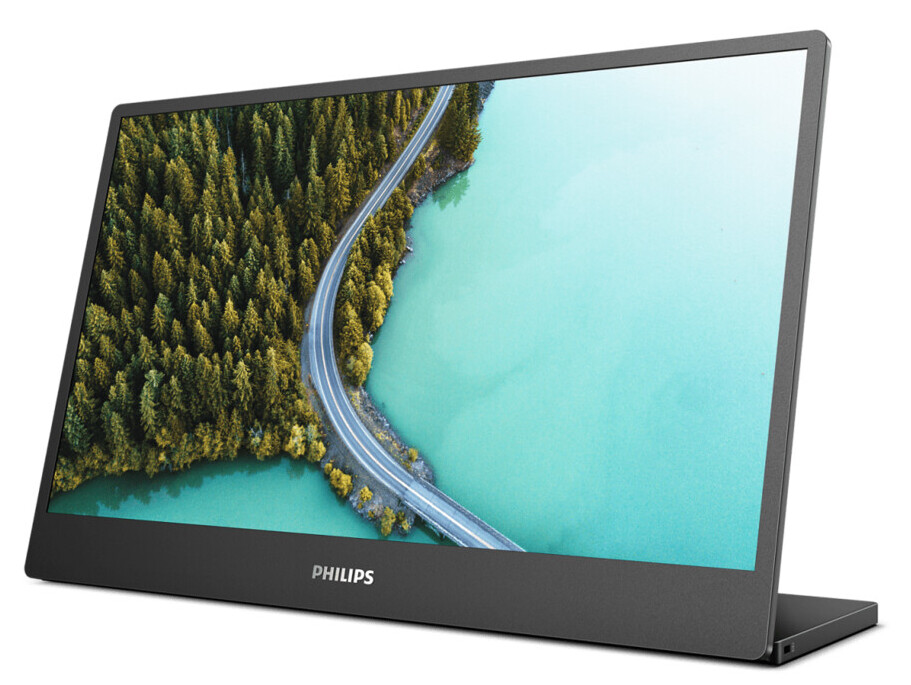
Philips has officially launched a new portable monitor, the 16B1P3302 Philips Portable Monitor. The monitor sports a 15.6-inch 1920 x 1080-pixel IPS LED display. While being portable and easy to store, its upgraded 16:9 Full HD display with SmartImage packs a visual punch with vibrant colors, fine details, a 75 Hz refresh rate, and rich contrast. With IPS technology, users can enjoy the display from virtually any angle thanks to its wide 178°/178° viewing angles. and is simple to view thanks to an anti-glare coating. The screen is capable of a maximum brightness of 250 cd/m2 and a contrast ratio of 700:1.
With the Philips 16B1P3302, flexibility is assured owing to a number of features that make it easy to work and play while on the go. Type C and Type A connectors allow users to enjoy high-resolution video from their smartphone or laptop, benefit from dual-screen productivity, recharge the monitor, transfer data at high speeds, and enjoy quick, simple sharing and presentation. The monitor’s slim, reversible USB mesh cable is soft and flexible to fit into any bag.
You may adjust the Portable Monitor’s bend between 0° and 90° using a continuous tilt stand. With the device’s USB-C video delivery via the DisplayLink function, you may watch high-definition videos while connected to your laptop or smartphone. Along with the display, a protective case and a USB dual mesh cable with USB-C and USB-A ports are included.
The Philips Portable Monitor weighs only 1.03 kg (2.27 lbs) and can be charged at up to 15 W through a USB-C cable. The monitor’s overall dimensions are 359 x 232 x 119 mm (about 14.1 x 9.1 x 4.7 in), and its lifespan is predicted to be 70,000 hours. The device is powered by SmartControl software, which includes clever options including LowBlue Mode and a Flicker-free vision. The Philips Portable Monitor 16B1P3302 costs £219.99 (about $265.49) in the UK.
Last week, Qualcomm announced that it will be launching the next-generation Snapdragon 8 Gen 2 chipsets on November 15, 2022. Now, ahead of the launch, some details about the SoC have surfaced giving us an idea of what to expect.
According to a WFCCtech report, only TSMC will be taking the Snapdragon 8 Gen 2 orders from Qualcomm. The chipset, however, will likely not be made on TSMC’s upcoming 3nm node. This is due to the fact that Apple is TSMC’s most lucrative client and has already reserved fab capacity for the M2 Pro and M2 Max chips. So, we are likely looking at Qualcomm using TSMC’s 4nm node again for the Snapdragon 8 Gen 2 chipset. For those unaware, it is the same node on which the Snapdragon 8+ Gen 1 is made.
Samsung has recently started shipping its cutting-edge 3nm node to clients, however, it is reported that no smartphone chipset vendor has approached Samsung for its 3nm GAA chips. A reason for Qualcomm not placing orders with Samsung yet could be the fiasco with the Snapdragon 8 Gen 1 chipset. The chipset was manufactured on Samsung’s 4nm node and was heavily criticized for its thermal and efficiency issues.
Earlier reports have mentioned that Qualcomm could opt for a “1 + 2 + 2 + 3” cluster instead of the “1 + 3 + 4” CPU cluster used on previous Snapdragon chips. This new configuration will have a high-performance core codenamed Makalu, two Makalu cores, two Matterhorn cores, and three Klein R1 cores. These codenames will correspond to Cortex-X3, Cortex-A715, and an updated Cortex-A510, which are the latest CPU architectures unveiled by ARM.
The Snapdragon 8 Gen 2 is anticipated to be coupled with Qualcomm’s most recent Snapdragon X70 5G modem in addition to its unique CPU design, enabling it to achieve new peak download speeds while using up to 60% less power. Tipster Yogesh Brar has informed that we can expect significant gains in the GPU performance and around a 10% uplift in the overall performance of the chipset.
Google’s next-generation flagship Pixel 7 series is expected to debut in the coming months. We already know the smartphone’s design that was showcased at the annual I/O Developer conference in May. Now tipster Paras Guglani (@passionategeekz) has tipped key details about the Pixel 7 and 7 Pro’s camera configuration.
The Google Pixel 7 series will arrive as the successors to the Pixel 6 series. The upcoming offering’s predecessors i.e. the regular Pixel 7 comes with a 50MP primary lens paired with a 12MP ultra-wide-angle unit. On the other hand, the Pro model also features an additional 48MP telephoto sensor.
As per the tipster, the Google Pixel 7 will get a 50MP Samsung GN1 sensor coupled with a Sony IMX381 ultra-wide angle lens. The latter is said to be an upgrade over the 12.3MP IMX380. As for the Google Pixel 7 Pro, it will reportedly come with a 48MP GM1 telephoto lens while the rest of the sensors are claimed to be the same as the regular variant. Both upcoming flagship smartphones from Google are tipped to come with a 10.87MP Samsung sensor at the front for selfies and video calling.
The Google Pixel 7 and 7 Pro are confirmed to come with the search giant’s next-generation Tensor processor. Both devices will feature an upgraded design starting with an aluminium horizontal bridge on the back panel housing dual cameras in a pill-shaped cutout and a third lens paired with LED flash outside. The Pixel 7 duo will come with a dual-tone finish with a premium glass back panel and ship with Android 13 OS out of the box.
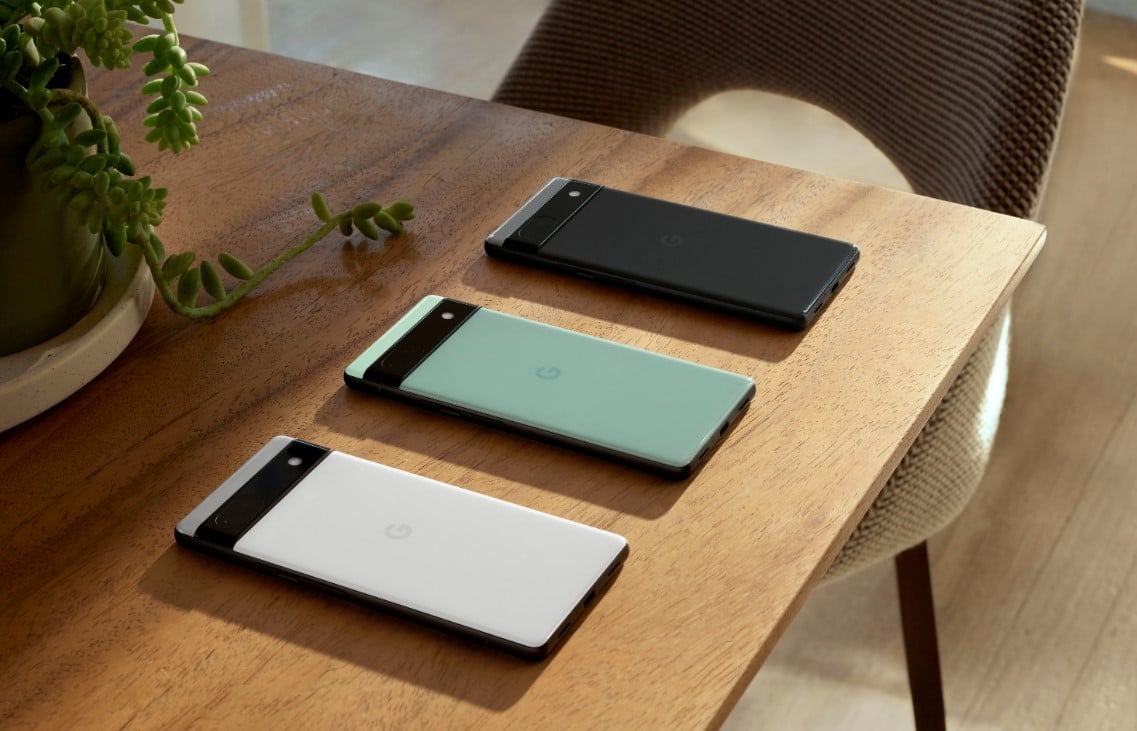
Google‘s tenacious $450 midrange smartphone, the new Pixel 6a, has been disassembled before it has even been made available to the general public; the launch is set for later this week. Google Pixel 6a received a teardown and a repairability score which is better than its predecessor.
The relentless disassembler PBK took apart a Pixel 6a over the weekend and gave it a very good repairability score of 7/10, better than the Google Pixel 6 Pro’s 5.5/10 score because of its more difficult-to-remove parts, notably the battery unit.
Thankfully, the battery’s center wasn’t as tightly attached as it is on the Pixel 6 and Pixel 6 Pro, so it came out relatively simply. Additionally, Google attaches the display with clips rather than a tonne of adhesive, and the panel can be taken off quite easily.
The Pixel 6a’s “3D thermoformed composite” plastic back, which can also be unglued, makes it unlike other modern glass-bodied phones in that you won’t have to constantly watch over it.
The only ho-hum aspect in terms of repairability is the USB-C charging port that is soldered to the mainboard together with Google’s Tensor chipset and all other silicon paraphernalia, so if you break the port you may be in for a larger repair than needed.
Google, however, recently entered a partnership with iFixit for providing genuine spare parts and repair schematics that should make fixing a Pixel 6a cheaper and easier, in a move to preempt any mandates stemming from the recent Right to Repair Act passing.
Google Pixel 6a
The brand-new Google Pixel 6a packaging contained some trash, and there were scuffs on the polycarbonate rear and camera lens bezel when the disassembly unfortunately started. We can only hope that early adopters won’t have similar catastrophes on a frequent basis, since it would again point to Google’s Pixel phone assembly partners’ failings in terms of quality control.
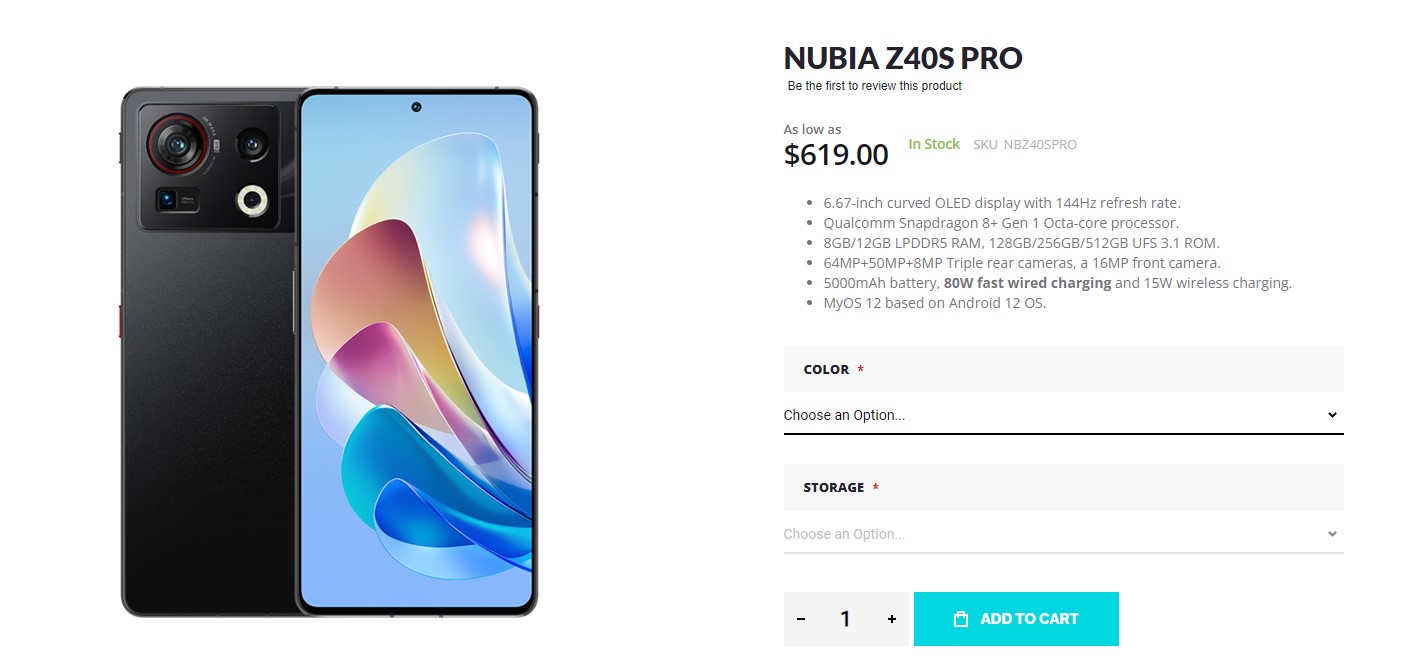
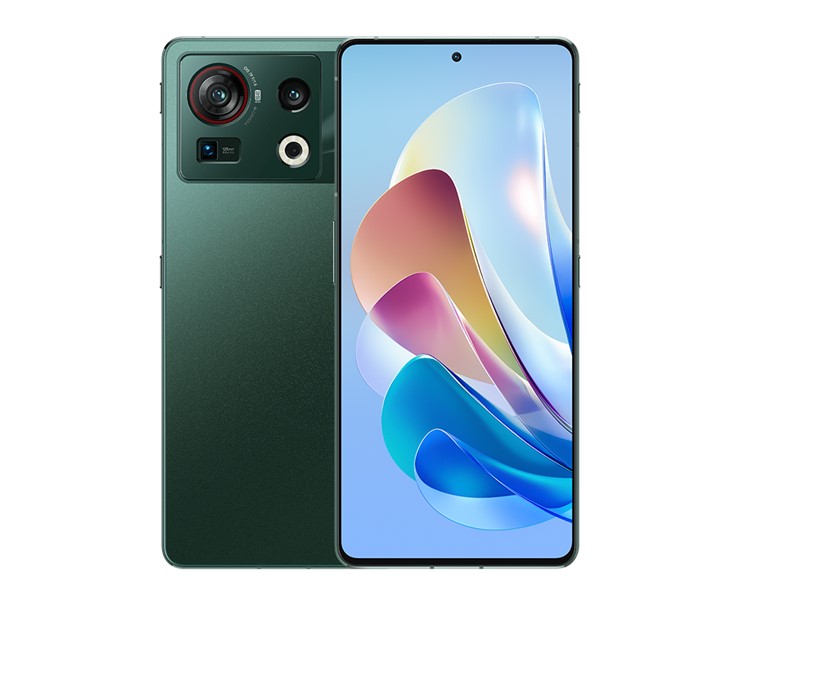
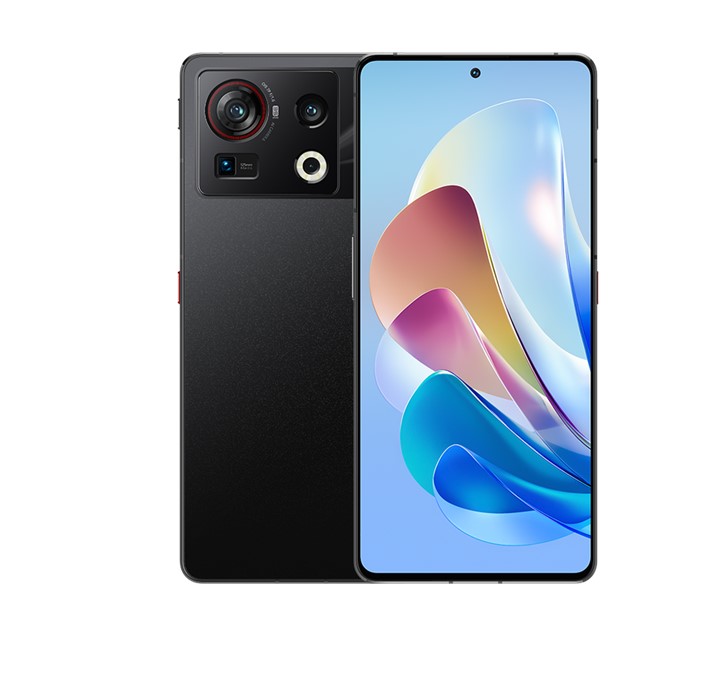
Nubia Z40S Prois now available for $619 for all global customers at Giztop. The price is applicable to the base variant only.
Nubia Z40S Pro features a 6.67” curved OLED display and comes with a 144Hz refresh rate. The smartphone is powered by the latest Qualcomm Snapdragon 8+ Gen 1 octa-core processor and comes with 8GB / 12GB LPDDR5 RAM and 128GB / 256GB / 512GB UFS 3.1 internal storage options.
You have a triple rear camera setup with a 64MP main camera and 50MP + 8MP secondary sensors and for your selfies, you have a 16MP sensor in the front. The smartphone features VC liquid cooling technology and dual stereo speakers.
Fueled with a massive 5000mAh battery the phone supports 80W fast wired charging and 15W wireless charging. Available in Green and Black color variants, you can now buy Nubia Z40S Pro for a starting price of $619 only at Giztop.
For more information on such exciting deals and offers check out our deals hub.
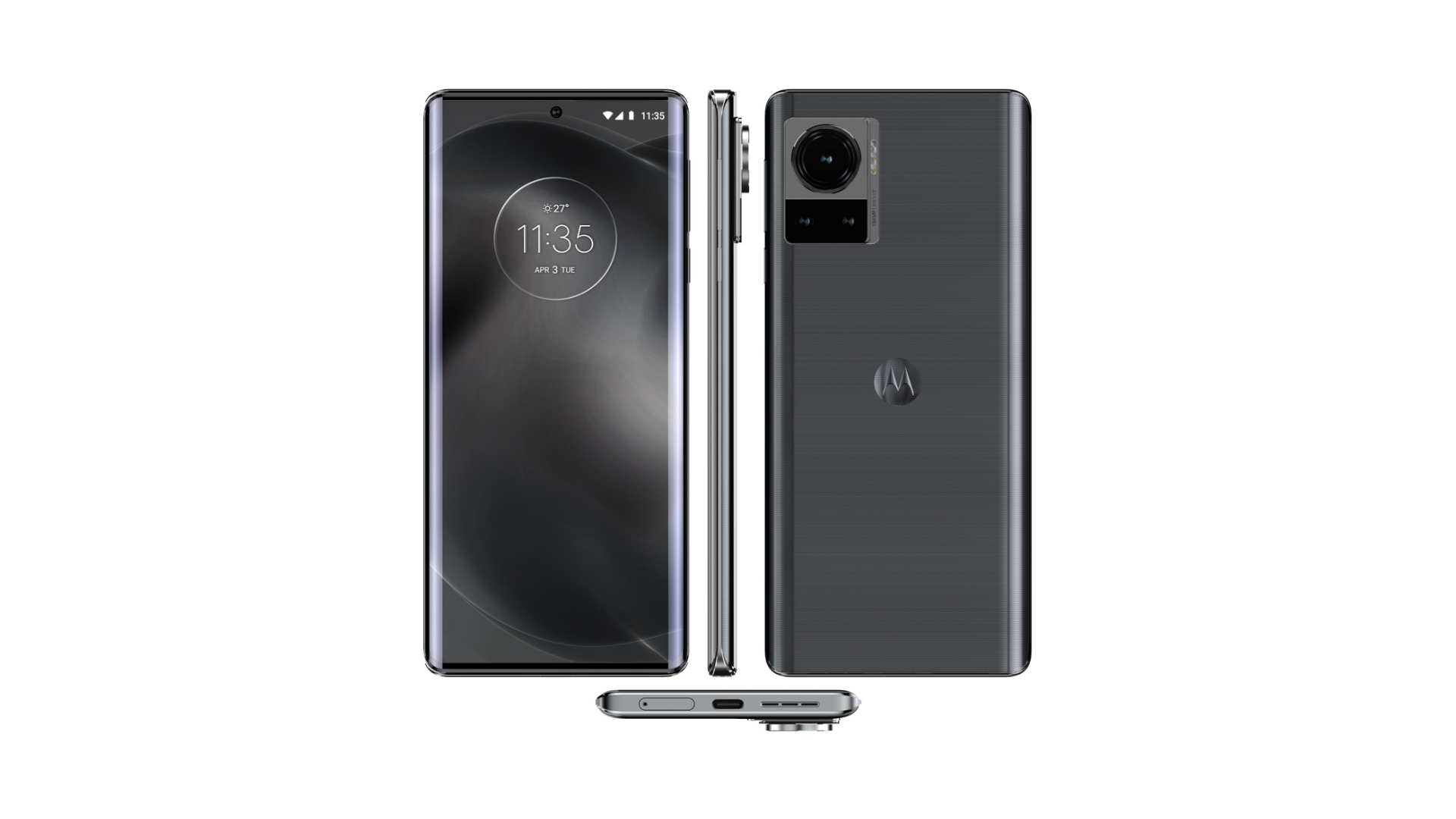
Lenovo-owned Motorola is gearing up to launch the Motorola Edge 30 Ultra in the global market. The same device will release with the Motorola Edge X30 Pro moniker in China.
Ahead of its August 2 launch, the general manager of Lenovo China mobile phone business department, Chen Jin has hinted at the pricing of the upcoming Moto X30 Pro. According to a MyDrivers report, Chen Jin revealed that the Moto X30 Pro will be priced higher than the Moto Edge X30.
For those unaware, the Motorola Edge X30 with Snapdragon 8 Gen 1 chipset launched with a 2,999 yuan (about $445) starting price tag back in December 2021. So it is pretty obvious that its successor that’s coming with the new and improved Snapdragon 8+ Gen 1 chipset will be priced higher.
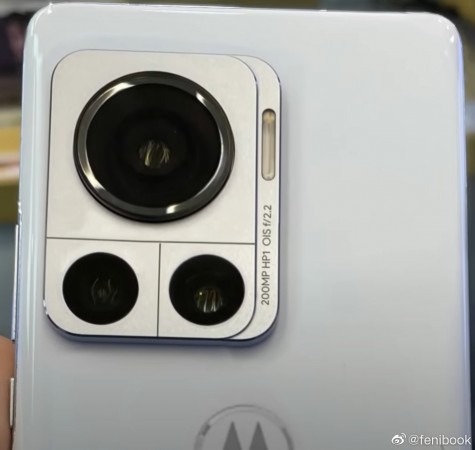
However, that’s not the only reason for the increased price tag as the device will also debut with a 200-megapixel Samsung HP1 primary camera sensor. This camera sensor is quite large, reaching 1/1.22 inches, has a unit pixel area of 0.64μm, and supports ChameleonCell pixel synthesis. It is also quite expensive, which is likely the reason for the price hike with the device over its vanilla variant.
Motorola Edge X30 Pro specs (rumored)
The Moto X30 Pro, according to previous rumors, will sport a 4.500mAh battery with 125W fast charging, a 6.73-inch P-OLED FHD+ 144Hz display, and up to 12 GB of LPDDR5 RAM, with up to 256 GB of UFS 3.1 storage. Additionally, wireless charging will be supported.
The X30 Pro will be the first smartphone in the world to sport a 200-megapixel camera. A 12-megapixel telephoto lens and a 50-megapixel ultra-wide lens will be attached to this camera. A 60-megapixel front camera will be available for selfies.
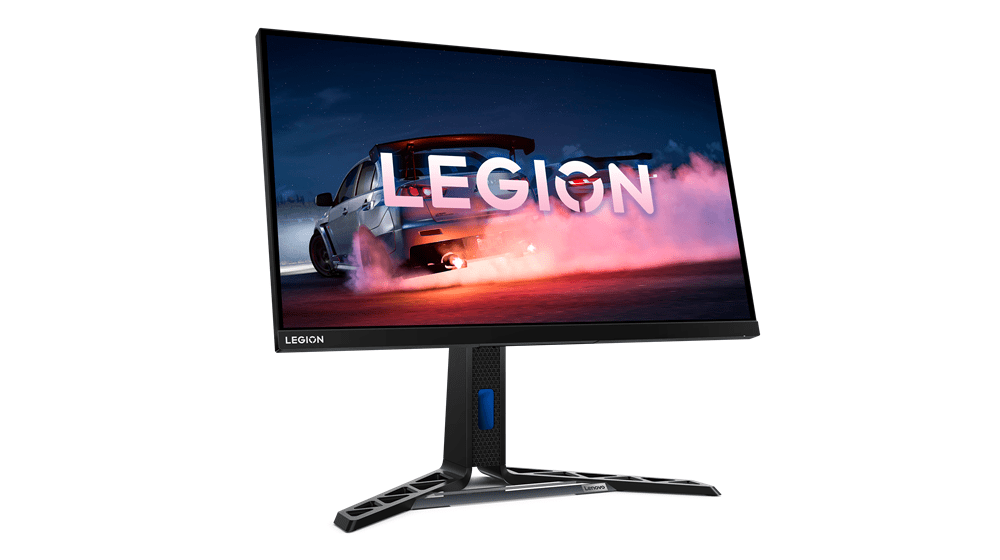
Lenovo has announced a new gaming monitor. The product goes by Lenovo Legion Y27q-30. As the name suggests, it is the successor of Lenovo Legion Y27q-20. Let’s take a look at the features offered by the newer model.
The latest Lenovo Legion Y series monitor sports a 27-inch LCD panel. The screen comes with a resolution of 2560 x 1440 pixels and up to a 165Hz refresh rate. If required, the refresh rate can be overclocked up to 180Hz.
Further, the canvas supports AMD FreeSync Premium and AMD AdaptiveSync technologies. Its peak brightness level is rated at 400 nits.
The display has a contrast ratio of 1000:1 and a color depth of 10-bit. It covers 99% and 95% of sRGB and DCI-P3 color gamuts, respectively.
As far as ports are concerned, the monitor arrives with 2 x HDMI 2.0 ports and 1 x DP 1.4 port. The former ports are limited to a 144Hz refresh rate, whereas the latter supports up to a 180Hz refresh rate.
Unsurprinslgy, the monitor’s stand is adjustable. Hence, it is not only rotatable but can be also lifted up and down. Last but not least, the monitor houses two built-in speakers with 3W output support.
Lenovo is yet to disclose the pricing and availability of Lenovo Legion Y27q-30 gaming monitor.
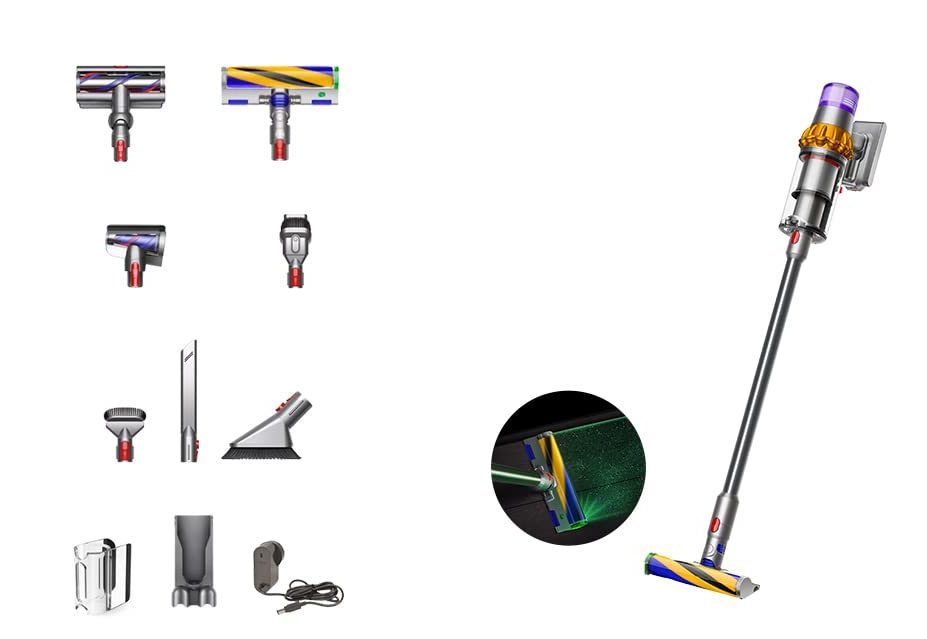
Dyson‘s V15 Detect Cordless Vacuum Cleaner has been released in India. It is able to clean floors, difficult-to-reach regions, and mattresses properly to provide the greatest deep cleaning experience. To accomplish the greatest deep cleaning experience, this vacuum cleaner can pick up particles as minute as 10 microns and includes an acoustic piezo sensor for scientific confirmation.
The Dyson V15 Detect cordless vacuum has a sophisticated five-stage filtration system that can capture up to 99.99 percent of particles as small as 0.3 microns and has a battery life of up to 60 minutes. This vacuum has a Dyson Hyperdymium motor that can create up to 240 air watts of suction for the deepest cleaning possible. The new Dyson V15 Cord-Free vacuum is engineered with 1.5 times more suction and 54% more bin capacity compared to the V12 Slim Complete Clean.
The brand-new conical brush bar’s anti-tangle spiral design swirls hair off and into the trash can, preventing hair from wrapping around the brush bar. The 56 hair removal vanes on the innovative brush bar technology are precisely oriented to move all hair types into the cleaner head.
While the piezo sensor measures and counts sucked-up particles and intelligently adjusts suction power across various floor types, the laser technology reveals buried dust. The LCD screen accurately shows the size and quantity of particles sucked up, assuring a thorough cleaning.
The vacuums are also set up to automatically increase suction power when they come into contact with a lot of dust. When a considerable concentration of dust is detected by the piezo sensor, reactive suction power is immediately encouraged to increase in strength. The suction power returns to its previous level as soon as the dust concentration returns to normal.
The Dyson V15 Detect Cord-Free Vacuum Cleaner is already available at Dyson.in, Amazon.in, and Dyson Demo shops. The vacuum cleaner is priced at Rs. 62,900 (~$789).
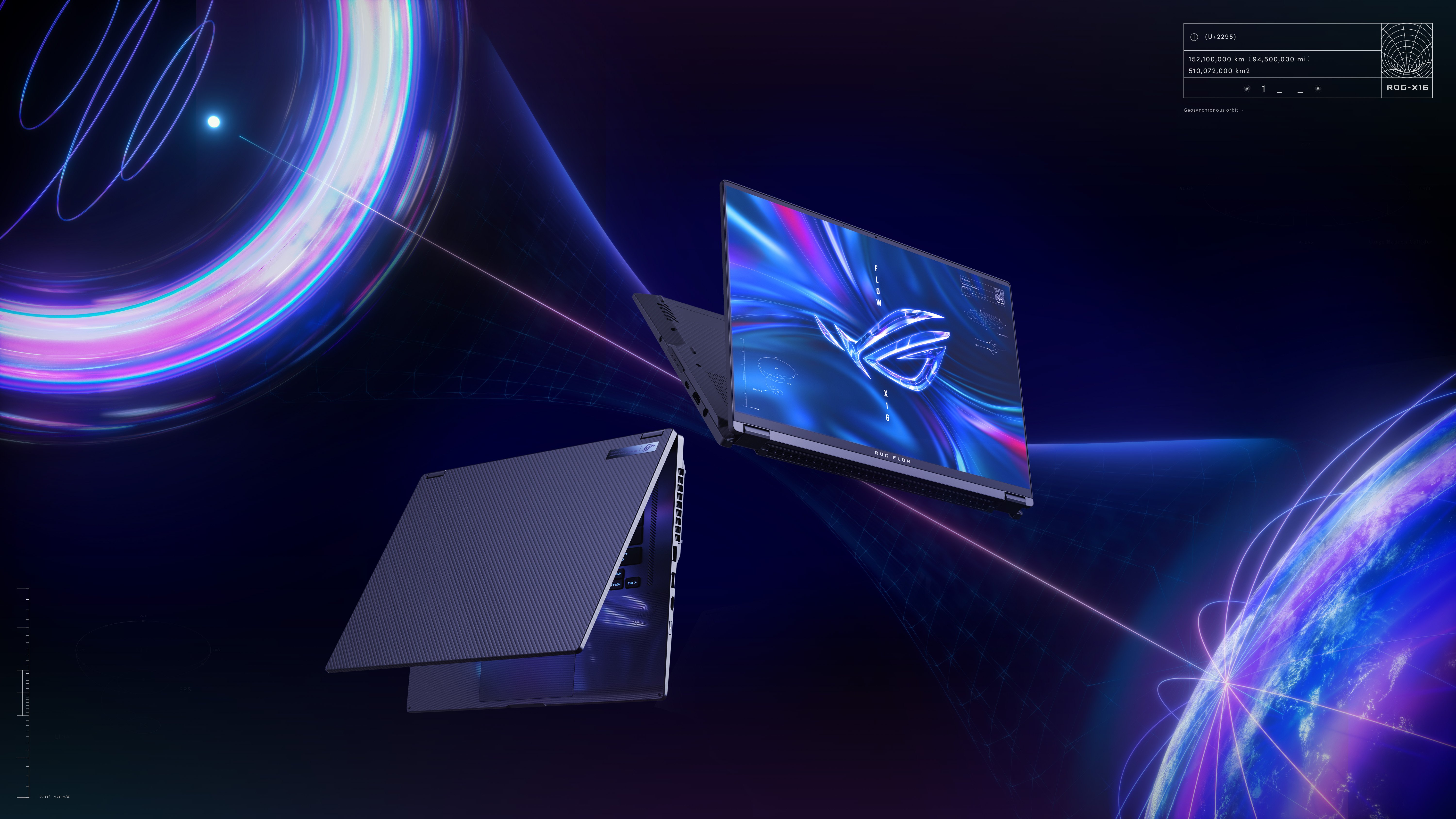
ASUS has just launched a couple of new laptops in the Indian market that are a part of its ROG (Republic of Gamers) series of gaming products. Two of the latest launches includes the new ROG Zephyrus Duo 16 and the ROG Flow X16.
ROG Zephyrus Duo 16
Talking about the Zephyrus model first, the gaming laptop features a dual display design. It sports a 14.1 inch touchscreen display that supports up to 4K resolution. Under the hood, the laptop is equipped with an AMD Ryzen 9 6900HX processor that is paired with up to an Nvidia GeForce RTX 3080 Ti graphics card. Since the laptop features some powerful specs, the company has offered the ROG Intelligent Cooling system with 84 blade Arc Flow fans and Conductonaut Extreme liquid metal compound on the CPU that can lower the temperature by up to 15° Celsius compared to traditional thermal pastes.
The gaming laptop is powered by a large 90Whr battery pack that supports USB Type C 100W power delivery fast charging. The secondary ScreenPad Plus display can also be configured to feature up to 4K resolution as well. ROG Nebula Display on the Zephyrus Duo 16 supports Dolby Vision HD, Adaptive Sync, 500 nits of peak brightness, and also supports Pantone validated with 100 percent DCI P3 color gamut. Notably, both panels support both touch and stylus input while an IR camera on the front offers Windows Hello support as well.
ROG Flow X16
The company also launched another model in the region, which is the ROG Flow X16. This model sports a 16 inch display and is also XG Mobile compatible that means it can fit in an ultra compact 15 inch chassis. But despite its compact design, it still packs a punch with up to an AMD Ryzen 9 6900HS CPU. This processor is paired with up to an Nvidia GeForce RTX 3070 Ti graphics card. In other words, this gaming laptop will be able to run titles that support Ray Tracing technology for improved visual fidelity.
Similarly, the laptop will also feature a dedicated Frost Force cooling system that is combined with Pulsar Heatsink. This model is also equipped with the Nebula HDR Display that is powered by AmLED technology. Its screen panel has 512 local dimming zones as well, which should help reduce the blooming effect that is seen in on some HDR enabled panels.
Pricing & Availability
ASUS has just launched the two new gaming laptops in India, which will be available for purchase through both online and offline channels. The ROG Zephyrus Duo 16 will have a starting price of 249,000 INR (roughly 3,122 US Dollars) while the ROG Flow X16 starts from 179,990 INR (roughly 2,257 US Dollars).
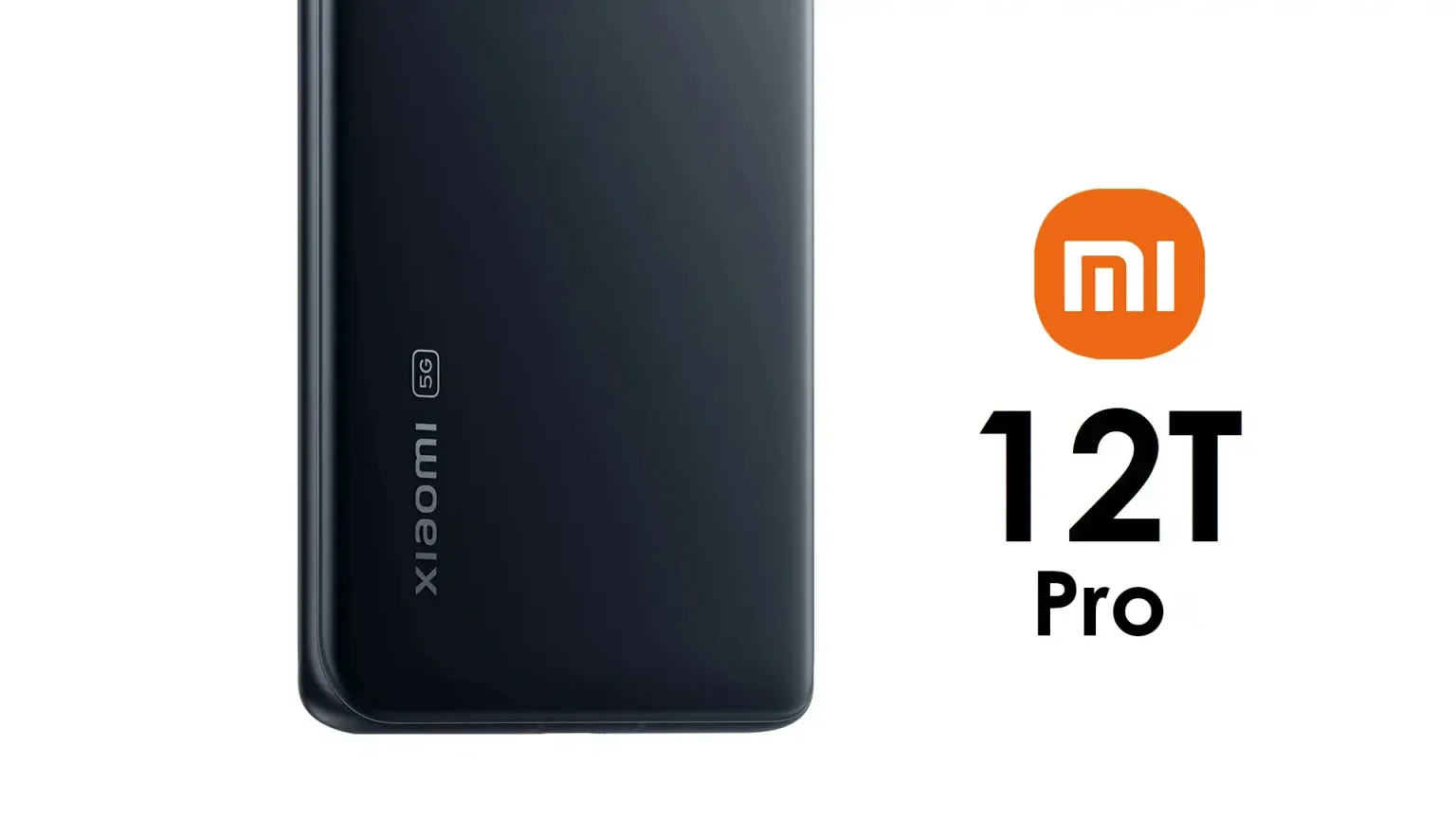
The Xiaomi 12 series now includes a new member, the all new Xiaomi 12T Pro. The device’s model number was “22081212UG” when it first appeared in the IMEI database. Earlier, we reported that Xiaomi’s entry-level brand Poco’s smartphone, Poco M5 was also spotted on IMEI database Unfortunately, recent disclosures did not provide the name that will be used to market the smartphone.
In addition to the model code “22081212UG,” the Xiaomi 12T Pro is listed in the database as seen on the leak. Although we don’t yet have exact details, we do know a few things about the impending Xiaomi 12T Pro.
The Xiaomi 12T Pro has the codename “diting.” The 12T Pro could include a 200 MP camera sensor. It will have a Snapdragon 8+ Gen 1 processor. The Xiaomi 12T Pro is most likely to be on sale towards the end of this month. Also, take note that Redmi K50S Pro may replace Xiaomi 12T Pro in various regions.
A 5,000mAh battery will be included in the Xiaomi 12T Pro, along with support for 120W fast charging. It will have a 120Hz OLED panel, the greatest screen available in its price range. One of the device’s standout features will be its 200-megapixel camera, which is likely to be manufactured by Samsung. The Pixel has made it clear that it will be a reasonably priced flagship device.
The Xiaomi 12T series could not be too far off. The 12T was recently observed at the FCC certification facility. It is anticipated to ship with a 50-megapixel primary camera, the Dimensity 8100 chipset, and 67W rapid charging capabilities. The rest of its specifications can be the same as the Pro model. Redmi K50S and K50S Pro will likely be the names of the 12T and 12T Pro when they go on sale in China.
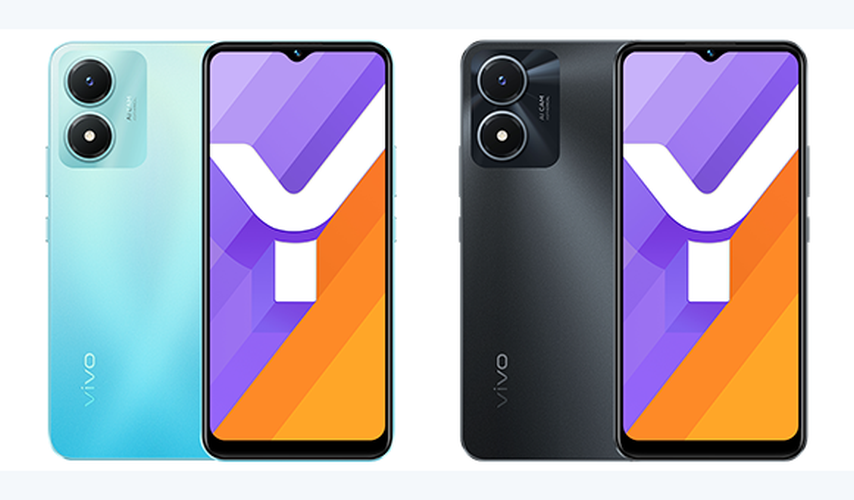
A recent report revealed the key details of Vivo’s upcoming entry-level smartphone called the Vivo Y02s. Now, a new leak courtesy of tipster Sudhanshu Ambhore has appeared to reveal the specifications of the Vivo Y02s once again. In addition, the leak has leaked the official renders of the device.
Vivo Y02s specifications (rumored)
The Vivo Y02s will feature a 6.51-inch IPS LCD panel with a teardrop notch. It will offer an HD+ resolution of 720 x 1600 pixels. It has a front-facing camera of 5-megapixel, and its back panel has an 8-megapixel camera with LED flash. The handset will support photography features, such as face beauty and time-lapse.
Vivo Y02s
The MediaTek Helio G35 chipset is present under the hood of the Vivo Y02s. The device offers 3 GB of RAM and 32 GB of storage. For additional storage, it has a microSD card slot. The phone will come preloaded with Android 12 OS and FunTouchOS 12.
The Vivo Y02s has a 5,000mAh battery that seems to support 10W charging. On the connectivity front, the Y02s offer features like dual SIM support, dual-band Wi-Fi, Bluetooth 5.0, a USB-C port, and a 3.5mm audio jack. The polycarbonate-bodied device will measure 163.95 x 75.55 x 8.19mm and weigh around 183 grams.
Vivo Y02s price (rumored)
The Vivo Y02s is speculated to cost $113. It will come in Fluorite Black and Vibrant Blue colors. The handset is expected to debut in the next few days in different Asian markets.
In the past two weeks, we got our hands on the Xiaomi 12S Pro and the Xiaomi 12S Ultra, which probably has the best smartphone camera of the year. While it shines, I think there’s another phone that definitely shouldn’t be overlooked, and that’s the Xiaomi 12S, which is probably one of the best compact phones of 2022.
In fact, the Xiaomi 12S is simply the Xiaomi 12 upgraded with a new SoC and main camera. They have the exact same design except for the new color variant and the LEICA logo, so I don’t want to talk about the design and other regular specs in detail today. Let’s just focus on the upgrades, and I believe that these small changes make it an excellent device.
Over the past few years, we’ve seen how most compact phones have some unacceptable drawbacks. They usually don’t use the latest SoC along with a good battery solution. We had a similarly bad experience with the Xiaomi 12, but this time, we know that Qualcomm finally broke up with Samsung, and have their most reliable partner back. Well done Qualcomm! I’ve forgotten how many times I’ve trash-talked about the relationship between Qualcomm and Samsung.
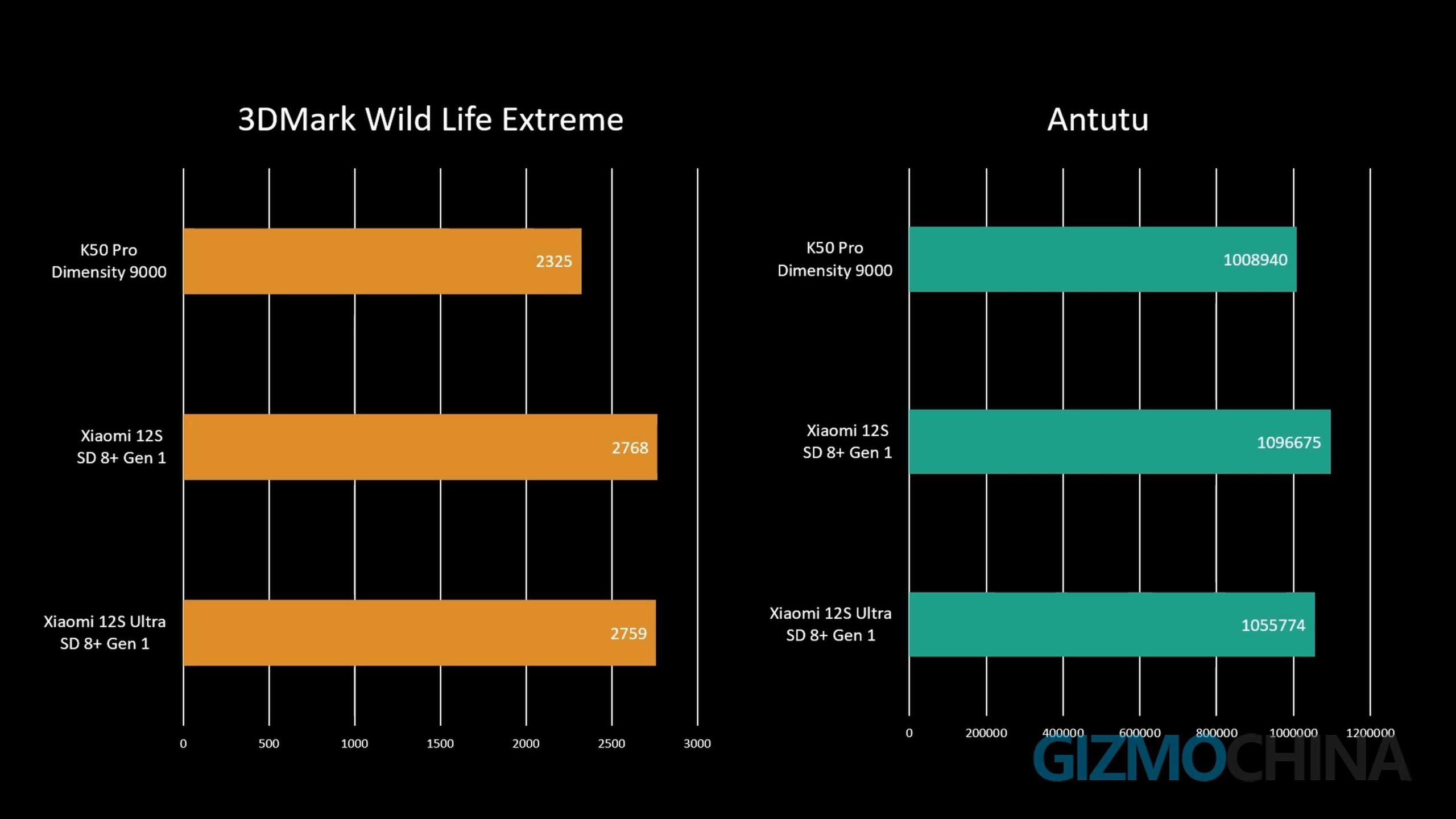
Let’s get right to the point, even in those mobile games that demand high performance, the Xiaomi 12S performs very well. It can run above 50FPS for 30-min gaming in Genshin Impact under the highest graphic settings. Here are some other games and benchmark data for your reference, and you can see that when compared to Pro and Ultra, the Xiaomi 12S doesn’t lag behind by much.
Those users who love compact phones actually don’t play a lot of games, but no one will complain about a device having top-notch performance. And more importantly, now they have got the new 8+ chipset, which has been significantly improved with better power performance and heating.
Xiaomi 12S Display
It may sound strange that this compact flagship actually has a better battery life than the Xiaomi 12S Pro, obviously, the smaller screen with lower resolution plays a decisive role in that.
It’s no surprise that the Xiaomi 12S uses the same display as the Xiaomi 12. For most people, a slightly lower resolution doesn’t make a significant difference, and the 1080P display with a maximum brightness of 1100nit and Dolby Vision support is clearly not out of date. But at the same time, another thing you should note is that it still doesn’t support Anti-Flicker mode with activating the 120Hz refresh rate.
Now let’s talk again about LEICA and the new Sony IMX sensor. We showed you a lot of photos in our Xiaomi 12S Ultra Review and I would say that while the one-inch sensor is a big surprise, this time, Xiaomi really raises an interesting question about mobile photography: does a bigger sensor on a smartphone really make a difference? I mean, a bigger sensor does come with better image quality, especially in low light, but if you have watched a lot of our phone reviews, you’ll realize that we have to look really close at the samples to find those subtle differences.
Xiaomi 12S Cameras
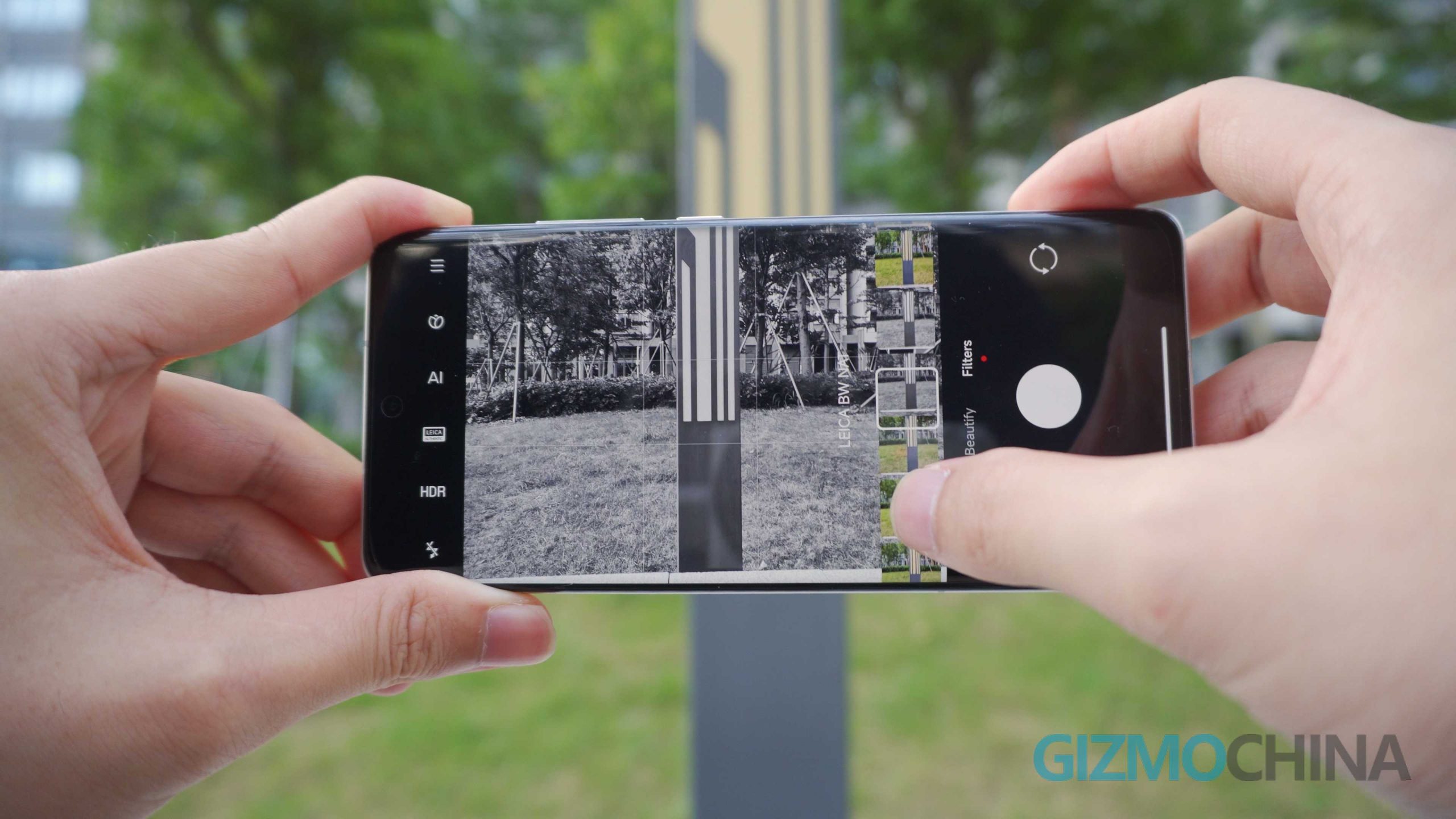
Coming back to the photos taken by the 12S, it is actually hard to say how much it has improved in terms of details. The addition of LEICA has brought some very peculiar changes. In many photos, we can see that it has higher contrast, which makes it look like it loses a few bright and shadow details. But when you look closer, you would find that it’s simply a trade-off in style and those details are not really lost. And it’s so stylish that even if you remove the unique LEICA watermark, you can still recognize the photos shot on the Xiaomi 12S series.
This is what I really meant to say, Xiaomi is trying to change the rules of the game, from comparing the smallest details to creating an overall style. No one will zoom in on the photos you post on social media to observe the details, right? Well except for silly tech reviewers.
A unique color style will make your photos stand out from the traditional vivid style, in the past, you needed to spend quite a bit of time on photo editing apps to get a photo like this. And please note that most users actually are not professionals when it comes to handling colors.
I think this is a good start, perhaps the photos shot on different smartphones will have a variety of unique styles like in the days when film cameras were popular, and consumers can truly figure out what camera phone is the best for themselves.
I’ve also seen some comments that Xiaomi took away their right to decide on photos because there isn’t a LEICA OFF option in camera settings, but the fact is that you can still maximize post-editing by taking RAW format photos on the Xiaomi 12s.
Furthermore, I would like to add one more point about the camera system. Although you can set the shortcut to let the camera launch from the lock screen, you have to press the shutter on the screen or the volume button again to complete a snap. And you can’t just take a continuous shot by long pressing the volume button. So can Xiaomi consider adding an extra physical shutter button on the side of the phone? Just like Sony did with their Xperia Phones?
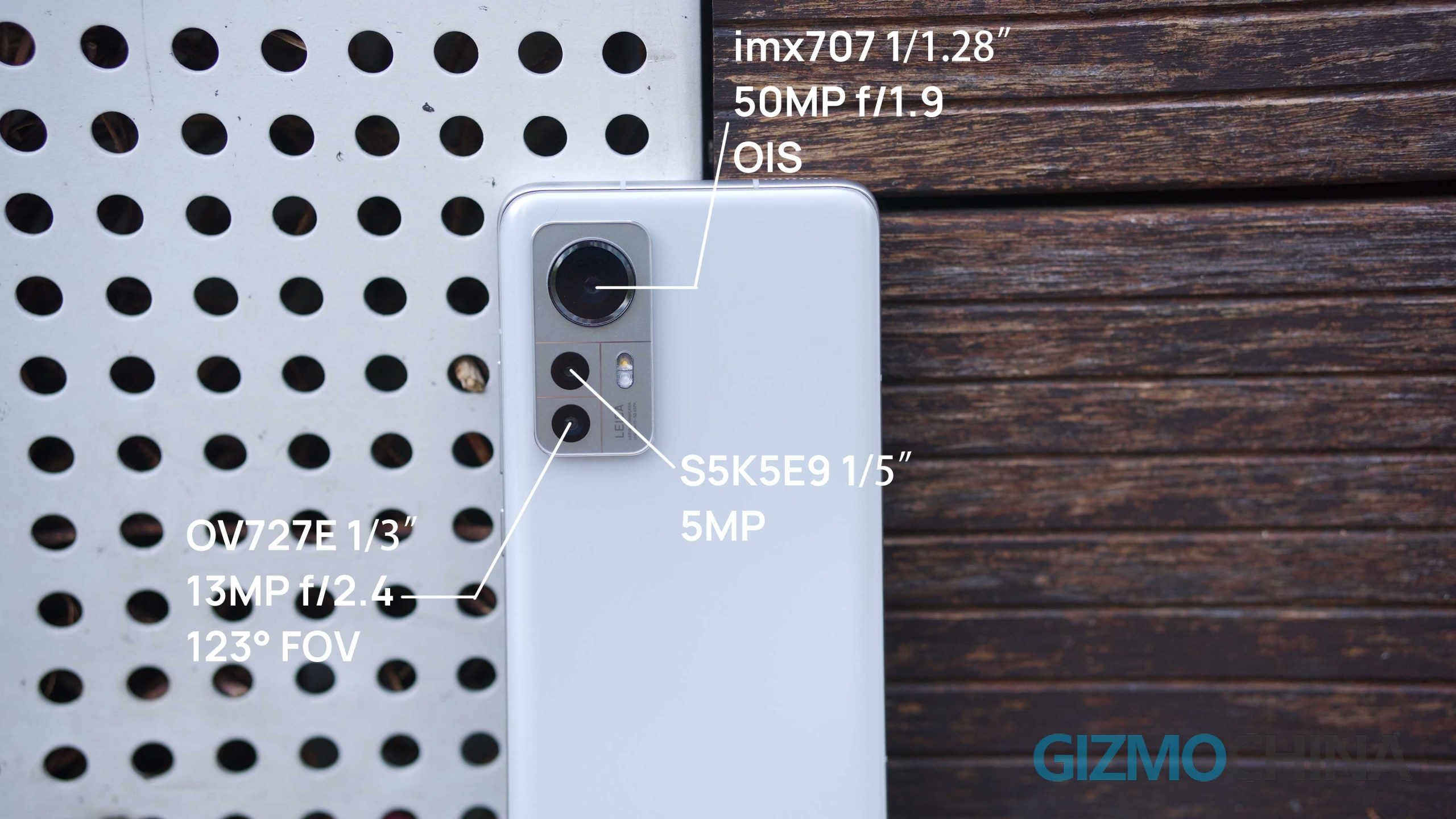
Compared to other premium camera phones, the very important telephoto lens is missing on the Xiaomi 12S, but it also has its own strengths. I’m not talking about this 13 MP wide-angle lens, but the 5 MP macro lens, which allows you to get a lot of surprises from another perspective. Especially when you see camera phones like the 12S Ultra coming with a large sensor are not able to get close enough to shoot macro images.
This is the world you can see through the main camera, while THIS is the wonder you can only explore through the macro lens, I use the macro lens a lot for special shooting, and then I got some interesting discoveries. You can even use this macro lens to create your own documentary, although it only supports up to 1080P 30FPS video recording, but films like this can’t be captured by Xiaomi 12S Pro and the Ultra.
Well, strictly speaking, this is not a full review. But I want to express some of my thoughts about the evolution of Moblie photography with the Xiaomi 12S and if you want a buying tip, I will tell you that Xiaomi 12S is one of the best compact phones you can pick in 2022, it is perfect for those who like to capture their life with smartphone.
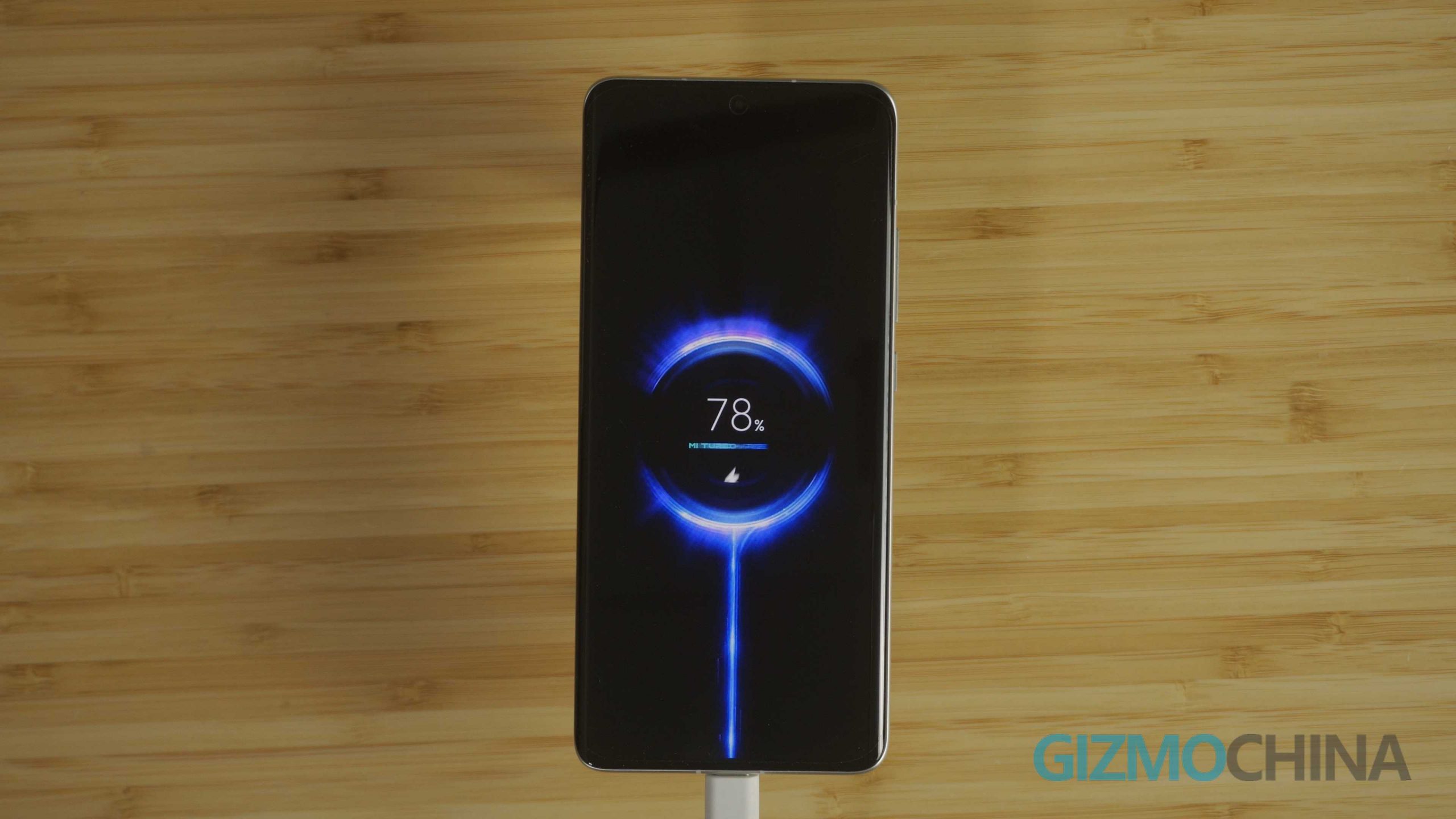
The good battery life allows you to charge it only once a day. On the matter of designing a compact flagship, the only thing Xiaomi needs to improve is probably waterproof support.
Finally, I want to say that I don’t know if you guys realize that compact phones are being abandoned by manufacturers, Apple has already cut their iPhone mini product line even though it brings tens of millions of sales every year, which will further discourage other manufacturers to design new compact flagship phones. This is really not good news. So I really hope Xiaomi, Samsung, and Sony will stick to their choice because there are still some people who don’t like those Pro or Plus phones with their ever-increasing weight.
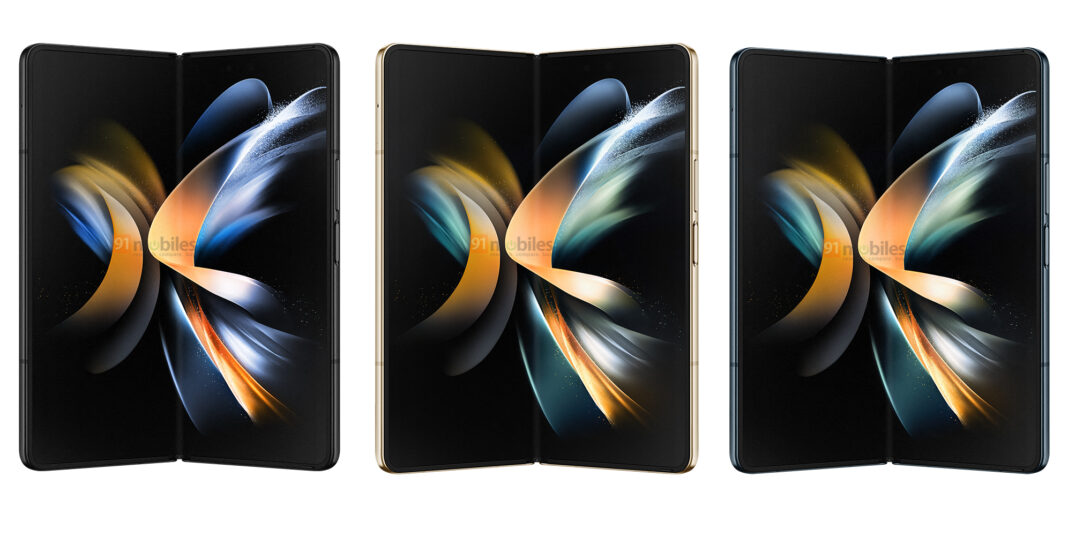
Samsung is gearing up to launch its latest generation of highly anticipated foldable smartphones soon. But prior to any official announcement, the Galaxy Z Fold 4 model has been spotted in a leaked video teaser.
For those unaware, the South Korean tech giant is planning on unveiling the Galaxy Z Fold 4 and Galaxy Z Flip 4 during the Galaxy Unpacked event on August 10. However, ahead of this conference, a new teaser of the upcoming Galaxy event was leaked. The teaser included a video, which was shared by tipster ChunV. Looking at this video, we can see flex display feature of the new Galaxy Z Fold 4 smartphone.
Despite teasing the higher end foldable model, the leaked video does not reveal the entire design of the Z Fold 4. Although, from a design perspective, it is expected to be similar to the last generation Galaxy Z Fold 3, which also had a vertical hinge. Talking more about the upcoming smartphone, the Galaxy Z Fold 4 will sport a large 7.6 inch primary display that has a FHD+ resolution, AMOLED panel, and a 120Hz refresh rate. Meanwhile, the external panel will be a slimmer 6.2 inch panel that has an HD+ resolution.
The from camera is also expected to be housed under the display and is believed to have a 16 megapixel resolution. On the other hand, the rear will feature a triple camera setup, consisting of a 50 megapixel primary sensor, 12 megapixel ultra wide angle lens, and a 12 megapixel telephoto shooter. Under the hood, the Qualcomm Snapdragon 8+ Gen 1 SoC will power the device, which will likely be paired with 12GB of RAM and up to 512GB of internal storage.
Motorola is all set to launch the Moto Razr 2022 in China on August 2. The smartphone will be the latest addition to the company’s foldable segment. Motorola hasn’t detailed the Moto Razr 2022 specs yet, but today it announced through a Weibo post that the smartphone will be powered by the latest Snapdragon 8+ Gen1 processor. The company has been teasing the foldable for a while now, we already know that it will pack a dual rear camera setup.
Motorola today announced through a Weibo post that the upcoming Moto Razr 2022 will be the world’s first foldable smartphone powered by the snapdragon 8+ Gen1 SoC. Motorola didn’t divulge anything else about the upcoming smartphone, but the previous teasers have suggested that it will have a dual rear camera set up and will run MYUI 4.0 OS out of the box.
The Moto Razr 2022 is rumored to have a 6.7-inch P-OLED FHD+ foldable screen that offers a 120Hz refresh rate. It will likely have a 3-inch cover display on the back which can also be used to play games.
As far as the cameras are concerned, the device may come with a 50-megapixel (main) + 13-megapixel (ultra-wide) dual-camera setup. On the front, it could house a 32-megapixel camera for selfies.
The Moto Razr 2022 is expected to be fueled by a 2,800mAh battery. It may come with up to 12 GB of LPDDR5 RAM, and 512 GB of UFS 3.1 storage.
The Motorola Razr 2022 may be priced at EUR 1,149 (roughly $ 1,173) in the European market. The smartphone is said to come in Quartz Black and Tranquil Blue color options. As mentioned, it will be launched on August 2 alongside the Moto X30 Pro.
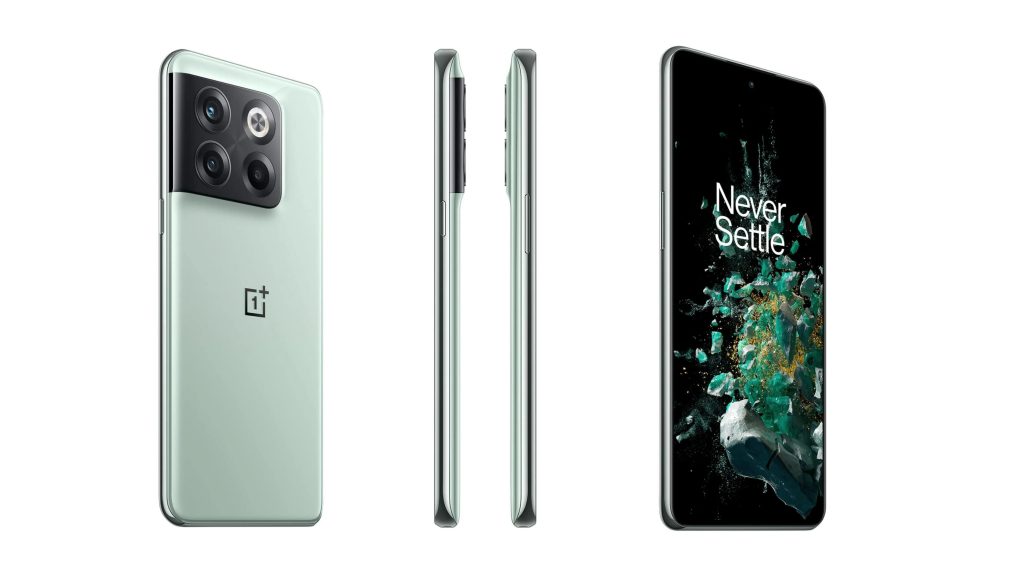
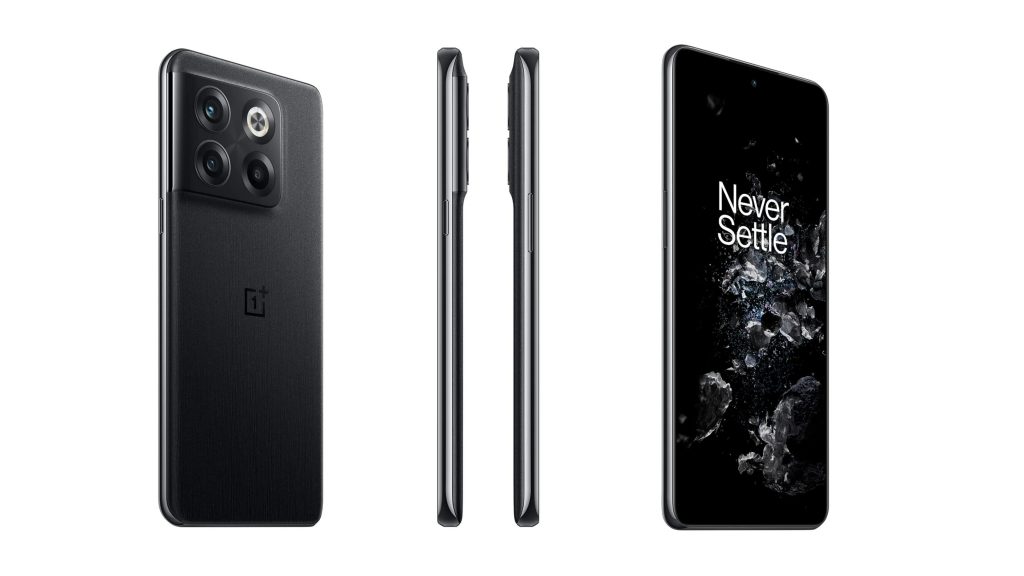
OnePlus is all set to launch the OnePlus 10T on August 3. The handset also goes by OnePlus Ace Pro in China. Earlier today, the device’s specs leaked via its TENAA listing. Just a few hours later, the smartphone’s specifications have leaked again, in addition to more renders. The new leak talks about the India variant, while the previous leak was of the Chinese version.
The new Oneplus 10T leak comes from PriceBaba. The details mentioned in the report corroborate with the TENAA leak. It’s not surprising as the phone is the same across all regions, except for software and memory configurations.
The OnePlus Ace Pro, the Chinese version of the OnePlus 10T will be available in a 16GB + 512GB memory configuration. This won’t be the case for the OnePlus 10T in India, as per the new leak.
The device will be sold in 8GB + 128GB and 12GB + 256GB variants in the country. It will reportedly start at ₹49,999 and will be available in two colors: Jade Green and Moonstone Black.
Coming to the specs, the OnePlus 10T will sport a 6.7-inch FHD+ (2412 x 1080 pixels) AMOLED display with a 10-bit color depth. The screen will have support for up to a 120Hz refresh rate, sRGB color gamut, and HDR10+.
The smartphone will be powered by a Qualcomm Snapdragon 8 Plus Gen 1 SoC. It will boot OxygenOS 12.1 based on Android 12 though the Android 13-based OxygenOS 13 will be announced alongside it.
The handset will house a triple camera system on its rear. The setup will consist of an OIS-assisted 50MP Sony IMX766 primary sensor, an 8MP ultra-wide unit, and a 2MP macro snapper. On the front, its centered punch-hole will nest a 16MP shooter.
The phone will lack both an alert slider and Hasselblad optimizations. Finally, it will be backed by a 4,800mAh battery with support for 150W fast wired charging support.
Realme held an AIoT launch event in India today to announce multiple products. It unveiled the Realme Pad X 5G, Buds Air 3 Neo, Buds Wireless 2S, a Flat Monitor, and the Realme Watch 3. Here is all the information on the specifications, features, and price of the Watch 3.
Realme Watch 3 specifications and features
The Realme Watch 3 has a large-sized display that measures 1.8 inches. The screen offers a resolution of 240 x 286 pixels. The square-shaped display has curved edges, and it offers 500 nits of max brightness. The company claims that it has a screen-to-body ratio of 67.5 percent, which is 35% higher than the Realme Watch 2. There are over 100 unique watch faces onboard, which can be applied to the screen through the Realme Link app.
Realme Watch 3
The curved rear shell of the Watch 3 is made from plastic, and it is equipped with a metallic frame, which gives it a premium appeal. The smartwatch comes with a skin-friendly silicone strap that weighs only 14 grams. The Watch 3 is an IP68-rated, waterproof and dustproof device.
The Watch 3 can track 110+ sports modes, such as outdoor/indoor walking, outdoor/indoor running, cricket, football, basketball, badminton, yoga, strength training, elliptical, outdoor/indoor cycling, mountaineering, trail running, skateboarding, and more. The device can be used for heart rate tracking, SpO2 monitoring, stress monitoring, and sleep quality monitoring. It also offers water-drinking reminders and stand-up alerts.
The Realme Watch 3 supports Bluetooth 5.3 connectivity and offers Bluetooth calling via a paired smartphone. For a clearer voice call experience, the Watch 3 comes equipped with a high-sensitive microphone, a built-in smart PA (power amplifier) that enhances the audio quality, and a dual-mode Bluetooth chip in order to make Bluetooth connecting and calling more stable.
It has a 340mAh battery, which can last for up to 7 days with typical use. The company claims that it takes 2.25 hours to fully charge the Watch 3.
Realme Watch 3 price in India
The Realme Watch 3 is priced at Rs 3,499. It will be available for purchase for the first time at 12 pm (local time) on Aug. 2. Early-bird buyers can get it for Rs 2,999. The smartwatch will be sold through Flipkart, Realme India’s website, and retail stores. It can be purchased in Grey and Black colors
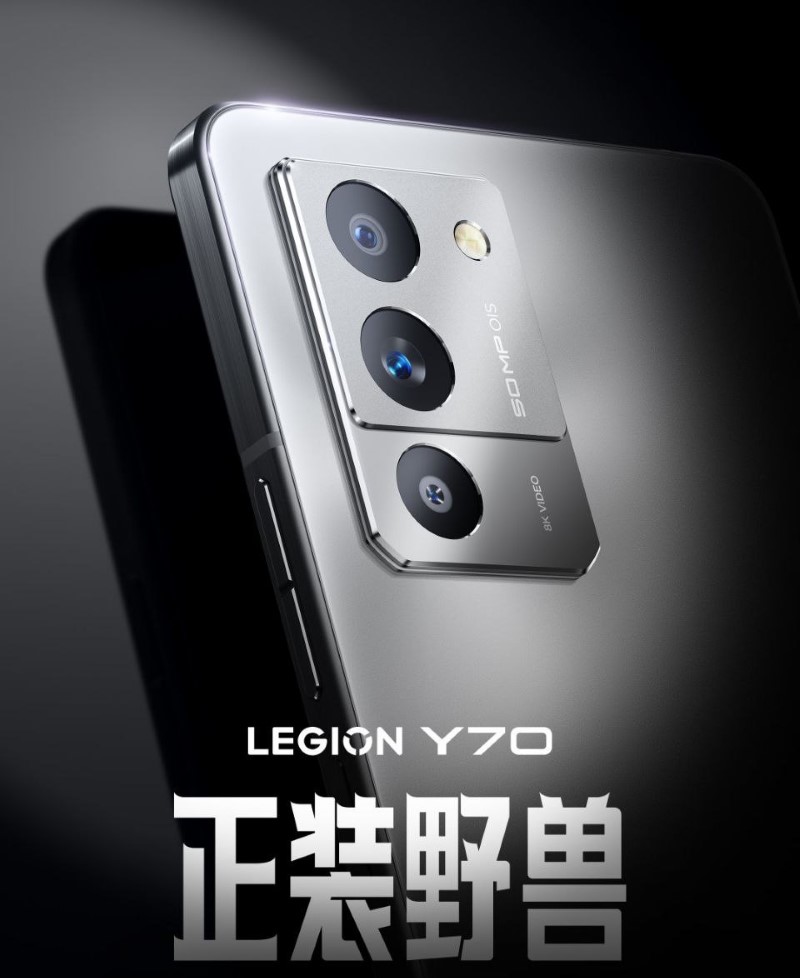
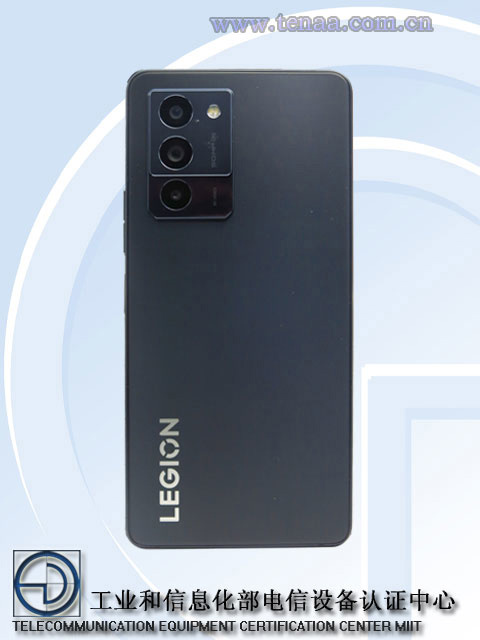
Lenovo has officially announced the new Legion Y70 smartphone today, the company has also confirmed that the new Legion handset will be launched in August. The device is expected to have a thinner and lighter design and the company claims it will offer powerful performance. Lenovo Legion Y70 has already been listed on Geekbench and CMIIT certification sites.
Lenovo took to Weibo to announce the latest Lenovo Legion Y70. The company shared a poster revealing the rear camera module of the smartphone and also confirmed that it will debut sometime in August. The poster suggests that the smartphone will have a triple rear camera setup fitted on a rectangular island. The poster also reveals that the smartphone will have a 50-megapixel main camera with OIS.
As mentioned, the device has already been spotted on Geekbench and the CMIIT website which revealed all of its major specifications. Lenovo Legion Y70 will likely be equipped with a 6.67-inch OLED screen offering a resolution of 2400 × 1080.
In terms of optics, the device will have a rear 50-megapixel triple camera setup and could support 8K video recording. It may be fueled by a 4880mAh battery supporting 68W fast charging. The device is expected to have a side-mounted fingerprint scanner. The smartphone will be 7.99mm thick and weigh 205g. It is said to be available in two color options- grey and silver.
The processor of the device is uncertain because CMIIT shows that the phone uses a 3.0GHz Snapdragon 8 Gen1 chip, but the Geekbench 5 running score indicates it is a 3.2GHz Snapdragon 8+ Gen1 Soc. It will likely be powered by the Snapdragon 8+ Gen1 chip paired with up to 16GB RAM and 512GB storage.
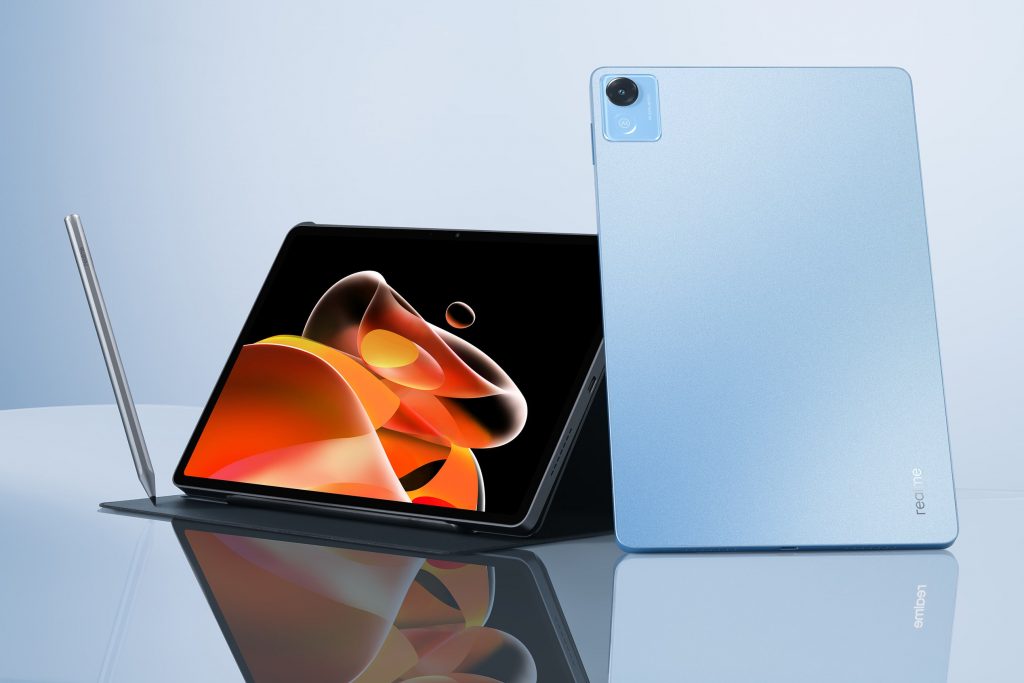
After teasing for days, Realme has finally launched the Realme Pad X in India. It is the brand’s third tablet in the country after the original Realme Pad and the Realme Pad Mini.
The Realme Pad X is the company’s most advanced tablet to date. It was first released in China in late May. The device is not only powered by a better chipset but also offers optional 5G connectivity.
Let’s take a look at its specs along with its pricing and availability in India.
Realme Pad X Specifications
The Realme Pad X is built around an 11-inch LCD screen with a resolution of 2000 x 1200 pixels and 16.7 million colors. The panel has a 450 nits peak brightness level and 84.6% screen-to-body ratio. It has support for DC Dimming and a TÜV Rheinland-certified hardware-level blue light filter.
The tablet’s display also carries support for stylus input. The official ‘Realme Pencil’ stylus accessory offers 4096 levels of pressure sensitivity, a 240Hz sampling rate, and charges magnetically on the side of the device. There’s also an official ‘Realme Smart Keyboard’ accessory, which has a 1.3mm key travel.
The Realme Pad X is powered by a Qualcomm Snapdragon 695 SoC. It boots Realme UI 3.0 for Pad based on Android 12. It comes with features like PC Connect, Limelight (Apple Center Stage knockoff), and split-view to name a few.
Other features include a 13MP rear camera, an 8MP front-facing camera, Dolby Atmos-supported quad speakers, a MicroSD card slot, and a USB Type-C port.
Last but not least, the tablet is backed by an 8,340mAh battery with support for 33W fast charging.
Realme Pad X Price and Availability in India
The Realme Pad X will retail at the following price tags in India.
4GB + 64GB (WiFi-only) – ₹19,999 ($251)
4GB + 64GB (WiFi + 5G) – ₹25,999 ($326)
6GB + 128GB (WiFi + 5G) – ₹27,999 ($351)
It can be availed in either Glacier Blue or Glowing Grey color options. The first sale is scheduled for at 12 PM on August 1 via Realme.com, Flipkart, and retail stores across the country. All three variants will be sold at a discount of ₹2,000 during the initial store.
The official accessories will be sold at the following price tags.
We use cookies on our website to give you the most relevant experience by remembering your preferences and repeat visits. By clicking “Accept”, you consent to the use of ALL the cookies.
This website uses cookies to improve your experience while you navigate through the website. Out of these, the cookies that are categorized as necessary are stored on your browser as they are essential for the working of basic functionalities of the website. We also use third-party cookies that help us analyze and understand how you use this website. These cookies will be stored in your browser only with your consent. You also have the option to opt-out of these cookies. But opting out of some of these cookies may affect your browsing experience.
Necessary cookies are absolutely essential for the website to function properly. This category only includes cookies that ensures basic functionalities and security features of the website. These cookies do not store any personal information.
Any cookies that may not be particularly necessary for the website to function and is used specifically to collect user personal data via analytics, ads, other embedded contents are termed as non-necessary cookies. It is mandatory to procure user consent prior to running these cookies on your website.