Advertisement

Realme Narzo 50 vs Realme Narzo 50A vs Realme Narzo 50i: Specs Comparison

The Narzo 50 series by Realme contains a huge amount of devices: they are so many that it is impossible to include all of them in a single comparison. So we chose three of them, the oldest ones and the most similar to each other, in order to tell you the differences between their specifications. We excluded four models which we will maybe include in other comparisons. Here you can find a comparison between the specifications of the vanilla Realme Narzo 50, the Realme Narzo 50A, and the Realme Narzo 50i. Note that in the same series there are also the Realme Narzo 50 5G, the Realme Narzo 50A Prime, and the Realme Narzo 50i Prime, but they are totally different devices from the ones listed above.
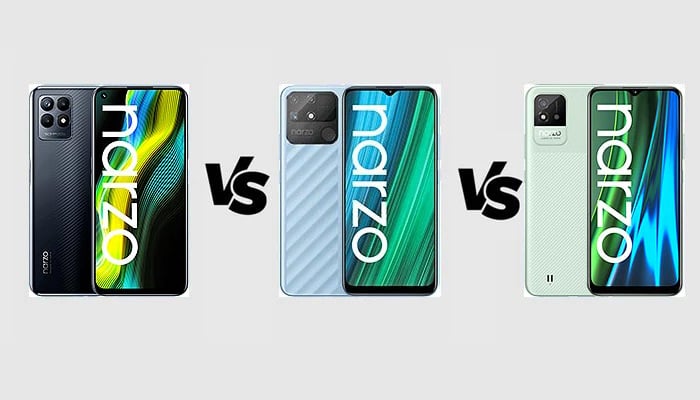
Realme Narzo 50 vs Realme Narzo 50A vs Realme Narzo 50i

Realme Narzo 50 Realme Narzo 50A Realme Narzo 50i
DIMENSIONS AND WEIGHT 164.1 x 75.5 x 8.5 mm, 194 grams 164.5 x 75.9 x 9.6 mm, 207 grams 165.2 x 76.4 x 8.9 mm, 195 grams
DISPLAY  6.6 inches, 1080 x 2412p (Full HD+), IPS LCD 6.5 inches, 720 x 1600p (HD+), 270 ppi, IPS LCD 6.5 inches, 720 x 1600p (HD+), IPS LCD
PROCESSOR Mediatek Helio G96, octa-core 2.05 GHz Mediatek Helio G85, octa-core 2 GHz octa-core 1.6 GHz
MEMORY 4 GB RAM, 64 GB  –  4 GB RAM, 128 GB – 6 GB RAM, 128 GB – micro SD dedicated slot 4 GB RAM, 64 GB – 4 GB RAM, 128 GB – micro SD dedicated slot 2 GB RAM, 32 GB – 4 GB RAM, 64 GB – micro SD dedicated slot
SOFTWARE  Android 11, Realme UI Android 11, Realme UI Android 11, Realme UI Go
CONNECTIVITY Wi-Fi 802.11 a/b/g/n/ac, Bluetooth 5.1, GPS Wi-Fi 802.11 a/b/g/n/ac, Bluetooth 5, GPS Wi-Fi 802.11 b/g/n, Bluetooth 4.2, GPS
CAMERA Triple 50 + 2 + 2 MP, f/1.8 + f/2.4 + f/2.4
16 MP f/2.1 front camera
Triple 50 + 2 + 2 MP f/1.8, f/1.8, f/2.4 and f/2.4
8 MP f/2.0 front camera
Single 8 MP, f/2.0
5 MP f/2.2 front camera
BATTERY 5000 mAh, fast charging 33W 6000 mAh, fast charging 18W 5000 mAh
ADDITIONAL FEATURES Dual SIM slot Dual SIM slot, reverse charging Dual SIM slot, reverse charging

Design

If you are looking for the most modern design, then you should opt for the vanilla Realme Narzo 50. It is the only one with a punch-hole display and the punch hole is placed in the upper left corner: the Realme Narzo 50A and the Realme Narzo 50i come with waterdrop notches and they are less impressive not only because of that but even because they are thicker phones. Further, you should note that the rear design of the vanilla version looks more attractive, with an original texture and a more minimalistic camera module including three sensors and a LED flash. But there is an important thing to say about the Realme Narzo 50i: it is splash resistant, even though it does not provide any IP certification.


Display

The most advanced phone in terms of the display is again the vanilla Realme Narzo 50. Its IPS LCD panel with a diagonal of 6.6 inches is able to show a higher level of detail because it supports the Full HD+ resolution of 1080 x 2412 pixels, while the two internal rivals have a lower HD+ resolution of 720 x 1600 pixels. Further, the vanilla version has a higher 90 Hz refresh rate instead of a standard 60 Hz refresh rate. We are not talking about a high-end panel, it is still an affordable component, but it is similar to the ones found on several mid-rangers. In each case, the fingerprint reader is side-mounted on the power key, all of these phones feature mono speakers and they have 3.5 mm audio jacks.


Hardware/Software

The Realme Narzo 50 is the most powerful phone of the trio because it is powered by the Helio G96: an octa-core mobile platform by Mediatek built at 12 nm with a max frequency of 2.05 GHz, composed of two Cortex A76 CPUs, six Cortex A55 CPUs, and a Mali G57 MC2 GPU. The SoC is paired with up to 6 GB of RAM and up to 128 GB of UFS 2.1 internal storage which you can furtherly expand through a micro SD dedicated slot. The silver medal goes to the Realme Narzo 50A with an octa-core Mediatek Helio G85 chipset running at 2 GHz, 4 GB of RAM, and up to 128 GB of storage.


Camera

The Realme Narzo 50 and the Realme Narzo 50A have the same cameras and they are way better than the Realme Narzo 50i. They sport a 50 MP main sensor and a pair of 2 MP cameras for macros and depth. The Narzo 50i has just one single 8 MP camera on the rear side and an inferior 5 MP selfie snapper, so it has no way to compete with its opponents. However, keep in mind that the other two are still entry-level camera phones, so you should not expect a high photo quality but just a sufficient one.


Battery

The Realme Narzo 50A wins the battery life comparison because it sports a huge battery with a capacity of 6000 mAh. The Realme Narzo 50 and the Realme Narzo 50i have just 5000 mAh, but the vanilla version is the only one with 33W fast charging as the 50A comes with 18W fast charging and the 50i does not support fast charging at all.


Realme Narzo 50 vs Realme Narzo 50A vs Realme Narzo 50i: Price

The Realme Narzo 50 is priced at Rs. 12,999 / $163 in India, while you need Rs. 11,499 / $144 to purchase the Realme Narzo 50A. Realme Narzo 50i price in India starts from Rs. 7,499 / $94. Now that you know all the differences, which one would you pick after considering their prices?


Realme Narzo 50 vs Realme Narzo 50A vs Realme Narzo 50i: PRO and CONS

Realme Narzo 50

PROS

  • Best chipset
  • 120 Hz display
  • Up to 6 GB of RAM
  • 33W fast charging
  • Full HD+ resolution

CONS

  • Higher price


Realme Narzo 50A

PROS

  • Good quality price ratio
  • Nice 50 MP camera
  • Bigger battery
  • Reverse charging

CONS

  • HD+ display


Realme Narzo 50i

PROS

  • More affordable
  • Reverse charging
  • Lite version of the UI
  • Splash resistant

CONS

  • Inferior chipset
  • Inferior cameras


RELATED

Check the latest videos from our YouTube channel and subscribe:
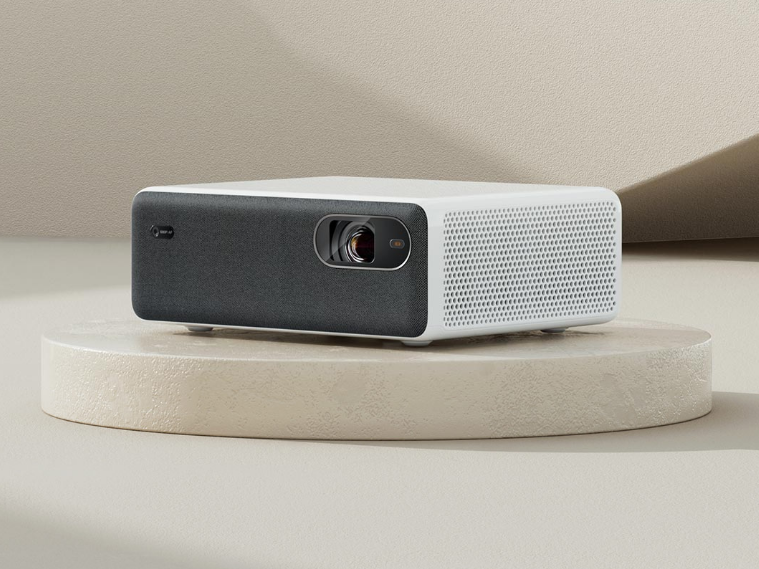
 

Xiaomi Laser Projector 1S 2022 with 40ms low latency gaming mode launched

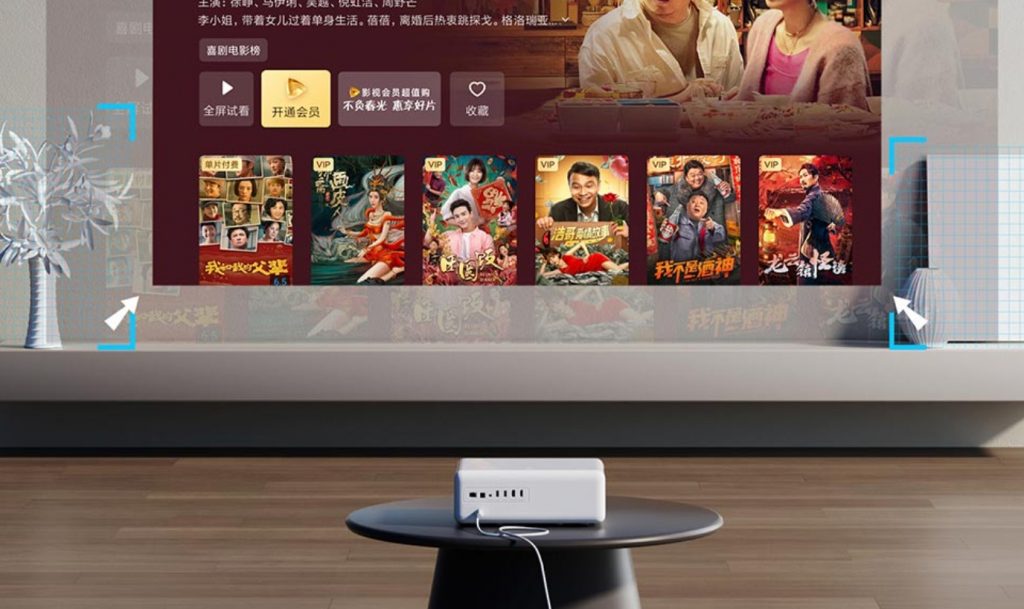
Xiaomi has released a refreshed version of its Laser Projector 1S model for 2020. The new model comes with a decent response rate of 40ms latency which is great for gaming applications. The 2022 Xiaomi Laser Projector 1S can project images up to 150 inches crisply and excellently. The Xiaomi Laser Projector 1S 2022 is available in China for 5,999 yuan (~$894).Xiaomi Laser Projector 1S 2022

The new Xiaomi projector has a resolution of 1080p and features Artificial Intelligence (AI) functionality. It offers automatic image enhancement, auto-focusing, and multiple operational modes. It comes as a cheaper model than its predecessor. The projector has a maximum of 2,400 ANSI lumens of brightness, better than its predecessor’s 2,000 lumens. Its image size projection draws from its high throw ratio for casting images. It uses the ALPD Laser Display technology for enhanced picture and color quality. The new Xiaomi projector uses AI image quality enhancement algorithms that support 4K and 8K decoding.Xiaomi Laser Projector 1S 2022

The projector provides a decent sound output via its dual 10W built-in speakers which create a 360-degree virtual soundstage. The device supports Dolby Audio and DTS-HD sound technologies. The projector is a smart device that can automatically adapt its settings for optimized projections. There are multiple scene modes available including the gaming mode with 40ms low latency. Connectivity to the projector can be via its dual USB (2.0 and 3.0) and HDMI (eARC and 2.1) ports. You can integrate the projector into the Mijia smart home ecosystem via the Mijia app. This allows you to control the projector via the app or using Xiao AI voice commands.Xiaomi Laser Projector 1S 2022

While it is expected that the projector will subsequently be available outside China, there are no dates specified yet. The price of the new Xiaomi projector is about 60% cheaper than the 2020 model. Xiaomi expects a greater reception for its new projector due to its affordability and features.

RELATED:


(source)


Triumph TE-1 electric bike showcased; can hit 100km/h in 4 seconds

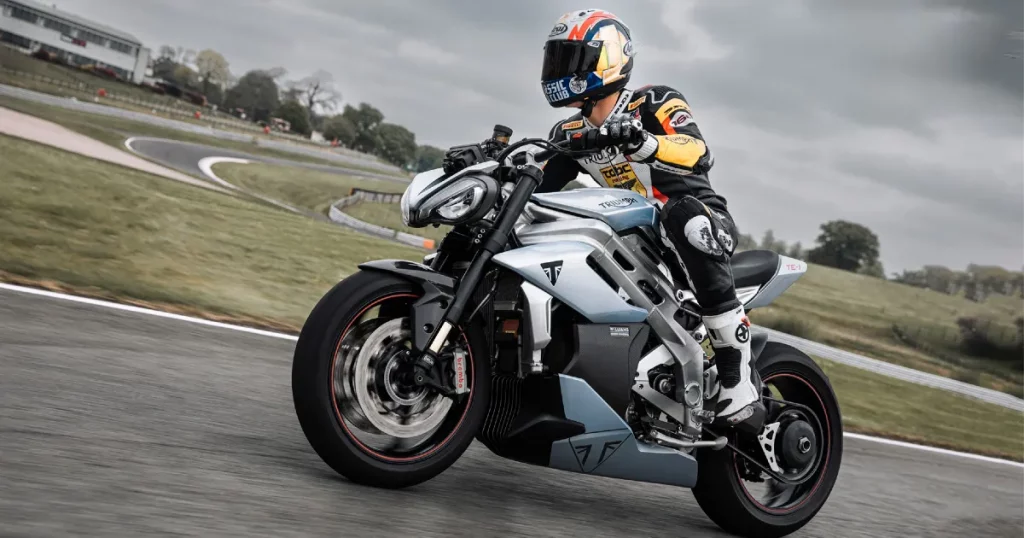
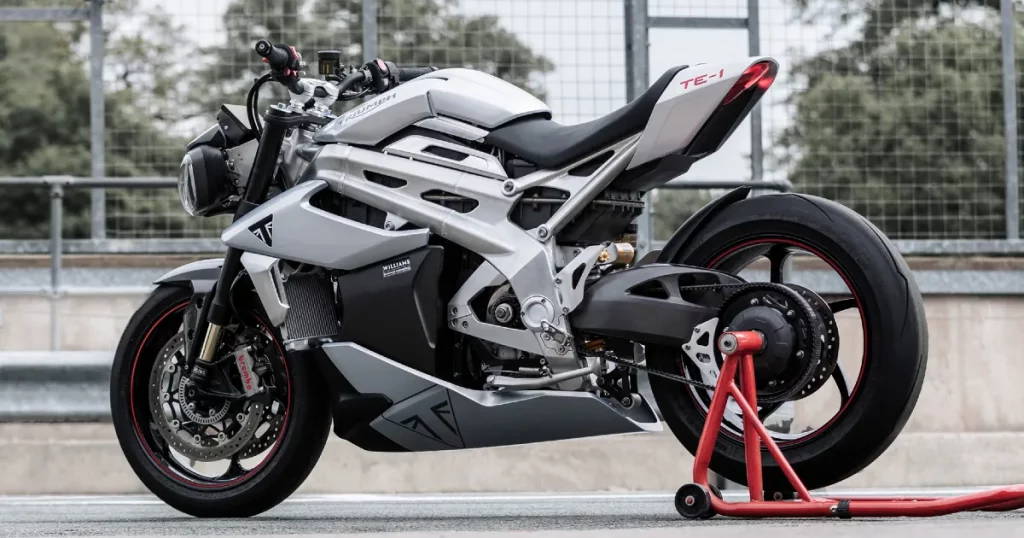
The Triumph TE-1 prototype is Triumph’s first electric bike and it is a very fast bike. The TE-1 can go from 0 to 100km/h in under 4 seconds which is a leading performance in its category.

Triumph has a track record of some pretty fast ICE motorcycles but it is just coming into the EV two-wheeler market. The company has completed the fourth and final phase of performance testing of the bike. Going by the performance data of the TE-1, it may come into the market with a bang. Overall, the bike performed well across several categories and will square up with current models.

The bike is however inspired by the Triumph Street Triple. The bike sports a short and agile design with twin-pod headlamps. The final body panels of the bike have been updated with the final body panels and paint scheme. Triumph says the TE-1 images are the same as the real thing, having passed the 4th stage of testing.Triumph TE-1 electric bike

An all-aluminum chassis covers the bike yielding an overall weight of 220kg. It has a higher power-to-weight ratio due to its chassis design, higher than current models. The electric bike can also be charged rapidly from 0 to 100% in just 25 minutes. There are no models in the market currently with such outstanding charging speed. The prototype remains a project under development, and Triumph is yet to provide a release date for the model.

RELATED:


Moto G32 live images emerges on NCC database, key specs revealed

Motorola is working on a new budget range device dubbed the Moto G32. The Moto G32 made an appearance on the NBTC certification website last month revealing some of its key specifications. Now, the smartphone has been spotted on the NCC certification database revealing its design and many more details.

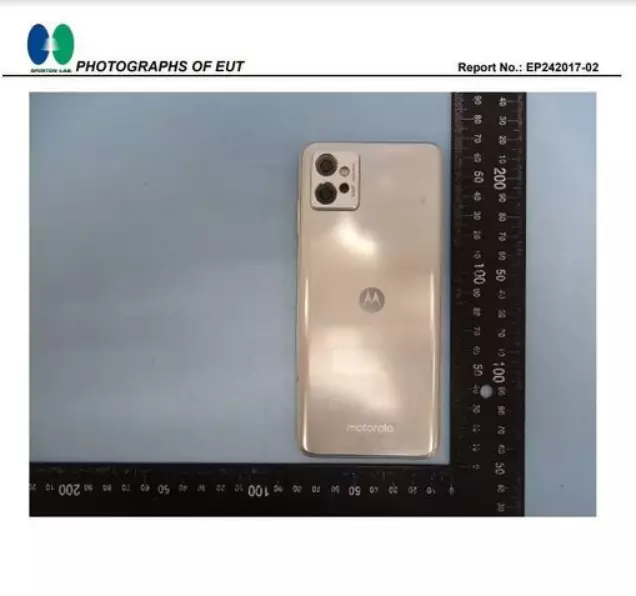
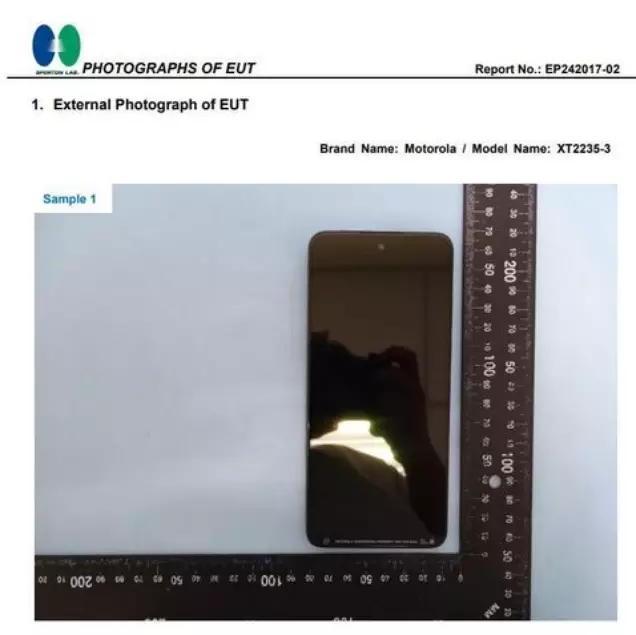
Looking at the design of the device, it has a curved back with a glossy finish and a rectangular camera module on the top left. Up front, the device has a centered punch-hole for the selfie camera. The back of the device does not have a fingerprint scanner, therefore, it is likely that the FP sensor is side-mounted on the power button.

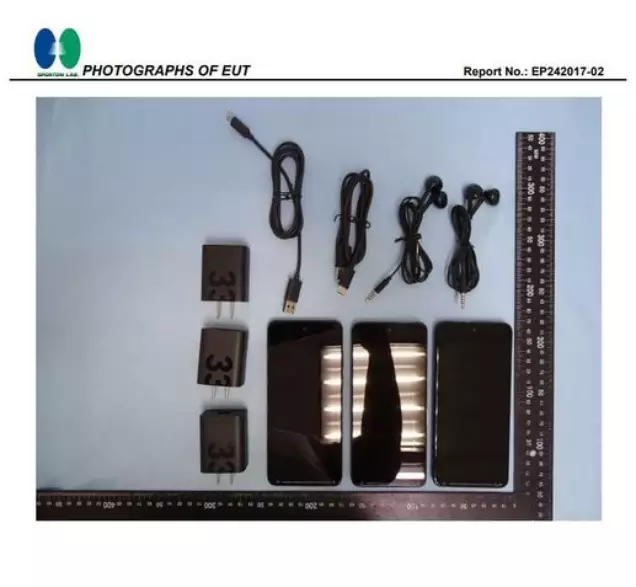
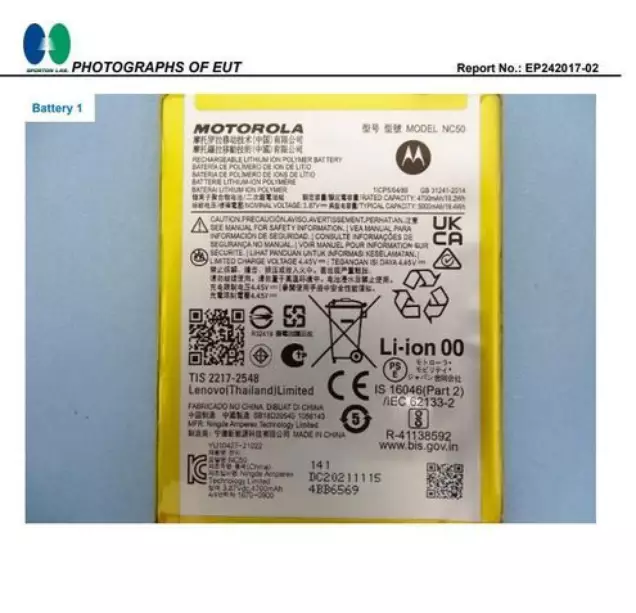
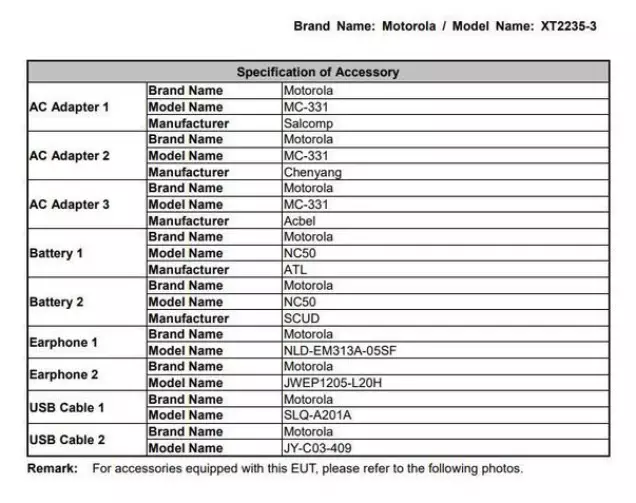
The certification reveals that the device has the model number XT2235-3 and comes with a 5,000mAh Li-ion battery unit with support for 33W fast charging. The packaging of the smartphone will include an AC adapter, charging cable, and earphone.

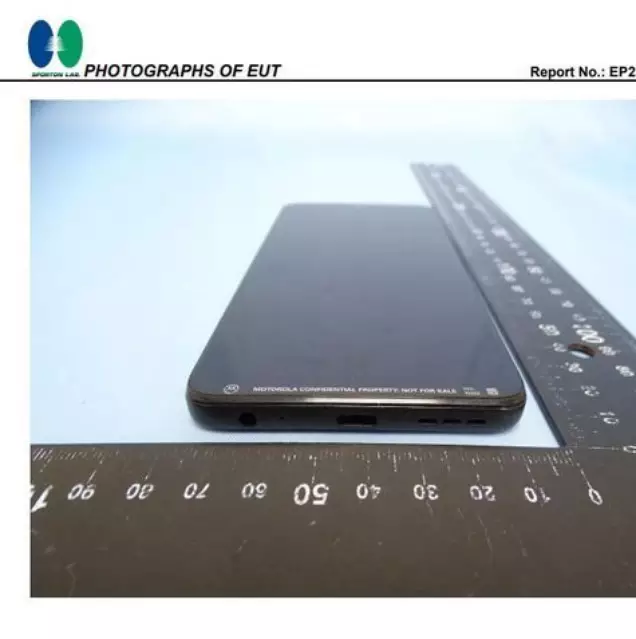
The images of the smartphone also reveal that it has a triple camera setup headlined by a 50-megapixel primary sensor. The bottom of the device houses a USB Type- C charging port, 3.5mm headphone jack, and a speaker grill.

Moto G32 specs (expected)

Going by the previous reports, the Moto G32 is expected to come with a 6.5-inch LCD panel offering HD+ resolution of 720 x 1600 pixels and a 90Hz refresh rate.

It is expected to have the Unisoc T606 chipset that’s present in the Moto E32 or the  MediaTek Helio G37 processor. We already know that the primary camera on the device will have a 50-megapixel sensor. The other two lenses are expected to house a couple of 2-megapixel sensors working as a macro camera and a depth sensor.


RELATED:

Samsung Galaxy Z Fold 4 storage variants & color options tipped ahead of launch

Samsung is gearing up to launch its next generation of foldable smartphones later this year. The Galaxy Z Fold 4 and the Galaxy Z Flip 4 are expected to debut around August 10. Ahead of the launch, the devices have started appearing on certification sites.

z fold 3 - screen size
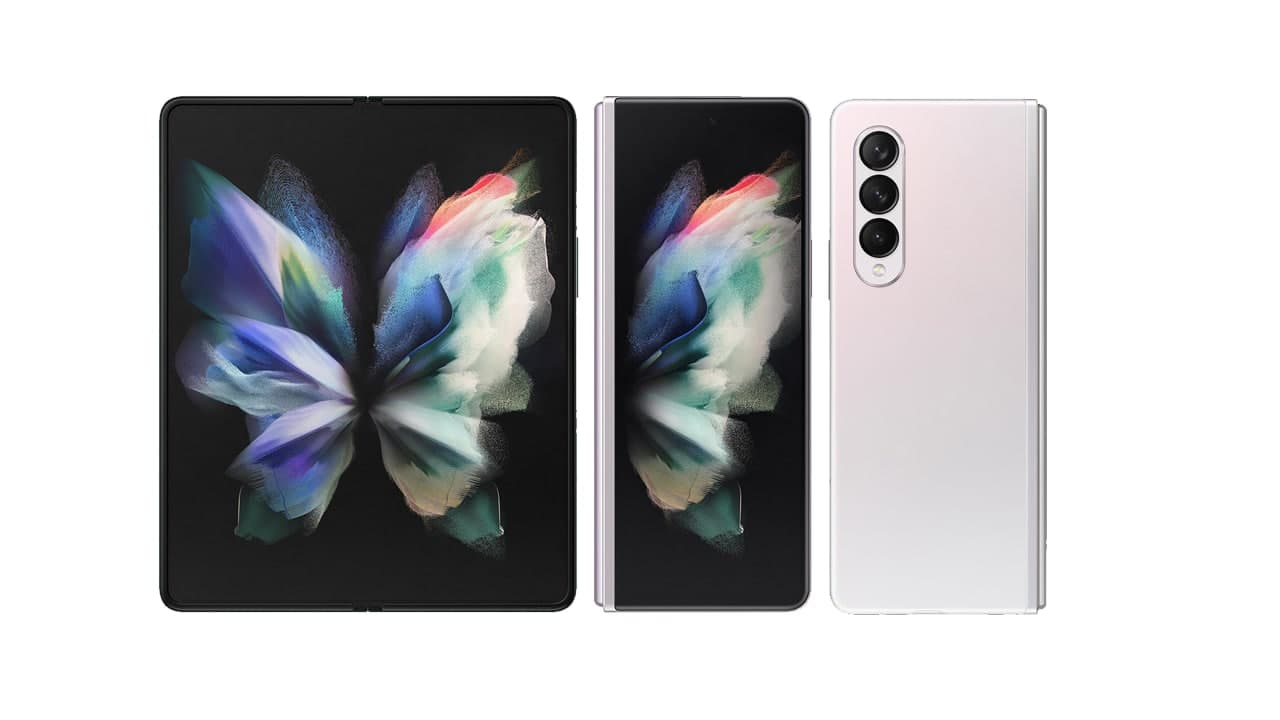
Samsung Galaxy Z Fold 3

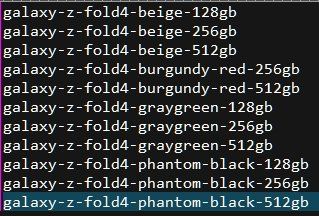
Now, a new leak from reliable tipster Evan Blass (@evleaks) has revealed the storage variants and color options of the Samsung Galaxy Z Fold 4. According to the tipster, the smartphone will be available in three storage options, while there will be a total of four color options for the device.

The base model of the device will have 128GB of memory while the other two models will pack 256GB and 512GB of storage. The tipster does not reveal any information regarding the RAM configurations, but previous reports have stated that the device will be available with up to 12GB of RAM.

Coming to the color options, the screenshot shared by the tipster reveals that the Beige, Grey-Green, and Phantom Black color options will be available across all configurations, while the Burgundy Red color will be offered with the 256GB and 512GB storage variants only.

Samsung Galaxy Z Fold 4 specs (rumored)

So far, the Galaxy Z Fold 4 is said to feature a 7.6-inch QXGA+ AMOLED inner panel and a 6.2-inch HD+ AMOLED panel for the outer screen. Both the outside and inside displays will offer a 120Hz refresh rate.

Under the hood, the device will be powered by the latest and greatest Snapdragon 8+ Gen 1 chipset. Memory and storage configurations are expected to range from 8GB + 128GB to 16GB + 512GB. The smartphone is expected to feature a 4,400mAh capacity battery with 25W fast charging and operate on Android 12-based One UI.

As for the camera, the device is expected to bring a triple camera setup on the back. It will likely consist of a 50-megapixel primary sensor paired with a 12-megapixel ultra-wide unit and a 12-megapixel telephoto lens with 3x zoom. The inner screen camera will be a 16-megapixel under-display unit, and on the front, the device will have a 10-megapixel snapper.


RELATED:

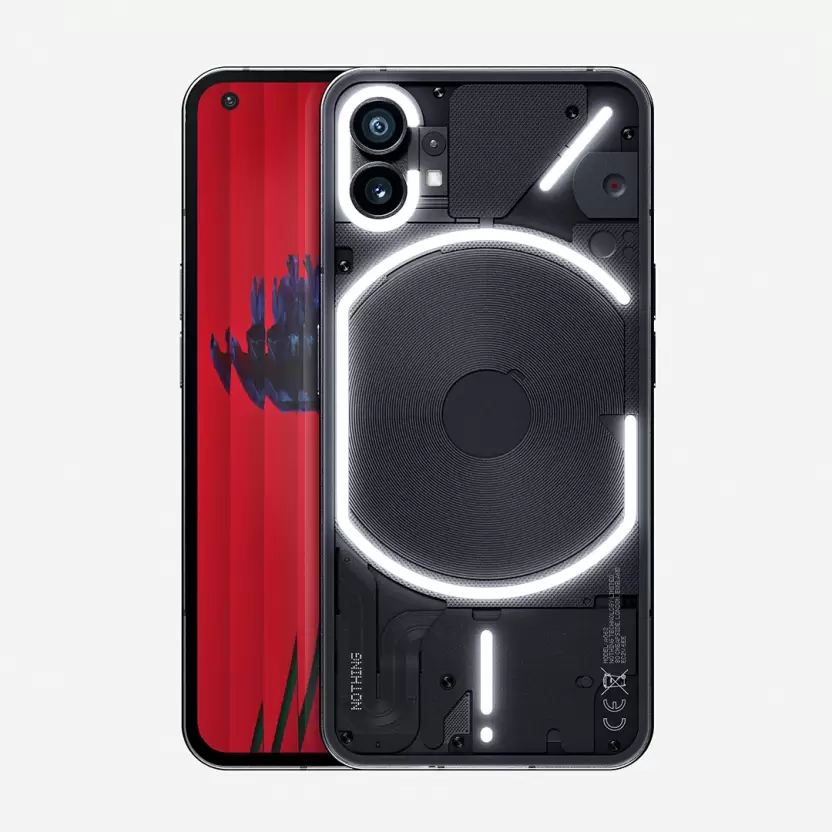
Nothing Phone (1) screen protector, TPU case & 45W charger launched in India

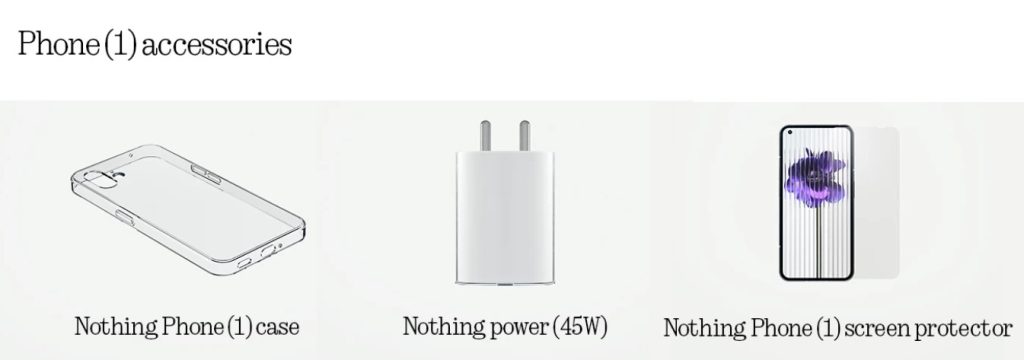
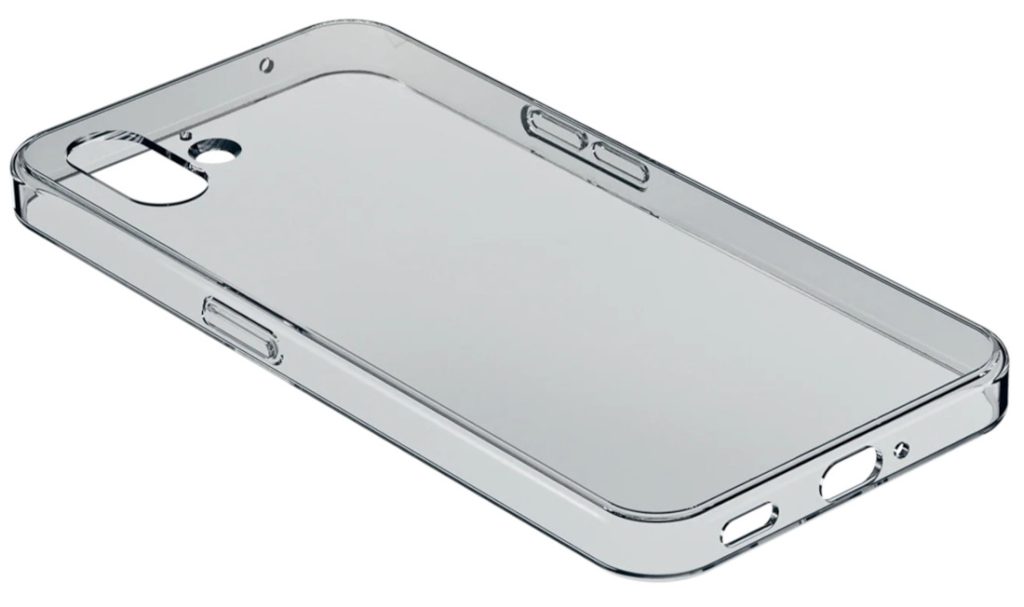
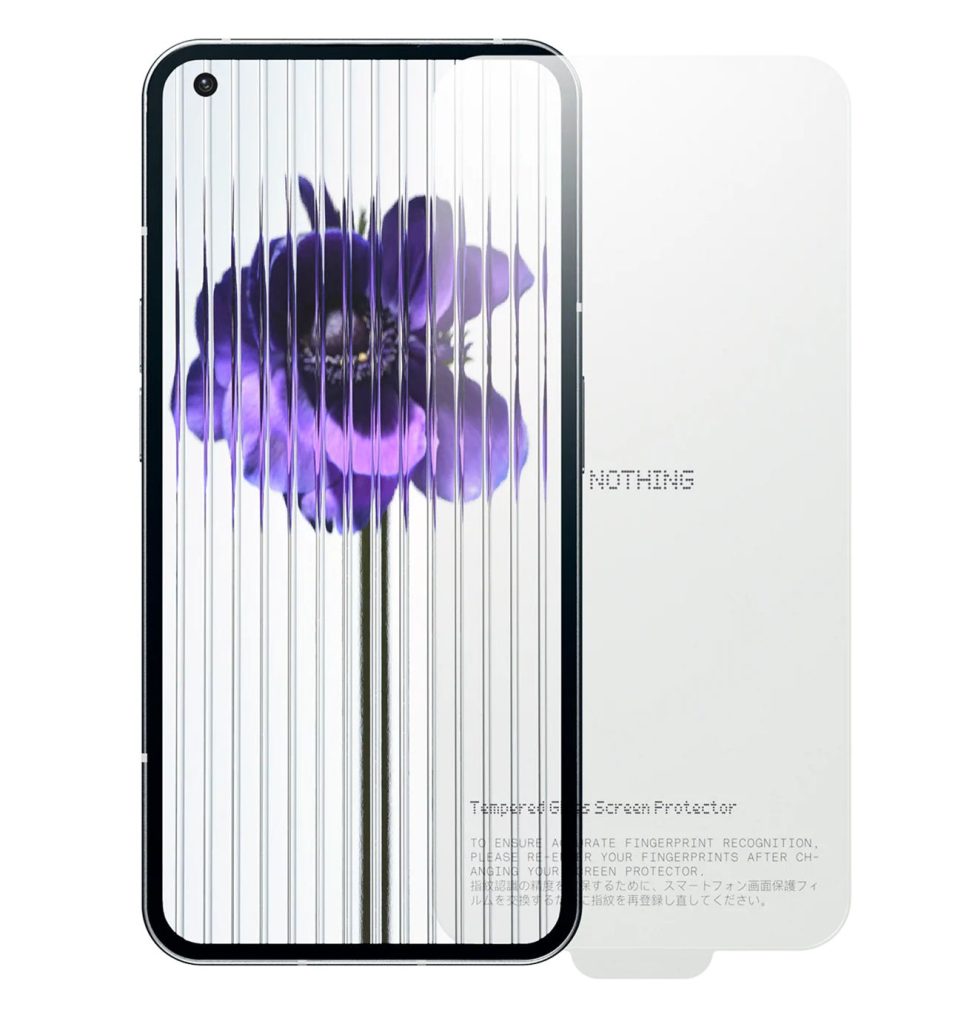
In addition to the Phone (1), Carl Pei’s Nothing has also released some accessories for the phone. The accessories include a 45W charger, a clear case, and a tempered glass screen protector for the Indian market. These accessories, according to the manufacturer, are designed excellently.Nothing phone (1) accessories

The 45W charger is a device that is sold separately from the phone. The phone itself supports a maximum of 33W charging, the charger offers greater power. The 3A superfast charging with PD 3.0 is supported as well as USB-C charging. The new Nothing 45W charger is compatible with QC and PPS-enabled devices for quick charging. This means you can charge a compatible laptop using this charger.Nothing phone (1) accessories

The clear case is made from polycarbonate which is both flexible and durable. It is a lightweight material and the case supports wireless charging of the Phone (1). The charger is made specifically for the Phone (1) and aligns with the phone’s Glyph Interface. The case comes in two options – clear and black.Nothing phone (1) accessories

The tempered glass protector is scratch and drop-resistant. It will minimize fingerprints on the screen and a dust-free cleaning cloth is added to the device when purchased. The products are available in India via Flipkart. The Charger and the phone case are each sold for Rs. 1,499 (~$19) while the Nothing Tempered Glass Protector is priced at Rs. 999 (~$15). The Nothing Phone (1) has an impressive specs sheet and these accessories further accentuate the product.

RELATED:

Deal: Get BMAX B3 Plus Powerful Mini PC for $199 (Retail Price $259)

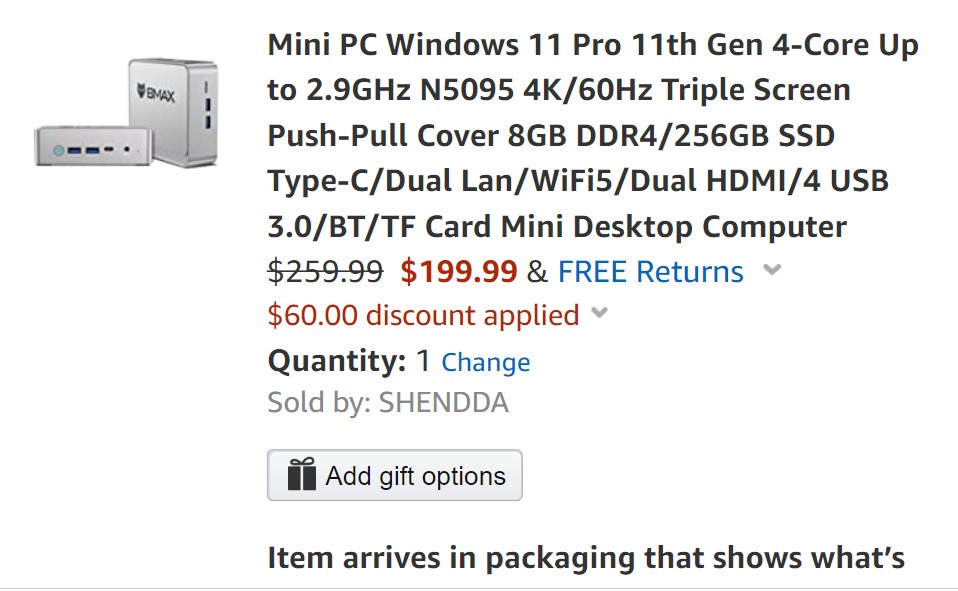
BMAX is giving a huge discount on the B3 Plus Mini Computer. The Mini PC which generally retails for $259.99 is now available at a heavily discounted price of $199.99 only on Amazon US. Please note that this discount is available as a $60-page clip-on coupon that needs to be redeemed while checking out. 

BMAX B3 Plus mini Computer

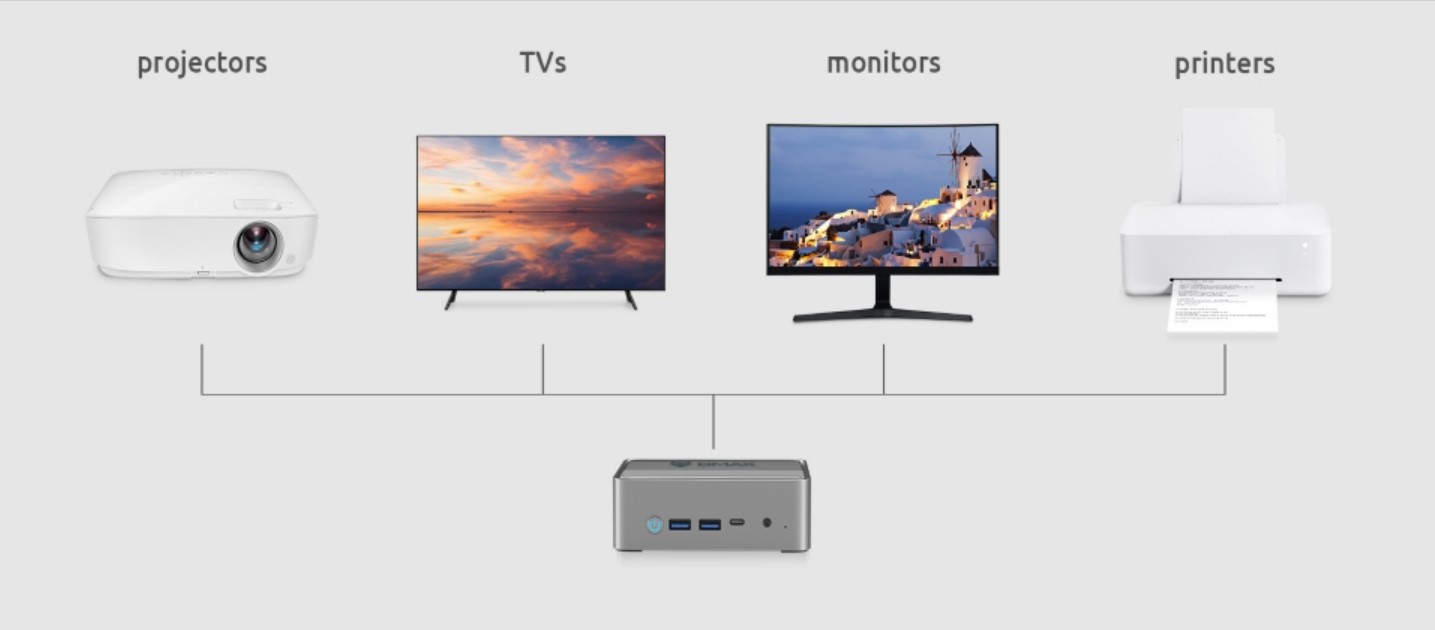
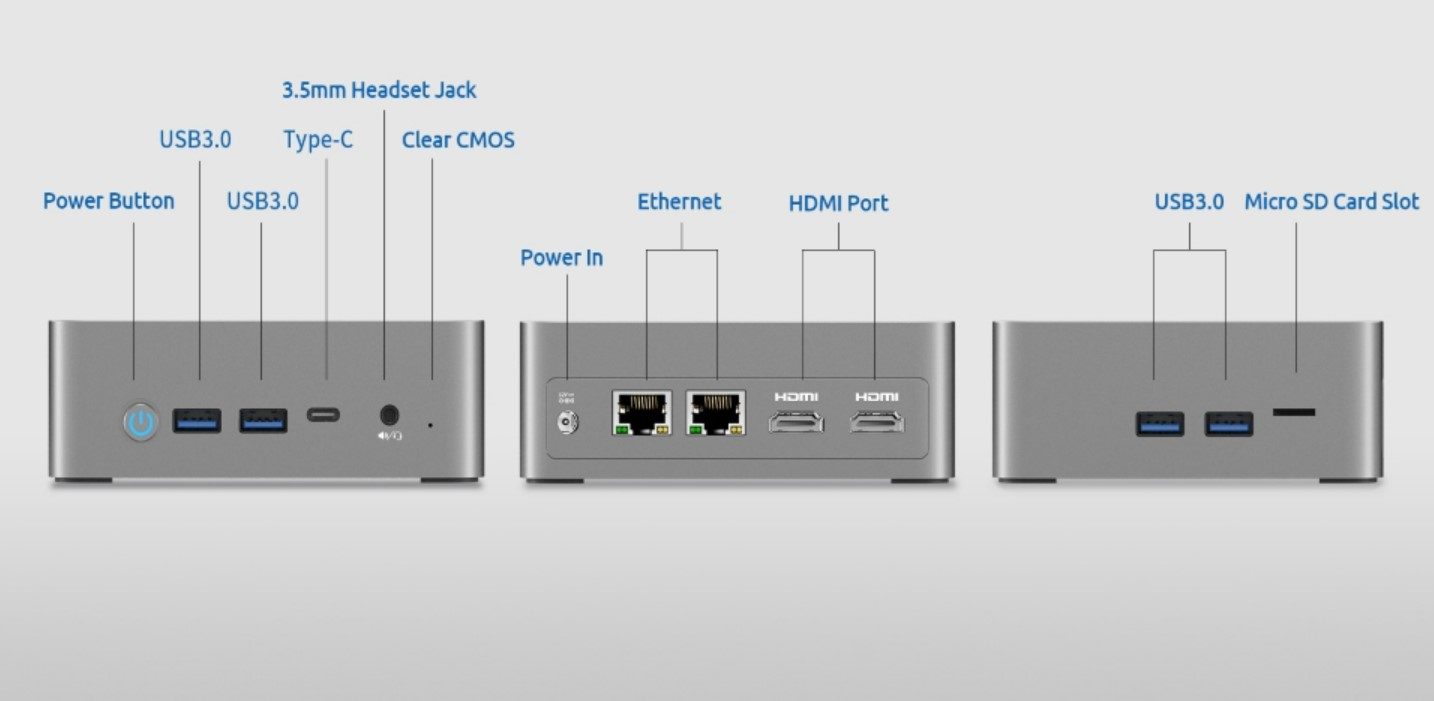
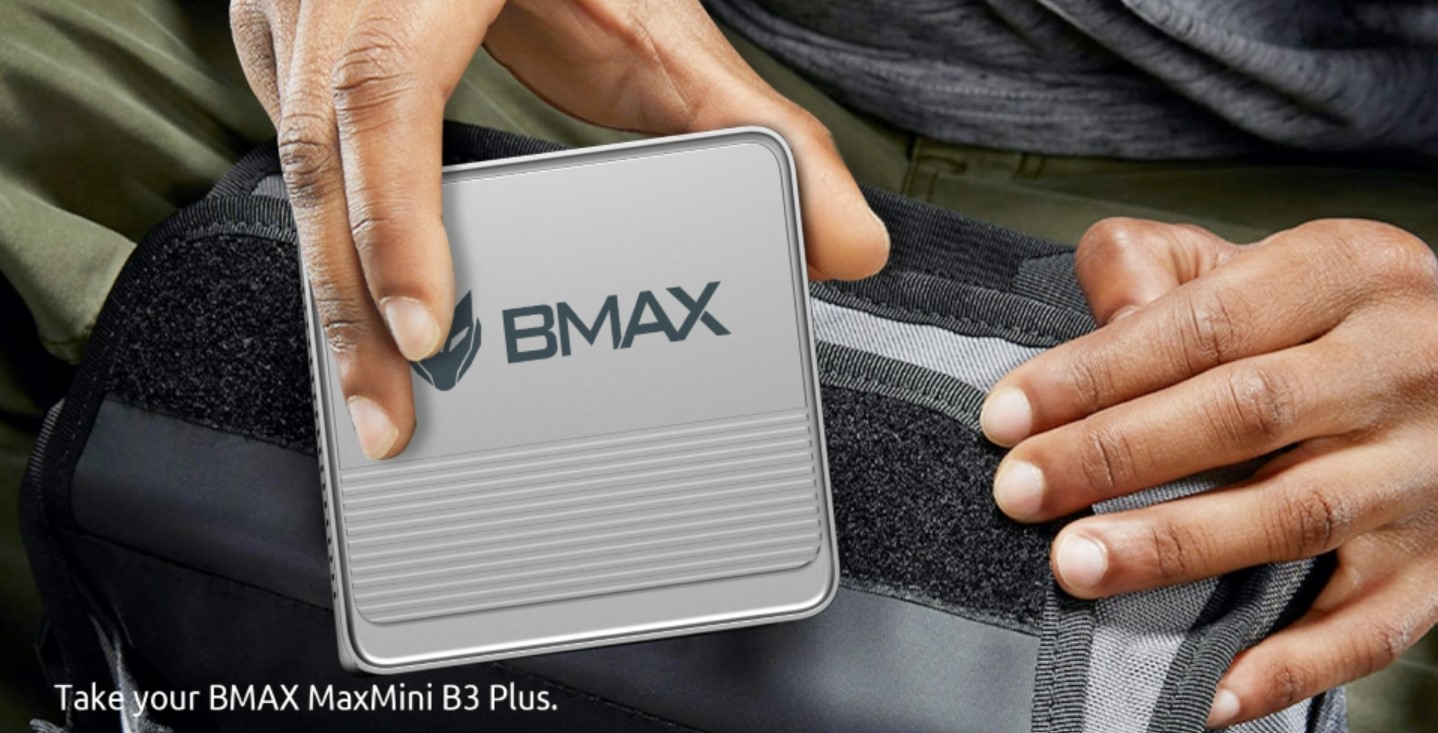
BMAX B3 Plus MINI PC is one of the best ways to carry a powerful computer in your pocket. The mini PC is designed to be highly portable and saves space in your luggage or tabletop. This powerful PC with a small form factor gives you a desktop experience at your fingertips. If you are a travel enthusiast who lives from his luggage or someone who simply wishes to save space but do not want to compromise on power and usage, then try the BMAX B3 Plus Mini PC. 

BMAX B3 Plus mini Computer


BMAX B3 Plus Mini Computer

BMAX B3 Plus mini Computer

Key Features:

  • Innovative Push Cover Design
  • Lightweight and portable 
  • Creative case design
  • 11th Gen Jasper Lake N5095 processor(4Core/4Threads, up to 2.9GHz,4MB L3 Cache)
  • 10nm advanced technology and 35% higher performance
  • 11th generation Intel UHD graphics, 750Mhz
  • Supports triple screen 4K 60Hz display
  • 8GB DDR4 RAM (expandable up to 16GB) + 256GB SSD (expandable up to 1TB)
  • Multiple ports
  • Output : HDMI x 2 / Type-C
  • USB Ports x 4
  • 1000Mbps Ethernet x 2
  • 2.4GHz / 5GHz Dual Band Wi-Fi
  • Built-in 2.5” Hard Drive bay
  • MicroSD card reader
  • M.2 SSD slot
  • VESA mount capable

BMAX B3 Plus mini Computer

Generally retailing for $259.99 you can ow buy the BMAX B3 Plus mini Computer for a discounted price of $199.99 only on Amazon US. Please note that this is a limited-time offer. So place your order before the deal expires. 

For more information on such exciting deals and offers check out our deals hub.


Samsung Galaxy Z Flip 4 with SM-F721U model name bags ECC certification

Samsung is preparing to launch its next generation of foldable smartphones soon. These devices will likely be dubbed the Galaxy Z Fold 4 and the Galaxy Z Flip 4.

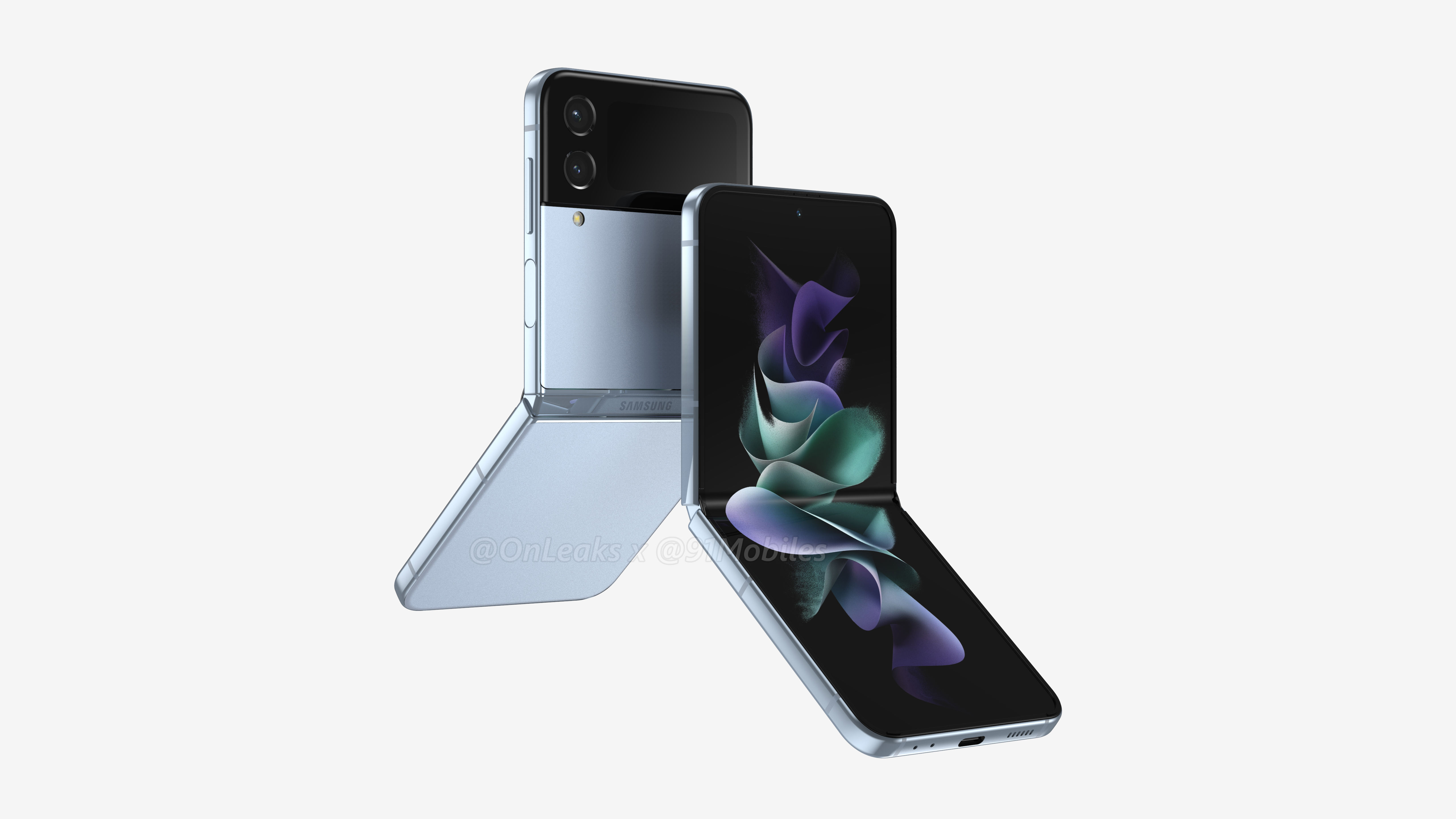
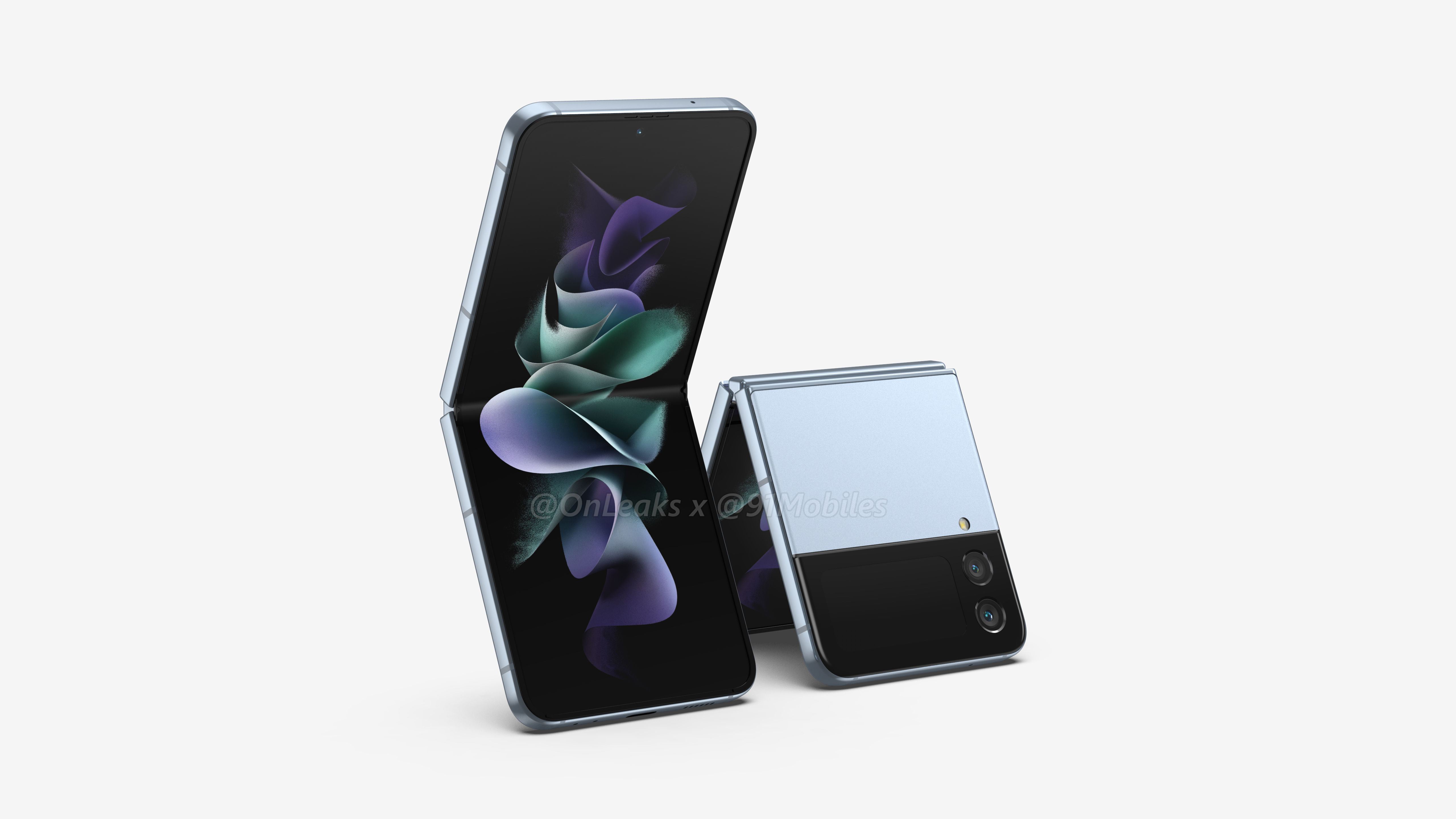
Samsung Galaxy Z Flip 4 Render

Earlier this week, the Galaxy Fold 4 made an appearance on FCC certification. Now, the Galaxy Z Flip 4 has cleared the FCC standards. So, let’s take a look at the information revealed by the certification.

According to the FCC document, the Samsung Galaxy Z Flip 4 has the SM-F721U model number. It features Qualcomm Gen2 smart transmit and comes with 2G, 3G, 4G, and 5G network support.

The listing also confirms support for Wi-Fi 802.11a/n/ac/ax, 5G (both sub-6GHz and mmWave), and wireless charging. Other than that, the device will also have GNSS and NFC. Unfortunately, the certification documents don’t reveal anything else about the smartphone. However, previous leaks have given us an idea of what to expect from the Flip 4.

Samsung Galaxy Z Flip 4 specs (rumored)

So far, rumors suggest that the Galaxy Z Flip 4 will have a 6.7-inch Full HD+ sAMOLED display with 120Hz refresh rate. The outer display on the other hand is said to have a 2.1-inch sAMOLED panel.

Samsung Galaxy Z Flip 4 Render

An earlier Geekbench listing has confirmed that the device will be powered by the Snapdragon 8+ Gen 1 chipset and will come with up to 12GB of RAM and 256GB of storage.

For optics, the device will likely have a dual camera setup on the back consisting of a 12-megapixel primary camera and a 12-megapixel ultrawide camera. Up front, the smartphone will have a 10-megapixel sensor for selfies and video calls.

Lastly, the phone will be getting upgrades in the battery and charging departments. The Galaxy Z Fold 4 is said to feature a 3,700mAh battery with 25W fast charging. This is a sizable increment compared to the Galaxy Z Fold 3 which has a 3,300mAh battery paired with 15W fast charging.


RELATED:

OnePlus Nord 2T Review: Good Phone with Bad Software

The OnePlus Nord 2T went official in Europe in late May. It made its debut in India around early July. The smartphone is marketed as an upgraded version of the OnePlus Nord 2, which was released in July 2021.

On paper, the OnePlus Nord 2T arrives with a new chipset, faster-charging speed support, and a revamped design. But most other features remain the same as its predecessor.

Further, it is the only OnePlus-branded phone in its price segment, as the brand has stopped selling the older OnePlus Nord 2. So the question arises whether this handset is worth buying in 2022 despite coming with minor upgrades.

I try my best to explain whether you should invest in this device in my review.


OnePlus Nord 2T Review


Disclosure:

This review is based on my first-hand experience with a OnePlus Nord 2T (8GB + 128GB) loaned by OnePlus India. The opinions stated here are mine alone and the brand did not have any editorial input or early look.

Since the OnePlus Nord 2T is in the market for months, I have tried my best to share my thoughts on its as simple as possible. The review is divided into two parts: Pros and Cons. I am calling them ‘The Good’ and ‘The Not So Good.’

The aforementioned two sections will be followed by ‘Conclusion’, which will include my closing thoughts.

Now that’s out of the way, let’s delve into the review.


OnePlus Nord 2T: The Good

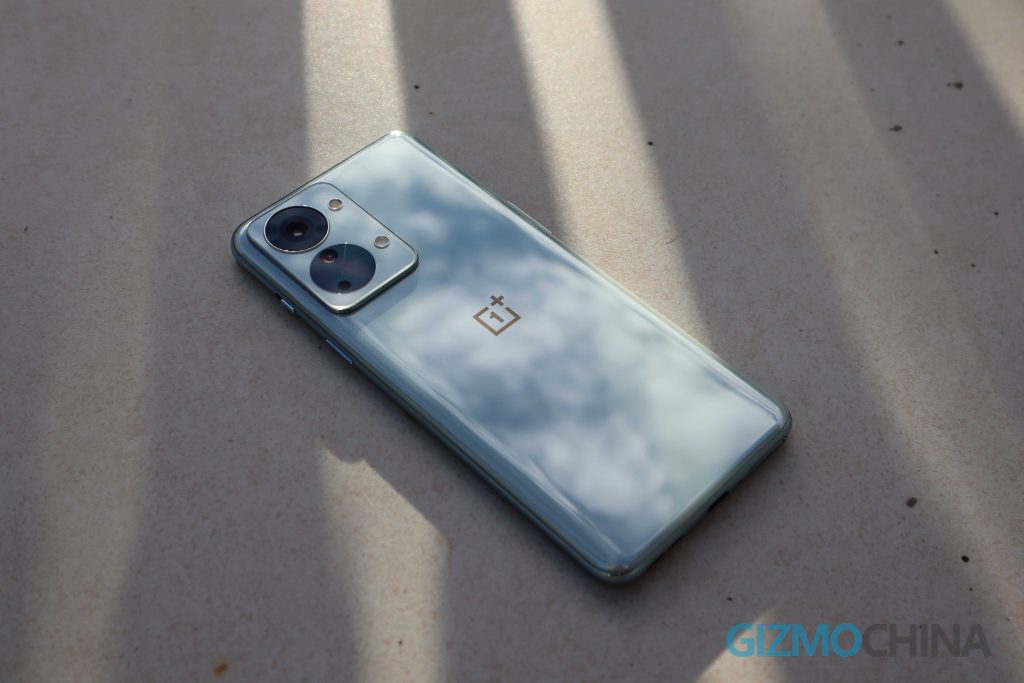
The design and the in-hand feel of the OnePlus Nord 2T are way better than what’s seen in the official renders. I have the Jade Fog color variant, which has a glossy rear finish. Whereas, the Gray Shadow version has a matte texture on its back. Either way, the plastic frame is glossy on both variants, which will wear out soon if the smartphone is used without a case.

The camera placement looks odd in renders, but I don’t mind it in real life. Most likely, you will also feel the same. 

Thanks to 8.2mm thickness and the curved rear glass panel, the device is comfortable to wield, though it feels slightly heavy at 190g. The alert slider is quite useful to switch sound profiles instantly, however, it is placed too high for my tiny hands.

The handset flaunts a 6.43-inch AMOLED display with an FHD+ resolution (2400 x 1080 pixels) and a 90Hz refresh rate. The screen is comparatively smaller and more compact than on most phones these days due to its size and 20:9 aspect ratio.

By default, the smartphone comes with ‘Vibrant’ color profile, which offers boosted saturation. However, you can switch to the ‘Natural’ profile to get almost accurate colors.

All in all, it’s a good screen with ample brightness to view under direct sunlight. 90Hz refresh rate is enough for most users but if you are used to 120Hz refresh rate like me, then you may find it slower.

As far as content streaming is concerned, you get 1080p (FHD) support on leading platforms, including Netflix, Prime Video, and Disney+ Hotstar to name a few. There’s also support for HDR streaming on YouTube.

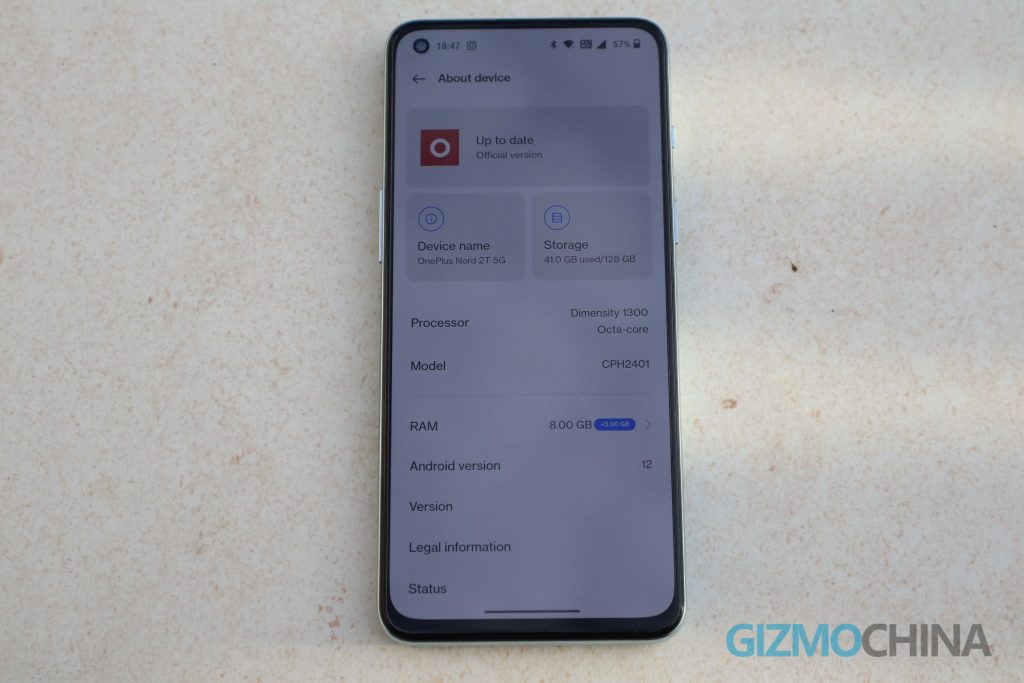
Generally, the device feels smooth while using regular day-to-day apps spread across categories like social media, tools, banking, and others. That’s because it is powered by a MediaTek Dimensity 1300 SoC paired with LPDDR4x RAM and UFS 3.1 storage.

Though the chipset sounds newer than the Dimensity 1200 chip present inside the OnePlus Nord 2, it is actually the same but with some tweaks relating to gaming (more on that later). Overall, it’s a good system-on-chip for regular usage.

Talking about cameras, the Nord 2T has got the exact same optical sensors as the Nord 2. You get an OIS-assisted 50MP Sony IMX766 primary sensor, an 8MP ultra-wide unit, a 2MP monochrome sensor, and a 32MP front-facing unit.

The images from the primary camera come out very well if you click them properly. You need to manually lower the exposure slider to get good shots. Else, you end up with pictures with overblown highlights.

The images are sharp with a wider dynamic range. But at times, the HDR processing could be too aggressive, a trend that is common on Oplus group phones.

The main camera is a joy to use in low-light situations, unlike on most mid-rangers. The sensor is big enough to let more light in. Night Mode further helps in difficult scenarios.

The ultra-wide camera is average, just like on most handsets. There’s a color inconsistency between it and the primary camera. Though it only performs well in good lighting conditions, you have support for Night Mode.

Photos from the front camera are also good for the price. But the skin tones are much better in the pictures from the main camera.

Finally, there’s support for up to 4K 30fps video recording on the primary camera, but stabilization is better in 1080p recording. The ultra-wide and front-facing cameras are limited to 1080p 30fps recording.

Other good things about the OnePlus Nord 2T include haptics, loud stereo speakers, and great connectivity.


OnePlus Nord 2T: The Not So Good

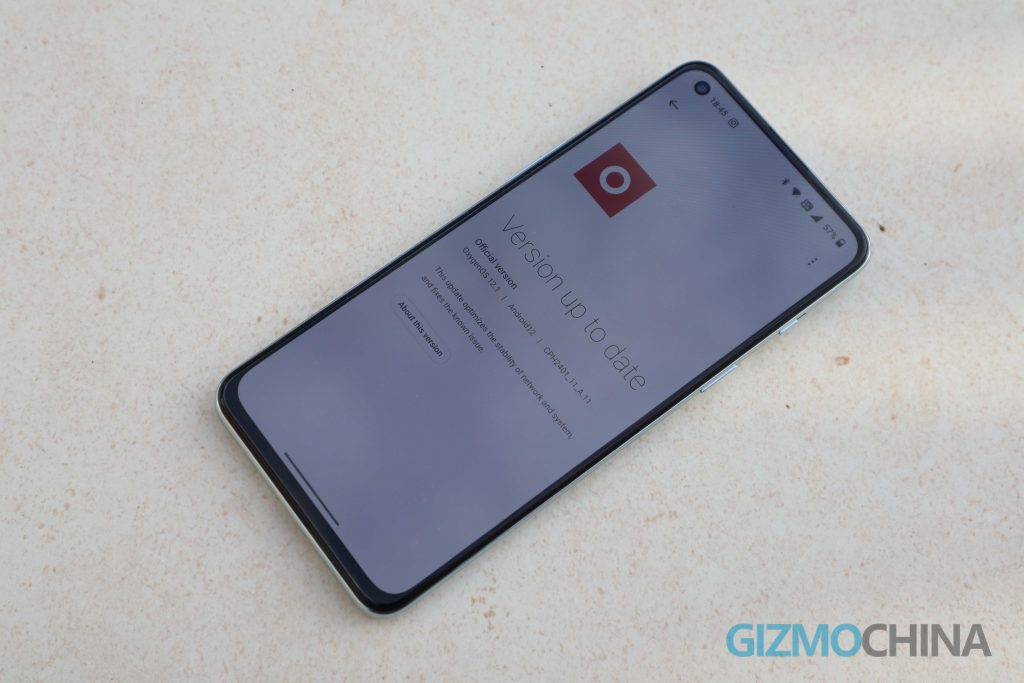
The software experience on the OnePlus Nord 2T is unpleasant. It runs OxygenOS 12.1 based on Android 12, which is nothing but a tweaked version of Oppo’s ColorOS 12.1.

I personally consider ColorOS to be one of the best Android skins on the market right now. But unfortunately, OnePlus’ optimizations and changes have ruined the experience on the OnePlus Nord 2T.

I am facing weird bugs on a modern smartphone, like delayed notifications and no notifications on the lock screen. Although the first issue got fixed automatically, I couldn’t find a solution for the latter.

Oneplus Nord 2T Software

A quick Google search led me to multiple posts on OnePlus forums complaining about this bug. It appears the ‘no notifications on lock screen’ problem is a common issue among most OnePlus smartphones. But I did not face it on the OnePlus Nord CE 2 Lite, which I reviewed prior to this device.

There are UI inconsistencies throughout the software, and the swipe-down gesture from the top right side to access OnePlus Shelf is annoying due to accidental triggers.

Then, there are limited AOD styles as compared to stock ColorOS and the feature itself is poorly optimized. Unlike on Samsung’s One UI, you cannot control brightness, and it is too bright.

Oneplus Nord 2T Software

Initially, when I started using the phone, the battery was draining a lot with AOD turned on. Thankfully, that got fixed with a software update.

But I am still skeptical about the battery life. Though I could get a day’s worth of endurance now, there’s no guarantee whether the next software update will keep it this way.

The handset comes with support for 80W fast wired charging, and the required charger is included in the box. However, in my experience, I found negligible speed improvement from 65W charging. The device takes around 36 minutes to reach 100% from 10%.

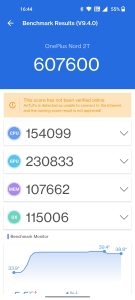
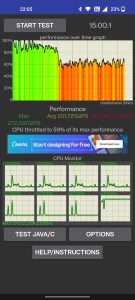
Talking about the elephant in the room, the performance of the smartphone throttles a lot for unknown reasons. But it is worth noting that you won’t face this in regular usage.

The throttling issue persists during gaming and other resource-hungry tasks like rendering. In fact, the handset struggles to play 4K 60fps videos on YouTube. Hence, users looking to play competitive and high-end titles should look for other options.

Generally, OnePlus is associated with good performance. But with the extended portfolio of handsets with mid and low-grade chipsets and poor optimizations, consumers should have low expectations from its cheaper models.


Conclusion

The pros of OnePlus Nord 2T clearly outweigh its cons. But a smartphone with notification issues in 2022 is dumb. I hope the brand fixes it soon enough.

Oneplus Nord 2T

As far as the whole software experience is concerned, I don’t think there will be a solution in the near future unless OnePlus fully embraces ColorOS in international markets as it does in its home market China.

Also, I am not sure if the 80W fast charging could be optimized further. Because, in order to maintain battery health, usually brands limit the charging speed via software updates as the devices get older. So it may get worse in the future, but the chances of getting better are low.

There are multiple smartphones that cost around ₹30,000 in India. But only one of them bears OnePlus branding — OnePlus Nord 2T. So if you are strictly looking for a OnePlus smartphone in this price range and don’t play heavy games, I don’t mind recommending it.


WHERE TO BUY

Buy OnePlus Nord 2T @ AmazonIN or @AmazonUK


RELATED:


Xiaomi India sells 8 million smart TVs in four years, is the #1 smart TV brand in the country in Q1, 2022

Xiaomi India has hit a new milestone in the television segment. The company has sold 8 million smart TVs across online and offline channels in the country in more than four years. The Chinese brand launched its first-ever Mi TV in India back in February 2018. 

Xiaomi offers smart televisions under its own as well as Redmi branding. The company also offers TVs in various price segments including budget, mid-range, and premium ranges in the Indian market. The televisions come with impressive specifications. Both Xiaomi and Redmi TVs are powered by PatchWall UI which is specifically designed for Indian consumers. It offers 30+ international and Indian content partners along with content from 15+ languages. All this helped Xiaomi to capture a significant household base that has now led them to the 8 million mark. 

On the achievement of the 8 million milestone, Xiaomi India Chief Business Officer Raghu Reddy said “The smart TV category has grown over the last four years, and we are proud to have played a pivotal role in driving Smart TV adoption in India. We are extremely humbled by the response we have received from our consumers across India so far. We have developed a deep connect with our consumers over the years and that has helped us push our limits of innovation and strengthen our commitment by catering to their needs. 

In other news, according to IDC’s Worldwide Quarterly Smart Home Device Tracker, May 2022, Xiaomi claimed the title of the number #1 smart TV brand in India in Q1, 2022. 

Related:


Realme Watch 3 teased to launch in India soon, will feature bigger display and Bluetooth calling

Realme Watch 3 is set to launch in India soon. The brand has put up a microsite of the upcoming offering on its official website as well as on the e-commerce platform Flipkart. Additionally, Realme TechLife’s Twitter handle also gives us a glimpse at the Watch 3. The wearable device is expected to debut alongside the Realme Pad X which is also confirmed

The Realme Watch 3 will arrive as the successor to the Realme Watch 2 that debuted in July last year. As per the microsite, the upcoming offering will pack a larger display and screen-to-body ratio compared to its predecessor. To jog your memory, the Watch 2 has a 1.4-inch screen. The tweet shared by the brand also shows the smartwatch with curved edges and a silicone strap. There is a physical button on the right side for navigating the menu. 

Additionally, the microsite reveals that the Realme Watch 3 has a small cutout besides the physical button confirming the presence of Bluetooth calling on the device. Users can dial and pick-up incoming calls directly from their wrists with the help of a connected smartphone. Lastly, the smartwatch will come with support for Football exercise mode. 

The Realme Watch 2 debuted on July 23rd last year. It was accompanied by Realme Watch 2 Pro. At the moment we don’t know if the Watch 3 Pro will also tag along with the regular variant. We will know more details in the coming days.

Related:

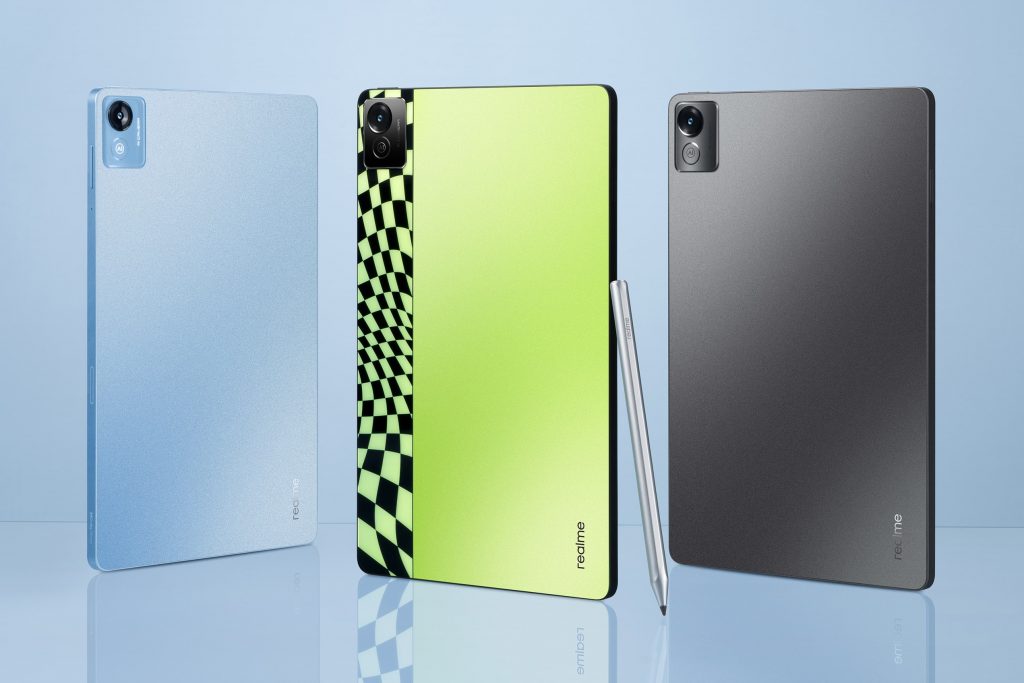
Realme Pad X to soon launch in India, 5G connectivity & stylus support teased

A couple of months back, Realme launched the Realme Pad X in China. The tablet was also rumored to launch in India around mid-June, however, the launch was reportedly delayed. Now, the brand has finally started teasing the product hinting at an imminent Indian debut.

Realme Pad X

The company has a teaser up for the Realme Pad X on its website. The same teaser is also up on a microsite on Flipkart. It reveals that the device will have 5G connectivity and also teases its stylus support. However, it is currently unclear if the brand will bundle the stylus with the tablet or sell it separately.

The exact Indian launch date of the tablet is yet to be revealed, however, we expect it to launch later this month. For now, let’s take a look at the specs and features of the upcoming tablet.

Realme Pad X Specifications

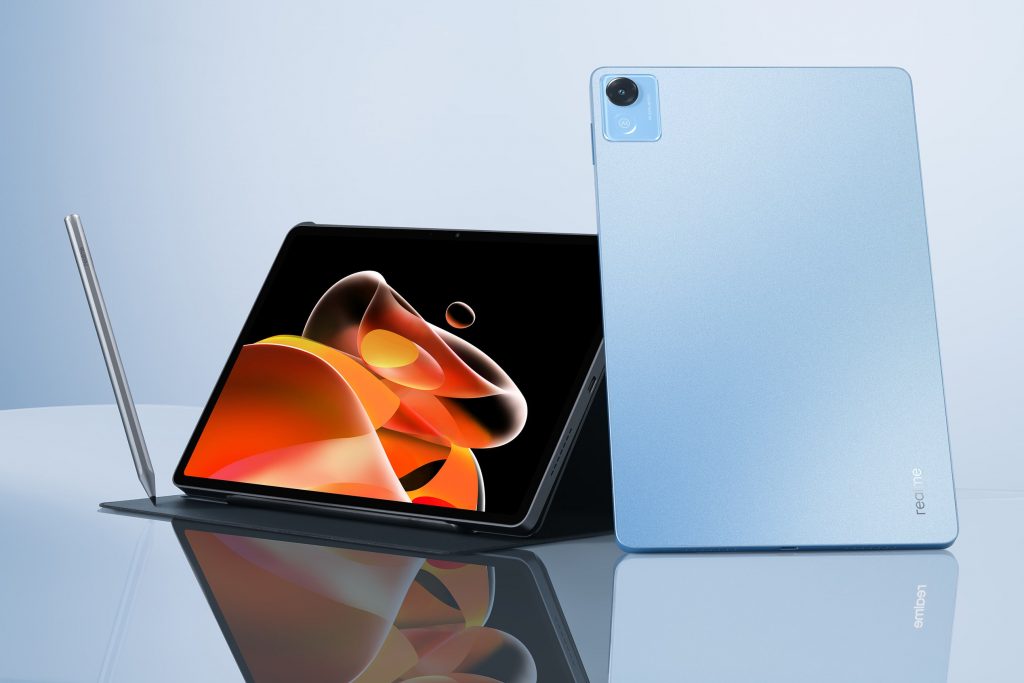
Realme Pad X

The Pad X has an 11-inch display with 2K resolution and 16.7 million colors. Its LCD panel has 450nits of peak brightness, DC dimming, and a TÜV Rheinland-certified hardware-level blue light filter.

Under the hood, the tablet houses the Snapdragon 695 SoC which is an entry-level 5G chipset. In China, it is available with up to 6GB of RAM and 128GB of storage. It boots Realme UI 3.0 for Pad based on Android 12 and offers software features, such as PC Connect, split-view, and Apple’s center stage-like functionality on the front camera.

Realme Pad X

The tablet has a large 8,340mAh battery and supports 33W fast charging support. Other than that, It houses quad speakers with support for Dolby Atmos and Hi-Res Audio. For optics, it arrives with a 13MP rear camera and a 105° front-facing front camera.

The optional stylus offers 4096 levels of pressure sensitivity and charges magnetically on the side of the device.


RELATED:


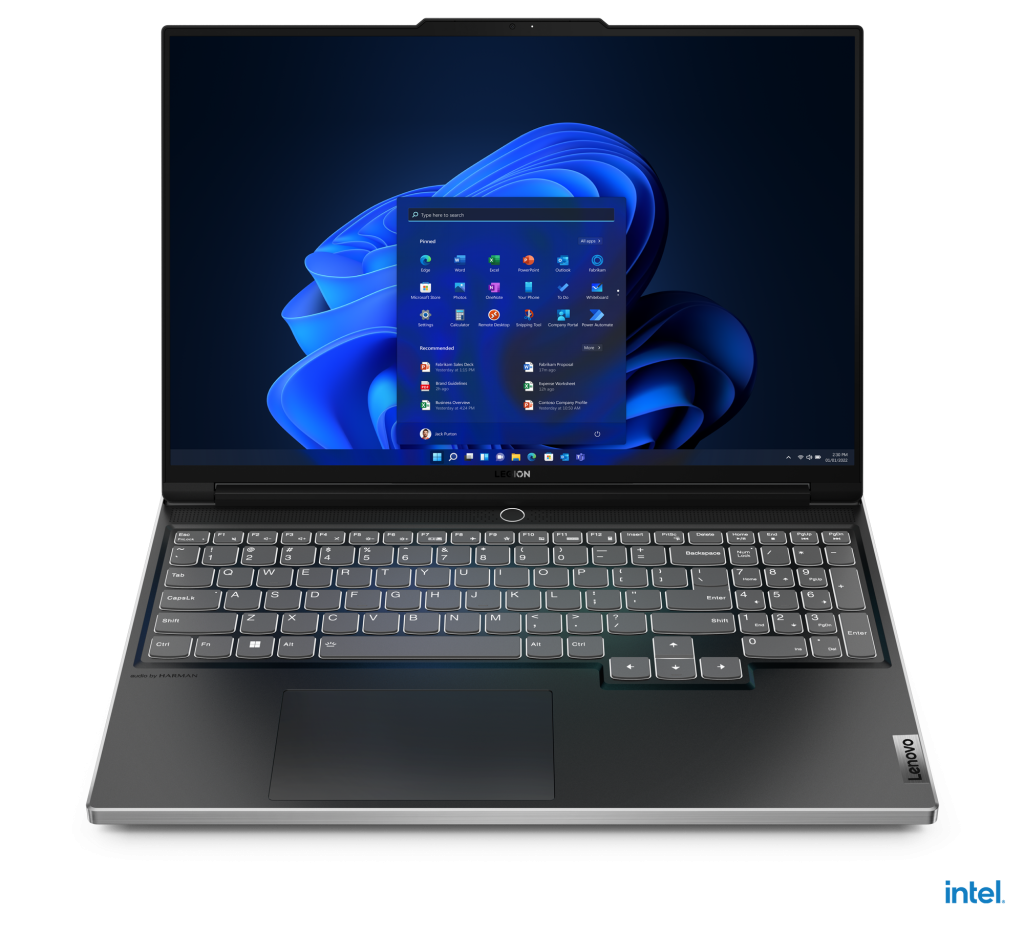
Lenovo unveils its fresh Legion laptops lineup with 12th Gen Intel processors

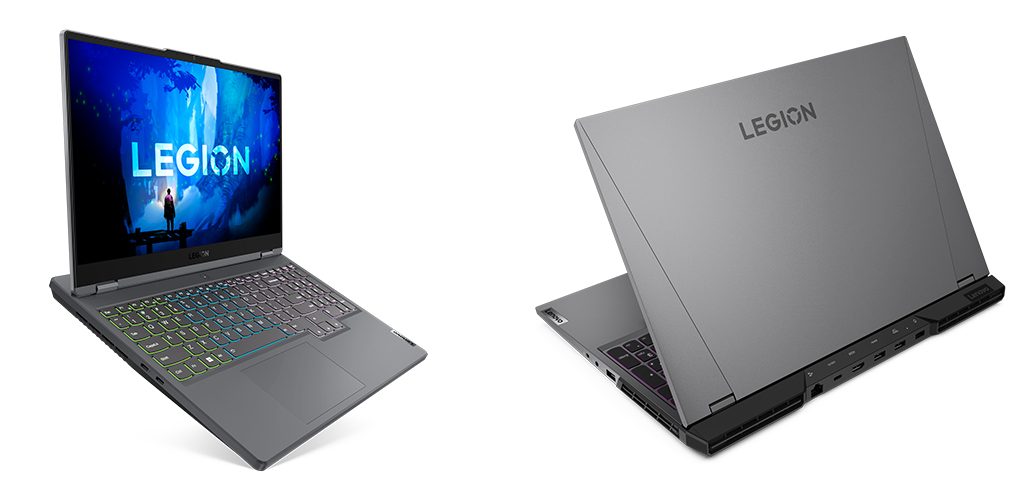
Lenovo unveiled its newest, stunningly designed Legion laptops at the “Experience Smarter” event in India today. The Legion 5i, Legion 5i Pro, and Legion Slim 7i are the laptops that Lenovo recently introduced.

Lenonvo Legion

All laptops from Lenovo have 12th generation Intel Core CPUs, better graphics, and longer battery lives as part of the company’s Smarter Innovation for Customers initiative.

The Legion 5i, Legion 5i Pro, and Legion Slim 7i each run on Windows 11 and have Microsoft Office Home and Student 2021 out of the box

The Lenovo Legion 5i and 5i Pro have a modern appearance, and they feature an 80Wh battery that charges up to 80% with the supplied charger in roughly 30 minutes. To ensure a seamless playing experience, the AI engine 2.0 analyses the game independently, enhances system performance and increases FPS by 20%.

Lenovo LUS (Lenovo Legion Ultimate Help) provides round-the-clock technical support through phone, email, and chat with a team of highly skilled and knowledgeable experts who will optimize settings, tuning, hardware, and software. Gaming-specific hubs provide knowledge and experience. The Lenovo Legion Arena app can be downloaded from the Microsoft Store worldwide.

Lenovo Legion Slim 7i

The Lenovo Legion 7i Slim was the standout device from the launch. It is a lightweight gaming laptop that weighs just under 2 KG, as the name would imply. The laptop’s hardware includes an Intel Core i9-12900H processor and an optional RTX 3070 Ti laptop GPU.

Price and availability

The Lenovo Legion 5i, Legion 5i Pro, and Legion Slim 7i will each cost INR 1,44,990, INR 1,64,990, and INR 1,50,990.

All laptops will be available for pre-order via Lenovo.com and Lenovo Exclusive shops beginning July 13. The laptops will be available for purchase on Prime Day, July 23, 2022, through all online and retail channels, including Amazon India.


RELATED

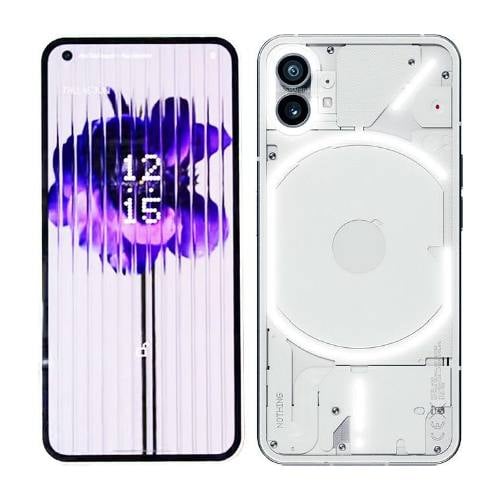
Nothing Phone (1) Indian pricing unveiled, starts at ₹31,999

Yesterday, Nothing debuted the Nothing Phone (1) in the global market, revealing all of its specifications, features, and pricing in the UK. Now, the Indian pricing of the device has officially been revealed.

Nothing phone (1)

Nothing Phone (1) Indian pricing

The Nothing Phone (1) is available for pre-order on Flipkart. It has a starting price of ₹31,999 for the 8GB + 128GB model while the 8GB + 256GB model is priced at ₹34,999. The top-spec model with 12GB RAM and 256GB memory has a price tag of ₹37,999.

It is worth mentioning that the device does not ship with a charger in the box. So, customers will have to shell out an extra ₹1,499 to access the 33W fast charging speed of the Nothing Phone (1).

Nothing Phone (1) specs & features

The Nothing phone 1 has a 6.55-inch OLED Full HD+ AMOLED display with 120Hz refresh rate, 240Hz touch sampling rate, 500 nits typical brightness, and 1,200 nits peak brightness. The panel supports 10-bit color and HDR10+. It features an in-display fingerprint sensor and has Gorilla Glass 5 protection on the front and back of the device.

Under the hood, the device has a Snapdragon 778G Plus chipset paired with up to 12GB of LPDDR5 RAM and 256GB of UFS 3.1 storage. It has a 4,500mAh battery that features 33W fast charging support. The device also has the Nothing OS, which is close to a stock Android 12 experience.

For optics, the device features a 50-megapixel Sony IMX766 primary sensor with OIS & EIS. It also has a 16-megapixel Samsung JN1 ultra-wide sensor with 114 degrees field of view. The selfie camera has a 16-megapixel Sony IMX471 sensor.


RELATED:

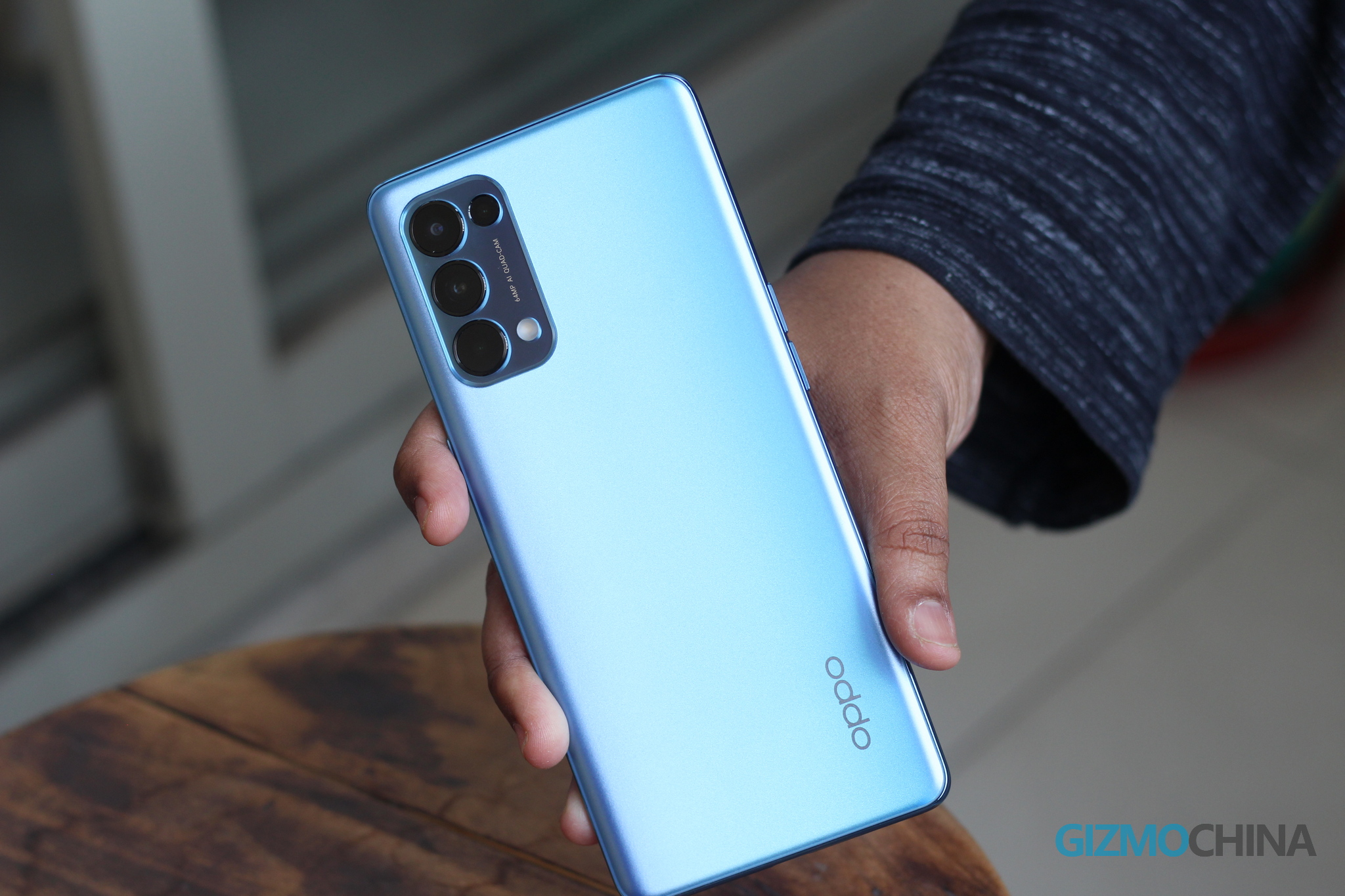
Oppo India Accused of Evading Customs duty worth ₹4,389 Crores

Last week, Vivo was under the radar of Indian authorities for alleged money laundering and tax evasion. Now its sibling Oppo is accused of the same. The Directorate of Revenue Intelligence (DRI) investigated Chinese Phone manufacturer Oppo to find out customs duty evasion of nearly ₹4389 crores.

DRI conducted searches at Oppo India’s office premises and the residences of its leading management employees during the course of the investigation, which resulted in the recovery of incriminating evidence indicating willful misdeclaration in the description of certain items imported by Oppo India for use in the manufacture of mobile phones.

OPPO Reno5 Pro featured Review 28

Oppo India seems to be in trouble, however, it’s not alone. Last week, the Enforcement Directorate (ED)–India’s financial watchdog–conducted raids against Vivo and related firms at more than 40 places across India under a money-laundering investigation. The ED claimed that Vivo India “remitted” almost 50 percent of its turnover to China in order to avoid taxes.

“During an investigation pertaining to M/s Oppo Mobiles India Private Limited (hereinafter referred to as Oppo India), a subsidiary company of Guangdong Oppo Mobile Telecommunications Corporation Ltd, China (hereinafter referred to as Oppo China), the Directorate of Revenue Intelligence (DRI) has detected customs duty evasion of around Rs 4,389 crore,” the finance ministry said in a statement on Wednesday.

As per the Finance Ministry, the investigation also revealed that Oppo India made various provisions for the payment of ‘royalty’ and ‘licensing fee’ to numerous global firms in exchange for the use of proprietary technology/brand/IPR license, etc.

“The said ‘Royalty’ and ‘Licence Fees’ paid by Oppo India were not being added in the transaction value of the goods imported by them, in violation of Section 14 of the Customs Act, 1962, read with Rule 10 of the Customs Valuation (Determination of Value of Imported Goods) Rules 2007. The alleged duty evasion by M/s Oppo India on this account is Rs. 1,408 crores,” said the statement.

A Show Cause Notice has also been issued to Oppo India asking the Customs duty worth Rs. 4,389 crores. The Notice also suggests fines against Oppo India, its workers, and Oppo China in accordance with the requirements of the Customs Act of 1962.

Related:

Twitter is suing Elon Musk to enforce the $44 billion deal

Twitter has filed a lawsuit against Tesla CEO Elon Musk. This news follows after the billionaire pulled out from the 44 billion US Dollars deal to acquire the social media giant.

Twitter

The microblogging platform had previously threatened to sue if the deal falls through, and now, a lawsuit has been filed against Elon Musk. For those unaware, Musk pulled out of the massive 44 billion US Dollar deal after Twitter failed to provide information on the bogus accounts. Following this news, Twitter’s shares took a hit and were down by 7 percent in extended trading. Thus, the company is suing Musk for disrupting its operations and destroying stockholder value.

According to Musk, the company had failed to comply with its contractual agreements since it failed to provide relevant business information related to spam account data. On the other hand, Twitter chairman Bret Taylor stated that the company’s board was “committed to closing the transaction” and planned to pursue legal action against Elon Musk to enforce the agreement.

Twitter-Logo-HQ

Musk had planned to purchase the microblogging website for 54.20 US Dollars per share, which the social media platform had accepted. This translated to a 44 billion US Dollar deal. Although, Elon Musk and the company could settle and call off the purchase if the former pays a 1 billion US Dollar fine, which the latter accepts. This is all the information we have as of right now, so stick around for more updates regarding this matter.

RELATED:


Nubia Z40S Pro camera details emerge, physical sliding key confirmed

Nubia Z40S Pro is all set to go official on July 20 in China. It will be an enhanced version of the Z40 Pro, which debuted in the first half of this year. Ahead of the launch, the company is busy confirming the key features of the Z40S Pro. The Chinese manufacturer has now confirmed the key details of its cameras.

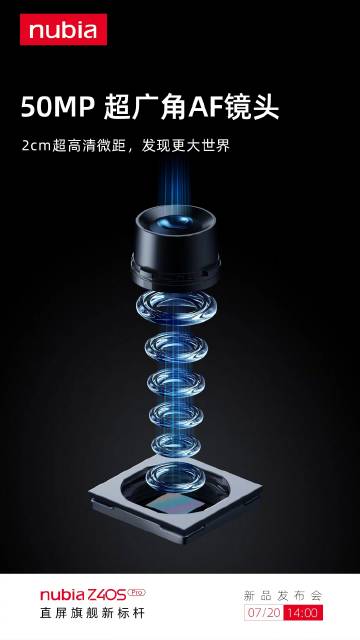
Teasers shared by Nubia and leaked details released by Digital Chat Station reveal that the Z40S Pro’s rear camera setup will have been an OIS-enabled 35mm custom-made primary camera, which appears to be the Sony IMX787 64-megapixel main camera. It will be coupled with a 50-megapixel ultra-wide camera, which can also double up as a macro shooter, an OIS-assisted 125mm periscope telephoto camera, and a ring flash.

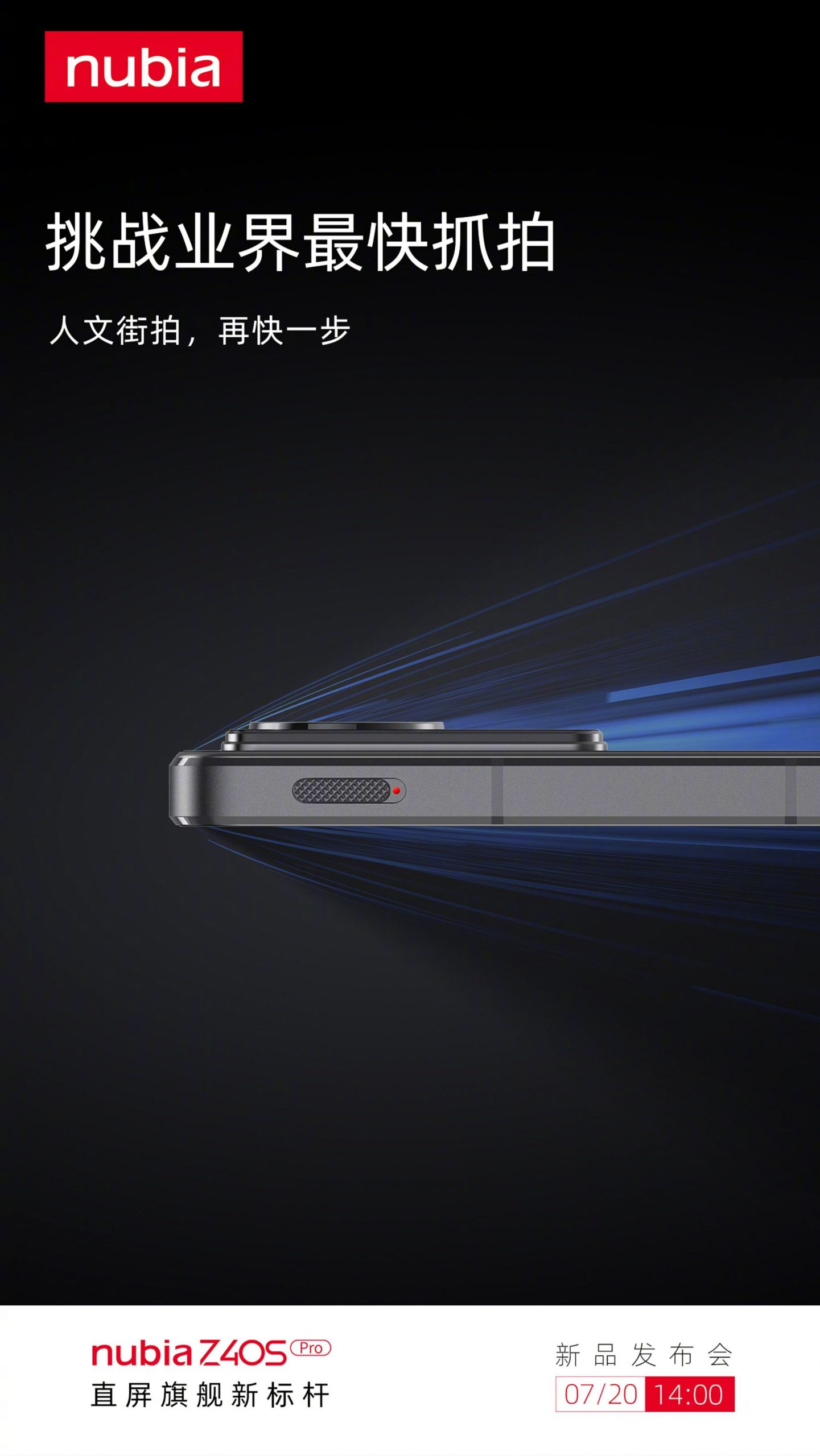
The Nubia Z40S Pro is equipped with a physical sliding key. It can be used to directly access the photography interface to start shooting photos or videos. One of the major highlights of the Z40S Pro is that it will be arriving with a flat display with ultra-thin bezels.

The Nubia Z40S Pro will come equipped with the Snapdragon 8 Plus Gen 1 mobile platform. The company is also expected to release an anime-based special-edition version of the Z40S Pro.

Nubia Z40 Pro specifications

The Nubia Z40 Pro has a 6.67-inch AMOLED display with a Full HD+ resolution and a refresh rate of 144Hz. It is powered by a Snapdragon 8 Gen 1 processor, up to 16 GB of LPDDR5 RAM, up to1 TB of UFS 3.1 storage, and a 5,000mAh battery with 66W rapid charging support.

The Z40 Pro’s rear camera setup has a 64-megapixel primary camera, a 50-megapixel ultra-wide lens, and an 8-megapixel periscope telephoto. It has a 16-megapixel front camera. The device boots to the Android 12 operating system, with MyOS 12 on top.

RELATED:


Xiaomi 12S Ultra vs Vivo X80 Pro – Specs Comparison

Xiaomi launched the Xiaomi 12S Ultra last week, making it the best flagship from the brand. The phone features exceptional hardware and comes with a brand-new partnership with the German photography giant, Leica. We have already seen how interesting the 12S Ultra is in real life, but today, let’s take a quick look at how it fares in comparison with Vivo’s biggest flagship of the year, the Vivo X80 Pro

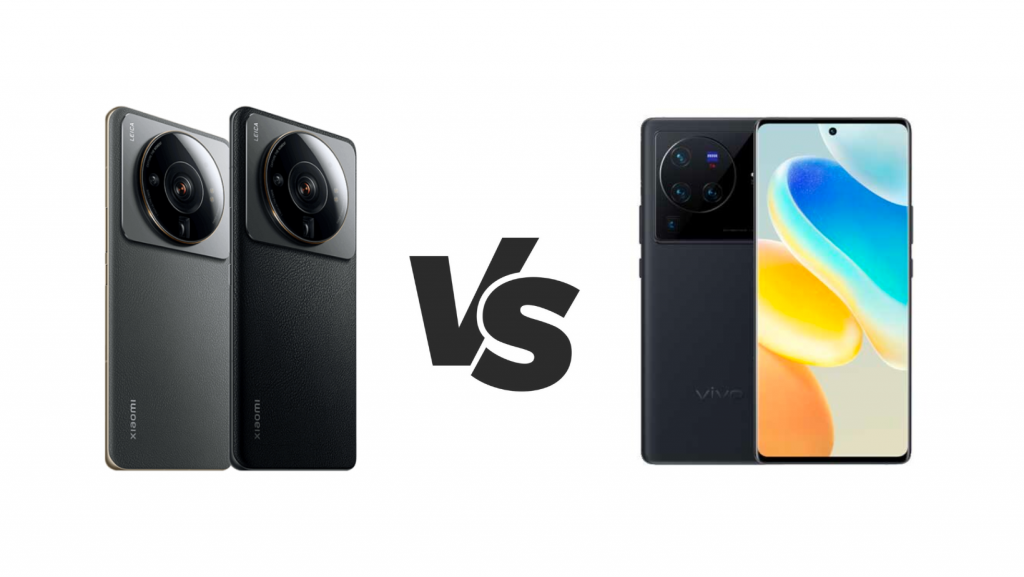
Xiaomi 12S Ultra vs Vivo X80 Pro

Xiaomi 12S Ultra Vivo X80 Pro
DIMENSIONS AND WEIGHT 163.2 x 75 x 9.1 mm, 225 g 164.6 x 75.3 x 9.1 mm, 215 g
DISPLAY 6.73 inches, 1440 x 3200p (Quad HD+), LTPO2 AMOLED, 1500 nits 6.78 inches, 1440 x 3200p (Quad HD+), AMOLED, 1500 nits
PROCESSOR Qualcomm Snapdragon 8+ Gen 1, octa-core 3.19 GHz Qualcomm Snapdragon 8 Gen 1, octa-core  3 GHz
MEMORY 8 GB RAM, 256 GB – 12 GB RAM, 256 GB – 12 GB RAM, 512 GB 256 GB – 8 GB RAM, 256 GB – 12 GB RAM, 512 GB – 12 GB RAM
SOFTWARE Android 12, MIUI 13 Android 12, Funtouch 12
CONNECTIVITY Wi-Fi 802.11 a/b/g/n/ac/6e, Bluetooth 5.2, GPS Wi-Fi 802.11 a/b/g/n/ac/6, Bluetooth 5.2, GPS
CAMERA Quad 50.3 + 48 + 48 MP + TOF 3D, f/1.9 + f/4.1 + f/2.2

32 MP f/2.5 front camera

Quad 50 + 8  + 12 + 48 MP, f/1.6 + f/3.4 + f/1.9 + f/2.2

32 MP f/2.2 front camera

BATTERY 4860 mAh, fast charging 67W, wireless charging 50W 4700 mAh, fast charging 80W,   wireless charging 50W
ADDITIONAL FEATURES Dual SIM slot, 5G, IP68 waterproof, reverse wireless charging Dual SIM slot, 5G, water resistant (IP68), reverse wireless charging

xiaomi 12s ultra vs vivo x80 proDesign

Both, the Xiaomi 12S Ultra and the Vivo X80 Pro, are large phones with an equally large camera setup. The Xiaomi 12S Ultra comes in an eco-friendly leather option in green and black shades, while the Vivo X80 Pro features a glass back in black, blue, and orange color options.

Note that while the Xiaomi 12S Ultra is protected by Corning Gorilla Glass Victus, like its predecessors, the Vivo model features Schott Xensation Up protective glass on the back. That said, from our experience, both are pretty good at protecting your phone from scratches.

As mentioned above, both phones have large camera modules. While Xiaomi features a circular camera housing, the Vivo model comes with a rectangular camera housing, similar to what we’ve seen on previous Vivo flagships.

Both the phones come with stereo speakers, but no MicroSD slot or 3.5mm headphone jack.


Display

Both the phones have competent flagship-level displays.

The Xiaomi 12S Ultra comes with a 6.73-inch AMOLED panel with Quad HD+ resolution (1440 x 3200p), 120Hz adaptive refresh rate, HDR10+ certification, and Dolby Vision. The screen is protected by Corning’s Gorilla Glass Victus.

On the other hand, the Vivo X80 Pro features a 6.78-inch AMOLED screen with a 120Hz refresh rate, HDR10+, and 1500 nits peak brightness. Unlike other models featuring Corning glass, the Vivo model comes with a Schott Xensation Up protective glass.


Specs & Software

The Xiaomi 12S Ultra comes with the latest Snapdragon 8+ gen 1 processor, bringing in better performance and significantly better efficiency too. On the other hand, the Vivo X80 Pro comes with the Snapdragon 8 Gen 1 chip that was announced several months back. In terms of performance, this gives the Xiaomi model an edge over the Vivo flagship.

The Xiaomi 12S Ultra comes with up to 12GB RAM and 512GB of storage. The Vivo model matches the same memory configuration. Both use the UFS 3.1 storage standard.

Finally, for software, the Xiaomi 12S Ultra runs on MIUI 13 based on Android 13 while Vivo X80 Pro comes with FunTouchOS 12 based on Android 12.


Camera

Given that these two models are premium flagships from their respective brands, they feature powerful cameras. Xiaomi has partnered with Leica for the 12S Ultra, while Vivo has tied up with the lens maker Zeiss for its camera setup.

The Xiaomi 12S Ultra comes with a 50.3MP main camera with OIS and f/1.9 aperture. This is paired with three other sensors – a 48MP periscope 5x zoom camera, a 48MP ultra-wide camera, and a 3D ToF sensor for depth. On the front, it features a powerful 32MP shooter. 

On the other hand, the Vivo X80 Pro features a 50MP primary shooter, 8MP periscope camera with 5x optical zoom, another 12MP telephoto shooter with 2x optical zoom, and a 48MP 114˚ ultra-wide shooter. Much like the 12S Ultra, the Vivo X80 Pro features a 32MP selfie camera.

We’ve seen how the Xiaomi 12S Ultra cameras are pretty impressive this time. But the Vivo X80 Pro is no slouch either, so end of the day, it will be a matter of personal preference as to which one you think has the best camera.


Battery

The Xiaomi Mi 11 Ultra comes with a large 5000mAh battery with fast 67W wired and 50W wireless charging. The Vivo X80 Pro features a 4700mAh battery with an even faster charging at 80W. Similar to the Xiaomi model, the Vivo flagship comes with 50W wireless charging support. Both phones feature reverse wireless charging. 


Price

You can currently find the Xiaomi 12S Ultra for about $1200/€1170, while the Vivo X80 Pro is available for around $900/₹79,999 online.

Being an older model, the Vivo X80 Pro has the price advantage, but if you want the best of the 2022 flagship, the Xiaomi 12S Ultra could be a better bet, especially because of its new-gen chipset. 


WHERE TO BUY
Buy Xiaomi 12S Ultra @Giztop or @Aliexpress
Buy Vivo X80 Pro @Giztop or @Flipkart

Xiaomi 12S Ultra vs Vivo X80 Pro: PROs and CONS

Xiaomi 12S Ultra

PROs

  • New and better chipset
  • Powerful cameras
  • Good Design
  • Dolby Vision-certified display

CONS

  • Bulky form factor


Vivo X80 Pro

PROs

  • Better Design
  • More affordable

CONS

  • Inferior chipset
  • Bulky Form Factor


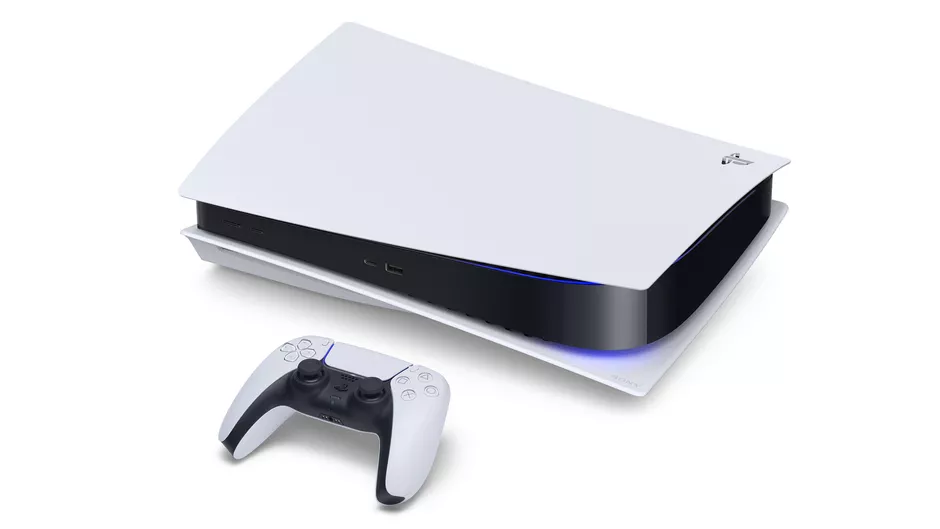
Sony may soon sell PlayStation 5 faceplates in India

Sony might soon be bringing customizability options for its PlayStation 5 consoles in India. The company offers official faceplates in multiple colors, but these are typically not available for purchase in India. However, this might be changing soon.

Sony

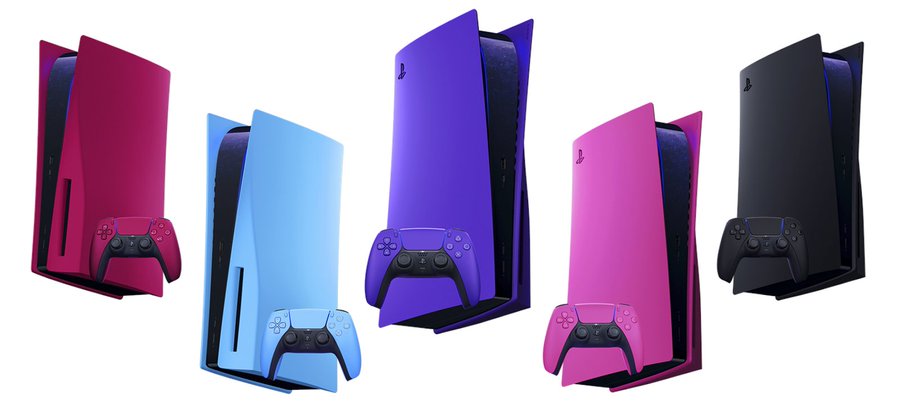
For those unaware, the colorful faceplates let users customize their PS5 gaming console in color options apart from the standard White. So, one can choose black, pink, purple, maroon, or even blue plate options as well. Now, according to a tweet from Is PS5 Out in India?, the Japanese tech giant has imported a really small number of PS5 faceplate units to India. Furthermore, these are expected to go on sale soon in the country.

Although looking at the low inventory, these will likely go out of stock in mere minutes after their launch. This would be similar to the PS5 consoles in the Indian market, which are restocked every month in limited numbers and are sold out almost immediately. As per industry insider Rishi Alwani, the claims for the PlayStation 5 faceplates are true and it might cost prospective buyers around 3,999 INR (roughly 50 US Dollars) in India.

Sony PlayStation 5

We can expect the brand to list these new faceplates at ShopAtSC and could likely be released alongside the next PS5 restock. As of right now, it appears that Sony is planning on bringing more PS5 stocks to India while also bringing in more PlayStation accessories to the region as well. There have also been images surfacing of PS5 models in local stores in the country, so we can expect PS5 stocks to hit additional local stores soon.

RELATED:


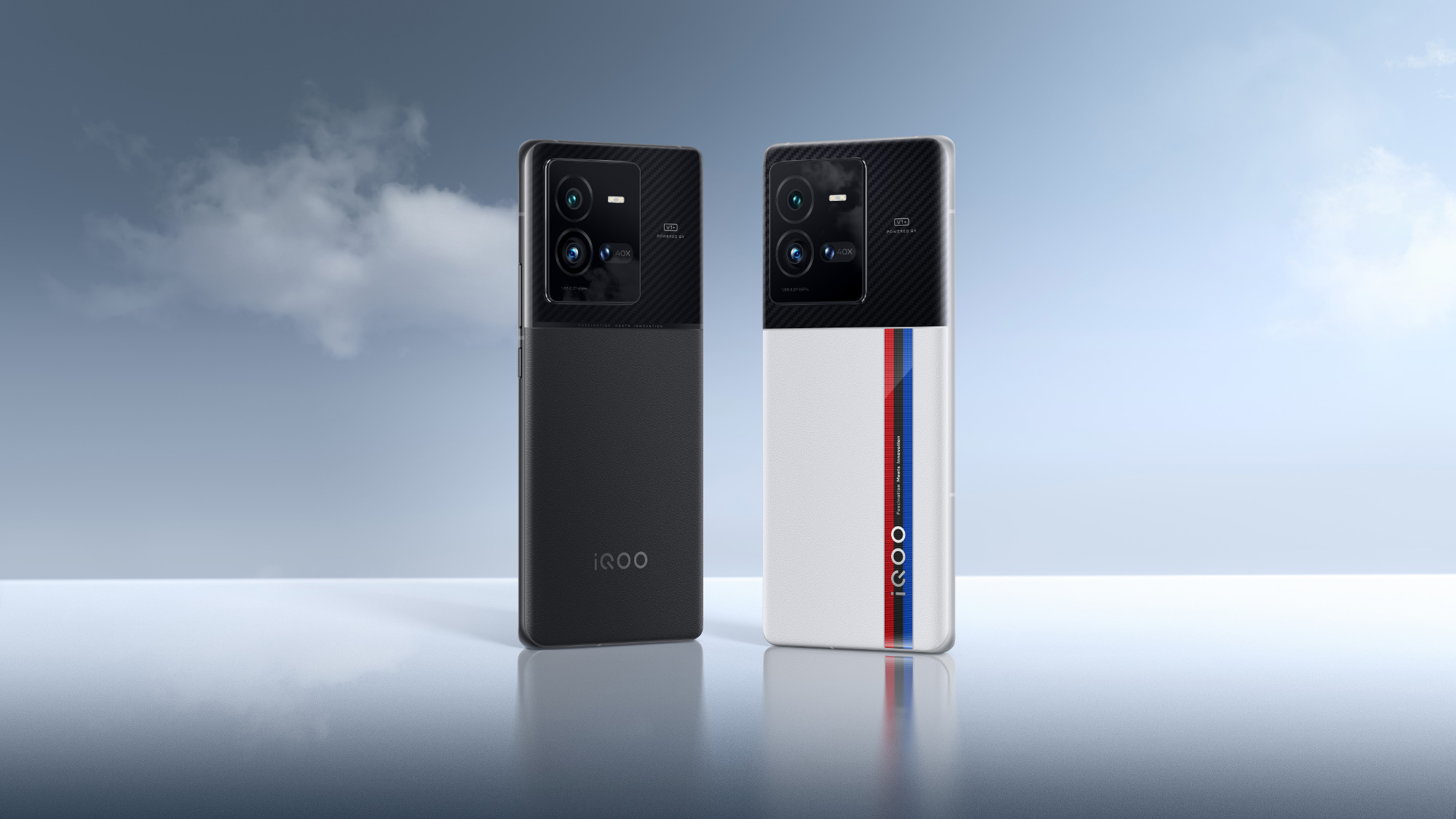
iQoo 10 Pro Key Specifications Leaked, SD 8+ Gen1, 50-Megapixel Main Camera Tipped

iQOO 10 series is set to launch on 19 July. The highlight of the series is going to be the iQOO 10 Pro which is confirmed to be equipped with particularly extreme 200W fast charging. However, ahead of the official launch, a noted tipster has leaked the key specification of the smartphone. The smartphone is said to flaunt an AMOLED display with a 120Hz refresh rate and a special chip to improve the imaging capabilities of the smartphone.

Tipster Yogesh Brar took to Twitter to reveal the specifications of the upcoming IQOO 10 Pro. As per the tipster, the device will flaunt an E5 AMOLED, LTPO display with a 120Hz refresh rate. The phone is tipped to be powered by a Snapdragon 8+ Gen 1 SoC. The SoC comes as no surprise because the majority of the vendors are now using the new Qualcomm chipset in their premium devices.

iQOO 10 series
iQOO 10 series

Moreover, the smartphone is expected to come with a V1+ chip, which is said to be a dedicated chip to boost the imaging performance of the smartphone. It is kind of similar to Oppo’s Marisilicon X. V1+ chip was used in Vivo’s X80 series.

The IQOO smartphone is also claimed to be equipped with a 50-megapixel GN5 main camera accompanied by 50-megapixel ultra-wide lens and a 16-megapixel telephoto lens on the back. While on the front, it could have a 16-megapixel sensor for selfies and video calls.

It is already known that the smartphone will boast absolutely crazy 200W fast charging capability. The phone will likely charge up to 100% in under 10 minutes. The handset is also said to have 50W wireless charging. The battery on the device is expected to be 4500mAh, which is more than enough because it can be charged in no time. The IQOO 10 Pro will run Android 12 with FuntouchOS or OriginOS on top.

Related: