OnePlus started off as a brand that makes affordable flagship smartphones but eventually, the company started making premium devices. Now, it appears like that company is going back to its roots of launching flagship killer smartphones.
As per the latest report, the upcoming smartphone from the brand — OnePlus 10T could be a “flagship killer” device from the company, meaning it could be priced much lower than the premium offerings from its competitors.
OnePlus 10T Render
The report also mentions some of the key features and specifications of the upcoming smartphone. It is said that the OnePlus 10T, which is codenamed Ovaltine, will feature a 6.7-inch Full HD+ display and offer a 120Hz refresh rate.
Under the hood, the device is expected to come powered by the Qualcomm Snapdragon 8 Plus Gen 1 processor, coupled with up to 12GB of RAM and 256GB of internal storage.
In the camera department, some reports indicate that there will be a triple-camera setup on the back featuring a 50-megapixel primary sensor, a 16-megapixel ultrawide sensor, and a 2-megapixel macro lens. On the front side, the phone could feature either a 16-megapixel or a 32-megapixel snapper for taking selfies and video calling.
It will run the Android operating system with the company’s own OxygenOS custom user interface on top. The device will be powered by a 4,800mAh battery and is expected to come with support for 150W fast charging.
The OnePlus 10T smartphone is expected to be made available in three color options — White, Black, and Mint Green. It could go official in the second half of this year and the pricing being somewhere between 3,000 yuan (~$465) and 4,000 yuan (~$595).
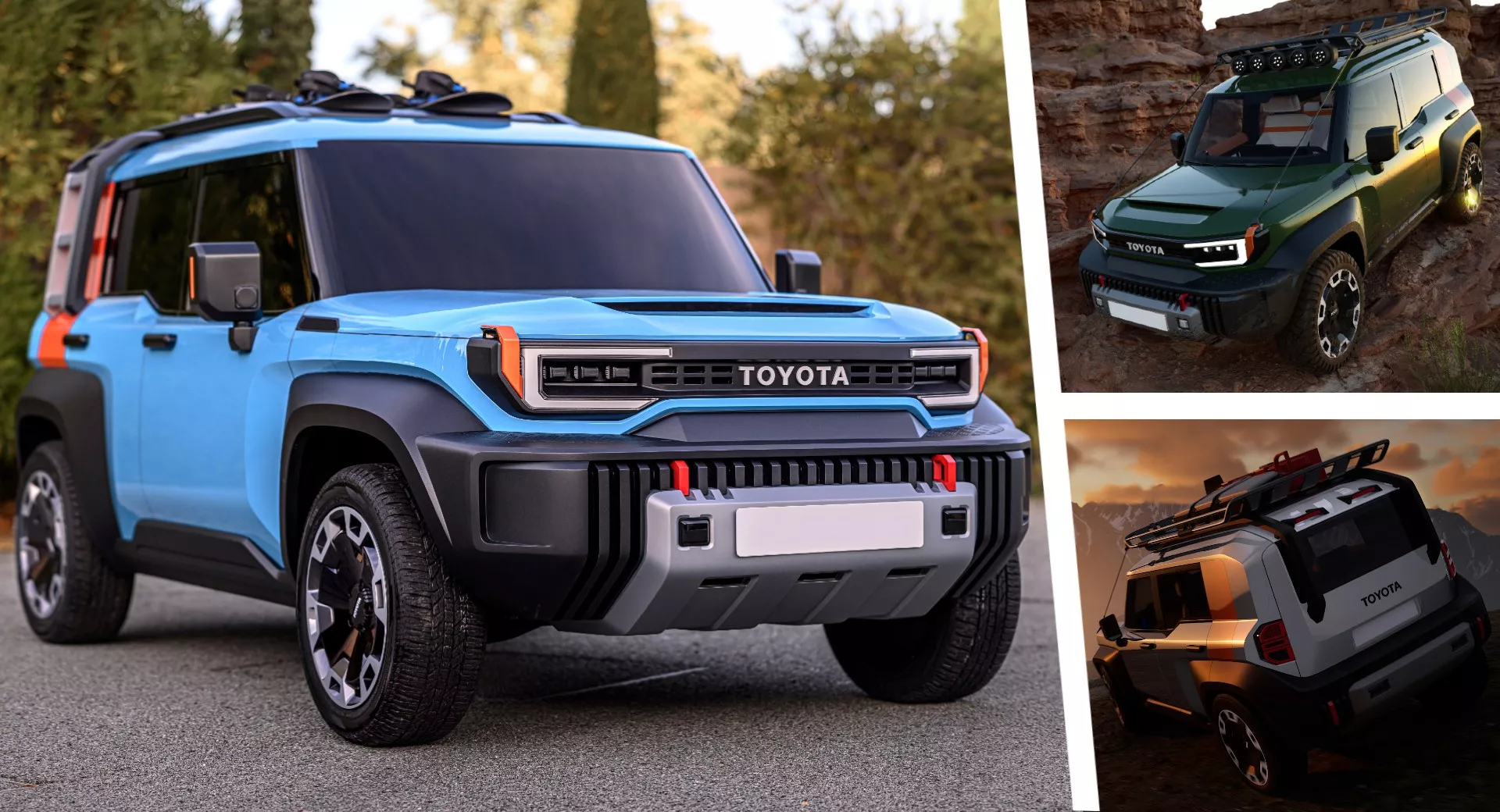
Toyota has released more renders of the Compact Cruiser EV concept car. The Compact Cruiser EV is a small-sized off-road concept revealed jointly by Toyota and Lexus in Tokyo last year. The company is now providing some fantastic images of the car which has been getting rave reviews since its announcement.
The Compact Cruiser EV was nicked the 2022 Car Design Award for concept vehicles by Auto&Design Magazine. Toyota is further illuminating the concept car by publishing more photos, renders, and sketches of the concept. The Compact Cruiser EV was designed by Toyota Europe Design Development Center in Nice, France. It bears some characteristics of Toyota’s first-generation Land Cruiser combined with sprinklings from the FJ Cruiser.
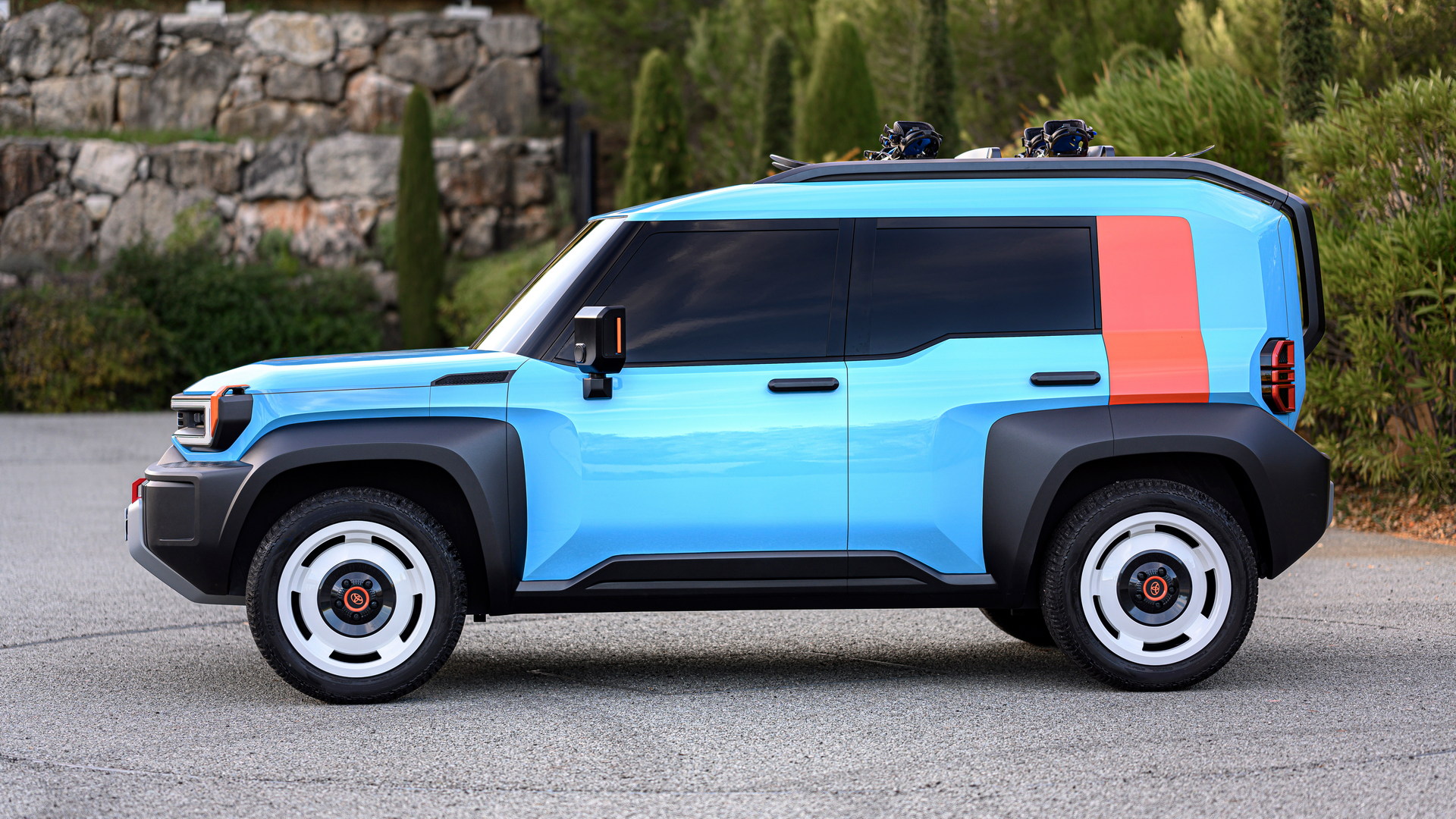
The Compact Cruiser EV will likely come as an all-wheel-drive model. The LED lights, large skid plates, squared-off fenders, and sufficient ground clearance are some of the highlights of the Compact Cruiser EV. It also has a side-mounted ladder, and a bespoke roof rack, combining ruggedness with compactness. The images are quite illuminating but customers may be yearning for a baby Land Cruiser EV in the market. Toyota says the target customer base for the Compact Cruiser EV is urban dwellers with outdoor leisure interests. While key technical details are still lacking, the Compact Cruiser EV could transit to a production vehicle.
Toyota Compact Cruiser EV concept car
1 of 6
Toyota says it has chalked 30 years of research into electric vehicle technology and it has been dynamic. It says that ultimately, customers will want zero-emission vehicles that accentuate their character and lifestyle. Toyota says that the Compact Cruiser EV is a perfect example of such desires. The company, however, did not provide any timelines for the evolution of the Compact Cruiser EV concept.
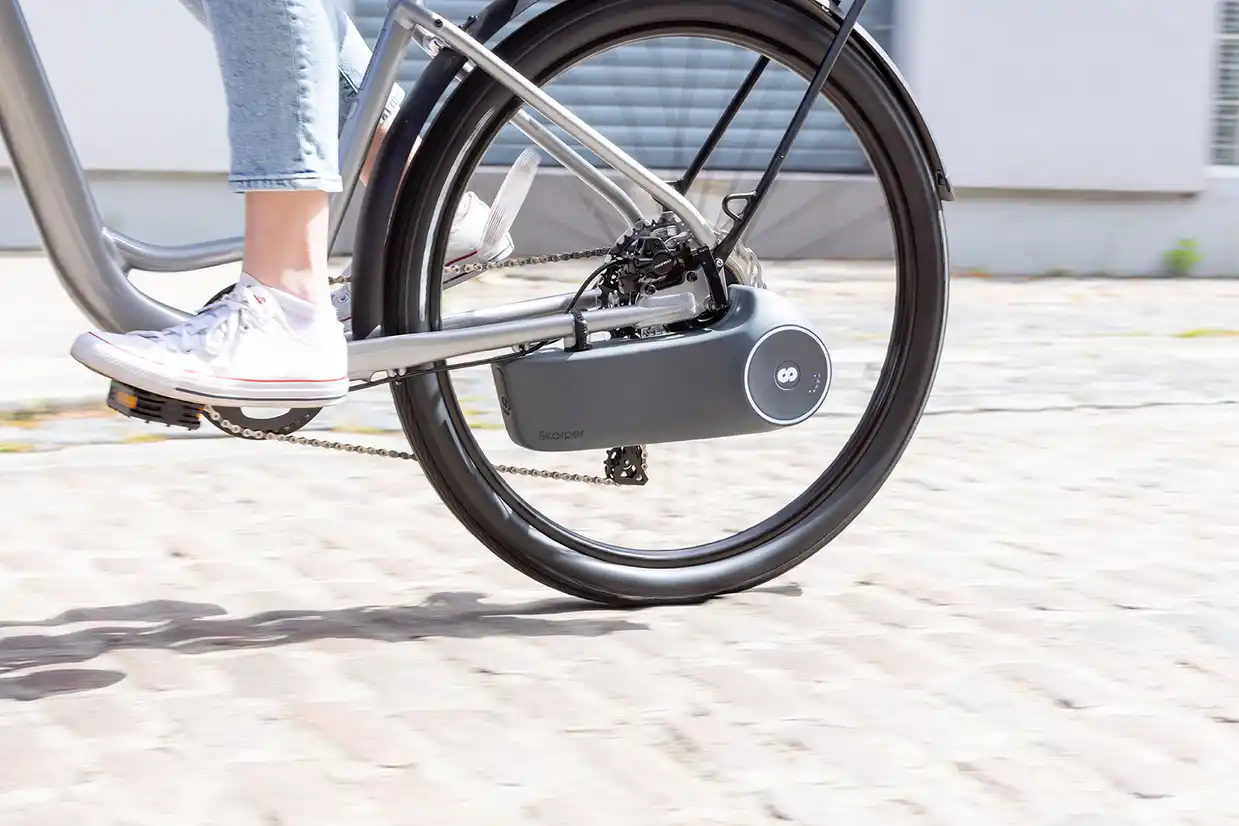
Skarper has introduced an innovative electric bike conversion kit using a disc-brake rotor for powering pedal-operated bicycles. The company claims that the new kit can transform any disc-brake bike into an e-bike. Manufacturers of conversion kits have had to grapple with operational challenges in the conversion. However, Skarper is proposing a revolutionary approach to e-bike conversion.
It has always been a challenge to manufacture a conversion kit that can be easily fixed and removed. This is due to the effort involved in switching out all the required components. The new Skarper kit, however, comes as a single compact unit that attaches to the disc brake of your bike. It sports a patented and unique design providing rear-wheel drive for the bike. The kit will be used to replace the rear disc rotor of your bike.
The Skarper e-bike conversion kit weighs just 3kg and fitting/removal of the disc will be seamless. The Skarper rotor functions as a brake and drive offering up to 60km in range. The Skarper e-bike conversion unit can be charged fully within 2.5 hours.
Skarper says a cadence sensor is attached to the cranks to regulate power output for the bike. The electric motor drives the DiskDrive rotor to provide propulsion for the converted e-bike. The Skarper team that developed the conversion kit is led by Alastair Darwood. Interestingly, six-time Olympic cycling champion Sir Chris Hoy is part of the investors in Skarper. He has brought his experience to bear in the development and testing of the kit.
The new Skarper electric bike conversion kit could come out of production by 2023. Although a specific price has not been fixed, it could cost up to £1,000 ($1,222). The company also says that it is in discussion with traditional bike brands to have the kit fitted as a standard bike. The Skarper prototypes have been quite successful in testing.
Although there were recent rumours of BOE no longer supplying OLED displays for Apple’s latest iPhone 14 series, it seems that the latest news indicates that Apple will still be ordering OLED displays for its iPhone 14 series from the 3 same companies who supplied the iPhone 13 series OLEDs last year, which are respectively BOE, Samsung and LG Display.
iPhone 14 Pro Max Renders. For illustration purposes only.
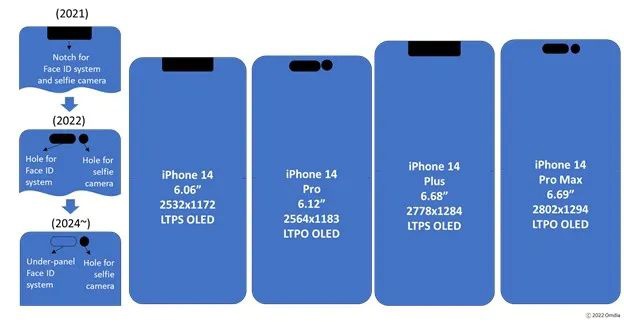
The news comes from market research agency Omdia (via ITHome), which recently reported that Apple’s iPhone 14 series will be equipped with the latest LTPS and LTPO OLEDs manufactured by BOE, Samsung and LG Display.
According to the report, Samsung will be the largest supplier of OLEDs for Apple this year, as it will supply the displays of the iPhone 14, iPhone 14 Plus, iPhone 14 Pro, iPhone 14 Pro Max and iPhone 13 for the Cupertino tech giant in 2022.
The report also mentions several key screen details of the iPhone 14 series. The iPhone 14 and 14 Plus will be equipped with LTPS OLED panels which seem to hint that the iPhone 14 does have higher refresh rates than the previous generation, but refresh rates may not be variable as LTPO panels. Design-wise, the iPhone 14 and 14 Plus will still have the iconic notch on top like the iPhone 13 series.
Source: Omdia
Meanwhile, the iPhone 14 Pro and 14 Pro Max will feature LTPO OLED panels, which is the same as the iPhone 13 Pro and 13 Pro Max, but the major difference here is that Apple will be using a two-hole cutout housing the selfie camera and the Face ID module on the display, instead of the notch.
As for forecasts, in the report, Omdia notes that Apple could be developing a new technology that allows the Face ID facial recognition module to be under the screen by 2024, and by then the two-hole cutout can be minimised to a one-hole cutout. As for the iPhone 15 series, India expects Apple to fully integrate the two-hole cutout design into all its iPhone 15 devices which include the standard iPhone 15 and iPhone 15 Plus.
Lastly, Omdia forecasts that Apple will be ordering 205 million LTPS and LTPO OLED displays from its suppliers in 2022, and the breakdown of the shipments are that Samsung will hold 60% of display shipments to Apple, LG Display 25% and BOE 15%.
The OX Patagonia is the latest product to join the growing e-bike repertoire of OX Motorcycles. It offers some premium features including a top speed of 110km/h and takes about five hours to fully charge the e-bike.
The OX Patagonia sports a laser-focused design with adventurous driving speed. It also offers a long distance between the axes and an increased height from its predecessors. The OX Patagonia also comes with long travel suspensions, a pretty upright riding position, and solid off-road tires. The OX Patagonia comes in two colors – Ocher Baret and Green Parish.
The OX Patagonia supports the ELISA AI app designed in-house to enhance the overall riding experience. The ELISA enables owners of Patagonia to have real-time information on their bikes at any time. That means a Patagonia owner can know the location and range of his EV on the go. The app also provides driving statistics and helps with navigation via GPS. The ELISA also notifies the rider if there is not enough juice to complete a trip before starting. Efficient sensors also alert the rider when other vehicles are dangerously close to the OX Patagonia. This is in the form of handlebar vibrations from the side where the danger lurks.
The OX Patagonia is built for riding on a variety of surfaces including rugged settings. The side saddlebags can carry a decent amount of luggage. Its LED headlight offers visibility support even in extreme conditions. The headlight comes with a windshield and a grille for added protection. There is a USB port ensconced in the space under the tank charge devices. The OX Patagonia’s 72V 60A battery offers a range of 100km and the battery is removable. This means that you can charge the battery even from your household socket within 5 hours.
The OX Patagonia will cost about €6,900 ($7,242) but can be reserved for €250 ($262). Spain, France, and Portugal are the first markets where the OX Patagonia will berth. Interested buyers should make their reservations via the Ox website. There are no indications of the waiting time before delivery for the Patagonia electric bike. However, the company states that deliveries will be made in order of reservation.
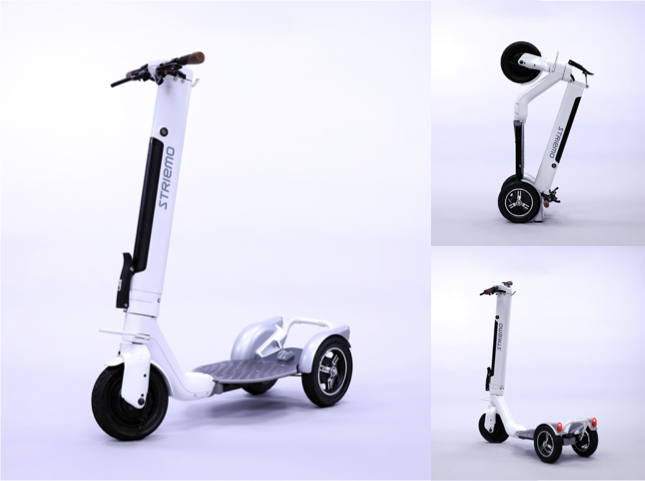
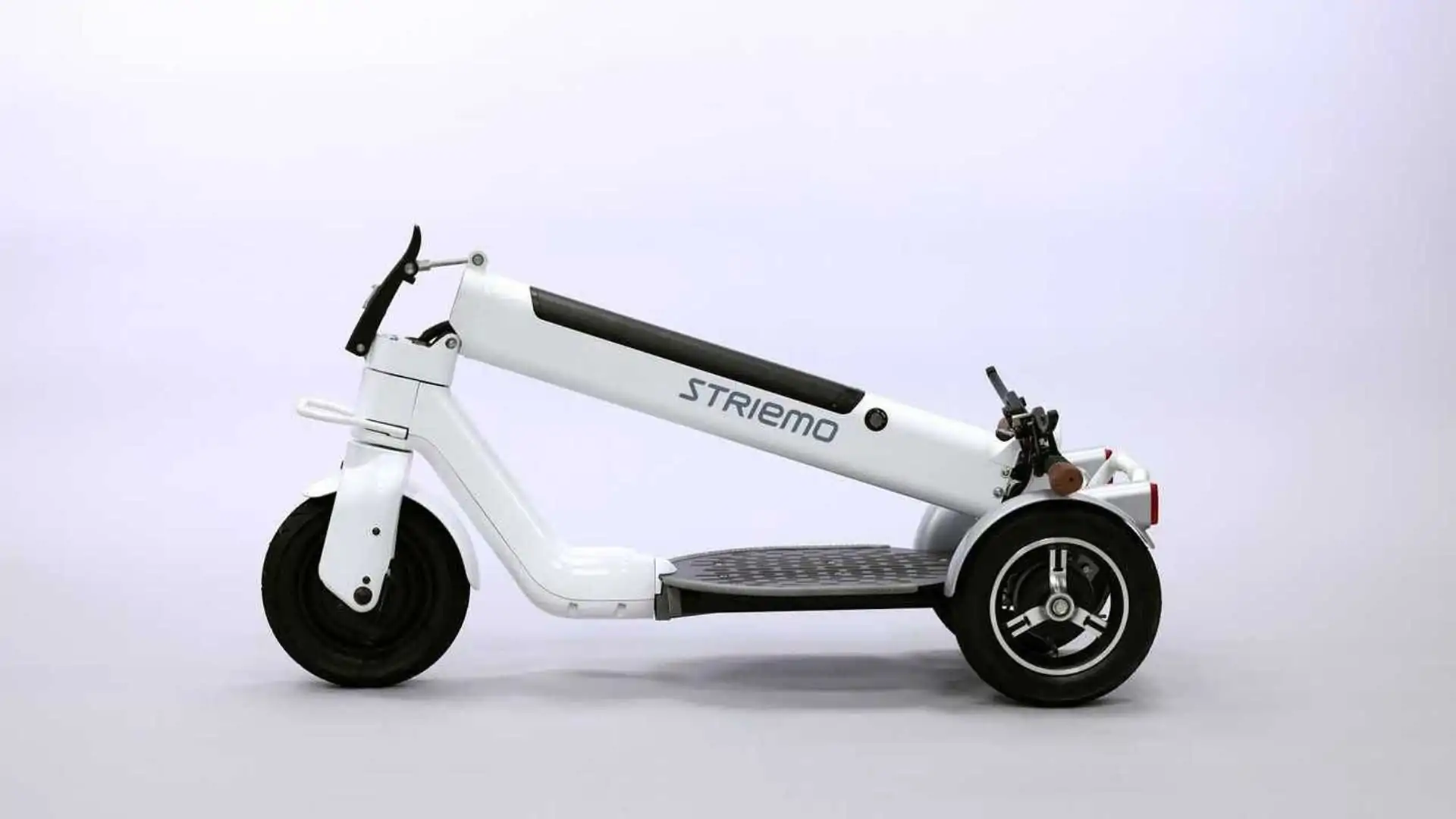
Automobile giant Honda Motors will introduce a three-wheeled electric scooter into the market by Q4, 2022. This is following the formation of Striemo Inc., an arm of Honda’s Ignition Initiative. The Honda Striemo electric scooter is a micro-mobility EV with some unique features.
The unusual addition of a third wheel to the standing electric scooter offers it greater balance. Stability is enhanced with a sturdy frame and technology that supports such balance even at top speeds. The self-balancing mechanism, according to Honda, is a vital element of the scooter’s structure. The Striemo has a top speed of 25km/h and a range of 30km on a single charge.
Striemo Inc. is focused on providing unique experiences and discoveries with its product offerings. Striemo Inc.’s CEO, Yotaro Mori says that the new e-scooter provides a unique means of transportation. It allows anyone to go out with spontaneity and fun. Mori hopes to pursue a vigorous drive that will place Striemo as one of the commonly used e-scooters. It hopes to achieve greater penetration of the company’s mobility products starting from Japan.
The Striemo will debut in Japan by the end of the year while other markets will follow subsequently. There are no details yet on the pricing information and full specs of the Striemo. We expect these details to start trickling in as we approach the launch.
You may know TCL for consumer electronics products such as its Palm and Blackberry smartphones, China Star LCD displays, TCL televisions, and also TCL home appliances. However, in TCL’s home country China, the technology conglomerate group also has a renewable energy subsidiary providing sustainable electricity power generation in the region.
Earlier this week, TCL-owned renewable energy subsidiary company, the “TianJin ZhongHuan Semiconductor Company Ltd.”, abbreviated as “TJSEMI”, has gone through a rebranding exercise by its parent company, TCL. And as of today onwards, the company has been renamed the “TCL Zhonghuan Renewable Energy Technology Co. Ltd”, abbreviated as “TZE”, which stands for TCL Zhonghuan Energy.
In the media announcement statement, TCL clarifies that the decision to rebrand the company to TZE was in line to further improve clarity, and accurately portray the subsidiary company’s operations and functions to the general public. The rebranding decision was made upon approval in the 24th Internal Meeting with the 6th Committee Board of Directors in the company and with approval from the 2021 TCL Investors Annual General Meeting as well.
The announcement also states that the securities identification code for the TZE subsidiary still remains the same as TJSEMI, which is “002129”.
As TCL is looking to expand more of its business operations beyond China, the company is currently assessing and undergoing a rebranding and restructuring exercise not only in the parent company but in subsidiaries as well. And the decision to rename several of its subsidiaries to include TCL was to strengthen the brand’s presence in the market as a leader.
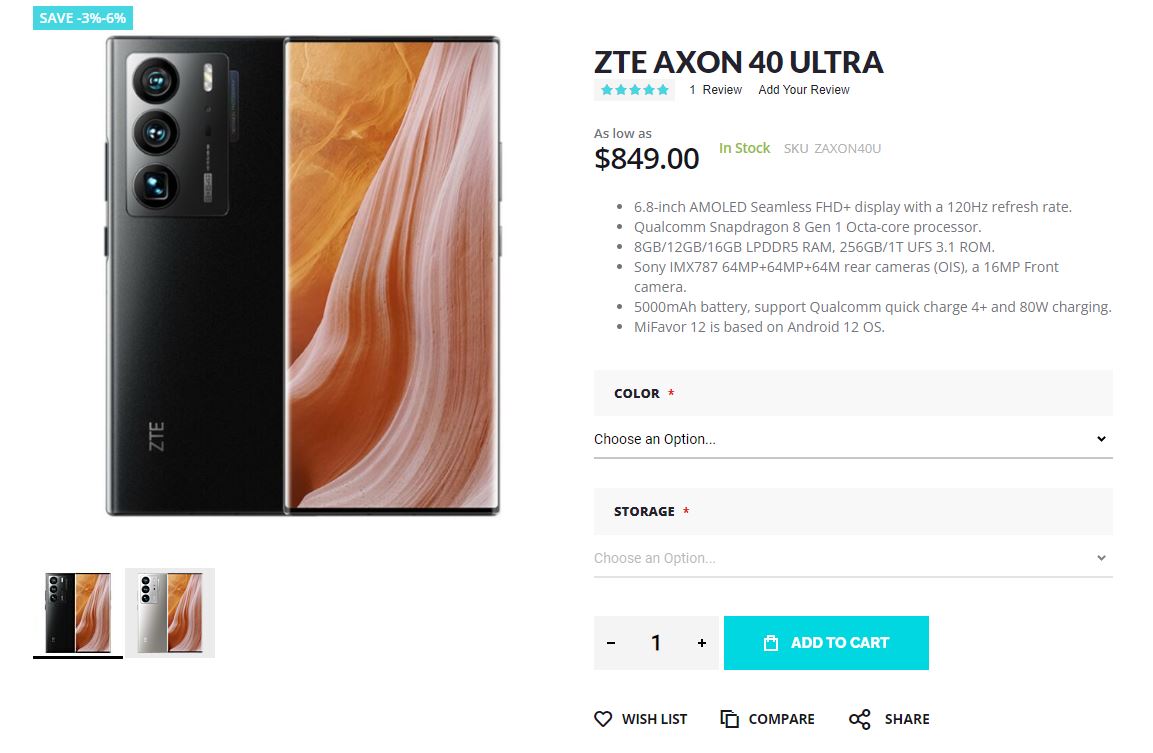
However, we cannot deny that TCL’s new subsidiary brand “TZE” does not ring confusion for readers as it sounds very similar to ZTE, which makes telecommunication products like WiFi routers, WiFi cards, 5G modems and even innovative smartphones as well, like the world’s most advanced under-display camera on a smartphone – the ZTE Axon 40 Ultra.
The ZTE Axon 40 Ultra features a 6.81-inch 120Hz bezel-less curved OLED display on the front that is clean of any obstructions like the punch hole or the notch, as it features an industry-leading under-display camera to provide you with an uninterrupted multimedia experience. The device also comes with Dolby Atmos stereo speakers, a large 5,000 mAh battery, up to 16GB of fast LPDDR5 RAM, and up to 1 TB of UFS 3.1 storage.
To experience the truly uninterrupted OLED experience, you can grab yourself a ZTE Axon 40 Ultra from GizTop for as low as US$ 849 today.
Xiaomi is preparing for a supposedly large flagship smartphone launch event next month in July, as the tech giant is reportedly going to launch 4 of their new flagship offerings for H2 2022, which are the Xiaomi 12 Ultra, Xiaomi 12S, Xiaomi 12S Pro and Xiaomi 12S Pro Dimensity Edition.
And as we are about step into July, the famous Chinese tipster, Digital Chat Station, has once again shared on Weibo that the 4 upcoming Xiaomi flagships have been officially certified and listed on the China MIIT(Ministry of Industry and Information Technology) database, signifying an imminent launch soon.
Source: Digital Chat Station on Weibo
The listings do not reveal much as it only confirms that the 4 Xiaomi flagships are 5G-enabled Android flagships that support both standalone and non standalone (SA/NSA) 5G signals and are certified for electronics safety in the country.
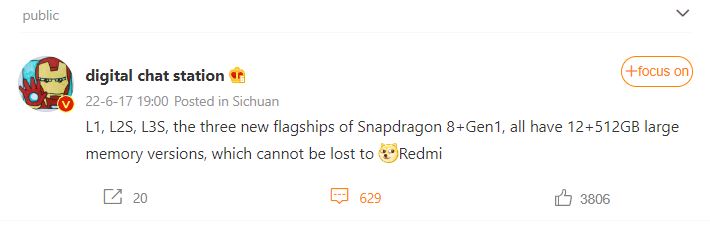
However, in another follow-up Weibo post, Digital Chat Station shared with netizens that for the Snapdragon 8+ Gen 1 powered Xiaomi flagships launching next month (which includes the Xiaomi 12 Ultra, Xiaomi 12S and Xiaomi 12S Pro), the 3 devices will be offered in a 512GB storage option, which is on par with the currently available Redmi K50 Pro powered by MediaTek’s Dimensity 9000 SoC which also has a 512GB storage option as well.
Source: Digital Chat Station on Weibo
No leaks were shared regarding the Xiaomi 12S Pro Dimensity Edition memory configurations but we do know that a MediaTek Dimensity 9000 SoC will power the device.
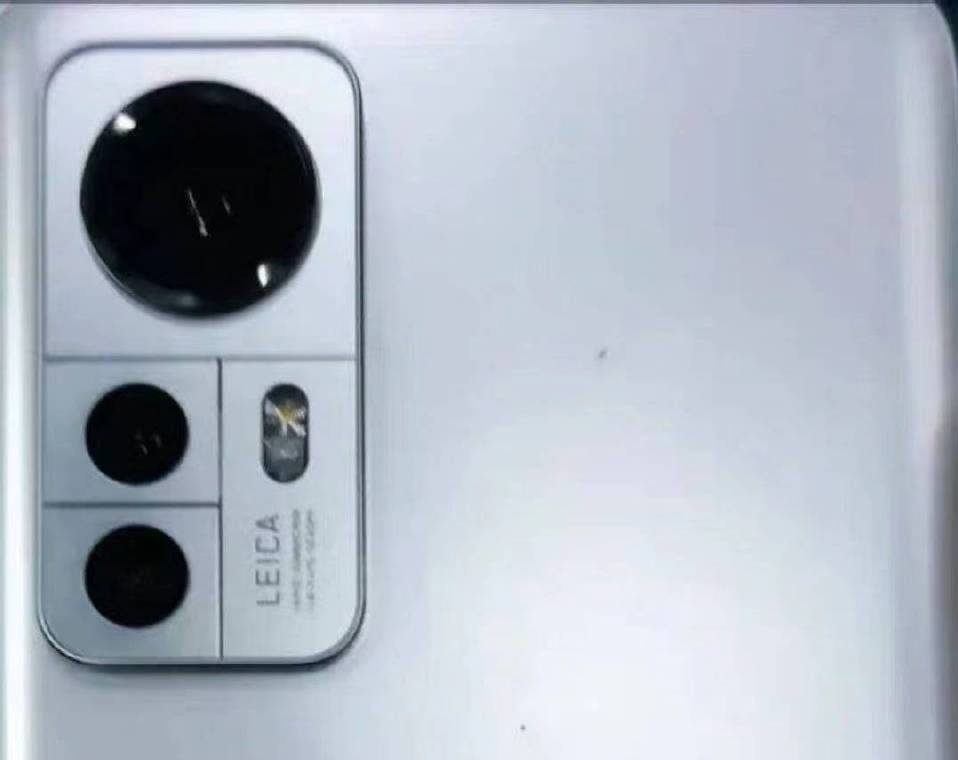
All 4 of the upcoming unannounced Xiaomi flagships are reportedly coming with Leica-engineered camera setups which is in line with the recent announcement that Xiaomi is partnering with Leica to bring a new era of smartphone photography to the industry. And last month, a real life image of the upcoming Xiaomi 12S flagship showcased the device with a triple camera setup with Leica branding on the top-left of the rear back panel.
Xiaomi 12S Leaked with Leica branding
Xiaomi’s next major flagship launch event will be held in July, and as we approach summer, Xiaomi is bringing in the heat for the Android flagship competition in 2022.
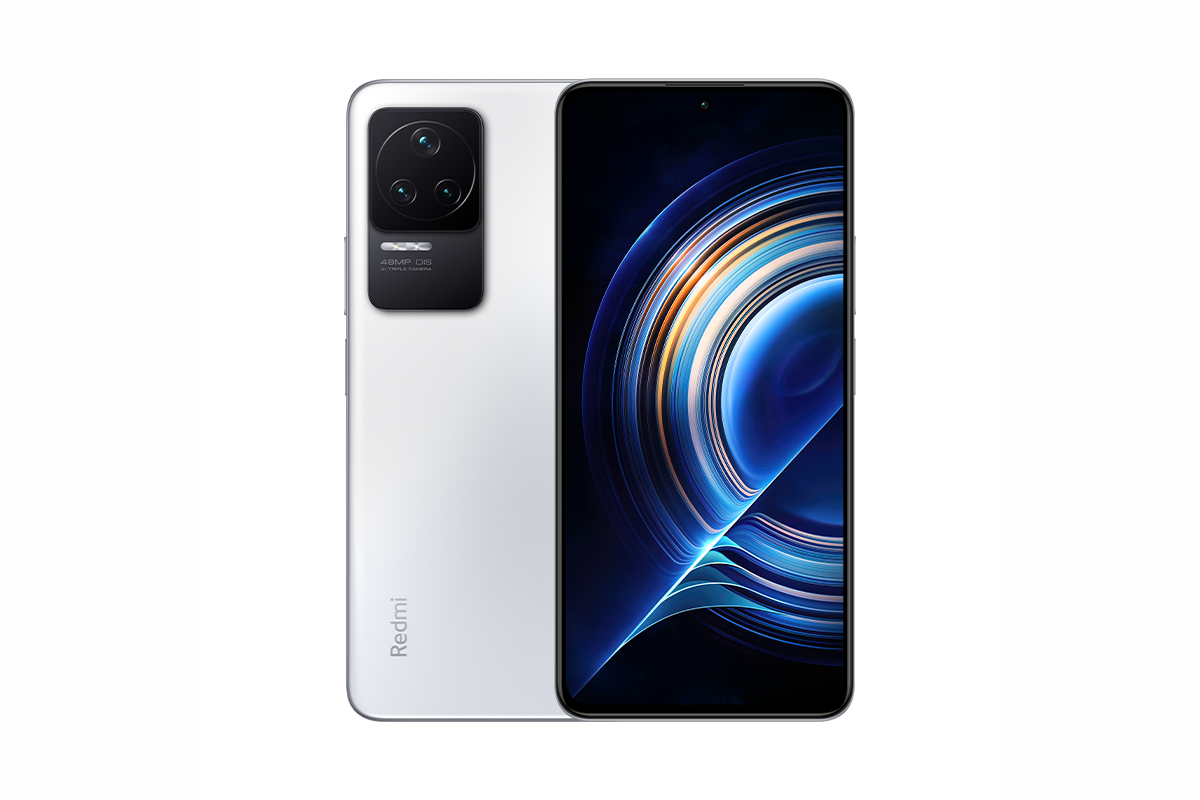
The Redmi K50 has been available in China in three color options: black, silver, blue, and green. Last week, the company revealed that the K50 will soon be available for purchase in the Snow White edition in the home market. The white model went on sale in China at 12 AM on June 18. According to a report by MyDrivers, the new color variant was sold out soon after it was made available.
The Redmi K50’s Snow White edition was made available with a starting price of 2,399 Yuan on June 18 in China. The publication revealed that Xiaomi China’s online store showed an “Arrival Notice” message for K50’s white variant shortly after it went on sale. The new color variant is also unavailable on the Chinese retailer site, JD.com. It is unclear when it will be made available for purchase again.
Redmi K50 Snow White
The Redmi K50 is available in four variants in China. These include: 8 GB RAM + 128 GB storage, 8 GB RAM + 256 GB, 12 GB RAM + 256 GB storage, and 12 GB RAM + 256 GB storage. These models are priced at 2,199 Yuan (~$327), 2,399 Yuan (~$357), 2,599 Yuan (~$387), and 2,899 Yuan (~$432), respectively.
Redmi K50 specifications
The Redmi K50 has a 6.67-inch OLED panel that produces a Full HD+ resolution and a 120Hz refresh rate. It boots to the MIU 13 flavored Android 12 OS. The device is fitted with a side-facing fingerprint scanner.
The Dimensity 8100 chipset powered device comes with LPDDR5 RAM, UFS 3.1 storage, and a 5,000mAh battery. It has a 20-megapixel front camera, and a 48-megapixel (main) + 8-megapixel (ultra-wide) + 2-megapixel (macro) triple camera unit.
Xiaomi sub-brand Redmi announced the Redmi Note 10S in May 2021. It was made official with a starting price of Rs 14,999. Now, the company has announced a price cut of up to Rs 2,000 (~$26) people who wish to purchase the Note 10S.
Redmi Note 10S available with Rs 2,000 discount
The Redmi Note 10S is available in India in two configurations: 6GB RAM + 64GB storage for Rs 14,999 (~$192) and 6GB RAM + 128GB storage for Rs 15,999 (~$205). A new variant offering 8 GB RAM and 128 GB of storage was unveiled in December 2021. It was announced for Rs 17,499 (~$224).
Xiaomi Redmi Note 10S
With a price cut of Rs 2,000, the 6 GB RAM + 64 GB storage variant is now available for Rs 12,999 (~$167). The 6 GB RAM + 128 GB storage and 8 GB RAM + 128 GB storage variants are now available with Rs 1,000 (~$13). With the discount, both models are available for Rs 14,999 (~$192) and Rs 16,499 (~$218), respectively. It appears that Note 10S may have received a permanent price. The device can be purchased in four colors: Cosmic Purple, Deep Sea Blue, Frost White, and Shadow Black.
Redmi Note 10S specifications
The Redmi Note 10S has a 6.43-inch AMOLED FHD+ display with Gorilla Glass 3 protection. It has a 13-megapixel front camera, and a 64-megapixel (main) + 8-megapixel (ultra-wide) + 2-megapixel (macro) + 2-megapixel (depth) quad-camera unit. It runs on the Android 11 OS with MIUI 12.5 on top.
The Helio G95 chipset powers the device with LPDDR4x RAM and UFS 2.2 storage. It has a 5,000mAh battery that supports 33W fast charging. It offers other features such as dual stereo speakers and a side-facing fingerprint scanner.
Realme Q5x has been unveiled in China. It is the fourth Q-series from the brand this year after the Realme Q5i, the Realme Q5, and the Realme Q5 Pro. Here is all the information the specifications, features, and price of the Q5x.
Realme Q5 specifications and features
The Realme Q5x has a 6.5-inch IPS LCD display that offers an HD+ resolution of 720 x 1600 pixels, a 20:9 aspect ratio, and 400 nits of brightness. The teardrop notch screen offers a screen-to-body ratio of 88.7 percent. The handset has a thickness of 8.1mm and weighs around 184 grams.
Realme Q5x
The Dimensity 700 chipset is present at the helm of the Realme Q5x. The SoC is coupled with 4 GB of RAM and 64 GB of native storage. There is a dedicated microSD card slot on the device for additional storage. The phone runs on Android 12 OS and Realme UI 3.0.
The Q5x has a 5-megapixel camera on the front for taking selfies. The device’s back panel has a dual-camera system with a dual-LED flash. It comprises a 13-megapixel main camera and a 0.3-megapixel depth sensor.
The device is packed with a 5,000mAh battery that supports 10W charging. There is a side-facing fingerprint scanner for security. Other features that are available on the device include dual-SIM support, 5G / 4G, Wi-Fi, Bluetooth 5.0, GPS, a USB-C port, and a 3.5mm audio jack.
Realme Q5x price and availability
The Realme Q5x is priced at 999 Yuan (~$149). The handset comes in a 4GB + 64GB variant only. It comes in two colors: Ink Cloud Black and Star Blue. The first sale of the Q5x will be carried out on June 23. There is no word on whether it will be available in markets outside China.
Lava recently launched its first 5G smartphone in the Indian market called the Lava Agni. However, recent rumors suggest that the company is working on another entry-level smartphone that will debut with a glass panel on the rear.
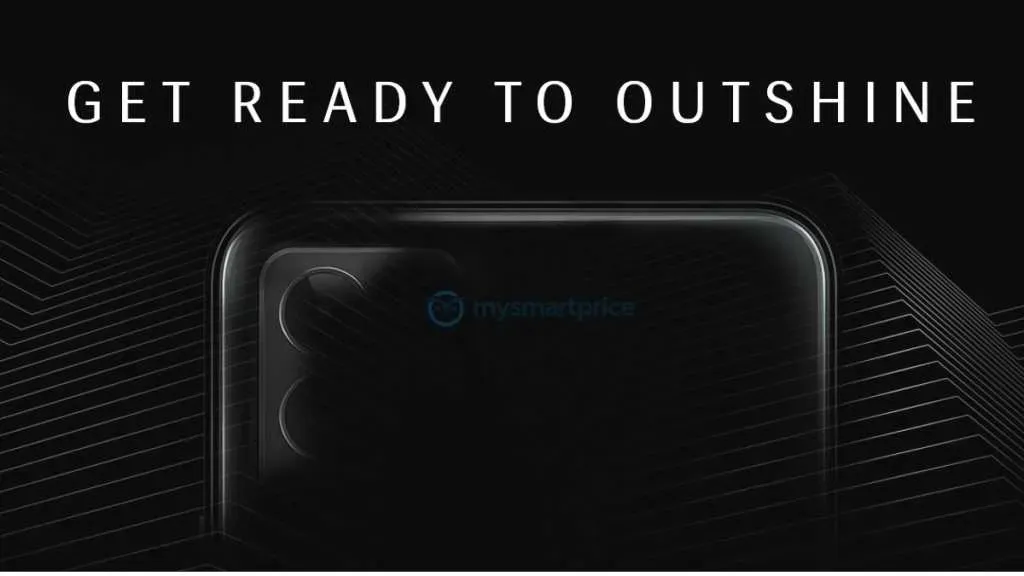
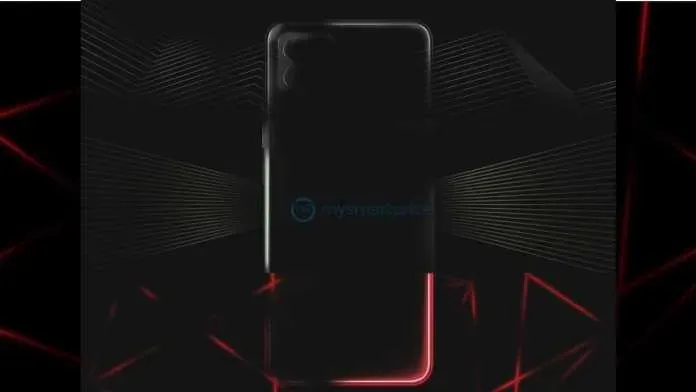
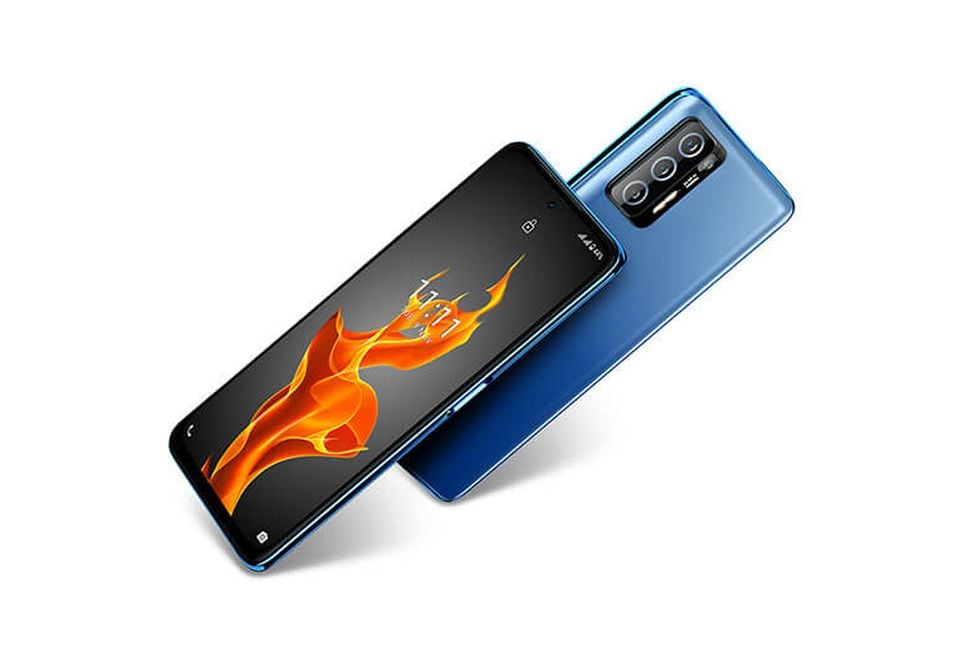
Now, MySmartPrice Khabar has leaked the promotional pictures of the upcoming Lava smartphone called the Lava Blaze. Looking at the renders, the device appears to have a curved rear panel design along with curved edges. Other than that, two large camera cutouts are visible on a rectangular-shaped camera module. The report states that this device will be priced around Rs. 10,000 mark, making the device the first smartphone to offer a glass back at this price point.
Lava Blaze images
1 of 4
The report further reveals that it will pack a Unisoc chipset under the hood. Unfortunately, the report does not give any more details regarding the specifications, but we can look at the recently launched Lava Agni to get an idea of what to expect.
Lava Agni 5G specs
The Agni houses a 6.78-inch IPS LCD display with a Full HD+ resolution of 2460 x 1080 pixels and 90Hz refresh rate.
Lava Agni 5G
Under the hood, the device comes with the entry-level MediaTek 810 5G chipset paired with 8GB of RAM and 128GB of storage (expandable via microSD card). The device has a 5,000mAh battery with 30W fast charging and operates on Android 11.
Coming to optics, the smartphone has a 64MP primary sensor, paired with a 5-megapixel ultrawide and a couple of 2-megapixel cameras for depth and macro shots. On the front, the device rocks a 16-megapixel sensor.
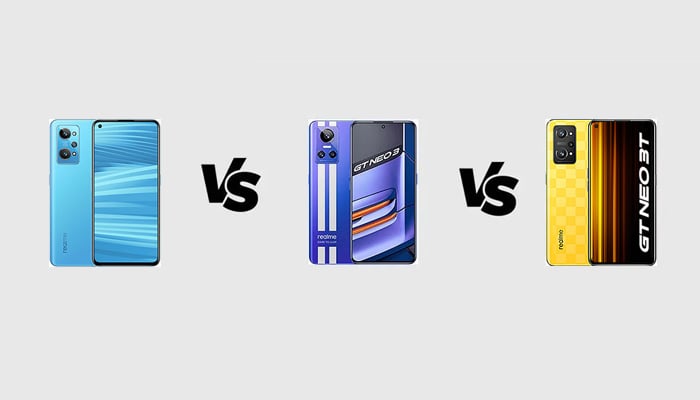
Did you see how many flagship killers Realme released this year in the global market? Besides its first premium flagship GT 2 Pro, the Chinese giant came up with three amazing flagship killers: the Realme GT 2, the Realme GT Neo 3, and the Realme GT Neo 3T. They come with many similar specifications and a lot of people are confused about which one to choose, especially because the vanilla GT 2 is currently available at very interesting street prices while the GT Neo 3 series just debuted in the global market with launch promos. This comparison will highlight the differences between the Realme GT 2, the Realme GT Neo 3, and the Realme GT Neo 3T.
Realme GT 2 vs Realme GT Neo3 vs Realme GT Neo 3T
Realme GT 2
Realme GT Neo3
Realme GT Neo 3T
DIMENSIONS AND WEIGHT
162.9 x 75.8 x 8.6 mm,
194.5 g
163.3 x 75.6 x 8.2 mm,
188 g
162.9 x 75.8 x 8.6 mm,
194.5 g
DISPLAY
6.62 inches, 1080 x 2400 pixels (Full HD+), AMOLED
6.7 inches, 1080 x 2412 pixels (Quad HD+), AMOLED
6.62 inches, 1080 x 2400 pixels (Full HD+), AMOLED
Triple 50 + 8 + 2 MP, f/1.8 + f/2.2 + f/2.4
16 MP f/2.5 front camera
Triple 50 + 8 + 2 MP, f/1.9 + f/2.2 + f/2.4
16 MP f/2.4 front camera
Triple 64 + 8 + 2 MP, f/1.8 + f/2.3 + f/2.4
16 MP f/2.5 front camera
BATTERY
5000 mAh, fast charging 65W
4500 mAh, fast charging 150W or 5000 mAh, fast charging 80W
5000 mAh, Fast Charging 80W
ADDITIONAL FEATURES
5G, dual SIM slot
5G, dual SIM slot
5G, dual SIM slot
Design
Each of these devices comes with a very original design. Two of the color options of the Realme GT 2 are built with a special bio-polymer resembling the touch and feel of the paper. It is a sustainable material and, given that it is similar to paper, you can draw on the rear cover with a pencil and erase with a rubber. the Realme GT Neo 3 has a classic glass + polycarbonate design, but on the rear side, it has a beautiful vertical stripe inspired by sports cars. The Realme GT Neo 3T is aesthetically similar to the GT 2 but with different materials and texture: it has a checkered design, but it is made of polycarbonate for both the rear side and the frame.
Display
The display found on the Realme GT Neo 3 is not only bigger with its 6.7-inch diagonal but even better than the panels found on the Realme GT 2 and the Realme GT Neo 3T. It is an AMOLED display that is able to show up to one billion colors with a Full HD+ resolution of 1080 x 2412 pixels, a 120 Hz refresh rate, the HDR10+ certification, and an in-display fingerprint reader. The Realme GT 2 and the GT Neo 3T come with the same panel: an AMOLED display with a diagonal of 6.62 inches, a Full HD+ resolution of 1080 x 2400 pixels, a 120 Hz refresh rate, and the HDR10+ certification. It is inferior to the panel found on the Realme GT Neo3, but the differences are not so noticeable.
Specs & Software
Even though it is powered by a chipset from last year, the handset with the most advanced performance in this trio is the Realme GT 2. It is fueled by the Snapdragon 888 mobile platform built with a 5 nm production process and running at a max frequency of 2.84 GHz: this SoC is more powerful than the MediaTek Dimensity 8100 found on the Realme GT Neo 3, which takes the silver medal. The Realme GT Neo 3T has an even weaker chipset: the Snapdragon 870. With the Realme GT 2 and the GT Neo 3, you get up to 12 GB of RAM, while the Realme GT Neo 3T has just 8 GB of RAM. All of these phones run Android 12 out of the box, with the Realme UI 3.0 on top.
Camera
The Realme GT 2 and the Realme GT Neo 3 have the same camera departments and they can be considered good camera phones. They come with a 50 MP Sony IMX766 main camera with OIS: the same sensor as flagships like the OPPO Find X5 Pro, paired with an 8 MP ultrawide lens and a 2 MP macro lens. On the front, they are equipped with a 16 MP selfie camera. Even though they have the same rear cameras, the Realme GT 2 may shoot better photos in several scenarios because of the great ISP included in the Snapdragon 888 mobile platform. There is no way for the Realme GT Neo 3T to compete because it packs an inferior 64 MP main shooter.
All of these phones are equipped with a 5000 mAh battery and they provide a similar battery life, with the exception of the 150W version of the Realme GT Neo 3. This configuration comes with a smaller 4500 mAh battery, but it features the fastest charging technology in the market, with a power of 150W.
Price
You need at least $629/€599 to purchase the Realme GT Neo 3 globally, the Realme GT 2 can be easily found for $576/€549, and the Realme GT Neo 3T starts from $420/€400. Which one would you pick?
Realme GT 2 vs Realme GT Neo3 vs Realme GT Neo 3T: PRO and CONS
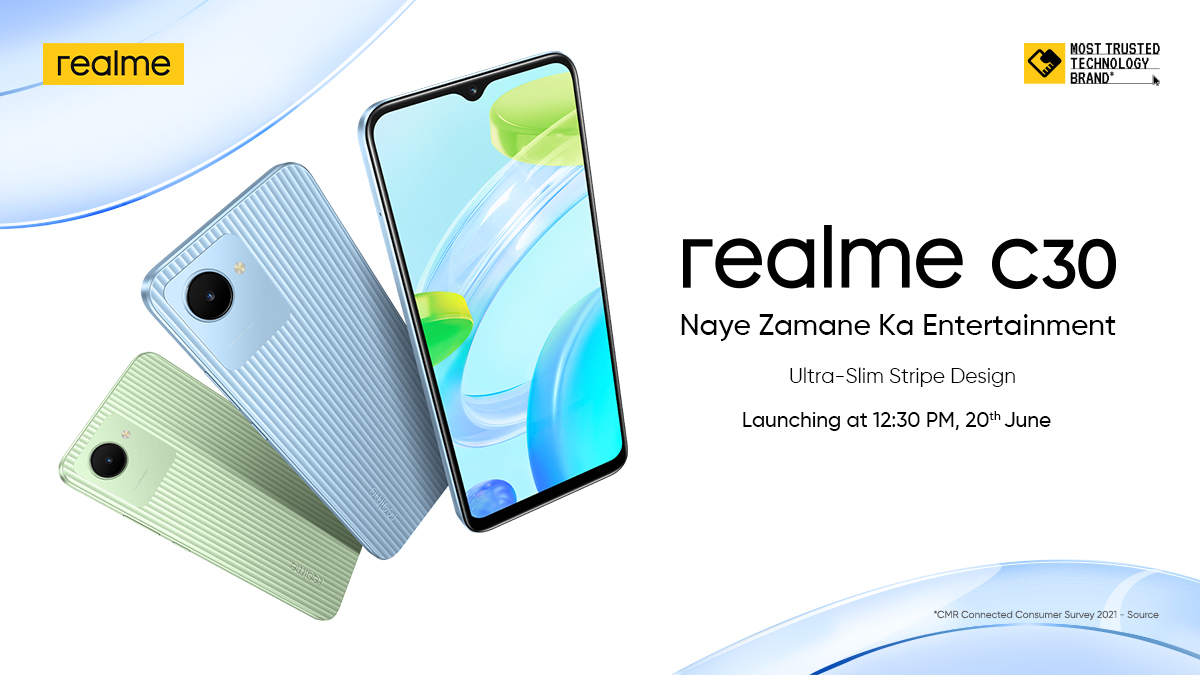
Realme will be launching its latest affordable entry-level smartphone – the Realme C30 in India on June 20th (Monday) at 12:30 PM IST (UTC +5:30) / 3 AM New York Time (UTC -4).
Source: Realme India
The brand has been slowly drip-feeding its fans the latest specs of the upcoming Realme C30 smartphone, and here at Gizmochina, we have gathered all the teasers and leaks to round up the specifications and details before the launch of Realme upcoming’s latest entry-level smartphone.
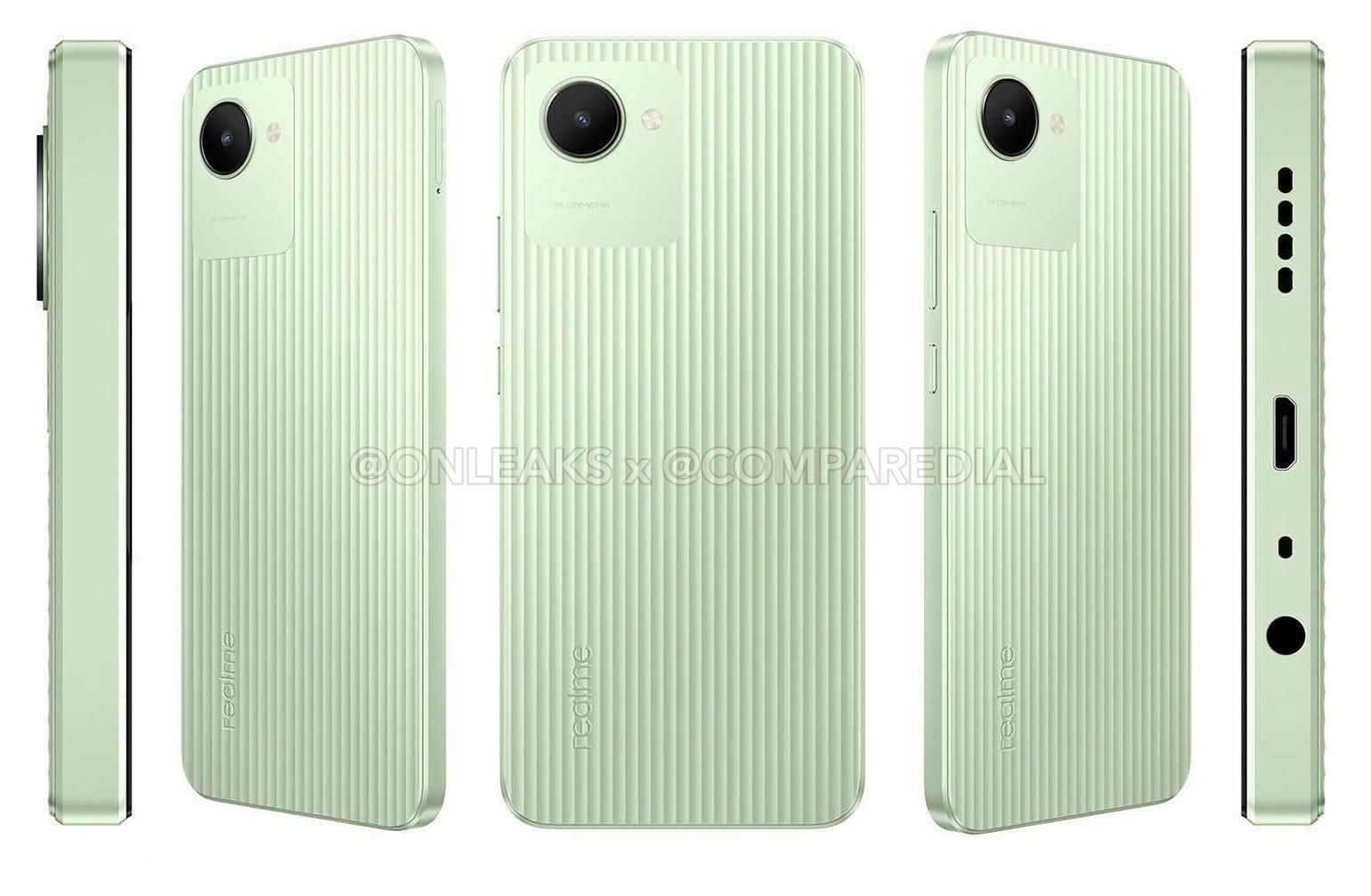
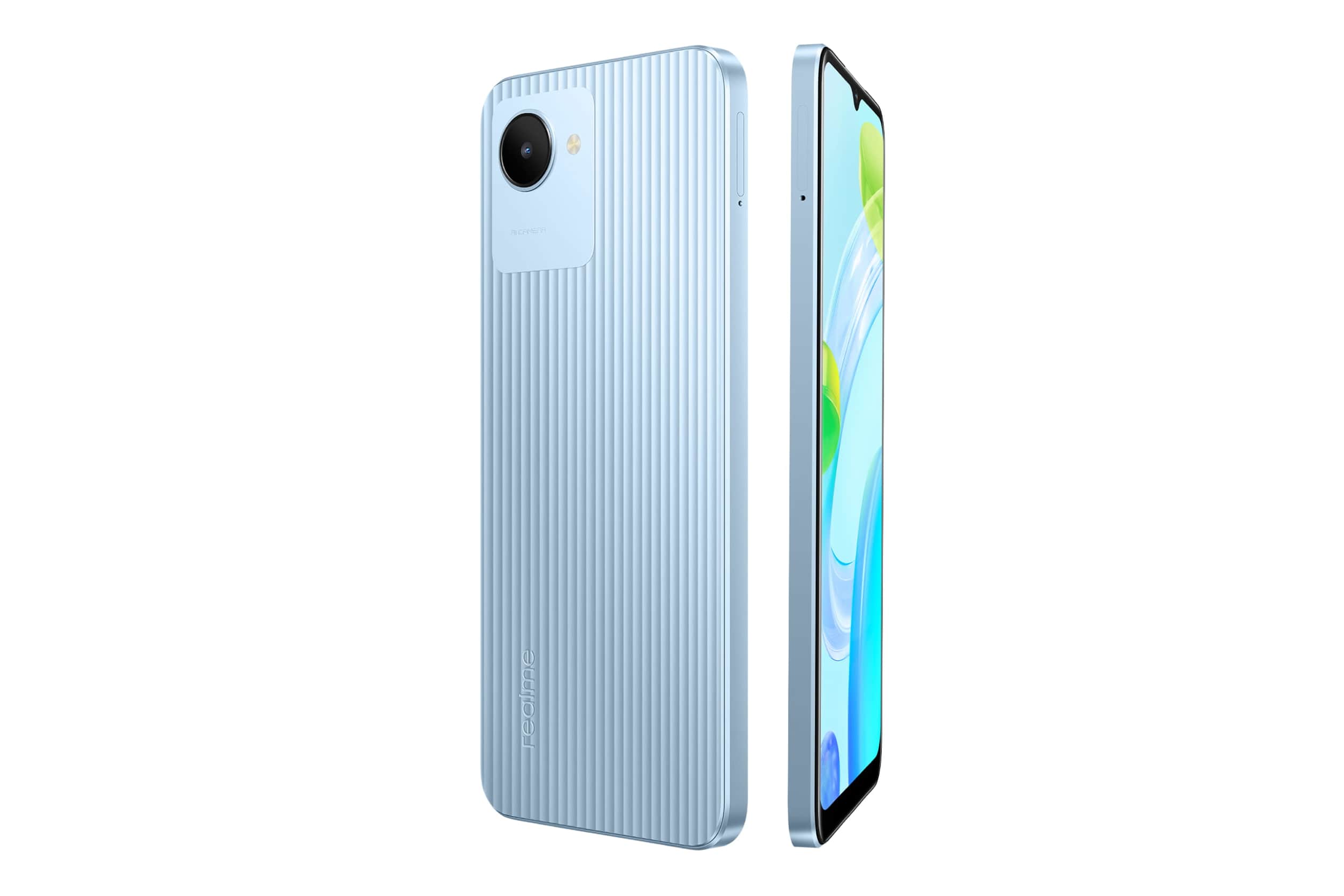
From a design perspective, the Realme C30 will arrive in a more sophisticated industrial design. The smartphone will feature flat edges on all 4 sides, with a flat display on the front and a flat casing on the back. The rear panel will be sporting a new stripe-like design that we initially saw on the OnePlus Ace and OnePlus 10R, and the rectangular camera island on the top left will only house one 13MP main camera sensor and the LED flash module for the device.
Meanwhile, the front display panel is a 6.58-inch FHD+ IPS LCD display with a dewdrop notch at the top centre of the display that houses the Realme C30’s 5MP selfie camera.
For endurance, the Realme C30 comes with a generously hefty 5,000mAh battery for all-day use, however, the 10W charging speed paired with the older standard micro-USB port may shy several interested buyers away from the device.
Other than that, the device features a bottom-firing speaker grill, a microphone hole and a 3.5mm headphone jack for at least a usable audio experience. The power and volume rocker will sit on the right side of the smartphone and a SIM card slot will reside on the left.
The Realme C30 is rather slim and light at 8.5mm in thickness and it weighs only 182g.
Software, Colours and Pricing
The Realme C30 is expected to launch with Android 12 Go Edition out of the box with Realme’s own alternative customisation options through Realme UI. It will be available in 3 colours: Lake Blue, Bamboo Green, and Denim Black.
The handset is expected to come in 2GB + 32GB and 3GB + 32GB memory configurations for India and the device is speculated to launch for under ₹12,000 (154 USD) in the country.
Last month, Realme launched the Narzo 50 Pro 5G and the Narzo 50 5G smartphones in India. The brand is said to add another device in the Narzo lineup soon dubbed the Realme Narzo 50i Prime. Now, a new report has revealed the design, pricing, launch date, and all the key specifications of the upcoming smartphone.
Image via 91mobiles
According to a 91mobiles report, reliable tipster onleaks has informed that Realme is planning to debut the Narzo 50i Prime on June 22nd. The tipster adds that the device will be priced under 100 USD (Approx. Rs 7,800) and will be available in two colors – Black and Green. The report also shares the renders of the Narzo 50i Prime, so let’s take a look.
Image via 91mobiles
The renders of the device reveal that it will come with flat edges and a flat back. The back appears to feature a single camera with an LED flash. Coming to the front, the device has a dew-drop notch, thin bezels, and a large chin.
Other than that, the report confirms that the smartphone will indeed come with a single primary camera and will house a selfie camera in the notch. The battery capacity of this device will be 5,000mAh. Other than that, previous leaks and certifications reveal that the device will come with 10W fast charging. The device is expected to debut with two memory and storage configurations – 3GB + 32GB and 4GB + 64GB. It will be 8.48mm in thickness, 181 grams in weight, and dual SIM support. An FCC document also revealed that the Narzo 50i Prime will be based on the existing Realme C30, so we can expect the device to come with a MediaTek Helio G80 chipset.
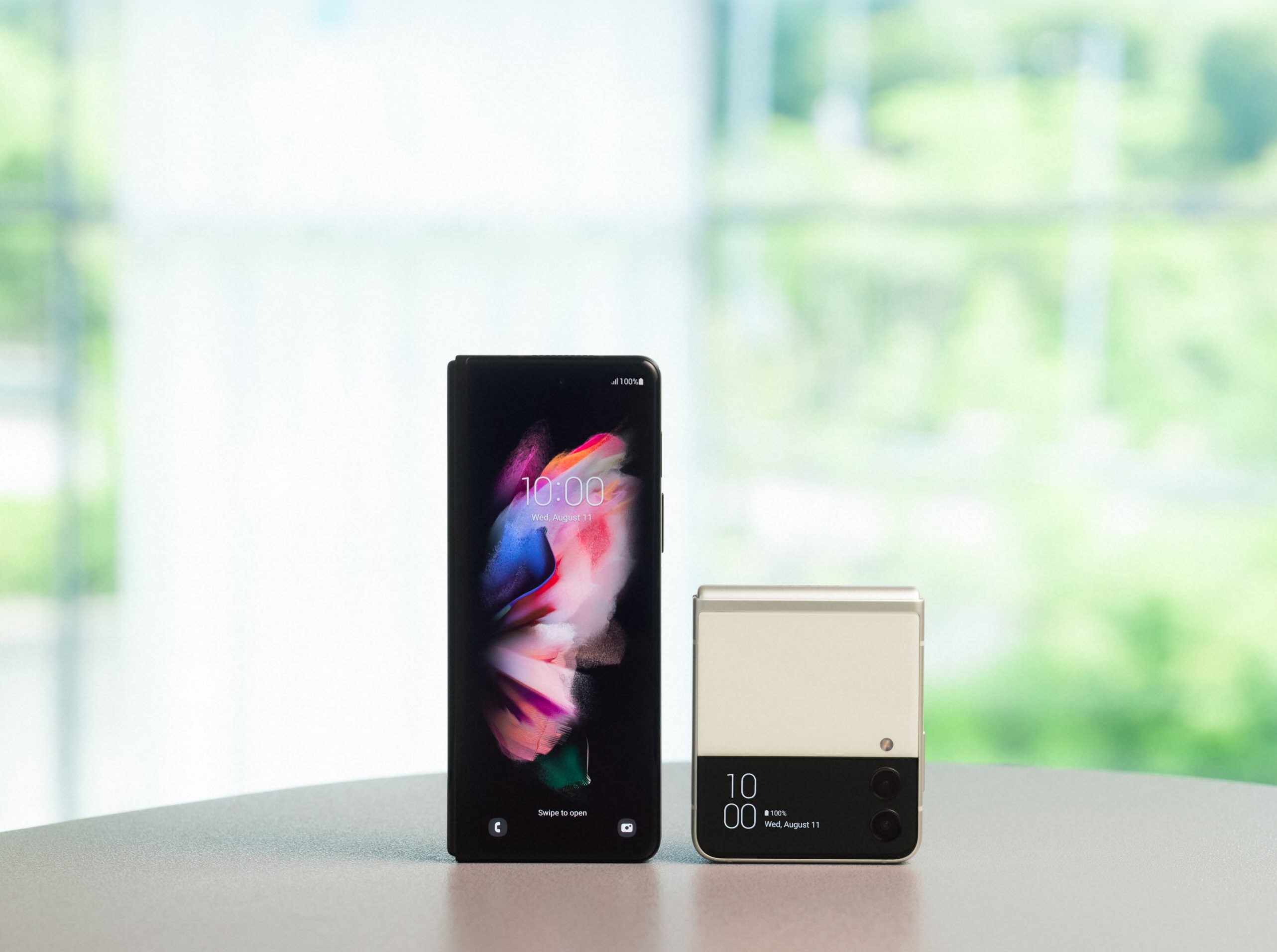
eSIM is definitely getting popular day by day. It won’t be wrong to say that OEMs will soon replace physical SIM cards with electronic SIM cards. But there’s still time for that and the majority of the smartphones still don’t support eSim, even not alongside a standard SIM. Samsung’s current foldables were no exception to this. However, the South Korean tech giant is rectifying this by bringing support for eSIM and Dual SIM, Dual Standby (DSDS) to the Galaxy Z Fold 3 and Galaxy Z Flip 3 in the U.S
Samsung has started rolling out the June 2022 security update to the Galaxy Z Fold 3 and Flip 3. The latest security update is being released in several parts of the world, including the US and Europe. The update is bringing eSIM support, new camera features, and security patches to US variants of the foldables.
In the US, the update is being released to the T-Mobile Galaxy Z Fold 3 and Flip 3 smartphones with F926USQU1DVEE and F711USQU2DVEE, software versions respectively.
The unlocked models are also receiving the eSIM functionality/ The releases for the unlocked models are labeled as F926U1UEU1DVEE and F711U1UEU2DVEE for the Galaxy Z Fold3 and Z Flip3.
The eSIM support brings dual-SIM functionality with it so the Galaxy Z Fold3 and Flip3 users can now have one physical SIM and one eSIM working at the same time, through DSDS. As mentioned, the new updates also bring a lot of camera features that are available in the Galaxy S22 series.
It is worth mentioning that the updates are rolling out in a phased manner, so it might take a few days or a week to reach every unit out there.
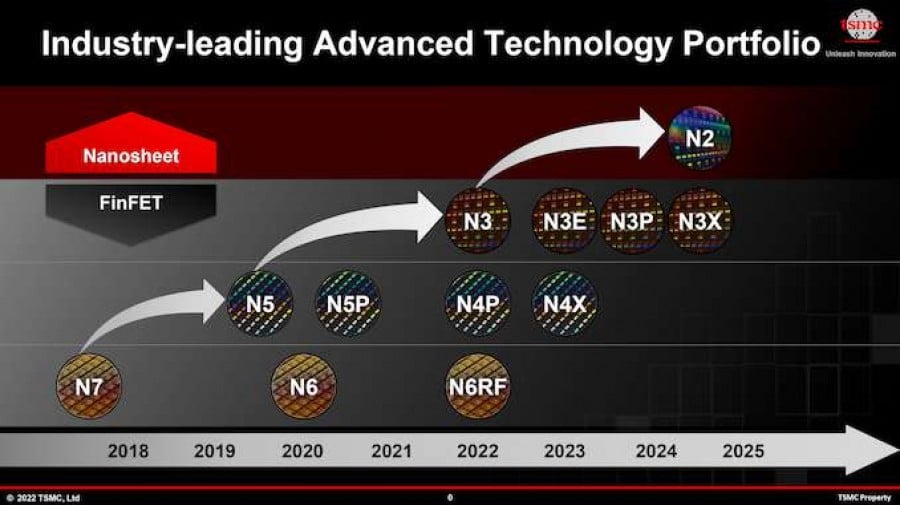
Taiwan Semiconductor Manufacturing Co. (TSMC) on Thursday commenced its 2022 TSMC Technology Symposium, where the company released its chip development timeline as well as its future plans. The timeline reveals that the Taiwan-based chipmaker will introduce its leading-edge 3nm (N3) chips in the second half of this year and will also unveil the 2nm technology sometime in 2025. The new technologies will be used to make advanced CPUs, GPUs, and SoCs.
The 3nm nodes will come in a total of five 3 nm-class nodes, dubbed N3E, N3P, N3S, and N3X. These N3 variants are claimed to offer improved process windows, higher performance, increased transistor densities, and augmented voltages for ultra-high-performance applications. All these technologies will feature the TSMC’s proprietary FINFLEX architectural innovation that offers great flexibility to chip designers and allows them to precisely optimize performance, power consumption, and costs of Chips.
As AnandTech rightly points out, N3 is made for developed for brands like Apple which could take advantage of the increase in the performance, power, and area (PPA) delivered by leading-edge nodes.
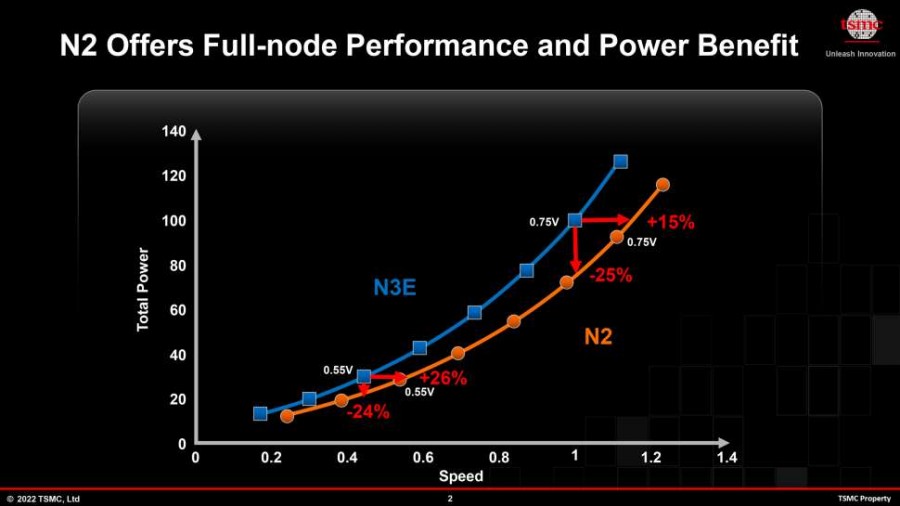
If we talk about the 2nm technology, It will offer a remarkable improvement over the N3, with a 10-15% speed increase at the same power, or a 25-30% power reduction at the same speed, unleashing new standards of Efficient Performance.
N2 will come with the GAAFETs (gate-all-around field-effect transistors) to deliver a full-node improvement in performance and power efficiency. The N2 technology platform will feature a high-performance variant in addition to the mobile compute baseline version and comprehensive chipset integration solutions.
The first N3 chips are expected to enter into production in the coming months and will arrive on the market in Q1 2023. N2 is scheduled to begin production in 2025.
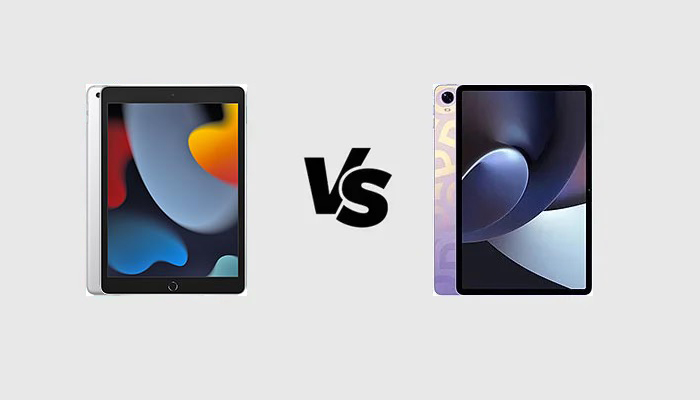
The OPPO Pad is not only the first OPPO tablet, but it is a high-end tablet as well. However, it is far from the most advanced Apple tablets which are actually the leading devices in the niche. In terms of specifications, it is comparable to the most affordable iPad out there: the 2021 edition of the Apple iPad 10.2. It is the most affordable Apple tablet, but it is placed in the high-end segment if we consider the Android world. That is the reason why it is a perfect rival for the first OPPO tablet and also the reason why we decided to publish this comparison between the specifications of the OPPO Pad and the Apple iPad 10.2. After reading this comparison, you should finally know which one fits your needs the most.
Apple iPad 10.2 vs OPPO Pad
Apple iPad 10.2
OPPO Pad
DIMENSIONS AND WEIGHT
250.6 x 174.1 x 7.5 mm, 487 grams
252.2 x 163.8 x 7.1 mm, 507 g
DISPLAY
10.2 inches, 1620 x 2160p (Quad HD+), Retina IPS LCD
The Apple iPad 10.2 has a very outdated design. While the most expensive iPads come with very narrow bezels around the display, for this device, Apple decided to opt for an older design just like it did with the latest iPhone SE (which comes with the same design as the iPhone 8). So the iPad 10.2 gets thick bezels around the display, but it makes room for a Touch ID for the authentication, while the OPPO Pad does not even feature a fingerprint reader. However, the OPPO Pad is definitely more beautiful not only for its narrow bezels around the display but even for the great texture on the rear side and thanks to its thinner design. But do not underestimate the iPad because it provides a great build quality: it is entirely built of aluminum.
Display
If you are in need of the best display in terms of image quality, then you should opt for the Apple iPad 10.2. It comes with a Retina LCD display with a high 2K resolution and, despite being an LCD panel, a good color reproduction. The scratch-resistant display which also includes an oleophobic coating has a diagonal of 10.2 inches and it supports the stylus for handwriting and drawing. If you need a smoother viewing experience, then you should go for the OPPO Pad because it comes with a very high 120 Hz refresh rate. It even comes with a wider panel as the diagonal is 11 inches. This tablet comes with a 2K resolution and, just like the iPad, it supports a stylus as well, but obviously, it is not the Apple Pencil. As already mentioned, this tablet does not have any biometric sensor for authentication, while the Apple one features Touch ID.
Specs & Software
The Apple iPad 10.2 is powered by the Apple A13 Bionic chipset: the same SoC as the iPhone 11 series. It is paired with 3 GB of RAM and up to 256 GB of internal storage. With the OPPO Pad, you get the Snapdragon 870 mobile platform paired with up to 8 GB of RAM and up to 256 GB of UFS 3.1 internal storage. While both the tablets come with good hardware departments, the real difference is the operating system. Not only does iPadOS guarantees higher performance than Android, but it even comes with more advanced features for productivity. However, you should not underestimate the ColorOS for Pad user interface: even if it does not support professional apps like the ones available on iPadOS, it has several good features made for tablets. There is another important advantage of the Apple tablet: it features optional cellular connectivity, while the OPPO Pad does not. In the cellular version of the iPad, you can insert a SIM card in order to use the data traffic in your mobile offer and you can even use an eSIM just like in the iPhones.
Camera
The cameras of the Apple iPad 10.2 are actually superior to the ones found on the OPPO Pad. We are talking especially about the front camera, which is a more important sensor on a tablet because it can be used for video calls and conferences. The 12 MP selfie camera of the iPad is simply amazing, but even the 8 MP rear camera shoots pretty nice photos.
The Apple iPad 10.2 is equipped with a bigger battery than the OPPO Pad: this, alongside the presence of the iPadOS operating system providing a better software optimization, guarantees a longer battery life. The OPPO Pad, instead, wins the charging speeds comparison thanks to 33W fast charging. The Apple device does not feature fast charging at all.
Price
The starting price of the OPPO Pad in China roughly translates into $325/€310. This tablet is only available in the Asian market and it is yet to go global. The iPad can be purchased globally with similar prices in its base variant, but naturally, the cellular version costs several bucks more. The iPad actually wins the comparison due to its software, camera, and battery life, even though the OPPO Pad has a higher refresh rate and a better design.
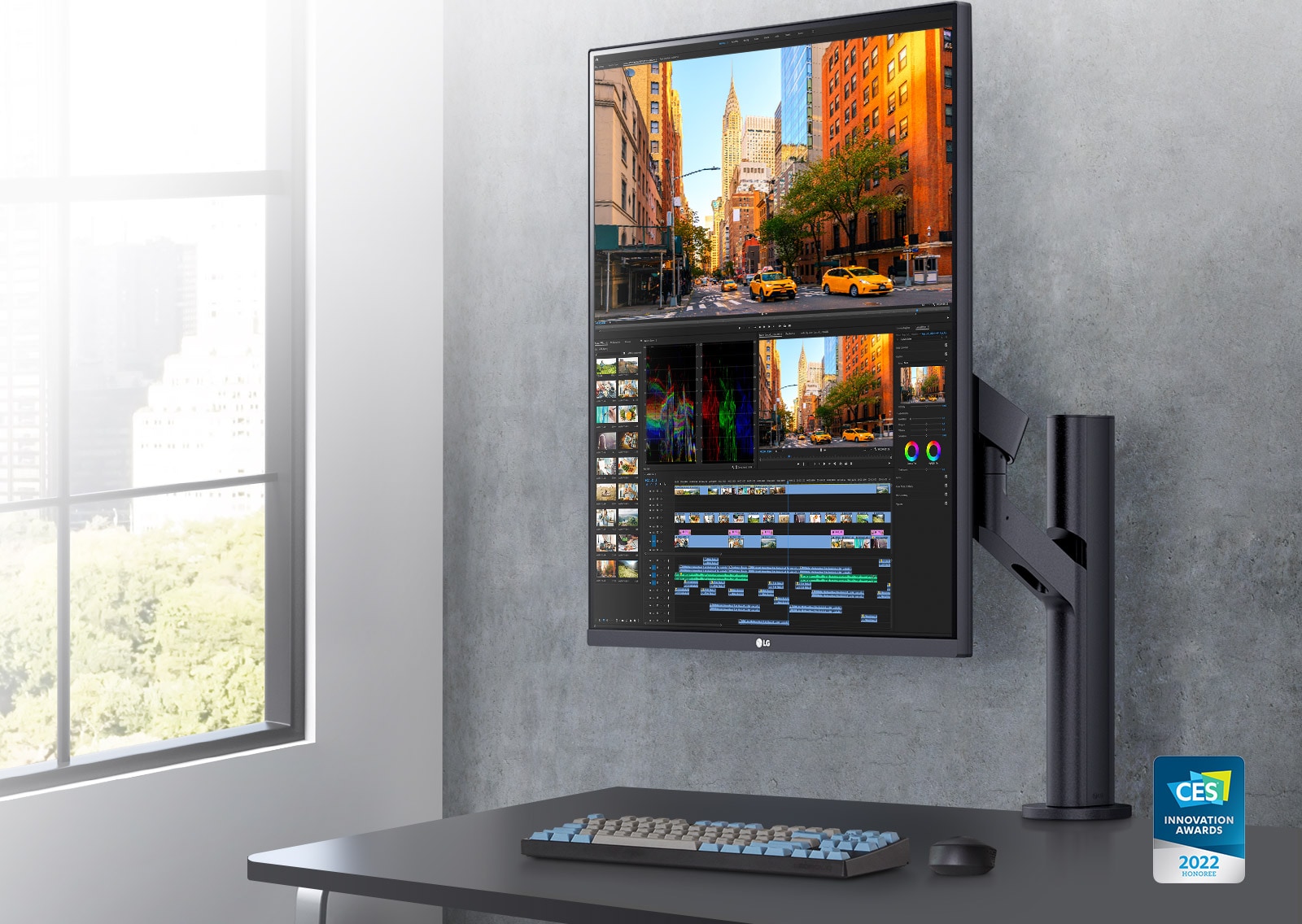
LG has now released its expected DualUp monitor – and it comes with some unique features. The LG DualUp monitor was announced during CES 2022 earlier this year and it will sell for $699. The DualUp sports a three-sided borderless design with on-screen control and auto-brightness supported.
The LG DualUp is quite tall with its dual 21.5-inch QHD stacked horizontally. Diagonally, the screen measures 27.6 inches and offers a 16:18 aspect ratio. The new LG DualUp monitor could appeal to content creators and productivity practitioners excitedly. LG’s Nano IPS panel inside the DualUp delivers HDR10 content with a 98% color gamut. Connectivity for the new monitor includes HDMI (2), DisplayPort, USB-A, and USB-C. The USB-C port supports DP video, data passthrough, and 90W PD charging. Audio-wise, there is a headphone jack on the DualUp and two 7W speakers.
The LG DualUp Monitor is capable of simultaneously displaying content from two sources. LG’s sturdy Ergo Stand is part of the package and it can clamp securely to your desk. Several options in terms of the height and viewing angle are supported. These include height adjustment, swiveling, pivoting, and tilting.
The dual display, HDR10 graphics, and several other features make the DualUp Monitor quite versatile. Its price tag of $699 is also seen as a fair bargain in some quarters. The LG DualUp monitor can be purchased directly from LG’s website.
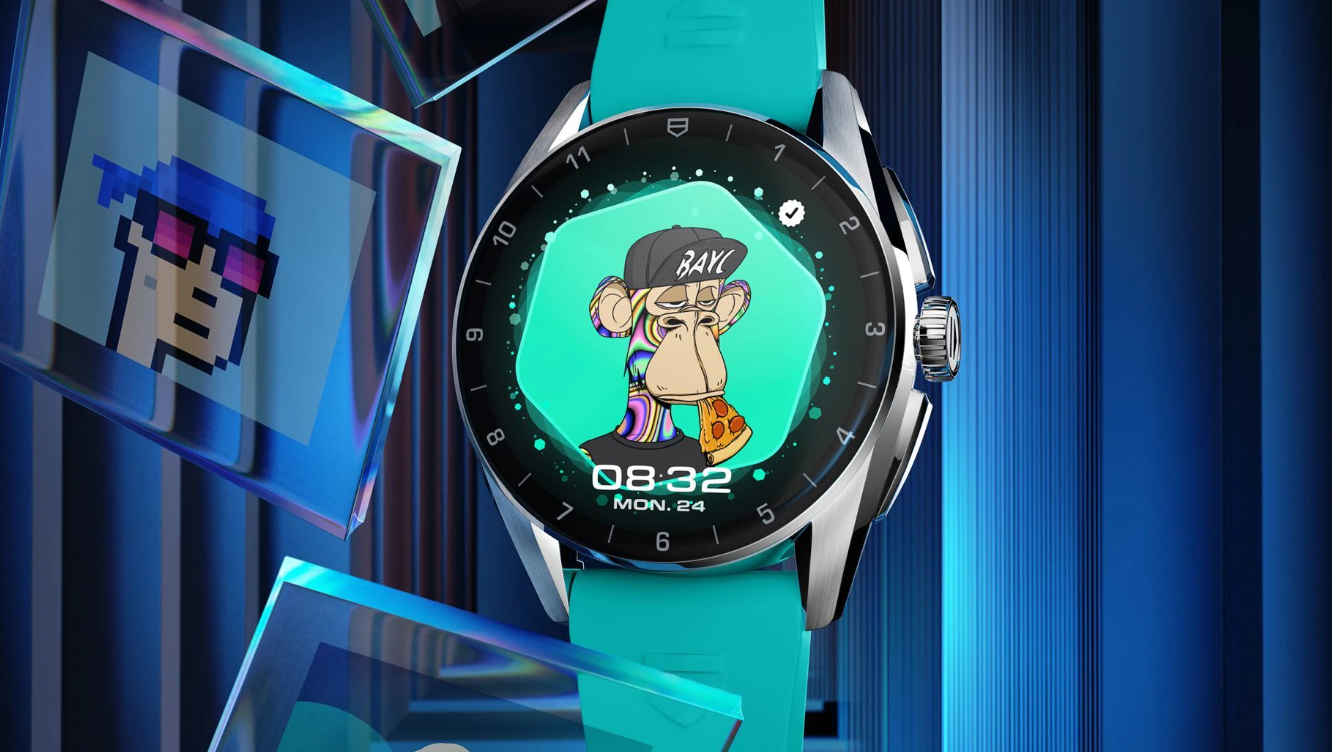
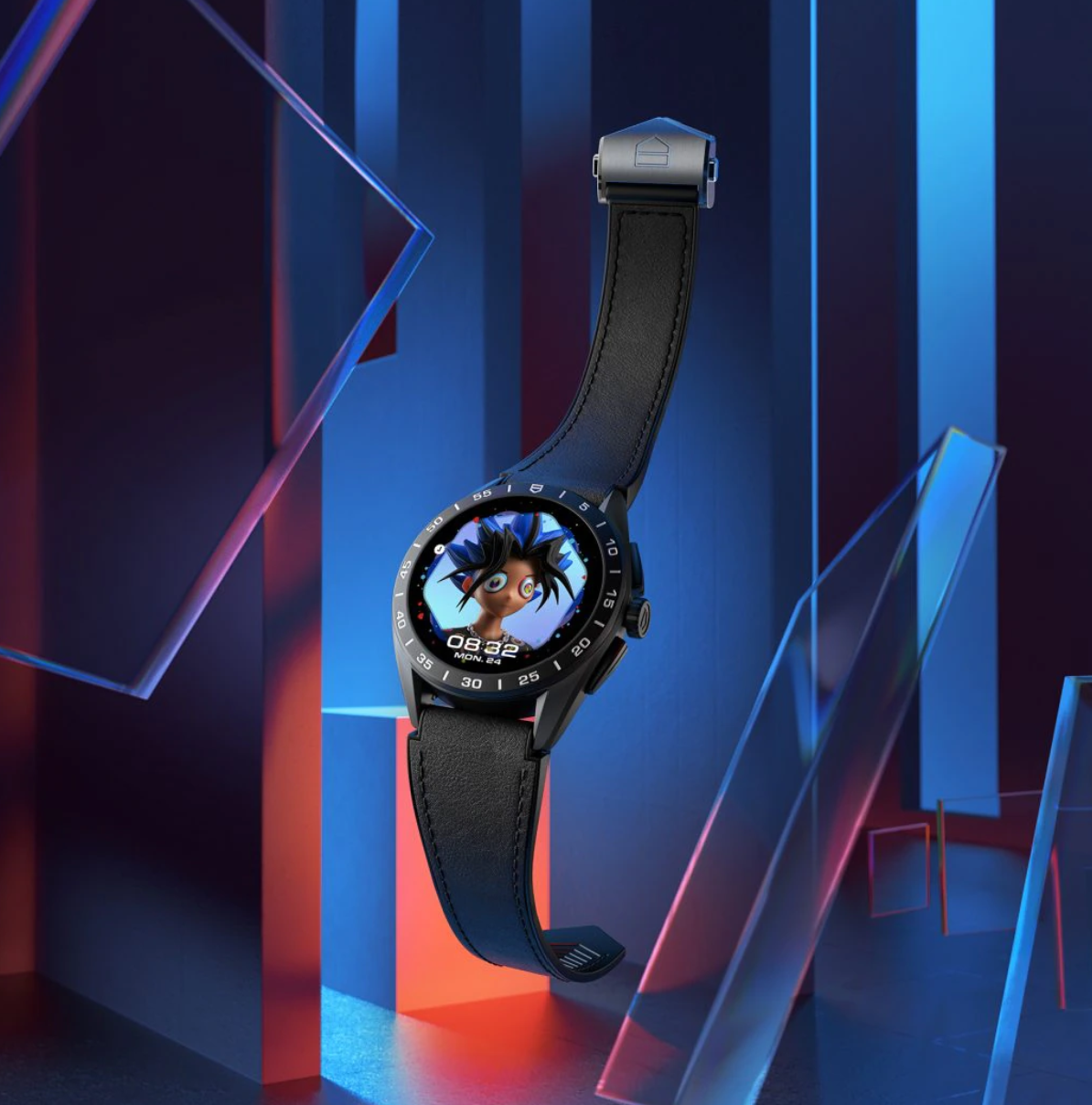
Swiss watchmaker TAG Heuer has launched a new luxury smartwatch that supports NFT. The watch is a culmination of TAG Heuer’s partnership with Clone-X and the nonfungible token (NFT) community around Bored Ape Yacht Club. The new smartwatch is the TAG Heuer Connected Calibre E4 which is basically an upgrade of the vanilla Calibre E4.
The TAG Heuer connected Calibre E4 NFT version will display NFTs and also seamlessly connect to several crypto wallets. The functionality of the Calibre E4 is such that the NFTs will be transmitted to it via pairing with a smartphone. The TAG Heuer Calibre E4 will support both static and animated NFTs. In addition, multiple NFTs can be transferred into the smartwatch at the same time. The NFT artwork can also be resized and displayed within three designs.
The TAG Heuer Calibre E4 supports both still-image and animated GIFs NFTs. The smartwatch will retain the crisp detail of the NFT which can be used as a watch face. The Calibre E4 can also connect to the blockchain and verify the ownership of the NFT. TAG Heuer says that verified NFTs are displayed as hexagons with a cloud of particles around them. Users will be able to update their smartwatches to get NFT support.
The free update is available to Calibre E4 users from the Apple App Store and Google Play Store. TAG Heuer is expanding support for blockchain through a raft of projects. Last month, it started accepting payments in Bitcoin and eleven other cryptos.
We use cookies on our website to give you the most relevant experience by remembering your preferences and repeat visits. By clicking “Accept”, you consent to the use of ALL the cookies.
This website uses cookies to improve your experience while you navigate through the website. Out of these, the cookies that are categorized as necessary are stored on your browser as they are essential for the working of basic functionalities of the website. We also use third-party cookies that help us analyze and understand how you use this website. These cookies will be stored in your browser only with your consent. You also have the option to opt-out of these cookies. But opting out of some of these cookies may affect your browsing experience.
Necessary cookies are absolutely essential for the website to function properly. This category only includes cookies that ensures basic functionalities and security features of the website. These cookies do not store any personal information.
Any cookies that may not be particularly necessary for the website to function and is used specifically to collect user personal data via analytics, ads, other embedded contents are termed as non-necessary cookies. It is mandatory to procure user consent prior to running these cookies on your website.