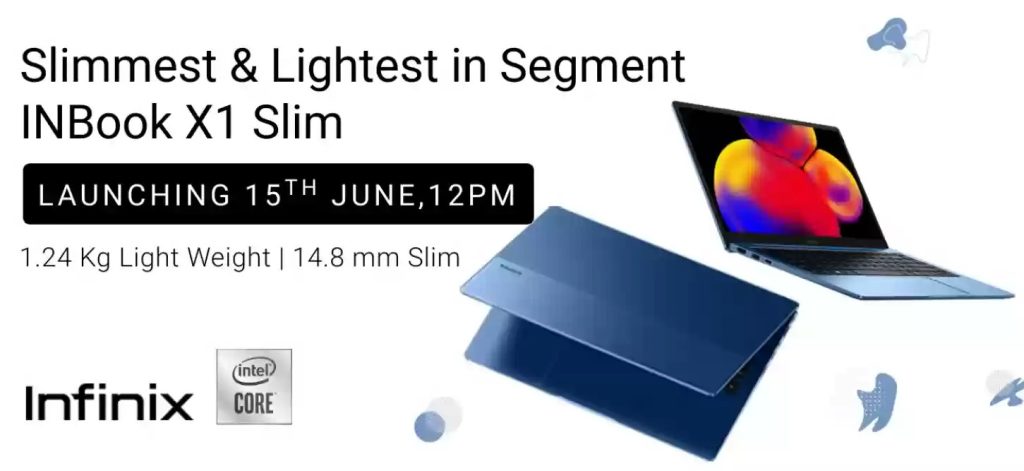
Infinix was rumored to launch a new laptop sometime this month in the Indian market, and now, the brand has officially teased the Infinix INBook X1 Slim notebook for a June 15th launch. So let’s take a look at what the upcoming device has to offer.
Infinix INBook X1 Slim specs
The laptop features a 14-inch Full HD display with 100 percent sRGB coverage and 72 percent NTSC color gamut coverage. It offers a decent brightness level of 300 nits.
Coming to what’s under the hood, the laptop is offered with three different 10th Gen Intel chipsets. The lower end comes equipped with a dual-core Core i3-1005G1 with a 1.2GHz base clock and 3.4GHz boost clock. The mid-tier option has the Core i5-1035G1 quad-core processor with a 1GHz base clock and up to 3.9GHz boost clock. The top-of-the-line model houses a Core i7-1065G7 processor quad-core processor with a 1.3GHz base clock and a 3.9GHz boost clock. The i3 and i5 variants come with Intel UHD graphics and the i7 model has Intel Iris Plus graphics.
The i3 and i5 notebooks come with 8GB of LPDDR4X ram paired with 256GB and 512GB NVME m.2 SSD respectively. The top-spec model has 16GB LPDDR4X and 512GB NVME m.2 SSD. Other than that, the laptops boot Windows 11 out of the box, come with a 720p webcam, and offer two digital microphones. the top-end version also gets a fingerprint reader for security.
Connectivity options include Wi-Fi 6 802.11 ax (2.4GHz and 5GHz) and Bluetooth 5.1. The INBook X1 slim offers multiple ports including two USB-C ports, two USB 3.0, an HDMI 1.4, an SD card slot, and a 3.5mm headphone microphone combo jack.
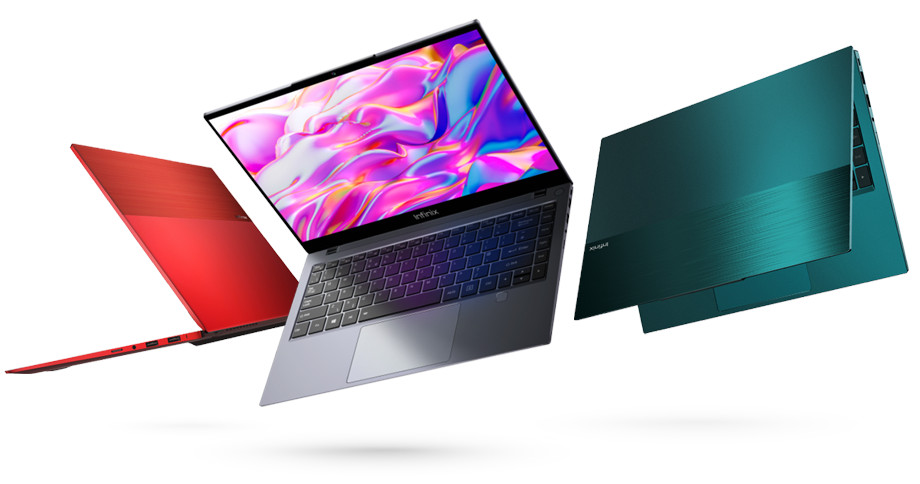
The laptops come with a 50Wh battery offering up to 11h of web browsing or 9h of video playback. They also offer 65W fast charging on one of the USB-C ports. The company has confirmed aluminum alloy metal body in Grey, Blue, Green, and Red colors. The pricing of the INBook X1 Slim is still under wraps, so stay tuned for more.
With Qualcomm launching the new Snapdragon 8+ Gen 1 SoC, many next gen flagship phones are expected to launch with the new chipset. However, a new leaked revealed details regarding a true successor to the original 8 Gen 1, called Snapdragon 8 Gen 2, and one tipster believes that the Xiaomi 13 will be one of the first to feature this chipset.
Snapdragon 8 Gen 2 SM8550
TSMC 4nm process 1+2+2+3 CPU 1 × Cortex X3 2 × A720 2 × A710 3 × A510
For those unaware, we had just reported on a leak that revealed some details regarding the Snapdragon 8 Gen 2 SoC. Apparently, the next gen flagship chipset for premium smartphone will feature a unique cluster configuration. While the existing 8 Gen 1 chips have a 1 + 3 + 4 core clusters, the new 8 Gen 2 processor will feature a 1 + 2 + 2 +3 configuration.
The Snapdragon 8 Gen 2 will reportedly have one Makalu generation core, another cluster with two Makalu generation cores, followed by two Matterhorn cores, and three Klein R1 cores. But now, tipster Abhishek Yadav has claimed that two smartphones will be among the first to feature Snapdragon 8 Gen 2 SoC. One of these flagship phones will be the Xiaomi 13. The Snapdragon 8 Gen 2 will have a code name SM8550-Kailua configuration, which was revealed by Digital Chat Station.
Furthermore, the Chinese blogger also added that the new chipset will have an Adreno 740 GPU and will be produced on the advanced 4nm process node from TSMC. As of right now, it is still too early to confirm this news. So stick around for more, as we will be providing updates when additional information is available regarding this matter.
Xiaomi is planning on launching its latest generation of smart band soon. The new smart wearable is dubbed the Xiaomi Band 7 and is set to launch in two variant in the global markets.
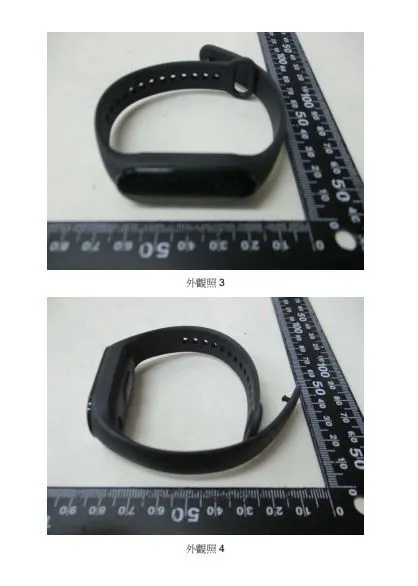
For those unaware, the company has already launched the Band 7 and Band 7 NFC in the Chinese market. Now, the two are expected to soon be announced for the global market as well. However, prior to its release, the upcoming smart band was spotted on a certification website, which also revealed live images of the gadget. The Band 7 was spotted on the NCC certification website along with multiple live images that confirm the global variant’s design.
Looking at these images, we can safely assume that its design is the same as the model launched in China. Furthermore, the NCC database also lists the new band with a 180mAh battery pack. We already know that the device sports a 1.62 inch AMOLED display and a 500 nits of peak brightness. The new wearable will also come with support for various health related trackers like heart rate monitoring, SpO2 blood oxygen monitoring, menstrual cycle tracking, and more.
The Xiaomi Band 7 will also supports more than 120 workout and sports related modes and feature over 100 customizable faces as well. Interestingly, while the product is called the Band 7 in the global market, the Chinese tech giant might rebrand it as the Mi Band 7 for the Indian market. Although, this is still unconfirmed at the moment, so take it with a pinch of salt for now and stay tuned for more updates.
Xiaomi launched the Redmi Note 10S in the first half of 2021. It was placed between the Redmi Note 10 and the Redmi Note 10 Pro. A year later, a report now states that this device may get a re-release and a Pro variant but under a different brand.
Redmi Note 10S
According to Xiaomiui, the year-old Redmi Note 10S will be re-introduced as a Poco-branded smartphone around mid-August. The handset will be also accompanied by a Pro version.
These upcoming phones are codenamed ‘rosemaryp’ and ‘rosemaryp_pro’. The original Redmi Note 10S is called ‘rosemary’ and it does not have a Pro model.
Although the blog doesn’t mention the specs of these forthcoming devices, it does suggest that the non-Pro variant could arrive with the same set of features as the Redmi Note 10S. On the other hand, the Pro version may have a better set of specs for a higher price tag.
For the unaware, the Redmi Note 10S has a 6.43-inch FHD+ AMOLED display, a Mediatek Helio G96 SoC, LPDDR4x RAM, UFS 2.2 storage, 64MP (wide) + 8MP (ultra-wide) + 2MP (macro) + 2MP (depth) quad-camera setup, and a 13 MP selfie camera.
It also comes with dual stereo speakers, a 3.5mm headphone jack, a dedicated MicroSD card slot, a side-mounted fingerprint sensor, IP53 rating, 5,000mAh battery, and 33W fast charging support.
Since we are two months away from the suggested released timeline, Poco is yet to officially tease the launch of these smartphones.
Nothing is all set to unveil its first smartphone dubbed, Nothing Phone (1) on July 12 with the goal of being the “Wake-up call” of smartphone industry. The team at Nothing has managed to keep the leaks to a minimum but as we move closer to the launch, more and more details have started to emerge. A new TUV listing has been spotted online which reveals that the Nothing phone (1) may support 45W fast charging.
According to a report by 91mobiles, a TUV certification for a Nothing brand charger with model numbers C304, C347, and C348 has been spotted. The three model numbers indicate that these might be three global variants of the same charger. The charger is listed under the “Switching power supply unit” category and is said to have an IP20 degree of protection.
The charger is rated for up to 45W fast charging. This means that the Nothing Phone (1) could support up to 45W fast charging.
Additionally, the charger is listed to be compatible with the PPS charging standard, meaning it can be used to fast-charge devices like laptops and other Android smartphones.
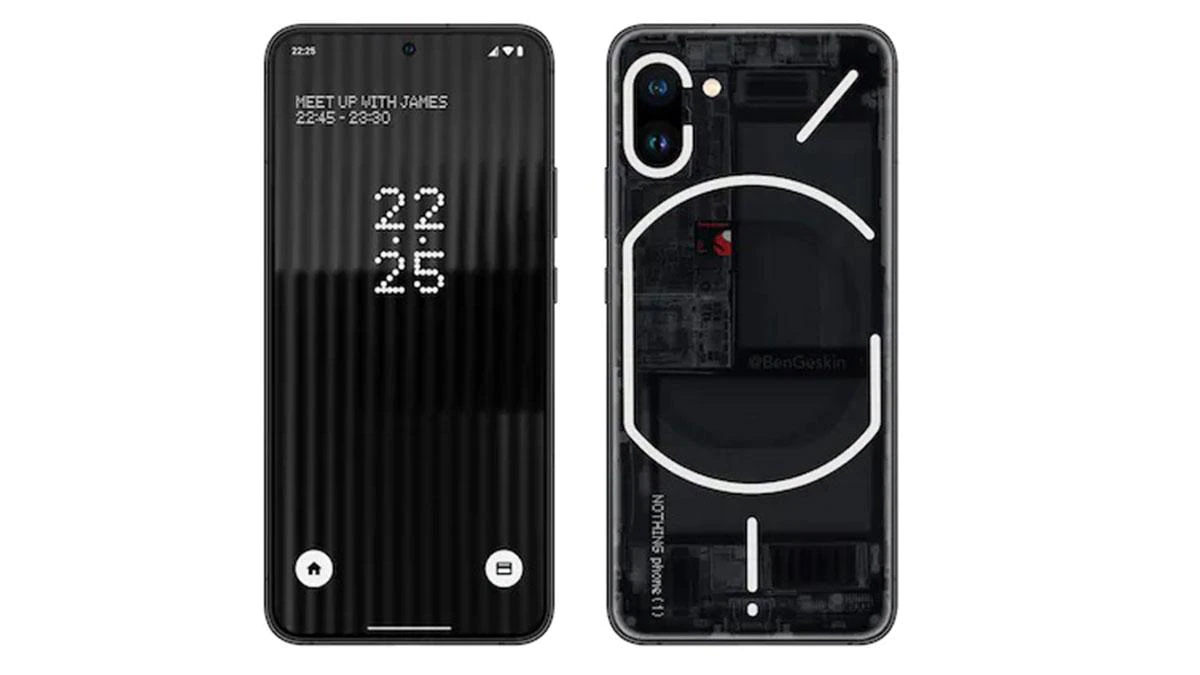
The Nothing Phone (1) is scheduled to launch on July 12 in a special event taking place in London. The details about the handset are short but we do know that it will come with a transparent back, fast wired and wireless charging, and super slim bezels.
If rumors and leaks are to be believed, the Nothing Phone (1) will draw power from a Snapdragon 7 Gen 1 Soc paired with up to 8 GB of RAM, and up to 128 GB of storage. It is also expected to have a 6.55-inch full HD+ OLED panel offering a resolution of 1080 x 2400 pixels. We hope to learn more details about the smartphone in the coming days.
Earlier this month, boAt had announced a new hearable product that was being targeted towards gamers. Now, the Airdopes 191G gaming TWS earbuds have finally gone on sale in India.
The new wireless earphones are design for gamers, so they feature a low latency of just 65ms (which its calling Beast Mode). This is key to ensure that there is no delay between the audio and visuals during gameplay. Furthermore, it features a stem design, with the earbuds’ body being slightly transparent as well. The Airdopes 191G houses 6mm audio drivers and also features a hexagonal shaped charging case that features breathing LED lighting as well.
In terms of battery life, the company claims that the buds can last for up to 6 hours on a single full charge, while the case offers an additional 4 charging cycles. In other words, users can expect to get about 30 hours of battery life in total from the 400mAh battery pack on the case. Other features include a quad mic setup for the ENx technology for noise free calls, IWP support, Bluetooth 5.2, IPX5 water resistance, and more.
The new boAt Airdopes 191G is currently listed on Amazon, Flipkart, and the company’s official website and is priced at 1,499 INR (roughly 19 US Dollars). It is also available in multiple color variants as well, including a Black, Blue, Gray, and Red options. So those looking to purchase a new earbuds and are into mobile gaming, this might be a good option to consider.
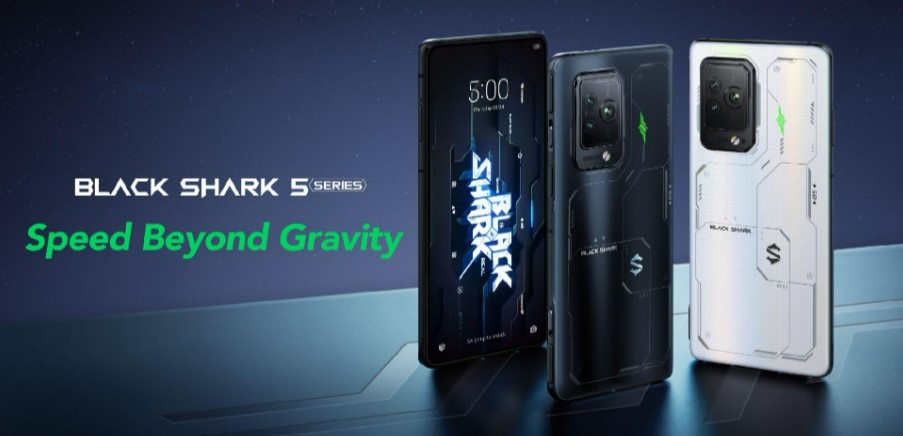
Black Shark has officially launched the Black Shark 5 series, its newest addition to gaming phones in the global market. Under this series, the company has launched Black Shark 5 and Black Shark 5 Pro gaming phones.
In this latest series, Black Shark has kept all the great features of its predecessors but got some new and interesting additions and upgrades that will take your gaming experience to the next level. The highlights of the Black Shark 5 series include the latest Snapdragon 8 Gen 1 chipset, upgraded magnetic pop-up triggers, ultra-responsive 144Hz display, anti-gravity dual-VC cooling, and 120W hypercharge. So let’s take a look at the specs.
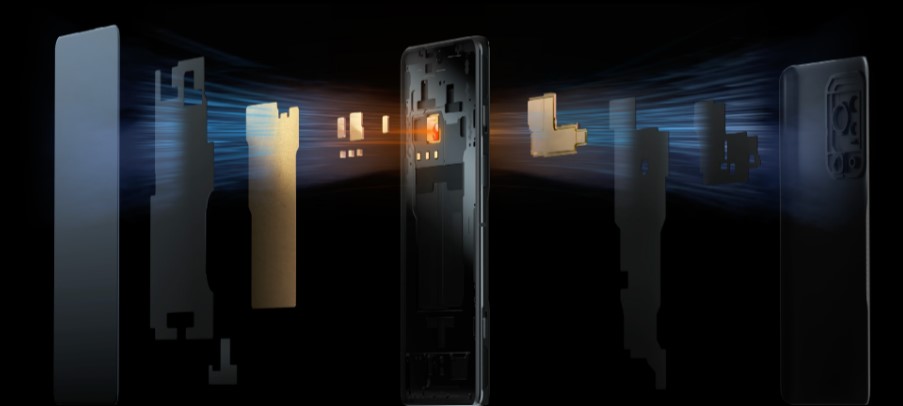
Black Shark is famous in the gaming and e-sport arena so it’s imperative to check out its gaming performance. One of the most important factors in a gaming smartphone is its cooling ability. When you play high-end and energy-consuming games for hours, it’s natural for the phone to heat up which not only slows down your performance but also damages your battery. To solve this issue of overheating, the latest Black Shark 5 Pro’s cooling is upgraded to the new anti-gravity dual VC liquid cooling system. In this system, you use two VC liquid cooling plates that have a combined area of 5320mm². The new “anti-gravity” layer of the capillary structure on the VC liquid cooling plate increases liquid circulation speed. T
he main heat sources such as SoC, 5G antenna, and battery are connected to this VC liquid cold plate by a direct-touch copper alloy design, which accelerates heat dissipation from core heat sources to all edges of the chassis and ensures stable performance. Also, advanced cooling materials like graphite sheets, graphene, and phase change heat material are widely used to enhance heat dissipation efficiently and evenly. Moreover, the Black Shark 5 series’s GameEngine is also optimized with the new Thermal Control and AI process monitoring to achieve a more stable frame rate. This means with Black Shark 5, you get an advanced cooling technology that gives you an unmatched gaming performance.
Performance:
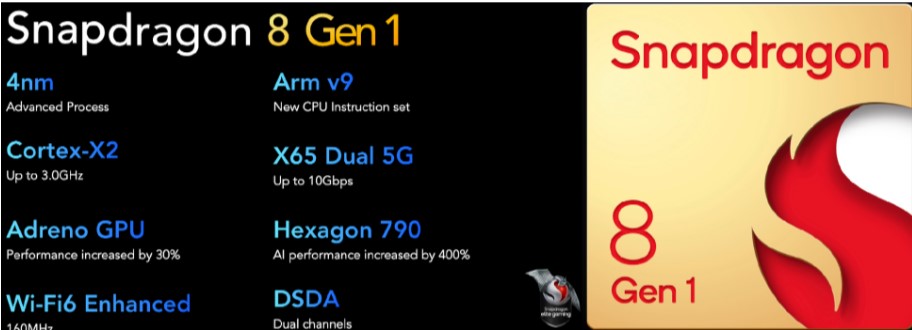
Black Shark 5 Pro comes with the latest Qualcomm Snapdragon 8 Gen 1 chipset and multiple memory options viz. 8GB / 12GB / 16GB LPDDR5 RAM and 128GB / 256GB storage. As the most advanced 5G platform, Snapdragon 8 Gen 1 is built with a 4nm process, the new Cortex-X2 CPU with a clock speed up to 3.0 GHz, and the re-architected Qualcomm® Adreno™ that is 25% more efficient and delivers 50% faster graphics rendering. Also to enhance your audio experience, the phone comes with Qualcomm Snapdragon Sound and Qualcomm aptX lossless audio technology that delivers high quality, detailed, and crystal-clear audio experience.
Special Gaming Controls:
Black Shark has been pushing the boundaries of mobile gaming controls for years, from using dual-zone pressure-sensitive displays to magnetic pop-up triggers. In the Black Shark 5 series, the company has expanded the effective pressure-sensitive area by 16%, thereby enhancing the gaming control. Also, the signature second-generation magnetic pop-up triggers are built with a seven-level magnetic drive lift with gaming-grade microswitches, giving gamers a crisp and comfortable console-level gaming experience.
Display and Battery:
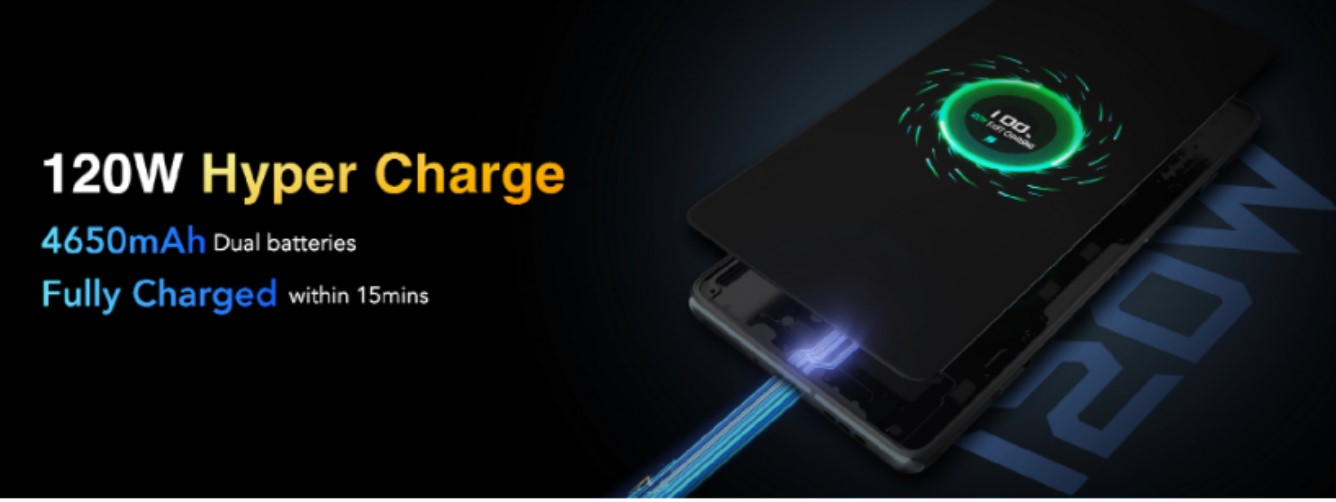
Black Shark 5 Pro comes with a 6.67” OLED E-Sport display with 10-bit color depth, DCI-P3 color gamut, HDR 10+, and SGS eyecare protection, featuring industry-leading brightness, contrast, color accuracy, and color performance. The smartphone is fueled by a 4650mAh battery and supports 120W hypercharge that charges your phone to 100% in just 15 minutes.
Operating System:
As for the operating system and user interface, the phone features the JOYUI 13 gaming system which is built on MIUI 13 and inherits most of its functions, such as the Mi-Light Cone animation framework, intuitive visuals, super wallpaper, and natural notification sound of the system, etc. Through Shark Space 4.0 on JOYUI 13, users can quickly access network settings, performance adjustments, notification muting, and other functions during gaming. The special ‘diving mode’ is designed for hardcore players who want to avoid being interrupted by phone calls or messages while in-game.
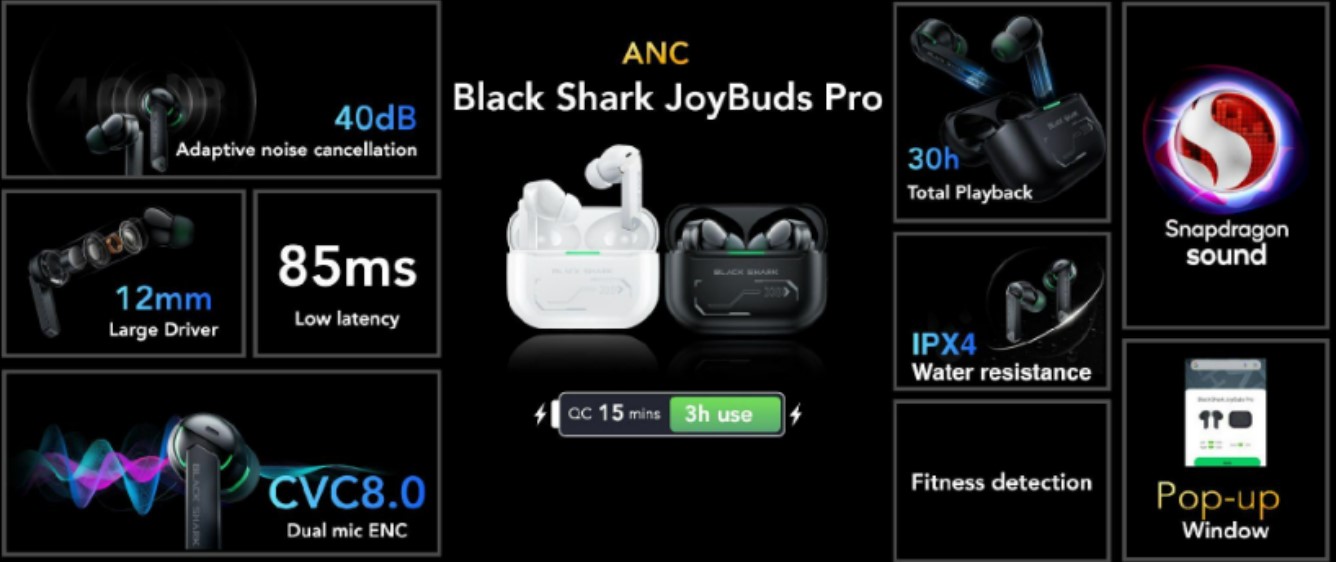
Black Shark Joy Buds Pro
Along with the Black Shark 5 series, the company has also launched its latest Joy Buds Pro noise-canceling earphones. The earbuds come with a 12mm dynamic driver and Qualcomm QCC3056 chip that gives you a 24bit 96kHz sampling rate of high-quality music. Certificated by Qualcomm Snapdragon Sound, Black Shark Joybuds Pro supports adaptive and active noise cancellation up to 40dB.
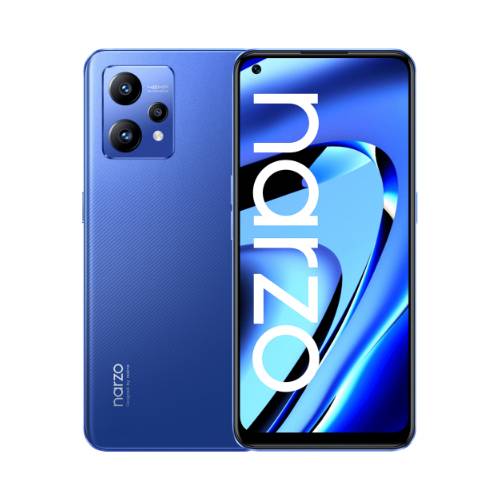
Back in May 2022, Realme had announced two new smartphones for the Indian market. While the base Narzo 50 5G model is already available for purchase in India, the Narzo 50 Pro 5G‘s release was postponed from May 26. Now, the first sale of this model is finally live. So let’s have a look at its specs, pricing, and offers.
Talking about the handset first, the Narzo 50 Pro 5G sports a 6.4 inch sAMOLED display that has a Full HD+ resolution, 90Hz refresh rate, and 360Hz touch sampling rate. Under the hood, it is equipped with a MediaTek Dimensity 920 SoC paired with up to 8GB of RAM and 128GB of internal storage. The device is powered by a large 5,000mAh battery pack that supports 33W fast charging and runs on Android 12 OS based Realme UI 3.0.
For photography, the rear camera module houses a 48 megapixel primary sensor, an 8 megapixel ultra wide angle lens, and a 2 megapixel macro camera. On the front, the device features a 16 megapixel selfie shooter in a punch hole cutout. It even comes with stereo speakers setup that support Dolby Atmos audio. The device measures 7.99mm in thickness and weighs around 181 grams.
Realme has launched the new Narzo 50 Pro 5G in two color options in India, namely Hyper Black and Hyper Blue variant. The 6GB + 128GB storage configuration is priced at 21,999 INR (roughly 282 US Dollars) in India, while the 8GB + 128GB model costs 23,999 INR (roughly 309 US Dollars). The smartphone is exclusively available on Amazon and Realme Store. Notably, the device is also available for a 2,000 INR discount through HDFC Credit Card transactions.
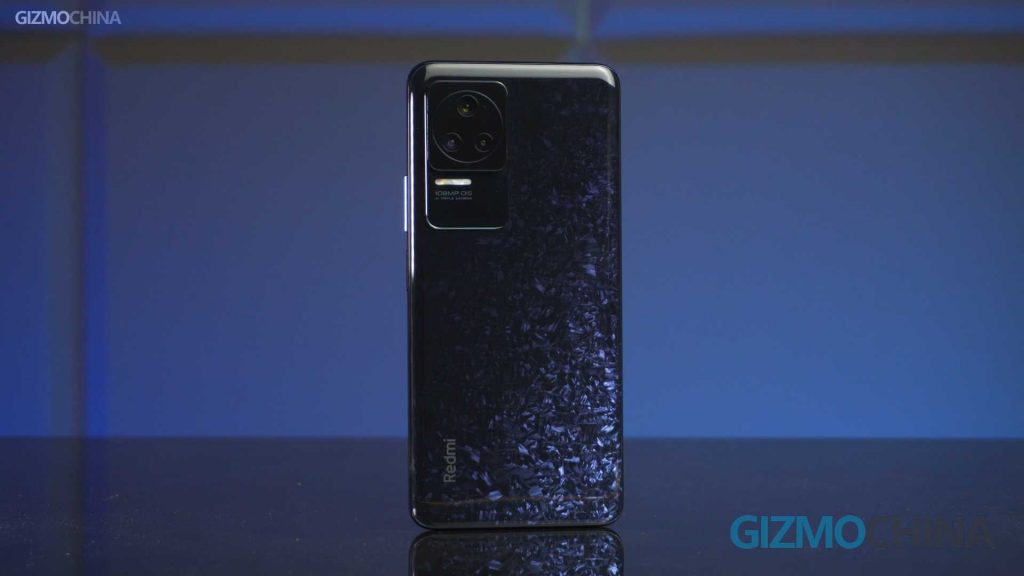
Poco is gearing up to unveil the Poco F4 5G. Though the brand is yet to reveal the launch date, it has started teasing the features. At the same time, the device has been leaked multiple times revealing almost everything about it. Amidst this, a report now states that there was going to be a Poco F4 Pro 5G but not anymore.
Redmi K50 Pro
According to Xiaomiui, Xiaomi, the parent company of Redmi and Poco, was working on Poco F4 Pro 5G until recently. But it appears that the company seems to have axed the plan to bring this device to the market.
For the unaware, the Poco F4 5G is a rebranded Redmi K40S with a 64MP primary camera instead of a 48MP sensor. Similarly, per MIUI code, the Poco F4 Pro 5G is based on Redmi K50 Pro.
The Redmi K50 Pro codenamed ‘Matisse’ is one of the few smartphones powered by a Mediatek Dimensity 9000 chipset. It is also one of the few upper mid-range handsets with a 2K AMOLED display that also happens to support Dolby Vision.
Xiaomiui states that Xiaomi had been developing internal MIUI builds for the Poco F4 Pro 5G till April 19. As it has been nearly two months since the release of the last software build, the blog suggests that the phone may have been canceled.
However, it is worth noting that the Poco F4 Pro 5G’s branding recently appeared on the promo page meant for Poco F4 5G. Perhaps, it could be a typo as there are no other concrete proofs for the launch of this smartphone.
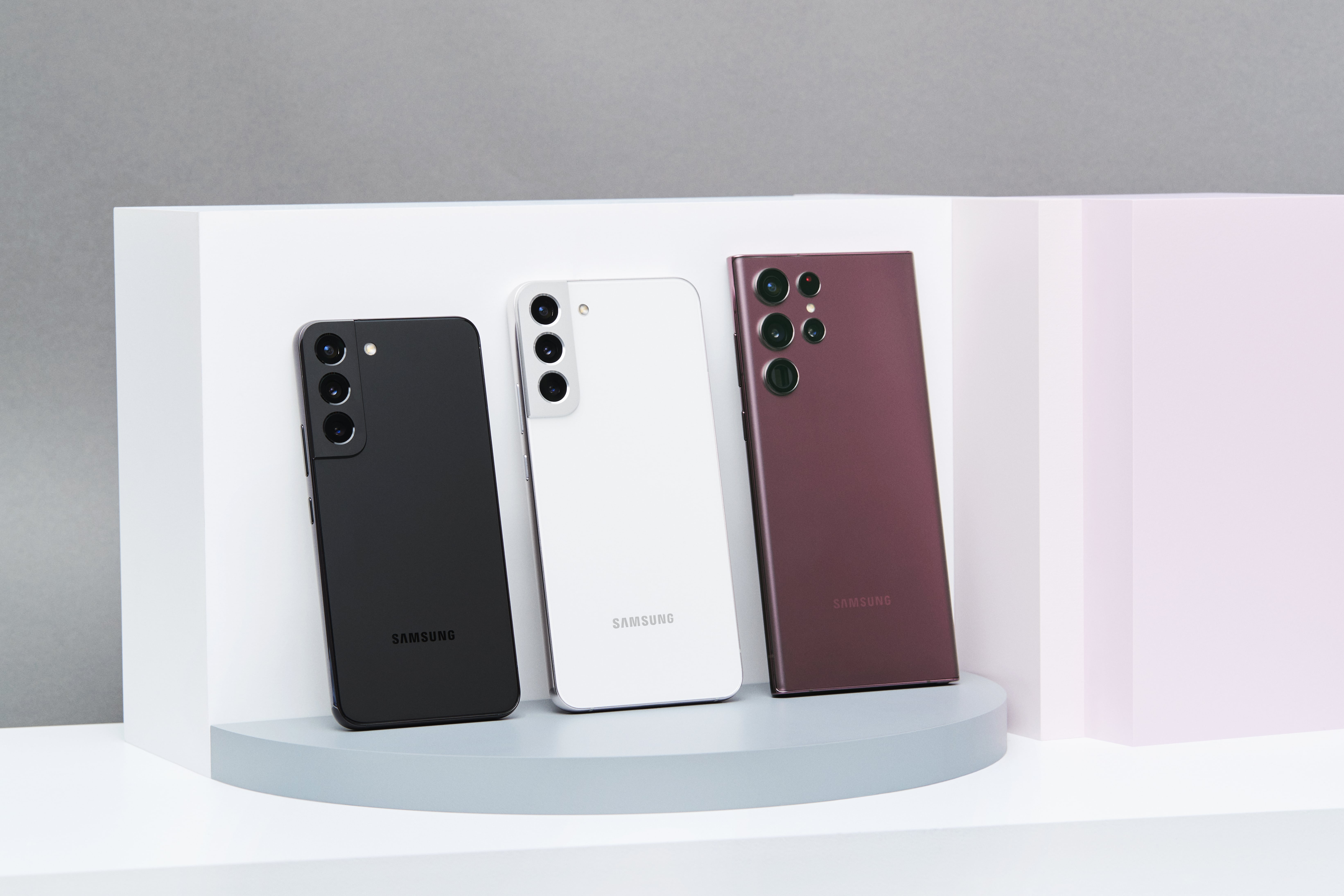
Last week, Samsung rolled out the June 2022 security update to the Galaxy S22 series. The update’s changelog didn’t mention many improvements besides the regular security patches and bug fixes. However, a recent post by a community moderator on Samsung’s forums reveals that the update contains some big surprises in the form of significant camera improvements.
According to the community post, the new update carries some serious camera improvements. For instance, Photos will now have a more natural sharpness and improved contrast expression. It is also likely that the update will fix the oversharpening issues.
The latest update is also said to fix camera bugs that cause the phone to stop taking pictures after capturing a shot with the Single Take mode. In addition, the update also carries tweaks in the automatic white balance algorithm so the camera will now capture more natural colors when capturing dogs and other animals
Moreover, memory consumption while recording videos has also been reduced, resulting in fewer stutters and frame drops. Lastly, the portrait mode performance has been proved and camera performance is also optimized.
As mentioned above, all these improvements came with the June Security update that was released last week. The update came packed in 1.7GB of data. Aside from the camera improvements, the update also increased the underlying Linux kernel version from 5.10.43 to 5.10.81.
The update was initially released in European and Asian countries, however, by now it should have reached almost every region. If you haven’t received it, you should manually check if it’s available to you. To check, head over to the Settings > Software update > Download and install.
Samsung recommends users to update their Galaxy smartphones while connected to a strong Wi-Fi and charging.
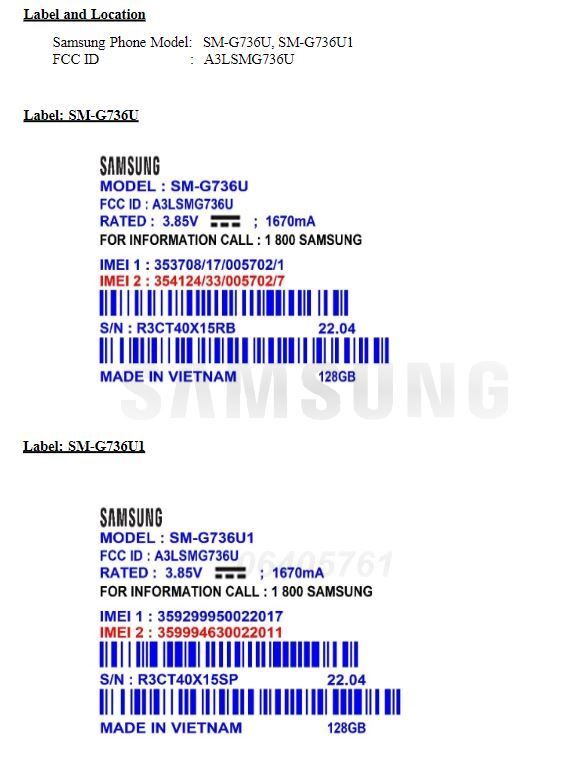
Samsung Galaxy XCover 6 Pro has been spotted on the Federal Communications Commission’s (FCC) certification database. The smartphone is expected to be the successor of the rugged Galaxy XCover Pro launched back in 2020. Previously, the handset has also appeared on a couple more certifications sites such as Bluetooth SIG, Geekbench, and Google Play Console listing. The recent FCC listing reveals that the smartphone will come with 25W fast charging and 128GB internal storage.
According to a report by MySmartPrice, Samsung Galaxy XCover 6 Pro has been spotted on the FCC certification listing database. The listing suggests that the smartphone will likely support 25W fast charging. Also, the upcoming handset is listed to sport 128GB of internal storage. The smartphone has appeared on the FCC site with SM-G736U and SM-G736U1.
Image credit: MySmartPrice
It is worth mentioning that the Smartphone was previously named “Galaxy XCover Pro 2” but for some reason, it got changed to Samsung Galaxy XCover 6 Pro.
As mentioned above, the Galaxy XCover 6 Pro has also been spotted on Bluetooth SIG, Geekbench, and Google Play Console sites, which revealed some major specifications of the smartphone. Let’s have a look at it.
Samsung Galaxy XCover 6 Pro Specifications (Expected)
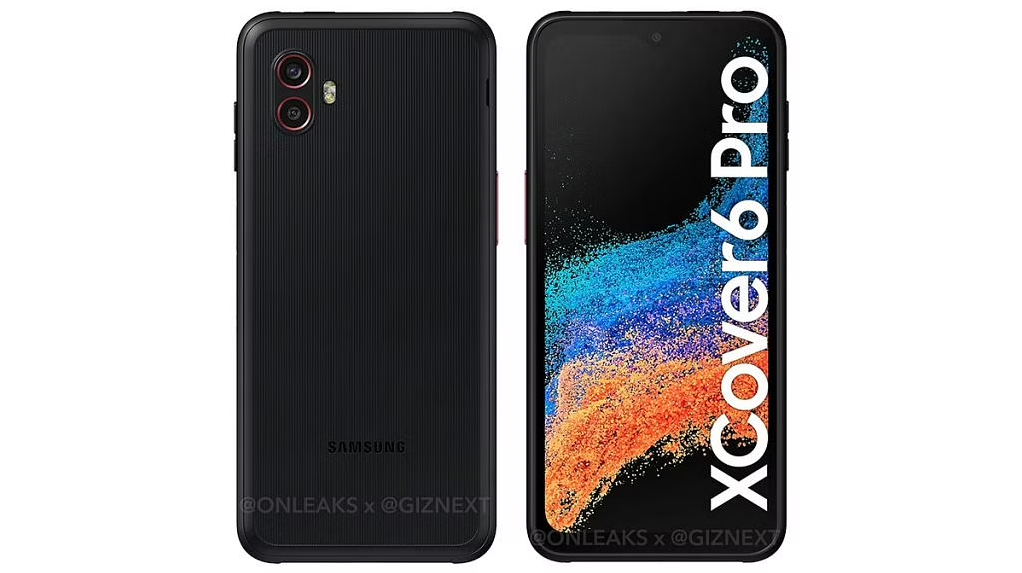
The smartphone will feature a 6.6-inch TFT display with 1080 x 2408 pixels FHD+ resolution and a 60Hz refresh rate. It will sport thick bezels and a dew-drop notch.
The smartphone will draw power from the 5G enabled Snapdragon 778G chipset paired with 6GB RAM and 128GB storage. While on the software front, the XCover6 Pro will run Android 12-based One UI out of the box. The device is expected to have a 4,050 mAh battery and a 25W fast charging support.
Image via Giznext
As far as the cameras are concerned, the smartphone will have a 50-megapixel main camera paired with an ultrawide sensor of 8-megapixel or 12-megapixel resolution. It will feature a 13-megapixel snapper on the front for selfies and video calls.
Last month, Qualcomm announced the upgraded version of the Snapdragon 8 Gen 1 processor, dubbed Snapdragon 8 Plus Gen 1, which will be powering most of the flagship smartphones getting launched this year.
The company is also gearing up to launch the next-generation flagship processor towards the end of this year, which is likely to be called Qualcomm Snapdragon 8 Gen 2, and details about the chipset have started surfacing online.
As per the latest report from Digital Chat Station, it is claimed that the upcoming Snapdragon 8 Gen 2 processor, which apparently has the SM8550 Kailua model number and codename, will come with a completely different cluster configuration.
The chipset, which will be manufactured by Taiwan Semiconductor Manufacturing Company (TSMC) based on its 4nm process, will reportedly have a 1+2+2+3 configuration instead of the usual 1+3+4 configuration.
The current Snapdragon 8 Gen 1 comes with one common big ARM core, three medium cores, and four low-power cores, a cluster design that is now being used by most chip makers for their high-end processors.
As per the report, the upcoming Snapdragon 8 Gen 2 will have one Makalu generation core, another cluster with two Makalu generation cores, followed by two Matterhorn cores, and three Klein R1 cores. ARM’s Matterhorn generation refers to its 2021 Cortex CPUs, whereas Makalu is meant for 2022 phones.
This means that the Qualcomm Snapdragon 8 Gen 2 could have one Cortex-X3 core, which has not been announced yet, two Cortex-A720 cores, two Cortex-A710 cores, and three older Cortex-A510 cores, likely to be coupled with the Adreno 740 GPU.
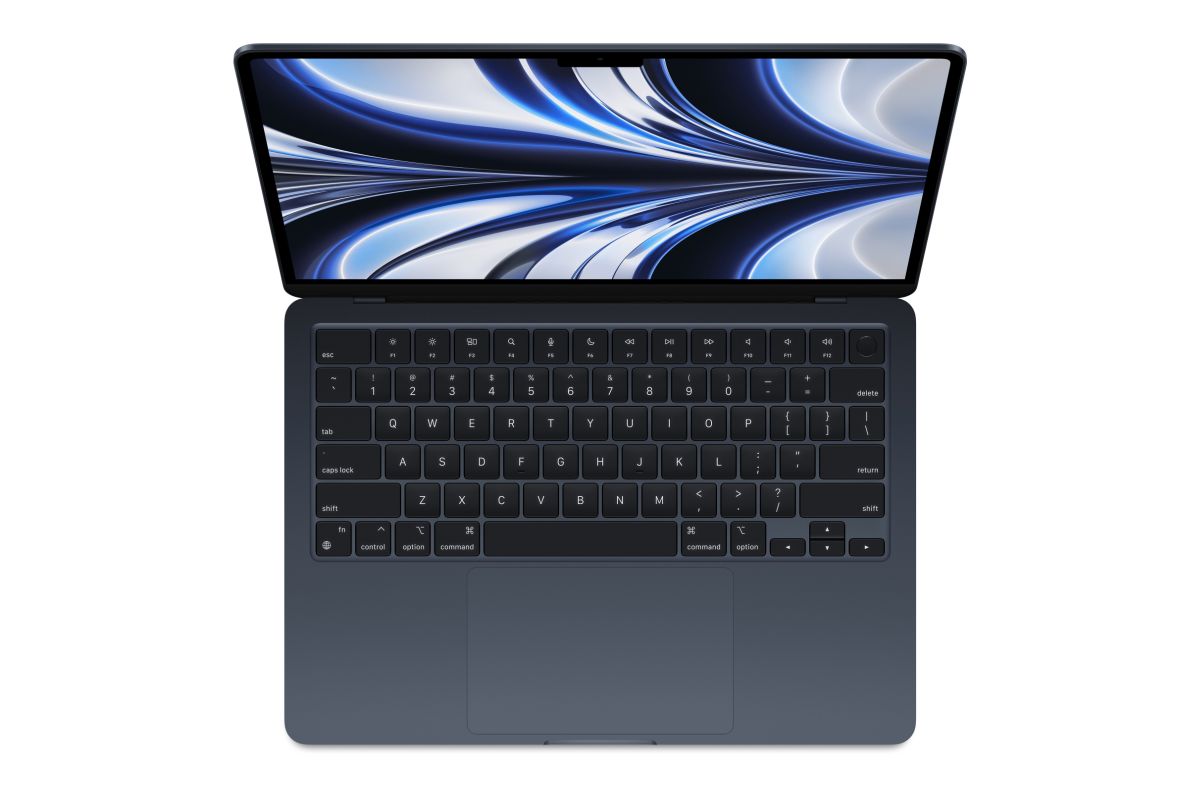
Apple has four different MacBook models available in the market. The company recently unveiled the next-generation MacBook Air and the 13-inch MacBook Pro which come powered by the company’s latest Apple Silicon M2 chipset.
Now, as per the latest report, Apple is gearing up to launch two new models of the MacBook laptop in the next year and some details about these devices have leaked.
Apple is expected to launch a new 15-inch MacBook Air and a 12-inch MacBook but which type of device it remains unknown. As for the 15-inch MacBook Air, when launched, it will be the biggest MacBook Air from the brand to date.
In fact, the size of the MacBook Air laptop powered by the M2 processor is also slightly bigger than its predecessor. It now comes with a 13.6-inch screen instead of the usual 13.3-inch display on the laptop.
Coming to the design, it is being reported that the 15-inch model of the MacBook Air will be similar to the 13.6-inch model, which means that the tapered frame that the MacBook Air used for years will be eliminated.
As for the launch timeline, the 15-inch MacBook Air could go official in early 2023 at a planned Spring event while the 12-inch model is expected to launch towards the end of 2023 or in early 2024. With the official launch so far away, we expect to get more information about these devices in the coming months.
In October 2021, Redmi unveiled the Redmi Note 11 Pro 5G, the Redmi Note 11 Pro+ 5G, and the Redmi Note 11 5G in China. It appears that October 2022 could see the arrival of the Redmi Note 12 series in the home market. Well ahead of the expected launch, popular tipster Digital Chat Station has reportedly (via) shared key details of the Note 12 lineup.
The tipster has tipped information about an upcoming mid-range phone/series. While he hasn’t explicitly mentioned the name of the series, it seems that he could be talking about the Redmi Note 12 lineup.
Redmi Note 11T Pro series
The tipster revealed that the alleged Note 12 series will offer a balanced experience. The early prototype of the device, which he was able to access, was found to be equipped with a flat screen and a camera punch-hole positioned at the top centre. While he hasn’t mentioned the size of the screen, he revealed that it will have support for a high refresh rate.
Moving to the rear, the purported Note 12 lineup will have a triple camera unit headlined by a 50-megapixel camera. He added that there is no change in the arrangement of the lenses, which indicates that the camera unit or the camera configurations may not be too different from its predecessor. He concluded the leak by saying that the camera module is equipped with a horizontal LED flash unit. Unfortunately, the leak did not reveal any information on the major specs of the lineup.
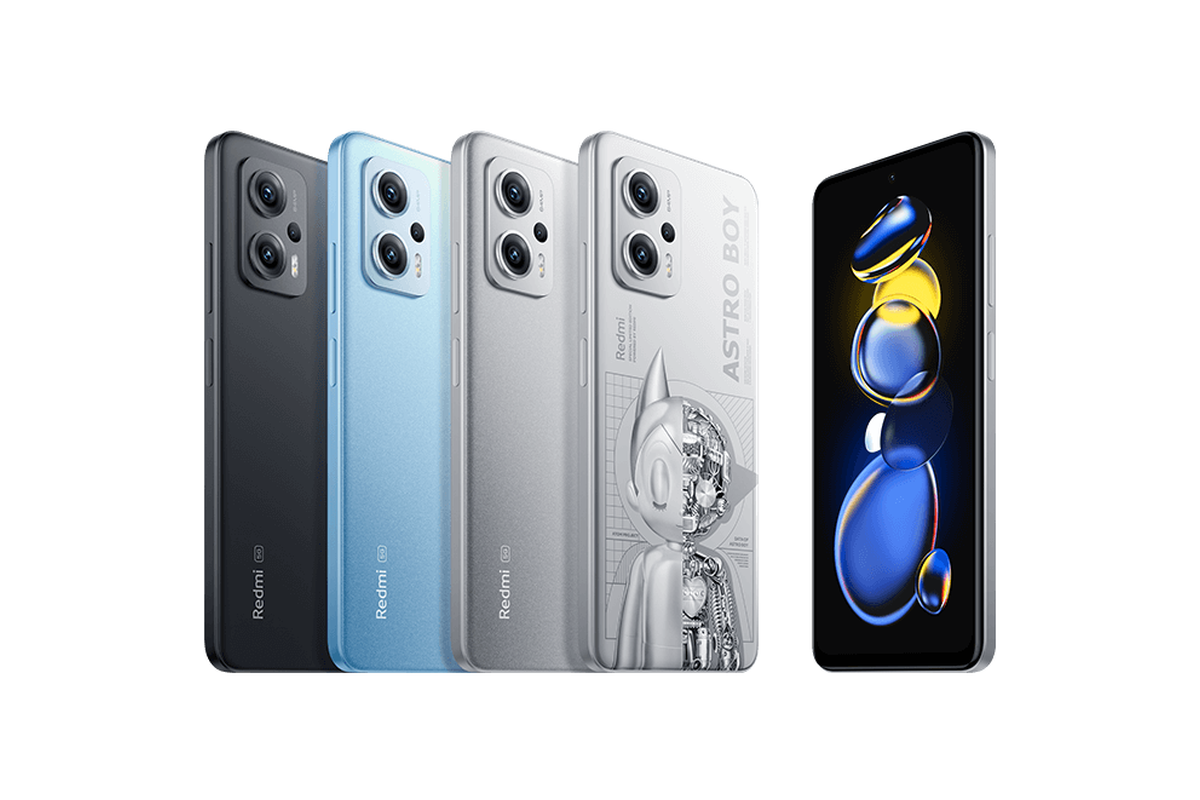
The Redmi Note 12 series is unlikely to launch considering that Redmi has recently launched Redmi Note 11T Pro, Note 11T Pro+, and Note 11 SE smartphones in China. Hence, it appears that late October could be the ideal time for the arrival of the Note 12 series.
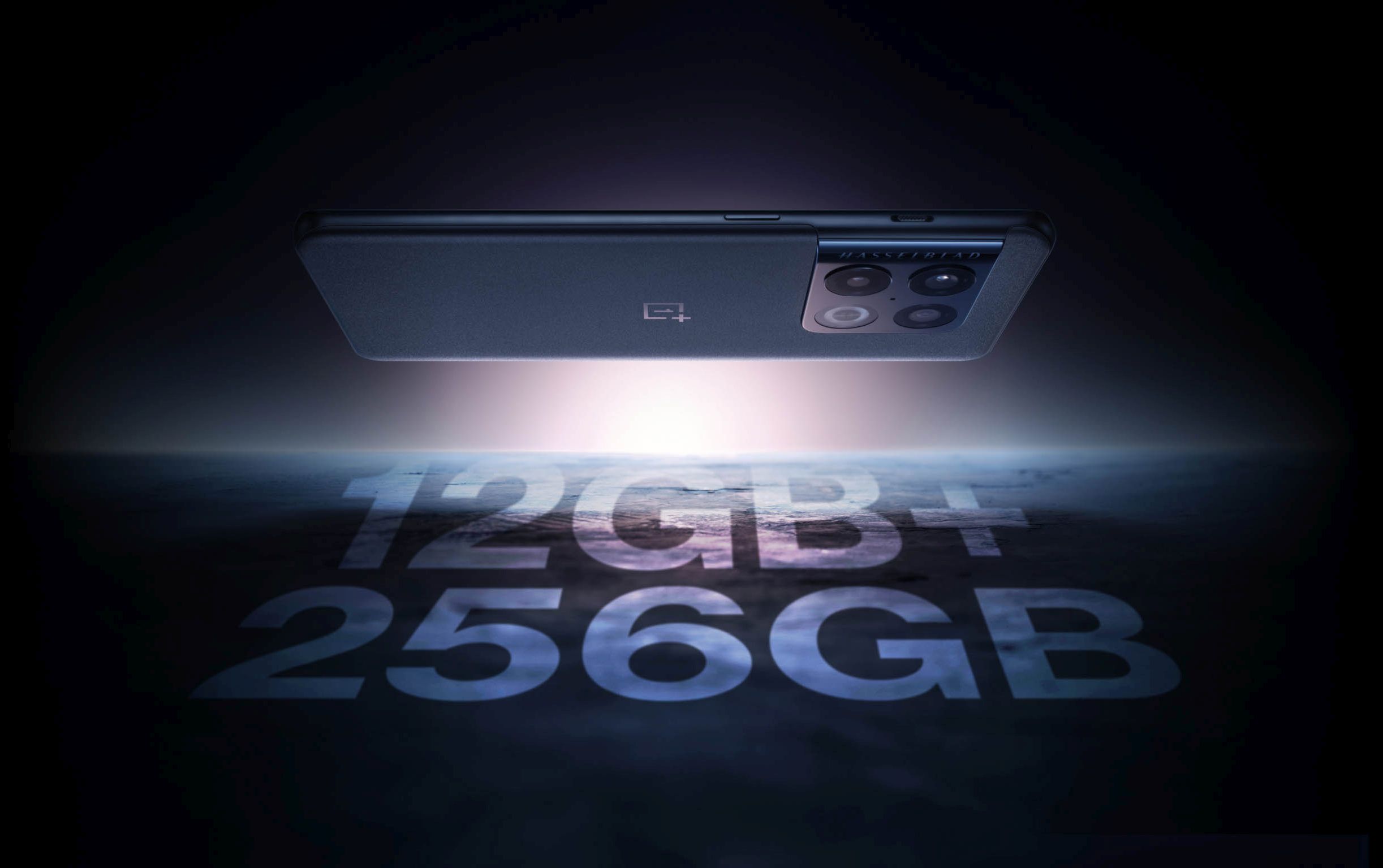
OnePlus has been offering the OnePlus 10 Pro flagship phone in multiple configurations in different markets. However, in the US, it is only available in a single trim that offers 8 GB of RAM and 128 GB of built-in storage. The company has confirmed that it will finally be offering a higher configuration starting from June 15 in the US.
From June 15, OnePlus 10 Pro buyers will also have a chance to purchase a higher model that offers 12 GB of RAM and 256 GB of internal storage. It will be available for purchase through OnePlus’ official website, Amazon, and Best Buy. It will be available in black color only.
The 8 GB RAM + 128 GB storage edition of the OnePlus 10 Pro is available for $899. The higher variant will cost $70 more, meaning it can be purchased for $969. Customers who purchase the 12 GB RAM + 256 GB storage variant in the first five days of availability will also get a pair of OnePlus Buds Pro for free.
OnePlus 10 Pro specifications
The OnePlus 10 Pro has a 6.7-inch AMOLED LTPO 2.0 technology display that produces a Quad HD+ resolution. It supports a Full HD+ resolution, a 120Hz refresh rate, and an in-screen fingerprint scanner. The screen is shielded by a layer of Gorilla Glass Victus. It has a 32-megapixel front camera, and its rear camera setup has a 48-megapixel main camera, a 50-megapixel ultrawide lens with a 150-degree FOV, and an 8-megapixel telephoto snapper.
The Snapdragon 8 Gen 1 chipset powers the OnePlus 10 Pro. It comes with LPDDR5 RAM, UFS 3.1 storage, and a 5,000mAh battery that supports 65W fast charging (other markets get an 80W fast charger). It also supports 50W wireless charging. The device runs on Android 12 OS and OxygenOS 12.1.
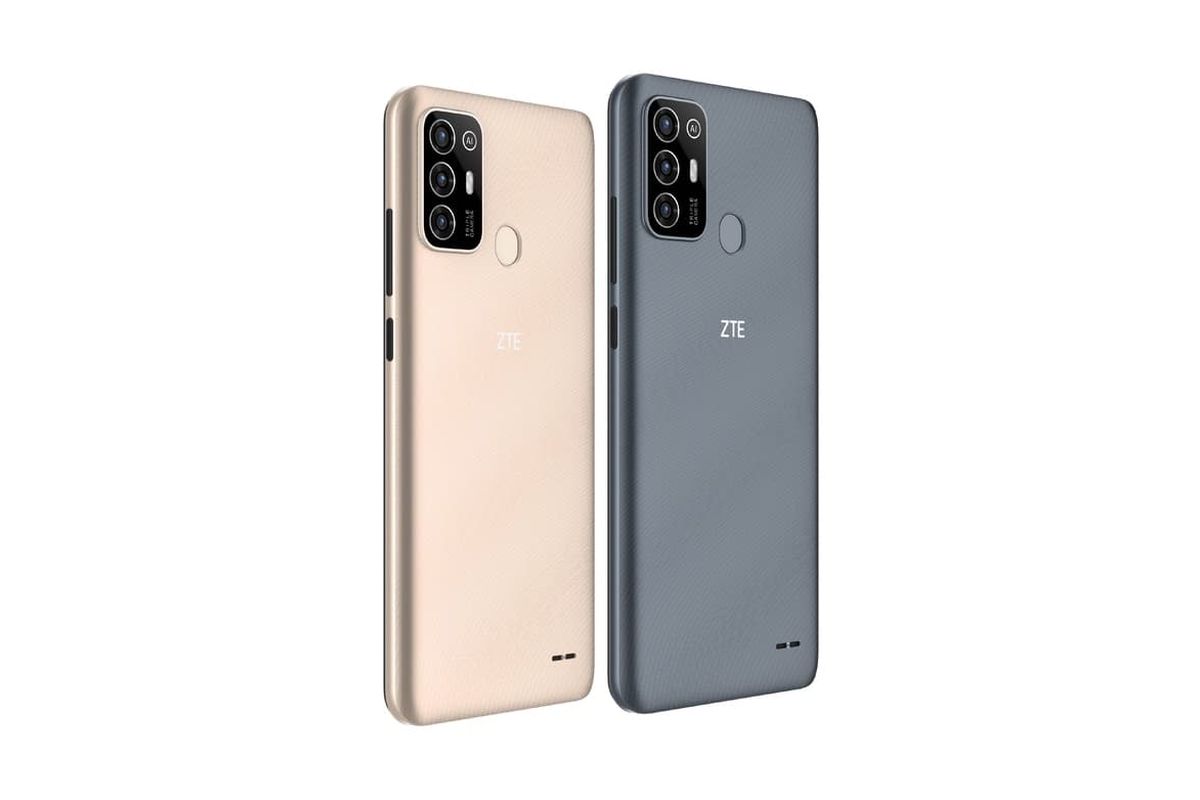
Apart from announcing the ZTE Blade A72 4G and Blade A72 5G, ZTE has also taken off the covers on the Blade A52 smartphone. Announced in Malaysia, the Blade A52 is an entry-level phone powered by a Unisoc processor and a big battery. Here are all the details on the specifications, features, and price of the Blade A52.
ZTE Blade A52 specifications and features
The ZTE Blade A52 has a 6.52-inch IPS LCD panel with a teardrop notch design. It offers an HD+ resolution of 720 x 160 pixels, a 20:9 aspect ratio, and a 60Hz refresh rate. The device is fitted with a 5-megapixel front camera for selfies and video calls.
ZTE Blade A52
The Blade A52 has a fingerprint scanner and a triple camera unit on the back. The camera setup has a 13-megapixel main camera, which is coupled with a 2-megapixel macro snapper and a 2-megapixel depth sensor.
The handset boots to the Android 11 OS and draws power from the Unisoc SC9863A chip. It is assisted by 3 GB of RAM and 64 GB of internal storage. It houses a 5,000mAh battery that supports only 10W charging. The handset offers other usual features, such as dual SIM support, Wi-Fi, Bluetooth 5.0, GPS, a microSD card slot, a microUSB port, and a 3.5mm audio jack.
ZTE Blade A52 price and availability
The Blade A52 carries a price tag of MYR 399 (~$91). It comes in Space Grey and Silk Gold colors.
OnePlus’ next flagship phone will be called the OnePlus 10T 5G. According to reliable tipster Max Jambor, it carries the “Ovaltine” codename and is powered by the Snapdragon 8 Plus Gen 1 chipset. In April, well-known tipster Steve Hemmerstoffer leaked the specs of a OnePlus flagship. At that time, he assumed it could be related to the OnePlus 10. However, he now believes that the leak could be related to the OnePlus 10T 5G.
Hemmerstoffer revealed in April that OnePlus is testing two prototype variants of an upcoming flagship phone, one powered by a Qualcomm chip, and the other one powered by the MediaTek chip. He had also claimed that OnePlus would unveil the device in the second half of this year. At that time, the report had speculated that it could be the OnePlus 10, but it now appears that it may have shared details of the OnePlus 10T 5G.
Hence, it appears that OnePlus may have tested Snapdragon 8+ Gen 1 and Dimensity 9000 chipset variants of the device. Since Jambor has claimed that there will be only one OnePlus flagship in the remaining months of this year, it seems that OnePlus may have decided to mass-produce the SD8+G1 variant of the OnePlus 10T 5G. The company may not have any plans to release its Dimensity 9000 chipset variant.
OnePlus 10T 5G specifications (rumored)
Based on Hemmerstoffer’s April leak, the OnePlus 10T 5G could be equipped with a 6.7-inch FHD+ AMOLED display that offers a 120Hz refresh rate. It will also carry support for LTPO 2.0 technology. The SD8+G1 chip could be accompanied by 8 GB / 12 GB of RAM and 128 GB / 256 GB of built-in storage.
The device may feature a 32-megapixel front-facing camera. Its rear camera setup may include a 50-megapixel main snapper, a 16-megapixel ultrawide lens, and a 2-megapixel macro camera. It may house a 4,800mAh battery that supports 150W fast charging. It will run on the Android 12 OS and OxygenOS UI.
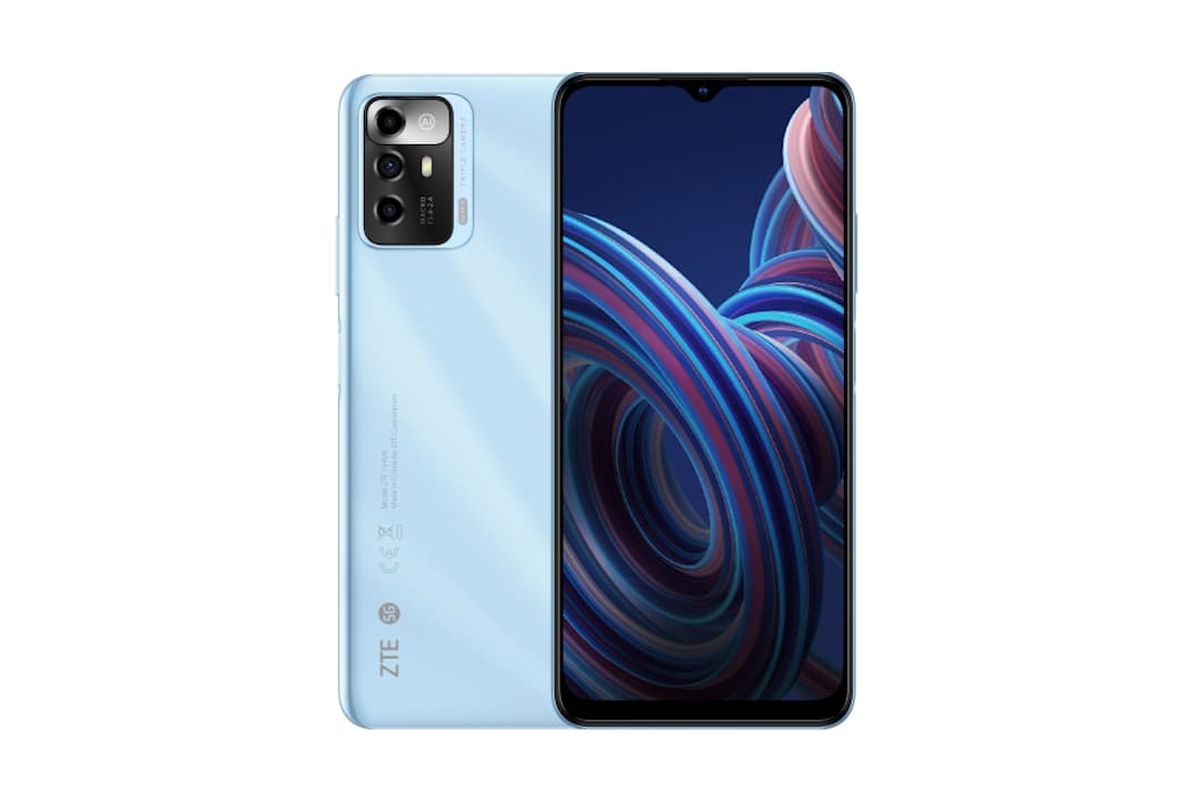
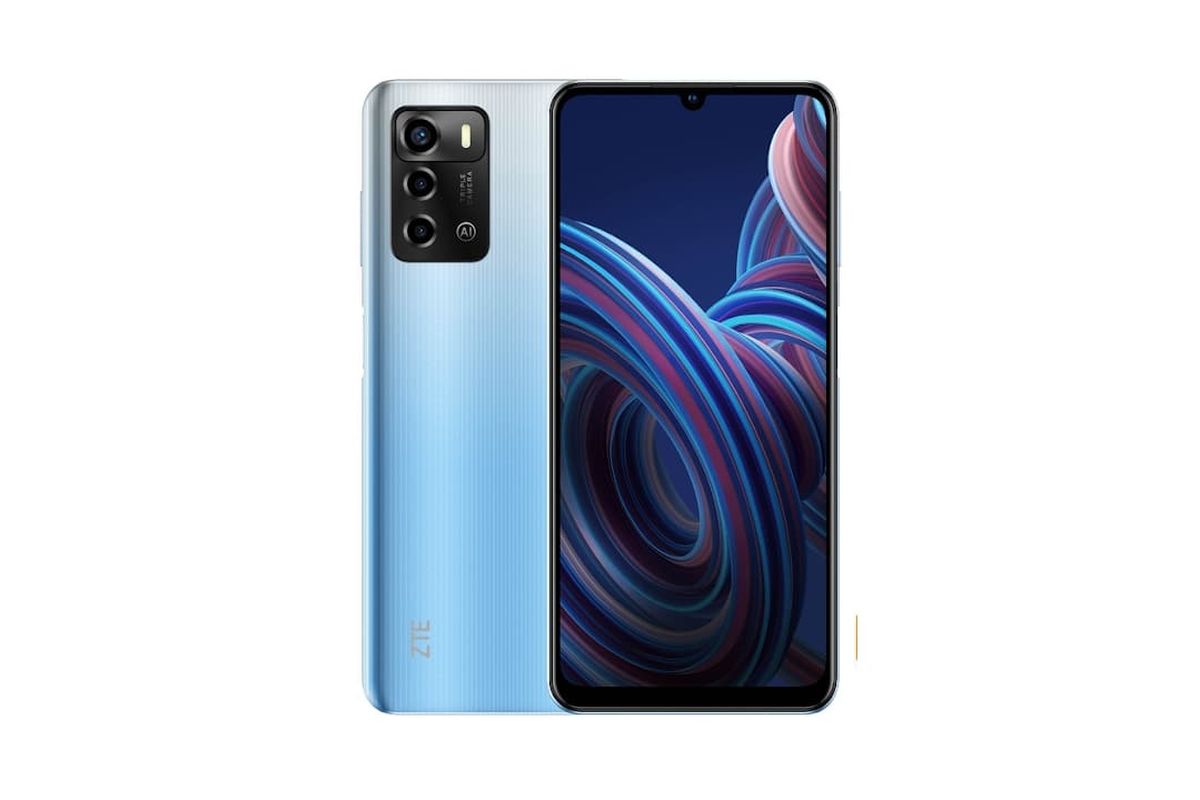
ZTEAxon 40 Ultra has gone official in global markets. At the same time, the Chinese manufacturer has also announced Blade series phones such as the Blade A52, Blade A72 4G, and Blade A72 5G for the global markets. Here is all the information on the specifications, features, and price of the Blade A72 4G and Blade A72 5G. Readers can check out the dedicated post on Blade A52 to learn about its specs and price.
ZTE Blade A72 5G, Blade A72 4G specifications and features
The Blade A72 5G has a 6.52-inch IPS LCD panel that offers an HD+ resolution, a 20:9 aspect ratio, and a 90Hz refresh rate. It has a 5-megapixel camera on the front and a 13-megapixel (main) + 2-megapixel (macro) + 2-megapixel (depth) triple camera unit.
ZTE BLade A72 5G
The Dimensity 700 chipset is present under the hood of the Blade A72 5G. It has 4 GB of RAM, 64 GB of internal storage, and a 4,000mAh battery with 10W charging support. The device measures 164.1 x 75.5 x 9.5mm and weighs 182 grams.
The Blade A72 4G has a 6.74-inch TFT display that produces an HD+ resolution, a 20:9 aspect ratio, and a 90Hz refresh rate. It is fitted with an 8-megapixel front-facing camera. The back panel of the device features a 13-megapixel (main) + 2-megapixel (macro) + 2-megapixel (depth) triple camera system.
ZTE Blade A72 4G
The Blade A72 4G is powered by a modest Unisoc SC9863A chipset with 3 GB of RAM. The device offers 64 GB of internal storage and packs a 6,000mAh battery with 22.5W fast charging support.
Both phones run on the Android 11 OS with MiFavor 11 on top. For security, both devices offer features like face unlock and a side-facing fingerprint scanner.
ZTE Blade A72 5G, Blade A72 4G price and availability
The Blade A72 5G carries a price tag of 199 euros (~$212). It comes in two colors: grey and blue. On the other hand, the Blade A72 4G has arrived in Malaysia with a price tag of MYR 499 (~$114). It can be purchased in Space Grey and Skyline Blue colors.
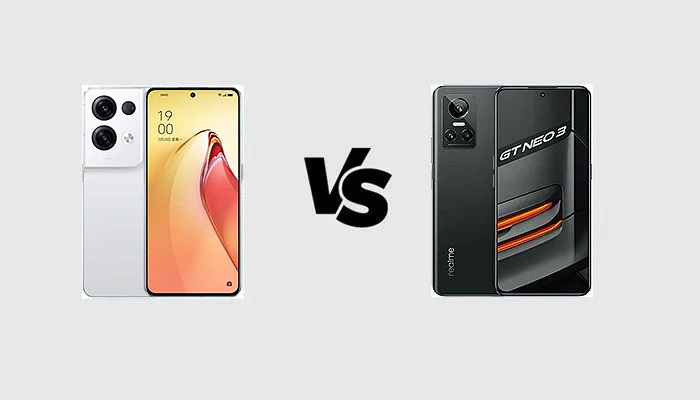
A few hours ago, the Realme GT Neo 3 made its debut in the European market and we learned that it is selling very well in Asia. The flagship killer powered by one of the latest MediaTek flagship platforms had good feedback from the public, but at the same time, several other devices debuted in the same price range. One of them is the OPPO Reno8 Pro Plus: a handset belonging to the high-end segment and coming with very similar specifications to the latest Realme flagship killer. This is the reason why a lot of people are wondering which one is the best between these two devices. The OPPO Reno8 Pro Plus is said to hit the global market soon but under the Reno8 Pro moniker. While waiting for its global launch, here you can find a comparison between the specifications of the OPPO Reno8 Pro Plus and the Realme GT Neo 3.
Triple 50 + 8 + 2 MP, f/1.8 + f/2.2 + f/2.4
32 MP f/2.4 front camera
Triple 50 + 8 + 2 MP, f/1.9 + f/2.3 + f/2.4
16 MP f/2.5 front camera
BATTERY
4500 mAh, fast charging 80W
4500 mAh, Fast Charging 150W or 5000 mAh with 80W fast charging
ADDITIONAL FEATURES
5G, dual SIM, reverse charging
5G, dual SIM
Design
If you are looking for a more elegant and sober design, then you should opt for the OPPO Reno8 Pro Plus. It comes with a new design scheme reminding of the OnePlus Ace and its Racing Edition, including a big camera module but merged with the rear cover. It is built with better materials, including aluminum for the frame. The Realme GT Neo 3 is a bit cheaper due to its plastic frame and it is a better phone for young people and gamers thanks to its design inspired by sports cars. In two of its three color variants, it comes with two vertical stripes on the rear side. Both the handsets come with very narrow bezels around the display, but the OPPO Reno8 Pro Plus has a higher screen to body ratio. Unfortunately, these phones do not feature 3.5 mm audio jacks. The glasses are protected by Corning’s Gorilla Glass 5, not the best Corning protection but still great.
Display
It looks like these two phones come with exactly the same display. It is a 6.7-inch panel with the AMOLED technology able to show up to one billion colors with a Full HD+ resolution of 1080 x 2412 pixels, a 120 Hz refresh rate, the HDR10+ certification, and a peak brightness up to 1,000 nits, as well as an in-display fingerprint reader and a punch hole placed centrally. So you should not notice important differences in terms of image quality. We are not talking about the best display out there, but it is definitely a great panel showing realistic colors with great smoothness. Given that they have exactly the same panel, you should focus on the other specifications while comparing these two devices.
Specs & Software
The Realme GT Neo 3 is powered by the MediaTek Dimensity 8100 mobile platform: an octa-core chipset built at 5 nm including Cortex-A78 CPUs running at a max frequency of 2.85 GHz and a Mali-G610 MC6 GPU. The OPPO Reno8 Pro Plus is equipped with a MediaTek Dimensity 8100 Max mobile platform: what does it change between these two chipsets? Not much: the Max variant of the SoC comes with better AI performance, but for the rest, it is pretty much the same. The Realme GT Neo 3 and the OPPO Reno8 Pro Plus are equipped with up to 12 GB of LPDDR5 RAM and up to 256 GB UFS 3.1 internal storage. When it comes to the performance, it is almost a draw. Both the handsets run Android 12 out of the box, customized by Realme UI 3.0. The Realme GT Neo 3 will get three years of Android updates and four years of security patches, as confirmed by Realme.
Camera
The rear camera departments of these two phones are exactly the same: they feature a 50 MP Sony IMX766 main camera with OIS and an f/1.9 focal aperture, an 8 MP ultrawide lens, and a 2 MP macro sensor. But there is an important difference that makes the OPPO Reno8 Pro Plus a better camera phone: we are talking about the MariSilicon X proprietary NPU, improving the image quality in low light conditions thanks to a power of 18 TOPS. Further, the Reno8 Pro+ is equipped with a superior 32 MP front camera (instead of the 16 MP camera of the Realme handset).
Last but not least, is the battery. Realme GT Neo 3 comes in two different variants: one with a 4500 mAh battery and 150W fast charging, and another one with a 5000 mAh battery and 80W fast charging. The OPPO Reno8 Pro Plus is only available in a version with a 4500 mAh battery and 80W fast charging, that is why the GT Neo3 wins the battery comparison.
Price
You need at least €281/$329 for the Realme GT Neo 3, while the OPPO Reno8 Pro Plus starts from €520/$552. The Reno wins the comparison thanks to a better chipset and superior camera performance, but the Realme GT Neo 3 has a way higher value for money.
OPPO Reno8 Pro Plus vs Realme GT Neo3: PRO and CONS
An Indian teenager is alleged to have shot his mum for preventing him from playing the PUBG/BGMI game. The boy, aged 16 years, is said to have used his father’s pistol to commit the murder and hid the corpse for three days. The suspect has been taken into custody and he has confessed to the crime after interrogation.
The incident happened in Lucknow, Uttar Pradesh and the boy allegedly pulled the trigger after an argument with his mother. In the heat of the argument over the highly engaging PUBG/BGMI, the boy took his father’s weapon and fired at his mother. He thereafter hid the dead body inside the house and used an air freshener to mask the smell. The Police in Uttar Pradesh says the incident happened around 3 am on June 5 and the boy’s gaming device has been sent for analysis.
There are no indications yet on the identity of the boy but it was reported that the father is a serving army personnel. The argument was said to be related to a case of missing money in the house. The mother had accused the boy of stealing the money and stopped him from playing the game. The boy was alleged to have threatened his 10-year-old sister from revealing the sordid act. The boy now in a juvenile facility, initially claimed that an electrician was the person who killed his mother.
The teenager seemingly had a grand scheme to cover up his crime. He had invited a friend to spend the night with him and his sister after the incident. The call to the police was made by the relatives of the boy and the young sister is now in the custody of her father and grandparents.
There are no direct links at this time between the game and the actions taken by the boy. The possibility of such a link should however not be lost. Further investigations should provide illumination and clarity to the incident.
We use cookies on our website to give you the most relevant experience by remembering your preferences and repeat visits. By clicking “Accept”, you consent to the use of ALL the cookies.
This website uses cookies to improve your experience while you navigate through the website. Out of these, the cookies that are categorized as necessary are stored on your browser as they are essential for the working of basic functionalities of the website. We also use third-party cookies that help us analyze and understand how you use this website. These cookies will be stored in your browser only with your consent. You also have the option to opt-out of these cookies. But opting out of some of these cookies may affect your browsing experience.
Necessary cookies are absolutely essential for the website to function properly. This category only includes cookies that ensures basic functionalities and security features of the website. These cookies do not store any personal information.
Any cookies that may not be particularly necessary for the website to function and is used specifically to collect user personal data via analytics, ads, other embedded contents are termed as non-necessary cookies. It is mandatory to procure user consent prior to running these cookies on your website.