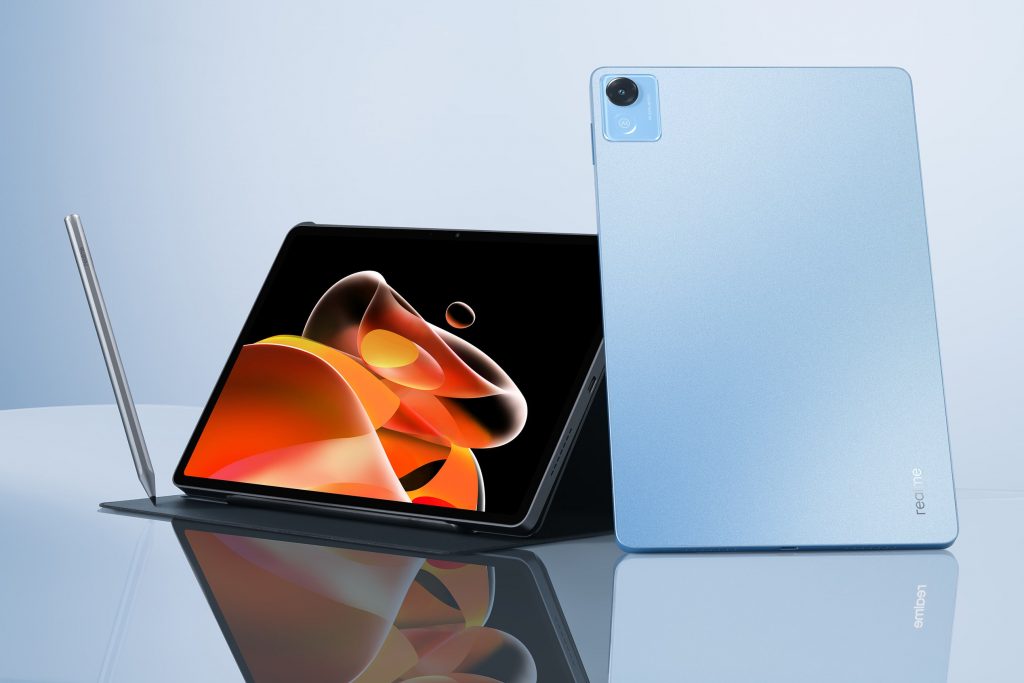
Last week, Realme launched a new tablet in the Chinese market dubbed the Realme Pad X. The tablet was later teased to launch in India, however, no specific date or launch timeline was revealed.
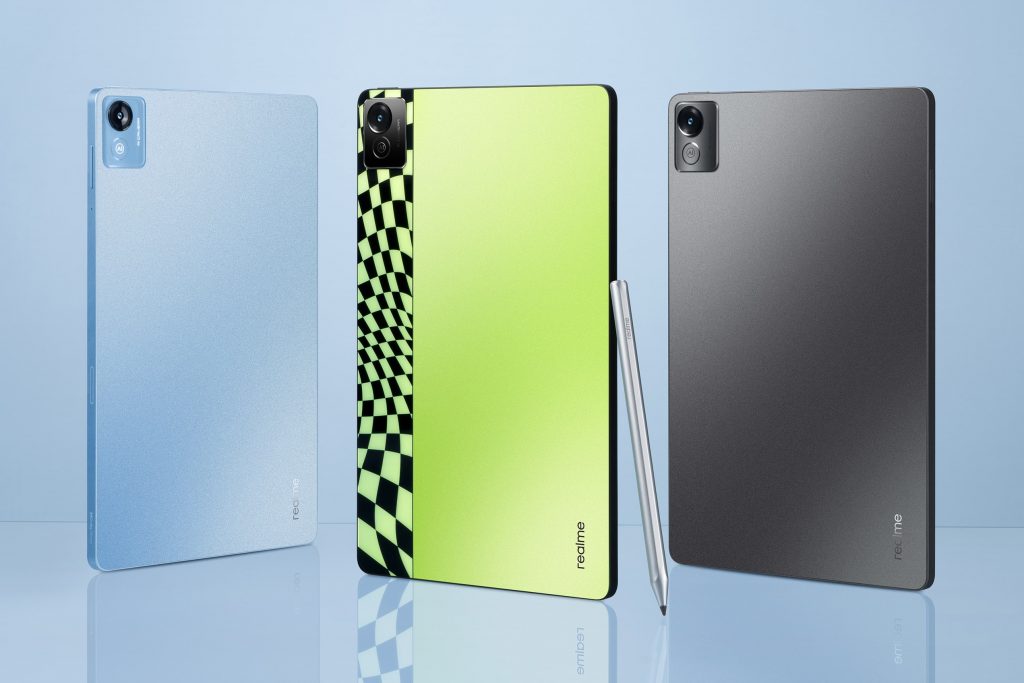
Now, a 91mobiles report has revealed the launch timeline, colors, and storage options of the Indian variant of the tablet. According to the report, the Realme Pad X will launch in India in the first half of June. The slate will come in three color variants namely Glacier Blue, Racing Green, and Glowing Grey. Coming to the storage options, Realme will offer the tablet in two configurations: 4GB RAM and 64GB storage and 6GB RAM and 128GB storage.
Realme Pad X Specs
The Pad X comes with an 11-inch LCD display offering 2K resolution. The panel is capable of 450 nits peak brightness, DC dimming, and 16.7 million colors.
The slate is powered by a Snapdragon 695 chipset which brings along the Adreno 619 GPU. As mentioned above, the tablet will come with up to 6GB RAM and 128GB storage. The tablet offers WiFi and Bluetooth for connectivity and boots Realme UI 3.0 for Pad based on Android 12.
For optics, the Pad X has a 13-megapixel rear camera and an 8-megapixel 105° front-facing front camera. It offers a big 8,340mAh battery with 33W fast charging and has Stylus support. Other features include a quad-speaker setup with Dolby Atmos and Hi-Res Audio and software features like PC Connect, split-view, and Apple’s center stage-like functionality on the front camera.
Last month, a report surfaced stating that the Redmi Note 11T Pro and Note 11T Pro+ will be rebranded as Redmi K50i and K50i Pro. The devices are also said to come with the POCO X4 GT and X4 GT Pro moniker in the global market.
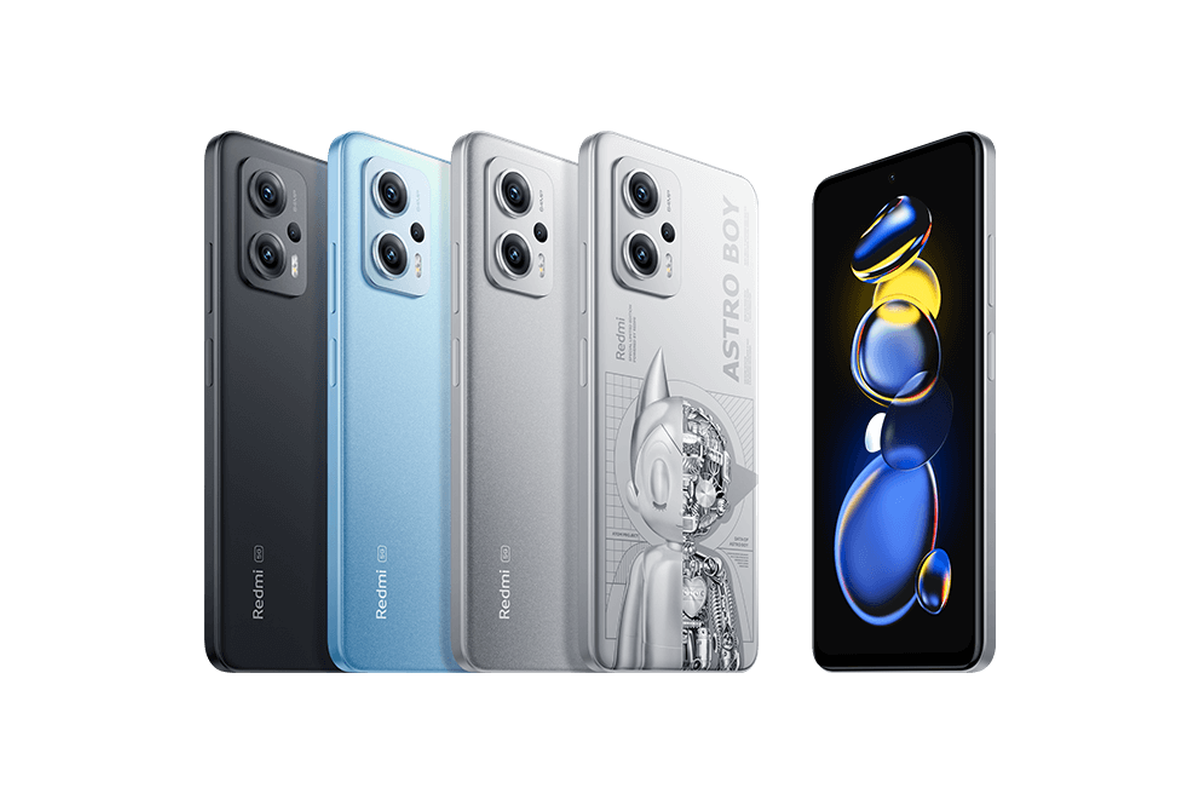
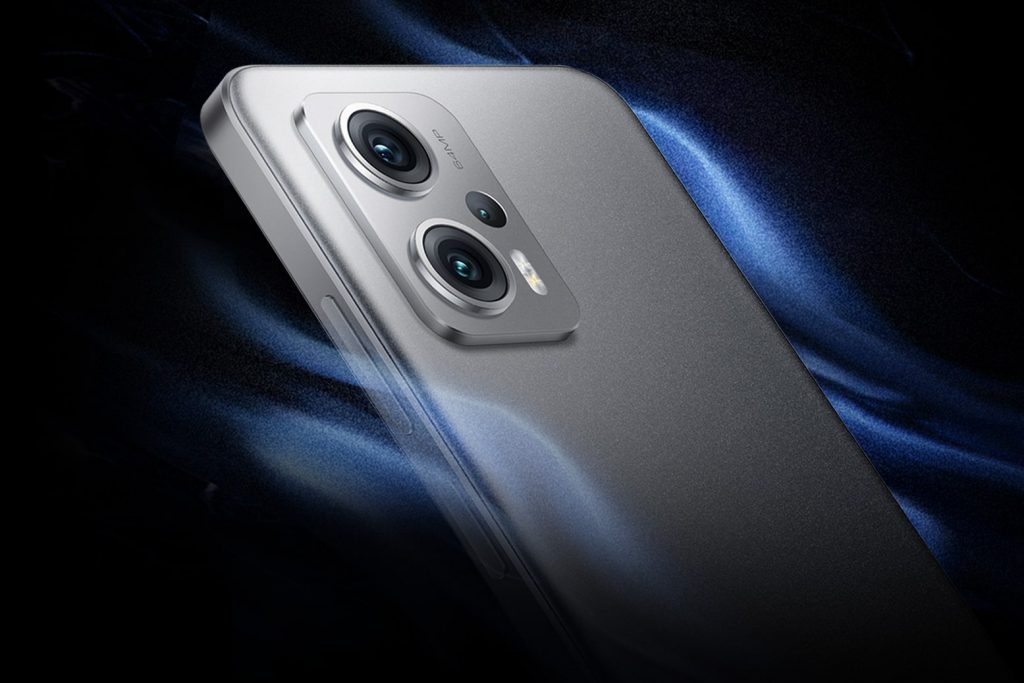
Redmi Note 11T Pro series
Now, tipster Mukul Sharma has spotted the Indian variant of the Note 11T Pro aka the Redmi K50i. The listing reveals that the smartphone has model number 22041216I.
Redmi Note 11T Pro specs
As the device has already been launched in China, we know all of its specifications. The smartphone comes with a 6.6-inch Full HD+ LCD panel with 120Hz refresh rate and 650nits peak brightness. The panel also has Display Mate certification and offers Dolby Vision.
Under the hood, the smartphone houses a MediaTek Dimensity 8100 processor and brings the Mali G610 GPU. The chipset is coupled with up to 8GB of LPDDR5 RAM and up to 256GB of UFS3.1 storage. The device boots Android 12-based MIUI 13 out of the box.
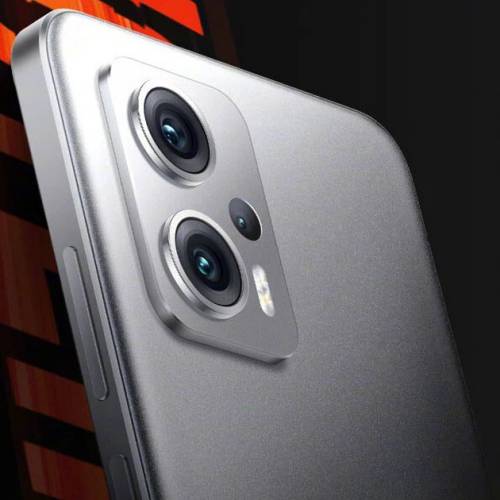
For optics, the Note 11T Pro+ will feature a triple camera setup on the rear. It consists of a 64-megapixel Samsung ISOCELL GW1 primary sensor that features a 1/1.72 sensor size to let more light in and a 1.6μm pixel size. The primary camera is paired with an 8-megapixel ultra-wide camera and a 2-megapixel macro lens.
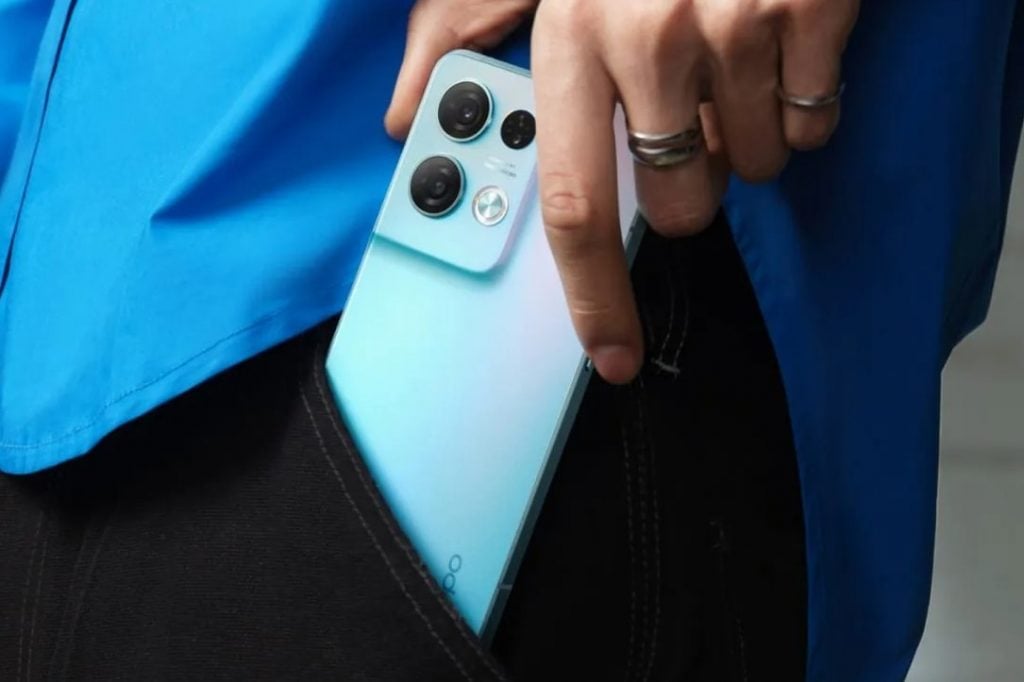
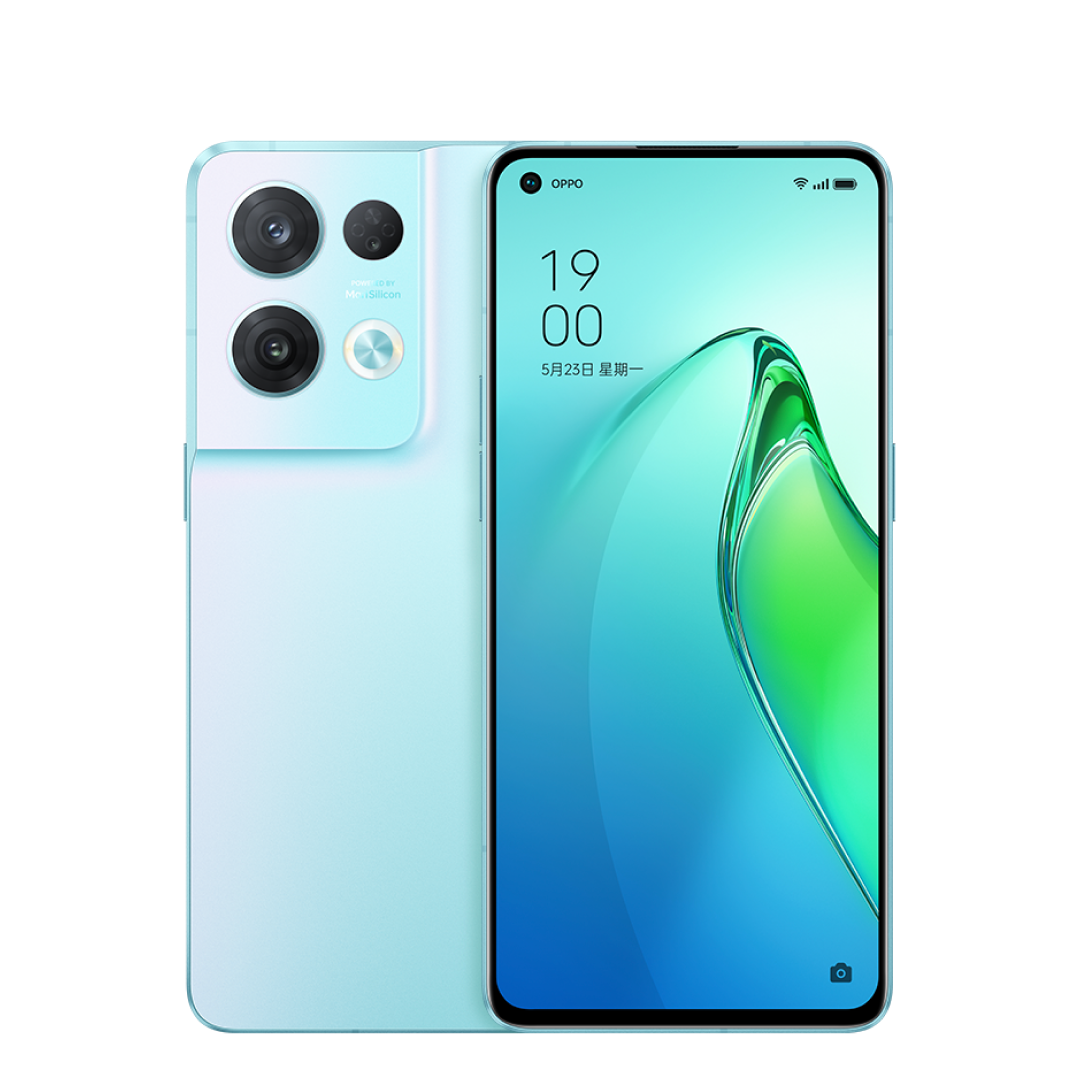
The Oppo Reno 8 Pro recently went official in China alongside the Oppo Reno 8 and the Oppo Reno 8 Pro Plus. Apart from a new design, the smartphone also comes with a few upgrades. Let’s take a look at these improvements in this article.
The Oppo Reno 8 Pro is here six months after the announcement of the Oppo Reno 7 Pro. Within this short period, the company has managed to introduce some upgrades that are worth noting.
The first major difference between the two phones is their design, But we are not going to discuss that here. Instead, let’s talk about the features that set them apart.
Oppo Reno 8 Pro: 3 Notable Upgrades
Larger and Brighter Display
The Oppo Reno 8 Pro flaunts a 6.62-inch AMOLED display with a resolution of 2400 x 1080 pixels and up to a 120Hz refresh rate. This panel supports up to a 360Hz touch sampling rate and 1300 nits peak brightness.
Whereas, the Oppo Reno 7 Pro has a smaller 6.55-inch AMOLED display with the same resolution. Further, the screen on this phone only supports up to a 90Hz refresh rate, 180Hz touch sampling rate, and 920 nits peak brightness.
Brand New Chipset
The Oppo Reno 8 Pro is the world’s first smartphone powered by a Qualcomm Snapdragon 7 Gen 1 SoC. This chipset is accompanied by the company’s in-house MariSilicon X ISP chip for image processing.
The Snapdragon 7 Gen 1 includes an octa-core CPU comprising of new Cortex-A710 and Cortex-A510 cores. For the unaware, these ARM cores are the successors of Cortex-A78 and Cortex-A55 present in the Mediatek Dimensity 1200 SoC that powers the Oppo Reno 7 Pro.
Faster Charging
The 65W charging on the Oppo Reno 7 Pro 5G is fast enough for most people. On the Oppo Reno 8 Pro, the charging is even faster at 80W.
Anyway, the overall charging time from 1%-100% is still 31 minutes. It’s that the new model can reach 1%-45% in just 10 minutes.
Which one of these three improvements do you prefer the most? Do let us know in the comment section below.
Apple Watch is one of the most popular smartwatches in the market and sets the bar for wearables. As per Counterpoint Research, Apple led the market with a 36 percent share in the first quarter of 2022. Now a patent spotted by iMore publication reveals that the Apple Watch could come with a built-in camera in the future.
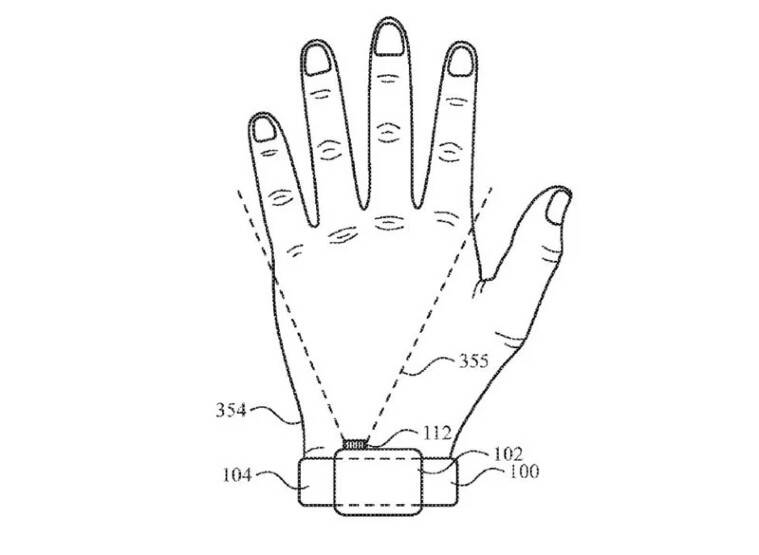
The patent was published on the United States Patent and Trademark Office (USPTO) The image of the patent gives us an idea of how Apple will plan to add a camera in to the smartwatch.
Apple aims to put the camera lens inside the Digital Crown button. The latter is located on the right side of the device. The lens of the camera could be integrated within the aperture and/or behind the aperture of the dial so that it can focus on the subject. This will enable users to capture images by extending their arm with the Digital Crown facing toward the subject. It’s worth noting that there is a catch here i.e. people who prefer wearing a watch on their right hand would have the camera facing themselves. Hence, the user will be required to wear the device on the left hand so that the lens inside Digital Crown faces the opposite direction. It will be interesting to see how Apple tackles this issue.
It’s also worth noting that patents don’t often materialise in to actual products. The Apple Watch with a camera lens does sound interesting and futuristic. However, don’t expect it to arrive soon and definitely not on this year’s Apple Watch Series 8.
And today in June 2022, the company has confirmed that the ROG Phone 6 series global launch event will be held in Taiwan virtually on July 5th. The virtual launch event will be live-streamed online, and users can tune in to the launch at 8 pm Taipei Time (UTC +8) / 2 pm Berlin Time (UTC +2) / 8 am New York Time (UTC -8).
Source: Asus ROG Global
In the announcement posted on Twitter, the ROG Global account had also mentioned that besides launching the ROG Phone 6 series, the brand will also be announcing several new gaming accessories and a set of new gaming headphones from the company on June 7th, which is great news for those immersed in Asus’ Republic of Gamers ecosystem.
The Asus ROG Phone 6 series is the successor to last year’s ROG Phone 5 series, which consisted of 3 models in the lineup – the standard ROG Phone 5, the ROG Phone 5 Pro and the ROG Phone 5 Ultimate. All the 3 devices were powered by last year’s Snapdragon 888 SoC.
This year, Asus is also expected to launch the ROG Phone 6 series in 3 models as well which will be the standard ROG Phone 6, ROG Phone 6 Pro and ROG Phone 6 Ultimate, where all 3 devices will be powered by the same flagship Snapdragon 8+ Gen 1 SoC.
Source: Asus ROG Global
The reason why the Qualcomm Snapdragon 8+ Gen 1 SoC is so highly anticipated is that compared to the original Snapdragon 8 Gen 1, the new Snapdragon 8+ has both better performance and better power efficiency than the Snapdragon 8 Gen 1.
By switching over from Samsung to TSMC, Qualcomm has improved CPU performance by 10% and GPU performance by 10% for the Snapdragon 8+. Qualcomm has even managed to improve power efficiency by up to 30% for the Snapdragon 8+ Gen 1, meaning that the chipset consumes less power overall, leading to improved thermals and improved battery life, in addition to the performance gains that the new chipset brings.
Apple is shifting its iPad production to Vietnam from China. Publication Nikkei Asia claims that this is the first time ever the Cupertino based giant has done this. Ever since COVID-19 along with lockdowns came into existence, China has been facing mass factory closures. This has caused supply chain disruptions for many OEMs.
Around half of Apple’s main suppliers are around the Shanghai region. COVID-related restrictions have resulted in shortages and logistic delays causing the iPad production to be hit. The company is reportedly working to resolve the issue. China’s BYD, a leading iPad assembler helped Apple build production lines in Vietnam and can soon start manufacturing tablets there. The Cupertino-based tech giant has also suggested multiple components suppliers (especially in lockdown affected areas) to stock up their inventories against future shortages and supply chain issues.
Apple has also requested suppliers to build component supplies for the brand’s all products including iPhones, iPads, AirPods, and MacBooks. This will ensure supply continuity over the next few months.
A report by Nikkei in January 2021 stated that Apple long considered manufacturing iPads outside China but a sudden surge in COVID-19 cases in Vietnam delayed the company’s plans.
The iPad will become the second major Apple product to be made in Vietnam after the company’s AirPods. The move hints at Apple’s continuous efforts at diversifying its supply chains as well as the importance of Vietnam to the company.
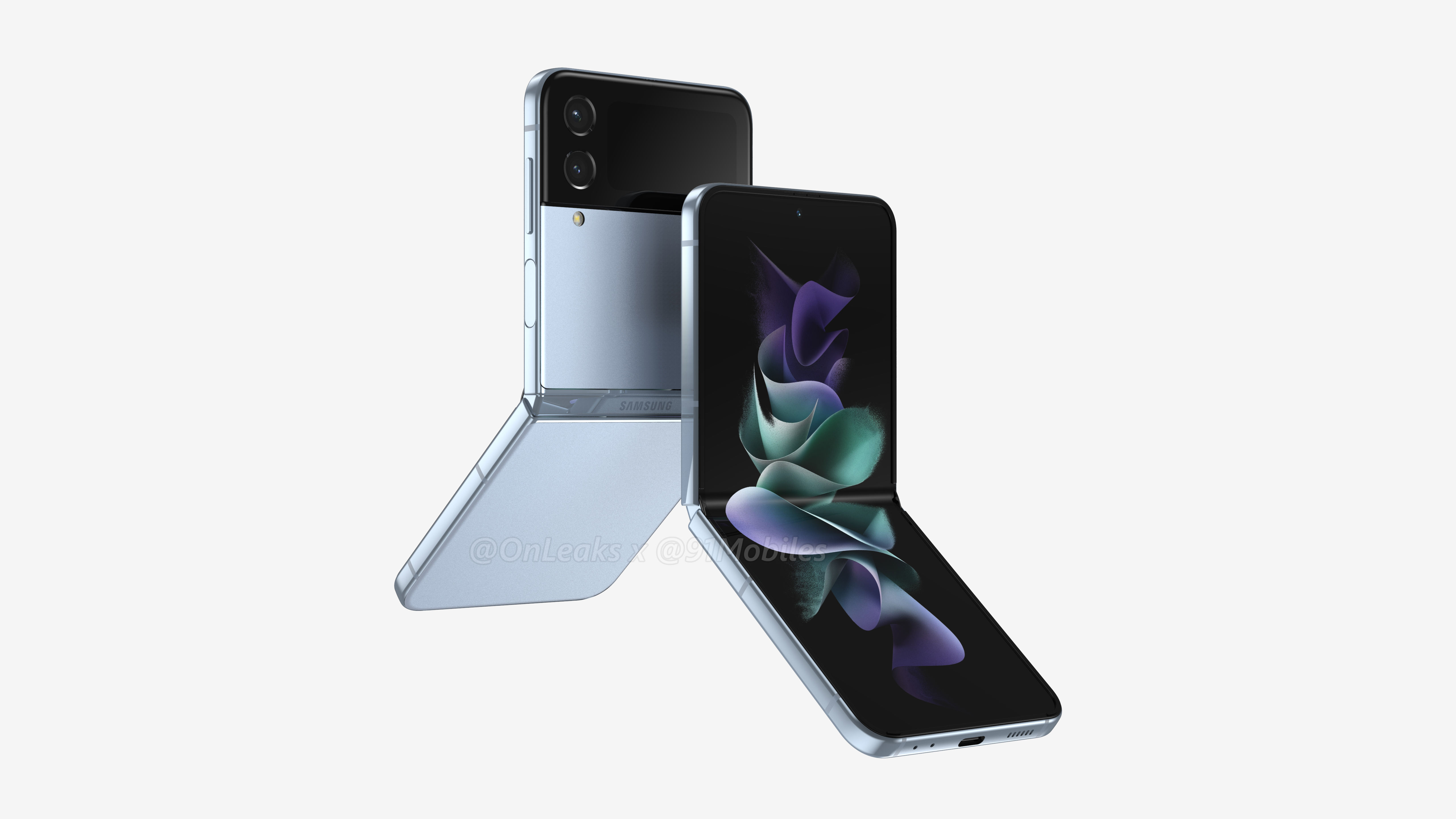
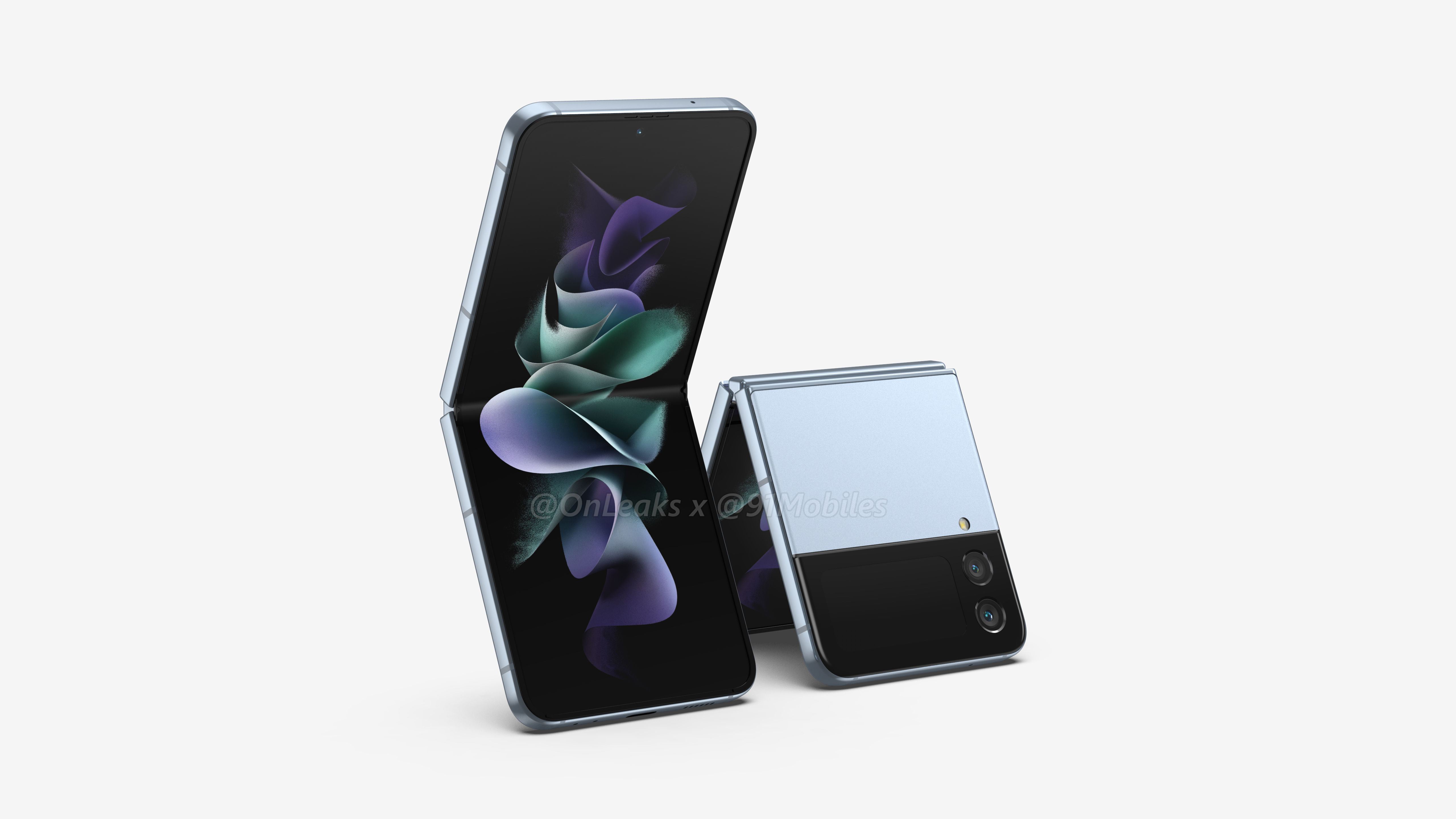
Samsung‘s next-generation foldable phones are said to debut in August this year. These are said to be the Galaxy Z Fold 4 and the Galaxy Z Flip 4. Earlier this week, the entire spec sheet of the Galaxy Z Fold 4 was leaked by tipster Yogesh Brar. Now, Brar has tweeted out key specifications of the Galaxy Z Flip 4.
Samsung Galaxy Z Flip 4 specs (rumored)
According toYogesh Brar, the Galaxy Z Flip 4 will have a 6.7-inch Full HD+ sAMOLED display with 120Hz refresh rate. The outer display on the other hand is said to have a 2.1-inch sAMOLED panel.
Under the hood, the device will come with the recently launched Snapdragon 8+ Gen 1 chipset. It was previously spotted on the Geekbench database with SM-F721U model number, rocking the SD8+ Gen 1 chipset along with 8GB RAM and an Android 12-based operating system. The tipster states that the flip smartphone will come in 128GB and 256GB storage options.
Coming to optics, the device is said to have a dual-camera setup on the rear. This includes a 12-megapixel primary camera and a 12-megapixel ultrawide camera. For selfies, the device will feature a 10-megapixel sensor. The camera setup of the device looks pretty similar to the current-gen Galaxy Z Fold 3 which comes with a similar 12-megapixel + 12-megapixel camera setup and also has a 10-megapixel selfie snapper.
One notable upgrade other than the chipset will be the battery, which is said to have a 3,700mAh capacity and 25W fast charging. This is a sizable upgrade of 400mAh over the current generation, and the fast charging has also jumped up from 15W to 25W. Other than that, the tipster revealed that the device will also include 10W fast charging.
Samsung is once again working with Google to create the next 2nd Generation Tensor SoC that will be underpinned in the upcoming Pixel 7 and 7 Pro, as per a report. The upcoming Pixel phones are expected to be launched later this year.
Naver News, citing sources, has reported that Samsung is collaborating with Google to create the Tensor 2 SoC and the South Korean tech giant will begin mass-producing Google’s second-generation Tensor chipset on the 4nm process from June. The Tensor 2 chip will power the Pixel 7 series which is expected to be released in October.
It is to be noted that Samsung Electronics also manufactured the first-generation tensor chip used in the Pixel 6 series. It will also power the Pixel 6a, which will launch in July. The previous Tensor chip was made using a 5nm process, however, the second-generation tensor is said to be made using Samsung’s 4nm approach.
The report also mentions that the chip will be manufactured using panel-level packaging (PLP) technology. “PLP is a packaging technique in which chips cut from a wafer are placed on a rectangular panel. It is possible to minimize the discarded edges, thereby reducing cost and improving productivity,” as per the report.
Samsung has already supplied Google with DRAM and NAND flash components, as well as the chipsets used in Waymo’s autonomous vehicles. The company is also said to be in talks with Google to create chips for additional purposes, such as Google’s own server processors.
As mentioned, the Google Pixel 7 series is going to launch later this year. The smartphones will feature the same display as the previous generation models and run Android 13 out of the box. The smartphones feature a bar-shaped rear camera module made of aluminum.
A new report has revealed the rankings of companies within the gaming industry in terms of revenue. Interesting enough, Apple managed to achieve the third spot in the list, beating a number of other brands that focus on gaming.
The news arrives from NewZoo, with their analysts sharing the list of top 10 public game companies that collectively generated 126 billion US Dollars in 2021. In this segment, the Cupertino based giant managed to rank third with an estimated 15.3 billion US Dollars in revenue from games throughout 2021. This marks an increase of 17.7 percent year on year.
Tencent took the throne in the ranking, with the company owning popular titles like “League of Legends” and “PUBG Mobile.” Overall, the Chinese brand bringing in 32.2 billion US Dollars in 2021, with a 9.9 percent rise over the previous year. Sony took second spot in the list with an 18.2 billion US Dollars in revenue, although it saw a 2.3 percent decline year on year. This marks an impressive milestone for Apple in gaming, since it beat other companies like Microsoft and Nintendo.
These two firms even focus on offering gaming consoles as well, so its impressive how far the iPhone maker reached with its ecosystem of mobile products. Notably, this listing will likely shift in 2022 considering major acquisitions were made earlier this year. This includes Sony’s deal to buy Destiny developer Bungie while Microsoft has made a multi billion dollar deal with Activision/Blizzard.
TikTok is apparently planning on returning to the Indian market. ByteDance, the parent company of the social media platform, is seeking new partners in India to re-enter the region.
For those unaware, the popular short video sharing platform was banned by the Indian government back in 2020. The government cited national security reasons for this ban and since then, TikTok has been unavailable in the region. But this might change soon as per an ET news report that cited sources close to the matter. Reportedly, the Chinese firm is in talks with Hiranandani Group for a partnership. This group is a Mumbai based firm that runs data center operations under the Yotta Infrastructure Solutions.
Apparently, the two groups are in talks and are at the exploratory stages. Although, the sources added that the union government officials have been informally details about these plans. Furthermore, a senior government official has apparently stated that “there have been no formal talks with us yet. But,we have been informed of the plans. As and when they come to us for approvals, we will examine their request.”
One of the reasons for TikTok being banned in India was due to the uncertainty regarding the storage of user data and its storage. Thus the government official stated that “Critical user data should not be stored outside India. All apps and websites have either made provisions to store data locally or are making necessary changes to their data storage and processing policies. If they (Tiktok) come back, they will have to follow these norms.”
Both the phones are almost identical. They only differ in terms of battery capacity, charging speed, and memory configurations.
However, today, we are not here to talk about their dissimilarities. Instead, we want to focus on their displays.
Why the Redmi Note 11T Pro series features an LCD panel?
The Redmi Note 11T Pro series sports an LCD screen. The handsets sacrifice an OLED display for a better processor – the Mediatek Dimensity 8100 SoC, which is found in phones more expensive than its price segment.
This is part of the new strategy laid out by Redmi last year, which involves releasing two Redmi Note lineups each year. One of them focuses on experience and the other on performance.
Going by the specs, one can clearly see that the Redmi Note 11T Pro series is all about performance. But there’s more to this phone than sheer performance. It also comes with one of the best LCD panels on a smartphone, at least on paper.
Redmi Note 11T Pro Series Display Specifications
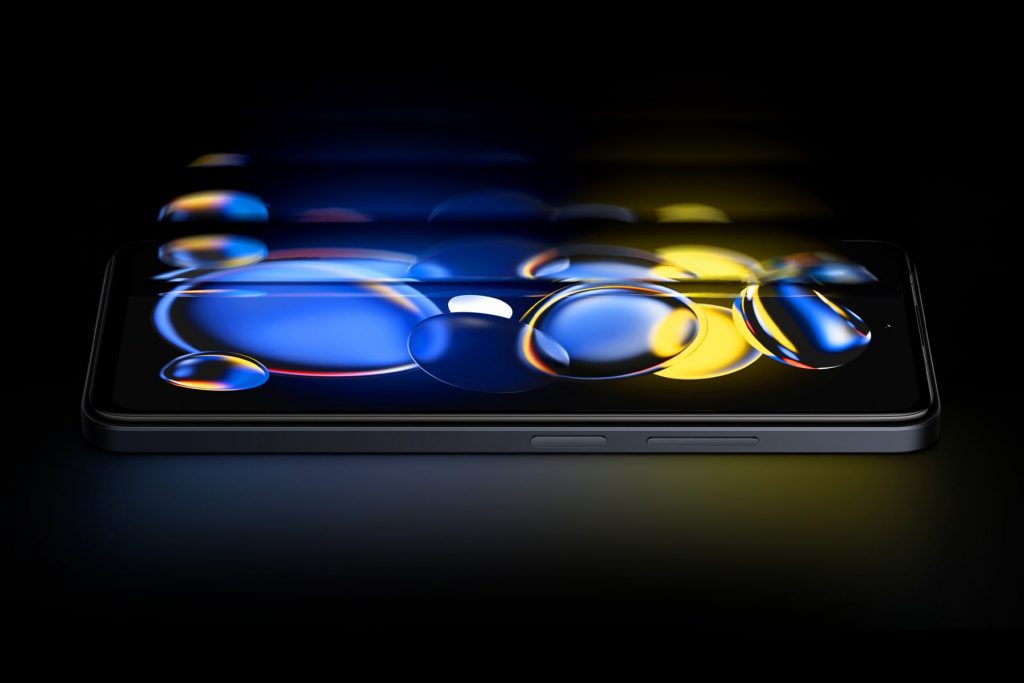
The Redmi Note 11T Pro and the Redmi Note 11T Pro Plus arrive with a 6.6-inch LCD panel. The screen has a centered punch hole and a 20:5:9 aspect ratio with a resolution of 2460 x 1080 pixels (FHD+) and up to a 144Hz refresh rate.
The display’s refresh rate automatically switches between 30Hz, 48Hz, 50Hz, and 60Hz during video playback. While gaming, it switches between 60Hz, 90Hz, 120Hz, and 144Hz.
Further, the panel features 2047 dimming levels and supports DC dimming as well as the DCI-P3 color gamut. Redmi even claims a color accuracy of ΔE≈0.44 in professional mode and JNCD≈0.36 in standard mode. For the unaware, even the 2K OLED display on the Redmi K50 series has the same color accuracy.
If that’s not enough, this smartphone display is one of the few to have support for Dolby Vision (in addition to HDR10) and hardware level low blue light mode, as well as auto color temperature mode. Most importantly, it is the only LCD panel to get an A+ rating from DisplayMate.
Going by the on-paper specs, we could only find three drawbacks of this screen. The screen only supports up to a 270Hz touch sampling rate and being an LCD panel, its contrast ratio and peak brightness are low at 1400:1 and 650 nits respectively.
Is the Redmi Note 11T Pro series’ display as good as the brand claims?
Unfortunately, we don’t have the answer for it right now. But you can expect our opinion once our review goes live in the coming days.
But for now, we can say that LCD panels on smartphones are not bad as most people would like you to believe. Recently, we reviewed the Oneplus Nord CE 2 Lite 5G, whose LCD screen turned out to be much better than we had anticipated.
Similarly, we did not have any issue with the LCD screen on the Redmi Note 10 Pro 5G. You won’t get deep blacks and more brightness in HDR videos. But that’s about it when it comes to the drawbacks, as other parameters are mostly comparable with an OLED display.
OPPO is expected to launch the Reno 8 series of smartphones this month (June) in India. The lineup may include two models: the Reno 8 and the Reno 8 Pro. A recent leak by tipster Paras Guglani revealed that the Reno 8 Pro+ and Reno 8 Pro, which debuted in China last month (May), will be rebadged as Reno 8 Pro and Reno 8 in India. The tipster is back with key details of the Reno 8’s Indian variant.
According to the tipster, the Reno 8 will be arriving in two configurations, such as 8GB RAM + 128GB storage and 8GB RAM + 256GB storage, in India. The device will have support for 7 5G bands. The leak also mentions that it will arrive in Shimmer Black and Blue colors in the country.
China’s Reno 8 Pro may debut as Reno 8 in India
Other reports surrounding the Reno 8’s Indian variant suggest that it could be arriving as India’s first phone powered by the Snapdragon 7 Gen 1 mobile platform. The Reno 8 for India is likely to feature a 6.62-inch AMOLED display that offers a Full HD+ resolution and a 120Hz refresh rate. For security, it may feature a side-mounted fingerprint sensor.
It may come with a 32-megapixel front camera, and a rear camera setup featuring a 50-megapixel main camera, an 8-megapixel ultrawide lens, and a 2-megapixel macro snapper. It may run on Android 12 OS and ColorOS 12.1.
The SDG71 powered device may feature up to 12 GB of RAM and up to 256 GB of storage. It may house a 4,500mAh battery that supports 80W fast charging. It is likely that the Reno 8 duo may go official by mid-June in India.
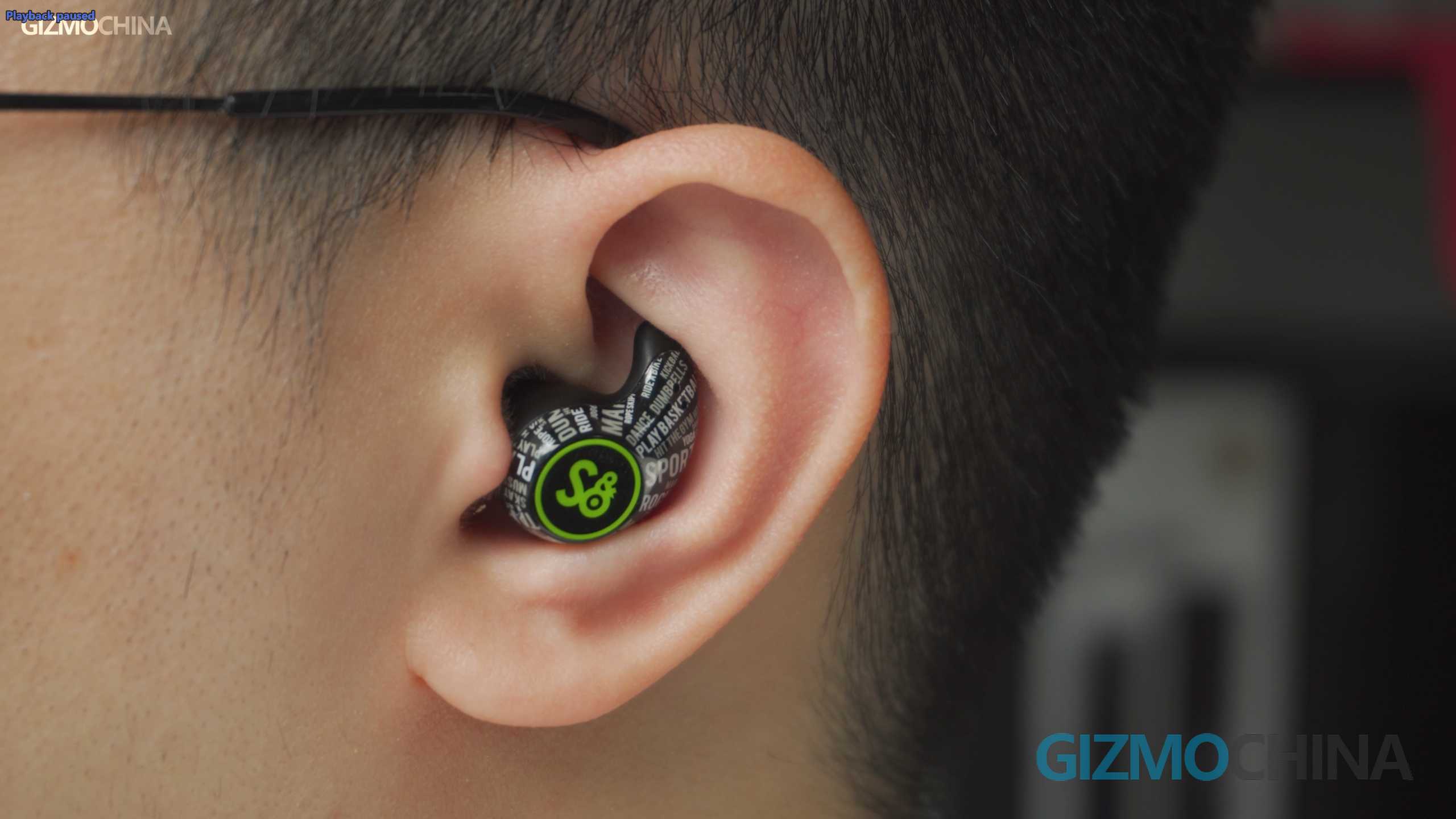
Several months ago, we reviewed MIFO 05, a decent pair of earbuds from this brand, with good design and sound quality. Now we have another product from MIFO, the MIFO S. Or should I say it’s the MIFO Sports S, as I suppose this is a new series of MIFO to differentiate the product from other series, and when you see all the colorways and design, it’s clear that this product is quite unique, and should be packed with a lot of outstanding features. Now let’s check out these MIFO S earbuds.
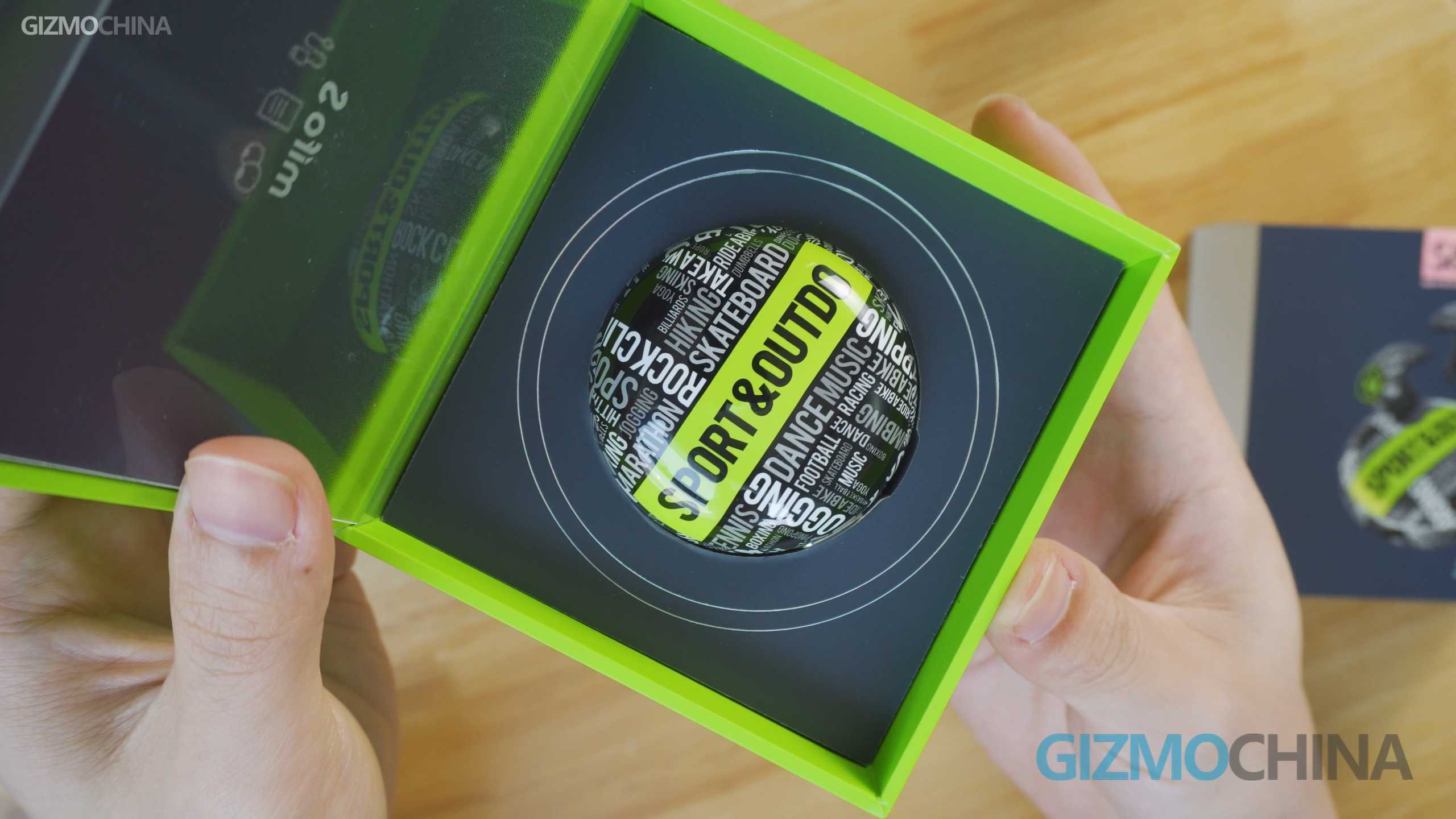
First, let’s look at the packaging and the design of the earbuds. There is some information that you might have noticed at the first glance, including SPORT & OUTDOOR, ANC wireless sports earbuds, 6 Mics Noise-canceling, IP67 Water & dust proof, and some other key features, which we will talk about a bit later in this review. The deep blue and flashy green colors are applied all over, which makes them really stand out from others.
Open the box, the manual and accessories are in the upper drawer, and the earbuds lie in the other drawer of the box, I must say that they have really put some good thoughts into the box design and made the unboxing experience a little more pleasant.
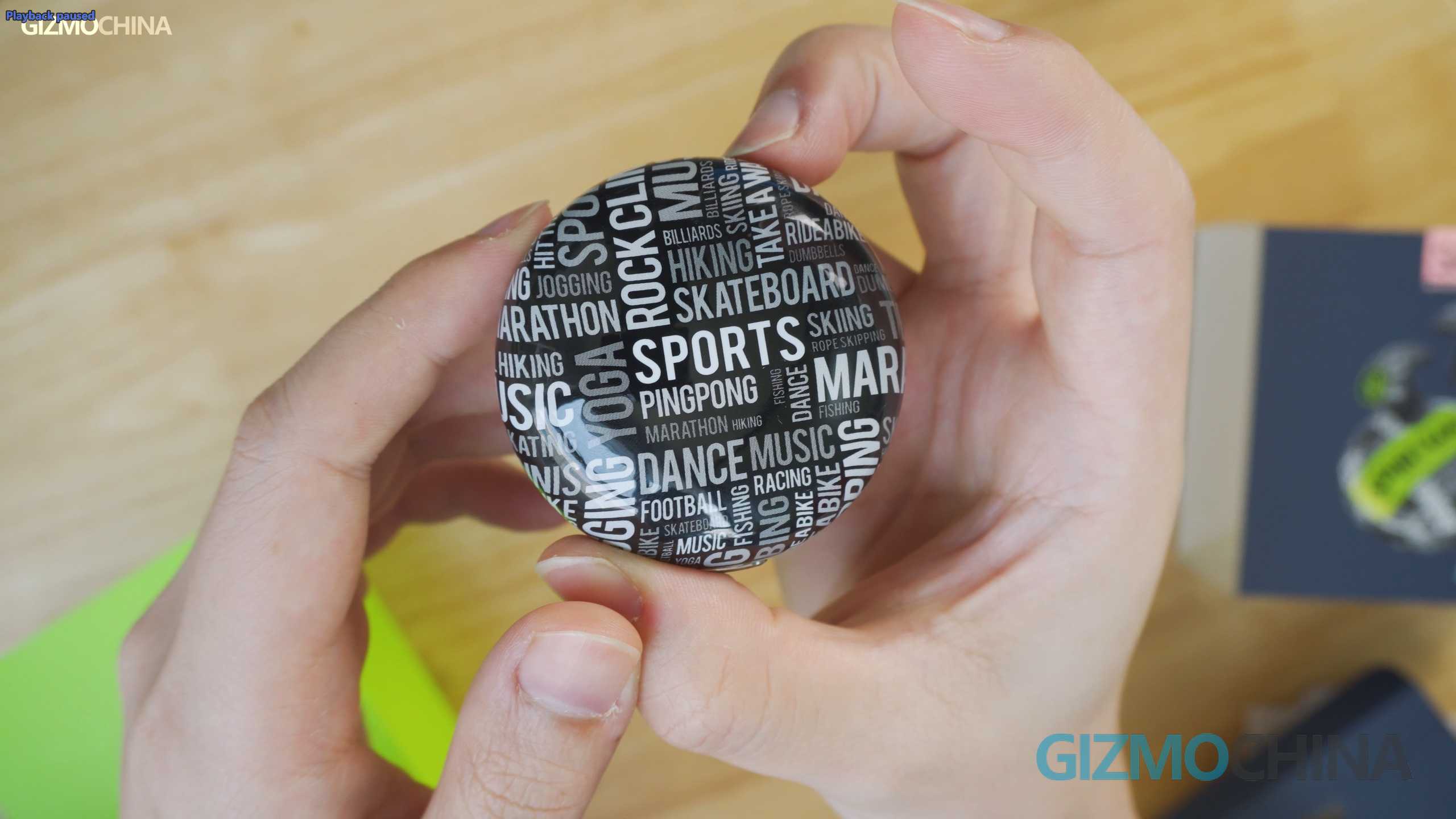
As for the earbuds, there are a lot of words about various sports printed on the case, So if you gather all the info we have talked about so far, then you will know that you can totally wear them outdoor doing all kinds of sports. The intro video on their official site shows you that you can go for a run, skateboarding, and even swimming. And with the unique pattern on the case and earbuds really brings the whole experience to another level.
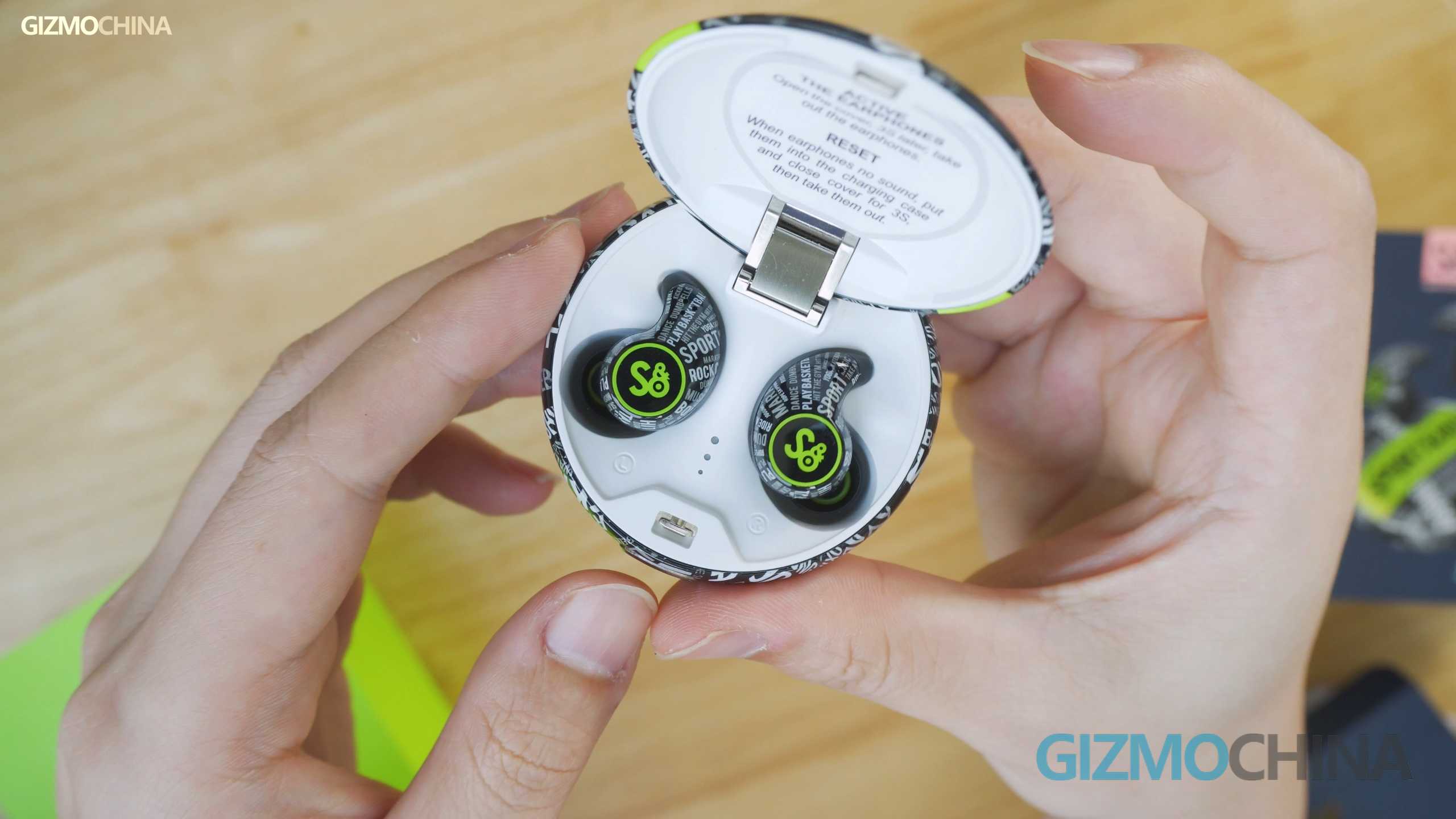
Here we also want to talk about its industrial design. The case is metal, not sure what material exactly that is, but definitely can protect the earbuds and battery inside since you will be using them outdoor a lot. The hinge has been upgraded; it has a certain standing angle, so the cover stays there and you can pick the earbuds out easily. And the only button there somehow plays both the role of securing the cover and some button controls. The battery supports 6 hours from the buds and 40 hours in total from the charging case.
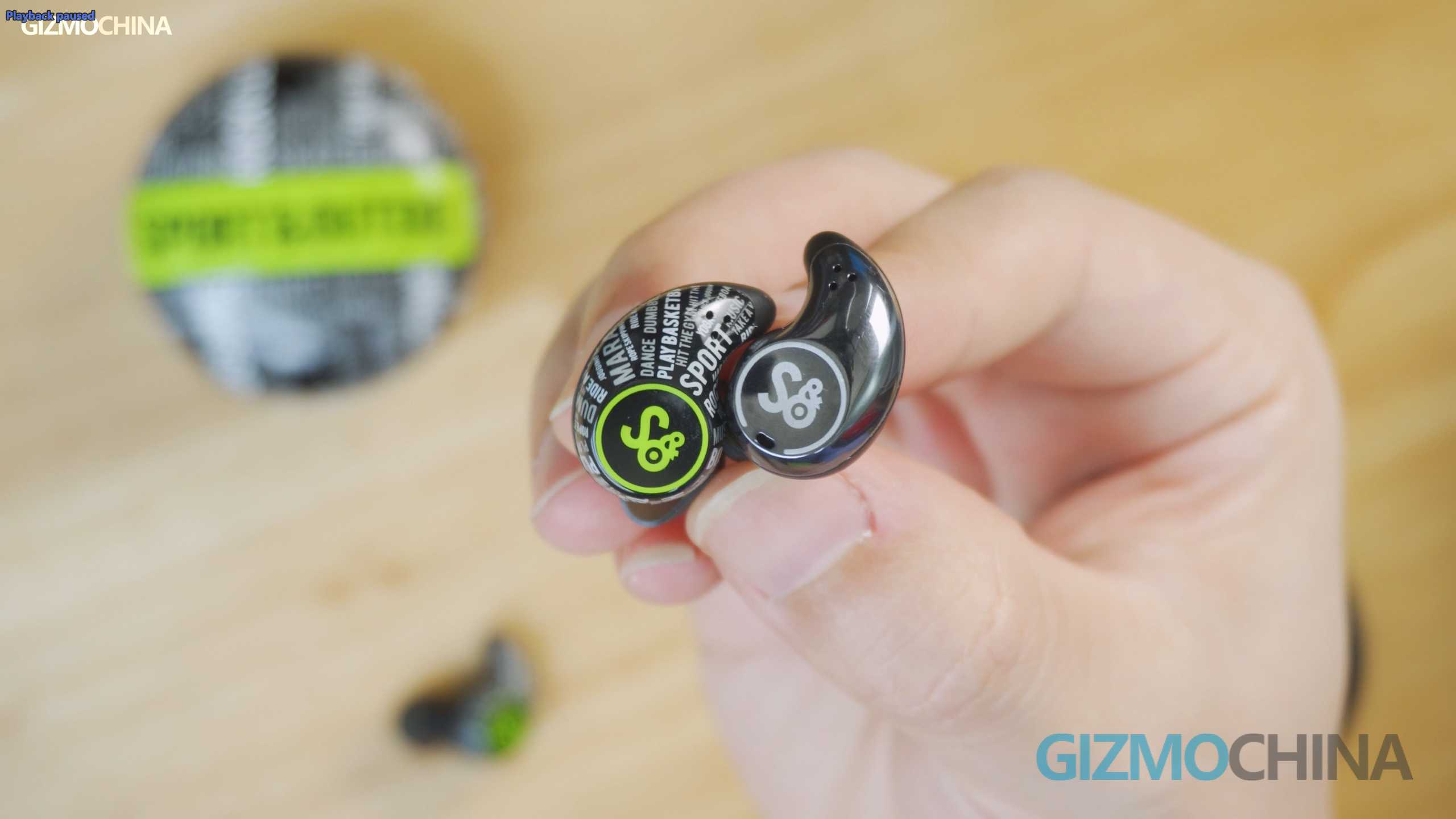
I have been using these earbuds for several days now, they stay with a snug fit in my ears, and there is no discomfort at all, mainly because it’s tiny and with a hook. The earbud is small as you can see, it’s just not bulky at all.
When we talk about ANC wireless earbuds, two key features are sound quality and ANC performance. About the sound quality, we tested them, and it’s relatively stable in the low, medium and high range, the layers are clear, and it has a good consistency.After listening to Victory and My Soul, the performance is satisfying overall, the bass is strong and vocal parts are acceptable, and the overall audio is rich in details. So in general, the drivers they used compliment the rhythm of the music with characteristics, and it’s never sloppy. It is safe to say that it’s one of the best sound performances among the brand’s wireless earbuds we have used.
On the packaging, Mifo says the earbud has 6 mics for noise canceling, up to 30dB performance with ANC and ENC, the mics in three directions will pick up the noise outside and balance them out with their latest algorithm. They performed relatively well when we tested them outside and on the metro. And it’s also very impressive that it has IP67 water and dust proof, even though there are some tiny holes on the surface.
However, you may wonder whether it’s good for wearing them to sleep? Wouldn’t that be just fascinating, right? Well, the sleeping mode usually only shows up in some really high-end earphone brands, and there are even some earbuds created just for sleeping and got medical certificates. Now this function in MIFO S is not perfect, at least to me, when I turn on the sleep mode, there is always some electric current sound there, and it will automatically connect to my phone or computer a while later, then the sleep mode is turned off. Now imagine in that situation, do you really want to hear all the notifications or phone calls while you are sleeping?
Another very personal complaint about the earbuds, or perhaps all the ANC earbuds, is related to the balance of ANC and other touch control settings. ANC is the number one feature, and almost every brand gives the single touch control or long-press to switch between ANC/Mild ANC/Transparency mode, which means some basic functions like next song, the volume control will inevitably be changed to double-tap, or even triple tap. I suppose there is no workaround for this, especially if you want ANC as the priority.
So these were the key features of the MIFO S earbuds. We still want to point out that the MIFO S is an outstanding set of earbuds. Since we’ve seen a lot of similar designs on various earbud models, it’s commendable that brands like MIFO can continue to launch unique designs.
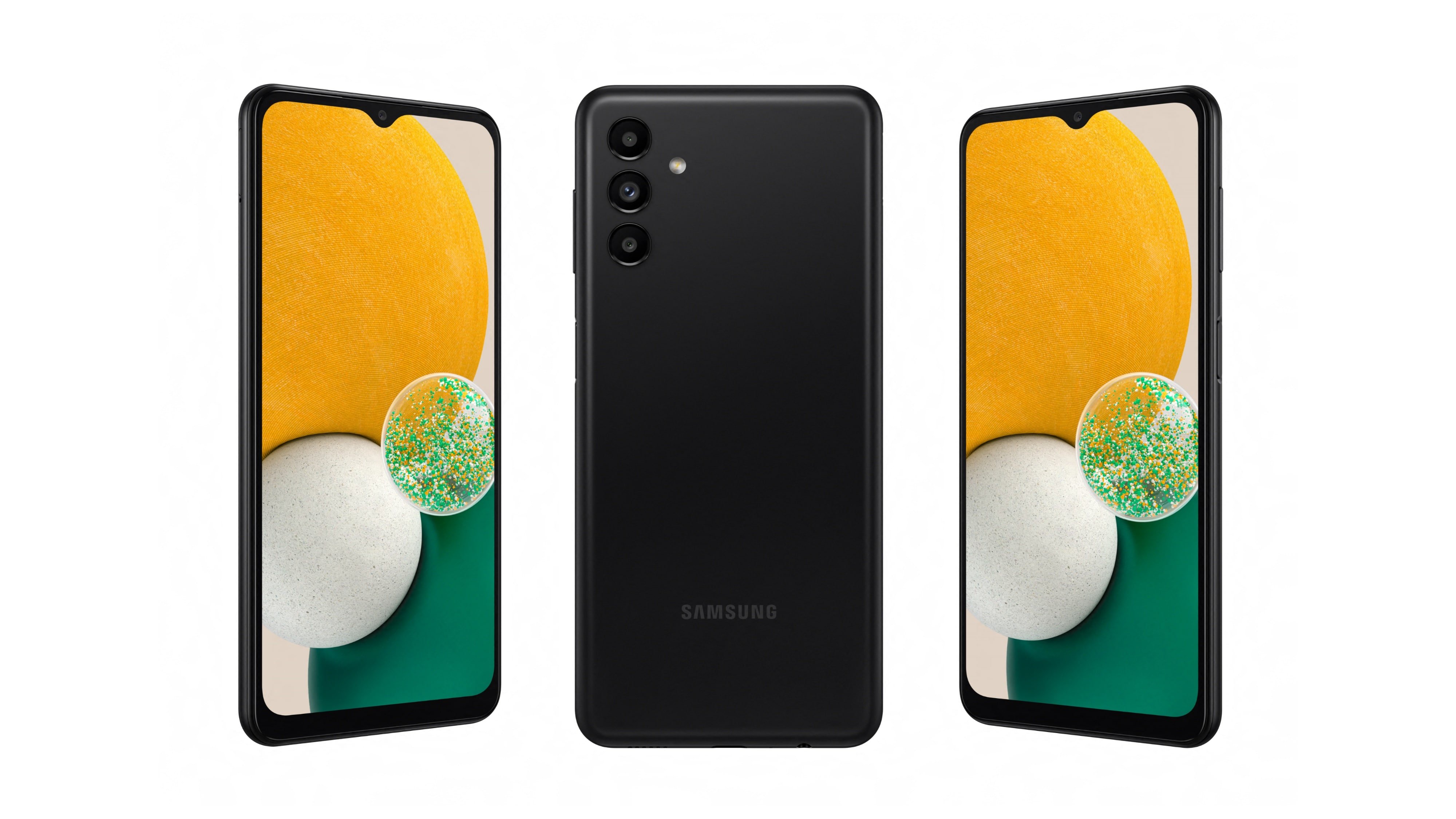
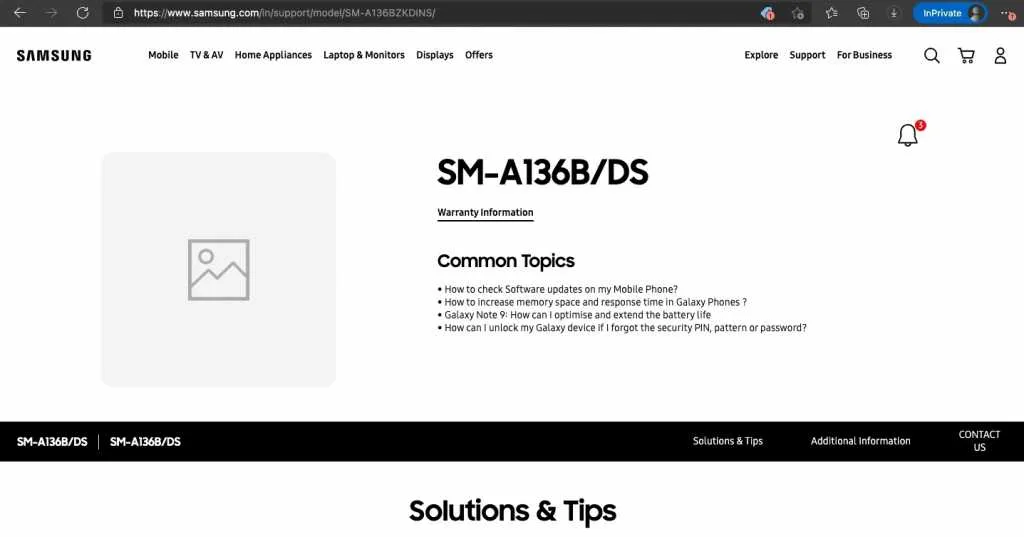
For those unaware, the Galaxy A13 5G was first launched in the US back in December 2021. And recently, the same model was tipped to launch in Europe as it was spotted on the Google Play Console database. Now, MySmartPricespotted the Indian variant of the smartphone that carried the model number SM-A136B on an official support page, which is the same as the Europe model.
In other words, the smartphone is likely planning on launching the Galaxy A13 5G in India soon. Talking about its specifications, the smartphone sports a 6.5 inch LCD panel that has a HD+ resolution, 90Hz refresh rate, and a waterdrop notch on the front. Meanwhile, the rear features a triple camera setup that includes a 50 megapixel primary sensor, a 2 megapixel macro camera, and a 2 megapixel depth lens. The front houses a 5 megapixel selfie shooter.
Under the hood, the smartphone is equipped with a MediaTek Dimensity 700 SoC that is paired with a Mali G57 GPU. A large 5,000mAh battery pack powers the device, which supports 15W fast charging. Other features include a side mounted fingerprint scanner, up to 4GB of RAM and up to 128GB of internal storage. That is all the information we have at the moment, so stay tuned for more updates.
OnePlus surprised us this year by not releasing a vanilla version of the OnePlus 10, but instead going straight to the OnePlus 10 Pro. We were hoping that the company would make up for that with a new OnePlus 10 Ultra. However, according to a new report, there is going to be no “Ultra”. OnePlus will instead launch a new “T” series smartphone, dubbed OnePlus 10T 5G.
According to a tweet by Max Jambor, OnePlus is working on a “OnePlus 10T” flagship and it is going to be the last flagship coming from the brand this year. Furthermore, in the comments of the same tweet, Jambor replied, shattering our hopes, that there will be no OnePlus 10 Ultra.
Final name of the next and only flagship phone coming this year: OnePlus 10T 5G
Jambor confirmed that the OnePlus 10T is in fact the rumored Vanilla OnePlus 10 and Ultra. Multiple sources have already stated that the OnePlus 10 lineup includes an “Ultra” model so it is possible that the OnePlus 10T 5G could be a rebranded version of the smartphone shown in earlier leaks.
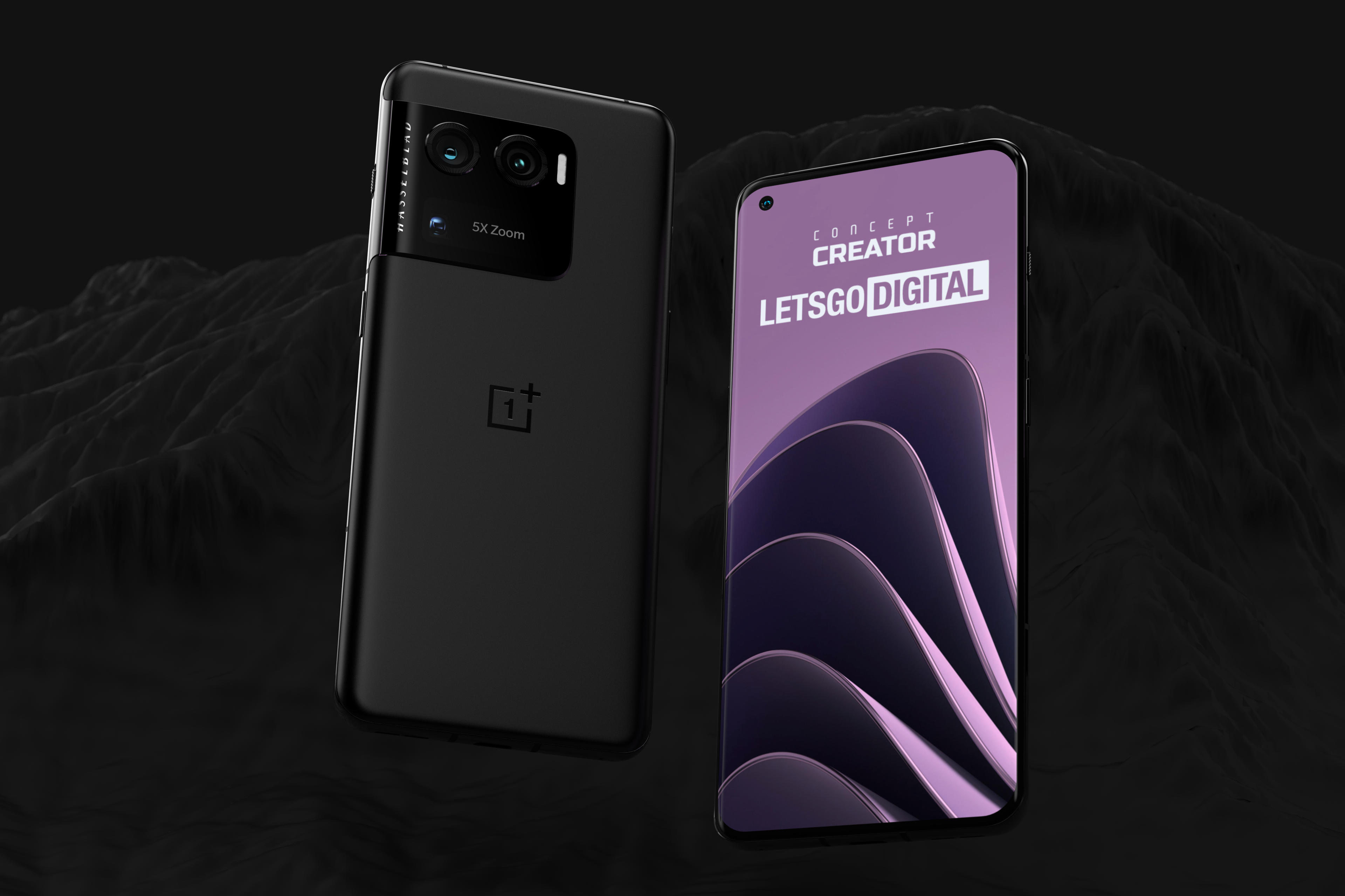
If the OnePlus 10T 5G is indeed the long-rumored OnePlus 10 Ultra, then we can expect it to feature Qualcomm’s latest Snapdragon 8 Plus Gen 1 chip and 150W wired fast charging support. It could also sport a 6.7-inch AMOLED FHD+ panel, 50MP primary camera on the back, and a 4,800mAh battery. Not to mention Hasselblad Cameras.
Image via LetsGoDigital
You can also expect the smartphone to feature LPDDR5 RAM and UFS 3.1 flash storage. It will most likely be made of metal and glass. These are all speculations and we do not have any official information regarding the smartphone. We’ll let you know as soon as we have more details.
Let us know in the comments what you think about this new Smartphone!
Oppo had just recently announced a new truly wireless earbuds for the Indian market. The Enco Air 2 Pro is the latest entry in the company’s hearables portfolio and is now available for purchase. So let’s have a look.
The Chinese tech giant’s Enco Air 2 Pro feature 12.4mm titanized diaphragm drivers and sport an in ear style design along with a stem. Furthermore, the truly wireless earbuds also feature Active Noise Cancellation (ANC) as well as AI Noise Cancellation for calls and even a transparent mode. Under the hood, the Enco Air 2 Pro is powered by a 440mAh battery unit on its charging case.
This enables the wireless earphones to last for up to 28 hours on a single full charge. Although, this figure is when the earbuds are paired with its charging case. Furthermore, the Enco Air 2 Pro can even last for up to 20 hours with ANC turned on. The individual buds offers up to 7 hours of playback without ANC and up to 5 hours with ANC turned on.
Other features include, USB Type C charging port for charging, IP54 dust and water resistance, Enco Live Bass tuning, interchangeable tips, and more. The earbuds are currently listed on Flipkart, a popular e-retailer in India. These are available in two color options as well, including Gray and White variants. The Enco Air 2 Pro has a price tag of 3,499 INR (roughly 45 US Dollars).
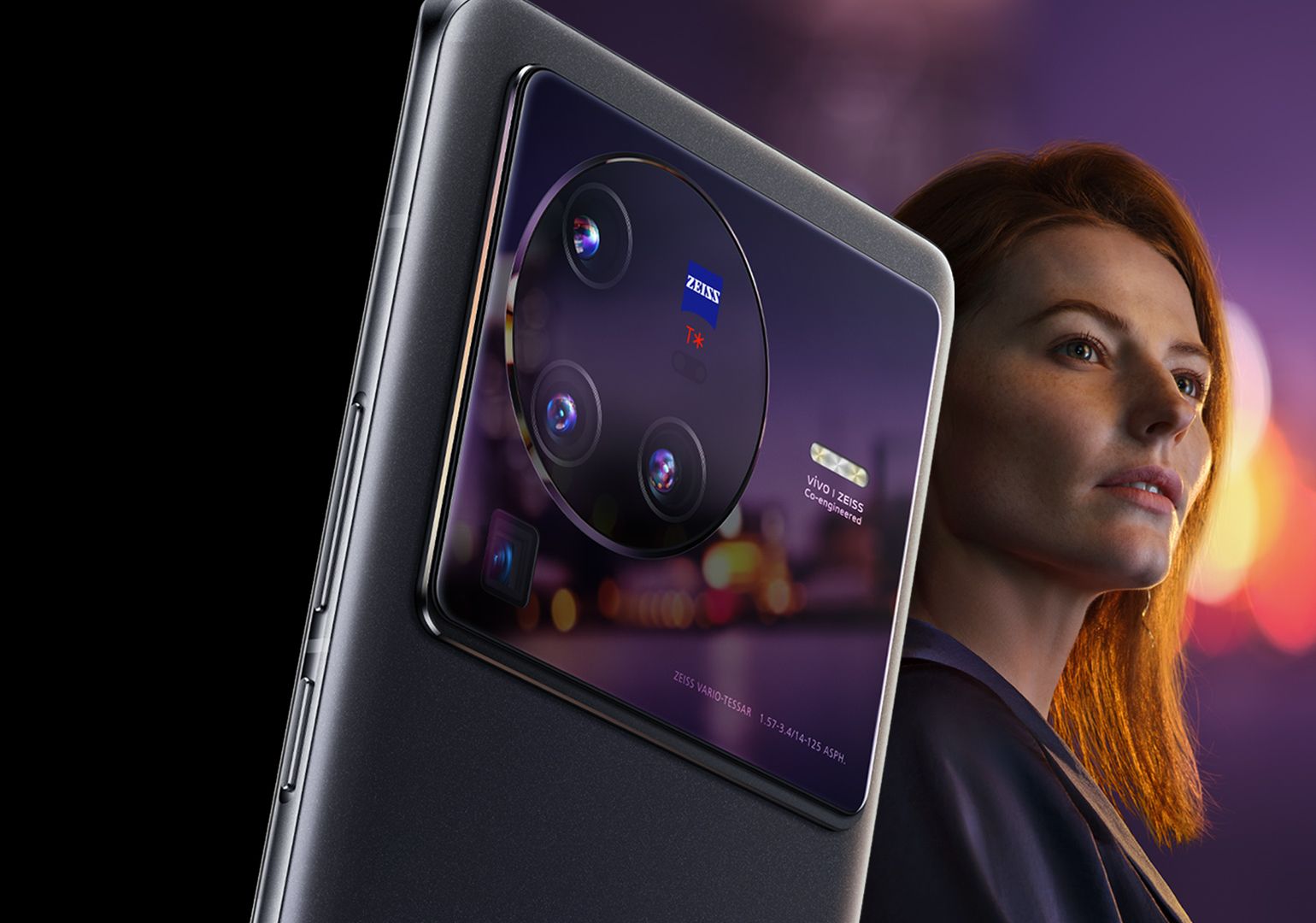
A new leak has revealed some interesting information regarding the next generation of flagship smartphone from Vivo. Apparently, the company plans to break past the 200W fast charging mark.
The news arrives from known tipster @DigitalChatStation on Weibo (a Chinese microblogging website). The Chinese smartphone maker was initially believed to offer 100W fast charging on the next flagship phone, but the new report claims that the charging rate will be twice as high. The tipster added that the upcoming premium handset will support 20V / 10A charging, which has a maximum output of 200W charging. Notably, this whole line is also backwards compatible with 120W, 80W, and even the 66W charging rates as well.
X80 Pro
Furthermore, the blogger also hinted that the battery capacity of the new flagship Vivo smartphone will be larger than 4,000mAh. Unfortunately, this is all the information the tipster shared as of right now. The name of this premium grade smartphone is also unclear at the moment. In other words, it is unknown which series the new phone will be a part of. So stick around for more, as we will be providing updates when additional information is available regarding this matter.
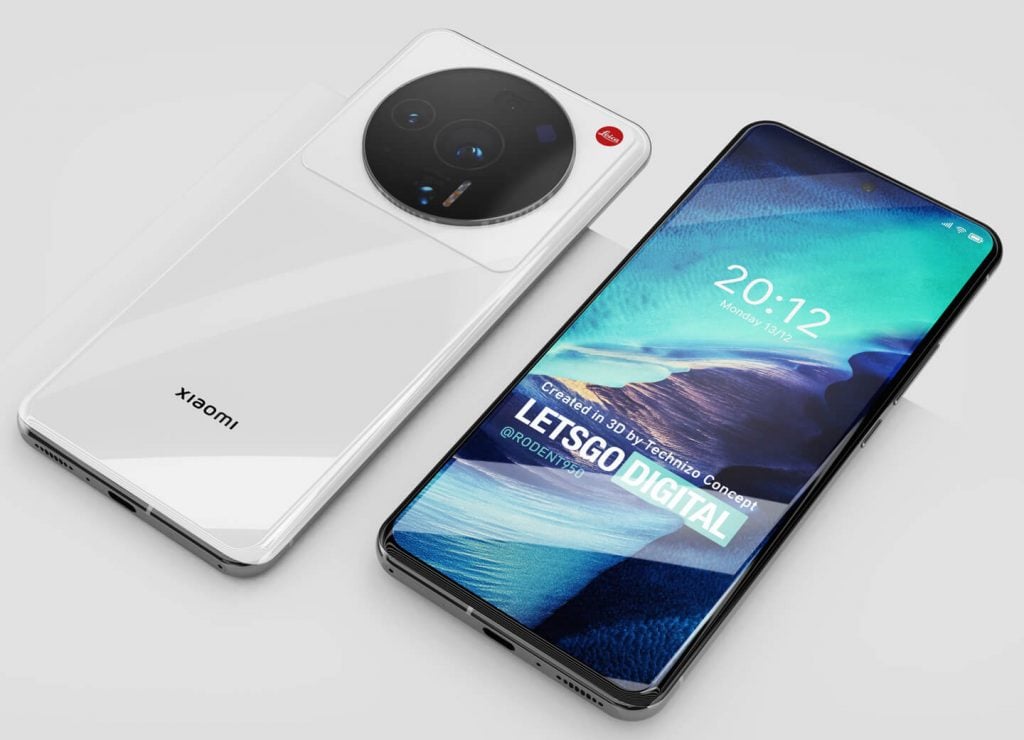
Xiaomi and Leica recently announced that they will be joining hands in a partnership to create new smartphones. The duo promised an announcement in July but didn’t reveal which smartphone they will be launching but it is expected to be the long-rumored Xiaomi 12 Ultra. However, before the official announcement, we have some newly leaked information regarding the design and material of the smartphone. Let’s have a look at all the details.
According to the latest Weibo post by a usually reliable tipster Digital Chat Station, the new Xiaomi 12 ultra could come in two colorways, first in black with a polished leather cover making it look more professional and the other in white with textured ceramic glass on the back.
Speaking of Ceramic glass, Xiaomi is not new to this material. In fact, the Xiaomi Mi 11 ultra launched last year also came with a ceramic design.
The main highlight of the smartphone is going to be its camera system, Xiaomi’s recent partnership with Leica is definitely going to take the camera of 12 Ultra to a new level. The smartphone has a unique “Oreo” like camera island and houses at least 3 lenses. It is likely to feature a 200-megapixel main sensor accompanied by an ultra-wide-angle sensor and macro sensor.
Xiaomi 12 Ultra concept render by LetsGoDigital
The front of the new Xiaomi Mi 12 Ultra will likely sport an OLED flexible curved screen. In addition, the smartphone is also expected to feature the latest Snapdragon 8 Plus Gen 1 processor under the hood. The handset is rumored to support a 120W fast charging while incorporating a 4,900mAh battery.
Xiaomi is yet to confirm any details regarding the smartphone. However, the smartphone is reported to see the daylight by the end of June.
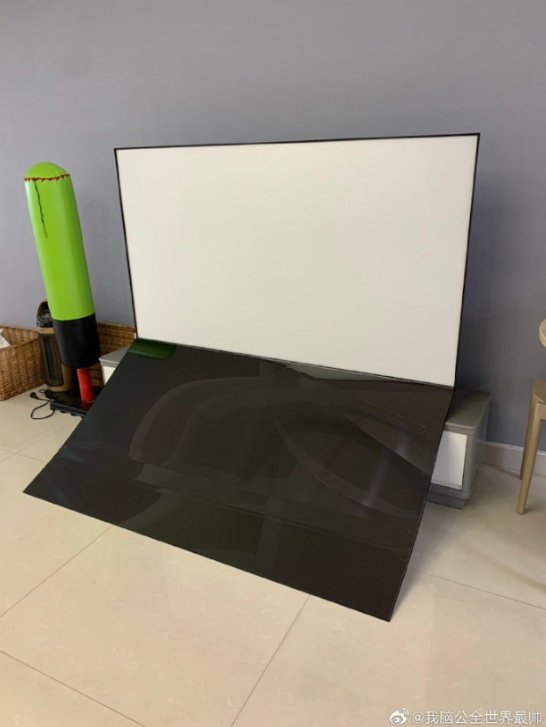
Recently, a Netizen in China shared his experience of his Xiaomi TV. Apparently, the smart TV’s LCD panel just fell off from the frame, so he took to social media to provide feedback and even contacted after sales services as well.
The incident was shared by Weibo user (a Chinese microblogging website) @我脑公全世界最帅, who stated that the LCD panel of the Xiaomi TV fell off at his home and shattered. The surveillance camera at home captured this incident and he shared it online. Looking at this video, we can see that the smart TV’s LCD panel simply fell off and was not due to any external factors.
In response to this, the Chinese tech giant has stated that it has contacted the user for better after sales service. The brand is also processing the incident quickly for the user so he faces no inconvenience. The user shared an update in which he said that he got the whole refund and the TV was collected overnight. Notably, the company says that the accident with its TV is a rare case, although, the exact reason for this issue has yet to be identified. Interestingly, this isn’t the first time such an incident has occurred.
There have been incident where TV screens have fallen off before as well. Just yesterday, another video from a surveillance camera showed the LCD panel of another TV falling off in what looks like a reception area of a business. Again, there was no external forces and the screen just tipped on its own. This TV saw a couple of months ago, however, this time the customer service said that the reason for this incident is due to the TV being used for too long.
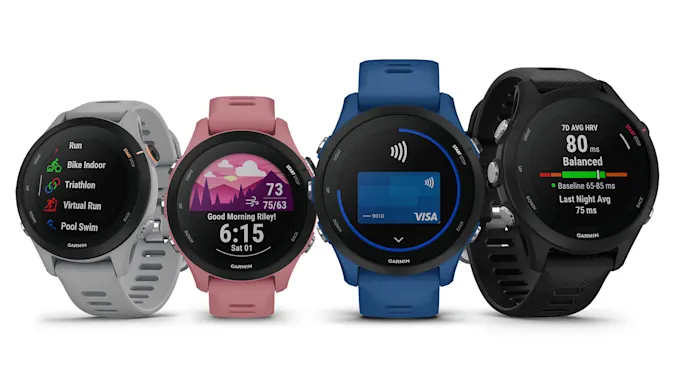
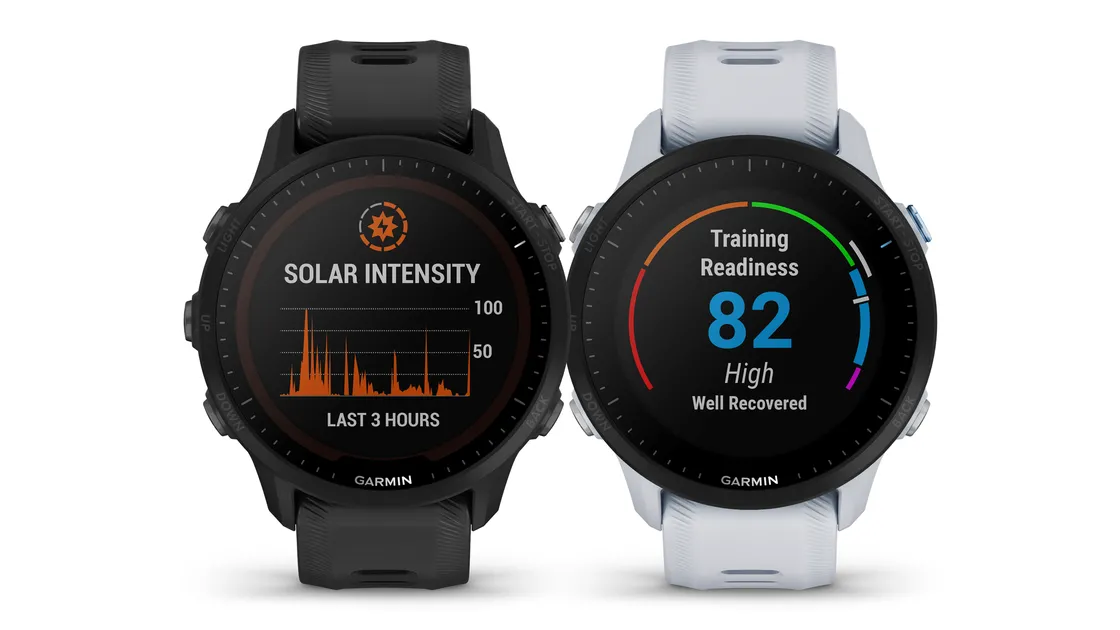
Garmin forerunner 200-series has been barren since 2019 but that changes now. The company has launched two new watches to refresh the series, dubbed Forerunner 255 and 955. Both watches carry multi-band GPS and new racing features such as a race widget. The Forerunner 955 also comes with a touchscreen and solar charging.
The Forerunner 255 is the more affordable one among the two. It comes with a lightweight design and has almost the same build as its predecessor Forerunner 245. The watch is available in 4 variants: the standard Forerunner 255, 255S (Smaller version), Forerunner 255 Music, and Forerunner 255S Music.
Garmin Forerunner 255
The standard 255 measures 46mm and weighs 49 grams, while the smaller 255S will measure 41mm and weigh 32 grams. The dimensions and weight are the same for the Music variants. The watches are water-resistant to up to 5ATM, and have a battery life of 14 days, with up to 30 hours in GPS mode.
The watch comes with some interesting feature upgrades. For instance, the full triathlon support as well as more accurate multi-band GPS. The watch now also has a Race widget which includes race prep information such as the performance predictions, race-day weather, and a countdown clock. Furthermore, the watch has a “morning report” function which displays a brief summary of the day’s weather, a daily workout recommendation, and a sleep report from the previous night.
If we talk about the pricing, the series starts at $350 for the smaller Forerunner 255S as well as the standard 255. However, if you want to buy the music variants, you’ll need to spend $50 more for a total of $400.
Garmin also added a more premium watch in the series: The Forerunner 955. The watch sports a 47mm always-on, full-color touchscreen display and weighs around 52 g. The 955 series also have a solar variant which, as the name suggests, can be charged through sunlight.
Garmin Forerunner 955 series
It is the company’s first solar-powered watch dedicated to running. The solar variant can last up to 20 days in smartwatch mode and 49 hours inactive GPS. The Forerunner 955 has all the software improvements that come with the 255’. Moreover, it has music and Garmin Pay built-in.
The 955 Solar variant comes at a price of $600, while the standard Forerunner 955 is available at a price of $500.
We use cookies on our website to give you the most relevant experience by remembering your preferences and repeat visits. By clicking “Accept”, you consent to the use of ALL the cookies.
This website uses cookies to improve your experience while you navigate through the website. Out of these, the cookies that are categorized as necessary are stored on your browser as they are essential for the working of basic functionalities of the website. We also use third-party cookies that help us analyze and understand how you use this website. These cookies will be stored in your browser only with your consent. You also have the option to opt-out of these cookies. But opting out of some of these cookies may affect your browsing experience.
Necessary cookies are absolutely essential for the website to function properly. This category only includes cookies that ensures basic functionalities and security features of the website. These cookies do not store any personal information.
Any cookies that may not be particularly necessary for the website to function and is used specifically to collect user personal data via analytics, ads, other embedded contents are termed as non-necessary cookies. It is mandatory to procure user consent prior to running these cookies on your website.