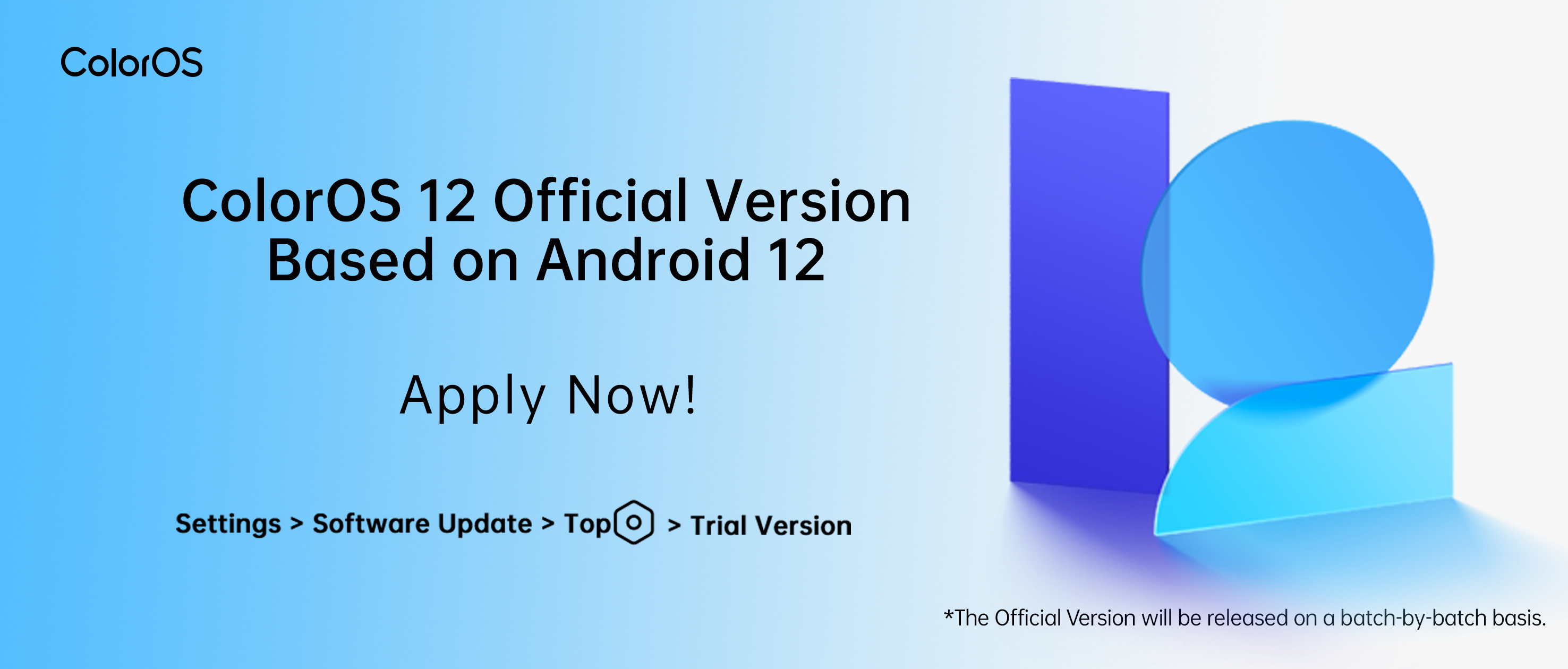
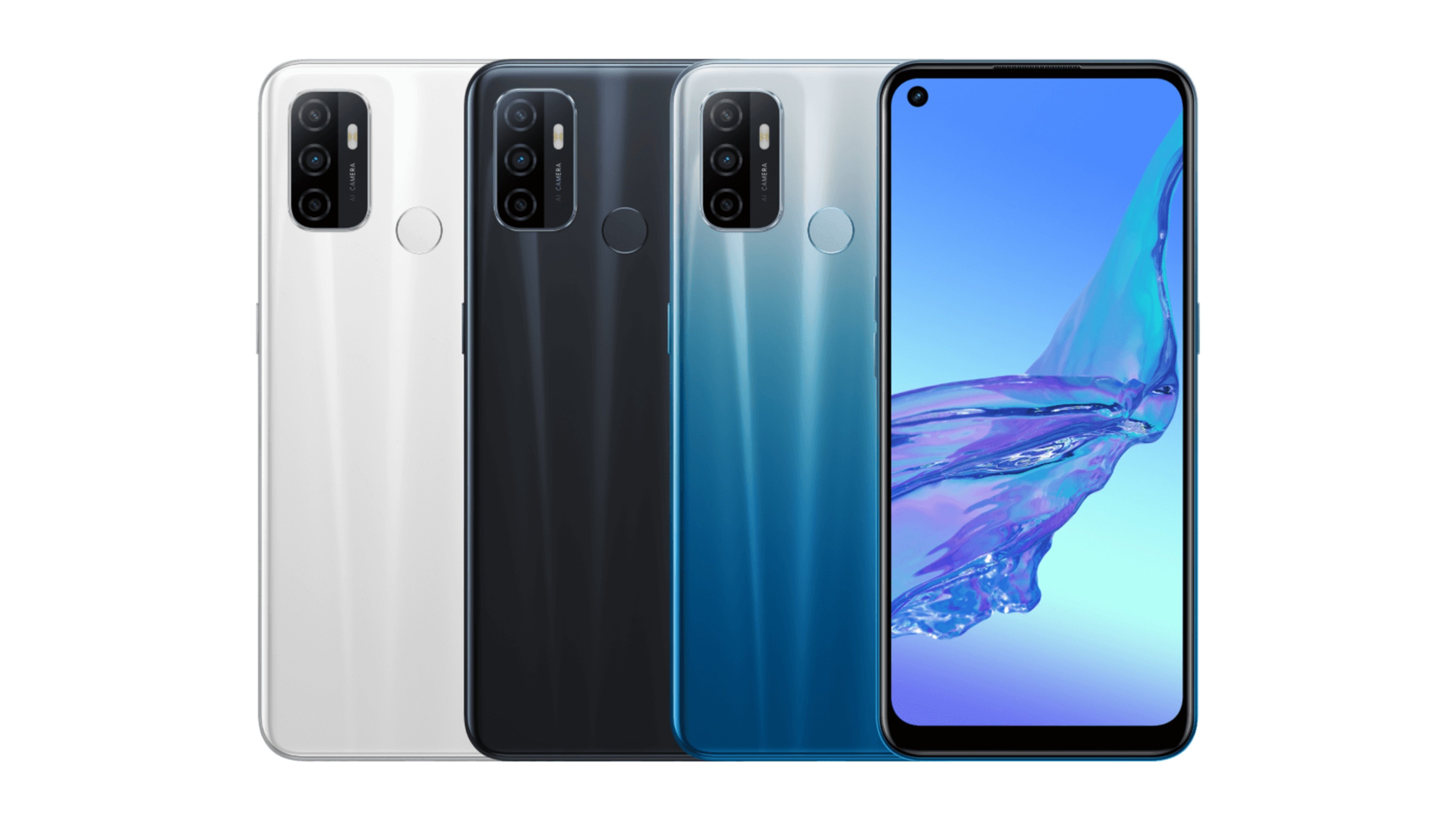
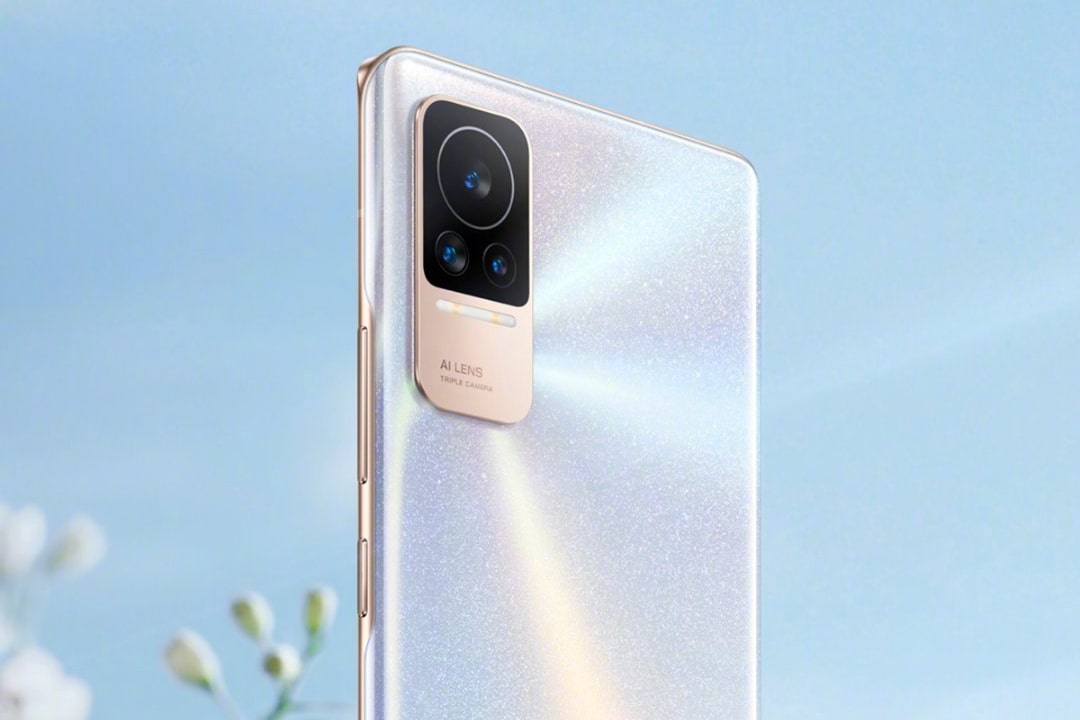
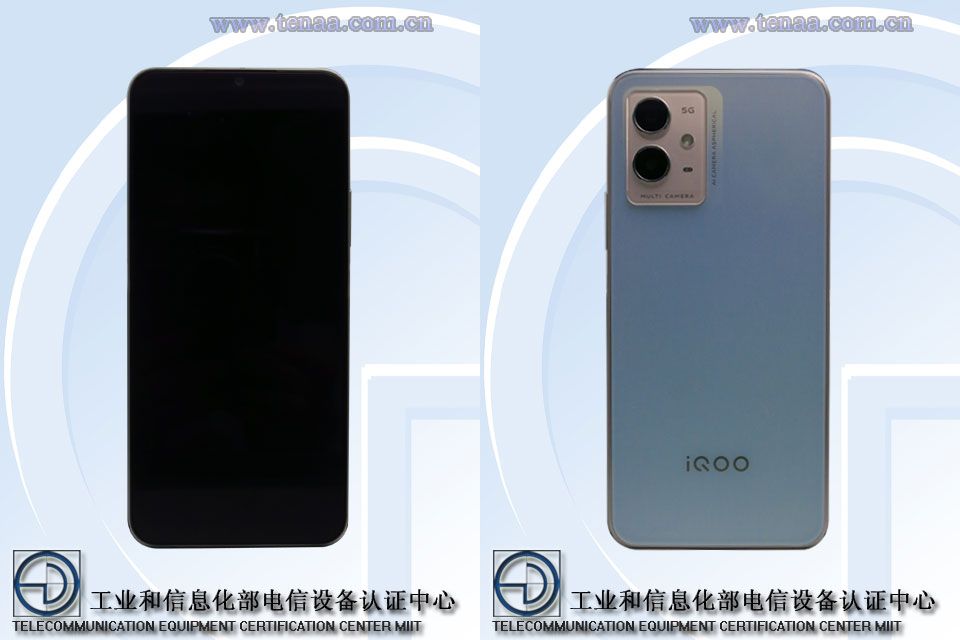
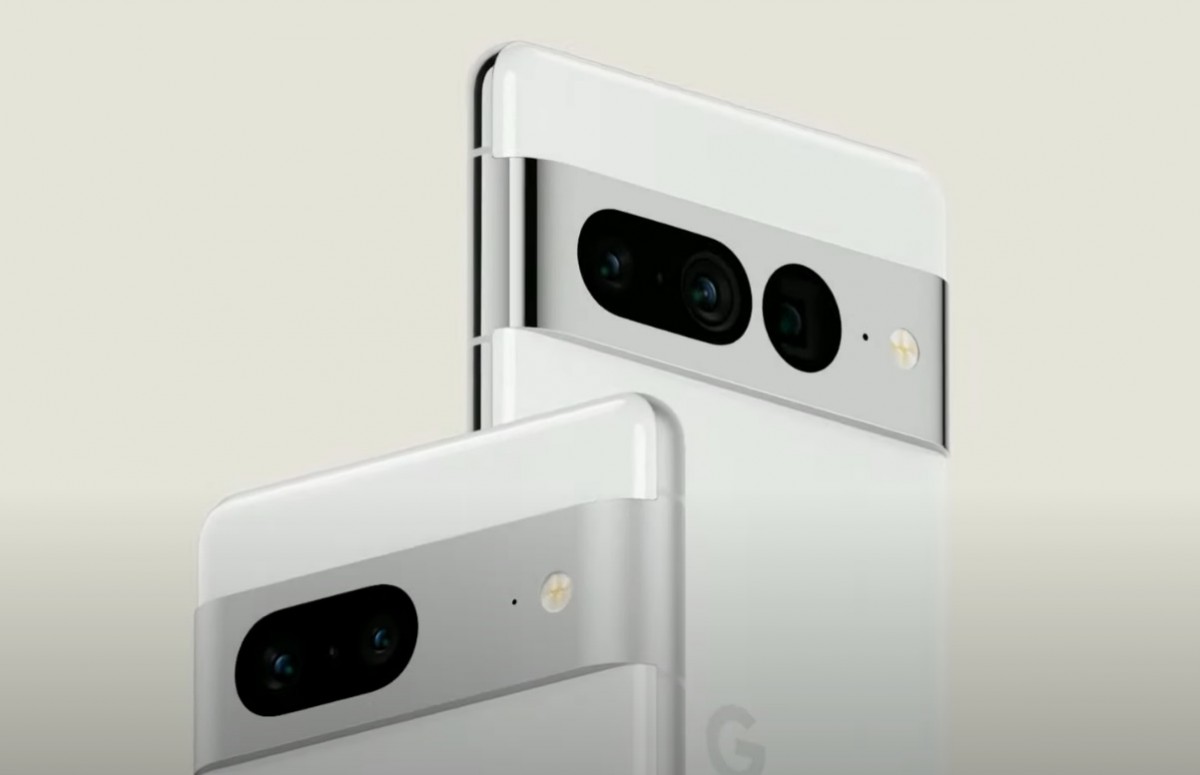
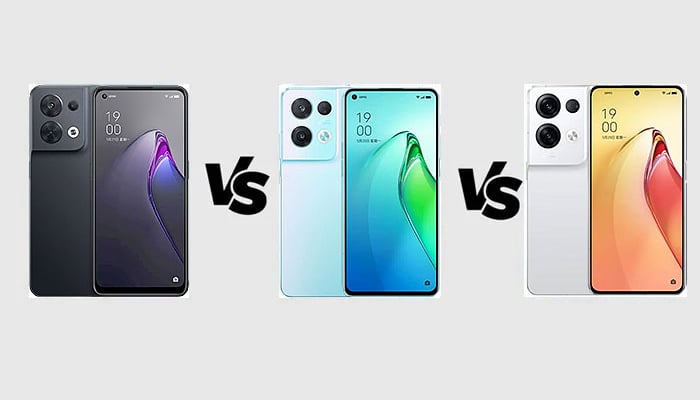
The OPPO Reno7 series was launched with the latest ColorOS version currently available but stuck to Android 11 despite Android 12 being out for several months at the time of their release. But that won’t be the case for long thanks to the start of the Android 12-based ColorOS 12 public beta recruitment program in India and China for the Reno7 Pro 5G.
With a post on the OPPO community forums, it’s been announced that Reno7 Pro 5G users can now apply for the ColorOS 12 public beta program in India. Registration starts March 29 and will last until March 31. Applications will then be reviewed and users who will have made the cut will get an OTA (within a week following registration). The application quota is 5,000, so you’d want to hurry.
And in China, the beta recruitment has commenced for the Reno7 Pro 5G, Reno7 Pro 5G League of Legends Mobile Limited Edition, and Reno7 SE 5G.
Before applying, just make sure you’re on the following firmware versions by heading over to Settings > About Phone > Version Information > Version Number:
Reno7 Pro 5G (India) — C.12/C.13
Reno7 Pro 5G (China) — A.18 and above
Reno7 Pro 5G League of Legends Mobile Limited Edition (China) — A.06 and A.07
Reno7 SE 5G (China) — A.10 and above
To apply for the beta update, navigate to Settings > Software Update > Click the settings icon on the screen > Apply for Beta Version > Update Beta Version.
Of course, the program has only been opened up for users residing in India and China, but it’s safe to assume from it that global Reno7 Pro 5G and Reno7 SE 5G users will be getting treated to Android 12-based ColorOS 12 soon as well.
The OPPO Reno4 and Reno4 Pro are now receiving the ColorOS 12 update based on Android 12, with the former getting it in India and Indonesia while the latter getting it only in India.
The official community post says that the initial rollout is only a part of the first batch, meaning more batches will be following soon. If you haven’t received a notification for the update, then you may need to wait a while. Just make sure you’re on firmware version C.42/C.43/C.44 on the Reno4/Reno4 Pro beforehand, though.
And now that the Indian and Indonesian variants of the devices in question are getting it, it’s safe to assume that other regions will be following soon.
To check for the latest available update on your Reno4 or Reno4 Pro, head over to Settings > Software update. If you aren’t on the latest ColorOS 11 build, then you may not get the ColorOS 12 notification so might want to ensure that first.
ColorOS 12 is based on Android 12 and arrives with a bunch of new features plus improvements. Elements throughout the interface have been tweaked visually, be it icons, the quick settings panel, or system apps. You also get some of those enhanced A12 privacy features such as the new Privacy Dashboard and microphone and camera Indicators.
The OPPO Reno4 and Reno4 Pro were launched back in July 2020 with Android 10 and the ColorOS 12 is likely the very last major update for the duo. OPPO may continue sending out security updates for some time, though.
Vivo has been teasing its upcoming April 11 launch event, in which it will release a number of new products. Now, a latest teaser has confirmed rumors of its first flagship tablet also launching on the same date.
Previously, the Chinese smartphone maker was rumored to unveil the Vivo Pad on April 11. But in a recent teaser, this news has been confirmed. While finer details regarding the product is still unknown, the device will be the brand’s first ever flagship tablet. Looking at a recent promotional video, we can see that its display is surrounded by small bezels and runs on a custom Origin OS version that better supports parallel apps and multi screen app features, among others.
Notably, the Pad will also come with support for a stylus as well. Under the hood, the tablet is expected to feature the Qualcomm Snapdragon 870 SoC and may be powered by a large 7,860mAh battery pack that supports 44W fast charging. On April 11, the tablet isn’t the only notable launch, as the company is also gearing up to launch the highly anticipated Vivo X Fold and X Note as well.
The brand even shared another teaser for the X Fold earlier today that showcased the foldable device’s design in all its glory. We can clearly see the rear design and large camera module on the rear, and the large internal display in another short video teaser. This device will likely be the highlight of the April 11 launch conference, so stay tuned as we will be covering this event next month and any upcoming teasers as well.
As Samsung is now done updating its premium and newer devices to Android 12, it has started delivering fresh software to the older and inexpensive phones. The latest handsets to bag the new system update are best-seller Galaxy A51, India-exclusive Galaxy F62, and South Korea-exclusive Galaxy A Quantum.
Samsung Galaxy A51
According to SamMobile, Samsung has begun to push the Android 12 update for the Galaxy A51 in Vietnam, Russia, and the UAE. The software update arrives with the newest One UI 4.1 instead of One UI 4.0.
Similarly, the Galaxy F62 is also getting the One UI 4.1 based on Android 12. However, the software build for this smartphone carries outdated February 2022 security patches. Whereas, the same update brings along March 2022 security patches for the Galaxy A51.
On the other hand, the publication doesn’t know if the Android 12 update for the Galaxy A Quantum comes with either One UI 4.0 or One UI 4.1. But it does say that the update bumps up the security patch level to March 2022.
As with any other OTA system update, the Android 12 for the aforementioned phones is also being rolled out in batches. Therefore, it will take some time to reach every unit as well as region. But do expect the update to be delivered in the coming days.
Users can go to Settings > Software update > Download and install to check whether their handset has got access to the fresh software.
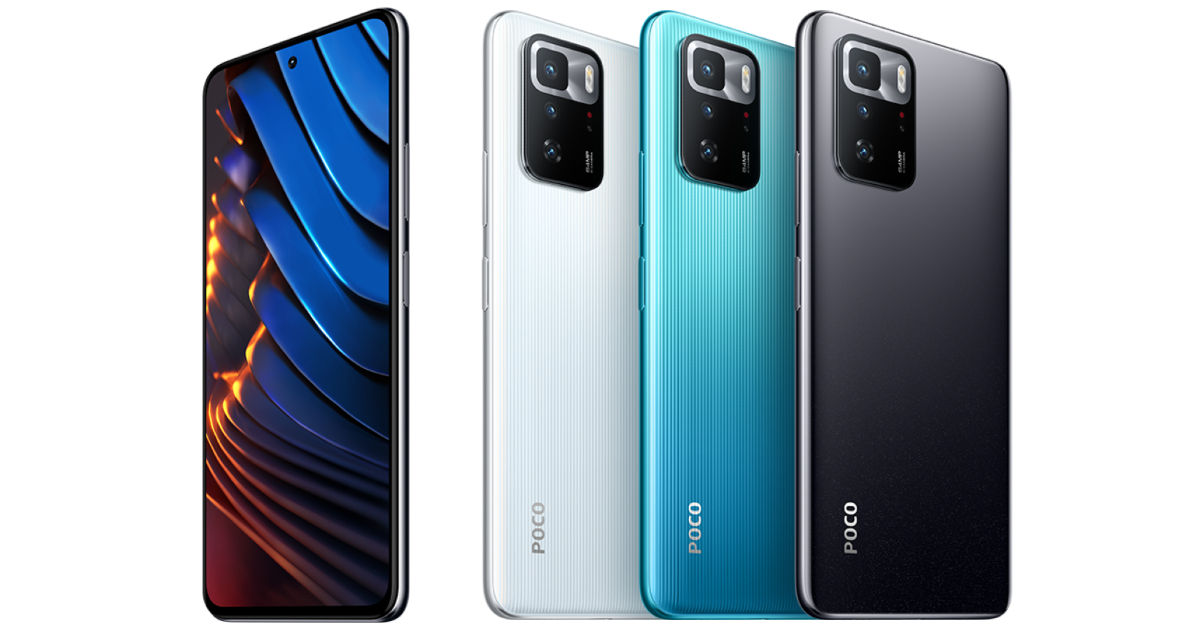
In February, POCO announced the POCO M4 Pro 5G and POCO M4 Pro 4G smartphones in India. Recent reports have revealed that the company is also working on the standard POCO M4 5G handset. Today, reliable tipster Yogesh Brar tipped the key specifications of the POCO M4.
POCO M4 specifications (rumored)
The POCO M4 will arrive with a 6.58-inch LCD panel that will deliver a Full HD+ resolution and a 90Hz refresh rate. The device will come with a 5-megapixel front-facing camera, and its rear shell will sport a 50-megapixel (main) + 2-megapixel (depth) dual-camera system.
The Dimensity 700 chip will be present under the hood of the POCO M4 5G. The device will arrive with 4 GB / 6 GB of LPDDR4x RAM and 64 GB / 128 GB of UFS 2.2 storage. It will run on the latest Android 12 OS, which will be overlaid with MIUI 13.
Redmi Note 11E
The POCO M4 will pack a 5,000mAh battery that will carry support for 18W fast charging. The leak has no information on the pricing of the device.
The POCO M4 has been recently spotted at IMDA and FCC certification platforms. The FCC listing revealed that the device supports three 5G bands and it will come in three configurations, such as 4 GB RAM + 64 GB storage, 4 GB RAM + 128 GB storage, and 6 GB RAM + 128 GB storage. It is unclear whether the POCO M4 5G will be made available in all three variants in different markets.
The POCO M4 5G appears to be a rebranded version of the China-exclusive Redmi Note 11E 5G smartphone. The M4, being a POCO phone, is expected to sport a different rear design as compared to the Note 11E.
Netflix has just brought another gaming studio under its wing. The company has now bought Boss Fight Entertainment, which is its third game studio. This acquisition was completed just earlier this week.
With this new takeover, the popular video streaming platform has expanded its portfolio of game studios as it seeks to increase its footprint within the gaming segment. For those unaware, the company has been buying game studios to offer smaller mini games from its platform that is built within its Netflix app itself. Through this acquisition, it is clear that the brand is going ahead to expand this mobile games store.
According to Amir Rahimi in a post, Vice President of Game Studios at the company, “We’re still in the early days of building great game experiences as part of your Netflix membership. Through partnerships with developers around the world, hiring top talent, and acquisitions like this, we hope to build a world class games studio capable of bringing a wide variety of delightful and deeply engaging original games – with no ads or in app purchases – to our hundreds of millions of members around the world.”
Previously, Netflix had added three new titles to its collection of mobile games, which now brings the total number of titles to 17. All of these can be played through the mobile app as of right now. At the moment, the latest games include This Is A True Story, Shatter Remastered, and Into The Dead 2: Unleashed. These games are bundled with the existing subscription pack and there is no pack dedicated for games alone.
Although the K50 Gaming Edition was released a while back, that was just a preview of the K50 series. But the most notable models in the K50 series are here, the Standard and Pro versions.
In this article, we will look at the K50 Pro. I believe that after you read this review, you will be amazed that such a powerful phone is sold only for $470.
The first Flagship Killer of 2022 has finally made its debut.
And, we have a little treat for our fans. Do you remember the AirDots 3 Pro Genshin Impact Edition? Subscribe to our YouTube channel and click on the link herefor a chance to get this cute little bag and earbuds for free. Genshin Fans don’t miss this out!
Redmi K50 Pro Review: Design & Display
Like last year’s K40 series, this year’s Redmi K50 Pro black version uses a different pattern design for the back cover than the other color versions. The back cover will have a crystalline pattern that shines under the refraction of light. Redmi says the inspired by the olive meteorite. It’s really beautiful. And if you are unfortunate to break the back cover glass, maybe this pattern can also cover up your broken back cover.
But this lens module is personally not appealing to me. There are circles and triangles in the rectangle, which doesn’t look harmonious. The lens design seems to have been seen on other phones.
It has NFC, IR blaster, and stereo dual speakers. But the bezel is still made of plastic, and the fingerprint recognition is also on the bezel. All in all, you cannot doubt the functionality of the K50 Pro, but the look and design is not as good as the K40 series. The main thing I don’t like is the design of the lens.
Although its back design has taken a step backward, its front is really “very good “, I say this especially after seeing the specs on paper. Finally, the Redmi model uses a 2K resolution OLED screen. This is probably the cheapest 2K OLED screen phone you can buy. And it performs well both in terms of viewing angle and maximum brightness.
The lower bezel is also very narrow. Honestly, the screen quality of the K50 Pro is very close to that of the Xiaomi 12 Pro. Even without the interference of Micro-Lens technology, the K50 Pro has even better side view color shift control than the Xiaomi 12 Pro. Although it doesn’t have LTPO, which is very popular this year, it has full-scene DC dimming and Adaptive colors, two features that make the screen less irritating to the eyes. The screen is surrounded by a plastic holder, which the 2k straight screen realme GT 2 pro does not have. The shape of the film at the hole punch is also very strange, it is actually water-drop shaped. But just from the experience of using it, the K50 Pro’s screen should be second only to the top flagship phones of various brands. Very good! If you buy the K50 series, remember to go to the Display settings and set the resolution to 2k. Because the default resolution is FHD+.
Redmi K50 Pro Review: Performance & Gaming
I know that everyone is fed up with the Snapdragon 8 Gen 1 that overheats. And everyone was expecting MediaTek’s Dimensity 9000 to save Android flagship phones from the fire.
The K50 Pro being the first Dimensity 9000 phone we tested, we of course had to take a closer look at its performance. In AnTuTu, the phone scores 950,000 points, and in 3Dmark 7900. Geekbench 5 single-core is 1300, and multi-core around 4400. And the phone also passed the 3DMark stress test without any problems. This is much better than the 8Gen1 phones that couldn’t even complete the test.
1 of 3
The heatsink material used in the phone is the exact same stainless-steel VC as the K50 Gaming Edition. Thanks to the better processor, the Genshin Impact was able to maintain a high frame rate for a long time, and only twice in 20 minutes of gaming did the frame rate lock at 45fps. The maximum temperature was only 46 degrees Celsius, and the power consumption was not much. Sounds pretty good, right? But that’s because the early system versions reduced the resolution of Genshin.
1 of 4
After updating to the latest system version, the resolution is back to the normal level. But the average fps decreased, the number of lockups at 45fps increased, and the temperature increased. The advantage of Dimensity 9000 was only maintained for 10 minutes. That doesn’t sound good. The frame rate curve in Brightridge, which focuses on GPU performance, is not much different from other 8 Gen 1 phones, and the temperature reaches 50 degrees Celsius. It can be seen that Dimensity 9000 will have a better experience on short gaming sessions compared to 8 Gen 1. But once the game time becomes longer, the K50 Pro does not have a clear advantage.
If you think the gaming experience of K50 Pro is not good enough, you can look forward to the K50 Standard Edition. Because based on the performance of Dimensity 8100 samples phone made by MTK, it is possible that its gaming experience will be better than Dimensity 9000.
Redmi K50 Pro Review: Cameras
Main Camera
1 of 13
Night
The K50 Pro is also the first Redmi phone to use OIS, which has improved the photo quality of the 108MP main camera in low light. Combined with the ISP boost, you can see a lot of detail in the samples even when the environment is very dark. In most cases, it performs much better than the Redmi Note 11 Pro China, which is also 108MP, especially in terms of dynamic range. But like other Redmi phones, the exposure will be slightly lower than other brands.
Ultrawide Camera
1 of 10
Night
Night
The ultra-wide-angle camera is like any other Budget phone. There is a purple-fringing issue, and this issue is also different from other phones. The K50 Pro not only has a purple line at the edge of the picture, it also has a green line. And this problem is very likely to occur. There is also a lot of noise when the light is bad. Overall, its main camera has a good photo performance, like in the upper-middle-range, but the ultra-wide-angle camera is not good enough. But it is not a phone designed for people who like to take pictures, so this camera performance is considered to reach the pass line.
The Dimensity phones we have tested before have been underperforming in terms of video recording, but the K50 Pro’s video performance is satisfactory. The main camera supports up to 4k 30fps and the ultra-wide-angle camera supports up to 1080P 30fps. Main camera support OIS+EIS. Clarity and stability are good.
Although the K50 Pro has stereo dual-speaker, the JBL logo does not appear on this phone.
Redmi K50 Pro Review: Charging & Battery
I had mentioned in the Xiaomi 12 Pro review that the Surge P1 chip allows a 120w phone to add a larger capacity battery. But many people still complain that the 4600mAh battery capacity is too small. So, Redmi has finally brought out the full strength of the Surge P1 chip this time, achieving the unbeatable combination of 5000mAh plus 120w charging power. Compared to the Xiaomi 12 Pro which also uses Surge P1 but with 400mAh less, it charges 31% in five minutes, 62% in ten minutes, and is fully charged in 19 minutes. Not only does it charge fast, but it also consumes less power. Combined with the power consumption data from the previous gaming section, the game consumes much less power than the 8Gen1 phone. It seems that one of the reasons for the K50 Pro’s super-long battery life is the Dimensity 9000.
1 of 2
Imagine, you can get this phone for only $470 with top-of-the-line performance and good gaming experience. It also adds super fast 120w charging and a big 5000mAh battery. Finally, the most important thing is that it has an excellent 2k resolution OLED screen.
In today’s world where flagship phones are getting more and more expensive with lower and lower specs, only Redmi still insists on making the ultimate cost-effective phone. This is the phone that consumers want to see the most.
But I actually care more about the Redmi K50 Standard Edition than the K50 Pro. Although it starts at $100 less, the core specs are not changed much.
The realme GT NEO 2 is now receiving the realme UI 3.0 update based on Android 12 in India with a bunch of new stuff. Android 11 had brought along a complete UI overhaul for realme devices but Android 12 is now doing it once again, tweaking the system interface as well as apps. The UI-related changes are joined by a multitude of optimizations for enhancing security and performance.
According to an official announcement post on the realme Community, the realme UI 3.0 stable update for realme GT NEO 2 in India arrives with firmware version RMX3370_11.C.04. The complete changelog for the thing has been given below.
New design
The all-new design, which emphasizes a sense of space, delivers a simple, clean and comfortable visual and interactive experience.
Revamps the page layout based on the principle of reducing visual noise and spacing out elements, and prioritizes information with different colors to
make key information stand out.
Redesigns icons using new materials to give more depth and a greater sense of space and texture to the icons.
Optimizes Quantum Animation Engine: Quantum Animation Engine 3.0 implements the concept of mass to make animations more lifelike and optimizes more than 300 animations to bring a more natural user experience.
More creative Always-On Display: Adds realmeow and Portrait silhouette to let you freely express yourself.
Convenience & efficiency
Adds “Background stream”: Apps in Background stream mode continue playing the audio of a video when you leave them or lock your phone.
FlexDrop is renamed Flexible Windows and is optimized.
Optimizes the method of switching floating windows between different sizes.
You can now drag a file from My Files or a photo from the Photos app to a floating window.
Security and privacy
Privacy-related functions including Privacy protection, Passwords, and Emergency call can now all be found in Phone Manager.
Optimizes spam block rules: Adds a rule for blocking MMS messages.
Performance
Adds Quick launch, a feature that detects the apps you use frequently and pre-loads them so you can open them quickly.
Adds a chart to display your battery usage.
Improves the responsiveness of turning on or off Wi-Fi, Bluetooth, Airplane mode, and NFC.
Games
In team fight scenes, games run more smoothly at a stable frame rate.
Reduces the CPU load average and lowers the battery usage.
Camera
You can now decide which camera modes are displayed on the menu bar and in what order they are displayed.
You can now drag the zoom slider to zoom in or out smoothly when shooting a video using the rear camera.
System
Optimizes the auto-brightness algorithm to adapt screen brightness to more scenes for a comfortable screen reading experience.
Accessibility
Adds visuals to text instructions for an intuitive understanding of accessibility functions.
Optimizes categorization of functions by grouping them into vision, hearing, interactive actions, and general.
TalkBack supports more system apps including Photos, Phones, Mail, and Calendar.
As with every realme update rollout, realme UI 3.0 for the GT NEO 2 will be released in stages to reduce the impact of critical bugs, if any have managed to go unnoticed during the beta testing period.
If you haven’t received a notification for the OTA update, then you may need to wait for a few days. Just make sure you’re currently on firmware version RMX3370_11.A.08.
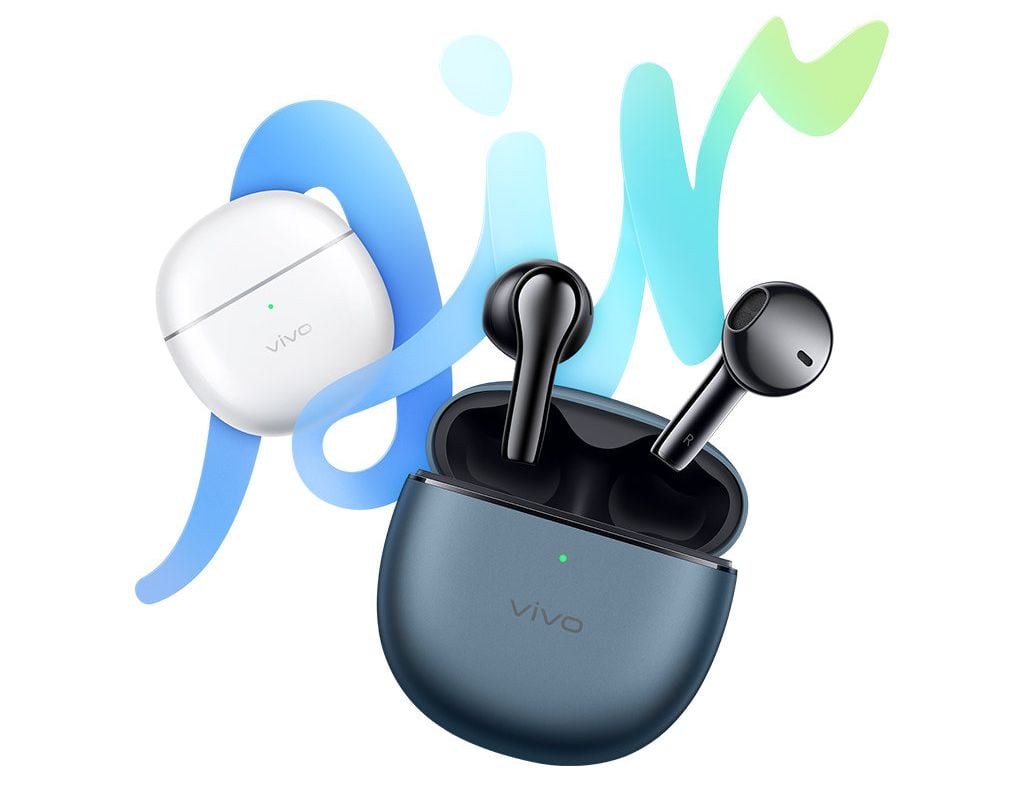
OPPO had recently announced two new products for the Indian market. This included the new K10 smartphone and its latest truly wireless earbuds, the Enco Air2. Now, both of these devices are available for sale in the region.
The K10 and Enco Air2 first sale began earlier today (29th March 2022), with both products being sold on Flipkart.com, a known Indian e-commerce platform. Talking about the smartphone first, it sports a 6.5 inch FHD+ LCD screen that offers 90Hz refresh rate. Under the hood, a Qualcomm Snapdragon 680 SoC runs the device, which is paired with up to 8GB of RAM and 128GB of internal storage. For camera, it houses a 50 megapixel AI triple camera setup on the rear, with a 16 megapixel selfie shooter on the front. The device powered by a large 5,000mAh battery pack that supports 33W fast charging.
Arriving at the earbuds, the OPPO Enco Air2 TWS earphones offer 13.4mm composite titanized diaphragm driver setup that is housed in a translucent jelly case lid. The earbuds offer up to four hours of audio playback, with a total battery life of 24 hours when paired with its charging case. Notably, it even features a 94ms low latency mode for gaming, along with IPX4 water resistance, AI noise cancellation, and USB Type C charging as well.
The OPPO K10 is offered in two storage configurations, namely 6GB + 128GB and 8GB + 128GB variant. The former has a price tag of 14,990 INR (roughly $197) while the latter costs 16,990 INR (roughly $224). On the other hand, the Enco Air2 TWS earbuds is available for 2,499 INR (roughly $33). For those interested, the K10 will be available for a flat discount of 2,000 INR (roughly $26) on SBI Debit/Credit Cards and EMI transaction and a discount of 1000 INR (roughly $13) on transactions from Standard Chartered and Bank of Baroda Credit Cards. Flipkart is even offering a free 1 year subscription of Disney+Hotstar and No Cost EMI up to 3 months on the smartphone.
HMD Global unveiled the Nokia C01 Plus in June 2021. The entry-level smartphone made its way to India in September of the same year. Six months after its debut in the country, the handset now gets a new storage variant.
Nokia C01 Plus
The Nokia C01 Plus can be now purchased with 32GB storage in India. The device was previously limited to 16GB of storage. In addition to introducing the new version, HMD Global has also hiked the price of the original model.
The 16GB variant now costs ₹6,299 instead of ₹5,999. Whereas, the new 32GB version is priced at ₹6,799. Both the models come with 2GB RAM and can be availed in either grey or blue colors via Amazon India and leading retail stores across the nation.
Talking about features, the Nokia C01 Plus flaunts a 5.45-inch HD+ (1440 x 720 pixels) display (LCD) without any notch or punch-hole. It is powered by a UNISOC SC9863A chipset and boots Android 11 Go Edition.
The phone has a 5MP rear camera and a 2MP front-facing camera. Both the cameras are accompanied by an LED flashlight. Further, It comes with dual-SIM card slots, a dedicated MicroSD card slot (up to 128GB), a 3.5mm headphone jack, and a MicroUSB port.
The handset offers 4G LTE with VoLTE, single-band WiFi, Bluetooth 4.2, and GPS. Finally, it measures 148 x 71.8 x 9.3mm in dimensions, weighs 157g, and gets its juice from a 3,000mAh removable battery.
Instagram might be working on a new feature that adds another layer of user interaction with its Stories segment. Apparently, the app may soon let users reply to Stories with voice notes.
This upcoming feature was spotted by a software developer Alessandro Paluzzi who shared the news on Twitter. Looking at the tweet, it appears that Meta, the company behind the social media platform, is looking to bring this new feature soon. In the image that was shared, we can see a microphone option along on the right side of the chat box, which is how one usually responds to Instagram Stories.
This basically means that users will soon be able to send direct voice replies, rather than having to type a message or send an emoji. As of right now, it is still unconfirmed is this feature will actually make it to the live build, although, it won’t be surprise if voice replies on Stories arrives soon. Notably, Instagram is also known to copy a lot of the features from its competitors, like Stories was a direct rival to Snapchat stories while Reels was an answer to the growing short video sharing platform, TikTok.
Furthermore, Paluzzi found this feature by reverse engineering one of the latest versions of the application. This means that the company is working on bringing voice reply support, but it might not have a set date or timeline of release as of right now. So stick around for more, as we will be providing updates when additional information is available regarding this matter.
POCO has recently launched the POCO X4 Pro 5G in global markets and India. The company hasn’t launched the vanilla POCO X4 5G yet. A fresh tweet (now deleted) by reliable tipster Mukul Sharma has revealed that the POCO X4 5G will be debuting soon in India.
According to Sharma, the network testing of the POCO X4 5G has already begun. His other tweet reveals that the Xiaomi device with the 2201116PI model number, which is listed in the database of the BIS certification platform in India, will debut as the POCO X4 5G.
The BIS listing had appeared in January. In the same month, the global variant of the POCO X4 5G was spotted in the database of Thailand’s NBTC authority. The Indian variant of the device was also spotted on the Geekbench benchmarking site. The Geekbench listing of the device revealed that POCO X4 5G with Snapdragon 695 chipset, 6 GB of RAM, and Android 11 OS. These specs suggest that the POCO X4 could be similar to its Pro sibling.
POCO X4 Pro 5G
POCO X4 Pro 5G specifications
The POCO X4 Pro 5G has a 6.67-inch AMOLED display that offers a Full HD+ resolution and a 120Hz refresh rate. The Snapdragon 695 chipset is present under the hood of the device. The device comes with 6 GB / 8 GB of RAM and 64 GB / 128 GB of storage.
The Indian version of the phone has a 64-megapixel main camera, whereas its global edition has a 108-megapixel primary snapper. The main lens on both variants is coupled with an 8-megapixel ultrawide lens and a 2-megapixel macro camera. It packs a 5,000mAh battery that supports 67W fast charging. The device comes preinstalled with the Android 11 OS and MIUI 13.
Vivo’s first foldable smartphone – the Vivo X Fold is all set to break cover on April 11 in China. Well before the launch, the company listed the X Fold on its official website in the home market. The official listing carries the key specifications and official renders of the foldable smartphone.
The Vivo X Fold’s official images show that it will sport an in-ward folding design like other foldable smartphones available on the market. The front side of the device has a punch-hole screen with a curved edge. The rear shell of the device has a rectangle camera block with a quad-camera unit and an LED flash inside it.
1 of 3
Vivo X Fold
Vivo X Fold
The right edge of the Vivo X Fold has a button that looks like an alert slide. The other edge of the device has a volume rocker and a power key. Opening the device reveals its massive foldable screen with a punch-hole design.
Vivo has confirmed that the Vivo X Fold is equipped with an AMOLED E5 foldable screen that offers a 2K+ resolution and a 120Hz refresh rate. It is equipped with an aerospace-grade floating wing hinge. The outer and inner displays are both fitted with an in-screen fingerprint scanner. The device is powered by the Snapdragon 8 Gen 1 chipset.
The Vivo X Fold rumors have revealed that it has a 6.53-inch FHD+ OLED 120Hz display on the front. The rear camera setup of the device is said to feature a 50-megapixel primary camera, a 48-megapixel ultrawide snapper, a 12-megapixel telephoto camera with 2x optical zoom, and an 8-megapixel periscope telephoto camera. It is expected to house a 4,600mAh battery that may support 120W or 80W fast charging and 50W wireless charging. The X Fold is likely to arrive in 12 GB RAM + 256 GB storage and 12 GB RAM + 512 GB storage configurations. The company may make it available in blue, crimson, and orange colors in China.
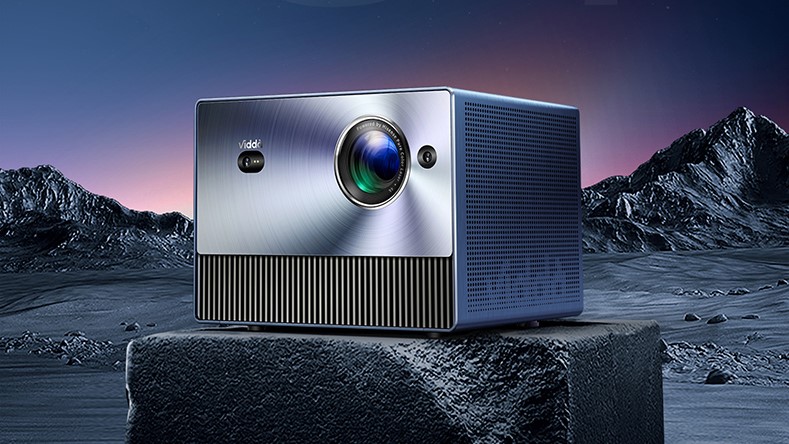
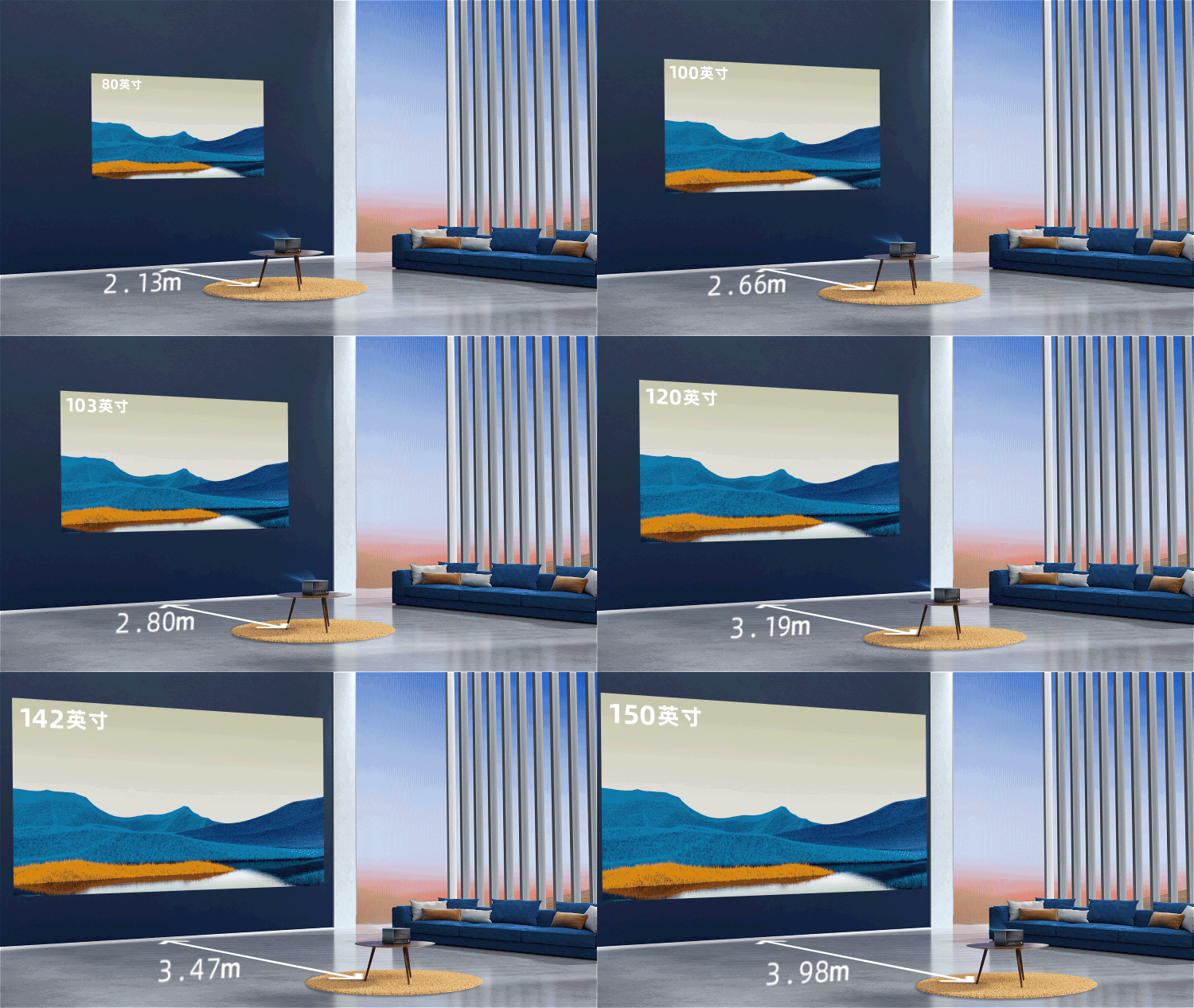
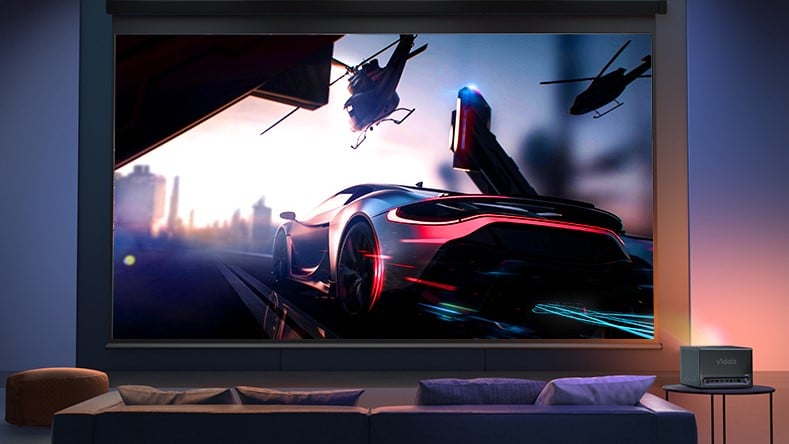
Xiaomi has a wide range of products available in the market even though the company is known for its smartphones. In line with that, the Chinese company has launched a new projector in its home market — Xiaomi Full-Color Laser Theater.
The newly launched product is priced at 6,999 yuan which roughly converts to $1,099 but during the pre-sale period, the device will be available for purchase at a discounted rate of 6,499 yuan, which is about $1,020. It is expected to start shipping on 1st April in China.
Unlike the other projectors launched by Xiaomi earlier, this new Xiaomi Full-Color Laser Theater uses RGB three-color laser light source for direct imaging. It is said to improve the transparency of the picture through LCoC liquid crystal on silicon technology.
The company has added that it has passed the SGS low blue light certification, and the blue light intensity in the range of 415nm-455nm has been effectively controlled, making it healthy to watch the content.
Xiaomi Full-Color Laser Theater projector adopts the speaker design of double full frequency, double high speaker units, and has also passed the certification of DTS and Dolby. It also cooperates with the WANOS China panoramic sound virtual sound field to deliver an excellent sound quality.
Internally, it is powered by Amlogic T982 quad-core CPU along with 2GB of DDR4 RAM. In the software department, the device is running the company’s own MIUI TV and has a MEMC motion compensation base and the AIPQ algorithm for optimized image quality, which makes up for the shortcomings of laser projection. The projector has three HDMI interfaces as well as USB 3.0, SPDIOF, and LAN.
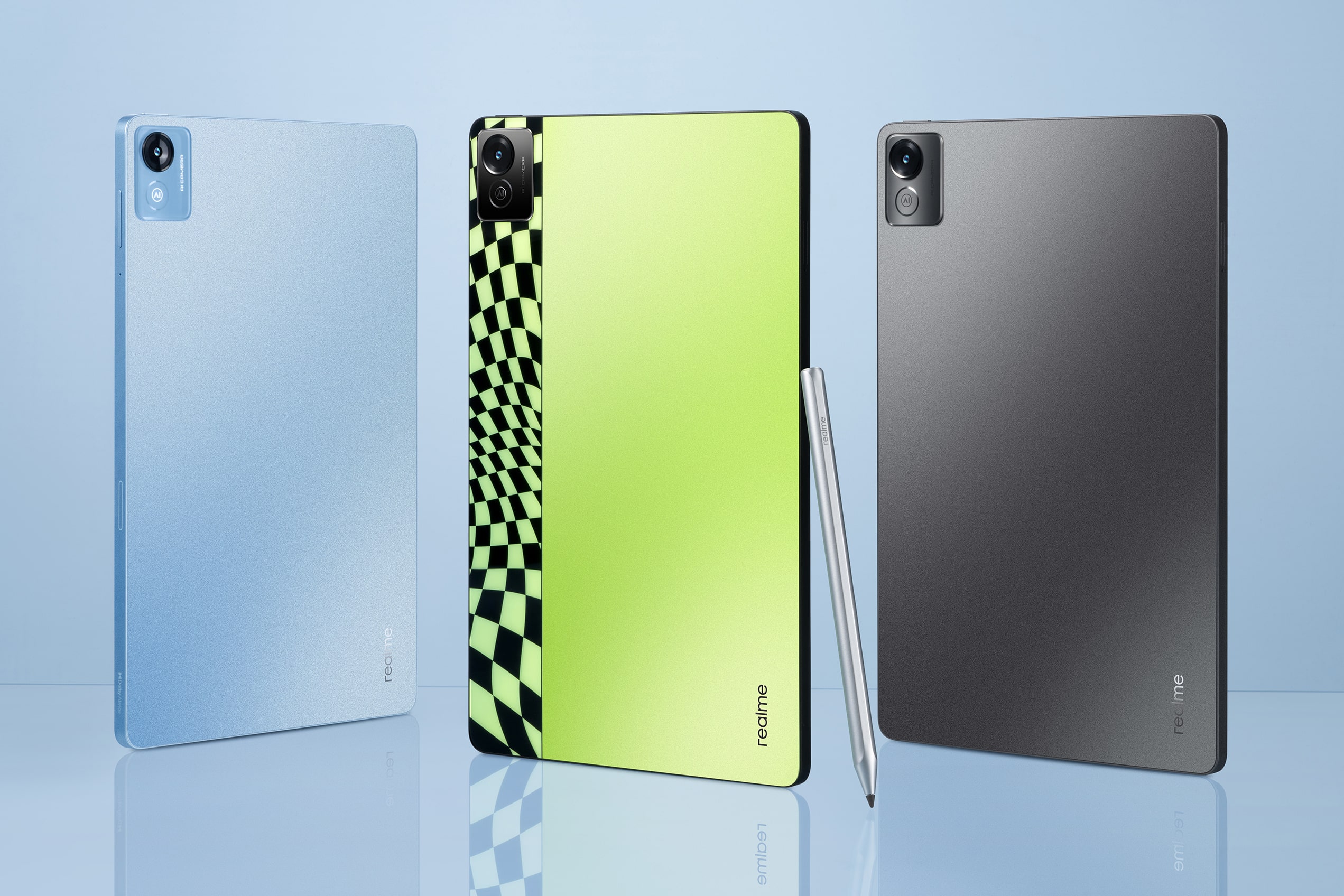
Realme entered the tablet segment by announcing the Realme Pad tablet. Yesterday, the company’s division in the Philippines teased the arrival of a new tablet named the Realme Pad Mini. A Philippines-based publication has shared key information on the specs of the Pad Mini.
Realme Pad Mini specifications (rumored)
According to Hungry Geeks (via), the Realme Pad Mini will measure 7.6mm in thickness and weigh around 372 grams. The tablet will house an 8.7-inch display that offers a resolution of 1340 x 800 pixels.
Realme Pad Mini
The tablet is likely to be fueled by the Unisoc T616 chipset. The publication further mentions that the device will come in two flavors, such as 3 GB RAM + 32 GB storage and 4 GB RAM + 64 GB storage. Both models will carry support for LTE connectivity.
The Realme Pad Mini will feature a dedicated slot for adding up to 1 TB of microSD card. It will pack a 6,400mAh battery that supports 18W fast charging. There is no word on the cameras of the Pad Mini.
Realme Pad Mini
The aluminium-bodied device is expected to arrive in gray and blue colors. At present, there is no information on the price of the device. Rumors are rife that the company may announce it on April 4in the country.
To recall, the Realme Pad from last year came with a 10.4-inch IPS LCD screen that offered a 1200 x 2000 pixels resolution, an Helio G80 chipset, 3 GB / 4 GB / 6 GB of RAM, and 32 GB / 64 GB / 128 GB of storage. It came with a 7,100mAh battery that supports 18W fast charging. The front and rear sides of the tablet were flanked by 8-megapixel cameras.
Apple iPhone 14 series, which is expected to go official in the month of September this year, had entered the initial production trials last month. Now, the iPhone 14 models have reportedly entered the EVT phase.
For those who are unaware, EVT stands for Engineering Validation Test. The development comes from Haitong International Securities’ analyst Jeff Pu and was reported by 9to5Mac.
As per the report, the lockdown in Shenzhen, China has not impacted the production timeline for the company as the Foxconn factory in that particular location accounts for only 10 percent of the global iPhone production.
Given the iPhone 14 series has entered the Engineering Validation Test, it implies that the company has locked down the final design as well the specifications for the models. The test is to ensure that the product performs and looks as intended.
If the recently leaked schematics for the iPhone 14 Pro series models are anything to go by, then the company will have minor changes in terms of design, which should not be visible to the naked eye. However, the camera bump is said to be a bit thicker as Apple is opting for a larger 48MP camera sensor instead of the regular 12MP.
The Apple iPhone 14 Pro and Pro Max will have a punch-hole cutout for the front-facing camera as well as the Face ID. These models will also be powered by the Apple A16 or A16 Pro Bionic chip manufactured using a 4nm process.
On the other hand, the regular iPhone 14 and 14 Max are said to keep using the notch on the top of the screen and be powered by the Apple A15 Bionic or the A16 Bionic which will just be a rebranded A15 processor.
Xiaomi first launched the MIJIA M365 electric scooter in 2017 and the product was a huge hit when it went on sale. Apart from bearing a minimalist yet sleek design, the scooter is seen as a cheap and reliable way to commute daily in crowded urban cities. Since then, the brand has continued to remodel the M365 with the addition of more features and other upgrades. The Chinese company has now unveiled the MIJIA Electric Scooter 3 Lite (Youth Edition). The scooter starts at 1,899 yuan (~$298) and will go on sale from April 5.
The MIJIA Electric Scooter 3 Lite’s frame is said to be 10mm thinner than that of the Mijia Electric Scooter 1s which was launched in 2020. The reduced frame size is said to offer the scooter a lower center of gravity and a more stable ride. The body is made of high-strength aluminum alloy material, which makes the body lighter and easier, and more convenient to carry.
In terms of design, the MIJIA Electric Scooter 3 Lite removes the complicated design of the forehead to create a visual minimalist and light feeling. At the same time, the light is moved down to “reduce the burden” on the forehead. The screen ratio of the instrument cluster is also increased and you get an optimized screen control experience.
Furthermore, the new MIJIA electric scooter has a 13% increase in climbing ability, a maximum speed of 25km/h, and a rated power of 250W. The scooter’s range is just 20km making it suitable for short commutes.
The MIJIA Electric Scooter 3 Lite is available in black and white, and red is used for point-leveling. At the same time, the front hub cover is set to add retro elements.
A few days ago, a new version of the Redmi 10 debuted in the Indian market: the Redmi 10 2022. There are a lot of differences between this model and its predecessor. But meanwhile, the rivals of this phone have totally changed since last year. Now, if you are looking for a device in the same price range, you can find handsets such as the Realme Narzo 50A and the Samsung Galaxy A12. And it is not easy to understand which one is the best, especially if you do not know a lot about phones. That is the reason why we wrote this comparison between the specifications of the Redmi 10, the Realme Narzo 50A, and the Samsung Galaxy A12.
Xiaomi Redmi 10 vs Realme Narzo 50A vs Samsung Galaxy A12
You should not expect a great build quality from an entry-level. All of these phones are made of polycarbonate and they are pretty chunky. I personally prefer the design of the Redmi 10 2022 over the Realme Narzo 50A because it comes with a cleaner look. The Samsung Galaxy A12 has an even more minimalistic look on the rear side. The Realme Narzo 50A is definitely the most original one with its rear texture.
Display
If you are looking for the most advanced display, you should go for the Redmi 10 2022 or the Realme Narzo 50A without thinking twice. They have an IPS HD+ panel, while Samsung Galaxy A12 has an inferior PLS display. The Redmi 10 has a wider display with a diagonal of 6.7 inches, better for gaming and productivity.
Hardware/Software
Besides sporting the most advanced panel, the Redmi 10 2022 has the best hardware setup. It is powered by the Qualcomm Snapdragon 680 chipset paired with up to 6 GB of RAM and up to 128 GB of internal storage. The Samsung Galaxy A12 comes with up to 6 GB of RAM, but it is fueled by the inferior MediaTek Helio P35 chipset. The Realme Narzo 50A sits right in the middle with its MediaTek Helio G85 and 4 GB of RAM. Note that Realme Narzo 50A and Redmi 10 2022 run Android 11 out of the box, while Samsung Galaxy A12 runs Android 10 natively, but it can be upgraded.
Camera
If you need the best cameras, then choose the Realme Narzo 50A. It is equipped with a 50 MP main camera and a pair of 2 MP lenses for macros and depth calculation. The Redmi 10 has the same main camera but lacks the macro sensor, while the Samsung Galaxy A12 has an inferior main camera but it comes with an ultrawide sensor.
Battery
The longest battery life is provided by the Realme Narzo 50A because it sports a bigger 6000 mAh battery and a smaller display.
Xiaomi Redmi 10 vs Realme Narzo 50A vs Samsung Galaxy A12: Price
Redmi 10 2022 is priced at RS. 10,999 / $132 in India, Samsung Galaxy A12 starts from Rs. 11,600 / $139, and Realme Narzo 50A begins at Rs. 11,499. With the actual prices, Redmi 10 wins the comparison due to its bigger display and better chipset.
Sony is preparing to introduce a new videogame subscription service for the PlayStation this week. The service has been under development with the codename “Spartacus” and is said to be Sony’s answer to the Xbox Game Pass.
According to a Bloomberg report, the new service will combine the Playstation Now and Playstation Plus services and will offer multiple tiers which will include modern games and classics from older PlayStation eras.
The Xbox Game Pass by Microsoft is a roaring success due to the value for money it provides. With a monthly, quarterly, half-yearly, or yearly subscription, users can download and play any game that has been made available on the Game Pass. In this regard, Microsoft does an excellent job by offering a massive library of games as well as making top titles available on day one of the release (like Halo Infinite) on the Game Pass. Sony, however, is not expected to go this route and will likely keep some games purchasable only for a certain amount of time after release. So users might not be able to experience upcoming titles like God of War Ragnarök on this service anytime soon.
Another major selling point of the Xbox Game Pass is its availability on PC. This area will also be a challenge for Sony as they have a considerably longer list of console-exclusive games compared to Xbox. The company has recently announced that some of the previously Playstation Exclusive games will soon come to PC, however, it will likely take some time before Sony is able to make a comprehensive enough library to attract PC gamers.
MediaMarkt is a retail store from Germany and it has listed the OnePlus 10 Pro on its website. The flagship smartphone is priced at €899(~$988) for the 8GB RAM + 128GB variant. To recall, the predecessor OnePlus 9 Pro was priced this much at its launch.
OnePlus 10 Pro Volcano Black
Having the same launch price as the predecessor is great for new as well as existing OnePlus buyers. However, the company is yet to confirm its pricing officially, so do take the aforementioned price with a grain of salt.
Nonetheless, the listing also reveals the phone in the Volcanic Black color. We also expect it to come in a Green shade. Regarding its specs, the smartphone initially debuted in China with a 6.7-inch LTPO AMOLED screen. It has a 1Hz to 120Hz variable refresh rate, a 3216 x 1440 pixels resolution, and Gorilla Glass Victus protection.
It is powered by the Qualcomm Snapdragon 8 Gen 1 SoC paired with up to 12GB of LPDDR5 RAM and 256GB of UFS 3.1 internal storage. The phone has Hasselblad triple camera system at the rear with a 48MP IMX789 main lens, a 50MP ultra-wide lens, and an 8MP telephoto lens. It has a 32MP selfie snapper on the front.
It packs a 5,000mAh battery with 80W SuperVOOC and 50W AirVOOC fast charging support. The phone boots on Android 12 OS out of the box.
We use cookies on our website to give you the most relevant experience by remembering your preferences and repeat visits. By clicking “Accept”, you consent to the use of ALL the cookies.
This website uses cookies to improve your experience while you navigate through the website. Out of these, the cookies that are categorized as necessary are stored on your browser as they are essential for the working of basic functionalities of the website. We also use third-party cookies that help us analyze and understand how you use this website. These cookies will be stored in your browser only with your consent. You also have the option to opt-out of these cookies. But opting out of some of these cookies may affect your browsing experience.
Necessary cookies are absolutely essential for the website to function properly. This category only includes cookies that ensures basic functionalities and security features of the website. These cookies do not store any personal information.
Any cookies that may not be particularly necessary for the website to function and is used specifically to collect user personal data via analytics, ads, other embedded contents are termed as non-necessary cookies. It is mandatory to procure user consent prior to running these cookies on your website.