Advertisement

Google Pixel 6 devices finally receive the March feature drop, Android 12L & WiFi bug fix

Last month, we reported on numerous Google Pixel 6 users facing issues with their smartphone’s WiFi. The search giant officially confirmed the issue later that month and stated that they are working on a fix that will arrive with the march update.
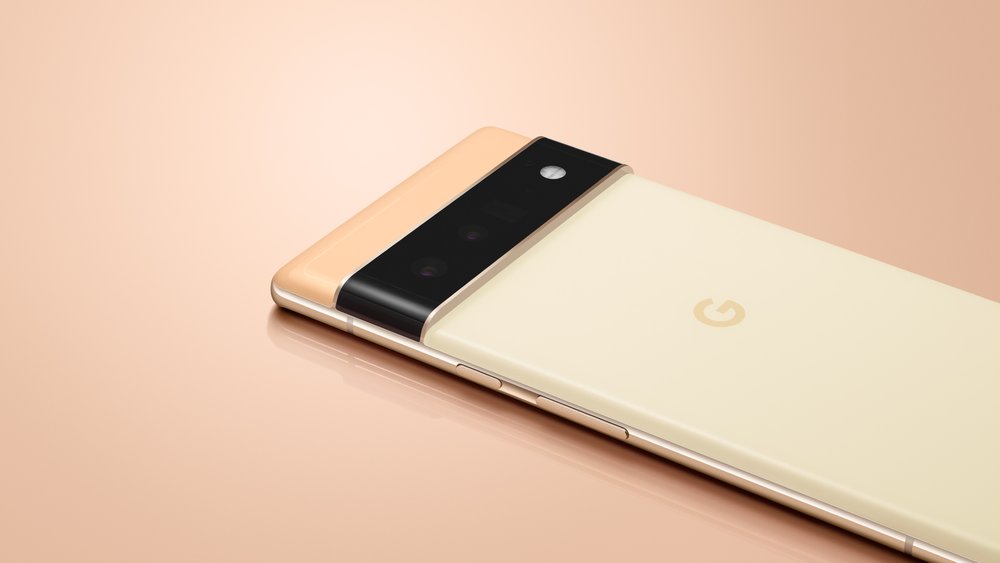
google pixel 6 pro featured

Now, the update has been made available to Pixel 6 and Pixel 6 Pro users which brings along the March feature drop, Android 12L, the March security patch, and many bug fixes. In a tweet, Mishaal Rahman had listed all the features that were coming to the Pixel 6 devices with the March feature drop, and now, the update is finally rolling out to users after being delayed for two weeks.

The changelog for the March update is quite long, but it notably mentions fixing the notorious WiFi bug on the Pixel 6 devices.

For those unaware, Pixel 6 users have been facing troubles with Wi-Fi, like not being able to turn it on, in the first half of this month. The issue began appearing after people updated their devices to the second February update that was released previously. And now, the brand has stated that they are working on a fix, and users can see a software update rolling out sometime in March 2022.

Additionally, the phones are also gaining support for Verizon’s 5G C-Band network, which gives the devices access to the full power of the 5G Ultra-Wideband (UEB). However, this is a feature that’s specific for US users only.


RELATED:


After Tata Nexon EV, Tata Tigor EV gets a price increase in India

Tata increased the price of its popular Nexon EV last week in India, and as per reports, the Tata Tigor EV has now got a price hike in the country as well. Just like the Nexon EV, the Tigor EV’s price has been increased by Rs. 25,000 in India.

Tigor EV is another popular EV by Tata after the Nexon EV. It comes in three models Tigor XE, Tigor XM, and Tigor XZ+. All models have got a price hike. The old price of the Tiger XE was Rs.11,99,000 and it has now increased to Rs. 12,24,000. The Tigor XM now costs Rs. 12,74,000 over its old price of Rs. 12,49,000. Lastly, the top model Tigor XZ+ now costs Rs. 13,24,000, which is Rs. 25,000 higher than the old Rs. 12,99,999 price.

Tata Tigor EV

The Tata Tigor Electric car offers a sedan EV experience on a budget. It comes with the gasoline Tigor design and employs an Electric motor that has 74bhp of peak power and 170Nm of torque. It has a 26kWh battery, which is claimed to offer a range of 306km. This is slightly less than the 315km claimed range on the Tata Nexon.

The battery can be charged from 0% to 80% in 8.5 hours with the regular charger. It can be charged quickly in just 65 minutes with the fast charger. It has a 7-inch touchscreen panel paired with a quad-speaker setup tuned by Harmon audio. It can go up to 60kmph in 5.7 seconds and has an 8-year or 1.6 lakh kilometre warranty.

RELATED:

Realme GT2 Pro India launch scheduled for April 7, teaser reveals

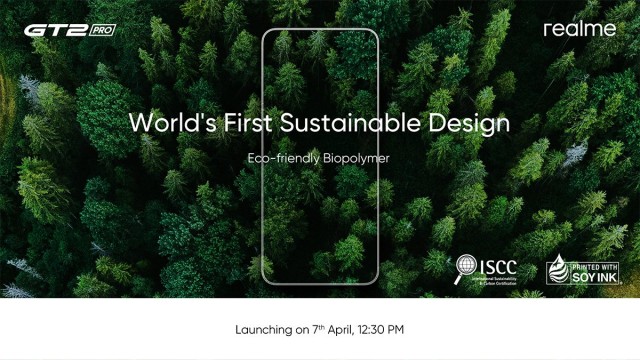
Chinese startup Realme launched the GT2 and GT2 Pro for the global market but there hasn’t been any word on the Indian launch, well, until now. The company has shared a teaser on Twitter which revealed the launch date of the Realme GT2 Pro in India. The tweet was later deleted, but not before it was grabbed by eagle-eyed netizens.Realme GT2 Pro

Although the teaser poster featured the GT2 Pro, the now-deleted tweet has the hashtag #realmeGT2series which is an indication that the company will launch the GT2 as well. The models are scheduled to be launched

As a reminder, the Realme GT2 series packs an “innovative bio-based design” for the rear panel and that is the main teaser on the poster. The GT2 Pro packs a 6.7-inch AMOLED LTPO 2.0 display with a Quad HD+ resolution and support for a 120Hz refresh rate. The models are powered by Qualcomm’s latest Snapdragon 8 Gen 1 chipset is present under which is paired with LPPDR5 RAM and UFS 3.1 storage. There is a 5,000mAh battery under the hood of the GT2 Pro that supports 65W fast charging.Realme GT2 Pro

For optics, the GT2 Pro packs a triple camera setup at the rear comprising of a 50-megapixel Sony IMX766 main shooter, a 50-megapixel ultrawide lens with a 150-degree FOV, and a 2-megapixel microscope camera. For selfies, there is a 32-megapixel front camera. The GT2 series run on the Android 12-based Realme UI 3.0 and packs an in-screen fingerprint scanner.

RELATED:


Stillride Sport Utility Scooter One (SUS1) e-scooter utilizes a cool origami design

Swedish startup Stillride has developed a cutting-edge technology that uses recyclable steel to produce a lightweight and durable frame for electric scooters. The Stillride technology yields steel that is called industrial origami and is currently used in the production of the Stillride Sport Utility Scooter One (SUS1) that will grace the European market from autumn 2022.Stillride SUS1 electric scooter
Stillride is a Swedish design and technology startup that opened shop in 2019. It says the industrial origami method of producing the structure and chassis of electric scooters minimizes waste, reduces labor costs, and results in a less severe environmental impact. The company’s mission is to rethink how electric mobility products are manufactured using cutting-edge technology including robotics, design, and steelwork. The Stillride proprietary industrial origami method is called Stillfold and it involves using the origami technique to fold the recyclable steel to the form desired for an e-scooter.Stillride Sport Utility Scooter One

The SUS1 is unlike a traditional e-scooter and it is constructed with folding sheets of stainless steel over curves. A tubular frame and plastic body are some of the core parts of a traditional scooter. The SUS1 is aesthetically neat, durable, and smooth, and much of its structure is created by robots. The SUS1 has a top speed of 100km/h (62mph) and a range of 119km (74 miles) on a single charge.Stillride Sport Utility Scooter One
Stillride is planning to fine-tune its technology and scale up the production of the SUS1 while also creating the template for other e-scooter models. It is working on a production process that allows the steel sheets to be flat-packed and transported to other plants across Europe for folding and fitting with the necessary hub motor and battery packs. No pricing details are available for the SUS1 at this time but the prospects of the Stillfold technology are great.

Infinix Hot 11 2022 renders, box packaging, launch date, and colors revealed

Infinix Hot 11 2022 is the brand’s next budget smartphone due for its debut. The smartphone’s key details were leaked back in January, and now finally, the company CEO has started teasing the device. Additionally, the live image of the retail box, renders, launch date, and colors have been revealed.

The Infinix India CEO Anish Kapoor has shared the back panel of the upcoming Inifnix Hot 11 2022. The smartphone appears to have a holographic design. It boasts a cut-out for the rear camera at the top left and features the brand logo at the bottom left.

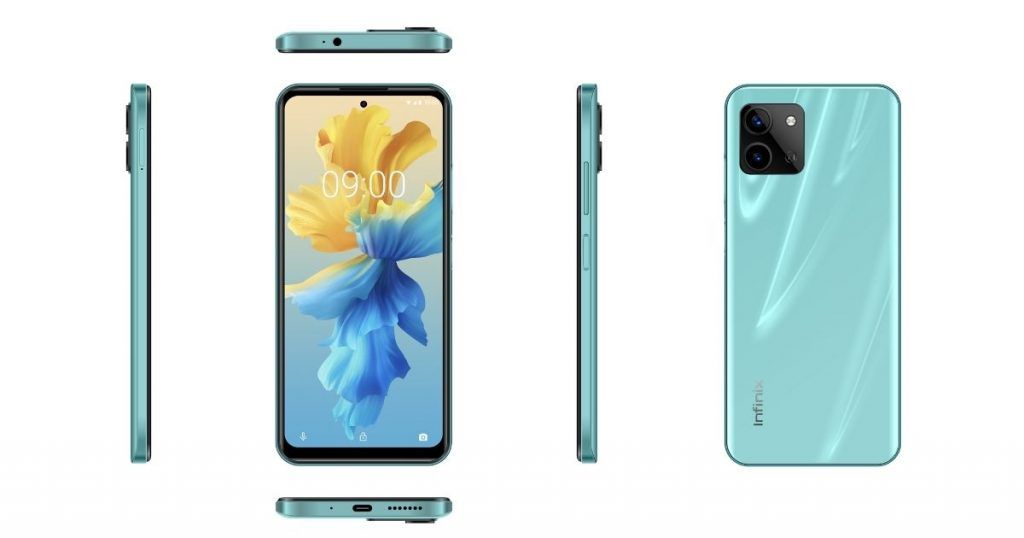
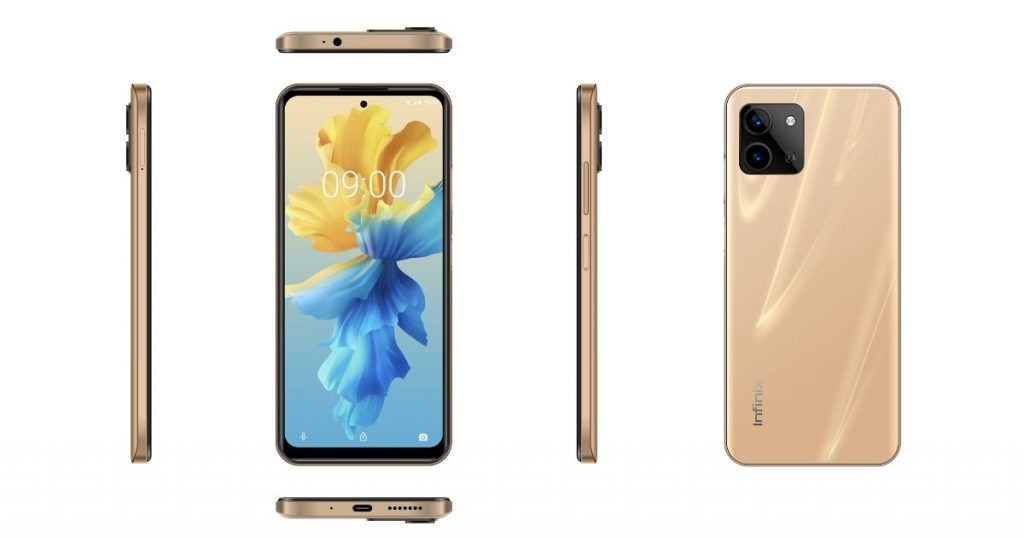
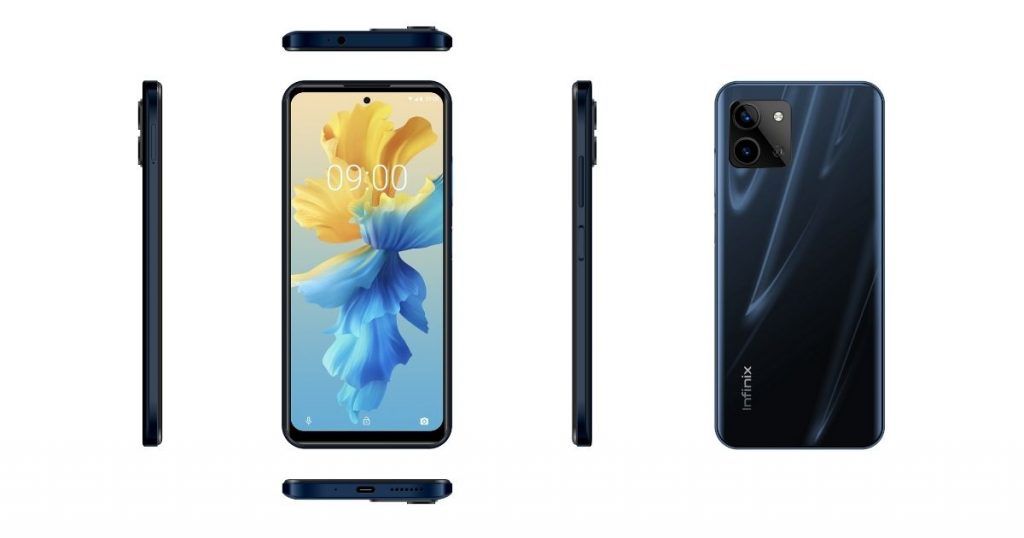
In addition to this, some of the phone’s renders (via) were shared on the Internet. The device appears in the Aurora Green, Sunset Gold, and Polar Black colors. it has a punch-hole panel and a dual-rear camera system. It has the USB Type-C port, speaker grille, microphone at the bottom, and the 3.5mm headphone jack at the top.

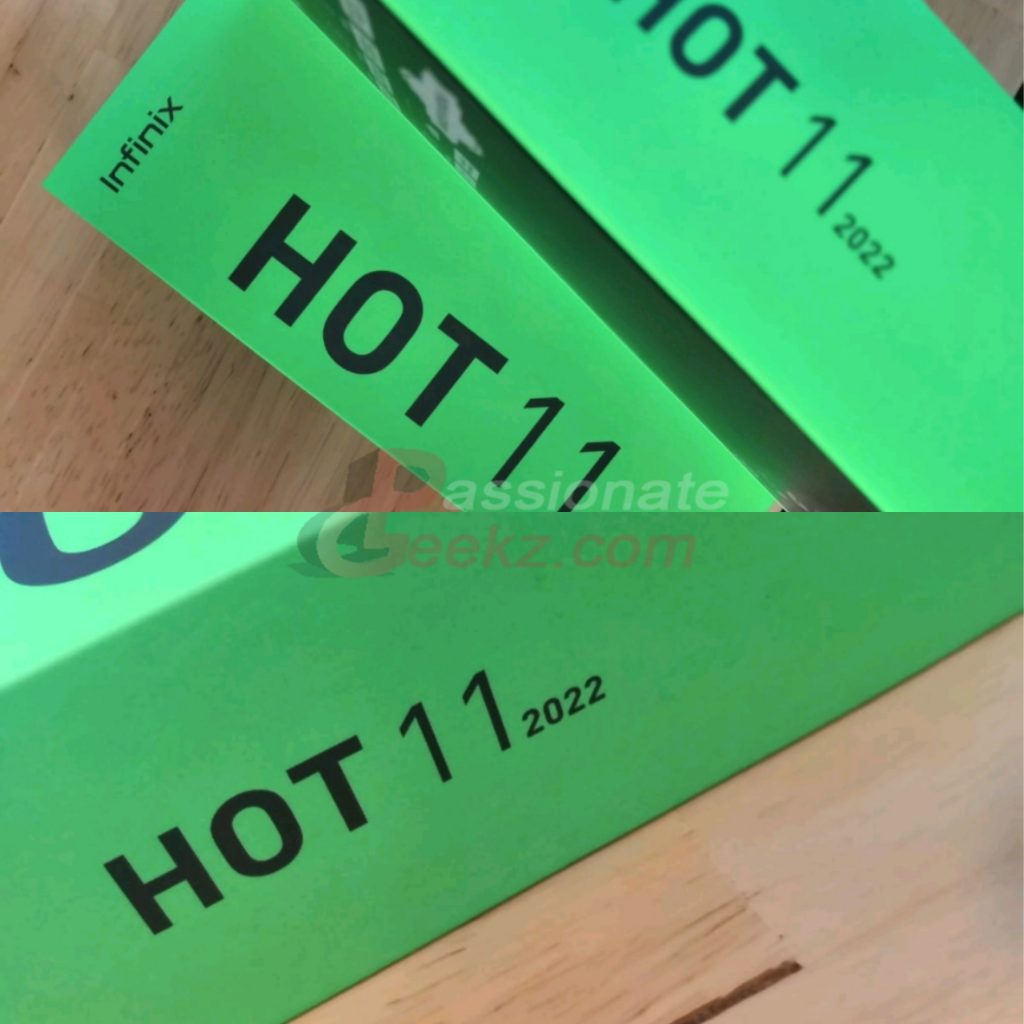
Moreover, PassionateGeekz has shared the retail box of the smartphone. The box is colored in Green and has the Hot 11 2022 moniker on it. The publication also reveals that the phone could arrive on March 31 in the Indian market and will go on sale via Flipkart and offline stores. It is expected to arrive between Rs. 10,999 (~$145) and Rs. 11,999 ($158) in the country.

Infinix Hot 11 2022

Coming to the specs, the Infinix Hot 11 2022 is expected to come with a 6.8-inch punch-hole display with a 90Hz refresh rate. It will be an IPS LCD panel with Full-HD+ resolution. It is touted to be powered by the UNISOC T700 SoC paired with 4GB of RAM and up to 128GB of internal storage. The device is expected to house a 5,000mAh battery with 18W fast charging support. It may have a 48MP dual-camera system and an 8MP selfie snapper. The phone is expected to run on Android 11 OS out of the box.

RELATED:

Redmi 10C arrives in Malaysia with 50MP cameras and 18W fast charging

A few days back, Redmi launched the Redmi 10C entry-level phone in Nigeria with a large 6.71-inch LCD display, 50MP cameras, and a big battery. Now, the device has arrived in the Malaysian market, but the model in Malaysia comes with a faster-charging speed. The phone also has a new design as opposed to its predecessor.

Redmi 10C Specifications 

The Redmi 10C comes with a 6.71-inch water-drop notch display with an HD+ resolution. It is an IPS LCD panel with a modern aspect ratio, but it still has a thicker bottom bezel. It sports a single camera on the front, which is a 5MP unit for selfie shots.

Xiaomi Redmi 10C
Xiaomi Redmi 10C

At the back, it has a dual-camera system with a 50MP main lens and a 2MP depth sensor. It has a Qualcomm Snapdragon 680 SoC paired with 4GB of RAM and 64GB, 128GB of internal storage. It packs a 5,000mAh battery and has an 18W fast charging support. This is different from the 10W charging speed in the Redmi 10C launched in Nigeria.

The smartphone comes with a microSD card slot for additional storage requirements. It has a 3.5mm headphone jack and a charging port at the bottom. The phone has a power button and a volume rocker on the sides.

Colors and Pricing

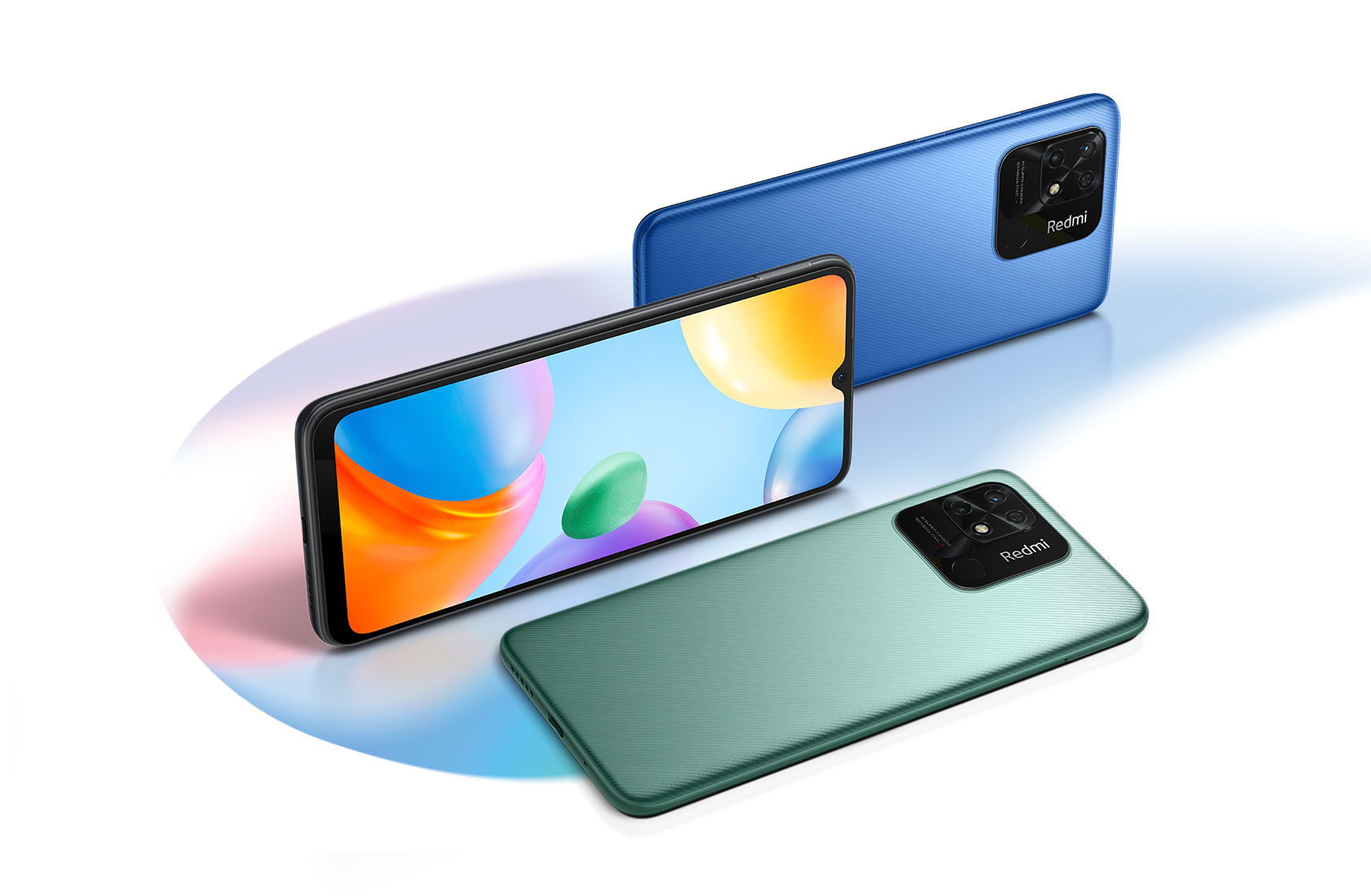
The Redmi 10C comes in three colors namely Graphite Gray, Ocean Blue, and Mint Green. The pricing is yet to be revealed for the market.

RELATED:

ZTE phone for enterprises with model number A2023H emerges on TENAA

[Update: The tipster BaldPanda has revealed that this device isn’t the ZTE Axon 40, rather it is an upcoming ZTE phone for government and enterprises. The ZTE Axon40 will offer different specs and will bring a new design.]

Original Story…

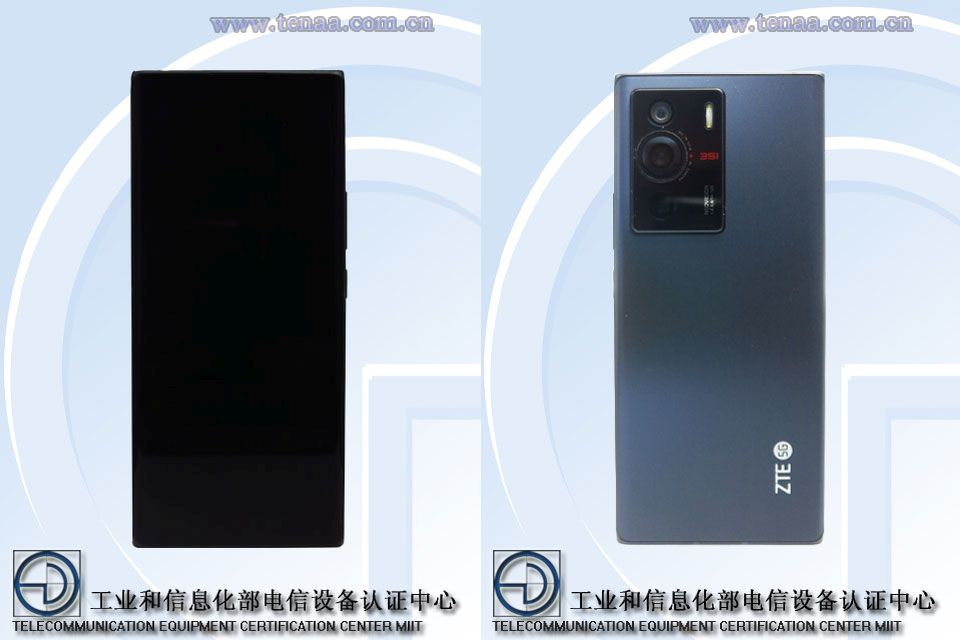
A ZTE phone with model number A2023H was spotted on TENAA. The device has a similar appearance to the recently launched Nubia Z40 Pro.

As per the listing, the smartphone has a tall design with a 6.67-inch OLED display. It features a FullHD+ resolution with 1080 x 2400 pixels. The smartphone has a new camera module at the rear with a triple camera system. The rear setup goes by a 64MP main lens, a 50MP secondary unit, and an 8MP tertiary unit. Upfront has a 44MP selfie snapper.

ZTE Axon 40
ZTE Axon 40

At the helm, it has the Qualcomm Snapdragon 8 Gen 1 SoC clocked at 3GHz. It is paired with 8GB, 12GB, 16GB, of RAM and 128GB, 256GB, 512GB, and 1TB of internal storage. Unfortunately, the phone lacks a microSD card slot for additional storage needs. It packs a 4,900mAh battery with 55W fast charging support.

The device has an in-display fingerprint scanner for security and boots on Android 12 OS out of the box. The phone has the following measurements – 161.93 x 72.89 x 8.46mm and weighs 199 grams.

RELATED:

Zomato’s 10 minutes food delivery service to start soon

Zomato is aiming to deliver food to its customers in 10 minutes. This new model of instant delivery will be first tested in Gurugram from April.

Deepinder Goyal, Co-founder, Zomato said in a blog post, “After becoming a frequent customer of Blinkit (backed by Zomato), I started feeling that the 30-minute average delivery time by Zomato is too slow, and will soon have to become obsolete.

The company announced “Zomato instant” which will guarantee 10 minute delivery of 20-30 bestseller dishes from restaurants around your area. The delivery system will work by relying on a dense network of finishing stations (delivery hubs). The model follows in the footsteps of the dark store model implemented by quick commerce startups such as Zepto, Blinkit, and even Swiggy.

Each finishing station will have approximately 20-30 dishes based on the demand and preferences of customers in the area. Zomato will be using the existing data of 1.35 billion orders to help figure out the bestseller dishes in a particular area. Zomato will use sophisticated dish-level demand prediction algorithms and in-station robotics at each warehouse to ensure quick deliveries.

Goyal said that “The fulfillment of our quick delivery promise relies on a dense finishing stations’ network, which is located in close proximity to high-demand customer neighborhoods. Sophisticated dish-level demand prediction algorithms and future-ready in-station robotics are employed to ensure that your food is sterile, fresh, and hot at the time it is picked by the delivery partner.”

On the question of safety of its delivery partners, Deepinder Goyal said, “That Zomato would not compromise the safety of delivery partners, and partners won’t be pressurized to fulfill Zomato’s 10-minute delivery promise.”

Goyal also added, “Before we even talk about this, we will start with a clarification – to fulfill our quick delivery promise, we do not put any pressure on delivery partners to deliver food faster. Nor do we penalize delivery partners for late deliveries. The delivery partners are not informed of the promised time of delivery. Time optimization does not happen on the road, and does not put any lives at risk.”

This new delivery system will be a revolutionary change and would reduce the price for the customers by almost 50 percent.


RELATED:


Nothing Smartphone, TWS earphones & more – What to expect from “The Truth” launch event

Earlier this month, Carl Pei’s Nothing revealed that the brand will be holding “The Truth” keynote event on March 23 where it will unveil new products and their first smartphone, which is expected to be the showstopper of the event. So let’s take a look at what we know so far about the upcoming smartphone.

Nothing fetaured

Surprisingly, the company has been able to keep the upcoming smartphone under lock and key leaking almost no information. However, Nothing teased a transparent frame earlier this month which is most likely a hint towards the transparent back panel of the upcoming device.
As we know, the company’s debut product and their only one to date is the Nothing Ear (1) TWS earphones featuring a transparent design which made it an instant hit among the younger consumer base. The company’s first smartphone dubbed the Nothing Phone (1) is also expected to follow the same design philosophy giving it a transparent back panel which will likely show off some of the components inside the smartphone.
Nothing

The Nothing Phone (1) is also teased to be powered by a Qualcomm Snapdragon chipset, however, it is unclear if the chipset in the smartphone will be a mid-ranger like the Snapdragon 778G or something more flagship tier like the Snapdragon 888 or even the latest Snapdragon 8 Gen 1. One thing is for certain the device will feature an Android-based operating system which was also teased by some cryptic tweet exchange that took place between Nothing’s CEO Carl Pie and Android’s official Twitter handle.

Nothing Smartphone Leak

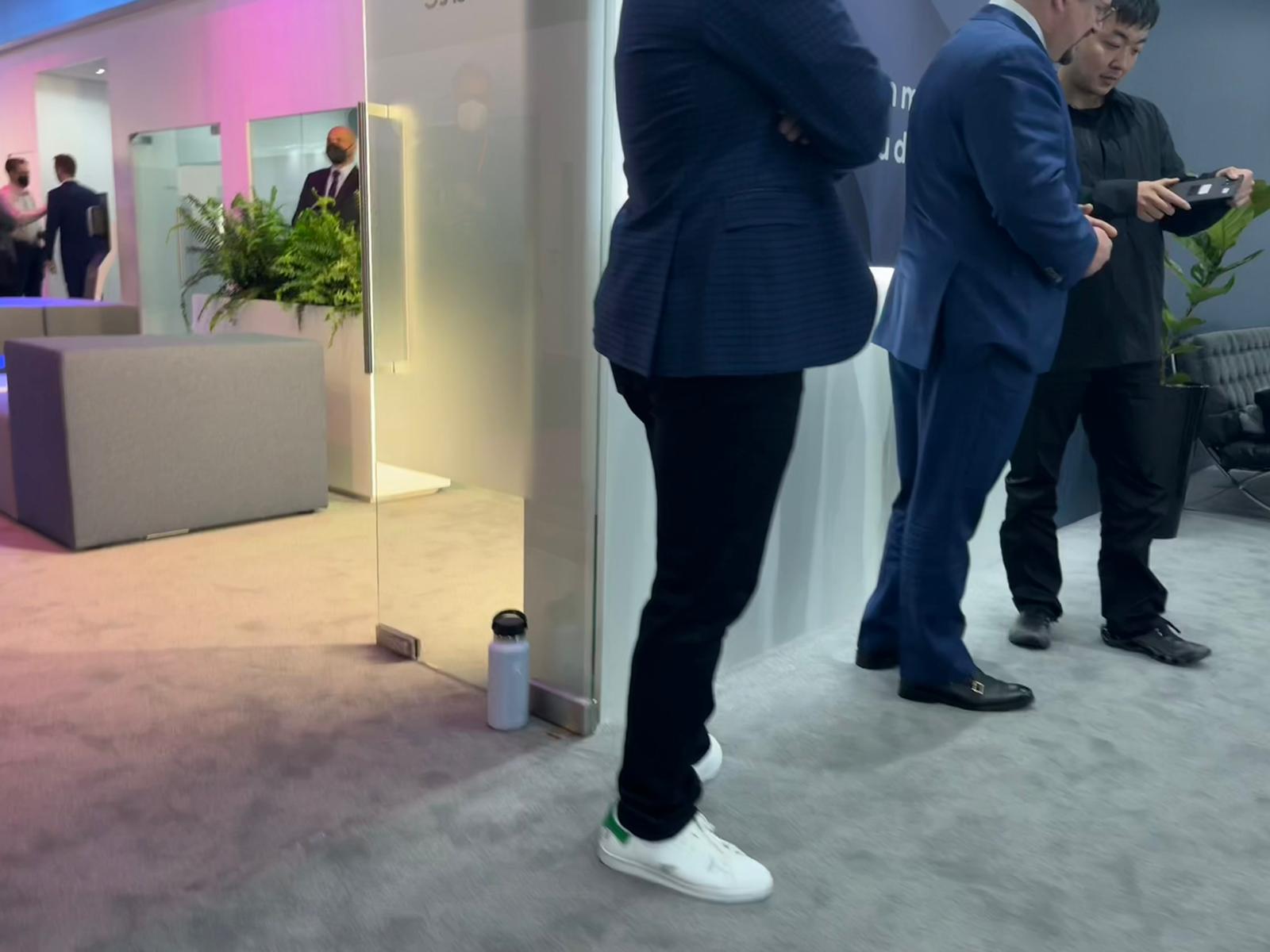
Other than that, Carl Pei was spotted with is believed to be a prototype model of the Nothing Phone (1). It isn’t very clear from the leaked image what the smartphone looks like but it reveals a black color for the back panel and a circular camera module with an LED flash.

nothing ear (1) black color

The smartphone is not the only new Nothing device that is expected to debut at “The Truth” launch event as rumors about the brand working on a total of five new products have been making the rounds online. These include a power bank which could be named Nothing Power (1) and the brand’s first as well as a new wireless earphone offering from the brand. The new wireless earphones can be the second generation Nothing Ear TWS earbuds.

How to watch the Nothing live stream event

Nothing is live-streaming its ‘The Truth’ event on YouTube, and you’ll be able to watch it when the stream goes live at:

  • New York – 10 a.m. ET
  • Dallas – 9 a.m. CT
  • London – 2 p.m. GMT
  • Tokyo – 11 p.m. JST
  • Los Angeles – 7 a.m. PT
  • New Delhi – 7:30 p.m. – IST
  • Sydney – 1:00 a.m. (Next day at March 24) AEDT


RELATED:


Hisense Hi Reader e-book reader with UNISOC T610 chipset launched

Chinese innovative tech company Hisense has a long history with eBook readers and even smartphones with e-ink displays. The company has now launched a new gadget dubbed Hisense Hi Reader e-book reader. The product carries a decent price tag of 1799 yuan (~$282) but availability details are not known at the moment.Hisense HiReader eBook reader

As the name implies, the device is a dedicated e-Book reader but it features a compact, smartphone-sized build. It comes with a thickness of 7.5mm, weighing 177g making it about 20% e-readers. Thus, users won’t get fatigued easily if the gadget is held for long. Hisense Hi Reader e-book reader

In terms of display, the Hisense Hi Reader is equipped with a 6.7-inch e-ink screen with a pixel density of 300ppi, a right-angle frame design, a screen ratio of up to 84%. The display also supports 36-level DC dimming, and automatically adjusts without flicker.  According to reports, the reader can adapt to the surrounding environment in automatic mode, automatically adjust the reading brightness in order to meet the reading needs of various ambient light.Hisense Hi Reader e-book reader

The gadget is powered by a UNISOC T610 Octa-core chipset clocked at 1.8GHz. The processor is paired with 4GB of RAM. There is 64GB of storage onboard the device. Under the hood, it crams a built-in 3000mAh battery. It runs on the Android 10 operating system.Hisense Hi Reader e-book reader

In terms of system experience, Hisense Hi Reader adopts a minimalist, efficient, and easy-to-use style, and performs scene-based UI processing on the desktop frame of the reader. The four tabs of bookshelf, bookstore, application, and settings are arranged in sequence, and slide to select, support User personal preferences, custom label attributes.

RELATED:


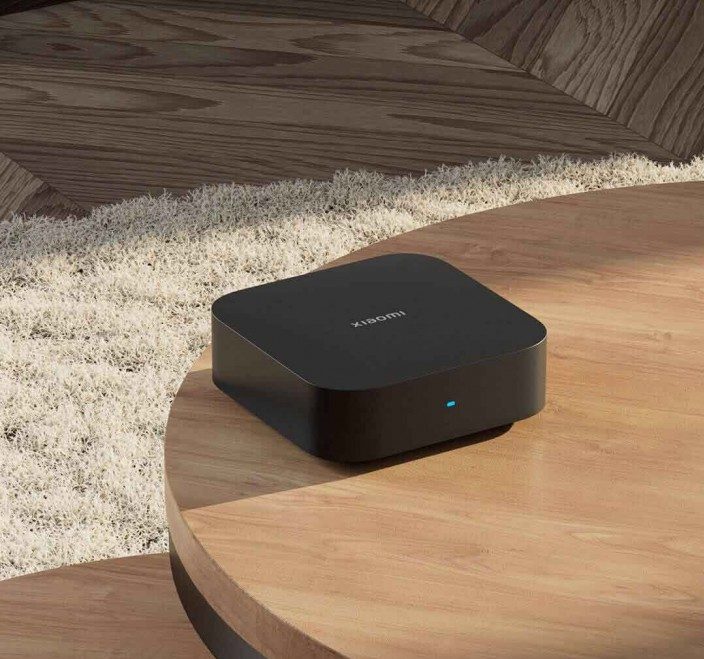
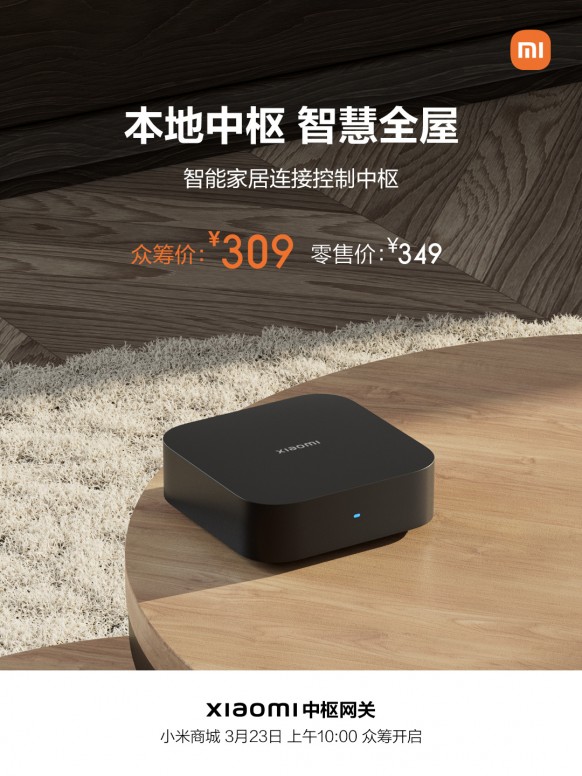
Xiaomi Hub Gateway can connect hundreds of smart home devices

Xiaomi Hub Gateway has been unveiled in China. The gadget will be launched via a crowdfunding campaign on March 23. The latest Xiaomi smart home connection control center is capable of catering to hundreds of connected devices. The retail price for the Xiaomi Hub Gateway is 349 yuan (~$55) but a discount is available during the Crowdfunding of what Xiaomi has described as the central brain of its smart home ecosystem, bringing down the price to 309 yuan (~$50).Xiaomi Hub Gateway

The Hub Gateway provides a hub for different types of smart devices to receive instructions and scheduling information for a seamless smart home. It is an interface for various smart home devices that creates a richer and more efficient application environment. The built-in Bluetooth Mech gateway can connect 200 Bluetooth Mesh devices and 100 Bluetooth devices at any time. The built-in Bluetooth signal amplifier in the Xiaomi Hub Gateway enables the device to receive Bluetooth signals from a distance within the precincts of the home, connecting multiple rooms to the system.Xiaomi Hub Gateway

Hub management is achieved through the new local hub architecture in the Xiaomi Hub Gateway. It means that devices in the same local area network are centered on a hub gateway, thus providing local automatic linkage for devices in the same family. According to Xiaomi, fluctuations in the external network will not prevent the Hub Gateway from executing preset automation tasks in advance. The device is powered by a quad-core processing chip and has 4GB of storage space. Wired and Wi-Fi connections are possible with the Xiaomi Hub Gateway, and the multiple hubs provide complimentary backup for themselves.Xiaomi Hub Gateway

As earlier hinted, the launch and Crowdfunding of the Xiaomi Hub Gateway is on March 23 in China with a price of 309 yuan (~$50). Although there are no details at this time, other markets could subsequently get the Xiaomi Hub Gateway after its China launch

RELATED: 


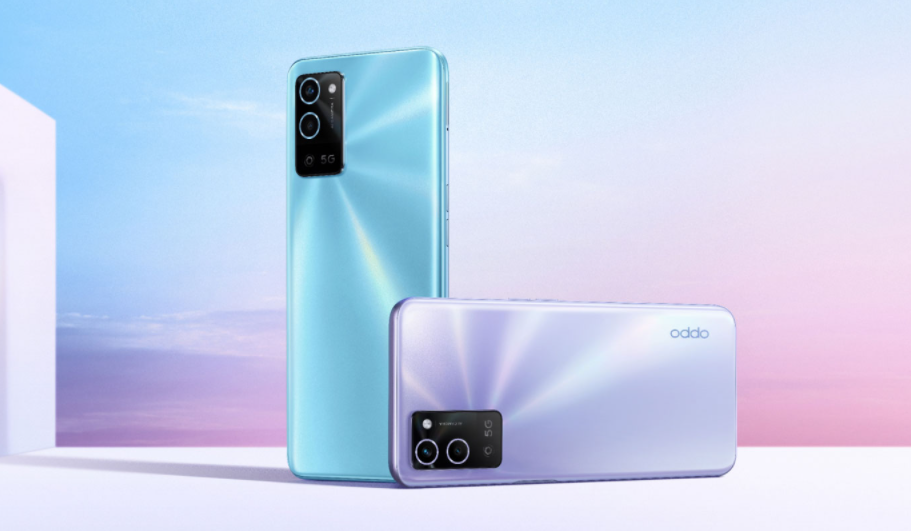
ColorOS 12 beta live for OPPO A56 5G, A93s 5G

Android 12-based ColorOS 12 beta is now available for two more devices, namely OPPO A56 5G and OPPO A93s 5G. Both of these are budget 5G smartphones sold in China. They were unveiled in October and July respectively.

Oppo A56 5G
Oppo A56 5G

The ColorOS 12 beta registrations for the OPPO A56 5G and the OPPO A93s 5G were supposed to begin today. However, the company opened applications yesterday itself and has already stopped enrollment today.

The only requirement was that the A56 5G and the A93s 5G users should be on firmware versions A.10 and A.09 respectively. The applications will be reviewed within 5 working days. Further, the selected applicants will get the Android 12-based ColorOS 12 beta build via OTA within 3 working days from the day of selection.

We do know if there will be a second round of beta registrations. If there’s any, then the interested users can try their luck next time.

As far as stable release is concerned, OPPO hasn’t revealed when these handsets will be receiving it. Going by the Android 12 update rollout so far, the phones will likely get the stable update a  month or more from now.

We expect OPPO to disclose the exact release date in its ColorOS 12 monthly update plan.


RELATED:


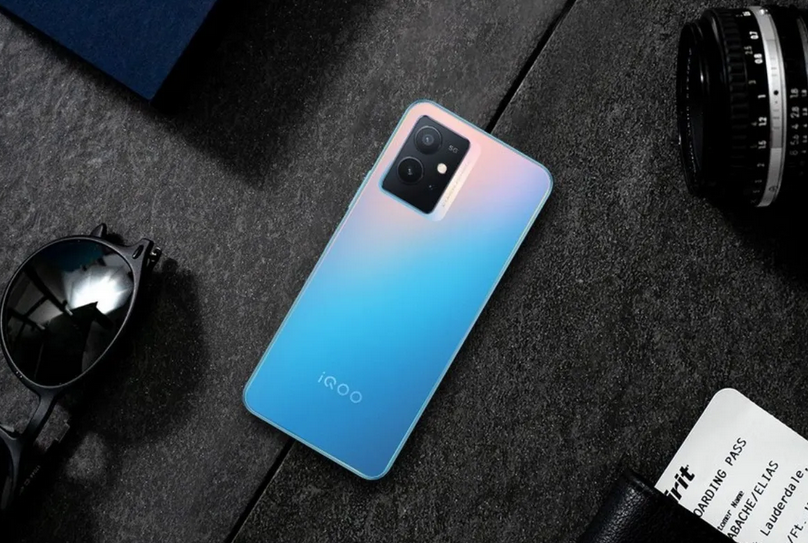
iQOO Z6 5G goes on sale in India starting at Rs. 15,499(~$210)

A few days back, iQOO announced the Z6 5G budget smartphone in the Indian market. The iQOO Z6 5G comes with a 120Hz refresh rate, Snapdragon 695 SoC, and a big battery. Starting today, the smartphone has gone on sale in the country.

The iQOO Z6 5G is priced at Rs. 15,499(~$210) for the 4GB RAM + 128GB storage variant, Rs. 16,999(~$222) for the 6GB RAM + 128GB storage variant, and Rs. 17,999(~$236) for the 8GB RAM + 128GB storage variant.

Those who have HDFC bank cards can get Rs. 2,000(~$26) discount. The phone can be purchased from Amazon in Chromatic Blue and Dynamo Black colors.

iQOO Z6 5G Specifications 

The iQOO Z6 5G sports a 6.58-inch LCD display with FHD+ resolution and 120Hz refresh rate. It has a DCI P3 color gamut and a 240Hz touch sampling rate. It runs on Android 12 OS out of the box with FunTouchOS 12 on top.

iQOO Z6
iQOO Z6

It comes with a triple camera system at the rear with a 50MP main lens, a 2MP depth sensor, and a 2MP macro lens. Upfront, it has a 16MP selfie shooter. It is powered by the 8nm Snapdragon 695 SoC paired with up to 8GB of LPDDR4X RAM and 128GB of UFS 2.1 internal storage.

It packs a 5,000mAh battery with support for 18W fast charging technology. It has a side-facing fingerprint scanner and facial unlock for security. The smartphone has a 3.5mm headphone jack for audio and a USB Type-C port for charging and data transfer. The dual-SIM phone has Bluetooth v5.1 and WiFi 802.11ac support.

RELATED:

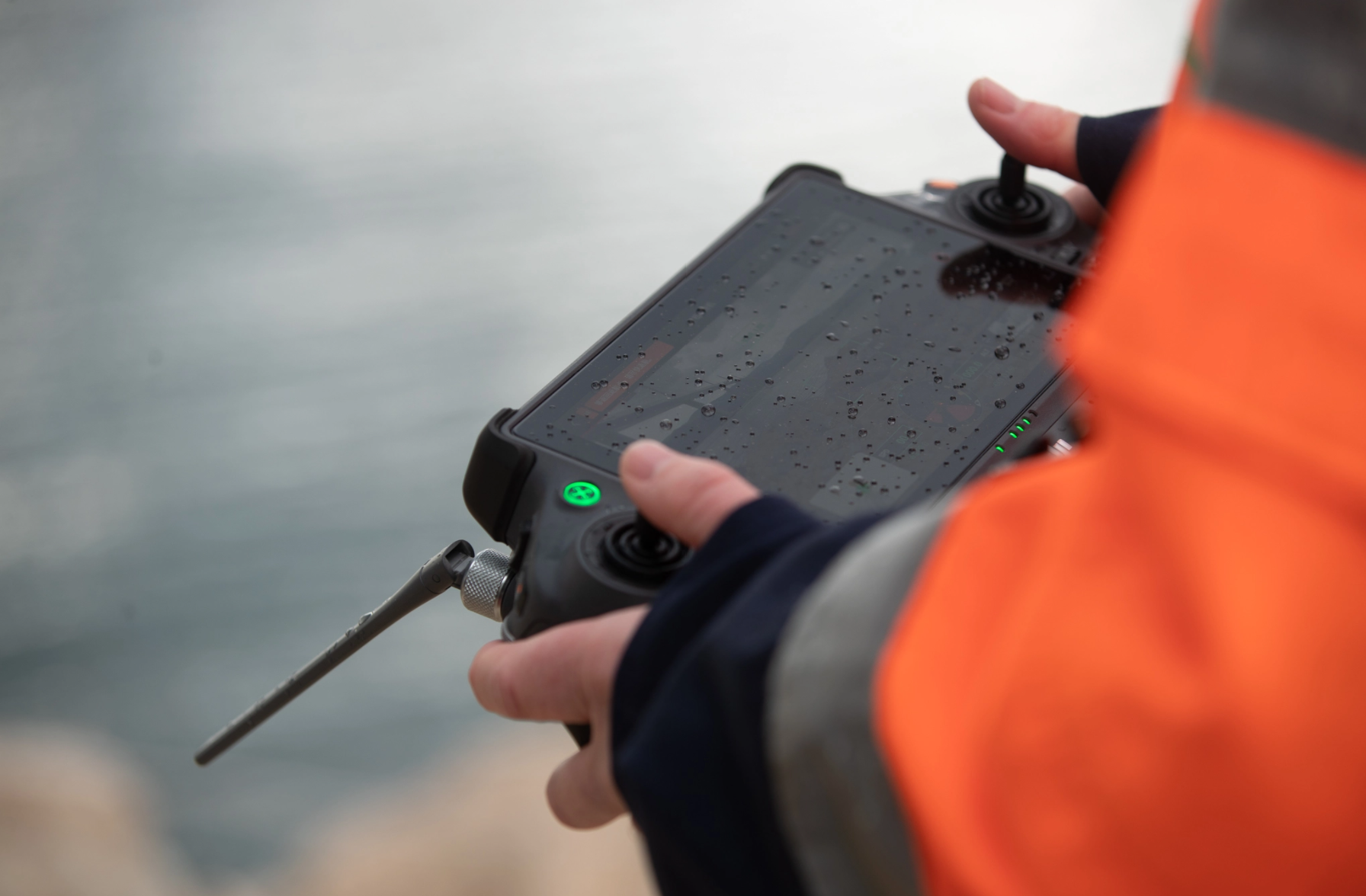
DJI compact M30/M30T enterprise drone with RC Plus controller announced

In line with the rumors, the DJI March 21 event saw the announcement of the new and compact DJI Matrice 30 enterprise drone which sports foldable arms. The DJI M30 enterprise drone has been the subject of much speculation ahead of the scheduled event.DJI compact Matrice 30 enterprise drone

The M30 enterprise drone is a portable drone that is built for emergency services and operations. According to DJI, the outstanding performance, transportability, and ease of use of the M30 drone is a great fit for enterprise customers. This is further accentuated by the integration of the Matrice 30 with the DJI FlightHub 2 Fleet Management Cloud software as well as the DJI dock.DJI compact Matrice 30 enterprise drone

DJI is a leader in the global drone market and its latest entry points to its goals for Enterprise customers who now have the option of entering the autonomous solutions arena with abounding possibilities. DJI says it is proud to deliver the next generation of aerial tools that can save lives and bring work to greater heights. The new 360-degree product solution suite finds applications in energy inspection, emergency rescue missions, environmental protection, and several other exciting possibilities.DJI compact Matrice 30 enterprise drone

The DJI Matrice 30 looks like a compact and improved version of the Matrice 300 enterprise drone. It has much of the specs of DJI’s larger and more recent drones including the camera system, precision laser range finder up to 1.2km, IP55 ingress protection, foldable legs, dual and quick charging TB30 batteries. The M30 has a flight time of 41 minutes and operating temperatures from -20 to 50 Celsius. It uses the OcuSync 3 Enterprise platform and has an FPV pilot camera.

There are two models available namely the M30 and the M30T which is the higher variant. A thermal camera is one of the major additions to the M30T. The M30/M30T weighs about 3.7kg and this is very portable for the enterprise operations it may be deployed for. The IP55 rating also means that the models can be easily deployed in inclement and extreme weather conditions like rainy or icy situations. The new RC Plus controller adds more functionality to the new model. It will come with six buttons, a display, and up to 6 hours of battery life.DJI compact M30 enterprise drone

It’s just a day after the announcement of the DJI Matrice 30 enterprise drones. We expect more official details to surface in the coming days and weeks including pricing and release information.

RELATED:


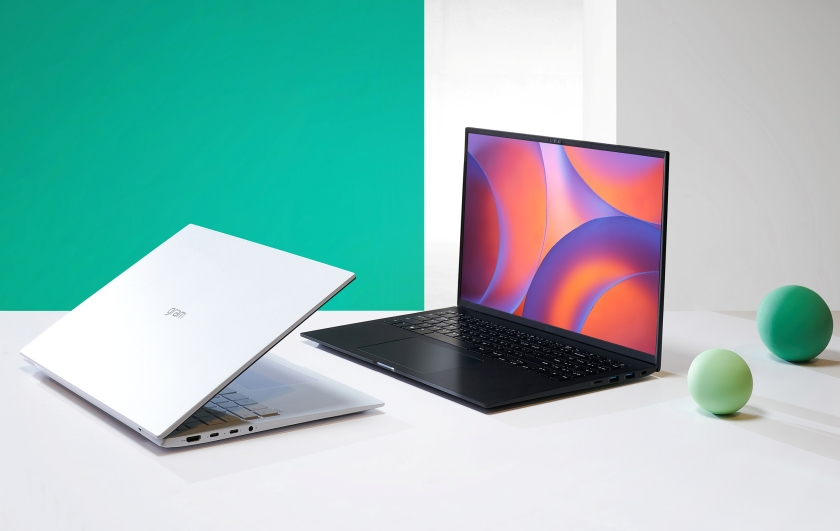
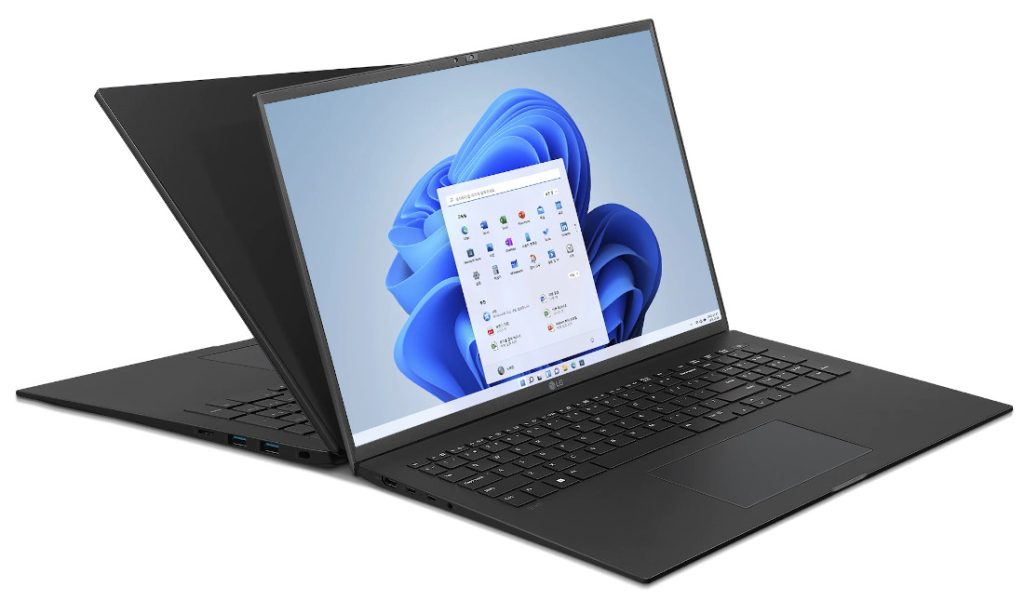
LG Gram 16 & Gram 17 2022 unveiled with 12th Gen Intel CPU, NVIDIA RTX 2050 GPU

LG has announced its Gram 16 and Gram 17 laptops which are lightweight devices with 12th Gen Intel Core CPU, NVIDIA RTX 2050 GPU. The laptops will be available from next month in LG’s home market of South Korea. The LG Gram laptops are thin and light – and both of the new models also follow that trajectory. The LG Gram 16 weighs 1.28kg while the Gram 17 is slightly heavier at 1.43kg.LG Gram 16

The two laptops, apart from their compact nature, also offer some convenience options that serve to optimize their performance. Each of the new models is capable of detecting activity around them like when the user walks away from the laptop or another person comes close. This enables the display to be customized to sustain visibility at all times. It also displays a warning message when a person comes behind the user.LG Gram 16

The LG Gram 16 and Gram 17 laptops bear striking similarities apart from their CPU and GPU. The displays of both Gram 16 and Gram 17 have 16:10 WQXGA IPS screens. Their screens have an anti-glare coating and the panel is capable of fully exhausting the DCI-P3 color space. The battery capacity of the two new laptops is 90kWh.LG Gram 16

The new laptops are priced from 2.29 million won (~$1,880) for the lowest variant of Core i5 CPU and 16GB/256GB Gram 16 model. The corresponding price for the Gram 17 model with the same base configuration is 2.39 million won (~$1,962). It is unclear at this time, the global availability of the two laptops. We however expect its availability in select markets at the least, after its Korea launch.

RELATED:


(source)


Samsung Galaxy M53, Galaxy M33 Vietnam launch tipped for March 27

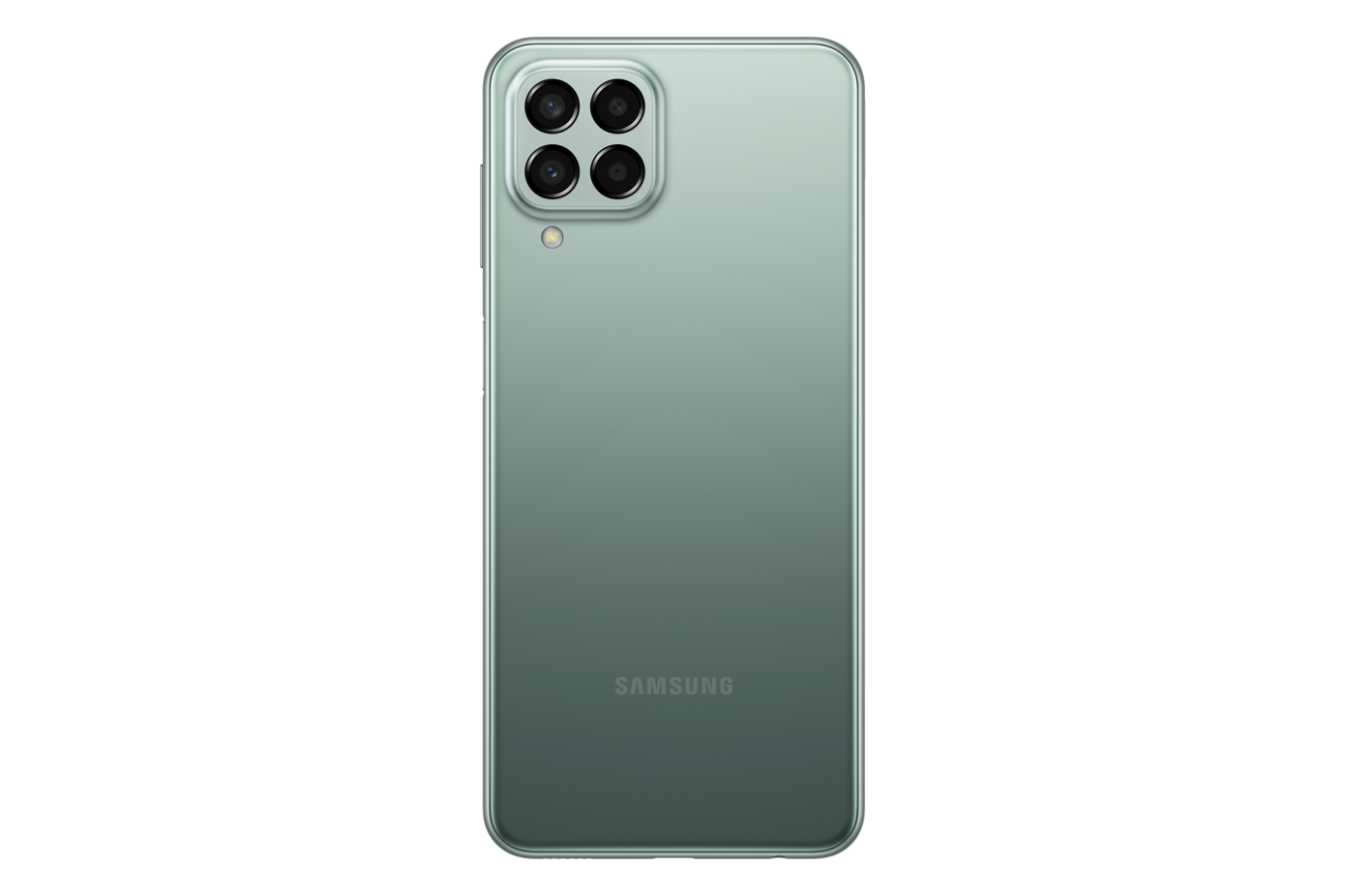
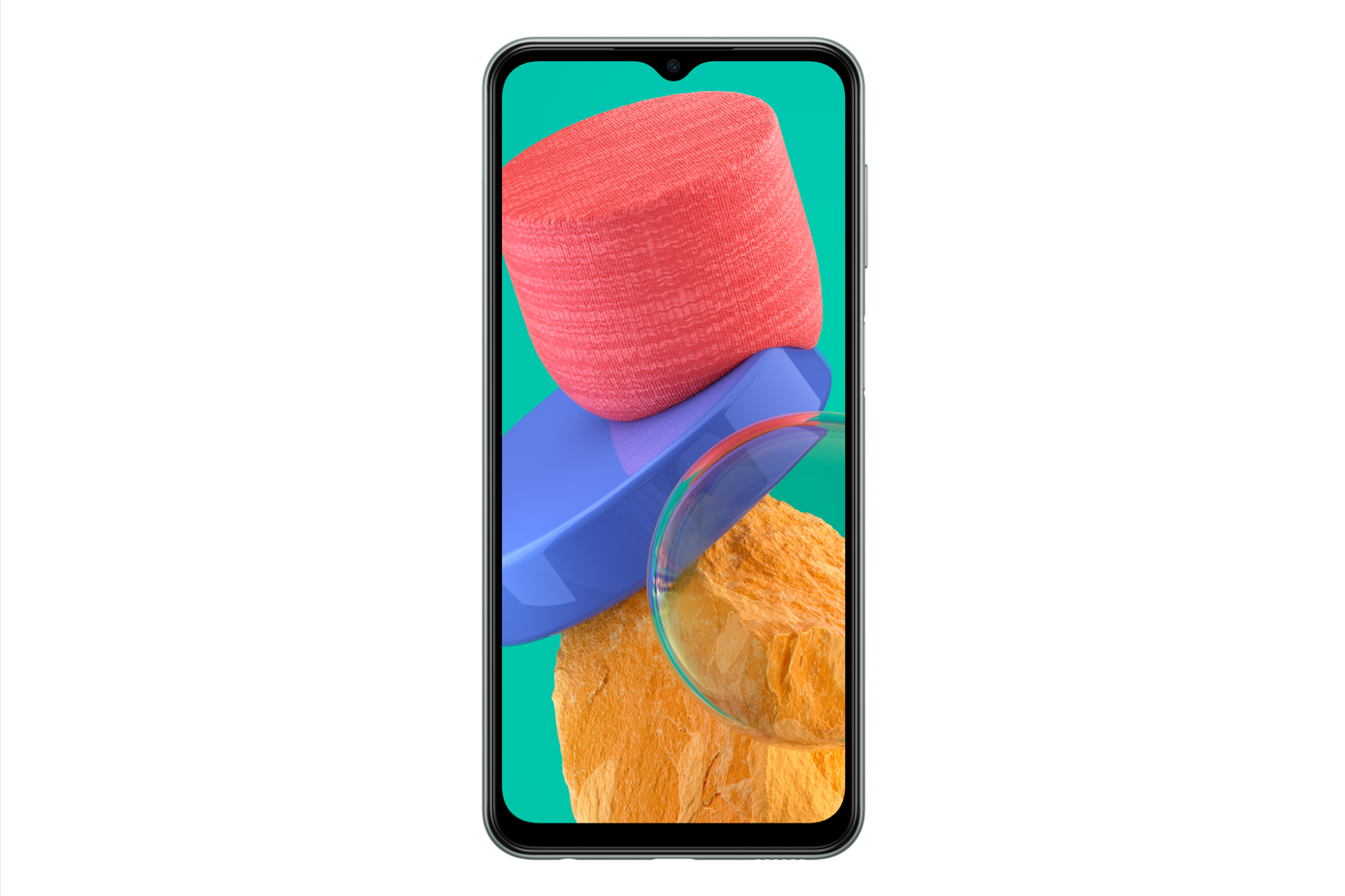
Earlier this month, Samsung officially unveiled its upcoming budget-friendly smartphone, the Galaxy M33 5G. Now, an official-looking poster has emerged that states that the Samsung Galaxy M33 along with the Galaxy M53 will launch in Vietnam on 27th March.

Samsung Galaxy M53 5G

The information comes via a Twitter post by a tipster Da perfect pfp who has shared the poster which reveals a 120Hz refresh rate display, a similar camera module as seen on the Galaxy M62, and 5G connectivity.

Samsung Galaxy M53 5G specs

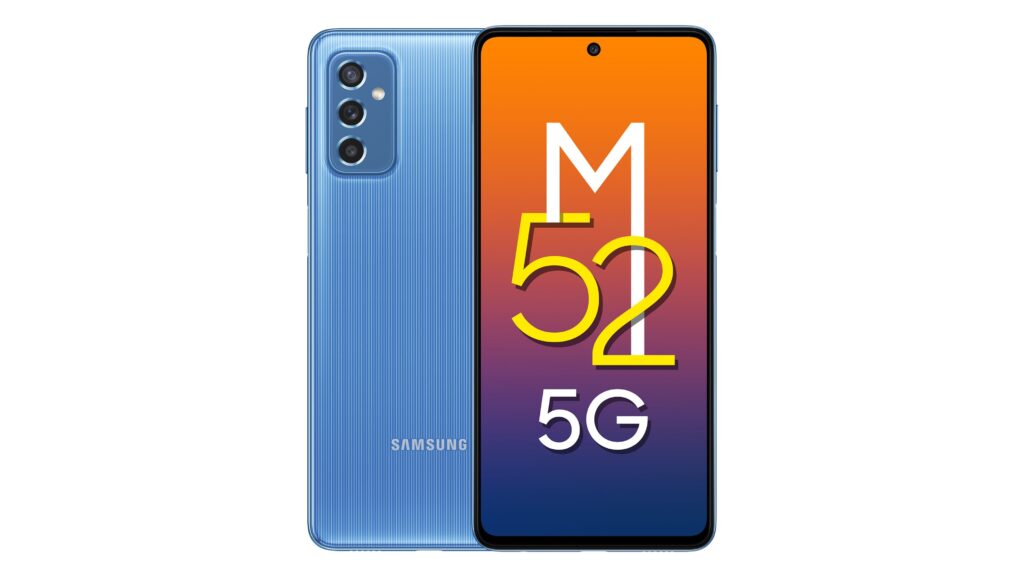
Samsung Galaxy M52 5G Icy Blue Featured A
Samsung Galaxy M52 5G

The device in the poster is most likely the Galaxy M53 which so far has been tipped to come with a  6.7-inch FHD+ Super AMOLED display with up to a 120Hz refresh rate.

It will run by a MediaTek Dimensity 900 SoC paired with 8GB RAM and 128GB/256GB storage. The device is said to arrive will with over 10 5G bands.

The handset will house a quad-camera setup on the rear. The camera system will include a 108MP primary sensor, an 8MP ultra-wide unit, a 2MP macro snapper, and a 2MP depth sensor. On the front, there will be a 32MP shooter for selfies and video calls.

The smartphone will boot One UI 4.1 based on Android 12. It will get its juice from a 5,000mAh battery, which will be capable of charging at 25W. However, rumors state that Samsung will not be shipping a charger with the device.

Samsung Galaxy M33 5G specs

Samsung has already confirmed a majority of the specs of the Galaxy M33 5G. The smartphone features a 6.6-inch TFT FHD+ (1080 x 2408) LCD display. For photography, Samsung has offered a quad-camera setup on the back of the device with a 50MP f/1.8 primary camera, a 5MP f/2.2 ultra-wide camera, a 2MP f/2.4 depth sensor, and a 2MP f/2.2 macro shooter. For selfies, we get an 8MP f/ 2.2 snapper.

Under the hood, the Galaxy M33 5G comes with an octa-core SoC which according to previous Geekbench listings, should be the 5G enabled Exynos 1280 octa-core SoC. It is offered in two RAM variants, 6GB and 8GB and the internal storage available is 128GB. This, however, can be expanded by up to 1TB with a Micro-SD card. The device gets a 6000mAh battery and will boot Android 12 based One UI 4.1 out of the box. The sensors present in the device are an accelerometer, fingerprint sensor, gyro sensor geomagnetic sensor, virtual light sensor, virtual and proximity sensor.


RELATED:

Samsung updates Galaxy Tab S6, Tab S6 Lite to Android 12

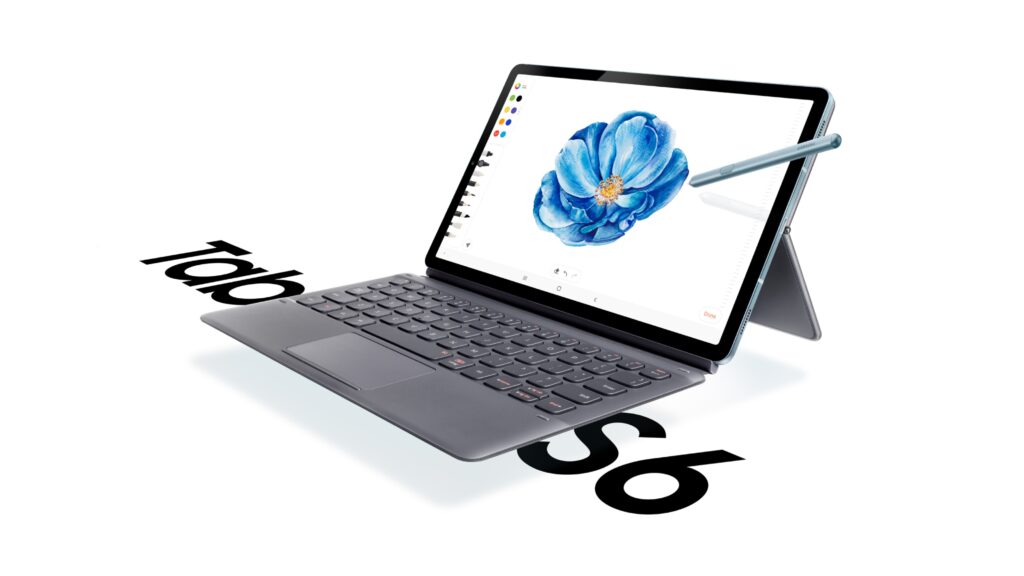
Samsung is currently ahead of any Android OEM in terms of software support. The company has been rolling out the stable Android 12-based One UI 4.0 update for eligible devices since November. The latest products to receive the new software are Galaxy Tab S6 and Galaxy Tab S6 Lite.

Samsung Galaxy Tab S6 Featured

According to SamMobile, Samsung has started pushing Android 12 update for the Galaxy Tab S6 and the Galaxy Tab S6 Lite. The former gets it in Germany, whereas the latter receives it in France.

For the vanilla model, the update arrives with firmware version T865XXU5DVC3 and February 2022 security patches. On the other hand, the lite model is being treated with March 2022 security patches bearing firmware version P615XXU4EVC5.

Though One UI 4.1 is out, the Android 12 update for these tablets brings One UI 4.0. They may get access to the new version of One UI later.

Users in the aforementioned regions can head over to Settings > Software update > Download and install to check their unit has got the update. Anyway, the update should not be out for everyone as it is rolled out in batches.

We expect Samsung to extend the availability of Android 12 for the Galaxy Tab S6 and the Galaxy Tab S6 Lite to more markets in the coming days.


RELATED:


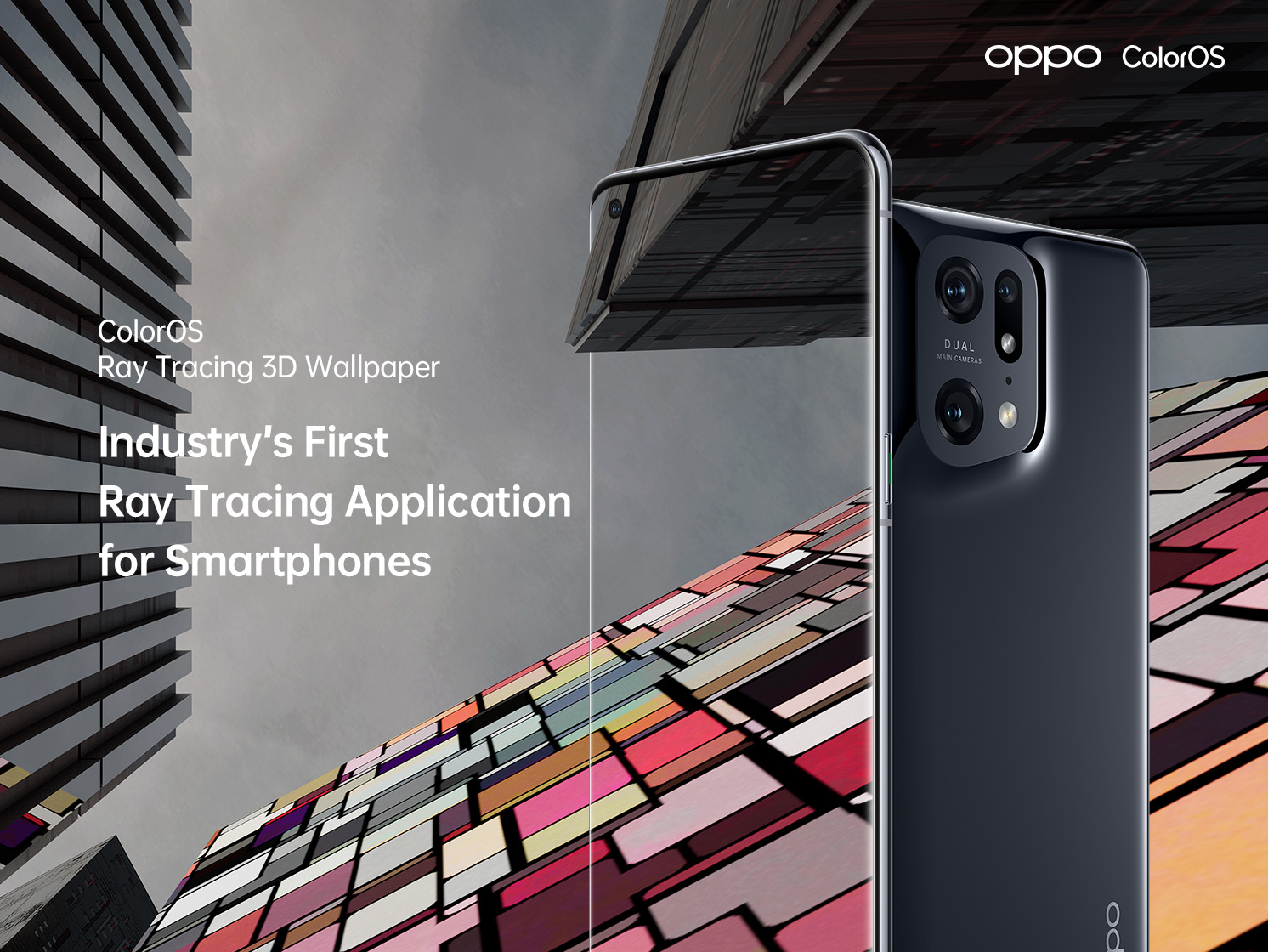
OPPO unveils 3D ray tracing wallpapers for the Find X5 Pro

OPPO showcased ray tracing on its phones last year. But aside from a few demos available on the Play Store to test the rendering technique, ray tracing has remained largely unutilized — at least until now.

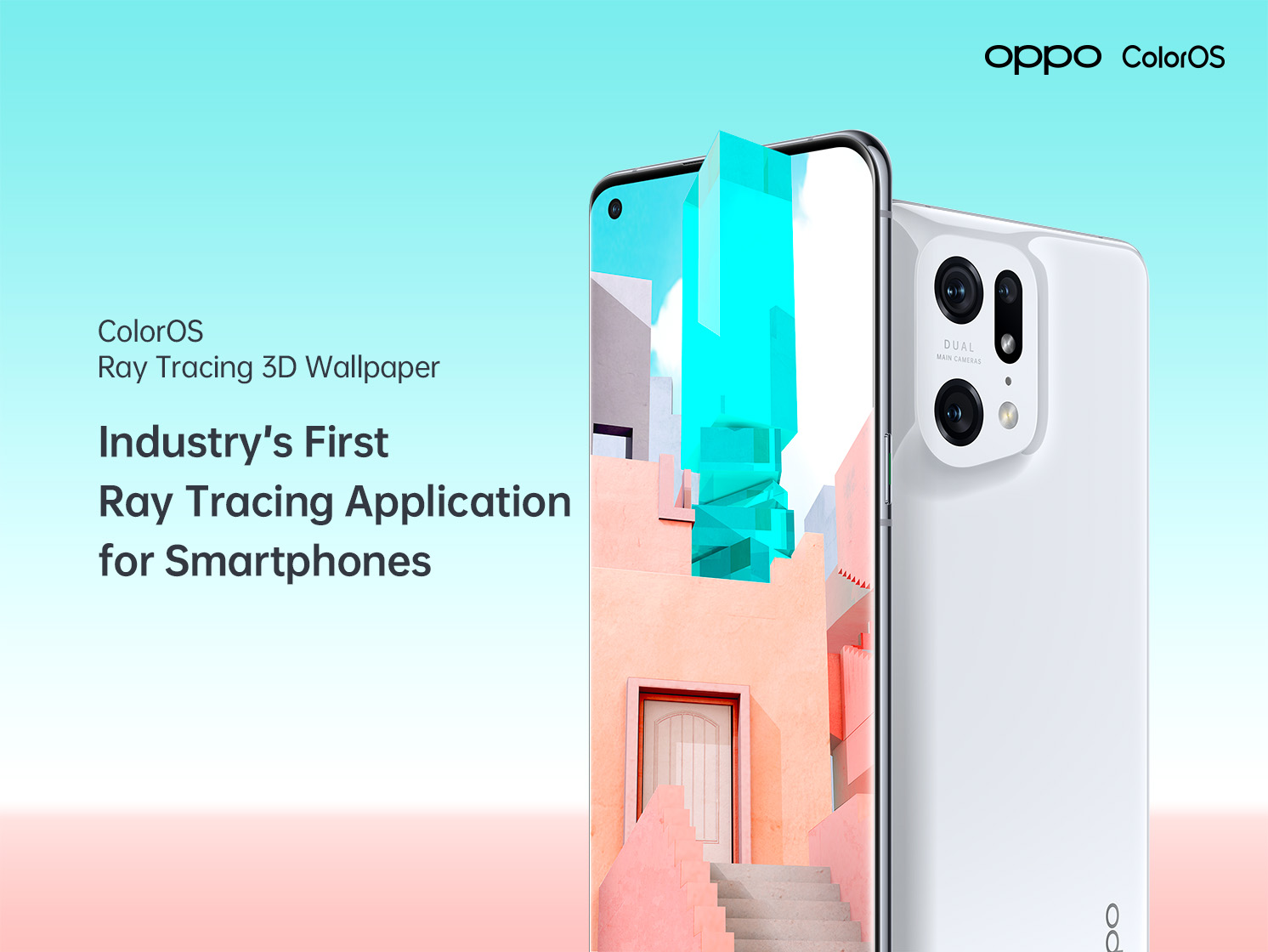
Yesterday, at the Game Developers Conference 2022 (GDC), OPPO unveiled the industry’s first ray tracing application for smartphones in the form of the “ColorOS Ray Tracing 3D Wallpaper.” Visitors at the event got to check out the wallpapers on the OPPO Find X5 Pro Dimensity Edition.

Ray tracing is a graphics rendering technology that simulates the behavior of light as it would in the real world, allowing for more vivid and life-like virtual objects. OPPO first started developing its own ray tracing solution early in 2018. For the 3D live wallpaper, the brand adopted a hybrid architecture and dedicated hardware cores on the Find X5 Pro, putting the super-powerful Dimensity 9000 chip under the hood to good use.

OPPO says that the 3D ray tracing wallpaper will serve as a starting point for using the tech to explore future applications.

The ColorOS Ray Tracing 3D Wallpapers are also highly interactive, allowing a series of hand gestures such as rotation, taps, and waves to demonstrate animations. They’ll be presented to users of the Find X5 Pro Dimensity Edition as an APK later this year, as well as to developers in an SDK package.

RELATED:

Samsung rumored to launch a MediaTek Dimensity 9000-powered smartphone

More Samsung Galaxy-branded smartphones now use MediaTek chipsets than ever before. However, these chips are either entry-level or mid-range models. This is going to change soon as a rumor now says that the South Korean electronics giant is gearing up to launch a handset powered by MediaTek’s latest flagship mobile SoC.

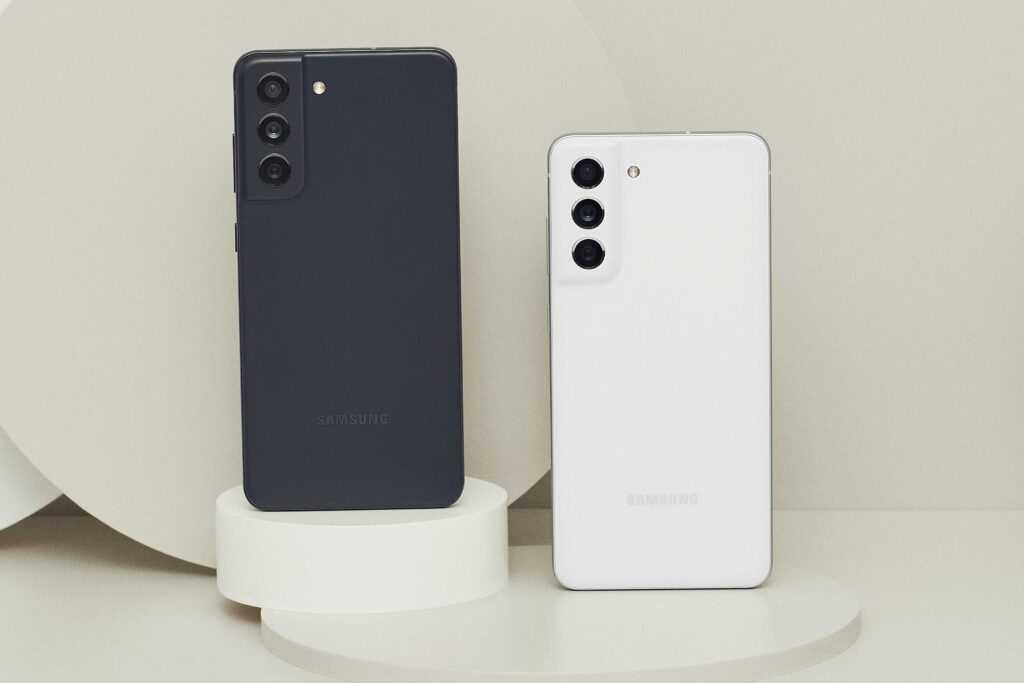
Samsung Galaxy S21 FE Graphite White
Samsung Galaxy S21 FE

According to a Chinese tipster on Weibo (via SamMobile), Samsung is working on a smartphone powered by MediaTek Dimensity 9000 SoC. This phone will be backed by a 4,500mAh battery.

He does not know the market name of the device. But he does say that the handset could be either Galaxy A53 Pro or Galaxy S22 FE. The former sounds unbelievable as there would be a huge performance between the Pro and the vanilla model. But the latter could be a possibility.

Also, it is worth noting that usually Samsung experiments with new features on its Galaxy A series. Hence, this phone could be some high-end Galaxy A lineup model instead of Galaxy S22 FE. 

That said, If this rumor is true, then we are looking forward to learning more about the Dimensity 9000-powered Samsung Galaxy smartphone in the coming days. But ahead of that, the company will be debuting its first Dimesnity 900 phone called Galaxy M53 5G on March 27.


RELATED:


Xiaomi files patent for improved side-mounted fingerprint with greater surface area

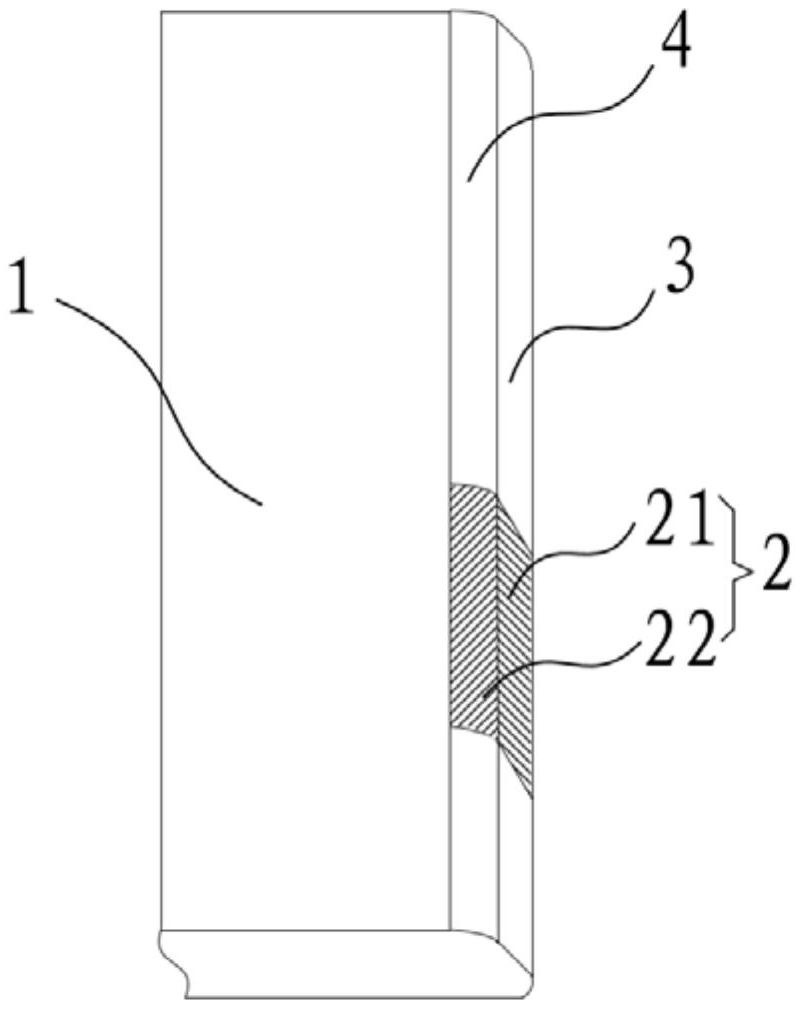
Xiaomi Mobile Software has acquired a utility model patent for an improved version of the side-mounted fingerprint sensor that will cover the frame and angular areas of the phone (via IT Home).

Side-mounted fingerprint scanners are typically limited to the power button of devices, which are usually quite tiny. Compared to rear-mounted fingerprints, the surface is area is significantly smaller, meaning accuracy may be reduced and chances of misreads are higher.

xiaomi side mounted fingerprint patent

The patented fingerprint tech looks to be aiming at addressing this shortcoming by extending the sensor’s width, thereby improving efficiency. A smaller surface area also meant the sensor only captured a small portion of the finger during authentication, increasing the chances of false positives. This too should get better once the patent turns into reality.

The need for such a solution has become greater as phones turn slimmer each year, leaving less and less space on the edge. One can argue that OEMs could simply switch to the under-display fingerprints instead, but the tech is generally much more expensive and is thus not a viable enough option for cheaper offerings.

Or the trusty rear fingerprint scanner could simply be resurrected. But that unfortunately doesn’t seem to be an option anymore as smartphone OEMs have silently declared it out of date.

RELATED: