Xiaomi’s Redmi seems to launch the entry-level Redmi 10A smartphone soon. Last time, the device appeared on the TENAA certification site revealing a few details. Now, the phone has passed China’s MIIT and some more details have been revealed on its TENAA page.
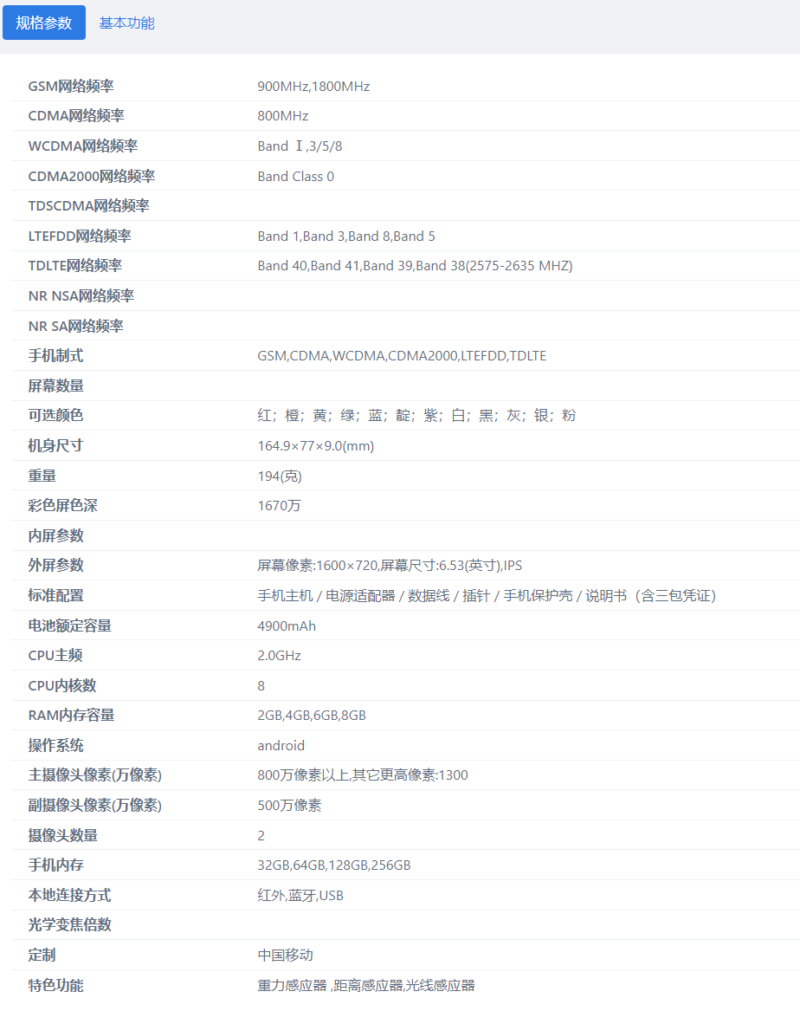
The Redmi 10A appears with the model number 220233L2C, meaning that it is the Chinese model. We get to learn that the phone has multiple variants like 2GB, 4GB, 6GB, and even 8GB of RAM. It has 32GB, 64GB, 128GB, and 256GB of storage options. It has MIUI 12.5 and a 4,900mAh battery.
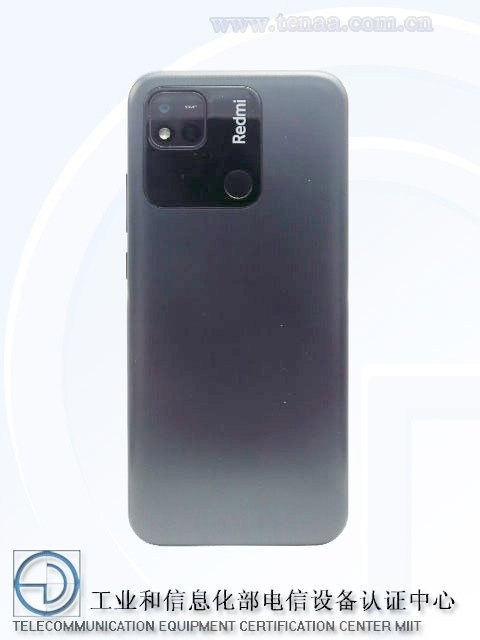
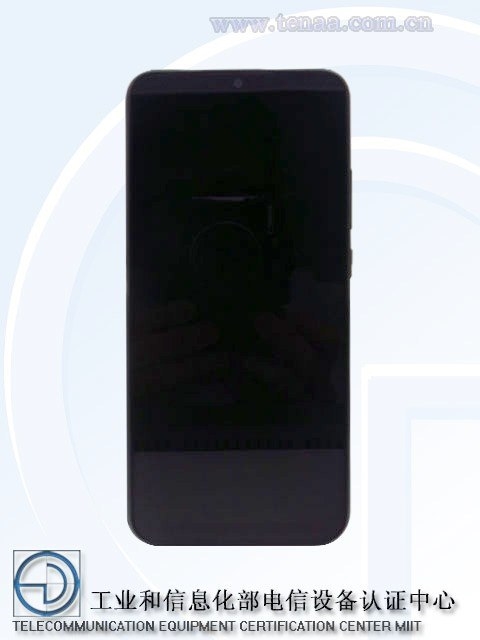
On the TENAA certification, we get to see the image of the smartphone. The device seems to have an oversized camera module that holds a single camera system. It also has the Redmi branding and features a rear-mounted fingerprint scanner at the back.
Apart from this, the phone’s other specs were learned previously. The Redmi 220233L2C, the Redmi 10A Chinese model has a 6.53-inch IPS LCD display with a 20:9 aspect ratio. The device has an HD+ resolution of 720 x 1600 pixels.
The smartphone has a 13MP rear camera system and a 5MP selfie sensor. Previously, the phone appeared on the Geekbench portal with the same model number.
The device scored 791 points in the single-core department and 3630 points in the multi-core department. The phone is powered by the MediaTek Helio G25 octa-core SoC that’s clocked at 2.00 GHz. It has 4GB of RAM and boots on Android 11 OS. Its 3C certification confirmed that the device has a 10W fast charging support.
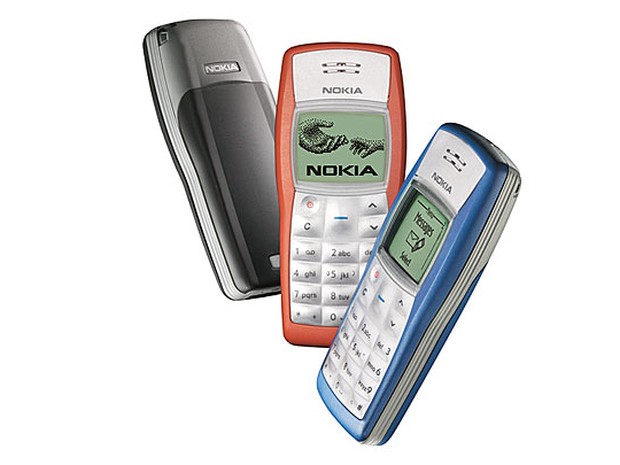
In our last couple of throwbacks, we had revisited a few smartphones. But today, we’re going a bit further back in the past, namely the early 2000s. This was the time when Nokia was still king, and now, we’ll be covering one of its most iconic phones ever, the indestructible Nokia 1100.
What made the Nokia 1100 Special?
Simply put, the popularity of this phone might be unmatched by even some of the most well known models from the Finnish brand. It has an almost mythic status in the realm of phones. Back when it launched in 2003, the 1100 wasn’t the most powerful or even the most attractive looking device. However, what it lacked in appeal, it made up in various different aspects. It was a user friendly handset that was quite popular in every market that it was available in.
This holds especially true for the developing nations. Getting this out of the way now, the Nokia 1100 is the world’s best selling phone ever. It sold over 250 million units since its launch in 2003. It was so popular that it remained in production till late 2009. As mentioned above, it wasn’t the most powerful device back then, and lacked many of the advanced or modern features other handsets offered. But, it was built to work all across the globe, and banked heavily on its affordability and reliability; and let’s just say, it was quite reliable.
Apart from being the most popular device, the Nokia 1100 has a legend built around it based on its durability. It was touted for being tough and no one in the world ever worried about how they were handling it. The handset was designed with global market in mind and offered some degree of dust proofing, water proofing, and we all known, its tough as a brick. Also, the phone could last for hundreds of hours in a single full charge.
Impact & Future Influence
Following the launch of the Nokia 1100, the brand had tapped a vast market all across the globe. Many developing nations still had phone markets in nascent stages. So, the 1100 was the very first phone for many. Talking about India alone, the device’s affordable and reliable stature propelled it to the top. Now, even people in rural areas had access to a phone and it was especially perfect for the those that did not need anything more than the basic calling, messaging, alarm clock, reminder, and other such basic functions.
Although, you could still play some games on the device and it even had a torch that was a big selling point in many places. Nokia sold its billionth phone back in 2005, and you guessed it, the model was a Nokia 1100 that was purchased in Nigeria. While the company did offer similar phones back then, the 1100 was its cheapest model, which helped it enter various markets across the globe. So, its quite evident regarding the impacts of this device. And for the future, the company used its success to release a number of similarly specced phones after it. But while none of these saw the same level of success, it became clear that Nokia was the go to brand for a reliable and affordable phone. In essence, it helped cement Nokia as the market leader.
Design, Specs, & Price
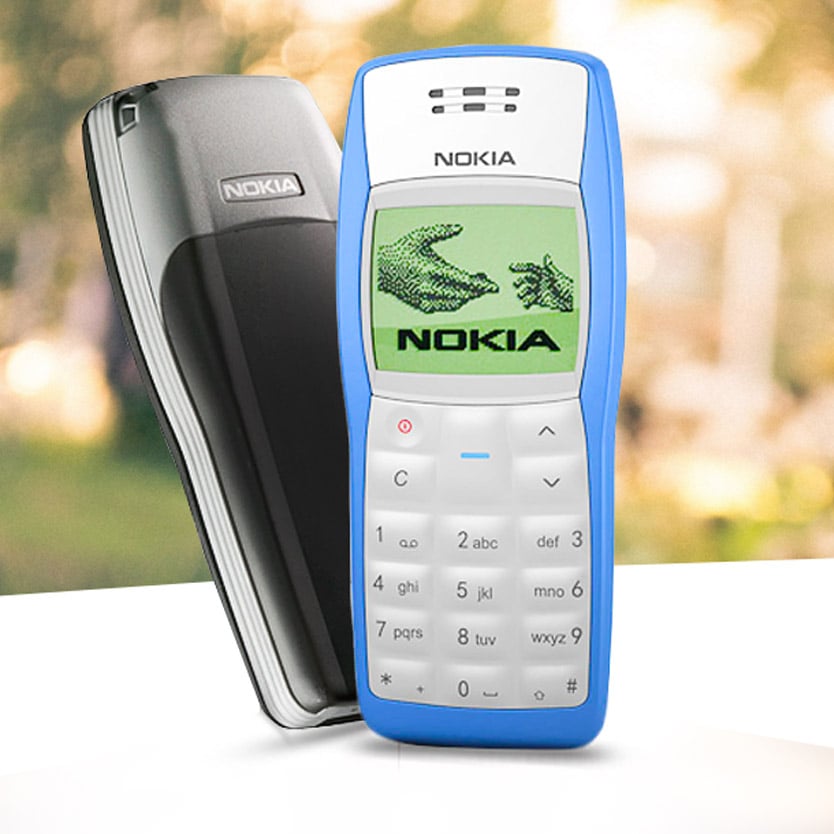
Talking about its build first, the 1100 had a very basic and to-the-point design. It featured the company’s traditional style navigational keypad, which included a single button to end or receive calls, bi-directional keys, and vibrating alert. The device had a built in torch and had a C button that when pressed twice, locked the phone, and holding it would activate the torch. Interestingly, despite having an uninspired and basic look, the company offered the device in a number of color variants through the Xpress-On covers. This included a light blue, orange, black, dark blue, yellow, red, green and pink versions.
It had a monochrome display that supports 4 lines and had a resolution of just 96 x 65 pixels and 3:2 aspect ratio. It had a candybar form factor with soft keys and was powered by a 850mAh battery pack that was removable. None of these features would impress anyone now, but back in the day when phones were a luxury, a sub 100 US Dollar phone was perfect for many.
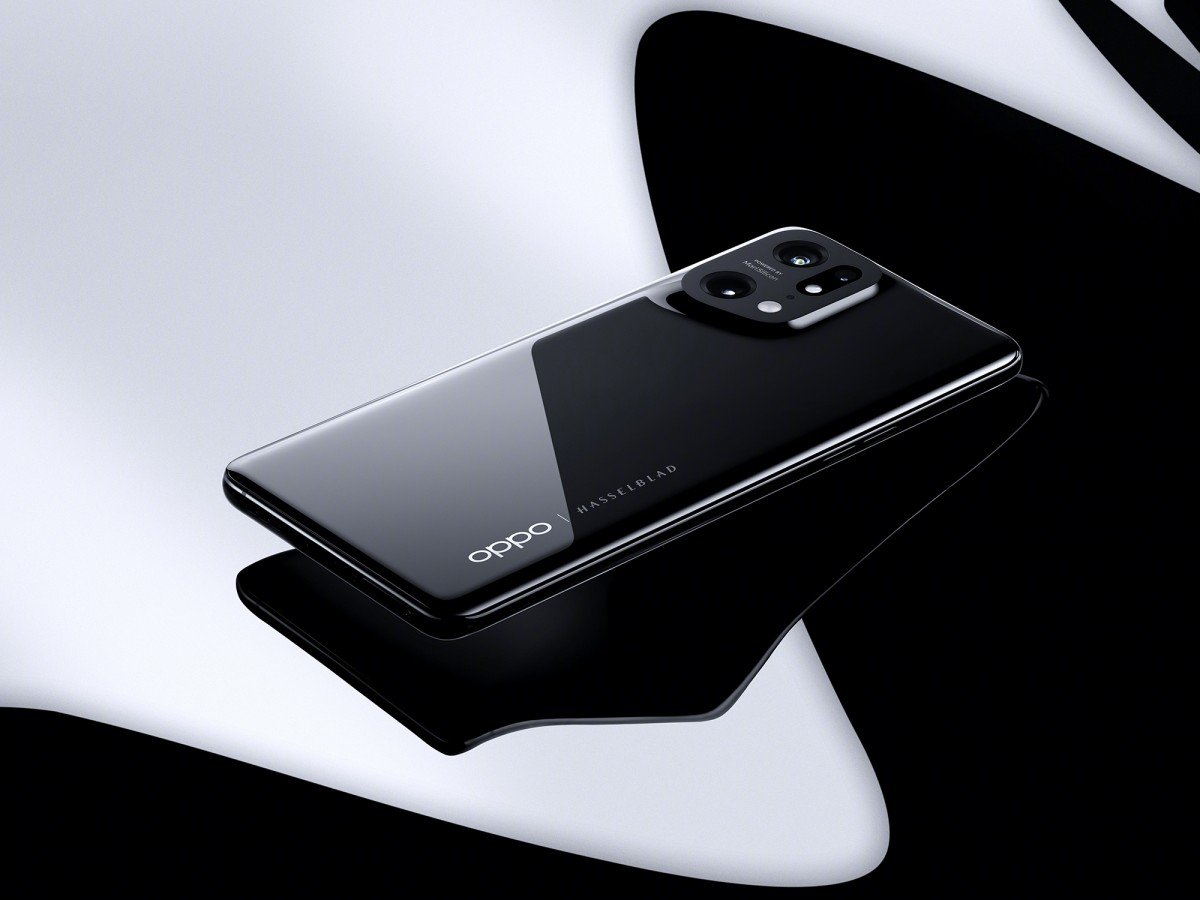
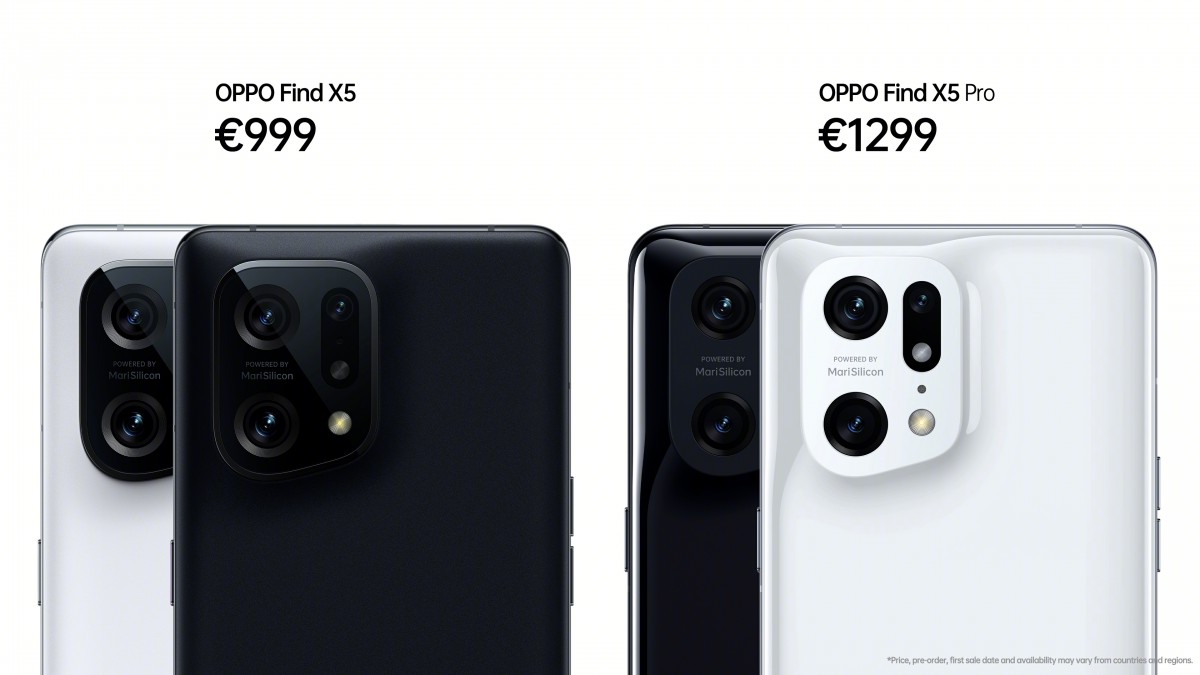
Chinese tech giant and BBK subsidiary OPPO has officially launched its latest flagship under the Find X series. The latest model is the Find X5 series made up of the Find X5 and Find X5 Pro. As you would expect, the OPPO Find X5 Pro is higher than the X5 in several aspects including image processing, battery technology, and even the finishing. Let’s take a look at the specs and features of the Find X5 Pro.
The OPPO Find X5 Pro is a premium device packing a 6.7-inch AMOLED display with a resolution of 1440p, 1,300 nits peak brightness, and a variable refresh rate that reaches up to 120Hz. The display also comes with a 10-bit color rendering, 100% coverage of the DCI-P3 color space, and up to 1,000Hz touch sampling rate.
Rumors of a Dimensity 9000 chipset for the Find X5 Pro turned out to be false as the device is powered by a Qualcomm Snapdragon 8 Gen 1 chipset paired with 12GB RAM while there is 256GB storage onboard. The premium flagship gets its interface from the Android 12-based ColorOS 12.1 which brings some improvement in security, aesthetics, and privacy over ColorOS 12. The OS also brings a new Multi-Screen Connect feature, allowing users to switch between the phone and Windows PC.
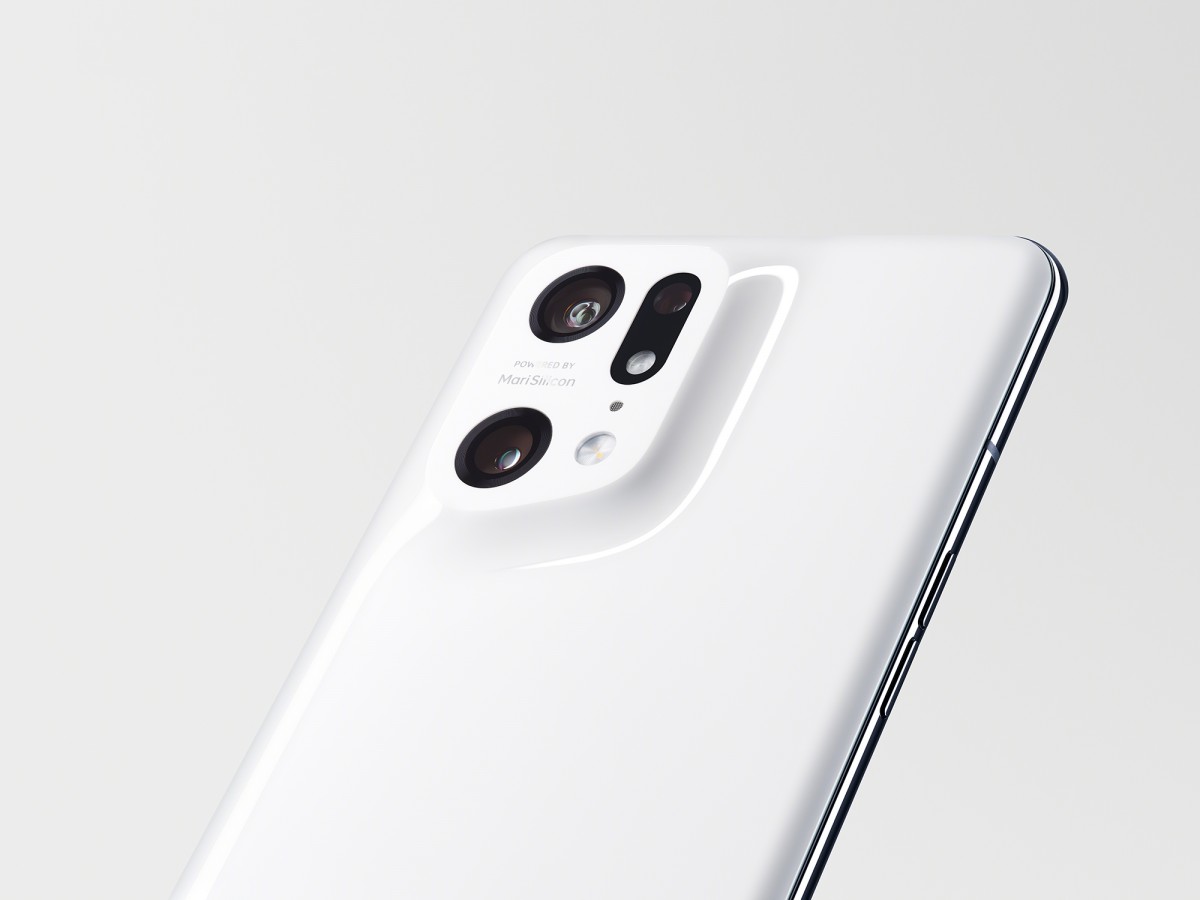
The Find X5 Pro comes with a self-developed 6nm MariSilicon X chip which delivers the most important upgrade on the phone – the camera processor. The chip relays AI noise reduction and a host of image processing duties including 4K Ultra Night Video with reduced photographic noise and better colors than typical night video. Furthermore, OPPO says the image chip enables the capture of HDR video at 20-bits per channel on the phone.
Oppo Find X5 Pro camera samples
The phone’s camera configuration includes a 50MP wide Sony IMX766 and a second 50MP ultrawide sensor. There is a third 13MP telephoto sensor with 2x optical magnification (52mm) and 5x hybrid zoom. The camera also comes with the Hasselblad Natural Color Calibration feature, which relies on the new 13-channel color sensor. OPPO also installed a glass front element on the cameras in other to improve color accuracy and reduce chromatic aberration. You also get a new 5-axis optical image stabilization system that combines lens and sensor-shift tech.
For selfies, there is a 32MP Sony IMX709 sensor with RGBW sub-pixels, 80° FoV, automatic 90° group selfie mode.
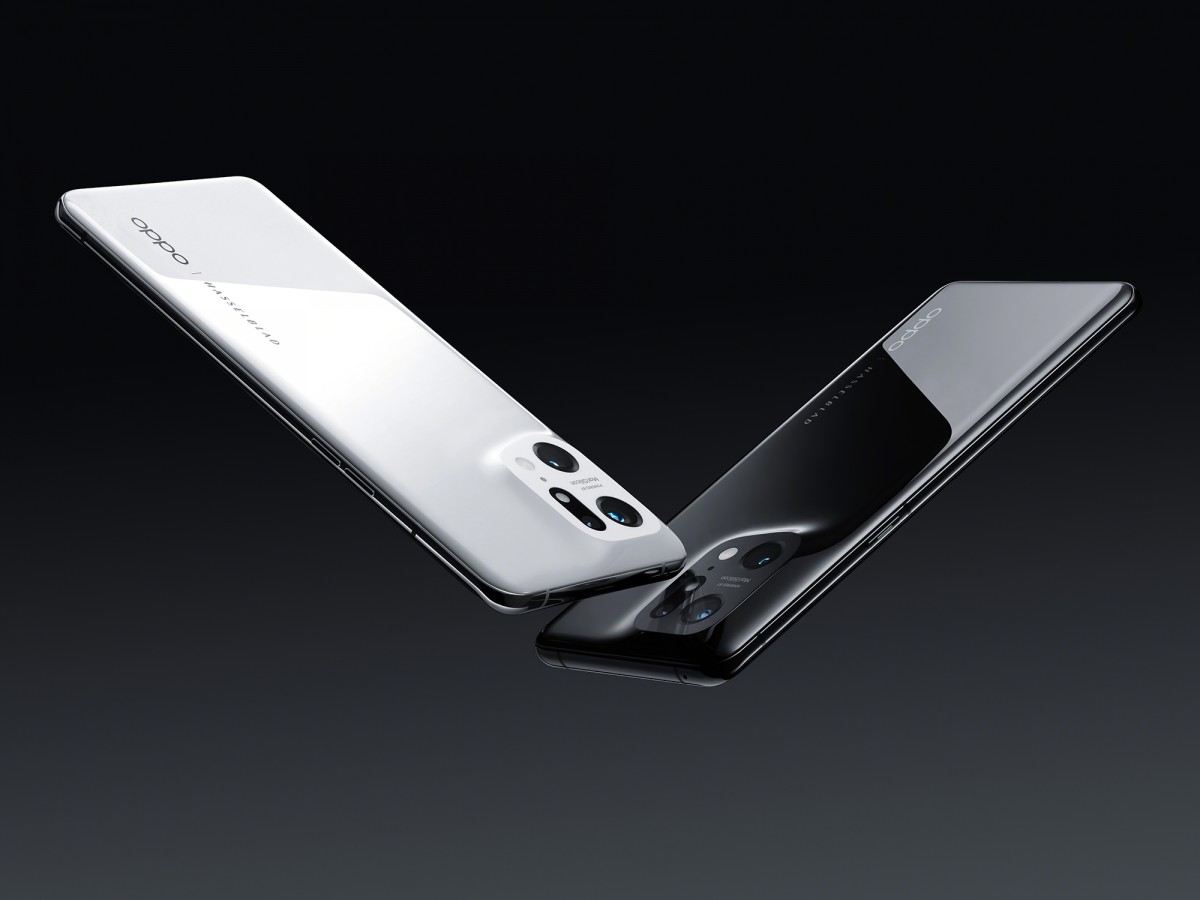
In terms of the build quality, the Find X5 Pro packs a Corning Gorilla Glass Victus at the front while the rear panel is made from ceramic which is tougher than glass. Apart from strength, the ceramic panel also assists in heat conduction, thus improving cooling.
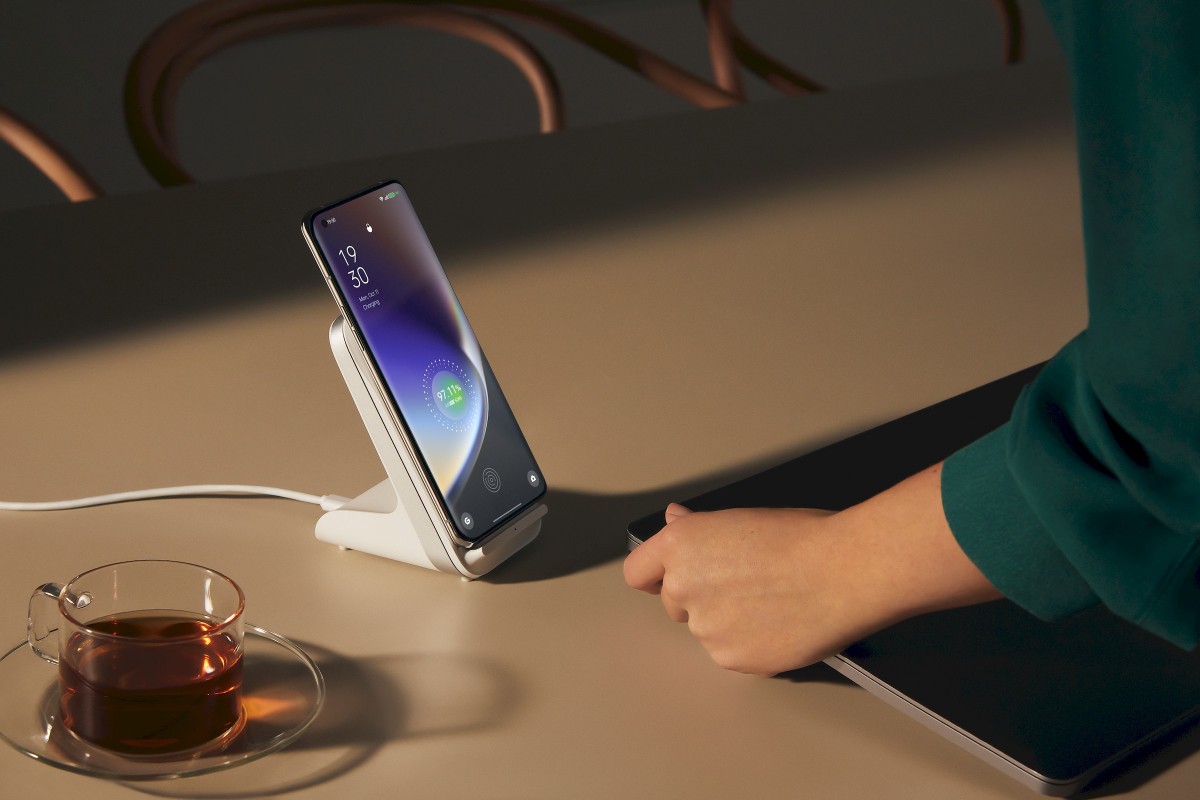
Under the hood, the device crams a decent 5,000mAh battery with support for 80W SuperVOOC charging capable of charging the phone from 0-50% in 12 minutes. The phone also features support for 50W AirVOOC charging which can fully charge the phone in just 47 minutes. The device is fitted with a Battery Health Engine that extends the battery life and can withstand up to 1,600 charge cycles before the battery starts degrading by 20%. The phone also has a 3D graphene film covering the charging coil and the motherboard in order to improve cooling. There is also a vapor chamber for the Snapdragon chip which is said to be 75% bigger than on the previous model.
The Oppo Find X5 Pro comes in Ceramic White and Glaze Black and is priced at €1,300 for the sole 12GB+256GB option. The device will go on sale on March 14.
According to InfoStockDaily (via Wccftech), Samsung is currently investigating the possibility of fraud in its foundry business. Certain Samsung Foundry executives are being accused of fabricating the yield rate of 4nm and 5nm processes to create a false impression that all’s well at Samsung’s chipmaking arm.
Yield rate or die yield is the number of working chips on a wafer and is expressed as a percentage since the number of chips can vary depending on chip and wafer sizes. For Samsung, this reportedly stood at a very poor 35% compared to TSMC’s 70%, and is being touted as the main reason for Qualcomm’s switching of sides.
This makes it possible that Qualcomm’s next-gen 3nm processor will be manufactured by TSMC alone, as opposed to the Snapdragon 8 Gen 1, orders of which were split between Samsung and TSMC.
Reports of poor yields and missing funds from Samsung come at a very poor time, since it and TSMC are currently the only chipmakers in the world capable of producing >5nm chips. The two are painstakingly working to gain the upper hand in manufacturing 3nm chips, but a key customer like Qualcomm getting behind TSMC could indicate Sammy is already losing the race.
The Galaxy S22 Series has secured 70K+ pre-bookings in just 12 hours in India, setting a new record, Samsung announced today. Pre-bookings started on February 23rd.
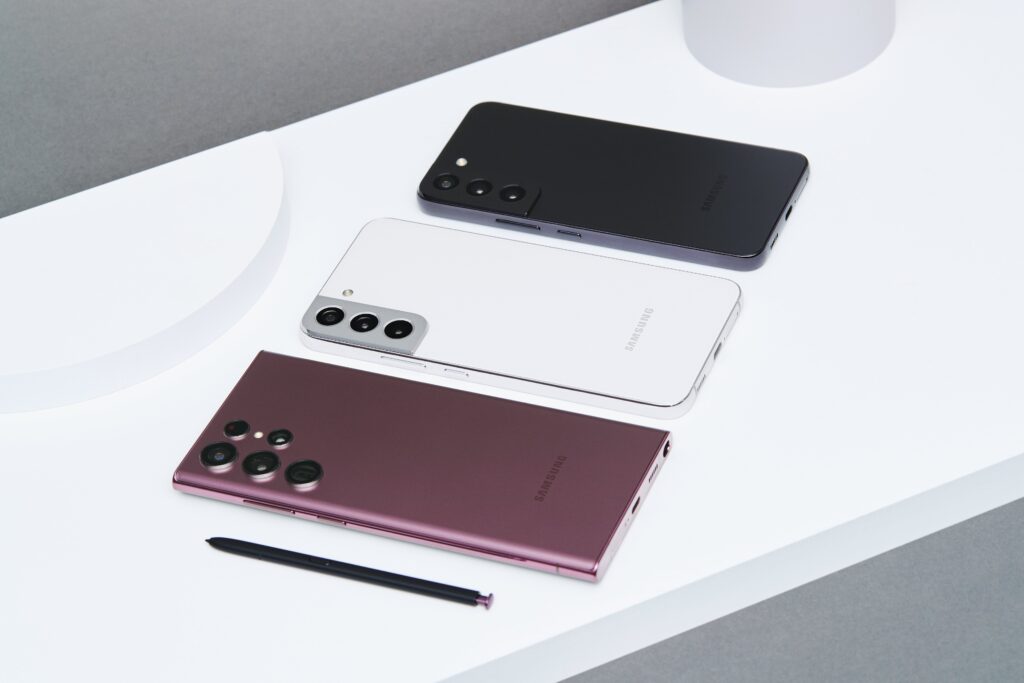
Addressing several of the shortcomings of the Galaxy S21 Series, with the main one being the S21 and S21+ models coming with plastic backs despite being flagship offerings, the Galaxy S22 Series is obviously doing quite well for itself. There’s even a model which is a subtle revival of the fan-favorite Note series this year — the Galaxy S22 Ultra which brings back the iconic boxy Note design and features an S Pen slot.
The two factors when combined are likely the main driving force behind the new sales records.
Aside from that, another ace in the hole is Samsung’s decision to treat pre-bookers to irresistible exclusive offers. Customers pre-booking the Galaxy S22 Ultra will get Galaxy Watch4 worth Rs 26,999 at just Rs 2,999, while pre-booking the Galaxy S22+ and Galaxy S22 will fetch the Galaxy Buds2 worth Rs 11,999 at just Rs 999.
Pre-bookings will last until March 10th, following which the Galaxy S22 Series will go on sale starting March 11th.
From this, it is quite obvious that deliveries will kick off widely only after March 11th. But as a tipster revealed recently, some pre-booking customers will even receive their Galaxy S22 Series and Galaxy Tab S8 Series orders starting March 7th.
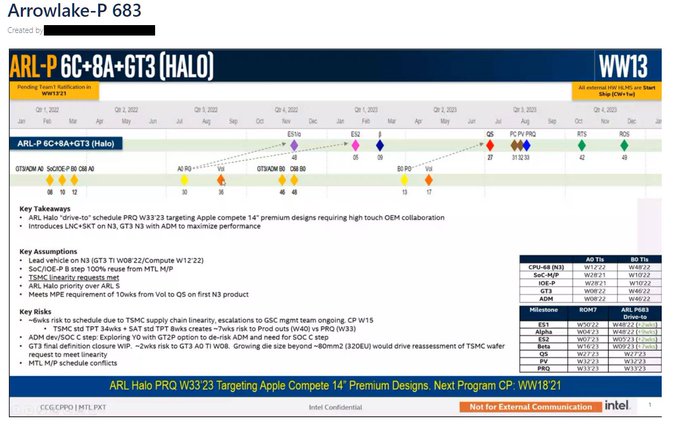
An Intel roadmap has just been leaked, which revealed some interesting information regarding its upcoming chip lineup. Apparently, the company is working on a energy efficient processors that will likely rival Apple‘s ARM based M1 chipsets.
According to AdoredTV(Via 9To5Mac), a leaked major roadmap for Team Blue has hinted at the Intel 15th Gen CPUs that will reportedly be called “Arrow Lake”. This roadmap also showcases how the chipmaking giant wants to surpass the Cupertino based company. The brand plans to place a larger focus on its upcoming mobile processor lineup over its more powerful desktop chips. These are expected to have an emphasis on energy efficiency while still offering improved performance.
For this, Intel will be collaborating with the world’s largest contract chipmaker, TSMC. It will reportedly combine its resources for the latter’s advanced 3nm process node technology. Notably, TSMC is also the primary chip supplier for Apple and its custom Silicon. Furthermore, the new Arrow Lake processors are expected to arrive with multiple cores for that are dedicated for performance and efficiency. In other words, similar to mobile chip architecture, future notebooks may be able to perform lighter tasks with a lower power draw.
While this means that Intel is taking Apple more seriously as a competitor, it seems like it is still a few steps behind the iPhone maker right now. This roadmap is showcases a 2023 launch, but, Apple already has three variants of its M1 available in the market at the moment. Additionally, the brand is also working on the next generation successors for these chips. So, Intel’s new chip could essentially still be catching up to future Apple Silicon as well. Keep in mind that this is just our speculations, so take it with a pinch of salt.
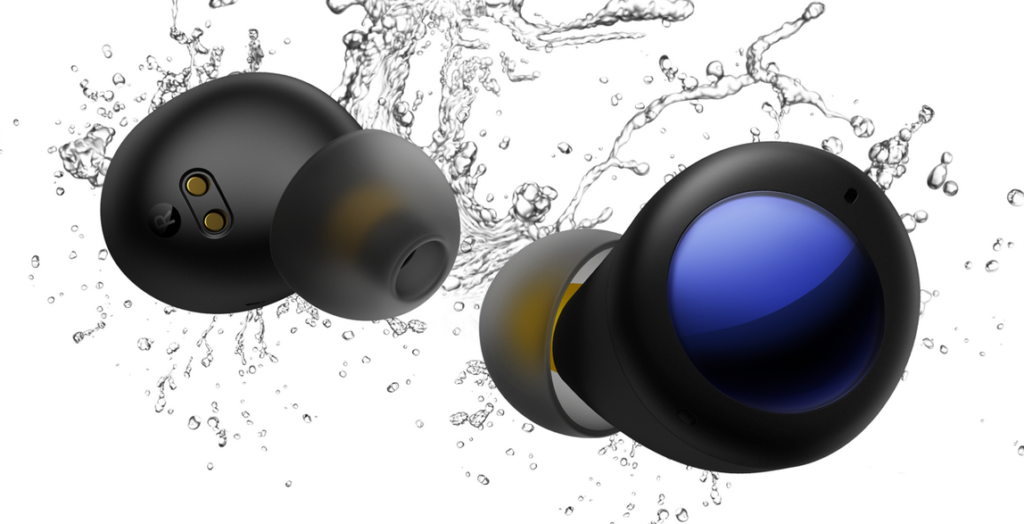
The realme Buds Q2s have been tipped to launch in India soon and are currently undergoing testing, according to a report. Following launch, the realme Buds Q series will comprise a total of four earbuds, with the preexisting ones being Buds Q2, Buds Q2 Neo, and Buds Q.
The information comes from Pricebaba which has quoted “industry sources.” Judging from the upcoming earbuds’ naming, it is likely that they’ll be an upgraded version of the standard Buds Q2.
realme Buds Q2
A previous report had revealed that the realme Buds Q2s will come in Night Black, Paper Green, and Paper White color options, and that they will be priced EUR 29 in Europe. Similar pricing can be expected in India too (below Rs 2,000, to be precise).
Apart from this, details about the realme Buds Q2s are scarce. A launch is expected later this month or in March but the company is yet to officially confirm this. Either way, their certification by BIS points toward their imminent launch.
As already stated, the realme Buds Q2s will most likely be an iterative upgrade over the Buds Q2, meaning both earbuds will probably come with very similar specs and designs. The realme Buds Q2 were launched in China in December 2021 and came with support for ENC (Environmental Noise Cancellation). Five hours of battery life from the earbuds alone are promised, but it could be extended to twenty with the charging case.
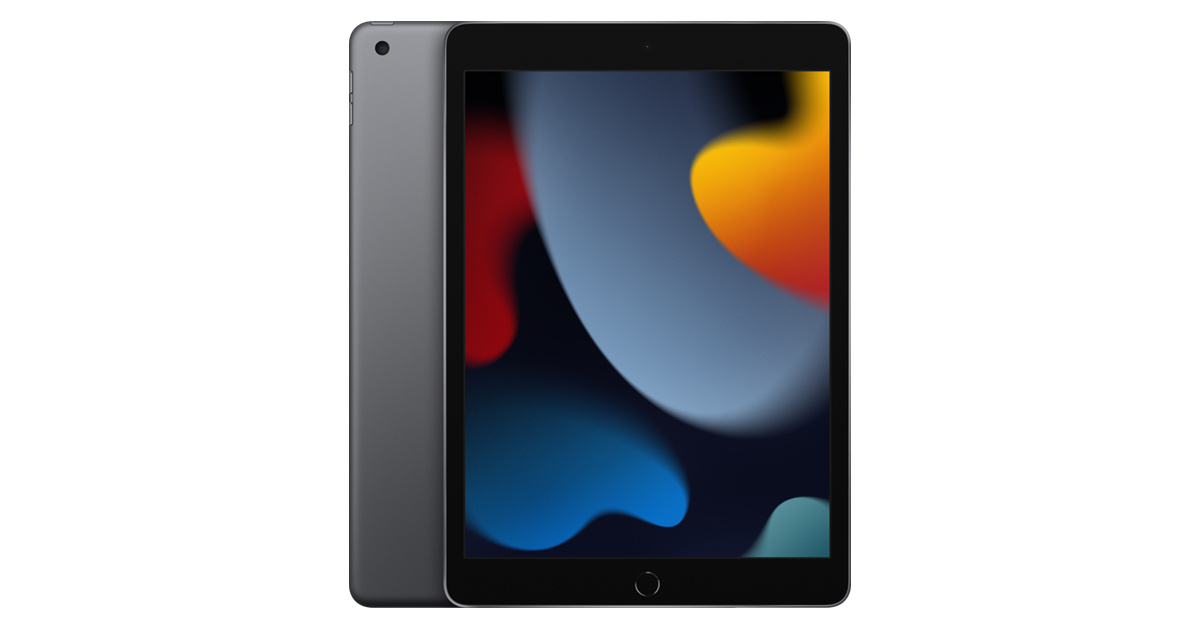
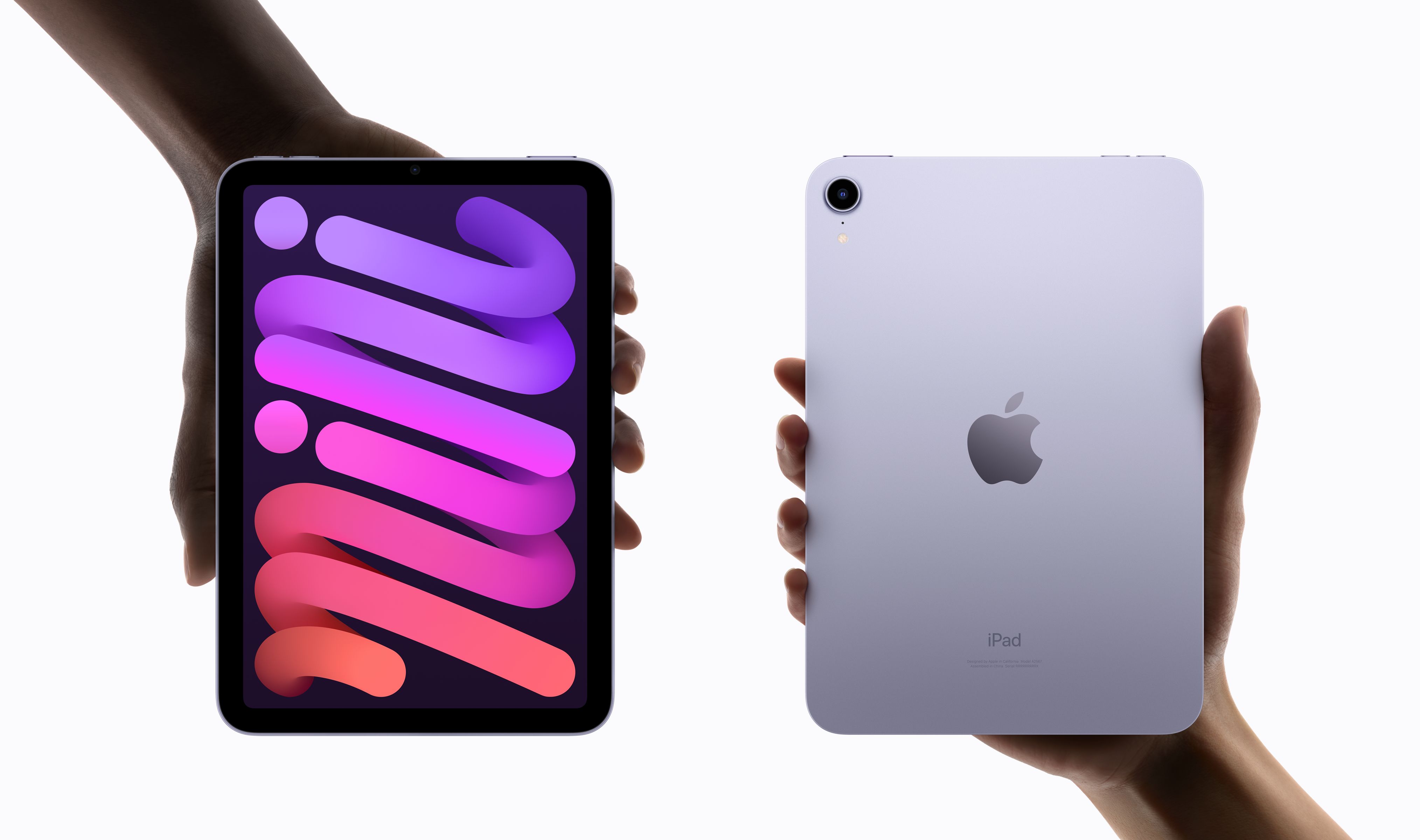
A new report has revealed data related to the global tablet market in 2021. In the new report, we can see that Apple has dominated the segment, despite facing a shortage of iPads caused by various issues with its supply chain.
According to Canalys, the tablet market in the US grew by a meager 1 percent last year. Although, the shipments in total crossed a whopping 132 million units in 2021. During this period, the Cupertino based giant took the lead with its market share accounting for more than 19 million tablet units. This is quite notable considering the lead times for iPads were hitting up to nine weeks. While the iPhone maker did dominate the segment, it also saw a decline of 17 percent in terms of shipments over the previous year. Its market share also fell from an impressive 44.6 percent in Q4 2020 to 40.2 percent in Q4 2021.
However, this fall was also caused by the general fall in demand for tablets, which were down by 31 percent year on year. While the company led the tablet market, it did not sit on the throne in the PC market. Meanwhile, HP was the leader with a 30 percent market share, but Apple still was one of the top five sellers of the year. In the overall PC market, the desktop category saw the greatest growth with 9 percent rise in 2021.
The Canalys report added that “The US PC industry’s overall growth in 2021 highlights the long term potential of the demand initially created by the pandemic. While Q4 2021 showed less impressive performance than the year overall, the market is well positioned to continue providing significant opportunities, especially from a revenue perspective, for the coming year amid strong business demand.”
After launching the Pro variants of the realme 9 series, realme is now gearing up for the release of the standard model. And ahead of the imminent launch, a new leak has revealed the configurations and color options of the realme 9 5G.
The realme 9 5G will come in two variants — there’s the more affordable 4GB RAM + 64GB storage model and then the pricier 6GB RAM + 128GB storage one. The color options are Stargaze White, Supersonic Blue, Supersonic Black, and Meteor Black, as disclosed by Mukul Sharma to Pricebaba.
The realme 9 5G has already been certified across sites like India’s BIS, Thailand’s NBTC, Europe’s EEC, and the US’s FCC, meaning it shouldn’t take much longer for the phone to launch in said markets.
realme 9 5G on FCC
Still, Mukul says that the realme 9 5G will not be launching this month, making an early-March release more likely. As customary, we should be seeing more leaks and the first official teasers dropping soon now.
While several of the specifications of the upcoming device are already known now, the pricing still remains in the dark. But judging from the realme 8 5G, the realme 9 5G will probably also be priced around the Rs 15,000 mark.
As for specs, previous reports revealed that the realme 9 5G will come with a 6.5-inch IPS LCD panel with a 90Hz refresh rate. The Dimensity 810 chip will be present under the hood, which will be fed from a 5,000mAh battery.
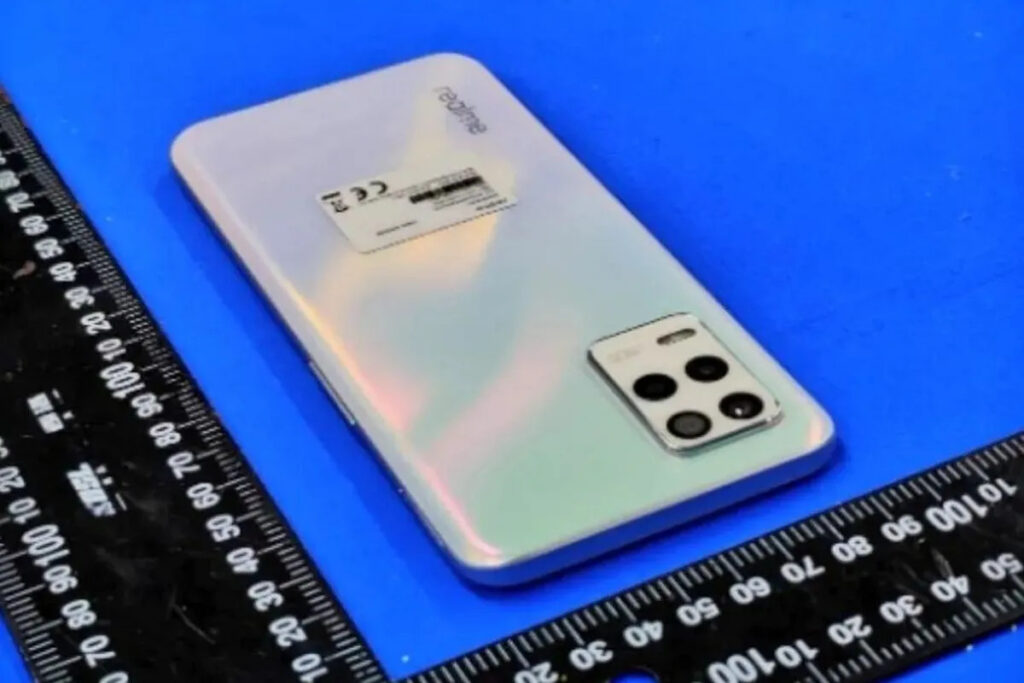
The realme GT2 series was recently confirmed by realme VP Madhav Sheth to be heading to the European and Indian markets soon, following its launch in China. The series is comprised of the realme GT2 and realme GT2 Pro, and the vanilla model has now made a Geekbench appearance shedding some light on its processing power.
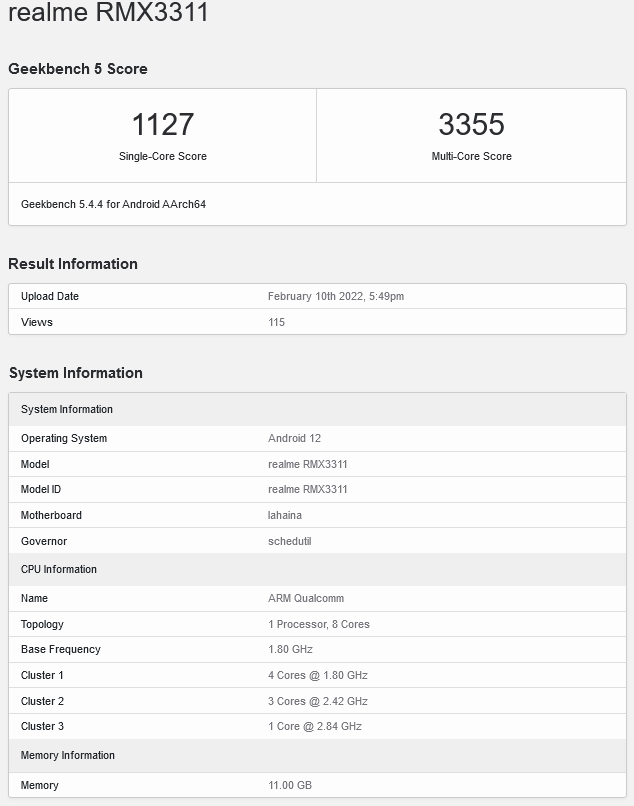
The realme GT2 with the model number RMX3311 has scored 1,127 and 3,355 in the Geekbench 5 single-core and multi-core tests, respectively, which puts it on the high-end side of the performance spectrum.
The scores are achieved by last year’s flagship chip from Qualcomm — Snapdragon 888 — which comes with 1 core clocked at 2.84GHz, 3 cores clocked at 2.42GHz, and 4 cores clocked at 1.80GHz. The listed amount of RAM is 11GB, meaning that the realme GT2 will come with a 12GB RAM variant. Of course, this will be joined by other RAM configs too.
Apart from this, the Geekbench listing reveals that the realme GT2 will be booting into Android 12 out of the box, which will obviously be layered with realme UI 3.0 atop.
The realme GT2 has also appeared SDPPI certification website, which while doesn’t reveal anything about the device apart from the model number, points towards its imminent launch.
Moving on to known specifications, the realme GT2 has a 6.62-inch AMOLED FHD+ 120Hz display that offers a 20:9 aspect ratio, an in-screen fingerprint scanner, and Gorilla Glass 5 protection. For photography, you get 50-megapixel Sony IMX766 primary, 8-megapixel ultrawide, and 2-megapixel macro cameras on the rear. And upfront, there is a 16MP sensor.
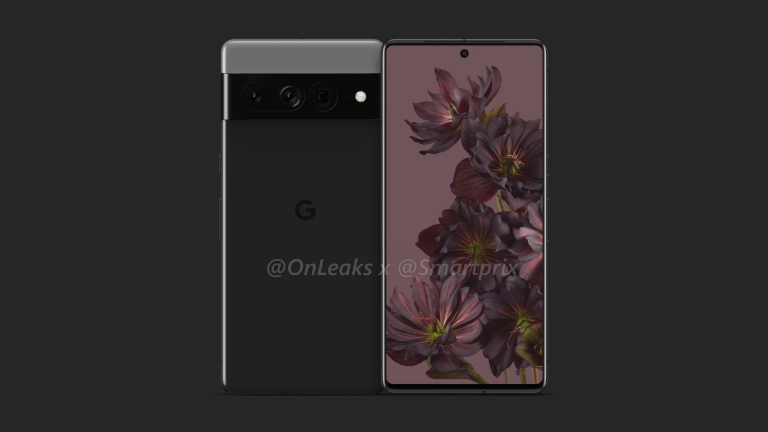
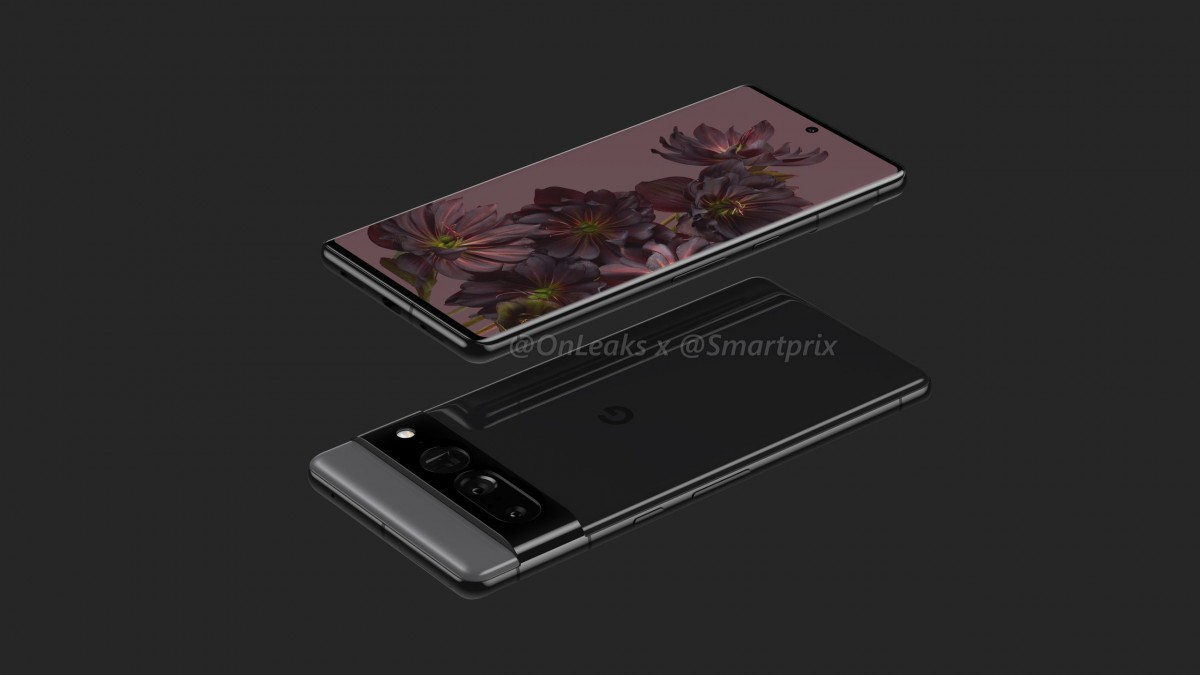
Google is likely to announce the Pixel 7 series of flagship phones by early Q4 this year. A recent revealed what to expect from the Google Pixel 7’s design. Now, a fresh leak courtesy of reputed tipster Steve Hemmerstoffer and SmartPrix has revealed the design of the Pixel 7 Pro by releasing its CAD renders.
Google Pixel 7 Pro CAD renders by Steve Hemmerstoffer / SmartPrix
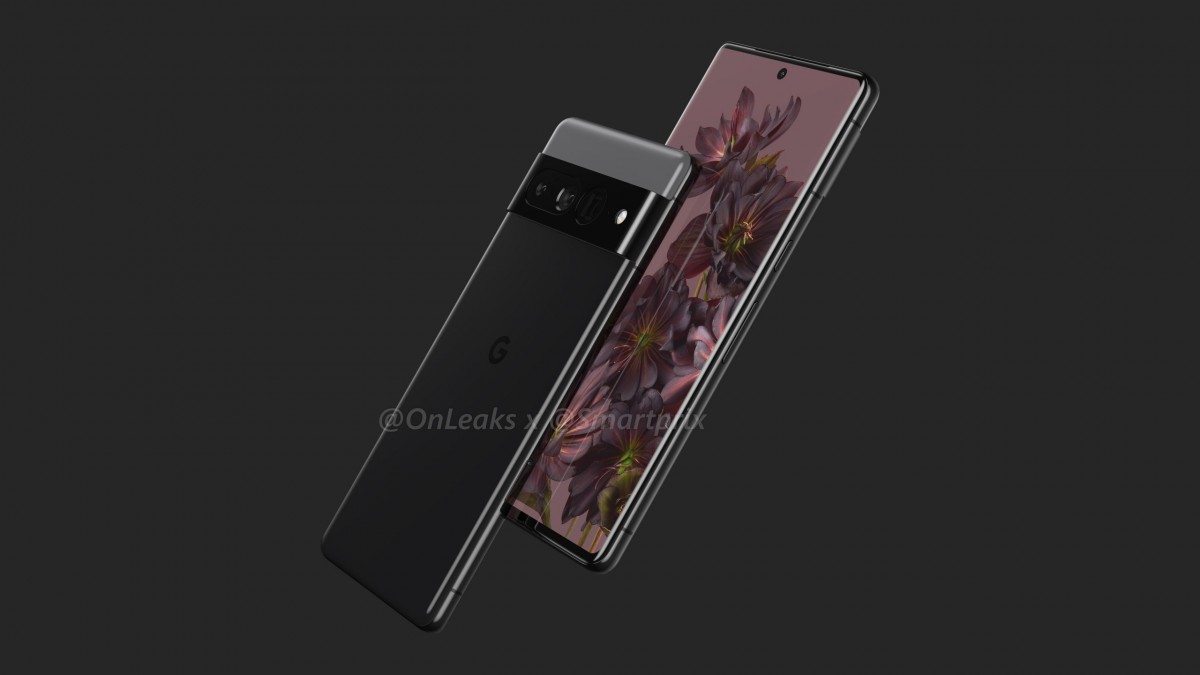
The general design of the Pixel 7 Pro is not too different from the predecessor Pixel 6 Pro. At the front, it features a punch-hole display with slim bezels and its back panel has a dual-tone finish with a horizontal camera strip, which houses a triple camera unit, a microphone, and an LED flash. The camera system seemingly includes a main wide-angle lens, a periscope telephoto lens, and an ultrawide snapper.
Google Pixel 7 Pro CAD renders by Steve Hemmerstoffer / SmartPrix
The camera strip seems to be merged with the frame of the device like the Samsung Galaxy S21 series from last year. The device measures 163 x 76.6 x 8.7mm and its thickness increases to 11.2mm at the camera bump. It features a 6.7-inch to 6.8-inch curved edge display.
Google Pixel 7 Pro CAD renders by Steve Hemmerstoffer / SmartPrix
The topside of the device has a microphone, whereas its bottom edge features two grilles, a USB-C port, and a microphone. The right side of the phone features volume buttons, whereas its left has a SIM card slot.
Google Pixel 7 Pro CAD renders by Steve Hemmerstoffer / SmartPrix
A recent report by 9to5Google has revealed that the Google Pixel 7 and Pixel 7 Pro are codenamed as Cheetah and Panther, respectively. The Pixel 7 duo is likely to feature the second-generation Tensor chip, which will bring along Samsung-made Exynos 5300 modem. The other specs of the Pixel 7 series are under the wraps.
Over the last couple of months, Respawn Entertainment has been testing out Apex Legends Mobile. While the popular battle royale title’s mobile port has been available for download in limited regions, it was only released on Android. But now, the game is finally arriving on iOS as well as in new regions. So lets take a look.
The studio behind the game has confirmed the regional launch of Apex Legends Mobile. The game was in beta tests last year and saw great reception initially. So now, the company is bringing the game to 10 additional nations, including:
Australia
New Zealand
Singapore
Malaysia
Philippines
Indonesia
Mexico
Peru
Argentina
Colombia
Unfortunately, despite being one of the major mobile gaming markets, there is currently no word for an Indian launch for the mobile version of Apex Legends. In other words, we may likely have to wait for a full/global launch for the game to arrive in the Southeast Asian country. Apart from the regional launches, Respawn Entertainment also revealed the names of the Legends (Playable Characters in the game) that will be available during the regional launch, namely:
Bloodhound
Gibraltar
Lifeline
Wraith
Bangalore
Octane
Mirage
Pathfinder
Caustic
At the moment, pre-registrations for the game is open for the 10 select nations. Furthermore, Respawn has also revealed the system requirements to play Apex Legends Mobile. While the game is still in development, it is being optimized to run in various different devices. But, the game will not run on iOS devices that have less than 2GB of RAM and Android devices with less than 3GB of RAM.
Although, certain 2GB RAM models will be supported for a few brands like Vivo, Oppo, Huawei, Motorola, Samsung, Lenovo, and Xiaomi. Unfortunately, even if it is available on iOS, the game will only be playable on iPhone 6S or later models and is only being released in a limited launch. So stay tuned for more updates.
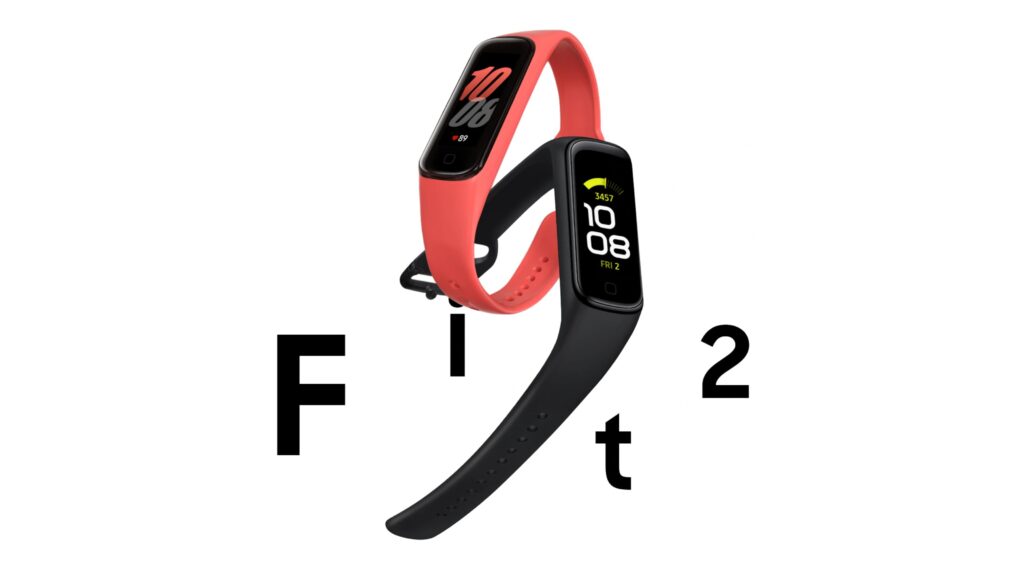
Samsung announced the Galaxy Fit 2 in September 2020. It is an affordable fitness tracker from the company. Almost one and a half years after its debut, the wearable is receiving a new firmware update that brings some useful features.
According to TizenHelp (via SamMobile), Samsung has started seeding a new software update for the Galaxy Fit 2 in India weighing at just 2.16MB. It arrives with firmware version R220XXU1AVB8. The update should be available in other regions in the coming days.
The latest update for wearable comes with three new features. Users can now finally control their smartphone’s camera shutter on their fitness tracker. Further, they can now send a message while declining an incoming call. Finally, the update also adds ‘Rope Jumpig’ counting feature.
The changelog says that the camera shutter control feature only works on devices running Android 7.0 Nougat or higher. This is fine as there aren’t many active users on Android 6.0 Marshmallow or blow.
The last firmware update for the Galaxy Fit 2 was released back in late March 2021. In other words, the new update arrives almost a year after the last one.
As of now, there doesn’t seem to be any rumor regarding the successor for this fitness tracker. Also, it is not known how long Samsung will be providing software support for this product as it is almost sold out in most markets.
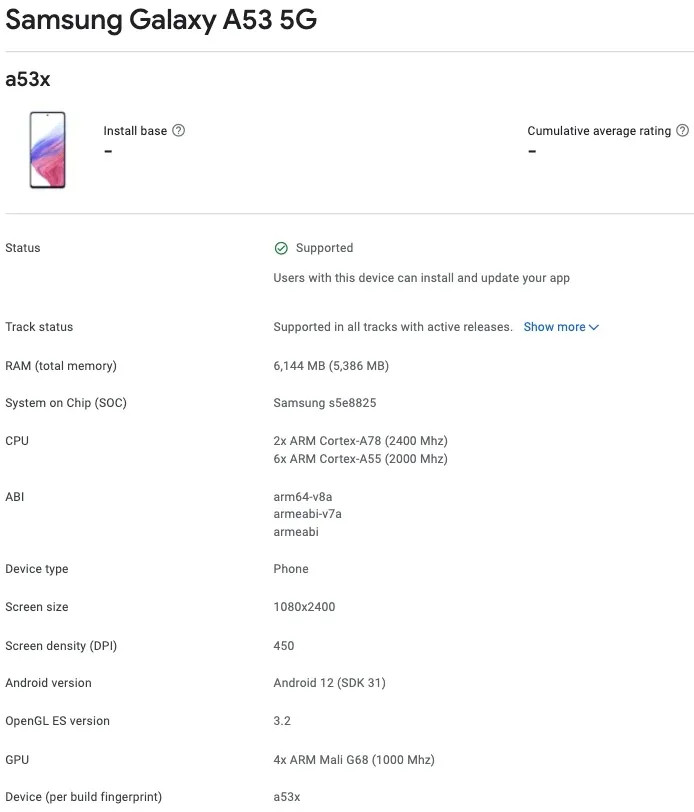
Samsung Galaxy A53 5G launch is almost upon us now. While a leakster had tipped the device’s key specs along with the rest of the A Series launches that will take place over the next couple of months, a Google Play Console listing has now actually confirmed the leaked specs.
The listing reveals that the Galaxy A53 5G is powered by the all-new Exynos 1200 chipset that is comprised of 2x Cortex-A78 high-performance cores clocked at 2.4GHz and 6x Cortex-A55 efficiency cores clocked at 2.0GHz. The CPU is supported by the Mali G68 GPU for graphics.
The listed variant has 6GB of RAM but the final release will obviously come with more RAM and storage options. The software will be One UI 4 based on Android 12 out of the box, which is currently the latest.
And that’s about it with specs confirmed by the listing. But there’s also an image attached therein showing the front of the device, which is mostly all-display. The front camera is housed within a tiny center-aligned punch hole.
Previously leaked specs showed that the Samsung Galaxy A53 5G will have a 6.52-inch FHD+ 120Hz AMOLED display with a 1080*2400 resolution. The rear camera setup comprises 64MP+12MP+5MP+5MP shooters and the battery is sized 5000mAh with 15W charging support.
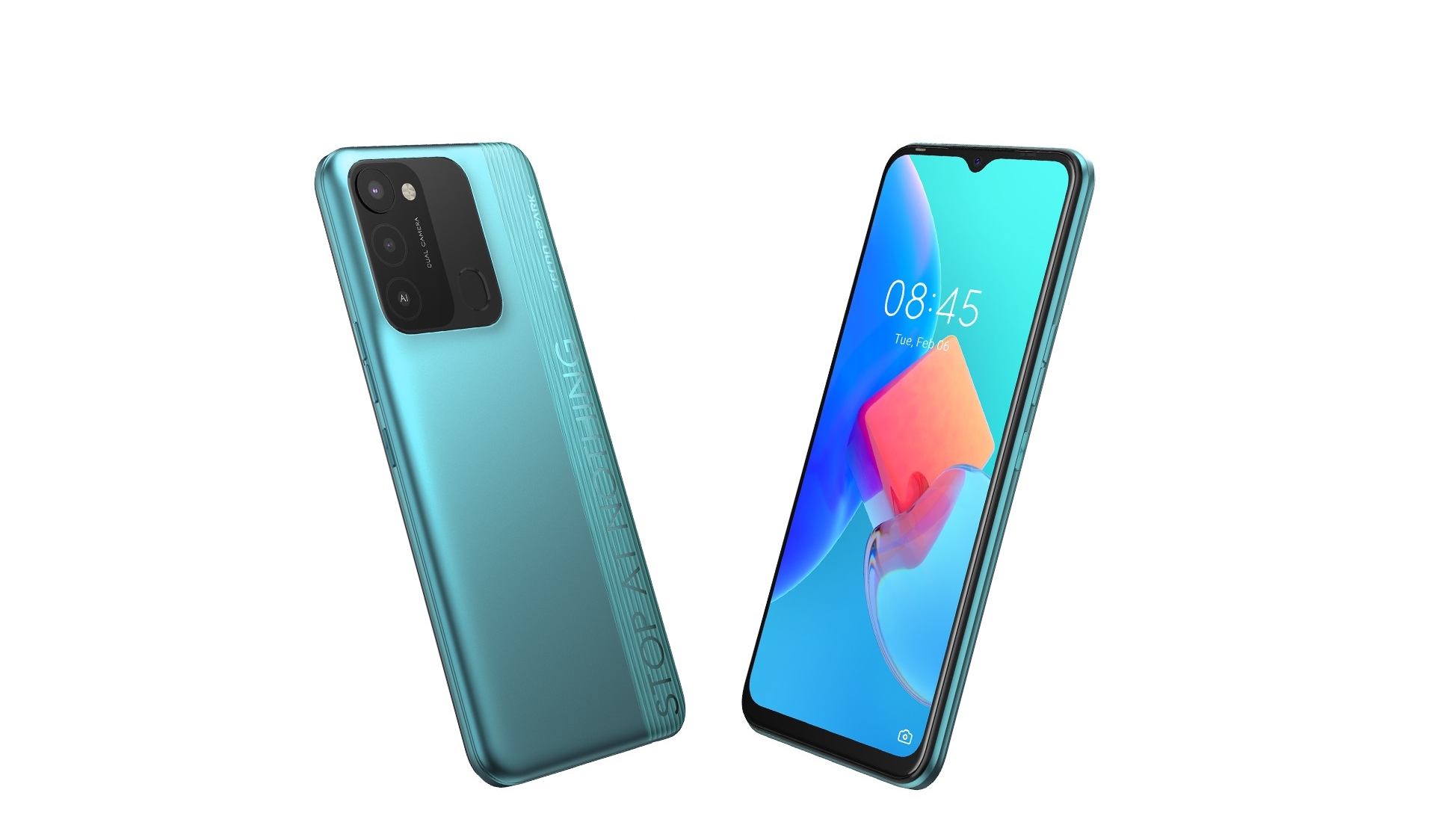
A few days back, Tecno launched the Spark 8C entry-level smartphone in India. Despite coming in the entry-level segment, the phone offers a total of 6GB of RAM and a 90Hz display. Starting today, the phone will be available for purchase in the country.
Tecno Spark 8C Pricing and Colors
The Tecno Spark 8C has gone on sale for the first time today in the Indian market. The device comes at a price of Rs. 7,499(~$100) for the only variant with 3GB RAM and 32GB of internal storage. The phone is available in Turquoise Cyan, Diamond Grey, Magnet Black, and Iris Purple colors.
The device is available on No Cost EMI options and also has Exchange offers.
Tecno Spark 8C Specifications
The smartphone sports a 6.6-inch water-drop notch display with the rear with an HD+(720 x 1612 pixels) resolution. The screen has a 90Hz refresh rate and a 180Hz touch sampling rate.
It sports a dual-camera system placed in an oversized camera island that extends to keep space for the rear-mounted fingerprint scanner. The rear setup goes by a13MP primary lens and an AI sensor. At the front, it features an 8MP selfie snapper.
Under the hood, the device is powered by the UNISOC T606 octa-core chipset paired with 3GB of RAM and 64GB of internal storage. Interestingly, the phone has 3GB of virtual RAM support which makes the total RAM 6GB. The phone runs on Android 11 Go Edition out of the box and has HiOS 7.6 on top of it.
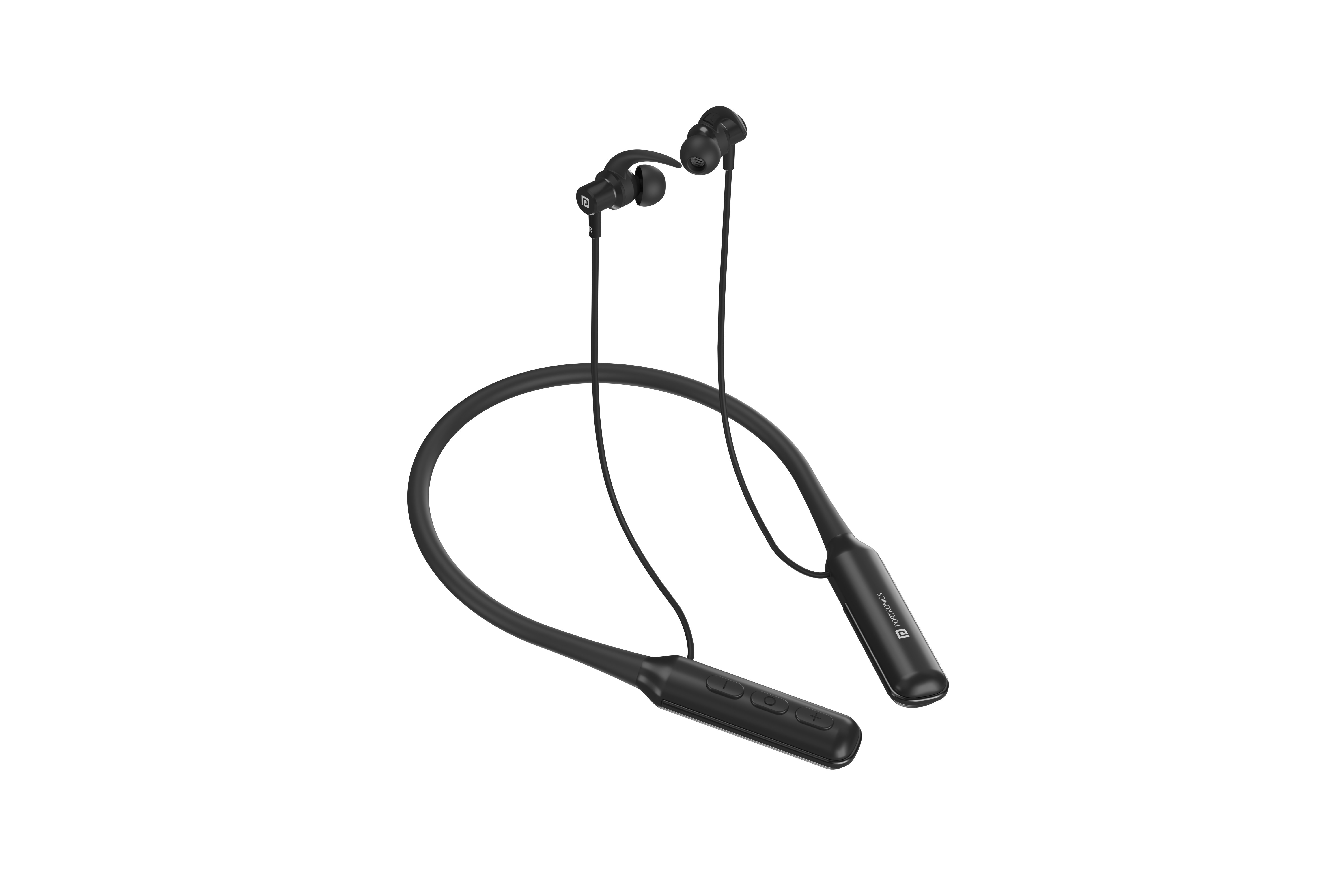
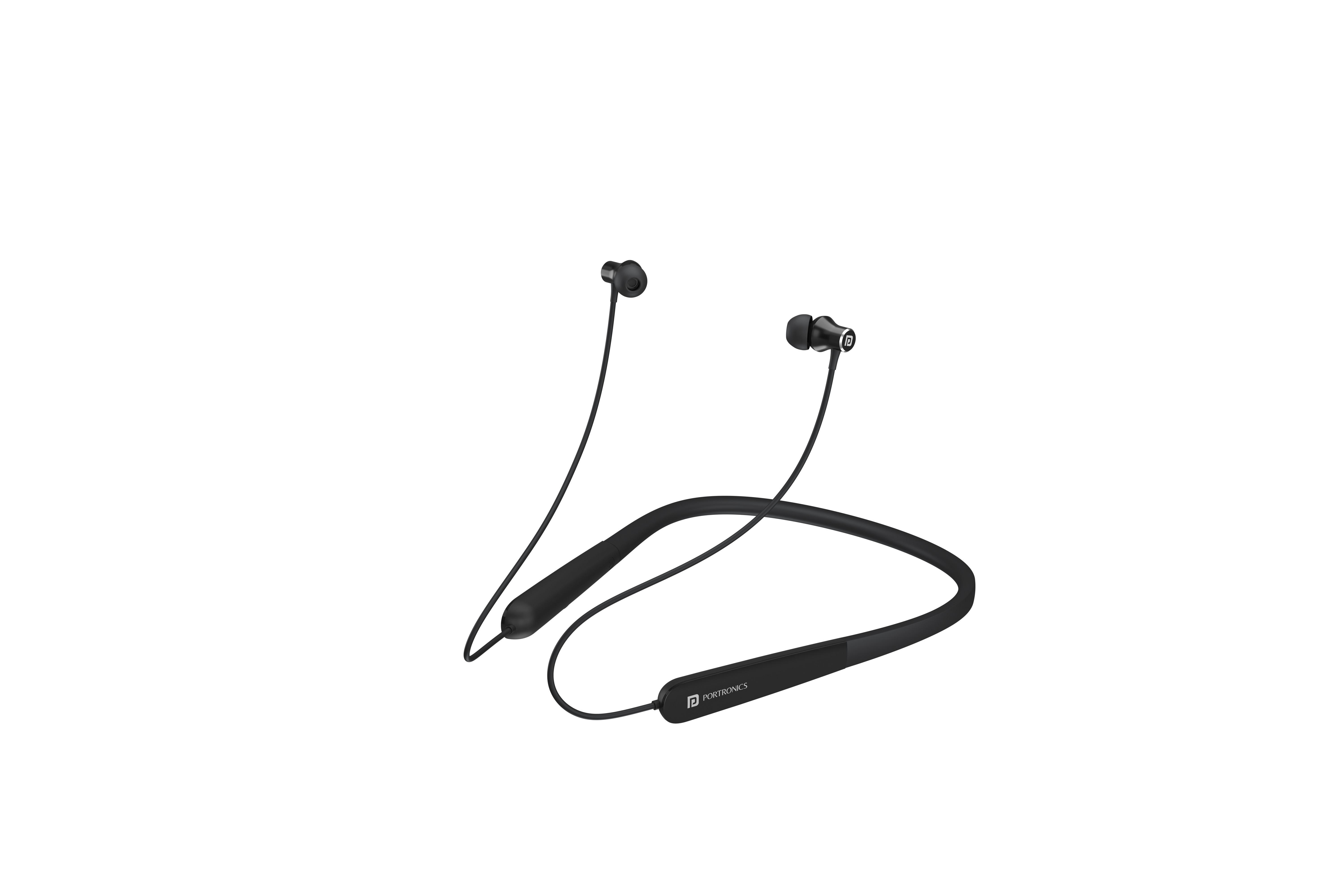
Portronics has just announced two new audio products in India. The two earphones are wireless with a neckband design and are a part of the Harmony series, namely Harmony 250 and Harmony X1.
Harmonics 250
Portronics Harmonics 250 Wireless Stereo Neckband
The new hearables arrives in two color variants, which is Black and Green. With a single full charge of 2 hours, the wireless earphones can offer up to an impressive 60 hours of audio playback. It also offers 1,000 hours of standby time and stays powered for up to 15 days thanks to its 800mAh battery pack. The Harmonics 250 offers the latest Bluetooth 5.0 technology and can adopts an ergonomic design and weighs just 58 grams. It even supports voice assistants that helps you with various tasks making or receiving calls, music, and more. The neckband also has a magnetic latch on the earpieces to ensure that they don’t get entangled.
Portronics Harmonics X1 Wireless Sports Neckband
Arriving at the second wireless earphones, the company has built the Harmonics X1 with Bluetooth 5.0 and a unique design. It has a battery capacity of 150mAh battery pack that offers up to 15 hours of audio playback and up to 55 hours off standby time as well. The Harmonics X1 offers power saving technology and even features a magnetic latch on the earpiece as well. It is available in multiple color variants, like Red, Black, and Green.
Harmonic X1
Pricing and Availability
The new Portonics Harmonics 250 and Harmonics X1 will be available for purchase from the company’s official website, Amazon India, and other leading online and offline stores. The former is priced at 1,199 INR (roughly 16 US Dollars) while the latter costs 999 INR (roughly 13 US Dollars). Both wireless earphones arrive with 12 months of warranty.
Realme Narzo 50 has gone official in India. It is the third Narzo 50 series handset after the Narzo 50A and Narzo 50i that were announced in September 2021. Some of the major highlights of the Narzo 50 include a 120Hz refresh rate display, Helio G96 chip, 50-megapixel triple cameras, and a big battery with rapid charging support.
Realme Narzo 50 specifications and features
The Narzo 50 sports a 6.6-inch IPS LCD screen with a punch-hole design. It offers a Full HD+ resolution, a 20:9 aspect ratio, and a 120Hz refresh rate. It runs on the latest Android 12 OS, which is customized with Realme UI 3.0.
Realme Narzo 50
The Helio G96 chipset powers the Helio G96 with up to 6 GB of LPDDR4x RAM. For storage, it offers up to 128GB of UFS 2.1 built-in storage and a microSD card slot. The handset comes with support for 33W fast charging for its 5,000mAh battery.
The Narzo 50 has a 16-megapixel camera on the front for selfies and video calls. The rear-facing camera island has a 50-megapixel main camera, a 2-megapixel macro camera, and a 2-megapixel depth helper. The other features that are available on the Narzo 50 include dual 4G VoLTE, Wi-Fi 5, Bluetooth 5.0, GPS, a USB-C, a side-facing fingerprint scanner, and a 3.5mm headphone jack.
Realme Narzo 50 price in India
The Realme Narzo 50 comes in two options such as 4 GB RAM + 64 GB storage for Rs 12,999 (~$172) and 6 GB RAM + 128 GB storage for Rs 15,999 (~$214). The handset can be purchased in hues like Speed Blue and Speed Black. The sales of the Narzo 50 will begin on March 3 through Amazon India and Realme India’s website.
The Redmi K50G went official last week as the first device in the Redmi K50 series. It is the successor of the Redmi K40 Gaming Edition, which is also known as the POCO F3 GT in India. According to certifications and MIUI code, the Redmi K50G will launch as POCO F4 GT in international markets. The smartphone’s specs leak from earlier today suggests the same.
Redmi K50G
A couple of hours back, tipster Yogesh Brar shared the key specifications of the upcoming POCO F4 GT on Twitter. The features listed by him clearly suggest that this phone will be a rebranded Redmi K50G.
He says that the handset will flaunt a 6.67-inch FHD+ OLED display with up to a 120Hz refresh rate. It will be powered by a Qualcomm Snapdragon 8 Gen 1 SoC paired with LPDDR5 RAM and UFS 3.1 storage.
For optics, it will use a triple camera setup on the rear consisting of a 64MP Sony IMX686 primary sensor, an 8MP ultra-wide unit, and a 2MP macro snapper. There will be also a 20MP Sony IMX596 sensor for selfies and video calls.
Unsurprisingly, the device will feature gaming buttons and will be backed by a 4,7000mAh battery with support for 120W fast charging. Last but not least, it will be available in two memory configurations – 8GB + 128GB and 12GB + 256GB.
POCO is yet to officially announce the launch date for POCO F4 GT. The brand has only confirmed to release the POCO X4 Pro 5G and the POCO M4 Pro at its next launch conference on February 28.
Apple has been using its own A-series chips for the iPhones and iPads and recently the company also started making its own ARM-based Apple Silicon chips for powering Mac devices. Now, the Cupertino-based tech giant is gearing up to make its own 5G chips.
If the latest report is to be believed, then Apple is planning to replace Qualcomm’s 5G modem chips in the next year’s iPhone 15 series models with its own self-developed 5G modem chips. It is also being said that the company is already in talks with the suppliers who will help in making the chips.
A report coming from DigiTimes claims that Apple has started talks with two key suppliers — Advanced Semiconductor Engineering (ASE) and Siliconware Precision Industries (SPIL) about having them package its first 5G modem chips.
But the move isn’t a sudden one. In fact, the technology giant has been working behind the scenes for a few years now to make its own cellular chips that would replace the ones sourced from Qualcomm and Intel in its iPhone models.
Apart from better integration and having control over the features, another major advantage for Apple to ditch Qualcomm and Intel in favor of its own 5G modem chips is that the company won’t have to pay royalties when using its own chips.
Apple has a good track record when it comes to designing chips — ranging from its A-series SoC for the iPhone and iPad models to the M-series chips for the Mac-powered devices. But it remains to be seen how the company’s cellular chips turn out to be given that it has added complexity of radio communication.
boAt has officially launched the new Watch Blaze smartwatch in the Indian market. The all-new boAt Watch Blaze comes with 14 sports modes and has over 100 watch faces to choose from.
The boAt Watch Blaze comes at a price of Rs. 3,400(~$45) and has four color variants. The colors include Black, Blue, Red, and Pink. It will go on sale starting from tomorrow i.e. February 25 at 12 PM on the Amazon India website.
The boAt Watch Blaze features a large 1.75-inch display with a resolution of 320 x 385 pixels. The screen supports a peak brightness of 500 nits and has a pixel density of 286 PPI. The smartwatch is 10mm in thickness and offers a premium design. There are over 100 watch faces on the smartwatch which can be customized from the proprietory app.
The smartwatch comes with 14 sports modes including walking, cycling, cricket, hiking, strength training, and cricket. The device comes with several health features like a SpO2 sensor for monitoring blood oxygen levels and has a heart rate monitor.
The smartwatch is powered by the Apollo 3 Blue Plus chipset that is claimed to provide smoother transitions while navigating and offers an interface that’s 25% snapper.
Coming to the battery, the boAt Watch Blaze has up to 10 days of battery life. Charging it up is also quick since it has the quick charging support that offers a day’s battery with just 10 minutes of charging. The smartwatch is 3ATM water-resistant and has music controls, app alerts features. It also shows Call and SMS alerts.
We use cookies on our website to give you the most relevant experience by remembering your preferences and repeat visits. By clicking “Accept”, you consent to the use of ALL the cookies.
This website uses cookies to improve your experience while you navigate through the website. Out of these, the cookies that are categorized as necessary are stored on your browser as they are essential for the working of basic functionalities of the website. We also use third-party cookies that help us analyze and understand how you use this website. These cookies will be stored in your browser only with your consent. You also have the option to opt-out of these cookies. But opting out of some of these cookies may affect your browsing experience.
Necessary cookies are absolutely essential for the website to function properly. This category only includes cookies that ensures basic functionalities and security features of the website. These cookies do not store any personal information.
Any cookies that may not be particularly necessary for the website to function and is used specifically to collect user personal data via analytics, ads, other embedded contents are termed as non-necessary cookies. It is mandatory to procure user consent prior to running these cookies on your website.