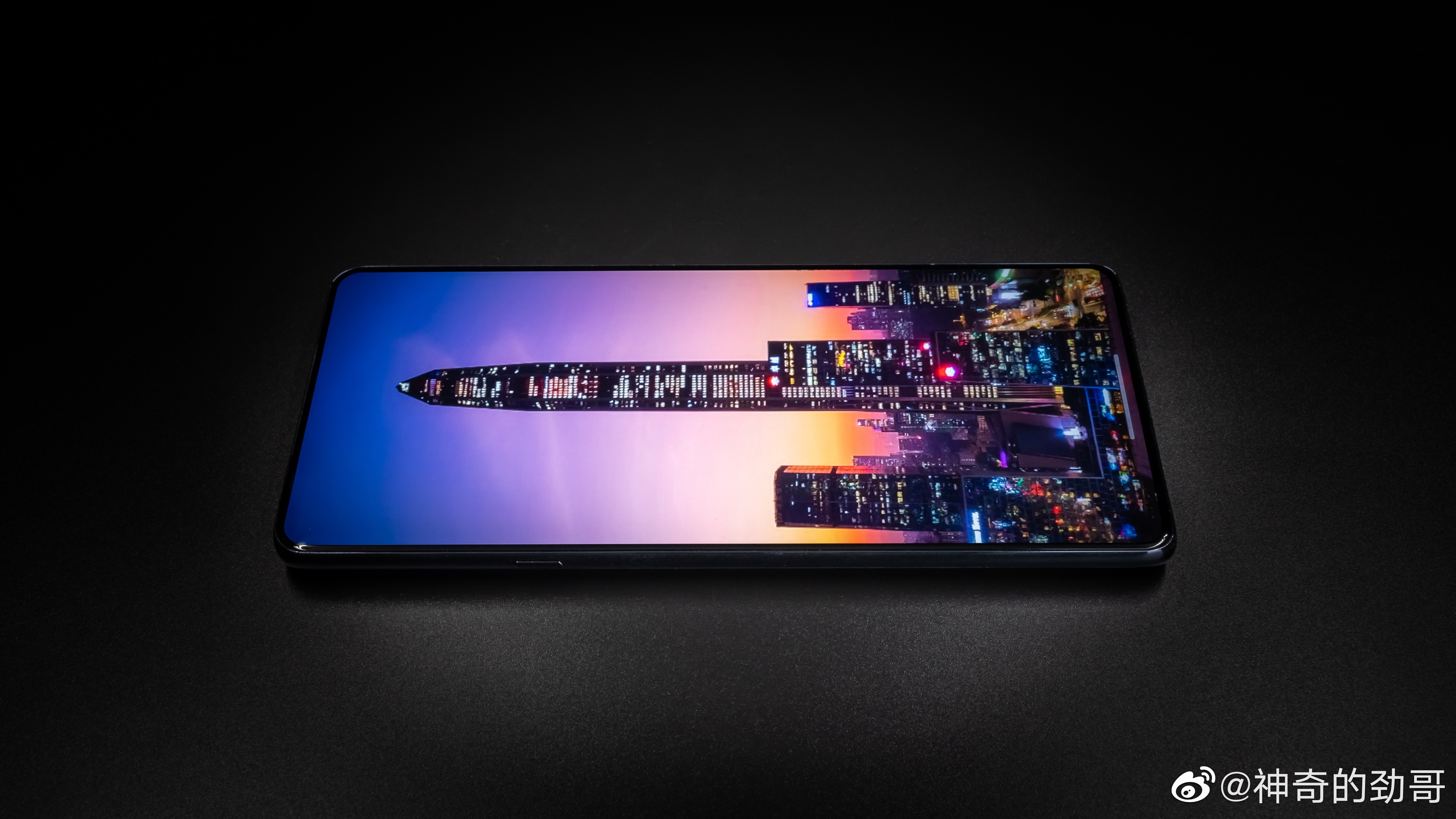
Huawei is expected to release new variants of its older flagship smartphones next month. These devices are rumored to go official as HUAWEI Mate40E Pro 5G and HUAWEI P50E 4G. A tipster has now revealed when these handsets will go on sale in China.
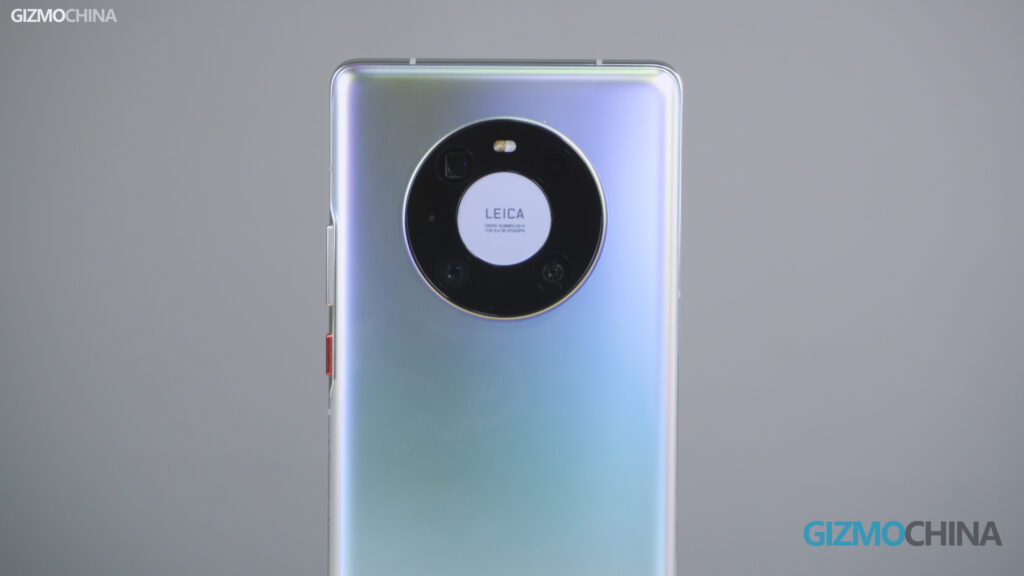
HUAWEI Mate40 Pro
According to 旺仔百事通 (Wangzai Knows Everything) on Weibo, the HUAWEI Mate40E Pro 5G is scheduled to go on sale in the company’s home country China on March 3. On the other hand, he says that the HUAWEI P50E 5G will hit the shelves in mid to late March.
Recently, two mysterious HUAWEI-branded smartphones received 3C certifications carrying model numbers NOH-AN50 and ABR-AL60. Both support 66W fast charging, however, the former can connect to 5G networks and the latter is limited to 4G connectivity.
Hence, it is said that NOH-AN50 will go official as HUAWEI Mate40E Pro 5G, whereas the ABR-AL60 will break cover as HUAWEI P50E 4G. As far as the chipset is concerned, the former is anticipated to house the long-rumored Kirin 9000L.
Wangzai, the leaker who disclosed the sale timeline utters that the stock of Kirin 9000L is scarce. Therefore, he suggests interested buyers purchase the phone as soon as it goes on sale.
We look forward to learning more about these handsets in the coming days. Also, do let us know your thoughts on these devices in the comment section below.
Recently, two new Realme phones with RMX3560 and RMX3562 were spotted at TENAA certification site of China. It can be said on recent leaks by Chinese tipsters that these are the two variants of the Realme GT Neo3. Reliable tipster Digital Chat Station has revealed the battery capacities and charging capabilities of both variants.
According to the tipster, the GT Neo3 will come in two battery variants such as 4,500mAh and 5,000mAh. These batteries are expected to power the RMX3560 and RMX3562 models, respectively.
The former is expected to debut as the world’s first smartphone with support for 150W ultrafast charging. According to the tipster, it takes around 12 minutes for a 4,500mAh to charge completely through the 150W charging brick. The 5,000mAh battery variant of the GT Neo3 will carry support for 80W charging, adds the tipster.
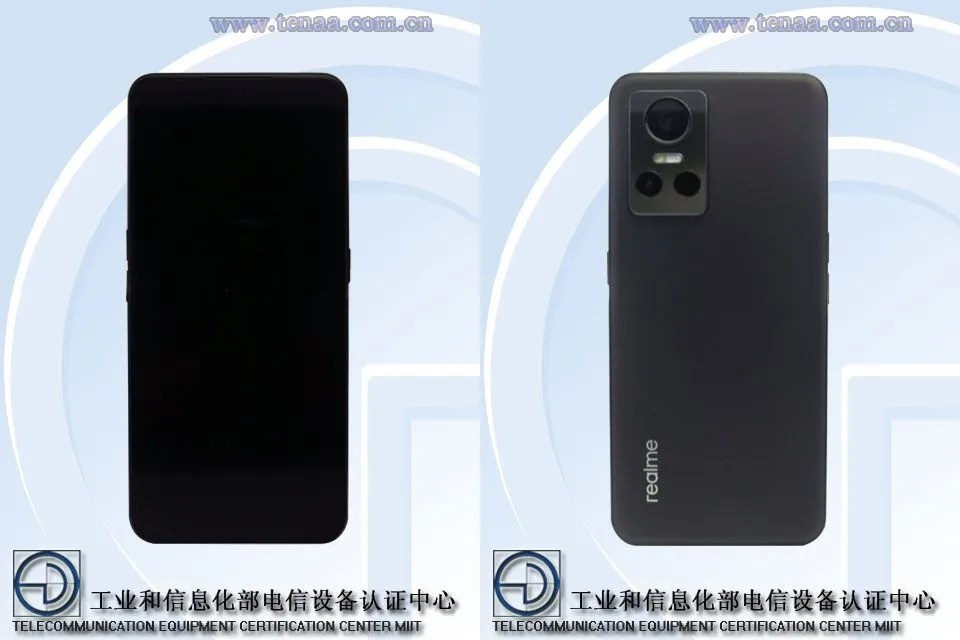
TENAA images Realme RMX3560/2
Realme GT Neo3 specifications (rumored)
The Realme GT Neo3 will arrive with a 6.7-inch AMOLED display with a central punch-hole. The FHD+ display is expected to carry support for a 120Hz refresh rate and an in-screen fingerprint scanner.
The device is said to be powered by the Dimensity 8100 chipset and up to 12 GB of RAM. It may come with up to 512 GB of native storage. It will come preinstalled with Android 12 OS customized with Realme UI 3.0. To those who are unaware, the D8100 is an unannounced chip, which is expected to go official in March.
The rear-facing camera setup of GT Neo3 will feature an OIS-enabled 50-megapixel Sony IMX766 primary camera, an 8-megapixel camera, and a 2-megapixel lens. It is backed a 4,500mAh / 5,000mAh battery as mentioned above. It will come equipped with a 3.5mm audio jack.
The Realme V25 will be arriving soon as the next V-series phone. Today, the Chinese manufacturer took to Weibo to confirm that its launch event will be held at 2 pm (local time) on March 3 in the home market. The poster released by the brand gives a good look at the rear design of the V25.
The Realme V25 launch date poster shows the gradient blue variant of the phone. The top-left corner of the phone has a familiar triple camera unit headlined by a 64-megapixel primary camera. The company has partnered with Chinese brand Forbidden City for the upcoming V25 handset.
The other poster shown below shows that the device is fitted with a side-mounted fingerprint scanner. Its bottom edge has a speaker grille, a USB-C port, a microphone, and a 3.5mm audio jack.
Realme V25 Specifications (Rumored)
The Realme V25 is expected to feature a 6.58-inch IPS LCD FHD+ display, which may support a high refresh rate. The display punch-hole will house a 16-megapixel selfie camera. Its rear-facing 64-megapixel primary lens will be accompanied by a pair of 2-megapixel lenses. It is likely to run on Android 12 OS overlaid with Realme UI 3.0.
The V25 could be powered by a Snapdragon 6-series 2.2GHz octa-core processor. The device will come with up to 12 GB of RAM and up to 256 GB of native storage. It may pack a 5,000mAh battery with 33W rapid charging support. The device will measure 8.5mm in thickness and weigh 195 grams. It will come in colors such as Dark Day, Peak Blue, and Aurora. There is no information on the pricing of the V25.
Apart from smartphones, Infinix also sells smart TVs in India. The company’s current-gen television lineup is called Infinix X1. This family of TVs has been now confirmed to get a successor. The brand has not only revealed the name but also variants and software.
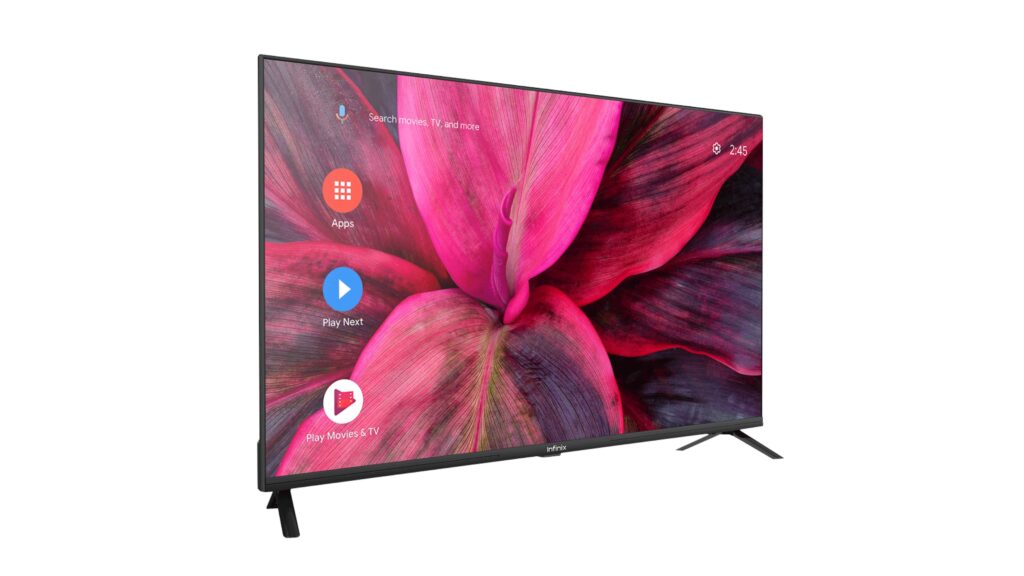
Infinix X1
Infinix has officially confirmed to launch a new range of televisions in India next month (March). It will be called Infinix X3. The company is skipping the Infinix X2 branding for some reason.
Further, the lineup will consist of two models – 32-inch and 40-inch. Unfortunately, the firm hasn’t disclosed the display resolution. But we believe that the former will sport an HD-ready (1366 x 768 pixels) panel, whereas the latter will offer FHD (1920 x 1080 pixels) resolution.
Finally, the new smart TV series from Infinix will boot Android TV 11 operating system. Though the brand hasn’t mentioned anything yet, we can still expect support for popular streaming services, which is essential on televisions these days.
As far as other specs are concerned, the Infinix X3 will be more or less similar to the Infinix X1. In other words, it will be just another series of affordable smart TVs offering bang for your buck.
Having said that, the Ininfix X1 also comes in a 43-inch variant. This version of Infinix X3 may release later but we don’t have any official word from the firm yet.
The OnePlus 9R was released in India in the first half of 2021 with OxygenOS 11 based on Android 11. The device also debuted in China with Android 11-based ColorOS 11. The Chinese version is expected to get ColorOS 12 (Android 12) stable update this month. On the other hand, the Indian version has received the Android 12-based OxygenOS 12 Open Beta 1 update only now.
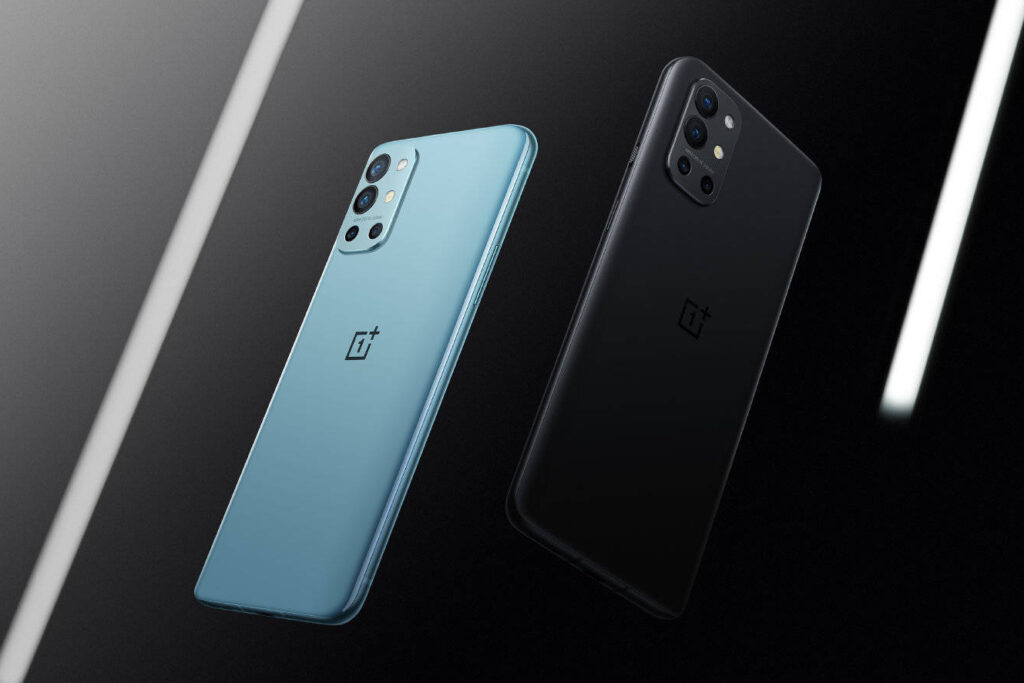
OnePlus 9R
OnePlus has finally released the OxygenOS 12 Open Beta 1 update for the OnePlus 9R. The latest public beta software build for the smartphone enables users to experience Android 12.
Anyone can install the update without the need for registration. All they have to do is download the required file and install it from Settings > System > System Updates > Top Right Icon > Local Upgrade.
Since its beta release, OnePlus warns of bugs. The brand says that some third-party apps may not function properly and the clock might be missing the dial display when the AOD feature is on.
If not satisfied with the beta update, users can roll back to the stable channel. Though the process is similar, it will wipe the phone’s internal storage.
As OnePlus is not known for revealing the timeline for stable rollout, it’s not known when the OnePlus 9R will get access to OxygenOS 12 stable update based on Android 12.
OnePlus 9R OxygenOS 12 Open Beta 1 Official Changelog
System
Optimized desktop icons with improved textures, by using a design inspired by brand-new materials and uniting lights and layers
Dark mode
Dark mode now supports three adjustable levels, bringing a more personalized and comfortable user experience
Shelf
New additional style options for Cards, making data contents more visual and easier to read
Newly added Earphone Control Card with Bluetooth earphone one-click adjustment
Newly added access to OnePlus Scout in Shelf, allowing you to search multiple contents on your phone, including Apps, Settings, Media Data, etc
Newly added OnePlus Watch Card in Shelf, to easily glance at your health stats
Work Life Balance
Work Life Balance feature is now available to all users, allowing you to effortlessly switch between Work and Life mode via quick settings
WLB 2.0 now supports automatic Work/Life mode switching, based on specific locations, Wi-Fi network, and time, also bringing customized App notification profiles according to the personalization
Gallery
Gallery now allows you to switch between different layouts with a two-finger pinch gesture, intelligently recognizing the best-quality pictures, and cropping the thumbnail based on the content, making the gallery layout more pleasing
Canvas AOD
Canvas AOD brings you new diverse styles of lines and colors, for a more personalized lock screen experience with inspiring visuals
Newly added multiple brushes and strokes and support for color adjustment
Optimized software algorithm and improved face recognition to better identify the features and skin color of different figures
A couple of months ago, in December 2021, Motorola took the wraps off the Moto Edge X30 flagship smartphone, which also happens to be the world’s first smartphone to come powered by the Qualcomm Snapdragon 8 Gen 1 SoC.
Now, the company is all set to launch a new variant of the smartphone called Moto Edge X30 Under Screen Edition, which as the name indicates, features an under-display camera sensor. The company had earlier revealed that the phone will go official in Spring.
Moto Edge X30 Special Edition
Chen Jin, General Manager of Lenovo China’s Mobile Phone Business department has revealed that the Moto Edge X30 Under Screen Edition will be launched in the Chinese market in the month of March but no specific date has been confirmed.
Apart from the change in the front-facing camera’s positioning and sensor, we expect almost all the specifications of this new upcoming smartphone to remain the same as the standard model available in the market.
The phone is likely to feature a 6.7-inch OLED Full-HD+ display with a 144Hz refresh rate and a 576Hz touch sampling rate. It will offer a 100 percent DCI P3 color gamut, HDR10+, and an in-display fingerprint sensor.
Under the hood, the device will be powered by the Snapdragon 8 Gen 1 SoC, coupled with up to 12GB of RAM and 256GB of internal storage.
In the camera department, it is likely to have a triple-camera setup with a 50-megapixel primary sensor. The phone will be running the Android 12 operating system and powered by a 5,000mAh battery with support for fast charging.
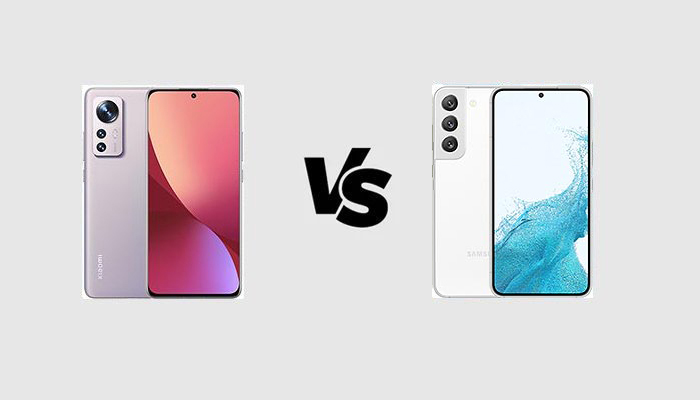
A lot of people are loving the new Samsung Galaxy S22 Ultra but it is very expensive. For those who still want one of the latest Samsung flagships but at an affordable price, the Samsung Galaxy S22 is undoubtedly a more suitable choice. Besides being more affordable, the vanilla version is even a very compact device, one of the most compact flagships out there. Talking about compact phones, the best rival of the Samsung Galaxy S22 is currently the Xiaomi 12. This is a comparison between the specifications of the most recent compact flagships out there.
Xiaomi 12 and Samsung Galaxy S22 come with impressive designs. They are built with premium materials and they also come with original aesthetics. I personally prefer the Samsung Galaxy S22 for various reasons. First of all, it is more compact. Further, it is thinner and lighter than Xiaomi 12. Last but not least, it provides a better build quality. It has a glass back protected by Gorilla Glass Victus Plus, it has an aluminum frame, and it is waterproof and dustproof with the IP68 certification. Last but not least, Samsung advertises it as a phone with an armor aluminum frame with tougher drop and scratch resistance. Unfortunately, the Xiaomi 12 does not provide any kind of certification against water and dust.
Display
It looks like the Xiaomi 12 has a better display, at least judging from the specs on the paper. The Xiaomi 12 comes with an OLED panel showing up to one billion colors with a 6.28-inch diagonal, a Full HD+ resolution of 1080 x 2400 pixels, the HDR10+ certification, Dolby Vision, and a 120 Hz refresh rate. The Samsung Galaxy S22 does not offer one billion colors, but it still has a great display. It sports the Gorilla Glass Victus Plus protection making the front glass sturdier and even a better ultrasonic fingerprint reader. Both the phones feature stereo speakers tuned by great audio brands: Harman Kardon and AKG, respectively.
Specs & Software
The Xiaomi 12 provides a better hardware department than Samsung Galaxy S22. It is powered by the Snapdragon 8 Gen 1 mobile platform paired with up to 12 GB of RAM and up to 256 GB of UFS 3.1 internal storage. The S22 comes with the Snapdragon 8 Gen 1 chipset in select markets and with the Samsung Exynos 2200 in the remaining ones, paired with just 8 GB of RAM and up to 256 GB of internal storage. The operating system installed is Android 12 customized by MIUI 13 and One UI 4. Despite the Xiaomi 12 offering a higher amount of RAM, you should not focus too much on the hardware because these phones come with similar or even the same chipsets, so the performances provided are similar.
Camera
The best camera phone of this comparison is definitely the Samsung Galaxy S22. Just like the Xiaomi 12, it sports a 50 MP main camera with OIS, but its secondary sensors are actually better. There is a 10 MP telephoto sensor with 3x optical zoom and a 12 MP ultrawide camera, while the Xiaomi flagship has a 13 MP ultrawide camera and a 5 MP telephoto macro sensor.
The Xiaomi 12 provides a longer battery life simply because it has a bigger battery: 4500 mAh against just 3700 mAh of the Samsung Galaxy S22. Further, it provides faster charging speeds thanks to 67W fast charging and 50W wireless charging. There is definitely no challenge when it comes to the battery life and the charging speeds.
Price
The Xiaomi 12 costs $739/€653 in the Asian market and it is still not available globally, while the Samsung Galaxy S22 starts from $799/€850 globally. The Xiaomi 12 provides a bigger battery and faster charging speeds, as well as a slightly better display and hardware department. But the Samsung Galaxy S22 is waterproof, it comes with better cameras and better build quality. Which one would you choose?
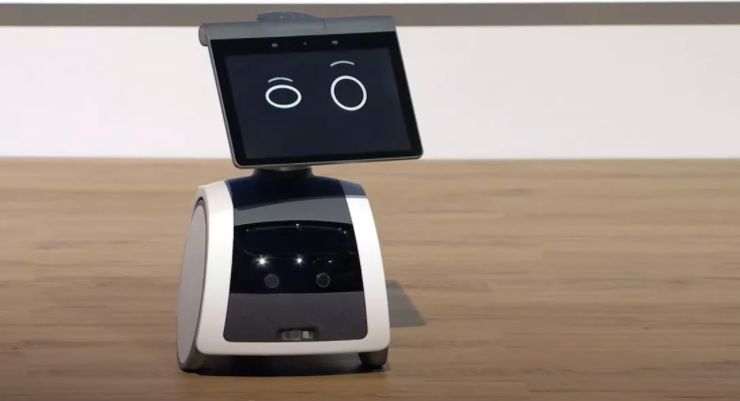
Some new photo and video content have surfaced about Amazon’s latest home robot, the Amazon Astro in action. The smart home gadget is priced at $1,450 and only a small category of Amazon customers have had the privilege of being invited to have a go at the robot. Some of these invitees have started showing some of the capabilities of the Astro via real videos and photos.
Although there are only two videos of the device at this time, the Amazon Astro was expected to have an exhilarating performance since it started shipping last November. It is noted that the Amazon Astro does not come with hands, but one of the videos shows the Astro delivering beer presumably placed on it. The Astro was commanded to find the person (Celeste) who needed the beer. The robot was able to do as directed find the person. Another video indicates that the Astro may be a beautiful gadget in the home that can follow the owner around the house and even carry some stuff inside its cargo holder.
The pricing of the Astro ($1,450) seems quite high, as one of the users said $700 could be a decent price for the device. There were also fears that the Astro could tumble downstairs, but thankfully, none of the stories out there indicated that any of such happened with the gadget. The select invite-only group is providing useful feedback and Amazon hopes to incorporate the findings when the Astro is released to the entire market.
There are, however, broad implications for the Amazon Astro, as it comes with security features that will further integrate into Amazon’s Echo ecosystem to provide extended services.
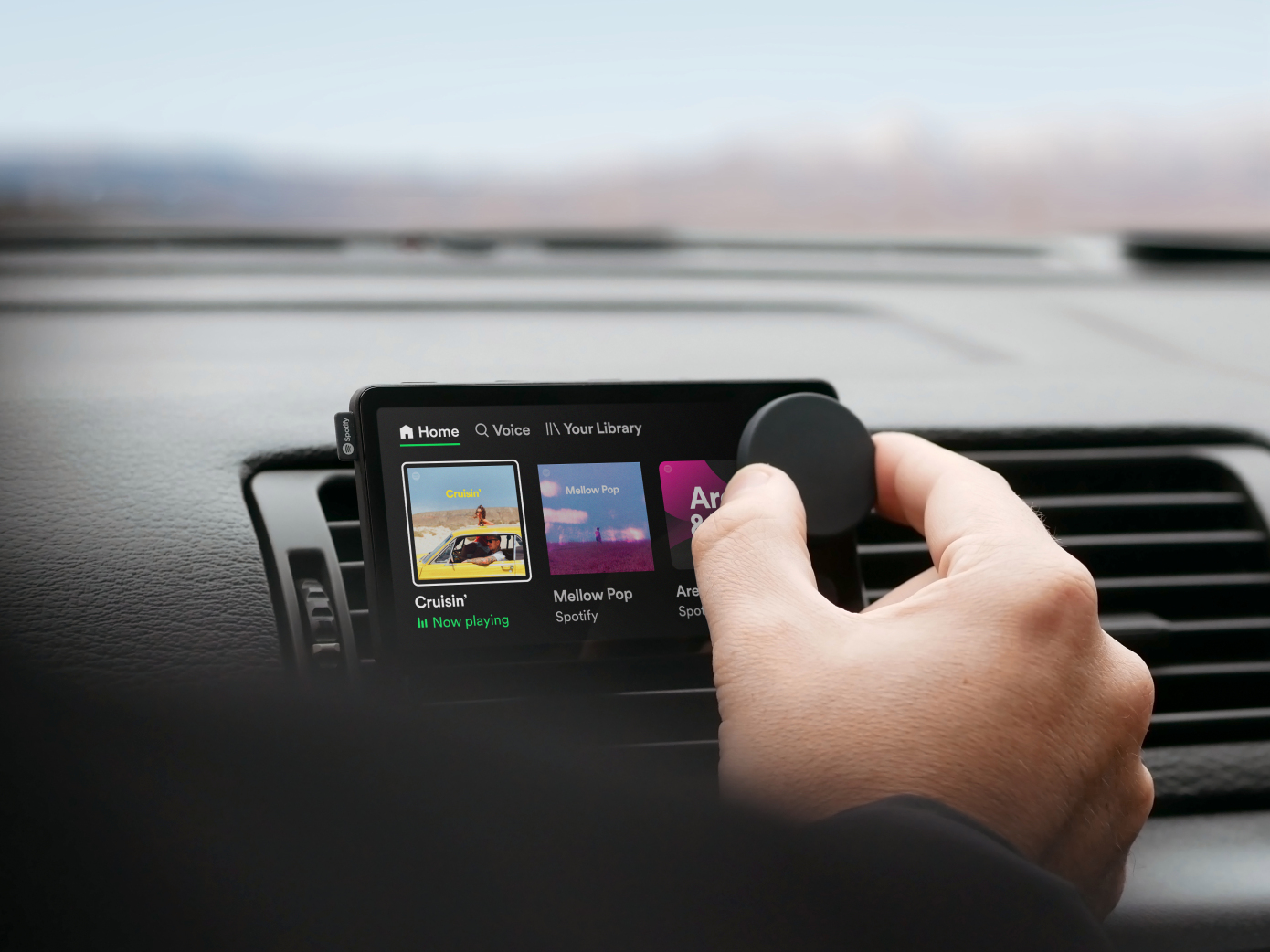
When Spotify introduced its Car Thing audio streaming device early last year, it was not available for sale directly. A subsequent scheme for obtaining the Car Thing was via a waitlist after which the user could purchase the hardware. Now, Spotify has announced that the Car Thing is now easily available across the US. The Spotify Car Thing is a streaming device designed to make using the Spotify app easy while on the go.
The Spotify Car Thing is available across the US at a price of $90. The Car Thing package includes mounting gear, a charging cable, a 12V adapter, and the audio streaming hardware itself. Users will however have to get the Spotify Premium subscription first. The Car Thing has a touch screen, physical buttons, and the luxury of voice commands to control the device, which is really important while driving. Audio is provided through the car’s speakers which could be connected via Bluetooth or an aux cable.
Although smartphones are pretty good at carrying most of the basic functions available through the Car Thing, Spotify says it is a far better experience using its hardware. The current sales numbers for the Car Thing could indicate the degree of acceptance of the product and it remains to be seen what type of reception awaits the product.
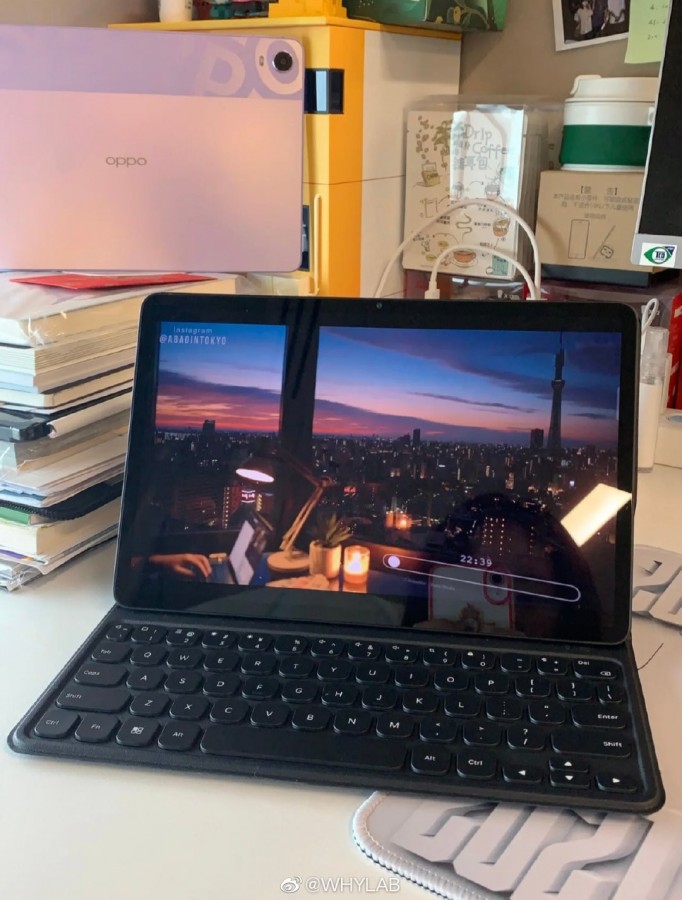
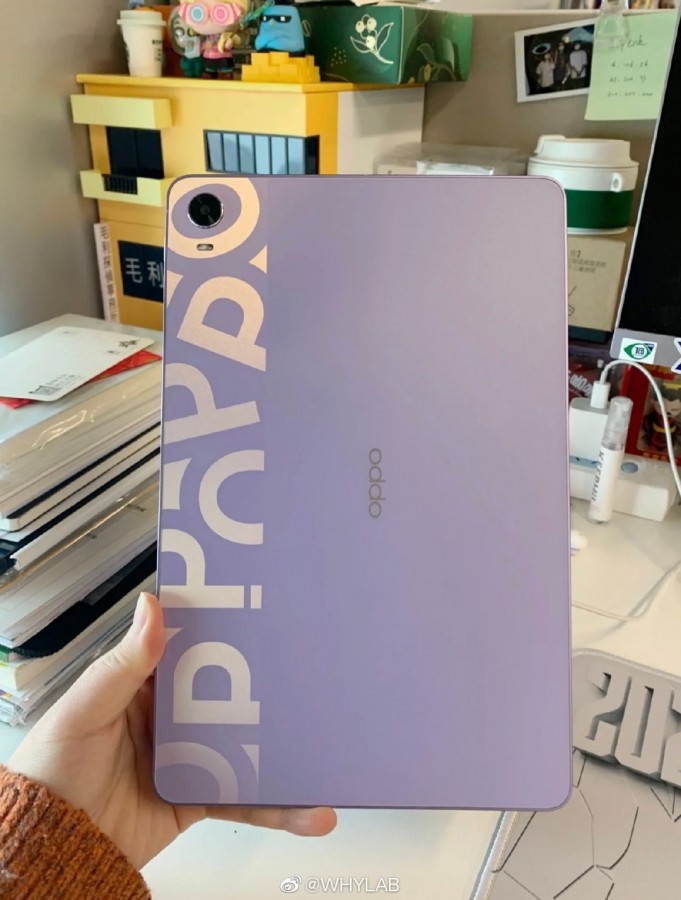
OPPO‘s next launch event is billed to hold on February 24 where the company will officially unveil the Find X5 series. The company has also confirmed that three other products will be launched alongside the Find X5 series, on of which is the Oppo Pad.
Ahead of the launch, we have seen several leaks concerning the upcoming tablet including the renders and key specs. However, live images of the OPPO Pad have appeared online, revealing a purple color option. The images give us a look at the entire design of the device and also show the device will come with a magnetic keyboard which will also double as a protective case. Unfortunately, there is no trackpad on the tablet so you can’t full transform this into a laptop except you are okay with using a mouse. The tipster who shared the images also says the tablet will come with a stylus known as OPPO Pencil.
Earlier leaks show the slate will pack an 11-inch IPPS LCD panel with a resolution of 2560×1600 pixels. The tablet will be powered by a Qualcomm Snapdragon 870 chipset paired with 6GB of RAM. Under the hood, there will be a massive 8,360 mAh battery which should guarantee some decent hours of video playback. Even if you run out of battery, there is a 33W fast charging support onboard.
We’ll get more details, including the pricing and availability when it is launched tomorrow.
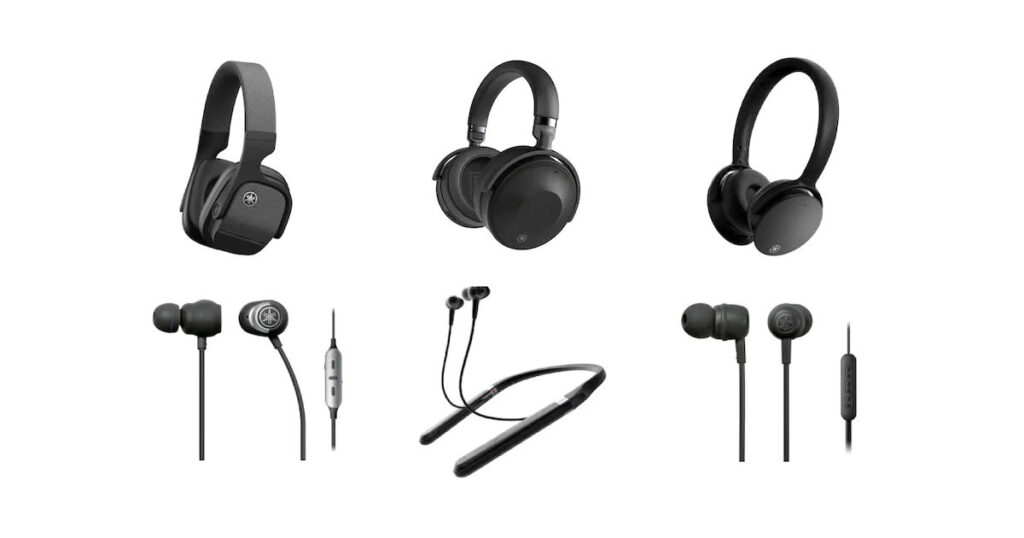
Yamaha has just launched six new audio products in the Indian market three of which are over-the-ear headphones and three are wireless neckband earphones. These new products in Yamaha’s audio range start from Rs 4,800 and go up to Rs 43,300. So let’s take a look at the specs and features of these devices.
The Yamaha EP-E30A feature 8.6mm dynamic drivers and offer support for SBC and AAC codec. The Bluetooth connection offers up to 10m of range and the earphones come with voice assistant support and a soft neckband design. The EP-E30A boasts a battery life of up to 14 hours.
Yamaha EP-E50A specifications
The Yamaha EP-E50A comes with a set of 9mm drivers and also gets support for Qualcomm aptX HD Bluetooth codecs in addition to the SBC and AAC codec. The EP-E50A also offers a 10m Bluetooth range and features Active noise cancellation. The neckband earphones weigh 35 grams and are claimed to provide about 9 hours of playback time.
Yamaha EP-E70A specifications
The Yamaha EP-E70A tops this segment is the highest tier offering in Yamaha’s latest released neckband and comes with features like ANC, large 9.2mm dynamic drivers, and 18 hours of playback time. The EP-E70A also gets a much sturdier neckband pushing its weight at 90 grams.
Yamaha neckband earphones pricing and availability
The Yamaha wireless neckband earphones start with the Yamaha EP-E30A priced at Rs 4,800 followed by the Yamaha EP-E50A priced at Rs 12,400. The Yamaha EP-E70A has the heaviest price tag among the three at Rs 23,600. The devices will be available on Amazon, Yamaha Music stores, and Bajaao.com.
The Yamaha YH-500A features an on-ear design and comes with 40mm drivers. The pair of headphones support SBC, AAC, Qualcomm aptX, and aptX HD Bluetooth codecs, as well as ANC. The headphones offer up to 38 hours of battery life and have a total weight of 200 grams. The Yamaha YH-E500A can also be used as a wired headphone with a 3.5mm headphone jack.
Yamaha YH-E700A specifications
The Yamaha YH-E700A offers an over-the-ear design and houses 40mm drivers. It comes with features like Active noise cancellation and voice assistant support. The pair of headphones also support SBC, AAC, and Qualcomm aptX Adaptive Bluetooth codecs. The device has a swivel folding design for portability and has a 3.5mm headphone jack for Hi-Res Audio support, It delivers up to 35 hours of playback time on a single charge and weighs 325 grams.
Yamaha YH-L700A specifications
The Yamaha YH-L700A is the highest tier product from the brand and comes with all the bells and whistles including – 40mm dynamic drivers that offer support for 3D sound immersion with head tracking and internal microphones to measure listening conditions. The swivel folding mechanism is also present on the YH-L700A making it easy to carry around. It also offers Active Noise Cancellation and has a 3.5mm port for when users want to listen Hi-Res Audio using a headphone jack. The device offers 34 hours of playback time and weighs 330 grams.
Yamaha headphones pricing and availability
The Yamaha YH-E500A and the Yamaha YH-E700A are priced at Rs 14,800 and Rs 29,900, respectively. The YH-L700A, which boasts the top specs out of the bunch has a Rs 43,300 price tag. According to the company, all the devices will be available via Amazon, Yamaha Music stores, and Bajaao.com.
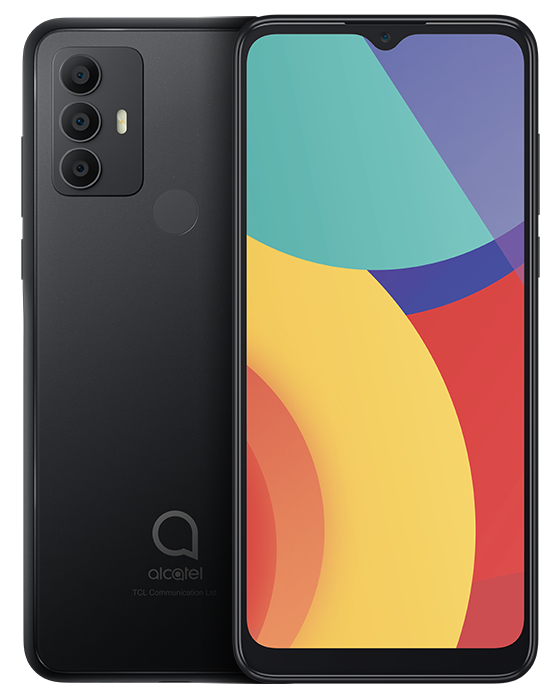
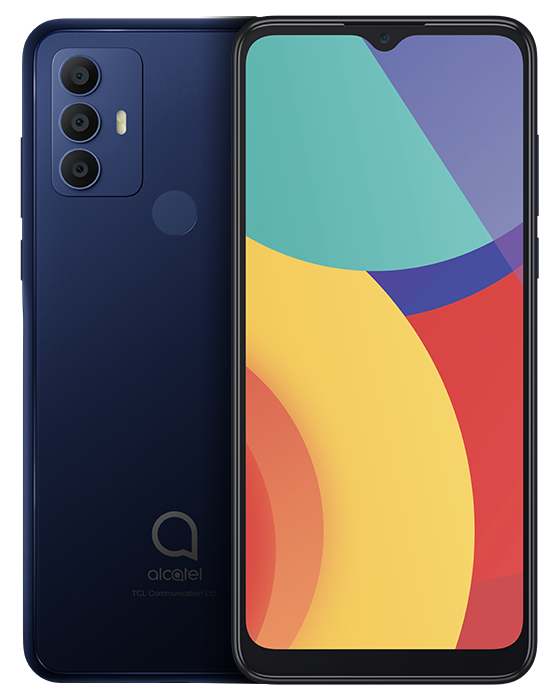
Alcatel has officially launched the 2021 model of the Alcatel 1V. The new Alcatel 1V 2021(a.k.a Alcatel V1 2021), succeeds the Alcatel 1V 2020 launched 2 years back. The smartphone brings a bigger display, triple cameras, and battery improvements.
The Alcatel 1V 2021’s pricing is still under wraps but it is expected to be revealed soon. The smartphone has two colors – Space Grey and Atlantic Blue.
Alcatel 1V 2021 Specifications
The Alcatel 1V 2021 comes with a new design offering a bigger camera island, thanks to the improved optics. On the front, it has a larger 6.52-inch water-drop notch display with HD+ resolution. It has a 20:9 aspect ratio and the standard 60Hz refresh rate.
The screen comes with Eye care modes like Eye-comfort and Reading mode. The Eye-comfort mode reduces the harmful blue light emitted by the display.
Coming to the optics, the phone gets an improved rear camera system with its triple camera setup. It has a 13MP primary lens with Phase Detection Auto Focus, a 2MP depth sensor, and lastly a 2MP macro lens. This is an upgrade over the dual-camera system on the predecessor. At the rear, it has a 5MP HDR sensor.
It is powered by the MediaTek Helio A22 chipset paired with 2GB of RAM and 64GB of internal storage. It houses a 5,000mAh battery, which is an upgrade over the 4,000mAh cell inside the predecessor model. The battery on the 2021 edition supports 10W charging speed. The smartphone has a rear-mounted fingerprint scanner for security and boots on the Android 11 Go Edition.
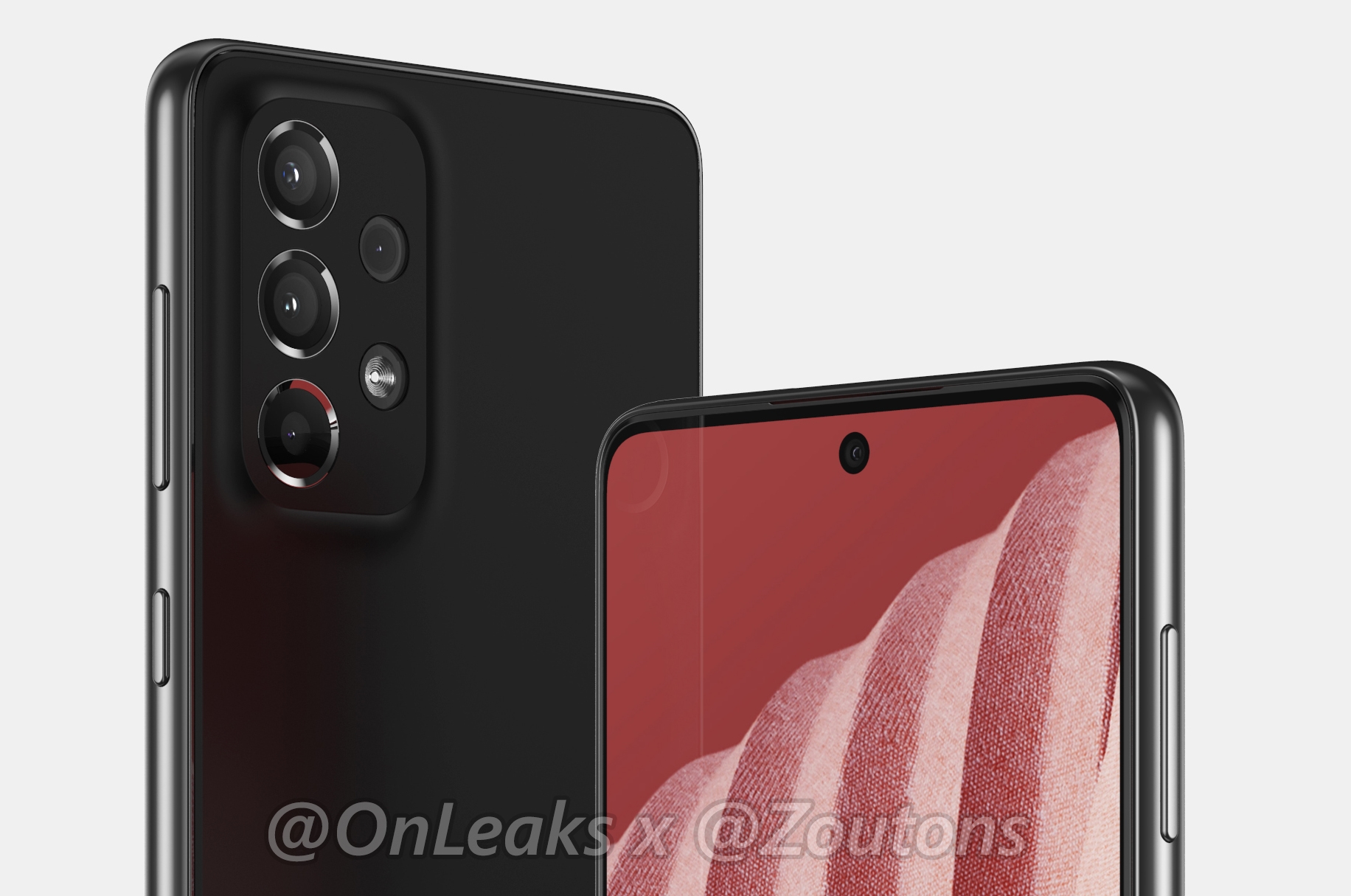
Samsung seems to launch the Galaxy A73 5G smartphone soon since the device was subject to many leaks and certifications. Just like that, the phone has yet again arrived on a new certification, this time it bagged the FCC approval.
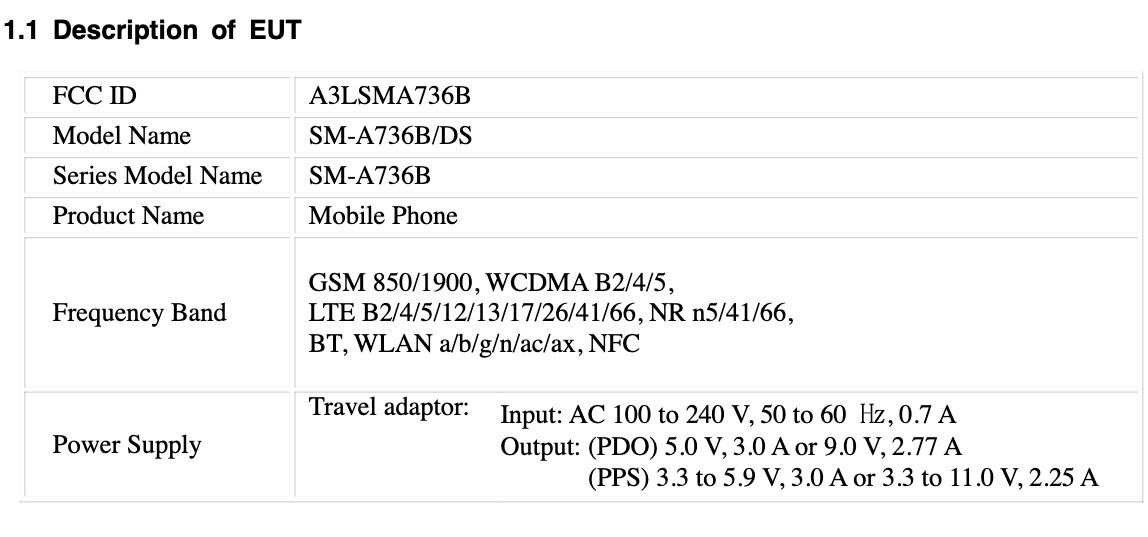
The Samsung Galaxy A73 5G carries the model number SM-A736B, SM-A736B/DS on FCC. This is the initial phase of the listing and so, there aren’t any major details apart from the fast charging support. As per the listing, the Galaxy A73 5G has a max output of 11V and 2.25M which translates to 25W marketed fast charging support.
Apart from this, the phone’s specs were leaked previously. The Galaxy A73 5G will come with a 6.7-inch FHD+ AMOLED display. It will have a 90Hz screen refresh rate and a higher touch sampling rate. The screen on the phone will be a punch-hole panel and just like the predecessor, we expect it to have an under-display fingerprint scanner.
In terms of optics, the smartphone is expected to have a quad-camera setup with an upgraded 108MP primary lens. The primary lens will have OIS (Optical Image Stabilization) support. It will be accompanied by a 12MP ultra-wide sensor and may have telephoto or auxiliary sensors.
Under the hood, the Samsung Galaxy A73 5G is expected to come powered by a Snapdragon 7XX chipset. It could be the Snapdragon 750G SoC paired with 8GB of RAM and 128GB of onboard storage. Lastly, the phone is expected to pack a big battery and run on Android 12 OS.
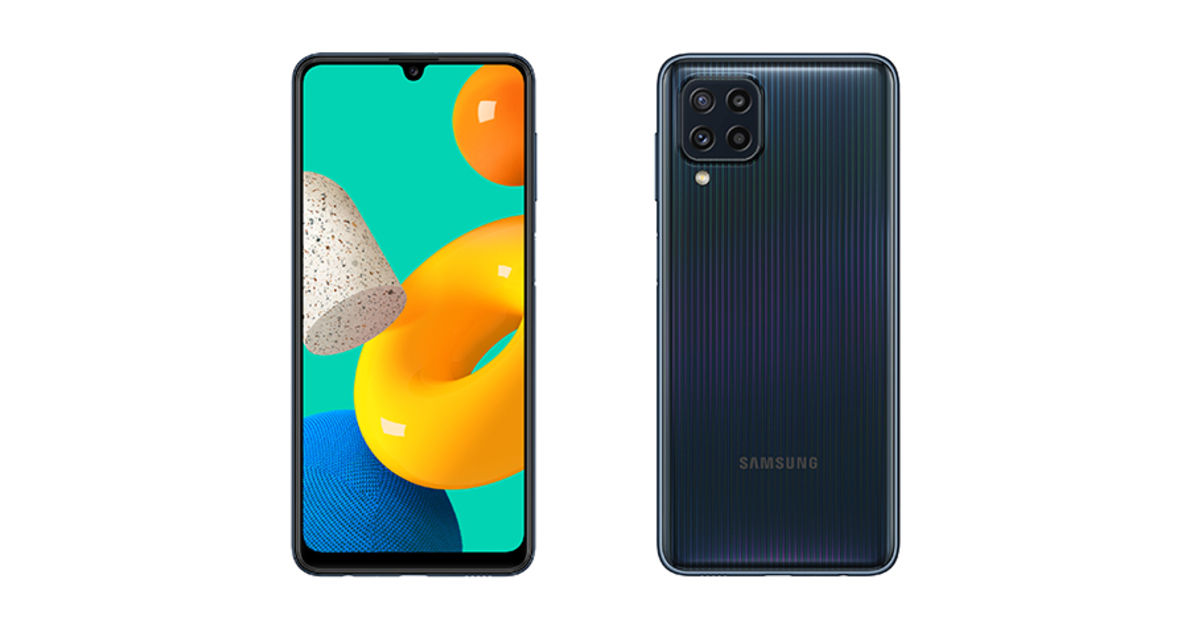
Samsung is expected to launch a couple of M-series phones soon in different markets. The Galaxy M23 and M33 are two of the phones riffed to release soon. Now, MySmartPrice has revealed the launch timeline of the latter model, the Samsung Galaxy M33.
The Samsung Galaxy M33 is said to launch next month in the Indian market. The device will have two models – the Galaxy M33 4G and M33 5G. As per the publication, the company will only launch either one of the models next month. The other model will debut later in the country.
Previously, the Samsung Galaxy M33 5G was spotted in multiple leaks. However, the M33 4G wasn’t a frequent visitor in the leaks. That being said, let’s take a look at the details of the M33 5G.
As per the Geekbench version 5, the Samsung Galaxy M33 5G will be powered by the Exynos 1200 octa-core SoC. It will have 6GB of RAM and boot on Android 12 OS. We expect the handset to have a higher 8GB of RAM and 128GB of base storage option.
The M33 5G’s other specs are also known. Reports suggest that the smartphone will sport a 6.5-inch Full-HD+ display. It will have a quad-camera system with a 64MP primary lens. The phone is expected to have an 8MP ultra-wide sensor, a 5MP third lens, and lastly a 2MP unit. In terms of the battery, it will house a 6,000mAh battery and may come with some fast charging support.
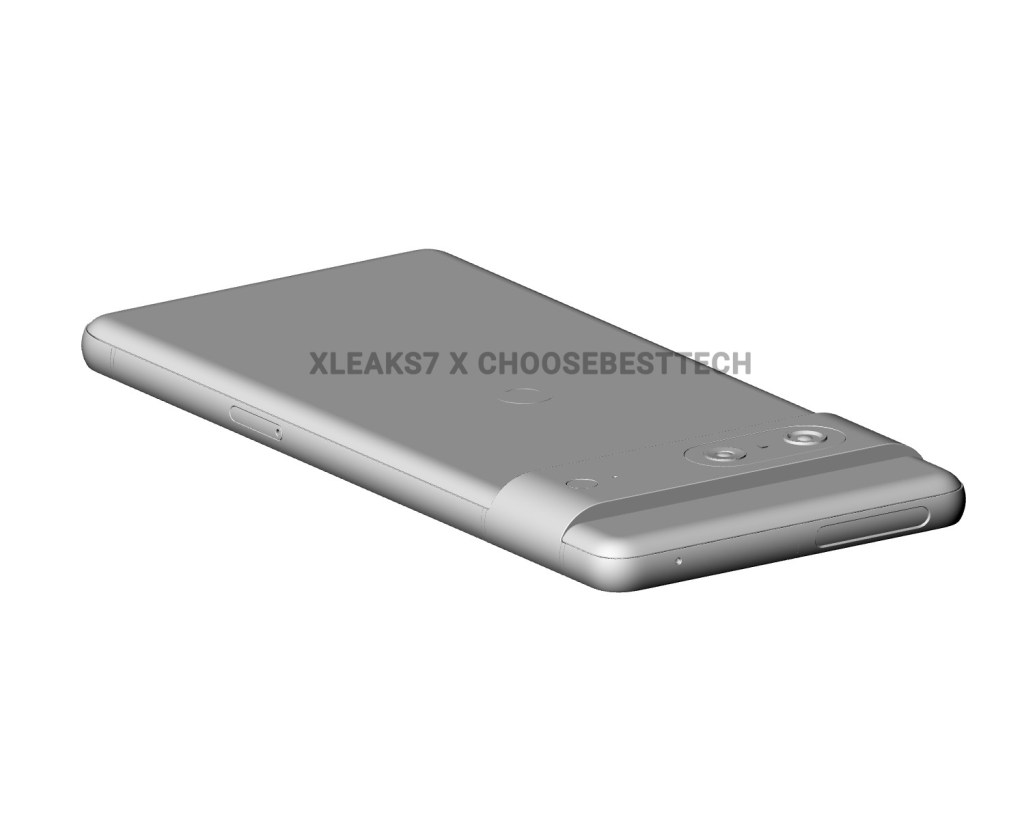
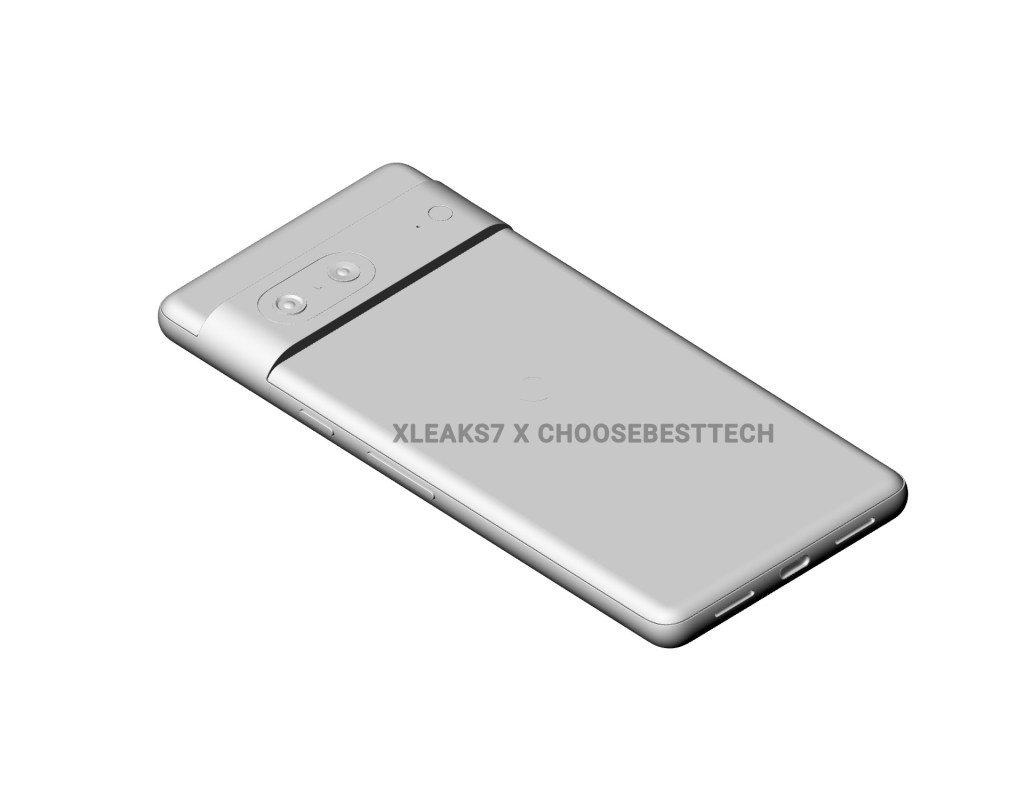
Last week while digging through Android 13 code, a developer spotted the codenames “Cheetah” and “Panther,” presumably for the upcoming Google Pixel 7 and Pixel 7 Pro. And a week later, potential images of the Google Pixel 7 have surfaced online.
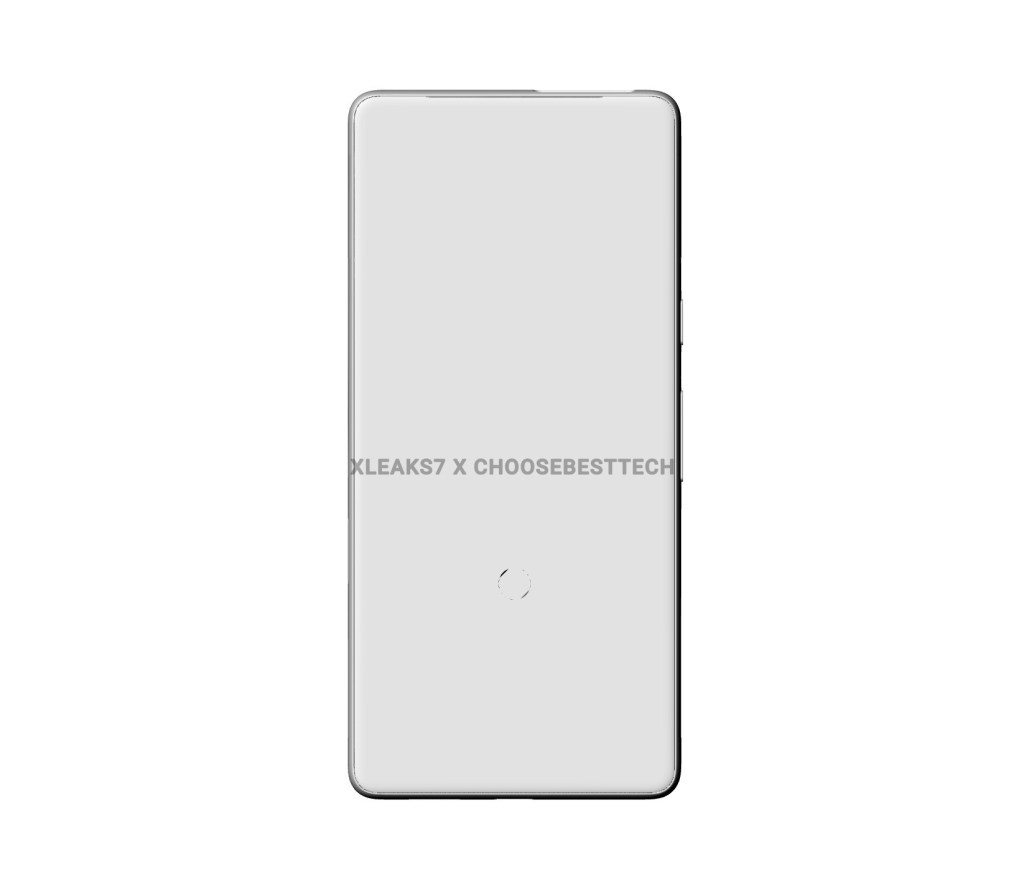
Tipster @xleaks7 in collaboration with choosebesttech has leaked CAD renders of the alleged Pixel 7.
Google Pixel 7 CAD renders
1 of 3
The CAD renders reveal that not much will be changing in terms of design on the upcoming Pixel 7 series. And considering that the Pixel 6 was recently announced to be the best-selling Pixel smartphone yet, it is likely that Google will stick to this same design profile for a few more generations of the Pixel devices.
However, on closer inspection, there appear to be some small differences between this device and the current-gen Pixel 6. The camera bar remains the same but the two cameras inside appear to have a frame-like module around them. The tipster has also revealed that the Pixel 7 will be a bit smaller than its predecessor measuring at 6.1 x 2.8 x 0.3in (155.6 x 73.1 x 8.7mm) compared to the Pixel 6’s 6.24 x 2.94 x 0.35in (158.6 x 74.8 x 8.9mm).
The device also has a crevice in the frame at the top which is likely to hold the mmWave 5G antenna, which is also present on the side of iPhone 12 and iPhone 13. Other than these small changes the render reveals that other design features like the placement of the in-display fingerprint sensor will be the same as the current-gen Google flagship.
The search giant usually unveils its pixel devices in the fall season, right around the month of October. So if all goes well, we can expect the Pixel 7 series to hit the markets around October-November.
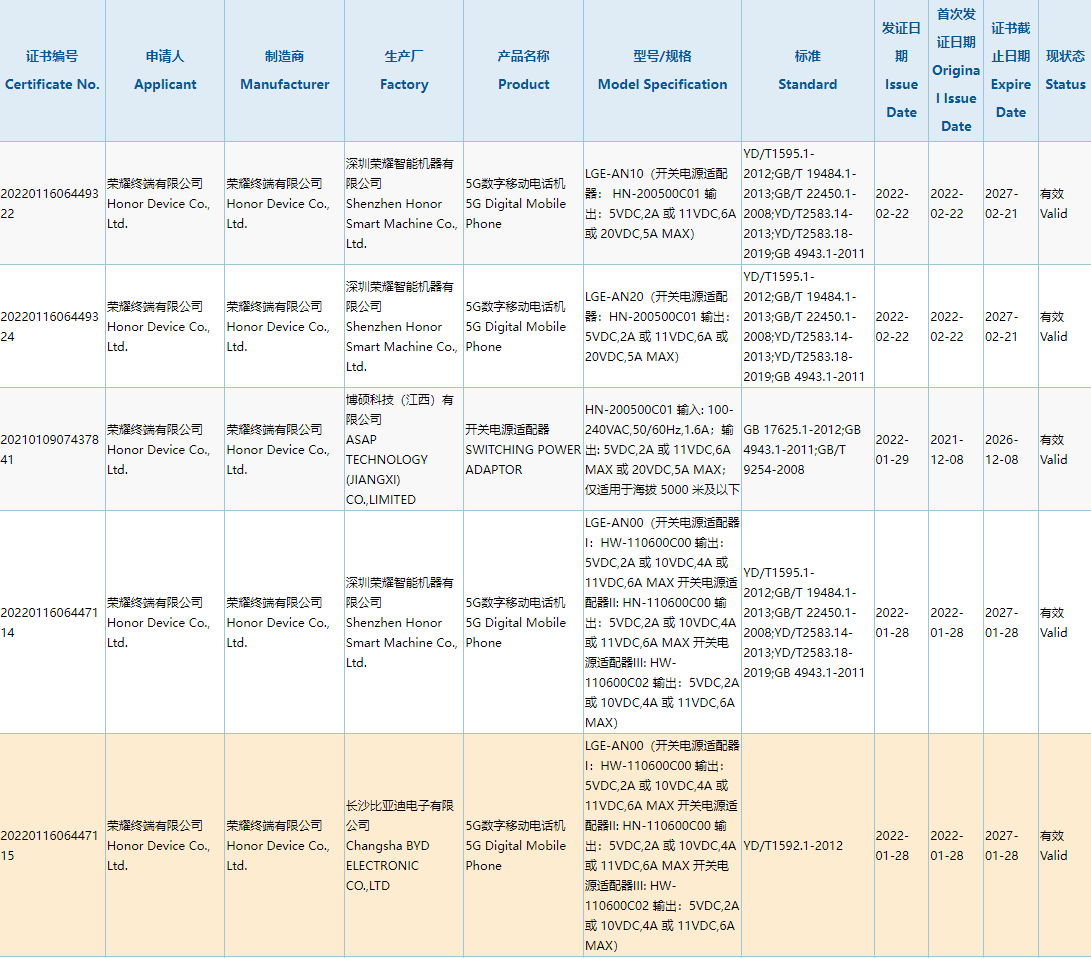
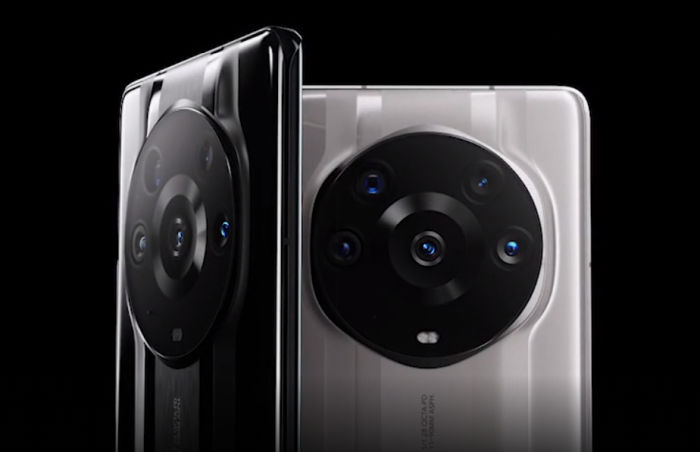
Honor has scheduled a launch on February 28 at the MWC event. The company is expected to launch the upcoming Honor Magic4 series on the said date. Now, ahead of its release, the series has been spotted on China’s 3C certification site revealing the battery details.
According to the certification, the upcoming Honor Magic4 phones will come with impressive fast charging capabilities. The vanilla Magic4 carries the model number LGE-AN00, the Magic4 Pro has the model number LGE-AN10, while the LGE-AN20 model number belongs to the Magic 4 Pro+.
The Honor Magic4 gets charging support of 11V and 6A i.e. 66W fast charging. On the other hand, the Magic 4Pro has a 20V and 5A charging speed that comes out to 100W. Furthermore, the Magic4 Pro+ also has the same 100W fast charging support.
These charging speeds on the Pro models are impressive considering that the predecessor was capped at 66W charging speed. The Magic4 trio is expected to have a 4,800mAh battery, an upgrade from the 4,600mAh cell seen inside the Magic3.
Honor Magic 3 Pro Plus
As for the other specs, the Honor Magic4 Pro and Magic4 Pro+ will be powered by the latest Snapdragon 8 Gen 1 chipset. The vanilla Magic4 will have the Dimensity 9000 chipset, under the hood. The series will employ LPDDR5 RAM and UFS 3.1 internal storage.
The trio is said to come with a metal frame design with the Pro+ sporting a ceramic back. The Pro and the vanilla model are expected to have leather finishes at the back.
As per reports, the Magic4 will feature a 6.55-inch 120Hz display with 2400 x 1080 pixels resolution. The Magic4 Pro will have a larger 6.67-inch 120Hz panel with 2772 x 1344 pixels resolution. Lastly, the Magic4 Pro+ will get a 6.78-inch screen with a 3200 x 1440 pixels resolution.
The phones will have a 50MP primary sensor and have an ultra-wide unit as a secondary lens. The series is also expected to have telephoto sensors with a 16MP telephoto lens on the vanilla model and a 50MP telescope telephoto lens on the Pro models. The telephoto on the Pro models will have 100x digital zoom support.
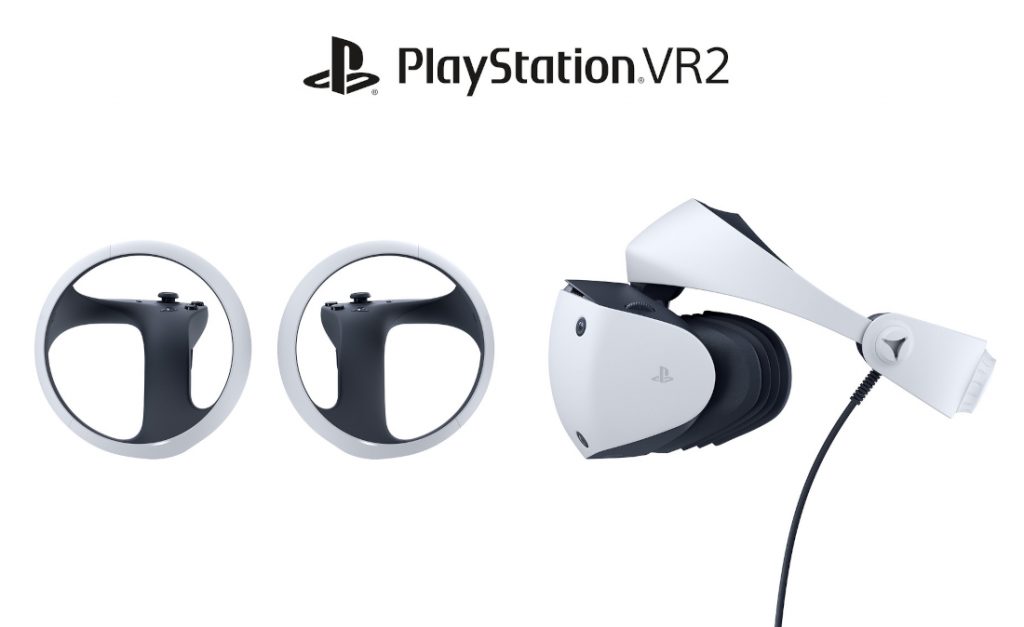
Japanese tech powerhouse Sony has unveiled its latest iteration of the PlayStation virtual reality headset called the PlayStation VR2 headset. The new device comes slimmer and more ergonomically engaging than its predecessor. The Sony PlayStation VR2 headset draws inspiration from the design of the PS5 ecosystem both in the way it looks and feels. Also unveiled is the VR2 Sense controller.
The PlayStation VR2 headset is a bit lighter than its predecessor and also comes with some additional features. A built-in motor for headset feedback and a lens adjustment dial are some of the other features that are birthed on the device. A single cord setup will allow users of the VR2 headset to quickly set up the device. The panel display is an OLED with a refresh rate of up to 120Hz and the VR2 provides a field of view that is approximately 110 degrees. There is a collection of several sensors for enhanced user experience including a gyroscope, motion sensors, and an IR proximity sensor.
The Sony PlayStation VR2 headset has 4 cameras in addition to an IR camera for eye tracking. The VR2 can be connected to the PS5 via its USB-C cable. The VR2 Sense controllers can be connected via Bluetooth 5.1 to the PS5 console and come with the needed complement of buttons for gaming. These are in addition to motion and capacitive sensors and trigger effect feedback. The VR2 Sense controller has a built-in Lithium-ion rechargeable battery that can be charged through its USB-C port.
There are few details as per when fans will get the two products but we expect that to happen soon. We are expecting the pricing and global availability details for the products as well.
Back in September last year, Xiaomi launched the CIVI smartphone exclusively in the Chinese market. Months after its release, the CIVI Pro was expected to arrive. But unfortunately, it never happened. However, today, Xiaomiui has tipped a few details of the upcoming Xiaomi CIVI Pro.
As per the publication, the upcoming Xiaomi CIVI Pro is coming soon and the launch could be as early as March or April this year. Furthermore, the CIVI Pro is nothing but the Xiaomi 12 Lite Zoom that was spotted late last year on IMEI certification. It has the codename “zijin”.
Xiaomi CIVI
Coming to the specs, the Xiaomi CIVI Pro is touted to have the SM7325 based processor. It is likely that the phone will have the Snapdragon 778+ chipset, or, the same Snapdragon 778G SoC seen in the vanilla CIVI model.
The smartphone will have a 6.55-inch OLED display with a 120Hz refresh rate. This will be the same as the original CIVI model. Again, similar to the CIVI, the CIVI Pro is said to have Full-HD+ resolution. The cameras on the device won’t support OIS(Optical Image Stabilization). It is expected to have an ultra-wide sensor as a secondary lens and a macro unit as a tertiary lens.
Other than this, the device will boot on MIUI 13 based on Android 12 out of the box. Just like the CIVI, the CIVI Pro will go official only in the Chinese market. It won’t get a global release.
As of now, these details seem to be the early rumors of the phone. Also, Xiaomi has not confirmed any details regarding the CIVI Pro, as of yet. Having said that, we would advise readers to take the above information with a grain of salt.
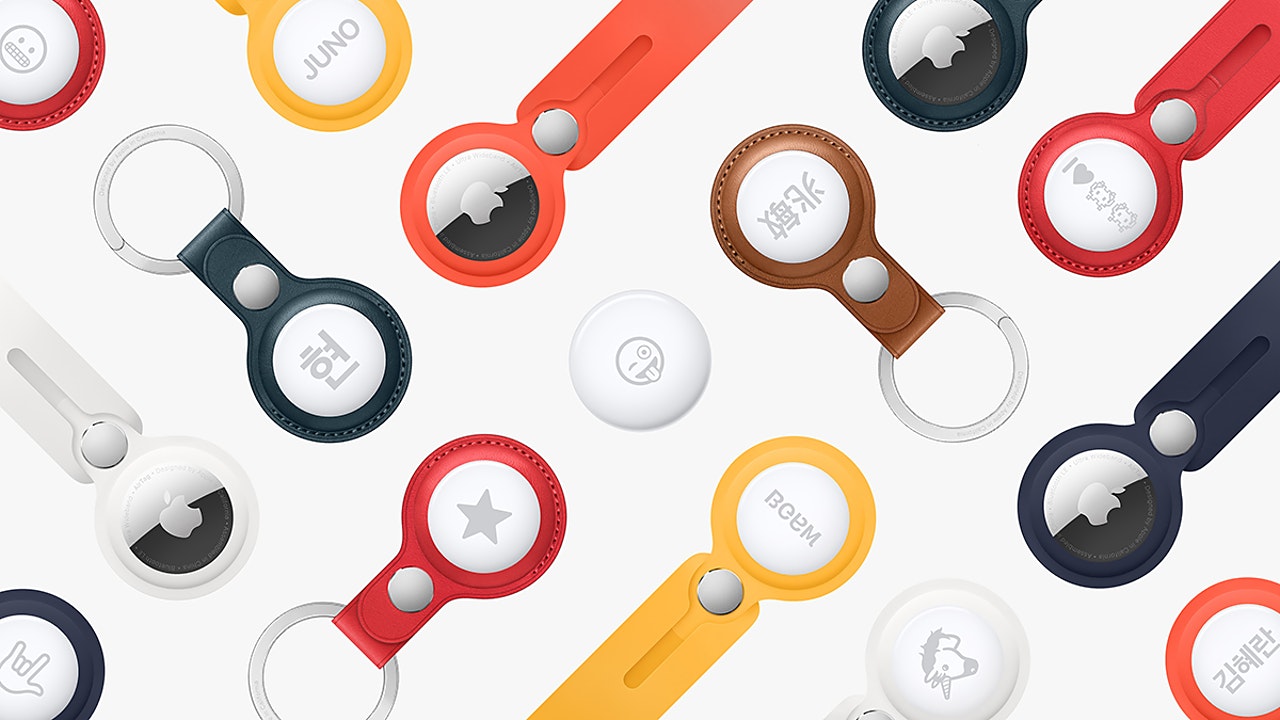
A new Apple AirTag clone created by a security researcher points to the possibility of bypassing the device and tracking protection features already available via Apple Find My network. The new finding provides another layer of concern for the seemingly revolutionary Apple AirTag that has now become a tool for stalking and criminality.
Apple has had to grapple with rising concerns about how the AirTag was being used to intrude on the privacy and safety of persons. Multiple reports had surfaced about the use of AirTags as tools for criminality and stalking. Although Apple came up recently with an updated user guide and advisory on how to prevent stalking, the problem seems to persist. In addition, Apple had introduced a raft of changes on the Find My network aimed at addressing some of the issues emanating from the misuse of the AirTags.
The new research that indicates a cloned AirTag could bypass the current architecture in the Find My network was published by security researcher Fabian Braunlein of Positive Security firm. Several of the bypassing strategies, according to the security researcher, could be put into practice effectively. The report indicates that a cloned AirTag was able to track an iPhone for 5 days without triggering any tracking notifications. Several measures were aimed to thwart current and possibly subsequent modifications from Apple with grave security implications.
With the absence of a serial number and functional speaker, the clone provides a serious challenge to Apple’s plans of ensuring user security while using the AirTags. We note that some AirTags were advertised on Etsy and eBay recently with demobilized speakers. The AirTag clone’s system is based on OpenHaystack and has some pretty strong algorithmic possibilities that may thwart tracking by law enforcement.
In all, Braunlein feels that there are opportunities for Apple to shore up its security architecture to remove all the stated threats. He says Apple needs to take into account the threats from custom-made potentially malicious devices that implement the Find My app protocol or modified AirTags hardware. It remains to be seen how Apple responds to the clear points raised by the security researcher, amidst growing criticism of the AirTags’ functionality.
The Chinese smartphone manufacturer UMIDIGI has recently pumped out multiple rugged smartphones including their latest BISON GT2 devices. However, new leaks have emerged suggesting that the brand might be working on a traditional phone for its next major launch.
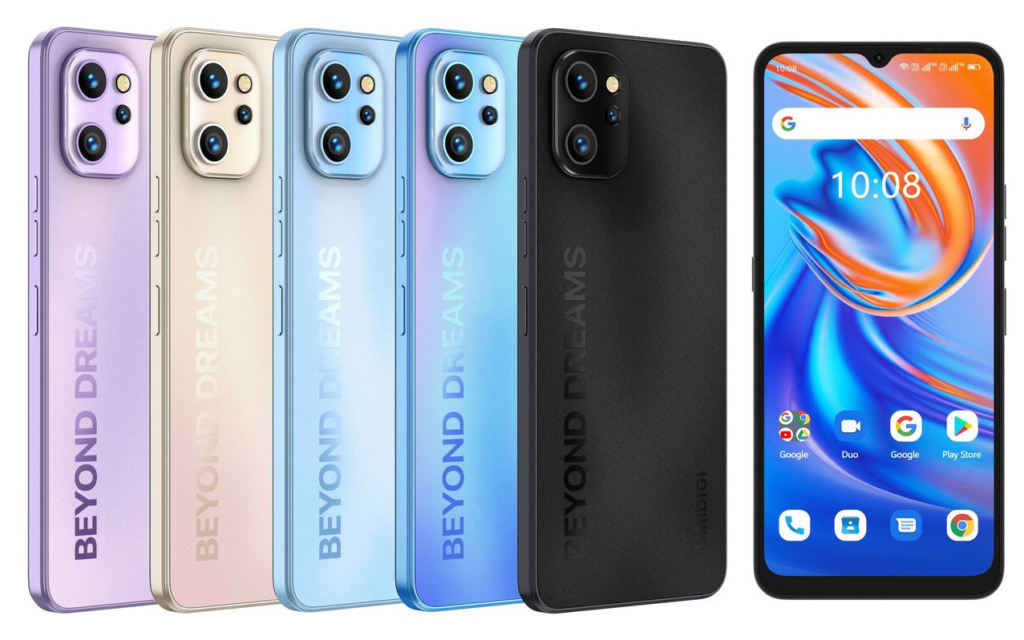
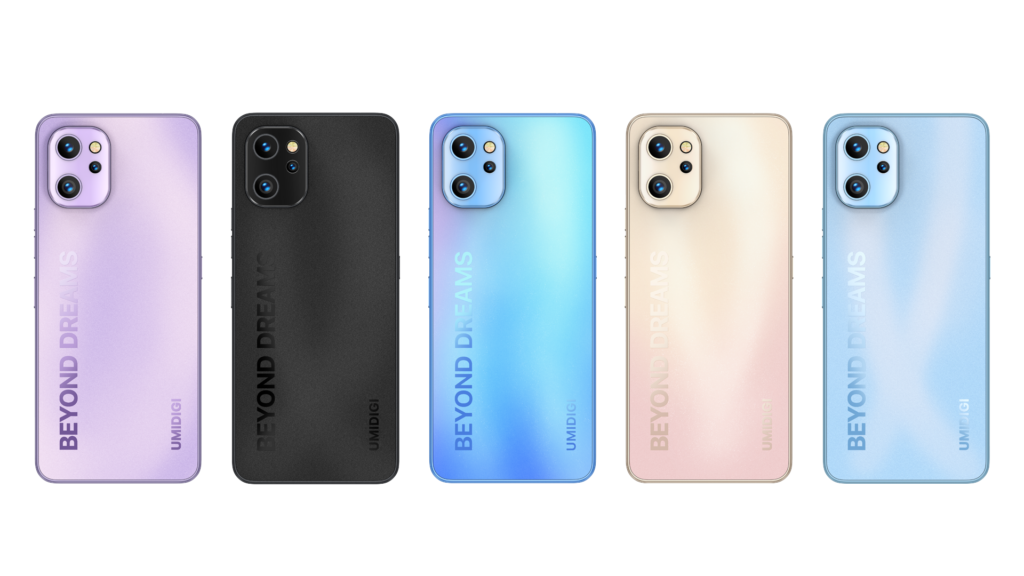
An undisclosed tipster has said that UMIDIGI is gearing up to launch the next generation of its popular A-series and leaked a set of design renders of A13 Pro, which will be the major product of its A13 lineup.
Based on the renders, the A13 Pro has the same design as its A11 series, with the classic flat-edge design of Apple and a frosted finish on the back panel. Renders also show that A13 Pro comes in 5 different colors, black, gold, purple, light blue, and dark blue. The smartphone also appears to have a rounded LED Flash akin to the OPPO Reno series. The also A13 Pro also has the iconic “BEYOND DREAMS” logo etched on its back panel.
Appearance aside, A13 Pro will have a triple camera system. Although we don’t know the specific specs yet, the main lens is expected to have a 48MP sensor. On the front, it features a water-drop screen. Additionally, it comes with an independent button like their other devices, and it will probably support the Type-C charging port and 3.5mm headphone jack.
Other specs of the UMIDIGI A13 Pro are still under wraps. It is also not clear if all the leaked color options showcased in the render will be available at launch. Like its predecessor, the A13 Pro is expected to be a budget-friendly device and is hinted to launch sometime around mid-March.
We use cookies on our website to give you the most relevant experience by remembering your preferences and repeat visits. By clicking “Accept”, you consent to the use of ALL the cookies.
This website uses cookies to improve your experience while you navigate through the website. Out of these, the cookies that are categorized as necessary are stored on your browser as they are essential for the working of basic functionalities of the website. We also use third-party cookies that help us analyze and understand how you use this website. These cookies will be stored in your browser only with your consent. You also have the option to opt-out of these cookies. But opting out of some of these cookies may affect your browsing experience.
Necessary cookies are absolutely essential for the website to function properly. This category only includes cookies that ensures basic functionalities and security features of the website. These cookies do not store any personal information.
Any cookies that may not be particularly necessary for the website to function and is used specifically to collect user personal data via analytics, ads, other embedded contents are termed as non-necessary cookies. It is mandatory to procure user consent prior to running these cookies on your website.