nubia today announced that the upcoming flagship phone nubia Z40 Pro will be the first to boot into MyOS 12. The OS, which although unspecified will likely be based on Android 12, and comes with some new bits spanning UI, animations, and security.
The teaser post from Weibo currently only mentions “Personalized Desktop + Climber Lock Screen + Lingxi Motion Engine + Privacy Protection” as new features. But we should be knowing more about the Android skin version with the nubia Z40 Pro release, scheduled for February 25th.
A second post teases that MyOS 12 will bring along a “breakthrough in the full-screen experience,” whatever that means.
The nubia Z40 Pro is being marketed as the “new flagship of humanistic imaging.” It will be equipped with the Snapdragon 8 Gen 1 processor and its highlight feature is the 35mm humanistic lens. nubia recently shared an image sample clicked through the said lens and it looked quite impressive.
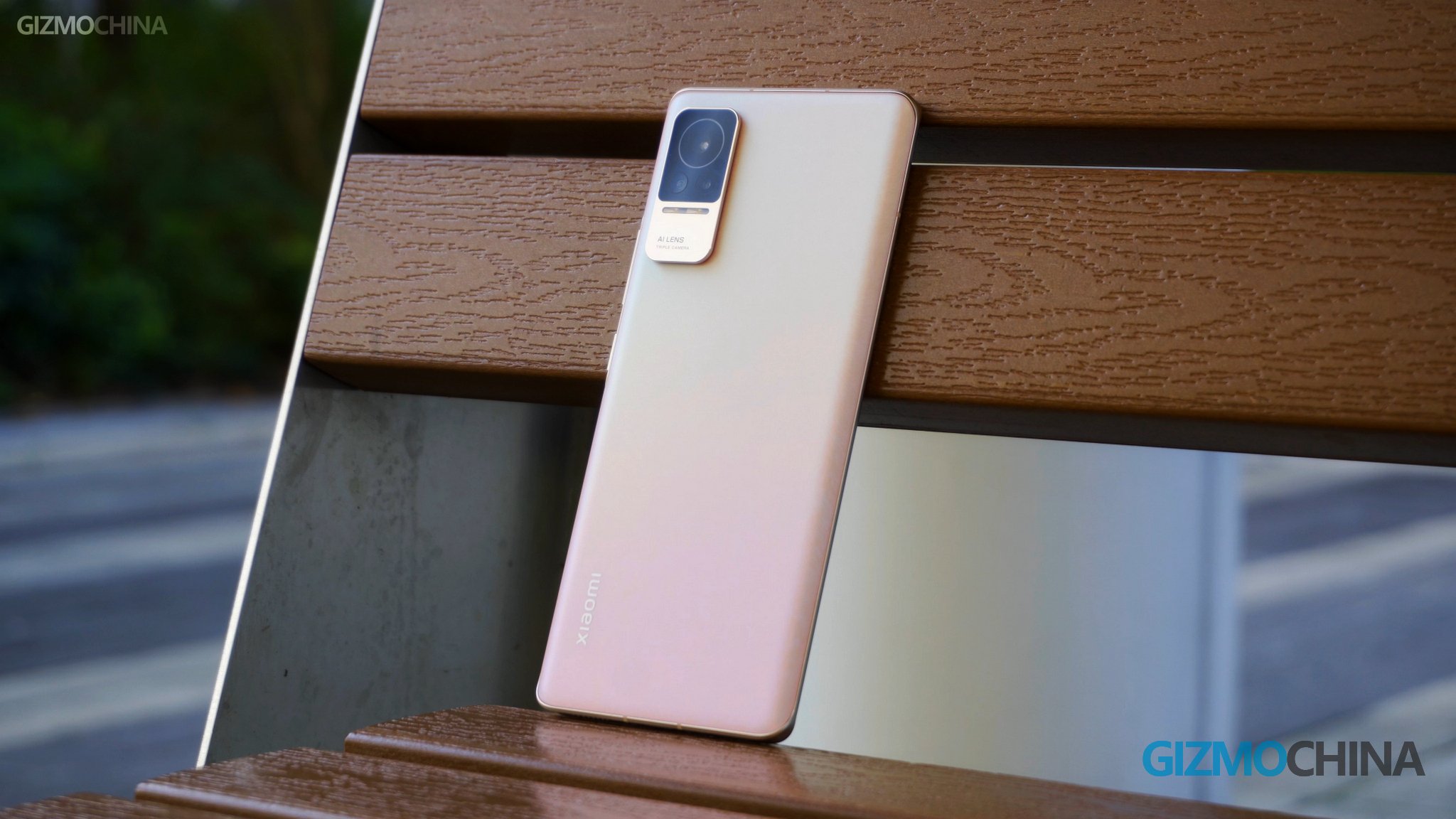
In terms of design, the Nubia Z40 Pro has a curved screen upfront with a center-aligned punch hole and has a large camera module at the back that houses a triple camera setup. It will sell in two color options — black and white.
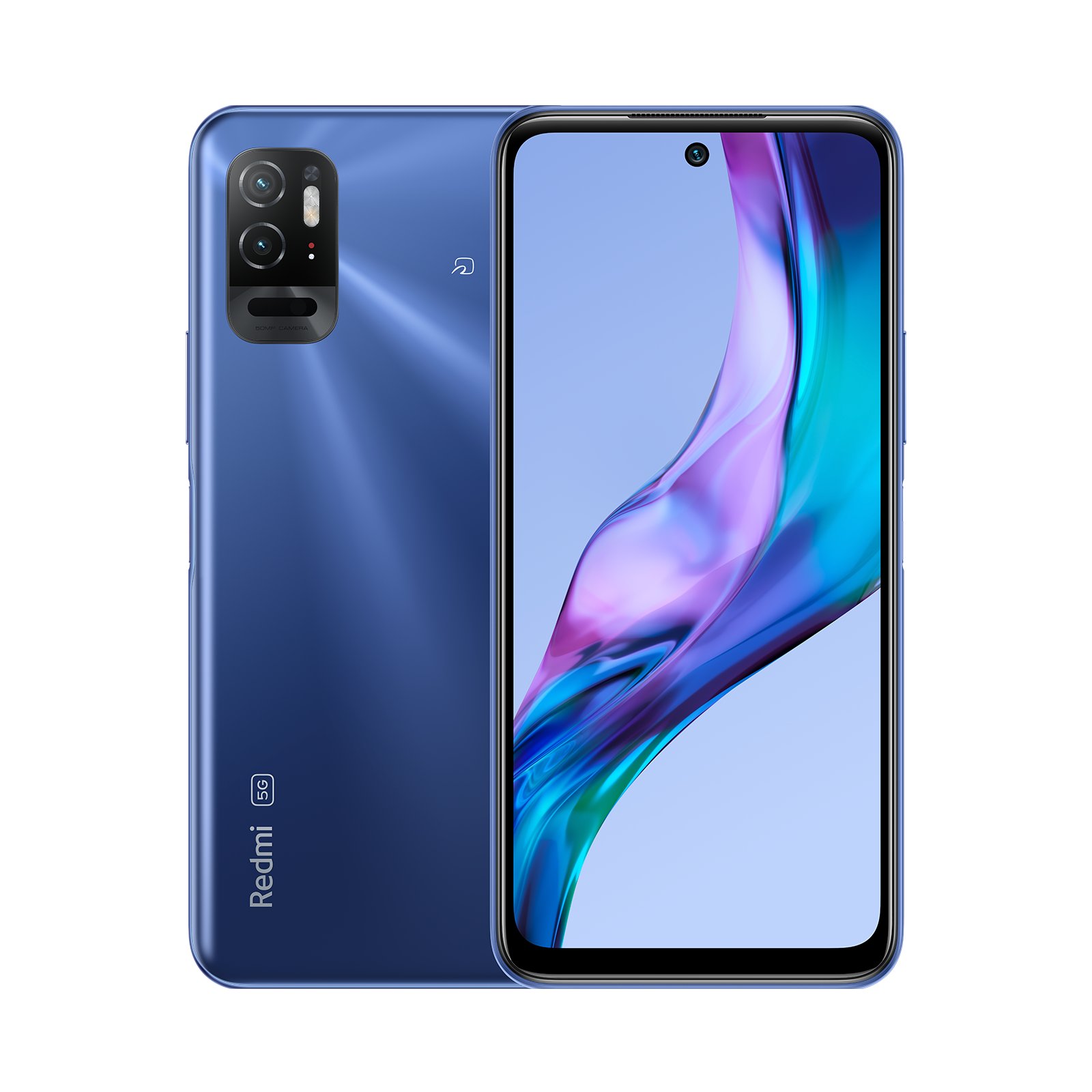
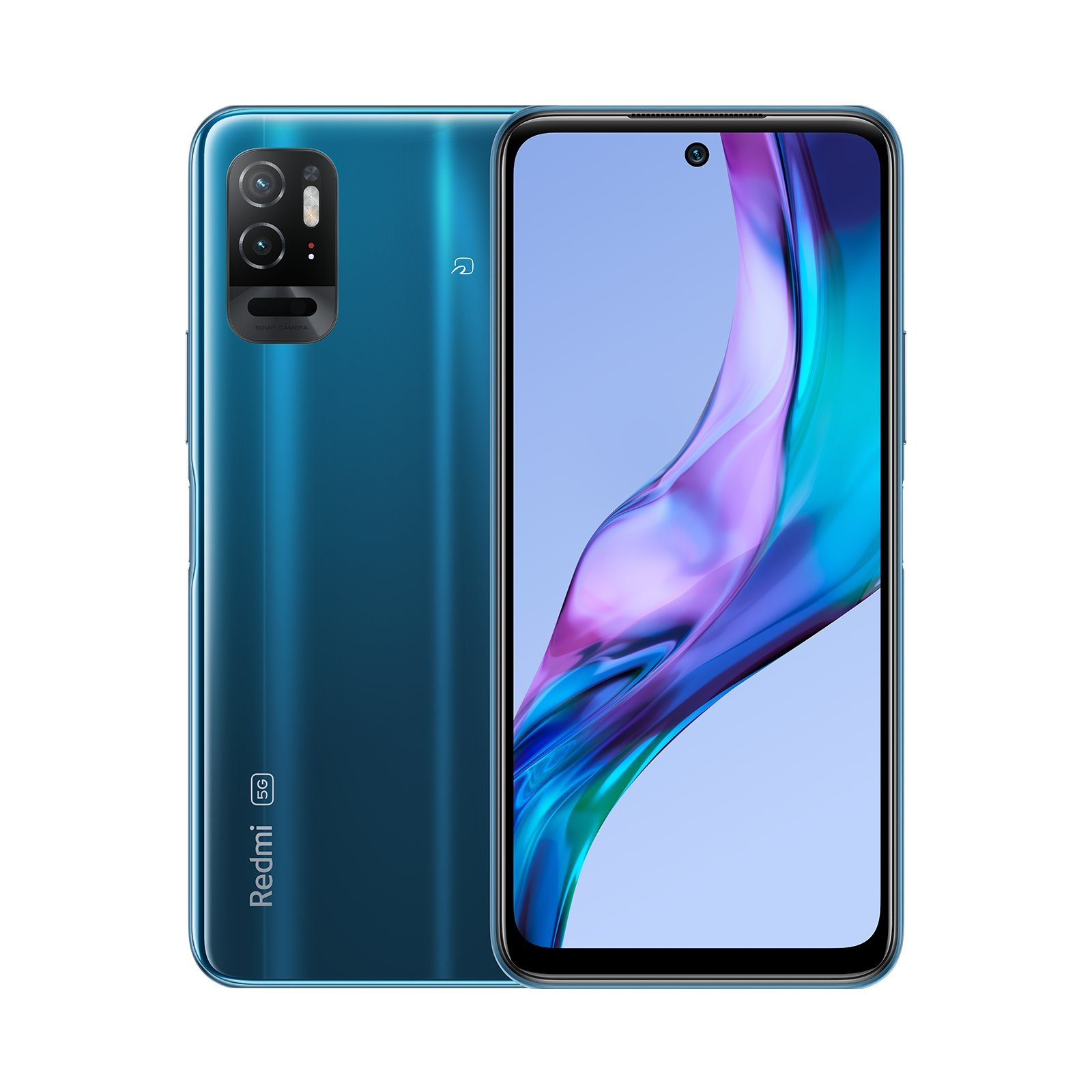
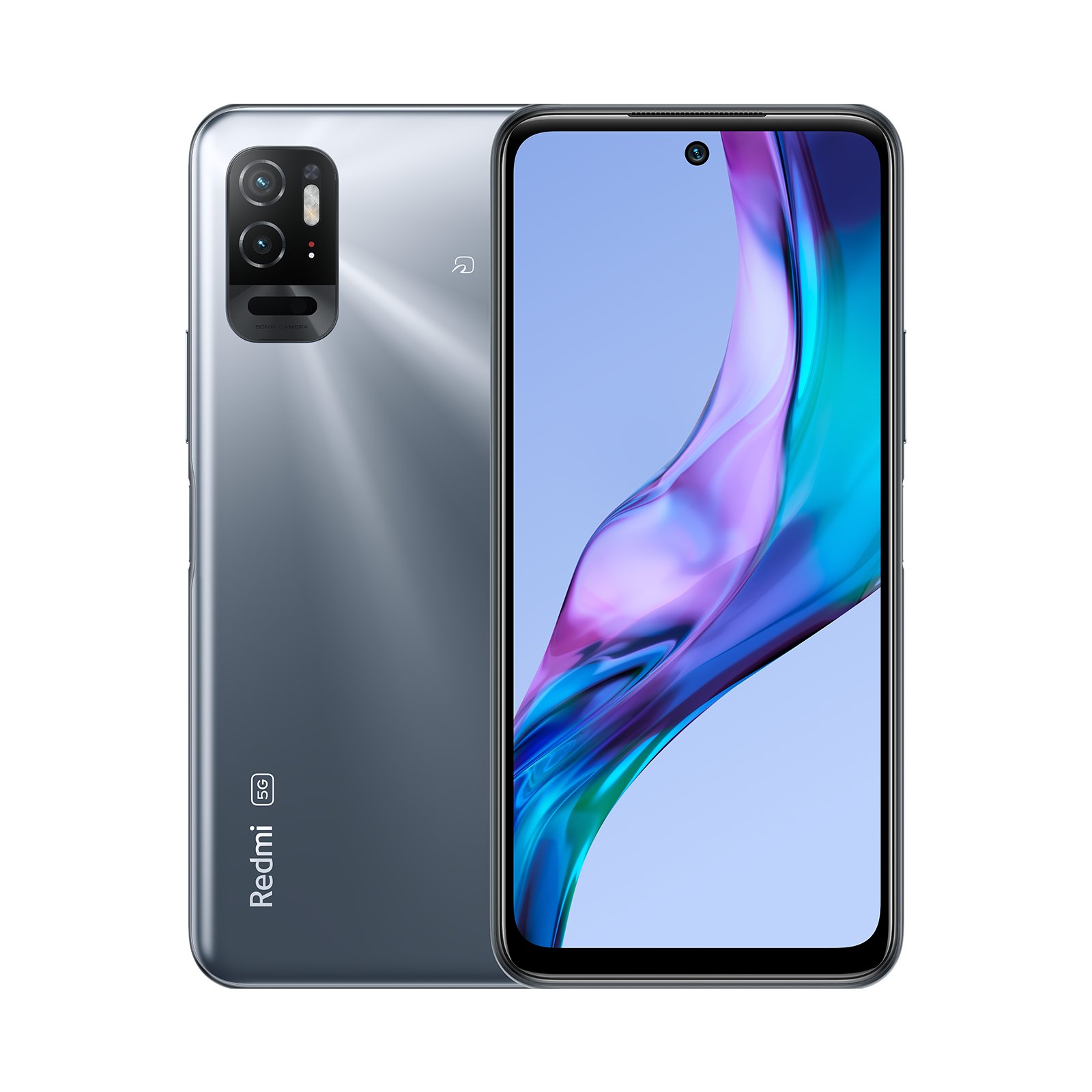
The Redmi Note 11 series was launched late last month in the global market. Comprised of the Note 11, Note 11S, Note 11 Pro, and Note 11 Pro 5G, the quad-model lineup’s only 5G model was the Note 11 Pro 5G — and 4G phones are getting increasingly less popular. Xiaomi thus appears to be expanding the lineup further now with another 5G model, and its IMEI listing shows that will be called the Redmi Note 11S 5G.
Xiaomiui has spotted a new “K16B” model number on the IMEI database which is paired with an “opal” codename. The model number is very similar to the “K16A” that the POCO M4 Pro 5G and the Redmi Note 11 5G (China) have, making it likely that the new Note model could have near-identical specs to the other two.
Image: Xiaomiui
The sole 5G model currently on the Redmi Note 11 lineup comes with the Snapdragon 695 chip, which is a budget offering. It is possible that Xiaomi now wants to add a Dimensity 5G chip to the mix. The POCO M4 Pro 5G and Redmi Note 11 5G (China) both feature the Dimensity 810 chip so the Redmi Note 11S 5G could sport the same.
Anyway, considering that the Redmi Note 11S 5G has made its IMEI database appearance, its release shouldn’t be too far off now. We should be getting our hands on more information in the coming days, so stay tuned.
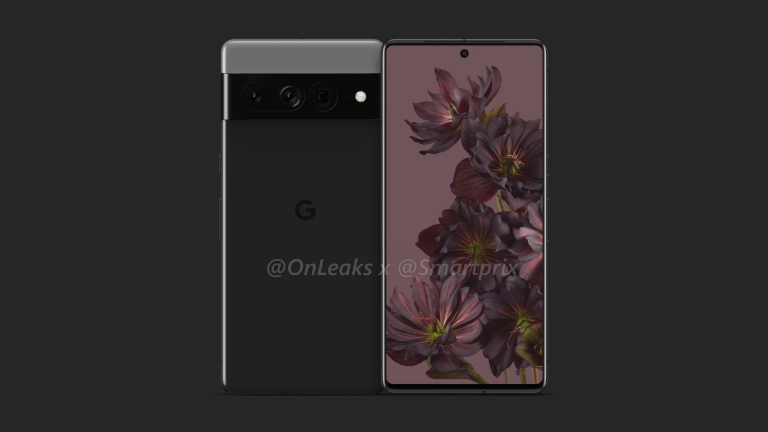
A new report has given us perhaps the first concrete details on Google’s next-gen flagship phones — the Pixel 7 and Pixel 7 Pro — including their codenames, processor they’ll be powered by, and their modem.
Folks at 9toGoogle last year spotted a reference to a new version of the chip that currently powers the Pixel 6 series. The next-gen Tensor codenamed “Cloudripper,” carried model number GS201 and is expected to power the Pixel 7 series.
Fast forward to now, and the release of Android 13 DP1 has brought to light some further information about said chip along with other stuff, as reported by 9to5Google once again.
A trusted source of developer cstark27 spotted that the GS201 chip will feature a currently unreleased Samsung modem with the model number “g5300b.” The Pixel 6 meanwhile comes with “g5123b,” which is the Exynos Modem 5123. Given the correlation, it is likely that the unreleased modem is actually Exynos Modem 5300, and it will handle the new Tensor’s connectivity bits.
The code also revealed three additional device codenames associated with the Exynos Modem 5300. Two of these are “Cheetah” and “Panther” and most likely stand for the Google Pixel 7 and Pixel 7 Pro.
Another interesting thing to note here is the obvious feline reference with the codenames. Every Pixel and Nexus device preceding the Pixel 6 series had codenames pertaining to fish or other sea life. The Pixel 6 and 6 Pro changed the trend by opting for codenames “Oriole” and “Raven,” respectively, which are birds. From this, it can be said that Google is possibly changing codenaming scheme on a generational basis, although it would take a couple of more Pixel phone generations to know for sure.
Apart from the above, there isn’t much known about the Pixel series set for a fall release this year, but we should be gaining more info as we inch closer to its launch.
Just two days ago, the Realme 9 Pro Series finally went official and at the same time, it debuted in the global market including Europe. The new lineup is composed of three models: Realme 9 Pro, Realme 9i, and the first Pro Plus variant of the Number Series: the Realme 9 Pro+. While the 9i is a lower-midrange phone without 5G, the Realme 9 Pro and the Pro Plus are upper-midrange devices including the 5G connectivity. But these are not the only differences between these handsets: you will find all the main ones in this specs comparison.
Realme 9 Pro vs Realme 9 Pro Plus vs Realme 9i
Realme 9 Pro
Realme 9i
Realme 9 Pro+
DIMENSIONS AND WEIGHT
164.3 x 75.6 x 8.5 mm,
195 g
164.4 x 75.7 x 8.4 mm,
190 g
160.2 x 73.3 x 8 mm,
182 g
DISPLAY
6.6 inches, 1080 x 2412 pixels (Full HD+), IPS LCD
6.4 inches, 1080 x 2400 pixels (Full HD+), Super AMOLED
Triple 64 + 8 + 2 MP, f/1.8 + f/2.2 + f/2.4
16 MP f/2.1 front camera
Triple 50 + 2 + 2 MP, f/1.8 + f/2.4 + f/2.4
16 MP f/2.1 front camera
Triple 50 + 8 + 2 MP, f/1.8 + f/2.2 + f/2.4
16 MP f/2.4 front camera
BATTERY
5000 mAh, fast charging 33W
4500 mAh, fast charging 65W
ADDITIONAL FEATURES
dual SIM slot, 5G
dual SIM slot
dual SIM slot, 5G
Design
The most impressive design is definitely the Sunrise Blue color option of the Realme 9 Pro+. Besides being elegant and catchy, it is the first phone launched in the global and European market that is able to change its color. In order to modify the color of the body, you just need to place it under direct sunlight and wait for about five seconds. The Realme 9 Pro has the same design as the Pro Plus, but it lacks the color-changing back. The 9i is different and its color options are less impressive, but it is still a beautiful phone if we consider the other devices in its price range.
Display
The best display of the trio belongs to the Realme 9 Pro Plus. It is the only one to pack an AMOLED display, so it is able to show richer colors and deeper blacks. It is a smaller 6.4-inch panel with a 90 Hz refresh rate and a Full HD+ resolution of 1080 x 2400 pixels, and it comes with an integrated fingerprint reader. The Realme 9 Pro takes the silver medal with an IPS display sporting a Full HD+ resolution and a 120 Hz refresh rate. The 9i is the same with the exception of the refresh rate: in this case, it is lower and it stops at 90 Hz.
Specs & Software
The Realme 9 Pro+ is equipped with the most powerful processor: the Mediatek Dimensity 920 5G, followed by the 9 Pro fueled by the Snapdragon 695 5G. These two phones offer up to 8 GB of RAM but only the Pro Plus reaches 256 GB of internal storage, while the Pro stops at 128 GB. The Realme 9i has an inferior Snapdragon 680 mobile platform which, unlike Snapdragon 695 and Dimensity 920, lacks the 5G support. So you not only get worse CPU and GPU performance but even inferior connectivity. Realme 9 Pro and Pro Plus run Android 12 and Realme UI 3.0 out of the box, while the 9i is still based on Android 11 and Realme UI 2.0.
Camera
The Realme 9 Pro Plus can be considered a high-end camera phone. Its main camera is a Sony IMX766 with a 50 MP resolution and OIS: the same main camera you can find on several flagships such as the OPPO Find X3 Pro. We can not tell you the same about the 9 Pro and the 9i packing 64 and 50 MP main cameras with inferior sensors.
Despite the Pro Plus being the most expensive one, Realme 9 Pro and 9i come with bigger batteries and they can provide a longer battery life. On the other hand, the Pro Plus features faster charging (65W).
Price
Realme 9i starts from €219/$248 in the European market, the 9 Pro begins at €319/$361, and the Pro+ starts from €379/$429. Which one would you pick if you had to choose the best value for money?
Realme 9 Pro vs Realme 9 Pro Plus vs Realme 9i: PRO and CONS
POCO X4 Pro 5G appears to arrive soon as the phone’s specs were leaked earlier and we also saw the hands-on images of the device, a day back. Now, PassionateGeekzhas shared some official-looking renders of the smartphone.
The renders show all three color variants of the device. The phone has three color variants namely Poco Yellow, Laser Blue, and Laser Black. The device seems to have some white-colored pattern at the back. It has the 5G branding at the bottom and the POCO logo on the camera island.
It has an AI-powered triple camera system and the primary lens here is a 108MP shooter. Previous rumors suggest that it will be a Samsung HM2 sensor. Notably, this seems to be a global model as the tipster Yogesh Brarrecently revealed that the global model will have a 108MP sensor, whereas, the Indian model will boast a 64MP primary lens.
Moving to the front, the phone has a punch-hole display with thin bezels. The smartphone is said to have a 6.7-inch 120Hz AMOLED DotDisplay. It will feature a 16MP selfie snapper and out of the three, there will be an 8MP ultra-wide and a 2MP macro sensor.
Inside, it will be fueled by the Qualcomm Snapdragon 695 5G SoC paired with 6GB or 8GB of LPDDR4X RAM. It is expected to have up to 128GB of UFS 2.2 internal storage and run on MIUI 13 based on the Android 11 OS. The phone is tipped to come with a 5,000mAh battery and 65W fast charging support.
Earlier this week, Google has just released its first Android 13 Developer Preview. Codenamed “Tiramisu”, Android 13 bring many changes by building upon the features introduced by Android 12, such as Material You style system-wide styling to the OS.
Source: XDADevelopers
Although Android 13 is still only in its infancy stages, Xiaomi is already planning out which Xiaomi devices will get Android 13 and which will not.
The info comes from Xiaomiui.net, whereby they have compiled a list of Xiaomi devices eligible to receive the Android 13, using insider contacts within the MIUI team. Do note that Xiaomi has not yet officially revealed its Android 13 rollout for its devices yet, so there may be changes before Xiaomi’s official announcement.
Source: xiaomiui.net
The Android 13 Eligibility list from Xiaomiui.net includes phones from the likes of Xiaomi, Redmi and Poco which all use MIUI as their user interface.
Xiaomi Devices That Will Get Android 13
Mi 10S
Mi 11/Pro/Ultra
Mi 11i/11X/11X Pro
Xiaomi 11X/HyperCharge
Xiaomi 11T/Pro
Xiaomi 12 / Pro / Lite / 12X
Mi 11 Lite 4G/5G/LE/Lite NE 5G
Xiaomi MIX 4 / MIX 5 / MIX 5 PRO
Xiaomi MIX FOLD
Xiaomi CIVI
Xiaomi Pad 5 Series
Redmi Devices That Will Get Android 13
Redmi 10/Prime/2022/Prime 2022
Redmi Note 10/10S/Pro/Pro Max/Pro 5G
Redmi Note 10T/10 5G
Redmi Note 11/NFC/11S/Pro 4G/Pro 5G
Redmi Note 11 Pro / Pro+ / 11E Pro
Redmi Note 11T/11 5G/4G
Redmi K40/Pro/Pro+/Gaming
Redmi K50/Pro/Gaming/Gaming Lite
POCO Devices That Will Get Android 13
POCO F3/GT
POCO X3 GT / X3 Pro
POCO F4/Pro/GT
POCO M3 Pro 5G /M4 Pro 5G/M4Pro 4G
POCO C4
Devices That May Get Android 13
Redmi K30 Pro / Zoom Edition
Redmi K30S Ultra
POCO F2 Pro
Mi 10 / Pro / Ultra
Mi 10T / Pro
Redmi Note 8 2021
Unfortunately, there is also a list of Xiaomi devices that won’t receive the update. However, as the Android 13 rollout is still in its planning stages, maybe Xiaomi will reconsider adding several more devices into the rollout.
A few days back, POCO took wraps off the POCO M4 Pro 5G in India. The smartphone comes with a 90Hz display and has MediaTek’s Dimensity 810 chipset. Now, the company is expected to launch the POCO M4 Pro 4G in different markets. Today, the smartphone has appeared on the Geekbench listing giving away some key details.
The POCO M4 Pro 4G has model number 2201117SI and it has scored 526 points in the single-core department and 1832 points in the multi-core department. The device has a chipset codenamed “miel”. It is believed to be the MediaTek Helio G96 chipset.
The smartphone boots on Android 11 OS and has 6GB of RAM. We expect the handset to run on either the MIUI 12.5 or the MIUI 13 skin.
Previously, another model of the M4 Pro 4G made it to the same listing. It carries model number 2201117PG and has a little variance in the scores. Although nothing is confirmed, we speculate that the difference in model numbers could be because there will be different variants for different markets.
Also, as per a previous leak, the Poco M4 Pro 4G could be a rebranded model of the Redmi Note 11S. It is worth noting that model number 2201117SI originally pertains to the Redmi Note 11S. So, we might end up seeing the Note 11S’ design on the M4 Pro 4G.
This month, BLU launched two budget phones in the market, the BLU G51S and BLU G71+. Both phones offer a UNISOC chipset and a fairly sized battery. Now, the brand has unveiled a new device dubbed BLU G71L as an addition to the G71 lineup of phones. The smartphone brings a textured body and has triple cameras.
The pricing of the smartphone is yet to be known but we do know the colors. The smartphone has Green and Blue shades. It will be available in the US market in the forthcoming weeks.
The BLU G71L comes with a 6.5-inch water-drop notch display with an HD+ resolution. It is an IPS LCD panel with a 20:9 aspect ratio.
It features an 8MP selfie snapper and a triple camera system at the rear. Out of the three rear sensors, a primary lens is a 13MP unit, and the other two are depth and macro units. The camera can shoot 1080p videos at 30fps.
Powering the device is the UNISOC SC9863 processor clocked at a 1.6GHz octa-core chipset. As for the graphics, it has the PowerVR GE8322 GPU. The 4G handset runs on Android 11 OS out of the box. It comes with 4GB of RAM and 128GB of internal storage.
It also supports a microSD card of up to 128GB. The device houses a 5,000mAh battery with support for 10W charging speed. It has a rear-mounted fingerprint scanner for added security.
Chinese tech powerhouse Xiaomi has announced a partnership with YouTube that will see some of its current and upcoming devices enjoying free trials on YouTube Premium. The Free Trial period for Xiaomi device owners is three months, within which users will enjoy the best of the YouTube Premium bouquet.
YouTube Premium is a subscription-based package from YouTube which offers access to music and video content in an ad-free environment. The bouquet also includes YouTube Music Premium, offering more than 80 million official songs in addition to live performances and remixes.
The eligible Xiaomi smartphones for the YouTube Premium offer includes the Xiaomi 11T Pro, Xiaomi 11T, Xiaomi 11 Lite 5G NE, Redmi Note 11 Pro 5G, Redmi Note 11 Pro, Redmi Note 11S, and Redmi Note 11.
Interested users of these Xiaomi devices can enjoy the YouTube Premium Free Trial by opening the YouTube app and following the instructions. Alternatively, users could visit youtube.com/premium.
YouTube Premium guarantees uninterrupted, ads-free, and premium audio and video content on the go for users. Its flexibility also allows for multi-tasking, as the content can continue playing in the background while the user is doing other tasks. The YouTube Premium offer is however understood to apply only to new eligible Xiaomi devices and may not be applicable in some regions. Terms and conditions are also applicable
The Xiaomi 11T Pro is one of the more premium offerings from Xiaomi with its Snapdragon 888 flagship chipset and 108MP Samsung HM2 flagship sensor. However, Xiaomi had already pushed out the Android 12 updates to its more budget offerings first like the Redmi 10, Redmi Note 10, Redmi Note 10 Pro while the Xiaomi 11T Pro had not yet received any news of its Android 12 update.
Well, the good news is that from today, Xiaomi is officially pushing out the Android 12 based stable MIUI 13 update to Xiaomi 11T Pro users worldwide!
Since the Xiaomi 11T Pro has just received the Android 12-based MIUI 13 update, here are the new features and system optimisations Xiaomi made that you need to know.
For new features, there are 3 things to note:
Xiaomi has added a new widget ecosystem with app support.
A new super wallpapers lineup is added to MIUI 13 called “Crystallization”.
Apps can be opened as floating windows directly from the sidebar.
For system optimisations, there are 3 things to note as well:
Improved overall system stability in MIUI 13.
Enhanced accessibility support for Phone, Clock, and Weather system apps.
MIUI Mind map nodes are more convenient and intuitive now.
The changelog is quite short. However, Xiaomi does indeed provide more features for its MIUI over time and considering that MIUI 13 is still in its toddler stages, more features and optimisations can be added over the year 2022.
The Xiaomi 11T Pro was originally launched globally 5 months ago on September 15, 2021. The device came preinstalled with MIUI 12.5 based on Android 11. During the launch, Xiaomi brought great news for Xiaomi 11T and 11T Pro buyers that their phones would be guaranteed for 3 major Android OS updates and 4 years of security updates. To elaborate, the Xiaomi 11T Pro will not only receive the Android 12 update, but also the Android 13 and Android 14 update as well in the upcoming years.
This was a first from Xiaomi to guarantee long term software updates for their flagships and it also benefits the environment as well, since users won’t be as eager to upgrade their phones if their phones still run on perfectly capable hardware running on supported software by the phone manufacturer.
Apple is pitching itself into the season-long 75th anniversary of the NBA by unveiling the limited-edition Powerbeats Pro NBA75 Ivory earbuds priced at $249.99. The soon-to-be-released pair of earbuds is one of Apple’s contributions to the important milestone in the history of club basketball in the United States.
The NBA’s 75th anniversary will pay tribute to the vast array of stellar performers that have graced the game over the past seven decades since the NBA was established. The Apple Powerbeats Pro earbuds are been themed as Apple’s love letter to millions of NBA fans. This limited edition pair of earbuds is not significantly different from the regular model but it comes with a dose of adornments that reflects its celebratory purpose. The NBA75 Ivory earbuds will soon be available for purchase.
The NBA75 Ivory earbuds offer up to 9 hours of activity on a single charge, are sweat and water-resistant, and could give up to 24 hours of activity when attached to its charging case. The NBA75 Ivory earbuds have in-built Siri Voice Assistant support, volume/track controls on each bud, and AutoPlay/Pause functionality, among others.
Although there are no specifics on the release date, we expect the Powerbeats Pro NBA75 Ivory earbuds to be limited to mainly the United States and Canada, and a few sprinkling of other regions where the NBA has a huge followership.
Motorola has scheduled a launch event on February 24 for the launch of the Motorola Edge 30 Pro 5G. Ahead of its launch, we learned the pricing of the smartphone. Now, 91Mobiles has revealed the specification of the smartphone.
The Motorola Edge 30 Pro is touted to come with a 6.7-inch punch-hole AMOLED display. It will be a Full-HD+ panel with a 144Hz refresh rate and HDR10+ support. The device will have Corning Gorilla Glass 5 protection and have a side-facing fingerprint scanner. As for the build, the phone will have a plastic frame around it.
Under the hood, the smartphone will come powered by the Qualcomm Snapdragon 8 Gen 1 chipset paired with 8GB of LPDDR5 RAM and 128GB of UFS 3.1 onboard storage. The phone will pack a 5,000mAh battery and have a 68W wired fast charging support.
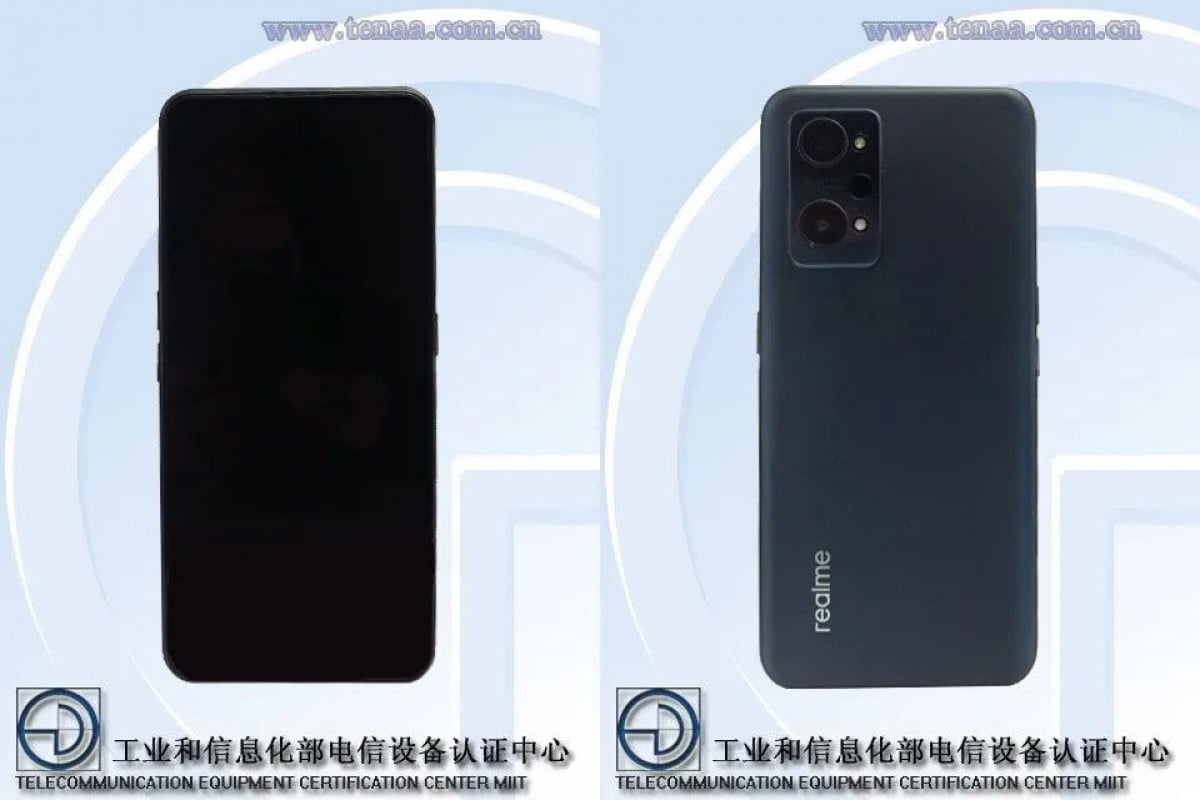
In terms of the optics, the phone will feature a triple rear camera system with a 50MP OmniVision OV50A40 primary sensor with an f/1.79 aperture. It will be accompanied by a 50MP ultra-wide secondary lens and a 2MP depth camera. One of its highlights will be the 60MP selfie shooter placed in the punch-hole cutout.
Image via 91mobiles
The smartphone will run on MyUI custom skin based on the Android 12 OS. The device is said to get 2 years of OS upgrades meaning that it will support Android 13 and Android 14. Wifi 6E, 5G with 13 bands, Bluetooth v5.1, and GPS will be some of its connectivity options. The phone will also have a USB Type-C port at the bottom.
Regarding the price, the Motorola Edge 30 Pro 5G was previously tipped to be priced between Rs. 45,000(~$603) and Rs. 50,000(~$670).
MediaTek has now released a couple of teasers on its official Weibo account confirming that the MediaTek Dimensity 9000 chipset will launch first on the OPPO Find X5 series. The company categorically stated that the Dimensity 9000 will be launched onboard the OPPO Find X5 series on February 24.
MediaTek’s Dimensity 9000 will be based on TSMC’s 4nm process with a 3.0GHz Cortex-X2 super core, three 2.85GHz A710 large cores, and four 1.8GHz A510 mid-core architecture.
In terms of benchmark performance, the Dimensity 9000’s AnTuTu score exceeded 1,017,488 points which is higher than the Snapdragon 8 Gen 1’s score. On GeekBench, the flagship processor scored 1273 points on the single core test and 4324 points on the multi core test. The multi-core test score exceeds that of the Snapdragon 8 Gen 1, which falls between 3,800 and 3,900 points.
We’ll find out more about the Dimensity 9000 when the Find X5 series go official on February 24.
Earlier this week, Infinix launched the ZERO 5G smartphone in the Indian market. The device comes with the Dimensity 900 5G chipset and offers a triple camera system. Starting today, the device has gone on sale in the country.
The Infinix ZERO 5G is priced at Rs. 19,999(~$268) for the sole 8GB RAM and 128GB storage variant. The device has two color options – Cosmic Black, Horizon Blue, and Skylight Orange.
Infinix Zero 5G
Infinix ZERO 5G Specifications
The Infinix ZERO 5G has a 6.78-inch IPS LTPS LCD display with an FHD+(2460 x 1080 pixes) resolution. It comes with a 120Hz refresh rate and has 240Hz touch sampling rate. The phone has a 20.5:9 aspect ratio and 500 nits of brightness.
It comes with a new camera island design as compared to the company’s other phones. The device has a triple camera system with the camera island protruded. It has a 48MP primary lens, a 13MP telephoto sensor, and a 2MP depth lens. Upfront, it sports a 16MP selfie camera.
Under the hood, it is powered by the MediaTek Dimensity 900 5G SoC paired with 8GB of LPDDR5 RAM and 128GB of UFS 3.1 internal storage. It has a virtual RAM feature that offers up to 5GB of RAM expansion.
The phone also has expandable storage via the microSD card slot. The dual-SIM phone packs a 5,000mAh battery and has 33W fast charging support. The phone runs on Android 11 and has XOS 10 on top of it.
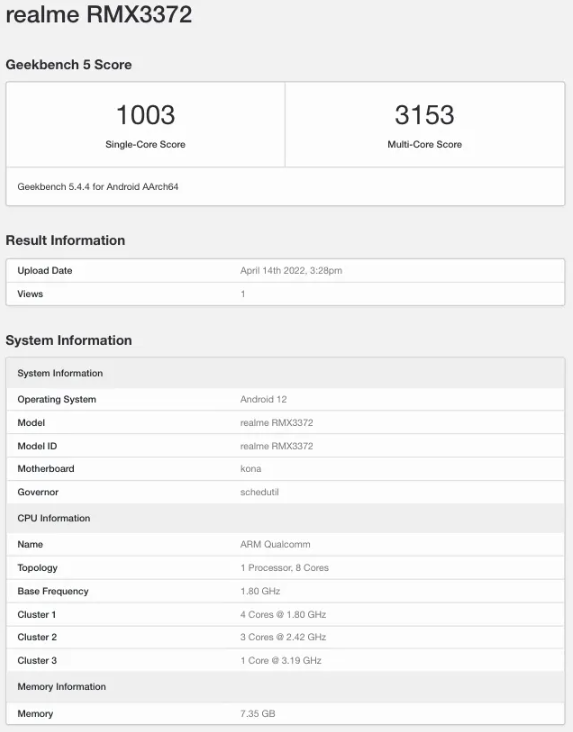
A new report indicates that German carmaker Volkswagen is in talks with Huawei for a possible acquisition of the tech company’s autonomous vehicle unit. The autonomous driving unit of Huawei is a fast-evolving enterprise that draws massively from Huawei’s rich vein of technology and proprietary products in the autonomous driving evolution. The deal is expected to be worth several billions of Euros, sources say.
Although Huawei was mum on the matter, this could be a win-win situation for both companies, as Huawei continues to grapple with the harsh US sanction regime that has heavily limited its capacity as a global player. The sanction regime had led the company to diversify its operations, leading to the setting up of a raft of businesses dealing in diverse products. Volkswagen China has also not made any formal statement concerning the news.
Since 2019 when Huawei created the autonomous driving unit, it has grown rapidly, tapping from the rich resource of technology available from Huawei, although there had been speculation that Huawei may develop its autonomous vehicle. However, Huawei’s goal is to be a component supplier for different car brands.
Volkswagen had also been pursuing electric vehicle dominance with some of the latest partnerships it had entered. The new direction in pursuit of dominance in the autonomous driving space seems to be part of the strategic goals of the German automaker. China remains a fertile business ground for Volkswagen. Indeed, it was the company’s largest market in 2020 and the outlook remains bright, moving forward. And the pace of development of autonomous driving solutions has been quite rapid. Recently AutoX reached a milestone of 1,000 RoboTaxis deployed across the country.
Samsung Galaxy S22 lineup is the latest offering by the Korean tech giant, and the smartphones pack lots of functionality and performance capacity. The Samsung Galaxy S22 Ultra is the flagship device in the lineup and it’s a great device when measured across several parameters. However, some of the models in the S22 series have been indicated to be outperformed by older Apple iPhones that are powered by the A13 Bionic chip.
Even the Galaxy S22 Ultra seems to be lacking – at least through the performance benchmarks when it is paired against the Apple iPhone 13 Pro Max, which is powered by the A15 chip. It should be noted, however, that benchmarks do not indicate the full picture, but they can be quite illuminating for devices. The latest benchmarks regarding Exynos 2200 when compared with the A13 Bionic chip, indicate a better GPU and CPU performance for the iPhone 11 (released in 2019) than the Galaxy S22. Another issue that has been closely connected with the Exynos 2200 flagship chip is overheating of the device.
This seemingly under-par performance of the Galaxy S22 due to chip issues just adds to the growing issues relating to the device. Some industry watchers hold the view that the Galaxy S22 was rushed to the market, and may have in its trail, a litany of complaints and malfunction. It should be noted that the Qualcomm Snapdragon 8 Gen 1 chip is also used in some S22 models in place of the Exynos 2200, and the chip offers better performance than the Exynos 2200. In addition, some of the observed issues relating to the Galaxy S22 models could be fixed or alleviated by subsequent updates, so the model is still a good choice overall, although caution is the word.
Vivo on Friday launched the all-new Vivo Y15s budget smartphone in the Indian market. The smartphone comes with a big battery, a dual-camera system, and runs on Android 11 Go Edition.
The Vivo Y15s is priced at Rs. 10,990(~$147) for the lone 3GB RAM and 32GB storage variant. This is slightly higher than the price for which the phone was launched earlier in Singapore(~$133) and Pakistan(~$136).
1 of 2
Anyway, it comes in two colors namely the Mystic Blue and Wave Green shades in the country. It will be available for purchase starting today.
Vivo Y15s Indian model Specifications
The Vivo Y15s comes with a water-drop notch display sporting an HD+ resolution. It is an IPS LCD screen with a 60Hz refresh rate and thin bezels on all three sides except for the bottom. Just like other phones in this range, it has a noticeable bottom bezel.
In terms of cameras, the Vivo Y15s features a dual-rear camera system with a 13MP primary lens and a 2MP macro sensor. At the front, it has an 8MP selfie sensor. The phone comes with various camera modes including the Pro mode, Face Beauty, Panorama, Live Photo, Time-lapse, and Documents mode.
The dual-SIM smartphone is powered by the MediaTek Helio P35 SoC paired with 3GB of RAM and 32GB of internal storage. It has a microSD card slot for additional storage needs. The phone houses a 5,000mAh battery with support for 10W charging speed.

The Y15s has a side-mounted fingerprint scanner boots on the Android 11 Go Edition. It has FunTouch OS 11.1 on the top of the Android skin. It has a USB Type-C port and a 3.5mm headphone jack as for ports.
In recent years, multiple cases of unfortunate deaths related to online gaming addiction have made the news, and today, we regretfully report that another such incident has occurred where a 14-year-old boy living in Mumbai, India has allegedly committed suicide as a result of gaming addiction.
The boy is said to have been addicted to this recently banned battle royale game Garena Free Fire, and the Bhoiwada police are currently investigating to find out if it was something related to the game that led the boy to take this extreme step.
According to the Police, the boy’s father, who works as a designer for a private, received a call from his son on Sunday at 7:22 PM. The father could not receive the call as he was traveling with his wife, as per a report by Hindustan Times. When he called his son back a few minutes later, the boy did not answer the call.
Upon returning home, the parents noticed that their son’s room was locked. The father had to break the glass frame above the door to unlock it, following which, the unfortunate father found his son dead inside the room. The police informed that the body was sent to KEM Hospital for post-mortem.
Vijay Patil, the Deputy Commissioner of Police, zone 4, has stated that “Preliminary probe has revealed that the boy was addicted to Free Fire online game, but what exactly triggered him to take the extreme step is still a mystery.”
However, both the parents and the boy’s school teachers have shared that the boy has never shown any signs of gaming addiction. They have stated that the boy was a bright student and fond of cricket.
The Police have also stated that “The online game he was addicted to needed to be played in groups. So we are trying to find out who his friends were and who were his co-players in the game so as to ascertain if anything happened during the game that led him to take the drastic step.”
With this in mind, the police have sent the boy’s mobile phone to the forensic laboratory to retrieve its data. The initial reports have revealed that the boy mostly surfed websites related to the Free Fire game and cricket.
Jitendra Pawar, Senior Inspector, Bhoiwada police, said, “No note written by the boy was found. Nothing important from his mobile conversations with his friends is found. His teachers say that he was studious. His parents also didn’t complain of anything suspicious,”
The investigation is still underway to figure out if it was indeed the boy’s gaming addiction that drove the boy to take this drastic step or if it was due to some other reason.
After several leaks online, the Oppo A76 4G has finally gone official in the lower mid-range smartphone market for only RM899 (~215 USD) in Malaysia.
Let’s start with the design. The Oppo A76 4G comes in a polycarbonate unibody with a matte back design that Oppo claims to have “enduring” qualities such as its fingerprint-resistant matte coating and IP54 water and dust resistance rating. Its dimensions are 164.4mm x 75.7mm x 8.39mm, weighing in at a hefty 189g. The fingerprint scanner is built into the power button located right side of the phone, whereas the volume buttons and SIM Card Slot are located to the left of the device.
From the front, the Oppo A76 boasts an 89.9% screen-to-body ratio, and a 90Hz HD+ 6.56” IPS LCD Display with 96% NTSC coverage of the colour gamut. Oppo says that the display is able to provide the user with a colour-rich smooth and silky viewing experience for all sorts of content. The display also features a punch-hole cutout on the top left corner which also houses the 8MP front camera for selfies.
Under the hood, the Oppo A76 4G is powered by Qualcomm’s Snapdragon 680 4G chipset, which is also the same processor found on the Realme 9i. The chipset is manufactured under TSMC’s 6nm node which is known for its power efficiency. Keeping the lights on is a 5000mAh battery paired with 33W Oppo SuperVOOC charging. Oppo claims that this phone can be able to charge from 0% to 50% within 26 mins with their newer refined charging technology.
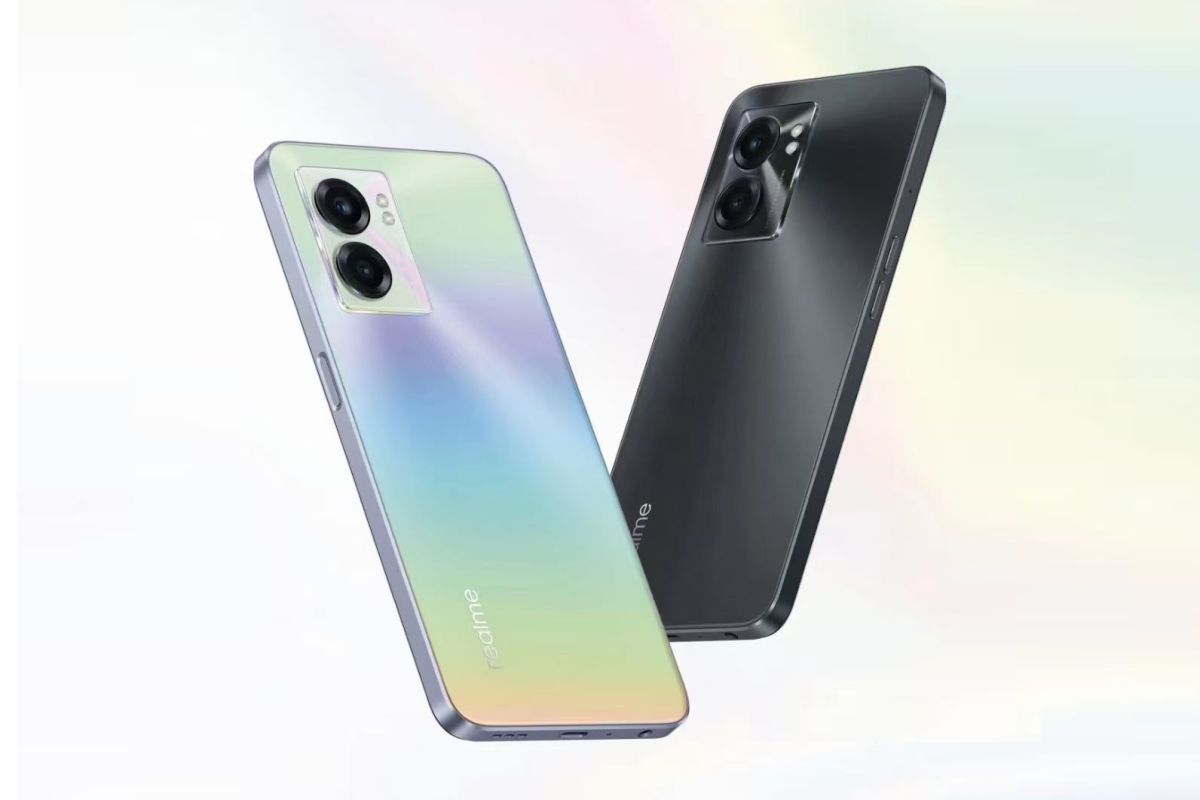
The Oppo A76 cameras are quite average in the segment, as it features a dual-camera setup with a 13MP main cam and 2MP monochrome sensor.
The Oppo A76 runs on ColorOS 11.1 based on Android 11, and is presented with 6GB of physical RAM, 5GB of virtual RAM and 128GB of internal storage for users to enjoy.
Oppo A76 Spec Sheet
The Oppo A76 will be available for RM899(~215 USD) from 19 February 2022 onwards across all channels in Malaysia. It comes in 2 colours, Glowing Blue and Glowing Black.
Glowing BlueGlowing Black
The Oppo A76 is also expected to arrive in other key markets like the Philippines, Indonesia and India soon within this quarter.
Redmi K50 Gaming version was finally released this week. Some of you may remember the K40 Gaming edition, which was a bit disappointing with very few gaming features. And the K40 Gaming version powered by the Dimensity 1200 wasn’t widely accepted as a powerful gaming model.
But this time it seems that the K series Gaming edition is back on its feet. It comes with the best performance module, including a snapdragon 8Gen1 chip, LPDDR5 Flash memory, and UFS3.1 storage.
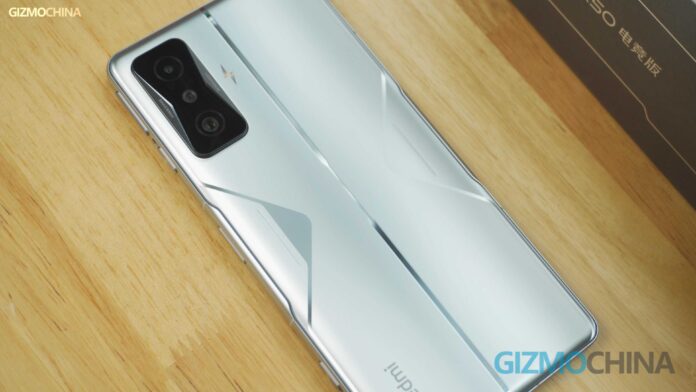
The silver-color version that we ordered just came in early today. Well in addition to the standard version coming in silver and blue color variants, there’s another limited Champion edition of 10000 units that is co-designed with Mercedes-AMG F1 Team, which, of course, is priced a bit higher. But apart from the special appearance, it’s no different from the standard version.
Anyway, let’s focus back on the silver phone in my hand and check out how much of a better ‘gaming’ phone is this new model.
The packaging of the K50 Gaming continues Redmi’s style, with a large K50 title on the front.
Open the box, and there’s nothing really special compared to other Redmi phones. In addition to the phone itself, there’s a transparent case included, along with a 120W fast charging kit, which, as claimed, could fully charge the phone’s 4700mAh large battery only in 17 minutes and supports fast-charge while playing games.
Looking back at the silver phone, it’s probably the most elegant and low-profile model among the three variants. The back is made of AG glass with a decorative texture in the middle. The phone weighs around 210g, which is pretty lightweight in the category of gaming phones.
There’s not much fancy reflection, and the back feels pretty good in the hand. The edge frame is made of metal material.
At the top, Redmi still reserves the IR remote, by which you can use the phone to remote control your TV, air conditioner, and so on.
1 of 3
TOP
BOTTOM
Side Fingerprint
At the bottom, we can see the JBL logo. The phone features JBL’s 4-unit speakers to bring excellent audio performance with stereo effect. And the speakers’ location is gamer-friendly, which makes sure that the sound wouldn’t be blocked when playing games.
As a gaming phone, the K50 Gaming naturally reserves the lift shoulder buttons on the side, still with a toggle switch and a power button supporting fingerprint unlock.
Let’s look at its camera module. The Redmi K50 Gaming inherits the camera ambient light and thunderbolt design for the flash from the K40 Gaming edition.
The phone comes with three rear cameras, including a 64MP Sony IMX686 main camera, which was widely seen on 2020s flagships. But it’s been two years already, so we actually don’t expect it to bring any surprises. The other two cameras are an 8MP wide-angle lens and a 2MP macro lens.
Okay, I understand it’s a gaming phone, and it means that gamers do not really care about cameras especially when it sells for a start price of 520 USD, right?
The front face is a 6.67-inch 120Hz OLED flat display, which received A+ certification from DisplayMate. It has a Full HD+ resolution with wide color coverage of a billion colors and HDR10+ high dynamic range. And it also features a 1920Hz high-frequency PWM dimming, which should be good for your eyes even when using the screen in dim light.
No matter for color or detail, the display looks pretty good so far. And Redmi has claimed that they’ve optimized the touch resolution to improve the operating precision and smoothness in certain games. And we will show you whether it’s fact in actual gaming in our full review soon. Stay tuned!
As a gaming phone, another great selling point for the K50 Gaming is the upgraded cooling system, which is likely to make it one of the 8Gen1 phones with the best cooling effect. And we will also test this in our review. Other details like the shoulder button and ultra-large X-axis vibration will also be included in the upcoming review.
MIUI 13 preinstalled
For software, the Redmi K50 GAMING comes preinstalled with MIUI 13, and obviously, Redmi enriched its software features for a better gaming experience.
With a starting price of around 520USD, the Redmi K50 Gaming edition is probably the most competitive killer against other gaming phones. Apart from the ordinary camera module, there’s no obvious downside to the phone on paper.
Our detailed full review is coming soon, so stay tuned for that. You can leave your comments down below and let us know if there’s anything specific you want to know about the phone. We’ll try to answer them in our review.
We use cookies on our website to give you the most relevant experience by remembering your preferences and repeat visits. By clicking “Accept”, you consent to the use of ALL the cookies.
This website uses cookies to improve your experience while you navigate through the website. Out of these, the cookies that are categorized as necessary are stored on your browser as they are essential for the working of basic functionalities of the website. We also use third-party cookies that help us analyze and understand how you use this website. These cookies will be stored in your browser only with your consent. You also have the option to opt-out of these cookies. But opting out of some of these cookies may affect your browsing experience.
Necessary cookies are absolutely essential for the website to function properly. This category only includes cookies that ensures basic functionalities and security features of the website. These cookies do not store any personal information.
Any cookies that may not be particularly necessary for the website to function and is used specifically to collect user personal data via analytics, ads, other embedded contents are termed as non-necessary cookies. It is mandatory to procure user consent prior to running these cookies on your website.