Advertisement

Ather plans to produce 1 Million EVs a year; Here’s why and how

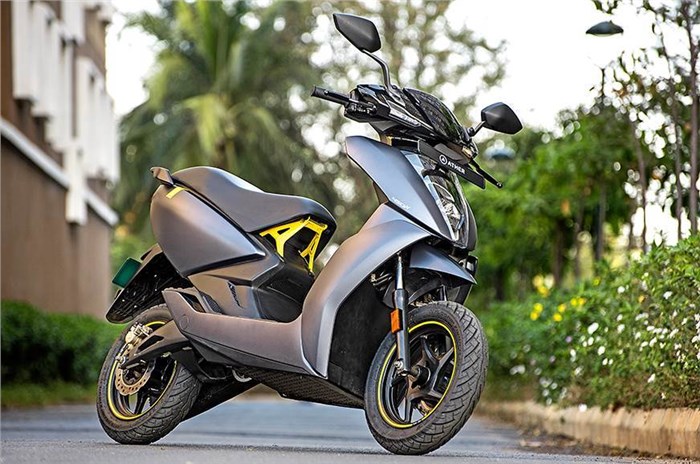
The Indian electric vehicle market has seen increasing figures in the last few years. So much so that, many local makers have already shifted and are shifting to the EV sector in the country. Ather, which is currently India’s top electric scooter maker, has already captured a big chunk of the market. Now, as per new reports, the company is planning to increase its production to 1 million EVs a year, thanks to the increasing demand.

The electric vehicle demand has soared in the last few years, however, it still captures only 1% of the total Indian motorbike and scooter market. However, because fuel costs have surged and purchasers see no significant long-term pricing differences between an EV and a gasoline vehicle, the sector is projected to experience continuous expansion, with EVs soon dominating the motorbike and scooter market.
Ather

Considering this factor, Ather’s CEO Tarun Mehta has aimed to ramp up EV production. Mehta plans to increase the company’s annual production to 1 million scooters. This will be way higher than the current production of 400,000. The company also aims to install 5,000 fast chargers across the streets of India and set up over 600 stores in the country.

Evidently, for ramping the production and gearing for more EV infrastructure, the company needs more funds. As of now, the company has raised Rs. 1,200 crores ever since its emergence back in 2013. The major investors were HeroMotoCorp and Tiger Global.

This time around, Mehta aims to raise way more funding, but unfortunately, he hasn’t revealed the exact figures needed. However, rumors have it that Ather plans to raise a total of $133 million. Out of which, it has already raised $56 million(Rs. 420 crores) so far from Hero MotoCorp.

Apart from electric scooters, Mehta is also interested in other commercial vehicles. He said, “The next thing that excites me is trucks and buses – it is low volume but massive energy consumption.”

Does that mean we’ll also see other electric vehicles from Ather? What do you think? Tell us in the comments.

RELATED:

(via)

Redmi Note 11 Pro 4G vs Redmi Note 11 Pro 5G: Specs Comparison

Xiaomi officially unveiled the global Redmi Note 11 series recently. The lineup includes two Pro models, namely Redmi Note 11 Pro 4G and Redmi Note 11 Pro 5G. Here in this article, we compare the specifications of these two smartphones in detail. The post will give you an idea of how they differ from each other.

Redmi Note 11 Pro 5G Global
Redmi Note 11 Pro 5G

Redmi Note 11 Pro 4G vs Redmi Note 11 Pro 5G


Build and Design

Redmi Note 11 Pro 4G and Redmi Note 11 Pro 5G feature an identical design, dimensions, and weight. They measure 164.19 x 76.1 x 8.12mm in dimensions and weigh 202g. They sport a flat frame and a rectangular camera island on the rear.

The phones not only use a glass panel on the back but are also IP53-rated for dust and splash resistance. They come in two common colors (Graphite Gray, Polar White) and one exclusive color (4G – Star Blue, 5G – Atlantic Blue).


Display

Both the devices sport the same 6.67-inch AMOLED display with a resolution of 2400 x 1080 pixels (FHD+), 395 PPI, a 120Hz refresh rate, and a 360Hz touch sampling rate. The screen supports DCI-P3 color gamut, 4,500,000:1 contrast ratio, 700 nits typical brightness, and up to 1200 nits peak brightness.

The panel has a centered punch-hole and is compatible with MIUI’s Sunlight Display and Reading Mode 3.0


Chipset, RAM, and Storage

A MediaTek Helio G96 SoC runs the Redmi Note 11 Pro 4G, and therefore, it is limited to 4G connectivity. On the other hand, the Redmi Note 11 Pro 5G is powered by a Qualcomm Snapdragon 695 SoC with support for 5G connectivity.

But both of them have the matching LPDDR4x RAM and UFS 2.2 storage. In fact, they also arrive in identical memory configurations, like 6GB + 64GB, 6GB + 128GB, and 8GB + 128GB.


Cameras

First and foremost, the duo nests a 16MP selfie camera inside the punch-hole on the front. Secondly, the 5G model has a triple camera setup on the rear instead of quad like the 4G version.

The only difference is that the Remi Note 11 Pro 5G lacks the fourth 2MP depth sensor, which is found on the Redmi Note 11 Pro 4G. Other than that, both have a 108MP primary sensor, an 8MP ultra-wide, and a 2MP macro snapper.


Redmi Note 11 Pro 4G Global
Redmi Note 11 Pro 4G


Connectivity and Ports

As their names suggest, the Redmi Note 11 Pro 4G only supports 4G, while the Redmi Note 11 Pro 5G can connect to a 5G network. They feature a dual-SIM card slot, however, it is of the hybrid type.

Further, the duo arrives with dual-band WiFi, Bluetooth 5.1, GNSS (GPS, GLONASS, BDS, GALILEO), and NFC (market dependent).

Finally, they have a 3.5mm headphone jack, in addition to a USB Type-C port.


Software

Weirdly, despite releasing in 2022, the Redmi Note 11 Pro 4G and the Remi Note 11 Pro 5G ship with Android 11 out of the box. Thankfully, they at least come with the latest MIUI 13.


Battery and Charging

Both the Redmi Note 11 Pro 4G and the Redmi Note 11 Pro 5G get their juice from a 5,000mAh battery. This huge cell can be filled in under an hour as it supports 67W fast charging. The required power adapter is bundled with the handsets.


Miscellaneous

The smartphones come with all the essential sensors like an accelerometer, ambient light sensor, compass, proximity sensor, gyroscope, and a side-mounted fingerprint sensor.

They also arrive with an IR blaster, dual stereo speakers,  a z-axis linear vibration motor, and liquid cooling technology for thermal management.


Price

The international Redmi Note 11 Pro series carry the following price tags.

Redmi Note 11 Pro 4G

  • 6GB + 64GB – $299
  • 6GB + 128GB – $329
  • 8GB + 128GB – $349

Redmi Note 11 Pro 5G

  • 6GB + 64GB – $329
  • 6GB + 128GB – $349
  • 8GB + 128GB – $379


RELATED:


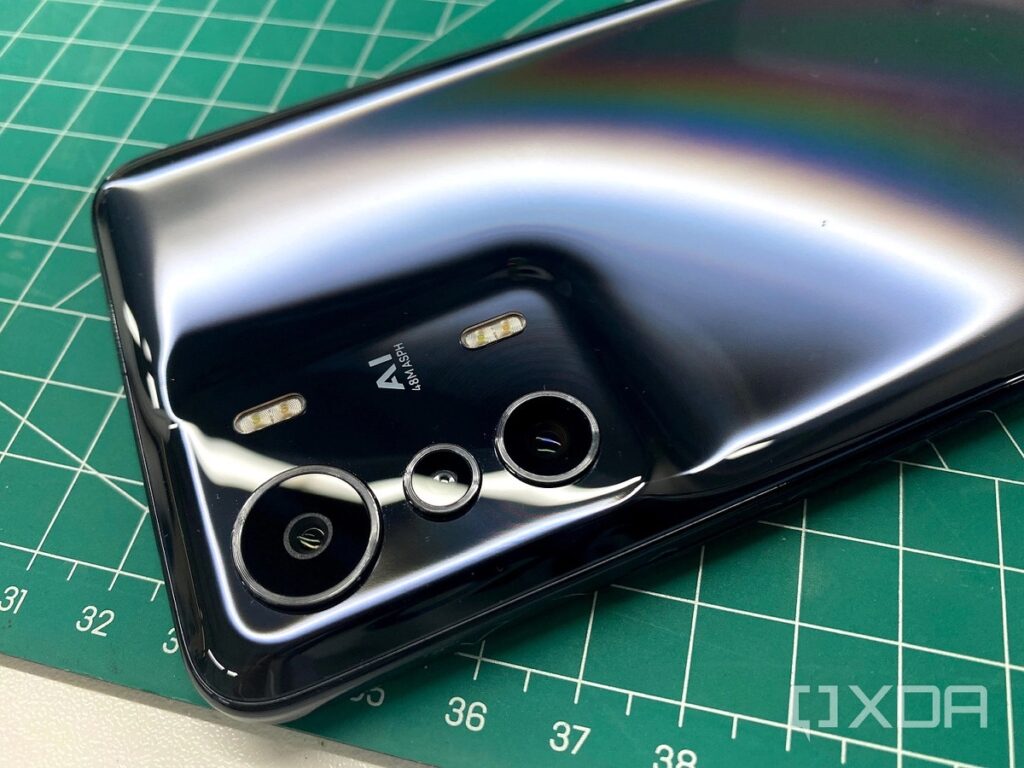
Infinix Zero 5G with Dimensity 900 & 120Hz display, launching soon: Report

Infinix has had a 5G phone in the pipeline for a while now which is said to soon release in the Indian market under the Infinix Zero 5G moniker. A few days back, alleged live images on the device surfaced giving us the first looks of the phone. And now, A new report claims that the Infinix Zero 5G’s launch is right around the corner.

Alleged Infinix Zero 5G

According to MySmartPrice, industry sources have informed that the Infinix Zero 5G will soon launch in the Indian market. The sources have claimed that the device will be powered by the Dimensity 900 SoC, which aligns with previous leaks of the device. Additionally, they have stated that the handset will feature a Uni-curve design and offer a 120Hz refresh rate display.

Infinix Zero 5G specifications (rumored)

Infinix Zero 5G back and front
Infinix Zero 5G’s unofficial render by TechArena24 | YouTube

The leaks so far claim that the device has a 6.67-inch AMOLED FHD+ 120Hz display and a 16-megapixel camera on the front which is housed in a punch-hole cutout. The left edge of the handset will house the volume rockers. While the right edge will have the power button which will also double as the fingerprint scanner.

Under the hood, the Dimensity 900 chip is coupled with 8 GB of RAM and a 5,000mAh battery that supports 33W fast charging. The device is likely to run on Android 11 OS and offer 128 GB of internal storage. The handset is expected to launch soon in different markets including India. At present, there is no word on the pricing of the device.

For photography, the Zero 5G will offer a triple rear camera setup including a 48MP sensor. The other two sensors are said to be an ultra-wide-angle lens and a telephoto lens, however, their resolution remains a mystery for now.

Infinix India CEO Anish Kapoor has previously stated in an interview that the upcoming 5G smartphone will not cross that Rs 20,000 price point, so it’s safe to assume that the handset will be priced under Rs. 20,000 ($266).


RELATED:


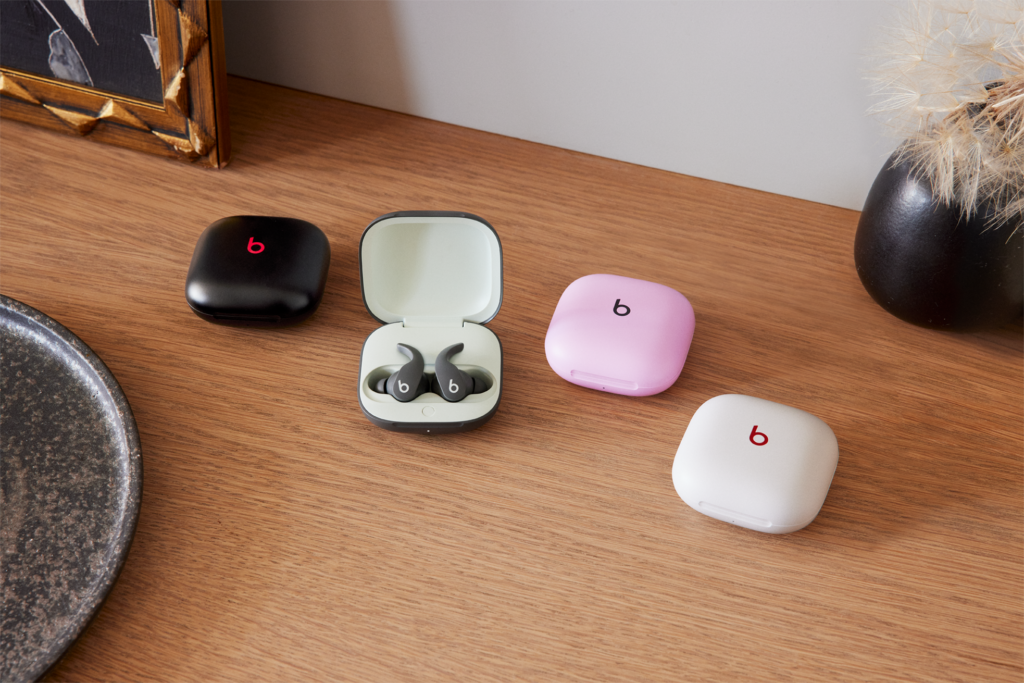
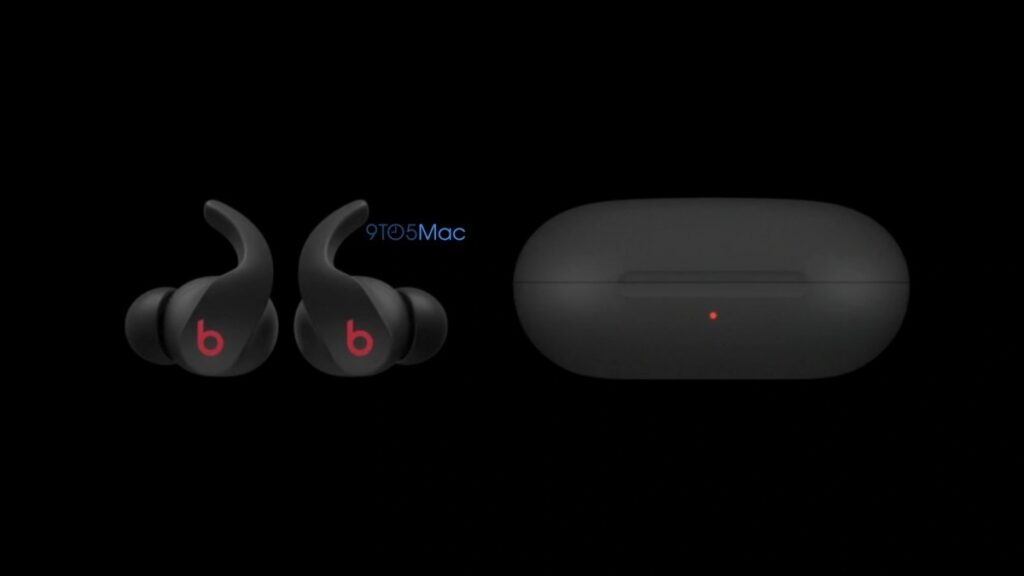
Apple Beats Fit Pro earbuds with wingtip design, ANC released globally

The Apple-owned Beats had released the Beats Fit Pro TWS earbuds back in November 2021. However, the product was only made available in the U.S. Now, the brand has finally released these earbuds globally.

Apple Beats Fit Pro earbuds

According to a report by MacRumors, the Beats Fit Pro earbuds are now available for purchase in various regions like the UK, Ireland, France, Italy, Germany, Spain, the Netherlands, Belgium, Switzerland, Sweden, Canada, Australia, New Zealand, Japan, Singapore, South Korea, among others.

Apple Beats Fit Pro

The TWS earbuds from Apple’s Beats are made with athletes in mind and therefore feature a wingtip design to keep the earbuds glued to your ears offering a good fit. The earphones come with  Apple’s H1 chip offering fast pairing and automatic syncing. This chipset is the same chipset used in Apple’s AirPods Pro.

Beats

The Fit Pro has an Active Noise Cancellation feature with a “Transparency” mode and spatial audio with dynamic head tracking which is also similar to the AirPods Pro. The buds offer up to 7 hours of playback without the charging case and up to 30 hours with the charging case. It has an IPX4-rating making it water and sweat-resistant.

The earbuds are available for purchase on the Apple official website and come in four colors – White, Black, Grey, and Purple/Pink. The earbuds were launched at a $199.99 price tag in the US, however, pricing might vary from region to region.


RELATED:


Google hiring ‘camera ISP’ experts for 2nd Gen Tensor chips: Report

The Google Pixel 6 and Pixel 6 Pro feature one of the best camera performances among modern-day Android devices which is a result of closely nit hardware-software integration. And now, Google is hiring for a new San Diego-based team for camera image signal processor design.

Google Tensor

According to a report by AndroidCentral, the new hirings could be for the design and development of the next generation of Google Tensor SoC which is rumored to be codenamed ‘Cloudripper’. Google’s senior director Mike Coulter posted the hiring announcement on linked stating that the company is looking to form a San Diago-based Camera ISP design and verification team that has openings at all levels.

It is worth noting that prior to joining Google, Mike Coulter was the Vice President of Engineering at Qualcomm for four years. Twitter user Anshel Sag alluded to the possibility that Google might be trying to poach talent from Qualcomm, which is also based in San Diago.

We have previously reported that Google is working on the 2nd generation Tensor chip which is expected to be announced in the second half of 2022 and will likely be featured in the upcoming Pixel 7 series devices.

Information on the 2nd generation Tensor chip is scarce right now and we only know about its codename “Cloudripper” and an alleged “GS201” model number. However, with hirings commencing for the chip’s ISP, we are sure to get more leaks and details about the next-gen Tensor chip.


RELATED:


OSOM OV1 could come in four colors

Essential’s first smartphone dubbed Essential PH-1 wasn’t that successful in the market, and soon after its release, the company shut its operations. Now, the brains behind Essential are back, this time as OSOM, to launch its privacy-centric phone called the OSOM OV1.

Previously, the company teased the OSOM OV1 and revealed the plans for the company. Now, the brand took it Twitter asking the audience about its color variants.

In a tweet, the company shared the OV1 in four colorways – Solar Yellow, Borealis Green, Twilight Blue, and Dusk Purple. The company wants netizens to choose between four of these colors. We might end up seeing all of these colors once the phone arrives.

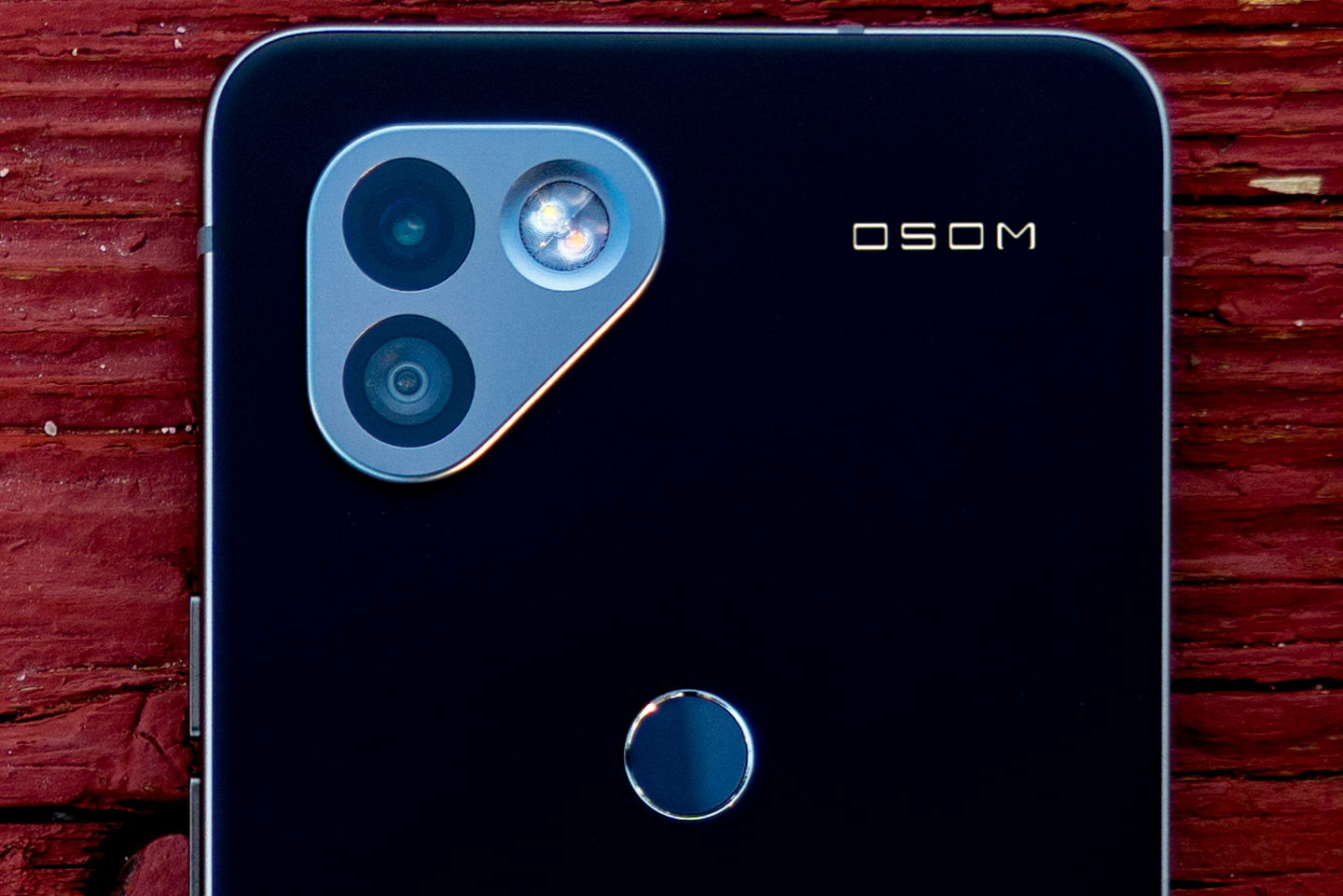
Regarding its specifications, there’s very little that we have learned so far. The smartphone will feature a triangular camera module at the rear holding two lenses. It also has a big LED flash alongside the lenses. It will be powered by a Qualcomm chipset, however, there’s no detail on the exact chipset.

OSOM OV1 featured

Furthermore, we’ll see the phone focusing on privacy and security. Having said that, it will have a rear-mounted fingerprint scanner and will run on stock Android OS.

Apart from this, the phone will debut in Summer 2022, but we’ll see the device getting showcased at the Mobile World Congress(MWC) event next month. We are also hopeful to get to learn all of its specs and design as we come closer to the event.

RELATED:

Vivo X80 series, NEX 5 to support 80W fast-charging, 100W charging under development

Earlier this month, a leak revealed some key specifications of the upcoming Vivo flagships dubbed the Vivo X80 series. Going by the leaks, the X80 was said to have 55W fast charging while the X80 Pro and X80 Pro+ models were touted to feature 66W fast charging support.

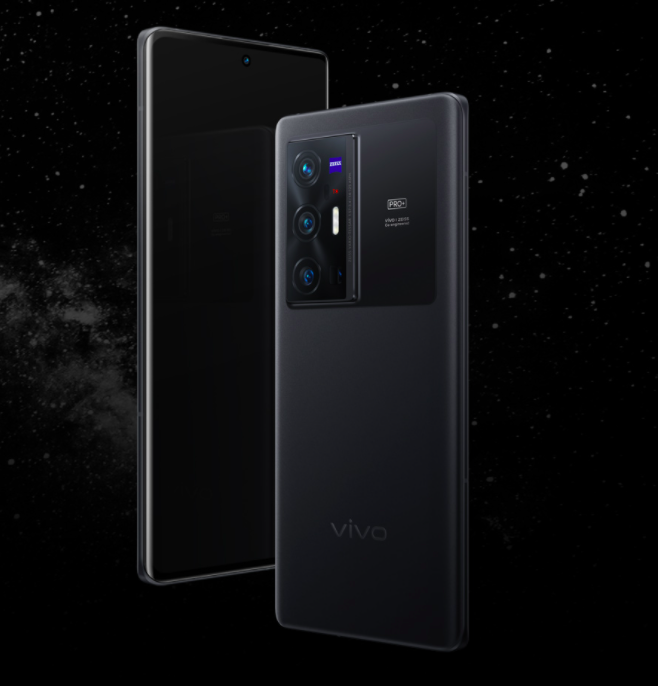
VIVO X70 Pro Plus 5G
Vivo X70 Pro Plus

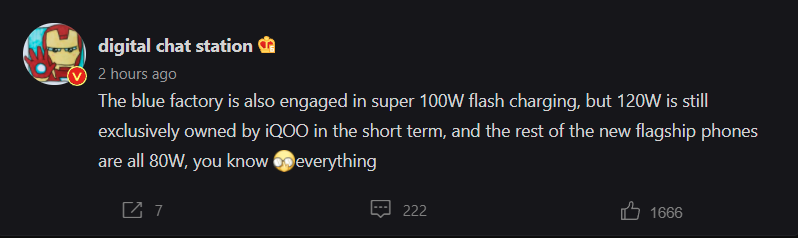
However, a new report by popular Weibo tipster DigitalChatStation states that the entire X80 lineup will be getting 80W fast charging support.

Vivo X80 80W fast charging

According to the report, the Chinese smartphone giant Vivo is currently working on developing 100W fast-charging technology. The report further states that new flagship phones for the brand will all be getting 80W fast-charging support. The upcoming flagship-level smartphone from Vivo that we know about so far are the X80 series and the Vivo NEX 5. So we can expect both of them to get 80W charging.

The leakster states that the 120W fast charging remains exclusive to iQOO, which is a sub-brand of Vivo leaving Vivo fans to wonder why the company is developing 100W fast-charging when their sub-brand already has products that offer 120W charging support like the iQOO 9 series.

Vivo X80 Pro+ specs (rumored)

Vivo X80

The X80 Pro+ is said to come with a 6.78-inch LTPO AMOLED display with Quad HD+ screen resolutions and a 120Hz refresh rate. Under the hood, the X80 Pro+ will house a Snapdragon 8 Gen 1 SoC coupled with 12GB LPDDR5 RAM and UFS 3.1 internal storage.

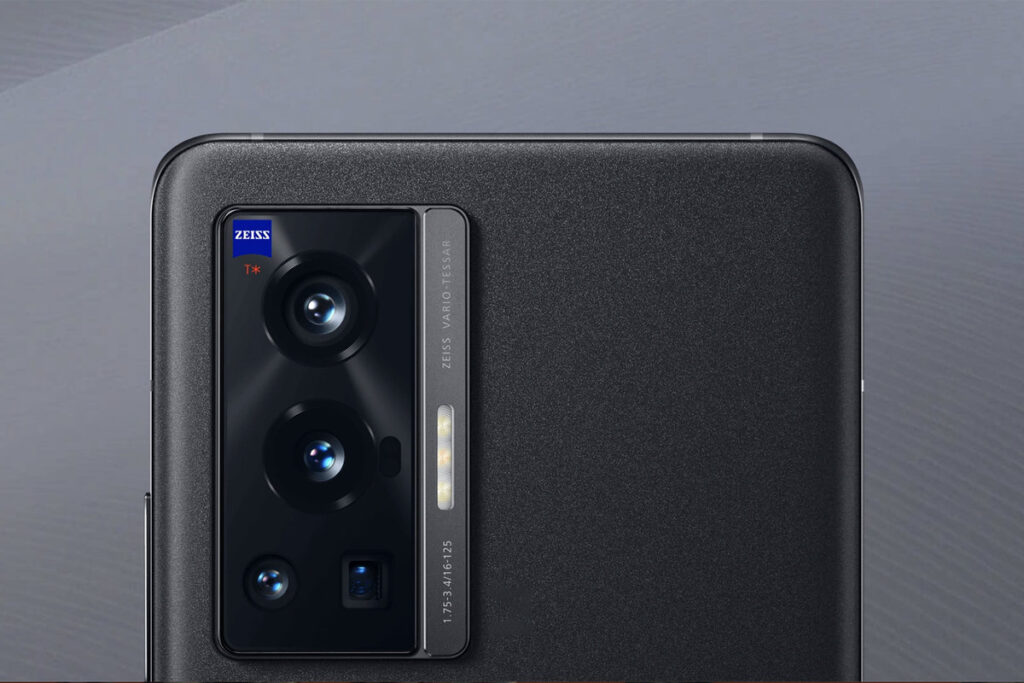
For photography, the Vivo X80 Pro is expected to come with a quad-camera setup at the rear. This may include a 50MP primary lens, a 49MP Sony IMX598 sensor, a 50MP sensor with 2x optical zoom, and another 50MP lens with 5x optical zoom. For video calls and selfies, the X80 Pro+ will pack a 50MP sensor.

The charging capabilities of the device are expected to include 80W wired fast charging and 50W wireless charging support. To know more about the Vivo X80 and X80 Pro, check out the leaked specs of the devices.


RELATED:


RedMagic 7 series will have a model with under-display camera technology

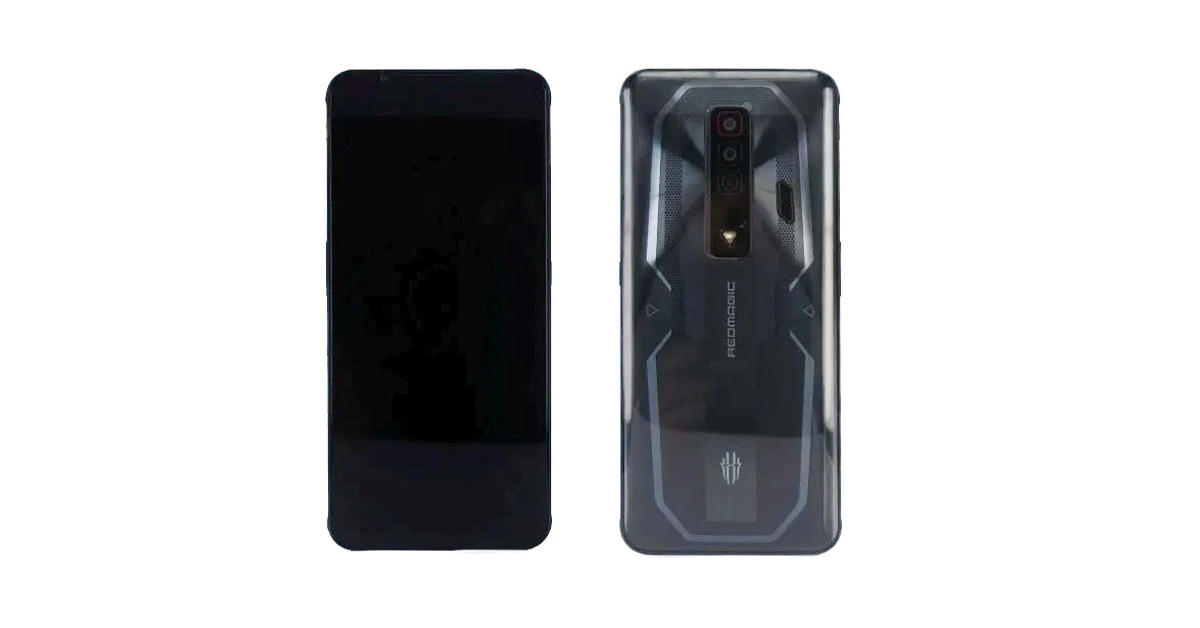
RedMagic 7 series is scheduled to go official next month i.e. in February and ahead of its launch, we saw multiple listings and leaks for the device. Earlier today, the company itself took it to social media revealing the design of the smartphone. Now, the tipster DigitalChatStation reveals that the series may comprise of a device featuring an under-display camera.

The tipster reveals that one of the variants of the RedMagic 7 series will have an under-display camera. Having said that, it could be the first gaming smartphone with such selfie camera technology.

RedMagic 7 Featured

In the past, we have seen Nubia’s Z30 phone featuring this technology. However, it wasn’t a gaming phone under the RedMagic branding. Now that the leaks reveal a RedMagic phone with such technology, we can expect the phone to become a great competitor in the market.

Moreover, the tipster shares the specs of the RedMagic 7 series. The gaming phone series will come powered by the Qualcomm Snapdragon 8 Gen 1 SoC. It will be accompanied by 18GB of RAM. The smartphone will have a 20,000 rpm active cooling fan for keeping the calm while gaming.

RedMagic 7

The series is touted to have an OLED display with a 165Hz refresh rate. One of its highlights will be the super-fast 165W fast charging technology.

Apart from this, the device has already appeared on a few certification sites and was leaked several times. The RedMagic 7 will feature a 6.68-inch OLED panel with FHD+ resolution. It will have a 4,500mAh battery. The smartphone will sport a 64MP primary lens and boot on Android 12 out of the box. A recent teaser revealed that the device has an AnTuTu score of 1101769 which is the highest in any gaming phone, at the moment.

RELATED:

Fiido T1 electric cargo bike with up to 150km range launched

Fildo has released its latest electric bike, the Fildo T1 electric cargo bike which has a striking semblance to the RadRunner bike, although it comes with some innovations and key upgrades. The company has quietly released the electric cargo bike to the market and some industry watchers also insist that the Fildo T1 is not a very obvious reenactment of any previous bikes from other competitors. The Fildo T1 is priced at $1,599 which is just a few bucks more expensive than the RadRunner.Fiido T1 electric cargo bike

The Fildo T1 is a step-through utility bike concept that was fully highlighted and promoted by Rad Power Bikes with the launch of the RadRunner in 2019. The Fildo T1 seems to be building on the concept of the original RadRunner and it comes with several additional features that will put it on a higher pedestal than its predecessor. For starters, the Fildo T1 and the RadRunner have the same color in addition to the similar design that reflects in the wheels, electric motor capacity, and braking system.Fiido T1 electric cargo bike

The T1 has a top speed of 50km/h which can be increased further when using the pedals of the e-bike. The T1 comes with a 7-speed drivetrain which is a significant improvement from the RadRunner which had a single-speed mechanism. The comfort and overall balance of the Fildo T1 are enhanced with its front suspension fork although there is no rear suspension in the T1. Thanks to its battery setup, the Fildo T1 can haul cargo to distances up to 150km on a single charge and pedal assist.

RELATED: 


(via)



Google leaks the Pixel 6a moniker via an official coloring book

Ahead of its possible launch in May 2022, the Google Pixel 6a has been the subject of sometimes intense speculation. Its design and specs list has also been speculated. Indeed the specs sheet and renders of the device were shared a few weeks back, and Google has now teased a select audience with the Pixel 6a in the form of a coloring book.Pixel 6a

It was reported by Droid-life that Google provided a peek into the Pixel 6 couched within a Google Nest audio product that was marketed to the closed Google group recently. The group consists of dedicated clients and customers of the Google brand. The Nest Audio product was packed together with a device that looked like a coloring book from the outside. Google then mentioned that the device could be painted although no other details were provided.

The Google Pixel 6a is a mid-ranger with some decent upgrades from its predecessor. Previous renders had shown a device with extended functionality the present leak reflects the commitment of Google’s research team to further push the frontiers of their research efforts. We expect a few more leaks and teasers to come from Google as the launch date draws closer.

RELATED:


(via)


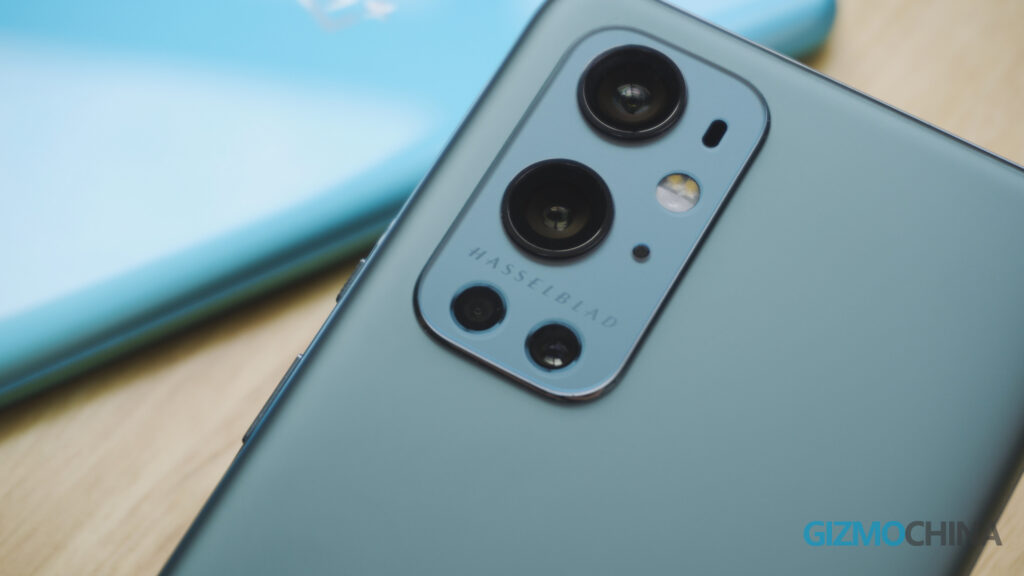
OnePlus 9 series gets fix for auxiliary camera access on GCam ports

The infamous OxygenOS 12 update for the OnePlus 9 series not only introduced many changes but also different kinds of bugs. One of them blocks access to auxiliary cameras on GCam ports. OnePlus promised to fix this issue in a future update. Keeping up with its words, the brand has fixed the problem silently.

OnePlus 9 Pro camera featured 03
OnePlus 9 Pro

Recently, OnePlus rolled out a new software update for the OnePlus 9 and the OnePlus 9 Pro. The update arrived as OxyegnOS 12 C.44 with a long changelog.

According to XDA Developers, the latest system update for the handsets allows GCam ports to access auxiliary cameras, at least on the OnePlus 9 Pro. But for some reason, OnePlus hasn’t mentioned the fix in the changelog.

Therefore, if you happen to own either of the two OnePlus 9 models and are on the latest software build, then do try any GCam port to check whether you can access other camera sensors apart from the primary rear module and selfie shooter.

Hopefully, OnePlus irons out other issues with OxygenOS 12 before rolling it out to the remaining devices. So far, only the last year’s primary flagships are on the new version of the software. The Android 12 rollout is probably the slowest software delivery by OnePlus in a long time.


RELATED:


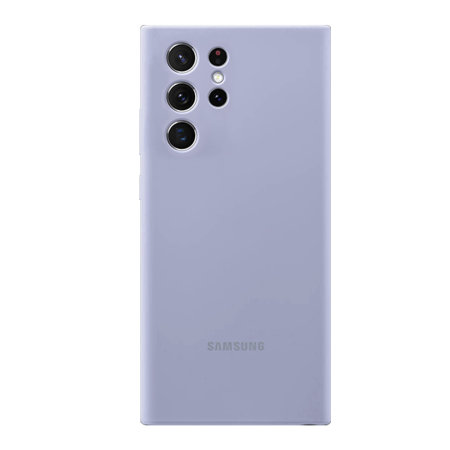
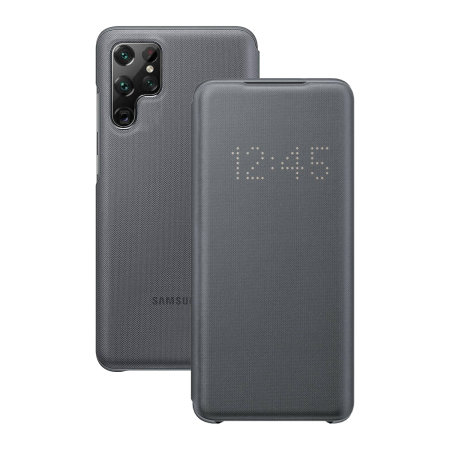
Samsung Galaxy S22 Ultra cases surface online prior to its launch

While Samsung is just a few days away from finally unveiling its highly anticipated Galaxy S22 series, protective cover manufacturers have already began listing their products online. So now, we have an official look at some Galaxy S22 series cases.

Samsung

These cases were spotted from a UK based website called MobileFun (Via PhoneArena). Here, we can see a number of different types of protective covers for the upcoming Galaxy S22 series top end Ultra model ahead of its February 9 Galaxy Unpacked launch event. Usually, the South Korean tech giant’s protective cases tend to be one of the best offerings in the market. And now, the latest leak listing mostly all of them for the Galaxy S22 Ultra.

Looking at the online listings, the Galaxy S22 Ultra’s cover also features a design that resembles last gen models. The company has made a cover for nearly every situation, which is perfect for those that do not wish to buy a cover from a third party accessories maker. The online listing showcase the classic silicone cover, which fits snug on the phone and features a minimalist design that also protects the rear panel from scratches. It is also a lightweight offering that likely supports fast charging, while offering full access to all ports and controls as well.

Samsung

Similarly, the Smart LED is another classic case that displays the notifications along with some basic information on the cover, without need to open the case. Moving forward, we can also see the Ultra Clear View case, which as the name suggests, offers a direct view to the display. This small segment also offers basic information, and displays notifications too. MobileFun also lists a clear standing cover, which is another beloved cover that lets users have clear look at their premium grade handset along with some added protection. The bottom portion even has a kickstand. The website also has a number of third party covers as well.

RELATED:


Redmi Note 11 India launch likely with Note 11S on February 9

The Redmi Note 11S is scheduled to debut on Feb. 9 in India. It is likely to be the same device that was recently announced for the global markets. A recent teaser by Redmi India suggested that one or more Note 11 series phones may debut alongside the Redmi Note 11S on Feb. 9.

According to PassionateGeekz, the Note 11 and Note 11S will launch on Feb. 9. The former may come in 4 GB / 6 GB RAM variants, while the latter may arrive with up to 8 GB of RAM. These devices may go on sale for the first time on Feb. 11. Both handsets are expected to arrive in black, white, and blue colors. The same source had recently claimed that the Note 11S may carry a starting price of Rs 17,999 (~$240).

Redmi Note 11 Global

Redmi Note 11 specifications

The Redmi Note 11 has a 6.43-inch AMOLED display that offers a Full HD+ resolution and a 90Hz refresh rate. It has a front camera of 13-megapixel, and its rear camera setup has a 50-megapixel main camera, an 8-megapixel ultrawide lens along with a pair of 2-megapixel snappers for macro shots and depth effects.

The Note 11 features the Snapdragon 680 chipset, up to 6 GB of LPDDR4x RAM, and up to 128 GB of UFS 2.2 storage. It comes with MIUI 13 based Android 11 OS. It offers other features like a 5,000mAh battery, 33W fast charging, dual stereo speakers, and a side-mounted fingerprint scanner.

The upcoming Feb. 9 launch event will also see the arrival of other Redmi products such as Smart Band Pro fitness tracker and Redmi Smart TV X43 with Dolby Vision support. Probably, the company may hold a separate launch event in March to announce the Redmi Note 11 Pro series.

RELATED:

LineageOS 18.1 arrives to give OnePlus 9 and multiple Xiaomi phones a taste of stock Android

Android custom ROMs aren’t popular as they once were but continue to be a great alternative for those tired of their bloatware-infested, slow, and dated stock software. One of the most popular names in the game is LineageOS, mainly because of its stability and extensive device support. The custom ROM hit version 18.1 (based on Android 11) last year with support for over 60 devices and has been expanding its roster ever since.

The latest additions to the officially supported LineageOS 18.1 devices list include the following, and you can download their respective latest builds by clicking on their codenames (via Android Police).

  • OnePlus 9 (lemonade)
  • Mi 10T Lite/Mi 10i/Redmi Note 9 Pro 5G (gauguin)
  • Mi 10 Lite 5G (monet)
  • Asus ZenFone Max M1 (X00P)

While the OnePlus 9 has already received OxygenOS 12 based on Android 12, the update hasn’t gone down well with everyone since it’s based on ColorOS. LineageOS 18.1 will thus serve as a great replacement.

Both Xiaomi Mi 10T Lite and Mi 10 Lite 5G currently run Android 11 layered with MIUI atop. The heavily-skinned software has always been a hit or miss with users, and those looking for something lighter would love LineageOS 18.1.

The Asus ZenFone Max M1 no longer receives updates and is still stuck on Android 9 following a failed Android 10 beta program. It already has extensive custom ROM developer support and it’s great to see another gem added to its roster.

Additionally, Asus ROG Phone 2 and ZenFone 6 have been dropped from LineageOS support, meaning the duo will no longer be receiving new official builds.

RELATED:

Harmano’s premium Hearfit smartwatches will soon launch in India

The Indian audio gadgets manufacturer Harmano has announced its entry into the smartwatch segment. The brand is best known for high quality and durable audio products which they offer at honest and reasonable prices.

The company will soon enter the smart wearables market with the launch of its upcoming premium smartwatches under the Hearfit brand name.

Hearfit smartwatch

No details about the specifications of this upcoming smartwatch are available as of yet. However, through the image provided by the brand, we can observe that the smartwatch will have a rounded dial, and come featuring a premium metallic body. The Hearfit smartwatch will also have two physical buttons on the side and will probably come with durable silicon straps.

The name of the brand indicates that the Hearfit smartwatch will be a fitness-focused wearable and can be expected to have a SpO2 sensor and a heartrate monitor. The smartwatch might also pack different sports modes and a steps tracker which are standard features in modern-day smartwatches.

Harmano brand has a reputation of offering value for money products and going by that, we can expect the smartwatch to be easy on the pocket compared to the set of features it’ll bring with it.

The company has not revealed a potential timeline for the release of the Hearfit smartwatch, but judging by the press release, interested customers can expect the product to launch soon.


RELATED:


Xiaomi CEO Lei Jun responds to rumors of him retiring from the company

Earlier today (28th January 2022), Wang Hua, the General Manager of Xiaomi public relations, took to Weibo (a Chinese microblogging website) to clarify the news of the company’s CEO, Lei Jun, stepping down from his chairman position. Many have misunderstood the information as Jun is leaving the brand completely, but the exec has now also offered some clarification.

Netizens in China recently discovered that Lei Jun had stepped down from his position as Chairman from Beijing Xiaomi Electronic Products Co Ltd. However, this information was mistaken as him resigning from the Xiaomi Group entirely. Thus, the general manager of Xiaomi’s PR clarified that Lei Jun has stepped down from his leadership from just the electronics unit and has not completely left the Chinese tech giant group. He further added that the executive is placing his focus on the brand’s car manufacturing plans.


Xiaomi

Similar to Wang Hua’s statement, Lei Jun also offered more clarification on his own Weibo account. In the social media post, he stated that the Xiaomi Group has a large number of subsidiaries. So, its not uncommon for the board of directors and legal representatives of these subsidiaries to see a shuffling/adjustment. Jun said that his move of stepping down from his chairman of Xiaomi Electronics should not be misunderstood as anything more drastic. While the unit is a large part of the brand, the group overall is much larger than just its consumer electronic products.

RELATED:


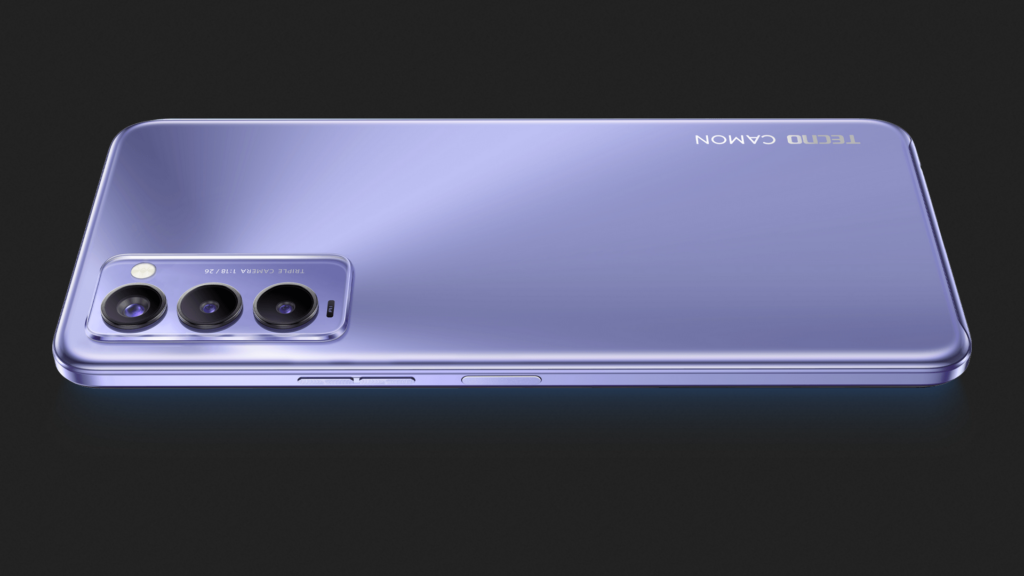
Tecno Memory Fusion tech to be rolled out for these devices, will expand RAM

Tecno Camon 18, Tecno Pova Neo, Tecno Spark 8T, and Tecno Spark 8 Pro will soon be able to virtually expand their RAM with Memory Fusion. Tecno claims that the feature reduces average app startup time by 80 percent and helps keep twice the number of backend cache applications in memory.

tecno camon 18 featured

An OTA update with the feature will be released soon for the aforementioned devices. Tecno’s Memory Fusion feature is similar to vivo’s Extended RAM and works by dedicating a bit of memory (usually 2-5 GB) from a phone’s internal storage to RAM. It is obviously no replacement for physical RAM but has been claimed to improve performance and allow more apps to run simultaneously.

On the 4GB RAM variants of the Tecno devices, users will be able to extend RAM by up to 3GB, taking the total to 7GB. The 6GB RAM variants will allow an even greater stretch, with Memory Fusion nearly doubling the memory with 5GB of virtual RAM, to a total of a massive 11GB.

While 6GB of memory has sort of become the sweet spot for Android phones, offering the perfect balance between price and performance, smartphone OEMs seem obsessed with going the extra mile. Tecno is joined by the likes of Samsung, Xiaomi, and OPPO with their newfound love for expandable RAM.

RELATED:

Apple CEO Tim Cook hints at AR apps soon filling the App Store

Tim Cook, the CEO of Apple, teased that the App Store currently has around 14,000 apps that are based on Augmented Reality (AR) technology. But, he added this figure will only grow even more as the company maintains its investment in the technology.

Apple

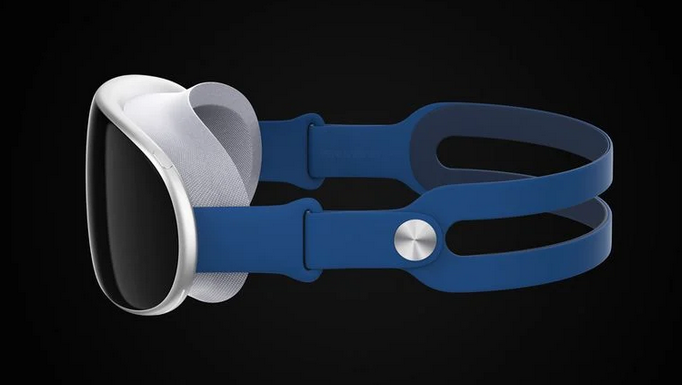
According to a PhoneArena report, the executive teased the future of App Store earlier this week, when talking about the Cupertino based giant’s plans for augmented reality. For those unaware, AR technology essentially adds a layer on top of the real world rather than bring the user to an entirely virtual world like VR (Virtual Reality). In response to a reporter’s question about the iPhone maker’s plans with the Metaverse, Cook stated that “We see a lot of potential in this space and are investing accordingly.”

This statement is in line with recent rumors that have hinted at Apple working on its first AR/VR mixed reality headset. As per our previous report, the headset was initially planned for a 2022 release, but now, the company has apparently delayed its launch to 2023. In other words, the mixed reality headset may be arriving alongside another one of Apple’s highly anticipated products, the Apple Glass.

Apple AR Glasses

For those unaware, this pair of glasses would appear to be no different from a regular one. But it will include AR functionalities. Cook also talked about the company’s research and development team has been working on various aspects like hardware, software, and services. He further added that “That’s where the magic really happens. There’s quite a bit of investment going into things that are not on the market at this point.”

RELATED:


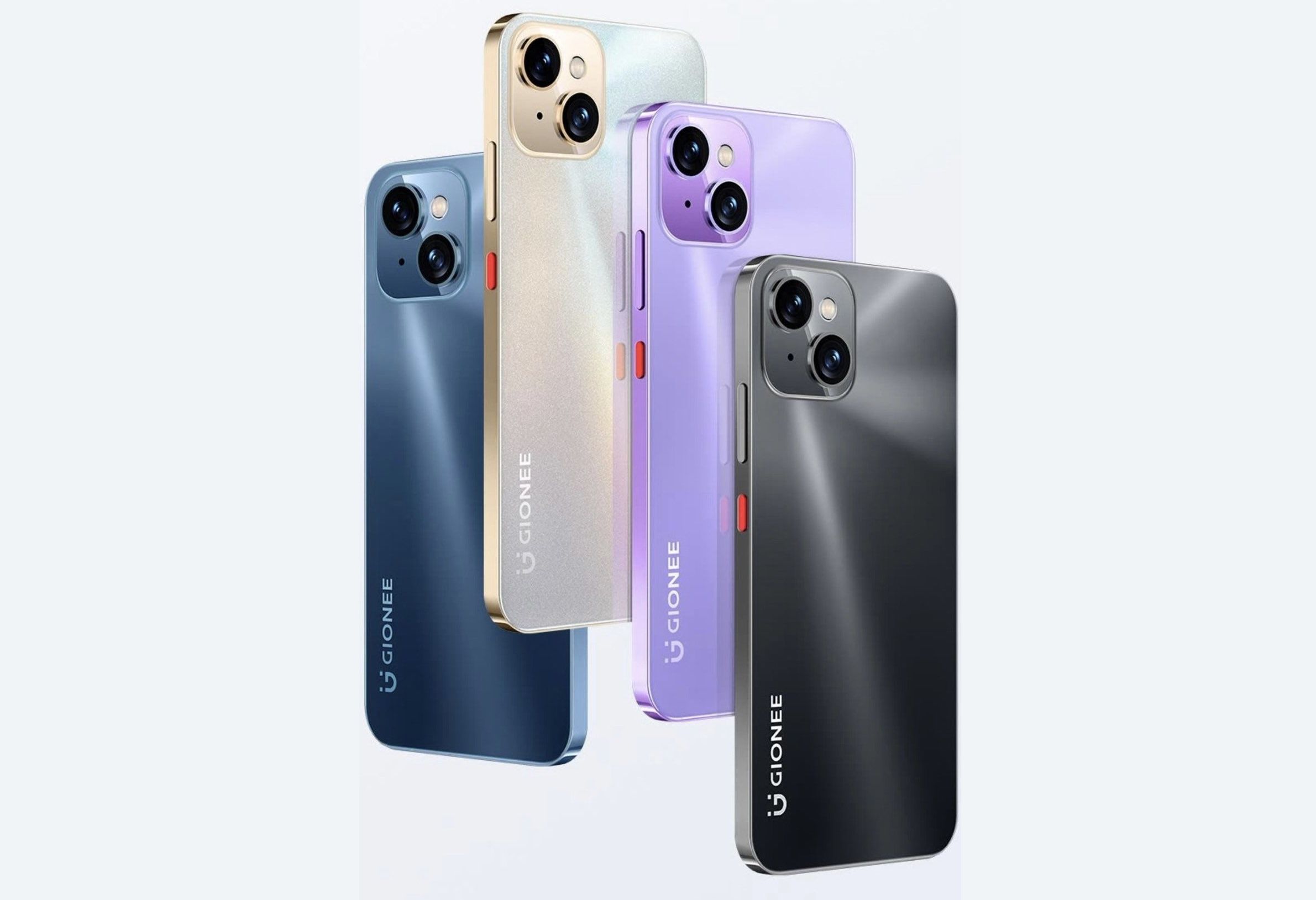
Gionee 13 Pro launched with HarmonyOS, iPhone 13 inspired design

Gionee 13 Pro has debuted in China. The very first look at the phone will make you say that it looks like the Apple iPhone 13 / iPhone 13 Pro handset. The other highlight of the device is that it is the first non-Huawei phone to come equipped with HarmonyOS. Here is all the information on the specifications, features, and pricing of the Gionee 13 Pro.

Gionee 13 Pro specifications

The Gionee 13 Pro has a 6.26-inch LCD panel with a large notch. It offers an HD+ resolution, a 19:9 aspect ratio, and a 90.3 percent screen-to-body ratio. The display notch houses a single camera of 5-megapixel for selfies and video calls. It does not feature a fingerprint scanner but comes with support for face unlock.

Gionee 13 Pro
Gionee 13 Pro

The iPhone 13-like rear camera module of the Gionee 13 Pro has a 13-megapixel dual-camera system, which is accompanied by an LED flash and a microphone. There is no word on the secondary camera of the device. Like the iPhone 13 lineup, the Gionee 13 Pro is equipped with flat edges. The right spine of the device has a volume rocker and a red-coloured power key.

Gionee 13 Pro
Gionee 13 Pro

The Unisoc T310 chipset is present under the hood of the device. It comes in two variants such as 4 GB RAM + 32 GB storage and 4 GB RAM + 128 GB storage. The device is packed with a 3,5000mAh battery, which can be charged using a USB-C port. The device runs on HarmonyOS and gives access to HMS (Huawei Mobile Services).

Gionee 13 Pro pricing

The Gionee 13 Pro has a starting price of 529 Yuan (~$83). It comes in four colors namely, Deep Sea Blue, Glow Gold, Brilliant Purple, and Graphite Black. Gionee phones that have been released in China in the past few years haven’t been made to global markets. Hence, the Gionee 13 Pro may not release in markets outside China.

RELATED:

Redmi 10A China variant with Helio G25 processor makes Geekbench appearance

The Redmi 9A and Redmi 9i launched back in 2020 were long due for a refresh, and it now looks that they’ll be getting just that with the soon-to-launch Redmi 10A, which has made a fresh Geekbench appearance.

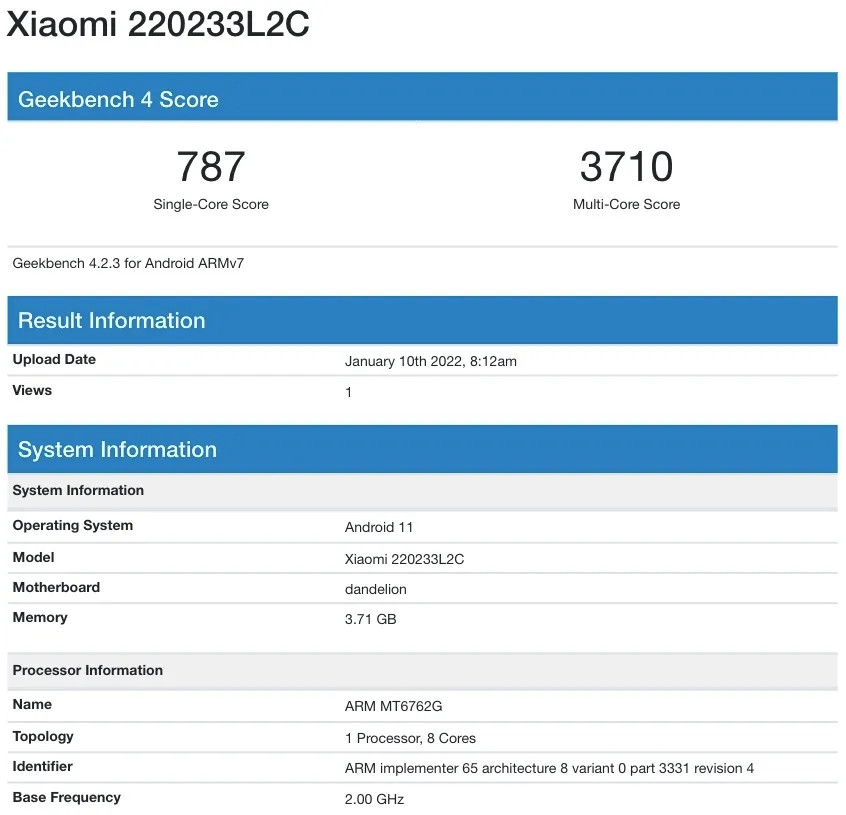
The Geekbench 4 listing (MySmartPrice) reveals that the Redmi device carrying model number 220233L2C scores 787 points and 3,710 points in the single-core and multi-core tests, respectively. Powering the phone will be the MT6762G, which is a codename for the entry-level MediaTek Helio G25 processor.

Redmi-10A-China-Geekbench

The octa-core chip is rather old and slow by 2022 standards and isn’t really an upgrade considering the Redmi 9A also came with it. Hopefully, the recycling of an older chip will mean better-optimized software.

The benchmark listing further reveals that the MediaTek chip on the Redmi 10A will be supported by 4 gigs of RAM, out of which 3.71GB appear to be actually available. It is likely that more configs will be available at launch though.

On the software front, the Redmi 10A will be booting into Android 11 out of the box, which while isn’t the latest, will hopefully be layered with MIUI 13 atop.

Do keep in mind here that the handset in question is the Chinese variant, and a global variant of the Redmi 10A with model number 220233L2G has already appeared on the IMEI database. Both will likely be launching quite soon.

redmi 9a featured
Redmi 9A

As for the specs other than mentioned on the Geekbench listing, they’ll again most likely not differ much from the Redmi 9A. The Redmi 10A will hence likely offer a large HD+ display and be equipped with a 5,000mAh or larger battery.

RELATED: