OPPO has seemingly started teasing the Reno7 series of smartphones in India. Last year, the company unveiled the Reno5 Pro 5G in January. Hence, it appears that it may not take too long for the Reno7 lineup to hit the Indian markets.
We set out to engineer the best and this time it is even better than you could imagine. Can you guess what are we bringing for you? #ThePortraitExpert is coming soon. Stay tuned! pic.twitter.com/Pd0huTJKil
The above teaser released by OPPO India shows that it will be launching a new smartphone soon in India. The company is advertising the device with the #ThePotraitExpert hashtag. The tweet states that the next OPPO phone for India will be equipped with the “most advanced Reno camera system ever” The Reno branding is a good hint that the company could be treating the Indian market with the Reno7 series.
A recent report claimed that the Reno7 and Reno7 Pro could be heading to the Indian market in February. It is speculated that the Reno7 will be priced between Rs 28,000 and Rs 31,000 in India. On the other hand, the Reno7 Pro is likely to cost between Rs 41,000 and Rs 43,000.
The specs of the Reno7 and Reno7 Pro models for India are not known. It is likely that these devices could be packed with the same specs that were made available on their Chinese variants.
Reno7 and Reno7 Pro
The Reno7 has a 6.43-inch AMOLED FHD+ display, whereas the Reno7 Pro features a 6.55-inch AMOLED FHD+ display. Both phones carry support for a 90Hz refresh rate. They are powered by the Snapdragon 778G and Dimensity 1200-Max chipset, respectively. Both have a 4,500mAh battery that supports 65W fast charging. For selfies, these phones are fitted with a 32-megapixel Sony IMX709 front-facing camera. The Reno7 has a 64-megapixel (main) + 8-megapixel (ultrawide) + 2-megapixel (macro) triple camera unit, while the Reno7 Pro has a 50-megapixel (main) + 16-megapixel (ultrawide) + 2-megapixel (macro) triple camera system.
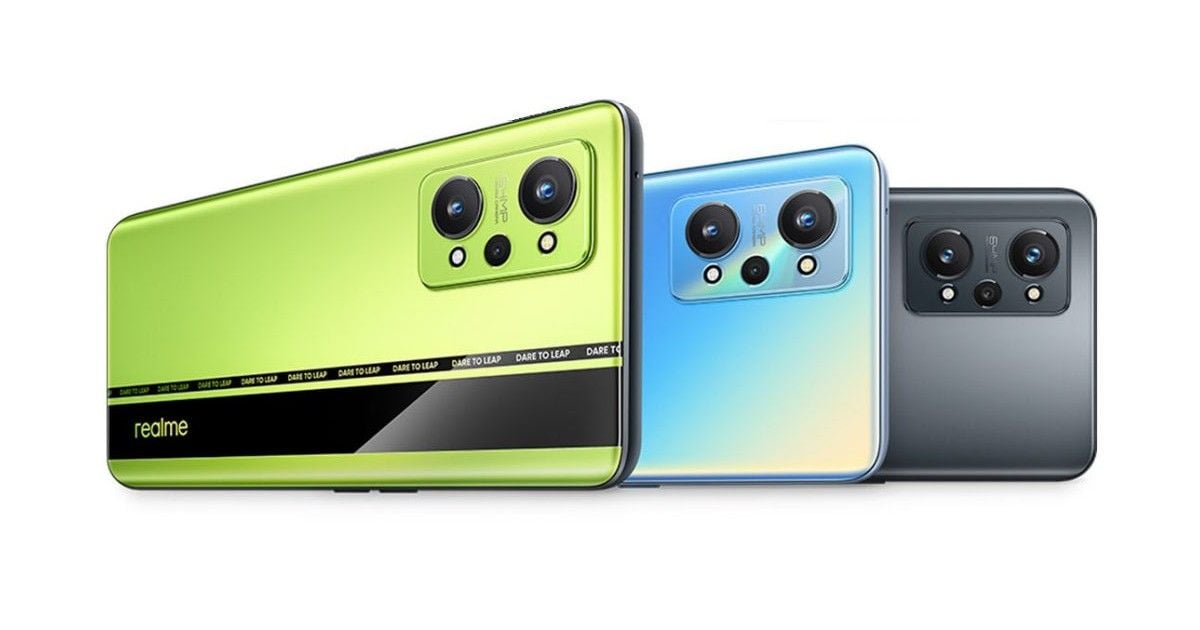
The Realme GT Neo2 was announced in September 2021 as the successor for the original Realme GT Neo, which was unveiled by the end of March 2021. A new leak has revealed all the major specs of the Realme GT Neo3, which indicates that the company could be planning to announce it in March this year.
Realme GT Neo3 specifications (rumored)
According to tipster Panda is Bald, the GT Neo3 has a 6.62-inch E4 AMOLED screen that offers a 120Hz refresh rate. While it is not mentioned in the leak, the handset is likely to carry support for FHD+ resolution and an in-screen fingerprint scanner.
The Dimensity 8000 chipset is expected to fuel the Realme GT Neo3. The handset is likely to arrive in three configurations such as 8 GB RAM + 128 GB storage, 8 GB RAM + 256 GB storage, and 12 GB RAM + 256 GB storage.
Realme GT Neo2
The GT Neo3’s rear camera setup is likely to feature a Sony IMX766 50-megapixel main camera, a 50-megapixel Samsung GN1 secondary lens, and a 2-megapixel third camera.
The device is speculated to house a 5,000mAh battery that supports 65W fast charging. Probably, the device will come equipped with Realme UI 3.0 based Android 12 OS. It is likely to arrive in three colors such as Sky Black, Crape Myrtle, and Morning Star.
In comparison, the Realme GT Neo2 came with specs like a 6.62inch AMOLED E4 FHD+ 120Hz display, a 16-megapixel front camera, a 64-megapixel (main) + 8-megapixel (ultrawide) + 2-megapixel (macro) triple camera unit, Snapdragon 870, up to 12 GB of RAM, up to 256 GB of storage, and a 5,000mAh battery with 65W fast charging.
Reports have revealed that the Redmi Note 11 series heading to global markets will be different from the Note 11, Note 11 Pro, and Note 11 Pro+ phones that were unveiled in October 2021. The official renders of the Note 11 Pro and Note 11 Pro 5G have appeared to give a first look at their design.
Redmi Note 11 Pro, Pro 5G renders
1 of 5
Redmi-Note-11-Pro-Global-Variants
Redmi Note 11 Pro 5G (global edition)
Redmi-Note-11-Pro-Global-Variants-
Redmi-Note-11-Pro-Global-Variants-White
Redmi-Note-11-Pro-Global-Variants-Gray
Redmi-Note-11-Pro-Global
The leaked renders show that the global version of the Note 11 Pro series will be quite similar to its Chinese variant. At the front, the Note 11 Pro duo will feature a display with a centrally positioned punch-hole. Its back panel has an LED-assisted quad-camera with a 108-megapixel primary camera.
The Redmi Note 11 Pro lineup has a flat-edge design. The top edge of the device features a microphone, an IIR blaster, a speaker grille, and a 3.5mm audio jack. Its bottom edge (visible in one of the images below) microphones, a USB-C port, and another speaker grille. According to MySmartPrice, the Redmi Note 11 Pro and Pro 5G will be available in colors like Graphite Gray, Polar White, and Diamond Dazzle.
Redmi Note 11 Pro, Pro 5G specifications (rumored)
1 of 5
Redmi Note 11 Pro series
Redmi Note 11 Pro series
Redmi Note 11 Pro series display
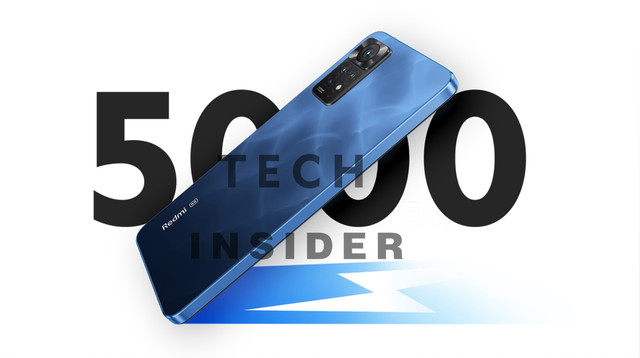
Redmi Note 11 Pro series 5,000mAh
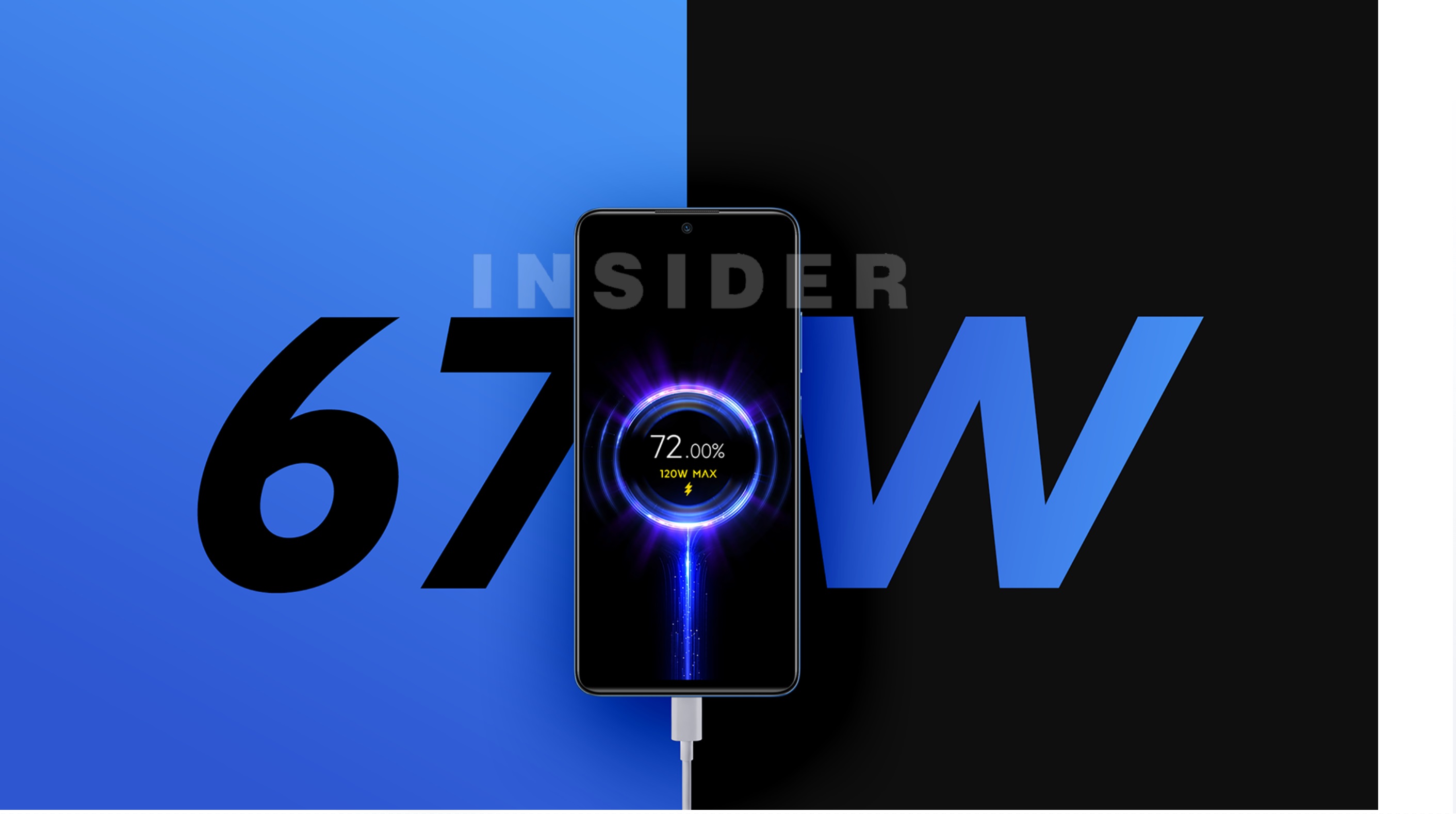
Redmi Note 11 Pro series 67W
The publication revealed that Redmi Note 11 Pro 4G will be powered by the Helio G96 chipset, while the Note 11 Pro 5G will be driven by an unknown Qualcomm chipset. Both phones will come with a 6.67-inch display that offers a 120Hz refresh rate. It is unclear whether these models are fitted with an LCD or AMOLED screen.
The Note 11 Pro lineup will house a 5,000mAh battery, which carries support for 67W fast charging. Shown above are some of the posters shared by Tech Insider that confirm the key features of the Note 11 Pro series.
The Redmi Note 11 series launch event for the global markets will be held on Jan. 26. With around a week remaining for the launch, the rumor mill is expected to shed more information on the specs and features of the Note 11 Pro and Note 11 Pro 5G.
Are you ready for the best 2022 flagships? If you are looking for the most advanced hardware department at the best price, then you cannot ignore the Motorola Edge X30 and the Realme GT 2 Pro this year. These devices have nothing to envy the most expensive phones in the market, but their prices are simply amazing. The former will probably hit the global market until the Motorola Edge 30 Pro moniker and the latter is coming soon in the European market as well, after being launched in China and India. Given that these devices carry similar price tags, we think it is time for a comparison between the specifications of the Motorola Edge X30 and the Realme GT 2 Pro.
Motorola Edge X30 vs Realme GT 2 Pro
Motorola Edge X30
Realme GT 2 Pro
DIMENSIONS AND WEIGHT
163.6 x 75.6 x 8.5 mm,
194 g
163.2 x 74.7 x 8.2 mm,
189 g
DISPLAY
6.7 inches, 1080 x 2400 pixels (Full HD+), OLED
6.7 inches, 1440 x 3216 pixels (Quad HD+), LTPO AMOLED
Triple 50 + 50 + 2 MP, f/1.9 + f/2.2 + f/2.4
60 MP f/2.2 front camera
Triple 50 + 50 + 3 MP, f/1.8 + f/2.2 + f/3.0
32 MP f/2.4 front camera
BATTERY
5000 mAh, fast charging 68W
5000 mAh, Fast Charging 65W
ADDITIONAL FEATURES
5G, dual SIM, water-repellent
5G, dual SIM
Design
The Realme GT 2 Pro is definitely one of the most attractive phones released this year in terms of design. The Paper White and the Paper Green color options of this handset are made with a special bio-based polymer which resembles the sensation of the paper. It is a very sustainable material reducing carbon emissions and it even makes the phone more original and beautiful, without renouncing to great build quality. This design is definitely better than the one of the Motorola Edge X30 which is a classic phone with a glass back protected by Gorilla Glass 5 and an average look. But the Motorola flagship is water-repellent, which is a cool feature for those who want to use their phones while it is raining.
Display
The Motorola Edge X30 has a higher 144 Hz refresh rate, but the best display of this comparison belongs to the Realme GT 2 Pro. It is equipped with an AMOLED panel sporting the LTPO 2.0 technology enabling an adaptive refresh rate from 1 to 120 Hz and very low energy consumption. The display shows up to one billion colors, it has a Quad HD+ resolution of 1440 x 3216 pixels, and the HDR10+ certification. This display has a higher image quality including a better color reproduction and a higher level of detail. The Motorola Edge X30 has an OLED display with one billion colors as well, but with a lower Full HD+ resolution and without the LTPO technology.
Specs & Software
The best advantage of the Motorola Edge X30 and the Realme GT 2 Pro is definitely their processor: an amazing Snapdragon 8 Gen 1 mobile platform which is currently the most advanced SoC by Qualcomm, running at a max frequency of 3 GHz. Given that they have the same SoC and the same max amount of RAM (up to 12 GB of LPDDR5 RAM), they will likely offer the same level of performance. But with the Realme GT 2 Pro, you can actually get more internal storage: up to 512 GB. Last but not least, its software department is more advanced as it is the Realme UI 3.0 based on ColorOS 12 and Android 12. I tested the Realme UI 3.0 thoroughly and I found out that it offers a lot more features and more optimization.
Camera
The rear camera setup of the Realme GT 2 Pro is superior to the Motorola Edge X30. It is composed of a 50 MP Sony IMX766 main camera with omnidirectional phase detection autofocus and OIS, a 50 MP ultrawide sensor, and a 3 MP microscope lens with 40x magnification. The Motorola Edge X30 comes with two 50 MP cameras including an ultrawide one and a 2 MP depth sensor, clearly inferior to the Realme GT 2 Pro, but it has a better 60 MP selfie camera.
The battery capacities of the Motorola Edge X30 and the Realme GT 2 Pro are the same: 5000 mAh. But the latter will most likely last more in a lot of scenarios thanks to its efficient display with the LTPO 2.0 technology.
Price
The Motorola Edge X30 has a starting price tag of €420/$476 in the Chinese market, while Realme GT 2 Pro starts from €542/$615. At the end of the day, the Realme GT 2 Pro wins the comparison thanks to a better design, display, and rear cameras. But the Edge X30 is a lot more affordable, so its value for money is higher.
Motorola Edge X30 vs Realme GT 2 Pro: PRO and CONS
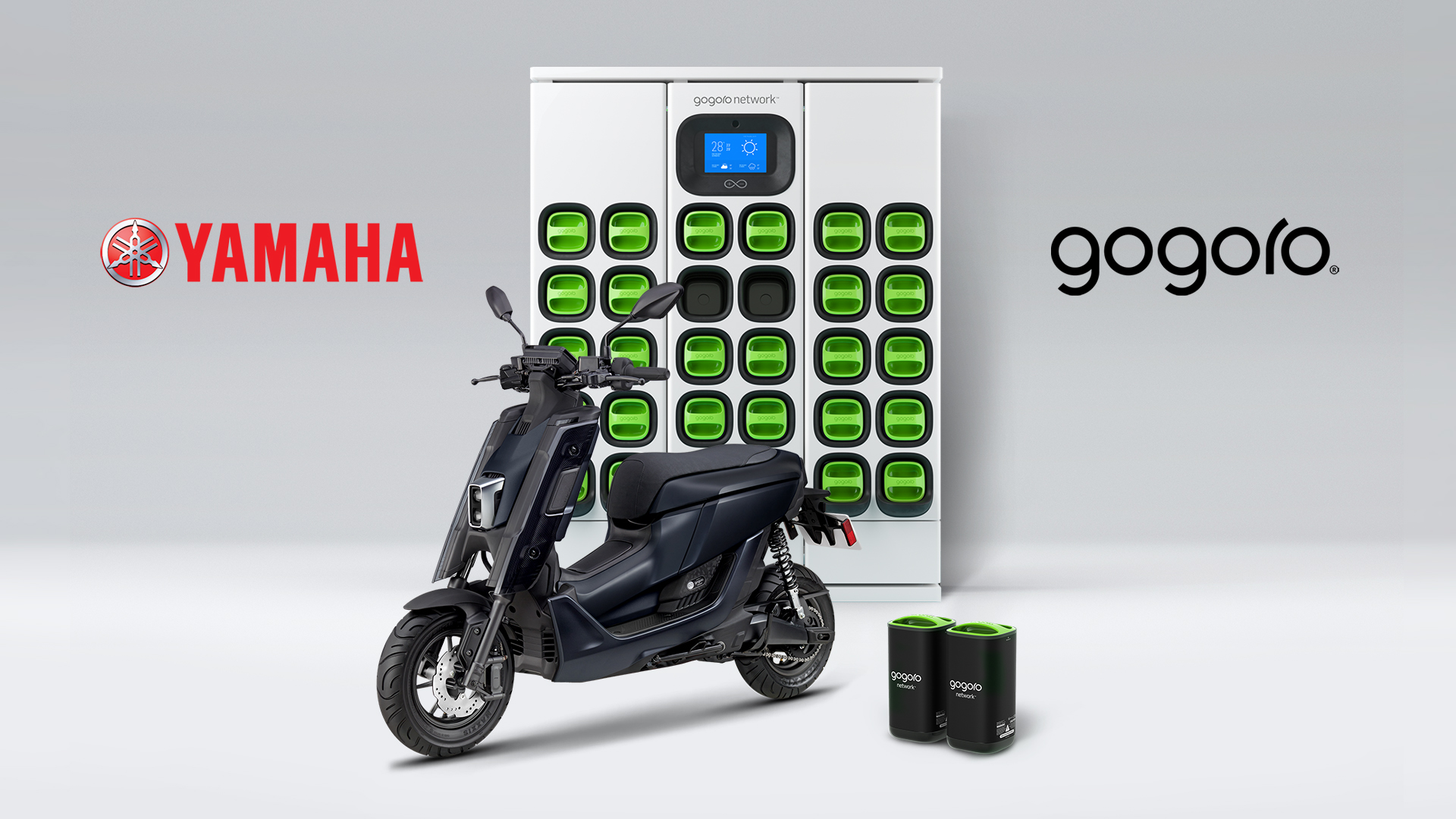
Taiwanese company Gogoro seems to be on a ball with the raft of announcements surrounding the company. Just after attracting significant funding for its swappable battery technology, the latest Yamaha electric scooter will sport Gogoro’s batteries. The Yamaha EMF has a very striking design that shows futuristic body panels and has a unique look from any of Yamaha’s previous models. The Yamaha EMF will be powered by a 7.6 kWh mid-mounted electric motor that uses a final chain drive to the rear wheel.
The Yamaha EMF will deploy Gogoro’s technology that allows for swapping depleted batteries for new ones at the GoStations. Virtually all electric scooters in Taiwan have deployed Gogoro’s swappable batteries and this significantly increases the range of the electric scooter.
The GoStations are more than fuel stations in some cities, and they provide the needed support for swapping depleted batteries especially in Taiwan. The Yamaha EMF will be debuting first in Taiwan, and it will draw from the extensive infrastructure of GoStations across the country.
The Yamaha EMF can accelerate from 0 to 50km/h within 3.5 seconds although we are still in the dark about its top speed. The e-scooter has a storage compartment that sits between the rider’s feet, with a cupholder and space for holding a few things. It is unclear what the pricing looks like for the Yamaha EMF but we would expect its partnership with Gogoro could tilt the market towards it.
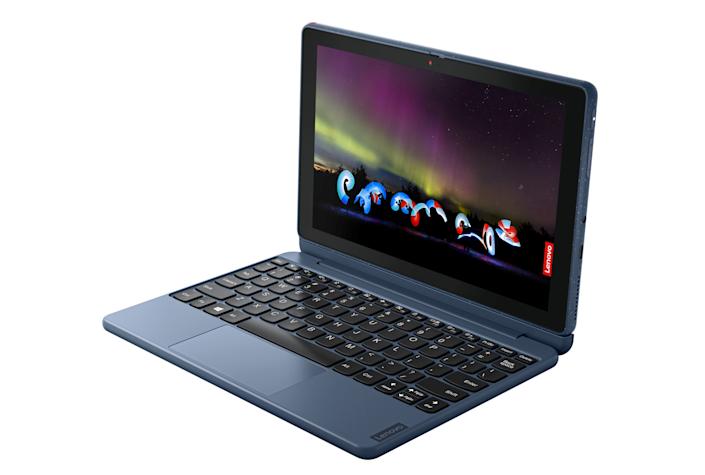
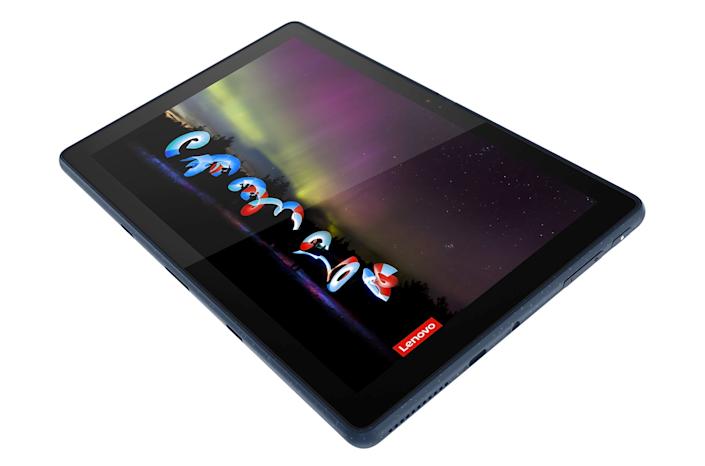
Microsoft recently released the latest Windows 11 operating system. Lenovo has now unveiled an affordable tablet that runs on the latest OS. The tablet know as Lenovo 10w was unveiled alongside the 13w Yoga laptop.
The Lenovo 10w tablet is designed for students and comes with a number of rugged features that make it suitable to withstand the rigors of daily student use. The tablet features a 10.1-inch FHD display with a 16:10 aspect ratio and 400 nits brightness. The display is covered by a layer of Corning Gorilla Glass protection with a rubber bumper on the edges.
The slate is powered by a Qualcomm Snapdragon 7c processor paired with up to 8GB of LPDDR4x RAM and up to 128GB of eMMC storage. As stated earlier, the tablet runs on Windows 11. It equally packs a 2MP front camera for selfies while at the rear, there is an 8MP camera.
The 10w tablet is bundled with a detachable keyboard and users may also choose to add a stylus pen if they wish. Keeping the lights on is a 30Whr battery pack that charges via a USB-C port. The device also comes with a headphone jack, WiFi connectivity, and more.
As for the price, Lenovo 10w tablet carries a $329 price tag and this includes the keyboard. The device is expected to start shipping in the United States in April 2022.
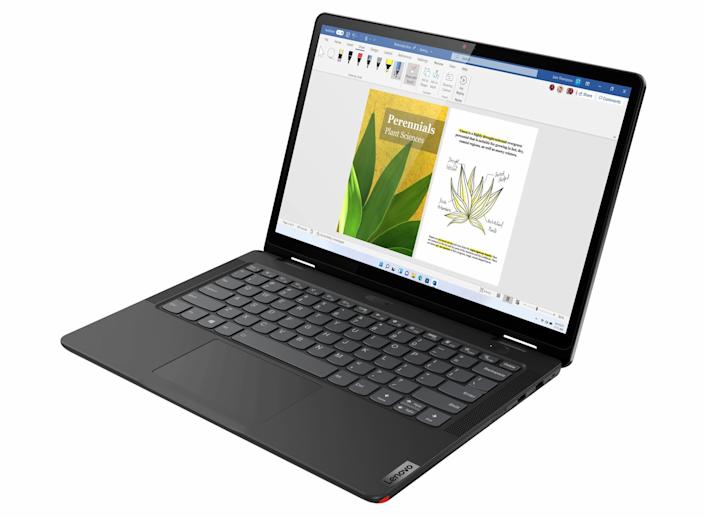
Lenovo has also unveiled the 13W Yoga convertible laptop and it will start shipping in April as well. The laptop packs an AMD Ryzen 5000 U-series processor with on-chip graphics. The processor pairs with up to 16GB of 3200Mhz DDR4 RAM which is upgradable and up to 5152GB SSD.
The laptop features a 13.3-inch display with Full HD resolution and 300 nits of brightness. There is a 1080p front camera equipped with a privacy shutter while at the rear, the laptop packs a 5MP camera. The 13W Yoga features a fingerprint reader embedded under the power button.
Other features include Dolby Audio, a 51Whr battery, audio jack, two USB-C 3.2 ports, one USB-A 3.2 port, a full SD card reader, and HDMI 2.0. The laptop also comes with support for WiFi 6 and optional 4G LTE support as well.
The Lenovo 13w Yoga features a starting retail price of $749.
Apple offers a great trade-in value for older iPhones as well as Android devices. And for a long time, buyers have been benefiting from this trade-in program from Apple. However, now it looks like, Apple has made some significant changes when it comes to the trade-in value, as MacRumors has reported that Apple has officially lowered the trade-in values for Android devices.
As per the report, starting from today, Apple has lowered the estimated exchange value for Android smartphones. Not just that, Apple has also lowered the value for a few old iPads and MacBooks.
On the Apple official website, Apple has been listing out the highest possible amount a buyer can get discounted when he or she trades his old Apple or Android phone. By highest value, we mean the maximum possible exchange value, which in the end varies depending on the condition of your device. However, today, the publication has noticed these highest trade-in values to be slightly lower than usual. This seems to be a silent move from Apple.
Following are some of the new trade-in values. The left indicates the current values while in the bracket you can see the previous value.
Trade-in Value for Android Devices
Samsung Galaxy S21 5G – $260($325)
Samsung Galaxy S21+ 5G – $325(~$435)
Samsung Galaxy S20+ – $205(~$275)
Samsung Galaxy S20 – $150 ($205)
Samsung Galaxy S10+ – $170 ($185)
Samsung Galaxy S10 – $150 ($160)
Samsung Galaxy S10e – $120 ($130)
Samsung Galaxy S9+ – $80 ($95)
Samsung Galaxy S9 – $65 ($75)
Samsung Galaxy S8+ – $60 (no change)
Samsung Galaxy S8 – $50 (no change)
Samsung Galaxy Note 20 Ultra – $405 ($545)
Samsung Galaxy Note 20 – $285 ($385)
Samsung Galaxy Note 10 – $175 ($235)
Samsung Galaxy Note 9 – $120 ($130)
Samsung Galaxy Note 8 – $45 ($65)
Google Pixel 5 – $235 ($315)
Google Pixel 4 – $110 ($150)
Google Pixel 4a – $120 ($160)
Google Pixel 4 XL – $135 ($180)
Google Pixel 3 XL – $50 ($70)
Google Pixel 3 – $45 ($55)
Google Pixel 3a – $50 (no change)
Google Pixel 3a XL – $50 ($55)
Trade-in Value for iPads and MacBooks.
iPad – $200 ($205)
iPad Air – $335 ($345)
MacBook Air – $530 ($550)
MacBook Pro – $1415 ($1630)
MacBook (discontuined) – $325 ($340)
iMac – $1260 ($1320)
Mac mini – $740 ($800)
As you may have noticed, the change in the exchange value is quite significant. Some of the phone’s exchange prices have been lowered by striaght $100. As of now, we don’t know why has Apple suddently lowered these values. Also, we’re not sure if the new trade-in prices are only for the global market or if they’ve been modified in other regions as well.
In case, you are an Apple fanatic or just been spying on the Apple website, do let us know whether the prices have been changed in your region.
Zebronics seems to be expanding its gadgets lineup as it has launched a new smartwatch dubbed Zebronics Zeb-Fit Me in the Indian market. The smartwatch comes under the Rs 3,000 price range in India and offers a SpO2 sensor and up to 7-day battery life.
The Zebronics Zeb-Fit Me has a squarish design with a 1.2-inch TFT color display. It is a touch panel that can display over 50 different watch faces. All the watch faces can be applied from the dedicated mobile app for Android and iOS.
Zebronics Zeb-Fit Me
Two of its highlights are the SpO2 sensor and the Blood Pressure sensor. It also has a Heart rate monitor and Pedometer. The smartwatch can track steps, jogs, and runs. It comes with up to 14 sports modes like hiking, swimming, yoga, hiking, and others.
Just like any other smartwatch, the Zeb-Fit Me can show message alerts and app alerts from specific apps like Whatsapp and Facebook. One can also see calls and reject them directly from the smartwatch.
1 of 2
In terms of battery, the Zebronics Zeb-Fit Me has up to 7 days of battery life on a single charge. It takes up to two hours for the smartwatch to get fully charged. The smartwatch also has music controls, where users can play/pause the music and skip to the next or previous track. The device has 12 months of warranty.
The Zebronics Zeb-Fit Me is priced at Rs 2,799 in India and will be available for purchase from Flipkart. It can be picked up in five color variants – Black, Blue, Sea Green, Grey, and Rose Pink.
Xiaomi has continued to provide software support for the Mi A3 even though the phone is gradually moving towards the end of days. Not too long ago, the company rolled out a new update bringing December 2021 security patch with an unusually large file size of 458 GB. The Chinese company has yet again provided a new update for the Mi A3. The new update ushers in the January 2022 Android security patch.
Unlike the December 2021 security patch, this new update has an exceptionally small file size of just 12.29 MB. It comes with the firmware number V12.0.18.0.RFQMIXM, showing it is still based on MIUI 12 despite the device launching as part of Google’s Android One program. The software is still Android 11 and we doubt if Xiaomi will push any major update to the device which launched with Android 9.0 Pie. This means it has received two major Android upgrades even though the migration to Android 11 was plagued with several bug incidence.
According to the changelog, the update delivers the January 2022 security patch, fixes bugs, will enhance the stability of the device, and optimize the overall performance of the Mi A3. The V12.0.18.0.RFQMIXM build is presently being delivered via OTA update on MIUI’s global channel.
It should be noted, though, that the Mi A3 will not be getting official software support from July 2022.
Indian accessories manufacturer boAt has recently unveiled a new smartwatch in India dubbed the boAt Watch Matrix. The device wasn’t put on sale immediately but is presently up for grabs in India presently. The smartwatch carries a price tag of Rs. 3999 (~$54) and is presently on sale on Amazon India and boAt’s website.
The boAt Watch Matrix is a budget smartwatch with an AMOLED display. The watch packs a 1.6-inch 2.5 Curved AMOLED screen with support for an Always-on display. The watch also comes with several health-centric features such as SpO2 blood oxygen monitoring, sleep monitoring, heart rate sensor, and others.
The smartwatch also comes with a durable battery that can deliver up to 7 days of usage on a single charge while using the Always-On display cuts down the battery life to just 2 days. Other features onboard include customizable watch faces as well as support for call alerts, camera, and music control. The Watch Matrix arrives with 3ATM dust and water resistance rating as well.
The boAt Matrix Smartwatch is available in Ocean Blue, Pitch Black, and Twilight Grey colors. It also features 3 ATM dust and water resistance which makes it suitable for use during workouts and in the rain. It may not be suitable for use in the shower, though.
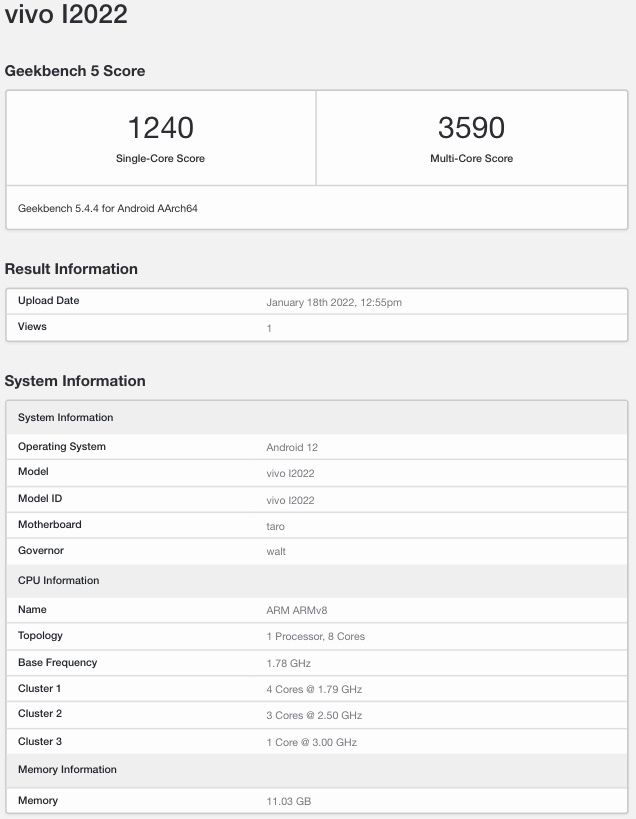
iQOO has already confirmed that the new iQOO 9 and 9 Pro are coming to India soon. However, the company has not revealed an exact launch date. Well, while we look for the launch date, the Indian model of the iQOO 9 Pro has now passed the Geekbench listing. The listing was first spotted by MySmartPrice and it affirms the phone’s key specs.
As per the listing, the iQOO 9 Pro has the model number vivo I2020. It scored 1240 points in the single-core department and 3590 points in the multi-core department.
The smartphone has Snapdragon 8 Gen 1 octa-core SoC inside and here, the first four cores are clocked at 1.79 GHz. The other three cores are clocked at 2.50 GHz and the rest two cores are clocked at 3.00 GHz. The smartphone has 12GB of RAM and boots on Android 12 out of the box.
Recent reports have revealed that the iQOO 9 series will be entirely different for the Indian market. In India, the iQOO 9 will be the iQOO 8 Chinese model, and the iQOO 9 Pro could be the vanilla iQOO 9. That being said, the iQOO 9 India will be powered by the Qualcomm Snapdragon 888+ chipset.
iQOO 9 and iQOO 9 Pro India varaints
The duo will have AMOLED panels with a high 120Hz refresh rate. The vanilla model will have an FHD+ resolution, while the Pro will feature a QHD+ resolution.
As for cameras, the vanilla will feature a 48MP +12MP + 13MP triple camera unit and the Pro is expected to have a 50MP + 50MP + 16MP triple camera system. The duo is expected to have a 120W fast charging support but the battery capacities will differ.
OnePlus has experimented with different strategies when it comes to segmenting smartphones in the market. The brand initially started offering flagship killer phones and later switched to offering both, mid-range devices above Rs 20,000(~$269) and flagship phones above Rs 40,000(~$537). Now, a new report from 91Mobiles reveals that the company may soon a launch budget phone in India, and the device may arrive under Rs 20,000.
The tipster Yogesh Brar has said to the publication that the phones coming under Rs 20,000 would be under the Nord series. As for now, the Indian phone market is quite competitive, the market has budget phones from brands like Xiaomi, Realme, Motorola, and even the recent entrant Tecno. Now if we see OnePlus phones under the sub-Rs 20,000 range then these aforementioned brands will surely face fierce competition.
Moreover, it is said that there’s still time until we see the device. OnePlus will launch the OnePlus Nord 2 CE in Q1 this year and only after that, we will get to see the tipped budget Nord phone. The Nord 2 CE is expected to arrive by March this year, so we can expect the release of the budget Nord after March. The publication, however, says that the phone may arrive after July.
As of now, there are no confirmed details regarding the specs of this budget OnePlus Nord phone. But, the tipster said that the budget Nord phone will be powered by a MediaTek chipset. Furthermore, a 90Hz AMOLED display, 50MP cameras, and 5G connectivity could be the highlights of the device.
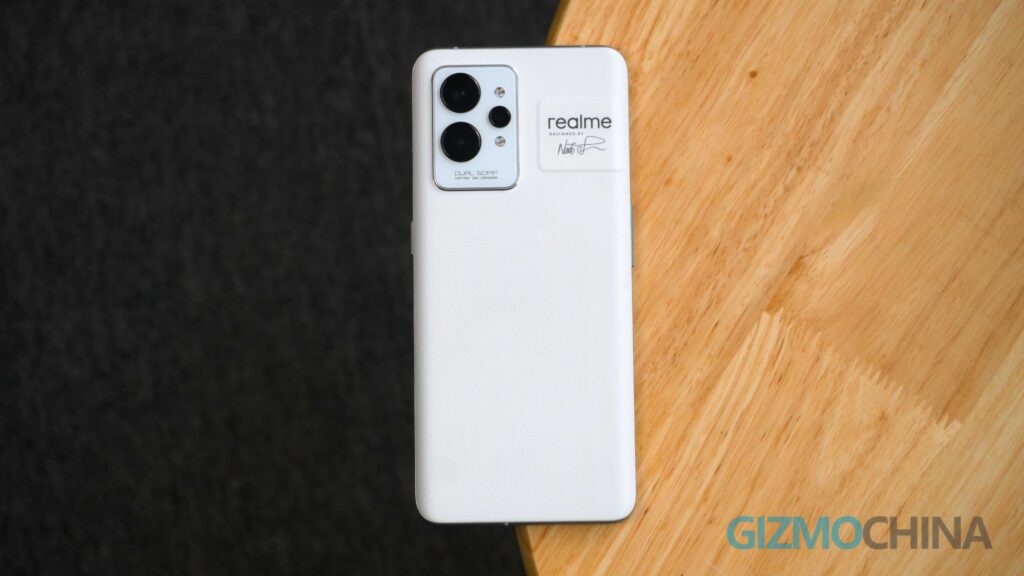
The realme GT 2 Pro is the first proper premium flagship smartphone from the brand. It was announced earlier this month in China. The handset has been confirmed to release in international markets soon. Ahead of that, the device gets a new software update that brings an option to brag one of the phone’s key features.
Realme has pushed a new OTA system update for the Realme GT 2 Pro in China with firmware version A.14. The latest update brings many changes like high refresh support for multiple video streaming apps.
Most interesting of all, the new software release for the handset adds an option to display the refresh rate of the screen when LTPO mode (dynamic refresh mode) is enabled. Users need to enable this option from ‘Developer options’.
Usually, all Android devices come with a toggle in Developer options to check the refresh rate of the display. We are not sure if this option was included at launch. If it was, the brand’s executive wouldn’t talk about it on social media.
For the unaware, the Realme GT 2 Pro flaunts a 6.6-inch WQHD+ (3216 x 1440 pixels) AMOLED 2nd gen LTPO AMOLED display with a 1Hz-120Hz variable refresh rate, 1 billion colors, and 92.6% screen-to-body ratio. The panel has a 1000Hz touch sampling rate, 5,000,000:1 contrast ratio, and 1400 nits peak brightness.
The screen has a color accuracy of JNCD ≈ 0.5, a punch hole at the top left corner, and covers 100% of the DCI-P3 color gamut. Lastly, it is protected by Corning Gorilla Glass Victus.
The ongoing semiconductor shortage wreaked havoc on the pricing of PC components like CPUs and GPUs in 2021, and it appears that 2022 might be even worse.
According to a report by Digitimes, the Taiwanese semiconductor giant TSMC has already raised its quotes by 10-20% for both mature and advanced nodes starting this year. This means that TSMC’s major customers like AMD, Intel, and Nvidia will also increase their product prices in the near future.
For AMD, the price hike will likely come across its entire range of processors, including the 7nm based Zen 2 (Ryzen 3000) and Zen 3 (Ryzen 5000) processors, as well as their upcoming 5nm based Ryzen 7000 processors. The RDNA 2 based AMD GPUs are also expected to be more expensive in the future as they also depend on TSMC’s 7nm process.
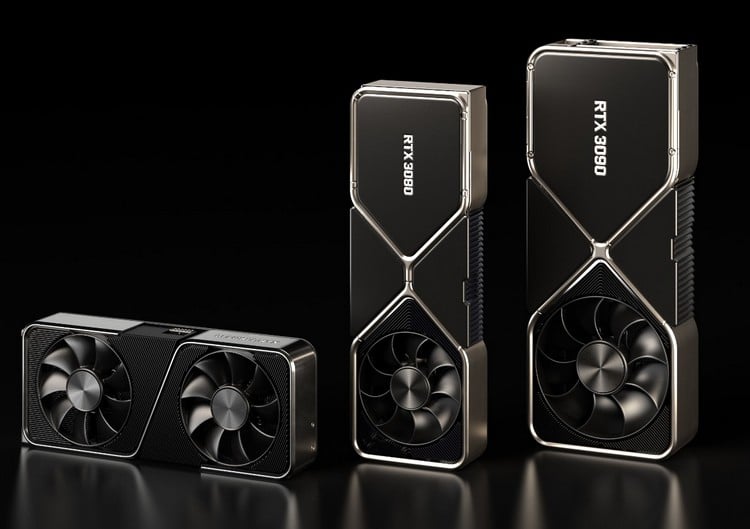
Talking of GPUs, Nvidia has recently raised the MSRP for multiple cards in the RTX 3000 series and going by the report, the company’s upcoming 4000 series is expected to be even costlier since it has switched nodes from Samsung to TSMC’s 5nm for their next-gen GPUs. DigiTimes also reports that Nvidia has already made prepayments to TSMC for long-term orders of 5nm silicon for the RTX 4000 series GPUs starting in 2022 as well.
Moving on to Intel, the California-based giant is expected to be least affected by this new development as it makes most of its chips in-house. However, the report states that Intel will also be hiking its pricing for multiple reasons, including the increased cost of wafer production outsourced to TSMC. The firm is also building new fabs to enable the in-house production of chips based on advanced nodes, which will give Intel more incentive to drive costs higher to recuperate the additional investments.
All in all, the report indicated that 2022 could potentially be a terrible year for the PC industry as well as the customers who have been facing excruciatingly high prices for more than a year now. So if you are planning to build/buy a PC or upgrade components on your existing system, we suggest you do so quickly before the price hikes are implemented.
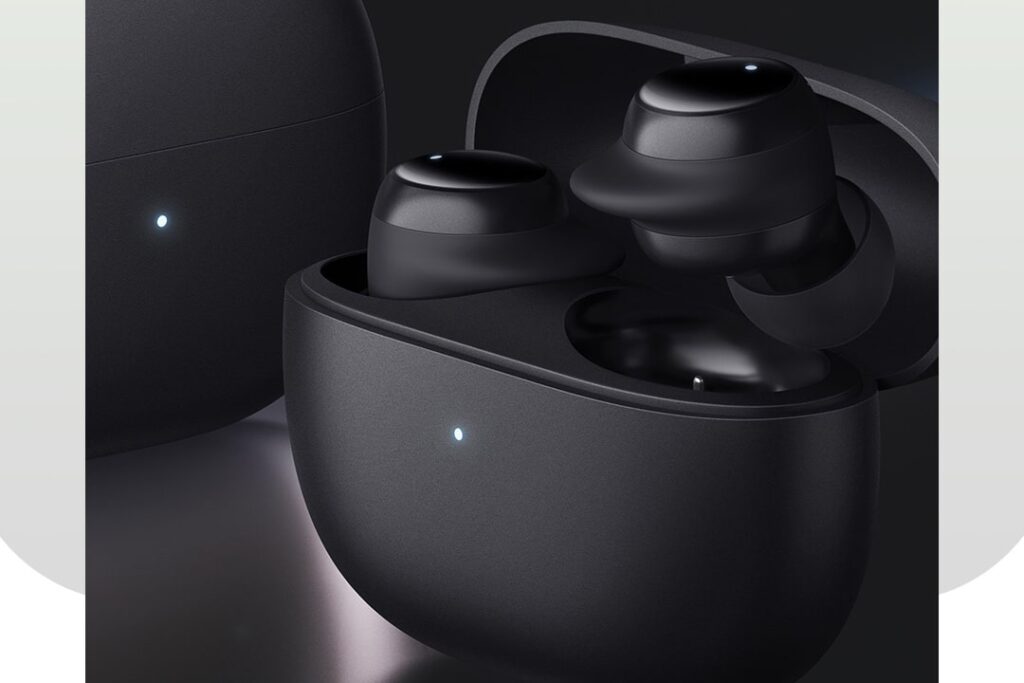
Redmi launched a new pair of truly wireless earphones called Redmi Buds 3 Youth Edition at the end of October 2021 in China. As the name suggests, this TWS is the lite version of Redmi Buds 3. This audio accessory could soon launch in India.
According to Twitter user Yash (@i_hsay), the Redmi Buds 3 Youth Edition with model number M2110E1 have been certified by BIS (Bureau of Indian Standards). Hence, these wireless earphones may launch in India in the coming days.
The Redmi Buds 3 Youth Edition (aka Redmi Bdus 3 Lite) are an affordable pair of wireless earbuds priced at ¥99. The buds look like the Galaxy Buds+. They even come with wingtips like the Samsung model. Whereas, their case resembles that of Apple AirPods Pro.
These in-ear style buds are IP54-rated for dust and water resistance. They offer features like ENC (Electronic Noise Cancellation) for calls, low latency mode for gaming, and touch gesture controls.
The buds weigh 4.2g each and are rated to last hours on a full charge. On the other hand, with the USB Type-C equipped charging case, the whole product weighs 36g. The company claims a total battery life of 18 hours.
Finally, the Redmi Buds Youth Edition arrive in a single black color option.
Samsung has announced that it has become the world’s first to demonstrate the MRAM (Magnetoresistive Random Access Memory) technology for in-memory computing. The company’s paper for the same titled ‘A crossbar array of magnetoresistive memory devices for in-memory computing’ was published by Nature (via SamMobile).
Data is usually stored in DRAM for quick access for the CPU. MRAM changes things though and combines data storage and computing, letting both happen on the same chip. Operations are theoretically much faster in such a case as there is no need to transfer data from memory to processor and vice versa.
Moreover, there are significant power savings since data processing happens in a highly parallel manner inside the memory.
The demonstration is a breakthrough because while other in-memory computing solutions like PRAM and RRAM have been demoed, working MRAM has been quite difficult to achieve, mainly due to its low resistance. It was also impossible to use MRAM’s power efficiency advantage in a standard in-memory computing architecture.
Samsung has made MRAM possible thanks to a self-developed MRAM array chip that uses ‘Resistance Sum’ instead of the standard ‘Current-Sum,’ which counters the resistance problem.
The solution was tested by running AI applications, and it offered 98% accuracy in the classification of handwritten digits and 93% accuracy in detecting faces in images. Samsung says that MRAM tech can be used for AI processing and to make highly power-efficient AI chips.
Dr. Seungchul Jung, the first author of the paper, said, “In-memory computing draws similarity to the brain in the sense that in the brain, computing also occurs within the network of biological memories, or synapses, the points where neurons touch one another. In fact, while the computing performed by our MRAM network, for now, has a different purpose from the computing performed by the brain, such solid-state memory network may in the future be used as a platform to mimic the brain by modeling the brain’s synapse connectivity.”
Motorola Moto G71 5G was launched last week in the Indian market with impressive specs like an AMOLED display, triple cameras, and Snapdragon 695 SoC. Starting from today, the smartphone has gone on sale in India.
The Moto G71 5G is priced at Rs 18,999(~$256) for the sole 6GB RAM and 128GB variant. It comes in Neptune Green and Artic Blue color variants. It is available for purchase from the Flipkart India website.
Moto G71 5G
Motorola Moto G71 5G Specifications
The smartphone comes with a 6.4-inch punch-hole AMOLED display with an FHD+ resolution. It has a DCI-P3 color gamut and 700 nits of brightness. It has a standard 60Hz refresh rate and a 20:9 aspect ratio.
The phone sports a triple camera system at the rear with a 50MP main lens, an 8MP ultra-wide sensor, and a 2MP macro lens. Upfront, it has a 16MP camera for selfies.
Under the hood, it is powered by the 6nm Qualcomm Snapdragon 695 SoC and has a 5,000mAh battery. It has a 33W fast charging support via the USB Type-C port. The device has 6GB of RAM and 128GB of internal storage.
Motorola has also offered a microSD card slot for additional storage. It has the Motorola ThinkShield feature and boots on Android 11 out of the box. It has 13 5G bands and supports two SIMs. The device has an IP52 water-repellant coating and has a rear-mounted fingerprint scanner.
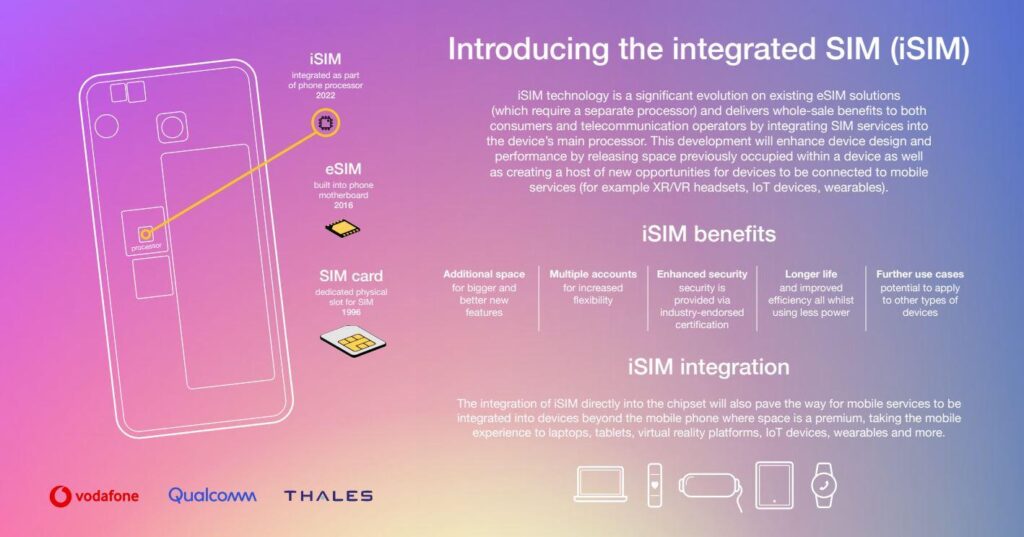
Qualcomm Technologies, Vodafone, and Thales together demonstrated the world’s first smartphone with working iSIM (integrated SIM) technology that allows the SIM card to be embedded into the device’s processor, thus eliminating the need for a dedicated slot.
The breakthrough paves the way for the commercialization of the technology, which if picks pace will not only kill the need for dedicated SIM card slots but also eSIMs — something that has seen a rather slow adoption by both carriers and smartphone OEMs alike.
The greatest advantages of the SIM and processor integration include better system integration, higher performance, and increased memory capacity. It also does away with the need for a separate chip that’s required by eSIMs.
The iSIM conforms with GSMA specifications and delivers benefits for both consumers and telecom operators, further paving the way for mobile services to be integrated into devices other than mobile phones. This means that it would be far easier for laptops, tablets, VR platforms, IoT devices, wearables, and others to make use of LTE or 5G services.
The demonstration of the technology took place in Europe in Samsung’s R&D labs where it made use of Vodafone’s network, illustrating its readiness and efficiency in working with existing infrastructure.
Enrico Salvatori, senior vice president and president of Qualcomm Europe said: “iSIM solutions offer great opportunities to MNOs, free-up valuable space in devices for OEMs, and provide flexibility for device users to benefit from the full potential of 5G networks and experiences across a wide range of device categories. Some of the areas that will benefit most from iSIM technology include smartphones, mobile PCs, VR/XR headsets, and industrial IoT. By engineering the iSIM technology into the SoC, we are able to create additional support for OEMs in our Snapdragon platform.”
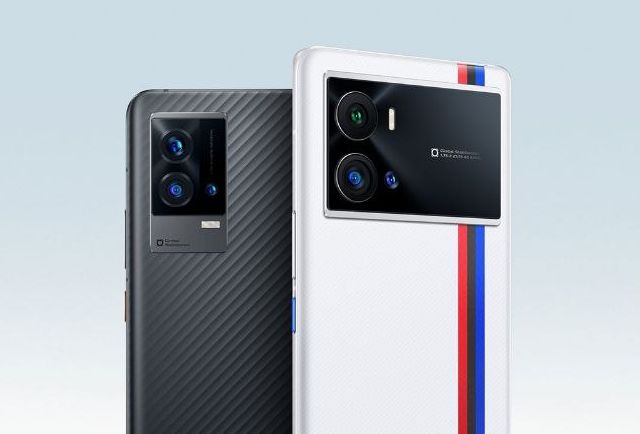
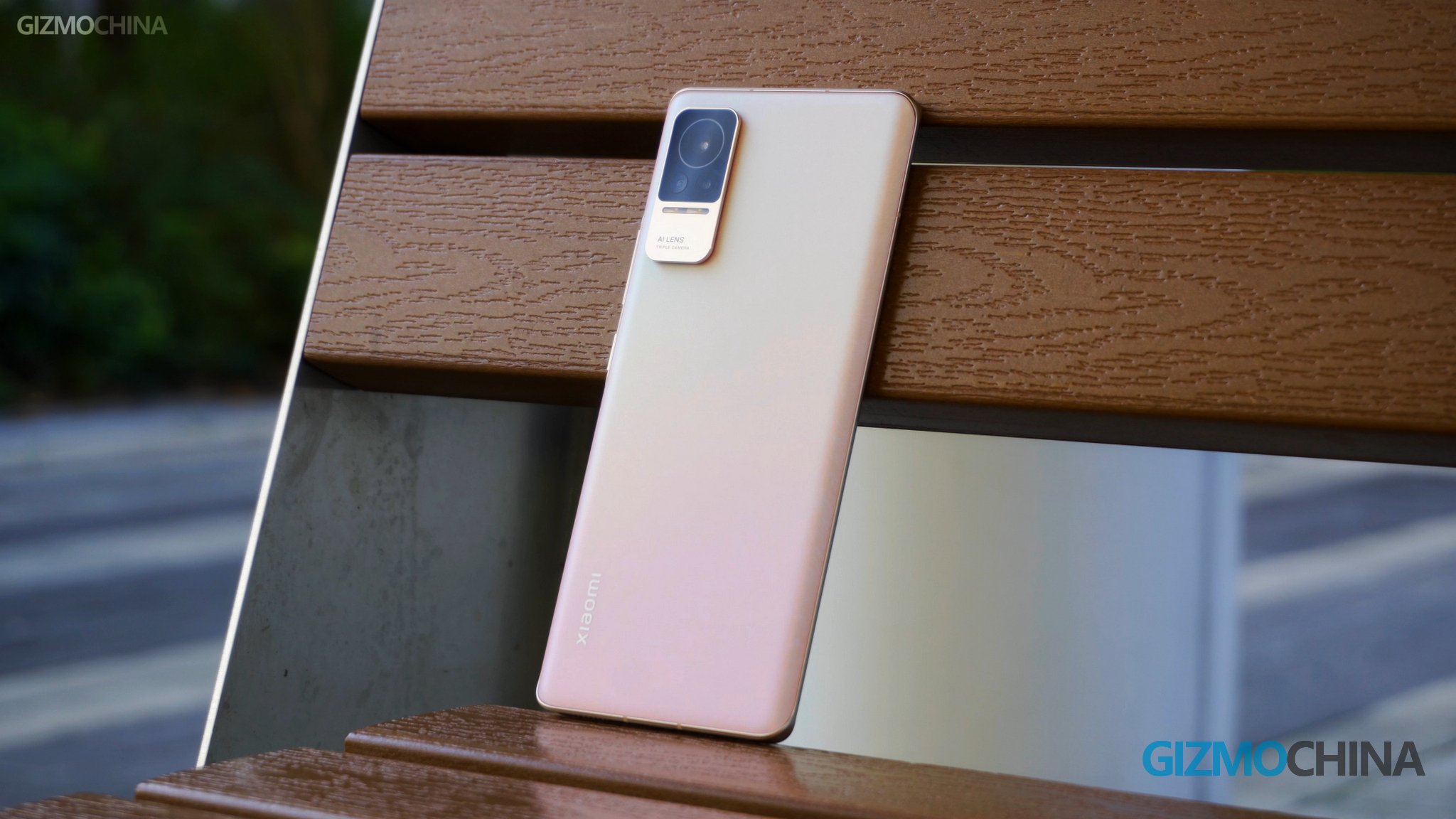
Xiaomi has just discounted the price of the Civi in China. The smartphone is now available in the region for 2,499 Yuan for its 8GB of RAM and 128GB of internal storage variant.
The Chinese tech giant’s online store lists the Civi with a special 100 Yuan (roughly 18 US Dollars) discount coupon. For those unaware, the company had first launched the smartphone last year. During its first sale, the company sold out the Civi in just 5 minutes of going live, bringing in over 200 million Yuan (roughly 31 million US Dollars). The company’s success was thanks to its attractive design and capable specs at an attractive mid range price point.
Under the hood, the device features a Qualcomm Snapdragon 778G chip that is paired with either 8GB or 12GB of RAM and up to 256GB of internal storage. The Xiaomi Civi is also available in multiple variants and initially started from 2,599 Yuan (roughly 400 US Dollars). Apart from these specs, the company offers the device with skin renewal technology that uses deep learning skin characteristics to reconstruct facial imperfections such as blemishes, acne, and more.
On the front, the smartphone sports a 6.55 inch FHD+ OLED panel with 120hz refresh rate and a 32 megapixel front camera. Meanwhile, the rear houses a 64 megapixel primary shooter paired with an 8 megapixel ultra wide angle lens and a 2 megapixel macro sensor as well.
Realme launched the realme Q3s in China in October. Even after three months, the smartphone is still exclusive to its home market. According to a new finding, this might change soon as the handset may finally release outside mainland China.
realme Q3s
According to Twitter user Yash (@i_hsay), the realme Q3s with model number RMX3461 has been certified by BIS (Bureau of Indian Standards). This means the phone may release in India.
For the uninitiated, the realme Q series of smartphones are sold exclusively in China. However, some of these handsets have previously been released in other markets under different names.
Hence, the Realme Q3s could be called something else in India. Going by the device’s specifications, it could be either part of the Realme narzo series or the Realme number series.
The Realme Q3s is an interesting budget 5G smartphone with a Qualcomm chipset and a high refresh rate screen. It only falls behind in the camera department.
The phone comes with a 6.6-inch HDR-ready FHD+ 144Hz display (LCD) with 600 nits peak brightness, Qualcomm Snapdragon 778G SoC, 48MP (wide) + 2MP (monochrome) + 2MP (macro) triple camera setup, 16MP selfie camera, side-mounted fingerprint sensor, 8.5mm thickness, 199g weight, realme UI 2.0 based on Android 11, 5,000mAh battery, and 30W fast charging.
We use cookies on our website to give you the most relevant experience by remembering your preferences and repeat visits. By clicking “Accept”, you consent to the use of ALL the cookies.
This website uses cookies to improve your experience while you navigate through the website. Out of these, the cookies that are categorized as necessary are stored on your browser as they are essential for the working of basic functionalities of the website. We also use third-party cookies that help us analyze and understand how you use this website. These cookies will be stored in your browser only with your consent. You also have the option to opt-out of these cookies. But opting out of some of these cookies may affect your browsing experience.
Necessary cookies are absolutely essential for the website to function properly. This category only includes cookies that ensures basic functionalities and security features of the website. These cookies do not store any personal information.
Any cookies that may not be particularly necessary for the website to function and is used specifically to collect user personal data via analytics, ads, other embedded contents are termed as non-necessary cookies. It is mandatory to procure user consent prior to running these cookies on your website.