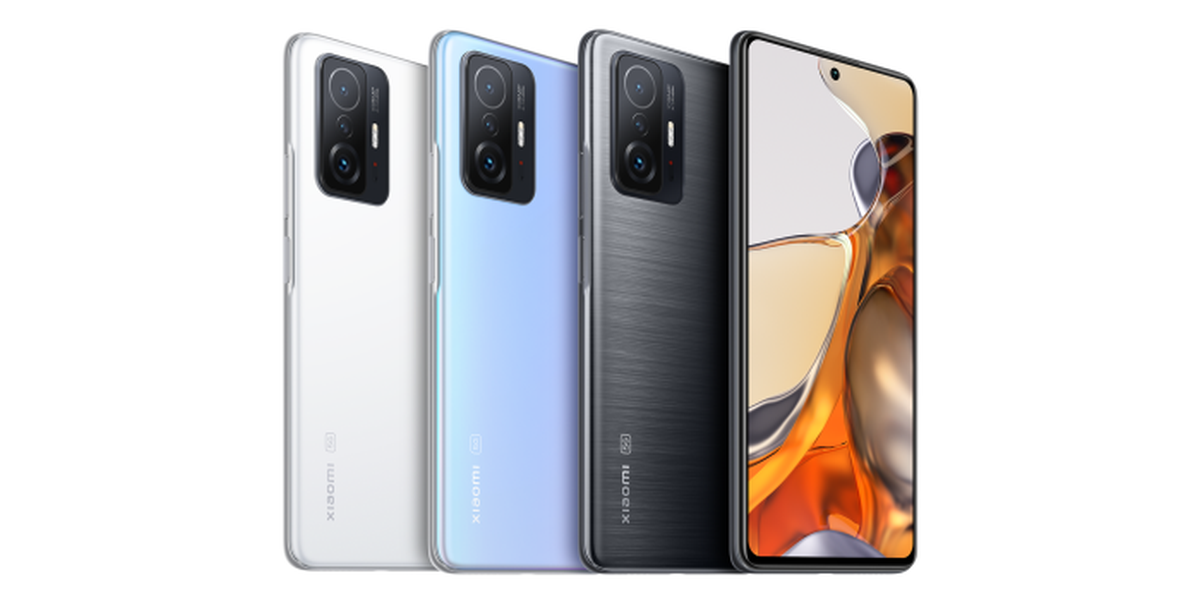
Xiaomi India recently announced the Xiaomi 11i and Xiaomi 11i HyperCharge smartphones. At the end of the Xiaomi 11i series launch event, the company teased the arrival of a new “Hyperphone” dubbed smartphone. After the 11i HyperCharge, this device will be the second smartphone from the brand for India that will carry support for 120W fast charging. Tipster Yogesh Brar believes that the Hyperphone is nothing but the Xiaomi 11T Pro for India.
To recollect, the Xiaomi 11T and 11T Pro were announced for global markets in September 2021. The tipster believes several Snapdragon 888 mobile platform powered smartphones including the 11T Pro will be released in the country. He added that the 11T Pro may go official by the end of this month in India. However, its early February launch cannot be ruled out.
Xiaomi 11T Pro
The 11T Pro is likely to arrive with a sub-Rs 40,000 pricing in India. It is unclear whether the company has any plans to launch the vanilla 11T along with its Pro model. A recent leak claimed that the Xiaomi 11T will come in variants such as 8 GB RAM + 128 GB storage and 8 GB RAM + 256 GB storage. On another side, the 11T Pro is expected to arrive in same variants and a higher model with 12 GB RAM + 256 GB storage.
The Xiaomi 11T series will be rivalling with the likes of the Galaxy S21 FE, which will be launching on Jan. 10 and the OnePlus 9RT that is lined up to debut on Jan. 14 in India.
Xiaomi 11T, 11T Pro specifications
The Xiaomi 11T has a 6.67-inch AMOLED FHD+ 120Hz display, a 16-megapixel front camera, and a 108-megapixel (main) + 8-megapixel (ultrawide) + 5-megapixel (telemacro) triple camera unit, Dimensity 1200, and a 5,000mAh battery with 67W fast charging. On the other hand, the 11T Pro has Snapdragon 888 SoC and 120W fast charging. The rest of its specs are identical to the 11T.
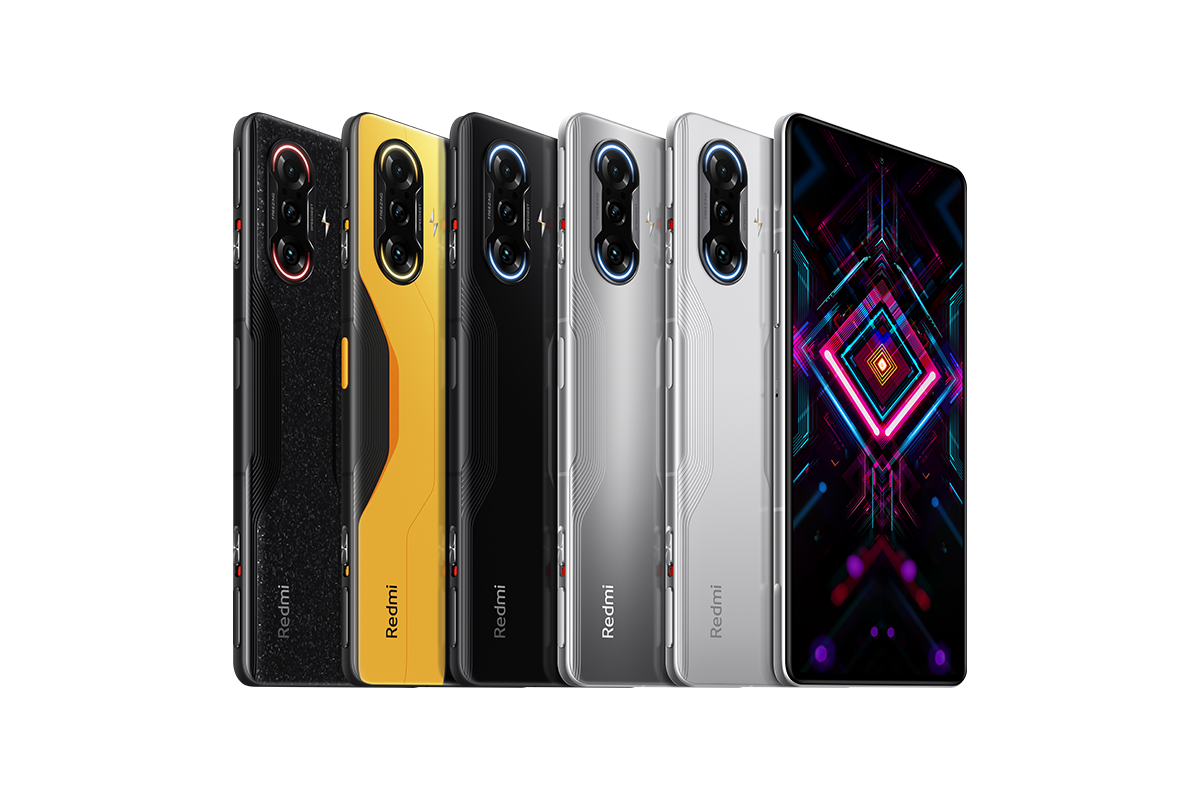
In recent weeks, two Redmi devices with model numbers 2201116SC and 21121210C have been approved by the 3C authority of China. According to tipster Panda is Bald, the 2201116SC model will be debuting as the Redmi K50, while the 21121210C will be breaking cover as the Redmi K50 e-sports edition, which appears to be the Redmi K50 Gaming Edition. Tipster Digital Chat Station has once again tipped the specs of the Gaming Edition device.
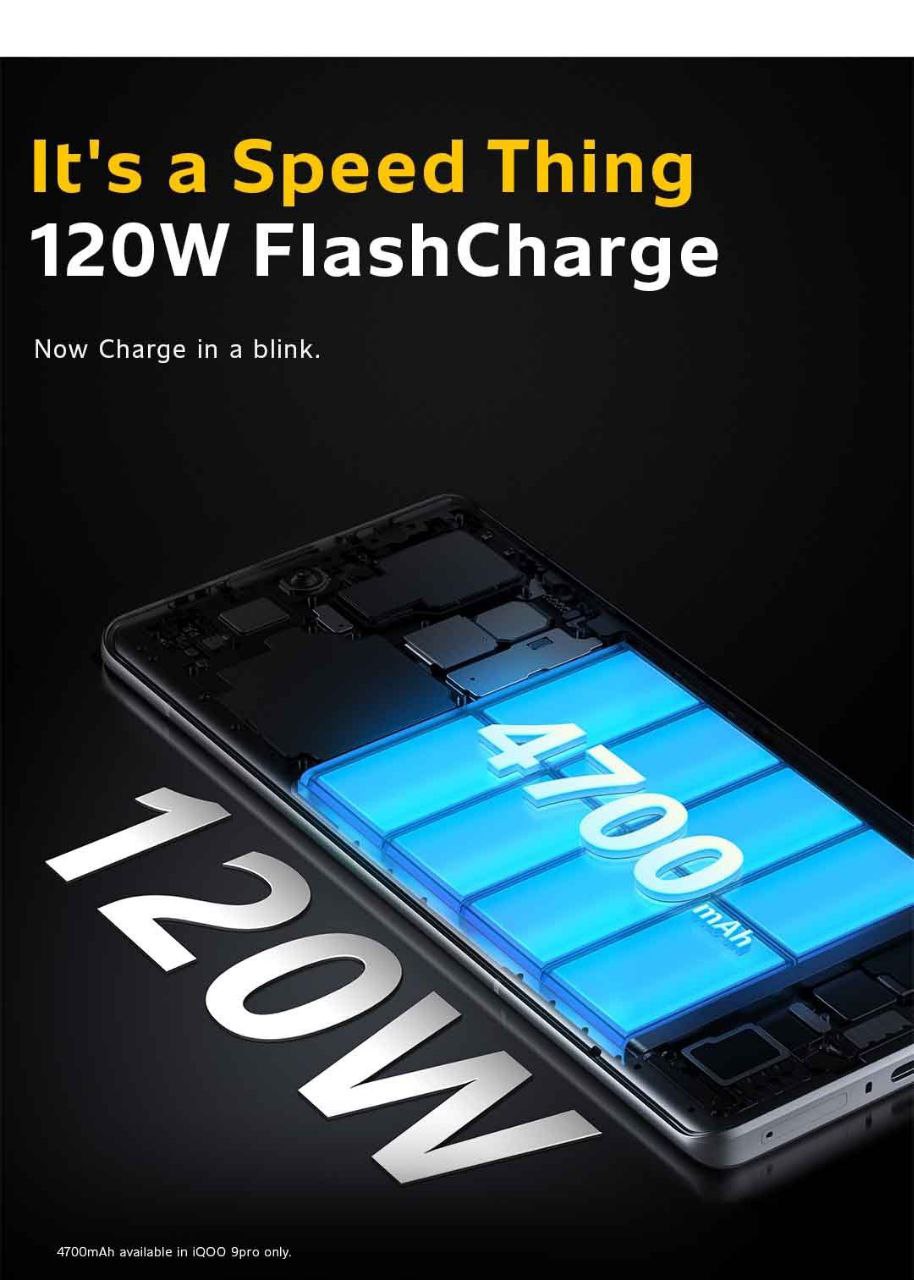
Recently, Redmi revealed that the K50 series will be equipped with the Snapdragon 8 Gen 1, a 4,700mAh battery, and 120W fast charging. The tipster has claimed that these specs will be available on the Redmi K50 e-sports edition.
Redmi K40 Gaming Edition
The tipster further claimed that the device will be equipped with a high refresh rate display with Gorilla Glass Victus protection. It will also come with dual VC liquid cooling, an x-axis linear motor, and JBL stereo speakers. The K50 and its e-sports edition are expected to come preinstalled with MIU 13 based Android 12.
Past reports have claimed that the Redmi K50 Gaming will come with specs like a 120Hz or a 144Hz refresh rate OLED panel, a 64-megapixel (Sony IMX686) + 13-megapixel (ultrawide) + 8-megapixel (telemacro) + 2-megapixel (depth) quad-camera unit. There could be a higher version of this model featuring a 108-megapixel Samsung HM2 lens. It is speculated that this device may release with the POCO F4 GT name in markets outside India. The Redmi K50 series will be debuting in February in China.
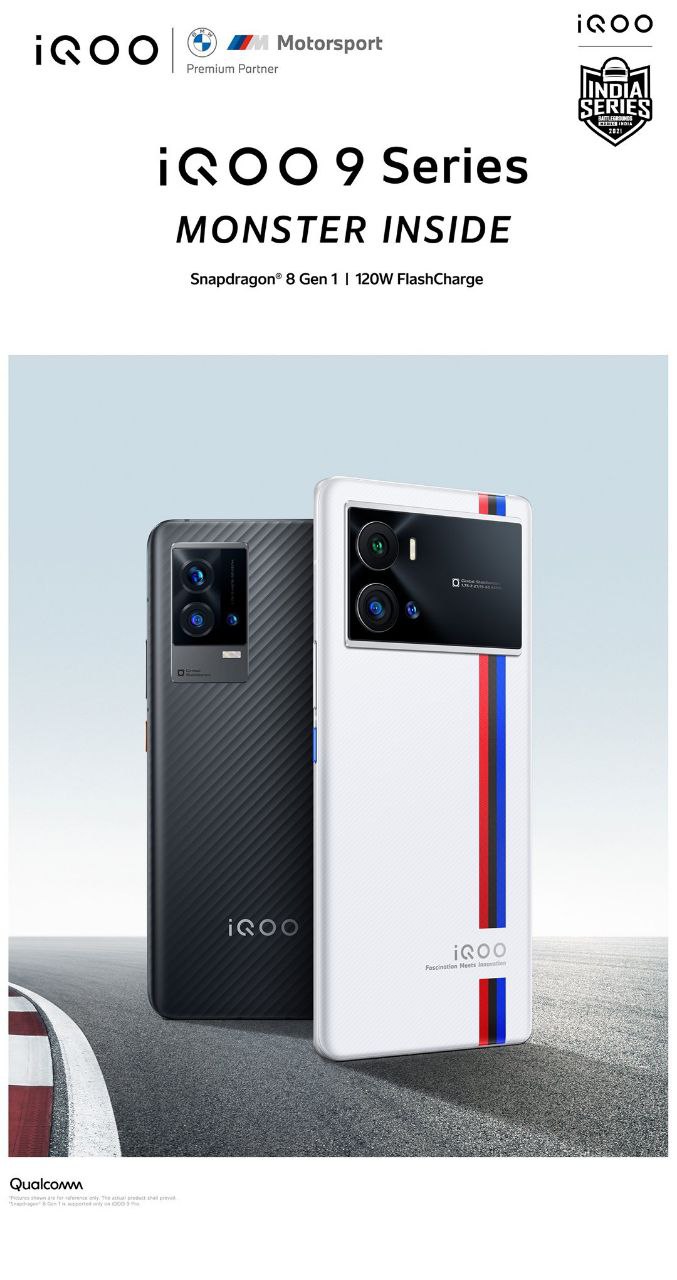
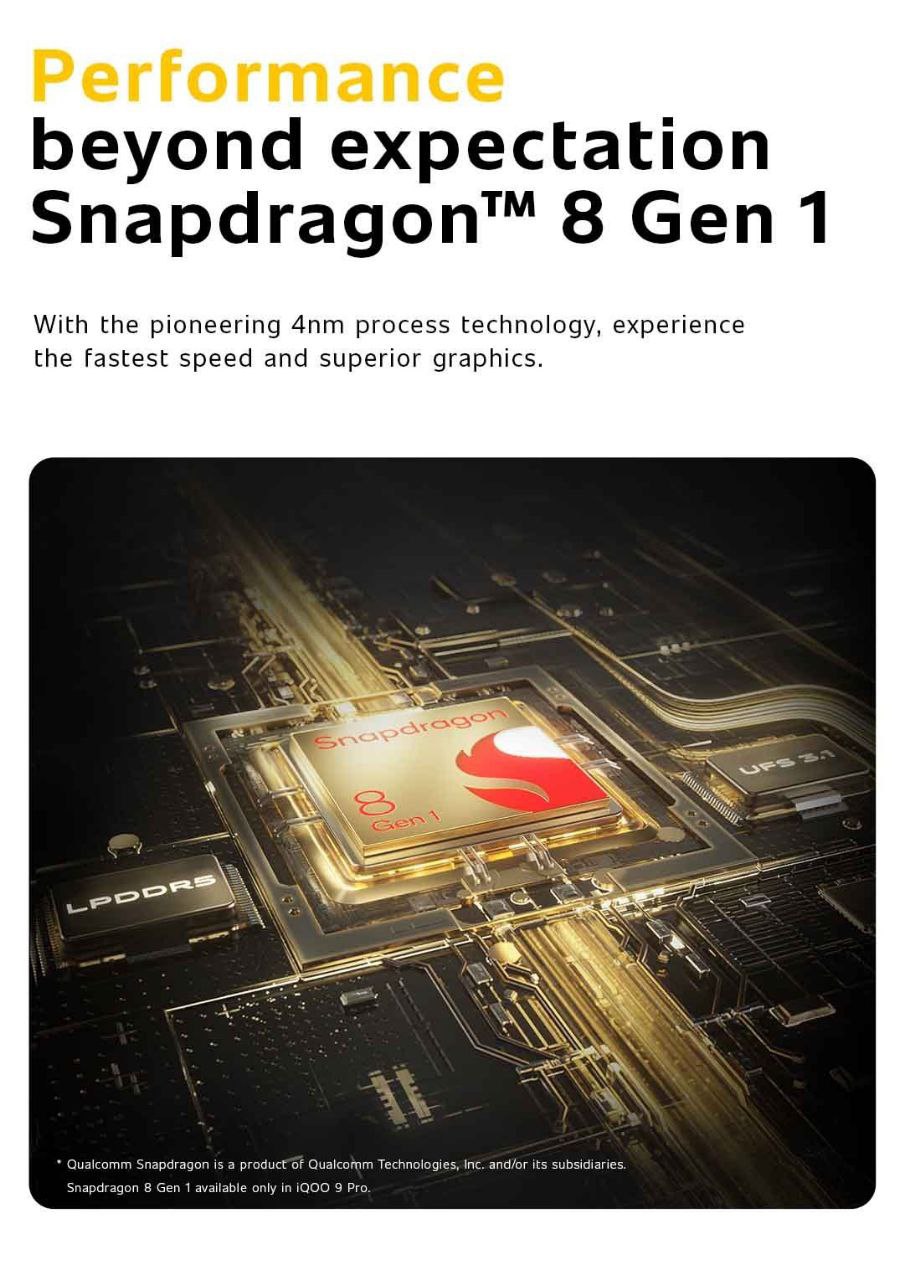
iQOO announced the iQOO 9 and iQOO 9 Pro smartphones in China in the previous week. Soon after the announcement, iQOO India teased the iQOO 9 lineup for India during an ongoing BGMI event. Equal Leaks has come across official teasers of the iQOO 9 series on iQOO’s official website in India. It appears that the iQOO 9 series phone may debut as the country’s first smartphone powered by the Snapdragon 8 Gen 1 chipset.
While we could find the official teasers of the iQOO 9 lineup for India, the source has shared screengrabs of the listing. The teaser images show that the lineup will include two models. The first one has a black rear with diagonal lines, whereas the second device has a BMW M Motorsport inspired design featuring a white rear with the signature red, black, and blue stripes.
The white model may debut in the Indian market with the iQOO 9 Pro moniker. Its triple camera unit is housed inside a large rectangle-shaped module. It is confirmed to feature the Snapdragon 8 Gen 1. Hence, it appears that it could be arriving as India’s first phone powered by the S8G1 chip.
1 of 4
iQOO 9 series teaser 1
iQOO 9 series teaser 2
iQOO 9 series teaser 3
iQOO 9 series teaser 4
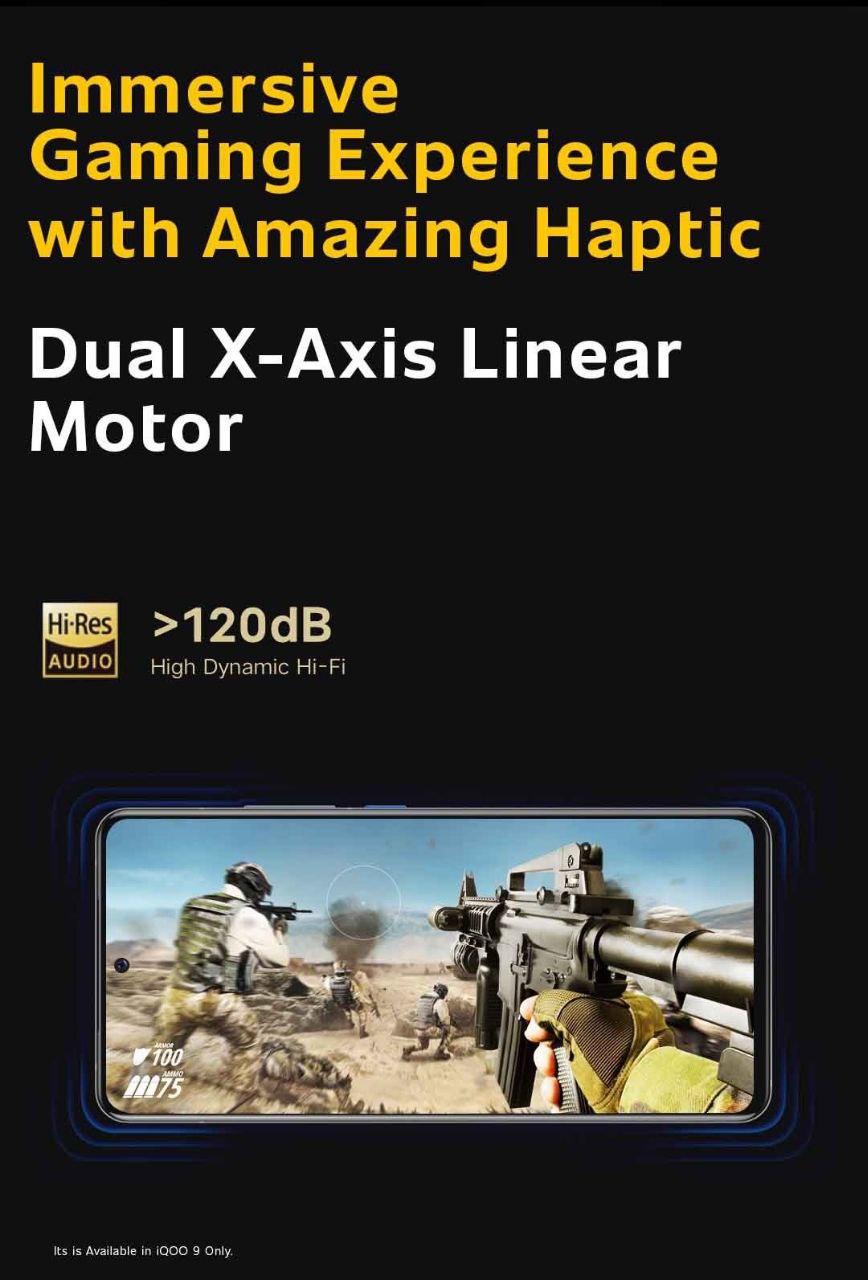
Another image reveals that the iQOO 9 Pro will be backed by a 4,700mAh battery that carries support for 120W fast charging. The device will be also equipped with support for Hi-Res Audio and a dual x-axis linear motor for the enhanced gaming experience. The Pro model may come with a 6.78-inch QHD+ 120Hz AMOLED LTPO display, a 16-megapixel front camera, 50-megapixel (main, with gimbal OIS) + 50-megapixel (150-degree ultrawide) + 16-megapixel (telephoto) triple camera unit, up to 12 GB of LPDDR5 RAM, and up to 512 GB of UFS 3.1 storage, and 50W wireless charging.
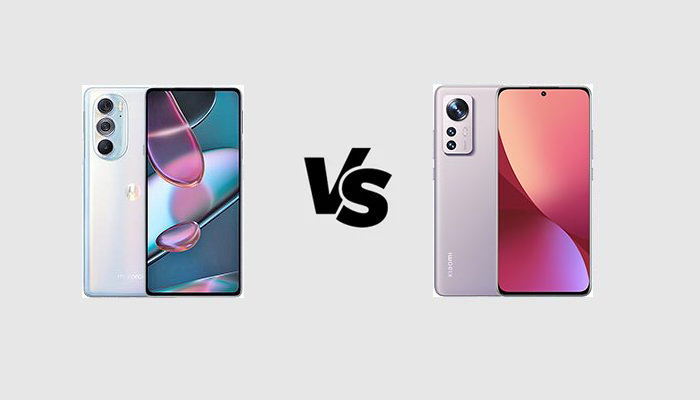
Motorola Edge X30 and Xiaomi 12 have an important thing in common: they are the world’s first phones equipped with the new Snapdragon 8 Gen 1 mobile platform. And that is not all: despite being powered by the most powerful chipset out there, they are even available at great listing prices as they are not among the most affordable phones in the market and they provide a very high value for money. That is the reason why a lot of people with a good knowledge of the actual smartphone market are wondering which one they should buy. This is a comparison between the specifications of the world’s first Snapdragon 8 Gen 1 phones.
Triple 50 + 50 + 2 MP, f/1.9 + f/2.2 + f/2.4
60 MP f/2.2 front camera
Triple 50 + 13 + 5 MP, f/1.9 + f/2.4
32 MP front camera
BATTERY
5000 mAh, fast charging 68W
4500 mAh, Fast Charging 67W, Fast wireless charging 50W
ADDITIONAL FEATURES
5G, dual SIM, water-repellent, optional under-display camera
5G, dual SIM, reverse wireless charging 10W
Design
If you want the cutest design, then I think you should choose the Xiaomi 12. First of all, its dimensions are a lot more compact. Further, the design of the camera isle is somewhat very modern and well-made. The handset is thinner than the Motorola Edge X30 and it has a higher screen to body ratio: two other added values for a device like this. The Motorola Edge X30 has a water repellent coating which may turn useful under the rain and in other situations, while the Xiaomi 12 has more resistant glasses thanks to the protection provided by Gorilla Glass Victus by Corning.
Display
The specifications of these displays are very similar on paper, but the Motorola Edge X30 offers something more for those users who want more. With its wider diagonal of 6.7 inches, the Motorola Edge X30 is a better option for gaming and productivity, while the Xiaomi 12 has a very compact display and it is not the best for the ones who play advanced games and work with their phones. Further, the Motorola Edge X30 has a higher 144 Hz refresh rate which provides a smoother viewing experience. For the rest, these displays do not differ too much: they are OLED panels with one billion colors, a Full HD+ resolution of 1080 x 2400 pixels, and the HDR10+ certification.
Specs & Software
As already mentioned, these phones are fueled by the Snapdragon 8 Gen 1 mobile platform, and for this reason, they are two of the fastest and most powerful phones in the whole Android world. In both cases, they provide up to 12 GB of RAM and up to 256 GB of UFS 3.1 internal storage. They both run Android 12 but are customized by different user interfaces. Note that the Xiaomi 12 has an in-display fingerprint reader, while the Motorola Edge X30 has a side-mounted scanner which is less comfortable.
Camera
The Motorola Edge X30 is a better camera phone and this is its biggest pro if compared to the Xiaomi 12. It is equipped with two rear cameras sporting a 50 MP resolution and an additional 2 MP macro camera. The 50 MP ultrawide camera is what makes the difference, as well as its amazing 60 MP front camera making it one of the best phones to shoot selfies. It is worth mentioning that there is a special edition of the Edge X30 with an under-display front camera.
Thanks to its bigger dimensions, the Motorola Edge X30 has room for a bigger battery: with a capacity of 5000 mAh, it offers 500 mAh more if compared to the Xiaomi 12 and it is able to last more on a single charge. The Xiaomi 12 has a smaller battery, but it supports wireless charging, unlike its opponent. And we are talking about very fast wireless charging technology, thanks to 50W power.
Price
The starting price of the Xiaomi 12 in China roughly translates into €510/$580 at the actual change, while the Motorola Edge X30 begins at €420/$480. The Motorola Edge X30 wins this comparison thanks to better cameras and a bigger battery, as well as a wider display. But you should note the Xiaomi 12 is currently the most compact last-generation flagship with Android.
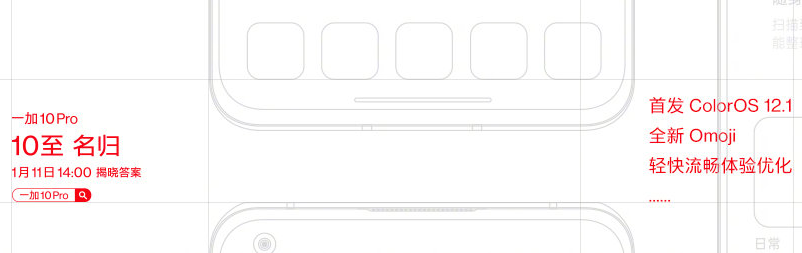
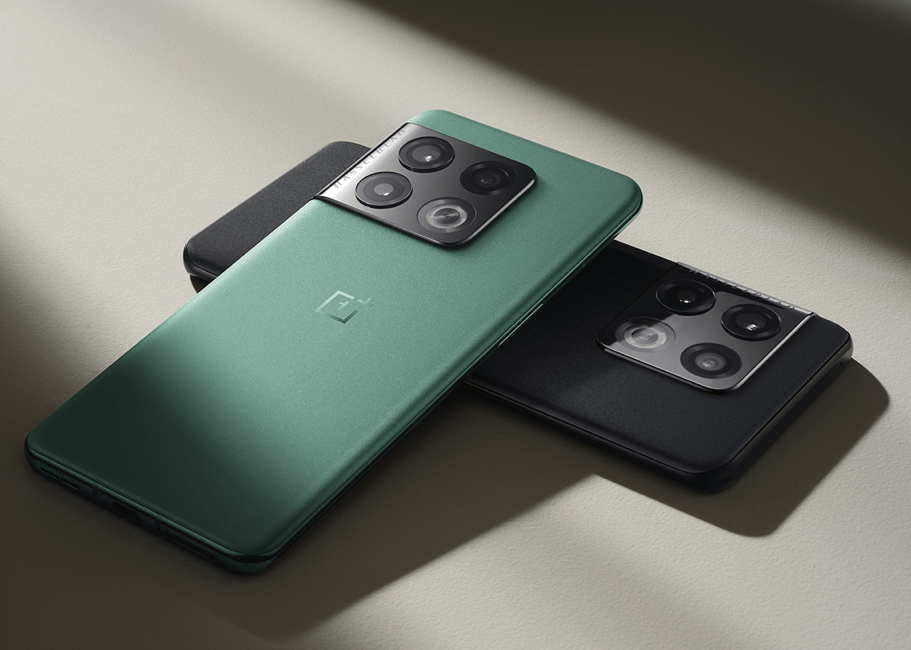
After seeing the back of the OnePlus 10 Pro for almost weeks, OnePlus finally gave the tech world something new and fresh to admire. This morning, OnePlus China could not resist the urge anymore and decided to reveal the OnePlus 10 Pro in all of its glory in its official Weibo post.
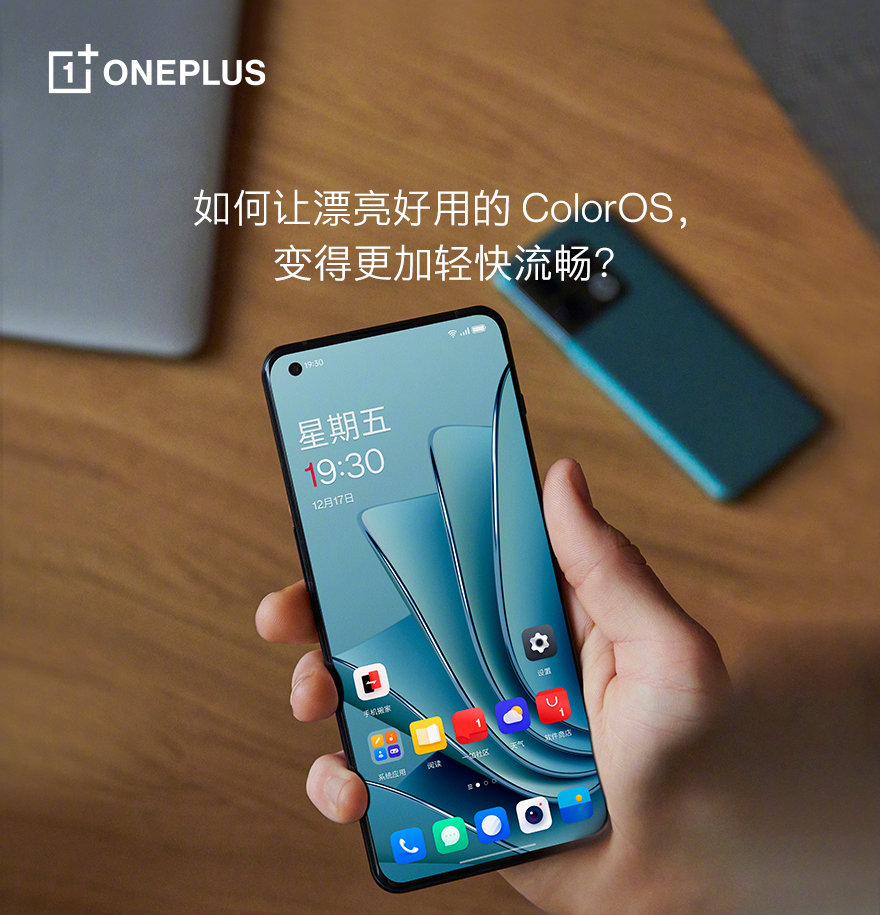
From the poster shared, the OnePlus 10 Pro seems to feature a dual-curved screen with very narrow bezels on both sides, as well as the chin and the top. Compared to the OnePlus 9 Pro, it seems that the curves on the OnePlus 10 Pro seem to be more muted in the poster and the screen-to-body ratio on the 10 Pro seems to be larger than the 9 Pro. The hole-punch stills remain in the top left corner, same as last year as well.
OnePlus 10 Pro Poster caption
Besides the screen, the post also mentions that the OnePlus 10 Pro will be the first phone to sport the latest version of ColorOS 12.1 in China when it launches. ColorOS 12.1 is said to feature the company’s own in-house answer to Apple’s Animoji — “Omoji”, and a faster and smoother software experience for OnePlus users.
OnePlus will be unveiling the OnePlus 10 Pro flagship phone on Jan. 11 in China and Pete Lau, the founder of OnePlus, has revealed many of its features prior to the launch event.
OnePlus 10 Pro
Under the hood, the OnePlus 10 Pro will be powered by the latest Snapdragon 8 Gen 1 chipset. It will be sporting a 120Hz LTPO 2.0 AMOLED display on the front, with a Hasselblad triple camera setup camera island on the back. It has a 5,000mAh battery that supports 80W SuperVOOC wired charging and 50W AirVOOC wireless charging. Furthermore, it also carries support for reverse wireless charging too.
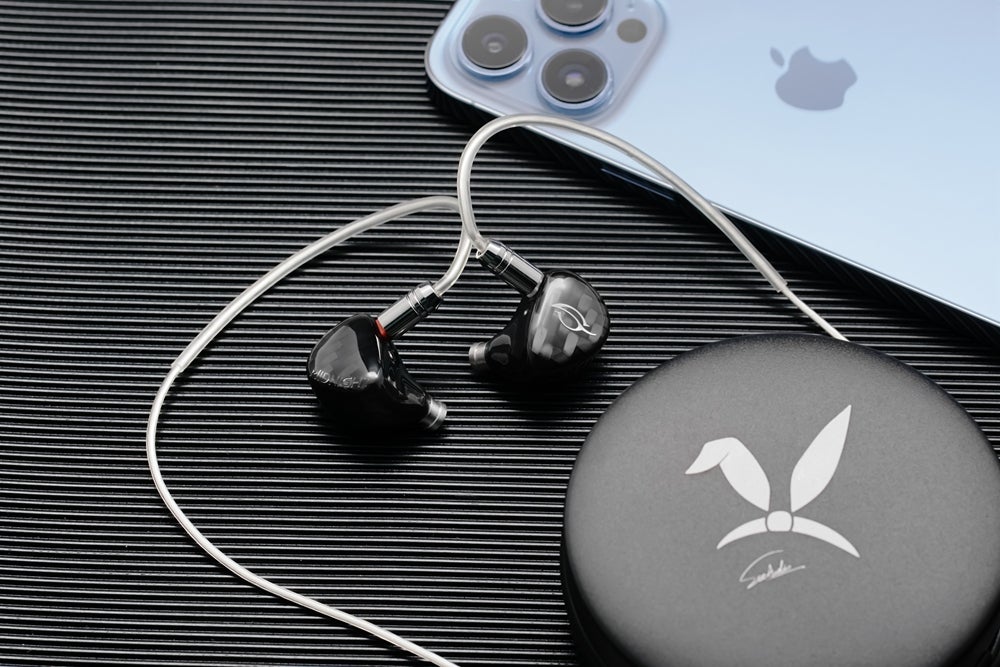
Last year, See Audio unveiled the Yume in-ear monitors, and now, the company has collaborated with the famed IEM reviewer Crinacle to bring us the new and improved See Audio X Crinacle Yume Midnight. And they are available for pre-order right now!
See Audio X Crinacle Yume Midnight will be available exclusively at HiFiGo priced at 199.99$ and shipments will begin from 15th January. Additionally, pre-ordering the Yume Midnight will also get you a Rinko Acrylic stand!
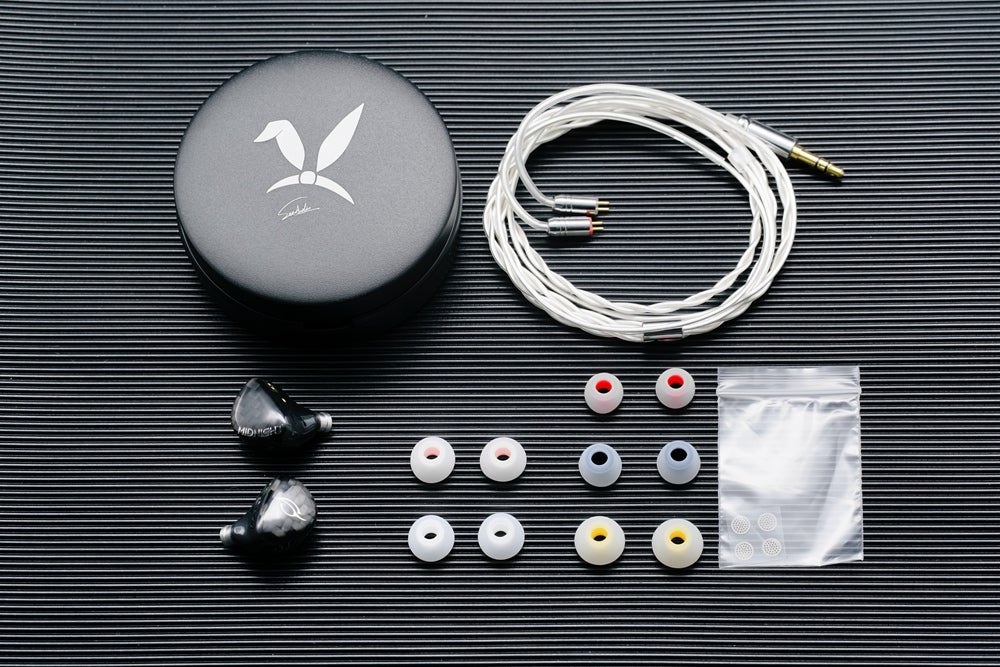
See Audio claims that the new Yume Midnight is the “technical” Yume, with a new tuning profile by Crinacle, new looks with Carbon Fiber faceplates, new upgraded set of accessories, including the stock cable and the ear tips. The Yume: Midnight improves the lower end and the high-frequency regions, faster transients, wider staging, and more resolution. In short, the new Yume comes with improved clarity and details.
Yume Midnight Features and Specs
Tuning Adjustments by Crinacle
Redesigned Carbon Fiber faceplates
Powerful triple driver hybrid configuration
Dynamic Driver with Liquid Silicone Diaphragm
Two Custom-Tuned BA drivers
Low-Frequency Filter Conversion(L.F.C) technology
High-quality 5N OCC Silver-Plated Copper Cable
Impedance: 32Ω
Sensitivity: 106dB±1dB
Frequency Response: 20Hz-20kHz
THD+N: ≤2%
Isolation: 26dB
Connector Type: 2-pin 0.78mm
HiFiGo is the official online partner for See Audio, hence the Yume: Midnight is exclusively available for pre-order on their website till January 15th at a price of $199.99. So what are you waiting for?? Order the See Audio X Crinacle Yume Midnight today!! A special bonus for pre-order includes a special Rinko Acrylic Stand in the package.
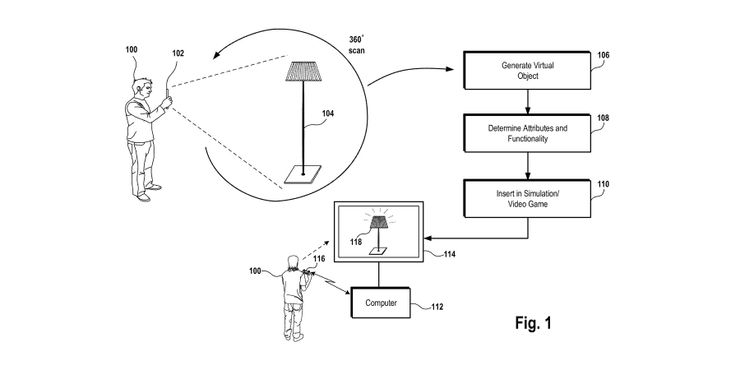
The Japanese tech giant Sony recently unveiled the PlayStation VR2 at CES 2022 and provided some of its specs along with some in-game footage showcasing its functionalities. And now, a new patent has surfaced revealing a 3D Scanner that might allow gamers to put real-world items into video games and VR spaces.
According to a report by GameRant, the patent was initially submitted to the patent office back in June of 2021, however, Sony has had to resubmit it with adjustments due to conflicts with other patents.
In a figure provided in the patent, we can observe that the upcoming tech will allow users to scan real-life objects, which can then be rendered into the virtual space. Sony has not mentioned any explicit use of the technology. Still, some possible applications can be using it in VR games to render real-life items into the game, uses in the evergrowing metaverse to generate your real-life possessions into the virtual space, and even a tool for animators and game developers which could potentially make their jobs a lot easier.
Readers should note that the patent has not been granted to sony yet therefore we might have to wait for a while before this technology is made available.
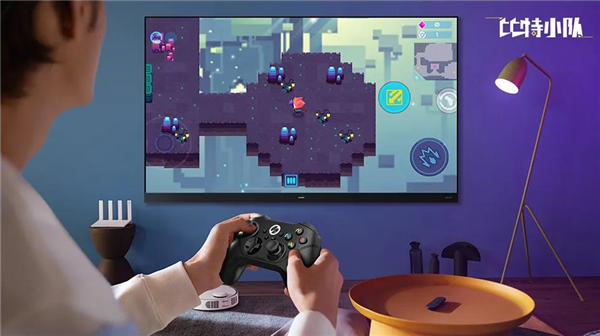
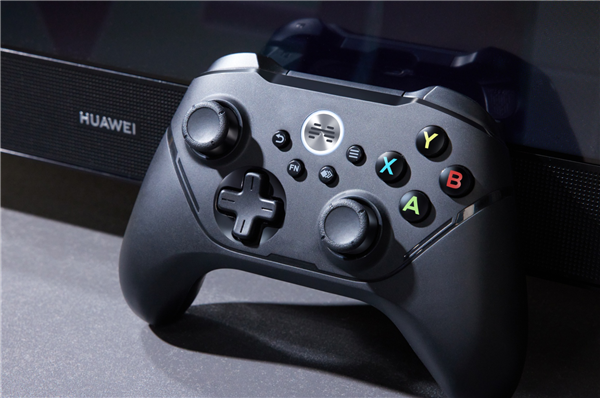
Huawei is diversifying its product catalog with its Matebook laptops, MatePad tablets and Vision Smart Screen TVs. And now Huawei has an official gaming controller for its belt, called the Beitong Smart Gaming Controller.
The Beitong Smart Wireless Gaming Controller is designed to be an accessory to the Huawei Vision Smart Screens TVs, and therefore the controller has been engineered with large screen gaming in mind.
For starters, when gaming on a big screen, a wireless controller is preferred as you don’t have to worry about tripping cables on the ground or the cable accidentally being pulled out of the port during an intense gaming session. Another advantage of wireless over wired controllers is the flexibility it provides. To illustrate, instead of being just confined to the couch, gamers can now follow the movements of the gaming action on screen without worrying about the cables being tangled, since it is a wireless controller!
However, one con among many wireless controllers is their high latency. Huawei solves the problem by equipping the Beitong Smart Wireless Gaming Controller with improved hardware inside that can provide up to 8ms super-low latency. This was achieved with Beitong’s new innovative wireless communication modem that utilises both 2.4GHz WiFi and Bluetooth 5.0 to ensure that when gaming, the controls information will be relayed in the fastest lane if one of the 2 connections becomes congested.
Besides local gaming, the Beitong Smart Wireless Gaming Controller has also been optimised for cloud gaming and online gaming as well. With its brand new “EXTRA RAPID PRO” Smart Engine, the controller can now optimise itself to provide the lowest latency possible it can with its hardware and with the server.
Another highlight is that it supports the Huawei Smart Life app available in the Huawei App Gallery. In the app, you are able to adjust the controls, vibration and sensitivity of the controller, plus another option to use the controller as a TV remote when you are not using it during gaming.
Huawei Beitong Smart Wireless Gaming Controller
The Huawei Beitong Smart Wireless Gaming Controller is available for sale in China for 249 RMB (~USD 40) starting from 8 January onwards.
Realme has been growing rapidly since its inception. The insane growth of the company is backed by new markets and sales. In fact, it is currently the fastest-growing smartphone brand even without the presence in the largest consumer market – the United States. The firm plans to change this in 2022.
In an interview with Android Authority, Realme’s Madhav Sheth has confirmed that the brand will enter the US market this year. Unfortunately, the executive did not provide a timeline.
However, he did confirm certain details, which may not be good news for the fans in the states. Because just like Xiaomi, Realme will not be bringing its smartphones to the United States.
Instead, the company is planning to release IT and AIoT products. We can expect the firm to launch products like streaming devices, robot vacuums, truly wireless earphones, smartwatches, power banks, and others.
The US is a tough market for any brand to sell smartphones. Most sales in this market happen through carriers and they have more power over manufacturers. Above all, Realme is a Chinese company, which makes it even tough.
So far, only a few Chinese companies have managed to sell phones in the United States successfully. One of them is Realme’s sifter brand – Oneplus. Perhaps, Realme might crack the formula one day.
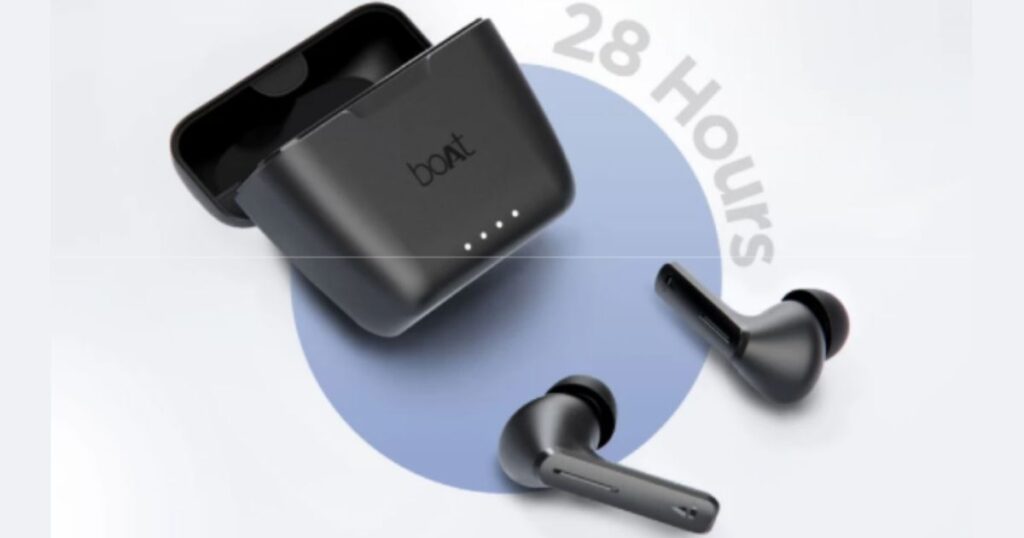
Last week, boAt listed their latest Airdopes 601 Active Noise Cancelling TWS earphones on the Indian e-commerce website Flipkart. The listing revealed all the features, functionality, and specifications. Earlier today, the pricing and availability of the Airdopes 601 TWS were also revealed.
boAt Airdopes 601 ANC Price and Availability
boAt has priced the Airdopes 601 ANC TWS earbuds at Rs 3,999. The earbuds will be available to purchase starting January 10th at 12 pm on Flipkart.
boAt Airdopes 601 ANC Specs and Features
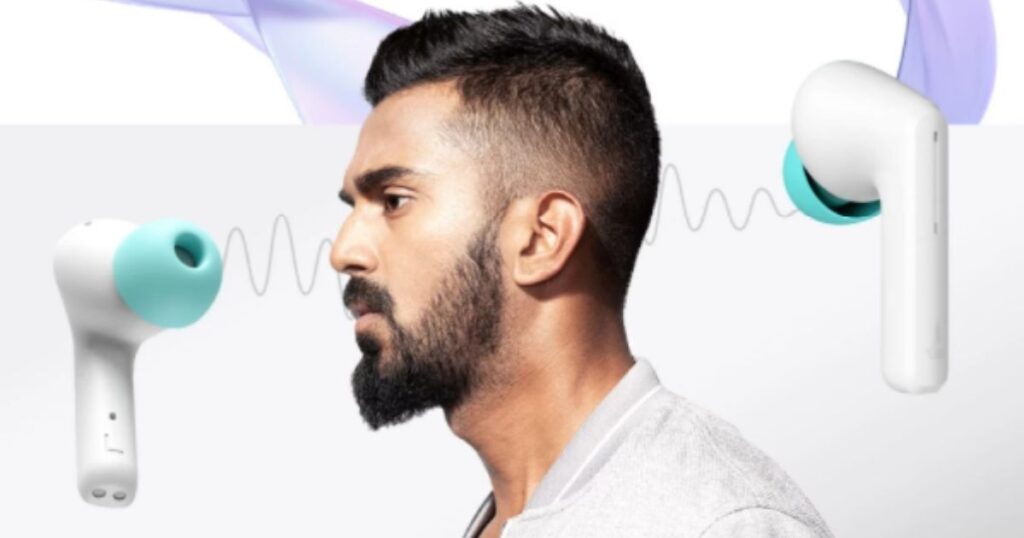
The boAt Airdopes 601 comes powered with 9mm drivers and carries boAt’s signature tuning that is sure to please bass lovers. The Airdopes 601 offer 33dB active noise canceling which for reference can cancel out noises like the human voice, traffic, fans, and coffee makers.
The earbuds use Bluetooth 5.0 for connectivity and offer playback up to 4.5 hours on a single charge with ANC turned on. With the feature turned off, you can expect a battery life of up to 5.5 hours which can be further extended up to 22 hours with the charging case. The device also comes with ASAP charge support which offers 1 hour of playback time with just 5 minutes of charging.
These earbuds have also come with interchangeable ear tips offering the users a perfect fit. Multiple sensors are packed into the Airdopes 601 that offer functionalities like swipe control for changing tracks, controlling volume, and start initiating voice assistant.
They also offer an in-ear detection feature that automatically stops the music (audio) when you remove the buds from your ear and plays back when you plug it back in. The six microphones present on the earbuds offer ambient noise cancellation for crisp and clear voice quality on calls.
Other features include the Instant Wake n Pair, ambient mode, Google fast pair, IPX4 water rating, Google Assistant and Siri support, and USB Type-C charging port.
Chinese tech company Realme is currently the fastest-growing smartphone brand to date. It is also the fastest-growing Android 5G smartphone brand. With so many units in sales, you expect the firm to provide longer software support. Unfortunately, it’s not the case.
Recently, Realme’s Madhav Sheth was interviewed by Android Authority. Upon questioning about updates, the company executive revealed that the brand will stick with its old software policy.
In other words, Realme smartphones will continue to receive only up to two Android updates and three years of security updates. The exec backs this policy by claiming that the average lifecycle of today’s phones ranges from 24 to 26 months.
Do note that not all devices will be blessed with two Android updates. The maximum count will be only offered for flagships and select mid-rangers. Whereas, most of the portfolio will be either limited to a single Android update or none.
Just ahead of the Realme UI 3.0 announcement, the company disclosed that its handsets in China will only receive two years of maintenance updates. Back then, we expected the brand to announce a better software policy for international markets. Sadly, Realme didn’t make changes to its existing policy.
It is weird for Realme to stick with an outdated policy. That’s because its sister brands Oppo and Oneplus now provide up to three Android updates and four years of security updates like Samsung and Vivo. All three companies basically use the same software – ColorOS, and even share hardware.
We don’t understand why Realme doesn’t want to jump on the bandwagon when its biggest competitor Xiaomi also happens to have the same software policy as others.
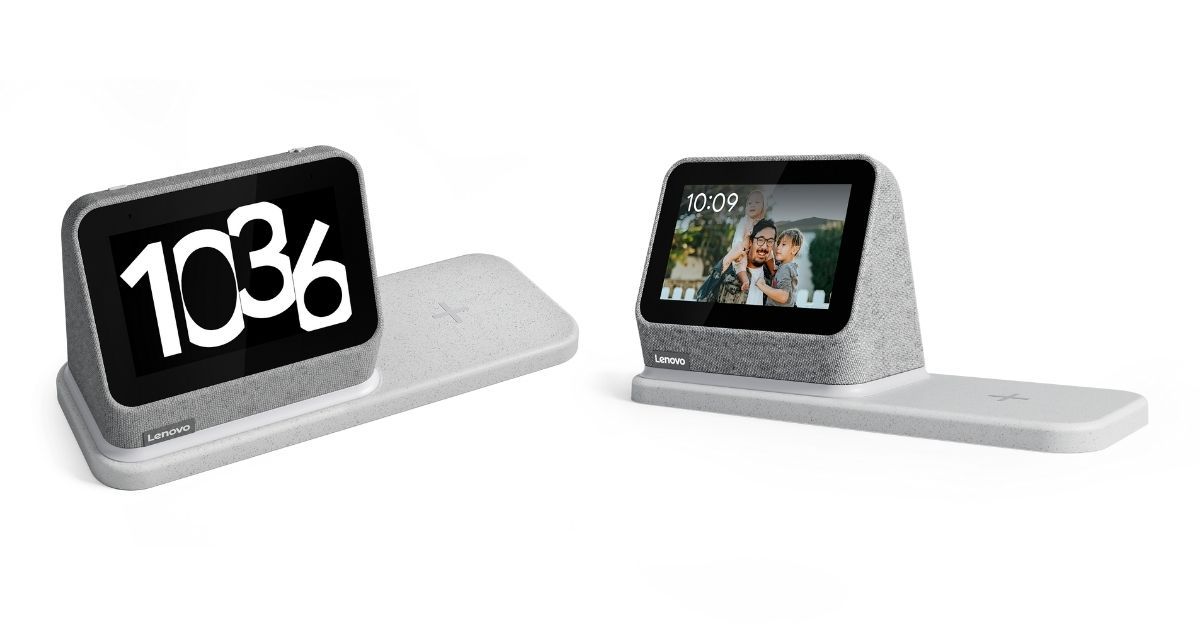
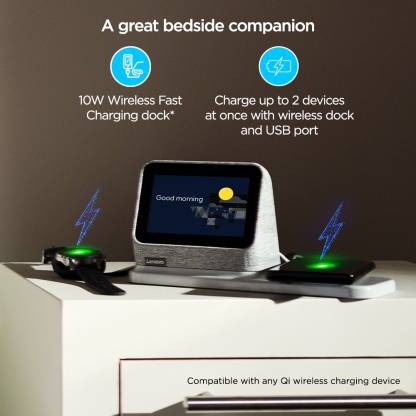
Last year, Lenovo unveiled the Smart Clock 2 in the US offering Google Assistant support and a wireless charging dock. Now, the device has been launched in India for an asking price of Rs 6,999(~$94).
The Lenovo Smart Clock 2 can be purchased from the Flipkart India website. The smart clock is an impressive piece of tech that shows time and also has a wireless charging dock, for charging your phones and supported gadgets. It has a 4-inch touchscreen LCD display. It has a 3W front-firing speaker and a far-field microphone. It features soft-touch fabric material that offers a premium look.
It has a Google Assistance feature out of the box and supports “Hey Google” and “Ok Google” commands. You can ask, talk, and get things done from the assistant. Although the device has a screen, it lacks a camera, so only audio calls can be made with the help of Google Assistant.
It has Bluetooth v4.2 support, a 2.4GHz Wi-Fi, and has a light and an accelerometer sensor. The smart clock is powered by MediaTek MT8167S chipset and has 1GB of RAM and 8GB of built-in storage.
The wireless charging dock can charge wireless charging-supported devices. Lenovo has offered a 10W max fast charging speed with a 5W minimum and a 7.5W charging speed support. The company claims that it is also Magsafe compatible.
It weighs 298 grams and needs to be connected to a power socket in order to work. As of now, it comes in only a single color, the Heather Grey. But notably, it was also launched in Abyss Blue and Shadow Black colors in the US.
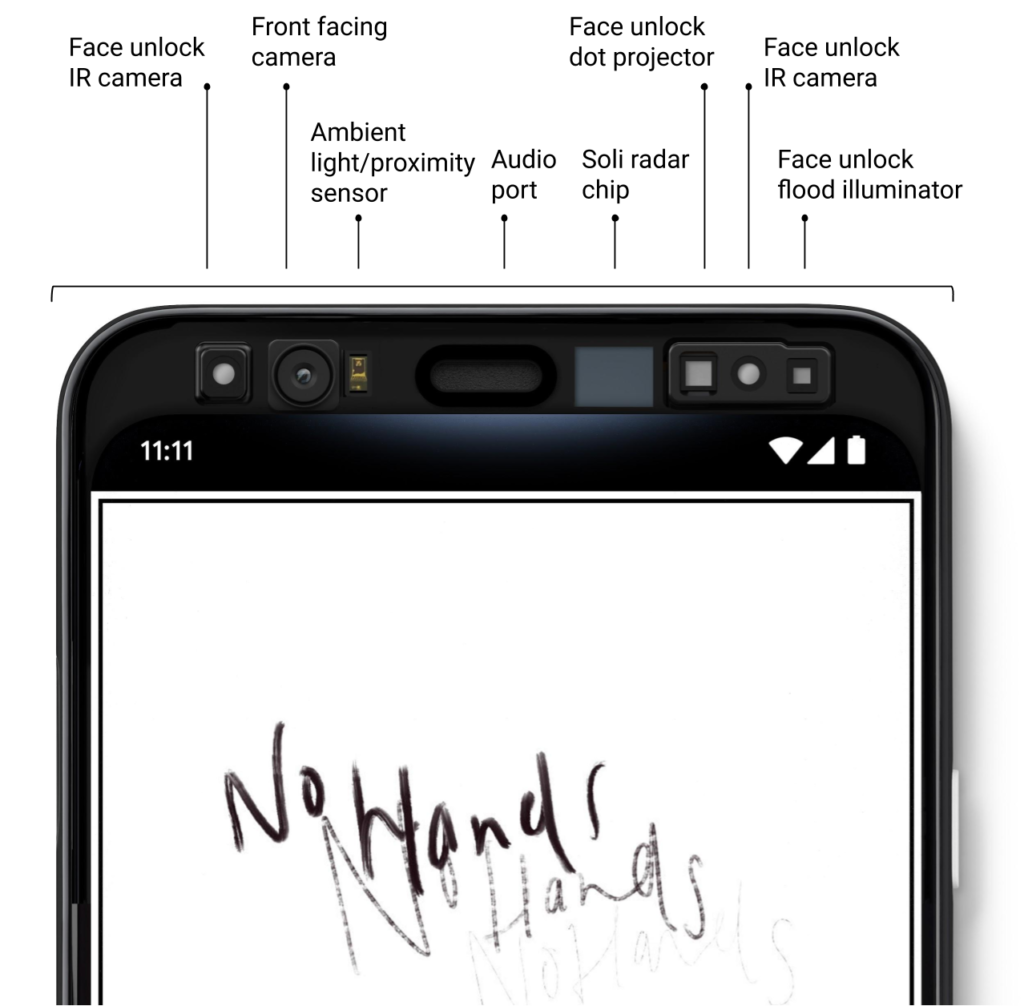
Google’s first popular use of its tiny radar chips it has been developing for a while came in the form of the face unlock system on the Pixel 4. While the tech sure generated quite the headlines at the time, it never gained widespread adoption. The Pixel 4 had a lackluster performance in terms of sales and the Pixel 5 ditched the chip entirely the next year.
Pixel 4 Soli radar tech
That hasn’t stopped Google from working further on the technology though. The Mountain View-based tech giant has now launched an open-source API standard called Ripple that has the potential to make its radar tech accessible to all. A range of companies are already participating in the program including Ford, Texas Instruments, blood pressure sensor maker Blumio, Infineon, and NXP — so it’s clear Google has gotten something right this time.
Ripple’s goal is to develop “an open radar API standard to enable hardware and software interoperability and accelerate the growth of applications for general-purpose consumer radar.”
Experts from various industries including silicon, sensing, automotive, and electronics along with Google have already come together to develop standardized Ripple API interfaces for radar system development.
Some of the applications of Ripple include:
Non-invasive wellness monitoring that allows contactless vital sign measurement and sleep tracking for home and clinical use.
Occupancy detection that can be used to optimize usage of office buildings and public spaces.
Human activity recognition that can understand a person’s position and orientation, detect falls, help direct pedestrian traffic, track exercise, and more.
And finally, Touchless gesture controls that expand the way humans interact with their cars, appliances, consumer electronics, and more.
Ford has told The Verge that indoor radar may become part of its driver-assistance technologies with the following statement:
“We are researching how to use interior radar as a sensor source to enhance various customer experiences beyond our leading Ford Co-Pilot360 driver-assist technologies that use advanced exterior radars today. A standard API, with semiconductor industry participation, will allow us to develop software independent of the hardware sourcing and give the software teams latitude to innovate across multiple radar platforms.”
Other companies are exploring radar too. Amazon, for example, is researching whether radar might help users monitor their sleep patterns.
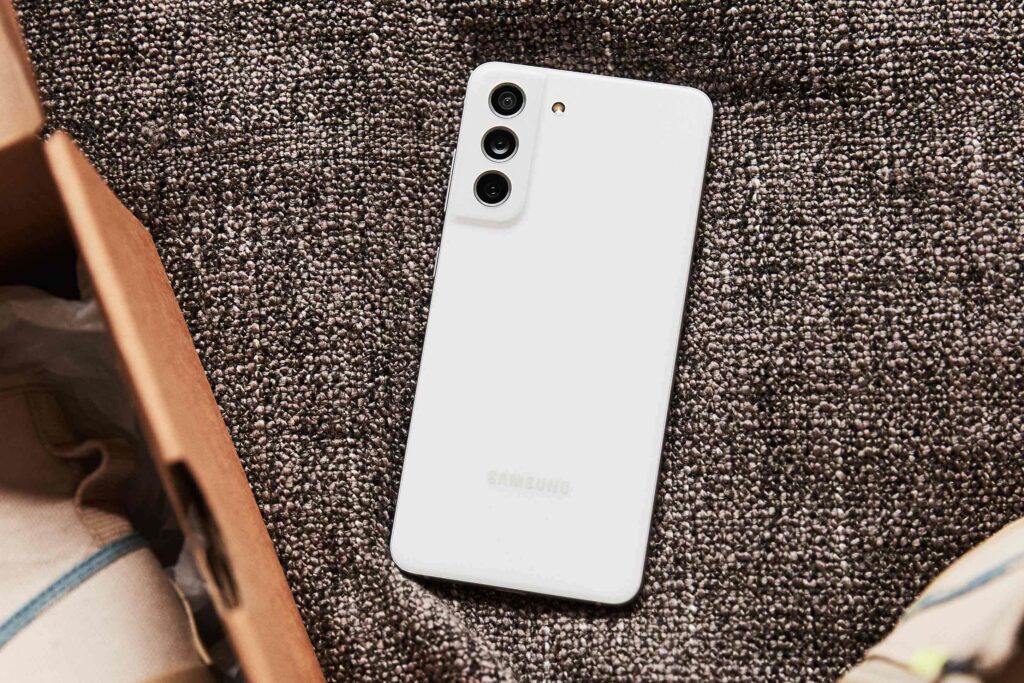
Samsung unveiled the Galaxy S21 FE at CES 2022 earlier this week. Following the announcement, the company has been gradually revealing the availability of the smartphone in multiple markets around the world. Last evening, the firm disclosed when the handset will make its debut in India.
Samsung Galaxy S21 FE
Yesterday, Samsung confirmed to Gagdets360 that it will be launching the Galaxy S21 FE in India on January 10 (Monday). Unfortunately, the company did not reveal the chipset powering the model coming to the country.
For the unaware, the successor of Galaxy S20 FE arrives in two variants. One of them features the Qualcomm Snapdragon 888 SoC, while the other one houses Samsung’s in-house Exynos 2100 chip.
Markets like the US, Europe, and China have been confirmed to get the Qualcomm version of the phone. On the other hand, Samsung has hinted that Asian countries will receive the Exynos variant.
Hence, in India, the device could possibly come with an Exynos 2100 SoC instead of a Snapdragon 888 chip. As far as price is concerned, it is tipped to cost around ₹52,000. The launch offers are said to bring down the price to around ₹48,000-₹49,000.
Interested customers can already pre-reserve the Galaxy S21 FE in the country by paying a sum of ₹999. Buyers who opt for this will get a Galaxy SmartTag for free. The smartphone is expected to ship from January 11 (Tuesday).
Transsion holdings, Tecno, has launched quite a few phones in the Indian market under the Camon, Spark, and POVA lineup. However, the company is yet to bring the POP series into the Indian market. For starters, the POP series is somewhat popular in the entry-level segment in markets like Nigeria and the Philippines. The company also recently unveiled the POP 5 LTE in Pakistan.
Having said that, one of Tecno’s major markets left to get the series is India. Following this up, Tecno seems to have planned to launch new POP-series phones in India, as the company has already created a micro-site for the series.
Given that there’s a micro-site, we can expect the POP series to arrive in the next coming weeks. Now, the question remains, which POP phone would launch first.
While there’s no confirmation, a publication suggests that the first POP series phone to launch in India could be the Tecno POP 5 LTE. The smartphone was also launched in Pakistan recently and it also appeared on BIS certification.
The Teco POP 5 LTE will be an entry-level phone. It was launched with a 6.5-inch Dot Notch display with an HD+ resolution. The smartphone has an AI 8MP + 0.3MP dual-camera setup and has a 5MP selfie snapper. Under the hood, it is powered by the UNISOC SC9863 SoC paired with 2GB of RAM and 32GB of storage. The device houses a big 5,000mAh battery and has a rear-mounted fingerprint scanner.
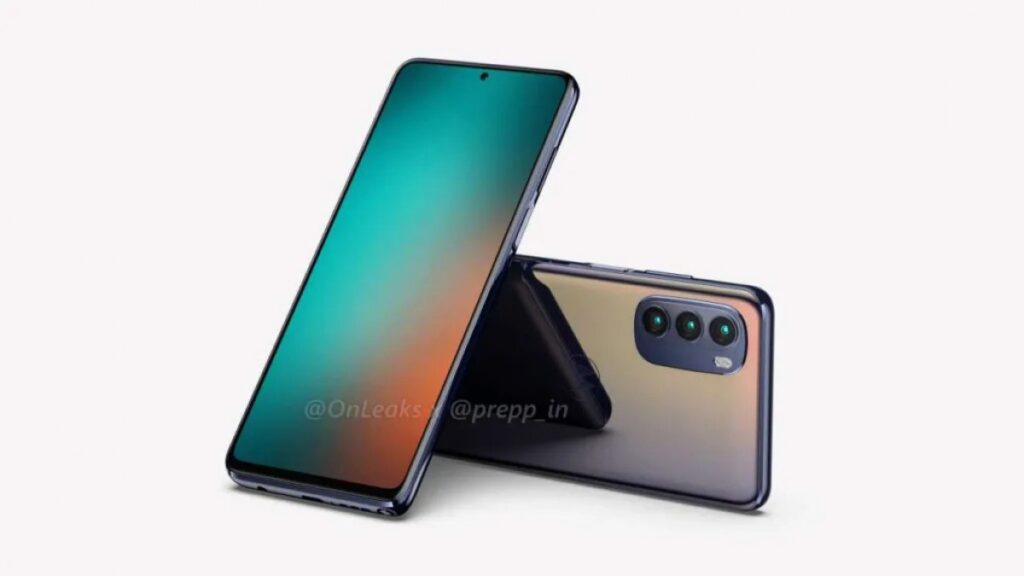
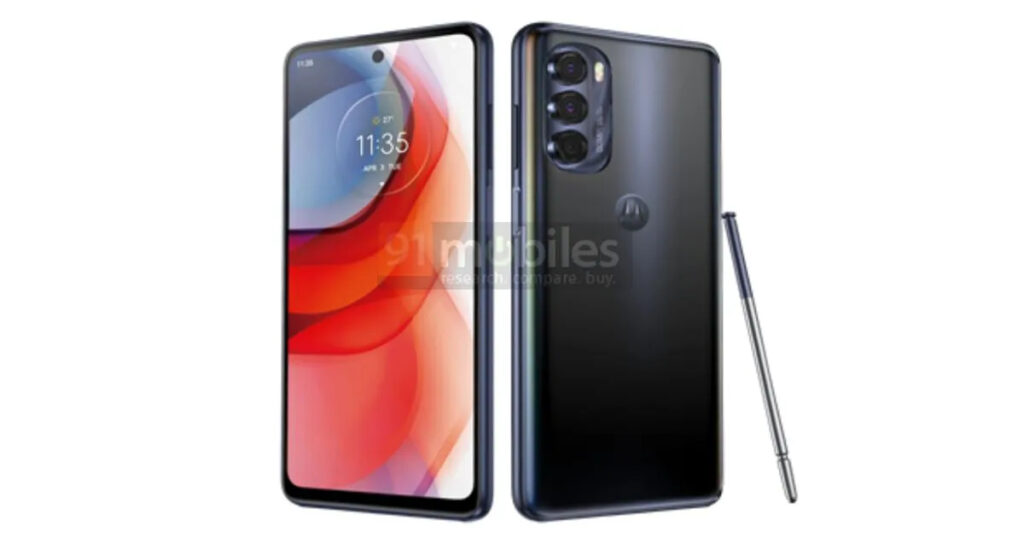
The Moto G Stylus series was launched back in early 2020 as a mid-range offering with a large display and stylus pen support. This was followed by the release of the 2021 version in January last year. And with 2022 now freshly upon us, it’s that time of the year again. The Moto G Stylus 2022 has been doing rounds for a while, and ahead of the launch, the complete specs of the device have been revealed.
Image: OnLeaks, prepp_in
The info comes from XDA Developers sources who have revealed that the codename of the device is Milan and that it will launch with Android 11. The display of the Moto G Stylus will be a 6.78-inch FHD IPS LCD panel with a 90Hz refresh rate. Under the hood, there will be last year’s MediaTek Helio G85 chip coupled with the Mali-G52 GPU.
Obviously, the phone will be coming with a stylus pen, just as its name implies, and there will be a dedicated slot for it too.
For photography, the Moto G Stylus (2022) comes with a triple camera setup at the rear comprised of a 50MP Samsung ISOCELL S5KJN1, an 8MP Samsung ISOCELL S5K4H7 ultra-wide, and a 2MP GalaxyCore GC02M1 depth sensor. Upfront, there’s an OV16A1Q 16MP fixed-focus shooter.
Image: 91mobiles
The battery of the device is expected to be a 5,000mAh one with 10W charging support. Two RAM+storage variants will be offered, namely 4GB+128GB and 6GB+128GB that can be expanded using a MicroSD card.
One of the sources has also informed that the Moto G Stylus (2022) will only be receiving one Android upgrade — that too to Android 12 that the phone was supposed to come with out-of-the-box by now. The device is expected to launch in North America and Europe at the very least, although that’s uncertain at the moment.
Finally, the Motorola Moto G Stylus (2022) also has a fingerprint sensor embedded into the power button. For audio, there’s a single bottom-firing speaker and a 3.5mm headphone jack. No NFC or dual SIM support is offered.
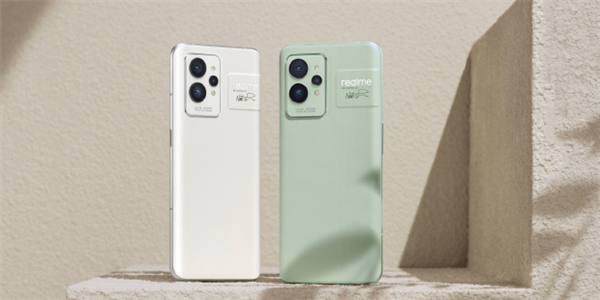
This week, Realme launched the new GT 2 series in the Chinese market, and ever since its launch, the global release was a question. While the company is yet to spill beans about its global release, VP Madhav Sheth has already confirmed that the Realme GT 2 is indeed coming to the global markets.
Sheth said that the first global market to get the Realme GT 2 series will be India. It will be followed by other markets including Europe. In addition, he also confirmed that a series of new Android tablets and Windows laptops will be launched this year. However, he didn’t reveal any specific date for the same.
Apart from this, Sheth also revealed to Android Authority that the company won’t be launching any Realme phones in the US. But the company may bring IT and AIoT products to the US market in 2022.
Coming to the Realme GT 2 series, the series has two devices namely the Realme GT 2 and GT 2 Pro. The phones come with powerful hardware like the Snapdragon 8 Gen 1 in the Pro model and Snapdragon 888 in the vanilla model.
The Realme GT 2 has a 6.62-inch Samsung E4 AMOLED display with a 120Hz refresh rate and FHD+ resolution. The GT 2 Pro, on the other hand, has a larger 6.7-inch LTPO AMOLED display with a QHD+ resolution and 120Hz refresh rate. The phones boast a 50MP triple camera system at the rear and have a 32MP selfie on the Pro and a 16MP selfie on the vanilla. The duo has a 5,000mAh battery and has a 65W fast charging support.
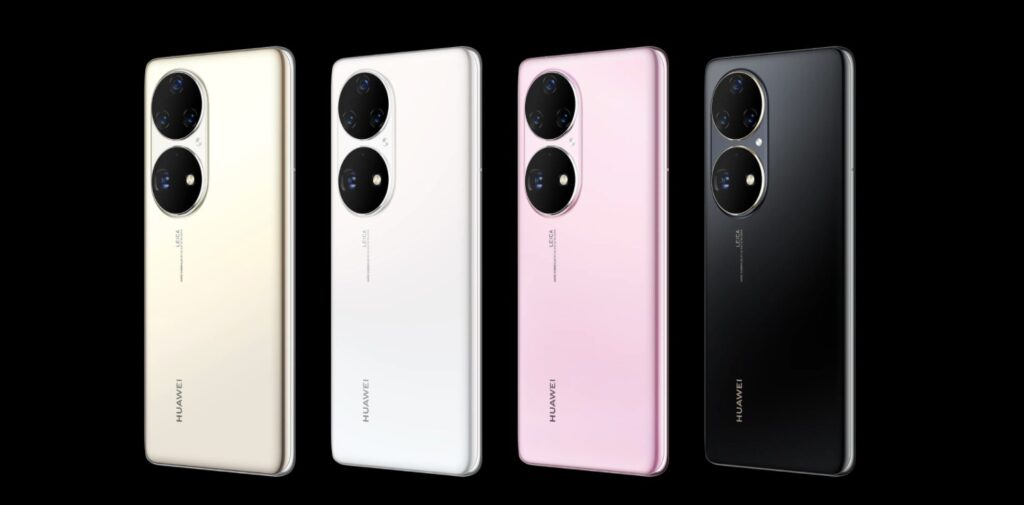
Huawei has now revealed the global launch date of its latest flagship phone through a post on one of its socials, which says that the Huawei P50 Pro will be going live on January 12th (via PhoneArena).
Let what's unseen be revealed. Uncover sharp focus and vibrant details even in low-light conditions when you capture with the #HUAWEIP50Pro ✨
To recall, the device was first announced back in July 2021 for China and went on sale a month later domestically. It was followed by the release of its vanilla variant — the Huawei P50 — more recently in October 2021.
Do note here though that there are a couple of things where the global variant of the Huawei P50 Pro differs from its Chinese counterpart. For starters, the global model will be running EMUI 12 and not HarmonyOS 2 — although the overall user experience should be the same across both.
But the main difference lies in the processor department, where the global P50 Pro will be coming with the Snapdragon 888 chip instead of the Kirin 9000 5G on the domestic version.
Now, Qualcomm stans will certainly take this bit as good news considering Snapdragon chips continue to dominate the Android world in terms of performance. But the inclusion of the Snapdragon 888 chip on the P50 Pro comes with a major catch — lack of 5G support.
Obviously, the main reason behind the mess is the ‘Huawei ban’ by the US that has put multiple barriers on the company from using 5G chips. This, combined with the fact that Huawei only has a limited stock of the Kirin 9000 5G chip, means that the global P50 has to make do with the Snapdragon 888 4G.
Anyway, moving on to the specs, the Huawei P50 Pro comes with a 6.6-inch OLED display with a resolution of 1228 x 2700 and support for 120Hz. The camera setup at the rear is comprised of a 50MP primary camera with an aperture of f/1.8 and OIS, complemented by 13MP ultrawide and 64MP telephoto sensors. On the front, you get a 13MP camera, housed within a center-aligned punch-hole.
Keeping the lights on is a 4,360mAh battery that can charge at 66W wired and 50W wirelessly. The phone measures 158.8 x 72.8 x 8.5 mm, weighs, 195g, comes with an IP68 rating. Its price for its 8GB RAM + 256GB storage stands at 6,488 yuan which roughly converts to $1,003.
Jeff Wilcox, Apple’s director of Mac system architecture who oversaw much of the Apple Silicon transition, has left Apple to join Intel.
According to Tom’s Hardware, Intel has hired Jeff Wilcox as an Intel Fellow and Chief Technology Officer of the Design Engineering Group. The former Apple official helped lead Mac’s transition to Apple silicon that now powers the MacBook Air, MacBook Pro, Mac mini, and iMac.
Recently news emerged that Apple was issuing stock bonuses of up to $180,000 in an effort to retain talented employees. However, it appears that Intel might have offered Wilcox a better deal as he has now taken charge of SoC architectural design across all intel client segments.
He announced the change on LinkedIn over the past few weeks. In his initial LinkedIn post, he wrote:
“After an amazing eight years I have decided to leave Apple and pursue another opportunity. It has been an incredible ride and I could not be prouder of all we accomplished during my time there, culminating in the Apple Silicon transition with the M1, M1 Pro and M1 Max SOCs and systems. I will dearly miss all of my Apple colleagues and friends, but I am looking forward to the next journey which will start at the first of the year. More to come!”
A few weeks later, he revealed his new position is another on LinkedIn saying:
“I’m pleased to share that I have started a new position as Intel Fellow, Design Engineering Group CTO, Client SoC Architecture at Intel Corporation. I could not be more thrilled to be back working with the amazing teams there to help create groundbreaking SOCs. Great things are ahead!”
Intel’s latest hire has sent waves in the industry as the Santa Clara-based giant prepares to enter the SoC market. So stick around for more news coverage regarding this matter.
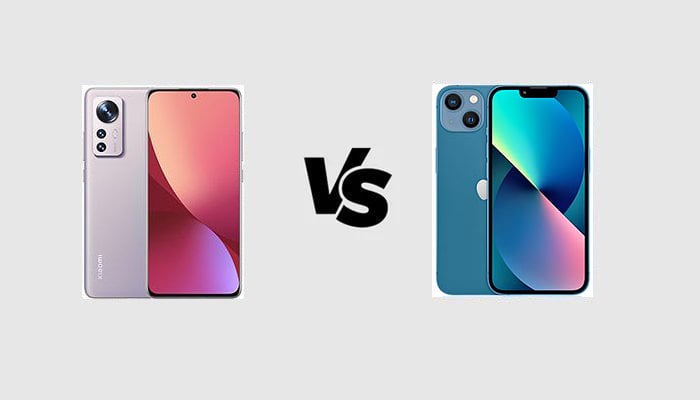
2021 came to an end with the launch of the Xiaomi 12 and, for the first time after several years, one of the main Xiaomi’s flagship is also a very compact phone. This is the reason why we think it will be a perfect alternative to the iPhone 13: just like the Apple flagship, one of its best advantages is the compact dimensions, which is something very hard to find on nowaday’s flagships. But can the Xiaomi 12 replace the iPhone 13 on paper? This is a comparison between the specifications of the Xiaomi 12 and the iPhone 13 which will hopefully answer this question and let you understand which one to go for after considering your actual needs.
Xiaomi 12 vs Apple iPhone 13
Xiaomi 12
Apple iPhone 13
DIMENSIONS AND WEIGHT
152.7 x 69.9 x 8.2 mm,
179 g
146.7 x 71.5 x 7.7 mm,
174 g
DISPLAY
6.28 inches, 1080 x 2400 pixels (Full HD+), OLED
6.1 inches, 1170 x 2532 pixels (Full HD+), Super Retina XDR OLED
Triple 50 + 13 + 5 MP, f/1.9 + f/2.4
32 MP front camera
Dual 12 + 12 MP, f/1.6 + f/2.4
Dual 12 MP f/2.2 + SL 3D front camera
BATTERY
4500 mAh, fast charging 67W and fast wireless charging 50W
3240 mAh, Fast Charging 23W, Fast wireless charging 15W
ADDITIONAL FEATURES
5G, dual SIM, reverse wireless charging
5G, MagSafe, Face ID, IP68 waterproof
Design
The Apple iPhone 13 has definitely an iconic design and it looks very modern thanks to its flat borders. A lot of people will prefer it just because it is an Apple device and the main phone designs come from Apple. But I actually prefer the Xiaomi 12 due to its higher screen to body ratio and its punch-hole display: I as well as many other people do not like big notches like the one found on the iPhone 13; but keep in mind that it is a matter of tastes. On the other hand, the iPhone 13 has a better build quality: it has a front glass and a rear glass protected by Ceramic Shield and it is waterproof up to 6 meters deep thanks to the IP68 certification. You do not get any kind of certification against water and dust with the Xiaomi 12.
Display
On the paper, the Xiaomi 12 has a more advanced display. It is an OLED panel with one billion colors, a 120 Hz refresh rate, the HDR10+ certification, and Dolby Vision support. But not always the specs on the paper correspond to the real experience: the Apple iPhone 13 provides an incredibly accurate color reproduction with its Super Retina XDR OLED display, it supports Dolby Vision and HDR10 as well. But there are two cons with the Apple flagship: it comes with a standard 60 Hz refresh rate and, unlike the Xiaomi 12, it does not have a fingerprint reader. On the other hand, it supports Face ID for 3D facial recognition, which is actually safer than a fingerprint reader.
Specs & Software
The Apple iPhone 13 is powered by the Apple A15 Bionic chipset built at 5 nm and running at a max frequency of 3.22 GHz, while the Xiaomi 12 is fueled by the 4 nm Snapdragon 8 Gen 1 mobile platform with a max frequency of 3 GHz. These two phones have very different amounts of RAM: the former offers just 4 GB, while the latter goes up to 12 GB. However, thanks to the amazing optimization of the iOS operating system, the performances of the iPhone are at the same level and often higher than the ones provided by the Xiaomi 12 which runs Android 12.
Camera
The camera hardware of the Xiaomi 12 is superior to the iPhone 13: it has a 50 MP main camera with OIS, a 13 MP ultrawide sensor, and a 5 MP telephoto macro camera. But despite that, the iPhone 13 clicks better photos in a lot of scenarios thanks to the great camera software and algorithm provided by iOS. It is still too early to make a final judgment because Xiaomi 12 went official just a few days ago and no one still had the chance to test its cameras thoroughly.
Even though iOS is better optimized if compared to Android 12 and MIUI 13, the Xiaomi 12 will most likely last more on a single charge if compared to the iPhone 13, simply because its battery is much bigger. And it is not all: the 4500 mAh battery of the Xiaomi 12 supports a faster charging technology with a power of 67W and even faster wireless charging with a power of 50W.
Price
Xiaomi 12 has a starting price of €510/$580 for the Chinese market, while you need more than €800/$900 to purchase the iPhone 13. While the iPhone 13 may be a superior device for a lot of people, the Xiaomi 12 has a way higher value for money and not many compromises. Which one would you pick?
We use cookies on our website to give you the most relevant experience by remembering your preferences and repeat visits. By clicking “Accept”, you consent to the use of ALL the cookies.
This website uses cookies to improve your experience while you navigate through the website. Out of these, the cookies that are categorized as necessary are stored on your browser as they are essential for the working of basic functionalities of the website. We also use third-party cookies that help us analyze and understand how you use this website. These cookies will be stored in your browser only with your consent. You also have the option to opt-out of these cookies. But opting out of some of these cookies may affect your browsing experience.
Necessary cookies are absolutely essential for the website to function properly. This category only includes cookies that ensures basic functionalities and security features of the website. These cookies do not store any personal information.
Any cookies that may not be particularly necessary for the website to function and is used specifically to collect user personal data via analytics, ads, other embedded contents are termed as non-necessary cookies. It is mandatory to procure user consent prior to running these cookies on your website.