Xiaomi 12 Pro’s full specifications and images have appeared on its order page. While the page is not available for access, its screenshots have been shared on Weibo.
Xiaomi 12 Pro specifications (Rumored)
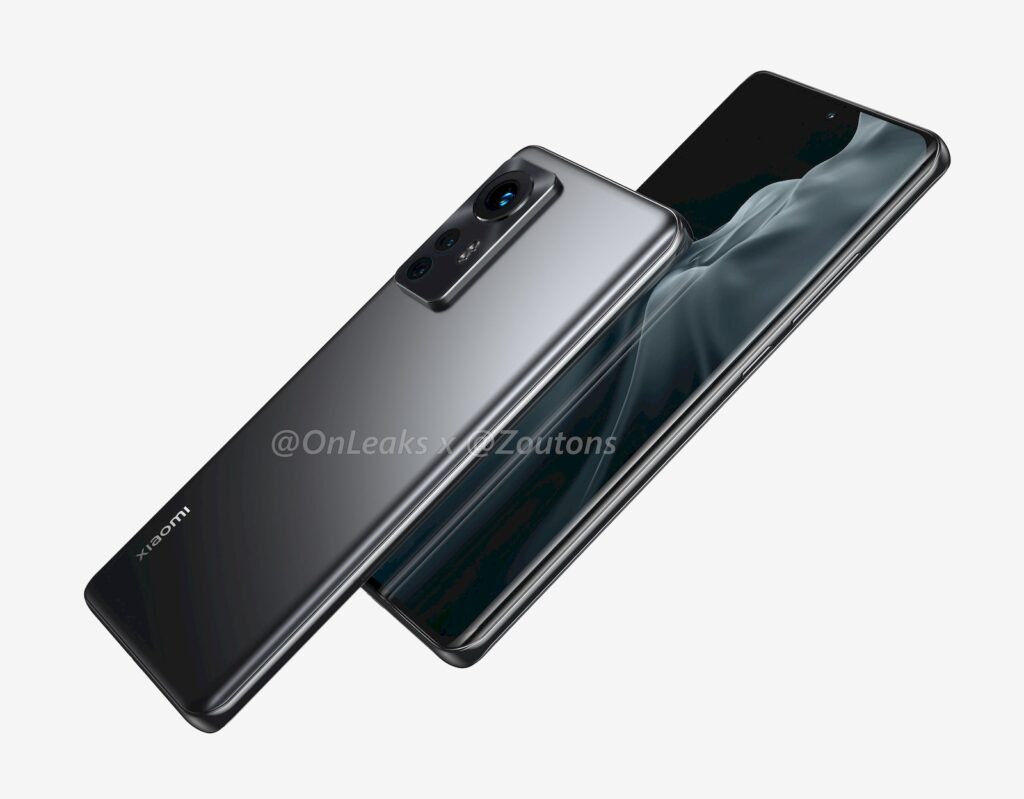
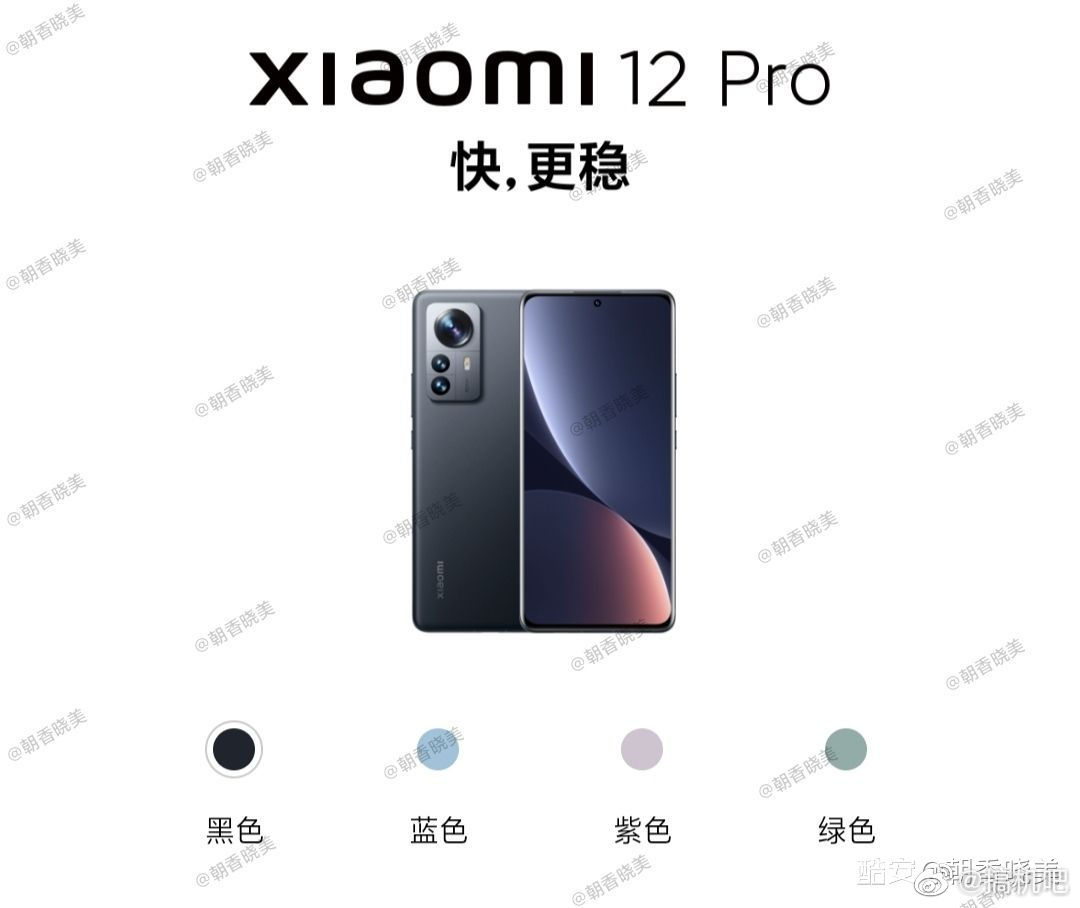
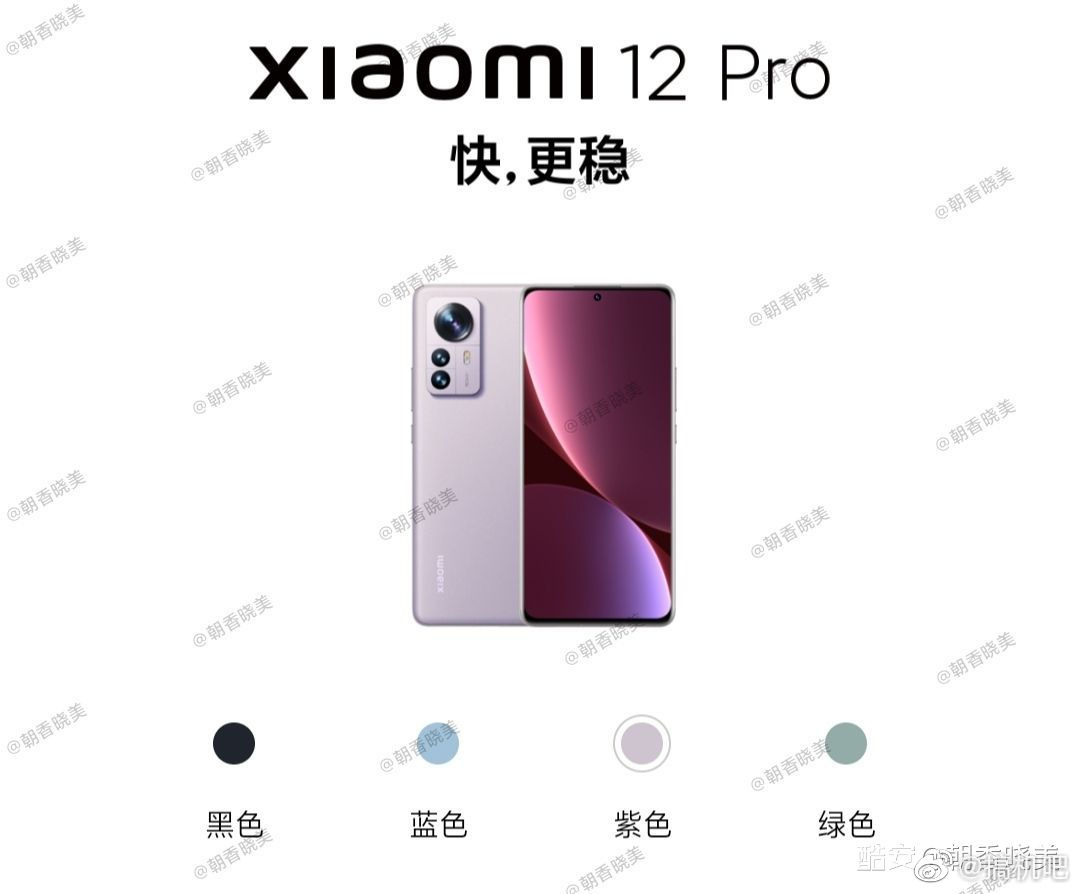
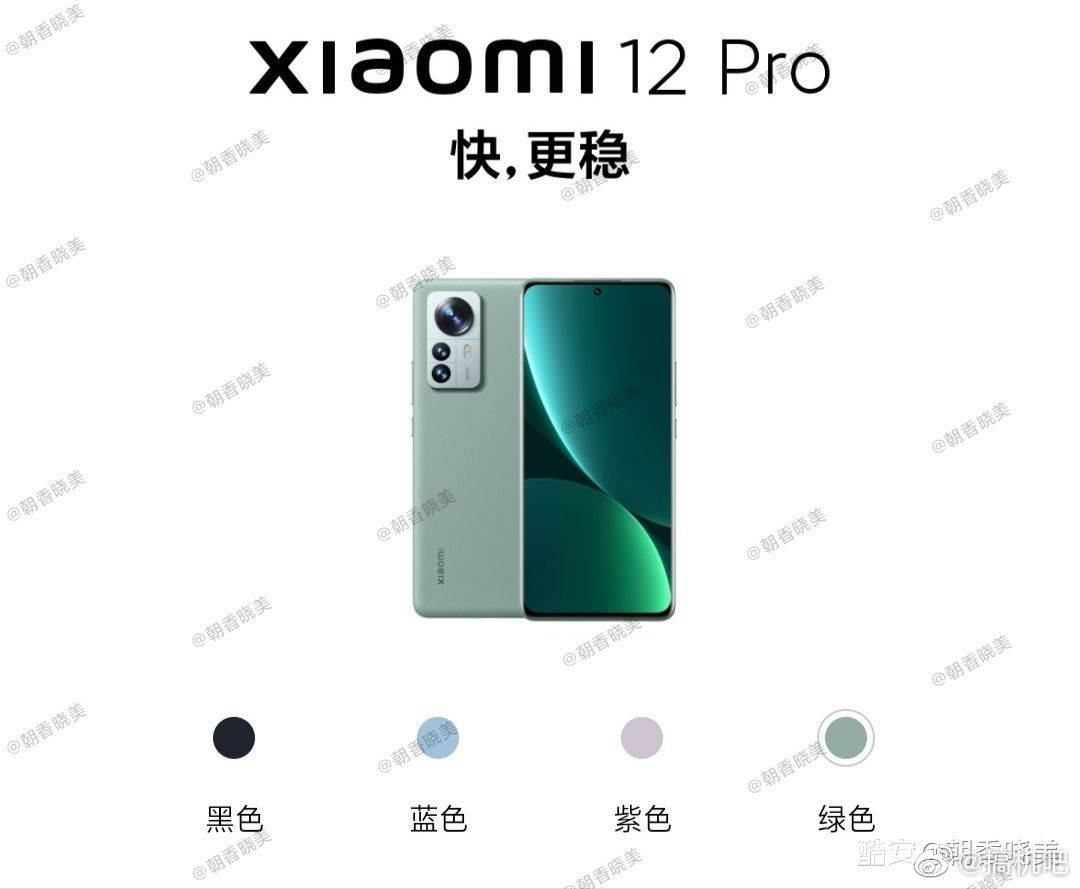
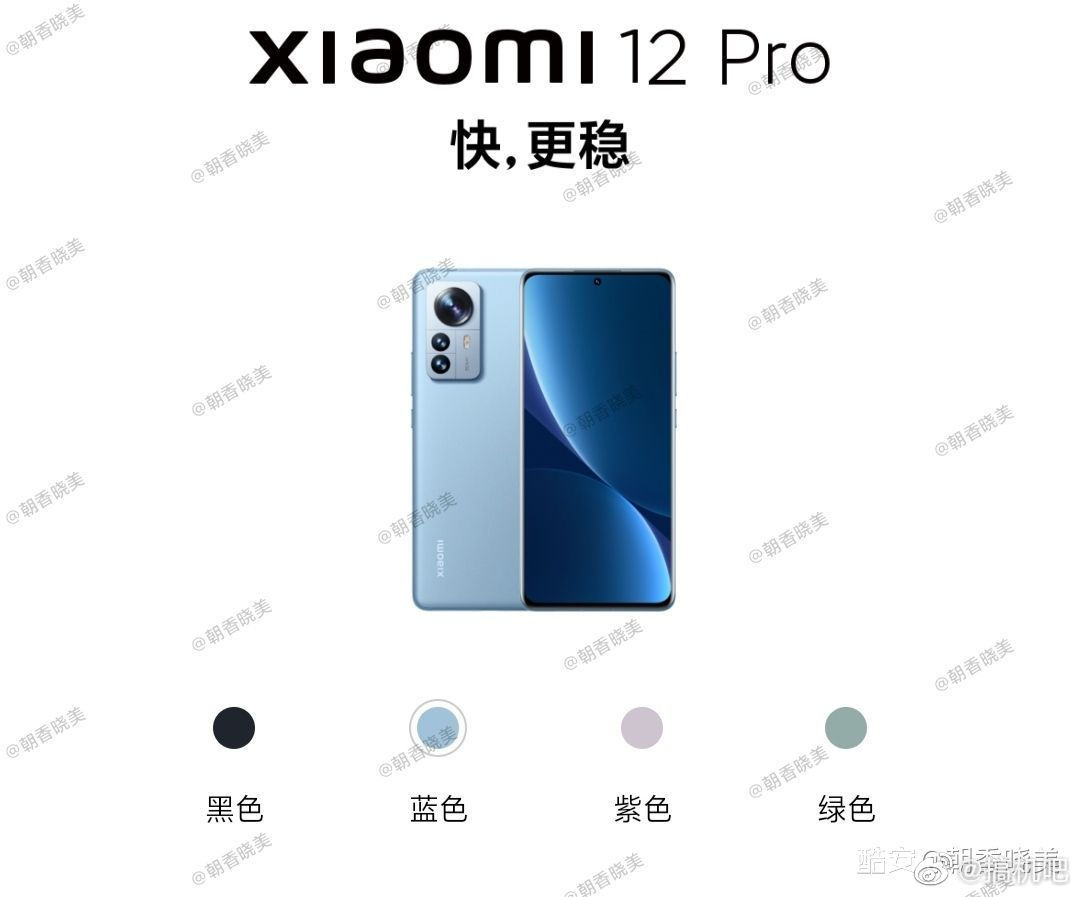
As can be seen in the images, the Xiaomi 12 Pro will come in colors like black, pink, green, and blue. The appearance of the Pro model is quite similar to the vanilla Xiaomi 12. However, the camera sensors and physical keys on the Pro are a bit larger than the Xiaomi 12.
1 of 4
Xiaomi 12 Pro black
Xiaomi 12 Pro pink
Xiaomi 12 Pro green
Xiaomi 12 Pro blue
The Xiaomi 12 is a smaller device featuring a 6.28-inch display, while the Pro model features a bigger 6.73-inch Samsung E5 AMOLED LTPO display. It carries support for 2K resolution of 1440 x 3200 pixels and a 120Hz refresh rate. The screen punch-hole houses a 32-megapixel selfie camera.
The rear camera setup of the phone features three 50-megapixel cameras. There is a 1/1.28-inch Sony IMX707 primary camera with an f/1.9 aperture, a 50-megapixel Samsung S5KJN1 telephoto sensor, and a 50-megapixel Samsung S5KJN1 ultrawide lens with a 115-degree FOV.
The Snapdragon 8 Gen 1 powers the Xiaomi 12 Pro. The SoC will be accompanied by enhanced versions of LPPDR5 RAM and UFS 3.1 storage. The device will run on MIUI 13 based Android 12 OS. The handset will be offering users Harmon Kardon quad-speaker unit.
For heat dissipation, the 12 Pro will come equipped with vapour chamber liquid-cooled temperature control system. The device will be backed by a 4,600mAh battery that supports 120W fast charging. It will offer an enhanced charging experience since it will be equipped with Xiaomi’s selfie-developed Surge P1 chip. The 12 Pro will carry support for 50W wireless charging and 10W reverse wireless charging.
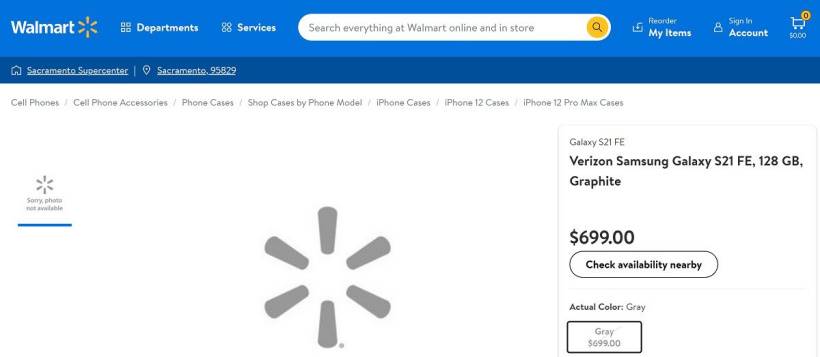
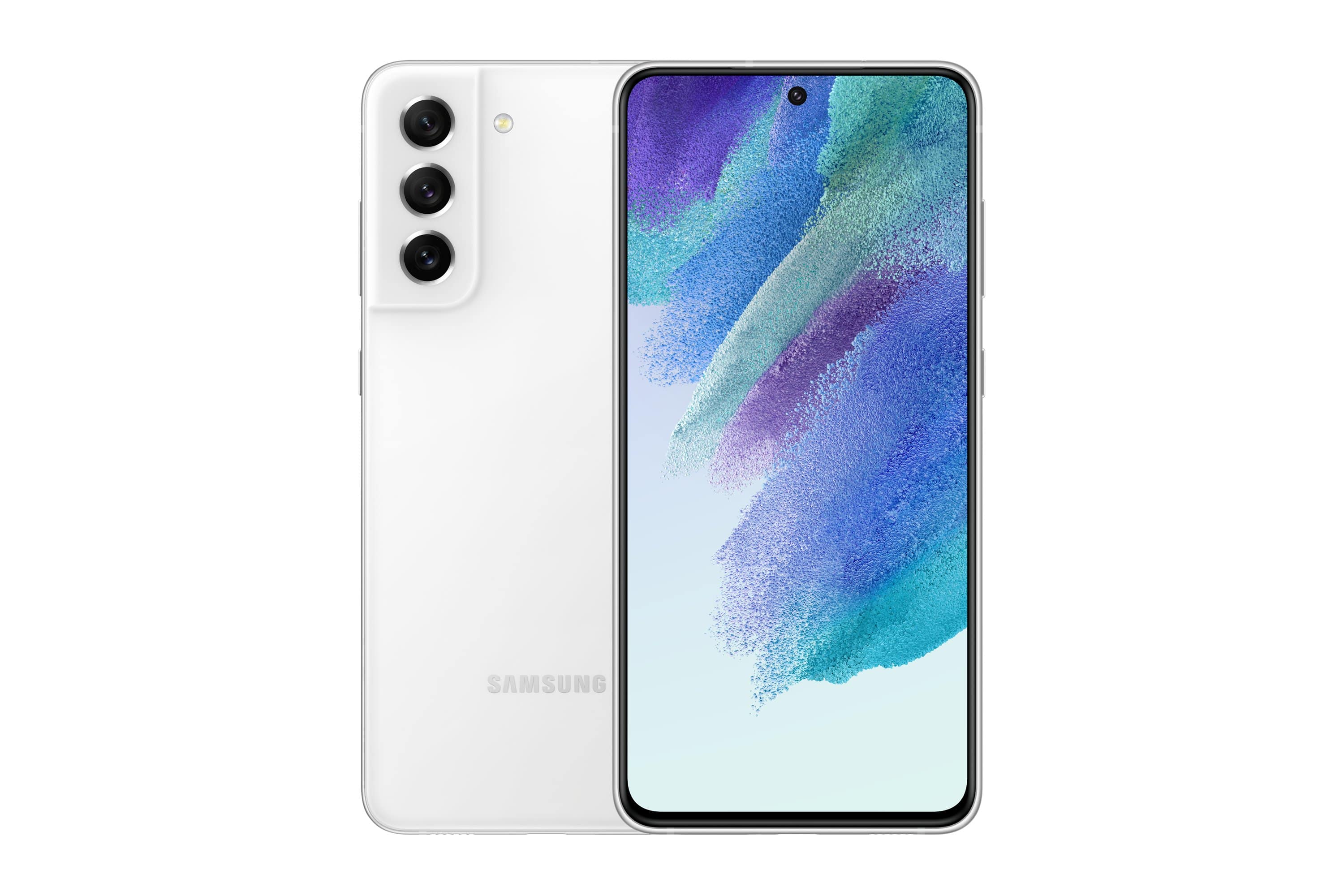
The Samsung Galaxy S21 FE is expected to launch at the CES 2022 held in January. However, the phone manages to pop up in several images and videos so much so that the design and most of its specs are already known. Now, ahead of its release, the smartphone has been listed on Walmart revealing its price.
According to Walmart’s listing, the Samsung Galaxy S21 FE is priced at $699 for the 128GB variant in Graphite colour. The variant listed is expected to be the 6GB RAM variant.
Unfortunately, the phone’s images aren’t posted on the product listing. It seems like the listing was either accidently published or it was quietly put up with the phone’s images left to be uploaded after its CES announcement.
Whatever is the case, the phone’s pricing is right up with what it was expected to be. That said, the phone is touted to cost £699 in the UK. Considering that the device costs $699 for the 128GB variant as per the listing, the phone may come at a price of $749 for the 256GB variant.
Additionally, a tipster revealed that Samsung has enough stocks of the Galaxy S21 FE. The device is touted to be already available in major countries and it may be available for purchase immediately after the launch.
Samsung Galaxy S21 FE Specifications
The Samsung Galaxy S21 FE’s leaks were quite frequent lately. The device is expected to come with a 6.4-inch AMOLED display with a Full-HD+ resolution and 120Hz refresh rate. It will have a 401 PPI pixel density. The display will double up as an in-display fingerprint reader. It will be Corning Gorilla Glas Victus display offering enhanced durability.
The device will feature a triple camera system at the rear with a 12MP main, a 12MP ultra-wide lens, and an 8MP telephoto camera. Upfront, it will feature a 32MP selfie lens. Inside, it will be powered by the Qualcomm Snapdragon 888 SoC or Exynos 2100 paired with 6GB, 8GB of RAM and 128GB, 256GB of onboard storage. The device won’t have a microSD card slot.
It will pack a 4,500mAh battery with support for fast charging and wireless charging. The smartphone is expected to have IP68 water and dust resistance rating.
Rumours are rife that the Xiaomi 12 will be the first phone to debut with the MIUI 13 out of the box. Earlier, the company executive revealed that he has been using MIUI 13, and now the company has revealed the software’s major enhancements over MIUI 12.5.
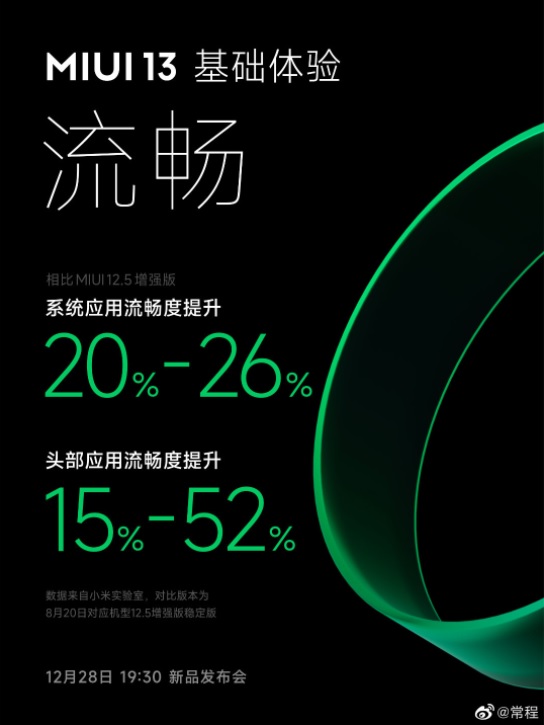
Xiaomi claims that the upcoming version of MIUI would be focused mostly on smoothness and fluency. In comparison to the previous version, the MIUI 13 will feature a 15% to 52% boost in system fluency.
The apps will open quicker, and the frame drop rate will be reduced by almost 90%. The MIUI 13 will also have Focus Computing 2.0, liquid storage, and atomic memory, resulting in faster read and write times.
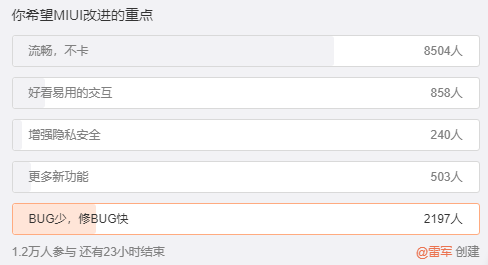
Moreover, the company CEO Lei Jun has shared a poll on Weibo asking for what feature do the users expect to have in the upcoming MIUI 13. The majority of the users reported that they expect the software to be bug-free.
It seems that Xiaomi has already focused on the stability of the MIUI 13 and so did it list such options in the poll. It is to be noted that the MIUI 13 will be on top of the Android 12 OS for the Xiaomi 12 and Xiaomi 12 Pro smartphones.
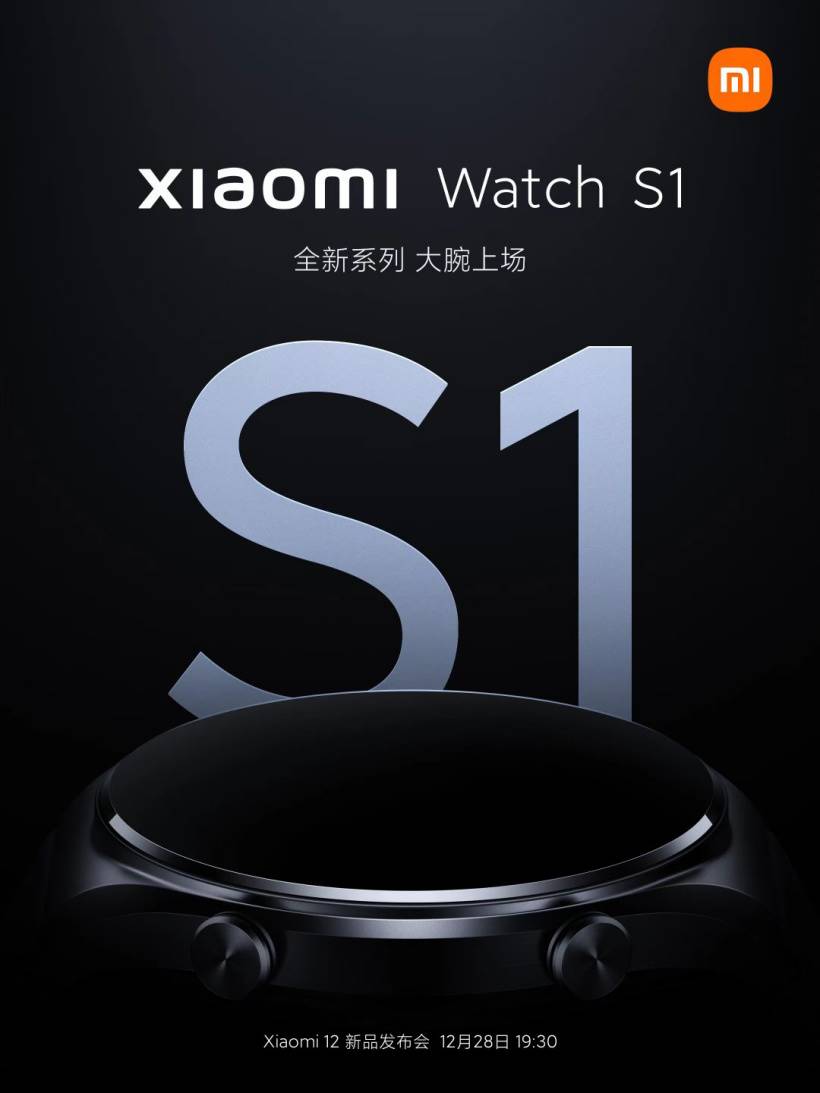
Earlier, the Xiaomi Watch S1 was rumoured to launch in Q1 of 2022 in major markets like Europe, Indonesia, Malaysia, and Singapore. However, its Chinese launch date was still a question. Today, Xiaomi has officially confirmed that the Watch S1 will debut on December 28 alongside the Xiaomi 12 smartphone series.
Xiaomi’s China page shared a teaser poster of the Xiaomi Watch S1 and apart from its launch date, it also showcased the smartwatch’s design. Although the entire watch is not visible, the top and a side of the watch are clearly visible.
The smartwatch will have a circular design and the body seems to be made out of metal. It has two physical buttons on one side, which we expect will be a home button and a sport/action button similar to the Xiaomi Mi Watch Revolve Active. Unfortunately, the company didn’t reveal any specs of the smartwatch.
Previously, the Xiaomi Watch S1 was tipped to be the next generation of Xiaomi smartwatches with a more elegant and robust design. The smartwatch may have similar or better sports modes and features compared to the current Mi Watch Revolve Active.
The Xiaomi Mi Watch Revolve Active has a 1.38-inch color AMOLED display. It has 117 sports modes and over 110 watch faces. The smartwatch comes with a SpO2 blood oxygen monitoring sensor and also features a 24-hour continuous heat rate monitor. It is 5ATM water-resistant and has a battery life of up to 14 days.
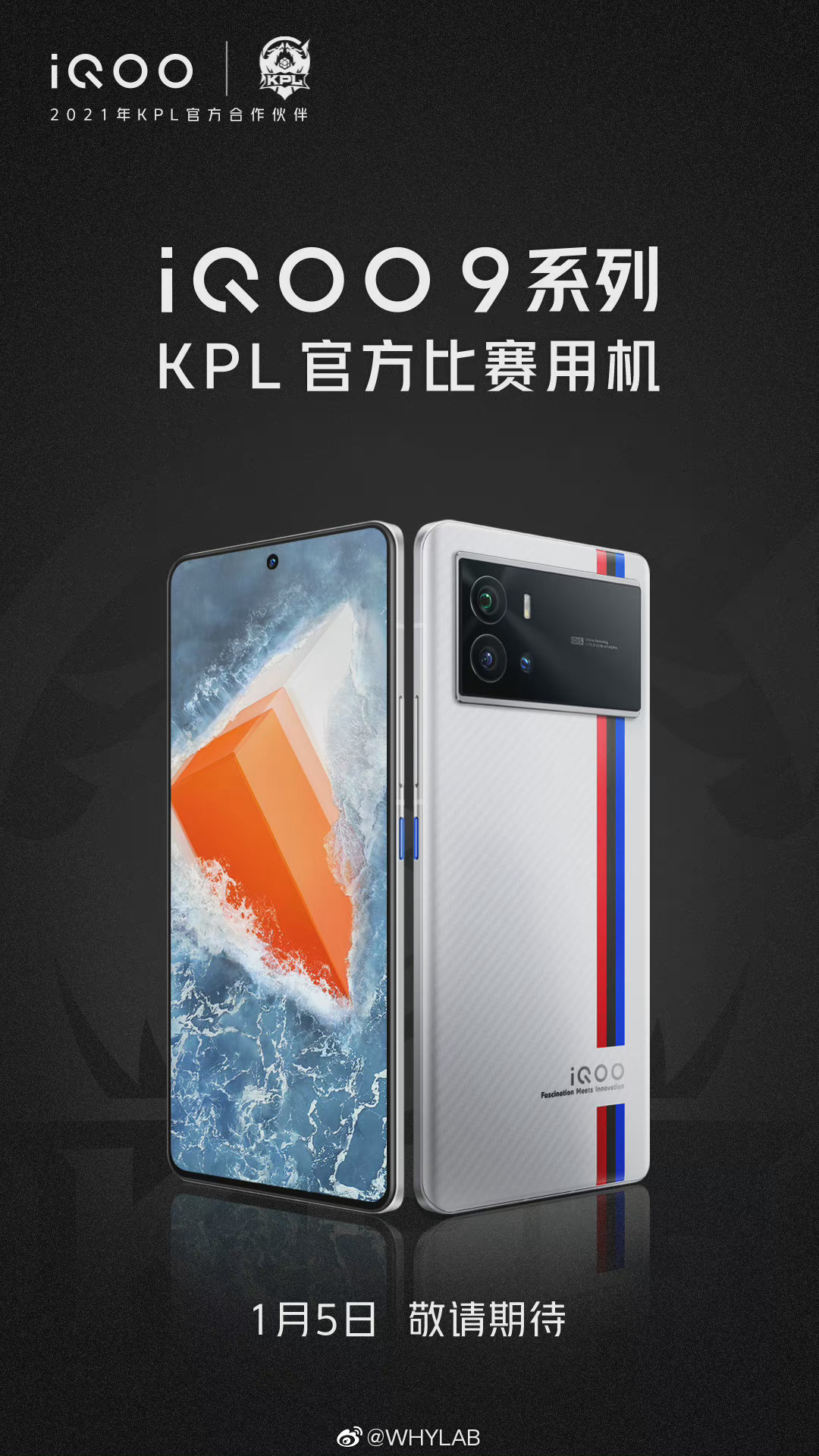
iQOO has scheduled to launch the iQOO 9 series on January 5 in China. Ahead of its launch, the company had revealed the phone’s rear design confirming it to be way different from the current iQOO 8’s design. Now, iQOO has shared more images of the phone, and this time, the phone’s front design has been revealed.
According to the images, the iQOO 9 will come with a punch-hole display with thin bezels on all the corners. The smartphone will have a centre punch-hole cut-out for the selfie camera. The device is also visible from the sides and it shows its slim form factor. Furthermore, it has a volume rocker and a power button on the right spine.
1 of 2
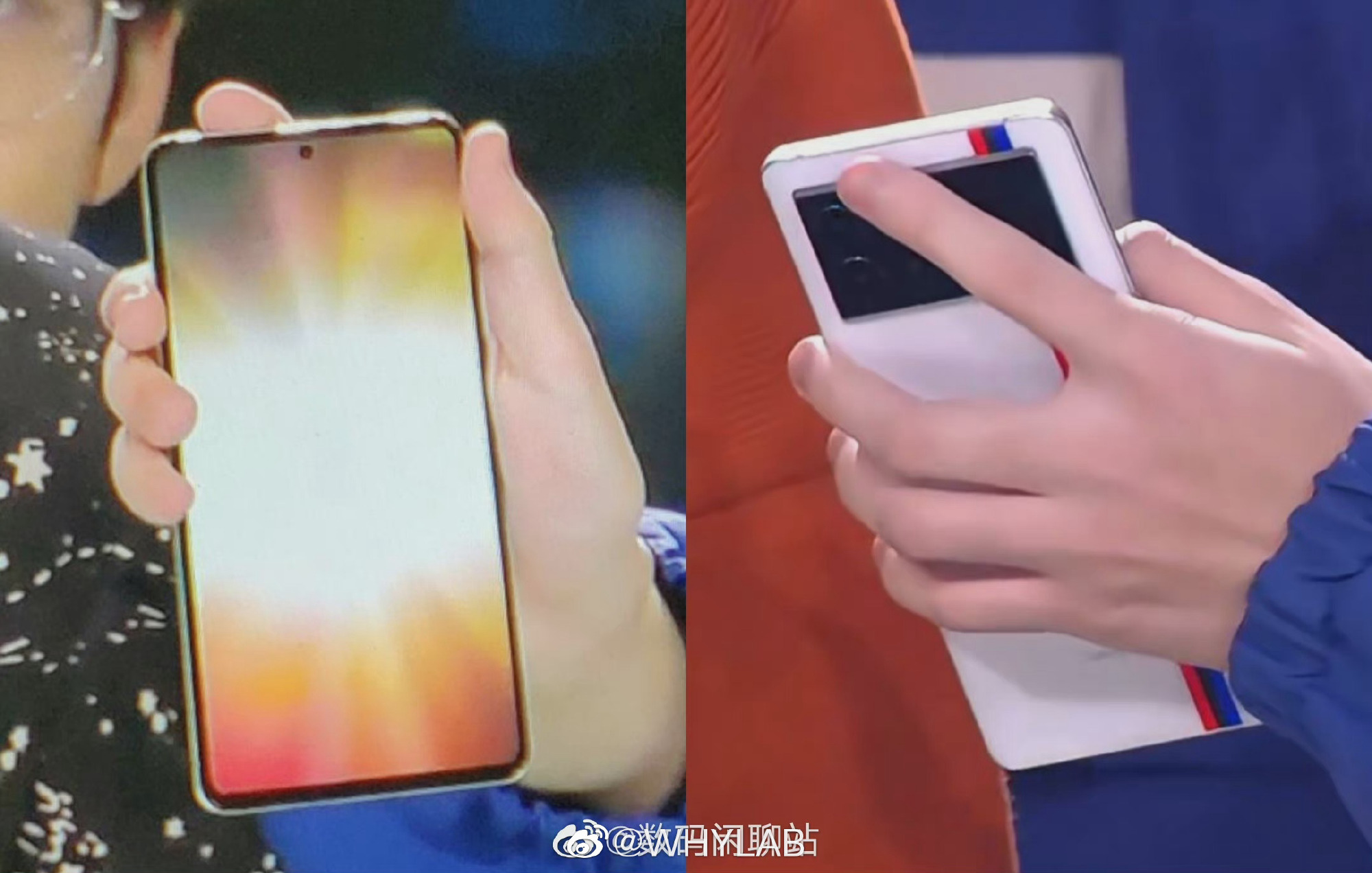
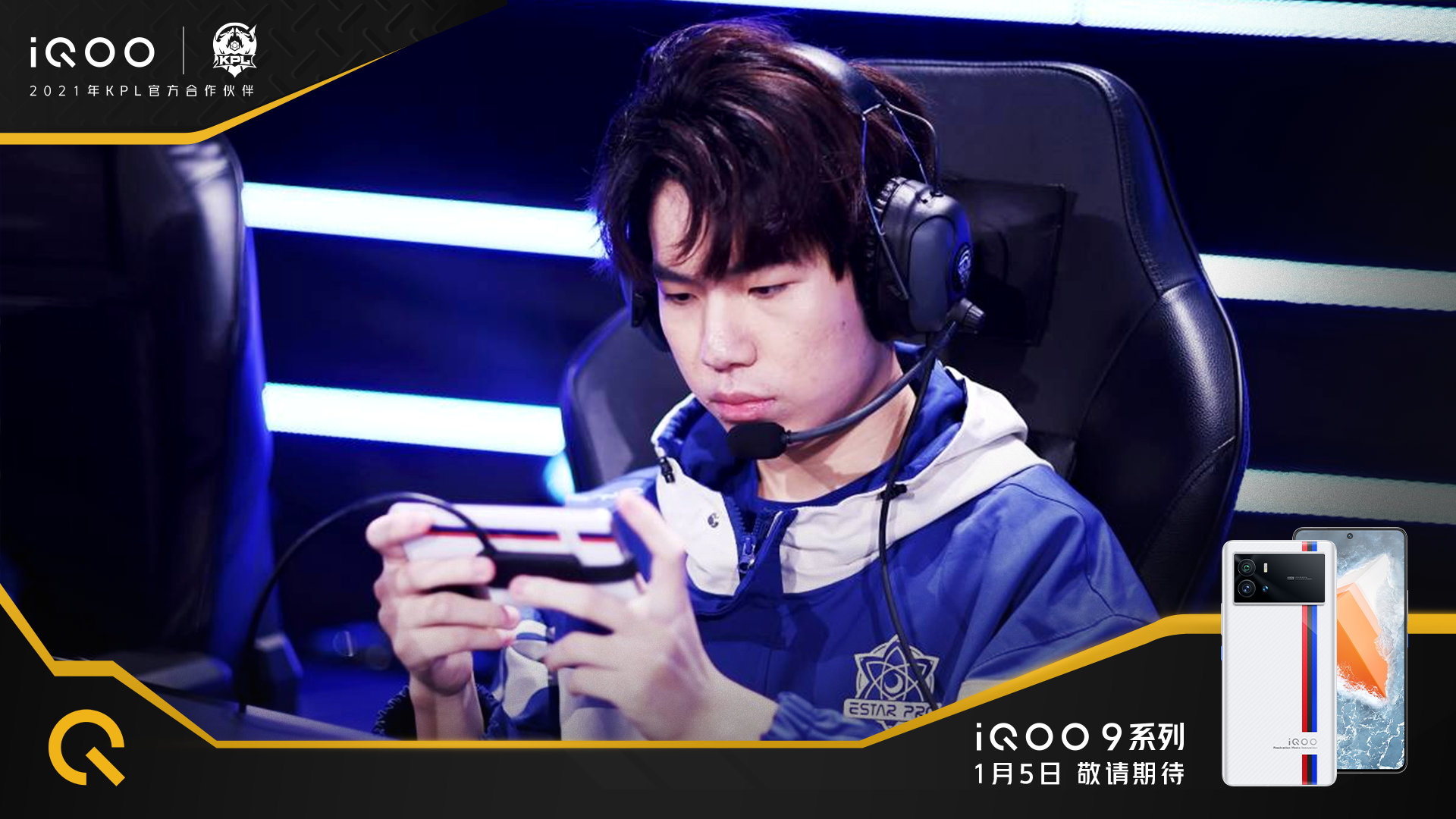
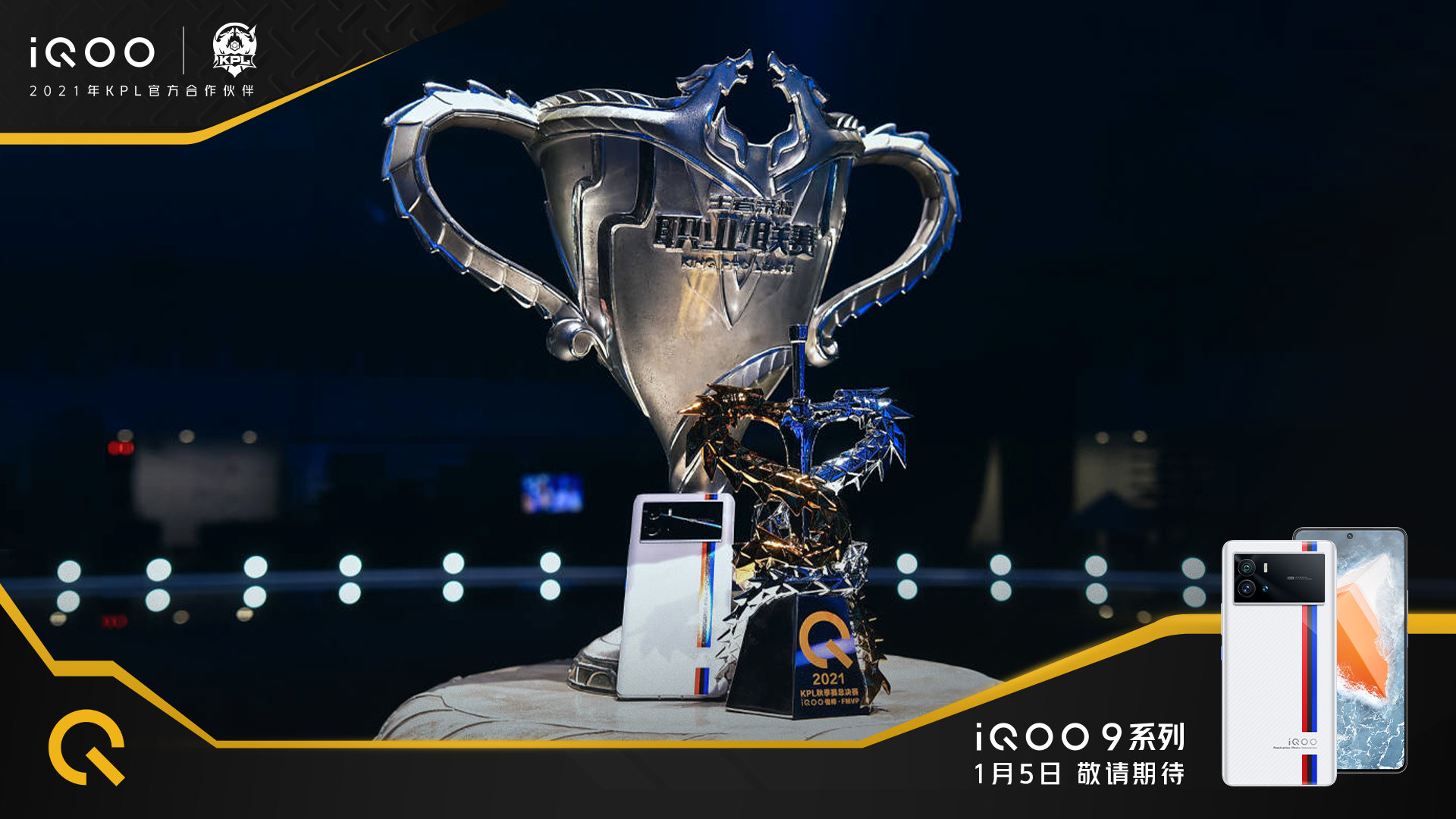
The company seems to have sponsored a smartphone gaming tournament and the back of the device is clearly visible in the promotional images. It has an oversized camera island that is placed horizontally. It holds three camera lenses. It does not reveal any camera details but the text on the camera island confirms it to have optical image stabilization(OIS).
Apart from that, the phone has a white paint job and a design similar to the predecessor. The BMW branded vertical strip is still there and it also has an iQOO branding at the bottom.
1 of 2
Coming to the specs, the iQOO 9 will come powered by a 6.78-inch FHD+ E5 AMOLED display. It will feature a 50MP S5KGN5 primary sensor with OIS support. It will be accompanied by 13MP and 12MP Sony IMX663 sensors. Upfront, it will have a 16MP selfie camera.
Under the hood, it will come powered by the Qualcomm Snapdragon 8 Gen 1 SoC and have a 4,700mAh battery. It will have support for 120W fast charging support. Major highlights of the phone will be the optical in-display fingerprint scanner, dual x-axis linear motors, and it will also feature a dual-speaker setup.
From the fingerprint readers on the physical home button, then fingerprint readers on the back cover of the phone, then side-mounted fingerprint scanners, to under-screen optical fingerprint scanners and the latest ultrasonic fingerprint scanners, one might think we have reached the peak of “fingerprint scanners”. But Realme begs to differ with its new under-screen fingerprint scanners in its upcoming Realme GT2 series.
Chase Xu Qi on Weibo
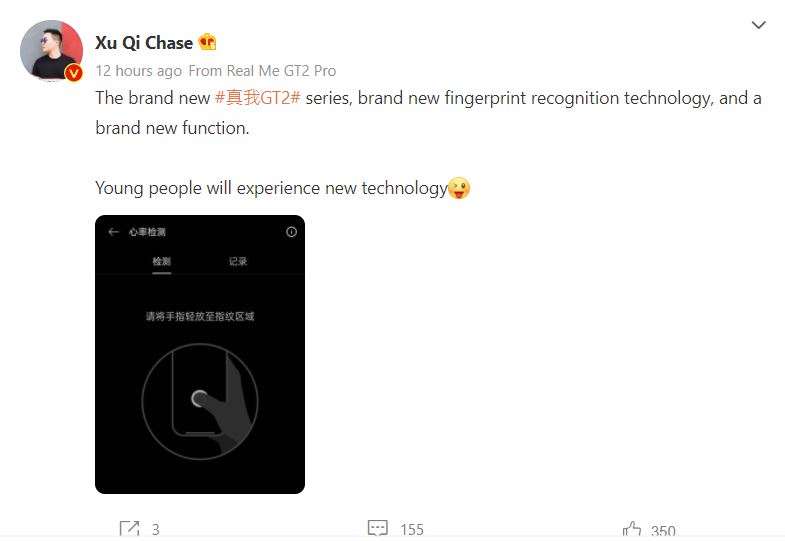
Realme’s General Vice President and Chief Officer of Realme China, Mr. Chase Xu Qi, has gone to Weibo recently to share with fans about the latest fingerprint scanning technology that Realme will equip in the upcoming Realme GT2 series.
Heart Rate Monitor using Fingerprint Sensor
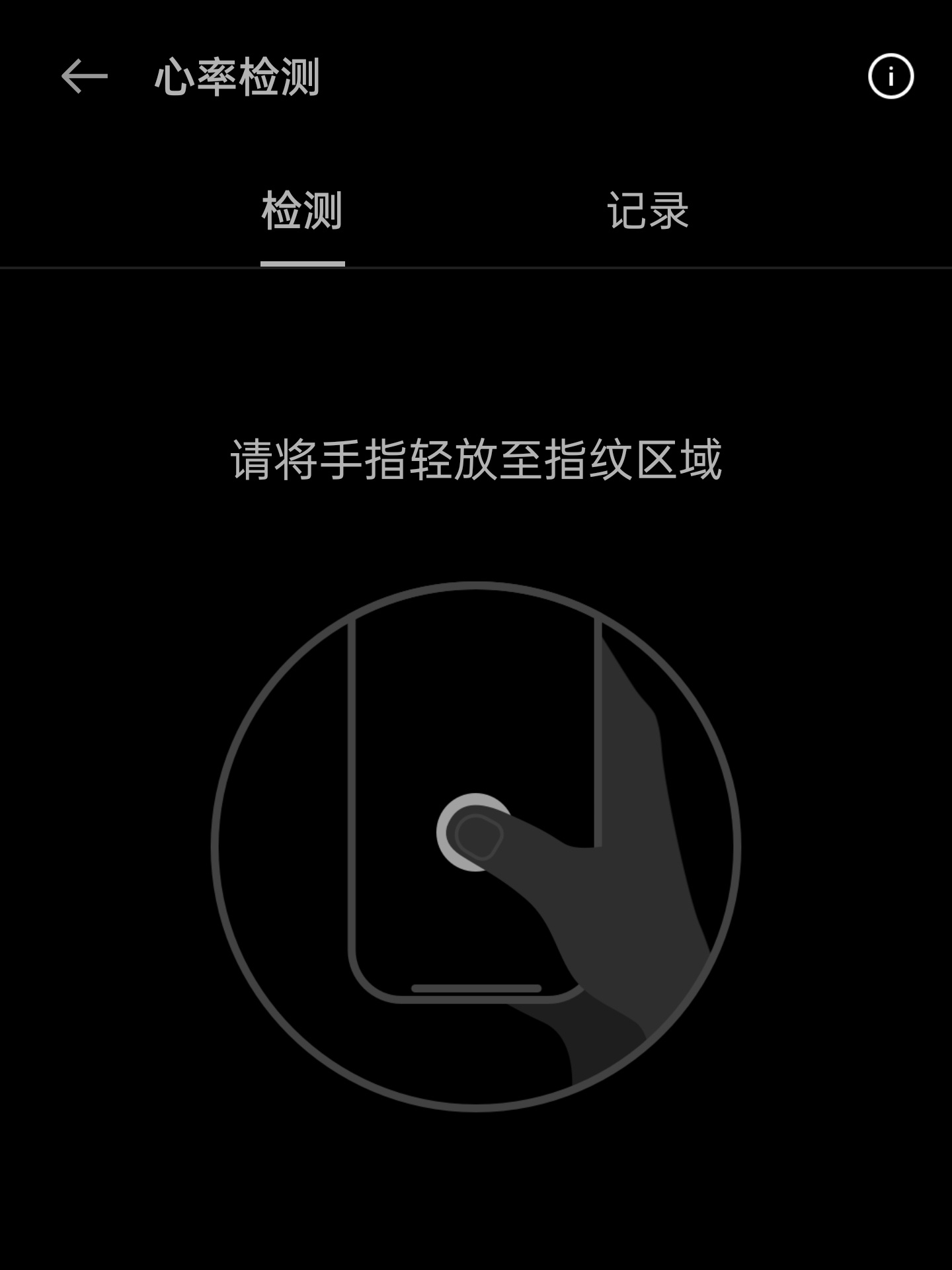
From the screenshots shared on Weibo, we notice some sort of Heart Rate Monitor menu page on-screen and the instruction seems to suggest to the user to put their thumb on the fingerprint scanner to measure their heart rate. This feature heart rate scanning feature via the fingerprint scanner seems like a unique and interesting idea, but time will tell after release, whether it will be a highlight or be just a mere gimmick.
The fingerprint scanner announcement was later supported by Digital Chat Station, a popular technology leakster from China, whereby he confirmed on Weibo that the Realme GT2 Pro is indeed not using your normal conventional optical fingerprint scanner.
Digital Chat Station on Weibo
The leakster also informs that the Realme GT2 Pro will be using Corning Gorilla Victus for better scratch and drop protection for users’ peace of mind.
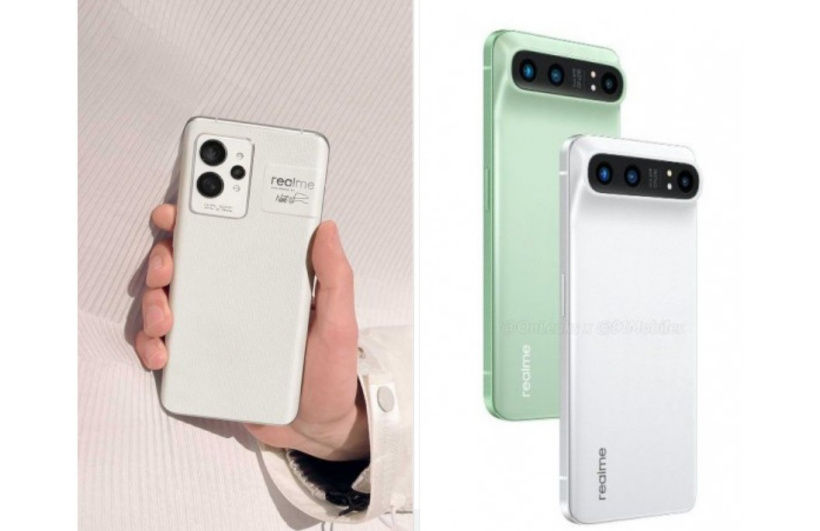
In other news, the Realme GT2 Pro’s design has been officially revealed by the company several days back, but leaked renders of the Realme GT2 Pro from months ago may not be inaccurate after all, as the latest leaks reveal that the Realme GT2 Pro may come in 3 different editions.
Left: Realme GT2 Pro official design. Right: Realme GT2 Pro earlier leaked renders.
The one leaked render showing the Realme GT2 Pro having a long horizontal protruding camera bump may be the “Photographer Edition” of the Realme GT2 Pro. The “Photographer Edition” is said to feature a triple camera setup whereby each camera has been upgraded further compared to the standard edition, to cater to professional photographers.
The Realme GT2 series will be announced officially on January 4, 2022.
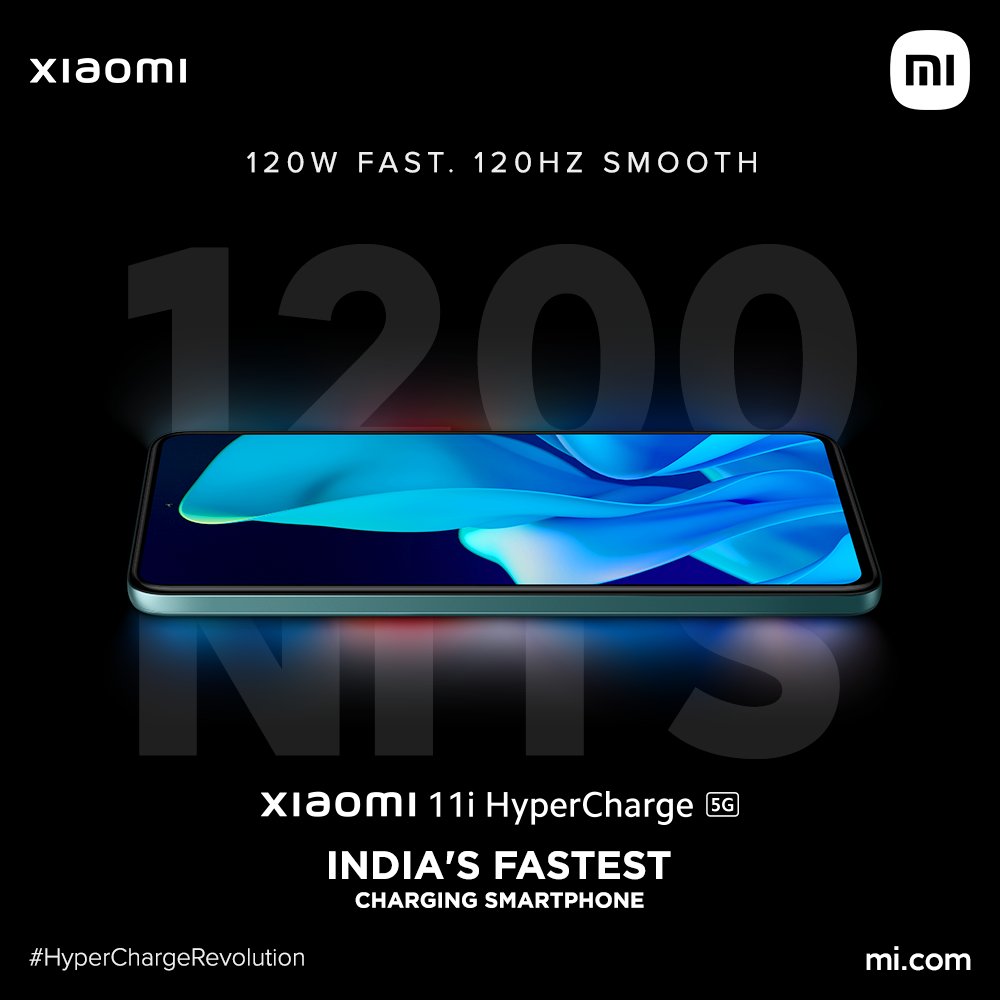
Xiaomi 11i HyperCharge will be announced on Jan. 6 in India. It will be arriving as the country’s first phone that carries support for 120W fast charging. The company has now confirmed the key information about the display of the 11i HyperCharge.
As can be seen in the above poster shared by Sandeep Sarma, the Senior Marketing Manager at Xiaomi India, the 11i HyperCharge has a super bright AMOLED display that supports 1200 nits brightness. In addition, the screen supports a Full HD+ resolution and a 120Hz refresh rate. The poster confirms that the display will feature a centrally positioned punch-hole and slim bezels.
Xiaomi 11i HyperCharge display details
Xiaomi 11i Hypercharge specifications (Rumored)
Rumors have it that the Xiaomi 11i HyperCharge is a rebranded version of the Redmi Note 11 Pro+ 5G, which debuted in China. It is expected to come with a 6.67-inch S-AMOLED display and Gorilla Glass 5 protection. For security, it will feature a side-facing fingerprint scanner. The device will come preinstalled with MIUI 12.5 based Android 11 / 12 OS.
The 11i HyperCharge will be powered by the Dimensity 920 chipset, LPDDR4x RAM, and UFS 2.2 storage. It will be equipped with a 4,500mAh battery that supports 120W fast charging. For photography, it will feature a 16-megapixel front-facing camera and a 108-megapixel (main) + 8-megapixel (ultrawide) + 2-megapixel (telemacro) triple camera unit.
The Xiaomi 11i HyperCharge will come with stereo speakers by JBL. A recent report claimed that it will come in a single variant that offers 8 GB of RAM and 128 GB of built-in storage. The device is expected to arrive in Camo Green and Stealth Black colors. The handset is likely to be accompanied by vanilla model Xiaomi 11i, which is said to be a rebadged edition of China’s Redmi Note 11 Pro 5G.
Xiaomi 12, the upcoming compact flagship phone, will be made official on Dec. 28. A fresh leak by Xiaomiuihas revealed all the major specifications of the smartphone. The company will be announcing it with Xiaomi 12X and Xiaomi 12 Pro smartphones through the upcoming launch event.
Xiaomi 12 specifications (Rumored)
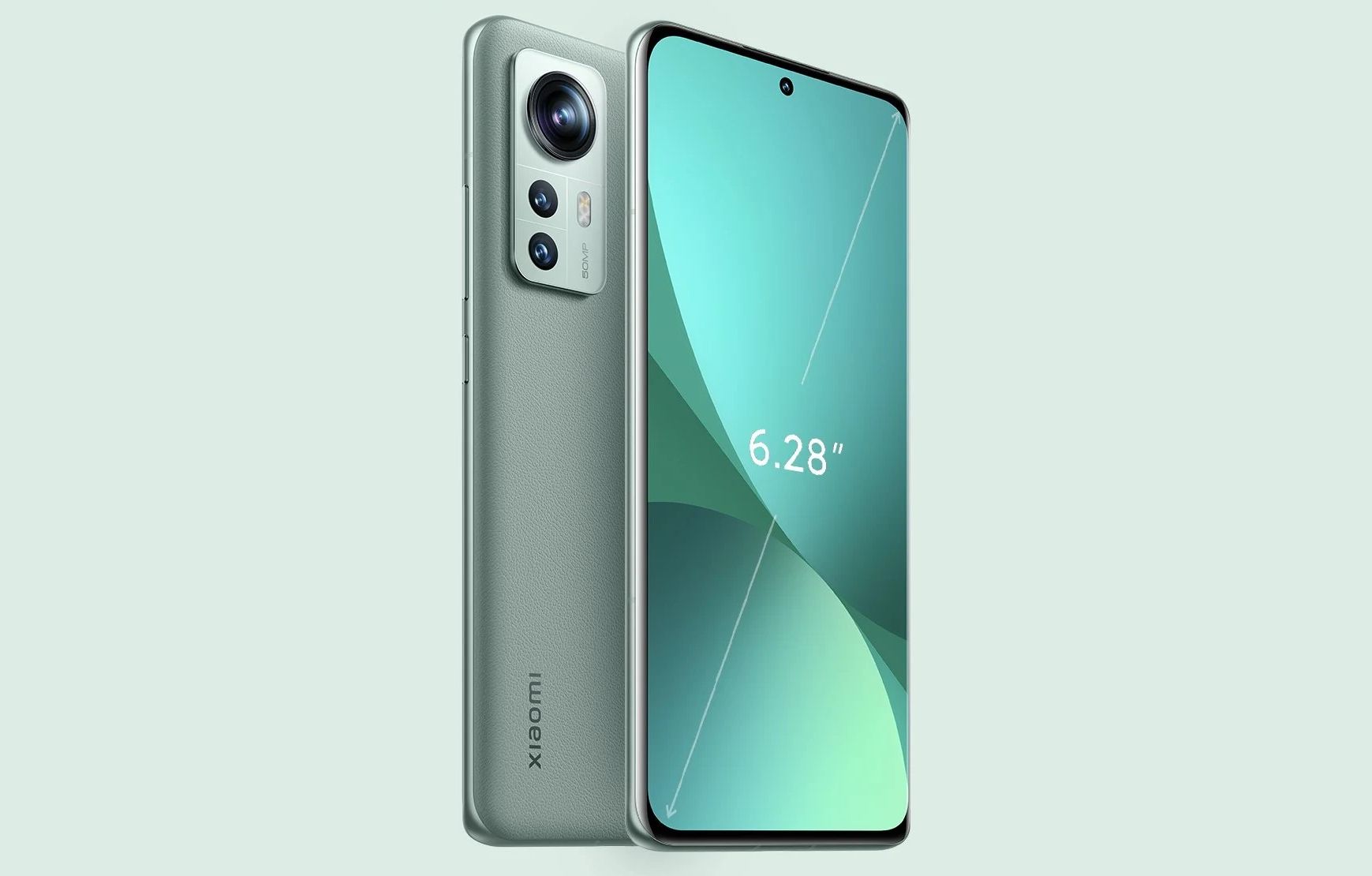
The Xiaomi 12 will feature a 6.28-inch AMOLED FHD+ display that offers a 20:9 aspect ratio, 419ppi pixel density, 120Hz refresh rate, 12-bit colors, HDR10+, and 1500 nits of brightness. The display will be protected by Gorilla Glass Victus. The Snapdragon 8 Gen 1 will full the device with LPDDR5 RAM and UFS 3.1 storage.
Xiaomi 12 render by Evan Blass
The leak claims that the Xiaomi 12 has a 20-megapixel selfie camera. However, Xiaomi recently confirmed that it has a 32-megapixel selfie camera that will tag along a native beauty filter that will offer advanced pixel-level skin rejuvenation based on GAN (generative adversarial network). The rear camera setup of the phone may feature a 50-megapixel main camera, a 13-megapixel ultrawide lens with a 123-FOV, and a 32-megapixel telephoto camera with 3x optical zoom.
The Xiaomi 12 will feature a 4,500mAh battery that supports 67W fast charging. It will also support 30W wireless charging and 10W reverse wireless charging. The Xiaomi 12 will ship with MIUI 13 based Android 12. Lastly, the device will come equipped with Dolby Vision supported stereo speakers powered by the Harmon Kardon technology. The report claims that the device will come in three variants such as 8 GB RAM + 128 Gb storage, 8 GB RAM + 256 GB storage, and 12 GB RAM + 256 GB storage.
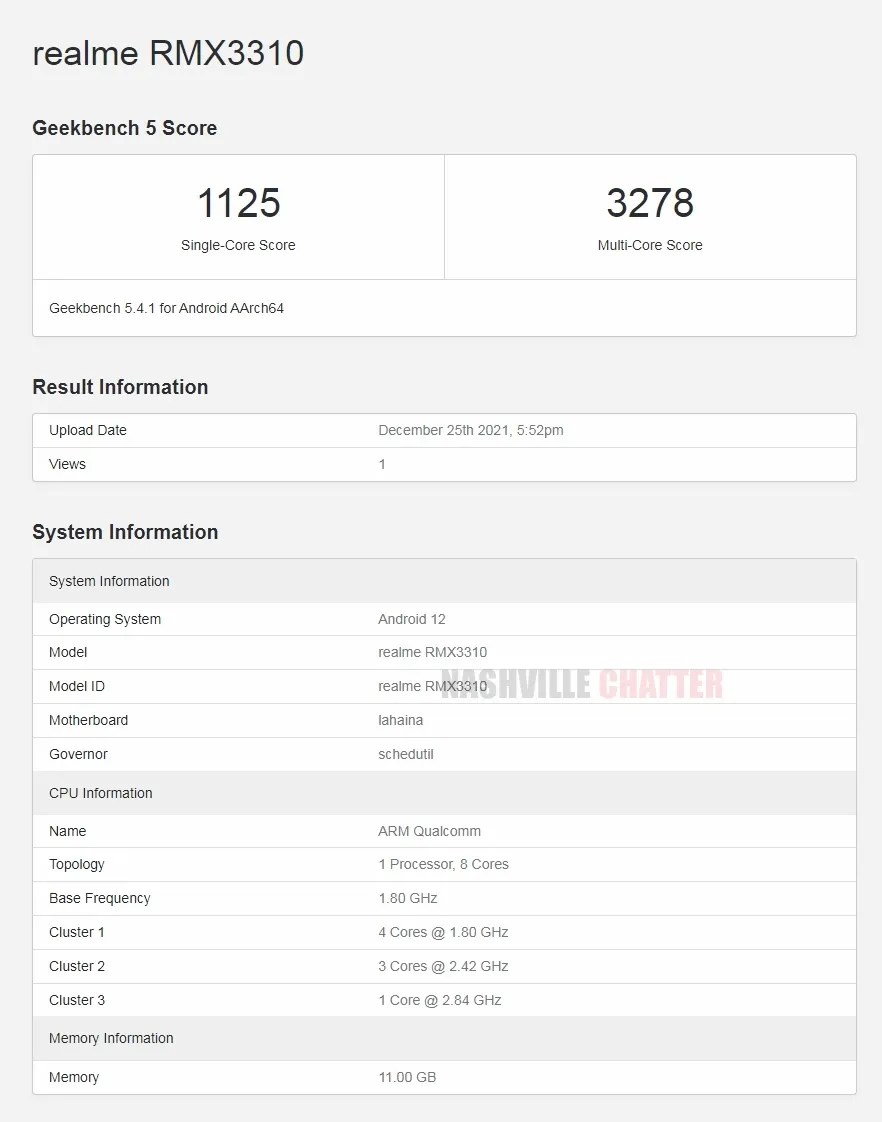
Realme is expected to announce dual flagship phones on Jan. 4 in China. The Snapdragon 8 Gen 1 powered Realme GT2 Pro is expected to go official in regular, Master Edition, and camera-focused variant. The model number of the GT2 Pro is RMX3300. It is expected that the Realme phone with RMX3310 is the other flagship phone from the brand that is likely to go official with GT2 Pro. The RMX3310 has appeared on the Geekbench benchmarking site (via) with some of its key specs.
The final moniker of the Realme RMX3310 is not known yet. It may debut in the market as Realme GT Neo2s or Realme GT2. On Geekbench 5, the RMX3310 has appeared on the Geekbench benchmarking platform. It has scored 1125 in the single-core test and 3278 in the multi-core test of Geekbench.
The RMX3310 handset is equipped with the Snapdragon 888 mobile platform and 12 GB of RAM. The device is loaded with Android 12, which is likely to be customized with the Realme UI 3.0.
Realme GT2 specifications (rumored)
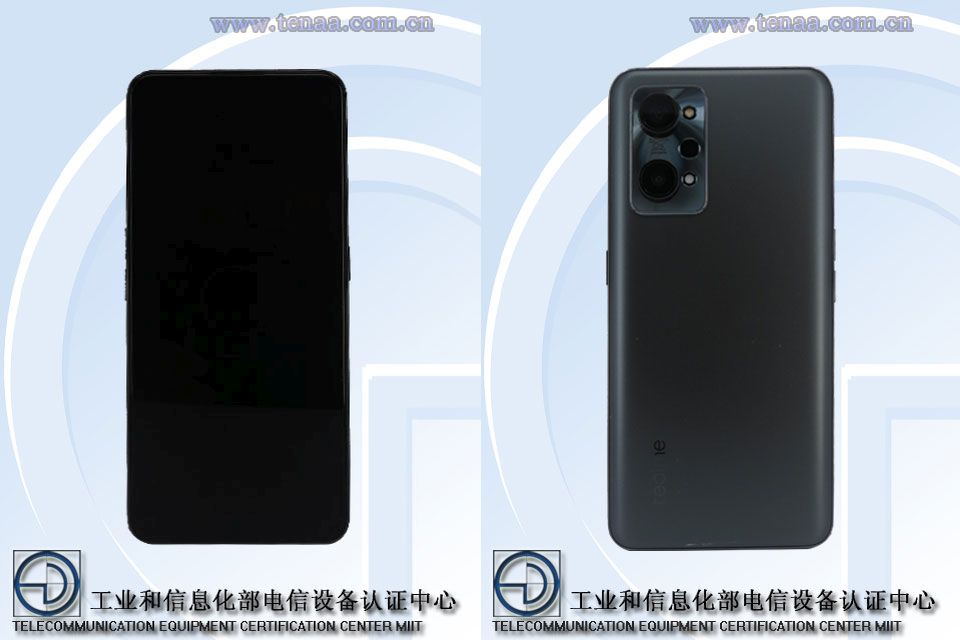
The TENAA certification of the Realme GT2 that appeared earlier this month revealed that it has a 6.62-inch AMOLED screen that produces a Full HD+ resolution and a 120Hz refresh rate. For security, it has an an-screen fingerprint scanner. The device features a front camera of 16-megapixel and a 50-megapixel (main) + 8-megapixel (ultrawide) + 2-megapixel (macro/depth) triple camera unit.
Realme RMX3310 TENAA
The Snapdragon 888 SoC powered GT2 has up to 12GB of RAM and up to 256GB of internal storage. The device is likely to house a 5,000mAh dual-cell battery that supports 65W rapid charging. There is no information on the pricing of the GT2.
With the Xiaomi 12 series Dec 28 launch event nearing, TCL could not keep the secret any longer as today in a press statement, TCL announces that it is the supplier for the standard Xiaomi 12’s display.
TCL’s Huaxing display department is in charge of manufacturing the AMOLED displays for the Xiaomi 12, the compact flagship, and TCL mentions that Xiaomi 12 displays are using the displays from its TCL Huaxing T4 production line.
The TCL Huaxing T4 AMOLED displays used in the Xiaomi 12 is said to feature a 120Hz refresh rate, DC Dimming and 12-bit colour to allow for a more vibrant and colour accurate multimedia viewing experience for users.
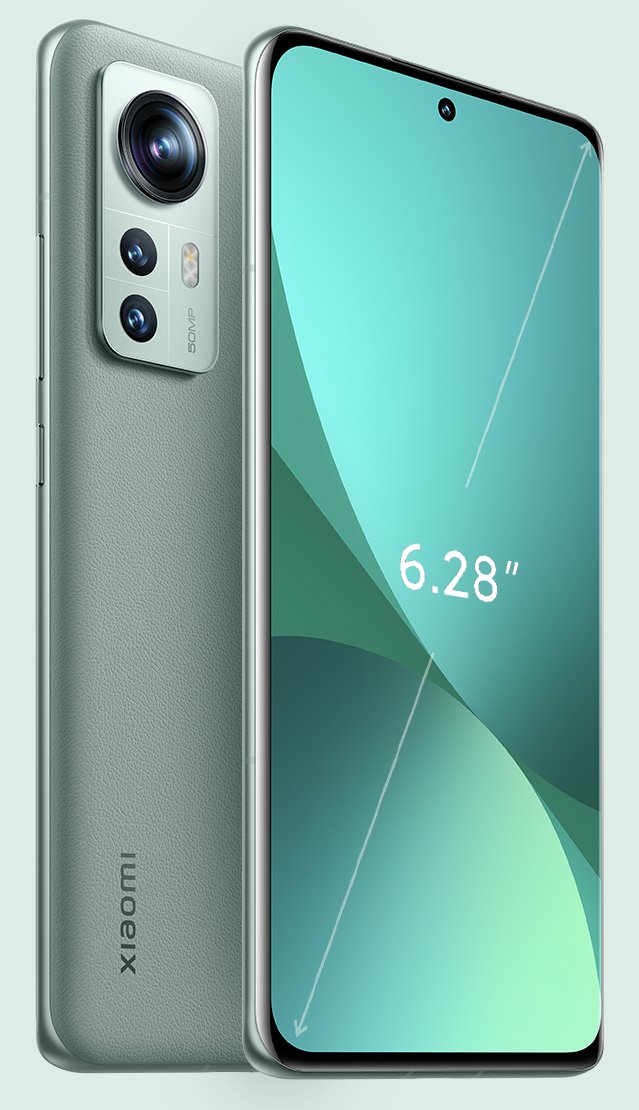
Xiaomi 12 with 6.28″ curved 12-bit AMOLED
As for overall design, TCL mentions that it is providing Xiaomi with its exclusive custom-made “premium-crafted” curved AMOLED displays for the Xiaomi 12. The display comes in at 6.28 inches diagonally with thin bezels on all sides, with a very small punch hole selfie cutout in the middle of the display. According to TCL, it will be an industry-leading compact display as it has one of the highest screen-to-body ratios in the compact smartphone market.
As for the production schedule, TCL T4 AMOLED displays have to go through three phases of production(creation, assembly and completion), and it is expected to produce enough displays to supply display demand for 8 million smartphones in the market.
This wasn’t the first time that a flagship from Xiaomi that did not use an AMOLED supplied from Samsung. TCL was previously Xiaomi’s AMOLED display supplier in the past for the record-setting Xiaomi Mi 10 Ultra back in 2020.
The Xiaomi Mi 10 Ultra was considered by many as the ultimate flagship of 2020 as it surpassed the Samsung Galaxy S20 Ultra and Apple’s iPhone 12 Pro Max, with the world’s first 120W fast charging, 120x hybrid zoom, and the world’s first 10-bit colour 120Hz display on a smartphone. The Xiaomi 10 Ultra also served a purpose to tell the world that Xiaomi was not only capable of creating flagship killers at a low price, but Xiaomi also could cater to the ultra-premium smartphone segment too with over-the-top specs, potent camera performance and premium build quality to back up.
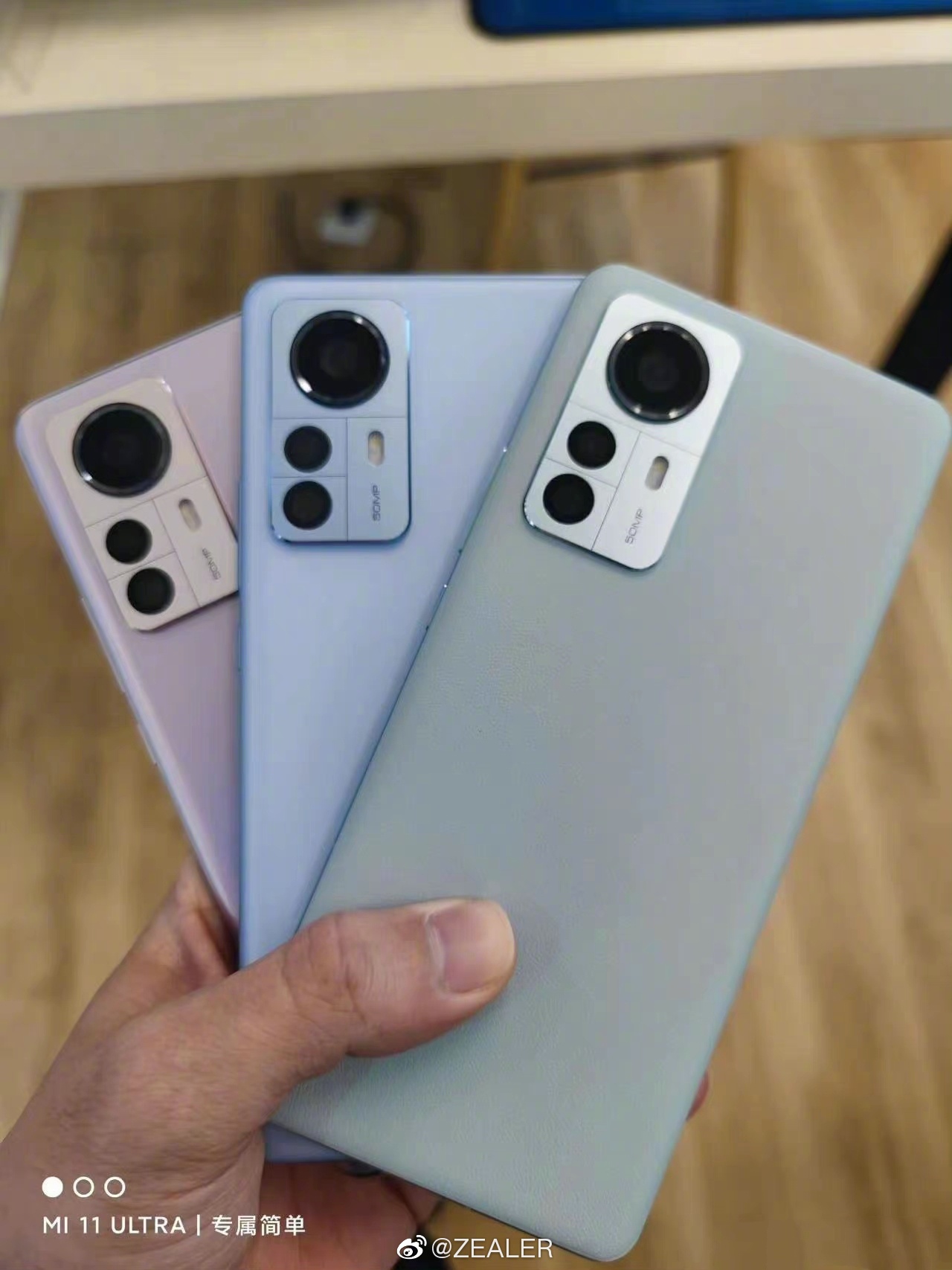
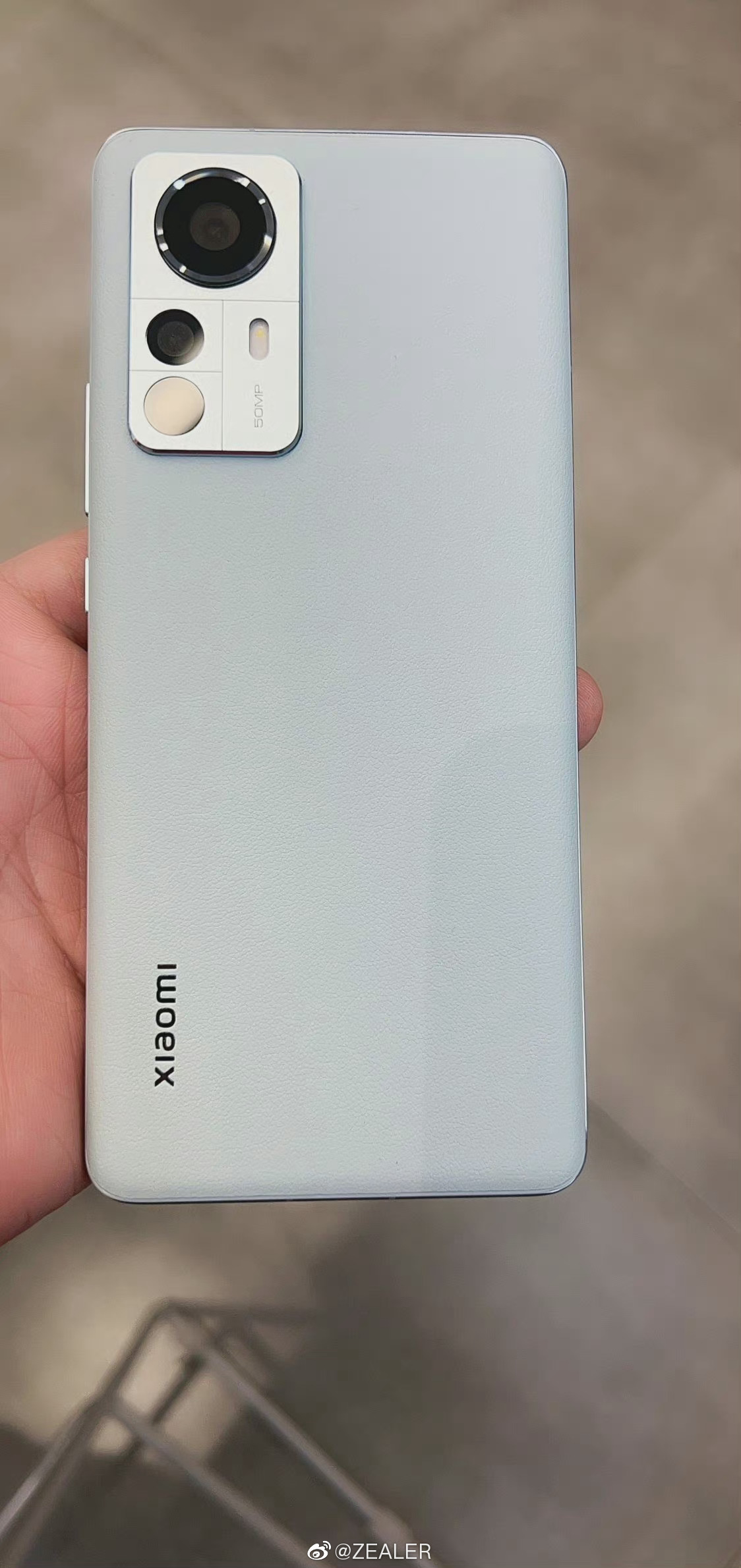
Xiaomi 12 is all set to go official with the Xiaomi 12X and Xiaomi 12 Pro on Dec. 28. Recently, reputed tipster Evan Blass shared the leaked renders of the Xiaomi 12. Soon after, he posted a leaked promo of the smartphone to give a good look at its design and color variants. At the same time, Chinese tipster Zealer has published real-life images of the Xiaomi 12 (or 12 Pro).
Xiaomi 12’s promo reveals that it will come in four hues such as black, blue, pink, and green. The front side of the device features a punch-hole display and a 50-megapixel triple camera unit on the back. Shown below are some live shots of the alleged Xiaomi 12.
Xiaomi 12 specifications (rumored)
Reports have revealed the compact-sized Xiaomi 12 will feature a 6.28-inch AMOLED display that offers a Full HD+ resolution and a 120Hz refresh rate. It will be equipped with Gorilla Glass Victus protection for the display.
The device will feature a 32-megapixel camera for capturing selfies. Its rear camera setup will include a 50-megapixel main snapper, a 13-megapixel ultrawide shooter, and a 32-megapixel telephoto lens with 3x optical zoom.
1 of 2
Xiaomi 12 Pro live images
Xiaomi 12 Pro live images
The Snapdragon 8 Gen 1 powers the Xiaomi 12 with up to 12 GB of LPDDR5 RAM and up to 256 GB of UFS 3.1 storage. It will be backed by a 4,500mAh battery that supports 67W fast charging, 30W wireless charging, and 10W reverse wireless charging. Its other features include Android 12 with MIUI 13 skin and Harmon Kardon powered stereo speakers.
According to Xiaomiui, the above shown real-life images belong to the Xiaomi 12 Pro, and not Xiaomi 12. While both models have a very similar design, the camera sensors and physical buttons are said to be larger than the Xiaomi 12.
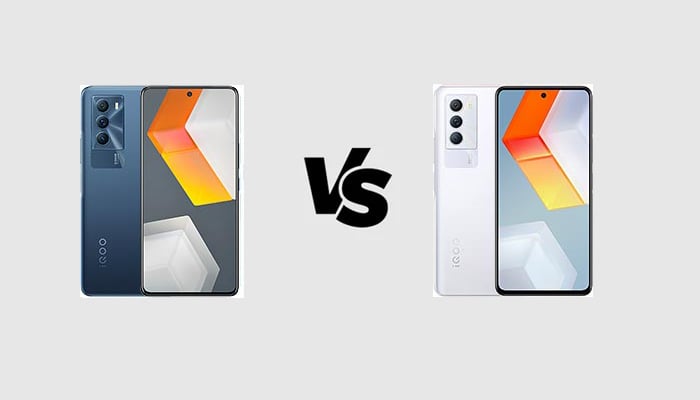
Vivo’s sub-brand launched a brand new lineup of flagship killers containing two handsets: iQOO Neo 5S and iQOO Neo 5SE. While Qualcomm unveiled the new Snapdragon 8 Gen 1 mobile platform, these devices still offer the 2021 flagship SoCs by Qualcomm, but their prices are extremely good, especially for gamers who need to save money. But which are the differences between the new iQOO high-end phones and which one should you opt for? This is a comparison between their specifications which will answer those questions. Given that these phones have several things in common, we will focus on the differences between them.
Triple 48 + 13 + 2 MP, f/1.8 + f/2.2 + f/2.4
16 MP f/2.0 front camera
Triple 50 + 8 + 2 MP, f/1.8 + f/2.2 + f/2.4
16 MP f/2.5 front camera
BATTERY
4500 mAh, fast charging 66W
4500 mAh, fast charging 55W
ADDITIONAL FEATURES
Dual SIM slot, 5G
Dual SIM slot, 5G
Design
The iQOO Neo 5S and the iQOO Neo 5SE are not so different when it comes to design. They have a similar look and they are made of polycarbonate for both the rear cover and the frame. I consider the iQOO Neo 5S slightly better because it is more compact than its Special Edition. For the rest, these phones are pretty much the same. They have a display with a single punch hole, very narrow bezels, and a rectangular camera module with a similar color to the rear cover. Both the power key and the volume keys are placed on the right side, while the left side is completely clean.
Display
One of the most important advantages of the iQOO Neo 5S if compared to the Neo 5SE is the display. Unlike its internal rival, it is equipped with an AMOLED panel which shows brighter colors and deeper blacks. The display has a diagonal of 6.62 inches, a 120 Hz refresh rate, a Full HD+ resolution of 1080 x 2400 pixels, and the HDR10+ certification. The iQOO Neo 5SE may be a bit more interesting for a few gamers thanks to its 144 Hz refresh rate, but its display is actually inferior. It is an LCD panel with a Full HD+ resolution and the HDR10 certification, as well as a wider 6.67-inch diagonal. Note that iQOO Neo 5S has an in-display fingerprint reader, while the fingerprint scanner is side-mounted on the iQOO Neo 5SE.
Specs & Software
Are you looking for the most powerful phone? If so, you can get a bit more performance with the iQOO Neo 5S because it is powered by the Snapdragon 888 mobile platform. The iQOO Neo 5SE offers the same memory configurations, but it has the lower-end Snapdragon 870 chipset which sits in the middle between Snapdragon 865+ and Snapdragon 888. Both the phones are based on Android 11 but they run the brand new OriginOS Ocean customization which will be soon based on Android 12. These two phones are among the most advanced ones in terms of performance and they match the most expensive flagships.
Camera
The iQOO Neo 5S is far from being a top camera phone, but it still offers a very good camera department including a 48 MP main sensor with OIS, a 13 MP ultrawide camera, and a 2 MP macro lens. It is definitely better than iQOO Neo 5SE which offers lower-midrange cameras including a 50 MP main sensor, an 8 MP ultrawide camera, and a 2 MP macro sensor. Even the front camera of the iQOO Neo 5S is better thanks to a brighter focal aperture.
Vivo iQOO Neo 5S and iQOO Neo 5SE have the same battery capacity, but the former is able to provide a longer battery life because its display has a lower energy consumption (thanks to the AMOLED technology) and its chipset is built with a better production process. Further, the iQOO Neo 5S charges quicker thanks to a fast charging power of 66W.
Price
The starting price of the iQOO Neo 5S is €380/$430 in the Chinese market, while the iQOO Neo 5SE starts from just €300/$340. The former provides a better display, chipset, and cameras, while the latter lets you spend less money. However, the iQOO Neo 5S still has a higher value for money, at least in my opinion.
Vivo iQOO Neo 5S vs Vivo iQOO Neo 5SE: PRO and CONS
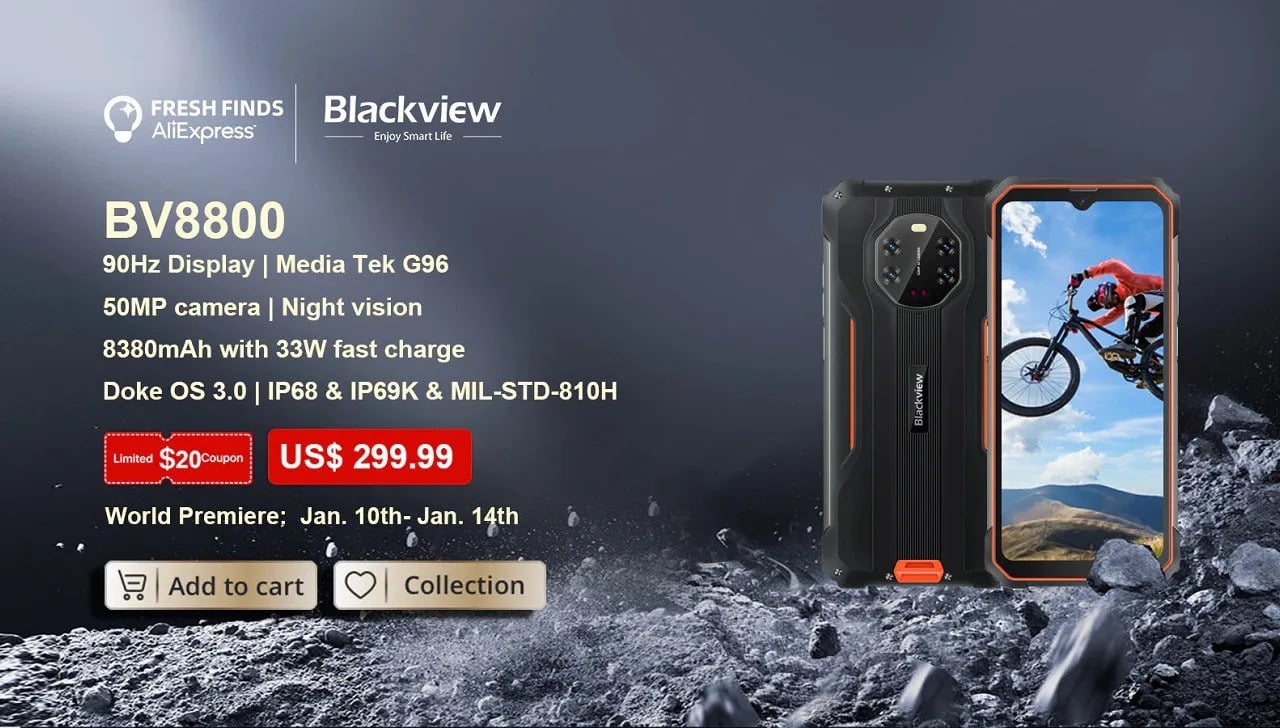
Blackview has quietly announced the BV8800 rugged smartphone in the market. The Blackview BV8800 comes with a high refresh rate screen, 50MP cameras, and a whopping 8,380mAh battery.
The Blackview BV8800 is priced at $300 for the sole 8GB RAM and 128GB storage variant. But, it can be purchased on AliExpress with a $20 limited coupon discount. The device will be on sale from January 10 on the portal.
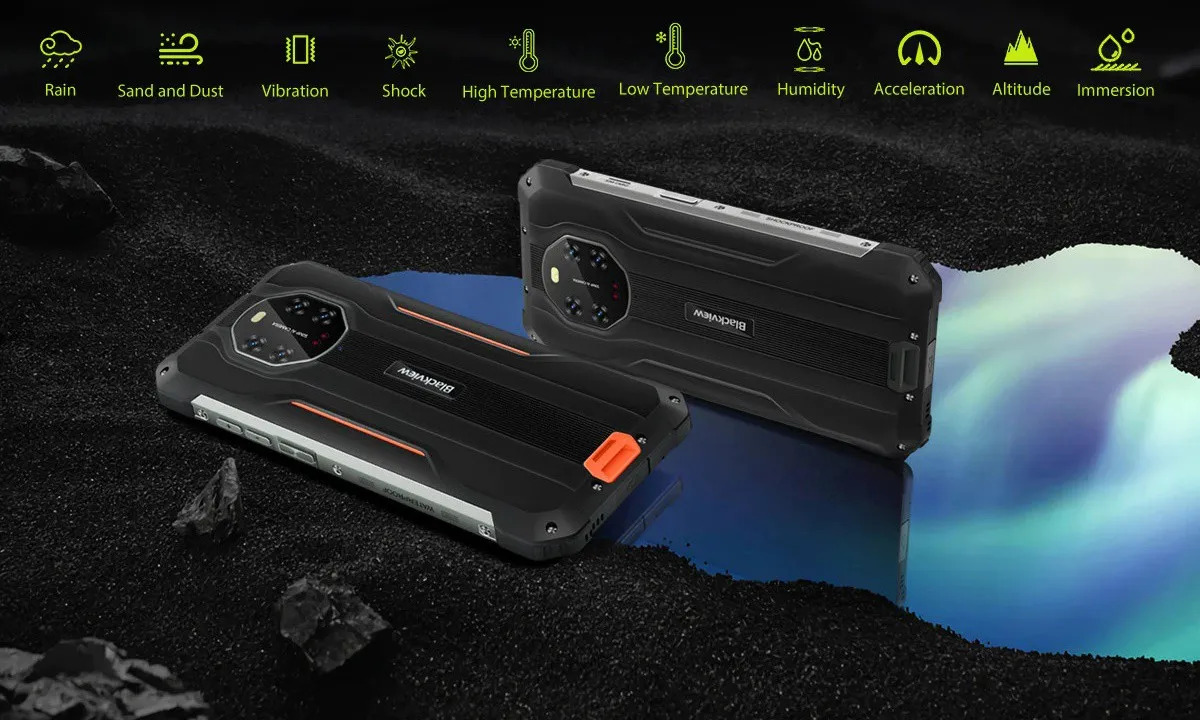
The Blackview BV8800 comes with a 6.58-inch water-drop notch display with a Full-HD+ resolution and has a 480 DPI. It is an IPS panel with a 90Hz high refresh rate. The screen has an 18:9 aspect ratio of 85% screen-to-body ratio. Since it is a rugged phone, it has MIL-STD-810H certification. It also has IP68 and IP69K certifications.
It has a quad-camera system with a 50MP Samsung JN1 sensor, an 8MP ultra-wide lens, a 2MP depth-sensing lens, and lastly a 20MP night-vision camera. Upfront, it has a 16MP SAMSUNG ISOCELL 3P9 selfie sensor. The device also has a LED flashlight.
Under the hood, the Blackview BV8800 is powered by the MediaTek Helio G96 octa-core SoC paired with 8GB of LPDDR4X RAM and 128GB of UFS 2.1 onboard storage. For graphics, it has a Mali-G57 GPU and it shows up in its AnTuTu score of 301167 points. It is 17.7mm in thickness, thanks to the chunky 8380mAh battery. It runs on Doke OS 3.0. The battery has a 33W fast charging support. The rugged phone also comes with 3D copper pipe liquid cooling technology offering less heat while gaming.
Epic Games is known to have given away some really impressive game titles in the past, be it Batman’s Arkham series, Borderlands, Watchdogs, or GTA V. This holiday season Epic is doing another such giveaway where it’s offering one game for free every day till the end of 2021.
The latest game to be included in this list is Prey, a first-person shooter RPG developed by Arkane Studios and published by Bethesda Softworks.
The game takes place in an alternate timeline that resulted in an accelerated Space Race and humankind taking to orbital stations far earlier. The player controls Morgan Yu while exploring the space station Talos I, where they were part of a scientific team researching the Typhon, a hostile alien force composed of many forms with both physical and psychic powers, such as shapeshifting into a clone of any inanimate object.
As the Typhon escapes confinement, the player uses a variety of weapons and abilities derived from the Typhon to avoid being killed while looking to escape the station. The player gains access to areas of the station by acquiring key items and abilities, eventually allowing the player to explore the station in an open-world setting.
The game combines elements of role-playing video games(RPG), stealth games, immersive sims, and Metroidvanias in its design along with being a First-person shooter at its core. The game’s wonderfully explorable science fiction environment is densely packed with interactive systems, intrigue, and ever-present danger making for an amazing and entertaining experience.
But hurry up, as Prey is available for free just for today on the Epic Games store, and if you miss the time window, you can’t claim the game again.
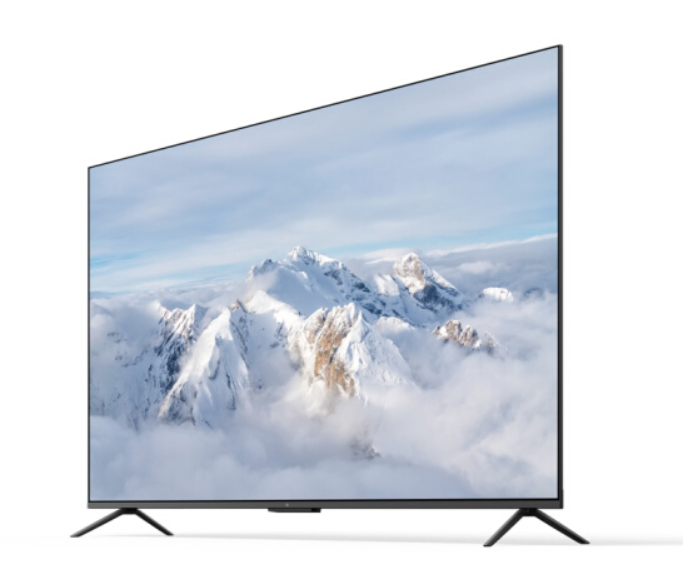
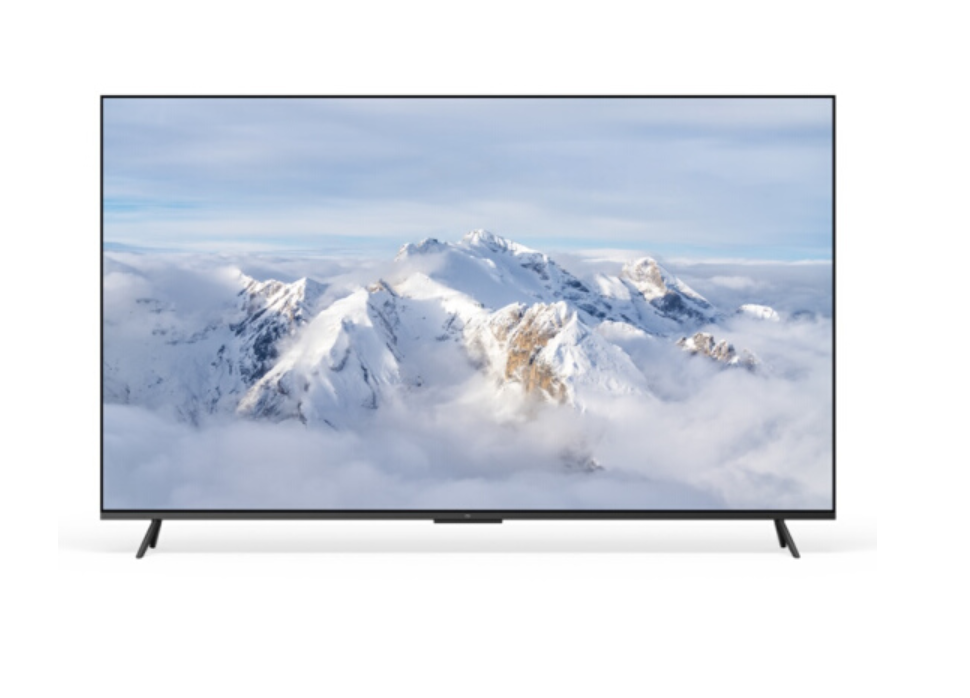
Today on Christmas, Xiaomi has unveiled its latest smart TV dubbed the Xiaomi Mi TV EA70 2022 in China. The 70-inch TV is slated for pre-orders starting December 27th on all major Chinese e-commerce platforms and will go on sale on December 31.
According to ITHome, the Mi TV EA70 2022 features an upgraded premium 2mm thick full metal frame resulting in a 97.9% body to screen ratio. The TV hosts a 70-inch 4K panel with 3840×2160 resolution, 16:9 aspect ratio, 60Hz refresh rate, and 300nits peak brightness. The device has a 4000:1 contrast ratio, is capable of producing 1.07 billion colors, and comes equipped with high-power stereo speakers.
Under the hood, the Mi EA70 2022 smart TV is powered by a Quadcore Cortex A35 processor coupled with 1.5GB or fam and 8GB internal storage. It runs on Android-based MIUI for TV 3.0. Moreover, it also comes with a built-in smart home center, a far-field voice system and supports voice search and voice ordering.
The Xiaomi Mi TV EA70 2022 will be available for pre-order on December 27th at the cost of 3299 yuan ($518). The TV will go on sale from December 31st in China.
Earlier this new, it first emerged as a rumor that OnePlus was planning to merge with OPPO to become a single brand. The rumor soon gained traction when a leaked memo was spotted hinting that OnePlus will now become a sub-brand of OPPO. OPPO even reportedly dropped about 20% of its workforce after the merger.
In furtherance of the merger, OnePlus Service has announced via the OnePlus community that OnePlus China’s offline after-sales service business will complete the overall business migration from January 1, 2022. To this end, OnePlus users will then be able to access after-sale services from the nearly 1,000 OPPO official authorized service centers across the country. The company disclosed that OnePlus users will be able to access after-sale services after the overall migration from the 16th to the 18th of each month.
OPPO and OnePlus are both subsidiaries of BBK Holdings. The company is obviously looking to increase the profitability of the OnePlus brand with this new merger. The two companies will operate under the Ouga Group as the parent company with Realme joining as the third mobile phone brand.
At the sales level, OPPO Mall has been renamed Ouga Mall, which includes products from the three brands of OPPO, OnePlus, and Realme. The brands will join forces in the sales of their smartphones. Also, there is a merger at the product level of the operating system. OnePlus has ditched the OxygenOS in favor of OPPO’s ColorOS.
In addition, according to relevant information, OnePlus’ R&D department has also been merged with OPPO’s R&D department. Although it is still a separate department, from the perspective of the entire R&D structure, all its R&D projects will also be coordinated by the combined R&D team.
After Xiaomi officially announced today that the Xiaomi 12 Pro will be the first phone to use the new Sony IMX707 sensor in its primary rear camera, the company has now unveiled the front camera specs of the Xiaomi 12.
Xiaomi took to Weibo (a Chinese microblogging site) to announce the specification of its upcoming Xiaomi 12’s front camera which is revealed to be a 32MP sensor. But that’s not all as the front camera also features a native beauty filter.
According to Xiaomi, this beauty filter uses an Advanced pixel-level skin rejuvenation based on a generative adversarial network (GAN), which reconstructs the skin details on a pixel level to give the skin a fresh, younger look.
For those unaware, Generative adversarial networks (GANs) are algorithmic architectures that use two neural networks, pitting one against the other (thus the “adversarial”) in order to generate new, synthetic instances of data that can pass for real data. They are used widely in image generation, video generation, and voice generation.
Xiaomi had earlier announced that the Snapdragon 8 Gen 1-powered Xiaomi 12 and Xiaomi 12 Pro will be released together on December 28th. The former will be featuring a 1080p 6.28-inch display and will be the first compact flagship from the company in quite a long time. Both of the models are also rumored to be joined by the Xiaomi 12X and the MIUI 13 software skin.
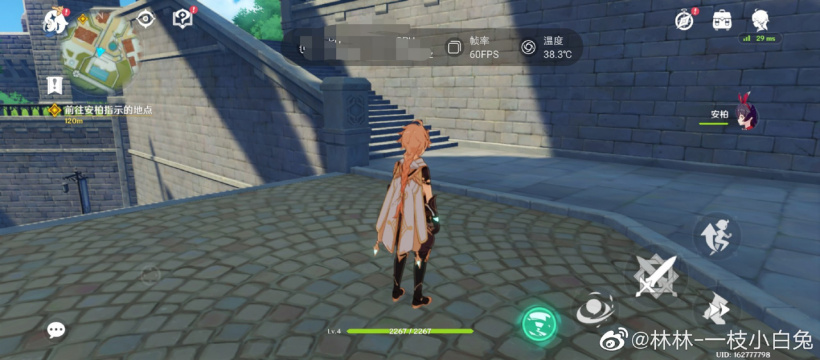
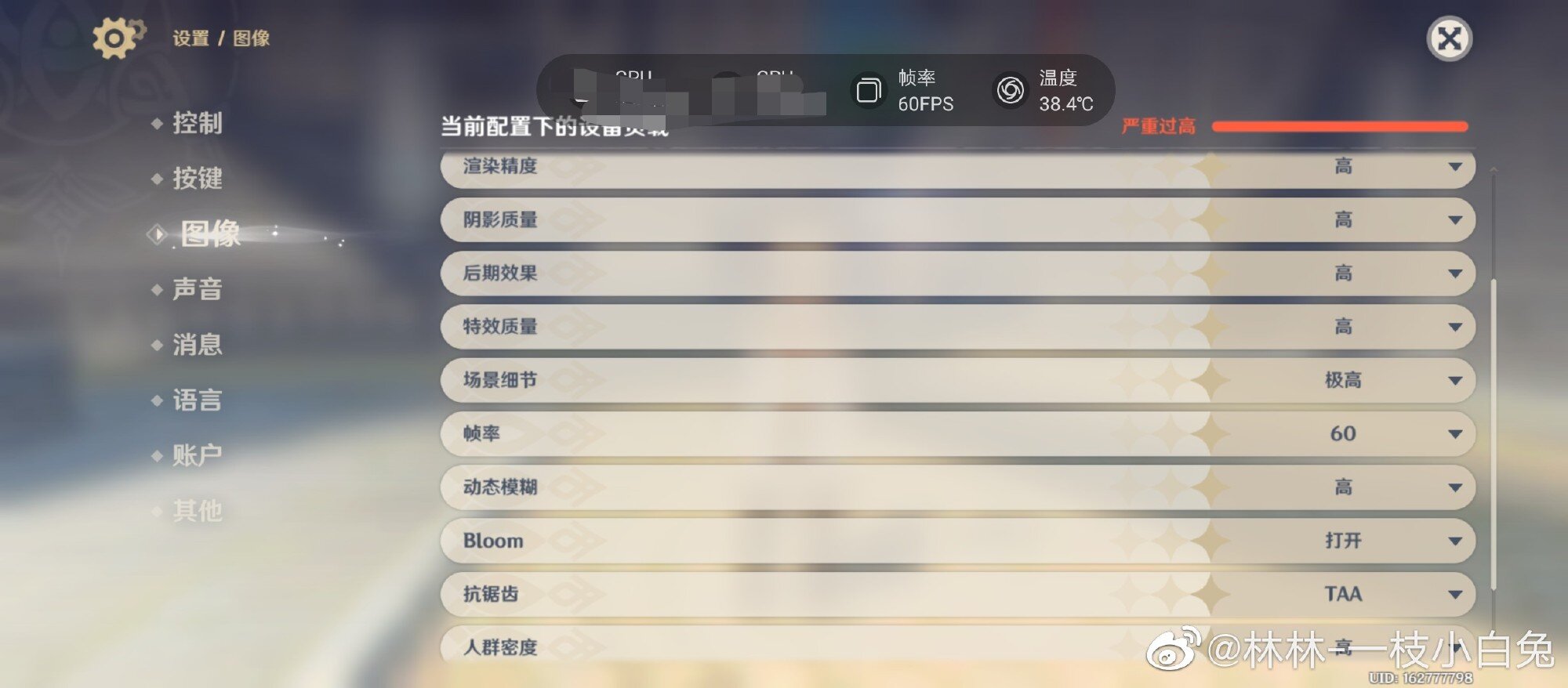
Today, Lenovo Senior Product Manager, Lin Lin shared two screenshots of the Lenovo Legion Y90 running the popular MMORPG game Genshin Impact on his Weibo today. It was to showcase how the Lenovo Legion Y90 with its built-in dual-fan cooling system handles a heavy game like Genshin Impact under the highest graphics settings.
Lin Lin sharing the Lenovo Legion Y90 running Genshin Impact
From the screenshots gathered, the Lenovo Legion Y90 has been running Genshin Impact for 25 minutes at ultra-high graphics settings at 60fps, and throughout testing, the Lenovo Legion Y90 maintained a steady performance, with a peak temperature of only 38.4 degrees Celsius, which is very cool compared to its competition where devices can exceed temperatures of 40 or even 50 degrees Celsius, which would make the mobile gaming experience very warm and uncomfortable.
Lenovo Legion Y90 running Genshin Impact
Although the Lenovo Legion Y90 is being advertised to have a 144Hz refresh rate display, it did not seem to run Genshin Impact at 144fps, it ran the game under 60fps throughout Lenovo’s testing. So whether the phone will support 144fps on Genshin Impact, users would have to test it themselves after the phone’s official release.
Other highlighting features of the Lenovo Legion Y90 besides its 144Hz refresh rate display include a 720Hz touch response rate for shorter response times for a smoother software experience, a large 6.92” E4 AMOLED display provided by Samsung, HDR10 Enhanced support, and Legion’s custom display color profile tuning for gamers to provide the best gaming experience for gamers. As a gaming phone, the phone is not designed to have a punch-hole in the display to remove any blind spots during gaming.
Other details such as the chipset under the hood or the release date of the phone have not yet been officially announced by Lenovo, but leaks from insiders in China previously mentioned that the Legion Y90 is packing a Snapdragon 888 and the launch of the Lenovo Legion Y90 could happen on January 1, 2022.
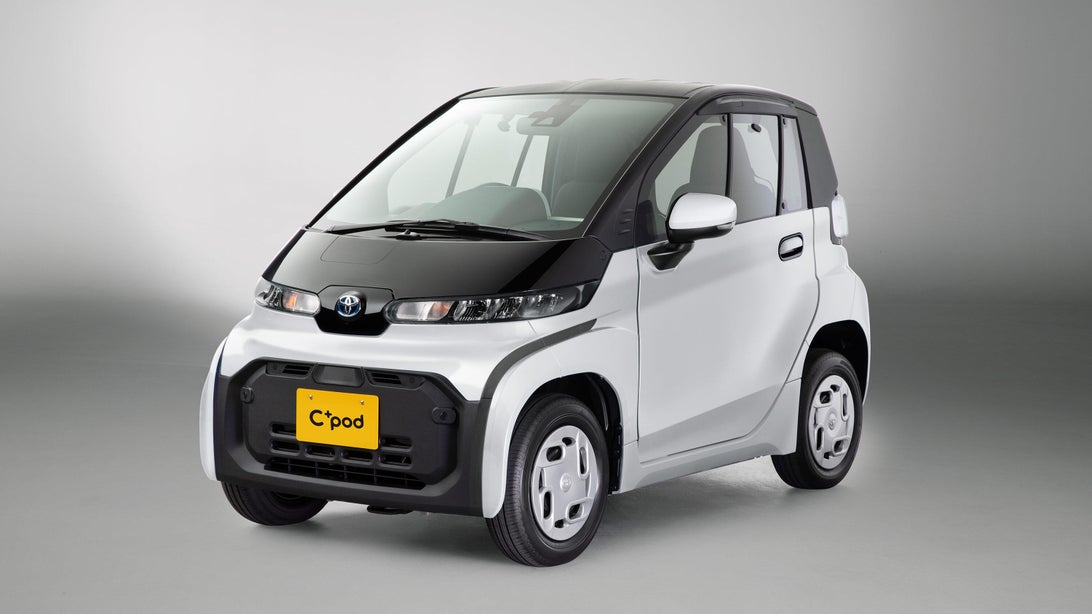
Japanese automaker Toyota has launched for public sales, its latest portable and compact electric vehicle tailored for intra-city commutes. The Toyota C+Pod is already available to individual Japanese buyers. The C+Pod was first introduced in Japan last December for corporate and municipal customers but will now also be available to individual buyers in the country. Toyota says the vehicle will be offered via lease-purchase contracts across the country.
The Toyota C+Pod also has a top speed of 60km/h which is good enough for most city daily commutes. The Toyota C+Pod will certainly appeal to city dwellers who are conscious of their carbon footprint and seek a clean and sustainable solution to their daily commute problems. It is a two-seater electric vehicle that can drive for up to 150km before needing a recharge.
The Toyota C+Pod comes as one of the most compact EVs in the market. It has dimensions that are among the smallest in the market. The C+Pod is available in multiple dual and three-tone color variants. A 9.06kWh lithium-ion battery provides power for the EV. The battery of the Toyota C+Pod could be charged for up to 5 hours. The C+Pod has a turning radius of about 3.9 meters which makes it possible for the car to navigate out of seemingly tight parking lots.
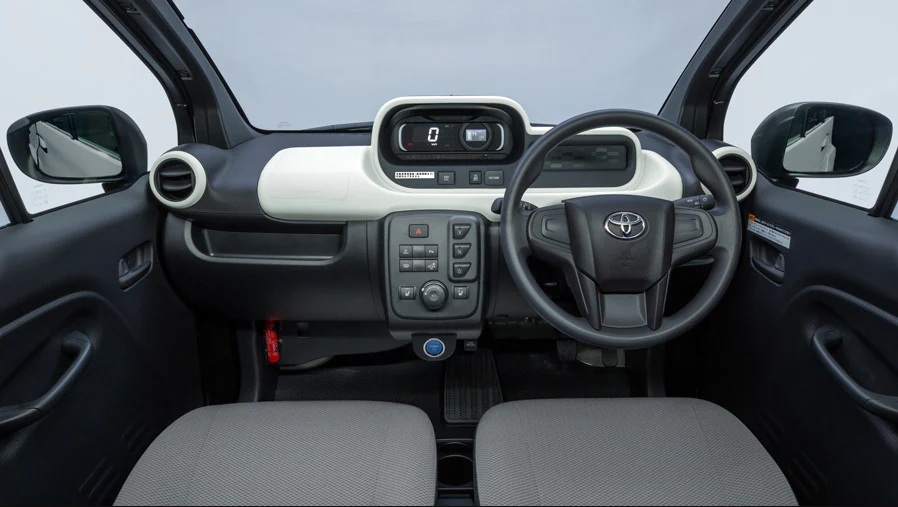
The cabin of the Toyota C+Pod is compact with enough space for the driver and a customer. The simple design of the dashboard is accentuated by the black and white colors of the interior. There is no word yet from Toyota as per the sales program and pricing for the C+Pod. No details as of now also about the possible global availability of the C+Pods.
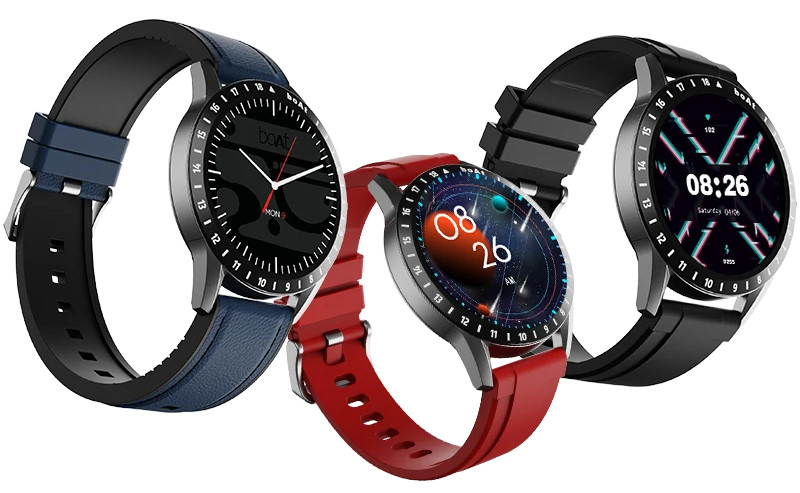
Indian electronics maker boAt has unveiled the Watch Iris, its first smartwatch that comes with a 1.39-inch high-definition round AMOLED display for the Indian market. The boAt Watch Iris will retail in India for Rs. 4,499 ($60). The boAt Watch Iris offers lots of activities like multiple watch faces, a comprehensive notification framework including calls, text messages, emails, and other alerts including alarms. The boAt Watch Iris could be purchased from the brand’s website and it comes in three color variants and two finish options – leather or silicone.
The boAt Watch Iris is capable of testing human blood sugar levels through the SpO2 sensor and also provides 24-hour heart rate monitoring. It has a built-in 8 Active Sports Modes, offers an IP68 water resistance rating, and has up to 7 days of battery life. The sports mode include swimming, football, basketball, cycling, walking, running, and skipping.
The latest boAt smart wearable device, the Watch Iris is entering the smart wearables market at a time when there is a seeming explosion of a variety of smartwatches from different producers. The functionalities of these devices are increasingly linked to health and fitness and they offer life-saving tips. The company expects the Watch Iris to have a positive reception from the Indian market.
We use cookies on our website to give you the most relevant experience by remembering your preferences and repeat visits. By clicking “Accept”, you consent to the use of ALL the cookies.
This website uses cookies to improve your experience while you navigate through the website. Out of these, the cookies that are categorized as necessary are stored on your browser as they are essential for the working of basic functionalities of the website. We also use third-party cookies that help us analyze and understand how you use this website. These cookies will be stored in your browser only with your consent. You also have the option to opt-out of these cookies. But opting out of some of these cookies may affect your browsing experience.
Necessary cookies are absolutely essential for the website to function properly. This category only includes cookies that ensures basic functionalities and security features of the website. These cookies do not store any personal information.
Any cookies that may not be particularly necessary for the website to function and is used specifically to collect user personal data via analytics, ads, other embedded contents are termed as non-necessary cookies. It is mandatory to procure user consent prior to running these cookies on your website.






 According to