Advertisement

Xiaomi 12 to feature 12-bit colour high 120Hz refresh rate AMOLED display from TCL CSOT

With the Xiaomi 12 series Dec 28 launch event nearing, TCL could not keep the secret any longer as today in a press statement, TCL announces that it is the supplier for the standard Xiaomi 12’s display. 

TCL’s Huaxing display department is in charge of manufacturing the AMOLED displays for the Xiaomi 12, the compact flagship, and TCL mentions that Xiaomi 12 displays are using the displays from its TCL Huaxing T4 production line.

The TCL Huaxing T4 AMOLED displays used in the Xiaomi 12 is said to feature a 120Hz refresh rate, DC Dimming and 12-bit colour to allow for a more vibrant and colour accurate multimedia viewing experience for users.

Xiaomi 12
Xiaomi 12 with 6.28″ curved 12-bit AMOLED

As for overall design, TCL mentions that it is providing Xiaomi with its exclusive custom-made “premium-crafted” curved AMOLED displays for the Xiaomi 12. The display comes in at 6.28 inches diagonally with thin bezels on all sides, with a very small punch hole selfie cutout in the middle of the display. According to TCL, it will be an industry-leading compact display as it has one of the highest screen-to-body ratios in the compact smartphone market.

As for the production schedule, TCL T4 AMOLED displays have to go through three phases of production(creation, assembly and completion), and it is expected to produce enough displays to supply display demand for 8 million smartphones in the market.

This wasn’t the first time that a flagship from Xiaomi that did not use an AMOLED supplied from Samsung. TCL was previously Xiaomi’s AMOLED display supplier in the past for the record-setting Xiaomi Mi 10 Ultra back in 2020. 

The Xiaomi Mi 10 Ultra was considered by many as the ultimate flagship of 2020 as it surpassed the Samsung Galaxy S20 Ultra and Apple’s iPhone 12 Pro Max, with the world’s first 120W fast charging, 120x hybrid zoom, and the world’s first 10-bit colour 120Hz display on a smartphone. The Xiaomi 10 Ultra also served a purpose to tell the world that Xiaomi was not only capable of creating flagship killers at a low price, but Xiaomi also could cater to the ultra-premium smartphone segment too with over-the-top specs, potent camera performance and premium build quality to back up.


RELATED:


(Via)

Xiaomi 12 promo, real-life images have leaked

Xiaomi 12 is all set to go official with the Xiaomi 12X and Xiaomi 12 Pro on Dec. 28. Recently, reputed tipster Evan Blass shared the leaked renders of the Xiaomi 12. Soon after, he posted a leaked promo of the smartphone to give a good look at its design and color variants. At the same time, Chinese tipster Zealer has published real-life images of the Xiaomi 12 (or 12 Pro).

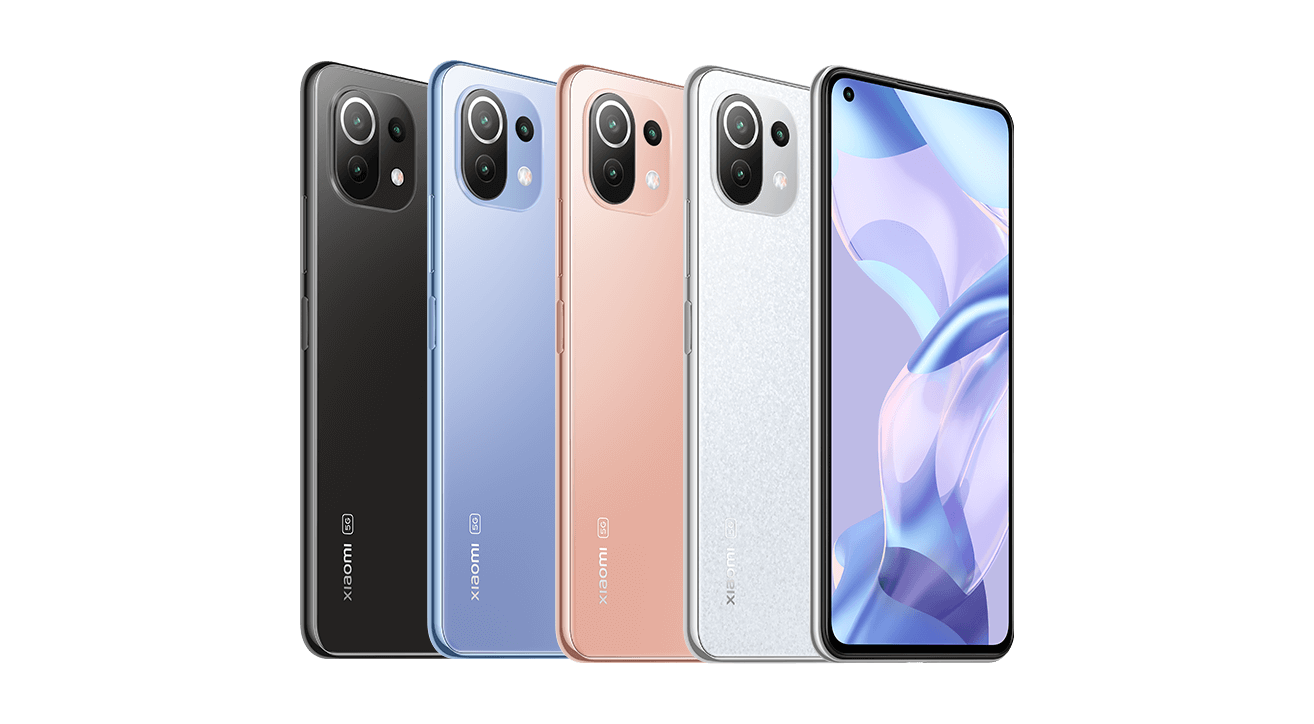
Xiaomi 12’s promo reveals that it will come in four hues such as black, blue, pink, and green. The front side of the device features a punch-hole display and a 50-megapixel triple camera unit on the back. Shown below are some live shots of the alleged Xiaomi 12.

Xiaomi 12 specifications (rumored)

Reports have revealed the compact-sized Xiaomi 12 will feature a 6.28-inch AMOLED display that offers a Full HD+ resolution and a 120Hz refresh rate. It will be equipped with Gorilla Glass Victus protection for the display.

The device will feature a 32-megapixel camera for capturing selfies. Its rear camera setup will include a 50-megapixel main snapper, a 13-megapixel ultrawide shooter, and a 32-megapixel telephoto lens with 3x optical zoom.

The Snapdragon 8 Gen 1 powers the Xiaomi 12 with up to 12 GB of LPDDR5 RAM and up to 256 GB of UFS 3.1 storage. It will be backed by a 4,500mAh battery that supports 67W fast charging, 30W wireless charging, and 10W reverse wireless charging. Its other features include Android 12 with MIUI 13 skin and Harmon Kardon powered stereo speakers.

According to Xiaomiui, the above shown real-life images belong to the Xiaomi 12 Pro, and not Xiaomi 12. While both models have a very similar design, the camera sensors and physical buttons are said to be larger than the Xiaomi 12.

RELATED:

iQOO Neo 5S vs Neo 5SE: Specs Comparison

Vivo’s sub-brand launched a brand new lineup of flagship killers containing two handsets: iQOO Neo 5S and iQOO Neo 5SE. While Qualcomm unveiled the new Snapdragon 8 Gen 1 mobile platform, these devices still offer the 2021 flagship SoCs by Qualcomm, but their prices are extremely good, especially for gamers who need to save money. But which are the differences between the new iQOO high-end phones and which one should you opt for? This is a comparison between their specifications which will answer those questions. Given that these phones have several things in common, we will focus on the differences between them.

Vivo iQOO Neo 5S vs Vivo iQOO Neo 5SE

Vivo iQOO Neo 5S Vivo iQOO Neo 5SE
DIMENSIONS AND WEIGHT 163.2 x 76.4 x 8.4 mm, 196 grams 164.7 x 76.7 x 8.5 mm, 189 g
DISPLAY  6.62 inches, 1080 x 2400p (Full HD+), AMOLED  6.67 inches, 1080 x 2400p (Full HD+), IPS LCD
PROCESSOR Qualcomm Snapdragon 888, octa-core 2.84 GHz Qualcomm Snapdragon 888, octa-core 2.84 GHz
MEMORY  8 GB RAM, 128 GB – 8 GB RAM, 256 GB – 12 GB RAM, 256 GB 8 GB RAM, 128 GB – 8 GB RAM, 256 GB – 12 GB RAM, 256 GB
SOFTWARE  Android 11, Origin OS Ocean  Android 11, Origin OS Ocean
CONNECTIVITY  Wi-Fi 802.11 a/b/g/n/ac/ax, Bluetooth 5.2, GPS  Wi-Fi 802.11 a/b/g/n/ac/ax, Bluetooth 5.2, GPS
CAMERA Triple 48 + 13 + 2 MP, f/1.8 + f/2.2 + f/2.4
16 MP f/2.0 front camera
Triple 50 + 8 + 2 MP, f/1.8 + f/2.2 + f/2.4
16 MP f/2.5 front camera
BATTERY 4500 mAh, fast charging 66W  4500 mAh, fast charging 55W
ADDITIONAL FEATURES Dual SIM slot, 5G Dual SIM slot, 5G

Design

The iQOO Neo 5S and the iQOO Neo 5SE are not so different when it comes to design. They have a similar look and they are made of polycarbonate for both the rear cover and the frame. I consider the iQOO Neo 5S slightly better because it is more compact than its Special Edition. For the rest, these phones are pretty much the same. They have a display with a single punch hole, very narrow bezels, and a rectangular camera module with a similar color to the rear cover. Both the power key and the volume keys are placed on the right side, while the left side is completely clean.


Display

One of the most important advantages of the iQOO Neo 5S if compared to the Neo 5SE is the display. Unlike its internal rival, it is equipped with an AMOLED panel which shows brighter colors and deeper blacks. The display has a diagonal of 6.62 inches, a 120 Hz refresh rate, a Full HD+ resolution of 1080 x 2400 pixels, and the HDR10+ certification. The iQOO Neo 5SE may be a bit more interesting for a few gamers thanks to its 144 Hz refresh rate, but its display is actually inferior. It is an LCD panel with a Full HD+ resolution and the HDR10 certification, as well as a wider 6.67-inch diagonal. Note that iQOO Neo 5S has an in-display fingerprint reader, while the fingerprint scanner is side-mounted on the iQOO Neo 5SE.


Specs & Software

Are you looking for the most powerful phone? If so, you can get a bit more performance with the iQOO Neo 5S because it is powered by the Snapdragon 888 mobile platform. The iQOO Neo 5SE offers the same memory configurations, but it has the lower-end Snapdragon 870 chipset which sits in the middle between Snapdragon 865+ and Snapdragon 888. Both the phones are based on Android 11 but they run the brand new OriginOS Ocean customization which will be soon based on Android 12. These two phones are among the most advanced ones in terms of performance and they match the most expensive flagships.


Camera

The iQOO Neo 5S is far from being a top camera phone, but it still offers a very good camera department including a 48 MP main sensor with OIS, a 13 MP ultrawide camera, and a 2 MP macro lens. It is definitely better than iQOO Neo 5SE which offers lower-midrange cameras including a 50 MP main sensor, an 8 MP ultrawide camera, and a 2 MP macro sensor. Even the front camera of the iQOO Neo 5S is better thanks to a brighter focal aperture.


Battery

Vivo iQOO Neo 5S and iQOO Neo 5SE have the same battery capacity, but the former is able to provide a longer battery life because its display has a lower energy consumption (thanks to the AMOLED technology) and its chipset is built with a better production process. Further, the iQOO Neo 5S charges quicker thanks to a fast charging power of 66W.


Price

The starting price of the iQOO Neo 5S is €380/$430 in the Chinese market, while the iQOO Neo 5SE starts from just €300/$340. The former provides a better display, chipset, and cameras, while the latter lets you spend less money. However, the iQOO Neo 5S still has a higher value for money, at least in my opinion.


Vivo iQOO Neo 5S vs Vivo iQOO Neo 5SE: PRO and CONS

Vivo iQOO Neo 5S

PRO

  • AMOLED display
  • Faster charging
  • Better main camera
  • Better ultrawide and selfie camera
  • Higher-end processor

CONS

  • Price


vivo iQOO Neo 5SE

PRO

  • More affordable
  • Higher refresh rate
  • Wider display

CONS

  • LCD display


RELATED

Check the latest videos from our YouTube channel and subscribe:

Blackview BV8800 rugged phone launched with 90Hz display and 8,380mAh monster battery

Blackview has quietly announced the BV8800 rugged smartphone in the market. The Blackview BV8800 comes with a high refresh rate screen, 50MP cameras, and a whopping 8,380mAh battery.

The Blackview BV8800 is priced at $300 for the sole 8GB RAM and 128GB storage variant. But, it can be purchased on AliExpress with a $20 limited coupon discount. The device will be on sale from January 10 on the portal.

Blackview BV8800

The Blackview BV8800 comes with a 6.58-inch water-drop notch display with a Full-HD+ resolution and has a 480 DPI. It is an IPS panel with a 90Hz high refresh rate. The screen has an 18:9 aspect ratio of 85% screen-to-body ratio. Since it is a rugged phone, it has MIL-STD-810H certification. It also has IP68 and IP69K certifications.

It has a quad-camera system with a 50MP Samsung JN1 sensor, an 8MP ultra-wide lens, a 2MP depth-sensing lens, and lastly a 20MP night-vision camera. Upfront, it has a 16MP SAMSUNG ISOCELL 3P9 selfie sensor. The device also has a LED flashlight.

Blackview BV8800

Under the hood, the Blackview BV8800 is powered by the MediaTek Helio G96 octa-core SoC paired with 8GB of LPDDR4X RAM and 128GB of UFS 2.1 onboard storage. For graphics, it has a Mali-G57 GPU and it shows up in its AnTuTu score of 301167 points.  It is 17.7mm in thickness, thanks to the chunky 8380mAh battery. It runs on Doke OS 3.0. The battery has a 33W fast charging support. The rugged phone also comes with 3D copper pipe liquid cooling technology offering less heat while gaming.

RELATED:

(via)

Download Prey for FREE this Christmas as a part of Epic Games’ latest giveaway

Epic Games is known to have given away some really impressive game titles in the past, be it Batman’s Arkham series, Borderlands, Watchdogs, or GTA V. This holiday season Epic is doing another such giveaway where it’s offering one game for free every day till the end of 2021.

The latest game to be included in this list is Prey, a first-person shooter RPG developed by Arkane Studios and published by Bethesda Softworks.

The game takes place in an alternate timeline that resulted in an accelerated Space Race and humankind taking to orbital stations far earlier. The player controls Morgan Yu while exploring the space station Talos I, where they were part of a scientific team researching the Typhon, a hostile alien force composed of many forms with both physical and psychic powers, such as shapeshifting into a clone of any inanimate object.

Prey Screenshot_3

As the Typhon escapes confinement, the player uses a variety of weapons and abilities derived from the Typhon to avoid being killed while looking to escape the station. The player gains access to areas of the station by acquiring key items and abilities, eventually allowing the player to explore the station in an open-world setting.

The game combines elements of role-playing video games(RPG), stealth games, immersive sims, and Metroidvanias in its design along with being a First-person shooter at its core. The game’s wonderfully explorable science fiction environment is densely packed with interactive systems, intrigue, and ever-present danger making for an amazing and entertaining experience.

But hurry up, as Prey is available for free just for today on the Epic Games store, and if you miss the time window, you can’t claim the game again.

RELATED:


Xiaomi Mi TV EA70 2022 released in China for 3299 yuan ($518), Pre-order starts from December 27th

Today on Christmas, Xiaomi has unveiled its latest smart TV dubbed the Xiaomi Mi TV EA70 2022 in China. The 70-inch TV is slated for pre-orders starting December 27th on all major Chinese e-commerce platforms and will go on sale on December 31.

Xiaomi Mi TV EA70 2022According to ITHome, the Mi TV EA70 2022 features an upgraded premium 2mm thick full metal frame resulting in a 97.9% body to screen ratio. The TV hosts a 70-inch 4K panel with 3840×2160 resolution, 16:9 aspect ratio, 60Hz refresh rate, and 300nits peak brightness. The device has a 4000:1 contrast ratio, is capable of producing 1.07 billion colors, and comes equipped with high-power stereo speakers.

Xiaomi Mi TV EA70 2022

Under the hood, the Mi EA70 2022 smart TV is powered by a Quadcore Cortex A35 processor coupled with 1.5GB or fam and 8GB internal storage. It runs on Android-based MIUI for TV 3.0. Moreover, it also comes with a built-in smart home center, a far-field voice system and supports voice search and voice ordering.

The Xiaomi Mi TV EA70 2022 will be available for pre-order on December 27th at the cost of 3299 yuan ($518). The TV will go on sale from December 31st in China.

RELATED:


OnePlus users will have full access to OPPO’s after-sales service centers from January 1, 2022

Earlier this new, it first emerged as a rumor that OnePlus was planning to merge with OPPO to become a single brand. The rumor soon gained traction when a leaked memo was spotted hinting that OnePlus will now become a sub-brand of OPPO. OPPO even reportedly dropped about 20% of its workforce after the merger.

In furtherance of the merger, OnePlus Service has announced via the OnePlus community that OnePlus China’s offline after-sales service business will complete the overall business migration from January 1, 2022. To this end, OnePlus users will then be able to access after-sale services from the nearly 1,000 OPPO official authorized service centers across the country.  The company disclosed that OnePlus users will be able to access after-sale services after the overall migration from the 16th to the 18th of each month.

OPPO and OnePlus are both subsidiaries of BBK Holdings. The company is obviously looking to increase the profitability of the OnePlus brand with this new merger. The two companies will operate under the Ouga Group as the parent company with Realme joining as the third mobile phone brand.

At the sales level, OPPO Mall has been renamed Ouga Mall, which includes products from the three brands of OPPO, OnePlus, and Realme. The brands will join forces in the sales of their smartphones. Also, there is a merger at the product level of the operating system. OnePlus has ditched the OxygenOS in favor of OPPO’s ColorOS.

In addition, according to relevant information, OnePlus’ R&D department has also been merged with OPPO’s R&D department. Although it is still a separate department, from the perspective of the entire R&D structure, all its R&D projects will also be coordinated by the combined R&D team.

RELATED:


Xiaomi 12 front camera officially revealed: 32MP sensor with GAN based beauty mode

After Xiaomi officially announced today that the Xiaomi 12 Pro will be the first phone to use the new Sony IMX707 sensor in its primary rear camera, the company has now unveiled the front camera specs of the Xiaomi 12.

Xiaomi 12 CAD render by OnLeaks / ZoutonUS

Xiaomi took to Weibo (a Chinese microblogging site) to announce the specification of its upcoming Xiaomi 12’s front camera which is revealed to be a 32MP sensor. But that’s not all as the front camera also features a native beauty filter.

Xiaomi 12 front camera

According to Xiaomi, this beauty filter uses an Advanced pixel-level skin rejuvenation based on a generative adversarial network (GAN), which reconstructs the skin details on a pixel level to give the skin a fresh, younger look.

For those unaware, Generative adversarial networks (GANs) are algorithmic architectures that use two neural networks, pitting one against the other (thus the “adversarial”) in order to generate new, synthetic instances of data that can pass for real data. They are used widely in image generation, video generation, and voice generation.

Xiaomi had earlier announced that the Snapdragon 8 Gen 1-powered Xiaomi 12 and Xiaomi 12 Pro will be released together on December 28th. The former will be featuring a 1080p 6.28-inch display and will be the first compact flagship from the company in quite a long time. Both of the models are also rumored to be joined by the Xiaomi 12X and the MIUI 13 software skin.

RELATED:


Here’s how cool Genshin Impact will run on the upcoming Lenovo Legion Y90 gaming phone

Today, Lenovo Senior Product Manager, Lin Lin shared two screenshots of the Lenovo Legion Y90 running the popular MMORPG game Genshin Impact on his Weibo today. It was to showcase how the Lenovo Legion Y90 with its built-in dual-fan cooling system handles a heavy game like Genshin Impact under the highest graphics settings.

Lin-Lin-Genshin-Impact-Lenovo-Legion-Y90
Lin Lin sharing the Lenovo Legion Y90 running Genshin Impact

From the screenshots gathered, the Lenovo Legion Y90 has been running Genshin Impact for 25 minutes at ultra-high graphics settings at 60fps, and throughout testing, the Lenovo Legion Y90 maintained a steady performance, with a peak temperature of only 38.4 degrees Celsius, which is very cool compared to its competition where devices can exceed temperatures of 40 or even 50 degrees Celsius, which would make the mobile gaming experience very warm and uncomfortable.

Legion Y90-Genshin Impact 1

Legion Y90-Genshin Impact-2
Lenovo Legion Y90 running Genshin Impact

Although the Lenovo Legion Y90 is being advertised to have a 144Hz refresh rate display, it did not seem to run Genshin Impact at 144fps, it ran the game under 60fps throughout Lenovo’s testing. So whether the phone will support 144fps on Genshin Impact, users would have to test it themselves after the phone’s official release.

Other highlighting features of the Lenovo Legion Y90 besides its 144Hz refresh rate display include a 720Hz touch response rate for shorter response times for a smoother software experience, a large 6.92” E4 AMOLED display provided by Samsung, HDR10 Enhanced support, and Legion’s custom display color profile tuning for gamers to provide the best gaming experience for gamers. As a gaming phone, the phone is not designed to have a punch-hole in the display to remove any blind spots during gaming.

Other details such as the chipset under the hood or the release date of the phone have not yet been officially announced by Lenovo, but leaks from insiders in China previously mentioned that the Legion Y90 is packing a Snapdragon 888 and the launch of the Lenovo Legion Y90 could happen on January 1, 2022.

(Source, Via)

RELATED:

Toyota C+Pod two-seater EV with a 150km range now on sale to the public in Japan

Japanese automaker Toyota has launched for public sales, its latest portable and compact electric vehicle tailored for intra-city commutes. The Toyota C+Pod is already available to individual Japanese buyers. The C+Pod was first introduced in Japan last December for corporate and municipal customers but will now also be available to individual buyers in the country. Toyota says the vehicle will be offered via lease-purchase contracts across the country.Toyota C+Pod

The Toyota C+Pod also has a top speed of 60km/h which is good enough for most city daily commutes. The Toyota C+Pod will certainly appeal to city dwellers who are conscious of their carbon footprint and seek a clean and sustainable solution to their daily commute problems. It is a two-seater electric vehicle that can drive for up to 150km before needing a recharge.Toyota C+Pod

The Toyota C+Pod comes as one of the most compact EVs in the market. It has dimensions that are among the smallest in the market. The C+Pod is available in multiple dual and three-tone color variants. A 9.06kWh lithium-ion battery provides power for the EV. The battery of the Toyota C+Pod could be charged for up to 5 hours. The C+Pod has a turning radius of about 3.9 meters which makes it possible for the car to navigate out of seemingly tight parking lots.Toyota C+Pod

The cabin of the Toyota C+Pod is compact with enough space for the driver and a customer. The simple design of the dashboard is accentuated by the black and white colors of the interior. There is no word yet from Toyota as per the sales program and pricing for the C+Pod. No details as of now also about the possible global availability of the C+Pods.

RELATED:


(source)


boAt Watch Iris with 7 days battery life, AMOLED display & more launched in India

Indian electronics maker boAt has unveiled the Watch Iris, its first smartwatch that comes with a 1.39-inch high-definition round AMOLED display for the Indian market. The boAt Watch Iris will retail in India for Rs. 4,499 ($60). The boAt Watch Iris offers lots of activities like multiple watch faces, a comprehensive notification framework including calls, text messages, emails, and other alerts including alarms. The boAt Watch Iris could be purchased from the brand’s website and it comes in three color variants and two finish options – leather or silicone.boAt Watch Iris

The boAt Watch Iris is capable of testing human blood sugar levels through the SpO2 sensor and also provides 24-hour heart rate monitoring. It has a built-in 8 Active Sports Modes, offers an IP68 water resistance rating, and has up to 7 days of battery life. The sports mode include swimming, football, basketball, cycling, walking, running, and skipping.

The latest boAt smart wearable device, the Watch Iris is entering the smart wearables market at a time when there is a seeming explosion of a variety of smartwatches from different producers. The functionalities of these devices are increasingly linked to health and fitness and they offer life-saving tips. The company expects the Watch Iris to have a positive reception from the Indian market.

RELATED:


(via)


LG patents laptop with touch pads on both sides of the keyboard

A new patent for an LG laptop has surfaced on the World Intellectual Property Organisation(WIPO) portal. The patent appears to be submitted by LG back on June 8th, 2020, which WIPO has published on December 24th, 2021.

LG-notebook-patent-WIPO

First spotted by MySmartPrice, the concept laptop features multiple displays. The keyboard of the concept laptop is considerably smaller than what we find on traditional laptops. However, there are two displays present on both ends of the keyboard.

The displays offer touch functionality and are capable of performing multiple tasks according to LG’s patent filing which specifically reads, “This design is a laptop computer with functional touch pads on both sides of the keyboard; shows the touch pads on the subject design been converted to a numeric keypad and a functional pad that can adjust the volume, screen brightness, etc.; the letters, numbers, and icons on the functional touch pads and the broken lines, indicate portions of the article that form no part of the claimed design.”

LG-notebook-patent-Touchpad-WIPO

To simplify, the touchpads on both sides of the keyboard are multifunctional, and the one on the right could work as a trackpad and also double up as a numeric keypad while the left one could be used for various controls such as adjusting the brightness and volume levels on the laptop and many other functionalities. However, we expect the functionality of these touch screens to be customizable, which will offer great potential for productivity.

Notably, a large section of the base panel where traditionally the keyboard on a laptop resides has been left empty. LG could utilize this real estate in many ways, including integrating powerful speakers or a wide secondary display with stylus support for artists and designers.

Additionally, the patents show the laptop has a tilt-up hinge that looks akin to Asus‘s ErgoLift hinge design. This type of hinge allows the bottom of the display lifts the back of the machine when you open the lid, giving the vents in the base more room to breathe. This cooling suggestion suggests that the laptop might come packing some powerful hardware.

As the design patents have just been published, it is hard to estimate a release timeline of the device, but you can trust us to deliver you any new and notable developments.

RELATED:

Huawei MateBook D 2022 series laptops now available for purchase in China

Huawei has a lineup of laptops under the MateBook branding and the company recently updated the series with the launch of the Huawei MateBook D 2022 models which come in two screen sizes — 14-inch and 15-inch.

Both the models — Huawei MateBook D 14 2022 and the Huawei MateBook D 15 2022, powered by the 11th-generation Intel Core i5/i7 processors, are now officially available for purchase in China.

Huawei MateBook D 2022 Model

The MateBook D 14 2022 with Core i5 is priced at 4,699 yuan (~$738) while the Core i7 model costs 5,899 yuan (~$926). On the other hand, the MateBook D 15 2022 with Core i5 is priced at 4,899 yuan (~$770) and the Core i7 model costs 5,899 yuan (~$926).

Coming to the specifications, the laptops come with either 14-inch or 15.6-inch displays with a three-side micro-frame design. It offers a Full HD screen resolution, 16:9 aspect ratio, 100% sRGB color gamut, and 300nit brightness.

Under the hood, the devices come powered by the Intel Core i5-1155G7 or the Intel Core i7-1195G7 processors, coupled with 16GB of RAM and 512GB of NVMe SSD storage. It also has a fingerprint sensor embedded into the power button.

Other features on the device include Wi-Fi 6 standard support, Bluetooth 5.0/5.1, and a recessed camera. The laptop comes powered by a 56Wh battery that has support for 65W SuperFast charging through the USB-C port.

RELATED: 

Lenovo YOGA M5 wireless dual-mode mouse announced with streamlined rounded body

Lenovo on Friday announced the YOGA M5 wireless dual-mode mouse and it is now expected to be available for sale anytime now, at least in China.

The company said that the mouse uses an “anode metal sandblasted upper cover” that has been carefully polished. The shape of the mouse has been kept extra rounded for a comfier in-hand feel.

lenovo yoga m5 wireless mouse

From pictures, the Lenovo YOGA M5 wireless dual-mode mouse appears to be compact in size and should hence be the one-size-fits-all kind. The official image given above also reveals that the mouse is available in black and white colors and seems to use a USB Type-C port for charging.

Of course, the mouse will be wireless, although intricate details about it seem to be unavailable at the moment. News about a global launch from the company is still awaited.

In other news, Lenovo is going big on gaming lately and has launched the Legion Y9000P, Y7000P, R9000P, and R7000P gaming laptops, spanning both Intel and AMD platforms. The company recently also lifted the curtains on the Lenovo Legion Y700 gaming tablet and Y90 gaming phone. If you haven’t already guessed a new naming scheme has been put in place that sets two digit names for mobile phones, three digits for tablets, and four digits for laptops.

RELATED:

Xiaomi Mi Pad 4 successfully boots Windows 10 ARM64, although some bits aren’t working yet

Windows is obviously designed for PCs and tablets but that doesn’t stop developers from booting it on unsupported devices, just for the heck of it. The most recent device to join the list has now become the Xiaomi Mi Pad 4 that has successfully booted Windows 10 ARM64 PE using UEFI-EDK2.

However, as IT Home reports, the system cannot currently recognize eMMC due to which certain functions may not work and it may not be possible to “install the complete system.”

The entire thing appears to be an initiative by WoA project developers to get newer versions of Windows to work on older Lumia and new Android models, since the OS no longer supports mobile phones.

Still, Windows does also support ARM processors along with the typical Intel and AMD x86. It is this bit that has been exploited by devs to maintain an unofficial Windows on ARM (WoA) project.

xiaomi mi pad 4 featured

As for the good old Xiaomi Mi Pad 4, it uses an 8-inch 16:10 FHD screen, which could be quite ideal for running Windows when put in landscape mode. It packs the Snapdragon 660 processor and is equipped with up to 4GB RAM and 64GB storage. For photography, you get a 13MP shooter at the rear and a 5MP one upfront. The battery is sized 6000mAh.

RELATED:

Samsung Galaxy S22 Ultra features cinematography features and has 58% better video stability, tipster reveals

The Samsung Galaxy S22 Ultra has received significant upgrades in the camera department, especially when it comes to stabilization and cinematography, a leakster has revealed.

Ahmed Qwaider, who has had a track record of getting his hands on unreleased products, said that the flagship phone will be able to shoot noticeably better videos than its predecessor (via PhoneArena).

Further revealed was that the Galaxy S22 Ultra will be better at stabilizing videos – 58% to be precise. An AI-assisted Wide Shift OIS feature will help in achieving this, effectively reducing camera shake by 4 times when compared to the S21 Ultra. The S21 Ultra was already industry-leading in terms of OIS so its successor may likely be breaking records.

Strides have also been made in cinematography and the phone will reportedly be offering a number of features related to it. Videos will also be more detailed thanks to 12-bit raw files support and Super HDR.

All this comes despite the Galaxy S22 Ultra offering the same camera resolutions as its predecessor – a 108MP primary, a 12MP ultra-wide, a 10MP 10x periscope, and a 10MP 3x telephoto camera.

But as we already know, it’s not the pixel density alone that determines how good a photo turns out to be. It’s likely that Samsung has greatly optimized other bits as earlier reports did say that the phone will be able to take macro shots and better night-time photos.

RELATED:

Honor Magic V is the first foldable with Snapdragon 8 Gen 1, to have a design similar to the Oppo Find N

After revealing the name of the company’s first flagship foldable 2 days ago, the Honor Magic V has received its first leak(well, you can’t seal them all). The leak comes from the Chinese Weibo user, Changan Digital King, who shared a photo of what seems like an internal conference meeting discussing the highlights of the Honor Magic V. 

weibo-leak-honor-magic-v-snapdragon-8-gen-1
Honor Magic V leak from Changan Digital King’s Weibo

The slide shown on-screen highlights that the Honor Magic V will be the leader in the foldable market as the industry’s first Snapdragon 8 Gen 1 foldable, equipped with the performance to crush its industry peers. 

honor-magic-v-snapdragon-8-gen-1-photo
Leaked photo showing Honor Magic V equipped with Snapdragon 8 Gen 1

In other news, the CEO of Honor, Zhao Ming, was recently interviewed to talk more about the upcoming Honor Magic V. In the video, he mentions that some phone manufacturers got the wrong idea of what a foldable should be, in that a foldable should be two devices in one, not one device shrunken down to an unuseful display.

In simpler terms, he thinks that the future of foldables is the folding-book style designs, like the Samsung Galaxy Z Fold3 and Oppo Find N, unlike the clamshell flip-phone designs of the Samsung Galaxy Z Flip3 and Huawei P50 Pocket

Zhao-Ming-Interview
CEO of Honor in the video interview

In the interview, Zhao Ming also mentions that Honor is looking to integrate a tablet-sized screen into the body of a smartphone with its latest in-house technology, which includes Honor’s new generation of hinges to minimize the screen crease, better split-screen navigation for a better multitasking experience and better ergonomics for the user to feel more effortless in switching between the cover and the inner displays.

Indirectly, through the interview, the CEO had officially confirmed that the Honor Magic V is a folding-book type foldable, similar to that of the Samsung Galaxy Z Fold3. With promo and teasers already underway, it is about time for the launch date for the Honor Magic V to drop soon in the coming weeks.


RELATED:


(Source 1, Source 2, Via 1)

Xiaomi 12 Pro confirmed to use high-performance Sony IMX707 sensor for better low-light photography

Xiaomi officially announced today that the Xiaomi 12 Pro will be the first phone to use the new Sony IMX707 sensor in its primary rear camera. The sensor’s specifications include 50 megapixel’s resolution, 1/1.28-inch sensor size, 1.22μm pixel size, and 2.44um fusion large pixels.

Industry insider Digital Chat Station says that this CIS (contact image sensor) is actually a small facelift of last year’s IMX700 sensor and both feature a near-identical set of specifications. Another tech blogger that goes by the name Todo Plus additionally revealed that there is no noticeable performance difference between the IMX707 and its older version. If true, this could mean that Sony has simply relaunched last year’s IMX700 under a new name, although it is likely that slight tweaks have been put in place.

Digital Chat Station further says that both the Xiaomi 12 and Xiaomi 12 Pro have now departed from Samsung sensors that were used on the Xiaomi Mi 11 series, and are now using Sony sensors “with greater emphasis on experience.”

The Xiaomi 12 Pro’s IMX707 sensor is dueted by the Sony IMX766 sensor on the vanilla Xiaomi 12. This one is a bit smaller at 1/1.56-inch sensor size but is still larger than the iPhone 13’s sensor size of 1/1.88-inches, as Xiaomi has advertised. The performance of both the IMX707 and IMX766 will be boosted by Xiaomi’s new “Image Brain” that promises speedier image processing and better shots of fast-moving objects.

sony imx707 xiaomi 12 pro

Low-light photography appears to be a major highlight of the Sony IMX707 camera sensor and official images showing off the Xiaomi 12 Pro’s night photography capabilities have been shared.

xiaomi 12 pro night sample

Xiaomi had earlier announced that the Snapdragon 8 Gen 1-powered Xiaomi 12 and Xiaomi 12 Pro will be released together on December 28th. The former will be featuring a 1080p 6.28-inch display and will be the first compact flagship from the company in quite a long time. Both of the models are also rumored to be joined by the Xiaomi 12X and the MIUI 13 software skin.

RELATED:

Xiaomi founder Lei Jun answers Questions related to Xiaomi 12, Automobiles, Surge chip & more

Xiaomi founder and CEO, Lei Jun has recently been on a social media sharing spree, from posting the latest upcoming highlights about the latest Xiaomi 12 series launch event to answering fans’ questions about Xiaomi’s whereabouts in the next few years. 

In his latest Weibo activity, he conducted a QnA on Weibo where he answered the questions of several Xiaomi users in the community.

Lei-Jun-QnA-Weibo-Xiaomi-12
Lei Jun QnA on Weibo on 24 December 2021

Xiaomi 12 to come in two sizes

Lei Jun clarified in the QnA that moving forward, the Xiaomi flagship series in Winter(Xiaomi 12 series, Xiaomi 13 series and so forth) will announce two types of flagship smartphones for users, one compact flagship for those users who prefer great one-handed usability, and one giant flagship for those who want a bigger battery with a bigger screen for a better multimedia experience. He illustrates with an example that the smaller Xiaomi 12 is meant to rival Apple’s iPhone 13 while the Xiaomi 12 Pro is meant to rival Apple’s iPhone 13 Pro Max.

Xiaomi-12-vs-iphone-13
Xiaomi 12 vs iPhone 13 comparison

New Xiaomi Surge Chipset in development

As Xiaomi has successfully developed 3 in-house chipsets, namely the Surge S1, Surge C1 and Surge P1, Lei Jun mentions that Xiaomi will continue its own in-house chips in the future to drive the industry forward. As to whether they will release another Surge chip in 2022, Lei Jun answers that Xiaomi is doing its best in research and development to produce better products in the market as soon as possible.

Reaffirms self-developed smart car will launch in 2024

As for the rumoured Xiaomi self-developed automobile car brand, Lei Jun informs that there has been good news. Xiaomi will launch its first car in 2024, earlier than the projected 2026. As for rumors about Lei Jun leaving the Xiaomi smartphone division once Xiaomi’s Smart Car division has been set up, Lei Jun mentions that smartphones are still the core business of the Xiaomi company and as founder and CEO of the company, he always has a soft spot for smartphones in his heart forever.

Xiaomi 12 will come with MIUI 13 out of the box

As for improvements for the next iteration of MIUI, Lei Jun mentions that the MIUI team has taken much feedback from its users and public, to solve the problems within the user interface and to provide the best software experience for Xiaomi users worldwide. He hopes that everyone can provide their feedback and support to the MIUI team for their much-beloved work throughout these years. Both the Xiaomi 12 and 12 Pro will come preinstalled with MIUI 13 in the box.


RELATED:

Apple iPhone 15 Pro models may get rid of the physical SIM card slot

Apple introduced support for eSIM on its smartphones with the iPhone XS and XS Max which enabled users to have second network support on the device through the digital SIM along with the regular physical SIM.

Now, if the latest report coming from a Brazilian website is to be believed, then Apple is planning to get rid of the physical SIM card slot from the iPhone in the coming years.

Apple iPhone 13 to bring Potrait Mode and ProRes for videos

As per the report, the Apple iPhone 15 Pro and Pro Max models getting launched in 2023 could lack the physical SIM card slot. Instead, the devices will only have support for eSIM cards for connectivity. It is also said that there will be support for two eSIM cards, ensuring dual SIM functionality.

It’s still very early to get confirmed information about the Apple iPhone 15 series models getting launched in the year 2023, so we would advise you to take this information with a pinch of salt.

Even if this information turns out to be true, we expect the company to still make iPhone models with physical SIM card slots for the regions where eSIM functionality isn’t available.

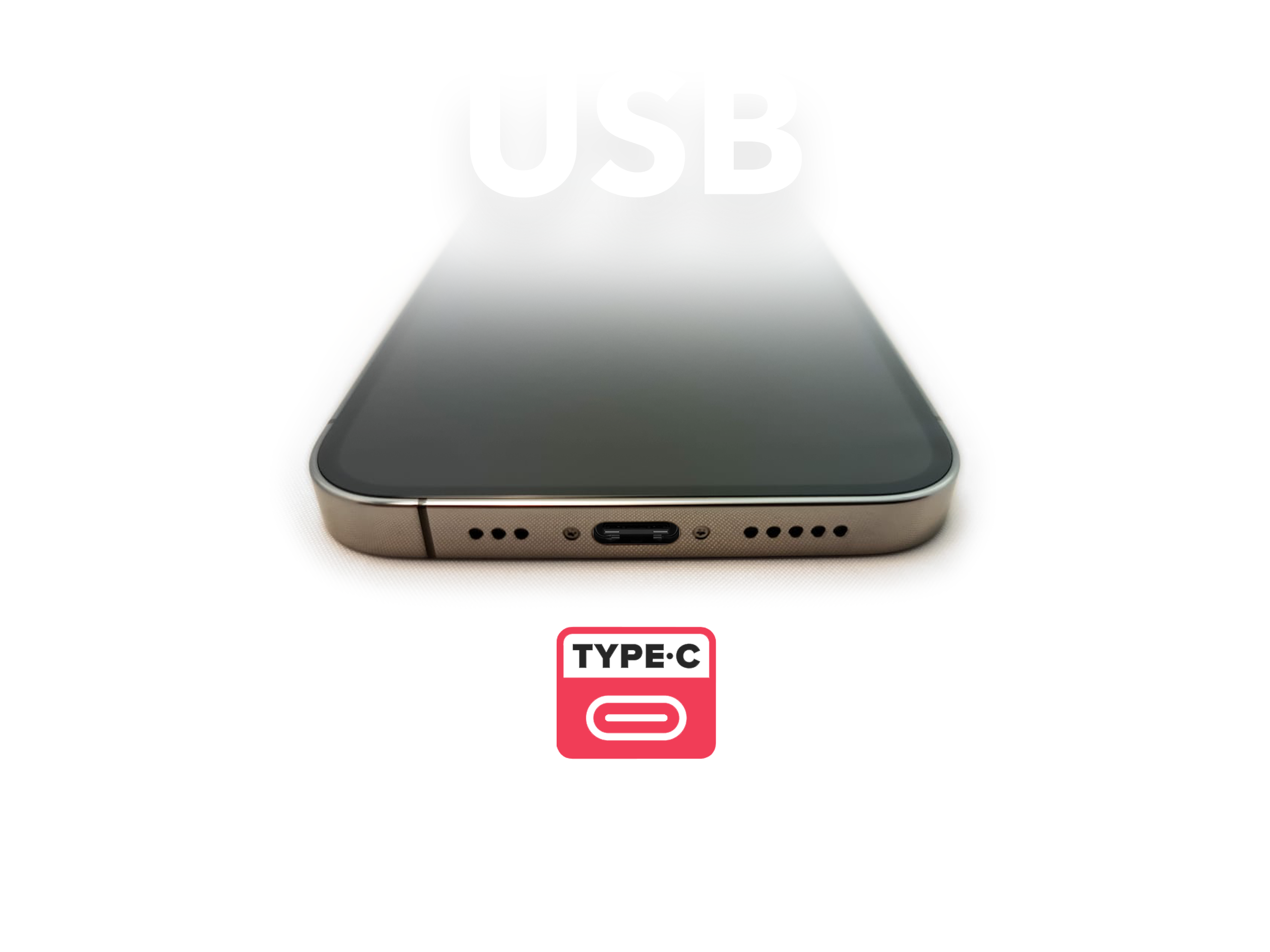
Prior to this, there were rumors about Apple planning to remove the Lightning port from the smartphones and if the company also gets rid of the physical SIM card slot, then it would be a step further for a seamless design as well as improve water resistance.

Currently, it all seems like speculation and there’s no concrete evidence to back any of these claims. However, Apple has a track record of taking some bold decisions so there’s a possibility that this information could turn out to be true. As of now, all we can do is wait for more details to surface online in the coming months.

RELATED: