Xiaomi will be launching the Xiaomi 12, 12X, and 12 Pro smartphones on Dec. 28. Its sub-brand Redmi is said to be working on the launch of the Redmi K50 lineup, which is expected to break cover in the beginning months of 2022. Today, reliable tipster Digital Chat Station shared key information on the specs of the K50 series.
The tipster has shared some information about smartphones that have L10 and L11 shortened model numbers. Previous reports have revealed that the series also includes another model with an L11A model number.
According to the tipster, the Redmi K50 series’ display has a centrally positioned punch-hole. The K50 models are expected to support a high refresh rate. Coming to the chipsets, the lineup is likely to feature the Snapdragon 8 Gen 1, Dimensity 9000, and the upcoming Dimensity 8000 (previously known as Dimensity 7000). The leak ends with words “one more thing” (machine-translated text), which indicates that the lineup may include a mysterious model.
The tipster also revealed that the Redmi K50 series of smartphones will command expensive price tags. He did not share the exact monikers of the K50 models.
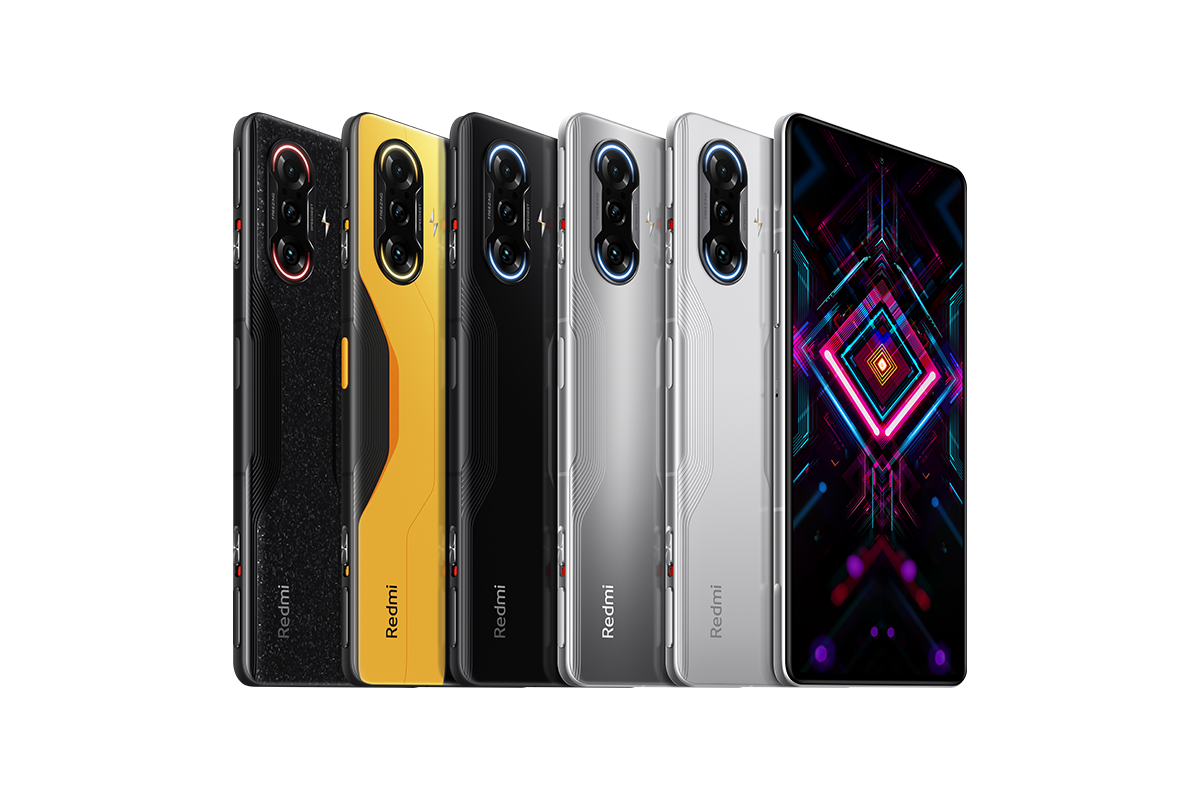
Redmi K40 Gaming Edition
Past reports have revealed that the Redmi L10 and L11A models are expected to launch in the Chinese market as the Redmi K50 gaming series of smartphones. The L10, which is said to be codenamed as Matisse is expected to arrive with Dimensity 9000, whereas the L11A that is codenamed as Rubens may ship with Dimensity 8000.
Both models are expected to arrive with specs like a 120Hz or 144Hz OLED display with an in-screen fingerprint scanner. The L10 model may come with a 64-megapixel + 13-megapixel + 8-megapixel + 2-megapixel quad-camera unit. There could be another variant of the same model with a 108-megapixel primary camera. On the other hand, the L11A come with a 64-megapixel triple camera unit. Both models are expected to arrive with POCO branding in markets outside China. These models will come preinstalled with MIUI 13 based Android 12.
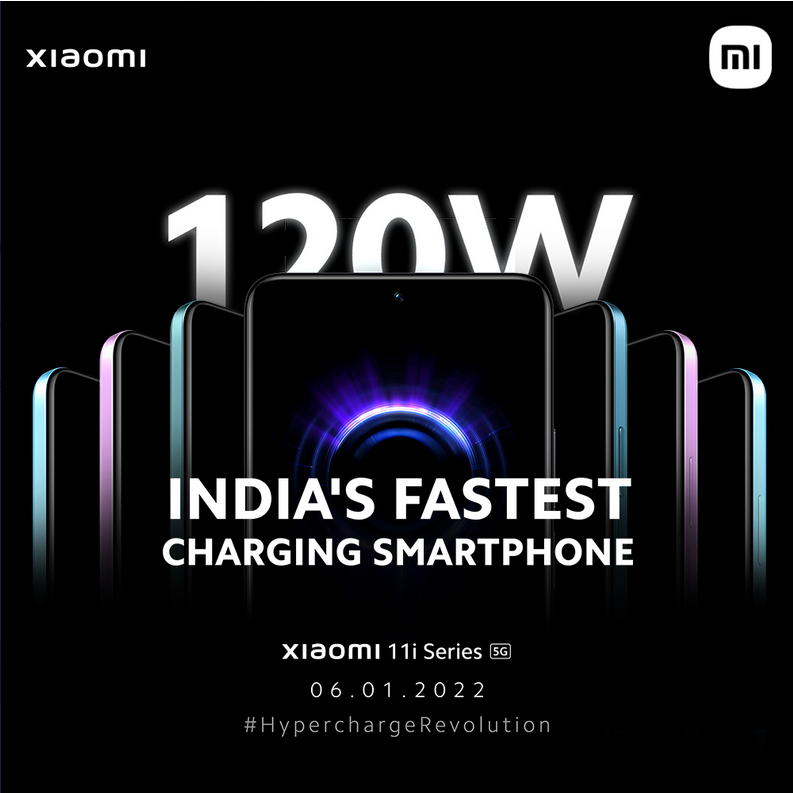
Xiaomi has just officially announced the launch date for an upcoming smartphone. In a new image poster, the company has shared a key specification of the Xiaomi 11i HyperCharge and its release date.
Looking at this teaser, the Chinese tech giant’s 11i HyperCharge is set to be officially unveiled on the 6th of January 2021. Furthermore, the company confirmed that the smartphone will arrive with support for 120W fast charging, which will allows it to charge from 0 percent to 100 percent in just an impressive 15 minutes. Unfortunately, the smartphone maker did not reveal any other details regarding the upcoming device, although we have some information from previous rumors and reports.
The Xiaomi 11i HyperCharge is expected to sport a 6.67 inch IPS LCD punch hole panel that offers an FHD+ resolution and a 120Hz refresh rate. Under the hood, a large 4,500mAh battery pack powers the smartphone and run on MIUI 12.5 based on Android 11 OS. The device is also expected to feature MediaTek’s Dimensity 920 chipset, paired with 8GB of LPPDR4X RAM and 128GB of UFS 3.1 storage.
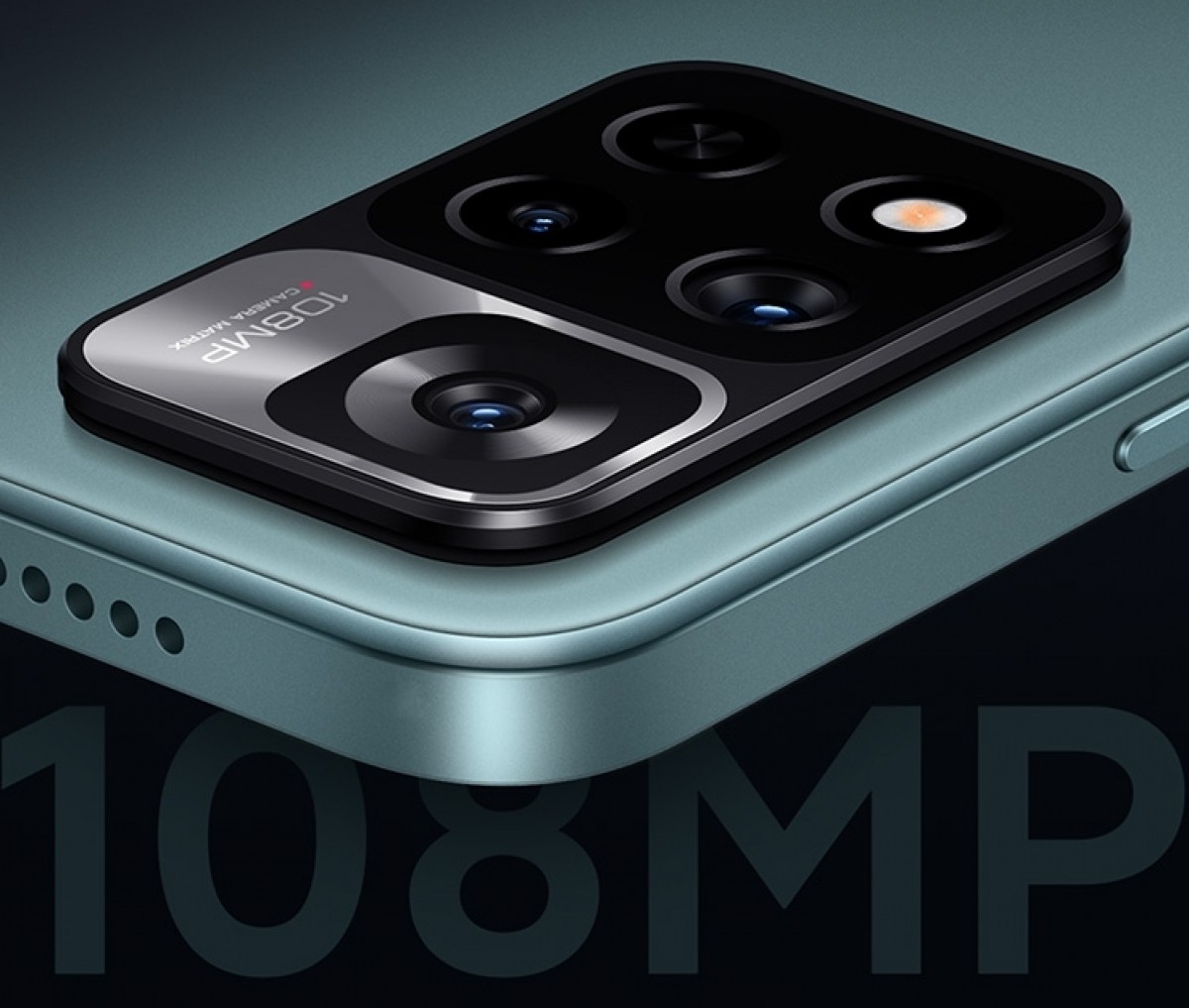
On the front, it might feature a 16 megapixel selfie shooter while the rear features a triple camera setup, comprising of a 108 megapixel primary sensor, 8 megapixel ultra wide angle lens, and a 2 megapixel macro camera as well. It will apparently also feature stereo speakers from JBL. Unfortunately, the pricing details of the Xiaomi 11i HyperCharge is currently unknown, so stick around as we will be covering the launch event and any other leak/reports that might surface prior to its release.
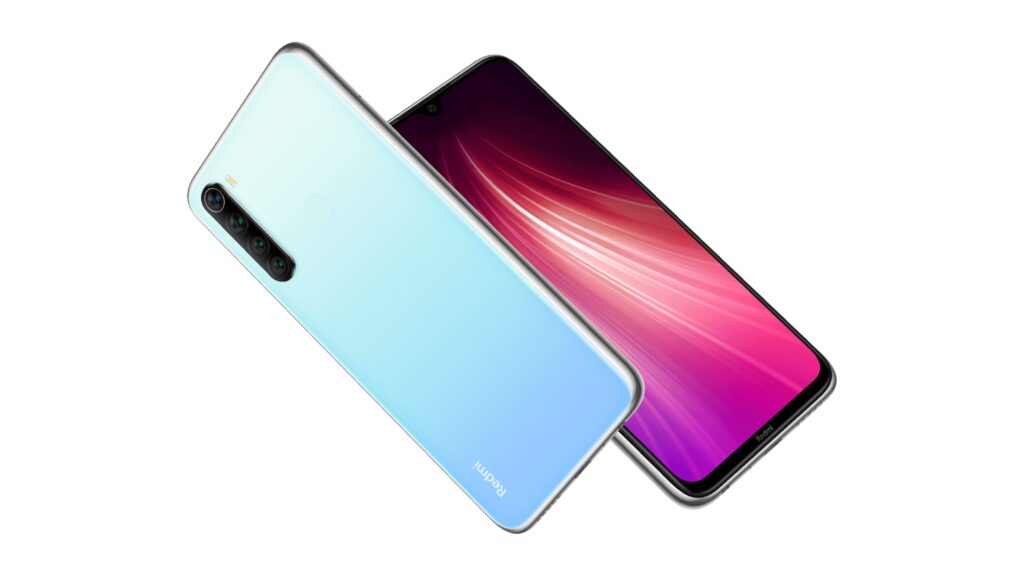
The Redmi Note 8 is arguably one of the best Redmi Note models to date. The device had been one of the best-selling models multiple times throughout its shelf life. Unfortunately, despite its popularity, it is known for receiving slower software updates. But thankfully, Xiaomi is not giving up on it yet as the device gets access to MIUI 13 internally.
Redmi Note 8
According to a report by Xiaomiui, Xiaomi closed the weekly MIUI Beta program for the Redmi Note 8 on November 24. However, the company continued to release internal MIUI builds for testing purposes.
This internal MIUI Beta channel for the Redmi Note 8 has been now upgraded to MIUI 13. But the Android version continues to be Android 11.
This suggests that the Redmi Note 8 will be eligible for MIUI 13 update in the future. The Redmi Note 8 Pro, which is a costlier model, should also receive the next iteration of MIUI. But for now, there are no MIUI 13 builds for the Pro device.
For the unaware, the Redmi Note 8 made its debut with MIUI 10 based on Android 9.0 Pie in 2019. It was not only updated to MIUI 11 and MIUI 12 but also Android 10 and Android 11. The handset only recently bagged MIUI 12.5 update in international markets. MIUI 13 will be its last major software update.
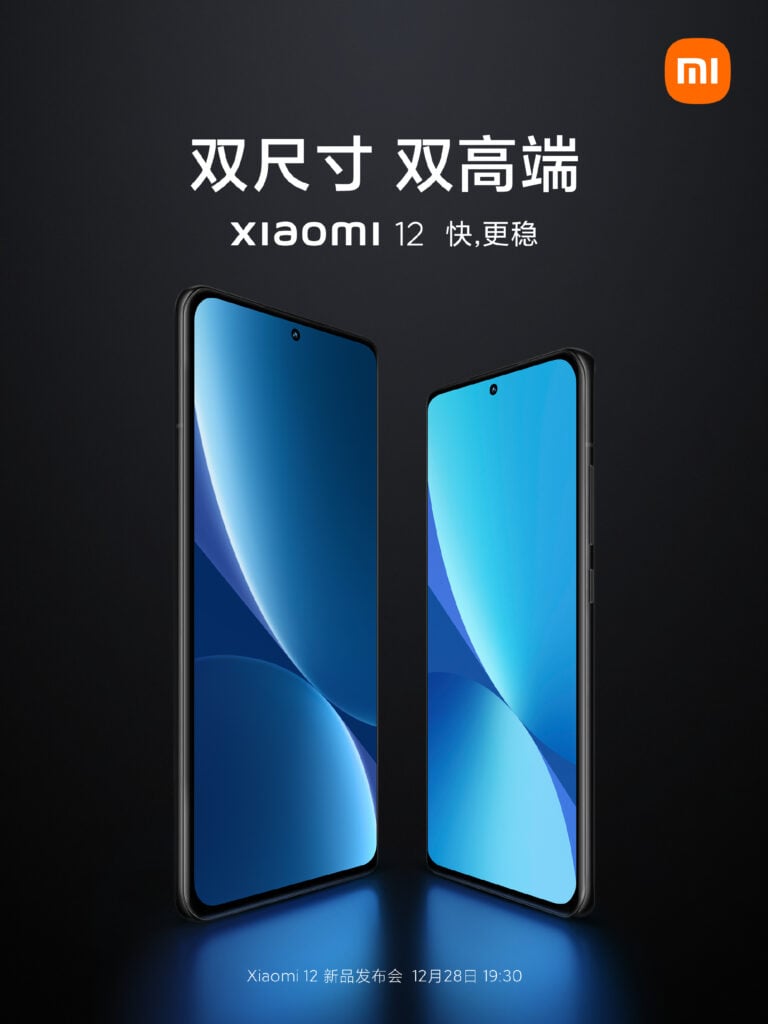
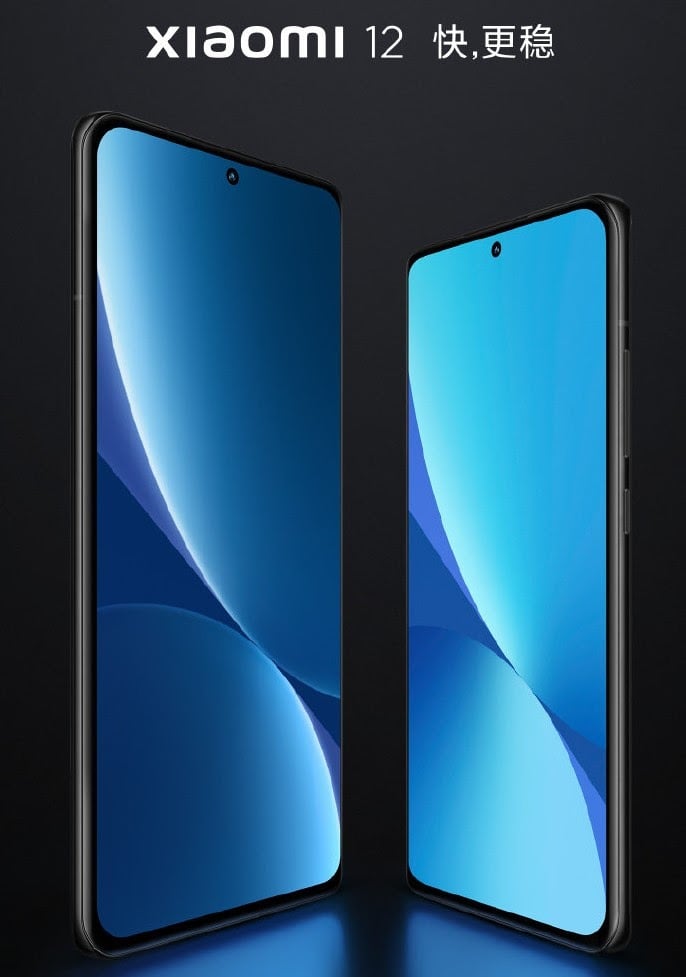
After weeks of leaks and rumors, the Xiaomi 12 is now being teased officially, with the front photo of the phone being revealed today for the very first time. A launch date of December 28th has been announced, confirming previous rumors.
Along with that, the company has also revealed a bit about the camera prowess of the device with a post on Weibo. A new camera breakthrough has been claimed to be achieved that will let photos to be taken much more quickly, allowing snaps of fast-moving objects to be more stable and reliable.
The breakthrough has been achieved with a new “Xiaomi Image Brain” architecture. While not exactly clear, it appears to be an AI-based piece of image processing software that’s likely much faster in doing its job than traditional processing methods.
Judging by promotional posters, the feature will be standard across the entire Xiaomi 12 lineup. It was recently revealed that the series will include two models, one with a large screen while the other with a much more compact one. The larger model is expected to have a massive 6.81-inch display while the smaller model’s display is sized at a much more manageable 6.28-inches.
The Xiaomi 12 Ultra has been omitted from the official promos, making it safe to assume that the “superphone” will not be going live on December 28th. In addition to these three models, a Xiaomi 12X will also be released, either with the aforementioned two models or sometime next year.
Apple supplier Foxconn has apparently just shut down its plant in India. The site in question is in Chennai in southern India and will remain shut this week over recent protests.
According to a Reutersreport, protests erupted in the facility that began due to a food poisoning incident. The news arrives from three government sources close to the matter who stated that the factory appeared deserted on Tuesday. The place only had a few cars, which includes a police vehicle that was parked outside. Furthermore, there were no works seen at the site, with only two guards on their posts and a few other security officials being seen.
Unfortunately, Apple and Foxconn have yet to offer any statements regarding this incident. On the other hand, the disruption in the Foxconn’s plant arrives as the Cupertino based giant is dealing with a supply chain bottleneck that has already impacted production for its various electronic gadgets. Back in October, the company had even stated that the supply chain issues would worsen during the holiday season as well.
According to a senior official at the directorate of industrial safety and health in Tamil Nadu, “The factory has been shut since Saturday and will be shut till coming Sunday.” Two other officials also confirmed this news. Meanwhile, local police released dozens of detained individuals that were blocking key highway after the food poisoning incident from last week that led to 150 employees being admitted to a hospital. The site in question produces iPhone 12 models in India, with trial production for iPhone 13 series also being underway at the moment.
Earlier this year, the GAC Group had revealed its new electric vehicle under its Aion brand. The new EV is an SUV called the Aion LX Plus, which offers an impressive range of 1,000 kilometers and its launch being imminent.
Back in November, the Aion LX Plus was announced by GAC on the Guangzhou Auto Show. Now, the company has officially announced that the new SUV will be launching on 6th January 2021. The upcoming electric SUV is an improved version of the GAC Aion LX that was announced back in 2019. In the China light duty vehicle test cycle (CLTC), the SUV had an operational range of over 1,000 kilometers.
This range is quite impressive, especially considering that its an SUV. Furthermore, the car’s notable range is thanks to its sizeable battery pack that has a capacity of 144.4 kWh in the top end model. Its battery is made by GAC’s technology with elastic sheets that also makes its 20 percent smaller and 14 percent lighter than conventional ones. This battery even offers an energy density of 205Wh/kg.
Other specifications of the electric SUV include, dual electric motors that produce 225 hp that is transmitted to all four wheels through a two speed gearbox. This also enables the Aion LX Plus to hit 0 to 100 km/hr in just an impressive 2.9 seconds as well.
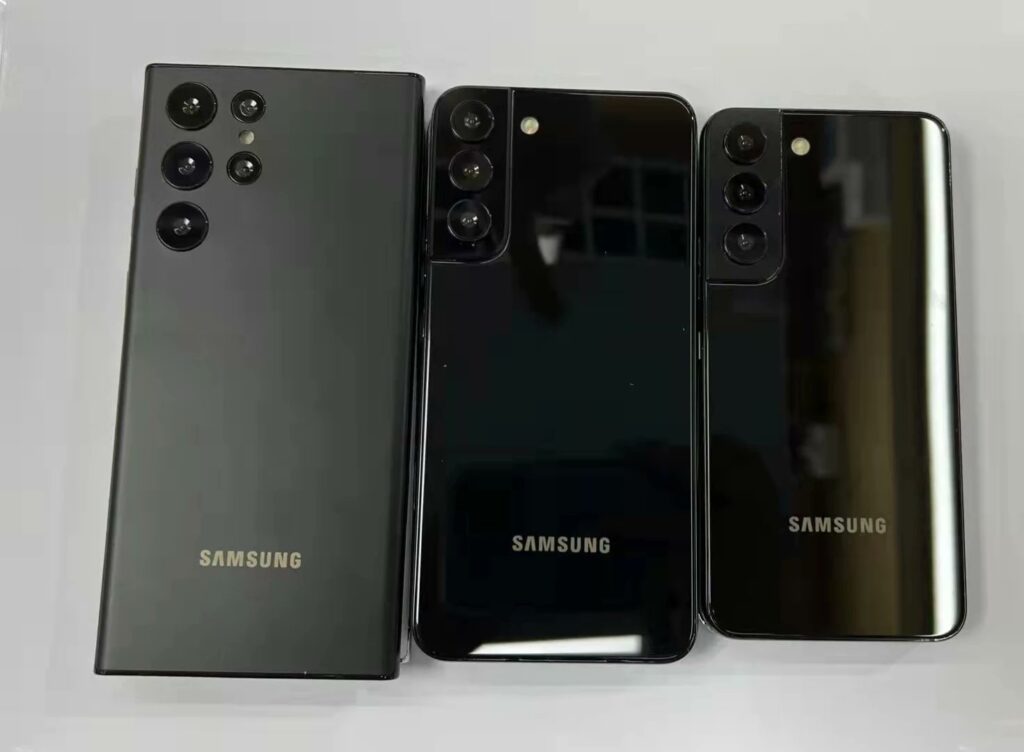
Samsung is expected to debut the Galaxy S22 series in early February. Just like the last three generations, the upcoming lineup will reportedly include three models, namely Galaxy S22, Galaxy S22+, and Galaxy S22 Ultra (aka Galaxy S22 Note). A new report on these phones reveals their peak display brightness levels.
According to a report by SamMobile, the Plus and the Ultra model of the Samsung Galaxy S22 series will offer improvement in their display brightness when compared to their predecessors. On the other hand, the vanilla model will perform similarly to its forerunner.
The publication says that the displays on the Galaxy S22+ and the Galaxy S22 Ultra (Galaxy S22 Note) will be capable of reaching a peak brightness level of whopping 1,750 nits. Whereas, their standard brightness level will be 1,200 nits.
As far as the Galaxy S22 is concerned, its peak and standard brightness levels will be rated at 1,000 and 1,300 nits respectively. For the unaware, both the Galaxy S21 and Galaxy S21+ offer the same numbers.
This means the Galaxy S22+ will get a huge upgrade in terms of display brightness. On the contrary, the Galaxy S22 Ultra (Galaxy S22 Note) will get a comparatively minor upgrade from Galaxy S21 Ultra’s 1,500 nits peak brightness.
At the end of the day, peak brightness level activates only in bright environments like under sunlight when auto-mode is enabled. Also, the aforementioned numbers are limited to certain localized areas of the display and not the full screen.
The Essential Phone, Essential PH-1, or whatever you want to call it, was undoubtedly an extremely memorable phone that quickly amassed quite a fan following. Its in-hand feel and purist approach to software are still something that many swear by. However, the device never really tasted success, selling only 5000 units in total, which eventually led to an untimely demise of the company itself.
Jason Keats, former head of R&D of Essential feels that the major bummer can mostly be owed to the fact that the company lacked direction and was never really sure of the point of the Essential PH-1 itself (via Android Authority).
“One of the things that hurt Essential was, it wasn’t entirely clear what the point of Essential was, what we were building for, and that hurt us,” he says.
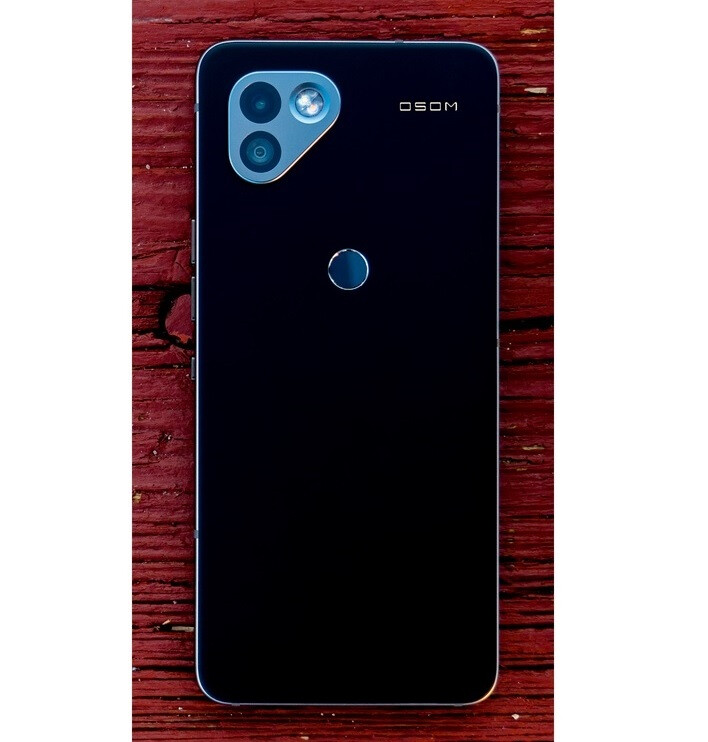
However, mistakes can be addressed, and a part of the extremely talented team behind the Essential Phone is now working on another smartphone offering dubbed OSOM OV1, this time with a key focus on security and privacy.
A strategy of bringing control back to the consumers is being followed with three key pillars across software, hardware, and marketing: privacy, simplicity (ease of use), and choice. Everyone has got stuff that they’d rather store locally than on the web to keep it more shielded against prying eyes, and everything being done by OSOM revolves around this – or in other words, “to help the user control what’s shared and what’s not shared.”
Accordingly, the OSOM company name very aptly stands for “Out of Sight, Out of Mind” – a subtle way to promote the firm’s belief in privacy and security. The name of the handset too follows a similar theme with OV-1 being short for OSOM Vault 1.
But even with all of the extra focus on security, the OSOM OV-1 isn’t going loose on simplicity and will feature a simple yet premium design, reminiscent of the original Essential Phone.
There’s a triangular camera island on the upper left corner of the rear which carries a dual-camera system and a flash. A rear capacitive fingerprint scanner will serve as a bouncer and a Qualcomm chipset will be powering the phone.
Apart from this, the phone will be running near-stock Android, of course, which again would feel just as slick as the software the Essential Phone ran. Full specs of the OSOM OV1 will be revealed at the Mobile World Congress (MWC) in February and a release is expected sometime this summer. Currently, the device is at the Engineering Validation and Testing (EVT1) stage and Keats says that the device was the best EVT1 experience of his career.
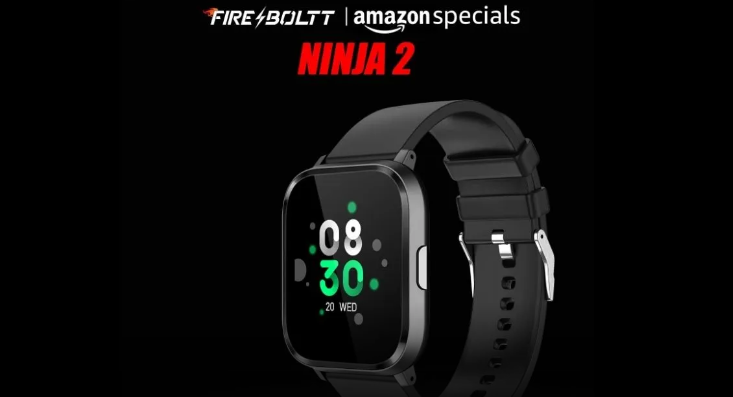
A new wearable from the Fire-Boltt has just been spotted online. The company is working on a new smartwatch called the Ninja 2, which is currently listed on Amazon that hints of its upcoming launch.
For those unaware, Fire-Boltt is a relatively new brand that has entered the Indian budget wearble market just a year prior. Now, it is gearing up to launch the successor to its original Ninja smartwatch. The wearable in question sports a 1.3 inch colored display with 240 x 240px resolution. This Ninja 2 even lets users customize its display with a number of different watch faces as well. Furthermore, it arrives with support for 30 different sports modes, including walking, running, skipping hiking, badminton, cycling, and more.
Other notable features include the SpO2 monitoring that tracks users’ blood oxygen levels along with real time heart rate tracking and sleep cycle mapping as well. On a single full charge, the smartwatch is claimed to last for up to 7 days, depending on the usage. Although, it has a 25 days worth of standby time. Additionally, it even arrives with other features like music control, water drinking reminder, menstrual reminder, weather updates, camera control, apps notifications, alarm, and more. As of right now, the pricing of the product is currently unknown, however, we do know that it will be launching in a Dark Green, Rose Gold, and Black color variants.
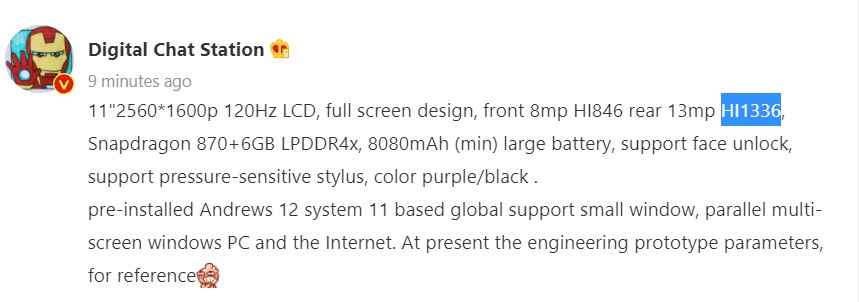
OPPO is reportedly working on the OPPO Pad tablet. A couple of leaks that surfaced last month revealed key information on the specs, design, and pricing of the device. Today, reliable tipster Digital Chat Station shared the specifications of a mysterious tablet. It seems that the tipster may have leaked details of the upcoming OPPO Pad.
Alleged OPPO Pad specifications
The leak states that the tablet is equipped with an 11-inch LCD panel with a full-screen design, which indicates that it will be equipped with slim bezels. The screen is expected to support a 120Hz refresh rate and a 2560 x 1600 pixels resolution.
On the photography front, the device is expected to offer users an 8-megapixel camera on the front and a Hynix Hi336 13-megapixel rear camera. The device does not seem to feature a fingerprint scanner, but it is expected to carry support for face unlock.
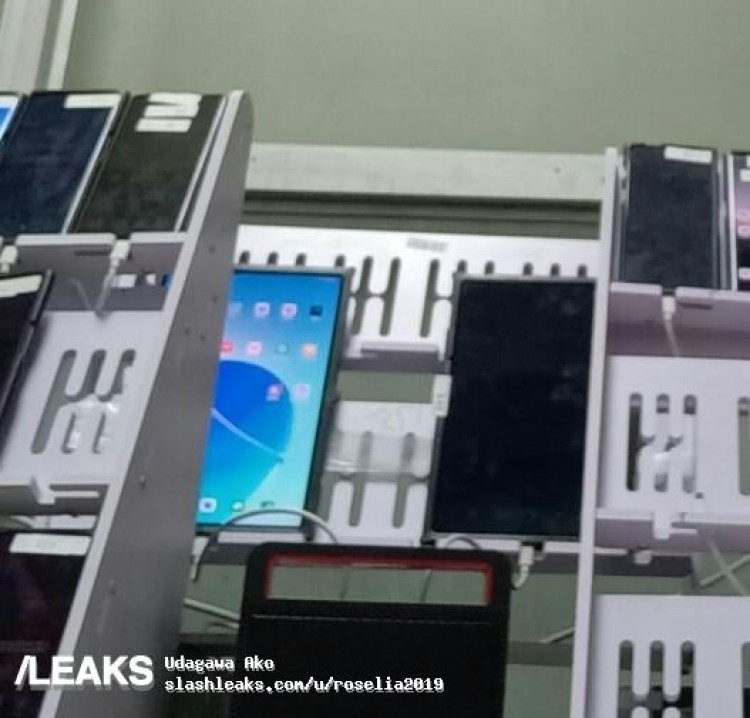
Leaked image of an OPPO tablet
The Snapdragon 870 chipset is expected to power the OPPO tablet. It may ship with 6 GB of LPDDR4x RAM. The leak has no information on the internal storage of the device. However, a previous leak claimed that it has 256 GB of built-in storage. It states that the tablet will come preinstalled with Android 12 OS and it will carry support for parallel multi-screen and a desktop mode.
The tablet will draw power from an 8,080mAh battery, but there is no word on its fast charging capabilities. It will also carry support for a pressure-sensitive stylus. The slate is expected to come in purple and black colors. It is likely to be priced at around 2,000 Yuan (~$314).
After several weeks of leaks and rumors, Xiaomi has confirmed that the company will be launching its next-generation Xiaomi 12 and 12 Pro flagship smartphones on 28th December in its home market China.
Today, Lei Jun, Founder and Chief Executive Officer of Xiaomi, has shared a teaser poster on his Weibo account which reveals that the display of the upcoming Xiaomi 12 has been certified with A+ ratings by DisplayMate.
Further, he adds that the smartphone has also created 15 new screen-related records for DisplayMate but more details about that remain unknown.
Lei Jun has revealed that the Xiaomi 12 uses a high-precision AMOLED display which takes into account delicate display and endurance experience, supports 16,000-level screen brightness adjustment, and has a more robust Corning Gorilla Glass Victus for protection.
Coming to the specifications, both the upcoming smartphones are expected to come powered by the latest Qualcomm Snapdragon 8 Gen 1 chipset. Recently, in a leaked benchmark test by Geekbench, the Pro variant of flagship scored 1246 in the single-core tests and 3903 in the multi-core tests.
The smartphones are expected to come pre-installed with the MIUI 13 custom user interface based on the Android 12 operating system, which is also set to go official along with the latest flagship smartphones on 28th December.
If the reports are to be believed, then Xiaomi will be launching more than two models in the Xiaomi 12 lineup but it remains to be seen if all the models go official next week or not.
iQOO 9 series of smartphones are likely to go official in January 2022 in China. Today, Chinese tipster Digital Chat Station shared key details on the display, camera, battery, and fast charging capabilities of an upcoming smartphone. Probably, he could be talking about the vanilla iQOO 9 handset.
The leak begins by stating that the device will be equipped with a 6.78-inch Samsung AMOLED E5 display that offers a Full HD+ resolution. It will be backed by a 4,650mAh± battery that offers 120W fast charging.
iQOO had only offered micro-gimbal OIS support on the iQOO 8 Pro, and not on the vanilla iQOO 8. However, a recent leak claimed that the vanilla iQOO 9 will also come with a micro-gimbal camera. The new leak states that it will be equipped with a Samsung GN5 50-megapixel primary camera. The 1/1.5-inch sensor will be equipped with a new dual-axis micro-gimbal stabilization.
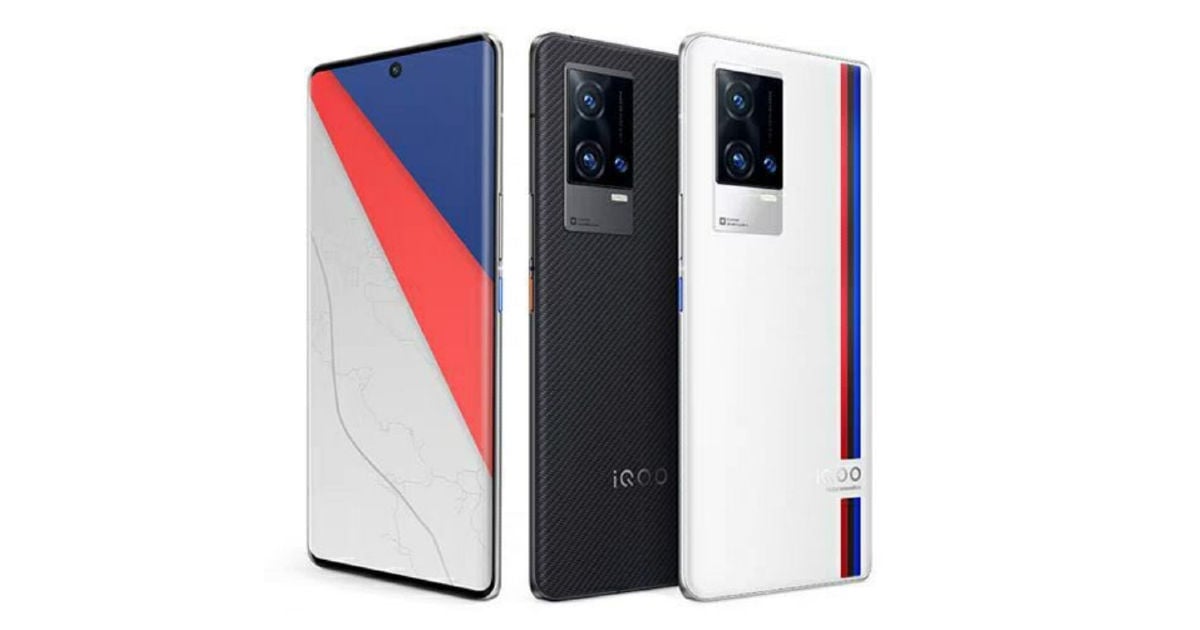
iQOO 8 Pro
The alleged iQOO 9 Pro is likely to house a Samsung AMOLED E5 display with a curved edge design. It is likely that the iQOO 9 and iQOO 9 Pro will be equipped with the Snapdragon 8 Gen 1 mobile platform. The Pro model is also expected to house a 4,700mAh battery that supports 120W fast charging.
In related news, iQOO recently unveiled the iQOO Neo5S with Snapdragon 888 and iQOO Neo5 SE with Snapdragon 870 in China. Launching the iQOO 9 series early in January may cannibalize the sales of the Neo branded models. Hence, it is likely that the iQOO 9 models may go official by the end of January 2022.
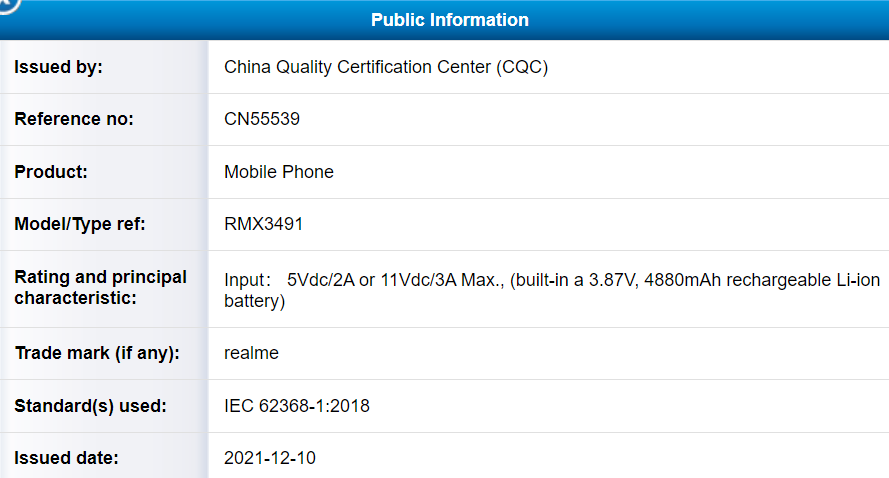
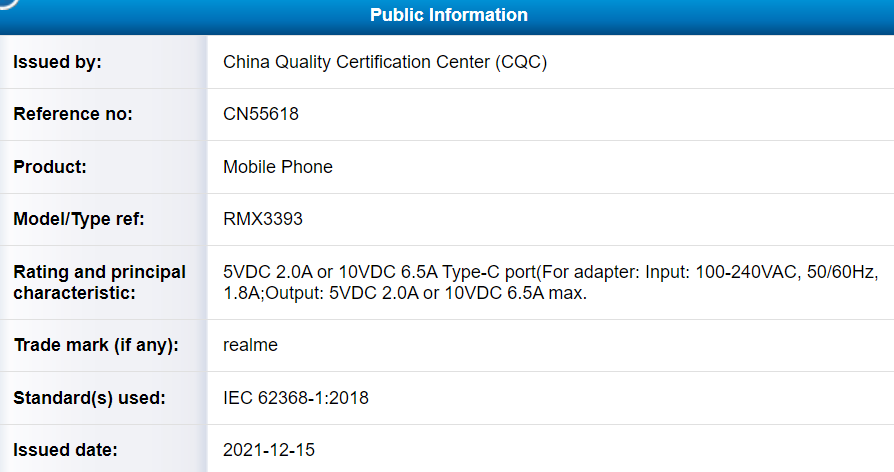
The rumor mill has already spilt a lot of information about the Realme 9i handset. Now, the specifications of the Realme 9 Pro+ 5G are surfacing in bits and pieces from different sources. Fresh information reveals that the Realme 9i and Realme 9 Pro+ have both have been approved by China Qualification Certification (CQC) platform (via. My Smart Price). These certifications have leaked key information on the battery and charging capabilities.
Realme 9i at CQC
The Realme 9i (model number RMX3491) has appeared a 4,880mAh rated battery at CQC, which indicates it could be housing a 5,000mAh typical value battery. The listing also confirms that the device will carry support for 33W fast charging. The moniker of this device is yet to be confirmed as a recent report claimed that it may debut with the Narzo 9i moniker.
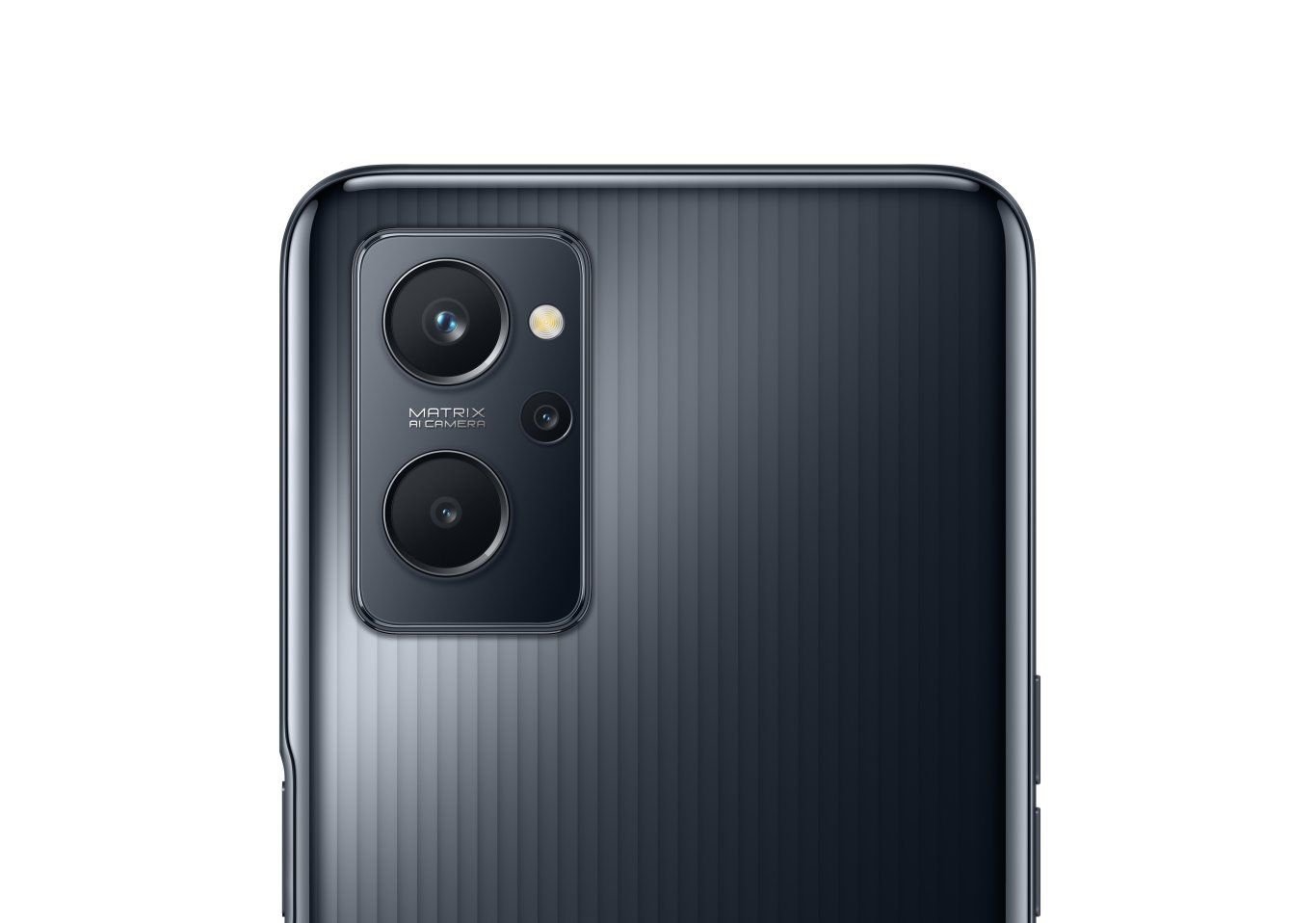
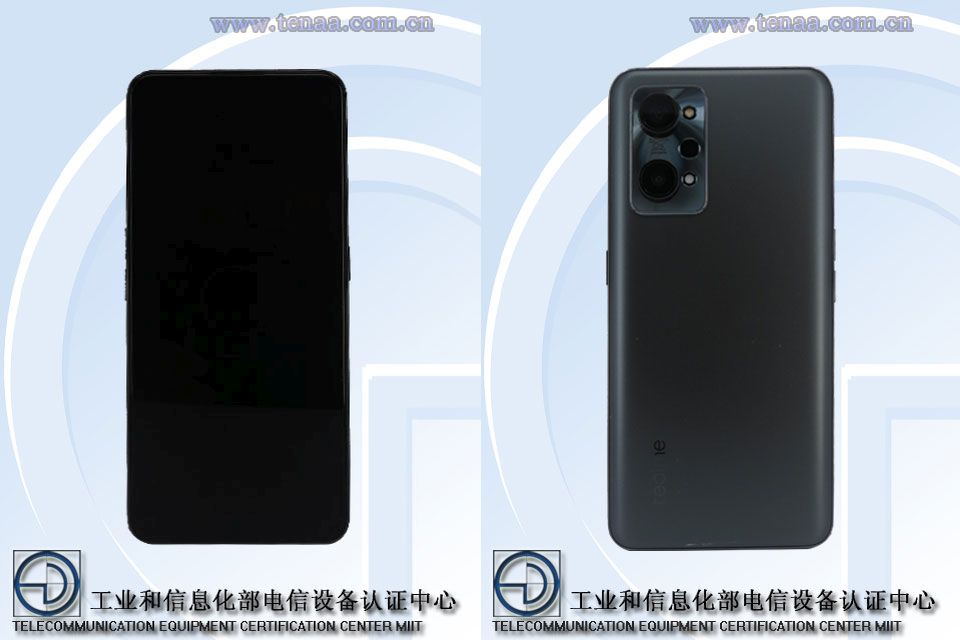
On the other hand, the CQC listing of the Realme 9 Pro+ 5G (model number RMX3393) has revealed that it may carry support for 65W fast charging. Unfortunately, there is no information on the battery size of the Realme 9 Pro+ 5G.
Realme 9 Pro+ 5G at CQC
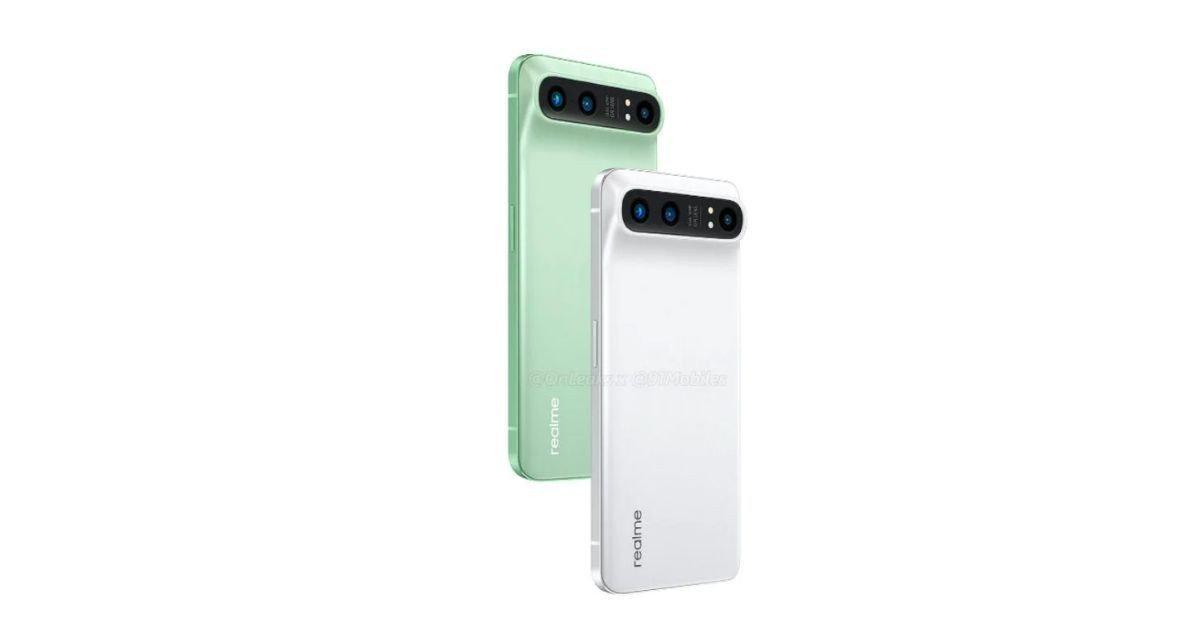
So far, reports have revealed that the Realme 9 Pro+ 5G may feature a 50-megapixel main camera with an f/1.8 aperture and a 16-megapixel selfie camera. The other specs of the phone are under the wraps. It is speculated that there could be 4G and 5G editions of the device.
Realme 9i
As far as Realme 9i (or Narzo 9i) is concerned, it is expected to arrive with specs like a 6.6-inch LCD FHD+ 90Hz screen, Snapdragon 680 chipset, 4 GB / 6 GB of RAM, and 64 GB / 128 GB of storage. It may come with other features like a 16-megapixel front camera, a 50-megapixel + 8-megapixel + 2-megapixel triple camera system, and a side-facing fingerprint scanner.
Realme took to its Weibo account today that it will be unveiling the Realme GT 2 series of smartphones at 7:30 PM (local time) on Jan. 4 in China. The global launch of the GT 2 lineup will be held at the same time at 11:30 AM (UTC+8). Rumors have it that the company may two flagship phones named Realme GT 2 and GT 2 Pro through the upcoming launch event.
Realme GT 2 specifications (Rumored)
Speculations are rife that the Realme RMX3310 model number that was recently approved by the Chinese certification sites may debut with the Realme GT 2 name. It has a 6.62-inch AMOLED display that delivers a Full HD+ resolution and a 120Hz refresh rate. For photography, it has a 16-megapixel selfie camera and a 50-megapixel + 8-megapixel + 2-megapixel triple camera setup.
Realme RMX3310 TENAA
The GT 2 is likely to feature the Snapdragon 888 mobile platform, up to 12 GB of RAM, and up to 256 GB of storage. It will be backed by a 5,000mAh battery that supports 65W fast charging. It may come with other features such as dual speakers, an x-axis linear motor, and an in-display fingerprint scanner.
Realme GT 2 Pro specifications (Rumored)
The Realme GT 2 Pro may feature a 6.7-inch AMOLED display that offers a Quad HD+ resolution and a 120Hz refresh rate. The Snapdragon 8 Gen 1 powered model may offer up to 12 GB of RAM, up to 1 TB of storage, and 65W rapid charging. It may come with a 32-megapixel front-facing camera and a 50-megapixel (Sony IMX766 with OIS) + 50-megapixel (ultrawide) + telephoto triple camera unit.
Realme GT2 Pro render
The GT 2 Pro will come with some advanced features like a 150-degree ultrawide snapper, an antenna array matrix system for stable connectivity, and an eco-friendly design/package. The Chinese manufacturer is speculated to announce a GT 2 Pro variant with an under-display camera.
Xiaomi China today confirmed via social media that both the Xiaomi 12 and Xiaomi 12 Pro will be using Qualcomm’s latest and greatest, the Snapdragon 8 Gen 1 chipset to provide the “fastest in the industry” performance for its customers.
However, Xiaomi is not the only phone manufacturer that is using the Snapdragon 8 Gen 1 for its flagships. There is also the upcoming Samsung Galaxy S22 series, Realme GT 2 Pro, Oppo Find X4 Pro and the recenty released Motorola Edge X30 packing the same flagship chipset as the Xiaomi 12 Pro.
Recently, benchmark scores of Xiaomi 12 Pro were leaked, and the news is promising. In Geekbench 5, the Xiaomi 12 Pro had scored 1246 in the single-core tests and 3903 in the multi-core tests. In comparison, the Moto X30, the Snapdragon 8 Gen 1 Qualcomm Reference Device, and the Dimensity 9000 MediaTek Reference Device scored lower than the Xiaomi flagship in the same benchmarking test.
However, according to official Geekbench results, we can see that the Xiaomi 12 Pro lags behind the Dimensity 9000 in multi-core score. The new MediaTek chip scores above 4000 in the multi-core test unlike the Xiaomi 12 in this listing which had a score of just over 3900. In terms of single-core scores, the difference between the Dimensity 9000 and Xiaomi 12 Pro is marginal, yet still in favor of the Dimensity 9000. The Geekbench testing also records that the 12GB variant of the Xiaomi 12 Pro running Android 12 was used for the tests.
Leaked images of the Xiaomi 12 and 12 Pro
Xiaomi is welcoming 2022 with its most highlighted flagship series, the Xiaomi 12 lineup and to know more about them, stay tuned for the launch event on 28 December at 7:30 pm CST.
Honor has been actively launching new devices ever since the company split from Huawei to become an independent brand. It has also launched a few premium devices in the market and has not set its eyes on foldable devices.
Today, the company officially teased its upcoming device — Honor Magic V which will soon get launched as the brand’s first foldable smartphone. The teaser shared by the brand doesn’t reveal much about the phones but showcases two panels connected by a hinge.
The company has not yet revealed anything else related to this upcoming smartphone. It is not known if the phone features a book-like fold or a clamshell fold design. Honor is expected to launch two foldable smartphones and this Magic V could be any one of them.
Although Honor has not confirmed this, the device is likely to go official in January. Further, the official teaser from the company pretty much confirms that the launch of the foldable smartphone is imminent.
A recent leak had hinted about an 8-inch inner display and a 6.5-inch cover screen for the upcoming Honor foldable smartphone but it remains to be seen if the Magic V is this device. It is also said to use display panels supplied by BOE and Visionox.
The smartphone is likely to come powered by the Qualcomm Snapdragon 8 Gen 1 chipset which was launched earlier this month. Honor was featured in a list of manufacturers to be among the first to release a smartphone powered by the new SoC and this could be it.
We expect the company to share more details about this upcoming foldable smartphone in the coming days, including its key specifications and features through teasers.
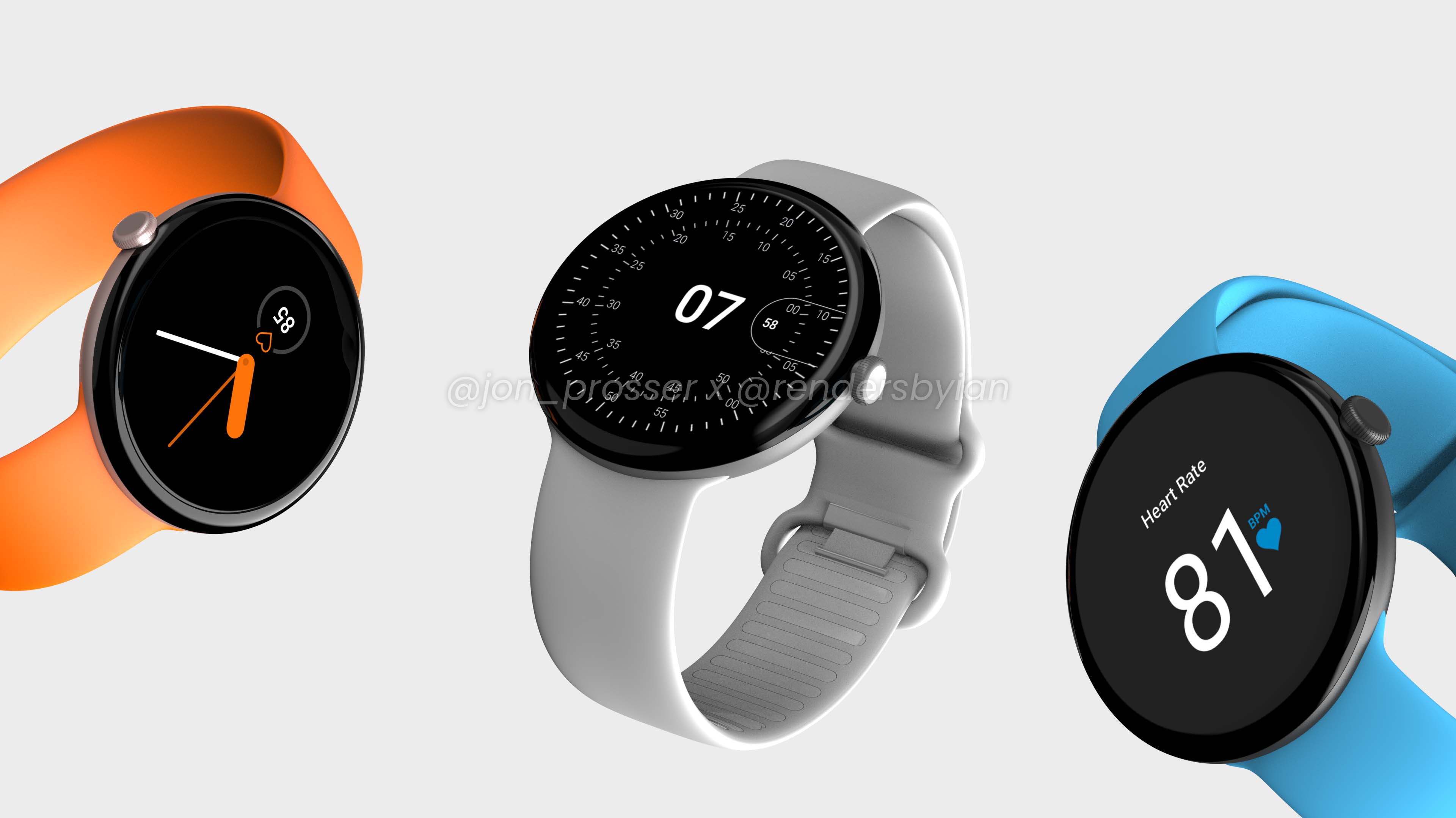
Google has a lineup of smartphones under its Pixel brand and now the technology giant is gearing up to enter the smart wearables market as the company is rumored to soon launch a Pixel-branded smartwatch.
Ahead of the official announcement from Google, some details about the Pixel Watch have surfaced online. A report from 9to5Google has found that the device, running Wear OS, will come with some exclusive features.
Google Pixel Watch 3D renders by Jon Prosser
The latest version of the Google app has a “PIXEL_EXPERIENCE_WATCH” tag which hints that the Pixel Watch will come with some features that won’t be available on other Wear OS devices, at least for some time.
For those who are unaware, Google uses the tag “PIXEL_EXPERIENCE” or a variation of it for rolling out exclusive features that are not available for other devices in the market. For instance, there’s “PIXEL_EXPERIENCE_2021” for the Pixel 6 series phones.
Coming back to the features, it is speculated that the Pixel Watch will come with a next-generation Assistant. It is expected to be built into the watch and have support for on-device processing instead of relying on the cloud. This should result in much faster operations and make the device stand out from others.
Recently, the watch faces for the upcoming smartwatch were leaked online and will come running the Wear OS 3 which is a new operating system created with the merger of Google’s Android-based Wear OS and Samsung’s Tizen OS.
If the leaks are to be believed, then the upcoming Google Pixel Watch will come powered by the Samsung Exynos processor similar to the Exynos W920 that the South Korean giant is using on its own Galaxy Watch4 series.
The device is expected to get launched sometime in Spring 2022 and could be priced above $300. To know more about the device, we will have to wait for a few more weeks or months for more details to surface online.
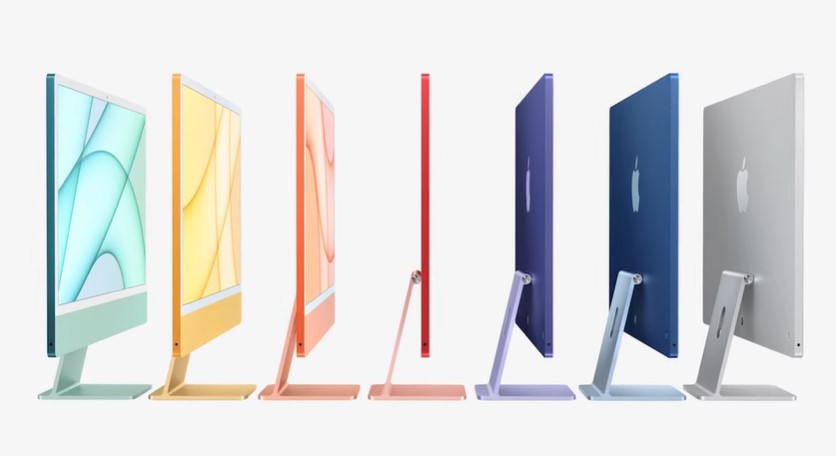
Apple revamped the iMac lineup earlier this year with the launch of a 24-inch iMac powered by the company’s own M1 chipset. Now, the company is expected to update the iMac Pro model sometime next year.
Recently, it was reported that the upcoming iMac Pro will feature a Mini-LED display along with an Apple Silicon processor. Now, a new report coming from DigiTimes (via 9to5Mac) also claims that the new iMac coming next year will feature a Mini-LED screen.
The report also claims that Apple’s suppliers have already started shipping components in small volumes for the new 27-inch iMac series models. While the launch date is not yet confirmed, it is said to go official sometime in Spring.
Last week, it was revealed that the device will feature a MiniLED screen and have support for 120Hz variable refresh rate and Oxide backplanes. This will also mark the introduction of Pro Motion display technology to the iMac lineup.
Further, the device is expected to have a starting configuration of 16GB RAM and 512GB of SSD storage, just like the recently launched MacBook Pro lineup. Further, users will likely get an option to choose between M1 Pro and M1 Max chipsets.
Apple has a few other devices lined up with a Mini-LED display, including new iPad models but if the recent reports are to be believed, then the iPad with Mini-LED screen is expected to go official in a couple of years and not anytime soon.
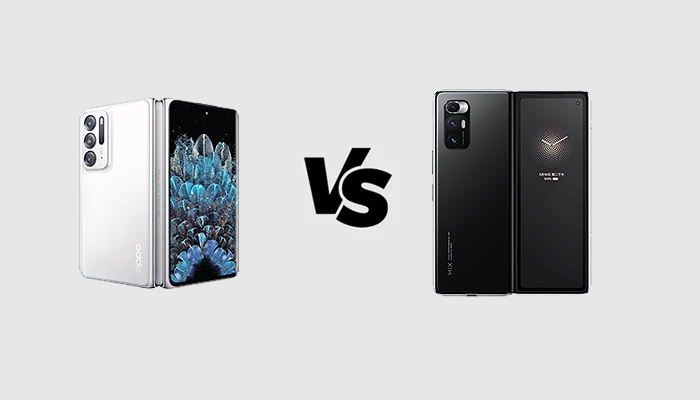
OPPO just launched its first foldable phone and it is already an outstanding success. The official sales will begin on December 23 but the handset already went on sale in limited quantities a few days ago, with an immediate sold-out. According to OnePlus’ CEO Pete Lau and a lot of other people, the OPPO Find N is the best foldable phone released until now. But is it the truth? In order to understand it, we decided to compare it to the other last-generation foldable phones. After comparing it to the Samsung Galaxy Z Fold 3, here is a comparison between the specifications of OPPO Find N and Xiaomi Mi Mix Fold.
Xiaomi Mi Mix Fold vs OPPO Find N
Xiaomi Mi Mix Fold
OPPO Find N
THICKNESS
17.2 mm when folded, 7.6 mm when unfolded
15.9 mm when folded, 8 mm when unfolded
DISPLAY
Main display: 8.01 inches, 1860 x 2480p (Quad HD+), 387 ppi, Foldable AMOLED
External display: 6.52 inches HD+ (840 x 2520p), 27:9 ratio, AMOLED
7.1 inches, 1792 x 1920p (Quad HD+), Foldable AMOLED
External display: 5.49 inches, AMOLED, 988 x 1972 pixels (HD+)
The design of the OPPO Find N is simply stunning. In my opinion, the phone is a lot more attractive than Xiaomi Mi Mix Fold due to its amazing glossy finish, color options, and, more than anything, its compact dimensions. Its rear glass protected by Gorilla Glass Victus is reminiscent of the OPPO Find X3 and the Reno6 Series, and it is very compact while folded thanks to a 5.49-inch external display with very narrow bezels. The Xiaomi Mi Mix Fold uses ceramic instead of glass, but it is not enough to make it more suggestive than OPPO Find N which is also thinner and lighter than its rival.
Display
The display of the OPPO Find N is smaller than the one of the Xiaomi Mi Mix Fold with a diagonal of 7.1 inches against 8.01 inches, but its quality is higher. It is an AMOLED display provided by Samsung with the LTPO technology enabling an adaptive refresh rate up to 120 Hz, the HDR10+ certification, and a very high resolution. Unfortunately, the internal display of the Xiaomi Mi Mix Fold does not have a high refresh rate, but it shows up to one billion colors and supports Dolby Vision, besides the HDR10+ certification. When it comes to the external displays, the Xiaomi Mi Mix Fold wins the fight with its 90 Hz AMOLED panel providing HDR10+ and Dolby Vision just like the foldable panel inside. OPPO Find N and Xiaomi Mi Mix Fold have stereo speakers and rely on side-mounted fingerprint readers for authentication.
Specs & Software
The OPPO Find N and the Xiaomi Mi Mix Fold are powered by the same mobile platform: the flagship-class Snapdragon 888 running at a max frequency of 2.84 GHz. They both provide flagship performance with almost no limits in every scenario. The winner of the hardware comparison is the highest-end memory configuration of the Xiaomi Mi Mix Fold because it provides 16 GB of RAM. On the other hand, the OPPO Find N is based on Android 11 (customized by ColorOS 12), while the Xiaomi Mi Mix Fold still ships with Android 10 (customized by MIUI 12). Note that the OPPO Find N also provides very advanced software features taking advantage of its form factor.
Camera
The best foldable phone in terms of camera performance in the whole market is the OPPO Find N. It is equipped with a 50 MP Sony IMX766 main camera, a 13 MP telephoto sensor with 2x optical zoom, and a 16 MP ultrawide camera. The Xiaomi Mi Mix Fold features 3x optical zoom, but its main camera is inferior, as well as its 20 MP front camera. The OPPO Find N has two amazing 32 MP front cameras: one on the internal display and another one on the external panel.
The battery of the Xiaomi Mi Mix Fold is actually bigger because the phone is bigger too and there is more space to contain a bigger battery. The Xiaomi Mi Mix Fold should guarantee a longer battery life in several scenarios due to its bigger 5000 mAh unit, and it will also provide faster charging thanks to a power of 67W. But the OPPO Find N adds wireless charging, which is not present on the Mi Mix Fold.
Price
Xiaomi Mi Mix Fold starts from about €1300/$1470, while the starting price tag of the OPPO Find N roughly translates into €1070/$1210. Due to its more compact form factor, I personally prefer the Find N. It also provides better cameras, so it is definitely the winner of this comparison, in my honest opinion.
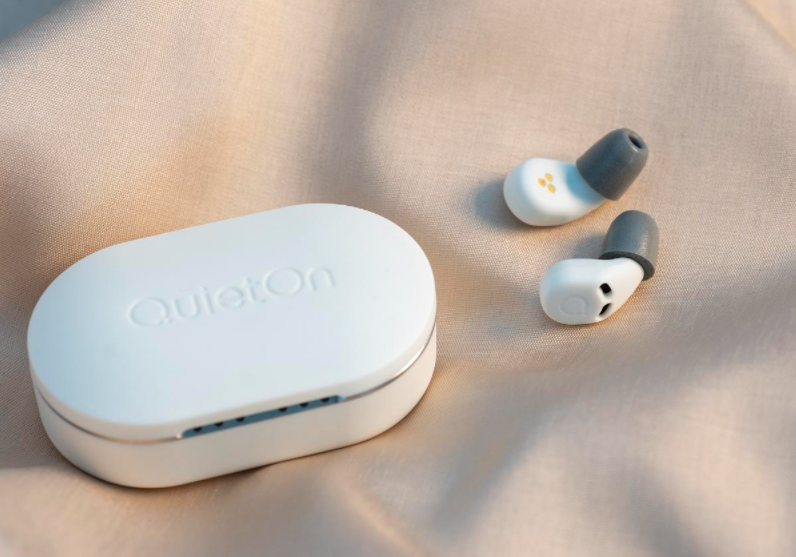
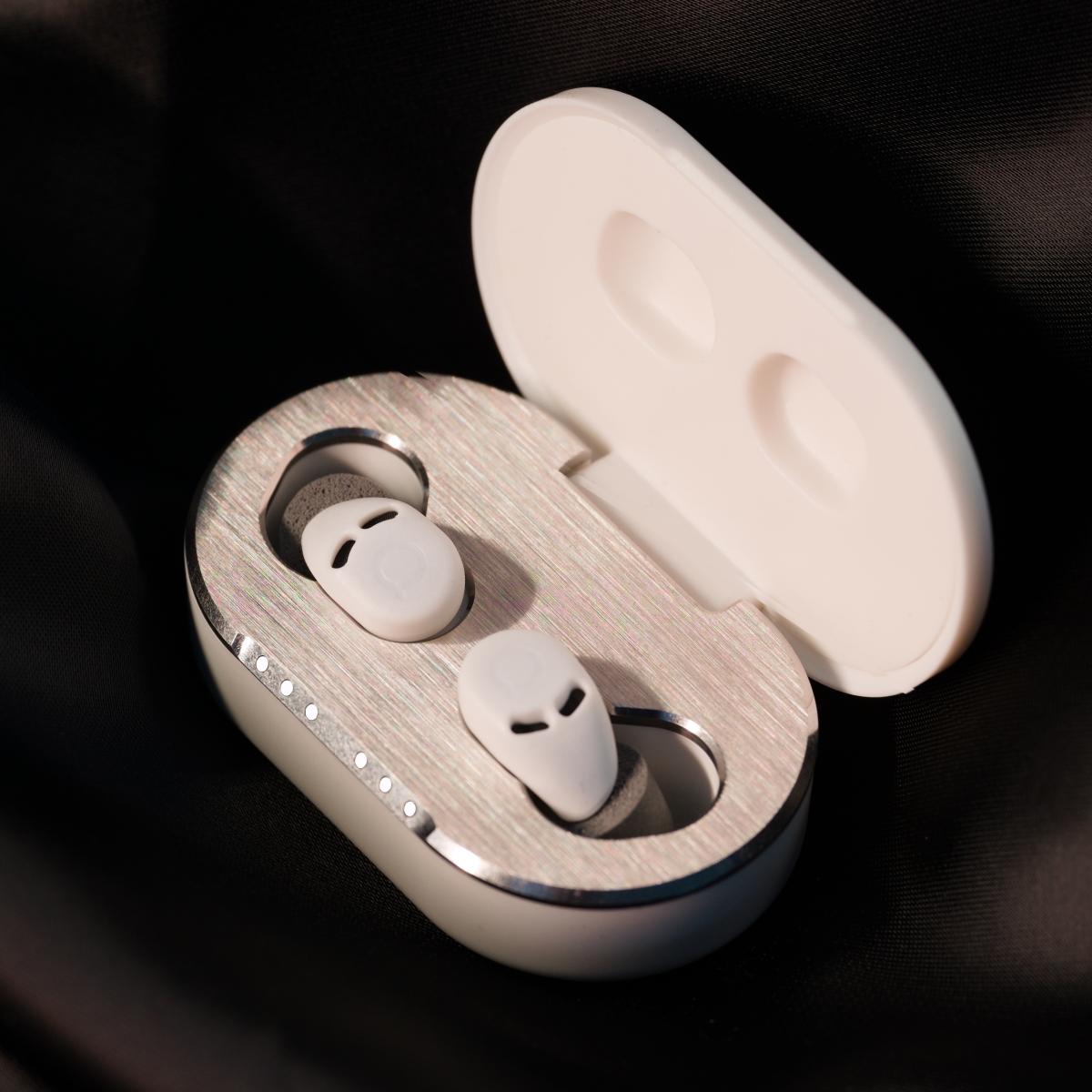
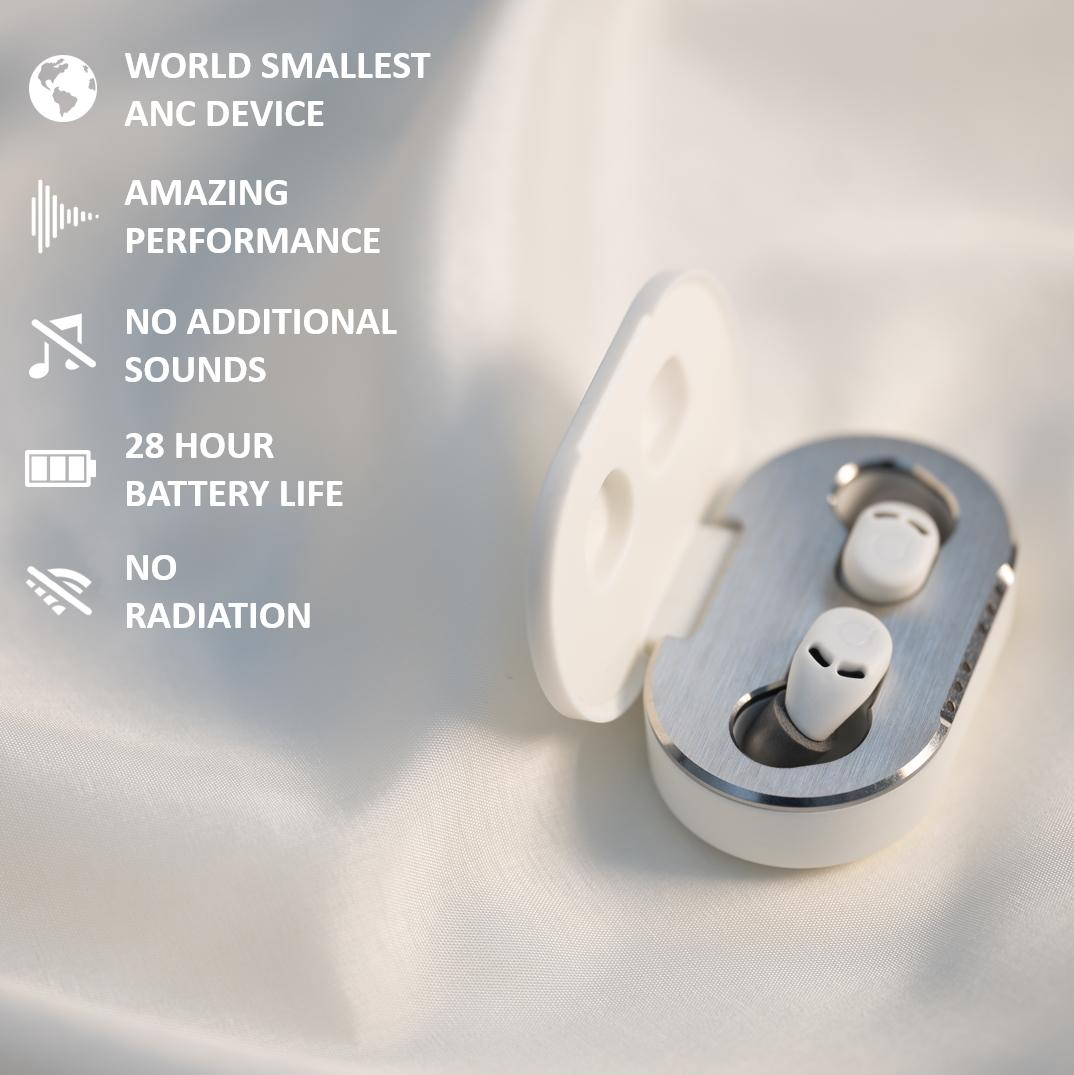
QuietOn 3 earbuds take active noise canceling (ANC) to another direction with its ability to help the user drift into a deep sleep, although this is dependent on the environment. The QuietOn 3 earbuds is a smaller version than its earlier two predecessors although it bears a close semblance with the QuietOn 2.
The earbud is said to be a “help to sleep” pair of earbuds but it does not generate white noise, unlike some of the popular earbuds in the segment. The QuietOn3 does not play quiet music either or any of those measures that could create a sleep atmosphere via benign sounds.
Rather the QuietOn3 earbuds simply eliminate low-frequency noises around the sleep environment, although you can still hear some sounds like your alarm ringing. The in-built sound system of the device helps to create a phase-shifted sound thus canceling the original sound that could hamper smooth sleep.
The operation of the QuietOn 3 is unlike most of the ANC earbuds and their effectiveness may depend on the environment and the nature of the sleep pattern of the user. The QuietOn 3 earbuds are priced at $239 and there is a debate whether the functionality it captures is worth the price tag for the earbuds. There are several other earbuds with similar capacity, although not advertised as sleep-promoting devices and even greater ANC capacity.
We use cookies on our website to give you the most relevant experience by remembering your preferences and repeat visits. By clicking “Accept”, you consent to the use of ALL the cookies.
This website uses cookies to improve your experience while you navigate through the website. Out of these, the cookies that are categorized as necessary are stored on your browser as they are essential for the working of basic functionalities of the website. We also use third-party cookies that help us analyze and understand how you use this website. These cookies will be stored in your browser only with your consent. You also have the option to opt-out of these cookies. But opting out of some of these cookies may affect your browsing experience.
Necessary cookies are absolutely essential for the website to function properly. This category only includes cookies that ensures basic functionalities and security features of the website. These cookies do not store any personal information.
Any cookies that may not be particularly necessary for the website to function and is used specifically to collect user personal data via analytics, ads, other embedded contents are termed as non-necessary cookies. It is mandatory to procure user consent prior to running these cookies on your website.