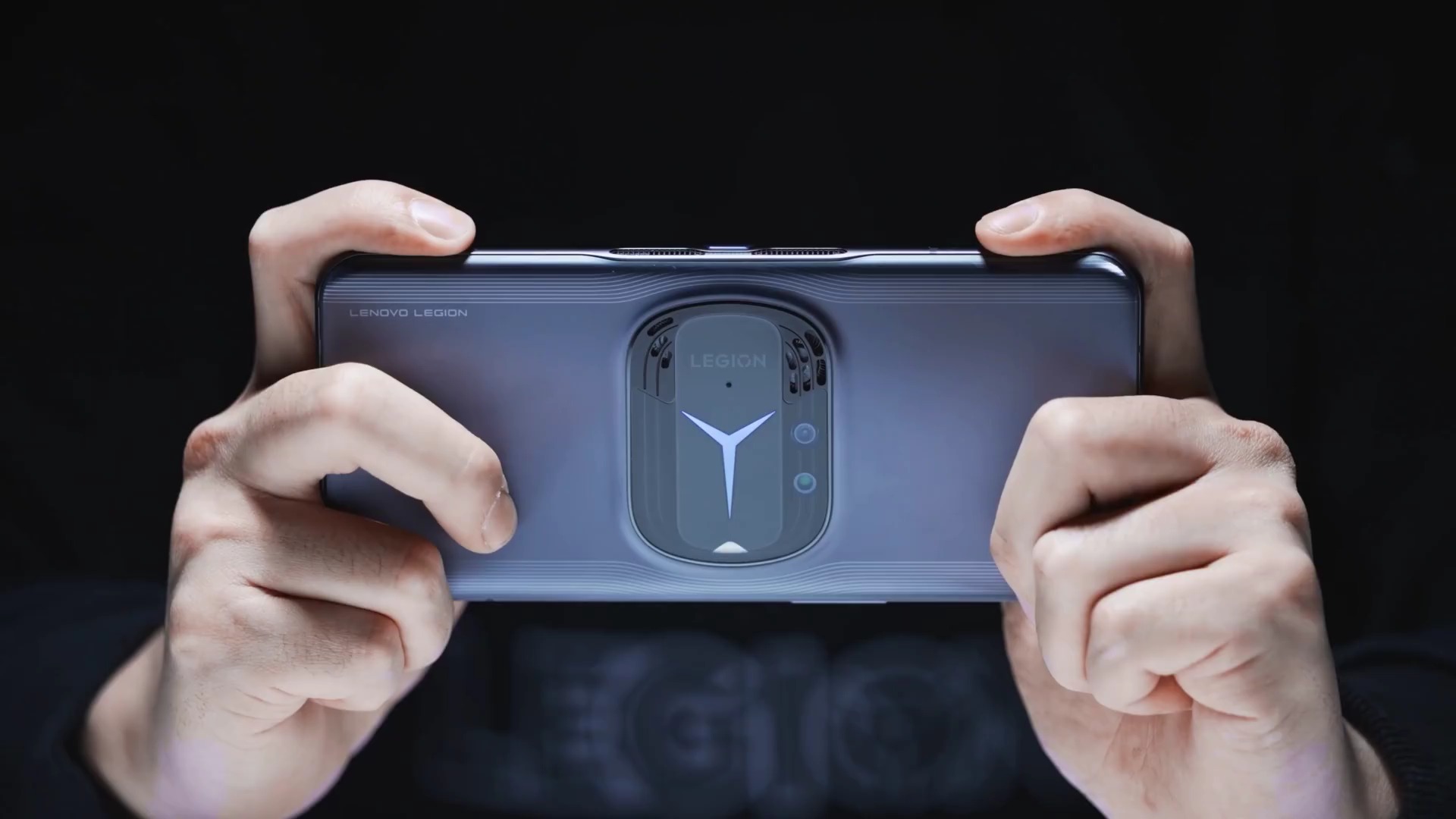
Several smartphones are expected to launch in China after the Chinese New Year holidays. Among them is the Lenovo Legion Y90 gaming smartphone, which has been already teased by the brand. Now, tipster Panda is Bald has tipped the key specifications of the device.
The Legion Y90 gaming phone is fitted with a 6.92-inch AMOLED E4 panel that offers a Full HD+ resolution, a 144Hz refresh rate, and a 720Hz touch sampling rate. While some reports had claimed that the Legion Y90 has Snapdragon 888 SoC, the new leak claims that it is equipped with Snapdragon 8 Gen 1 chipset.
It is likely to be backed by a massive 5,500mAh battery, which may carry support for 68W charging. To recall, the device was spotted with its L70161 model number at the 3C certification site with a 68W charger.
Lenovo Legion Y90
The gaming phone may come with up to 18 GB of RAM and it may carry support for 4GB of virtual RAM. It is likely to ship with up to 512 GB of storage. The handset is equipped with a dual x-axis linear motor for haptics.
Previous reports have claimed that the device is equipped with LPDDR5 RAM, UFS 3.1 storage, and Double Engine Air Cooling technology. Like the previous Legion gaming phone, the Y90 is likely to be equipped with a pair of USB-C ports. The display of the device is equipped with symmetrical bezels with the top bezel housing a speaker and a selfie camera. The Legion Y90 is likely to face competition from other gaming phones such as RED MAGIC 7 and Black Shark 5 series.
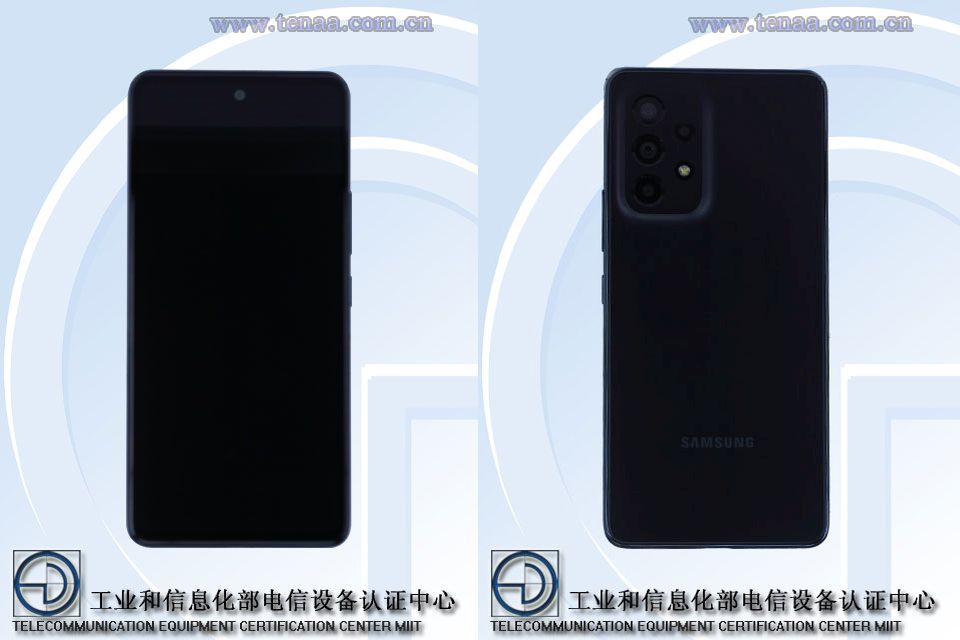
At the beginning of this week, a Samsung smartphone with model number SM-A5360 was spotted at the 3C certification. Now, the handset has been approved by the TENAA authority of China. The entire specification and images of the smartphone have appeared in its TENAA listing. The handset has also been approved by the FCC authority.
Samsung Galaxy A53 specifications
The Galaxy A53 measures 159.5 x 74.7 x 8.1mm and weighs 190 grams. It features a 6.46-inch TFT panel that offers a Full HD+ resolution of 1080 x 2400 pixels and a 20:9 aspect ratio. It has a 4,680mAh rated battery, which hints that its typical value could be 5,000mAh. The 3C certification of the device revealed that it may ship with a 15W charger. However, the device may carry support for 25W charging like its predecessor, Galaxy A52 5G.
Samsung Galxay A53 5G TENAA images
The Galaxy A53 is powered by a 2.4GHz octa-core processor. Rumors surrounding the device has revealed that it could be equipped with the Exynos 1200 chipset. The listing states that it has 8 GB of RAM and 128 GB / 256 GB storage. It is likely to come preinstalled with Android 12 OS and One UI 4.x.
The display punch-hole is likely to feature a 32-megapixel selfie camera. The rear camera system of the device has a 64-megapixel main camera, a 12-megapixel lens, and a pair of 5-megapixel snappers.
The A53 is equipped with an in-screen fingerprint scanner. It is likely to come in colors like white and blue. Now that the TENAA and FCC authorities have approved the smartphone, it is likely to launch soon in China and other markets.
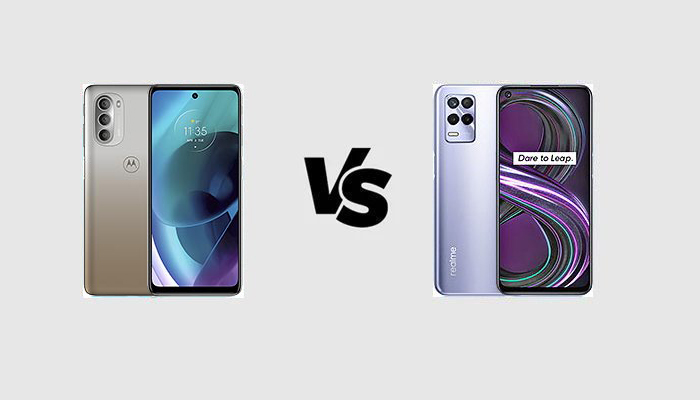
The Indian market recently welcomed a new 5G budget phone: the Motorola Moto G51 5G. It is the successor of the Moto G50 and it brings a wide display, a big battery, and a decent specs sheet to the market at a very affordable price. But are its specifications enough to win the award for the best 5G phone out there? Well, it is very hard to find it out because there are a lot of rivals out there. One of the best is definitely the Realme 8s 5G offering similar specifications at a competitive price. We think there is no better way to answer the above question than comparing the Moto G51 5G with one of the best other 5G budget phones of the moment: the Realme 8s 5G.
Triple 50 + 8 + 2 MP, f/1.8 + f/2.2 + f/2.4
16 MP f/2.2 or 13 MP f/2.2 front camera
Triple 64 + 2 + 2 MP, f/1.8 + f/2.4 + f/2.4
16 MP f/2.1 front camera
BATTERY
5000 mAh, fast charging 20W
5000 mAh, fast charging 33W
ADDITIONAL FEATURES
Dual SIM slot, 5G
Dual SIM slot, 5G
Design
When it comes to the design, I actually prefer the Realme 8s 5G. First of all, it is more compact thanks to its smaller display. Further, its camera module is definitely more beautiful with its 2×2 matrix and the same color as the rest of the back cover. Both these devices are made of polycarbonate, so do not expect a premium touch & feel. But the Motorola Moto G51 5G has a water-repellent coating which makes it good to use in the rain or in similar situations. Both the phones feature a punch-hole display, but the punch hole is placed centrally on the Moto G51 5G and on the upper left corner of the Realme 8s 5G. Despite being more compact and having the same battery capacity, the Realme 8s 5G is a thinner (and lighter) phone.
Display
Motorola Moto G51 5G and Realme 8s 5G are equipped with the average displays you can usually find on lower-midrange phones. Two IPS panels with a Full HD+ resolution of 1080 x 2400 pixels. They are not bad panels, but if you spend just a bit more you can find way better displays even on affordable phones. The Motorola Moto G51 5G wins for two reasons: it has a wider 6.8-inch panel and a higher 120 Hz refresh rate. But there are no particular differences between these phones if we talk about the image quality. Besides their average displays, they are equipped with mono speakers and side-mounted fingerprint scanners. Nothing surprising, but at the same time, nothing you can complain about.
Hardware/Software
The Motorola Moto G51 5G is powered by the Snapdragon 480+ chipset, while the Realme 8s 5G is fueled by the MediaTek Dimensity 810. Despite it being a great Qualcomm chipset, according to the benchmarks, the Snapdragon 480+ is way inferior to the Dimensity 810. And you do not even need to have a look at the benchmarks to understand them. The Dimensity 810 has a higher clock frequency, better cores, and it is built with a better production process: 6 nm. It even features a great GPU. The phones run Android 11 out of the box but they will both get the update to Android 12. The highest-end memory configuration of these devices is the same: they offer up to 8 GB of RAM and up to 128 GB of native storage.
Camera
The Motorola Moto G51 5G is a more versatile camera phone. Despite its 50 MP main camera is not as impressive as the 64 MP sensor found on the Realme 8s 5G, unlike its rival, it comes with an 8 MP ultrawide lens. With the Realme 8s 5G, you only get two useless 2 MP sensors for macros and depth. But the Realme 8s 5G features a better front camera with a 16 MP resolution.
Battery
These two phones come with the same battery capacity: 5000 mAh. But the Realme 8s 5G offers a longer battery life thanks to a smaller display and a chipset built with a better production process, as well as faster charging thanks to a charging power of 33W.
Motorola Moto G51 5G vs Realme 8s 5G: Price
You need Rs. 17,999 / $242 in order to purchase the Realme 8s 5G in India, while the Motorola Moto G51 5G starts from Rs. 14,999 / $202. I personally prefer the Realme 8s 5G because of its better chipset, faster charging, and good main camera. But the Moto G51 5G has a wider display and an ultrawide camera which may turn useful.
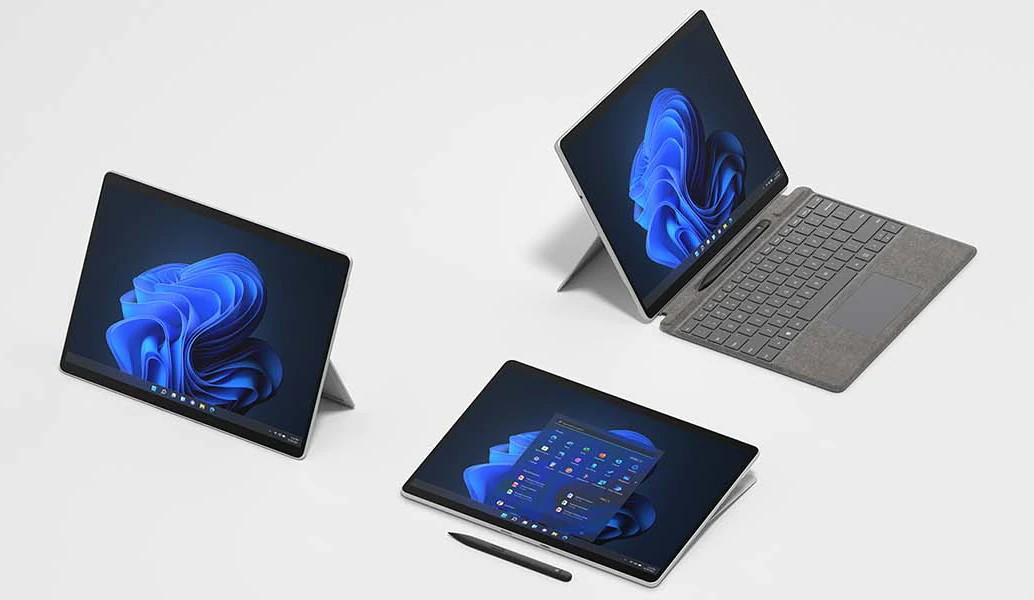
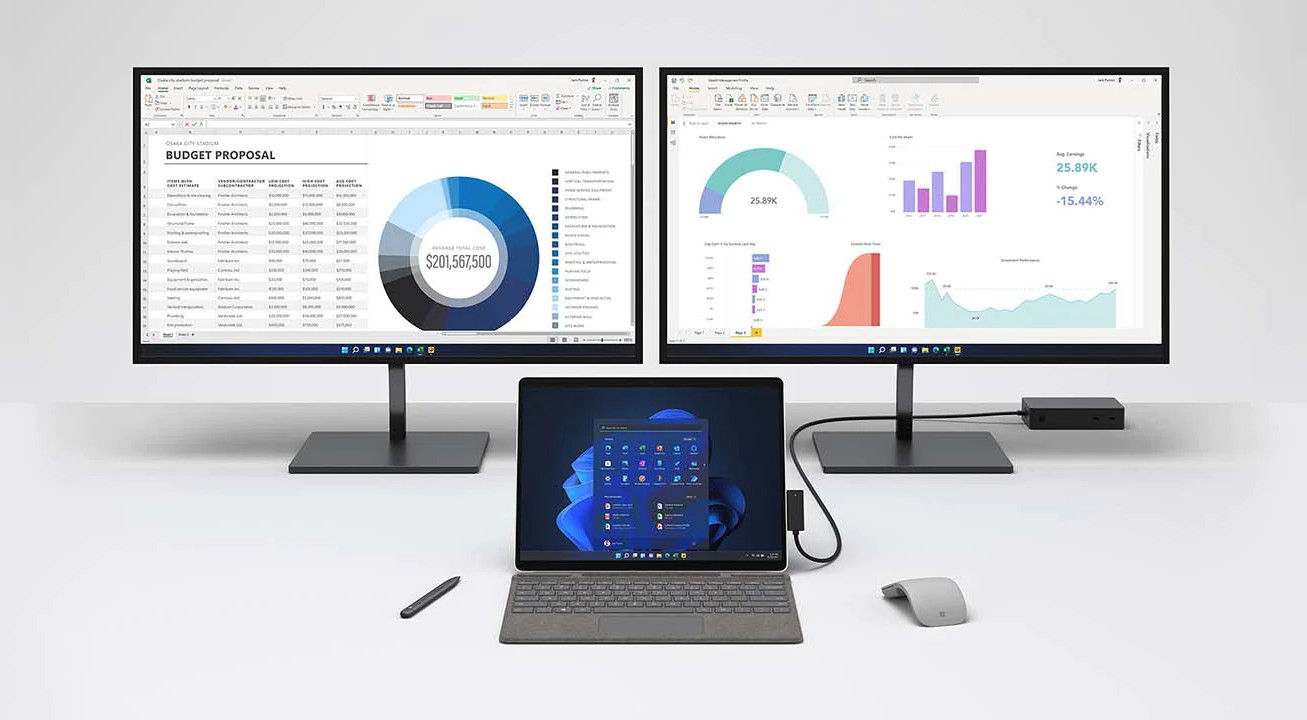
Microsoft Surface Pro 8 has been announced in India with the scheduled release slated for February 15. The Surface Pro 8 comes with a 13-inch 120Hz PixelSense touchscreen, 11th Gen Intel Core i7 processor, providing significant improvements from its predecessor.
The Thunderbolt 4 and Dolby Atmos sound have been added to the Surface Pro 8 for a more improved sound experience. It also has dual far-field studio microphones and a 10MP rear camera which is capable of shooting 4K videos. On a single charge, the Surface Pro 8 could work for up to 16 hours, reflecting a strong battery performance for the device.
The Microsoft Surface Pro 8 is structured on the Intel Evo platform which makes the device feature upgraded versions of the components in its predecessor. It uses Adaptive Color Technology and supports Dolby Vision for high-quality video output. The RAM of the Surface Pro 8 is up to 16GB (LPDDR4x) and you can get between 256GB and 1TB of SSD storage. The devices will run on Windows 11 operating system.
The Microsoft Surface Pro 8 will be available in the subcontinent through authorized outlets including Amazon India. Preorders for the Surface Pro 8 have commenced already via authorized online retail outlets. The slew of models available range from Rs. 104, 499 ($1,412) to Rs. 214,999 ($2,892).
A few days back, Samsung launched their top-end Exynos 2200 SoC which comes with an AMD RDNA 2 based GPU. This launch all but confirmed that Samsung will be shipping the upcoming Galaxy S22 series in two SoC variants namely the Exynos 2200 and the Snapdragon 8 Gen 1.
Now, tipster Dohyun Kim has revealed a list specifying which region can expect which variant of the Galaxy S22 series. According to the list, the Exynos variants will be shipped to fewer regions compared to previous generations.
Galaxy S22 Series AP by Regions 1. Europe: Exynos 2. North America: Snapdragon 3. South America: Snapdragon 4. East Asia: Snapdragon 5. South East Asia/Oceania: Snapdragon 6. West Asia: Exynos & Snapdragon 7. Middle East Asia: Exynos & Snapdragon 8. Africa: Exynos & Snapdragon
The Exynos variants will be primarily made available in the European markets. The Snapdragon 8 Gen 1 variant will be available in North and South America along with East Asia, South East Asia (India, Vietnam, Indonesia, Thailand, etc.), and Oceania (Australia, New Zealand). West Asia and the Middle East along with Africa will get a mix of Exynos and Snapdragon variants likely on a nation-by-nation basis.
Yesterday, we got the first glimpse of the Exynos 2200’s performance inside the Samsung Galaxy S22 Ultra which revealed the device’s AnTuTu scores. The device got a total score of 965,874 points and managed to get 1108 points in single-core performance and 3516 points in multi-core. . To recall, the Snapdragon 8 Gen 1 edition of the S22 Ultra scored 1219 in the single-core test and 3154 in the multi-core test.
Compared side by side with the Snapdragon variant, the Exynos lagged behind in single-core performance but outshines the SD 8 Gen 1 in multicore performance.
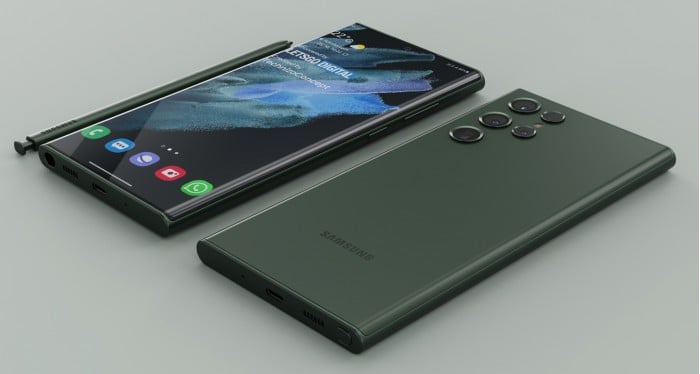
Samsung Galaxy S22 Ultra specifications (rumored)
The Galaxy S22 Ultra rumors have revealed that it will feature a 6.8-inch Dynamic 2X AMOLED display that offers a Quad HD+ resolution, a 120Hz refresh rate, and a 1,750 nits brightness. It will come preinstalled with One UI 4 based Android 12 OS.
On the front side, the S22 Ultra will feature a 40-megapixel selfie camera. Its rear camera setup may include a 108-megapixel main camera with an OIS support, a 10-megapixel telephoto camera with 3x zoom and OIS, a 10-megapixel periscope telephoto snapper with OIS, and a 12-megapixel ultrawide camera.
The S22 Ultra will come with 8 GB / 12 GB of RAM and 128 GB / 256 GB / 512 GB of storage. It may house a 5,000mAh battery, which will carry support for 45W fast charging. The device will include a dedicated slot for storing an S-Pen. It may come in colors like Phantom White, Phantom Black, Green, and Burgundy.
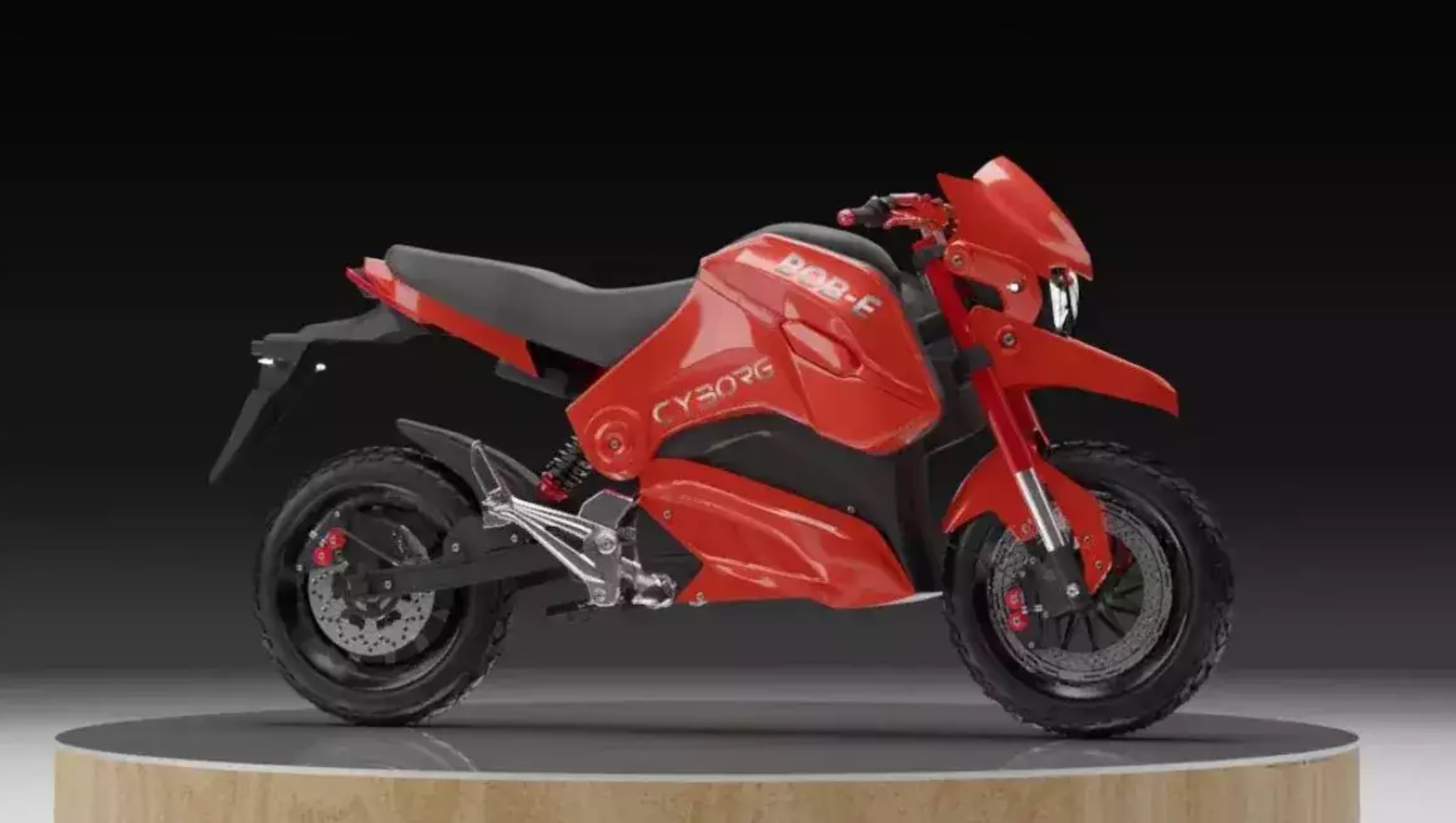
Rising electric bike startup Ignitron Motocorp has unveiled its second electric motorcycle in India. Known as the Bob-e, the new two-wheeler is specifically designed for the Indian market and targets the younger segment of the population.
According to Ignitron, the Bob-e aims to elevate the lifestyles of Indian youths and conserve the environment. The Bob-e is expected to fulfill the style quotient and extensive features that will make daily commutes on the electric motorcycle to be a convenient and very pleasurable experience. Two color variants will be available for the Bob-e namely black and red, which will accentuate the distinctive design of the electric motorbike.
The Bob-e has a riding range of 110 km and a top speed of 85 km/h. The 2.88kWh Lithium-ion battery is however not known to involve swappable technology, although a backup is present. The Bob-e features Geo locate/ Geo fencing for added security, USB charging, battery status indicator, Bluetooth, keyless ignition, and a digital display cluster. There is also a 15 Amp Fast Home Charger.
The Bob-e has three riding modes namely Eco, Normal, and Sport. This means that the rider can easily customize the driving experience to suit the current needs. The electric bike also features reverse riding and cruise control. The suspension is enhanced with telescopic forks in the front and a fully-adjustable mono-shock at the back.
As per pricing, the asking price of the Bob-e is Rs. 94,999 ($1,277), while a preorder can be made with Rs. 999 (~$14).
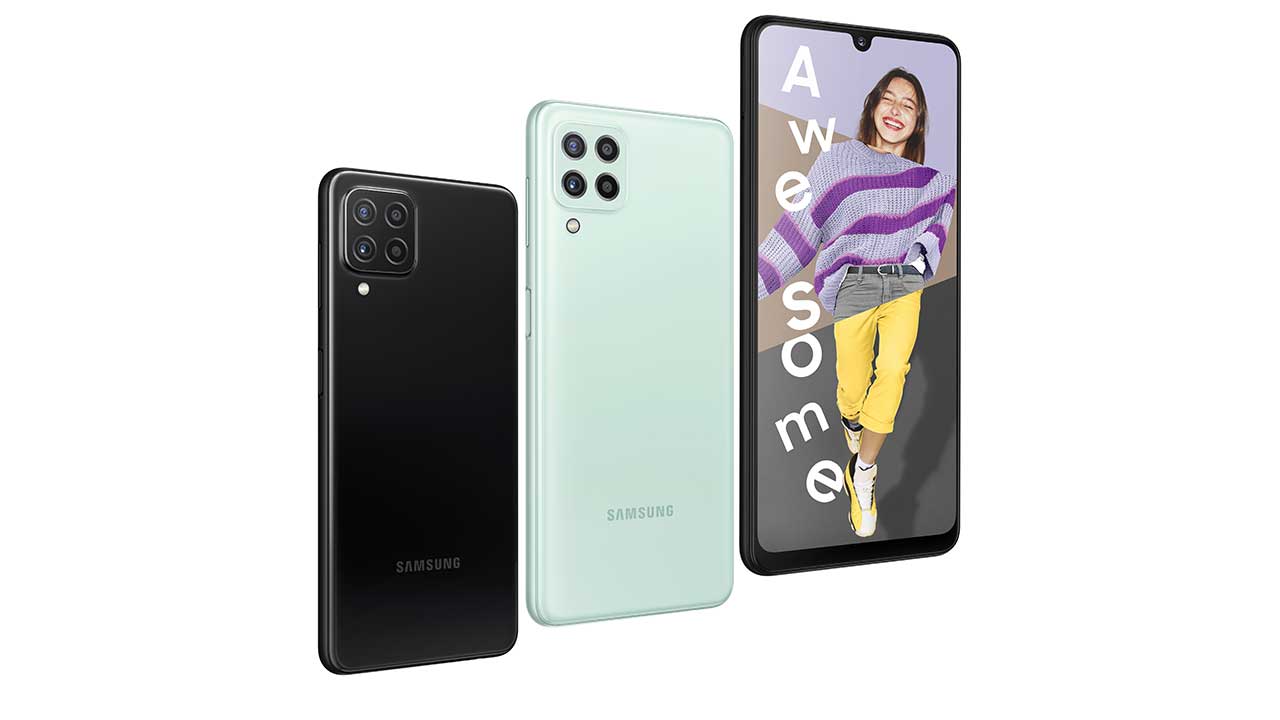
SK Hynix has been supplying image sensors to Samsung since 2019. The company has offered low-end sensors to the Galaxy A and M series so far. However, we haven’t seen a 50MP sensor from SK Hynix getting employed in any Galaxy phone so far. But now, this might change with the arrival of the upcoming Galaxy A23.
As per a report from TheElec, Samsung is planning to procure new 50MP sensors from SK Hynix. This particular 50MP sensor will be seen on the upcoming Galaxy A23 this year. To recall, the predecessor Galaxy A22 has a 48MP primary sensor. That being said, the 50MP SK Hynix lens on the A23 will be a step up.
The 50MP sensor on the Galaxy A23 will support Optical Image Stabilization(OIS). It will be accompanied by a 5MP ultra-wide lens, and two 2MP sensors for macro and bokeh shots. So, a total of four cameras will be there on the back of the phone.
Samsung is expected to unveil the device in two versions – 4G LTE and 5G.
In terms of its launch, the publication reveals that the 4G LTE model will debut in Q1 of this year, while the 5G model is slated to debut in the second half of this year. Reportedly, Samsung is aiming to ship 17.1 million units of the 4G LTE model and 12.6 million units of the 5G version.
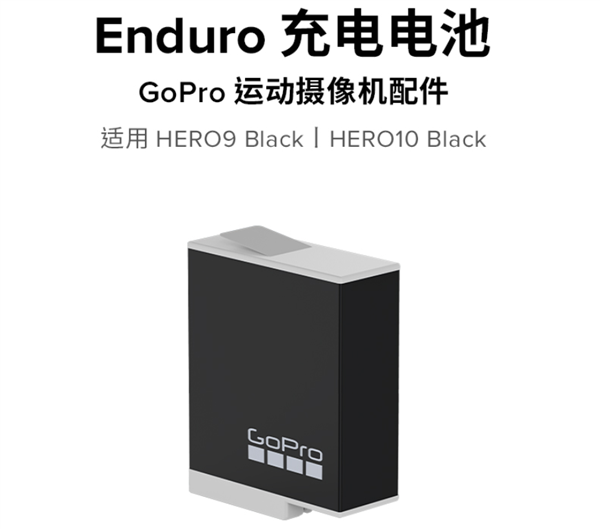
GoPro is a known brand among sports enthusiasts due to its lineup of Hero action cameras. The company’s latest model is the Hero10 Black which was launched in September 2021. Perhaps inundated with requests for better battery packs, GoPro has launched the Enduro battery pack for the Hero9 and Hero10 Black models in China.
The GoPro Hero10 Black crams a 1,720 mAh battery which is the same with that of the new Enduro battery but the difference is that the new battery pack is well suited to perform well in low temperature conditions.
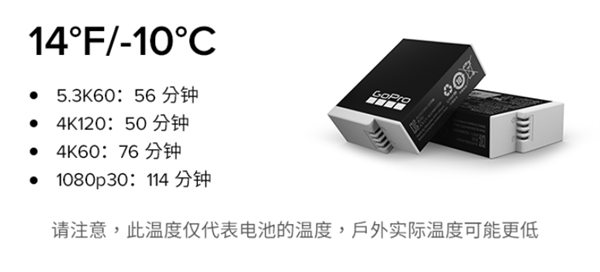
This new GoPro Enduro battery for Hero9 and Hero10 Black will favour users who are into winter sports as the battery will stay warm, preventing a possible shutdown of the device due to sub-zero temperatures. The company says the action camera can still record 4K/60fps video for up to 76 minutes in an environment as low as -10°C. It can also record 1080p/30fps video for 115 minutes, 4K/120fps for 50 minutes, and 5.3K/60fps for 56 minutes under the same temperature condition.
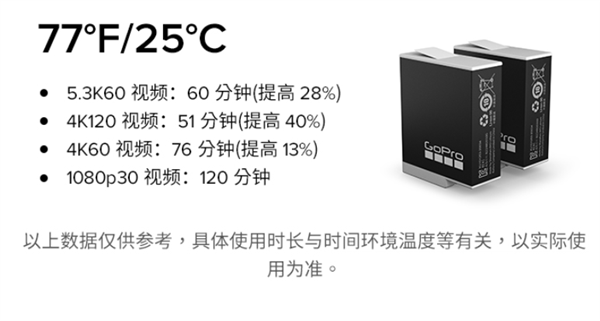
Apart from forstering normal operation under extreme weather conditions, the new Enduro battery also brings some improvements in the battery life of the device under normal conditions. GoPro claims it is capable of a performance boost of up to 40%. Not only that, the Enduro battery charges up to 13% faster than the standard GoPro batteries. This will particularly be useful for adventurers who may need to charge multiple batteries all through the night while in transit.
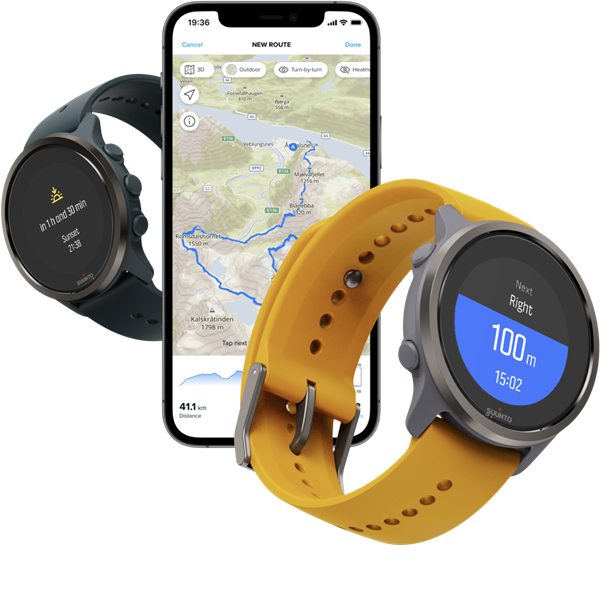
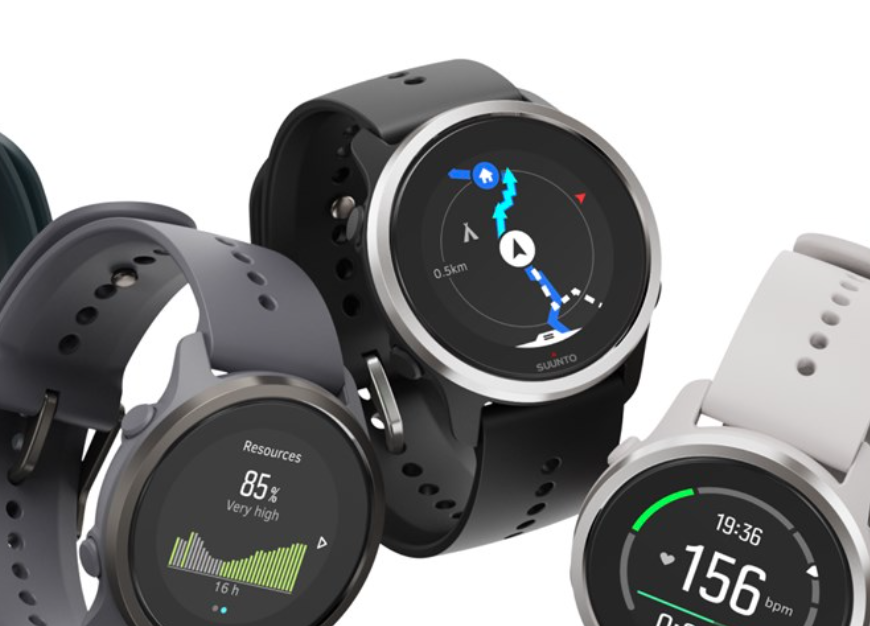
The Finnish smartwatch manufacturer Suunto has announced a new version of the Suunto 5, the Suunto 5 Peak. However, the new smartwatch looks and feels a lot different from its predecessor as it is both thinner and weighs less.
According to the company, the Suunto 5 Peak is their lightest ever GPS sports watch, weighing only 39 grams. To achieve this 41% reduction in weight, the company has switched to a plastic body cover rather than the mineral glass offered in the Suunto 5. The watch is also quite slim with 12.9 mm thickness.
The Suunto 5 Peak has a 1.1-inch display that offers 218 x 218-pixel resolution. The Suunto 5 Peak also offers the company’s popular 3D and heat maps which could help users find safer routes for planning an adventure or when in a pinch.
Suunto has also pre-installed more than 80 sports modes in the Peak and can track your steps, resting and active heart rate, caloric burn, recovery, sleep quality, and duration.
The battery life offered on the Suunto 5 Peak varies in different modes. The device can last up to 10 days on a single charge in Time mode. The smartwatch offers three options in sports mode, namely Performance, Endurance, and Tour. Performance mode offers 20 hours of continuous usage, Endurance mode gives you 40 hours of use time, and Tour mode allows for 100 hours of continuous GPS usage.
The device also allows users to control the music on their smartphones and check notifications. However, Suunto continues to restrict some smartphone features to Android, such as sending predefined replies to incoming messages from the smartwatch.
You can choose from six different strap colors, including a speckled option that’s made out of recycled strap scraps. The Suunto Peak 5 is available for pre-order in the US and Canada for $329 and will officially go on sale starting February 1. The smartwatch will be made available globally in Spring 2022.
Samsung Galaxy Tab S8 is expected to go official next month, but ahead of its launch, the series’ entire specs and a couple of renders were leaked earlier. Now, some more renders, this time of the Galaxy Tab S8+, have emerged on the Internet which show the two possible colors.
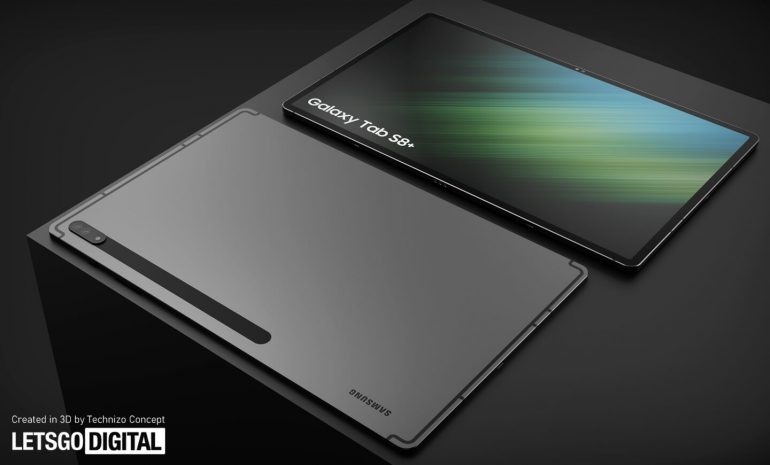
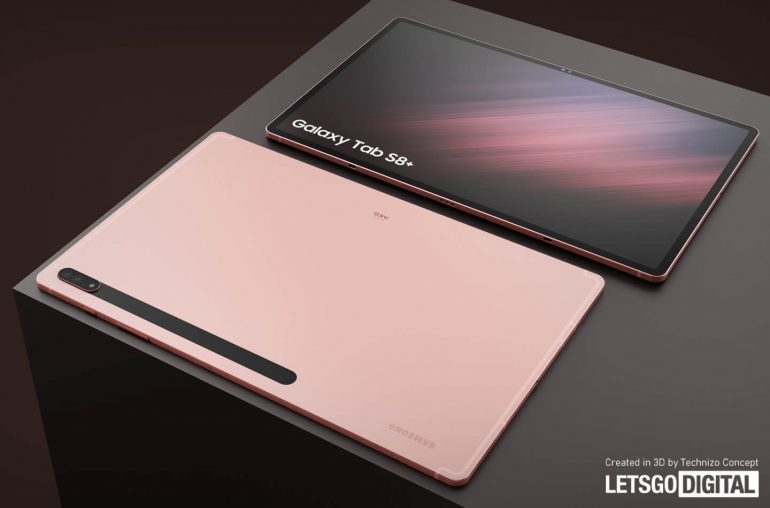
Technizo has made the concept renders(via – LetsGoDigital) of the device in two of its rumored color – Gray and Pink Gold. These renders confirm the previously rumored details of the Tab S8+. The Galaxy Tab S8+ has a 12.7-inch Super AMOLED display with narrow bezels. It will have a WQXGA+(2800 x 1752 pixels) resolution and a 120Hz refresh rate. It will have a Corning Gorilla Glass 5 protection and pixel density of 266 PPI.
1 of 2
Moving to the back, the renders show the clean rear design which seems to be a matte paint job. It will have a dual-camera system at the rear with a 13MP main lens and a 6MP ultra-wide sensor. The camera island seems to be elongated, which is actually a black magnetic surface for sticking the S Pen stylus. Upfront, it will have a 12MP selfie snapper.
Undoubtedly, the device will be powered by the Qualcomm Snapdragon 8 Gen 1 SoC paired with 8GB of RAM and up to 256GB of internal storage.
In terms of pricing, the Samsung Galaxy Tab S8+ Wi-Fi-only will start at €900 for the 8GB RAM/128GB storage. The tablet will cost €950 for the 256GB variant. On the other hand, the 5G version will cost €1,050 for the 8GB RAM/ 128GB storage and €1,100 for the 256GB variant.
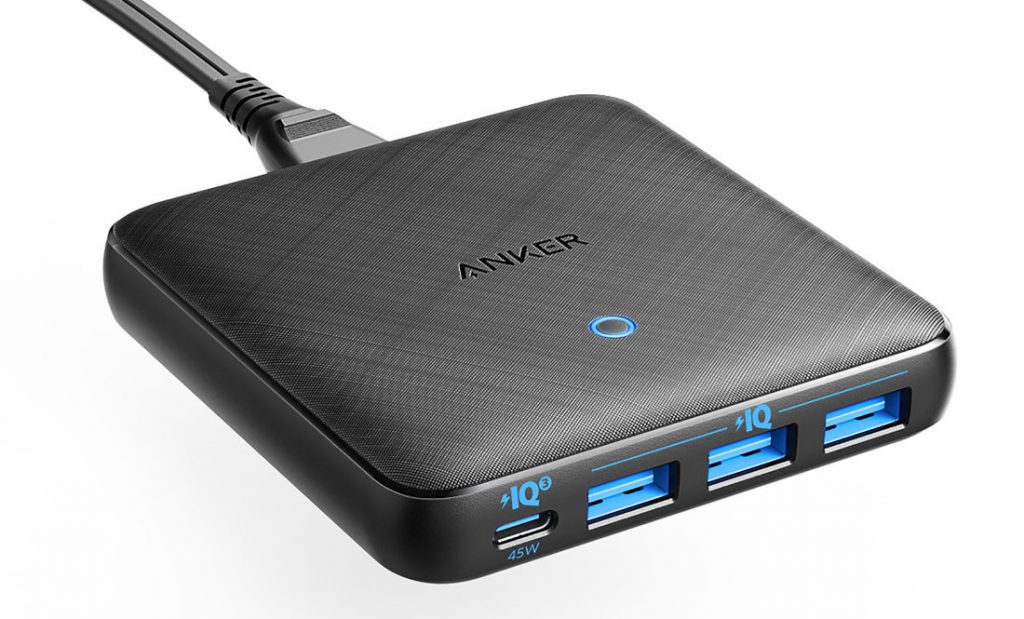
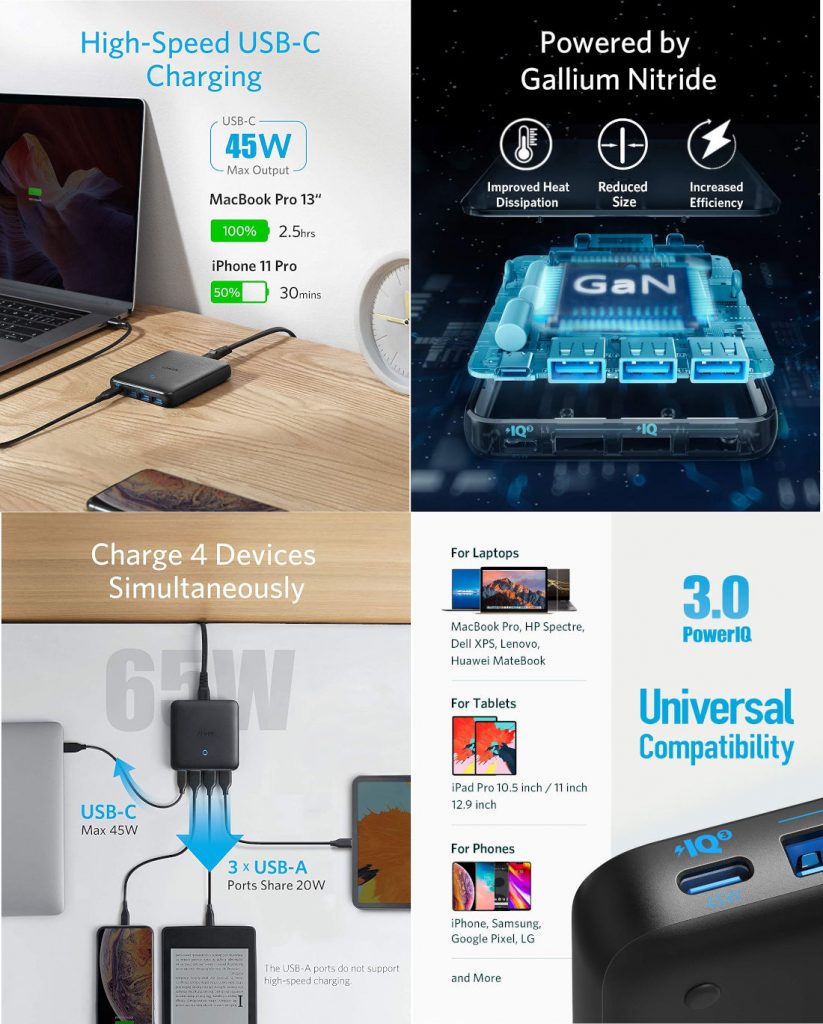
Chinese accessories manufacturer Anker has launched the Powerport Atom III Slim 65W charger for the Indian market. The charger brings multipurpose usage while not compromising on portability, a key trademark of the company.
The Powerport Atom III Slim 65W charger comes with four USB Type-C ports that can charge four different devices at a go. The device has a compact 0.7-inch design size and weighs just about 140 grams. There is a 45W USB Type-C port on board that can charge USB-C laptops like the MacBook Air 2018 and Dell XPS 13.
The 45W port is equipped with Power IQ 3.0 that delivers fast charging to Apple gadgets, including a MacBook, iPad, iPhone, and others. The remaining three ports charge at a maximum of 20W which reduces when the three ports are in use. The device also comes with Multiprotection technology, combining advanced safety features like temperature control, overload protection, and more.
The Powerport Atom III Slim 65W charger uses the popular Gallium Nitride (GaN) technology which enhances its efficiency. powers the ultra-slim appearance without sacrificing power, which enhances efficiency.
As for the price, Anker Powerport Atom III Slim carries an Rs. 3999 (~$54) price tag and has an 18-month warranty. However, the GaN charger is listed on Amazon.in for Rs. 3,799 (~$51) for the ongoing Amazon Republic Day Sale. The charger is also up for grabs via Flipkart.
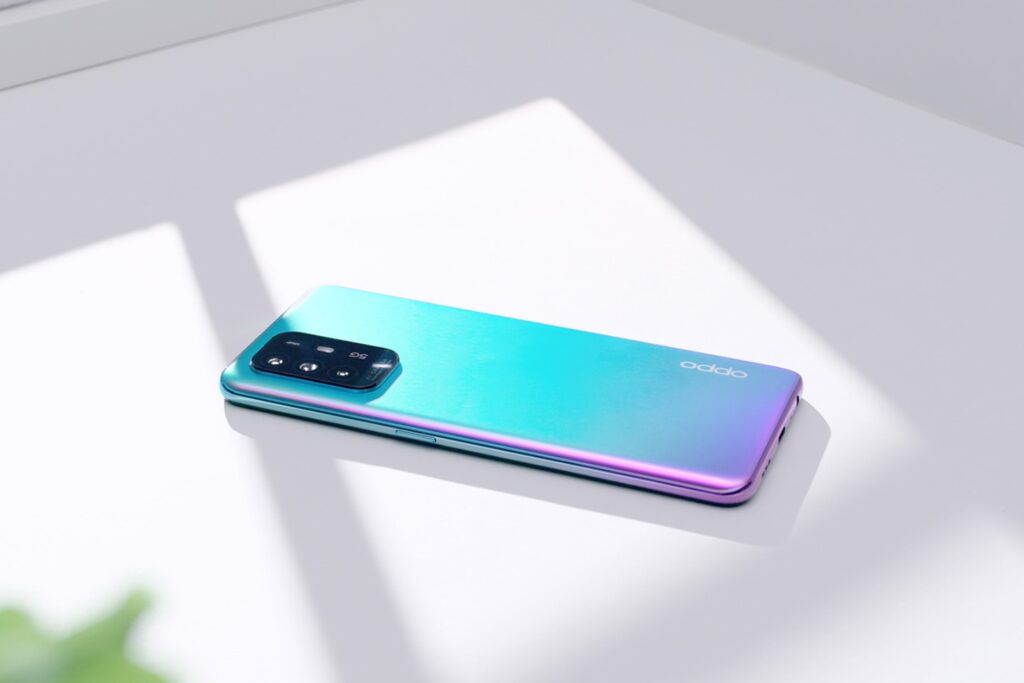
In mid-December, OPPO started the ColorOS 12 beta program for the OPPO A95 5G. A month later this phone has finally started receiving the stable update. With this, the company has finished the Android 12 stable rollout for the month of January 2022.
The latter two devices have alreadybagged ColorOS 12 stable update. Hence, the Chinese model has also begun to receive the update following the schedule.
According to the official announcement post on OPPO Community, the latest system update for OPPO A95 5G arrives with firmware version C.14. Users of the phone can head over to Settings > Software Update to check whether their unit has received the OTA update. It should be available for everyone in the coming days.
OPPO hasn’t revealed which handsets will be receiving the Android 12-based ColorOS 12 stable update in February. However, the company has released a list of phones that will get the betatreatment in Q1 2022.
We will be posting new stories whenever OPPO releases new major software builds for its handsets. So stay tuned.
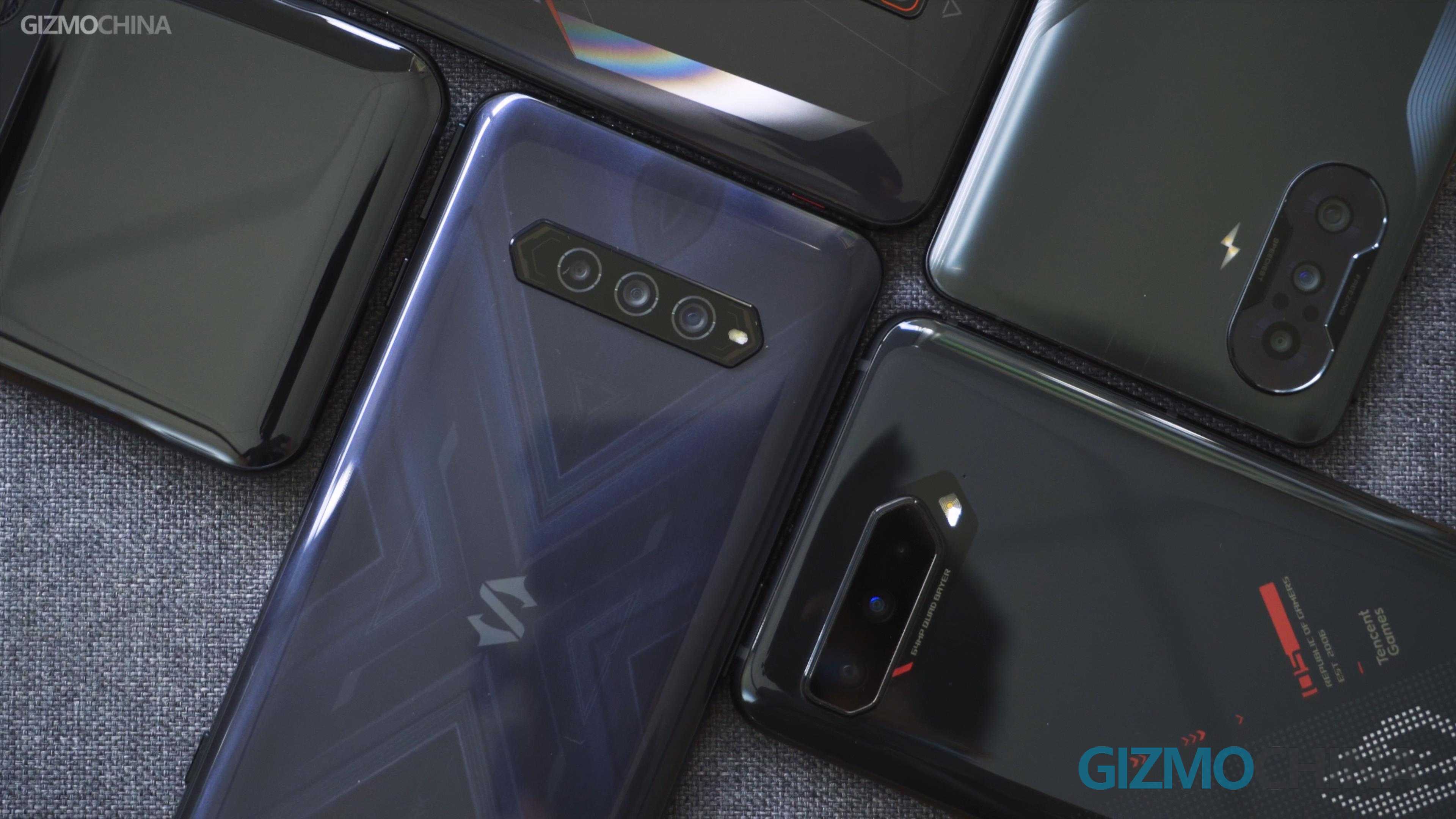
Chinese Spring festival is right around the corner and ahead of it, we are seeing quite a few leaks for many premium smartphones. Notably, many of these devices are gaming phones, and their launch dates are unknown so far. Now, the notorious tipster DigitalChatStation hints that we may see back-to-back launches from many phone brands like Redmi, Red Magic, Lenovo, and Black Shark after the Spring festival.
The tipster reveals that after the Chinese Spring festival, which will be held from February 1 to February 12, we might see many gaming phones compete against each other. These devices won’t be the already available gaming phones, rather the tipster reveals these phones to be the upcoming devices like the Redmi K50 Gaming Edition, Red Magic 7 series, Lenovo Legion Y90, and Black Shark 5 series.
We can expect a release for all of these gaming phones to occur by February or March. Thus, we may see more than four gaming phones in the market. Now, the primary reason for these gaming phones to compete will be the power-house Qualcomm Snapdragon 8 Gen 1 SoC.
All of these gaming phones will be powered by the aforementioned chipset and will have their own cooling system inside. These phones may have the fancy VC liquid cooling and copper pipe technology.
Other than this, it is evident that we’ll see high refresh rate screens, impressive vibration motors, and even RGB lights on some of these phones.
Back in September 2020, Nvidia announced its plans to acquire the British design house ARM Ltd for $40 Billion. Since then, the merger has been facing heavy scrutiny from both UK and US regulators with Federal Trade Commission (FTC) even proceeding with legal action against NVIDIA for partaking in a deal that the FTC believes would generate serious anticompetitive outcomes.
However, Nvidia seems adamant about the acquisition as the firm announced its entry into the CPU market by unveiling the Arm-based data center CPU dubbed the Nvidia Grace in 2021. The upcoming data center CPU is said to compete against Intel and AMD’s x86 based solutions.
Now, according to a new report by Globes, Nvidia has recently been on a hiring spree in Israel to recruit engineers for CPU development. The engineers are being recruited for a wide range of positions including hardware, software, and architecture development.
Nvidia CTO Michael Kagan has stated that “Israel, with its unique wealth of talent, is a key player in the global tech ecosystem, and we are excited to be creating a new CPU group here. We look forward to further growing our local R&D activities both in this area and in our extensive work supporting the local ecosystem through unique programs for startups and developers.”
According to Kagan’s statement, Nvidia is planning on making Israel its R&D stronghold for the upcoming ARM-based CPUs. The CPU group will join a variety of groups currently active in Israel, working on next-gen high-speed networking and HPC technologies, leading Nvidia’s DPU (Data Processing Unit) development, AI research, and more.
The company previously acquired the Israeli connectivity company Mellanox in April 2020 for $7 billion, which has made its workforce grow to 2,800 employees in the region. According to the recent report, the number will go up by hundreds in the coming year.
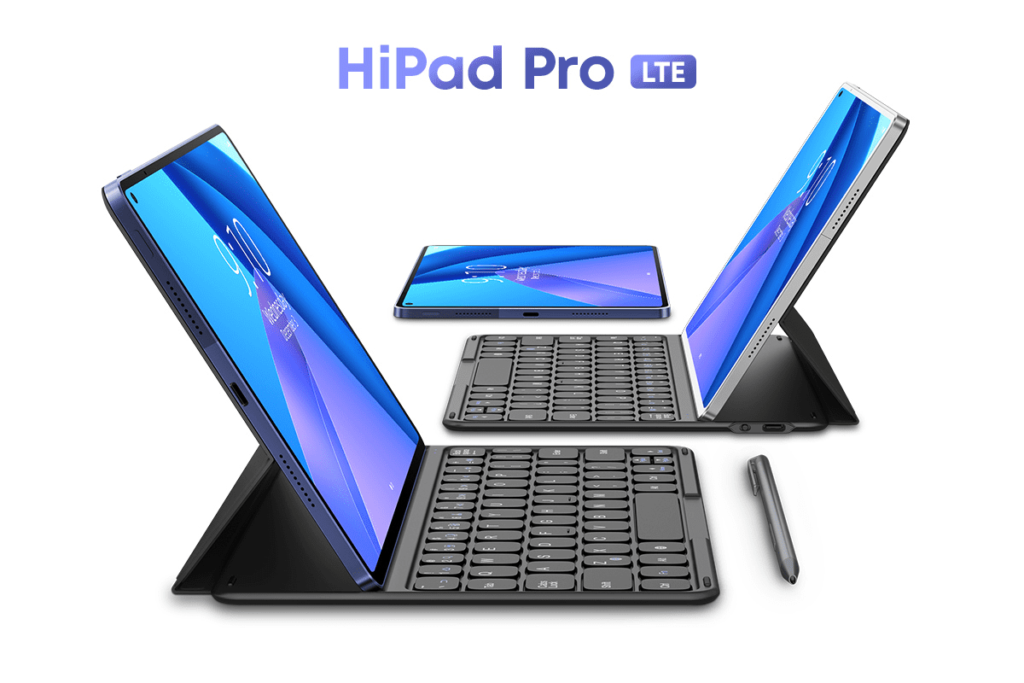
Chuwi is known for its affordable tablets and laptops. The brand has now updated its Chuwi HiPad Pro Android tablet for 2022. The latest model arrives with a better display and a more powerful processor. Let’s check out what all it has to offer.
The original Chuwi HiPad Pro was unveiled in July 2021. Half a year later, the company is back with a successor with the same name.
The new tablet flaunts a similarly sized 10.8-inch display (IPS LCD) with a punch-hole. However, the new screen comes with a 2K resolution (2560 x 1600 pixels) instead of FHD.
This panel has a pixel density of 288 PPI, a 90% screen-to-body ratio, and it can cover 97% of the DCI-P3 color gamut. It also supports Wacom-powered styluses.
Connectivity options on the device include 4G LTE, dual-band WiFi, Bluetooth 5.0, GNSS (GPS, A-GPS, BDS, and a USB Type-C port (USB 3.0). It sports quad speakers, an 8MP rear camera, a 5MP front-facing camera, and essential sensors (accelerometer, ambient light sensor, gyroscope). Interestingly, it also has a MicroSD card slot (up to 128GB).
The tablet runs Android 11 with Widevine L1 certification for popular streaming applications like Netflix, Amazon Prime Video, and Disney+. Despite measuring 7.5mm in thickness and weighing 455g, it houses a 7,000mAh battery.
The Chuwi HiPad Pro costs under $299. Interested customers can purchase it from AliExpress. They can also opt for additional accessories like stylus and Bluetooth keyboard.
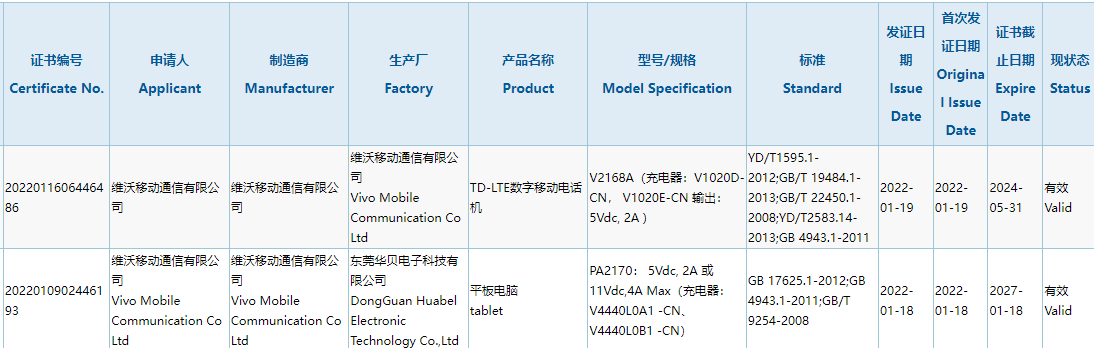
Yesterday, the popular tipster DigitalChatStation took it to Weibo revealing the key specs of the first-ever tablet from Vivo. Now, the tablet has emerged on China’s 3C certification spilling some beans on its fast-charging capabilities.
The Vivo tablet has the model number PA2170 on the 3C website. It has support for 44W fast charging. Furthermore, it is produced by Dongguan Huabei Electronic Technology Co. Ltd. Now if we recall, this is in line with the charging speeds revealed by the tipster.
Vivo Tablet Specifications(Rumored)
In addition to this, the tipster had revealed that the Vivo Tablet will come powered by the Qualcomm Snapdragon 870 SoC. It will feature a battery capacity of 7,860mAh. The device will have an LCD display with a 120Hz refresh rate and Full-HD+ resolution. The screen on the tablet is touted to be a punch-hole panel with the selfie camera placed in the cut-out at the top. Moreover, the Vivo tablet is likely to run on OriginOS based on Android OS.
Apart from this, there are no other details to discuss as of now. But, we expect the tablet to compete with the currently available Xiaomi Pad 5 Pro and Lenovo Xiaoxin Pad Pro 2021 since both of these are powered by similar hardware.
In related news, Vivo’s sub-brand iQOO is also touted to launch a tablet this year. Again, it will be iQOO’s first tablet, just like Vivo’s. As of now, there are no specifications for this tablet, but it may have similarities with the upcoming Vivo tablet.
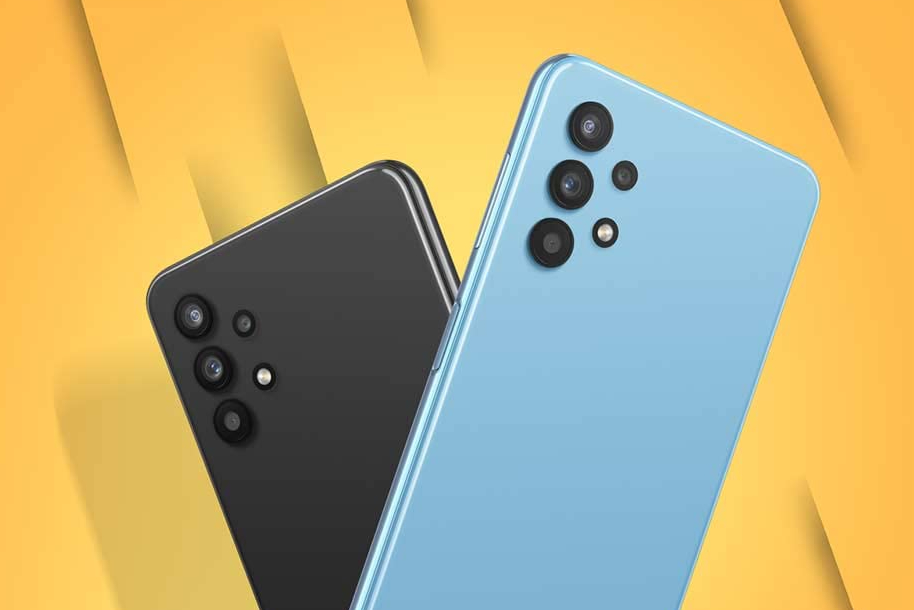
Earlier, Samsung was expected to launch the Galaxy M33 5G in India soon as the phone started getting manufactured locally at the Greater Noida Factory in the region. Now, the tipster Mukul Sharma reveals that the phone’s launch may not be too far for India, and it could be as early as next month.
Mukul said that if things move as planned for the company, then we might see the Galaxy M33 5G by the end of February. Unfortunately, the tipster doesn’t reveal an exact launch date.
Samsung Galaxy M32 5G
Apart from this, the smartphone has already passed a few certification sites, and thus, we know some of its specifications. The Samsung Galaxy M33 5G carries the model number SM-M336BU/DS. As per SafetyKorea, the phone packs a big 6,000mAh battery. On top of this, we expect some sort of fast charging support.
Furthermore, the Geekbench listing revealed that the device is powered by the unannounced Exynos 1200 SoC. It will have 6GB of RAM, which we expect to be the base configuration. It will boot on Android 12 OS out of the box. That being said, the handset should arrive with One UI 4.
Since it will be a superior model of the currently available Galaxy M32 5G, we can expect a high refresh rate AMOLED panel and dual-SIM support. The device may also come with up to 25W fast charging support but do note that Samsung is currently infamous for not providing the maximum supported fast charging adapter in the box. So we may see a 15W fast charging adapter as usual.
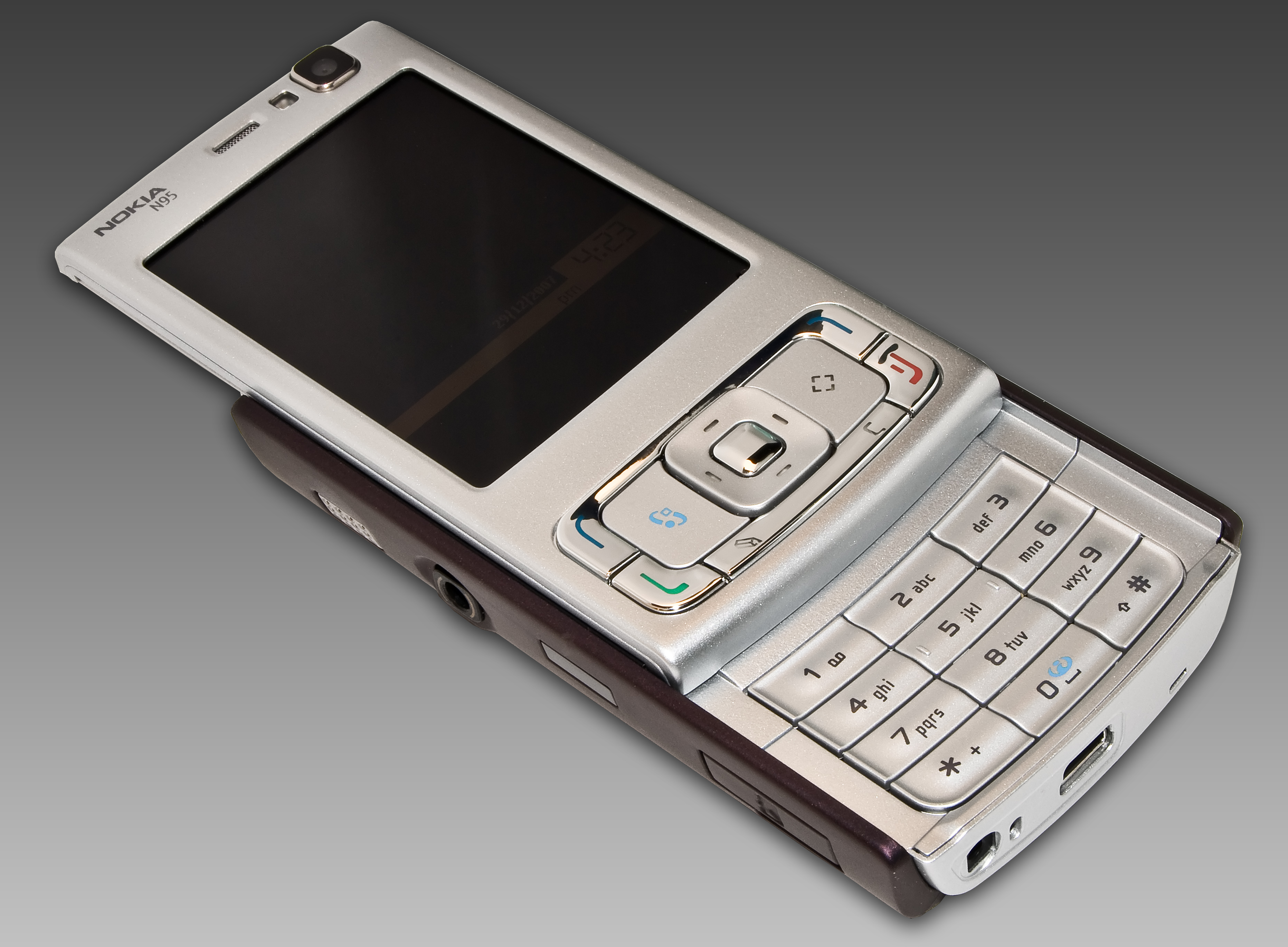
Based on our previous Throwback Tech Thursday‘s voting results, the Nokia N95 has topped the list. So now, lets revisit the device that some considered to be the peak of Symbian and also one of the best early smartphone.
What made it Special?
One of the things that made the N95 stand out was that it was packed to the brim with features. The device first launched back in March 2007 and did almost everything that modern smartphones are capable of. While this was also the year that the original iPhone had released, it only turned heads with its full touchscreen design and interface. On the other hand, the N95 launched with a whole suit of features like video recording games library, and more.
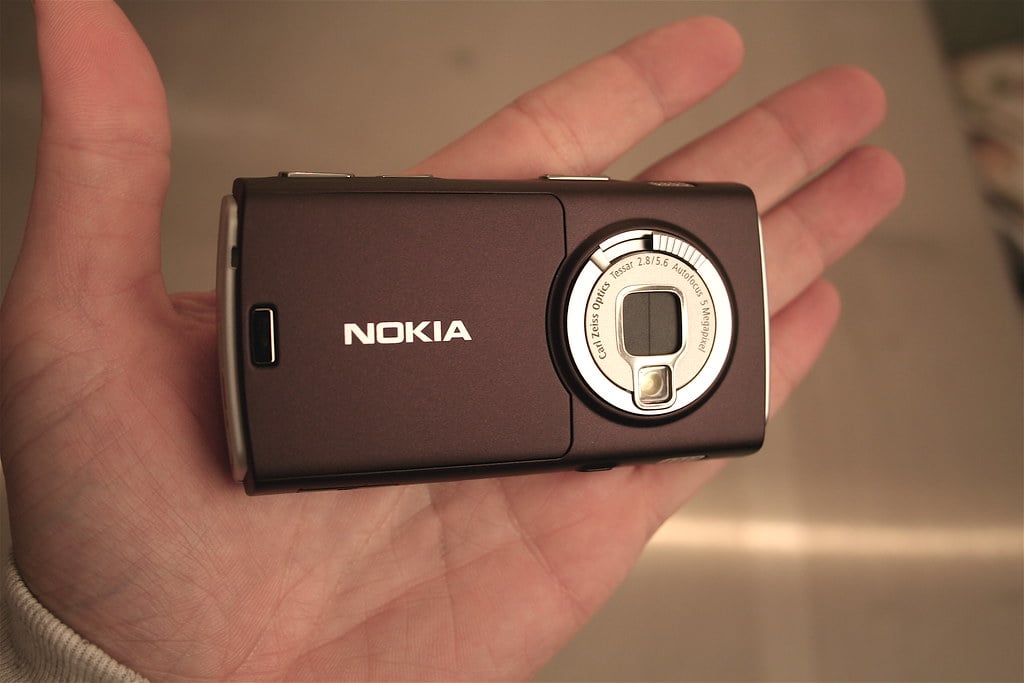
The Nokia N95 is also quite memorable as a camera phone as well, with its 5 megapixel sensor with Carl Zeiss Tessar lens offering picture quality that trampled over most of its rivals. Notably, it could even record “DVD quality” video with VGA recordings at 30fps. While this might not seem impressive, only a handful of phones back then were even capable of this feature. Similar to the Nokia 6600, the N95 was a powerhouse in its time and could run 3D games from the N-Gage mobile gaming services. Keep in mind, the iPhone didn’t even have an App Store till a year after its launch, so it was clearly ahead of the curve back then.
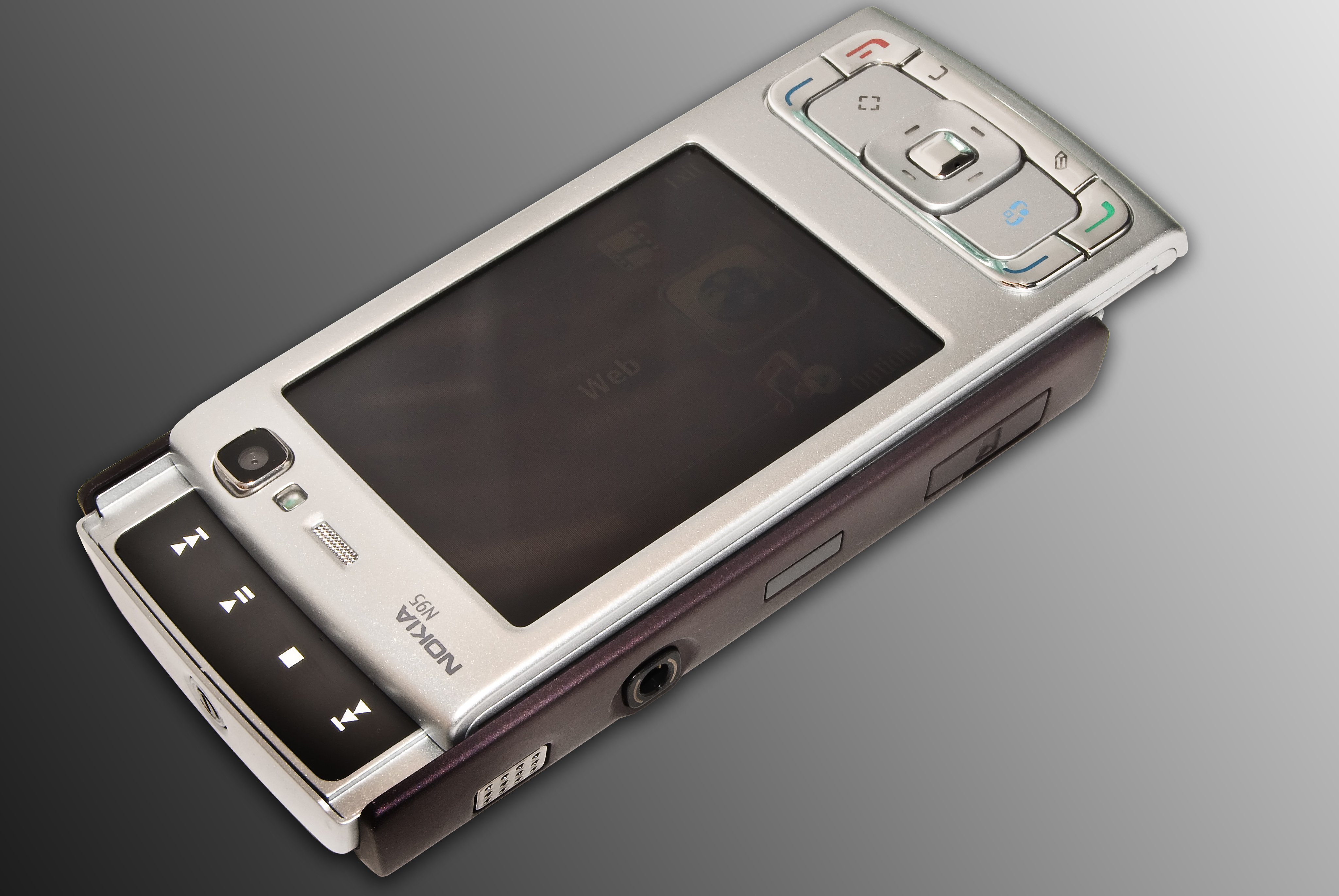
Another major aspect that had it stand out was a selfie camera. Even in the early days of Android smartphones, there were some models that skipped the front camera entirely, so a Symbian phone featuring this technology also showcased how much effort and features the Finnish brand put into the device, and we haven’t even gotten to the slider part yet. Remember iPods, well modern smartphones have basically killed the need for a separate media player, but iPods were still a thing back then and existed alongside the iPhone. But this handset also had dedicated media control buttons that appeared by sliding down, meaning, you didn’t have to buy a separate media player.
Impact & Future Influence
As we mentioned above, the mobile industry was abuzz after its launch. The Nokia N95 was a huge success when it released in most regions. The company managed to sell over 7 million units by the end of 2007. Furthermore, it launched a new 8GB variant in the first quarter of 2008, which also saw 3 million sales. While this doesn’t compare to the behemoth sales of the 6600 over its lifetime, it still managed to outpace everyone of its competitors at the time. It was even crowned as the “best smartphone ever” by AllAboutSymbian.
Some of its features even went on to become industry staples. Always On Display, a feature beloved by many smartphone users today, is something that also made an early appearance with the N95. It even offered wired connections that allowed users to play movies on TVs from the mobile phone itself. Back in 2020, it was revealed that the company was also working on a new N95 model, however, the modern day reboot was never officially launched. This device would’ve also featured the iconic slider design, but for large stereo speakers rather than dedicated media buttons.
Unfortunately, while the phone holds fond memories for many, it is also referred to as the peak of Symbian before its decline. The iPhone with its radical all touchscreen interface and design soon managed to become a market leader and cause a shift in the industry. Additionally, Symbian and Nokia’s dominance slowly started declining after its launch. But the N95 was an undoubtedly impactful device, with modern day features having roots within the phone that is more than a decade old.
Design, Specs, & Price
Just like its predecessors, the N95 featured an iconic design that is immediately recognizable just like the 6600 owing to its popularity at the time. It was a slider phone that offered users two functionalities. Sliding up would reveal the keypad, while sliding down put the device into media mode with dedicated buttons. It also featured its traditional square like orientation for its buttons just under the display, which was a norm for the brand back then.
Talking about its specifications, it housed a 332 MHz Dual ARM 11 CPU, which was paired with up to 8GB of internal storage and 128MB of RAM. The device ran on Symbian OS 9.2 and was powered by a 1,200mAh battery pack (950mAh on the non-8GB variant). It was also one of the first devices to feature an Accelerometer, which was used to wake the device when being shaken and for some games too. Other features include GPS navigation, which again was an impressive feature back then, along with a 3.5mm headphone jack as well.
It sported a 2.8 inch TFT display with 240 x 320 pixel resolution and a 4:3 aspect ratio. Thanks to its PowerVR MBX GPU, the device could also run Quake III, Asphalt 3 or FIFA 2007, and even display it on the TV. The Nokia N95 first launched for a price of 550 Euros or around 730 US Dollars back then. This is a steep price tag even by today’s standards, but it was a premium grade high end handset.
We noticed a number of our readers shared their thoughts on the 6600 Throwback from last week, so we’d love to hear more from those that used the N95 as well in the comments section down below.
A new partnership between the parent company of the boAt brand and Dixon will provide wireless audio solutions in India via an array of audio products. Imagine Marketing Private Limited, which owns the boAt brand of audio accessories, has announced a joint partnership with Dixon to manufacture wireless audio devices in India. Both companies will have equal stakes in the new venture and they hope to evolve an India-centric strategy that will see it producing wholly-made audio products from the sub-continent.
The new partnership will draw from the rich pool of research and development engineers from the boAt brand and continue to design and develop India-centric customized audio products. The new venture will also tap from the manufacturing capability of Dixon which will thus facilitate a vibrant platform for the design and manufacture of smart wireless audio products tailored to the needs of the Indian consumer.
The Indian mobile accessory market is fast evolving with massive investments and innovative products across all segments. The new venture will hope to achieve excellent customer delivery by delivering high-quality and aspirational lifestyle audio wireless solutions that will be driven by a robust research and development strategy. Both boAt and Dixon will focus on IP, product design, and quality assurance, as well as high-quality manufacturing- core principles that key snugly into the Make in India initiative.
The two companies have separately expressed their enthusiasm and massive possibilities in the new partnership. The partnership leverages the quality and excellent processes in both companies and will hope to deliver cutting-edge and affordable products in line with the Make in India initiative.
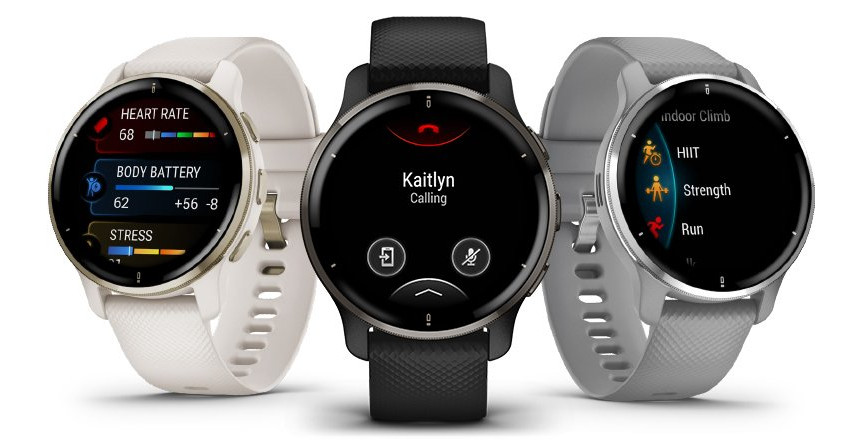
The Garmin Venu 2 Plus smartwatch has been launched in India after making its debut at CES 2022. The latest Garmin smart wearable comes with a 1.3-inch AMOLED screen, Bluetooth calling, up to 9 days of battery life when in smartwatch mode, and other impressive features. The Garmin Venu 2 Plus is already on sale via Amazon India, Flipkart, Tata CLiQ, and several other online retail outlets in India. Its price of Rs. 46,990 ($631) places it on the premium grade in the Indian smart wearables market.
Let us now see whether its specs justify its current price. The Garmin Venu 2 Plus is the company’s first smartwatch integrated with a voice calling function and hands-free voice assistant support. It was introduced during CES 2022 about two weeks ago and joins the growing Garmin lineup in India, following the 2021 launch of the Venu 2S and Venu 2S GPS.
Its 1.3” AMOLED screen has Corning Gorilla Glass 3 protection, as well as stainless steel bezel. The voice calling function will enable users to make phone calls from their wrist conveniently via Bluetooth. Users can also respond to notifications via the voice assistant function without needing to actually type the text or press a button. The voice control in the Garmin Venu 2 Plus is compatible with smart home devices like Siri, Bixby, and other applications.
The Garmin Venu 2 Plus is a health and fitness smart wearable device, so users can tap from the robust suite of health and fitness features available in the device. Users can log a 2-minute session to record an array of health indicators including heart rate, heart rate variability, pulse Ox3, stress, and breathing pattern. A detailed report of the session can then be generated via the Garmin Connect app. This provides an overview of the health status of the user, as per the recorded health and vital statistics. The smartwatch has 25 active sports modes, thus offering a variety of options for exercise and fitness. There are over 75 preset animated workouts that provide an excellent approach to form and technique. The smartwatch is also compatible with Garmin Coach’s free adaptive training plans.
The smartwatch has 5ATM water resistance and offers music downloads of up to 650 songs. It offers up to 9 days of battery life when in smartwatch mode, but this reduces to just a day when in GPS mode and about 8 hours when in GPS with music mode. The innovative features available in the Garmin Venu 2 Plus may justify its price tag, but the coming days and weeks will determine how the Indian market has welcomed the new smartwatch.
We use cookies on our website to give you the most relevant experience by remembering your preferences and repeat visits. By clicking “Accept”, you consent to the use of ALL the cookies.
This website uses cookies to improve your experience while you navigate through the website. Out of these, the cookies that are categorized as necessary are stored on your browser as they are essential for the working of basic functionalities of the website. We also use third-party cookies that help us analyze and understand how you use this website. These cookies will be stored in your browser only with your consent. You also have the option to opt-out of these cookies. But opting out of some of these cookies may affect your browsing experience.
Necessary cookies are absolutely essential for the website to function properly. This category only includes cookies that ensures basic functionalities and security features of the website. These cookies do not store any personal information.
Any cookies that may not be particularly necessary for the website to function and is used specifically to collect user personal data via analytics, ads, other embedded contents are termed as non-necessary cookies. It is mandatory to procure user consent prior to running these cookies on your website.