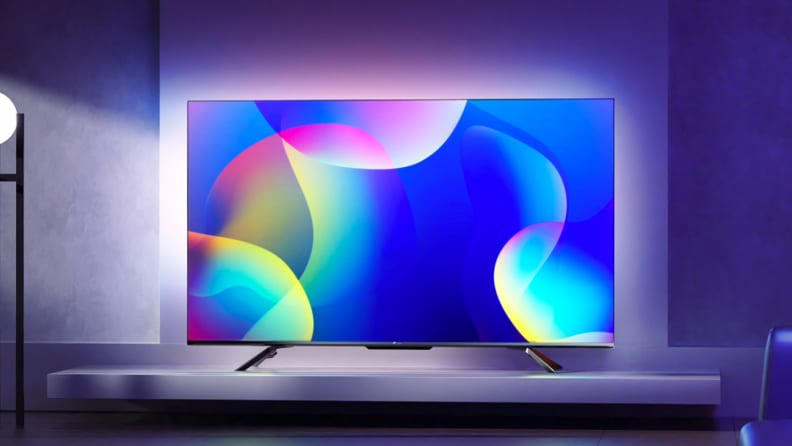
Chinese electronics maker Hisense launched a heap of new TV models at the CES 2022. The lineup includes premium models like the Hisense U9H, U8H, U7H, U6H and some affordable models like Hisense A7H, A6H, and A4H.
Hisense U9H
Starting with the Hisense U9H, the new TV is the top of the line model amongst the 2022 TV lineup. It comes with a 75-inch 4K display with Mini LEDs. It has a 120Hz refresh rate, 200 nits of brightness, and auto low latency mode.
It has premium features like the Game Mode Pro, FreeSync, and variable refresh rate(VRR). It has built-in speakers tuned by Dolby Atmos. It costs a hefty $3199 and will be available this summer.
Hisense U8H and U7H
Coming to the U8H and U7H, the former TV has the Mini LEDs technology, while the latter gets the QLED panel. Both come with a 120Hz refresh rate.
Hisense U7H
There’s also the 4k resolution support, however, the brightness goes down to 1500 nits on the U8H, but we are unsure about the U7H’s brightness. Both have FreeSynce, Dolby Vision IQ, and HDR10+ support. Apart from this, there are some minor differences between the two.
The U8H comes in 55-inch, 65-inch, and 75-inch starting at $1,099. On the other hand, the U7H comes has an additional 85-inch size, with the series starting at $799. Just like the U9H, the U8H & U7H will be available in Summer.
Hisense U6H
The U6H comes in screen sizes from 50 to 75 inches and has the standard 60Hz refresh rate. It has Dolby Atmos and supports quantum dot color.
The pricing of the U6H is unknown at the moment.
Hisense A7H, A6H, and A4H
The Hisense A7H, A6H, and A4H come in screen sizes from 32 to 85 inches. The A7H and A6H have Google TV support, while the A4H boots on Android TV. The A4H is the cheapest TV this year coming in 32-inch, 40-inch, and 43-inch sizes having an FHD resolution. The series starts at $199 and will be available in spring.
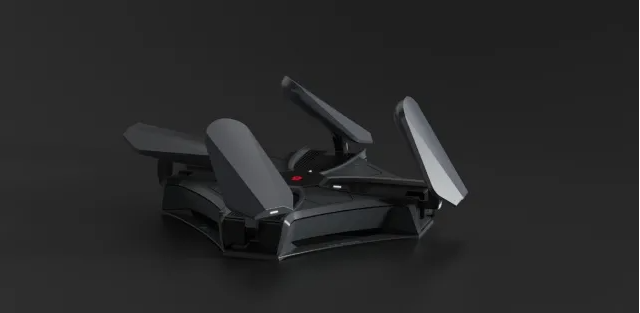
CES 2022 has seen some strange innovations so far, and one among them is the prototype WiFi router from TP-Link dubbed the Archer AXE200 Omni router.
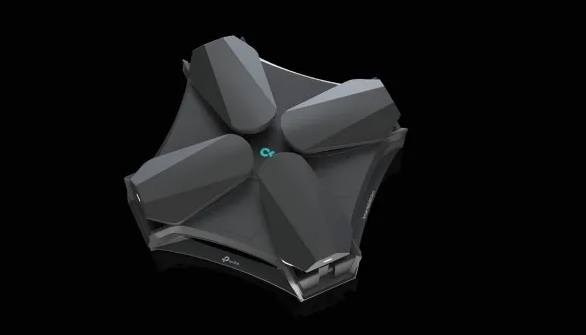
The Prototype router features four antennas that fold out when switched on and automatically rotate around to find and provide the best possible signal for its users. The necessity and functionality of this feature are still debatable but the router is sure to provide some amusement to customers when they move around the room and the router’s antennas follow their movements.
However, when it comes to hardware and specs, the AXE200 is no joke. The WiFi 6E enabled router features tri-band speed, with the addition of a 6Ghz band in addition to the existing 5Ghz and 2.4Ghz bands. The new WiFi 6E has latency levels of 2-6 milliseconds which enables users to use this new band for low-latency applications such as mobile AR/VR, gaming, 4k/8k video streaming, etc.
For customers looking for a convention yet powerful WiFi router, TP-Link is also launching the Archer AXE300 quad-band router, which shares the same extraterrestrial design as the Archer AXE200. The AXE300 features WiFi 6E with two (duplicate) 5GHz bands in addition to the 6Ghz and 2.4Ghz bands. The price for this device is yet to be unveiled however TP-link has stated that it will be available in the market in Q2 of 2022.
Rumors are rife that we might see this year’s Samsung flagship series, the Galaxy S22 early next month. Despite getting leaked several times, Samsung is yet to tease it officially. Well before it even happens, there’s yet another leak and this time around we get to learn the Samsung Galaxy S22 Ultra’s camera hardware. Additionally, the display details of the vanilla S22 were also unwrapped.
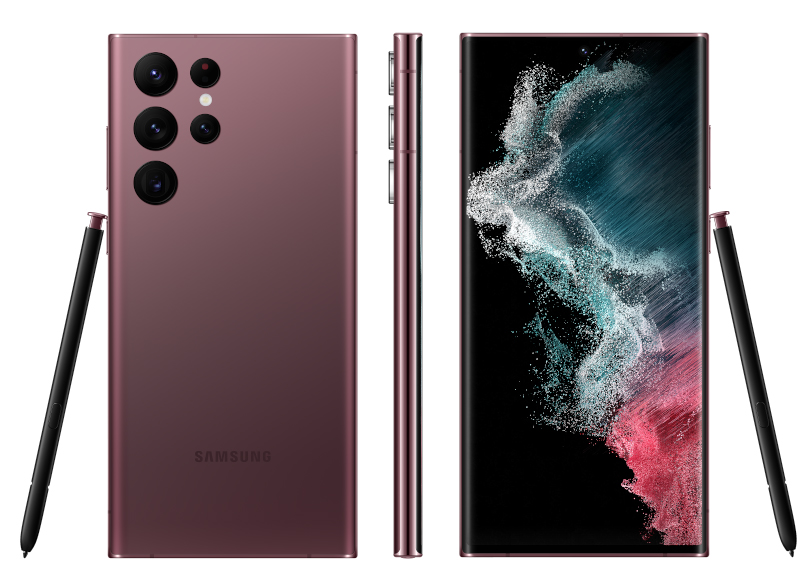
XEETECHCARE affirms that the upcoming Samsung Galaxy S22 Ultra will borrow the design from the Galaxy Note 20 Ultra. Reportedly, the S22 Ultra will have almost the same design as the Note 20 Ultra but with some slight changes such as the tweak on the camera island.
Samsung Galaxy S22 Ultra Render Leak via Evan Blass
The smartphone is touted to come with a quad-camera system at the rear. It will go by a 108MP Super Clear lens with an f/1.8 aperture and OIS support. The lens is said to restrict any reflection or glares, hence the naming.
It will be accompanied by a 10MP telephoto lens with 3x zoom and f/2.4 aperture. There will be another 10MP lens with 10x zoom and an f/4.9 aperture. Lastly, there will be a 12MP ultra-wide camera with f/2.2 aperture. Upfront, it will equip a 40MP shooter with an f/2.2 aperture.
Furthermore, the leak also reveals the possible specs of the phone. The Galaxy S22 Ultra is said to come with a 6.8-inch QHD+(3080 x 1440 pixels) Dynamic AMOLED 2X screen. It will be powered by the 4nm Exynos 2200 SoC, at least for some markets.
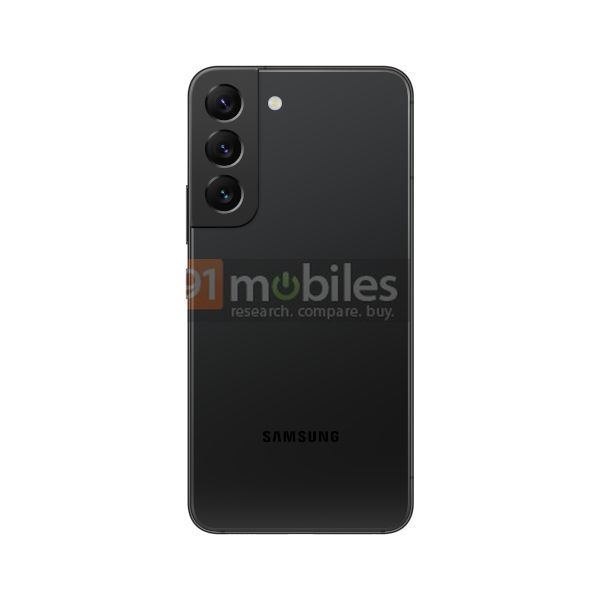
Samsung Galaxy S22. Image courtesy – 91Mobiles
It will be paired with 8GB or 12GB of RAM and 128GB, 256GB, or 512GB of onboard storage. As for the battery, the phone is tipped to have a 5,000mAh cell. The S22 Ultra, just like the S21 Ultra, will also have an S-Pen support. The smartphone may come in four color variants like the Phantom White, Phantom Black, Green, and Burgundy.
Moreover, some specs for the vanilla Galaxy S22 were also revealed. The smartphone may come with a 6.1-inch FHD+(2340 X 1080 pixels) Dynamic AMOLED 2X display and have a triple rear camera system. The device could arrive in Phantom Black, Phantom White, and Green colors.
The Moto G Stylus 2022 refresh, which is expected to be Motorola‘s budget Stylus smartphone offering, has had multiple leaks in the past, with a recent one revealing the looks and design of the upcoming device in 5K renders. Now, another leak has surfaced on Twitter with presumably the official renders of the device as well as some key specs.
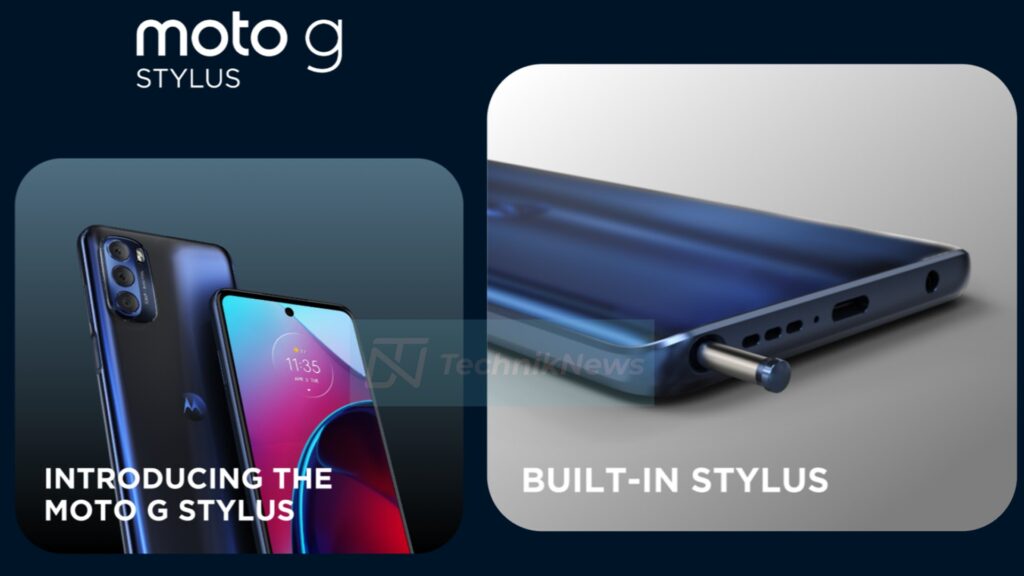
In a recent tweet by tipster @NilsAhrDE, we can observe the Moto G Stylus looks a lot like the previous renders revealed by popular tipster OneLeaks, giving more credence to the claim that these are official renders of the device.
A triple camera setup with an LED flash can be observed on the back. Additionally, the image also features a side-mounted fingerprint sensor and a centered camera punch hole. The Stylus pen looks more premium compared to the 2021 Moto G stylus.
The second picture reveals that the upcoming Moto G Stylus will have a 50MP primary camera which will use 4×1 pixel binning technology to create 12.5MP shots. The phone is also revealed to have 128GB of storage and a 90Hz fluid display.
Previously, the smartphone was hinted to come with a 6.81-inch display and have a Snapdragon 480+ 5G chipset. It is also tipped to house either a 4,500mAh or a 5,000mAh battery cell. It is expected to run on Android 12 out of the box.
Motorola has yet to officially announce this device and therefore no information is available regarding a possible launch timeline as well as its pricing. However, if this recent leak turns out to be legit, we might soon see the Moto G Stylus 2022 debut.
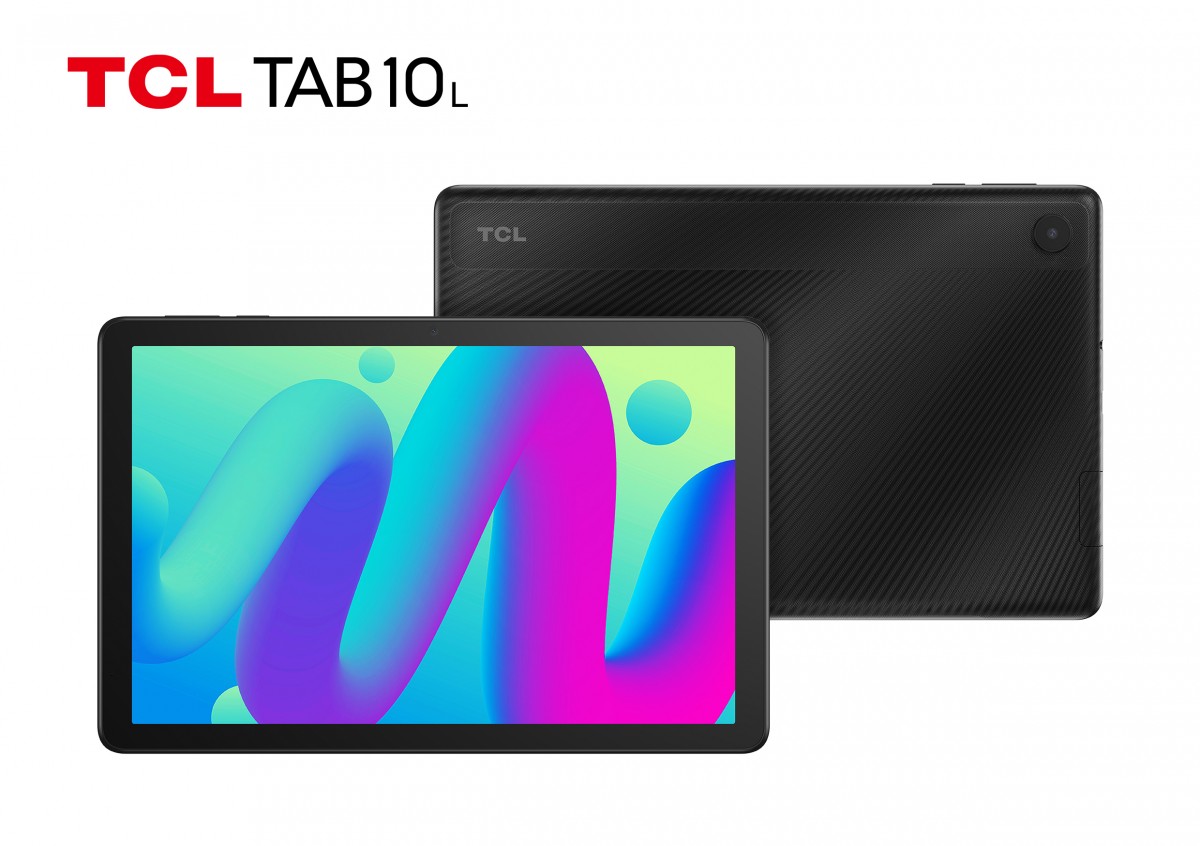
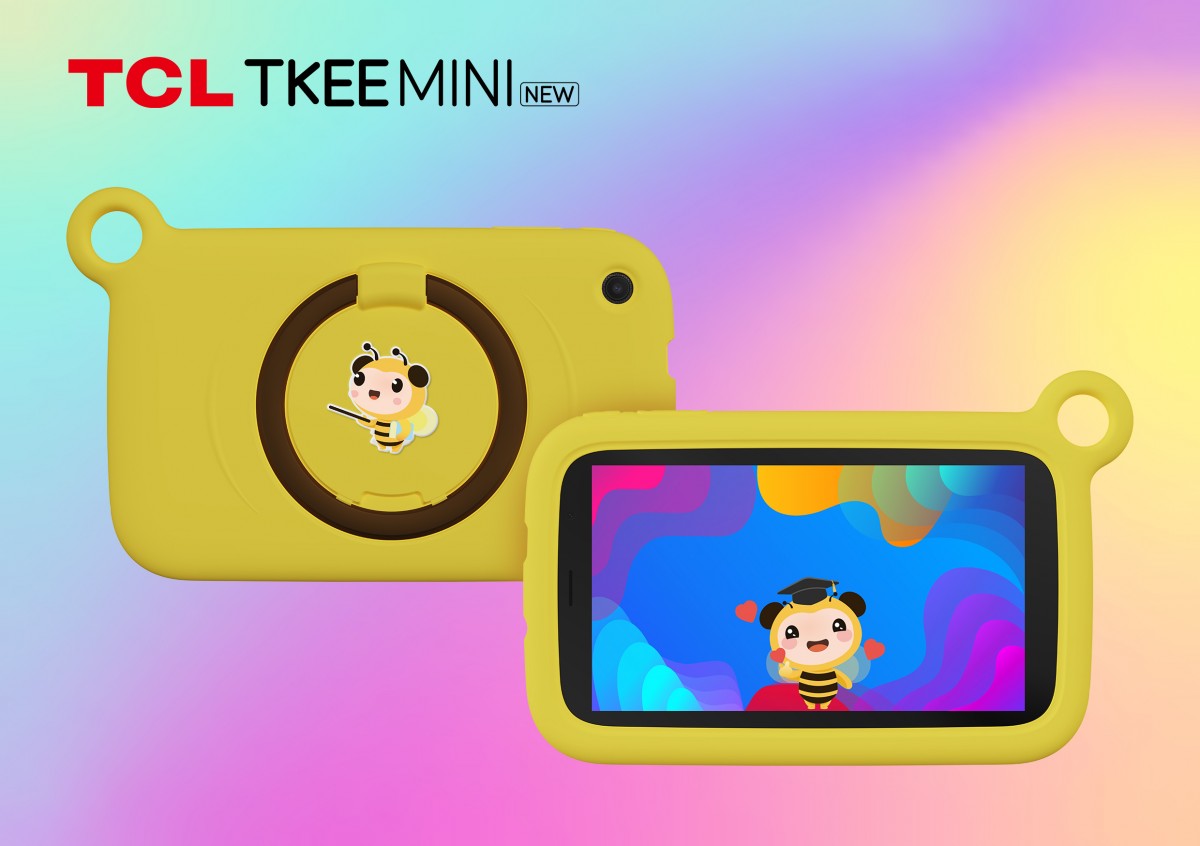
TCL is unveiling a wide array of products during its first event for 2022. The lineup of devices launched during the mega event include laptops, smart home gadgets, TVs, and six new Android-based tablets. The Android tablets includes the TCL Nxtpaper 10s, Tab 10L, Tab 8 4G, Tkee Max, Tkee Mid, and Tkee Mini. The six Android tablets feature a number of exciting functions with the Tkee series representing new kids tablets. The six tablets will be available in China and Europe in a staggered manner from January 2022. Except for the Tkee Mini, all the other tablets will run on the Android 11 operating system.
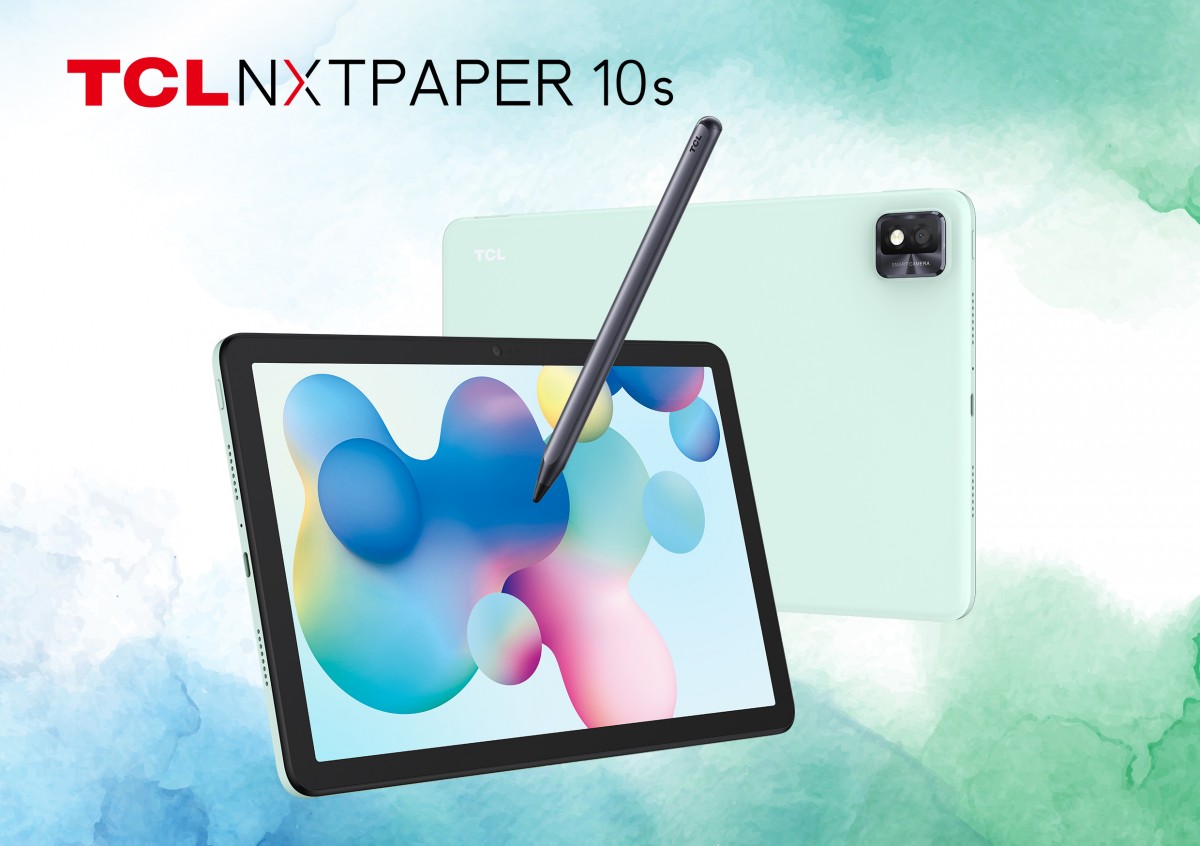
The TCL Nxtpaper 10s has a 10.1-inch pressure-sensitive display that is adorned with a matte finish unlike the traditional glossy surface to guarantee a better viewing experience. The matte finish is a deliberate design feature to reduce blue light emissions and eye fatigue. TCL says the Nxtpaper 10s will have natural color reproduction and clear viewing angles. The Nxtpaper 10s has 4GB of RAM with 64GB of storage. It is powered by a MediaTek Helio P23 chip, it has a 5MP selfie camera together with an 8MP rear shooter. Its 8,000 mAh battery can be charged via USB at 18W charging speeds. The Nxtpaper 10s package starts at $249 and two color variants are available – ethereal sky and dark grey colors.
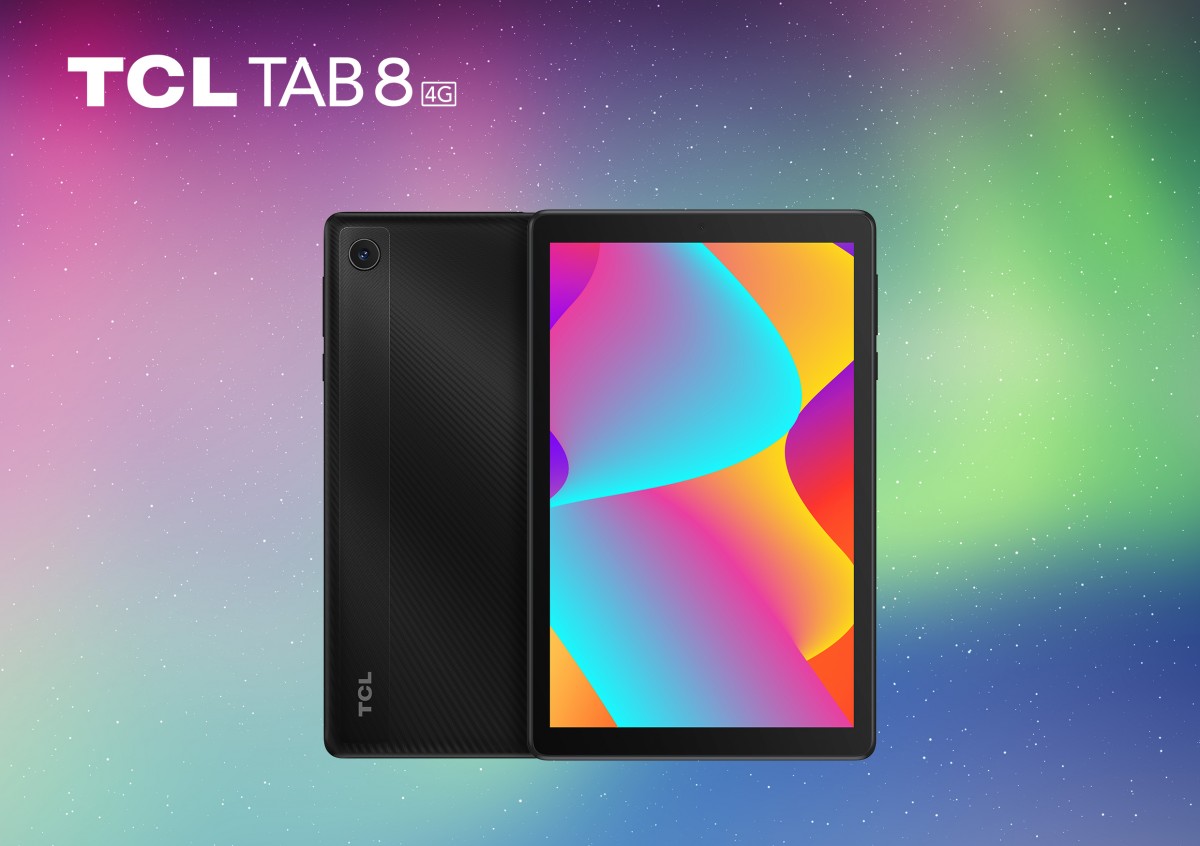
The TCL Tab 10L has 2GB RAM with 32GB of storage. It has a 10.1-inch screen and it is aimed as a media consumption device, with the internal storage capable of being extended via the microSD slot. The battery has a capacity of 4,080 mAh while the camera setup consists of two 2MP sensors. The TCL Tab 10L is priced at $99 and will be available within the first quarter of the year. The TCL Tab 8 4G is priced at $129 and has a smaller display but similar memory and battery configuration as the Tab 10L and will be available for the European market within the first quarter of 2022.
The kids-centric TCL Tkee Mini, Mid, and Max tablets have 7, 8, and 10-inch displays, respectively. They all come in a bright yellow color and feature Tkee pens for drawing and writing. They feature a hard plastic shell as an added overlay for protection from falls. The RAM of the three tablets is 1GB while the smaller model will run on Android 10 (Go edition) unlike all the other tablet models released.
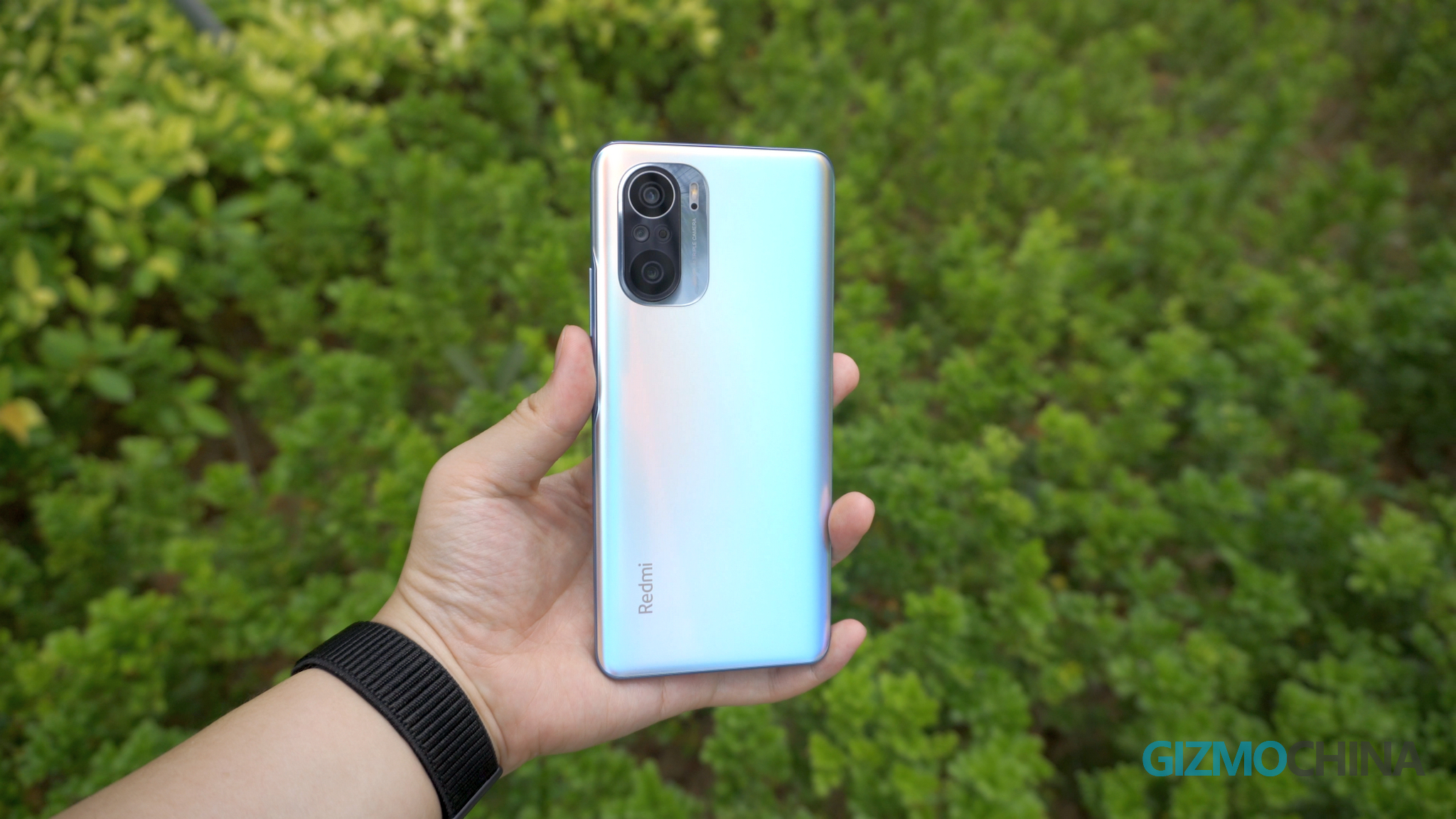
A few days back, Xiaomi announced the all-new MIUI 13 software skin for its smartphones. The company confirmed that the first batch will get the update by the end of January and some devices like the Xiaomi Mi 11 and Xiaomi Pad 5 have already started receiving the stable update. Now, the Xiaomi Redmi K40 has received the MIUI 13 stable update in China.
The Redmi K40 was launched back in February with Android 11 in China and the phone’s new MIUI 13 update is based on the latest Android 12 operating system. As of now, the update is rolled out for the beta testers, but it will be available to the public in the coming days.
It has the codename “alioth” and has the version number V13.0.2.0. Similar to the Mi 11, the update for the Redmi K40 is also quite big. It has a total size of 4.5GB.
The update brings all the latest MIUI 13 features and also has the Android 12 features onboard. It adds new font, widgets, a couple of wallpapers, and privacy features. For those who are unaware, the new MIUI 13 focuses more on stability and optimization offering improved fluency of system apps by 20-26%. The third-party app fluency is increased by 15% to 53%.
We expect the update to arrive on other eligible devices in the coming days. If you want to check the list of supported devices do check the article below.
Recently, the internationally renowned New York City-based architectural firm, Ennead Architects, announced the firm has successfully got the tender to be in charge of the design and construction of the Xiaomi Group Shenzhen International Headquarters.
Coinciding with the 10th anniversary of the establishment of the Xiaomi brand, this HQ construction project, codenamed the “Xiaomi Rubik’s Cube”, will be a graceful architectural fusion between technology and our environmental nature, as the HQ will be integrated into one of Xiaomi’s flagship concept stores, blended in with shorelines of the blooming Shenzhen port city.
Xiaomi Rubik’s Cube Architectural Render
As announced in the event, the “Xiaomi Rubik’s Cube” will cover 46 thousand square meters of land, with the cube having 360 degrees illuminating LED panels on its 4 sides, which are namely, its North, South, East and West sides.
LED on all 4 sides of the Xiaomi Rubik’s Cube
Ennead Architects’ member and head architect of the project, Peter Schubert mentioned that the idea of the design came from how the Xiaomi brand is perceived by the public: a tech giant that catches the eye of many and sends waves across the industry. He mentions that the Xiaomi community culture resembles a Rubik’s cube in the sense that problems can be solved in many ways, and you will always get the desired result in the end.
The unique design of the HQ “Xiaomi Rubik’s Cube” also reflects Xiaomi’s boldness to stand out in the industry, its resilience to always push innovation forward, and its willingness to cooperate with other smartphone manufacturers and suppliers as well, and in the end, it wants to become a leader in the smartphone space.
Xiaomi Rubik’s Cube renders
The Xiaomi Group has invested 7.76 billion RMB to construct its Shenzhen International Headquarters, and throughout 2020 towards 2024, the estimated business revenue would be 51 billion RMB, whereas the surrounding businesses of the HQ are estimated to have an economic growth of 600 million RMB.
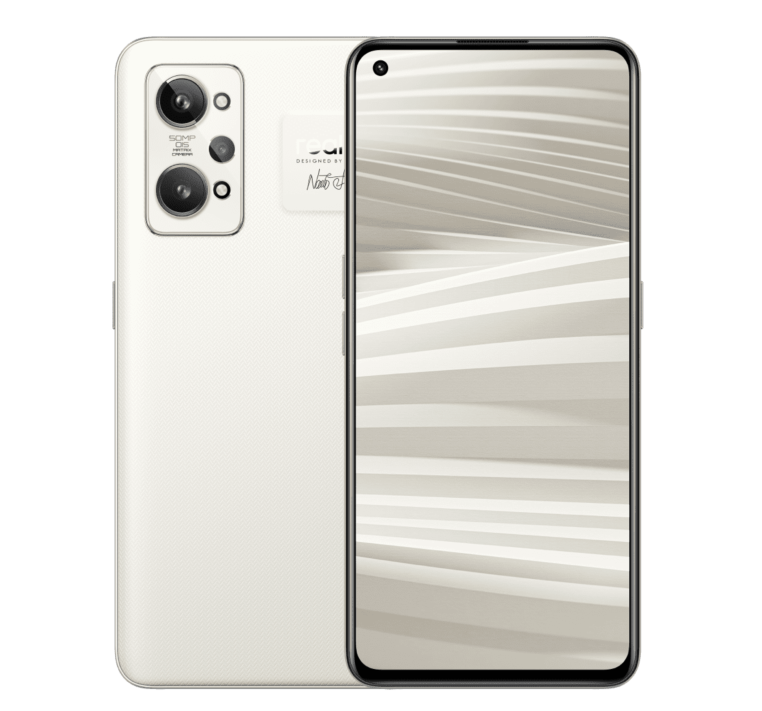
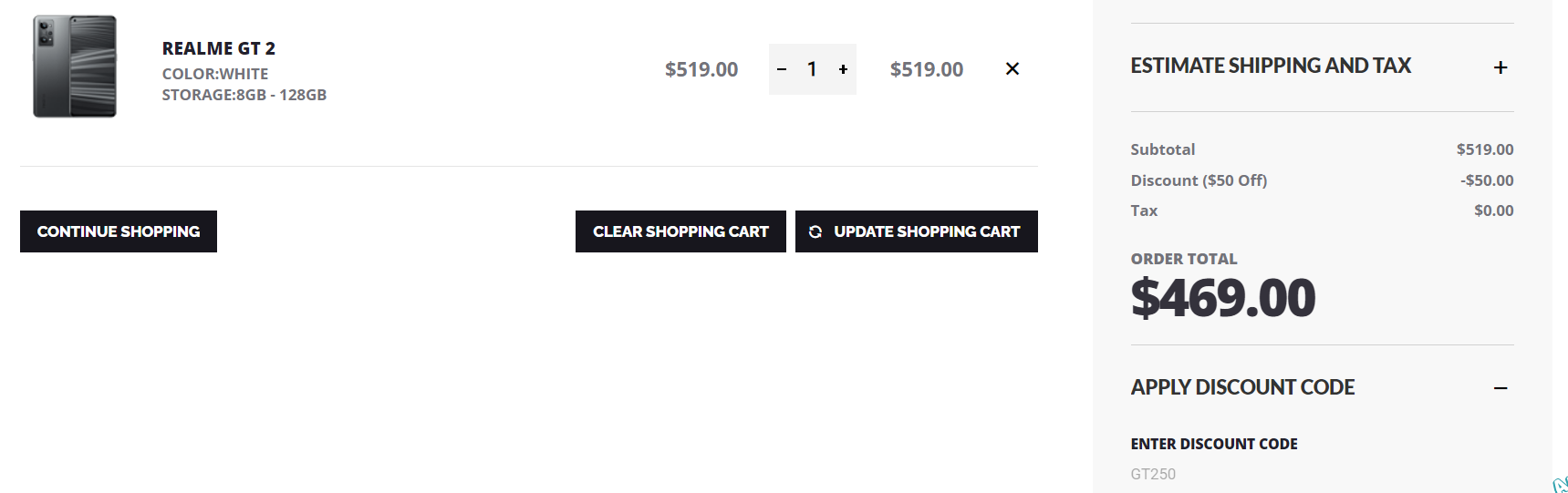
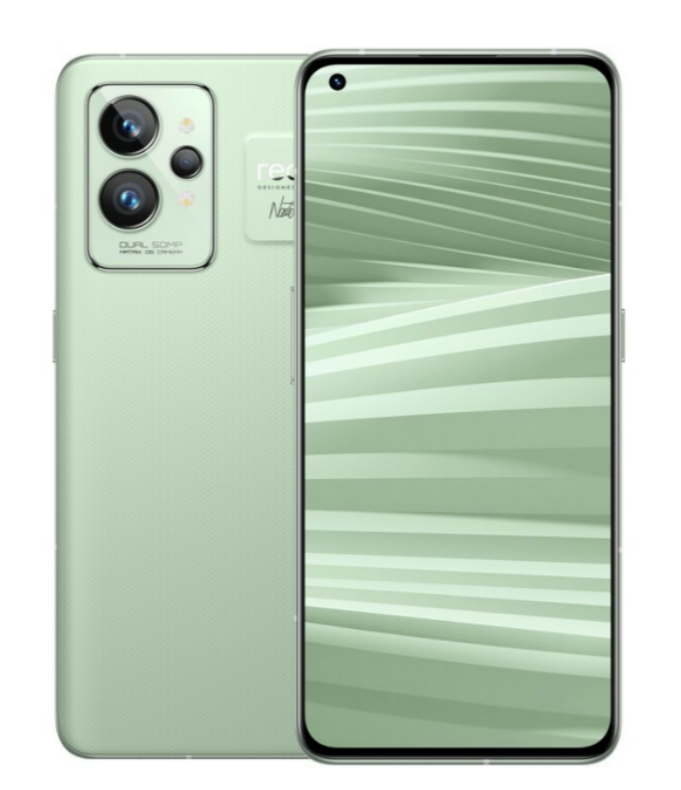
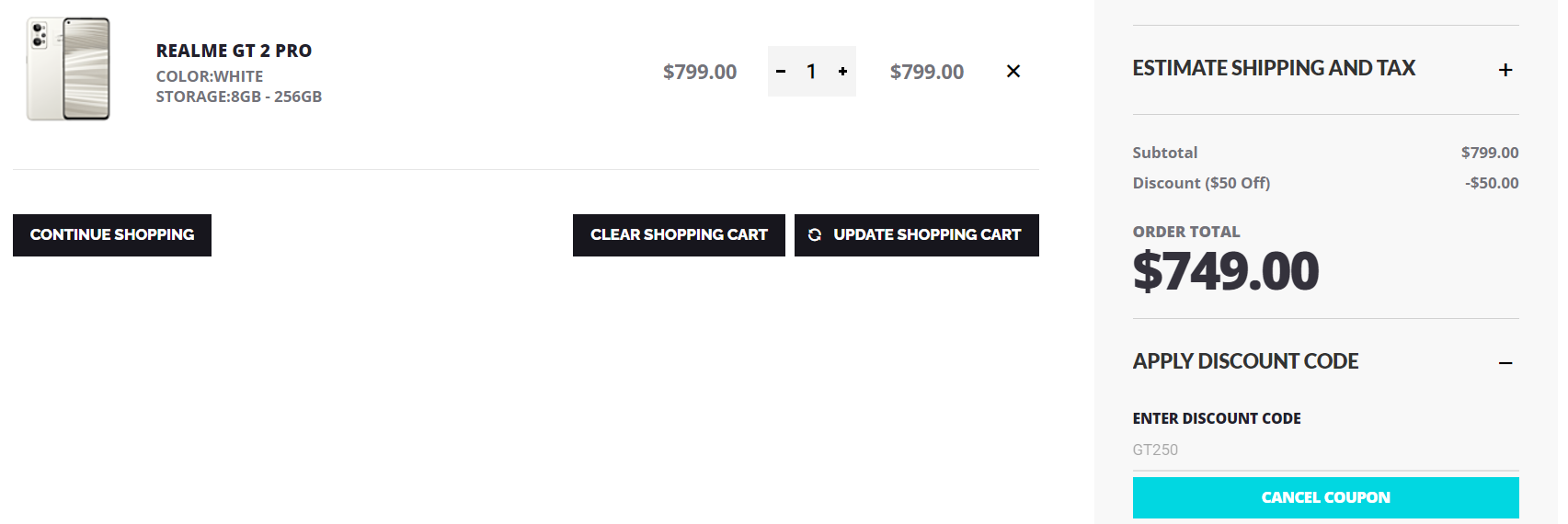
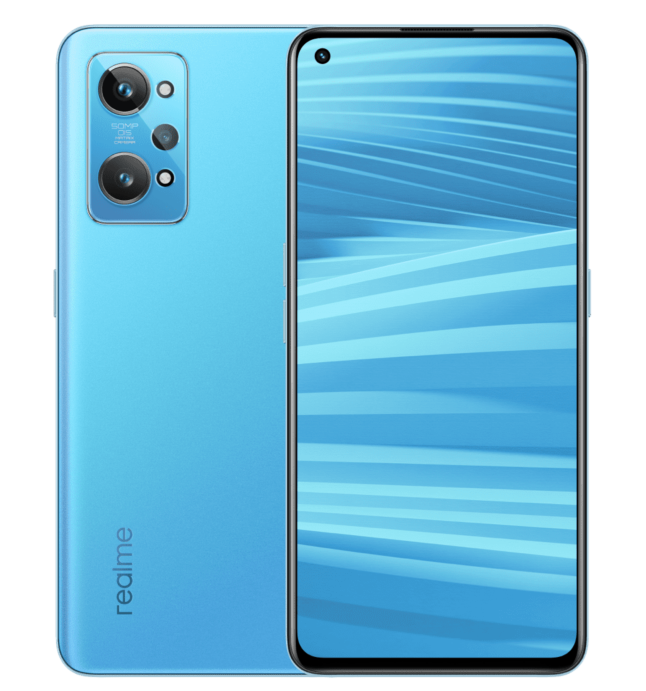
Giztop is giving a $50 discount coupon for the brand new Realme GT 2 and Realme GT 2 Pro. You can now buy Realme GT 2 which generally retails for $519 at a discounted price of $469 and Realme GT 2 Pro which retails for $799 at a discounted price of $749 only by using the discount code: GT250. The abovementioned price is applicable to the base variant only. However, the coupon code is applicable to all variants.Please note that this is a limited-time coupon.
Xiaomi has released an official statement regarding this matter.
“At Xiaomi India, we give utmost importance to ensuring we comply with all Indian laws. We are currently reviewing the notice in detail. As a responsible company, we will support the authorities with all necessary documentation.”
[Original story]
Last week we reported on Xiaomi and OPPO facing a potential fine of Rs. 1,000 Crore ($134 million) for tax evasion in India. Now, more details regarding the investigations have been revealed which sheds a light on the crux of the matter.
According to a new report by NDTV Gadgets 360, the Chinese smartphone maker Xiaomi has evaded customs duty of around 653 crores ($88 Million approx) in India. The investigation into the brand began with intelligence that M/s Xiaomi Technology India Private Limited (Xiaomi India) was evading customs duty by way of undervaluation. The investigation was conducted by the Directorate of Revenue Intelligence (DRI) against Xiaomi India and its contract manufacturers.
The raids conducted at Xiaomi India’s premises led to the recovery of incriminating documents indicating Xiaomi India was remitting fees to Qualcomm USA and to Beijing Xiaomi Mobile Software, under contractual obligation.
We know that Xiaomi India imports some of their mobile phone devices to India and other devices are assembled in India by importing parts and components of mobile phones by contract manufacturers of Xiaomi India. The brand has to pay royalties and license fees to brands like Qualcomm USA and Beijing Xiaomi Mobile Software, China (related party of Xiaomi India) for using their technology.
The investigation revealed that these royalties and license fees were not being added to the transaction value of the goods imported by Xiaomi India and its contract manufacturers, which on paper resulted in reduced cost of the imports and in turn reduced import duties.
The Ministry of Finance stated that these actions by Xiaomi India are in violation of Section 14 of the Customs Act, 1962 and Customs valuation (determination of value of imported goods) Rules 2007.
The Ministry of finance also added that “After completion of the investigation by the DRI, three show cause notices have been issued to M/s Xiaomi Technology India Private Limited for demand and recovery of duty amounting to Rs. 653 crore ($88 Million approx) for the period 01.04.2017 to 30.06.2020, under the provisions of the Customs Act, 1962.”
Xiaomi India is yet to issue any statement on this recent development, so stay tuned for more updates.
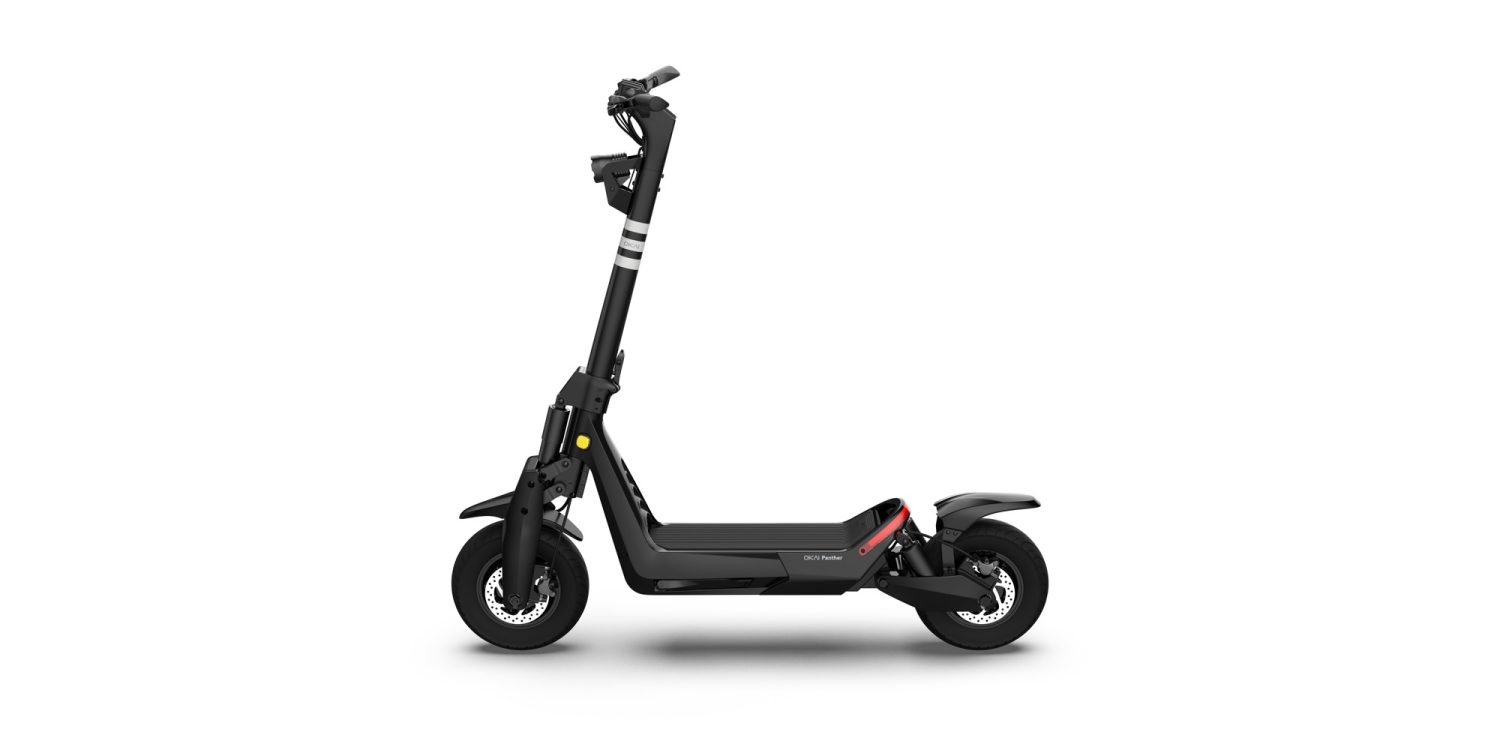
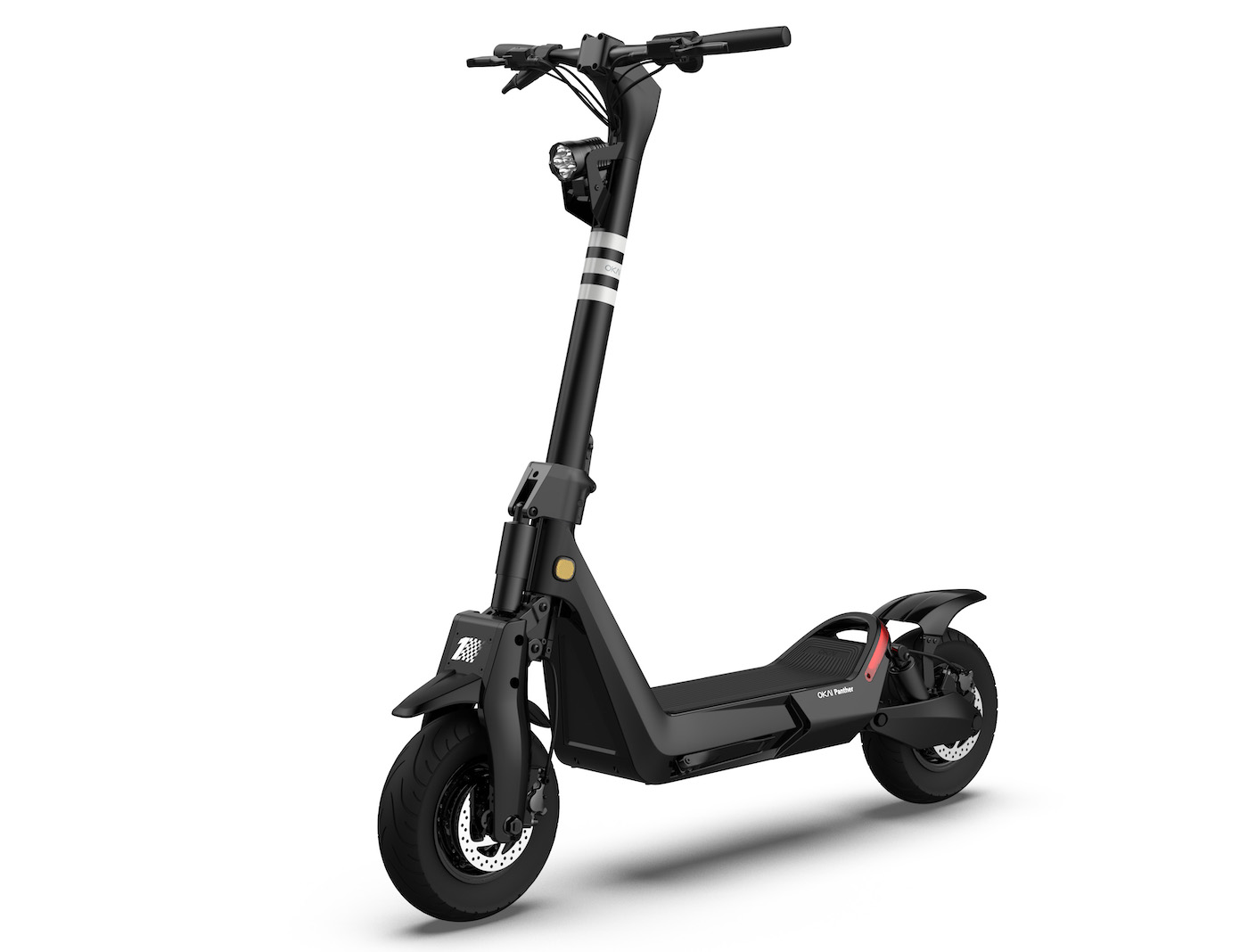
The first day of CES 2022 has seen several innovative and exciting exhibitions. The Chinese company, Okai is also throwing its hat into the fray with the unveiling of a new off-road standing electric scooter. The Okai ES800 sleek electric scooter is designed to operate seamlessly in difficult and rugged terrain, unlike much of its competitors. The off-road features of the Okai ES800 include full suspension, a 1,800W electric motor which allows it to reach a speed of 37 miles per hour (60 km/h) and climb 35% steep ascents.
The Okai ES800 electric scooter is unlike most of the common scooters in the market that are unable to navigate on rugged and off-road terrain due to the absence of a proper suspension for such navigation. Its 12-inch wheels provide massive comfort while driving on such difficult surfaces. However, the Okai ES800 is a bit heavier than the conventional scooters due to its off-road credentials. It has a 980 Wh battery which could offer a greater range than its competitors although Okai was silent on the vehicle’s range.
The Okai ES800 could be priced on the higher end of the price spectrum given its extensive features and possible higher driving range. The company is yet to provide any pricing details yet for the e-scooter, and its global availability details. In addition, country-specific model specs which should align with existing regulations and speed limits are also not yet out. The Okai ES800 holds some promise when it eventually debuts in the market due to its impressive off-road capabilities.
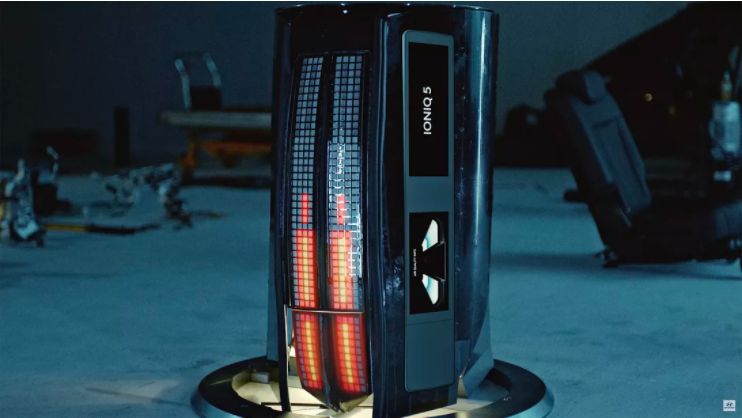
Korean automaker Hyundai has converted one of its prototype electric vehicles, the Ionic 5 EV into a massive air purifier. The giant air purifier was produced by an Ionic 5 unit that was slated for the slaughter slab, but the company’s engineers were able to conceptualize an air purifier built from the components of the Ionic 5 with a mix of the tech aspects of the demobilized EV.
EV makers are increasingly concerned about what to make of abandoned EVs or components no longer functional. This also applies to prototypes which are a culmination of the development of final EV products. In the course of developing a new car, automakers often build several prototypes, most of which cannot progress to finished products or are legally permitted to drive on public roads. These units then have to be destroyed in an efficient and environmentally friendly manner. Some of the prototypes however continue to go through development.
The giant air purifier was showcased in a recent Hyundai promo video where the Ionic 5 was first reduced completely to its parts, which were then used to craft the giant air purifier. The air purifier is however unlikely to proceed to a commercial product. It seems Hyundai is only showcasing the air purifier as evidence of its innovative engineering team and to show that the parts used on the Ionic 5 are almost entirely recyclable.
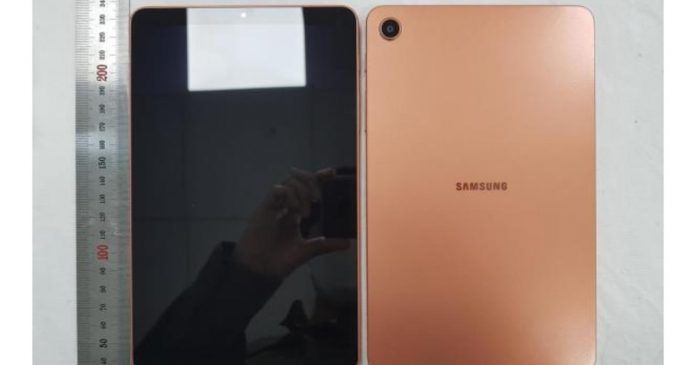
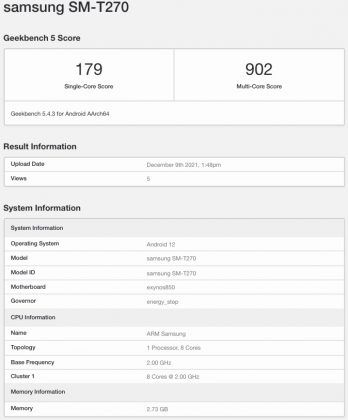
Last year in December, Samsung launched the Galaxy Tab A8 in the Netherlands with a 10.5-inch display, a UNISOC chipset, and a 7,040mAh battery. Now, Samsung seems to be gearing for the launch of its Lite variant. Recently, a Samsung tablet with model number SM-T270 appeared on SafetyKorea and Geekbench listing and it is allegedly said to be the upcoming Samsung Galaxy Tab A8 Lite.
According to SafetyKorea, the phone has a large display that has thick bezels all over it. It has a selfie camera at the top. At the rear, the tablet has a clean design with a single camera on the top left and the Samsung branding in the middle. It has a Copper Brown color.
Coming to the Geekbench v5 certifications, the purported Samsung Galaxy Tab A8 Lite scored 179 points in the single-core department and 902 points in the multi-core department. The tablet is powered by the 8nm Exynos 850 SoC inside and has 3GB of RAM. To recall, the Galaxy Tab A8 was launched with UNISOC Tiger T618 SoC. The tablet runs on Android 12 out of the box and is expected to have Samsung’s in-house OneUI 4.0 on top of it.
Samsung Galaxy Tab A8 Specifications
The Samsung Galaxy Tab A8 has a 10.5-inch LCD display with a Full-HD+(1920 x 1200) pixels resolution. It has a 16:10 aspect ratio and features a quad-speaker setup. It has a single 8MP autofocus camera at the rear and a 5MP selfie snapper at the front.
Under the hood, it is powered by the UNISOC T618 SoC paired with up to 4GB of RAM and 64GB of onboard storage. It has a 7,040mAh battery with 15W fast charging support. It boots on Android 11 out of the box and has OneUI 3 on the top.
US Carrier AT&T has announced a new affordable 5G smartphone for its customers in its home country. The device is officially called AT&T Fusion 5G. The handset was initially said to support mmWave 5G but it actually doesn’t. Users will be limited to sub-6GHz 5G like most budget 5G phones.
The newly unveiled AT&T Fusion 5G is priced at $219.99 or $6.12 per month with no trade-in in the US. It will be available for purchase from Friday, January 7.
As far as specifications are concerned, the telecom operator hasn’t revealed much about the smartphone. However,Digital Trends has mentioned some of the primary specs in their story.
According to the publication, the AT&T Fusion 5G is powered by a MediaTek Dimensity 700 SoC. This chipset is paired with 4GB RAM and 64GB storage. If needed, the storage can be further expanded via a MicroSD card slot.
Further, the handset sports a 6.82-inch HD+ (720 x 1640 pixels) display with a dewdrop notch and a huge chin. The screen is most likely an LCD panel though the telecom giant hasn’t disclosed it.
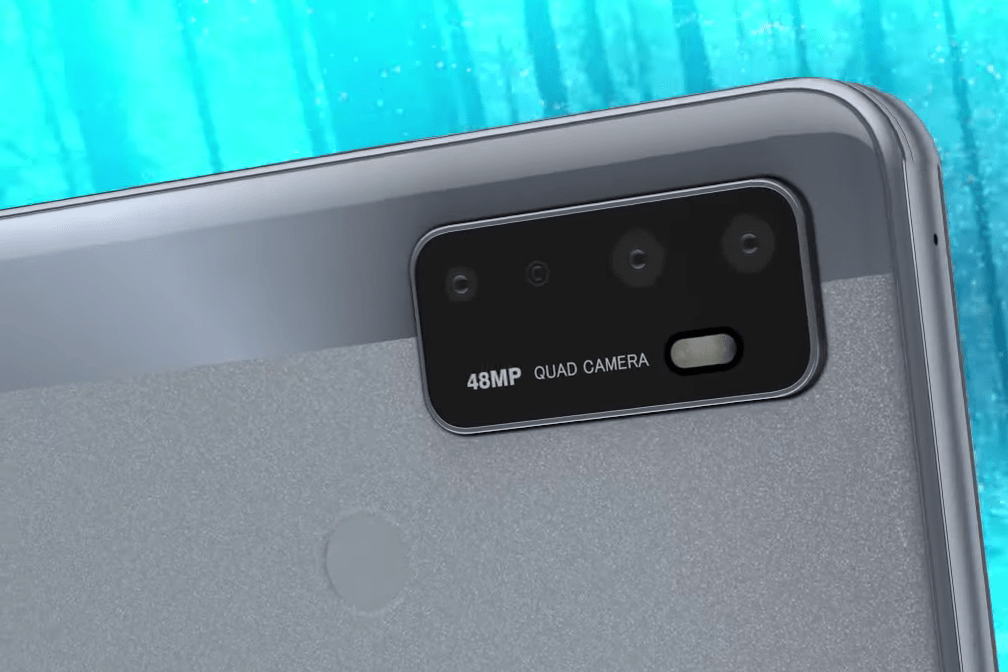
It has a fingerprint sensor and a quad-camera setup on the back consisting of a 48MP primary sensor, an 8MP ultra-wide unit, a 2MP macro snapper, and a 2MP depth sensor. For selfies and video calls, it uses a 13 MP shooter that resides inside the notch.
Connectivity options on the phone include dual-band WiFi, Bluetooth 5.1, NFC, USB Type-C, and 3.5mm headphone jack. Finally, it runs Android 11 backed by a 4,750mAh battery with support for fast charging (charged included in the box) and wireless charging.
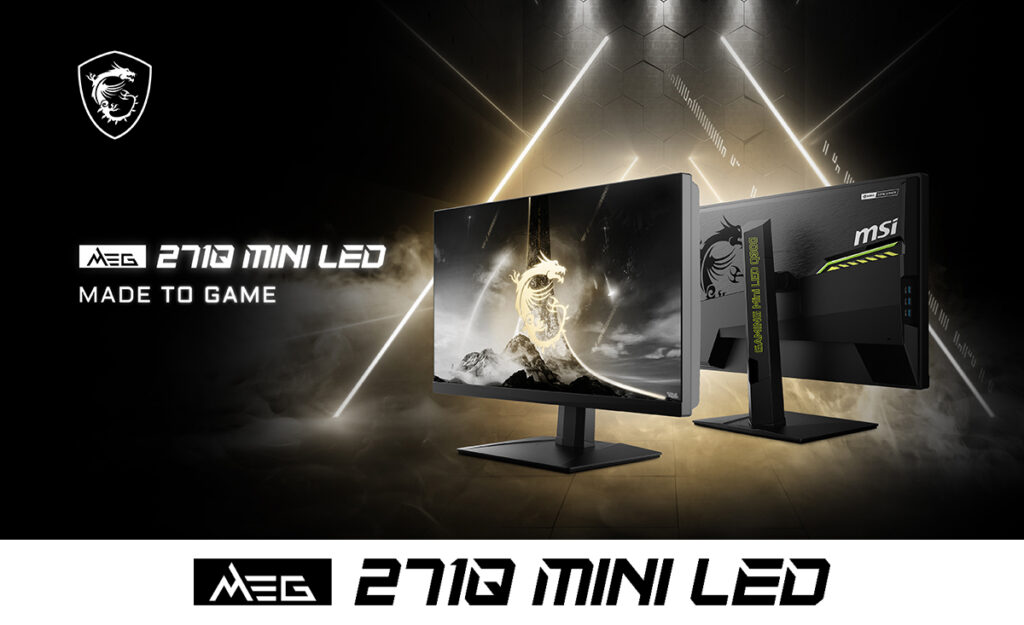
Earlier today, MSI unveiled their newest next-gen gaming monitor dubbed the MEG 271Q Mini LED. This new offering from MSI supports NVIDIA’s G-Sync Ultimate technology with mini LED backlighting control and offers a mind-blowing 300Hz refresh rate.
According to MSI, the new display is focused on competitive gaming and esports circles. The MEG 271Q Mini LED offers a WQHD resolution of up to 2560 x 1440. The monitor has an aspect ratio of 16:9 and a superfast 1ms GtG response time which it achieves through its rapid IPS panel. The monitor also offers vivid colors through its 97% DCI-P3 color gamut and high dynamic range with HDR technology.
Nvidia G-Sync Ultimate along with the native 300Hz refresh rate and MSI’s patented backlight control tech combine to provide high levels of smooth and tear-free gameplay along with increased picture contrast to the users.
MEG 271Q Mini LED Key features, per MSI:
Extremely fast response time: Lightning-fast 300Hz high refresh rate performance for a smooth PC gaming experience. Catch every detail of motion and enjoy the most fluid gameplay, which ensures a flawless view of fast-motion and dramatic transitions consistently at all times.
Rapid IPS Panel: Rapid IPS display provides gamers with an ultra-fast response time, which will significantly reduce monitor blur occurrence. The MSI MEG 271Q Mini LED provides up to 1ms GtG response time. The crystal clear image will certainly give you a competitive edge for precise decisions in fast-moving games. Meanwhile, a rapid IPS panel gives you a vivid color performance. DCI-P3 97% is an outstanding performance beyond most gaming monitors.
WQHD resolution: The MSI MEG 271Q Mini LED features a WQHD panel that supports resolution up to 2560 x 1440. This 16:9 panel allows gamers to examine bigger game scenes compared to other traditional FHD panels and put them ahead of other competitors. 27” WQHD has 32.9% more than the regular 27” FHD monitor in PPI. Enjoy a different level of image quality and sharpness.
VESA Certified DisplayHDR 1000: The MSI MEG 271Q Mini LED is equipped with HDR technology that can produce images with more details, a wider range of colors, and look more similar to what is seen by the human eye when compared to traditional monitors.
The company has yet to reveal the pricing and an availability timeline for the MEG 271Q Mini LED monitor, so stay tuned for more.
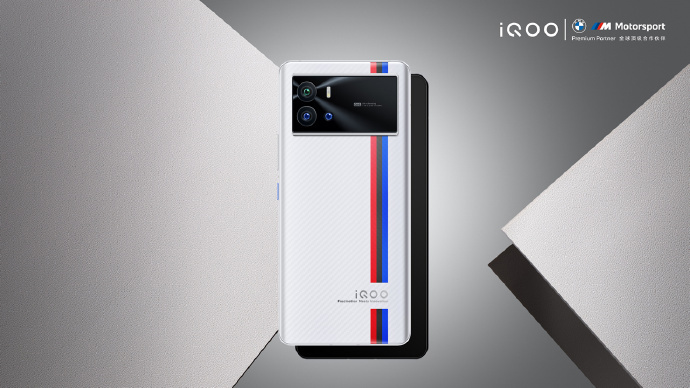
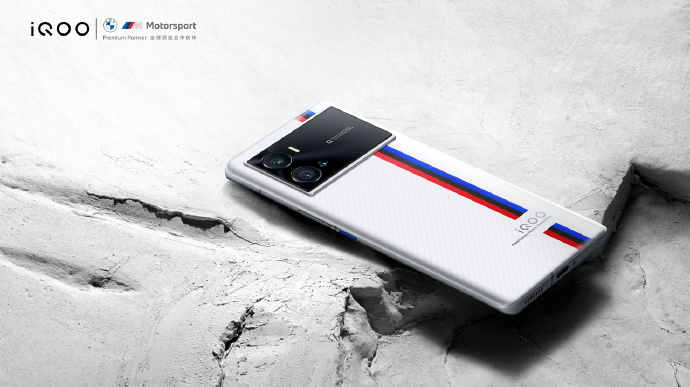
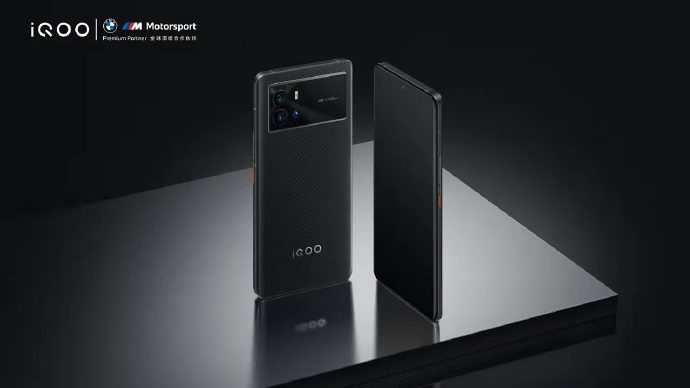
Vivo‘s independent iQOO brand has officially unveiled its first flagship series for the year. The iQOO 9 series is made up of the iQOO 9, iQOO 9 Pro, and iQOO 9 BMW M Motorsport edition.
Design
The iQOO 9 series adopts a completely new rear design with a triple camera setup housed inside a wide camera island almost covering the upper half of the rear panel. The module has just a slight protrusion which won’t pose any disruption to users. It is also noteworthy that two of the camera sensors have wide apertures. The device equally uses a metal frame made from aerospace-grade aluminum alloy.
In terms of color scheme, the iQOO 9 series retains the classic color matching of the predecessor, including the Motorsport edition. The iQOO 9 Pro also combines the glossy white glass with the classic carbon fiber texture. Thus, the glass back on the BMW Motorsport edition isn’t smooth but has a carbon fiber texture. iQOO still included the iconic BMW three-color stripes running from the upper part down to the lower sides of the rear panel. The matte AG splicing process is adopted to give the glass surface a micro-film condensing AG process, which gives an appearance of two colors, textured patterns, and a rough feel.
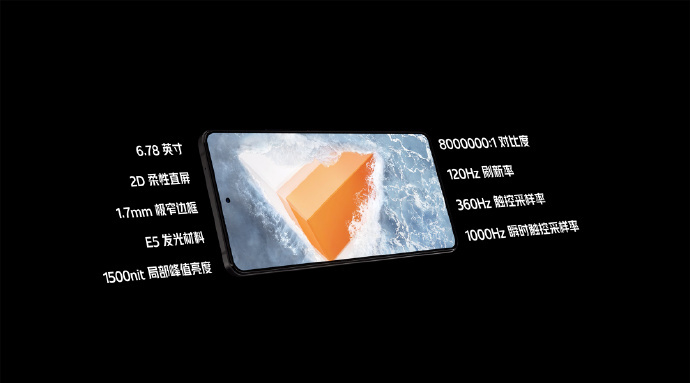
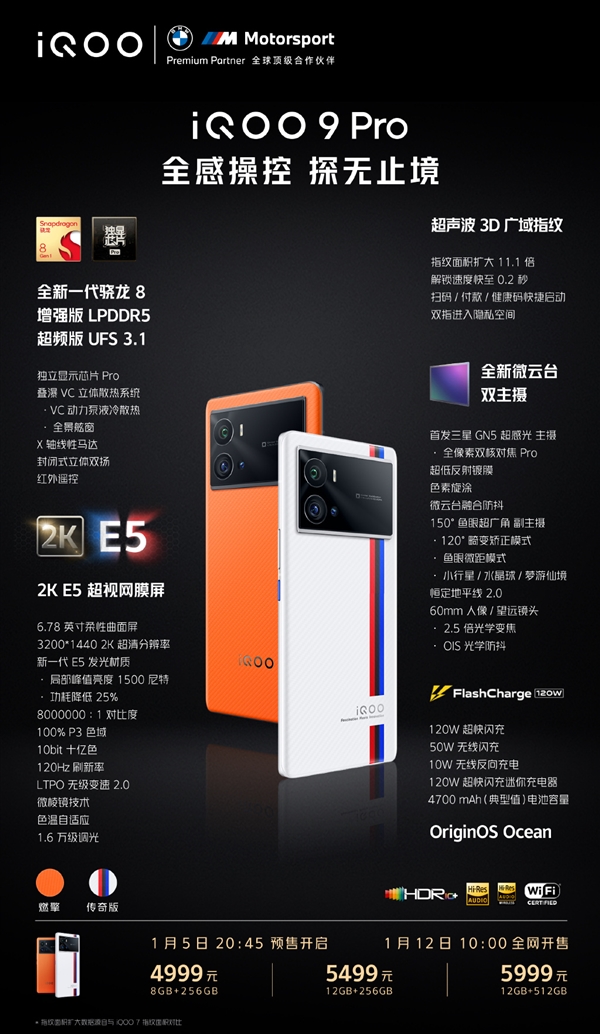
All models on the iQOO 9 series feature a 6.78-inch Samsung E5 AMOLED display panel, a 1.7mm extremely narrow frame. The Pro model comes with LPTO technology. LTPO display tech allows the device to have both a high refresh rate and resolution without turning it into a battery-sucking machine. The display features support for 120Hz refresh rate and has a peak brightness of up to 1500nit, 100% P3 color gamut, and 1000Hz instant touch adoption rate. Thus, the screen content is still clearly visible under strong light conditions. The display also has a tiny punch-hole cut-out that houses the selfie camera.
The iQOO 9 features a flexible flat panel with an FHD+ resolution of 2400×1080 pixels while the iQOO 9 Pro comes with a curved flexible panel with a 2K resolution of 3200×1400 pixels.
The iQOO 9 series is equipped with a full-sensing control system 3.0 while the dual-control pressure-sensing area under the screen has also been further increased. The device also features two X-axis motors with greater steady-state vibration. The iQOO 9 series uses an ultrasonic 3D wide-area fingerprint sensor which only needs to be entered once and unlocks the device in just 0.2 seconds.
Specifications – iQOO 9 series
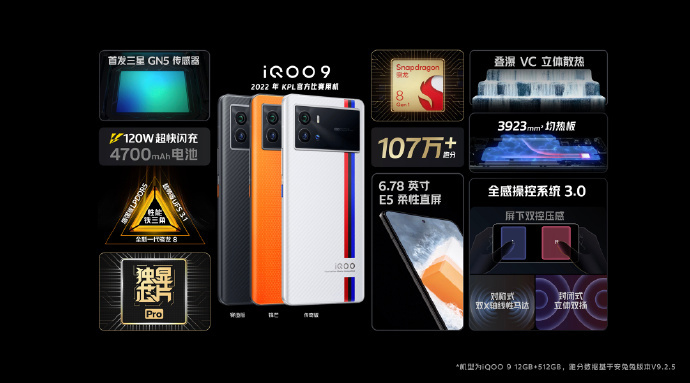
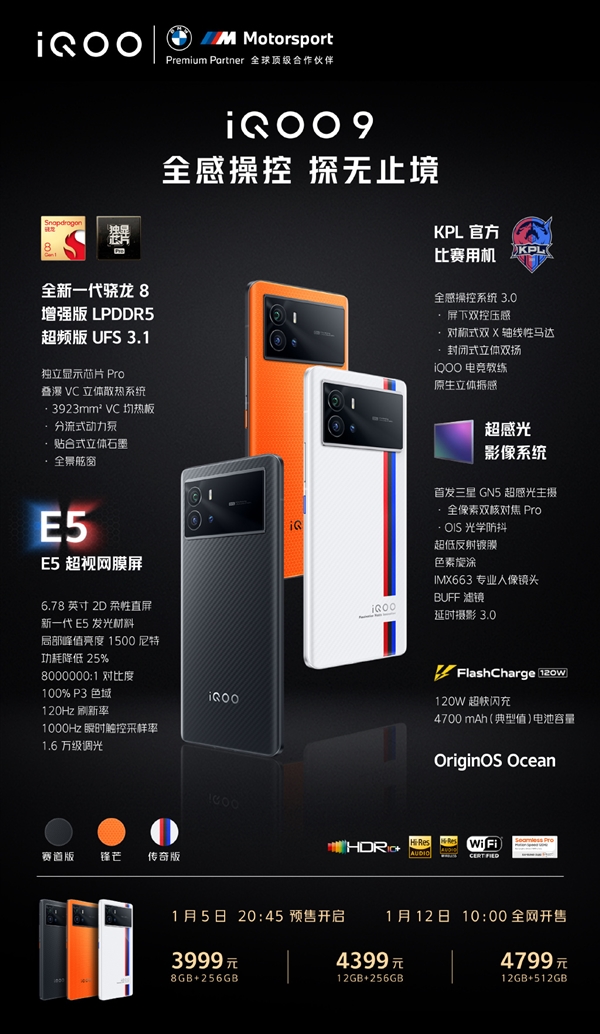
All three models are powered by the latest Qualcomm Snapdragon 8 Gen 1 chipset which is based on the new 4nm process technology. The chip uses the new X2 super core, built-in enhanced LPDDR5 memory, and an overclocked version of UFS 3.1 storage. The models come with an independent display chip Pro, bringing a smooth and refreshing game experience with high frames and low power consumption.
Since the iQOO 9 series is a gaming phone series, heat dissipation is very much guaranteed. The models come with a 3923 mm2 super large area heat spreader which covers the entire panel. The models also feature two split-flow power pumps to ensure chip heat dissipation. Finally, there is a stacked waterfall VC three-dimensional heat dissipation system for accelerated heat conduction.
CAMERA
On the camera aspect, the iQOO 9 packs a 50MP main camera teaming up with a 13MP super wide-angle sensor and a 13MP portrait lens. On the other hand, the iQOO 9 Pro features a 50-megapixel main camera with an outsole gimbal as well as a second 50-megapixel fisheye ultra-wide-angle lens with support for 150° ultra-wide-angle shooting, and also brings a fun fisheye macro mode. The third sensor is a 16-megapixel telephoto portrait lens.
All iQOO 9 series are equipped with dual-cell 120W ultra-fast flash charging and 4700mAh large battery as standard. iQOO 9 Pro also has support for 50W wireless flash charging and 10W reverse charging. The 120W ultra-fast flash charging mini charger uses the new gallium nitride material. It weighs only 135g, supports PD3.0 and PPS protocols, making it convenient to carry around.
iQOO 9 series Pricing & Availability
Here are the prices of the iQOO 9 series:
iQOO 9 8GB+256GB – 3999 yuan (~$629)
iQOO 9 12GB+256GB – 4399 yuan (~$692)
iQOO 9 12GB+512GB – 4799 yuan (~$755)
iQOO 9 Pro 8GB+256GB – 4999 yuan (~$786)
iQOO 9 Pro 12GB+256GB – 5499 yuan (~$865)
iQOO 9 Pro 12GB+512GB, 5999 yuan (~$944)
The iQOO 9 series is presently on pre-order in China and will go on sale for the first time on January 12.
The OnePlus Nord 2 received the December security update last week with a number of bug fixes — but also a new bug. Multiple device owners took to the forums that the A.15 update killed the call recording functionality on the Google Phone app in India. Considering the feature has always been available, the purported removal looked rather peculiar.
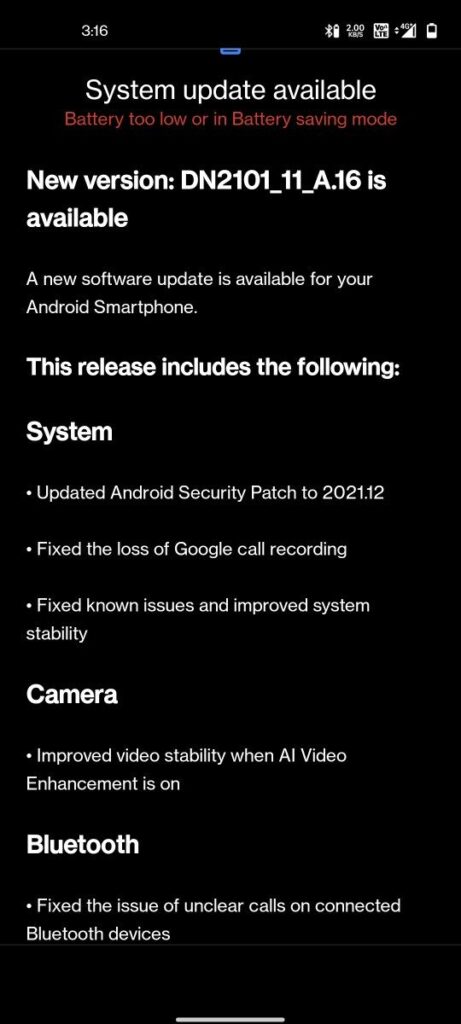
Thankfully, as it has turned out, the disappearance of the call recording feature on the Nord 2 was actually just a bug, as OnePlus has now rolled out yet another update carrying version number A.16 with a fix, just a few days after the last one.
The update changelog mentions “Fixed the loss of Google call recording”, meaning users should be able to record calls flawlessly through the stock phone app once again. Other than this, it is virtually the same as the A.15 update, and you can check out the complete changelog through the image below (via XDA Developers).
As a customary practice, the update is being rolled out in batches, meaning it will initially only be rolled out to select users following which a wider rollout will be kickstarted after OnePlus confirms all’s good with it.
You can download the latest A.16 update for the OnePlus Nord 2 according to your region from the links below:
The OnePlus Nord 2 made its debut back in July 2021 with OxygenOS 11.3 based on Android 11. It is powered by the 6nm MediaTek Dimensity 1200 5G processor and has a 90Hz, HDR10+ supporting AMOLED panel. For photography, the device comes with a triple rear camera setup, with the primary lens packing a 50MP sensor. The battery is sized 4500mAh and features 65W fast charging support.
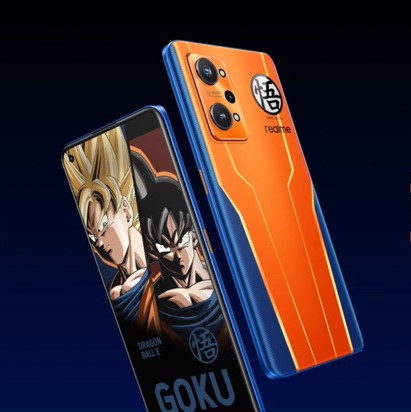
Besides launching its Realme GT 2 series tonight, Realme has also launched a Dragon Ball Z limited edition of its very popular flagship killer, the Realme GT Neo2, today in China as well.
Realme GT Neo2 Dragon Ball Z Limited Edition
Design-wise, the new Dragon Ball Z limited edition equips the Realme GT Neo2 with a glass back design with an orange matte finish, with matte blue stripes and blue metal side rails. The design is very reminiscent of the overalls that the main character of the shonen anime, Goku, was wearing during his battles against evils.
Next to the camera island, is the Japanese Kanji character, “悟”, meaning “wisdom” or “enlightenment”. It is a signature symbol of Goku throughout the show, signifying the wisdom he gained after completing his intensive training onboard his spaceship on his way to Namek.
Realme GT Neo2 Dragon Ball Z Limited Edition Box Contents
Besides just customizing the packaging with the Dragon Ball Z theme, Realme has also gone the further mile by including a custom-designed sim card pin that resembles the fourth Dragon Ball in the box, as well as including exclusive stickers and artwork in the box too. Dragon Ball fans and collectors would be overjoyed to hear that the artwork showcases Goku’s battle highlights in the Dragon Ball Z series in a small, compact, and eye-catching card-shaped form factor.
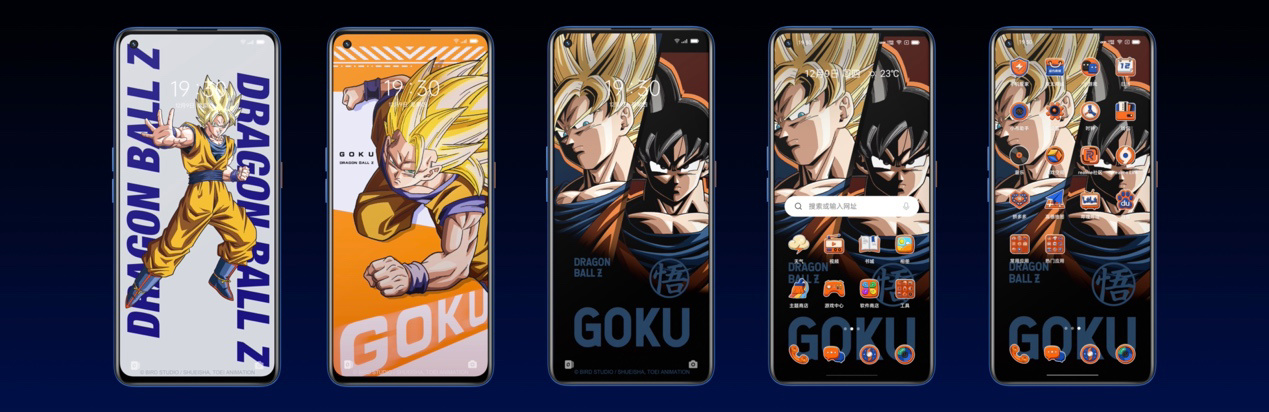
As for software customizations, when you power up the Realme GT Neo2, you’ll be greeted with the anime’s main character: Goku on your lock screen! The theme continues on with the custom icon packs as well, as each home screen app icon displayed on-screen will resemble the 8 dragon balls collected in the series.
Realme GT Neo2 Dragon Ball Z Limited Edition Software
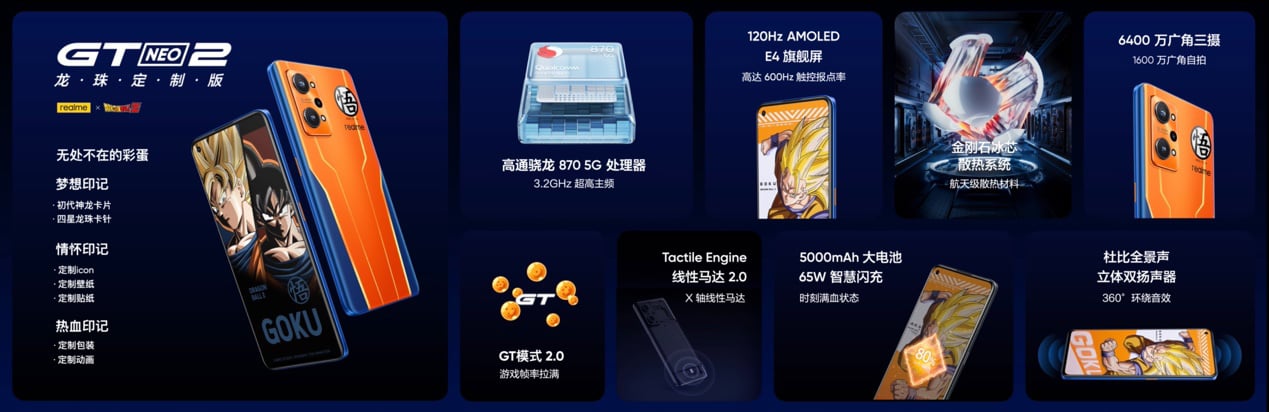
Last, not but least, Realme has customized the charging animation as well. The 65W SuperDart charging(which can get you from 0% to 100% in under an hour) animation has been replaced with a 65W “Super Saiyan” charging animation, a reference to Goku going Super Saiyan to recharge his energy when he was at his lowest in terms of power.
As for the specs of the Realme GT Neo2 Dragon Ball Z limited edition, there has been no change in specs to the normal Realme GT Neo2. It still sports the same Snapdragon 870, 120Hz E4 Samsung AMOLED and a giant 5000mAh battery.
Realme GT Neo2 Dragon Ball Z Specs
The Realme GT Neo2 Dragon Ball Z limited edition will retail officially for 2999 RMB (~$472), and on its first sale on January 7, 12AM CST, it will be on sale for 2699 RMB (~$425).
Qualcomm at CES 2022 announced new OEM clients and the opening of an engineering software office in Berlin to support the company’s European Snapdragon Digital Chassis customers.
The Digital Chassis is a collection of cloud-connected platforms that automakers can adopt in full or partly, comprised of Snapdragon Ride Platform for advanced driver assistance systems (ADAS), Auto Connectivity Platform for LTE, 5G connected services, cellular vehicle-to-everything (C-V2X), Wi-Fi, Bluetooth, and precise positioning, and the next generation of the Snapdragon Cockpit (via TechCrunch).
According to Qualcomm, its integrated automotive platforms, including Digital Chassis, have an order pipeline of over $13 billion.
One of the companies contributing toward the sum is Volvo, which has become one of the many automakers to have integrated Snapdragon tech into its vehicles. Volvo announced on Tuesday that its upcoming fully electric Polestar 3 SUV will be benefitting from Qualcomm’s Digital Cockpit, be powered by Google’s Android OS, and come with an array of wireless technologies to support Wi-Fi and Bluetooth.
Other customers include Honda and Renault that too announced similar products and plans, joining an ever-increasing group of companies that will be using Snapdragon tech on their EVs.
“Qualcomm Technologies understands automakers’ needs for uniqueness and differentiation as well as the tremendous opportunity to redefine the automotive and transportation business model,” said Nakul Duggal, senior vice president and general manager of automotive at Qualcomm. “The Snapdragon Digital Chassis allows platforms to stay continually up-to-date with new capabilities after vehicle purchase while allowing the automaker to create new features and services for enhanced customer engagement and services-based business models.”
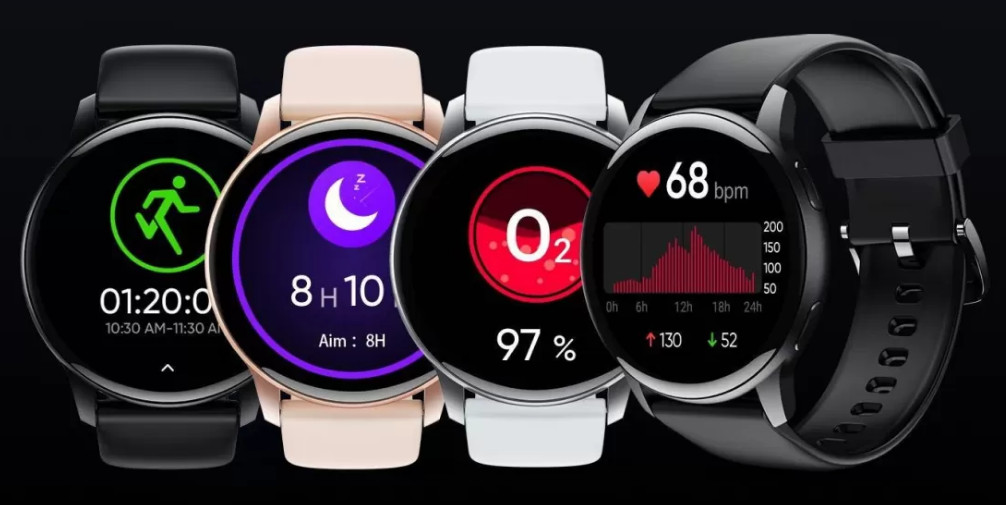
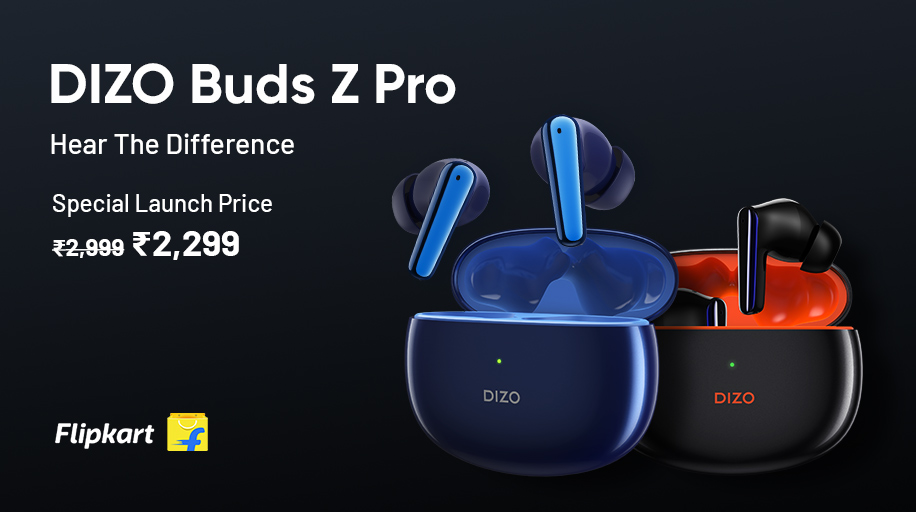
Global smartwatch and accessories manufacturer DIZO has launched a new smartwatch and TWS earbuds in India. The new products are the much anticipated Dizo Watch R and Dizo Buds Z Pro. So let’s take a look at the features, specs, and pricing of these new devices.
DIZO Watch R Features
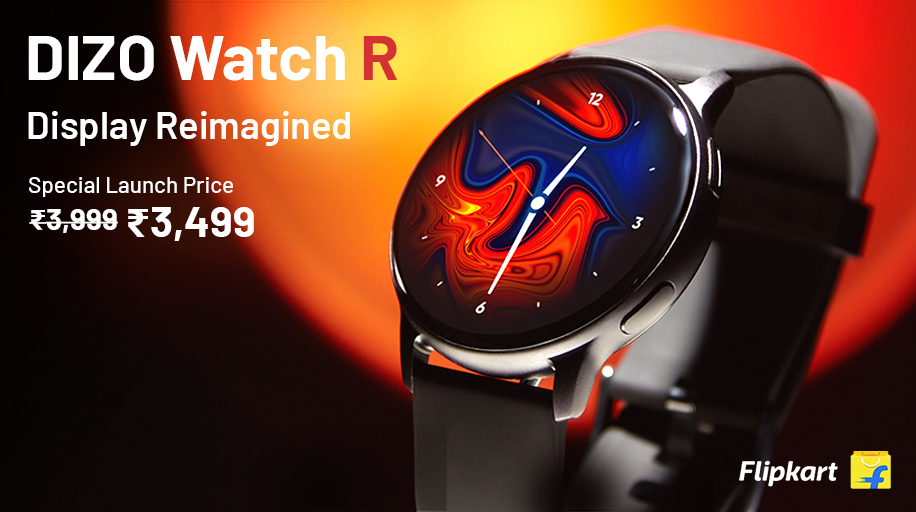
The Watch R features a round-shaped dial with a 1.3-inch AMOLED display and 360 x 360 pixels resolution. The smartwatch is equipped with a premium metallic frame and offers 5ATM water and dust resistance. Additionally, the device also features a fancy 2.5D curved glass.
The Dizo Watch R comes with the Always-On Display (AOD) feature and more than 150 customizable watch faces. The Watch R offers up to 12 days of battery life and fully charges in about 2 hours. The Dizo Watch R offers a bunch of health and fitness features like a heart rate tracker, SpO2 tracker, 110+ sports modes, sleep monitor, and more. The Watch R also offers the usual smartwatch functionalities such as music playback control, phone camera control, check notifications and incoming calls, etc.
Dizo Watch R Price in India
The Dizo Watch R is launched for an introductory price of Rs 3,499 (~$47) in India. After which the price will be hiked to Rs 3,999 (~$54). The watch will go on sale on Flipkart on January 11 at 12PM.
Dizo Buds Z Pro Features
The Dizo Buds Z Pro comes with a 10mm dynamic driver and delivers enhanced audio output thanks to the Bass Boost+ algorithm. It offers Active Noise Cancellation (up to 25dB) and comes with a transparency mode. It also features Dual ENC in both mics for calls.
The Dizo Buds Z Pro can provide playback up to 7 hours which can be extended to 25 hours with the charging case. The earbuds can provide up to 2 hours of playback with just 10 minutes of charging. the Buds Z Pro uses Bluetooth 5.2 for connectivity and feature an 88ms low latency mode. The earbuds are IPX4 certified and have touch controls on the earbuds.
The Dizo Buds Z Pro comes in two colors, namely Blue and Red, and each earbud comes with 3 ear tip sizes and weighs a mere 3.9 grams.
Dizo Buds Z Pro Price in India
The Dizo Buds Z Pro will go on sale on Flipkart on January 11 at 12PM. The earbuds will initially be available for an introductory price of Rs 2,499 (~$34) which will jump up to 2,999 (~$40) after a set period of time.
The Galaxy S20 FE was the second ‘Fan Edition’ smartphone from Samsung after the Galaxy Note Fan Edition from 2017. It was introduced in response to the poor sales of the regular Galaxy S series phones in the last few years. Unsurprisingly, the flagship killer from the South Korean tech giant sold very well.
Samsung Galaxy S20 FE
According to Samsung (via 9To5Google), it sold over 10 million units of Galaxy S20 FE since its launch in Q4 2020. Although the company hasn’t revealed it, we think that this number also includes the sales data of 4G variants powered by Exynos 990 and Snapdragon 865 respectively.
Although the sales figure sounds very low when compared to the sales of the iPhone 13 series during the holiday season alone, one needs to understand that Samsung craters to a wide variety of audiences with handsets spread across different price segments. Also, the firm has to compete with other Android OEMs.
If the 10+ million units weren’t good, then Samsun wouldn’t be releasing the Galaxy S21 FE in the first place. In fact, the successor was supposed to launch in August but due to supply chain issues, it has been delayed until now.
What are your thoughts on Samsung’s Fan Edition devices? Do let us know in the comment section below.
We use cookies on our website to give you the most relevant experience by remembering your preferences and repeat visits. By clicking “Accept”, you consent to the use of ALL the cookies.
This website uses cookies to improve your experience while you navigate through the website. Out of these, the cookies that are categorized as necessary are stored on your browser as they are essential for the working of basic functionalities of the website. We also use third-party cookies that help us analyze and understand how you use this website. These cookies will be stored in your browser only with your consent. You also have the option to opt-out of these cookies. But opting out of some of these cookies may affect your browsing experience.
Necessary cookies are absolutely essential for the website to function properly. This category only includes cookies that ensures basic functionalities and security features of the website. These cookies do not store any personal information.
Any cookies that may not be particularly necessary for the website to function and is used specifically to collect user personal data via analytics, ads, other embedded contents are termed as non-necessary cookies. It is mandatory to procure user consent prior to running these cookies on your website.