Advertisement

Samsung Galaxy A13 5G again tipped to feature a 50MP camera

Samsung is reportedly working on the Galaxy A13 mid-range. Since the Galaxy A12 was announced in November last year, the South Korean company is likely to unveil the Galaxy A13 around the same time this year. It was reported in September that the A13 will come equipped with a 50-megapixel rear camera. Fresh information shared by the South Korean publication The Elec also claims that the A13 will feature a 50-megapixel camera.

According to the publication, the Galaxy A13 5G’s rear camera setup will include a 50-megapixel autofocus enabled main camera, a 5-megapixel ultrawide lens, a 2-megapixel macro sensor, and a 2-megapixel depth assist camera. To recollect, the Galaxy A12’s quad-camera unit include a 48-megapixel primary camera and the same auxiliary lens.
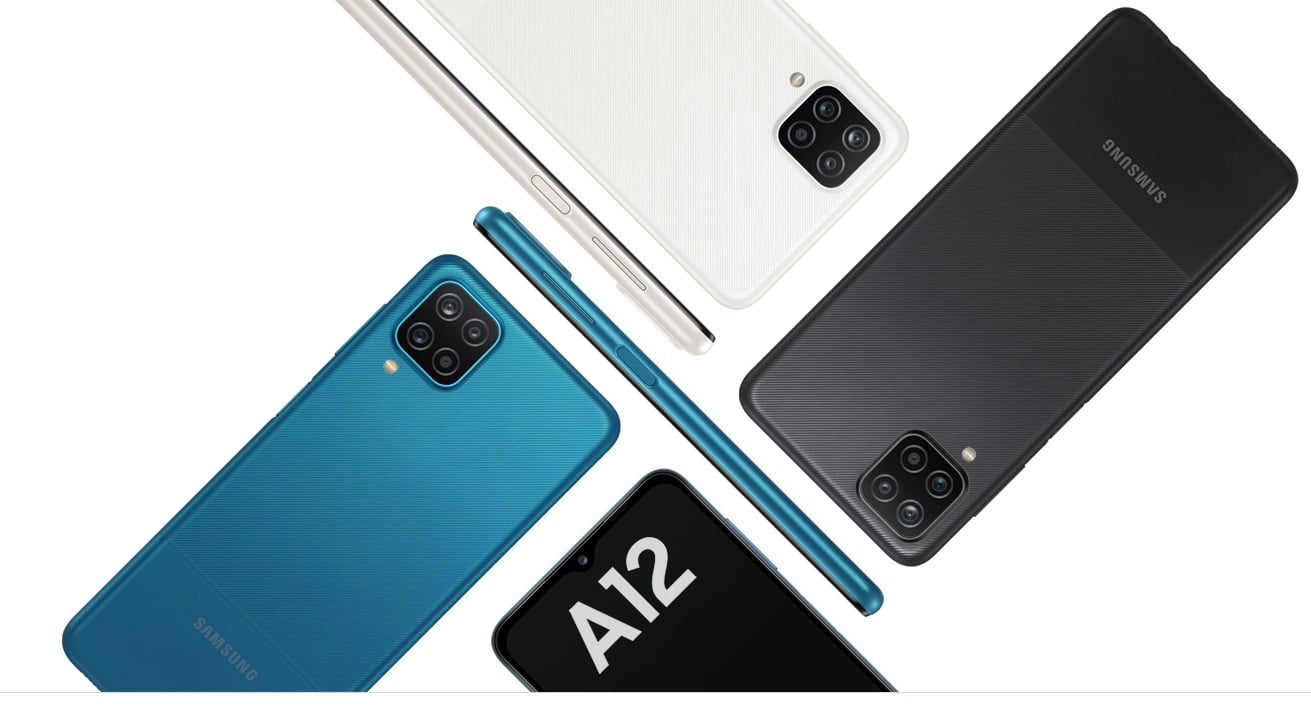
Galaxy A12
Galaxy A12

For selfies, the Galaxy A13 5G may feature an 8-megapixel front-facing camera. It seems that the company will be the Galaxy A12’s selfie camera on the A13. Rumors surrounding the A13 claim that it could be Samsung’s most affordable 5G phone.

Recent reports have revealed that the Galaxy A13 5G has a 6.48-inch LCD FHD+ display with a waterdrop notch. It could be powered by the Dimensity 700 chipset and a 5,000mAh battery, which may support 25W charging. The handset may come in RAM variants like 4 GB, 6 GB, and 8 GB and storage models such as 64 GB and 128 GB. For security, it may feature a side-facing fingerprint scanner.

The Galaxy A13 5G is likely priced at around $249. As mentioned above, the A13 may go official this month or in December.

RELATED:

Moto A10, A50, A70 to launch soon in India, images and key specs emerge

Motorola is gearing up to enter feature phone market in India. Fresh information reveals that the Lenovo-owned brand is soon going to launch feature hones such as Moto A10, Moto A50, and Moto A70. YTechb has shared the first images and key specifications of all three phones.

Moto A10, A50, and A70

The Moto A10 and Moto A50 will feature a 1.8-inch display and MediaTek MT6261D chipset. Both models will come with support for five Indian languages such as Hindi, Tamil, Telugu, Malayalam, and Kannada. These phones will also offer other features like adjustable font size, auto-call recording, and wireless FM radio.

Moto A10
Moto A10

The Moto A50’s back panel has a camera and a torch. These features are not available on the Moto A10. Both devices will also carry support for dual SIMs and a microSD card.

The Moto A70 comes with a bigger 2.4-inch display and a Unisoc chip. It has a VGA camera and an instant LED torch on the back. It can store 100 SMS and up to 2,000 contacts. Users can also photos and icons to contacts. It also supports wireless FM with a recording function and auto-call recording.

Moto A50
Moto A50

The A70 has a 1,750mAh battery. The same battery is also available on the A10 and A50. The retail package of the new A-series Motorola phones will include a 5W charger and cable. The large-sized battery will allow the A-series phones to last for up to 1 or 2 days.

Moto A70
Moto A70

The Moto A-series feature phones will come with a 2-year replacement guarantee. The after-sales service will be provided by the Indian phone brand Lava. The exact launch date of the A10, A50, and A70 are not known yet. The A10 could be priced around Rs 1,500, whereas the remaining two may cost around Rs 2,000. These phones are expected to come in colors such as blue, silver (only for A70), and gold. Motorola is expected to release these handsets in five states of India, including Uttar Pradesh.

RELATED:

Samsung Galaxy S22 series color options leaked; mass production to begin next month

Samsung is working on the next generation of Galaxy S-series flagship smartphones — Galaxy S22, S22 Plus, and S22 Ultra. This time, the company is expected to launch its devices in the month of February instead of January.

Now, ahead of the launch of the smartphones, their color options have leaked online. The standard Galaxy S22 and S22 Plus will come in four colors — Black, Green, Pink, Gold, and White while the Galaxy S22 Ultra will come in Black, Dark Red, Green, and White colors.

Samsung Galaxy S22 Ultra Render

Do note that not all the color options will be made available in every region as some of the hues will be exclusive to certain regions. Currently, there’s no information about the color options based on the region of availability.

As for the production, Ross Young recently predicted that the Samsung Galaxy S22 series smartphone will enter mass production during the first week of December. If that’s true, then the company will need some more time to reach a level where it is satisfied with the number of units getting produced.

This basically means that the Galaxy S22 series smartphones will be made available for purchase in February. The Samsung Galaxy S21 series, which entered production in late October or early November last year, was made available earlier this year in January.

If the reports are to be believed, then the Samsung Galaxy S21 FE smartphone will be announced in January this year during CES 2022. This is being attributed as a reason behind the South Korean giant delaying the S-series flagship by a few weeks.

RELATED: 

Huawei’s next-gen foldable smartphone could launch in February next year

Huawei already launched a few foldable smartphones in the market, including the Mate X, Mate Xs, and the Mate X2. Now, the China-based technology giant is gearing up to launch a new foldable smartphone in the market.

Now, the Chinese company is expected to launch its successor and a new report coming from Digital Chat Station claims that Huawei is expected to follow its usual timeframe of launching a new Mate X-series foldable smartphone in the month of February.

Huawei Mate X2 featured

Thus, the next-generation foldable device from the company will be launched in the month of February next year, most probably along with the flagship Mate 50 series phones which have already been delayed.

Further, the report adds that the company is currently testing the under-display fingerprint sensor and the OLED screen for the next generation of foldable smartphones. The phone is expected to come with a POL-LESS OLED technology which is developed by Samsung Display, which could increase the brightness by 20 percent to 30 percent.

If the rumors are to be believed, then Huawei is working on another foldable smartphone that will come with a clamshell design, similar to the Samsung Galaxy Z Flip3. The phone, which could be named Huawei Mate V, is said to come powered by the company’s own HiSilicon Kirin 9000 chipset and will be a 4G model.

The Huawei Mate V (name not yet confirmed) with a clamshell-like foldable design is expected to get launched by the end of this year. The device, when launched, will compete against the likes of the Samsung Galaxy Z Flip series.

Apart from Huawei, there are a few other China-based manufacturers working on their own foldable smartphones that were rumored to go official this year, including brands like OPPO and Vivo. Xiaomi, which has already launched its first foldable smartphone, is expected to launch a new model.

RELATED: 

Redmi Note 11 vs Realme 8 5G vs Galaxy M32 5G: Specs Comparison

The Redmi Note 11 series went official and it contains some of the most affordable 5G phones in the market. Even the Redmi Note 11 this year comes with 5G connectivity, as well as a new chipset, a new sensor for the camera setup, and other interesting specifications. But is it enough to beat the other budget 5G phones in the market or there is something better released this year? This is a comparison between the specifications of the Redmi Note 11, the Realme 8 5G, and the Samsung Galaxy M32 5G: three of the best and most affordable 5G phones released this year which might cannibalize the sales of the Redmi Note 11.

Xiaomi Redmi Note 11 vs Realme 8 5G vs Samsung Galaxy M32 5G

Xiaomi Redmi Note 11 Samsung Galaxy M32 5G Realme 8 5G
DIMENSIONS AND WEIGHT 8.8 mm, 195 grams 164.2 x 76.1 x 9.1 mm, 205 grams 162.5 x 74.8 x 8.5 mm, 185 grams
DISPLAY  6.6 inches, 1080 x 2400p (Full HD+), IPS LCD  6.5 inches, 720 x 1600p (Full HD+), TFT LCD  6.5 inches, 1080 x 2400p (Full HD+), IPS LCD
PROCESSOR Mediatek Dimensity 810, octa-core 2.4 GHz Mediatek Dimensity 720, octa-core 2.0 GHz Mediatek Dimensity 700, octa-core 2.2 GHz
MEMORY 4 GB RAM, 128 GB –  6 GB RAM, 128 GB – 8 GB RAM, 128 GB  – 8 GB RAM, 256 GB – micro SD slot 6 GB RAM, 128 GB –  8 GB RAM, 128 GB – micro SD slot 4 GB RAM, 64 GB – 4 GB RAM, 128 GB – 6 GB RAM, 128 GB –  8 GB RAM, 128 GB – micro SD dedicated slot
SOFTWARE Android 11, MIUI Android 11, One UI Android 11, Realme UI
CONNECTIVITY Wi-Fi 802.11 a/b/g/n/ac, Bluetooth 5.1, GPS Wi-Fi 802.11 a/b/g/n/ac, Bluetooth 5.0, GPS Wi-Fi 802.11 a/b/g/n/ac, Bluetooth 5.1, GPS
CAMERA Dual 50 + 2 MP
16 MP front camera
Quad 48 + 8 + 5 + 2 MP, f/1.8 + f/2.2 + f/2.4 + f/2.4
13 MP f/2.2 front camera
Triple 48 + 2 + 2 MP, f/1.8 + f/2.4 + f/2.4
16 MP f/2.1 front camera
BATTERY 5000 mAh, 33W fast charging 5000 mAh, fast charging 15W 5000 mAh, fast charging 18W
ADDITIONAL FEATURES Dual SIM slot, 5G Dual SIM slot, 5G Dual SIM slot, 5G

Design

My favorite design belongs to the Realme 8 5G: it looks cleaner and more minimal. But a lot of people may prefer the Redmi Note 11 due to its amazing gradient color options. Its big and bicolor camera module does not match my tastes, but I have to recognize that Redmi Note 11 is a very interesting device in terms of aesthetics. Further, it has the IP53 certification making it dust resistant and splash resistant. The Samsung Galaxy M32 5G has a very beautiful rear design with sensors placed directly in the cover and without a camera module, but its front panel is uglier because it comes with a waterdrop notch.


Display

The Samsung Galaxy M32 5G loses the display comparison because it has an inferior panel. It is a TFT display, while Redmi Note 11 and Realme 8 5G come with a better IPS panel. Further, the Samsung Galaxy M32 5G has a lower HD+ resolution and a lower refresh rate (standard with 60 Hz). With Redmi Note 11 and Realme 8 5G, you get a Full HD+ resolution and a higher 90 Hz refresh rate. The Redmi Note 11 has a slightly wider display with a diagonal of 6.6 inches, while Realme 8 5G stops at 6.5 inches.


Hardware/Software

Redmi Note 11 has the most advanced hardware department because it comes with a stronger processor: the new Mediatek Dimensity 810 5G built at 6 nm with a max frequency of 2.4 GHz. The chip is paired with up to 8 GB of RAM and up to 256 GB of internal storage. Realme 8 5G takes the silver medal with a Mediatek Dimensity 700 SoC, up to 8 GB of RAM, and up to 128 GB of UFS 2.1 internal storage, but Samsung Galaxy M32 5G is not so far: it actually comes with a better processor, but it has an inferior eMMC storage. All of these phones run Android 11.


Camera

The most versatile camera department belongs to the Samsung Galaxy M32 5G which sports a quad camera 48 MP main sensor, an 8 MP ultrawide lens, a 5 MP macro camera, and a 2 MP depth sensor. Redmi Note 11 has just two cameras on the rear, but the main camera is superior: a newer 50 MP sensor provides a better photo quality. Realme 8 5G loses because it lacks an ultrawide camera.


Battery

The battery capacity is the same on all of these devices: 5000 mAh. But the Samsung Galaxy M32 5G should offer a longer battery life because of its lower resolution and refresh rate. Redmi Note 11 has faster charging (33W).


Xiaomi Redmi Note 11 vs Realme 8 5G vs Samsung Galaxy M32 5G: Price

Redmi Note 11 starts from €160/$185 in China and it is still not available globally. Realme 8 5G and Samsung Galaxy M32 5G cost less than €200/$232 globally. The Redmi Note 11 is a superior handset thanks to its better chipset, faster charging, and better main camera sensor.


Xiaomi Redmi Note 11 vs Realme 8 5G vs Samsung Galaxy M32 5G: PRO and CONS


Xiaomi Redmi Note 11

PROS

  • IP53 certification
  • Superior chipset
  • Better main camera
  • Wider display

CONS

  • No macro and depth sensors
  • Limited availability (for now)


Samsung Galaxy M32 5G

PROS

  • Best cameras
  • Longer battery life
  • Wide availability

CONS

  • HD+ resolution


Realme 8 5G

PROS

  • Wide availability
  • Higher refresh rate
  • Good price
  • Micro SD dedicated slot
  • Better front camera

CONS

  • Inferior chipset


RELATED

Check the latest videos from our YouTube channel and subscribe:

Arm CEO warns that the global chip shortage could extend beyond December 2021

The global shortage of important components for a wide array of tech products, it seems, is yet to abate, as multiple industry projections indicate that the chip shortage will extend beyond December 2021. Arm CEO, Simon Segars views the worsening situation as possible of harming sales of tech products including smartphones during the year-end festive period. Segars sees a widening gap between demand and supply, which he viewed as the most extreme he had seen.ARM

The global glut is even projected to extend up to December 2022, as chipmakers grapple with clearing the backlog of unfulfilled orders from manufacturers. The Arm boss also feels that consumers will be affected in getting their orders for devices on a schedule. His views are not different from sentiments shared by chipmakers and industry experts, even with some extensive efforts to bridge the demand-supply gulf.

The chip shortage is seen to be worsening in some cases, affecting production deadlines and stalling critical aspects of the production schedule. It is unclear the level of damage the chip shortage had done to the tech industry, but it could be rising. Some of the heavy hitters in the chipmaking business have continued to expand their operations and technologies to address the chip shortage. Some governments have also made interventions to monitor and enhance the supply chain to curb inefficiencies and delays in the chain. These moves seem not to have yielded the full desired result as of now.

RELATED:


(via)


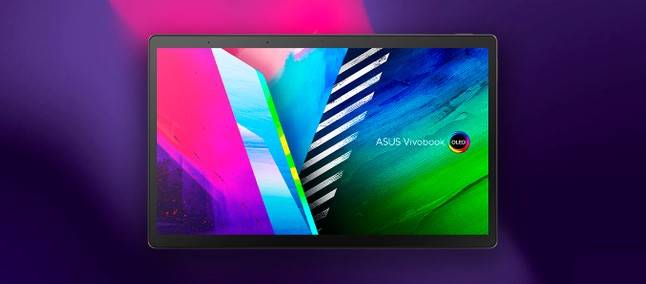
ASUS Vivobook 13 Slate with OLED screen and Pentium processor goes official for $599

ASUS has officially announced the all-new Vivobook 13 Slate in the market. The ASUS Vivobook 13 Slate comes with 2-in-1 pen input and a detachable keyboard. The device is currently available in the US for $599.

As of now, the sale details are unknown but we can expect it to start selling soon in the US. The device might as well launch in more markets after the initial sale.

The ASUS Vivobook 13 Slate has a 13.3-inch FHD OLED display. It carries the model number T3300 and features a 16:9 aspect ratio. It has a 266Hz of the touch sampling rate. The device is powered by the Intel Pentium Silver N6000 processor paired with up to 8GB of RAM and 256GB of NVMe internal storage. However, it is also available in 4GB RAM and 64GB eMMC storage.

TheSlate has a detachable keyboard that has a large trackpad and chiclet-style keys. It runs on Windows 11 out of the box. It has support for ASUS Pen 2.0 and 4,096 pressure levels. It comes with dual USB 3.2 Type-C ports and a microSD card reader.

It packs a 50WHr battery with support for 65W fast charging technology. Interestingly, it also features a 13MP primary camera at the rear and a 5MP single camera setup at the front. As for security, it has a fingerprint reader.

RELATED:

ZipCharge Go suitcase-size power bank will help EV owners deal with range anxiety

British startup ZipCharge has launched its innovative mobile charging solution for electric vehicles. The ZipCharge Go is a suitcase-sized power bank that can be used to charge a depleted electric vehicle with little hassles. The ZipCharge innovative charging solution seeks to assuage the fears of EV users who may be worried about the range of their vehicles. The company introduced the ZipCharge at the ongoing Cop26 UN Climate Change Conference in Glasgow, Scotland.ZipCharge Go

The ZipCharge Go mobile charger weighs about 23kg (50 pounds), looks like a suitcase with wheels and a retractable handle. It can be kept at the vehicle’s trunk and deployed when needed to boost the depleting power in the electric vehicle. Although the company says that the Go can provide up to 20 miles of drive time for a 30-minute charge, a higher-capacity model that could double the range to 40 miles is in the works. The ZipCharge Go is compatible with any plug-in hybrid or EV with a Type 2 socket.

The charging process of the EV using the Go is as seamless as it can get and it could fully charge the vehicle within an hour. The ZipCharge Go itself can be easily changed and the user can control and monitor the process via an app. The user can also use the app to schedule charging sessions at off-peak periods for cheaper costs.

The first deliveries of the ZipCharge Go are projected for the fourth quarter of 2022 (about a year away). The company will likely release two versions of the EV power bank – 4 kWh and 8 kWh versions. Pricing details are still sketchy at this time but the ZipCharge Go will have lease arrangements around $67 per month.

RELATED:


Honda’s latest e-bike, the Gyro Canopy:e is a three-wheeled scooter with a roof

Honda has included a canopy to provide some degree of protection against the elements, in its latest e-scooter. Aptly termed the Honda Gyro Canopy:e, the new Honda e-scooter is coming on the heels of an intensive production spree of e-bike models by the Japanese automaker. It joins a growing list of impressive and innovative designs that are coming out of the company.Honda Gyro Canopy:e

The Honda Gyro Canopy:e is a delivery-focused e-scooter and the added canopy gives the rider as well as the cargo although it lacks a sealed cargo box, and one could still be wet while driving in the rain. It however provides a shield against the wind and rain that may affect visibility via the windscreen of the e-scooter. The Gyro Canopy:e has a 3,200W peak output-rated electric motor although it offers 580W of continuous power output. It has a range of 77 km which could be higher when riding at average speeds greater than 30 km/h. It has removable and swappable batteries, further extending the capability of the e-scooter. The batteries can be swapped seamlessly in a matter of minutes for freshly charged ones.

The Honda Gyro Canopy:e is suited for urban riding as a delivery e-bike. It has just been launched in Honda’s home market of Japan with a 715,000 Yen ($6,295) price tag. The price of the Gyro Canopy:e is substantially higher than Honda’s recent lineup of e-bikes like the U-GO and U-BE. The Gyro Canopy:e is however made for commercial operations, unlike the U-go and U-be.

It remains to be seen how the Honda Gyro Canopy:e is received in the Japanese market. Global availability and pricing details are yet to be released by Honda at this time.

RELATED;


(source)


Xiaomi to commence manufacturing smartphones in Pakistan by January 2022

A material disclosure statement presented at the Pakistan Stock Exchange has indicated that Chinese tech powerhouse Xiaomi will begin production of smartphones in Pakistan from January 2022. Xiaomi is targeting the manufacture of up to 3 million smartphones annually in its Pakistan production facility. Expected revenue from Xiaomi’s Pakistan operations is in the region of $450 million.Xiaomi logo

The key details were filed this week to the Pakistan Stock Exchange by Xiaomi’s local partner, Air Link Communication Limited. The production arrangement is between Xiaomi and Select Technologies (Pvt) Limited, a subsidiary of Air Link Communication Limited. Select Technologies will serve as the manufacturing partner for Xiaomi in Pakistan, with a focus on the production of mobile phones. Select Technologies will be tasked with the manufacture of mobile devices of certain brands. It is possible that Xiaomi may not ultimately be the only brand that will be manufactured by Select Technologies.

The parent company, Air Link Communication Limited, says that the new investment that aims at an annual production target of between 2.5 million to 3 million units will have a material incremental impact on the financial outlook of the company. Revenue projection for the new manufacturing of Xiaomi smartphones is projected at $450 million annually. The production facility is sited close to Air Link’s mobile phone manufacturing complex in Lahore. Air Link will continue to hold a large chunk of the distribution chain of Xiaomi smartphones in Pakistan, and its new production facility will further entrench its position in the market.

Xiaomi continues to expand its operations outside of China as it feels the void left behind by Huawei. Xiaomi has had some impressive numbers globally as a leader in the smartphone segment. Data from several sources point to the fact that Xiaomi is currently the world’s top-selling smartphone brand, outclassing both Apple and Samsung. The expansion of Xiaomi’s Pakistan operations will add to the growing profile of the Chinese company.

RELATED: 


(via)


Samsung reportedly developing Exynos 1280 chipset for entry-level smartphones

South Korea-based technology giant Samsung has been the dominating player in the smartphone market and is one of the few manufacturers that makes its own chipsets powering the smartphones.

The company has a lineup of Exynos chips that are mainly targeted towards mid-range and flagship/premium smartphones. However, as per the latest report, it seems that Samsung is gearing up to launch a new chipset for entry-level smartphones.

Exynos-Featured

Tipster Ice Universe has revealed that the South Korean giant is working on a new Exynos 1280 chipset which will be manufactured using a 5nm process. Further, the report adds that the specifications are lower than the Exynos 1080, which means that this new chip is aimed towards entry-level smartphones.

As of now, not much is known about this upcoming chipset for budget smartphones but given that 5G has become mainstream now, we expect the processor to come with support for 5G connectivity.

Currently, the Exynos 1080 is the company’s starting range chipset which is an octa-core processor with one Arm Cortex-A78 core running at 2.8GHz, three Cortex-A78 cores clocked at 2.6GHz, and four Cortex-A55 cores. As of now, Vivo appears to be the only company using the Exynos 1080 chip in its smartphones.

Going forward, Samsung is planning to increase the usage of its own Exynos series chips in its smartphones and thus, there’s a high probability that the upcoming entry-level chipset, Exynos 1280, will be powering smartphones launched by Samsung.

Apart from this, the company is also expected to launch another chipset, which is likely to be Exynos 2200 with AMD GPU. This chipset will be the flagship offering from the brand and will power the upcoming Galaxy S22-series smartphones in some regions.

Samsung has shifted its focus towards the chipset business as the company plans to be less dependent on other companies. The South Korean company also played a big part in the development of Google’s first custom chip for smartphones — Tensor. There are reports hinting that the Tensor SoC is a variant of the Exynos chip.

RELATED: 

Xiaomi Mi 10S gets an option to switch between DXOMARK and factory audio profiles

Before unveiling the Mi 11 Pro and the Mi 11 Ultra, Xiaomi launched a new version of Mi 10 exclusively in China. This device called Mi 10S debuted in early March. One of the highlights of this smartphone is its audio performance. Months after the handset’s release, the company now announces an option to switch between two different audio profiles.

Xiaomi Mi 10S

For those unaware, the Mi 10S is the best-performing Xiaomi smartphone on DXOMARK Audio to date (80 points). The audio profile tested by DXOMARK was made available to users via a software update.

However, some users complained that the factory audio profile was better than the DXOMARK. Hence, after listening to feedback, Xiaomi has now decided to provide both audio profiles for users.

According to an official announcement post on Xiaomi Community China, users will be able to change audio profiles from the Settings app. This option will be initially made available through MIUI weekly builds starting this Friday.

After it goes through public testing, the option to change between ‘Factory’ and ‘DXO’ audio profiles will be rolled out to all users via an OTA system update.

Xiaomi should have offered this option when the DXOMARK audio profile was seeded out to users. Whare are your thoughts on this situation? Do let us know in the comment section below.


RELATED:


Nothing India’s head hints at rapid plans to launch over five new products

Last month made it one year since former OnePlus co-founder Carl Pei unveiled his start-up with a rather surprising name – Nothing. The brand has only released a product, the Nothing Ear (1), a sleek pair of earbuds utilizing a transparent design.  The earbuds have been a hot-selling product with the company boasting over 180,000 units of the earbuds in sales. A recent Counterpoint report also showed that the brand entered the top three ranking in India’s premium TWS segment in Q3 2021 with a 7 percent market share.Nothing ear (1)

Nothing is planning to consolidate on this success with a couple of new products. Nothing India’s Vice President and General Manager, Manu Sharma has elaborated on the brand’s product plans going forward. The Indian head disclosed this in an exclusive interview with India Today.

He disclosed that the brand is working at an increased pace to release over five new products. He also stated that the company is looking to launch iconic products and the product development is at an increased pace.

Manu Sharma did not reveal a definite timeline for the product launch but we don’t expect all to be released in one fell swoop. The brand may likely launch one of the products before the year runs out while the others may be launched in 2022.

We also don’t have an idea of what the product mix will look like but since the Ear (1) was a hit, we expect another premium earbud at some point. Nothing may also launch a cheaper earbud in other to grab more market share. Earlier on, there were rumors of a Nothing smartphone and Power (1) power bank being in the works. We expect those to launch next year.

RELATED: 


(source)


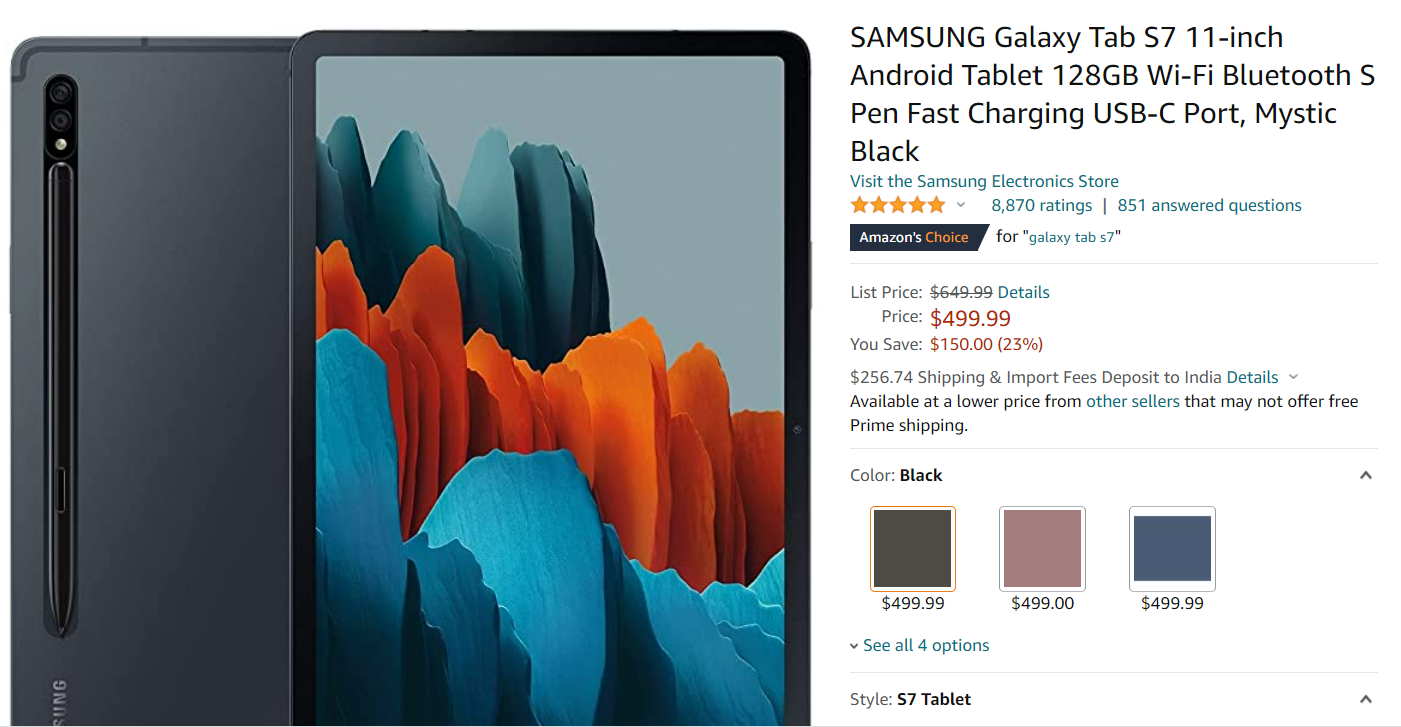
Deal: Get Galaxy Tab S7 and S7 Fe for as low as $430 at Amazon US

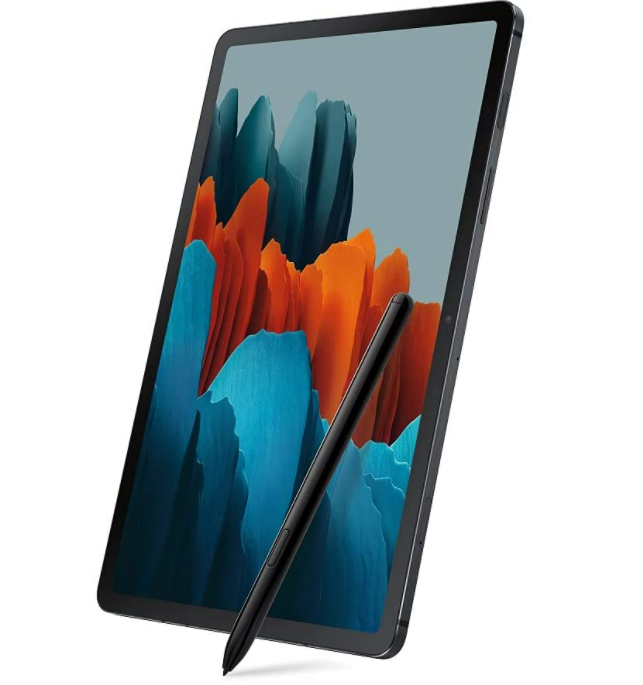
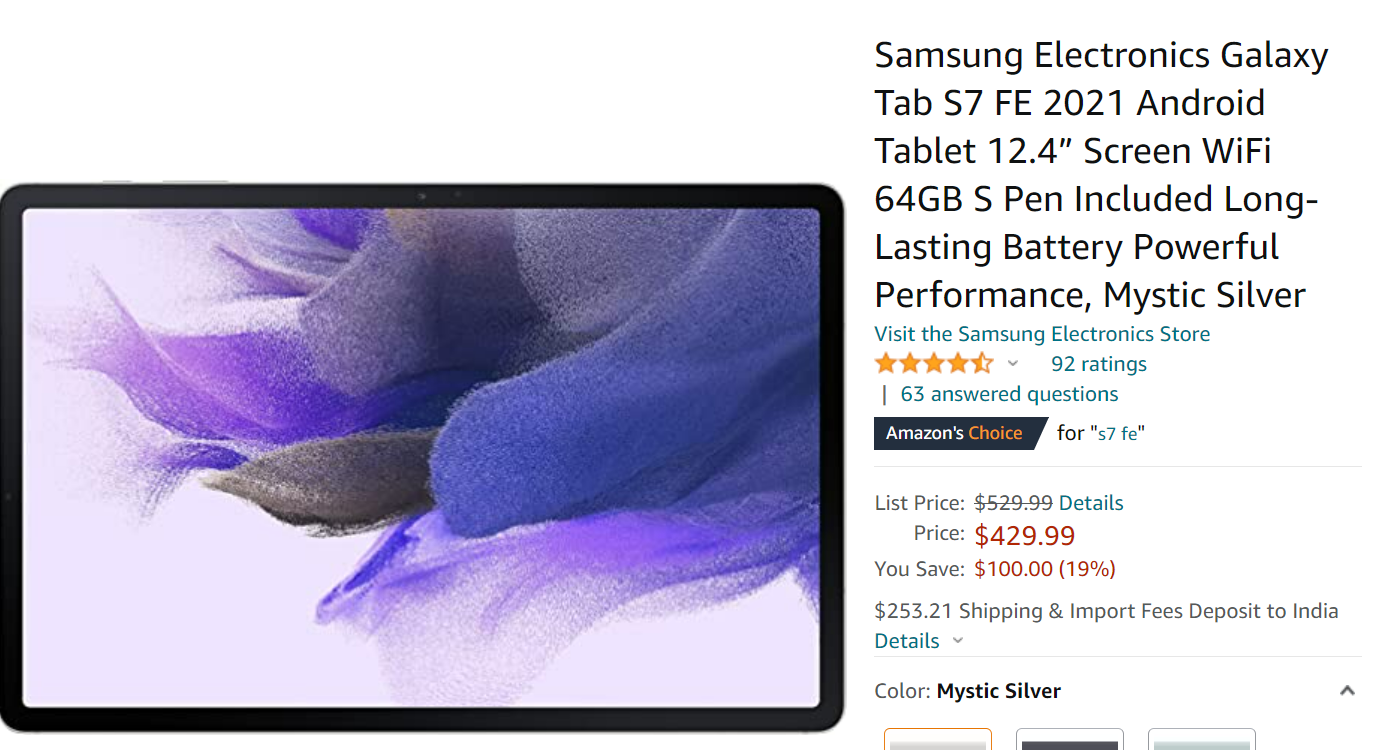
You can now get Samsung Galaxy Tab S7 at a discounted price of $499.99 and Galaxy Tab S7 Fe for $429.99  only on Amazon US. 

Samsung Galaxy Tab S7 with S Pen

List Price: $650   Discounted Price: $499.99

Samsung Galaxy Tab S7 with S Pen

Samsung Galaxy Tab S7 is designed to work both as a PC and Tablet. It comes with a special DeX mode and an optional keyboard with an extended trackpad. The edge-to-edge display along with the TFT LCD screen and AKG quad speakers with Dolby Atmos surround sound transforms your regular tablet into a complete entertainment device. Moreover, with the improved 9ms pen latency, the new S Pen makes it easy and fun to take notes and manage presentations on your tab S7. You can also easily stream Netflix with simple voice commands with Bixby voice thereby converting this tab into your personal television. 

Samsung Galaxy Tab S7 with S Pen

Key Features:

  • 11” Display, 2560 X 1600p resolution
  • Audio: Quad + AKG + Dolby Atmos
  • Snapdragon 865 5G+ Octa-Core processor
  • 6GB RAM + 128GB ROM
  • External memory – microSD up to 1TB
  • S -pen included
  • Keyboard supported (needs to be purchased separately)
  • Colors: Black, Bronze, and Mystic Navy


Samsung Galaxy Tab S7 Fe

List Price: $530   Discounted Price: $429.99

Samsung Galaxy Tab S7 Fe

Galaxy Tab S7 Fe comes with a large 12.4” display which is perfect for both your work and play. Featuring both the S pen and keyboard(purchased separately), this tablet helps you to make quick and simple presentations, and manage your study, and work as efficiently as you would on your PC or laptop. Take notes, write, draw, clip, snip and tap easily using the S pen and manage heavy presentations and write-ups using the external keyboard. 

Samsung Galaxy Tab S7 Fe
Key Features:

  • 12.4” Display, 2560 X 1600p resolution
  •  Snapdragon 750G  Octa-Core processor
  • 4GB RAM + 64GB ROM
  • External memory – microSD dedicated slot
  • S -pen included
  • Keyboard supported (needs to be purchased separately)
  • Colors: Mystic Silver, Mystic Black, Mystic Green


For more information on such exciting deals and offers check out our deals hub.

* Please Note: When you buy something using the links in our articles, we may earn a small commission at no cost to you.


Download Google Camera 8.4 APK with new Pixel 6 Pro features

Google recently unveiled the Pixel 6 and Pixel 6 Pro phones featuring some exceptional advancements in the camera department. It also bundles a new SoC which aids in efficient post-processing of images. However, some camera features on the Pixel 6 Pro are software-based and can be installed on any Android device using an APK file from the bottom. However, you can use the APK file to install it on Pixel devices.

Note: The APK installation is not guaranteed as it is not GCAM MOD, it is a direct Google Camera package file. 

Must See: Google responds to the Screen Flickering issue of the Pixel 6 Pro

Google has scaled new heights of computational photography with the launch of the Pixel 6 series. Both the new smartphones pack the most advanced cameras that could erase unnecessary objects in the background with just a single tap. The Real Tone camera feature on Pixel 6 enables accurate processing of dark skin tones. Similarly, there are plenty of features that are part of the latest smartphone from Google.

Let’s have a look:

Pixel 6 Camera Features

Apart from adding a 50MP primary sensor, the Pixel 6 series smartphones have a 12MP ultra-wide lens and a 48MP zoom sensor, along with laser detect autofocus. However, Google never confirmed the camera sensor’s model but considering the technical specifications the new smartphones might be using Samsung ISOCELL GN1 and ISOCELL GM2 sensors.

Here are the software-based camera features of Pixel 6:

Magic Eraser – It is a useful feature to eliminate distractions in Google Photos. The app will automatically erase these subjects from the image for a cleaner look. The feature is currently live for the Pixel 6 officially, but via a new workaround, the user can easily use this feature on other devices.

Face Unblur – To eliminate the defocus problem while shooting photos instantly, Google introduced Face Unblur. It sharpens the faces by following a due process that starts right when you click the photo.

Real Tone – Google upgraded its imagset of camera models to improve the skin color of diverse groups of people. Notably, it improves the image rendering of people with darker skin tones.

Motion Mode – Another useful feature of Pixel 6 converts the light streaks in the night with motion blur. It gives a sense of motion and easily replaces the blurred background with a more lively motion blur.


Download Google Camera 8.4 APK

Google Camera 8.4.167 APK is now available for download from the Play Store for compatible devices. However, the others can download Google Camera 8.4 APKS file from the link below.

Google Camera 8.4 APK – Download

Google Camera 8.4 APKS – Download

You can try the app on smartphones that support Gcam like the older Pixel phones.

While Google Gcam 8.4 APK is coming soon with all the features, you can currently download this Gcam 8.3 APK MOD.


Related: Download Google Camera 8.2 with improved Quick Capture feature


Xiaomi crowdfunds the Duka TR1 Sightseeing Telescope Rangefinder

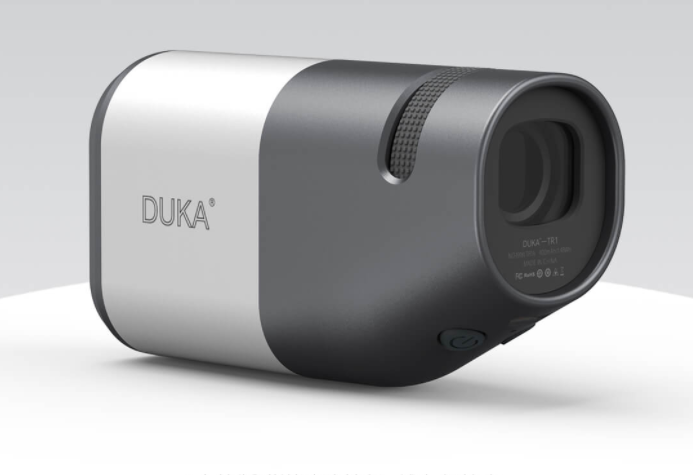
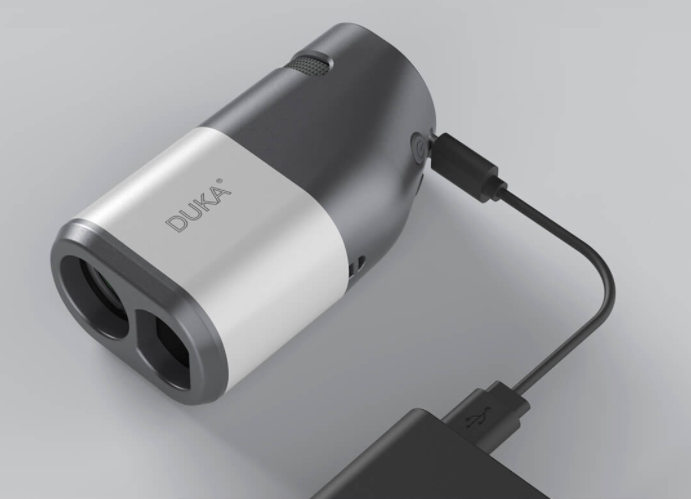
Xiaomi has unveiled the Duka TR1 Sightseeing Telescope Rangefinder under crowdfunding on the Youpin platform. The device is the first of such products from Duka, a Xiaomi ecological chain partner. The brand is known for its laser rangefinders.Duka TR1 Telescopic RangeFinder

The Duka TR1 Sightseeing Telescope Rangefinder can be used for sightseeing, ranging, and angle measurement, all in one. The rangefinder can measure distances between 3 and 1000 meters.

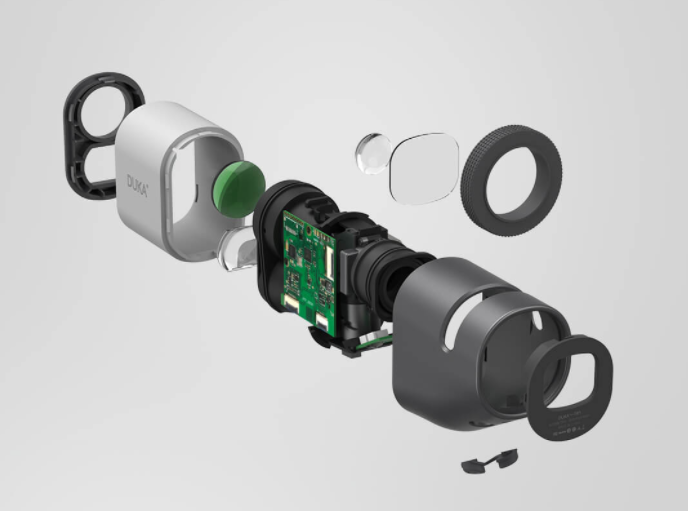
The device uses a custom HD multi-layer coating lens of which the image distortion is less than 3%. The lens also offers a transmission rate of more than 85%, ± 6D wide range refractiveness and is adapted for persons with different eye conditions such as myopia, hypermetropia, and aging-induced eye defects.Duka TR1 Telescopic Rangefinder

The Duka TR1 has a 6.5 degrees field of view angle. It also comes with its own accelerometer, which switches between multiple measurement modes at the touch of a button. Straight line, horizontal, vertical distance, and angle data can easily be measured in seconds.

In terms of the design, the body design has a trapezoidal structure. It has a compact size and can easily fit into the hand of the user. It comes in a single white and grey color mix and weighs only 129g.Duka TR1 Telescopic Rangefinder

In terms of battery life, the device packs a built-in 420mAh lithium polymer battery. It consumes very little power and a full charge can last for up to 210 minutes of consistent use. The battery charges via a USB-C port. Duka TR1 Telescopic Rangefinder

As for the price, the Duka TR1 Telescopic Rangefinder is listed on the Youpin platform for  279 yuan (~$43) but after the crowdfunding, the price will go up to 499 yuan (~$78). The company will include a velvet lanyard and silicone protective cover for buyers during the crowdfunding period.

RELATED:


Redmi Note 9 5G to soon get discontinued in China, Note 10 & Note 11 series will take its place

Lu Weibing, President of Xiaomi Group China and GM of the Redmi brand, yesterday posted on Weibo announcing that the Redmi Note 9 5G will soon be delisted in China. It will be replaced by the Redmi Note 10 and Note 11 series.

redmi note 9 discontinued in china

The discontinuation will be done after November 11’s Singles Day sale. For those unfamiliar, Singles Day is a Chinese unofficial holiday and shopping season that’s not unlike America’s Black Friday.

While the exact Redmi Note 9 series model to be discontinued has gone unmentioned, it’s most likely the Redmi Note 9 5G (Mi 10i). The phone may be joined by the delisting of the entire Redmi Note 9 series as well, comprised of the likes of the Redmi Note 9S and Redmi Note 9 Pro.

There hasn’t been any word if the discontinuation will be carried forward outside of China as well, although it is quite possible.

Xiaomi Mi 10i Pacific Sunrise Featured
Redmi Note 9 5G

It sure is quite early for the series to die considering it made its debut only last year, but it is now superseded by the Redmi Note 10 series followed by the Redmi Note 11 series, so it figures. Xiaomi would not want the older models to cannibalize the sales of the newer models.

The Redmi Note 10 series saw great success when it went live in March this year and the Redmi Note 11 lineup seems to be following in its footsteps. The latter first went on sale on November 1st and sold over 500,000 units in just an hour.

The Redmi Note 11 Pro+ comes with some pretty compelling specs including a 120Hz Samsung AMOLED panel, 120W fast charging support, JBL stereo speakers, and a boxier design.

RELATED:

Upcoming Samsung Galaxy Tab A8 2021 emerges on Geekbench

The upcoming Samsung Galaxy Tab A8 2021 has been benchmarked on Geekbench. As per the listings, the tablet bears model numbers SM-X200 and SM-X205 respectively. The former is a WiFi-only variant, whereas the latter that was recently spotted on Bluetooth SIG appears to be the LTE model.

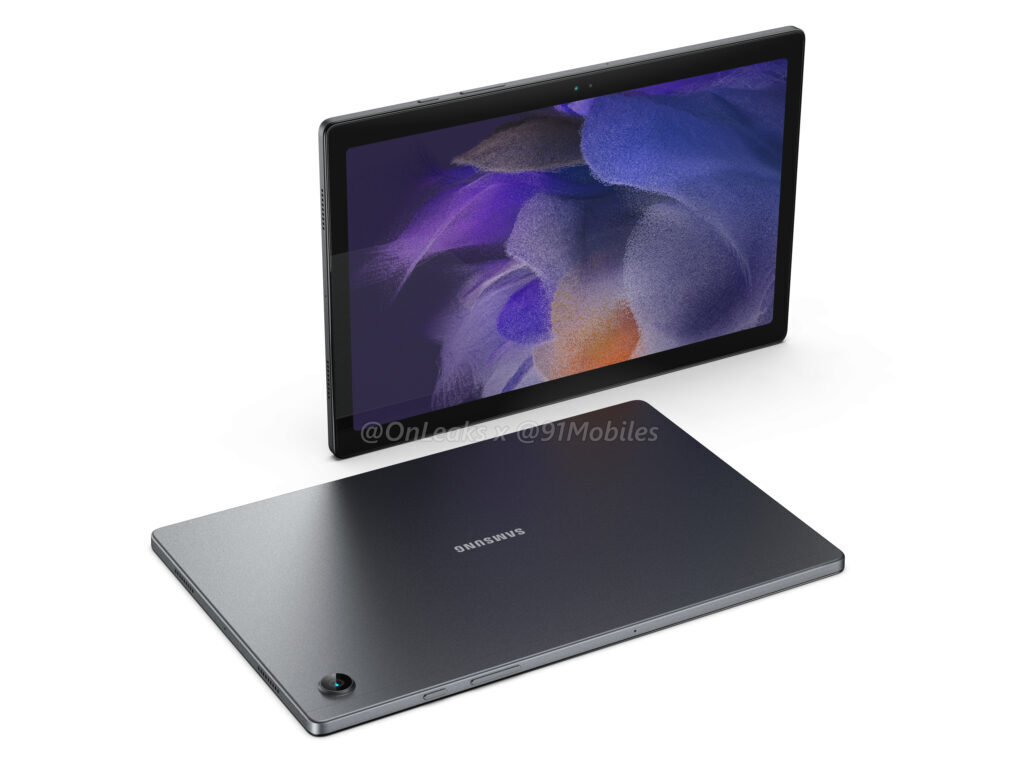
Samsung Galaxy Tab A8 2021
Samsung Galaxy Tab A8 2021 | Source @OnLeaks via 91mobiles

Going by the entries, the device will be powered by a UNISOC T618 SoC (found inside HTC A100 tablet) paired with 3GB RAM. As for software, it will run Android 11 (One UI 3.x). Unfortunately, nothing else is known about this product from Geekbench.

The first-ever leak of Galaxy Tab A8 2021 arrived in the form of 3D CAD renders revealing the entire design of the device measuring 246.7 x 161.8 x 6.9mm in dimensions. As per these images, the slate will have a metal body design with thick bezels around the 10.4-inch FHD+ TFT LCD panel and a front-facing camera on the right bezel.

The product will have power and volume keys on the right side, a USB Type-C port at the bottom, Dolby Atmos-supported four speakers (a pair each at top and bottom), and a 3.5mm headphone jack at the bottom left edge. Further, the rear panel will have a single camera at the top left corner and a Samsung branding at the center.

Another report suggested that the tablet will come with an 8MP rear camera, 5MP front camera, 7,040mAh battery, 15W charging. It is expected to come in three colors (silver, gray, gold) 

Samsung is yet to officially announce the launch date for Galaxy Tab A8 2021.


RELATED:


Apple patents slim but sturdy hinge that could be for a foldable iPhone

Another Apple patent has just recently surfaced online. This time, the company has been granted a patent for a new hinge mechanism that could used on a MacBook or even an upcoming foldable iPhone.

Apple

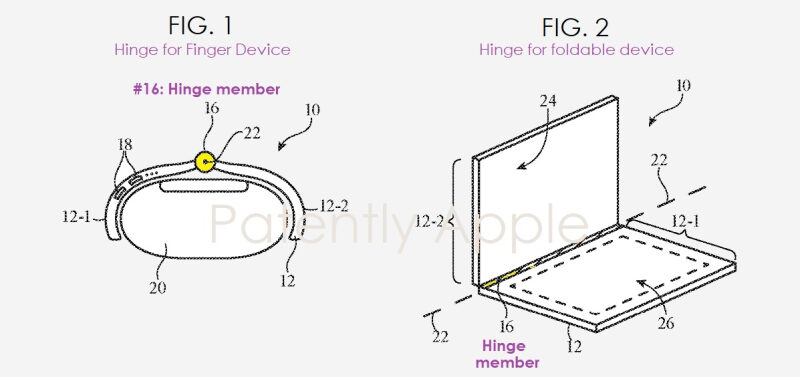
According to a PatentlyApple report, the patent was titled “Electronic devices with fiber composite friction hinges.” The description reveals that the patent uses a fiber composite hinge that could be formed from a fiber composite material like carbon fiber composite materials. In simpler terms, it means that the Cupertino based giant is looking to build a flexible layer (could be a flexible display) that is housed above the hinge mechanism.

Furthermore, the materials imply that the new hinge would be slimmer but still be quite sturdy. Since the brand did not refer to a particular device, it could possibly even be used on a MacBook hinge, but it sounds more fitting to be a hinge on a foldable iPhone. The Apple patent also adds that an “electronic device may have a one or more hinges. For example, a folding device may have a first housing portion that is coupled to a second housing portion by a friction hinge. The friction hinge may include fiber-reinforced structures such as carbon fiber composite structures and other fiber composite structures. The use of fiber composite structures may help reduce hinge bulk while improving hinge performance.”

At the moment, we have no official news regarding a foldable iPhone from the company itself. Although, it is speculated to launch sometime within the next two to three years. Previously, we had covered certain patents regarding a foldable device, but these are still far from an official reveal. So stay tuned for more updates regarding this matter.

RELATED:


Xiaomi plans to soon sell cars through its stores, just opened its 10,000th outlet in China

Xiaomi just announced the opening of its 10,000th store in China and revealed plans to soon sell its upcoming electric cars through similar outlets.

The announcement was made by Lei Jun today on Twitter as congratulation to everyone involved in the opening of the Xiaomi Store. The Xiaomi CEO also shared images of the store along with the celebrations associated with it.

The 10,000th Xiaomi Store was inaugurated on October 30th in Shenzhen, China. It has an area of nearly 600 square meters and promises to offer a more premium and interactive experience. The store also features a massive curved display atop which could serve as a great tool to reel potential buyers in.

The CEO further revealed that we will soon get to see more of such large stores in China, and that they will even one day be used to sell cars.

For the uninitiated, Lei Jun is also the CEO of the newly incorporated Xiaomi Motors company that’s working on the mass production of electric cars of its own by the first half of 2024.

xiaomi mi home store china featured

Xiaomi has already diverged into several other markets including smart home products, TVs, and electric bikes, and large stores like these will thus soon be a one-stop destination for all kinds of Xiaomi electronics.

Moreover, the company has predominantly been an online seller when it came to its smartphones, more so outside of China, so the opening of stores like these could be an indicator of a new retail strategy.

RELATED: