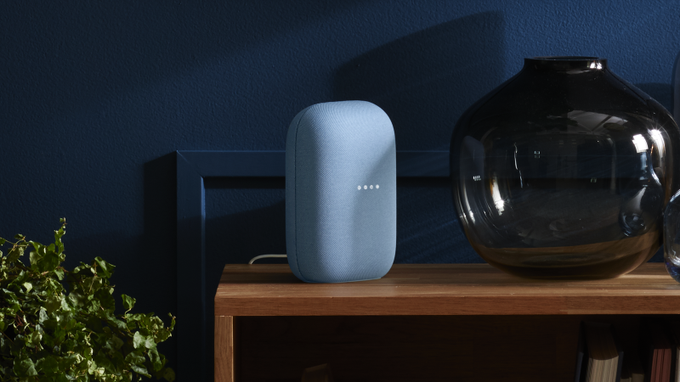
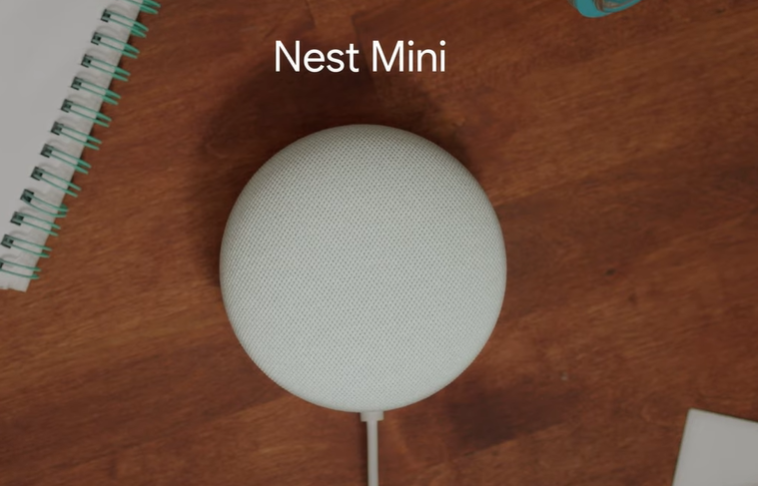
Google has been involved in a legal dispute with Sonos for a while now, with the latter claiming that the former has infringed on a number of its patents and licenses on its popular products. Now, it seems that the lawsuit has proved to be favorable towards Sonos, as Google is being forced to make changes with its Nest speakers.
According to an AndroidPolicereport, Sonos has won a major court decision after piling on a number of lawsuits and accusations of theft against the Search Engine giant. Now, the brand is being forced to make changes in some of its popular gadgets. In the worst case scenario, it is possibly even facing a ban of its products. The US International Trade Commission has just ruled in favor of Sonos earlier today (7th January 2022) after finding Google guilty of violating Sonos’ intellectual property.
This ruling also arrives following the preliminary results from August 2021, in which a judge also found the brand to be in violation of the Tariff Act of 1930. In other words, Sonos’ victory means that there will possibly be a ban on importing infringing devices that will go into effect within the next 60 days. Although, the company told The Verge that “We do not expect any impact to our ability to import or sell our products.” It also added that the customers will not experience any disruptions either.
Google further elaborated on some of the upcoming changes for its Nest speakers in a forum post. For those unaware, Sonos had sought to block the sale of Google’s smart speakers, Pixel smartphones, and even Chromebooks initially. But as of right now, it remains unclear which products and series will be facing the ban or revisions. It remains to be seen if the Biden administration steps up to take action against the ruling, so stay tuned for more updates.
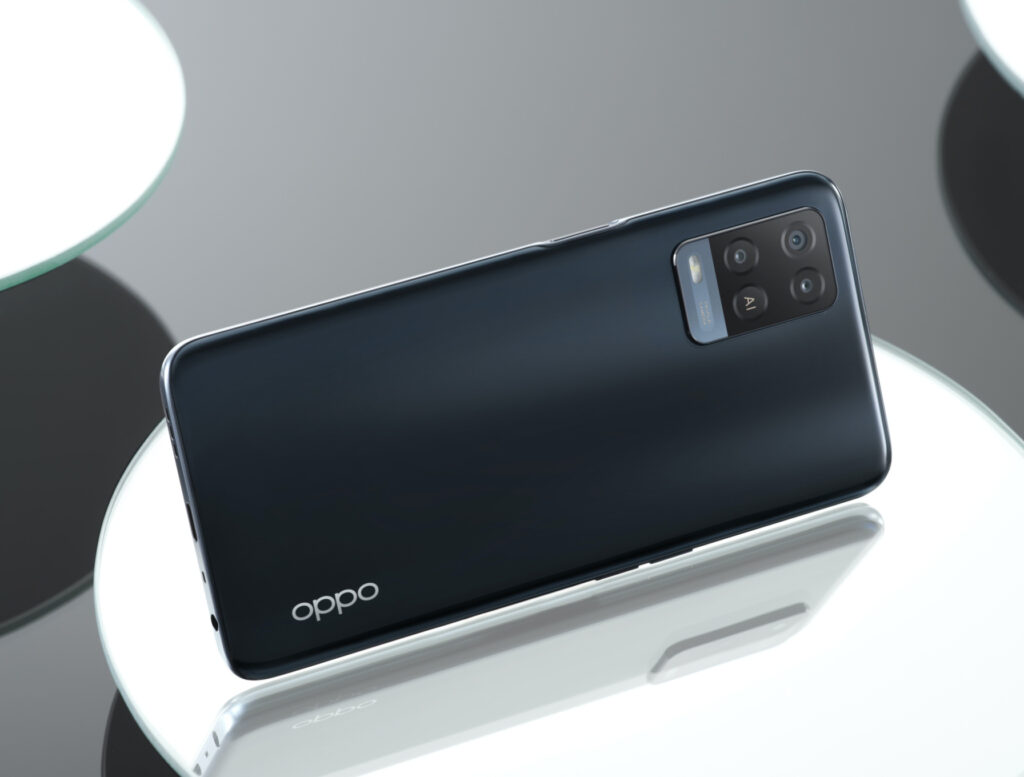
91mobiles has learned from offline retail stores that the OPPO A54 will cost you Rs 13,990 for the 4GB RAM and 64GB storage variant in India, which is Rs 1,000 less than the previous Rs 14,990 pricing.
Image: 91mobiles
Similarly, the 4GB + 128GB variant has also shaved off Rs 1,000 from its price and will now set you back by Rs 14,990. And lastly, the top of the line variant with 6GB of RAM and 128GB of internal storage that earlier carried a Rs 16,990 price tag in India, will now sell for Rs 15,990.
Customers will also be eligible for a 5% cashback if they make the purchase using cards from ICICI Bank, Bank of Baroda, Standard Chartered, and a couple of others.
The OPPO A54 comes with an HD+ IPS LCD panel with a refresh rate of 60Hz and a touch sampling rate of 120Hz. It is powered by the MediaTek Helio P35 chip that’s supported by up to 6GB of RAM and 128GB of storage. For photography, you get a triple camera setup at the rear, comprised of 13MP + 2MP + 2MP sensors. And at the front, there’s a 16MP selfie shooter. The battery is sized 5000mAh with 18W charging support and the phone weighs 192g.
The OPPO A54 had received a price hike of Rs 1,000 back in September 2021 along with the OPPO F19. OPPO had not specified the reason behind the move at the time but it was the semiconductor shortage that was likely to blame.
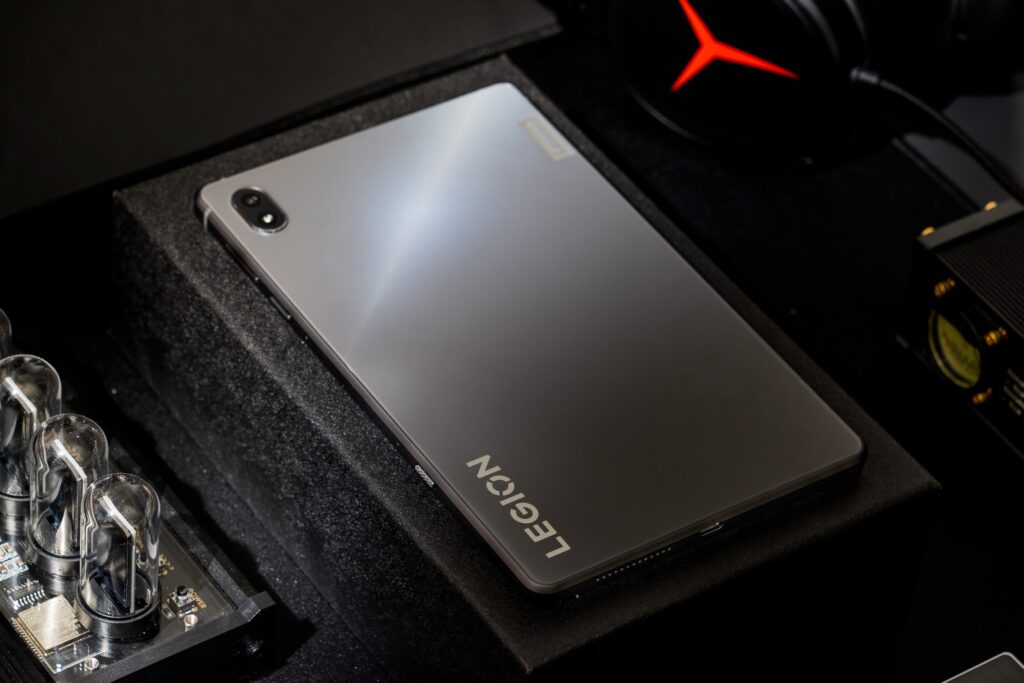
Apart from the Legion Y90 gaming smartphone, Lenovo will be also releasing the Legion Y700 gaming tablet. Although the company hasn’t announced the launch date for these products, it has been teasing their features for a very long time. The latest teaser for the tablet reveals a unique screen mode for games and chipset.
Lenovo Legion Y700
Lenovo product manager Lin Lin published a blog post on Weibo on January 5. His article confirms that the upcoming Lenovo Legion Y700 gaming tablet will arrive with an ‘Ultra-Wide Viewing Mode’.
In his post, the executive says that most tablets either come with a 16:10 or a 16:9 aspect ratio display and so does the Legion Y700. Because of this, games cannot display much content on the screen.
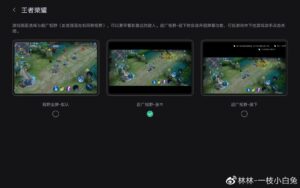
To fix this, the Lenovo gaming tablet will ship with a feature called Ultra-Wide Viewing Mode. As the name suggests, by enabling this mode, users will get more screen content in select MOBA games like Honor of Kings and League of Legends.
The tablet does this by changing the aspect ratio to 21:10 with the help of black bars at the top and the bottom. Users will also have an option to shift the content to the bottom of the display by leaving a huge black at the top.
At the same time, the exec also disclosed that the tablet will be powered by a Qualcomm Snapdragon 870 chipset in a reply to a comment.
According to previous reports, the Lenovo Legion Y700 gaming tablet will be slightly larger than the Apple iPad mini 6th Generation. It will have dual stereo speakers, a 3.5mm headphone jack, and an 8.8-inch display with a resolution of 2560 × 1600 pixels, 120Hz refresh rate, 240Hz touch sampling rate, and 100% DCI-P3 color gamut.
We expect to learn more about the forthcoming Lenovo Legion tablet and smartphone in the coming days ahead of their official launch.
Despite Amazon and Roku still dominating the smart TV segment, Google’s Android TVs are also gaining popularity. It is estimated that the platform has already crossed the 100 million total users milestone last year.
The news arrives from a Google spokesperson who shared this information with 9to5Google. The spokesperson confirmed some new figures related to the Android TV OS. As of right now, the platform along with Google TV run on more than 110 million monthly active devices combined. In other words, it marks a significant growth in terms of popularity and userbase. Back in May 2021, the search engine giant had reported on just 80 million active devices running on its platform.
This means that over 30 million new devices have been added to this figure since that month. According to the report, a majority of the growth is from the Chromecast with Google TV, as well as TCL‘s Android TV OS models. Furthermore, Google also attributed the strong growth to its various partners, which now number over 250 across the globe. This includes more a 170 pay TV operator partners.
Notably, the company had also announced the latest Android TV 12 operating system back in December 2021. Although, it has yet to be released for commercial devices at the moment. Regardless, brands like TCL, Sony, and Hisense all launched new Google TV models during the CES 2022 event. So, its well on its way to become a major rival to the likes of both Amazon and Roku.
Lenovo has been teasing two Android-based handheld gaming devices for the past few days. These products, a smartphone and a tablet, will launch under the company’s Legion brand. They are officially called Legion Y90 and Legion Y700 respectively, Today, we get to see the former in the flesh.
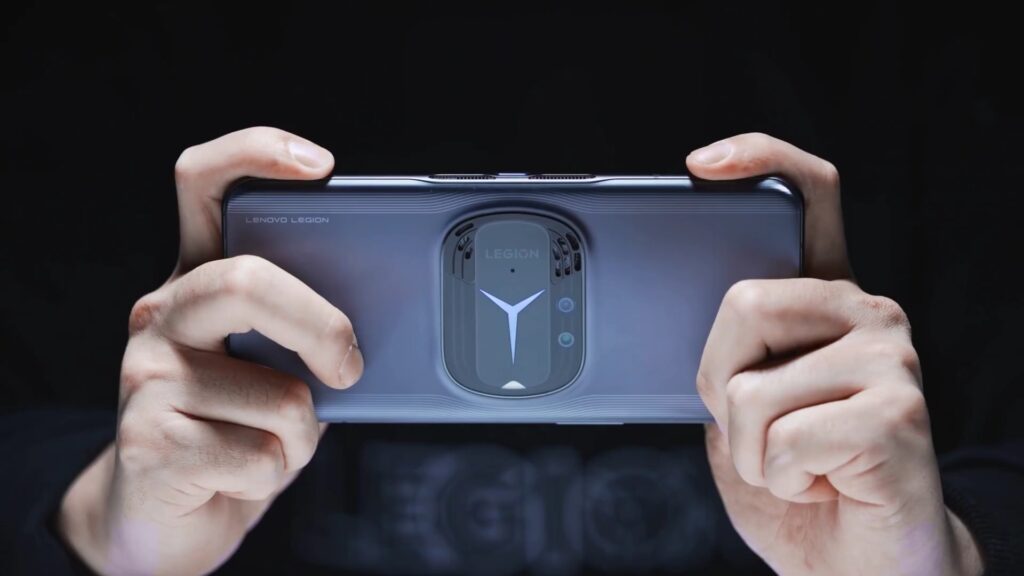
A few hours back, the official Weibo account of Lenovo Legion dropped a teaser video revealing the design of the upcoming Lenovo Legion Y90 gaming smartphone. The clip confirms that the handset will sport a similar design as the Lenovo Legion Phone Duel 2 with a curved glass back and a metal frame.
As you can see from the video, the dual rear camera on the device will be located at the center. The middle of the handset will also include a vent for thermals, a Y-shaped RGB light, an LED flash, and LEGION branding.
On the front, unlike conventional smartphones, the phone will lack a notch or a punch hole. Instead, it will have a bezel nesting a long earphone piece and a selfie camera. Though the display will be flat, it will have rounded corners.
Then, there will be two more vents with a power button in-between on the right side and a secondary microphone phone at the top. Previous teasers have revealed two USB Type-C ports (one on left and another at bottom), a volume rocker on the left, and a SIM card slot as well as a primary microphone hole at the bottom.
According to earlier reports, the Lenovo Y90 gaming smartphone will flaunt a 6.92-inch HDR-enabled Samsung E4 AMOLED display with a 144Hz refresh rate, a 720Hz touch sampling rate, and a certified low blue light emission mode. It will be powered by the Qualcomm Snapdragon 888 SoC paired with LPDDR5 RAM, UFS 3.1 storage, and Double Engine Air Cooling technology.
Lenovo is yet to officially announce the launch date for Legion Y90 and Legion Y700.
Honor Magic V is launching on Jan. 10 in China. The first foldable phone from Honor will be featuring the Snapdragon 8 Gen 1 mobile platform. Last week, reliable tipster Digital Chat Station shared key information on the specs of the Magic V. Now, he is back with some more information on the battery and camera configurations of the device.
Recent teasers have revealed that the Honor Magic V’s cover display and the inner foldable screen will be sporting a punch-hole design. The rear side of the device will feature a triple camera unit. Now, the tipster has claimed that there will be a punch-hole at the centre of the right half of the inner display.
Honor Magic V
He added that the front camera and inner camera of the Honor Magic V is of around 42-megapixel, which sounds a bit weird. The rear camera setup of the phone will feature a 50-megapixel + 50-megapixel + 50-megapixel triple camera unit. Past reports have revealed that the Sony IMX766 will be the primary sensor of the Magic V.
The Magic V will be backed by a 4,750mAh battery. The 3C certification of the device has hinted that it may carry support for 66W fast charging.
Other reports have claimed that the device will run on the latest Magic UI 6.0. It may house a 6.5-inch 90Hz cover display and an 8-inch inner 120Hz foldable display. One of the variants of the device will sport an orange-coloured leather back. It may arrive in 12 GB RAM + 256 GB storage and 12 GB RAM + 512 GB storage variants. These models are likely to be priced at 13,999 Yuan (~$2,195) and 14,999 Yuan (~$2,352), respectively.
A few days ago, Realme hosted a launch event and unveiled its latest Realme GT2 and GT2 Pro smartphones in its home country China. Today, both the devices official went on sale in the Chinese market.
Now, data from the first sale of the Realme GT2 series reveals that the company managed to generate revenue worth 200 million yuan that too within the first three minutes of the devices going on sale in China.
The base model of the Realme GT2 with 8GB RAM and 128GB storage costs 2,599 yuan (~$408) while the 8GB RAM + 256GB storage model is priced at 2,799 yuan (~$439). On the other hand, the 12GB RAM + 256GB storage model costs 3,099 yuan (~$486).
The Realme GT2 Pro costs 3,699 yuan (~$580) for the 8GB RAM + 128GB storage model while the 8GB RAM + 256GB storage model is priced at 3,999 yuan (~$627). The 12GB RAM and 256GB internal storage model costs 4,299 yuan (~$674) while the top-end model with 12GB RAM and 512GB of storage is priced at 4,799 yuan (~$753).
Coming to the specifications, the Realme GT2 features a 6.62-inch Samsung E4 AMOLED display with support for a 120Hz refresh rate. On the other hand, the Pro model comes with a 6,7-inch LPTO AMOLED display with a 2K screen resolution of 3216 x 1440 pixels, a 120Hz refresh rate, and up to 1400nits brightness.
Under the hood, the GT2 is powered by the Qualcomm Snapdragon 888 chipset while the GT2Pro is powered by the latest Snapdragon 8 Gen 1 SoC. Both the devices also come with a Diamond Ice Core Cooling System Plus.
The smartphones are running the latest Android 12 operating system out-of-the-box with the company’s own Realme UI 3.0 on top. The phones are powered by a 5,000mAh battery and come with support for 65W fast charging technology.
Back in November 2021, 9to5Google revealed that it came across key information about the upcoming Pixel foldable phone with the “Pipit” codename in the APK file of the Google Camera app. Now, the same device has reportedly paid a visit to Geekbench. The appearance of the device at the benchmarking site is a good hint that the device not only exists but also the company could be internally testing it.
The Google Pipit’s Geekbench listing (via. MySmartPrice) reveals that it is powered by an octa-core chipset with a 1.80GHz base frequency. The source code of the listing shows that the four efficiency cores clocked at 1.80GHz. It further shows that it has two CPU cores working at 2.80GHz and the other two CPU cores ticking at 2.5GHz. The SoC includes Mali G78 GPU.
The specifications of the processor hint the Google Pixel foldable phone could be powered by the Google Tensor chip, which also fuels the Pixel 6 series of smartphones. The device has 12 GB of RAM and Android 12 OS. In the single-core test, the device scored 4811 points and recorded 11,349 points in the multi-core test.
9to5Google’s report had revealed that the Google Pipit will be equipped with a 12-megapixel Sony IMX363 as the primary sensor, which could be accompanied by a 12-megapixel Sony IMX386 ultrawide snapper. The inner display is also speculated to feature an 8-megapixel Sony IMX3555 camera. Another 8-megapixel Sony IMX355 is likely to be available on the outer side of the device.
The leaked information on the cameras of the Pixel foldable phone suggests that it won’t be able to offer top-notch photography experiences like the Pixel 6 and 6 Pro, which are packed with better cameras. The other details of the Pixel Pipit foldable are currently under the wraps.
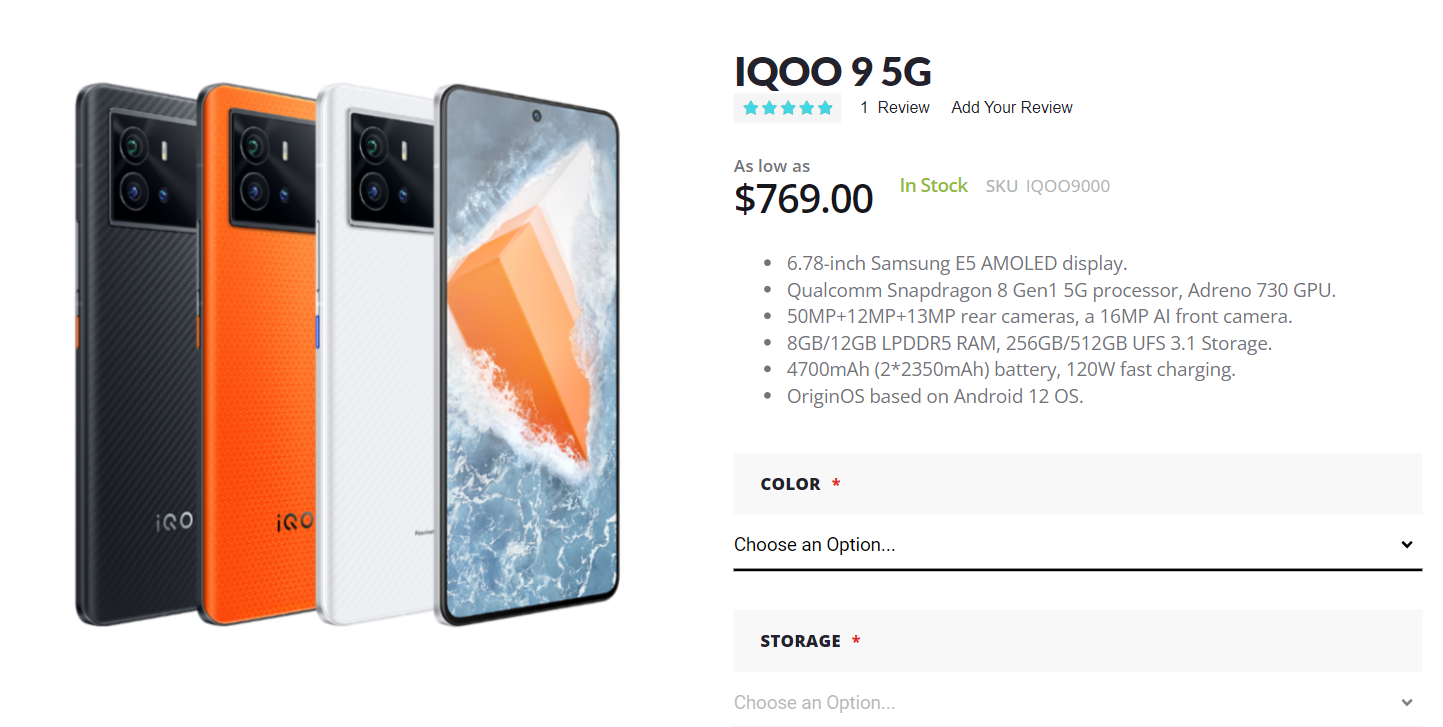
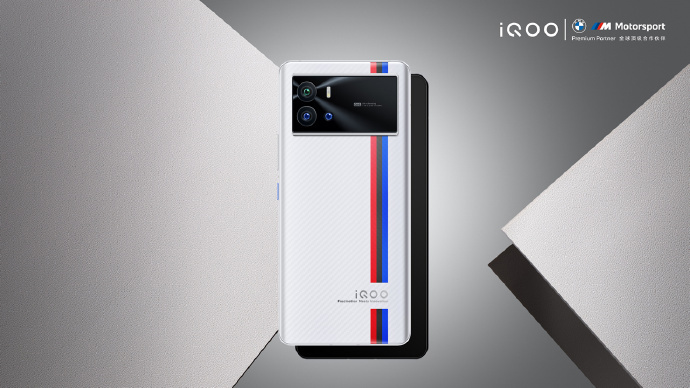
vivo IQOO 9 smartphone features a 6.78” Samsung E5 AMOLED display with a peak brightness of 1500nit and 120Hz refresh rate. Powered by a 4nm Qualcomm Snapdragon 8 Gen1 Octa-core processor the smartphone comes with 8GB / 12GB LPDDR5 RAM and 256GB / 512GB storage options.
You have a triple camera set up in the rear with a 50MP Samsung GN5 sensor for the main camera and a 13MP ultra-wide and 12MP portrait lens for secondary cameras. For your selfies, you have a 16MP sensor in the front. The smartphone is perfect for gamers as it comes with a dual X-axis motor, an upgraded 4D vibration, and dual pressure-sensitive buttons under the display that allows four-finger operations to be done with just two.
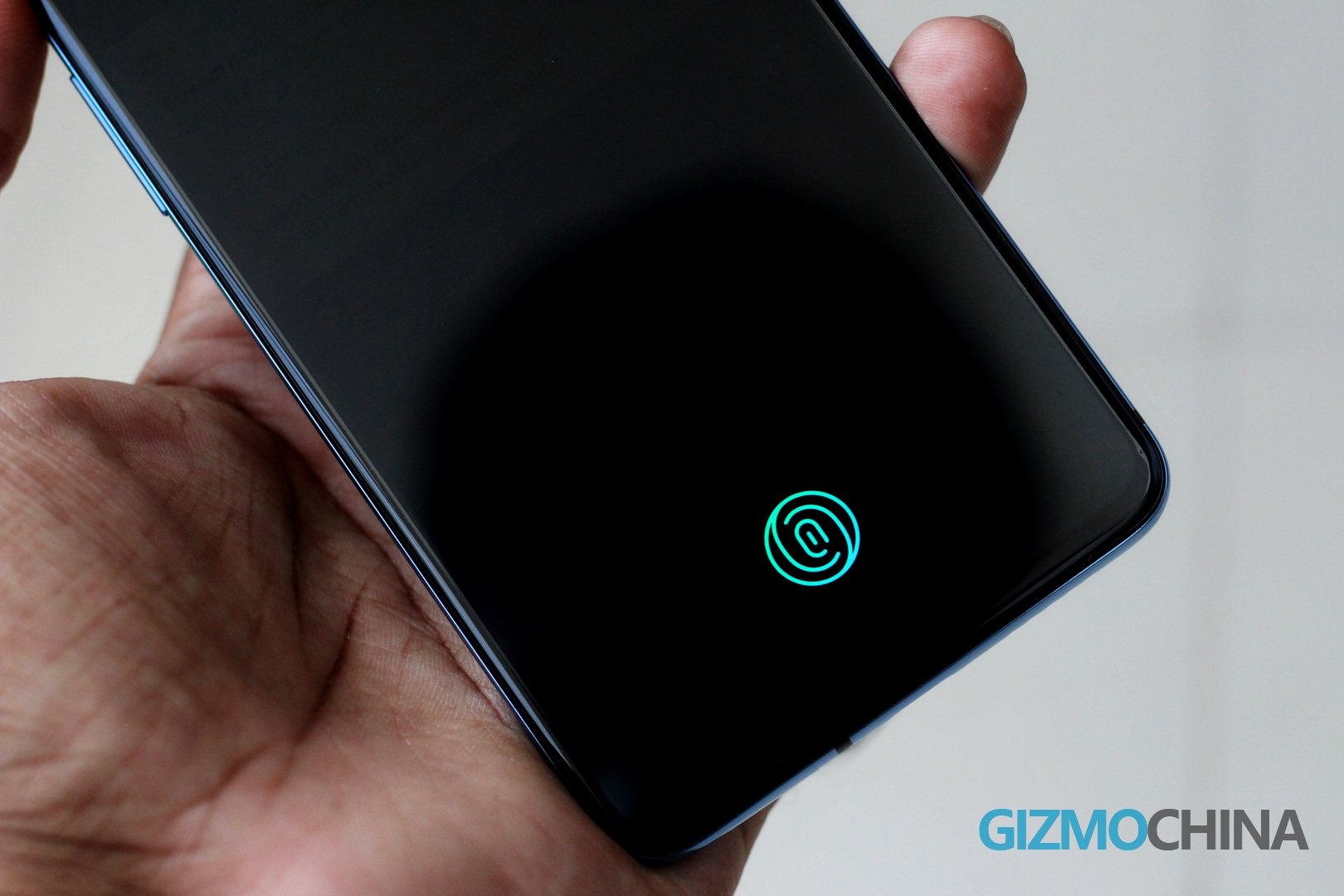
vivo IQOO 9 5G smartphone is fueled with 4700mAh (2 x 2350mAh) battery and supports a 120W Fast charge that can charge your phone from 0 to 100% in just 19 minutes. It also supports 50W wireless fast charging and 10W reverse charging. Other interesting features include WiFI 6, Multi-functional NFC, in-display fingerprint sensor, and Face ID.
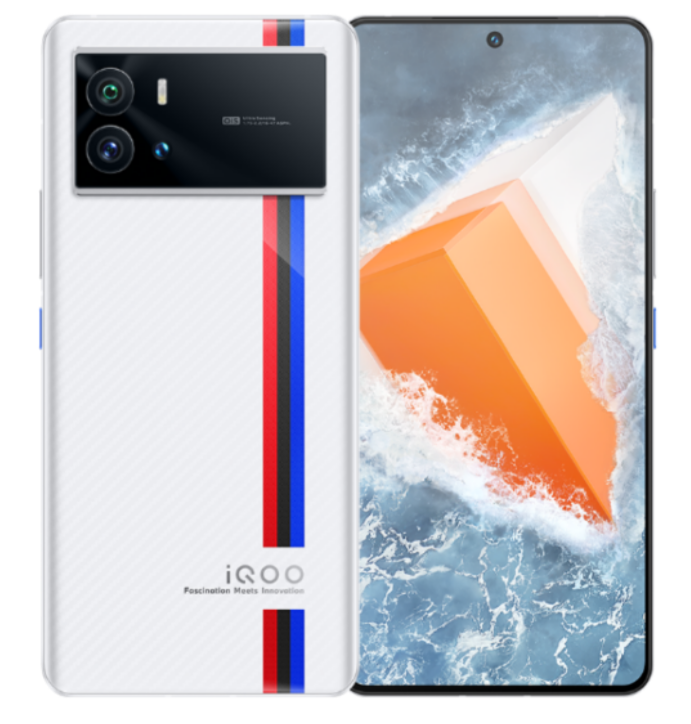
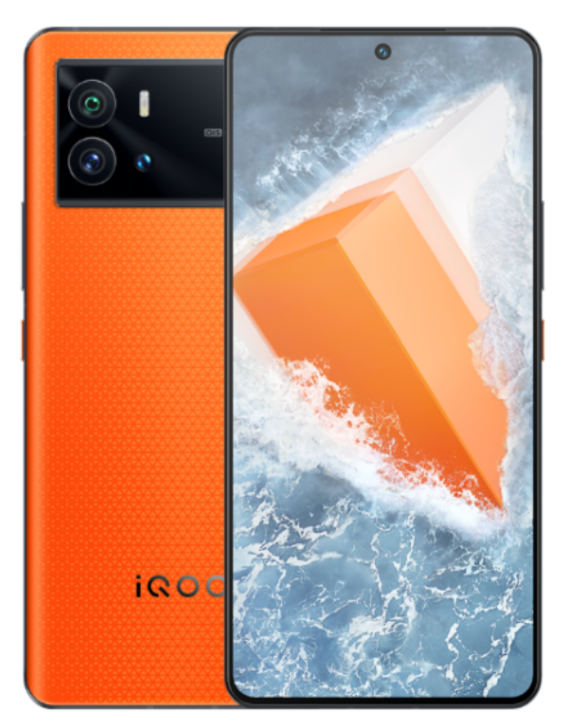
Running on the Origin OS based on the latest Android 12 OS, vivo IQOO 9 5G smartphone comes in three gorgeous colors viz: Orange, White, and Black. You can now buy this latest entry from IQOO for $769 only at Giztop. Please note that the above-mentioned price is applicable to the base variant only.
For more information on such exciting deals and offers check out our deals hub.
In August 2021, Xiaomi unveiled the RedmI Note 10 JE with Snapdragon 480 chip and IP68 rated chassis. The handset was available for purchase exclusively in Japan. Fresh information reveals that the company is now working on its successor, which is expected to debut as the Redmi Note 11 JE.
Redmi Note 11 JE specifications (Rumored)
According to Xiaomiui, the Redmi Note 11 JE is codenamed as Lilac and “K19K” is its shortened model number. The actual model number of the device is 22021119KR. The specs and design of the phone is said to be similar to the Redmi Note 11 5G that debuted in October 2021 in China.
The Note 11 JE is likely to feature the Snapdragon 480 Plus chipset, instead of the Dimensity 810 that fuels the Note 11 5G. It is expected to arrive with a 6.6-inch display that offers a Full HD+ resolution and a 90Hz refresh rate. It will house a 5,000mAh battery that supports fast charging.
Redmi Note 11 5G
The Note 11 JE’s camera setup will be headlined by a 50-megapixel Samsung JN1 camera. While the number of its rear-facing cameras are yet to be confirmed, it is being said that it will not feature an ultrawide lens.
The Redmi Note 11 JE is expected to run on Android 11 OS, which will be overlaid with MIUI 13. It will measure 8.75mm in thickness and weigh 195 grams. Probably, it will feature an IP68 rated chassis like the predecessor model. The overall design of the phone will be identical to Note 11 5G handset. The report also claims that the device will be available for purchase exclusively in Japan.
Under screen fingerprint scanners have been the craze of the flagship Android market ever since 2018. However, the technology hasn’t progressed for a while since it is very difficult to innovate on a fingerprint scanner.
Recently, from the Chinese national patent database, one insider from China has revealed that Xiaomi was recently awarded the patent of a new fingerprint scanning technology, which allows the user to be able to use the fingerprint sensor on any part of the screen. This is great news for the end-user, as you need not try as many times to unlock your phone as you need not place your finger accurately on the under-screen fingerprint scanner for it to be registered anymore because you can now unlock it anywhere on top of the screen.
Xiaomi’s All-Screen Fingerprint Scanner Patent
In the patent, Xiaomi showcases how the technology works in that it will have an array of infrared LED light transmitters underneath the capacitive touch-screen layer and above the normal AMOLED display. The array of infrared light receivers will be located above the infrared LED light transmitters. All the infrared LED light transmitters and receivers mentioned above are the core building blocks for the all-screen fingerprint scanner.
First, when the user wants to scan their fingerprint on screen, he touches the screen with his finger, the capacitive touch screen registers the touch, the position and shape of the fingertip, then the array of infrared LED light transmitters emits light out the screen at only the shape and position of the fingertip. Do note that the surrounding LED light transmitters will not light up in this case.
Next, the infrared light will be reflected back after in contact with the fingertip and reach the infrared light receivers. The data of the infrared light speed will then be used to map out the contour of the fingerprint, and then will compare to your saved fingerprint details to verify if the user is the same as the one saved. If true, the user will be able to unlock his smartphone from any part of the screen!
Huawei actually submitted a patent of their own all-screen fingerprinting technology back in August 2020 in six markets, including China, Europe, the US, Japan, Korea, and India. However, the technology has not been announced yet, which may be caused by supply sanctions towards the company. Here’s to hope that Xiaomi will be able to bring this technology to the smartphone market soon.
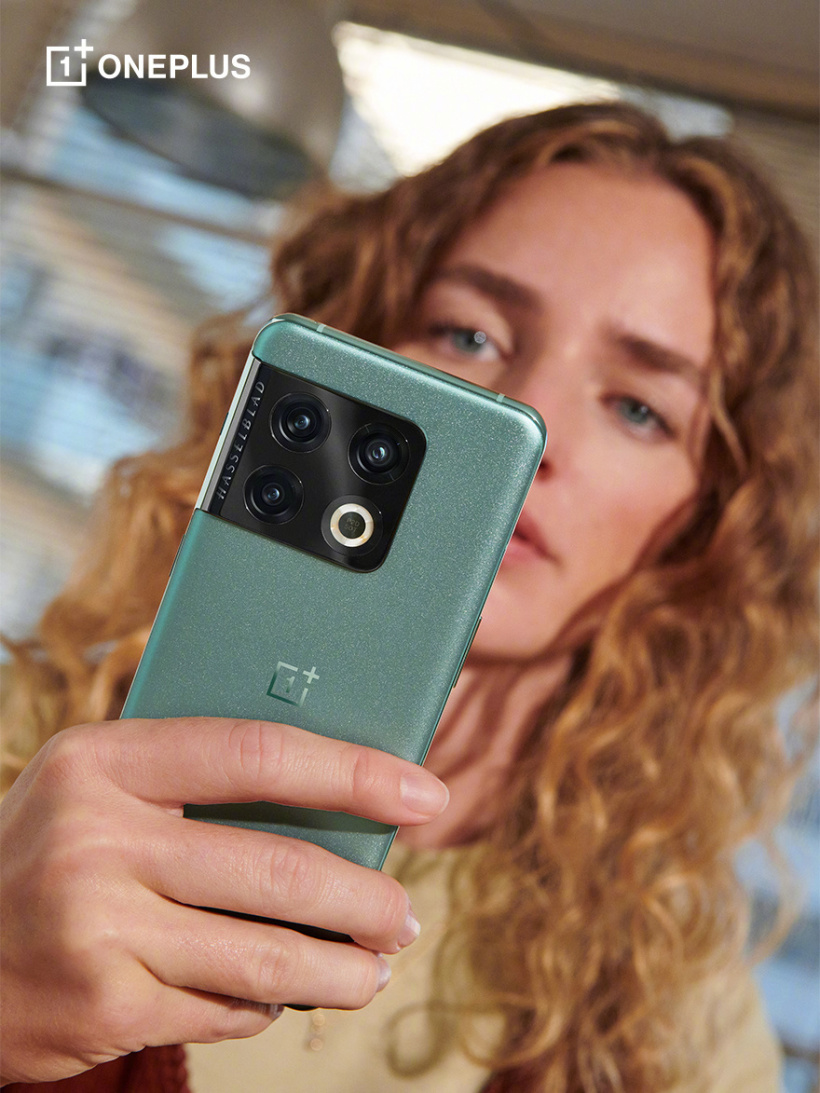
Reports surrounding the OnePlus 10 Pro claims that it will be offering the best photography experience seen on a OnePlus device. Recently, OnePlus co-founder Pete Lau confirmed the camera specs of the OnePlus 10 Pro. Now, the company has shared additional details on the cameras of the smartphone.
To begin with, the OnePlus 10 Pro will come equipped with the second-generation Hasselblad Pro mode that will allow it to support 12-bit RAW photography. It will support RAW+, which can generate JPEG and RAW files simultaneously. The OnePlus 10 Pro will be the company’s first smartphone that will support 10-bit color photography like the OPPO Find X3 Pro.
Like the recently unveiled flagships like the Realme GT2 Pro and iQOO 9 Pro, the OnePlus 10 Pro will come equipped with a 150-degree ultrawide camera and it also supports fisheye mode. There is a Movie mode onboard that will let users adjust ISO, shutter speed, and other settings before and after recording a video.
The OnePlus 10 Pro’s camera setup will feature an OIS-ready 48-megapixel primary camera, a 50-megapixel ultrawide lens with a 150-degree FOV, and an 8-megapixel telephoto camera with 3x optical zoom. For selfies, it will come equipped with a 32-megapixel selfie camera.
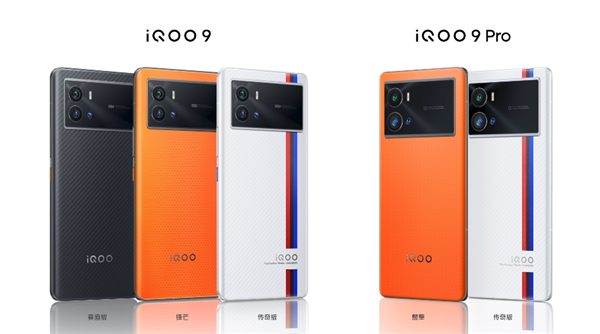
vivo‘s independent brand iQOO recently launched the iQOO 9 series smartphones in the Chinese market, including the iQOO 9 5G and the iQOO 9 Pro. Now a new report has surfaced suggesting that the device will soon arrive in Indian markets.
According to an Indo-Asian News service (AINS) report, iQOO CEO Nipun Marya has stated that the iQOO 9 series will soon arrive in India. The announcement came alongside the revelation that iQOO 7 Legend will be the official smartphone for the finals of the ongoing Battlegrounds Mobile India Series (BGIS). The semi-finals are scheduled to start from January 7th and run till January 10th, while the tournament’s finals will start from January 13th. Rumors are also afloat that iQOO will make an announcement regarding the Indian launch of the iQOO 9 series devices during the finals of the Battlegrounds Mobile India Series.
The Indian variants of the iQOO 9 series are expected to arrive with the same specs featured in the Chinese variants that were launched on January 5th.
To recall, the iQOO 9 (Chinese variant) feature a 6.78-inch Samsung E5 AMOLED FHD+ display panel with a 120Hz refresh rate, up to 1500nit peak brightness, 100% P3 color gamut, and 1000Hz touch sampling rate.
The device comes housing the latest Qualcomm Snapdragon 8 Gen 1 chipset coupled with 8 GB / 12 GB of LPDDR5 RAM and 128 GB / 256 GB / 512 GB overclocked UFS 3.1 native storage.
The gaming-focused iQOO 9 features multiple cooling solutions like a 3923 mm2 super large area heat spreader, two split-flow power pumps to ensure chip heat dissipation, and a stacked waterfall VC three-dimensional heat dissipation system for accelerated heat conduction.
In the camera department, the iQOO 9 offers a 50MP primary camera, a 13MP ultra-wide-angle camera, and a 13MP portrait lens. A 16MP camera is provided on the front for selfies and video calls. The device is powered by a 4700mAh battery and comes with 120W fast charging support.
ASUS announced several Windows 11-powered laptops for different use-cases at the ongoing CES 2022 and along with that, the company has also announced a new pretty powerful Chromebook.
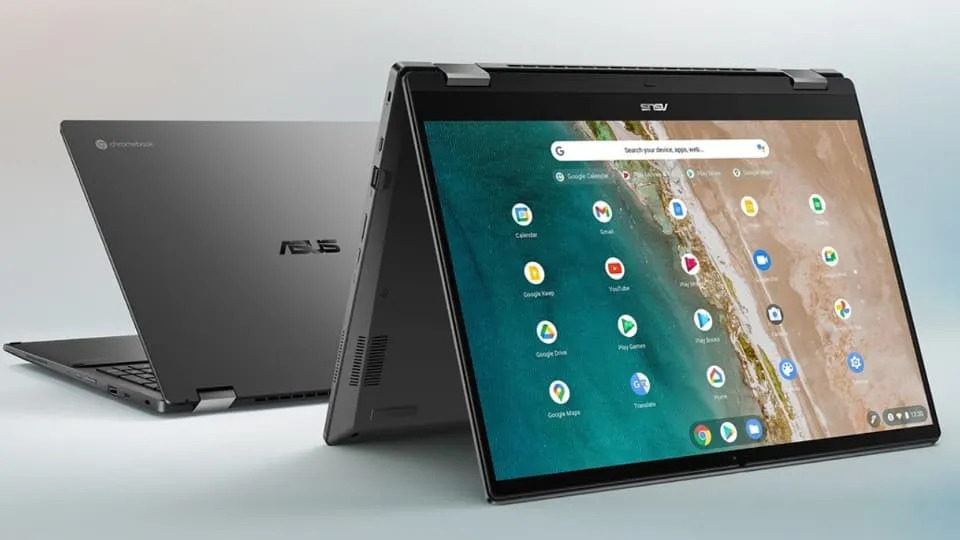
The company has announced the ASUS Chromebook Flip CX5 (CX5601) which comes with a bigger 16-inch display and seems quite an interesting product as far as Chromebooks are considered because of the powerful internals.
The Chromebook Flip CX5 features a 16-inch Full HD display with touchscreen support and 16:10 aspect ratio, 87 percent screen-to-body ratio. It has a 360-degree ErgoLift hinge that enables the device to be used in tablet mode.
The device is powered by the latest 12th generation Intel Core i7 processor with vPro and packs up to 16GB of LPDDR4X RAM and up to 512GB of PCIe NVMe SSD storage.
It has a spill-resistant backlit keyboard with a 1.4mm key travel and a numeric keypad on the right side. There’s also a large touchpad that measures 5.84 inches diagonally.
There are also four Harman Kardon-certified speakers. As for the ports, the laptop comes with two Thunderbolt 4 ports, one HDMI 2.0 port, a USB 3.2 Gen 2 Type-A port, a 3.5mm headphone jack, and a microSD card slot.
The device has a MIL-STD 810H tested chassis and comes with support for Wi-Fi 6E wireless connectivity. It also features a Full HD webcam with a privacy shutter that covers the sensor when not in use.
Currently, ASUS has not revealed the pricing or exact availability for the Chromebook Flip CX5 (CX5601) but we expect the device to be made available in the coming months.
Google has been working on improving Android and this year, the technology giant will be adding some audio-related features that aim to further improve the user experience but it seems that the features that the company plans to add are inspired by Apple.
The search engine giant will be updating the Fast Pair technology for adding features like auto-switching as well as spatial audio. While the exact release timeline is not yet known, they are expected to get rolled out in the coming weeks or months.
These new features coming to Android for enhancing the Bluetooth headphone capabilities have already been available for iPhone and AirPods users. Once Google rolls out these features, supported headphones and udio sources including Android phones, Chromebooks, Android TV, and select Windows PCs will be auto-switching.
The company is also set to adapt for head tracking for spatial audio on Android for sound effects based on the head movements. Do note that there’s already support for basic spatial audio for a few music services right now.
So far, Google has not revealed much details about the upcoming spatial audio features and thus, details about supported music streaming services, supported headphones, and supported versions of Android remains unknown.
For those who are unawanre, Fast Pair is a feature in Android for pairing Bluetooth devices from the pop-up window instead of going to the Settings app and manually pairing the devices to your smartphone.
The vivo Watch 2 was just only launched last month, but it seems like vivo really wants its next-generation timepiece onto as many as wrists possible. Hence, today, vivo decided to launch the vivo Watch 2 iQOO Limited Edition lineup.
vivo watch 2 launch poster with pricing
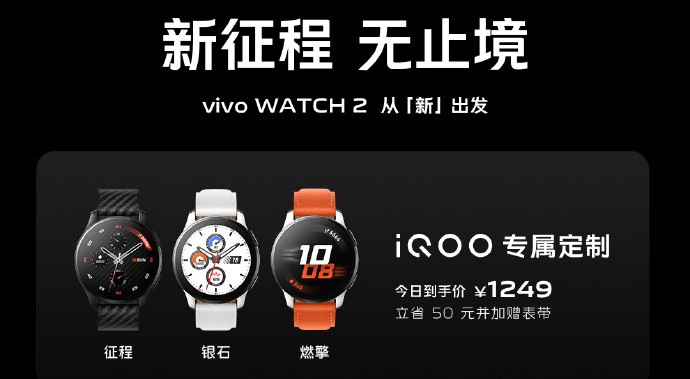
In conjunction with the vivo iQOO 9 gaming phone series launch event, vivo also took the opportunity to announce its iQOO inspired design, limited-edition lineup of the vivo Watch 2. At 1249 RMB (~ USD 196), the iQOO limited edition comes in cheaper by 50 RMB than the launch price of the original vivo Watch 2.
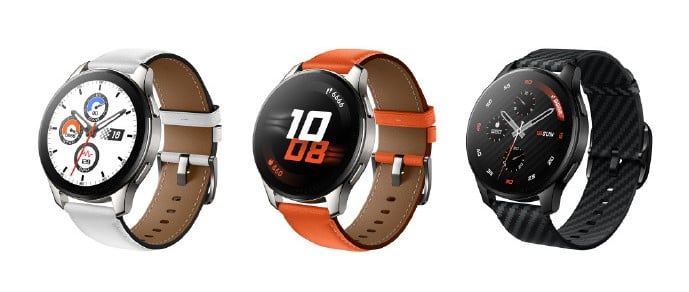
The vivo watch 2 iQOO Limited Edition introduces three new watch straps for customers to choose from, which are respectively Silverstone Leather, Flaming Orange Leather, and a grey-black striped nylon-braided watch strap called “Journey”. Each customer is able to pick from one of these options to be included with their purchase of the iQOO Limited Edition vivo Watch 2.
If you already own a vivo Watch 2 and fancy the watch straps of the iQOO limited edition lineup, you may purchase either Silverstone Leather or Flaming Orange Leather for only 199 RMB (~ USD 32) and if you fancy the “Journey” watch strap, you can buy it for only 169 RMB (~ USD 27) from vivo.
Vivo iQOO limited edition watchband pricing if sold separately
Besides the exclusive watch straps and the reduced launch price, the iQOO Limited Edition vivo Watch 2 is completely identical to the original vivo Watch 2.
To recap, the vivo Watch 2 was launched last month as one of the first smartwatches to support eSIM in China. The highlight would be its large 515 mAh battery, which vivo claims to last up to 14 days on a single charge. Another highlight is the sleep tracking on the watch. Unlike traditional wearable devices that monitor sleep based on acceleration sensors, the Vivo Watch 2 smartwatch uses advanced CPC cardiopulmonary coupled sleep analysis technology. The technology enables the watch to more accurately determine the stage and proportion of sleep, and accurately record even the noon nap as well.
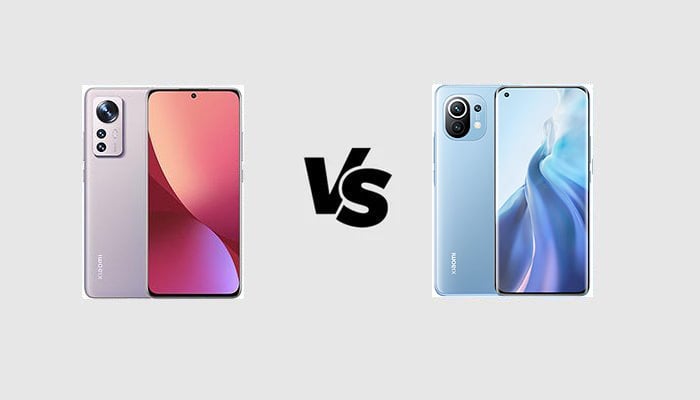
The latest vanilla version of Xiaomi’s flagship series is not only a true flagship but also a compact flagship. With its small 6.28-inch display, it has dimensions similar to the iPhone 13 while providing an amazing specs sheet. It even comes with a good price, but does it offer a higher value for money than its predecessor Xiaomi Mi 11? The older Mi 11 is currently available at great street prices, that is the reason why it still represents a great option in 2022. This is a comparison between the specifications of the Xiaomi 12 and the Xiaomi Mi 11 which will help you to pick the best phone for your needs.
Xiaomi 12 vs Xiaomi Mi 11
Xiaomi 12
Xiaomi Mi 11
DIMENSIONS AND WEIGHT
152.7 x 69.9 x 8.2 mm,
179 g
164.3 x 74.6 x 8.1 mm,
196 g
DISPLAY
6.28 inches, 1080 x 2400 pixels (Full HD+), OLED
6.81 inches, 1440 x 3200 pixels (Full HD+), AMOLED
Triple 50 + 13 + 5 MP, f/1.9 + f/2.4
32 MP front camera
Triple 108 + 13 + 5 MP, f/1.9 + f/2.4 + f/2.4
20 MP f/2.2 front camera
BATTERY
4500 mAh, fast charging 67W and fast wireless charging 50W
4600 mAh, Fast Charging 55W, Fast wireless charging 50W
ADDITIONAL FEATURES
5G, dual SIM, reverse wireless charging
5G, dual SIM, reverse wireless charging
Design
As already mentioned, the Xiaomi 12 is one of the most compact flagship phones out there. But if we exclude the dimensions, the Xiaomi Mi 11 is much more attractive in terms of design because it comes with a curved screen and a very high screen to body ratio. It is my favorite design of this comparison because of its curved screen and it is made with premium materials just like its successor: a glass back and an aluminum frame. It even comes in a special leather version, but it is exclusive for the Chinese market and you can not find it everywhere. On the other hand, the Xiaomi 12 is more compact and offers stronger Gorilla Glass Victus protection.
Display
Despite it being an old-generation phone, the Xiaomi Mi 11 has a better display. First of all, it comes with a wider diagonal: 6.81 inches, great for gamers and power users. Further, it has a higher Quad HD+ resolution with 1440 x 3200 pixels, while the Xiaomi 12 has a classic Full HD+ resolution. For the rest, these displays do not differ so much: they are both OLED panels with one billion colors, a 120 Hz refresh rate, and the HDR10+ certification, as well as a very high brightness (higher on the Mi 11 with a peak of 1500 nits) and in-display fingerprint scanners. In both cases, you get a great display, but the Mi 11 is superior.
Specs & Software
The mobile platform of the Xiaomi 12 did not even exist when Xiaomi Mi 11 was released for the first time. We are talking about the new Snapdragon 8 Gen 1 chipset, the best SoC by Qualcomm built at 4 nm and running at a max frequency of 3 GHz. It is a noticeable improvement if compared to the Snapdragon 888 found on the Xiaomi Mi 11. There are no improvements when it comes to the memory configurations: both have up to 12 GB of RAM and up to 256 GB of internal storage. Note that the Xiaomi 12 ships with Android 12 out of the box customized by MIUI 13, while Xiaomi Mi 11 runs Android 11 and MIUI 12.5: the former will get longer software support.
Camera
The camera of the Xiaomi 12 is a bit more advanced than the one found on the Xiaomi Mi 11 because of its better main sensor: a 50 MP camera with OIS. The secondary sensors are the same: a 13 MP ultrawide camera and a 5 MP telephoto macro camera, but the Xiaomi 12 has a better 32 MP selfie camera which supports 1080p video recording at 60 fps.
The battery of the Xiaomi Mi 11 is slightly bigger: the capacity is 4600 mAh, while the 12 stops at 4500 mAh. But this does not mean it will provide a longer battery life: the Xiaomi 12 has a more efficient processor as it is built at 4 nm, as well as a smaller display with a lower resolution. That is why it will most likely last more on a single charge. With the Xiaomi 12, you even get fast charging speeds thanks to 67W fast charging.
Price
Xiaomi Mi 11 is currently available for about €500/$565 in China, while Xiaomi 12 starts from €510/$575. While the former offers a better display, the latter has a better camera, faster charging, and a superior hardware department, but it is a compact phone. So the Xiaomi 12 wins the comparison, but only for those who like having a compact phone.
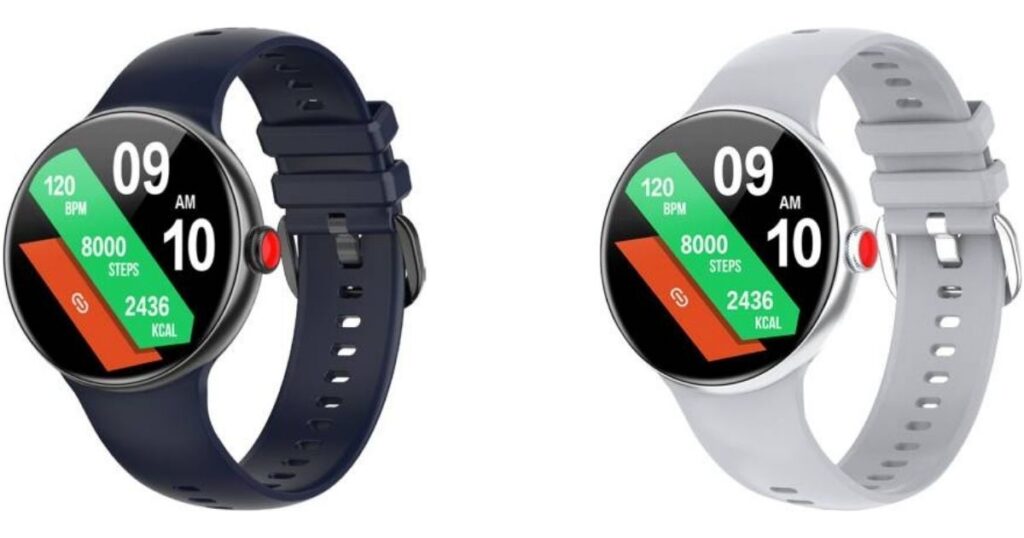
Fire-Boltt was expected to launch a new smartwatch in the Indian market soon. Earlier today, the company launched the Fire-Bolt Ninja 2 and now it has silently announced the Fire-Boltt Ultron. The Ultron smartwatch is currently selling on the Flipkart shopping portal and has features like the SpO2 sensor, AMOLED screen, and circular design.
The Fire-Boltt Ultron is priced at Rs. 3,999(~$54) and comes in Black, Blue, Grey, and Pink color variants. The watch is more than double the price of the Fire-Boltt Ninja 2. Just for comparison, the Ninja 2 costs Rs. 1,699(~$23) in India.
Fire-Boltt Ultron Specifications
The Fire-Boltt Ultron comes in a circular form factor. It has a 1.2-inch AMOLED display with a resolution of 390 x 390 pixels. It has a SpO2 sensor for monitoring blood-oxygen levels, a Blood pressure sensor, and has a continuous heart rate monitor.
The smartwatch comes with an Always-On-Display and has quite a few watch faces which can be customized from the native app. The smartwatch has 14 sports modes including walking, running, cycling, basketball, and others.
It has sleep tracking, menstrual reminder, and meditative breathing exercises. It has a 3ATM water-resistance rating offering enhanced durability. As for the battery, the Ultron is claimed to last for up to 5 days on a single charge. It has Bluetooth v5.0 support and has a dual UI menu. It can receive SMS, call alerts, and control music and cameras.
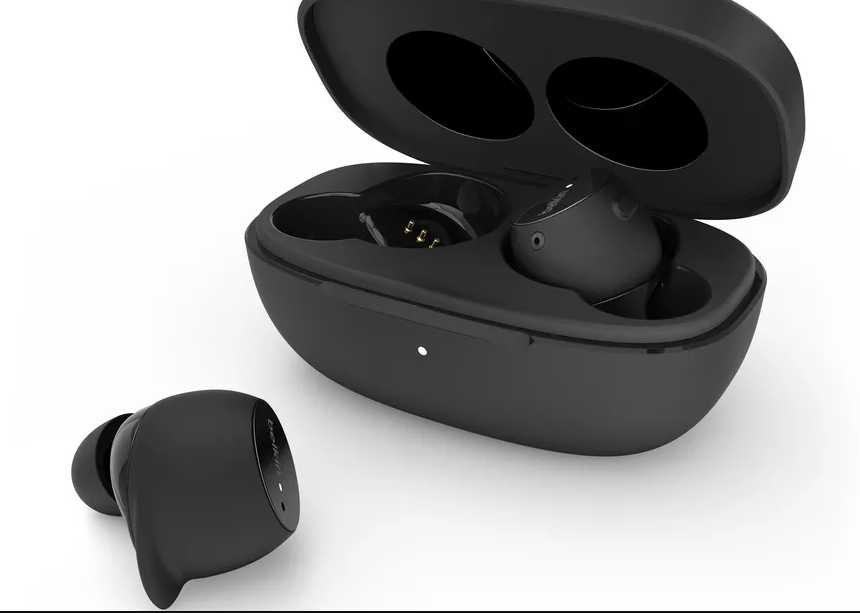
The Soundform Immerse hybrid noise-canceling earbuds are the latest offering from Belkin in the TWS earbuds category. The active noise cancellation technology means that the Soundform Immerse can deliver audio free of background noise and interference. The hybrid noise canceling mechanism features two microphones inside and outside each bud which detects and cancels out surrounding sound in the environment.
The Belkin Soundform Immerse earbuds are coming six months after the release of its predecessor in the TWS category, the Move buds. Its battery offers 8 hours of playback on a full charge, which is extended to 36 hours with the charging case. The earbuds support aptX HD that transmits high-resolution audio. In addition to the excellent audio output, the Multipoint technology allows the user to pair the earbuds to two different devices simultaneously. The Belkin Soundform Immerse earbuds are compatible with Apple’s Find My app, hence you can easily locate the earbuds when looking for them.
As per the pricing details, nothing is known yet at this time but the device is slated for release before June, within Q2 of 2022. The excellent audio credentials of the Belkin Soundform Immerse earbuds, coupled with its hybrid ANC functionality, are bound to attract music lovers, who would want to enjoy untainted audio for extended periods without interruption.
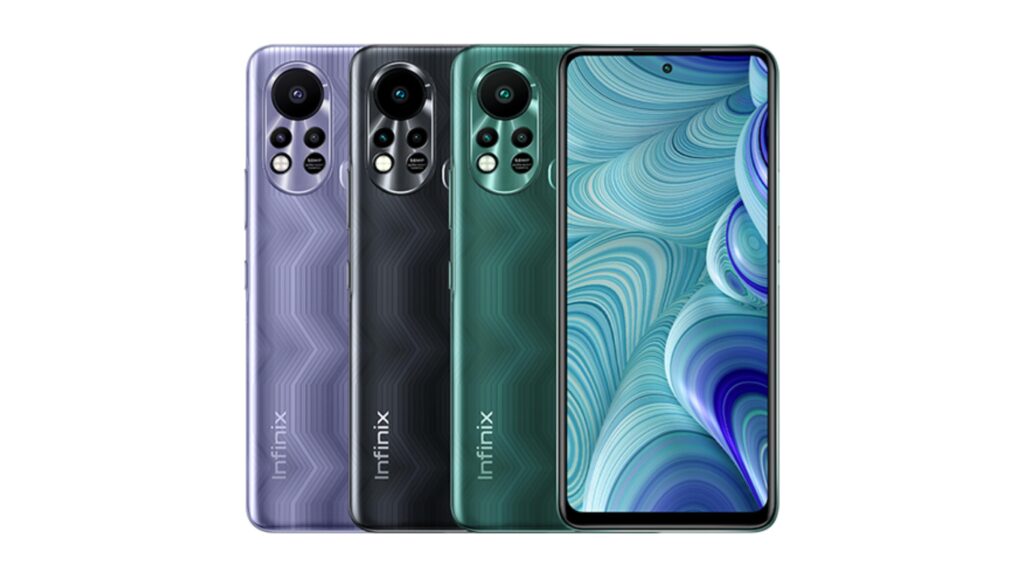
Last month, the Chinese phone maker Infinix launched the Note 11 series in India. The series comprises Note 11 and Note 11S, both coming with MediaTek’s Helio SoC under the hood. Now, after a month of its launch, the company has pushed a new update that brings an extended RAM feature on the phone.
Infinix has added up to 3GB of extended RAM support to the phones, however, the 4GB and 6GB variants get only 1GB of extended RAM. The maxed-out 8GB RAM model, on the other hand, gets 3GB of extended RAM support. For the unaware, the extended RAM feature is the same as what the other smartphone manufacturers are offering as virtual RAM.
Here, some part of the smartphone ROM gets utilized for offering virtual RAM or extended RAM. This is useful when you want to do memory-hungry tasks. As per the company, the extended RAM feature offers a 60% increase in the startup speeds of apps. Where earlier only 9 apps would able to stay in memory, now a total of 20 apps can run simultaneously (via – MySmartPrice).
The Infinix Note 11 series comes with a modern design offering a 6.7-inch FHD+ AMOLED display and 60Hz refresh rate on the Note 11, and a 6.78-inch IPS LCD panel with a 90Hz refresh rate. The duo is powered by the MediaTek Helio SoCs, and here the Note 11 is fueled by the Helio G88, while the Note 11S is powered by the Helio G96 chipset. The dual has a 50MP triple camera system and packs a 5,000mAh battery.
We use cookies on our website to give you the most relevant experience by remembering your preferences and repeat visits. By clicking “Accept”, you consent to the use of ALL the cookies.
This website uses cookies to improve your experience while you navigate through the website. Out of these, the cookies that are categorized as necessary are stored on your browser as they are essential for the working of basic functionalities of the website. We also use third-party cookies that help us analyze and understand how you use this website. These cookies will be stored in your browser only with your consent. You also have the option to opt-out of these cookies. But opting out of some of these cookies may affect your browsing experience.
Necessary cookies are absolutely essential for the website to function properly. This category only includes cookies that ensures basic functionalities and security features of the website. These cookies do not store any personal information.
Any cookies that may not be particularly necessary for the website to function and is used specifically to collect user personal data via analytics, ads, other embedded contents are termed as non-necessary cookies. It is mandatory to procure user consent prior to running these cookies on your website.

















 The watch is more than double the price of the Fire-Boltt Ninja 2. Just for comparison, the Ninja 2 costs Rs. 1,699(~$23) in India.