Advertisement

Apple’s latest software update for the iPhone 13 and new iPads fixes Music bug

Barely a week after the release of the iPhone 13 and several other Apple products, buyers of the new models would need to update their devices due to a bug that prevents a seamless playing of music. It was suggested by MacRumors that both the iPhone 13 and new Apple iPads were affected by this music bug.Apple iPhone 13 Pro All Colors Featured

Apple had issued an advisory that informed users about the Apple Music bug, which can be quickly fixed when users update their devices. If left unattended, the bug prevents users from accessing their Apple Music catalog, settings or use their Sync Library if the new device is restored from a backup. The lineup of devices thought to be affected by the Apple Music bug are the iPhone 13, iPhone 13 mini, iPhone 13 Pro, iPhone 13 Pro Max. The latest Apple iPad mini and the 9th-generation iPad are also affected by the bug.

The iPhone 13 Pro Max is the pick of the bunch of devices unveiled during the Apple event last week. It comes with some impressive features and a $1,600 price tag. Performance-wise, the iPhone 13 Pro Max thumps the lower models on several aspects including battery life, the brightness of the display, display size, etc. It is unclear how the Apple Music bug escaped pre-release scrutiny, but the update offers a quick fix to the problem.

For now, this is the only blemish that could be noticed on the latest product offerings by Apple. The company has of late, been battling with embarrassing leaks of its trade secrets by Apple employees. Even with sometimes stringent measures put in place to curb the leak, it persists. At least we know that the Apple Music bug issue did not leak before the launch of the devices last week. That could have posed a serious embarrassment to the company.

Related:


(via)


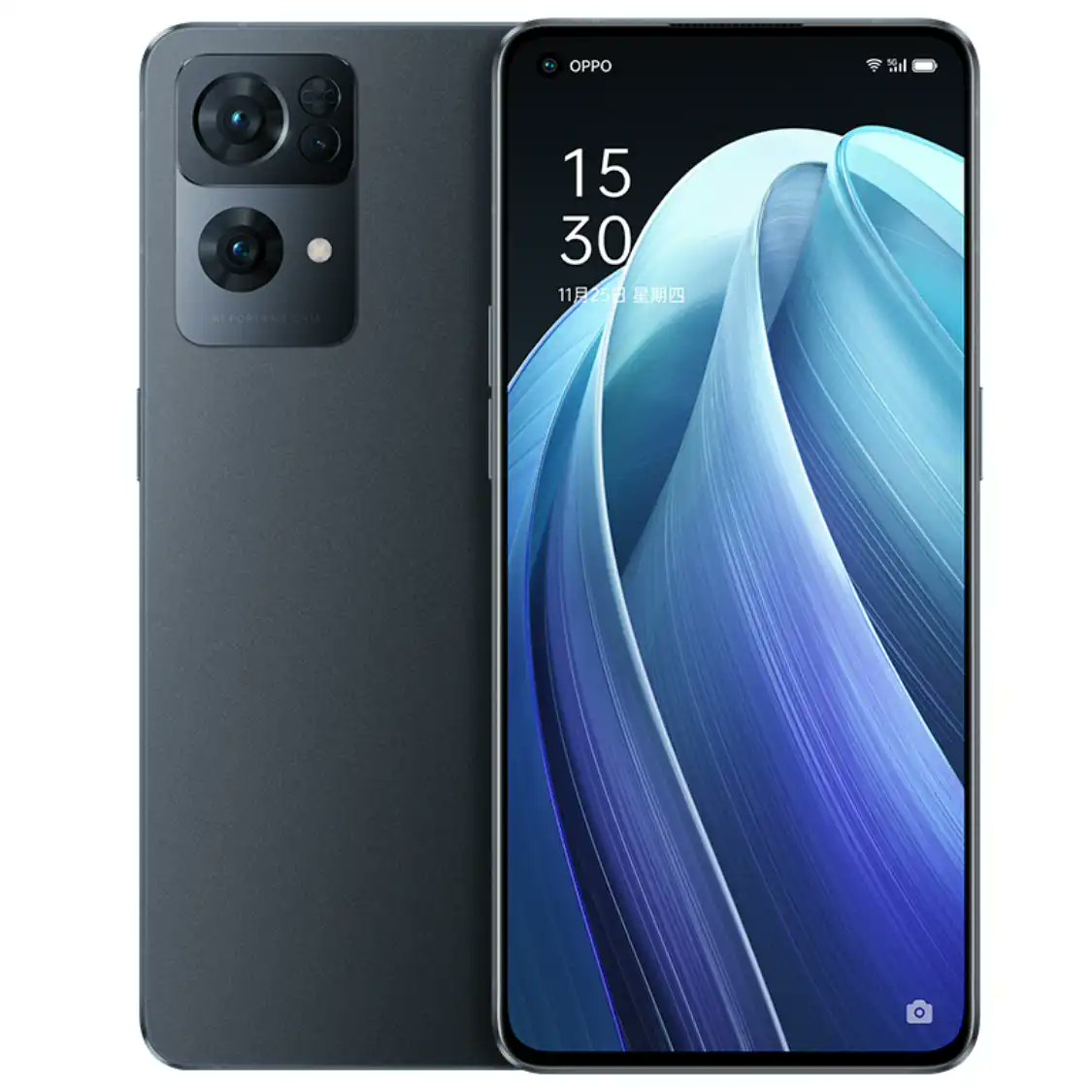
OPPO K9 Pro arrives with a 120Hz display, Dimensity 1200, and 60W super flash charge for ¥1999 (~$309)

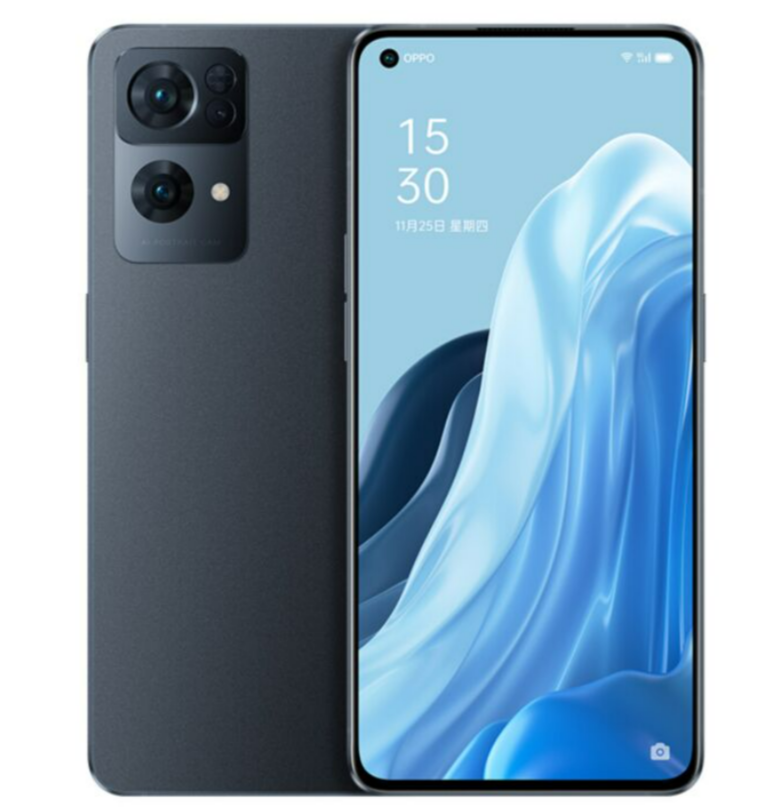
OPPO had a launch event in China today and it announced a handful of new products, one of which is the OPPO K9 Pro smartphone. The mid-range phone packs some pretty impressive features found in premium mid-range phones and at a pretty affordable price tag.


OPPO K9 Pro featured

OPPO K9 Pro specs

The OPPO K9 Pro has a 6.43-inch FHD+ AMOLED display with a 120Hz refresh rate, a 180Hz touch sampling rate, HDR10, and a DCI-P3 wide color gamut. There is a punch hole at the top left corner that houses a 16MP sensor.

Powering the phone is a Dimensity 1200 processor and it is paired with 8GB or 12GB of RAM. Depending on the RAM variant you pick up, you get either 128GB or 256GB of UFS 3.1 storage. However, there is no support for storage expansion via a MicroSD card slot, though it has support for OTG, so you can connect a thumb drive.

OPPO K9 Pro camera

The back of the phone is home to three cameras – a 64MP f/1.7 primary sensor with a 6P lens, an 8MP f/2.2 super wide-angle camera with a 119º field of view and a 5P lens, and a 2MP f/2.4 macro camera with a 3P lens that can shoot 4 CM macro photos. The camera app has lots of features such as a neon portrait mode, a super night mode, and a night mode for the front camera.

There is a 4500mAh battery inside the phone and it can charge from empty to 50% in just 16 minutes thanks to having support for 60W Super Flash Charge. The OPPO K9 Pro also has an in-display fingerprint scanner, Face Unlock, NFC, dual SIM dual 5G support, dual-band WiFi, Bluetooth 5.2, an audio jack, and a USB-C port. OPPO ships the phone with ColorOS 11 based on Android 11.

OPPO K9 Pro Price and Availability

The OPPO K9 Pro is priced at ¥2199 (~$340) for the 8+128GB version but will be sold for ¥1999 (~$309) for a limited time while the 12+256GB version is priced at ¥2699 (~$417) but will be sold for ¥2499 (~$386) for early buyers. It will be available for purchase starting September 30.


RELATED:

POCO C31 is the new C-series phone launching on Sep. 30

A few days ago, POCO announced it has a new smartphone set for launch on September 30. The teaser poster for the announcement hinted at the new device launching under its C-series of smartphones. Today, POCO has let the cat out of the bag and revealed the new phone will launch as the POCO C31. Yes, that sure is a big jump from C3.

A short teaser video shared on Twitter today confirmed the name of the phone and also gave us an early look at the device.

The POCO C31 is shown to have a waterdrop notch, slim side bezels, and a thicker bottom bezel. Unfortunately, the teaser doesn’t show the back of the phone. However, there is a chance we may see a full reveal as well as a confirmation of some of its specifications before the launch on Thursday.

The new phone should be affordable and should arrive as a rival to the Realme C25Y that was launched a few weeks ago in India. The Realme C25Y is a Unisoc T610-powered phone with a 6.5-inch LCD HD+ display, 50MP triple rear cameras, a 5000mAh battery, and a ₹10,999 (~$149) price tag.


RELATED:

Vivo X70 Pro, Pro+ price in India tipped before launch

Vivo will be unveiling the Vivo X70 series of smartphones on Sept. 30 in India. Reports have revealed that India will be receiving the Vivo X70 Pro and Vivo X70 Pro+ smartphones, but not the vanilla X70. Tipster Sudhanshu Ambhore has tipped the pricing of both models.

Vivo X70 Pro, X70 Pro+ price in India (rumored)

The tipster revealed that the Vivo X70 Pro will come in two options such as 8 GB RAM + 128 GB storage and 12 GB RAM + 256 GB storage. They are priced at Rs 46,990 (~$635) and Rs 54,990 (~$743), respectively.

The Vivo X70 Pro+ will come in a single variant offering 12 GB of RAM and 256 GB of storage. It is priced at Rs 69,990 (~$945). The tipster added that the pricing leak should not be taken as confirmed information as it has been acquired from a new source.

Vivo X70 Pro+ featured
Vivo X70 Pro+

Vivo X70 Pro, X70 Pro+ specifications

The Vivo X70 Pro has a 6.56-inch AMOLED FHD+ 120Hz display. It is powered by the Dimensity 1200 chip and a 4,450mAh battery that supports 44W fast charging. Its quad-camera setup has a 50-megapixel main camera, an 8-megapixel periscope zoom lens, a 12-megapixel telephoto lens, and a 12-megapixel ultrawide camera.

The Vivo X70 Pro houses a 6.78-inch AMOLED FHD+ 120Hz display. It comes with Snapdragon 870 chip and a 4,500mAh battery with 55W fast charging. It also supports 50W wireless charging. Its quad-camera setup has a 50-megapixel main camera, an 8-megapixel periscope zoom lens, a 12-megapixel telephoto lens, and a 48-megapixel ultrawide camera with micro-gimbal stabilization.

The X70 Pro and X7 Pro+ have a 32-megapixel selfie camera. Both phones are also equipped with an in-screen fingerprint scanner. It will come preinstalled with FunTouch OS 12 based Android 11 OS.

RELATED:

MarQ M3 Smart launched in India; specifications, features, and price

Flipkart’s brand MarQ has introduced its first smartphone called the MarQ M3 Smart in India. Priced at Rs 7,999 (~$108), the handset offers users modest specs. It will be available at a much lower price when it goes on sale in October.

MarQ M3 Smart specifications and features

The MarQ M3 Smart houses a 6.088-inch display that offers an HD+ resolution of 720 x 1560 pixels and 281ppi pixel density. It is equipped with 2.5D curved glass screen protection. It has a front camera of 5-megapixel.

MarQ M3 Smart
MarQ M3 Smart

The vertical camera module on the phone’s back has a 13-megapixel main camera, a bokeh lens, and an LED flash. It supports photography features like night mode, beauty mode, time-lapse, and slow-motion video recording. The handset runs on Android 10 OS.

The M3 Smart is powered by an unknown 1.6GHz octa-core processor. It ships with 2 GB of RAM and 32 GB of internal storage. For more storage, it has a microSD card slot. The device is backed by a 5,000mAh battery. It offers other features such as dual 4G VoLTE, Bluetooth, GPS, microUSB, and a 3.5mm audio jack. The modest phone lacks a fingerprint scanner. It measures 148 x 70.9 x 10.75mm and weighs 185 grams..

MarQ M3 Smart price in India

The MarQ M3 Smart costs Rs 7,999 (~$108), but it will be available at a special price of Rs 6,299 (~$85) when it goes on sale through Flipkart’s Big Billion Days sale on Oct. 7. It will be available in two colors such as black and blue.

RELATED:

Realme GT Neo2 to launch in India in October

Last week, Realme unveiled the Realme GT Neo2 smartphone in China. Soon after its launch, Realme CEO Madhav Sheth took to Twitter to tease its arrival in India. One of his tweets confirms that the GT Neo2 will be landing in India next month.

As it is known, the Realme GT Neo2 is the successor for the Realme GT Neo that debuted earlier this year. The GT Neo was made available in India with Realme X7 Max and downgraded charging speeds. The Neo2 will not be releasing in India as an X-series phone as the company has already axed the lineup. Instead of X-series, the company will be providing GT series in India.

Realme GT Neo2 specifications

The Realme GT Neo2 has a 6.62-inch AMOLED FHD+ display that offers a 120Hz refresh rate and a Full HD+ resolution. The Snapdragon 870 mobile platform is present under the hood of the device. It ships with up to 12 GB of RAM and up to 256 GB of UFS 3.1 storage.

Realme GT Neo2
Realme GT Neo2

The Neo2 runs on Android 11 OS, which is customized with the Realme UI 2.0 skin. The handset houses a 5,000mAh battery that supports 65W fast charging through USB-C.

The rear camera system of the Realme GT Neo2 features a 64-megapixel main camera, an 8-megapixel ultrawide lens, and a 2-megapixel macro camera. It has a front camera of 16-megapixel. The handset offers other features like stereo speakers and an in-display fingerprint scanner. At present, there is no word on the pricing of the GT Neo2 for India.

RELATED:

Samsung’s Galaxy Z Flip3 shows it’s a toughie as it aces durability test

If you are worried about how durable Samsung’s new foldable phones are, you shouldn’t be. The Galaxy Z Fold3 already proved to us that it is significantly better than its predecessors in all ways when it survived JerryRigEverything’s durability test. Now the Galaxy Z Flip3 has been put through the same test and the result shows Samsung didn’t skimp on quality on the smaller foldable phone.

Galaxy Z Flip3 Samsung exclusive colors

The Galaxy Z Flip3 also has two displays, though they are much smaller than the ones on the Galaxy Z Fold3. The outer display, which is bigger than that of the original Galaxy Z Flip, is the stronger of the two screens. It scratches at a level 6 with deeper grooves at level 7, thanks to the sheet of Gorilla Glass Victus protecting it. It also holds up on the flame test, lasting up to 25 seconds before turning white.

The foldable display is not as strong which isn’t surprising. Simply running your fingernail on the screen with a bit of pressure will cause grooves to appear. However, the display does hold up pretty well and is still functional and undamaged even after being bent twice!!

The Galaxy Z Flip3 has its frame made of metal, so it will survive drops. There is also a rubber lip around the display that absorbs the shock when you snap the phone shut. The phone isn’t dustproof but it is force-fed dust and it comes out working fine.

Samsung has done an impressive job with the Galaxy Z Flip3, proof that it isn’t experimenting with this new product category but making phones the average person can use.


RELATED:

Snapdragon 778G powered Realme Q-series phone to launch soon

Realme is expected to launch a new Q-series phone soon in the global markets as the company’s Global VP Wang Wei Derek has just confirmed it on Weibo. Derek posted that there will be a new Snapdragon 778G powered Q-series phone in forthcoming months and it will likely be called the Realme Q5.

If the Realme Q5 indeed launches soon then it will feature an LCD display with Full-HD+ resolution and a high refresh rate. While one of its variants will be powered by the Dimensity 1200 chipset, the other variant is expected to fuel the Snapdragon 778G SoC.

Realme RMX3357 front

Recently, a Realme smartphone with model number RMX3357 appeared on the TENAA certification. It revealed that the device has MediaTek’s Dimensity 1200 SoC. It features a 6.43-inch OLED panel and a battery that supports 65W fast charging technology. It is believed to be one of the phones from the Realme Q-series.

Similarly, the Q5 series may have more phones and the entire series may debut soon. However, the exact launch date is not confirmed. As for their global availability, the Realme Q-series phones are expected to first launch in Europe and China and later head to some other major markets .

In related news, Realme recently launched the V11s budget smartphone in the home market China. The smartphone comes with a 6.5-inch water-drop notch panel and has dual rear cameras. It has a 13MP main sensor and a 2MP secondary lens. Upfront, it has an 8MP single camera lens. It comes powered by the MediaTek Dimensity 810 SoC and has 6GB of RAM, 128GB of onboard storage. It packs a 5,000mAh battery with 18W fast charging support.

RELATED:

Samsung Galaxy F42 5G appears on Google Play Console ahead of September 29 launch

Samsung will launch a new mid-range smartphone soon as the Galaxy F42 5G has been making rounds in the leaks spree. Now, the smartphone has appeared on the Google Play Console ahead of its September 29 India launch.

According to the Google Play console, the Galaxy F42 is nothing but a rebranded Galaxy Wide5. It has the same specs as the Samsung Galaxy Wide5. The Galaxy F42 5G will feature a water-drop notch panel with a Full-HD+ resolution. It will have an exact resolution of 1080 x 2009 pixels and a pixel density of 450 PPI.

Samsung Galaxy F42 5G appears on Google Play Console ahead of September 29 launch
via – Mukul Sharma

The smartphone is powered by the MediaTek Dimensity 700 SoC and has 8GB of RAM. We expect this particular variant to be the top model and it may also come in a 6GB RAM option. As for the software, the device will boot on Android 11 out of the box.

Apart from the listing, the smartphone previous certifications revealed that it will have a 90Hz screen refresh rate and may feature a 6.6-inch LCD display panel. The device is touted to come with a triple camera system with a 64MP main lens, a 5MP ultra-wide sensor, and a 2MP depth-sensing lens. It will pack a 5,000mAh battery with support for some fast charging technology.

The Samsung Galaxy F42 5G will go official on September 29 in India. It will be sold exclusively via Flipkart and is expected to come at a similar price range as its predecessor. The predecessor Galaxy F41 retails for ₹14,499(~$196) in the country.

RELATED:

Next Week in Tech: Honor and OPPO Sep. 26 launch events, Amazon Echo launch, iQOO Z5, Xiaomi Civi, and more

It appears manufacturers are in a race to announce new products before September wraps up judging by the number of launches scheduled for the last week of the month. The stream of announcements starts on Sunday, the 26th, with multiple products from OPPO and Honor and continues into the week with new phones from Xiaomi and iQOO as well as a handful of new products from Amazon. Here is a roundup of what’s coming next week:


Honor Tab V7

Honor Event – September 26

Honor has an event on Sunday, September 26 during which it will unveil new products under its mobile division as well as Honor Life division. So far we know it will announce the Honor Tab V7, the standard model to the Honor V7 Pro launched in August. We already knew the Honor V7 was on the way shortly after the launch of the pro model, thanks to the spec sheet of the Magic-Pencil 2 stylus which revealed compatibility with multiple Honor tablets including the yet-to-be-announced Honor Tab V7.

Honor will also unveil the Vision X2 Smart TV, MagicBook Pro 16, a smart home camera, massage gun, and oral irrigator.


Oppo K9 Pro September 26 China launch confirmed on Weibo

OPPO Event – September 26

OPPO also has an event set for tomorrow. It has confirmed that it will announce a new wearable called the OPPO Watch Free, the OPPO K9 Pro smartphone, and the OPPO Smart TV K9.


Xiaomi

Xiaomi True Wireless Noise Cancelling Earphones, Xiaomi Civi, Color Watch 2 – September 27

Xiaomi has two new products launching on Monday, September 27. One of them is a new pair of wireless earbuds that is expected to launch as the Xiaomi True Wireless Noise Cancelling Earphones 3 Pro. However, the highlight of the launch will be its new smartphone, the Xiaomi Civi.

The Xiaomi Civi is a mid-range phone with a focus on design. It has been confirmed that the phone will have a Snapdragon 778G processor and a 4500mAh battery. if you want to know what it looks like, you can check out this early official reveal of the device.

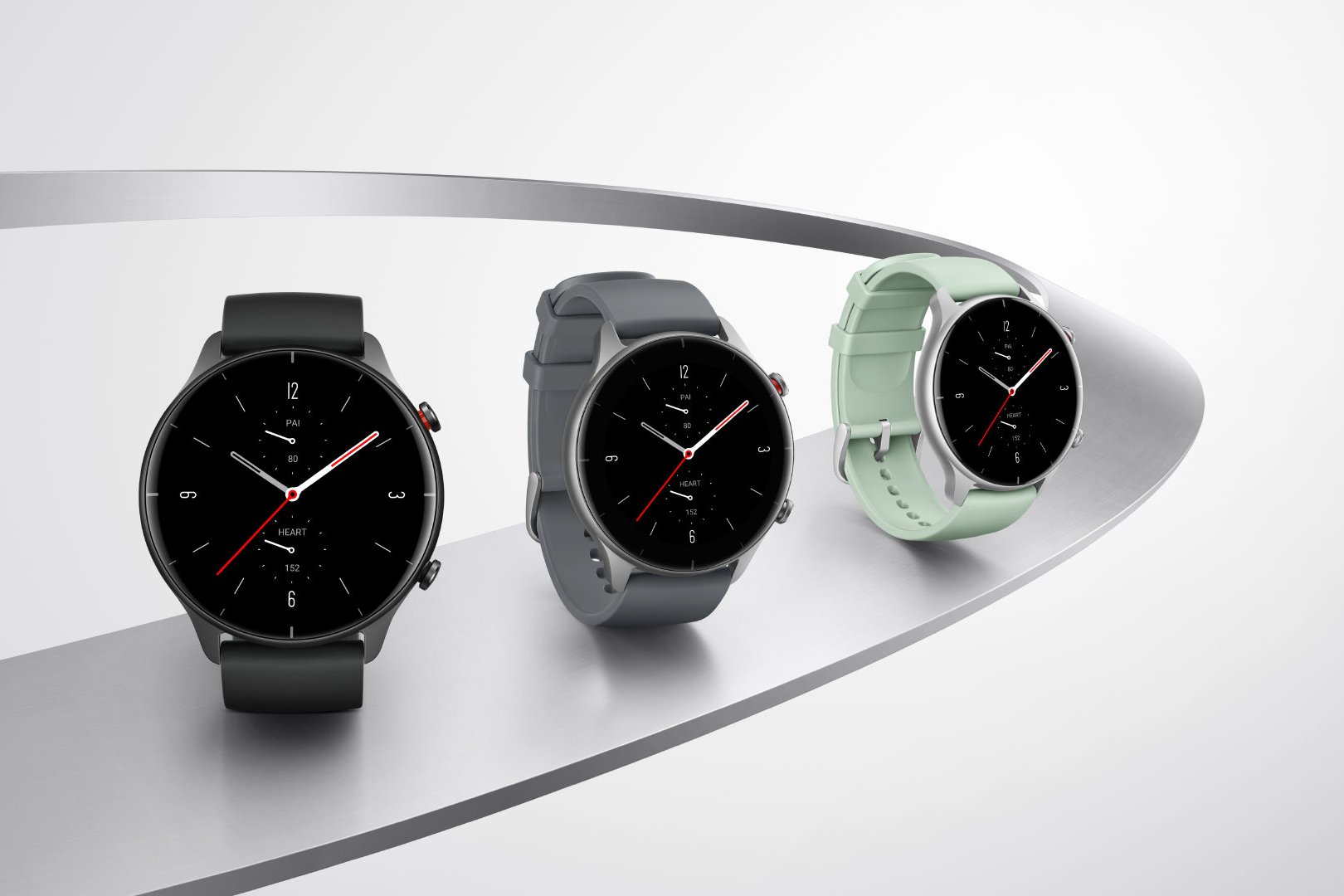
Xiaomi will also announce the Watch Color 2, a successor to the Watch Color announced early last year. The new smartwatch will have a round dial, two physical buttons, and more than 200 watch faces.


iQOO Z5

iQOO Z5 India launch – September 27

The iQOO Z5 was announced a few days ago in China and now it is making its way to India. The Snapdragon 778G-powered phone has a 120Hz LCD display, 64MP triple rear cameras, a 5000mAh battery, and support for 44W fast charging.


Amazon Echo Show 8 (2nd Gen)

Amazon Event – September 28

Amazon has an event on Tuesday, September 28, and it is expected to announce new Echo products. It has been reported that the new Echo devices may include a wall-mounted Echo Show and an Alexa-powered soundbar.


POCO C-series launch teaser

POCO event – September 30

POCO India has a launch happening on September 30 and the teaser hints at a new POCO C-series smartphone. The POCO C3 was the first phone under the C-series and it is due for a successor already. Unfortunately, details of the new device are unknown.


OPPO A55 4G

OPPO A55 4G – October 1

OPPO has another launch event but this time in India. The Chinese manufacturer will unveil the OPPO A55, a 4G smartphone with a 50MP primary rear camera. It will also have a punch hole display and a side-mounted fingerprint scanner.


RELATED:


Meizu 18s vs iQOO 8: Specs Comparison

iQOO is currently one of the brands which release the highest amount of flagship killers in a year. The iQOO 8 is simply an amazing phone for gamers and power users, not only for its performance but especially because of its price. But there is another old glory that came up with a flagship killer that is even more powerful at the same price: Meizu. The Meizu 18s offers the best hardware you can expect from a 2021 flagship and, thanks to its price tag, it is able to compete with the iQOO 8. This comparison should help you to understand which one is the best for you.

Meizu 18s vs Vivo iQOO 8

Meizu 18s Vivo iQOO 8
DIMENSIONS AND WEIGHT 152.4 x 69.2 x 8.2 mm, 162 grams 159 x 75.1 x 8.6 mm, 200 grams
DISPLAY  6.2 inches, 1440 x 3200p (Quad HD+), Super AMOLED  6.56 inches, 1080 x 2376p (Full HD+), AMOLED
PROCESSOR Qualcomm Snapdragon 888+, octa-core 3 GHz Qualcomm Snapdragon 888, octa-core 2.84 GHz
MEMORY 8 GB RAM, 128 GB – 8 GB RAM, 256 GB – 12 GB RAM, 256 GB 8 GB RAM, 128 GB – 12 GB RAM, 256 GB
SOFTWARE  Android 11, Flyme  Android 11, OriginOS
CONNECTIVITY Wi-Fi 802.11 a/b/g/n/ac/6e, Bluetooth 5.2, GPS Wi-Fi 802.11 a/b/g/n/ac, Bluetooth 5.2, GPS
CAMERA Triple 64 + 8 + 16 MP, f/1.6 + f/2.4 + f/2.2
20 MP f/2.2 front camera
Triple 50 + 13 + 13 MP
16 MP f/2.5 front camera
BATTERY 4000 mAh, fast charging 36W 4350 mAh, fast charging 120W
ADDITIONAL FEATURES Dual SIM slot, 5G Dual SIM slot, 5G

Design

If you are looking for the most elegant phone, then the Meizu 18s offers something more for you. It is thinner, lighter, and more elegant with its incredibly high screen to body ratio and its clean glass back. Last but not least, the Meizu 18s has a curved edge to edge display making it even more elegant. Further, it is a very compact phone, one of the most compact out there. The iQOO 8 still comes with an original design, but it is chunkier and less interesting than the Meizu 18s.


Display

The display of the Meizu 18s has a diagonal of just 6.2 inches and it may not be the best for several gamers out there due to its small size, but its image quality is awesome. One of the elements which makes it clearly better than iQOO 8 is the resolution: it has a Quad HD+ panel with a 1440p resolution, as well as the 120 Hz refresh rate and the HDR10+ certification. You get HDR10 and 120 Hz with the iQOO 8, but the resolution is a standard Full HD+ with 1080p. On the other hand, it has a wider 6.56-inch panel making it more comfortable for advanced users. The fingerprint reader is inside the display. Do you prefer a better image quality on a 6.2-inch panel or a bigger display for your phone?


Specs & Software

The hardware department of the Meizu 18s is more powerful thanks to the Snapdragon 888+ mobile platform which provides an important boost over its predecessor Snapdragon 888, including a higher 3 GHz clock frequency. But the iQOO 8 is still a very powerful flagship killer with its Snapdragon 888 and the same high-end memory configuration as the Meizu 18s. The iQOO 8 runs OriginOS which is actually a more advanced operating system than Flyme, but both the devices are based on Android 11.


Camera

The Meizu 18s is a superior camera phone. Its 64 MP sensor comes with OIS support and it is paired with a telephoto sensor with 3x optical zoom and a 16 MP ultrawide sensor. The iQOO 8 has a 50 MP camera, a telephoto lens with 2x zoom, and a 13 MP ultrawide camera: it is still a good camera phone but, on paper, it is inferior to its rival


Battery

The Meizu 18s’ battery capacity is just 4000 mAh, which is above the average: the phone has a smaller battery because it is very compact thanks to its 6.2-inch display, so there was probably not enough space to include a bigger battery. The iQOO 8 comes with a bigger 4350 mAh and not only it provides a longer battery life, but even faster charging speeds thanks to 120W fast charging.


Price

Both Meizu 18s and iQOO 8 are only available to purchase in the Chinese market with prices starting from €490/$574 and €500/$586, respectively. We are waiting for the launch of the iQOO 8 in India, but it is still too early. Which is the best device between these two? The Meizu 18s offers a few interesting pros: a better image quality for the display and a superior camera setup, as well as a more interesting design, a stronger processor, and more compact dimensions. But it has a display that could be too small for advanced users, with a diagonal of just 6.2 inches. Further, the iQOO 8 has a bigger battery and a more advanced operating system. Each of these devices has its pro and cons and understanding which one has the best value is not easy as it depends on the users’ needs. Which one would you pick?


Meizu 18s vs Vivo iQOO 8: PRO and CONS

Meizu 18s

PRO

  • Snapdragon 888+
  • Better cameras
  • Thinner
  • Lighter
  • More compact
  • Better display

CONS

  • Smaller battery


Vivo iQOO 8

PRO

  • Wider display
  • Bigger battery
  • Faster charging

CONS

  • Inferior cameras and chipset


RELATED

Check the latest videos from our YouTube channel and subscribe:

Madhav Sheth adds CEO of Realme Latin America to his bio

It is common knowledge that Madhav Sheth is the face of Realme. The top executive has been at the helm of affairs since Realme operated as a sub-brand of OPPO and even after it was spinned off as an independent company.

For a while, Madhav Sheth’s role was as the CEO of Realme India. Then in August of 2020, it was announced that in addition to being the head of the Indian arm of the young brand, he will also be the CEO of Realme Europe. Today, the 41-year old took to Twitter to announce his new role as the CEO of Realme Latin America. This is in addition to leading Realme India and Realme Europe.

Realme already has a presence in six Latin American countries including Brazil, Colombia, Chile, and Mexico. Some of its phones sold in this region include the Realme GT Master Edition, Realme 8 series, Narzo 30 5G, Realme 7 series, Realme C21, Realme Watch S, realme Buds Pro.

The company which started operations in 2018 is now present in over 30 countries. Its portfolio has expanded beyond smartphones and related accessories and now includes smart TVs, laptops, tablets, vacuum cleaners, air purifiers, and lifestyle products such as beard trimmers and electric toothbrushes.

Earlier this week, it was reported that Realme is now the 4th largest smartphone brand in China and the 6th largest globally. It has ranked as the top brand in multiple markets including the Philippines and Bangladesh.


RELATED:

Samsung Galaxy S22 and Galaxy S22+/S22 Pro renders show a slightly refreshed design

Yesterday, we got a super early look at the Galaxy S22 Ultra, Samsung’s next flagship that isn’t expected to launch until early 2022. Now, the same source has provided renders of the other 2 models in the series – the Galaxy S22 and the Galaxy S22 Plus or as the source said was revealed to him, the Galaxy S22 Pro.

Galaxy S22 render

Galaxy S22

For our first look at the Galaxy S22, Steve Hemmerstoffer a.k.a. OnLeaks has partnered with the blog, Zouton. The images and videos show the Galaxy S22 will only slightly differ from the Galaxy S21 with respect to how it looks.

The phone has a flat display with a centered punch hole in front while the back is home to three rear cameras. The major difference between the Galaxy S22 and the Galaxy S21 is that the camera module of the former isn’t fused to the frame as that of the Galaxy S21. Those with keen eyes will notice this is the same design Samsung will use for the upcoming Galaxy S21 FE.

There are antenna lines around the phone and at the bottom is the SIM tray, microphone, USB-C port, and a speaker grille. The button placements are also unchanged from the Galaxy S21.

Earlier reports have revealed that the Galaxy S22 will have a smaller display than its predecessor. The provides dimensions – 146 x 70.5 x 7.6 millimeters – show that it is indeed shorter than the Galaxy S21 which measures 151.7 x 71.2 x 7.9 millimeters but it is wider and thicker.


Samsung Galaxy S22 Plus

Galaxy S22 Plus/Galaxy S22 Pro

Samsung has used the “Plus” moniker for the Galaxy S series since the Galaxy S8 but it might be changing to “Pro” for the Galaxy S22 series according to OnLeaks. However, until concrete evidence surfaces, it will be referred to as the Galaxy S22 Plus.

The Galaxy S22 Plus, just like the Galaxy S22, will not significantly differ from its predecessor as seen in the renders. It also has a flat display and a centered punch hole for a single front-facing camera. On the back are three cameras in a similar housing as that of the Galaxy S21 Plus but the camera housing isn’t fused to the frame.

The Galaxy S22 Plus is also smaller than its predecessor, measuring 157.4 x 75.8 x 7.6 millimeters (9.1mm with the camera bump). The smaller length of the phone is due to it packing a smaller display than the Galaxy S21 Plus.

Both the Galaxy S22 and Galaxy S22 Plus will launch in Exynos and Snapdragon variants depending on the market. They will have AMOLED displays with high refresh rates, an in-display fingerprint scanner, and run Android 12 out of the box. However, none of the phones are expected to ship with a charger.


RELATED:

Xiaomi Pad 5 6GB+256GB variant launched in Indonesia for Rp. 4,999,000 (~€299)

Xiaomi Indonesia has announced via Twitter, the launch of the Xiaomi Pad 5 tablet in the Asian country. The Pad 5 made its debut in China earlier this year and just recently in Europe. The slate went on its first sale mid-week in Europe and was completely sold out within minutes. The Chinese company seems to be offering up only the 6GB RAM and 256GB storage variant for the Indonesian market at the moment and it carries a decent price tag of Rp. 4,999,000 (~€299). This is way cheaper than the €399 price tag which the same model is on sale in Europe for. 

The Pad 5 will go on sale from September 28 and will be sold simultaneously via Mi.com, JD.ID, Akulakuand on Xiaomi’s domestic physical store.

As a reminder, the Xiaomi Pad 5 features a large 11-inch LCD screen with a resolution of 2560 x 1600 pixels, a high refresh rate of 120Hz, a PPI of up to 275, and a contrast ratio of 1500:1. The slate is powered by the Snapdragon 860 processor paired with 6GB RAM. The device comes in two storage options – 128GB and 256GB.

The Pad 5 also excels in the camera department, packing a single 13MP camera with LED flash at the rear. For selfies, there is a single 8MP camera at the front which also supports Face unlock. It also features four built-in speakers.

The Mi Pad 5 packs an 8720mAh battery with 33W fast charging support. It runs on the new MIUI For Pad operating system. The MIUI For Pad brings features such as custom input methods, split screens, small windows, parallel windows, and other functions.

RELATED:

iPhone 13 Pro teardown reveals larger 3,095mAh battery & Qualcomm X60 5G modem

A teardown video has revealed that the just-released Apple iPhone 13 Pro comes with a battery that’s exactly 3,095mAh in size. This is sizeably larger than the 2,815mAh capacity found on its predecessor, the iPhone 12 Pro.

iphone-13-pro-teardown-battery-size
Source: WekiHome

Apple had promised that the new model should last up to 1.5 hours longer on a single charger, so it figures. The battery is L-shaped this time and is manufactured by the China-based Sunwoda Electronic Co.

The teardown video by blogger WekiHome (via: GSMArena) further reveals that the iPhone 13 Pro is utilizing the Qualcomm X60 as its 5G modem. Additionally, it comes with a Samsung-supplied 120Hz screen and a slightly smaller Taptic Engine compared to last year. The device’s RAM is also supplied by Samsung while Japan’s Kioxia is responsible for the flash memory.

iphone-13-pro-disassembled
iPhone 13 Pro completely disassembled

All in all, the innards of the iPhone 13 Pro are not too different when compared to the 12 Pro, although there have been plenty of adjustments.

That said, those that are looking to purchase the latest and greatest iPhones from Apple will be disappointed to know that the Cupertino-based company has delayed their delivery time to October. Preorders are still being taken though.

Apple’s iPhone 13 series handsets include storage options of 128GB, 256GB, and 512GB, with the Pro versions getting a 1TB storage variant for the first time. The entry-level model costs $699, while the top-tier model costs $1,599. Sierra Blue, Silver, Gold, and Graphite are the four color options available for the Pro versions.

RELATED:

OPPO A55 4G sporting a 50MP main camera to launch in India on October 1

OPPO recently confirmed that it would launch the OPPO F19s in India via Flipkart on September 27. The company has now teased the launch of a new A-series smartphone that would be launched on October 1 and will be sold exclusively on Amazon.in.OPPO A55 4G

Although the teaser poster did not specify the name of the device, it is expected to be the OPPO A55 4G. The Oppo A55 5G had earlier been launched in some markets but this model is expected to bring support for 4G connectivity. The A55 5G packs a Dimensity 700 SoC but we expect this model to utilize a different chipset.

In terms of the design, earlier renders of the OPPO A55 4G shows that it will feature a triple camera setup at the rear with a slightly tweaked camera island. The camera system is placed vertically but it has the LED flash at the lower side of the camera island. It is also teased to pack a 50MP main camera lens.  The display will also house a punch-hole camera design which is different from the water-drop design on the predecessor.

OPPO A55 4G
OPPO A55 4G

The Oppo A55 4G is expected to have a big battery similar to the predecessor. It might be bigger than a 5,000mAh cell.  The device will come in Black, Green, and Gradient Blue color variants. The rest of the details of the smartphone are currently unknown.

RELATED:


Huawei to focus on HarmonyOS & openEuler simultaneously as part of its transformation into a service provider

Huawei will be focusing on both the HarmonyOS and openEuler operating systems at the same time. While the former will be used in smart terminals, IoT terminals, and industrial terminals, openEuler will be used in servers, edge computing, and cloud infrastructure.

Huawei openEuler

Both the operating systems will also be open-source (via: Global Times), in an effort to increase adoption and solve the problem of China not having an OS of its own to use in basic technology, Huawei’s rotating chairman Eric Xu Zhijun told reporters at a roundtable interview on Friday.

The openEuler program was initially announced back in 2019 and Huawei is now gearing up for the launch of the new open-source openEuler OS today. The move is also a part of Huawei’s efforts to transform itself from a components manufacturer to that of a service provider amid the US ban.

“The transformation process is painful since it’s a transformation of the business model. But the good news is that we have gradually changed over,” Xu said, adding that the frequent reshuffle of its senior executives is an indicator of the difficulty of the process.

MatePad 11 Review HarmonyOS Multi-screen Collab 01
MatePad 11 running HarmonyOS

Huawei announced 11 new scenario-based solutions for customers spanning public services, transportation, banking, energy, and manufacturing, during the Huawei Connect 2021 on Friday. This showed its goal of “empowering digitalization” in every area with its ICT capabilities.

Peng Zhongyang, Huawei’s Board Member, President of the Enterprise Business Group, said that Huawei will continue to integrate ICT with real-life scenarios and processes and develop a new model of consulting, integration, and operational support.

Huawei Cloud was launched just four years ago and has already brought together more than 2.3 million developers, 14,000 consulting partners, and 6,000 technology partners, according to the company. It also made more than 4,500 services available in the Huawei marketplace.

In response to a question from Global Times, Huawei said its cloud unit is still suffering losses but that it is also growing rapidly. Thus, it has no plans to sell off its cloud business.

According to a Reuters report from Thursday, the Biden administration “will take further action against Huawei if necessary,” after some Republican lawmakers have pressed for more steps.

Huawei has not commented on this matter so far.

Kirin 990A

In response to the chips shortages problems, Xu confirmed that Huawei has got approval from the US to buy some low-end chips that serve its auto unit, while admitting that the US chip cut still poses great challenges for its smartphone businesses, making its 5G handsets unavailable in the market right now.

“We will strive to keep our smartphone businesses afloat,” he added.

The United States had last year cut off all access for Huawei to high-end chips, which analysts had called the toughest sanction towards a Chinese company.

RELATED:

HUAWEI P50 with Snapdragon 888 listed online ahead of first sale

Huawei announced the HUAWEI P50 series consisting of HUAWEI P50 and HUAWEI P50 Pro at the end of July. Unlike the Pro model, which comes powered by both Kirin 9000 and Snapdragon 888, the vanilla variant only features Snapdragon 888. The Kirin 9000 version of the Pro went on sale soon after the unveil, while the vanilla model is scheduled to hit the shelves next week. Ahead of that, this phone has been now listed on popular online retailers.

HUAWEI P50 Featured 01
HUAWEI P50

According to a report by ITHome, the HUAWEI P50 with Qualcomm Snapdragon 888 chipset is now listed on JD, TMall, and other online retailers in China. The smartphone is set to go on sale for the first time on September 29 at 10:08 AM (local time).

The HUAWEI P50 arrives with features like 6.5-inch 90Hz OLED display, 50MP (wide) + 12MP (5x periscope) + 13MP (ultra-wide) triple rear camera setup, 13MP front-facing camera, IP68 dust and water resistance, stereo speakers, under-display fingerprint sensor, HarmonyOS 2.0, 4,100mAh battery, 66W fast charging, and more.

Unfortunately, it does not have support for 5G just like the Pro model. These phones are limited to 4G LTE due to the four rounds of sanctions imposed by the United States. The 8GB + 128GB and 8GB + 256GB variants of the handset are priced at ¥4,448 ($694) and ¥4,988 ($771) respectively in China.

On the other hand, the Snapdragon 888 version of the HUAWEI P50 Pro is expected to go on sale in December.


RELATED:


New iOS-like MIUI widgets are now live in the beta channel

Last month, we reported that Xiaomi was working on iOS-like widgets for MIUI. These widgets are now live in the beta channel. Anyone with a supported device running MIUI China Beta ROM can experience the new UI elements right away.

According to an announcement by the official Weibo account of MIUI, the iOS-like widgets are now available in the MIUI Beta channel. 

During the initial testing stage, only a few first-party applications supported the new widget system. But now, Xiaomi says that developers of 6 popular apps in China have updated their applications for compatibility and even introduced some widgets.

The below-listed are the third-party apps that currently have widgets for MIUI.

  • Baidu App
  • Baidu Map
  • AutoNavi Map
  • QQ Music
  • Douyu
  • WPS Office

In addition to these applications, users can also experience widgets of stock MIUI apps like Gallery, Notes, Clock, Security, and others. The widgets can be placed both in ‘App Vault’ and on the home screen. They also support dark mode.

Unfortunately, as mentioned earlier, these widgets are currently only available on select mid-range and premium Mi, Redmi, and Xiaomi-branded smartphones running MIUI China Beta ROM. It’s not known when this feature will be made available in the global markets.

Android has always had widgets for a long time, however, they sort of died. Ever since Apple introduced widgets in iOS 14 last year, competitors bean to re-introduce starting with vivo OriginOS.

Google also revamped the Android widget system for Android 12 with support for the ‘Material You’ theming engine. Lastly, OPPO also has its own implementation of widgets called ‘Quick View Cards’ in ColorOS 12.


RELATED:


MacBook Pro 2021 M1X 14″ & 16″ display resolutions likely revealed through latest macOS Monterey beta

The display resolutions of the upcoming “M1X” 14-inch and 16-inch Apple MacBook Pro 2021 models may have been revealed by the seventh beta of macOS Monterey that was released earlier this week.

A couple of new entries in a list of display resolutions in the System Information app show “3456 x 2234 Retina” and “3024 x 1964 Retina”, and neither of them match the resolutions of the displays on any current or past Apple product (via: MacRumors).

Apple MacBook Pro 2021 Render
Image Credit: Renders By Ian

It seems that these resolutions are indeed for the upcoming 2021 models of the 14-in and 16-in MacBook Pro, based on the resolutions themselves and their relationships with each other.

If the entries are to be believed, then they confirm an increase in the pixel density from around 226 PPI on last year’s MacBook Pro models to 250 PPI. The current 16-inch and 13-inch MacBook Pro’s native resolutions stand at 3072 x 1920 and 2560 x 1600 respectively.

This should allow for native 2x Retina as the default setting for these new machines for the sharpest possible image, as per MacRumors.

macbook-pro-2021-resolutions
Image: MacRumors


While users have several display resolution options to choose from, current MacBook Pro models feature scaled default resolutions that fall between the native display resolution and a 2x Retina display.

Sure, users have a variety of display resolution options to choose from, but recent MacBook Pro models have scaled default resolutions that sit in between native and 2x Retina display resolutions.

For example, a native resolution of 3072 x 1920 on the current 16-inch MacBook Pro would correspond to a true 2x Retina display of 1536 x 960, but the content on a 16-inch diagonal appears uncomfortably large for most users, so Apple ships the machines with a default scaled resolution that “looks like” 1792 x 1120.

With the improved pixel density on both future MacBook Pro models, a true 2x Retina option would be ideal for most users, with the 16-inch model yielding a “looks like” resolution of 1728 x 1117. As for the 14-inch variant, it could have an apparent resolution of 1512 x 982.

The new MacBook Pro 2021 models are expected to be announced before the end of the year, likely sometime in October or November through another launched event.

RELATED: