After the launch of the OnePlus 9 series with ColorOS in China, the brand revealed its plans to update its older flagship smartphones to OPPO’s Android skin. The company even released ‘Early Access’ builds for certain models a few months back. At the beginning of this month, it also dropped the update schedule for eligible phones but did not explicitly mention the version of ColorOS. Now, one of the firm’s execs confirms that these handsets will be getting ColorOS 12.
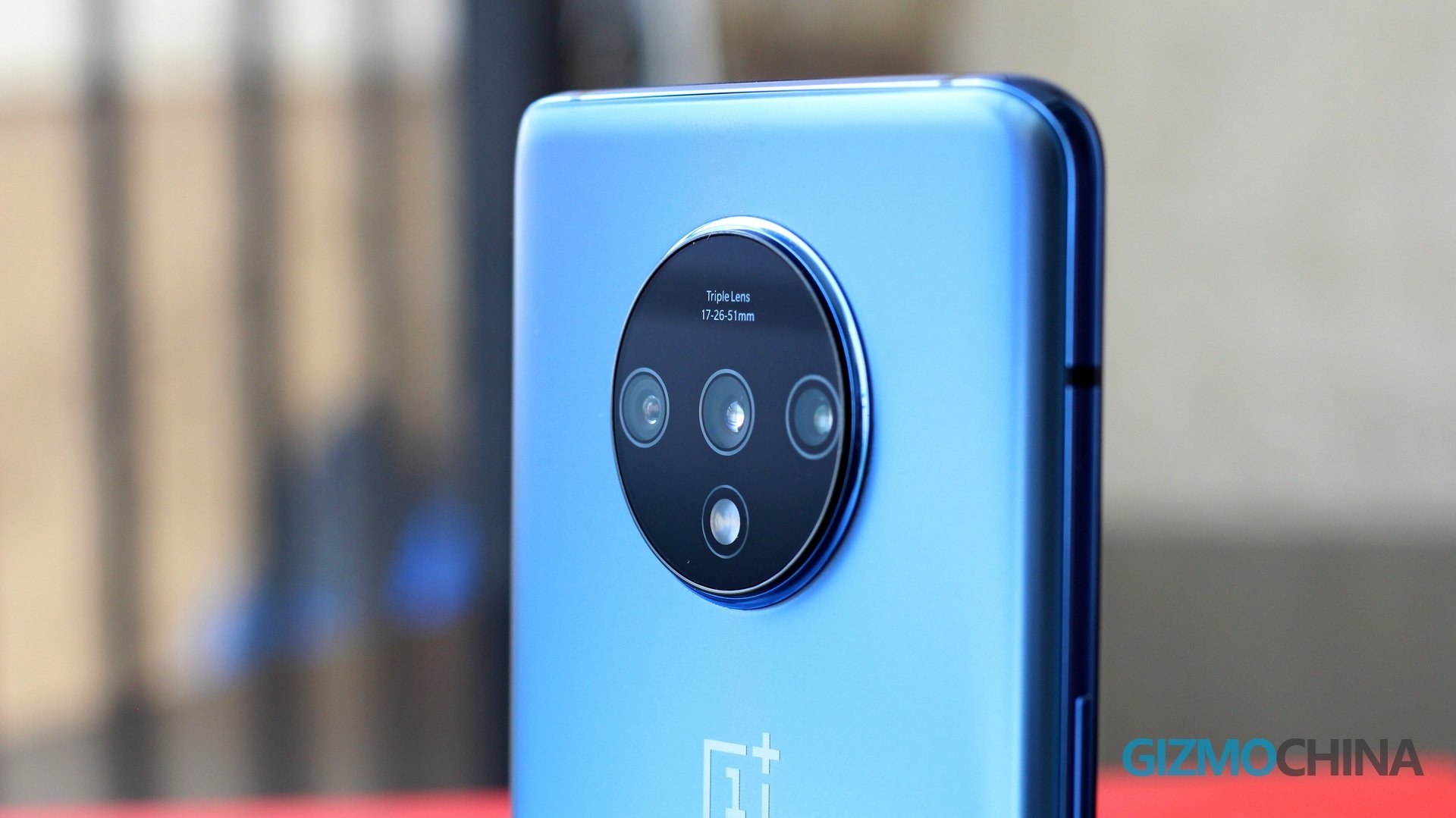
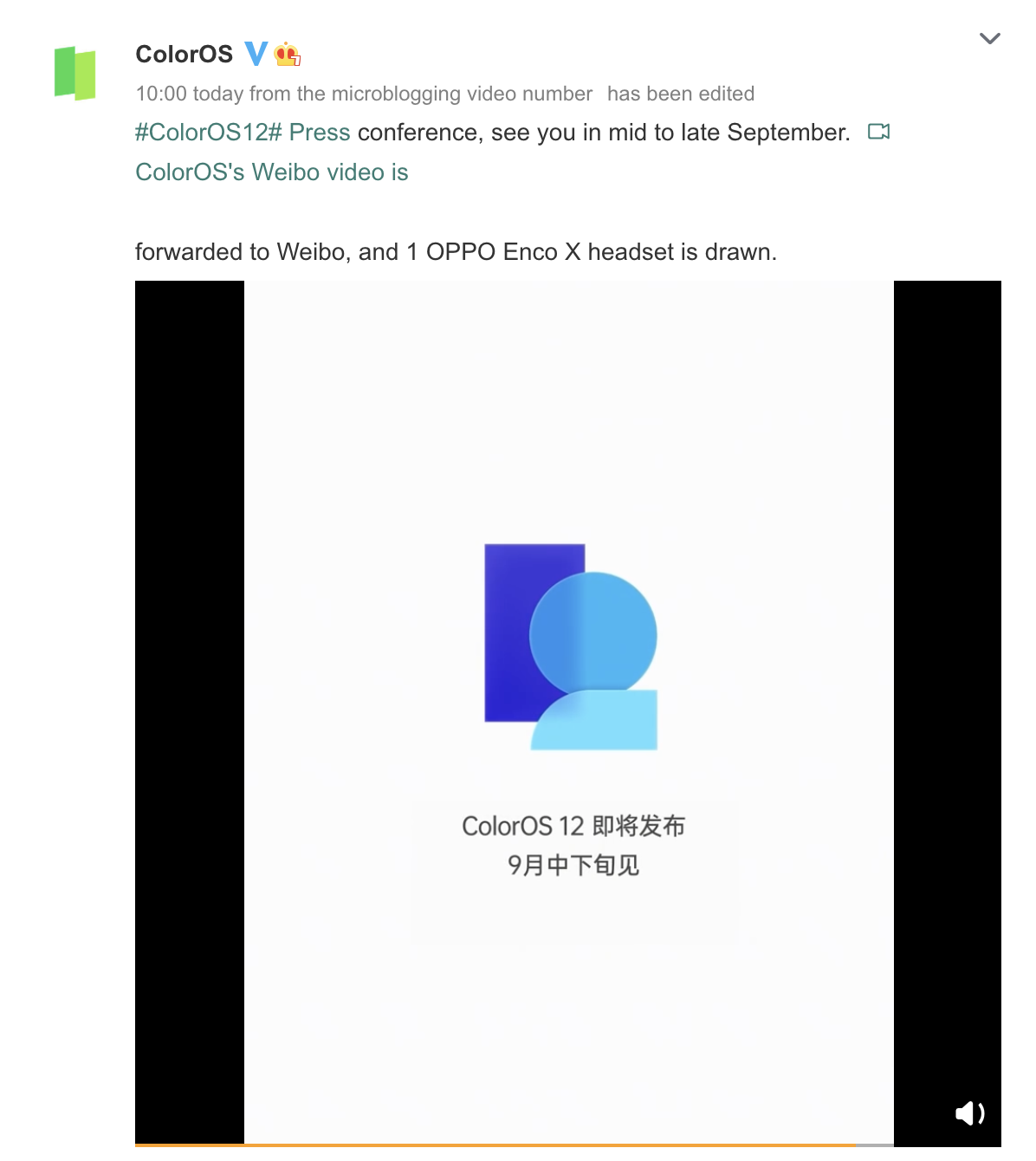
Earlier today, the COO of OnePlus shared the ColorOS 12 release announcement post by the official Weibo account of ColorOS. To this, netizens replied that what’s the fuss when OnePlus 7, 7T, 8, and 8T series will be only getting ColorOS 11 update next year.
To one of these comments, the brand exec indirectly confirmed that OnePlus 7, OnePlus 7 Pro, OnePlus 7T, OnePlus 7T Pro, OnePlus 8, OnePlus 8 Pro, and OnePlus 8T will be updated directly to ColorOS 12. For those who want to know, his actual reply was ‘why upgrade to an older version?’
We also suggested the same when OnePlus shared the update timeline last week. Because all these phones are already running Android 11-based HydrogenOS 11. Hence, It does not make sense for the company to pour in resources to port ColorOS 11 with the same Android 11 base.
So this means the following OnePlus smartphones will get Android 12-based ColorOS 12 update during the following periods next year in China.
ColorOS 12 Open Beta
- Early 2022
- OnePlus 8
- OnePlus 8 Pro
- OnePlus 8T
-
Mid 2022
ColorOS 12 Stable
-
H1 2022
-
H2 2022
- OnePlus 7
- OnePlus 7 Pro
- OnePlus 7T
- OnePlus 7T Pro
RELATED:
- OPPO files 5G patent infringement lawsuits against Nokia in China and Europe
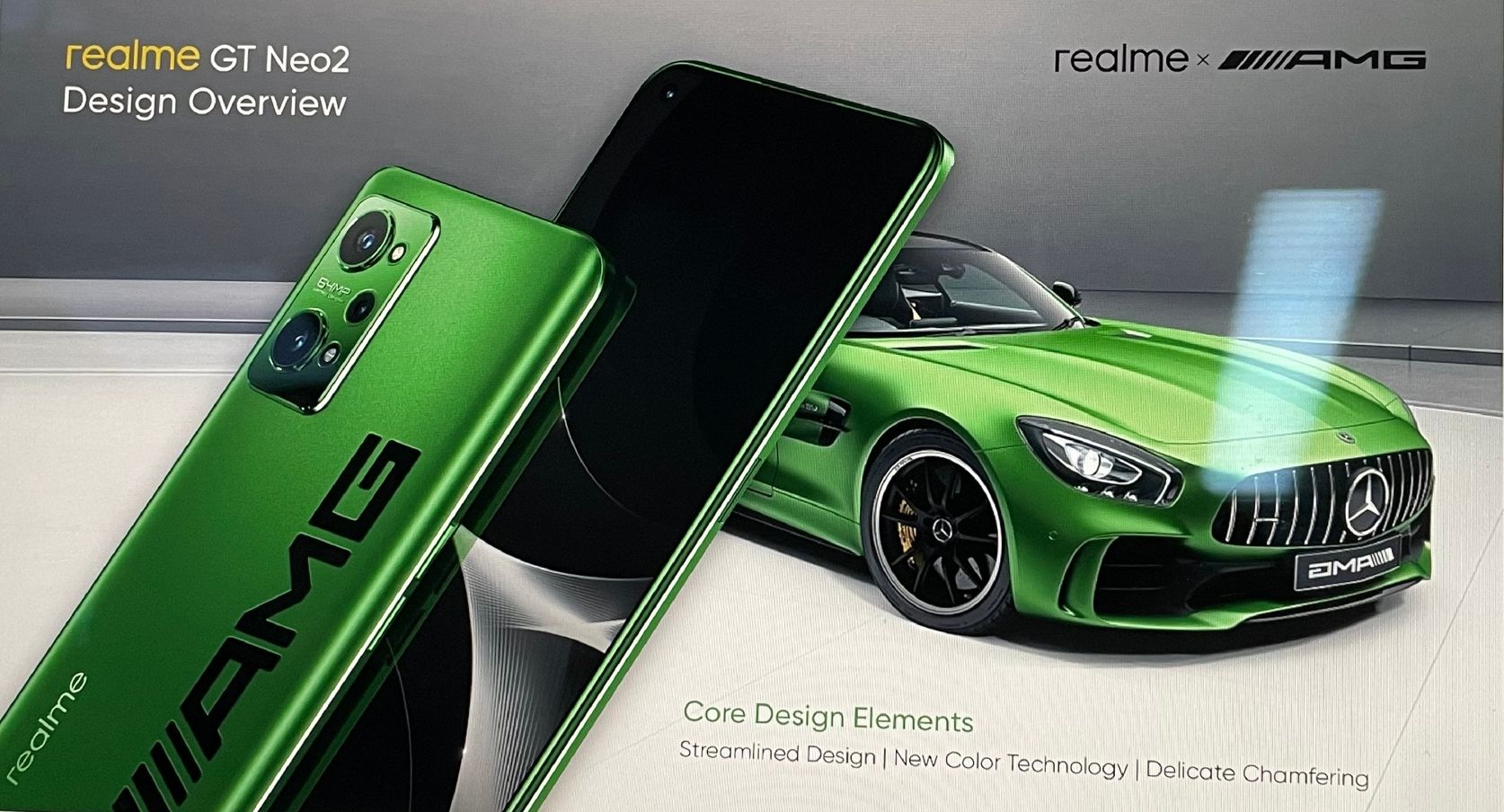
- Realme GT Neo2 Mercedes-AMG special edition’s leaked image spotted
- OnePlus 10 series may not feature significant design improvements
- OPPO tablet leaks via ColorOS 12 promotional image
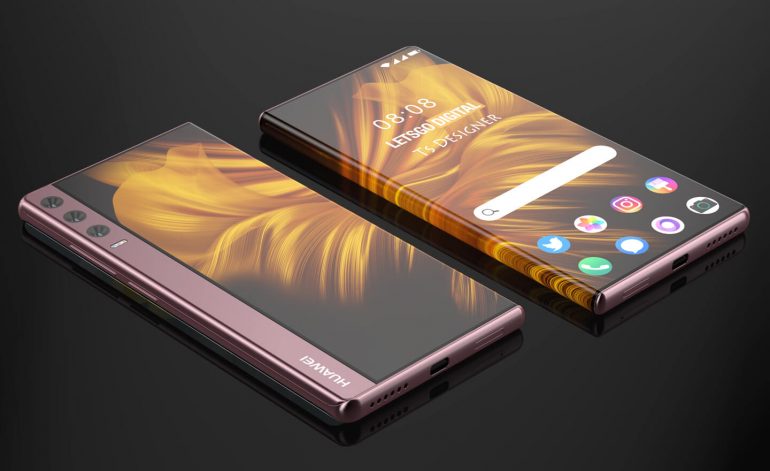
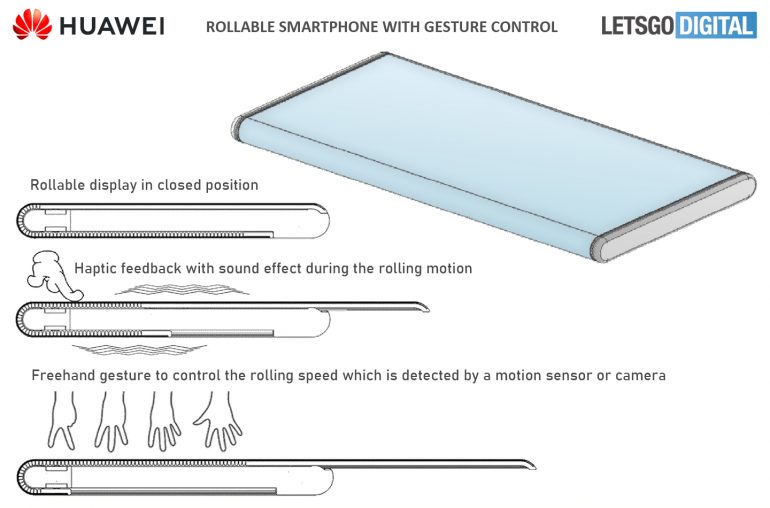 Through this, the user can simply swipe right above the display to have it roll out and extend while swiping left would have the screen retract back to its original position. But this is just scratching the surface, as Huawei intends to allow users to even control the speed at which the display rolls out. So to achieve varying speeds as per user requirements, the brand plans on use a system that involves an ‘X’ number of the users’ fingers in the air. In simpler terms, the sensor recognizes two, three, four, or even five fingers and adjusts its speed accordingly.
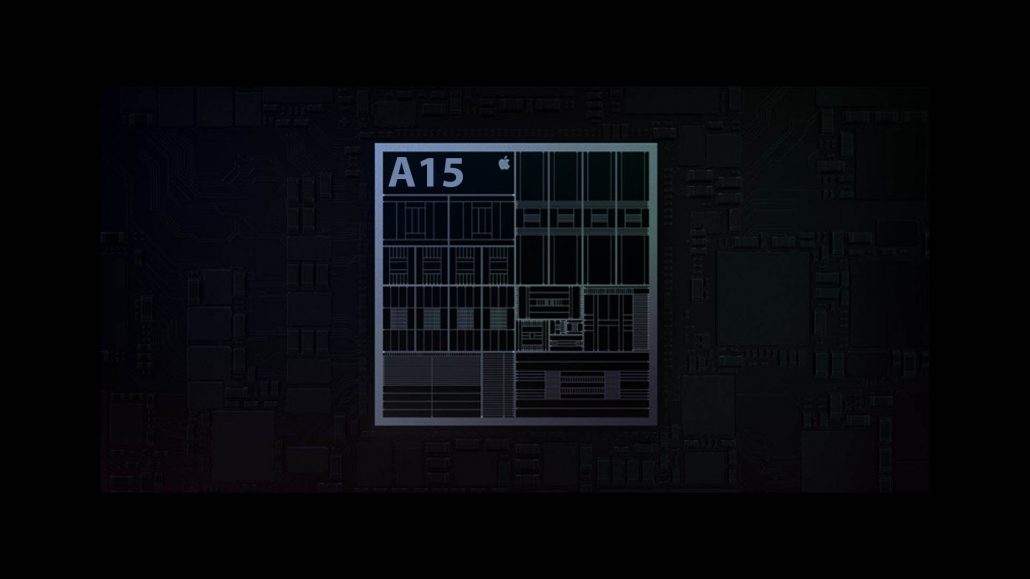 Notably, this also reveals that the iPhone 13’s A15 is around 13.7 percent faster than the A14 from last year. Furthermore, despite the drop in performance due to throttling, it is still capable of outperforming its Android counterparts by a considerable margin. As of right now, there is no way of confirming this news so take it with a pinch of salt and stay tuned, as the Cupertino based giant is expected to launch this chip with the iPhone 13 later this month.