After getting blacklisted by the Trump administration in 2019 over national security concerns, Huwaei has been going through a tough time in the smartphone domain. And there appears to be no imminent relief as the U.S. President Joe Biden’s nominee to a post overseeing export policy on China says the Huawei ban is likely to stretch further.
Not just that, the Under Secretary of Commerce for Industry and Security, Alan Estevez has also pledged to keep a close eye on Honor Device Co to see if Huawei has parted ways with the company with an aim to create a cleaner image of Honor and evade or at least minimize the blacklist repercussions. “I’ve seen previous maneuvers by the Chinese,” testifies Estevez at a hearing of the Senate banking committee.
Huawei said it was under tremendous pressure due to the unavailability of components used for smartphone manufacturing due to the ban and therefore, has decided to sell Honor. Huawei says that it is no longer involved in any business operations or management activities of Honor and is not holding any shares as well.
It is also being reported that the Biden administration is considering the option of extending the ban to Honor after lawmakers raised valid concerns about the company in a letter to Commerce Department Secretary Gina Raimondo last month.
Huawei is going to stay on the blacklist as long as the U.S. believes it is a national security threat to them, irrespective of who stays in power. That said, Huawei will incur further losses as it is still on the lookout for alternatives to American components.
Ahead of its Honor Smart Life event on 26th September, the Chinese company has confirmed that its latest notebook named Honor MagicBook V 14. Now, with just a few days left for the official launch event, more details about the device keep surfacing.
In the latest teaser poster shared by the company, Honor has confirmed that the upcoming MagicBook V 14 laptop will come with a 5MP dual-camera setup. While the company has not yet confirmed this, we expect a wide-angle camera sensor along with a regular camera to offer a larger field of view.
From the teaser image, it appears that despite adding two camera sensors, the bezels around the display are quite thin. However, the top bezels seem a bit thicker than the bezels on the left side. To get a clear look, we’ll have to wait for Honor to reveal the full design of the device.
This is quite an interesting take from Honor given that the laptops currently available in the market aren’t focused on the camera output. In fact, most of the devices feature either 720p or 1080p webcams. The latest MacBook Air and MacBook Pro from Apple also comes with a 720p webcam, meaning a 2.1MP camera.
The COVID-19 pandemic has finally provided a reason to manufacturers for offering better cameras on laptops as the companies are more open to Work From Home setup and meetings are now happening digitally.
The Honor MagicBook V 14 is already confirmed to be one of the first devices to come running the latest Windows 11 operating system out-of-the-box. The company has also said that it is capable of maximizing the potential of Windows 11 with its advanced capabilities in software and hardware integration. To know the pricing and availability details of this new laptop, we will have to wait for the official launch at the Honor Smart Life Product Launch event scheduled on 26th September.
Redmi has silently announced the Redmi G 2021 gaming-focused laptops in China. It comes in Intel and AMD variants. Both models offer a 144Hz display, up to 16 GB of RAM, and RTX 3060 graphics.
Redmi G 2021 specifications
The Redmi G 2021 gaming laptop comes with a 16.1-inch display that offers up to a 144Hz refresh rate. The Intel variant is powered by the 11th generation Intel Core i5-11260H processor, which is accompanied by 16 GB of RAM and 512GB of storage.
On the other hand, its AMD edition is driven by the Ryzen 7 5800 processor and 16 GB of RAM. It also offers 512 GB of storage. Both models are loaded with Windows 10, and they are expected to receive the Windows 11 upgrade soon.
Redmi G 2021
The Redmi G 2021 is equipped with Hurricane Heat Dissipation 3.0 system that offers dual fans and four outlets for expelling heat. The heat dissipation system of the AMD variant also features copper heat pipes.
The Redmi G 2021 intel variant comes with a 180W power adapter, whereas the AMD model gets a 230W power adapter. Both models offer other features like Wi-Fi 6, DTX: X Ultra Sound, full-sized backlit keyboard, Xiao AI smart assistant, Thunderbolt 4, USB-C, and support for Xiaomi game box.
Redmi G 2021 pricing
The Redmi G 2021 AMD variant is priced at 6,999 Yuan (~$1,081). It is now up for reservations in China through Xiaomi Mall, and it will go on sale from Sept. 28. The intel model costs 5,699 Yuan (~$880). Its reservations have started through Xiaomi Mall, and it will go sale from tomorrow (Sept. 23). It is unclear which other markets outside China will be treated with the Redmi G 2021 gaming notebook.
Google has unveiled the next-generation Pixel series flagship smartphones — Pixel 6 and Pixel 6 Pro. While the technology giant is yet to confirm the launch date, rumors indicate the phones are being available for purchase next month.
Now, ahead of the company revealing more details about the latest flagship Pixel series smartphones, a hands-on video of the Pixel 6 Pro has leaked online. The video shared by M. Brandon Lee apparently has a PVT (Production Validation Testing) unit of the Pixel 6 Pro smartphone and not the commercial version.
This is a PVT unit and 99% close to the consumer unit.
The short click shows the flagship smartphone with a glossy body. It showcases the 6.7-inch OLED display that has curved edges and slim bezels. On top of the display, there’s a pinhole cutout for housing a 12-megapixel selfie snapper.
The revamped back panel of the Pixel smartphone is also showcased in the video. While Google is yet to reveal the camera specifications, leaks indicate that the phone will pack a 50-megapixel primary sensor, a 12-megapixel wide-angle lens, and a 48-megapixel telephoto sensor with 4x zoom support.
Under the hood, the Google Pixel 6 Pro is powered by Google’s own Tensor SoC which packs Artificial Intelligence and Machine Learning capability as well as offers a significant improvement in translation, captioning, and dictation. The chipset is said to be an unreleased Samsung Exynos 9855 SoC.
For connectivity, there’s Wi-Fi 6E, mmWave 5G, and the Ultra-wideband (UWB) technology. The device will be powered by a 5,000mAh battery and it was recently confirmed that the phone will have 33W fast charging support. In the software department, it will be running the latest Android 12 operating system out-of-the-box.
While the pricing details are not yet known, the devices are expected to command a premium price. As per the reports, the Pixel 6 series will be launched on 19th October and the first sale could take place on 28th October. To know for sure, we will have to wait for a couple of weeks for an official confirmation from Google.
A snapshot of the Chinese Mi Store that had appeared a few days ago revealed Xiaomi could be planning to launch a new phone called Civi. Today, the company took to its Weibo handle to confirm that it will be introducing a new series of smartphones with the Civi moniker. It will be announced at 2 PM (local time) on Sept. 27.
Xiaomi is yet to share the details of the Xiaomi Civi smartphone. It is speculated that the company will be replacing its CC series with the Civi lineup. The new series is expected to target the female audience in China. Like the CC9 series that debuted in 2019, the Civi phones are expected to come with impressive design and photography capabilities.
A Xiaomi phone with a 2107119DC model number was spotted at the TENAA certification site a few weeks ago. The images and specifications of the device suggest that it could be a Chinese variant of the Xiaomi 11 Lite NE 5G that debuted in global markets recently. There is a possibility that this device may break cover as the first Xiaomi Civi branded smartphone.
Xiaomi 11 Lite 5G NE specifications
The Xiaomi 11 Lite 5G NE has a 6.55-inch AMOLED screen that offers a Full HD+ resolution and a 90Hz refresh rate. It has a front camera of 20-megapixel and a 64-megapixel (main) + 8-megapixel (ultrawide) + 5-megapixel (telemacro) triple rear unit. The phone features a side-mounted fingerprint scanner.
The Snapdragon 778G powers the 11 Lite 5G NE. It comes with 6 GB / 8 GB of RAM and up to 256 GB of storage. The handset houses a 4,250mAh battery, which supports 33W fast charging. It is preinstalled with MIUI 12 based Android 11 OS.
Honor has already confirmed that the company will be hosting an official launch event named Honor Smart Life on 26th September. At the event, the brand is expected to announce a range of devices.
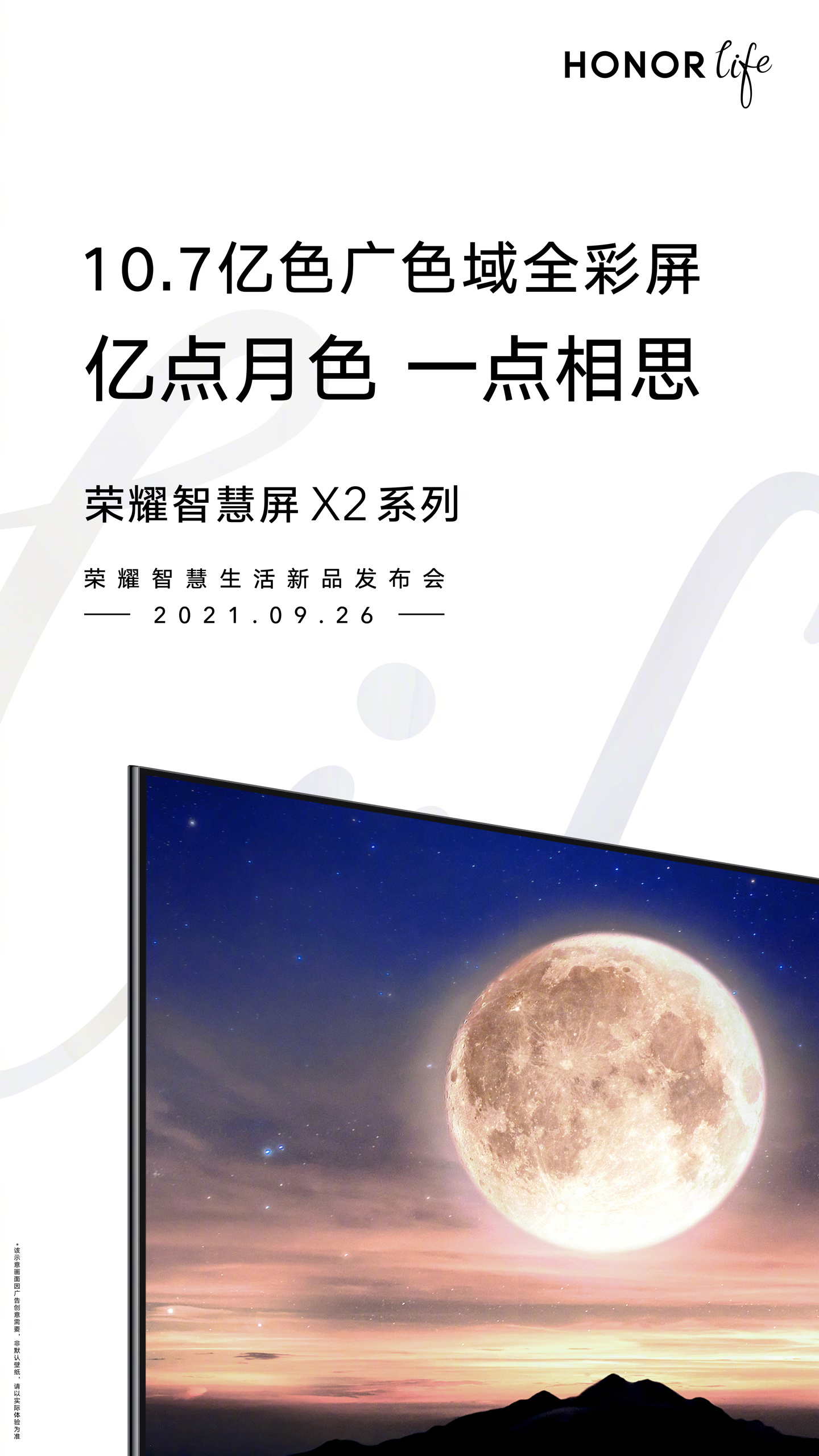
Among several devices, Honor has today confirmed through a new teaser poster that the brand is gearing up to launch its new Honor Vision X2 series of smart TVs in the market. It has also revealed some key features of the upcoming TV lineup.
The company confirms that the Honor Vision X2 series will come equipped with a 1.07 billion colors wide gamut, offering rich colors. Basically, Honor is talking about the display panel of the upcoming TV models.
Previously, the company had confirmed that it will be launching the Honor MagicBook V 14 laptop at the same event, which will be among the first to come pre-installed with the latest Windows 11 operating system. Now, Honor has confirmed thorugh a poster that the upcoming laptop will also feature a 5-megapixel dual-camera setup.
Along with this, the company is also expected to launch MagicBook 16/16 Pro at the same event next week. There are few other products getting launched at the event and a few of them are already up for pre-order in China, including a smart home camera, a massage gun, and an oral irrigator.
There’s another event from the brand scheduled to take place today in China where it is expected to announce an upgrade for the Magic3 series’ cameras. To know what’s up the company’s sleeves, we’ll have to wait for the official announcement.
Realme will be holding a mega launch event on Sept. 24 in India. Apart from announcing the Realme Smart TV Neo (32-inch), 4K Google TV Stick, and Band 2 fitness tracker, the company will also unveil the Narzo 50A handset. Rumors are rife that the company also unveil the Narzo 50i alongside it. A leaked render that appeared yesterday gave a look at the rear design of the Narzo 50i’s green variant. Now, a new render of its blue variant has appeared on Twitter. It showcases the design of the phone from all angles.
Starting from the front, the Narzo 50i can be seen sporting a teardrop notch display with a noticeable chin. While the right edge of the phone has a volume rocker and a power key, its left spine seemingly features a SIM card slot. The bottom edge of the device features a 3.5mm audio jack, a pair of microphones, a USB-C port, and a speaker grille.
The major portion of the Narzo 50i’s back panel has diagonal stripes. The camera module available at its top-left corner appears to be equipped with a single camera and an LED flash. Another speaker grille seems to be present towards the bottom of the back panel.
The absence of a fingerprint scanner on the Narzo 50i suggests that it will be starting model in the lineup, which reportedly includes Narzo 50A, Narzo 50, and Narzo 50 Pro 5G. The rumor mill is yet to spill the specs of the Narzo 50i. It is speculated that the handset may arrive in two variants such as 2 GB RAM + 32 GB storage and 4 GB RAM + 64 GB storage.
OPPO is expected to soon announce the OPPO F19s smartphone in India. MySmartPricehas shared the fresh renders of the F19s to give a good look at its design. At the same time, the handset was found listed in the Geekbench benchmarking site with some of its key specs.
The new renders show that the OPPO F19s will be available in Glowing Black and Glowing Gold colors. The rectangle-shaped camera module available on its back houses a 48-megapixel triple camera unit. The absence of rear/side-mounted fingerprint scanner suggests that it could be equipped with an in-display fingerprints scanner.
OPPO F19s
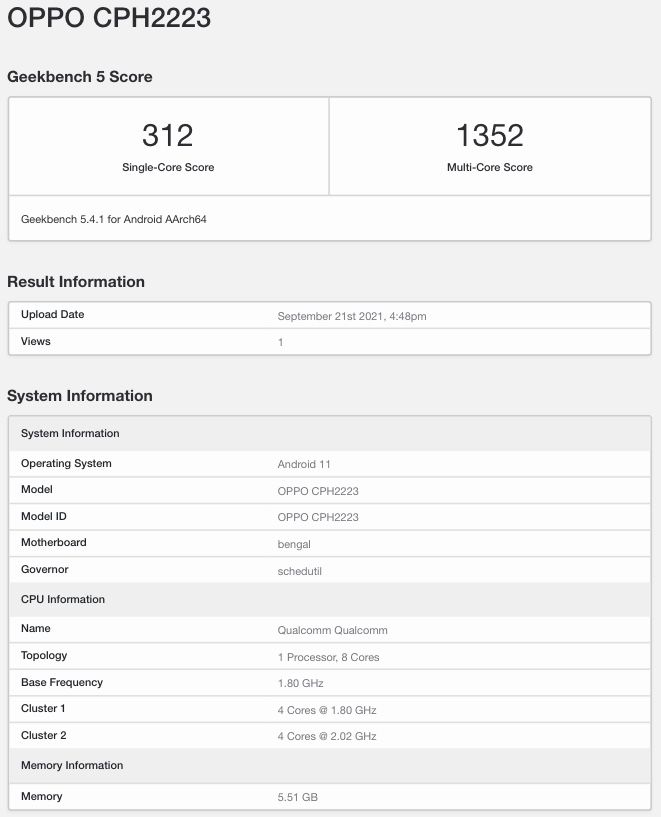
The F19s sports a punch-hole display on the front. The overall appearance of the phone is not different from the existing OPPO F19. At Geekbench (via. Pricebaba), the handset appeared with its CPH2223 model number. It can be said based on the information found through its source code that the F19s will be equipped with the Snapdragon 662 chipset.
The listing further reveals that it has 6 GB of RAM, and it runs on Android 11 OS. It scored 312 points in the single-core test of Geekbench and 1352 points in the multi-core test.
OPPO F19s specifications and price (Rumored)
Reports have revealed that the OPPO F19s will feature a 6.43-inch AMOLED FHD+ panel, a 16-megapixel front camera, and a 48-megapixel (main) + 2-megapixel (macro) + 2-megapixel (depth) triple camera unit.
Apart from Snapdragon 662 SoC and 6 GB of RAM, it will come with 128 GB of RAM and a 5,000mAh battery that supports 33W rapid charging. The device will come preinstalled with ColorOS 11.1 based Android 11. It is also expected to offer up to 5 GB of virtual RAM. Probably, it will be priced at Rs 19,990 (~$271) in India.
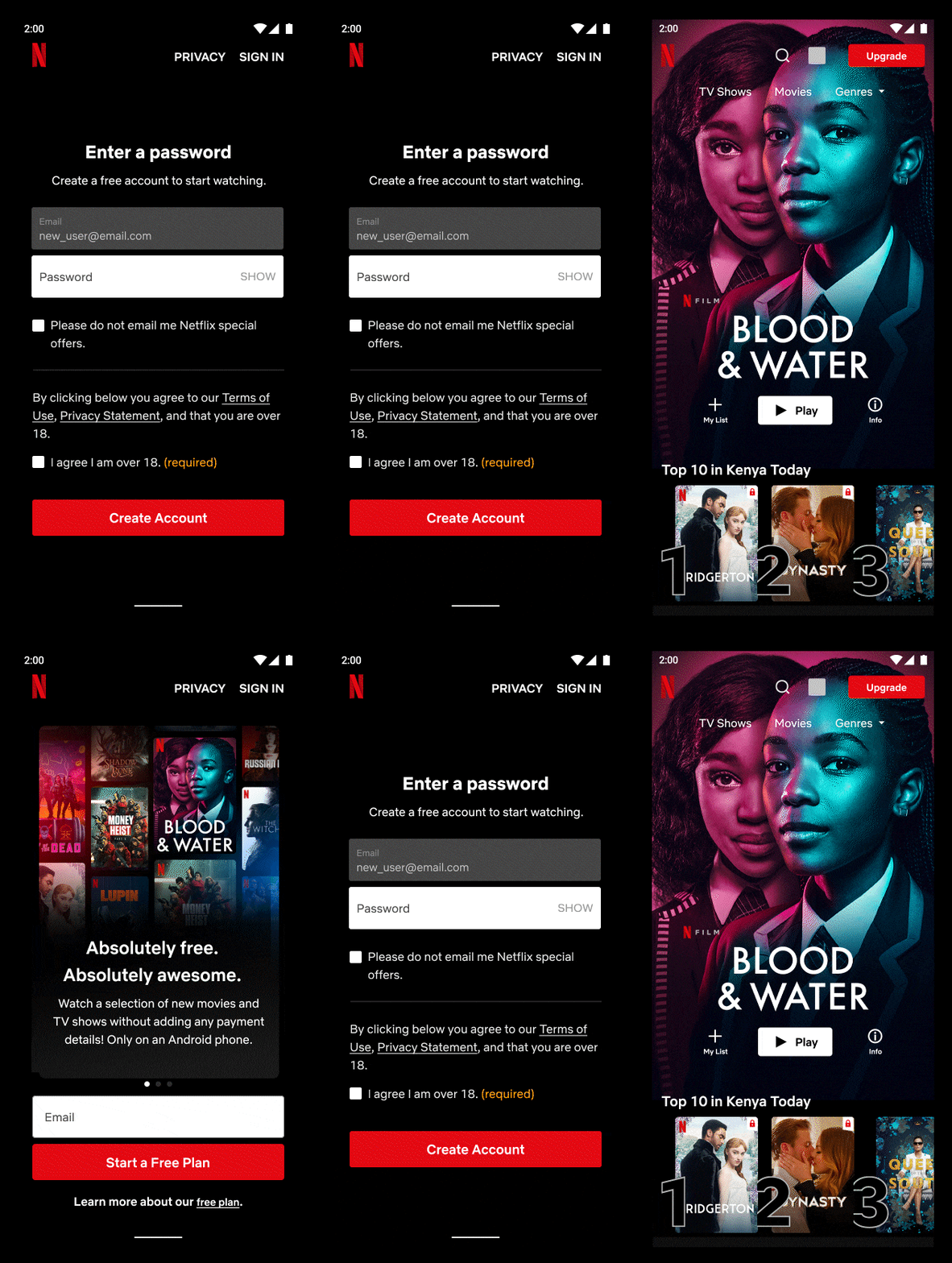
Netflix adopts various means to get people on board its service. Last year it made some shows and movies free to watch without the need for a subscription. Its latest one is a free mobile plan, devoid of ads, that has made its debut in Kenya.
The free plan still has a limited selection but this time there are whole seasons of series available for viewing. Users will need to register to enjoy the free plan but they won’t be required to enter payment details. Netflix hopes that users will eventually pay for a subscription.
This is the first time Netflix is launching a free plan and one that is ad-free. The streaming service also confirmed that plan has features such as parental controls and kid profiles that are available to its paid subscribers.
The free plan has already begun rolling out in Kenya and should be available to more users over the next few weeks. However, there is no news of if and when it will be available in other countries.
Netflix is known to have certain plans that are exclusive to select markets. For example, it has two mobile plans in India. One costs ₹199 (~$2.70) that allows users to stream in HD on a phone or tablet. The other is the Mobile+ plan that is ₹349 (~$4.73) but allows you to stream in HD on a phone, tablet, and computer. There is a chance this free plan won’t be available in all markets where Netflix operates.
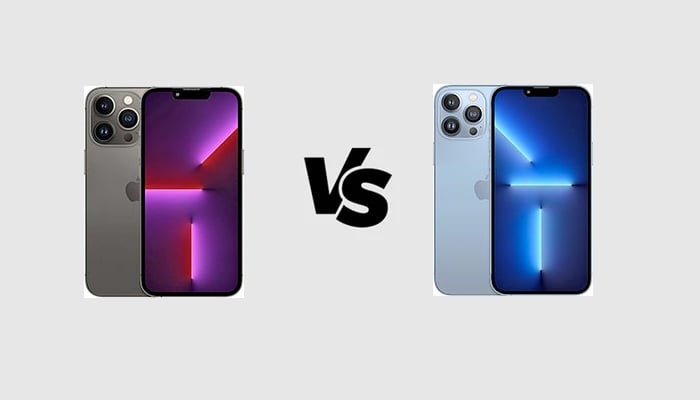
This year the Pro variants of the new iPhones come with a few more advanced features. Compared to the vanilla iPhone 13 and the mini variant, iPhone 13 Pro and Pro Max have a more powerful chipset and better cameras, as well as additional camera technologies. But what are the differences between the iPhone 13 Pro and the iPhone 13 Pro Max? If you compare them with the above-mentioned phones you will find a lot of differences, but you can not tell the same if you compare these two devices. In order to give you the most complete idea on the matter, we decided to highlight the differences between the Pro in the Pro Max through a specs comparison.
Apple iPhone 13 Pro vs Apple iPhone 13 Pro Max
Apple iPhone 13 Pro
Apple iPhone 13 Max
DIMENSIONS AND WEIGHT
146.7 x 71.5 x 7.7 mm,
204 g
160.8 x 78.1 x 7.7 mm,
240 g
DISPLAY
6.1 inches, 1170 x 2532 pixels (Full HD+), Super Retina XDR OLED
6.7 inches, 1284 x 2778p (Full HD+), Super Retina XDR OLED
If we exclude the dimensions, the iPhone 13 Pro and the iPhone 13 Pro Max come with exactly the same aesthetics. They sport a glass front protected by Gorilla Glass, a glass back with the same protection, and a stainless steel frame. The phones are waterproof with the IP68 certification and they can withstand immersions up to 6 meters deep. As already said, the only difference is in the dimensions: the iPhone 13 Pro is way more compact thanks to its smaller display. Further, the iPhone 13 Pro is lighter because of its smaller display and a smaller battery. The new iPhones come with 20 percent smaller notches compared to their predecessor and this makes them more elegant and stylish.
Display
Besides the design, the iPhone 13 Pro and the iPhone 13 Pro Max share the same display specifications. They sport Super Retina XDR OLED panels with a 120 Hz refresh rate, the HDR10 certification, Dolby Vision support, and a peak brightness of up to 1200 nits. The iPhone 13 Pro Max has a wider diagonal for the display: 6.7 inches vs 6.1 inches. The resolution is slightly different, but the phones have a very similar pixel density. The Pro Max has a resolution of 1284 x 2778 pixels, while the Pro has 1170 x 2532 pixels. The authentication can be made through 3D facial recognition thanks to Face ID, but there is no fingerprint scanner.
Specs & Software
Even in the hardware department, there are no significant changes. These handsets are powered by the very same Apple A15 Bionic chipset, an octa-core SoC built at 5 nm with a max frequency of 3.22 GHz. The SoC is paired with 6 GB of RAM and up to 1 TB of internal storage depending on the memory configuration. There are four configurations differing for the internal storage: 128 GB, 256 GB, 512 GB, and 1 TB. Note that, while there is no difference between the hardware departments of these two flagships, they have a stronger GPU than the iPhone 13 and the 13 mini.
Camera
These handsets come with three camera sensors with 12 MP resolutions: the main camera with an f/1.5 focal aperture, a telephoto sensor with 3x optical zoom, and an ultrawide camera. Then there is a TOF 3D LiDAR scanner for AR appliances. On the front side, there is a 12 MP selfie snapper paired with an SL 3D sensor for 3D facial recognition.
Finally, an important difference between iPhone 13 Pro and Pro Max: the battery. The former has a battery capacity of 3125 mAh, while the latter has a whopping 4373 mAh and it is the first Apple phone with a battery above 4000 mAh. Naturally, the difference in terms of battery life is big as you can use the phone for a few hours more while watching multimedia content.
Price
Prices are different depending on the market. The starting price of the iPhone 13 Pro is €1149 in the European market, while in the U.S. it costs $999 in its base variant. The iPhone 13 Pro Max is priced at €1249 in Europe and $1099 in the U.S. Which one should you pick? The iPhone 13 Pro is more compact, but the Pro Max is superior because of its wider display and bigger battery. If the battery life of the Pro variant is enough for you and if you do not mind having a 6.7-inch panel, then the Pro may be a more correct choice for your needs. Otherwise, go for the Pro Max.
Apple iPhone 13 Pro vs Apple iPhone 13 Pro Max: PRO and CONS
Facebook had a surprise hardware launch today, its second product launch this month. The tech giant known for its social media platforms announced new models of its Portal video calling devices. The new Portal Go is its first battery-powered Portal while the new Portal+ has a new design and a smaller display.
The Portal Go has a 10-inch display and unlike the other models, it has a built-in battery that makes it possible to carry around while making calls. Facebook says that the battery will provide up to 5 hours of talking time on a one-on-one Messenger video call and up to 14 hours of playback time with the screen turned off.
Like the previous Portal devices, this too has a 12MP wide angle camera that will automatically follow whoever is in focus. It can also double as Bluetooth speaker and it now supports Spotify and Pandora.
The new Portal Plus is smaller at 14 inches (2140 x 1440) compared to the first Portal+ that has a 15.6-inch screen. It also doesn’t have that swivel stand that allows the display to be rotated from landscape to portrait. A lot of folks may prefer this new design as it also occupies less space.
It has a 12MP camera too and just like all Portal devices, there is a privacy shutter. There are also physical buttons to disconnect the camera and microphone.
Facebook also announce some new software features for Portals such as a Household Mode that allows you to share portal with your family. Access to select apps and contacts can be configured, so your kids can use portal to call their uncles and aunts but not anyone else. Portal devices now also support Zoom and will get support for Microsoft Teams in December.
Portal Go will sell for $199 while the new Portal Plus will have a $349 price tag. The two devices are already available for pre-order and will be available for purchase starting October 19.
The US blockade on Huawei was the major reason for the company selling off its Honor smartphone unit last year. As the US restriction led to a massive decline in the fortunes of the company, Huawei sought for several options to remain afloat including diversification of its core business model and shedding off some of its business units. Selling off the Honor brand seemed like a masterstroke as Huawei has begun to experience a rebound in its fortunes while Honor is also having a positive growth trajectory.
Honor however has been under scrutiny in the US, under suspicion that it remains a part of Huawei. Last week, personnel at four United States agencies were split on whether to put Honor on the US Commerce Department’s entity list, which will restrict technology transfer from US companies to Honor without express licenses from the Commerce Department. There is still a lack of consensus among the agencies on whether Honor, a former Huawei business unit posed a significant threat to U.S. national security.
Inside sources have hinted that the Pentagon and Energy Department were in support of placing Honor on the blacklist, while the Commerce and State Departments opposed the move.
This has not been the first time news of the possible blacklist of Honor has been voiced. Recently, some House Republicans had also mooted the idea of extending Huawei’s ban to Honor. There is a growing suspicion especially in the US political circuit that Honor remains an appendage of Huawei. There are thus political and economic considerations in combination with the critical national security considerations.
Huawei had continued to deny links with the Chinese government, likewise Honor. The company was on an aggressive roll in its deployment and development of 5G technology when it was suddenly hit by the US blacklisting, leading to a downward spiral of fortunes since 2019.
Realme has officially scheduled to launch the all-new Realme GT Neo2 smartphone on September 22 in China. Soon after the launch, we expect the phone to land in the Indian market. Now, ahead of the arrival, the phone’s Chinese prices have been leaked.
The Realme GT Neo2 is touted to be priced at RMB 2,499(~$386) in China. It will come in three variants and the aforementioned price will be for the base variant i.e. 6GB RAM + 128GB storage. The 8GB RAM + 128GB storage variant will cost RMB 2,699(~$417) and the 12GB RAM + 256GB storage variant will be priced at RMB 2,999(~$463).
That said, the Indian pricing is expected to be similar to the Chinese pricing. It may arrive for under ₹30,000.
Realme GT Neo2 Specifications
The Realme GT Neo2 is expected to come with a large 6.62-inch Full-HD+ display with a 120Hz refresh rate. It will be an E4 AMOLED panel with Gorilla Glass 5 protection. The smartphone will boast a 16MP single camera at the front and will have a triple camera system at the rear.
It will feature a 64MP main lens, an 8MP wide-angle lens, and a 2MP macro sensor. It was spotted with the Qualcomm Snapdragon 870 SoC in certifications and will have up to 12GB of RAM and 256GB of onboard storage. The device is expected to pack a 5,000mAh battery with some sort of fast charging support.
Today, Samsung has officially launched the Galaxy A52s 5G in Singapore as a successor to the Galaxy A52 5G smartphone. The Samsung Galaxy A52s 5G comes with the same design as the predecessor but has a few upgrades like a bigger battery and a new chipset.
The Samsung Galaxy A52s 5G costs S$548 for the 8GB RAM + 128GB storage variant and S$648 for the 8GB RAM + 256GB storage variant. It comes in multiple colors like Awesome White, Awesome Black, Awesome Violet, and Awesome Mint.
Samsung Galaxy A52s Specifications
The smartphone comes with a 6.5-inch Super AMOLED display with a Full-HD+ resolution. It is a punch-hole panel with slim bezels and a 120Hz screen refresh rate. The screen also doubles up as an in-display fingerprint scanner for security.
Under the hood, the device is powered by the Qualcomm Snapdragon 778G SoC paired with 8GB of RAM and 128GB, 256GB of onboard storage. It packs a 4,500mAh battery with 25W fast charging support. The device has a Quadruple camera system with a 64MP main lens, a 12MP ultra-wide lens, and two 5MP sensors.
The smartphone has NFC support and bags IP67 water and dust resistance rating. It boots on OneUI 3.1 based on Android 11 out of the box.
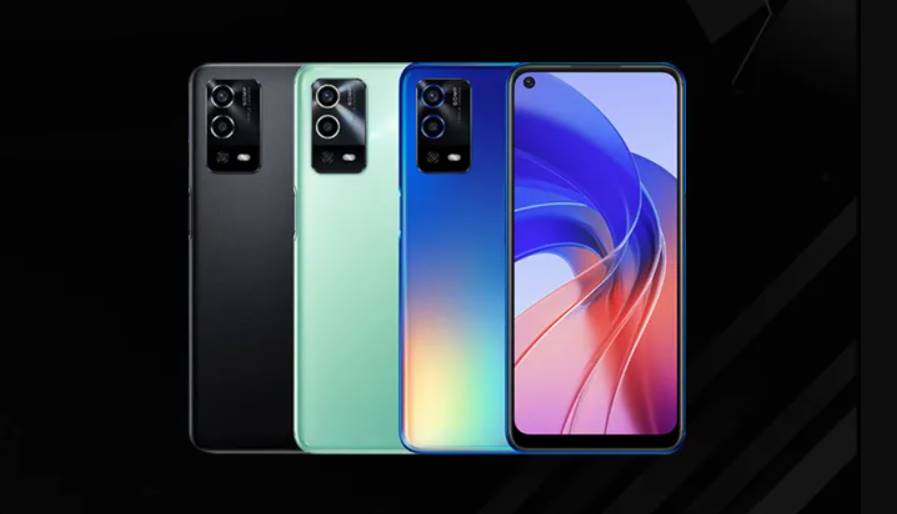
Earlier this year, Oppo unveiled the Oppo A55 5G smartphone in the Chinese market with specs like Dimensity 700 SoC, triple rear cameras, and a big battery. Now, the Chinese phone maker is planning to launch its 4G variant in a few markets as the device was spotted on Taiwan’s NCC certification. Today, 91Mobiles has exclusively revealed the renders of the device ahead of its launch.
The Oppo A55 4G seems to pack a similar shell as the 5G variant but will have some noticeable differences. Firstly, the smartphone will make use of a punch-hole panel, which wasn’t the case with the predecessor as it had a water-drop notch screen. The screen seems to have a modern aspect ratio with slim bezels on top and sides, but a raised up chin at the bottom.
The device features a triple camera setup at the rear with a slightly tweaked camera island. The camera system is placed vertically but it has the LED flash at the lower side of the camera island. It is touted to have a 50MP main camera lens.
Moving to the sides, the smartphone has a power button on the right which will double as a fingerprint scanner for security. On the left, the device has a volume rocker. The renders also reveal the color variants of the smartphone. The device will come in Black, Green, and Gradient Blue color variants.
Other than this, the Oppo A55 4G is expected to have a big battery similar to the predecessor. It might be bigger than a 5,000mAh cell. The rest of the details of the smartphone are currently unknown. But, considering the pace of its leaks, we expect Oppo to announce the device soon.
Amazon’s Kindle readers are pretty popular and the Kindle Paperwhite is one of its most popular models. Amazon has refreshed the Paperwhite, the first time in three years, and along with the new model comes a special Signature Edition with some premium features.
The new Amazon Kindle Paperwhite starts at $139 (with ads) and it comes with a bigger 6.8-inch display. The bezels are slimmer now to make the increase in the overall size of the device minimal. The display which still has a 300 PPI pixel density has a built-in backlight and features an adjustable color-temperature feature to make it easy on the eyes when reading in the dark. Just as it is available on several models, the warm light can be set to turn on at a specific time.
Amazon says the battery life on the Kindle is much better now and a single charge should last up to 10 weeks, an upgrade from the 6 weeks of the 2018 model. It also charges via USB-C now and a full charge takes 2.5 hours. The Kindle Paperwhite has an IP68 rating, so you can read beside the pool or at the beach. If you are looking for figures, the product page says it will survive immersion in 2 meters of freshwater for up to 60 minutes and up to 0.25 meters of seawater for up to 3 minutes.
The Kindle Paperwhite still has 8GB of storage but it now has a faster chipset that Amazon claims improves page turn speed by 20%. There is a new software that makes it easier to access device settings and it also brings a new bottom navigation that makes operating the kindle easier.
For the Kindle Paperwhite Signature Edition, you get the same display but 32GB of storage. Its warm light can also auto adjust and it supports wireless charging too. This version costs $189.
There is also a $159 Kindle Paperwhite Kids version that is the standard model with a kid-friendly cover, a 2-year worry-free guarantee, 1 year of Amazon Kids+.
You can pre-order the new Kindle Paperwhite models today but they won’t ship until October 27. Amazon is offering 4 months of Kindle Unlimited for those who purchase the new eReaders.
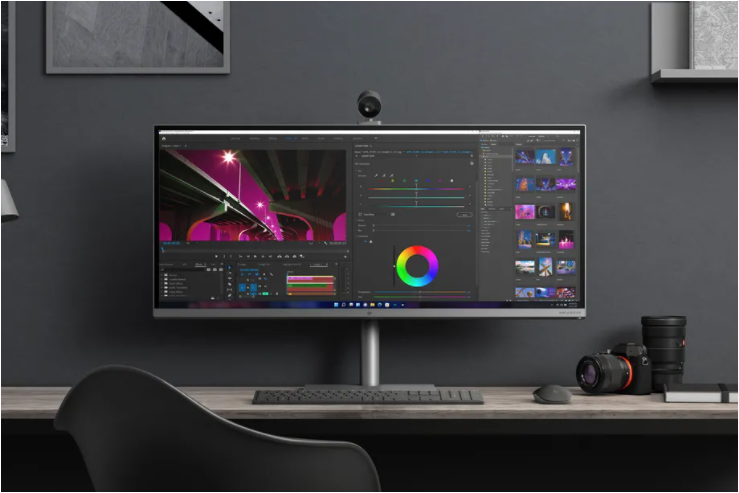
PC maker HP has announced a new standalone desktop PC under the Envy lineup. The device is dubbed HP Envy 34-inch All-In-One Desktop PC and as the name implies, it crams all the components inside its ultra-wide display-packing frame.
The new Envy 34-inch All-In-One Desktop PC packs a mammoth 34-inch ultrawide IPS display with a resolution of 5120 x 2160 pixels. The PC is powered by an Intel 11th Gen Core i9 processor while the graphics are fired up by Nvidia’s RTX 3080 GPU. The PC also supports RAM upgrade and has four RAM slots as well as two M.2 SSD slots.
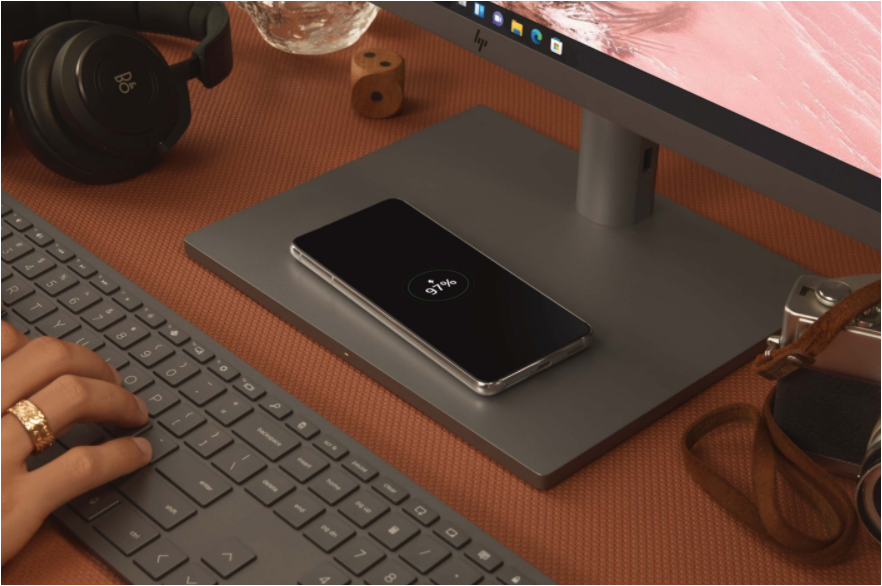
The PC also comes with a number of unique features such as a 16-megapixel webcam that is magnetically attached making it easy to change the position as the user deem fit. The base of the PC also has a built-in 15W Qi wireless charger that can charge your phones and other compatible devices.
At the rear of the panel, you’ll find two Thunderbolt 4 ports and four USB-A ports. There is also a pair of USB-A ports on the side together with a USB-C port. You also get an HDMI and 3.5mm audio ports.
The HP Envy All-In-One PC carries a hefty starting price tag of $1,999 and will start shipping from next month. The specifications and features are quite decent for an all-in-one PC but the price isn’t in any way cheap.
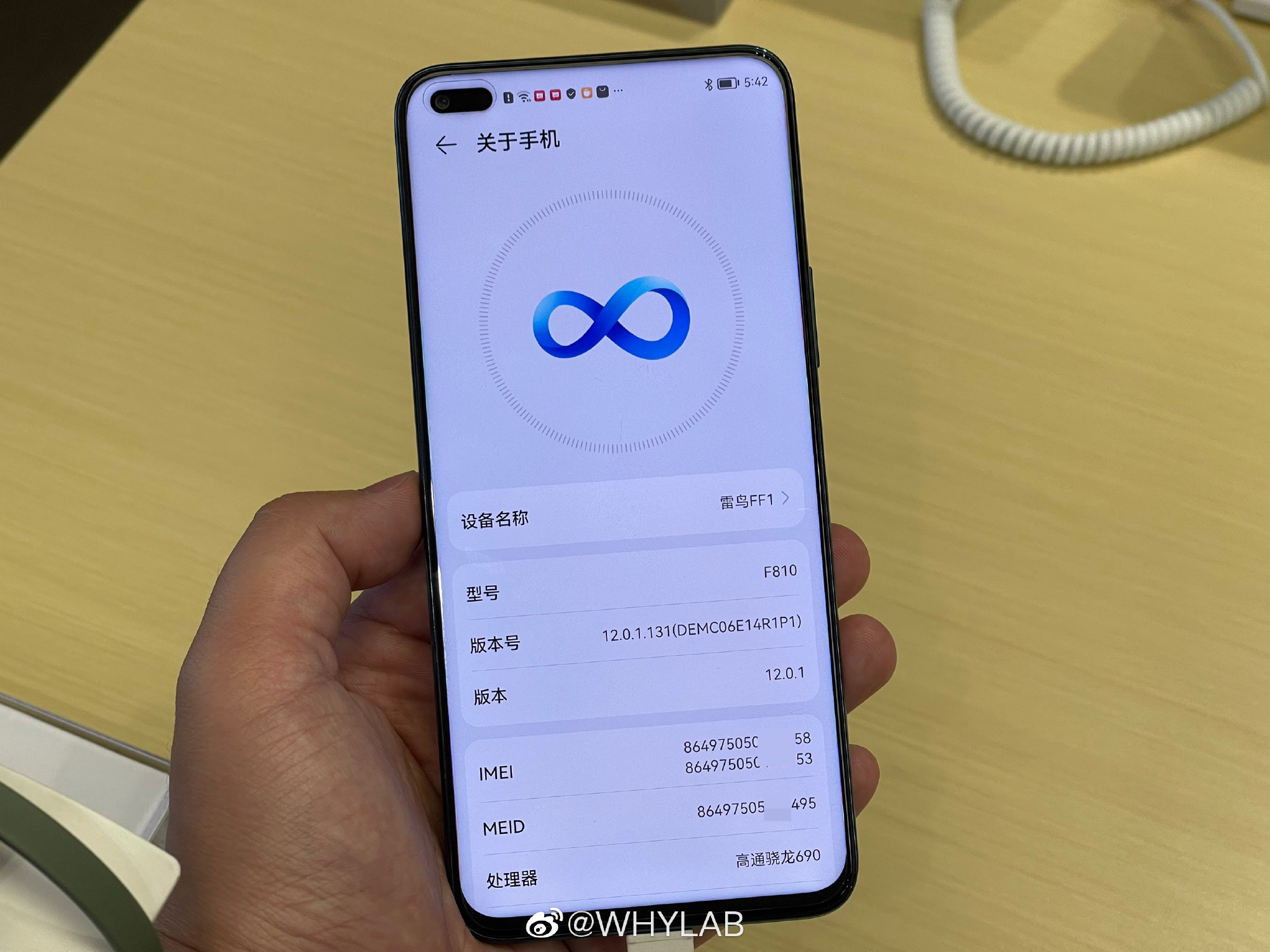
Last month, TCL launched a phone in China under its FFALCON brand. The device which is sold as the FFALCON Thunderbird FF1 was thought to be a joint product between TCL and Huawei, but FFALCON reached out to us to inform us that isn’t the case. New info has surfaced that confirms Huawei’s input in the development of the phone.
The FFALCON Thunderbird FF1 became available for purchase last week and users who have gotten their hands on it have begun to post details about it. One such post is from the popular Weibo account @WHYLAB and it shared live images of the phone taken at an offline store. In one of the photos, it is shown that the device is running Huawei’s own software, EMUI 12, and not TCL’s custom Android fork!
When FFALCON contacted us, they told us the FF1 is solely developed by FFALCON and not in collaboration with any smartphone brand. It thus comes as a surprise that the FFALCON FF1 is running Huawei’s own software. The contact also informed us that the phone is manufactured by an independent ODM partner.
Seeing as the FFALCON Thunderbird FF1 is running Huawei’s own software, it means that Huawei did have an input in the production of this device. However, it is understandable why Huawei doesn’t want to be associated with it.
Huawei phones powered by Qualcomm chips can’t have 5G support as the U.S. only granted the chip manufacturer license to supply 4G chips to Huawei. However, the Thunderbird FF1 is a 5G phone powered by Qualcomm’s Snapdragon 690 processor. Huawei definitely doesn’t want to be associated (as a co-manufacturer) with the phone as that could spell trouble. Considering there doesn’t seem to be a law that says Huawei can’t license its software to other manufacturers for use, it appears Huawei may be in the clear.
The 200MP ISOCELL HP1 sensor is Samsung’s latest innovation in mobile image sensors. It is a reflection of the company’s design policy of pushing the boundaries of existing technologies. The sensor is still under development but the signals are indeed encouraging that this hardware could make its way into mobile devices in the nearest future.
Samsung has released a short illuminating video of what we could expect when this impressive hardware makes its way into mobile phones. The video also went with a little explanation of the device. The ISOCELL HP1 sensor has multiple functionalities based on its deep learning remosaicing algorithm. As per the video and official explanation from Samsung, it can do 2×2 pixel binning, thereby enabling the sensor to shoot 8K videos, with the adequate shrinking of the field of view. In addition, 4×4 binning is also possible with the HP1 sensor, which results in 12.5MP resolution, better than most sensors.
The Samsung ISOCELL HP1 offers an excellent light-gathering ability further accentuated by a raft of clever systems and features. These include Staggered HDR, Smart-ISO, multisampling, and Double Super PD. These features pit the HP1 at the top of the pecking order among similar sensors. It could outshine the 50MP ISOCELL GN2 and JN1 with its massive 200MP offering.
Samsung will hope to make the HP1 to be available to many OEMs and Xiaomi has been mentioned as part of the first brands to deploy the 200MP ISOCELL HP1. There could be some flesh in the rumor as Xiaomi has established a track record of debuting some of Samsung’s cutting-edge sensors. We are also not ruling out Samsung itself for obvious reasons. While no company has made any definitive statement on the issue, the teaser by Samsung could indicate progress in the development of the product.
Even with less than two weeks to go before the end of September, there are still several products scheduled to launch this month. Now Amazon is trying to squeeze a last-minute launch into the calendar.
The e-commerce giant has announced that it will hold an event on September 28. The event is slated to begin at 12 PM Eastern Time and Amazon is expected to announce a handful of new hardware products, some of which should launch under its Echo line. The Verge reports that the invite says there will be “news about our latest Amazon devices, features, and services.”
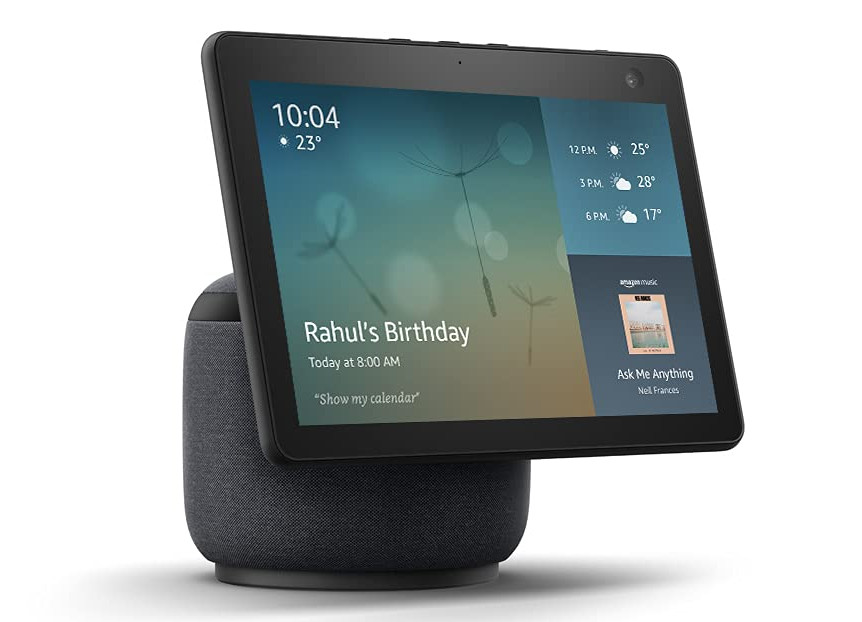
Among the new Echo device expected to launch is a new Echo Show that can be wall-mounted. The device was first revealed in a Bloomberg report in February, and it mentioned a likely release by the end of this year or next year. The new Echo Show is reported to be between 10 – 13 inches in size and will serve as a sort of command center for the home. It is expected to have a price tag between $200 and $250.
Amazon may also launch its first Ring Car Dashcam which leaked back in June of this year. Ring is an Amazon-owned company that deals in home security. It already sells several home security products such as doorbells, alarms, and smart cameras, but last year, Amazon, announced a new line of products targeted at car security.
Unlike other manufacturers, Amazon’s events are not usually live-streamed, so there is no way for the public to watch the September 28 event.
We use cookies on our website to give you the most relevant experience by remembering your preferences and repeat visits. By clicking “Accept”, you consent to the use of ALL the cookies.
This website uses cookies to improve your experience while you navigate through the website. Out of these, the cookies that are categorized as necessary are stored on your browser as they are essential for the working of basic functionalities of the website. We also use third-party cookies that help us analyze and understand how you use this website. These cookies will be stored in your browser only with your consent. You also have the option to opt-out of these cookies. But opting out of some of these cookies may affect your browsing experience.
Necessary cookies are absolutely essential for the website to function properly. This category only includes cookies that ensures basic functionalities and security features of the website. These cookies do not store any personal information.
Any cookies that may not be particularly necessary for the website to function and is used specifically to collect user personal data via analytics, ads, other embedded contents are termed as non-necessary cookies. It is mandatory to procure user consent prior to running these cookies on your website.