Advertisement

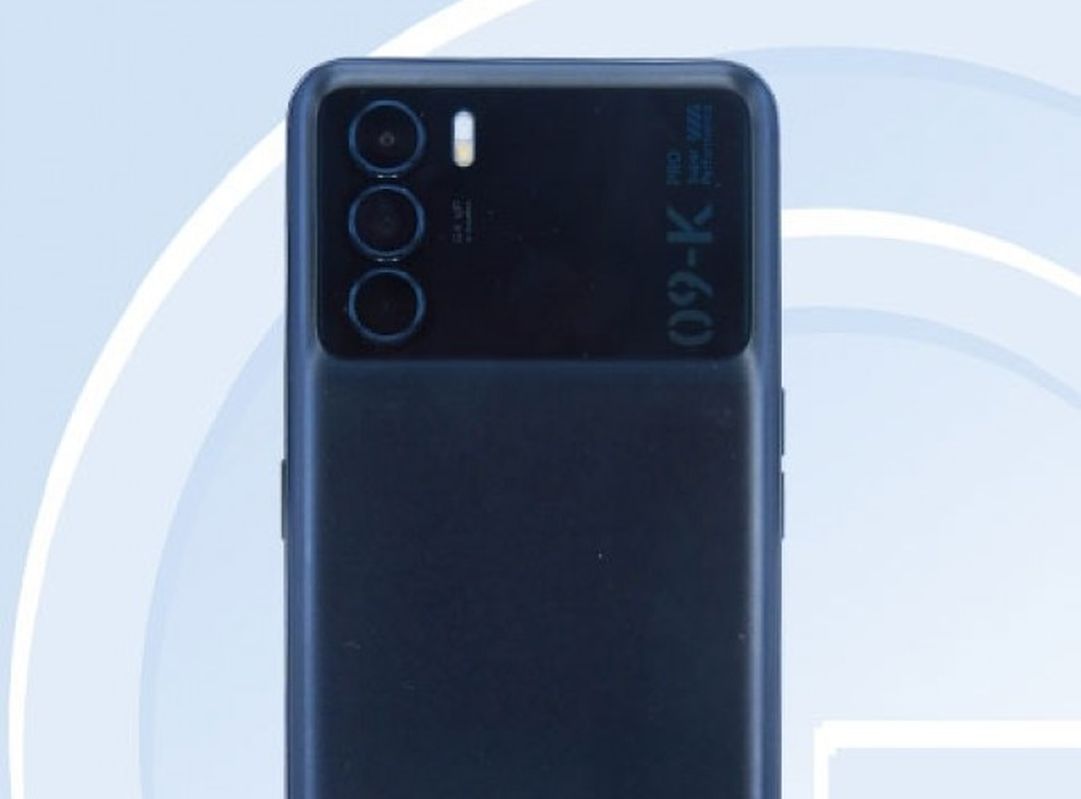
POCO X3 GT bags FCC certification, likely to arrive in Q3

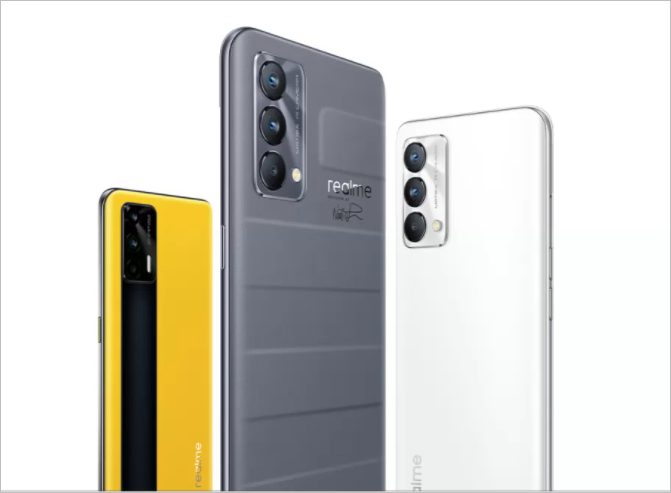
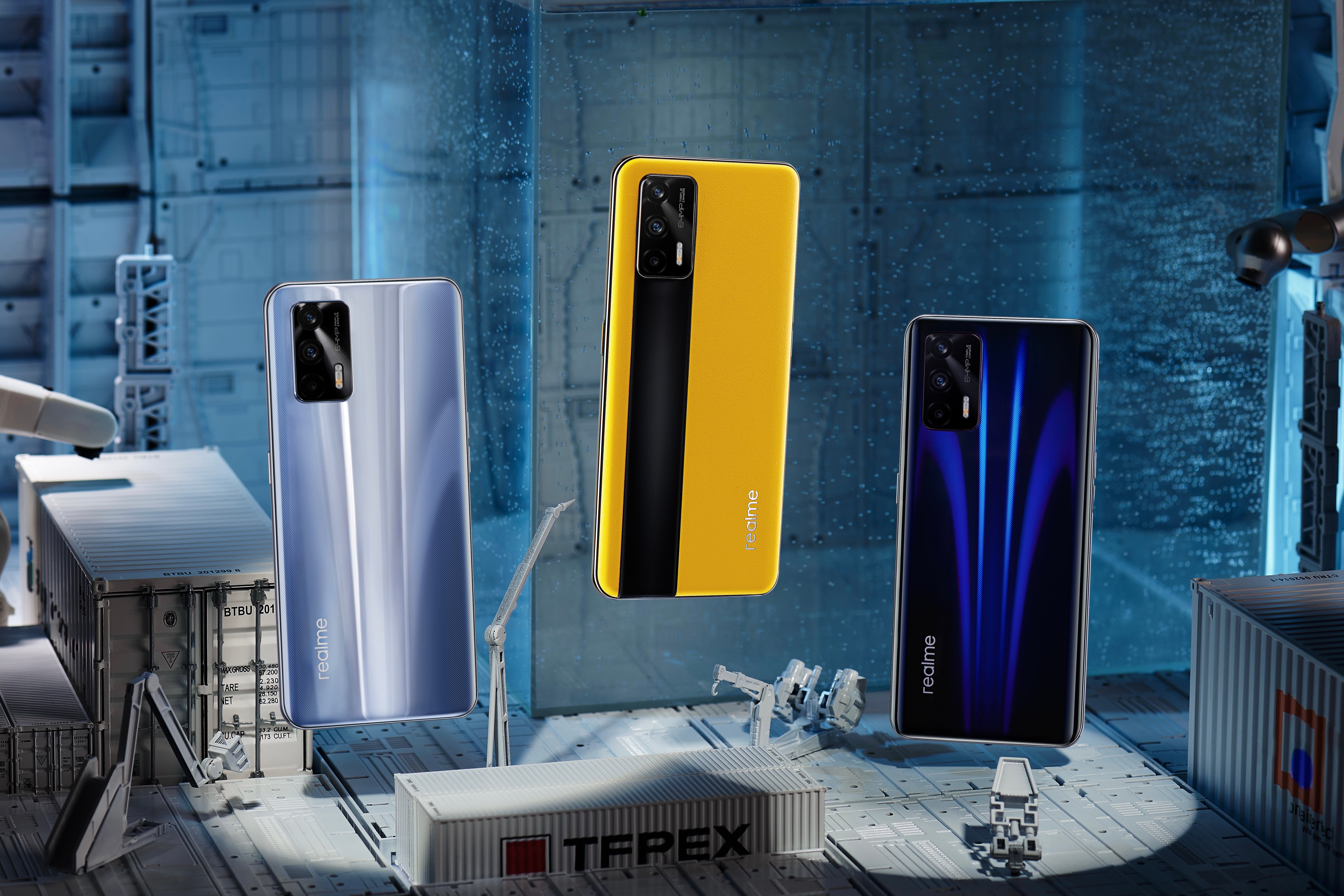
POCO recently confirmed that it will be launching the POCO F3 GT in India in Q3. This handset is most likely to end up as a rebranded version of the Redmi K40 Gaming edition, which debuted in China in the recent past. While POCO has not confirmed the POCO X3 GT’s existence, recent reports have revealed that it is also coming soon. The POCO X3 GT with 21061110AG model number has seemingly received approval from the Federal Communications Commission (FCC).

The FCC listing of the 21061110AG smartphone has revealed that it is a POCO phone that runs on MIUI 12. The device has support for n41 and n77 5G bands. Hence, it is likely to debut as POCO’s first X-series phone with support for 5G connectivity. It also supports for Bluetooth and Wi-Fi 802.11ax (Wi-Fi 6).

The FCC listing has no information on the other specs of the phone. Last week, the handset was spotted at certification sites like SGS Fimko as well as TKDN and SDPII certification platforms of Indonesia. Rumors have it that it will be a rebadged version of the Redmi Note 10 Pro 5G that was announced last month in China.

Redmi Note 10 Pro 5G Featured G
Redmi Note 10 Pro 5G

POCO X3 GT specifications (Rumored)

The POCO X3 GT could be sporting a 6.6-inch FHD+ IPS LCD panel that delivers a 120Hz refresh rate and it could be powered by the Dimensity 1100 chip. It may arrive with up to 8 GB of RAM and up to 256 GB of storage. The handset could be housing a 5,000mAh battery that supports 67W rapid charging.

The X3 GT may come with a 16-megapixel front-facing camera and its rear shell could be featuring a 64-megapixel main camera, an 8-megapixel ultrawide lens, and a 2-megapixel macro shooter. It may feature a side-mounted fingerprint scanner, and it may come preinstalled with MIUI 12.5 based on Android 11.

RELATED:

Google opens its first ever physical retail store in New York City

Tech giant Google has opened its first brick-and-mortar store located in the Chelsea area of New York City. This coming barely a month after the company first hinted at plans to open a physical store. The retail store gives customers of the brand access to interact directly with the company’s smartphones and other smart home products. 

Google first started manufacturing smartphones and other voice-controlled smart speakers in 2016. The products were sold via the company’s online store. Five years down the line Google is giving customers the chance to shop physically for its growing array of products from the store.Google Store

Google puts several things into consideration while planning for ho the store will look like. This is evident in the fine attention to details, aesthetics and the warm as well inviting nature of the retail store. The store isn’t just a retail centre but also an experience store where users can try out its various products ranging from the Pixel phones and Nest products. Not just that, customers can also see how Google’s software and services like Google Search, Google Assistant, Google Maps, YouTube, Stadia and many more come to life when in use.Google Store NYC

There are several design highlights in the store but one that stands out is the 17-foot-tall circular glass structure which the company calls Google Imagination Space. This is said to have been designed and engineered with local New York partners. The Space has custom interactive screens with rotating exhibits of Google’s products and tech, so that visitors can experience the brand’s products without moving round the entire store. The structure also provides real-time translation of your speech into 24 different languages at the same time.

There is a section of the store dedicated towards providing hands-on interaction with the products. There is equally a team of store attendants conversant with the products on hand to answer your questions. The team can also offer repairs and troubleshoot problems on the spot.

RELATED:


(source)


US FCC pushes to advance ban on Huawei and ZTE telecom gear

Earlier this week, the US Federal Communications Commission (FCC) had unanimously voted to advance its proposed ban on approvals for networking equipment from US telecommunications carriers that are made by Huawei and ZTE.

huawei

According to a Reuters report, the US FCC aims to push its proposed bans on the two Chinese telecommunications giants that are considered to be national security threats. The new rules have already won initial approval and would allow FCC to revoke the authorizations issued to the Chinese companies for their equipment. A Huawei spokesperson labeled this FCC revision “misguided and unnecessarily punitive.”

Furthermore, the Acting FCC Chairwoman Jessica Rosenworcel added that new measures will “exclude untrustworthy equipment from our communications networks… We have left open opportunities for (Huawei and other Chinese equipment) use in the United States through our equipment authorization process. So here we propose to close that door.” Since 2018, the FCC has approved more than 3,000 applications from Huawei, as per FCC Commissioner Brendan Carr.

Huawei

Although, the new regulations would ban all future authorizations for communications equipment that can potentially be a risk to the national security of the nation. Back in March 2021, the FCC had designated five Chinese firms as a security threat under a 2019 law that aims to protect US communications networks. Notably, Government officials have praised the FCC’s actions stating that the FCC has voted “to put national security first by keeping compromised Chinese equipment out of US telecommunications networks.”

RELATED:


Zhu Haizhou, Product Manager of Smartisan Technology, joins OPPO for Software Development

Earlier this year, ByteDance, the parent company of Smartisan Technology, announced that the company won’t be launching any new smartphones. With that, the company merged the team with the educational hardware team led by Musical.ly founder Yang Luyu.

A few months ago, it was confirmed that Wu Dezhou, President of Xinshi Lab, resigned from the company. Now, it has been revealed that Zhu Haizhou, who was in charge of the laboratory’s products, has also resigned.

Zhu Haizhou

The reports coming from China adds that Zhu Haizhou is now joining OPPO‘s new subsidiary OnePlus. The development was confirmed by Zhu Haizhou himself and added that he will be responsible for the Software Product Development at the firm.

While the reason behind his department hasn’t been revealed, but it seems that the team of Smartisan Technology isn’t getting the support it needs. So, it seems like instead of fighting the losing battle and getting attention, Zhu Haizhou has decided to change ships.

For those who are unaware, Zhu Haizhou is a popular name in the Chinese software market and is considered a Key Opinion Leader (KOL) in the industry. He has been responsible for several major software functions, including Smartisan OS, TNT experience, Bing Bang 3.0, time capsule, and many more.

Zhu Haizhou has been silently designing products and most of the product designs that attract attention for Hammar Technology are from his hands. He was also responsible for leading the TNT OS.

He has frequently talked about how his working style and cultural philosophy are different from that of Hammer. Many people had interpreted that as a prelude to resignation, but he had denied such reports at the time, which has now turned out to be true.

It will be interesting to see Zhu Haizhou working with OnePlus for Software Development, most likely on OxygenOS which the company has confirmed will continue to the OnePlus’ primary software for global markets. OxygenOS was the choice of custom mobile UI for tech-savvy users but has slipped on several aspects in the past couple of years and is facing criticism from experts. It will be interesting to see Zhu Haizhou takes up this challenge and improves the software.

RELATED: 

Chinese apps could face subpoenas or bans in the United States under Biden order

India has already banned hundreds of Chinese applications in the country, including TikTok, Aliexpress, and PUBG Mobile and now it seems that the United States could also go down the same path.

A new report from Reuters, citing people aware of the matter, claims that US President Joe Biden could sign an executive order aimed at safeguarding Americans’ sensitive data by forcing Chinese apps to take tougher measures to protect private information if they want to remain in the U.S. market.

USA China War

It is said that the goal of such an order is to keep foreign adversaries like China and Russia from gaining access to large amounts of personal and proprietary business information.

Additionally, the U.S. Department of Commerce may issue subpoenas to collect information about certain smartphone, tablet, and desktop computer software applications. The agency may negotiate conditions for their use in the United States or ban the apps.

While the new order has not named any companies, it could end up capturing more apps than the Trump administrator’s bans and hold up better if it is challenged in court. The government is concerned about China’s ability to track locations of government employees, build dossiers of personal information for blackmail and conduct corporate espionage.

U.S. Commerce Secretary Gina Raimondo will decide which apps to target for U.S. action, but they must meet certain criteria. The apps must be owned, controlled, or managed by a person or entity that supports the military or intelligence activities of a foreign adversary such as China or Russia.

After the app has been tagged by the Commerce Secretary as “posing an unacceptable risk”, it will be notified and then the company will have 30 days to object or propose measures to secure data.

Apps from China are most likely to find themselves in the Commerce Department’s crosshairs given escalating tensions between both the countries as well as the Chinese government’s ability to exert control over companies.

As per the people aware of the matter, the order will apply to business apps, including those used in banking and telecommunications, as well as consumer apps. Apps linked to other adversaries such as Iran or Venezuela are already blocked under broader sanctions.

RELATED:

Galaxy Z Fold2 sales stopped in the US ahead of Galaxy Z Fod3’s rumored August launch

Samsung announced the Galaxy Z Fold2 in August last year. Rumors are rife that the South Korean company may announce the Galaxy Z Fold3 as its successor in August. Fresh information reveals that the company has stopped the sales of the Z Fold2 in the U.S., which probably hints that the Z Fold3’s launch could be a few weeks away.

Last year, the Galaxy Fold went out of stock a few months before the launch of the Galaxy Fold2. At present, the official online store page of the Z Fold3 shows an error message that reads, “The Galaxy Fold is no longer available for purchase on Samsung.com.”

The Galaxy Z Fold2 is no longer available for purchase, but the error message mentions it as Galaxy Fold instead of its actual name. The original Galaxy Fold has long been sold out, which suggests that the company has incorrectly phrased the disclaimer. Android Police claims that the unlocked, AT&TT, and T-Mobile editions of the Galaxy Z Fold2 may have gone out of stock on June 12. Even Sprint and Verizon variants of the foldable phone were found to be out of stock at the time of writing this post.

Samsung Galaxy Z Fold2 5G Mystic Bronze

The Z Fold2 is still available on the websites of Best Buy and AT&T, which indicates that the company could be gradually phasing out the device. Earlier this week, Max Weinbach hinted that Samsung’s next Unpacked event will be held on Aug. 3.

The event may see the arrival of the Galaxy Z Fold3, Galaxy Z Flip3, Galaxy Watch4, and Galaxy Watch Active4. The leak further claimed that the Z series foldables will go on sale from Aug. 27, while the Watch4 lineup will be for purchase from Aug. 11.

RELATED:

Xbox Design Lab will let you customize your Xbox Wireless Controller

Remember Motorola’s Moto Maker? A service that lets you customize your Motorola phone (select models) in various ways including choosing the material, colors, and even having an engraving on the back. Those were the good old days of Motorola. While you can’t customize any current Motorola phone, Xbox will let you customize the Xbox Wireless Controller for the Xbox Series X/S and even let you engrave it. Cool, right?

Xbox Design Lab - Gizmochina

Xbox Design Lab isn’t new as it was first launched in 2016 and was available up until October last year before being shut down. Now, it is back and running, allowing interested folks to customize their own controller.

Users will be able to choose from eighteen different colors for the body, back, bumpers, triggers, D-pad, thumbstick, as well as six different styles for the action buttons, and five styles for the View, Menu, and Share trio of buttons.

Customized controllers cost $69.99, $10 more than the current selling price of a regular controller. If you want a custom engraving, that costs an extra $9.99, bringing the total to $79.98. Orders will ship 28 days after your purchase.

The service is live now for the US, Canada, and Europe. So go ahead and customize your own controller, even if you are not going to buy one yet. You also don’t need to own an Xbox console to buy the controller as it works with Windows 10 PCs and iOS and Android devices.


RELATED:

OPPO Reno6 Pro vs Vivo X60 Pro: Specs Comparison

This year, Vivo launched its first flagship in the European market: the Vivo X60 Pro. Despite it is the first one, it is having consistent success in several countries. But soon, it will have a new rival: OPPO is going to launch the Reno6 series in the global market and it will include the OPPO Reno6 Pro. The phones will be most likely sold in the same price range and they come with similar specifications. Which one is the best? With this comparison, we will try to answer this question.

OPPO Reno6 Pro 5G vs Vivo X60 Pro

OPPO Reno6 Pro 5G Vivo X60 Pro
DIMENSIONS AND WEIGHT 160 x 73.1 x 7.6 mm, 177 g 158.6 x 73.2 x 7.6 mm, 179 g
DISPLAY  6.55 inches, 1080 x 2400p (Full HD+), AMOLED  6.56 inches, 1080 x 2376p (Full HD+), AMOLED
PROCESSOR Mediatek Dimensity 1200, octa-core 3 GHz Qualcomm Snapdragon 870, octa-core 3.2 GHz or Samsung Exynos 1080
MEMORY 8 GB RAM, 128 GB – 12 GB RAM, 256 GB 12 GB RAM, 256 GB
SOFTWARE  Android 11, ColorOS  Android 11, Funtouch OS
CONNECTIVITY  Wi-Fi 802.11 a/b/g/n/ac/ax, Bluetooth 5.2, GPS  Wi-Fi 802.11 a/b/g/n/ac, Bluetooth 5.1, GPS
CAMERA Quad 64 + 8 + 2 + 2 MP, f/1.7 + f/2.2 + f/2.4 + f/2.4
32 MP f/2.4 front camera
Triple 48 + 13 + 13 MP, f/1.5 + f/2.5 + f/2.2
32 MP f/2.5 front camera
BATTERY  4500 mAh, fast charging 65W  4200 mAh, fast charging 33W
ADDITIONAL FEATURES Dual SIM slot, 5G Dual SIM slot, 5G

Design

OPPO Reno6 Pro and Vivo X60 Pro offer a premium design including a glass back and an aluminum frame. The phones are very good-looking and they are also thin and lightweight. Both have a curved screen at the edges making them even more elegant. The OPPO Reno6 Pro looks more beautiful with its camera module sporting the same color as the rear cover; it is even lighter despite it packs a bigger battery. But the Vivo X60 Pro has a better build quality with the Gorilla Glass 6 protection for both the rear glass and the display (OPPO Reno6 Pro has Gorilla Glass 5).


Display

On the paper, the Vivo X60 Pro looks to have a slightly more interesting display. The most important difference between the two panels is the refresh rate: Vivo X60 Pro has 120 Hz, while OPPO Reno6 Pro has just 90 Hz. Both the phones support the HDR10+ certification and they have a Full HD+ resolution, as well as an in-display fingerprint scanner. If we exclude the refresh rate, you should not notice important differences between their image quality. Both the displays are curved and they have similar dimensions (6.55 inches and 6.56 inches, respectively).


Specs & Software

The OPPO Reno6 Pro is equipped with a MediaTek Dimensity 1200 mobile platform paired with up to 12 GB of RAM and up to 256 GB of UFS 3.1 internal storage, while the Vivo X60 Pro is powered by the Snapdragon 870 chipset with the same memory configuration. Despite the Dimensity 1200 is built with a better production process (6 nm), the Snapdragon 870 has higher performance. That is why Vivo X60 Pro wins the hardware comparison. The phones run Android 11 out of the box customized by ColorOS and Funtouch OS, respectively.


Camera

Vivo X60 Pro has a better camera department: it is composed of a 48 MP main sensor with gimbal stabilization, a telephoto sensor with 2x optical zoom, and an ultrawide lens with a 13 MP resolution and a 120° FOV, as well as Carl Zeiss optics. It is able to record video with 4K resolution and 60 fps. The OPPO Reno6 Pro has a quad rear camera with a 64 MP main sensor (no optical stabilization), an 8 MP ultrawide sensor, and a pair of (useless) 2 MP sensors for macros and depth.


Battery

OPPO Reno6 Pro packs a bigger battery with a capacity of 4500 mAh and it provides a longer battery life on a single charge. It also supports a faster charging technology with a power of 65W. With the Vivo X60 Pro, you get just 4200 mAh and 33W fast charging: not much for a flagship, but sufficient.


Price

Vivo X60 Pro debuted in the European market with a price tag of €799/$950 (with 12 GB of RAM and 256 GB of native storage). We still do not know how much OPPO Reno6 Pro will cost in the global market because it is actually available only in China. There is a chance that it will be more affordable than the Vivo X60 Pro. If we do not consider the price, the Vivo X60 Pro wins the comparison. First of all, it provides a better camera department which, unlike its rival, includes a telephoto sensor, as well as a better ultrawide lens. Further, it has a higher refresh rate. It even comes with a more powerful processor. On the other hand, Reno6 Pro has a bigger battery and a faster charging technology, as well as a more interesting Android fork, so it still offers a few advantages. Which one would you pick?


OPPO Reno6 Pro 5G vs Vivo X60 Pro: PRO and CONS

OPPO Reno6 Pro 5G

PRO

  • Bigger battery
  • Faster charging
  • Beautiful design

CONS

  • Inferior cameras


Vivo X60 Pro

PRO

  • Better cameras
  • Higher refresh rate
  • Great chipset
  • Wider availability (for now)
  • Gorilla Glass 6

CONS

  • Smaller battery

RELATED

Check the latest videos from our YouTube channel and subscribe:

This third-party PS5 controller is pretty expensive but comes with extra buttons

The PS5’s DualSense controller is available in three colors – the default white that comes with the console and the new Midnight Black and Cosmic Red color variants that were announced last month. The controller is priced at $69.99 ($74.99 for the red variant). However, if you want a controller that offers more in terms of features, then the Hex Rival from HexGaming might be the controller for you, as long as you are ready to pay four times what you will pay for the DualSense controller.

Hex Rival featured

The Hex Rival looks a lot like the DualSense and that is because the custom controller is built using the DualSense. On the front, the differences are the paint job, the lack of markings on the buttons, and the HexGaming button which replaces the PlayStation button.

On the rear is where the Hex Rival differs as it has mappable buttons on the rear. These buttons are remappable and users can assign up to 15 buttons to the two rear buttons.

Hex Rival colors

The gamepad also features interchangeable thumbsticks, comes with six in total (3 pairs) of different heights, and with 2 different ergonomic thumb grip designs (domed or concave).

The Hex Rival is priced at $289.99 which is more than four times the price of the DualSense. Considering the gamepad is targeted at eSports players, you may not need it to enjoy your PS5 games.

HexGaming is offering the Rival controller in 18 different colors and is already available for purchase on its website.


RELATED:

Grab Realme Q3 Pro 5G is now on sale for $279 via Giztop

The Chinese smartphone maker – Realme has introduced the Realme Q3 series a couple of months ago. Realme Q3 Pro was among several other smartphone variants that were launched. The powerful device is now on sale via Giztop for the discounted price of $279. The interested users can grab it for the price of Black, Yellow, and Blue colors. It is available in both the 8GB RAM + 128GB storage and 8GB RAM + 256GB storage.

Must See: Realme Q3 series budget 5G phones now on sale in China; pricing starts at 999 yuan ($154)

Realme Q3 Pro comes with MediaTek Dimensity 1100 5G octa-core chipset coupled with 6/8GB RAM and 128/256GB storage options. The smartphone houses a triple rear camera sensor including a 64MP primary sensor, 8MP ultrawide sensor, and a 2MP macro shooter. It carries a 4500 mAh battery that supports 30W fast charging.

A massive 6.43-inch Samsung AMOLED display is present with a 120Hz refresh rate, and 360Hz touch sampling rate.

The 5G smartphone offers support for vast compatible bands including n1/n28A/n40/n41/n77/n78/n79. It runs on Realme Ui 2.0 that is based on the Android 11 Operating System.

Don’t miss this fine opportunity to grab the Realme Q3 Pro at the discounted price of $279.

Related: Realme Q3 Pro Carnival Edition has a Snapdragon chip and charges faster

Xiaomi Mi 11i Global variant on sale via Giztop for $529

This year, Xiaomi introduced Mi 11 smartphone series carrying different models with varied specifications and features. The company went a step ahead with the launch of a new variant of the Mi 11 series – Mi 11i Global. It houses several new advancements. The new smartphone is launched to attract a set of different users in the international market. However, it is now on sale via Giztop for the starting price of $529. The interested users can grab it in two different color options of Silver and Black.

Xiaomi Mi 11i is available in two different storage variants of 8GB RAM + 128GB storage and 8GB RAM + 256 GB storage. However, the Black color is official with 256GB internal storage only.

Xiaomi Mi 11i carries a 6.67-inch Samsung E4 AMOLED DotDisplay with a 120Hz refresh rate and d360Hz touch sampling rate. The display houses an in-display optical fingerprint scanner. There’s a Qualcomm Snapdragon 888 SoC carrying an octa-core chipset. A triple rear camera is present carrying 108-megapixel primary sensor, 8Mp ultra-wide lens, and a 5mp telemacro camera. The phone offers a 20MP front camera for selfies and video calling.

The smartphone offers a 4520 mAh battery with 33W fast charging support.

It is an interesting smartphone at a competitive price. For a limited time, it is available on sale via Giztop at the initial price of $529.

Related: Vivo X60 Pro vs Xiaomi Mi 11i vs OnePlus 9: Specs Comparison

Huawei relaunches the Mate 40 Pro, Mate 40E & Nova 8 Pro with HarmonyOS but 4G only

Earlier this month, Huawei listed the Mate 40 Pro 4G, Mate 40E 4G, and Nova 8 Pro 4G for presale in China. The tech giant has now officially launched the trio for sale in China.  The major highlight of the models is the presence of HarmonyOS 2 onboard all three models.Huawei Mate 40E

The models are not new, they had earlier been launched last year but with 5G capabilities. The company has decided to release a 4G-only version, perhaps due to the chip shortage occasioned by the US trade embargo that has made it impossible for the Chinese firm to buy semiconductors from US companies. The company is likely relying on the stockpile of chips it made before the ban went into effect.

Talking of the specs, the Huawei Mate 40 Pro 4G version is equipped with a Kirin 9000 processor paired with 8GB RAM while there are 128GB and 256GB storage options. The device starts at 6,099 yuan which is 400 yuan cheaper than the 5G version.Huawei Mate 40E

On the other hand, the Mate 40E 4G version is equipped with a Kirin 990E processor backed by 8GB RAM as well as 128GB and 256GB storage options. The Mate 40E starts at 4199 yuan, also 400 yuan cheaper than the 5G version.Huawei Nova 8 Pro

The Nova 8 Pro 4G is the cheapest model among the lot. It is equipped with a Kirin 985 processor and has the same memory configuration as its predecessors. It starts at 3699 yuan which is 300 yuan cheaper than the 5G version.

Apart from the lack of a 5G modem, the 4G versions are exactly the same as their 5G counterparts in terms of product design and other specs. You also get the HarmonyOS 2 installed from the go.

We don’t know if Huawei will have enough stock to sell these models outside China. By the way, would you still buy a Huawei smartphone in the absence of GMS? Let us know your thoughts in the comments section.

RELATED: 


Samsung phones now supported by the Peer-to-Peer Transmission Alliance

Early last year, Xiaomi along with some other Chinese brands including OPPO and Vivo formed the Peer-to-Peer Transmission Alliance, a wireless file transfer system across different brands. The alliance has grown to include several other brands with the latest being Samsung.

It has been reported that support for Samsung phones has now been added to the file transfer interface, allowing users to transfer files to and from their devices. A screenshot (shared below) shows all of the currently supported brands and it includes Xiaomi (PC and phones), Vivo, Realme, OPPO, Black Shark, Meizu, OnePlus, ZTE, Hisense, ASUS, ROG, and Samsung.

Samsung Peer-to-Peer Alliance

On Xiaomi computers, the wireless file transfer feature allows users to simply drag and drop files between devices on the main interface. Users can also right-click and choose to want to share a file via the service. Once the recipient accepts, then a progress bar becomes visible.


RELATED:

TCL’s Google TV-powered TVs are coming in a month or two

Google TV made its debut last year on the Chromecast with Google TV streaming dongle. Following its announcement, it was revealed that the new TV interface will be available on other devices including smart TVs, thus replacing Android TV. TCL is one of the brands that will launch new TVs running Google TV and it has revealed when we should expect the new models.

TCL Google TV 2021

News of TCL TVs running Google TV was first revealed by the company in January. The Chinese manufacturer whose TVs are widely popular in North America announced that it will launch Google TV-powered models this year in the United States but didn’t say when.

Now, It has been reported that the new TVs will arrive in a month or two according to Shalini Govil-Pai, the VP of Google TV. The executive had revealed the info during a keynote interview for StreamTV Show 2021. This is good news for those who have been waiting for the TVs to arrive.

Back in January, TCL had revealed that it will combine Google TV with its own display technology such as miniLED, QLED, and 8K, so we should expect these TVs to come bundled with the aforementioned features. We do not know if these TVs will come with Stadia, Google’s game streaming service which will be available next week on the Chromecast with Google TV.

Mr. Govil-Pai also reiterated that Google plans to replace Android TV with Google TV. We still do not know how and when this will happen but there is a chance only a few devices will be upgraded.


RELATED:

Huawei’s AppGallery gets two new Games as it continues to expand the app store

Huawei is striving to expand its AppGallery as it hopes to expand its HarmonyOS ecosystem. The company recently unveiled the HarmonyOS 2, expanding the OS to its entire smartphone lineup. The HarmonyOS AppGallery was revealed to have already got up to 134,000 apps with over 4 million developers. The Chinese tech giant has continued to expand the ecosystem and has now announced the addition of two new exciting games, Manor Matters and Left to Survive.

The addition of the two games is not just delightful to fans because it offers them some more gaming options, but most importantly because it means Huawei has successfully gotten new app developers throwing up the possibility of further expanding the ecosystem.

The two games are developed by gaming developer Playrix and top gaming publisher MY.GAMES respectively. This isn’t Playrix’s first game on the AppGallery. The app developer had earlier published two popular games Gardenscapes and Homescapes. Manor Matters and Left to Survive are presently available to download on AppGallery.

Huawei’s AppGallery remains a smart and innovative ecosystem that allows developers to create unique experiences for consumers. The HMS Core integrated with HarmonyOS allows apps to be integrated across different devices, delivering more convenience and a smoother experience. Thus, you are not restricted to just your smartphones with this new games.

With 134,000 apps already, Huawei’s AppGallery is among the top three app marketplaces globally. Once the Google PlayStore and Apple App Store have more apps. Huawei still has a long way to go, though, before it can play catch up with the two market leaders.

The AppGallery is available to users in more than 170 countries and regions and according to Huawei, the store has over 540 million monthly active users globally.

RELATED: 


The Motorola Defy is a rugged mid-range phone with Gorilla Glass Victus

If you have always wanted a Motorola rugged smartphone, then the new Motorola Defy is definitely for you. The Motorola Defy is the first rugged phone made by Bullitt Group, the company behind CAT and Land Rover-branded rugged phones. A few months ago, it was announced that Motorola had signed a partnership with the UK-based company to make Motorola-branded rugged smartphones.

Motorola Defy featured

Motorola Defy Design

Personally, the Motorola Defy is one of the better-looking rugged phones with its camera layout that fuses seamlessly with the cross-hatching design of the toughened polycarbonate back. True, the bezels are huge but that is not uncommon for rugged phones.

Motorola has also added a lanyard to the bottom corner of the phone and an inscription that reads “Dust. Water. Drop. Proof”. The phone is available in Black and Green.

Motorola Defy Specifications

The new rugged phone has a 6.5-inch HD+ screen with a waterdrop notch and Gorilla Glass Victus. The only other mid-range phone with Corning’s screen protection solution is the Redmi Note 10 Pro 5G.

The Motorola Defy has a Snapdragon 662 processor and comes in a single configuration with 4GB of RAM and 64GB of storage. There is also a MicroSD card slot that will allow users to add more storage.

For cameras, you get a 48MP main camera on the back along with a 2MP sensor for macro photos and another 2MP sensor for depth of field. The front-facing camera is an 8MP sensor. Below the cameras on the back is a fingerprint scanner.

Motorola Defy Colors

The Motorola Defy will survive drops from a height of up to 1.8 meters as long as it lands on its sides or corners. It has an IP68 rating but Motorola advises that users rinse the device when used in saltwater, including the audio jack and USB connector, to prevent salt corrosion. The device will also work in extreme temperatures from +55°C to -25°C and users can clean it with soap or sanitizer.

There is a 5000mAh battery inside the phone and it has support for 20W fast charging. It ships with Android 10 out of the box with Motorola’s My UX on top.

Motorola Defy Price and Availability

The Motorola Defy will go on sale starting next week for €325.


RELATED:

Honor 50 series models were assembled by BYD Electronics

Honor yesterday unveiled the Honor 50 series made up of the Honor 50, Honor 50 Pro, and the more affordable Honor 50 SE. Now, the Honor 50 series is the first flagship developed after Honor became an independent company from Huawei. What this means is that the product design and product weren’t handled by Huawei. HONOR 50 Pro First Snow Crystal Featured 02

Chinese electronics manufacturer BYD Electronic has released a document that reveals that the Honor 50 series was completely assembled by it. This happens to be the first smartphone model BYD will be assembling. The company was responsible for the entire processing and production of the Honor 50 mobile phones, including SMT, assembly, testing, and packaging.

This isn’t the first phone BYD would be manufacturing, though, and also not the first Honor model. The company was responsible for the manufacture of the Honor 7, Honor 8, Honor 9, Honor X10, Honor V30, V40, and a few others.

Recall that the Honor 50 and Honor 50 Pro are powered by a Snapdragon 778 processor while the Honor 20 SE packs a Dimensity 900 SoC. The models pack a unique circular camera module with a 100MP main sensor on the three models. Their screen sizes and design differs, though. The Honor 50 features a 6.57-inch curved screen with a centralized single punch-hole on top of the display while the Honor 50 Pro sports a 6.72-inch curved screen with a dual punch-hole located at the top left corner of the screen. The Honor 50 SE, on the other hand, sports a 6.78-inch flat screen with a single punch-hole design.

The three models also score another first as they are Honor’s first model to ship with GMS after severing ties with Huawei. We expect the company to announce the global rollout schedule soon.

RELATED:


(source)


Xiaomi Mi 10T, Mi 10T Pro receive MIUI 12.5 update

Xiaomi has started rolling out the MIUI 12.5 update for more devices sold in international markets. The latest phones to get it are the Mi 10T and the Mi 10T Pro. This duo debuted as the affordable Xiaomi flagship smartphones in the second half of 2020.

Xiaomi Mi 10T Pro Camera Featured
Xiaomi Mi 10T Pro

The Xiaomi Mi 10T is also known as Redmi K30S Ultra in China. The latter handset received the MIUI 12.5 update at the end of April. Hence, the version sold in global markets was expected to get the update in the next few days.

One and a half months later, the MIUI 12.5 update is finally here for the Mi 10T as well as the Mi 10T Pro. For those unaware, both smartphones run a common MIUI build. Therefore, they are getting the latest update together.

The MIU 12.5 update for the Mi 10T and the Mi 10T Pro is currently live for the EEA variant with build number V12.5.1.0.RJDEUXM. Other regional variants of these phones like Global, India, Indonesia, Russia, Turkey, and Taiwan should also start receiving the update in the near future.

The Xiaomi Mi 10T series launched with MIUI 12 based on Android 10. The devices were updated to Android 11 earlier this year. They will most likely receive Android 12 as well as MIUI 13. 


RELATED:


OnePlus Nord CE 5G gets its second system update within hours from the first

The OnePlus Nord CE 5G is one of the two new smartphones from the brand other than the OnePlus Nord N200 5G. The device was only announced last week but it has already started receiving its second system update.

OnePlus Nord CE 5G Charcoal Ink Featured A

According to @nirmaltv, a tech blogger from India, OnePlus has started rolling out the second system update for the OnePlus Nord CE 5G hours apart from the first update. Both the software builds bring fixes and improvements for the handset.

The first-ever system update for the OnePlus Nord CE 5G arrives as OxygenOS 11.0.2.2. This build bumps up the security patch level to May 2021. Further, it comes with improvements for screen color accuracy and portrait photography on the selfie camera. It also fixes some known issues.

On the other hand, the second system update for the device bears the build number OxygenOS 11.0.3.3. This update brings improvements for HDR shooting experience and nightscape shooting effect. Lastly, it also optimizes the fluency of 60fps 1080 video recording and fixes certain known issues.

Customers who have got their hands on the phone can head over to Settings to download and install the latest available update. 

OnePlus Nord CE 5G OxygenOS 11.0.2.2 Official Changelog

  • System
    • Improved the accuracy of screen color
    • Fixed known issues and improved stability
    • Updated Android security patch to 2021.05
  • Camera
    • Improved the portrait photography of the front

OnePlus Nord CE 5G OxygenOS 11.0.3.3 Official Changelog

  • System
    • Fixed known issues and improved stability
  • Camera
    • Improved the shooting experience with HDR on
    • Improved the shooting effect of the nightscape
    • Optimized the fluency of 1080p 60FPS


RELATED:


Swiggy partners with ANRA to begin Drone Food Delivery trials in India

Swiggy might soon begin delivering food using unmanned drones in India. The food delivery service is set to begin trials for both food and medical packages along with its drone delivery partner ANRA Technologies.

Swiggy

According to a Gadgets360 report, ANRA Technologies has finally got clearances from the Ministry of Defence (MoD), the Directorate General of Aviation (DGCA), and the Ministry of Civil Aviation (MOCA) to commence drone trials for delivering food. The firm has also got clearances for Beyond Visual Line of Sight (BVLOS) operations. ANRA has launched its first sortie earlier this week. In the next couple of weeks, the ANRA team will also conduct BVLOS food and medical package delivery trials in Etah in Uttar Pradesh and Rupnagar in Punjab.

The principal program manager of Swiggy, Shilpa Gnaneshwar, stated that the new project will enable the company to “put the long range proficiencies of drone technology to best use. To smoothen and fasten the last mile journey, it only becomes natural for us to explore the latest avenues available to maximize the benefit to our consumers.” Furthermore, Amit Ganjoo, the founder and CEO of ANRA stated that “our technology may soon help deliver food and medical packages to underserved populations.”

Swiggy

Similar to Swiggy, the Google backed Indian delivery service, Dunzo, has also announced that it was set to pilot drone delivery of medicines under the ‘Medicine from the Sky’ project launched by the Telangana government. This project also seeks to deliver emergency medical supplies that could even include coronavirus vaccines and other essentials as well.

RELATED: