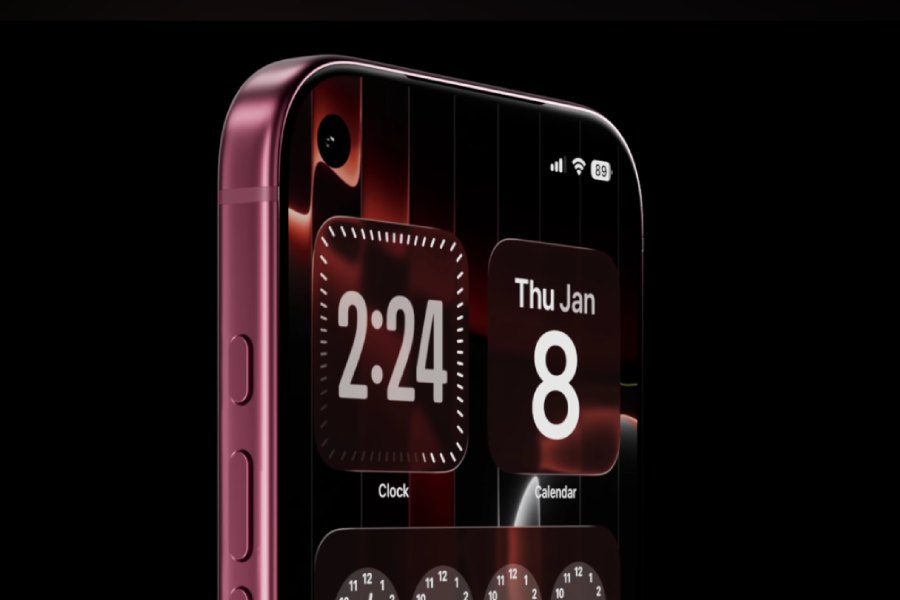
A fresh leak from tipster Digital Chat Station has revealed early details of what appears to be the upcoming Huawei Mate 80 Pro+. While Huawei has not confirmed anything officially, the leak hints at several premium upgrades across display, performance, and connectivity.
Huawei Mate 80 Pro+ specifications leaked
According to the leak, the Huawei Mate 80 Pro+ will feature a 6.88-inch 1.5K LTPO Tandem OLED display with a subtle micro-curved design and wide aspect ratio. The dual-layer (Tandem) OLED structure is said to deliver higher brightness, better efficiency, and longer screen lifespan compared to traditional OLED panels.
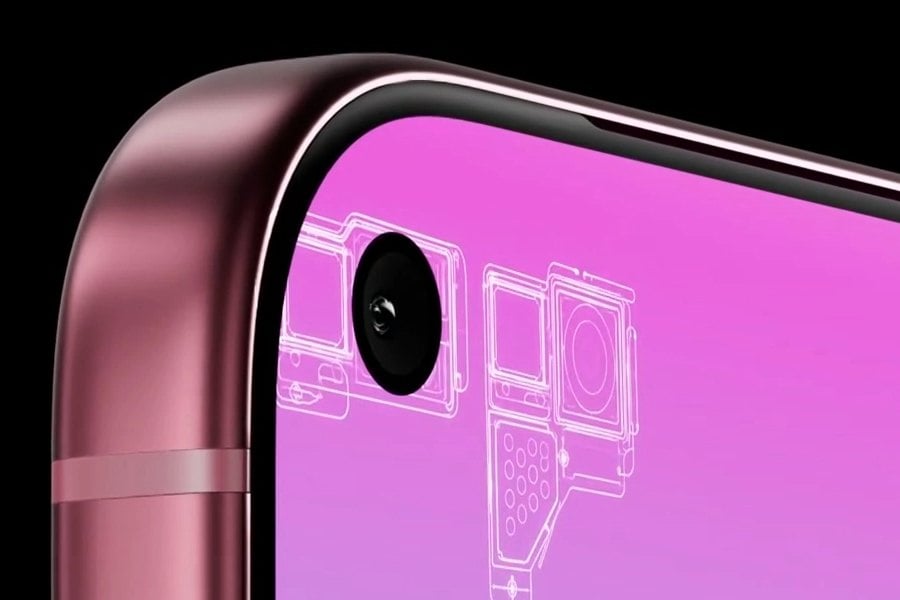
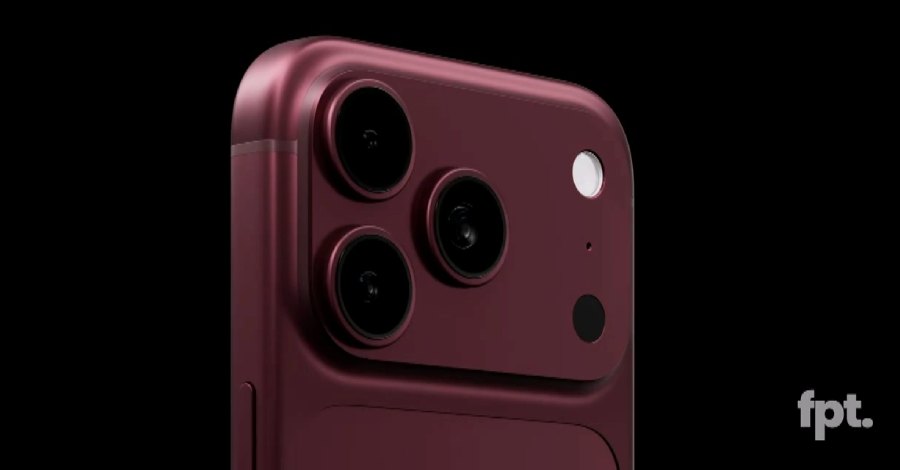
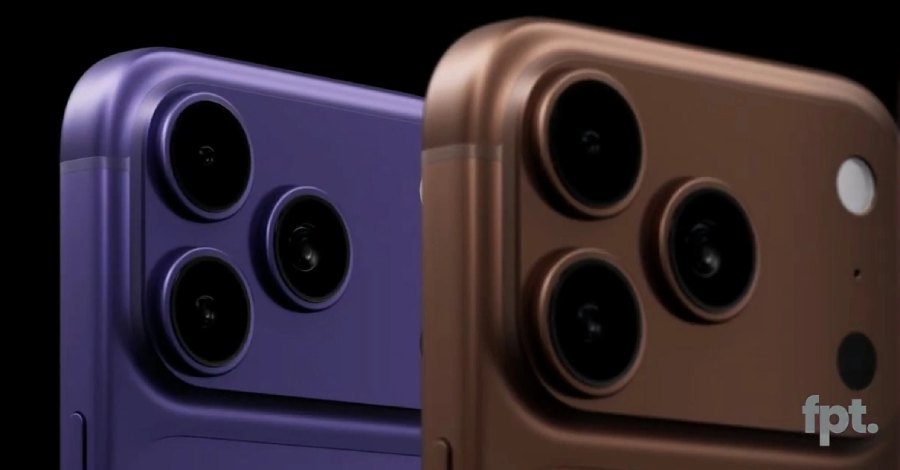
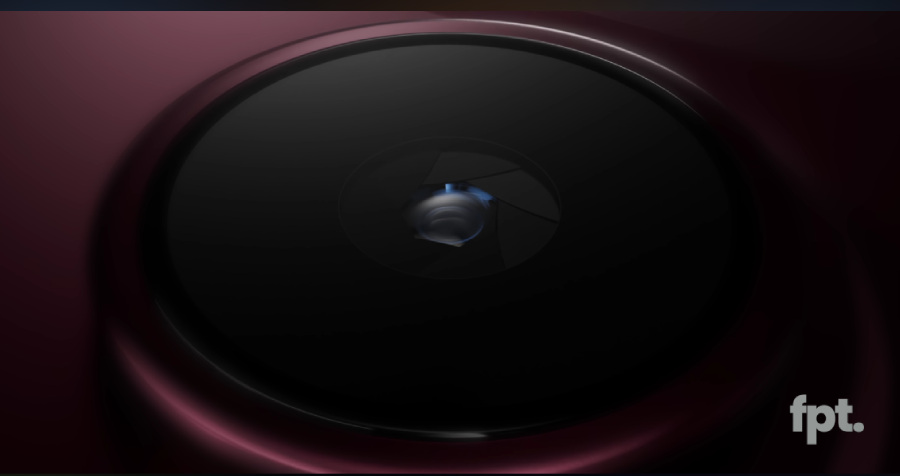
On the front, it may include a single selfie camera paired with a 3D ToF sensor, potentially using a triple-hole layout. The rear camera setup reportedly includes a 50-megapixel 1/1.28-inch LOFIC sensor with a variable aperture main lens, along with a 48-megapixel periscope telephoto camera supporting 3P+3P internal focus for super long-range and macro photography.
Expected to be the Huawei Mate 80 Pro
Powering the device could be Huawei’s new Kirin 9030 chipset, expected to offer improved power efficiency over the Kirin 9020. The phone is rumoured to pack a battery exceeding 6000mAh, with 100W wired and 80W wireless charging. Notably, it may also support eSIM alongside nanoSIM, hinting that the Mate 80 series could be Huawei’s first lineup to adopt this feature.
BenQ has launched the PD2770U, a 27-inch 4K professional monitor designed for creators, post-production teams, and studios. It is the company’s first monitor with a built-in color calibrator, removing the need for external calibration tools to achieve accurate and consistent colors.
Accurate Colors with Adaptive Calibration
The PD2770U uses BenQ’s AQCOLOR Technology for Color Precision. Its Light-Adaptive Calibration System automatically adjusts color accuracy based on studio lighting conditions. The monitor supports 99% Adobe RGB, 99% DCI-P3, and 100% Rec.709 color spaces, making it suitable for post-production, design, and broadcast work.
Visual Design and Usability
BenQ includes a Nano Matte Panel that diffuses ambient light to maintain color accuracy and reduce glare. A Magnetic Shading Hood helps users focus on color evaluation without distractions. With DMS Local, one PC can control multiple monitors across a studio. The Hotkey Puck works with Display Pilot 2 software to simplify display control.
The PD2770U holds several professional certifications, including Pantone Validated, Pantone SkinTone Validated, and Calman Verified, confirming its precision for professional use.
Connectivity and Software
Connectivity options include an all-in-one USB-C port compatible with both Mac and Windows (Thunderbolt 3/4), an RJ45 wired connection, and a built-in KVM switch for switching between Mac and PC setups.
BenQ also provides two free software tools. Display Pilot 2 lets users manage functions like ICCsync, Application Mode, and Software Dimming through a customizable interface. Display ColorTalk allows quick color syncing across multiple monitors. Buyers also get one year of free Pantone Connect Premium for consistent digital color management.
Availability
The BenQ PD2770U will be available starting November at leading broadcast and photography outlets and on BenQ India’s official website. The price will be announced at launch.
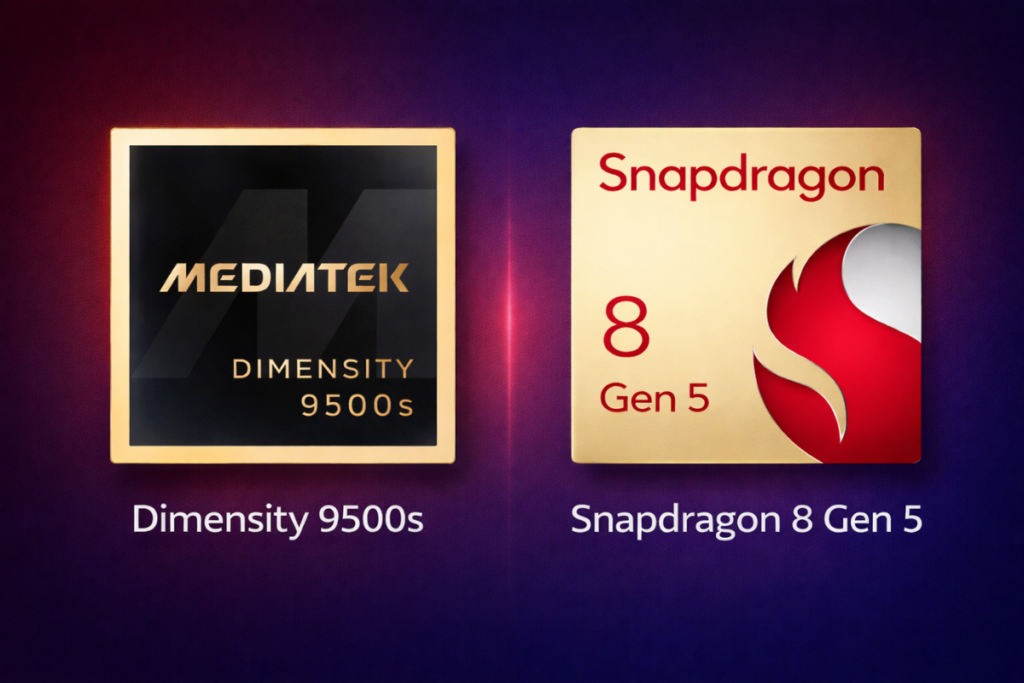
A new leak out of China suggests Honor is working on a phone that could set a new benchmark for battery endurance. The rumored device, expected to be part of the upcoming Honor GT2 series, might pack a staggering 9,000mAh battery, and Qualcomm’s Snapdragon 8 Gen 5 processor.
Honor GT
The leak comes from tipster Digital Chat Station on Weibo, who described it as a “Snapdragon 8 flagship performance phone” with an unusually large battery. While the post didn’t mention the exact chipset, the timing lines up with Qualcomm’s Snapdragon 8 Gen 5 launch — the follow-up to the Snapdragon 8 Gen 3 found in the original Honor GT. That makes it likely this leak points to the GT2, which is expected to focus on raw performance. The phone was previously rumored to pack an 8,800mAh battery.
The jump from the GT’s 7,200mAh to roughly 9,000mAh hints at an improved silicon-carbon battery tech, which allows for greater energy density without ballooning the size. Charging speeds are expected to hit 100W, keeping refills surprisingly quick for such capacity. The rest of the rumored specs paint a familiar flagship picture: up to 24GB of RAM, 1TB of storage, a 1.5K OLED display, and an ultrasonic fingerprint scanner.
As for launch timing, insiders suggest a late-2025 debut in China, likely between November and December. There’s still no word on whether the GT2 line will see an international release.
Big batteries aren’t new territory for Chinese brands — companies like Vivo, OnePlus, and Xiaomi have successfully normalized 7,000mAh in 2025 — but Honor’s rumored 9,000mAh milestone would push things further. If true, it could redefine what “all-day battery life” means for power users.
Following a big hype and surprising success of the Meta Ray-Ban glasses, the company went on to unveil a new smart wearable. During the Connect 2025 event, the Meta Ray-Ban AI Display Smart Glasses were unveiled, bringing a series of big new features like built-in display and gesture controls via the new Neural Band. But owing to its premium price tag and niche features, it isn’t suited for everyone. So here’s the audience Meta is targeting with these smart glasses.
Meta Ray-Ban AI Display Smart Glasses
The Early Adopter & Tech Enthusiast
For many first generation or new categories of gadgets, tech giants are often targeting enthusiasts who are willing to be early adopters. So if you’re someone who loves being first in line for emerging hardware, the Ray-Ban Display offers a tangible window into “computing on your face.”
Its in-lens 600×600 display, Neural Band gesture interface, and AI overlay features make it more than just a novelty. At the moment, it is a developer’s testbed and an easy conversation piece. There are some trade-offs to its functionality, but tech enthusiasts are usually more excited to try out the latest products.
Creators & Visual Storytellers
Even with the original Meta Ray-Ban Glasses, many creators and other creative professionals took advantage of the camera sensors for seamless video recording. So once again, photographers, video creators, and journalists will appreciate how the functionality is improved with the built-in display that can now act as a viewfinder.
Rather than tapping and guessing, you can preview your framing, see post-shots instantly, and even zoom or pan via gesture controls when paired with the Neural Band. This feedback loop tightens the creation process and improves the overall experience.
The Working Professionals
For those whose work demands immediate access to bite-sized information, like field technicians, presenters, content creators, or sales professionals, the glasses offer glanceable data without the disruption of pulling out a phone. The battery life still leaves much to be desired, but the visual overlays of directions, message previews, live captions, and context cues while you work hands-free are undoubtedly useful in many fields.
Frequent Commuters & Navigation Users
Another big area Meta focused on with the Ray-Ban AI Display Glasses was with commute. If you often walk, cycle, or use public transit and want hands-free directions, insights, or translation while keeping your eyes on the path ahead, these glasses make sense. Apart from your usual commutes, the gadget can be helpful when traveling to a new city or even during international trips. The transition lenses also adapt between indoor and outdoor environments, making them practical for mixed settings.
Users Who Value Privacy & Discreet Displays
Unlike many AR glasses that leak light or produce “rainbow artifacts” visible to others, the Meta Ray-Ban Display’s waveguide glass is designed with a reflective geometry that directs light toward the wearer only. That means onlookers are less likely to see what’s appearing in your lens. For users in meetings, public transit, or shared spaces, this privacy feature is a significant plus.
Who Might Be Better Off Waiting?
Battery life remains a limitation, and the glasses only manage to deliver around six hours of operations even with mixed use per charge. So heavy users that need all day battery might wish to steer clear of this one. Owing to its $799 price tag, it is basically as expensive as a flagship smartphone like Apple’s iPhone. Meaning, cost-sensitive buyers would also need to wait till the technology becomes more affordable.
For more daily updates, please visit our News Section.
LG Electronics India Ltd. has launched the LG Essential Series, a new line of home appliances developed using insights from Indian families. It is the company’s first major consumer initiative since the public listing of LGEIL. The series reflects LG’s renewed focus on India, aiming to make innovation accessible to more households under the campaign “Har Ghar Appliances, Har Ghar Happiness.”
The range was created after studying over 1,200 families across India. Built on the ideas of “Made in India” and “Made for India,” each appliance is designed to handle the needs of Indian households, combining good performance, durability, and practical design at an affordable price.
The LG Essential Series includes four main products: a Double Door Refrigerator, a Fully Automatic Top Load Washing Machine, a Room Air Conditioner, and a Convertible Oven.
Double Door Refrigerator
This refrigerator uses frost-free technology to remove the need for manual defrosting. It features Smart Mode, which automatically adjusts cooling based on seasonal changes. The vegetable storage space is 20 percent larger than previous models, ideal for families that buy groceries in bulk.
Fully Automatic Top Load Washing Machine
This washing machine is built to handle local conditions such as dust, humidity, and low water pressure. It comes with Low Pressure Fill technology for effective washing even when water pressure is low. The ProShield Motor with a BMC (Bulk Moulding Compound) Cover protects against dust, insects, and moisture. The IPX4-certified water-resistant control panel ensures it works well in humid areas.
Room Air Conditioner
This air conditioner includes Energy Manager+ with a “You decide your bill” feature, allowing users to control energy use. The Diet Mode+ feature helps adjust cooling and airflow for comfort and efficiency. It is designed for small to medium rooms such as bedrooms or studies.
Convertible Oven
The oven comes with Auto Cook menus customized for Indian dishes like ghee, paneer, and dal. It also includes Air Fry and Convection modes for healthier and more versatile cooking.
Pricing & availability
The LG Essential Series will be available across India starting November 2025. Prices will start at around ₹18,000 for entry-level models. The products will be sold at LG brand stores, multi-brand retail outlets, and leading e-commerce platforms.
For more daily updates, please visit our News Section.

Samsung’s Galaxy S22 series was all set to enjoy a fresh coat of software polish with the One UI 8 update, based on Android 16. But just days after the rollout began, the company has quietly hit pause. The update has been pulled in regions like Europe and India, leaving users wondering what went wrong this time.
Samsung Galaxy S22
One UI 8 started rolling out last week for the Galaxy S22, S22+, and S22 Ultra, bringing a refined interface, updated multitasking features, tweaks to the camera and reminder apps, smoother notifications, and the latest security patch. It also marked what’s expected to be the last major Android upgrade for the 2022 flagship lineup.
However, users on X (formerly Twitter) noticed that the update had suddenly disappeared from Samsung’s servers. A post by @Koram_Akhilesh pointed out the missing firmware, suggesting that Samsung may have pulled it after discovering a stability issue. A few who managed to install it early have reported faster battery drain, though nothing too severe. Still, it’s enough to justify a pause.
If you were quick enough to update, there’s no need to panic — your device should continue working normally, aside from possibly reduced battery life. For everyone else, it’s probably best to wait. Samsung will resume the halted rollout once bugs are patched.
The company hasn’t issued an official statement yet, but its track record suggests a fixed build will be back soon. When it returns, expect improved performance and stability over the initial build.

Honor isn’t holding back with its next flagship. Ahead of the big reveal, the company has teased the Magic 8 Pro in a bold new promo, pitting it directly against Apple’s iPhone 17 Pro in a nighttime photography test — filmed from a helicopter, no less. The clip, shared across Chinese social media, shows both phones capturing cityscapes from high above, pushing their night modes and stabilization to the limit.
The timing is no coincidence. The Honor Magic 8 and 8 Pro are set to launch on October 15, 2025, and the company clearly wants to make a statement before the reveal. The video shows an Honor rep leaning out of a chopper, snapping shots of city lights while turbulence shakes the frame. Both phones manage to hold their own, but the comparison aims to highlight Honor’s progress in low-light performance — a field long dominated by Apple and Samsung.
In side-by-side shots, the Magic 8 Pro seems to pull ahead in sharpness and dynamic range. Distant lights and building textures look crisper, and the colors pop without the oversaturation. Honor’s new imaging system uses an AI-based enhancer that automatically fine-tunes details after capture, bringing out extra clarity without losing the natural tone of the scene. The iPhone 17 Pro, on the other hand, delivers its usual balanced and consistent results, leaning more toward realism than flair.

Honor has kept full specs under wraps until launch, but teasers confirm a serious camera setup: a 200MP 1/1.4-inch periscope telephoto lens (f/2.6), a 50MP main sensor (1/1.31-inch, f/1.6), and another 50MP ultra-wide. The system is tuned for pro-level flexibility and may position the Magic 8 Pro as a genuine rival in the flagship camera race. Powering it all is a rumored 7,200mAh silicon-carbon battery with 120W fast charging — easily one of the biggest capacities in its class.
With Apple’s iPhone 17 Pro already on sale globally, Honor’s airborne stunt is both a marketing move and a show of confidence. Whether the Magic 8 Pro can truly match Apple’s consistency remains to be seen, but the message is clear: the Magic 8 series outperforms the latest iPhones in low-light photography by a significant margin.
The Xiaomi 17 and Vivo X300 have recently entered the Chinese market as compact flagship phones, each featuring a 6.3-inch display. Now, Honor is reportedly preparing to join the trend with its own compact offering, expected to debut next year. Although the official name has not been confirmed, reports suggest it will be called the Honor Magic 8 Mini. In a new Weibo post, reliable tipster Digital Chat Station (DCS) has shared several key details about the device ahead of its official launch.
Honor Magic 8 Mini specifications (rumored)
Honor Magic 8 Mini key specs leaked
According to the leak, the Honor Magic 8 Mini will feature a 6.31-inch flat OLED display with a 1.5K resolution, offering a compact yet premium viewing experience. For security, the phone will include an ultrasonic in-screen fingerprint sensor, a feature usually seen on flagship-grade models.
The device is expected to be powered by a Dimensity 9500 series chipset, although an earlier report suggested it could use the Dimensity 9500+, an overclocked version of the same processor for better performance. While the leak does not reveal details about the battery size, charging speed, RAM, or storage, it does confirm that the handset will support wireless charging.
On the imaging front, the Magic 8 Mini is said to feature a 200-megapixel primary camera paired with a periscope telephoto lens, aimed at delivering high-quality zoom photography. However, it is not yet clear whether the device will include an ultra-wide-angle camera. The Honor Magic 8 Mini is expected to launch alongside the Magic 8 Ultra in the first half of 2026.
Other compact phones in the making
Besides the Magic 8 Mini, several other compact flagship phones are expected to debut in China in early 2026. These include the Oppo Find X9+, OnePlus 15T, and iQOO 15 Mini, all set to compete in the growing compact flagship segment.
For more daily updates, please visit our News Section.
Lenovo’s Lecoo sub-brand has launched the new Bellator Feng 7000 desktop PC series in China. The company describes the lineup as an all-purpose high-performance system designed for mainstream users, gamers, and content creators.
Lenovo Lecoo Bellator Feng 7000 Specifications
The Feng 7000 features a distinctive mecha-style chassis with a blackened steel finish and a side-transparent tempered glass panel. The case includes a dual-spike front design and an internal Hurricane Cooling system. The airflow structure uses multi-zone heat dissipation and can handle up to 700W of thermal output. RGB lighting is available with several preset effects for customization.
The top variant comes with an Intel Core i5-13400F processor, which features 10 cores and 16 threads, with a maximum boost clock of 4.6GHz. Lenovo pairs this CPU with 32GB of DDR5 RAM and a 1TB solid-state drive. Graphics are handled by the Nvidia GeForce RTX 5060 with 8GB of GDDR7 VRAM. The GPU supports DLSS 4 frame generation and delivers up to 614 TOPS of AI computing performance.
Lenovo also offers a second configuration that uses the Intel Core i5-12400F processor and Nvidia RTX 3050 GPU. This version ships with 16GB of RAM and a 512GB SSD. Both variants include custom Bellator cooling fans.
For connectivity, it includes Wi-Fi 6 with an external antenna and Bluetooth 5.2. Lenovo has designed the tower to support future upgrades, with multiple expansion slots available.
The Feng 7000 ships with Windows 11 Home Edition pre-installed. According to the company, each unit undergoes 152 quality tests and 52 reliability assessments before reaching consumers.
Pricing and Availability
The Bellator Feng 7000 will go on sale in China starting October 20. The top-end variant is priced at 6,499 yuan ($913), while the base model is priced at 4,699 yuan ($660).
For more daily updates, please visit ourNews Section.
Vivo’s new X300 Pro is racing toward a global launch, and early hands-on previews are already stirring conversation. Fresh from its debut in China, the Zeiss-branded camera flagship has started appearing in the hands of international reviewers, sparking plenty of comparisons with the Chinese variants and last year’s X200 series. But amid the excitement, one detail is catching attention — the global model’s smaller battery.
Vivo seems to be speeding things up this year. Instead of waiting until early 2026, the X300 series is set to go global as soon as next month. The brand even brought in more international media for its Shanghai event, a clear sign it’s aiming big with this launch. Review units are rolling out quickly too — YouTuber Ben Sin from Ben’s Gadget Reviews already posted a hands-on video that starts with an unboxing featuring a camera kit and teleconverter. He also compared the X300 Pro directly with the X200 Ultra, noting improvements in performance, camera, and other aspects.
The real highlight, though, is the camera setup. Vivo’s new Zeiss optics — including a 200MP telephoto lens and the updated Blueprint V3+ image processor. If first impressions hold true, this could easily become one of 2025’s top camera phones.
But the good news stops there for European buyers. Around the 9:50 mark of Ben Sin’s video, it’s revealed that the EU version of the X300 Pro packs a 5,440mAh battery — quite a drop from the 6,510mAh unit in China. This isn’t the first time Vivo has had to scale back; the same thing happened with the X200 Pro due to EU transport limits that cap single-cell batteries at 20Wh, similar to US regulations. The change leaves only a modest 240mAh gain over last year’s global model.
Aside from that, the global variant mirrors its Chinese sibling — OriginOS 6 comes intact, along with 90W wired and 40W wireless charging. Prices for early imports start around $940.
Dell has unveiled the SE2425HG, a new 23.8-inch Full HD monitor in China, priced at 699 yuan ($98). It targets both casual gamers and everyday users seeking a smooth, high-refresh-rate display at an affordable cost. The monitor is already available in the Indian market.
Dell SE2425HG Monitor Specifications
The monitor features a Fast IPS panel with a native resolution of 1920×1080. The Fast IPS panel ensures consistent viewing angles and color uniformity across the screen. It features a 200Hz refresh rate and a 1ms GtG response time, ensuring smooth motion clarity and minimal input lag, ideal for fast-paced gaming sessions.
In terms of color accuracy, the monitor sports a 1000:1 contrast ratio and supports up to 16.7 million colors, producing realistic images with balanced brightness and shadow detail. The screen covers 99% of the sRGB color gamut and offers a typical brightness of 300 nits.
The SE2425HG includes support for AMD FreeSync Premium. This helps eliminate screen tearing and stuttering by synchronizing the refresh rate with the GPU’s output. Dell has also added TÜV Rheinland-certified ComfortView Plus, a hardware-level low blue light solution that reduces eye strain without affecting color accuracy.
Dell has designed the SE2425HG with a tilt-adjustable stand that supports angles between -5° and 21°. The monitor includes two HDMI 2.1 TMDS ports, a DisplayPort 1.4 input, and a 3.5mm headphone jack. These options allow the display to connect with PCs, laptops, and gaming consoles.
The company provides a three-year warranty for the SE2425HG. The monitor is now available on major Chinese retail platforms, including JD.com.
As the smartphone photography race heats up, Nubia is bringing something fresh to the table with its upcoming Z80 Ultra, launching on October 22 in China. The Snapdragon 8 Elite Gen 5-powered flagship isn’t just another spec-heavy device — it’s also getting a throwback-inspired accessory that turns it into a retro-style camera. This add-on photography kit includes swappable lenses and a tactile shooting experience, appealing to enthusiasts who crave vintage charm with modern performance.
Building on the Z70S Ultra’s accessory system, Nubia’s new “professional photography kit” keeps a familiar design but adds a few meaningful upgrades. It attaches to the phone using a quick-release grip, instantly transforming the Z80 Ultra into a compact camera. There’s a dedicated shutter button on the top plate with a satisfying mechanical click, along with extra dials and buttons that give users a hands-on shooting feel — something longtime photographers will appreciate.
The standout feature, though, is the set of interchangeable lenses and filters that fit over the Z80 Ultra’s primary camera. Nubia includes two lenses in the kit — one for sharper portraits and another that enhances macro or telephoto shots. There’s also an optional lens that mimics an ultrawide perspective. A bundled filter adds creative flexibility, and Nubia has hinted that more filters could arrive later. Together, these accessories are designed to complement the phone’s triple-camera setup (18mm ultra-wide, 35mm main, and 70mm telephoto), which already delivers detailed, high-contrast images.
The photography kit will debut alongside the Z80 Ultra on October 22, though the pricing hasn’t been disclosed yet. Given that the Z70S Ultra’s kit was reasonably priced, this one could follow a similar path. For anyone who misses the feel of classic cameras but still wants cutting-edge mobile tech, Nubia’s latest experiment might be worth keeping an eye on.
The stable HyperOS 3 update is rolling out to the first batch of eligible Xiaomi phones. The Android 16-based major upgrade brings Xiaomi Super Island, new icons, extended customizations, cross-device integration, and a host of other exciting upgrades, making it a highly anticipated update.
The stable HyperOS 3 update is currently live in China. The global rollout is also expected to begin later this month, according to the official timeline. Here’s a list of devices getting the HyperOS 3 update in China:
Xiaomi 15 Ultra
Xiaomi 15S Pro
Xiaomi 15 Pro
Xiaomi 15
Redmi K80 Pro
Redmi K80 Extreme Edition
If you have any of these devices and live in China, you can upgrade to HyperOS 3 by navigating to Settings > About phone > tapping the HyperOS logo > Check for updates.
The wait shouldn’t be long, even for those living outside of China. According to the official timeline, the Xiaomi 15 models will receive the stable update between October and November. The rollout is expected to kick off later this month. We’ll update you on this blog when that happens.
Xiaomi HyperIsland is perhaps the biggest visual upgrade to HyperOS 3, showing live activities directly at the top of the screen. This feature works similarly to Apple’s Dynamic Island, but Xiaomi’s implementation supports up to three islands and floating windows for better multitasking.
There are new icons with more vivid color palettes, rounded corners, and a polished look, making them visually appealing and easier to recognize. HyperOS 3 also brings essential upgrades to the lock screen, such as AI Cinematic Lock Screen and AI Dynamic Wallpapers, which transform a traditional lock screen into an immersive, cinematic visual display. There’s also a new centralized lock screen editing interface.
HyperOS 3 introduces a new suite of AI features assisted by Xiaomi HyperAI, including smart screen recognition and DeepThink mode. Users can write social media captions for images, generate insights using the DeepThink feature, and choose from four different writing styles. Xiaomi has also added AI Speech Recognition, which enables users to reduce background noise, convert speech to text during recording, and generate an instant summary of the recording. The AI Search feature enables users to summarize search results and search on-device content.
Xiaomi has also improved cross-device connectivity with HyperOS 3, particularly with Apple devices, allowing them to run Xiaomi apps on iPad, run multiple apps from Xiaomi phones on a Mac in desktop-style windows, and unlock a Xiaomi phone with Touch ID or Face ID. The iPhone can also locate a Xiaomi phone by connecting to a Xiaomi hotspot. HyperOS 3 also brings dozens of under-the-hood improvements to offer a smoother experience while using less power.
The global wearable band market just got a new frontrunner, and it’s not Apple. According to the latest Q2 2025 report from research firm Omdia, Xiaomi has leapfrogged its rivals to take the top spot in worldwide shipments, fueled by a staggering 61% year-on-year growth. Huawei followed in second place, while Apple, despite its premium presence, slipped to third.
Total shipments hit 50.2 million units in the quarter, up 13% year over year. This reflects strong demand for fitness trackers and smart bands. Entry-level wearables like the Xiaomi Band and Redmi Band series are dominating global shelves, especially as users seek smarter features without the premium smartwatch price tag.
Omdia predicts an 8% growth rate for the market in 2025 and 9% in 2026. But the real shift is happening beneath the hardware. While basic bands are driving volume, value is consolidating around smartwatches. These accounted for just 32% of Q2 shipments but generated 69% of the market’s total value. In short, fewer people are buying watches, but they are spending more on them.
This is pushing brands to rethink the game. Instead of chasing specs alone, companies are doubling down on ecosystems. Xiaomi is leaning into HyperOS to connect its wearables tightly with its broader device portfolio. Huawei is building an all-in-one health ecosystem via the Huawei Health app, which includes hardware, data analytics, and subscription services.
Apple saw a 1% dip in shipments, while Samsung posted modest growth. India’s Noise rounded out the top five, highlighting the region’s increasing role in the global wearables race.
The takeaway is clear. The wearable band war is no longer just about who makes the best gadget. It is about who can keep users inside their ecosystem the longest. Xiaomi appears to have figured that out, at least for now.
For more daily updates, please visit ourNews Section.
OnePlus is rumoured to be working on a new Turbo series of smartphones. Reports have revealed that the device is slated to go official before the end of this year in China. A recent teaser by OnePlus gave a hint about the OnePlus Turbo’s chipset, and now a new leak has revealed its battery size.
OnePlus Turbo key specifications revealed
OnePlus 15., Ace 6, and Turbo key specifications leaked
In the above leak, DCS has mentioned the dual-cell batteries that will power the upcoming OnePlus phones. These include a 7,300mAh battery, a 7,650mAh unit, and a 7,800mAh battery, and all three support 100W fast charging.
While DCS did not specify the names of these phones, the devices that are expected to pack 7,300mAh and 7,800mAh batteries are the OnePlus 15 and Ace 5, which are expected to launch this month in China. These phones will come equipped with the Snapdragon 8 Elite Gen 5 and Snapdragon 8 Elite chipsets, respectively.
The one that’s expected to include a 7,650mAh battery could be the OnePlus Turbo. He added that all three phones are equipped with an OLED panel that supports a 1.5K resolution and a 165Hz refresh rate. While the OnePlus 15 is confirmed to feature a BOE X3 OLED screen, there is a possibility that the other two phones could feature a Tianma panel.
As far as the chipset is concerned, the OnePlus Turbo is expected to feature the upcoming Snapdragon 8 Gen 5 SoC. This chip is officially confirmed to feature a 3.8GHz prime core and 3.32GHz performance cores along with a new Adreno GPU.
OnePlus is currently teasing the arrival of the OnePlus 15 and Ace 6. It is likely that the brand will start revealing details about the OnePlus Turbo next month (November).
For more daily updates, please visit our News Section.
Samsung’s latest One UI 8 update is reaching two popular mid range smartphones from the Galaxy A lineup. The major software upgrade with Android 16 OS is finally arriving on the Galaxy A55 and Galaxy A35, so here’s everything you need to know.
Galaxy A55 & A35 Get One UI 8: What’s New in Samsung’s Latest Update
Samsung Galaxy A55
The South Korean tech giant is bringing the stable build of the One UI 8 update to the Galaxy A55 and Galaxy A35 models. It is rolling out to users in India, initially releasing for beta testers, but it is now getting a wider release. Since this is a notable software upgrade, the One UI 8 is a hefty update that is sized around 2.4GB on the Galaxy A35 (A356EXXU5CYI8 / A356EODM5CYI8 / A356EXXU5CYI8) and 1.9GB on the Galaxy A55 (A556EXXUACYIA / A556EODMACYIA / A556EXXUACYI8).
One UI 8
For those curious whether they’ve received the update, head to Settings > Software update > Download and install if you’ve received the update. Samsung is bringing various new features and changes with the One UI 8. The brand’s latest custom skin iteration is getting UI refinements along with the new Now Brief, which is a feature powered by Galaxy AI.
Samsung Galaxy A35
It basically acts as a dedicated assistant that provides personalized suggestions and tracks users’ daily activities. There are various AI powered tools as well, like Audio Eraser that can help reduce background noise automatically. In related news, the Galaxy S22 series also received the One UI 8 update, which is likely its last major update.
For more daily updates, please visit our News Section.
The comparison between Vivo X300 and Vivo X300 Pro goes beyond surface-level specs; it highlights how subtle but meaningful upgrades can shape the overall flagship experience. Both devices share the same powerful chipset and premium build, but the Pro version raises the bar with a larger Dolby Vision display, a more advanced camera system with 8K and pro-grade features, a bigger battery, and added extras like reverse wireless charging and optional satellite connectivity. This decision between the two models is crucial for buyers who want to balance performance, photography, and long-term value.
Both smartphones carry a premium design language, featuring glass front and back panels with an aluminum alloy frame, offering a luxurious in-hand feel. However, the Pro model feels more substantial due to its larger form factor and slightly heavier build, which adds to its premium aura. Both phones come with IP68/IP69 dust and water resistance, ensuring durability.
The X300 is compact and elegant, making it easier to handle one-handed, whereas the X300 Pro gives a more commanding presence, ideal for those who prefer larger screens and a more immersive feel. The Pro’s scratch/drop-resistant protection is a subtle yet important upgrade, adding more confidence to daily use. This difference indicates a focus on making the Pro model not just more powerful but also more rugged for premium users.
Display Quality:
The X300 features a 6.31-inch LTPO AMOLED panel, while the X300 Pro steps it up to 6.78 inches. Both share excellent display specs like 120Hz refresh rate, HDR10+, HDR Vivid, and peak brightness of 4500 nits. But the Pro goes further with Dolby Vision support, making content look richer and more cinematic.
The larger display of the Pro model is better suited for multimedia consumption, gaming, and productivity, while the regular X300’s smaller screen is more pocket-friendly. Both offer top-tier visual experiences, but the Pro’s enhancements lean more toward flagship-grade media performance.
Verdict:
The X300 Pro stands out with its more immersive display and added protection, making it a better pick for those who prioritize viewing experience and durability. The regular X300, on the other hand, remains a refined and practical choice for users who prefer a lighter, more compact phone.
2. Specifications
Performance:
Both devices share the same Mediatek Dimensity 9500 chipset, built on a 3nm process with a high-performance octa-core CPU and Arm G1-Ultra GPU. This ensures blazing-fast performance across both models for gaming, multitasking, and heavy productivity tasks. Storage and RAM configurations are also quite similar, with UFS 4.1 ensuring fast app loading and file transfers.
Since the core performance hardware is identical, there won’t be a noticeable difference in speed during daily use. However, the Pro’s larger size and thermal design could help sustain peak performance for longer periods, making it more ideal for power users and gamers who push their phones to the limit.
Battery and Charging:
The X300 packs a 6040 mAh battery, while the X300 Pro boosts it to 6510 mAh. Both support 90W wired and 40W wireless charging. The Pro model, however, adds reverse wireless charging, making it more versatile for powering accessories like earbuds or smartwatches on the go.
The slightly larger battery on the Pro means better endurance, especially during long streaming or gaming sessions. Reverse wireless charging gives it an extra edge in practicality.
Verdict:
Performance is neck and neck, but the X300 Pro edges ahead with better battery capacity and extra charging options. Users who value endurance and flexibility will find more value in the Pro model, whereas the standard X300 remains powerful enough for most users without compromise.
3. Camera
Main and Secondary Lenses:
The X300 impresses with a 200MP main sensor, periscope telephoto, and ultrawide trio, offering sharp images and versatile shooting options. The X300 Pro, however, shifts its emphasis to a 50MP main sensor with a larger sensor size for improved low-light performance and introduces a 200MP periscope telephoto lens with 3.7x optical zoom and macro capabilities.
The Pro also brings advanced video recording features like 8K support, Dolby Vision HDR, and 10-bit Log, giving creators more flexibility. While the X300 has strong photography capabilities, the Pro’s advanced optics and image processing enhancements clearly cater more to professionals and enthusiasts.
Selfie Camera:
Both models share the same 50MP front-facing camera, offering excellent detail and dynamic range, especially for 4K video recording. Selfie quality will be nearly identical, but the Pro’s processing and image tuning may offer slightly more refined results, particularly in challenging lighting.
Verdict:
The X300 Pro delivers a superior camera system thanks to its larger primary sensor, more capable periscope zoom, and professional-grade video features. The standard X300 remains impressive but is more tuned for everyday users, while the Pro appeals to content creators and photography enthusiasts.
4. Pricing
The X300 is priced around $650, while the X300 Pro comes in at approximately $800. The $150 difference is justified by meaningful upgrades, a larger and better-protected display, an improved camera system with 8K and Dolby Vision support, a bigger battery with reverse wireless charging, and slightly more premium build quality.
For users who prioritize value for money and don’t need pro-level photography or a massive screen, the X300 is the more balanced choice. However, for those who want a more premium multimedia and camera experience, the Pro offers stronger long-term value.
Disclaimer: Prices are approximate and may vary based on country, region, and applicable taxes.
5. Conclusion
The X300 Pro introduces Dolby Vision display support, reverse wireless charging, enhanced camera zoom capabilities, and optional satellite connectivity, features that clearly position it as a more advanced flagship. Both models share high-end performance, fast charging, and strong display quality, ensuring that even the base variant feels premium.
While both devices cater to different segments, the Pro model stands out as the more future-ready option. It targets users who want an all-around powerhouse capable of delivering top-tier performance in imaging, display, and battery endurance.
Verdict:
The X300 is a well-rounded flagship with excellent value for its price, while the X300 Pro elevates the experience with meaningful upgrades. For everyday flagship users, the X300 is more than enough. But for power users, creators, and those seeking a richer multimedia and imaging experience, the Pro is the more compelling pick.
Huawei has officially launched the Wireless Mouse Enjoy Edition in China. The mouse went on sale today at 10:08 AM with a retail price of 59 yuan ($8). It supports NearLink wireless technology and is designed to deliver stable, low-latency communication for compatible devices.
The Enjoy Edition targets office users and consumers seeking an affordable, reliable wireless mouse. It is currently available in black.
Huawei Wireless Mouse Enjoy Edition Specs
The mouse features a symmetrical design with curved edges. It weighs about 55.95 grams (excluding the battery) and has dimensions of 110.27 mm by 62.29 mm by 33.33 mm. The button layout includes a left and right button, a clickable scroll wheel, a dedicated pairing button, and a power switch.
Huawei includes one dry battery in the box. The company claims that the mouse can last up to 12 months on a single battery, depending on usage. The device also supports DPI adjustment through Huawei’s Terminal Mouse Control Software V1.0.
The mouse supports NearLink and Bluetooth 5.4 connectivity. It works with laptops and tablets running HarmonyOS 2 or above, iOS 13.1 or later, Android 5.0 and above, Windows 8.1 and newer, macOS 10.10+, and Linux distributions including UOS and KOS.
Huawei has equipped the mouse with automatic discovery and pairing. When it is placed near a compatible computer or tablet, it connects instantly without requiring manual setup. This feature is designed to simplify the user experience and reduce connection delays.
In related Huawei news, the company has recently launched the Watch Ultimate 2 in Europe, featuring eSIM connectivity and professional diving capabilities. They also introduced the MatePad 12 X 2025 in Germany, equipped with a 12-inch 2.8K display and a 10,100mAh battery.
For more daily updates, please visit ourNews Section.
iQOO is preparing to launch its new generation of performance-driven flagship smartphones in China. After revealing the iQOO 15’s key specifications, the brand has now started revealing the details about the Neo 11. The company’s Product Director, Galant V, shared key details about the device’s screen, revealing significant upgrades over the previous generation.
iQOO Neo 11 display details
iQOO Neo 10 Pro+
According to the information shared, the iQOO Neo 11 will feature a 2K OLED flat display with a 144Hz refresh rate. This screen is developed using BOE’s Q10+ luminous material and is covered with AR anti-reflection and anti-glare protection film, offering higher clarity and reduced glare under bright light.
In comparison, the iQOO 15 will feature a Samsung AMOLED screen with a 2K resolution and a 144Hz refresh rate. The product manager added that the Neo 11’s display aims to deliver one of the best visual experiences in its price category, offering superior clarity, smoothness, and eye comfort.
iQOO Neo 11 key specifications
According to reports, the iQOO Neo 11 will be powered by the Snapdragon 8 Elite chipset, paired with OriginOS 6 based on Android 16. The phone is said to include an ultrasonic in-display fingerprint sensor, a 7,500mAh battery, and 100W fast charging support.
Camera details remain under wraps, though it is expected to include a 50-megapixel main camera with OIS support. The Neo 11 will compete with other Snapdragon 8 Elite-powered devices like the Realme GT 8, OnePlus Ace 6, and Redmi K90 when it debuts alongside the iQOO 15 later this month.
For more daily updates, please visit our News Section.
Future generation of Samsung foldable smartphones might take durability to a whole new level. Owing to the flexible nature of foldable phones, the large main screen isn’t as scratch or crack resistant as a typical smartphone display. But Samsung is apparently working on a new display technology, which could make these screens automatically repair themselves. So here’s what you need to know.
Samsung’s Future Foldables Might Fix Their Own Scratches
A patent from the South Korean tech giant was recently published, which revealed a new “Self-Repair” system. This will reportedly be used for cameras, fingerprint sensors, and even foldable devices. For context, Samsung initially used an under-display selfie camera on the primary foldable screen and only recently moved to a punch hole cutout. Unlike traditional flat smartphone screens, it is challenging to install a fingerprint scanner and camera on flexible screens.
Samsung Galaxy Z Fold 7
Any hole for sensors can compromise the structural integrity of these devices, causing microscopic cracks and damage over time from moisture. So you still get a side mounted fingerprint scanner on the Galaxy Z series of foldables. However, Samsung might deal with this with its newly patented technology. The new display tech houses microscopic wires and sensors to form a “sensing loop” around the display cutouts, which could help detect any small cracks or issues with this area.
This system can then activate a reinforcement process by triggering “dummy metal patterns” that automatically seal and bolster the affected section. The last part of the process involves specialized sealants that can help protect the OLED layers from oxygen or moisture. In other words, the future foldables from Samsung may feature a display that can detect scratches on the screen, reinforce them, and even seal the screen to prevent more damage.
For more daily updates, please visit our News Section.
We use cookies on our website to give you the most relevant experience by remembering your preferences and repeat visits. By clicking “Accept”, you consent to the use of ALL the cookies.
This website uses cookies to improve your experience while you navigate through the website. Out of these, the cookies that are categorized as necessary are stored on your browser as they are essential for the working of basic functionalities of the website. We also use third-party cookies that help us analyze and understand how you use this website. These cookies will be stored in your browser only with your consent. You also have the option to opt-out of these cookies. But opting out of some of these cookies may affect your browsing experience.
Necessary cookies are absolutely essential for the website to function properly. This category only includes cookies that ensures basic functionalities and security features of the website. These cookies do not store any personal information.
Any cookies that may not be particularly necessary for the website to function and is used specifically to collect user personal data via analytics, ads, other embedded contents are termed as non-necessary cookies. It is mandatory to procure user consent prior to running these cookies on your website.