Nokia Mobile hasn’t had a good last year as far as the sales and revenue are concerned, as per the reports, but the company has a different narrative. Nokia claims that it is profitable since June 2020, thanks to the lowest operating loss since 2018.
In an interview, HMD Global’s Chief Executive Officer Florian Seiche said that the firm has sold 55 million mobile phones in the year 2020 and adds that the company has been profitable since June 2020.
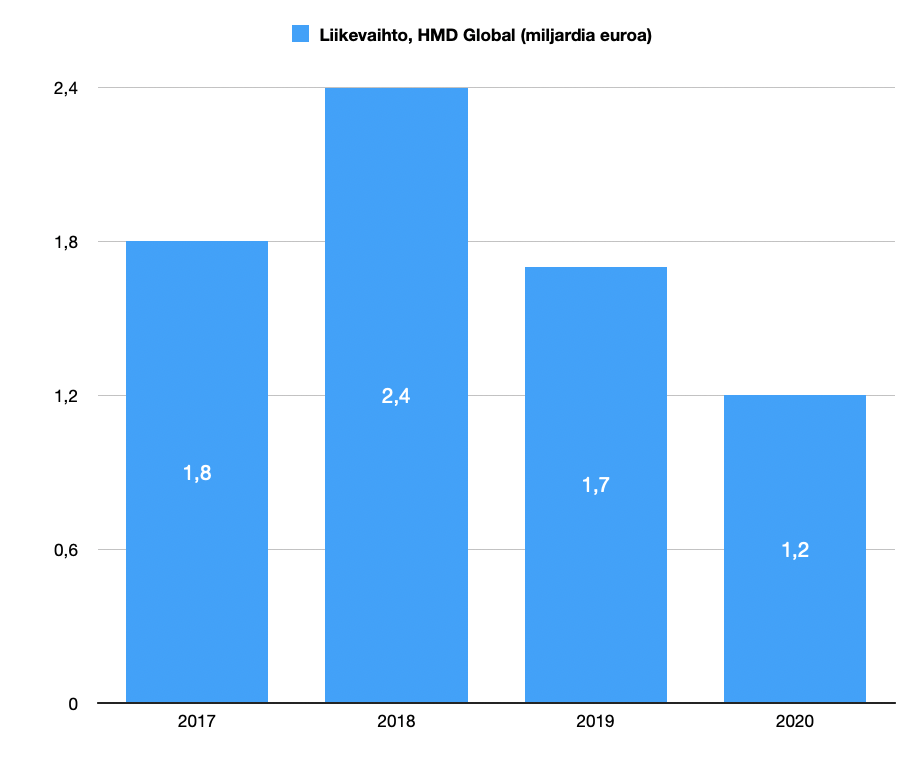
However, revenue for the brand declined to EUR 1.2 billion in 2020 from EUR 1.7 billion the previous year, i.e. 2019. The brand still managed to be profitable thanks to the significant decline in the operating loss.
Nokia’s operating loss for 2020 stands at EUR 47 million, far lower than the 295 million in 2019 and 188 million in 2018.
As for the smartphone shipments, data from Counterpoint Research reveals that HMD Global sold only 1.7 million phones in Q1 2020, which further declined in Q2 2020 to 1.4 million units. But its shipments recovered in Q3 2020 to 2.1 million and 2.8 million in Q4.
The profitability of the Nokia brand for smartphones, as claimed by HMD Global, could be due to the high margin in 4G feature phones introduced by the company in emerging markets like India, among others.
Florian Seiche adds that currently the global shortage of chips is affecting deliveries of the Nokia smartphones but he clarifies that the problem is not related to the demand for the devices but on the operational side.
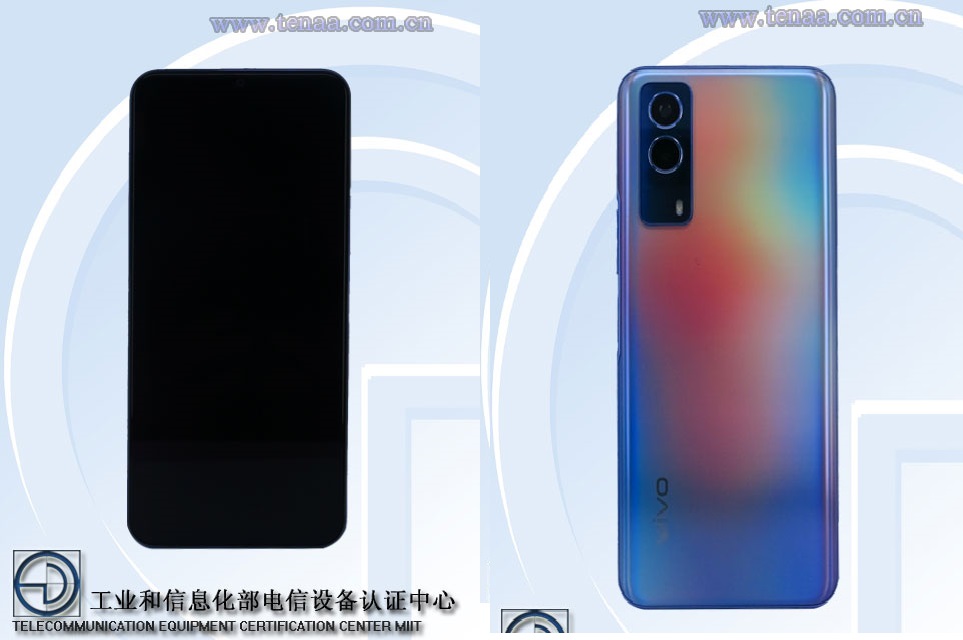
Two new smartphone models from the Chinese brand Vivo have passed the 3C certification process in China. The devices, which carry model numbers V2121A and V2123A are now expected to get launched pretty soon.
Vivo V2123A
This smartphone, which remains unnamed, has appeared on TENAA and the listing has revealed complete specifications. The device will come with a dual-camera setup on the back, placed on a rectangular module, and a front-facing snapper housed inside a punch-hole cutout at the center of the screen. There will be a fingerprint scanner integrated within the power button.
There’s a 6.58-inch TFT display with 2408 × 1080 pixels screen resolution and it will house an 8-megapixel camera for taking selfies. At the back, the dual-camera setup includes a 64-megapixel primary sensor and a 2-megapixel secondary sensor.
Under the hood, it will be powered by an octa-core processor clocked at 2.4GHz but the name of the chipset is not listing but Geekbench listing reveals that the phone will pack MediaTek Dimensity 900 SoC.
It will be made available in two memory variants — one offering 128GB of internal storage while the other will have 256GB inbuilt storage capacity. The device will pack a 4,910mAh battery and have fast charging support.
As per the reports, the phone could get launched as a part of the Vivo X-series, possibly as Vivo X70 but speculation points at the possibility of the phone getting launched under the iQOO lineup. To know for sure, we will have to wait for a bit longer.
Vivo V2121A
The 3C listing of this smartphone reveals that the device will come with support for 5G connectivity. It has also been confirmed that the phone will pack a battery that supports 44W fast charging technology.
However, the listing hasn’t revealed any more information related to the phone. Even the phone’s official name remains a mystery at this time. But we expect to get more information when the device is listed on other certification websites or when the device leaks online through tipsters.
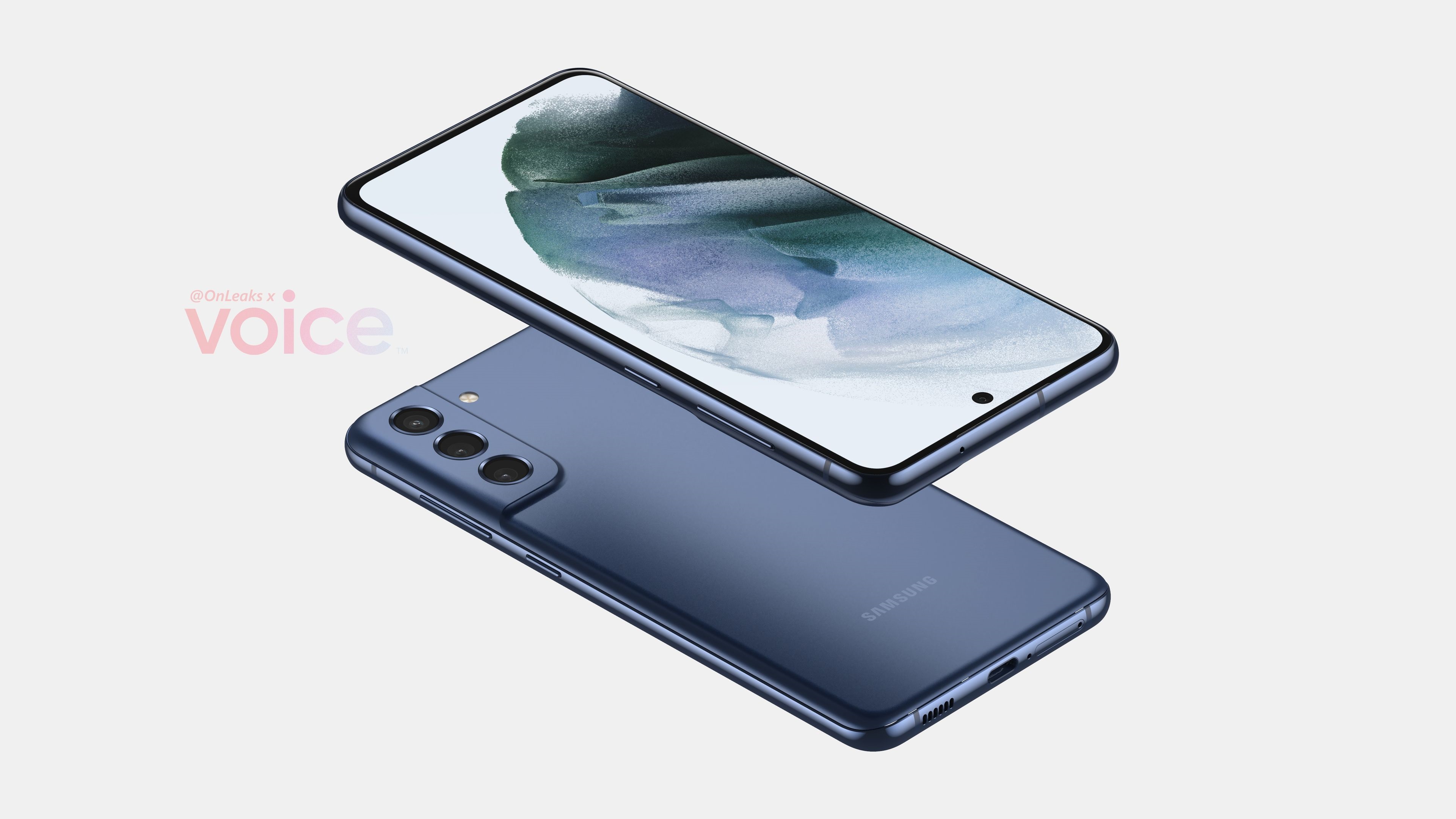
Samsung had a popular smartphone last year in the form of Galaxy S20 FE and now the South Korean giant is gearing up to launch a “cheaper” variant of the Samsung Galaxy S21 flagship phone, dubbed as Samsung Galaxy S21 FE.
The device has been leaked a few times in the past and now the pricing range for the upcoming smartphone has surfaced online. It is being reported that the phone will be priced between 700,000 won to 800,000 won which is somewhere between $625 to $719.
This means that the Galaxy S21 FE will be a bit costlier than its predecessor but will be the cheapest offering from the brand in the Galaxy S21 series. The phone will feature the same design language as the other S21 series smartphones.
The Samsung Galaxy S21 FE is expected to come with a 6.5-inch FHD+ S-AMOLED display with a 120Hz refresh rate. It will have a 32-megapixel front-facing camera, and its rear camera setup includes an OIS-assisted 12-megapixel main camera, a 12-megapixel super-wide lens, and a 12-megapixel or 8-megapixel telephoto snapper.
Underneath, the phone will be powered by the Qualcomm Snapdragon 888 SoC and will include up to 8GB of RAM and 256GB of internal storage. The device will house a 4,500mAh battery that supports 25W fast charging. It is also expected to support wireless charging and reverse wireless charging.
A recent leak from Even Blass reveals that the Galaxy S21 FE will be made available in at least four color options — Black, White, Oliver Green, and Purple. The phone is expected to get launched at an event in August along with the Galaxy Z Fold3 and Galaxy Z Flip3.
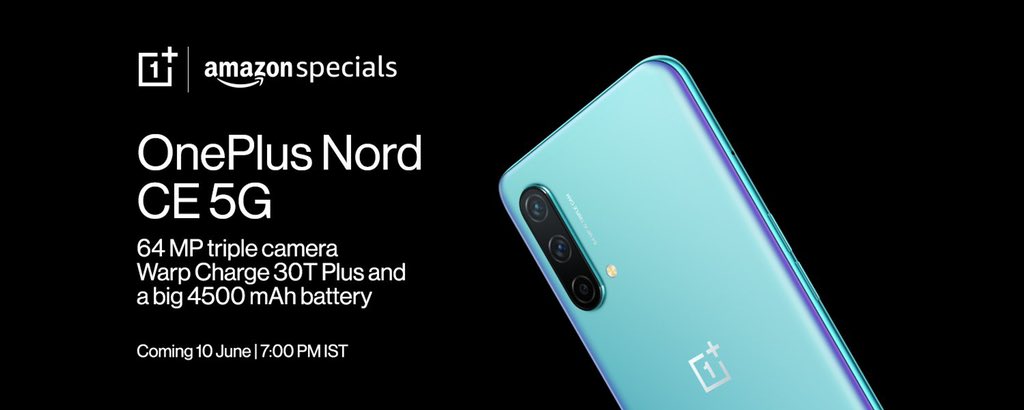
OnePlus will be taking off covers from the OnePlus Nord CE 5G on June 10 in India and Europe. Ahead of the launch, the brand has revealed its rear design. In addition, the pricing of the handset has also appeared well before the launch.
OnePlus Nord CE price in India
An official document by India’s HDFC Bank has revealed that (via) that it will be offering a cashback offer from OnePlus Nord CE 5G buyers. The document reveals that the handset will be available with a pricing of Rs 22,999 (~$315), and the bank will be offering a Rs 1,000 cashback offer. As it is known already, the pre-order of the smartphone will begin on June 11 and its open sales will start on June 16. Customers who pre-order it will get goodies worth Rs 2,699 (~$37).
OnePlus Nord CE 5G design
As it can be seen in the image below, the blue-colored OnePlus Nord CE 5G features a vertical triple camera unit. Another teaser from the brand has revealed that its screen has a punch-hole at the top-left corner.
The poster confirms that the phone features a 4,500mAh battery that supports 30T Warp Charge technology. The company has also confirmed through our teasers that it will offer features like a 64-megapixel main camera, and a 3.5mm audio jack.
OnePlus Nord CE 5G specifications (Rumored)
Past reports have revealed that the OnePlus Nord CE 5G has a 6.43-inch AMOLED display that offers a Full HD+ resolution and a 90Hz refresh rate. The Snapdragon 750G mobile platform powers the device and it is expected to arrive in variants like 6 GB RAM + 64 GB storage and 8 GB RAM + 128 GB storage. There could be a higher model with 12 GB of RAM.
The main 64-megapixel camera will be coupled with an 8-megapixel ultrawide lens and a 2-megapixel depth sensor. For selfies, it will be featuring a front camera of 16-megapixel. The device will come preloaded with Android 11 OS.
Realme announced the Realme X7 series of smartphones in China back in September 2020. Speculations are rife that the company could be working on the Realme X9 lineup for the home market. Fresh details about the X9 and X9 Pro handsets have appeared on Weibo.
Realme X9 and Realme X9 Pro key details (Rumored)
According to a tipster from China, the Realme X9 will be equipped with the Snapdragon 778G mobile platform, and it will be priced between 2,000 Yuan (~$312) and 2,500 Yuan (~$390).
He added that the Realme X9 Pro will feature a 120Hz screen with curved edges and be powered by the Snapdragon 870 SoC. The X9 Pro could be priced between 2,500 Yuan (~$390) and 3,000 Yuan (~$468). He also hinted that the X9 series will have a Master Edition phone this time.
Realme X7 (left) and Realme X7 Pro (right)
Realme RMX3366 receives TENAA certification
A mysterious Realme phone with model number RMX3366 was approved by the TENAA authority of China over the weekend. The listing has revealed a few key specs of the phone, but its identity is not known yet. With details of this phone appearing early at the beginning of this month, it seems that this phone may break cover soon.
The TENAA listing of the Realme RMX3366 has revealed that it has a 6.55-inch OLED screen that delivers a Full HD+ resolution. The device is backed by a 2,200mAh dual-cell battery and it runs on Android 11 OS. It has a slim profile of 8mm, and it measures 159.9 x 72.5.
According to tipster Digital Chat Station, this phone supports a high refresh rate, and its dual-cell battery offers a total value of 4,500mAh. The other specs of the phone are under wraps. The tipster further mentioned that Realme is also working on phones powered by the Snapdragon 778G and Snapdragon 870 mobile platforms. As mentioned above, these could be the upcoming Realme X9 series.
Last week was packed with key announcements, and if you missed them, here’s your chance to get updated with our weekly round-up of the top stories:
Meizu Watch
Meizu Watch
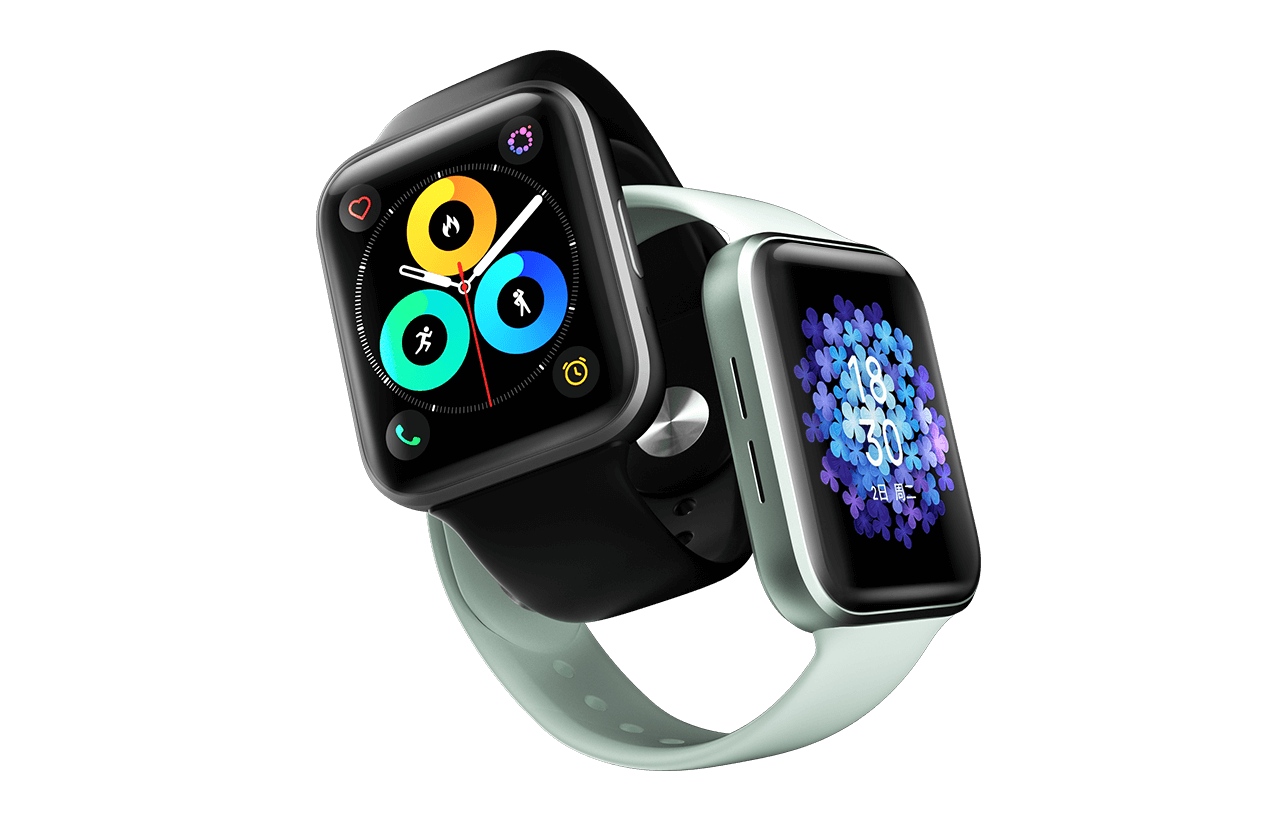
After months of waiting, the Meizu Watch is here and it packs the guts of a modern smartwatch along with an affordable price tag. The wearable is powered by the Snapdragon Wear 4100, runs Flyme for Watch, has an eSIM, and costs roughly ~$235.
Samsung’s next-gen Exynos chip will have an AMD RDNA2 GPU
The Pixel A series of smartphones is pretty popular, even selling more than the main Pixel line. Now, Google is extending that budget treatment to its earbuds line and it appears it already has a winner. The $99 Pixel Buds A TWS earbuds drop some of the premium features of the Pixel Buds (2) but keep the key ones for a great audio experience.
Samsung’s new Windows 10 on ARM PCs are powered by Qualcomm chips
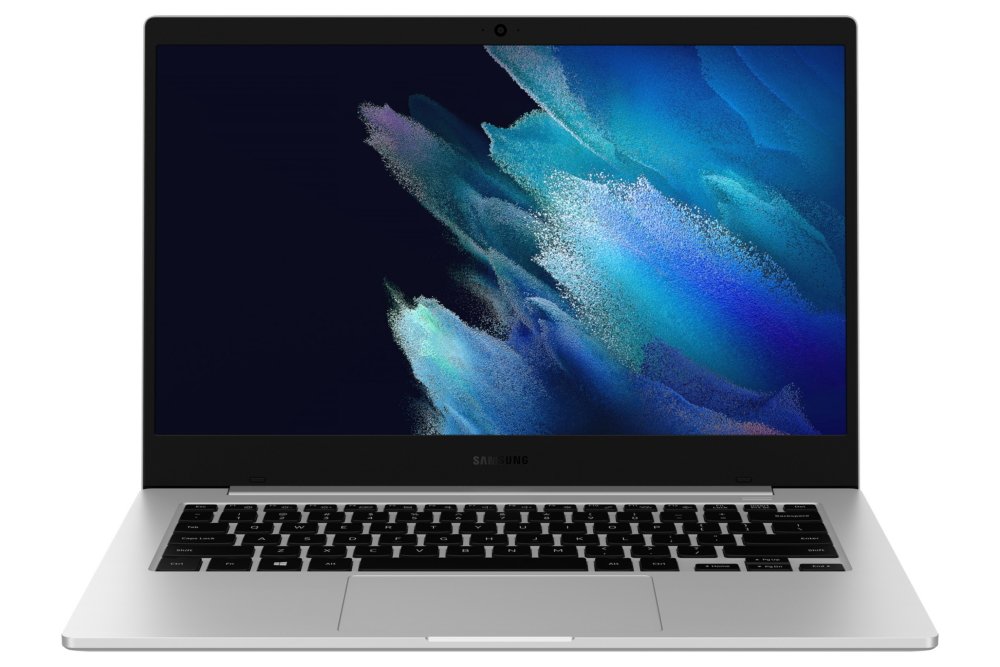
Samsung announced the Galaxy Book Go last week, and the notebook comes in different configurations with 5G and 4G as well as a Wi-Fi-only version. The new notebook has Qualcomm’s Snapdragon 8cx or Snapdragon 7c Gen 2 chipset depending on the variant you want to purchase. It runs Windows 10 Home/Pro and offers up to 18 hours of battery life.
Last week, Huawei announced HarmonyOS 2, a new version of its “self-developed operating system”. The manufacturer went on to announce new devices running the new OS, some of which will be available outside China. It also announced that it will be updating almost 100 of its current products including smart screens to the operating system.
HarmonyOS does boast a number of pretty neat features that you won’t find on other operating systems, although, practically all of these features work best when you are “buried deep” in the Huawei ecosystem.
For our poll this week, we want to know what our readers think of HarmonyOS – specifically, if they think it has a chance of succeeding outside China? So please take the poll and let us know in the comment box what other thoughts you may have.
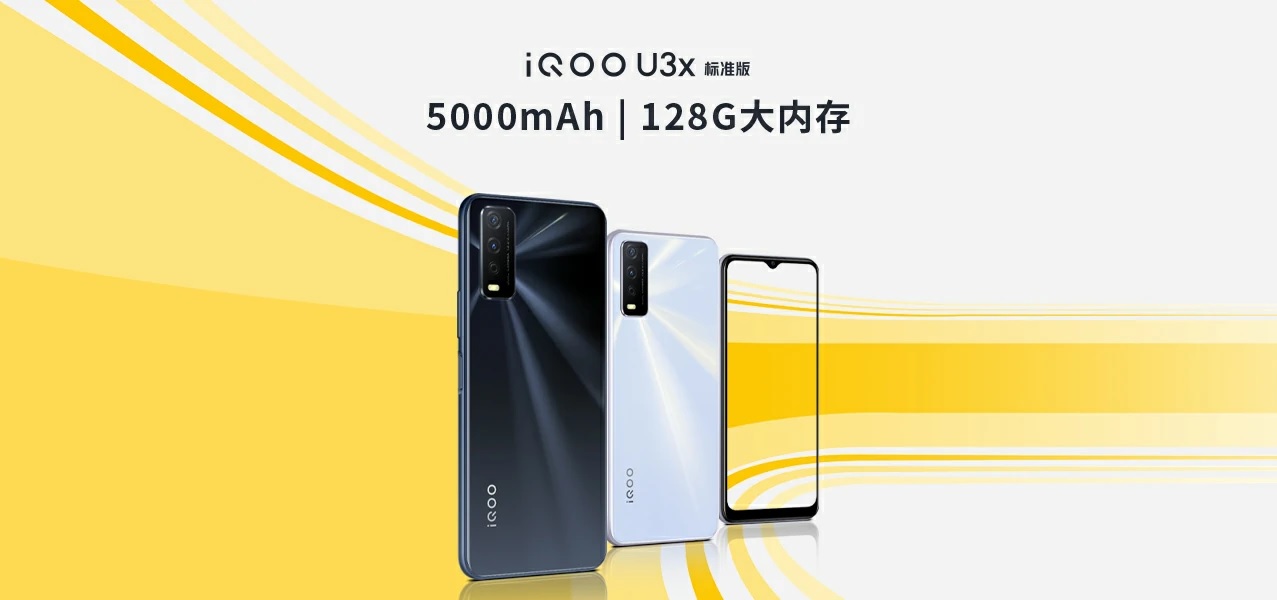
The iQOO U3x 5G launched in March with a Snapdragon 480 5G processor. Now, the brand has announced a new variant with a 4G MediaTek chipset, some toned-down specs, and a cheaper price tag. This version is called the iQOO U3x Standard Edition and is already on pre-order in China.
iQOO has replaced the Snapdragon 480 with MediaTek’s Helio G80 processor and has made the phone available in two configurations – 4GB or 6GB of RAM and 128GB of expandable storage. The spec sheet says the storage type is eMMC 5.1 which is slower than the UFS 2.1 storage type inside the 5G version.
The screen is also smaller now at 6.51-inches and the resolution has dropped to 1600 x 720. The 90Hz refresh rate is gone too but it still has a waterdrop notch. You still get an 8MP front-facing camera and a 13MP main rear camera paired with a 2MP depth sensor.
The iQOO U3x Standard Edition has a 5000mAh battery and supports 18W fast charging. Unfortunately, iQOO has replaced the USB-C port with a micro-USB one. The device runs Origin OS for iQOO based on Android 11, supports Face Unlock or you can use the side-mounted fingerprint scanner, and has Bluetooth 5.0 and dual-band Wi-Fi.
The phone measures 164.41×76.32×8.41 millimeters and weighs 191.4 grams. It is available on Vivo’s online shop and on Jingdong in Morning Frost and Light Black. The base model with 4GB of RAM and 128GB of storage is priced at ¥899 (~$140) while the 6GB RAM version with the same storage capacity is ¥1099 (~$170). It will go on sale on June 9.
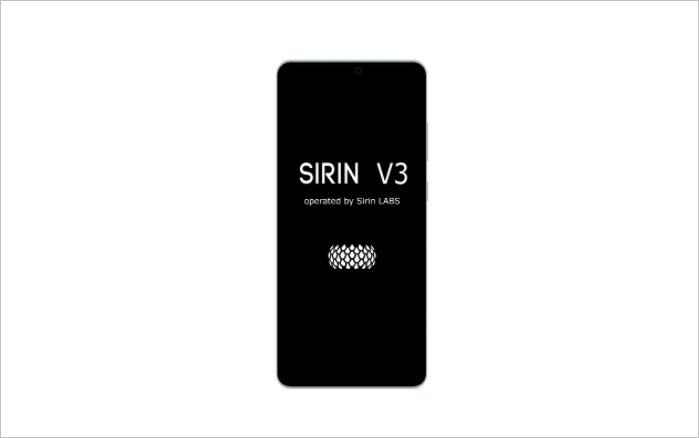
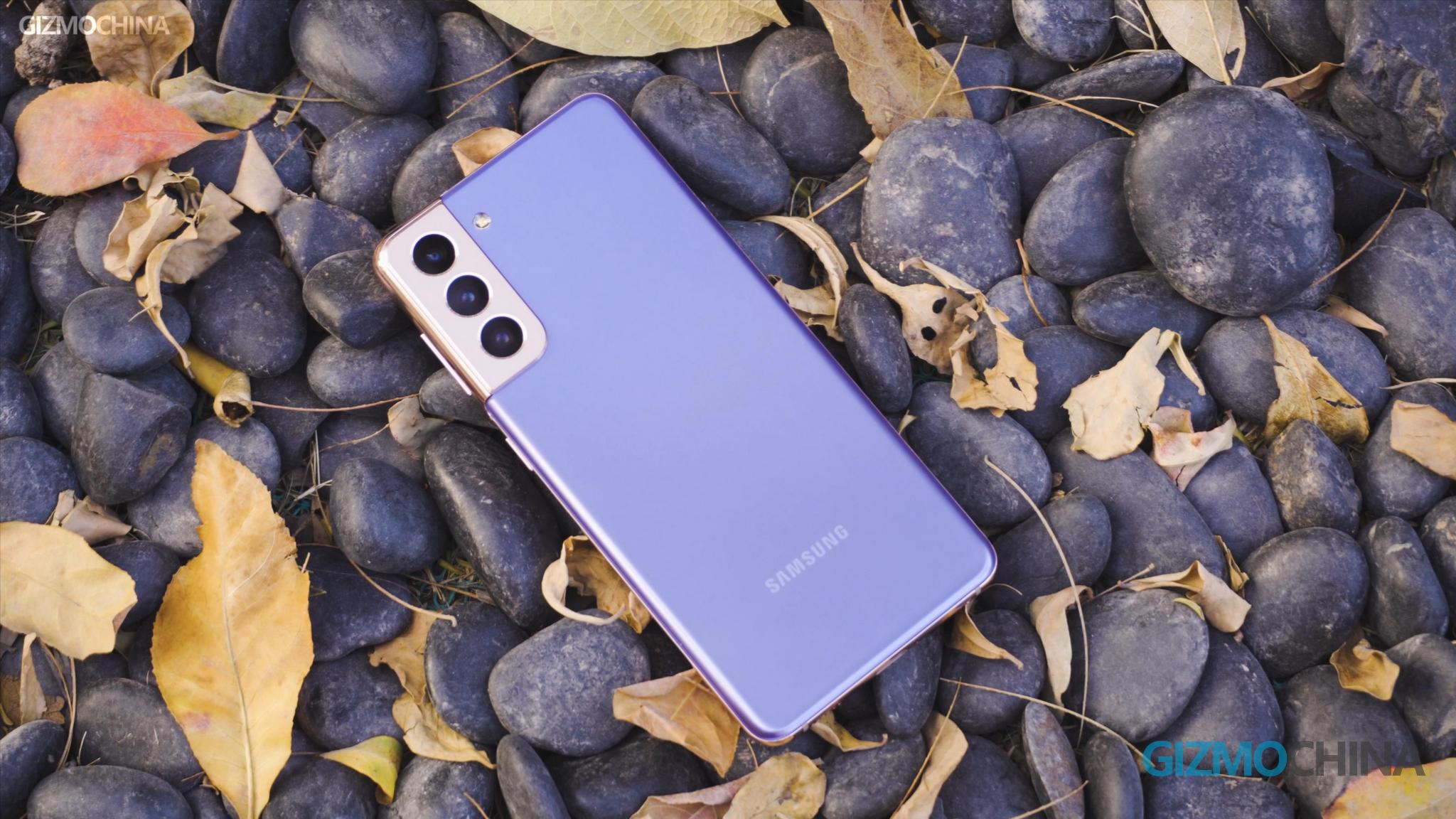
Cyber security firm Sirin Labs has unveiled a smartphone dubbed Sirin V3 equipped with the highest level of security features. The smartphone which is basically a rebadged Samsung Galaxy S21 is available right away on the Sirin website and costs $2,650.
Samsung is underscoring its potentials with these Galaxy-themed smartphones, and the company has found a worthy partner in Sirin for the costly Galaxy S21 version. There are no hardware changes between the original Galaxy S21 (sells for $799) and the Sirin V3 except for the enhanced military-grade security features and apps pre-installed by Sirin Labs.
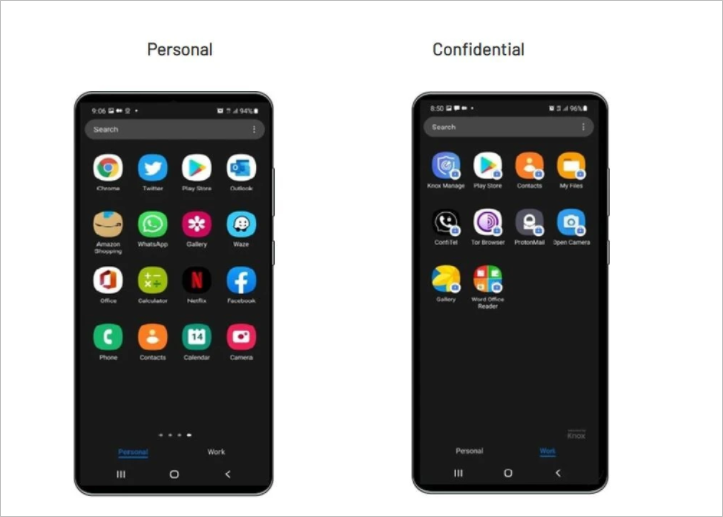
The Sirin V3 can provide beyond-average information security and cyber protection. The smartphone’s user interface has a Dual-Personal feature that will enable users to seamlessly switch between a personal mode and a confidential workspace mode. Users can install apps from Google Play Store using the Personal mode, with enhanced protection against viruses and malware. You can also restrict whitelist or blacklist apps under the personal mode and disallow several activities that could be risky. These include keyboard replacement, USB debugging, Safe Mode, Factory Reset, and Download-Mode on boot.
The security credentials of the Sirin V3 come to the fore when in the Confidential Work Space mode. It offers military-grade encrypted calls that are pretty difficult to track. The encrypted call is made via an app that comes with the smartphone. You cannot add to the pre-installed apps in this mode either from Google Play Store or anywhere else. When in this encrypted mode, voice recording is disallowed, and several other activities could expose the device to breaches.
While the security features available in the Sirin V3 could endear it to a segment of the market, the device remains very expensive at $2,650. of course, this means it is not meant for everyone. However, it is listed on the brand’s website.
This is the second foray of Sirin Labs into the market after its first effort in 2018. That was when Sirin Labs launched the Finney as the world’s first blockchain smartphone.
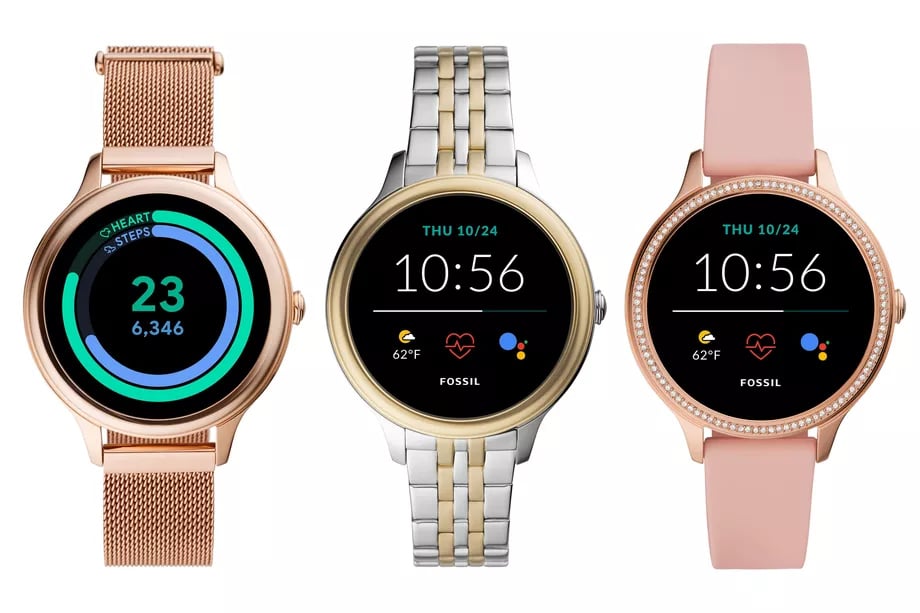
If you own a Fossil Gen Watch and are hoping it will get updated to Wear – the new operating system borne from the merger of Google’s Wear OS and Samsung’s Tizen, then there is bad news for you.
Fossil Gen 5E
The company granted an interview to CNET where it revealed that it has no plans for upgrading the software on its current version of smartwatches to the new operating system. Folks who want a Fossil watch with all the bells and whistles of the new OS will have to look to the Fossil Gen 6 watch coming later this year.
Greg McKelvey and Steve Prokup, Fossil’s chief commercial officer and vice president of connected devices respectively, disclosed in the interview that the Gen 6 smartwatch will boast “all of the software benefits that Google’s talking about and launching with the unified platform…”.
The smartwatch will also feature hardware upgrades too that will bring faster performance, better battery life, and advanced health features reports CNET. With respect to design, Fossil didn’t reveal key details about that but it said that its watches will continue to feature a variety of designs that include buttons and crowns. The screen will also remain a major way to interact with the watch with buttons and crowns providing secondary input and acting as shortcuts.
The new Fossil Gen 6 watch will not be cheap. The premium features will also attract a premium price tag, positioning it as a competitor to Apple’s next-gen watch and as alternatives to watches from Google and Samsung.
It was also revealed in the interview that its hybrid watches may evolve in the future “as experimental models for other wearables”. The manufacturer also plans to integrate Fitbit into its product and believes its customers will love it.
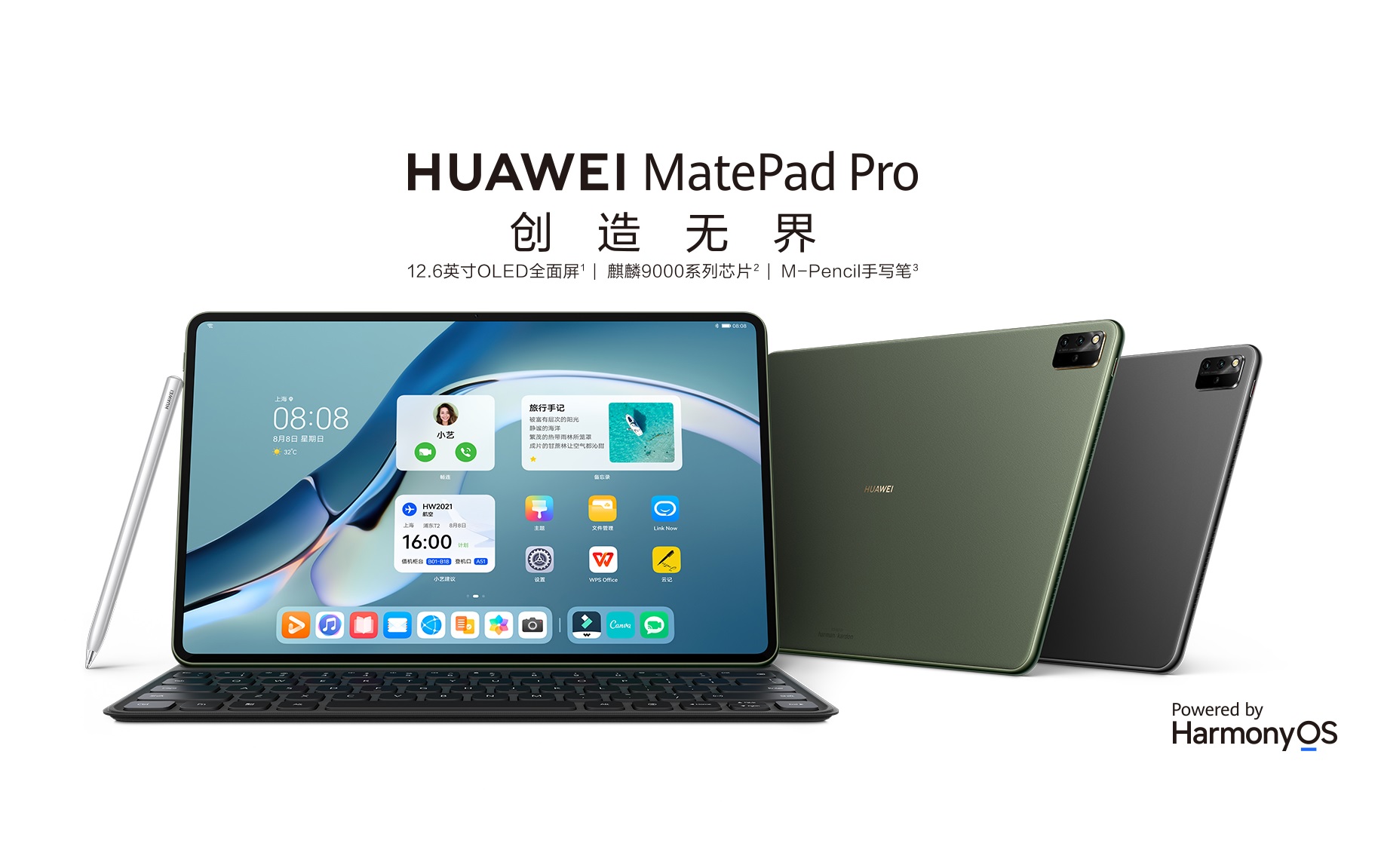
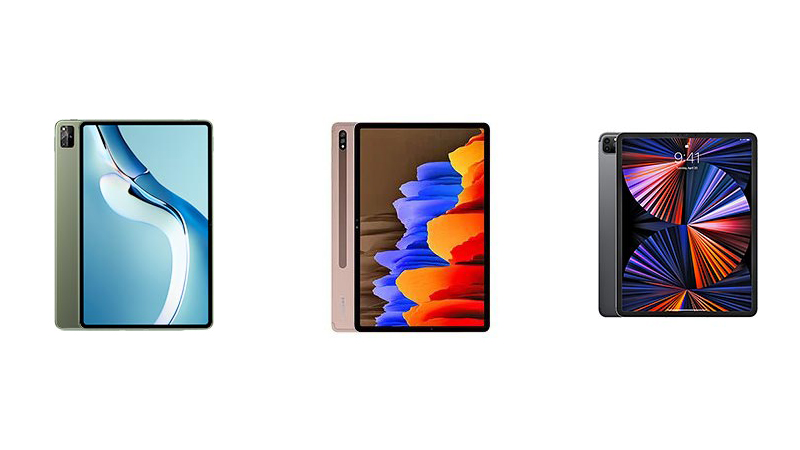
Huawei launched the first device with the new HarmonyOS 2.0, an operating system thanks to which Huawei says definitively adios to Google and tries to emancipate itself from the U.S. It is a tablet and its name is MatePad Pro: it comes in two variants, one with a 10.8-inch display and one with a 12.6-inch panel. Alongside the Samsung Galaxy Tab S7+, the Huawei MatePad Pro 12.9 is the most advanced tablet in the Android world. Here is a comparison between the three of the best tablets out there: Huawei MatePad Pro 12.6, Samsung Galaxy Tab S7+, and the new iPad Pro with Apple M1.
Huawei MatePad Pro 12.6 vs Samsung Galaxy Tab S7+ vs iPad Pro M1 12.9
Huawei MatePad Pro 12.6 2021
Samsung Galaxy Tab S7+ 5G
Apple iPad Pro M1 12.9
DIMENSIONS AND WEIGHT
286.5 x 184.7 x 6.7 mm, 609 g
285 x 185 x 5.7 mm, 575 grams
280.6 x 214.9 x 6.4 mm, 682 g
DISPLAY
12.6 inches, 2560 x 1600p (Quad HD+), OLED
12.4 inches, 1752 x 2800p (Quad HD+), Super AMOLED
12.9 inches, 2048 x 2732p (Quad HD+), Liquid Retina XDR mini LED LCD
The design is not the most important aspect when it comes to the tablets, but it does not hurt. The iPad Pro 12.9 has a more squarish shape since it comes with a 4:3 aspect ratio, while Samsung Galaxy Tab S7+ and Huawei MatePad Pro are more rectangular with their 16:10 aspect ratio. The 4:3 aspect ratio is better for reading, watching photos, and surfing the internet, while the 16:10 aspect ratio is better for video content.
Display
The most attractive display belongs to the new iPad Pro, which is the first tablet sporting a mini LED display. This Liquid Retina XDR panel also comes with a 120 Hz refresh rate and Dolby Vision support. But despite it is a so advanced display, it is an LCD panel. With the Samsung Galaxy Tab S7+, you can get an AMOLED display with HDR10+ certification and a 120 Hz refresh rate. The MatePad Pro offers an OLED display as well, but it lacks a high refresh rate and it is smaller. All the tablets support a pen and a physical keyboard.
Hardware/Software
In each case, you get a flagship-class hardware department. But the Apple iPad Pro is actually the best one in terms of hardware. The new proprietary chipset Apple M1 provides astonishing performance and it is also used on the 2021 iMac. Further, the tablet has up to 16 GB of RAM and it is the world’s first tablet with 2 TB of internal storage. It runs iPadOS, Samsung Galaxy Tab S7+ runs Android 11 and MatePad Pro comes with the Android fork HarmonyOS 2.0.
Camera
Not only the most advanced camera: the iPad Pro M1 has also the best camera. It is equipped with a 12 MP main sensor with an f/1.8 focal aperture, a 10 MP ultrawide sensor, and a TOF 3D LiDAR scanner for AR appliances. It also boasts an amazing 12 MP front camera. Right after, we got the Huawei MatePad Pro with a 13 MP main camera, an 8 MP ultrawide sensor, and a TOF 3D sensor.
Battery
It is still too early to evaluate the battery life of these tablets because the Huawei MatePad Pro just came out and we had no chance to test it. But there are important differences when it comes to charging: MatePad Pro is the only one to support wireless charging and reverse wireless charging; further, it provides blazing speeds with wired charging thanks to a power of 40W.
Price
The starting price of the Huawei MatePad Pro is €800/$975, Samsung Galaxy Tab S7+ starts from €900/$850, and the iPad Pro M1 starts from €1200. The iPad Pro M1 wins the comparison with its amazing hardware, better camera department, mini LED display, and superior operating system for productivity.
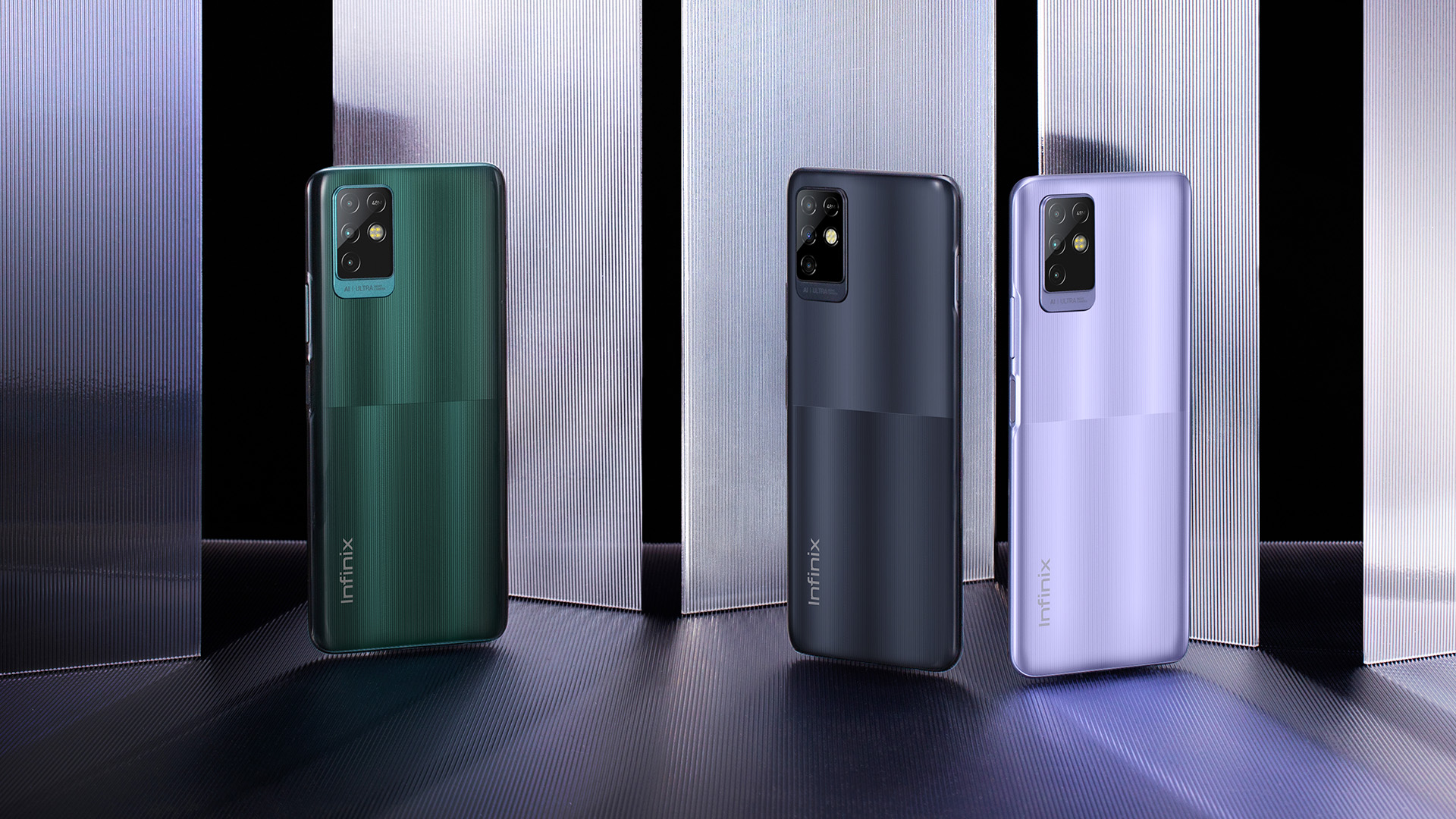
Most of the product announcements scheduled for next week will be happening in India. Infinix, POCO, and iQOO all have new phones launching in the South Asian country. There is also something for audiophiles across the world as Sony will unveil its new flagship earbuds. Here are the key announcements happening next week.
After launching in Europe last month, POCO is ready to bring its affordable 5G smartphone to the Indian market. The POCO M3 Pro 5G will launch on June 8 in India. The mid-range phone will have a 90Hz display, a MediaTek processor, and a 48MP triple camera. It will also have a 5000mAh battery.
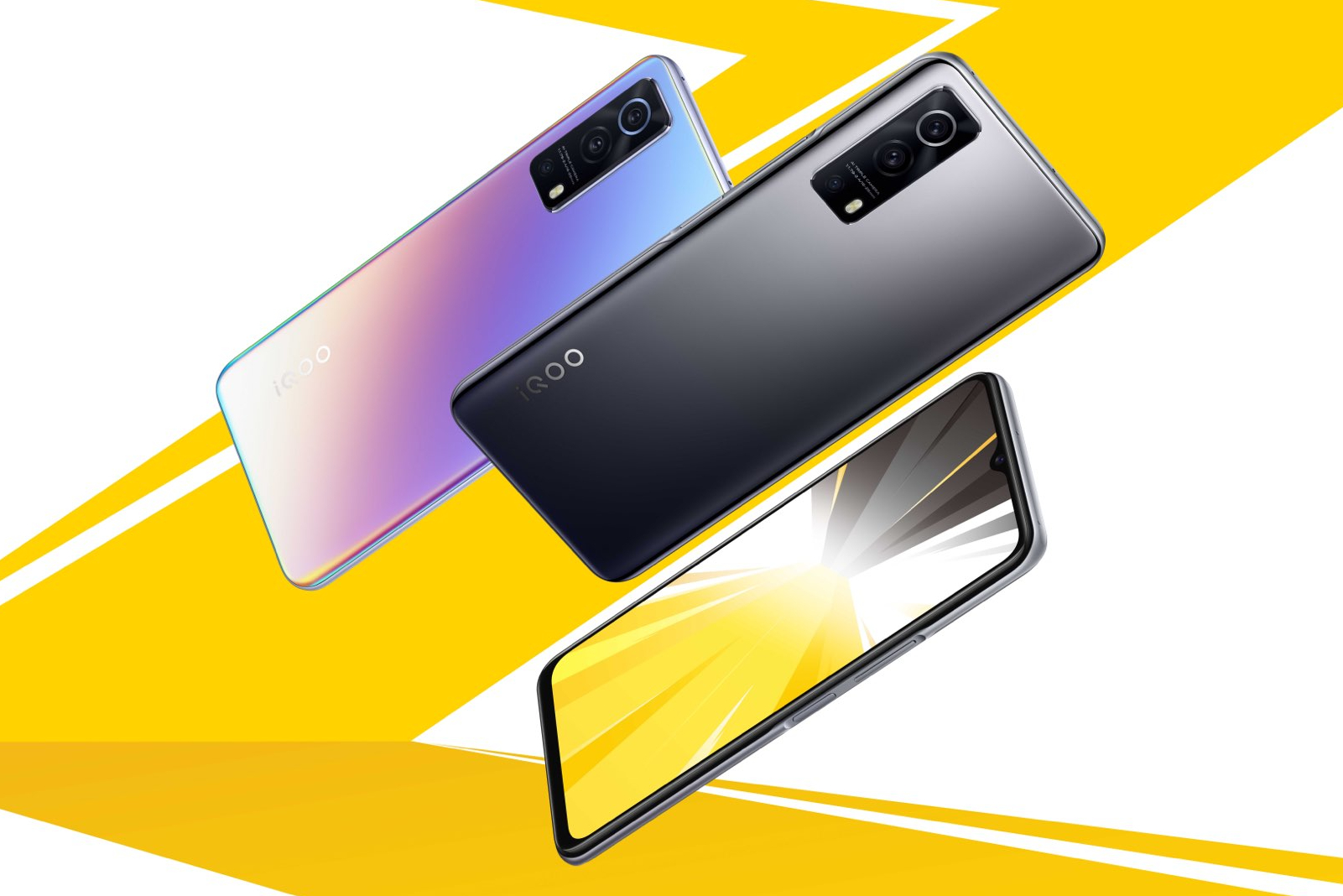
iQOO Z3 5G
iQOO Z3 5G – June 8
Vivo’s iQOO will also try to grab some of the spotlights on Tuesday, the 8th of June, when it unveils its iQOO Z3 5G smartphone in India too. The phone will be the first in India to have a Snapdragon 778G processor along with some other interesting features including support for 55W fast charging.
Sony WF-1000XM4
Sony’s WF-1000XM series is touted as one of the best earbuds you can buy. It intends to keep that track record when it announces the WF-1000XM4 on Wednesday, June 9. The pair of earbuds is expected to come with significant improvements over its predecessor along with an increase in price. A promo video leaked a week ago and it gives us an early look at the features of the earbuds.
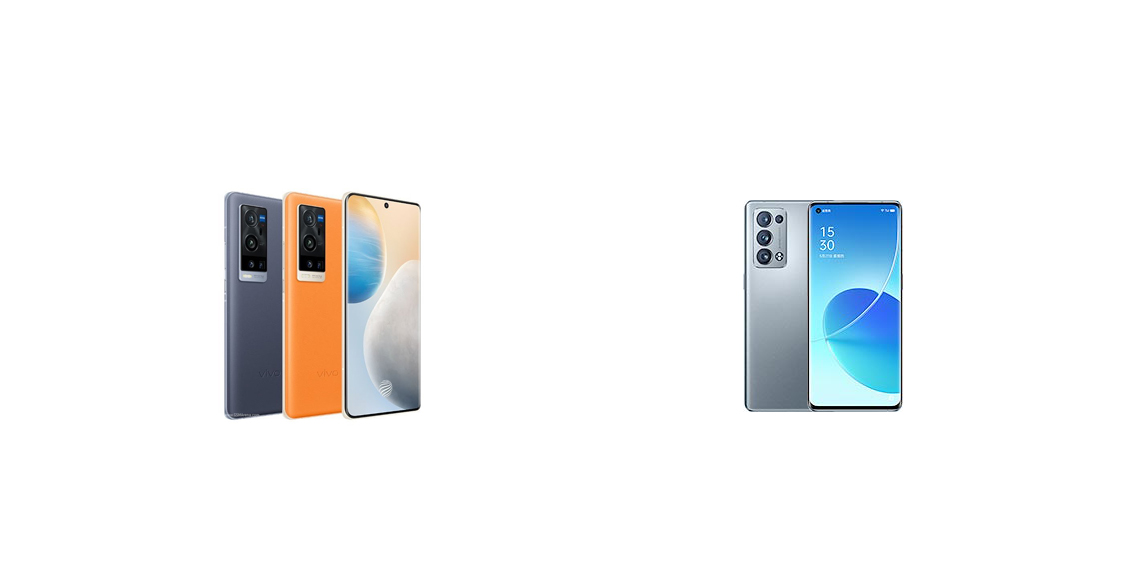
Once upon a while, mainstream smartphone manufacturers used to release duos of flagships. Now, a duo is not enough anymore: Pro+ and Ultra variants started to come up with even better specifications and higher prices. The latest Pro+ variants in the market are Vivo X60 Pro+ and OPPO Reno6 Pro+. Do you want to know which is the best Pro+ device out there? You are in the right place: the comparison between the specifications of the OPPO Reno6 Pro+ and the Vivo X60 Pro+ flagships.
Quad 50 + 8 + 32 + 48 MP, f/1.6 + f/3.4 + f/2.1
32 MP f/2.5 front camera
BATTERY
4500 mAh, fast charging 65W
4200 mAh, fast charging 55W
ADDITIONAL FEATURES
Dual SIM slot, 5G
Dual SIM slot, 5G
Design
The OPPO Reno6 Pro+ has a thinner and lighter design which makes it easier to hold and more comfortable to keep in a pocket. Its design scheme is slightly more attractive as well, due to a more minimal look. But the Vivo X60 Pro+ is definitely a more unique handset because it has a rear side made of eco leather. It is thicker and heavier, but it is very stylish. The OPPO Reno6 Pro+ has a punch hole placed in the upper left corner, while the punch hole of the Vivo X60 Pro+ is placed in the middle of the upper part of the panel.
Display
On the paper, the Vivo X60 Pro+ offers a better display. It is an AMOLED panel with high 1300-nit peak brightness, a 120 Hz refresh rate, a Full HD+ resolution, and the HDR10+ certification. The OPPO Reno6 Pro+ has an AMOLED panel with HDR10+ certification as well, but the refresh rate is lower (90 Hz) and the peak brightness too. Both the phones come with an in-display fingerprint reader and the dimensions of the displays are very similar (6.55 inches and 6.56 inches).
Specs & Software
The Vivo X60 Pro+ wins the hardware comparison because it has a more powerful chipset: the Snapdragon 888 mobile platform is actually the best SoC by Qualcomm. It is an octa-core chipset built at 5 nm with a max frequency of 2.84 GHz, paired with up to 12 GB of RAM and up to 256 GB of UFS 3.1 native storage. The OPPO Reno6 Pro+ has an octa-core Snapdragon 870 mobile platform built at 7 nm with a max frequency of 3.2 GHz. OPPO Reno6 Pro+ runs Android 11 customized by ColorOS, while Vivo X60 Pro+ will provide Funtouch OS in the global market and OriginOS in the Chinese market.
Camera
Besides boasting better hardware performance, Vivo X60 Pro+ has a superior camera setup as well. It is composed of a 50 MP main camera with gimbal OIS and laser autofocus, an 8 MP periscope camera with 5x optical zoom, a 32 MP telephoto sensor for portraits with 2x optical zoom, and a 48 MP ultrawide sensor. It is a stunning camera phone and there are not many phones which can compete with it. The OPPO Reno6 Pro+ is not able to reach the level of its rival, but it is still a great camera phone including a 50 MP main sensor with OIS, a 13 MP telephoto sensor with 2x optical zoom, a 16 MP ultrawide camera, and a 2 MP macro sensor.
The OPPO Reno6 Pro+ sports a bigger battery than Vivo X60 Pro+ and it is able to last more on a single charge. It even charges faster thanks to the SuperVOOC technology with a power of 65W.
Price
The starting price of the OPPO Reno6 Pro+ in China is €520 (roughly $633) while the Vivo X60 Pro+ starts from €643/$782. The Vivo X60 Pro+ wins the comparison because it provides a better chipset and a higher-end camera department, but the OPPO Reno6 Pro+ remains interesting because of its bigger battery and more affordable price. If you do not need an astonishing camera (while still getting a great camera phone), maybe the OPPO Reno6 Pro+ is enough for your needs. Also, note that the X60 Pro+ has a higher refresh rate and a back made of eco leather. On the other hand, the OPPO Reno6 Pro+ is thinner and lighter. Which one would you pick?
OPPO Reno6 Pro Plus vs Vivo X60 Pro Plus 5G: PRO and CONS
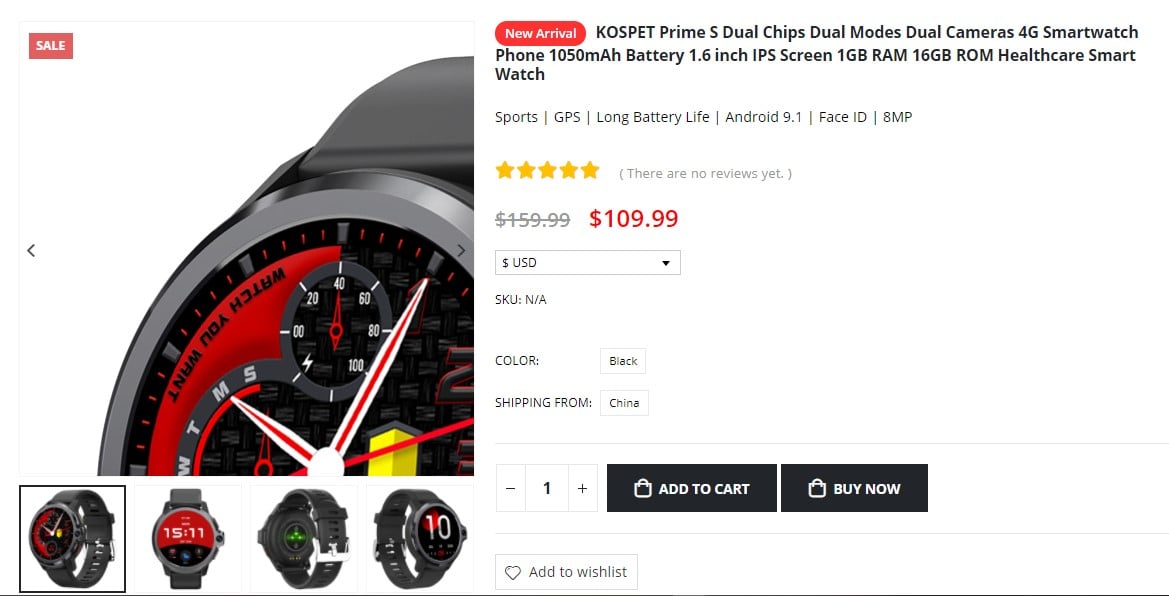
The popular Kospet Prime S dual-chip smartwatch is now on sale via Wiibuying and is currently retailing for the price of $99.99. The Kospet PRime S is the only smartwatch that features dual cameras, dual-mode, and houses a dual-chip for powerful performance. A $10 discount is now applicable on the actual retail price of the watch using the coupon code ERYR9E75.
The smartwatch currently retails between the price of $90.19 and $109.99, and with the discount coupon, you can grab it for the price of $80.19 and $99.99. Make sure to grab the smartwatch as soon as possible otherwise it may go out of stock. The smartwatch is available only in black colors.
The Kospet Prime S smartwatch comes with a 1.6-inch IPS LCD touch display featuring the 400 x 400 pixels resolution. te Smartwatch houses a 1050 mAh battery which can withstand for 48 hours. Furthermore, the watch quips a dual camera setup of 5.0 MP and 8.0 MP. The primary features of the smartwatch are its 4G LTE support.
It is a pwoerful smartwach as it is pwoered by a dual-chip (SC9832E + nRF52832/PAR2822). Moreover, the Kospet Prime S smartwatch uses 1GB RAM and 16GB internal storage. It embeds support for 98 different sports modes. The smartwatch supports GPS/GLONASS/A-GPS/Beidou navigation systems.
Xiaomi first integrated an earthquake alert on its custom MIUI ROM for its phones and smart TVs in 2010. The feature was made possible by a collaboration with Chengdu High-tech Disaster Mitigation Institute. The tech giant recently released data showing that it had successfully warned about 35 earthquakes of magnitude 4.0 and above with a total of 12.64 million warning messages sent since it was released in November 2019.
In its usual nature of pioneering innovations, Xiaomi may be on its way to debut yet another disaster early warning system. The company has teased a feature that allows its mobile phones to not only receive earthquake warning information but also monitor earthquakes. The feature would involve integrating its smartphones with a couple of sensors that would monitor the earth’s seismic activities in real-time.
This technology not only saves the cost of earthquake monitoring, but also greatly increases the number of monitoring, making the national earthquake monitoring and early warning network more complete.
The new feature would be launched on all Xiaomi phones as time goes on. However, Mi phone users running the MIUI 12.5 development version can go to Mobile Phone Manager-Earthquake Early Warning to apply to join the earthquake monitoring volunteers.
The Chinese tech giant explained further that when the sensor in the mobile phone detects the vibration, it will judge whether it is earthquake information through edge computing. If it is true, it will send the information to the early warning center, and the center will use the information from multiple mobile phones and the earthquake data AI to calculate and decide whether an earthquake really occurred.
If it is determined that there is an earthquake, the earthquake’s magnitude, epicenter location and time will be quickly calculated, and then warning messages will be issued to the affected people in the surrounding area.
When every Xiaomi mobile phone becomes an earthquake monitor, the number of earthquake monitors can be greatly increased. In that way, places without traditional earthquake monitors can receive early warning information, and the national earthquake monitoring and early warning network will cover a wider range.
The feature will not in any way jeopardize the privacy of participants as the company indicated that in the entire process, it will use “differential privacy” to anonymously handle all user data and thus, ensure user privacy.
We don’t expect this feature to launch on Xiaomi smartphones that are sold outside China.
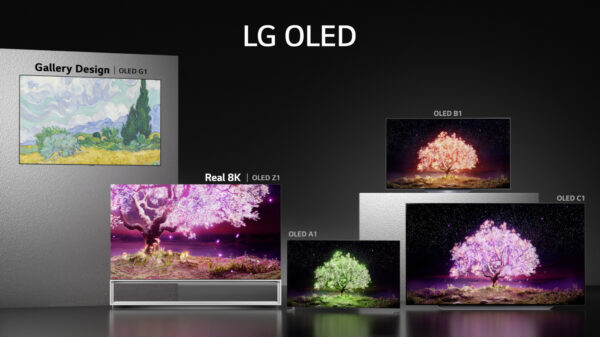
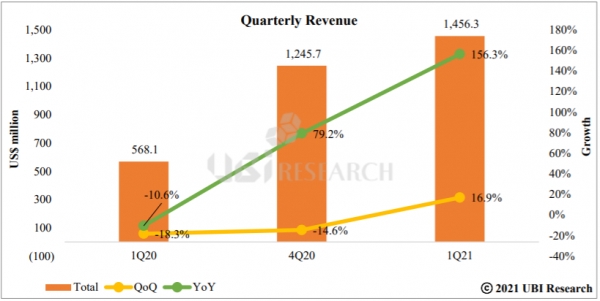
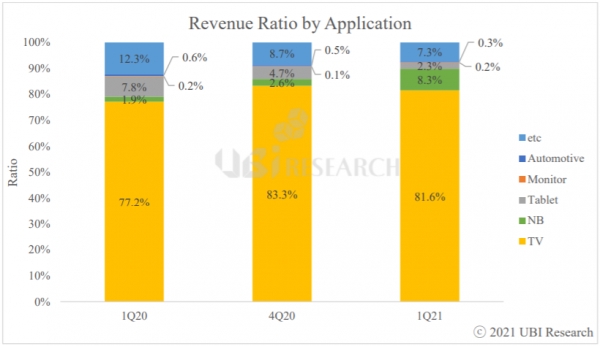
Data emanating from market research firm UBI Research indicates that the OLED panel market, especially the mid-to-large-sized units globally, saw a massive surge in demand within the first quarter of this year. This drove sales to an impressive 156% from the previous levels in Q1, 2020.
The mid-sized and large-sized OLED panels are the panels used for TVs, monitors, notebooks, and tablets. The 10-inch panel is the lowest within this set. According to the UBI research, sales from the segment accounted for about $1.45 billion, which is 17% better than Q4 of 2020, but year on year, this was about 156% higher than last year’s corresponding sales.
The notebook and TV OLED panels contributed significantly to the figure, as TV OLED panel shipments were about 1.6 million units in the three months ending March 31, 2021. The corresponding Notebook OLED panel shipment was about 1.1 million units. With these numbers, TVs accounted for about 82% of the total sales.
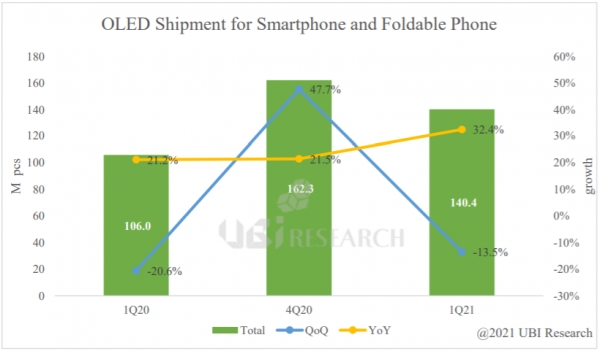
OLED panels smaller than 10 inches also experienced a surge in their shipments out of South Korea during the first quarter. About 140 million units were shipped within the quarter, showing a 32.4% growth, although there was a marked decline from the previous quarter. These are the panels that are deployed to smartphones, smartwatches, and other smaller devices. The research firm places Samsung as a leading supplier of OLED panels, through its display arm, Samsung Display. Samsung accounts for 79% of small panel shipments while LG accounts for 11%.
We note that both of the Display arms of Samsung and LG are powerful global players. Both companies continue to chart the way in terms of innovative displays across all the range of OLED panels. Samsung Display recently gave a view of its unfolding foldable display models.
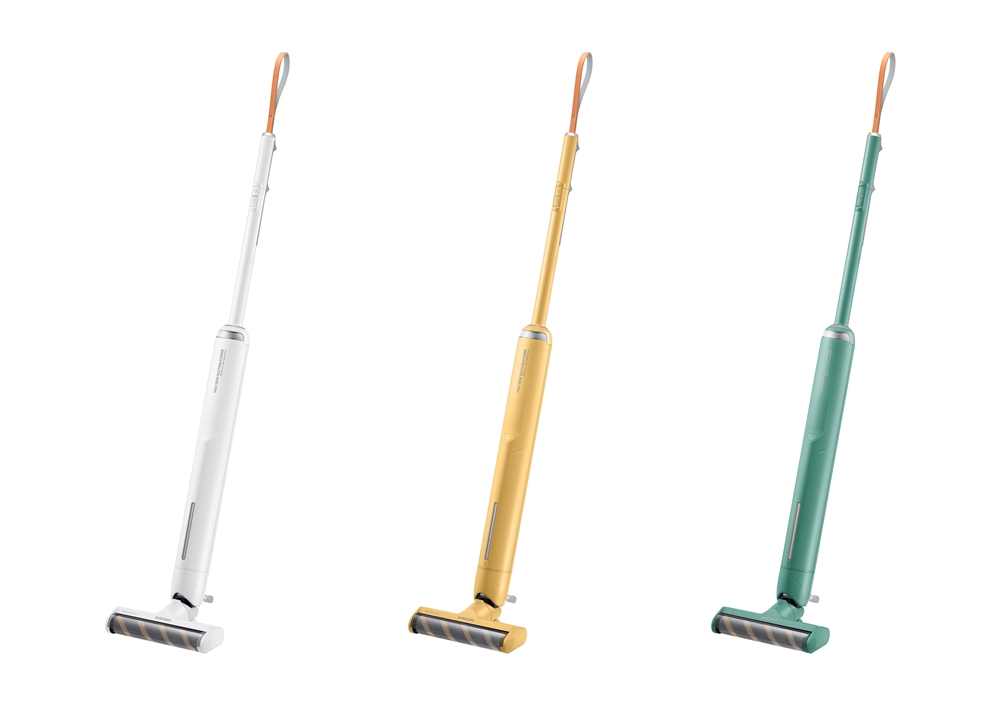
Korean tech giant Samsung has launched its latest wireless vacuum cleaner called the Bespoke Slim. The unveiling of the new wireless vacuum cleaner on June 3, follows some earlier Bespoke vacuum cleaning models that are already in the lineup of the versatile tech firm such as the Bespoke Jet AI Robot Vacuum. The new Samsung Bespoke slim adorns a slim, sensual, and performance-driven design.
The Samsung touch of innovation is factored into the design of the suction as it is capable of up to 150W. Three Samsung patents are directly connected to the design of the Bespoke Slim’s motor. Samsung’s trademarked technology was deployed to the digital inverter motor to yield the strong suction power rating of the gadget, even though we have a very small and lightweight device. The Bespoke Slim is significantly more efficient than its predecessor of the same rating. Motor speed is said to be 20% better than the previous model.
The Bespoke Slim has a slim, soft floor brush that is capable of 1,500 revolutions per minute, which helps to sweep and effectively remove dirt from corners and crevices within the room. The battery of the wireless vacuum cleaner is capable of providing up to 50 minutes of cleaning activity in the normal mode.
The battery can also offer up to 25 minutes of cleaning using the strong mode, while MAX mode offers only 5 minutes of activity. There is also a feature that allows users to pop out the existing dirt without bending down. The Stardust LED display helps the user to monitor battery usage and the status of the gadget.
Samsung is providing a lifetime warranty that will afford customers the opportunity to repair or replace parts of the digital inverter motor free of charge. The lifetime warranty is another value-added service being offered by the company.
The Bespoke Slim wireless vacuum cleaner sells in South Korea for around 549,000 won (~$495), but if a wet mop is included, the total package will cost 649,000 won (~$593). The vacuum cleaner is available in Misty White, Greenery, and Sun Yellow.
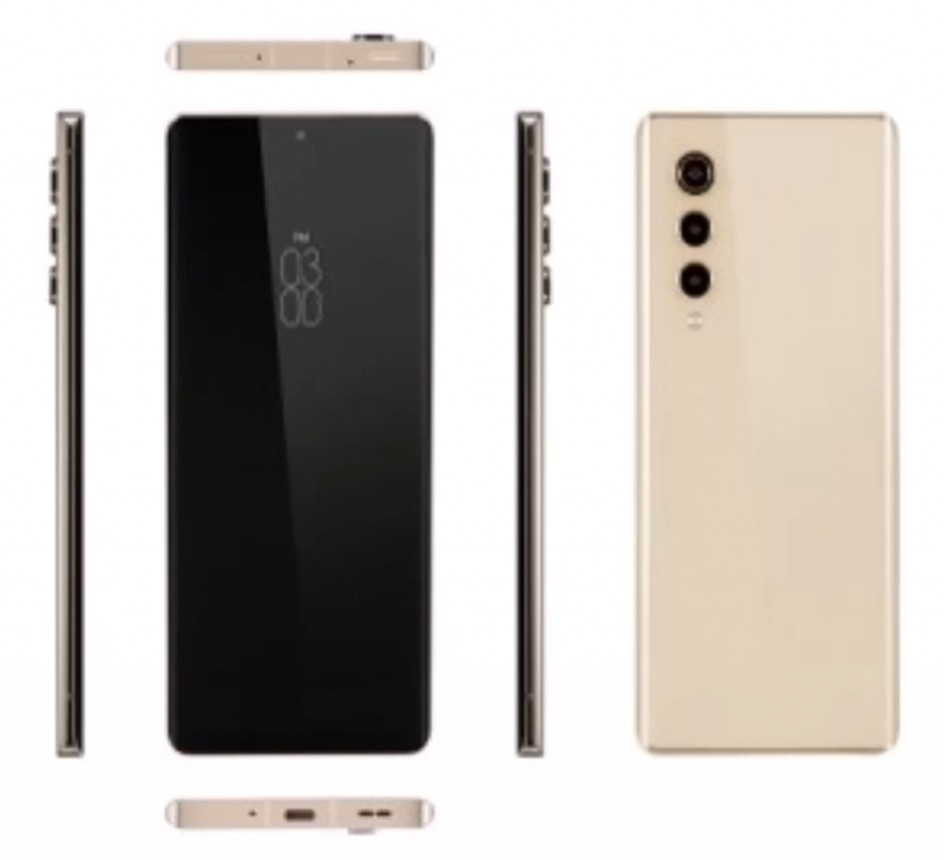
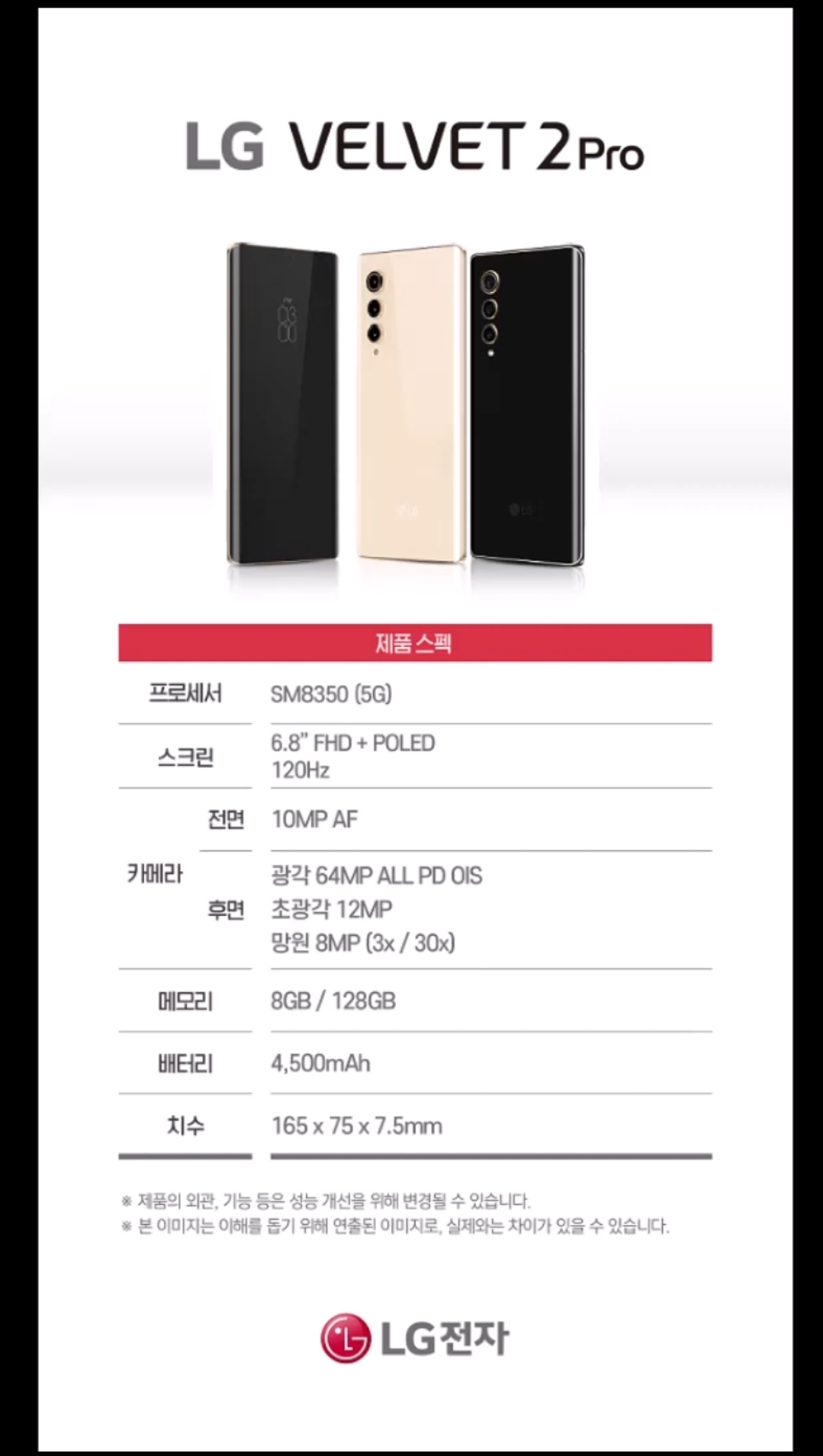
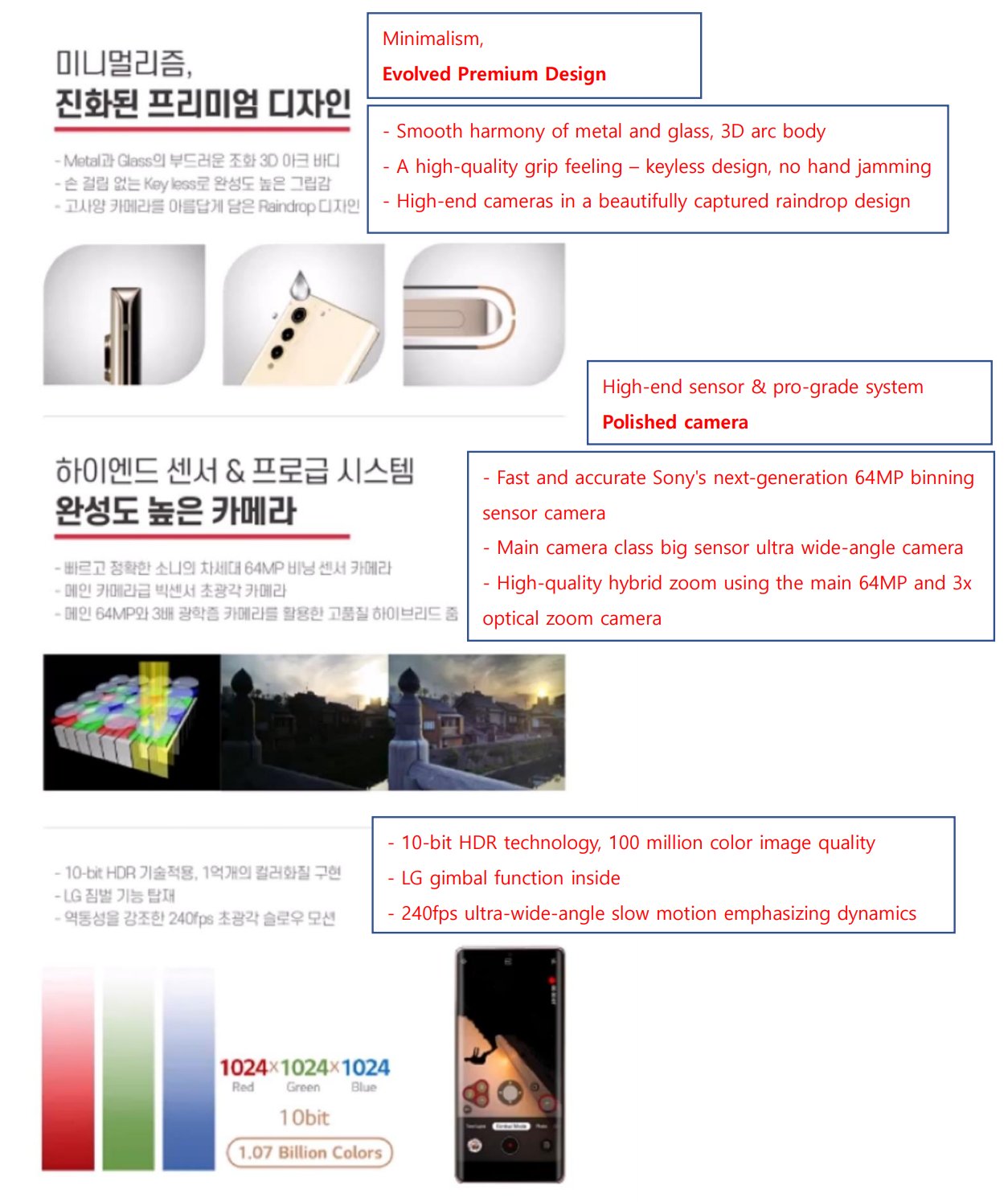
LG killed the G-series of smartphones to introduce the Velvet lineup. The LG Velvet received a good reception from critics and users. Now that LG has shut down its phone business, there will never be a successor edition for the Velvet. Even though LG is not making new phones, a live shot of the canceled Velvet 2 Pro had appeared online and it was later reported that the company is selling final units of the unreleased Velvet 2 Pro and LG Rollable to its employees. Now, tipster Tron has shared the marketing materials of the Velvet 2 Pro to reveal that it could have been a flagship device rather than a mid-ranger like last year’s model.
LG Velvet 2 Pro specifications (Rumored)
The leaked promo documents show that the LG Velvet 2 Pro would have featured the Snapdragon 888 flagship chipset. It would have sported a massive 6.8-inch P-OLED panel with FHD+ resolution, HDR, and a 120Hz refresh rate support. The images show that the display of the Velvet 2 Pro would have had curved edges.
The SD888 chip would have been coupled with 8 GB of RAM and 128 GB of storage. It would have housed a 4,500mAh battery and it would have measured only 7.5mm in thickness.
1 of 4
LG Velvet 2 Pro leaked promo material
LG Velvet 2 Pro leaked promo material
LG Velvet 2 Pro leaked promo material
LG Velvet 2 Pro leaked promo material
The rear-facing camera unit of the Velvet 2 Pro would have flaunted an OIS-enabled 64-megapixel primary camera, a 12-megapixel ultrawide lens, and an 8-megapixel telephoto camera. For selfies, it would have featured an autofocus-enabled 10-megapixel front camera. The leaked specs suggest that the Velvet 2 Pro would have been an impressive phone, but unfortunately, it will never make it to the market.
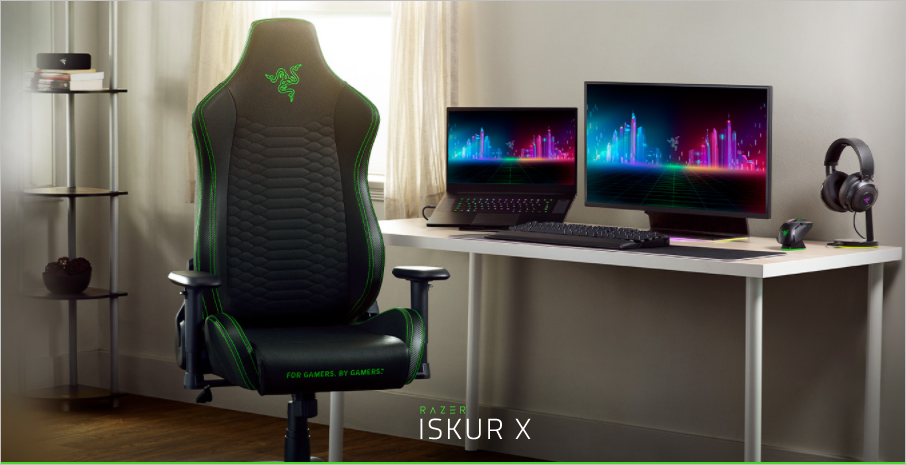
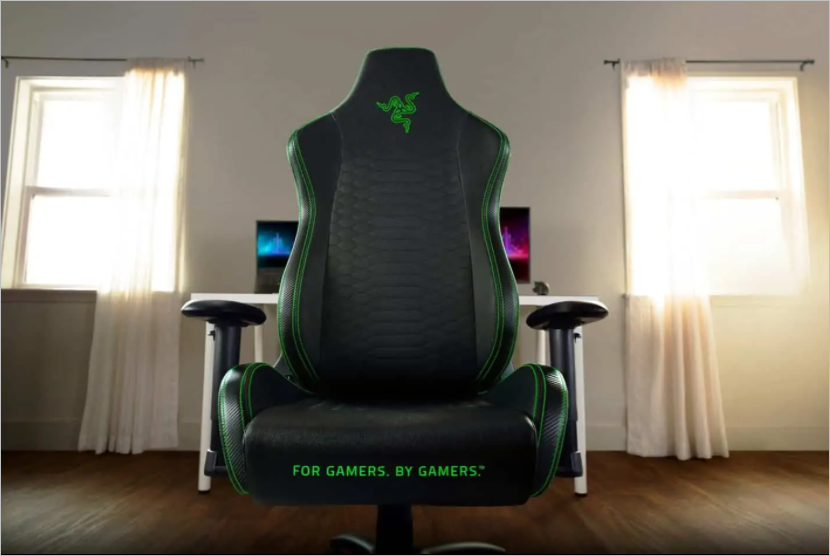
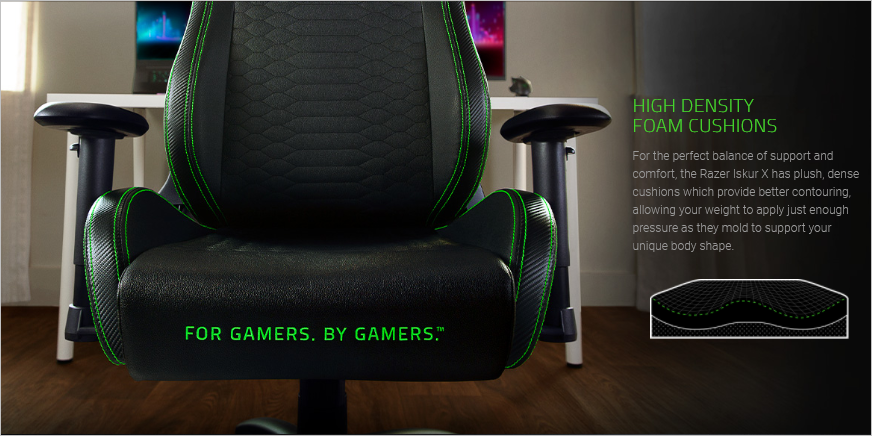
Razer has officially announced the Iskur X Gaming Chair. The Iskur X comes at a lower price compared to its predecessor but still retains most of the essential features of the Iskur Gaming Chair, which was launched in 2020. The lumbar support is left out from the Iskur X, although a lumbar support pillow is available as a separate accessory.
Much of the excellent materials deployed in the production of the Iskur Gaming Chair were also extended to the Iskur X. The durable, high-density foam inside the chair provides sufficient cushion for users and long-lasting comfort. The foam is produced from pretty durable materials, and a person can be on the chair for long periods without feeling any discomfort.
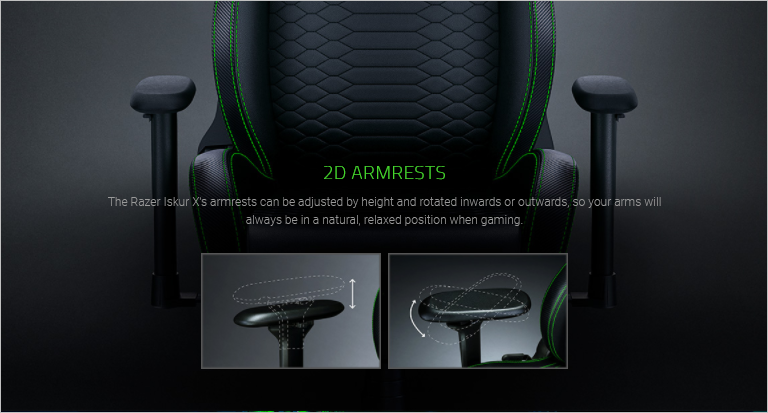
At a retail price of $399, the Razer Iskur X Gaming Chair comes cheaper. This could appeal to a segment of the gaming populace, although the reduced price implies a reduction in some aspects of the maximum comfort desired from a high-quality gaming chair. As we mentioned earlier, the built-in lumbar support, a critical ergonomic component, is left out in the Iskur X. There are also differences in the armrests between the two gaming chairs. While we have 2D armrests with the Iskur, its successor, the Iskur X has 4D armrests.
For gaming fans, a gaming chair is an important accessory for a compelling gaming experience. These customized chairs provide several features that combine to give the user an exciting experience. Razer expects its new Gaming Chair to receive a warm acceptance on the market. This could be the case with the lower price that the Iskur X will retail.
The Razer Iskur X comes with a decent price tag of $399 and is available via Razer’s website.
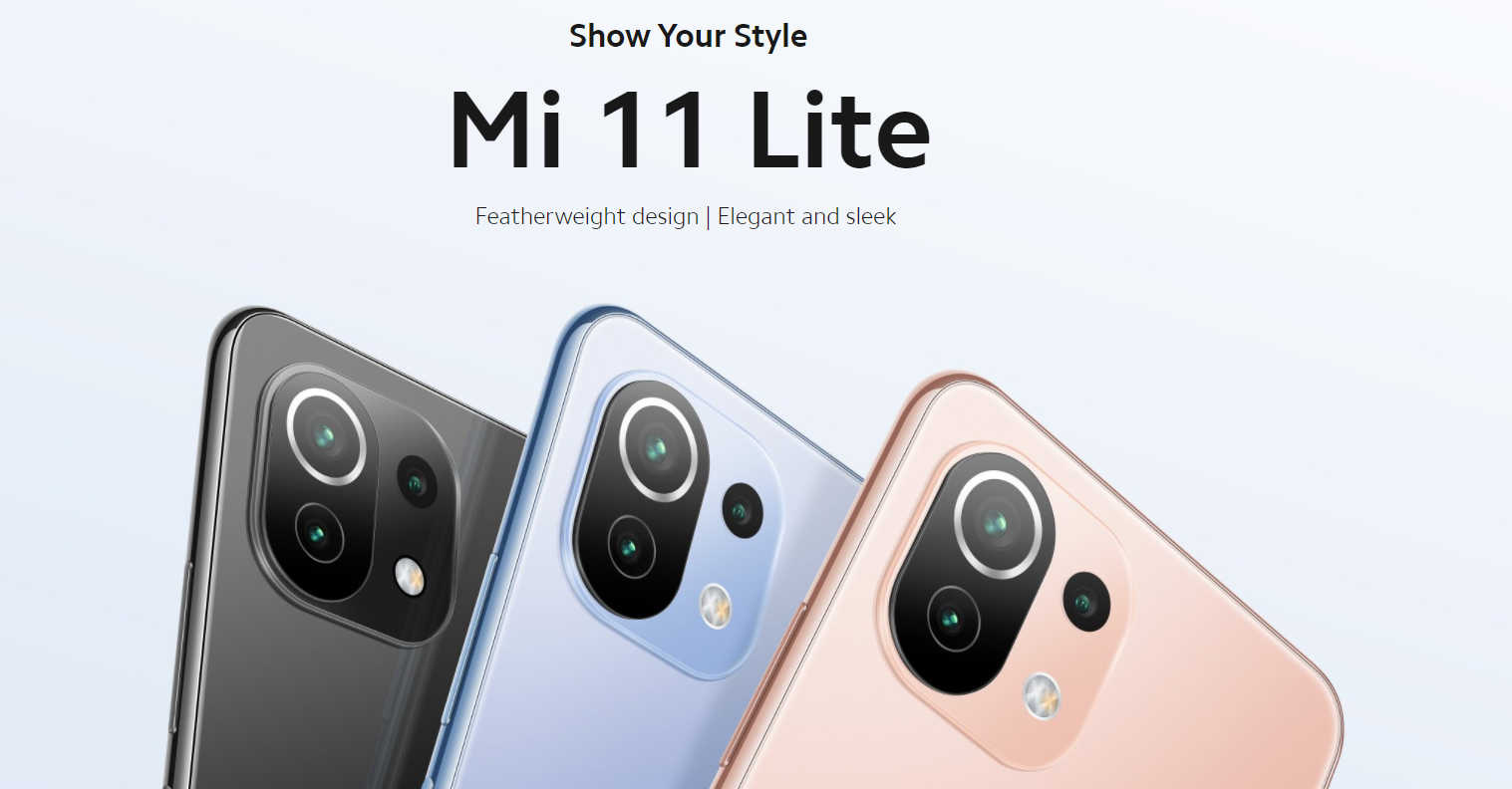
Xiaomi unveiled the Xiaomi Mi 11 Lite 4G and Mi 11 Lite 5G at the end of March this year. Yesterday, when Xiaomi India Managing Director, Manu Kumar hinted the arrival of the Mi 11 Lite in India, it was not clear whether the company will both launching both 5G and 4G variant in the country. An exclusive report by India Today Techrevealed that only the 4G edition of the phone will be made available in India. It has also tipped the pricing of the base model of the phone.
Xiaomi is unlikely to bring the Mi 11 Lite 5G in India, which is priced at 369 euros (~Rs 32,800; ~$449) in Europe. If it arrived with similar pricing in the country, it may overlap with the Xiaomi Mi 11X 5G, which has a starting price of Rs 29,999. As far as the Mi 11 Lite 4G’s price in India is concerned, the publication claimed that its base variant will cost under Rs 25,000 (~$342).
Xiaomi Mi 11 Lite
Xiaomi Mi 11 Lite 4G specifications
The Xiaomi Mi 11 Lite 4G has a slim body of 6.81mm and weighs 157 grams. The device houses a 6.5-inch AMOLED screen that comes with features like FHD+ resolution, a 20:9 aspect ratio, a 90Hz refresh rate, HDR10+, and Gorilla Glass 5 protection. It runs on MIUI flavored Android 11 OS and it has a side-mounted fingerprint scanner for security.
The Snapdragon 732G SoC powers the device, and it features a 4,200mAh battery that supports 33W rapid charging. It has a front camera of 16-megapixel, and its rear camera setup has a 64-megapixel primary camera, an 8-megapixel ultrawide lens, and a 5-megapixel macro camera.
In January, reliable tipster Ishan Agarwal had claimed the Mi 11 Lite will be available in three options such as 6 GB RAM + 64 GB storage, 6 GB RAM + 128 GB storage, and 8 GB RAM + 128 GB storage. It is likely to sell in hues like black, blue, and pink.
We use cookies on our website to give you the most relevant experience by remembering your preferences and repeat visits. By clicking “Accept”, you consent to the use of ALL the cookies.
This website uses cookies to improve your experience while you navigate through the website. Out of these, the cookies that are categorized as necessary are stored on your browser as they are essential for the working of basic functionalities of the website. We also use third-party cookies that help us analyze and understand how you use this website. These cookies will be stored in your browser only with your consent. You also have the option to opt-out of these cookies. But opting out of some of these cookies may affect your browsing experience.
Necessary cookies are absolutely essential for the website to function properly. This category only includes cookies that ensures basic functionalities and security features of the website. These cookies do not store any personal information.
Any cookies that may not be particularly necessary for the website to function and is used specifically to collect user personal data via analytics, ads, other embedded contents are termed as non-necessary cookies. It is mandatory to procure user consent prior to running these cookies on your website.